Toshiba has released the 4K UHD Google-powered M550 and C350 series of Smart TVs in India. Smart technologies such as Google TV, Regza Engine, Dolby Vision Atmos, Game Mode, and bezel-less designs on the M550 and C350 flagship series TVs will improve the viewing experience in India.
Toshiba C350L Series
The chic C350LP 4K Google TV series is available in 43-inch and 55-inch sizes and has a solid metal stand at the bottom. The REGZA Engine, which powers the TV and has been calibrated by Color Remaster for accurate reproduction of true color, features a 4K resolution.
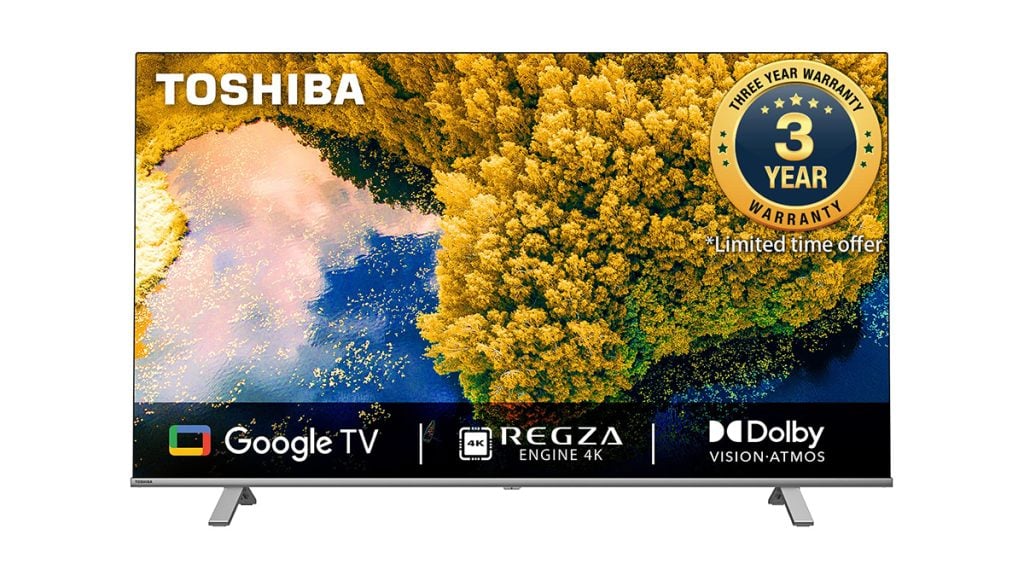
Additionally, the device has Dolby Vision HDR in addition to Ultimate Motion, Sport Mode, and Game Mode with ALLM. Regarding audio output, the TV is compatible with Dolby Atmos powered by REGZA Power Audio. For connectivity, it includes Dual Band Wi-Fi, BT 5.0, and other popular interfaces. The device also features 3 HDMI ports and x2 USB ports.
Toshiba M550L Series
Buyers of the Toshiba M550 TV can take advantage of the REGZA Engine 4K PRO CPU every day to get exceptional performance and stunning graphics. In order to keep you interested in audio and video throughout the day, it also boasts Quantum Dot technology and excellent Dolby Atmos sound. This TV also includes built-in gaming and sports modes, allowing you to stream and play games in a very enjoyable way. Additionally, this TV boasts a Google voice assistant that enables hands-free operation of your preferred TV features and programming.
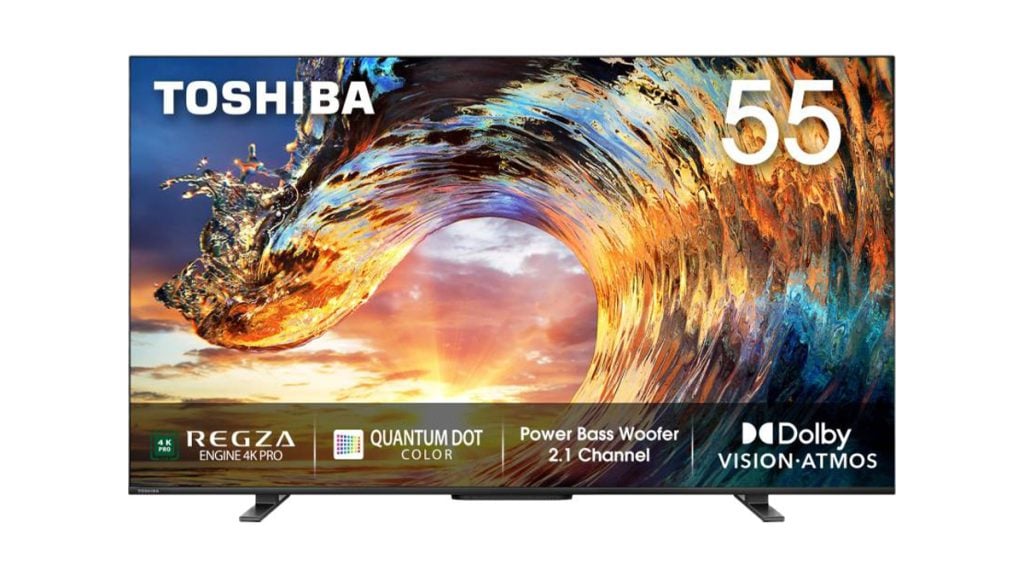
The M550 series has a dedicated 20-watt “Strong Built-in Woofer” at the back, and the 10-watt left and right channel speakers produce a powerful 40 watts of sound that fills the room. It has built-in compatibility for Apple Home Kit, Chromecast, and AirPlay. This TV also has a game mode with Auto Low Latency Mode (ALLM), Variable Refresh Rate (VRR), and Far Field Voice Control.
The Toshiba M550 series will be offered in two sizes: 55-inch and 65-inch.
Pricing and availability
Amazon will sell the Toshiba C350 series in 43′′ and 55′′ sizes, with prices starting at Rs. 29,990 and limited-time introductory launch offers of 2 years of extended warranty. Meanwhile, the 50′′ C350 is available from Flipkart for Rs. 34,990.
The Toshiba M550 series in 55-inch and 65-inch sizes will be offered by Flipkart starting on July 22 for Rs. 54,990 and Rs. 84,990, respectively.
RELATED
- Toshiba semiconductor production to rise by over 200% with new site
- TOSHIBA launches L50, U50 & U79 series of smart TVs in India starting at ₹12,990 ($174)
- Best Wireless Earbuds For 2022: Here Are Our Top Picks