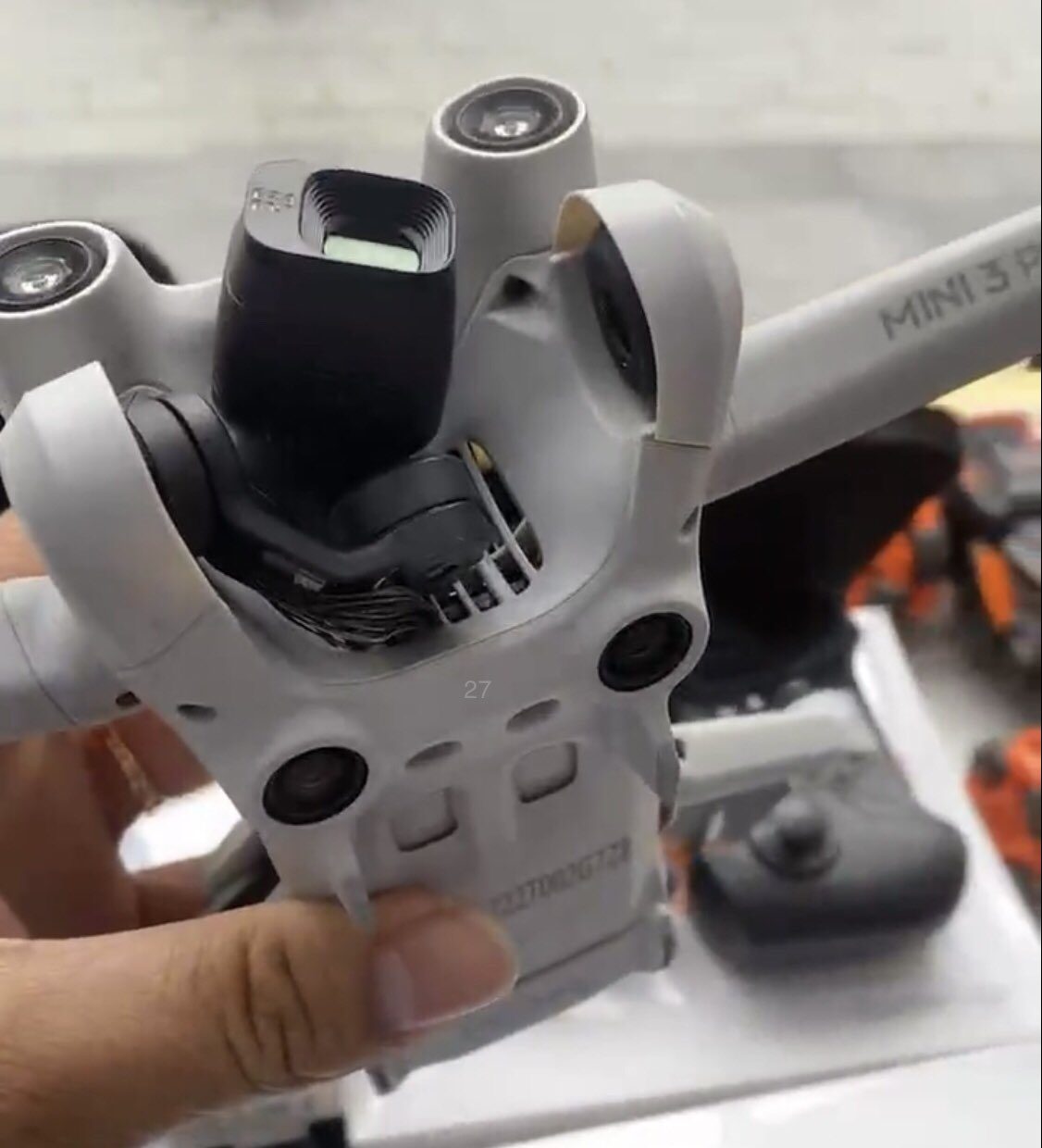
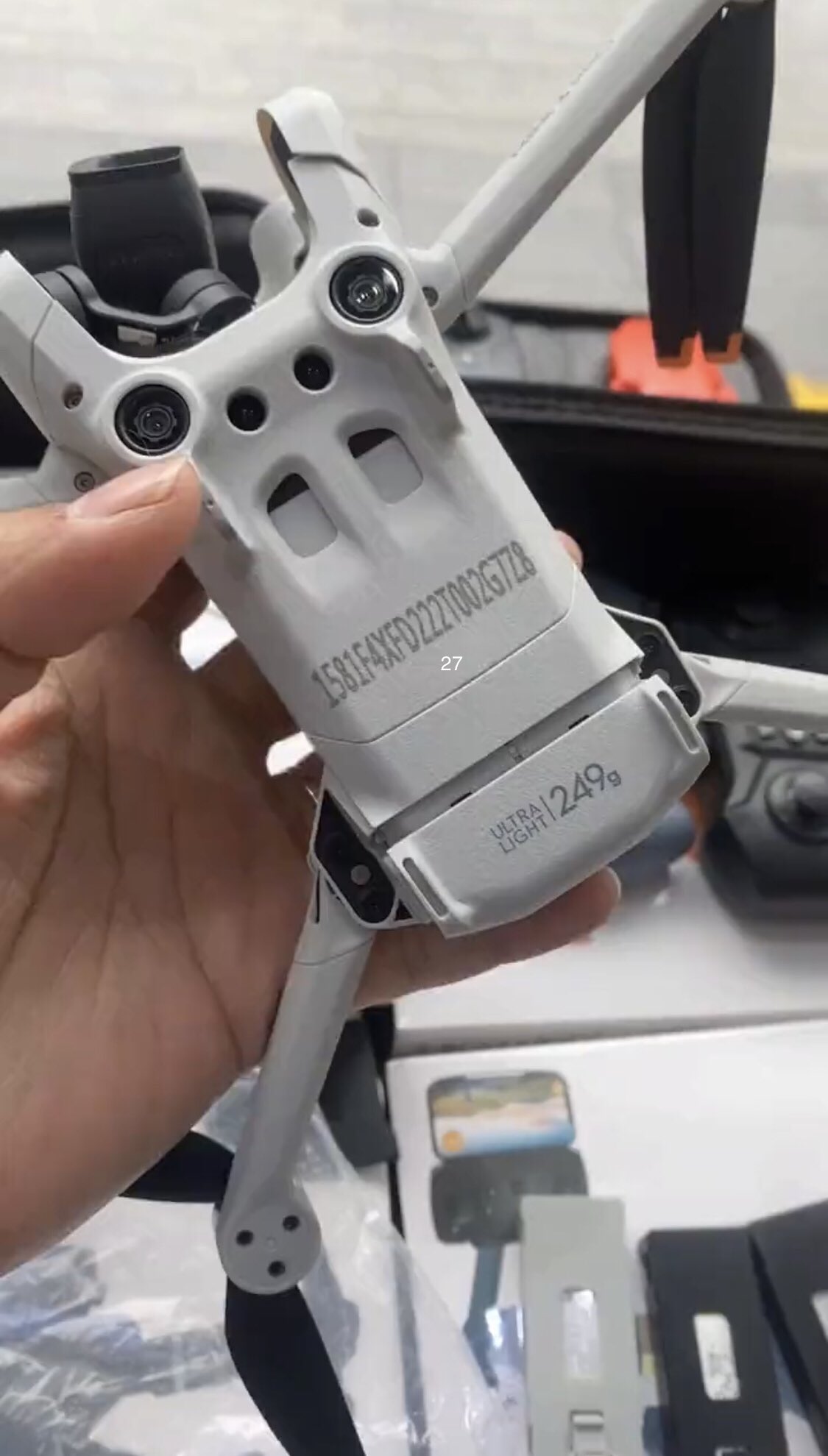
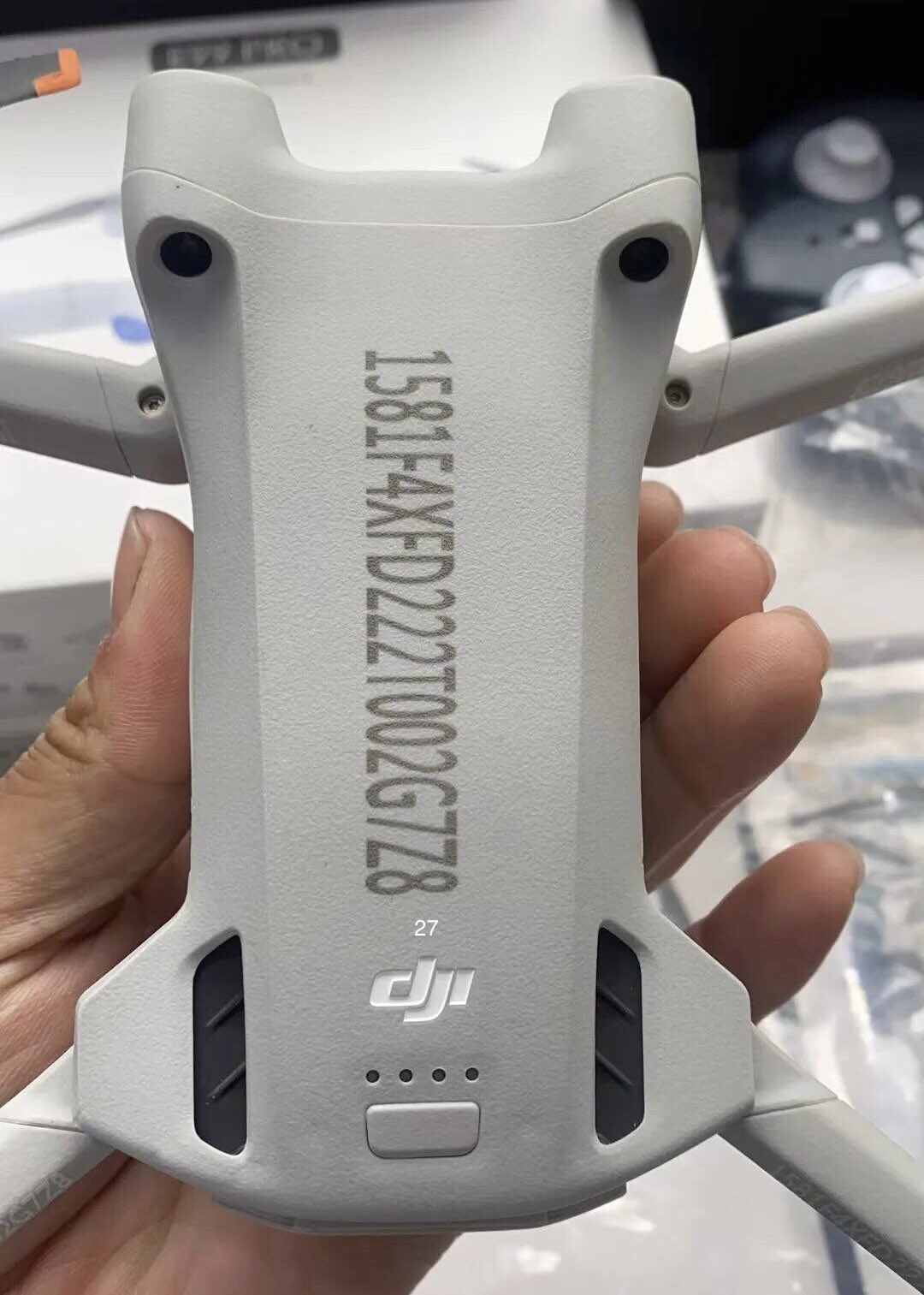
The buildup to the launch of the DJI Mini 3 drone has been taken several notches higher by a leaked video of the drone. The leaked video revealed four major features of the DJI Mini, thus putting the gadget in a better perspective.
The leaked video and photos of the DJI Mini indicate that the product may have been undergoing testing since March, pending its full release. The video was published via a tweet by @DealsDrone showing a drone branded with Mini 3 Pro on its front arm. Several insights were presented by the leaker about the much-anticipated drone. As per the leaked video, it is expected that the machine will weigh just under 250g, which is as light as it can get. The sub-250 gram weight of the aircraft makes it possible to fly the drone with minimal regulatory requirements. The device will not need any FAA registration if it is used in the United States.
The DJI Mini 3 Pro also comes with improved camera performance and video stabilization. The video indicates that the DJI Mini 3 Pro could feature an improved camera sensor with a maximum aperture to facilitate a premium performance even in low-light situations. A three-axis mechanical gimbal will also be part of the Pro setup. This guarantees better video stabilization. It is however unclear whether both sides of the drone will feature the gimbal.
The leaked video also indicates that the DJI Mini 3 will come with improved obstacle avoidance sensors. The two forward-facing and downward-facing sensors will provide an excellent operation of the device without hitting obstacles. The DJI Mini 3 will also have an improved flight time, thanks to its 2,453 mAh battery. So we are looking at a flight time of 31 minutes for the aircraft. As we await the rumored launch of the DJI Mini 3 lineup this April, we expect an official announcement from DJI in the coming days.
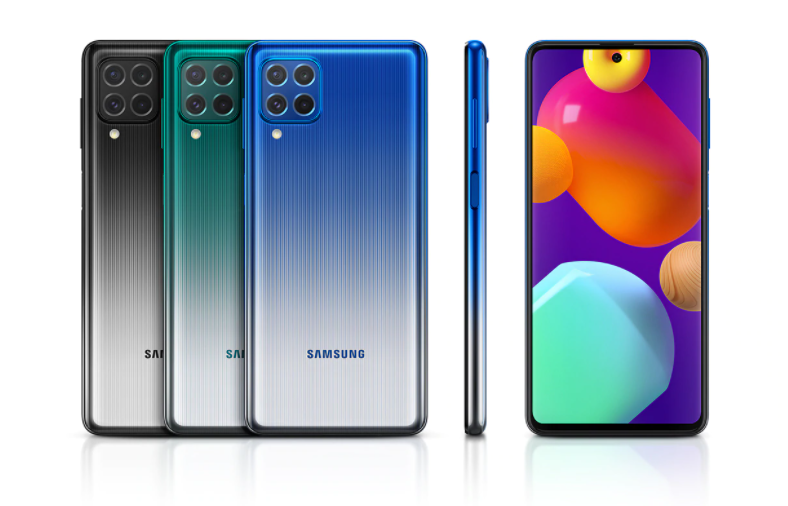
Samsung Galaxy M62 has reportedly started receiving the Android 12-based One UI 4.1 updates after its debut with One UI 3.1 last year. The updates will sequentially roll across different regions until it covers everywhere. The following countries will kick start the updates: Saudi Arabia, Indonesia, United Arab Emirates, and Brazil.
Samsung Galaxy M62
The Samsung Galaxy M62 came with the Android 11 operating system from the box and the new One UI 4.1 update comes with an enhanced design as well as several other features. The updates bundles bug fixes, performance improvements, and device stability for the Samsung Galaxy M62. The One UI 4.1 offers a revamped design with a color palette and an improved general outlook.
The new update also comes with the Android security patch for March 2022. The new firmware version is M625FXXU2BVC3 and will automatically prompt for it in the specified countries. However, users of the Galaxy M62 can manually check for the update by accessing their smartphone’s settings menu. Once they open the settings and proceed to the Software update option, the firmware can be downloaded. Other countries will follow subsequently for the Galaxy M62 One UI 4.1 update although that detail is yet to be specified.
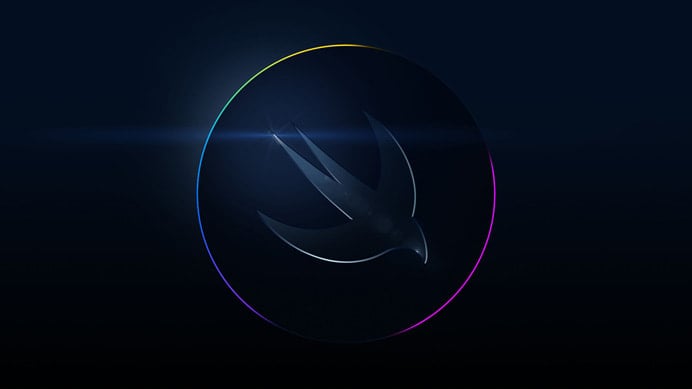
Apple has officially announced the date of its much-anticipated Worldwide Developers Conference (WWDC) 2022 event. This will be the company’s 33rd event and we are expected to see new software updates from the company.
Apple has confirmed that WWDC 2022 will commence from June 6 to June 10. The event will be digital once again, meaning no in-person events or gatherings.
This time around, the company has planned to offer more informative sessions and labs for the developers to learn about the software updates and features that will be introduced at the forthcoming event. Despite the fact that the event will be held entirely online, a limited number of developers and students will get a chance to witness the keynote and State of Union presentations in Cupertino, California on June 6.
Apart from the developers at Apple Park, the company will also offer support to outside developers who love to code through its traditional Swift Student Challenge. Those who wish to participate in the challenge will have to create a Swift playground app project on a topic of their choice. The project needs to be submitted before April 25 to Apple via its website.
Apart from this, we are expected to see new versions of all Apple software skins. The company will likely unveil the iOS 16, iPadOS 16, watchOS 9, macOS 13, and tvOS 16 at the event. We could also see some hardware launches at the event. Currently, there’s a lot of buzz around the upcoming MacBook Air and Apple silicon Mac Pro. That being said, we may expect either or both of these devices at the event.
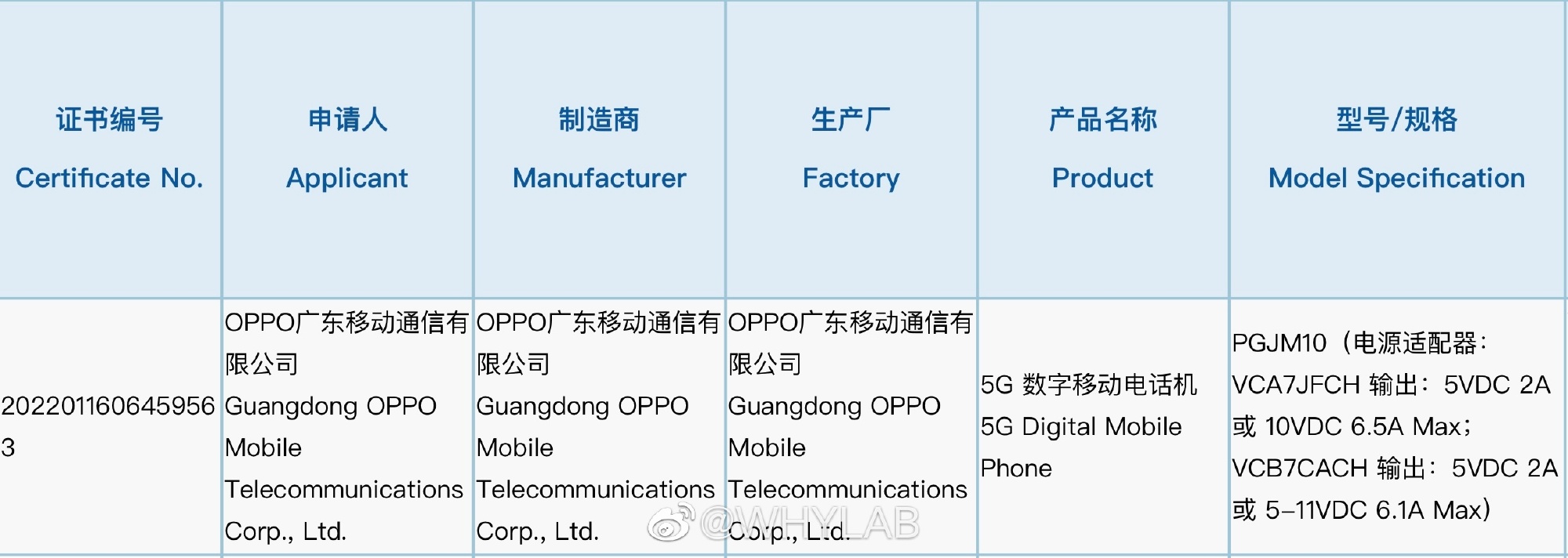
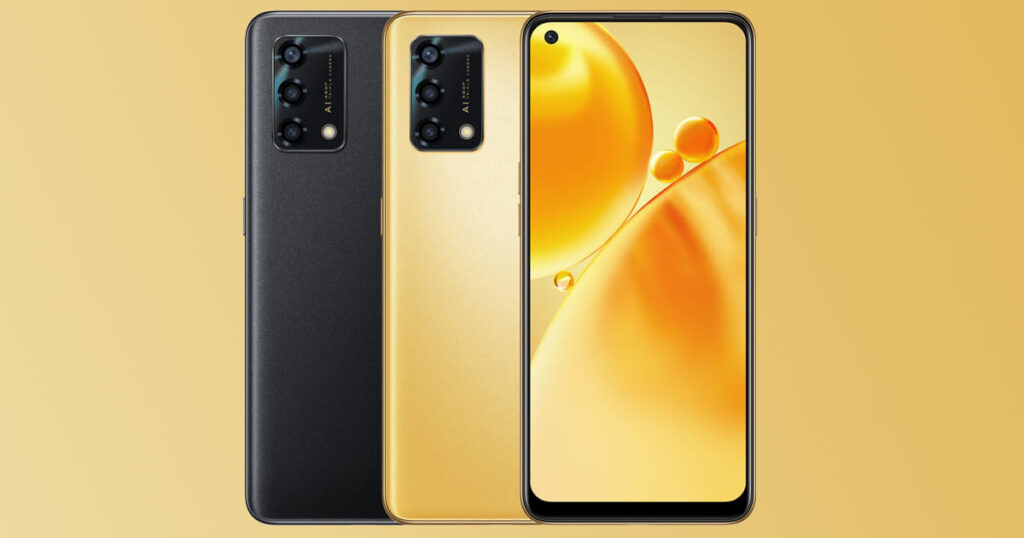
Oppo seems to have an upcoming mid-range phone in the pipeline as a new device with model number PGJM10 has passed the 3C certification in China. The smartphone has a single-cell battery and is expected to launch sometime later this year.
The Oppo PGJM10 has appeared on China’s 3C certification site and it reveals the charging speed supported by the phone. The device has 67W fast charging technology and packs a single-cell battery, unlike many new phones.
The tipster, WHYLAB, suggests that this phone will be an upcoming mid-range device from the brand. It could have a flexible OLED screen like the Realme GT Neo3(via).
That’s all we have for this device as of now. But, since the phone has passed its first certification, we expect it to appear in the news more frequently. Oppo is yet to reveal anything about this phone. and it may be a while until we see the phone on shelves.
In related news, Oppo is expected to bring its Oppo F21 Pro series this month on April 12 in India. There will be two phones — F21 Pro 4G and F21 Pro 5G. The 4G device is expected to come with a 6.43-inch 90Hz AMOLED display, 64MP triple cameras, and Snapdragon 680 SoC. Whereas, the 5G model is rumored to pack a 6.43-inch 60Hz AMOLED screen, the same 64MP triple cameras, and Snapdragon 695 SoC.
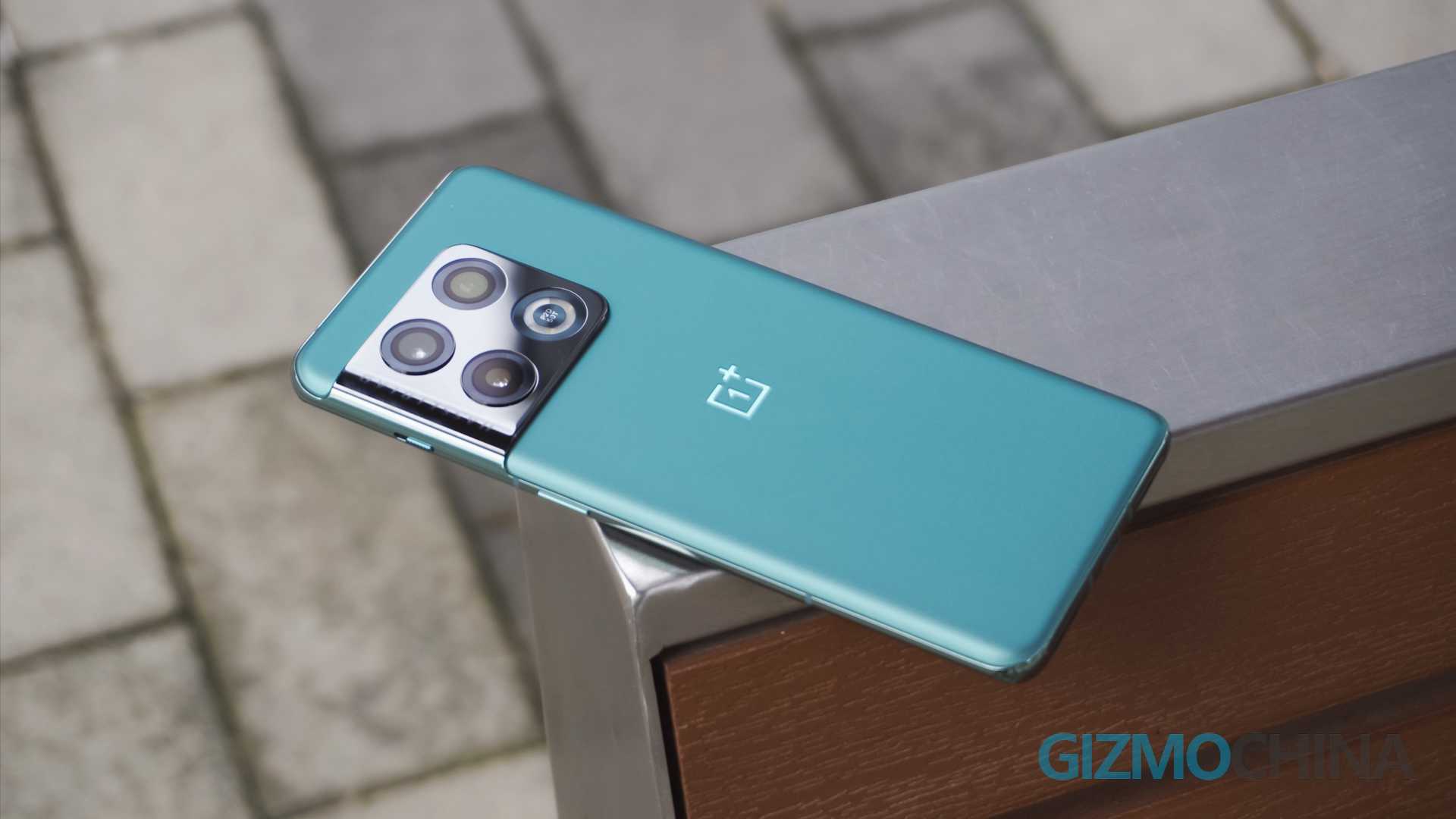
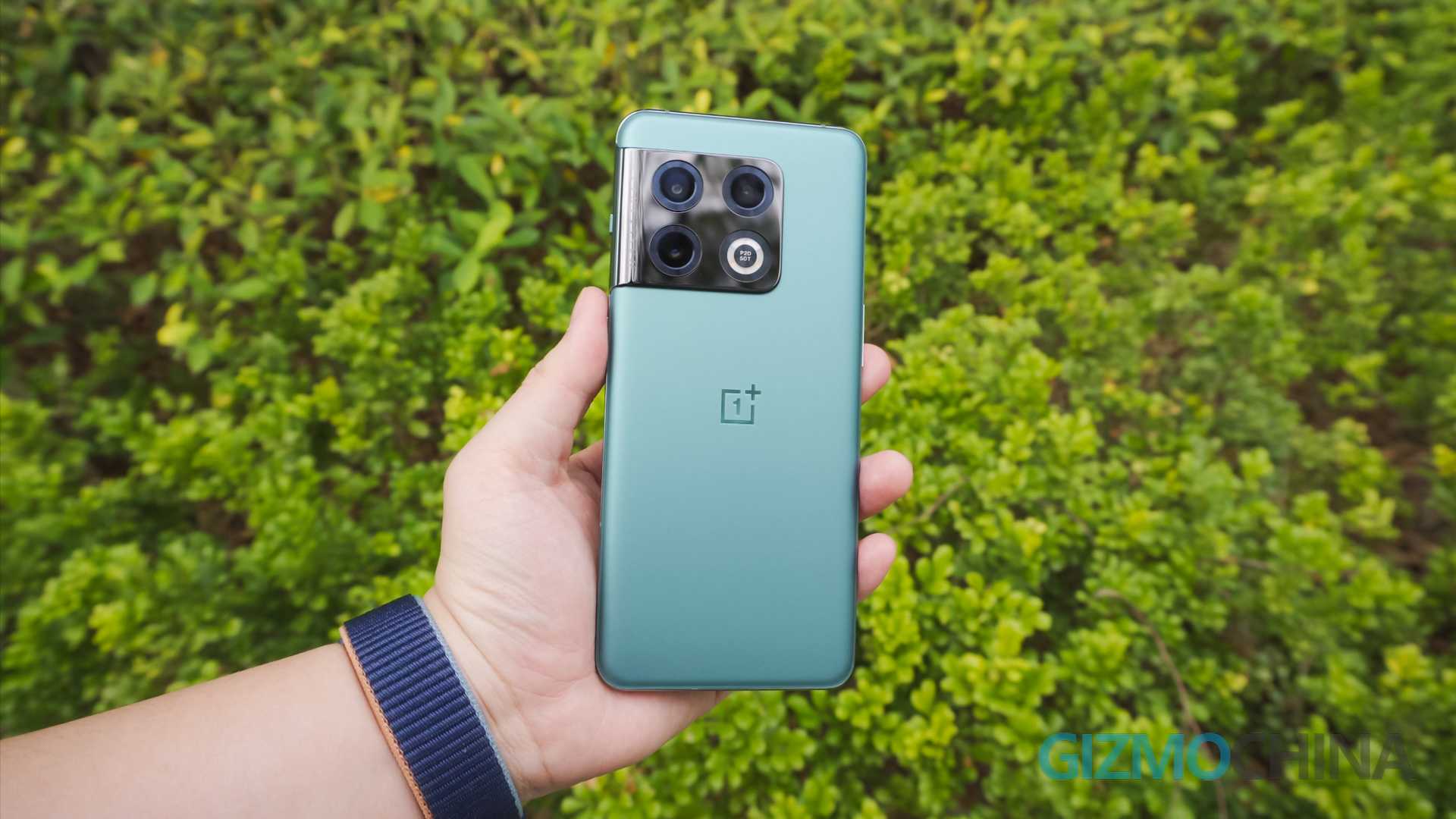
Last week, OnePlus launched the OnePlus 10 Pro (Review) in the global markets including the Indian region. The smartphone brings a new design, powerful hardware, and Hasselblad cameras. Starting today, the smartphone can be purchased in an open sale across the country.
The OnePlus 10 Pro is priced starting at Rs. 66,999(~$889) for the base 8GB RAM + 128GB storage variant and Rs. 71,999(~$956) for the 12GB RAM + 256GB storage variant. It is available in Volcanic Black and Emerald Forest color variants. The smartphone can be purchased from Amazon, the OnePlus website, and the OnePlus experience stores in the country.
OnePlus 10 Pro Specifications
The OnePlus 10 Pro sports a 6.7-inch LTPO 2.0 AMOLED panel with a variable refresh rate(1Hz to 120Hz). It is a curved punch-hole panel with 3216 x 1440 pixels(QHD+) resolution and a 20.1:9 aspect ratio. The phone has 1300 nits of brightness and Gorilla Glass Victus protection.
It is powered by the Qualcomm Snapdragon 8 Gen 1 SoC paired with up to 12GB of LPDDR5 RAM and 256GB of UFS 3.1 internal storage. It has a triple camera system at the rear with a 48MP Sony IMX789 main lens with OIS support. It is accompanied by a 50MP Samsung ISOCELL JN1 ultra-wide lens and an 8MP 3.3x telephoto unit with OIS support. Upfront, it has a 32MP Sony IMX615 sensor. The cameras are co-tuned by Hasselblad.
A big 5,000mAh battery is what fuels the system and supports 80W fast charging technology. The device also has 50W wireless fast charging support. The phone lacks a 3.5mm headphone jack but has Dolby Atmos dual speaker setup and a USB Type-C port for charging and wired music needs. The smartphone boots on Android 12 out of the box and has OxygenOS 12.1 on top.
Apple has officially increased the prices of all of its AirPods models in the market. The company has hiked the prices of AirPods Pro, AirPods 3rd Gen, AirPods 2nd Gen and even the AirPods Max. The prices have gone up by a minimum of Rs. 1,200 and the change is currently effective on Apple.com.
Starting with the Apple AirPods 2nd Gen, which is the cheapest AirPods available right now, costs Rs. 14,100. This is a Rs. 1,200 increase from the old price of Rs. 12,900. The AirPods 3rd Gen now cost Rs. 20,500 as compared to the old price of Rs. 18,500.
The AirPods Pro 3rd Gen, which was priced at Rs. 24,900 previously now costs Rs. 26,300. Lastly, the AirPods Max, which was priced at Rs. 59,900 is now available for Rs. 66,100. This is an increase of Rs. 6,200.
Interestingly, the price is changed only on the Apple.com website and not on other retail sites like Flipkart and Amazon. That said, those who were looking to buy any of these audio products from Apple should immediately head to Flipkart or Amazon and purchase them at the old price.
Here are the prices of Apple AirPods on different platforms as of writing this article.
New Price on Apple.com
Price on Flipkart
Price on Amazon
Apple AirPods 2nd Gen
Rs. 14,100
Rs. 12,058
Rs. 12,799
Apple AirPods 3rd Gen
Rs. 20,500
17,990
Rs. 17,990
Apple AirPods Pro
Rs. 26,300
Rs. 21,900
Rs. 20,490
Apple AirPods Max
Rs. 66,100
Rs. 59,900
Rs. 59,900
Do note that since the prices have officially increased, we are expected to see the new prices even on Flipkart and Amazon in the coming days.
Last week, Oppo announced the ColorOS 12 Q2 2022 rollout plan for eligible devices which are yet to receive the Android 12 update, and ahead of schedule, the company has begun the closed Beta testing on a couple of A and F series devices ahead of the schedule.
OPPO F19s
The devices receiving these ColorOS 12 Beta builds are the Oppo F19 and the F19s and the Indonesian versions of these devices, which are known as the Oppo A74 and the Oppo A95.
Oppo has commenced the first Beta testing phase on these devices and has kept the participant limit to 5000 users. To participate in the beta program, users of the Oppo F19, F19s, and A74 should be on firmware version A.23. Users of Oppo A95 on the other hand need to at least be on firmware version A.09. If you have the required firmware version, you can apply for a spot in the beta test by simply following the steps below.
Click ‘Settings’>> ‘Software Update’>> Click the settings icon on the screen>> Apply for Beta Version>>Update Beta Version. And then follow the guide to applying.
The selected applicants will get the Android 12-based ColorOS 12 beta build via OTA within 3 working days from the day of selection. If the applications quotas are full, you can wait for the next round of beta testing to participate. As for the stable release of Android 12 on these devices, the company is yet to put out any timeline, however, Oppo will likely unveil a stable release timeline in its next month’s rollout plan, so stay tuned.
Oppo will launch the Enco Air 2 Pro earbuds on April 12 alongside the Oppo F21 Pro smartphone. While the launch is just a few days ahead, there aren’t any major specs known about the Oppo Enco Air 2 Pro. But now, the tipster Mukul Sharma has leaked some specs of the earbuds and also shared their design and color variants.
The Oppo Enco Air 2 Pro appears to have a similar case design as the Enco Air 2, however, it won’t have a transparent lid. The earbuds feature an in-ear-type design and each one has a 43mAh battery. The charging case packs a 440mAh cell. As per the tipster, the earbuds will only take around 1.5 hours to fully charge and around 2 hours with the case combined.
The earbuds will offer up to 7 hours of playback without the charging case and up to 28 hours with the charging case. They will come with the Active Noise Cancellation (ANC) feature, and when it is on, the earbuds will offer 5 hours and 28 hours of playback, respectively. For voice calls, the earbuds can last for up to 3 hours when the ANC is turned on and up to 3.5 hours when the ANC is turned off.
Furthermore, the earbuds are tipped to have 12.4mm dynamic drivers, a USB Type-C port, and a transparent mode. The rest of its features include Enco Live Bass tuning and an IP54 rating.
Apart from this, we also get to learn that the earbuds have two color variants – Grey and White. The earbuds are expected to be priced at around Rs. 3,499(~$44) and Rs. 3,999(~$53).
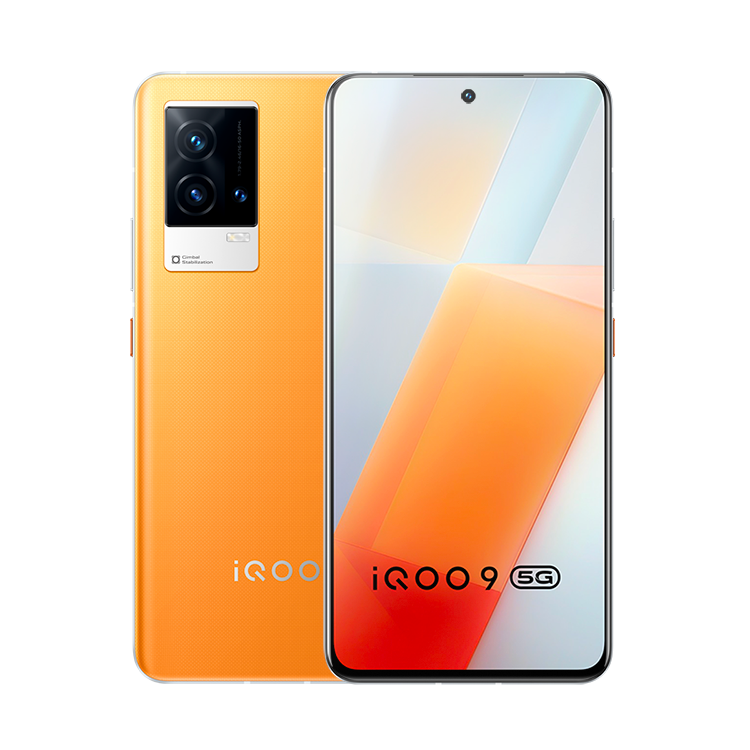
Last month, iQOO launched the iQOO 9 series flagship devices in India. The iQOO 9 smartphone was made available in two colors at launch, namely Legend (Grey) and Alpha (Black). Now, iQOO has launched a third color option for the device called Phoenix.
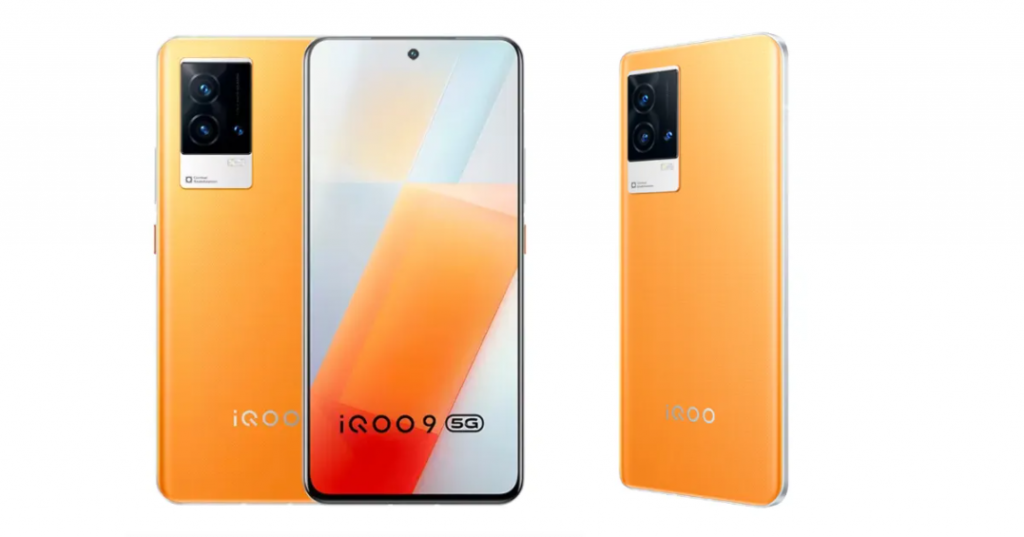
iQOO has launched the vanilla 9 model in a new Phoenix Orange color option. The company states that the new Phonix color variant is produced by a geometric craft on the Frosted AG Glass. What makes this new variant special is its capability to change color when exposed to sunlight or any artificial UV rays. In the absence of UV rays, the back of the phone remains white, but when exposed to sunlight, it’ll turn orange.
Other than the fun new color, everything else remains the same as the other two regular versions. The phone’s base model with 8GB RAM + 128GB memory is priced at Rs 42,990. The 12GB RAM + 256GB storage option is priced at Rs 46,990. Customers can purchase the device with their HDFC cards for as low as Rs 38,990 in the form of no-cost EMI options and other offers from Amazon India.
iQOO 9 specs & features
This premium offering from iQOO comes featuring a 6.56-inch Full HD+ AMOLED display with a 120Hz refresh rate and 300Hz touch sampling rate. It has an in-display fingerprint scanner for security.
Under the hood, the device houses a Snapdragon 888+ SoC paired with up to 12GB of LPDDR5 RAM and 256GB of UFS 3.1 internal storage. The device also features a liquid cooling system and an intelligent display chip for MEMC as well as SDR to HDR conversion. The phone packs a 4350 mAh battery with support for 120W fast charging. The device boots Android 12 out of the box with the FunTouch OS 12 skin applied on top.
For photography, the iQOO 9 features a 48MP Sony IMX598 primary sensor with gimbal OIS, a 13MP ultrawide-cum-macro snapper, and a 13MP 2x telephoto shooter. On the front, the device has a 16-MP selfie snapper.
After launching the OnePlus Nord CE 2 in February, the Chinese phone maker is all set to launch its lite variant dubbed the OnePlus Nord CE 2 Lite. The device is expected to launch this month and ahead of its release, the phone’s specs and design have been revealed.
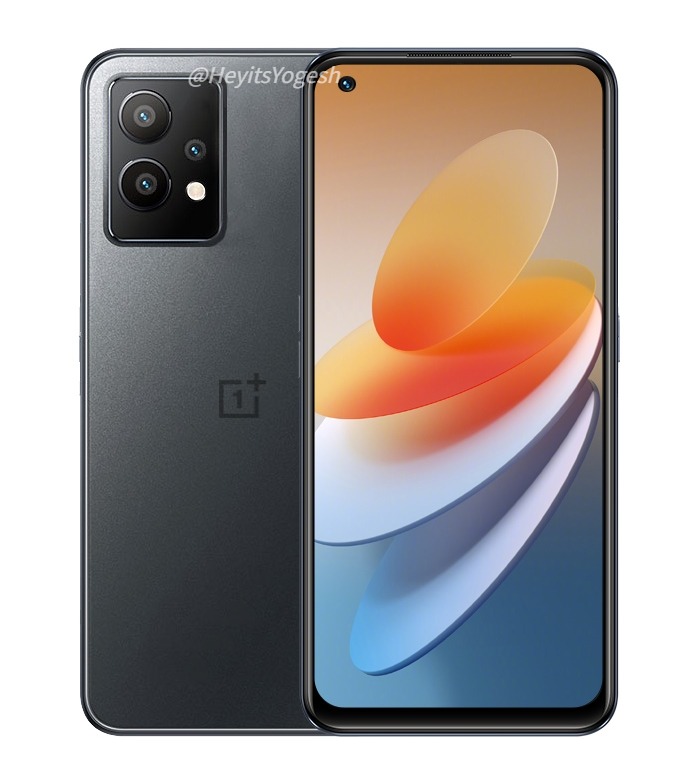
The tipster Yogesh Brar has given out the budget phone’s specs along with a render. As per the image, the smartphone has an identical design to the Realme 9 Pro. In fact, even the specs are somewhat the same.
OnePlus Nord CE 2 Lite Specifications
The smartphone boasts a 6.58-inch punch-hole display with a Full-HD+ resolution. It is an LCD panel with a 120Hz refresh rate. It appears to have the earpiece on the top and the volume rocker on the left and the power button on the right. This power button will double up as a side-mounted fingerprint scanner. Unfortunately, the phone doesn’t have an Alert Slider.
It sports a triple camera system at the back and the lenses are positioned exactly like the Realme 9 Pro’s camera. However, the sensors differ. The setup on the Nord CE 2 Lite goes by a 64MP main lens, a 2MP mono lens, and a 2MP macro lens. It features a 16MP selfie snapper.
Powering the 5G smartphone will be the Qualcomm Snapdragon 695 SoC paired with 6GB/8GB of RAM and 128GB of internal storage. It houses a 5,000mAh battery and 33W fast charging support. It boots on OxygenOS 11 and will have Android 11 OS.
Apart from this, the phone was spotted on the Bluetooth SIG certification site previously. It has Bluetooth v5.1 support and the model number GN2200. In terms of the pricing. The phone is expected to come under sub-Rs. 20,000(~$265) in India.
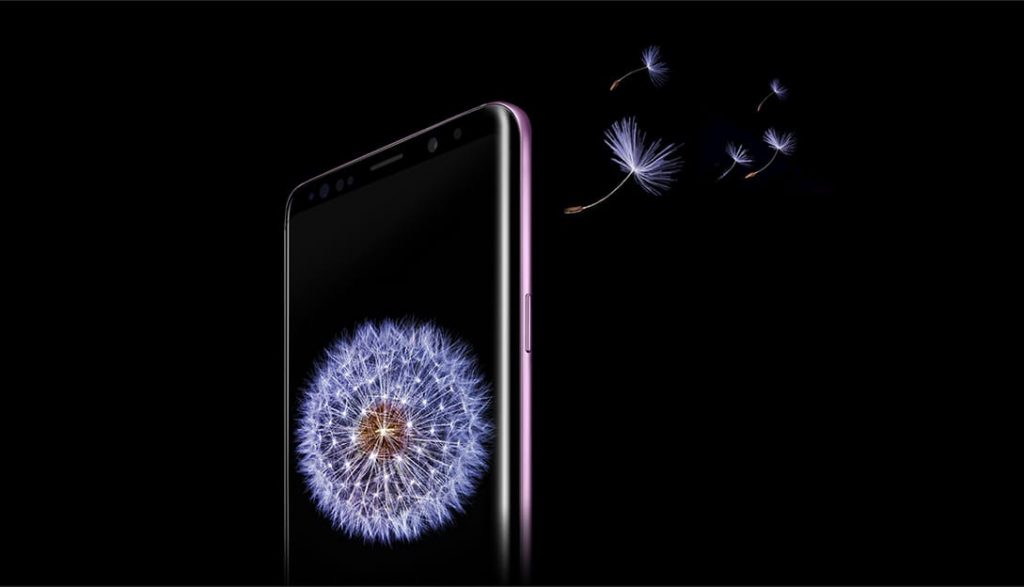
The legendary Galaxy S9 series has finally hit the end of the road with regards to software updates and Samsung has removed it from the support list, meaning the series will not be getting updated any further.
Both the Galaxy S9 and S9+ currently run Android 10 based on One UI 2.5, which while is quite dated version-wise, is fairly up to date in terms of security, since Samsung has been rolling out security updates for both of the devices for around three years now.
The company recently increased software support to some of its newer devices to an industry-leading 5 years, but sadly, the Galaxy S9 series will not be benefitting from it.
Thankfully, the duo has a fairly active custom ROM development scene, so if the dated software is a point of bother and you’re unwilling to switch over to a newer device, then installing an Android 12-based ROM should freshen up the devices.
As with nearly every Galaxy S series flagship phone, the S9 series comes in two regional variants — one with the Snapdragon 845 and the other with the Exynos 9810. The former is limited to the US, Latin America, and China while the rest of the world gets the latter.
The Samsung Galaxy S9 packs a 5.8-inch curved screen while the S9+ uses a larger 6.2-inch panel with a higher resolution. In terms of cameras, the S9 comes with a single 12MP rear camera while the S9+ comes with a dual-camera setup comprising 12MP primary and 12MP telephoto units.
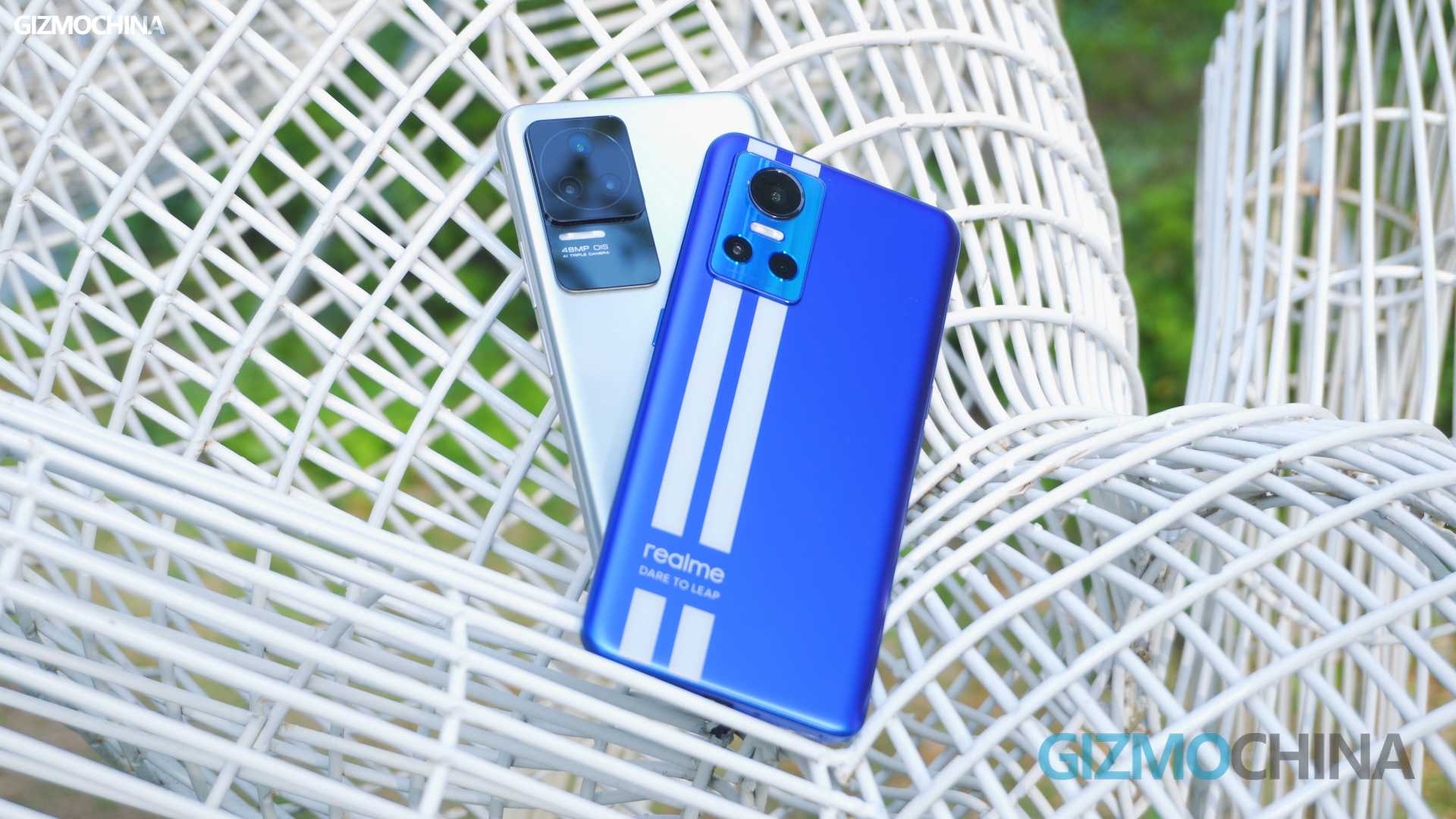
When you see the title, you know exactly what we are going to do in this article. Yes, we are pitting the Redmi K50 vs realme GT Neo3, which is your most expected comparison this week. This article can also be used as a review for the realme GT Neo3, as we will be comparing every aspect of the two phones.
I believe that after reading this article, you will not be confused as to which phone to buy.
realme GT Neo3 vs Redmi K50: Design & Display
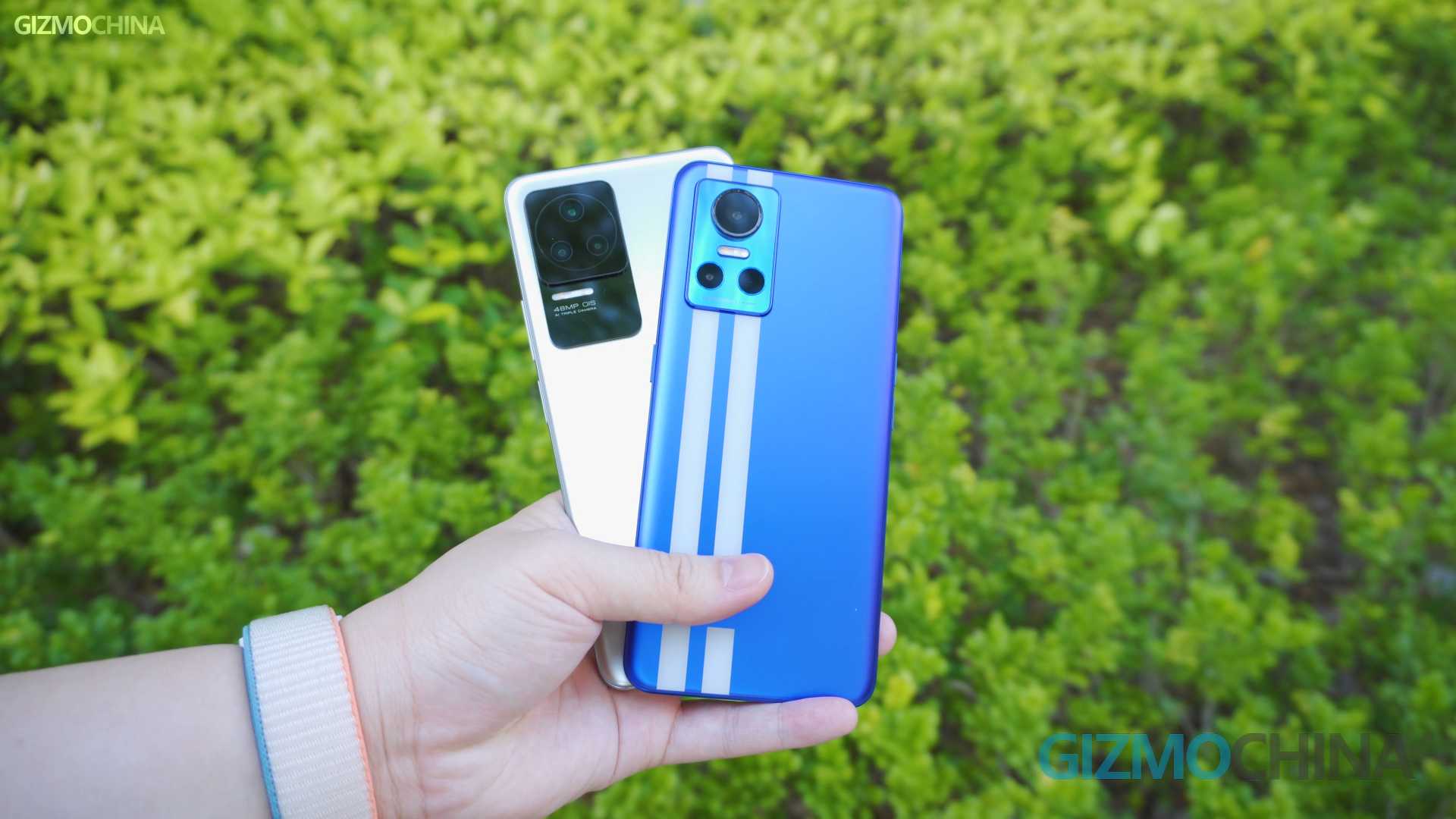
I don’t think anyone would buy either of them because of their design. They both look equally bad to my eyes. If the Redmi K50 just has an ugly-looking camera module, then the Neo3 is just too boring with its realme style back cover. Except for the color, they both look similar. The purple Neo3 we have is the main color recommended by realme. But I prefer the other two colorways because highly saturated colors get tiresome quickly.
Although Neo3 does not have an IR emitter, it is 13g lighter than K50. The under-screen fingerprint is also located further down and is a little slower than the K50’s side fingerprint. It’s really hard to say which phone is better in terms of design and functionality because everyone is at a similar level at this price point.
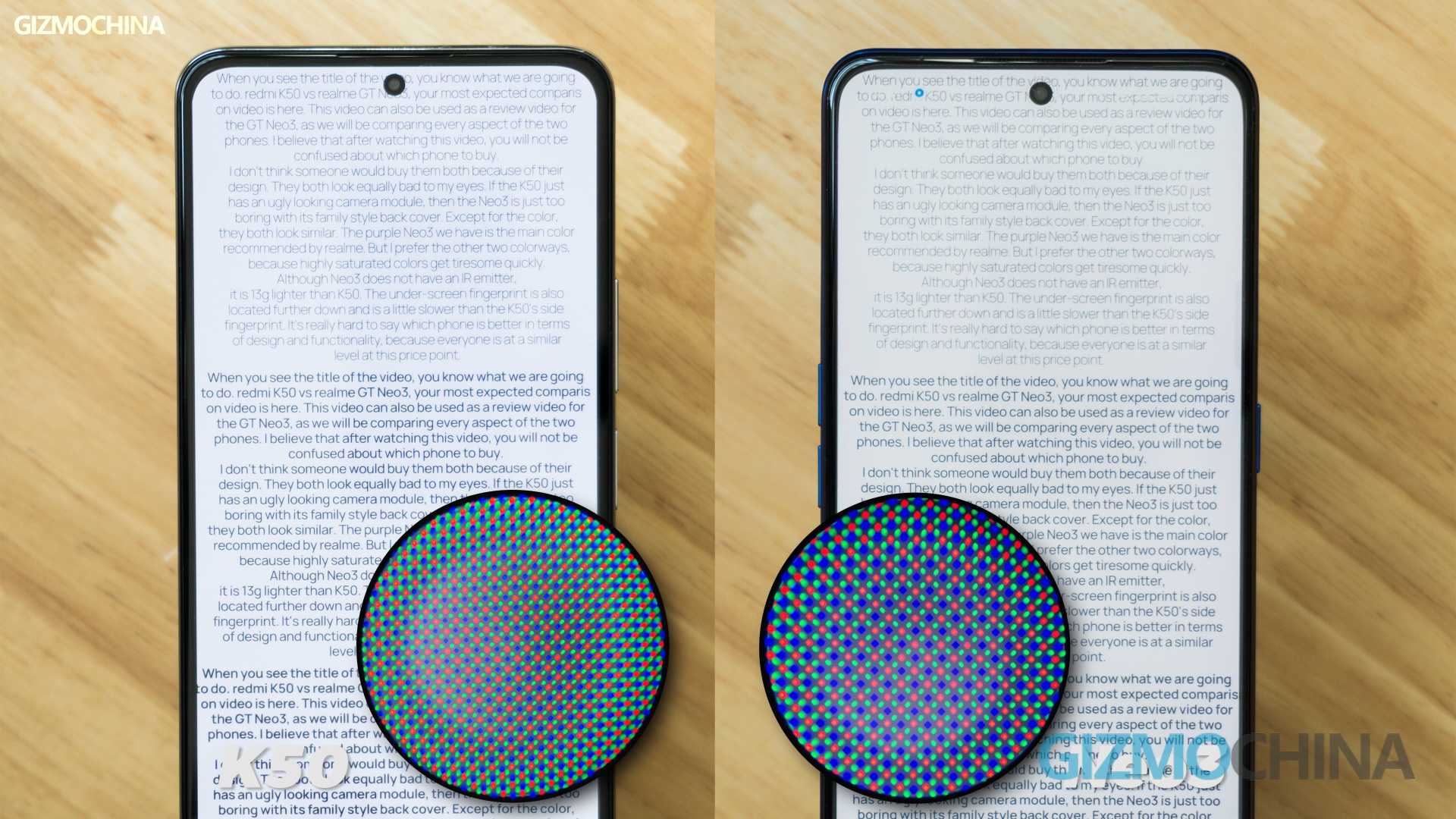
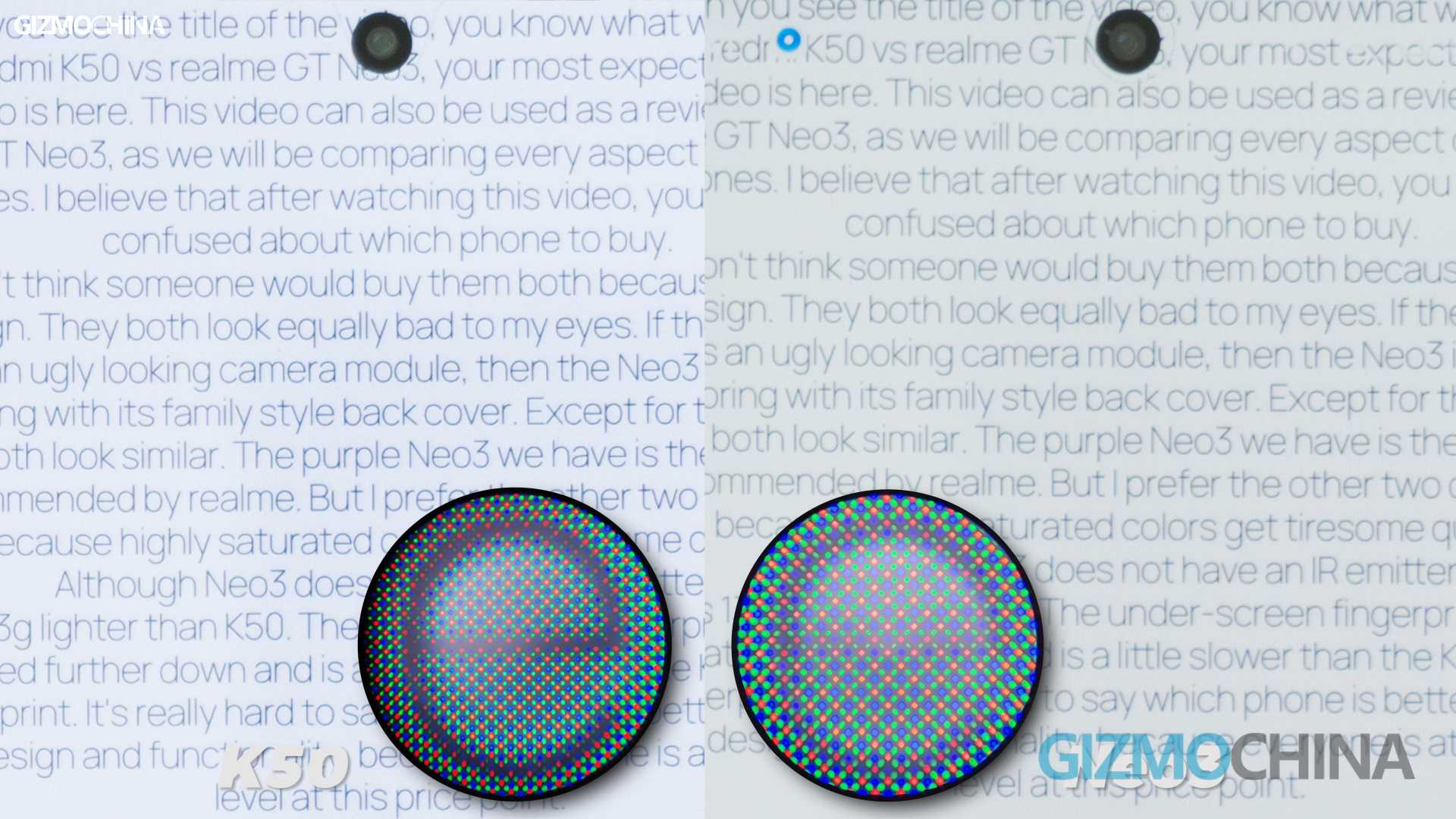
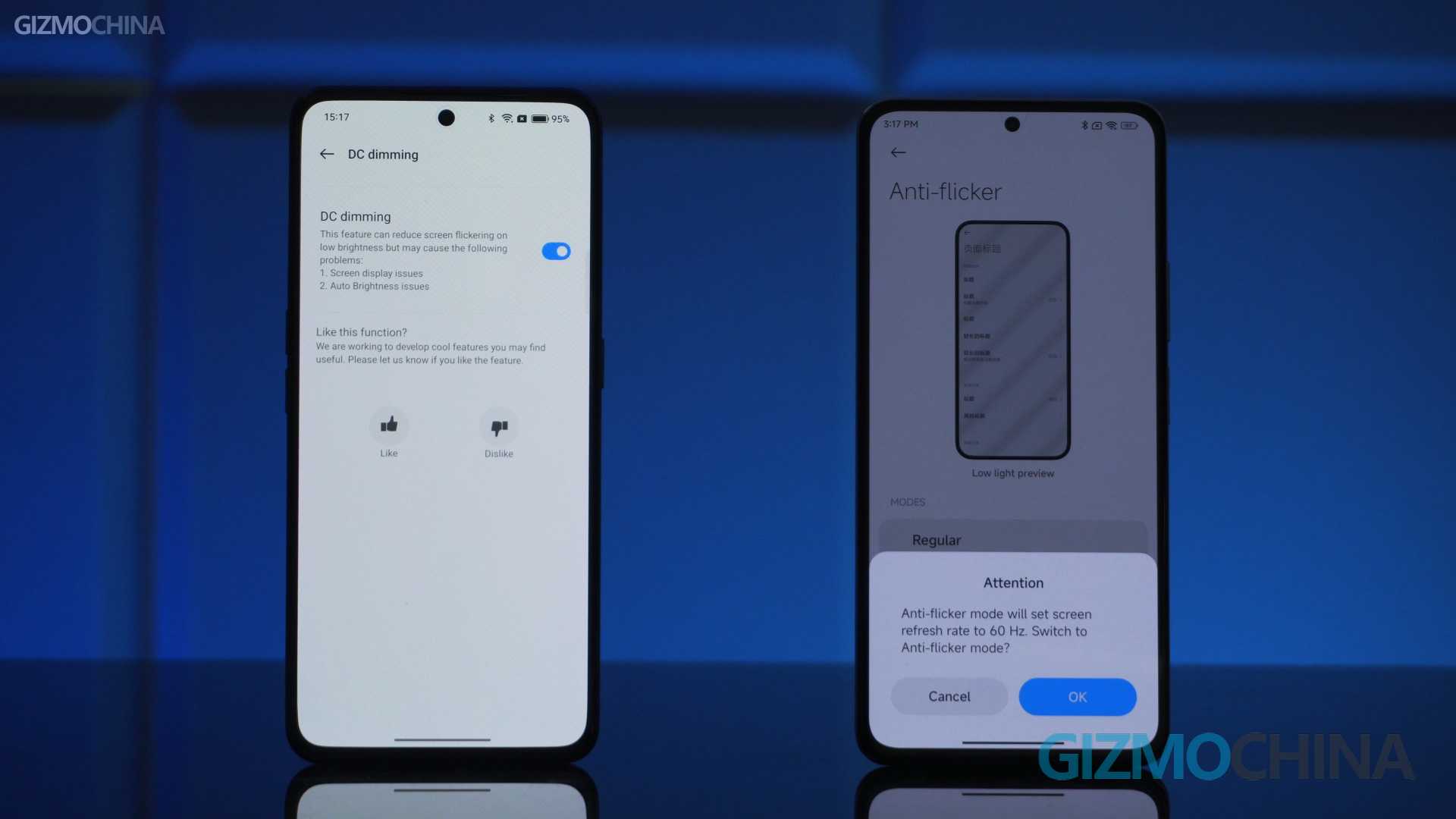
The Neo3’s screen is a flexible OLED screen from a Chinese manufacturer with a FHD+ resolution. If we only look at the specs on paper, the Neo3’s screen seems poor. Actually, it’s not. During our experience, it performed better than expected. The color accuracy is great, and the brightness is high. And there is 120Hz DC dimming, the K50’s DC dimming is still 60Hz for now. The Neo3’s disadvantage is its resolution.
The K50’s WQHD+ screen is so good that the pixel density is twice as high as the Neo3’s under the same microscope screen. If you have very good eyesight, you can see the difference in clarity between them. So if you like to read text or watch 4K movies, you better choose the K50.
realme GT Neo3 vs Redmi K50: Performance, Benchmark & Gaming
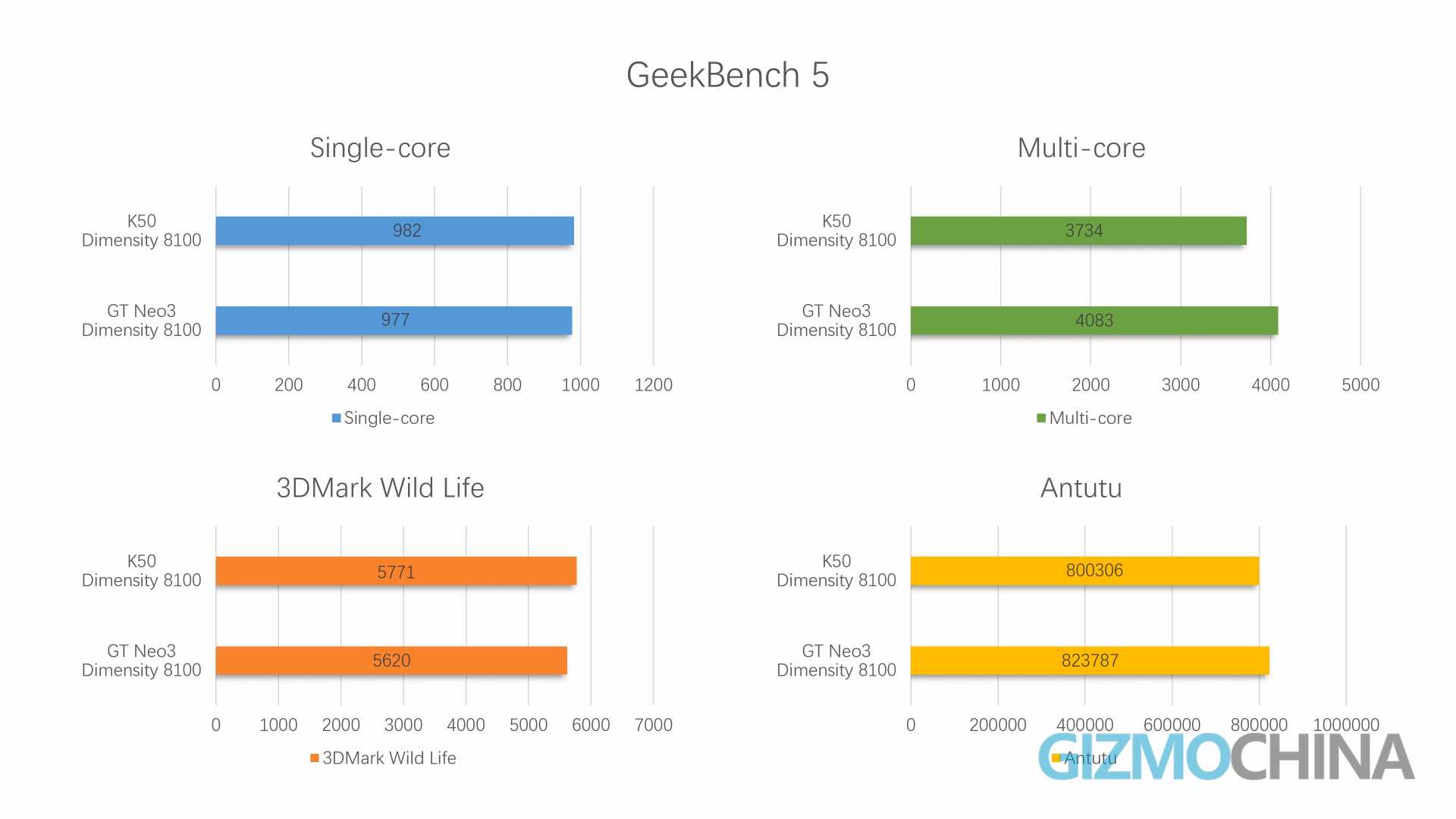
Both phones are Dimensity 8100 processors, so from the Benchmark Test score performance, both CPU part and GPU part, Neo3 and K50 scores are almost the same.
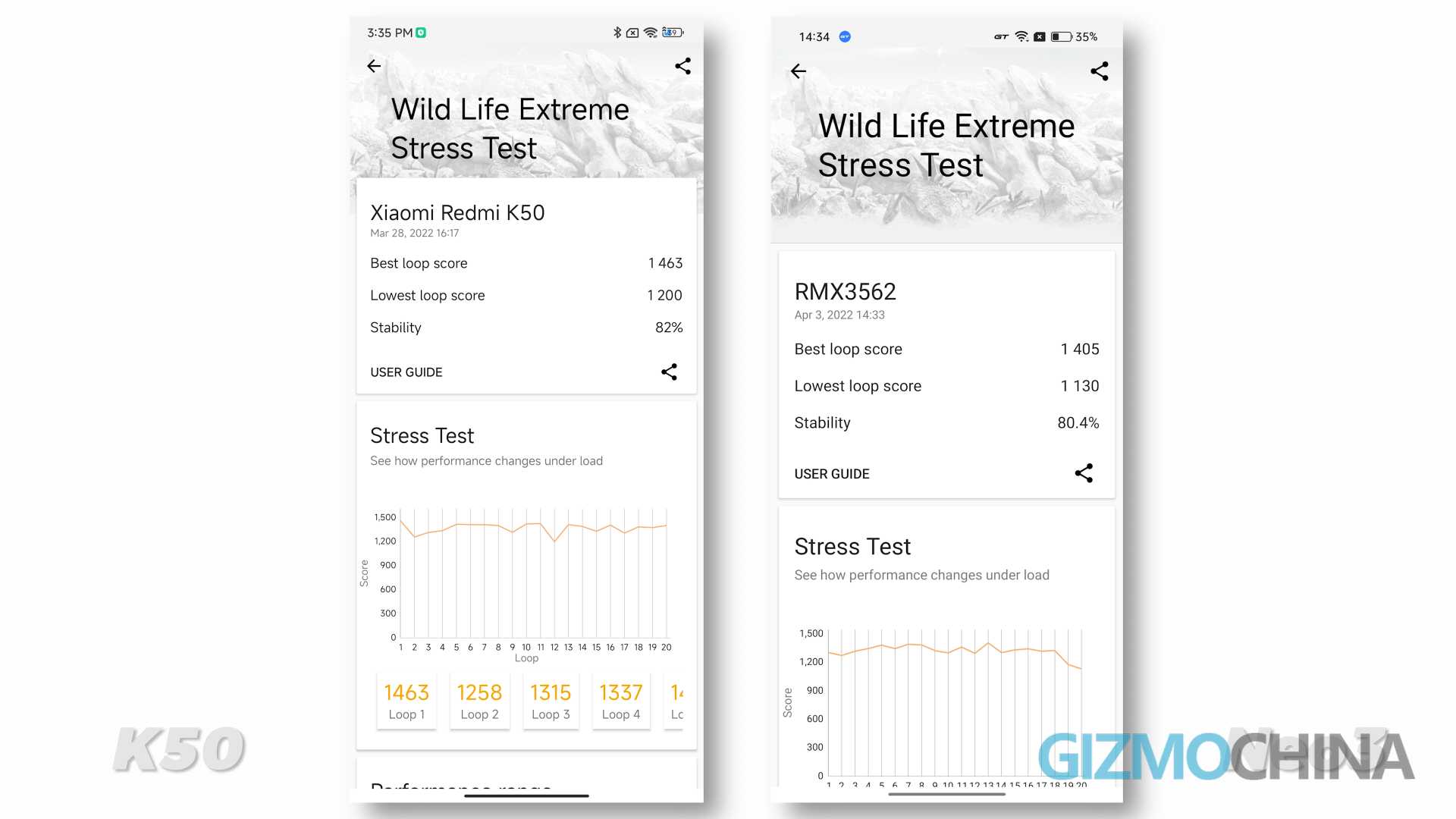
1 of 2
Neo3 performance in the 3DMark stress test is also not much different from K50. But the tuning strategy of the two phones for games is very different.
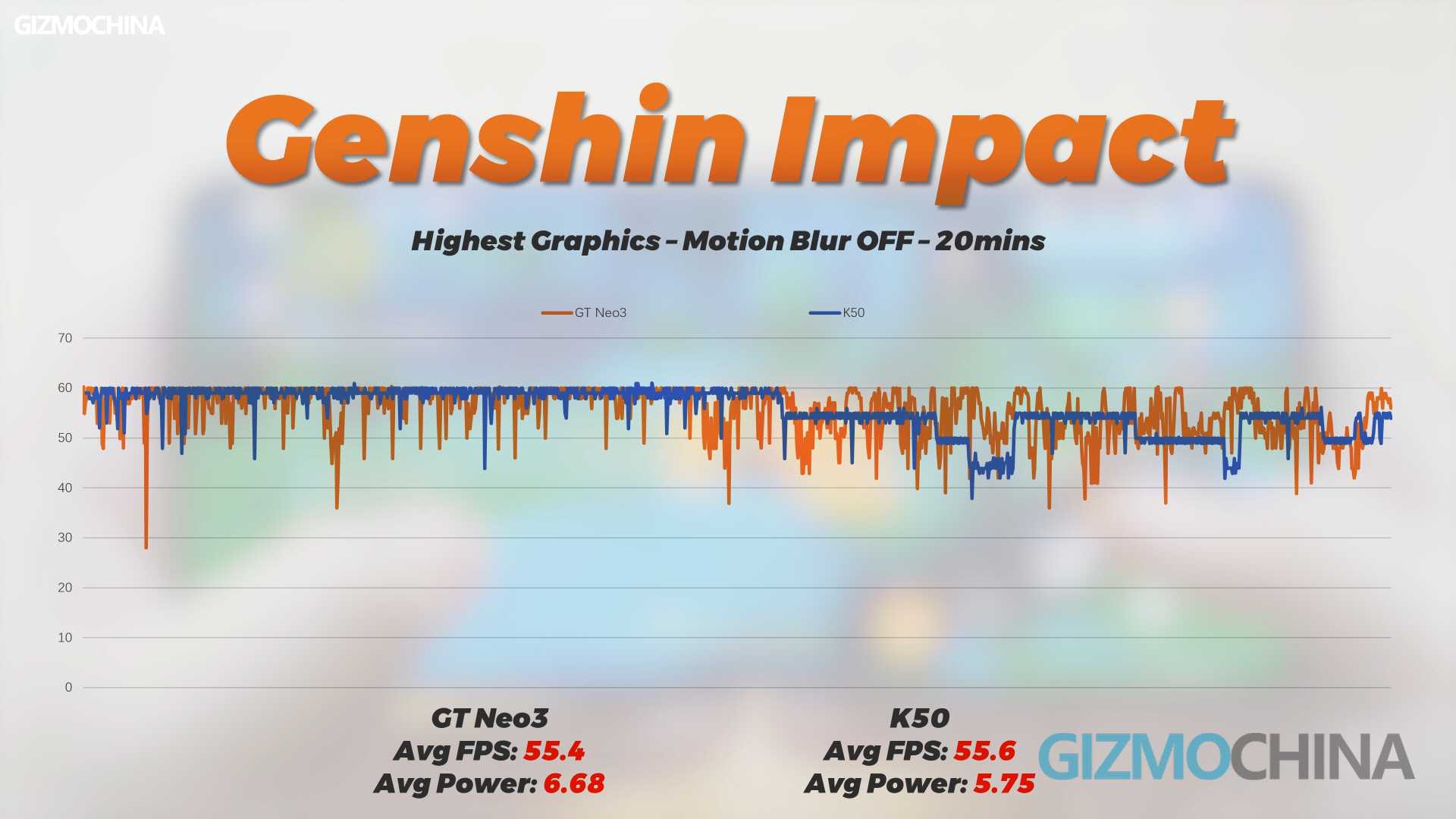
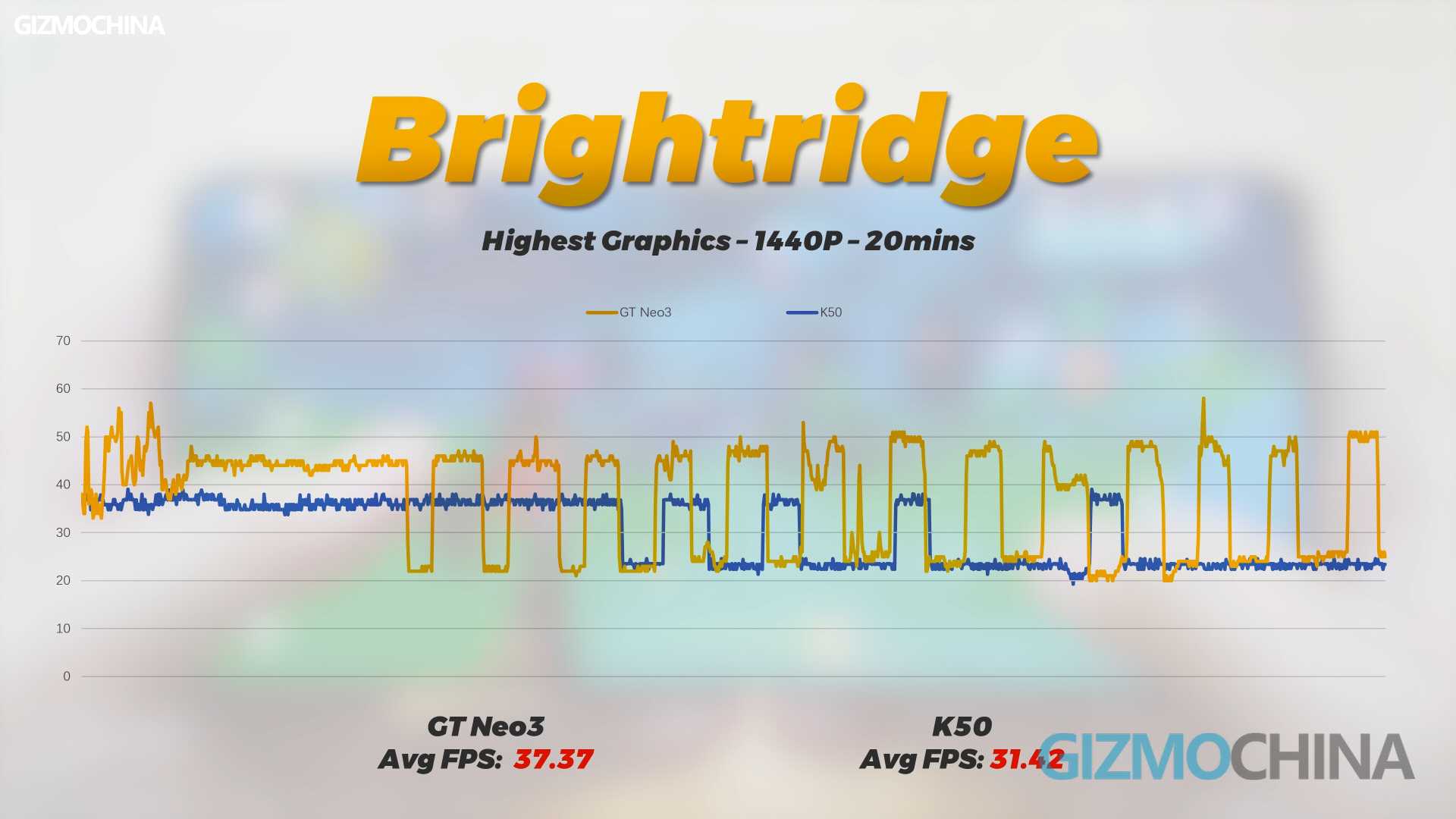
In Genshin Impact, Neo3 has a focus on keeping the frame rate as high as possible at 60 fps, while the K50 has a focus on keeping the frame rate stable. So when playing on the Neo3, although the frame rate seems high, it is noticeable that sometimes the frame rate suddenly drops. The power consumption is almost 1w higher than the K50, and the temperature is a bit higher on the Neo3.
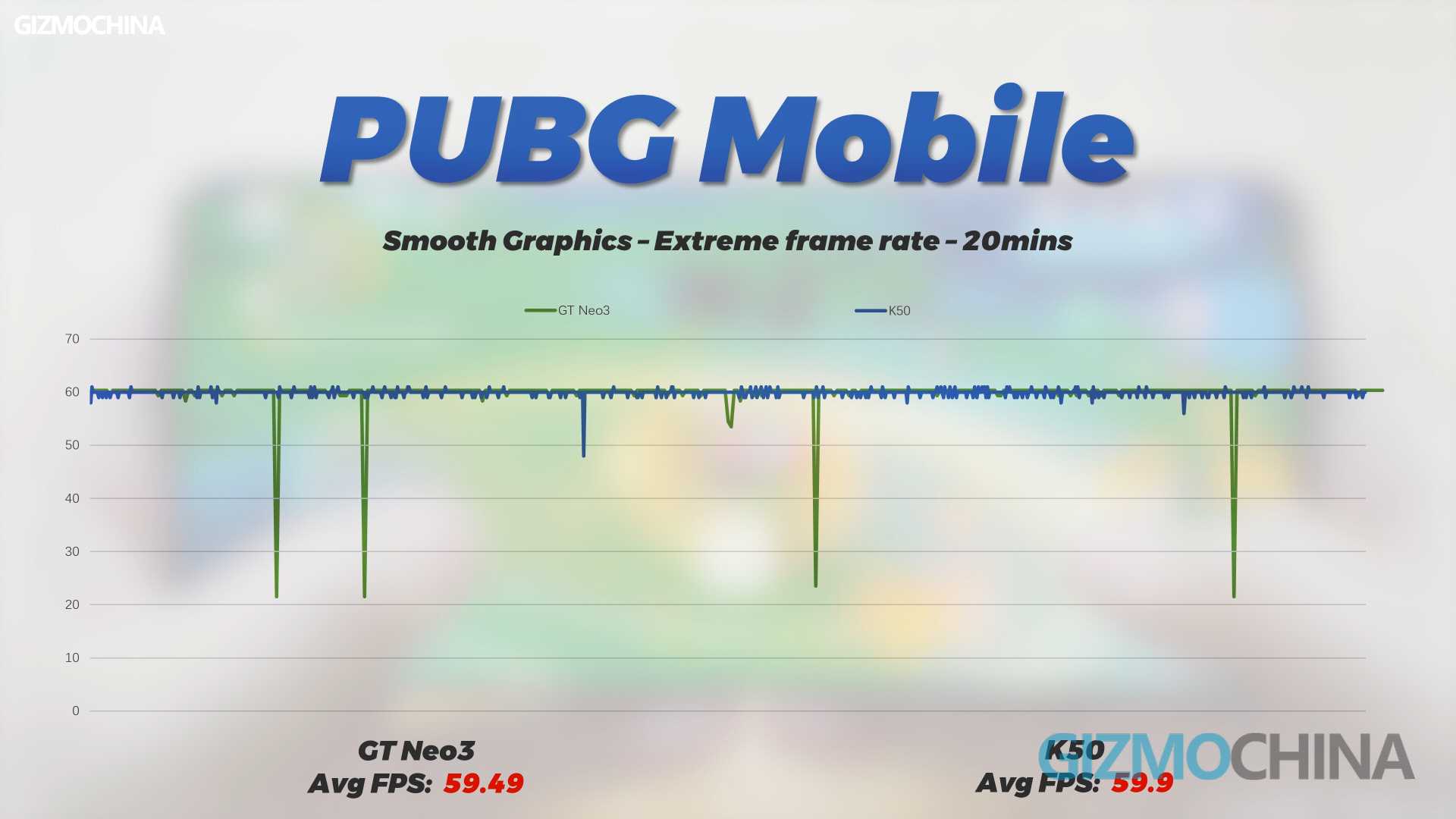
And both phones performed similarly in Brightridge. The average frame rate looks a little better on the GT Neo3, but the fluctuating frame rate makes the gaming experience not so good. After the PUBG China version update, K50 and Neo3 are now able to turn on HD Graphics and 60fps. However, the global version still only runs at HD Graphics 30fps.
Here’s the good news, Neo3 can use the frame interpolation chip to make the game frame rate higher and more stable, with lower power consumption. The bad news is that this feature can only be used in twenty games, and most of them are Chinese games. This feature will also increase your control latency, and I don’t recommend it for competitive games. So in short, if you play mainly Genshin, choose Neo3. Otherwise, you’d better choose K50.
realme GT Neo3 vs Redmi K50: Cameras
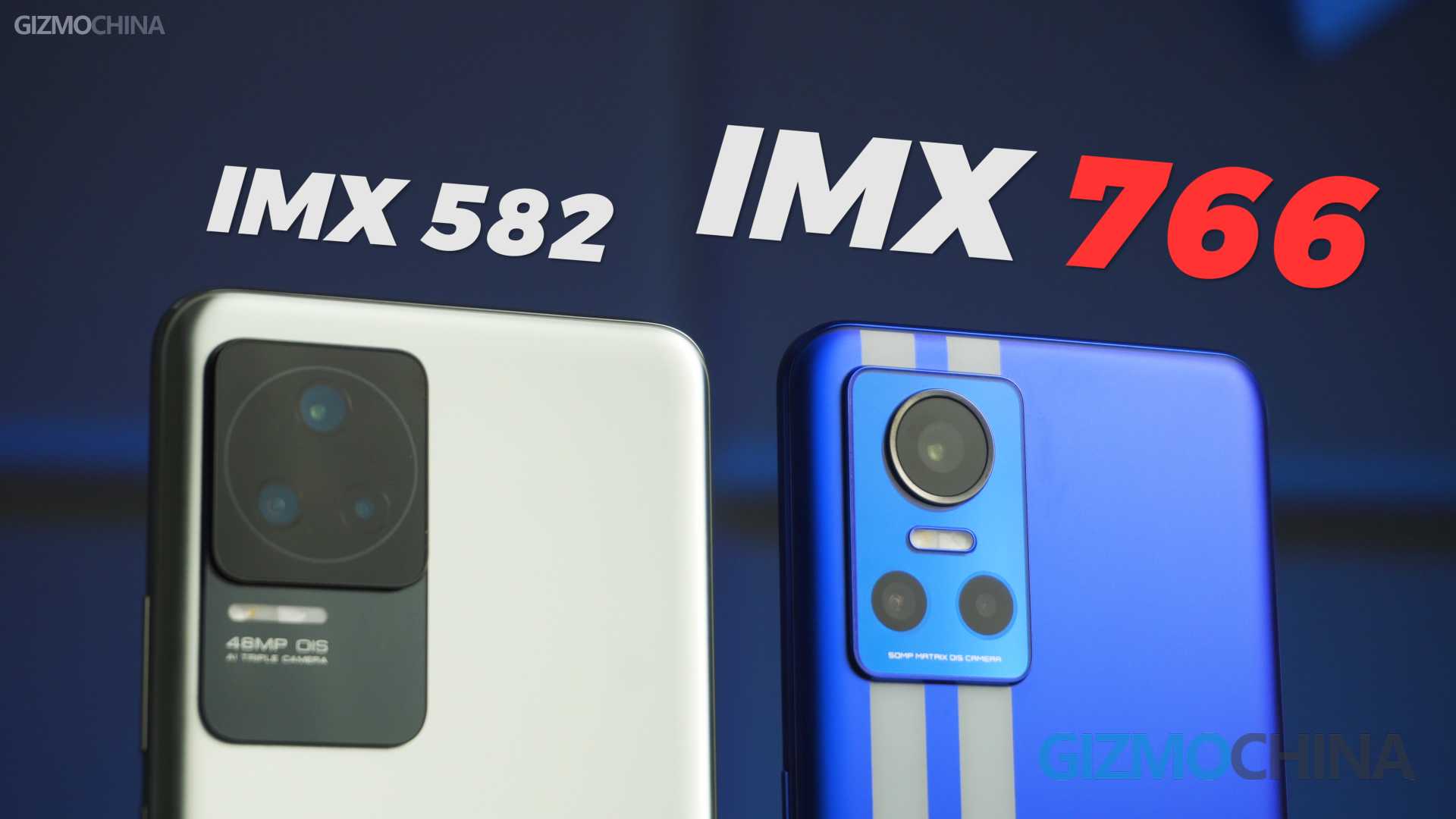
The Neo3’s main camera is IMX766, a flagship level main camera. Compared to the K50’s IMX 582 it is just too far behind. Some people like more realistic colors, others like more eye-pleasing colors. Color preferences differ from person to person, so I won’t judge. But the Neo3’s dynamic range performance is superb, making its photos look much better than the K50. Especially at night, Neo3 is much better than the K50.
Even when the shooting environment is even darker, with almost no light, the Neo3 can at least see what is being shot. The difference in the photo interface is even more significant, I can’t believe these two phones are at the same price point. The only advantage of the K50’s main camera is that when the light is good, the sharpness will be a little higher than the Neo3. But compared to the Neo3’s huge dynamic range advantage, the difference in sharpness is negligible. Since it is a new phone, Neo3 also inevitably has some problems. Backlighting scenes in the center of the photo of the purple-fringing issue are very serious.
Check out the video below for the camera comparison.
The Neo3’s ultra-wide camera still performs better, and it still has the advantage of a better dynamic range. The noise and sharpness of night shots in auto mode are better than the K50. But the dynamic range algorithm, that exceeds the limits of the sensor in night mode, makes the edges of the photo turn red, which makes it like a scene from a horror movie.
The macro camera is probably the only lens where the K50 can beat the Neo3. The K50 focuses closer than the Neo3 and has better clarity. And the Neo3’s photos will have Barrel Distortion. You can see the monitor’s border turn into a curve.
I was happy when I saw that Neo3’s main camera supports 4k 60fps recording. But when I pressed the record button, I calmed down. Not only is it 4k 60fps, but the Neo3 doesn’t even have 4k 30fps EIS. Compared to the K50, the footage is very stable, and the dynamic range is better with the K50. And sometimes the Neo3’s light metering system seems to be a little problematic. Neo3’s video shooting is even worse with its ultra-wide camera. Although the dynamic range is a little better, the sharpening effect is too heavy, resulting in very unrealistic shots. The purple-fringing issue in the upper right corner is also much worse.
So if you like recording, I would definitely recommend you to buy K50.
realme GT Neo3 vs Redmi K50: Battery & Charging
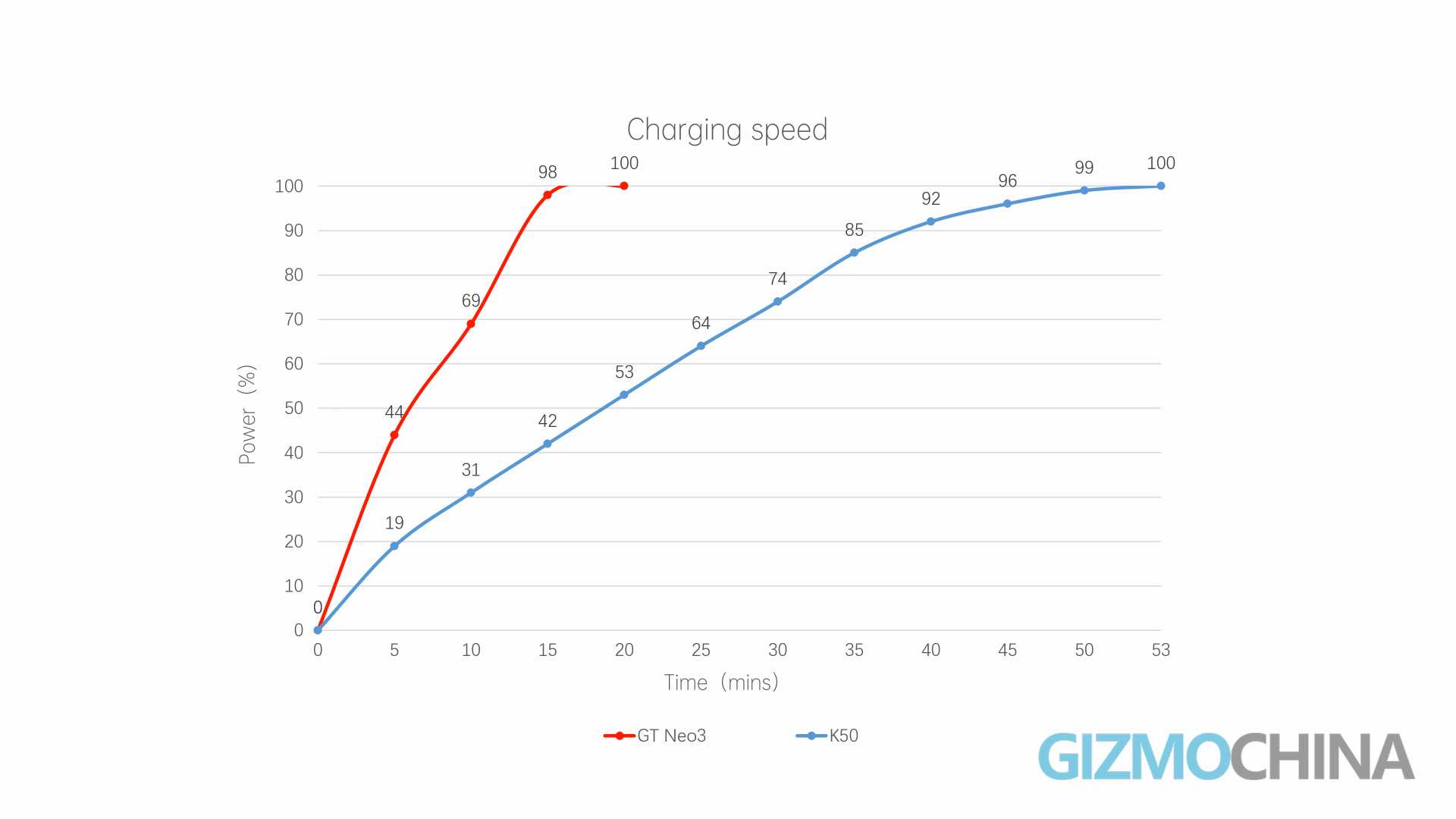
In our unboxing video, we tested the charging speed of the Neo3 150w version. Its very fast. If you plot it as a line graph, this is what it looks like.
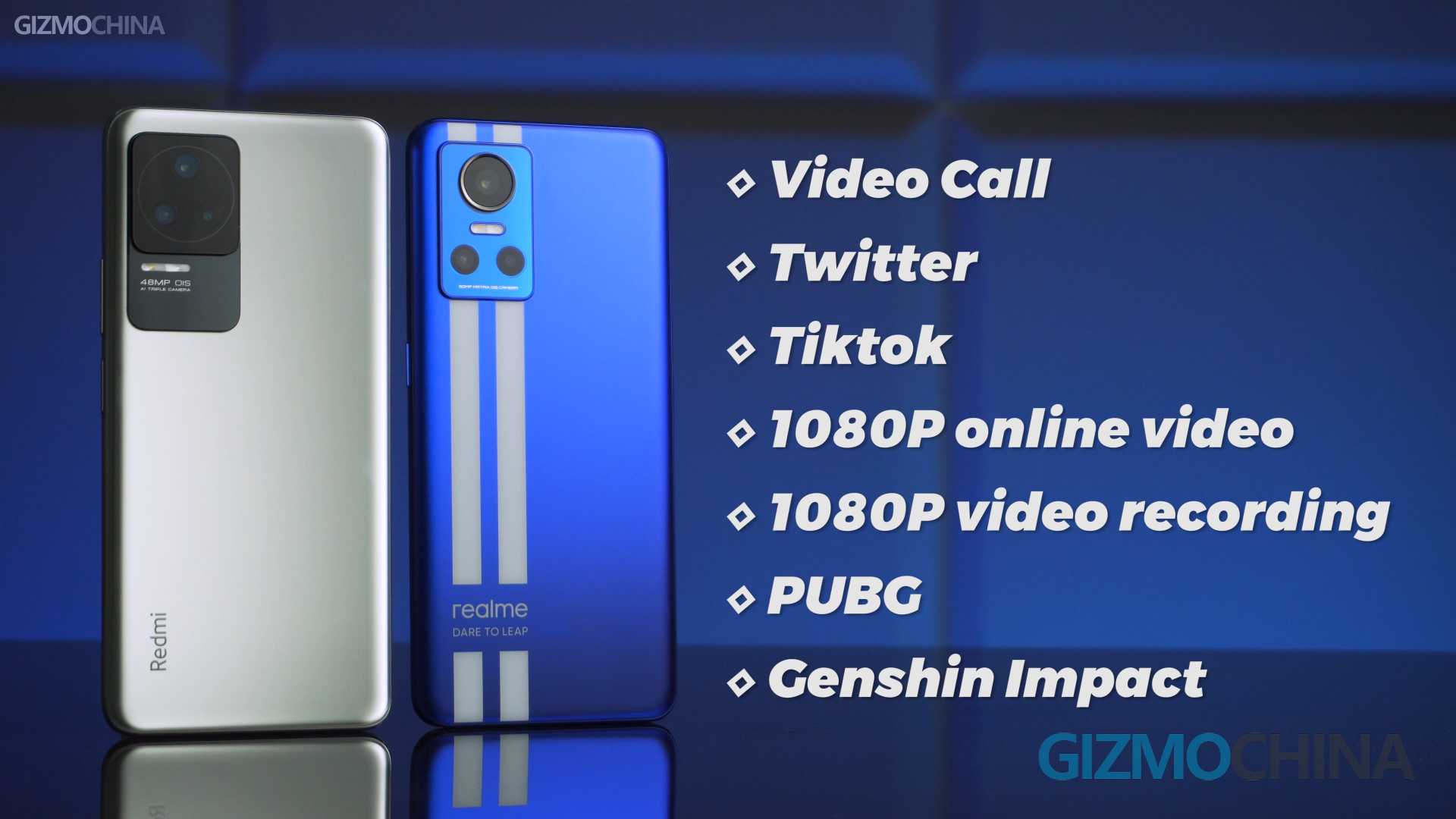
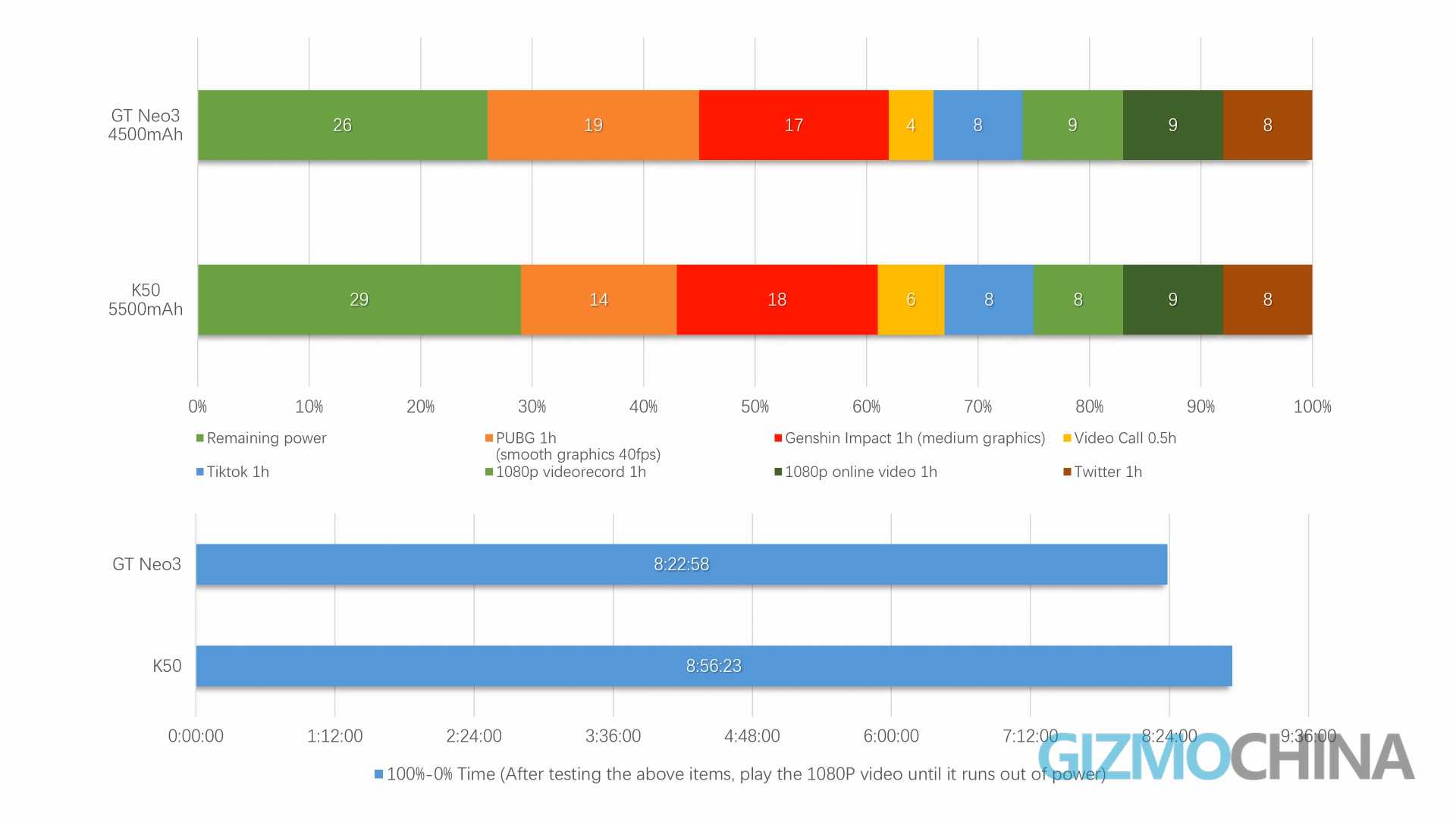
The charging speed is much faster than the K50, but the strength of the K50 is its long battery life. This time we are going to do a battery life drain test. We simulated each scene of the user’s daily use, adding video calls and video recordings, and other scenes that are close to daily use. Then we watched online videos until the battery ran out. We did not turn on any performance mode, Connect to Wi-Fi, and we only chose medium Graphics for the game. We created a graph of the results because of time constraints.
1 of 2
We can see that this session is definitely won by the K50 with a larger battery. But the Neo3 also did well, just short of the K50 by half an hour. That’s better performance than many other 5000mAh Snapdragon 8Gen1 phones.
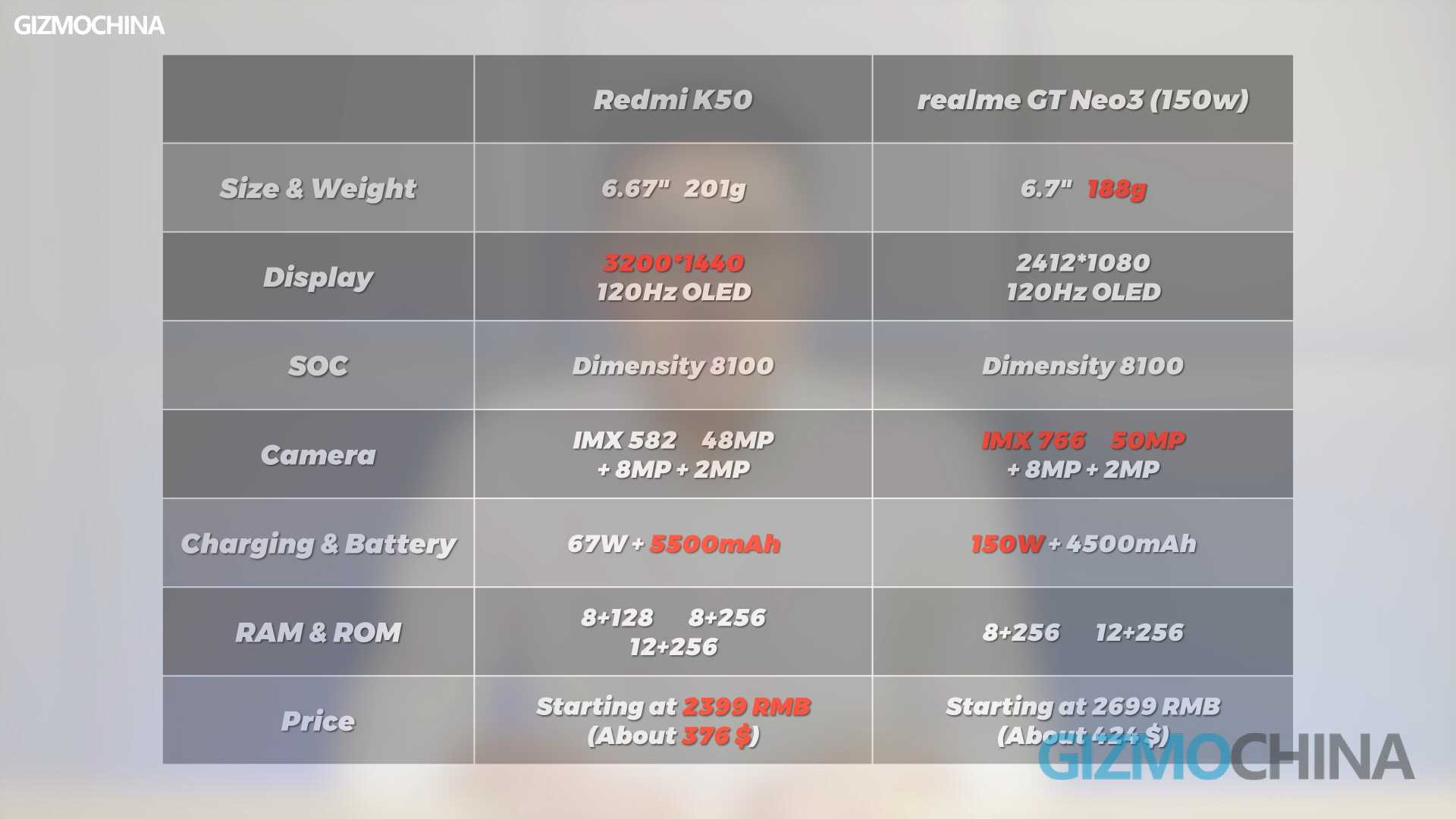
Let’s make a table of the front winning results, you can clearly see their strengths and weaknesses. These two brands have a very tacit understanding, and the K50 and Neo3 simply complement each other’s strengths.
Although they are about the same price, the target audience is completely different. If you like a better screen or are more concerned about long battery life, choose the K50. If you like superfast charging and taking pictures, choose Neo3. But if you still don’t know which one to choose, I suggest you choose the brand you like. Because both are good phones, and you can’t go wrong with either.
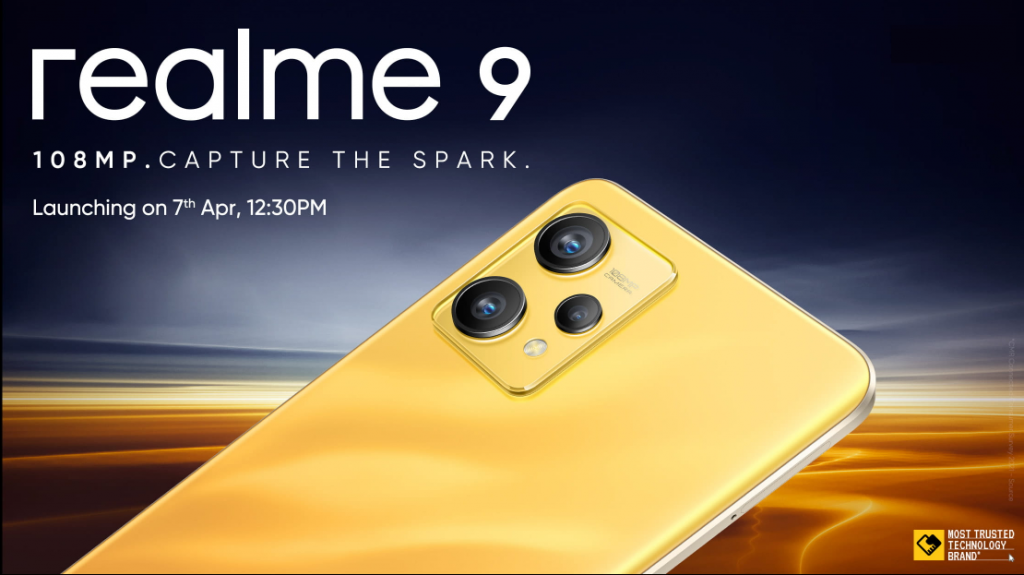
The Realme 9 4G is scheduled to launch on April 7th in India. The device has been subject to multiple leaks revealing most of its specs and features. Now, the device has also appeared on Geekbench, confirming its SoC, RAM capacity, and Android version.
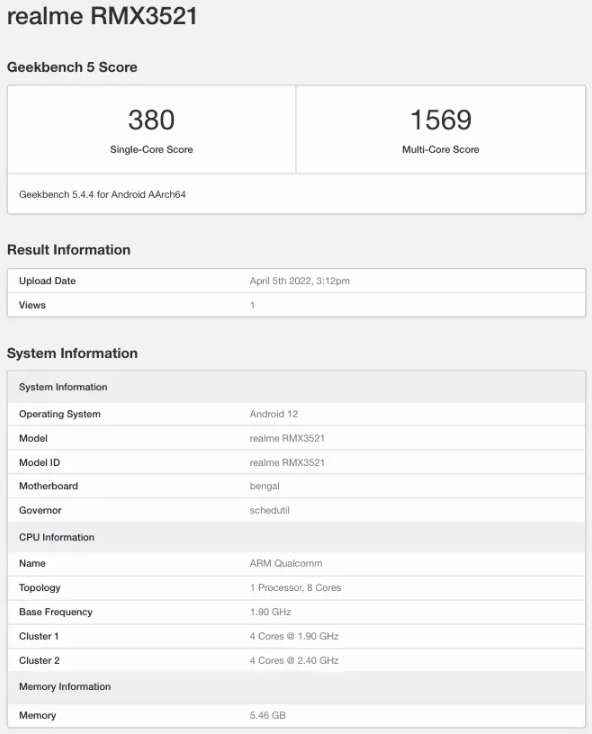
According to a MySmartPrice report, the Realme 9 4G with model number RMX3521 appeared on the Geekbench database. The listing revealed that the device is powered by the Snapdragon 680 SoC which comes with an octa-core processor onboard. Four of these cores have a max clock speed of 2.4GHz and the other four are clocked at 1.9GHz. The SoC also has an Adreno 610 GPU onboard.
The Geekbench listing shows the device has a 6GB RAM capacity, while previous leaks have also stated that the brand will also launch an 8GB RAM configuration of the Realme 9 4G. Other than that, the phone runs Android 12 out of the box which will come with the Realme UI 3.0 skin on top. Coming to the benchmark results, the device scores 380 points in Geekbench’s single-core test and 1569 points in the multi-core test.
Realme 9 4G specifications (rumored)
So far, the Realme 9 4G is said to come with a 6.43-inch AMOLED FHD+ screen that will deliver a 90Hz refresh rate. Realme has confirmed that it supports a 360Hz touch sampling rate and 1,000 nits of brightness. The in-screen fingerprint scanner that will be available on the device will double up as a heart-rate tracker.
At its core will be a Snapdragon 680 chipset with options between 6 GB and 8 GB RAM capacity. Both of these configurations are said to come paired with 128 GB of UFS 2.2 storage.
The back panel of the Realme 9 4G will feature a triple camera unit headlined by Samsung’s ISOCELL HM6 108-megapixel image sensor. This camera will be coupled with an 8-megapixel ultrawide snapper and a 2-megapixel micro camera. For selfies, it will be equipped with a 16-megapixel front camera.
It will house a 5,000mAh battery that will support 33W rapid charging. It will also feature a 3.5mm headphone jack.
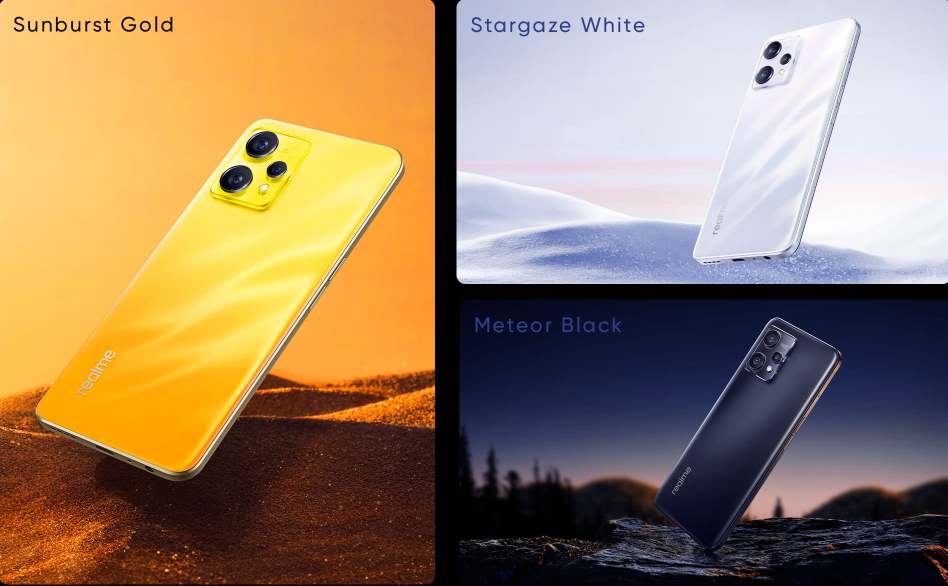
The Realme 9 4G will sport the so-called Ripple Holographic Design. It measures 7.99mm in thickness and weighs around 178 grams. It will come in Sunburst Gold, Stargaze White, and Meteor Black colors.
Xiaomi is currently on a roll with updating its budget offerings after having rolled out the Android 12-based MIUI 13 update for most of its flagship models. Yesterday, the wallet-friendly Redmi 9T became one of the first devices to begin testing for its second Android version upgrade, signaling a change in the company’s update strategy. And now, it’s been found that the POCO M3 has begun Android 12 internal testing as well.
The POCO M3 first arrived with Android 10 based on MIUI 12, making Android 12 the second upgrade for it. Xiaomi doesn’t typically grant more than a single Android version bump for its offerings, favoring MIUI updates instead, so it could be possible that the company has now upped the maximum Android updates to two.
Via Xiaomiui
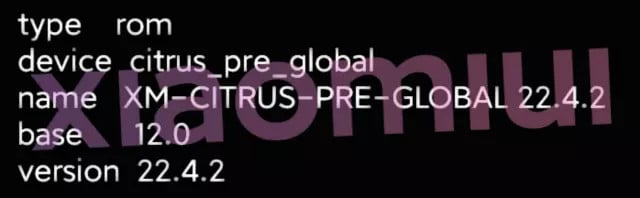
The build number of the POCO M3 Android 12 update released internally is 22.4.2 (via Xiaomiui). It isn’t clear if the build will be labeled with MIUI 13 when it hits the stable branch but it’s highly likely.
As for when the leaked build will be rolled out officially for the POCO M3, there’s no indication as of yet. Xiaomiui expects it to be seeded after 3-4 months, which definitely isn’t the speediest we’ve seen, but considering the device was never meant to receive a second Android update in the first place, we aren’t complaining.
MIUI 13 isn’t a major update by any means and its list of new features seems to vary based on the price of the device you own, for some reason. Devices like the Xiaomi Mi 11X have seen multiple changes with the update while others like Redmi Note 10 Pro are left with barely any new stuff over MIUI 12.5.
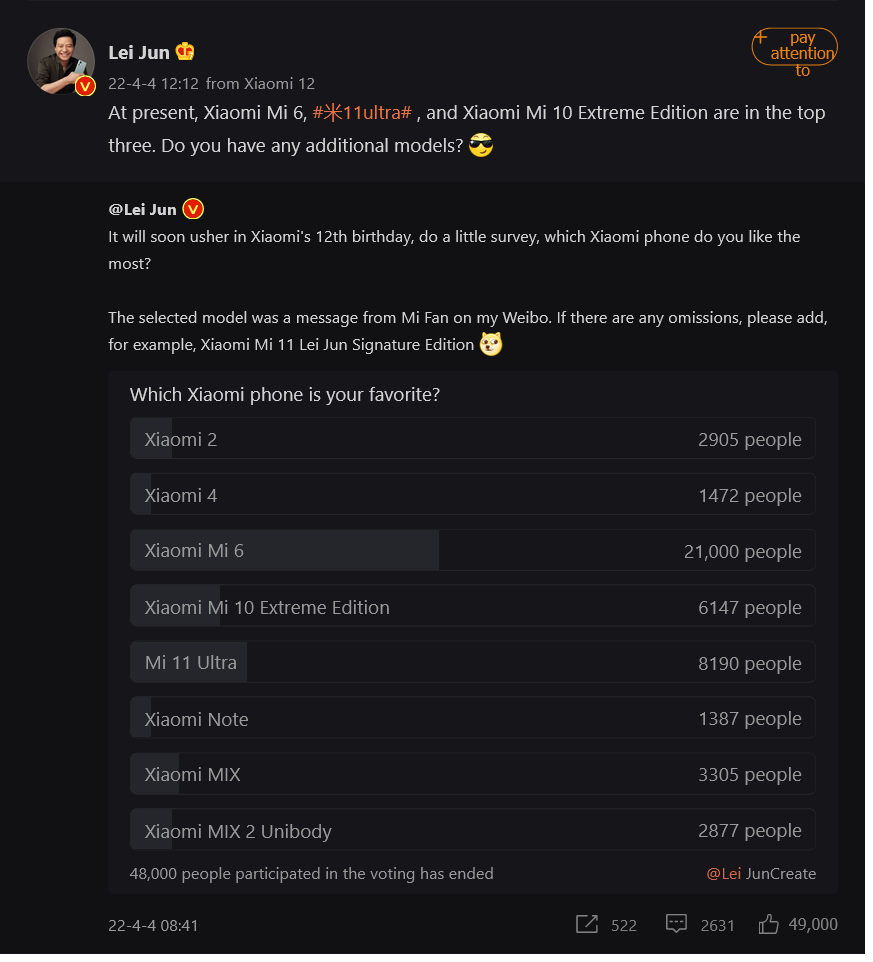
Xiaomi is about to turn a dozen years old, and ahead of that, company founder Lei Jun has been busy commemorating some of its most popular phones. Yesterday, a poll posted by Jun showed that Xiaomi Mi 6 has continued to be a fan favorite, beating the likes of Mi 11 Ultra and Mi 10 by a significant margin.
The Xiaomi Mi 6 was launched back in April 2016, making it exactly five years old now, but has amassed a cult following over the years. It was the first flagship phone from Xiaomi with a dual rear camera setup but was also the last to have a 16:9 display with thick bezels on the top and bottom, making it a very memorable design. Its successor — the Xiaomi Mi 8 — had a kind-of bezel-less design with a notch implementation and people weren’t too fond of notches at the time.
The Xiaomi Mi 6 also had a very slim and light build and was fairly compact with its 5.15″ screen, although there was a ceramic back variant too with an increased weight.
Lei Jun had earlier revealed three of his all-time favorite models and the trio also included the Xiaomi Mi 6. Last year, it was officially revealed that there are still over 2 million active Mi 6 users and it’s probable that the figure hasn’t gone down much since. This explains the 21,000 votes for the phone on the poll.
Such was the love for the phone that Xiaomi was even tipped in 2020 to re-launch it in a more modern form-factor, complete with a bezel-less design. However, the project was canceled since the model never turned into reality.
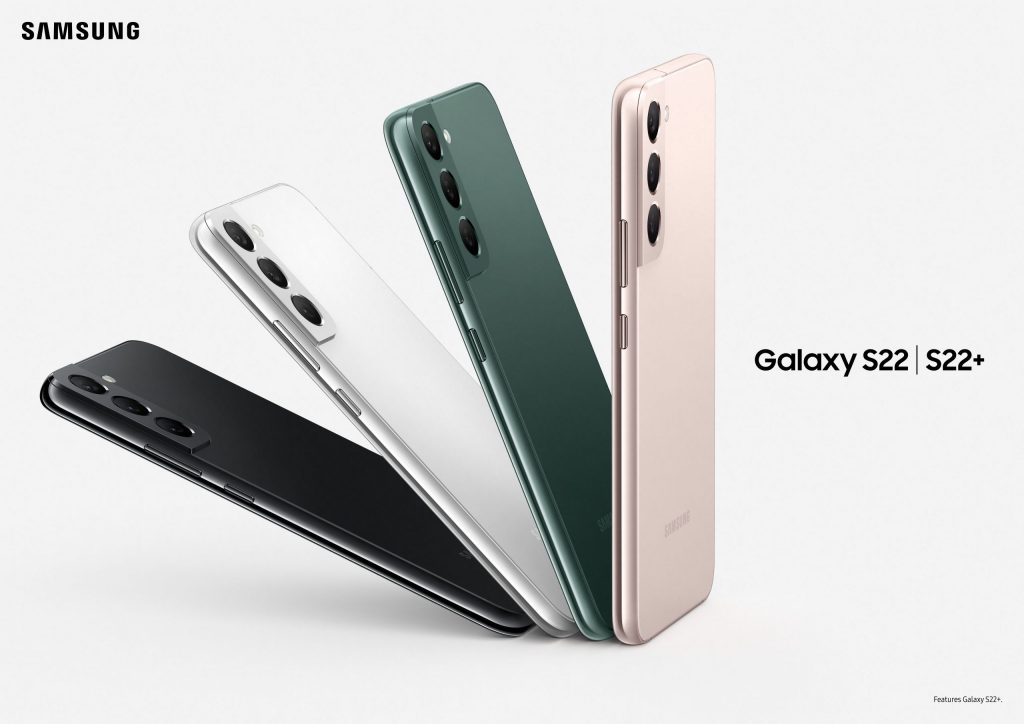
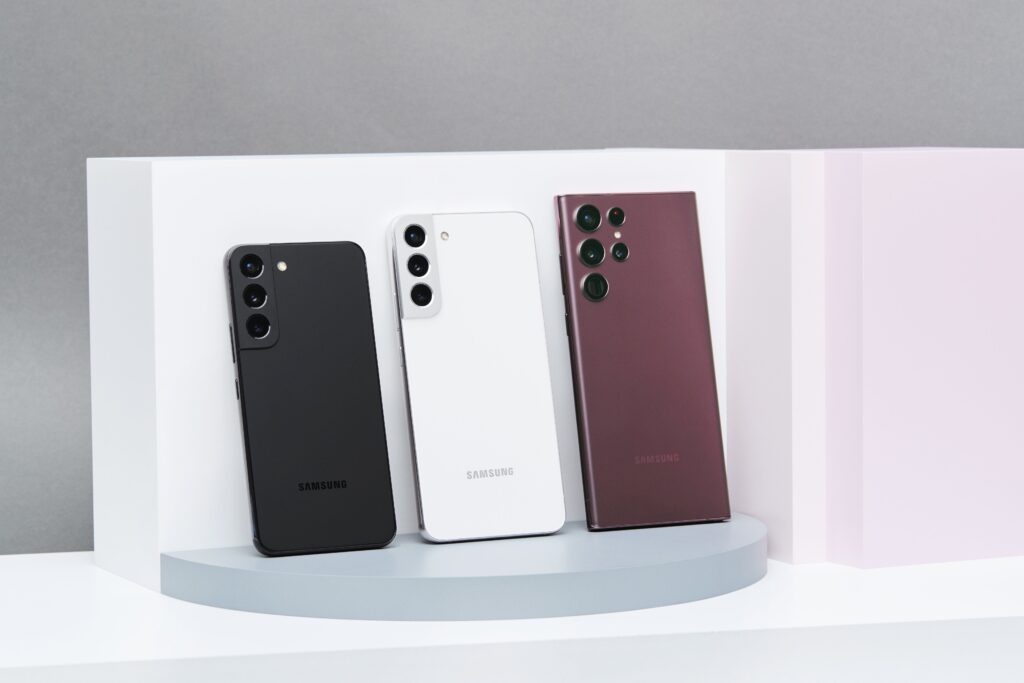
Samsung recently introduced the Galaxy S22 series comprising a total of three devices including the Galaxy S22, Galaxy S22+, and the Galaxy S22 Ultra. All of these devices come with the latest software features and powerful hardware. Standing tall on its reputation for manufacturing the best displays, the Korean Giant has done a commendable job with Galaxy S22 series. Apart from the vivid and clear picture quality, it also offers a 120Hz refresh rate for an overall smooth gaming experience.
In our guide, we will guide you to change the display refresh rate on Galaxy S22 series.
The smartphone display shows a collection of still frames at a very high speed to draw the animation or the content you are watching. In simple words, all the content on the display is in still frames played at high speed. It can be defined as the rate at which a new frame can be updated, for example 60 Hz means 60 refreshes per second. So, a 120 Hz refresh rate makes the experience much smoother. To enjoy the increased refresh rate, follow the steps below on your Galaxy S22 series device.
Changing refresh rate on Galaxy S22 series
Changing the refresh rate on a smartphone is a very simple process followed by a few steps. First, you have to make sure to update the device by following the steps below:
Go to Settings > Software update
Tap on Download and install.
Follow the on-screen instructions
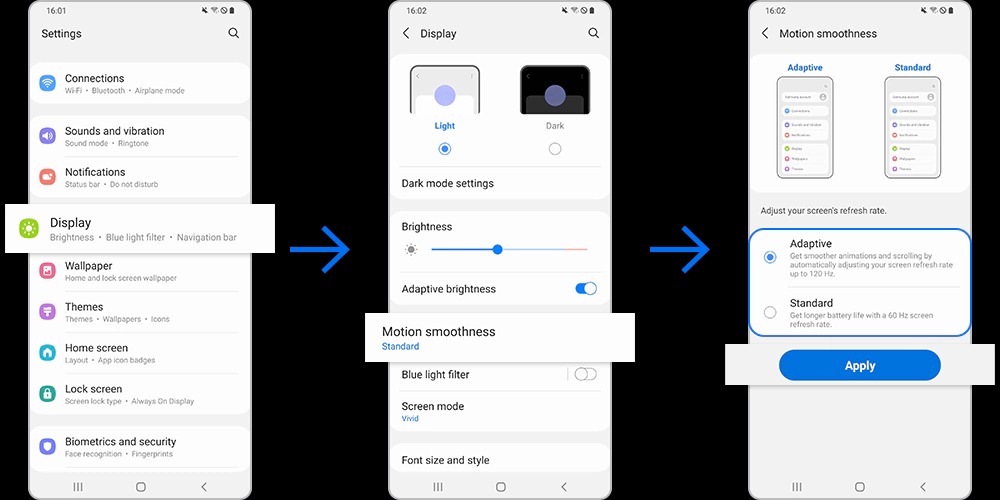
After updating, you have to follow the steps listed below to turn on the Adaptive Motion Smoothness on the Galaxy device.
Launch the Settings app and select Display.
Tap Motion smoothness.
Choose your Adaptive option, and then tap Apply.
We hope you successfully changed the display refresh rate on the new Samsung Galaxy S22 series devices. If any issue arises, do let us know via the comments below.
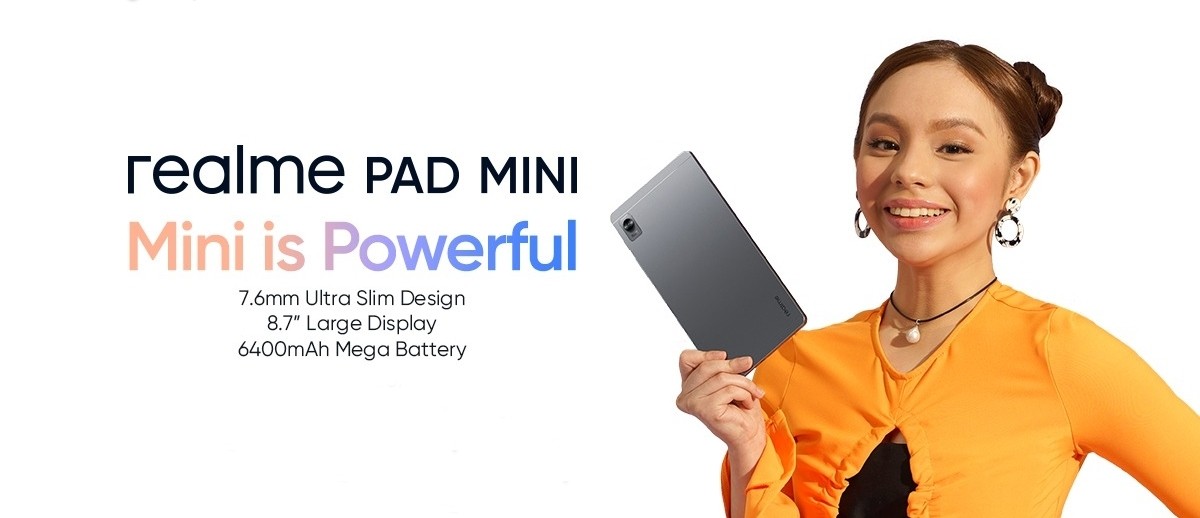
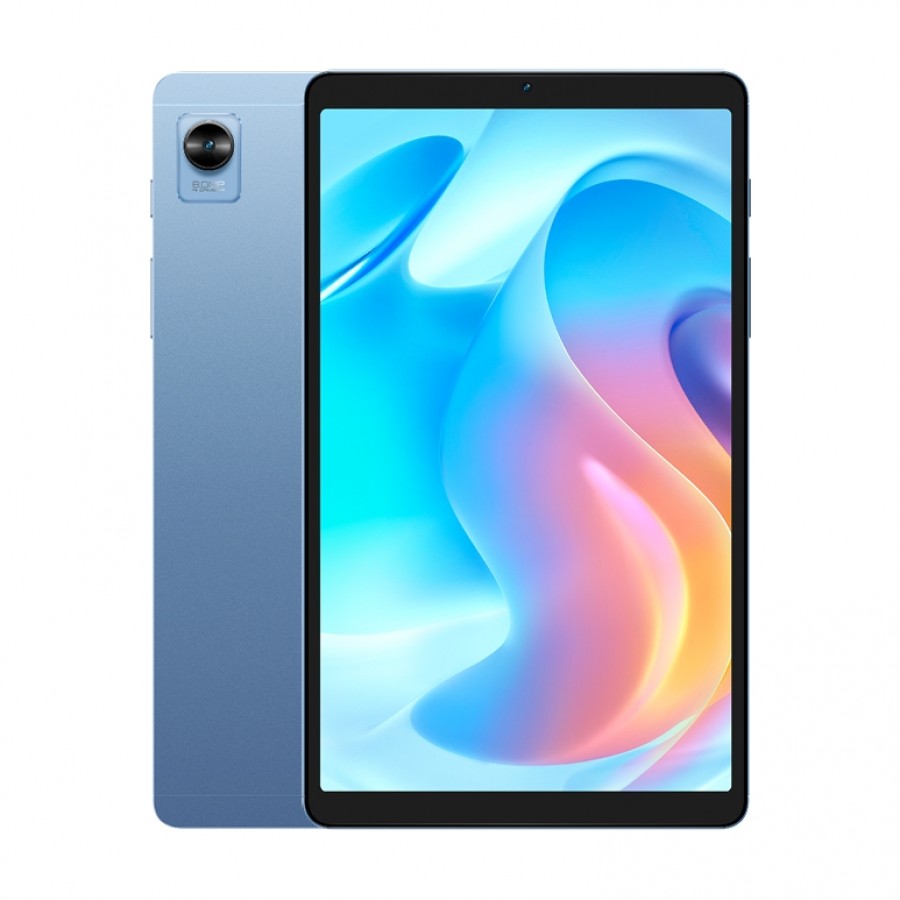
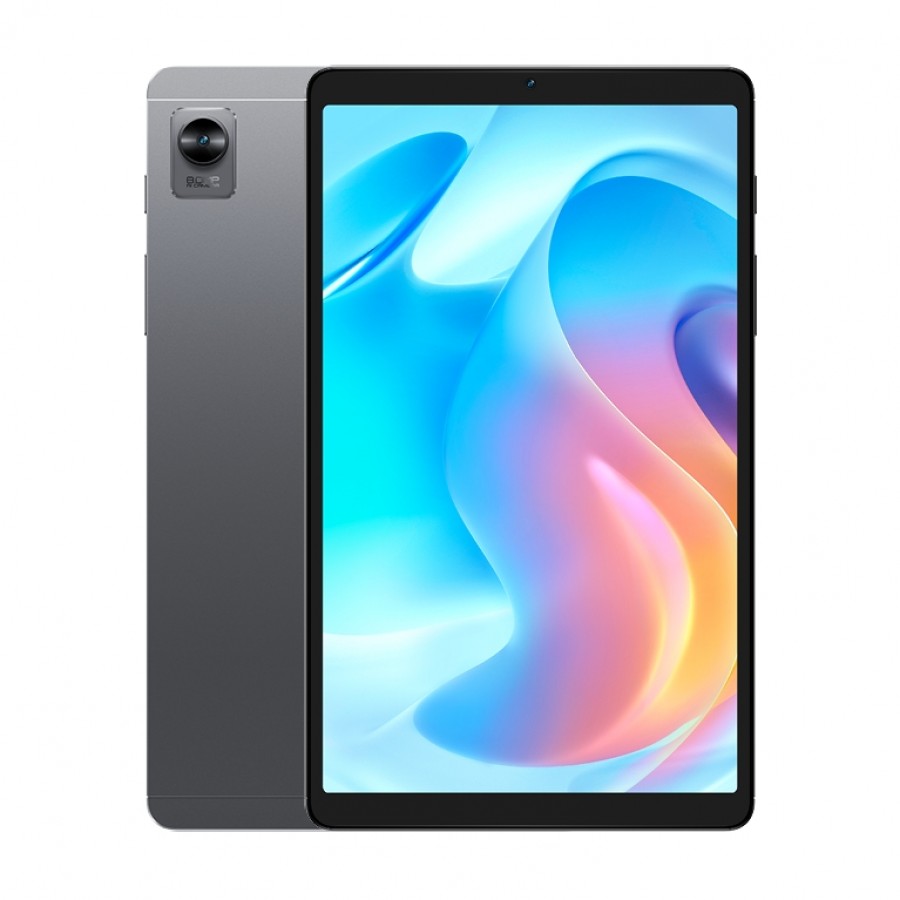
Chinese tech startup Realme is well known for its smartphones and other smart products. The brand has also made a foray into the tablet PC market with its first tablet- the Realme Pad, emerging last year. The Chinese brand has now announced an update to the realme Pad dubbed Realme Pad Mini.
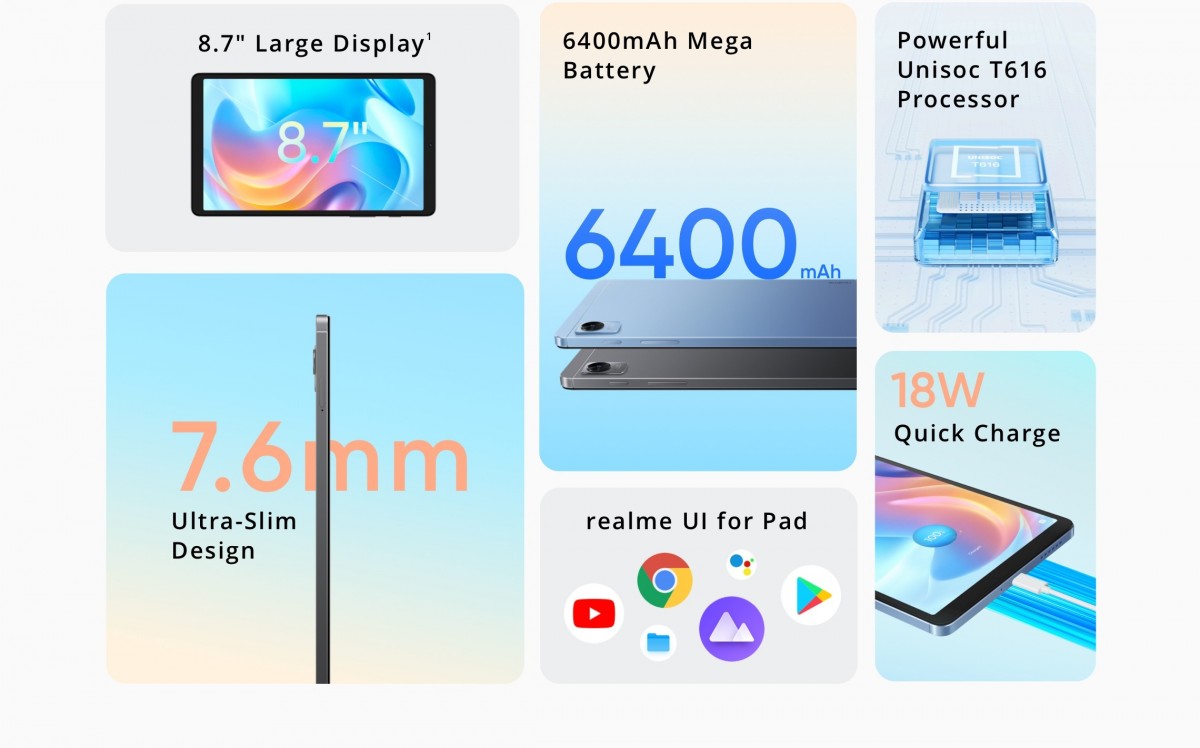
The Realme Pad Mini emerges as a trimmed-down version of the Pad, coming with an 8.7-inch LCD display with a resolution of 1340 x 800 pixels. The display has trimmed down bezels at the side edges while the top and bottom edges are quite prominent to make for easy handling when using the tablet in landscape mode.
The slate is powered by the entry-level Unisoc T616 chip, an octa-core processor bundled with a Mali-G57 MP1 GPU. The processor is paired with 3GB/4GB RAM while there are two storage options 32GB and 64GB storage.
For optics, the Pad Mini packs a single 8 MP f/2.0 camera at the rear aspect housed in a rectangular module. At the front, there is a 5MP selfie camera with an f/2.2 aperture. There is no LED flash. The slate also crams a 6,400 mAh battery under the hood with support for 18W fast charging and reverse charging support via a USB-C port. The tablet ships with an 18W charger inside the retail box.
For connectivity, the Realme Pad Mini comes with Bluetooth 5.0 and Wi-Fi 802.11 a/b/g/n/ac support. The tablet also comes with a 3.5 mm audio jack.
As for the price, the Realme Pad Mini is priced at PHP9,990 ($195) for the 3GB+32 GB Wi-Fi + LTE version while the 4GB+64GB Wi-Fi + LTE version is priced at PHP11,990 ($235). The slate is presently on pre-order at Lazada Philippines and comes in Gray or Blue colour options.
Samsung was caught red-handed last month limiting performance on the Galaxy S22 series through an application identifier-based list containing over 10,000 apps. Following the news, Geekbench kicked not just the latest flagship series but multiple older flagship models from the company off its benchmark charts.
As if that wasn’t enough bad news for Sammy, a new Korea Times report now shows that the controversy is taking its toll on the sales of the Galaxy S22 series in South Korea, leading to the company’s carrier partners sharply raising subsidies in order to raise demand.
Carriers KT and LG Uplus say they’ve increased subsidies for the Galaxy S22 and S22+ by up to 500,000 won (around $410), while subsidies for the Ultra model have already been raised. The subsidies now are more than triple the 150,000 won worth of subsidies offered previously.
Customers didn’t like what Samsung was doing here for a couple of reasons. Firstly, the workings of GOS were kept rather hush-hush, and it wasn’t possible to disable the service even if users wanted to. Samsung did roll out updates to address the thing but it clearly hasn’t been enough, as the home country sales figures suggest.
After all, the measure was rather devious as the 10,000 apps list included all but benchmarking apps, meaning benchmark scores weren’t representative of the actual performance. A local mobile carrier official is quoted as saying that “There is a view that the GOS issue adversely affects the sales of the S22.
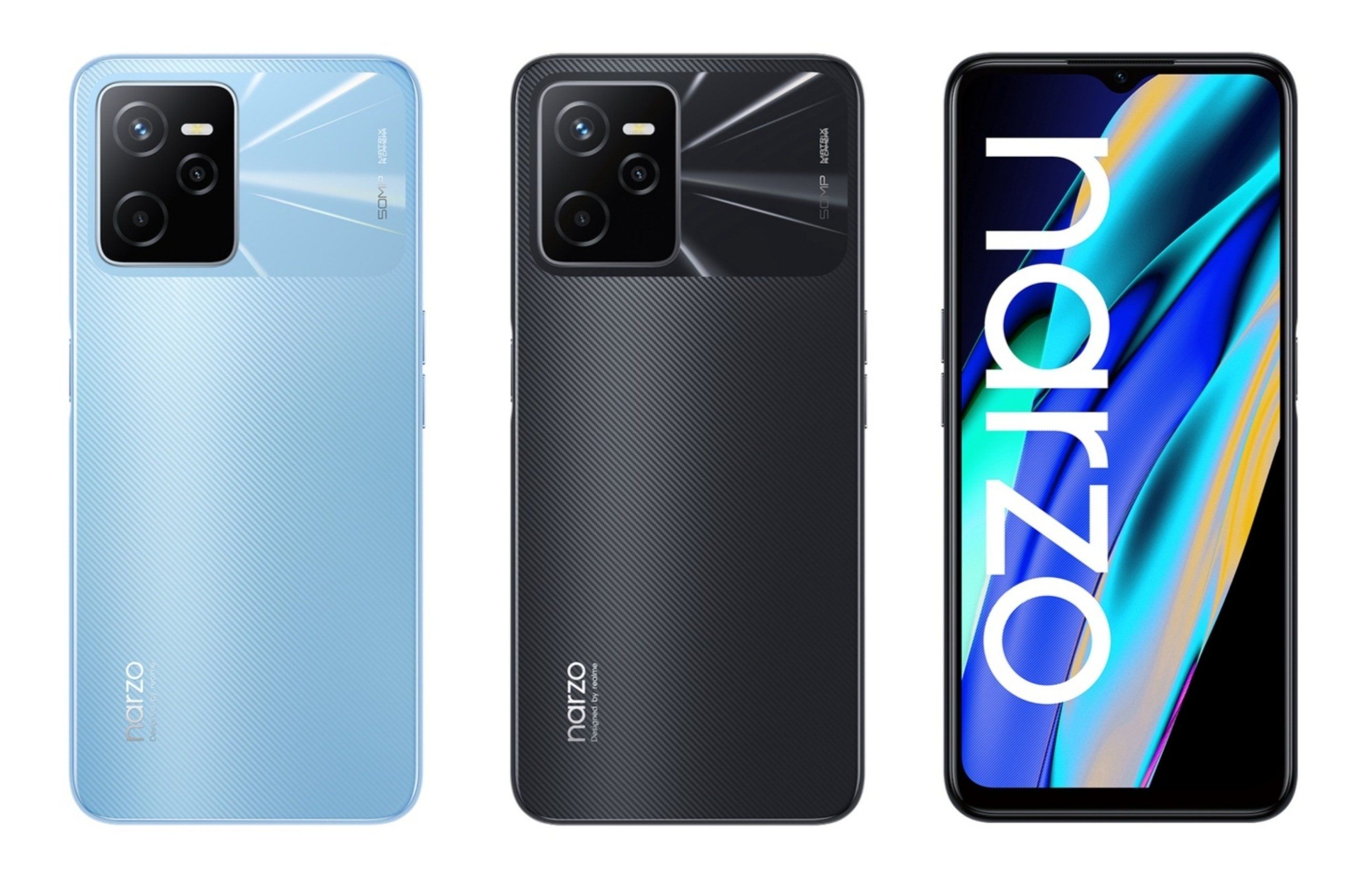
A couple of weeks ago, Realme launched the Narzo 50A Prime in Indonesia. The device became the first budget Realme handset to launch without a charging brick included in the box. Now, the brand has announced that the same will be the case for the Indian market.
Realme took to its community forums to make a formal announcement of the same. Similar to Apple which initiated this shift in trend, the brand has cited environmental reasons behind the decision.
In a recent interview, Realme VP & President of realme International Business Group, Madhav Sheth stated “We have taken initiatives to focus on sustainability and are also attempting to achieve Double Zero targets like net-zero carbon emissions by 2025.”
The company also stated that there are a lot of 10W chargers lying around us and so this move will allow the company to contribute toward a more sustainable environment. However, it is worth noting that the Narzo 50A Prime is rated for 18W fast charging, which cannot be achieved with 10W charging bricks which are lying around us in abundance.
This is not the company’s first attempt at making more environment-conscious decisions as their latest flagship, the Realme GT 2 Pro has its back panel made out of materials like soybeans, paper, and other eco-friendly polymers.
Realme Narzo 50A Prime specs and features
The Realme Narzo 50A Prime has a 6.6-inch IPS LCD screen that produces a Full HD+ resolution, a 20:9 aspect ratio, 600 nits of brightness, and a 90.7 percent space. The display punch-hole houses an 8-megapixel front-facing camera.
The camera module features a 50-megapixel main camera, a 2-megapixel portrait B&W sensor, a 2-megapixel macro camera, and an LED flash.
Realme Narzo 50A Prime
The Android 11 OS with Realme UI R Edition comes preinstalled on the device. It packs a 5,000mAh battery that supports 18W charging over USB-C. For security, it has a side-facing fingerprint scanner.
Under the hood, the device features a Unisoc T612 chipset paired with 4GB of RAM and up to 128 GB of storage. The handset includes other features such as dual 4G VoLTE, Wi-Fi, Bluetooth 5.0, GPS, and a 3.5mm audio jack.
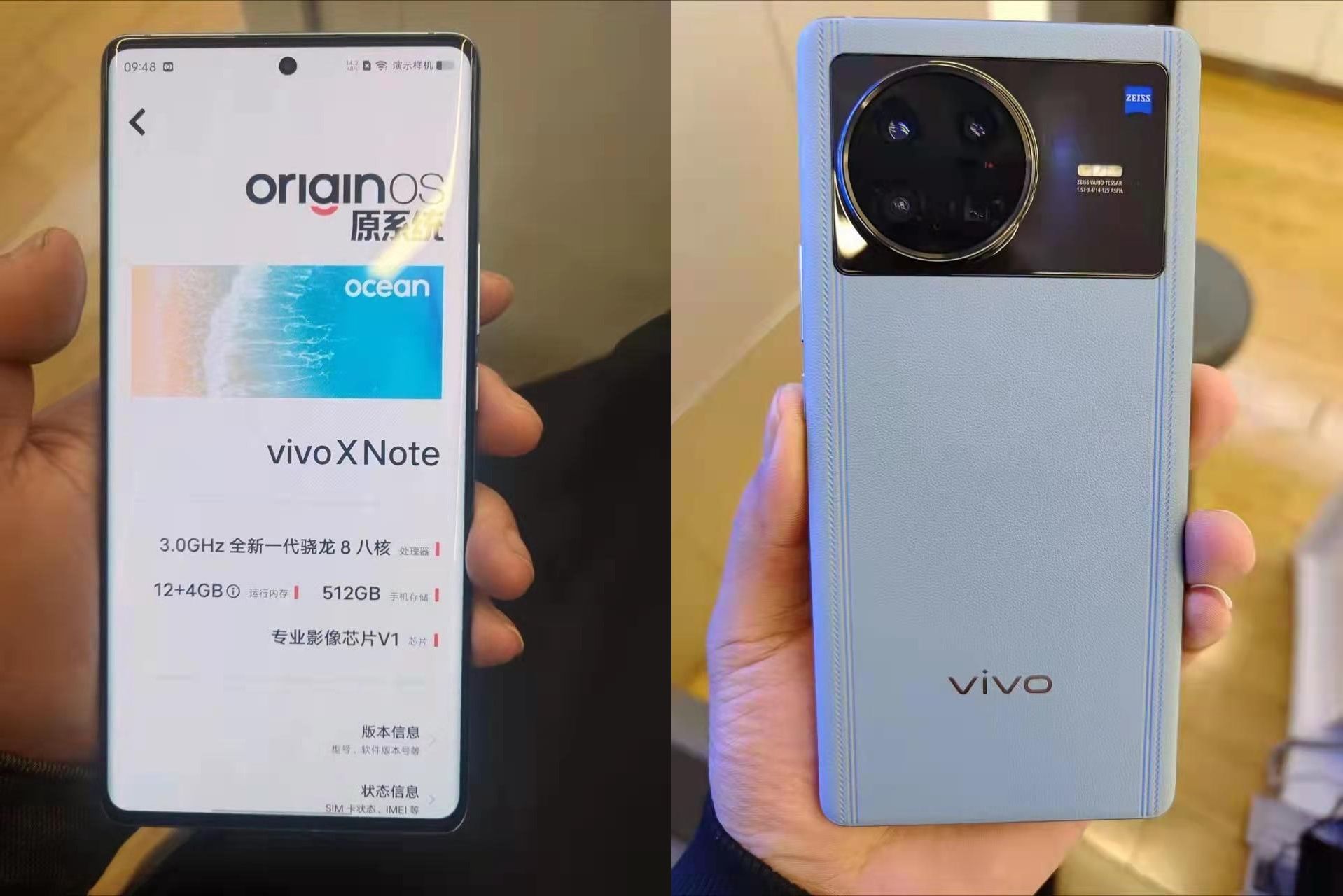
The Vivo X Note, the company’s next premium flagship phone, will launch in China on April 11 alongside the Vivo X Fold foldable phone and Vivo Pad tablet. Ahead of the launch, live shots of the Vivo X Note have appeared on Weibo. Apart from confirming the design in reality, the new images also reveal a few specs of the smartphone.
Vivo X Note hands-on images
The Vivo X Note’s front side is flanked by a curved edge display that features a centrally positioned punch-hole. Being a flagship device, it sports super-slim bezels. The right side of the phone has a volume rocker and a power button.
The X Note seems to be equipped with a leather back. There is a big camera block onboard, which houses a quad-camera unit, a horizontal LED flash unit and ZEISS branding. A Vivo logo is available towards the bottom of the device. Apart from blue, the X Note is expected to arrive in black and gray colors.
The Vivo X Note will come preinstalled with the OriginOS Ocean flavored Android 12 OS. While it is not mentioned explicitly in the live shot, the device will come equipped with the Snapdragon 8 Gen 1 chipset. The device shown in the image has 12 GB of RAM and 512 GB of storage. Previous reports have claimed that it will also come in two more options, such as 8 GB RAM + 256 GB storage and 12 GB RAM + 256 GB storage. The X Note will feature the Vivo V1 chip for image optimization.
Past reports have revealed that the Vivo X Note will come with a 7-inch AMOLED screen that will offer a QHD+ resolution, a 120Hz refresh rate, and an ultrasonic in-screen fingerprint scanner. It will feature a 32-megapixel front camera, a 50-megapixel + 48-megapixel + 12-megapixel + 8-megapixel quad-camera unit, and a 5,000mAh battery with 80W wired / 50W wireless charging support.
We use cookies on our website to give you the most relevant experience by remembering your preferences and repeat visits. By clicking “Accept”, you consent to the use of ALL the cookies.
This website uses cookies to improve your experience while you navigate through the website. Out of these, the cookies that are categorized as necessary are stored on your browser as they are essential for the working of basic functionalities of the website. We also use third-party cookies that help us analyze and understand how you use this website. These cookies will be stored in your browser only with your consent. You also have the option to opt-out of these cookies. But opting out of some of these cookies may affect your browsing experience.
Necessary cookies are absolutely essential for the website to function properly. This category only includes cookies that ensures basic functionalities and security features of the website. These cookies do not store any personal information.
Any cookies that may not be particularly necessary for the website to function and is used specifically to collect user personal data via analytics, ads, other embedded contents are termed as non-necessary cookies. It is mandatory to procure user consent prior to running these cookies on your website.