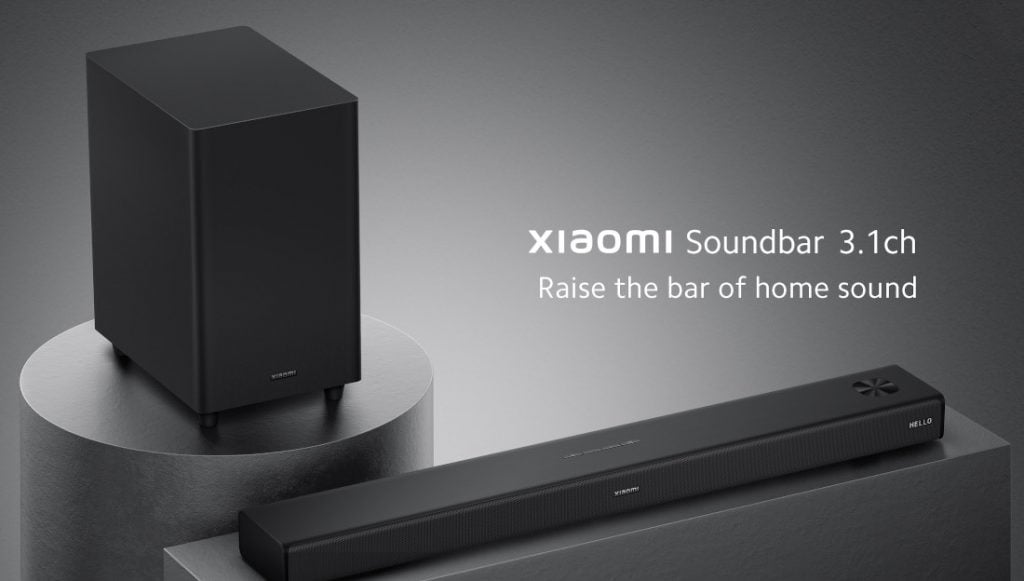
Xiaomi Soundbar 3.1ch has finally been launched for the global market and is priced in Europe for €279. However, the product is currently available only in Spain but is expected to be available in other European countries soon. It is already listed on Amazon’s website in Germany bu tis yet to be stocked.
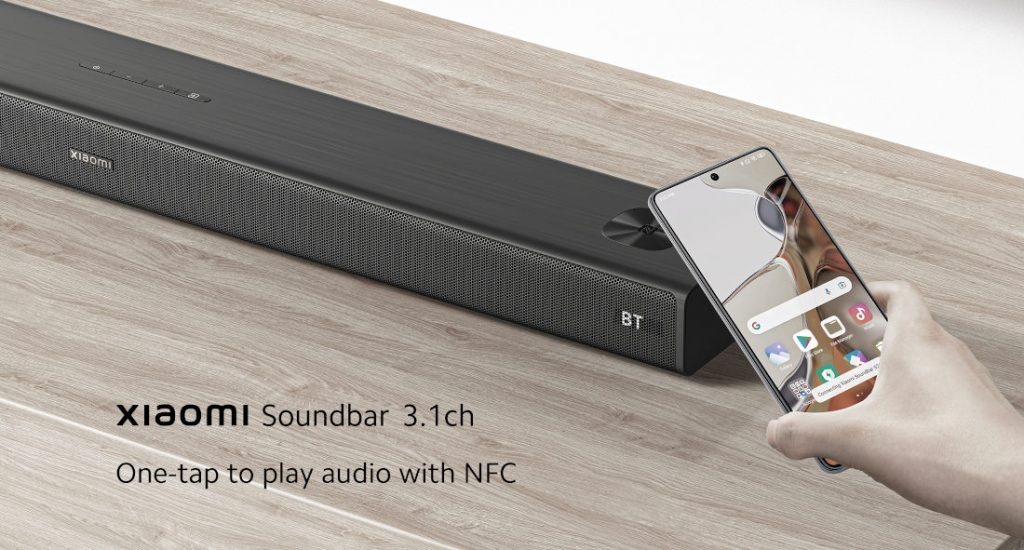
The Xiaomi Soundbar 3.1ch was first announced in November 2021 as part of the Xiaomi Smart Living ecosystem. The new soundbar is the company’s first of its kind for the global market. It supports one-touch NFC pairing, comes with a smart LED panel that shows the status of the device. There are connection toggles at the top, and a power button at the top, as well as volume controls.
On the sound components, the new Xiaomi Soundbar 3.1ch has Dolby audio and DTS Virtual X sound, with a wireless subwoofer for enhanced versatility of the soundbar. You can place the subwoofer anywhere that you desire to have a more powerful sound output. The Soundbar 3.1ch can produce a maximum output of 430W distributed between the subwoofer and the soundbar itself.
The Xiaomi Soundbar 3.1ch comes with a USB port, as well as Coaxial, Optical and HDMI input/output ports. It also features support for Bluetooth 5.0. There is a Dot-matrix OLED display integrated with the speaker grill at the front. It also comes with wall-mount brackets and a remote control. The soundbar and subwoofer are available in black colour only.
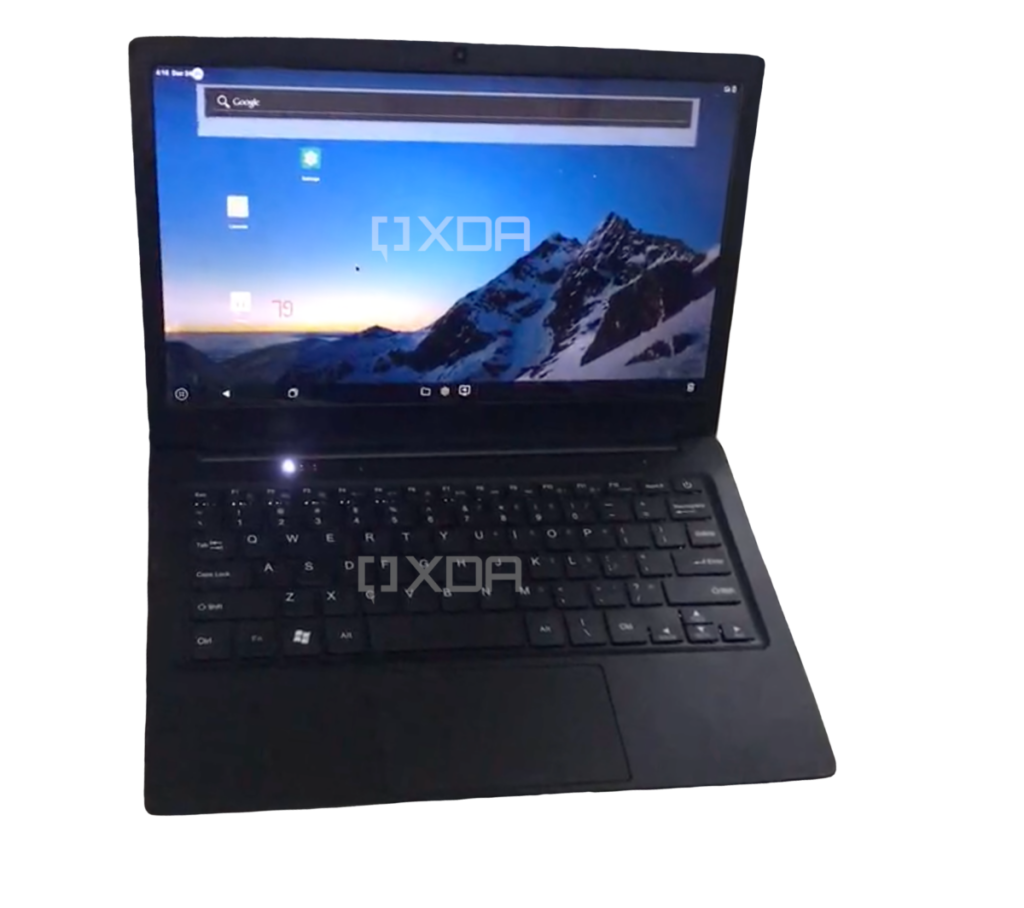
It’s been a while since we last heard about the JioBook. The laptop was previously spotted on Geekbench listing revealing its key specs. Now, the laptop has yet again arrived online, this time it got approved on a hardware certification.
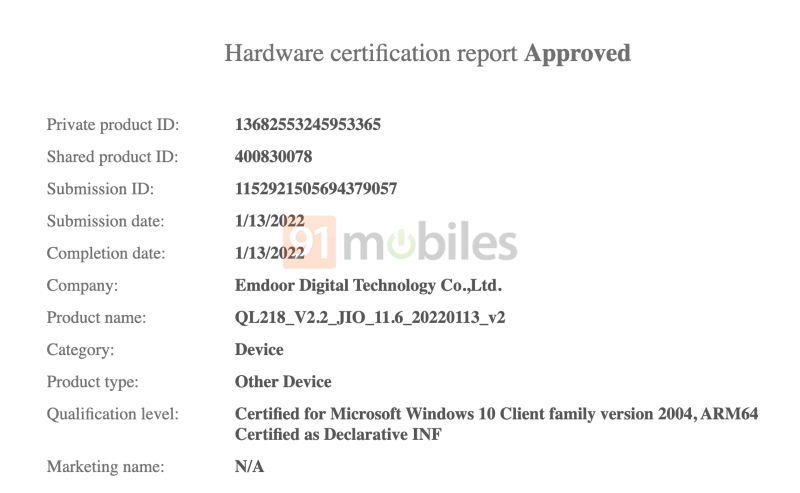
The Reliance JioBook’s listing was first spotted by Mukul Sharma(via 91Mobiles) and it confirms the laptop’s OS. The laptop with model product ID: 400830078 boots on Windows 10 operating system.
Furthermore, the listing reveals the company name as Emdoor Digital Technology LTD, which hints that the laptop could be manufactured by this company, but could be launched under Reliance’s JioBook branding.
In terms of its other specs, the JioBook was previously spotted with 2GB of RAM. It scored 1,178 points in the single-core department and 4,246 points in the multi-core department. These scores are possible due to the MediaTek MT8788, under the hood.
Credit:XDA
Considering these specs, the JioBook seems to be a basic laptop in the market. The laptop also appeared on BIS earlier confirming its India launch. Unfortunately, the company hasn’t spoken a word about the laptop, but given that it has passed another certification, we can expect a sooner release.
In related news, the company is also expected to launch the JioPhone 5G soon in India. Some of its specs are a 6.5-inch IPS LCD display, 13MP dual cameras, and Snapdragon 480 chipset. The smartphone will come at an aggressive price in the country and offer five 5G bands.
While Xiaomi is gearing to launch the Mix 5 smartphones, here we have a new price drop on the Xiaomi Mi Mix 4. The smartphone was initially priced at CNY 6299(~$990) for the 12GB RAM + 512GB storage variant. Now, the device has received a CNY 1400(~$220) discount coupon in China. After the discounted price, the smartphone costs CNY 4899(~$770).
Notably, this is even cheaper than the launch price of the base variant of the Mi Mix 4. The base variant was priced at CNY 4,999(~$770) at the time of launch. Having said that, at the price of CNY 4899(~$770), the Xiaomi Mi Mix 4 makes for a good flagship phone.
The Xiaomi Mi Mix 4 comes with a 6.67-inch curved AMOLED display with a 10-bit color depth. The smartphone has Gorilla Glass Victus protection and the screen has an under-display camera. It sports a 20MP selfie snapper that offers a 4-in-1 Superpixel imaging sensor. It has a 108MP + 8MP + 13MP triple rear cameras.
Under the hood, it is powered by the Snapdragon 888+ SoC and has a 4,500mAh battery. The device has support for 120W wired fast charging and 50W wireless fast charging support. The phone has an in-display fingerprint scanner and boots on Android 11 OS.
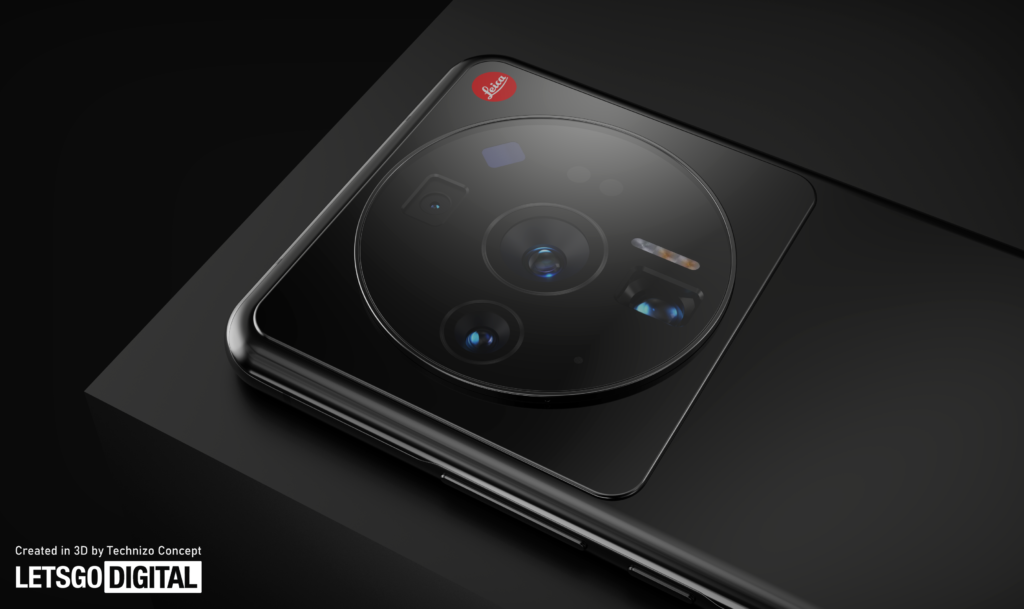
In related news, this year, Xiaomi is prepping to launch the Xiaomi Mix 5 phones, and the specs look interesting. The Pro model will have a 6.73-inch WQHD+ 120Hz refresh rate AMOLED screen. It will have a 50MP Leica branded lens.
The surge in technological advances has opened up new challenges for security agencies to deal with emerging crimes using tech devices. A tiny DJI drone has been reported to have been used to attempt smuggling drugs across the US border wall with Mexico. The details were contained in a recently released search warrant from the US Drug Enforcement Administration (DEA).
The DJI Mini drone just fits an average-size palm
The incident happened back on October 7, 2021, and involved a DJI Mini 2 drone dropping a quantity of meth up to its weight and was discovered by the US Border Patrol. It would seem that drug dealers are availing themselves of cheap consumer drones that could be used to fly packets of hard drugs into the United States. The DEA search warrant relates to the investigation to unmask the owner of the DJI Mini 2 drone, while the suspected recipient in the US is also to be unmasked.
The drone was observed on the specified day moving above the 25-foot border wall and landed on a parking lot while a man inside a grey Mercedes was waiting behind to pick up the package before it was intercepted by border security agents. The 249g drone was then discovered to be carrying 259g of methamphetamine. It is believed that the DJI Mini 2 can carry loads up to twice its weight for short distances.
The area where the incidence happened is reported to have seen substantial activities of drug cartels who continue to seek ways to sustain their criminal business of drug trafficking. It is not clear at this time whether the DEA will seek flight and ownership information for the drone from DJI to track the actual owner. In such instances, drone makers ought to provide all the needed information to help curb this emerging dimension of drug trafficking.
Earlier today (February 4, 2022) Winter Olympics commenced in Beijing, China. To commemorate the Winter Olympic games, luxury iPhone casings maker Caviar has created two special edition iPhones covered in gold.
The Beijing Winter Olympics iPhones are modified iPhone 13 Pro and iPhone 13 Pro Max. Caviar has made the back casing of the phone with an impact-resistant and lightweight red composite material which gives the illusion of rays of the sun.
The back of the phone also features the Beijing Winter Olympics logo along with the Xiaohaituo Mountain, the National Alpine Ski Center, and the delicate pattern of its skating tracks. The most impressive thing about these iPhone 13 Pro and 13 Pro Max is that all the designs along with the Caviar branding as well as the edges and camera rings are all made of 18-carat gold. Being limited edition, there are only eight of these devices available for purchase.
Other than exclusivity, there is another reason why Caviar only made eight of these devices and that is their price tag. The iPhone 13 Pro Olympic Hero Gold has a price tag of $26,000 for the 128GB model. On the other hand, the luxury casing maker has priced the iPhone 13 Pro Max Olympic Hero Gold 1TB model at $27,080.
In the past, Caviar has made some costly yet intriguing iPhone casings like the iPhone 13 Pro which is capable of stopping a bullet, the iPhone 13 Pro made from melted Tesla Model 3, and an interesting iPhone 13 Pro that features an actual dinosaur tooth fragment on its back.
Following the dating app dispute in Netherlands, Apple has announced that it will be charging 27 percent commission on purchases through a third party payment systems in the application.
Back in October 2021, we had reported on the Dutch authority labeling the Cupertino based giant’s in app purchase rules as anti competitive. Netherland’s Authority for Consumers and Markets (ACM) had ordered the iPhone maker to make changes in order to not face a fine. However, Apple had failed to comply in time and faced a 5 million US Dollars fine per week till it eventually made the changes. Now, it seems that the brand is finally moving to comply with the Dutch authority.
The company further added that “Consistent with the ACM’s order, dating apps that are granted an entitlement to link out or use a third-party in-app payment provider will pay Apple a commission on transactions. Apple will charge a 27% commission on the price paid by the user, net of value-added taxes. This is a reduced rate that excludes value related to payment processing and related activities. Developers will be responsible for the collection and remittance of any applicable taxes, such as the Netherlands’ value-added tax (VAT), for sales processed by a third-party payment provider.”
On its developer support site (Via MacRumors), the company shared an update that revealed that Apple would take a 27 percent commission, which is lower than its usual 30 percent commission rate that it charges on payments made through alternative payment methods in dating apps. It also warned that it will not be aware of any purchases made through other methods, so it won’t be able to assist users with refunds, purchase history, subscription management, and other issues that it usually keeps track of. Despite complying with the original order, Apple is still appealing the ACM ruling.
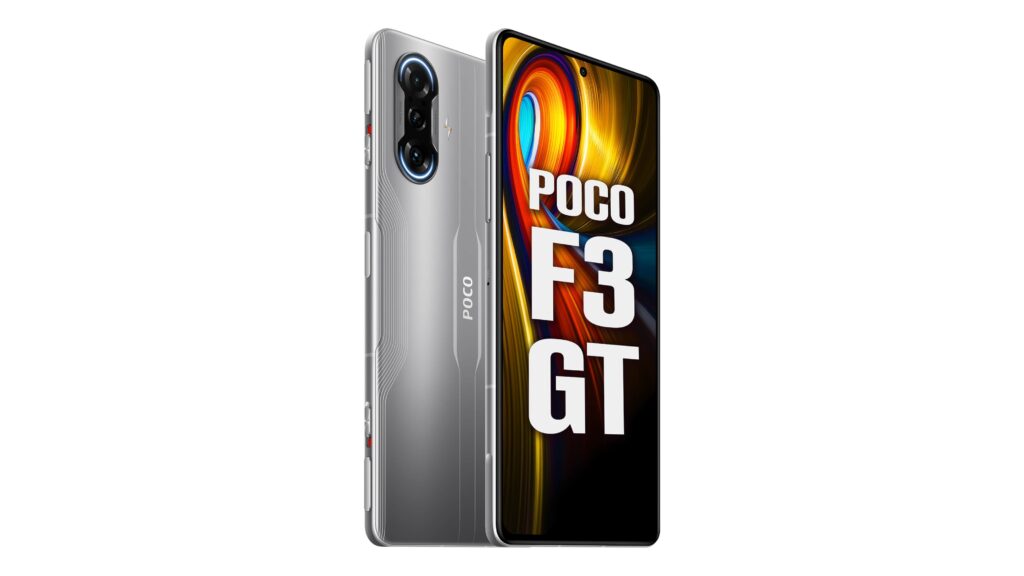
The POCO F3 GT was released in July 2021 with Android 11 and was treated to MIUI 12.5 Enhanced late last year. The gaming phone went unmentioned on Xiaomi’s official MIUI 13 rollout plans for India but has now surprisingly bagged the update, bumping up its Android version for the very first time.
The update carries version V13.0.0.10.SKJINXM and is based on Android 12. Its size stands at 3.2GB and can be installed through recovery. The build awaits a wider rollout since it’s a Mi Pilot release targeted at those that are part of the pilot testing program alone. But if all goes well, it should be making its way to all users in the coming days.
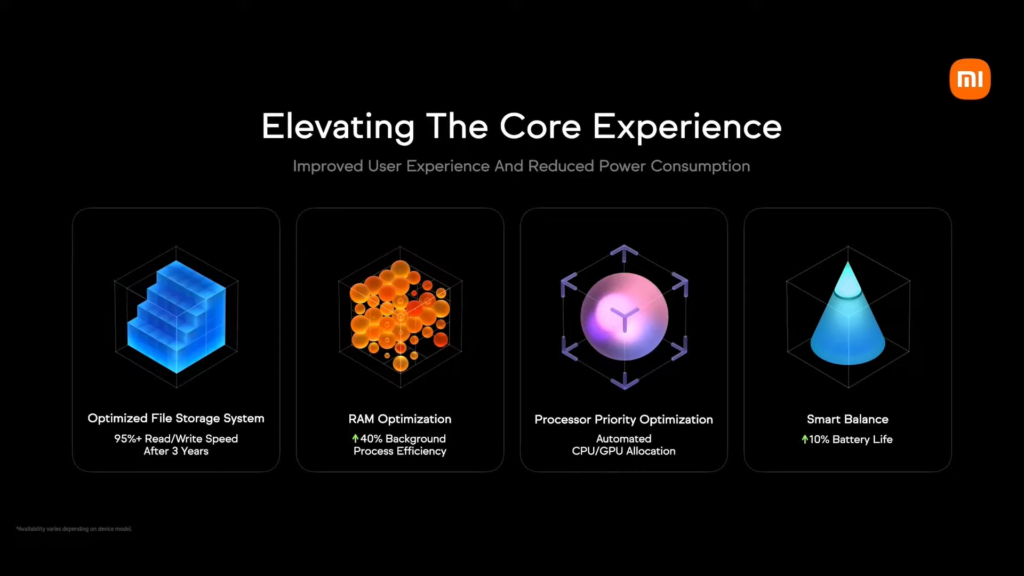
An official changelog is unavailable at the time but yesterday’s MIUI 13 Indian launch event had given us a glimpse into what to expect. There aren’t too many changes over MIUI 12.5 really, although Xiaomi does claim that performance has been boosted significantly, thanks to four new elements aimed at improving user experience and reducing power consumption.
These are Optimized File Storage System, RAM Optimization, Processor Priority Optimization, and Smart Balance, descriptions of which can be found here.
Apart from this, the MIUI 13 update for the POCO F3 GT will be bringing in some new wallpapers, both static and live. Although, live wallpapers aren’t guaranteed to show up since Xiaomi says that they’re limited to select devices.
To download the V13.0.0.10.SKJINXM build for POCO F3 GT, head over to this official link (via Xiaomiui). Keep in mind that it may fail to install since it’s targeted at pilot testers.
Last time, we learned that Redmi is expected to launch the Redmi 10C this year in the Indian market. We also learned the codenames of the phone. Now, the smartphone has arrived on the BIS certification hinting at an imminent launch. In addition to this, the Poco C4 budget-centric phone has also cleared the same certification.
These listings confirm that the phones are coming to the Indian market soon. However, there’s no launch date as of now. But so far, we know that the Redmi 10C will be codenamed as ‘Fog’, ‘Rain’, and ‘Wind’.
The smartphone has model number 220333QBI for the Indian market and will be powered by a MediaTek chipset. Unfortunately, we do not know the exact chipset.
The phone will come with a triple camera system and as per a previous leak, it will have a 50MP Samsung ISOCELL S5KJN1 main lens, an 8MP ultra-wide lens, and a 2MP OmniVision sensor.
If we talk about the Poco C4, it also shares a similar model number. It could be a rebadged model of the Redmi 10C. Having said that, it may come with a triple camera system. Just to compare, the predecessor Redmi 9C and Poco C3 came with a 13MP triple camera system. A 50MP main sensor will surely be a big upgrade, at least on paper.
Other than this, we can expect the Redmi 10C and Poco C4 to have HD+ displays and big batteries.
The Galaxy Unpacked 2022 event, scheduled for February 9th, is almost upon us now. The event will see the launch of one of the most awaited devices this year, namely the Galaxy S22 series and the Tab S8 series. And ahead of the big day, Samsung has begun its own unique way of promotions, installing 3D tigers across five of the world’s “most vibrant cities.”
Starting on February 4, Samsung’s “Tiger in the City” campaign will bring a giant 3D tiger roaring to life in New York, London, Dubai, Kuala Lumpur, and Seoul. Check it all out in the video below.
“The disruptive 3D tiger will burst through digital barriers to showcase how Samsung’s next smartphone lineup is set to help users own the night with new advancements to its low-light smartphone photography technology,” reads Samsung’s press release.
By channeling the image of the tiger, Samsung is also embracing its innovating past and refusing to play it safe by pushing mobile innovations that shape our world. The company says that the new campaign aims to help customers “feel its vision up close at street level” ahead of the Unpacked event.
The Galaxy S22 series will be comprised of the Galaxy S22, S22+, and S22 Ultra. The Ultra model will be a sort of revival of the now-defunct Note series and will come with an S Pen out of the box.
The Galaxy Tab S8 series will have a similar lineup, comprised of the Tab S8, Tab S8+, and Tab S8 Ultra. From this, the Galaxy Tab S8 Ultra will feature a 14.6-inch 2960x1848px Super AMOLED display with a 120Hz refresh rate.
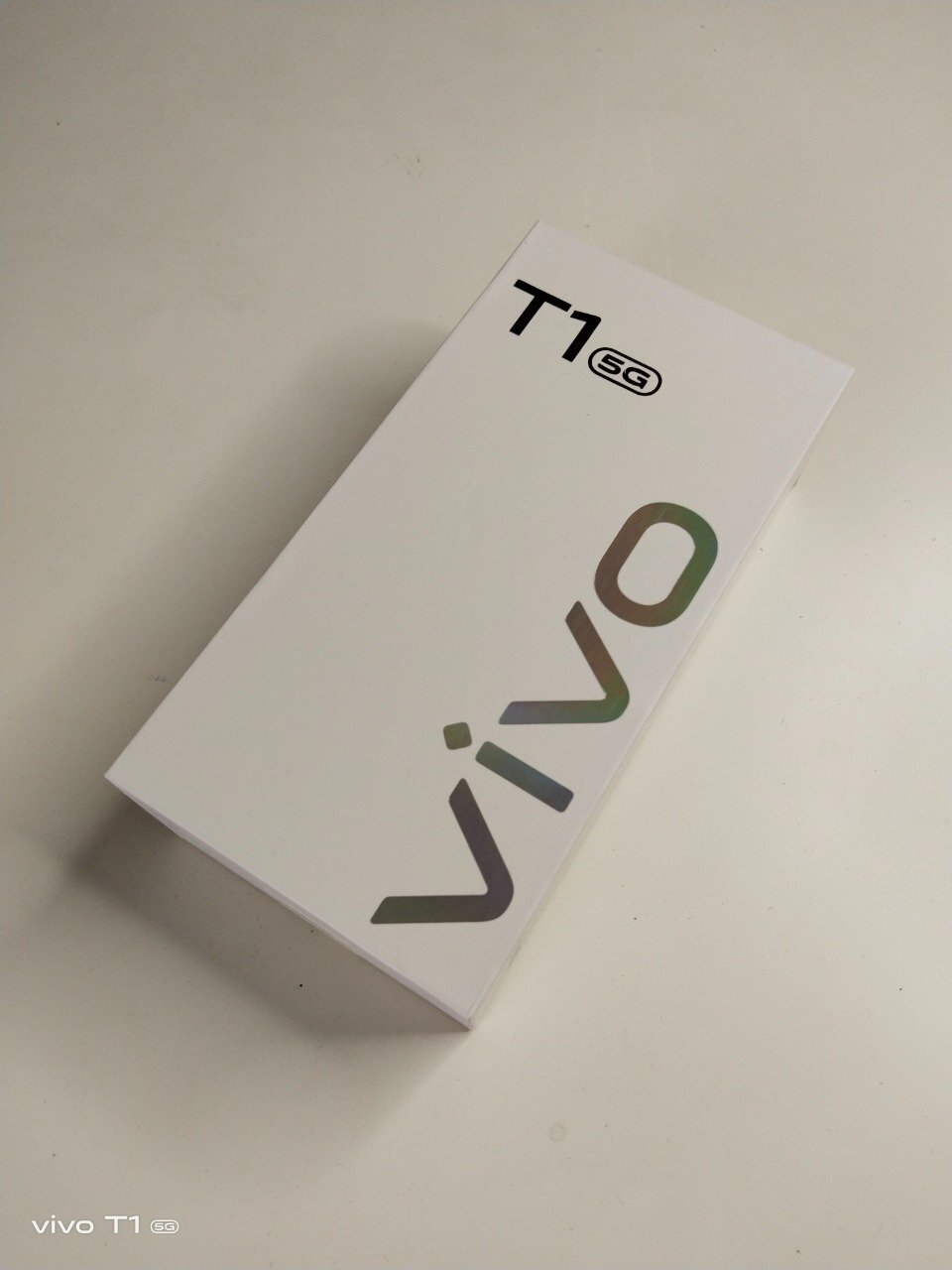
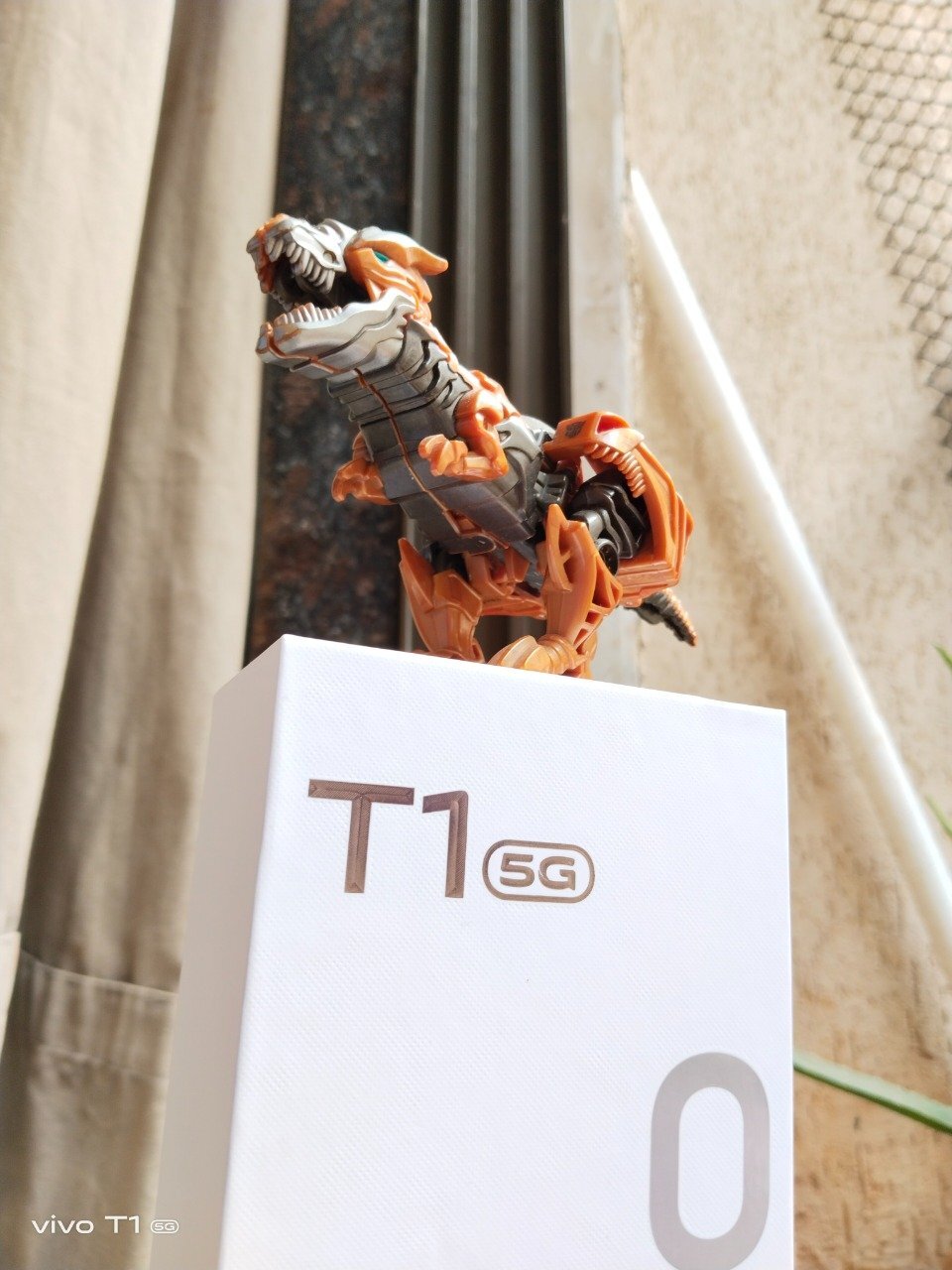
Vivo has scheduled to launch the Vivo T1 5G smartphone on February 9 in India. Ahead of its launch, the company has started the promotions of the device on its social media platform. Also, we have learned a few of its specs, thanks to a tipster. Now, another tipster Mukul Sharma has shared the box and camera samples of the smartphone.
Vivo seems to be keeping things simple with the Vivo T1 5G. Especially with the box packaging. The smartphone has a simple White-colored box with the T1 5G and Vivo branding.
1 of 2
The camera samples of the device have also been shared. These shots have been captured in the daylight and they look good.
Previously we learned that the Vivo T1 5G will come with a 6.58-inch LCD display with an FHD+ resolution and 120Hz refresh rate.
1 of 2
The smartphone will be equipped with a triple camera system with a 50MP primary lens and two 2MP sensors. There will be a single 16MP selfie snapper on the front. Inside, it will be powered by the Snapdragon 695 SoC paired with up to 4GB, 6GB, and 8GB of LPDDR4x RAM and 128GB of UFS 2.2 internal storage.
It will pack a 5,000mAh battery with 18W fast charging support. It will have a side-facing fingerprint scanner and have a 3.5mm audio jack.
The Vivo T1 5G will come at under Rs. 20,000(~$268) in India.
Google recently fixed a whole host of major connectivity issues on their latest Pixel 6 and Pixel 6 Pro devices. However, the Google flagships can’t seem to catch a break as another bug has appeared on the devices.
Google Pixel 6 Pro
Users have taken to Twitter and Reddit to report and discuss a new issue they are facing with the Magic Eraser feature on the Google Photos app. Users have stated that whenever they tap on the Magic Eraser, the Photos app crashes.
@googlephotos has been crashing every time I try to use the "magic eraser" on my Pixel 6. Has it been the case for anyone else @madebygoogle users?
The bug has apparently come along with the latest update to the Google Photos app. Users have tried to find a workaround to this problem by clearing cache and data but to no avail. Restoring the device to the factory setting also doesn’t work since it removes the Magic Eraser functionality completely from the device.
For those unaware, Magic Eraser is one of the key features in the Pixel 6 devices which uses the machine learning capabilities of Google’s new Tensor processor and enables users to remove unwanted objects or people from their photos.
Google Photo’s official Twitter handle has directed users affected by this bug to follow the steps in their “Fix an installed Android app that isn’t working” article, however, the generic fixes mentioned in the article don’t appear to work.
For users who have not been infected by this new bug yet, we highly recommend you to turn off the automatic update for the Google Photos App for the time being. To turn off automatic updates for your Google Photos app, go to the Play Store and open the Google Photos app page. Then click the three dots button on the top right and uncheck the “Enable auto-update” checkbox.
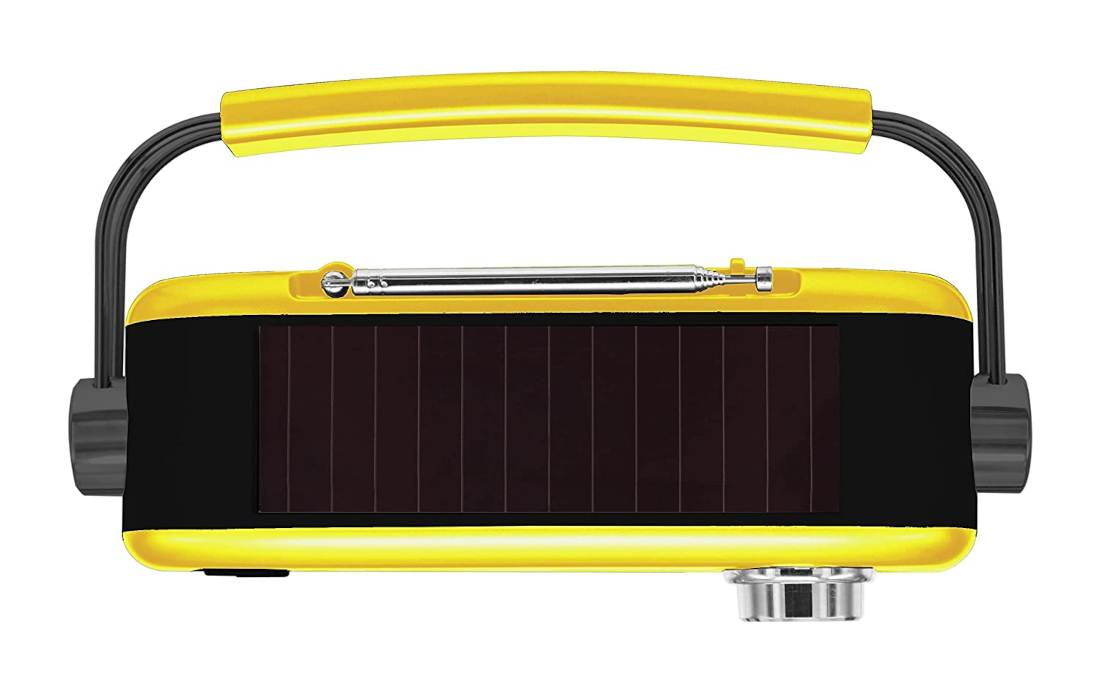
Indian smartphone accessories and gadgets manufacturer iGear has launched a new product in India dubbed iGear Evoke Solar Radio and MP3 player. The product adopts a retro-styled design with a design looking like a radio cassette player but instead, it is just a radio and MP3 player.
In keeping up with the retro design, the Evoke ditches the more modern digital dial but instead, it comes with an analog dial with moving needle tuning indicators and more. The body is made from toughened ABS plastic
The radio is well suited for regions where electricity is a challenge, as it comes with solar charging support. It isn’t just designed for FM radio but it still supports AM and SW. It also features support for Bluetooth 5.0 which can be used to play music from a connected phone. There is also a USB flash drive port to also connect a media device. The 5-watt speaker onboard is powerful enough to deliver vivid bass.
The iGear Evoke packs a 1200mAh battery that is rechargeable. The design includes a solar panel at the top integrated with the body and can charge the battery. Apart from solar charging, it can also be charged from a power source.
Solar panel
As for the price, the iGear Evoke solar radio and MP3 player is priced at Rs. 3000 (~$40). The device will be available in three color options – Pearl Blue, White-Champagne Gold, and Yellow- Black. The gadget will be sold on Amazon, Flipkart, and via iGear’s website.
OnePlus has steadily been expanding its Nord lineup. Many of you may already be familiar with the OnePlus Nord CE 2 that has been making rounds on the internet lately, but it’s now known that the device will be joined by a Lite version. While several of its specs have already been leaked, a tipster has shared more details about its camera setup.
According to tipster Yogesh Brar (via 91mobiles), OnePlus Nord CE 2 Lite will have a triple camera setup at the rear, comprised of a 64MP OmniVision primary camera, a 2MP macro sensor, and a 2MP macro lens. The selfie shooter upfront will be a 16MP Sony IMX471 sensor.
OnePlus Nord CE 2 by Yogesh Brar x 91mobiles
The fan-favorite alert slider has unfortunately been given a miss but a headphone jack has been retained.
A previous leak from OnLeaks had revealed that the OnePlus Nord CE 2 Lite would have a 6.59-inch fluid full-HD display but did not mention its type. Yogesh suspects that it could be an LCD panel.
The older leak had also revealed that the device will be powered by the Qualcomm Snapdragon 695 chipset, supported by up to 8GB of RAM and 256GB of storage. The battery is expected to be sized 5,000mAh with 33W charging support. And out of the box, the device will be booting into Android 11-based OxygenOS.
The OnePlus Nord CE 2 Lite’s price tag is said to read Rs 20,000 or so for the base model but we should be getting official confirmations quite soon.
Xiaomi had just announced the results of an independent review that was conducted for its data protection standards. The company passed the annual audit for data privacy, which was in compliance with the European Union.
The Chinese tech giant had brought in TRUSTe LLC, a subsidiary of TrustArc, for the independent audit of its data protection and security management system. Furthermore, this review had tested in details if the processing of personal information conducted by Xiaomi is in compliance with the General Data Protection Regulation (GDPR) of the European Union (EU). TRUSTe said in the review that “The measures described in the GDPR Validation Assessment were suitably designed to provide reasonable assurance,” with the review meeting all 40 GDPR validation requirements.
In a statement, the smartphone maker stated that its annual assessment has passed the standard with the European Union’s General Data Protection Regulation requirements. Xiaomi has been going through these annual audits by TrustArc since the regulation was first introduced back in 2018. The company also added that it will continue to maintain its high standards when it comes to user privacy and private data protection.
Cui Baoqiu, Vice President and Chairman of Xiaomi Security and Privacy Committee, said that “We regularly engage with TRUSTe, as well as other credible institutions globally to warrant that Xiaomi’s user privacy protection, including GDPR compliance, keeps improving and perfecting its practices to offer our users reliable and trustworthy products and services. I’m very pleased to see that Xiaomi has completed TRUSTe’s annual audit of GDPR privacy compliance, which demonstrates our commitment to privacy protection.”
The Find N 5G was launched only in December but OPPO appears to be already working on a couple of new foldables. A tipster had earlier shared that the company is gearing up for the release of a Galaxy Z Flip3 rival. But a new report now details another model with a unique dual-hinge design.
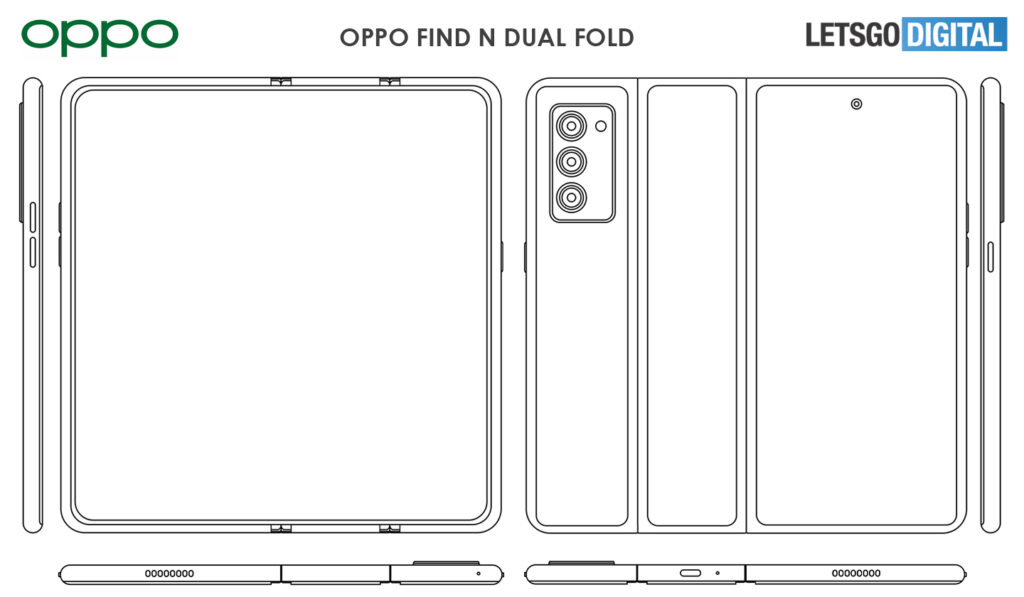
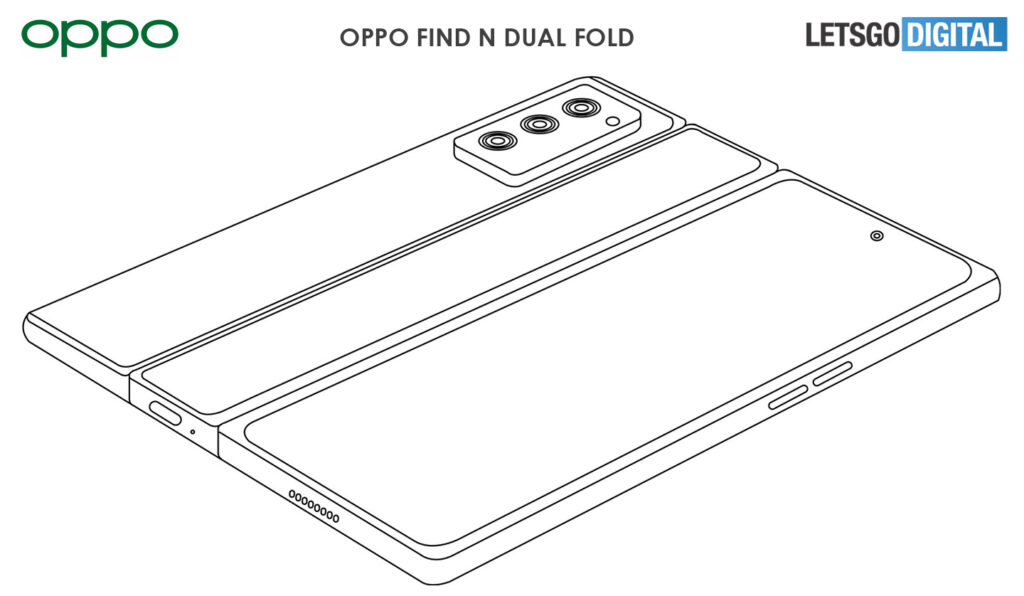
On July 6, 2021, OPPO filed a new design patent for a foldable phone with the ability to fold at two points (via LetsGoDigital). This patent was approved and released this month. The device featured within is equipped with a 5.5” cover display and a 7.1” inner screen.
The inside display has a wide format and is comparable to the one on the OPPO Find N, although the patent design is bout 15% narrower. The second hinge allows the right-most part with the rear cameras to be folded in the opposite direction. This in turn helps the triple camera setup to be brought to the front, using which selfies can be clicked.
The outside display has a punch hole in the top center, housing the selfie camera. There are no such cutouts on the main screen though, opening up the possibility of an under-screen camera.
As for the other stuff, you get the power button on the right and volume keys on the left. Both top and bottom edges feature speakers and microphones, but the bottom also has a USB-C port.
The release date of the futuristic foldable phone is completely in the dark at the moment and it isn’t even known if OPPO is planning to make the device go mainstream. Regardless, we should be seeing more leaks in the coming months, so stay tuned.
The POCO M4 Pro 5G is the brand’s latest smartphone. The device went official in early November 2021. The handset is originally called Redmi Note 11 5G in China. It also goes by the name of Redmi Note 11T 5G in India. Now, months later, the phone seems to launch in India very soon.
Source: 91Mobiles
POCO is teasing the launch of a new smartphone in India. At the same time, 91Mobiles has shared a teaser poster showcasing the device.
According to the image, the phone appears to be none other than POCO M4 Pro 5G. However, the publication mentioned that we cannot rule out the possibility of the newly rumored POCO M4 Pro 4G.
According to reports, the 4G variant of POCO M4 Pro will be a rebranded Redmi Note 11S. The latter’s camera module is different than that of the handset shown in the poster attached above.
Hence, we believe the next POCO-branded smartphone launching in India is most likely POCO M4 Pro 5G. However, we cannot rule out the possibility of POCO M4 Pro 4G releasing together.
POCO M4 Pro 5G
Anyway, whatever handset or handsets the brand brings to the market, they will be on sale alongside the original versions in India. The Redmi Note 11T 5G has already been released in the country, while the Redmi Note 11S will go official next week.
Which phone do you think POCO will debut in India? Do you think we will only witness the release of only the 5G version of POCO M4 Por or both 5G as well as 4G? Do let us know in the comment section.
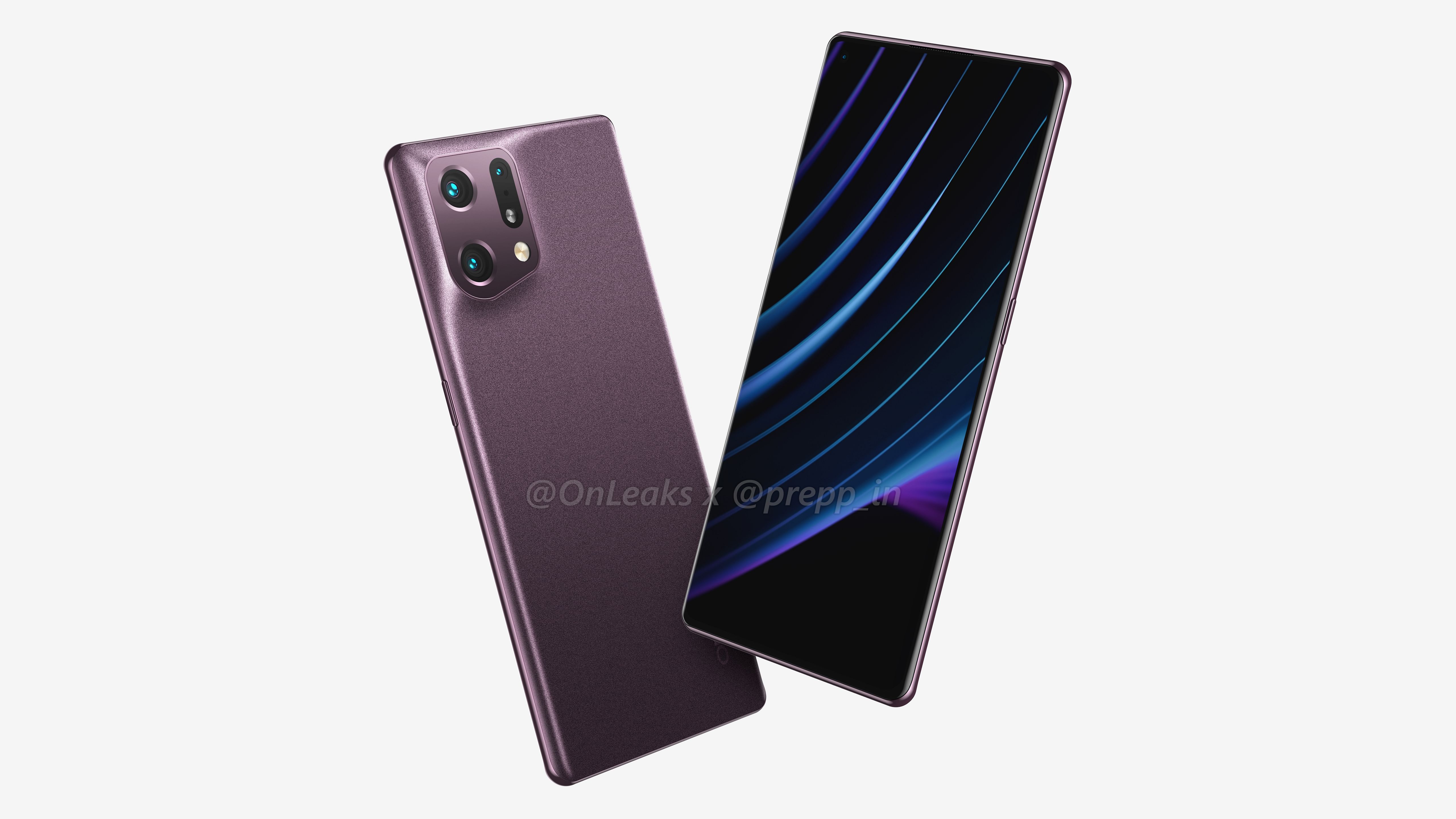
The OPPO Find X5 has just been spotted receiving new certifications. The upcoming flagship smartphone has been spotted on both GCF and TDRA database, which revealed its model number as well.
The news arrives from Abhishek Yadav who shared the information on Twitter. On the social media post, he also shared screenshots of the certification listings as well. Looking at these images, we can clearly see that the Chinese smartphone maker is working on the Find X5, which has a model number CPH2307. This is confirmed in the other certification as well. Unfortunately, these listings do not reveal any other finer details regarding the OPPO Find X5 series.
As per a Nashville Chatterreport, even the Find X5 Pro has received the TDRA certification. The higher end Pro variant will apparently carry the model number CPH2305. Previously, we had also reported on the new Find X5 series receiving 3C certification in China. This report had also hinted at the upcoming premium grade handsets featuring 80W fast charging. While we do not have any official news regarding the Find X5 series specs, the Pro model is rumored to sport a 6.7 inch AMOLED LTPO 2.0 QHD+ 120Hz display, a 32 megapixel Sony IMX709 selfie shooter and a 50 megapixel (Sony IMX766, with OIS) + 50 megapixel (ultra wide) + 13 megapixel triple rear camera model with MariSilicon X NPU.
Find X5 / X5 Pro renders by OnLeaks and Prepp.in
Under the hood, the flagship will likely feature the Qualcomm Snapdragon 8 Gen 1 SoC along with up to 12GB of LPDDR5 RAM, 512GB of UFS 3.1 storage, and a large 5,000mAh battery pack. Keep in mind that these are still just speculations at the moment, so take this report with a pinch of salt and stay tuned for more updates.
EA has just made Apex Legends Mobile available for download in select countries. The game has been in beta builds since last year, and now, Respawn (the developers behind Apex Legends) is finally being released across the globe.
As of right now, the company has soft launched the mobile version of the popular battle royale title. In other words, it is not globally available at the moment and is currently limited to Android users. Furthermore, Apex Legends Mobile will be available for download in regions including, Argentina, Colombia, Mexico, Peru, Indonesia, Malaysia, Philippines, Singapore, Australia, and New Zealand.
If you’re nation is not in this list, you can still opt to pre-register for the game on Google Play Store, which offers you a chance at being invited to the beta test. Respawn have stated that the game is still in an early version and is being tested with a limited playerbase. This basically means that the game is being rolled out in a staggered manner and it isn’t available to the broader market. Unfortunately, since its exclusive to Android right now, iOS players will have to wait a bit longer.
For those unaware, Apex Legends Mobile offers a gameplay that is identical to its PC counterpart, similar to PUBG and PUBG Mobile. So, players teams up with two other players and dives into the map with a zone that shortens overtime. Unlike PUBG, the battle royal has just 60 players in total over 100 people in PUBG. Furthermore, its mechanics encourages firefights to help boost your armor, to add more diversity over luck based looting. Another major aspect is its different characters that arrive with different active and passives abilities as well.
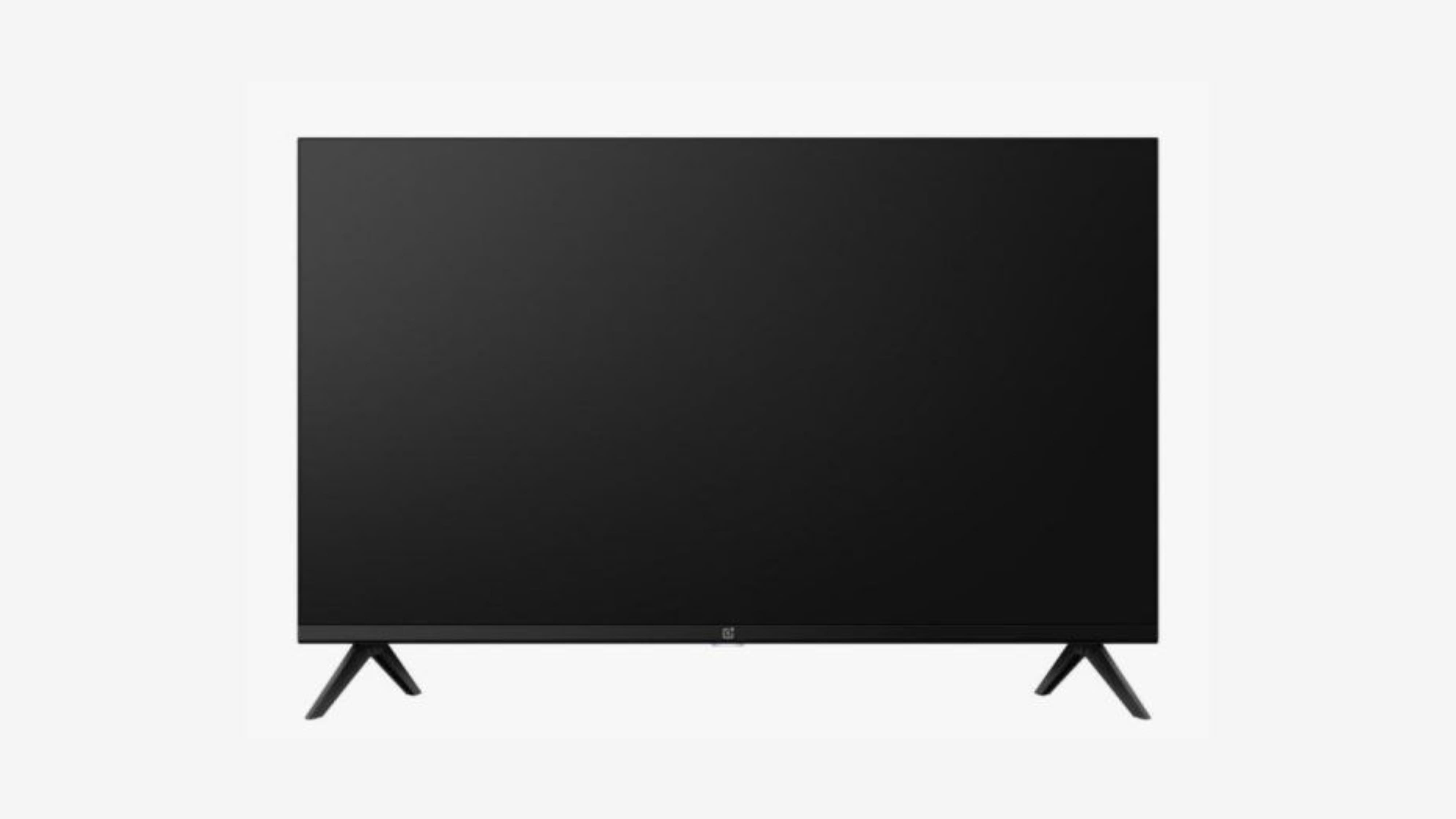
OnePlus on Friday, officially announced the launch of the new OnePlus TV Y1S and OnePlus TV Y1S Edge in India. These TVs will be an addition to the already available Y-series of TVs in India.
Currently, OnePlus has the OnePlus TV Y1 in its Y-series. Now, with the addition of the Y1S and Y1S Edge, the company will expand its affordable TV range in the country. The company said that the Y-series is targeted to bring accessible connected ecosystem experiences across different screen sizes. The Y-series TVs including the upcoming Y1S and Y1S Edge will come at affordable prices.
Furthermore, the Y1S will be launched exclusively in the online market, whereas, the TV Y1S Edge will be available in the offline market.
“We believe the new range of the OnePlus TVs will re-define smart TV experience by providing unparalleled quality, along with a premium design and an elevated viewing experience, while bringing these offerings at truly affordable price points”, said Navnit Nakra, Oneplus India CEO and Head of India region.
Apart from this, a recent leak revealed that the new OnePlus TV Y1S series will launch as early as this month on February 17. It will come with minimal bezels on all three sides, while the bottom bezels will be slightly thicker as it will have the Oneplus logo.
The Y1S series will likely come with a similar design as the existing OnePlus TV Y1. The upcoming TVs were tipped to come with 20W speakers backed by Dolby Audio. The series will have HDR10+ support and is expected to come with dual-band WiFi. It will run on Android TV 11 OS.
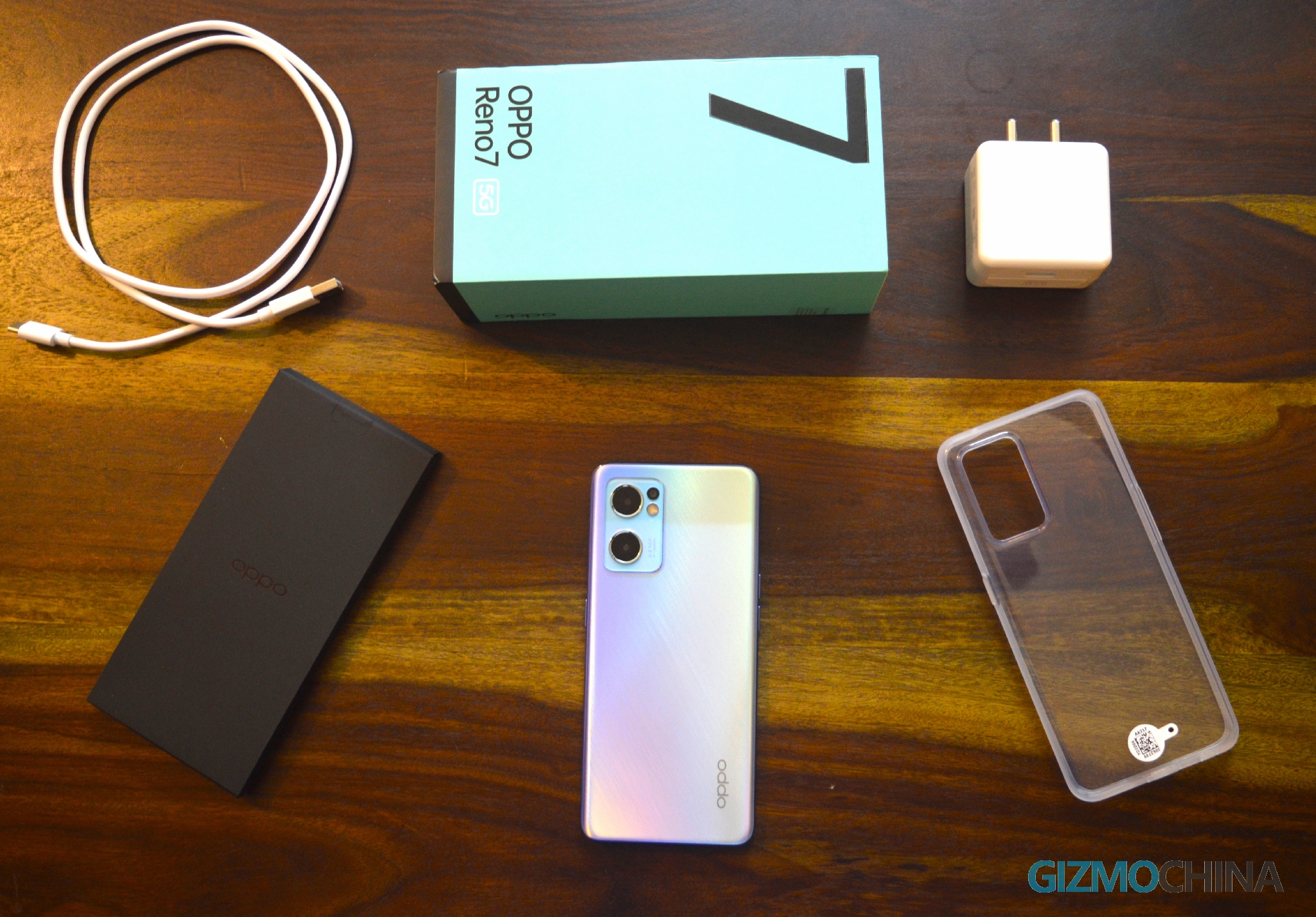
OPPO’s Reno lineup has become sort of a bridge between mid-rangers and flagships, bringing great specs and premium designs at prices that don’t exactly undercut the competition. And as its latest iteration commences its global journey starting with India on February 4th, we put its more affordable offering – OPPO Reno7 5G – to the test to see if its Rs 28,999 price tag is truly worth the surcharge.
OPPO Reno7 5G Review: Design
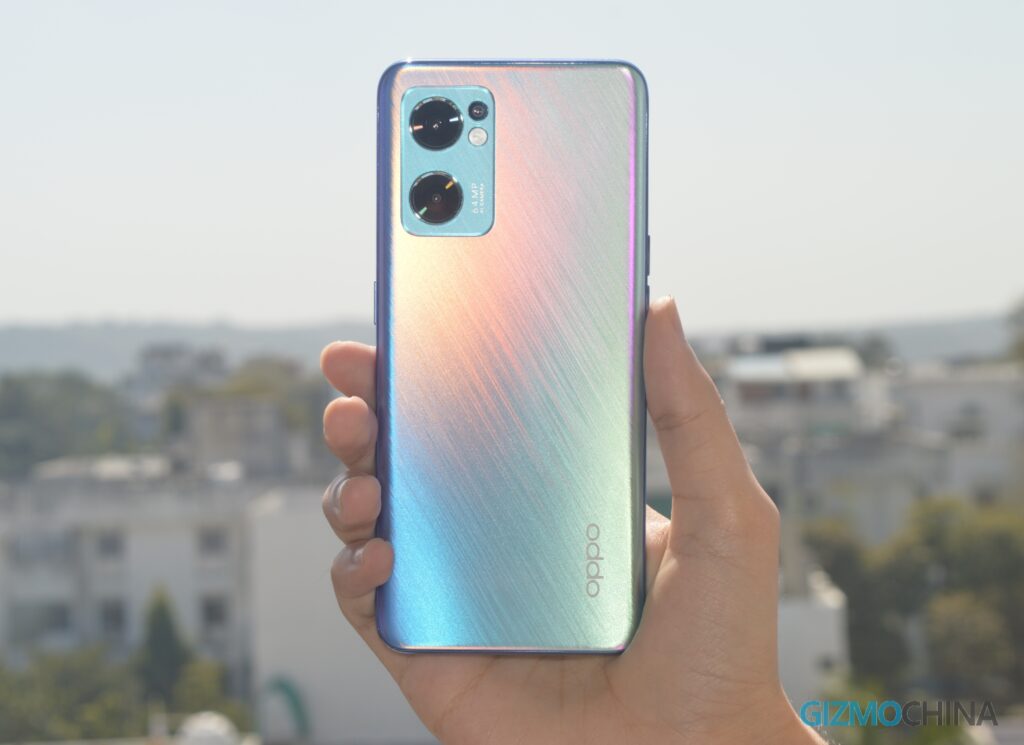
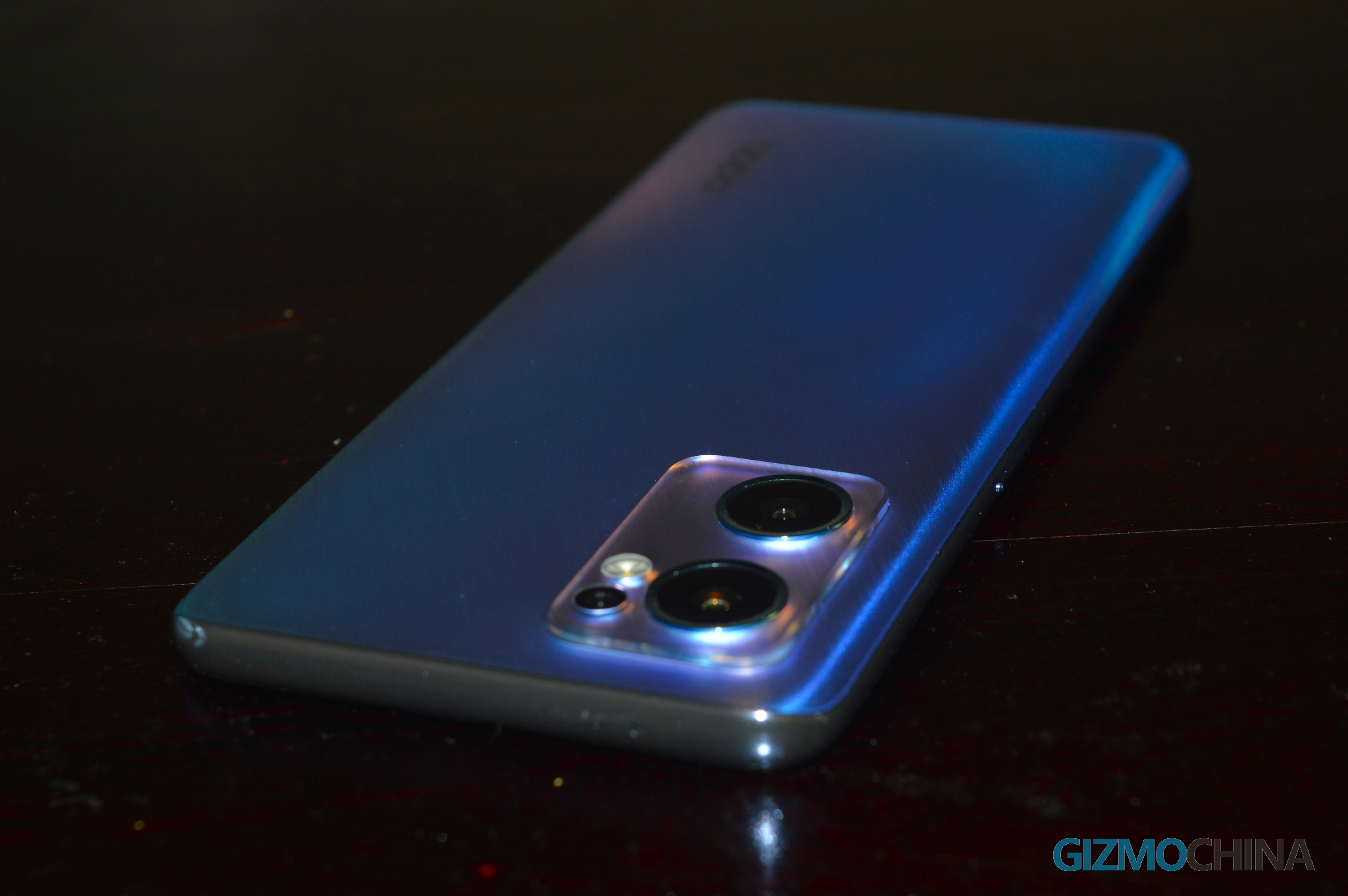
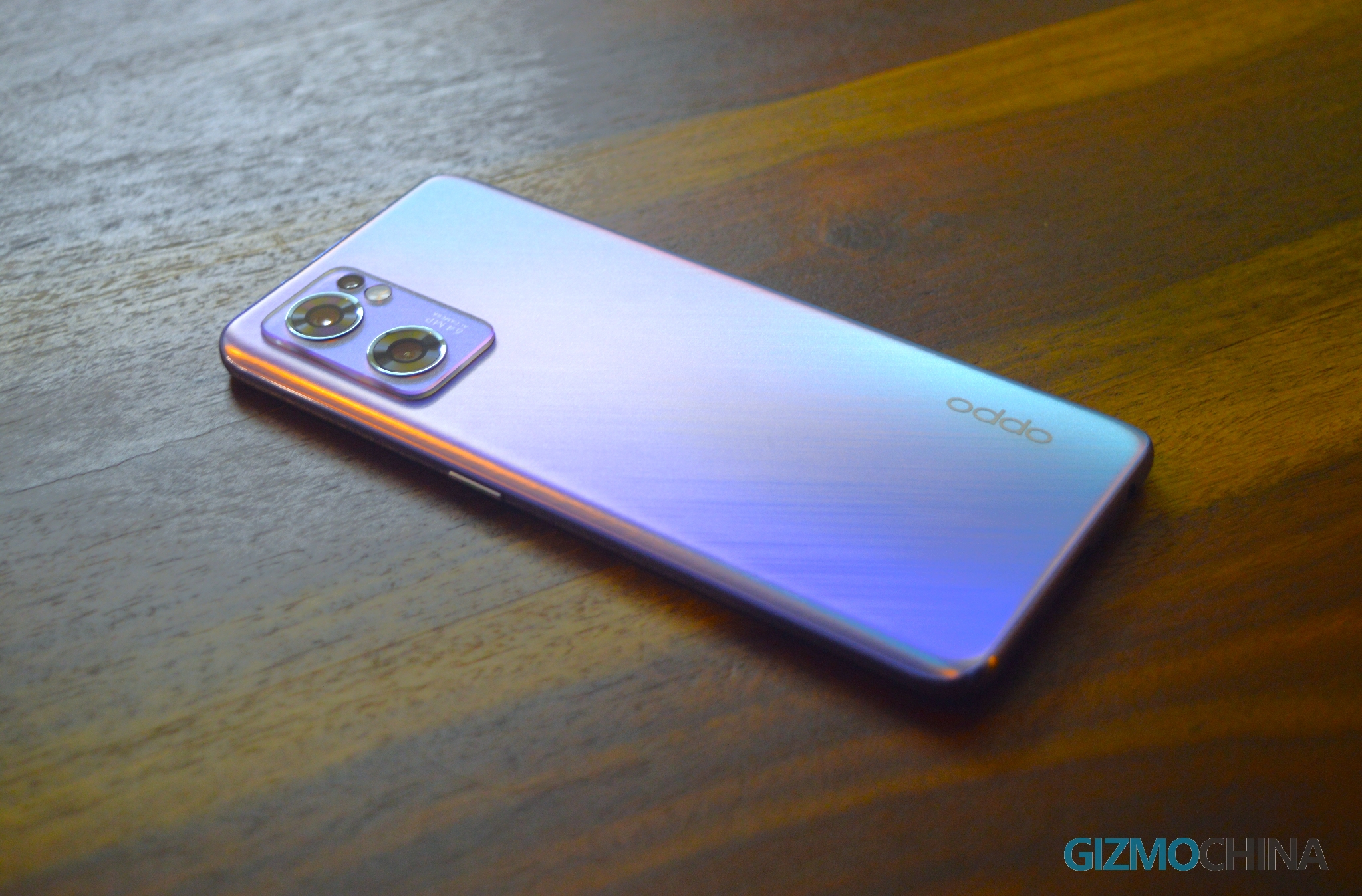
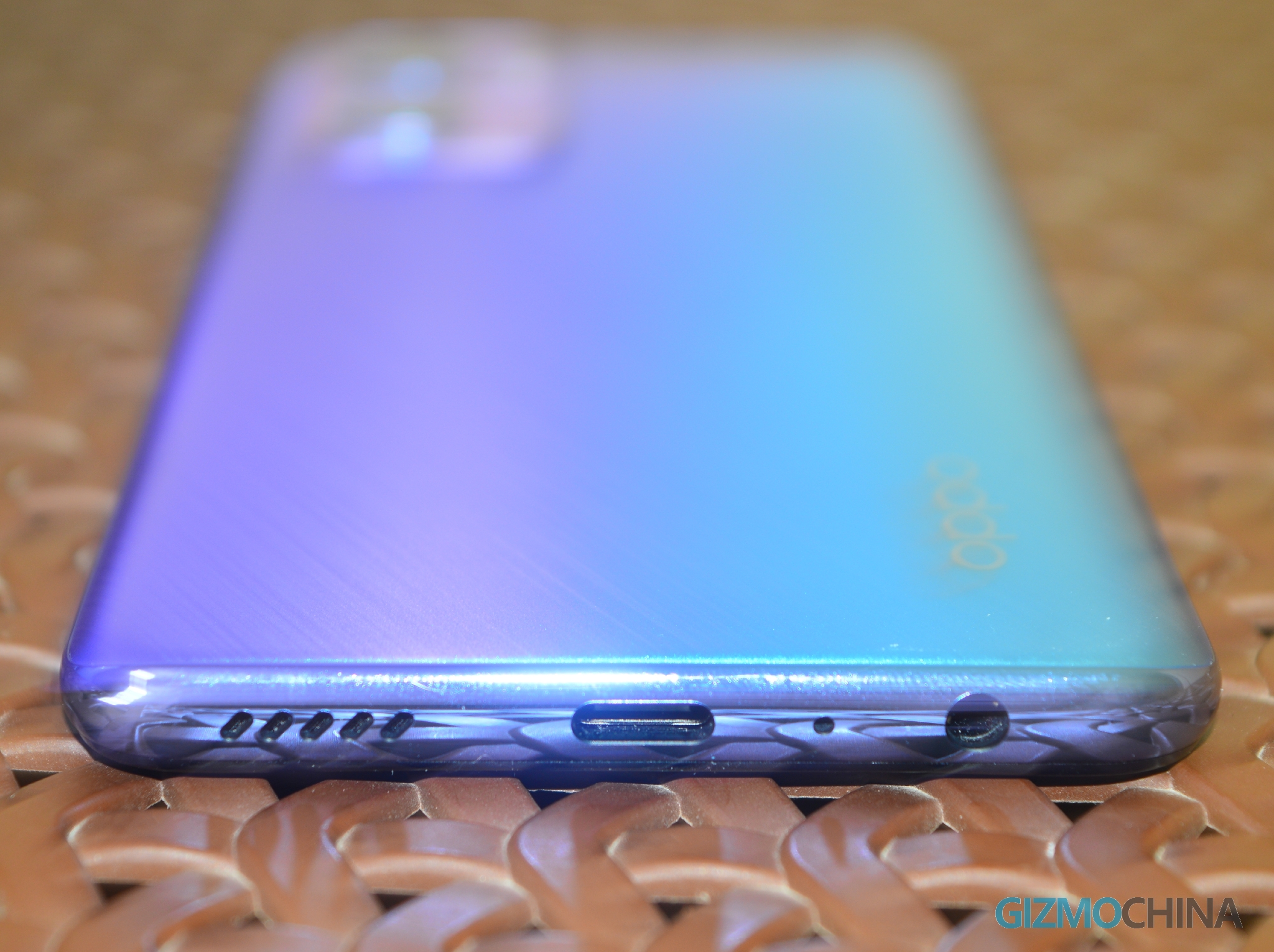
Unlike the Reno7 Pro, the standard model opts for a plastic frame, although the overall design is just as attractive. The review unit I received is painted “Startrails Blue” and turns into quite the light show when moved around under the sun. There’s some glitter action going on, paired with a pattern that has been inspired by star trails. OPPO says that a dual-texture, dual-coating layer has been introduced to the rear AG glass panel to give the phone two different layers of color – and it does result in a gradient finish.
But what good are looks if not complemented by a great in-hand feel? Thankfully, the Reno7 is quite comfy to hold with the textured rear providing optimal grip. The 6.4” display size is a sweet spot for me, allowing for a great viewing experience without compromising much on single-hand usage. One can even argue that the device’s size and weight are one of its biggest selling points. In a market that’s currently dominated by 200g+ 6.7”+ behemoths, the Reno7’s 173g weight and 7.81mm thickness sure do feel like a breath of fresh air.
However, OPPO’s design choices get more interesting when last year’s Reno6 is brought into the picture. The older model had gone for a plastic back + metal frame build with flat edges and looked arguably more premium. OPPO has kept the boxy look a Pro model-exclusive this year but those familiar with it would argue that rounded designs are comfier in hand.
1 of 4
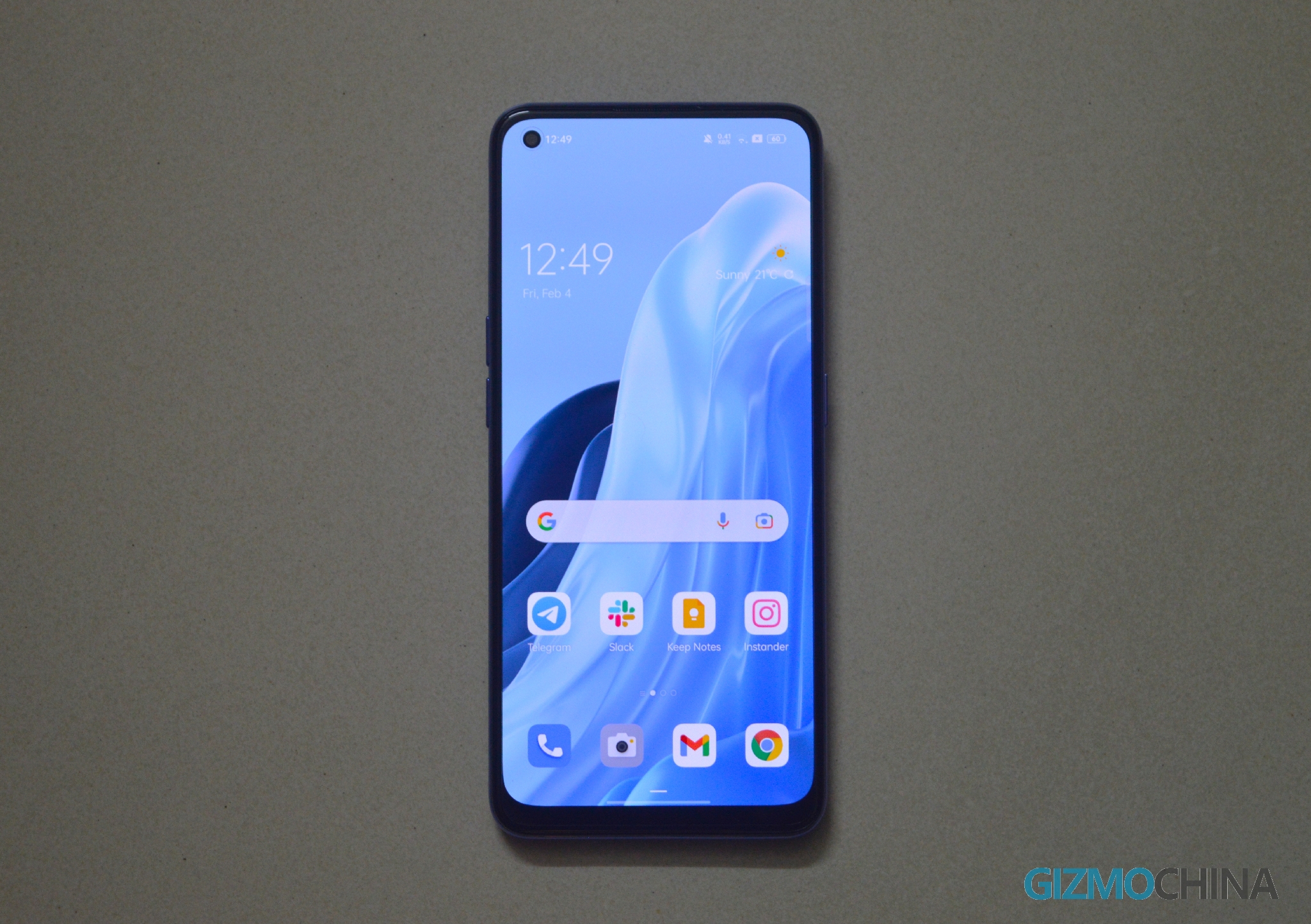
But there’s also the case of the bezels. The Reno7’s bezels appear to have grown all around compared to last year’s Reno6, and this, unfortunately, is something I can’t forgive. You could say a large chin is the arch-nemesis of premium designs and is definitely not something you’d expect from a 2022 mid-ranger.
Display
The OPPO Reno7 5G, as already stated, sports a 6.4-inch OLED panel with a 90Hz refresh rate. Colors are crisp, sunlight legibility is passable, tint issues are non-existent, but there are a couple of snags – HDR10 support appears to be missing and the 90Hz refresh rate loses out to the 120Hz display-brandishing rivals at the same price point. Still, the difference between 90Hz and 120Hz isn’t all that much, and the overall experience is buttery smooth.
The display also houses a fingerprint scanner underneath. It’s fast enough for an optical sensor, has high accuracy, and misreads are rare.
Software
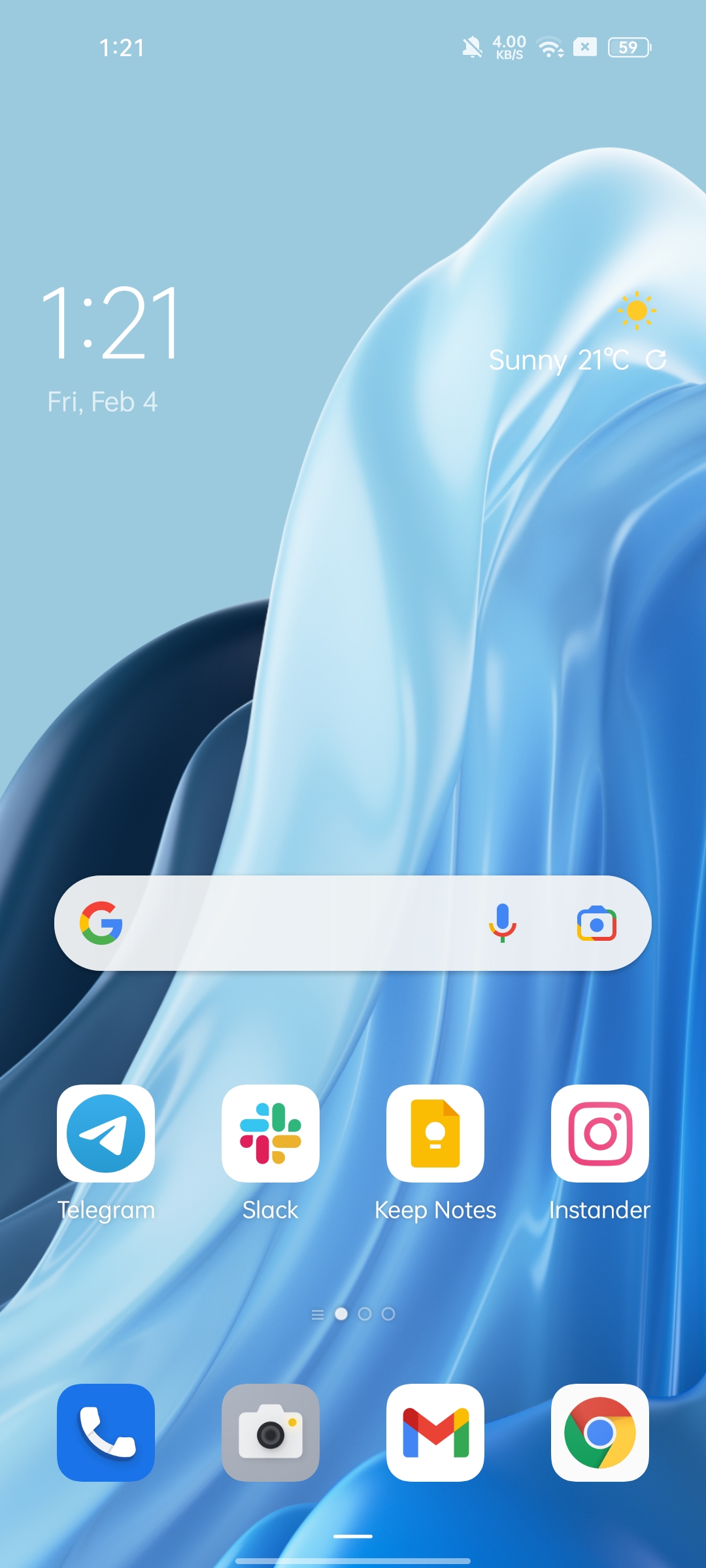
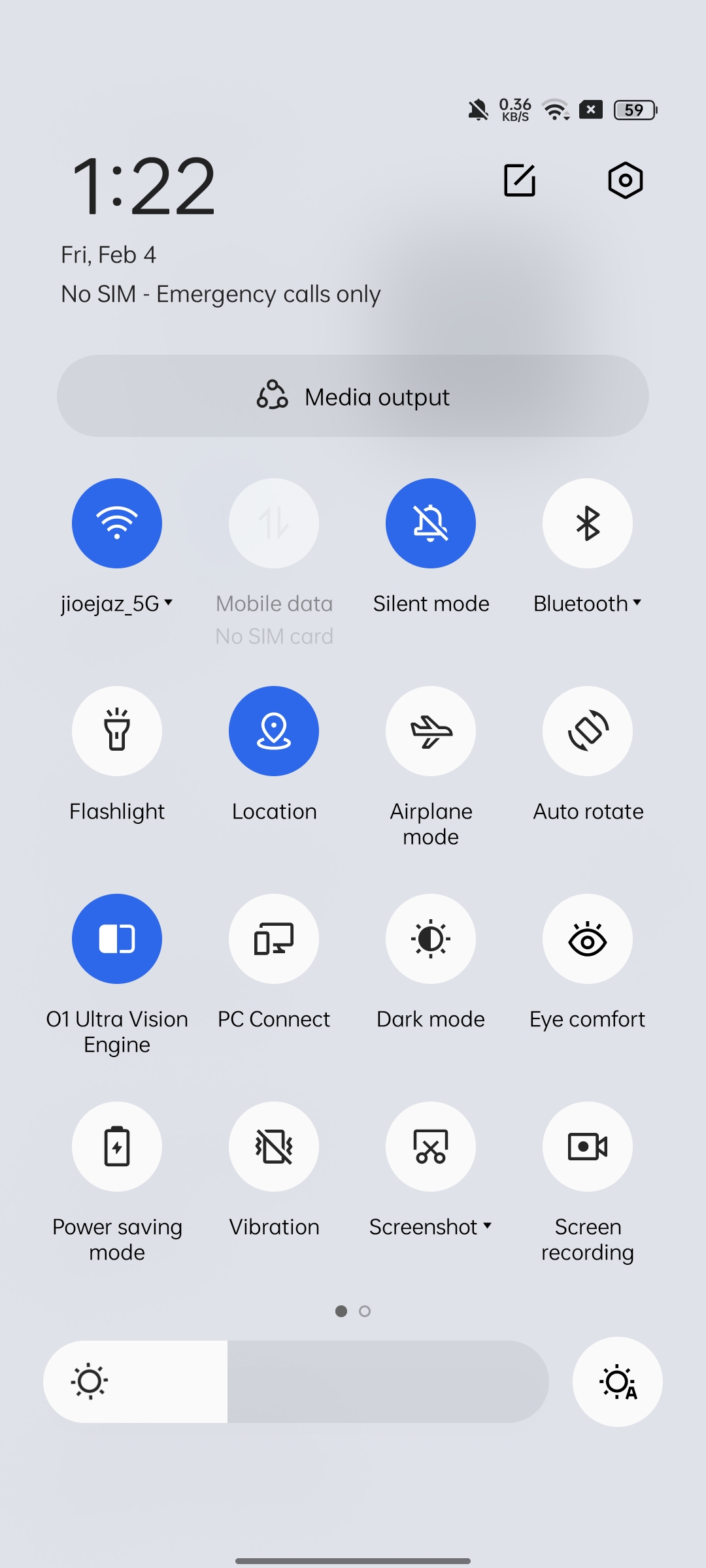
The OPPO Reno7 5G boots into ColorOS 12 based on Android 11 out of the box and the software is by far the most impressive feature of the phone to me. The latest version of OPPO’s software skin is both fairly feature-rich yet minimal at the same time, and feels rock-stable. I didn’t run into any lags or bugs during my week-long usage, which honestly has become a luxury lately.
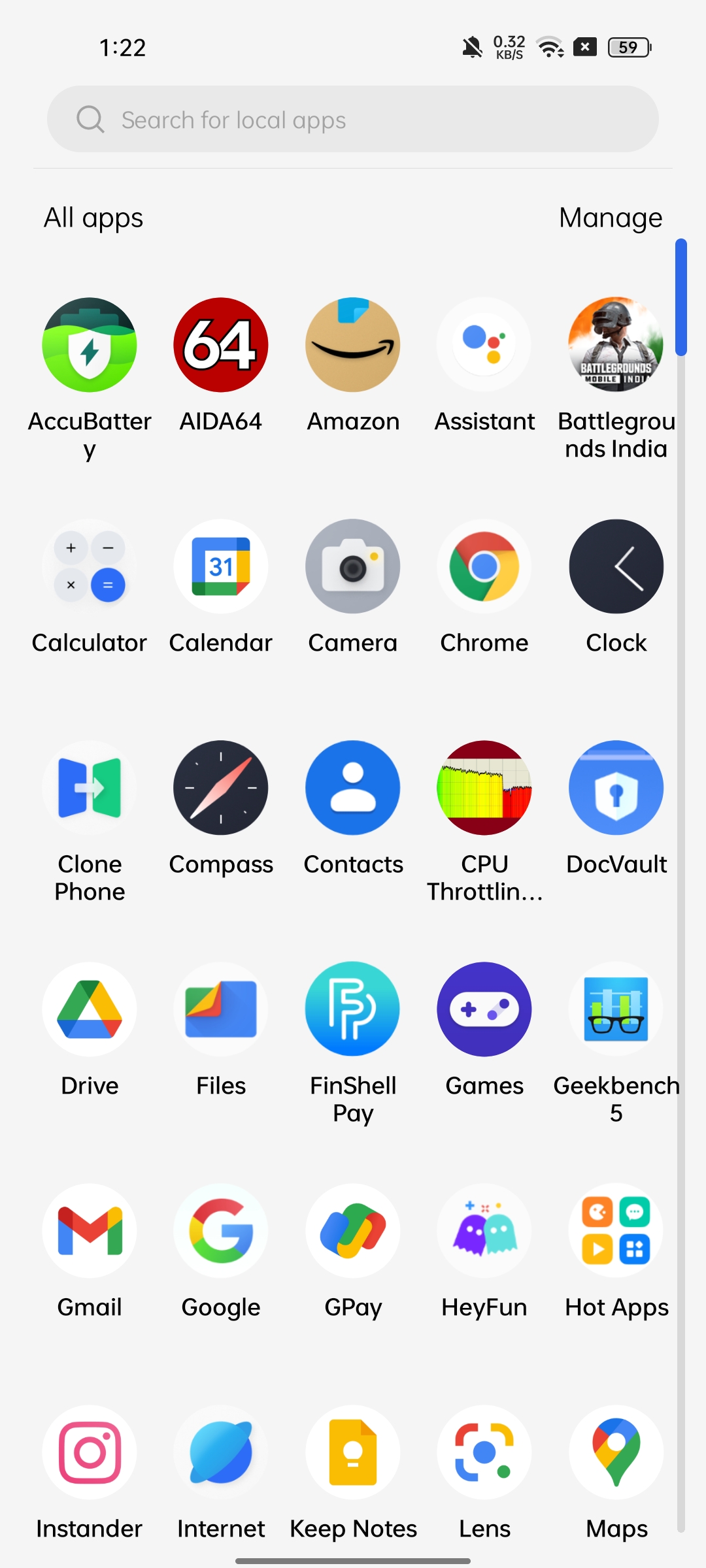
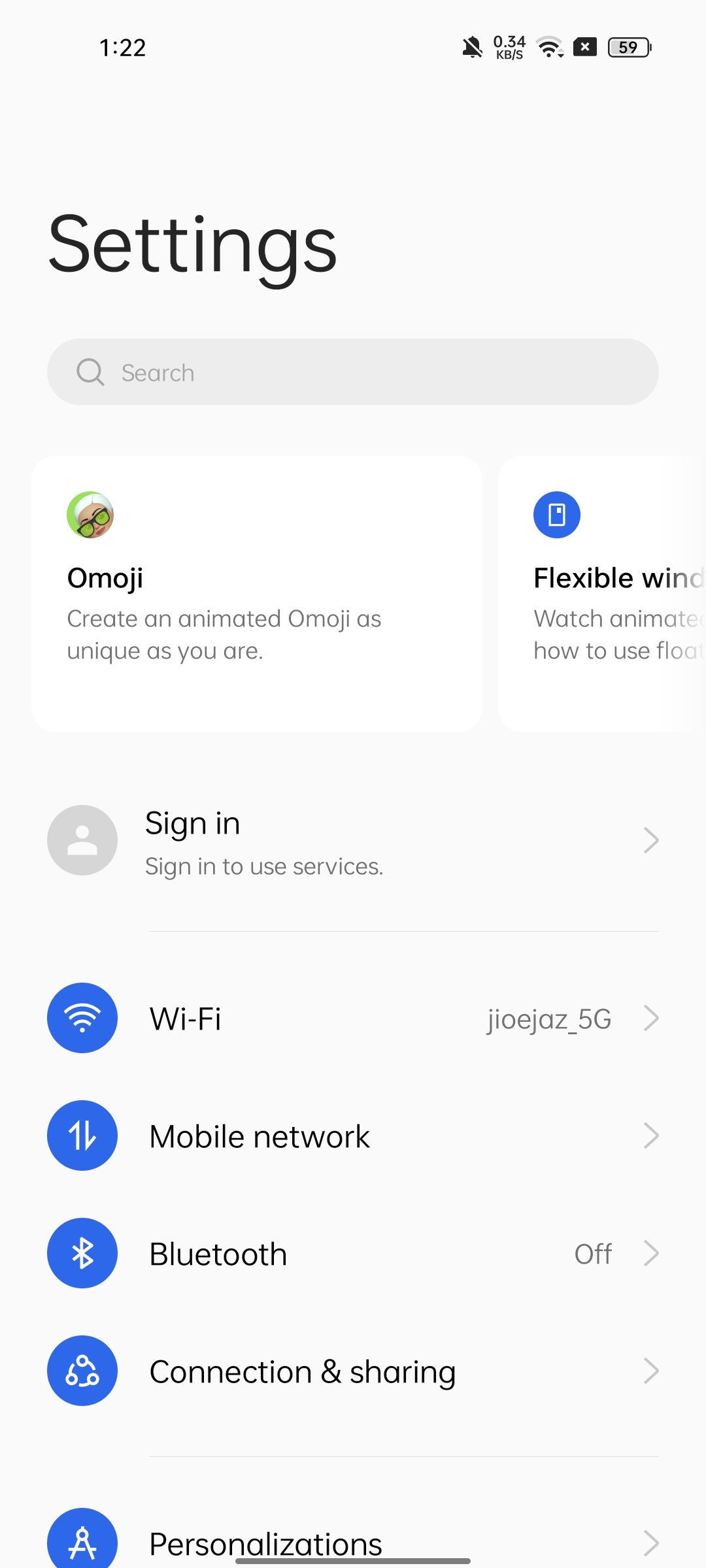
Pushing stability aside, another great perk of ColorOS 12 is the customization that it offers without warranting the use of the clunky built-in Theme Store. The ‘Personalizations’ menu within Settings allows you to customize the OS to your heart’s content and spans icons, always-on display, wallpapers, font, fingerprint animation, and quick settings. If you’re not digging the default look, then playing around with Personalizations a bit can even help you achieve something more akin to stock Android. Just take a look at the screenshots below (click to enlarge) to get a better idea of what I’m talking about.
Personalizations
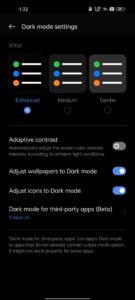
Triple dark modes
OxygenOS-ification
Do keep in mind that the first boot will land you into plenty of bloatware that includes stuff like ‘Moj.’ All of it can be uninstalled, thankfully, and OPPO even goes a step further by giving users the ability to disable almost every system app.
The only catch here is the lack of Android 12 out of the box but OPPO will hopefully be rolling out the version soon.
Benchmarks and Gaming
The Reno7 5G reuses the good old MediaTek Dimensity 900 from its predecessor, which isn’t necessarily a bad thing. App launching speeds and scrolling performance is impressive, and we wouldn’t blame you if you end up thinking that the phone packs a flagship chip under the hood.
Geekbench 5
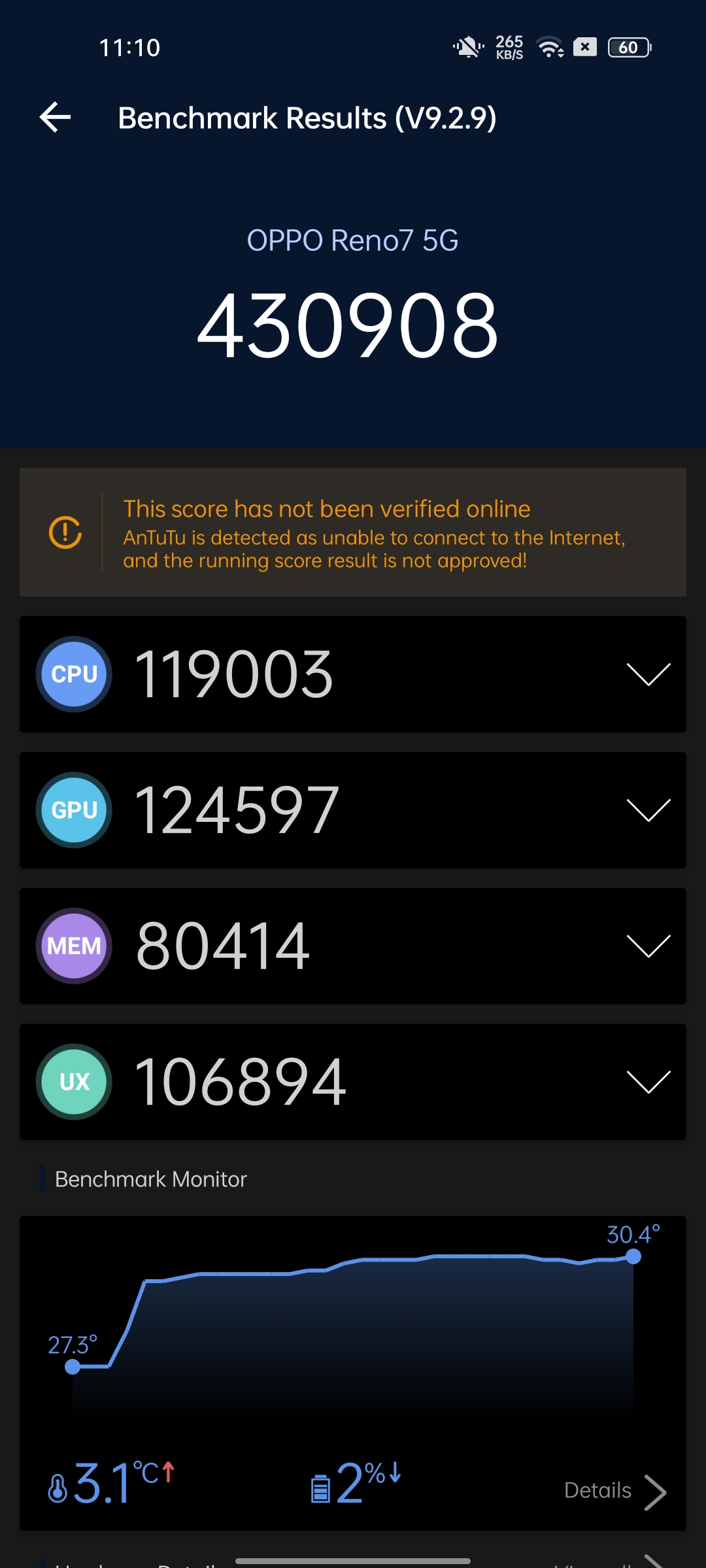
AnTuTu
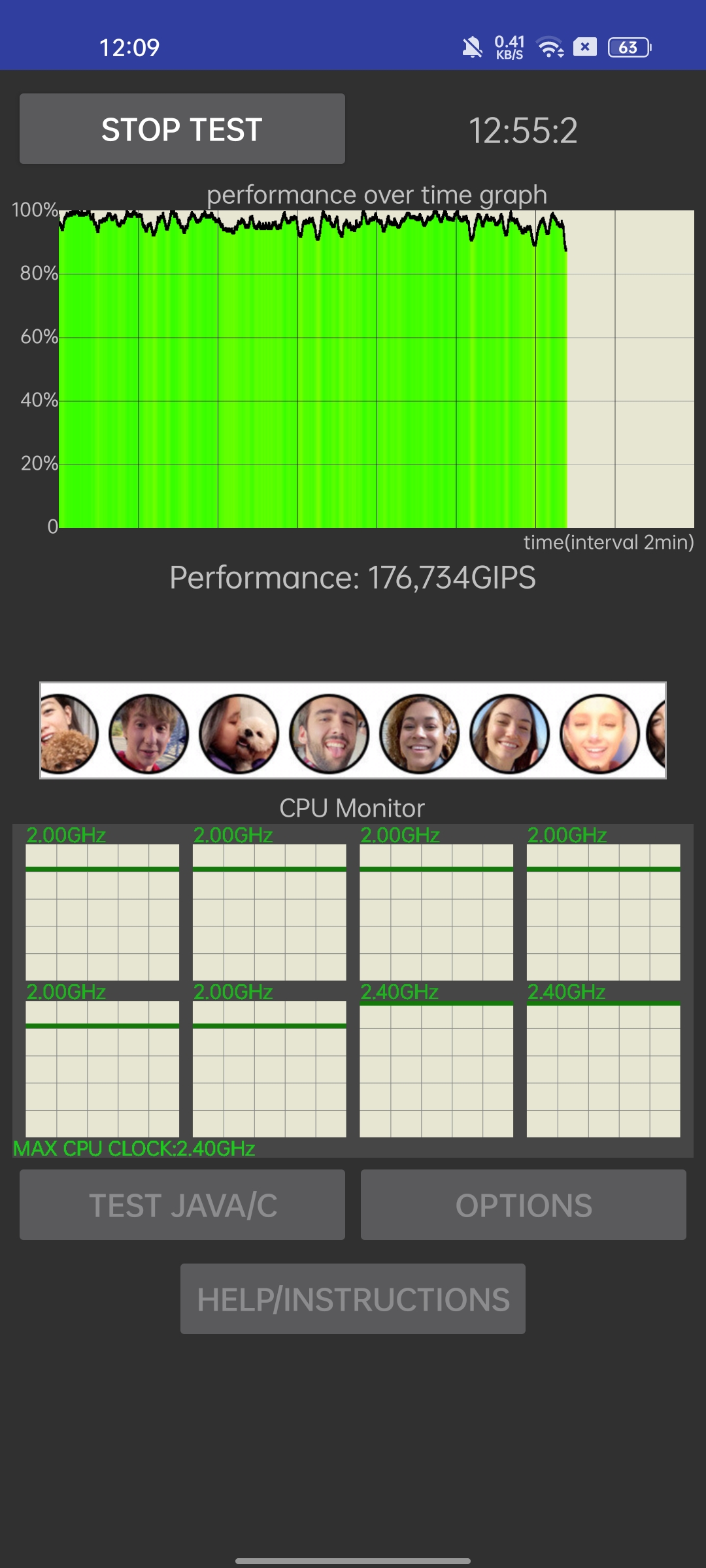
Virtually no throttling
Contrary to popular opinion about MediaTek, the chip rarely seems to heat up, resulting in a consistently cool back panel. PUBGM/BGMI is a joy to play at Smooth + Extreme settings, although increasing graphics quality any further drops the frame rate down to ‘Ultra.’ But nope, no sign of heating or lags at all here either, and touch response is great too.
The speaker performance is quite disappointing, though. I could’ve let the lack of stereo speakers slide if the single bottom-firing unit had been of adequate quality, but nope, they sound average at best and get tinny at higher volumes. The lack of Dolby Atmos doesn’t help either.
The Reno7 5G scores 430,908 on AnTuTu which positions it somewhere between the Snapdragon 765G and Snapdragon 778G. The 778G is still noticeably more powerful though, especially when it comes to graphics, and is actually a common chip in the price segment.
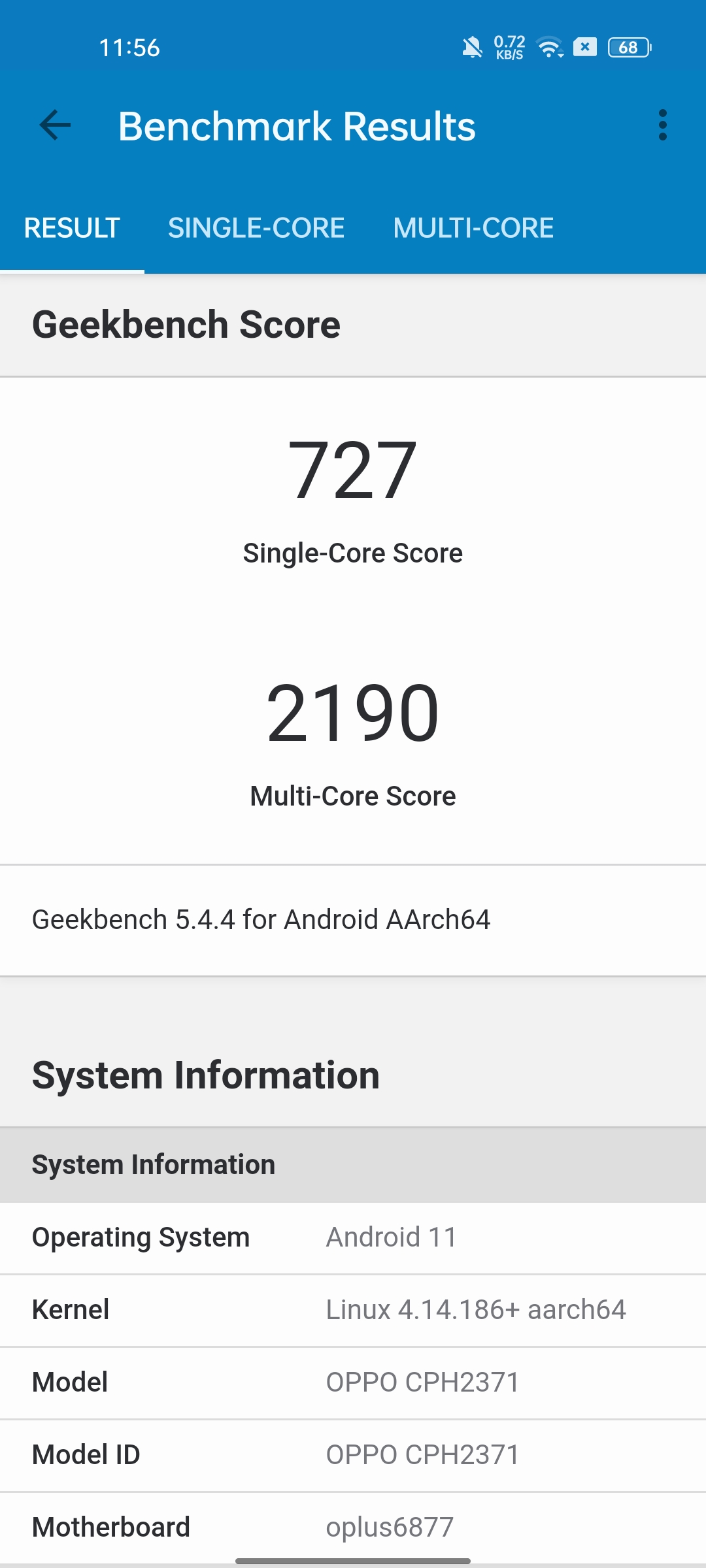
On Geekbench 5, you get scores of 727 and 2,190 on single-core and multi-core tests, respectively, that are fairly adequate for a mid-ranger.
Battery
The Reno7 5G runs on a 4,500 mAh battery, which is slightly larger than the 4,300 unit on its predecessor. A full day’s use is guaranteed if you’re not gaming, and peeps who use smartphones as modern-day bar phones should get much better results.
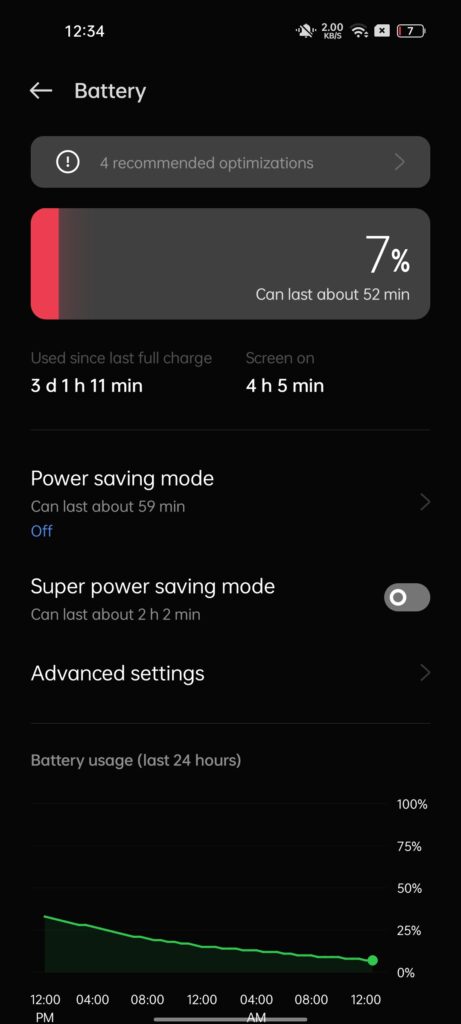
There is one concern, however. I found overnight battery drain a bit higher than usual, with the phone losing 1% for each hour it’s left alone brooding. This can be forgiven considering the device is running its very first software build, but OPPO, if you’re reading this, please fix.
Battery drain is consistent even when idle but it could be the AOD
The slight battery drain is made up for by charging speeds that totally smoke the competition. 65W is no joke, and it’s almost mesmerizing to see the battery percentage climb by 1 every few seconds. 0-100 takes around 30 minutes, which sits perfectly in line with OPPO’s own claims.
OPPO Reno7 5G Review: Cameras
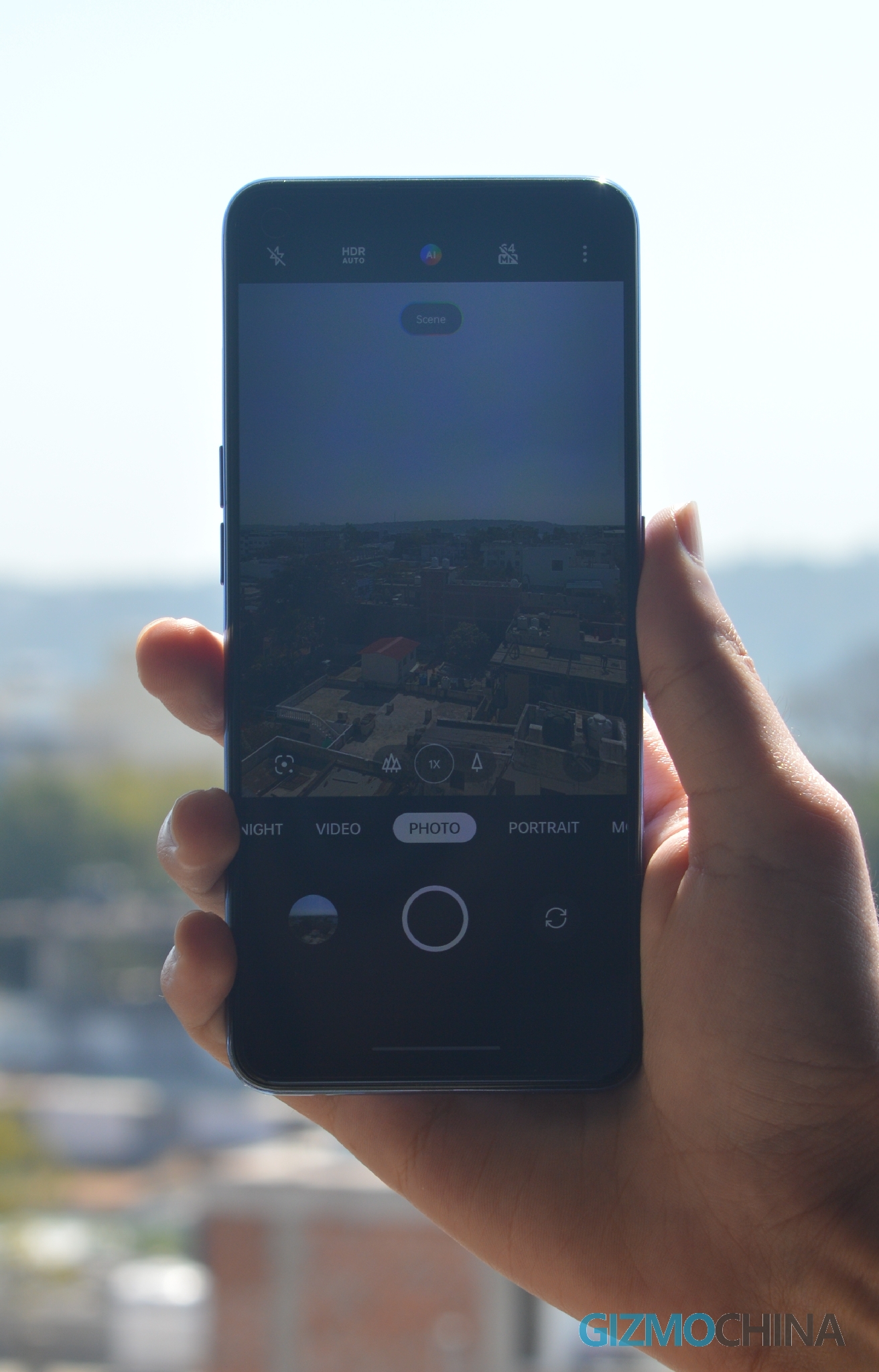
The triple camera setup at the rear is decent for the price and comprises a 64MP main camera, an 8MP wide-angle camera, and a 2MP macro camera. The app is fairly extensive, covering almost every aspect of mobile photography. Daylight shooting through the primary lens lands you some pleasing, Instagram-ready images, thanks to an elaborate AI mode that makes useful tweaks per the scene. Colors are fairly natural overall, although skies can appear a bit bluer than they actually are.
1 of 7
Indoor sample
Selfie sample
But that’s not to say that the primary unit is flawless. Details are my main gripe with the shooter — many images, particularly of wider landscapes, lose their clarity upon zooming in. The 64MP mode does help overcome the shortcoming a little but its scope is limited.
The 8MP ultrawide camera clicks images that are more or less comparable to the primary shooter in terms of colors, dynamic range, and contrast. Still, having a less dense pixel count means that image details are even more scarce upon zooming, but you should be just fine posting them on your socials.
Ultrawide
Primary
Next up is the 2MP macro lens, and unlike the other two rear sensors, this one’s truly useless. Not only does it have trouble focusing on subjects up close, which is exactly what it was built for, but results are quite blurry and not at all serviceable. You’d be better off zooming in on subjects from the 64MP unit, which makes me wonder why OPPO bothered bundling such a bog-standard macro in the first place.
2MP macro sample
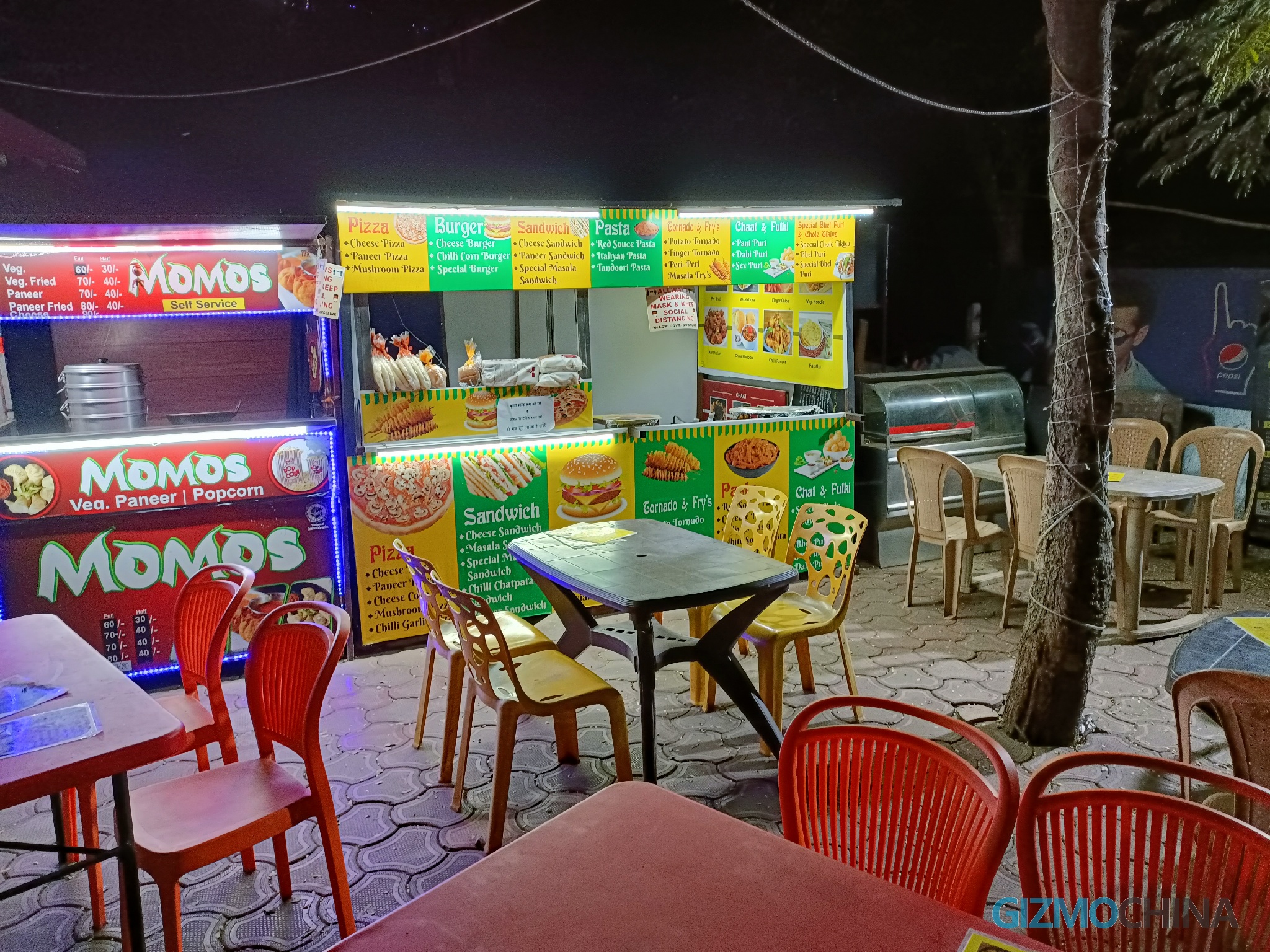
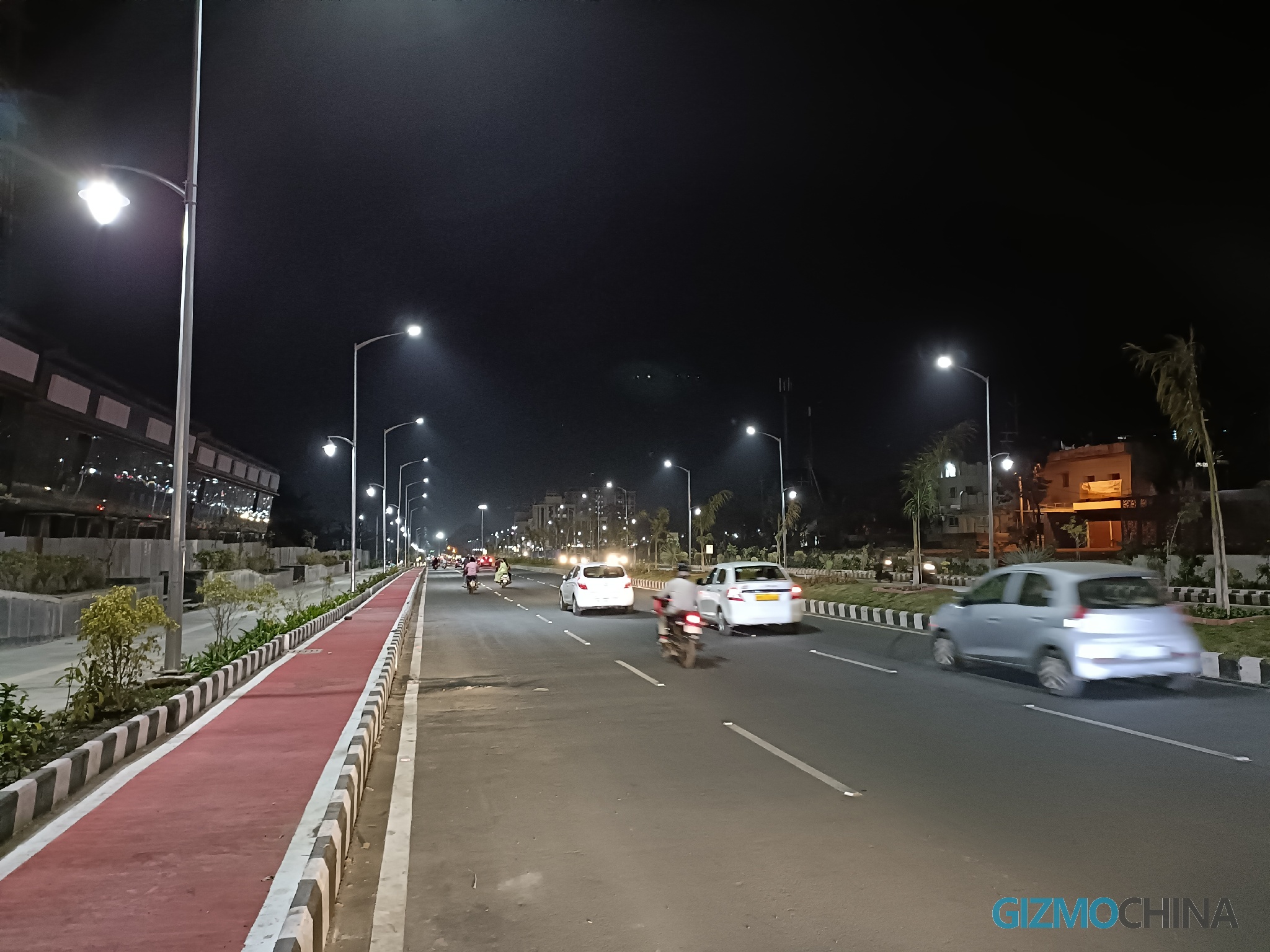
Night photography is a combo of heavy processing and plenty of oversharpening, but switching to the dedicated Night mode addresses most of the concerns from the default mode. A point of bother here are subjects like street lights spreading all over the images and some lens flaring, and that’s something that doesn’t appear to be the kind that can be fixed by software processing.
1 of 7
Night mode in extremely dark conditions
Ultrawide
The OPPO Reno7 5G offers up to 4K 30 FPS video recording, but dropping it to 1080p grants access to the “Ultra Steady” EIS mode, which is most impressive. Also supported is “Bokeh Flare Portrait Video” which blurs the background in real-time when it detects a human subject in a video. Good stuff.
OPPO Reno7 Review: Verdict
The OPPO Reno7 5G lacks the more-premium design of its Pro sibling (our review here) and also gives a miss to that pretty light-up camera module. But for around Rs 10,000 less, it offers better value for money. The Dimensity 900 chip shows around 50% lower benchmark scores than flagship models but performs just as well in day-to-day tasks.
However, things get more interesting when the competition is reeled in. You get offerings like the Xiaomi 11 Lite NE and the Samsung Galaxy M52 5G that seem to offer more, at least in terms of performance, at over Rs 3,000 less. But none of them offer 65W fast charging, and some may also prefer the Reno7’s flashy design.
There’s also the case of the Reno6 5G that carries a near-identical spec-sheet despite being a year old. The device boots into Android 11 out of the box just like the Reno7, meaning both should get updated up to Android 13. Its price may be Rs 1,000 higher but that doesn’t stop it from being a great alternative to its successor.
All in all, the OPPO Reno7 5G is no all-rounder, but if design, software experience, battery life, and charging are your thing, then you’re in for a treat.
We use cookies on our website to give you the most relevant experience by remembering your preferences and repeat visits. By clicking “Accept”, you consent to the use of ALL the cookies.
This website uses cookies to improve your experience while you navigate through the website. Out of these, the cookies that are categorized as necessary are stored on your browser as they are essential for the working of basic functionalities of the website. We also use third-party cookies that help us analyze and understand how you use this website. These cookies will be stored in your browser only with your consent. You also have the option to opt-out of these cookies. But opting out of some of these cookies may affect your browsing experience.
Necessary cookies are absolutely essential for the website to function properly. This category only includes cookies that ensures basic functionalities and security features of the website. These cookies do not store any personal information.
Any cookies that may not be particularly necessary for the website to function and is used specifically to collect user personal data via analytics, ads, other embedded contents are termed as non-necessary cookies. It is mandatory to procure user consent prior to running these cookies on your website.