Advertisement

Apple’s Beats Fit Pro to release in Japan and Canada this month

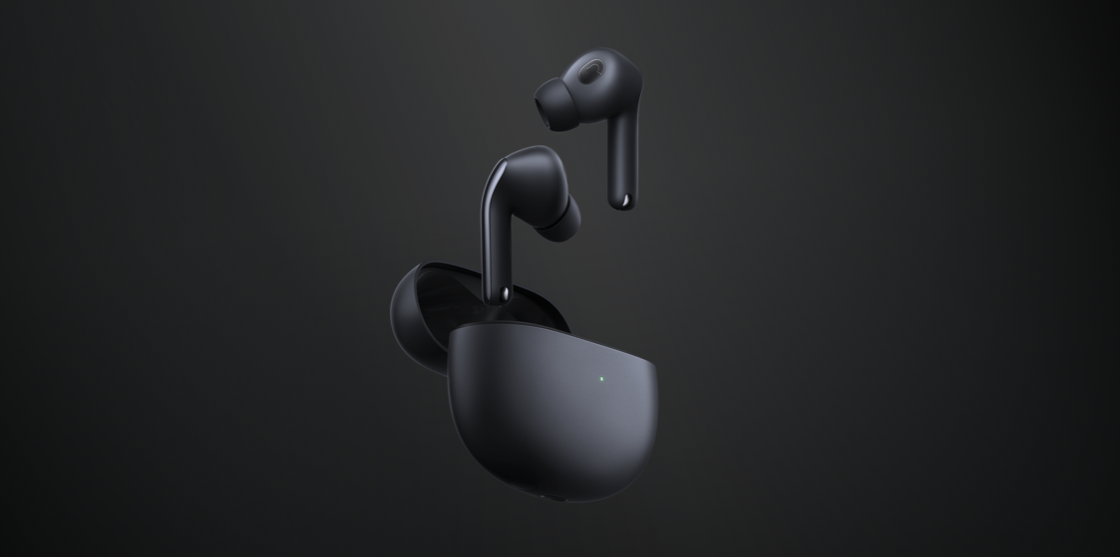
Back in November 2021, Beats officially launched its TWS earbuds dubbed the Apple Beats Fit Pro with Active Noise Cancellation(ANC) and Apple’s H1 chip. However, the earbuds were limited to the US back then. Now, Apple has confirmed that the Beats Fit Pro will launch this month in Canada and Japan.

The Apple Beats Fit Pro will launch on January 24 in Canada, while the Japanese market will get it on January 28. As usual, the earbuds will be up for grabs on the Apple official website. The earbuds are expected to launch in four colors – White, Black, Grey, and Purple/Pink.

Apple Beats Fit Pro

The TWS earbuds from Apple’s Beats come with an in-ear design. It has an ear-hook to keep the earbuds glued to your ears offering a good fit. The earphones come with Apple’s H1 chip offering fast pairing and automatic syncing. To remind, this is the same chipset used in Apple’s AirPods Pro.

The Fit Pro has an Active Noise Cancellation feature, again similar to the AirPods Pro. The buds offer up to 7 hours of playback without the charging case and up to 30 hours with the charging case. It has an IPX4-rating making it water and sweat-resistant.

Apple Beats Fit Pro

In terms of the pricing, a Canadian publication claims it to launch at a price of CAD $249.95(~$198), while a Japanese publication reveals the price will be JPY 24,800(~$215) in Japan. Just for comparison, the earbuds were launched at a $200 price tag in the US.

RELATED:

Vivo withdraws from IPL, as Tata becomes the next Title Sponsor

Vivo is officially withdrawing from its title sponsor position from the IPL (Indian Premiere League). The decision was taken during the Governing Council meeting of the IPL earlier today (11th January 2022).

Vivo

For those unaware, the Chinese smartphone maker has been the title sponsor for the IPL for more than five years now. However, the Tata Group will now be the next title sponsor for this year as well as 2023 IPL. This news has also been officially confirmed by the BCCI officials (Board of Control for Cricket in India). Apparently, Vivo has requested to pull out from the IPL sponsorship deal, which was approved by the Governing Council.

Although, the brand currently has a couple of years left in its sponsorship deal with IPL. So, Tata will act as the title sponsor during this period. In other words, the popular cricket league will no longer be referred to as Vivo IPL, rather you will have to get used to calling it Tata IPL. According to a 91Mobiles report, an official stated that “There was a request from Vivo to exit the IPL sponsorship deal and the GC has approved it. The BCCI will continue to earn the same fee for the title rights.”

TATA

Back in 2018, the Chinese brand had acquired the title rights for a cost of 440 crore INR (roughly 60 million US Dollars). But in 2020, the deal was paused for a year due to the Coronavirus pandemic, which even caused relations between India and China to be strained and the title rights being transferred to Dream 11.

RELATED:


OnePlus 9RT India model appears on Geekbench, but it boots on the old Android 11 OS

Last year, OnePlus officially launched the OnePlus 9RT in China carrying the model number MT2110 and offering specs like a Snapdragon 888 SoC, 50MP triple cameras, and 65W fast charging support. Now, the company is all set to launch it in India on January 14. Ahead of its launch, the OnePlus 9RT India model has now emerged on Geekbench confirming its arrival.

A OnePlus device with model number MT2111 passed the Geekbench v5 certification scoring impressive points. It is believed to be the OnePlus 9RT Indian model since the same device was earlier seen on BIS certification. The Geekbench listing reveals a single-core score of 888 points and a multi-core score of 3319 points.

OnePlus 9RT

The smartphone is powered by the Qualcomm Snapdragon 888 octa-core SoC. It has the first four cores clocked at 1.80GHz, the other three cores clocked at 2.42 GHz, and the last core clocked at 2.84GHz. The device has 12GB of RAM but unfortunately, it runs on Android 11. But we expect the company to push the Android 12 update soon after the launch.

Regarding its other specs, the phone was launched with a 6.62-inch AMOLED display with an FHD+ resolution. It has a 120Hz refresh rate and HDR10+ support. The phone has an in-display fingerprint scanner for security.

OnePlus 9RT Hands on 04

It sports a 16MP selfie camera and a triple rear camera. The rear setup goes by a 50MP Sony IMX766 main lens, a 16MP ultra-wide sensor, and lastly a 2MP macro lens. The device packs a 4,500mAh battery has support for Warp Charge 65T.

RELATED:

Xiaomi 12 official disassembly video exposes one of the most extensive phone cooling systems ever

Xiaomi today released a new disassembly video for its compact flagship Xiaomi 12, highlighting its innards comprised of the latest and greatest tech in the smartphone industry.

The video made the process look like a breeze with almost all of the parts looking like they’ve been loosely stuffed inside, although we doubt an actual dismantle will be that simple.

Upon lifting the back cover, the first thing you’ll notice is the circular wireless charging coil that rests atop the 4,500 battery. This coil is capable of quickly filling up the battery at 50W, and a lot of components have been packed into the phone to keep its temps low during charging.

Unscrewing some more parts will then lead you to the cameras and the Snapdragon 8 Gen 1 processor. The primary camera on the Xiaomi 12 has a resolution of 50MP and comes with OIS, as seen in the image below. The front 32MP camera can be removed easily without messing around with the display.

But the most impressive bit is easily the extensive cooling system packed into the device, comprised of 10345 mm² oversized graphite, 226 mm² white graphene, and 2600 mm² Super VC liquid cooling. Of course, all of this is visible in the disassembly video.

xiaomi 12 copper plate cooling

Another cool thing that while isn’t featured on the video but is still worth knowing is that the Xiaomi 12 comes with the smallest and highest density 5G motherboard in the history of the company, with 10% more components and a 17% smaller area.

Moreover, the battery of the Xiaomi 12 features a new generation of lithium cobalt oxide, has a cost increase of 14%, and is the highest density fast charge cell in Xiaomi’s history.

The Xiaomi 12 is currently only available in China for a starting price of 3,699 Yuan or around USD 580 and there hasn’t been any announcement yet about a global release. It was launched on the same day as the Xiaomi 12 Pro and Xiaomi 12X.

RELATED:

Meizu 10 a.k.a mblu 10 to launch at Meizu’s January 12 event in China

Last week, Meizu announced that it has scheduled an event on January 12 in China but the company didn’t reveal the products that we’d see at the event. However, the company has slowly started teasing the devices. A day back, Meizu teased its PANDAER desktop Bluetooth speaker, and now, the company has officially teased the Meizu 10 smartphone.

Meizu on its Weibo page shared a teaser poster that revealed its upcoming Meizu 10 series. While now it’s confirmed to debut at the event, the company didn’t reveal any of its specifications. But nothing to worry about, as earlier, a device with the moniker Meizu mblu 10 was spotted on the TENAA certification site.

Meizu 10

As per the certification, the Meizu mblu 10 carrying the model number M2110 will be a budget 4G smartphone. The device will feature a 6.5-inch LCD display with an HD+ resolution. It was seen with a dew-drop notch and a triple camera system at the rear.

Under the hood, it will be powered by an octa-core SoC and pack a 5,000mAh battery. The phone won’t boast any fancy fast charge support, rather it will simply have the standard 10W charging speed. The certification confirmed that it weighs 201 grams and has a 9.3mm thickness.

Meizu 10
Meizu mblu 10 listed on Suning


To corroborate, back in November, ITHome reported a promotional banner of the phone, which was initially listed on Suning. However, months passed but the phone never got released. Seems like, at tomorrow’s event we will finally see the Meizu 10 a.k.a Meizu mblu 10 in China. The phone will arrive in three colors – White, Black, and Green.

As of now, we aren’t sure if the mblu 10 will be the only phone launching at tomorrow’s event. But we expect the company to launch a few more models in the series. We’re also expecting new gadgets to get unveiled at the event.

RELATED:

Microsoft launches Surface go 3 in new Matte Black color

Microsoft has just launched its Surface Go 3 in a new color variant. The company’s latest budget tablet will be available in a Matte Black model and is currently on sale in Europe.

Microsoft

According to an XDADevelopers report, the news regarding the Matte Black Surface Go 3 was first shared by Aggiornamenti Lumia on Twitter. The tweet shared images of the upcoming variant in various angles as well. For those unaware, the Surface Go 3 was first launched back in October 2021 and arrived with Windows 11. Initially, it was only available in the Platinum color live other Surface products, but similar to the Surface Pro 8, Microsoft has released it in a new color model.

Notably, while the Matte Black version was expected to launch sometime soon, Amazon listings in European regions like Germany revealed its official launch date, which is today (11th January 2021). Furthermore, even the official Microsoft Store have listed the new color model as well. This is a notable shift considering the Surface Go series has traditionally only been available in the signature Platinum color.

Microsoft Surface Go 3

Looking at the Matte Black variant, there are no difference compared to the regular model apart from its color scheme. Although, the device does seem quite formal in this version. Previously, users could only customize the Type Cover and the Surface Pen in a few different color options. So this new variant adds a bit more variety to the mix.

RELATED:


Infinix HOT 11 2022 specs, India launch timeline tipped

Transsion brand Infinix is well-known for its affordable range of smartphones wherever it has a presence. The company is now being tipped to launch a new handset called Infinix HOT 11 2022. Some of the key features of this phone have been revealed as well.

Infinix HOT 11
Infinix HOT 11

According to PassionateGeekz, the Infinix HOT 11 2022 will launch in India in February. The device will carry a price tag of ₹10,999 for the sole 4GB + 64GB memory configuration. It will be available in multiple color options.

The publication has also disclosed the specs of the smartphone. Per their sources, the handset will sport a 6.8-inch FHD+ 90Hz display (LCD). It will be powered by a UNISOC T700 chipset and will run Android 11.

Further, it will house a triple camera setup on the back comprising of a 48MP primary sensor, a 2MP depth sensor, and another 2MP unknown sensor. For selfies and video calls, there will be an 8MP shooter on the front.

Like the newer Xiaomi phones, this one will also include dual stereo speakers but will come with support for DTS Surround Sound instead of Dolby Atmos. There will be also a rear-mounted fingerprint sensor.

Last but not least, the Infinix HOT 11 2022 will draw the required energy from a 5,000mAh battery with support for 18W fast charging.


RELATED:


Microsoft shares Surface Laptop SE teardown video to aid self repairs

For those looking to repair or tear open your Surface Laptop SE, Microsoft has just released a new video to assist you in the process. The company has shared a new video that showcases the notebook being disassembled (Via XDADevelopers).

Talking about the laptop first, the Surface Laptop SE was unveiled last year and was the first Surface device that was made for kids (K-8: kindergarten through eighth grade). The new notebook is a budget PC from American tech giant that runs its Windows 11 SE, which is a cut down version of Windows 11 OS. In the past, the company received a fair bit of criticism over their bad repairability. But it seems that the brand has taken this into account with the newer models.

In the teardown video, we can see the Surface Laptop SE being opened and disassembled with just a few screwdrivers like Torx T6 and Philips PH0. Although while tearing down isn’t too much of a hassle, but you can’t simply remove and replace every component. The processor, RAM, and storage are soldered on the motherboard, however, the speakers, power connector, battery, and the display assembly can be removed.

Microsoft Surface Laptop SE
Surface Laptop SE

In other words, repairs on these parts are still possible. Furthermore, the company has even partnered with iFixit for the distribution of essential tools for Surface Laptops and Surface Pro devices. This implies that Microsoft is making these products compatible with third party repairs as well.

RELATED:


Samsung Galaxy S21 FE 5G goes on sale in China for CNY 4,599(~$721)
A few days back, Samsung officially announced the much-awaited Galaxy S21 FE 5G in multiple regions including China. The phone was up for pre-orders in China on January 6th and starting today, it will be available for purchase from all the Samsung authorized stores across the region.

The Samsung Galaxy S21 FE 5G has gone on sale starting at CNY 4,599(~$721) for the 8GB RAM + 128GB storage variant and CNY 4,999(~$784) for the 8GB RAM + 256GB storage variant. It is available in White, Graphite, Lavender, and Olive colors.
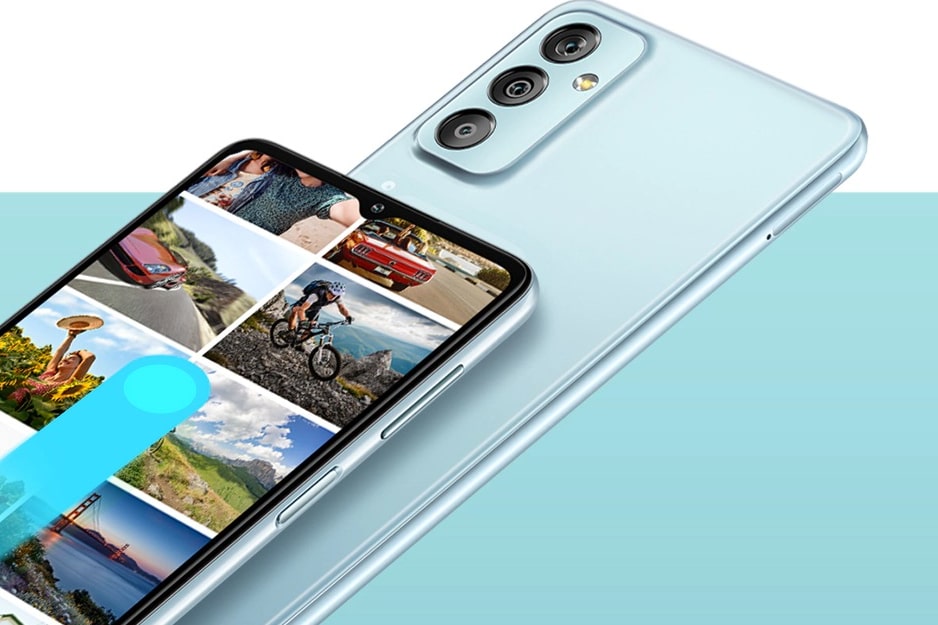
Samsung Galaxy S21 FE

It has a 6.4-inch punch-hole AMOLED display with a Full-HD+ resolution, a 120Hz refresh rate, and a 240Hz touch sampling rate. It features HDR+ support and has a 20:9 aspect ratio. The screen on the phone doubles up as an in-display fingerprint scanner offering added security.


The phone has a triple camera system at the rear with a 12MP main, 12MP ultra-wide lens, and lastly an 8MP telephoto lens. The tertiary lens offers 30x Space Zoom support. Upfront, it has a 32MP selfie snapper.

Samsung Galaxy S21 FE White

Under the hood, the Chinese market gets the Snapdragon 888 octa-core SoC. It is coupled with 8GB of RAM and 128GB, 256GB of internal storage. It packs a 4,500mAh battery and has a 25W wired and 15W wireless fast charging support. The device runs on Android 12 out of the box and has One UI 4 on top of it. Unfortunately, the phone doesn’t have a 3.5mm headphone jack.

RELATED:

Xiaomi 11T Pro Amazon availability confirmed, key details revealed

Xiaomi 11T Pro will be launching on Jan. 19 in India. The landing page of the smartphone recently went live on Xiaomi India’s website. Now, its microsite is available on Amazon India’s website. Hence, apart from Xiaomi India’s online store, the 11T Pro will be also available through Amazon India.

The Xiaomi 11T Pro’s Amazon listing reveals that it has a 120Hz AMOLED display that offers 10-bit colors. The Snapdragon 888 mobile platform is present under the hood of the device. It will be supporting a wide range of 5G bands. The official website listing of the 11T Pro shows that it may arrive with support for 13 5G bands.

xiaomi 11T Pro
Xiaomi 11T Pro

Xiaomi 11T Pro specifications

The Xiaomi 11T Pro has a 6.67-inch AMOLED display that offers a Full HD+ resolution and a 120Hz refresh rate. It is equipped with a Gorilla Glass Victus. The device will be running on MIUI 12.5 based Android 11 OS.

The device is equipped with a 16-megapixel front-facing camera. It has a triple camera unit with a 108-megapixel main camera, an 8-megapixel ultrawide sensor, and a 5-megapixel telephoto macro snapper.

The 11T Pro is powered by the Snapdragon 888 mobile platform. The device offers up to 12GB of LPDDR5 RAM and up to 256GB of storage. It has a 5,000mAh battery that offers 120W fast charging. It is expected to arrive in colors like blue, white, and gray.

The Xiaomi 11T is also speculated to launch with the Xiaomi 11T Pro. The device is expected to arrive with identical specs and design as the Pro model. However, the vanilla edition will ship with the Dimensity 1200 chipset, and it will carry support for 67W fast charging. It is likely to arrive with sub-Rs 40,000 (~$542) price tag.

RELATED:

OnePlus Buds Pro Special Edition sports a lustrous silver paint job called ‘Mithril’

At the OnePlus 10 Pro launch event in China, the brand also announced a special edition of the OnePlus Buds Pro. The new variant of the flagship truly wireless earphones from the company arrives with a silver color paint job, which is officially called ‘Mithril’.

OnePlus Buds Pro Special Edition Mithril Silver

The OnePlus Buds Pro Special Edition is called Mithril as it features a unique lustrous silver metal texture. Even the charging case has the same finish

For the unaware, Mithril is a fictional metal found in J. R. R. Tolkien’s The Lord of the Rings universe. This metal resembles silver, however, it is said to be stronger and lighter than steel.

Apart from the new color, the OnePlus Buds Pro Special Edition does not bring anything new. Hence, the TWS costs the same ¥799 ($125). But for a limited time, it will be sold at a discounted price tag of ¥699 ($110) starting from 4 PM (local time) today.

OnePlus Buds Pro Special Edition Mithril Silver

Talking about features, the OnePlus Buds Pro feature 11mm drivers, Bluetooth 5.2 connectivity, and 3 microphones for ANC (Active Noise Cancellation). The buds are IP55-rated for splash resistance and house a 37mAh battery each for up to 7 hours of music playback without ANC.

The charging case with USB Type-C wired charging and Qi wireless charging includes a 520mAh battery. All three batteries together are rated to last for up to 38 hours with ANC disabled.


RELATED:


Sony WF-C500 Earbuds launched as the brand’s cheapest wearable in India

Sony has got several wearable gadgets under its belt but it is difficult to classify the company’s products as cheap. However, Sony has launched a new pair of earbuds for the Indian market that can be regarded as relatively ‘cheap’. The product is the Sony WF-C500 Truly Wireless Earbuds with a price tag of Rs. 5990 (~$81).Sony WF-C500 Earbuds

Compared to other wearable devices from the tech giant, the WF-C500 can be considered to be cheap. The price is even cheaper than the $100 price tag it adopted in the US when it was first announced in September 2021. Although you can’t compare this entry-level earbud to the high-end models, it adopts a premium-looking design style and several cool features that will surely give users value for their bucks.

The Sony WF-C500 adopts an ergonomic, closed-fit design with the usual silicone tips. The surface design allows for a more stable fit. Each bud is equipped with a control button that can be used for playback or calling up a virtual assistant on a connected smartphone.

The WF-C500 also comes with the Digital Sound Enhancement Engine (DSEE) that is designed to restore high-frequency sounds lost during compression. Apart from that, it features 360 reality Audio aimed at giving users an immersive experience.

The wearable device comes with an IPX4 waterproof rating, making it suitable for use even in the rain and for workouts as they are splash-proof and sweat-proof. When not in use, it can be stored in the carrying case having a translucent lid. The earbud can provide up to 10 hours of battery life which can be extended to 20 hours using the carrying case. The case supports fast charging with 10 minutes of charge capable of delivering 60 minutes of playback. Sony WF-C500 Earbuds

The WF-C500 can be connected to the Sony Headphones Connect app where users can also customize the audio experience. It equally supports the use of a single earbud.

The Sony WF-C500 will be available from January 16 via Sony retail stores (Sony Center and Sony Exclusive), ShopatSC.com portal, major electronic stores, and other e-commerce websites in India. The device comes in black, white, green, and orange.

RELATED:


Lenovo Tab M10 (3rd Gen) makes Google Play Console appearance with a unique CPU

Lenovo’s popular Tab M series is set to get a fresh addition called Lenovo Tab M10 (3rd Gen) pretty soon and the tablet has just made an appearance on Google Play Console, revealing some key specifications.

The listing reveals that the Tab M10 will be coming with an FHD display with a resolution of 1200 x 1920 and a pixel density of 240 DPI. While the display size hasn’t been specified, it looks to be between 9 and 10 inches based on the screen resolution and DPI (via MySmartPrice).

Lenovo-Tab-M10-3rd-Gen

Further, the tablet will be coming with the quad-core Socionext SC1408AJ1 chip that packs 2x Cortex-A72 and 2x Cortex A-53 cores, all of which are clocked at 1.1GHz. It is clear from this that the device will be an entry-level one, focusing on price over power. The graphics are handled by the Mali T820 GPU and the RAM is 4GB, out of which 3.5GB seems to be actually available.

Lenovo-Tab-M10-3rd-Gen-Google-Play-Console

On the software end, you get Android 11 out of the box. The image of the tablet reveals a home screen stuffed with all sorts of Google apps, indicating that Lenovo may be aiming for a more stock-ish Android experience. Some preloaded apps like Netflix can also be expected, although they would likely be the kind that can be uninstalled.

It is worth mentioning here that the previous generation of the Lenovo Tab M10 (3rd Gen) called Tab M10 (2nd Gen) came in both Wi-Fi only and LTE options, so the same can be expected from the newer model as well.

There is no official word on when the Lenovo Tab M10 (3rd Gen) will be making its debut, but considering it has already made it to Play Console, it shouldn’t take much longer.

RELATED:

Xiaomi and Oppo to soon commercialize 200W fast charging technology

In the past, we’ve seen crazy fast charging technologies from brands like Infinix, which demonstrated its 160W fast charging technology, and Xiaomi, which demonstrated its 200W HyperCharge solution. While these speeds were insane, they were not quite ready for commercial use due to a number of safety prerequisites. However, now, DigitalChatStation reveals that speed as fast as 200W may soon get commercialized.

As per the tipster, Xiaomi and OPPO are experimenting with the 200W fast charging solution at the moment. These companies are expected to bring the 200W solution for commercial use, meaning that you may see your next Xiaomi or Oppo phone bundled with a 200W fast charging adapter. Or, at least will be able to buy a 200W adapter separately.

Xiaomi 200W

To recall, Xiaomi’s 200W charging speed demonstration for the Xiaomi Mi 11 Pro proved that the solution could charge the phone’s entire 4,000mAh battery in under 8 minutes. It just took 3 minutes to get to 50% and 44 seconds to get to 10%.

Xiaomi HyperCharge 200W Charging

As of now, we don’t have any official confirmation as to when we might see the technology for commercial use. But a past report revealed that Xiaomi may start the mass production of the 200W fast charging solution by Q2 of this year.

As for Oppo, the company earlier started mass producing the 125W wired fast charging technology. It is testing the technology with dual-cell batteries and implementing smart charging technology with the help of battery safety detection chips. Having said that, the company may also start mass-producing the 200W solution and we might see it soon.

RELATED:

MWC 2022 scheduled to kick off despite rising Omicron cases

The MWC 2022 event in Barcelona is still scheduled to kick off later this year. This news arrives despite the rising concerns over the Omicron variant of COVID-19, as the number of cases for infections are rising all across the globe.

Mobile World Congress

According to John Hoffman, CEO of the GSM Association (GSMA), the previous Mobile World Congress event will still be held, but with a higher health standard to ensure the safety of those attending. The executive shared the news on MWC’s official website and added that the event will bring in help from health experts, scientists, and the government as well to allow people to “convene safely” to the event this year.

As of right now, the major conference is expected to have more than 1,500 exhibitors arriving from around 150 different nations. For those unaware, the MWC Barcelona event is one of the biggest mobile tech expos, with various brands unveiling their latest innovations in smartphone technology to attendees. In the past, the event has brought in over 100,000 people. But while the event is popular with enthusiasts, it has raised concerns due to the rising cases of Coronavirus infections.

MWC

According to the New York Times daily tracker for Spain, the region’s COVID cases on 9th January 2022 was 124,309. Notably, the event is also the second major conference to continue its event with live attendees. Back in 2020, the GSMA had postponed the event and eventually canceled it due to the pandemic. So it remains to be seen if MWC 2022 is eventually cancelled later on. So stay tuned for more updates.

RELATED:


Android 13 may come with iOS-like tap to transfer media playback feature

The first Android 12 Developer Preview made its way in February last year, so it’s quite likely that previews of its successor — Android 13 — will start rolling out around the same time. A number of features expected with the release have already seeped out including a redesigned output picker and improvements to Bluetooth audio streaming.

These are now joined by yet another audio-related feature that seems to allow users to continue playing media from their phone on other nearby smart devices (via Android Police).

At this point, intricacies about the feature are still in the dark, but there are a couple of screenshots at hand that show it in action. The feature is called “Media TTT”, with TTT standing for “tap to transfer,” and a part of it is a chip notification that pops up with info relating to one’s proximity to a receiver device such as another phone or a Chromecast device.

As seen above, the chip notification asks the user to move closer to the receiver device in order to “play on DEMO”. When they’ve done as requested, media playback will be transferred and another notification with an option to undo it will pop up.

Again, this is all the information currently at hand regarding the Android 13 Media TTT feature and the rest is only speculation. It isn’t clear how the feature is going to work but it would likely be something akin to UWB with enough precision to pick out a specific device from a gadget-filled room.

All in all, it would mean that Android devices will finally have a built-in answer to a similar feature from Apple that lets users hand off audio from an iOS device to a HomePod with nothing but a tap.

Do keep in mind here though, that as with any piece of software under early stages of development, the feature will be going through a lot of changes. We might even get to see some bits of all of the audio-related action with Android 12L so stay tuned.

RELATED:

OnePlus 10 Pro launched in China, starts at only ¥4,699 ($737)

After teasing for days, OnePlus has officially launched the OnePlus 10 Pro in China. The latest flagship smartphone from the brand is the successor of last year’s OnePlus 9 Pro. However, it does not look like one as it features a revamped design. Let’s check out what all it has to offer.

OnePlus 10 Pro

OnePlus 10 Pro Specifications and Features

The OnePlus 10 Pro takes design cues from the Samsung Galaxy S21 series and the Xiaomi Mi 11 Ultra. The metal camera housing melts with the frame like on the Samsung. Further, it has large camera sensors as on Xiaomi. It also retains the signature alert slider and matte rear glass panel from its predecessors. Talking about size and weight, the handset measures 163 x 73.9 x 8.5mm in dimensions and weighs 200.5g.

On the front, the device flaunts a 6.7-inch second-generation LTPO AMOLED display (flexible) with support for variable refresh rates (1Hz to 120Hz). This curved panel has a resolution of 3216 x 1440 pixels (QHD+), 525 PPI,  a punch-hole at the top left corner, and an in-screen fingerprint sensor. Other specs of the screen include 1300 nits peak brightness, 5000000:1 contrast ratio, 20.1:9 aspect ratio, 92.7% screen-to-body ratio, and Corning Gorilla Glass Victus protection.

OnePlus 10 Pro Green

The phone is powered by a Qualcomm Snapdragon 8 Gen 1 chipset paired with LPDDR5 RAM and UFS 3.1 storage. It is the debut handset for ColorOS 12.1 based on Android 12. The latest version of OPPO’s mobile operating system brings features such as HyperBoost (for gaming) and more.

As far as optics are concerned, the OnePlus 10 Pro houses a triple camera setup on the rear. This system includes a 48MP Sony IMX789 primary sensor with OIS, a 50MP Samsung ISOCELL JN1 sensor 150° ultra-wide unit, and an 8MP 3.3x telephoto shooter with OIS. For selfies and video calls, there is a 32MP Sony IMX615 sensor on the front. All these cameras are co-tuned by Hasselblad with features like Hasselblad Natural Color Optimization 2.0, XPan Mode, and more.

Other features of the smartphone include 5G connectivity, WiFi 6, Bluetooth 5.2, GNSS, NFC, USB Type-C (USB 3.1), x-axis linear vibration motor, and dual stereo speakers with support for Dolby Atmos.

OnePlus 10 Pro Black

Last but not least, the device gets its energy from a 5,000mAh battery. This cell can be filled either by 80W SuperVOOC fast wired charging or 50W AirVOOC fast wireless charging. It also has support for reverse wireless charging.

OnePlus 10 Pro Price and Availability

The OnePlus 10 Pro will retail at the following price tags in China.

  • 8GB + 128GB – ¥4,699 ($737)
  • 8GB + 256GB – ¥4,999 ($785)
  • 12GB + 256GB – ¥5,299 ($832)

Buyers can avail the phone in either Black Out or All things Green color option. It will go on sale from 10 AM on January 13.

OnePlus is yet to reveal the global launch date for the OnePlus 10 Pro.


RELATED:


Alleged POCO X4 NFC, Redmi Note 11 Pro global edition FCC certified, few details emerge

Two Xiaomi devices with model numbers 2201116SR and 2201116PG have been certified by the Federal Communications Commission (FCC). Past reports have revealed that the 2201116SR may arrive as the Redmi Note 11 Pro in the global markets. On the other hand, the 2201116PG may release as the POCO X4 NFC or POCO M4. Reports have revealed that there is an Indian variant of the device with model number 2201116PI.

The FCC listings of the 2201116SR and 2201116PG show that they will come preinstalled with MIUI 13. These devices are likely to run on the latest Android 12 OS. On the connectivity front, these models will carry support for dual-band Wi-Fi and 5G. Unfortunately, the FCC listings have no information on the other specs of these devices.

It appears that the 2201116SC phone, which was recently spotted with a 67W charger at 3C certification could be the Chinese variant of the 2201116SR. It appears that the 201116SR, 22201116SC, and 2201116PG(I) will have a lot of similarities with each other.

A recent report revealed that the 2201116SR will be equipped with a Qualcomm chipset.  Its rear camera setup will have a 64-megapixel Samsung GW3 or a 108-megapixel Samsung HM2 main camera, an 8-megapixel Sony IMX35 ultrawide lens, and a 2-megapixel OmniVision OV02A macro lens. The other details of the smartphone are under the wraps.

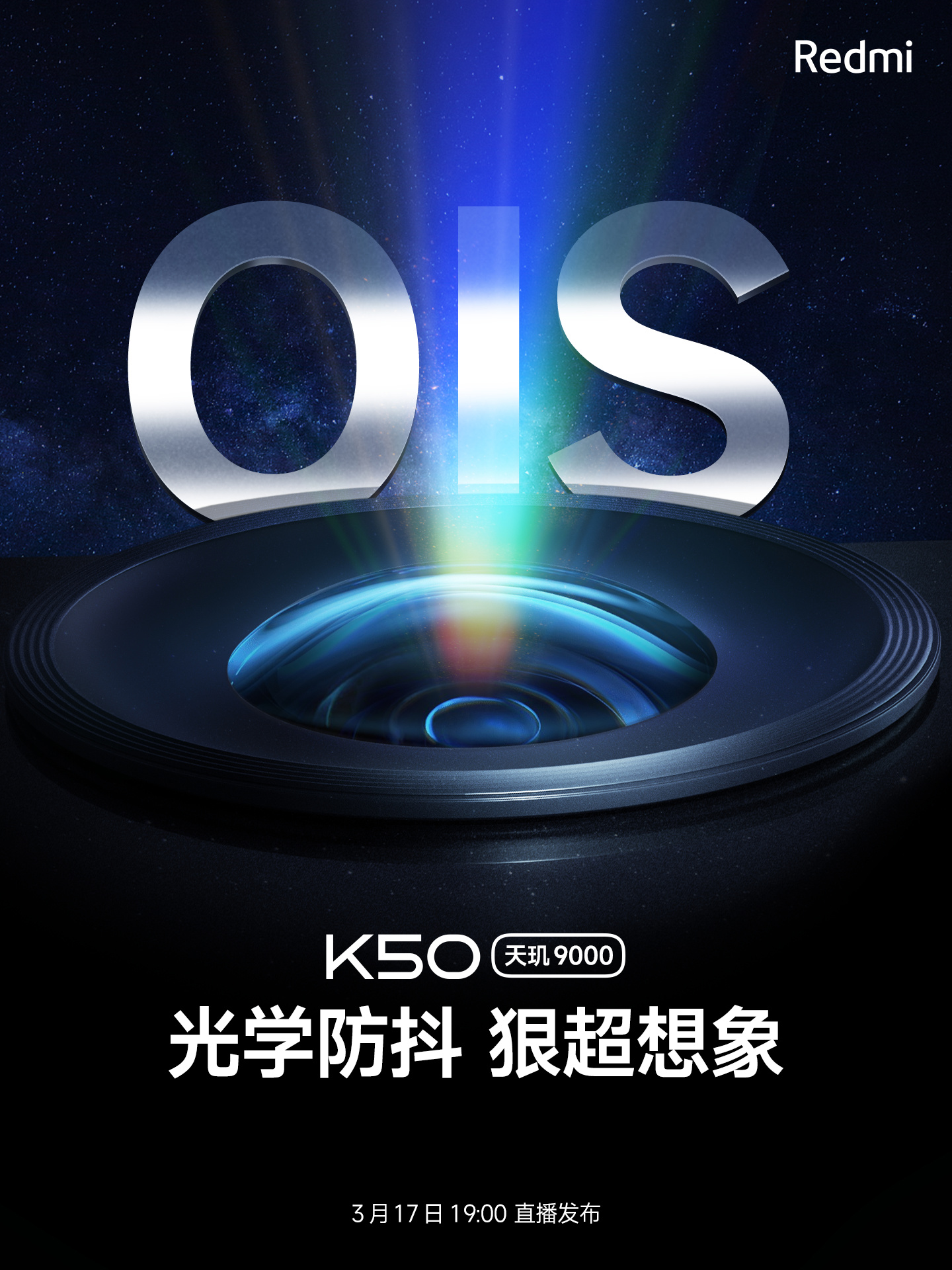
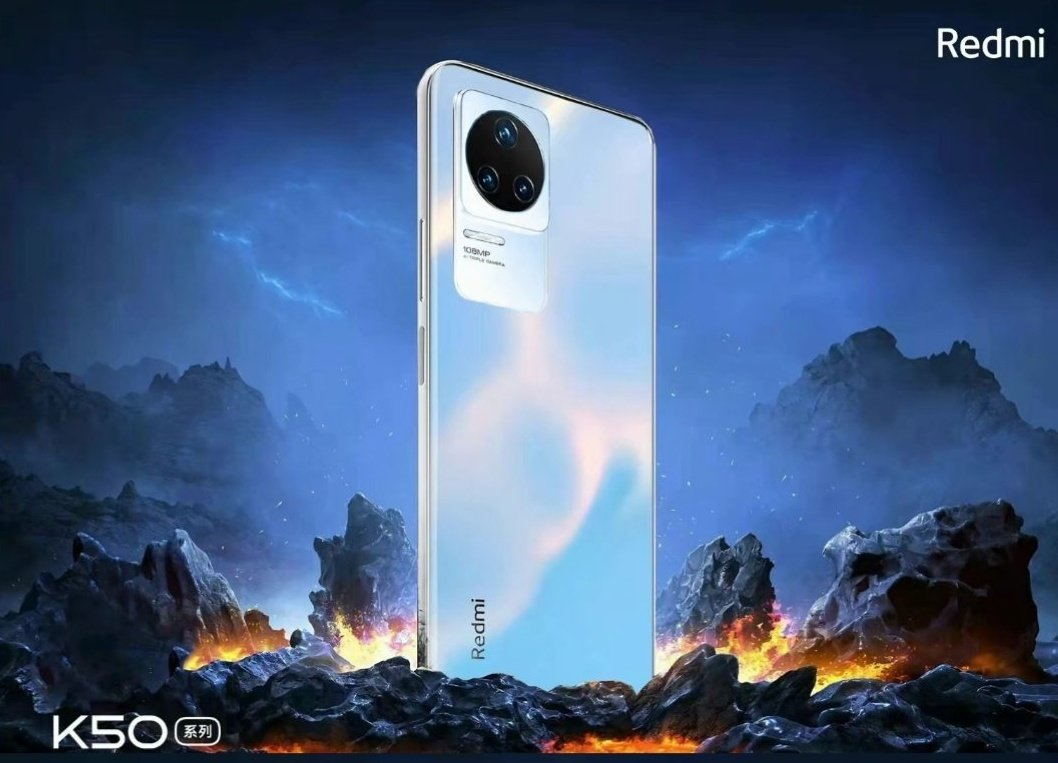
In related news, Redmi will be launching the Redmi K50 series of smartphones in China next month. It is believed the Xiaomi phone with 21121210C model number may launch in China as the Redmi K50 Gaming Edition. On the other hand, the 22021211RC model is expected to arrive in China with the vanilla Redmi K50 moniker.

RELATED:

Apple VR headset to use 96W Power Adapter like the 14 inch MacBook Pro

A known analyst has just revealed new information related to the Apple AR/VR headset. Reportedly, the company’s upcoming headset will use the same 96W USB Type C as the 14 inch MacBook Pro.

Apple VR headset

The news arrives from analyst Ming-Chi Kuo (Via MacRumors) who shared the information in a research note with TF International Securities. The analyst stated that the Cupertino based giant’s headset will use a 96W power adapter, which is indicative of its processing power that rivals a Mac. Notably, we had also covered that the brand’s headset will feature performance that matches M1 Macs. So, this news is in line with our previous report.

Kuo further added that the iPhone maker’s headset will house two processors, one of which is a 5nm based chip while the other is a smaller 4nm based chipset. Both of these processors will be manufactured by the world’s largest contract chipmaker, TSMC. As per our previous report, the higher end chipset will offer computing power that rivals M1 chips in the new Macs, while the lower end processor would be dedicated towards the various sensors and related components of the headset.

Apple

Additionally, it is expected that Apple will launch its new headset with an innovative experience with seamless switching between AR (Augmented Reality) and VR (Virtual Reality) modes. The analyst further stated that the headset will be two or three years ahead of the company’s rivals and their offerings in terms of computing power. Kuo had previously claimed that the headset will be launched in the fourth quarter of this year and shipments rising in the first quarter of 2023.

RELATED:


Upcoming Android 13 to reportedly offer a redesigned output picker

Google recently rolled out the latest Android 12 operating system and the smartphone manufacturers are now releasing an updated version of their custom interfaces or skins based on the new Android version.

While the rollout of Android 12 is still ongoing, the tech giant has already started working on the upcoming version of the Android operating system and some of the features of the Android 13 have already surfaced online.

Now, a new report from Android Police reveals that the Android 13 will come with some UI changes apart from the addition of new features. Google could be giving a new look to the output picket menu in the upcoming Android 13.

For those who are unaware, the output picker is a part of the media controls, showing a button at the top-right with information about which device is playing the media such as cast devices, Bluetooth buds, and speakers.

The report further indicates that the functionality of the feature remains the same and while the images don’t show the button, it can be accessed from Settings. The volume sliders have also been replaced by newer thicker ones.

The disconnected devices are now grayed out and are no longer marked as “disconnected.” Round icons have also gone missing and the selected output device now has a checkmark to make it clear which device is active.

The updated design aims to make it cleaner and clearer for improving the user experience keep the design consistent with other elements in the Android operating system. But do note that this is still very early and it could get changed by the time Android 13 launches.

RELATED: