Over the last couple of months, Respawn Entertainment has been testing out Apex Legends Mobile. While the popular battle royale title’s mobile port has been available for download in limited regions, it was only released on Android. But now, the game is finally arriving on iOS as well as in new regions. So lets take a look.
The studio behind the game has confirmed the regional launch of Apex Legends Mobile. The game was in beta tests last year and saw great reception initially. So now, the company is bringing the game to 10 additional nations, including:
Australia
New Zealand
Singapore
Malaysia
Philippines
Indonesia
Mexico
Peru
Argentina
Colombia
Unfortunately, despite being one of the major mobile gaming markets, there is currently no word for an Indian launch for the mobile version of Apex Legends. In other words, we may likely have to wait for a full/global launch for the game to arrive in the Southeast Asian country. Apart from the regional launches, Respawn Entertainment also revealed the names of the Legends (Playable Characters in the game) that will be available during the regional launch, namely:
Bloodhound
Gibraltar
Lifeline
Wraith
Bangalore
Octane
Mirage
Pathfinder
Caustic
At the moment, pre-registrations for the game is open for the 10 select nations. Furthermore, Respawn has also revealed the system requirements to play Apex Legends Mobile. While the game is still in development, it is being optimized to run in various different devices. But, the game will not run on iOS devices that have less than 2GB of RAM and Android devices with less than 3GB of RAM.
Although, certain 2GB RAM models will be supported for a few brands like Vivo, Oppo, Huawei, Motorola, Samsung, Lenovo, and Xiaomi. Unfortunately, even if it is available on iOS, the game will only be playable on iPhone 6S or later models and is only being released in a limited launch. So stay tuned for more updates.
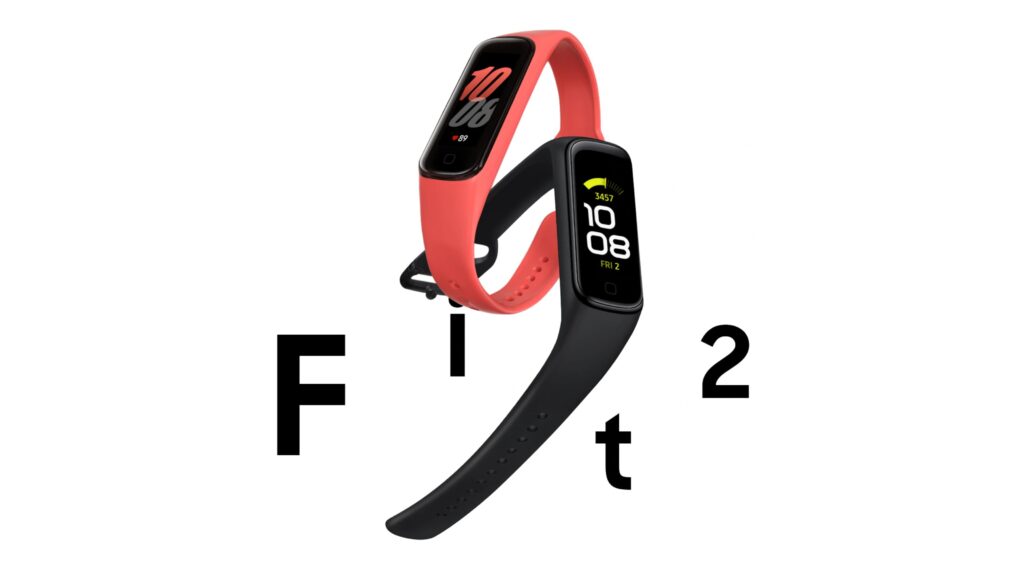
Samsung announced the Galaxy Fit 2 in September 2020. It is an affordable fitness tracker from the company. Almost one and a half years after its debut, the wearable is receiving a new firmware update that brings some useful features.
According to TizenHelp (via SamMobile), Samsung has started seeding a new software update for the Galaxy Fit 2 in India weighing at just 2.16MB. It arrives with firmware version R220XXU1AVB8. The update should be available in other regions in the coming days.
The latest update for wearable comes with three new features. Users can now finally control their smartphone’s camera shutter on their fitness tracker. Further, they can now send a message while declining an incoming call. Finally, the update also adds ‘Rope Jumpig’ counting feature.
The changelog says that the camera shutter control feature only works on devices running Android 7.0 Nougat or higher. This is fine as there aren’t many active users on Android 6.0 Marshmallow or blow.
The last firmware update for the Galaxy Fit 2 was released back in late March 2021. In other words, the new update arrives almost a year after the last one.
As of now, there doesn’t seem to be any rumor regarding the successor for this fitness tracker. Also, it is not known how long Samsung will be providing software support for this product as it is almost sold out in most markets.
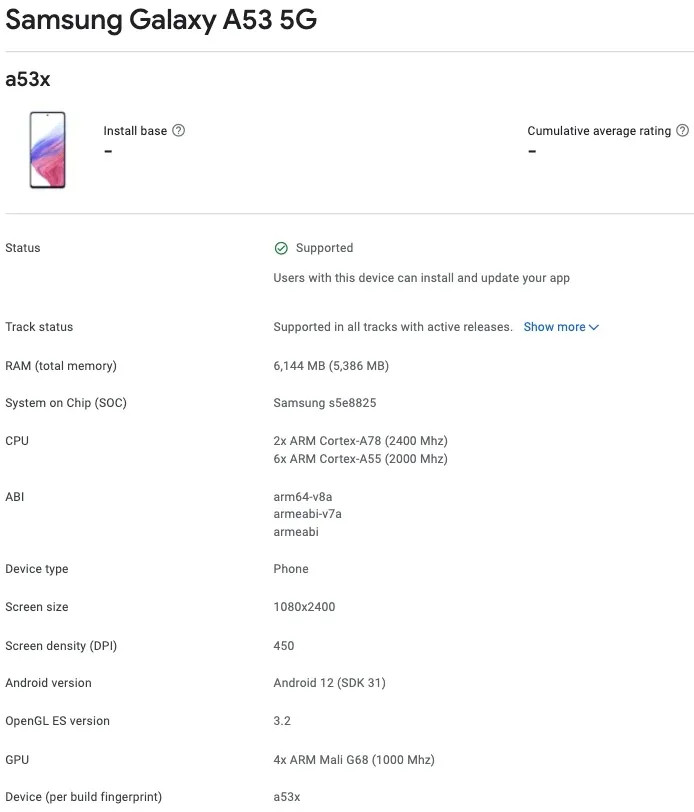
Samsung Galaxy A53 5G launch is almost upon us now. While a leakster had tipped the device’s key specs along with the rest of the A Series launches that will take place over the next couple of months, a Google Play Console listing has now actually confirmed the leaked specs.
The listing reveals that the Galaxy A53 5G is powered by the all-new Exynos 1200 chipset that is comprised of 2x Cortex-A78 high-performance cores clocked at 2.4GHz and 6x Cortex-A55 efficiency cores clocked at 2.0GHz. The CPU is supported by the Mali G68 GPU for graphics.
The listed variant has 6GB of RAM but the final release will obviously come with more RAM and storage options. The software will be One UI 4 based on Android 12 out of the box, which is currently the latest.
And that’s about it with specs confirmed by the listing. But there’s also an image attached therein showing the front of the device, which is mostly all-display. The front camera is housed within a tiny center-aligned punch hole.
Previously leaked specs showed that the Samsung Galaxy A53 5G will have a 6.52-inch FHD+ 120Hz AMOLED display with a 1080*2400 resolution. The rear camera setup comprises 64MP+12MP+5MP+5MP shooters and the battery is sized 5000mAh with 15W charging support.
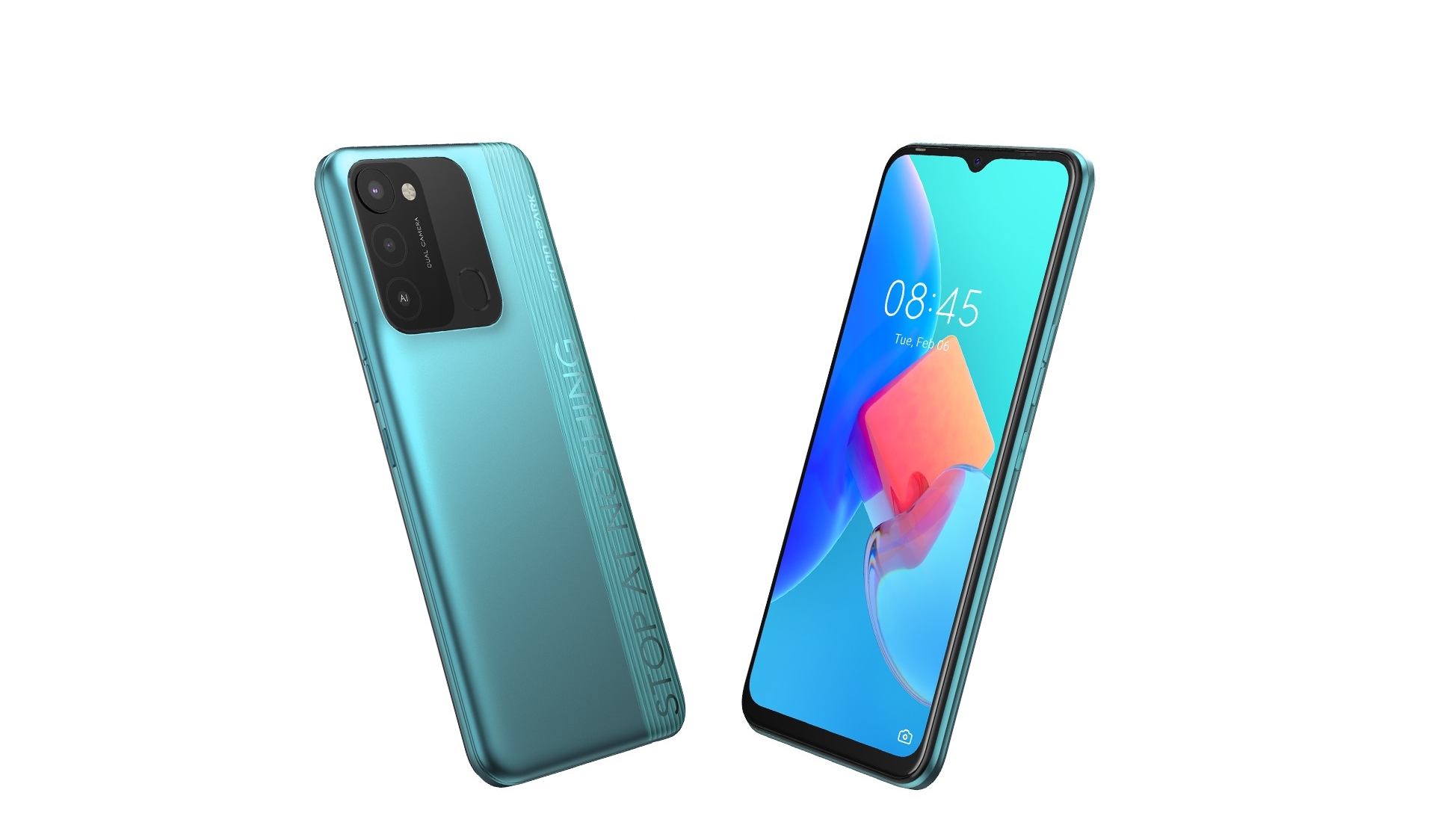
A few days back, Tecno launched the Spark 8C entry-level smartphone in India. Despite coming in the entry-level segment, the phone offers a total of 6GB of RAM and a 90Hz display. Starting today, the phone will be available for purchase in the country.
Tecno Spark 8C Pricing and Colors
The Tecno Spark 8C has gone on sale for the first time today in the Indian market. The device comes at a price of Rs. 7,499(~$100) for the only variant with 3GB RAM and 32GB of internal storage. The phone is available in Turquoise Cyan, Diamond Grey, Magnet Black, and Iris Purple colors.
The device is available on No Cost EMI options and also has Exchange offers.
Tecno Spark 8C Specifications
The smartphone sports a 6.6-inch water-drop notch display with the rear with an HD+(720 x 1612 pixels) resolution. The screen has a 90Hz refresh rate and a 180Hz touch sampling rate.
It sports a dual-camera system placed in an oversized camera island that extends to keep space for the rear-mounted fingerprint scanner. The rear setup goes by a13MP primary lens and an AI sensor. At the front, it features an 8MP selfie snapper.
Under the hood, the device is powered by the UNISOC T606 octa-core chipset paired with 3GB of RAM and 64GB of internal storage. Interestingly, the phone has 3GB of virtual RAM support which makes the total RAM 6GB. The phone runs on Android 11 Go Edition out of the box and has HiOS 7.6 on top of it.
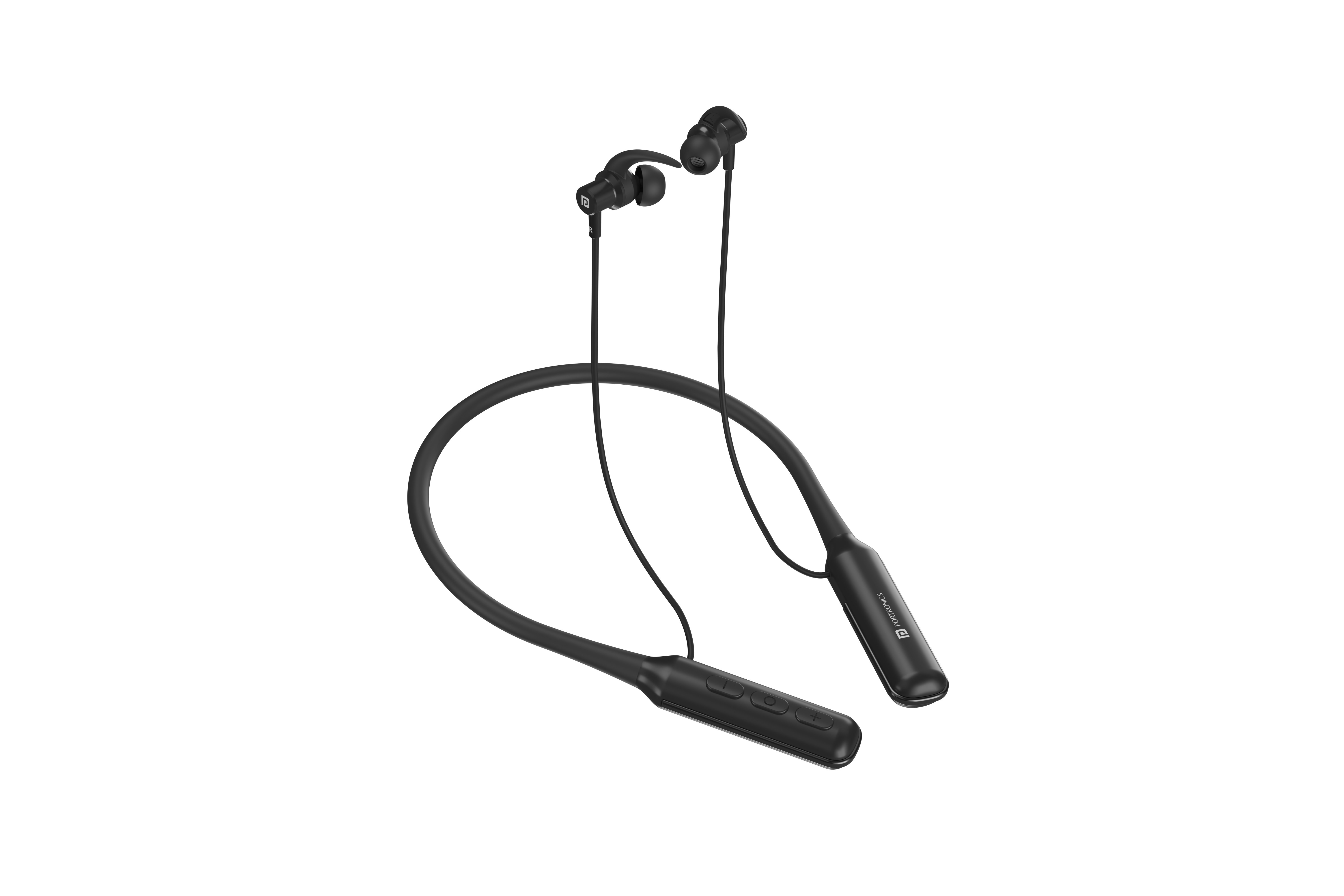
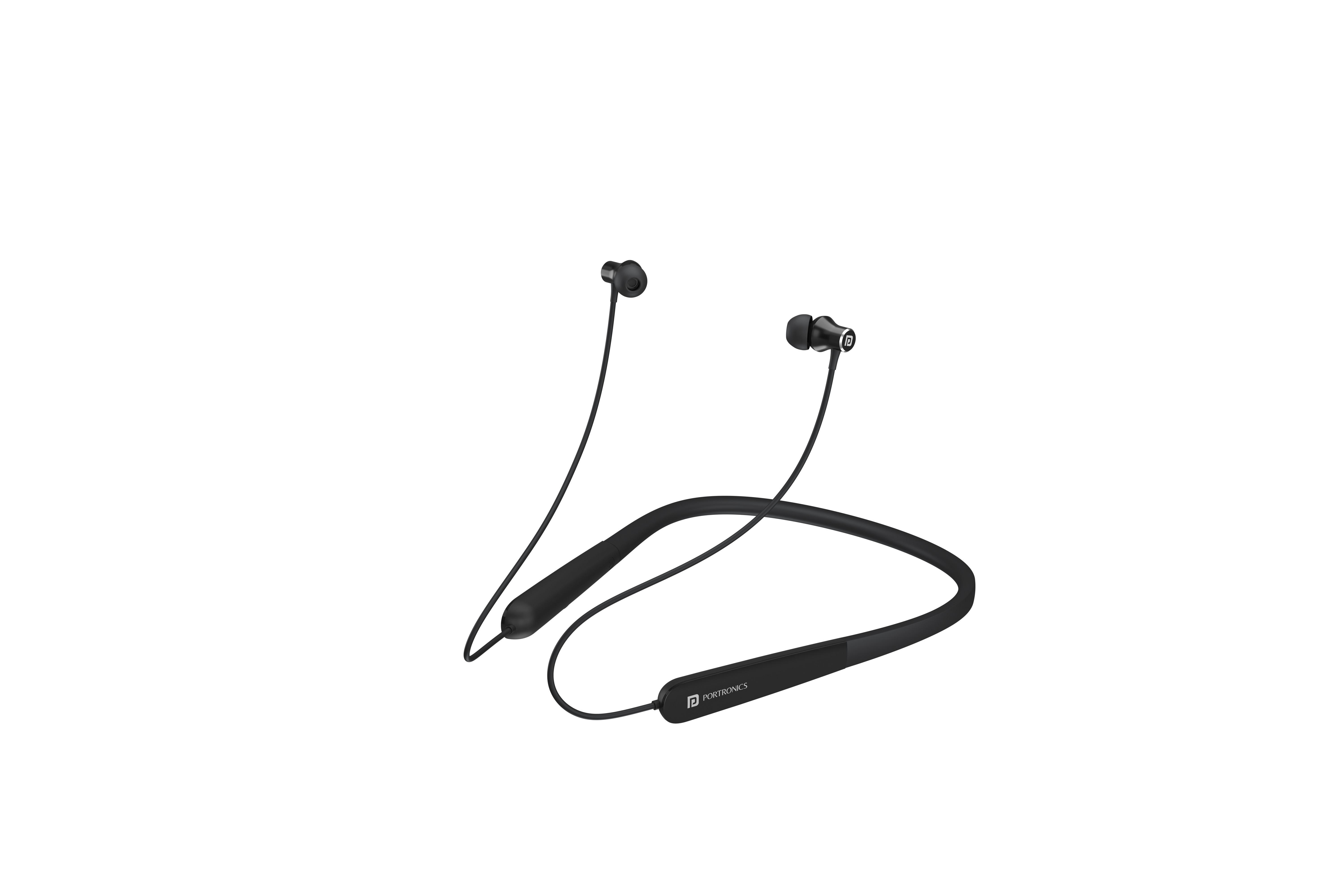
Portronics has just announced two new audio products in India. The two earphones are wireless with a neckband design and are a part of the Harmony series, namely Harmony 250 and Harmony X1.
Harmonics 250
Portronics Harmonics 250 Wireless Stereo Neckband
The new hearables arrives in two color variants, which is Black and Green. With a single full charge of 2 hours, the wireless earphones can offer up to an impressive 60 hours of audio playback. It also offers 1,000 hours of standby time and stays powered for up to 15 days thanks to its 800mAh battery pack. The Harmonics 250 offers the latest Bluetooth 5.0 technology and can adopts an ergonomic design and weighs just 58 grams. It even supports voice assistants that helps you with various tasks making or receiving calls, music, and more. The neckband also has a magnetic latch on the earpieces to ensure that they don’t get entangled.
Portronics Harmonics X1 Wireless Sports Neckband
Arriving at the second wireless earphones, the company has built the Harmonics X1 with Bluetooth 5.0 and a unique design. It has a battery capacity of 150mAh battery pack that offers up to 15 hours of audio playback and up to 55 hours off standby time as well. The Harmonics X1 offers power saving technology and even features a magnetic latch on the earpiece as well. It is available in multiple color variants, like Red, Black, and Green.
Harmonic X1
Pricing and Availability
The new Portonics Harmonics 250 and Harmonics X1 will be available for purchase from the company’s official website, Amazon India, and other leading online and offline stores. The former is priced at 1,199 INR (roughly 16 US Dollars) while the latter costs 999 INR (roughly 13 US Dollars). Both wireless earphones arrive with 12 months of warranty.
Realme Narzo 50 has gone official in India. It is the third Narzo 50 series handset after the Narzo 50A and Narzo 50i that were announced in September 2021. Some of the major highlights of the Narzo 50 include a 120Hz refresh rate display, Helio G96 chip, 50-megapixel triple cameras, and a big battery with rapid charging support.
Realme Narzo 50 specifications and features
The Narzo 50 sports a 6.6-inch IPS LCD screen with a punch-hole design. It offers a Full HD+ resolution, a 20:9 aspect ratio, and a 120Hz refresh rate. It runs on the latest Android 12 OS, which is customized with Realme UI 3.0.
Realme Narzo 50
The Helio G96 chipset powers the Helio G96 with up to 6 GB of LPDDR4x RAM. For storage, it offers up to 128GB of UFS 2.1 built-in storage and a microSD card slot. The handset comes with support for 33W fast charging for its 5,000mAh battery.
The Narzo 50 has a 16-megapixel camera on the front for selfies and video calls. The rear-facing camera island has a 50-megapixel main camera, a 2-megapixel macro camera, and a 2-megapixel depth helper. The other features that are available on the Narzo 50 include dual 4G VoLTE, Wi-Fi 5, Bluetooth 5.0, GPS, a USB-C, a side-facing fingerprint scanner, and a 3.5mm headphone jack.
Realme Narzo 50 price in India
The Realme Narzo 50 comes in two options such as 4 GB RAM + 64 GB storage for Rs 12,999 (~$172) and 6 GB RAM + 128 GB storage for Rs 15,999 (~$214). The handset can be purchased in hues like Speed Blue and Speed Black. The sales of the Narzo 50 will begin on March 3 through Amazon India and Realme India’s website.
The Redmi K50G went official last week as the first device in the Redmi K50 series. It is the successor of the Redmi K40 Gaming Edition, which is also known as the POCO F3 GT in India. According to certifications and MIUI code, the Redmi K50G will launch as POCO F4 GT in international markets. The smartphone’s specs leak from earlier today suggests the same.
Redmi K50G
A couple of hours back, tipster Yogesh Brar shared the key specifications of the upcoming POCO F4 GT on Twitter. The features listed by him clearly suggest that this phone will be a rebranded Redmi K50G.
He says that the handset will flaunt a 6.67-inch FHD+ OLED display with up to a 120Hz refresh rate. It will be powered by a Qualcomm Snapdragon 8 Gen 1 SoC paired with LPDDR5 RAM and UFS 3.1 storage.
For optics, it will use a triple camera setup on the rear consisting of a 64MP Sony IMX686 primary sensor, an 8MP ultra-wide unit, and a 2MP macro snapper. There will be also a 20MP Sony IMX596 sensor for selfies and video calls.
Unsurprisingly, the device will feature gaming buttons and will be backed by a 4,7000mAh battery with support for 120W fast charging. Last but not least, it will be available in two memory configurations – 8GB + 128GB and 12GB + 256GB.
POCO is yet to officially announce the launch date for POCO F4 GT. The brand has only confirmed to release the POCO X4 Pro 5G and the POCO M4 Pro at its next launch conference on February 28.
Apple has been using its own A-series chips for the iPhones and iPads and recently the company also started making its own ARM-based Apple Silicon chips for powering Mac devices. Now, the Cupertino-based tech giant is gearing up to make its own 5G chips.
If the latest report is to be believed, then Apple is planning to replace Qualcomm’s 5G modem chips in the next year’s iPhone 15 series models with its own self-developed 5G modem chips. It is also being said that the company is already in talks with the suppliers who will help in making the chips.
A report coming from DigiTimes claims that Apple has started talks with two key suppliers — Advanced Semiconductor Engineering (ASE) and Siliconware Precision Industries (SPIL) about having them package its first 5G modem chips.
But the move isn’t a sudden one. In fact, the technology giant has been working behind the scenes for a few years now to make its own cellular chips that would replace the ones sourced from Qualcomm and Intel in its iPhone models.
Apart from better integration and having control over the features, another major advantage for Apple to ditch Qualcomm and Intel in favor of its own 5G modem chips is that the company won’t have to pay royalties when using its own chips.
Apple has a good track record when it comes to designing chips — ranging from its A-series SoC for the iPhone and iPad models to the M-series chips for the Mac-powered devices. But it remains to be seen how the company’s cellular chips turn out to be given that it has added complexity of radio communication.
boAt has officially launched the new Watch Blaze smartwatch in the Indian market. The all-new boAt Watch Blaze comes with 14 sports modes and has over 100 watch faces to choose from.
The boAt Watch Blaze comes at a price of Rs. 3,400(~$45) and has four color variants. The colors include Black, Blue, Red, and Pink. It will go on sale starting from tomorrow i.e. February 25 at 12 PM on the Amazon India website.
The boAt Watch Blaze features a large 1.75-inch display with a resolution of 320 x 385 pixels. The screen supports a peak brightness of 500 nits and has a pixel density of 286 PPI. The smartwatch is 10mm in thickness and offers a premium design. There are over 100 watch faces on the smartwatch which can be customized from the proprietory app.
The smartwatch comes with 14 sports modes including walking, cycling, cricket, hiking, strength training, and cricket. The device comes with several health features like a SpO2 sensor for monitoring blood oxygen levels and has a heart rate monitor.
The smartwatch is powered by the Apollo 3 Blue Plus chipset that is claimed to provide smoother transitions while navigating and offers an interface that’s 25% snapper.
Coming to the battery, the boAt Watch Blaze has up to 10 days of battery life. Charging it up is also quick since it has the quick charging support that offers a day’s battery with just 10 minutes of charging. The smartwatch is 3ATM water-resistant and has music controls, app alerts features. It also shows Call and SMS alerts.
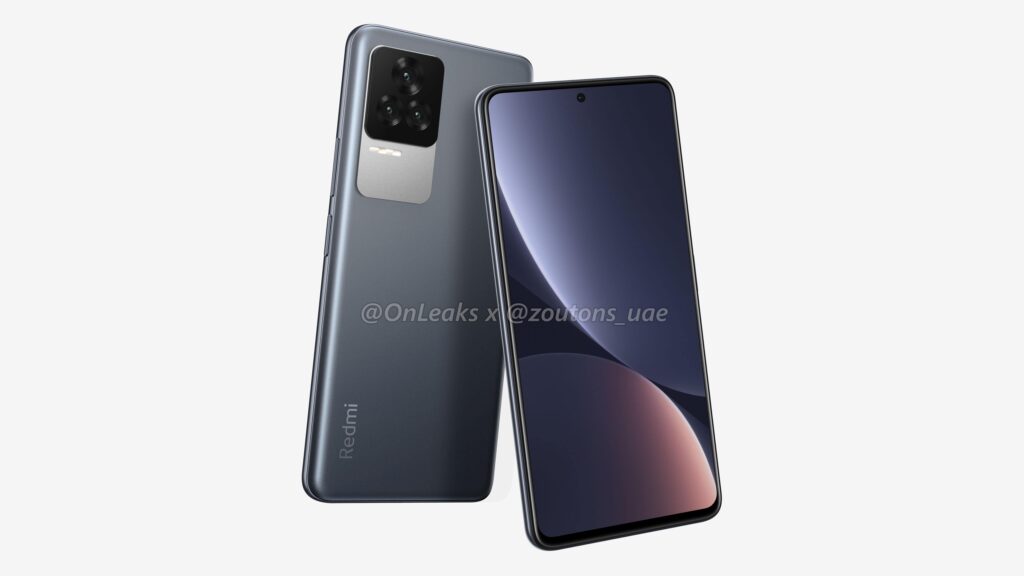
Redmi, the sub-brand of Xiaomi, is expected to launch the remaining models in the Redmi K50 series in March. Ahead of that, the vanilla and the Pro models recentlyleaked in renders revealing their design. Last evening, the brand’s general manager also hinted at the chipset powering one of these phones.
Redmi K50 Pro | Source: @OnLeaks via @zoutons_uae
Yesterday, a netizen enquired about the availability of MediaTek Dimensity 9000-powered Redmi smartphone in the comment section of a post by Redmi GM Lu Weibing on Weibo. To this, the brand executive confirmed that the Redmi K50 series will carry the said chip.
For those unaware, the Dimensity 9000 SoC will make its debut on the OPPO Find X5 later today. The netizen also indirectly mentioned this in his comment.
Additionally, Digital Chat Station disclosed some key features of the upcoming Redmi K50 series with Dimensity 9000 chip earlier today. He says that this phone will arrive with 120W fast charging support, an x-axis vibration motor, stereo speakers tuned by JBL, and a good display.
Going by the renders shared by @OnLeaks, the Redmi K50 and the Redmi K50 Pro look like vivo smartphones. They will have a rectangular camera island with the sensors arranged in a rectangular form.
We are looking forward to learning more about the Redmi K50 series before its official announcement sometime later next month. Do let us know your expectations of the handsets in the comment section below.
BLU G91 Max has been launched. It is the fourth G91 series smartphone from the brand, which includes other models such as BLU G91, G91S, and G91 Pro. These devices are powered by the Helio A25, Helio G80, and Helio G90 chipsets, respectively. The newly unveiled G91 Max comes equipped with a more powerful Helio G95. It offers other exciting features such as 108-megapixel quad cameras, a 5,000mAh battery, and a massive 6.8-inch display.
BLU G91 Max specifications and features
The BLU G91 Max has a 6.81-inch IPS LCD panel that offers a Full HD+ resolution of 1080 x 2,460 pixels, a 20.5:9 aspect ratio, and 396ppi pixel density. For selfies, it has a 16-megapixel camera for selfies and video calls.
BLU G91 Max
The rear camera unit of the phone has a 108-megapixel Samsung HM2 primary lens with an f/1.79 aperture. It is coupled with a 5-megapixel wide-angle lens with a 115-degree FOV, a 2-megapixel depth sensor, and a 2-megapixel macro camera. For security, it supports face unlock and is fitted with a side-mounted fingerprint scanner.
The MediaTek Helio G95 chipset is present under the hood of the BLU G91 Max. The device includes 6 GB of RAM and 128 GB of internal storage. It will come preinstalled with Android 11 OS.
The device packs in a 5,000mAh battery that supports 18W fast charging through a USB-C port. The device also supports 10W wireless charging. For additional storage, it is equipped with a microSD card slot. It offers other features like Wi-Fi 802.11 b/g/n, dual SIM slots, 4G VoLTE, GPS, and a 3.5mm audio jack.
BLU G91 Max pricing and availability
The BLU G91 Max has arrived with a pricing of $229 in the U.S. It will be available for purchase through Amazon.com soon. The device is compatible with well-known U.S carriers such as AT&T, T-Mobile, Metro PCS, and more. It comes in Spectrum Gray and Sky Blue colours.
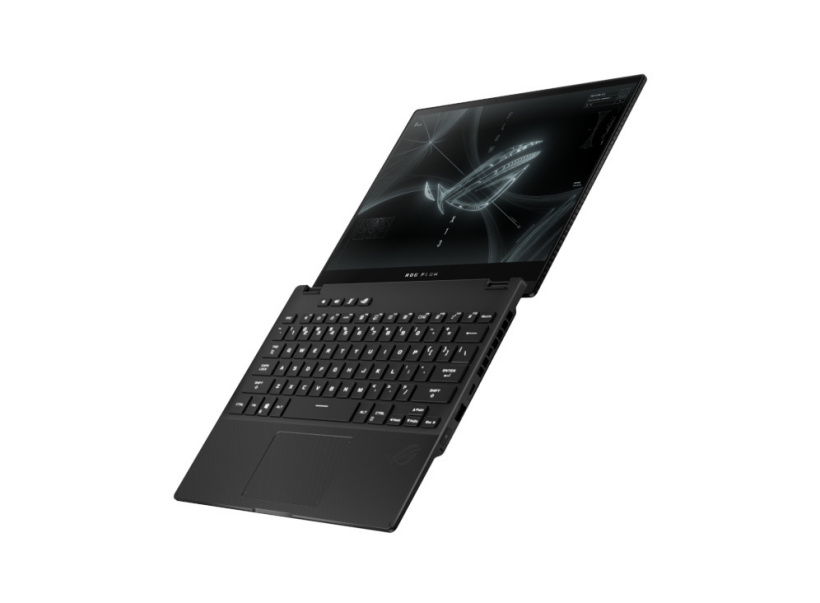
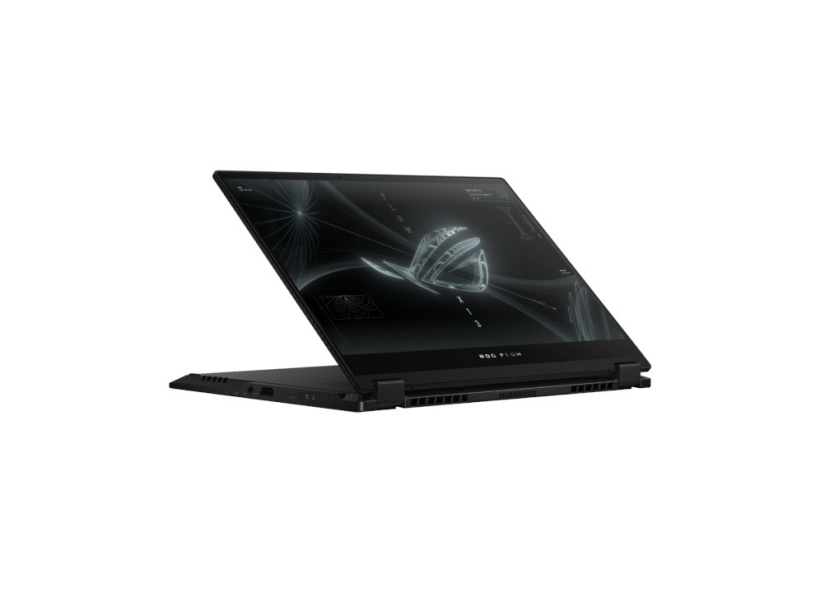
ASUS ROG Magic 13 2022 thin and lightweight premium laptop has now been officially listed on the company’s website. It reveals that the device will be available for purchase in China from 25th February.
It comes powered by the latest AMD Ryxen R9 6900HS as the standard processor and offers a selection of graphics processors from Radeon 680M, RTX 3050, and RTX 3050 Ti.
The base model with Ryzen R9 6900HS processor, 16GB RAM, and 512GB SSD is priced at 8,499 yuan while the model with RTX 3050 GPU costs 9,499 yuan. Lastly, the model which packs RTX 3050 Ti GPU and 1TB SSD is priced at 10,999 yuan.
The ASUS ROG Magic 13 2022 features a 13.4-inch Full HD flip display with a 16:10 aspect ratio, 1920 x 1200 pixels screen resolution, a 120Hz refresh rate, along with support for touch screen functionality.
As for the processor, the AMD Ryzen R9 6900HS is manufactured using a 6nm process and has eight cores and 16 threads, 16MB L3 cache, and a maximum clock speed of 4.9GHz. It packs 16GB LPDDR5-6400 RAM with 512GB or 1TB SSD storage.
It comes with two USB 3.2 Gen 2 Type-C ports, one USB-A port, one HDMO port, and has ROG’s exclusive XG Mobile Graphics docking port. The device measures 15.8mm in thickness and weighs around 1.3 kilograms.
A few days ago, the company had started selling the ASUS ROG Magic 14 2022 laptop in the Chinese market for the price of 9,499 yuan.
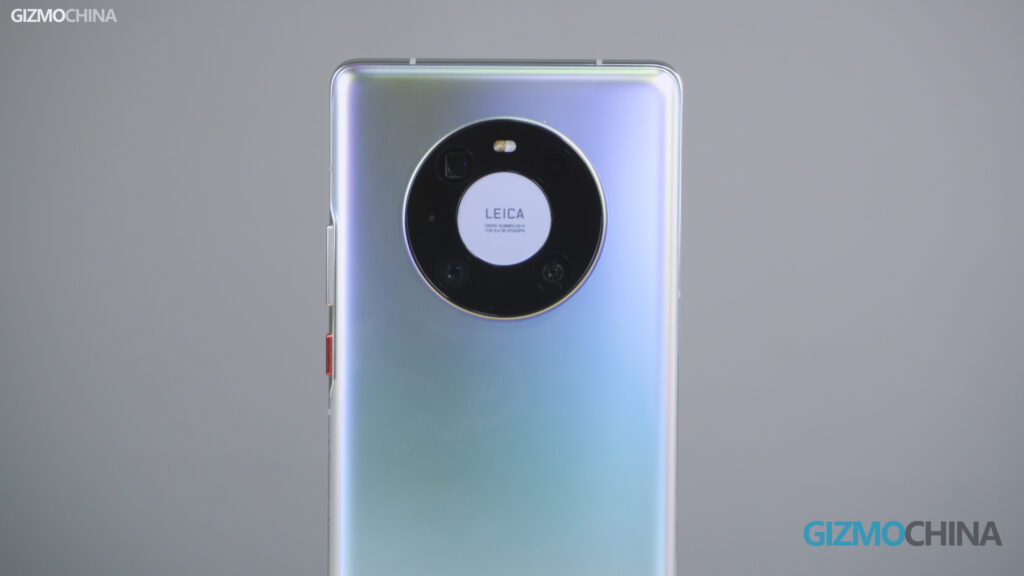
Huawei is expected to release new variants of its older flagship smartphones next month. These devices are rumored to go official as HUAWEI Mate40E Pro 5G and HUAWEI P50E 4G. A tipster has now revealed when these handsets will go on sale in China.
HUAWEI Mate40 Pro
According to 旺仔百事通 (Wangzai Knows Everything) on Weibo, the HUAWEI Mate40E Pro 5G is scheduled to go on sale in the company’s home country China on March 3. On the other hand, he says that the HUAWEI P50E 5G will hit the shelves in mid to late March.
Recently, two mysterious HUAWEI-branded smartphones received 3C certifications carrying model numbers NOH-AN50 and ABR-AL60. Both support 66W fast charging, however, the former can connect to 5G networks and the latter is limited to 4G connectivity.
Hence, it is said that NOH-AN50 will go official as HUAWEI Mate40E Pro 5G, whereas the ABR-AL60 will break cover as HUAWEI P50E 4G. As far as the chipset is concerned, the former is anticipated to house the long-rumored Kirin 9000L.
Wangzai, the leaker who disclosed the sale timeline utters that the stock of Kirin 9000L is scarce. Therefore, he suggests interested buyers purchase the phone as soon as it goes on sale.
We look forward to learning more about these handsets in the coming days. Also, do let us know your thoughts on these devices in the comment section below.
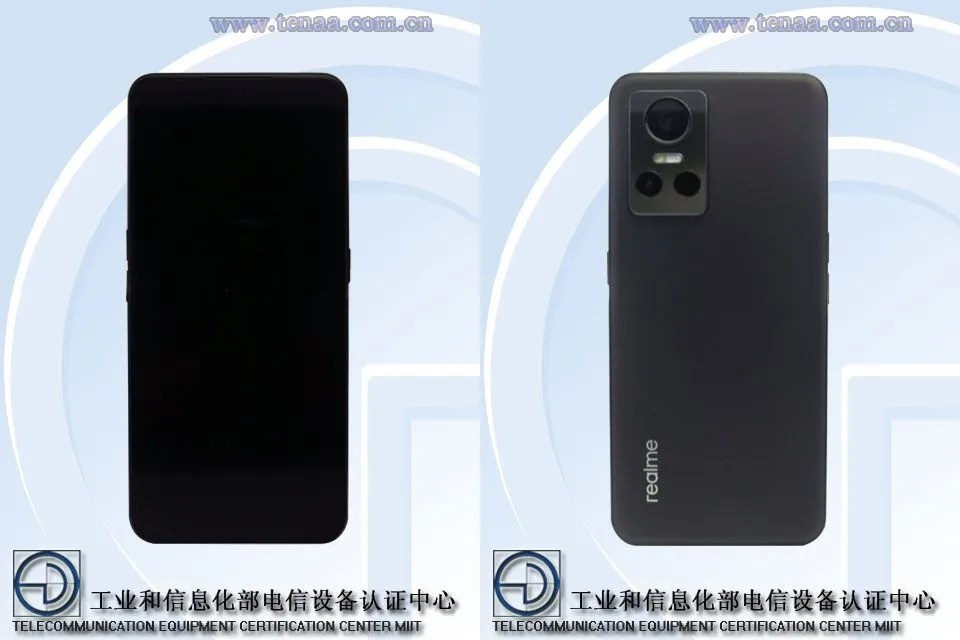
Recently, two new Realme phones with RMX3560 and RMX3562 were spotted at TENAA certification site of China. It can be said on recent leaks by Chinese tipsters that these are the two variants of the Realme GT Neo3. Reliable tipster Digital Chat Station has revealed the battery capacities and charging capabilities of both variants.
According to the tipster, the GT Neo3 will come in two battery variants such as 4,500mAh and 5,000mAh. These batteries are expected to power the RMX3560 and RMX3562 models, respectively.
The former is expected to debut as the world’s first smartphone with support for 150W ultrafast charging. According to the tipster, it takes around 12 minutes for a 4,500mAh to charge completely through the 150W charging brick. The 5,000mAh battery variant of the GT Neo3 will carry support for 80W charging, adds the tipster.
TENAA images Realme RMX3560/2
Realme GT Neo3 specifications (rumored)
The Realme GT Neo3 will arrive with a 6.7-inch AMOLED display with a central punch-hole. The FHD+ display is expected to carry support for a 120Hz refresh rate and an in-screen fingerprint scanner.
The device is said to be powered by the Dimensity 8100 chipset and up to 12 GB of RAM. It may come with up to 512 GB of native storage. It will come preinstalled with Android 12 OS customized with Realme UI 3.0. To those who are unaware, the D8100 is an unannounced chip, which is expected to go official in March.
The rear-facing camera setup of GT Neo3 will feature an OIS-enabled 50-megapixel Sony IMX766 primary camera, an 8-megapixel camera, and a 2-megapixel lens. It is backed a 4,500mAh / 5,000mAh battery as mentioned above. It will come equipped with a 3.5mm audio jack.
The Realme V25 will be arriving soon as the next V-series phone. Today, the Chinese manufacturer took to Weibo to confirm that its launch event will be held at 2 pm (local time) on March 3 in the home market. The poster released by the brand gives a good look at the rear design of the V25.
The Realme V25 launch date poster shows the gradient blue variant of the phone. The top-left corner of the phone has a familiar triple camera unit headlined by a 64-megapixel primary camera. The company has partnered with Chinese brand Forbidden City for the upcoming V25 handset.
The other poster shown below shows that the device is fitted with a side-mounted fingerprint scanner. Its bottom edge has a speaker grille, a USB-C port, a microphone, and a 3.5mm audio jack.
Realme V25 Specifications (Rumored)
The Realme V25 is expected to feature a 6.58-inch IPS LCD FHD+ display, which may support a high refresh rate. The display punch-hole will house a 16-megapixel selfie camera. Its rear-facing 64-megapixel primary lens will be accompanied by a pair of 2-megapixel lenses. It is likely to run on Android 12 OS overlaid with Realme UI 3.0.
The V25 could be powered by a Snapdragon 6-series 2.2GHz octa-core processor. The device will come with up to 12 GB of RAM and up to 256 GB of native storage. It may pack a 5,000mAh battery with 33W rapid charging support. The device will measure 8.5mm in thickness and weigh 195 grams. It will come in colors such as Dark Day, Peak Blue, and Aurora. There is no information on the pricing of the V25.
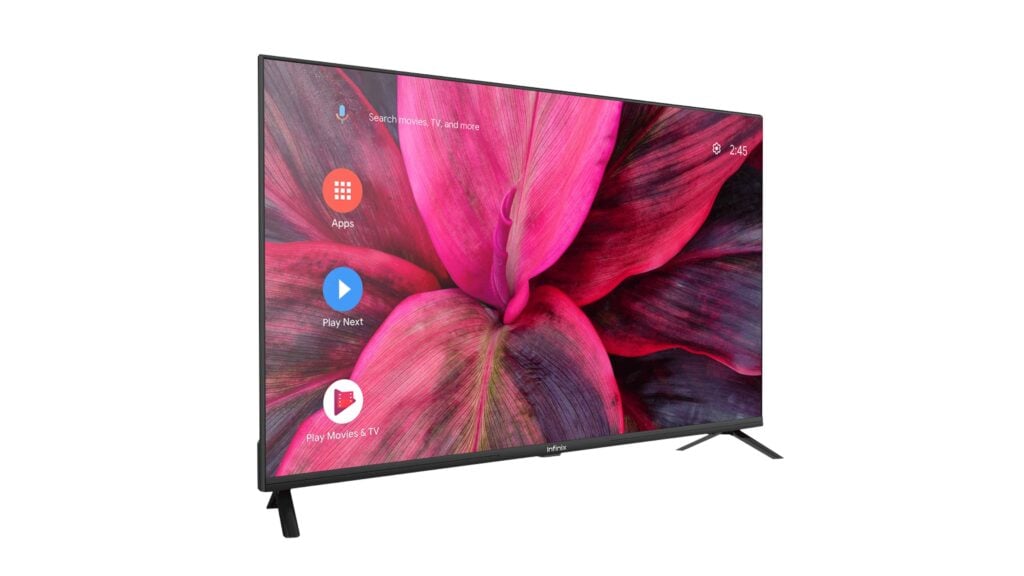
Apart from smartphones, Infinix also sells smart TVs in India. The company’s current-gen television lineup is called Infinix X1. This family of TVs has been now confirmed to get a successor. The brand has not only revealed the name but also variants and software.
Infinix X1
Infinix has officially confirmed to launch a new range of televisions in India next month (March). It will be called Infinix X3. The company is skipping the Infinix X2 branding for some reason.
Further, the lineup will consist of two models – 32-inch and 40-inch. Unfortunately, the firm hasn’t disclosed the display resolution. But we believe that the former will sport an HD-ready (1366 x 768 pixels) panel, whereas the latter will offer FHD (1920 x 1080 pixels) resolution.
Finally, the new smart TV series from Infinix will boot Android TV 11 operating system. Though the brand hasn’t mentioned anything yet, we can still expect support for popular streaming services, which is essential on televisions these days.
As far as other specs are concerned, the Infinix X3 will be more or less similar to the Infinix X1. In other words, it will be just another series of affordable smart TVs offering bang for your buck.
Having said that, the Ininfix X1 also comes in a 43-inch variant. This version of Infinix X3 may release later but we don’t have any official word from the firm yet.
The OnePlus 9R was released in India in the first half of 2021 with OxygenOS 11 based on Android 11. The device also debuted in China with Android 11-based ColorOS 11. The Chinese version is expected to get ColorOS 12 (Android 12) stable update this month. On the other hand, the Indian version has received the Android 12-based OxygenOS 12 Open Beta 1 update only now.
OnePlus 9R
OnePlus has finally released the OxygenOS 12 Open Beta 1 update for the OnePlus 9R. The latest public beta software build for the smartphone enables users to experience Android 12.
Anyone can install the update without the need for registration. All they have to do is download the required file and install it from Settings > System > System Updates > Top Right Icon > Local Upgrade.
Since its beta release, OnePlus warns of bugs. The brand says that some third-party apps may not function properly and the clock might be missing the dial display when the AOD feature is on.
If not satisfied with the beta update, users can roll back to the stable channel. Though the process is similar, it will wipe the phone’s internal storage.
As OnePlus is not known for revealing the timeline for stable rollout, it’s not known when the OnePlus 9R will get access to OxygenOS 12 stable update based on Android 12.
OnePlus 9R OxygenOS 12 Open Beta 1 Official Changelog
System
Optimized desktop icons with improved textures, by using a design inspired by brand-new materials and uniting lights and layers
Dark mode
Dark mode now supports three adjustable levels, bringing a more personalized and comfortable user experience
Shelf
New additional style options for Cards, making data contents more visual and easier to read
Newly added Earphone Control Card with Bluetooth earphone one-click adjustment
Newly added access to OnePlus Scout in Shelf, allowing you to search multiple contents on your phone, including Apps, Settings, Media Data, etc
Newly added OnePlus Watch Card in Shelf, to easily glance at your health stats
Work Life Balance
Work Life Balance feature is now available to all users, allowing you to effortlessly switch between Work and Life mode via quick settings
WLB 2.0 now supports automatic Work/Life mode switching, based on specific locations, Wi-Fi network, and time, also bringing customized App notification profiles according to the personalization
Gallery
Gallery now allows you to switch between different layouts with a two-finger pinch gesture, intelligently recognizing the best-quality pictures, and cropping the thumbnail based on the content, making the gallery layout more pleasing
Canvas AOD
Canvas AOD brings you new diverse styles of lines and colors, for a more personalized lock screen experience with inspiring visuals
Newly added multiple brushes and strokes and support for color adjustment
Optimized software algorithm and improved face recognition to better identify the features and skin color of different figures
A couple of months ago, in December 2021, Motorola took the wraps off the Moto Edge X30 flagship smartphone, which also happens to be the world’s first smartphone to come powered by the Qualcomm Snapdragon 8 Gen 1 SoC.
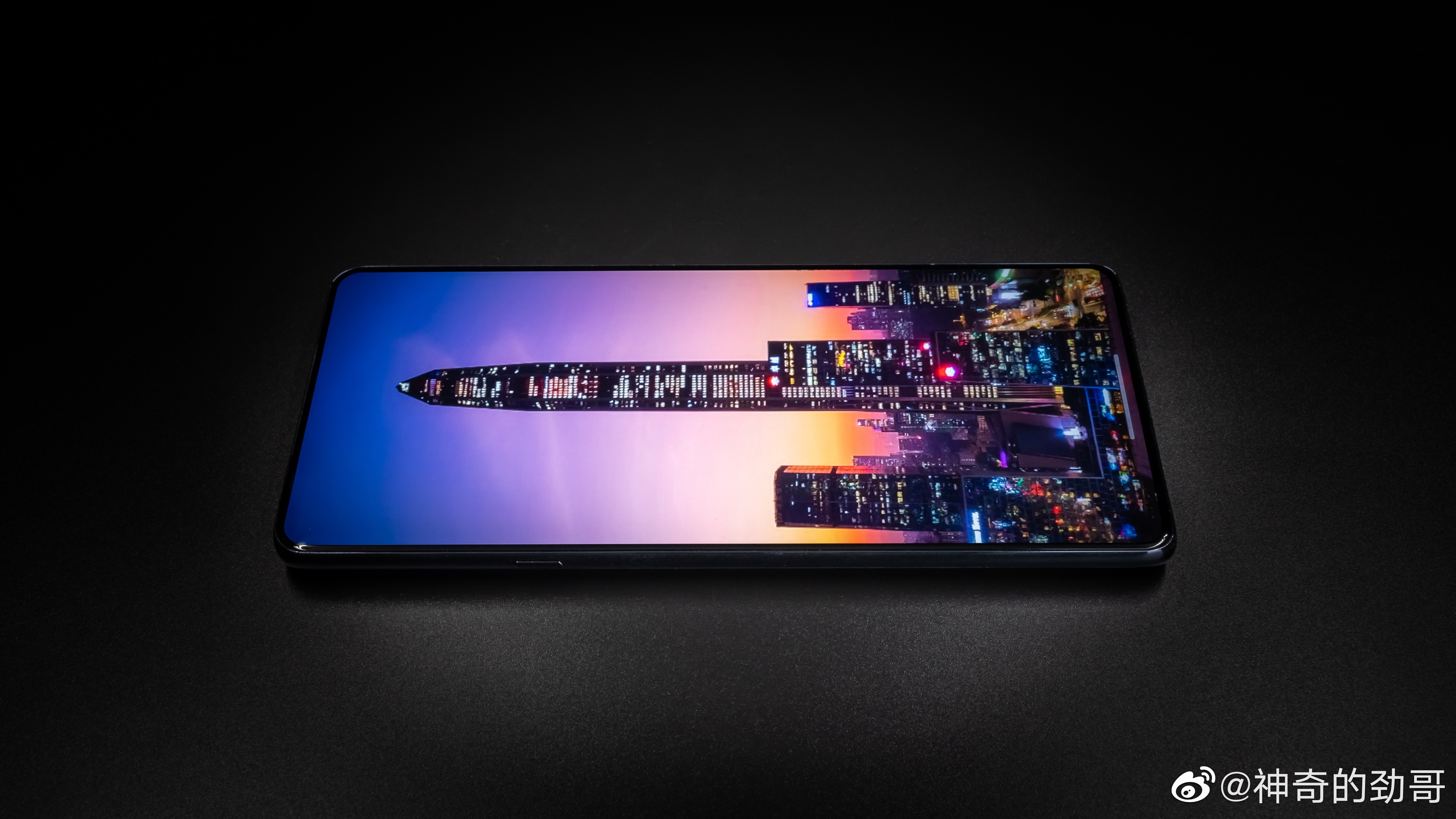
Now, the company is all set to launch a new variant of the smartphone called Moto Edge X30 Under Screen Edition, which as the name indicates, features an under-display camera sensor. The company had earlier revealed that the phone will go official in Spring.
Moto Edge X30 Special Edition
Chen Jin, General Manager of Lenovo China’s Mobile Phone Business department has revealed that the Moto Edge X30 Under Screen Edition will be launched in the Chinese market in the month of March but no specific date has been confirmed.
Apart from the change in the front-facing camera’s positioning and sensor, we expect almost all the specifications of this new upcoming smartphone to remain the same as the standard model available in the market.
The phone is likely to feature a 6.7-inch OLED Full-HD+ display with a 144Hz refresh rate and a 576Hz touch sampling rate. It will offer a 100 percent DCI P3 color gamut, HDR10+, and an in-display fingerprint sensor.
Under the hood, the device will be powered by the Snapdragon 8 Gen 1 SoC, coupled with up to 12GB of RAM and 256GB of internal storage.
In the camera department, it is likely to have a triple-camera setup with a 50-megapixel primary sensor. The phone will be running the Android 12 operating system and powered by a 5,000mAh battery with support for fast charging.
A lot of people are loving the new Samsung Galaxy S22 Ultra but it is very expensive. For those who still want one of the latest Samsung flagships but at an affordable price, the Samsung Galaxy S22 is undoubtedly a more suitable choice. Besides being more affordable, the vanilla version is even a very compact device, one of the most compact flagships out there. Talking about compact phones, the best rival of the Samsung Galaxy S22 is currently the Xiaomi 12. This is a comparison between the specifications of the most recent compact flagships out there.
Xiaomi 12 and Samsung Galaxy S22 come with impressive designs. They are built with premium materials and they also come with original aesthetics. I personally prefer the Samsung Galaxy S22 for various reasons. First of all, it is more compact. Further, it is thinner and lighter than Xiaomi 12. Last but not least, it provides a better build quality. It has a glass back protected by Gorilla Glass Victus Plus, it has an aluminum frame, and it is waterproof and dustproof with the IP68 certification. Last but not least, Samsung advertises it as a phone with an armor aluminum frame with tougher drop and scratch resistance. Unfortunately, the Xiaomi 12 does not provide any kind of certification against water and dust.
Display
It looks like the Xiaomi 12 has a better display, at least judging from the specs on the paper. The Xiaomi 12 comes with an OLED panel showing up to one billion colors with a 6.28-inch diagonal, a Full HD+ resolution of 1080 x 2400 pixels, the HDR10+ certification, Dolby Vision, and a 120 Hz refresh rate. The Samsung Galaxy S22 does not offer one billion colors, but it still has a great display. It sports the Gorilla Glass Victus Plus protection making the front glass sturdier and even a better ultrasonic fingerprint reader. Both the phones feature stereo speakers tuned by great audio brands: Harman Kardon and AKG, respectively.
Specs & Software
The Xiaomi 12 provides a better hardware department than Samsung Galaxy S22. It is powered by the Snapdragon 8 Gen 1 mobile platform paired with up to 12 GB of RAM and up to 256 GB of UFS 3.1 internal storage. The S22 comes with the Snapdragon 8 Gen 1 chipset in select markets and with the Samsung Exynos 2200 in the remaining ones, paired with just 8 GB of RAM and up to 256 GB of internal storage. The operating system installed is Android 12 customized by MIUI 13 and One UI 4. Despite the Xiaomi 12 offering a higher amount of RAM, you should not focus too much on the hardware because these phones come with similar or even the same chipsets, so the performances provided are similar.
Camera
The best camera phone of this comparison is definitely the Samsung Galaxy S22. Just like the Xiaomi 12, it sports a 50 MP main camera with OIS, but its secondary sensors are actually better. There is a 10 MP telephoto sensor with 3x optical zoom and a 12 MP ultrawide camera, while the Xiaomi flagship has a 13 MP ultrawide camera and a 5 MP telephoto macro sensor.
The Xiaomi 12 provides a longer battery life simply because it has a bigger battery: 4500 mAh against just 3700 mAh of the Samsung Galaxy S22. Further, it provides faster charging speeds thanks to 67W fast charging and 50W wireless charging. There is definitely no challenge when it comes to the battery life and the charging speeds.
Price
The Xiaomi 12 costs $739/€653 in the Asian market and it is still not available globally, while the Samsung Galaxy S22 starts from $799/€850 globally. The Xiaomi 12 provides a bigger battery and faster charging speeds, as well as a slightly better display and hardware department. But the Samsung Galaxy S22 is waterproof, it comes with better cameras and better build quality. Which one would you choose?
Some new photo and video content have surfaced about Amazon’s latest home robot, the Amazon Astro in action. The smart home gadget is priced at $1,450 and only a small category of Amazon customers have had the privilege of being invited to have a go at the robot. Some of these invitees have started showing some of the capabilities of the Astro via real videos and photos.
Although there are only two videos of the device at this time, the Amazon Astro was expected to have an exhilarating performance since it started shipping last November. It is noted that the Amazon Astro does not come with hands, but one of the videos shows the Astro delivering beer presumably placed on it. The Astro was commanded to find the person (Celeste) who needed the beer. The robot was able to do as directed find the person. Another video indicates that the Astro may be a beautiful gadget in the home that can follow the owner around the house and even carry some stuff inside its cargo holder.
The pricing of the Astro ($1,450) seems quite high, as one of the users said $700 could be a decent price for the device. There were also fears that the Astro could tumble downstairs, but thankfully, none of the stories out there indicated that any of such happened with the gadget. The select invite-only group is providing useful feedback and Amazon hopes to incorporate the findings when the Astro is released to the entire market.
There are, however, broad implications for the Amazon Astro, as it comes with security features that will further integrate into Amazon’s Echo ecosystem to provide extended services.
We use cookies on our website to give you the most relevant experience by remembering your preferences and repeat visits. By clicking “Accept”, you consent to the use of ALL the cookies.
This website uses cookies to improve your experience while you navigate through the website. Out of these, the cookies that are categorized as necessary are stored on your browser as they are essential for the working of basic functionalities of the website. We also use third-party cookies that help us analyze and understand how you use this website. These cookies will be stored in your browser only with your consent. You also have the option to opt-out of these cookies. But opting out of some of these cookies may affect your browsing experience.
Necessary cookies are absolutely essential for the website to function properly. This category only includes cookies that ensures basic functionalities and security features of the website. These cookies do not store any personal information.
Any cookies that may not be particularly necessary for the website to function and is used specifically to collect user personal data via analytics, ads, other embedded contents are termed as non-necessary cookies. It is mandatory to procure user consent prior to running these cookies on your website.