Advertisement

Xiaomi 12, Xiaomi 12 Pro, and Xiaomi 12X flagship phones officially launched

After years of large-sized flagship phones, with this year’s Mi 11 even breaching the 6.8-inches mark, Xiaomi appears to be heading back to a more compact form factor. The launch event today that also unveiled MIUI 13, dedicated a large part of itself to simply explaining how comfy the Xiaomi 12’s compact body feels in the hand.

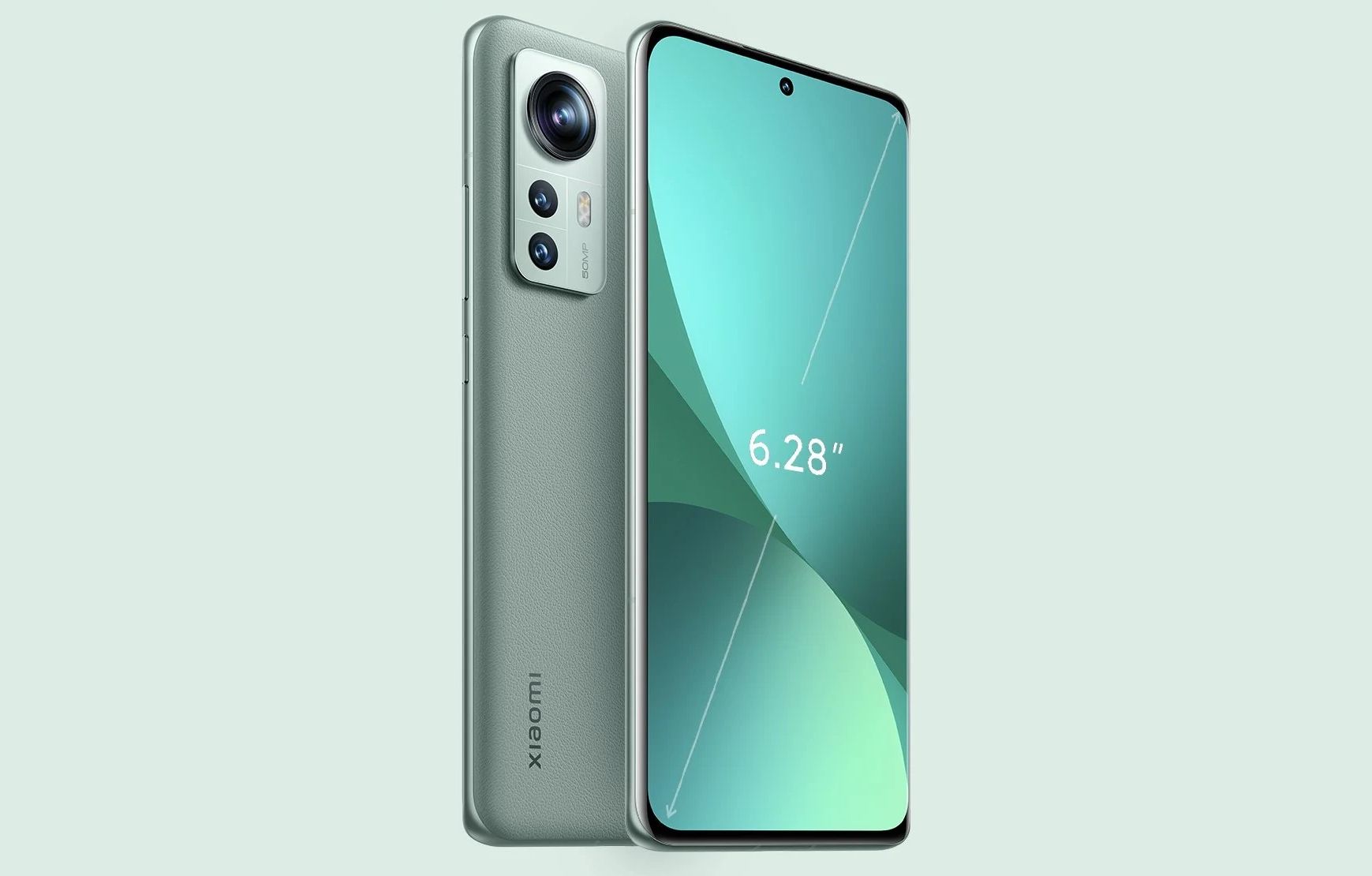
The device with its 6.28-inch AMOLED display is, after all, considerably smaller than most of the other Android flagships out there whose screen sizes have lately stabilized at around 6.7-inches. A curved display helps the Xiaomi 12 further shave off a few millimeters from its width and the phone effectively measures just 152.7 x 69.9 x 8.16 mm.

Other display specs include FHD+ resolution, 120Hz refresh rate (variable from 1Hz to 120Hz), 480Hz touch sampling rate, peak brightness of 1100nits, 12bit colors, HDR10+, and Dolby Vision support. Notably, the FHD+ resolution is a drop from the Mi 11’s 2K display but that’s okay considering the smaller screen. Also, the display is a top-notch one otherwise, as a Xiaomi official had earlier argued, and even offers Gorilla Glass Victus protection.

The inclusion of the 4nm Snapdragon 8 Gen 1 processor is another highlight of the Xiaomi 12 and should offer a significant performance upgrade. The chip comes with a much-improved GPU and AI engine, which are claimed to be 52% and 400% faster respectively over the last-gen. Temps are kept under control with a 2600mm² super large VC liquid cooling unit.

Moving on to the camera department, the Xiaomi 12 comes with a triple camera setup at the rear with the primary one sporting a 50MP IMX766 sensor (1/1.56″, 1.0µm). Advanced tracking tech has been added for better snaps of fast-moving objects, supported by the new ‘Xiaomi Image Brain’ that helps reduce processing times. The primary is joined by 5MP macro and 13MP ultrawide cameras. And upfront, you get a 32MP shooter for selfies.
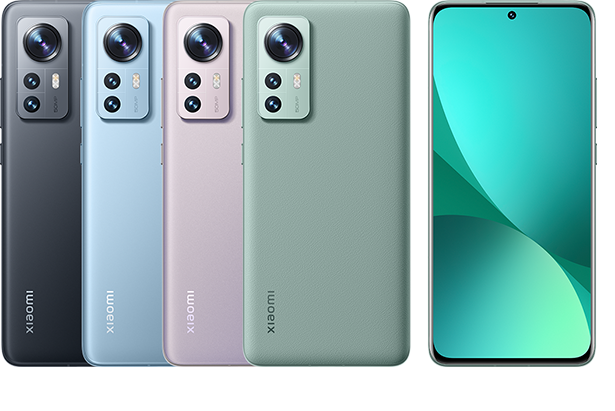
xiaomi 12 color options

The Xiaomi 12’s battery is sized 4500mAh and supports 67W wired, 50W wireless, and 10W wireless reverse charging. An under-display fingerprint is present for security.

The device is available in black, blue, purple, and field green color options. RAM and storage variants include 8GB+128GB, 8GB+256GB, and 12GB+256GB, priced at CNY 3,699 ($580,) CNY 3,999 ($628), CNY 4,399 ($690), respectively.

Xiaomi 12 Pro

The Xiaomi 12 Pro, just like its name implies, is the beefier version of the vanilla model and offers a number of boosted specs.
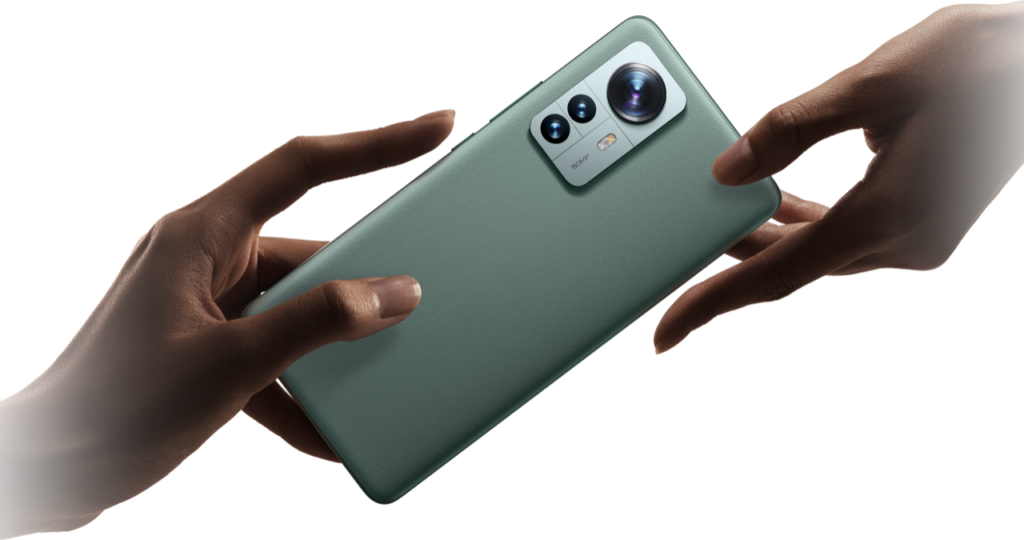
xiaomi 12 pro green

For starters, you get a larger 6.73-inch display with a 2K resolution. The charging rate has also been increased nearly two-fold and stands at 120W. The speakers are in a four-unit setup which should offer better audio than the Xiaomi 12’s stereo arrangement.

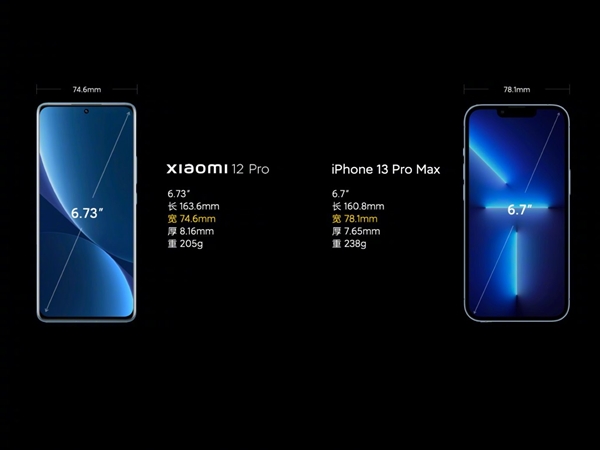
A larger display means a larger body as well and the Xiaomi 12 Pro measures 163.6 x 74.6 x 8.16 mm, although the thickness remains exactly the same. Weight is also a tad more compared to the non-Pro model, standing at 205g.
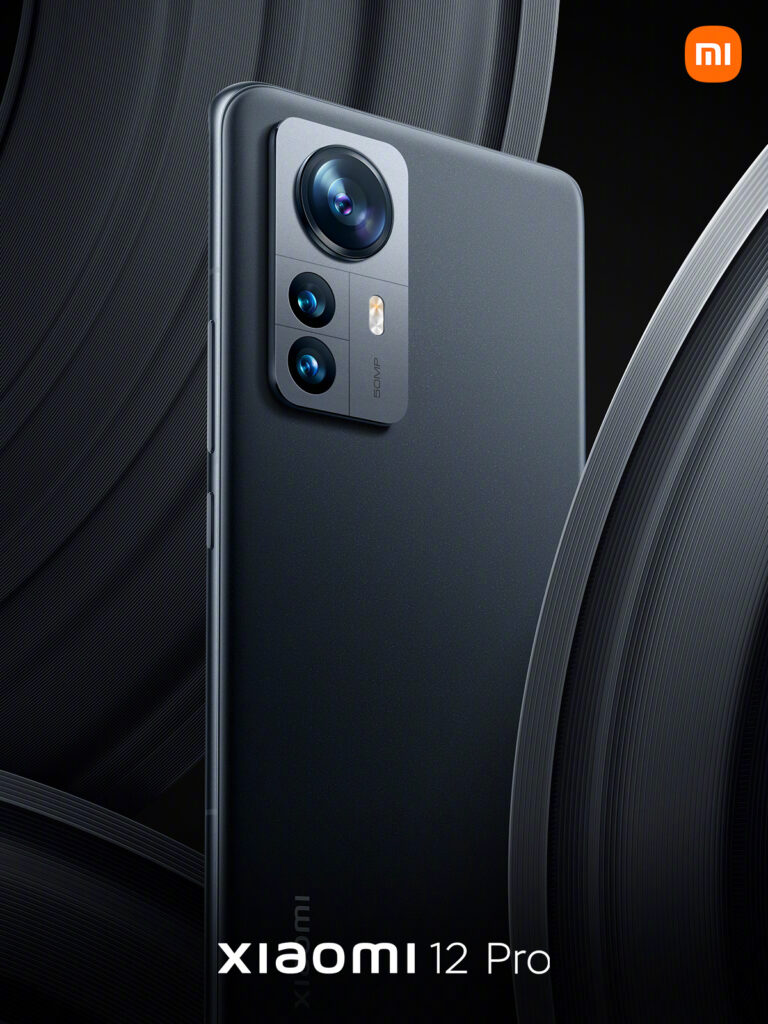
Another significant difference is in the cameras with the Xiaomi 12 Pro coming with three 50MP snappers comprised of 50MP IMX707 primary (1/1.28″, 1.22µm), 50MP telephoto, and 50MP ultrawide cameras.

RAM and storage variants include 8GB+128GB, 8GB+256GB, and 12GB+256GB, priced at CNY 4,699 ($738), CNY 4,999 ($785), CNY 5,399 ($848), respectively.

Xiaomi 12X

The Xiaomi 12X is aimed at those looking for the best experience from Xiaomi but without blowing a hole in their wallet. As such, it is exactly the same as the vanilla Xiaomi 12 in literally every aspect, except that it is powered by the more humble Snapdragon 870 chip, gives a miss to wireless and reverse charging, and lacks the fancy CyberFocus tech found on both of its pricier siblings. Available color options are black, blue, and purple and its price starts at CNY 3,199 ($502).
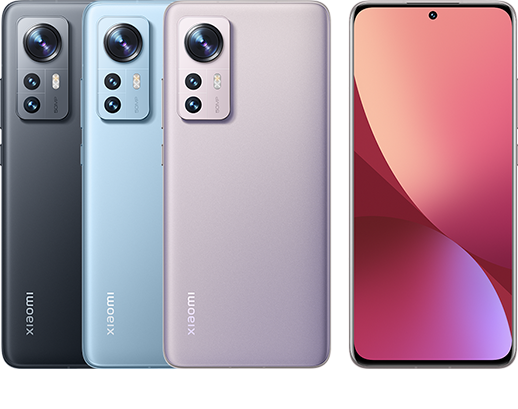
xiaomi 12x colors
Xiaomi 12X color options

All of the three devices will be booting into MIUI 13 based on Android 12 out of the box, and are actually the very first from the company to run a stable version of the update. The series will be available to purchase from December 31st in China and a global launch should follow sometime in early 2022.

RELATED:

Xiaomi Buds 3 with Active Noise Cancellation & HiFi sound launched in China for 499 CNY ($78)

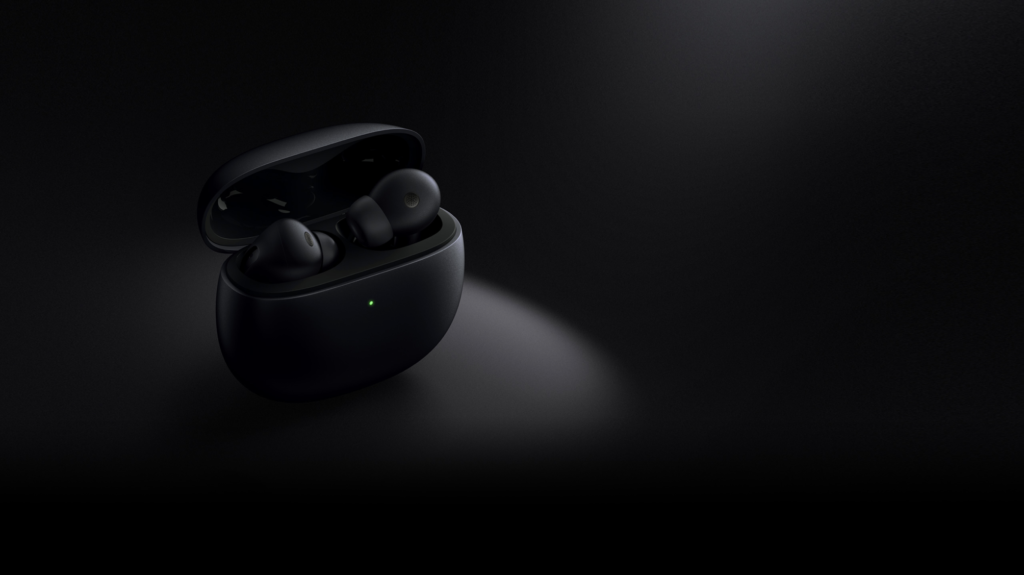
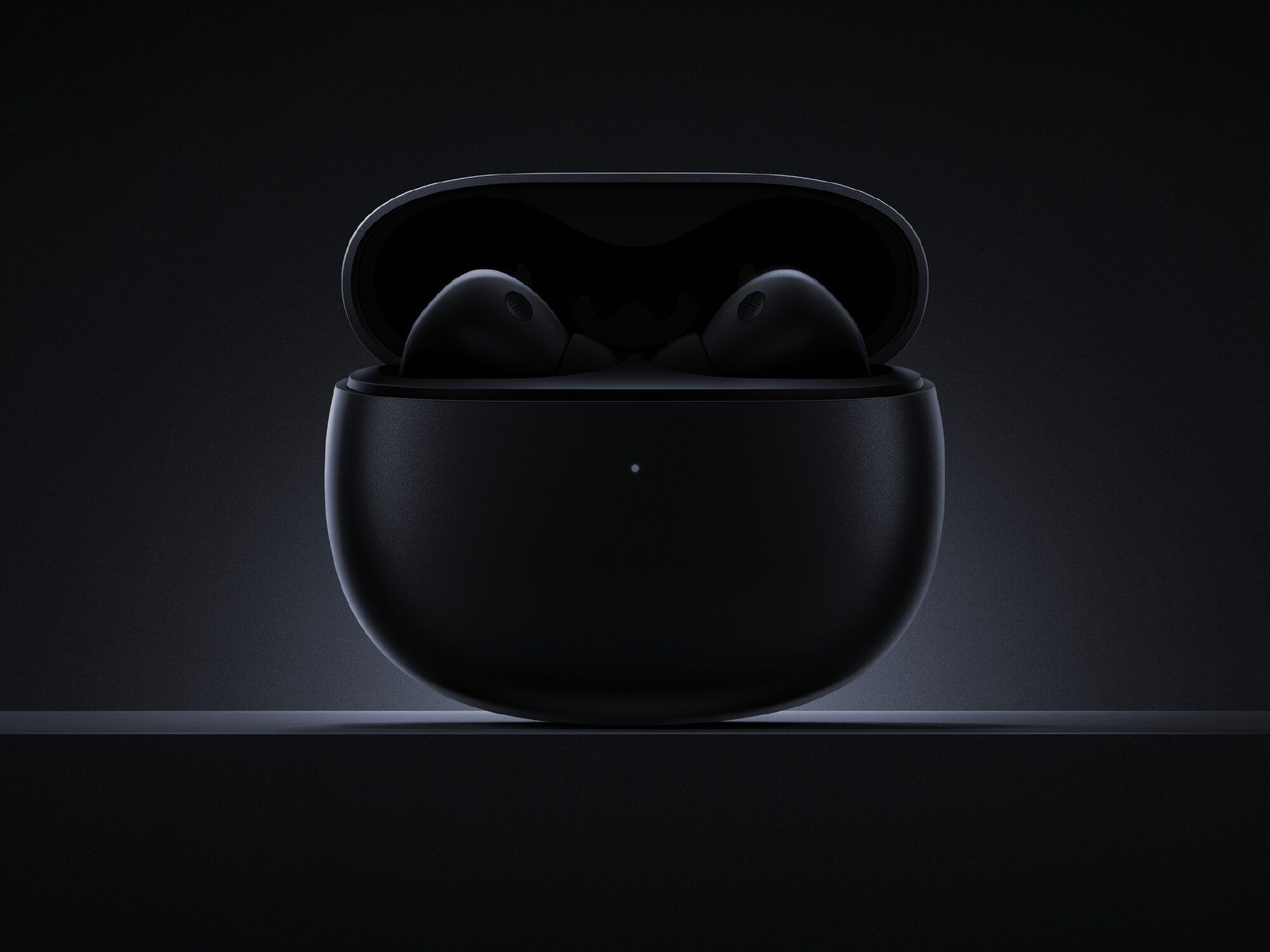
The Xiaomi 12 series has just been announced in China today (28th December 2021). Alongside the flagship lineup of handsets, the company even unveiled a number of new products. One of these new launches was the Xiaomi Buds 3 (we had previously referred to this as the Mi True Wireless 3 Earbuds), which is the company’s latest TWS earphones.

Xiaomi

The new Buds 3 is the base model within the series, with the Pro variant launching earlier this year (You can check out our review for the Buds 3 Pro by clicking Here). Similar to the Pro model, the vanilla variant also offers up to 40 decibels active noise cancellation along with HiFi audio support. The Chinese tech giant’s latest TWS earbuds also feature pressure sensitive touch control and can connect with two devices at the same time as well.

Notably, the Buds 3 can run for up to 32 hours when paired with its charging case, while a single full charge offers 7 hours from the earbuds alone. Each individual bud weighs just 4.6 grams and is equipped with a dual magnetic dynamic driver that enables it to deliver HiFi audio. For its noise cancellation, the newly launched wireless earphones also support three ANC modes that users can choose depending on the scenario.

Xiaomi

The Xiaomi Buds 3 will be available in China for a price of 499 Yuan (roughly 78 US Dollars) but will be sold for an introductory price of 449 Yuan (roughly 70 US Dollars). It will be available for purchase starting from 31st December 2021. Alongside the new TWS, the company has also released a new blue color variant for the Buds 3 Pro that will also be launching around the new year for a discounted price of 649 Yuan (roughly 100 US Dollars).

RELATED:


GIZMOCHINA GIVEAWAY: Win a Free Xiaomi 12 smartphone

Xiaomi has finally announced its flagship smartphone lineup for 2022, the Xiaomi 12 series. The phones are powered by Qualcomm’s latest Snapdragon 8 Gen1 processor and come with a beautiful design, fast charging, and a vibrant OLED display. With these specs, the Xiaomi 12 is likely going to be a bestseller like its predecessor.

So we’ve decided to give away a unit of the Xiaomi 12 to one lucky Gizmochina reader.

One of the biggest selling points of the Xiaomi 12 is its compact form factor, making it even more compact than the iPhone 13 model. The phone comes with a 6.28-inch OLED display with 419 PPI and Snapdragon 8 Gen 1 chipset inside. You also get a 4500mAh battery with 67W fast charging, 50W wireless charging, and even 10W reverse charging.

WHERE TO BUY

The Xiaomi 12 comes with a 50MP IMX766 primary camera sensor with OIS which is supported by a 13MP telephoto macro shooter. You also get a 32MP front camera for selfies.

Overall, the Xiaomi 12 is a capable smartphone in its price segment, and you have a chance to win this phone by participating in the giveaway below!

Xiaomi 12 Pro

Xiaomi 12 GIVEAWAY:

Giveaway: Win A Xiaomi 12 Phone


Terms & Conditions:

1. This is an international giveaway.
2. Gizmochina is not responsible for lost shipments.
3. Gizmochina is not responsible for any duties, import taxes that you may incur.
4. We reserve all rights to make any changes to this giveaway.
5. The prize will be shipped in a month when the giveaway ends. We will announce the winner by Twitter, if the winner doesn’t contact us in a week, the winner is deemed to have given up the prize automatically.

UK man orders £1,000 iPhone 13 Pro Max, gets two Cadbury chocolate bars instead

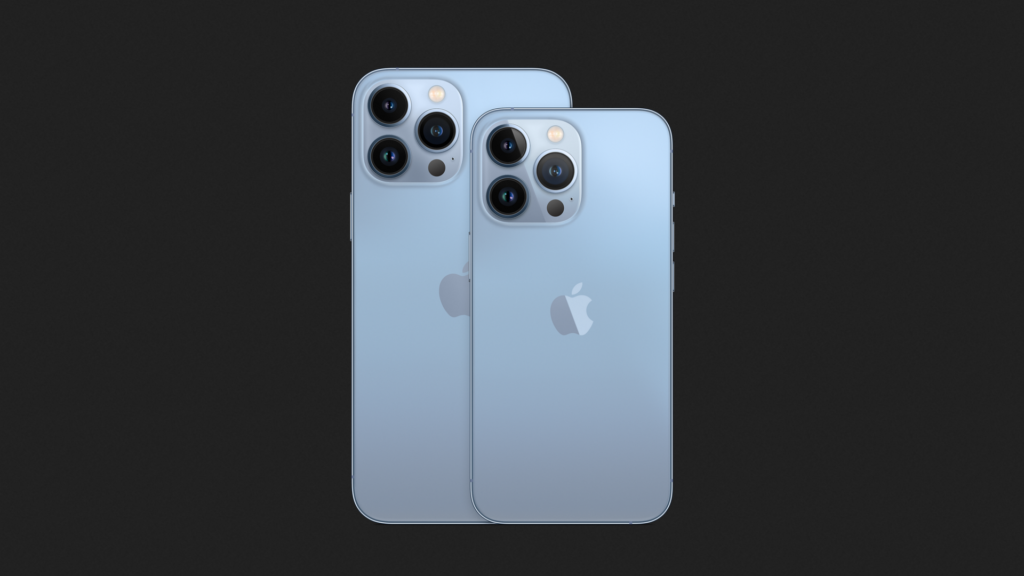
An Apple customer from the UK excitedly opened up his iPhone 13 Pro Max parcel only to find what may very well be the priciest couple of Cadbury chocolate bars ever inside, that too wrapped up in “stinky” toilet paper.

Daniel Caroll, the customer behind the order, claimed through a post on Twitter that had he had been chasing the delivery of his iPhone after it got delayed by around two weeks. After no fruitful result, he decided to become the delivery man himself and headed straight to the DHL Warehouse in West Yorkshire. While the stunt did help him finally get his hands on the parcel, unwrapping it revealed two 120g Dairy Milk Oreo chocolates instead of the latest and greatest phone from Apple (via Mirror UK).

iphone 13 pro max cadbury

Carroll, infuriated, took to Twitter and wrote: “After a long weekend of a brand new iPhone 13 Pro Max being stuck in @DHLParcelUK network, failing any delivery attempt Friday-Sun, I finally picked up the parcel yesterday from DHL Leeds to find the package tampered with and the new phone (Christmas present) replaced with this.”

Sure, one can argue here that Cadbury chocolates aren’t too bad of a Christmas present either. But the delightful piece of confectionery isn’t exactly the kind that one orders online for over a thousand pounds, and can easily be purchased from the nearest grocery store.

iPhone 13 Pro series featured

“When I got home I could tell the box had been tampered with as the tape was quite loose, but because I could feel some weight I just opened it. Inside there was cheap industrial toilet roll, which stunk, and two bars of Dairy Milk Oreo in there,” he added.

So far, Caroll hasn’t received his iPhone 13 Pro even after repeated contact with the delivery service, although a DHL spokesperson did state that they’re investigating the case and have been in touch with the sender to ensure a replacement.

RELATED:

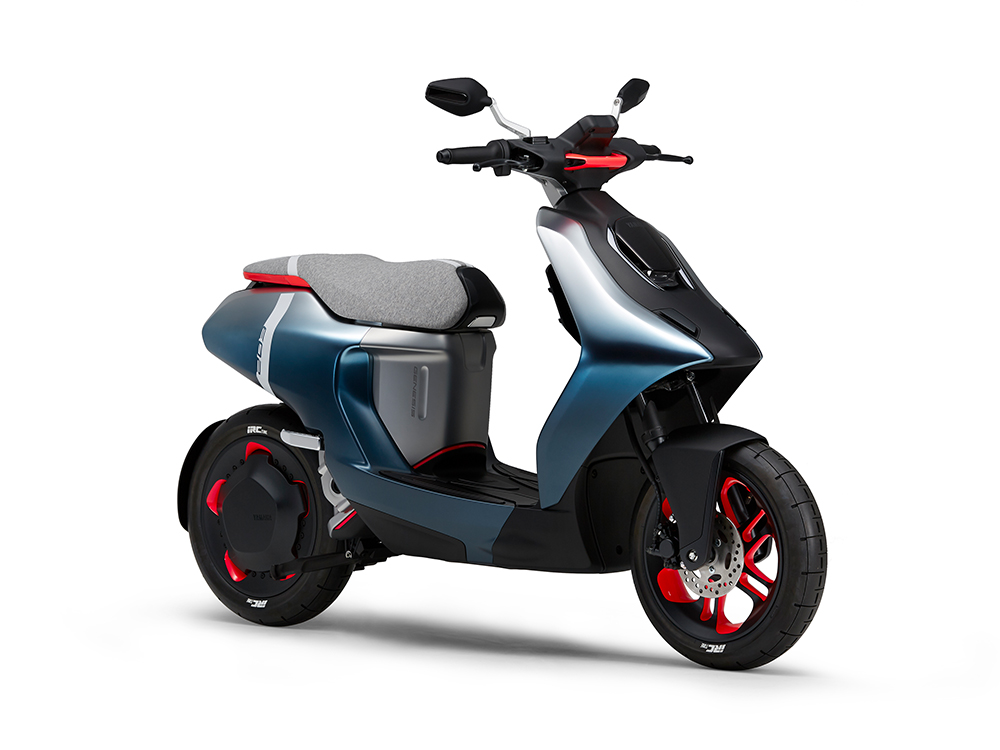
Yamaha E01 and E02 Electric Scooter Concepts will be launched in 2022

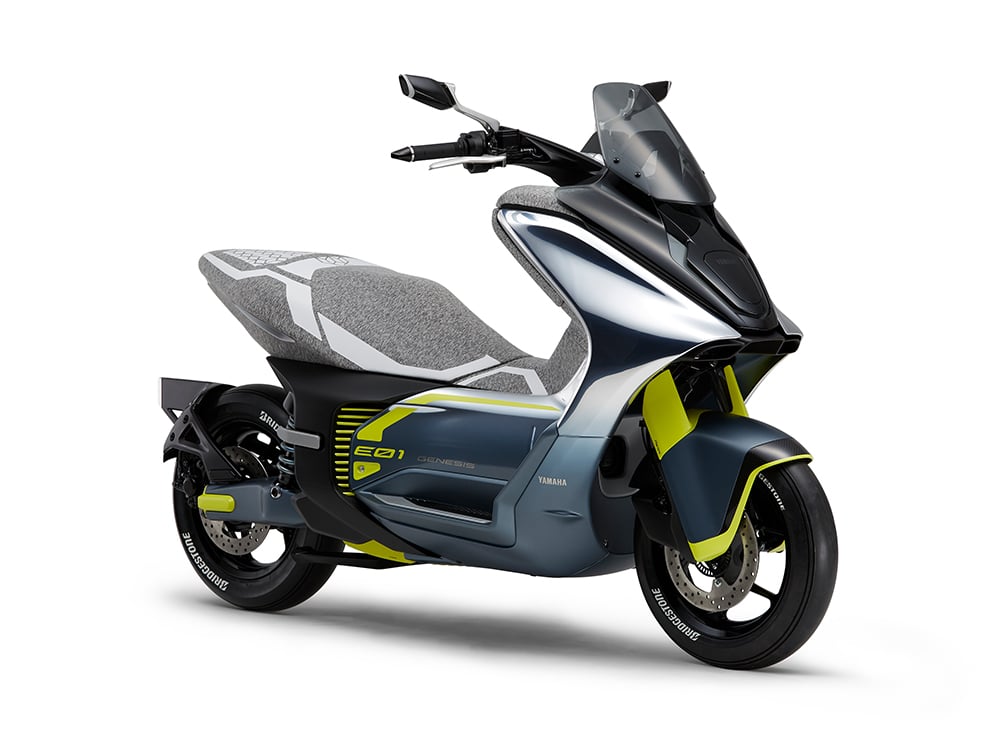
Japanese motorcycle giant Yamaha will release the E01 and E02 electric scooters for the European and Asian markets in 2022. The Yamaha E01 and E02 electric scooter concepts will both be headed for production having undergone the needed transformation from the concepts they were when first introduced.Yamaha E01 Electric Scooter

Yamaha first unveiled the E01 and E02 electric scooter concepts at the 2019 Tokyo Motor Show, as the first concrete steps to electric and clean energy options. The company had been slow in embracing electric scooter development and had partnered with established e-scooter maker Gogoro.

There had been virtually no details on Yamaha’s progress in the development of the E01 and E02 since 2019 when they were announced. This has fueled speculation thàt the project might have hit a rough patch or possibly abandoned. But the R&D unit of Yamaha was working hard to transform the concept into a commercial product. The goal was to sustain Yamaha’s track record as a leading light in the two-wheeler market.

The E01 electric scooter is a 125cc class scooter with specs that will match the regulatory requirements in Europe and Asia for its class. It will likely have a power output of 11 kW (15 hp) or less and may reach top speeds of 90km/h.Yamaha E02 Electric Scooter

The Yamaha E02 e-scooter is smaller than the E01 and is expected to fall into the 50cc class. It offers seats for two persons and has a single-sided rear swingarm. The Yamaha E02 could have removable batteries which are meant to enlarge its range. The smaller battery packs are lighter and have a lower capacity.

Yamaha’s past partnerships with Gogoro might mean that Gogoro will be providing its batteries in the models. No definitive date in 2022 has been penciled yet for the unveiling of the two Yamaha e-scooters.

RELATED: 


(via)


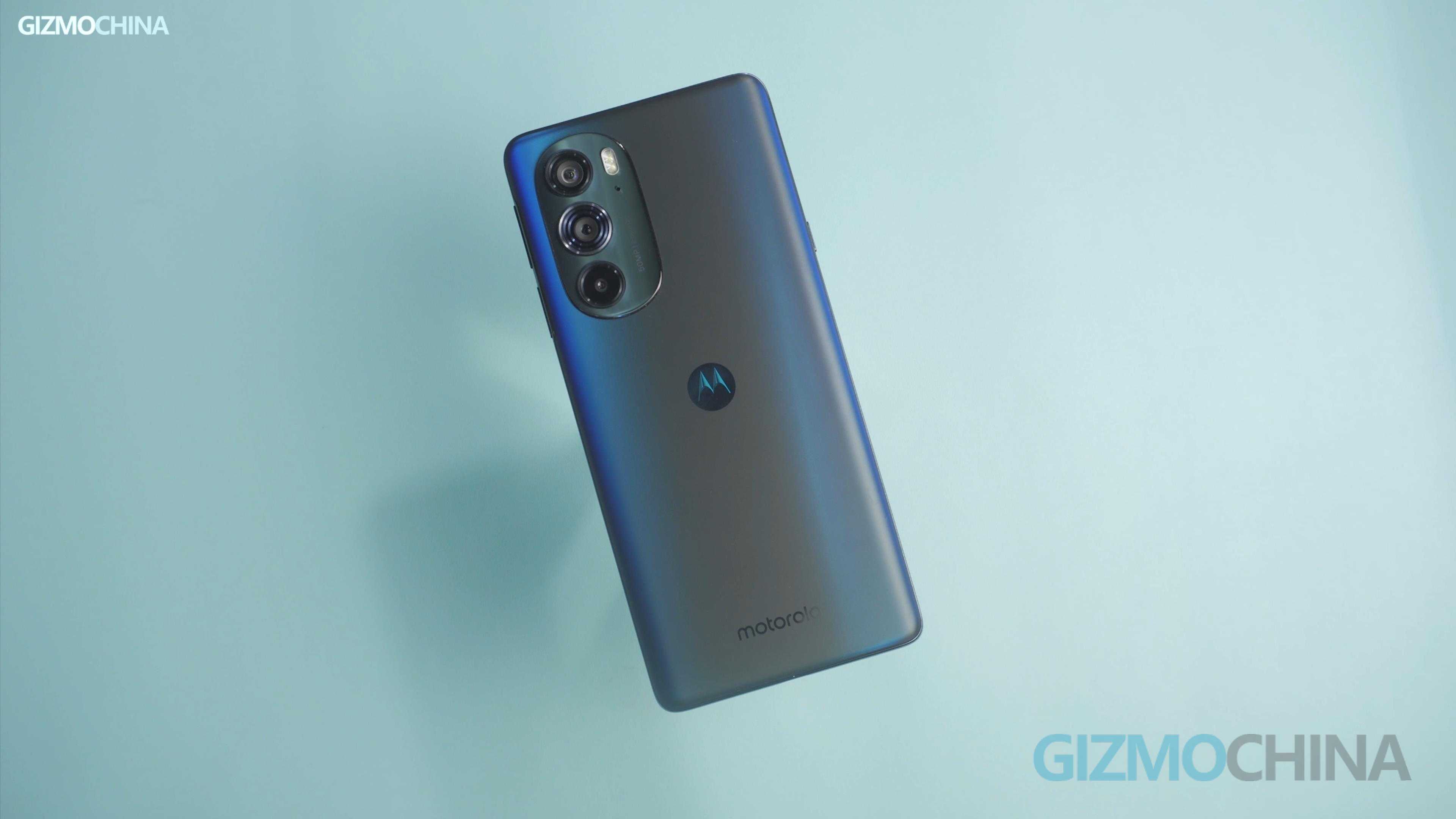
Motorola Edge X30 to launch in India by early February 2022

This month, Motorola launched the Edge X30 as the world’s first smartphone with the latest Qualcomm Snapdragon 8 Gen 1 chipset. As of now, the flagship phone is limited to the Chinese market and its global presence was a question. Today, a report revealed the launch timeline of the Edge X30 for the Indian market.

According to 91Mobiles, the Motorola Edge X30 will hit the Indian market by late January or in early February. If this is to be believed then it could be a tough competition to the flagships from popular Chinese phone brands like Xiaomi, Realme, and OnePlus.

Snapdragon 8 Gen1 on Moto Edge X30 Performance featured

As far as the specs are concerned, the Indian unit is expected to have the same internals as the Chinese model.

Motorola Edge X30 Specifications 

The Moto Edge X30 comes with a 6.7-inch OLED display with an FHD+ resolution. It has a crazy high 144Hz refresh rate and a 576Hz touch sampling rate. The phone features 100% DCI-P3 colour gamut and HDR10+ support.

Other specs of the phone include a triple camera system with a 50MP main sensor, a 50MP ultra-wide lens, and a 2MP tertiary sensor. One of its highlights is the 60MP selfie shooter.

In addition, the phone is powered by the Qualcomm Snapdragon 8 Gen 1 octa-core chipset paired with up to 12GB of LPDDR5 RAM and 256GB of UFS 3.1 internal storage. It packs a 5,000mAh battery with support for 68W fast charging technology. It runs on Android 12 out of the box and has MYUI 3.0 custom skin in China.

RELATED:

Nokia G50 approved in Brazil; launch seems imminent

Nokia G50 was announced back in September in the budget segment offering an HD+ screen, 48MP cameras, and a 5,000mAh battery. The device seems to now launch in other markets as well, as the phone has been certified by the National Telecommunications Agency in Brazil.

According to the certification, a Nokia phone with model number TA-1370 was approved. Unfortunately, it doesn’t reveal any specs of the G50 but it confirms that the phone will soon launch in Brazil.

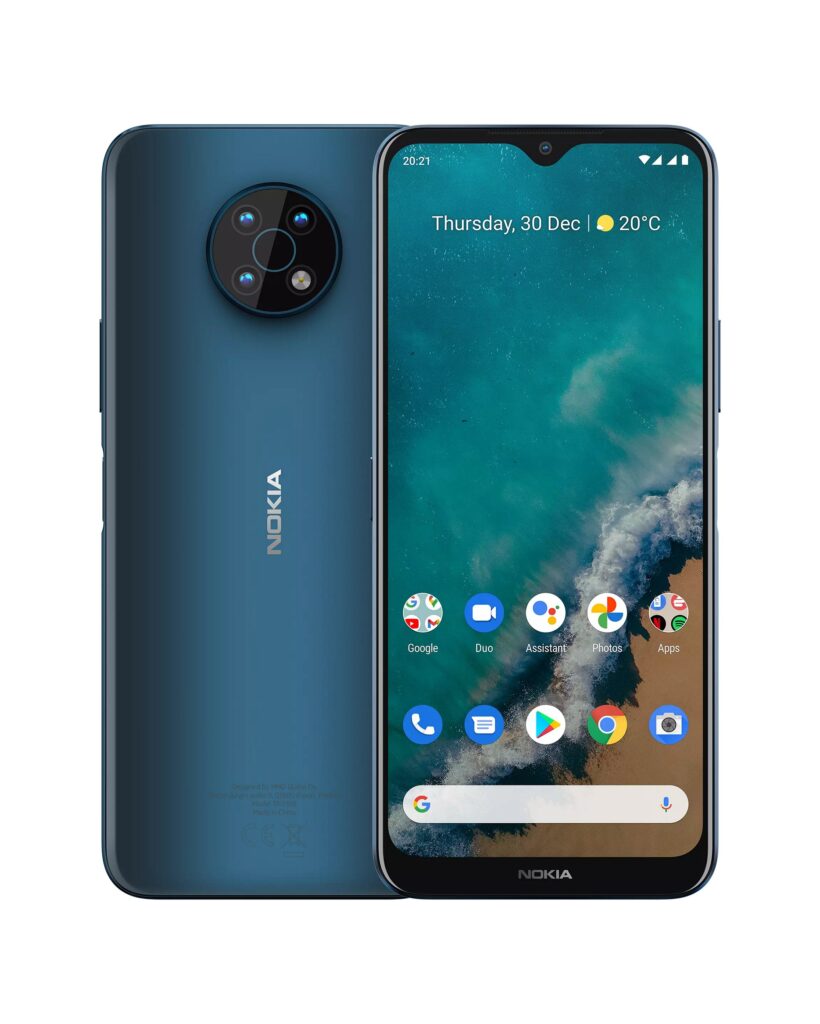
Nokia G50

Previously, the phone’s battery with model number P660 was also approved in Brazil. It revealed that the battery is produced by Guangdong Fenghua New Energy in China and is a 5,000mAh cell. These certifications corroborate that the Brazilian launch of the smartphone is imminent.

Nokia G50 Specifications 

The Nokia G50 comes with a 6.82-inch water-drop notch display with an HD+ resolution. It has a 60Hz standard refresh rate and boasts a 19.5:9 aspect ratio. It has an 8MP selfie camera and a triple rear camera system. The device has a 48MP primary lens, a 5MP ultra-wide sensor, and a 2MP depth unit.

Nokia G50 Ocean BlueUnder the hood, the smartphone is powered by the Qualcomm Snapdragon 480 octa-core SoC. For those who are unaware, it is a 5G-enabled chipset. It packs a 5,000mAh battery with support for 18W fast charging technology. It has 4GB, 6GB of RAM and 64GB of 128GB of onboard storage. The phone comes with a microSD card slot for storage expansion up to 512GB. It has a USB Type-C for charging and a 3.5mm headphone jack for audio needs. As for security, it has got a side-mounted fingerprint scanner.
RELATED:

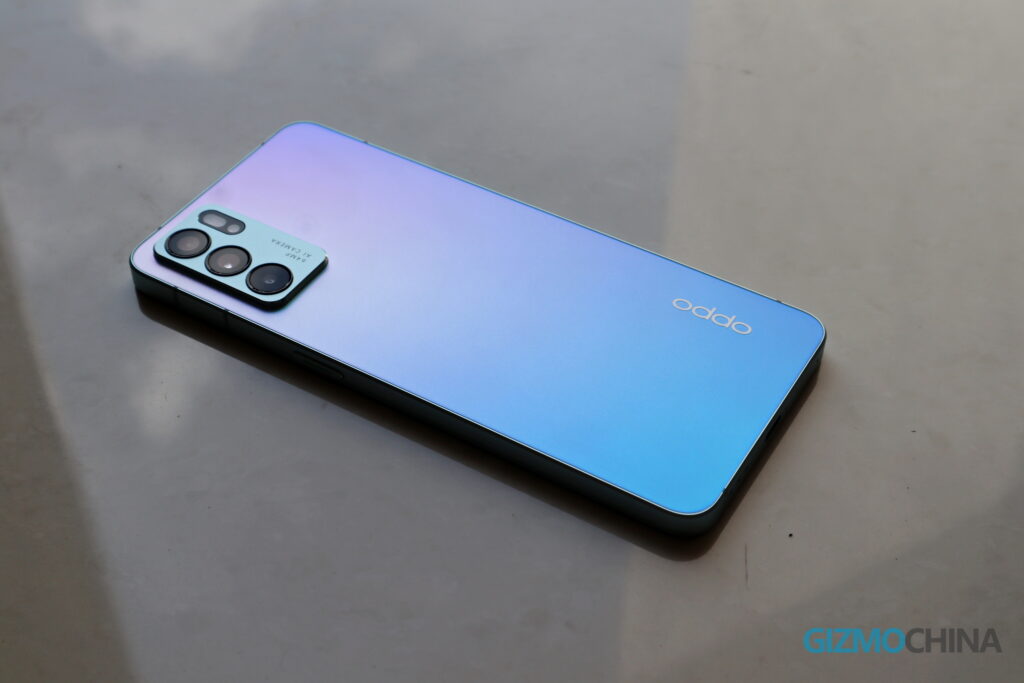
OPPO Reno6 5G, Reno5 5G receive ColorOS 12 stable update

OPPO kickstarted the Android 12-based ColorOS 12 Beta program for the OPPO Reno6 5G and the OPPO Reno5 5G at the end of November. Within a month, the two smartphones have now started receiving the stable update.

OPPO Reno 6 5G Review Rear 02
OPPO Reno6 5G

According to official announcement posts on OPPO Community, OPPO has begun to seed the ColorOS 12 stable update for the OPPO Reno6 5G and the OPPO Reno5 5G as scheduled. The latest system update for these handsets is currently live in the following regions.

  • OPPO Reno6 5G

    • Region: China, India, Indonesia, Vietnam
    • Required Firmware: A.17/A.18/A.20
    • Firmware Version: C.26
  • OPPO Reno5 5G

    • Region: Indonesia
    • Required Firmware: A.30
    • Firmware Version: C.41

In order to install the fresh software update, users need to go to Settings > Software Updates > Gear Icon > Trial Version and follow the on-screen instructions. The company recommends backing up important data before proceeding. Also, it warns about compatibility issues with some third-party applications on Android 12.

As with any system update, the device may heat up and power consumption may rise for some time due to background optimization after the installation of the update. OPPO says that this will get fixed by itself.

Having said that, if you own either of these phones and have already installed the update, then do share your experience in the comment section below. This way users who are yet to download the update can get an idea about the new software release.


RELATED:


OPPO patents three smartphone designs with Mi 11 Ultra-style secondary displays

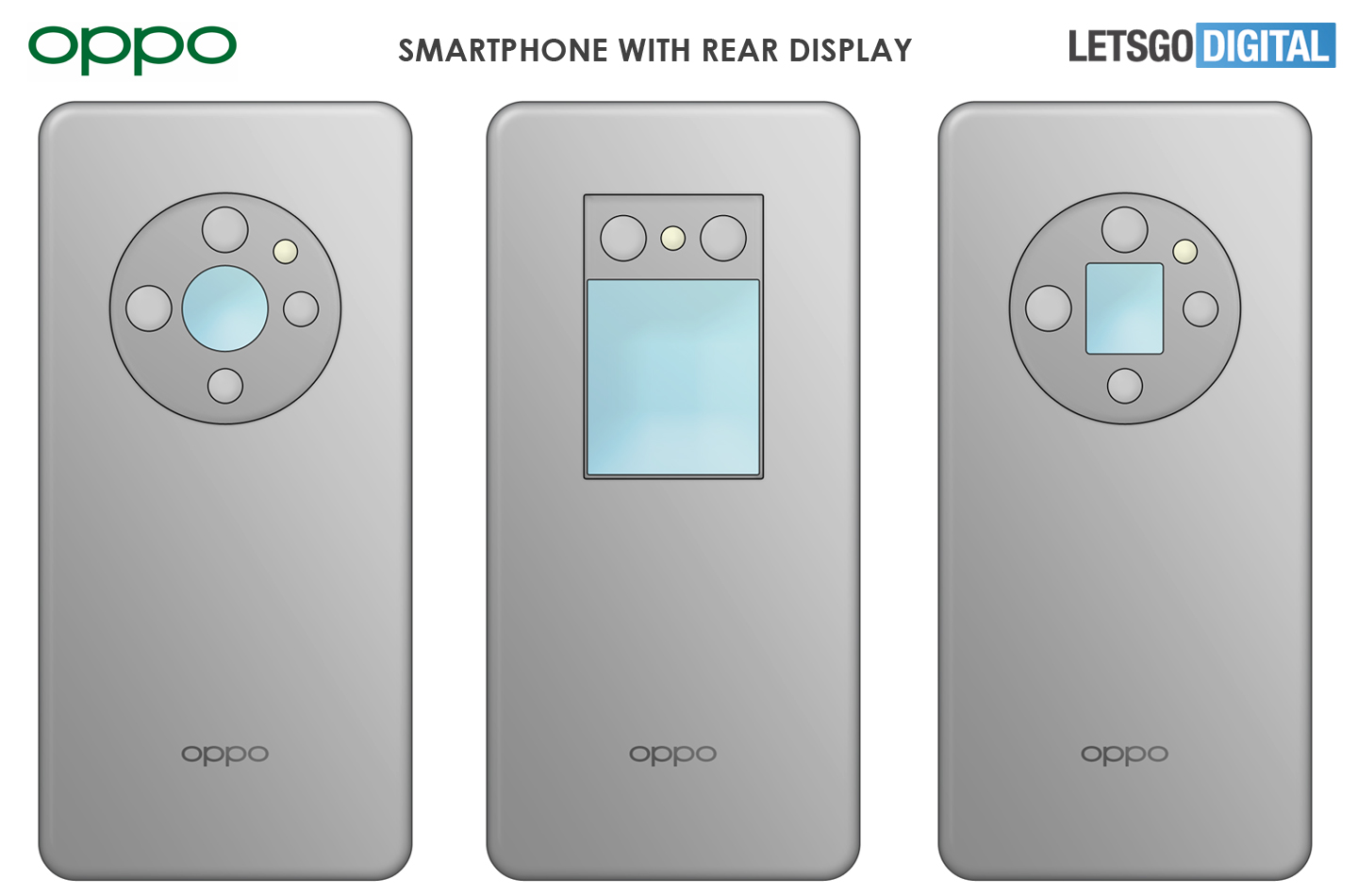
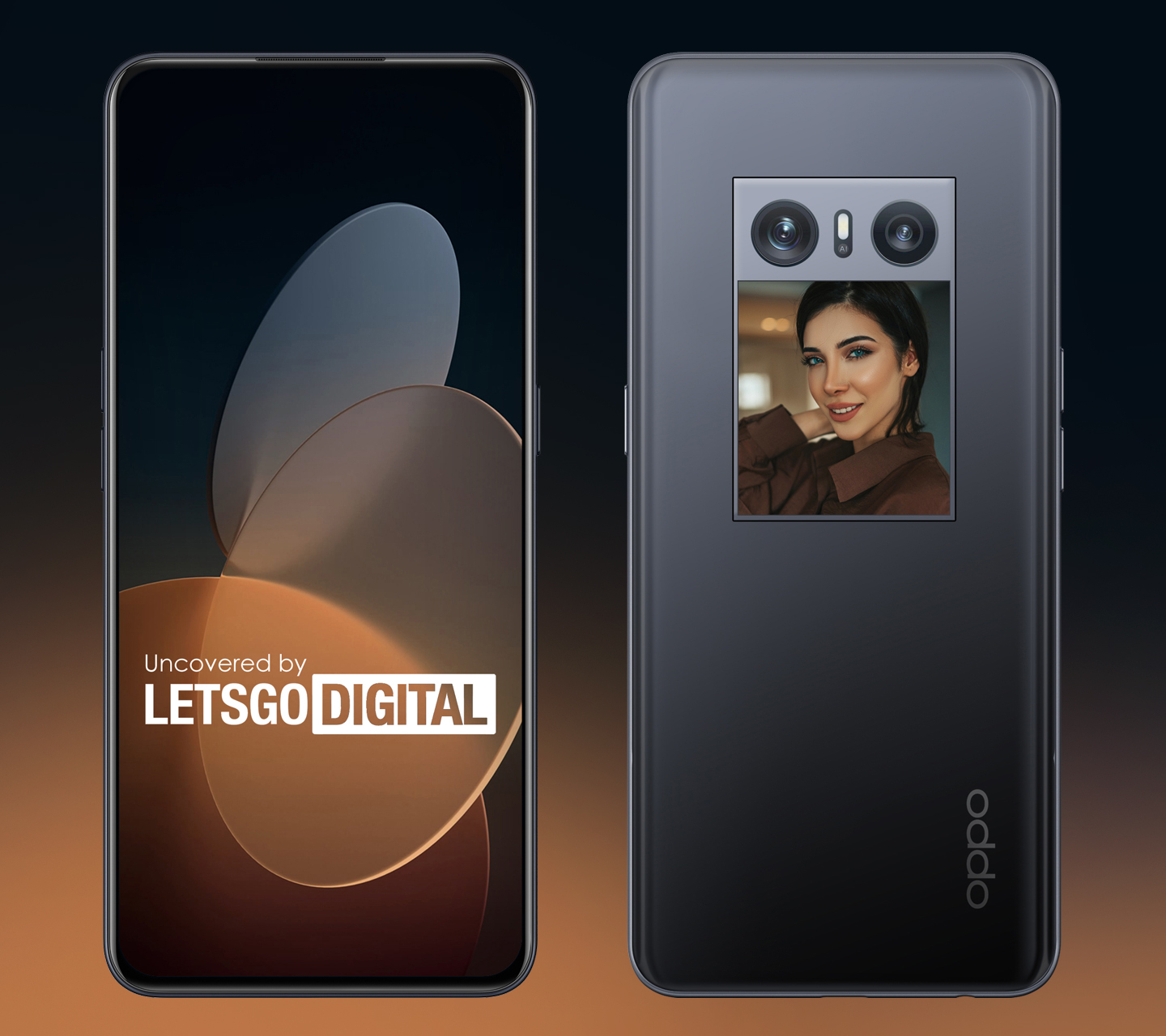
OPPO had filed a patent in April 2021 in China describing three smartphone models, each with a unique secondary rear display implementation housed within the camera module itself.

The patent was published recently on December 23rd for all to see and was spotted by LetsGoDigital, which has also produced a few images to better depict the unique designs within. These are given below.

As seen in the photos, OPPO is interested in both squarish and circular camera modules. While the squarish module will only have two cameras that sit atop a display, the circular design is a bit more exotic, comprised of four lenses surrounding the secondary display.

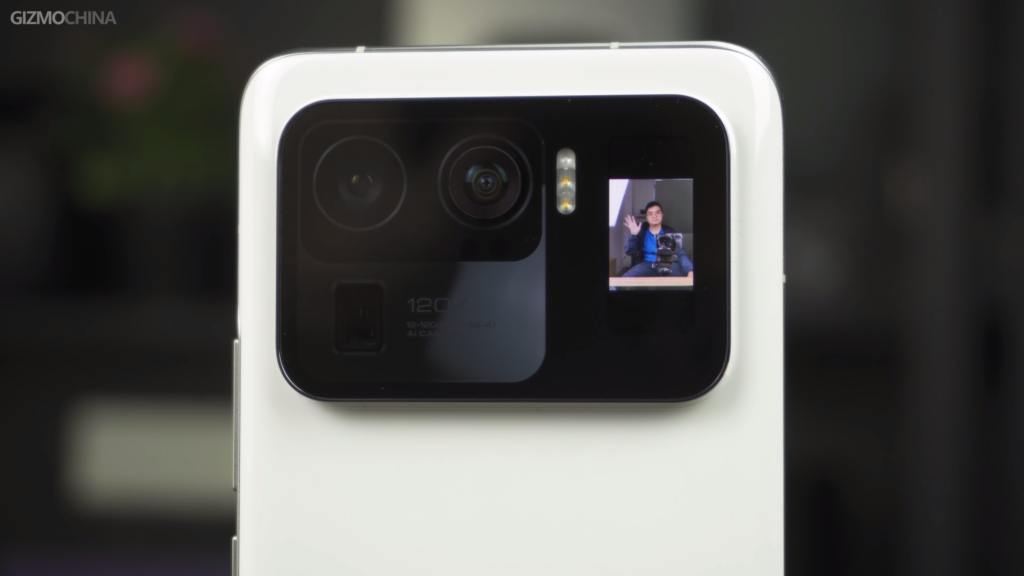
Some will recognize the design as being obviously inspired by the Xiaomi Mi 11 Ultra with its ginormous camera module that ate up most of the device’s rear and housed a tiny display. However, there are a few differences — OPPO’s design integrates the display with the rear cameras better, allowing the camera module to be much smaller. The shrinkage, however, does not appear to affect the display as it looks to be nearly the same size as the Mi 11 Ultra.

Xiaomi Mi 11 Ultra Rear Screen Selfies
Mi 11 Ultra’s rear display

There are other perks as well. The display when fitted into the middle of the camera system allows the user to automatically look straight into the camera when they look at it.

More advantages that rear displays in general offer are effortless high-res, rear camera quality selfies, and of course, info when the phone is lying on its front.

However, for OPPO, there is an extra incentive — under-display cameras. While UD cameras have improved greatly since their advent, they still in no way match the quality of regular front cameras. A secondary display at the back should help overcome this shortcoming by giving users a high-quality alternative.

A realme executive had earlier hinted that 2022 would be the year of foldable phones and under-display cameras and it’s obvious that OPPO will be hopping on to the bandwagon. We may thus perhaps see a phone from the company with both a secondary screen and an under-display camera. If yes, then the likely candidate for it will be the Reno series which historically has been an ideal experimentation ground for OPPO.

RELATED:

‘Astro Boy’ anime NFT sold for a whopping 56 million yen(~$487,528) in Japan

NFTs are trending lately as they possess a sole value of a digital product, item, game, or artwork and they cannot be interchanged with any other NFT. A single NFT is only one and it cannot be exchanged like crypto coins such as Bitcoin and Etherium.

That said, the NFTs have seen huge demand, so much so that even a small artwork is getting sold for millions of dollars. Similarly, in Japan, an NFT work of the famous anime Astro Boy was put forth for auction and it was sold for a whopping 56 million yen(~$487,528).

astro boy nft

The Astro Boy NFT is on the anime’s main character. It has several small drawings of the events in the anime. Reportedly, it has over 840 original color drawings of the illustrator, Osamu Tezuka. It has a black and white original drawing of the main character created into mosaic artwork.

Earlier, the starting price of the Astro Boy NFT was only 10 Ether but the final price reached 120 Ether. At the time of writing this story, 120 Ether is somewhere above ~$470,000.

In related news, Twitter’s former CEO, Jack Dorsey recently put up his autographed tweet for sale as an NFT. American digital artist, Mike Winkelmann sold his artwork called Beeple for a whopping $69 million. Filmmakers are also moving towards creating and selling a film on the NFT market. Several blockchain companies are also reportedly reaching out to famous celebrities to create their own personal NFT, which would mutually benefit both the celeb and the blockchain company.

RELATED:

Elon Musk & SpaceX faces criticism after its satellites nearly crash into Chinese space station

Elon Musk and SpaceX have recently come under fire from Chinese citizens, with people criticizing the individual and his space faring company online. The latest backlash in China arrives after its satellites nearly crashed into the Chinese space station.

Elon Musk

According to a CNBC report, SpaceX and its CEO Elon Musk are being criticized after satellites from Starlink Internet Services had two near misses with the Chinese space station earlier this year. For those unaware, Starlink is an ISP (Internet Service Provider) unit of SpaceX. The news of the near crashes arrives after China recently submitted a document to the UN space agency earlier this month.

In the document published on the website of the United Nations Office for Outer Space Affairs, China stated that “For safety reasons, the China Space Station implemented preventive collision avoidance control.” Unfortunately, the validity of the claim is yet to be confirmed and SpaceX has yet to respond to this matter publicly. Weibo users (a Chinese microblogging website similar to Twitter) even began criticizing the company, with one calling Starlink’s satellites “just a pile of space junk,” while another called it “American space warfare weapons.”

Elon Musk Featured

Over the years, the number of space debris and artificial satellites that are orbiting the Earth has grown. Thus, scientists have urged various governments to share data to reduce the risk of any dangerous accidents caused by potential collisions. As of right now, SpaceX alone has deployed nearly 2,000 satellites for its Starlink internet service. Notably, the latest backlash also arrives as Elon Musk’s Tesla has recently been caught up with a number of issues in China. These range from security risks to lawsuits over false advertising among others.

RELATED:


Giztop is taking Pre-orders for Xiaomi 50W Wireless Car Charger Pro at $75.99

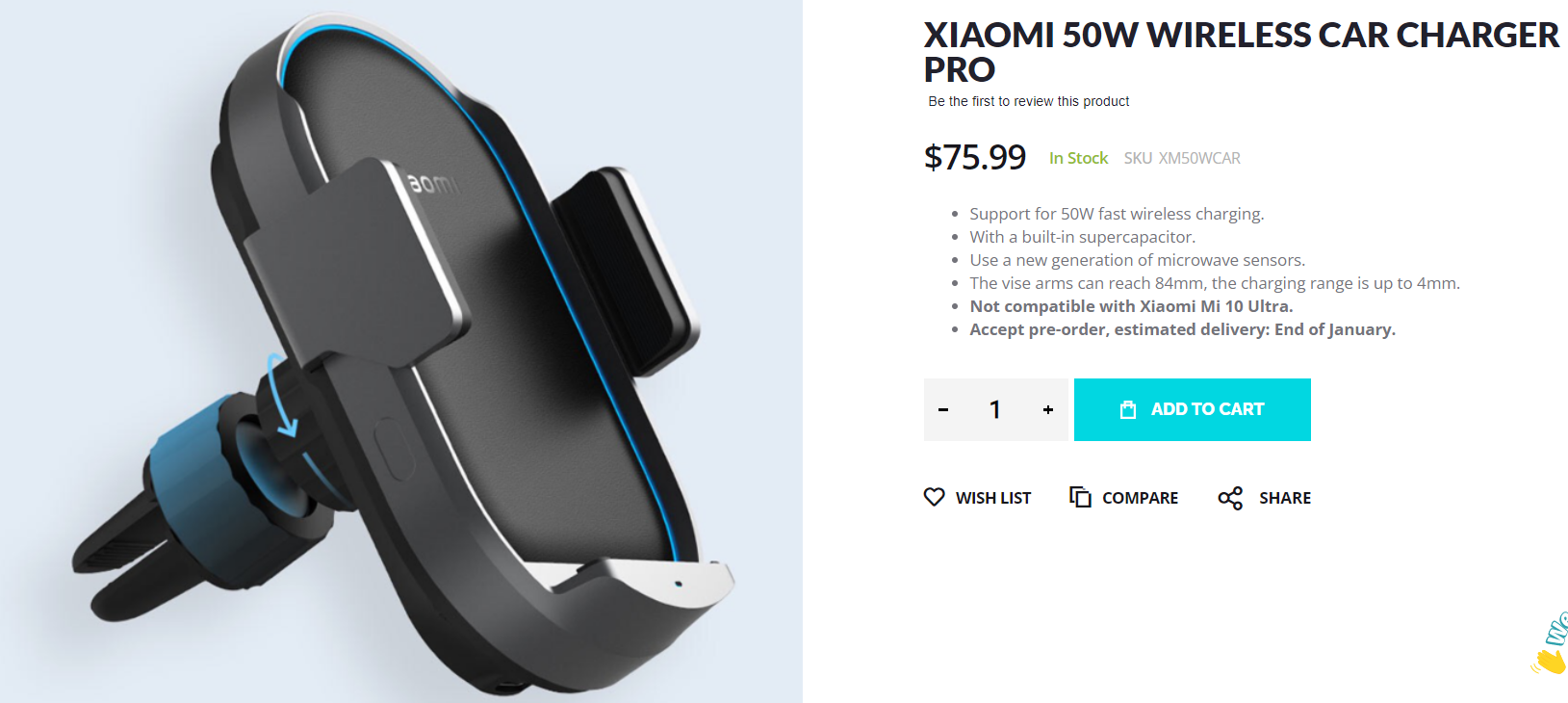
Giztop is now accepting pre-orders from Global customers, for Xiaomi 50W Wireless Car Charger Pro. The brand new car charger from Xiaomi is now available for pre-order for $75.99 only

WHERE TO BUY
Xiaomi 50W Wireless Car Charger Pro at $75.99 @Giztop

Xiaomi 50W Wireless Car Charger Pro

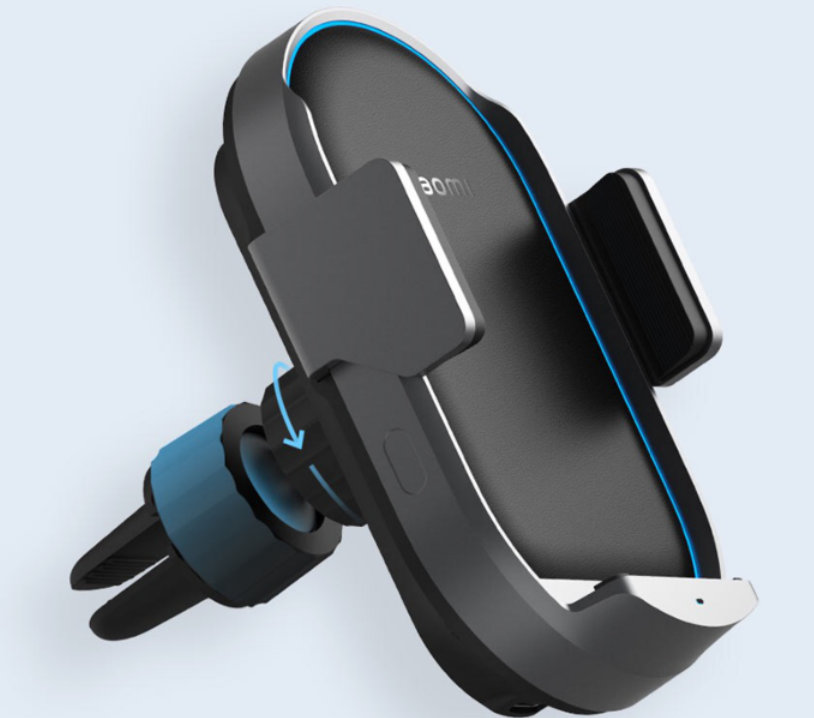
Xiaomi 50W Wireless Car Charger Pro is specially designed for single-hand operations. It uses the new generation microwave sensors that can automatically open up the clamp arms as you hover the phone near it. Also, you can easily remove the smartphone from the stand by simply pressing either of the two buttons present on the side of the clamp. This means you get a hassle-free and safe driving experience with this new Xiaomi charger. 

Xiaomi 50W Wireless Car Charger Pro

This advanced wireless fast car charger is compatible with multiple devices and brands like Xiaomi, Samsung, iPhone, etc. However, please note that the charger does not support wireless charging for Mi 10 Ultra.  You can also charge the phone with a case (up to 4mm thick) as the vise arms can reach up to 84mm and the charging range is 4mm.

Xiaomi 50W Wireless Car Charger Pro comes with a built-in supercapacitor and a hidden direct air duct that helps in actively cooling down the phone, thereby improving efficiency and reducing the overall charging time. 

Giztop is now taking pre-orders for Xiaomi 50W Wireless Car Charger Pro at $75.99 only. Please note that the actual shipment of the product will begin in late January 2022.

For more information on such exciting deals and offers check out our deals hub.

Here’s how to watch the Xiaomi 12 series launch event livestream

In just an hour, the Xiaomi 12 series of flagship smartphones will finally be announced. The premium grade handsets will arrive alongside a number of other products as well. So, here’s how you can watch the livestream for the launch event.

Xiaomi 12

The launch event will be livestreamed on the company’s official Weibo account (a Chinese microblogging website) and its Chinese website as well. The livestream will kick off in China at 7:30 pm CST (or 1:30 pm GMT, 5 pm IST). During this announcement, the brand is set to unveil the highly anticipated Xiaomi 12 series, along with the new MIUI 13 custom skin, Watch S1, Mi True Wireless 3 Earbuds, Xiaomi Pad 5 Pro, and more.

Talking about the main attraction, the Chinese tech giant is expected to announce three models in the flagship lineup, including a Xiaomi 12X, base 12, and 12 Pro model later today (28th December 2021). The vanilla model is a compact sized handset that will feature a 6.28 inch AMOLED LTPO panel, with a 120Hz refresh rate, and more. On the other hand, the Pro model sports a larger 6.73 inch Samsung E5 AMOLED panel, with 2K resolution and 120Hz refresh rate as well.

Xiaomi

Both of the flagship models will house Qualcomm’s Snapdragon 8 Gen 1 chipset. Although, the vanilla variant will be powered by a large 4,500mAh battery pack that supports 67W fast charging, while the Pro model supports an impressive 120W fast charging rate. The 12 Pro is also expected to be equipped with a 50 megapixel primary camera, 50 megapixel ultra wide angle lens, and another 50 megapixel telephoto sensor. So stick around, as we will be covering the launch event.

RELATED:


Xiaomi Flip Phone spotted with a tall clamshell design and a dual-selfie camera

Earlier this year, Xiaomi launched the Mi Mix Fold foldable smartphone in China. The device was a large foldable phone that competed with Samsung’s Galaxy Z Fold. Months later, leaks for its successor, the Mix Fold 2 were surfaced confirming its launch to be sooner than expected. However, now, a new foldable phone from Xiaomi, what we’d call a flip phone, has appeared in a patent that could apparently take on the Samsung’s Galaxy Z Flip.

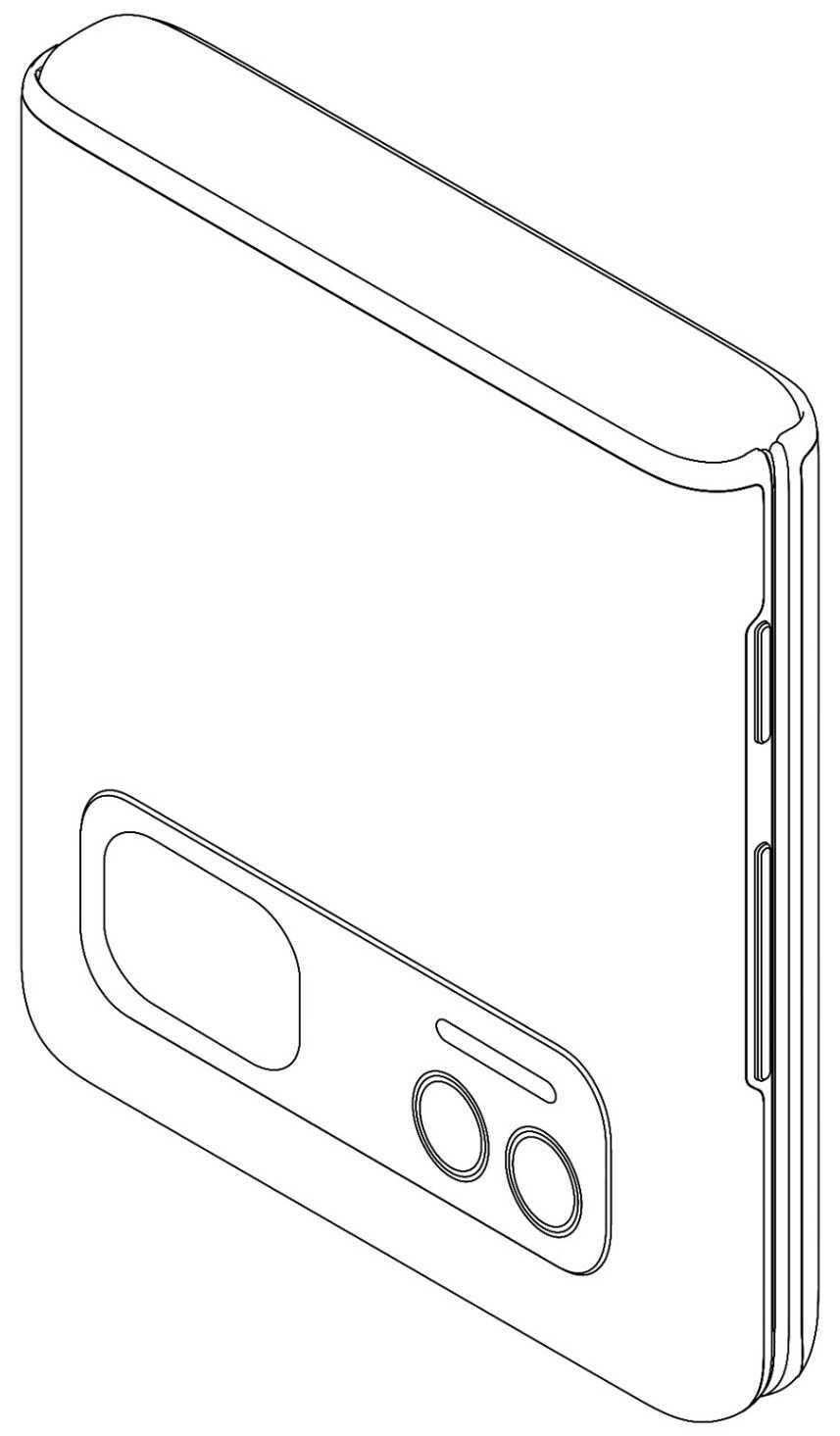
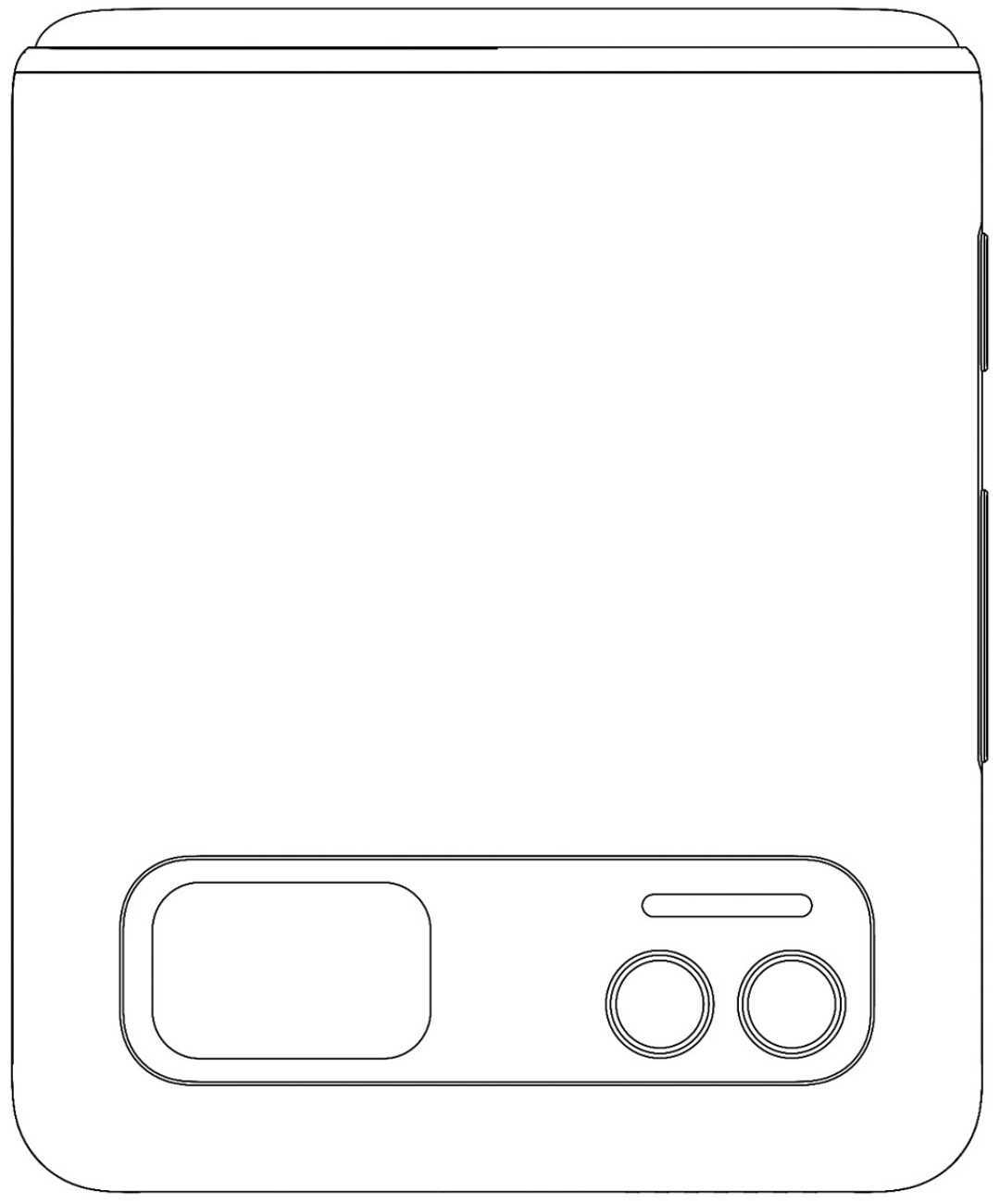
The new Xiaomi Flip Phone was seen in an application filed with the China National Intellectual Property Administration (CNIPA). It carries the application number 2020301357510. Unfortunately, it does not reveal any of its specs, but the patented images are available. Surprisingly, it seems to be the same device that was seen a few months back in a patent that Xiaomi filed with World Intellectual Property Organisation(WIPO).

Xiaomi Flip Phone

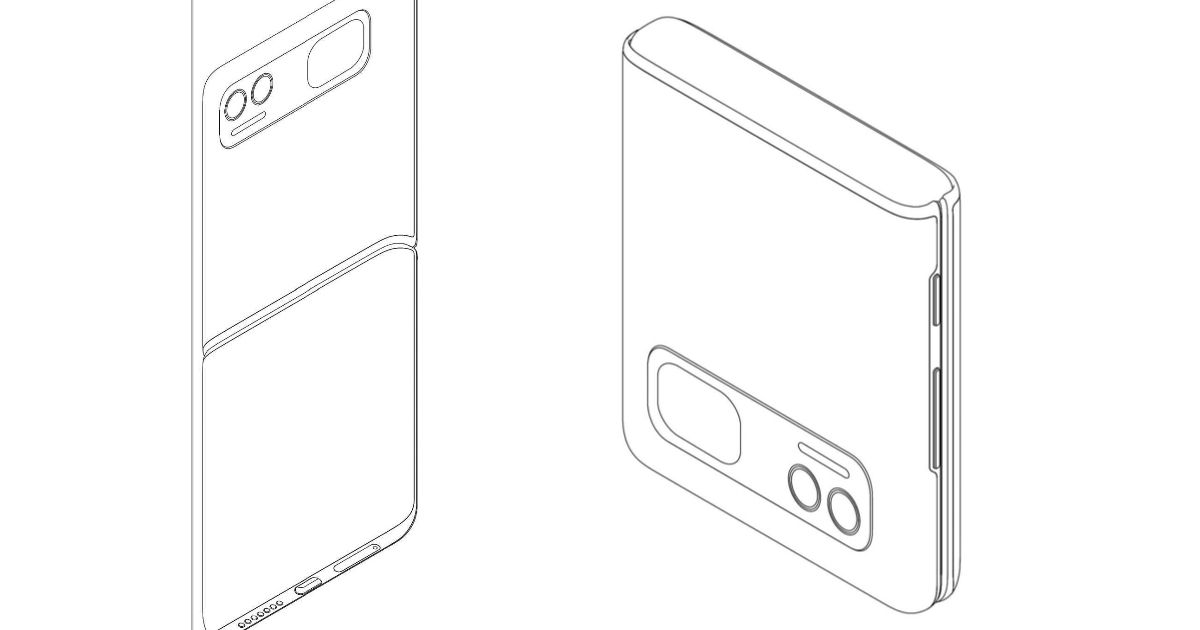
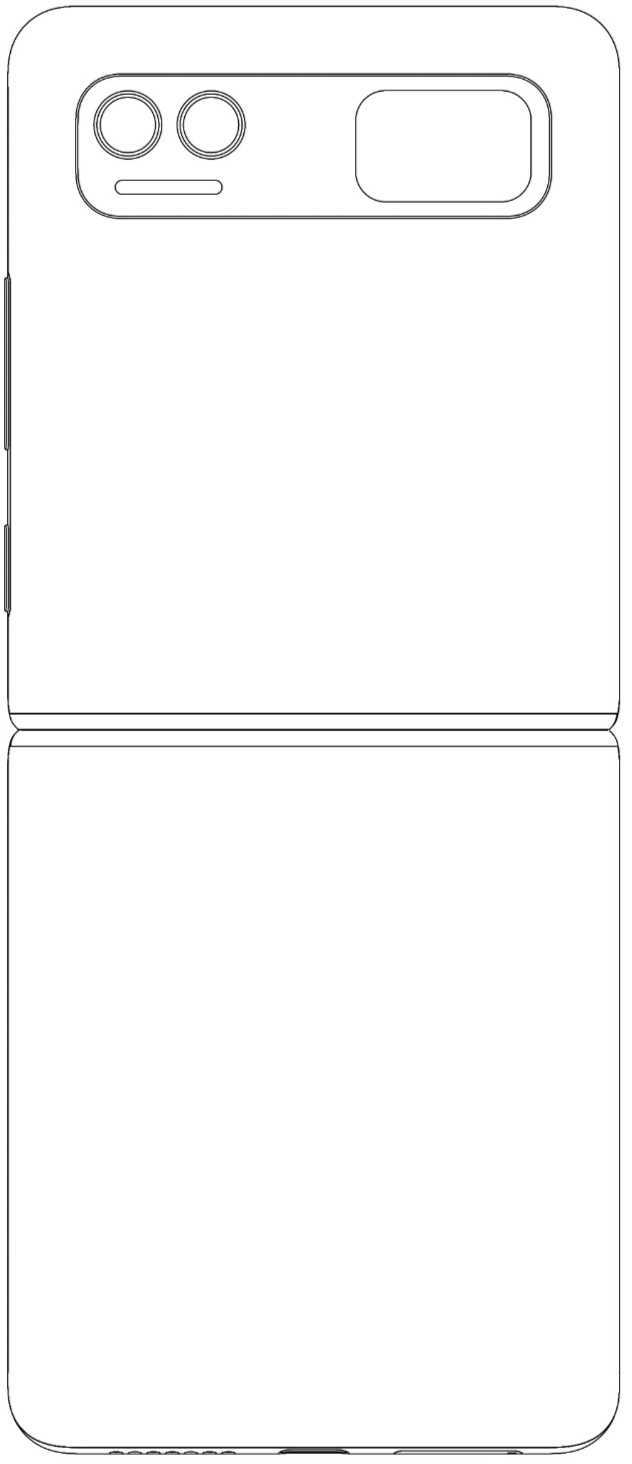
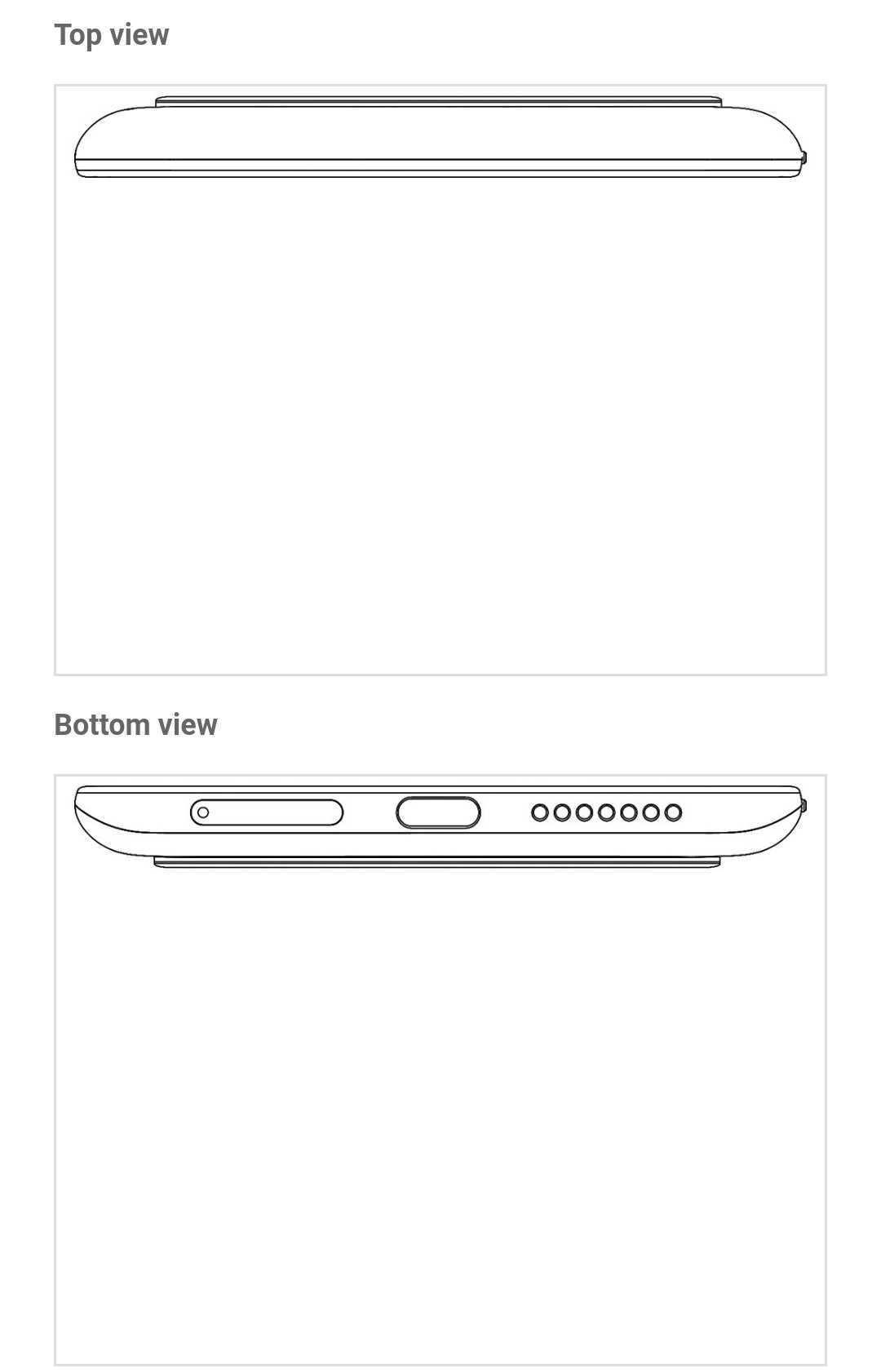
The Xiaomi Flip phone has a similar folding mechanism to the Samsung Galaxy Z Flip 3. When opened, it has a tall form factor, and when closed, it goes to a small squarish shape. While the clamshell mechanism is similar, the rear design is significantly different. The Xiaomi Flip seems to have a horizontal camera module with a dual-camera system. It has a secondary screen on the back, similar to the Z Flip 3’s cover display.

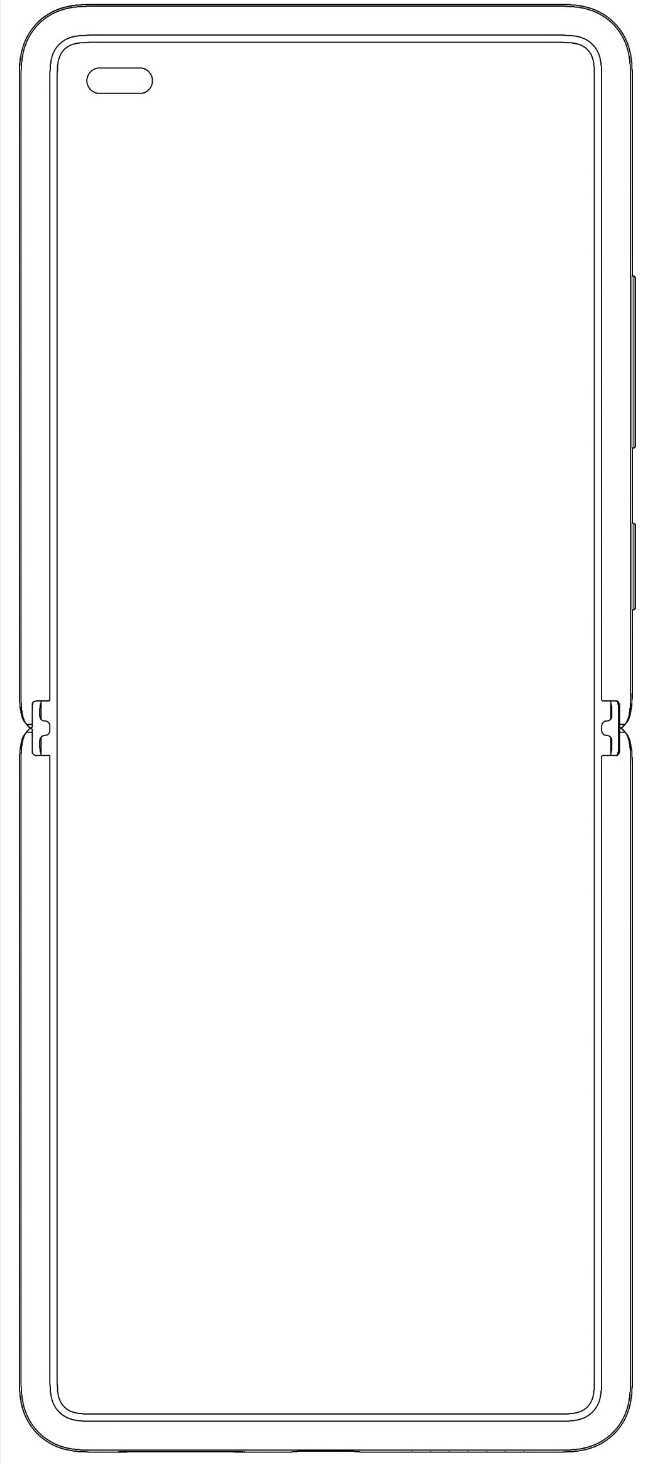
Coming to the primary screen, the phone has a punch-hole display with the camera cut-out at the top left. It features a dual selfie camera setup. It has a volume rocker and the power button on the right spine and boasts a USB Type-C port, a speaker grille, and the SIM-card tray at the bottom.

Apart from this, there isn’t any other information to decode from the images. That said, we expect more leaks of the device to appear in the coming weeks. Xiaomi may launch the phone next year alongside the much-anticipated Mix Fold 2.

In related news, a phone dubbed Mi Mix Flip was also seen in a different patent filed with the same organization, CNIPA. It had a clamshell design that was similar to the Xiaomi Flip, however, it included a circular triple-rear camera system.

RELATED:

Beats Studio Buds and Apple AirTag get cool new designs to celebrate Year of the Tiger

Apple-acquired Beats today announced the launch of a special Year of the Tiger edition of its Studio Buds TWS noise-canceling earbuds. They are priced at 1,099 Yuan or around $172 and will be launched on January 1st in China.

The product is obviously designed to welcome the Chinese New Year and comes with a tagline saying: “Listen to the new voice in the Year of the Tiger.” Its design follows the theme as well, with flashy red as its primary color that’s accented with gold stripes to symbolize a tiger.

beats studio tws year of the tiger

Both case and earbuds come with the same color scheme and are guaranteed to grab eyeballs due to their extremely unique look.

The Beats Studio Buds were released in June this year in red, black, and white. They are the company’s second true wireless earbuds offering after Powerbeats Pro, and offer ANC and various other goodies despite being cheaper than the AirPods 2.

Audio through the earbuds is produced by 8.2mm dual-element diaphragm drive units that support Dolby Atmos and spatial audio functions. The “b” logo on the earbuds also serves as a button to switch between ANC and transparent modes. Standalone battery life should last for 8 hours but can be stretched up to 24 hours with the charging box.

Apple AirTag Year of the Tiger edition

The earbuds are joined by another product that has received a similar Year of the Tiger makeover – Apple AirTag. Its specialty is a cute little tiger emoji that has been printed on the front.

apple airtag year of the tiger

You can grab this one in Japan, although you might want to hurry since only 20,000 units of these will be sold. There’s also a qualification thingy put in place where you’d have to purchase an iPhone 12, iPhone 12 mini, or iPhone SE on January 2nd or January 3rd to be eligible for the limited edition AirTag.

As for those looking to purchase the Year of the Tiger edition of the Apple AirTag or the Beats Studio Buds TWS noise-canceling earbuds outside of countries that follow the lunar calendar, well, there’s bad news. Neither will be made available globally.

RELATED:

XPG Vault Concept Gaming Mouse can store 1TB worth of games

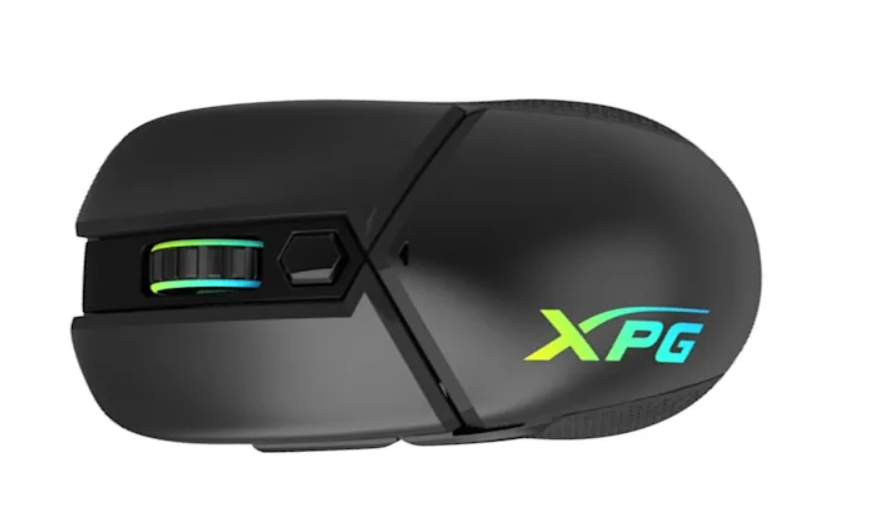
XPG has just announced a new gaming peripheral concept. It’s a gaming mouse with RGB lighting, which doesn’t really make it any different from the thousands of options available in the market. So what’s the concept aspect of this mouse? Well, the company has just slapped a 1TB SSD storage into it.

For those unaware, XPG is the gaming and esports subbrand of the Chinese memory maker ADATA. Its subsidiary makes a number of gaming related products, and now, its latest concept pushes the boundaries of the norm. This new gaming mouse is called the XPG Vault Gaming Mouse Concept, which arrives with built in SSD storage. While mouse featuring storage is not unheard of, with many offering small storage to carry macros and other preferences of the gamer, the Vault takes it to another level entirely.

XPG

As the name suggests, it is quite literally a vault. Imagine your mouse being able to store 1TB worth of games, “to make your gaming libraries conveniently portable” (Via TheVerge). Notably, the company added that its “current prototype can integrate up to 1TB of Solid State memory running at 985MB/s.” It even supports USB Type C connectivity since it is a wired mouse. With 1TB worth of storage, one can store some modern titles and even carry a number of movies with them at all times.

Simply connecting to any laptop would have you gain access to these as well. Unfortunately, the company just announced this concept through a press release and did not reveal any finer details regarding this gaming mouse. However, this is set to be showcased during the CES 2022 event, so we can expect to catch a peek at this at the event. But considering that it is a concept in its prototype stage, it might just be a side project that never takes off or sees commercial release. Although, it is still quite an interesting kind of gaming mouse and definitely has a unique identity.

RELATED:


Android 12 stable rollout resumes for Galaxy S21 series, Z Flip3, Z Fold3

Samsung has been beta testing One UI 4.0 based on Android 12 for its devices for months. Some of them even started receiving the stable update in November. However, the rollout did not go as expected due to issues. Now, over a month later, the South Korean tech giant has finally fixed those problems and has begun seeding the stable update once again.

one ui 4 featured

The stable Android 12-based One UI 4.0 was first made available for the Galaxy S21 series comprising of Galaxy S21, Galaxy S21+, and Galaxy S21 Ultra. The update was later rolled out for the Galaxy Z Flip3 and the Galaxy Z Fold3.

As mentioned earlier, the update rollout for the aforementioned handsets was halted due to bugs. Samsung seeded out yet another stable release but unfortunately, that also had issues.

It turns out that the compatibility between Google Play System and One UI 4.0 was responsible for the reported issues. The world’s largest smartphone brand has now fixed (via XDA Developers) this problem with the help of a patch from Google.

Hence, the company has now kicked off the One UI 4.0 stable update rollout for the above-mentioned phones with the fix. The update arrives with December 2021 security patches and the following firmware numbers.

  • Galaxy S21 Series

    • Global: G99xBXXS3BULC
    • Korea: G99xNKSS3BULC
  • Galaxy Z Flip3, Fold3

    • Global: F711xxxS2BUL6
    • Korea: F926xxxS1BUL6


RELATED:


Samsung Exynos 2200 may offer lackluster performance gains, but its not all bad news

Samsung is gearing up to launch its latest flagship level Exynos SoC next year. This chip has been highly anticipated since AMD is working on its GPU. Although, a new leak has revealed that the performance gains might be disappointing.

Samsung

According to @AhmedQwaider888, the South Korean tech giant’s cooperating with Team Red might not bring a big breakthrough. The tipster revealed that the Exynos 2200 might only offer a 5 percent gain over the Exynos 2100, while its GPU performance is higher by around 17 percent. By comparison, the Exynos 2100 offered a sizeable 30 percent gain in CPU and a 40 percent bump in GPU performance over the Exynos 990 SoC. In other words, the Exynos 2200 is offering quite lackluster growth. But, there is still hope for the new chipset.

While the leak shares modest performance improvements, there is one area where the upcoming chip shines. The Exynos 2200 SoC feature an NPU (Neural Processing Unit) that offers a whopping 117 percent performance boost in terms of artificial intelligence (AI). Through this, we can expect improvements in various areas like the Bixby voice assistance that could be faster. Similarly, other AI powered tasks will also receive a boost, including photography.

Samsung

Although the figure points at just a 17 percent raw GPU performance growth, AMD being a pioneer in this field. So, it might have the SoC offer other kinds of improvements and optimizations. This could be in the form of better support for 3D games to enable a smoother gaming experience in high graphical fidelity titles. Another notable inclusion could be ray tracing support as well. Albeit, this would likely be a cutdown version compared to its PC counterpart. Unfortunately, only real world tests would reveal how well the new chip fare against its competitors and its predecessors. So stay tuned for more updates.

RELATED:


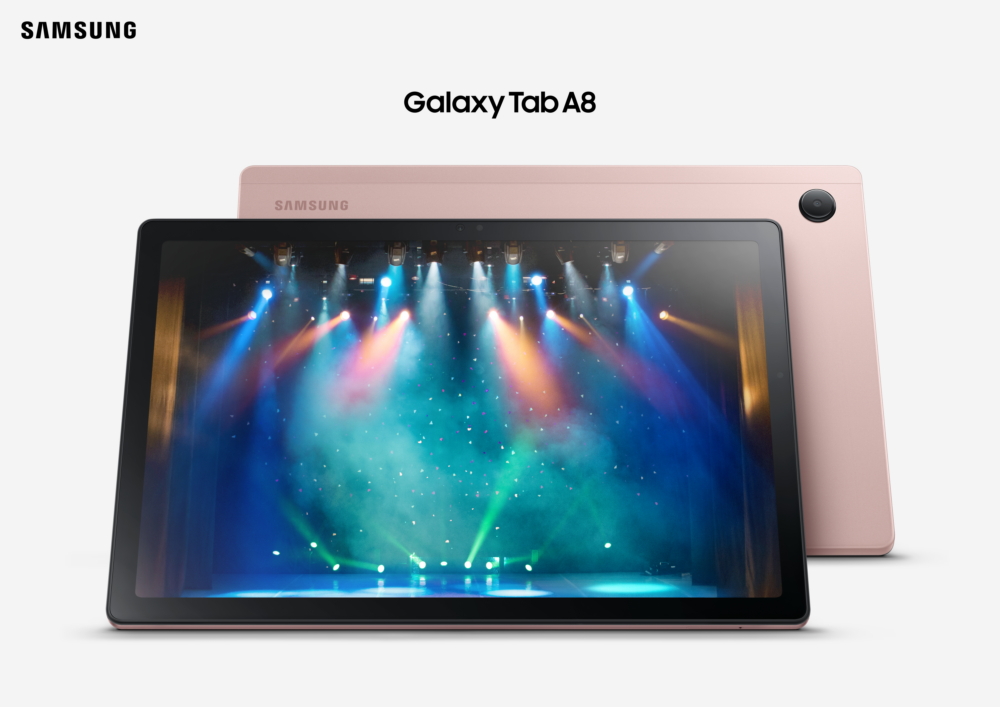
Samsung Galaxy Tab A8 teased to launch soon in India

Samsung unveiled the Galaxy Tab A8 a few days back. This budget tablet is now being teased to launch soon in India. Amazon India has a dedicated page for this product detailing some of its features.

Samsung Galaxy Tab A8 Featured A
Samsung Galaxy Tab A8

The Samsung Galaxy Tab A8 is the successor of the Galaxy Tab A7 from late 2020. It starts at €230 in the Netherlands and costs around the same in other European countries.

The slate is scheduled to release in other regions in January. Therefore, it is being now teased in India. Unfortunately, we don’t have any information on its price in the country.

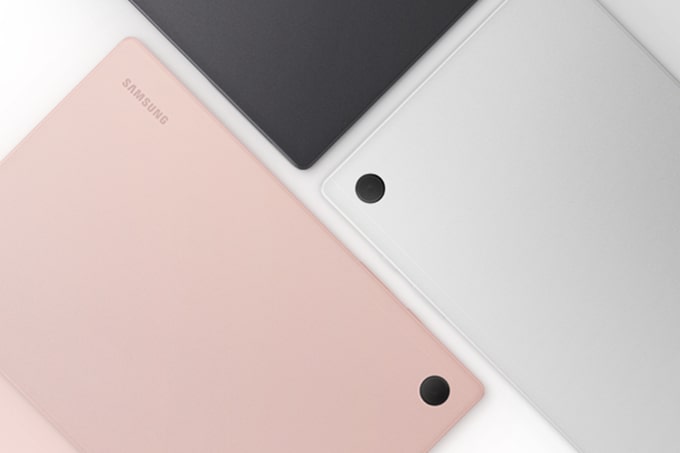
As far as specifications are concerned, the Galaxy Tab A8 sports a 10.5-inch TFT LCD panel with a resolution of 1920 x 1200 pixels (WUXGA). It measures 246.8 x 161.9 x 6.9mm in dimensions, weighs 508g, and arrives in three colors (Gray, Silver, Pink Gold).

Galaxy Tab A8

The table is powered by a UNISOC T618 SoC paired with up to 4GB RAM and 128GB storage. If needed, the storage can be further expanded up to 1TB via a MicroSD card slot.

Further, it houses an 8MP rear camera and a 5MP front-facing camera. It not only features quad speakers with support for Dolby Atmos but also a 3.5mm headphone jack, in addition to a USB Type-C port.

The slate has all the essential sensors (accelerometer, ambient light sensor, gyroscope, hall sensor, compass), except for a fingerprint sensor. It runs One UI 3.x based on Android 11 and draws energy from a 7,040mAh battery with support for 15W fast charging.

Finally, the product comes in both WiFi-only and WiFi + LTE variants.


RELATED:


5G confirmed to go live in 2022 in India starting with these 13 cities

Due to the semiconductor shortage, chipmakers and smartphone OEMs both began focusing more on the 5G stuff, causing 4G smartphones to not only quickly become scarce but also pricier. Almost a quarter of smartphone shipments in India are now 5G-supporting — but their users, quite ironically, are yet to take advantage of it.

That’s set to change really soon though as the Department of Telecommunications (DoT) has revealed through a press release that 13 cities in India are set to get 5G services in 2022. These are Ahmedabad, Bengaluru, Chandigarh, Gandhinagar, Gurugram, Hyderabad, Jamnagar, Kolkata, Chennai, Lucknow, Pune, Delhi, and Mumbai.

5g-tower-featured

“Costing Rs 224 crore, the project is likely to be completed by December 31, 2021, paving the way for end-to-end testing of 5G (/topic/5g) User Equipments (UEs) and network equipment by 5G (/topic/5g) stakeholders developing 5G (/topic/5g) products/services/use cases, including indigenous start-ups, SMEs, Academia and Industry in the country,” a statement from the press release read.

The project in question is the indigenous 5G testbed project funded by DoT, on which implementing agencies IIT Bombay, IIT Delhi, IIT Hyderabad, IIT Madras, IIT Kanpur, IISC Bangalore, SAMEER, and CEWiT had been working for 36 months.

Additionally, the DoT said that it had sent a request to TRAI in September 2021 for recommendations on the reserve price, band plan, block size, quantum of spectrum to be auctioned, and auction conditions in various bands (526-698 MHZ, 700 MHZ, 800 MHZ, 900 MHZ, 1800 MHZ, 2100 MHZ, 2300 MHZ, 2500 MHZ, 3300-3670 MHZ, and 24.25-28.5 GHZ) for public and private 5G networks.

RELATED: