Advertisement

Intel CEO’s visit to Taiwan is likely to pressure TSMC over chip orders: Analysts

A number of tech analysts have looked at Intel CEO’s, Pat Gelsinger, visit to Taiwan as a means for the American chip giant to pressure TSMC over its chip orders. Apparently, the former is urging the latter to confirm its chip orders for cutting edge latest 3nm process.

Intel
Pat Gelsinger

According to a TaiwanNews report, local media reports in Taiwan and analyst believe that the American company is looking to “berate then buy” from the world’s largest contract chipmaker. As per tech analyst Chai Huan-shi, Gelsinger’s visit to Taiwan is not just to acquire chip orders from Taiwan Semiconductor Manufacturing Company but to also put pressure on the chip manufacturer.

Notably, Chai added that Team Blue’s current product line is not advanced enough as of right now for the 3nm process. Furthermore, he believes that TSMC’s 3nm process has already been booked out by other tech giants, with Intel currently having no order allocation at the moment. So, Chai stated that the CEO arrival in Taiwan could also be the company’s efforts in interfering with TSMC’s corporate strategy. The analyst believes the move is in the best interest of his own company, or possibly even the US government as well.

Intel

He noted that while receiving 3nm chip orders might be a symbolic victory for the American company, TSMC’s other customers (including Apple, Nvidia, AMD, MediaTek, and others) could in turn begin pressuring Intel. On the other hand, Intel’s entire efforts could also very well be to interfere in the rivalry between TSMC and Samsung as well.
RELATED:


Toyota adjusts initial EV target, plans to become more aggressive in the fast-growing EV market

Japanese automaker Toyota is on course in its pursuit of churning out 30 electric vehicle models by the turn of this decade. The company is making massive investments in EV technology and is gradually transiting its production facilities to EV plants in pursuit of its goals. Toyota plans to spend up to $17 billion in developing its capacity in electric vehicle manufacturing.toyota ev

Toyota is ramping up its efforts across several fronts and pursuing a robust production schedule that will see it delivering 15 EVs by 2025 (the initial target) and going further to release 15 more EVs by 2030. The target also includes the production of 3.5 million EVs by 2030 for its global market. The Toyota Lexus brand will be transformed into an all-electric lineup by 2035 as part of the broad goals of the Japanese automaker.

Toyota was among the early pacesetters in the shift towards electric vehicles, but it lagged significantly, allowing Tesla and others to dictate the pace and hold substantial market shares globally. Toyota now intends to roll back the clock and position itself for the future of sustainability-oriented vehicles with varying levels of autonomous driving. Toyota had long held the view that the shift towards electric vehicles as an alternative to traditional automobiles was overhyped. However, the official view of the company on EV technology has seemingly changed as the company now says that it is pursuing EV production to reduce tailpipe emissions from its gas-powered automobiles.

No details were released about the lineup and features that will be present in the models. Toyota will be doing catchup even with several traditional carmakers like Honda, Nissan, Volkswagen, and Mercedes-Benz among several others who had embraced EV production, with some having plans to transit to all-EV production within the next decade.

RELATED: 

Kodak 7XPro BL 4K smart TVs with 40W speakers launched in India, starts at Rs. 23,999 ($314)

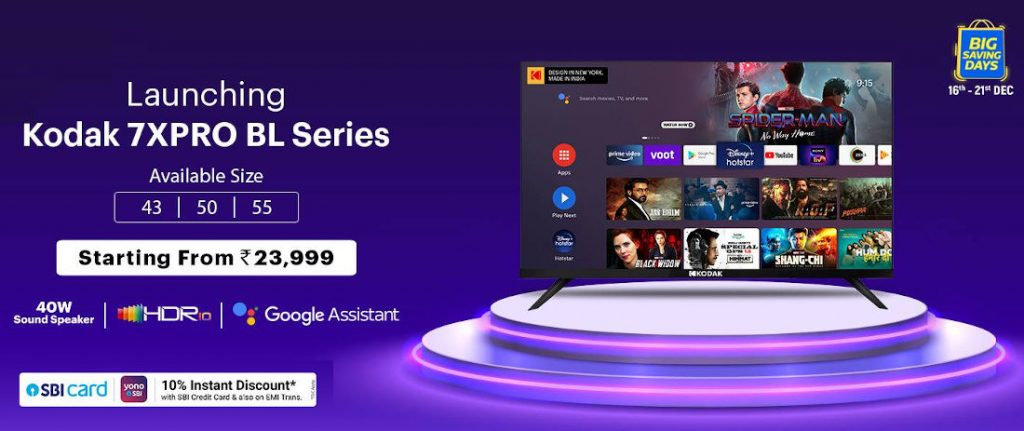
Kodak has launched three 4K smart TVs with 40W speakers in India. The launch of the new lineup under the Kovak brand is another realization of the made in India initiative as the models are wholly produced in the subcontinent. The new models are the outcome of investments in technology and research in pursuit of a massive share of the Indian TV market. The company continues to pursue its goal of becoming the leading premium Android TV brand in the country.Kodak TV

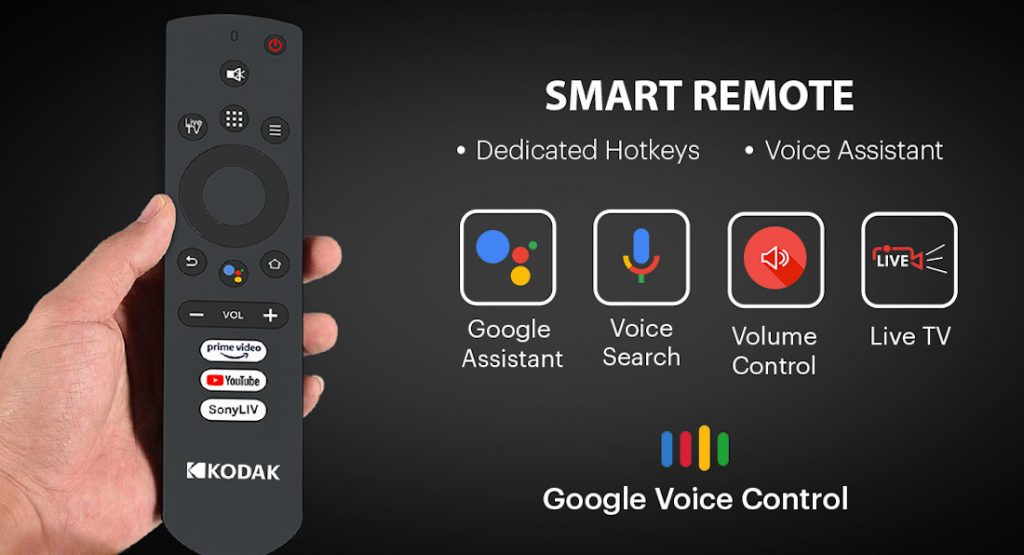
The models include the Kodak 7XPro BL series with sizes 43”, 50”, and 55”, respectively. The sound system of the three new Kodak 7XPro BL TVs includes double box speakers and surround sound. The TVs also feature HDR 10, dual-band Wi-Fi, Google Assistant voice control, and multiple connectivity options. The user-friendly remote of the Kodak 7XPro BL lineup has dedicated shortcut keys for Prime, YouTube, and other options. The TVs also provide options for an enhanced gaming and sports experience. The TVs in the lineup have 2GB of RAM and 8GB storage, with Android TV Chromecast functionality built-in.

The Kodak 7XPro BL TVs are priced at Rs. 23,999 ($314), Rs. 30,999 ($406), and Rs. 33,999 (445), respectively for the 43-inch, 50-inch, and 55-inch models. The models will be available from Flipkart during the Big Saving Days sale, with some discounts up to 10% also available.

RELATED:


(via)


MediaTek’s flagship Dimensity 9000 to power new Redmi & OPPO phones

Earlier today (16th December 2021), MediaTek officially launched its latest flagship chipset, the Dimensity 9000 SoC. It will power top end smartphones, with various brands already confirming that their upcoming handset offerings will feature this new chip.

MediaTek

Talking about the chipset first, it is based on the 4nm process from TSMC and features an ARMv9 CPU architecture. The SoC sports eight cores, with one Cortex X2 super core that clocks in at 3.05GHz, paired with three performance Cortex A710 cores and four efficiency based Cortex A510 cores. Furthermore, it also supports LPDDR5X memory along with an 8MB L3 cache and 6MB system cache. For graphics, it features a Mali G710 GPU, which supports the brand’s HyperEngine 5.0 with AI-VRS along with raytracing software development kit (SDK) using Vulkan for Android.
The Taiwanese chipmaker’s Deputy General Manager, Yenchi Lee stated that “the Dimensity 9000 is the most powerful and energy efficient chip to date, delivering a number of industry firsts and a full suite of features for the most discerning tech enthusiasts.” With the official launch, smartphone brands took to social media to announce that their upcoming handsets will feature this new chipset.

MediaTek

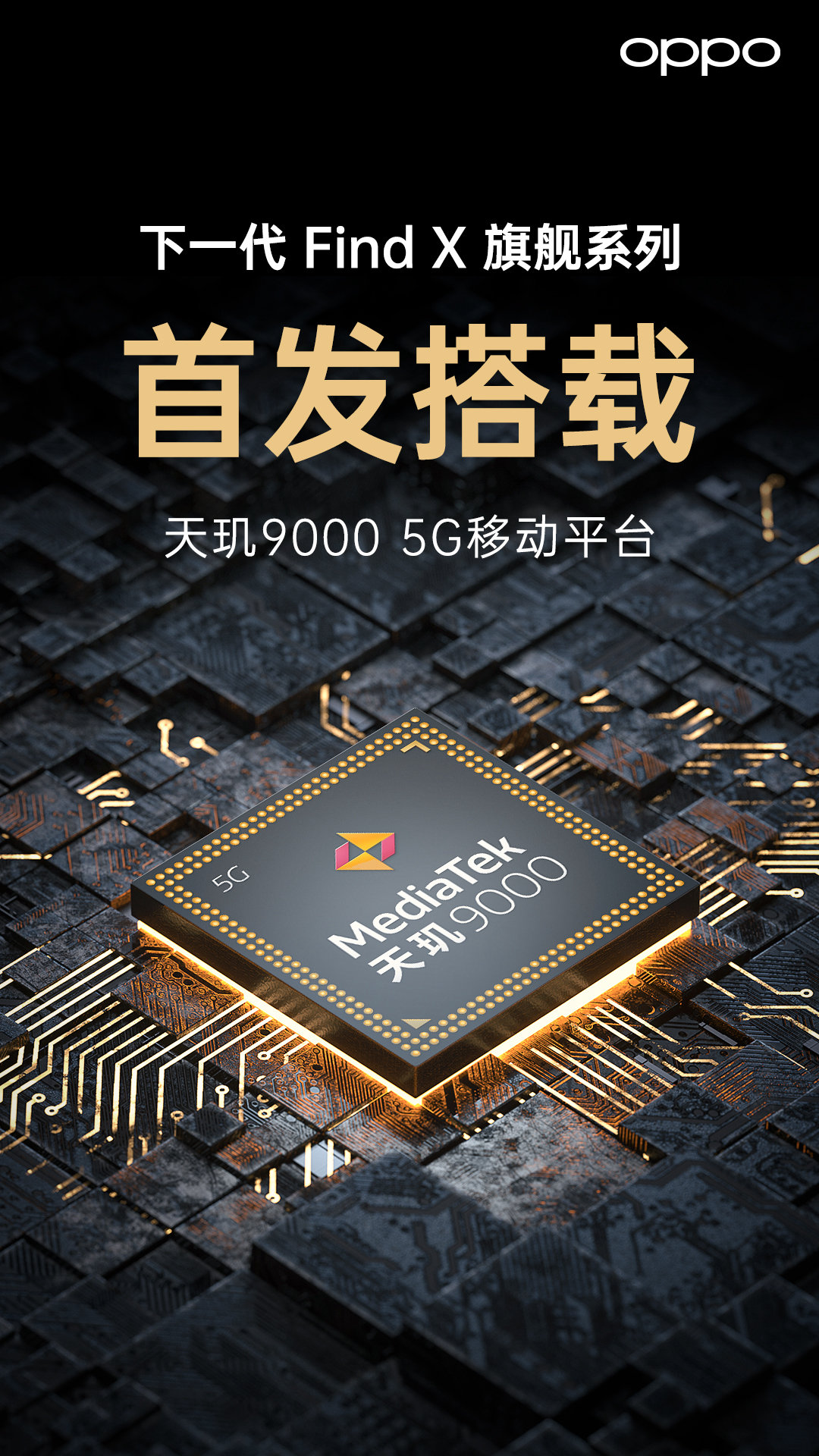
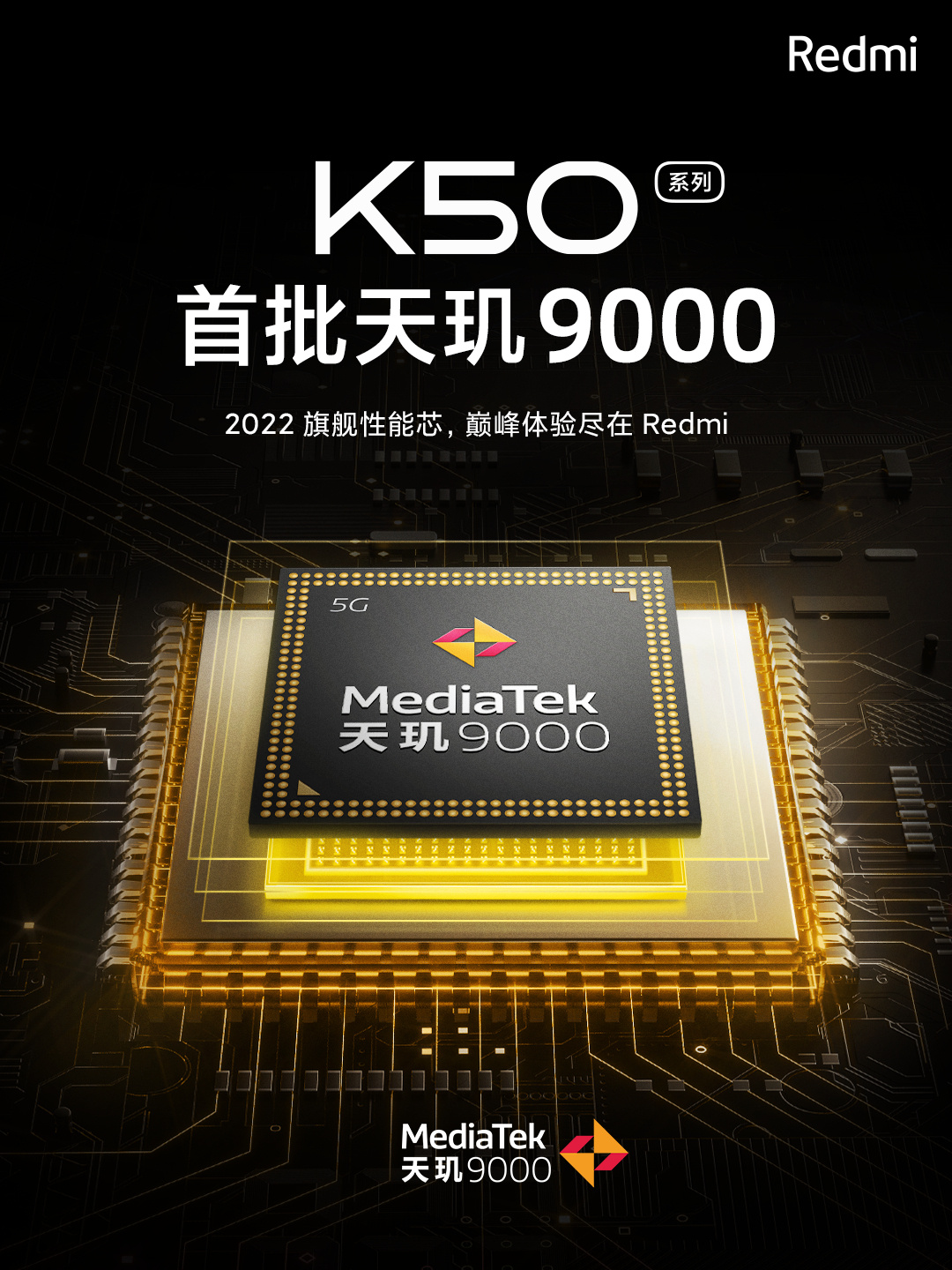
This includes Redmi, who stated that an upcoming model within its K50 series will feature the new flagship chipset from MediaTek. Similarly, OPPO also revealed that its next gen Find X series model will also feature Dimensity 9000 SoC as well. Other brands like Vivo, Xiaomi, and even Honor will be launching their smartphones with this chip in the first quarter of next year as well. So stick around as we will be providing updates when additional information is available regarding this matter.

RELATED:


POCO C series crosses the 3 million mark in terms of units sold on Flipkart

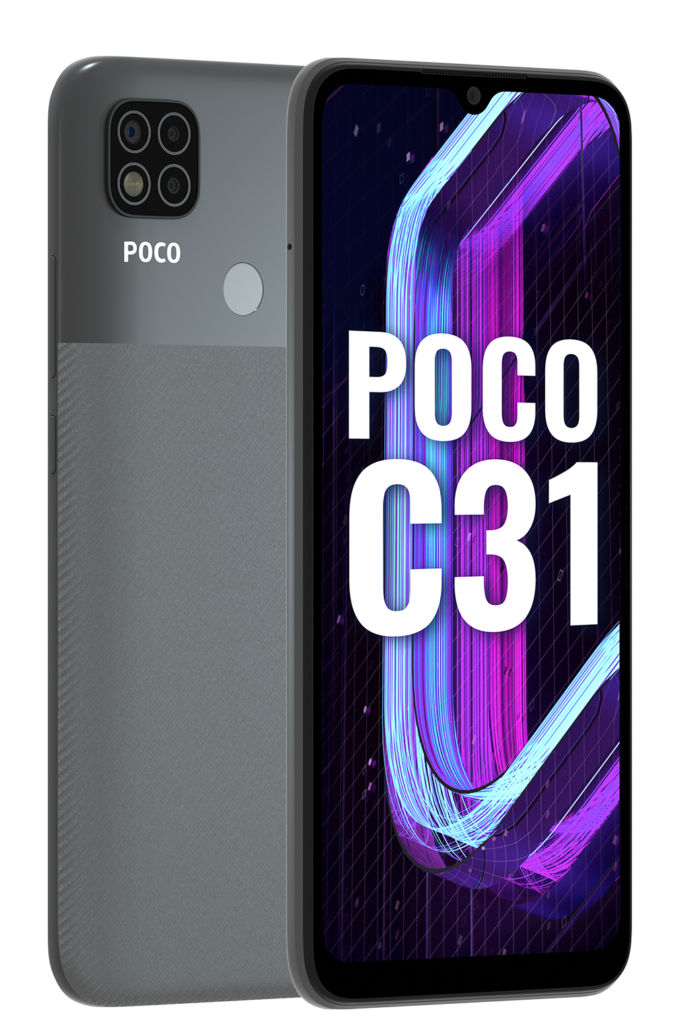
POCO, continuing to ride upon its success in India, today announced that it has managed to sell over 3 million units of its entry-level C series through Flipkart since its launch. The series is currently comprised of the POCO C3 and C31, both priced under Rs 10,000, and has played a key role in making the company the third-largest online smartphone brand in the country.

POCO C series 3 million Flipkart

To recall, the POCO C31 is the newer iteration of the POCO C3, bringing along a slightly larger HD+ display and restoring the missing fingerprint sensor hardware. While the C3 came with a 6.43-inch display, the C31 bumped the size up to 6.53-inches for a better viewing experience. Apart from this, both are powered by the MediaTek Helio G35 octa-core processor and pack 5000mAh batteries with 10W charging support.

For photography, both come with 13MP primary cameras at the rear, joined by a 2MP macro and a 2MP depth sensor. And on the front, you get a 5MP selfie shooter.

Poco C31

POCO also promises a clean UI with a no-ads experience, so that’s another thing to consider. Both phones are up for grabs for Rs 8,499 on Flipkart. To purchase the POCO C31, head over to this link. The POCO C3, on the other hand, can be availed from here.

A slightly pricier but great alternative to the POCO C series can be the POCO M3 for those looking for a bump in the specifications. This one is listed for Rs 11,499 on Flipkart and comes with an FHD+ display, 48MP camera, and Snapdragon 662 processor.

RELATED:

vivo Wireless Sport Lite Neckband Earphones launched in India with 18-Hour Battery Life and IPX4

vivo Wireless Sport Lite neckband earphones were launched in India for an affordable price of Rs. 1,999 ($27) on Wednesday with headlining features that include 18-Hour Battery Life, Fast Charging, “Call Noise Cancellation”, as well as IPX4 sweat and water resistance.

vivo wireless sport lite 01

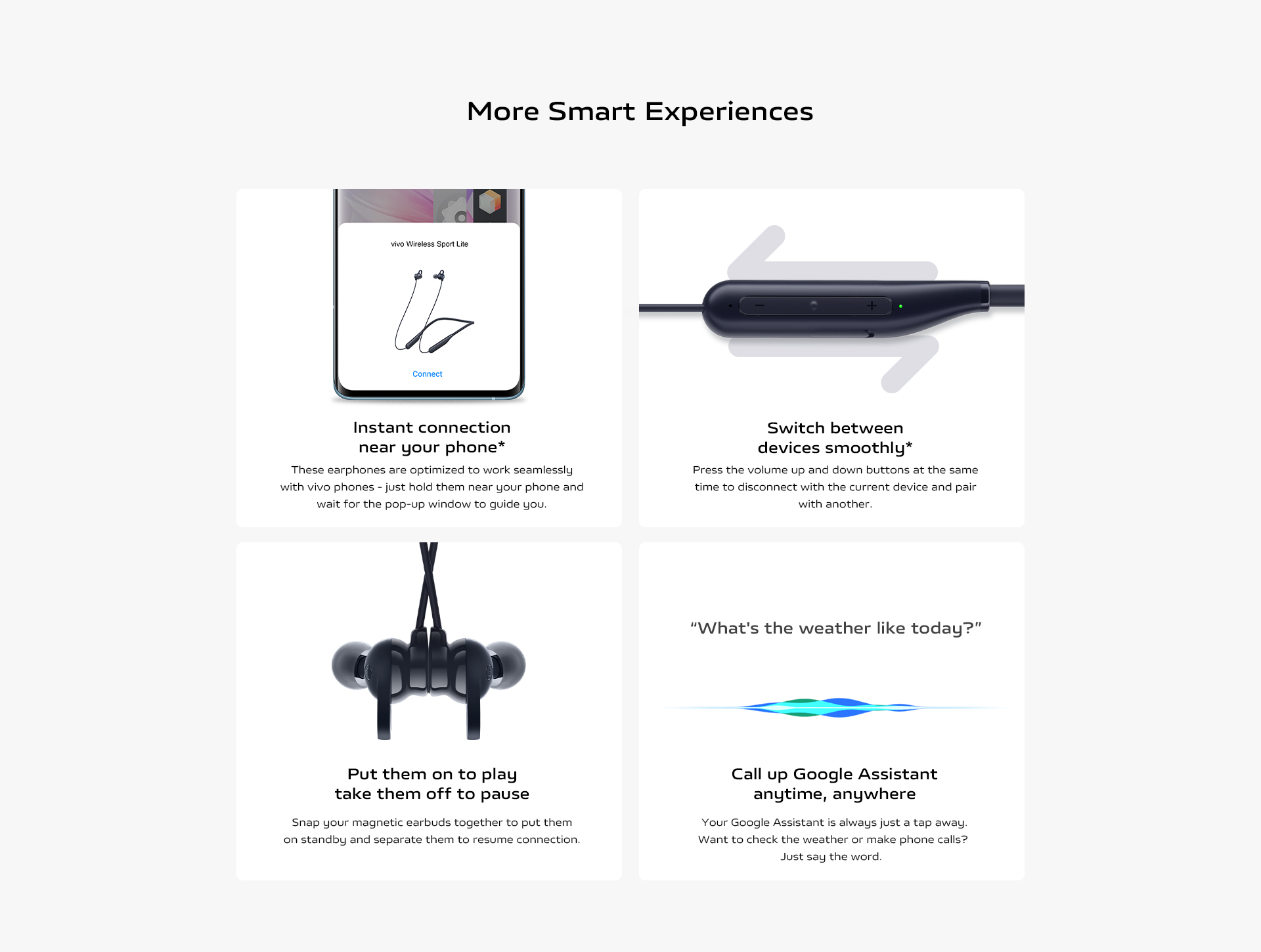
Starting with the build quality, these neckband earphones are made up of Daikoku aluminium-coated bronze coil, which vivo says will help to reproduce high frequencies. In conjunction, the pair has a lightweight ergonomic design as well, coming in at only 23.9 grams. Next, the vivo neckband earphones have a magnetic switch and controls that offer a quick pair feature for hassle-free connection with devices and the controls also have support with voice assistance through Google Assistant. Lastly, the earphones are IPX4 rated for sweat and water resistance. 

vivo wireless sport lite 03
For the specs, the new Vivo wireless earphones are powered by an 11.2mm dynamic driver that Vivo claims to deliver strong bass quality. The driver has a frequency response range of 100–8,000Hz, a sensitivity rating of 95dB, and an impedance of 32Ohms. They also come with a low-latency rate of up to 80ms. The microphone sensitivity rating is -42dB. 

The earphones come with Bluetooth v5.0 support for pairing with nearby devices and offer support for the AAC Bluetooth codec. vivo has also provided a ‘Call Noise Cancellation’ feature on the latest earphones, which help to improve call quality for users.

vivo wireless sport lite 02

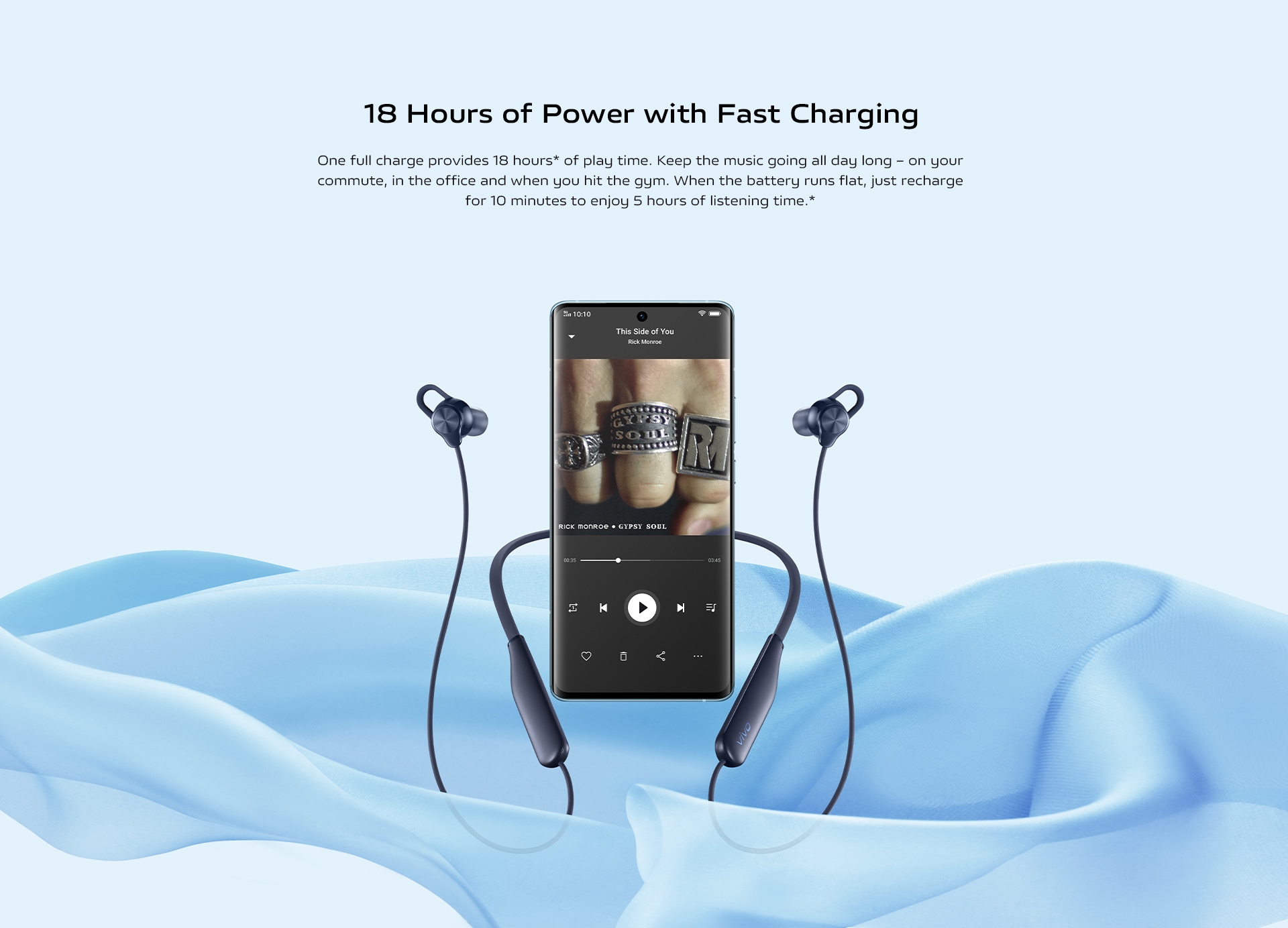
The vivo Wireless Sport Lite neckband earphones are packed with a 129mAh battery and use USB Type-C for charging. It is advertised to be charged within one hour. The neckband is claimed by the company to deliver up to 12 hours of talk time, and 300 hours of standby time. It is also said to offer 18 hours of music playback time with AAC codec at 50% volume. Finally, the earphones offer fast charging where a 10-minute charge gives the earphones up to 5 hours of playback time. 

Availability of the new earphones is currently only in India. The new earphones will go on sale via the vivo India e-store and across all partner retail stores starting Wednesday itself. It comes in two subtle colour options, Black and Blue. 


RELATED: 

Honor X30 5G packing a Snapdragon 695 chip, up to 12GB RAM launched

Honor today held a launch event where it officially unveiled the Honor X30 premium mid-range smartphone. The X30 was unveiled alongside the Honor Play 30 Plus 5G, yet another premium mid-ranger. Honor X30

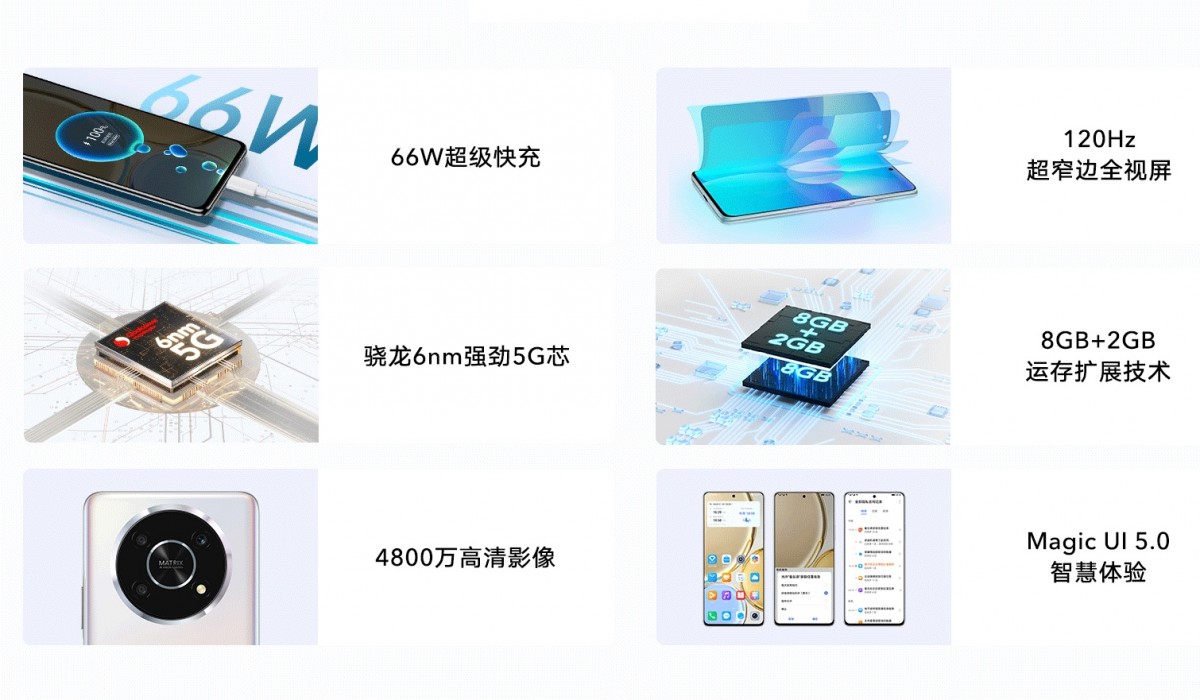
The Honor X30 is the vanilla variant of the X30 Max and X30i that were released in October this year. The new model packs a Qualcomm Snapdragon 695 chipset which is a 6nm SoC with support for 5G connectivity. The processor pairs with 12GB RAM on the top end version but there is a 6GB RAM version. For storage, there are 128GB and 256GB storage options.Honor X30

The X30 packs a 6.8-inch IPS LCD screen with an FHD+ resolution of 1080 x 2388-pixel. The display also comes with support for a 120Hz refresh rate. The display utilizes a punch-hole design under which sits a 16MP selfie shooter.

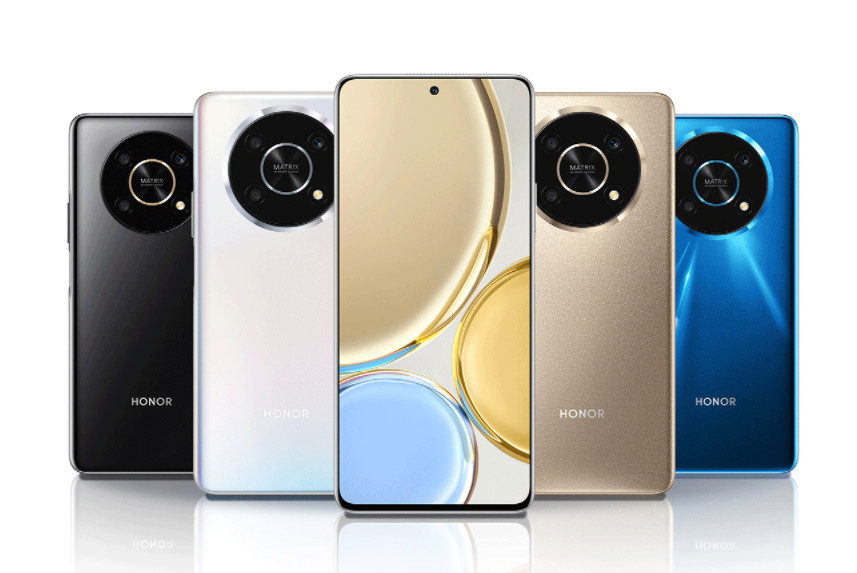
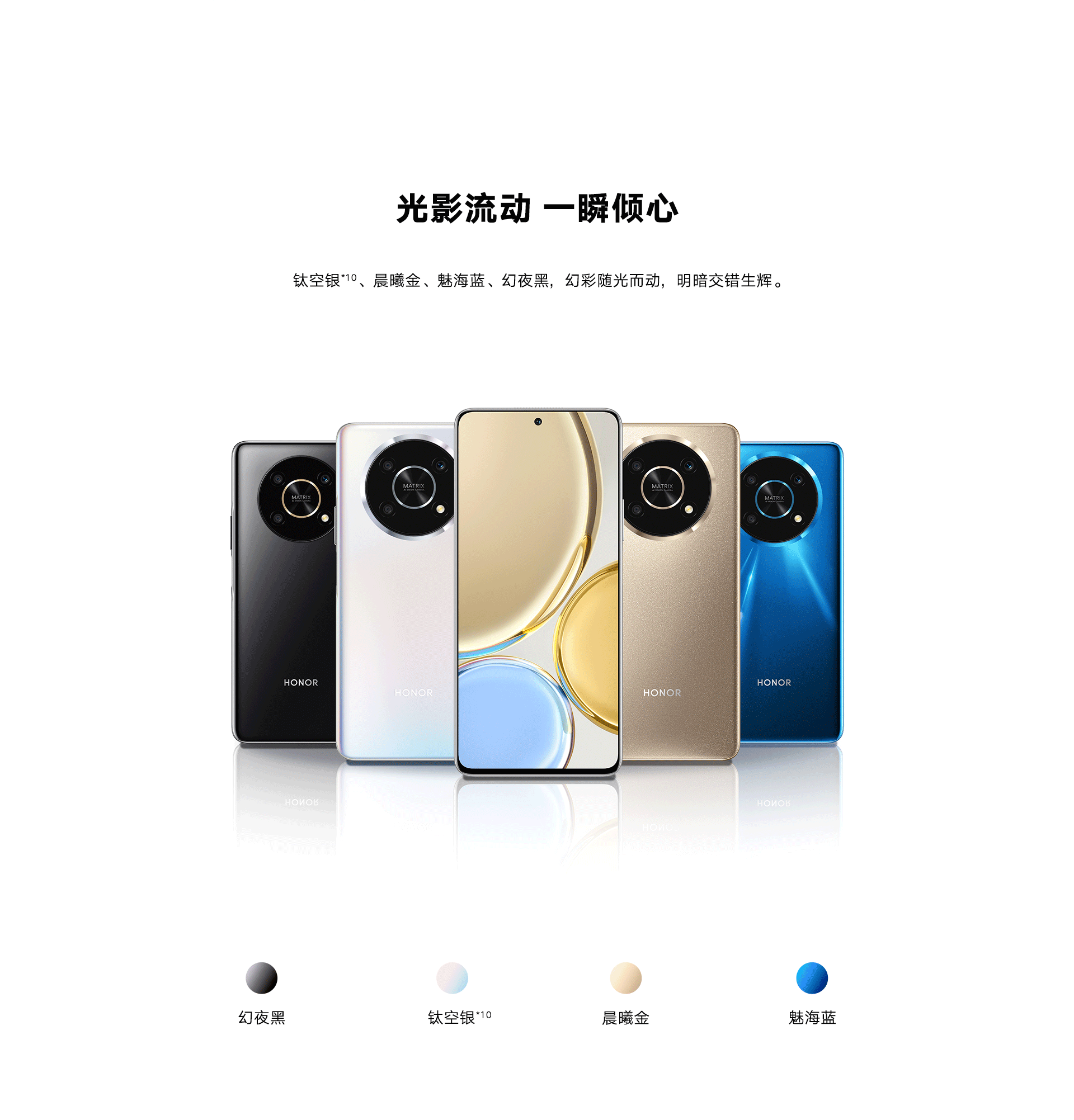
At the rear, the vanilla X30 features Honor’s iconic ring camera design with a wide circumference just like that of the Magic 3. The module holds a triple camera setup consisting of a 48MP main shooter. There is also a 2MP depth sensor and a 2MP macro camera. Honor X30

Keeping the lights on is a decent 4,800mAh battery with support for 66W fast charging that is capable of delivering a charging progression of 0-80% in just 30 minutes. For interface, the X30 runs on Honor’s proprietary Magic UI 5.0 based on Android 11.Honor X30

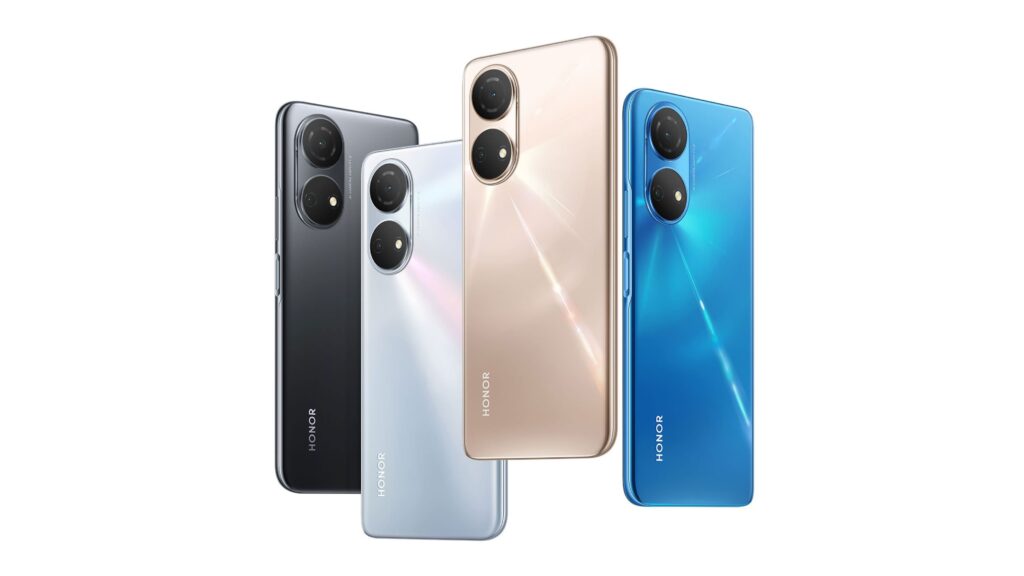
Talking of the pricing and availability, the Honor X30 is priced at 1,499 yuan (~$235) for the 6GB+128GB variant while the higher 12GB + 256GB version is priced at 2,299 yuan (~$361). The device will be available in four colors – black, silver, gold, and blue. It is scheduled to go on sale in China from December 24. There is no word yet on the global release.

RELATED:


realme GT 2 appears on the brand’s official website

Chinese tech brand realme has confirmed to launch the realme GT 2 Pro on December 20. Ahead of that, the company has been teasing the features of the handset for the past few days. Amidst this, the vanilla realme GT 2 has now made its appearance on the internet.

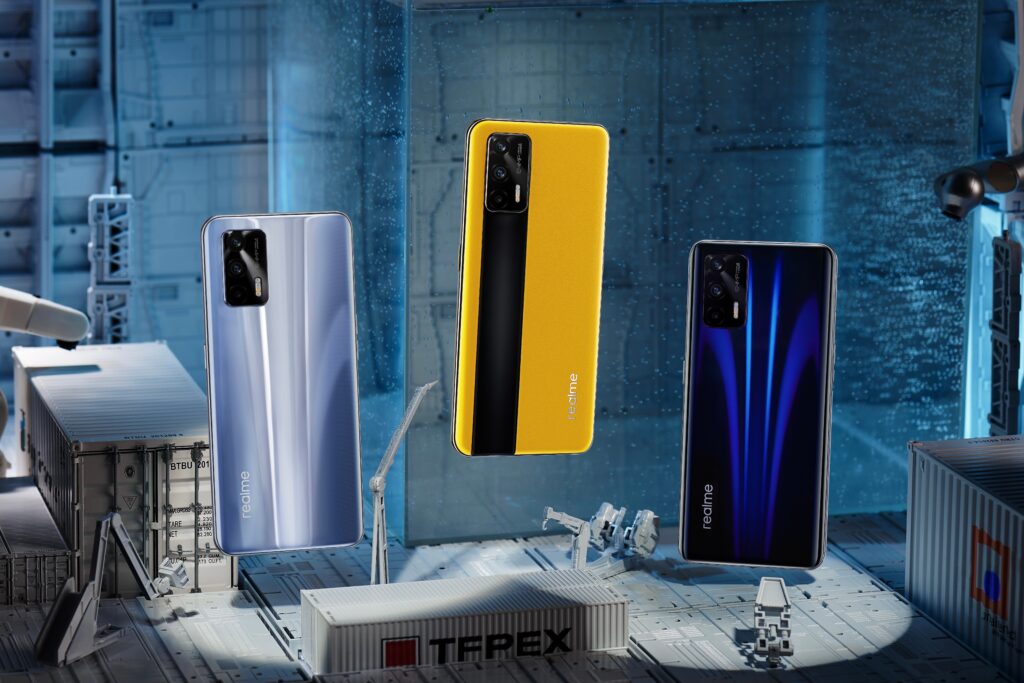
realme GT All Colors Featured
realme GT 5G

According to a report by 91Mobiles, the non-Pro realme GT 2 has been spotted on realme India’s official website. Unfortunately, this finding does not say anything about this upcoming phone, except that it confirms its existence, which was obvious anyway.

Since the brand has now started readying its website for realme GT 2, the device’s launch should not be far away. It could make its debut as soon as Q1 2022.

The standard realme GT 2 will be succeeding the original realme GT. Hence, going by its predecessor, it will most likely focus more on performance than anything else. On the other hand, the realme GT 2 Pro, which is set to go official next week will act as a proper realme flagship smartphone, as teased by the brand itself.

Having said that, we believe that more details about the realme GT 2 will emerge in the coming days leading up to the day of its official announcement.


RELATED


Huawei P50 Pocket specifications leaked, reveals 6.85-inch display, 50MP triple cameras

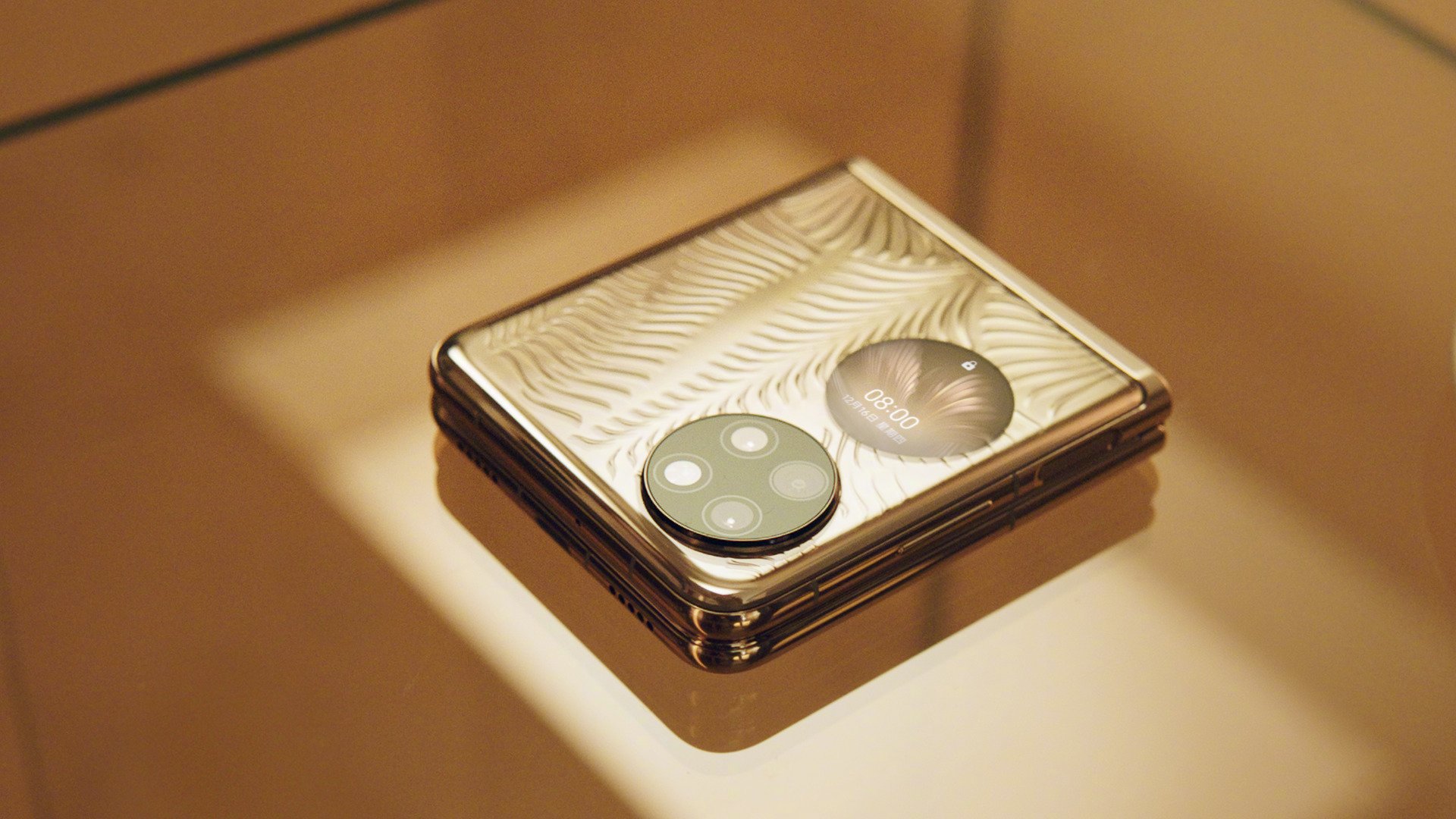
Huawei P50 Pocket is one of the many Huawei devices that are set to break cover on Dec. 23 in China. What’s interesting about the P50 Pocket is that it will be arriving as the company’s first flip phone with a foldable display. Huawei is yet to share the specifications of the device. However, different sources have spilt some information on the specs of the P50 Pocket. Here is all that is known about the company’s first clamshell with a foldable screen.

Huawei P50 Pocket specifications (Rumored)

According to display analyst and CEO of Display Supply China Consultants (DSCC) Ross Young, the Huawei P50 Pocket is equipped with a 6.85-inch foldable screen. The screen is bit bigger than that of the Samsung Galaxy Z Flip 3 5G, which features a 6.7-inch foldable AMOLED panel.

Young added that the cover display of the P50 Pocket has a 1-inch cover display. He is talking about the round-shaped secondary screen, which is available below the rear camera of the P50 Pocket.

Huawei P50 Pocket images
Huawei P50 Pocket

Coming to the other specs, tipster Yash Raj has claimed the P50 Pocket’s rear camera setup will include a 50-megapixel primary camera, a 13-megapixel snapper, and an 8-megapixel tertiary lens. The handset may carry support for 3x optical zoom.

There is no information on the chipset and battery capacity of the P50 Pocket. The device is likely to arrive with support for 66W rapid charging. Apart from the gold variant, the P50 Pocket may also arrive in a blue edition. The leak claims that it will be priced lower than the Galaxy Z Flip 3 5G. To recollect, the Samsung flip phone was introduced with a pricing of $999. As usual, readers are recommended the specs leak of the P50 Pocket with a grain of salt.

RELATED:

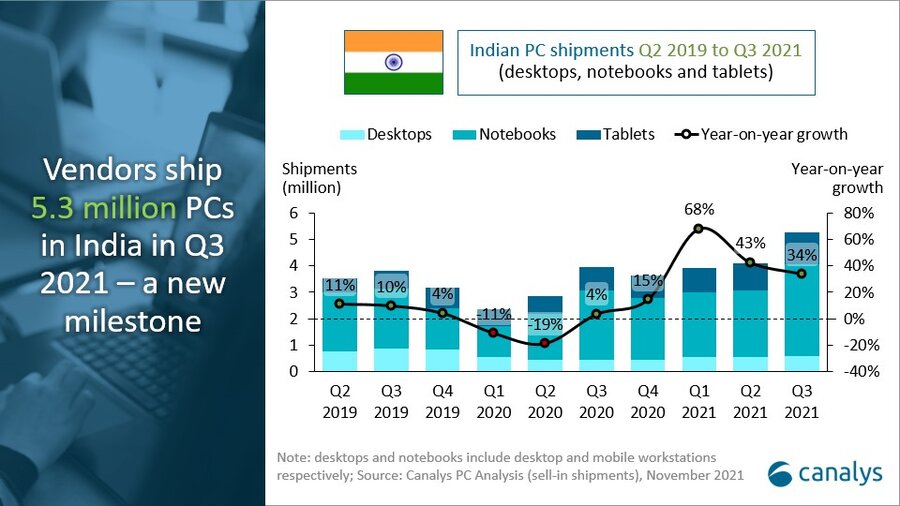
India PC shipments grow 34%, hitting record 5.3 million in Q3 2021

The PC market in India saw a solid growth in the third quarter of this year. The region saw a sizeable growth in PC shipments (including tablets, notebooks, and desktops), which reached record high figures for the period.

India

According to a Canalys report, the overall shipments for PC surged by a notable 34 percent, hitting record 5.3 million in Q3 2021. Out of this entire sum, only 0.6 million were desktops, while the majority shipments were for notebooks that reached 3.5 million. On the other hand, the remainder 1.2 million shipments were for tablets in the period between July and September. With the overall market seeing a rise, notebook shipments also grew by 31 percent year on year.

Meanwhile, tablets and desktops saw a surge of 41 percent and 29 percent respectively during this same period. The report further added that the growth was aided by the acceleration of economic recovery in the country, especially among small to medium businesses and even larger firms as well. Canalys Research Analyst Ashweej Aithal stated that “Despite supply chain challenges, India’s PC market reported its highest shipments ever.”

India

Notably, Lenovo led the PC market in India with a robust 27 percent market share in Q3 2021. HP followed close behind with a 24 percent market share, while Dell, Acer, and ASUS, rounded the top five spots in the market with 13.7 percent, 7.5 percent, and 7.1 percent share respectively. Interestingly, Lenovo managed to overtake HP for the first time since the fourth quarter of last year.

RELATED:


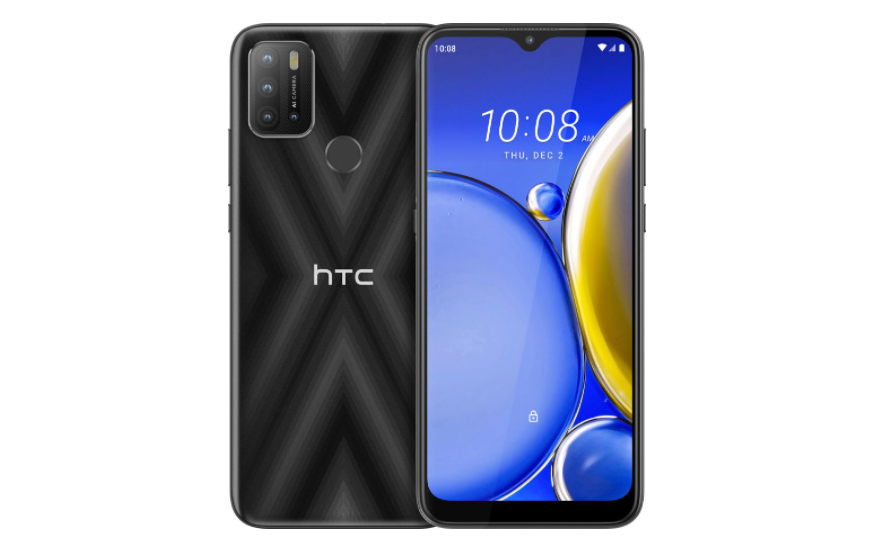
HTC Wildfire E2 Plus entry-level phone launched with XL 6.82-inch display

Things are clearly not going that well for HTC but that hasn’t stopped the company from pushing out some great offerings into the budget segment. The latest is an addition to the familiar Wildfire lineup called the HTC Wildfire E2 Plus that will be sold in the Russian market with a price tag of 12,990 RUB or around $176.

The front of the phone is largely occupied by the display (obviously), but there’s also quite a sizeable chin. The display is a 6.82” IPS LCD with an HD+ screen resolution and a standard 60Hz refresh rate. A waterdrop notch sits at its top housing an 8MP front camera.

HTC Wildfire E2 Plus

At the rear, there is a rectangular camera module holding four cameras – the primary is a 13MP shooter and is paired by a 5MP ultrawide. The remaining two cameras each have 2MP resolutions and exist for macro and depth information.

The HTC Wildfire E2 Plus is powered by the octa-core UNISOC Tiger T610 processor. It packs a 4,600mAh battery which doesn’t appear to have any support for fast charging. Other than that, the phone has a rear-mounted fingerprint scanner, a headphone jack, and a microSD card slot.

A single 4GB RAM + 64GB storage option appears to be the only choice for buyers. Out of the box, the phone will be booting into Android 11. No details about the global availability of the new device have been announced by HTC as of now.

RELATED:

Realme GT 2 Pro to feature 150-degree ultrawide camera, may lack a telephoto lens

Realme is expected to announce the Realme GT 2 Pro smartphone on Dec. 20 in China. Some reports have claimed that it will be equipped with a telephoto camera. However, a fresh leak by Digital Chat Station reveals that it won’t be featuring. In addition, the company has shed some information on the ultrawide lens of the device.

Previous reports had claimed that the GT 2 Pro’s triple camera unit will include an OIS-enabled 50-megapixel Sony IMX766 primary camera, a 50-megapixel ultrawide lens, and a telephoto camera. However, fresh information shared by the tipster reveals that it does not feature a telephoto snapper. Hence, it remains to be seen what purpose the third camera will serve.

Reakne GT 2 Pro 150-degree FOV ultarwide

The above-shown poster released by the brand shows that the Realme GT 2 Pro’s camera setup will include an ultrawide lens with a magnificent 150-degree field-of-view. Realme hasn’t confirmed the resolution of the ultrawide lens.

Realme has been a telephoto camera on its many of its smartphones such as the Realme X50 Pro 5G, Realme X3, and Realme X3 SuperZoom. Considering that the GT 2 Pro will be arriving as the company’s most premium flagship phone with industry-leading imaging technology, it would have been good if it had included a telephoto snapper in its camera setup.

Other reports have revealed the Realme GT 2 Pro will come with a 6.7-inch AMOLED QHD+ 120Hz display, a 32-megapixel front-facing camera, Snapdragon 8 Gen 1 chip, up to 12 GB of LPDDR5 RAM, up to 1 TB of storage, and a big battery with 65W fast charging support. The company is also expected to unleash a GT 2 Pro variant with an under-display selfie camera.

RELATED:

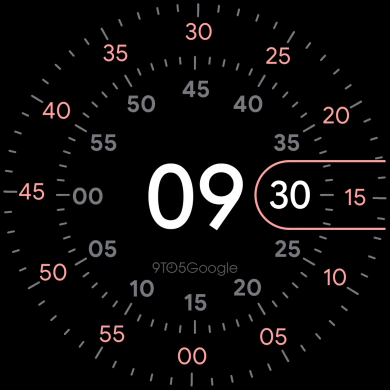
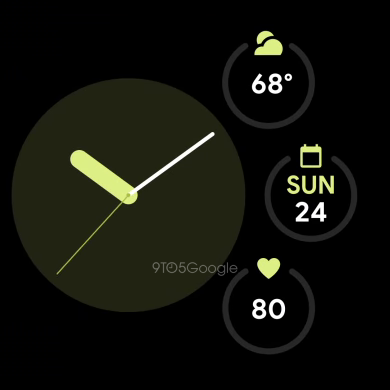
Watchfaces for the upcoming Google Pixel Watch revealed via Wear OS 3.0 emulator

After making its own Pixel-branded smartphones for years, Google is now finally gearing up to launch its own smartwatch in the market, dubbed Pixel Watch. Ahead of the launch, many details about the upcoming device have surfaced online.

Now, it appears that more details about the Pixel Watch have been revealed, including the watchfaces through the Android Studio emulator image that Google published earlier this year for Wear OS 3.0.

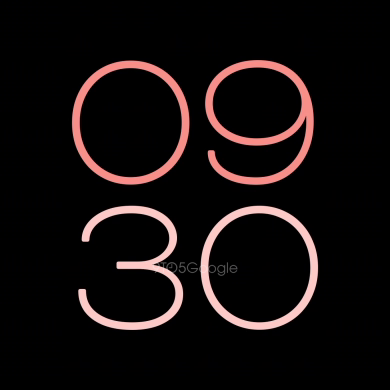
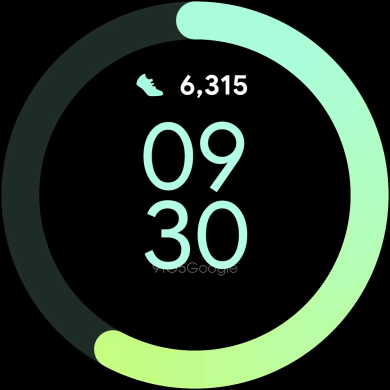
Currently, the emulator in Android Studio is the only way to experience what the stock version of Wear OS 3 will be like on future watches. The 9to5Google team found a video within the emulator that shows a variety of watch faces that will be available on an upcoming Wear OS device.

About 10 different watchfaces have been revealed, including one that shows Fitbit logo. Two of these watchfaces were also seen on the renders of the Pixel Watch. This further indicates that the leaked watchfaces will make their way to the actual smartwatch and are not just for demo purposes.

Based on the previous leaks, the upcoming Pixel Watch will have a minimal bezel and a slight curve and feature a physical button. It is expected to come powered by a custom-made SoC that will be manufactured by Samsung using the 5nm process.

It will be running the latest Wear OS 3.0 as the operating system which is a merged version of the Wear OS based on Android and Samsung’s Tizen OS. The South Korean giant’s Galaxy Watch4 and Watch4 Classic were the first devices to run this new version of the wearable operating system.

RELATED: 

MediaTek Dimensity 8000 to launch soon, Key Specs revealed: Report

While the MediaTek Dimensity 9000 is set to power a wave of new top end 2022 smartphones, the company is also planning on launching new Dimensity 7000 chip for mid range models as well. However, a new report has suggested that it might be called Dimensity 8000 and could be launching soon.

MediaTek

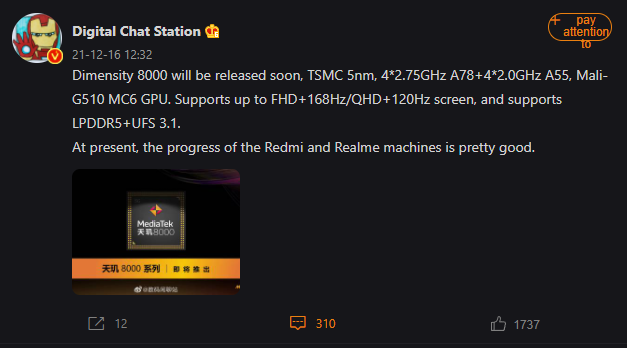
A known Weibo tipster believes that the Taiwanese chipmaker is reportedly planning on launching the Dimensity 8000 chip soon. This mid range chipset is apparently built on TSMC’s 5nm process and comprises of four Cortex A78 cores that clock in at 2.75GHz and four Cortex A55 cores that have a 2.0GHz clock speeds. For graphics, the chipset arrives with the Mali G510 MC6 GPU.

The tipster further added that the Dimensity 8000 chip will support FHD+ displays with up to 168Hz refresh rate or QHD+ displays with 120Hz refresh rate. Other features include support for LPDDR5 RAM, UFS 3.1 storage and possibly even up to 75W fast charging as well. Notably, the tipster further added that the Dimensity 8000 chip will be featured in certain Redmi and Realme smartphones. From these specs, it appears that the Dimensity 8000 could be a cut down version of the higher end Dimensity 9000 SoC.

MediaTek Dimensity 9000-

Interestingly, the chipmaker has also opened its flagship Dimensity store on popular e-retailing website JD.com. In this store, the Dimensity store will be divided into different sections including 9000 series, 1000 series, 900 series, 800 series, and 700 series chipsets. Within these sections, users are shown smartphones from different brands that feature any of these SoCs. This includes models from Xiaomi, OPPO, Vivo, and others that are displayed. At the moment, the first batch of smartphones with Dimensity 9000 chip is expected to launch in the first quarter of next year.

RELATED:


HONOR Play 30 Plus 5G launched with premium design, entry-level specs

At the HONOR X30 5G launch event, the brand also announced the HONOR Play 30 Plus 5G. We just reported on this phone a few hours back. Although we knew that this handset’s release was imminent, we did not expect it to go official today itself, albeit we mentioned the possibility. That’s because we never heard about it until earlier today.

HONOR Play 30 Plus 5G Featured A-min

HONOR Play 30 Plus 5G Specifications and Features

The HONOR Play 30 Plus 5G (CMA-AN00) is an entry-level 5G smartphone for the masses. But it looks like the expensive HONOR and HUAWEI-branded handsets due to the presence of two large circular modules for the cameras.

The device sports a 6.74-inch TFT LCD panel with a resolution of 1600 x 720 pixels (HD+), 16.7 million colors, and a 90Hz refresh rate. The TÜV Rheinland-certified (for low blue emission) display has a dewdrop notch and a 90.07% screen-to-body ratio.

HONOR Play 30 Plus 5G Featured B-min

It is powered by a MediaTek Dimensity 700 SoC coupled with 4GB/6GB/8GB RAM and 128GB storage. As for software, it boots Magic UI 5.0 based on Android 11.

Further, the phone houses a dual-camera setup on the back comprising of a 13MP primary sensor and a 2MP depth sensor. On the front, it uses a 5MP shooter for selfies and video calls.

On the connectivity front, the smartphone supports dual SIM, 5G, dual-band WiFi, Bluetooth 5.1, and GNSS (GPS, A-GPS, BeiDou). It also features a 3.5mm headphone jack, a USB Type-C port, and a MicroSD card slot.

HONOR Play 30 Plus 5G Featured C

The device comes with all the essential sensors like an accelerometer, ambient light sensor, compass, proximity light sensor, and a side-mounted fingerprint sensor. It measures 167.59 × 77.19 × 8.62mm in dimensions, weighs 198g, and arrives in four colors (black, silver, blue, gold).

Last but not least,  HONOR Play 30 Plus 5G is backed by a 5,000mAh battery with support for 22.5W fast charging.

HONOR Play 30 Plus 5G Price and Availability

The HONOR Play 30 Plus 5G will retail at the following price tags in China.

  • 4GB +128GB – ¥1,099 ($173)
  • 6GB +128GB – ¥1,299 ($204)
  • 8GB +128GB – ¥1,499 ($235)

The smartphone will be available for pre-order starting today (December 16), followed by the sale from December 31.


RELATED:


Google Pixel 6 network issues have reportedly worsened with December update

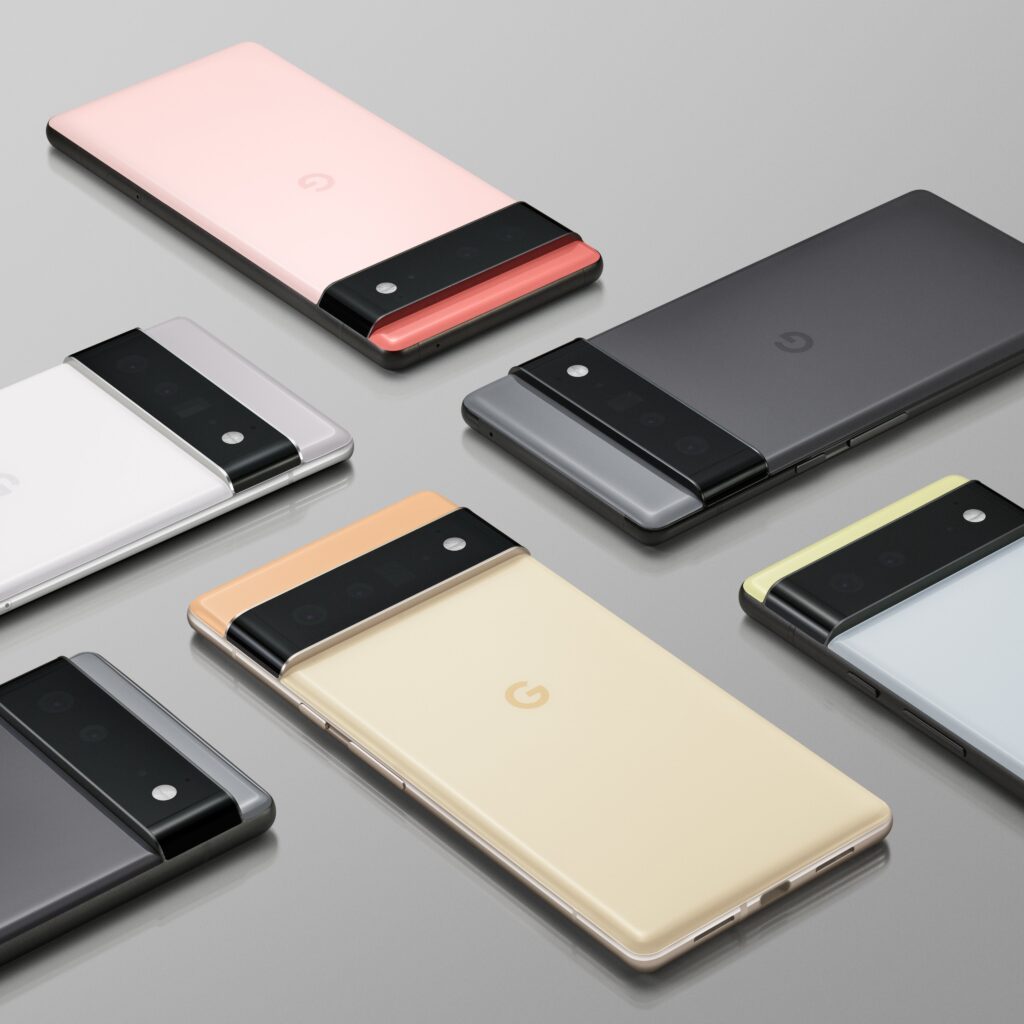
The Pixel December security update is here for models all the way back to the Pixel 3a, bringing along a ton of fixes for bugs across the lineup. However, for the Google Pixel 6, things have seemingly worsened with the latest patch as there have been several complaints about poor signal and network issues.

Reports of the problem have surfaced on Reddit and the Google Issue Tracker (via Android Central), with users stating that they’re now having to deal with connectivity woes in areas where there previously were no issues. The mobile network signal allegedly has been quite poor and even non-existent in some cases.

Google Pixel 6 series featured

Not only does the issue lead to simple functions like calling and texting becoming a real pain, but also drains the battery faster as the phone struggles to find a proper signal. The whole thing is rather ironic considering one of the fixes included with the update was “General improvements for network connection stability & performance.”

Most reports seem to originate from Europe with some touting the .A4 or .A1 builds that were pushed out to select European countries, Canada, and Taiwan, as the culprits for the issue. However, without official clarification, the matter still remains unclear.

Regardless, many of the Pixel 6 users are yet to receive the December update as rollout seems quite spotty this time, so it would be advisable to hold off on it until the issue is addressed.

In the meantime, be sure to check out the workarounds we have listed in a recent related coverage about the issue.

RELATED:

OnePlus 10 Pro Key Specs leaked, features 120Hz 2K Display, 48MP triple camera, more

With the year coming to an end, we get closer to the launch of new 2022 flagship grade smartphones. One of the brands that are set to launch their latest premium handsets is OnePlus. And now, a new leak has revealed certain key specifications of its upcoming flagship 10 series.

OnePlus

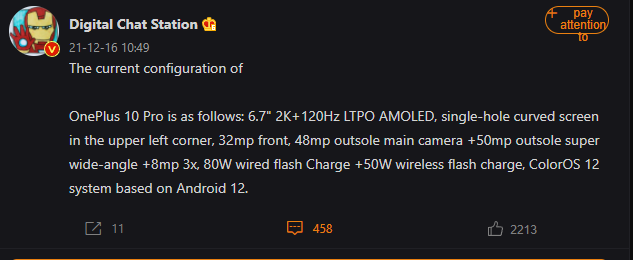
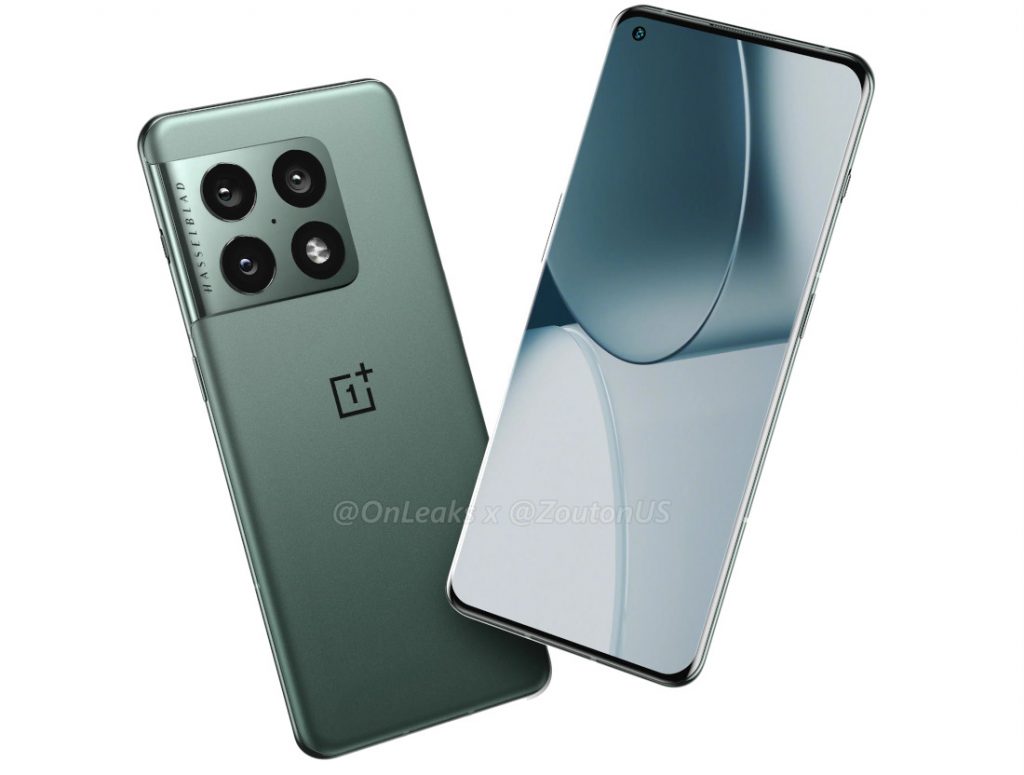
The new leaks arrives from known tipster Digital Chat Station on Weibo (a Chinese microblogging website). As per the social media post, the Chinese company’s OnePlus 10 Pro will feature a 6.7 inch curved LTPO AMOLED display that supports 120Hz high refresh rate and 2K resolution. The front panel also houses a 32 megapixel punch hole selfie camera on the upper left corner.

On the rear, the device sports a triple camera setup that features a 48 megapixel primary sensor, 50 megapixel ultra wide angle lens, and a 8 megapixel lens that offer 3x optical zoom. Furthermore, the smartphone will feature 80W wired fast charging, while it even supports 50W wireless fast charging as well. The tipster also added that the OnePlus 10 Pro will run on ColorOS 12 custom skin that is based on Android 12 operating system.

OnePlus 10 Pro Render Leak

Unfortunately, this is all the information that Digital Chat Station shared on his post. Although, we can expect the smartphone to be one of the first devices that features the newly launched Qualcomm Snapdragon 8 Gen 1 processor. Previous reports had also revealed that the next gen OnePlus flagship featuring 12GB of LPDDR5 RAM and up to 256GB of UFS 3.1 storage. Under the hood, the device could be powered by around a 5,000mAh battery pack and likely even arrive with IP water/dust resistance rating as well.

RELATED:


OnePlus Nord 2 CE design exposed via renders

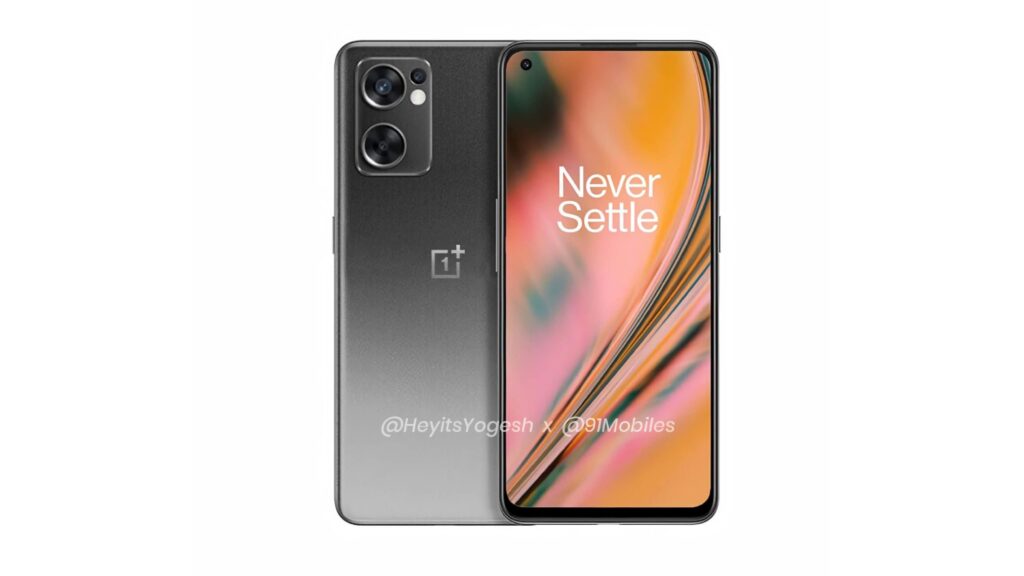
The OnePlus Nord 2 CE is in the news fr the past few days. The device codenamed Ivan is expected to launch in India and Europe in Q1 2022. Ahead of that, its primary specs got leaked recently. The same source has now shared the renders of the handset revealing its design.

OnePlus Nord 2 CE Renders Leak Featured A
OnePlus Nord 2 CE | Source: Yogesh Brar via 91Mobiles

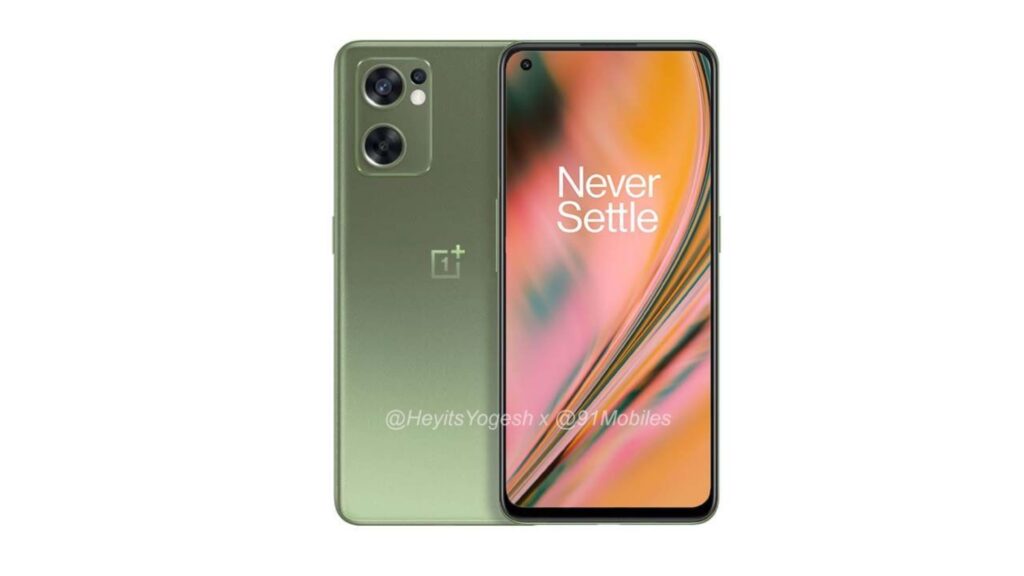
Tipster Yogesh Brar has partnered with 91Mobiles to share the renders of the upcoming OnePlus Nord 2 CE. According to the pictures, the phone will feature the new camera layout adopted by both OnePlus and realme.

Unlike expensive OnePlus smartphones, this one will lack an alert slider. Instead of that, it will not only come with a 3.5mm headphone jack but also a MicroSD card slot. Further, the images show the device in two colors (grey/black, green), however, there could be other hue options.

As far as specifications are concerned, the handset is tipped to arrive with a 6.4-inch AMOLED display with a 90Hz refresh, a MediaTek Dimensity 900 SoC, up to 12GB RAM and 256GB storage, OxygenOS 12 based on Android 12, and a 4,500mAh battery with support for 65W fast charging.

OnePlus Nord 2 CE Renders Leak Featured B
OnePlus Nord 2 CE | Source: Yogesh Brar via 91Mobiles

Other specs of the phone will include a 64MP (OmniVision, wide) + 8MP (ultra-wide) + 2MP (macro) triple rear camera setup, a 16MP front-facing camera, in-display fingerprint sensor, dual-SIM, 5G connectivity, dual-band WiFi, Bluetooth 5.x, GNSS, NFC, and USB Type-C.


RELATED:


Apple leads Middle East, Turkey, and Africa smartwatch market to impressive YoY growth of 46.7%

Apple led market growth in the earwear and smartwatch categories in the META regions comprised of the Middle East, Turkey, and Africa in Q3 2021, defying supply chain constraints. The company was followed by Samsung that held the second spot in terms of shipments.

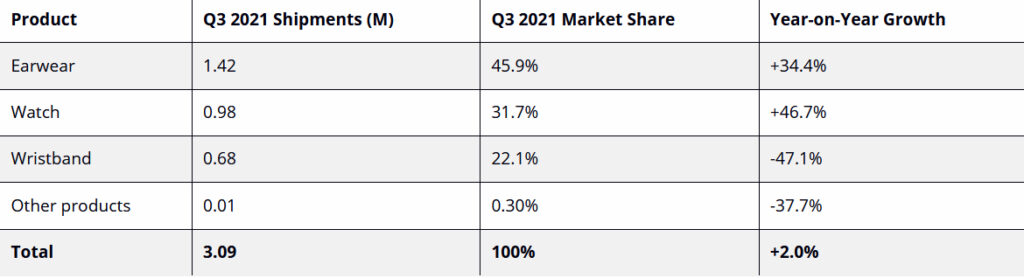
The data comes from International Data Corporation (IDC) that further reported that in META, the wearables market saw a year-on-year growth rate of 2.0% in units and 25.4% in value in the third quarter of this year. A total of 3.09 million earwear, watches, wristbands, and glasses worth $504.6 million were sold across the region during the same timeframe.

The impressive figures come in at a time where the market is still struggling against the global semiconductor shortage. That’s not to say that the shortages didn’t have an effect though, as dwindling supply did lead to price increments levied by many vendors.

idc wearables market growth
Source: IDC Worldwide Quarterly Wearable Devices Tracker

“Consumers tend to spend more of their disposal income on more compatible devices connected to their cellphones,” says Zeynep Kilic, a research manager at IDC. “The pandemic and lockdowns raised the demand for wearables for their health and fitness capabilities, and this is what spurred some vendors to invest in this field, such as Apple with its Fitness+ apps.”

Among all of the wearable shipments, TWS and over-ear audio devices grabbed the largest share of shipments in Q3 2021, accounting for 45.9% of all wearable devices shipped to the region. The YoY shipments increased of the category increased 34.4% in terms of units and 22.6% in value during the quarter. Apple led the sales with a third of the total market units, trailed by Samsung followed by Xiaomi. The work-from-home trend led to increased demand for wearables with support for ANC.

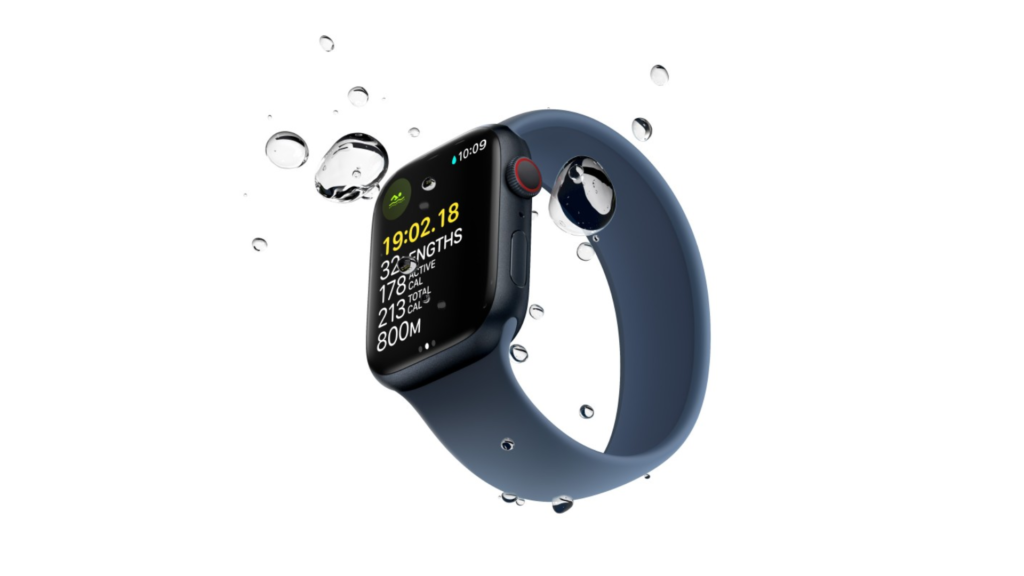
Earwear sales were followed by smartwatches that oversaw significant annual growth of 40.9% in units and 45.7% in value in Q3 2021. Apple again dominated the market mostly thanks to the new Series 7 lineup. Samsung took 2nd place with its Galaxy Watch 4 selling like hotcakes. Garmin ranked third.

apple watch series 7 featured
Apple Watch Series 7

The basic watch and fitness band category also saw strong year-on-year growth in Q3 2021, with shipments increasing 54.8% in unit terms and 44.2% in value. Such gadgets have grown to be a great budget alternative to their pricier smartwatch counterparts, and have lately begun offering more advanced features like SpO2 tracking. Huawei led this category, followed by Amazfit in second and Xiaomi in third.

RELATED:

India seeks to bring in Semiconductor, Display makers with its $10 billion plan

India has recently approved a new 10 billion US Dollar incentive plan. This large sum will be used to lure in certain semiconductor and display makers, as per Union Minister Ashwini Vaishnaw.

India

According to a Reuters report, a number of semiconductor manufacturers have apparently shown interest in this plans, with Israel’s Tower Semiconductor, known Apple supplier Foxconn, and a Singapore based consortium mulling plans to set up a semiconductor fabrication site in India. Similarly, display maker Vedanta Group has also shown interest in building a display manufacturing factory in India as well, as per sources close to the matter.

As of right now, the government has approved a design linked incentive (DLI) plan that will encourage 100 local companies in semiconductor design for integrated circuits and chipsets. As per technology minister Ashwini Vaishnaw, “Prime Minister (Narendra Modi) has taken a historic decision today that will help develop the complete semiconductor ecosystem — from the design of semiconductor chips to their fabrication, packing and testing — in the country.” Notably, India’s 10 billion US Dollar plan arrives as the world is still suffering from an ongoing global shortage of chipsets.

India

But meanwhile, the Tata Group also has plans to venture into the semiconductor business with three states to invest up to 300 million US Dollars. This would even have it build a semiconductor assembly and test unit as well. Keep in mind that its still too early to tell which companies end up taking the sizeable incentive, so stay tuned for more updates regarding this matter.

RELATED: