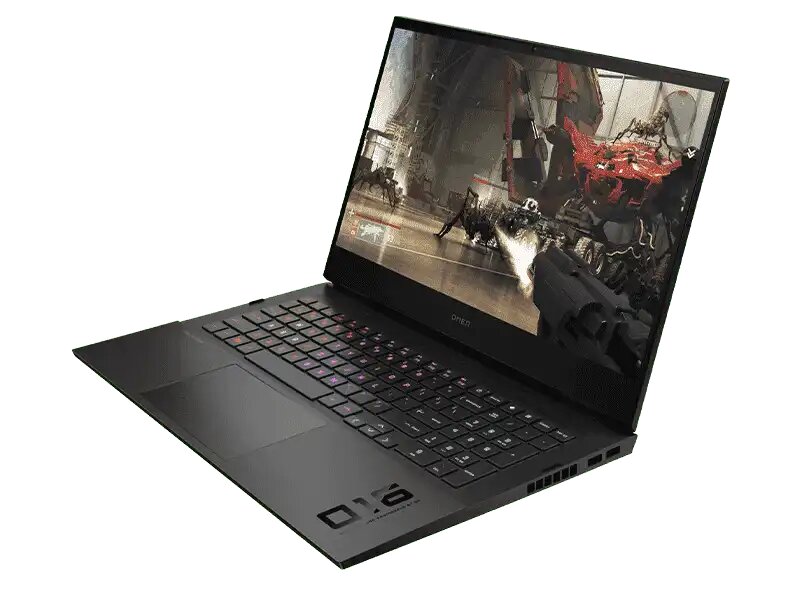
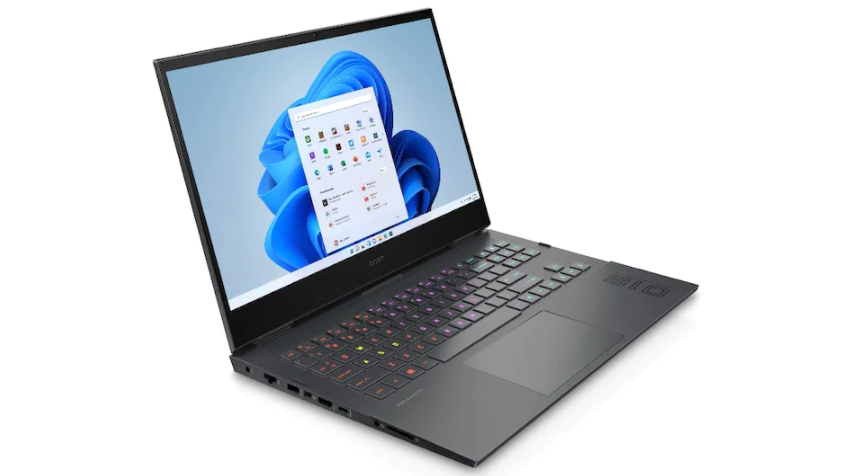
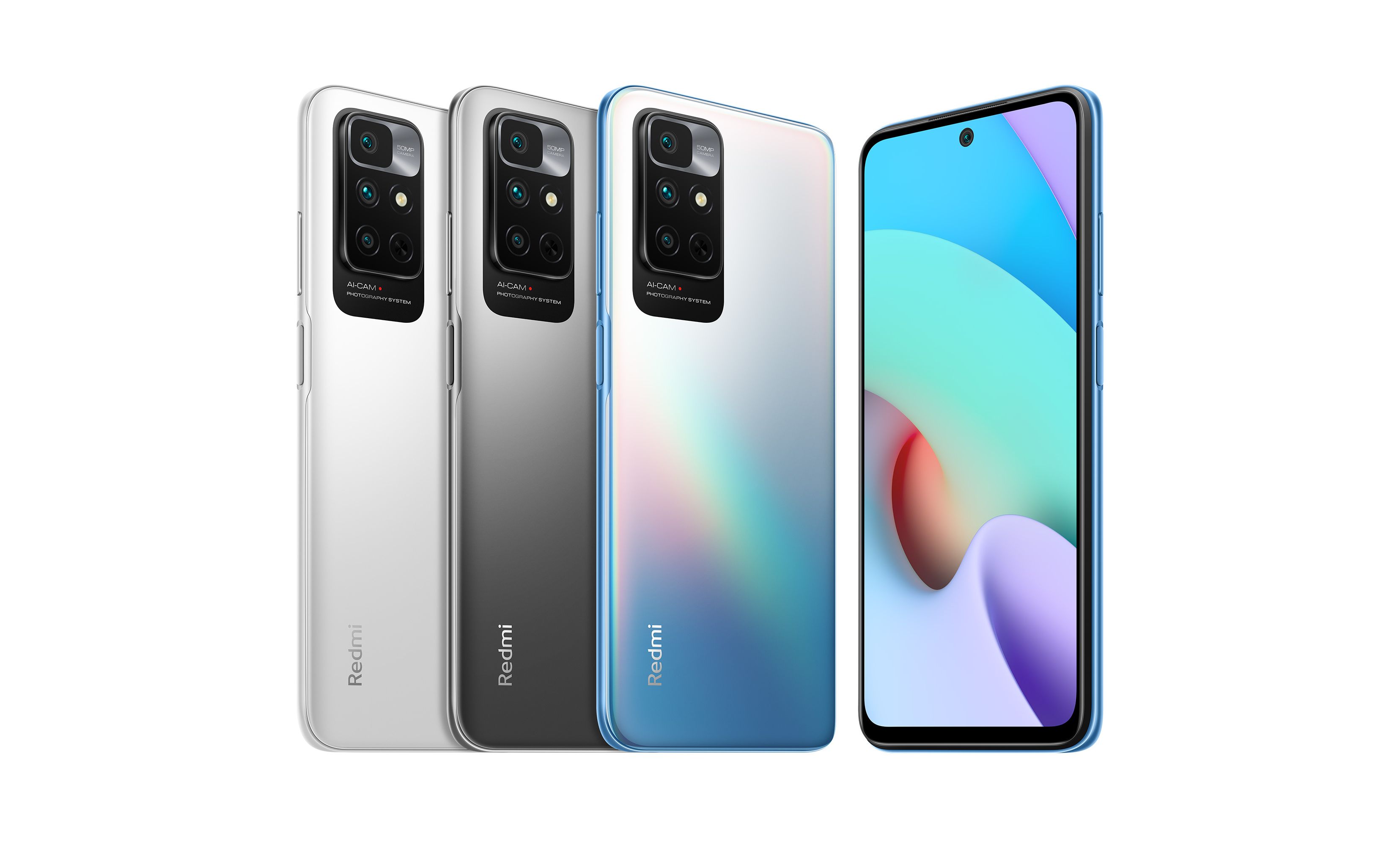
HP on Tuesday unveiled its new Omen 16 gaming laptop in India. The HP Omen 16 succeeds the Omen series in the country with its powerful Nvidia RTX 30 series GPU and Intel’s 11th Gen processor. Let’s have a look at its pricing and specifications.
HP Omen 16 Gaming laptop Specifications
The HP Omen 16 has two variants, one with a 16.1-inch display featuring a 144Hz refresh rate and another variant with the same display offering a higher 165Hz refresh rate. The screen comes with 300 nits of brightness and has a 100% sRGB colour gamut. The higher-end(165Hz) variant comes with a 3ms response time, while the lower-end(144Hz) variant has a 7ms response time.
1 of 2
Under the hood, the higher-end(165Hz) is powered by the Intel Core i7-11800H processor paired with 8GB of Nvidia GeForce RTX 3070 GPU. The lower-end(144Hz) is powered by the Intel Core-i7-11800H processor paired with 6GB of Nvidia GeForce RTX 3060 GPU. The laptops have up to 16GB of DDR4 RAM clocked at 3200Mhz. There’s 1TB of PCIe Gen 4×4 SSD storage inside which is said to be two times faster than the traditional SATA SSDs.
The Omen 16 comes with an 83Whr battery that is claimed to last for up to 9 hours. It is bundled with a 230W AC power adapter offering quick charging speeds. As it is a gaming laptop it comes with an RGB keyboard featuring four-zone anti-ghosting keys. The keys support Omen Gaming Hub Light Studio integration for customising the colour theme of the keyboard.
Pricing and Availability
In terms of pricing, the HP Omen 16 144Hz( with 6GB RTX 3060 GPU) costs ₹1,39,999(~$1,857). The Omen 16 165Hz(with 8GB RTX 3070 GPU) is priced at ₹1,74,999(~$2,321). Both laptops can be purchased from HP online and offline stores in the country.
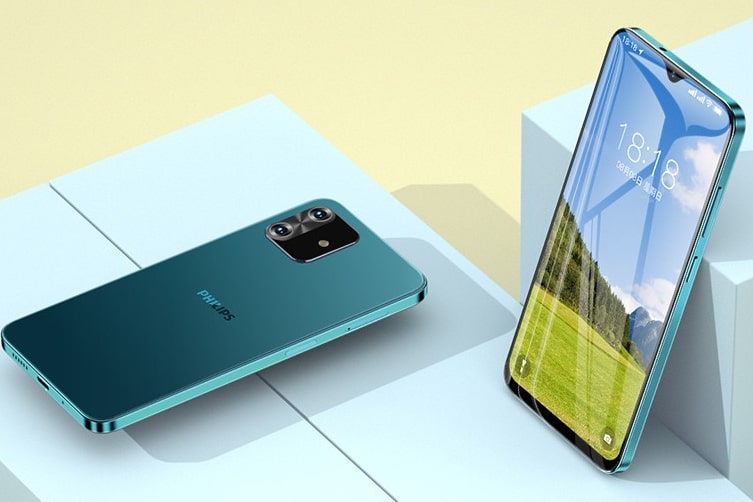
A new Philips-branded smartphone has made its debut in China dubbed as Philips PH2. This 4G-only phone is targeted at seniors and kids. It is one of the few non-Huawei devices with HMS (HUAWEI Mobile Services).
Philips PH2 Specifications and Features
The newly released Philips PH2 features a flat frame design like the latest iPhones. It sports an AG matte glass rear panel and a glossy plastic frame. It comes in three colors, namely Sea Sky Blue, Ink Stone Black, and Dawn Black.
On the front, the phone flaunts a 6.21-inch LCD panel with an HD+ resolution, a 19:9 aspect ratio, and a dewdrop notch nesting a 5MP selfie camera. Whereas, the back of the handset houses a dual-camera setup consisting of a 13MP primary sensor and a 2MP unnamed secondary sensor.
Further, the device is powered by a UNISOC Tiger T310 SoC paired with 4GB RAM and 128GB storage. It has multiple connectivity options such as 4G (dual-SIM), WiFi, Bluetooth, GNSS, and USB Type-C. It also features all the essentials like a MicroSD card slot, a 3.5mm headphone jack, and a side-mounted fingerprint sensor.
As for software, the handset runs an unknown version of Android with HUAWEI Mobile Services (HMS). Lastly, it is backed by a 3,900mAh battery.
Philips PH2 Price and Availability
The Philips PH2 with model number Philips S702 is priced at ¥799 ($126) in China. By default, it only ships with a USB cable.
However, the company is giving away a gift box with every purchase. This package includes a charger, a case, and a screen protector.
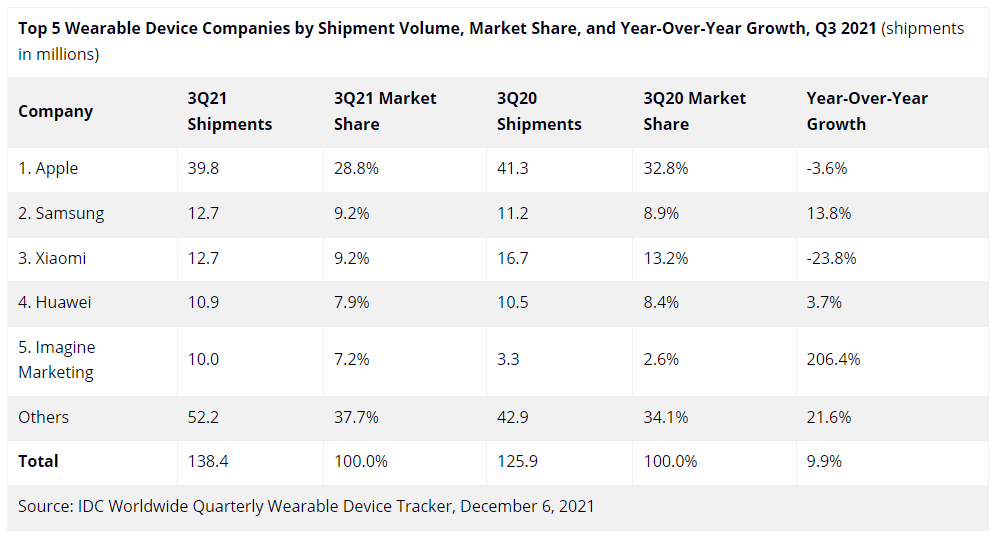
The demand for wearable devices has been on the rise and the trend continued for the third quarter of this year as well. International Data Corporation (IDC) has now released a report for the global wearable device market for Q3 2021.
As per the report, the market witnessed a growth of 9.9 percent year-on-year, increasing shipments to 138.4 million units. Unsurprisingly, the shipments for earphones, including the TWS earbuds, increased 26.5 percent.
For the first time, the shipments of smartwatches surpassed the shipments of fitness trackers. With this, smartwatches have now become the second-biggest category in wearable devices, accounting for a 4.3 percent increase.
The reason behind the increased shipments of smartwatches is being said to the users’ demand for more powerful features and functions and thus they are gradually shifting towards smartwatches. Also, there’s isn’t a huge price difference between a smartwatch and a fitness tracker, which is also a factor for the change.
Coming to the companies, Apple is dominating the market with a 28.8 percent market share and shipments of 39.8 million units. However, the company’s shipments for the Apple Watch dropped by 35.5 percent, but it managed to maintain its lead with AirPods.
Samsung grabbed the second spot with a 9.2 percent market share and 12.7 million shipments. Xiaomi also recorded the same numbers, sitting along with Samsung for the second rank in the third quarter.
Huawei and India-based Imagine Marketing grabbed the fourth and fifth position with 7.9 percent and 7.2 percent market share, respectively. Huawei shipped around 10.9 million units while Imagine Marketing, which sells products under the boAt brand, managed to ship around 10 million units in Q3 2021.
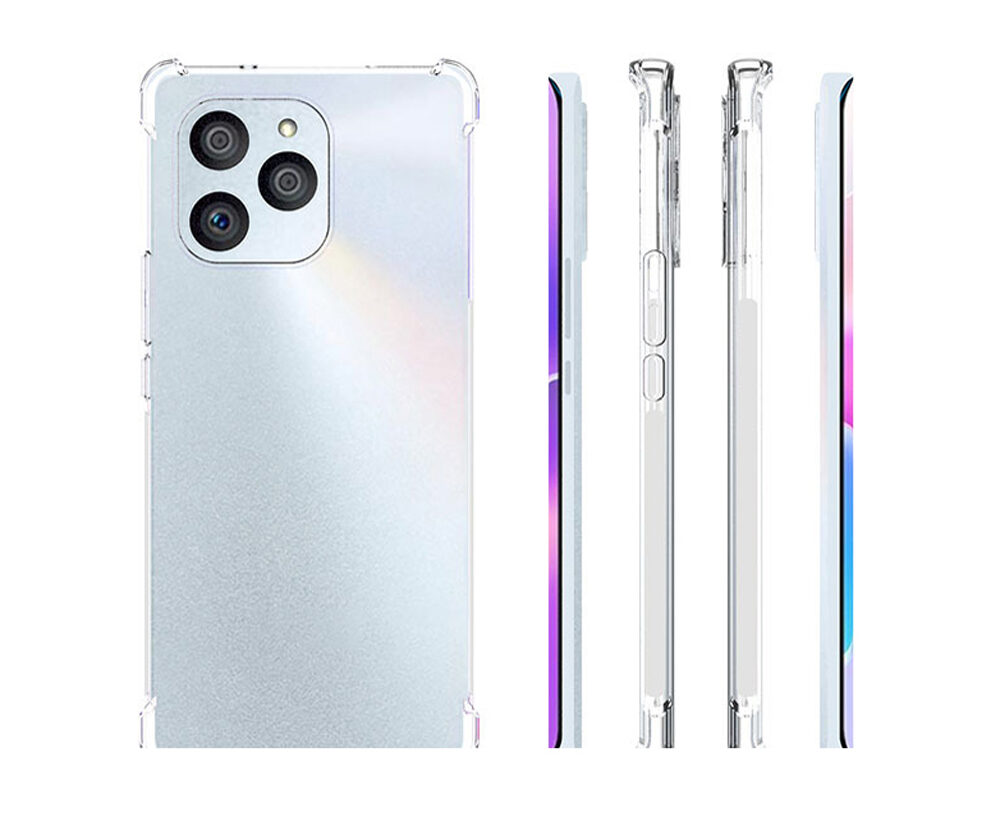
Honor is reportedly working on two new smartphones for China. The first one is the Honor X30, which is scheduled to go official on Dec. 16, and the second one is the Honor 60 SE. Reliable tipster Sudhanshu Ambhore has shared the case renders of the Honor 60 SE to reveal what to expect from its design.
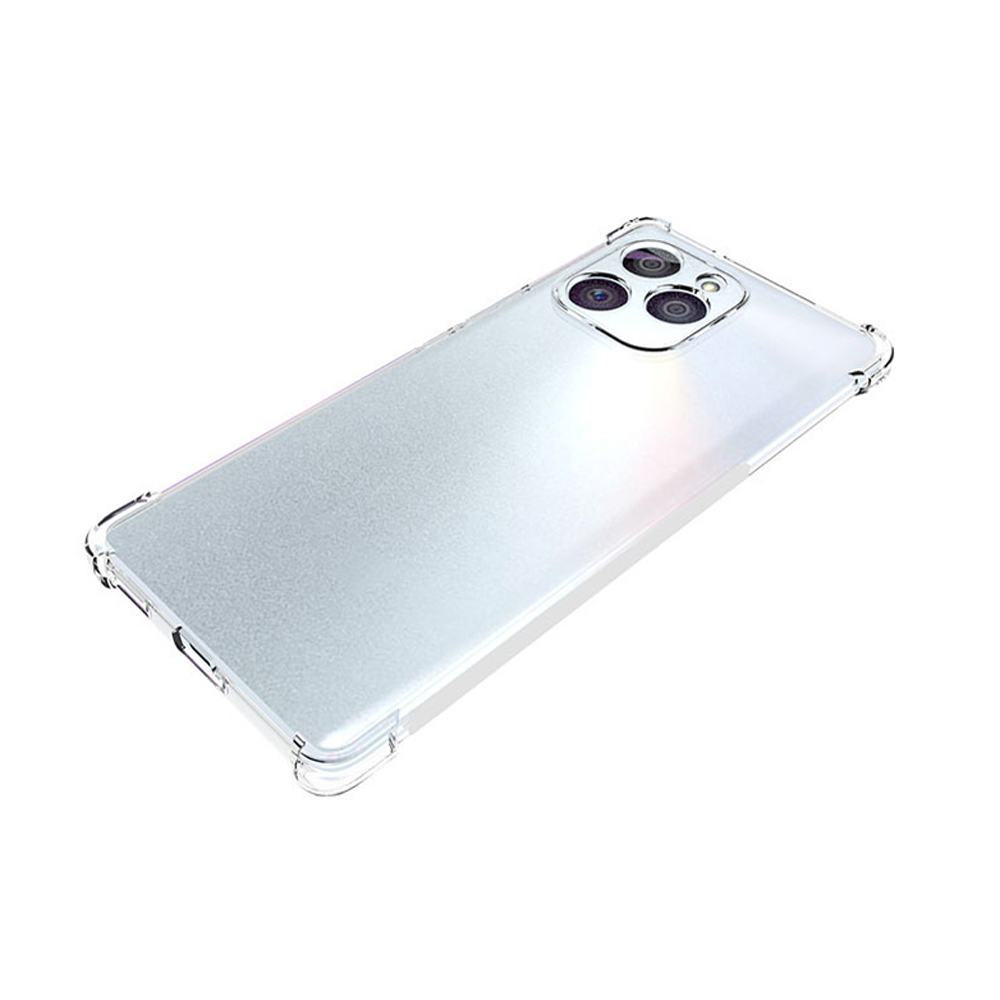
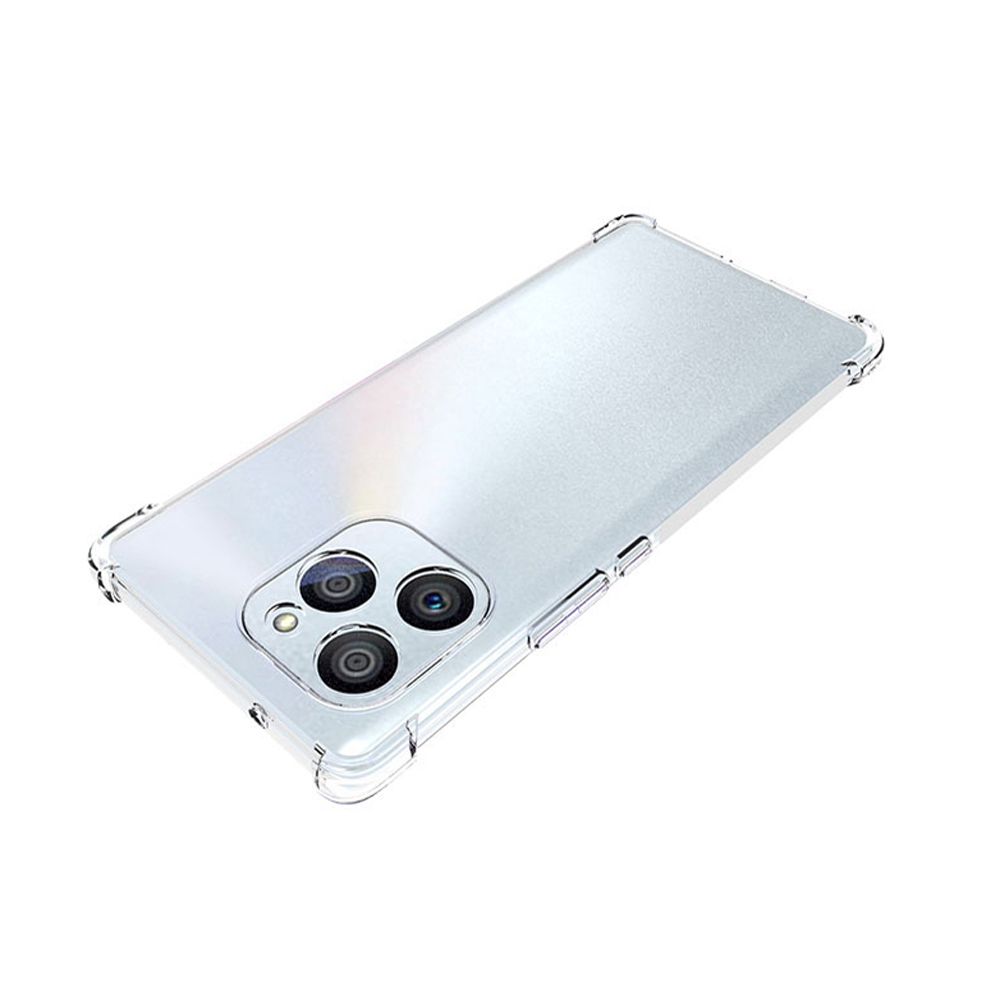
The Honor 60 SE case renders show that it will be sporting a punch-hole design on the front. Its back panel will be flanked with an iPhone-like triple camera design. The right spine of the phone has a volume rocker and a power key.
The case images further reveal that there is a microphone on the top edge of the Honor 60 SE. The bottom side of the phone has a speaker grille and a USB-C port. Like the predecessor Honor 50 SE, the Honor 60 SE seems to lack a 3.5mm audio jack.
1 of 4
Honor 60 SE case renders
Honor 60 SE case renders
Honor 60 SE case renders
At present, there is no concrete information on the specs of the Honor 60 SE. It is speculated to carry support for 40W fast charging. It can be said based on the specs of the predecessor model that the Honor 60 SE may feature an FHD+ display that offers a 120Hz refresh rate and 108-megapixel triple cameras. It is advisable to wait for further reports to know more about the specs of the Honor 60 SE.
The Honor X30 is rumored to debut as the world’s first phone driven by the Snapdragon 695 mobile platform. It is expected to feature an LCD panel with a punch-hole design. It may feature a 48-megapixel + 2-megapixel + 2-megapixel triple camera unit for photography.
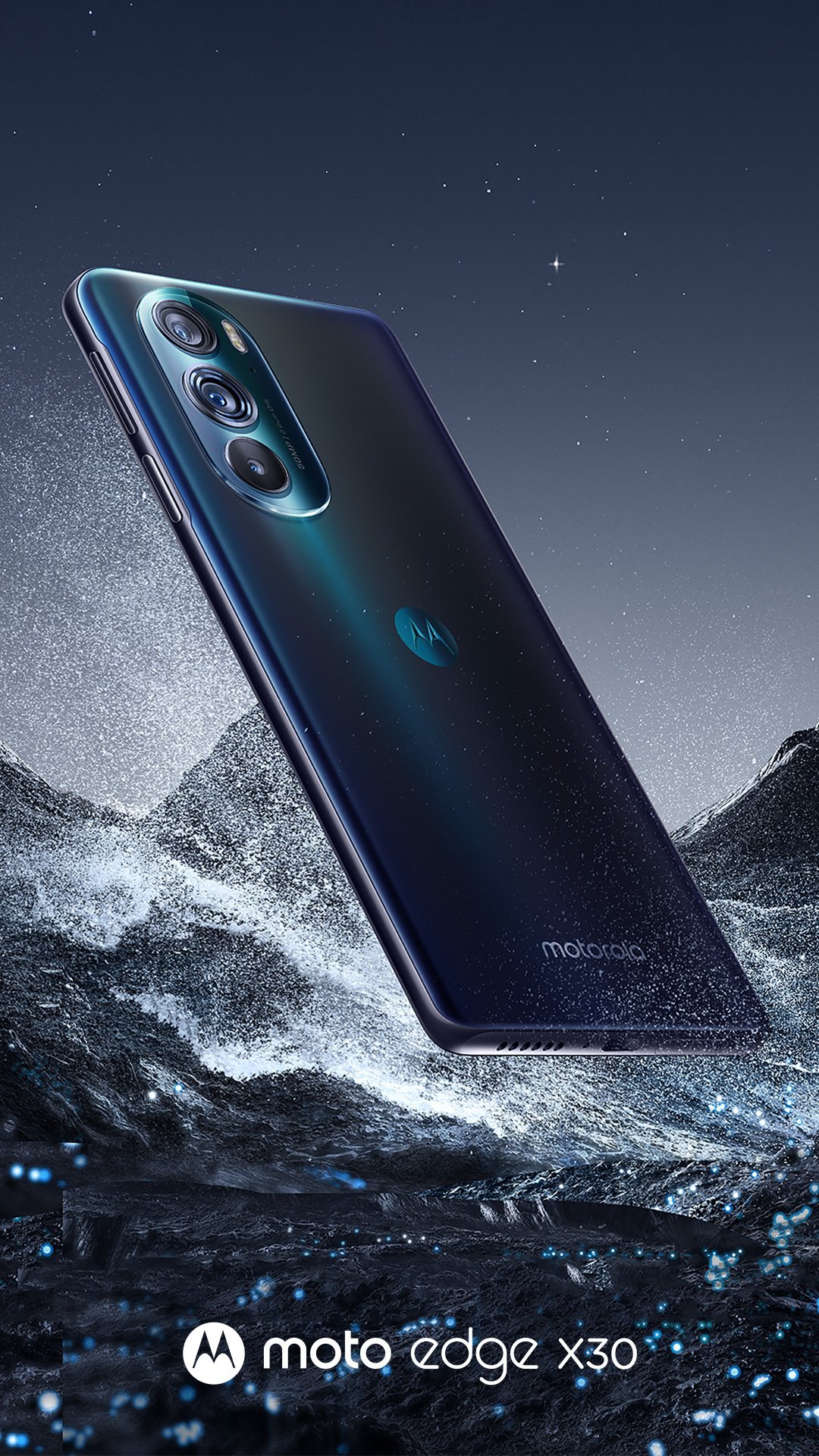
Tomorrow (Dec. 9), Motorola will be announcing the Moto Edge X30, the Moto Edge X30 special edition with an under-display camera, and the Moto Edge S30. Before the launch, the company has released the official renders of the Edge X30 to showcase its rear design and color variants.
The Moto Edge X30 renders shows that it has a 50-megapixel triple camera unit on its back. The left side of the device seems to feature a button for accessing the voice assistant, while its right spine appears to be fitted with a volume controller and a power button.
The Edge X30’s bottom edge has a SIM card slot, a USB-C slot, and a speaker grille. Motorola confirmed that the Edge X30 will be available in Qiongtai Snow and Autumn Tung Shadow colors. While these renders do not show the front side of the phone, its display is speculated to feature a centrally positioned punch-hole and symmetrical bezels.
1 of 2
Moto Edge X30
Moto Edge X30
Moto Edge X30 specifications (expected)
The Moto Edge X30 will house a 6.67-inch OLED screen that supports a 144Hz refresh rate, 10-bit colors, HDR10+, a Full HD+ resolution, and an in-screen fingerprint scanner. It draws power from a 5,000mAh battery, which is equipped with support for 68W rapid charging. It is expected to debut as the world’s first Snapdragon 8 Gen 1 phone.
The Edge X30 may come with up to 16 GB of LPDDR5 RAM. It may offer up to 512 GB of UFS 3.1 and run on My UX 3.0 based Android 12. For selfies, it will feature a 60-megapixel front camera. Its rear camera setup may include a pair of 50-megapixel cameras and a 2-megapixel lens.
Smartphone OEMs in China are competing against each other to launch the first Snapdragon 8 Gen 1 powered flagship. Motorola is expected to announce the Moto Edge X30 featuring the new SD8G1 chip on Dec. 9. Xiaomi is also expected to announce the Xiaomi 12 series of flagship phones powered by Qualcomm’s latest flagship this month. Last week, Realme claimed that it will be launching the Realme GT 2 Pro with SD8G1 onboard this month. Now, the brand has confirmed it will be making an announcement on the GT 2 Pro on Dec. 9.
Probably, Realme may confirm the Realme GT 2 Pro launch date on the said date. There is a possibility that may introduce the GT 2 Pro before Motorola’s event to snatch the title of the world’s first Snapdragon 8 Gen 1 smartphone. As far as the Edge X30 is concerned, Motorola is expected to carry out its first sale on Dec. 15 after its unveiling event on Dec. 9.
Realme GT 2 Pro specifications (rumored)
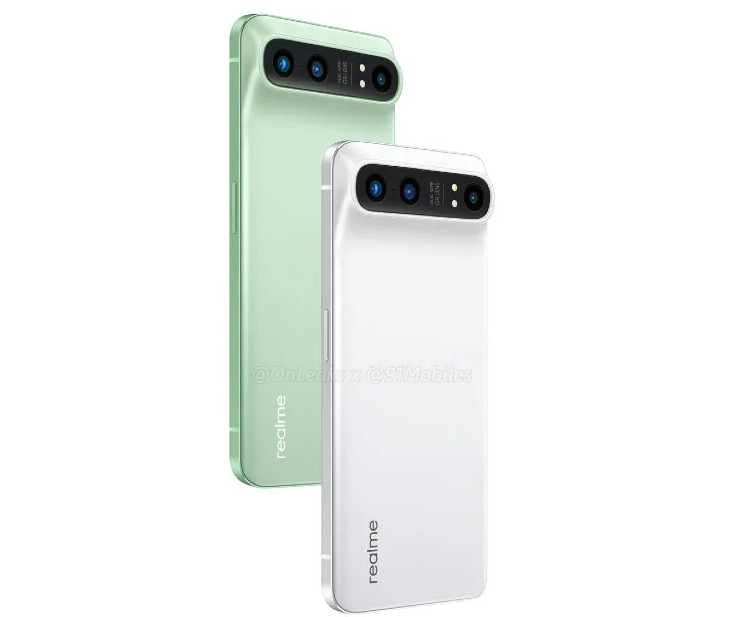
The Realme GT 2 Pro will come with a 6.51-inch AMOLED FHD+ display that offers a 120Hz refresh rate and an in-screen fingerprint scanner. It is expected to come preinstalled with Realme UI 3.0 skinned Android 12. It is likely to house a 5,000mAh battery that supports 125W fast charging.
Realme GT 2 Pro renders by OnLeaks / 91mobiles
The Snapdragon 8 Gen 1 powered GT 2 Pro may come with up to 12 GB of LPDDR5 RAM and up to 256 GB of UFS 3.1 storage. It may feature a 32-megapixel camera for capturing selfies. Its rear camera system may include an OIS-ready 50-megapixel Sony IMX766 camera, an 8-megapixel ultrawide shooter, and a 5-megapixel depth/macro camera.
Apple has started working on its next-generation smartphones, the iPhone 14 lineup and if the reports are to be believed, then the Cupertino-based tech giant will be launching four models in September 2022.
The upcoming models are expected to be iPhone 14, 14 Max, 14 Pro, and 14 Pro Max. This means that the company will be getting rid of the Mini model after just two iterations.
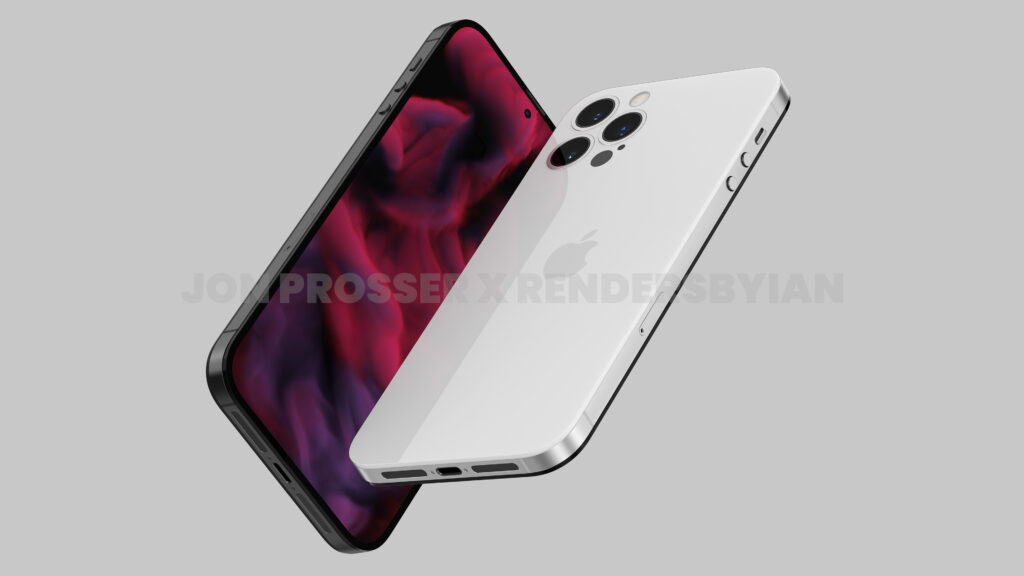
Apple iPhone 14 Pro Render
Now, a new report coming from The Elec, which is citing sources in the display supply chain, Apple has not yet decided the type of display that it wants to offer on the iPhone 14 Max smartphone. The confusion is reportedly between the 60Hz LTPS display and the 120Hz LTPO panel.
If the company goes for the 120Hz LTPO display, then it will have to procure panels from Samsung which has a near-monopoly on the OLED LTPO technology. The South Korean giant is also supplying panels for the iPhone 13 Pro and 13 Pro Max models.
However, Apple is looking to diversify its supply chain and reduce its dependency on Samsung which is why the company is increasing the share of panels from manufacturers like LG and BOE. In that case, the iPhone 14 Max could end up with a 60Hz LTPS panel.
This is because LG hasn’t been able to produce OLED displays with LTPO technology and is expected to have something to offer next year. On the other hand, similar technology from the China-based BOE is not expected to be available until 2023.
Samsung will still be the largest supplier of display panels to Apple for iPhones and could account for around 130 million units next year. However, LG and BOE are expected to increase their supply to 60 million units and 45 million units, respectively.
Coming back to the iPhone 14 lineup, the standard iPhone 14 is expected to have a 6.1-inch notched screen with a 60Hz refresh rate while the Max model will have a 6.7-inch notched screen. The iPhone 14 Pro and Pro Max are said to have 6.1-inch and 6.7-inch screens respectively, with a 120Hz refresh rate punch-hole cutout.
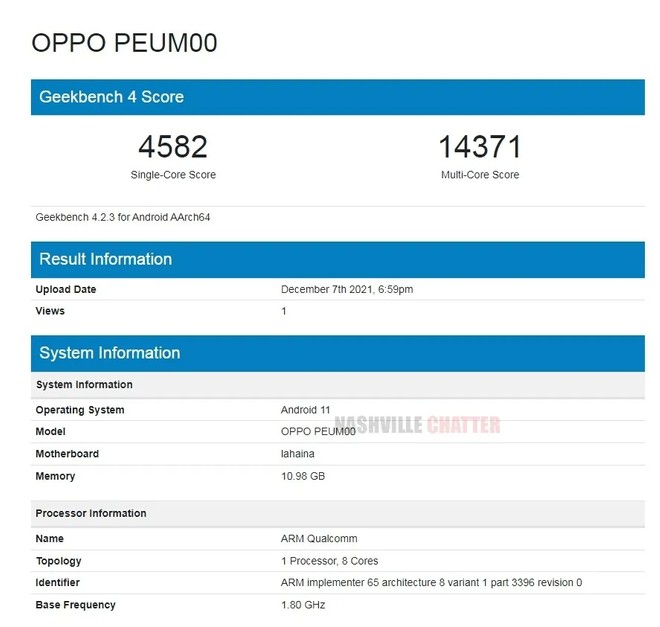
OPPO is reportedly working on its first foldable smartphone. it is speculated that the OPPO device with model number PEUM00 that was recently spotted at the TENAA certification platform could be OPPO’s upcoming foldable phone. Now, the OPPO PEUM00 device has appeared on the Geekbench benchmarking site with some of its key specifications.
The Geekbench listing reveals that the OPPO PEUM00 is powered by Qualcomm’s chipset that is codenamed as ‘Lahaina.’ The base frequency of the chip has a base frequency of 1.80GHz. These clues indicate that the PEUM00 OPPO phone could be powered by the Snapdragon 888 or 888 Plus chipset.
The listing further reveals that the OPPO PEUM00 is equipped with Android 12 and 12 GB of RAM. It has scored 4582 points in the single-core test and 14371 points in the multi-core test.
Several reports have claimed that OPPO’s first foldable smartphone codenamed as ‘Peacock’ may debut this month. The device is likely to sport an inward folding design. It is expected to come with an 8-inch OLED LTPO panel that offers a 120Hz refresh rate. Its cover display may sport curved edges and a punch-hole design. It is likely to support a 60Hz refresh rate. It may offer ColorOS 12 out-of-the-box experience.
The triple camera unit of the device may feature a 50-megapixel Sony IMX776 primary camera, a 16-megapixel Sony IMX481 lens, and a 13-megapixel Samsung S5K3M5 camera. For selfies, it has a 32-megapixel camera, but it isn’t clear whether the camera will be on the cover display or inside the device. It may house a 4,500mAh battery that carries support for 65W fast charging.
OnePlus’ upcoming flagship smartphone, the OnePlus 10 Pro is expected to launch a bit earlier than its usual timeline as the China-based company has skipped or canceled the 9T smartphone this year.
Now, a tipster has shared through a tweet that the OnePlus will be hosting a launch event on 5th January in Las Vegas. This is the same day when the Consumer Electronics Show (CES) is set to kick off. This could mean that the company is looking to unveil the OnePlus 10 Pro smartphone at the event.
Currently, it is not known if the company plans to unveil both — OnePlus 10 and 10 Pro or only one device will be made official. If the launch event is being hosted in the US, there’s a possibility that it’s a global debut and not limited to the Chinese market. Earlier, it was being reported that the OnePlus 10 series will be launched in January in China while the global launch will take place in March or April 2022.
The leaked image doesn’t mention OnePlus 10 or 10 Pro smartphones so there’s a possibility that the company has planned to unveil something else instead of its flagship phones. So, we will have to wait for more leaks or official announcements from the brand.
OnePlus doesn’t have a history of launching its smartphones at CES. The only device that the company unveiled at CES was its concept phone in 2020. But given the recent change in its business, the company might be trying a different strategy this time.
It has already been confirmed that the OnePlus 10 Pro will come powered by the Qualcomm Snapdragon 8 Gen 1 processor, joining the likes of Moto Edge X30 and Xiaomi 12, both of which are set to launch this month.
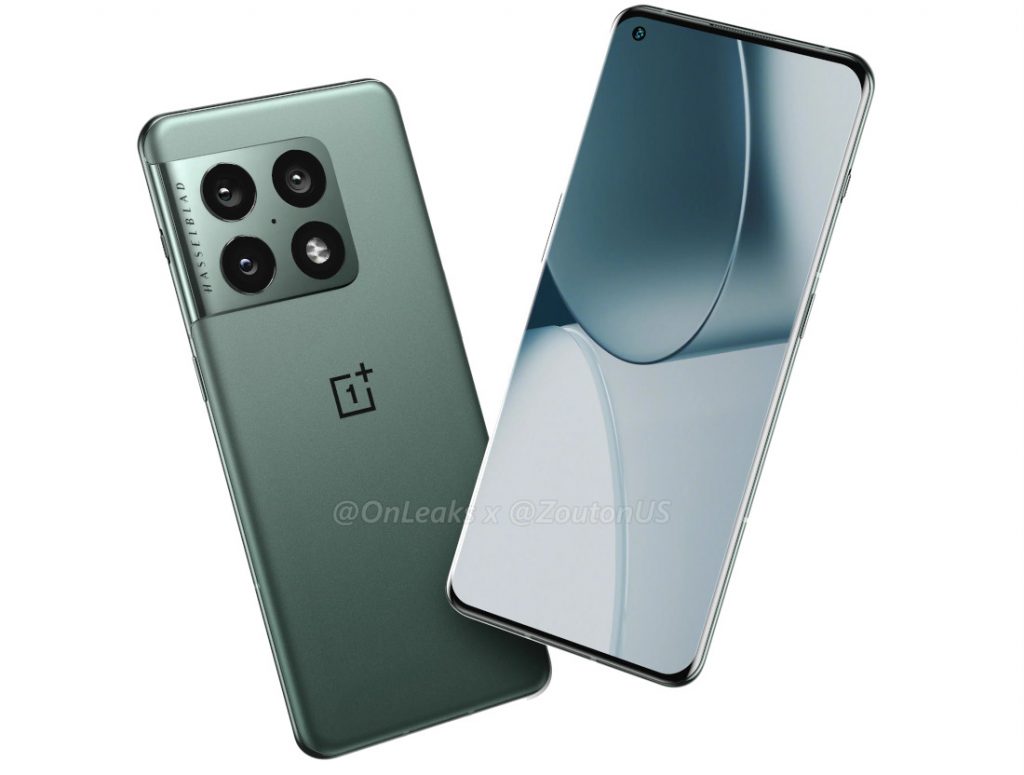
If the leaks are to be believed, then the phone will feature a 6.7-inch curved Quad HD+ AMOLED display with a 120Hz refresh rate and a single punch-hole cutout. It is expected to pack up to 12GB of LPDDR5 RAM and 256GB of UFS 3.1 internal storage.
In the camera department, there will be a Hasselblad-branded triple-camera setup on the back consisting of a 48-megapixel wide sensor, a 50-megapixel ultra-wide-angle lens, and an 8-megapixel telephoto lens. On the front side, the device will have a 32-megapixel front-facing snapper for taking selfies and video calling.
The phone is said to be running the latest Android 12operating system with OxygenOS 12. It will be powered by a 5,000Amh battery with support for 125W fast charging.
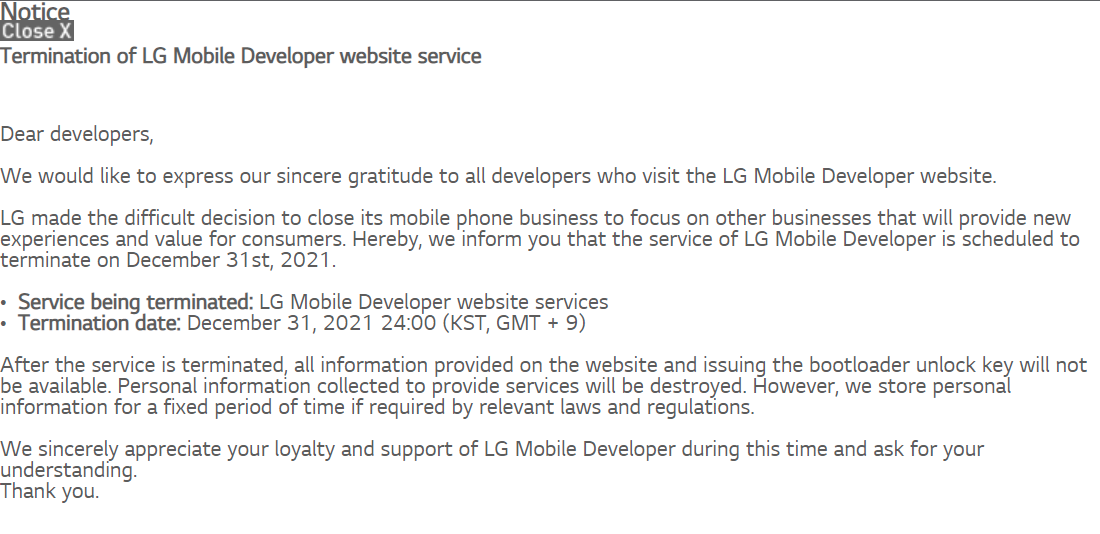
LG exited the mobile phone business earlier this year, promising some support for its devices for a limited period. That support might soon be coming to an end as LG announced that they would be shutting down the bootloader unlock program for their devices.
For those unaware, the bootloader on an Android smartphone is the tool that loads the system. Most Android devices lock the bootloader to prevent unofficial software from being installed by default. However, it can also be unlocked to allow just that.
Android users have enjoyed the freedom to tinker with their phones. The developers, in particular, have managed to achieve some amazing feats like prolonging a phone’s life way beyond what the OEMs intended; this is thanks to ‘custom Roms’ and third-party updates. LG has always helped developers innovate by providing a streamlined process to unlock their bootloaders via the bootloader unlock keys. But, the company has announced that it will be shutting down this service effective December 31st, 2021.
This will leave any LG smartphone users who wish to extend the life of their device in a tight spot. But we can hope that the talented developers in the Android community will come up with a workaround to unlock the bootloader of these LG devices.
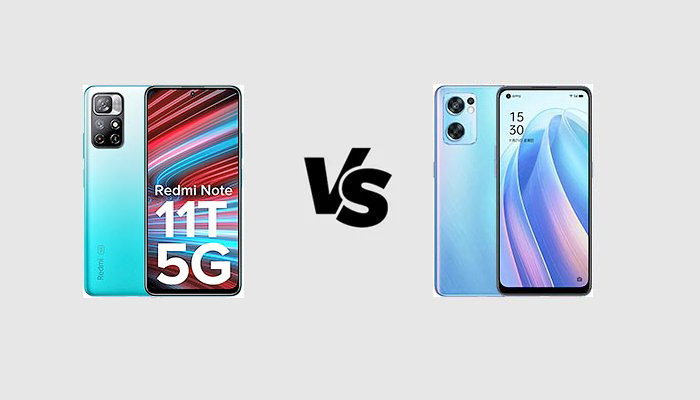
The first sale of the OPPO Reno7 series was a huge success: 100,000 Yuan in just 15 minutes, then sold out. The most affordable variant from the new series is the OPPO Reno7 SE offering 5G, a beautiful design, and well-balanced specifications at a great price. But there are a lot of other mid-rangers released recently in China: does the OPPO Reno7 SE offer a higher value for money than its rivals? In order to understand it, we are comparing it to the best value for money phones from the last generation. After a comparison with the Redmi Note 11 Pro+, here is a comparison between the specifications of the Redmi Note 11T 5G and the OPPO Reno7 SE.
Triple 48 + 2 + 2 MP, f/1.7 + f/2.4 + f/2.4
16 MP f/2.4 front camera
BATTERY
5000 mAh, fast charging 33W
4500 mAh, fast charging 33W
ADDITIONAL FEATURES
Dual SIM slot, 5G
Dual SIM slot, 5G
Design
There is no challenge if we talk about the design: OPPO Reno7 SE wins. It has a definitely better design with its gradient color option and its compact size. With a thickness of just 7.5 mm, the OPPO Reno7 SE is one of the thinnest mid-rangers out there, and with a weight of just 171 grams, it is even one of the most lightweight. Talking about the build quality, both the devices are good. The Redmi Note 11T 5G has the IP53 certification for dust resistance and splash resistance and the Gorilla Glass 3 protection for the display, while the front glass of the OPPO Reno7 SE is protected by Gorilla Glass 5.
Display
The OPPO Reno7 SE has a smaller display than Redmi Note 11T 5G, but it is a better panel in terms of image quality. It is an AMOLED showing vibrant colors with a Full HD+ resolution of 1080 x 2400 pixels and it has a refresh rate of 90 Hz, as well as the HDR certification improving the image quality on streaming platforms. The Redmi Note 11T 5G is a bit disappointing under this aspect because it has an IPS display and it lacks an HDR certification. The panel is wider with a diagonal of 6.6 inches (against just 6.43 inches), the resolution is Full HD+ with 1080 x 2400 pixels, and the refresh rate is 90 Hz. The OPPO Reno7 SE has a mono speaker and an in-display fingerprint reader, while the Redmi Note 11T 5G has a side-mounted fingerprint scanner and stereo speakers.
Hardware/Software
The OPPO Reno7 SE is equipped with a superior hardware department composed of the Mediatek Dimensity 900 chipset running at a max frequency of 2.4 GHz, up to 8 GB of RAM, and up to 256 GB of UFS 2.2 internal storage. The Redmi Note 11T 5G is a mid-ranger just like the OPPO Reno7 SE, but its processor is a weaker Dimensity 810 and the maximum amount of internal storage is 128 GB (UFS 2.2). Both the phones run Android 11, but with different customizations: ColorOS 12 for the OPPO Reno7 SE and MIUI 12.5 for the Redmi Note 11T 5G.
Camera
The camera setup of the Redmi Note 11T 5G is more interesting not only for the presence of a new 50 MP main camera but also because the phone sports an 8 MP ultrawide sensor which is not present in the OPPO Reno7 SE. With the Reno7 SE, you get two useless 2 MP cameras as secondary sensors, but you also get a 48 MP main camera with a bright f/1.7 aperture shooting decent photos in the dark.
Battery
The Redmi Note 11T 5G is equipped with a bigger 5000 mAh battery, while the OPPO Reno7 SE has a 4500 mAh battery. Despite the OPPO Reno7 SE having a more efficient display, the bigger capacity of the Redmi Note 11T 5G allows for longer battery life in a lot of scenarios. There are no differences in terms of charging power as both support 33W fast charging.
Xiaomi Redmi Note 11T 5G vs OPPO Reno7 SE: Price
Redmi Note 11T 5G has a starting price of €220/$248 in the Chinese market, while you need €310/$349 to purchase the base variant of the OPPO Reno 7 SE. The OPPO Reno7 SE is actually a better phone due to a better display and a superior mobile platform, but the Redmi Note 11T 5G offers a longer battery life and a higher value for money.
The Chinese smartphone manufacturer Infinix has trolled Motorola and warned the Indian customers against buying the Motorola G31, which launched in India on November 29th.
Baad mein motorona! If you know you know 🤭🤭 Infinix Note 11 – the sleekest smartphone in the segment with Helio G88, 33W Fast Charge and 6.7 FHD+ AMOLED Display, launching soon this month. Stay tuned! 😎 pic.twitter.com/uxIolv3IJf
Through their official Twitter handle, Infinix tweeted “Baad mein motorona! If you know you know” which translates to ‘Don’t cry later’ in Hindi, with a wordplay on Motorola’s name.
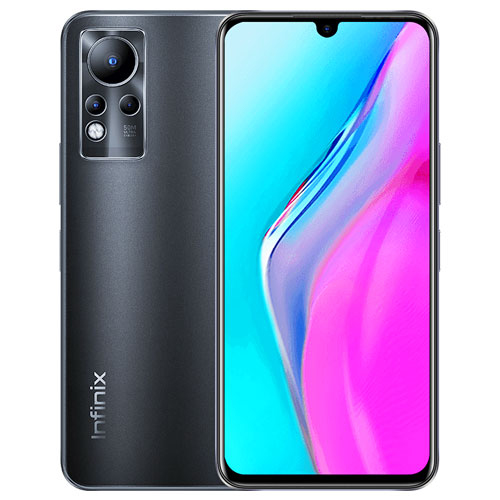
Additionally, Infinix confirmed most of the specs of its Note 11 Indian variant as well as its December release in this tweet. The tweet was accompanied by a picture of The Infinix Note 11 one-upping the recently released Moto G31 in various specs with the tag line “Don’t go Dazzle just go for the kill.” which is also a direct reference to the G31’s tagline ‘Go Dazzle.’
With this tweet, it is clear that Infinix intends to directly compete against Motorola and go up against their newly released G31 which has made huge waves in the Indian budget segment.
Moto G31
Infinix Note 11
If we compare the two phones side by side, we can observe that the Infinix Note 11 gets a bigger 6.7-inch AMOLED FHD+(2400 x 1080 pixels) resolution screen compared to the 6.4-inch AMOLED display with a resolution of 2400 x 1080 pixels. While the G31 narrowly beats the Note 11 in peak brightness with 700 nits against 650, it loses out in refresh rate, with the Infinix sporting a 120Hz panel against the G31’s 60Hz panel.
The Infinix Note 11 also claims to have the slimmest design in the segment, putting it at a mere 7.9mm thick, which is considerably thinner than the Moto G31, which comes in at 8.6mm thick.
In the camera department, the Moto G31 shines with a 48 MP (wide) + 8 MP (ultrawide) + 2 MP (macro) triple camera setup. While the Note 11 gets a 50MP main sensor, a 2MP depth-sensing unit and an AI sensor, leaving much to be desired.
When it comes to performance, the Infinix Note 11 sports the newer MediaTek Helio G88 SoC against the Motorola G31’s MediaTek Helio G85 SoC. The real-world performance of these two chipsets is close enough to each other that the users won’t be able to tell the difference. The two devices get the same memory configuration with 4GB/6GB RAM and 64GB/128GB storage.
Both phones get a 5,000mAh battery but the Note 11 gets better fast charging with 33W support against G31’s 20W turbocharging.
Infinix recently announced that the Note 11 and Note 11S will launch on December 13th in India, and are expected to go on sale on the e-commerce website Flipkart, where the G31 is exclusively selling since December 6th. Pricing for the Note 11 has not been revealed yet, but it will be interesting to see if the phone is released at the same price point as the Motorola G31.
Gaming laptops may become more expensive by 2022 due to rising costs of production and component scarcity. Razer’s CEO Min-Liang Tan has tweeted a warning that prices of gaming laptops on the lineup for release in 2022 will surge amidst rising costs. The hint is coming from an authority, hence it should be taken with a high degree of reliability.
The advisory by Razer’s CEO is also encouraging intending buyers to purchase their choice gaming laptops before the holiday season and festivities. Razer is a peripherals and laptop manufacturer and has a number of gaming laptop products, with others already on the lineup. The Razer CEO said he had just finished a marathon review meeting for the company’s gaming laptops lineup for 2022 and the takeaway was that there could be significant increases in the prices of gaming laptops rolling out in 2022.
Tan said that customers will see price increases for next-gen gaming laptops across the board. Some of the devices awaiting a 2022 launch include the Razer Blade. Currently, several of Razer’s offerings in the gaming laptop segment are highly priced. The component costs increment is tied to the global chip shortage which is continuing up to mid-2022 according to some projections.
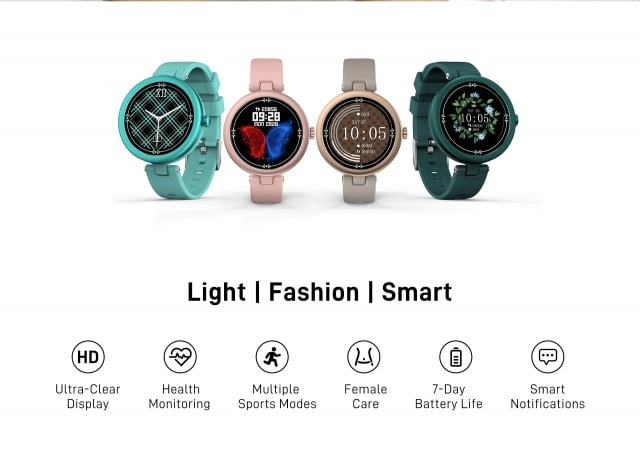
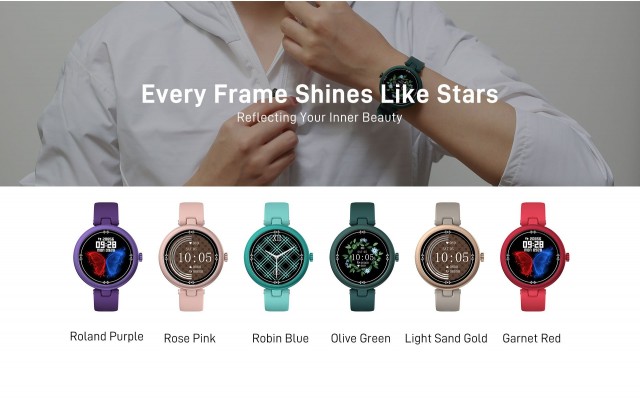
Chinese smartphone manufacturer Doogee has unveiled its first female-oriented smartwatch called the DG Venus. Doogee has gradually made inroads into the smartwatch firmament and the female-centric DG Venus is bound to draw attention from a significant half of the market. The DG Venus comes with a very colorful design, loads of themes, and a slim watchband.
The Doogee DG Venus underscores its female-centric design with its lightweight (it weighs just 34g) and 9.6mm thickness. The circular display has a single button on the right side of the smartwatch for controls. The DG Venus has sleep tracking functionality as well as heart rate monitoring and 7 sports mode. Up to 7 days of activity is assured with the Doogee DG Venus, although the watch lacks a SIM slot, meaning that it must be paired via Bluetooth for app support via a smartphone.
The Doogee Venus is priced at $50 and comes in six color variants namely purple, pink, gold, blue, green, and red. The availability of the Doogee DG Venus smartwatch is tied to the Doogee website and the sales will commence on December 15. The company will expectedly scale up the availability of the DG Venus subsequently.
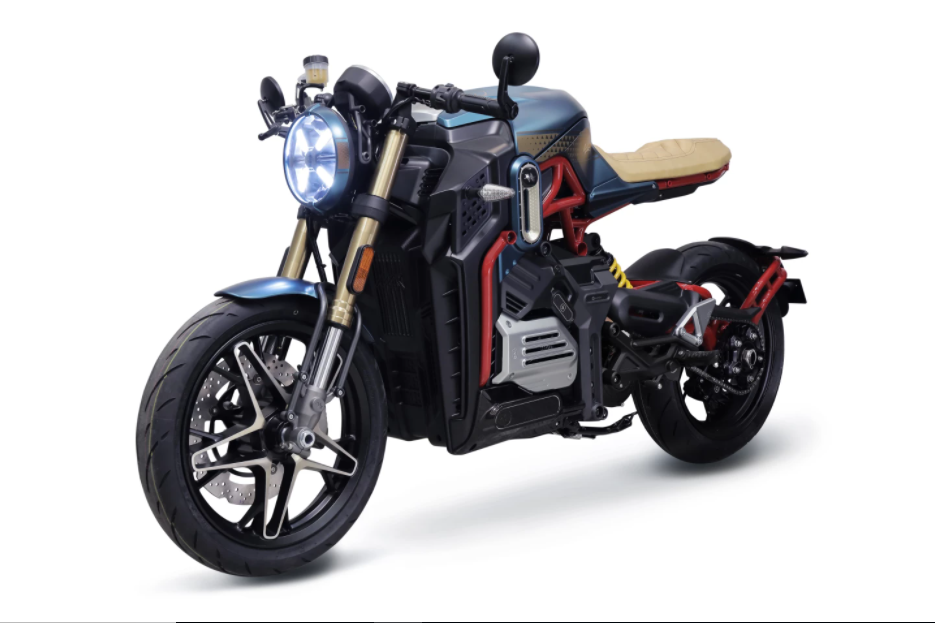
Ottobike is introducing its CR-21 café racer concept e-motorcycle to Europe. The CR-21 offers up to 230km range on a single charge and can accelerate up to 130km/h. The cafe racer electric motorcycle was unveiled by the Taiwanese company during the EICMA 2021 in Milan, Italy and Ottobike says the e-bike will be powered by an 11kW electric motor, capable of delivering speeds at par with a 300cc bike.
The new Ottobike CR-21 electric motorcycle has a 9.6kWh battery pack which can guarantee a 230km range at average speeds around 50km/h. The e-bike has an upside-down 41mm fork suspension at the front together with a 230mm adjustable mono-shock at the rear of the bike. The Ottobike CR-21 derives braking power from Brembo disc brakes with ABS attached to 17-inch wheels with Maxxis tires. The bike also comes with a TFT dash, keyless start and side stand safety sensor.
The catchy design of the Ottobike CR-21 will draw some attention in the market with a Q1 2022 scheduled release of the Ottobike new lineup in Europe although there is no definitive information yet that the CR-21 will roll out then as well. Pricing details indicate that new Ottobike e-bike offerings in Europe will start at €9,390 ($10,500).
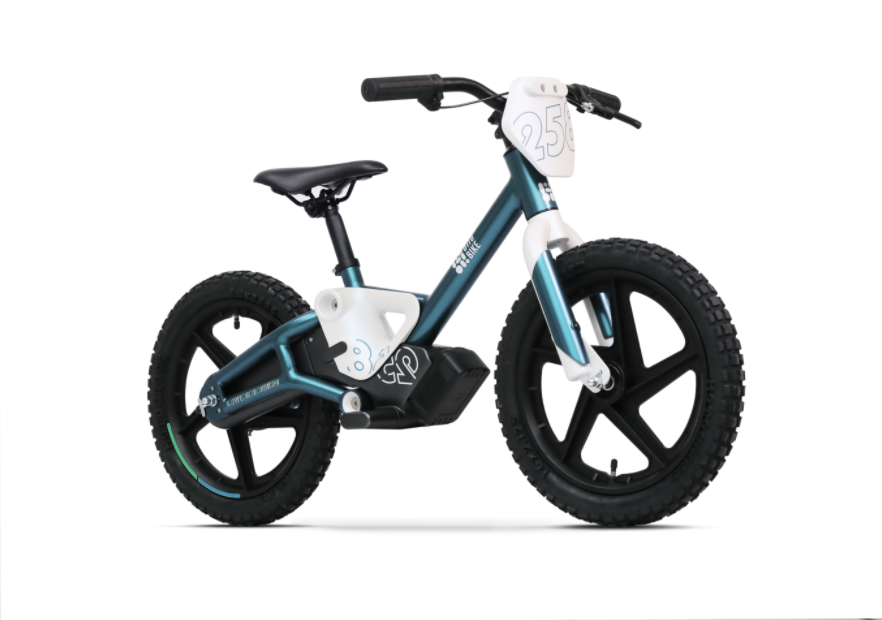
Some of the powerful models that were on display during EICMA include the electric mountain bike called the TY-M, with possibly two variants rolling out, although pricing information is lacking at this time.
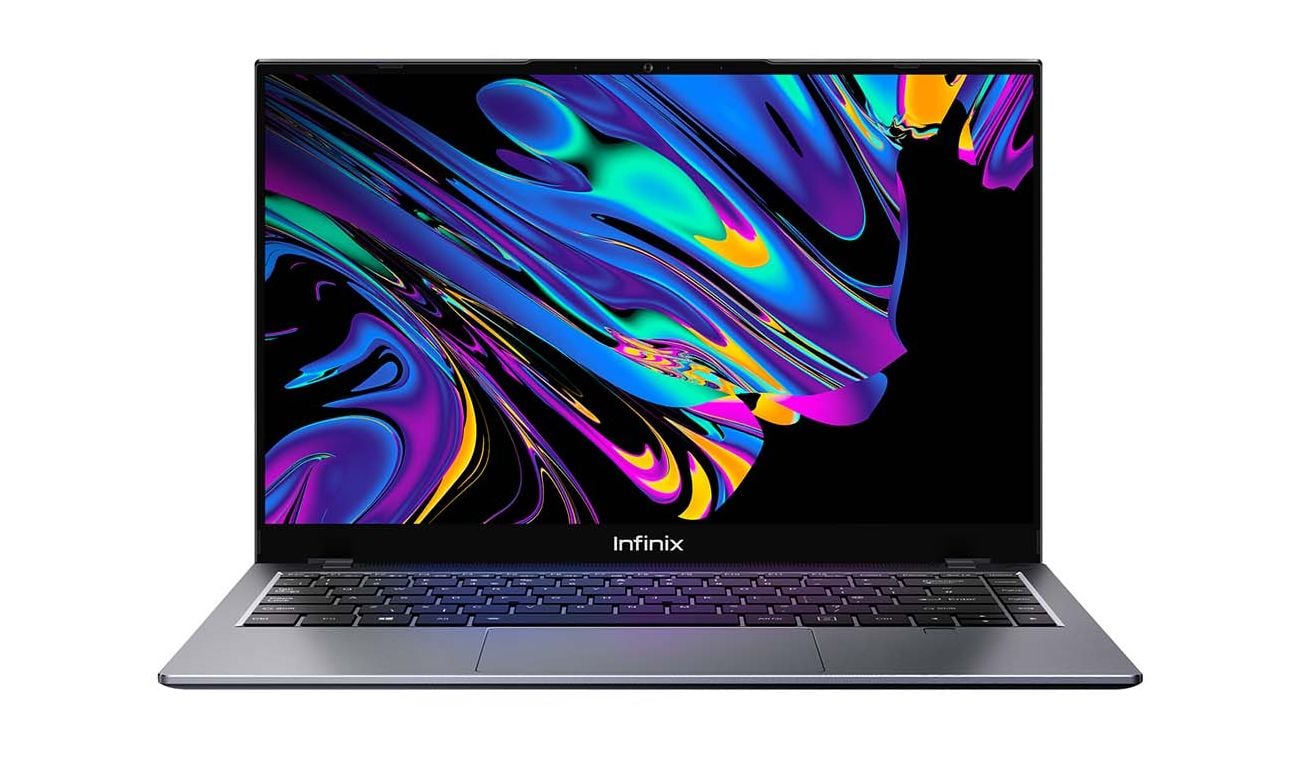
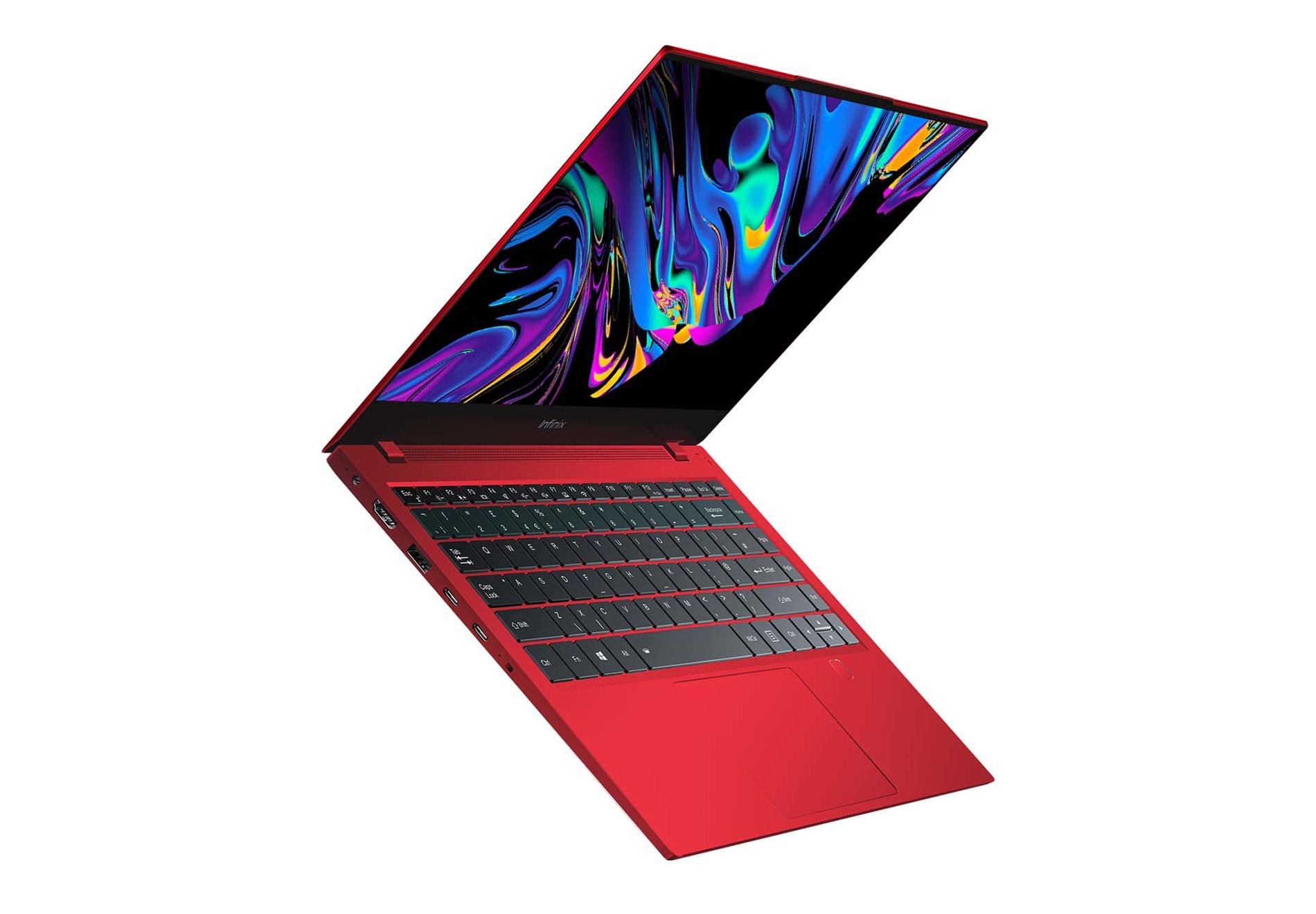
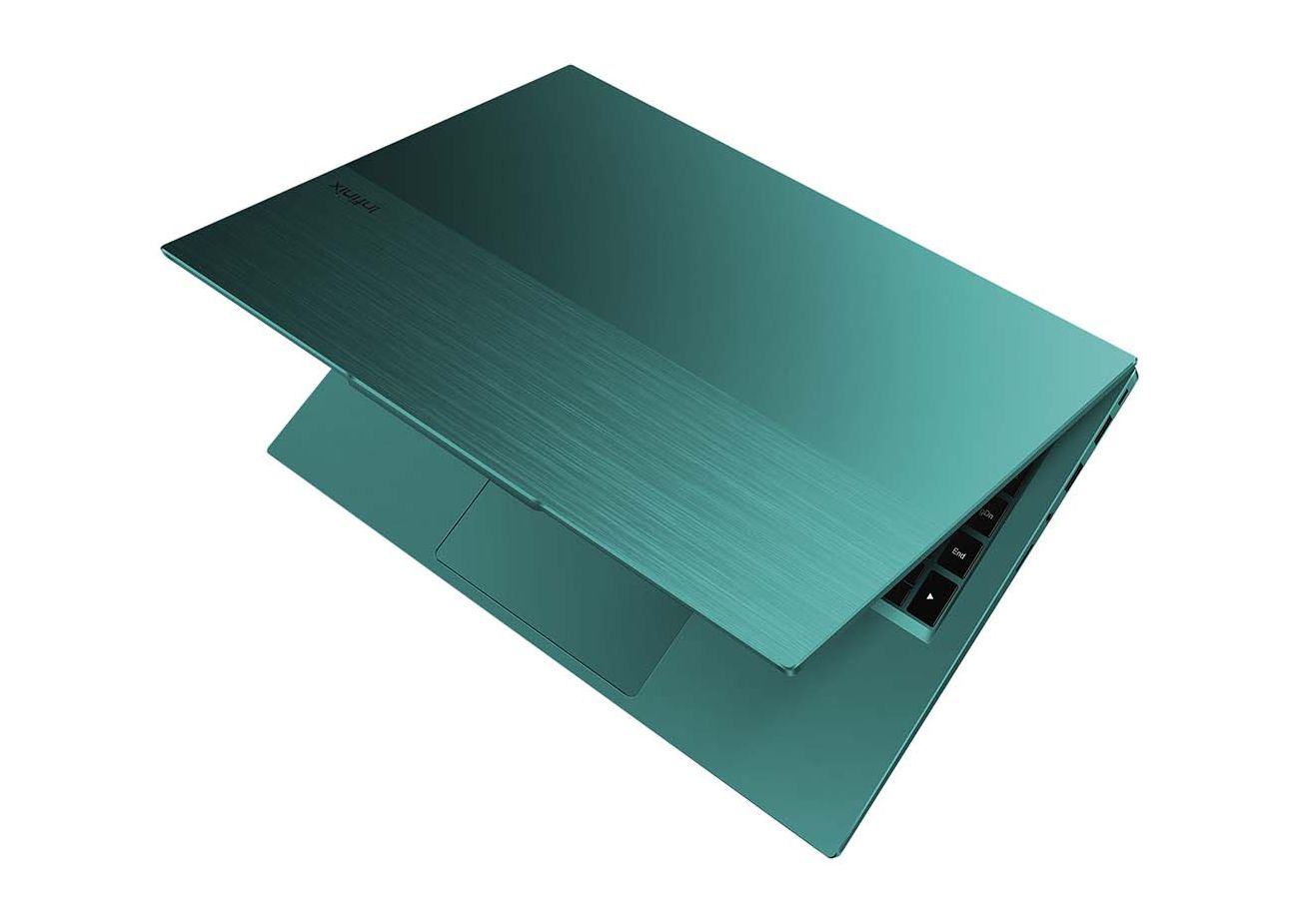
Infinix INBook X1 notebooks have launched silently in India. The laptop sports a 14-inch FHD display, and it is powered by the 10th generation Intel Core i3, i5, and i7 chipsets. All three variants are now listed on Flipkart with an irresistible starting price of Rs 35,999 (~$477). Here is all the information on the specifications, features, and pricing of the INBook X1.
Infinix InBook X1 Starfall Grey
Infinix INBook X1 specifications and features
The Infinix INBook X1 has a thickness of around 16.3mm and weighs 1.48kg. It has a 14-inch IPS LCD display that offers Full HD resolution, 100 percent sRGB colour gamut, and a peak brightness of 300 nits. The screen of the INBook X1 is surrounded by thin bezels. It features a 180-degree hinge and a backlit keyboard. The notebook runs on Windows 11 Home. For security, it features a fingerprint scanner and a hardware-based privacy switch for the microphone and camera.
Infinix INBook X1 Noble Red
The INBook X1 is powered by the 10th generation Core i3, i5, and i7 CPU. The device comes with 8 GB / 16 GB of LPDDR4x RAM and 256 GB / 512 GB of PCIe 3.0 NVMe SSD storage. The 55Wh battery present inside the INBook X1 promises up to 13 hours of battery life and it carries support for 65W fast charging.
Infinix INBook X1 Aurora Green
On the connectivity front, the INBook X1 features a USB-C port for data transfer, a USB-C port for fast charging, a pair of USB 3.0 ports, a USB 2.0 port, an HDMI 1.4 port, a 3.5mm audio jack, a microSD card slot, and a DC charging port. The INBook X1 sports other features DTS audio processing for 360-degree surround sound experience, HD webcam, dual microphones, Wi-Fi 6, and Bluetooth 5.1.
Infinix INBook X1 price in India
The Infinix INBook X1 base model with Core i3 CPU, 8 GB of RAM, and 256 GB of SSD storage is priced at Rs 35,999 (~$477). The Core i5 CPU variant with 8 GB of RAM and 512 GB of SSD storage is priced at Rs 45,999 (~$609). Both models come in colors like Aurora Green and Noble Red. The topmost model featuring Core i7, 16 GB of RAM, and 512 GB of SSD storage costs Rs 55,999 (~$742). It comes in a single color of Starfall Gray. The INBook X1 is now available for purchase through Flipkart.
Since last month, the Chinese phone maker Infinix has been teasing the upcoming Infinix Note 11 series phones in the Indian market. Today, the company itself has come with a launch date revealing the availability for the Indian audience.
The Infinix Note 11 series will debut on December 13 in India. The series will include the Infinix Note 11 and Note 11S. Both phones already have a global presence and with their launch scheduled for India, they could be one good choice in the budget segment.
As of now, the pricing of the phones have not been revealed, but what we know are the colour variants. The Note 11 will come in Celestial Snow, Graphite Black, and Glacier Green colour variants, while the Note 11S will have Haze Green, Symphony Cyan, and Mithril Grey shades.
Infinix Note 11 and Note 11S Specifications
The Infinix Note 11 comes with a 6.7-inch FHD+(2400 x 1080 pixels) resolution screen, whereas the Note 11S features a larger 6.95-inch FHD+ (2460 x 1080 pixels) resolution panel. Both phones have a 20.5:9 aspect ratio and feature a 120Hz refresh rate in the Note 11S, while the Note 11 boasts a 180Hz touch sampling rate.
The duo comes equipped with a triple camera system sporting a 50MP main sensor, a 2MP depth-sensing unit, and an AI sensor on the Note 11. On the other hand, the Note 11S has a 50MP main, a 2MP depth, and a 2MP macro unit. Upfront, both phones have a 16MP selfie lens.
At the helm, the Note 11 is powered by the MediaTek Helio G88 SoC paired with 4GB of LPDDR4X RAM and 64GB of internal storage. The Note 11S is powered by the Helio G96 SoC coupled with either 6GB or 8GB of RAM. Both phones pack a 5,000mAh battery with 33W fast charging support.
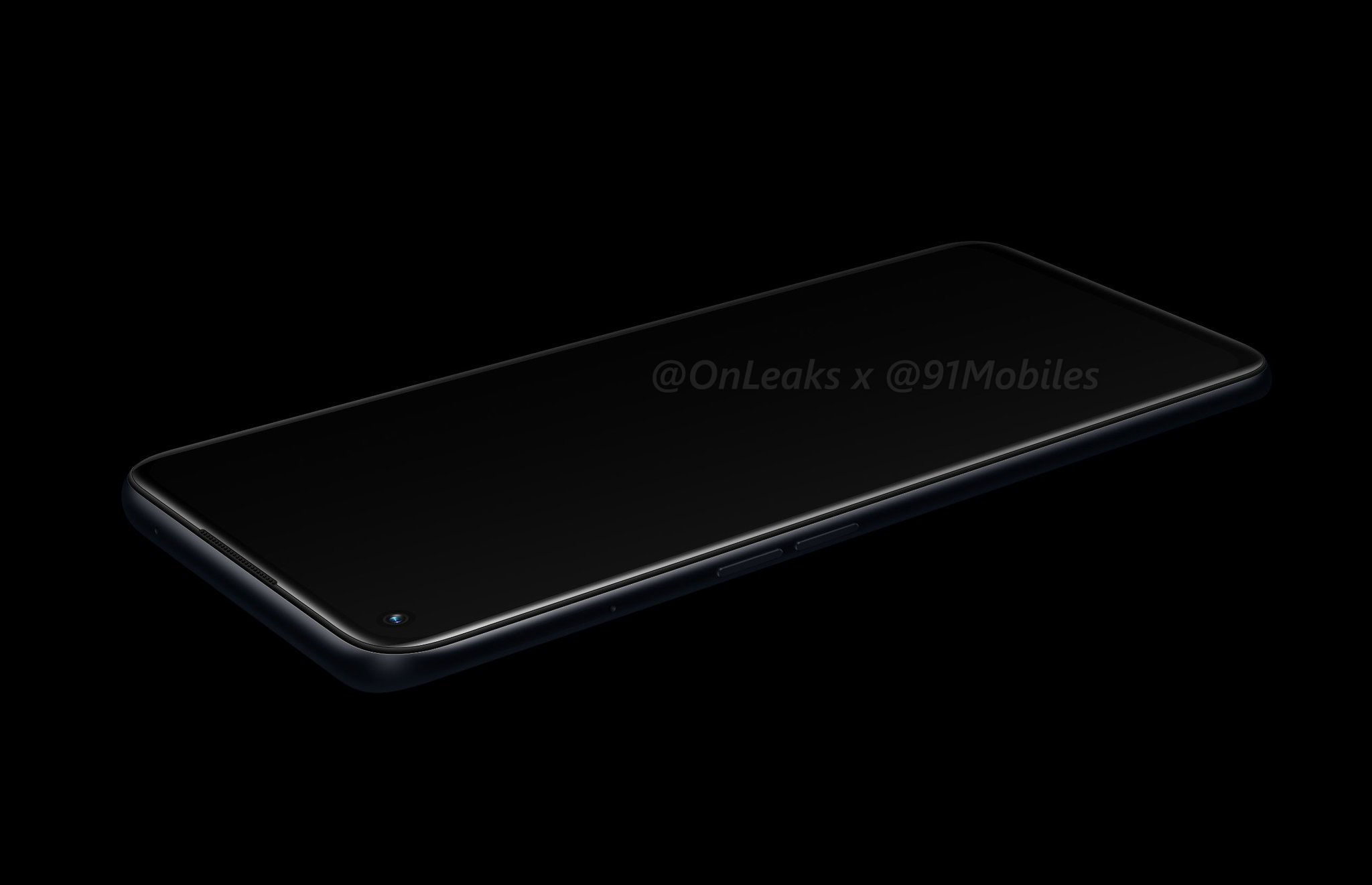
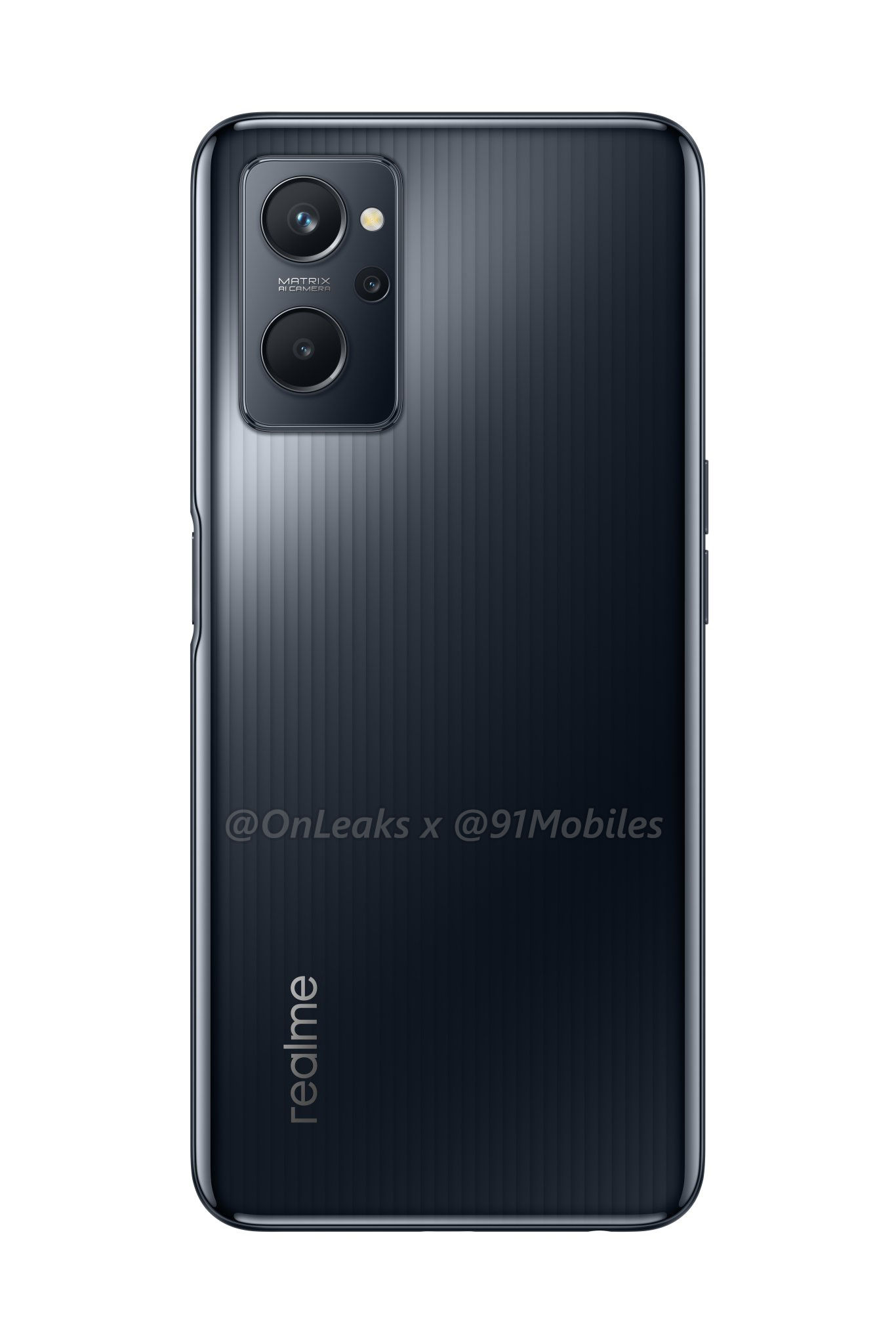
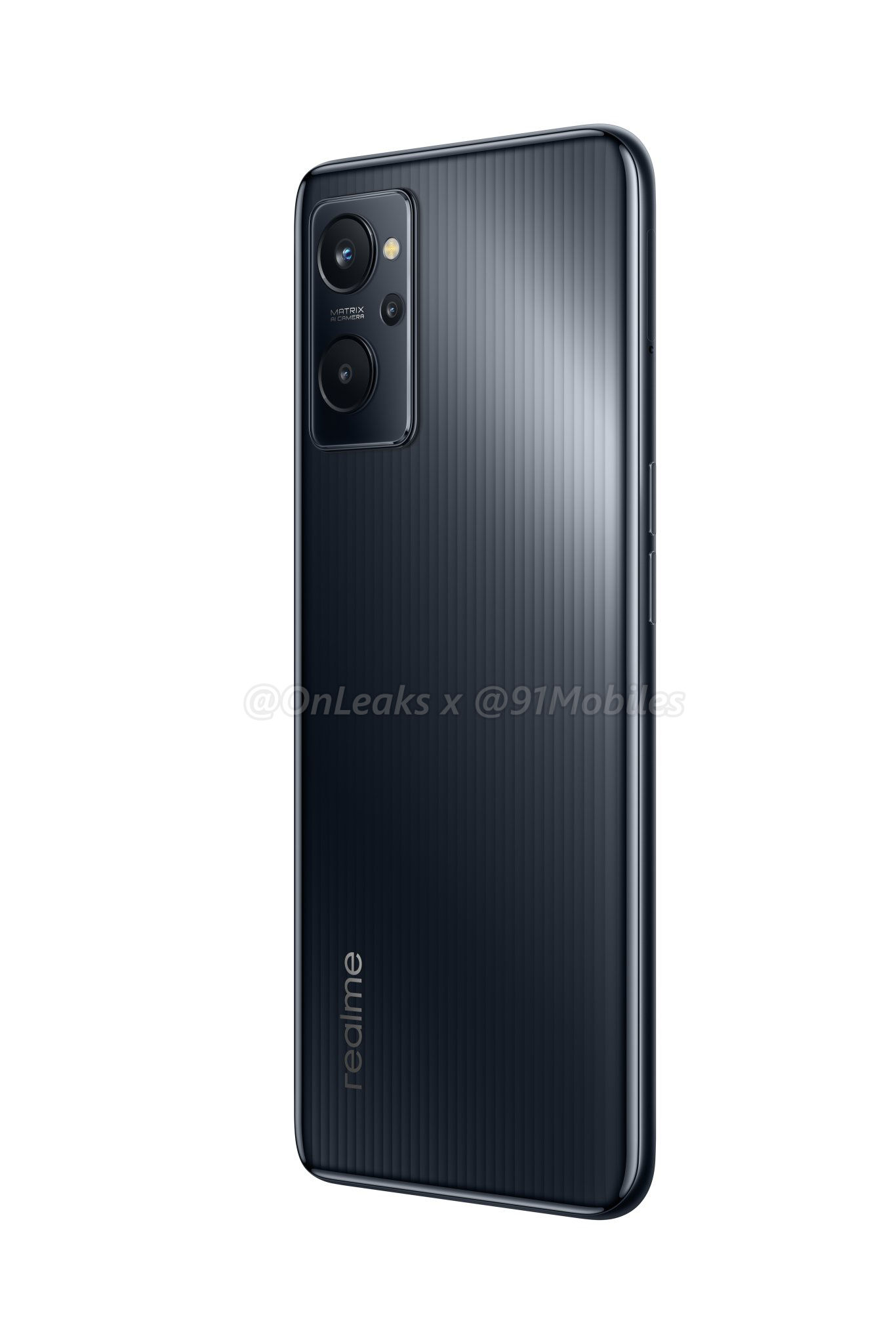
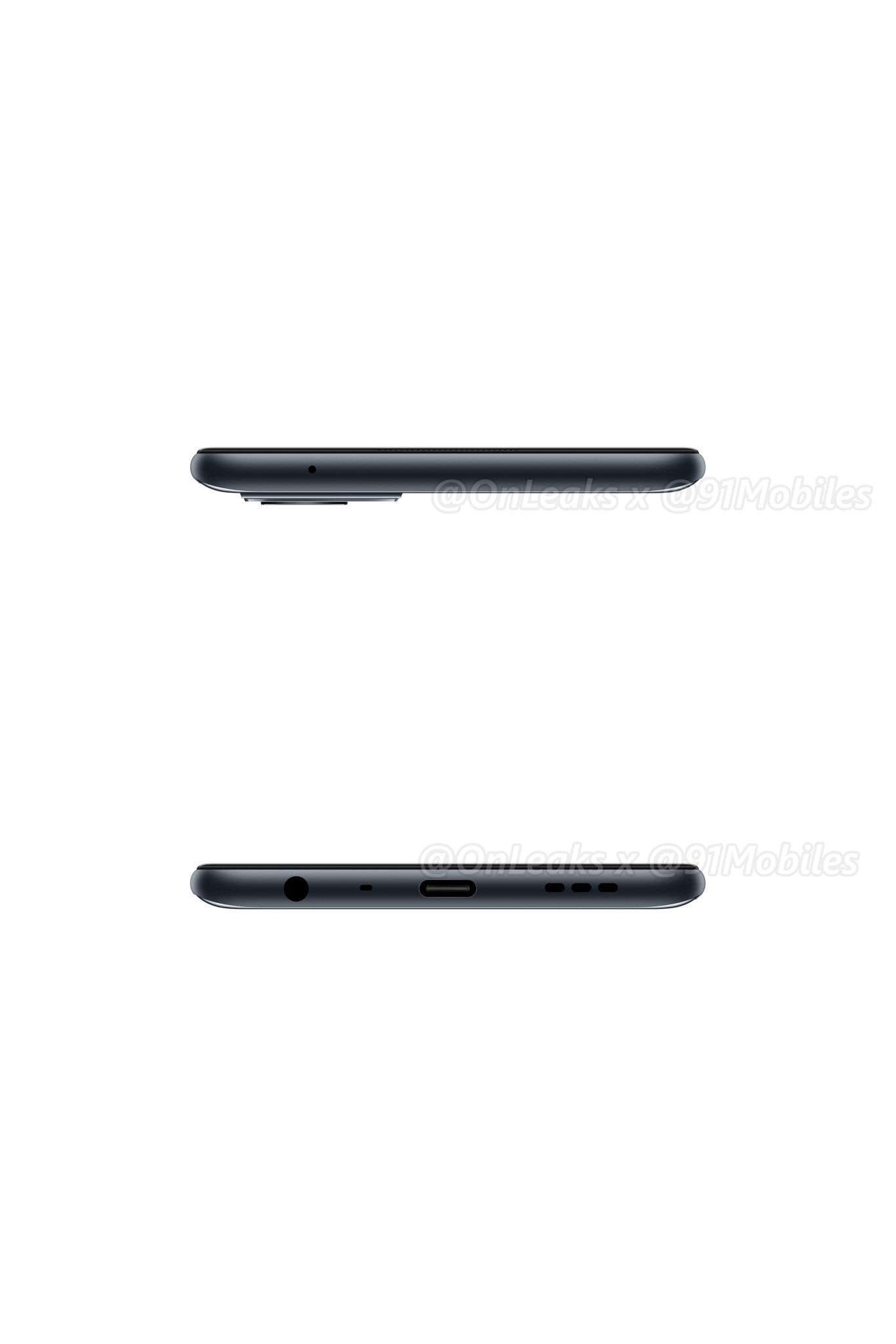
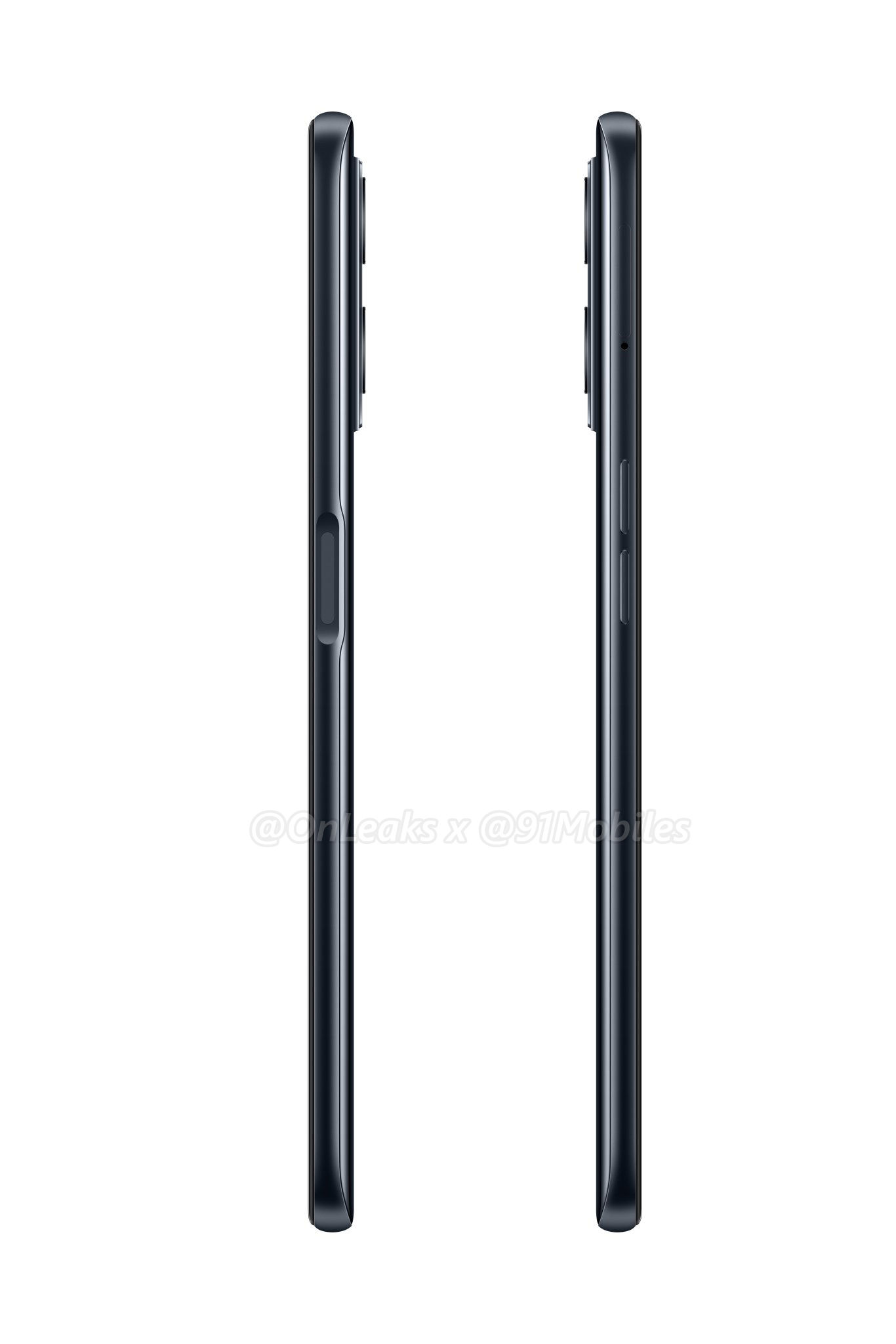
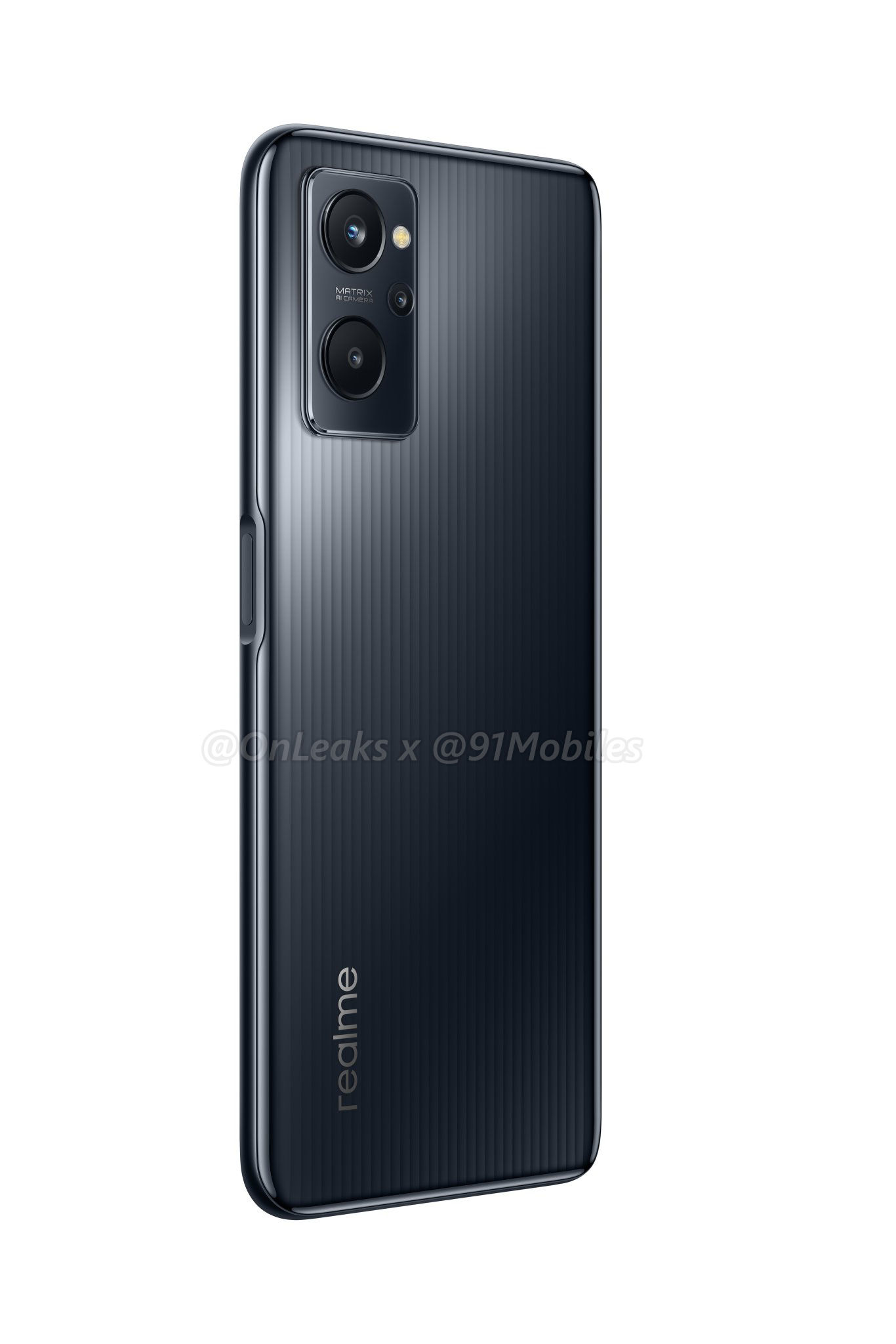
Last week, a Vietnamese publication shared the concept renders of the upcoming Realme 9i handset. Now, 91mobileshas teamed up with reliable tipster Steve Hemmerstoffer to share the actual renders of the Realme 9i to showcase its design from all angles.
The new images show that the Realme 9i’s designed will be similar to the Realme GT Neo2 flagship phone. The display of the Realme 9i features a punch-hole at the top-left corner. The left spine features a SIM card slot and buttons for controlling volume.
The power button available on its right edge is integrated with a fingerprint scanner. The back panel of the phone has a triple camera unit. Except for the camera module, the entire back is decked with vertical lines. The top edge of the device has a microphone, while its bottom side has a 3.5mm audio jack, another microphone, a USB-C port, and a speaker grille.
1 of 6
The Realme 9i is rumored to sport an IPS LCD panel that produces a 90Hz refresh rate. It is likely to be powered by the Snapdragon 680 chipset. Its rear camera setup may include a 50-megapixel main camera. It may come with a 5,000mAh battery.
The Realme 9i is likely to debut in global markets in January 2022. It is also expected to launch in India in the same month. The Realme 9 lineup may include three other models such as Realme 9i, Realme 9 Pro, and Realme 9 Pro+.
Yesterday, Google rolled out the December 2021 Pixel feature drop for devices ranging from the Pixel 3a to the Pixel 5a. If you are a Pixel 6 or 6 Pro owner, don’t worry, your devices will also receive these updates with some additional bug fixes and patches later this month.
So, what’s in this feature update? Well, a lot. The update comes with Google’s latest security patch and hundreds of optimization changes and bug fixes. But let’s focus on the new features introduced in this feature update.
Conversation mode for Sound Amplifier
Pixel devices become the first Android phones to gain a conversation mode for the Sound Amplifier Accessibility tool. This feature helps those who are hard of hearing or with hearing impairments. You can use this feature by pointing your phone using a camera UI at any person you want to have a conversation with. The feature will then allow you to pin that person as a participant in the conversation and will provide you with enhanced audio of whatever they say through your Bluetooth headphones while at the same time tuning out background noise.
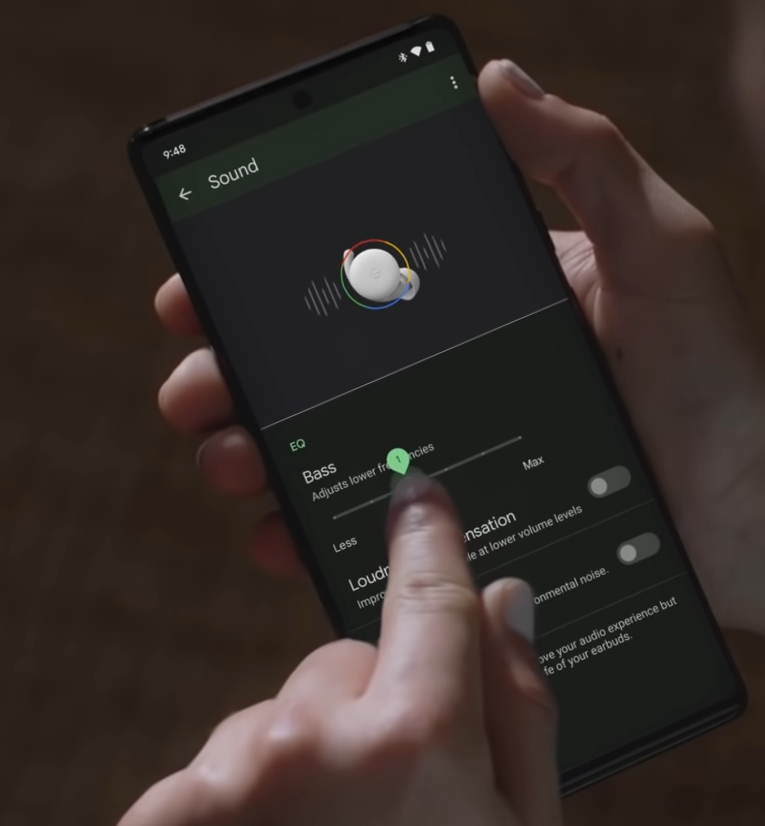
Bass Boost for Pixel Buds A-series
We know that the Pixel Buds A-series TWS earphones have a very neutral sound profile. Now, they finally get the Bass Boost feature allowing them to add a little bit of extra power to their sound output. This feature can be accessed through a slider in the pixel buds app, which allows you to slide the bass levels from -1 to +4.
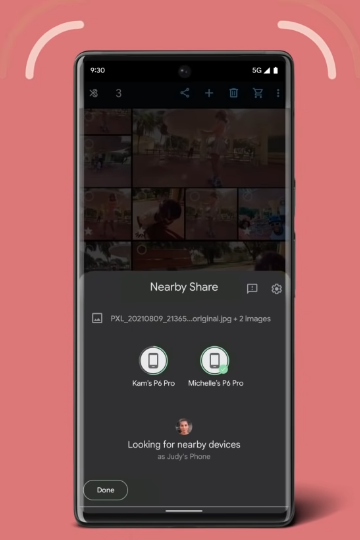
Ultrawide band integration in Nearby Share
With the Android 12 update, Pixel phones gained the nearby share feature, allowing data to be transferred via Bluetooth and Wi-Fi, similar to AirDrop. Now, this feature drop will enable the Pixel 6 Pro to use the wideband chip for directed ‘nearby share’ enabling you to send data in a specific direction.
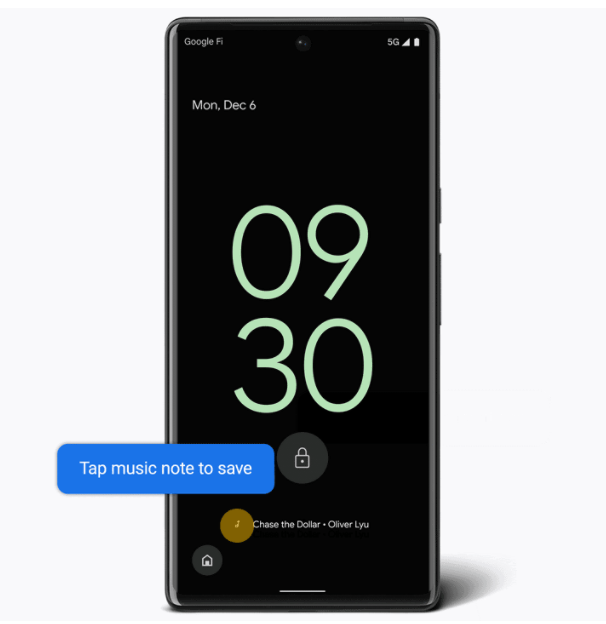
Now Playing Search
The enhanced now playing search feature which has been rolling out to devices for the past month is officially coming to more devices with the December Pixel feature drop. The feature previously worked with an on-device database to identify songs being played near you, allowing it to work offline and to maintain user privacy. This caused the problem of many songs not being recognized due to the limited on-device database. With the new update, if the song is not recognized by your device, a new search music icon will appear on your lock screen. Tapping the icon will transmit the audio data to Google search, making for quick identification of the song.
Car crash detection new feature
The Google Pixel’s car crash detection feature has been around since 2019 and has helped save multiple lives. With this update, the detection app gets a new feature that allows it to check if you are ‘OK’ in the event of a crash and if there is no response, the Pixel device can share your location and other relevant details with emergency responders. Additionally, this feature gains support in three new regions namely Taiwan, Italy, and France.
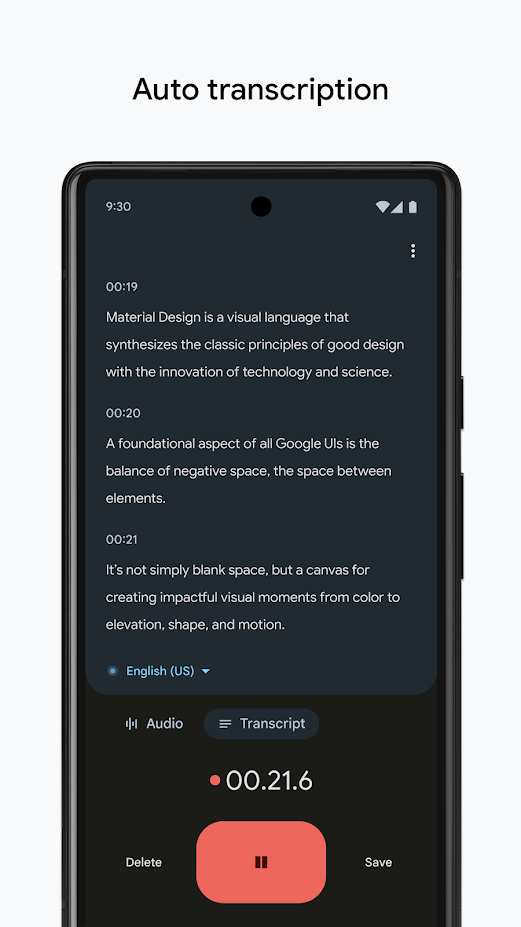
Google Recorder app update
The much-loved recorder app which features transcription capabilities gains support for more languages including Japanese, French, and German. These additional languages that debuted in the Pixel 6 series phones are now available for other supported Pixel devices through this update.
Double-tap feature for Snapchat
Google just added Snapchat to the list of apps supported by Android 12’s Quick Tap feature. The photo-sharing app can now be set up to be accessed via a double-tap gesture to the back of your Pixel device. The feature even works with screen lock, enabling you to capture those sudden moments on your devices. The feature is supported on Pixel 4a 5G, Pixel 5, and Pixel 6 series devices. Starting from this month, Pixel phones will also get an exclusive ‘Pixel face lens’ filters, that will get more variety via future feature updates.
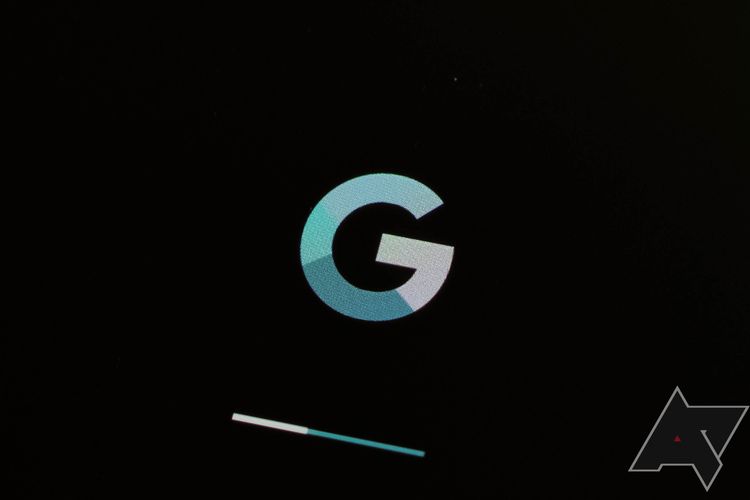
Material You on boot
Image via AndroidPolice
On your first boot after this update, you will notice that the color of your boot logo has changed. The Google logo itself, which appears first, retains its standard brand-identifying colors. But the animation that turns into the Google G (and the associated loading bar) will both pull from your phone’s Material You background colors.
For those unaware, Google‘s new UI, the Material You, introduced with Android 12, is a dynamic theming engine that extracts colors from the current wallpaper and splashes it across the system UI and supported apps, giving users greater control than ever over what their phone’s software looks like.
Other than these major features, Google has also added back the WiFi and internet quick toggle which was for some reason not available since Android 12 launched. You will be able to access the WiFi and Internet toggle from your lock screen post this Feature update.
Xiaomi‘s independent Redmi brand took the wraps off the Redmi Note 11 4G in China last month. The device was well received as a cheaper version of the Redmi Note 11 5G. There has been no word yet on the global availability of the Note 11 4G but this latest news may excite you if you are looking up to snap up the device in India.
Redmi Note 11 4G
An exclusive report by 91Mobiles has revealed that the 4G variant of the Redmi Note 11 will be released in India soon. The report, which attributes the information to unnamed industry sources, didn’t include the exact date the device will go on sale in India. However, we may as well expect to see the device before the new year.
The Redmi Note 11 4G isn’t expected to be any different from the Chinese version which packs a 6.5-inch LCD screen with an FHD+ resolution. The display comes with support for a 90Hz refresh rate, a 180Hz touch sampling rate, and has a 1,500:1 aspect ratio.
The 4G Note 11 is powered by a MediaTek Helio G88 processor paired with 4GB RAM and 6 GB of LPDDR4x RAM. Both versions have 128 GB of eMMC 5.1 internal storage which can be expanded further via a dedicated microSD card slot.
For optics, there is a triple camera setup at the rear comprising a 50-megapixel primary camera, teaming up with an 8-megapixel ultrawide lens with a 120-degree FOV, and a 2-megapixel macro camera. For selfies, there is an 8-megapixel front camera. Under the hood, there is a 5,000mAh battery with support for 18W fast charging and 9W reverse charging. The device shipped with a 22.5W fast charger.
We use cookies on our website to give you the most relevant experience by remembering your preferences and repeat visits. By clicking “Accept”, you consent to the use of ALL the cookies.
This website uses cookies to improve your experience while you navigate through the website. Out of these, the cookies that are categorized as necessary are stored on your browser as they are essential for the working of basic functionalities of the website. We also use third-party cookies that help us analyze and understand how you use this website. These cookies will be stored in your browser only with your consent. You also have the option to opt-out of these cookies. But opting out of some of these cookies may affect your browsing experience.
Necessary cookies are absolutely essential for the website to function properly. This category only includes cookies that ensures basic functionalities and security features of the website. These cookies do not store any personal information.
Any cookies that may not be particularly necessary for the website to function and is used specifically to collect user personal data via analytics, ads, other embedded contents are termed as non-necessary cookies. It is mandatory to procure user consent prior to running these cookies on your website.