Advertisement

Ulefone brings Black Friday Deals via its Official AliExpress Store

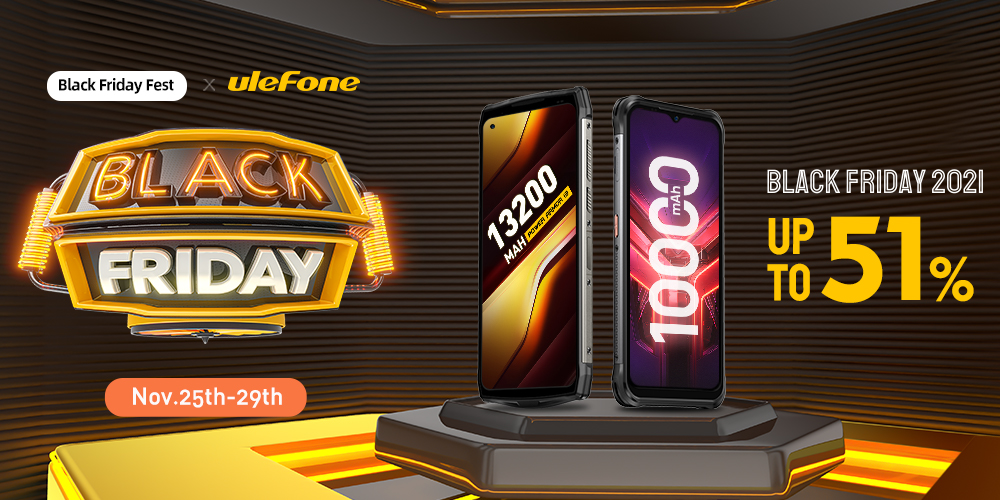
Ulefone is actively participating in the Black Friday festive sale by offering massive discounts on its smartphones. After prime deals on the occasion of double 11 sales, the company is here with a Black Friday sale with up to 51% discount on the Armor Series and the Note series smartphone. The interested folks can head over to the Ulefone AliExpress official store to save maximum.
Must See: Black Friday Deal: Get Baseus Blade100W Laptop Power Bank for just $58 (Retail Price $80)

Black Friday always brings spectacular discounts, and even the companies jump into the extravaganza to grab maximum discounts. Similarly, to celebrate the warmth of the festive season, Ulefone is offering a 51% discount on smartphones and other accessories.

Ulefone Black Friday Discount Sales

Ulefone Power Armor carrying a 10000mAh battery with 15W fast charging and powerful processor is retailing for the discount price of $164.99. It is an exceptional deal for users who are looking to grab rugged at a decent price.

Another rugged smartphone – Ulefone Power Armor 13 is now available for the reduced price of $299.99. It houses a huge 13200mAh battery, 6.81-inch FHD+ display while carrying 8 GB RAM and 256 GB internal storage. It houses a rangefinder laser having a 40-meter range.

Further, the company is offering Ulefoen Armor 8 Pro for the discount price of 169.99%. Know more about the Black Friday deals and offers by heading to the official Ulefone Store.

Related: Ulefone Power Armor 13 custom key operation detailed in the video

 

AK-47-maker fires into the EV market with two rugged-looking electric vehicles

The name Kalashnikov may not ring a bell to some but there is hardly anyone that doesn’t know the AK-47 assault rifle. The weapon was originally manufactured by Russian Mikhail Kalashnikov but there is a company named Kalashnikov Concept which is into weapons, unmanned vehicle and military robot manufacturing.Kalashnikov

The Russian company is now eyeing the emerging electric vehicle industry as it has unveiled two of its patented EV designs. The company actually showcased its first EV prototype in 2018 with a design which is everything but beautiful. These new designs represent some improvements.

The EVs were filed at the Russian patent office recently and one of them is named UV-4 but there is a second, unnamed, never-before-seen three-wheeler. The UV-4 adopts a rugged-looking design with four wheels that are exposed. There is also a bodyshell as well as a military-grade doors. The entire car has a length of 133.8 inches and is 59 inch wide while the height is 70 inches.Kalashnikov

With this design, we don’t expect the interior design to be flashy. The EV may come with features such as air conditioning, sound system and an adjustable suspension.

Unnamed Kalashnikov EV

The UV-4 will get its power from a 67 hp single electric motor.  The car has a top speed of 50 mph and has a maximum range of 93 miles.Kalashnikov UV-4

The unnamed three-wheeler has an even smaller form factor. The front has the same design as the UV-4 but there are no doors.

Unnamed Kalashnikov EV

In terms of the availability and pricing, Kalashnikov is yet to disclose when the EVs will be available or their prices.

RELATED: 


(source)


Xiaomi & Huawei accelerate EV plans by investing in NIO’s battery supplier

Xiaomi and Huawei are apparently looking to accelerate their electric vehicles plans. Both brands have invested a sizeable sum in an EV battery supplier, which also supplies Chinese EV startup NIO.

Xiaomi Mi Car

According to a 36kr report, the two Chinese tech giants have invested in Beijing Weilan New Energy ltd, a China based battery supplier. The report adds that the company has received investment from both brands for its project worth 5 billion Yuan (roughly 782 million US Dollars). Notably, this investment in question is worth 500 million Yuan (roughly 78.2 million US Dollar). For those unaware, Weilan is a high tech firm that focuses on developing next generation of all solid state batteries.

Weilan New Energy was established back in 2016 and has three production bases in China. Its batteries have already powered electric vehicles, including the likes of the NIO ET7, which boasts a maximum range of an impressive 1,000 kilometers. With Huawei and Xiaomi investing in the company, it appears that they plan to accelerate their plans for their respective EV projects.

Xiaomi

Previously, we had reported on Xiaomi registering its second car unit while a separate financial report had revealed that it has over 500 research and development members working on its automobile units. On the other hand, Huawei has launched products for other car brands, while its joint venture AVATR had unveiled its first model, the E11 earlier this month. Both brands have even made strategic acquisitions to further boost their EV plans in the past as well, so this report doesn’t arrive as a surprise.

RELATED:


Infinix Note 11S India launch teased officially

Infinix debuted the Infinix Note 11 and the Infinix Note 11 Pro initially in October. At the beginning of November, Infinix officially confirmed to bring these smartphones alongside the Infinix INBook X1 laptop to India in December. Now, one of the company executives teases the launch of Infinix Note 11S as well.

Infinix Note 11S Featured A
Infinix Note 11S

The CEO of Infinix India took to Twitter to tease the launch of Infinix Note 11S in the country. He has tweeted an image containing the retail boxes of Infinix Note 11 and Infinix Note 11S.

Although Infinix Note 11 Pro and Infinix Note 11 Free Fire Limited Edition have been confirmed to release in India, the picture doesn’t include their retail boxes.

The Infinix Note 11S is the second-latest model in the Infinix Note 11 series after Infinix Note 11i. It made its debut earlier this month. 

The handset features a 6.95-inch FHD+ 120Hz display (LCD) with a centered punch hole. It is powered by a MediaTek Helio G96 chipset coupled with LPDDR4x RAM and UFS 2.2 storage. The device comes in multiple RAM (4GB, 6GB, 8GB) and storage (64GB, 128GB) variants.

It has a triple camera setup on the back consisting of a 50MP primary sensor, 2MP macro shooter, and 2MP depth sensor. Whereas, on the front, it has a 16MP snapper.

Other features of the phone include a side-mounted fingerprint sensor, dual SIM, 4G, dual-band WiFi, Bluetooth 5.2, dual stereo speakers, 3.5mm headphone jack, USB Type-C port, MicroSD card slot,  XOS 10 based on Android 11, 5,000mAh battery, and 33W fast charging.


RELATED:


Apple AR headset to launch in 2022, with performance matching M1 Macs: Kuo

Apple is apparently looking at a 2022 launch period for its highly anticipated AR/VR headset. New information has also revealed that the product will offer Mac levels of processing power and could even work without an iPhone.

Apple

The news arrives from known Apple analyst Ming-Chi Kuo on his latest investors note (Via 9To5Mac). Kuo added that the Cupertino based giant will launch the headset “with the same computing power level as the Mac,” with its chip design being the major difference between the AR headset from other brands. As per the analyst, the iPhone maker is also looking to replace the iPhone with AR in 10 years, with this headset acting as the first step towards thsi goal.

Notably, the 2022 launch year is in line with Kuo’s previous estimates of a fourth quarter launch next year. He stated that “The higher end processor will have similar computing power as the M1 for Mac, whereas the lower end processor will be in charge of sensor related computing.” Kuo is predicting that the AR headset will be equipped with two Sony 4K micro OLED display panels and will even arrive with support for VR.

Apple VR headset

Through its capable process power, the product could easily be a standalone gadget that doesn’t need to be paired with another Apple product. Kuo says that “if the headset is positioned only as an accessory for the Mac or iPhone, it will not be conducive to the growth of the product. An AR headset that works independently means that it will have its own ecosystem and provide the most complete and flexible user experience.”

RELATED:


WhatsApp Web now allows you to design and send custom stickers

WhatsApp Web has received a new built-in custom Sticker Maker feature that lets you upload regular pictures of your own and transform them into stickers that can be sent. It can be accessed by simply clicking the attachments icon (paperclip), selecting ‘Sticker’, and then picking an image to add.

A range of editing options have been provided so that once uploaded, you can effortlessly turn an image into the perfect sticker. These editing tools include emojis that can be pasted atop the custom sticker, custom text, advanced cropping tools, and even an option to add more stickers atop the one you’re working on.

WhatsApp Sticker Maker

The custom Sticker Maker feature has currently only made it to WhatsApp Web but is set to arrive soon on the desktop apps as well. There hasn’t been any indication of it coming to Android and iOS as of yet, but it can be expected.

Of course, the ability to send your own stickers on WhatsApp is nothing new, with multiple apps being available on both iOS and Android for the purpose. However, having it built-in is an unparalleled level of convenience and we hope that the feature will be making it to other platforms as well.

WhatsApp has been working on improving its user experience for a while now and has introduced a number of new features over the past few months alone. These include new safety features such as Flash Calls and Message Level Reporting, an option to hide ‘Last Seen’ from specific contacts, and even functionality that allows using WhatsApp on multiple devices without a smartphone connection.

RELATED:

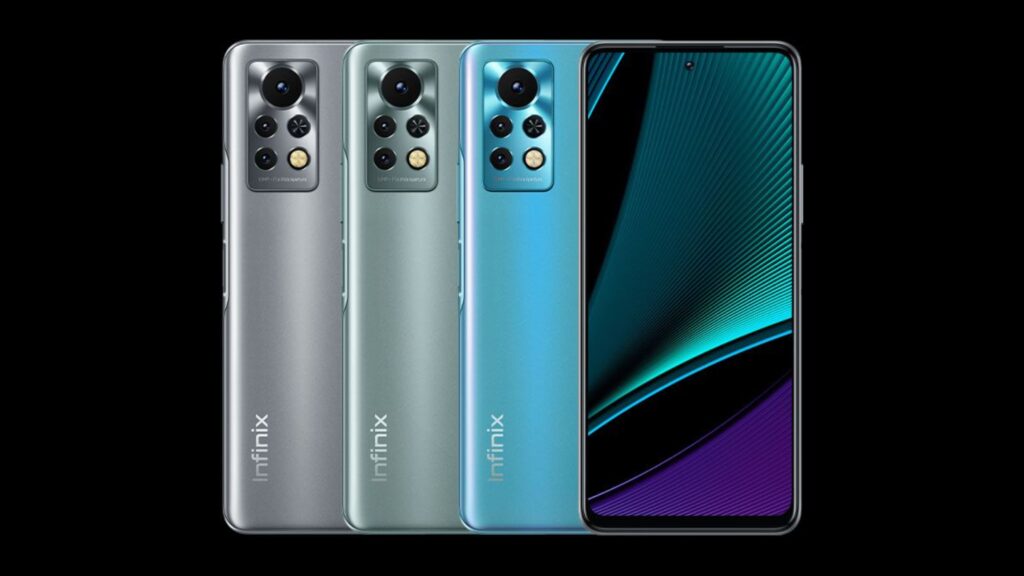
Zero 5G, Infinix’s first 5G phone’s render, key details emerge

Infinix and Tecno are both gearing up to launch their first 5G smartphones. African YouTuber Tech Arena24 recently revealed that the details of the POVA 5G, which is expected to debut as Tecno’s first 5G-ready phone. Now, the same YouTuber has revealed that the Infinix Zero 5G, will be coming as Infinix’s first 5G-enabled phone. The YouTuber has also shared the images and key details of the Zero 5G.

The upcoming Infinix Zero 5G’s model number is X6815. The unofficial render of the phone shared by the YouTuber shows that it is equipped with a punch-hole display like the recent Infinix Note 11 series of smartphones.

Infinix Zero 5G's unofficial render
Infinix Zero 5G’s unofficial render by Tech Arena24 | YouTube

The Zero 5G’s rear camera design takes a cue from the camera module of the OPPO Find X3 series. The squarish camera module houses a vertically aligned triple camera unit and a pair of LED flash units.

The new leak reveals that the Infinix Zero 5G will be sporting an AMOLED panel that offers a 120Hz refresh rate. The handset will be fueled by the Dimensity 900, which is also expected to power the Tecno POVA 5G. The other details of the smartphone are under the wraps. It is expected to launch soon in some markets. Hopefully, it will break cover before the end of this year.

In related news, Infinix is gearing up to launch the Note 11, Note 11 Pro, and IN Book 1 notebook in India. The microsite of the new laptop is now live on India’s Flipkart retailer site. These devices are expected to launch in December in the country.

RELATED:

Coolpad COOL 20 Pro design officially revealed via renders

Coolpad COOL 20 Pro is scheduled to launch in China on December 1. Ahead of that, the brand has been teasing the features of the smartphone. Today, the company has officially revealed the phone’s design by sharing its renders in all colors.

Coolpad COOL 20 Pro Featured A

Going by the renders shared by the official Coolpad Weibo account, the upcoming Coolpad COOL 20 Pro will be available in three color variants. We can see the phone in Blue, White, and Black hue options.

Further, the renders confirm that the device will sport a flat frame like the newer iPhones. Even the recently launched OPPO Reno7 series and the Redmi Note 11 series also have a similar design.

Surprisingly, the handset will flaunt an AG glass panel on the rear. Hence, it will offer a smooth, and smudge-resistant experience. The backside of the smartphone will also house an L-shaped triple camera setup powered by ArcSoft.

According to previous reports, the Coolpad COOL 20 Pro will come equipped with a 6.59-inch FHD+ 120Hz display (LCD) with a dewdrop notch. It will be powered by a MediaTek Dimensity 900 chipset and will run Android 11.

The handset will arrive with a 50MP triple rear camera setup and an 8MP front-facing camera. Lastly, it will have features like dual stereo speakers, a 3.5mm headphone jack, a MicroSD card slot, a 4,400mAh battery, an 8.3mm thickness, and a 193g weight.


RELATED:


POCO may soon launch laptops in India, as Redmi G battery gets certified with POCO branding

In recent times, many smartphone brands have diversified outside of producing just handsets and have launched a number of AIoT products. One of these brands include POCO, who had also hinted of its plans to expand into other segments as well. Now, a new report has suggested that one of these segments include the PC market.

POCO

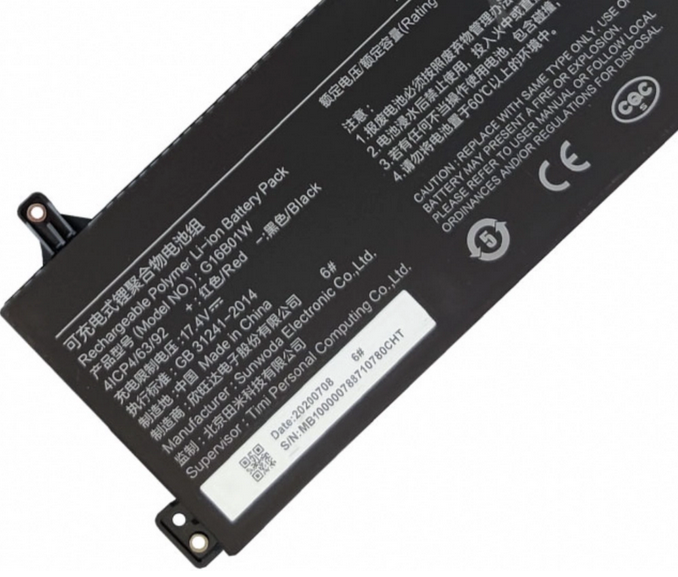
According to a 91Mobiles report, the Chinese smartphone maker might be planning on launching a new laptop in the India, which would also be its first ever laptop in the market as well. As per known tipster Mukul Sharma, a Redmi G series laptop battery has just been certified by the Indian Bureau of Indian Standards (BIS). In other words, the company might be gearing up for an imminent launch of its notebooks.

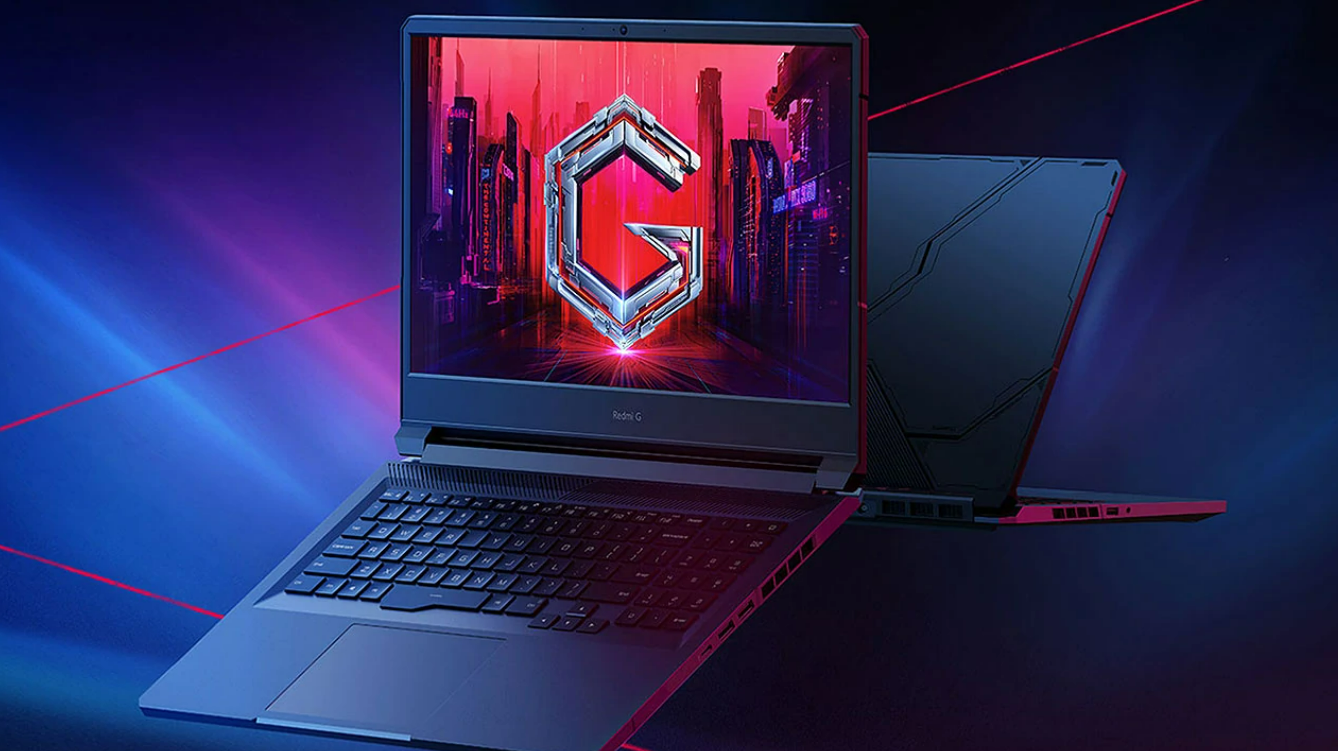
Looking at the image shared by the tipster, a Redmi G series laptop battery was spotted with the model number G16B01W on the BIS database. Although, it is under the POCO branding. It is a 3,620mAh cell (15.2V, 55.02Wh) and is apparently a replacement battery that was originally meant for the Redmi G and Redmi G Gaming laptops. So, the company could even be planning to launch a gaming laptop in the region as well.

POCO
Redmi G Gaming Laptop

If it really is a gaming laptop, we can expected either an Intel or AMD Ryzen series processors paired with either an NVIDIA or Radeon graphics card. Keep in mind that this is just speculation as of right now, so take it with a pinch of salt for now. Its still to early to tell right now and we will have to wait for either additional leaks or official announcements to find out more details about this.

RELATED:


MediaTek Dimensity 9000-powered smartphone to reportedly launch in February 2022

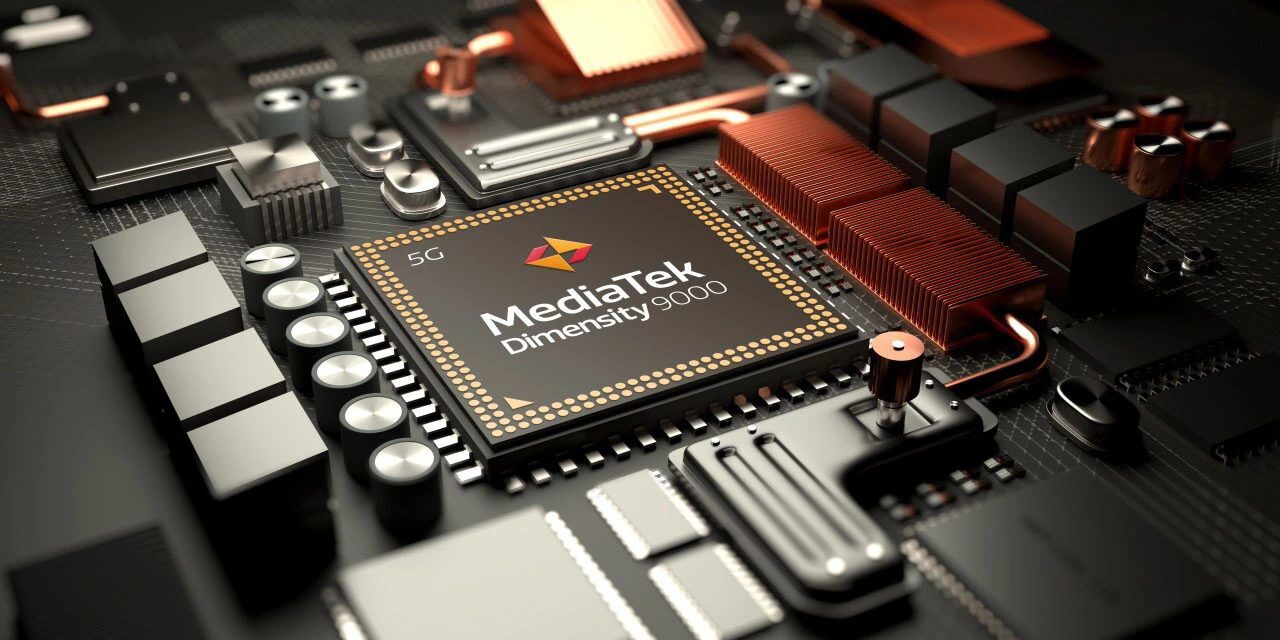
MediaTek recently took the wraps off its Dimensity 9000 chipset which is a flagship offering from the company for premium smartphones and will be competing against the upcoming Qualcomm Snapdragon 8 Gen1.

Now, a tipster from China has revealed through Weibo (via MyDrivers) that the first smartphone powered by the MediaTek Dimensity 9000 will be launched in February 2022. However, more details related to this is not yet available.

MediaTeK Dimensity 9000

If this turns out to be true, then it means that while MediaTek became the first brand to launch its flagship chipset made using TSMC’s 4nm process, the devices powered by this chip won’t be the first one as Qualcomm will likely grab that opportunity.

The MediaTek Dimensity 9000 features a single Cortex-X2 performance core clocked at 3.05GHz, three Cortex-A710 cores at 2.85GHz, and four Cortex-A510 efficiency cores at 1.8GHz. It packs a 10-core Arm Mali-G710 that takes care of graphics processing.

The chipset also comes packed with MediaTek’s fifth-generation APU with six total cores for AI processing. It is claimed by the company to offer four times the performance and power efficiency compared to its previous generation.

It supports LPDDR5x memory at bandwidths of up to 7,500 Mbps. It can handle screens with up to a 180Hz refresh rate at FHD+ resolutions. It is also the first chipset to have an 18-bit image signal processor, offering the ability to capture 4K HDR video using up to three cameras at the same time, or still photos using up to a massive 320MP sensor.

MediaTek Dimensity 9000 supports Wi-Fi 6E as well as Bluetooth 5.3 and supports 3CC carrier aggregation for sub-6HZ 5G with top data speeds of up to 7Gbps.

RELaTED: 

Nothing ear (1) seen in black for the first time through leaked image

Carl Pei’s Nothing has been doing rather well for itself having tasted success with its very first product itself. Over 180,000 units of the Nothing ear (1) earbuds have been sold already, and the numbers would’ve been even higher had the supply not been so limited. And with such limited stock, it wasn’t surprising to see the earbuds sell in only a single white color option. But that will be changing soon as rumors and leaks about a new black color option have begun to surface.

Just over a week ago, a tipster had disclosed that Nothing is planning to release the Nothing ear (1) black variant soon. And now, we have an actual image of the product, courtesy of prominent leakster @evleaks.

nothing ear (1) black color

As clear from the above, the black Nothing ear (1) are expectedly identical to their white counterpart and retain the iconic transparent design for both the earbuds and the case. However, the bits that were white earlier have now been splashed with black.

And no, in case you are wondering, the cute little ladybug depicted in the photo does not come free with the earbuds, which is frankly rather disappointing.

Other than the change of color, the Nothing ear (1) in black will likely be preserving all of the goodness from the white variant. As such, their fitting will be as comfy as it can get, with the earbuds weighing just 4.7g each – light enough to forget you’re wearing them. The battery is decent, capable of lasting for 4 hours, 30 minutes with ANC turned on, and 6 hours with ANC off. The charging case boosts the playback time to 34 hours. The earbuds are protected against the elements through an IPx4 rating and come with Bluetooth 5.2 support.

RELATED:

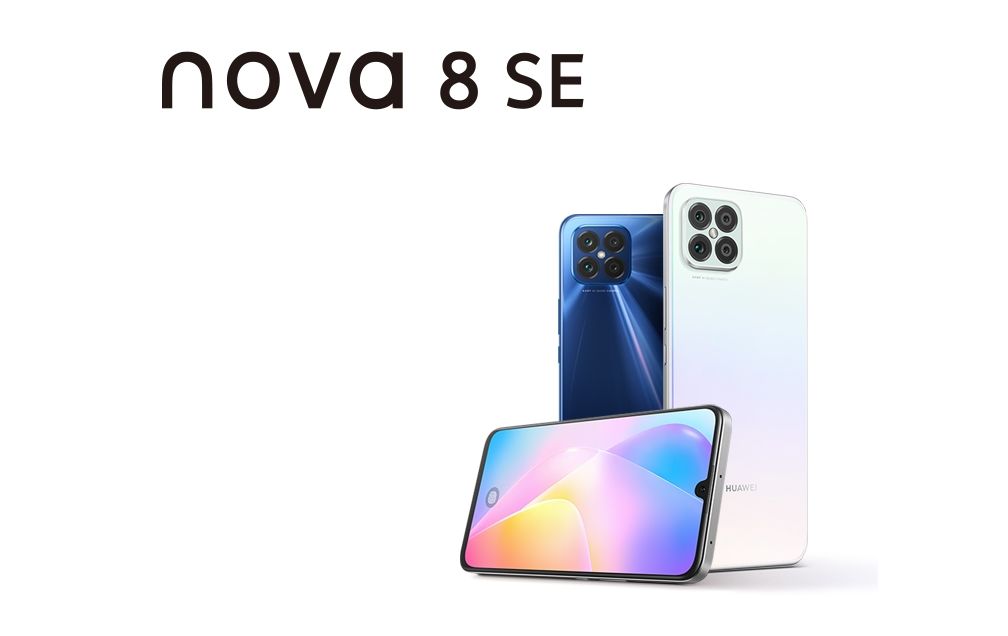
Huawei Nova 8 SE 4G launched with Kirin 710A, 64MP quad cameras, 66W fast charging

Huawei has silently unveiled the Huawei Nova 8 SE smartphone in China. It is third Nova 8 SE model from the brand after the Nova 8 SE Youth, Nova 8 SE 5Gv (Dimensity 720), and Nova 8 SE 5G (Dimensity 800U). Unlike these phones, the Nova 8 SE that has gone official now in China is a 4G LTE device. It is powered by the older Kirin 710A chipset.

Huawei Nova 8 SE specifications and features

The Huawei Nova 8 SE 4G has a 6.5-inch OLED panel with a teardrop notch. It offers a Full HD+ resolution of 1080 x 2400 pixels, 403ppi pixel density, DCI-P3 color gamut, and an in-screen fingerprint scanner.

The front side of the phone features a 16-megapixel selfie camera. Its back panel has a 64-megapixel main camera with an f/1.9 aperture, which is assisted by an 8-megapixel ultrawide camera, a 2-megapixel macro camera, and a 2-megapixel depth assist sensor.

Huawei Nova 8 SE 4G
Huawei Nova 8 SE 4G

The Kirin 710A chipset is present under the hood of the Nova 8 SE 4G. Its offers 8 GB RAM of RAM and 128 GB of built-in storage. The device lacks support for a microSD card. It comes preinstalled with HarmonyOS 2.

The Nova 8 SE 4G has a 3,800mAh battery that carries support for 66W fast charging. It is equipped with other features like a heat dissipation system, dual 4G VoLTE, Wi-Fi 802.11ac, Bluetooth 5.1, GPS, and a USB-C port. Lastly, the handset measures 7.5mm in thickness and weighs 180 grams.

Huawei Nova 8 SE pricing and availability

The Nova 8 SE is priced at 2,099 Yuan (~$328) and is up for purchase in China. It comes in colors like black, white, silver, and blue.

RELATED:

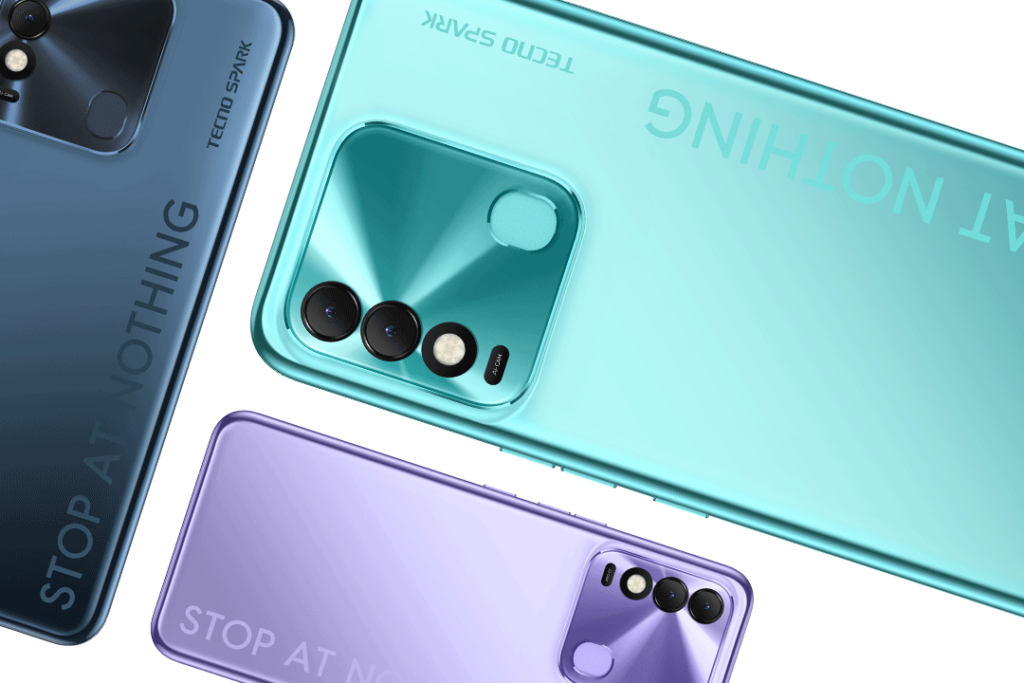
TECNO SPARK 8 gets a new 4GB + 64GB variant in India

TECNO launched the TECNO SPARK 8 in India in September. A new memory variant of the handset was introduced earlier this month. Just a few days later, the smartphone gets yet another memory configuration.

TECNO SPARK 8 Featured A

TECNO has launched a new 4GB + 64GB variant of TECNO SPARK 8 in India. This version of the phone is priced at ₹10,999 in the country. For a limited time, the company is offering a free Bluetooth earpiece, which carries a retail price of ₹799.

If a customer cannot spend over ₹10,000, they can opt for either 3GB + 32GB or 2GB + 64GB version of the device. These models of the smartphone retail at ₹9,299 and ₹7,999 respectively.

Talking about specifications, the TECNO SPARK 8 sports a 6.52-inch LCD panel with a resolution of 1600 x 720 pixels (HD+) and a dewdrop notch. It is powered by a MediaTek Helio A25 chipset paired with LPDDR4x RAM and eMMC 5.1 storage.

The phone houses a dual-camera setup on the rear consisting of a 16MP primary sensor and a secondary AI Lens. On the front, it nests an 8MP shooter inside the notch.

Other features of the handset include dual SIM, 4G, VoLTE, WiFi, Bluetooth, GNSS, MicroUSB port, MicroSD card slot, 3.5mm headphone jack, rear-mounted fingerprint sensor, HiOS 7.6 based on Android 11, 5,000mAh battery, and 10W charging.

Last but not least, the TECNO SPARK 8 measures 164.82 × 76.05 × 8.85mm in dimensions and comes in three color options, namely Iris Purple, Atlantic Blue, and Turquoise Cyan.


RELATED:


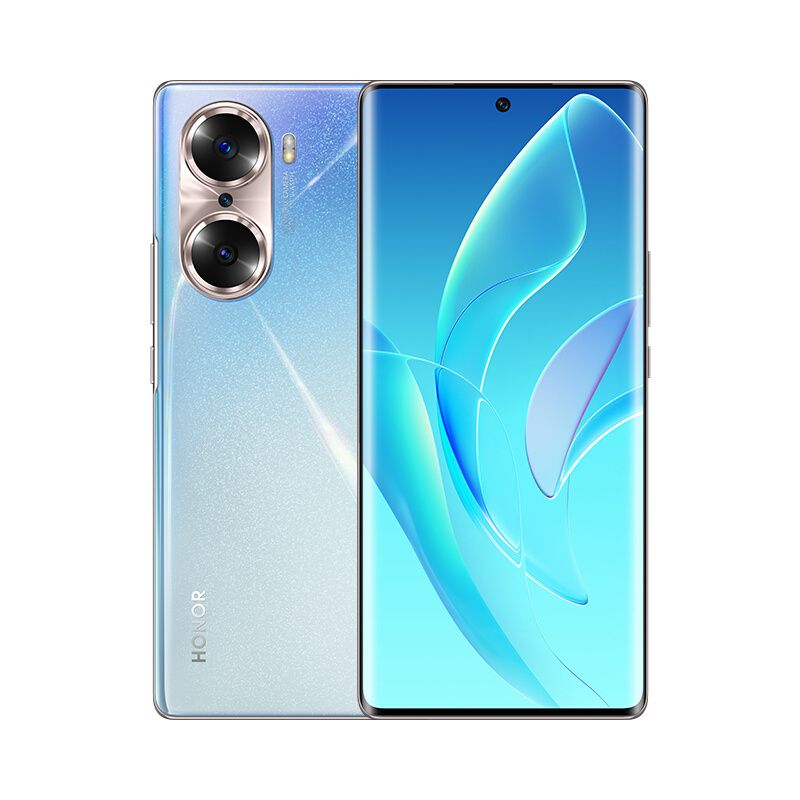
Honor 60, 60 Pro renders emerge to show design in full glory, key specifications revealed

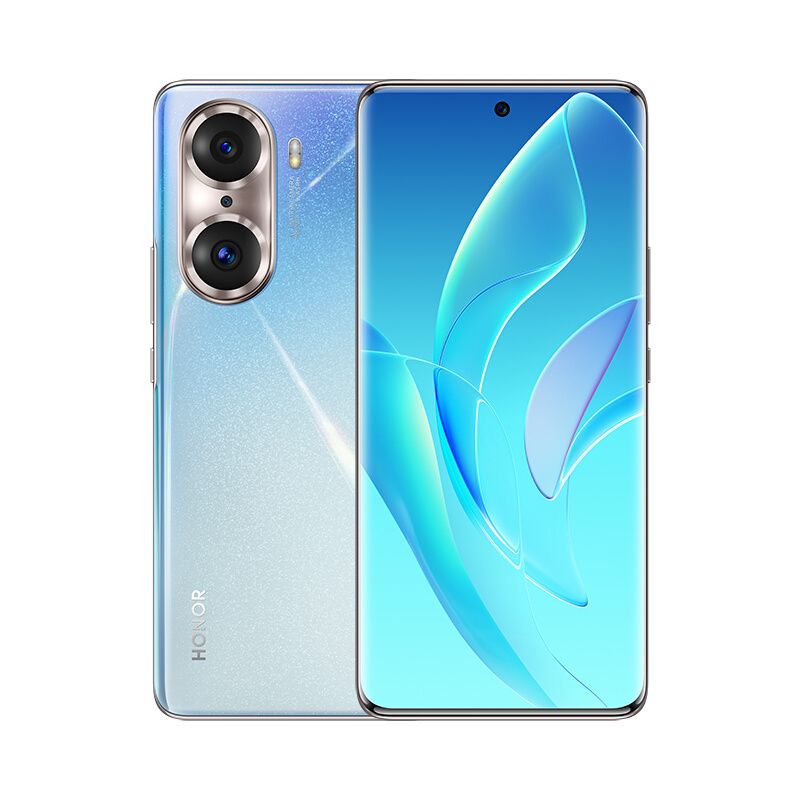
Honor 60 and Honor 60 are now listed for reservations on JD.com and other Chinese retailer sites. The JD listings of both phones carry their official renders. The images show that the Honor 60 mid-range phones will offer an impressive design. In addition, the tipster Digital Chat Station has tipped the key details of both smartphones.

Honor 60
Honor 60

The Honor 60 and Honor 60 Pro are both equipped with curved edge displays. However, the vanilla model’s screen is only curved towards the right and left edges, but the Pro model’s display is curved on all four sides. The absence of a side or rear-facing fingerprint scanner indicates that the Honor 60 duo is equipped with an in-display fingerprint scanner.

Honor 60 Pro
Honor 60 Pro

The rear shell of the Honor 60 and 60 Pro seems to be flanked by a triple camera unit. A volume rocker and a power key are available on the right edge of both phones.

The AMOLED panels of the Honor 60 and 60 Pro smartphones are rumored to support a Full HD+ resolution and a 120Hz refresh rate. The Honor 50 and 50 Pro were driven by the Snapdragon 778G chip, but their successor editions are likely to feature the latest Snapdragon 778G Plus SoC.

For photography, the Honor 60 and 60 Pro are expected to arrive with a 50-megapixel selfie camera and a 108-megapixel main camera on the back. Both phones are also said to be equipped with support for 66W fast charging.

At present, there is no word on the pricing of the Honor 60 and 60 Pro. Rumors have it that the Honor 60 lineup also include a phone called Honor 60 SE. This phone is expected to carry support for 40W fast charging. The Honor 60 series is scheduled to launch on Dec. 1 in China.

(source 1, 2, 3, 4)

RELATED:

OPPO’s first Dimensity 920 phone coming soon, specifications leaked

In August, MediaTek announced the Dimensity 920 chipset along with the Dimensity 810 SoC. The Redmi Note 11 Pro and Redmi Note 11 Pro+ are the only phones available in the market that are powered by the Dimensity 920. A reliable tipster from China has tipped the specifications of the OPPO’s first Dimensity 920 SoC phone. Unfortunately, the leak has no information on the marketing name of the device.

According to the tipster, OPPO’s upcoming smartphone with D920 chip will have a 6.43-inch AMOLED display that will produce an FHD+ resolution, a 90Hz refresh rate, and 1300 nits of brightness. It appears to be the same display that has been seen on phones like OPPO Reno7, Reno7 SE, Realme GT, Realme GT Neo, and so on. The screen will be protected by Gorilla Glass 5 and is likely to feature an in-screen fingerprint scanner.

OPPO Reno7
OPPO Reno7

The D920 chip will be accompanied by 8 GB of LPDDR4x RAM and 128 GB / 256 GB of UFS 2.2 storage. The handset will draw power from a 4,500mAh battery and it is expected to carry support for 60W rapid charging technology.

When it comes to photography, the rear shell of the device will offer a triple camera system with an OmniVision OV64B 64-megapixel primary camera. It will be accompanied by the Sony IMX355 ultrawide shooter and a macro camera with a 4cm focal length. For selfies, the device will possess a Sony IMX471 16-megapixel front camera.

The mysterious OPPO phone is expected to arrive in two variants. Its base model with 8 GB RAM + 128 GB storage could be priced at 1,999 Yuan (~$313), whereas its higher model with 8 GB RAM + 256 GB storage may cost 2,299 Yuan (~$360).

RELATED:

Nothing Ear (1) gets ₹700 price cut in the Indian market; now costs ₹6,200 ($83)

Nothing Ear (1), the first-ever product coming from the newly formed company by OnePlus co-founder Carl Pei, was launched in India earlier this year in July. The true wireless earbuds have premium features, including ANC and wireless charging.

When launched, the Nothing Ear (1) were priced at ₹5,999 (~$80) in the Indian market but the company later hiked its price to ₹6,999 (~$94). Now they have received a price cut of ₹700, bringing its cost down to ₹6,299 ($83). It is not yet known if this discounted pricing is for a limited time only or permanent.

Nothing ear (1)

Nothing Ear (1) comes with a transparent outer casing for the earbuds as well as a transparent charging case. They feature 11.6mm dynamic drivers from Teenage Engineering and each earbud weighs 4.7 grams.

There’s support for in-ear detection, allowing users to adjust Active Noise Cancellation (ANC), activate Transparency Mode, and change the Equalizer settings through the companion Ear 1 mobile application which is available for both iOS and Android.

Other features for the TWS earbuds include IPX4 water and sweat-resistant rating. It comes with Google Fast Pair and features touch controls for playback, noise cancellation/ transparency modes, and volume controls.

Nothing Ear (1) supports both USB Type-C and Qi wireless charging. It is powered by a 570mAh battery which is claimed by the company to offer up to 5.7 hours of battery life per charge and up to 34 hours in total with the charging case.

RELATED: 

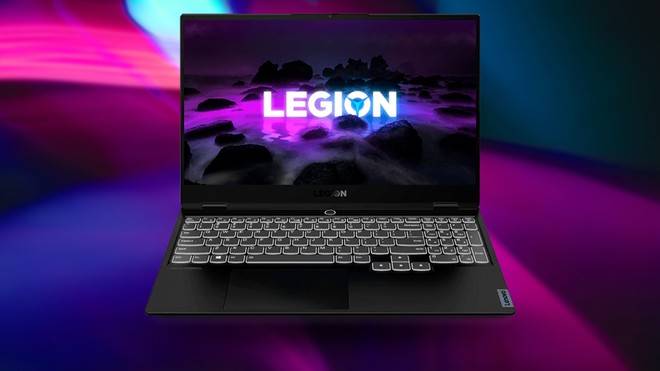
Lenovo Legion Slim 7 with up to Ryzen 7 CPU and RTX 3060Ti GPU launched in Brazil

Lenovo on Thursday launched a new gaming laptop in Brazil dubbed Lenovo Legion Slim 7. The laptop comes with AMD’s Ryzen processor and has up to RTX 3060Ti GPU under the hood.

The Lenovo Legion Slim 7 comes with a 15.6-inch IPS LCD screen with a resolution of 1920 x 1080 pixels. It has a screen refresh rate of 165Hz and an anti-reflective screen technology. The screen boasts Dolby Vision certification and has support for G-Sync and Free-Sync. It has 300 nits of brightness for better visibility.

Lenovo Legion Slim 7

Under the hood, it is powered by the AMD Ryzen 5 5600H processor that comes with six cores clocked at 3.3GHz. The processor is supported to go up to 4.2GHz in overclocking. There’s also another model with Ryzen 7 processor. Assisting the CPU is the NVIDIA GeForce RTX graphic cards. The laptop comes in two models – RTX 3050Ti and RTX 3060Ti.

The laptop comes with 16GB of RAM and has 512GB of M.2 PCIe NVMe SSD storage. Both the RAM and storage is expandable up to 24GB and 2TB respectively. The device boots on Windows 10 out of the box but is eligible for a free upgrade to the latest Windows 11.

Since it is a gaming laptop it comes with a cooling system called Legion Coldfront 3.0. It dissipates heat with two fans which can be toggled with the controls on the keyboard. Talking about the keyboard, the laptop has a backlit keyboard with a dedicated number pad.

Lenovo Legion Slim 7 is priced at R$ 17,999(~$3,233) for the Ryzen 5 and RTX 3050Ti model, whereas, the Ryzen 7 and RTX 3060Ti model costs R$ 18,999(~$3,413).

RELATED:

Samsung to increase usage of Exynos chips to reduce dependency on third-party suppliers

Samsung Electronics, the world’s leading smartphone manufacturers, is also on the list of a handful of companies that makes their own chips. Unlike Apple, Samsung also uses chips from companies like Qualcomm and MediaTek as well, along with its own Exynos SoC.

So far, the majority of the Samsung phones have been using third-party chips and not the brand’s own but that may soon get changed as the South Korean technology giant is planning to reduce its reliance on US-based chipmaker Qualcomm.

Samsung

Currently, only about 20 percent of the total smartphone from Samsung comes powered by its own Exynos series chips. Qualcomm dominates in the mid-range and premium smartphones many of the new entry-level phones now pack MediaTek chips.

Starting with 2022, as per the report from Electronic Times (via ITHome), the number of Samsung Galaxy smartphones powered by its own Exynos chips will increase by two or three times, and the System LSI Division will more than double the production capacity for the Exynos lineup of chips.

One of the reasons being attributed to this move is the global chip shortage. The company had to postpone the launch of the Samsung Galaxy S21 FE smartphone several times because of the shortage of Qualcomm Snapdragon 888 chips and the phone is now scheduled to go official in January next year. This has led to a major blow for the South Korean company’s sales and launch schedule.

Samsung is expected to soon launch its Exynos 2200 SoC and the GPU benchmark results of this upcoming chip have been leaked online. It shows that AMD’s RDNA 2-powered 6-core GPU on the Exynos 2200 has a peak performance improvement of +31 to 34% over the Exynos 2100, which is quite a bit considering that we usually see +20 to 25% performance gains between generations.

It is being claimed that the Samsung Exynos 2200 will use the new ARMv9 architecture that was launched this year. This one focuses big on AI, machine learning, and security, meaning that the chipset will be benefitting from them. But, it still remains to be seen how well the Exynos 2200 will be performing against the likes of the Apple A15 and Snapdragon 8 Gen1 (aka Snapdragon 898), which are its true rivals.

RELATED: 

Motorola Moto Tab G70 LTE could launch in India as it gets BIS certification

Motorola entered the tablet category in India with the launch of the Moto Tab G20. Unsurprisingly, this device turned out to be a rebranded Lenovo tablet. Now, the company is expected to release yet another tablet in the country dubbed as Moto Tab G70 LTE.

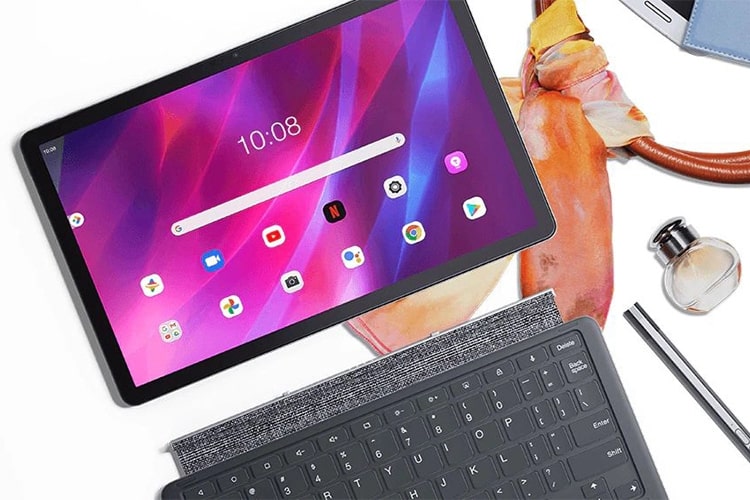
Lenovo Tab P11 Plus Slate Grey Feaured A
Lenovo Tab P11 Plus

An upcoming Motorola tablet called Moto Tab G70 LTE has been certified by BIS (Bureau of Indian Standards). Hence, the product could launch soon in India.

This device was recently spotted on Google Play Console. According to the listing, it will flaunt a WUXGA+ display with a resolution of 2000 x 1200 pixels. Interestingly, it will be powered by a MediaTek Kompanio SoC with model number MT8183A.

The slate will only have 4GB RAM but there could be other RAM variants. Unfortunately, it will run Android 11 although Android 12 is out.

The device has also appeared on Geekbench (h/t @i_hsay). The listing reveals that it will have a ‘P11’ motherboard. Therefore, the Motorola Moto Tab G70 could be a tweaked version of one of the Lenovo Tab P11 series models.

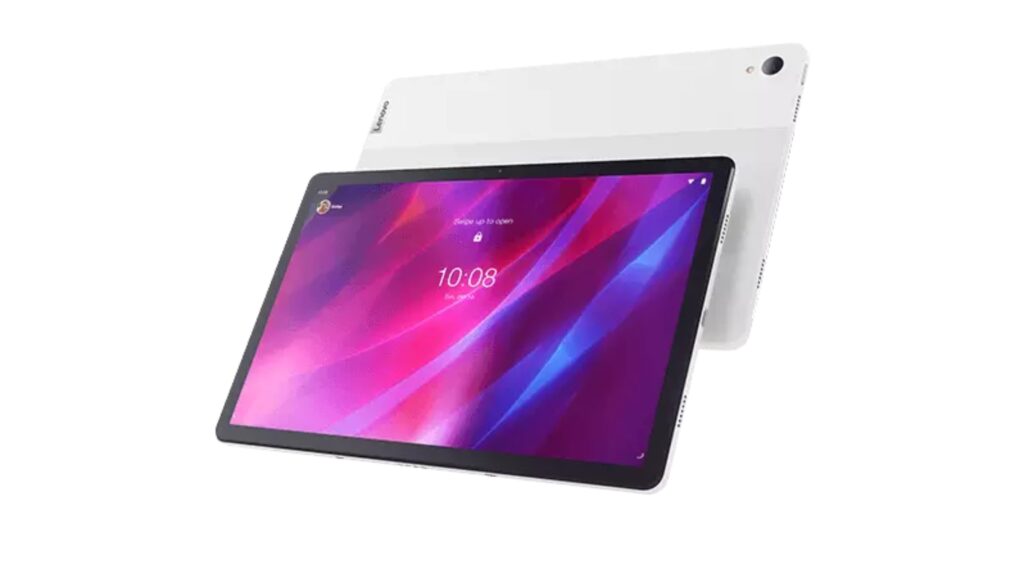
Lenovo Tab P11 Plus Platinum Grey Featured A
Lenovo Tab P11 Plus

The Moto Tab G70 could be a modified Lenovo Tab P11 Plus. Thus, we can expect features like an 11-inch LCD screen, LPDDR4x RAM, UFS storage, quad speakers with Dolby Atmos, dual-microphone array, 13MP rear camera with autofocus, 8MP fixed focus front-facing camera, dual-band WiFi, Bluetooth, USB 2.0 (Type-C), stylus support, keyboard accessory support, and more.

Last but not least, since the new Motorola slate has been certified as ‘Moto Tab G70 LTE’ by BIS, there may not be a WiFi-only variant for India.


RELATED:


Xiaomi’s Mijia DC Inverter Two-Season Fan now up for pre-order in China for 799 yuan ($125)

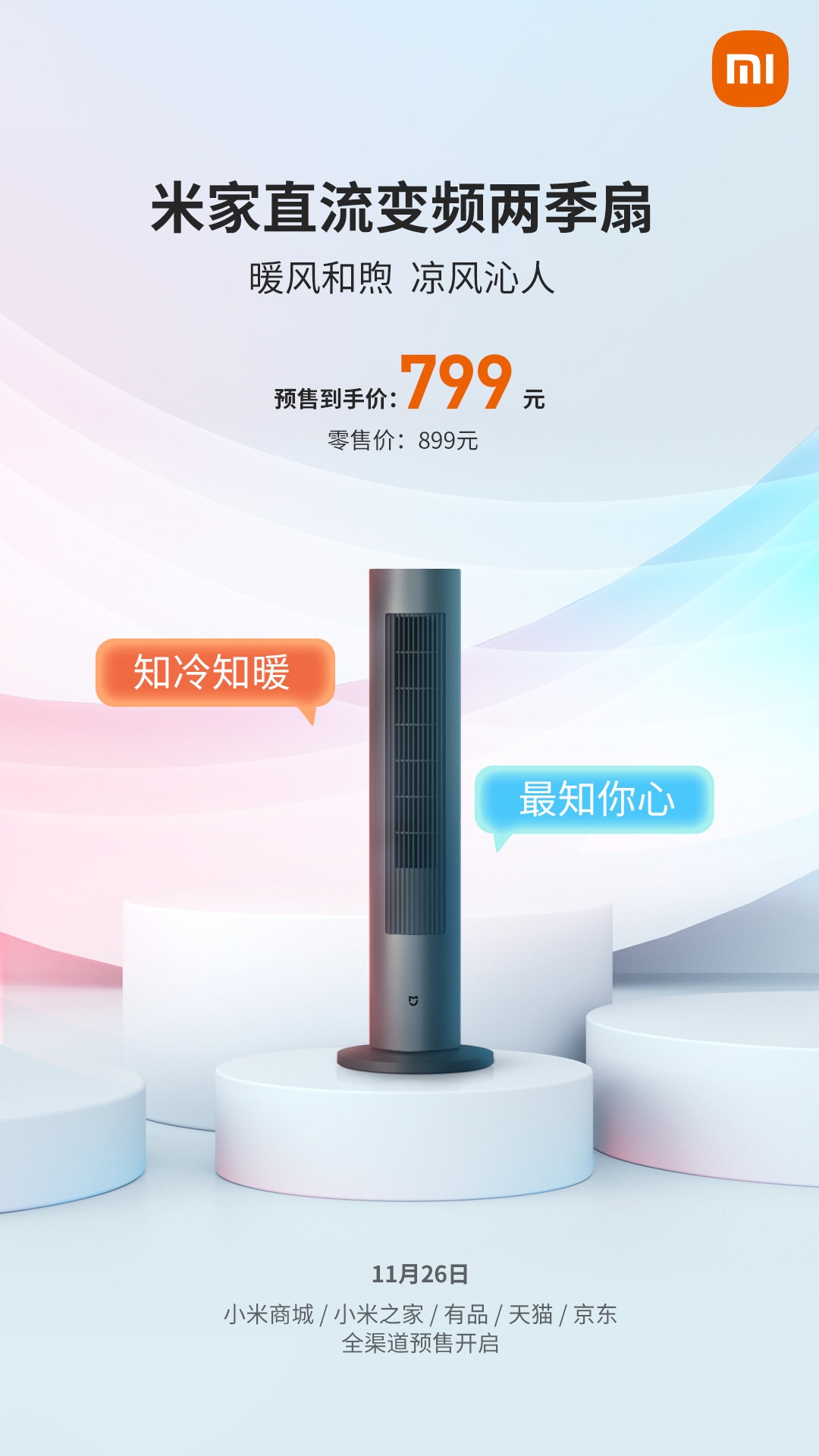
Xiaomi launched its latest Mijia branded product earlier this month, dubbed as Mijia DC Inverter Two-Season Fan. It is now available for pre-order for a price of 799 yuan (~$125) but the regular retail price is 899 yuan (~$141).

The Mijia DC Inverter Two-Season Fan comes in a cylindrical-shaped design with a chassis measuring 30 centimeters and the product weighing about 6.9 kilograms. It comes with support for several functions, including speed control, shutdown timer, etc.

Mijia DC Inverter Two Season Fan

The product is equipped with a patented PTC rotating structure that blows warm air when closed and cool air when opened. This means that it can be used during winter and summer, both seasons without any issues.

It has a built-in 2200W semiconductor ceramic heating element that can provide hot air within three seconds of booting up. Through Mijia App, there’s support for 100 units of warm air adjustment, extending the heat delivery distance by about two meters, and a 20-degree of warm air guide to balance the temperature.

Additionally, there’s also support for Smart Temperature Control System which keeps the indoor temperature within the same set range, providing a comfortable temperature. It has support for 18-28 degrees temperature adjustment and 0-12 hours timing settings.

The Mijia DC Inverter Two-Season Fan supports three breeze modes — Direct Air, Natural Air, and Sleep Air. The maximum air volume can reach 357m³/h, and the cooling air supply distance can reach 10 meters.

It packs a copper wire DC inverter brushless motor with the noise being as low as 38.4dB to offer a quieter sleeping environment. As noted, it supports Mijia App for remote control but there’s also support for XiaoAI Voice Assistant and can be linked with smart devices.

RELATED: