Advertisement

Redmi Note 11 Pro Plus Review: 120W Fast Charging now on a Budget

The Redmi Note 10 series China version launched in China just 6 months ago. But the next-generation model, the Note 11 series, has already arrived. There must be some reason for Redmi to release two generations of the Note series in one year. 

In fact, here, we compare the new Redmi Note 11 Pro+ model with the Note 10 Pro China version in detail, and you will easily know why there’s another model so soon. 
Redmi Note 11 Pro Plus Review 14

Now that’s done, let’s move on to the full review of the Redmi Note 11 Pro Plus.

The two Note series referred to in this video are the respective Chinese versions. The global versions of Note 11 series that could be released later will likely be different from the ones in this video. If the global version does change its specifications, please refer to the official website. 

Also, note that the only difference between the Redmi Note 11 Pro and Pro Plus model is in the charging power and battery capacity. So you can refer to this video to know more about the Note 11 Pro as well.

Redmi Note 11 Pro+ Review – Design

The design style of Note 11 Pro Plus is somewhat similar to Note 10 Pro, but it’s not exactly the same. Obviously, the general idea was to keep the lens design the same.
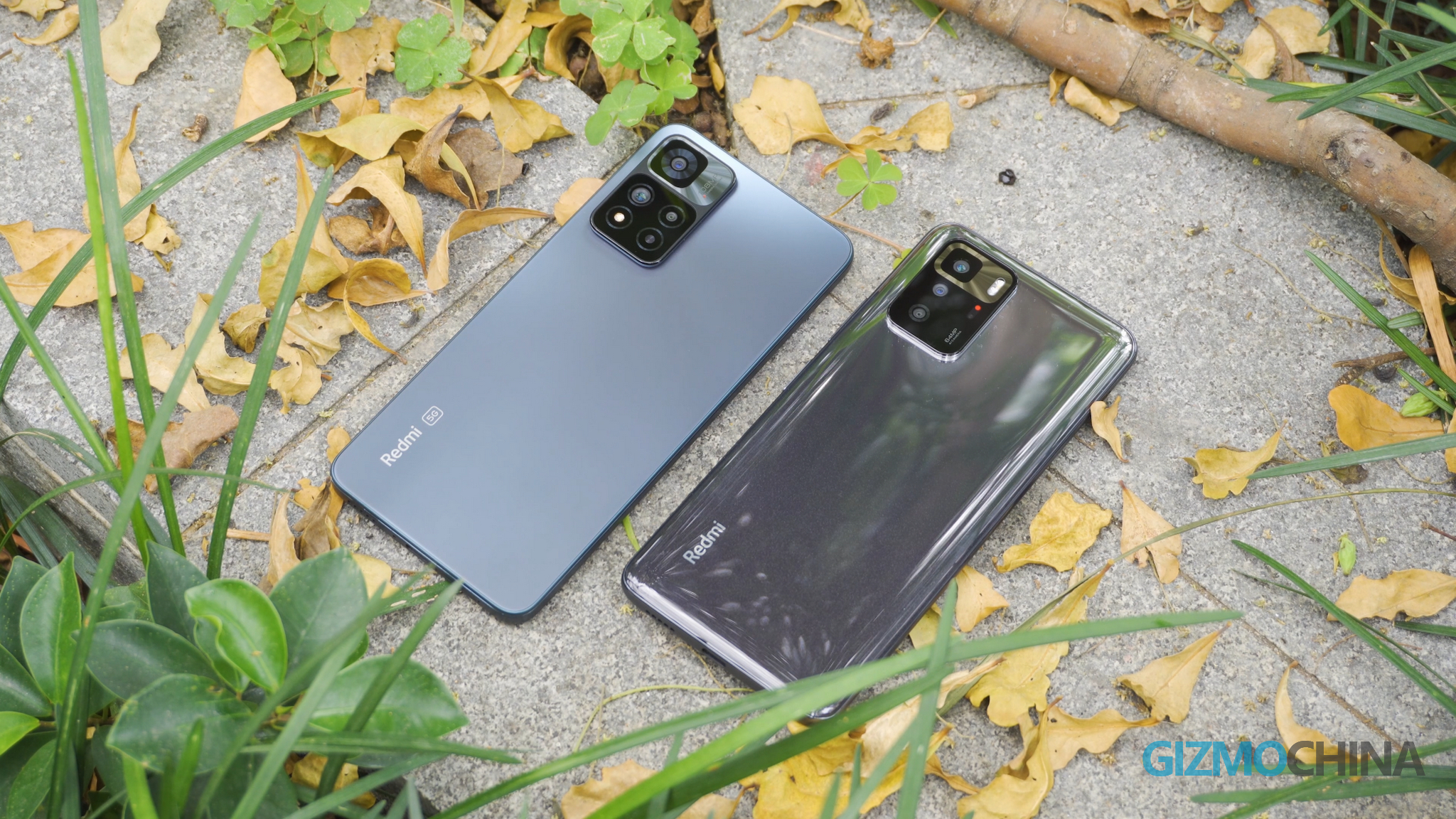
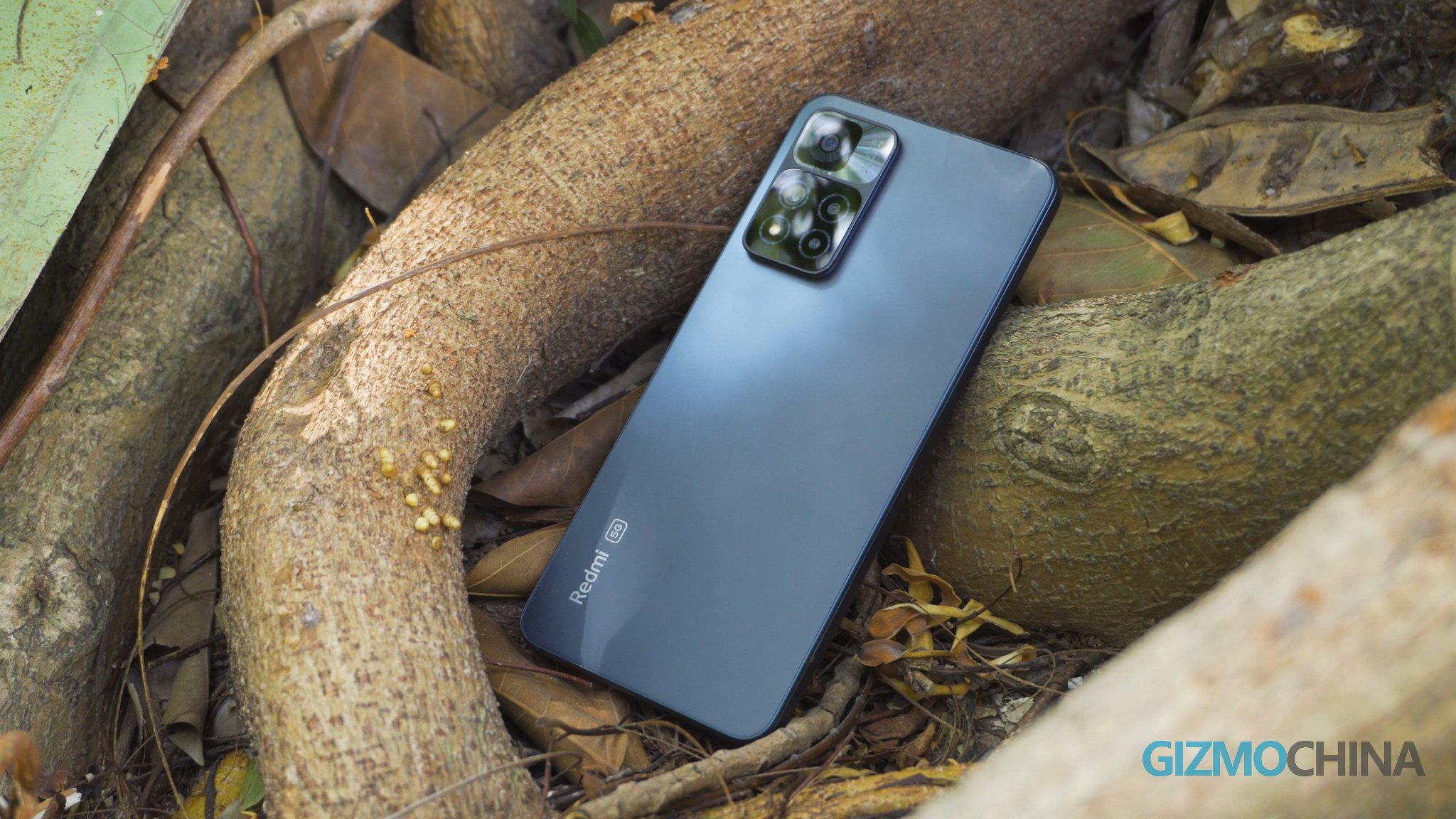
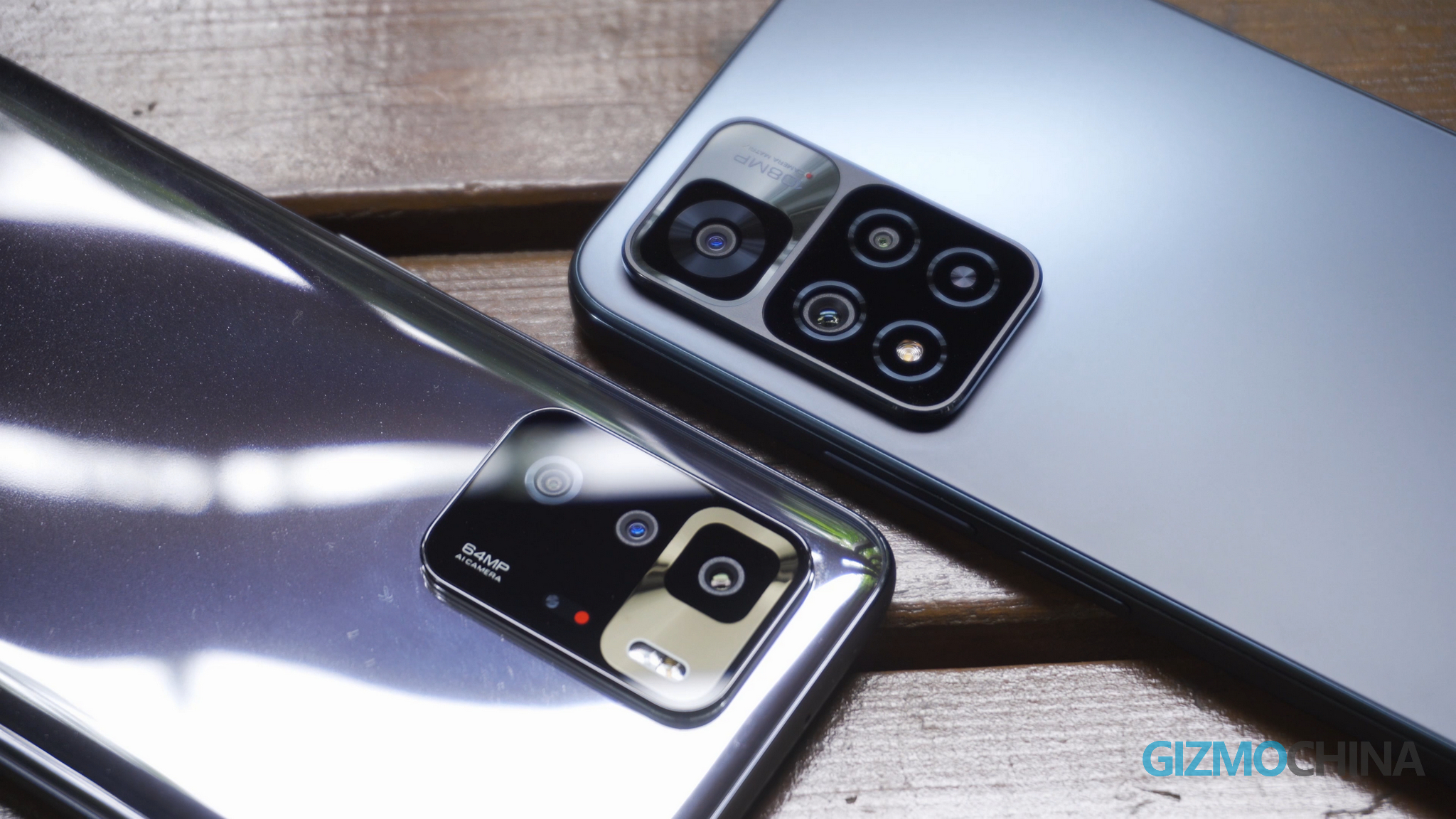
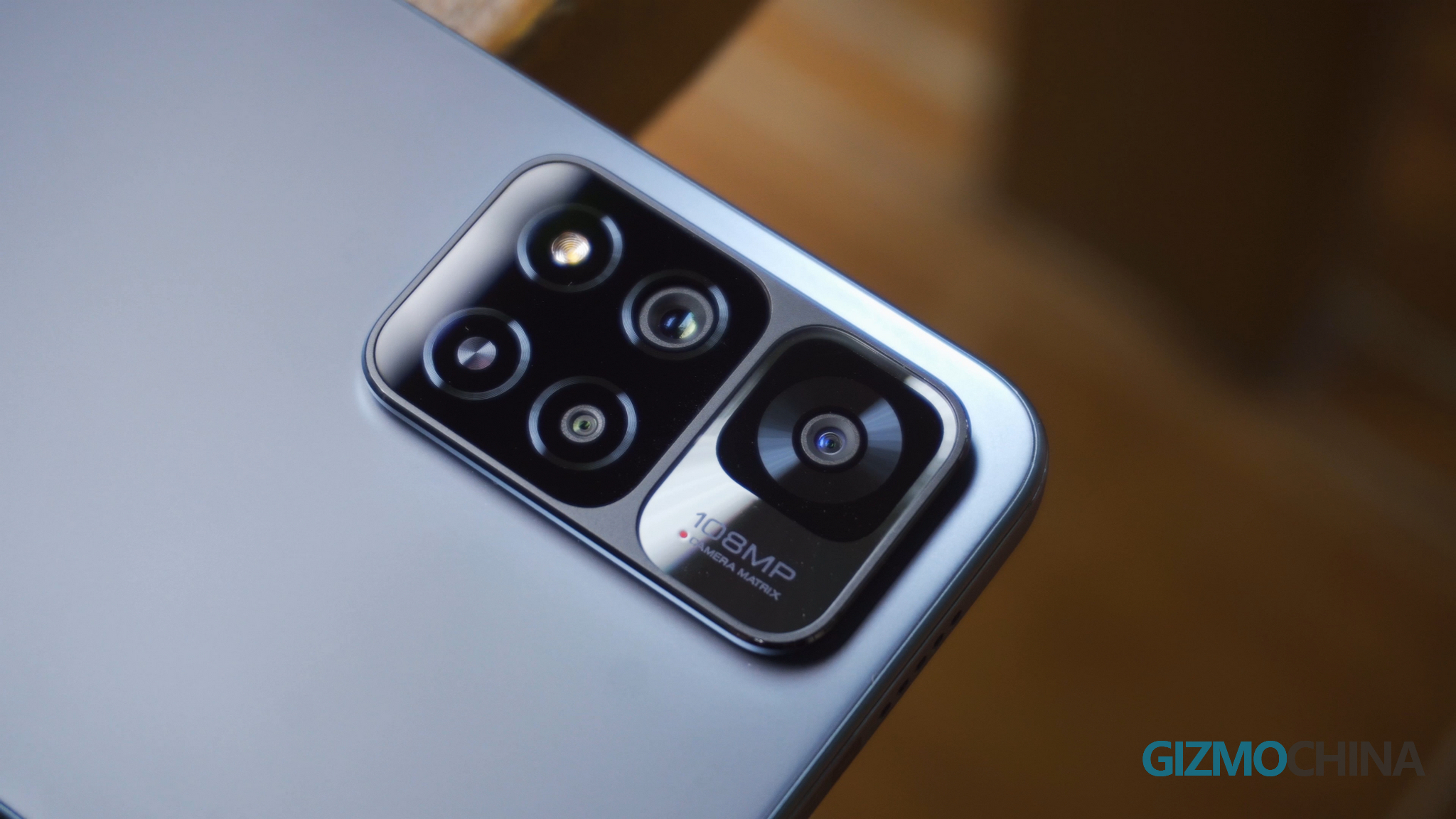
Redmi Note 11 Pro Plus Review vs Redmi Note 10 ProSo it’s still a top left matrix module, with a silver ring around the periphery of the topmost lens. But obviously the Note 11 Pro Plus has a larger lens module and more lenses, which also means it will have better camera specs. The frame has become a flat design like the iPhone 13, but of course not as premium as the iPhones, as the frame is still made of plastic.
Redmi Note 11 Pro Plus Review

The back panel material is made of AG frosted glass like the Note 9 Pro and the flat frame makes it look and feel more premium than the Chinese Redmi Note 10 Pro. The Note 11 Pro Plus has also been upgraded in terms of functionality.
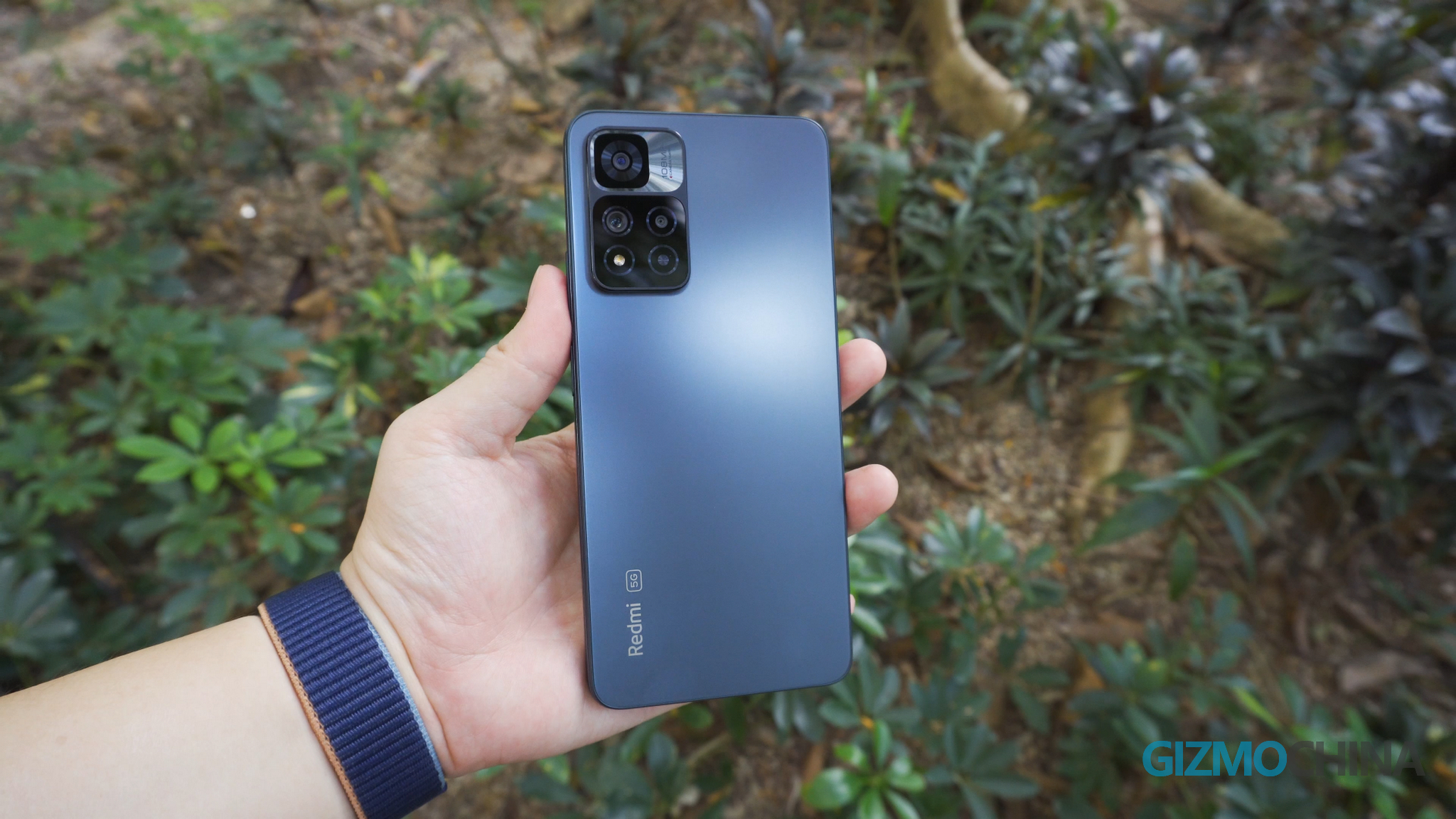
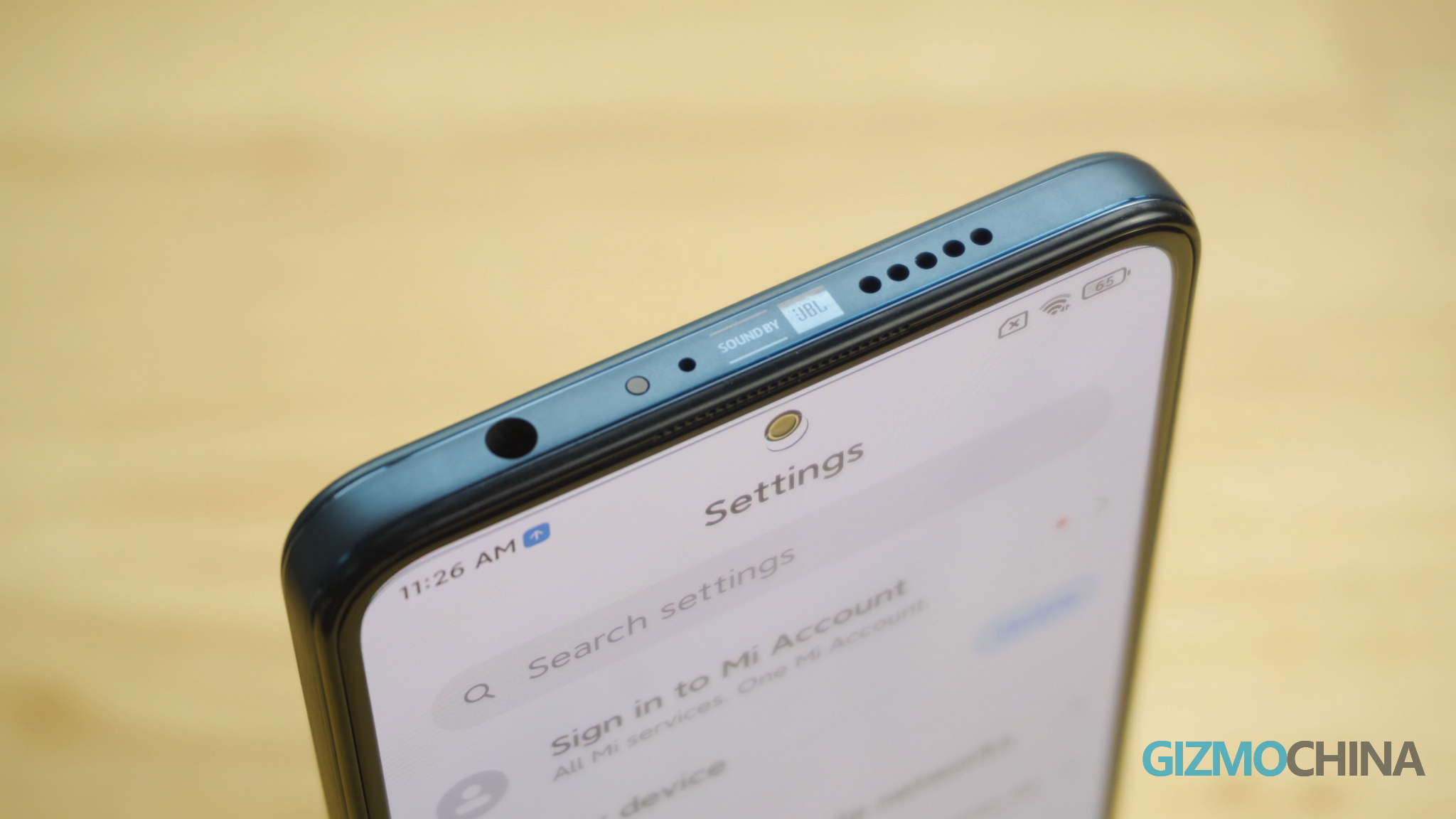
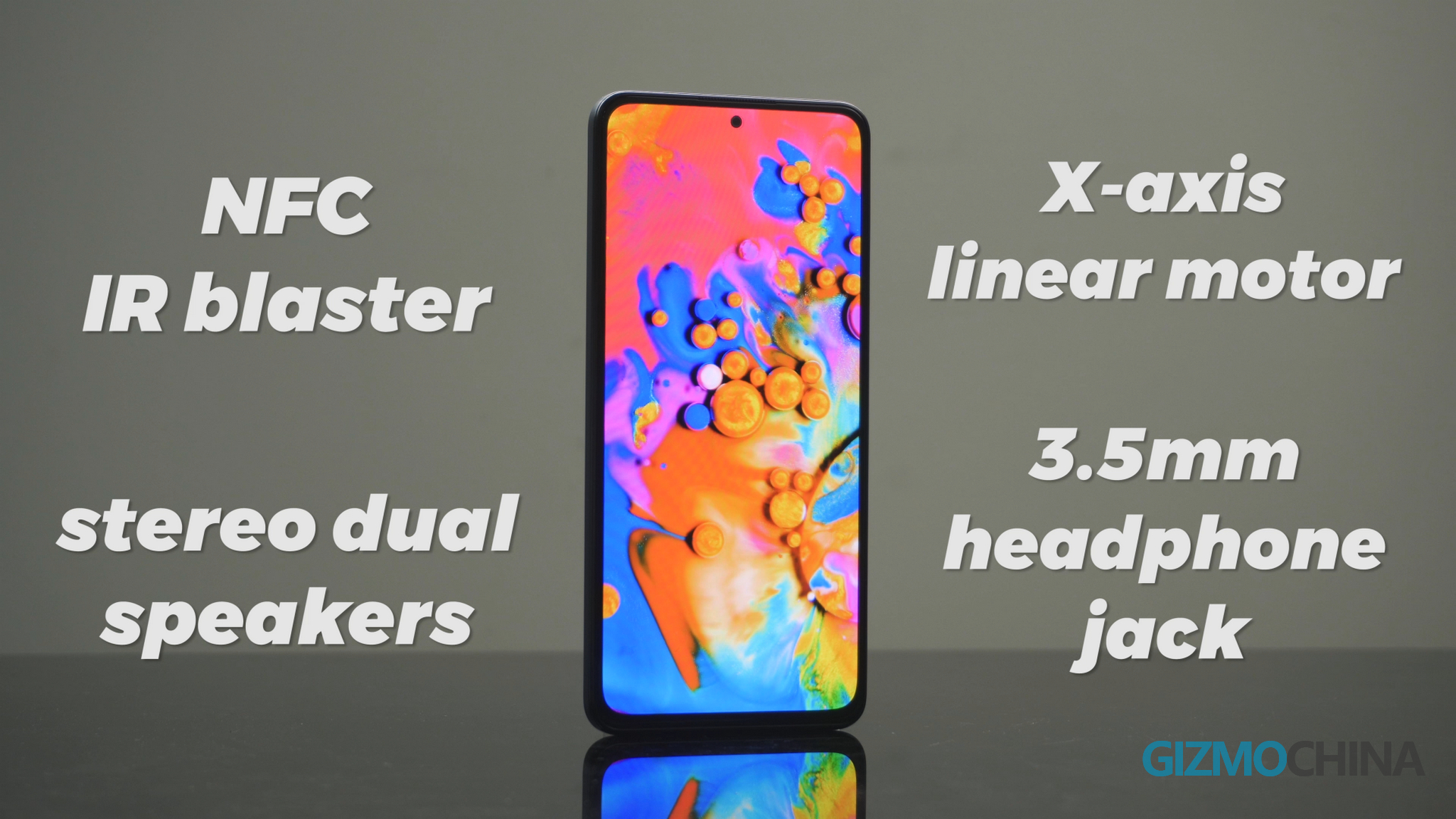
Redmi Note 11 Pro Plus Review featured 1Not only is it equipped with NFC, IR blaster, and stereo dual speakers, but it also has an X-axis linear motor and a 3.5mm headphone jack. And the SIM card tray offers optional MicroSD card support. In terms of design and functionality, the Note 11 Pro Plus is indeed an upgrade compared to the 10 Pro. And it gives you almost every feature you can think of on an affordable phone. 
Redmi Note 11 Pro Plus Review features

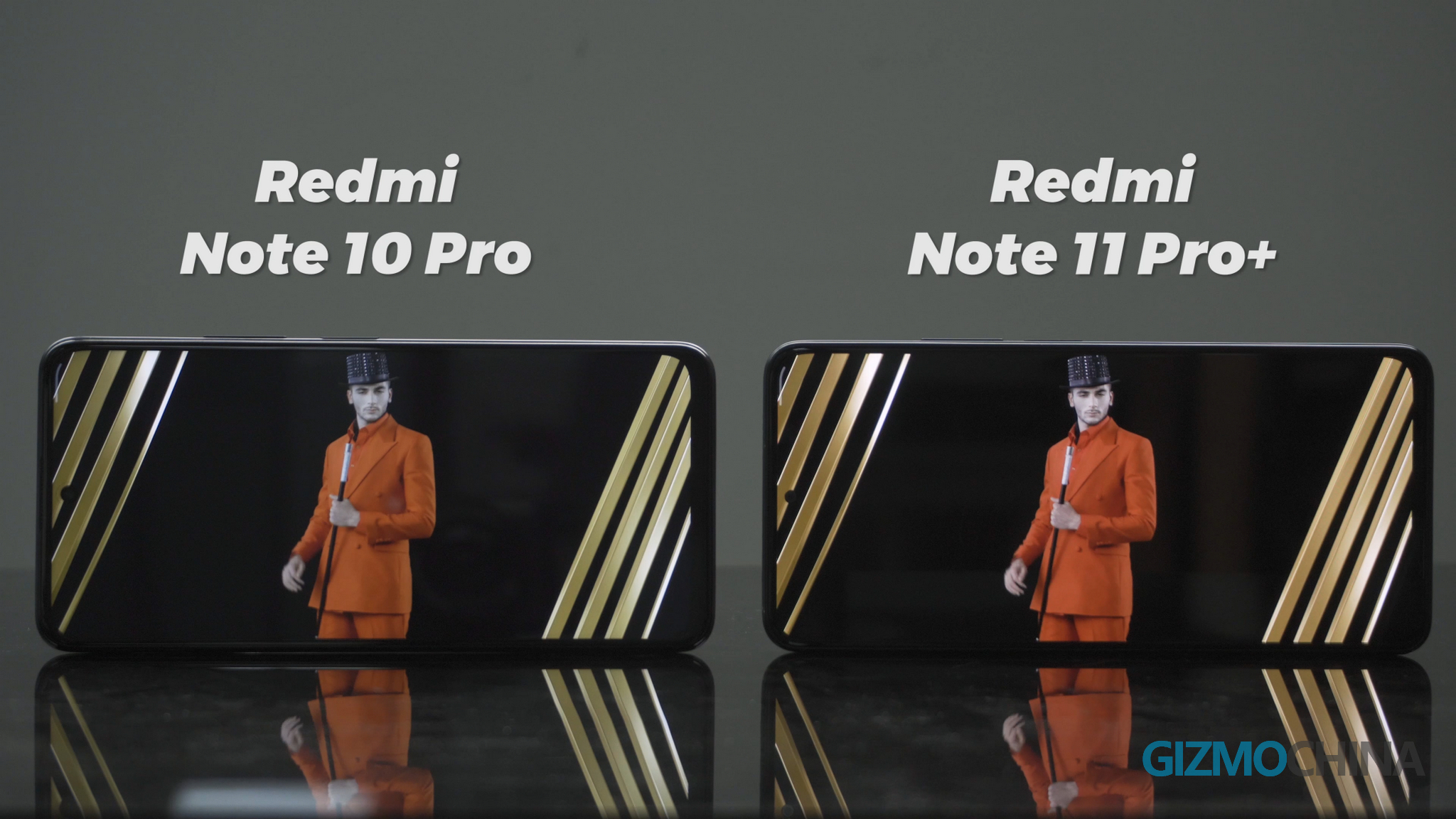
The Note 11 Pro Plus comes with an AMOLED screen. The 120Hz Samsung AMOLED screen is one of the best panels in its price range. We played an HDR video and realized there’s a huge improvement in the viewing experience of AMOLED as compared to an LCD panel. The visual experience from the higher contrast is really great. AMOLED also allows Redmi to make the hole-punch smaller and without shadows around it.

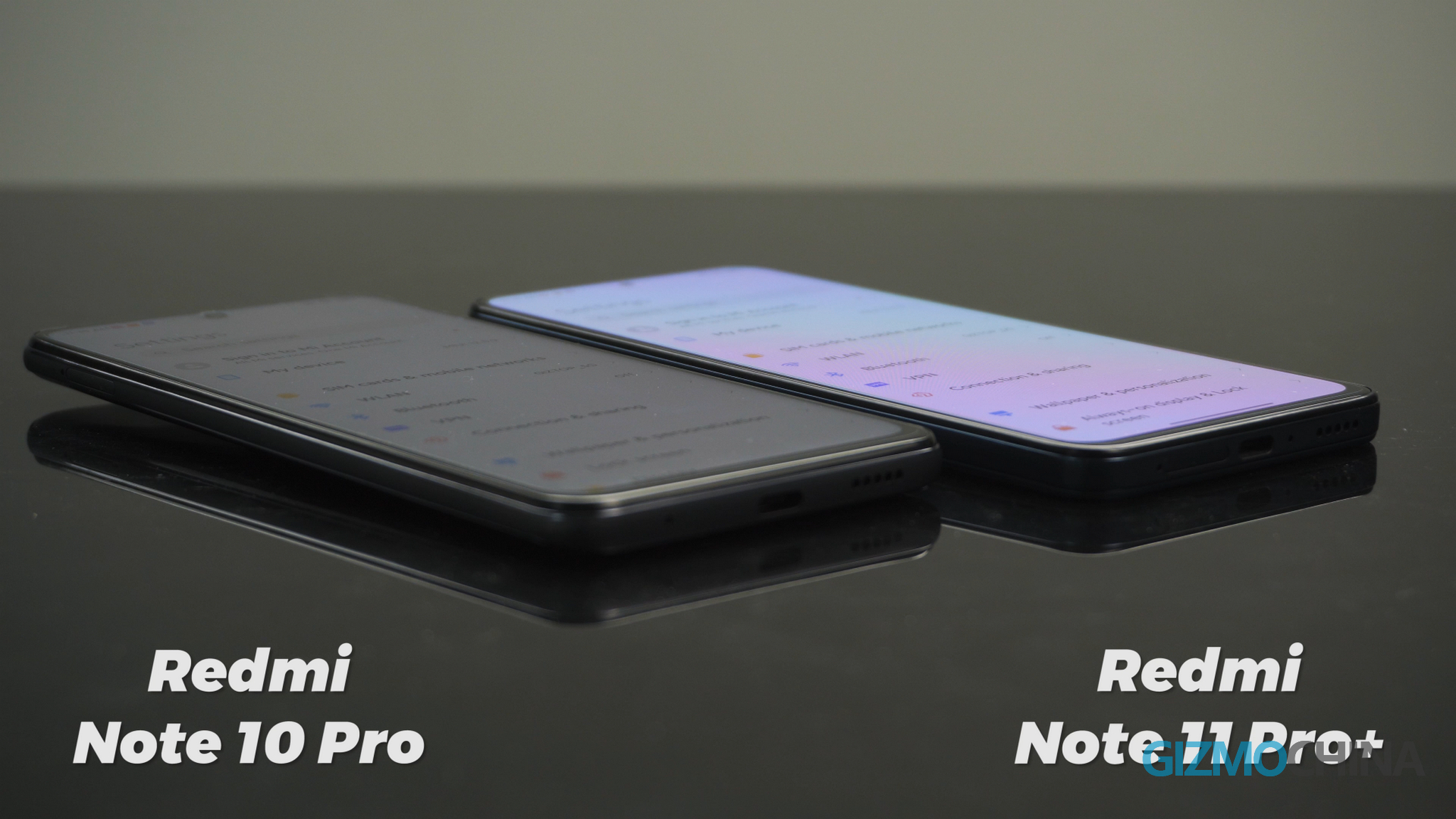
However, instead of the latest generation of the Corning Gorilla Victus Glass on the 10 Pro, the new model has a regular Corning Gorilla Glass. The problem of rainbow lines appearing in oblique view also exists. I wouldn’t say the Note 11 Pro Plus screen is a top-notch screen. But it does have a very good screen for a Budget Phone.

Redmi Note 11 Pro+ Review – Performance & GamingRedmi Note 11 Pro Plus Review Dimensity 920
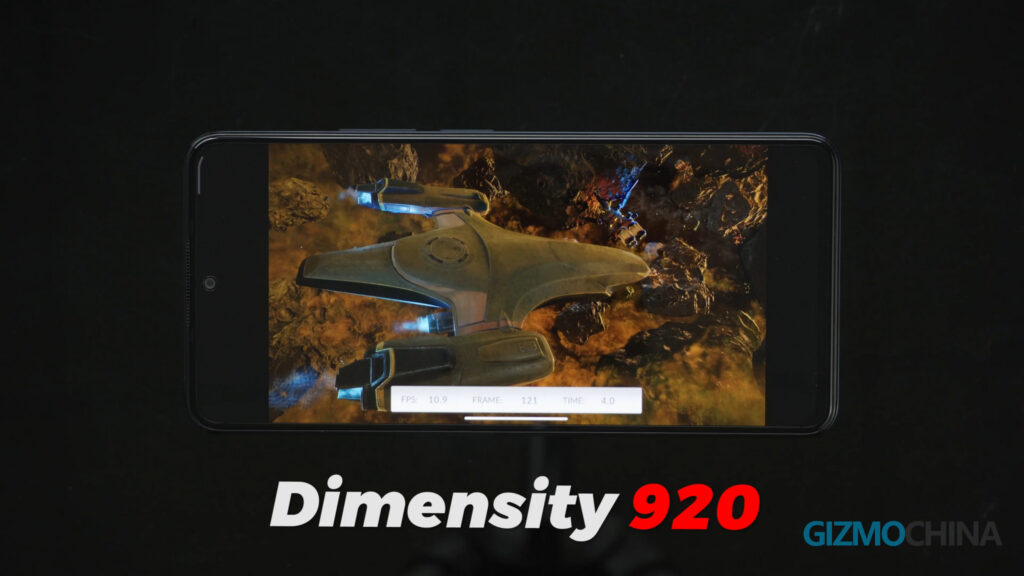
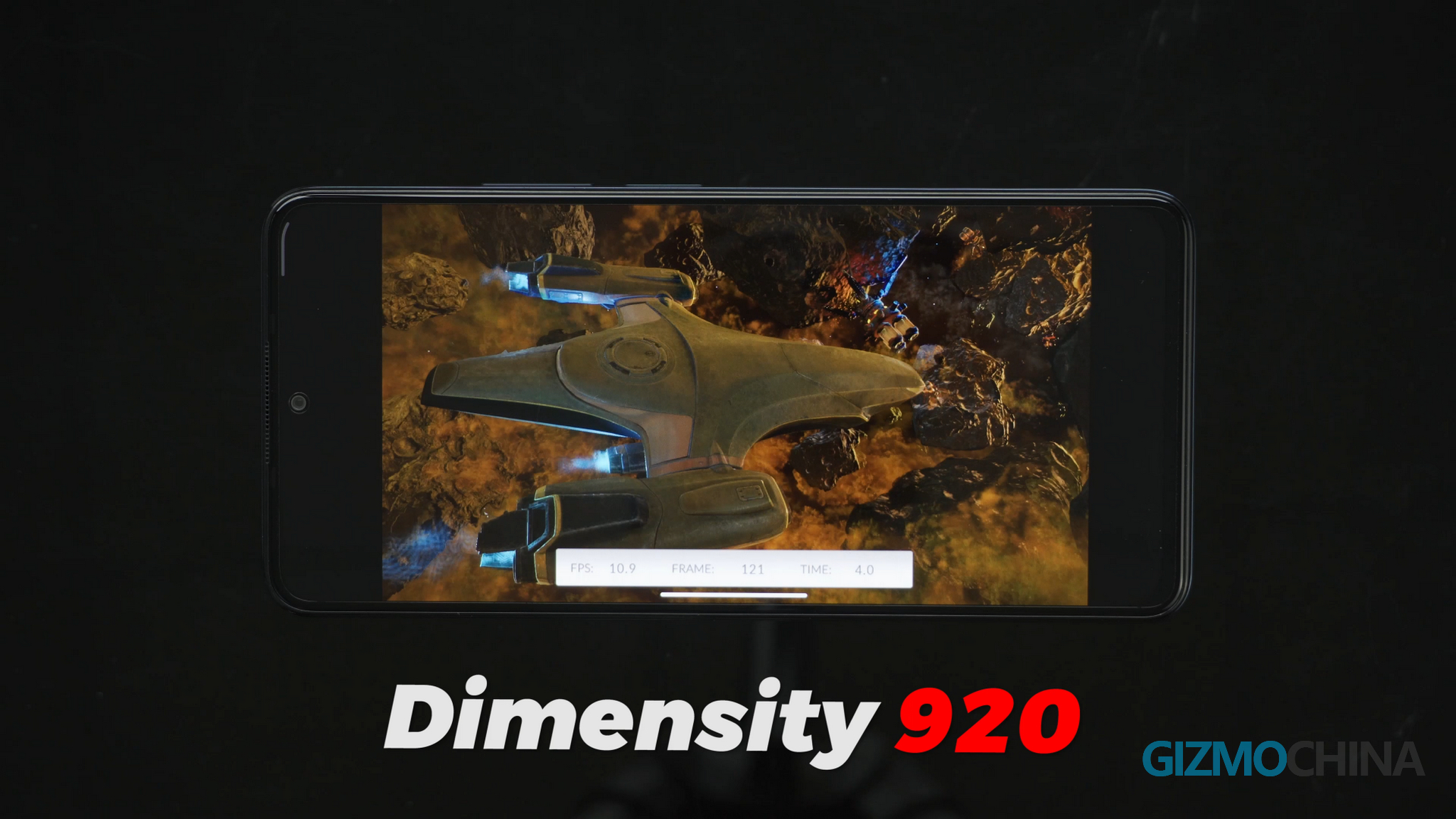
While in the design department, the new model shines, the Note 11 Pro Plus is not an all-around upgrade compared to the Note 10 Pro. It also has downgrades in some departments, such as the processor. Although the Note 11 Pro Plus is built on MTK’s Dimensity 920 for the first time, you can see from the name that it’s definitely not as good as the Note 10 Pro’s Dimensity 1100.
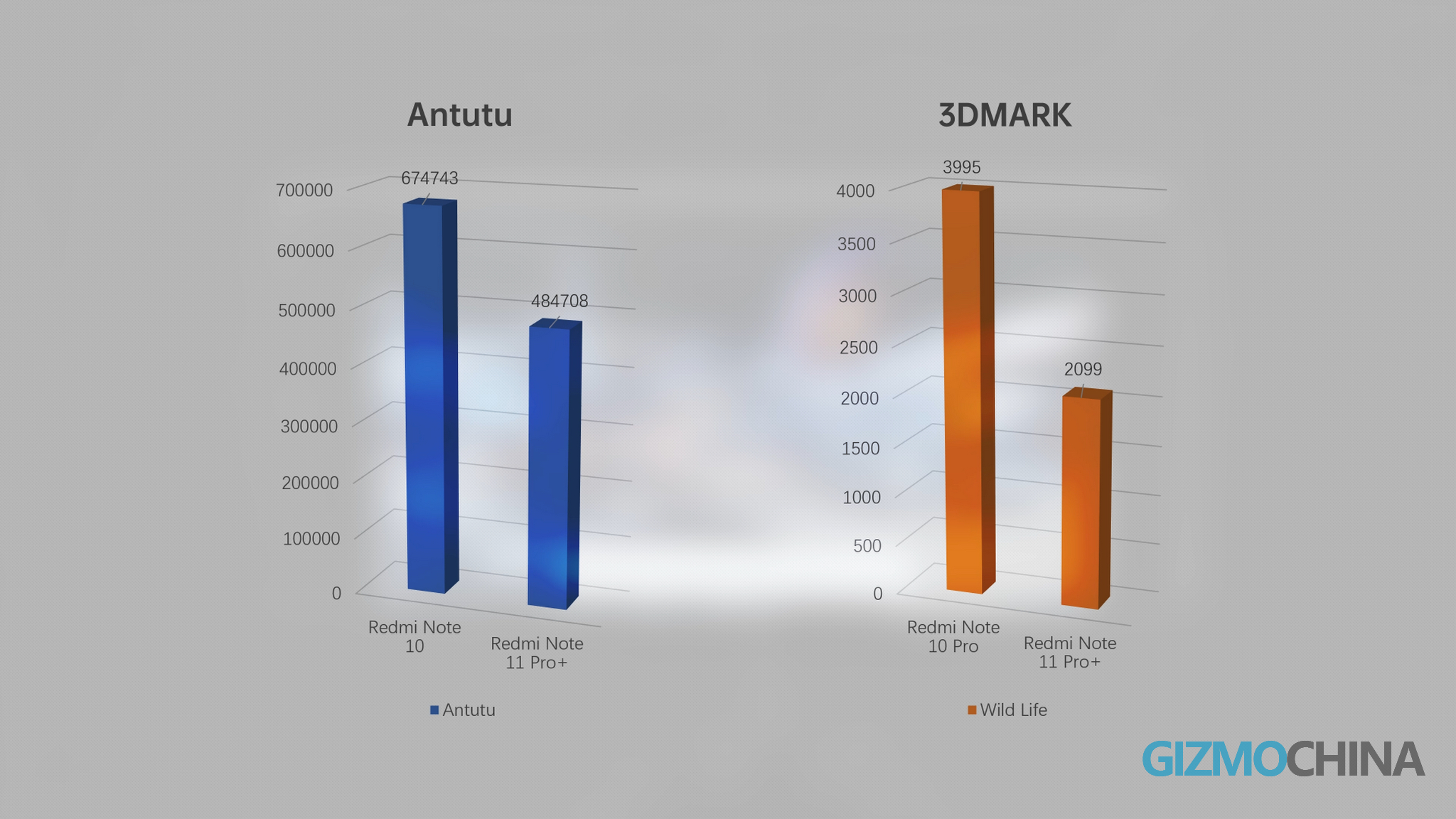
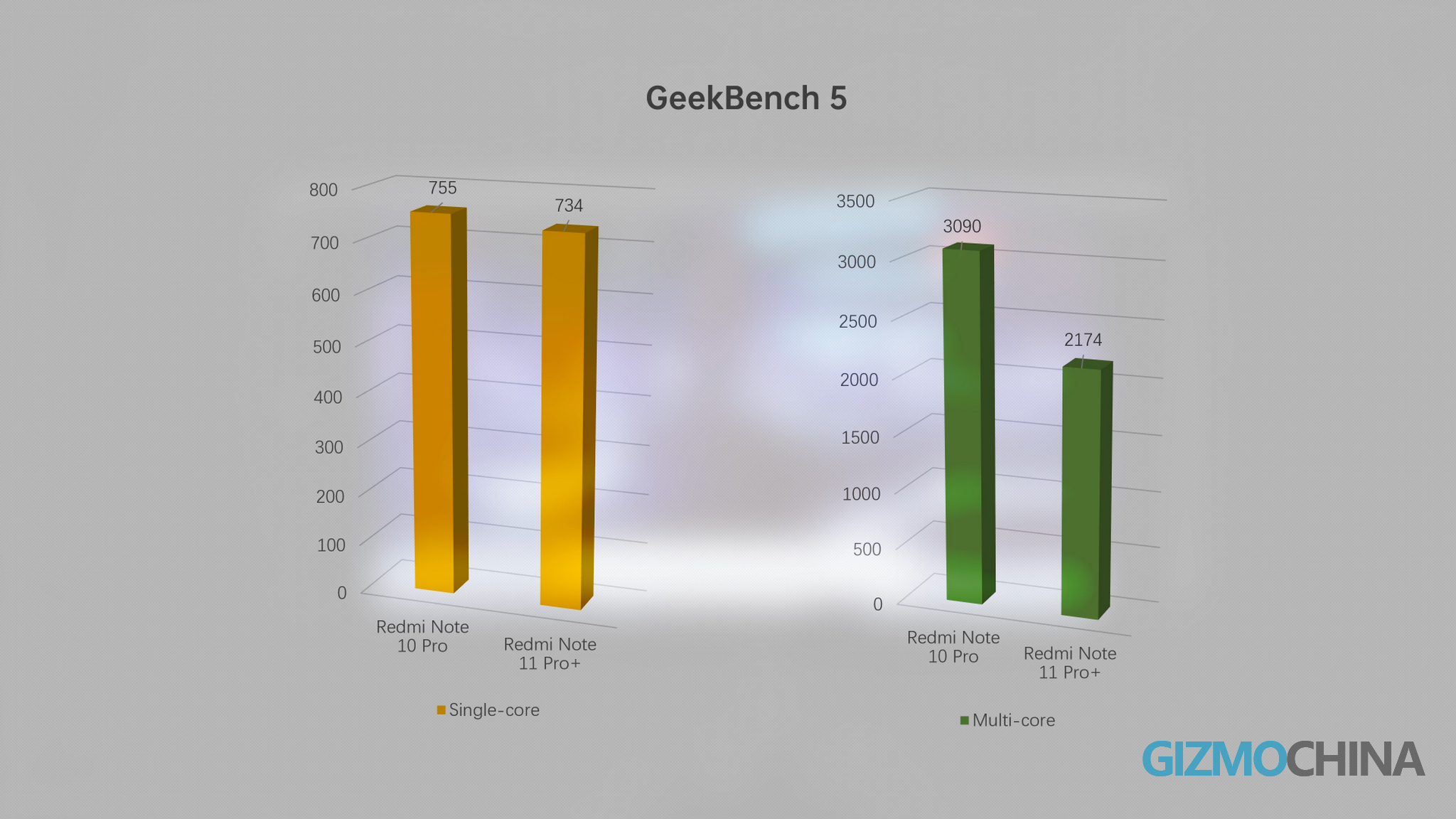
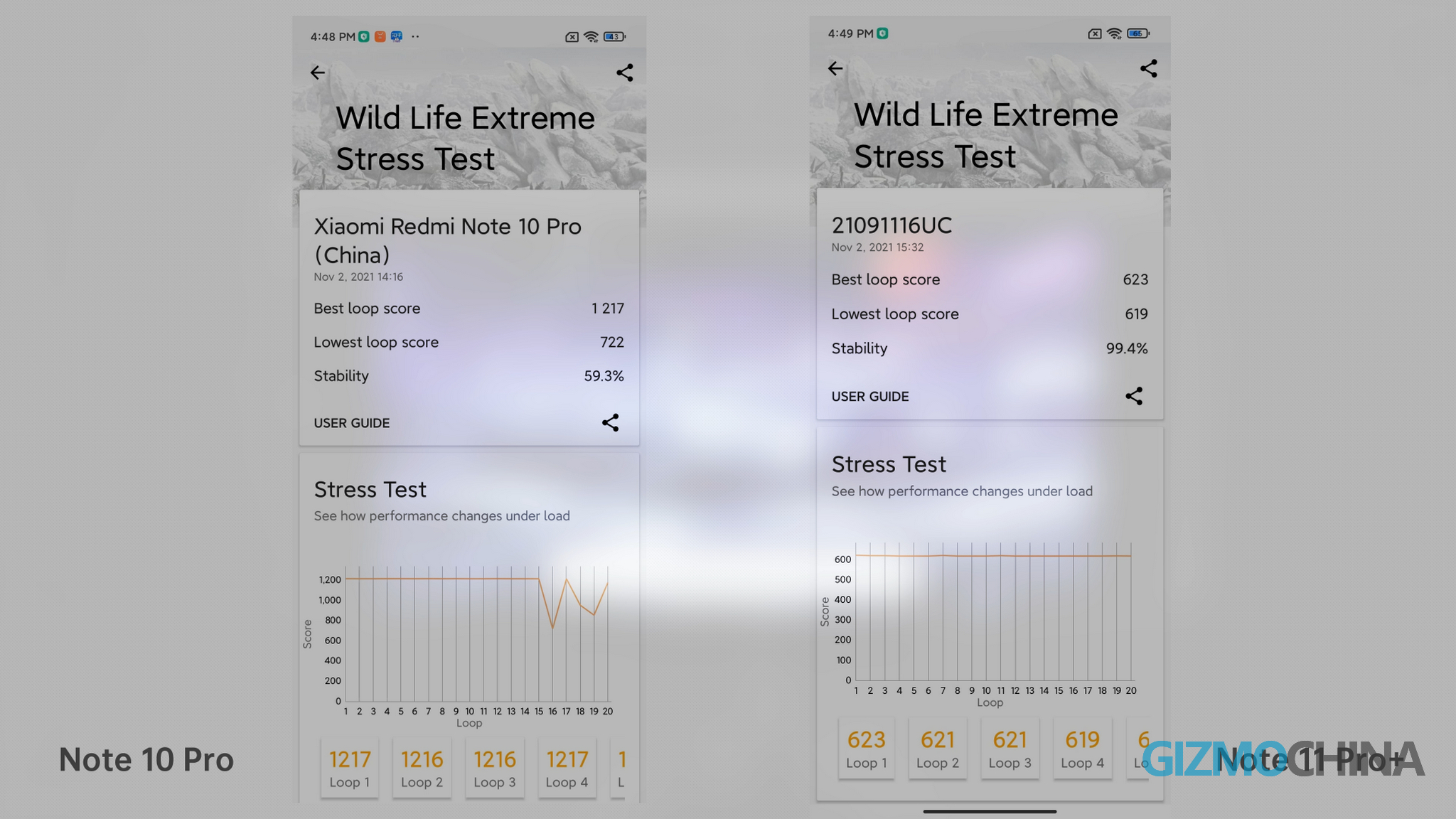
In Antutu Benchmark the phone gets 484708, in 3DMARK around 2099, in Geekbench 5 single-core around 734, and in multi-core test around 2174. Scores are much lower than the Note 10 Pro, especially the GPU part. However, thanks to its weaker performance, the stability performance in the 3DMARK Stress Test is better.
Redmi Note 11 Pro Plus Review Gaming vs Note 10 Pro


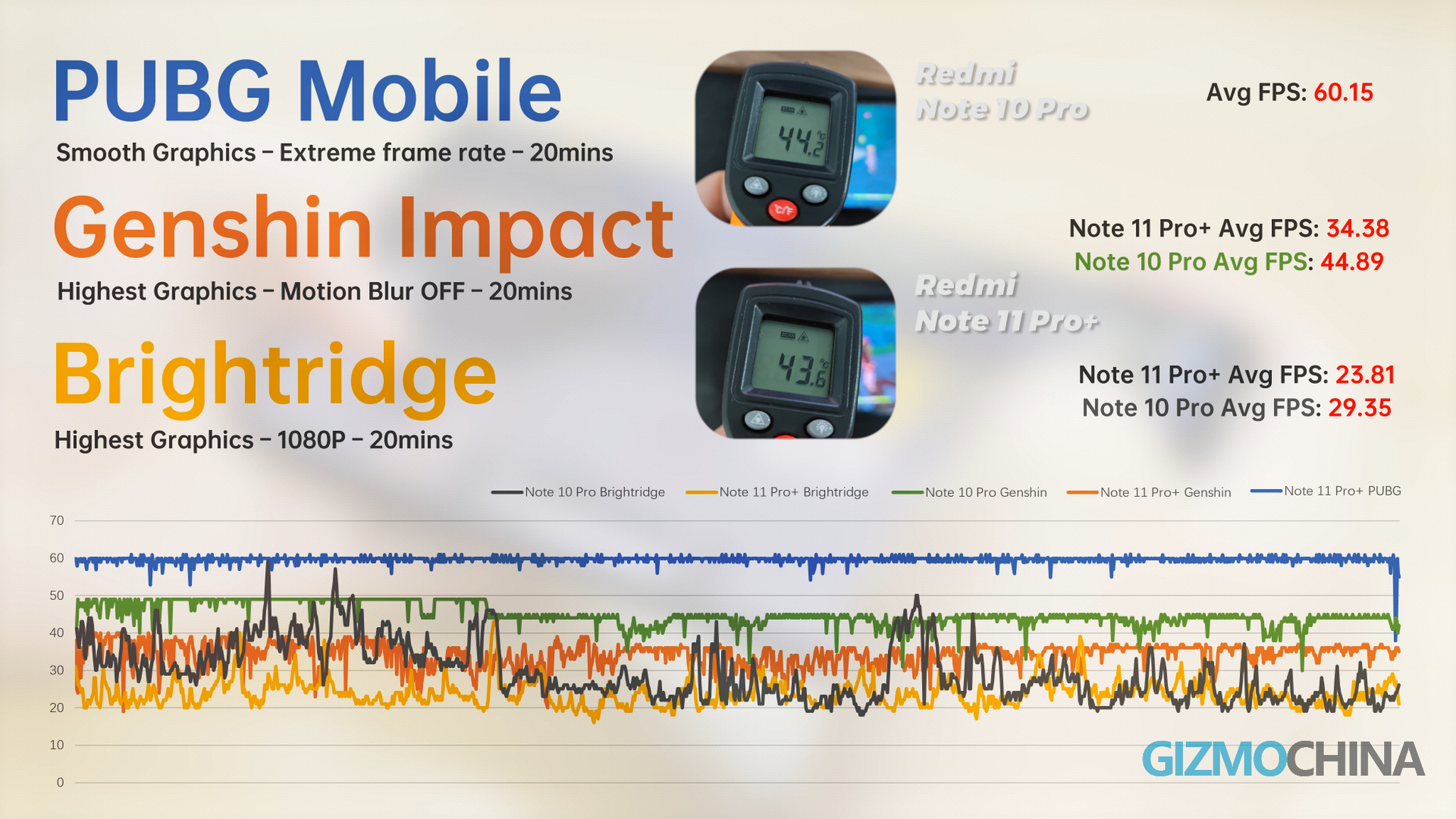
PUBG can only be turned on at an Extreme frame rate with Smooth Graphics, and as you can see from the frame rate graph, PUBG can still run smoothly despite its low performance. Genshin Impact was a bit more of a struggle. There was a 10 fps gap between the average frame rate of the Note 10 Pro and also the Note 11 pro plus had more lag. Although the gap between Brightridge’s average frame rates was 6 fps, both phones’ frame rates fluctuated a lot and the experience was not very good. The two phones did a better job of temperature control, the highest temperature was not more than 45 ℃. Overall, Note 11 Pro Plus can smoothly play some small and medium-sized games, but users who like to play heavier games can choose Note 10 Pro for a better gaming experience.

Redmi Note 11 Pro+ Review – Camera Performance
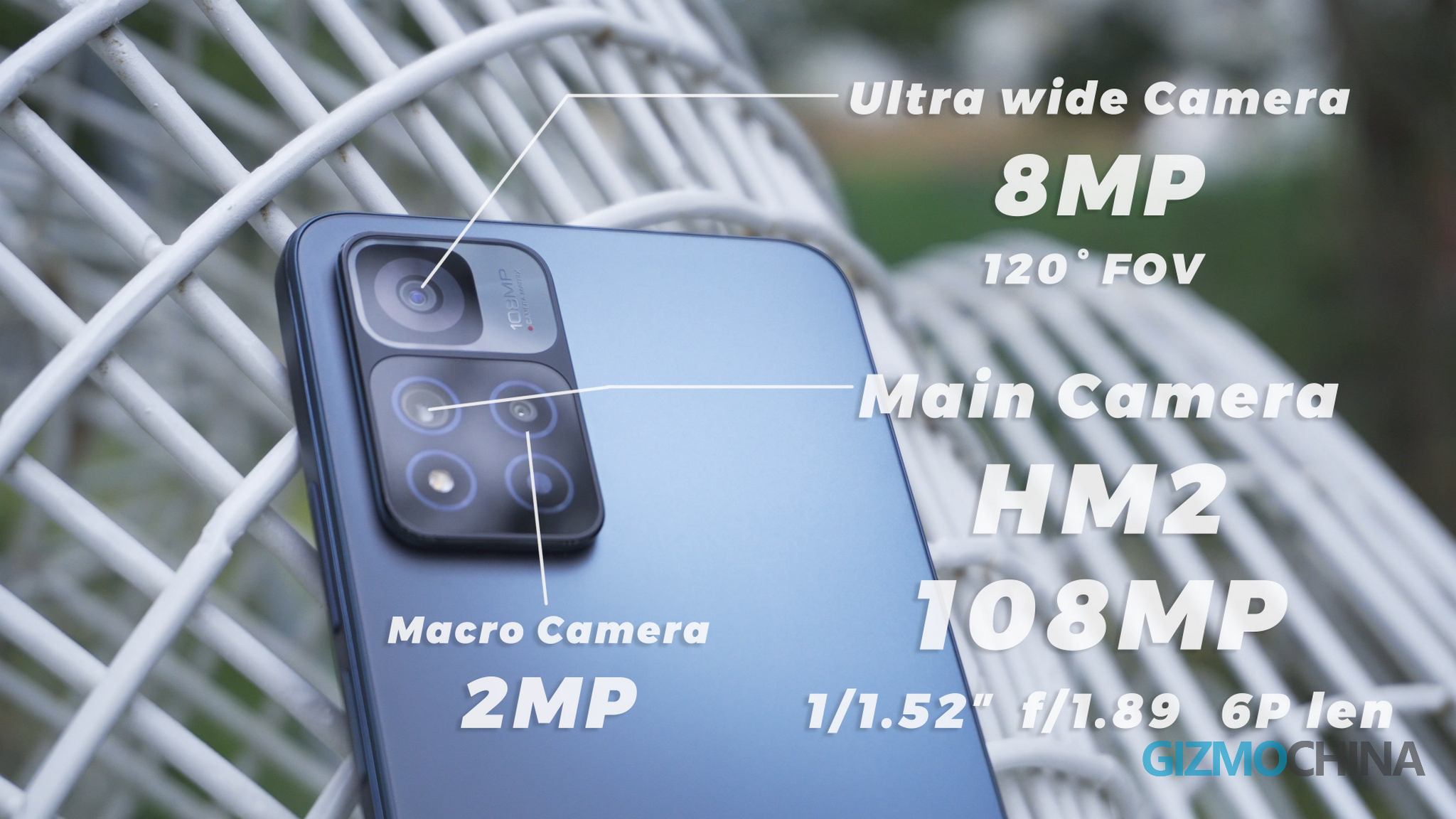
Redmi Note 11 Pro Plus Review cameras 2

As a rule, the Note 11 Pro plus, which went back to the HM2 sensor, should be much better than the Note 10 Pro, but in reality, it’s not. Most of the time, the pixel nine-in-one HM2 sensor did not show its advantages at all.

Note that in our video review of the Redmi Note 11 Pro Plus, we have compared the samples of the two phones. And here, in this review article, you can find original samples from the Redmi Note 11 Pro Plus under each camera section. 

Main Camera

There is no significant difference between the Note 10 Pro and the Note 11 Pro in terms of dynamic range or clarity. And the color tends to be cold. AI image sharpening is also not as strong as the Note 10 Pro. Both phones sometimes have abnormal exposures in the night mode. There is an underexposure problem compared to normal mode photos. The most shocking thing to me was that this photo taken with 108MP Mode does not look like a photo taken with the native 108MP sensor. Not only is it much blurrier than the Mi 11’s 108MP photos, but it’s not even as sharp as the 64MP Note 10 Pro. No doubt, the Note 11 Pro plus has a better main camera sensor than the Note 10 pro, but clearly, its potential is yet to be realized. Let’s just hope Redmi can optimize the camera as soon as possible.

Ultra Wide Angle Camera
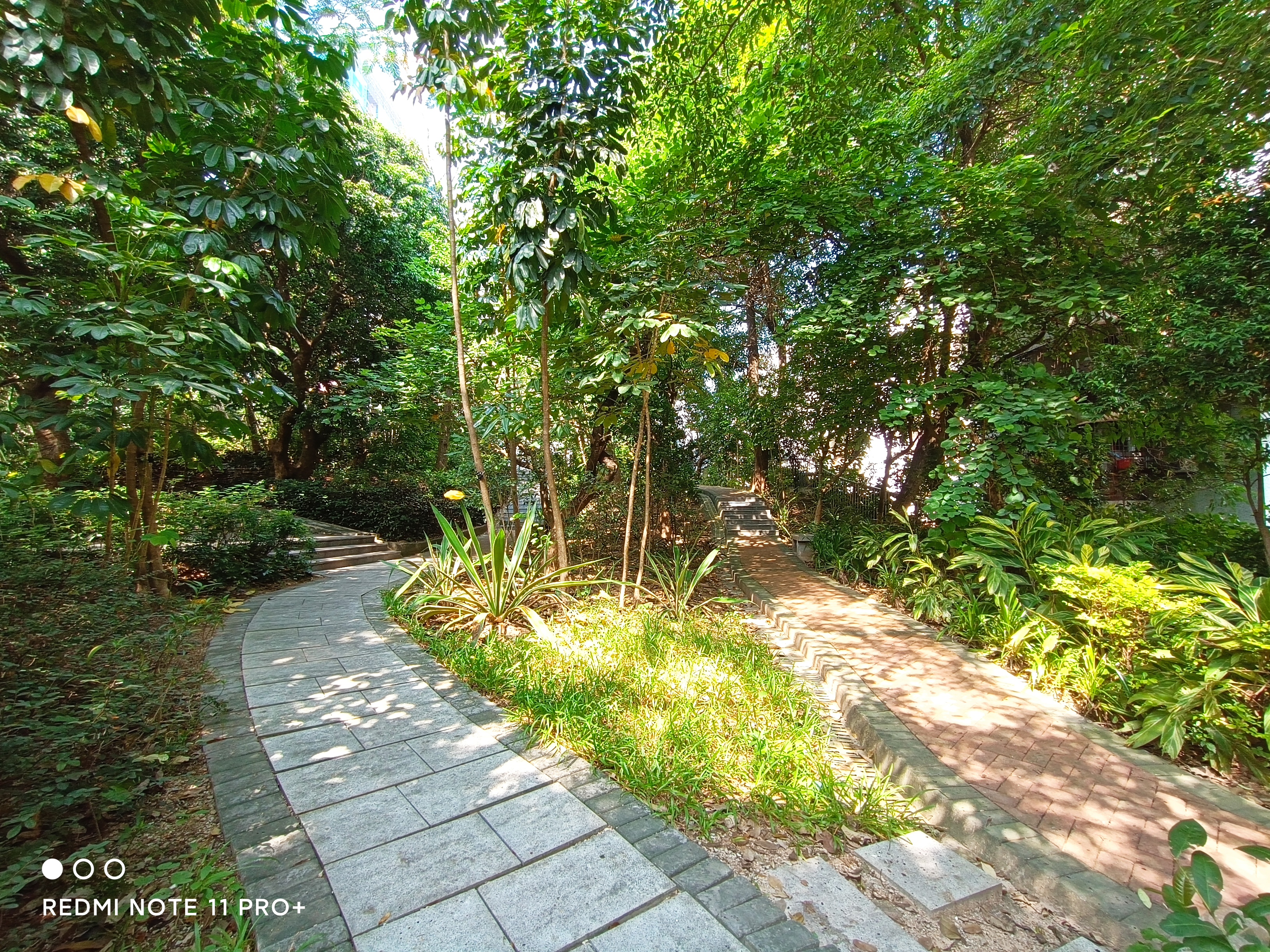
Also, most of the time, there isn’t a big difference in the ultra-wide angle lens of these two models. The only difference is in the optimization of the dark areas. The Note 11 pro plus likes to brighten up the dark areas, which of course leads to an increase in noise. This is the case in both night mode and normal mode. Other than that, they are both at the average level of a budget phone.

Macro Lens

The macro lens basically performs the same way. It’s a very average macro lens, nothing special.

The phone’s video shooting capability is still the same as always, the main camera supports up to 4k 30fps and the ultra-wide angle lens supports up to 1080p 30fps. But limited by the performance of the Dimensity 920, the main camera’s 1080p 60fps and 4k 30fps do not support EIS. However, the older Redmi Note 10 Pro did not have this problem.

The stereo speakers with JBL have also been upgraded. It becomes the same symmetrical left and right speakers as Mi 10S. It supports Dolby Atmos. Although the effect is certainly not as good as the Mi 10S, when compared to other phones in the same price range, it should be considered the best.

Redmi Note 11 Pro+ Review – 120W Charging & Battery Life 
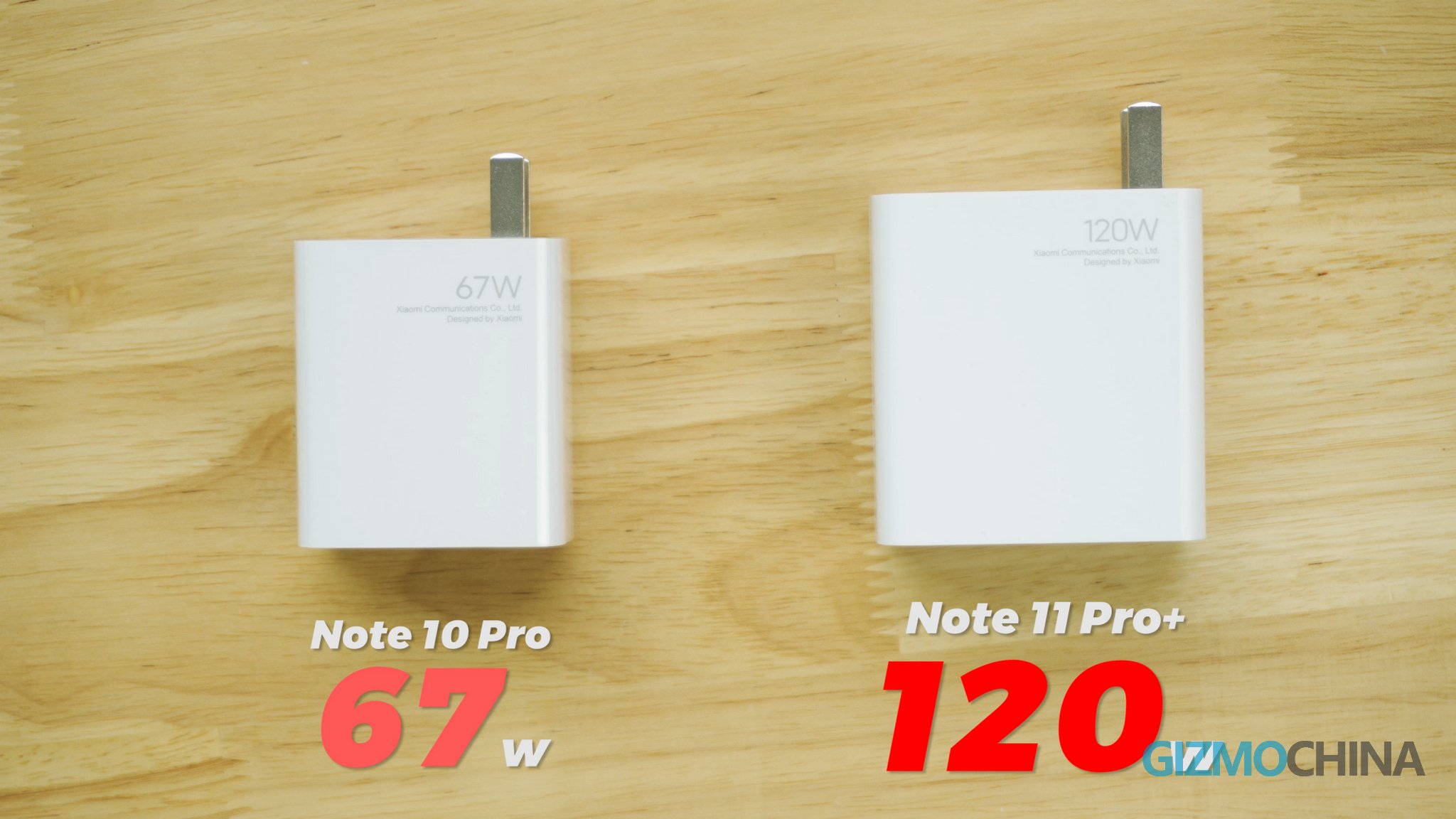
Redmi Note 11 Pro Plus Review 120W charging

The Note 10 Pro’s 67w charging power is already very fast among phones in the same price range, and even many more expensive phones don’t have such a fast-charging power. But this time, the Note 11 Pro Plus has a charging power of 120w, making it one of the fastest charging phones in the world. And I want to remind you that it starts at only about $300. And there is a 120w charger included in the box.
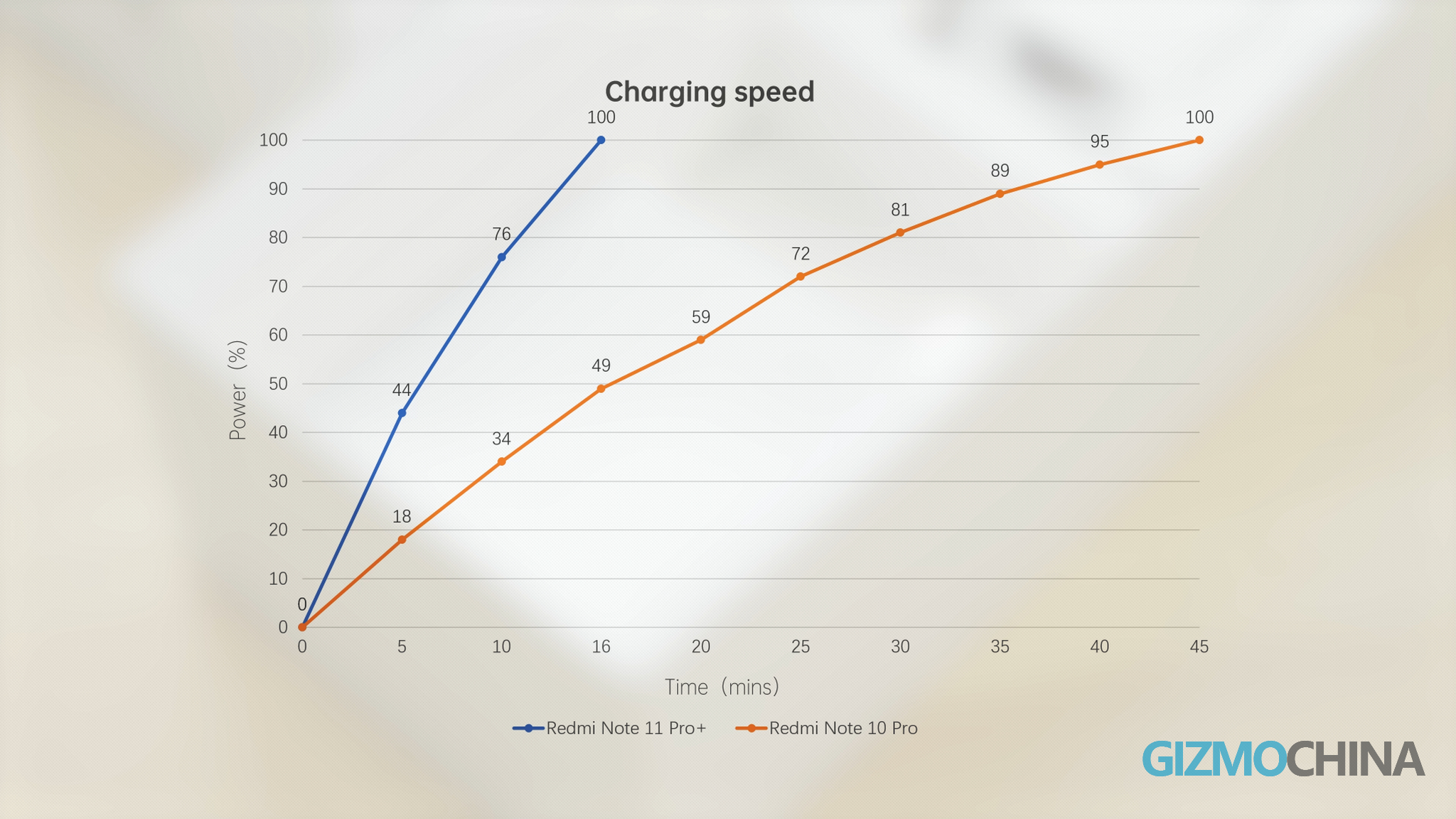
Redmi Note 11 Pro Plus Review charging speed 120WIt takes five minutes to charge to 44%, ten minutes to charge to 76%. A full charge takes only around 16 minutes. If you think the temperature is too high when charging, you can choose to turn off the fast charging mode, which can reduce the temperature. The cost of boosting charging power is sacrificing battery capacity. Although it’s not as large as the Note 10 Pro which had a 5000mAh battery, still 4500mAh is not small. Half hour of 1080p video consumed 5%, another half hour of TikTok consumed 5%. Three games consume 5%, 8%, and 7% of power for 20 minutes, respectively. If you are not satisfied with the battery life of Note 11 Pro Plus, you can choose Note 11 Pro which only has 67w charging power but has a 5160mAh battery.
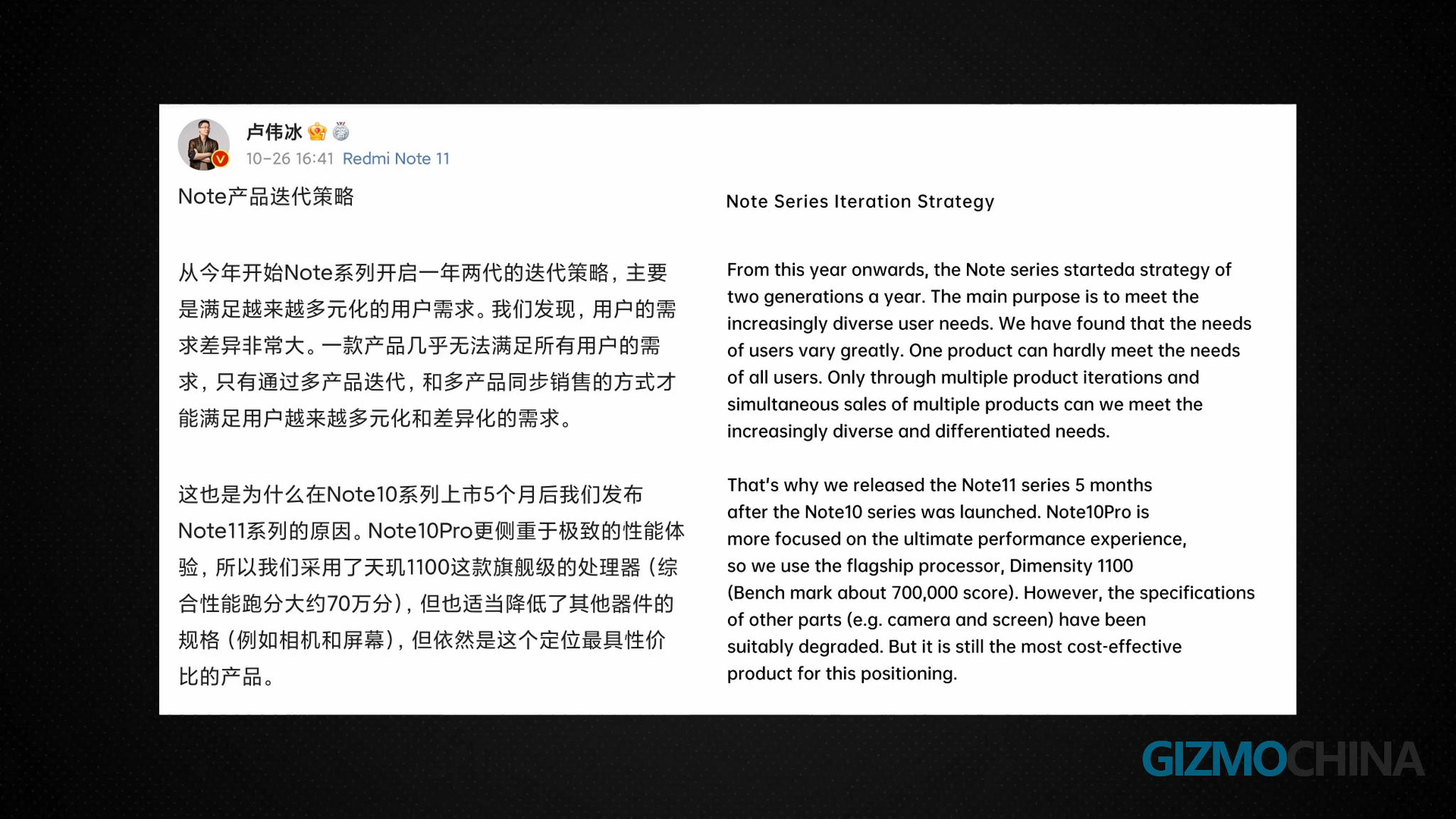
Redmi Note series explanation
Redmi Note series explanation given by Lu Weibing

As to why the Note series got two models in a year, in fact, Redmi’s general manager Mr. Lu has explained this on social media: He said “One product cannot satisfy all users, and the only way to satisfy all users is through simultaneous sales of multiple products”. Redmi has actually made a clear distinction between the Note 10 Pro and the Note 11 Pro Plus. The older Note 10 Pro is for those who like stronger performance but don’t mind slightly weaker performance in other areas, while Note 11 Pro Plus is more for those who don’t care about performance but require an overall strong profile. 

For example, with stronger camera performance, and faster charging, I think the Note 11 Pro is more like an iteration of the Note 9 Pro. So if you liked the Note 9 Pro, then you’ll like the Note 11 Pro Plus even better. 
Redmi Note 11 Pro Plus Review cameras


Finally, I’d like to remind you again that we have a Giveaway campaign going on for the Note 11 Pro. Subscribe to our channel, and if you are lucky, you could win a Redmi Note 11 Pro. Don’t miss this opportunity!

Giveaway: Win A Redmi Note 11 Pro Phone
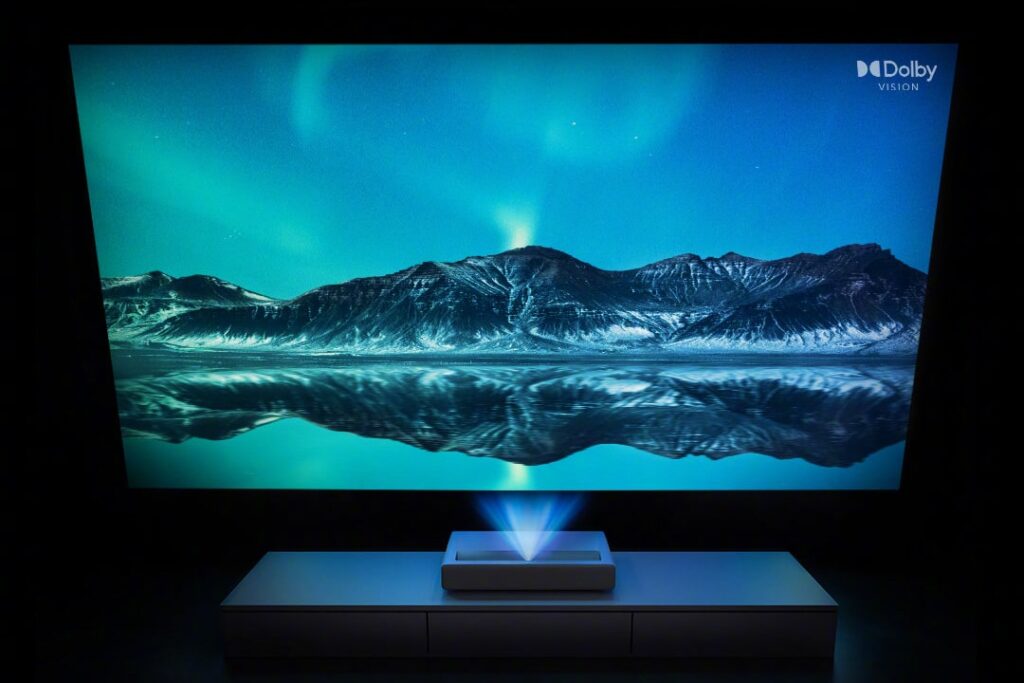
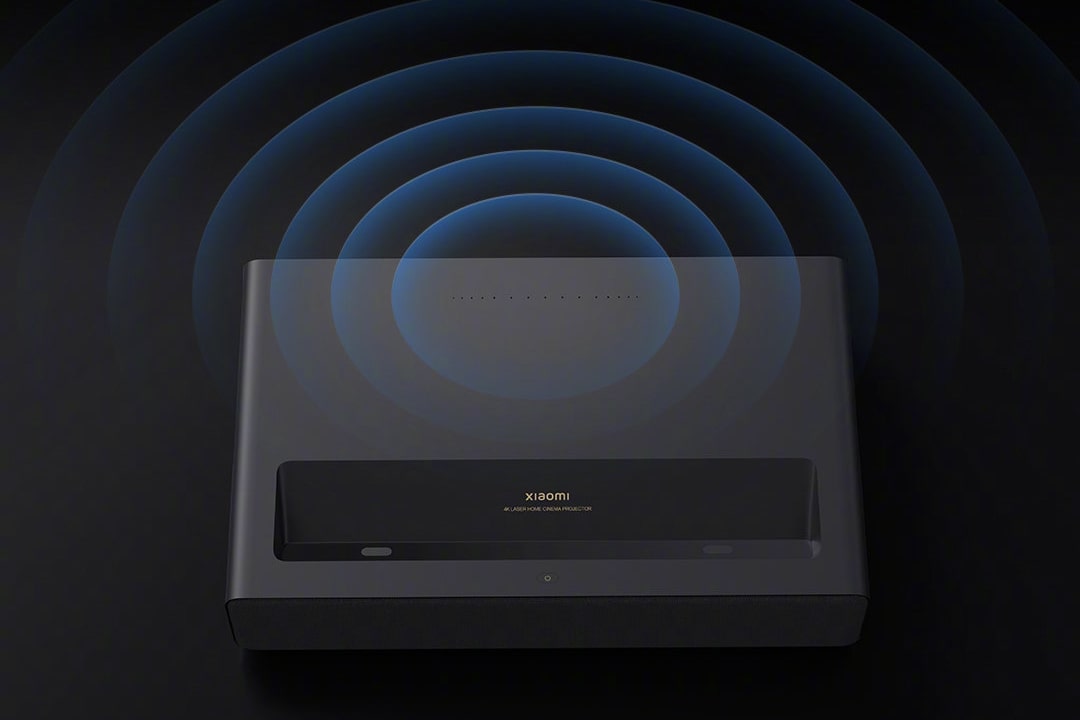
Xiaomi Laser Cinema 2 launched as world’s first Dolby Vision projector

Xiaomi has launched a new premium projector in China called ‘Xiaomi Laser Cinema 2’. It is the world’s first projector to support Dolby Vision at 4K. The product will be going on sale for the first time at a special discounted price during the Double Eleven shopping festival.

Xiaomi Laser Cinema 2 A

Xiaomi Laser Cinema 2 Specifications and Features

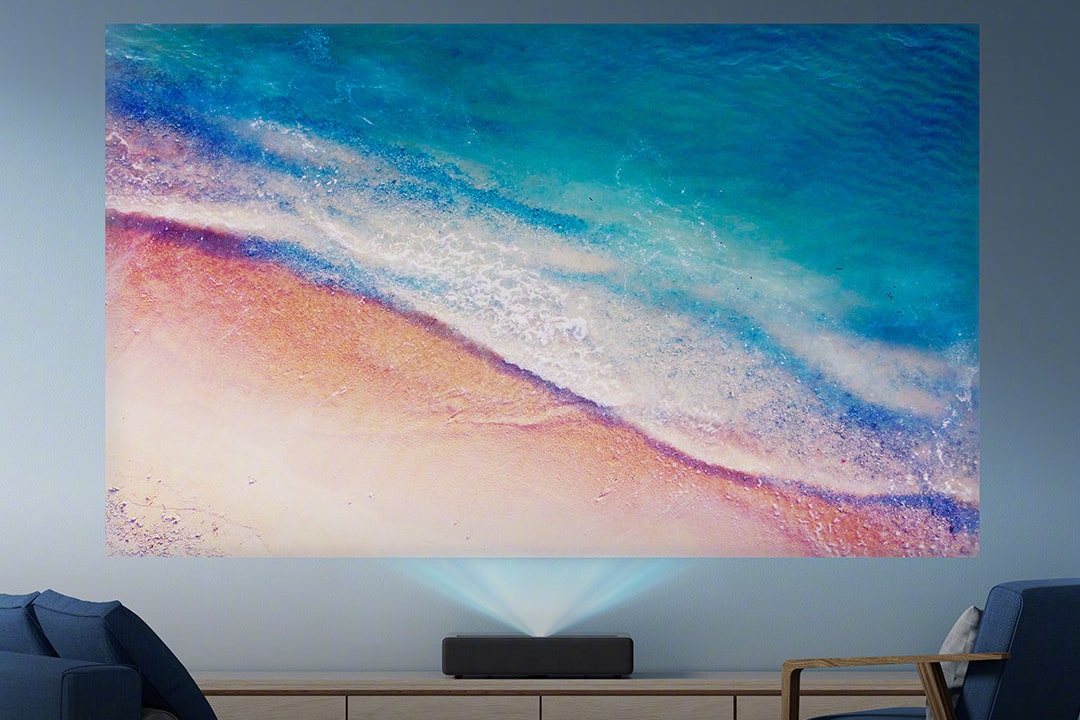
The newly unveiled Xiaomi Laser Cinema 2 can project a screen of 100-inch from a distance of 20cm away from the wall. However, it is worth noting that it can be adjusted to project a screen size of 40 to 200 inches. But the company recommends using 80 to 150 inches.

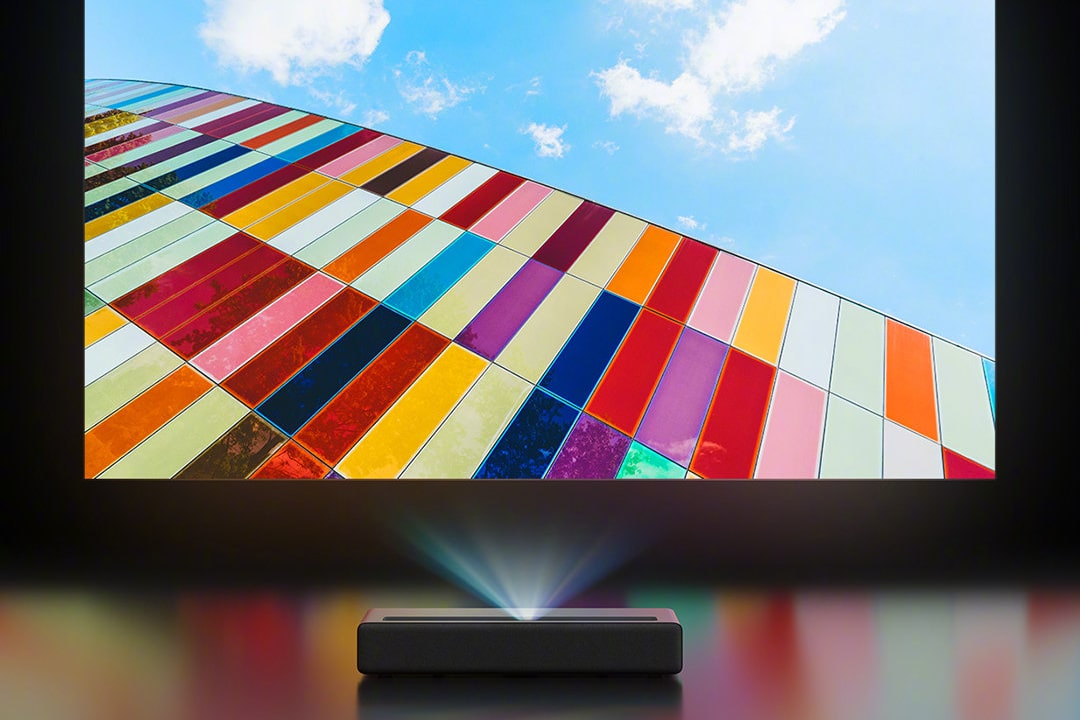
The projector is capable of outputting 4K (3840 x 2160 pixels) content with a 3000:1 contrast ratio. It not only covers 113% of Rec.709 color gamut but also supports HDR standards like HDR10 and Dolby Vision.

The projector is rated to output light of 2400 ANSI Lumens. It also uses ALPD RB+ technology (inclusion of red laser) to offer better colors. Additionally, it also supports MEMC (60Hz).

Talking about performance, it is powered by a 64-bit MediaTek MT9669 SoC whose quad-core ARM Cortex-A73 CPU is clocked at 1.9GHz. The chipset is paired with 3GB RAM and 32GB storage. It also comes with technologies like ‘AI Image Enhancement’ for noise reduction.

The device runs MIUI for TV with all the features and content found on Xiaomi and Redmi smart TVs. In fact, it even has far-field microphones for Xiao AI virtual assistant, in addition to 30W speakers (2 x 15W units) with support for Dolby Atmos and DTS Sound.

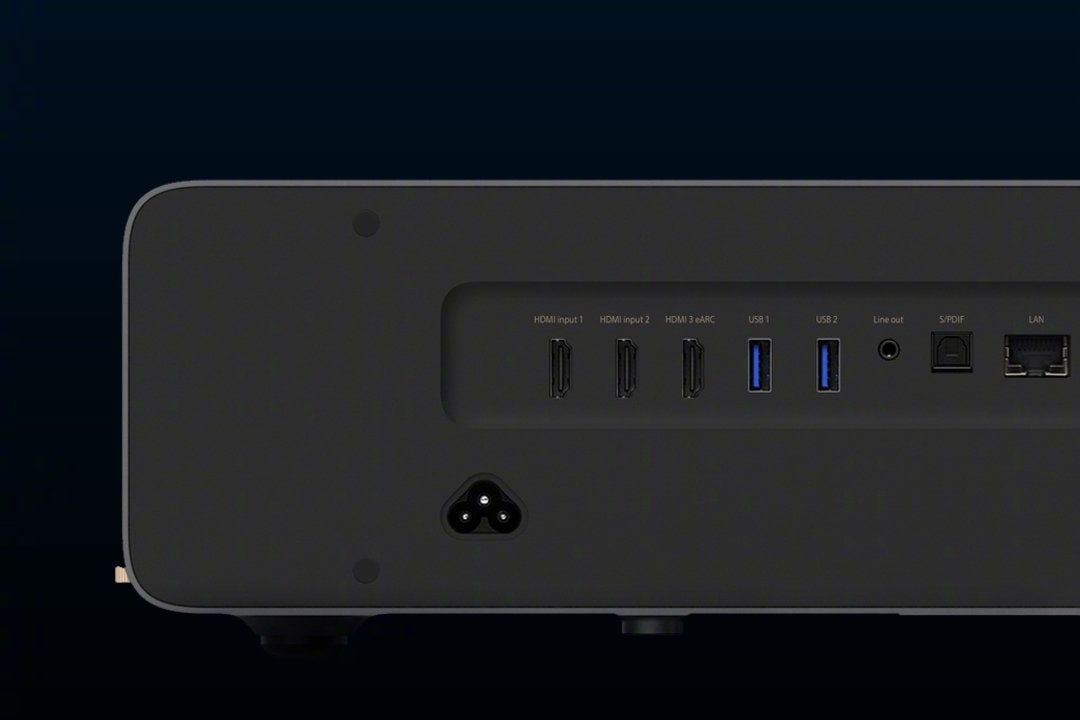
As far as ports are concerned, the projector arrives with 3 x HDMI 2.0b, 2 x USB 2.0, 1 x S/PDIF, 1 x headphone out, and an Ethernet.

Last but not least, the device has a ≤30dB fan to lower thermals and it also features a sensor for human detection to avoid any harm to the eyes.

Xiaomi Laser Cinema 2 Price and Availability

The Xiaomi Laser Cinema 2 is priced at ¥14,999 ($2,345) in China. It is scheduled to hit the shelves during the upcoming Double Eleven (Single’s Day) at a discounted price tag of ¥12,999 ($2,033).

At present, it’s not known whether this projector will make its way to international markets.


RELATED:


Xiaomi plans to be world no. 1 in three years, surpassing the likes of Apple and Samsung

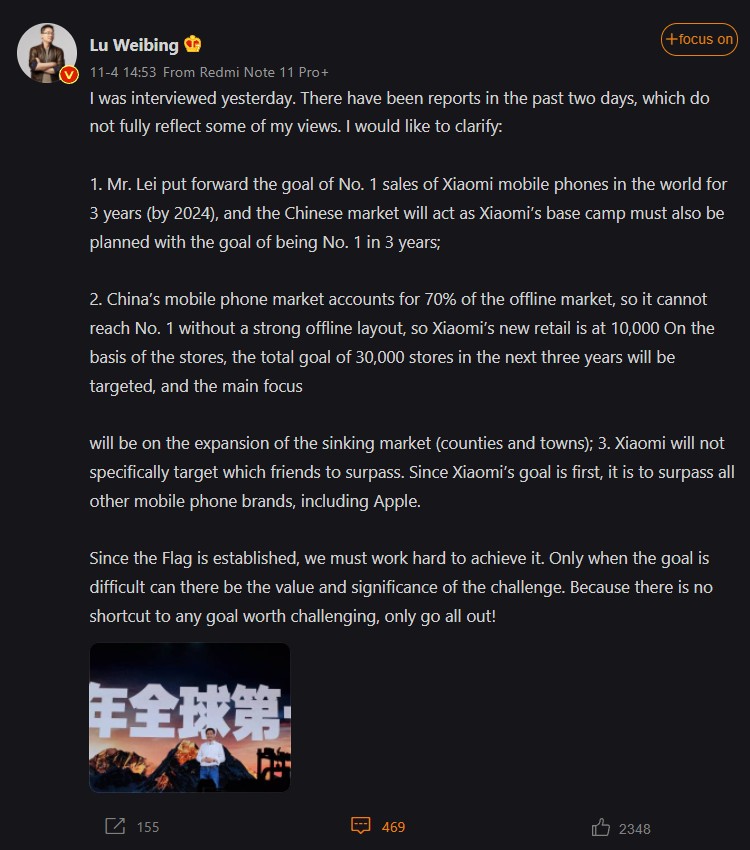
Lu Weibing, Senior VP Xiaomi Group China and GM of Redmi, said in an interview yesterday that Xiaomi plans to surpass all other smartphone brands including Apple to become world number 1.

He added saying that the company will be targeting China’s offline mobile phone market first as 70% of smartphone sales are still conducted offline in the country. Xiaomi plans to reach 30,000 retail stores in China in the next 3 years as well, and only recently inaugurated its 10,000th store. Retail is something Xiaomi still lags behind in and is beaten at by BBK Electronics subsidiaries OPPO and vivo in China. The same holds true globally as well, hence the push for offline stores.

lu weibing weibo post
Image: Lu Weibing’s Weibo

The Xiaomi VP further said that only when the goal is hard to reach can there be “value and significance of the challenge.” He emphasized that the competition, through offline stores, manages to sell a product that Xiaomi already offers at much higher prices. This is because offline stores hold the power of persuation, which is something that lacks in online mediums.

The goal sure is quite hard to reach. Xiaomi seems to have currently locked horns with Apple in terms of smartphone shipments. In Q3 2021, Apple ranked second with 48 million shipments while Xiaomi followed closely behind with 44.4 million shipments (via Counterpoint Research). The company did briefly overtake Apple in Q3 2020 but is back to the number two spot once again.

lu weibing interview xiaomi no.1 goal

The real challenge seems to be Samsung though, maintaining a sizeable lead over the rest with a shipment of 69 million units. The company may have seen a decline in terms of sales across the globe, but also sells in markets like the US – a country where Xiaomi still has zero presence.

Xiaomi’s 2024 plans for domination are complemented by goals to mass-manufacture its own electric cars in the same year. A dedicated EV company was set up only last month to help achieve the goal.

RELATED:

Meizu goes against its word by showing ads on Meizu 18 series

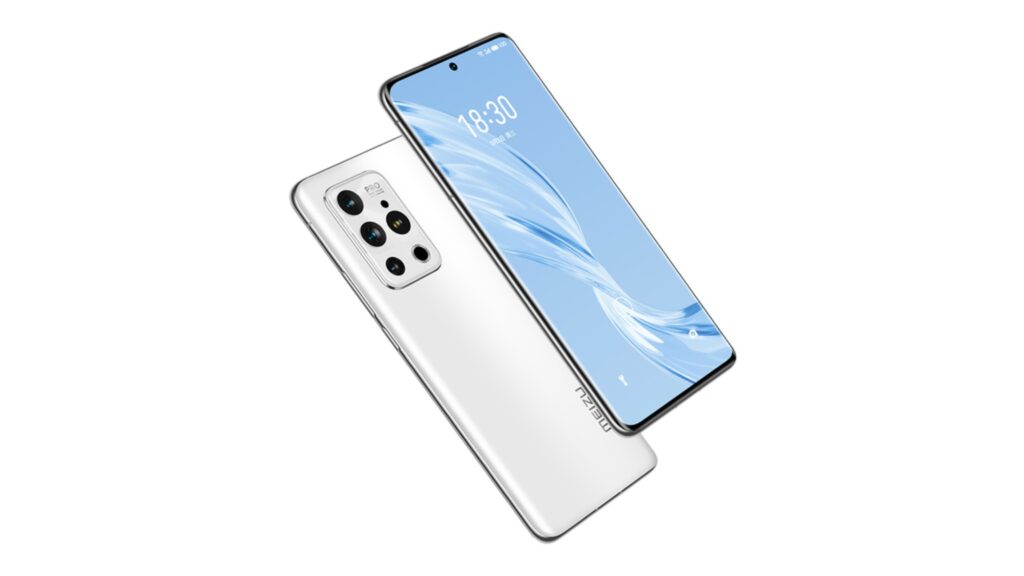
Soon after the launch of the Meizu 18 series in March, Meizu announced that it will offer a pure OS experience on its latest flagship smartphones. Since then, the Android-based Flyme software on these phones has been void of advertisements, push notifications, and bloatware. But recently, ads appeared in the stock weather application.

Meizu 18 Pro Flying Snow Streamer Featured
Meizu 18 Pro

According to a report by ITHome, users of Meizu 18 and Meizu 18 Pro were exposed to advertisements on their devices. These ads were found inside the stock weather app of Flyme. Users were not only exposed to banner ads in the application but also a full-screen app opening ad.

Thankfully, the advertisements were removed a few hours later. One of the company executives clarified that the issue was due to a configuration mismatch.

Meizu has been promoting its latest premium smartphones as ‘Three Zero Mobile’. The three zeros stand for no ads, no push notifications, and no bloatware. The firm even trolled other OEMs as part of its ‘April Fool’s Day’ prank for promotions. But unfortunately, due to a simple mistake, the company went against its word.

When Meizu announced its ‘Three Zero Mobile’ software policy, the firm said that it will also cover the Meizu 17 series. However, that never happened and the company has even discontinued the policy for future smartphones.

Hence, Meizu 18 and Meizu 18 Pro are currently the only handsets from Meizu without ads, push notifications, and bloatware.


RELATED:


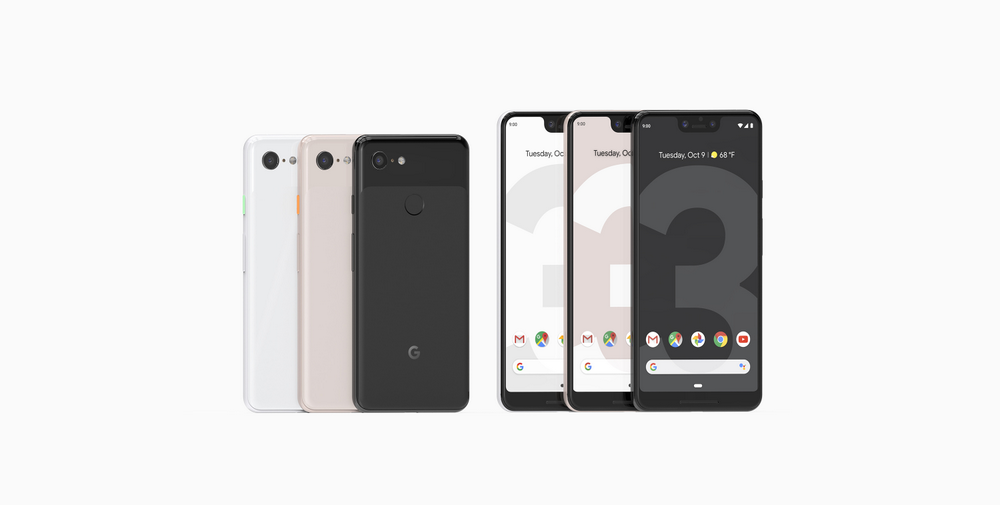
Google Pixel 3a series compatible with Android 12L, Pixel 3/3 XL to get one last update in early 2022

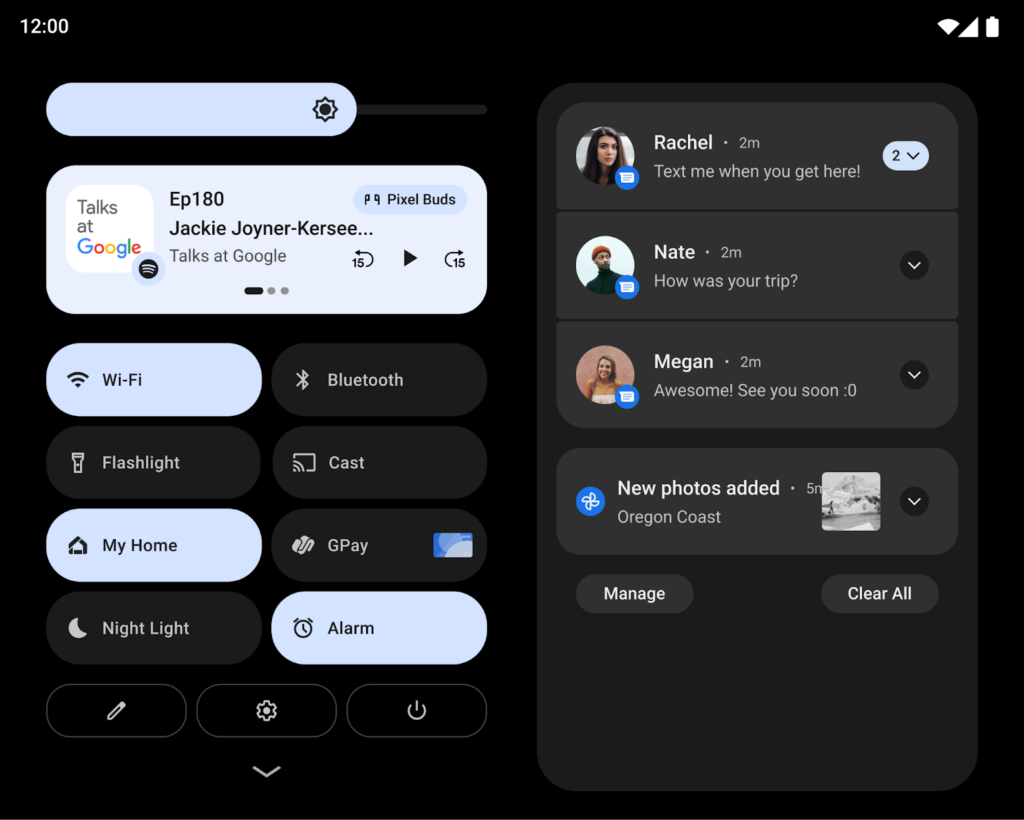
Software experience on tablets and foldables has never been Android’s strong point but the upcoming Android 12L update may very soon change that. The update refines the system UI to take advantage of larger screens, bringing along changes like a dual-panel notification center that lets users view notifications and interact with quick settings simultaneously.

Android 12L split screen

The update schedule went up earlier today and showed that the Pixel 3a and Pixel 3a XL are indeed eligible for Android 12L, thus clearing all doubts regarding the same. It will be the very last for the series, with security updates ceasing soon after in May 2021.

Android 12L is scheduled to receive its first beta build starting in December, with the final release expected sometime in the first quarter of 2022.

This comes not long after a recent report saying that the Google Pixel 3 and Pixel 3 XL have hit EOL, and will not be receiving any Android upgrades or security patch updates anymore.

However, as it turns out, the devices are still eligible for one last update (via 9to5Google). Google has promised another that’s set to go live sometime in Q1 2022. A similar pattern was observed with the Pixel 2 and 2 XL last year when the company skipped the November patch with the promise of another update in December.

Google Pixel 3 series featured
Google Pixel 3 series

This last Pixel 3 update will presumably bring multiple bug fixes for Android 12. The update had brought along Material You support but gave a miss to some other capabilities, like those that require the new Google Assistant.

The only thing we find rather odd here is that the Pixel 3 series has not made it to the Android 12L compatibility list, despite getting a similar release date for its last update.

RELATED:

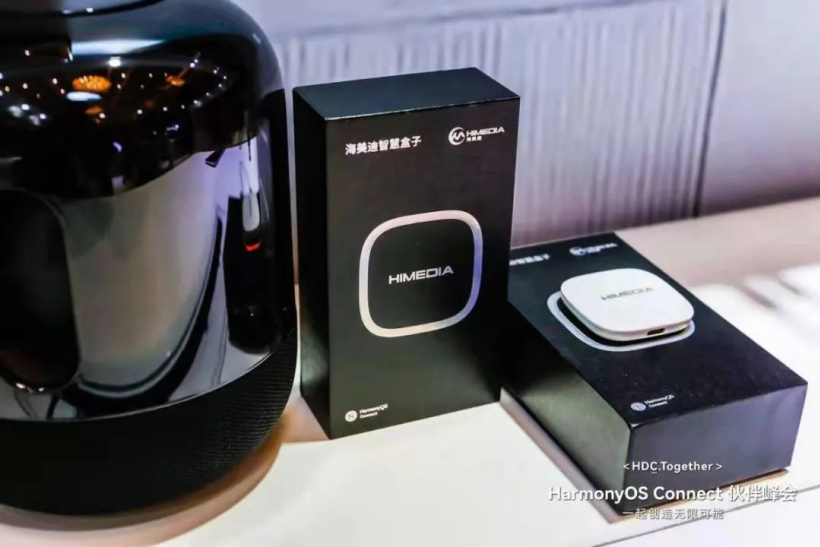
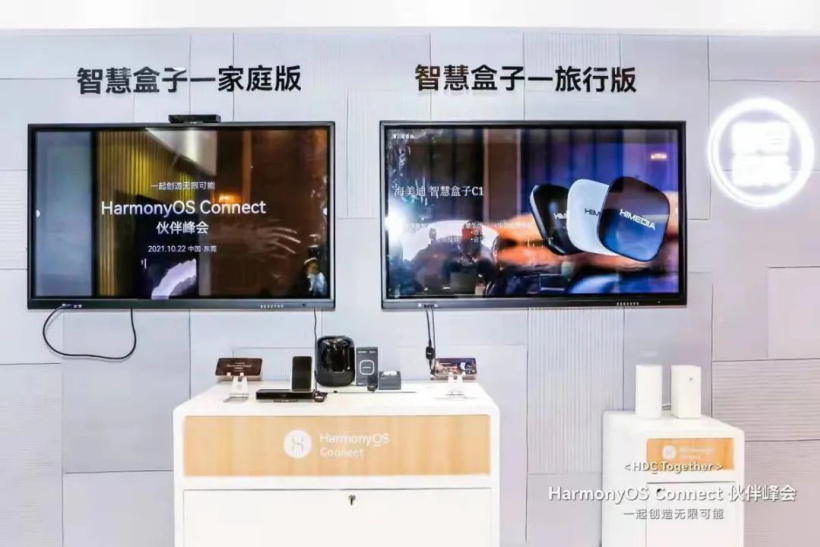
HiMedia’s latest Smart TV boxes will feature Huawei HarmonyOS

During the Huawei Developer Conference (HDC) 2021, the CEO of the company’s Consumer Business Group, Yu Chengdong, stated that HarmonyOS has reached over 150 million products worldwide. This includes smartphones, smart home products, and now, even Smart TV boxes from HiMedia.

Huawei

For those unaware, HiMedia is a brand that has its operations offer audio-video solutions. This includes research and development of products that offer high tech image processing, audio and video codec, and more. The company is now planning on launching a new smart TV box that will be able to turn old TV’s at your home’s into a smart screen/TV. Notably, this smart TV box will run on the Chinese tech giant’s proprietary operating system, the HarmonyOS. In other words, another brand is featuring the OS on its platform.

Huawei

Through Huawei HarmonyOS, the HiMedia TV box will be able to offer various smart features like remote control, online video streaming, and other functions. Furthermore, the new device will also arrive with integration of HarmonyOS Connect ecosystem as well. So once the user accesses the HarmonyOS Connect, the HiMedia smart TV box will be able to bring up the service from a smartphone that runs HarmonyOS. Notably, the service offers users access to the latest movie recommendations and even supports 3D glasses as well. This device will soon be listed on the Huawei Mall in China for purchase.

RELATED:


Apple’s software chief calls sideloading on iPhone a “cyber criminal’s best friend”

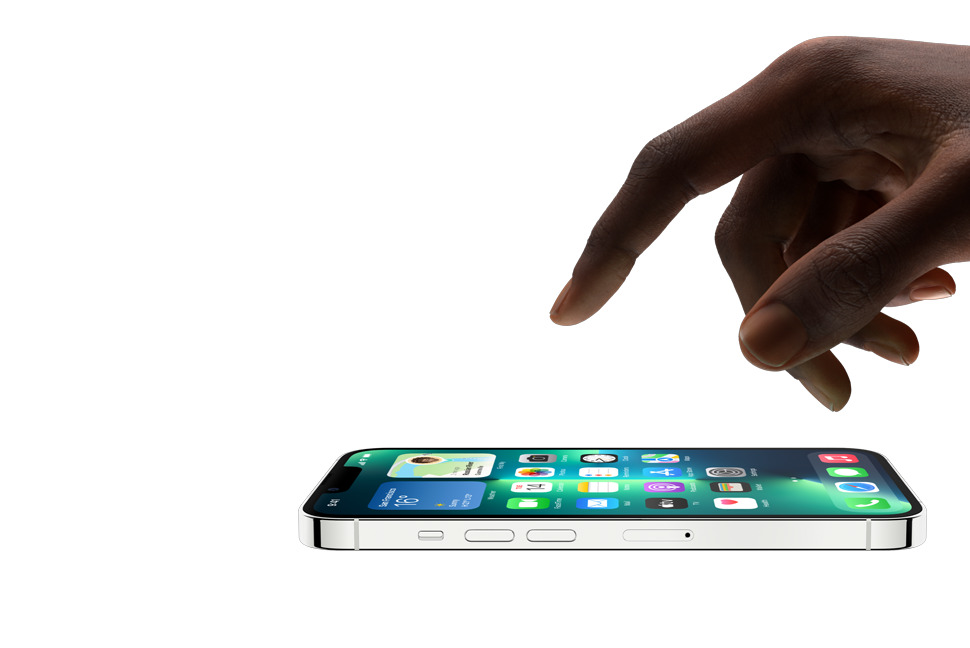
“Sideloading is a cyber criminal’s best friend and requiring that on iPhone would be a gold rush for the malware industry,” Apple senior vice president Craig Federighi said in a dramatic speech delivered at Web Summit 2021 against the European Commission’s proposed Digital Markets Act. The act, if passed, would require Apple to let users install apps from outside the App Store.

He added saying that the lack of sideloading is the thing that separates Apple from the “5 million Android attacks per month,” and if Apple were to allow users to install their own apps, the floodgates for malware will be opened (via The Verge).

Federighi is totally against the proposed notion of letting the user themselves decide the risk of sideloading apps. He opines that cybercriminals are clever and can even victimize informed users through misleading websites and fake app stores.

But if you feel you are one of those tech-savvy people that will be unscathed by whatever criminals toss at you, then Federighi asks to think about children or parents who might still be fooled. This is kind of ironic considering Apple still has to often deal with multimillion-dollar scams despite having strong restrictions put in place currently against sideloading apps.

Apart from malware risks, the Apple senior vice president has also raised red flags about social media apps that may try to get around the strict privacy protection standards of the App Store.

It is worth mentioning here that despite all of the claims, Apple’s macOS actually has allowed sideloading of apps for decades, yet is mostly safe from the scale of malware attacks described by Federighi. The Gatekeeper system, which allows Apple to check signed developer IDs to confirm the software is genuine, has a huge role to play in this.

Of course, a similar system could be implemented on iOS as well, allowing sideloading on iPhone without the risk of malware. Judge Yvonne Gonzalez had noted this saying that Apple may be “stretching the truth” on malware concerns and that Apple could implement a Gatekeeper-like system on iOS if it wanted to.

Last but not least, Federighi’s speech had completely ignored the fact that not allowing sideloading on iOS forces all app transactions to flow through the App Store. This is a huge benefit for Apple as it generates billions of dollars since Apple takes a 30% cut.

RELATED:

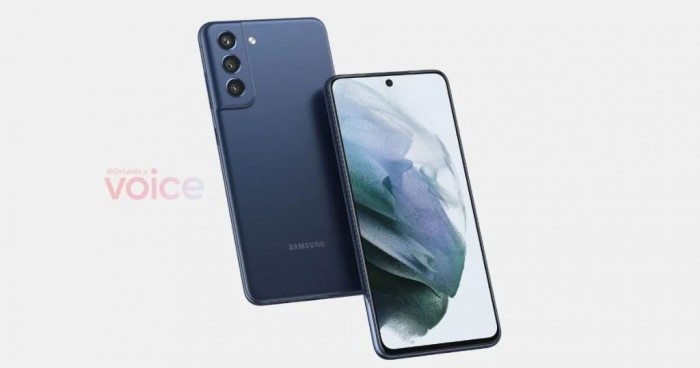
Samsung Galaxy S21 FE’s rear panel appears in a video

The Samsung Galaxy S21 FE is probably the most leaked smartphone of 2021. In fact, we have been hearing about this device since November 2020. Almost a year later, the rear panel of this handset now appears in a hands-on video.

Recently, the Galaxy S21 FE’s rear panel emerged on the web in real-life images. These pictures were from a component supplier who started selling the panels before the phone’s release.

Designer Concept Creator (Jermaine, @CConceptCreator) managed to acquire one of these panels. He showcased them in his latest YouTube video attached above.

From the video, we can see that the back of the successor of Galaxy S20 FE will have a design similar to the Galaxy S21 and the Galaxy S21+. However, it will not have a separate metal unit for the camera module, just like what we saw in the renders earlier.

Based on this back panel, the designer also created a 3D model of the phone in five colors. You can feast your eyes on them in the same video above.

Samsung Galaxy S21 FE | Source: @OnLeaks via Voice

Talking about specs, the Samsung Galaxy S21 FE is expected to come with a 6.4-inch FHD+ 120Hz AMOLED display, Snapdragon 888/Exynos 2100 chipset, up to 12GB LPDDR5 RAM, up to 256GB UFS 3.1 storage, 12MP (wide) + 12MP (ultra-wide) + 8MP (telephoto) triple rear cameras, 32MP selfie camera, One UI 3.x based on Android 11, 4,500mAh battery, 25W fast charging, 15W wireless charging, and 7.5W reverse wireless charging.

Samsung is reported to unveil the Galaxy S21 FE at CES 2022 in early January. The device is tipped to hit the shelves on January 11.


RELATED:


OPPO, realme, and vivo record triple digit YoY growth in Europe, defying chip shortage

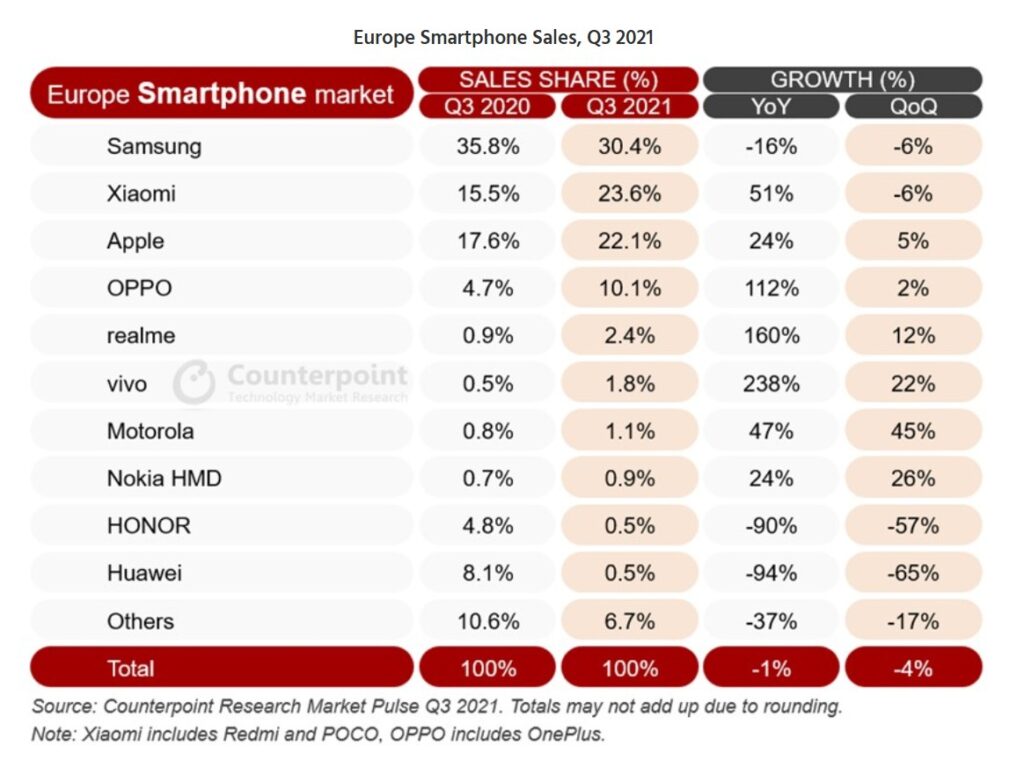
Europe’s smartphone market has mostly recovered from the effects of the pandemic but is held back from the chip shortage now. Q3 2021 phone sales were thus overall 1% lower compared to the same period last year.

europe smartphone sales q3 2021
Image: Counterpoint Research

Not every brand was equally affected though. It’s the Chinese smartphone brands, particularly the subsidiaries of BBK Electronics, that have outshone the rest (via Counterpoint Research). vivo, realme, and OPPO have each recorded triple-digit growth in Q3 2021 vs Q3 2020 with figures of 238%, 160%, and 112% respectively in Europe. These three have also gained in terms of market share with OPPO jumping from 4.7% to 10.1%, realme from 0.9% to 2.4%, and vivo from 0.5% to 1.8%. OPPO has gained hugely with the merger with OnePlus.

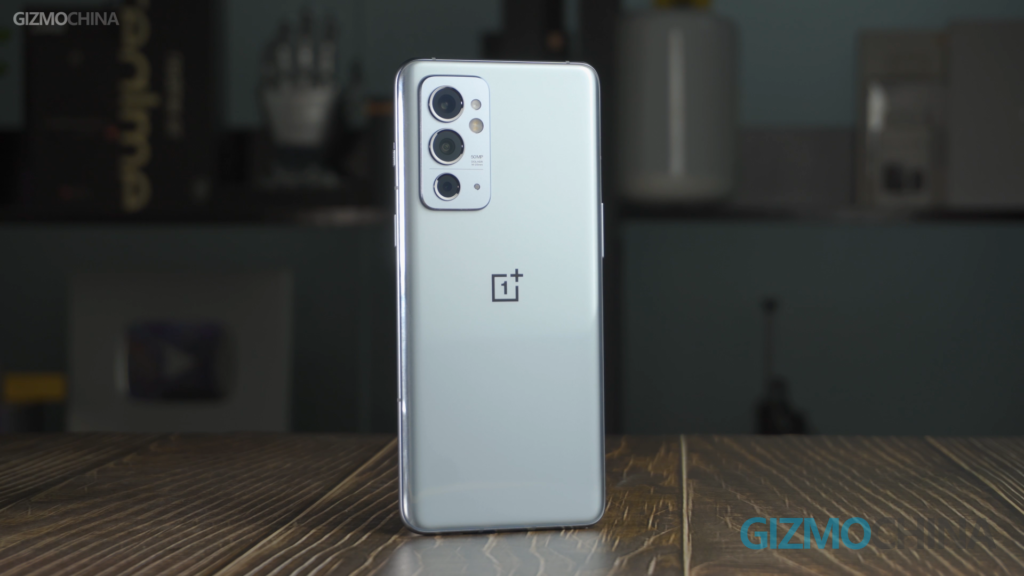
OnePlus 9RT review featured
OnePlus 9RT arrived with ColorOS following OPPO merger

However, the market share of these three is rather tiny in the continent, which explains the triple-digit figures. The big players have continued to be Samsung, Xiaomi, and Apple. Although, Samsung’s market share has declined from 35.8% to 30.4%. Xiaomi and Apple on the other hand recorded 51% and 24% growth respectively.

Counterpoint Research Associate Director Jan Stryjak said, “realme is one of the fastest growing brands in Europe and has firmly established itself as a top-five vendor with strong sales in Russia, Spain, and Italy. vivo is also growing fast, albeit from a smaller base, while Motorola and Nokia are staging a comeback. HONOR also has set sights on the European market in the hopes of a reversal of fortunes with its first major launch in the region in over a year in October.”

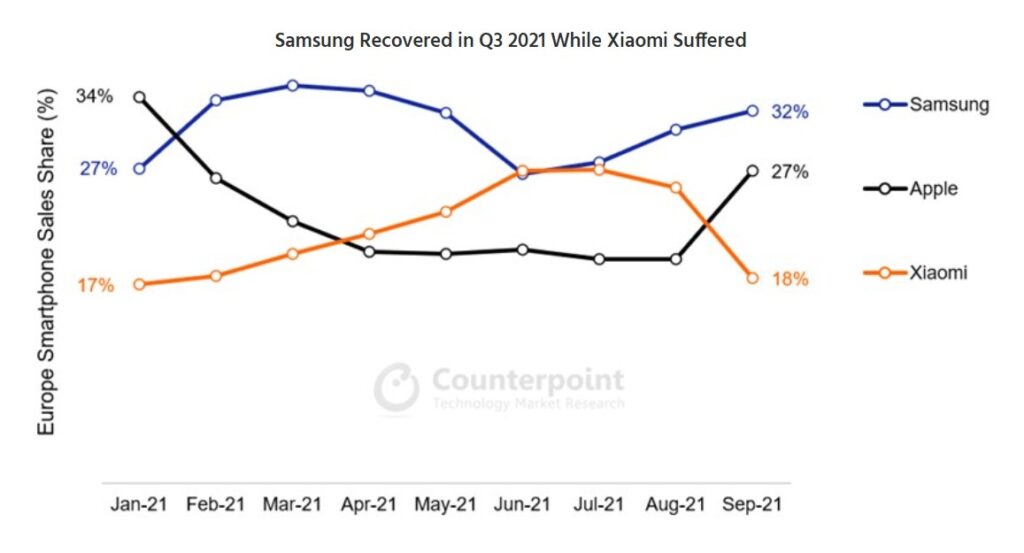
But when it comes to QoQ figures for growth in terms of sales, Xiaomi and Samsung have suffered declines of 6% each. Samsung could have been hit even worse had it not been for the success of the Galaxy Z Flip 3 particularly in Western Europe. Apple has seen a respectable 5% growth, on the other hand, boosted by the launch of the iPhone 13 towards the end of the quarter.

samsung vs xiaomi europe smartphone sales share
Image: Counterpoint Research

Xiaomi and Apple had a mixed quarter at the end of the quarter. Xiaomi suffered a major setback in September 2021 as a result of significant component constraints. Apple’s iPhone 13 launch was a huge success. Despite going on sale at the end of September, the iPhone 13 seemed to be more popular than the iPhone 12 from the previous year. Apple could have a record-breaking Q4 in Europe if it can keep up with demand – a difficulty in some markets.

RELATED:

Huawei to launch new 2-in-1 Surface-like MateBook laptop this month: Leak

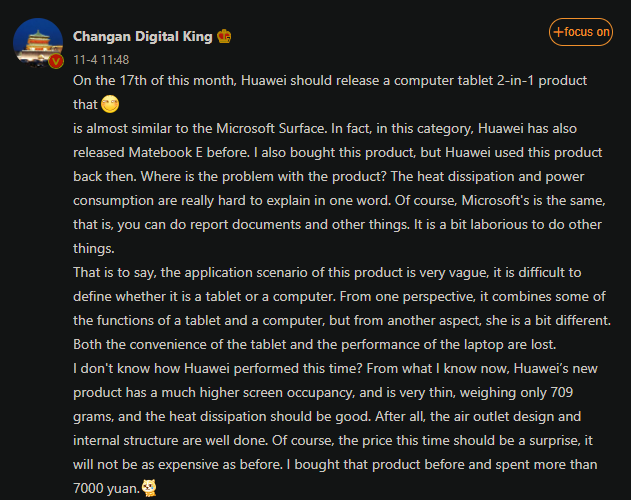
A new leak has revealed that Huawei is gearing up for the launch of a new laptop from its MateBook series later this month. However, the laptop in question will apparently feature a design similar to the Microsoft Surface series.

Huawei

The leak was shared on Weibo (a Chinese microblogging website) by @长安数码君. The tipster revealed that the brand is planning to release a new 2 in 1 laptop in China this month. This means that it would be a product similar to the Microsoft Surface. Looking at the leaked image poster, we can see that the upcoming 2 in 1 laptop sports a high screen to body ratio and is a thin and light PC.

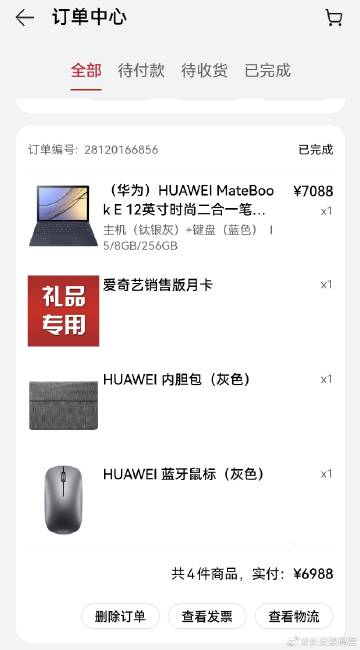
The image also revealed other information like a weight of just 709 grams but with a price tag that will be higher than previous MateBook E 2 in 1 laptops. For those unaware, this is not the first time the company has launched a notebook of this format. Back in 2017, the brand had first released the first 2 in 1 as apart of the new MateBook E series. Furthermore, its successor was released in China in 2019.

Huawei

Now, it like a newer generation will be launching later this month. Unfortunately, finer details regarding this laptop like its specifications is unknown as of right now. Although, we do know that it would reportedly be launching on 17th November 2021 for a price of 7,088 Yuan (roughly 1,100 US Dollars).

RELATED:


Android 12’s wallpaper-based theming can crash your games in this funny little case

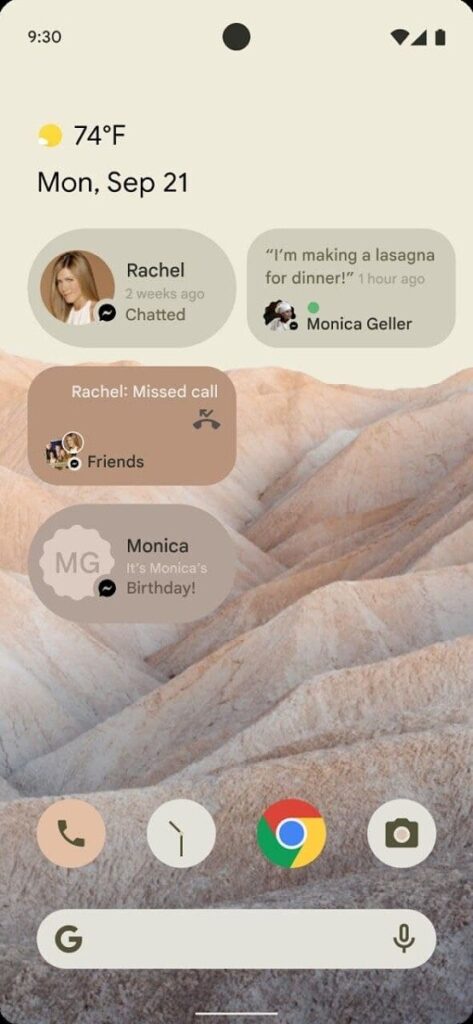
Google has gone big on personalization this year with Android 12 and has implemented the ‘monet’ theme engine. This one extracts colors from the current wallpaper and splashes it across the system UI and supported apps, giving users greater control than ever over what their phone’s software looks like. However, the new engine has some unwarranted side effects affecting gamers.

A bug was opened on the Google Issue Tracker a couple of months back stating that games like Wild Rift and Pokémon Go crash as soon as the wallpaper is changed in the background on Android 12.

Android 12’s monet in action

But as it stands, the issue can actually be reproduced across all games. XDA Developers tested Genshin Impact, Call of Duty: Mobile, PUBG Mobile, and Minecraft on a Google Pixel 6 Pro and found that all of them force closed upon switching the wallpaper.

While the use case where one changes the wallpaper while gaming is quite a rare one (who even does that?), the bug is still quite a bummer for those who rely on auto wallpaper changer apps.

Thankfully, the root cause of the problem has seemingly been spotted – Android configuration changes. A wallpaper change happens to be a configuration change on Android along with other activities like dark mode, screen rotation, and locale changes. Games typically used to ignore such changes but that isn’t the case anymore with Android 12.

Google has introduced a new change on the OS that forces activities to be recreated when the wallpaper is changed. This is reasonable enough for apps that need to respond to a wallpaper switch and color shift themselves accordingly, but is a problem for games as it triggers a force close.

Unfortunately, there isn’t any way to work around the problem. What’s even worse is that developers can’t get around it either. Google hasn’t provided an option to opt-out of the forced activity restart upon wallpaper switching yet, and games are suffering as a result.

The only solution at the moment is disabling any automatic wallpaper switchers while gaming and not changing wallpapers if you got a game running in the background.

RELATED:

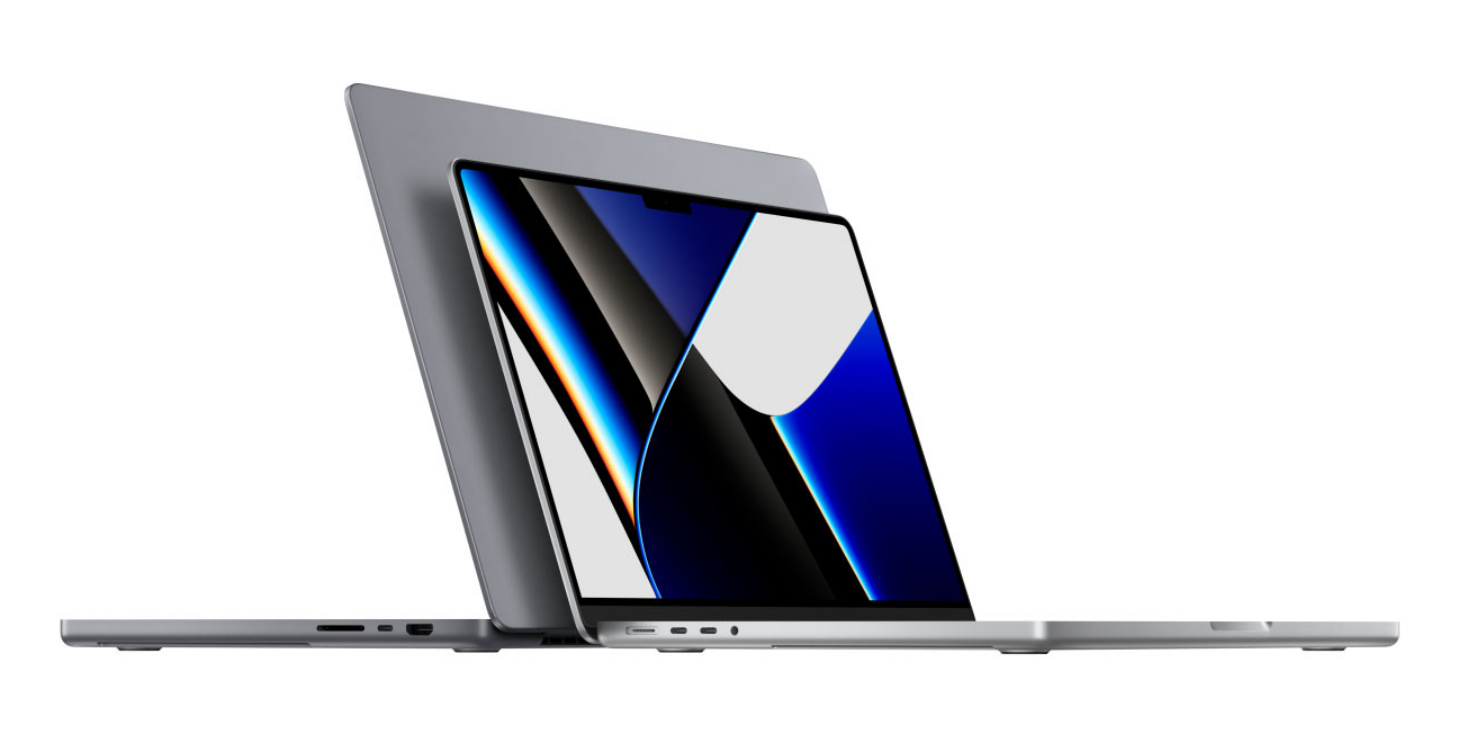
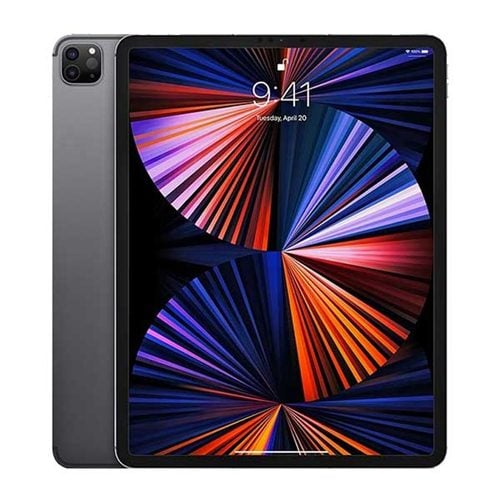
Apple MacBook Pro & iPad Pro to sport new OLED panels that offer higher brightness: Report

Apple is apparently planning on shipping its newer models of iPad Pro and MacBook Pro with a new OLED panel. This new screen technology would enable the tablet and laptops to offer even higher brightness than existing models.

Apple

According to TheElec, the upcoming iPad Pro and MacBook Pros from the Cupertino based giant will sport a new double stack OLED panel that features two layers of light emitting diodes that could offer double the brightness over previous generation. Unfortunately, this new display technology will not be arriving anytime soon since the manufacturing process for the panels are still not fully developed and the screen is too expensive at the moment.

Additionally, sources close to the matter have revealed that first units with the new display will not arrive till at least 2023 or even 2024. The sources further added that the price of the panels would allow the iPhone maker to used those only on the larger 11 inch and 12.09 inch iPad Pro models and even MacBook Pro notebooks as well. These displays are also expected to feature LTPO tech for the TFT and could even offer control over the refresh rate. Meaning, variable refresh rate on the panel that can be anywhere between 10Hz and 120Hz.

Apple iPad Pro 12.9 (2021)

Apart from the new OLED screens, Apple is also look to delve even deeper into micro LED displays for its future products. Currently, it is reported that the company is already investing in the research and development of the newer display technology and aims to replace the OLED panels for various benefits that it would offer.

RELATED:


Microsoft Mesh announced – Its version of the Metaverse

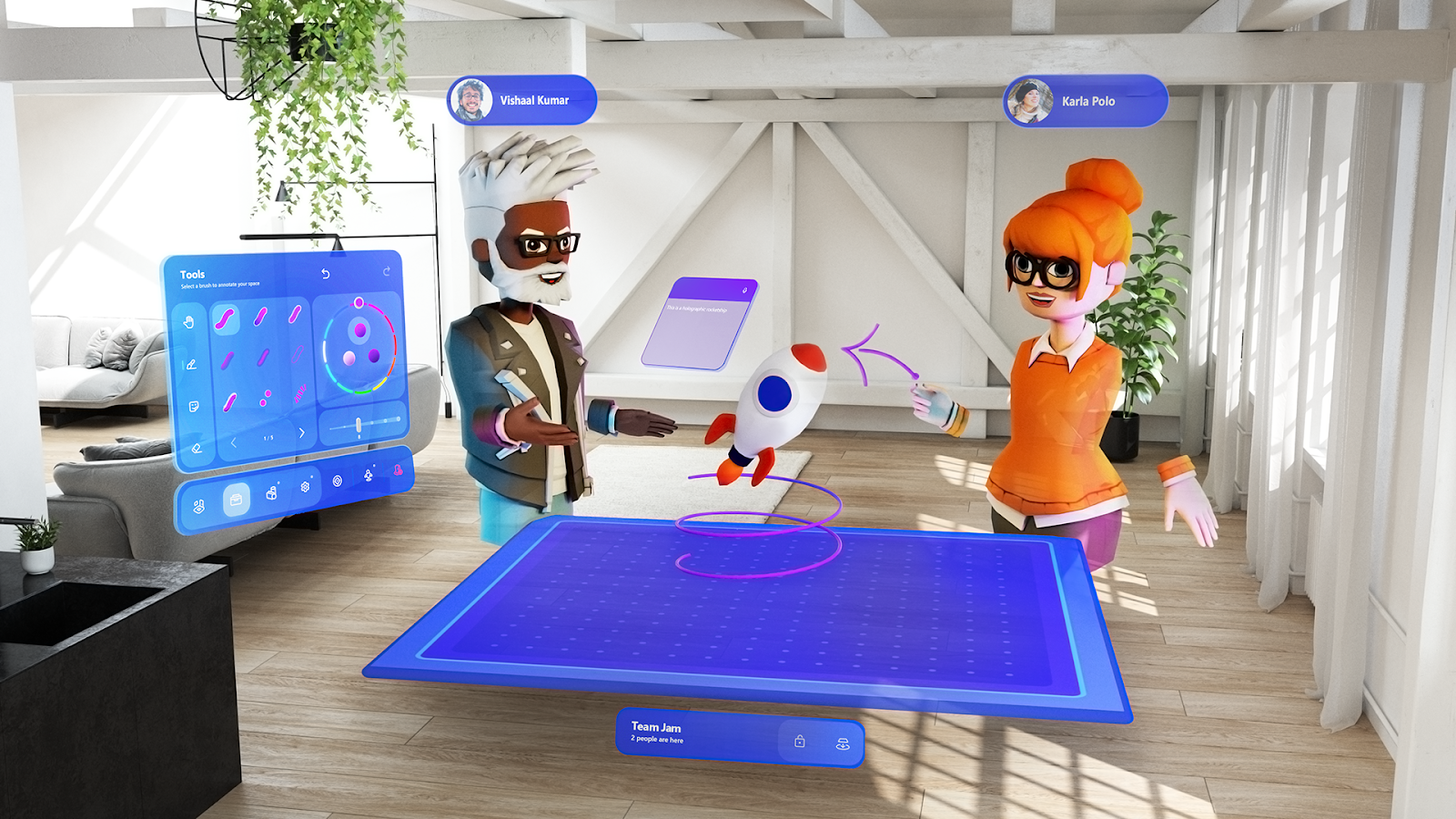
Microsoft has announced that they will be integrating Mesh, the next step in the evolution of Microsoft Teams. The Mesh will be an interactive platform for virtual experiences inside the Teams platform. This announcement comes just days after Facebook reincarnated to Meta and revealed its future vision for a metaverse.

Microsoft Mesh demo

Microsoft Mesh appears to be the next step in AR technology. Some new features revealed by Microsoft consist of a ‘Together Mode’ which is designed to create a virtual avatar of a person that will aid in better engagement during meetings. The idea was inspired after seeing so many users experience pandemic fatigue due to excess screen time.

Microsoft Teams will be equipped with new 3D avatars to facilitate a metaverse environment, which won’t require a VR headset. These avatars can represent the user, both in 2D and 3D meetings. This provides the user with the option of not turning on the webcam if he or she doesn’t want to. “It’s not binary, so a person can choose how they want to show up, whether it’s video or an avatar, and there’s a variety of customized options to choose from, as to how one wants to be presented in a meeting,” says Katie Kelly, principal product manager for Microsoft Mesh.

Additionally, according to Katie Kelly, these technologies, or should we say prototypes work better with VR or AR headsets, these features will be accessible by most of the devices. Also, because it is based on realistic experiences, the human presence such as talking, eye contact, and reactions are going to be important. This upgrade also focuses on removing language barriers by including a built-in app translation support, which will be a blessing in the post-pandemic scenario wherein companies have remote workers across the globe. The great news is that Microsoft has promised that these features are going to be accessible as soon as early 2022.

The addition of this feature will enable the corporations to model their own virtual spaces, or metaverses inside Teams. This seems to be Microsoft’s own metaverse.


RELATED:

Apple iPhone 14 may not feature cutting edge 3nm chips as TSMC faces production constraints: Report

Apple’s silicon producer TSMC is struggling with the manufacturing of its next-gen 3 nm-based process, revealed in a report today from The Information. The report takes a closer look at the inner workings of their business relationship and also sheds light on TSMC’s struggle to transition to a 3nm process.

apple logo featured

Looks like the iPhone 14 might be stuck on 5nm chips as reports suggest TSMC is having issues with its 3nm silicon process, which it had promised to deliver by the second half of 2022. The 3nm chips would have offered a more powerful, energy-efficient processor in the device without a significant increase in the die size.

Regardless of this setback, the iPhone 14 might still receive an upgrade in its processor over the last generation as TSMC is all set to manufacture its N4P process which is an improvement of the 5nm processor(N5P) currently being used in the iPhone 13. As the third major enhancement of TSMC’s 5nm family, N4P is claimed to deliver an 11% performance boost over the original N5 technology. Compared to N5P, N4P will also deliver a 22% improvement in power efficiency as well as a 6% improvement in transistor density. In addition, N4P lowers process complexity and improves wafer cycle time, which is the need of the hour in the ongoing global chip shortage.

chip

On the other hand, this delay also creates opportunities for competing chip manufacturers such as Samsung to catch up to TSMC and even be the first to reach the 3nm process.

While this might be the case, Apple is said to have secured an early shipment of the N4P chips to gain an edge over its competition Qualcomm, which is also setting up to release their upcoming snapdragon 898 on TSMC’s 4nm process.


RELATED:

POCO M4 Pro 5G leaked render emerge to showcase its attractive yellow variant

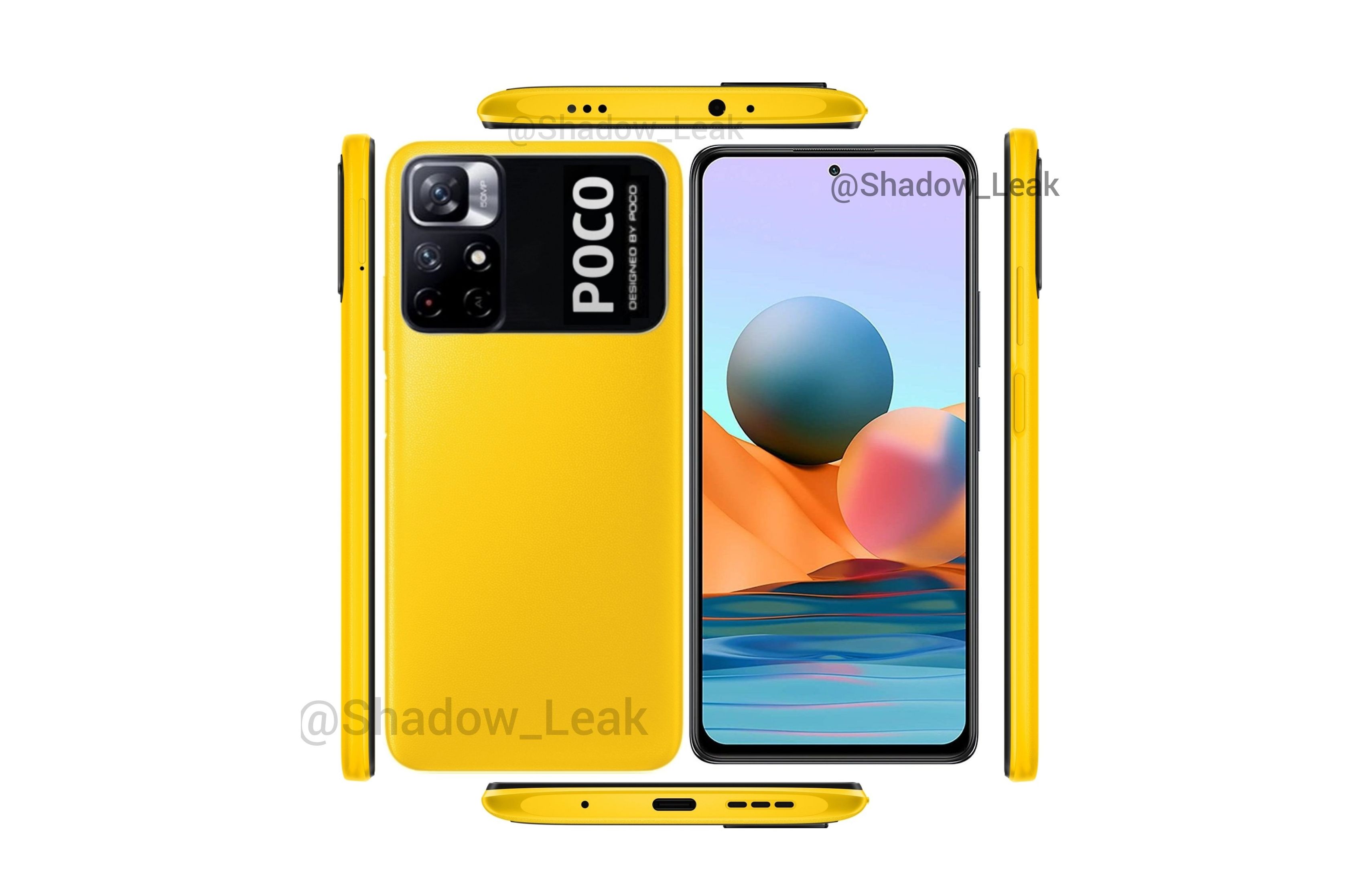
The POCO M4 Pro 5G will be debuting in the global markets on Nov. 9. Yesterday, a Vietnamese publication shared concept renders based on the actual M4 Pro handset. Now, Shadow Leak has shared the leaked render of the handset’s yellow variant to showcase its attractive rear design.

The POCO M4 Pro 5G features a large-sized module on its back panel, which features a 50-megapixel camera unit on the left and the POCO branding on the right. The left spine has a SIM card slot, but its right edge has a volume rocker and a power key.

The M4 Pro 5G’s top edge has a microphone, an IR blaster, and a speaker. Its bottom edge has a microphone, a USB-C port, and another speaker unit. As far as the front side is concerned, its display a centrally placed punch-hole and a slightly thick chin.

POCO M4 Pro 5G
POCO M4 Pro 5G’s leaked render

POCO M4 Pro 5G specifications (Rumored)

The POCO M4 Pro 5G has a 6.6-inch IPS LCD panel that delivers FHD+ resolution and a 90Hz refresh rate. It has a 16-megapixel camera on the front. Its back panel has a dual-camera unit featuring a 50-megapixel primary camera and an 8-megapixel ultrawide snapper.

The device runs on MIUI 12.5 based Android 11, and it is powered by the Dimensity 810 chipset. It may come with up to 8 GB of RAM and up to 128 GB of storage. It has a 5,000mAh battery that supports 33W fast charging.

The POCO M4 Pro 5G is expected to arrive as a rebranded version of China’s Redmi Note 11 5G. At present, there is no word on the pricing of the handset.

RELATED:

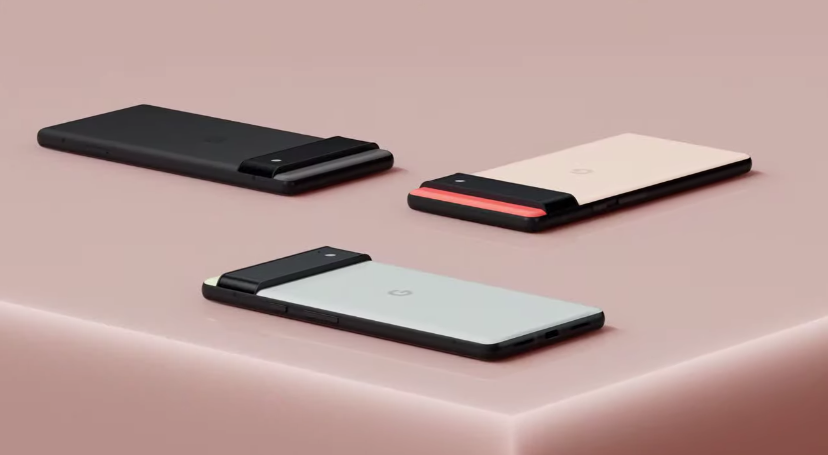
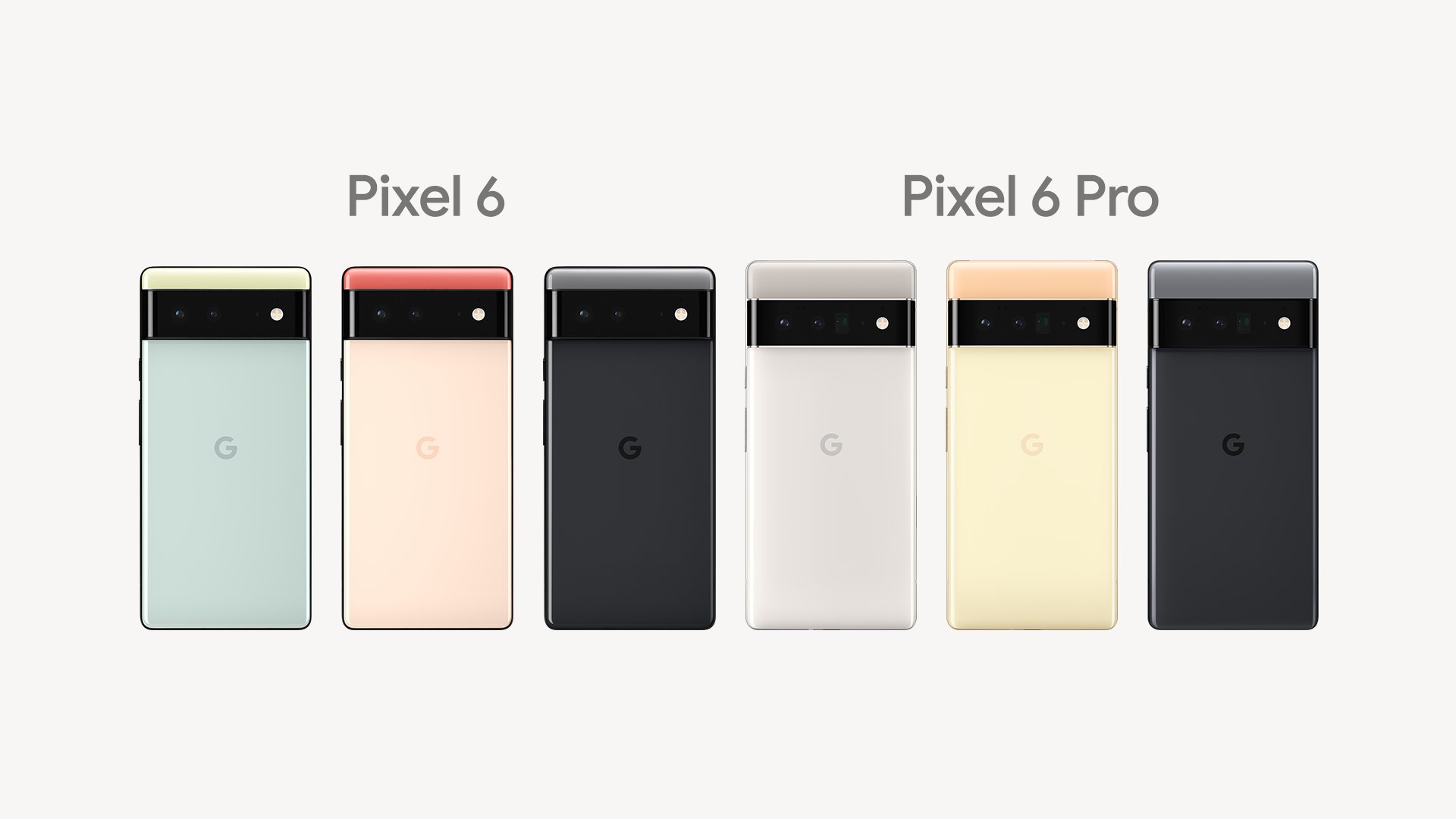
Lucky Reddit user orders Pixel 6 and gets a free upgrade to Pixel 6 Pro

A Reddit user has just shared an interesting turn of events that they went through. The user had ordered a new Google Pixel 6 smartphone. However, the delivery arrived without this model, but did have a surprising upgrade.

Google

As per his story, he was also supposed to receive a pre paid mailer through which he could send back the unit being traded for the Pixel 6. But, when the the delivery arrived, he found that the box was what he described as “trashed.” Although the inside featured two smaller boxes with one for the Pixel 6 while the other that had the Pixel 6 Pro. The odd incident doesn’t just end there as the packaging box for the Pixel 6 was torn open with nothing on the inside.

On the other hand, the Pixel 6 Pro that the user had not ordered was still in the box with all of the other contents as well. Meanwhile, the mailer for the trade was also not included in this entire packaging. In other words, the man got lucky and despite his Pixel 6 being reportedly stolen, he received a free upgrade to the Pixel 6 Pro which is the higher end model in the newly launched series.

Google

In the Reddit post, the user asked that “Obviously I’d be happy to upgrade to the Pro, but would I be able to make warranty claims?” Another few questions also include “Would anyone besides Google be getting screwed if I keep it? On the other hand, if I bring this to Google’s attention, do you think they’ll make me send it back without first sending a replacement, given the shortage going on?” But the real question that he asked is “why on earth would someone steal a Pixel 6 and replace it with a Pixel 6 Pro???”

RELATED:


OPPO A95 4G official renders leaked, launch seems imminent

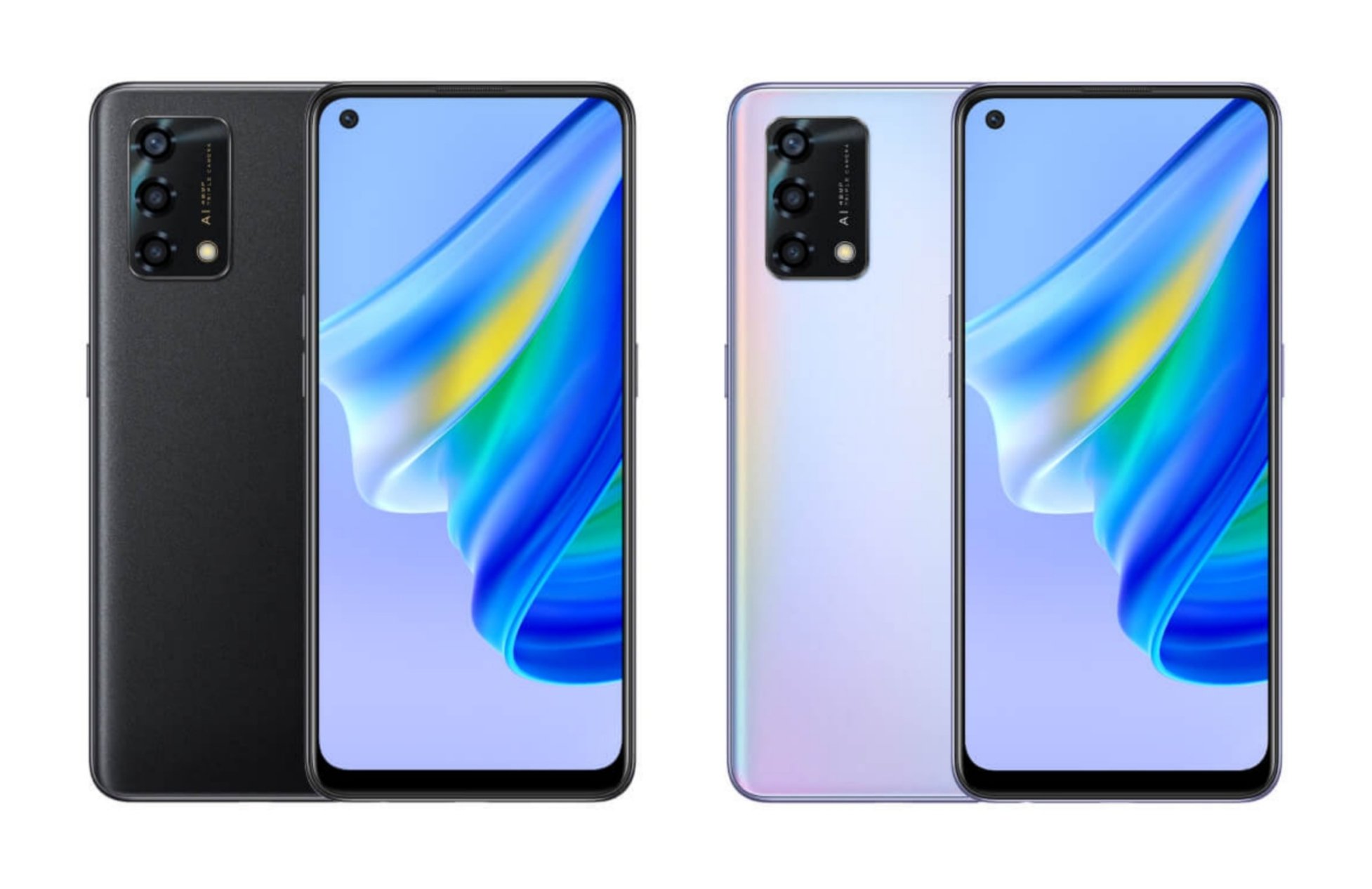
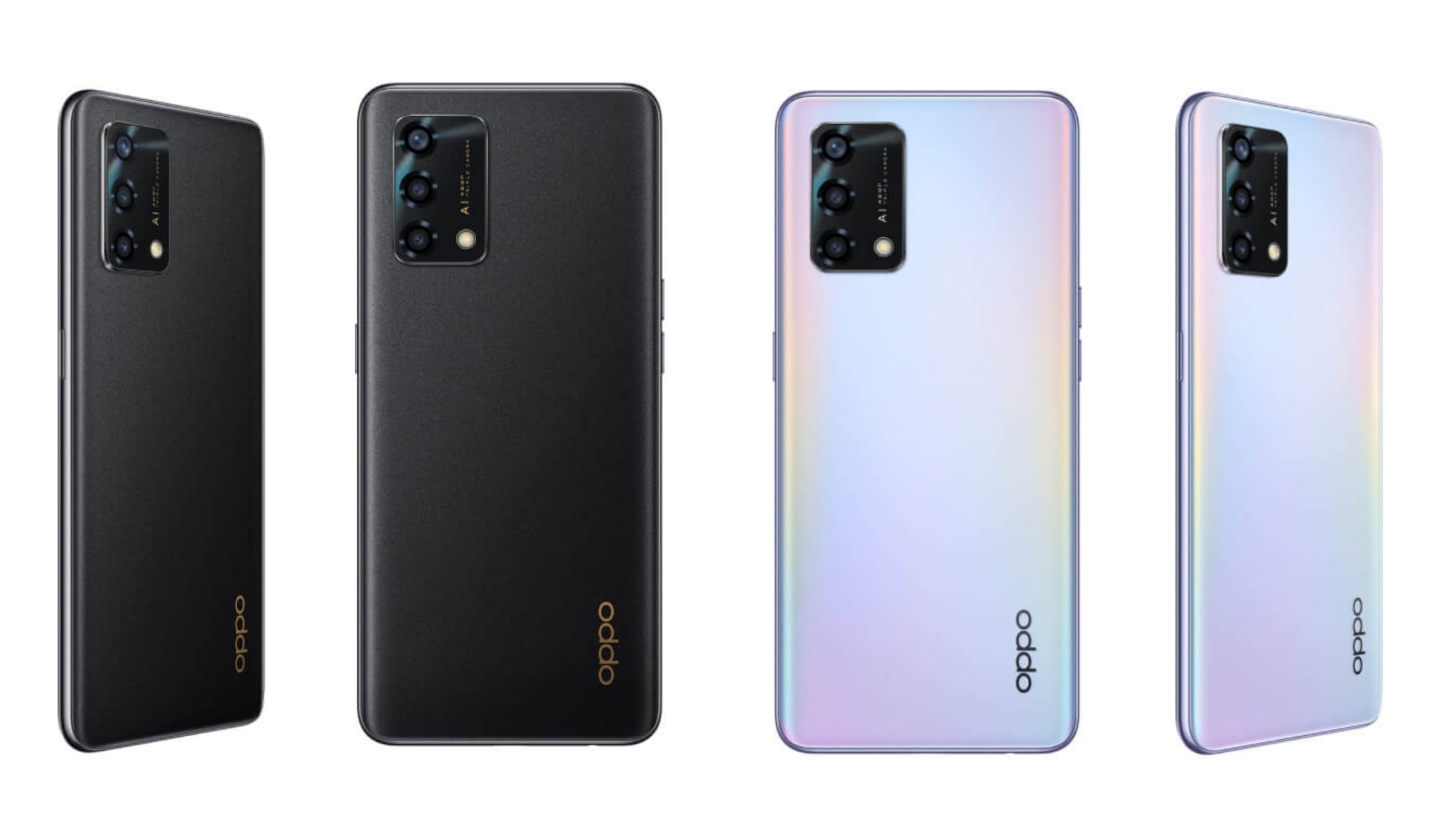
OPPO is soon going to announce the OPPO A95 4G smartphone in some Southeast Asian markets. The hands-on images and renders of the A95 4G have appeared before. Today, tipster Sudhanshu Ambhore has shared new renders of the phone without any watermark.

The OPPO A95 4G can be seen in Starry Black and Rainbow Silver color variants in the new renders. The handset can be seen sporting a punch-hole AMOLED panel and a rear-facing triple camera unit. The left spine of the device has volume buttons, and its right edge features a power key.

OPPO A95 4G
OPPO A95 4G

The specifications of the OPPO A95 4G are under wraps. However, rumors surrounding it claim that it will be a rebranded version of the OPPO F19 that debuted in India in the recent past.

OPPO A95 specifications (expected)

The OPPO A95 is expected to house a 6.43-inch AMOLED display, which will offer a Full HD+ resolution, an in-screen fingerprint scanner, and a 60Hz refresh rate. The device is likely to be powered by the Snapdragon 662 mobile platform and 8 GB of RAM.

OPPO A95 4G
OPPO A95 4G

The device may offer 128 GB of built-in storage and a microSD card slot for additional storage. It may run on ColorOS 11.1 based Android 11. It may feature a 16-megapixel front camera and its back panel may house a 48-megapixel primary camera, an 8-megapixel ultrawide lens, a 2-megapixel depth sensor, and a 2-megapixel macro camera. It may house a 5,000mAh battery that carries support for 33W fast charging.

OPPO is also rumored to be working on Reno6 Lite for Colombia. This model is also said to be a rebranded version of F19.

RELATED:

LG’s exit helps Motorola become the third largest smartphone brand in the US

Market research firm Counterpoint Research has released a new report for the US smartphone market share in the third quarter of this year, i.e. Q3 2021. It reveals that despite component shortages and supply chain issues, companies managed to keep the market recovery ongoing.

However, the highlight of the report is that the Lenovo-owned Motorola has now entered the list of top three smartphone makers in the United States as the company managed to grab the market share of LG.

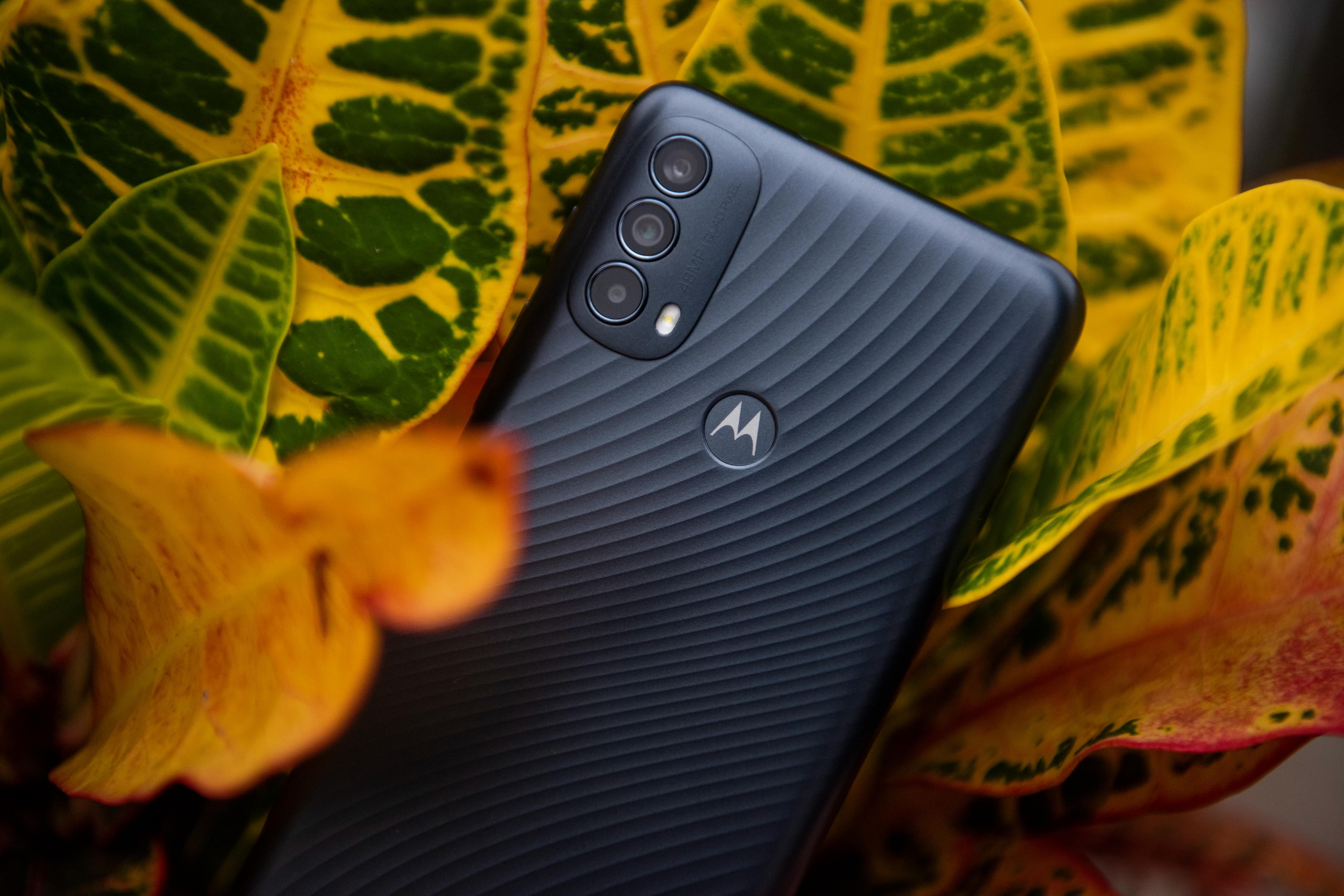
Motorola Moto E30 Mineral Gray Featured A

Motorola’s top three models in Q3 2021 include Moto G Play, Moto G Power, and Moto G Stylus, which is a 5G device. The company wasn’t much affected by the Vietnam factory shutdowns as it manufactures its devices in China.

As noted, with LG exiting the smartphone market, Motorola managed to gain new customers. While it managed to grab the third spot in the US market, with just an 8 percent share, it’s nowhere near the top two leading brands.

Apple remains the leading smartphone brand in the United States with a 42 percent market share, which represents an increase of 9 percent year-on-year. South Korean giant Samsung remains in the second position with a 35 percent market share and the company grew its presence by 18 percent year-on-year.

The report adds that the newly launched iPhone 13 series contributed to 17 percent of Apple’s sales in the third quarter of this year. With the holiday season, the company is expected to strengthen the fourth quarter as well.

On the other hand, Samsung didn’t launch its Galaxy Note-series flagship this time but instead, the brand launched two new foldable smartphones which have exceeded the company’s own goals in terms of sales. On top of that, it also managed to push the Galaxy A32 5G, its most affordable 5G smartphone through carriers.

RELATED: 

Redmi K50 series key specifications leak, reveals 108MP camera, Snapdragon 8-series chip, and more

Redmi is reportedly working on the Redmi K50 series of smartphones. The K40 lineup was unveiled in the first quarter this year. Hence, it is likely that the company may unleash the K50 lineup around the same time next year. Today, reliable tipster Digital Chat Station shared a few key specs of Xiaomi’s I11 series phone. The leak suggests that he could be talking about the Redmi K50 models.

The leak reveals that the Xiaomi phone will feature a high-quality curved edge display, a Snapdragon 8-series flagship chipset, and a large-sized battery that supports 67W fast charging.

Redmi K40 Pro+
Redmi K40 Pro+

For photography, it will be equipped with a 108-megapixel primary camera. The handset will offer other features like an x-axis motor and JBL dual stereo speakers. Since JBL is a brand that Redmi cooperates with on the Note 11 lineup, it can be said that the tipster could be talking about the Redmi K50 series phone. To be precise, he seems to have revealed the specs of the Redmi K50 Pro/Pro+ handset.

The K40 lineup included three phones such as the K40, K40 Pro, and K40 Pro+. It is being speculated that the K50 series will also comprise of three devices namely, K50, K50 Pro, and K50 Pro+.

A recent leak claimed that the K005 models will be equipped with an in-screen fingerprint scanner.  This indicates that the K50 phones will be arriving with an AMOLED panel. The K50 may feature the Snapdragon 888 or 870 chip, whereas the K50 Pro/Pro+ is expected to arrive with the forthcoming Snapdragon 898 chip.

RELATED:

Vivo V23e image reveals 50MP selfie camera, design and color variants

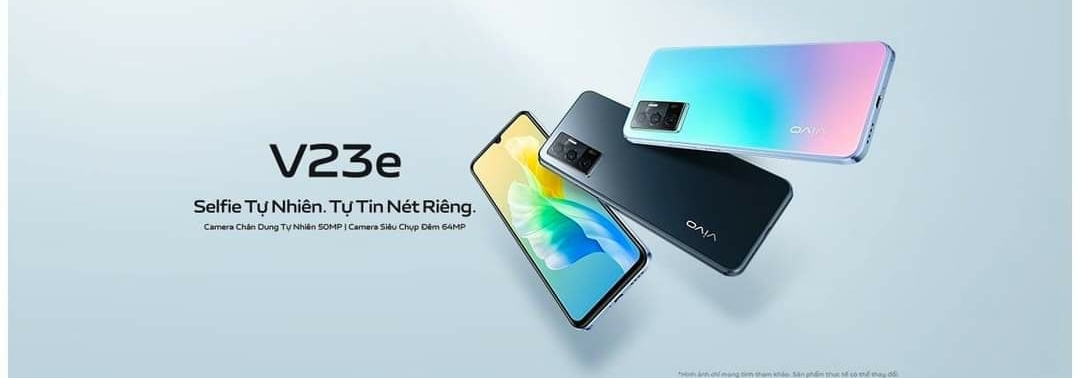
Vivo is reportedly working on the Vivo V23 series of smartphones. The lineup seems to include at least three devices such as Vivo V23e, Vivo V23, and Vivo V23 Pro. A hands-on video of the V23e had appeared at the beginning of this week to reveal its appearance and key features. Hence, it appears that the V23e may go official soon. Today, tipster Chun shared a banner image of the smartphone. The image reveals its design and some of the key features.

As can be seen in the image below, the Vivo V23e’s display will have a u-shaped notch and a noticeable chin. Its bottom edge has a microphone, a USB-C port, and a speaker grille. Like the predecessor model, it seems to feature an OLED panel with an in-screen fingerprint scanner.

The image states that the Vivo V23e will feature a 50-megapixel front-facing camera and a 64-megapixel rear camera. The handset will come in colors like black and gradient blue.

Rumors surrounding the V23e has revealed that its 64-megapixel triple camera unit will include an 8-megapixel ultrawide camera and a 2-megapixel macro lens. The device will be backed by a 4,030mAh battery that supports 44W fast charging.

The device will run on FunTouch 12 based Android 11. It will ship with 8 GB of RAM. There is no clear information on the chipset of the V23e. The tipster had previously claimed that it has a 5G-ready SoC. The handset is speculated to cost around VND 10,000,000 (~$440).

RELATED: