Advertisement

OPPO A54s listed on Amazon Italy, reveals pricing and specifications

Earlier this month, the rumor mill leaked plenty of information on the upcoming OPPO A54s smartphone. Now the smartphone is listed on Amazon Italy’s website with all its specifications and images. The listing states that the A54s will be available for purchase starting from Nov. 13.

OPPO A54s specifications

As per the Amazon listing, the OPPO A54sd has a 6.52-inch IPS LCD display with a teardrop notch. It offers an HD+ resolution. The device has a thickness of only 8.4mm and weighs 190 grams.

OPPO A54s Renders Leak 01
OPPO A54s

The listing does not mention the OPPO A54s’ chipset. Past reports have revealed that it will come equipped with the Helio G80 SoC. The device is equipped with 4 GB of RAM and 128 GB of built-in storage. For additional storage, the A54s features a microSD card slot. It runs on ColorOS 11.1 based Android 11.

The OPPO A54s has an 8-megapixel front-facing camera. Its rear panel has a 50-megapixel primary camera, a 2-megapixel macro lens, and a 2-megapixel depth sensor. It is backed by a 5,000mAh battery, which supports 10W charging. Some of the features of the A54s include dual 4G VoLTE, Wi-Fi, GPS, NFC, USB-C, a 3.5mm audio jack, a side-mounted fingerprint scanner, and IPX4 rated chassis.

OPPO A54s pricing

The OPPO A54s is listed with a price tag of €229.99 (~$267) and it comes in colors like Pearl Blue and Crystal Black. As mentioned above, its sales are set to begin on Oct. 25 on the retailer site.

(via)

RELATED:

Samsung announces Cloud Gaming Platform for Tizen TVs

The Samsung Developer Conference kicked off today, and during the keynote address, Samsung unveiled its Cloud Gaming Platform for its Tizen TVs.

Cloud gaming is steadily growing in popularity especially since there are now big players such as Xbox’s xCloud, Google’s Stadia, NVIDIA GeForce Now, and Amazon’s Luna in the new entertainment category. Samsung is now ready to join the fray and it is starting with its Tizen-powered smart TVs.

Samsung Cloud Game Platform

Unfortunately, Samsung has not revealed the details of its cloud gaming platform, so we don’t know how it will work and what types of games will be available on the service. However, Samsung did reveal some other plans for Tizen TVs:

  • Video communication – Samsung says a partnership with Google will allow users to enjoy better video calling on TVs via AI-enabled focus and zoom features.
  • Samsung Health – Smart TVs with a webcam will be able to analyze a user’s movement during a workout and provide real-time feedback.
  • HDR10+ for realistic gaming – Tizen TVs will also feature HDR10+ with automated settings for low-latency and HDR calibration.

Samsung says it will also launch “Tizen for Business”, a service that will support interactive e-boards in schools and kiosks as well as displays in restaurants, airports, and train stations. Businesses will be able to monitor these displays in real-time and easily apply settings to multiple devices with a simple touch.

Non-Samsung Tizen TVs are coming

Samsung also revealed its plans to license Tizen to other TV manufacturers through what it calls “Tizen TV Platform Licensing”. It said manufacturers that want to launch a premium TV platform like Tizen can do so quickly and with minimal cost. The decision to license Tizen for TVs to other manufacturers will not only help the manufacturers but also help Tizen increase its popularity.


RELATED:

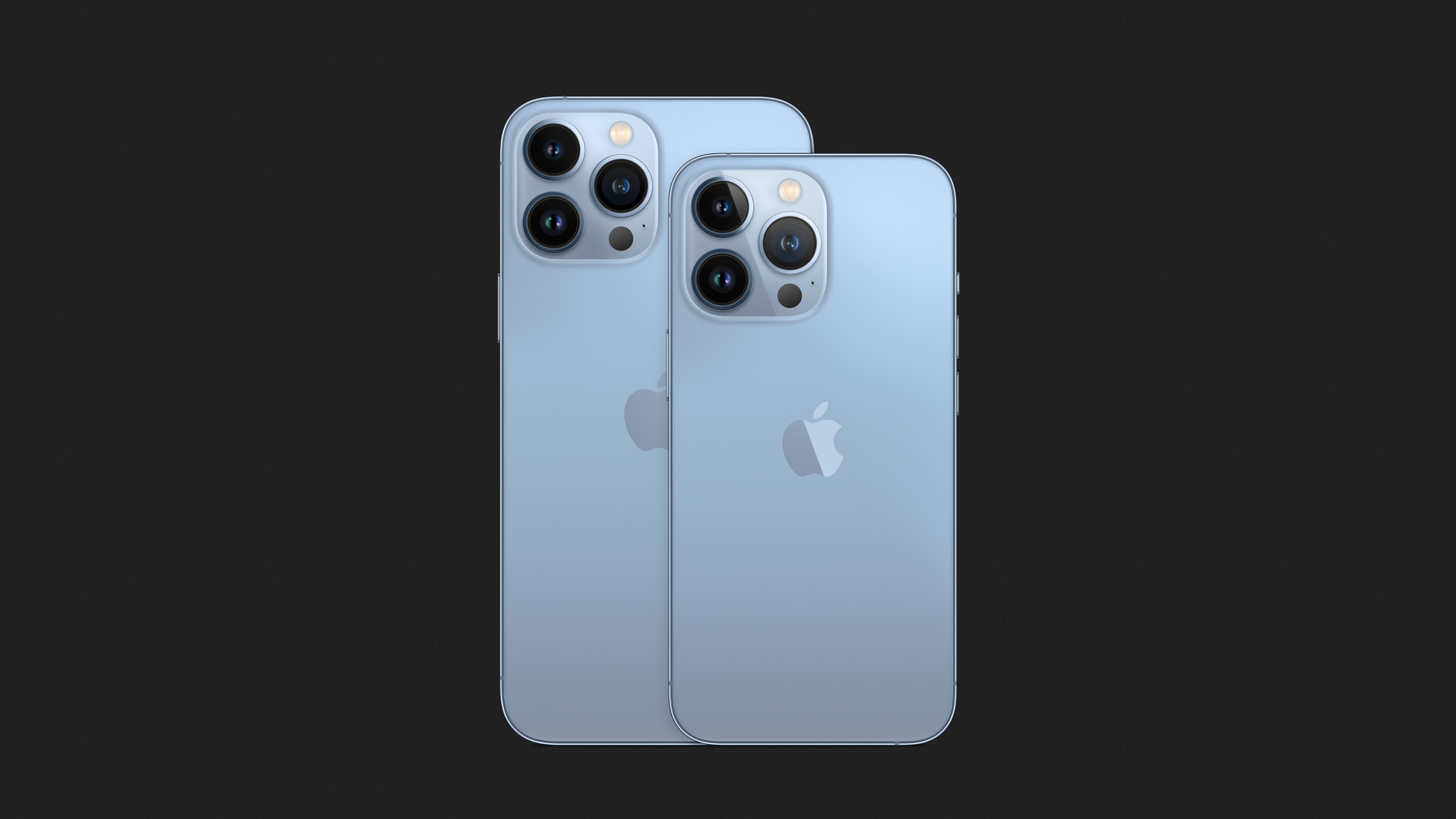
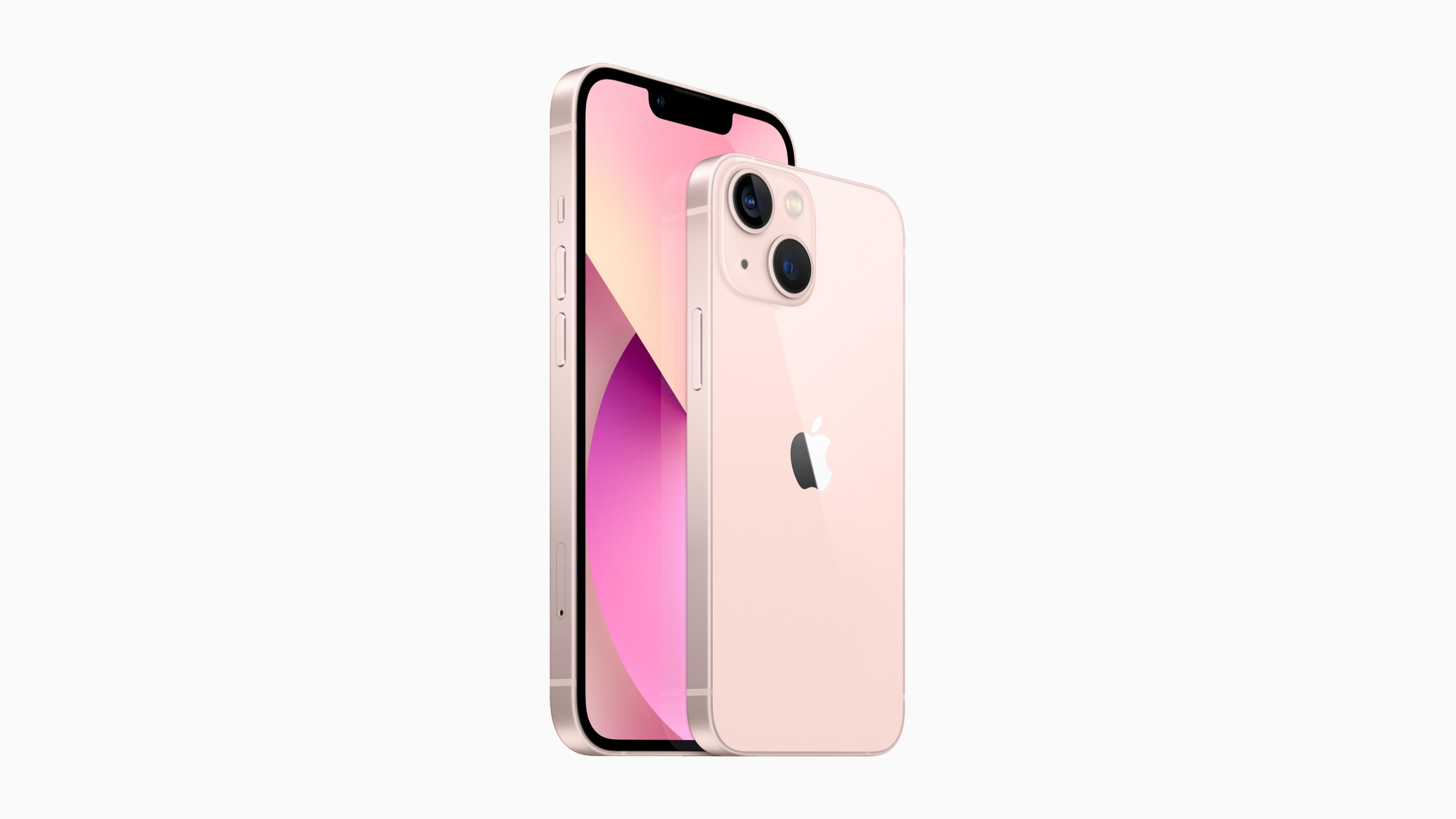
iPhone 13 Pro vs iPhone 13: Specs Comparison

The iPhone 13 lineup is composed of four models and that is the reason why it is not easy for everyone to choose the best. The vanilla iPhone 13 might be enough for you, but if you are a more advanced user, you might need a superior device such as the iPhone 13 Pro. These two handsets come with the same dimensions, but the Pro variant has a few important upgrades which improve the image quality, the camera quality, the performance, and more. But do you really need them? This comparison between iPhone 13 and its costlier sibling iPhone 13 Pro will clear your ideas in regards.

Apple iPhone 13 Pro vs Apple iPhone 13

Apple iPhone 13 Pro Apple iPhone 13
DIMENSIONS AND WEIGHT 146.7 x 71.5 x 7.7 mm,
204 g
146.7 x 71.5 x 7.7 mm,
174 g
DISPLAY 6.1 inches, 1170 x 2532 pixels (Full HD+), Super Retina XDR OLED 6.1 inches, 1170 x 2532p (Full HD+), Super Retina XDR OLED
PROCESSOR Apple A15 Bionic hexa-core 3.22 GHz Apple A15 Bionic hexa-core 3.22 GHz
MEMORY 6 GB RAM, 512 GB – 6 GB RAM, 128 GB – 6 GB RAM, 256 GB – 6 GB RAM, 1 TB 4 GB RAM, 512 GB – 4 GB RAM, 128 GB – 4 GB RAM, 256 GB
SOFTWARE iOS 15 iOS 15
CONNECTIVITY Wi-Fi 802.11 a/b/g/n/ac/ax, Bluetooth 5, GPS Wi-Fi 802.11 a/b/g/n/ac/ax, Bluetooth 5, GPS
CAMERA Quad 12 + 12 + 12 MP + TOF 3D LiDAR scanner, f/1.5 + f/2.8 + f/1.8
Dual 12 MP + SL 3D f/2.2
Dual 12 + 12 MP scanner, f/1.6 + f/2.4
Dual 12 MP + SL 3D f/2.2
BATTERY 3125 mAh, fast charging 20W and Qi wireless charging 7.5W 3240 mAh, Fast Charging 23W, Qi wireless charging 7.5W
ADDITIONAL FEATURES 5G, optional dual SIM, optional eSIM, MagSafe 15W, IP68 waterproof 5G, optional dual SIM, optional eSIM, MagSafe 15W, IP68 waterproof

Design

Given that they belong to the same series, the iPhone 13 and the iPhone 13 Pro have similar aesthetics. They have the same dimensions and the same weight, but the Apple iPhone 13 is lighter. On the other hand, the iPhone 13 Pro provides a higher build quality thanks to a stainless steel frame: the vanilla version has a traditional aluminum frame which is less resistant to drops and scratches. Both the phones have Ceramic Shield protection and the IP68 certification making them waterproof and dustproof. Further, they have a notch that is 20 percent smaller if compared to the one found on the iPhone 12.


Display

iPhone 13 and 13 Pro are equipped with a Super Retina XDR OLED display sporting a diagonal of 6.1 inches and a Full HD+ resolution of 1170 x 2532 pixels. But the display of the iPhone 13 Pro is slightly more advanced: both come with HDR10 certification and Dolby Vision, but only the iPhone 13 Pro has a high 120 Hz refresh rate, while the vanilla version has a standard refresh rate. Further, the Pro variant has a higher brightness going up to 1200 nits (peak). iPhone 13 and 13 Pro have a notch housing a hardware sensor for 3D facial recognition. Even though they have OLED displays, none of these devices has a fingerprint reader because Face ID is their main authentication method.


Specs & Software

The iPhone 13 and the 13 Pro are powered by the same processor: the Apple A15 Bionic built at 5 nm which is one of the most advanced processors in the whole smartphone market. What changes in their hardware department is the RAM: you get just 4 GB of RAM with the vanilla version and 6 GB of RAM with the Pro variant. Further, the iPhone 13 Pro has an additional configuration with 1 TB of internal storage, while the iPhone 13 offers up to 512 GB of native storage. The phones run iOS 15 out of the box and they will get seven years of major updates.


Camera

With the iPhone 13 Pro, you get a better camera setup and a higher amount of cameras on the rear side. Besides a 12 MP main sensor with an f/1.5 focal aperture (brighter than the f/1.6 focal aperture of the iPhone 13), there are also three other sensors: a 12 MP telephoto camera with 3x optical zoom, a 12 MP ultrawide sensor, and a TOF 3D LiDAR scanner for AR appliances. The vanilla iPhone 13 has just a dual camera and its secondary sensor is a 12 MP ultrawide camera like the Pro version, but with a darker focal aperture: f/2.4 instead of f/1.8.


Battery

Alongside the price, the only advantage of the iPhone 13 when compared to its Pro sibling is the battery life. The vanilla version has a bigger battery than the Pro variant, that is why its battery life can be longer. The charging technologies are the same.


Price

The starting price of the iPhone 13 is $799/€899, while the iPhone 13 Pro starts from $999/€1099. If we exclude the battery life, the Pro variant is superior in every aspect, but you do not necessarily need it since the iPhone 13 is still an amazing high-end phone. Which one would you pick?


Apple iPhone 13 Pro vs Apple iPhone 13: PRO and CONS

Apple iPhone 13 Pro

PRO

  • Better chipset
  • More advanced cameras
  • 120 Hz refresh rate
  • Better build quality

CONS

  • More expensive


Apple iPhone 13

PRO

  • Bigger battery
  • More affordable
  • Cleaner design
  • Lighter

CONS

  • Inferior cameras

RELATED

Check the latest videos from our YouTube channel and subscribe:

DJI Mavic 3 “official renders” leak revealing a Mavic 3 Cine model

Ahead of its November 5 launch, German blogger Nils Ahrensmeier has leaked the official renders of DJI Mavic 3 and a relatively unknown Mavic 3 Cine drone. The renders show the DJI Mavic 3 still uses a folding design, which is more portable overall. The streamline of the body is very similar to the previous generation, but there is a very eye-catching change. Its gimbal camera adopts a dual-camera solution. Hasselblad’s logo is very conspicuous, suggesting the camera may have been jointly developed with the renowned German photography expert.

Judging from the information marked on the body of this dual-camera module, the two cameras should correspond to independent wide-angle and telephoto functions. The wide-angle lens has an aperture of f2.8, and the telephoto lens should support 7x zoom. A wider range of application scenarios supports more shooting methods.DJI Mavic 3 Cine

Earlier there was news that the DJI Mavic 3 will support 5.7K video shooting while supporting ProRes RAW video recording, as well as improved picture quality.

In addition, the Mavic 3 is said to feature a built-in 1TB storage capacity and will cram a 5000mAh or 6000mAh capacity battery, which can provide more than 40 minutes of flight time.

At the same time, the Mavic 3 will also come with an improved obstacle detection function with the obstacle avoidance sensors on the front and rear of the fuselage moved to the sides. The device will also be bundled with standard accessories such as a remote control similar to that of the Mavic Air 2S.

DJI will also be launching a Mavic 3 Cine which is likely designed for filmmakers and the camera will feature ND filters. The model has the word ‘Cine’ stamped on the propellers. It also comes with a remote control having support for on-screen display.

RELATED:


(source)


Samsung Galaxy A03 listed on Samsung India and Russia website

Earlier this month, the Samsung Galaxy A03 passed the Wi-Fi Alliance certification hinting at an imminent launch. Now, the device has made it to the Samsung official pages reaffirming its existence.

The Samsung Galaxy A03 has appeared on the Samsung India and Samsung Russia website. Ahead of any official announcements, the company has already created a landing page. The landing page showcases its model number SM-A032F/DS. The DS suggests that it will be a dual-SIM smartphone.

Samsung Galaxy A03s

Unfortunately, the landing doesn’t reveal anything apart from its model number. Although there’s nothing to learn, the listing confirms that the phone may launch sooner than expected. We can expect the phone to go official in the coming weeks.

Samsung Galaxy A03 Specifications(Rumored)

The Samsung Galaxy A03 will come powered by the UNISOC SC9863A chipset and 2GB of RAM. The smartphone is expected to have 32GB of onboard storage with support for a microSD card slot.

According to the FCC listing, the phone packs a 5,000mAh battery and may come with some fast charging support. It runs on Android 11 out of the box with Samsung’s OneUI on the top.

Other than this, the phone’s other specs are yet to be learned. We expect it to feature a 6.5-inch screen with an HD+ resolution. It could have a 13MP + 2MP + 2MP triple camera system at the rear and a single camera at the front. The 4G is expected to come with a USB Type-C port at the bottom and a 3.5mm headphone jack for audio needs.

RELATED:

Microsoft is working on Windows 11 SE and an affordable Surface Laptop for younger students

Chromebooks‘ popularity, especially among those looking for low-cost computers, can’t be ignored. While Microsoft has tried to offer affordable computers under its Surface Go line, it hasn’t seen wide adoption. A new report says it is having another attempt with the launch of a new lightweight OS called Windows 11 SE that will make its debut on a new affordable Surface Laptop aimed at K-12 students.

Surface Laptop Go

Microsoft wants to take on Google’s Chrome OS with Windows 11 SE according to Windows Central. The operating system will be specially made for affordable computers starting with Microsoft’s own affordable computer which should launch as Windows SE. It is not yet known what SE stands for but this trimmed-down version of Windows will have features tailored for educational purposes. However, there are a bunch of details about the upcoming computer.

The source reports that the laptop is codenamed Tenjin and it will have a plastic body. Considering it will be designed for K-12 students, it should be able to survive kids’ not-so-careful handling.

The Surface Laptop SE (tentative name) will have an 11.6-inch 1366 x 768 display, an Intel Celeron N4120 processor, and up to 8GB of RAM. There is no mention of the storage capacity but we won’t rule out the possibility of the base model having just 32GB of storage like many HP Stream laptops.

Other features revealed by the source are a full-sized keyboard and trackpad, a single USB-A and USB-C port, a headphone jack, and a barrel-style power port. We certainly would have preferred if it supported USB-C Power Delivery. The estimated battery life is currently unknown.

There is no mention of when Windows 11 SE and Surface Laptop SE will be announced but the latter is expected to be priced under $400 so it can compete with Chromebooks from Acer, HP, and Lenovo.


RELATED:

Infinix Smart 6 launched with UNISOC SoC, 5000mAh battery, and Android 11 GO Edition

Chinese phone maker Infinix has officially launched the all-new Infinix Smart 6 smartphone in the market. The Smart 6 is a successor to the Infinix Smart 5 and it comes with a UNISOC SoC over the predecessor’s MediaTek SoC. 

Infinix Smart 6 Specifications, Pricing, Colors 

The Inifinix Smart 6 comes with a refreshed design. The new Smart series phone doesn’t have a vertical camera island. Rather, it has a square-shaped camera module with two cameras and an LED flash. Starting with an 8MP main camera sensor and a 0.08MP secondary lens. Upfront, it has a 5MP selfie camera lens.

Infinix Smart 6 launched with UNISOC SoC, 5000mAh battery, and Android 11 GO Edition

It flaunts a large 6.6-inch IPS LCD notch display with a 720 x 1600 pixels resolution. It has a 266 PPI pixel density and 16 million colours. It is powered by the UNISOC SC9863A processor paired with 2GB of RAM and 32GB of internal storage. The phone runs on Android 11 Go Edition.

infinix smart 6

The device supports 4G connectivity and has dual SIM support. It houses a 5,000mAh battery with a 10W charging speed. It can be charged via the micro-USB port at the bottom. As for security, it has a rear-mounted fingerprint scanner and support for FaceID.

Infinix Smart 6 is priced at $120 and is currently available in limited markets. The exact availability details are unknown. The phone comes in multiple color options like Black, Green, Blue, and Purple.

RELATED:

Qualcomm unveils Snapdragon 778G Plus, Snapdragon 695, Snapdragon 480 Plus 5G, and Snapdragon 680 4G

Qualcomm has announced four new processors for the mid-range category. The new mobile platforms include the Snapdragon 778G Plus 5G, Snapdragon 480 Plus 5G, Snapdragon 690 5G, and Snapdragon 680 4G. The chip manufacturer says the new processors are targeted at the high, mid, and entry-level categories.

Snapdragon 778G Plus + Snapdragon 695 5G + Snapdragon 480 Plus + Snapdragon 680 4G

Snapdragon 778G Plus 5G

The Snapdragon 778G Plus 5G (Stylized as Snapdragon 778G+ 5G) is a slightly tuned-up version of the current manufacturers’ favorite, the Snapdragon 778G. Qualcomm says the new chipset has boosted GPU and CPU performance

Snapdragon 695 5G (SM6375)

The Snapdragon 695 5G is an improvement over the Snapdragon 690 5G that was announced last year as the first Snapdragon 600 series 5G processor.

The new octa-core processor is built on the 6nm process, an upgrade from the 8nm processor of the Snapdragon 690 5G. It also has a Kryo 660 CPU with a 2.2GHz clockspeed and an Adreno 619 GPU. According to Qualcomm, it brings a 30% increase in graphics rendering and a 15% improvement in CPU performance compared to the Snapdragon 690 5G.

The Snapdragon 695 5G also has Qualcomm FastConnect 6200, Spectra 346T ISP, a Snapdragon X51 5G modem with mmWave and sub-6GHz support, Bluetooth 5.2, and support for Quick Charge 4+.

Snapdragon 480 Plus 5G (SM4350-AC)

The Snapdragon 480 5G was a success and Qualcomm is building on top of that by announcing the Snapdragon 480 Plus 5G. The 8nm chip has a Kryo 460 CPU clocked at 2.2GHz, Adreno 619 GPU Snapdragon X51 5G modem, Spectra 345 ISP, Qualcomm FastConnect 6200, Bluetooth 5.2, and support for mmWave and sub-6 GHz technology. It also has Quick Charge 4+.

Snapdragon 680 4G (SM6225)

This 6nm processor is the only 4G chipset announced today and should be an upgrade over the 11nm Snapdragon 678. It uses Kryo 265 CPU cores clocked at 2.4GHz and has an Adreno 610 GPU. There is a Snapdragon X11 LTE modem on-board, Qualcomm FastConnect 6100, Bluetooth 5.1, and support for Quick Charge 3.0.


Supporting OEMs

In Qualcomm’s press release, HMD Global revealed that it will launch devices powered by the Snapdragon 480 Plus 5G. That should not be a surprise considering the manufacturer has five devices powered by the Snapdragon 480 5G.

Honor and Motorola have also signed up for the new chipsets but their statements didn’t reveal which of the chips they will be adopting. OPPO, on the other hand, has confirmed that it will launch a device based on the Snapdragon 695 5G in the coming months while Vivo has set its sight on some of the new chips including the Snapdragon 680 4G.

Xiaomi rounds off the list with a promise to launch phones powered by the Snapdragon 778G Plus 5G and Snapdragon 695 5G Mobile Platforms.


RELATED:

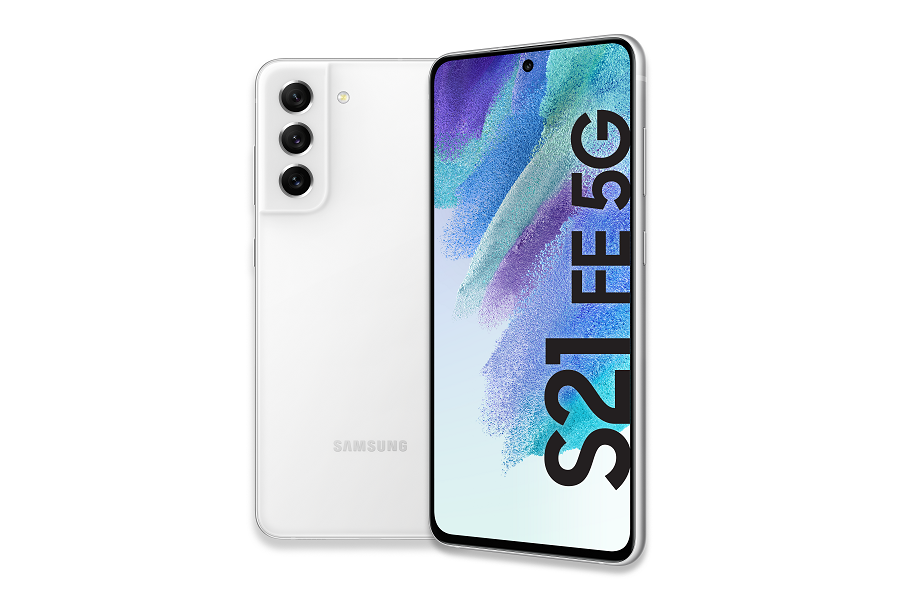
Samsung Galaxy S21 FE support pages go live again confirming upcoming launch

If you already considered the Samsung Galaxy S21 FE as vaporware, you won’t have been entirely wrong as the device was almost thought to have been discontinued. However, Samsung has rekindled hope of an imminent launch as the support page for the device which had earlier been pulled down from the Korean brand’s website has now gone live again.

Samsung Galaxy S21 FE

Support pages for a Samsung model with model number SM-G990 believed to be the Galaxy S21 FE have been re-uploaded on Samsung’s website in two different markets. A variant with model number SM-G990E appeared on the Samsung Africa website. The device had earlier been spotted on GeekBench and Google Play Console packing an in-house Exynos 2100 chipset. However, there is likely to be a Snapdragon 888-powered version launched in the US and China.

The Galaxy S21 FE is rumored to launch on January 11 and this latest leak almost confirms that date. The delay in the launch is attributed to the global shortage of chipsets which has forced some automobile giants to shut down some of their factories.

The Galaxy S21 FE  is expected to feature a 6.4-inch FHD+ AMOLED display with a 120Hz refresh rate. The display holds a punch-hole design which houses a 32MP selfie camera. It is also expected to pack a triple camera and will cram a 4,500mAh battery with support for 25W fast charging.

RELATED:

Palm Buds Pro costs $99 and offers ANC and 24hr battery life

After launching the minuscule Palm Phone in 2018, Palm is back with a new product – the Palm Buds Pro. The new earbuds are the first from the brand and land in a market that is filled with several options.

Palm Buds Pro featured

The Palm Buds Pro adopts the stem design many earbuds have. They also have a closed-fit design with replaceable silicone tips. Palm rounds it off with a matte paint finish. The earbuds are said to be designed for maximum comfort and to be worn all day without compromising on battery life. While it is only available in black, owners can buy protective silicone cases in Navy Blue and Rose Pink. Each silicone case also comes with a carabiner and three pairs of extra silicone tips that match the color of the silicone case.

Each earbud has a studio-grade 10mm dynamic driver that provides “big thumping bass, enhanced mids, and crisp highs”. There is Active Noise Cancellation thanks to a 6-microphone system. There is also Ambient mode so users can hear announcements, voices, and street traffic while playback is on.

Palm says users will also enjoy crystal clear calls thanks to environmental noise-canceling technology that reduces ambient noise during calls whether you are indoors or out having a run.

The Palm Buds Pro supports ultra-fast Bluetooth pair and sync and multi-device switching. The battery life is 4.5 hours with ANC on (5.5 hours with ANC off) and goes up to 24 hours with the case. The earbuds are compatible with Android and iOS, have support for the Google Assistant and Siri, are rated IPX4 for water and sweat resistance, and have smart touch control.

Palm Buds Pro protective silicone case

The Palm Buds Pro is available for pre-order for $99 on Palm.com but will revert to $129 later. The protective silicone case + ear tips are also on sale for $14.99 but the MSRP is $24.99. Palm says pre-orders should begin shipping on November 9 while silicone cases will ship by the end of November.


RELATED:

Redmi 9, Redmi Note 9 get access to MIUI 12.5 Enhanced Edition update

MIUI 12.5 Enhanced Edition is currently the newest version of Xiaomi’s mobile operating system. The company has been rolling it out to eligible devices worldwide since August. The latest handsets to receive it are Redmi 9 and Redmi Note 9.

Redmi 9 Redmi 9 Prime Featured
Redmi 9

Xiaomi has started seeding MIUI 12.5 Enhanced Edition update for Redmi 9 and Redmi Note 9. The new version of MIUI is only available for the ‘Global’ variants of these phones at the moment.

The fresh system update arrives with the following build numbers.

  • Redmi 9 (Global) – V12.5.3.0.RJCMIXM
  • Redmi Note 9 (Global) – V12.5.2.0.RJOMIXM

Apart from bringing certain changes, the latest software update for these two smartphones also bumps up the security patch level to October 2021. Also, the software builds are in the ‘Stable Beta’ phase, which means they are being rolled out in batches.

We expect the update to reach the remaining regional variants of these two phones in the coming days. For those unaware, the Redmi 9 discussed here is known as Redmi 9 Prime in India. At the same time, the Redmi Note 9 mentioned here is called Redmi 10X 4G in China.

Hence, those devices will be also receiving the MIUI 12.5 Enhanced Edition update very soon.


RELATED:


Honor 50 & Honor 50 Lite lands in Europe with Google Services onboard

Honor has officially unveiled the Honor 50 smartphone for the European market. The premium smartphone was unveiled alongside the Honor 50 Lite that is making an entrance for the first time. Honor 50 features

The Honor 50 was first announced for the Chinese market in July the year and only made its appearance in Malaysia last week. The device arrives in Europe with a starting price tag of 529 Euros (~$614) for the base model with a staggering 8GB RAM and 128GB storage. The 8GB RAM + 256GB storage version comes in at 599 Euros (~$695).

Since Honor is an offshoot of Huawei, the most interesting detail on the models is the presence of Google Mobile Services on this version. It runs Android 11-based Magic UI 4.2.Honor 50

In terms of specifications, the Honor 50 sports a 6.57-inch FHD+ AMOLED screen which has support for a 120Hz refresh rate. The display comes with ultra-slim bezels on all sides giving it a high screen-to-body ratio. The premium mid-range smartphone is powered by a Qualcomm Snapdragon 778G SoC.

For optics, the Honor 50 packs a dual ring camera module design consisting of two concentric circles on the back. The quad-camera setup includes a 108MP main camera, teaming up with an 8MP ultra-wide-angle, 2MP macro, and a 2MP depth-of-field camera. At the front aspect, there is a 32MP camera on the front.

The device draws its power from a decent 4,300mAh battery with support for 66W fast charging. The brand claims the device can charge from 0 to 70% in 20 minutes while charging to 100% will take just 45 minutes.

HONOR 50 Lite

The Honor 50 Lite features a 6.67-inch FHD+ LCD screen with a resolution of 2376 x 1080 pixels. The display also comes with support for a 120Hz refresh rate. The processor is not known at this time but it is believed to be the Snapdragon 662 chipset paired with 6GB/8GB RAM while there is a 128GB storage option. Honor 50 Lite

The 50 Lite packs a quad-camera setup at the rear consisting of a 64MP main shooter as well as an 8MP ultra-wide camera with f/2.4 aperture, a 2MP depth sensor, and a 2MP macro camera with f/2.4 aperture.

The device is powered by a 4300mAh battery with the same 66W Honor SuperCharge fast charging used in the Honor 50. It runs on Android 11 with Magic UI 4.2 and features a side-mounted fingerprint sensor. Other features include a 3.5mm audio jack, Bluetooth 5.1, GPS, USB-C port.

Honor 50 Lite
Honor 50 Lite

As for the pricing, the Honor 50 Lite starts at 299 Euros (~$ 247) for the 6GB+128GB variant. The device will be available in Deep Sea Blue, Space Silver, and Midnight
Black colors.

The Honor 50 alongside the 50 Lite will be sold in the UK and in several European markets including France, Germany, Italy, and Spain from November 18th. The device will also make its way to EMEA markets such as Egypt, the UAE, and South Africa.

RELATED:


Lenovo Xiaoxin Pad Pro 12.6 chipset, memory, battery details officially revealed

The Lenovo Xiaoxin Pad Pro 12.6 is in the news since September. It was recently confirmed to launch on November 2. Since then, the company has been teasing this tablet more than ever before. The latest teaser confirms the slate’s chipset, memory, battery, and charging speed.

Lenovo Xiaoxin Pad Pro 12.6 Teaser

According to a fresh teaser by Lenovo Xiaoxin’s official Weibo account, the upcoming Xiaoxin Pad Pro 12.6 will be powered by a Qualcomm Snapdragon 870 SoC. This silicon will be paired with LPDDR5 RAM and UFS 3.1 storage. Lastly, the tablet will draw energy from a 10,200mAh battery with support for 30W fast charging.

This is not the first time we are hearing about these specs. The above-mentioned details had already leaked last month. The only correction is that the device will have support for 45W charging but it will ship with a 30W charger. Therefore, Lenovo is only teasing 30W charging.

As per previous teasers and leaks, the slate will flaunt a 12.6-inch Samsung E4 AMOLED display with a resolution of 2560 x 1600 pixels, a 10,000,000:1 contrast ratio. a 120Hz refresh rate,  and a 360Hz touch sampling rate. The panel will have 600 nits peak brightness level, 100% DCI-P3 color gamut, HDR10+, Dolby Vision, DC dimming, and ÜV Rheinland EyeSafe Display 2.0 certification.

Lenovo Xiaoxin Pad Pro 12.6

It will feature a thin and light metal body design with a USB 3.1 (Type-C) port and a MicroSD card slot. The casing will also house four JBL-branded speakers with support for Dolby Atmos.

Further, the device will include a 13MP + 5MP dual rear camera array and an 8MP + ToF dual-camera setup on the front. On the software front, it will run ZUI 13 for Pad.

Last but not least, Lenovo will be also releasing the second generation Xiaoxin stylus and a keyboard accessory for Xiaoxin Pad Pro 12.6.


RELATED:


Sony launches Xperia View VR headset: 2K resolution for both eyes when paired with Xperia 1 III

Today’s Sony product announcement event saw the launch of the camera-centric Sony Xperia Pro-I smartphone that managed to steal all the hype. What went under the radar though was a new VR headset – the Sony Xperia View.

sony xperia view featured 2

Sony has had launched stuff like the PlayStation VR in the past but a VR headset from Xperia is a first. It isn’t the standalone kind though and requires an Xperia smartphone to be slipped into it in order to work, hence the Xperia branding.

The headset only supports the Xperia 1 III and Xperia 1 II phones and has been designed to fit them in perfectly. Sony claims that one can view “8K HDR VR video” using it, although it’s likely just a marketing term as both Xperia 1 III and Xperia 1 II max out at 4K resolution with their displays.

sony xperia view featured

The Xperia View VR headset provides 120 degrees of horizontal view and its lens has a hybrid structure with a high focusing efficiency. It also comes with a lens spacing adjustment function that can adjust the lens and image display position according to the distance between the eyes.

The setup process for the headset is rather easy. Simply remove its front cover with the dedicated lever, slide the smartphone in, and shut it back up. And that’s it!

sony xperia view setup

There’s even a dedicated app for the Xperia View. It’s equipped with a launcher function that displays a list of Xperia View compatible apps and other content in VR mode. One can also play media stored on the internal/external storage directly.

sony-xperia-view-app

The Xperia View VR headset is quite easy to operate thanks to cutouts providing direct access to the dedicated keys on the Xperia 1 III and Xperia 1 II. The need for a separate controller is eliminated because you can move the cursor with the volume keys on the and make selections with the camera key.

The headset is available on the official Japanese Sony e-store and Au Online Shop for 29,700 Yen (~$260). We are yet to come across an indication for a global release.

RELATED:

Jeff Bezos’ Blue Origin announces plan for a ‘space business park’

Jeff Bezos’ Blue Origin has just announced its plans for a new private space station that is dubbed “Orbital Reef.” The new space business park is set to be constructed later this decade.

Jeff Bezos

The company unveiled its plans earlier this week and stated that the new private space station will be built in partnership with multiple other space companies and is expected to be deployed sometime between the year 2025 and 2030. According to Blue Origin, the new Orbital Reef station will have a space capable of housing up to 10 people as a “mixed use business park” in space and will offer “exotic hospitality” for tourists brave enough to venture into space.

Notably, Orbital Reed is designed to offer a habitable volume which is comparable to the International Space Station. The company also added that its primary partner for the station is Sierra Space and other major names like Boeing, Redwire Space, and Genesis Engineering. Redwire executive VP Mike Gold told CNBC, “We’re just beginning to understand the tremendous implications that microgravity research, development and manufacturing can mean, for not only for exploring the universe and making discoveries but improving life on Earth.”

Jeff Bezos

Sierra Space will be responsible for the LIFE habitat ((Large Integrated Flexible Environment; essentially an inflatable space station module) while Blue Origin will provide the space station’s “utility systems” and “core modules.” Redwire Space, on the other hand, will run the station’s payload operations and build deployable structures as well.

RELATED:


Xiaomi 11 Lite 5G NE gets unique Kittie Yiyi case that you can literally tie around your wrist

The Xiaomi 11 Lite NE 5G aka Xiaomi 11 Lite 5G NE was launched last month and has been marketed as the slimmest phone of 2021, which it definitely is. But even the slimmest and lightest phone needs protection against drops and Xiaomi seems to be well aware of that. Hence, the partnership with Kittie Yiyi to supply a limited edition case.

The case appears to be made up of hard transparent plastic rather than silicon and has a yellow or black lanyard string at its bottom. This string can be tied to one’s wrist for an iron grip on the phone. The case also has bumpers on its edges to protect against those deadly corner drops that almost always end up in shattered screens.

Xiaomi 11 Lite NE 5G Kittie Yiyi inline

The Xiaomi 11 Lite NE 5G Kittie Yiyi Lanyard Phone Case can be availed for free with the purchase of the 8GB+128GB and 8GB+256GB variants of the device in Malaysia. There is no indication of this offer becoming available in other regions as of now.

The Xiaomi 11 Lite NE 5G has a 6.55-inch AMOLED display that offers a Full HD+ resolution, a 20:9 aspect ratio, a 90Hz refresh rate, a 240Hz touch sampling rate, 402ppi pixel density, up to 800nits brightness, and Gorilla Glass 5 protection. The display also supports Dolby Vision and HDR10+.

Xiaomi 11 Lite NE 5G Kittie Yiyi 2

On the front, you get a 20-megapixel selfie camera. Its back panel has a squarish camera module that houses a 64-megapixel main camera, an 8-megapixel ultrawide lens, and a 5-megapixel telemacro snapper.

The phone is powered by a Snapdragon 778G processor that gets its juice from a 4,250mAh battery that supports 33W fast charging.

RELATED:

Redmi Note 11 series confirmed to feature MediaTek Dimensity 920 SoC

Xiaomi has just confirmed the processor that will power certain models of the upcoming Redmi Note 11 series of smartphones. In a Weibo post (a Chinese microblogging website), the company revealed that the new device in the lineup will feature MediaTek Dimensity 920 processor.

Previous reports had hinted at the Chinese tech giant launching the Redmi Note 11 Pro with Dimensity 920 chipset. But now, the company has officially confirmed that the processor will be found in the series. Meaning, This would include the Note 11 and Note 11 Pro, meanwhile, the Note 11 Pro+ is expected to feature the Dimensity 1200U SoC. Unfortunately, the brand did not reveal any other finer details regarding the smartphone apart from just the processor as of right now.

Redmi

Although, our reports in the past had pointed at a 5,000mAh battery pack on the Pro models, with the Pro+ featuring 120W fast charging while the Note 11 Pro supports 67W fast charging. The Pro series is also expected to feature an AMOLED display with 120Hz refresh rate with FHD+ resolution and a punch hole camera on the front. However, Xiaomi did confirm that the Redmi Note 11 Pro/Pro+ will feature a 108 megapixel primary camera on the rear, reportedly paired with an 8 megapixel ultra wide angle lens, and a 2 megapixel depth sensor. Keep in mind that some of these specifications are based on rumors so take it with a pinch of salt and stay tuned for more updates.

RELATED:


Deal: Xiaomi Mi 11 Lite 5G now available for $319 from Giztop

Giztop is offering a 15% discount on the Mi 11 Lite 5G, and the smartphone is currently retailing for the price of $319. The interested buyers can grab the Mi 11 Lite 5G oni four different colors of Black, Yellow, White, and Pink. However, the smartphone retails in two different storage variants of 8GB RAM + 128GB internal storage, and 8GB RAM + 256GB internal storage.

Must See: Redmi Note 11 series roundup: cameras, design, features – what to expect!

Xiaomi Mi 11 Lite 5G Specifications

The smartphone bundles a 6.55-inch FHD+ AMOLED display having a 90Hz refresh rate and 1080 x 2400 pixels resolution. It is powered with Qualcomm Snapdragon 780G SoC, 8GB RAM, and 128/256GB internal storage.

In the camera department, Xiaomi Mi 11 Lite 5G packs a 64MP triple-rear camera module accompanying an 8MP ultrawide sensor and a 5MP macro sensor. However, a 20MP selfie camera sitting on the front aids in unlocking the smartphone. A side-mounted fingerprint sensor also enables you to unlock the phone without any major hassle.

In connectivity, Xiaomi Mi 11 Lite offers Multi-function NFC, WiFi 6 connection, GPS, IR blaster, and 5G connectivity. To enhance the gaming experience, it carries the Vapour liquid-cooling system carrying multiple layers of graphite and AI machine learning.

It is an interesting deal for buyers who are looking for an affordable gaming smartphone. The smartphone retailing for the price of $319 on Giztop.

Related: AnTuTu May 2021: Redmi 10X 5G series loses its crown to Xiaomi Mi 11 Lite 5G after 11 months

Redmi GM confirms two Redmi Note generations per year going forward

Redmi is gearing up to debut the Redmi Note 11 series on October 28. A couple of days ahead of the launch, the brand’s general manager makes an important announcement regarding the lineup. He reveals a new launch strategy for the Redmi Note series.

Redmi Note 10 Pro featured CN VER Review 16
Redmi Note 10 Pro 5G

Lu Weibing, General Manager of Redmi Brand, says that the company will now release two generations of Redmi Note devices per year going forward. The new launch strategy kicks off with the debut of the Redmi Note 11 series this Thursday.

Unlike other brands, Redmi also gives an official reason for its new strategy. The executive explains that they cannot fulfill the requirements of every user with a single generation of handsets. Hence, they have decided to release two different types of Redmi Note series models in a year.

Mr. Lu says that the upcoming Redmi Note 11 series will be a successor to Redmi Note 9 series. That is why the brand is debuting a new generation of the Redmi Note lineup within 5 months from the launch of the Redmi Note 10 series.

He describes that the Redmi Note 10 Pro 5G focuses solely on performance with Dimensity 1100 chipset and not on the experience like display and charging speed. On the other hand, the Redmi Note 11 Pro will bring improvements in the experience department but will lose out on performance though it will be the world’s first smartphone with Dimensity 920 SoC.

Redmi Note 11 Pro in Shadow Dream Galaxy
Redmi Note 11 Pro

In simpler words, Redmi wants to cater to as many different types of customers as possible with its Redmi Note series from now onwards. As a result, there will be now two generations of Redmi Note series models on the shelf at any given moment in a year.

This means the odd generation of the Redmi Note series will emphasize experience, while the even generation will prioritize performance.

At present, it’s not known whether the new Redmi Note launch strategy is applicable outside mainland China.


RELATED:


Redmi Note 11 series roundup: cameras, design, features – what to expect!

Xiaomi had announced today that the Redmi Note series will be getting two new iterations each year from now as part of a new strategy. This has been implemented to meet the needs of a more diversified userbase. The strategy is probably why we have got the Redmi Note 11 series barely seven months after the Redmi Note 10 series hit the market.

Xiaomi has been kind enough to provide plenty of teasers over the month, revealing some key details about the upcoming Redmi Note 11 series. We have summarized these below to assist you in checking if the phones are worth your money.

redmi note 11 featured
redmi note 11

Design & Display

The Redmi Note 11 has a much-altered look despite being launched only a few months after its past iteration. The back of the phone resembles the recently launched Redmi 10 Prime thanks to similar camera module designs on both. However, the main aspect of the new look is a boxier body, with a flat back panel and unrounded edges. The phone also measures quite thin – just 8.3mm including the camera module.

As for the display on the Redmi Note 11 series, it is expected to be an AMOLED panel with a Full HD+ resolution and a 120Hz refresh rate. The panel will be surrounded by slim bezels and have a small camera punch-hole aligned to the center.

Cameras on the Redmi Note 11 series

Speaking of cameras, the Redmi Note 11 series will feature a triple camera setup at the rear, although the non-Pro variant may come with just two. Rumors have it that the vanilla Note 11 will feature a 50-megapixel + 2-megapixel dual-camera system.

The Note 11 Pro and Pro+, on the other hand, will be equipped with a 108-megapixel primary sensor, complemented by an 8-megapixel ultrawide shooter and a 2-megapixel depth sensor. For selfies, it may come with a 16-megapixel front camera.

Other Specifications

There are speculations that the vanilla Redmi Note 11 will be powered by a MediaTek Dimensity 810 chipset while the Pro model will feature a Dimensity 920 chipset. The topmost Redmi Note 11 Pro+ is rumored to pack a Dimensity 1200U chipset. Yep, MediaTek all around this year.

The battery on at least the Pro and Pro+ variants will likely be 5,000mAh. The Pro+ will feature 120W superfast charging while the other two are expected to come with 67W support.

Redmi Note 11 series 120W fast chargign

A recent teaser had revealed the presence of an X-axis linear vibration motor aimed at delivering shorter and crisper vibrations. The phone has been confirmed to have NFC hardware for contactless payment as well as Bluetooth 5.2 and WiFi 6 support. All models will retain the headphone jack.

Release Date & Software

A recent JD.com listing had revealed a November 1 shipment date for the Redmi Note 11 series in China. The phones are currently up for pre-orders in the country. A global launch should follow soon.

There is no indication of the software version the phones will be running out of the box yet but we wouldn’t get our hopes too high. Android 12 is still under testing and there’s no sign of MIUI 13 yet so it’s likely that the phones will be coming with MIUI 12.5 based on Android 11.

Variants & Price

A listing had revealed that the Redmi Note 11 series will be available in 6GB+128GB 8GBRAM+128 GB, and 8GB+256GB RAM and storage variants respectively. Rumors say that these variants may cost 1,599 Yuan (~$248), 1,799 Yuan (~$279), and 1,999 Yuan (~$311) for the Redmi Note 11 Pro.

Redmi Note 11 Pro in Shadow Dream Galaxy
Redmi Note 11 Pro in Shadow Dream Galaxy color

The Note 11 Pro will come in colors like Mysterious Blackland, Shallow Dream Galaxy, Time Quiet Purple, and Misty Forest. On the other hand, the Note 11 Pro+ will come in the same three colors except Shallow Dream Galaxy.

RELATED: