Chinese tech brand realme sells a wide variety of products mimicking Xiaomi. One of these product categories is speaker. At present, the company sells two portable speakers, namely ‘realme Pocket Bluetooth Speaker’ and ‘realme Cobble Bluetooth Speaker’. There’s also a soundbar called ‘realme 100W Soundbar’. According to a new leak, the firm will be soon releasing its third portable speaker.
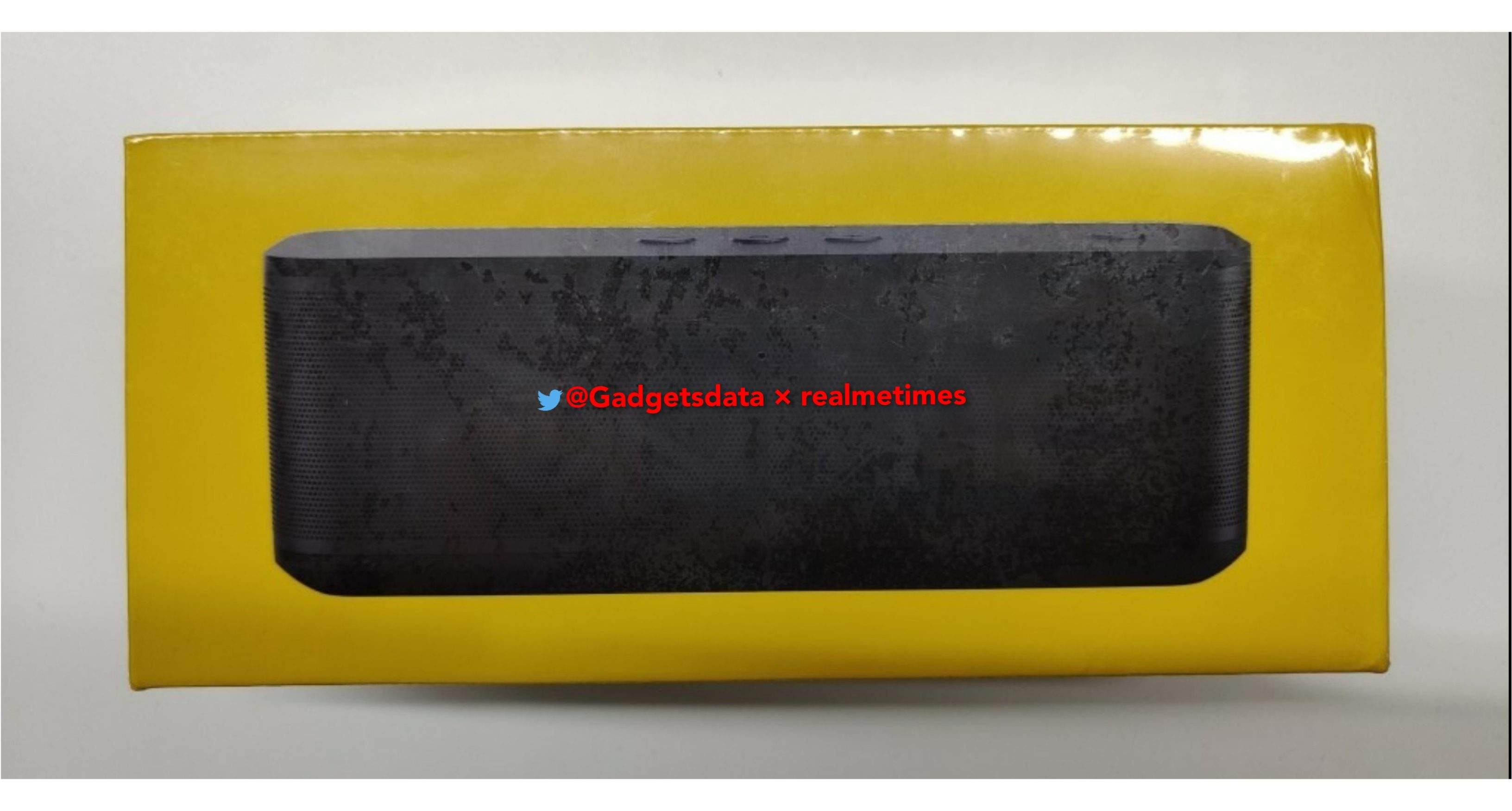
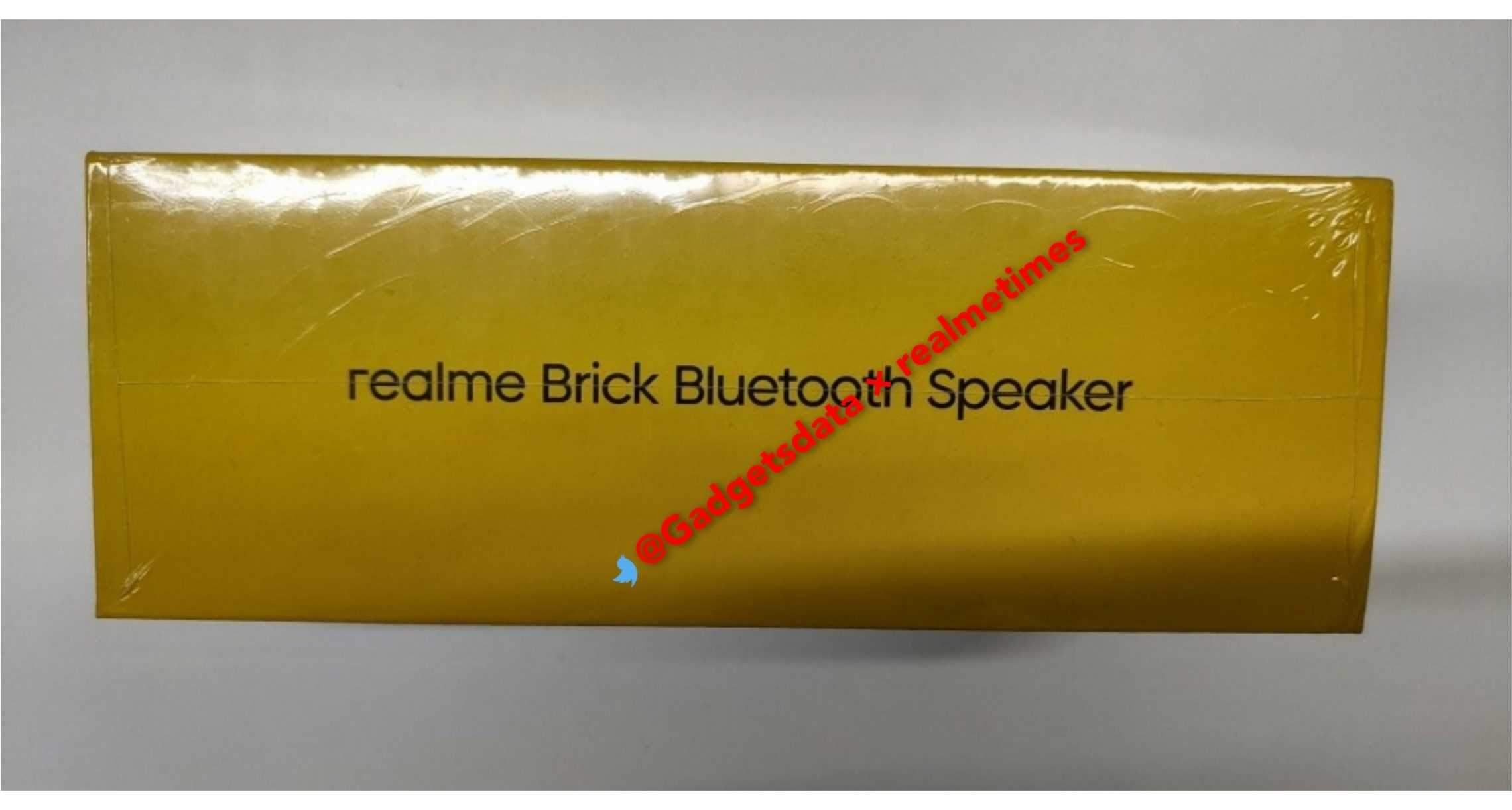
As per tipster Debayan Roy (@Gadgetsdata), realme’s next speaker will be called ‘realme Brick Bluetooth Speaker’. As the name suggests, the speaker will look like a brick. The leaker has partnered with RealmeTimes to share the features and the images of the product’s retail box.
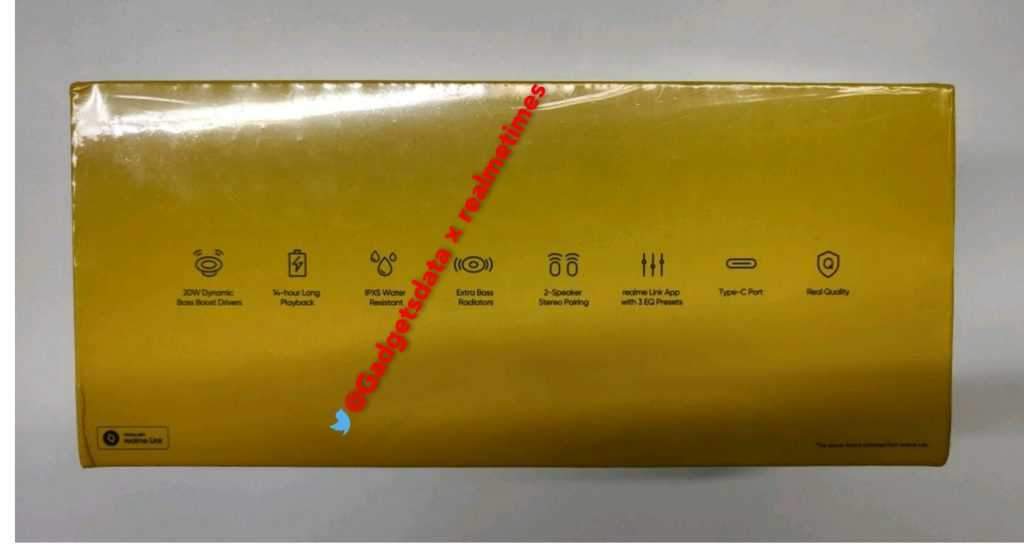
The upcoming portable speaker from realme will be able to output 20W sound. It will feature a 2-speaker unit consisting of dynamic bass boost drivers. The product will be compatible with the realme Link app and will offer three EQ presets.
1 of 2
It is also said to arrive with bass radiators. As far as endurance is concerned, the speaker will last for 14 hours on a full charge via a USB Type-C port. Last but not least, this entire package is IPX5-certified for water resistance.
The tipster says that the realme Brick Bluetooth Speaker will launch in India in the first half of October. This means it will likely go official by next week. Unfortunately, there’s no word on its price as of now.
OPPO announced the OPPO Reno 6 5G alongside the OPPO Reno 6 Pro 5G in India in mid-July. The device is on sale in the country since the end of July. It is ₹10,000 cheaper than the Pro model and offers almost all the features of its bigger sibling with some exceptions.
So is it really a better option of the two? Let’s find out the answer in my review.
OPPO Reno 6 5G Review
Disclaimer:
This review of OPPO Reno 6 5G is based on the author’s first-hand experience with a review unit loaned by OPPO India. The opinions stated here are the author’s alone.
The smartphone was running ColorOS 11.3 based on Android 11 with firmware version CPH2251_11_A.14 throughout the review period.
This review will be divided into the following two sections.
The usual vanilla model dilemma
Why does user experience matters?
The usual vanilla model dilemma
The OPPO Reno 6 5G is the smaller sibling of the OPPO Reno 6 Pro 5G that I reviewed back in July. The phone shares its DNA with the expensive model. However, to keep the price down, it arrives with an inferior set of specs.
Hence, there’s a dilemma whether you should save some bucks by opting for the vanilla model or go all-in for the Pro variant.
1 of 2
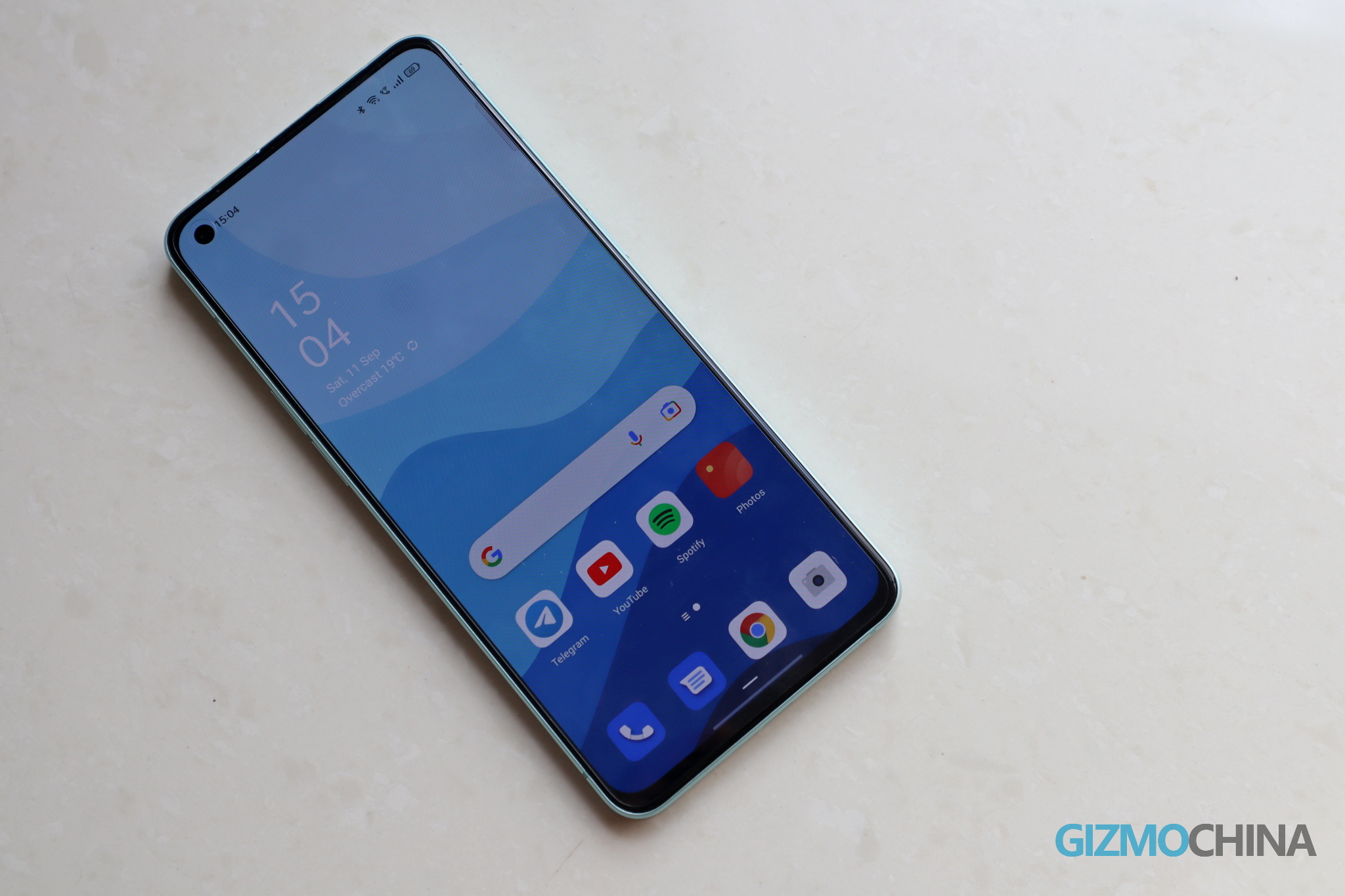
The OPPO Reno 6 has a smaller 6.43-inch flat AMOLED display with a resolution of 2400 x 1080 pixels (FHD+), a 90Hz refresh rate, and good sunlight visibility with up to 750 nits peak brightness. The panel resolution is fine for the asking price, but the refresh rate isn’t, given the competitors offer a 120Hz refresh rate.
Since the Pro model itself comes with the same refresh rate, I don’t find this as a con. Above all, 90Hz is enough to experience smoothness throughout the UI. A normal user won’t find a significant difference between 90Hz and 120Hz or more refresh rates.
Personally, I liked the curved display on the Reno 6 Pro as opposed to a flat-screen on the Reno 6. Because curved screens enable a better experience for gesture controls.
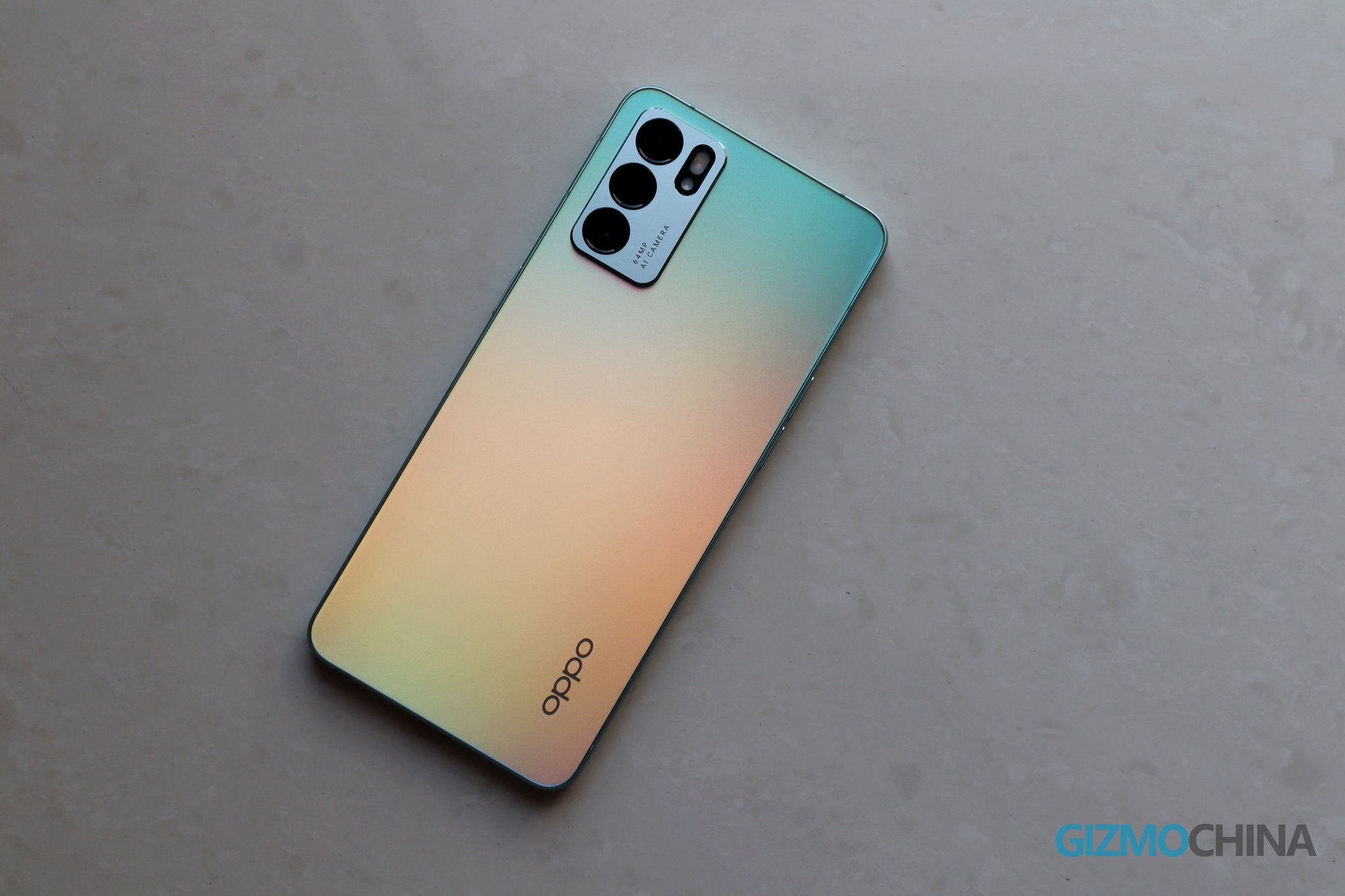
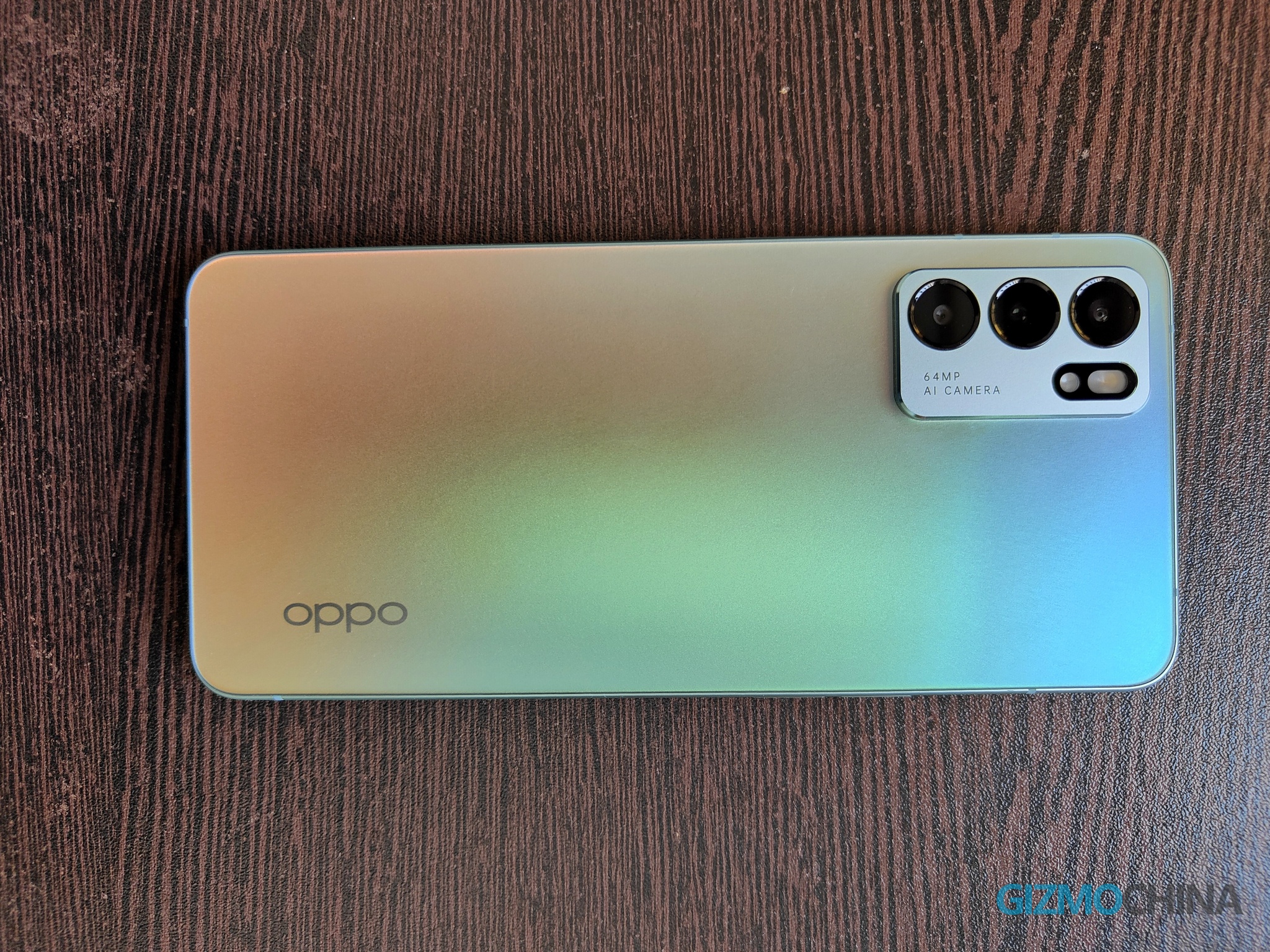
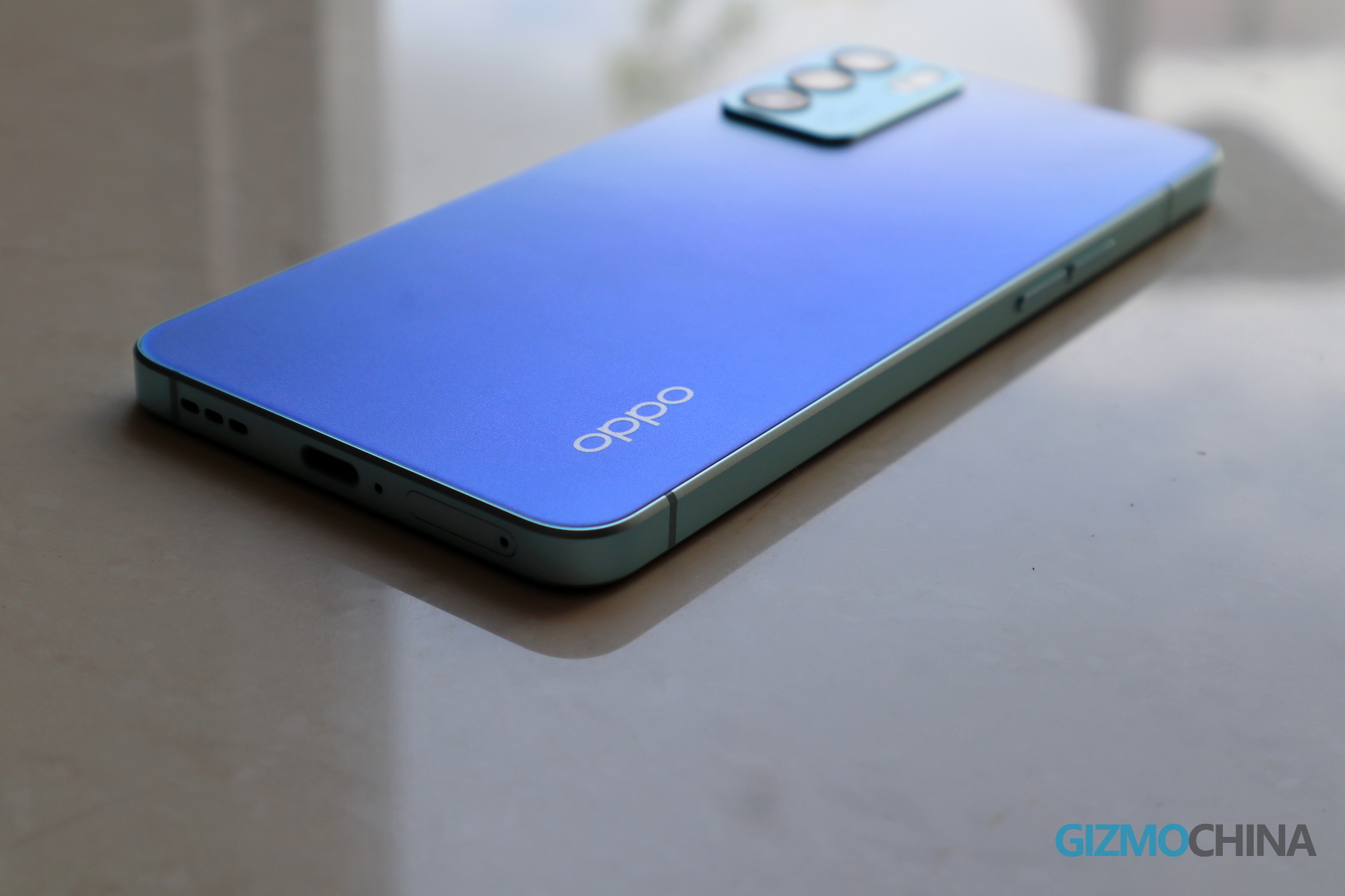
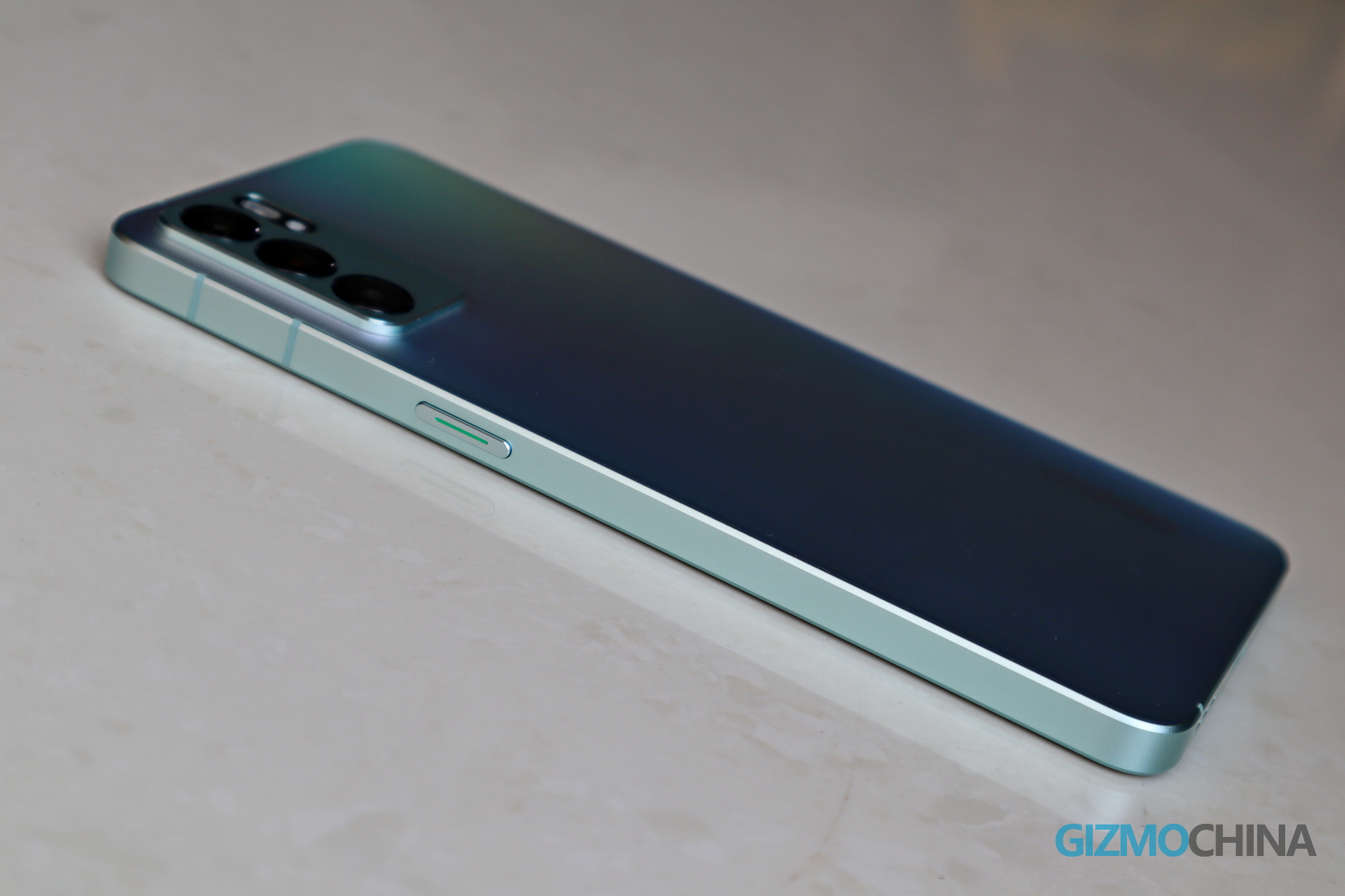
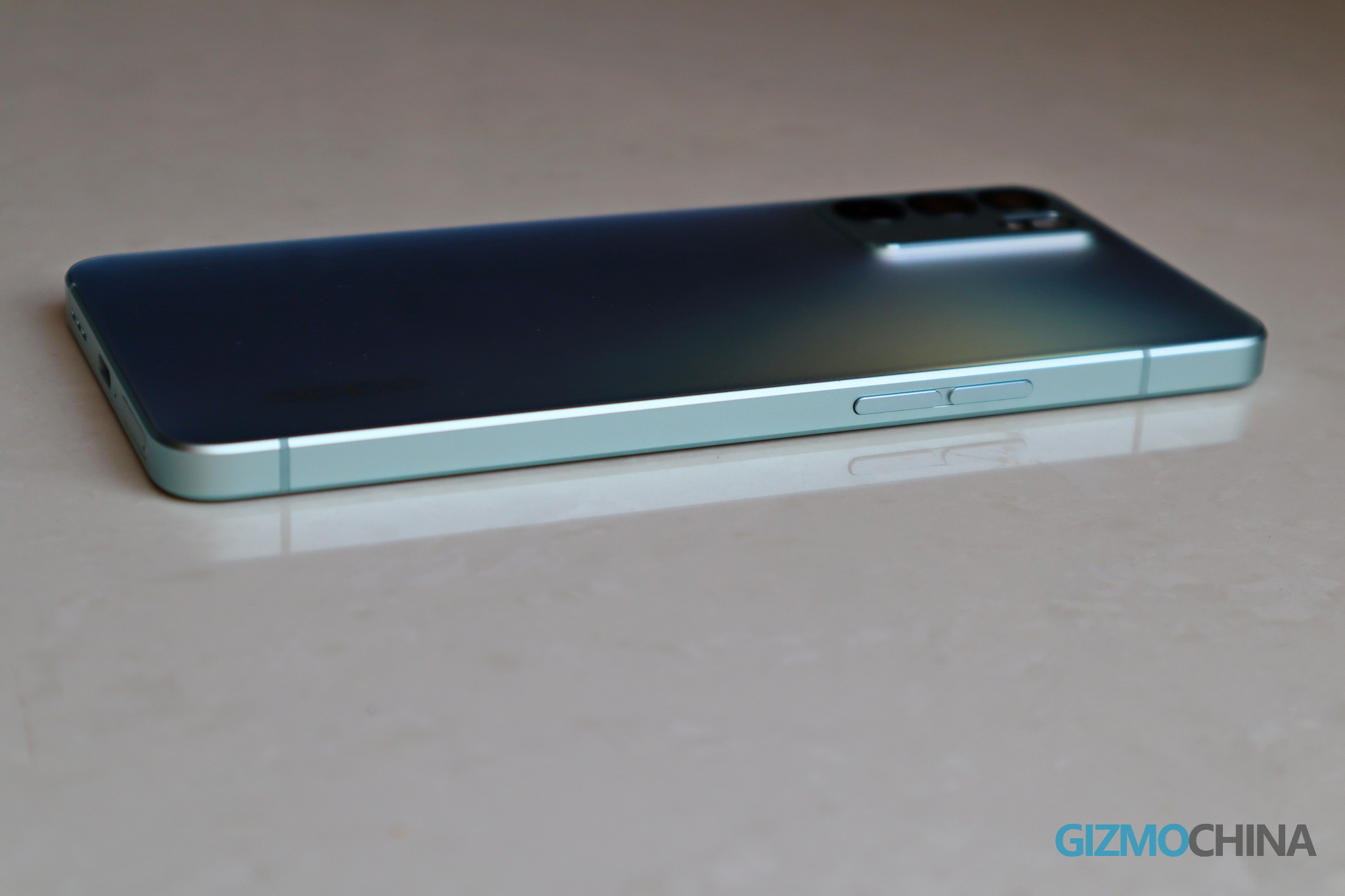
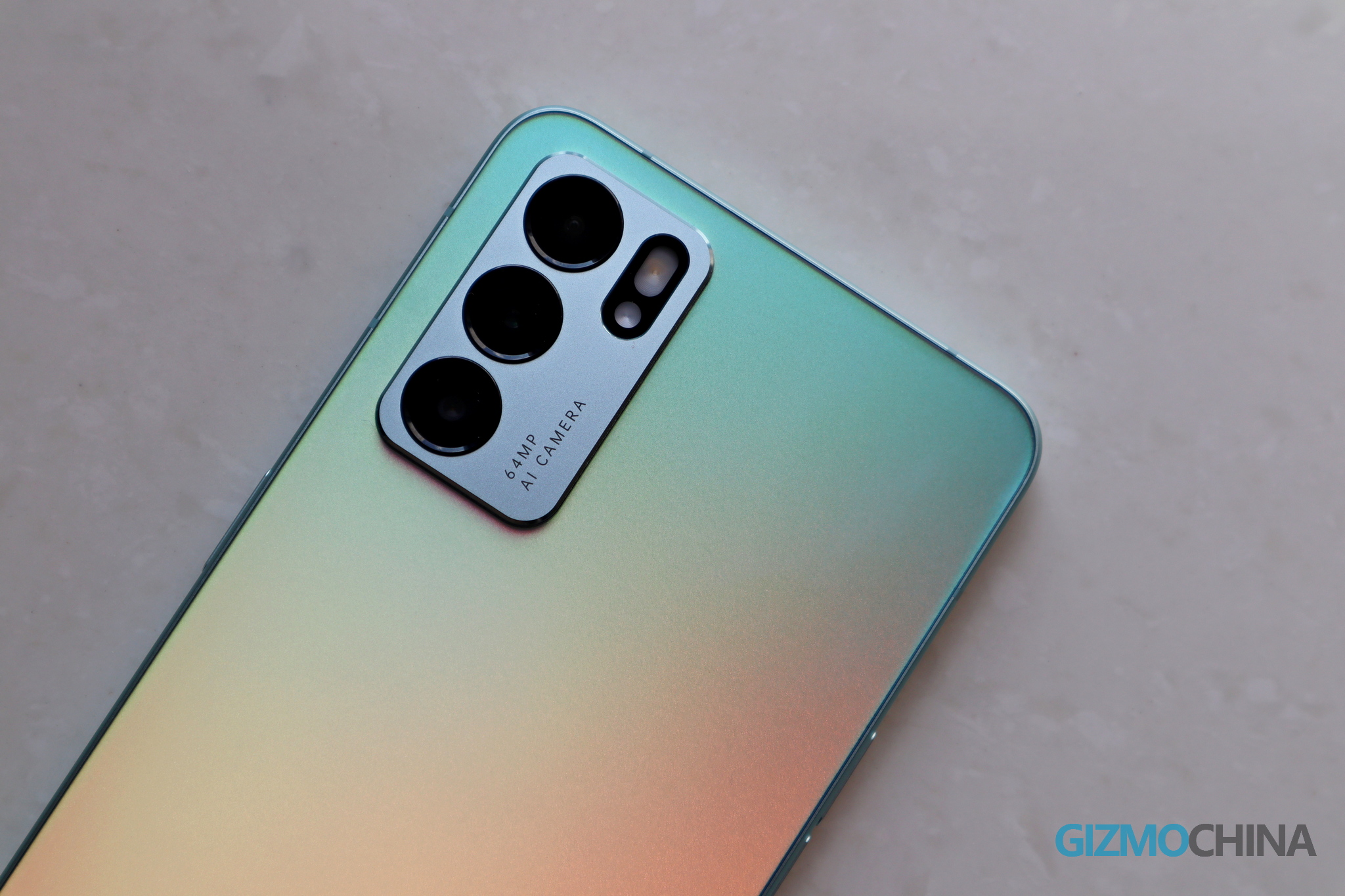
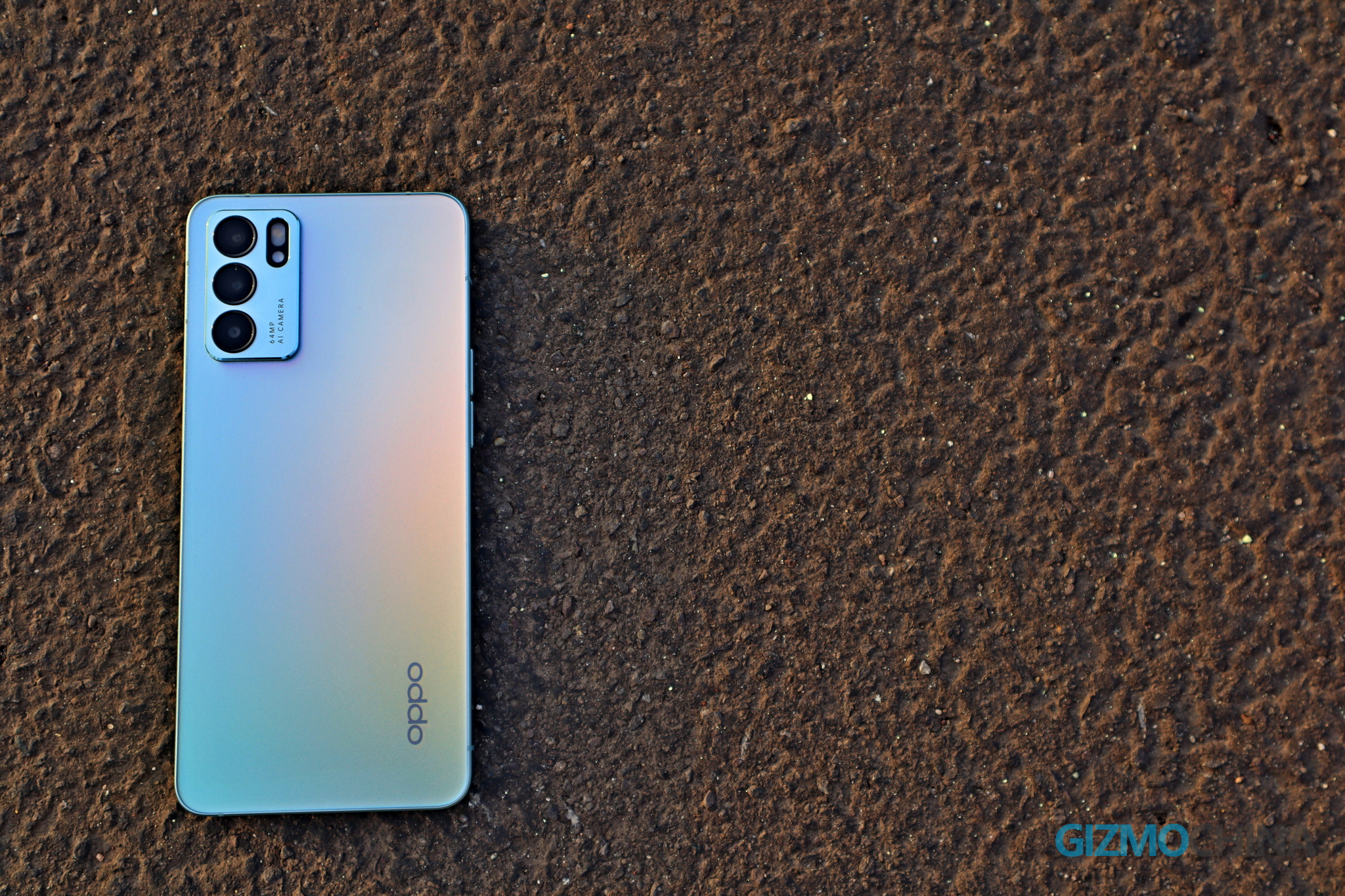
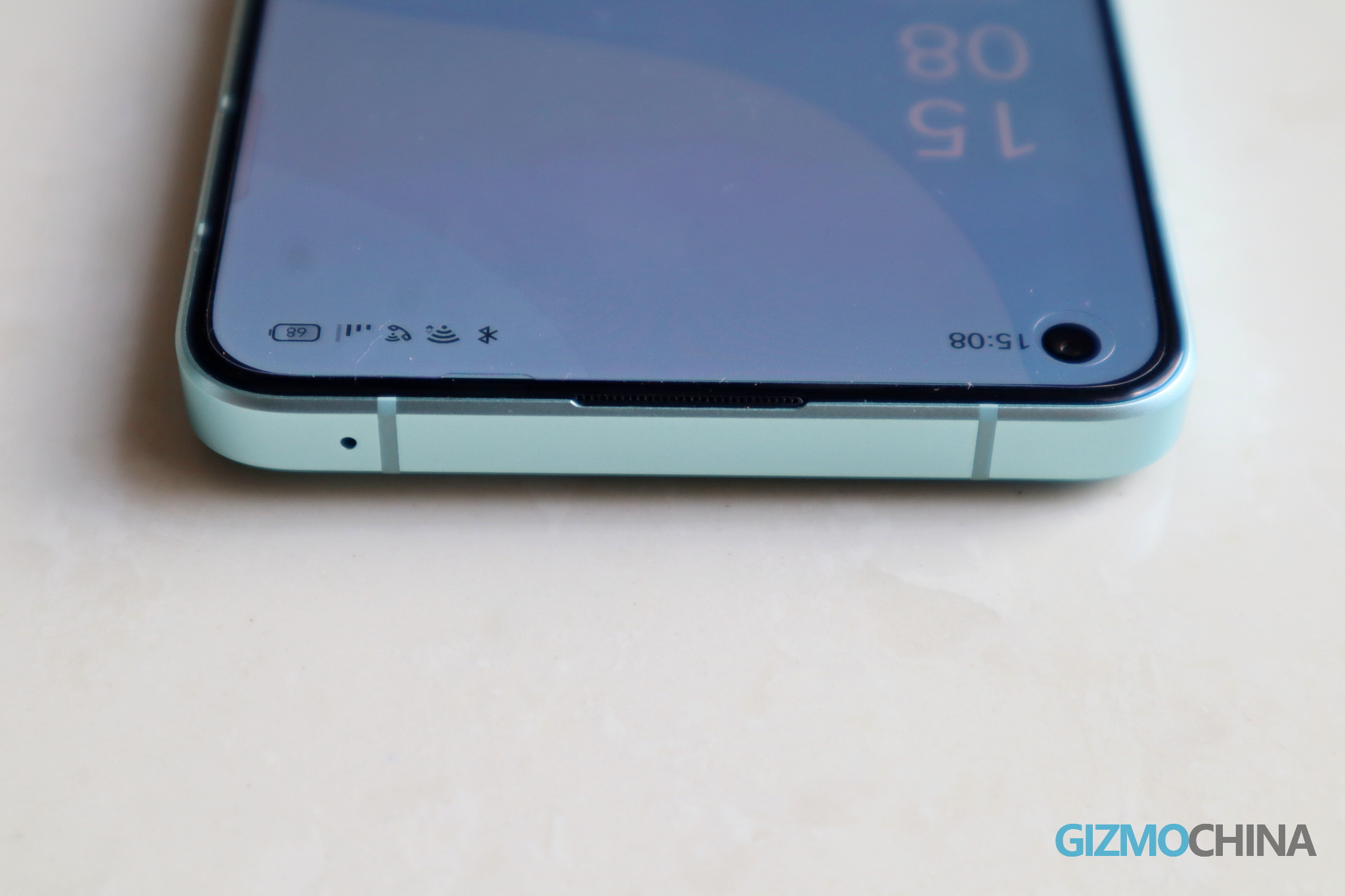
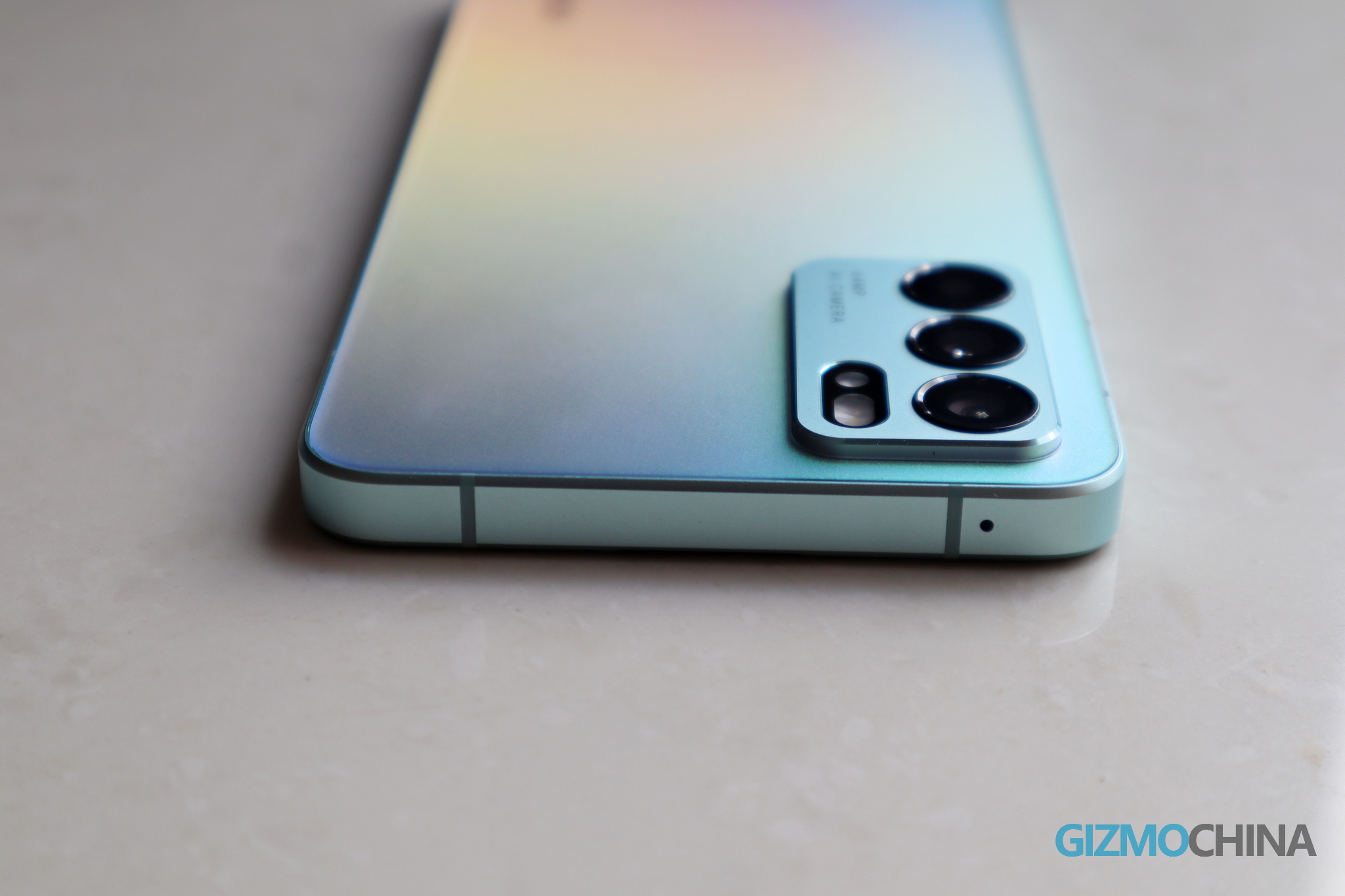
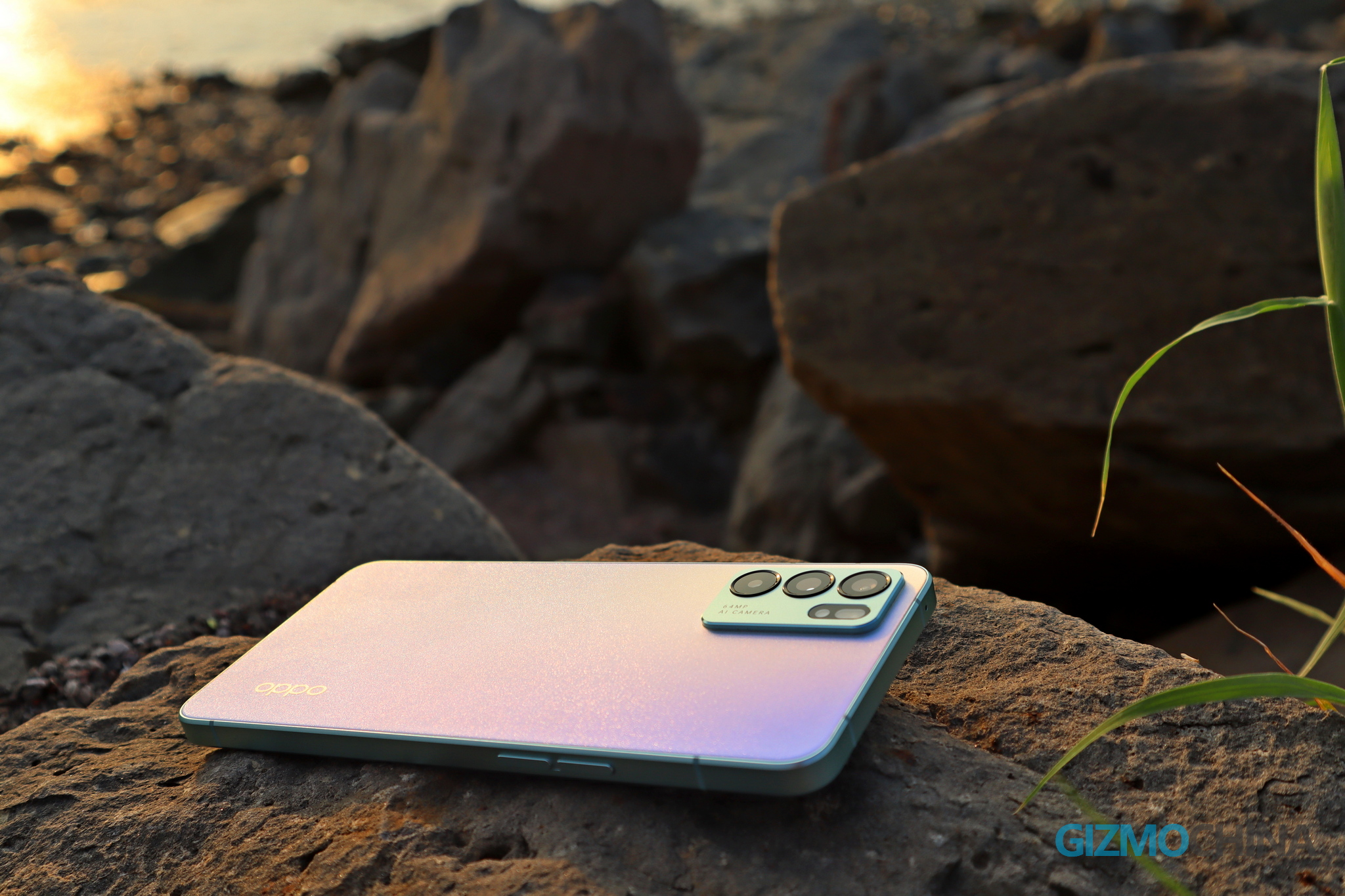
Talking about the design, although the vanilla Reno 6 features the same OPPO Reno Glow design as its costlier brother, there’s a distinction between the two. The AG glass on both phones look identical with a similar hue, but they feel different in your hand.
1 of 4
Both devices have crystal structures on the rear, but the ones on the Pro variant are more prominent. In other words, you can sort of feel the crystals while holding the Reno 6 Pro. At least, that’s what I remember from my experience. The same cannot be said for the vanilla Reno 6.
Additionally, I felt more comfortable holding the Reno 6 Pro. Because the curved rear and front of the phone with a thin frame nested in my hands without the sharp sensation, which I felt while holding the Reno 6.
Though the iPhone 12/13 series-like metal frame on the Reno 6 offers good grip, my preference is towards the plastic frame on the Reno 6 Pro.
1 of 3
But there’s one thing that I don’t like about these two handsets. That’s none other than their cameras. The Reno 6 not only has a near-identical camera setup, but also a very similar processing standard.
It features the same 64MP primary sensor, 8MP ultra-wide shooter, 2MP macro snapper, and 32MP selfie camera from the Reno 6 Pro. The only lens it misses is the 2MP monochrome sensor.
The output from these cameras is average, just like the cameras of Reno 6 Pro. This applies to both still photography and videography. Thankfully, OPPO appears to have fixed the issue with brightness with new system updates. Users need not fiddle with the slider to adjust brightness every time they click pictures.
Another noticeable improvement is in skin color tones. They are better than earlier, but not perfect. Hopefully, we will finally get to see true-to-life skin color tones from the cameras of Reno phones in the near future.
At the end of the day, the cameras need further improvements. Perhaps, we might see more refinements in the subsequent OTA software updates.
Coming to the performance, the MediaTek Dimensity 900 inside this handset is comparable to the Qualcomm Snapdragon 768G present inside the devices like iQOO Z3 5G. It is capable of playing high-end games in average graphic settings.
It has the same optimization issues in games as I faced on the MediaTek Dimensity 1200-powered Reno 6 Pro. This restricts the phone from utilizing the silicon’s true potential. However, I did not face any performance issues in day-to-day usage.
Now, as I am done talking about where the phone has cut corners, let’s take a look at why this smartphone matters despite its shortcomings.
Why does user experience matters?
A few years back, smartphones were all about specifications. When I was a high schooler and in my early days of college, even I was obsessed with specs. But I eventually realized that the decision of buying any device should not be solely dependent on specifications and features, rather it should be based on day-to-day user experience. Let me explain this using the OPPO Reno 6 5G.
The Reno 6 has its shortcomings, as discussed above, but that doesn’t make it a bad purchase. Because it offers certain things that can be experienced only by using the handset yourself.
The hardware powering the device is nothing without the software that users interact with. The Reno 6 nails this with ColorOS 11.3 based on Android 11. I never felt that I was using a mid-range smartphone. The phone felt as smooth as its more expensive OPPO Reno 6 Pro 5G sibling.
The only noticeable difference for me at least was the app opening times. A random user wouldn’t know this unless they have used smartphones with more powerful processors.
That said, the software is not perfect because of a few reasons. The ‘Browser’ and the ‘Theme Store’ throw push notifications every day though I have never opened these applications even once. Then, there’s the ‘Hot Apps’ apps recommendation folder that neither can be uninstalled nor disabled.
There are also several preloaded apps, in addition to Google Phone and Google Messages, instead of stock ColorOS Contacts and Messages applications.
I am not against OEMs using Google Phone and Google Messages because of the ‘call recording notification’ that most people detest. I don’t like them because they look out of place on an Android skin that’s not designed by Google.
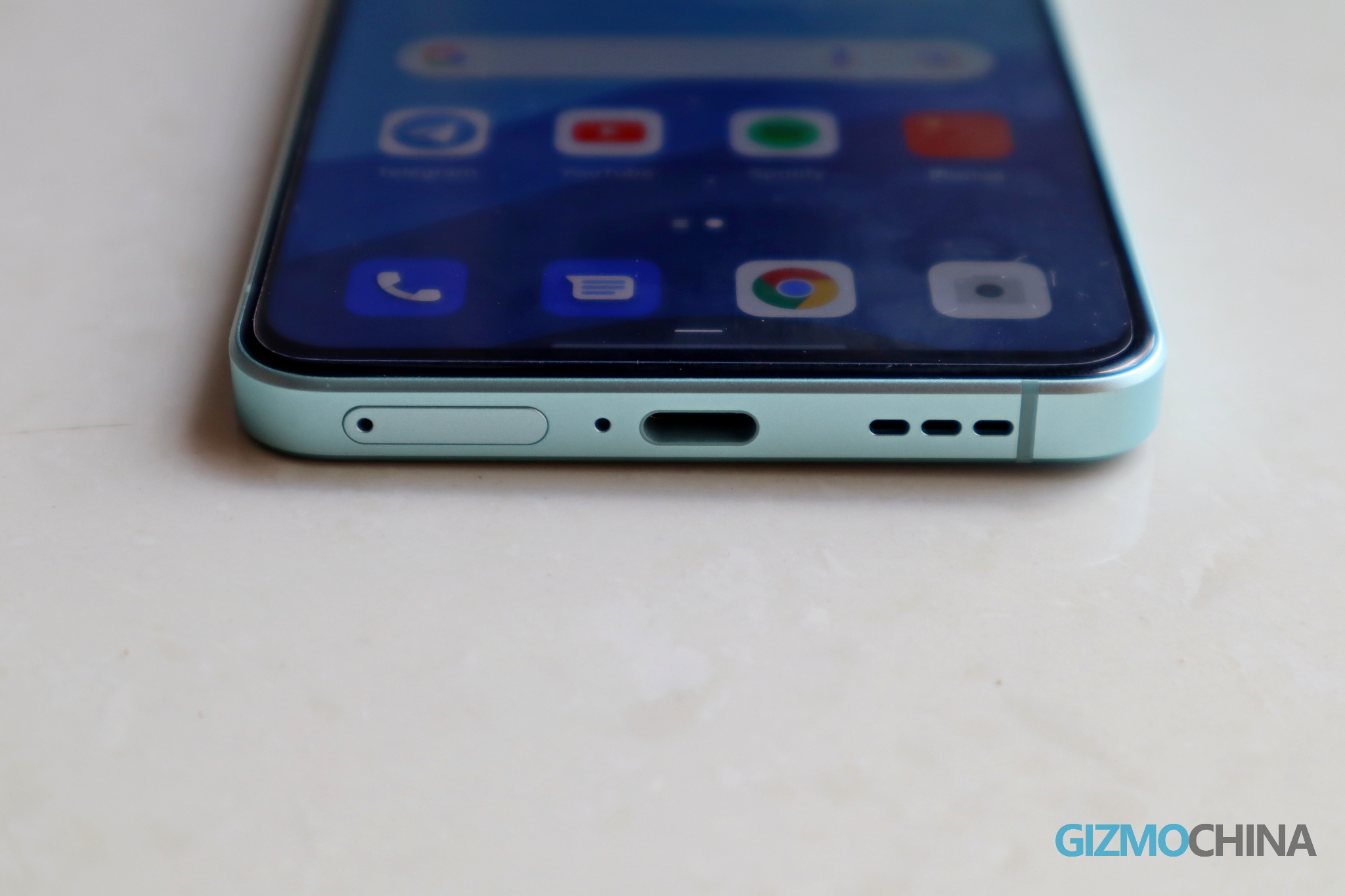
As far as the connectivity is concerned, the device has a dual-SIM card slot that offers 5G connectivity. It has support for 13 5G bands and therefore, users need not worry about compatibility when the networks go live in India in the future.
1 of 3
Then, there’s VoLTE, VoWiFi, dual-band WiFi 6, Bluetooth 5.2, NFC, and a USB Type-C port. The internet experience through both WiFi and 4G mobile data is seamless. I didn’t face any call drops either. Also, the connection with Bluetooth earphones remained stable without any issue.
The earpiece and microphone perform well, as they should. The performance of the mono speaker is good, but it could have been even better with a stereo setup.
The best thing about the OPPO Reno 6 5G is its endurance. The phone can easily last for two days on moderate usage that does not involve gaming.
The standby performance is also fantastic. It’s difficult to kill this handset’s battery in a day unless you game or use cameras extensively.
Even if it dies, the battery can be fueled up in around 30 minutes, thanks to SuperVOOC 2.0 fast charging protocol. The smartphone not only ships with the required charger and cable, but also a pair of USB Type-C earphones and a transparent silicone case.
In a nutshell, customers get everything out of the box. They even need not invest in a screen protector as soon as they make the purchase. Because the handset comes with a basic screen protector pre-applied.
The only thing that hampers user experience on the Reno 6 is its haptics. OPPO shouldn’t have cut corners on this one. The haptics from the Reno 6 Pro should have been retained.
Now you know why day-to-day experience matters more than the specs. It is not a pleasure to use a smartphone without these traits. Hence, I personally prefer using a mid-range device with a good user experience rather than investing in a phone with powerful specs that lack crucial attributes discussed above.
Conclusion
Just like the OPPO Reno 6 Pro 5G, the OPPO Reno 6 5G is not meant for everyone. If you are one of those customers who value user experience over specifications and features, then you should definitely consider checking out this handset.
On the other hand, I certainly do not recommend this phone to those looking for a device for gaming or cameras. There are better options in this price segment for these purposes.
This year is the 20th anniversary of Xbox, and the Microsoft-owned gaming division has been celebrating it in various ways. Back in May, it announced new official merch on its Xbox Gear Shop to celebrate the event. It also announced a custom Xbox Series X console in celebration of Halo’s 20th anniversary. Today, it has unveiled a pair of Xbox sneakers made in partnership with Adidas.
The new Originals by Xbox Sneaker called the Xbox 20th Forum Tech has a design inspired by the special edition Xbox console launched alongside Halo: Combat Evolved in 2001. The footwear has a translucent green sole while the upper part is a mix of green and black. While you can tell this is indeed made by Adidas, there is an Xbox logo on the tongue.
The press release says that the partnership kicks off the global launch of the “Always Played In. Never Played Out” program which celebrates popular eras of play over the last twenty years.
Will you be able to purchase the Xbox 20th Forum Tech? It doesn’t appear so. Xbox says this is the beginning of its partnership with Adidas as they will be announcing additional sneakers inspired by past and present Xbox consoles in the coming month in celebration of Xbox’s 20th anniversary. One of these new sneakers will be the first-ever sneaker available for purchase by fans later this year. It will also be running a competition where winners get to own a pair of the limited-edition sneakers.
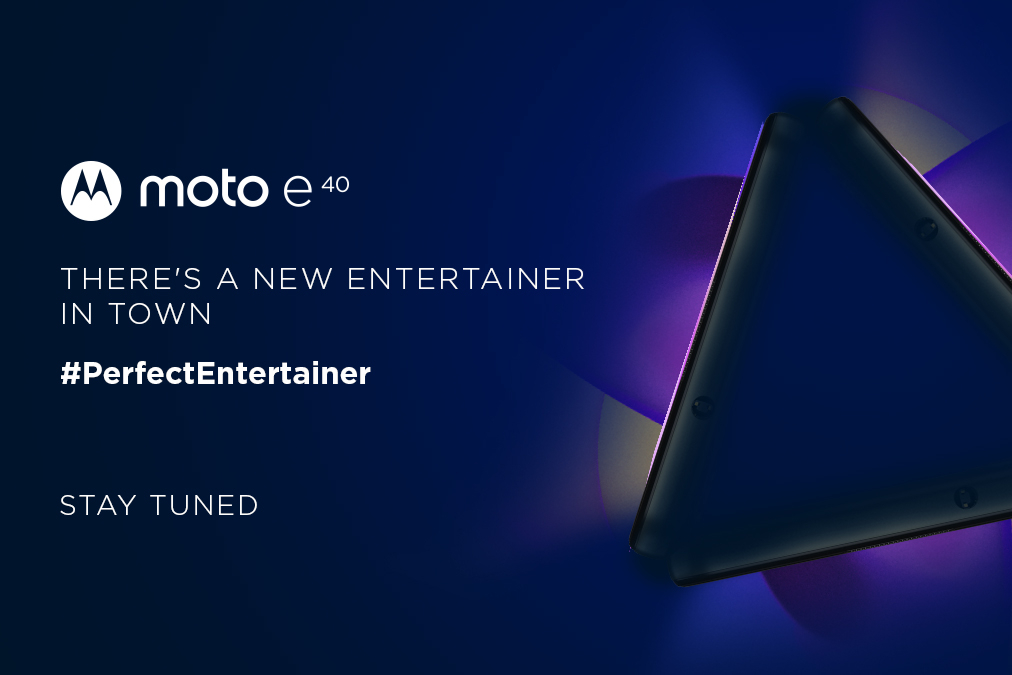
Earlier today, we reported on an immature eCommerce listing of Motorola Moto E40 ahead of the device’s official announcement. Now, the company’s Indian arm is officially teasing the launch of this smartphone.
The official Motorola India Twitter account confirms the arrival of the Moto E40. The company is using the hashtag #PerfectEtertainer for promotion. The tweet suggests that the handset will sport a large screen.
Unfortunately, the firm is yet to reveal the launch date for the country. But we don’t need to wait for the launch of the phone to learn about its features. Because almost everything about it is already out via the retailer listing.
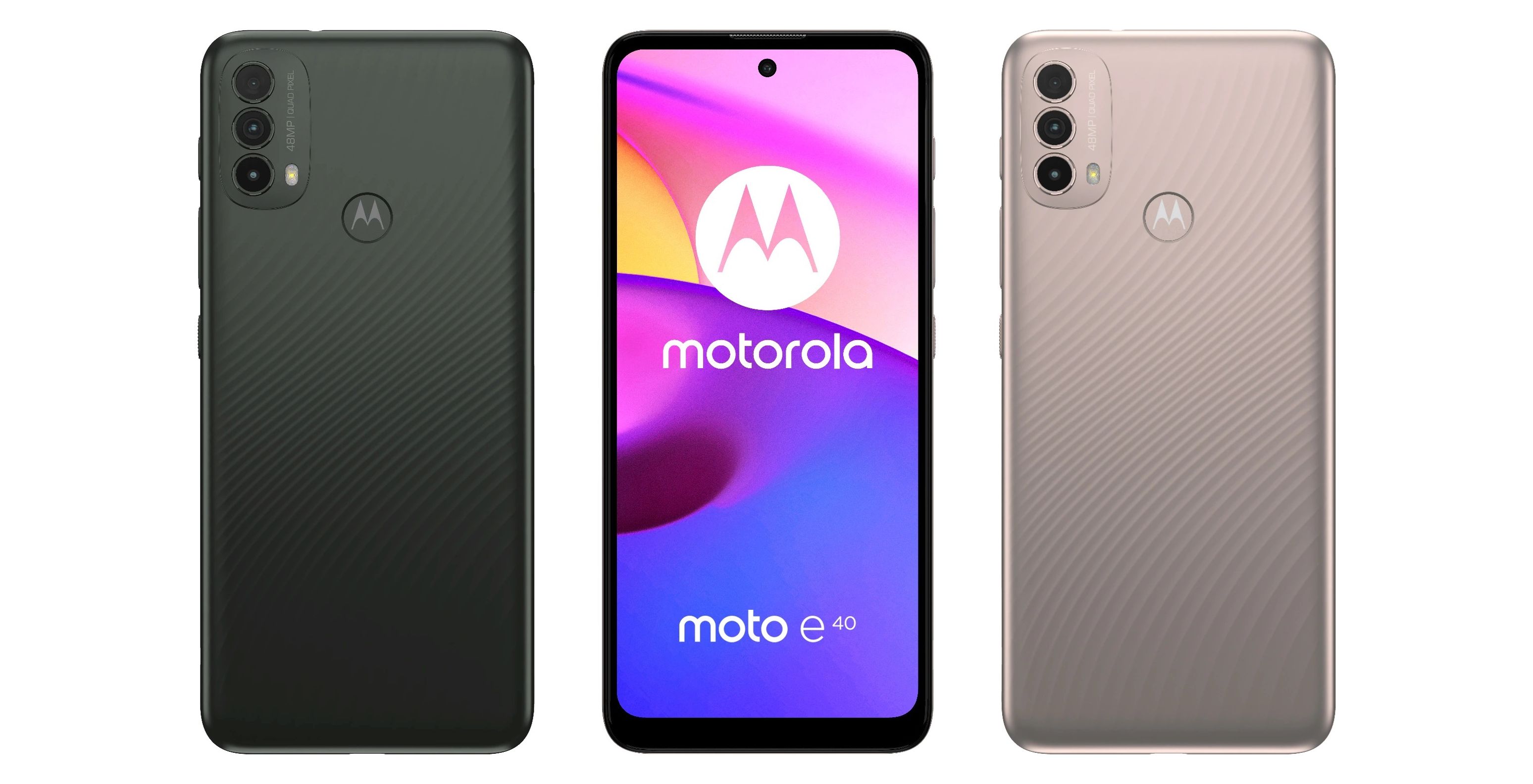
The Motorola Moto E40 will be a budget smartphone. It will flaunt a 6.5-inch IPS LCD panel with a resolution of 1600 x 720 pixels (HD+) and a 90Hz refresh rate. As per Geekbench, it will be powered by a UNISOC T700 SoC coupled with 4GB RAM and 64GB internal storage.
Motorola Moto E40
Further, it will house a 48MP (wide) + 2MP (macro) + 2MP (depth) triple camera setup on the rear and an 8MP front-facing shooter inside the centered punch-hole. It will have support for dual-SIM, 4G, single-band WiFi, Bluetooth 5.0, 3.5mm headphone jack, USB Type-C port, and rear-mounted fingerprint sensor.
Last but not least, it will run Android 11 and will draw energy from a 4,000mAh battery.
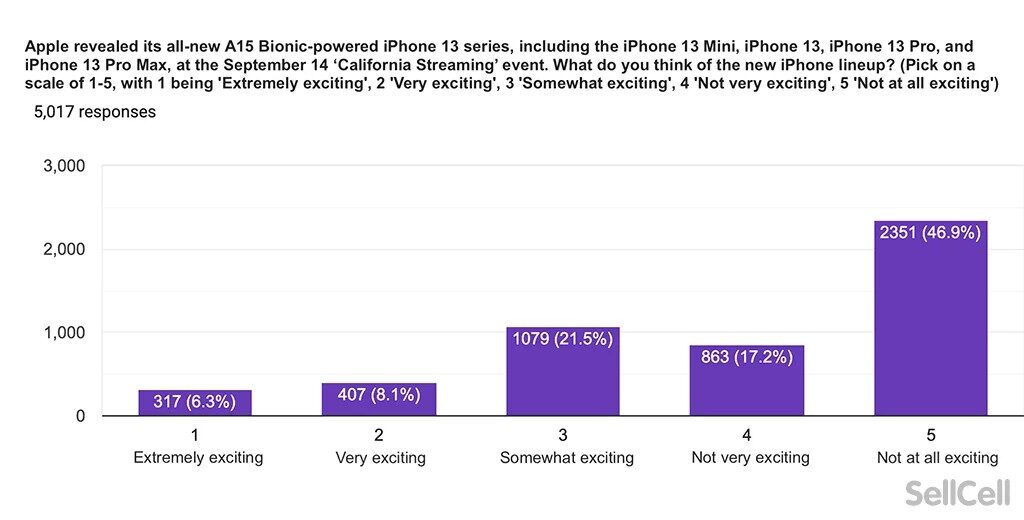
A majority of the participants of a survey said that the new Apple iPhone 13 lineup is “not very” or “not at all” exciting. The survey had sampled 5,000 iPhone users aged 18 and above in the United States between September 23 and 30.
It was conducted by SellCell (via: MacRumors) and revealed that 64 percent of users are “not very” or “not at all” excited about the iPhone 13 lineup. 21.5 percent felt that the iPhone 13 models are “somewhat” exciting, and only 14.4 percent said that they are “extremely” or “very exciting.”
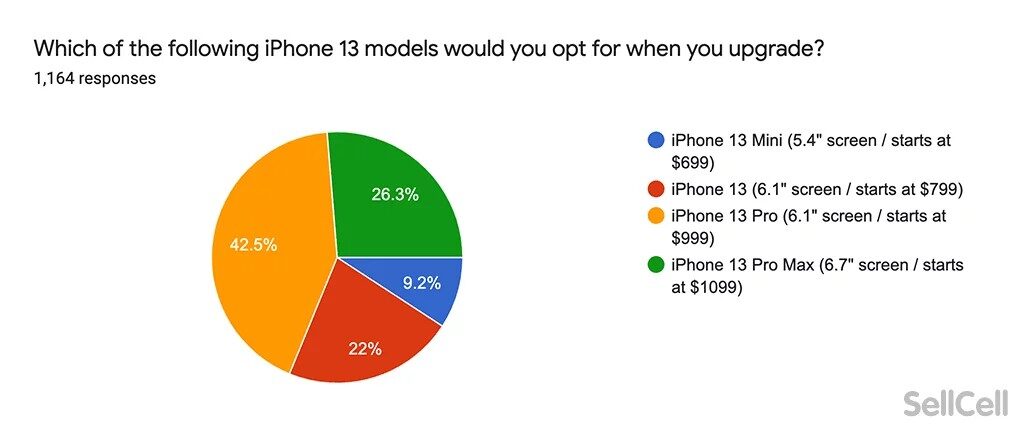
The excitement for the new iPhone series was found to be higher prior to the announcement. This is apparent from the fact that just 23.3 percent of users intend to upgrade to an iPhone 13 model, which is a significant 20.5 percent drop compared to a pre-launch survey conducted two months ago.
Among the 23.3 percent from the survey that intend to upgrade to an iPhone 13 model, the iPhone 13 Pro was found to be the most popular choice with an overwhelming 42.5 percent of responses. This was followed by the iPhone 13 Pro Max at 26.3 percent, iPhone 13 at 22 percent, and finally the iPhone 13 mini with just 9.2% of votes.
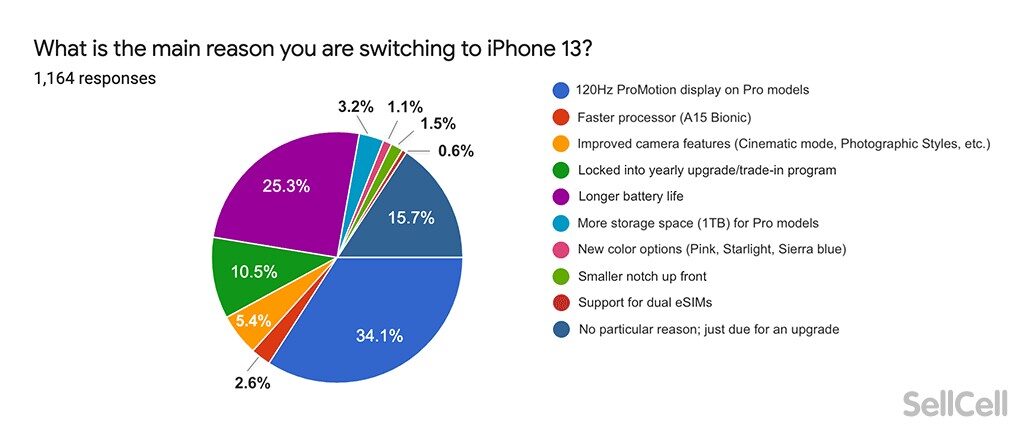
Also among those that plan to upgrade, the primary reasons were the 120Hz display upgrade and longer battery life, as indicated in the graph below. 15.7% felt that there’s no particular reason and they were simply upgrading because it’s due.
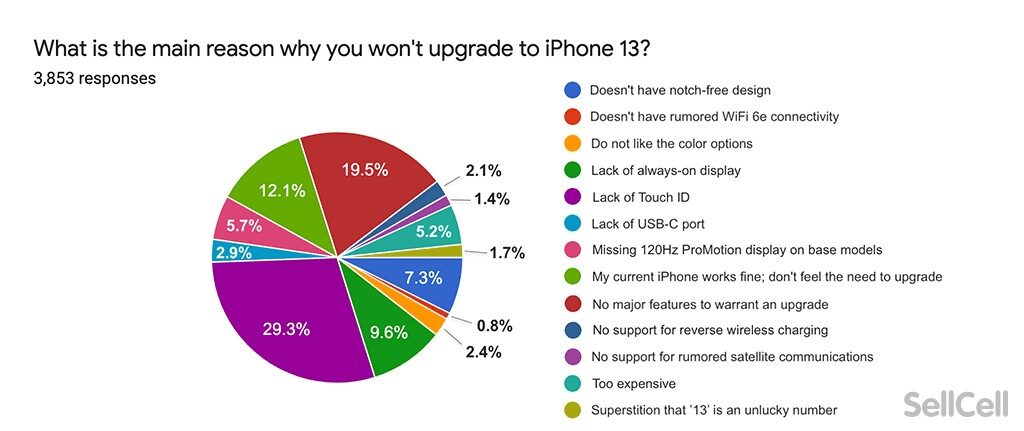
Of the 76.8 percent of existing iPhone users not interested in purchasing a model from the iPhone 13 series, 29.3 percent cited the lack of a Touch ID fingerprint scanner. This was followed by 19.5 percent said that there were no major features to warrant an upgrade. Other criticisms included the lack of an always-on display, a notch-free design, 120Hz on the standard models, and a USB-C port.
36.8% of those with no plans to upgrade have stated that they will wait for the iPhone 14 instead. 16.1% are switching to an Android device, with 45.1 percent wanting to purchase a Google device, 41.8 percent wishing to purchase a Samsung device, and 8.4% planning to grab a OnePlus device.
Last but not the least, the Apple Watch Series 7 too has barely managed to grab much interest with just 7.5 percent of iPhone users saying that they are planning to buy one. This, despite the watch’s larger display, more durable design, and improved charging speeds.
OnePlus is not new to making earbuds. The company has been releasing headphones for the past several years. However, when it comes to TWS earbuds, OnePlus hasn’t really been able to hit the mark with its previous products like the OnePlus Buds and Buds Z. They were pretty decent hearables but never really stood out in their price segments. However, the brand aims to change this consumer mindset with the OnePlus Buds Pro, its first premium earbuds with active noise cancellation.
OnePlus Buds Pro Review: Stand out Design
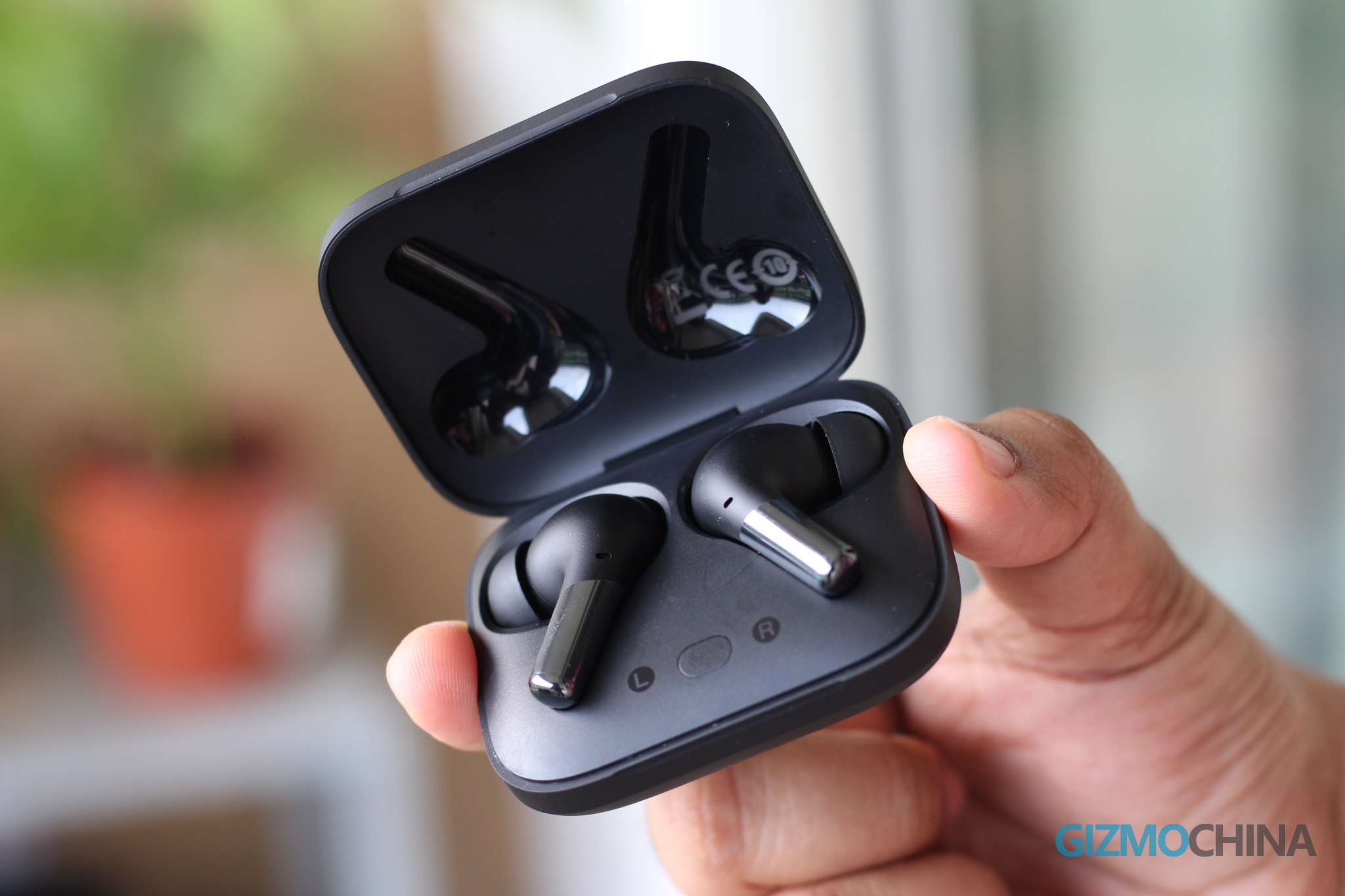
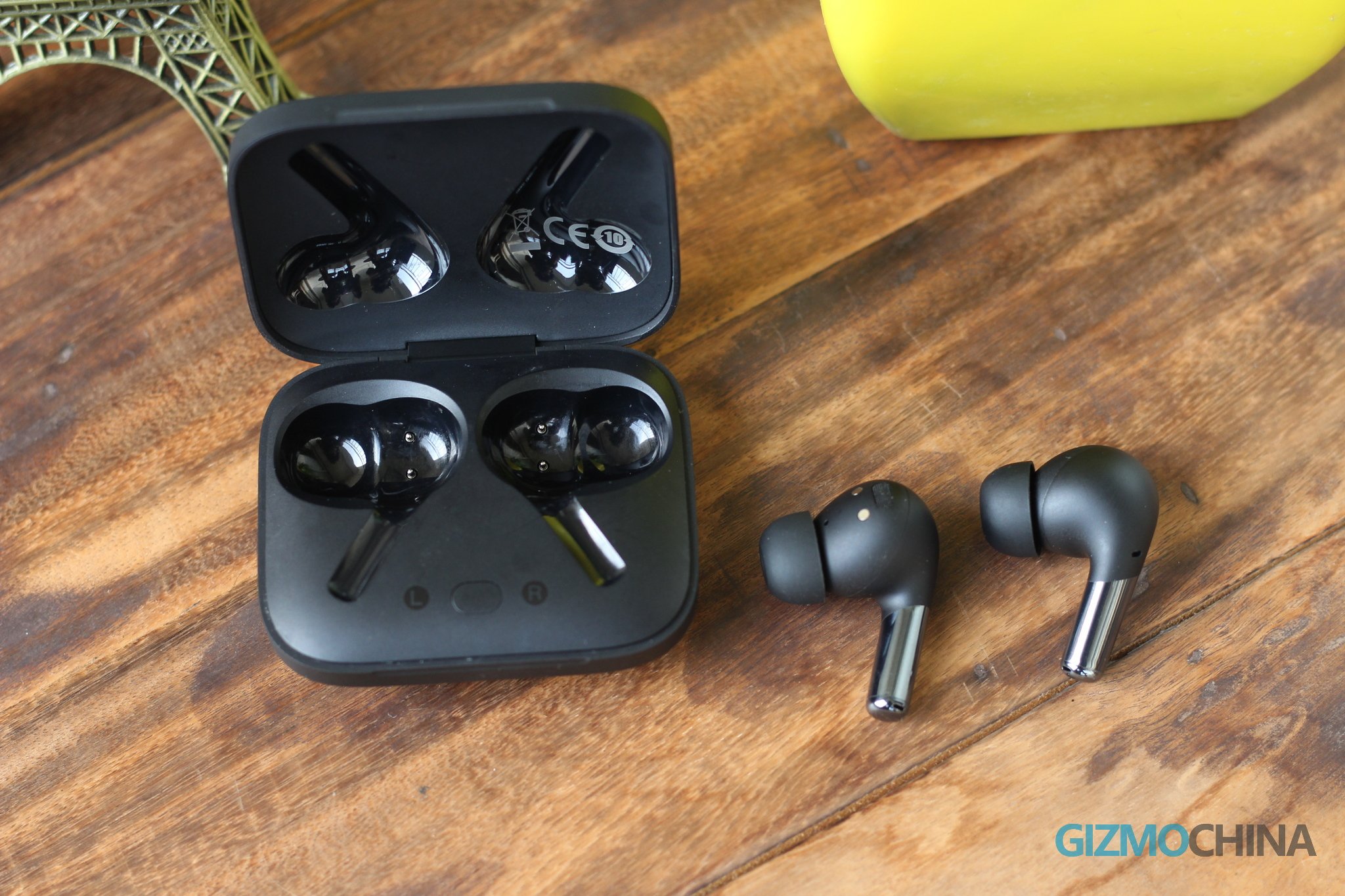
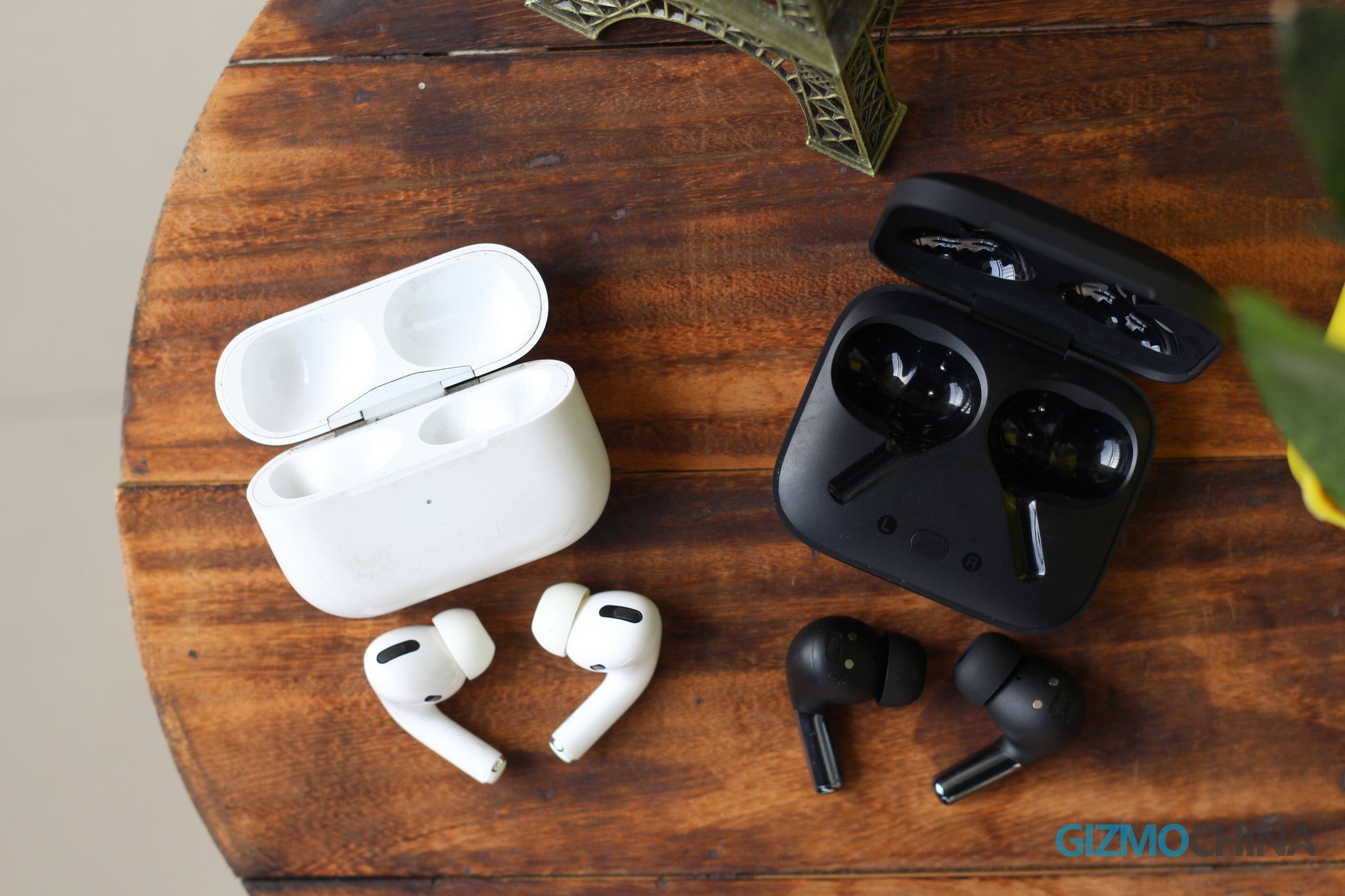
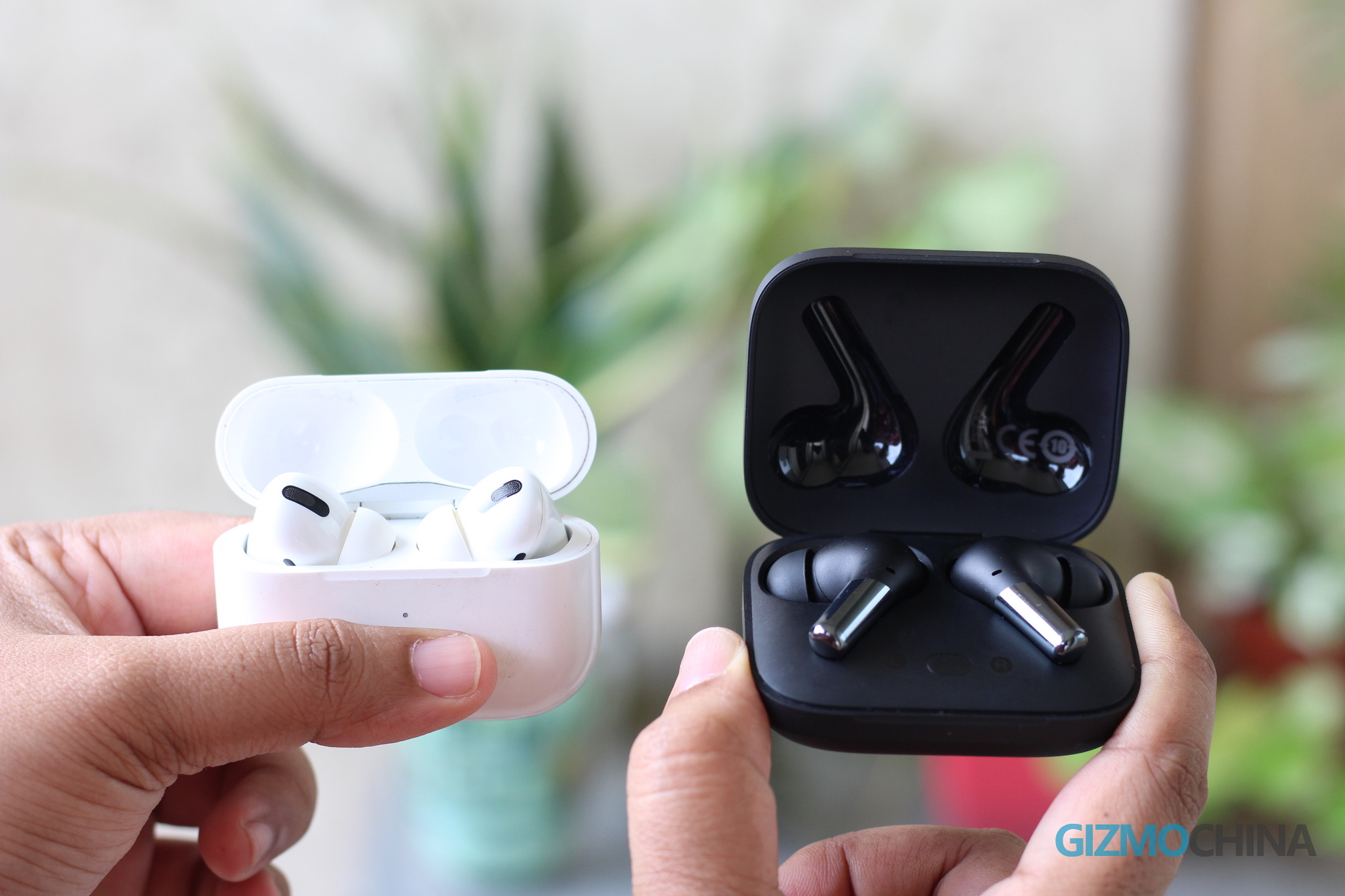
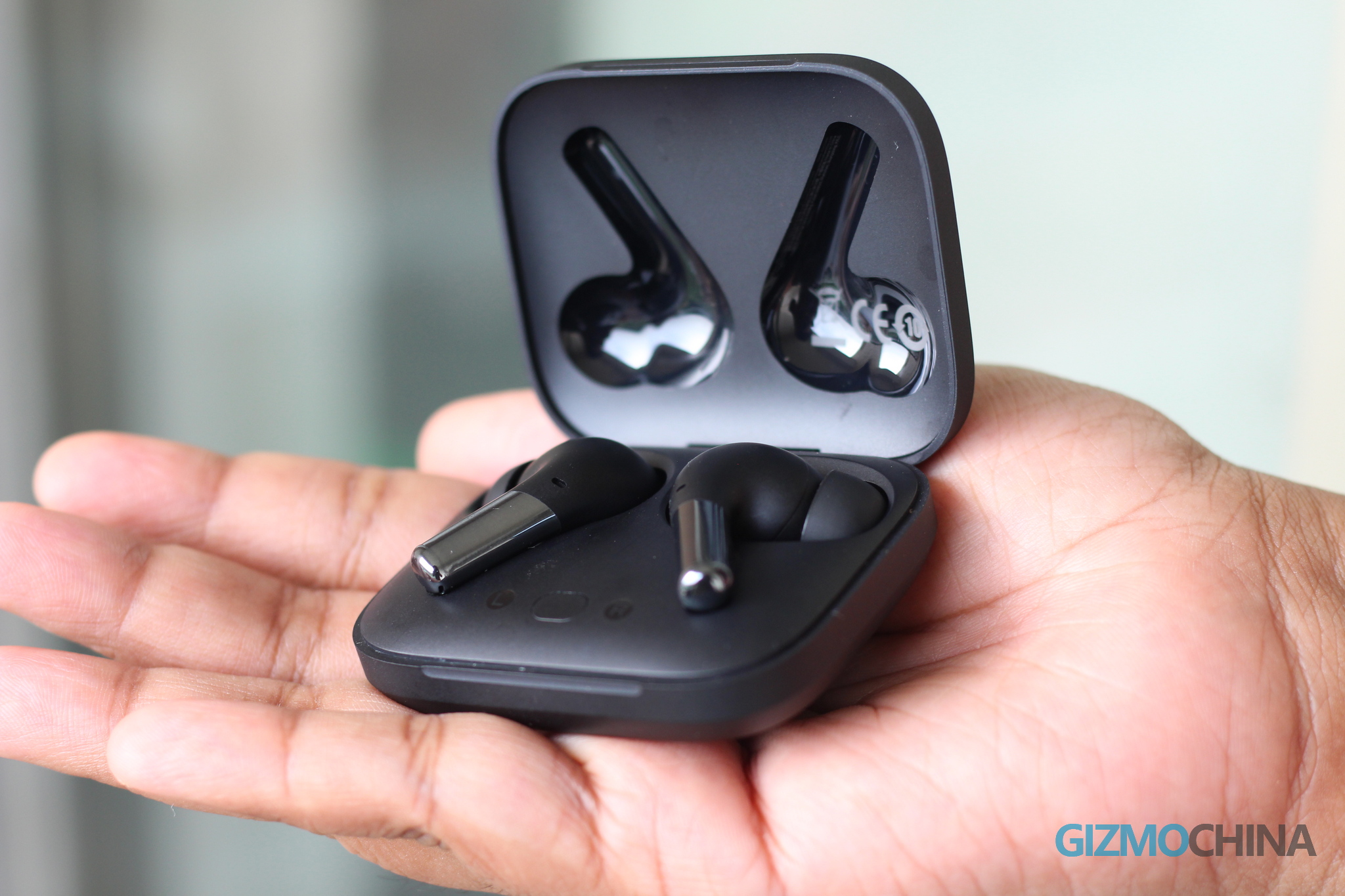
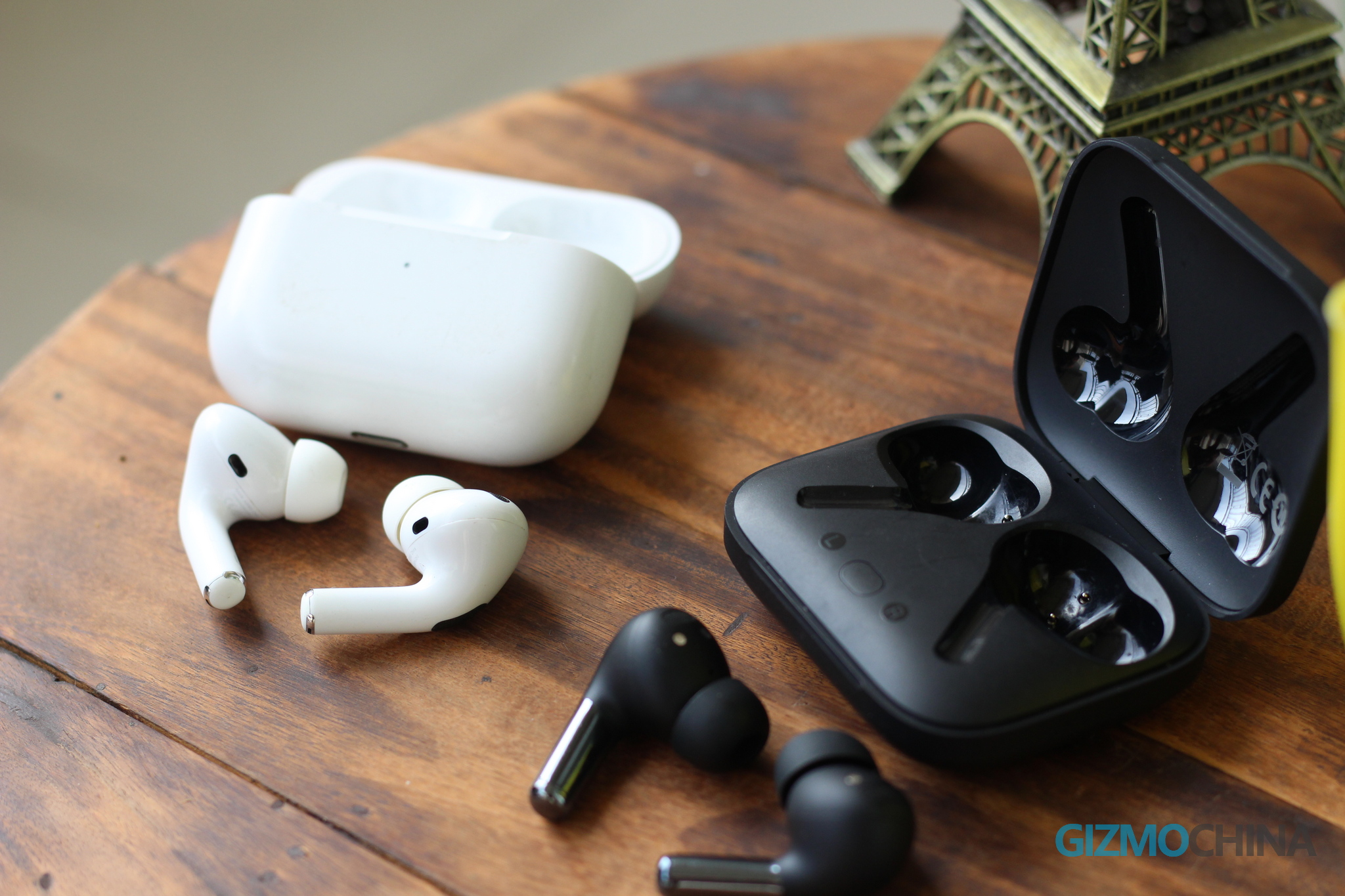
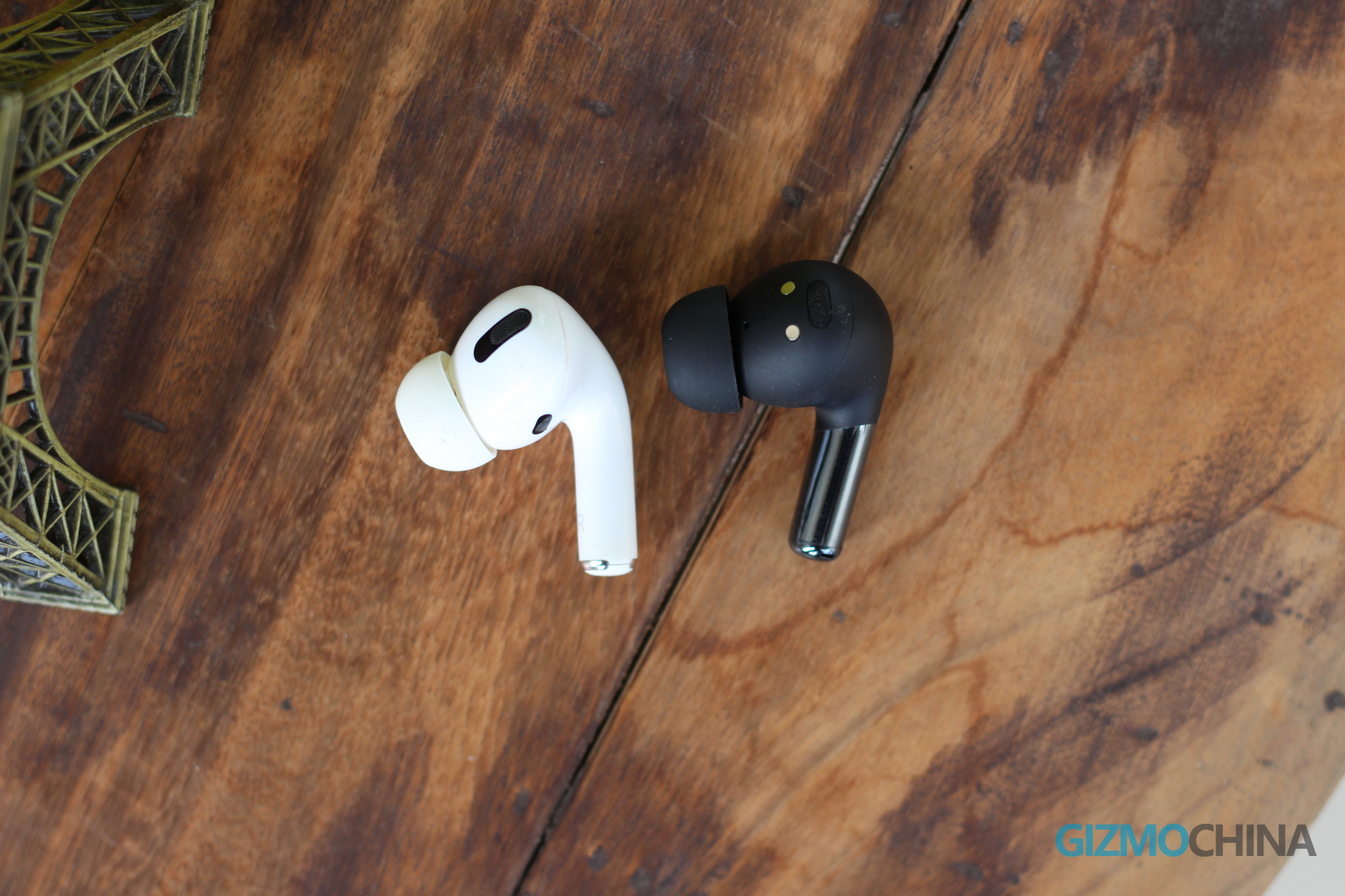
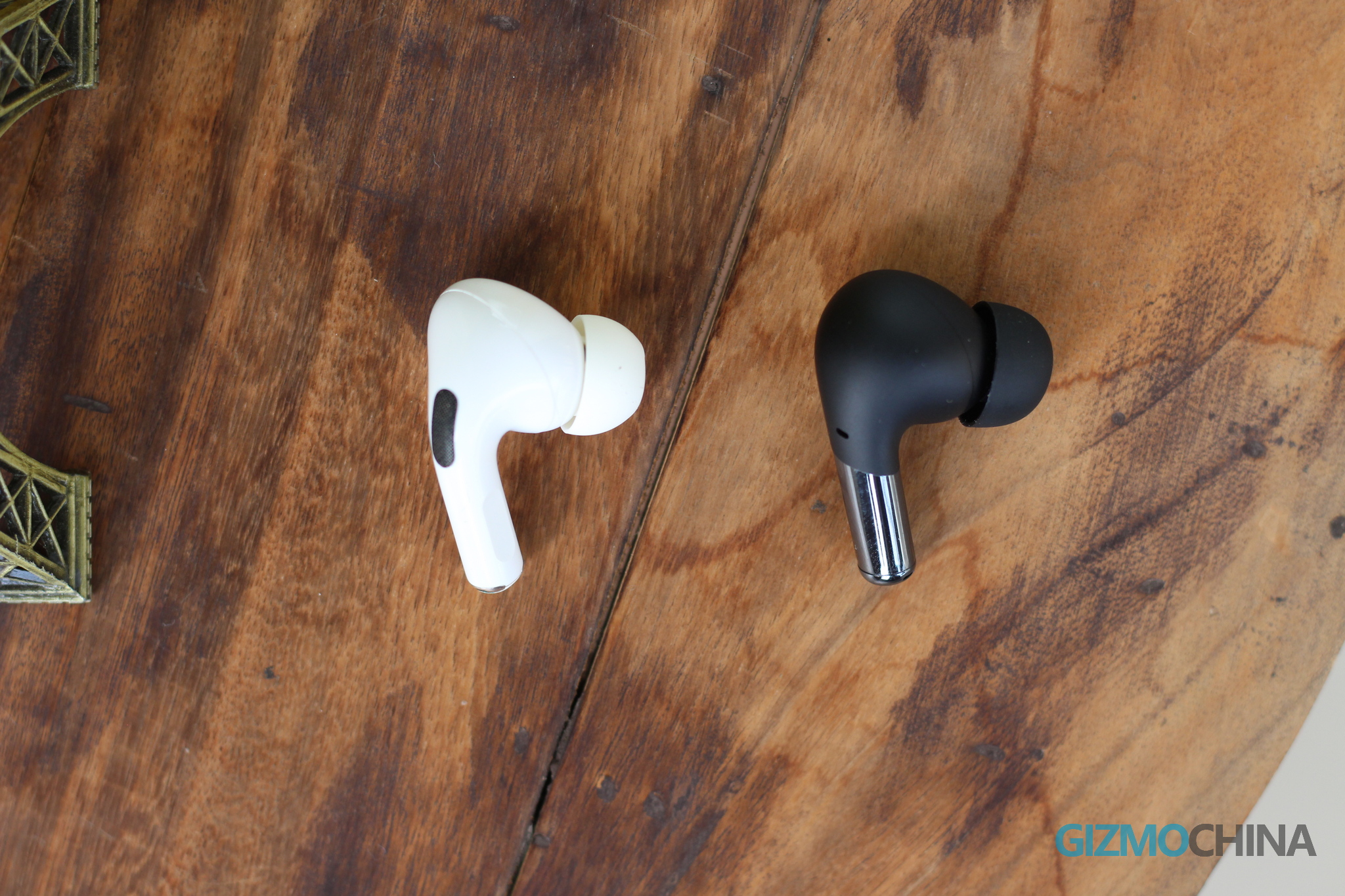
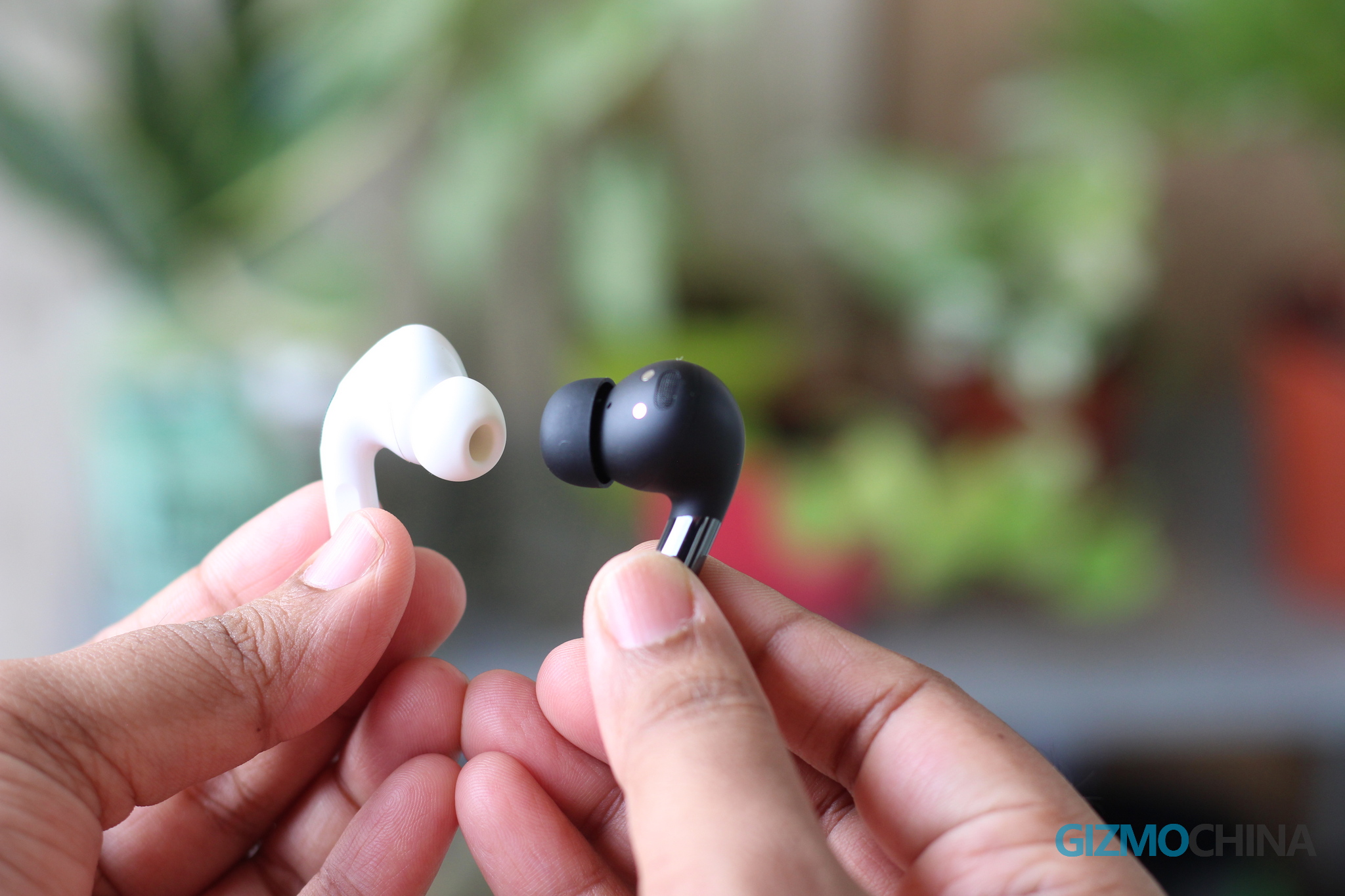
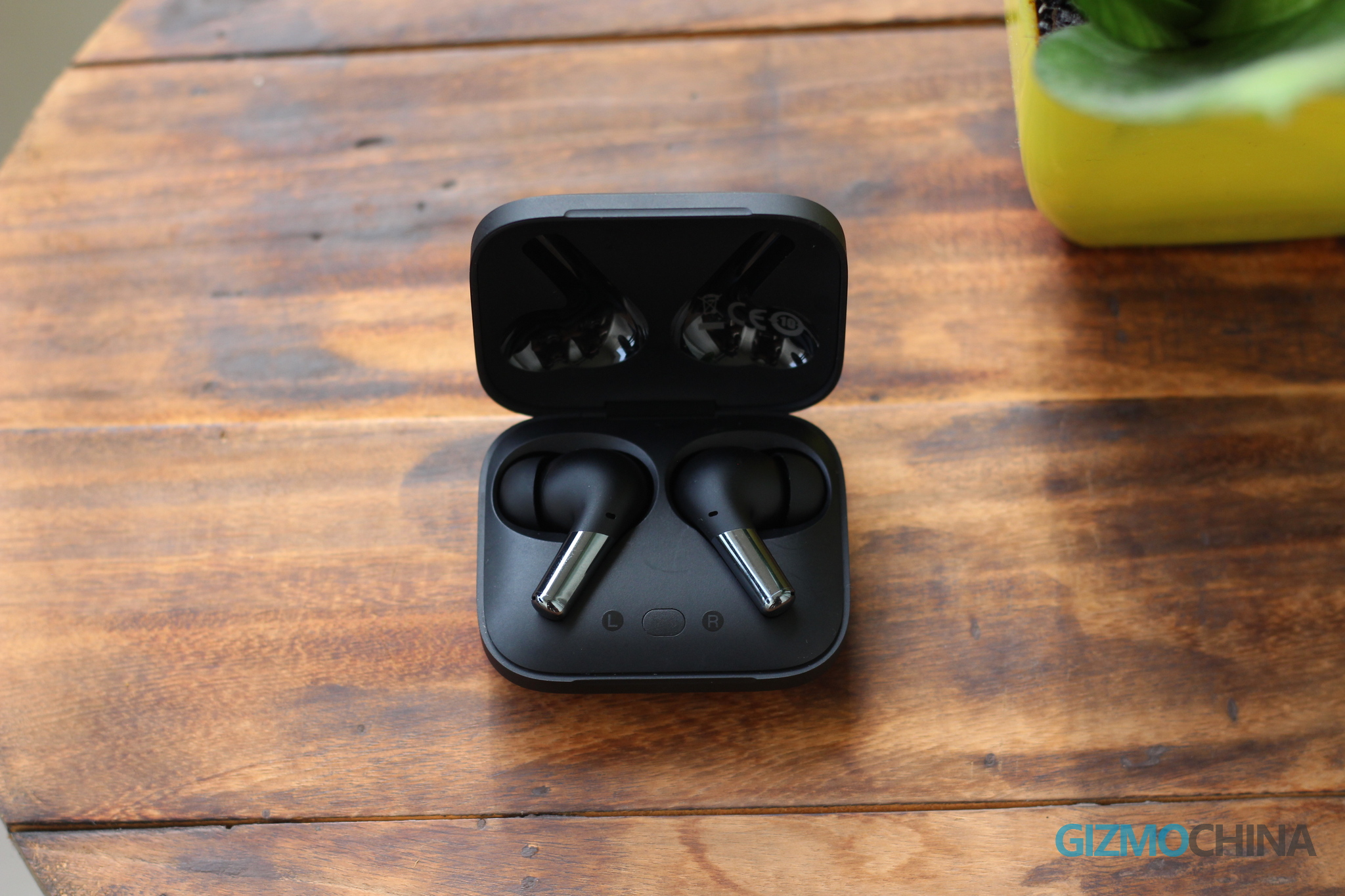
The OnePlus Buds Pro takes the right amount of inspiration from the industry leader for its design. While the basic form factor of the earbuds is pretty much identical to the Apple AirPods Pro, the company tries to distance itself from the Apple TWS with a fancy color style. Honestly, having used both the AirPods Pro and OnePlus Buds Pro on a regular basis, I can assure you that they are two very different earbuds.
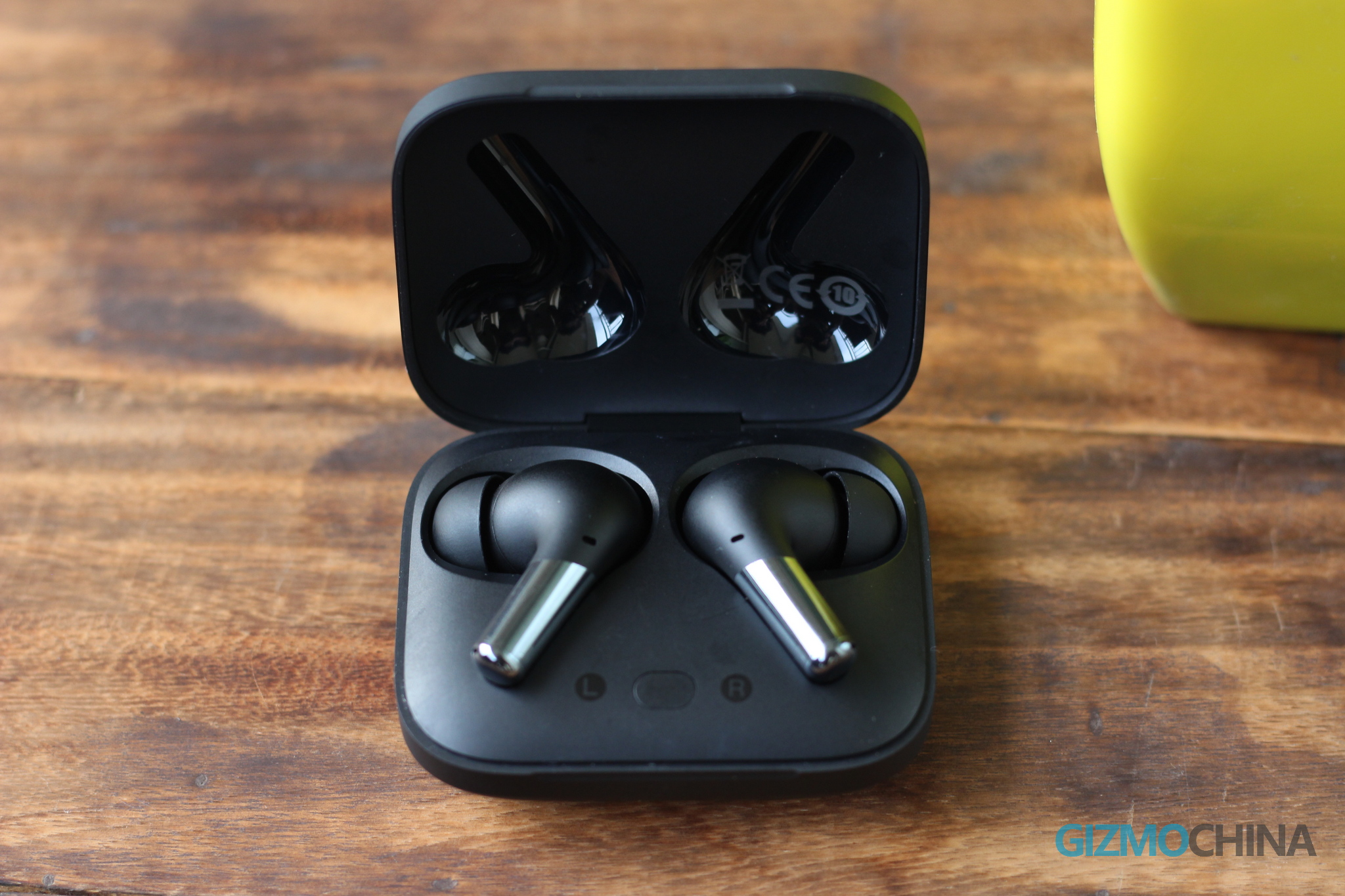
Even in their designs, the Buds Pro looks a lot more young and stylish with its dual-tone matte finish. So even though AirPods Pro’s all-white design looks elegant, I personally like the dual-tone, matte + metallic combination. It’s unlike other earbuds in the market and stands out from the crowd in its price segment.
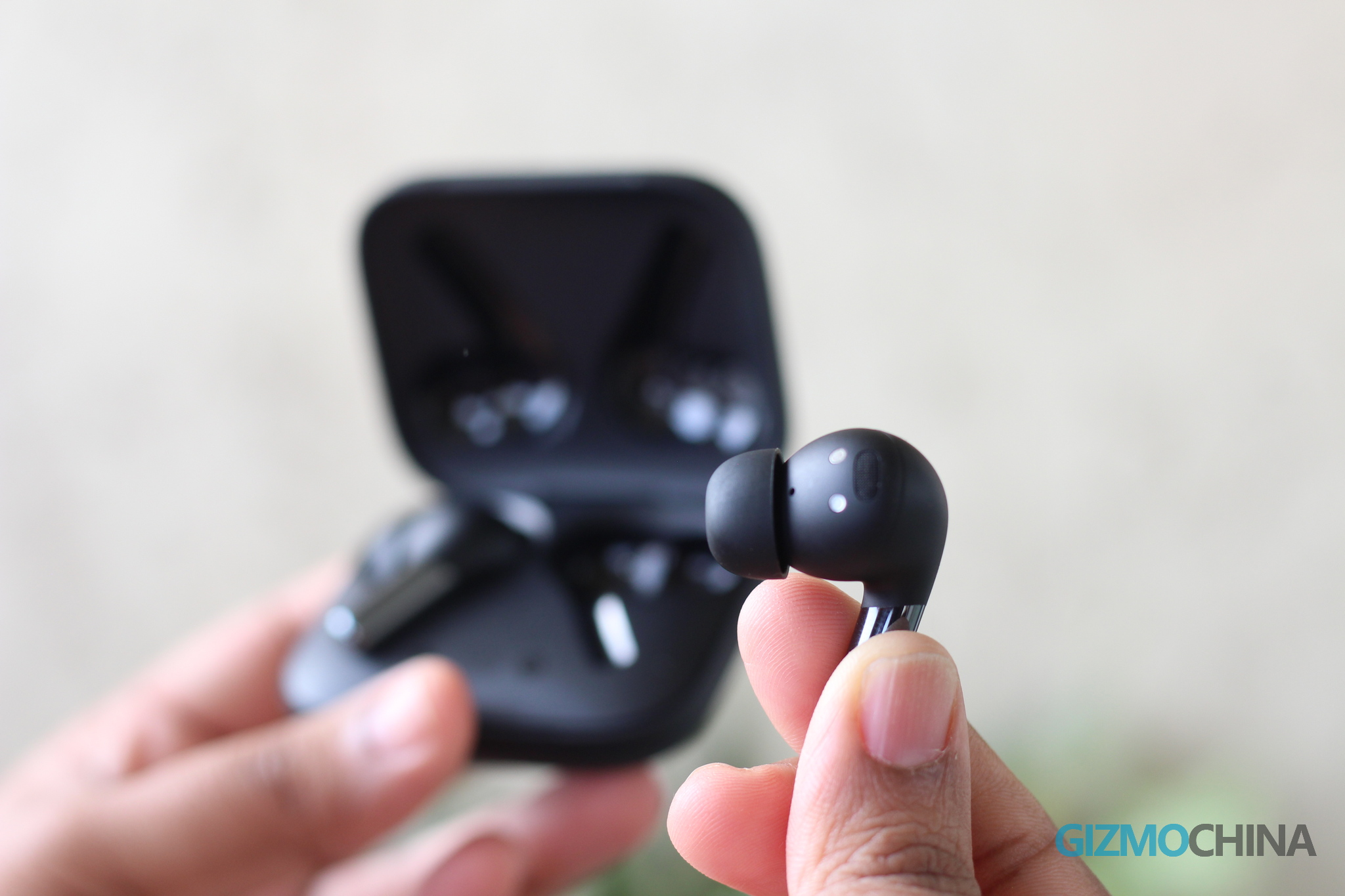
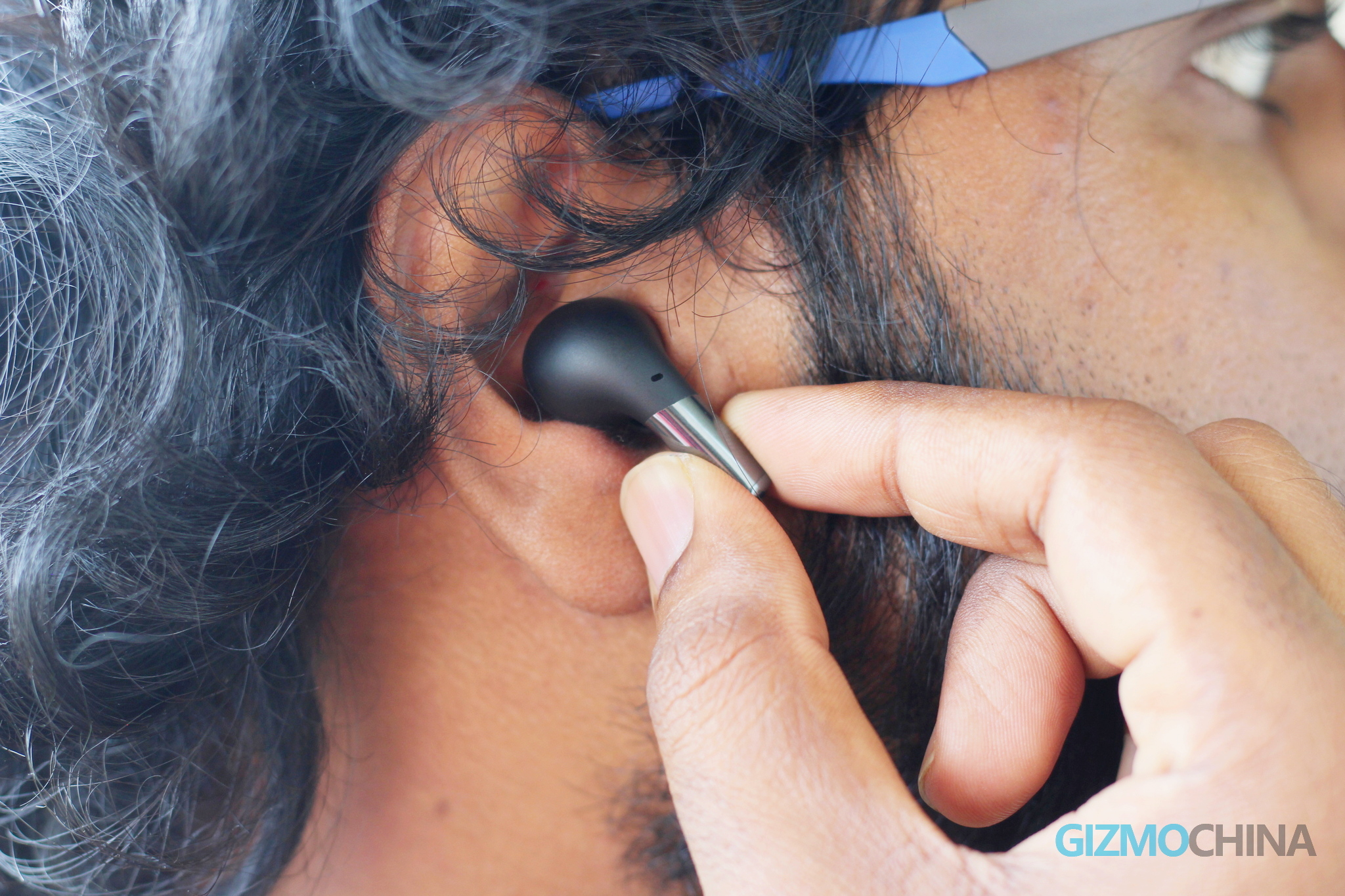
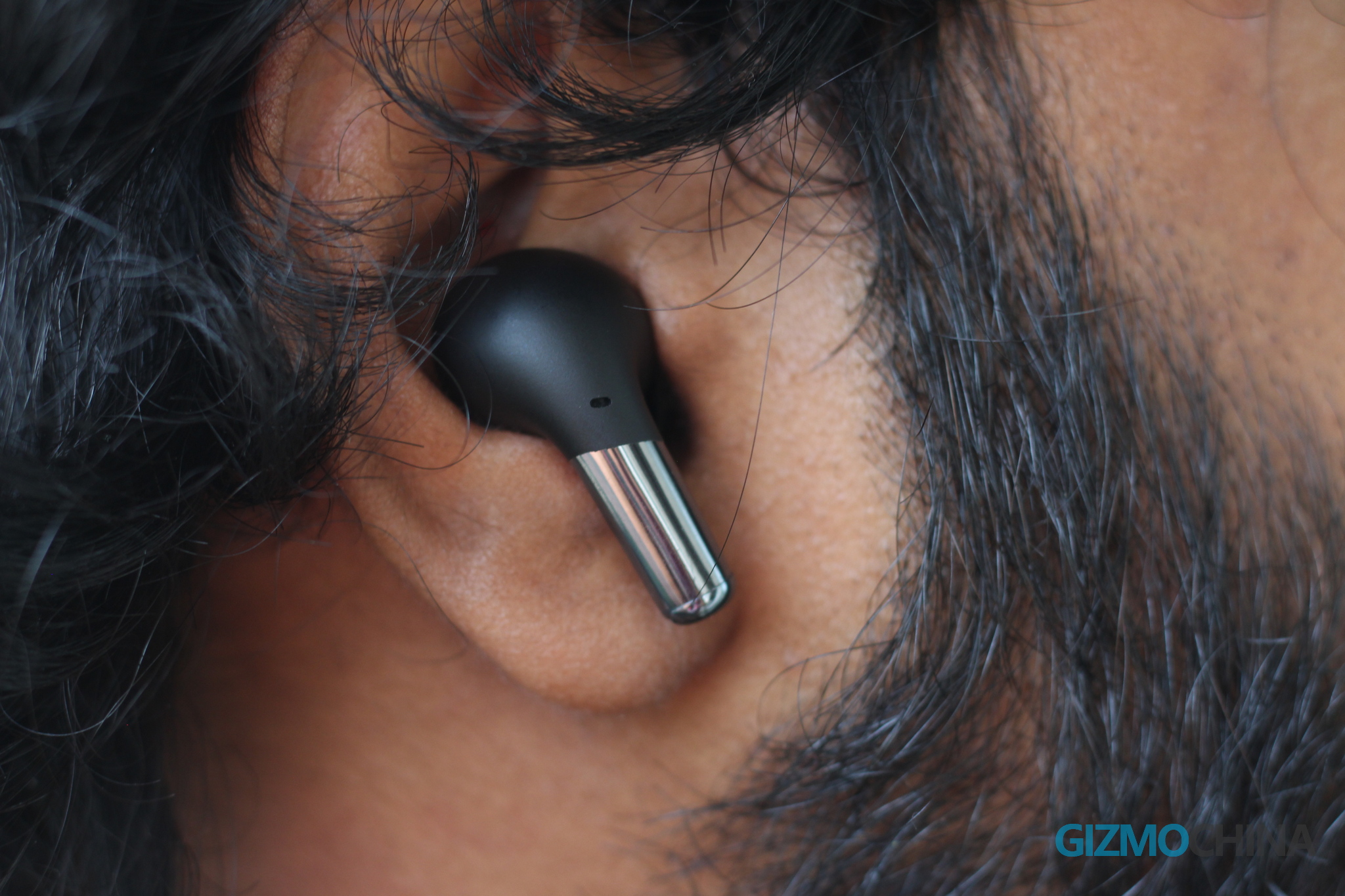
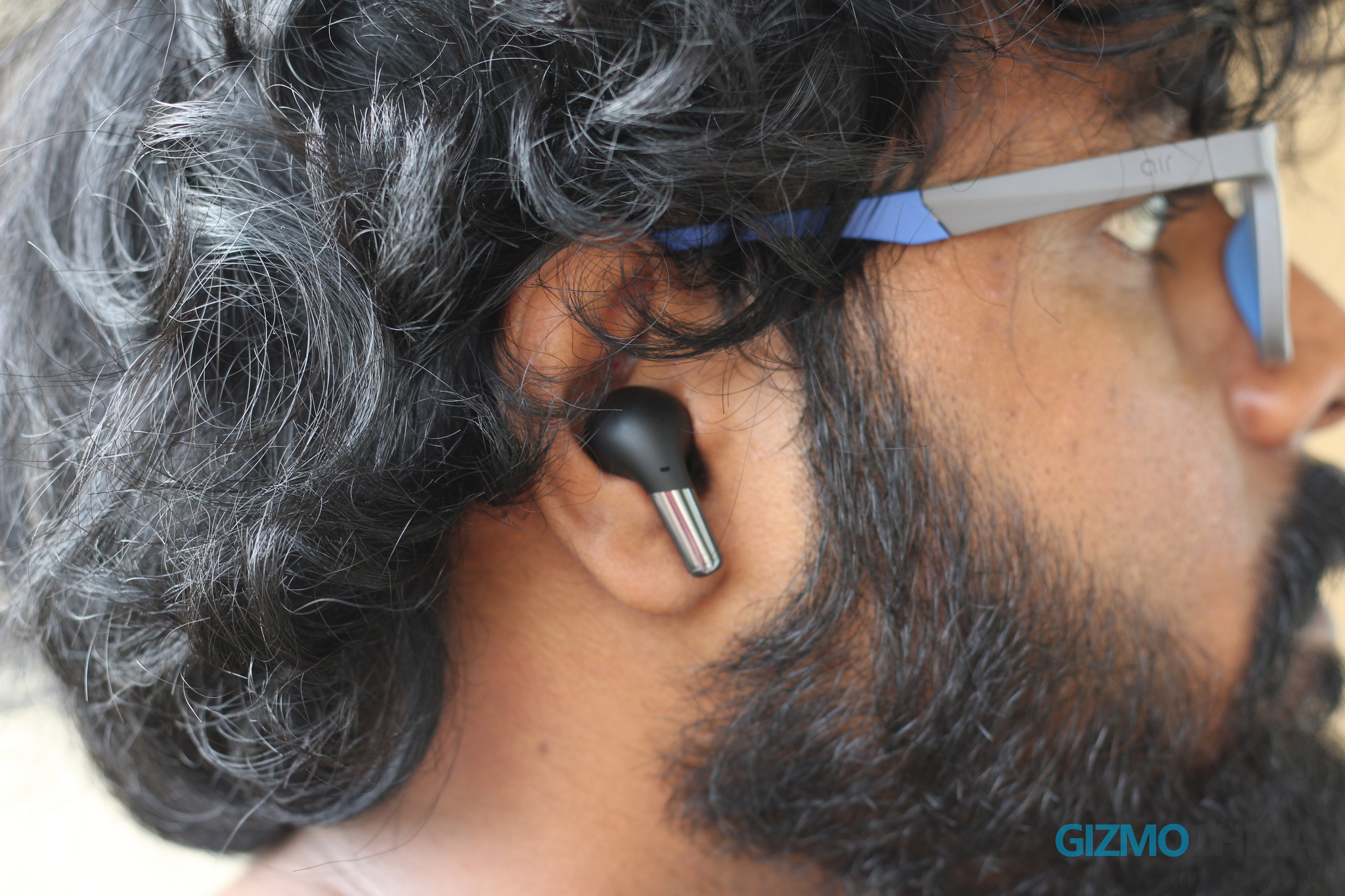
Each earbud weighs 4.35g, while the charging case weighs 52g. The earbuds have a good, tight fit in my ears and can be used during workouts as well. I have used the OnePlus Buds Pro during my workouts at the gym and even while running on the treadmill, and so far, I have been pretty confident that these earbuds won’t fall off during my runs.
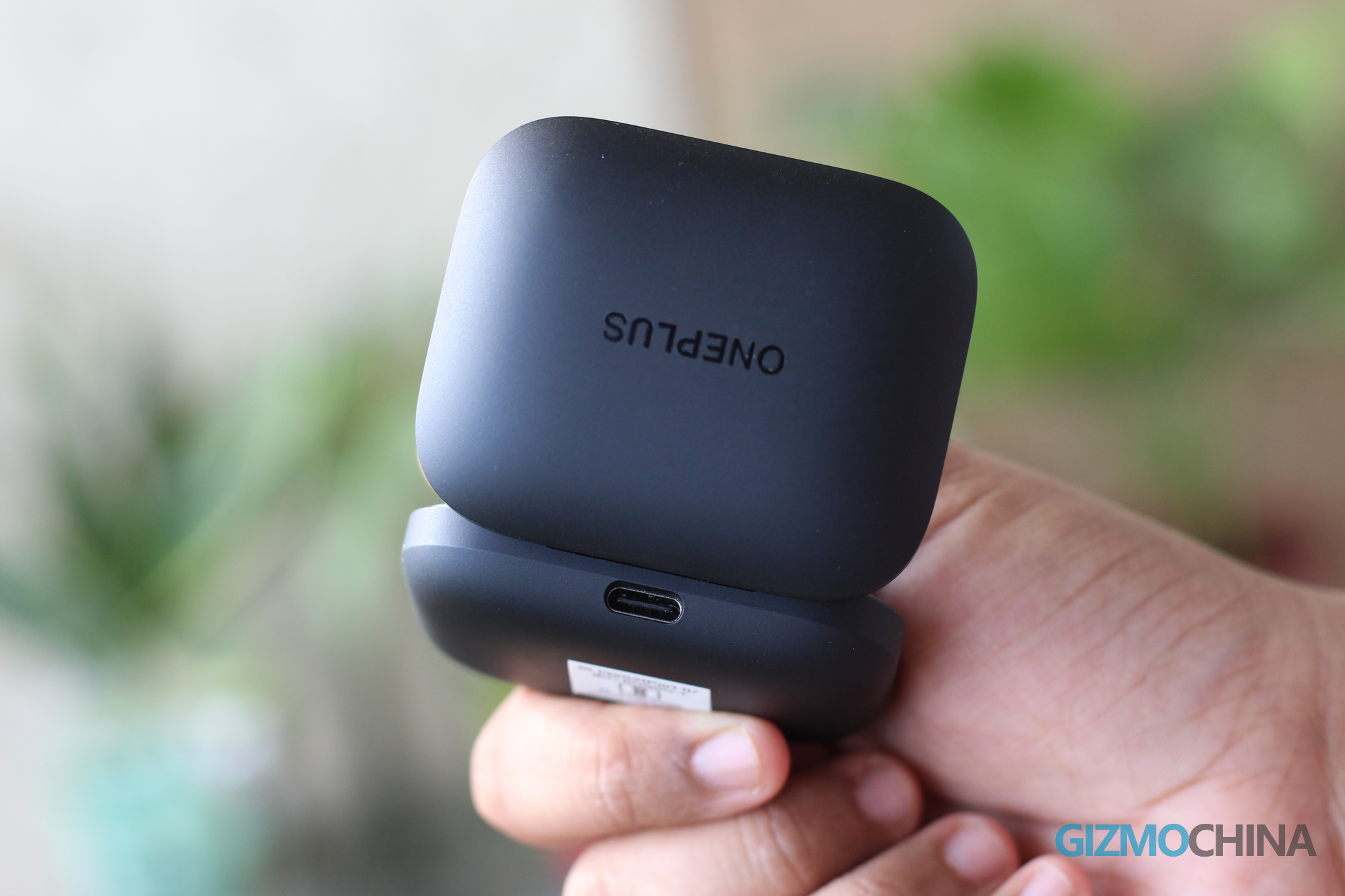
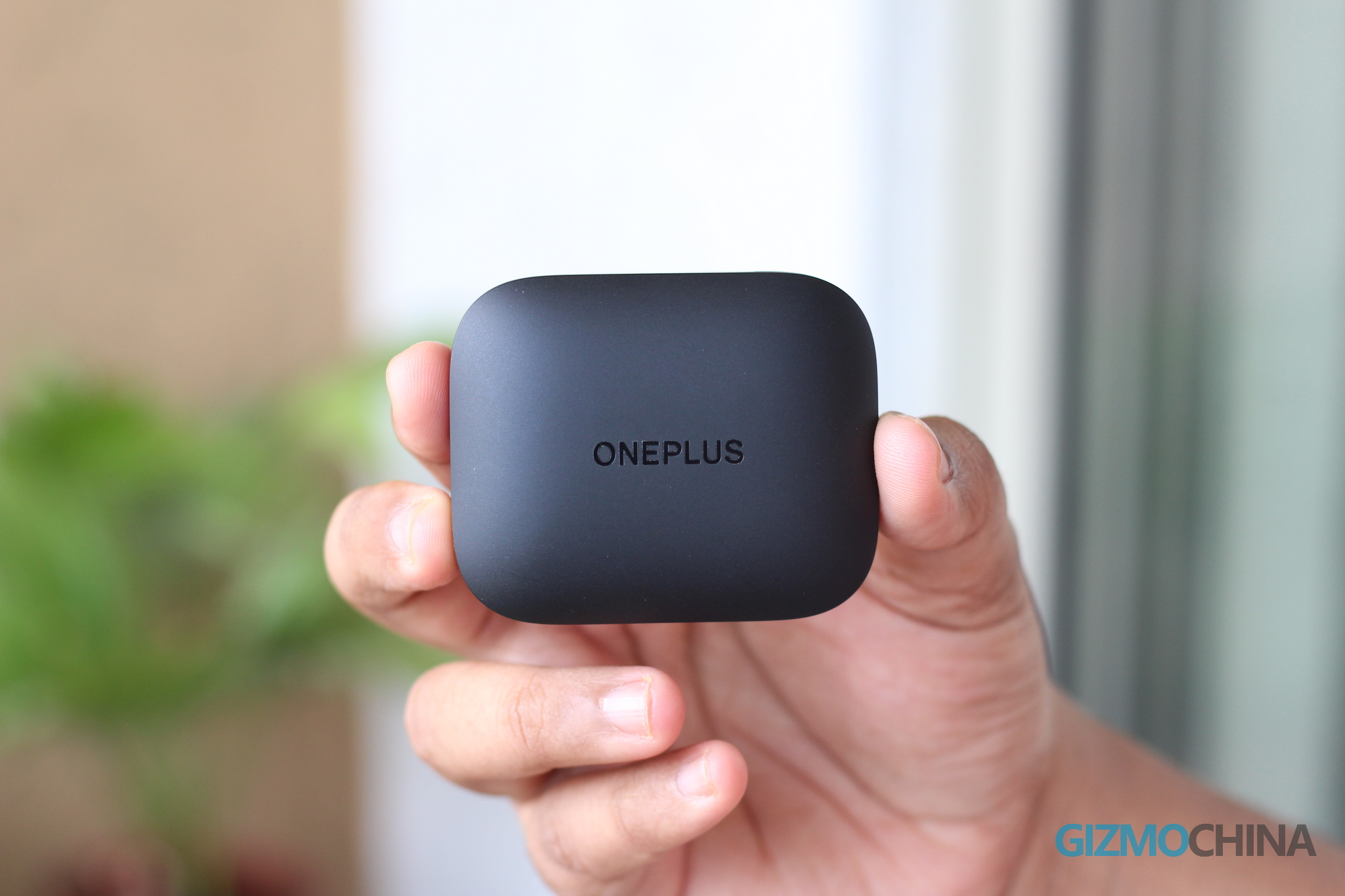
Coming to the case, the OnePlus Buds Pro has a flat and squarish charging case, unlike the previous generation models. The matte finish on the case ensures it doesn’t attract fingerprints or scratches in your everyday use. The overall style looks pretty premium, and the fact that it’ll likely remain scratch-free over the course of time is reassuring. If you have used earbuds with glossy cases, you know how many scratches it can get overtime. So this is a definitive advantage for the OnePlus Buds Pro.
While the case looks premium, you might doubt the built quality at first. Initially, the lid of the case felt a bit weak and I wondered whether the case would survive a fall. But fortunately, the flat design gives a good grip and makes it less likely to encounter a drop. Over the course of time, I have grown to trust the quality of the case too, so I don’t really have any complaints about its design. For a pair of earbuds under ₹10,000 (€150), this design is extremely good.
1 of 5
The case comes with a USB-C port and supports wireless charging as well.
As for the operations, once again, OnePlus has taken inspiration from the AirPods Pro. So you have to squeeze the stem for controls. I personally prefer this over other earbuds which support touch inputs. Squeezing the stem feels like a better way to control your earbuds and the implementation is pretty good. However, there’s a slight delay in the control response, which you’ll have to get used to. But apart from that, operations like single, double, and long presses work well without any glitches.
Note that the OnePlus Buds Pro is IP55 rated, so it is dust and water-resistant. What’s even more interesting is that the case also gets an IPX4 rating.
OnePlus Buds Pro Review: Sound Quality
The sound quality will always be the most important aspect of any earbuds. While the previous generation OnePlus earbuds were decent, the company seems to have hit the right mark with its new OnePlus Buds Pro.
The OnePlus Buds Pro puts the 11mm drivers to good use, generating deep bass and decent mids and highs. You may find that the earbuds rely a bit too much on the lower end spectrum, but for someone who prefers a good and tight bass output, these earbuds won’t disappoint.
Sometimes, the bass may overpower the highs and mids. However, unless you are a purist who absolutely needs crystal clear vocals and crisp treble, the OnePlus Buds Pro won’t disappoint. These earbuds are good for your typical EDM, hip hop music, so basically genres that enjoy a solid low-end grunt. However, if there are a lot of instruments involved, you might encounter some loss of details.
That said, for someone who has used AirPods Pro everyday, I still come back to the Buds Pro in between to appreciate the bass. A lot of premium headphones are tuned for balance, which often sacrifices on bass to focus more on the mids and highs. But there are some genres of music that can only be justified with a solid bass response, and for them, look no further than the OnePlus Buds Pro in this price segment.
To conclude, if I had to use two words for the sound signature of the OnePlus Buds Pro, it would be ‘Bass-heavy’ and ‘Fun’. These earbuds feels a lot more immersive than other balanced earbuds in the market.
Note that while the Buds Pro supports LHDC codec, there are very few smartphones in the market that support it. In fact, even OnePlus hasn’t yet rolled out support for LHDC on its latest smartphones. So right now, you’ll have to stick to AAC for listening to good quality music.
OnePlus Buds Pro Review: Noise Cancellation
Being the first Active Noise Cancellation earbuds from OnePlus, I was curious to see how good the noise cancellation would be. The Buds Pro is priced in a segment where there are pretty good competitors for this feature, so a sub-par experience would immediately put it at a disadvantage.
To start off, the Buds Pro features 3 modes for noise cancellation. Faint, Smart, and Extreme. Unfortunately, I couldn’t perceive any major difference when switching between these three modes. The adaptive smart mode implementation was also not very good.
In short, for all purposes, it’s safe to assume that there’s just one noise-canceling mode, much like the AirPods Pro.
The OnePlus Buds Pro manages to come close to the premium earbuds in the market with its noise cancellation. If I had to give a figure, I would say the Buds Pro cancels out around 80% of what AirPods Pro can do. For its price, this is already pretty good.
The earbuds can cancel out everyday noises like people’s conversation in the background, or your regular traffic. But it won’t be able to cancel out some higher frequency sounds.
While the ANC is not perfect, for its price, it’s still pretty good. With the ANC turned on, the earbuds definitely help you get an immersive music, audiobook listening experience.
The transparency mode is not as good as the Airpods Pro, but it’s fine as you can still have a decent conversation in this mode.
OnePlus Buds Pro: Battery Life & Operation
The OnePlus Buds Pro comes with a 520mAh charging case and 40mAh batteries inside each earbud. This is good enough for around 5 hours of playback time with ANC on at a moderate volume. The case will get you an additional 20 hours of playback time.
Overall, battery life is pretty decent on the Buds Pro and at par with other earbuds in the market with ANC.
Like most OnePlus devices, the OnePlus Buds Pro works best with the latest OnePlus devices. This is because some features like low-latency gaming and Dolby Atmos are limited to recent OnePlus models in the market, like the OnePlus 9 series.
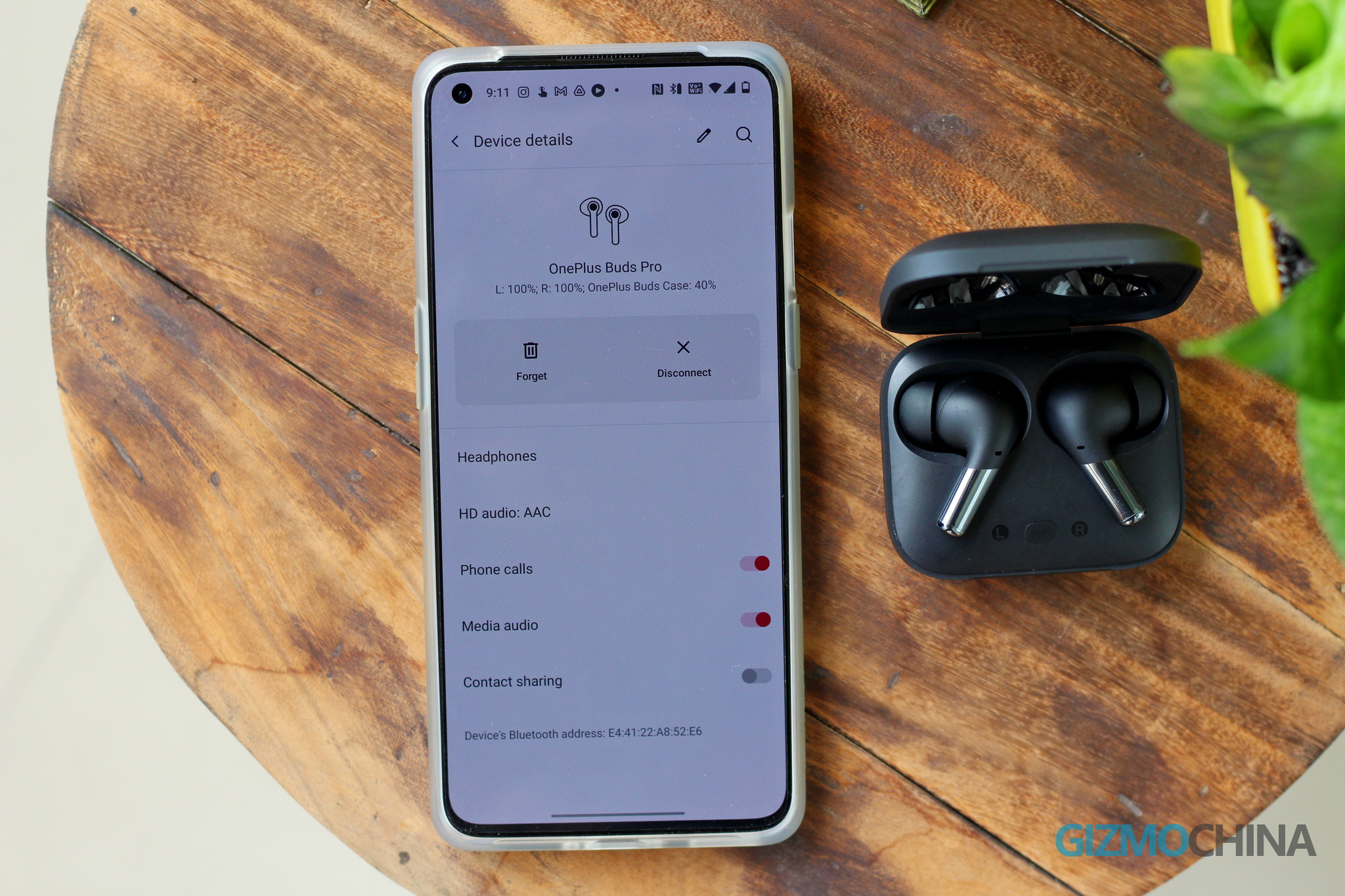
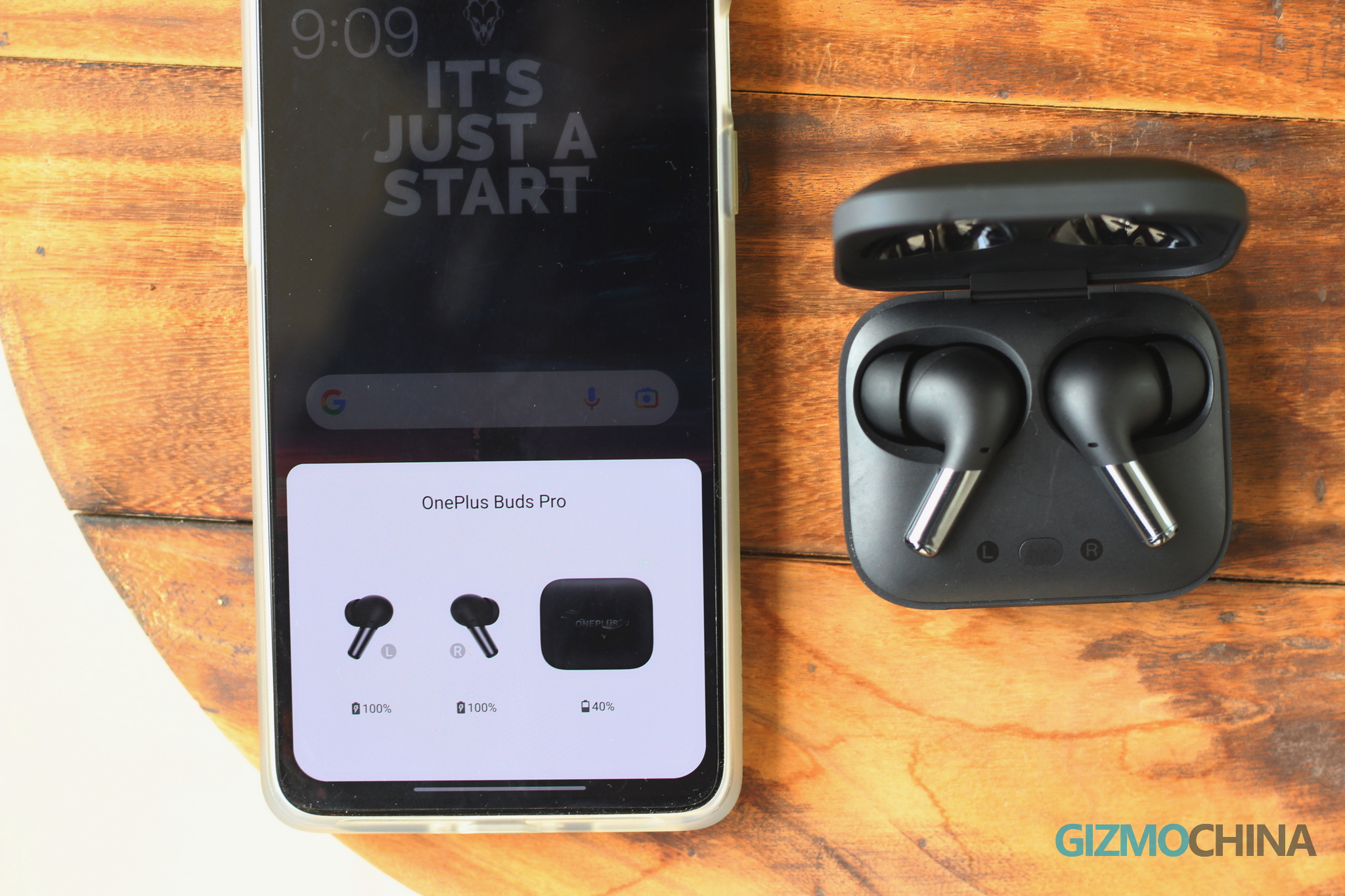
The earbuds come with Bluetooth 5.2 support. If you are using a recent OnePlus smartphone, you can take advantage of Fast Pairing and the settings for the earbuds can be found right inside your Bluetooth menu. For others, you can go through the usual pairing process and the experience is pretty smooth. Further, you can download and install the Hey Melody app on non-OnePlus devices to tweak the earbuds settings.
I have paired my Buds Pro to an iPhone and a OnePlus device, and the connectivity and range are similar on both models. I would also like to point out that the OnePlus earbuds have a pretty good range, and it’s as good as my AirPods Pro.
The three microphones are good enough for voice and video calls. It’s not as clear as some premium earbuds in the market, but you shouldn’t have any major issues while talking through these earbuds.
OnePlus Buds Pro review: Verdict
OnePlus seems to have finally nailed it with the Buds Pro in this competitive earbuds landscape. The company’s decision to focus on the low-end grunt with its new earbuds helps it stand out from its competitors. A balanced output would have been good, but it’s already being offered by a lot of earbuds in the same price range.
The OnePlus Buds Pro focuses on being more fun and bassy, and will definitely cater to a set of audience who likes an immersive, exciting music experience every day.
What I miss though is an equalizer, which would have added a much wider sound range to these earbuds. Another drawback is the lack of support for other codecs like aptX and aptX HD.
But overall, I would recommend the OnePlus Buds Pro to anyone who loves a punchy, bass-heavy sound output, more so if you are an existing OnePlus user.
Note that in India, the OnePlus is offering a couple of Bank discounts on the Buds Pro as a part of its festive offers. Customers can get up to ₹1000 OFF via Kotak Mahindra Bank and ICICI Bank cards when purchasing it from OnePlus.in or authorized OnePlus retailers like OnePlus Experience store, Reliance Digital, Croma, Vijay Sales, Poorvika Mobiles, Sangeetha Mobiles, Bajaj Electronics, and other partner stores. If you are purchasing it from Amazon.in, you can get an instant 10% Bank discount using your HDFC card between October 2 to October 10.
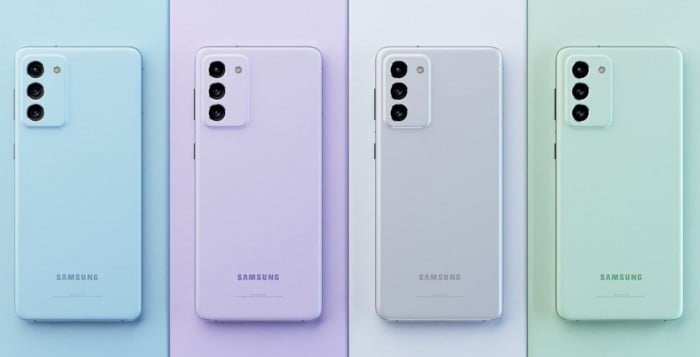
The launch of the Samsung Galaxy S21 FE is still unclear. While various rumors believed that it would be launching soon, recent reports have stated otherwise. Now, new information has suggested that the smartphone will be arriving in January 2022.
Galaxy S21 FE
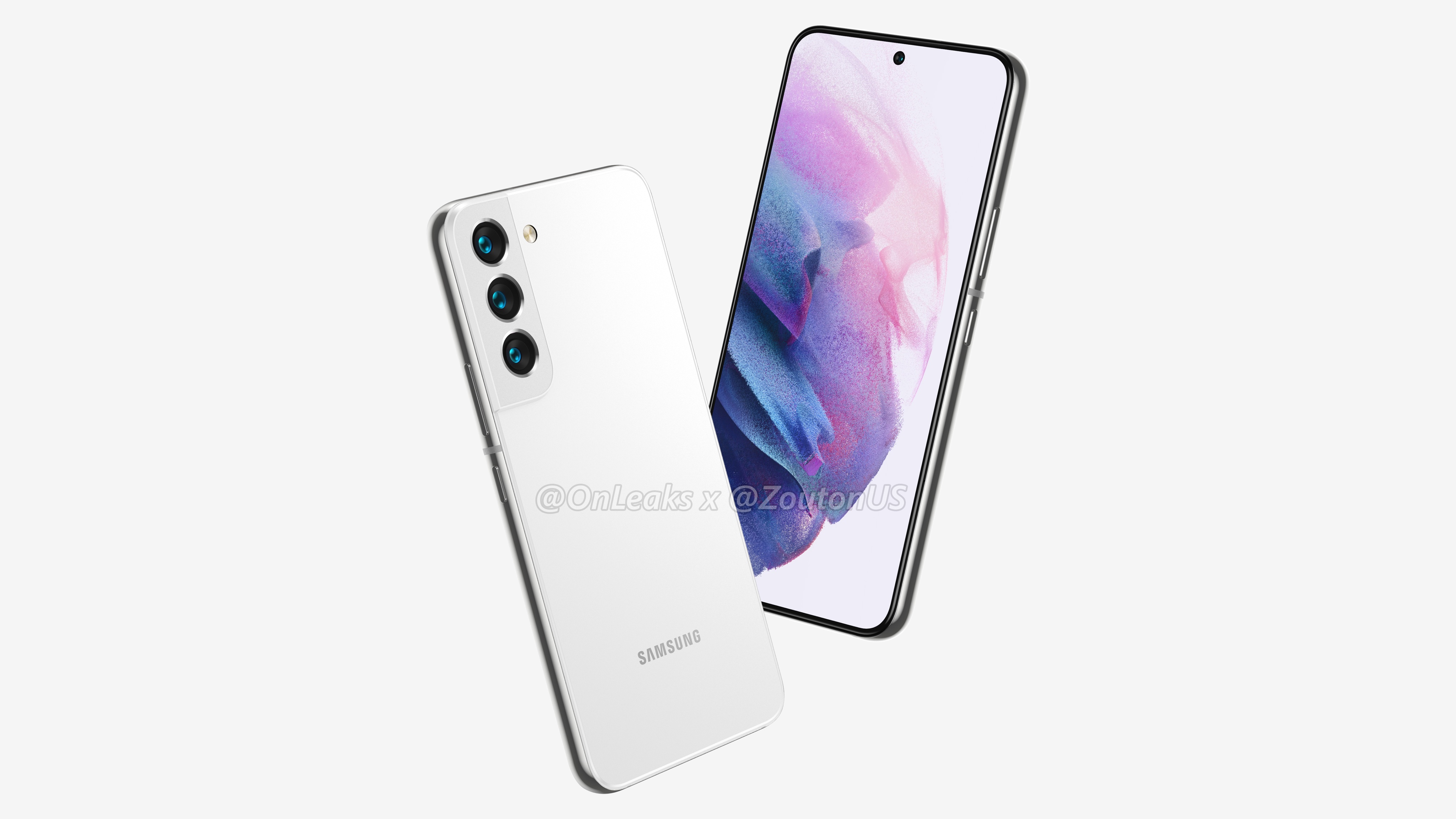
According to a SamMobilereport, the South Korean tech giant will be launching the Galaxy S21 FE in January 2021. However, the device won’t be announced in a major event or even a virtual Unpacked conference, rather it would quietly launched through a simple press release. On the other hand, this implies that the launch of the Galaxy S22 series, which was previously expected to launch in January, will likely be delayed.
It is highly unlikely that Samsung would launch to high end smartphones alongside each other, so a minimum gap of a month can be expected between the two releases. Notably, the report added that the Galaxy S21 FE might only be availability might be limited at launch, with some nations receiving units in January while the rest might face further delays for its sale.
Galaxy S22 Render
As of right now, the global chip shortage is expected to be the primary reason for the delayed launch of the Galaxy S21 FE. But a delay in the plan could be good for the company as it would be able to secure more chips for its next gen flagship lineup. Furthermore, Samsung might even conduct an Unpacked event for the Galaxy S22 series prior to MWC 2022 that is set to start from February 28. Although, this is still unconfirmed so take this report with a pinch of salt for now.
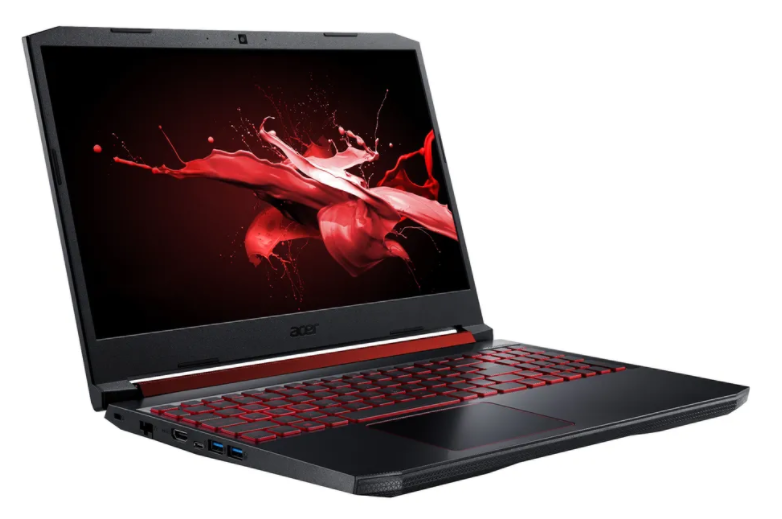
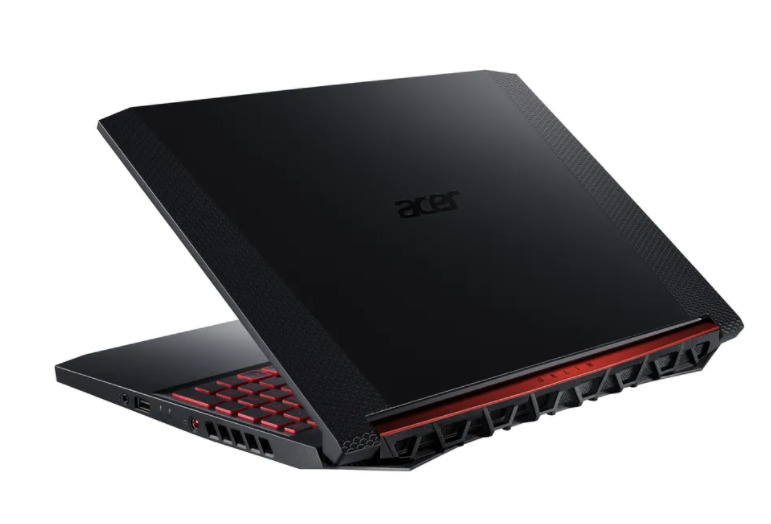
Acer has launched a new gaming laptop under the Nitro 5 series. The new Acer Nitro 5 comes with a 17.3-inch, 1080p display, 144Hz display refresh rate, and will have the Intel Core i7 11th Gen processor. The graphics chip for the new model is the Nividia’s RTX 3050 Ti, although the maximum graphics power and CPU model have not been specified yet.
The new model has a few tweaks from the earlier released Nitro 5 this year although it still retains its red and black design with edges that taper off. There is also the full-sized keyboard and the barrel plug charger can now be plugged on the side of the laptop instead of the back previously.
The Acer Nitro 5 gaming laptop will be priced at $1,199.99. It offers 16 GB of RAM and 1 TB of internal memory, which is a decent offering for a gaming laptop priced on the high end of the spectrum. The 17.3-inch Nitro 5 gaming laptop has an Ethernet port, a Thunderbolt 4 port, three USB-A ports, HDMI, a 3.5mm headphone jack, and a Kensington slot.
The new Acer Nitro 5 gaming laptops will be available mid-October and will hope to have a great effect on the gaming community, given its impressive features. A smaller model is also scheduled for release in mid-October. The smaller model is priced at $769.99 and has a 15.6-inch screen with a 144Hz display refresh rate. It is powered by the 11th Gen Intel Core i5 processor, 8 GB of RAM, and 256 GB SSD, with a Nividia Graphics GTX 1650 chip. The model also has similar ports to the 17.3-inch Nitro 5. Of course, the smaller model has reduced capacity across several aspects and will yield a much-reduced gaming experience.
Xiaomi India announced today that it has managed to sell over 2 million smartphones in just 5 days of the festive sales across Mi.com, Amazon’s Great Indian Shopping Festival, Flipkart’s Big Billion Days, and offline channels. All in all, the company recorded a 10x growth in the premium segment of above Rs. 20,000 when compared to last year. This has been made possible due to the ridiculously low rates offered as part of the ‘Diwali With Mi’ initiative.
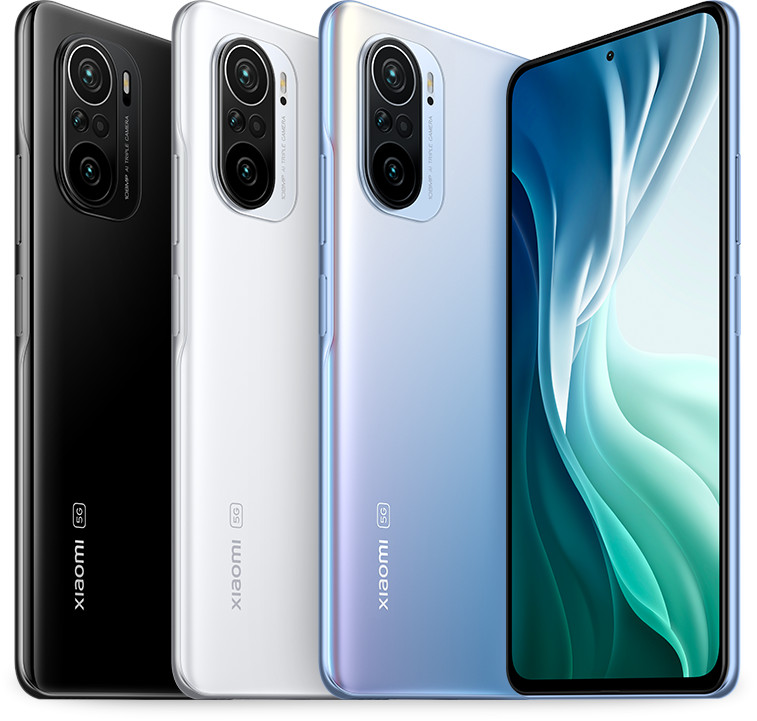
The company only recently launched the Xiaomi 11 Lite 5G NE and has been selling it for as low as ₹23,499 on Amazon, offers included. The Xiaomi Mi 11X has also seen major price cuts and currently sells at just ₹19,499 (again, offers included), which is down by over ₹10,000 from its regular rate of ₹29,999. A Snapdragon 870 chip paired with all of the other goodies that the device offers make it a must-buy.
The aforementioned is only a part of the more premium segment though and Xiaomi has also been shining in the budget segment. Offerings like the Redmi Note 10S, Redmi Note 10 Pro, and Redmi 9 series in the mid and budget segment also have a major role to play in helping Xiaomi reach the 2 million mark.
In addition, the company also has hourly deals coupled with exciting quizzes and bundle offers for consumers to get their hands on.
Marking the occasion, Raghu Reddy, Chief Business Officer, Mi India said, “At Xiaomi India, our top priority is to enable ‘Innovation for everyone.’ We thrive on offering products that are driven by technological innovation underpinned by great design that can help enhance the consumer’s product experience, lifestyle, and overall well-being. We are always focused on meeting our consumers’ and fans’ expectations by offering innovative products across myriad other categories.”
“We are extremely proud to see the amount of love, appreciation, and response that our fans and consumers continue to show us. Achieving such milestones helps us to push the boundaries of technological innovation and elevate the consumer’s smartphone experience with every product,” he added.
Earlier this year, the Vivo V21 series was launched in India, and included the V21e and V21 5G. While the base variant was available in three colors, namely Sunset Dazzle, Arctic White, and Dusk Blue, a new report has suggested that the company is planning on launching a new color variant of the device.
According to a MySmartPrice report, the Chinese smartphone maker will be launching the budget premium grade smartphone that costs under 400 US Dollars in a new color variant in India. As per sources close to the matter, the company is aiming on launching a new Neon Spark color of the V21 5G. Notably, the report has also shared an official poster image of this new color option that showcases the upcoming variant.
Looking at this poster, the overall design of the V21 5G Neon Spark version is the same with just a new paint job. Unfortunately, it is currently unknown at what price the upcoming version will launch for in the region, but it should be around the price tag that the device is sold in, as of right now. The 8GB + 128GB version is priced at 29,990 INR (roughly 400 US Dollars), while the higher end 256GB version costs 32,990 INR (roughly 440 US Dollars).
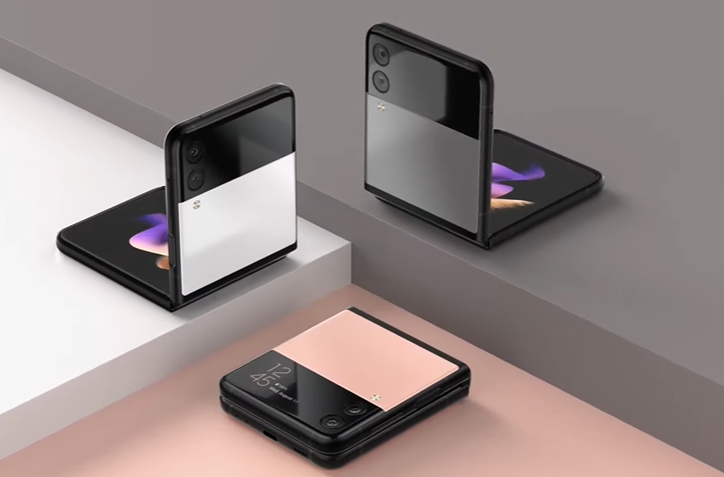
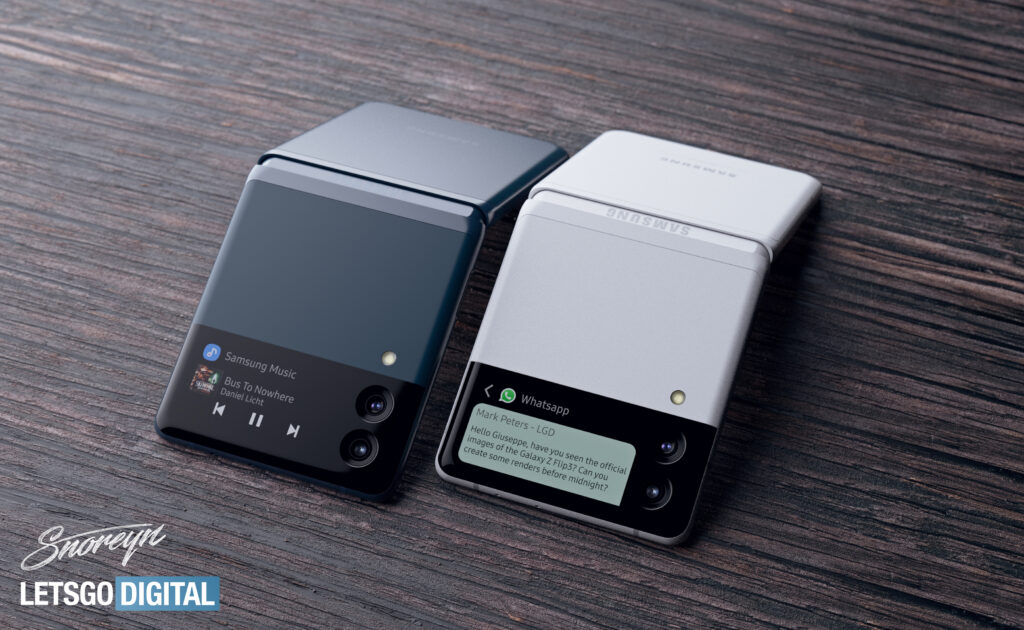
Samsung has taken extra precautions against false warranty claims for its Galaxy Z Flip 3 thanks to the implementation of an elaborate system that logs all acceleration-based free-fall events. Samsung engineers can then use these logs to determine if a phone has been dropped from a height over 1 meter or not, and verify if the damage is to be covered under warranty.
However, it is worth mentioning here that Samsung’s service centers seem to exhibit a varying degree of leniency when it comes to repairs (via: SamMobile). This is apparent from the various reports from Galaxy Z Flip 3 users.
In one of the cases, Samsung was willing to repair the phone under warranty even after engineers determined that the device in question was dropped three times, with the last drop taking place 10 hours before the screen broke.
Of course, not everyone will be as lucky as the said user, which is why it is advisable to exercise a degree of precaution. If you have a habit of tossing your phone onto the couch or mishandling it, then you can face difficulties trying to make a warranty claim in the event of an accident. After all, all of the free-fall data is likely being logged.
What remains unknown here is if the Galaxy Z Fold 3 logs regular accelerometer data as well – the kind that has not been triggered by falls. There does not seem to be any evidence of that but we’ll keep you posted if we come across anything as such.
In other news, Samsung has introduced the world of Material You colors with the latest Android 12-based One UI 4.0 beta 2 update. Head here to know more.
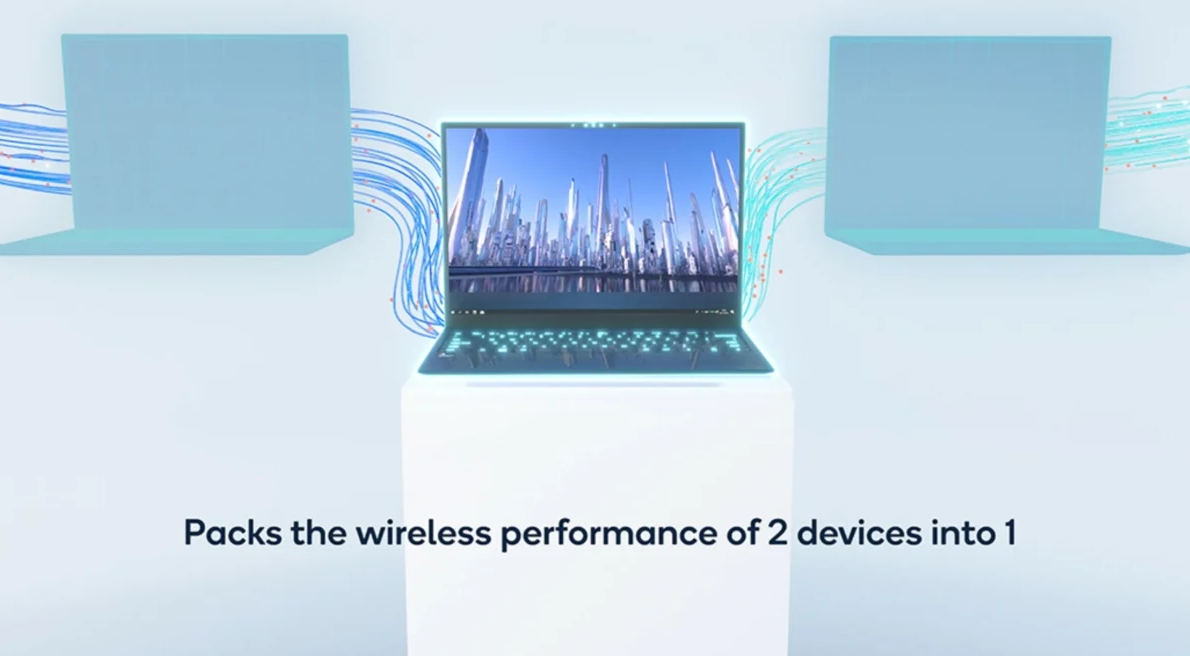
Earlier this week, Qualcomm announced that its latest FastConnect 6900 WiFi system on the latest Microsoft Windows 11 operating system will ‘redefine’ wireless networking performance on PCs.
The American chipmaker announced the new chip that is built on a WiFi Dual Station design, which uses Qualcomm’s 4 Stream Dual Band Simultaneous. In simpler terms, the chip users multiple WiFi Bands and antennas at the same time to offer better performance over the conventional single band connection. Meaning, it uses both the 2.4GHz and 5GHz (or even 6GHz) together, which allows it to address the latency issues in one band on a system level.
Tests conducted by Qualcomm with retail WiFi 6 Access Points using WiFi Dual Station with the company’s 4 stream Dual Band Simultaneous managed to deliver a jitter free gameplay that is similar to Ethernet level latency and reliability. Furthermore, when compared to Single Station WiFi, the new chip managed to deliver latency four times lower than the conventional wireless counterpart. In other words, the results showcase that it would be great for PC gamers on Windows 11 laptops.
Microsoft officially stated that “Microsoft is pleased to bring ‘WiFi Dual Station’ to the Windows 11 ecosystem, enabling our Windows OEMs and ecosystem leaders to deliver low latency performance on the latest WiFi hardware. Games and other latency sensitive applications can now leverage two concurrent WiFi connections providing best in class user experiences.” The company further added that “This unique collaboration with Microsoft was essential in realizing the promise of Windows 11 with Qualcomm Technologies’ latest WiFi 6E 4 stream Dual Band Simultaneous devices. Through focused collaboration, we address today’s unprecedented wireless challenges and dramatically extend these premium capabilities to the entire ecosystem.”
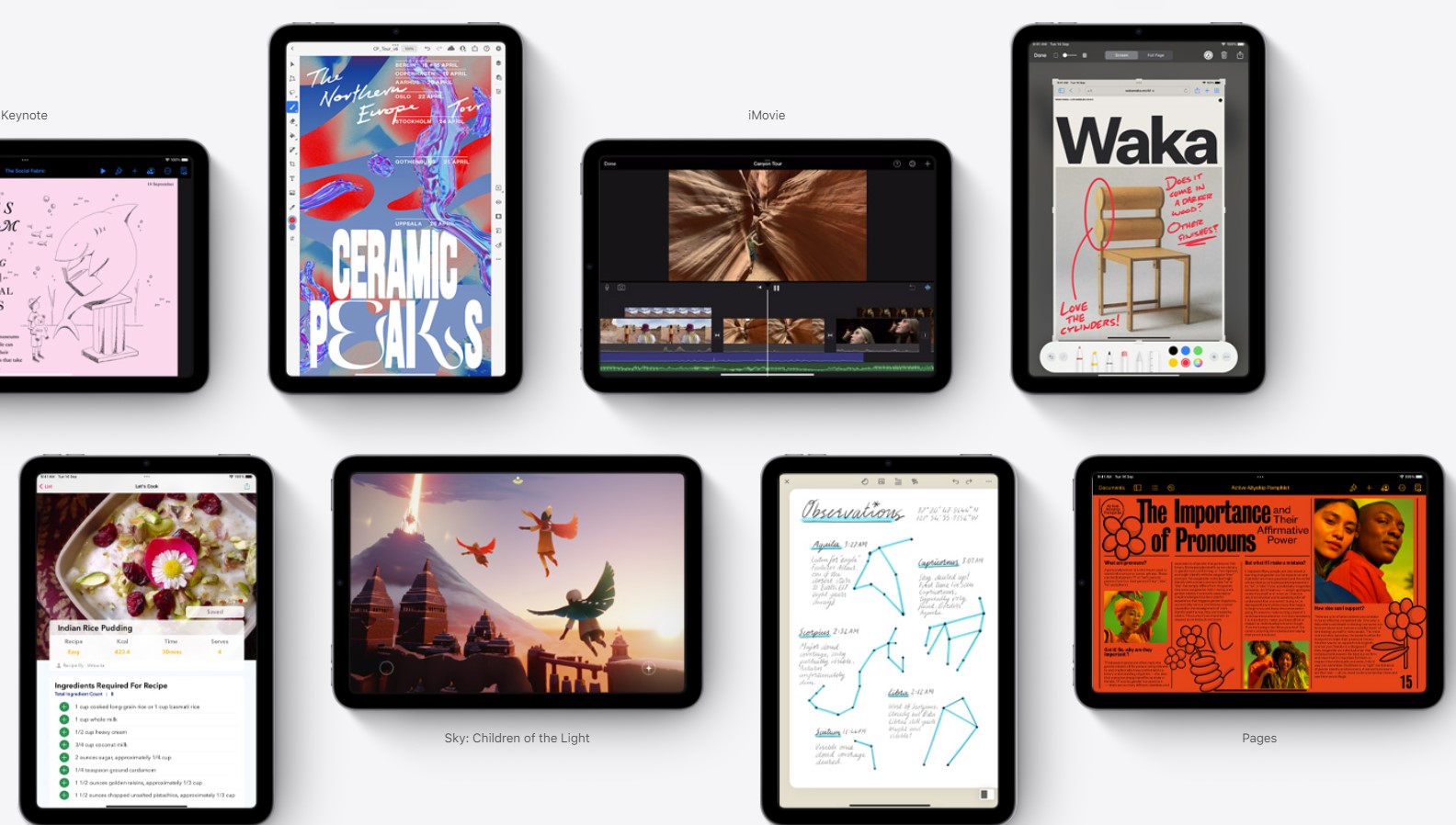
The Apple iPad mini 6 had just recently hit the stores. But, users of the new tablet started noticing a jelly scrolling effect on its display soon after its sale. Now, the sixth generation of iPad mini is facing additional issues related to its display.
The Cupertino based giant claims that these issues are normal and not caused by hardware defect. However, various users are also reporting other issues with their iPad mini 6’s LCD panel, which includes the discoloration and distortions. As per a users on Reddit(Via 9To5Mac), some units of the latest iPad mini 6 have been facing a manufacturing defect with the 8.3 inch Liquid Retina LCD display. The Reddit user found that he faced some distortion and discoloration when touching the screen with the iPad in portrait orientation.
Furthermore, the user found that the issues apparently become more noticeable when the iPadOS is set to dark mode and when the screen is touched with slightly more pressure than usual. He further added that even after receiving a replacement unit from Apple, the new iPad still suffered from a similar issue. Reportedly, the company;s retail employee told the customer that it wouldn’t be surprised if the firm announces a recall for the iPad mini 6 due to its display.
As of right now, the issue does not appear to be too widespread and might just be a hardware issue on a smaller scale. But, a few other users on Reddit have also managed to replicate the distortion issue on the iPad mini 6’s LCD panel. Those suffering from this issue can take their iPads to an Apple Store or Repair Center to ask for a replacement unit. So stay tuned for more updates regarding this matter.
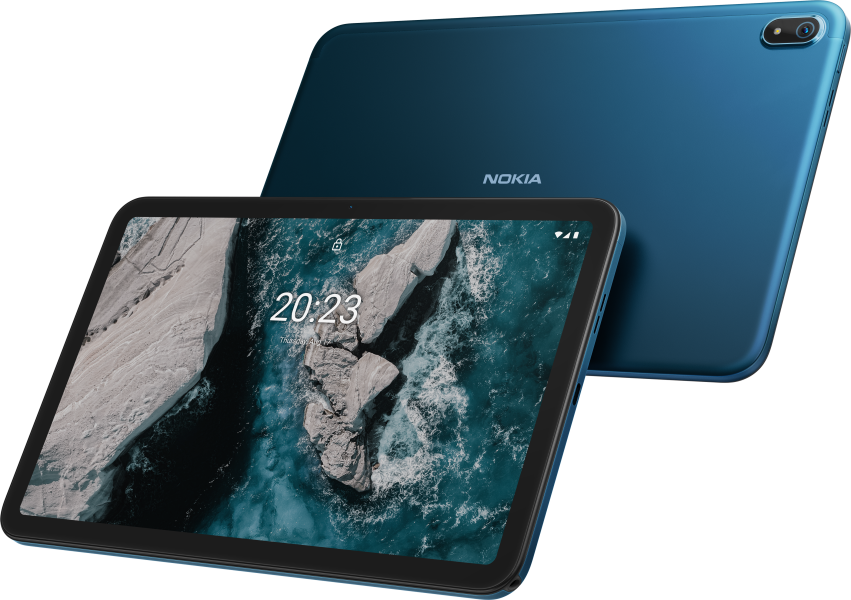
The last Nokia tablet was the Nokia N1 released in November 2014. After almost seven years and under new owners of the Nokia Mobile brand, a new model dubbed the Nokia T20 has arrived.
The Nokia T20 is the first Android tablet from the Finnish company, HMD Global Oy, which currently owns the license to make and sell Nokia-branded mobile devices. The new tablet has a familiar design language which we have seen on Nokia smartphones launched from the manufacturer. It also comes with all the software features associated with the brand.
Nokia T20 Design
With respect to its design, the Nokia T20 isn’t a cheaply made device. The back is covered in aluminum with a sandblasted finish and the device has an IP52 rating. Up in front is a large display surrounded by not-the-slimmest of bezels. The corners of the tablet are rounded which should make it more comfortable to hold for long. The spec sheet says it is 7.8mm thick and weighs 465 grams. At launch, the Nokia T20 will be available in a single colorway – Deep Ocean.
Nokia T20 Specifications
The display of the tablet measures 10.4-inches and it has a 2K (1200 x 2000) resolution and a 5:3 aspect ratio. Nokia says there is toughened glass protecting the display but doesn’t reveal the brand. The screen has a brightness boost feature, SGS low blue light certification, and a brightness level of 400 nits.
Powering the Nokia T20 is the Unisoc T610 processor – an octa-core chip with two Cortex-A75 cores clocked at 1.8GHz and six Cortex-A55 cores clocked at 1.8GHz too. There is 4GB of RAM and the 64GB of storage can be expanded by up to an additional 512GB via a MicroSD card slot.
A single 5MP camera sits in front and it is positioned at the top bezel in landscape mode. On the back is an 8MP camera along with an LED flash which may come in handy when you want to shoot or record in low-light.
The Nokia T20 has stereo speakers with a powerful amplifier, FM radio, and Nokia’s signature OZO Audio technology. There are two microphones too. There is no fingerprint scanner but you do get Face Unlock.
Under the metal back is an 8200mAh battery with support for 18W fast charging. The manufacturer claims users should be able to get up to 10 hours of movies or 15 hours of web surfing on a single charge. Unfortunately, you won’t be able to charge at the maximum supported rating as the charger bundled with it maxes out at 10W. Charging is via USB-C and there is an audio jack too.
The Nokia T20 ships with Android 11 out of the box with Google Kids Space and Google Entertainment Space. Nokia says it will receive two years of OS upgrades which means it should get upgraded to Android 12 and Android 13. It will also receive 3 years of monthly security updates while the enterprise edition will get 4 years of security updates.
Nokia T20 Price and Availability
The Nokia T20 is priced at £199.99 f(~$271) or the 4G version which has a Nano SIM card slot while the WiFi version is priced at £179.99 (~$244). You can pre-order starting today but it won’t ship until October 11.
If you pre-order the tablet, you get 50% off the Nokia T20 Rugged Case priced at £39.99 or the Rugged Flip Cover priced at £49.99.
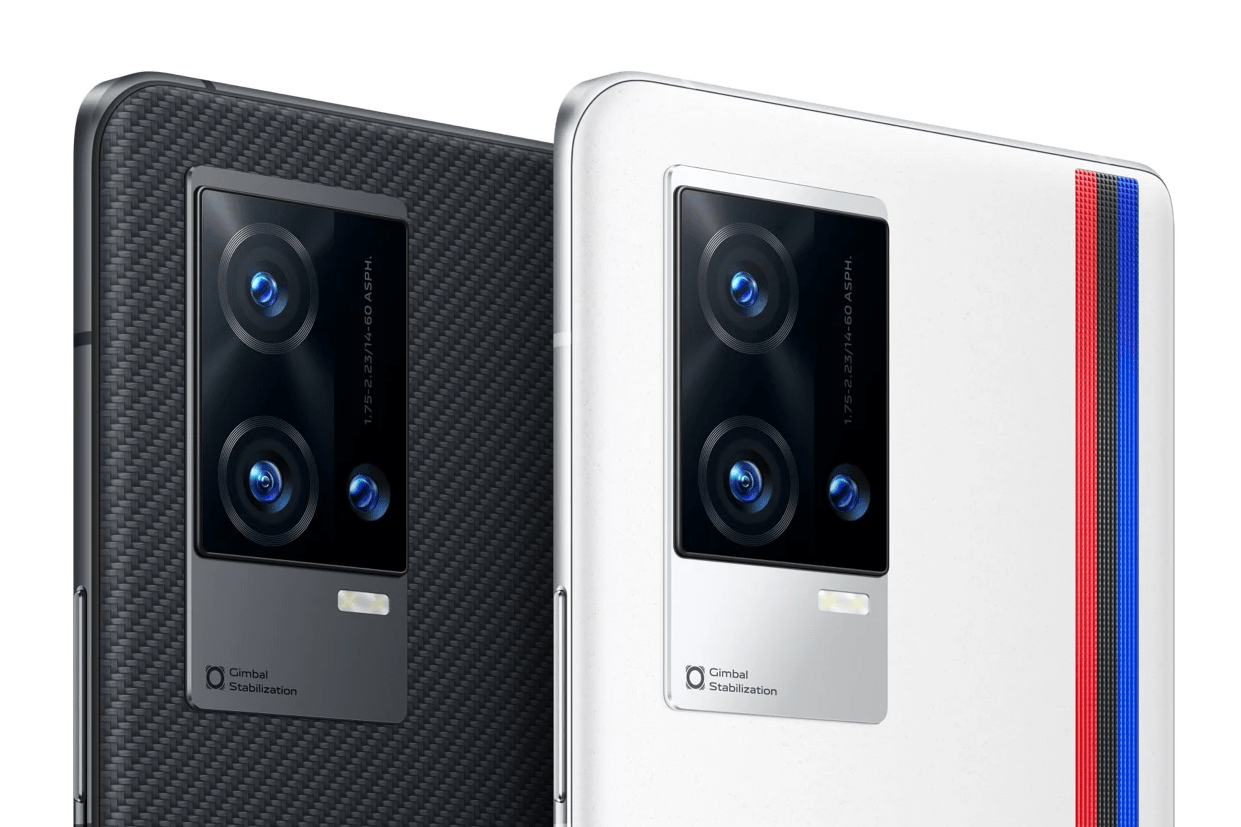
The iQOO 8 series launched in China in August. The devices are expected to make their way to international markets as well. According to a new report, one of the models in the lineup is heading to India as early as this month.
As per a report by 91Mobiles citing industry sources, iQOO 8 Legend will launch in India by the end of October or early November. In other words, it will go official in the country ahead of Diwali festive season.
The iQOO 8 Legend is said to be a rebranded version of the iQOO 8 Pro sold in China. That’s because the iQOO 7 Legend available in India is nothing but a rebadged iQOO 7 BMW M Motorsport Limited Edition from China.
Hence, we can expect features like a 6.78-inch Samsung E5 LTPO AMOLED display with a resolution of 1440 x 3200 pixels, a 120Hz refresh rate, 1500 nits peak brightness, and Dolby Vision. Then, a Qualcomm Snapdragon 888+ chipset, up to 12GB LPDDR5 RAM and 256GB UFS 3.1 storage, 50MP (wide, gimbal OIS) + 16MP (telephoto) + 48MP (ultra-wide) triple rear camera setup, and a 16MP front-facing camera.
Lastly, other features like an ultrasonic under-display fingerprint sensor, 5G connectivity, WiFi 6, 4,500mAh battery, 66W charging, wireless as well as reverse wireless charging (maybe), and Android 11.
The iQOO 7 Legend debuted in India at ₹39,990. Since the iQOO 8 Legend arrives with multiple upgrades, it should be slightly costlier.
On the tenth anniversary of Steve Jobs’ passing, industry heavyweights are sharing memories of the late tech visionary, with one from Michael Dell suggesting a prospective deal that could have changed history.
In an interview with CNET, Dell talked about his friendship with Jobs and his new memoir, “Play Nice But Win: A CEO’s Journey from Founder to Leader,” stating he first met the late Apple co-founder at a computer user group (via: Apple Insider). Sure, this bit of information has been public knowledge for a while now, but Dell has provided a new piece of info this time that Apple has kept under wraps.
Image: Apple Insider
Dell stated that he became friends with Jobs after he solidified his company’s position as a leader in the PC industry. He revealed that Jobs visited him several times in order to convince him to adopt the NeXT operating system. This was likely because the OS and its expensive workstation were not seeing the commercial success that was expected.
Dell declined the propositions citing a lack of software and consumer interest.
But it didn’t end there. Jobs resumed talks once again in 1997 upon returning to Apple as interim CEO after the struggling computer firm acquired NeXT. This time, he asked Dell to license a version of macOS, since Apple engineers had ported the OS onto an x86 machine.
That sure got Dell interested and he agreed on paying a licensing for every PC sold with macOS. However, Jobs was concerned that this would eat into Apple Mac sales, due to which he then proposed installing Mac OS and Windows side-by-side on all Dell computers. This would allow customers to choose which OS to use. Of course, Dell would pay Apple a cut of all computer sales.
Dell HQ today (By Jjpwiki – Own work, CC BY-SA 4.0)
This didn’t sit right with Dell because he would’ve had to pay Apple the fees even if his customers preferred Windows. Moreover, Jobs was unable to guarantee continued access to the software.
“It could have changed the trajectory for Windows and Mac OS on PCs,” Dell noted. “But obviously, they went in a different direction.”
Jobs and Dell were rivals in a competitive industry, and they would openly trade jabs. When asked in 1997 what he would do with the then-underwater Apple, Dell replied he would “shut it down and give the money back to the shareholders.”
Despite the public jabs and fierce competition, Dell emphasizes the two remained friends.
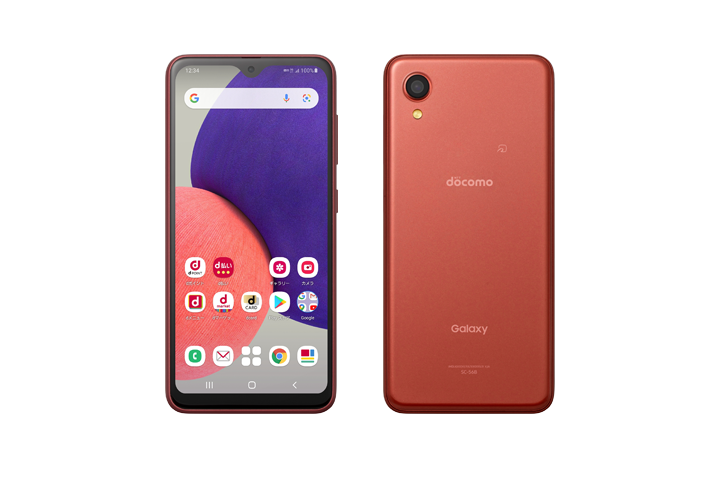
Samsung has launched the Galaxy A22 5G SC-56B in Japan. While it has a familiar name, its specifications and features are different from the Galaxy A22 5G that has been available in global markets for a few months.
Samsung Galaxy A22 5G SC-56B specifications and features
To begin with, the Galaxy A22 5G SC-56B features a compact-sized display of 5.8 inches. The TFT panel with teardrop notch delivers an HD+ resolution and the usual 60Hz refresh rate.
The 5G-ready phone is fueled by the Dimensity 700 chipset. It is packed with 4 GB of RAM and 64 GB of storage. For additional storage, the handset features a dedicated microSD card slot. It runs on One UI-based Android 11 OS.
Samsung Galaxy A22 5G SC-56
The Galaxy A22 5G SC-56B houses a 4,000mAh battery that carries support for 10W charging. It has a single rear camera of 13-megapixel with LED flash on its back panel. For selfies, it possesses a front camera of 5-megapixel. The Galaxy A22 5G SC-56B offers other features like IP68 rated chassis, Wi-Fi 802.11ac, 5G, Bluetooth 5.0, GPS, NFC, USB-C port, and a 3.5mm audio jack. It lacks a fingerprint scanner.
Samsung Galaxy A22 5G SC-56B price and availability
The Galaxy A22 5G SC-56B pricing is yet to be revealed. It is expected to go on sale later by mid-December in Japan through Docomo. It will be available in three colors such as red, black, and white. There is no word on whether the South Korean company will be releasing the Galaxy A22 5G SC-56GB outside Japan.
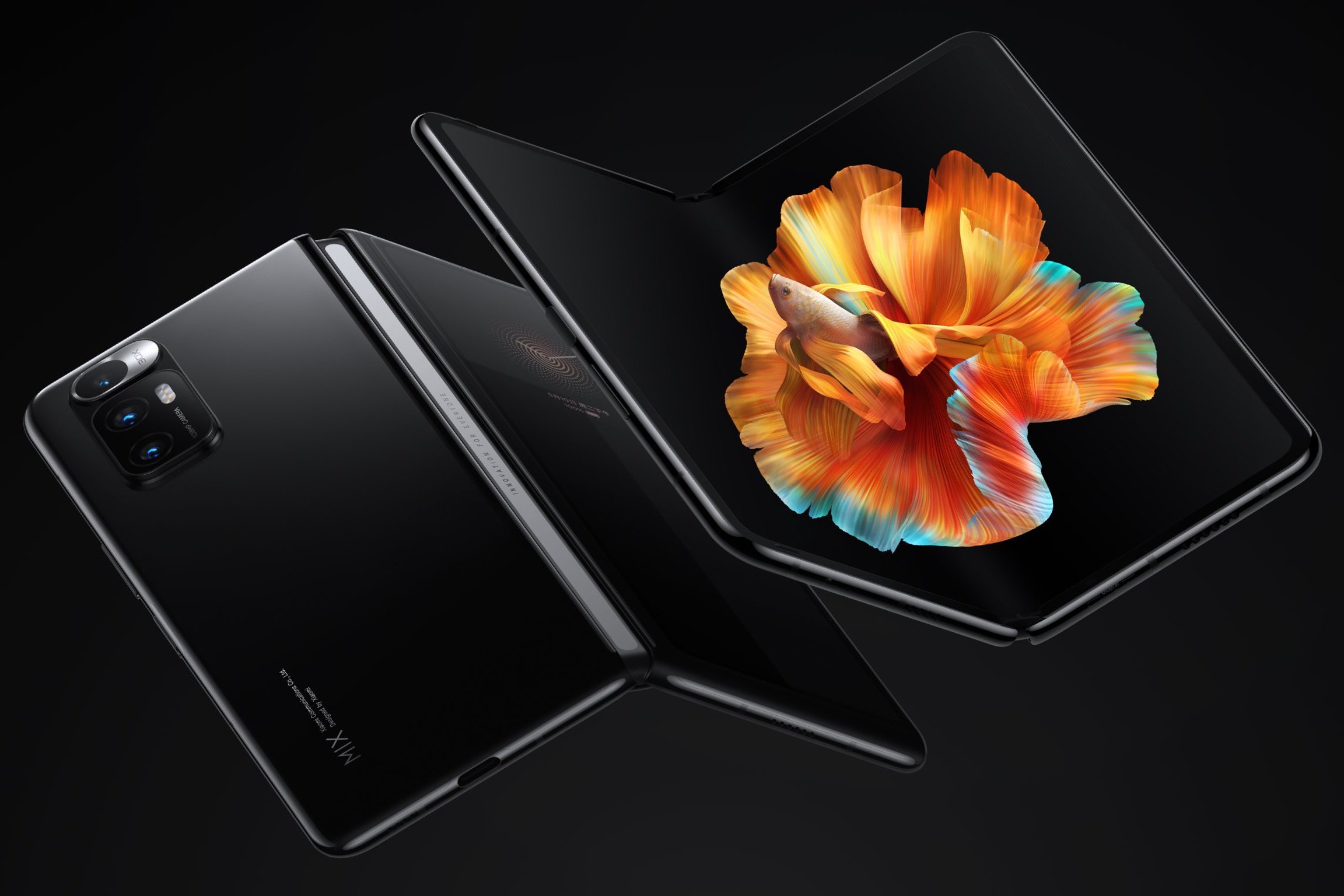
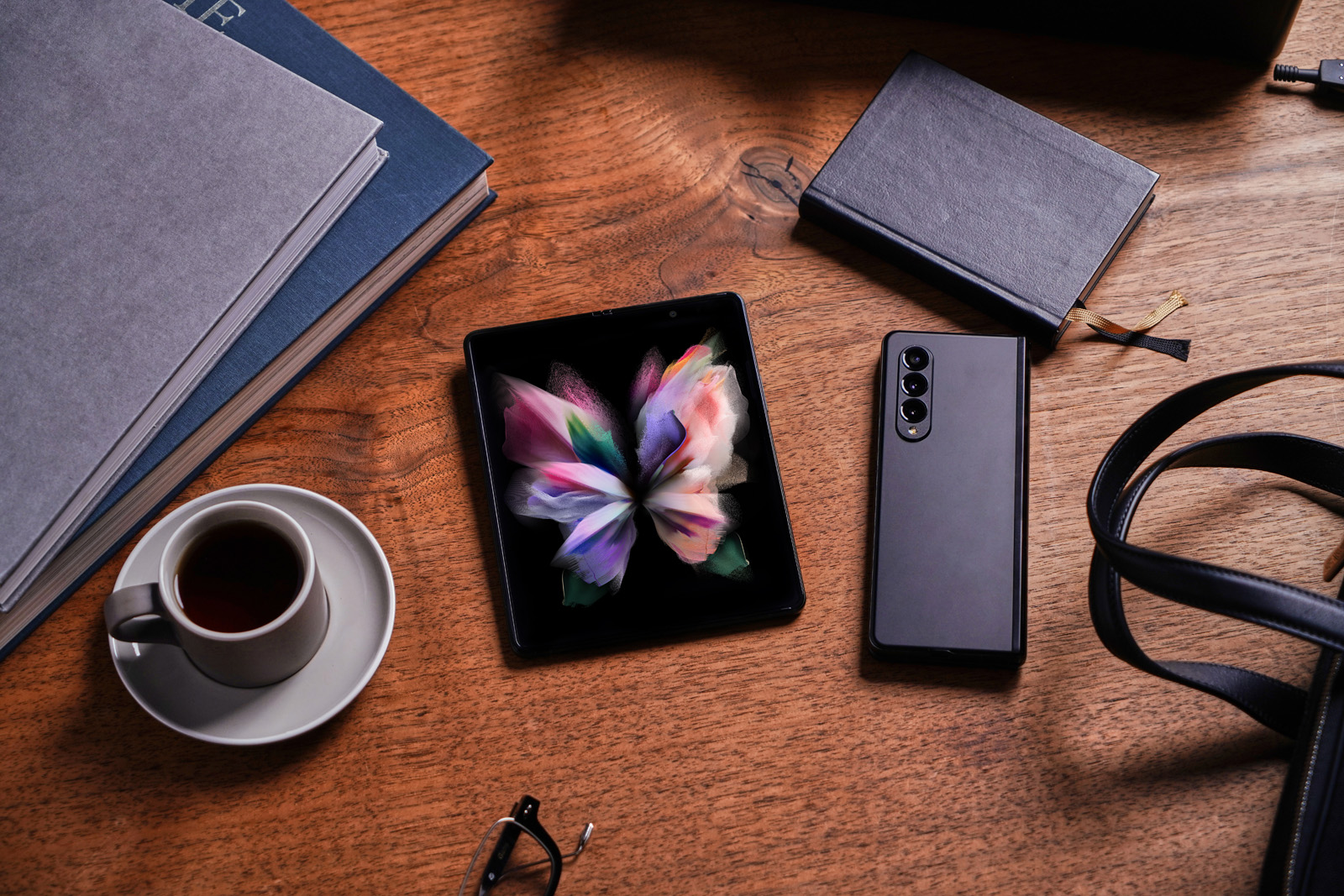
Earlier this year, Xiaomi had launched its Mi MIX Fold, which was its first foldable smartphone that had a form factor similar to the Galaxy Fold series. Now, a new report has suggested that the company is working on a new MIX Fold device that will rival the newly launched Galaxy Z Fold3 from Samsung.
Mi MIX Fold
According to tipster Bald Panda(Via AndroidAuthority), the Chinese tech giant is working on a new MIX Fold series device. However, the new foldable smartphone will be a refresh model rather than a MIX Fold 2. Furthermore, the tipster added that the new refresh version will sport a high refresh rate external and internal screens along with a 120W fast charging support for its large 5,000mAh battery pack.
Notably, the new MIX Fold will reportedly also feature an under display camera module on the front. This is quite a major upgrade over the 67W charging on the original MIX Fold, which also only had high refresh rate for its external screen. The addition of the under display camera is also a significant update, although, its implementation won’t exactly be an upgrade in terms of image quality.
Galaxy Z Fold3
Unfortunately, it is currently unclear as to when the company will launch such a device or whether it is actually working on this device or not. However, previous reports had suggested that a new foldable phone from the brand will be launching sometime in the fourth quarter of this year. Note that we had also compared the Mi MIX Fold and Galaxy Z Fold 3, so you can check that out as well.
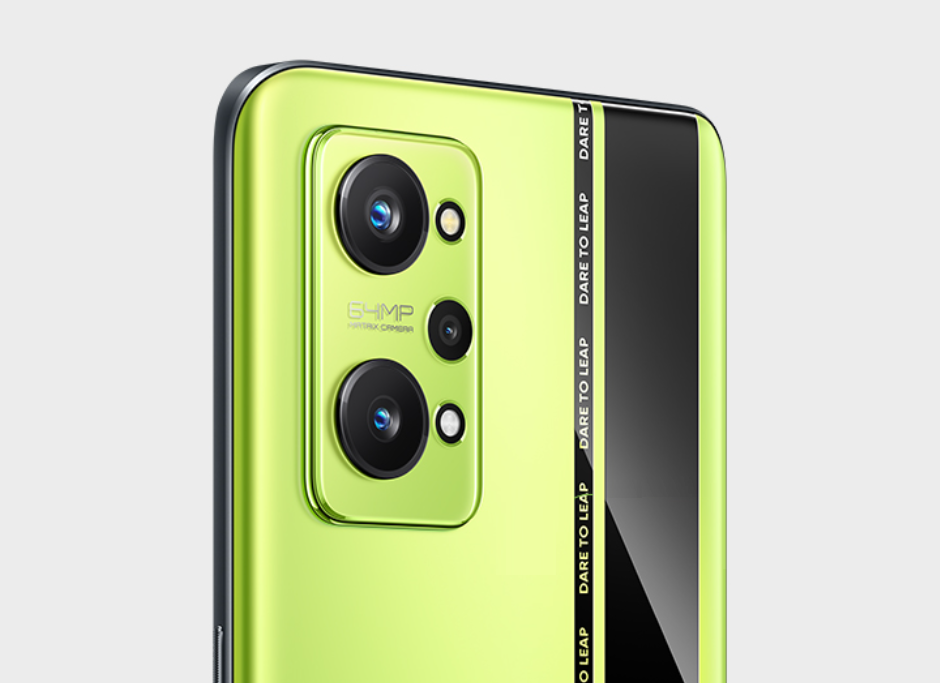
The Realme GT Neo 2 will be launching this month in India. Tipster Yogesh Brar has claimed that the smartphone will be launching within the next 10 days in the country. He has also speculated on the pricing of the device.
Considering the fact that the GT Neo2 will be equipped with the Snapdragon 870 flagship, it is unlikely to be priced under Rs 25,000 in the country. The tipster claimed that the GT Neo2 will match the launch price of the Realme X7 Max.
To recollect, the Dimensity 1200 powered Realme X7 Max was introduced in two variants back in May. The 8 GB RAM + 128 GB was the base model, which was priced at Rs 26,999. The higher model with 12 GB of RAM and 256 GB of storage was priced at Rs 29,999.
Realme GT Neo2
A recent leak claimed that the GT Neo2 will be coming to India in two options such as 8 GB RAM + 128 GB storage and 12 GTB RAM + 256 GB storage. In China, these models are priced at 2,499 Yuan (~Rs 29,000), and 2,999 Yuan (~Rs 34,800), respectively. Hence, it appears that Neo2’s base model may carry a sub-Rs 30,000 pricing in India.
The Realme GT Neo2 has a 6.62-inch FHD+ 120Hz AMOLED display, a 16-megapixel front camera, and a 64-megapixel triple camera unit. It further features the Snapdragon 870 SoC, LPDDR5 RAM, UFS 3.1 storage, and a 5,000mAh battery that supports 65W fast charging. It is likely to come pre-installed with ColorOS 12 based Android 11 and for security, it may feature a side-facing fingerprint scanner.
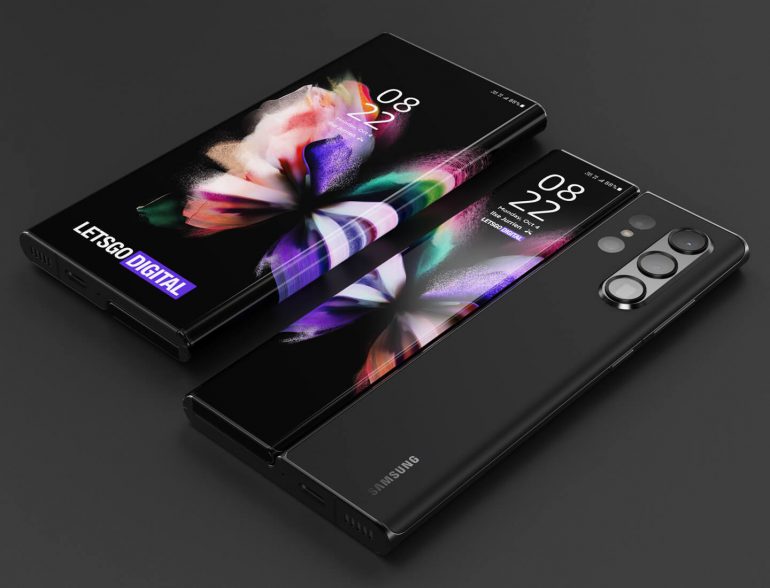
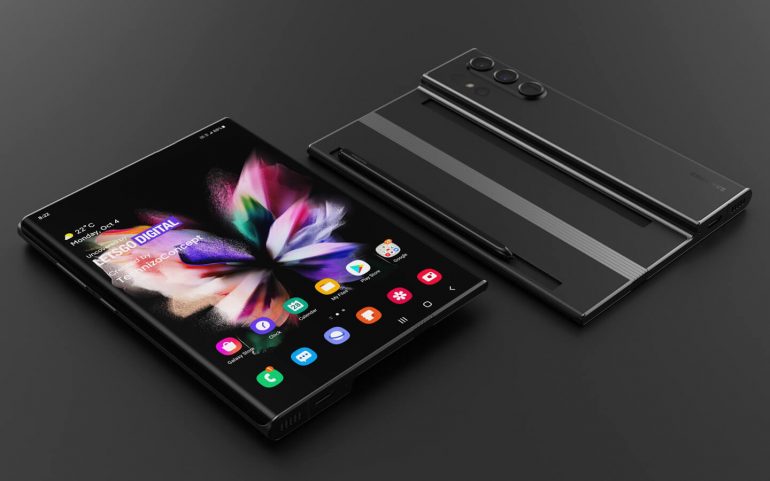
Back in September, we had reported on Samsung filing a trademark for a Galaxy “Flex Note” and a design patent for a large foldable smartphone that supports an S Pen as well. Now, a new 3D concept render based on this design has surfaced, with the device being dubbed as the Galaxy Z Fold Note.
According to LetsGoDigital, Technizo Concept made a series of 3D concept renders based on the patent images of the foldable smartphone patent. While the original patent mainly described the display and left out the finer details, the 3D concept features a complete camera module on the rear. We had initially called this device the Galaxy Flex Note based on the trademark, but the latest renders have been referred to as the Galaxy Z Fold Note.
Looking at the design of this handset, it becomes clear why “Note” is included in its name as it features support for an S Pen that has a unique housing. With the display being a foldable wrap around display that covers the back as well, the S Pen is housed in a small magnetic housing on the back of the display. So when the display is in its unfolded state, one can take out the S Pen to use it in its tablet form.
Meaning, the stylus is sandwiched in the display in its compact form. The wrap around display accounts for half of the total surface area on the back while the rear camera module houses multiple image sensors. As of right now, it is unclear if Samsung is actually working on such a product or is just covering all bases.
We use cookies on our website to give you the most relevant experience by remembering your preferences and repeat visits. By clicking “Accept”, you consent to the use of ALL the cookies.
This website uses cookies to improve your experience while you navigate through the website. Out of these, the cookies that are categorized as necessary are stored on your browser as they are essential for the working of basic functionalities of the website. We also use third-party cookies that help us analyze and understand how you use this website. These cookies will be stored in your browser only with your consent. You also have the option to opt-out of these cookies. But opting out of some of these cookies may affect your browsing experience.
Necessary cookies are absolutely essential for the website to function properly. This category only includes cookies that ensures basic functionalities and security features of the website. These cookies do not store any personal information.
Any cookies that may not be particularly necessary for the website to function and is used specifically to collect user personal data via analytics, ads, other embedded contents are termed as non-necessary cookies. It is mandatory to procure user consent prior to running these cookies on your website.