Last month, realme confirmed that it will be launching the realme 8i and realme 8s in India soon. A couple of days back, the release timeline for these handsets was leaked. Today, the brand has officially revealed their launch date.
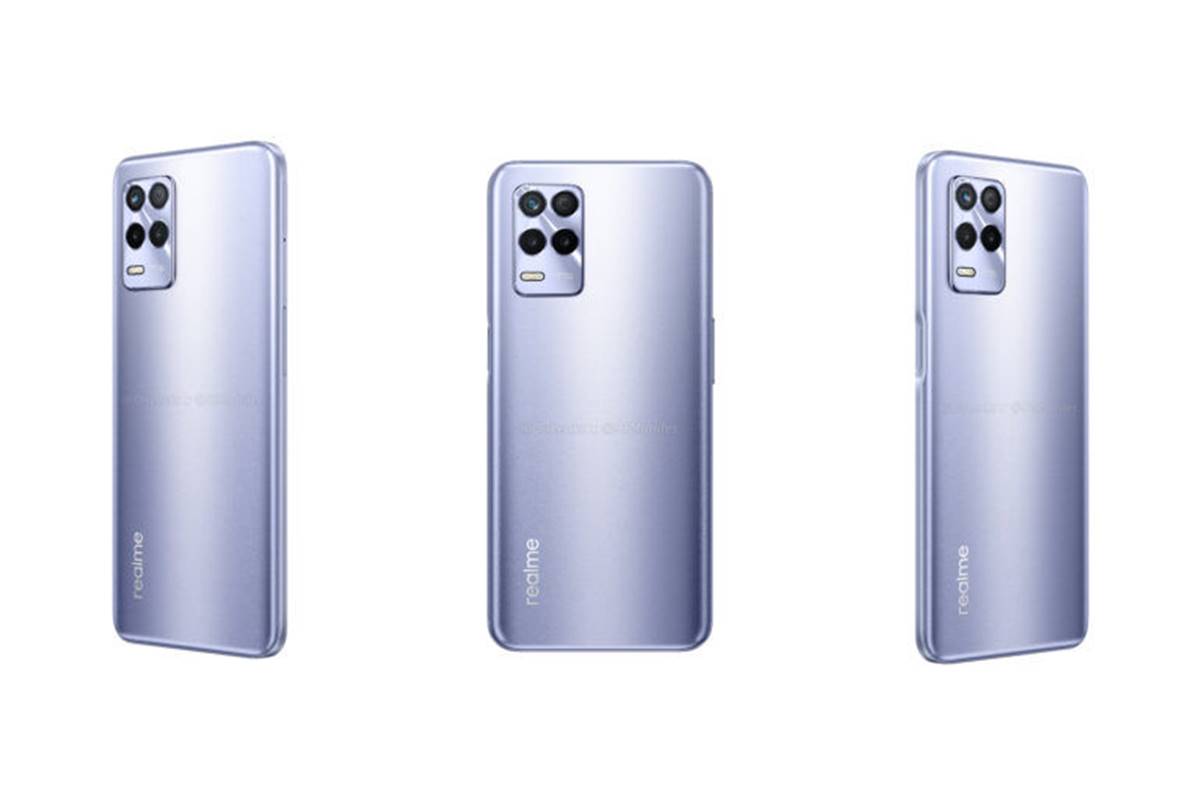
realme 8s
The upcoming realme 8i and realme 8s have been confirmed to launch in India on September 9. As per the landing page on Flipkart, the company might also debut the realme Pad at this event. Since all these products have leaked multiple times, we know almost everything about them.
The realme 8i will be a 4G-only smartphone powered by a MediaTek Helio G96 SoC. It will be the first handset with this chipset in India. On the other hand, the 5G-enabled realme 8s will be the world’s first smartphone with a MediaTek Dimensity 810 smartphone.
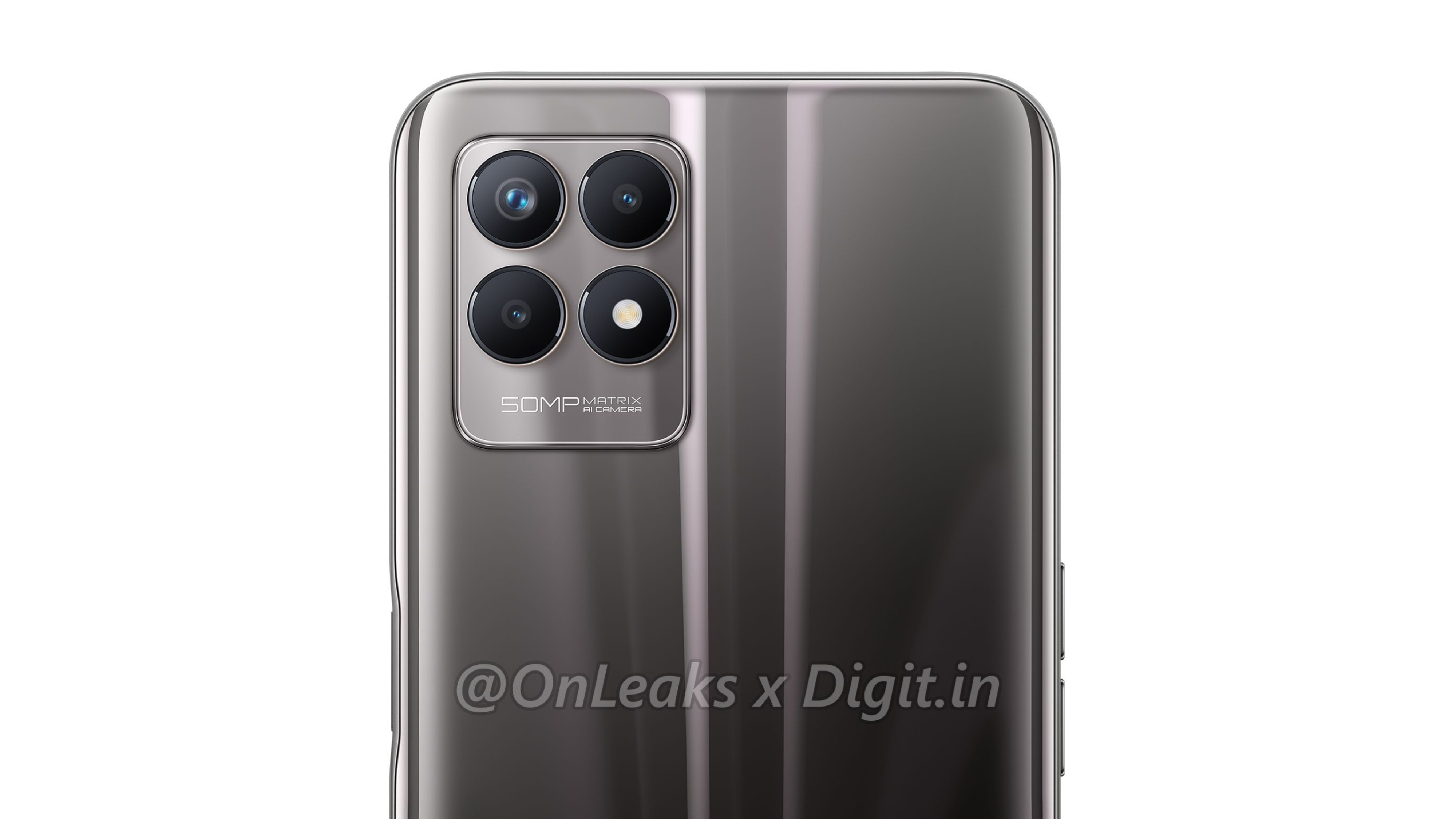
realme 8i
The duo will have a similar design as other models in the realme 8 series. This means they will have a plastic build with a matrix camera array at the top left corner on the back. You can learn more about their features from here (realme 8i, realme 8s).
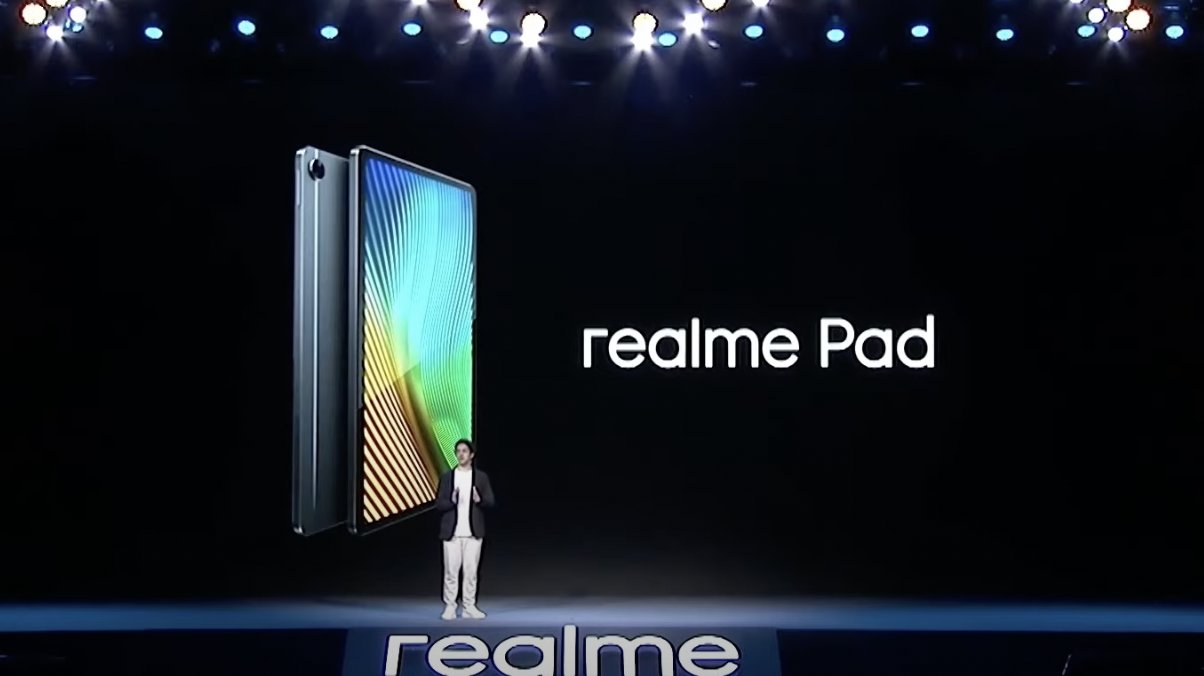
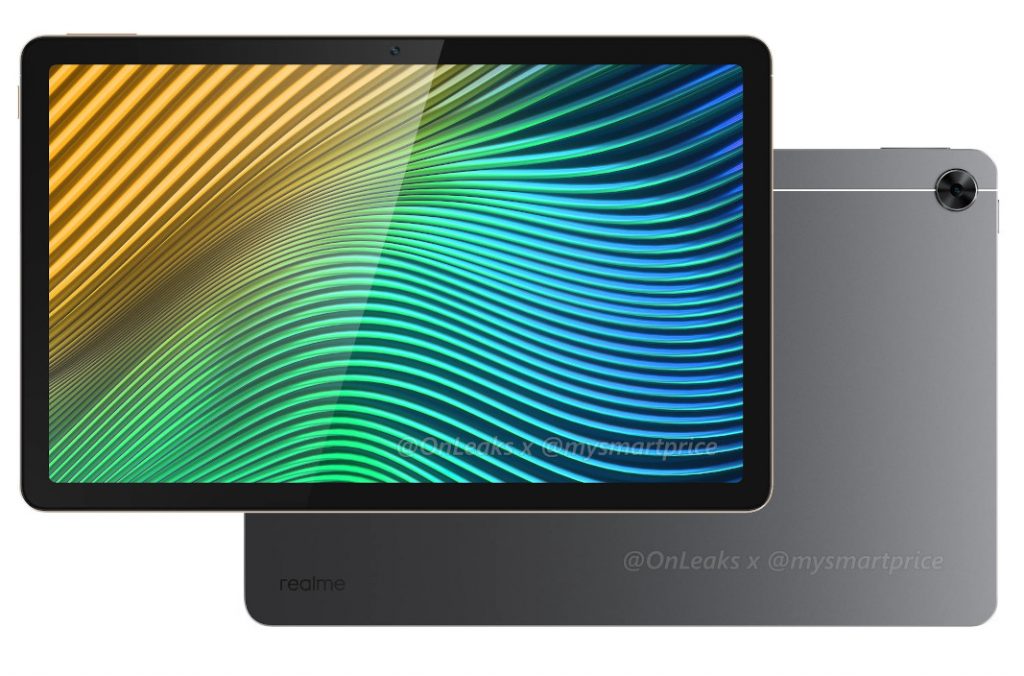
Apart from the phones, realme might also announce its first tablet at this event dubbed as realme Pad. As per recent reports, this device will be a budget tablet featuring a MediaTek Helio G80 SoC and a 10.4-inch AMOLED display.
realme Pad
Having said that, since these products will be unveiled officially next week, we expect to learn even more about them (including price) before the launch event.
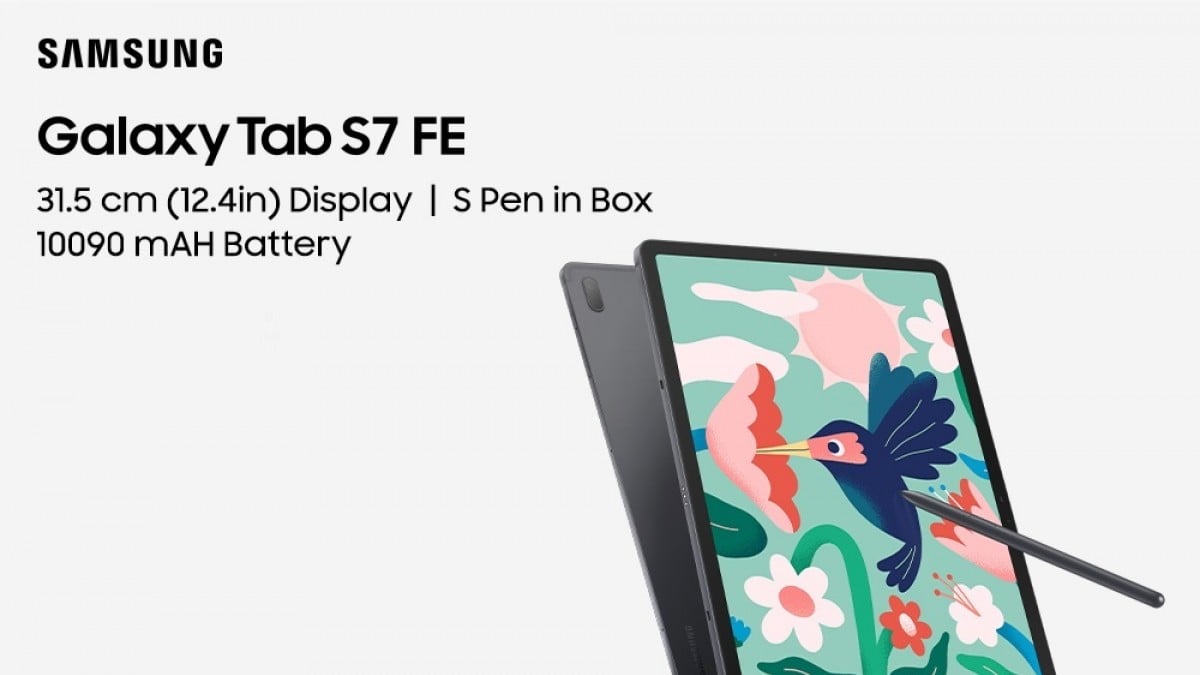
Samsung announced the Galaxy Tab S7 FE in June in India. At that time, it only introduced the LTE edition of the device. Today, the South Korean company has launched its Wi-Fi only version in the country. Here is all the information on the pricing and specifications of the tablet.
Samsung Galaxy Tab S7 FE (Wi-Fi) price in India
The Wi-Fi-only edition of the Galaxy Tab S7 FE has arrived in India in a single variant of 4 GB RAM + 64 GB storage, which is priced at Rs 41,999 (~$576). It comes in colors like Mystic Black, Mystic Silver, Mystic Green, and Mystic Pink. To recollect, the LTE edition of the Tab S7 FE comes in options such as 4 GB RAM + 64 GB storage and 6 GB RAM + 128 GB storage. These variants are priced at Rs 46,999 (~$644) and Rs 50,999 (~$699).
Customers of Tab S7 FE (Wi-Fi) can avail of offers like Rs 4,000 instant cashback from HDFC Bank, Rs 10,000 on keyboard cover, and an exchange offer of up to Rs 14,200. It is available for purchase through Samsung India’s online store and Amazon India.
Samsung Galaxy Tab S7 FE (Wi-Fi) specifications
The Galaxy Tab S7 FE (Wi-Fi) only edition has a 12.4-inch TFT screen that offers a resolution of 2560 x 1600 pixels. It runs on One UI 3.1 based Android 11 OS. It is backed by a 10,090mAh battery that supports 45W fast charging. The retail box of the device has a 15W charger and an S-Pen stylus.
The Tab S7 FE is powered by the Snapdragon 778G chipset. It comes with 4 GB of RAM and 64 GB of storage. For photography, it features a rear camera of 8-megapixel and a front camera of 5-megapixel.
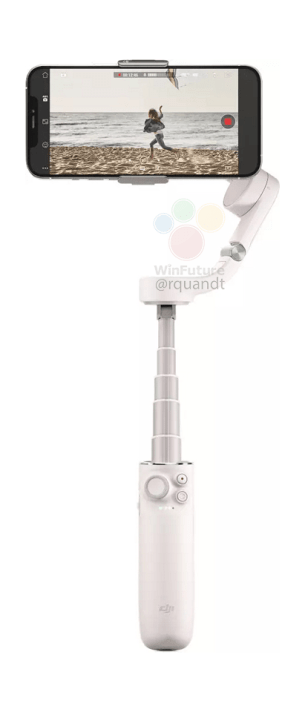
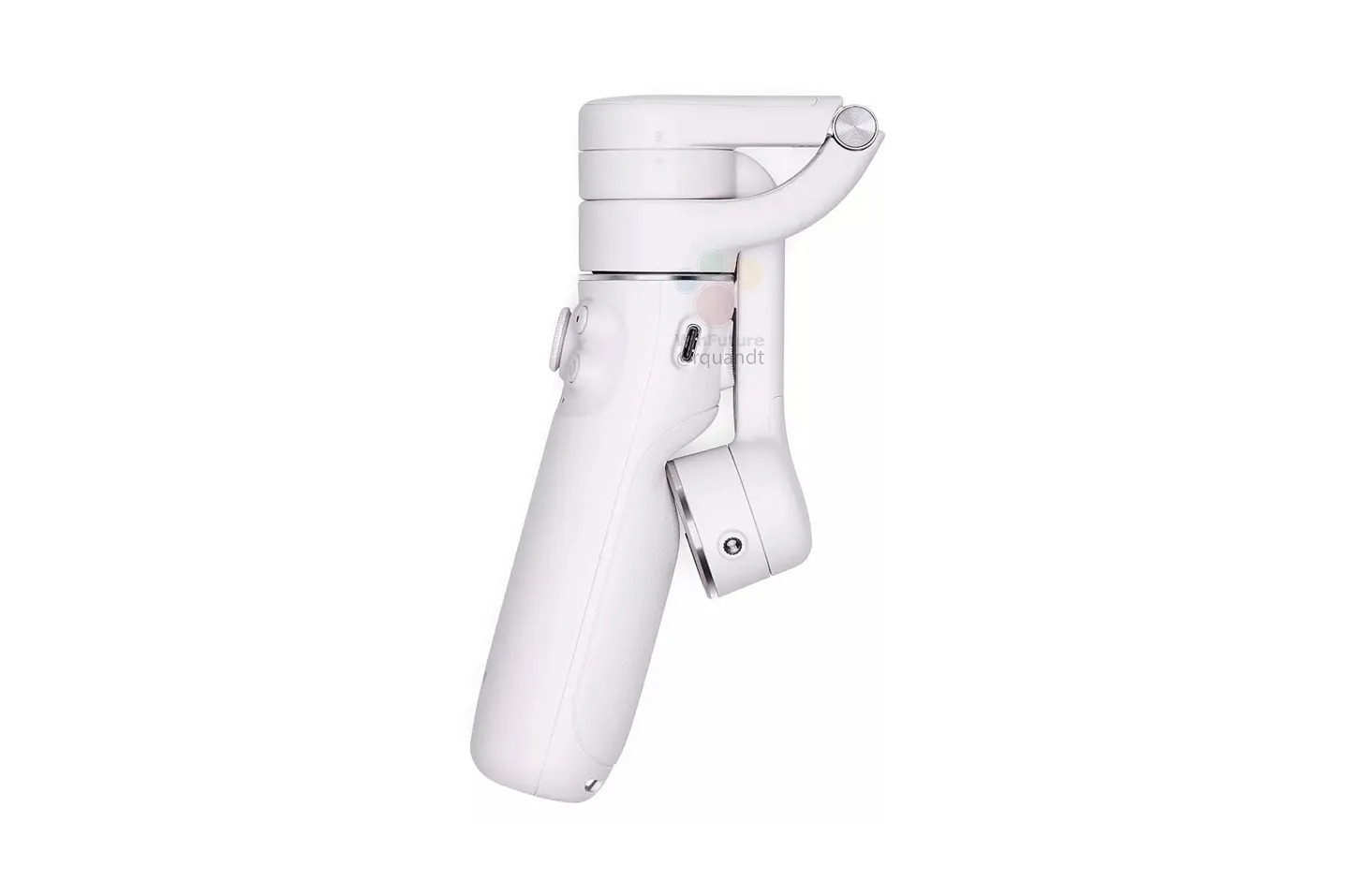
DJI, the company known for its drones, already has a few smartphone gimbals in the market. Now, the brand is gearing up to launch a new model with a telescoping selfie stick built into its handle, reports WinFuture.
The upcoming smartphone gimbal from DJI, dubbed Osmo Mobile 5, will be a successor to last year’s Osmo Mobile 4. It is likely to get announced at a launch event on 8th September for a price of €159, which roughly translates to $188.
If the reports are to be believed, then the upcoming Osmo Mobile 5 folds down to around 17cm (6.7 inches) and can also be extended when you need to get closer to the subject. But don’t expect it to extend as much as a selfie stick but the distance should be enough for extra flexibility.
Unfortunately, the new feature seems to be taking a toll on the battery life as it will reportedly offer a battery life of 6 hours and 20 minutes, a massive decrease from 15 hours of battery life on the Osmo Mobile 4.
It is being reported that the battery can be fully recharged within around 1.5 hours. As for the design, the company seems to have retained a magnetic mounting system, making it easier to quickly attach and detach the smartphone from the gimbal.
Along with the new Osmo Mobile 5, DJI is also reportedly planning to launch a cheaper Osmo Mobile 4 SE which gets rid of the magnetic mounting system to lower the cost. It will reportedly cost $99, which is $50 cheaper than the price of the current model.
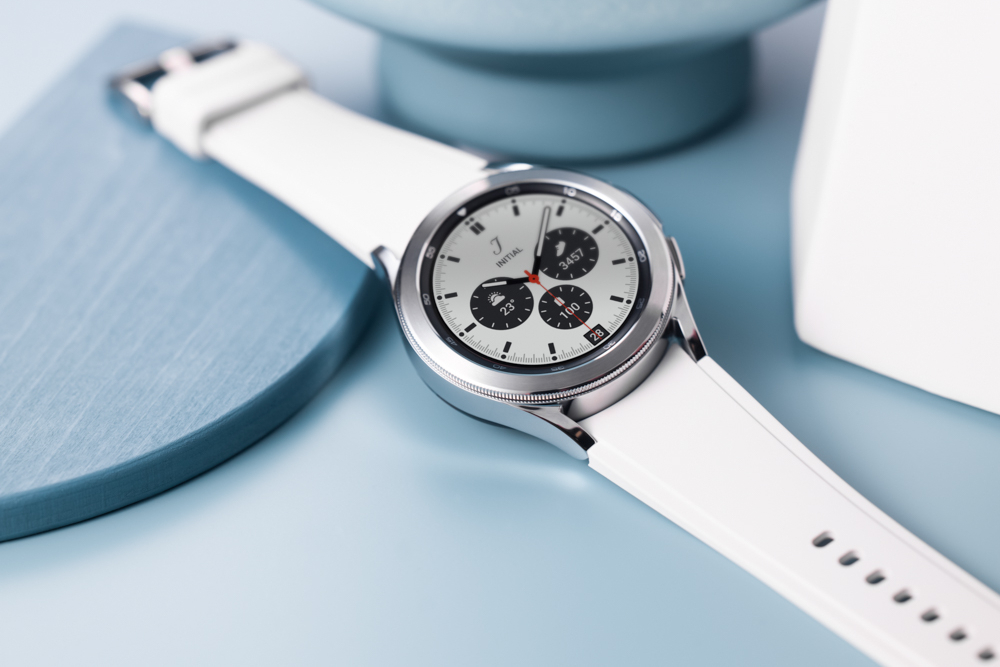
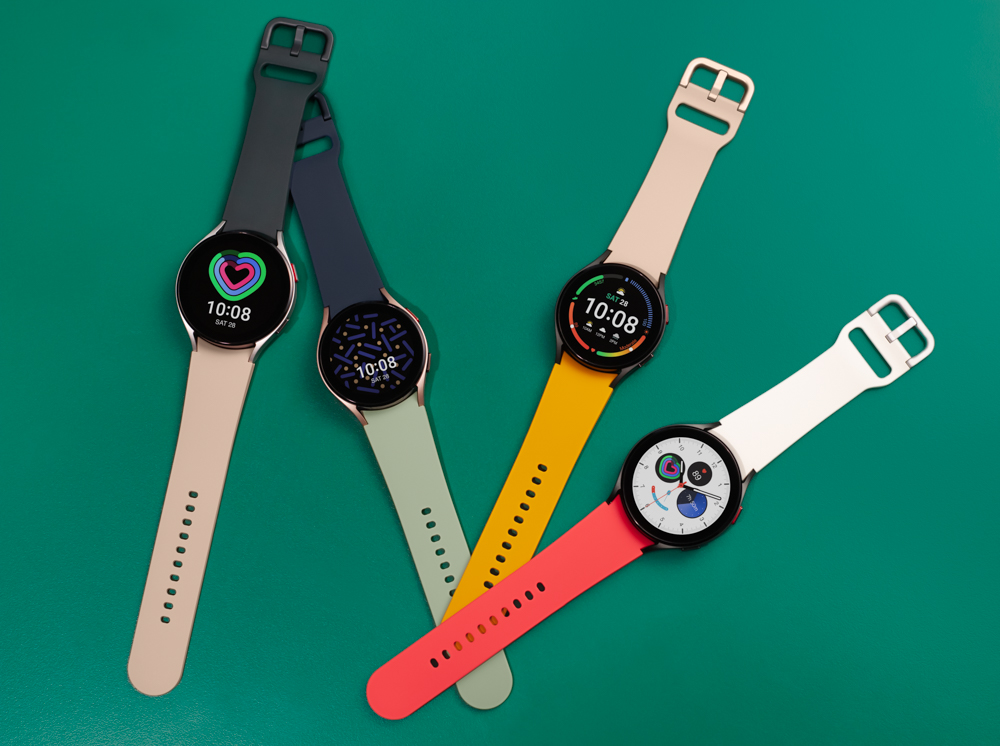
The Galaxy Watch4 and the Galaxy Watch4 Classic are the latest smartwatches from Samsung. Unlike their predecessors, these wearables run a new version of Wear OS co-developed by Google, Samsung, and Fitbit. Though the latest software comes with improvements, there are some caveats with compatibility.
Samsung Galaxy Watch4 Classic
When the Galaxy Watch4 series went official, we learned that these smartwatches cannot be paired with iOS devices. Last night, Samsung announced these wearables in China and confirmed that they don’t support HarmonyOS either.
This means the Galaxy Watch4 and the Galaxy Watch4 Classic can be only used with Android devices as of now. The minimum requirements set by Samsung are Android 6.0 or above with more than 1.5GB RAM.
That’s not all, many features of these wearables only work with Samsung smartphones running Android 10 or above. Additionally, some features are limited to certain regions.
Samsung Galaxy Watch4
When Google announced the new Wear OS 3.0 at Google I/O 2021, the tech community got excited. Because the search giant’s wearable operating system needed changes due to its long list of issues.
As one of the leading Android OEMs, Samsung partnered with Google to merge its Tizen with Wear OS as the South Korean tech giant’s operating system had its own problem of third-party app support.
But unfortunately, though the main concerns of these two platforms got fixed, the end product (Galaxy Watch4 series) comes with a new set of complications like the above-discussed compatibility issues and lack of popular apps like Google Assistant.
Earlier this year, there were reports about Samsung gearing up to launch a new smartphone camera sensor of 200-megapixel. Now, the South Korean giant has officially announced two new camera sensors.
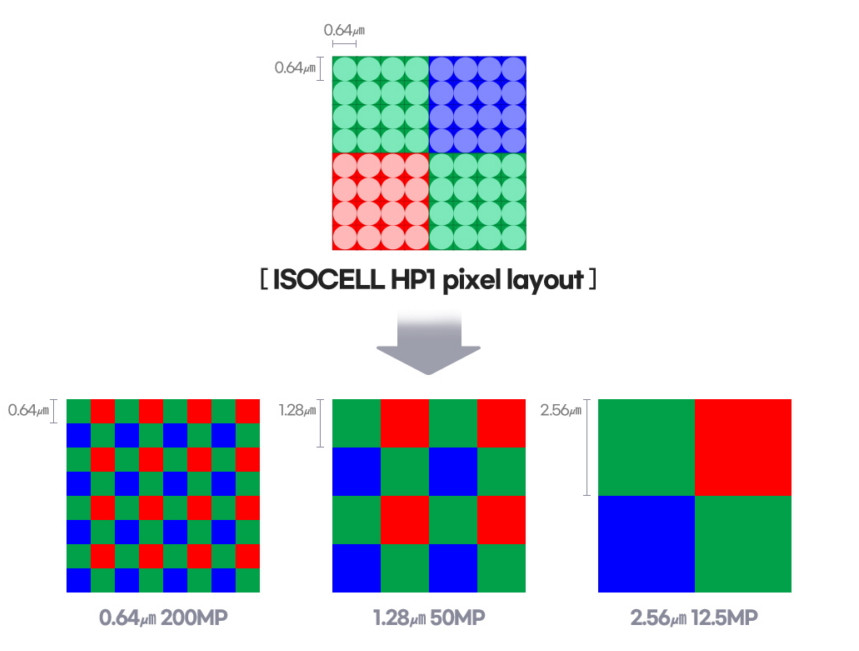
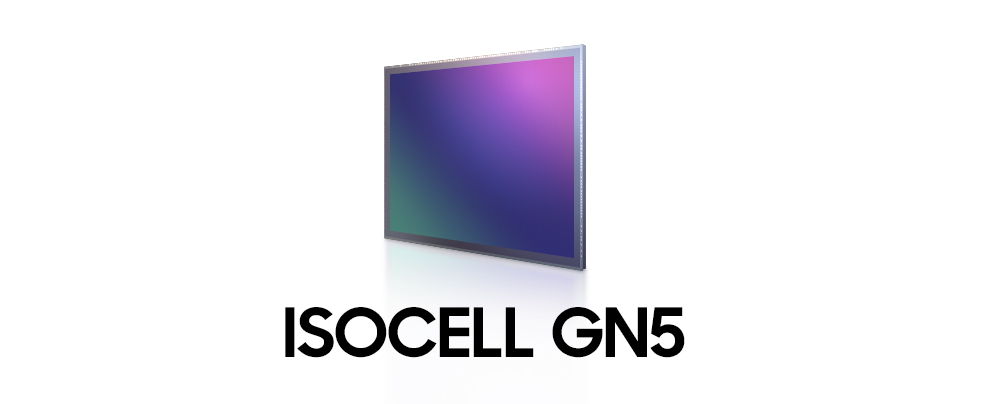
Samsung has announced ISOCELL HP1 as the world’s first 200-megapixel image sensor with a 0.64μm pixel sensor. Along with that, the company has also announced ISOCELL GN5 50-megapixel as the first image sensor to adopt all-directional focusing Dual Pixel Pro technology with two photodiodes in a single 1.0μm pixel.
The Samsung ISOCELL HP1 features an all-new ChameleonCell technology, a pixel-binning technology that uses a two-by-two, four-by-four, or full pixel layout depending on the environment. It can take 8K videos at 30fps with minimum loss in the field of view.
The HP1 merges four neighboring pixels to bring the resolution down to 50MP to take 8K videos without the need to crop or scale down the full image resolution. In a low-light environment, the HP1 transforms into a 12.5-megapixel image sensor with large 2.56μm pixels by merging 16 neighboring pixels, capable of more light absorption and sensitivity, as well as producing brighter and clearer photos. However, in bright outdoor environments, the sensor can capture ultra-high-definition photos.
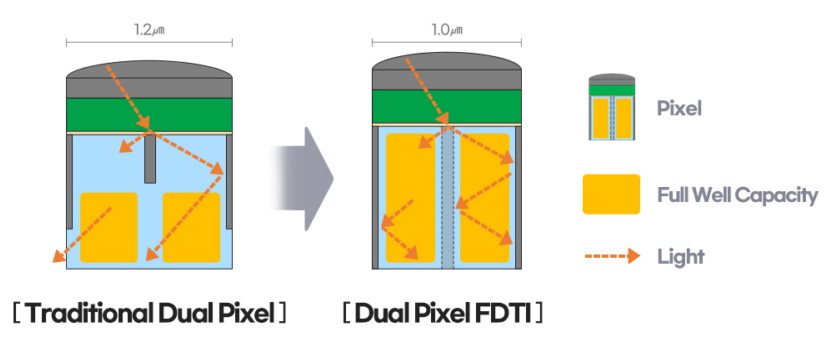
On the other hand, the Samsung ISOCELL GN5 sensor is the industry’s first 1.0μm image sensor to integrate Dual Pixel Pro technology. It is an all-directional autofocusing technology that can substantially boost autofocusing capabilities.
The technology places two photodiodes within each 1.0μm pixel of the sensor either horizontally or vertically to recognize pattern changes in all directions. With one million phase-detecting multi-directional photodiodes covering all areas of the sensor, the autofocusing becomes instantaneous, says Samsung.
It uses Samsung’s proprietary pixel technology, which applies Front Deep Trench Isolation (FDTI) on a Dual Pixel product — a first in the industry. Despite the microscopic photodiode size, FDTI enables each photodiode to absorb and hold more light information, improving the photodiodes’ full-well capacity (FWC) and decreasing crosstalk within the pixel.
Samsung is already shipping ISOCELL HP1 and ISOCELL GN5 sensors to device manufacturers. This means that we can expect new smartphones with these sensors sometime later this year or early 2022. There’s also a possibility that the upcoming Galaxy S22-series may come equipped with this new 200-megapixel camera sensor.
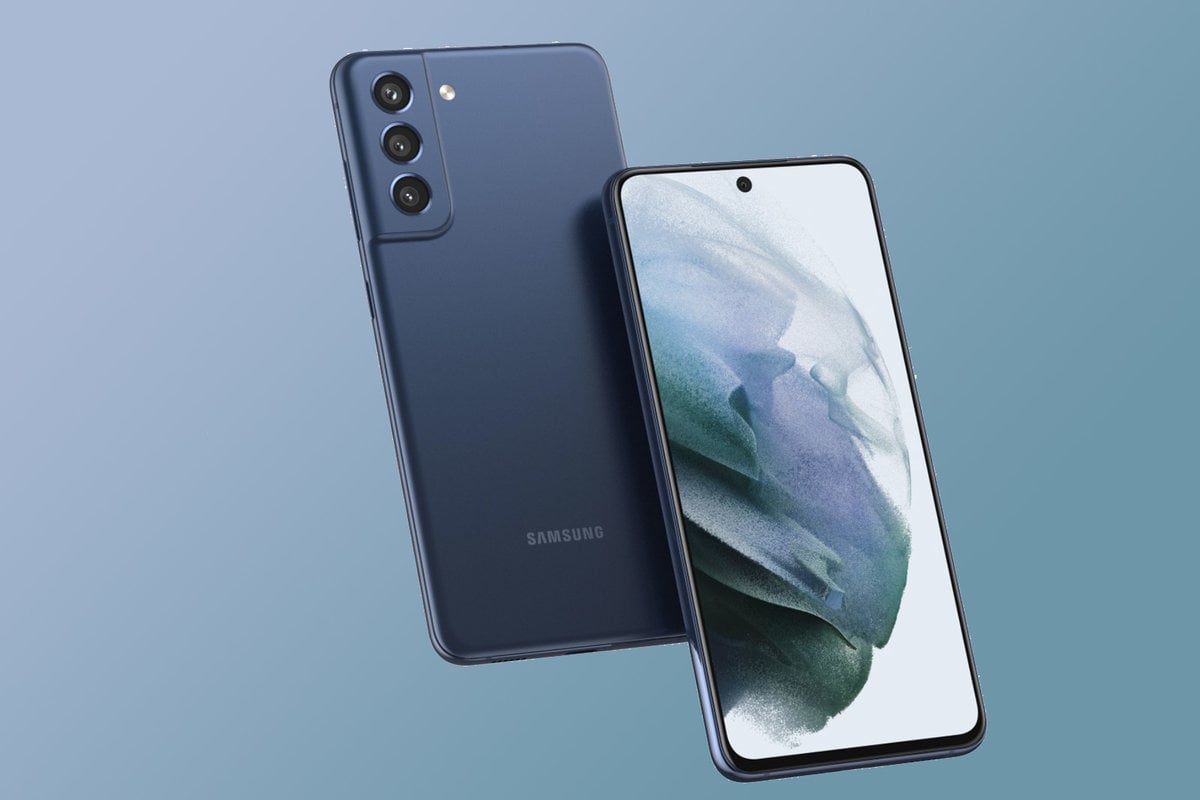
Samsung has launched its Galaxy S-series flagship smartphones, which include the Galaxy S21, S21 Plus, and S21 Ultra. The company is now gearing up to launch a new model in the lineup — Samsung Galaxy S21 FE.
The phone’s status has been switched a couple of times between getting canceled and not canceled. There have been several rumors related to its launch and the most recent one suggesting 8th September as its launch date. However, a new report claims that the smartphone will launch in October.
The report from Jon Prosser reveals that the Samsung Galaxy S21 FE will be up for pre-orders from 20th October while the actual sale of the device will begin from 29th October. It’s noteworthy that these are dates of the phone’s availability but the report does not mention when the company plans to announce this new smartphone model.
This comes at a time when some reports indicate about the smartphone’s launch getting delayed yet again because of the production issues faced by the global shortage of chips.
It is also being claimed in the new report that the smartphone will come in two storage options — 128GB and 256GB. As for the color options, the device will be made available in four colors to choose from — Graphite, White, Olive Green, and Lavender.
As per the previous reports, the smartphone will feature a 6.4-inch 120Hz FHD+ Super AMOLED display. Depending on the region of availability, the device will be powered by the Qualcomm Snapdragon 888 chipset or the Samsung Exynos 2100 SoC.
In the camera department, it will have a triple-camera setup on the back, consisting of a 12-megapixel wide camera sensor, a 12-megapixel ultra-wide sensor, and an 8-megapixel telephoto lens. On the front side, the device will be featuring a 32-megapixel snapper for taking selfies and video calling.
It will be running the Samsung One UI 3.1 based on the Android 11 operating system. The device will come powered by a 4,500mAh battery along with support for 25W fast wired charging and 15W wireless charging, and 4.5W reverse wireless charging.
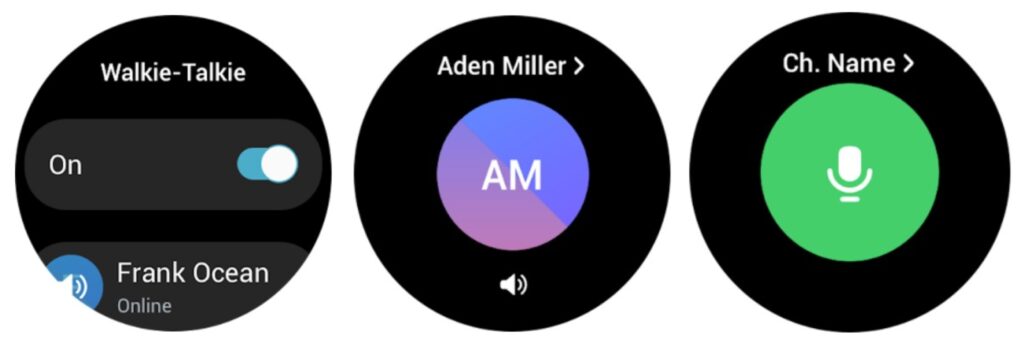
The merger of Wear OS and Tizen was probably the most momentous news of 2021, leveling up the entire game in the smartwatch domain. Wear OS 3 lived up to the high hopes and delivered a feature-studded interface to the Samsung Galaxy Watch 4. Things become more interesting when we claim that these pieces of machines can further be turned into Walkie Talkies. Well, Samsung has worked it out to make this a reality.
It is the Samsung WalkieTalkie app that makes it possible for two Galaxy Watch 4s to turn into Walkies. It couldn’t have been any simpler, all you are supposed to do is to pair both watches using the WalkieTalkie app. Once paired with the smartphone, watches can straight away begin to work independently. Apple has had its fair share with a similar walkie-talkie feature, but the experience isn’t as seamless as one would expect. As for this WalkieTalkie app, it was well speculated even before the Wear OS 3 launch that the feature was in the works. This, however, is only limited to the newest member in the Galaxy Watch series and does not extend to the older models of Galaxy Watches.
The Samsung Galaxy Watch 4 stands out in more than one way. With plenty of features on top of a smooth UI, versatility, the premium build, this smartwatch checks all the boxes. With continuous improvements in terms of feature additions and routine updates from Samsung, Galaxy Watch 4 is going to be the indisputable king in the smartwatch domain.
Vivo is all set to launch the Vivo X70, Vivo X70 Pro, and Vivo X70 Pro+ smartphones on Sept. 9 in China. Before the official announcement, the X70 Pro has paid a visit to the TENAA certification platform of China with all the important specs. It has emerged at the Chinese certification site with the V2134A model number. The X70 and X70 Pro+ have also appeared at TENAA, but their specifications are not yet available in their listings.
Vivo X70 Pro specifications (Rumored)
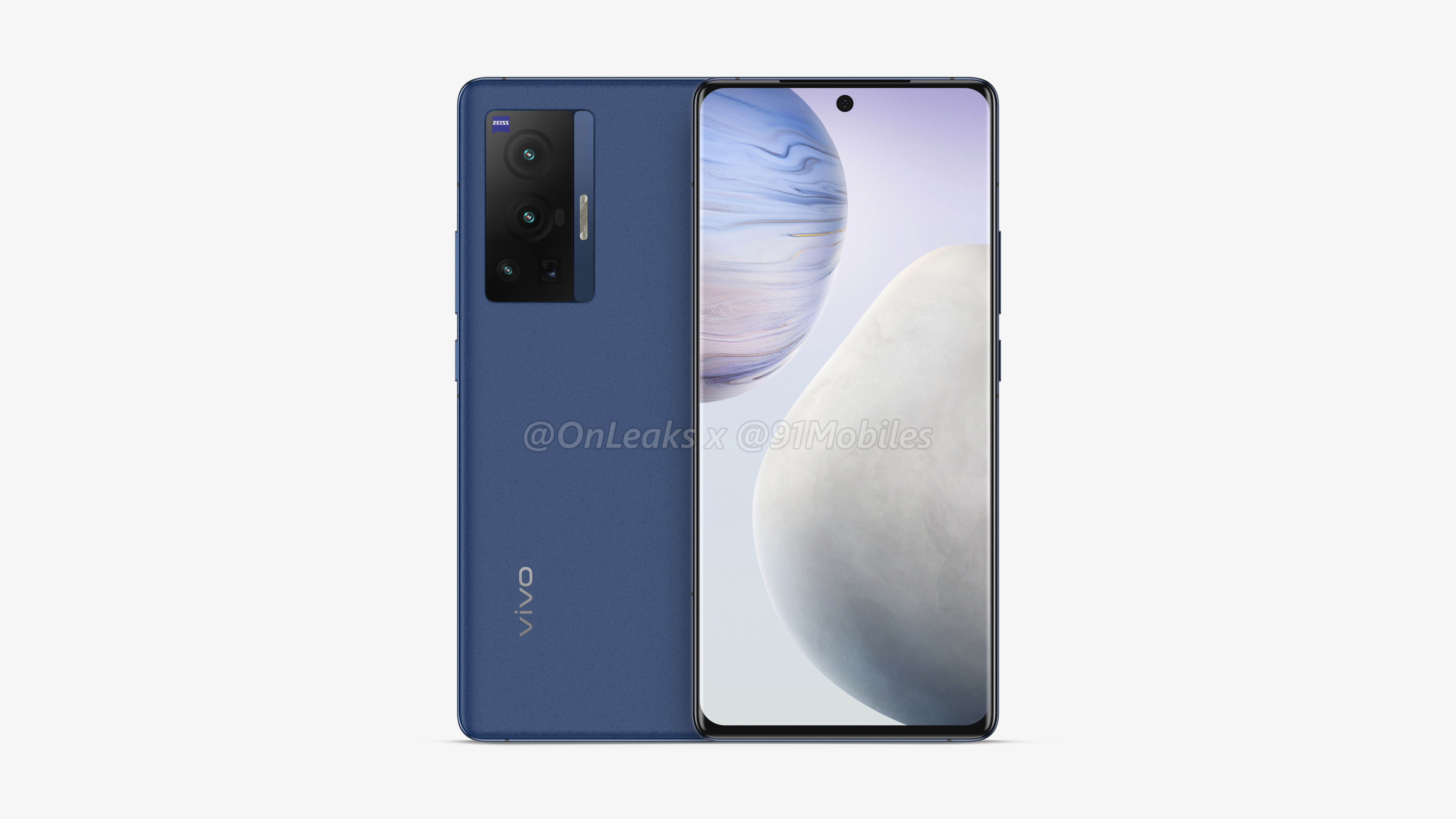
The Vivo X70 Pro has a 6.56-inch AMOLED display that delivers an FHD+ resolution of 1080 x 2376 pixels. For security, it has an in-screen fingerprint scanner. The images of the device are not yet available at TENAA. However, the leaked renders of the device that appeared last month revealed that it will be sporting a centrally positioned punch-hole display.
The X70 Pro is powered by a 2.8GHz octa-core processor, which appears to the Exynos 1080 chipset The Geekbench and Google Play Console listings of its global variant that appeared last month revealed that it is fueled by the Dimensity 1200 chipset. The smartphone boots to Android 11 OS and Origin OS UI.
Vivo X70 Pro render by 91mobiles/OnLeaks
The rear-mounted quad-camera system of the Vivo X70 Pro features a 50-megapixel primary camera. It is coupled with a pair of 12-megapixel cameras and an 8-megapixel lens. The X70 Pro will carry support for 8K video recording. There is a 32-megapixel front camera on the device for selfies and video calls.
The X70 Pro is backed by a 4,380mAh (rated value) battery. It can be said based on its 3C listing that it may ship with a 44W rapid charger. In China, Vivo may release it in 8 GB / 12 GB RAM options and 128 GB / 256 GB / 512 GB storage choices. As far as the international launch of the X70 lineup is concerned, Vivo will be holding a dedicated global launch for it on Sept. 10.
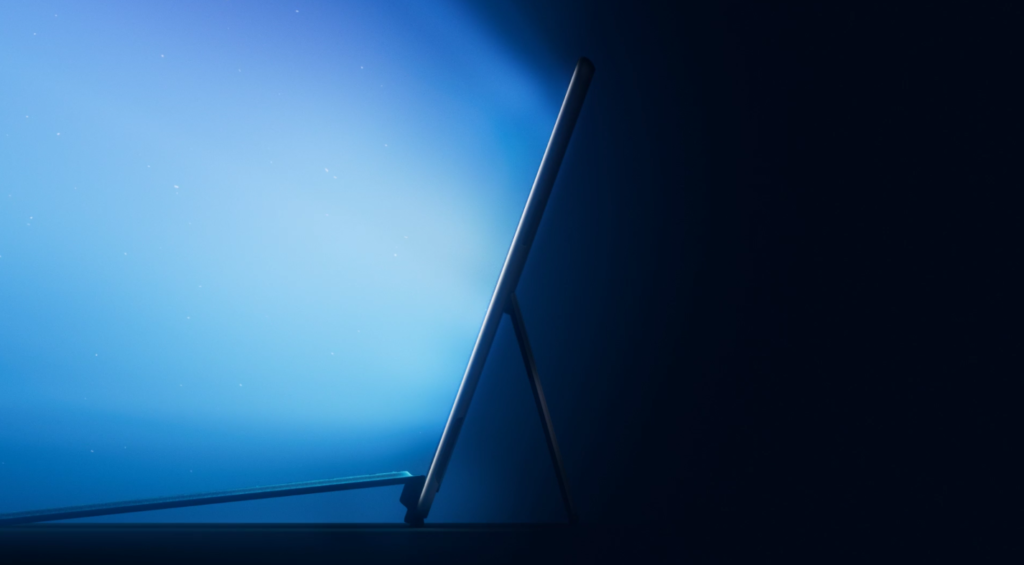
After announcing the launch date for the next generation of Windows, Microsoft has added more to the streak by confirming that new Surface devices will also be finding their way to the stage. A dedicated page is now live that confirms the next-gen Microsoft Surface launch date to be September 22. Not only does this page talk about the launch details, but also gives out a glimpse of how one of the new Surface devices is going to look like. With these two big reveals lined up, Microsoft is certainly going to be at the center of discussion, at least for a couple of weeks.
After having chalked up an impressive 9-year journey, Surface is once again set to stir enthusiasts. However, what remains to be seen is that how many of these Surface devices are in the pipeline. Microsoft has kept it short and crisp with no major hints whatsoever, so relying on leaks and smart guesses is the only way to find it out.
As speculated by Slashgear, we may finally get to see the Surface Duo 2 for which there were leaks sporadically throughout the year. If history is anything to go by, there will be more devices tagging along with Surface Duo 2. Seen in the teaser image is, what appears to be, the successor of Surface Pro 7 that comes with a similar detachable stand and keyboard as accessories which means the Surface Pro 8 is in sight. The portfolio may further expand with the new Surface Book 4.
It’s about time we mark our calendars for September 22 at 11 AM ET to live stream the big event. Microsoft will certainly air it on the website, but watching the launch on YouTube is something that is always an alternative.
Since Windows 11 has a dedicated day for its introduction, we do not expect much to be highlighted on September 22. The stage is only going to be occupied by the Surface lineup.
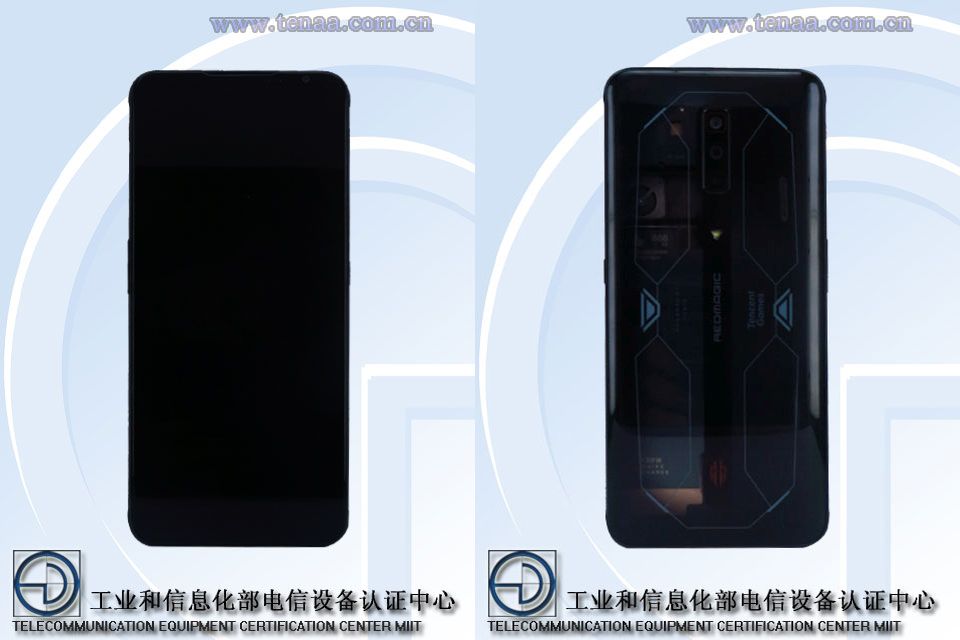
Earlier this year, Nubia announced the Red Magic 6, Red Magic 6 Pro, and Red Magic 6R gaming smartphones in China. The Red Magic 6 series was also made available in global markets. Last month, the company confirmed that it will be announcing the Red Magic 6S Pro powered by the latest Snapdragon 888 Plus chipset on Sept. 6 in China. Before the official announcement, the handset has appeared in the database of the TENAA certification site with full specifications and images.
Red Magic 6S Pro specifications
The Nubia NX669J-S smartphone that has bagged 3C and TENAA certifications is expected to break cover as the Red Magic 6S Pro in China. It has a massive 6.8-inch OLED screen that offers 1080 x 2400 pixels Full HD+ resolution and an in-screen fingerprint sensor.
The Snapdragon 888 Plus power phone will come with 8 GB / 12 GB / 16 GB of RAM and 128 GB / 256 GB / 512 GB of storage. It will boot to Red Magic UI-based Android 11 OS.
Nubia Red Magic 6s Pro TENAA images
For photography, it has an 8-megapixel selfie camera and a 64-megapixel triple camera unit. The exact battery capacity is not mentioned in the listing. It is likely to feature the same 4,500mAh battery that came with the Chinese edition of the Red Magic 6 Pro. The 3C listing of the device had revealed that it may carry support for 120W fast charging.
The company has already confirmed that its display will offer a 720Hz touch sampling rate and a 7.4ms response rate. For heat dissipation, it will be equipped with an aerospace-grade cooling system. For gaming, it will feature 450Hz dual gaming trigger shoulder buttons.
Google, along with other tech giants, has been facing several inquiries and lawsuits from the government agencies over business practices and it seems that the search engine giant could be facing yet another one of those.
The United States Justice Department is planning to file a second monopoly lawsuit against Google, owned by Alphabet Inc. This time, the US DOJ is targeting the company over its digital advertising business, reports Bloomberg.
In an email response to Bloomberg, Google said that its “advertising technologies help websites and apps fund their content, enable small businesses to grow, and protect users from exploitative privacy practices and bad ad experiences.”
Last year, in October, the Justice Department had sued Google by accusing it of illegally using its market muscle to hobble rivals and a trial from the same has been set for September 2023.
Another lawsuit was filed by 38 states and territories of the United States, accusing the technology giant of abusing its market power to make its search engine as dominant inside cars, TVs and speakers as it is in phones. This lawsuit was consolidated with the federal lawsuit for purposes of discovery.
The Justice Department is also concerned about Google’s move of banning some cookies in its Chrome browser, citing increased user privacy. The move led to its online rivals complaining about losing the data-gathering tool. The U.S. Justice Department investigators are asking advertising industry executives whether the move by the search giant will hobble its smaller rivals.
Last month, Realme announced the Realme Book (Slim) as the company’s first notebook. Recent reports have claimed that the company is now gearing up to launch its first tablet called the Realme Pad. It appears that the arrival of the Realme tablet is close at hand as the company has started teasing its arrival.
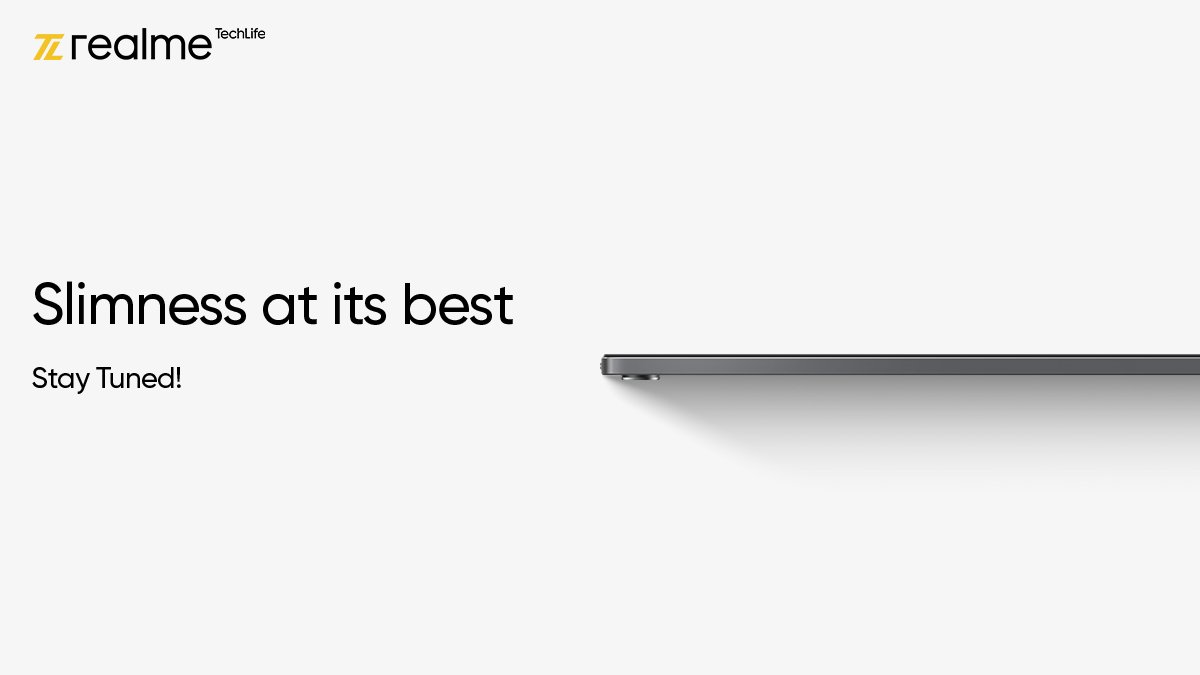
Yesterday, Realme CEO Madhav Sheth tweeted that the upcoming Realme Pad will be sporting a light and a slight design. He also shared a poster to give a look at its slim design. It also suggests that it will be a metal-bodied device.
A slightly protruding camera can also be seen in the image. It was revealed last month through a leak that the device measures 246.1 x 155.8 x 6.8mm. The thickness increases to 8.4mm at the camera bump.
The Realme Pad is expected to feature a front camera on 8-megapixel, and an 8-megapixel rear camera with autofocus support. It will be housing a 7,100mAh battery. The device is expected to arrive with other features such as quad speakers, Wi-Fi, 4G LTE, and stylus support. It is likely to be available in grey and gold colors. Rumors have it that Realme may announce it on Sept. 9 in multiple markets.
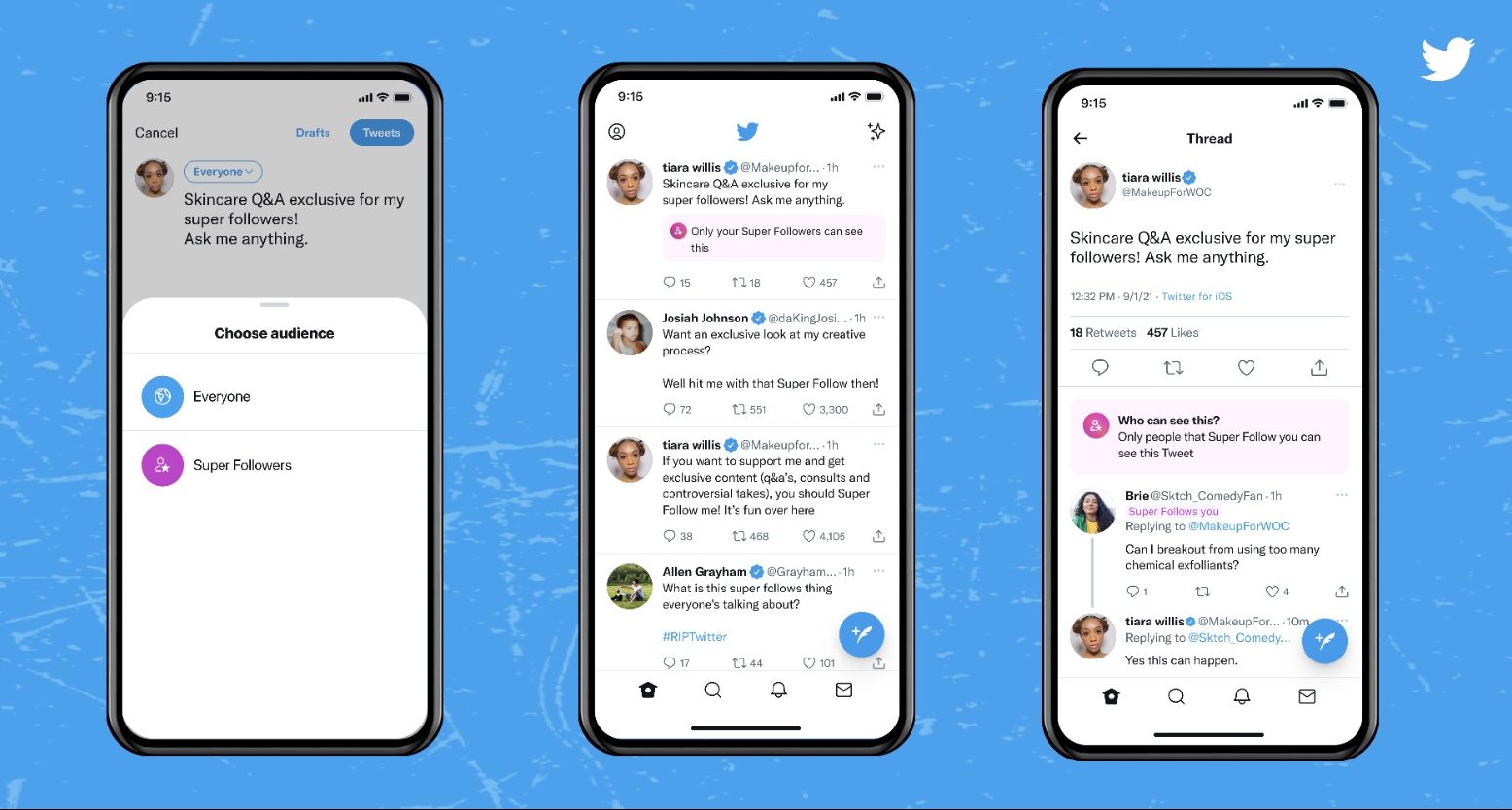
Twitter had announced the Super Follow feature a few months back in February this year and after a long wait, the feature has now finally been launched. The addition of this new feature is a part of the company’s plan to expand its revenue stream.
The Super Follows feature on Twitter allows users to charge a monthly subscription fee to the followers to share exclusive subscriber-only content on Twitter.
Currently, only users in the United States and Canada using the Twitter iOS version will be able to Super Follow some accounts but the company says that the feature will be rolled out to users in other regions in the coming weeks.
Eligible accounts can set the price for Super Follow subscriptions and the social media platform is offering three options — $2.99, $4.99, and $9.99 per month. Creators can then choose to mark some tweets for subscribers only while continuing to reach their unpaid follower base in regular tweets.
To differentiate paid subscribers from unpaid ones, the paid subscribers will be marked with a special Super Follower badge. Twitter says that the badge shows up in replies, elevating a follower’s ability to interact directly with accounts they opt to support.
The option is available in the Monetization options in the app’s sidebar. To be eligible for this new feature, the user needs to be located in the United States and have more than 10,000 followers as well as at least 25 tweets within the last month.
Do note that the Super Follows feature isn’t available for everyone and those who want to use it still need to file an application and join the waitlist. The company had started taking applications in June this year and has already approved a few creators.
This year, Twitter acquired Scroll, a subscription service that offers an ad-free news reading experience to its users. Prior to that, the social media platform had acquired newsletter service Revue.
Yesterday, XDA Developers shared a render of the upcoming Infinix Zero X smartphone. However, apart from speculating that the device could be equipped with Helio G96 chipset, the publication did not share any details on its specs. Now, the Tech Arena24 YouTube channel has shared the key information on the display, RAM, and storage of the Zero X Pro, which is expected to debut with Zero X.
Infinix Zero X Pro key specifications
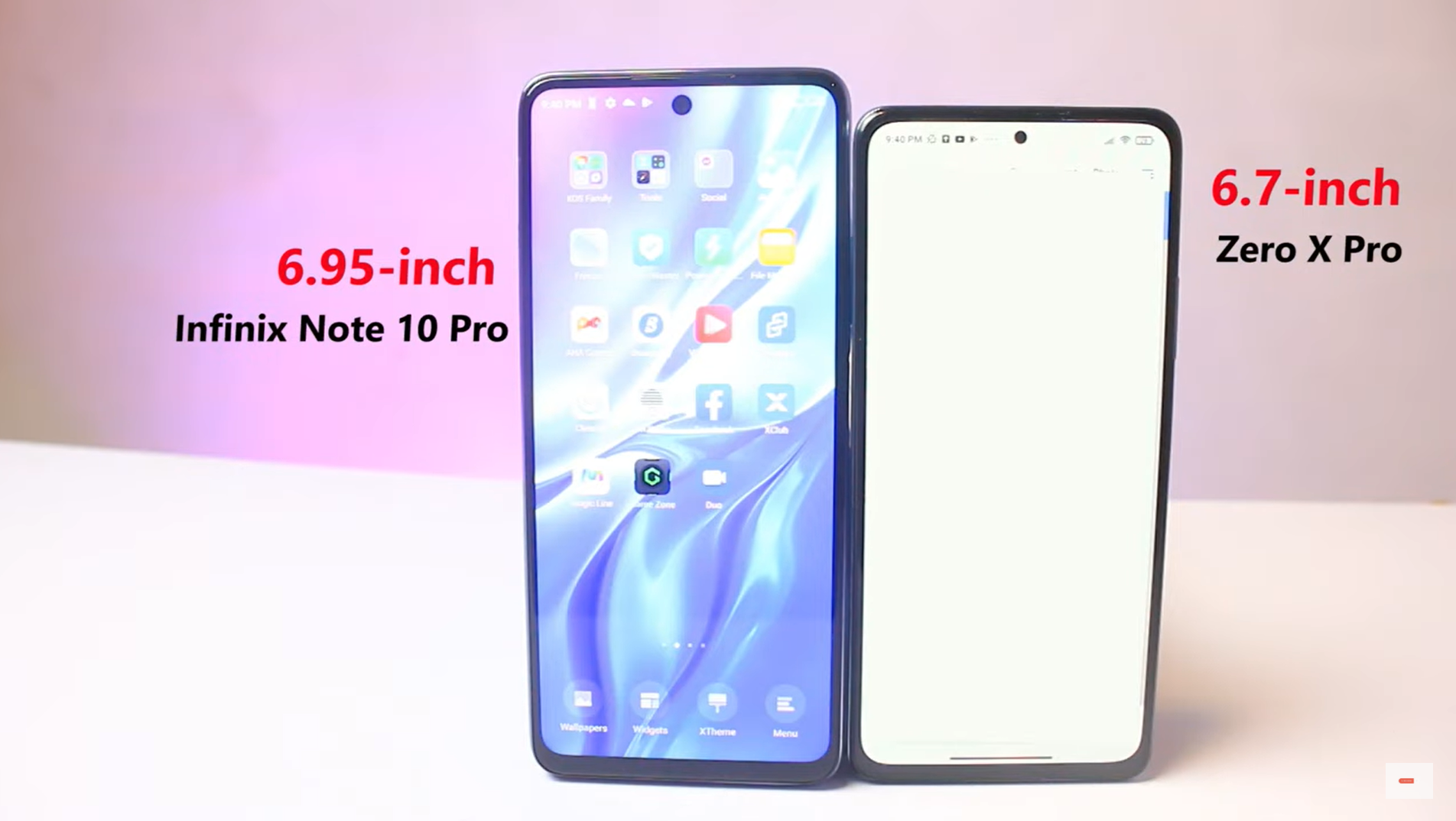
According to the YouTuber, the Zero X Pro will be sporting a 6.7-inch flat AMOLED display that offers a Full HD+ resolution and a 120Hz refresh rate. The centrally aligned punch-hole of the Zero X Pro will be smaller than the Infinix Note 10 Pro’s punch-hole.
Infinix Zero X Pro can be seen on the right | Image Source: Youtube / Tech Arena24
The device will come equipped with 8 GB of RAM and 128 GB of storage. It will be arriving with Android 11 OS and XOS 7.6 UI preinstalled. The Youtuber claimed that he will be soon sharing other details such as camera configurations, battery capacity, and fast charging capabilities of the smartphone soon.
The leaked render of the Zero X that leaked yesterday revealed that it will come Stellar Black color, which features a speckled finish on its back. The rear shell of the device features an LED flash-assisted triple camera unit.
Infinix Zero X Pro launch timeframe
The Zero X Pro is expected to break cover later this month or October in markets like Africa and Asia. At present, there is no information available on the pricing of the Zero X or Zero X Pro.
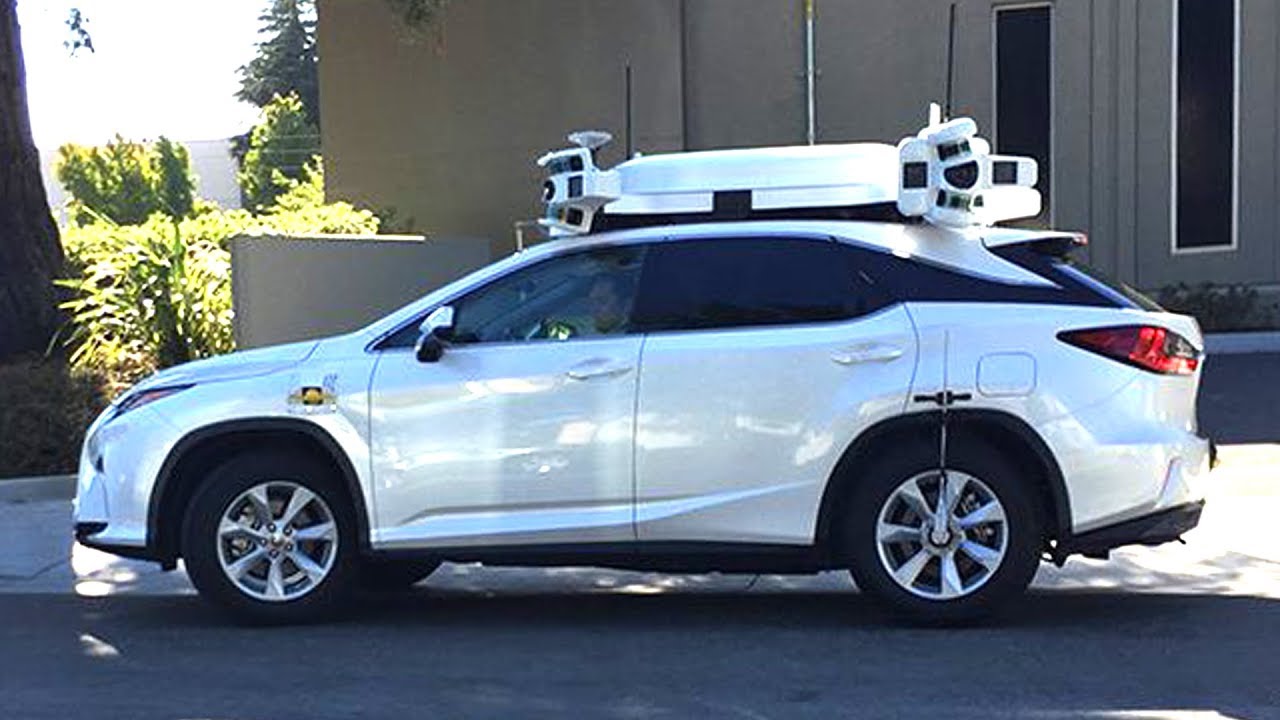
Apple has been working on its self-driving car technology and the Cupertino-based tech giant was recently in the news related to efforts in forming partnerships with automakers for the Apple Car, but nothing has been materialized yet.
Now, we are hearing news about two incidents where Apple Cars with self-driving technology were involved in an accident, according to the report from MacRumors based on the data from California DMV.
Both the reported incidents happened last month, i.e. in the month of August 2021. The first incident occurred in San Diego, California in the Hillcrest area on August 19th. The Lexus RX 450h was stopped in traffic and was hit by a Hyundai. The accident was described as minor with no injuries.
The second accident happened on August 23 in Cupertino, California, near the Apple Park campus. The vehicle with Apple’s self-driving equipment was in manual mode and it was stopped in traffic when it was rear-ended by a Subaru Outback.
It’s noteworthy that in both of these incidents, Apple Car with the self-driving technology or the person operating the vehicle was not at fault. The technology has been in testing mode since 2017 and this is the first time since 2019 that we are hearing about Apple Car being involved in an accident and interestingly, both the incidents happened last month.
According to the report from California DMV, Apple’s Lexus SUVs that are equipped with self-driving technology, have traversed more than 18,000 miles in 2020, which represents a steep increase compared to previous years.
As noted above, Apple has been testing its self-driving software since early 2017, using the Lexus RX 450h vehicles. Autonomous driving technology is one of the long-term projects for the tech giant and based on the rumors, Apple is expected to launch its first vehicle with self-driving technology in a few years.
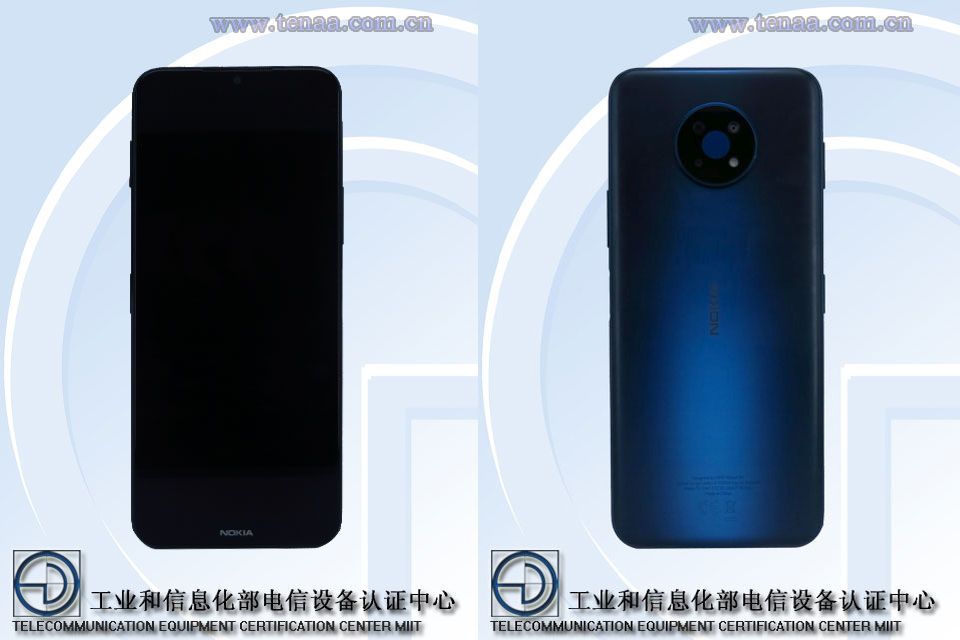
HMD Global is reportedly working on the launch of the Nokia G50 5G smartphone. It is expected to arrive as the company’s most affordable 5G phone. It is expected to break cover in this month in several markets. It appears that the smartphone could be also landing in India as it appeared at China’s TENAA certification site with major specs.
Nokia G50 5G specifications (Rumored)
The TENAA certified Nokia phone with TA-1361 is the upcoming Nokia G50 5G smartphone. It houses a massive IPS display of 6.82 inches, which carries support for an HD+ resolution of 720 x 1640 pixels.
TENAA images of Nokia G50 5G
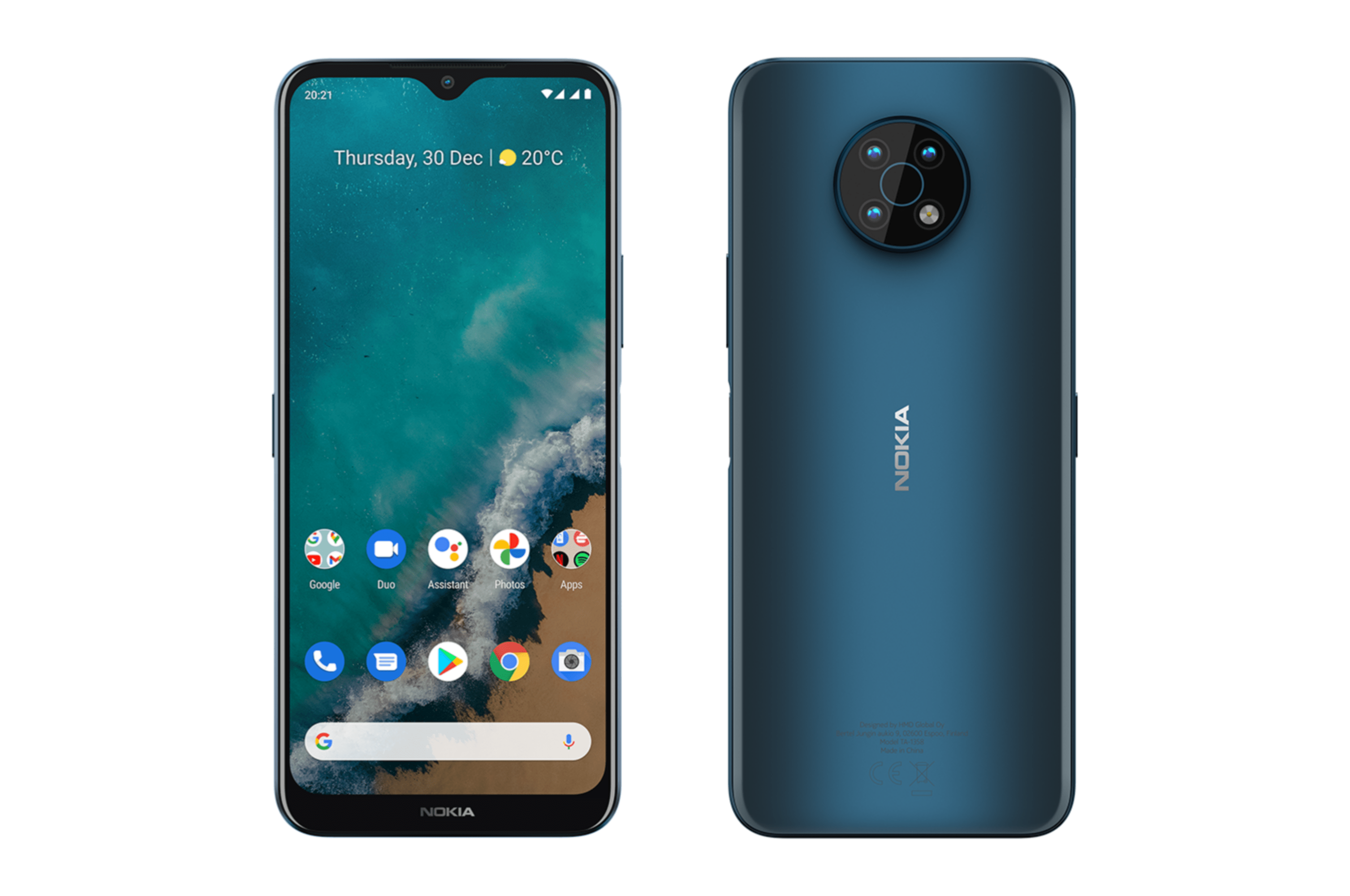
It has a front camera of 8-megapixel, and it has a 48-megapixel primary camera on the back. The round-shaped camera module available on the rear shell of the device has a triple camera unit and an LED flash.
The G50 is powered by a 2GHz octa-core processor, which appears to be the Snapdragon 480 chip. The TENAA listing mentions its RAM variants as 2 GB / 4 GB / 6 GB / 8 GB and storage options as 64 GB / 128 GB / 256 GB / 512 GB. For additional storage, it has a microSD card slot.
Nokia G50 5G render by Winfuture.de
The Nokia G50 5G is backed by a 4,850mAh battery, and it runs on Android 11 OS. A fingerprint scanner is available embedded with the power button on the right edge. It measures 173.83 x 77.68 x 8.85mm and weighs 220 grams. It is expected to arrive in colors like Sea Blue and Dawn in China.
Since the release of the Sony Playstation 5 and Microsoft Xbox Series X last year, the gaming consoles and other similar models have been elusive for intending buyers. Scalpers have often caught in on the high demand for the consoles to sell them at exorbitant prices 2 to 3 times higher than the official retail price.
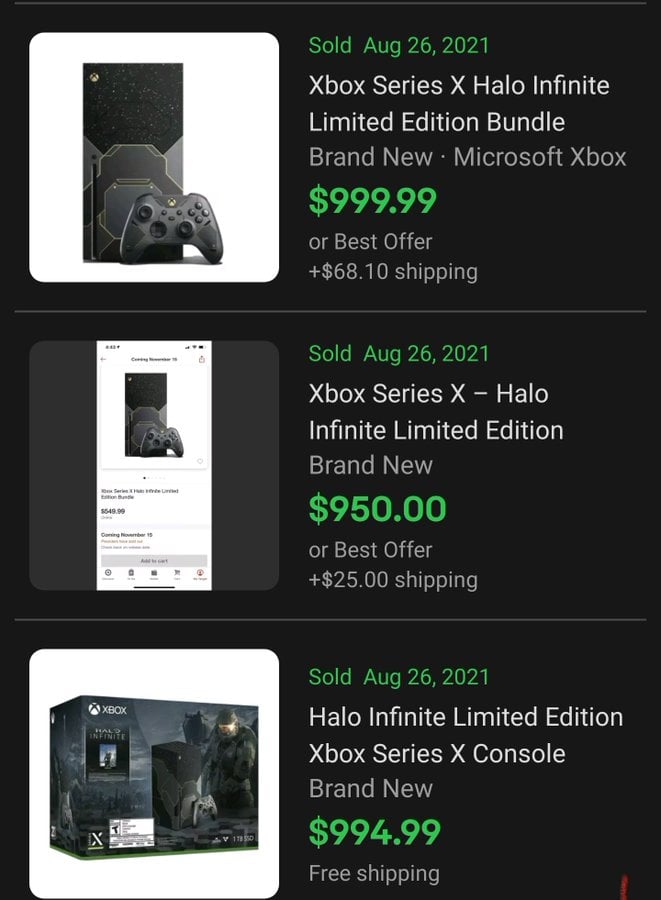
Recently, Microsoft updated the Xbox Series X lineup with the addition of a Halo Infinite Limited Edition. Not surprisingly, even though the Halo Infinite edition comes with stringent pre-order restrictions, it has also been targeted by the scalpers in the months before its launch. The product is expected to be launched on November 15. A discovery as posted on Twitter by NPD Group analyst Mat Piscatella shows that scalpers have begun put up the console for pre-orders via websites such as eBay and the prices have been hiked. Officially, the Xbox Series X Halo Infinite Limited edition retails for $550 but the scalper are putting on sale for over $900.
A search on eBay reveals that quite a few of the pre-order units have even been sold and there are still many mo on sale. Some of the products even have the Halo Infinite Limited Edition Elite Series 2 controller bundled with the console. In other instances, the controller is sold separately at just $280 which is still higher than the official price of $200.
We expect eBay to clamp down on these scalpers as the pre-order efforts violates the e-commerce website’s policy which require the seller to ship the goods within 30 days. The consle will go on sale November 15. eBay recently clamped down on scalpers catching in on the steam Deck handhelp console.
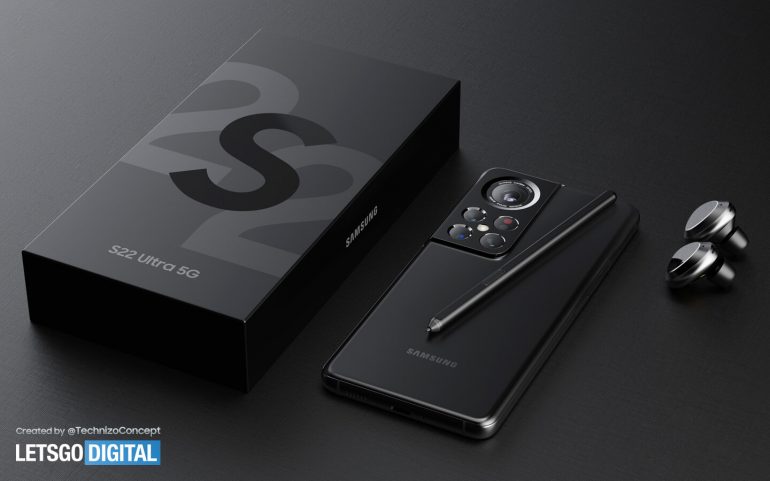
What is believed to be the batteries for the Samsung Galaxy S22+ and S22 Ultra have been certified by China’s 3C. The two batteries appear for certification with the model numbers EB-BS906ABY and is said to be for the Galaxy S22+ while the second cell has the model number EB-BS908ABY and is for the Galaxy S22 Ultra.
Samsung Galaxy S22 Ultra Concept
According to the certification listing, the EB-BS906ABY has a rated capacity of 4,370mAh which puts the typical capacity at 4,500mAh. This rating is slightly lower than the 4800mAh capacity onboard the Galaxy S21+. Also, the EB-BS908ABY features a capacity of 4,855 mAh putting the typical capacity at 5,000 mAh. The capacity matche that of this year’s Galaxy S21 Ultra.
Curiosly, the vanilla Galaxy S22 wasn’t listed on the 3C website. Popular tipster Ice Universe had earlier disclosed that the Galaxy S22 will utilize a 3,800mAh battery, smaller than the 4000mAh cell on the Galaxy S21.
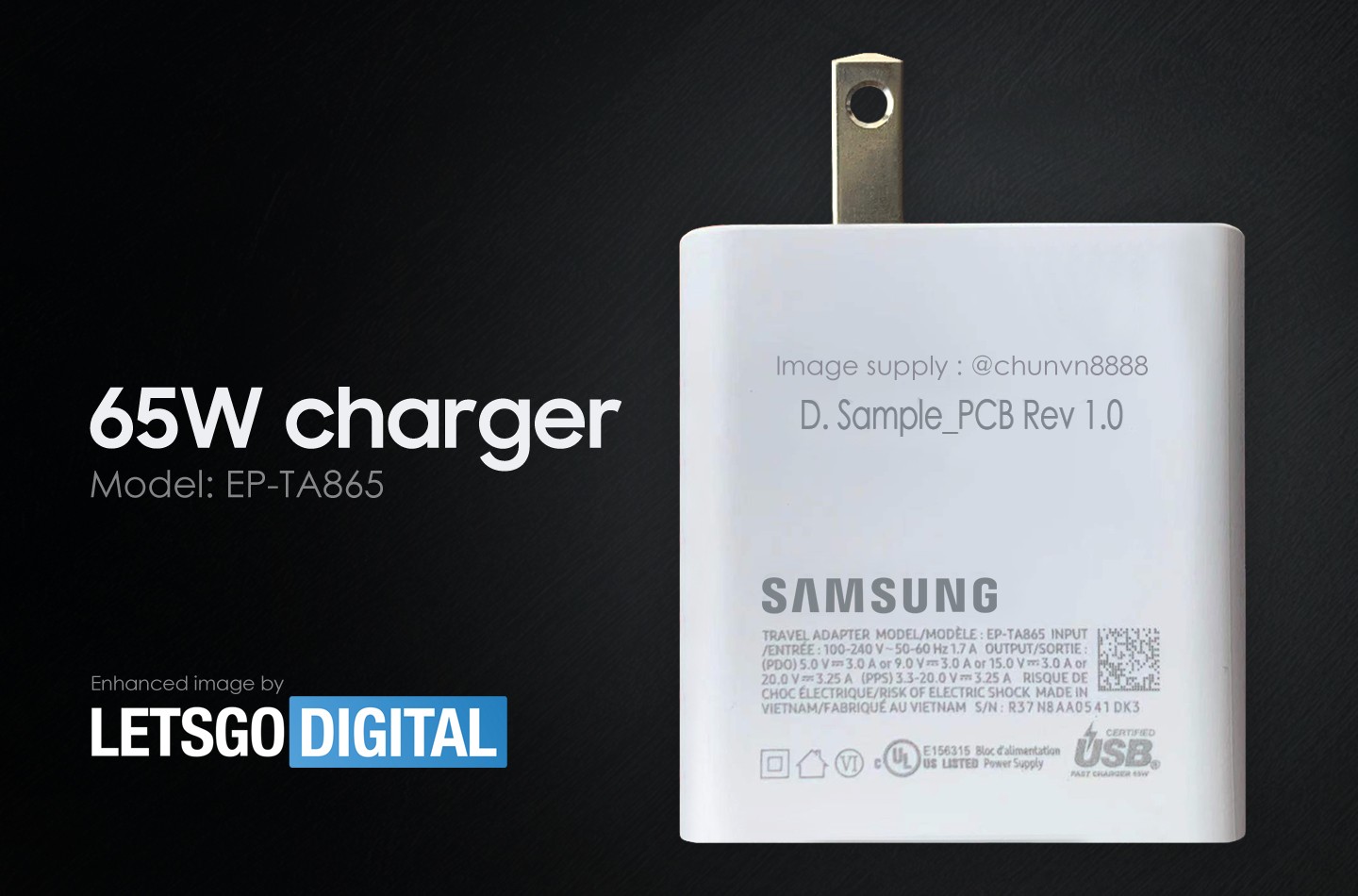
Earlier in February this year, a Samsung 65W charger was certified by TUV SUD in Germany. Before the certification Samsung had only used 45W chargers on its previous models, precisely on the Galaxy Note10+, Galaxy S20 Ultra with the other models in the S21 series having a maximum of 25W charging support. With the new charging brick with model number EP-TA865, the Galaxy S22 Ultra is expected to feature 65W charging support.
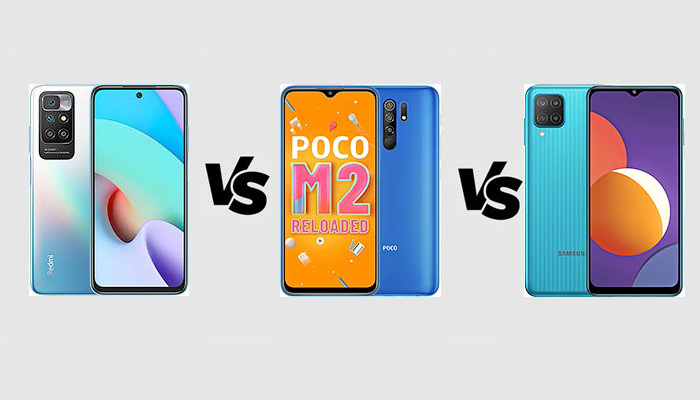
The Redmi 10 is finally official and it will soon hit the Indian shelves under the Redmi 10 Prime moniker. Its design looks like the Xiaomi Mi 10 Ultra, but unlike this awesome flagship, it is a budget phone. Does the Redmi 10 have good competitors or it is the best handset in its category? There are a lot of competitors out there, even if you keep looking at Xiaomi devices. An example is the POCO M2 Reloaded, a renewed variant of the best-selling POCO M2. Even Samsung came up with an awesome budget phone in the same price range: the Galaxy M12. Let’s discover the differences.
Xiaomi Redmi 10 vs Xiaomi POCO M2 Reloaded vs Samsung Galaxy M12
My favorite design is the one of the Redmi 10 because it reminds me of a flagship. As stated above, it is similar to the Xiaomi Mi 10 Ultra, but without its premium materials and without a curved screen. Besides being more attractive, the Redmi 10 is also thinner and lighter than the POCO M2 Reloaded and Samsung Galaxy M12, even though the battery capacity is the same and the display has similar dimensions. Last but not least, it is the only one with a punch-hole display instead of a waterdrop notch.
Display
The presence of the punch-hole display is not the only aspect differentiating the Redmi 10 from its two rivals. With the POCO M2 Reloaded and the Samsung Galaxy M12, you have to choose between a high 90 Hz refresh rate or a Full HD+ resolution. If you want the first, then you’d better go for the Samsung Galaxy M12, but it has an HD+ display while the POCO M2 Reloaded sports a Full HD+ panel (but with a standard refresh rate). With the Redmi 10, you can get both: a Full Hd+ resolution and a 90 Hz refresh rate. Further, it even provides you with stereo speakers.
Hardware/Software
The most powerful chipset belongs to the Redmi 10, providing you with the MediaTek Helio G88 mobile platform and up to 6 GB of RAM paired with 128 GB of native storage. In terms of performance, the POCO M2 Reloaded comes right after with the Mediatek Helio G80 chipset. But the Samsung Galaxy M12 has the best processor in terms of energy consumption: the Exynos 850 built at 8 nm. The top-end memory configuration of the Galaxy M12 offers 4 GB of RAM and 128 GB of storage.
Camera
The Redmi 10 is equipped with the most advanced main camera: a 50 MP sensor with a bright f/1.8 focal aperture. It even offers the best ultrawide camera with an 8 MP resolution. The silver medal goes to the Samsung Galaxy M12 and its 48 MP quad camera system.
Battery
All of these phones come with a battery sporting a capacity of 5000 mAh, but the Samsung Galaxy M12 lasts more on a single charge thanks to a more efficient chipset and lower display resolution.
Xiaomi Redmi 10 vs Xiaomi POCO M2 Reloaded vs Samsung Galaxy M12: Price
Redmi 10 has a €160/$190 starting price, POCO M2 Reloaded starts from €100/$118, and Samsung Galaxy M12 is priced at €113/$134 in its base variant. The Redmi 10 is the most advanced device of this comparison with its better display, stronger chipset, and better cameras.
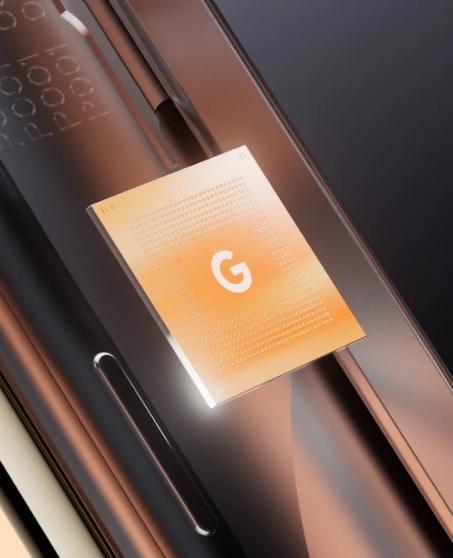
Google’s journey into making its own chipsets started a few years ago when it announced the Pixel 2 smartphone. The 2017 flagship had a custom-made image processor called the Pixel Visual Core, an 8-core image processing unit. The chip was then replaced with the Pixel Neural Core in the Pixel 4 series. For the upcoming Pixel 6 series, Google will ship the two phones with its own custom-built System on a Chip (SoC) called Tensor. A new report has revealed this is the first of more chips to come.
It has been reported that Google plans to announce its own CPUs which will power Chromebooks and Chrome OS-powered tablets. The news comes from Nikkei Asia and they cite three sources with knowledge of the matter. These CPUs are expected to begin rolling out in 2023 though Google has declined to comment on the matter.
Google’s processors will be based on the Arm architecture just like that of other chip companies such as MediaTek and Qualcomm. The advantage of using its own chip includes being able to more easily customize features for the devices they power.
A chief analyst at Isaiah Research, Eric Tsang, who spoke to Nikkei Asia, said that while the use of one’s own chip will result in better software and hardware integration, the business of making your own chip requires a lot of investment and long-term commitments. Peter Hanbury, a partner at Bain & Co., a consulting firm, also shares similar sentiments. He cited the cost associated with developing a chipset which is about $500 million for a 5nm processor and $50 million for a 28nm processor. Mr. Tsang also stated that new players will have to compete with older and more established players for production capacities. Delays in production can result in products arriving later than planned.
The publication also reports that Google has asked its suppliers to prepare 50% more production capacity for the Pixel 6 series compared to that of 2019. It is said that it shipped a total of 7 million Pixel phones in 2019 but that figure fell to 3.7 million last year. Sales have picked up this year, so Google is optimistic sales of the Pixel 6 series should be better.
We use cookies on our website to give you the most relevant experience by remembering your preferences and repeat visits. By clicking “Accept”, you consent to the use of ALL the cookies.
This website uses cookies to improve your experience while you navigate through the website. Out of these, the cookies that are categorized as necessary are stored on your browser as they are essential for the working of basic functionalities of the website. We also use third-party cookies that help us analyze and understand how you use this website. These cookies will be stored in your browser only with your consent. You also have the option to opt-out of these cookies. But opting out of some of these cookies may affect your browsing experience.
Necessary cookies are absolutely essential for the website to function properly. This category only includes cookies that ensures basic functionalities and security features of the website. These cookies do not store any personal information.
Any cookies that may not be particularly necessary for the website to function and is used specifically to collect user personal data via analytics, ads, other embedded contents are termed as non-necessary cookies. It is mandatory to procure user consent prior to running these cookies on your website.