Back in November 2020, WhatsApphas rolled out a new feature that allowed users to send messages that disappear after 7 days. Now, it seems that the company is working on a similar update that will have messages disappear after 90 days.
Previously, the popular messaging application had stated that it is working on view once messages that would disappear forever after just being viewed once. Similarly, its latest Beta build brings a 90 days disappearing message feature that would also have messages removed after around three months. As of right now, this is in the Beta build version 2.21.17.16 that is available for Android.
In other words, the feature is still some time away from making it to the live version of the app. A new report from WaBetaInfoalso shared screenshots that showcased a new menu that lets users customize their ‘Disappearing Messages.’ This menu offers options ranging from 90 days, 7 days, 24 hours, or just completely turning off the feature, which means that it basically offers users more flexibility and options to choose from.
Unfortunately, it is unclear when this feature might be rolled out for the live WhatsApp build since the company is known to test features many weeks or even months before it is finally released to the broader user base. Although, we do know that it will arrive in a future update and that more options is better for the user as well. So stay tuned for more updates.
Last year, Xiaomi-backed smartphone maker POCO had launched its POCO F2 Pro smartphone in the market. The company was also working on a standard model of the smartphone, dubbed POCO F2, which was never launched.
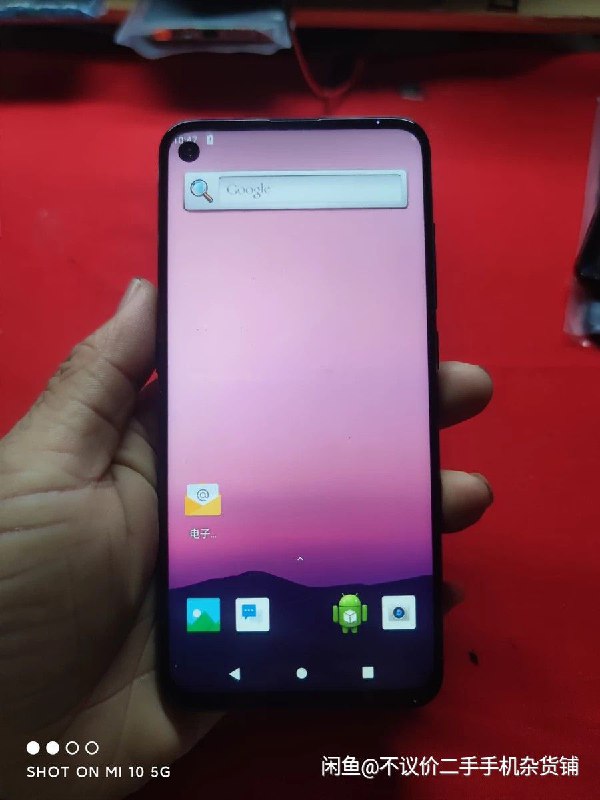
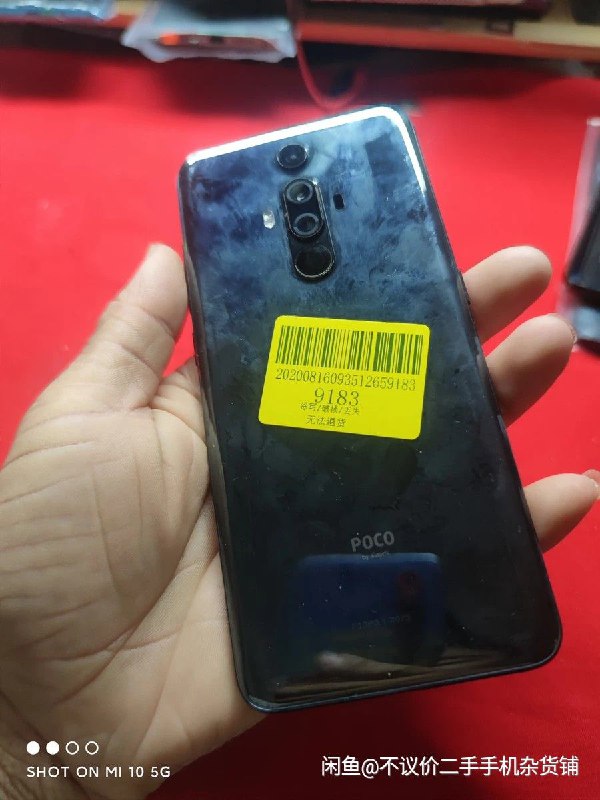
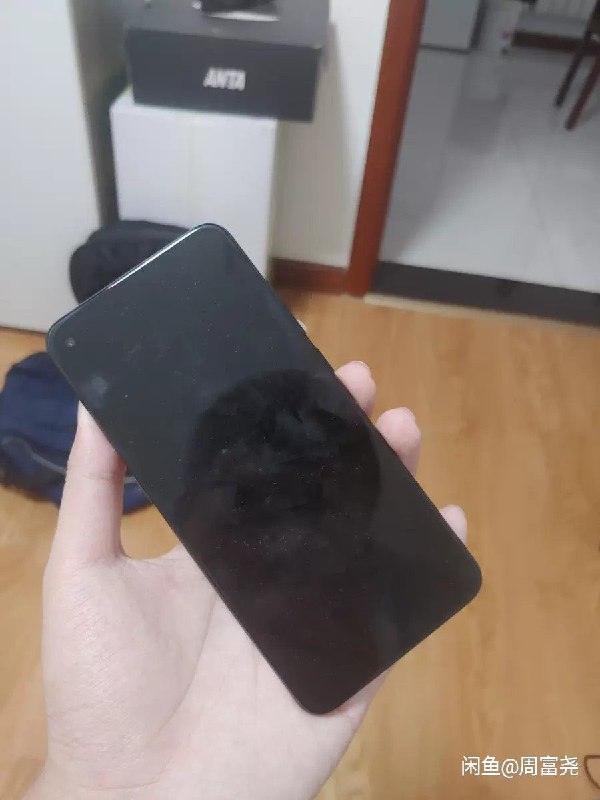
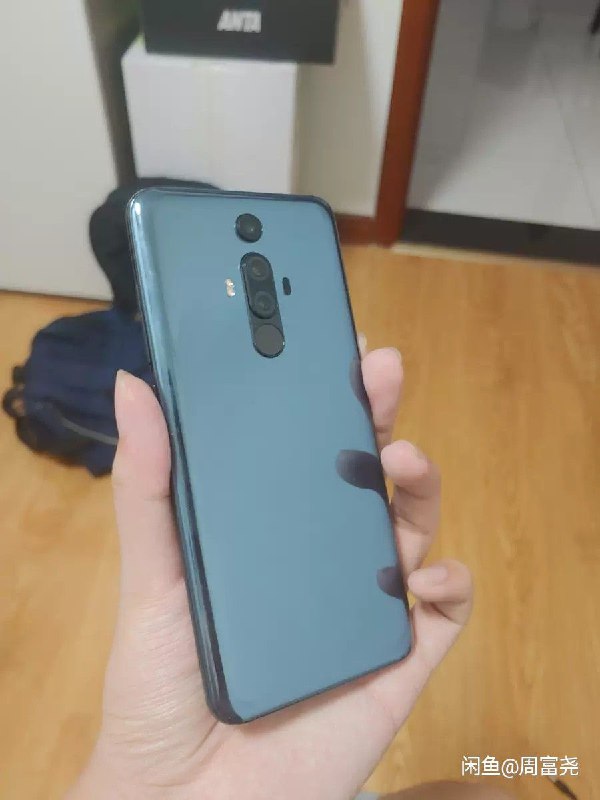
Now, live images of the prototype model of the POCO F2 aka Redmi K20S have leaked online, showcasing how the smartphone, which never made its official debut, looked in terms of design. The phone’s design looks quite similar to the one patented by Xiaomi in 2019 but the patent application was filed in 2018.
It is also being reported that the smartphone is equipped with an AMOLED display offering Full-HD+ screen resolution and having a punch-hole cutout in the top-left corner of the display for housing the front-facing camera sensor.
On the backside, the device has a triple-camera setup but exact details of the sensors are not available. As the smartphone in photos is running Engineering ROM (AOSP) based on the Android 9 operating system, the MIUI build version remains unknown. The phone has a side-mounted fingerprint sensor, likely the same sensor used in POCO F1.
The prototype model is powered by the Qualcomm Snapdragon 855 SoC which indicates that it was a direct successor to the POCO F1 that had taken the market by storm because of the top-of-the-line specs at a very competitive price point.
There were reports about the POCO F2 not being a flagship smartphone and could be powered by the Snapdragon 732G SoC but POCO India Country Director Anuj Sharma refuted those reports without revealing which chipset will be powering the smartphone.
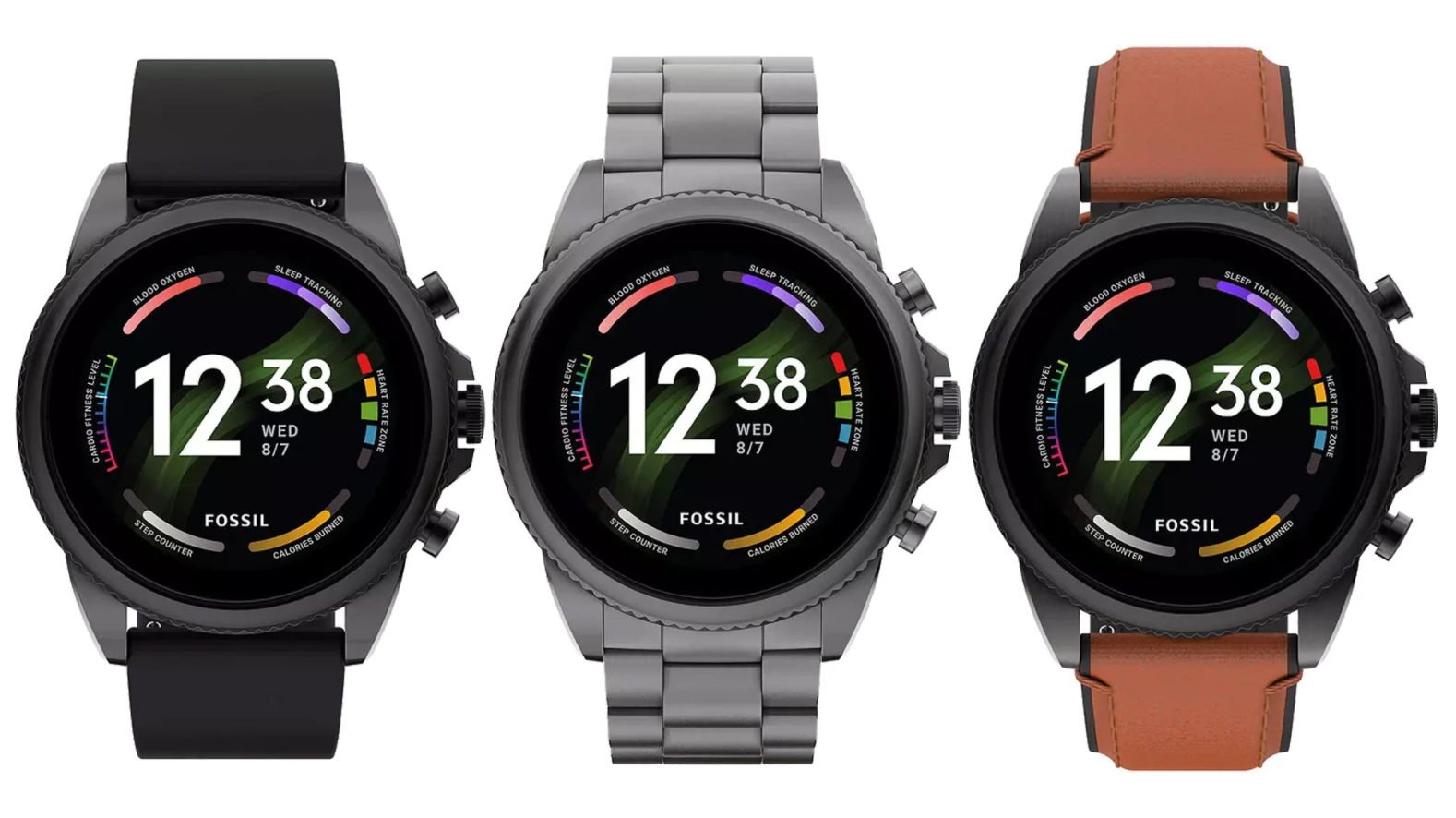
In June, Fossil confirmed that it has no plans to provide a WearOS upgrade to its existing smartwatches. It further said that those who wish to use a Fossil watch with WearOS can opt for the upcoming Fossil Gen 6. A fresh report by Winfuture.de has leaked the entire specs and press renders of the Fossil Gen 6.
Fossil Gen 6 specifications and features
The Fossil Gen 6 is likely to arrive in 44mm and 42mm sizes and it will offer 50-meter water-resistance and it is. As the images reveal, the smartwatch has three buttons including a central crown on its right edge. It may feature wristbands made up of leather, fabric, or metal.
It has a 1.28-inch OLED panel that offers 416 x 416 pixels resolution and an always-on function. It is powered by the Snapdragon Wear 4100+ chipset that features a 1.7GHz ARM Cortex-A53 quad-core CPU and Adreno A504 graphics. It has 1 GB of RAM and 8 GB of built-in storage.
Fossil Gen 6
The Fossil Gen 6 can last for a day on a single charge. With the energy-saving mode enabled, it can last for several days. It takes around 1 hour to fully charge the smartwatch. It can gain 80 percent battery juice by charging it for only 30 minutes. Lastly, it runs on WearOS, which gives access to a wide range of apps.
It is equipped with health-tracking features such as SpO2 tracker, heart rate tracker, sleep monitor, calories burned, step counter, and so on. The leaked renders show that it will be sporting a new watch face. Readers can visit Winfuture.de to see more images of the smartwatch.
Fossil Gen 6 price and availability
The Fossil Gen 6 will be arriving in three versions for women and men. These variants will be available in Germany with a price range of 299 euros and 329 euros. It will be available for purchase from Sept. 27 in the country.
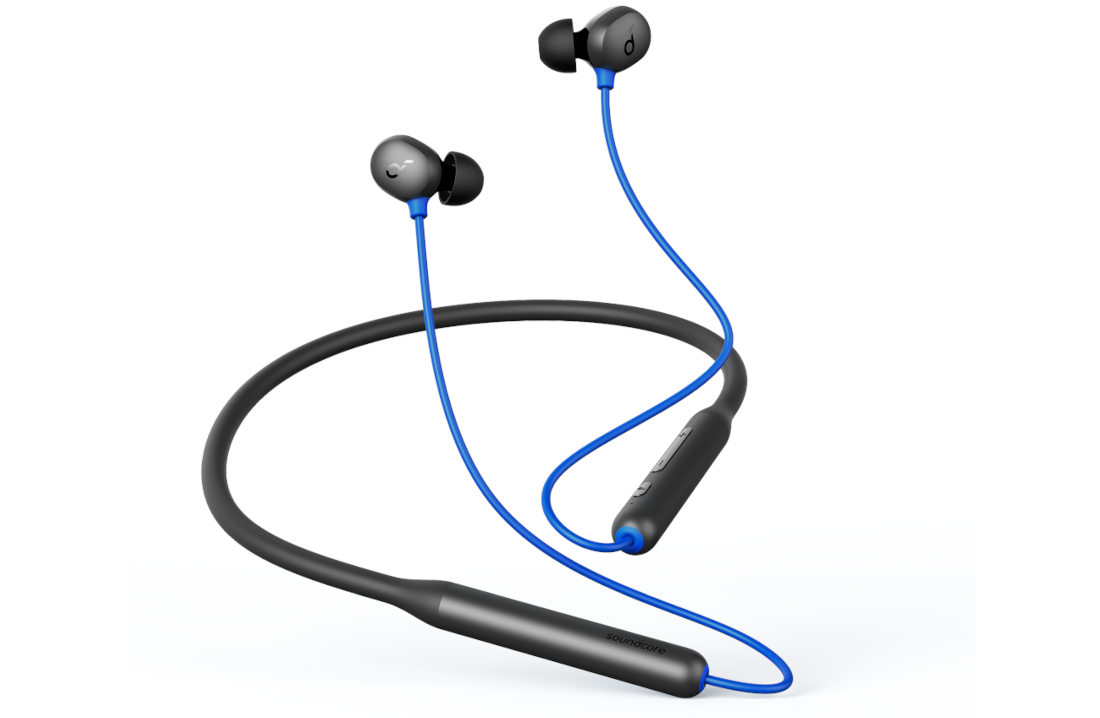
Anker‘s budding audio arm, Soundcore has just added yet another product to its array of affordable audio devices. The Soundcore R500 wireless neckband is available to Indian consumers at Rs. 1,399 (~$19). The ultra-low-priced wireless neckband earphone comes with several properties that make it a worthy buy for a solid sound experience.
Anker Soundcore R500 wireless neckband earphones
The Soundcore R500 is lightweight, flexible, tangle-free, IPX5 rated, and the earphone gives an excellent and balanced bass output. Its 195mAh battery offers up to 20 hours of entertainment on a full charge. The Soundcore R500 also supports USB-C fast charging, Bluetooth 5.0, and has an ultra-flexible and ergonomically sound fit. The Soundcore R500 has AI-enhanced microphones, which combine with the other features to give the user an overall exhilarating sound experience.
Soundcore says that it conceptualized the R500 to offer fans and consumers the freedom to experience high-quality video at an extremely low cost. The Soundcore R500 is available in the Indian subcontinent via Flipkart.
Soundcore hopes that its excellently-priced R500 wireless neckband earphones will have decent reception in India. There are no details yet on the global availability and pricing of the device.
Last week, Honor officially launched its Tab V7 Pro in the Chinese market, along with a few other products from the company, including Honor Magic 3 series flagship phones, Honor X20 5G, and Honor Watch GS smartwatch.
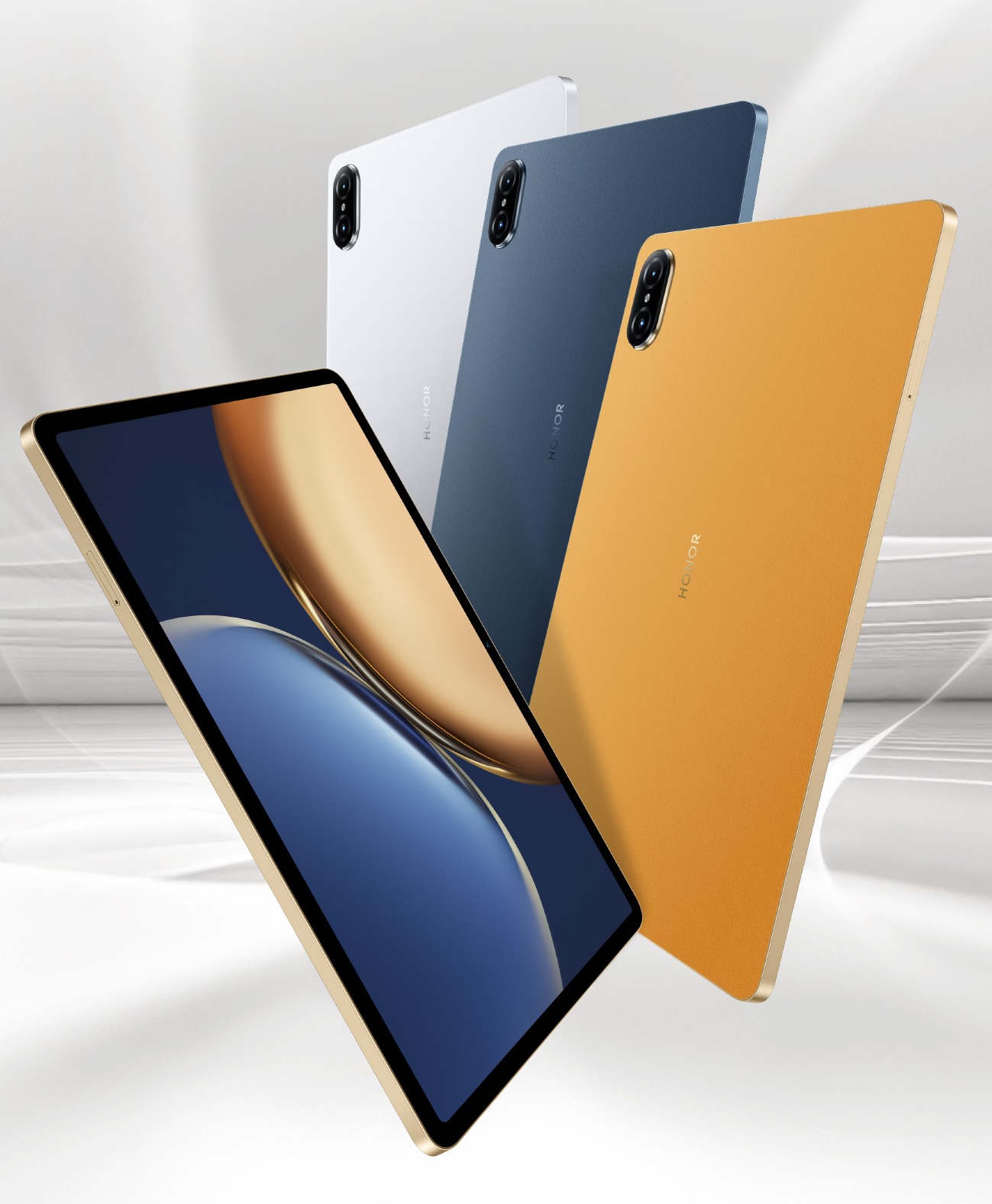
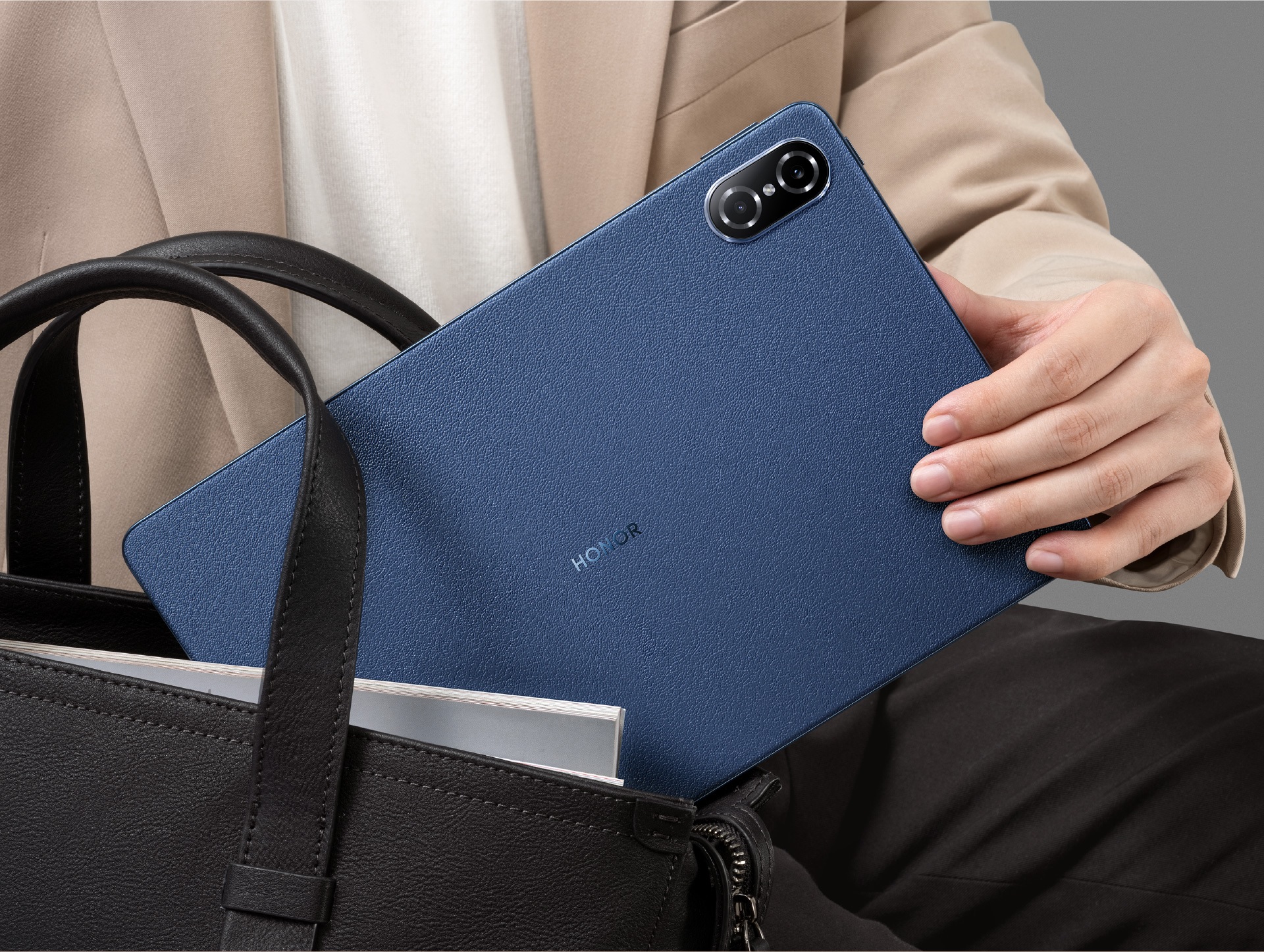
Now, days after its official debut, the Honor Tab V7 Pro is available for purchase in China in three color options — Chenhui Gold, Dawn Blue, and Titanium Silver. Among these three colors, the Chenhui Gold and Dawn Blue are made of calfskin texture plain leather.
As for the pricing, the Wi-Fi-only variants come in three memory options — 6GB RAM with 128 GB storage, 8GB RAM with 128GB storage, and 8GB RAM with 256GB storage, costing 2,599 yuan (~$400), 2,799 yuan (~$431), and 3,299 yuan (~$508) respectively. The 5G supporting model with 8GB RAM and 256GB storage is priced at 3,699 yuan (~$570).
Coming to the specifications, the Honor Tab V7 Pro features an 11-inch LCD screen that offers a 2K screen resolution of 2560 x 1600 pixels, a 16:10 aspect ratio, 276ppi pixel density, a 120Hz refresh rate, and a DCI-P3 color gamut.
Underneath, the device is powered by MediaTek Kompanio 1300T chipset, making it the world’s first device to feature this newly announced SoC. It is equipped with a 7-layer cooling system for heat dissipation. It also carries support for RAM extension technology.
As for the camera department, there’s a 13-megapixel main camera and a 2-megapixel macro lens. The tablet runs the Android 11 operating system with Magic UI 5.0 on top that has been optimized for multi-tasking and offers features like multi-window function, split-screen, drag and drop, and more. The device is powered by a 7,250mAh battery that carries support for 22.5W rapid charging.
Other features on the device include quad speakers, Dual SIM, Wi-Fi 6, 5G, Bluetooth 5.1, and a USB-C port. This newly launched Honor tablet also carries support for the Magic Pencil 2 stylus and a keyboard case for a desktop-like experience.
Vivo only a couple of days back took the wraps of the iQOO 8 series made up of the vanilla iQOO 8 and the iQOO 8 Pro. During the unveiling, the company promoted the iQOO 8 Pro as having a 3D Ultrasonic fingerprint scanner. The Chinese company didn’t dilate on the scanner but a Weibo video review of the iQOO 8 Pro’s Ultrasonic fingerprint scanner speed has been carried out, giving us a clear view of the biometric area and other features.
First off, the size is now far bigger than others in the market. The iQOO 8 Pro ultrasonic fingerprint scanner occupies a 578 sq. mm area. The speed test also shows that the scanner’s speed should be among the fastest we’ve seen on a smartphone. Also, vivo has now included the ability to read more than one finger.
It is worthy of note that the features included on the iQOO 8 Pro fingerprint scanner were first demoed on the concept vivo APEX back in 2018. While the APEX never made it to final production, it is impressive to see some of the innovative features showcased on the APEX finding their ways to its commercialized products.
Whie the iQOO 8 also packs a Under display fingerprint scanner as well, its scanner is a regular one and not the 3D Ultrasonic scanner onboard the 8 Pro. However, it is still super fast even though it is no as fast as that of the iQOO 8 Pro.
Apart from the speed, the iQOO 8 Pro’s 3D Ultrasonic fingerprint scanner is also pretty easy to set up. The phone learns the fingerprint with just a one-second-long press. This is a far greater improvement from current solutions (including rear-mounted fingerprint scanner) where you will need to tap the sensor several times with different part of your fingers so that it stores all the positions the fingerprint is placed on it.
Vivo is yet to release details of the iQOO 8 series launch outside China but we expect the models to hit the global market soon where the Ultrasonic fingerprint scanner will be one of the top features.
Earlier this year, Vivo X60 series smartphones were launched and recently the company expanded the X60 family with the launch of X60t and X60t Pro+ flagship smartphones. Now, numerous reports have revealed that Vivo is working on its successor — the Vivo X70 series smartphones.
Not just that, a new report from Digital Chat Station on Weibo reveals that the company is in the process of having an ecology of products, and thus, Vivo will be launching products in the category of tablets, smartwatches, and laptops.
The company has reportedly started mass-production of the Vivo-branded tablet as well as a smartwatch and it’s only a matter of time when Vivo officially launches these products and starts selling in the market. Recently, Vivo had confirmed its entry into the tablet market and added that the first device will go official in Q4 2021.
Additionally, Vivo is also working on a foldable smartphone which is expected to get launched later this year. Vivo has a NEX series for phones that includes devices with experimental technology and thus, it’s likely that the foldable smartphone from Vivo is a part of its NEX lineup. Reports indicate it could be called NEX Fold and based on the trademarks filed by the company, other form-factor including NEX Slide and NEX Roll.
Then there are Vivo’s own laptops which the company seems to have started working on but there’s no information about when it will get launched in the market. It’s likely to be powered by an Intel chipset and run Windows 11 operating system.
Vivo seems to be following the footsteps of its sister company Realme which already has its own ecology of products, including smartphones, wearables, accessories, etc. Just a few days ago, the company also launched its own tablet and laptop after teasing those devices for a few weeks.
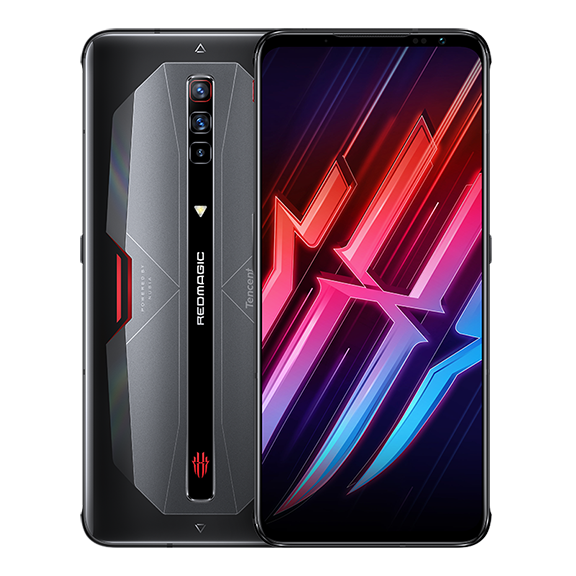
Earlier this year, Nubia unveiled the Red Magic 6 series including the Red Magic 6 and Red Magic 6 Pro smartphones. The phones came with a flagship chipset and gaming-oriented hardware like a 165Hz refresh rate and up to 120W fast charging support. Now, a new phone from the series has arrived on China’s 3C sporting the same 120W fast charging support.
The Nubia phone arrived on 3C certification carrying the model number NX669J-S. It is believed to be the upcoming Red Magic 6S smartphone. It has a crazy fast 120W fast charging support. Unfortunately, the certification does not reveal any other details about its battery.
The Red Magic 6S is expected to come with some upgrades over the predecessor. The smartphone may come with a similar 165Hz high refresh rate display. We speculate it to have a flagship chipset paired with some cooling system. Rumors are rife that it may arrive with the latest Snapdragon 888+ SoC.
Nubia Red Magic 6 series Specifications
The Nubia Red Magic 6 and 6 Pro phones are powered by Qualcomm’s Snapdragon 888 SoC with LPDDR5 RAM and UFS 3.1 onboard storage. The phones boast up to 500Hz touch sampling rate and come with features like RAM Boost and Frame Optimization 2.0.
The series has a 6.8-inch AMOLED display with a 10-bit color depth and 100% DCI-P3 color gamut. The display doubles up as an in-display fingerprint scanner.
The phones boast a triple rear camera system with a 64MP main, an 8MP ultra-wide, and lastly a 2MP macro sensor. The Red Magic 6 has a 5,050mAh battery, whereas the Red Magic 6 Pro has a 4,500mAh battery.
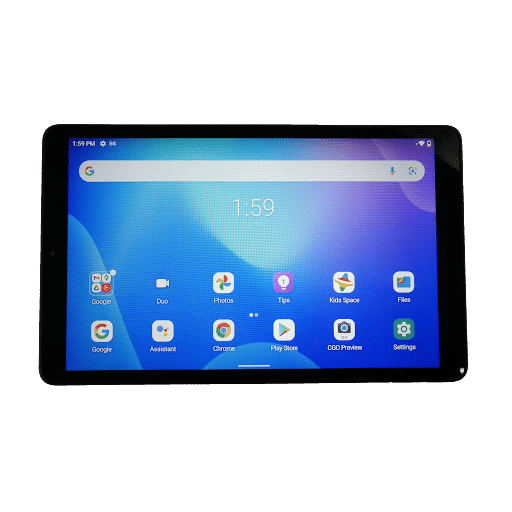
Motorola is reportedly working on a new tablet called the Moto Tab G20. A listing of the device has appeared at the Google Play Console (via) to reveal its design and key specifications. The tablet is likely to go official soon.
The Moto Tab G20’s Play Console listing shows that it supports a resolution of 1280 x 800 pixels. The device is powered by the Helio P22T chipset, which is mentioned as MT8768A in the listing. The device is equipped with 3 GB of RAM.
Moto Tab G20
The device can be seen with thick bezels in the image that has appeared in the Play Console listing. It is expected to come equipped with a near-stock version of Android 11 OS. The Tab G20 appears to be a rebranded version of the Lenovo Tab M8 (3rd Gen), which recently went official in some markets like Japan.
Lenovo Tab M8 (3rd Gen) has an 8-inch IPS LCD panel that offers 1280 x 800 pixels resolution. It features a 2-megapixel front camera and a rear camera of 5-megapixel.
The Helio P22T powered tablet features 3 GB of LPDDR4x RAM and 32 GB of built-in storage. It is backed by a 5,000mAh battery that promises up to 12 hours of usage time. It offers other features such as Dolby Atmos powered speaker, a microSD card slot, Wi-Fi, Bluetooth 5.0, and a 3.5mm microphone/headphone combo jack. It lacks support for LTE connectivity. The device measures 21.1 x 13 x 3.7cm and weighs 305 grams.
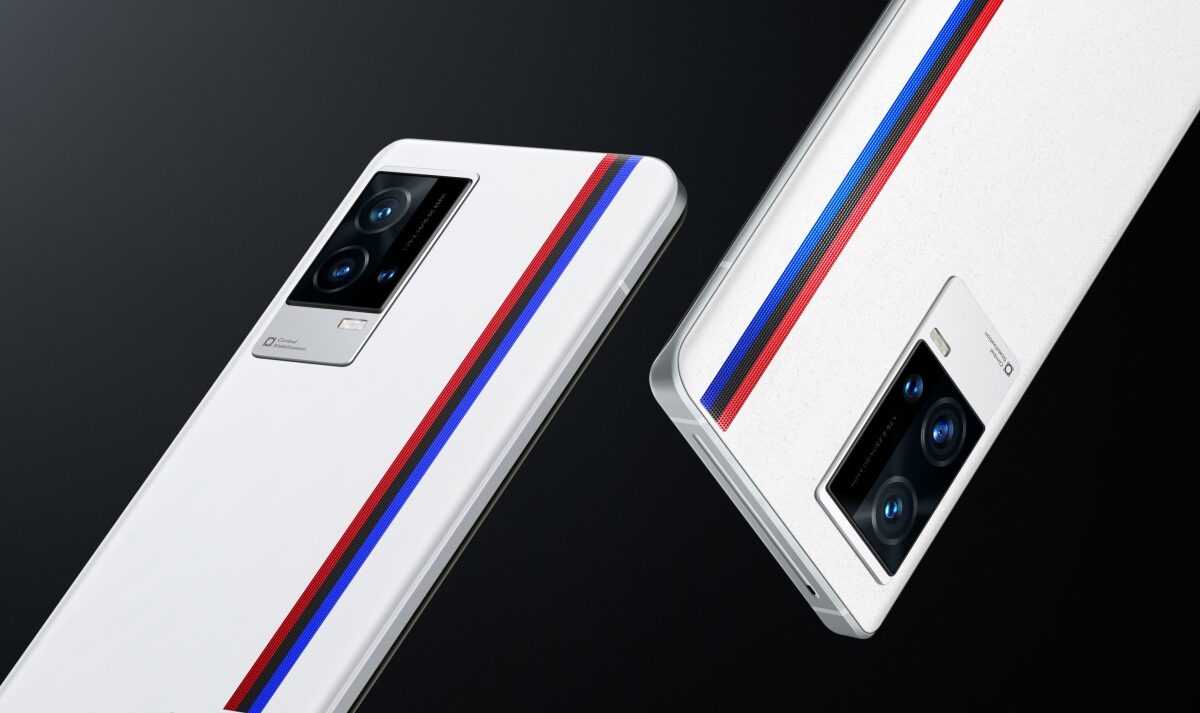
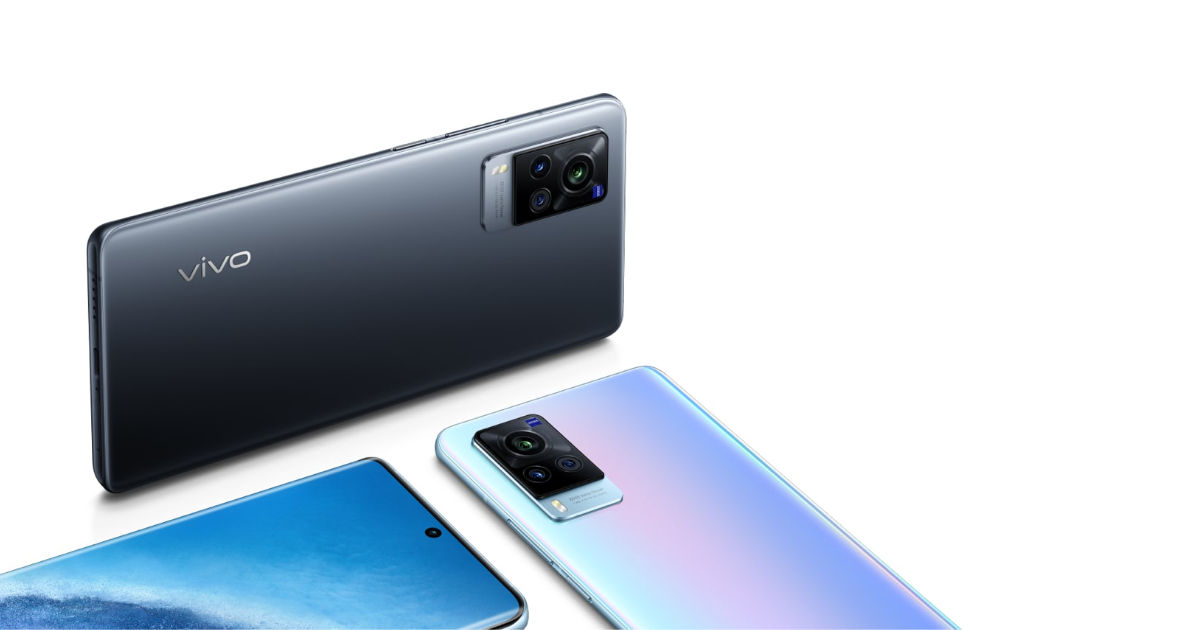
Vivo is expected to launch new X-series phones in the market dubbed Vivo X70, X70 Pro, and X70 Pro+. The series will succeed the current Vivo X60 smartphones. Previously, the Pro and vanilla variant arrived on Geekbench and now, the Vivo X70 Pro+ has reached the 3C certification.
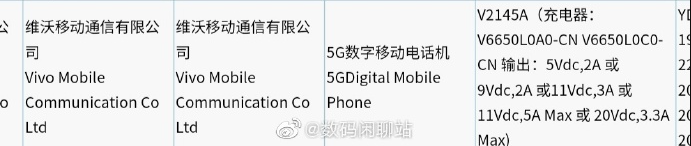
Earlier, the Vivo X70 was seen with model number V2104, whereas, the X70 Pro carried the model number V2015. Now, as per Digital Chat Station, the V2145 which happened to be seen on China’s 3C is none other than the third device in the series, the Vivo X70 Pro+.
According to its 3C certification, the smartphone has support for 66W fast charging. This is an upgrade over the 55W fast charging seen in the predecessor Vivo X60 Pro+.
Although the specs are scarce for the X70 Pro+, the device’s Indian pricing was tipped. The Vivo X70 Pro+ was touted to come at a price tag of ₹70,000(~$941) in India. We expect the phone to cost similarly in other markets.
Vivo X70 series Specifications
The Vivo X70 series is expected to come with a 6.56-inch AMOLED display with a high 120Hz refresh rate and 1080 x 2376 pixels resolution. According to the Geekbench listing, the X70 and X70 Pro will come with up to 12GB of RAM. Both the phones are expected to come powered by Dimensity 1200 SoC in the international markets, whereas, an Exynos 1080 SoC in the Chinese market.
The phones arrived on 3C certification recently, which revealed that the X70 and X70 Pro will have 44W fast charging support. On the other hand, the X70 Pro+ will bag a 66W fast charging support.
The series is expected to come with multiple cameras, the Pro models are expected to feature a micro-gimbal stabilization feature.
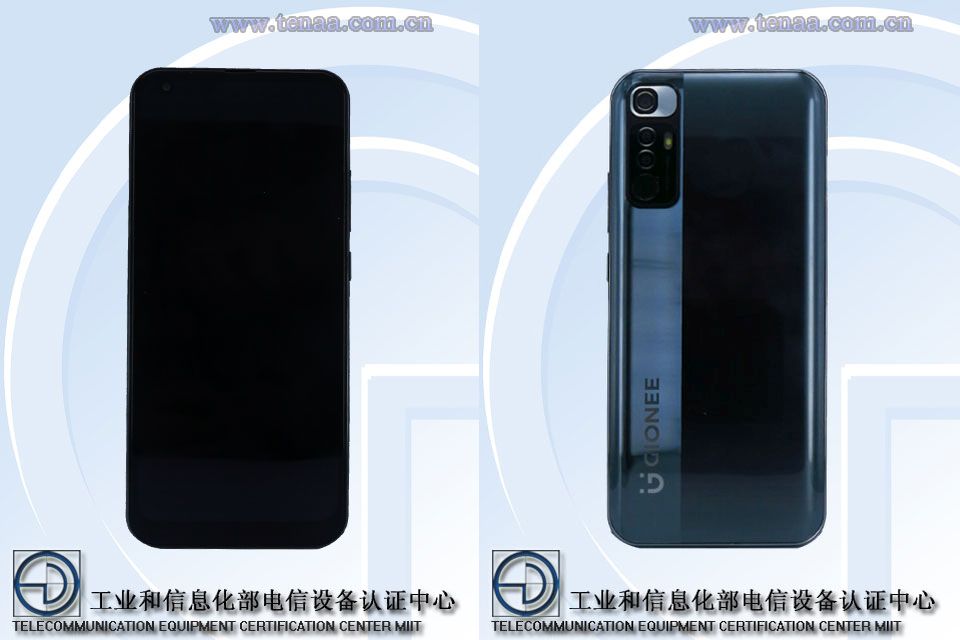
A few days ago, a new Gionee phone with a GNS2112Y model number was certified by the TENAA telecom authority. The listing has all the information on its specs and design. Interestingly, the GNS2112Y phone can be seen sporting a design similar to Xiaomi’s Redmi Note 10 series.
The Gionee GNS2112Y’s TENAA listing shows that it measures 174 x 81 x 11 mm and weighs 214.5 grams. The device is quite thick even though it does not house a massive battery. It is expected to release in China in black, white, blue, and red colors.
The handset houses a massive 6.81-inch punch-hole screen that offers an HD+ resolution of 720 x 1600 pixels. It is a 4G phone powered by a 2.0GHz octa-core processor. Sadly, it runs on the obsolete Android 9 Pie OS, and it is backed by a 3,920mAh rated battery.
The smartphone is likely to arrive in 4 GB and 6 GB RAM variants in China. It may come in storage options like 64 GB, 128 GB, and 256 GB. The device for a microSD card slot for additional storage.
The images of the GNS2112Y suggest that it is equipped with a side-facing fingerprint scanner. The TENAA listing does not clearly mention the details of the front and rear cameras of the smartphone. It seems to be fitted with a triple camera setup. The design of the rear camera setup is similar to Redmi Note 10 series.
There is no information available on the final marketing name of the device. The company may unveil it later this month.
Intel, one of the world’s leading chipset manufacturers, has announced a brand new lineup of high-performance graphics cards — Intel Arc. The first generation product under this new series will be launched in Q1 2022.
The codename of the first upcoming Intel Arc graphics processor is Alchemist and will be based on the Intel Xe HPG microarchitecture, with performance rumored to be capable of taking aim at the Nvidia GeForce RTX 3070.
The company has also announced that the Arc range will cover multiple generations of graphics hardware, with Battlemage, Celestial, and Druid listed as the codenames for future generations of Intel gaming GPUs.
Intel had previously launched DG1 — a card that was released only to system builders which performs a lot like the GDDR5 version of Nvidia’s GeForce GTX 1030.
Currently, there’s no information available about the specifications for the upcoming Intel Arc graphics card but the trailer from the company confirms that it will come with support for modern features like real-time ray tracing and “AI Accelerated Super Sampling” that will compete with Nvidia’s DLSS and AMD‘s FidelityFX upscaling technologies.
If the current shortage of graphics cards extends to next year, then Intel has a unique opportunity of attracting gamers desperately trying to get their hands on anything in the GPU space that they can get their hands on.
As of now, we don’t have any information about the performance, pricing, or availability of any Arc cards yet but we should know more about the new Intel’s dedicated graphics cards before they go official early next year.
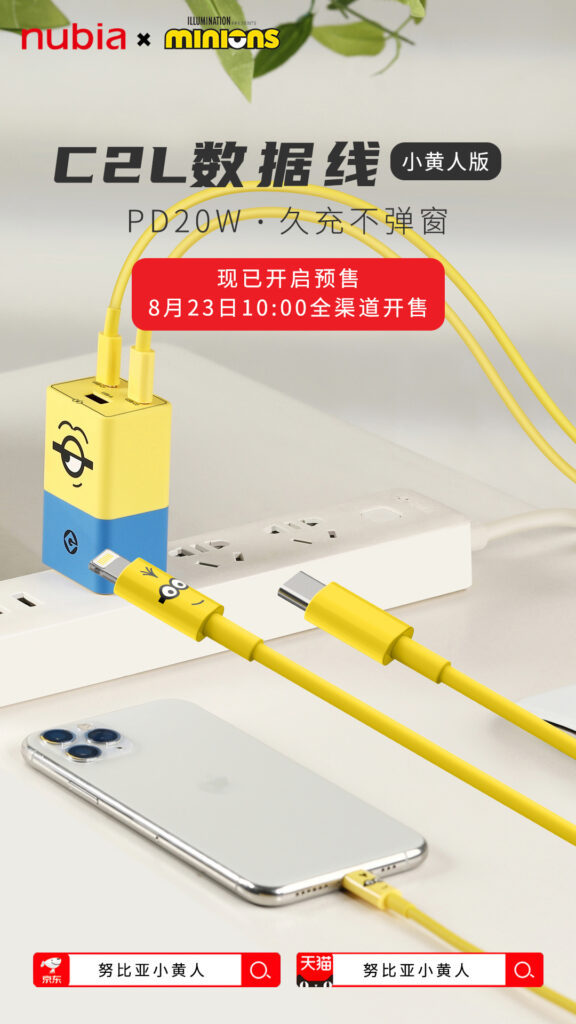
Last month, Nubia announced a bunch of minion cobranded accessories. The brand products such as the new Minion themed 22.5W chargers, 30W gallium nitride chargers, 65W gallium nitride chargers, and more.
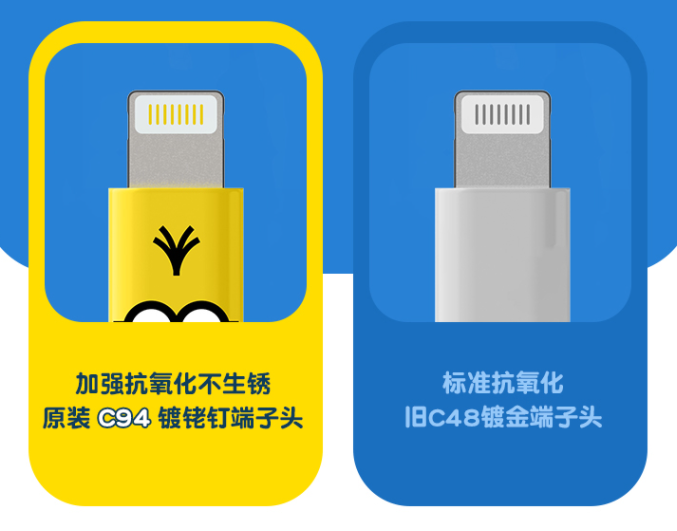
Now, the company has announced a new Minion-themed USB Type C to Lightning cable. The cable is 1 meter long and comes with Apple’s MFi certification. The cable is made out of TPE material, and the ends are made uses the C94 material with an anti-oxidized rhodium-plated nail terminal head.
According to the company, the cable has gone through 15,000 bending tests to ensure its strength. Further, the outer shell comes with an anti-fingerprint coating, and there’s a small Minion eye printed on the lightning end.
The Nubia C2L co-branded cable will retail for 69 yuan (~$11) with introductory pricing of 59 yuan (~$9). The cable is up for preorders, and the final payment has to be made on August 23. The delivery is scheduled to begin on August 26.
Everything you need to know about Apple MFi Certification
Under the MFi program, Apple provides third-party companies with the technical specifications and resources needed to manufacture accessories for Apple products. The MFi program offers a wide range of wireless and wired technologies that third-party brands can use to manufacture accessories for Apple devices.
Manufacturers can apply for the MFi license through Apple and start developing third-party accessories. However, manufacturers dealing with non-electronic accessories, non-MagSafe cases, and Apple Watch bands do not need to apply for MFi certification.
It is always advised to use MFi certified accessories with your Apple products. The MFi program ensures users’ safety as it provides an easy way of finding out counterfeit products. Counterfeit accessories can harm your product. Moreover, non-certified accessories won’t be as durable as the MFi certified ones.
Motorola is working on a couple of new phones such as Moto E20, Moto E40, and Moto G50 5G (Saipan). Popular tipster Evan Blass has shared leaked renders of an upcoming Motorola phone. The images suggest that it could be a low-budget E-series smartphone.
The mysterious Motorola phone can be seen sporting a tall aspect ratio display with a teardrop notch and a very thick bottom bezel. The device seems to lack a fingerprint scanner. Its right side is fitted with three buttons, which could be a power key, a volume rocker, and a Google Assistant key. A SIM card slot appears to be present on its left spine.
A 3.5mm audio jack can be seen on the top. The bottom side of the device seems to feature a speaker grille and a USB port. The rear-facing camera unit has a pair of cameras and an LED flash. These renders may belong to the upcoming Moto E20 handset.
Recently, the alleged Moto E20 with model number XT2155 was approved by Brazil’s Anatel certification agency, Bluetooth SIG, and TUV Rheinland. These listings have revealed that it supports Bluetooth 5.0, and it includes a 3,760mAh battery with 10W charging support.
According to Blass, the E20 is codenamed Aruba. Reports have also revealed that this device may get rebranded as the Lenovo K14 in some markets.
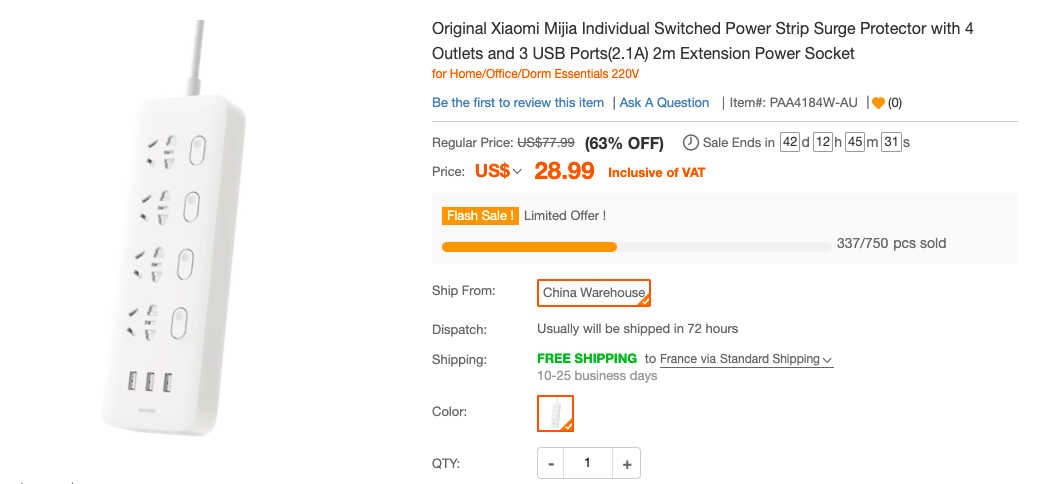
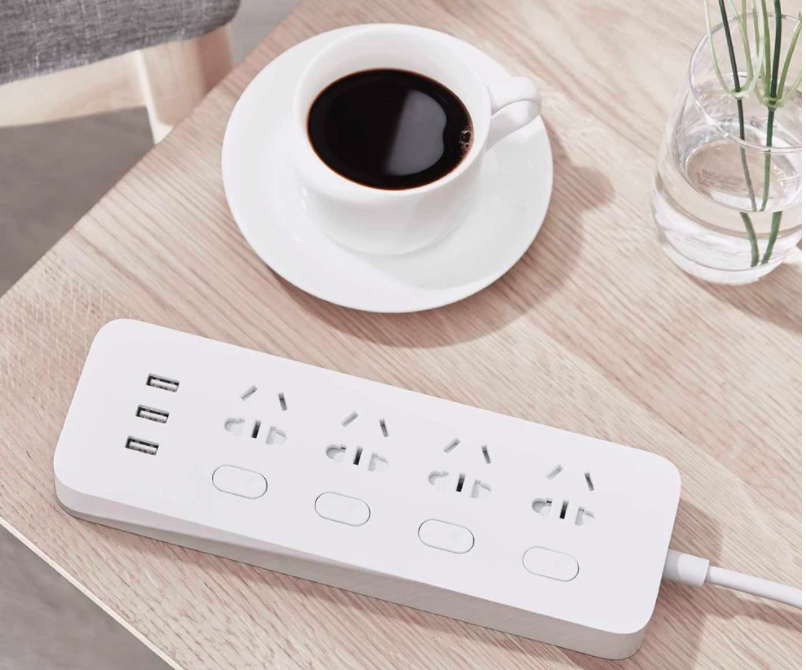
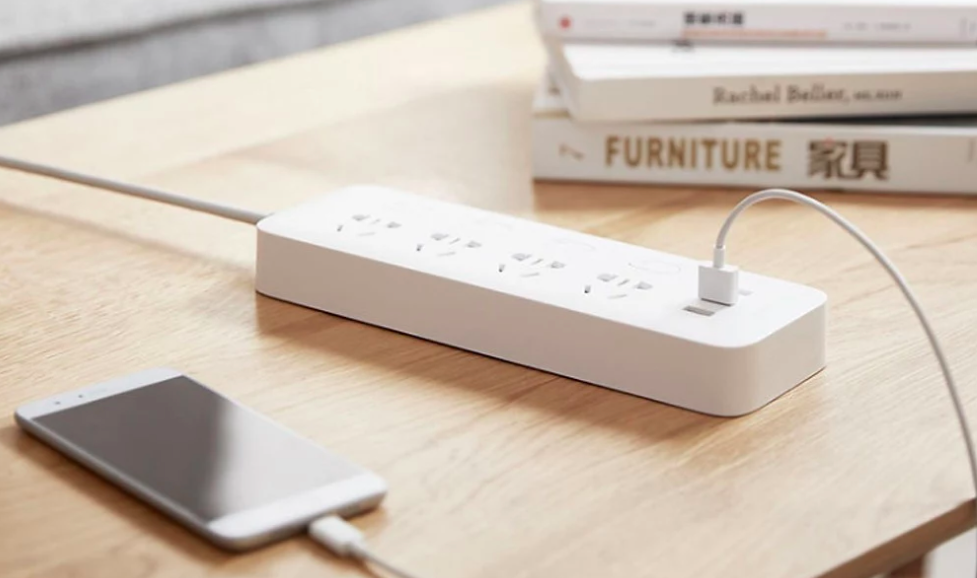
Xiaomi Mijia 4 Jack 4 Switch Power Strip which generally retails for $35 is now available at a discounted price of $28.99 only at Tomtop. Price is inclusive of VAT. This is a limited-time sale with free shipping.
Generally retailing for $35, you can now buy Xiaomi Mijia 4 Jack 4 Switch Power Strip at a discounted price of $28.99 only at tomtop.com. Please note that this limited-time price is inclusive of VAT and comes with free shipping from the China warehouse. So place your order asap.
For more information on such exciting deals and offers check out ourdeals hub.
* Please Note: When you buy something using the links in our articles, we may earn a small commission at no cost to you.
Earlier this week, a Samsung phone with model number SM-M526B/DS was seen in the database of the Bureau of Indian Standards (BIS). This phone is expected to arrive in India as the Galaxy M52 5G. According to tipster Debayan Roy that the South Korean company will be announcing it in September in India. The tipster further revealed that a new F-series phone will be also launching in India next month.
Samsung Galaxy M52 5G to launch by September end
A variant of the Samsung Galaxy M52 5G with SM-M526GBR was spotted at the Geekbench benchmarking site. It revealed that the device is equipped with the Snapdragon 778G chip, 6 GB of RAM, and Android 11 OS. The SM-M526GBR variant was spotted at China’s 3C certification site last month. It revealed that the smartphone has a 4,860mAh rated battery. Its typical value could be 5,000mAh.
The Galaxy M52 5G is also expected to feature a 32-megapixel front camera, and a 64-megapixel (ISOCELL GW3 as main sensor) + 12-megapixel (ultrawide) + 5-megapixel (macro) + 5-megapixel (depth) quad-camera unit. Apart from India and China, this device is also expected to arrive in some European markets. It could be arriving in colors like white, black, and blue in Europe.
Galaxy A52s 5G is the first Samsung phone with Snapdragon 778G
Samsung has recently launched the Galaxy A52s 5G in the U.K. Probably, the Galaxy M52 5G could be a rebranded version of the A52s 5G with a few changes.
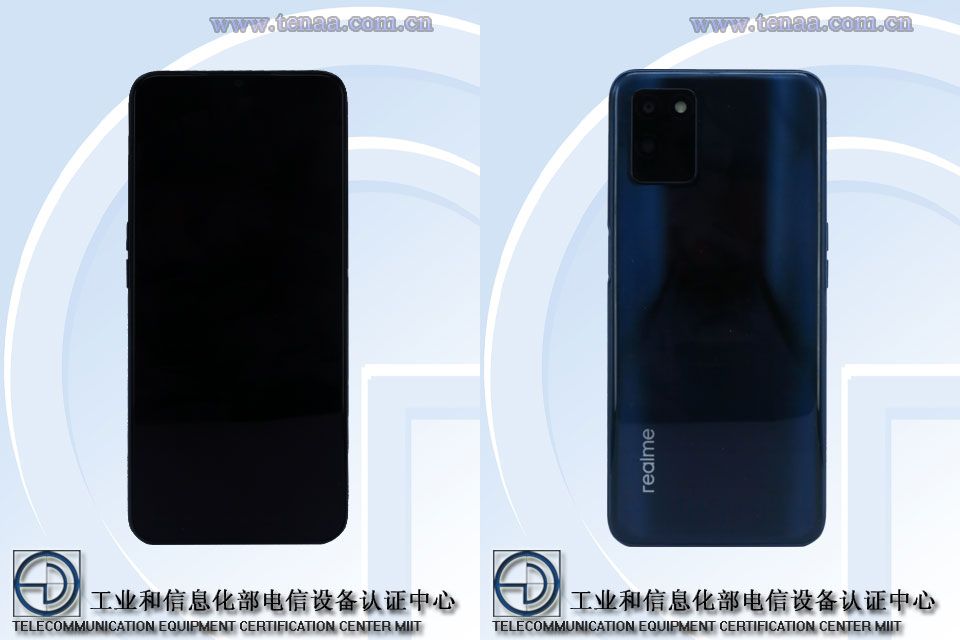
Earlier this week, an upcoming Realme phone with RMX3125 model number was certified by the TENAA telecom authority of China. The listing revealed its entire specifications. However, its design was not known as its images had not appeared. Now, the TENAA listing of the Realme RMX3125 has been updated with its images.
Realme RMX3125 design
The Realme RMX3125’s TENAA images suggest it could be sporting a teardrop notch display. The volume up and down buttons are available on the left edge of the device, whereas its right spine features a power key, which doubles up as a fingerprint sensor. The rectangle-shaped camera module has a dual-camera setup and an LED flash.
The handset measures 163.9 x 75.7 x 8.4mm and weighs 189 grams. It is likely to release in colors like gold and purple in China.
Realme RMX3125 specifications
The Realme RMX3125 is a 5G smartphone featuring a 6.52-inch HD+ display. It is powered by a 2.4GHz octa-core processor and 4 GB / 6 GB / 8 GB of RAM. The handset will come with 64 GB / 128 GB / 256 GB of built-in storage and a microSD card slot. It will come preinstalled with Android 11 OS.
For photography, it features an 8-megapixel front camera and a 13-megapixel + 2-megapixel dual rear cameras. It is backed by a 4,990mAh rated battery. There is no word on the fast charging capabilities of the smartphone. It will at least offer 18W fast charge support.
The final product name of the RMX3125 is not known yet. Probably, it will end up as a Q or V series smartphone.
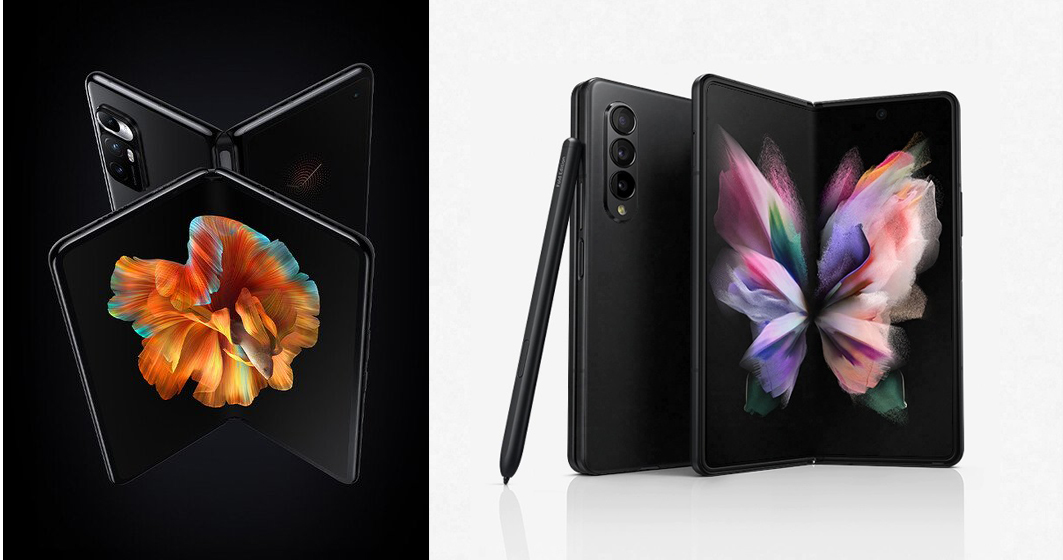
The foldable phones by Samsung reached the third generation. The Korean giant just launched the Samsung Galaxy Z Fold3 which solves all the problems of the previous generations and adds a lot of really interesting features such as the S Pen borrowed from the Samsung Galaxy Note series. But is it really the best foldable phone in the market that can transform into a tablet or you can find something better from other brands? The only foldable phone which is able to compete with the Samsung Galaxy Z Fold3 globally is the Xiaomi Mi Mix Fold and this is a comparison between their specifications.
Xiaomi Mi Mix Fold vs Samsung Galaxy Z Fold3
Xiaomi Mi Mix Fold
Samsung Galaxy Z Fold 3
THICKNESS
17.2 mm when folded, 7.6 mm when unfolded
16 mm when folded, 6.4 mm when unfolded
DISPLAY
Main display: 8.01 inches, 1860 x 2480p (Quad HD+), 387 ppi, Foldable AMOLED
External display: 6.52 inches HD+ (840 x 2520p), 27:9 ratio, AMOLED
The Xiaomi Mi Mix Fold is very attractive because it has a design with a ceramic back, while Samsung Galaxy Z Fold3 has the classic glass back paired with an aluminum frame. On the other hand, the Samsung Galaxy Z Fold3 is waterproof with the IPX8 certification and it also comes with the Gorilla Glass Victus protection by Corning. Last but not least, it is more compact and has a more elegant design: just look at the camera module in order to notice how minimal its design is. Note that Samsung Galaxy Z Fold3 supports the S Pen and the eSIM technology, while Xiaomi Mi Mix Fold does not have a pen. The Mi Mix Fold is a dual SIM phone (unlike its rival) but it does not have an eSIM.
Display
Samsung Galaxy Z Fold3 is the first display coming with an Eco2OLED panel which is able to improve efficiency in order to provide a lower energy consumption. The internal foldable display has a diagonal of 7.6 inches and a Quad HD+ resolution, as well as the HDR10+ certification, the highest brightness, and a 120 Hz refresh rate. The Xiaomi Mi Mix Fold still comes with an outstanding foldable panel sporting a diagonal of 8.01 inches, a Quad HD+ resolution, up to one billion colors, HDR10+, and Dolby Vision. The Samsung Galaxy Z Fold3 has a more interesting display, but the Mi Mix Fold remains amazing. Both the phones have an external OLED display for those who want to use them as normal phones, as well as side-mounted fingerprint readers.
Specs & Software
Samsung Galaxy Z Fold3 and Xiaomi Mi Fold have almost the same hardware. They are powered by the Snapdragon 888 mobile platform, but with the Xiaomi Mi Mix Fold, you can get more RAM: up to 16 GB instead of just 12 GB. In both cases, the internal storage goes up to 512 GB. The phones run Android 11 with a customized user interface on top. These phones are flagship and they provide astonishing performance thanks to their flagship-class hardware, as well as the complete 5G support.
Camera
The Samsung Galaxy Z Fold3 has the most complete camera department. It has a triple rear camera including three 12 MP sensors: the main camera with OIS, a telephoto lens with 2x optical zoom, and an ultrawide camera. It also comes with a 4 MP cover camera and an under-display camera with a 10 MP resolution able to record 4K videos. The Xiaomi Mi Mix Fold has a great 108 MP main camera, an 8 MP telephoto lens with 3x optical zoom, and a 13 MP ultrawide camera, as well as a 20 MP front camera on the external display.
The Xiaomi Mi Mix Fold has a bigger battery with a capacity of 5020 mAh and it can provide a longer battery life. It also supports a faster charging technology with a power of 67W (wired). However, unlike the Samsung Galaxy Z Fold3, it lacks wireless charging and reverse wireless charging. You can only charge the Mi Mix Fold with a cable, while you can choose Qi wireless chargers if you go for the Galaxy Z Fold3.
Price
Samsung Galaxy Z Fold3 has a $1799/€1799 starting price in the global market, while Xiaomi Mi Mix Fold begins at €1300/$1522 in Asia. The Samsung Galaxy Z Fold3 wins the comparison because it is waterproof, it comes with wireless charging, more interesting cameras, the under-display camera technology, S Pen support, and more. But the Xiaomi Mi Mix Fold remains a valid choice with its 67W fast charging technology, 3x optical zoom, and bigger battery.
Xiaomi Mi Mix Fold vs Samsung Galaxy Z Fold 3: PRO and CONS
Almost all smartphones available globally come with some sort of advertisement. Although ads on phones are mostly associated with devices from Chinese OEMs, especially Xiaomi, South Korean tech giant Samsung is no innocent either. But thankfully, Samsung has now confirmed to remove those annoying ads from its phones.
Samsung revamped its Android-based mobile operating system with the introduction of One UI. Unfortunately, slowly and steadily, the company put ads in some of the most used system apps like Samsung Weather, Galaxy Themes, and Samsung Pay.
Users around the world have been complaining about this for some time now. In fact, even Samsung employees are frustrated about it.
According to a report by Yonhap News Agency (via The Verge), one of these employees questioned Dr. TM Roh, President and Head of Mobile Communications Business at Samsung, regarding ads on the company’s smartphones in a recent ‘town hall meeting’ with employees held at Samsung Electronics’ Suwon Digital City on August 17.
To this, the top executive replied that Samsung has been seeking new growth opportunities in the fields of content and advertising services. The company is aiming to provide useful information that customers need through search and recommendation in the content service or Galaxy Store.
At the same time, he also said that criticism from employees is necessary for the growth and development of the company. Hence, Samsung will be removing ads from its smartphones via future One UI software update.
The South Korean tech giant even issued an official statement to The Vergesaying that the above-mentioned update will be ready by later this year.
This means the ads on stock Samsung apps will likely go away with the release of One UI 4.0 based on Android 12.
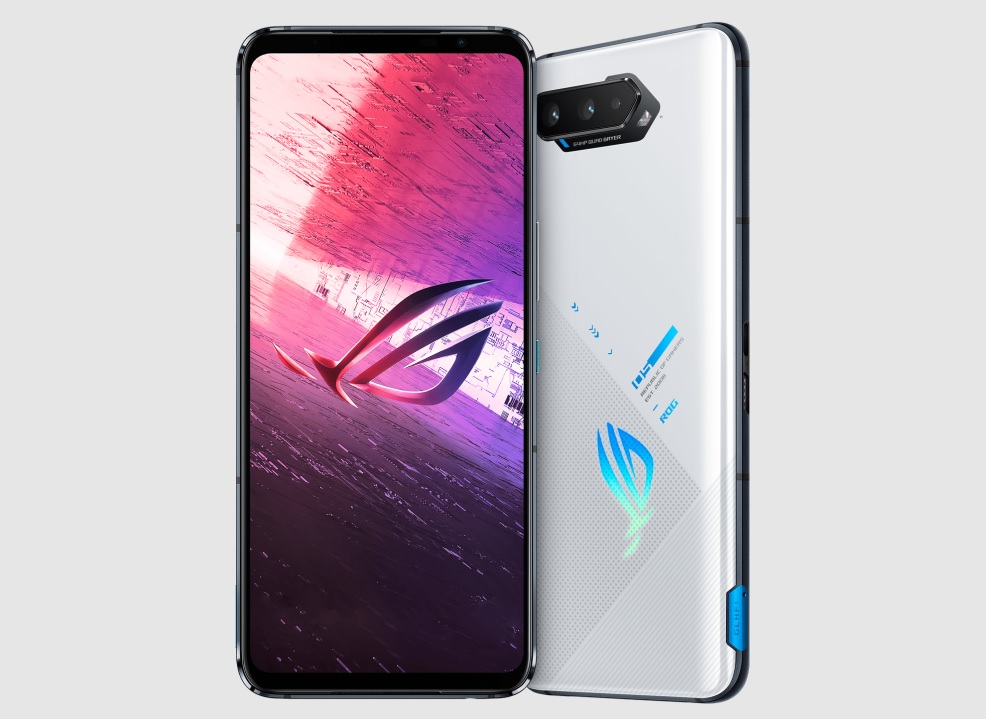
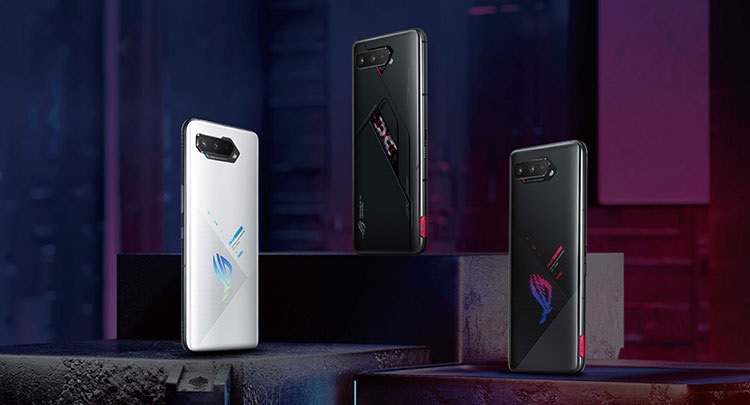
The ROG Phone 5s series was announced on Monday in Taiwan. The two new phones, which are powered by the Snapdragon 888 Plus processor and come with up to 18GB of RAM, have now made their way to China. Here are the details on their prices and availability:
ROG Phone 5s
ROG Phone 5s
The ROG Phone 5s will be available in five configurations, unlike in Taiwan, where it is available in only two:
8GB RAM + 256GB = ¥3999 (~$617)
12GB RAM +128GB = ¥4299 (~$663)
12GB RAM + 256GB = ¥4699 (~$725)
16GB RAM + 256GB = ¥4999 (~$770)
18GB RAM + 512GB = ¥5899 (~$910)
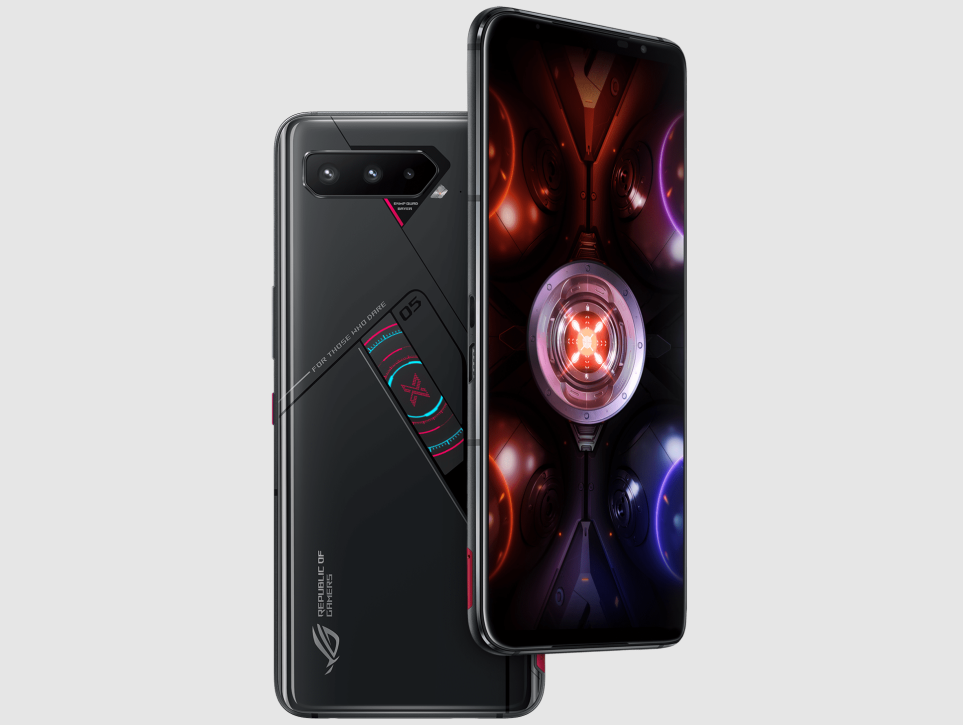
ROG Phone 5s Pro
ROG Phone 5s Pro
The ROG Phone 5s Pro will be available in only one configuration:
18GB RAM + 512GB = ¥8499 (~$1310)
ASUS has revealed that the ROG Phone 5s series will be available for purchase starting August 24 at 10:00 AM.
The ROG Phone 5s has a 6.78-inch Samsung E4 AMOLED display with a 144Hz refresh rate, 1ms response time, 360HZ touch sampling rate, and a 24ms touch response rate. It also has DC Dimming, HDR10+, SGS eye protection, and Gorilla Glass Victus.
The Snapdragon 888+ processor draws juice from a dual-cell 6000mAh battery. There is support for 65W fast wired charging too, so you can recharge and get back to gaming in the shortest possible time.
For cameras, there is a 64MP Sony IMX686 f/1.8 primary sensor, a 13MP 125° ultrawide angle sensor, and a 5M macro camera. A 24MP camera is in front for video calls and selfies. The phone can record in 8K and also record time-lapse videos in 4K UHD.
ASUS has equipped the phone with dual front-facing 7-magnet speakers. There is also an audio jack, and four microphones with ASUS noise reduction technology. There is Wi-Fi 6E, NFC, Bluetooth 5.2, an in-display fingerprint scanner, ultrasonic AirTriggers, and dual-SIM support. It runs ROG UI 5.0 based on Android 11 out of the box and is available in Aurora White and Phantom Black.
The ROG Phone 5s Pro has practically the same specs as the standard version but with the addition of a PMOLED screen and two touch sensors on the back of the device. It also comes in a single color – Phantom Black. Both phones will ship with a 65W adapter and a protective case.
We use cookies on our website to give you the most relevant experience by remembering your preferences and repeat visits. By clicking “Accept”, you consent to the use of ALL the cookies.
This website uses cookies to improve your experience while you navigate through the website. Out of these, the cookies that are categorized as necessary are stored on your browser as they are essential for the working of basic functionalities of the website. We also use third-party cookies that help us analyze and understand how you use this website. These cookies will be stored in your browser only with your consent. You also have the option to opt-out of these cookies. But opting out of some of these cookies may affect your browsing experience.
Necessary cookies are absolutely essential for the website to function properly. This category only includes cookies that ensures basic functionalities and security features of the website. These cookies do not store any personal information.
Any cookies that may not be particularly necessary for the website to function and is used specifically to collect user personal data via analytics, ads, other embedded contents are termed as non-necessary cookies. It is mandatory to procure user consent prior to running these cookies on your website.