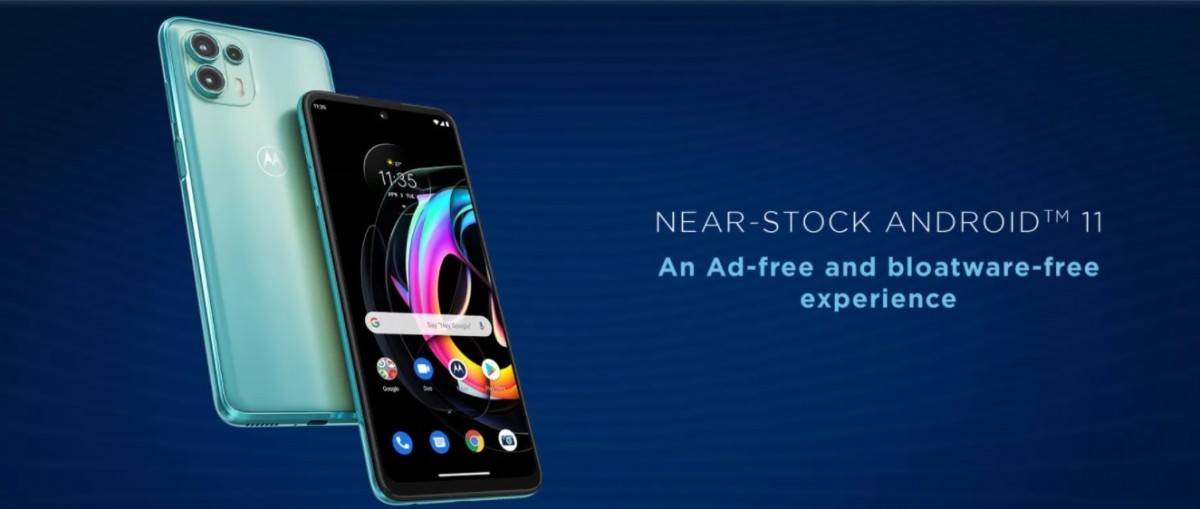
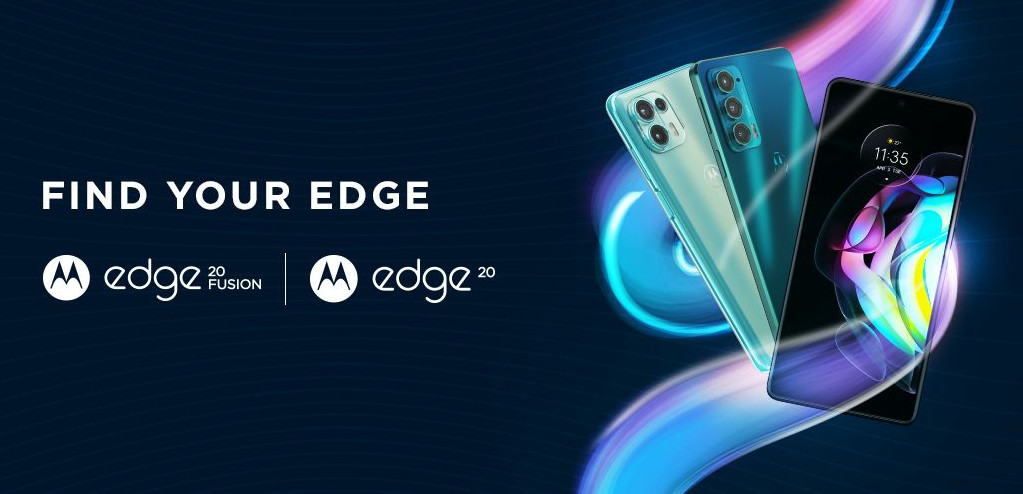
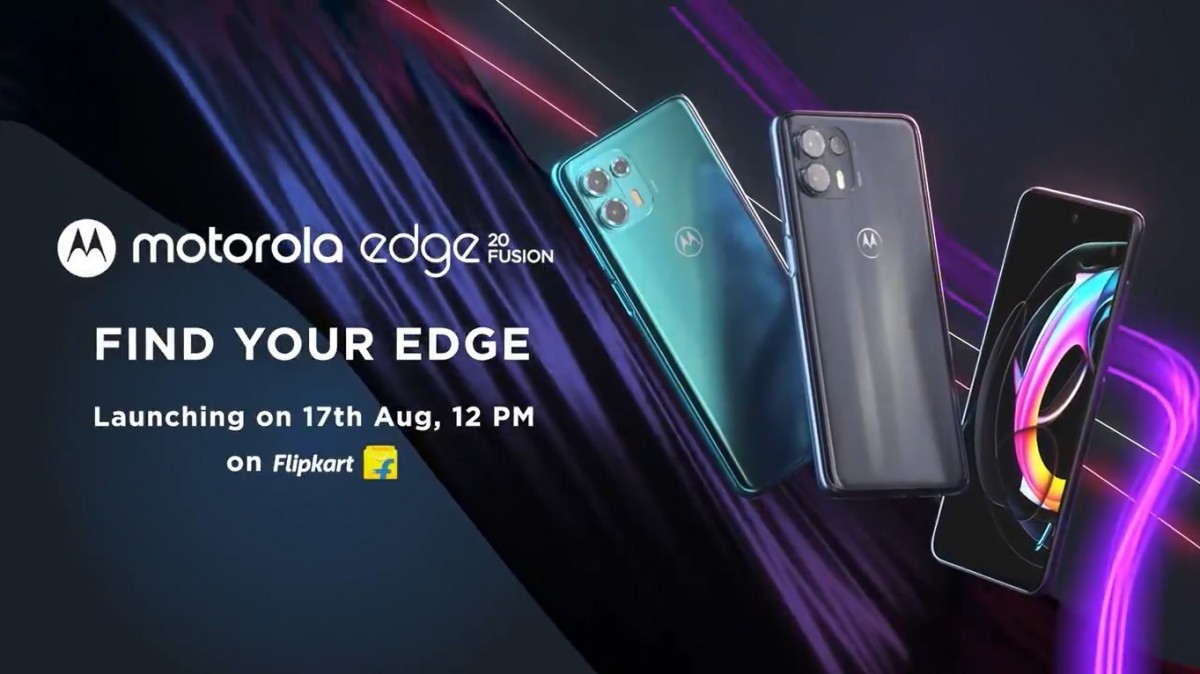
While Motorola had confirmed that it would be launching the Edge 20 and Edge 20 Fusion in India recently, the company will be officially unveiling the pricing of the new smartphones on 17th August 2021. Now, a new leak has revealed the pricing for both devices for the Indian market.
According to tipsters Debayan Roy (@Gadgetsdata), the Motorola Edge 20 Fusion will launch in India in two storage variants while the base Edge 20 will only launch in a single variant. The Edge 20 Fusion will reportedly be priced around 21,499 INR (roughly 290 US Dollars) for its 6GB RAM with 128GB internal storage. Meanwhile, the 8GB RAM and 128GB internal storage variant will apparently cost 23,999 INR (roughly 323 US Dollars). On the other hand, the sole 8GB of RAM and 128GB of internal storage variant of the Motorola Edge 20 will be priced around 29,999 INR (roughly 404 US Dollars).
At the moment, a Flipkart.com listing had revealed that the Edge 20 Fusion will sport a MediaTek Dimensity 800U chipset while the Edge 20 is expected to sport the Qualcomm Snapdragon 778 SoC. Keep in mind that this is a leak and we have no way confirming the pricing of these smartphones as of right now. So stay tuned for more, as we will be covering any similar leaks or reports prior to the launch of the devices in India.
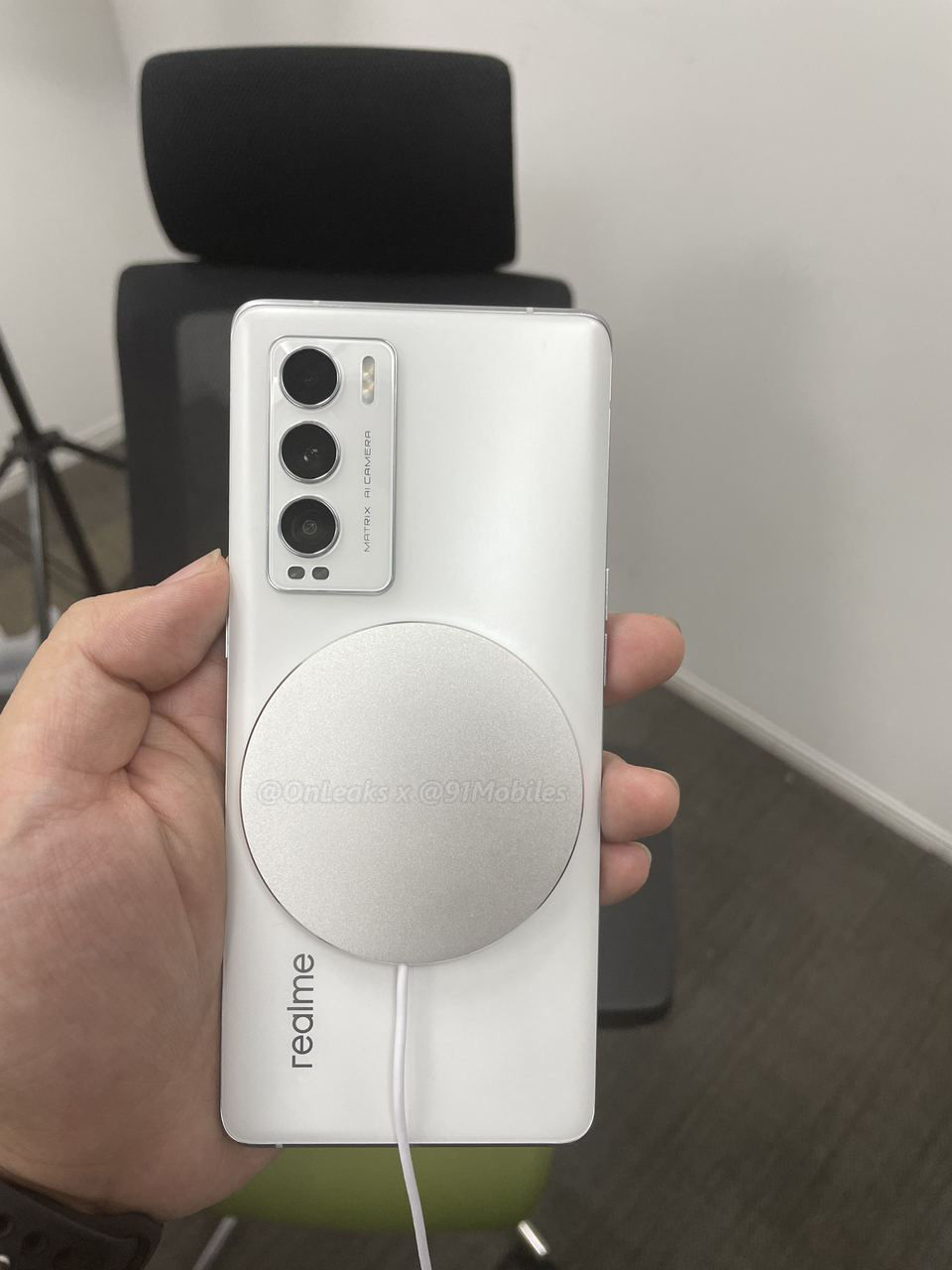
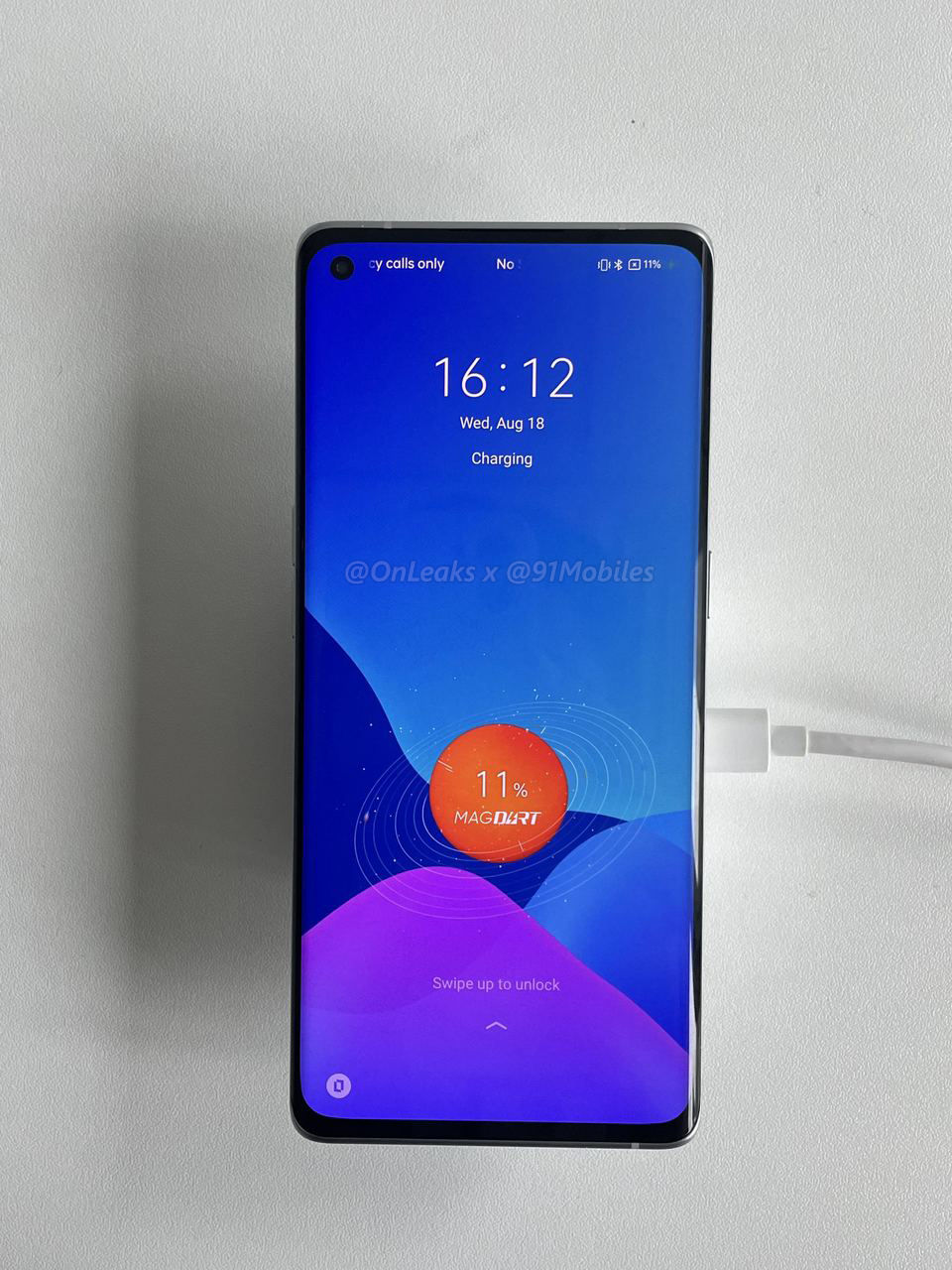
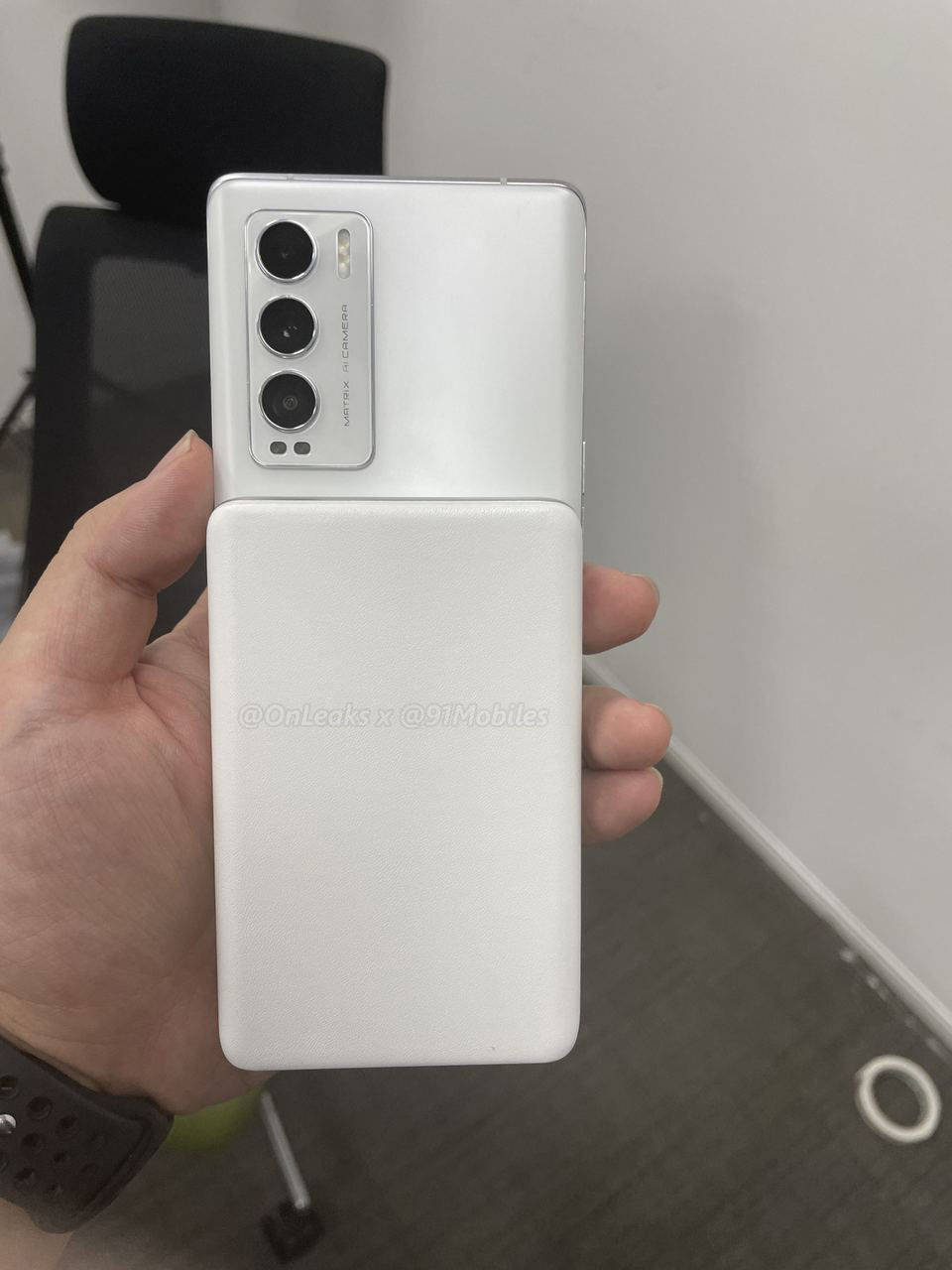
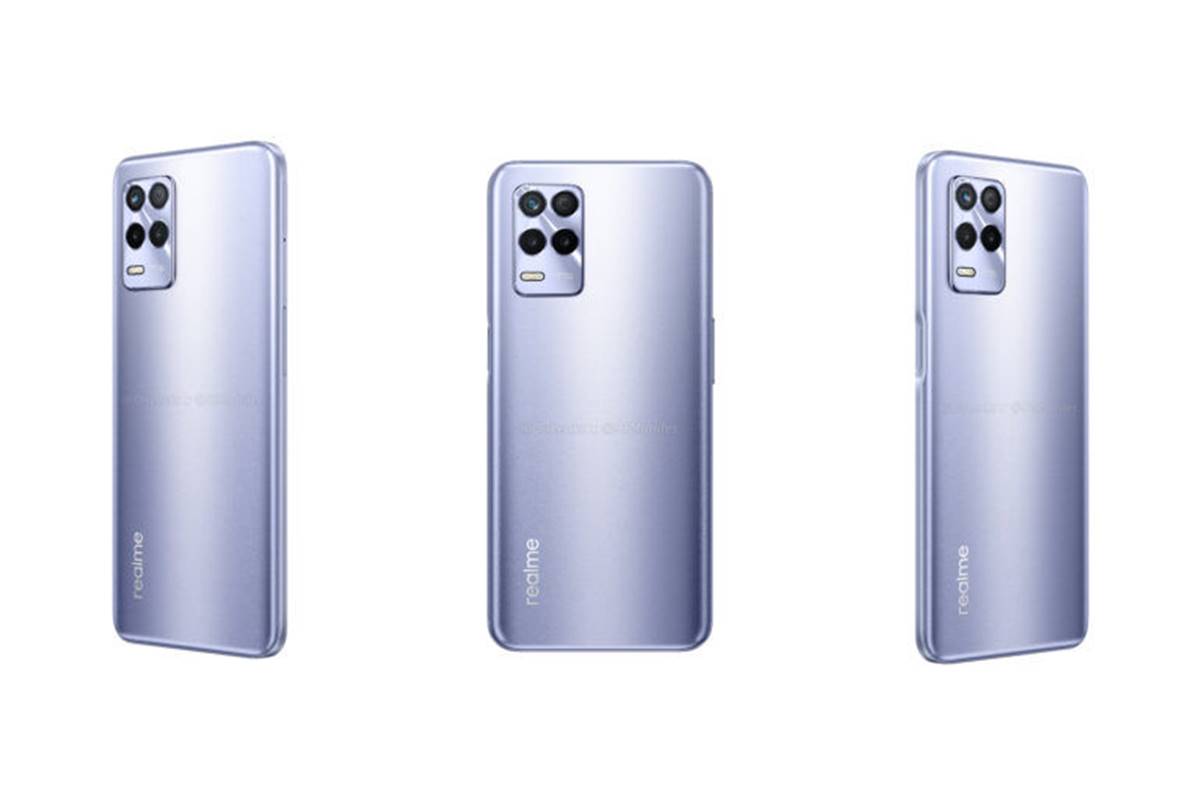
Chinese tech brand realme recently unveiled MagDart, a magnetic wireless charging solution for gadgets. But unfortunately, the company did not announce any commercial device with support for this tech. Instead, it showcased a concept smartphone called realme Flash. A few days later, multiple images now show a prototype of realme GT Master Edition with support for MagDart.
The live images of a realme GT Master Edition prototype with support for MagDart come from reliable leaker @OnLeaks (Steve Hemmerstoffer). He has partnered with 91Mobiles to share these pictures.
The images showcase a realme GT Master Edition prototype in Snow Mountain color charging wirelessly via three different MagDart accessories, namely 15W puck-shaped MagDart charger, 50W MagDart charger, and 15W MagDart power bank.
Other than that, these pictures don’t say anything about the modified handset. However, the sources have told Steve that realme wants to introduce MagDart on more devices. At the moment, it’s not known when we will get to see a commercial device with support for MagDart.
But what we know is that realme is all set to launch the realme GT Master Edition in India and Europe. This phone comes with a 6.43-inch FHD+ AMOLED display with a 120Hz refresh rate, Qualcomm Snapdragon 778G SoC, 64MP (wide) + 8MP (ultra-wide) + 2MP (macro) triple camera setup, 32MP selfie camera, realme UI 2.0 based on Android 11, 4,300mAh battery, and 65W SuperDart fast charging.
Having said that, if you want to learn more about realme MagDart, then stay tuned to GizmoChina as our hands-on will go live in a few hours from now.
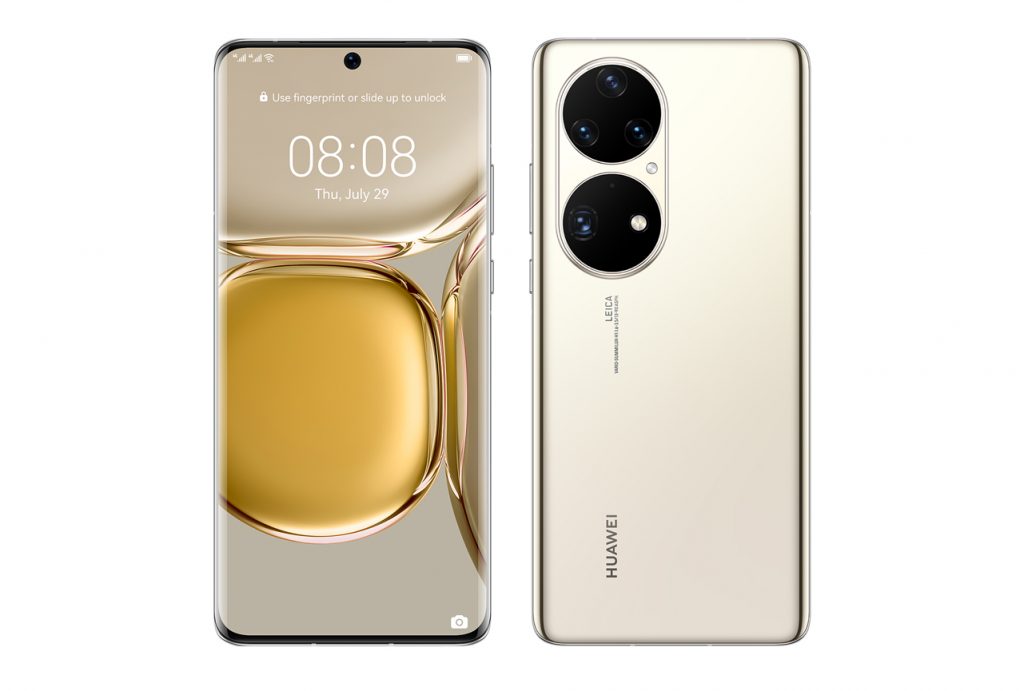
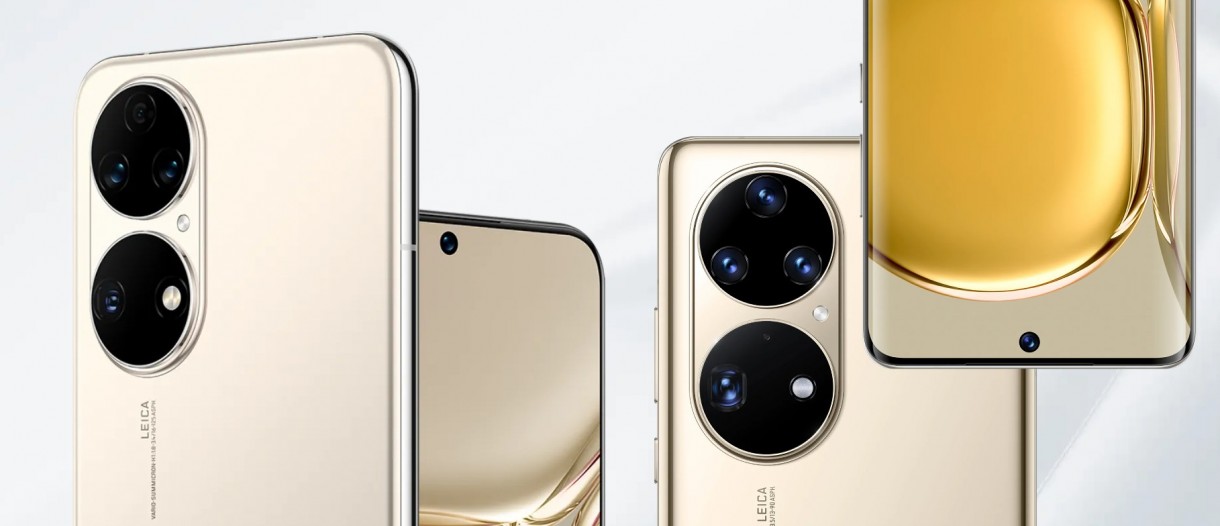
Back in July 2021, Huawei had officially launched the P50 series in China. The lineup was the latest flagship series from the company and featured top notch specs and features. Now, a new report has revealed the cost for repairing the P50 Pro, and these prices are quite high.
According to a report from CINNO (Via ITHome), the repair costs for various components of the Huawei P50 Pro has been revealed. This includes various components like display, front and rear camera modules, back panel, and more. Notably, the report stated that the display alone could cost a whopping 2,479 Yuan (roughly 382 US Dollars). This would make its pricing higher than some upper mid range smartphones.
For those unaware, the P50 Pro sports a BOE 6.6 inch curved OLED display with a 2700 x 1228 resolution. The screen has a 120Hz refresh rate, 1440Hz PWM dimming, and a 300Hz touch sampling rate. It can display up to 1.07 billion colors and has a P3 wide color gamut. Furthermore, the Pro variant also dethroned the Samsung Galaxy S21 Ultra to become the new Display leader on the DxOMark rankings.
Other notable parts replacement pricing include:
Back Panel – 486 Yuan (roughly 75 US Dollars)
Front Camera – 295 Yuan (roughly 45 US Dollars)
Primary Rear Camera – 940 Yuan (roughly 145 US Dollars)
Telephoto Camera – 528 Yuan (roughly 82 US Dollars)
Wide Angle Lens – 268 Yuan (roughly 41 US Dollars)
256GB motherboard – 2879 Yuan (roughly 444 US Dollars)
512GB motherboard – 3579 Yuan (roughly 552 US Dollars)
Earlier this week, Xiaomi held a launch event in China to announce the Xiaomi Mi MIX 4 flagship phone and the Mi Pad 5 series. Fresh information that not only the Mi MIX 4 phone but also the Mi Pad 5 series of tablets have been spotted at the Google Play Console and Google Supported Devices list. The listings suggest that the company may release these devices in global markets in the future.
The Mi MIX 4 and Mi Pad 5 models in China do not come with Google Mobile Services (GMS) since it is banned in the country. Hence, Xiaomi does not require Google Play Console certification for releasing its phones and tablets in China.
Last week, Xiaomi Global’s Product PR Agatha Tang revealed that the company has no plans to release the Mi MIX 4 in global markets at present. While the Play Console listing doe does not guarantee an international release for the Mi MIX 4, Mi Pad 5, and Mi Pad 5 Pro, it does indicate that these devices may release outside of China.
Xiaomi Mi MIX 4 and Mi Pad 5 series specifications
The Mi MIX 4 has a 6.67-inch AMOLED FHD+ 120Hz display, a 20-megapixel under-display camera, and a 108-megapixel + 13-megapixel (ultrawide free-form lens) + 8-megapixel (periscope telephoto) triple camera unit. The Snapdragon 888 Plusv fuels the device with up to 12 GB of RAM and 256 GB of storage. It has a 4,500mAh battery that supports 120W fast charging and 50W wireless charging.
The Snapdragon 860 powered Mi Pad 5 supports only Wi-Fi connectivity, whereas the Mi Pad 5 Pro with Snapdragon 870 comes in Wi-Fi and 5G versions. Both tablets have an 11-inch 2K display with TrueTone technology that adjusts display brightness with the ambient light. These tablets offer Dolby Atmos-powered quad speakers.
The Mi Pad 5 has a 13-megapixel rear camera, the Wi-Fi-only version of the Mi Pad 5 Pro has a 13-megapixel + 5-megapixel (ultrawide) dual-camera system, and the Mi Pad 5 Pro 5G has a 50-megapixel + 5-megapixel (ultrawide) dual-camera setup. The Mi Pad 5 series supports a magnetic keyboard cover and stylus. The Mi Pad 5 has an 8,720mAh battery with 33W fast charging, whereas the Mi Pad 5 Pro models have an 8,600mAh battery with 67W rapid charging.
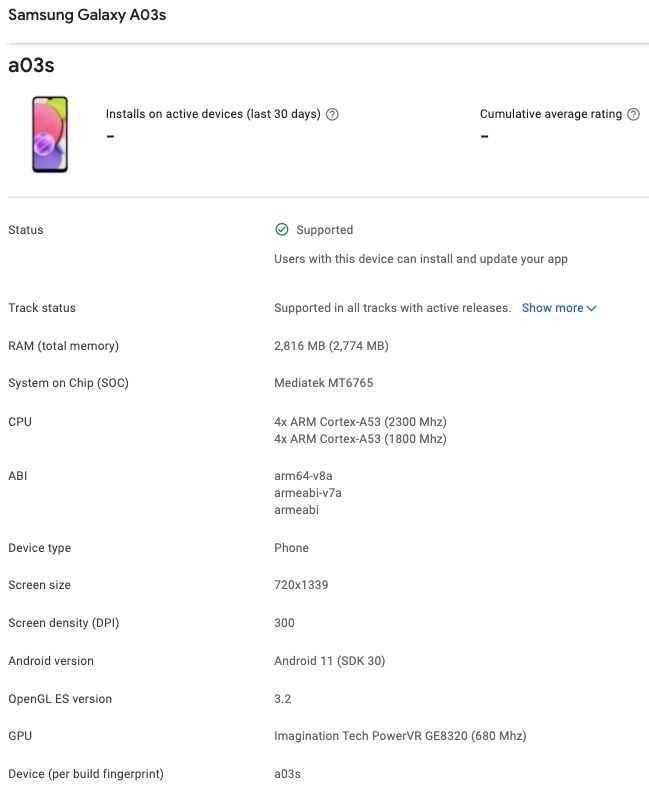
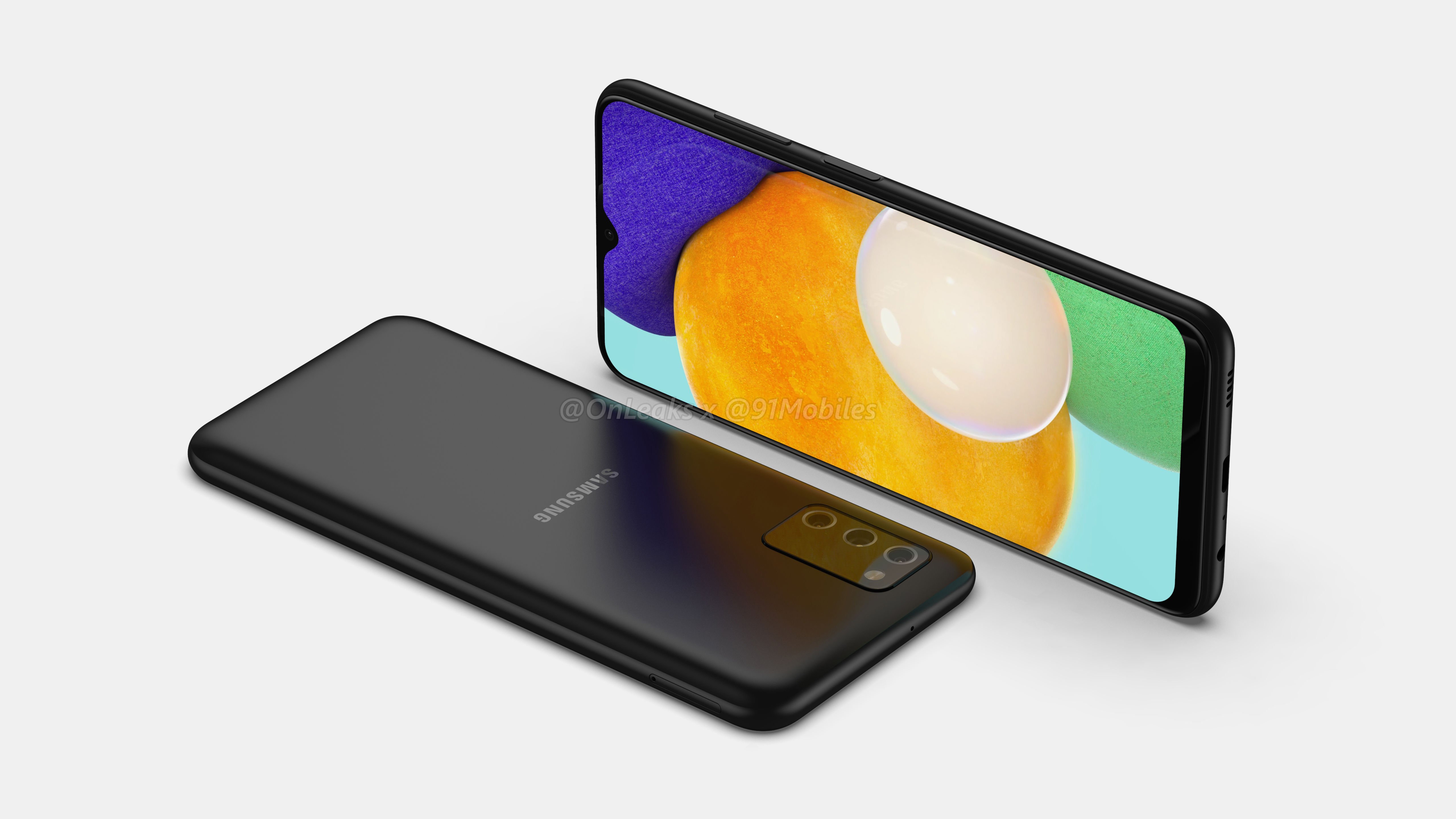
Samsung is speculated to soon announce the Galaxy A03s entry-level smartphone in multiple markets. It appears that it may not take too long for the phone to go official as it has been found listed at the Google Play Console and Google Supported Devices list (via). As usual, the listing has revealed the key specifications of the device.
As the moniker suggests, that the Galaxy A03s will be succeeding the Galaxy A02s from last year. The Google Play Console listing of the A03s reveals that it supports an HD+ resolution and it runs on Android 11 OS. The Galaxy A02s lacked a fingerprint scanner. The Play Console listing confirms that the A03s will feature a fingerprint sensor. The CAD renders of the phone that appeared a few weeks back revealed that it could be sporting a side-mounted fingerprint sensor.
The Galaxy A03s is fueled by 3 GB of RAM and MT6765 in the listing. Last month, the device was spotted with an MT6765V/WB chip at the Geekbench benchmarking site. While the MT6765 model number is associated with Helio P35 and G35, it can be said based on the Geekbench listing that it could be powered by the Helio G35 chip.
Samsung Galaxy A03s CAD renders by OnLeaks/91mobiles
Past reports have revealed that Galaxy A03s will feature a front camera of 5-megapixel and its rear camera setup will include a 13-megapixel main camera, a 2-megapixel macro lens, and a 2-megapixel depth sensor. The device is likely to feature a 5,000mAh battery.
A recent leak revealed that the Galaxy A03s will come in hues like black, white, and blue. It also revealed the 3 GB RAM + 32 GB storage variant of the phone will be priced at 150 euros (~$176). It may go official soon in India as its support page had gone live on Samsung India’s website recently.
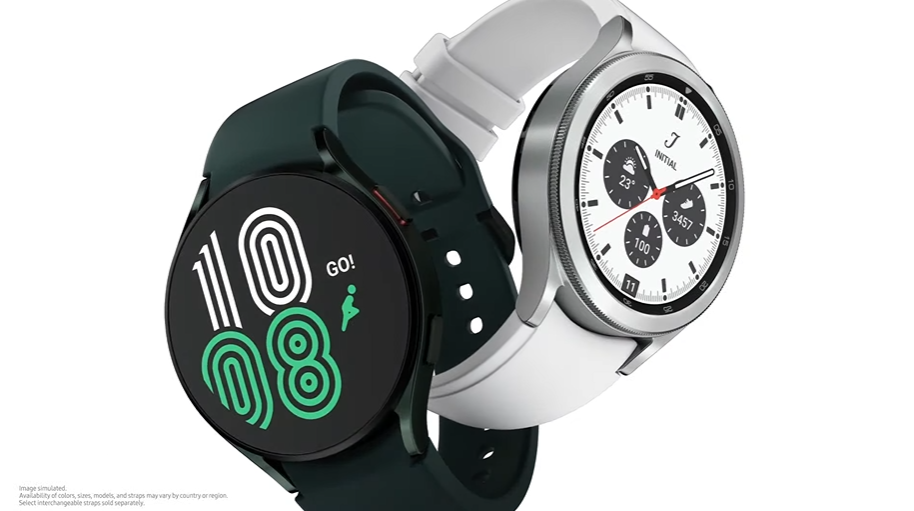
At the recent Galaxy Unpacked event, Samsung launched the Galaxy Watch4 series wearable devices along with the Galaxy Z Fold3 and Galaxy Z Flip3 foldable smartphones and Galaxy Buds2 TWS earphones.
The newly launched Galaxy Watch4 and Galaxy Watch4 Classic run the latest Wear OS 3 which is jointly developed by Google and Samsung. But, unlike its predecessors, the new smartwatches from Samsung are not compatible with Apple’s iOS.
Samsung Galaxy Watch4 Series
This means that the users of the Samsung Galaxy Watch4 series won’t be able to pair their wearable device to an iPhone. Samsung has also stipulated that the new smartphones can only be paired with smartphones running Android 6.0 or above version.
Also, the company has stated that device activation is only available after connecting to a smartphone that supports Google Mobile Services (GMS) and has Play Services and the Play Store installed on the device.
The company has clarified that the older Galaxy Watch would retain iOS compatibility. Samsung added support for iOS devices on its wearable devices with the launch of Gear 2 in 2016 and all the successor models support iOS. All of these products from Samsung run the company’s own Tizen OS.
Given that the latest generation smartwatches from Samsung are running the WearOS platform, it remains to be seen if the iOS support will be unavailable to all the devices powered by the WearOS, which is quite unlikely.
Qualcomm recently unveiled a new variant of its Snapdragon 888 series chipset, dubbed Snapdragon 888+ 5G with improved AI processing. Now, the eyes are on the next-generation chipset from Qualcomm which is set to launch at the end of this year.
The upcoming chipset, likely to be called Snapdragon 895 or Snapdragon 898, will come with model number SM8450. It will be powering most of the flagship smartphones getting launched next year.
With just a few months more before the official announcement, details about the upcoming flagship processor from Qualcomm are not surfacing online. Digital Chat Station has now revealed that the Snapdragon SM8450 will be manufactured using Samsung’s 4nm process and will result in 20 percent increased performance.
Previously, it was reported that the Qualcomm Snapdragon 898 will feature a three-cluster architecture. It will include a super-large core based on Cortex-X2, a large core based on Cortex-A710, and a small core based on Cortex-A510. All these new designs will be under the ARM v9 Pure 64-bit system.
The Cortex-X2 offers about 16 percent improvement in design performance than X1. But after tuning by Qualcomm, it has been optimized to perform better. However, for the performance results, we will have to wait for the mass-produced version of the chipset.
Given the track record, we expect Xiaomi to be the first company to launch a smartphone powered by the Qualcomm Snapdragon 898 chipset once it gets officially announced in December this year at Qualcomm Summit.
There will also be a Snapdragon 898+ SoC which should be launched in the second half of 2022. A report reveals that while the Qualcomm Snapdragon 898 will be manufactured by Samsung, the Plus variant will be manufactured by TSMC.
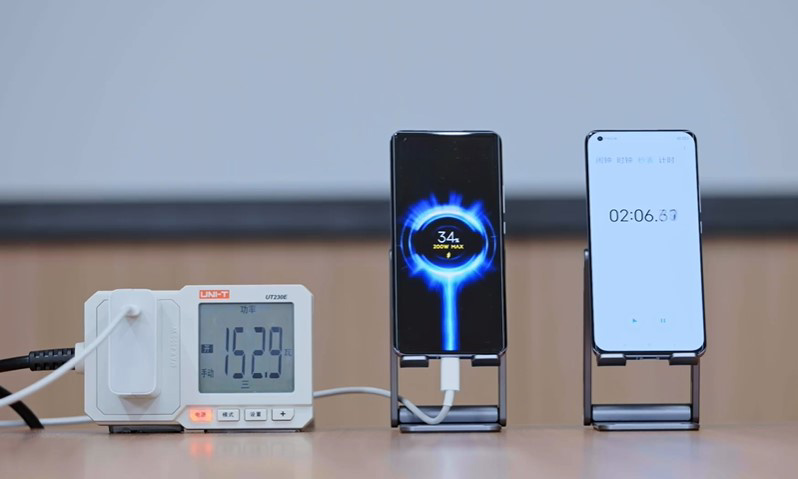
A couple of months ago, Xiaomi announced its latest HyperCharge fast charging solutions, showcasing what to expect from its smartphones in the future. It introduced 200W wired charging technology and 120W wireless charging technology.
Recently, it was reported that the Xiaomi HyperCharge technology could go into mass production by June 2022 and feature in a smartphone the same year. Now, a new report also indicates the 200W fast charging technology to enter mass production next year.
What’s interesting is that the report claims that the Xiaomi Mi MIX 5 smartphone will be the first one to get support for 200W fast wired charging and hints that the device could get launched next year. It also adds that the phone may not have support for 120W fast wireless charging technology but come with 50W wireless charging.
The report claims that Xiaomi has two flagship lineups where the primary series focuses on offering top performance and display, along with better camera configuration. On the other hand, the Mi MIX series comes with experimental technology, offering innovative solutions when it comes to display, phone material, and charging.
The newly launched Mi MIX 4 comes with 120W wired charging support, which was introduced along with Mi 10 Ultra smartphone last year as is still among the fastest charging solution available for a smartphone. But this year’s flagship, Mi 11 Ultra is limited to 67W fast charging. Because of this, it is being speculated that the 200W fast charging solution will be made available on the Mi MIX 5 smartphone.
The Xiaomi HyperCharge 200W wired charging solution can charge a 4,000mAh battery to 50 percent capacity in just three minutes. And it takes just eight minutes to gain 100 percent battery juice. On the other hand, the 120W wireless charging can charge a 4,000mAh battery to 10 percent in just 1 minute, 50 percent in 7 minutes, and 100 percent in only 15 minutes.
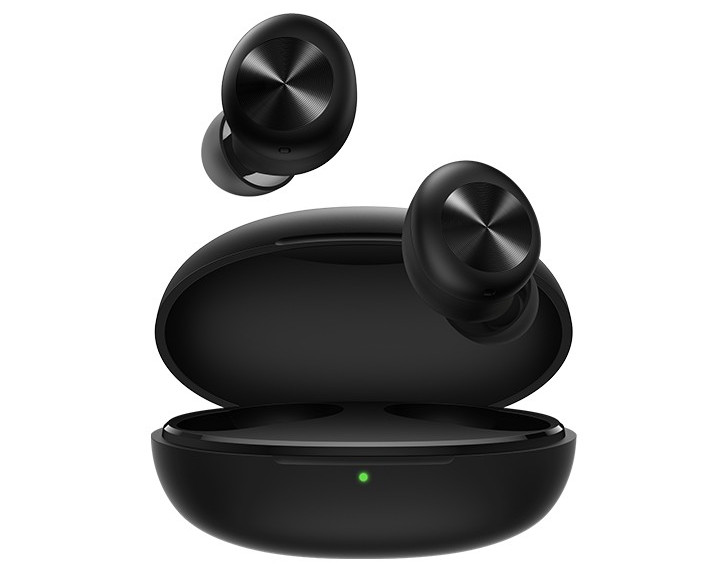
Realme TechLife ecosystem’s first brand DIZO has launched a few products in India, including DIZO Star 300 and DIZO Star 500 feature phones, a smartwatch, TWS earbuds, and neckband earphones.
Now, a new report claims that the company is now gearing up to launch more audio-related products later this month. Further, it adds that two true wireless earphones will be launched in the Indian market.
DIZO GoPods D
At least one of the upcoming TWS earphones from the DIZO brand will have support for Active Noise Cancellation (ANC). It is also being said that the earphones may have a premium design but be priced competitively in the market.
However, the launch of true wireless earphones in the Indian market isn’t the only planned product launch from this brand. DIZO plans to launch around 20 products by the end of this year, which will be in the category of Smart Entertainment and most of them will be audio-related products.
It aims to become the leading brand under the TWS category in the Indian market within two years. The brand is currently a part of the Top 10 list of companies by Gross Merchandise Value (GMV) in the earphones category on Flipkart.
While the launch date of the upcoming TWS earphones from Realme’s DIZO brand is not yet known, we expect them to get launched in the coming weeks. In that case, we should see the company start teasing them in the coming days.
Yesterday, MediaTek announced new 6nm chipsets such as Dimensity 810 and Dimensity 920. Soon after its announcement, Realme CEO Madhav Sheth asked customers whether they want Realme to launch the first Dimensity 810 powered phone. Recent reports revealed that the upcoming Realme 8s features the D810 chip. Hence, it appears that the Realme 8s arrival seems close at hand.
In the recent episode of the AskMadhav series on YouTube, Sheth had confirmed that the company will be announcing Realme 8i and Realme 8s phones in India. While the specs of the Realme 8i are not known yet, a recent leak revealed the design and all the major specs of the Realme 8s.
The Realme 8s 5G will feature a 6.5-inch screen that delivers an FHD+ resolution and a 90Hz refresh rate. The Dimensity 810 powered phone will come with 8 GB / 6 GB of RAM and 256 GB / 128 GB of built-in storage. There is no word on whether it will feature a microSD card slot.
The Realme 8s 5G will possess a 16-megapixel camera for selfies. Its rear camera will be headlined by a 64-megapixel camera. It will be backed by a 5,000mAh battery that offers 33W rapid charging. For security, it will come with a side-facing fingerprint scanner.
In related news, a Realme phone with an RMX3151 model number was approved by multiple certification sites. One of the certifications revealed that it will be releasing in the market with the Realme 8i moniker.
It is known through the FCC certification of the Realme 8i that it has 164.1 x 75.5 x 8.5mm dimensions and it weighs 194 grams. It will run on Realme UI 2.0 based Android 11, and it will be backed by a 5,000mAh battery. It will come with connectivity features like dual-band Wi-Fi, 4G, Bluetooth, GPS, and NFC.
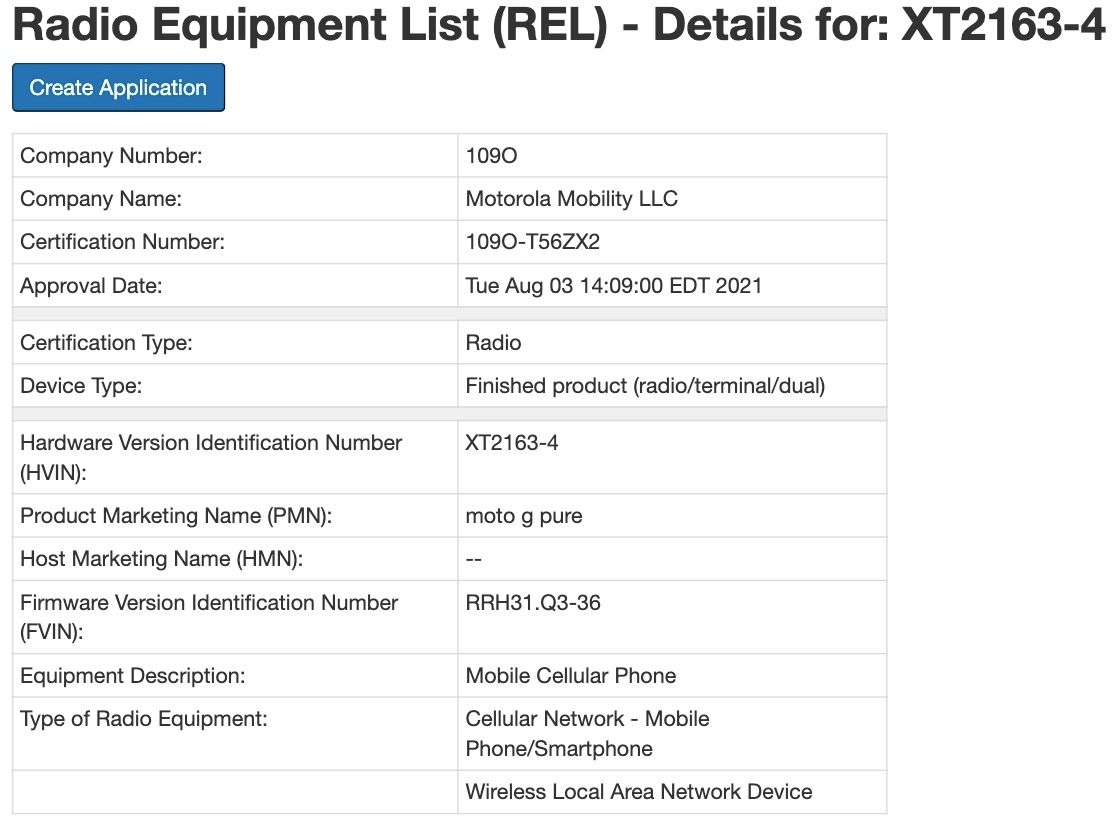
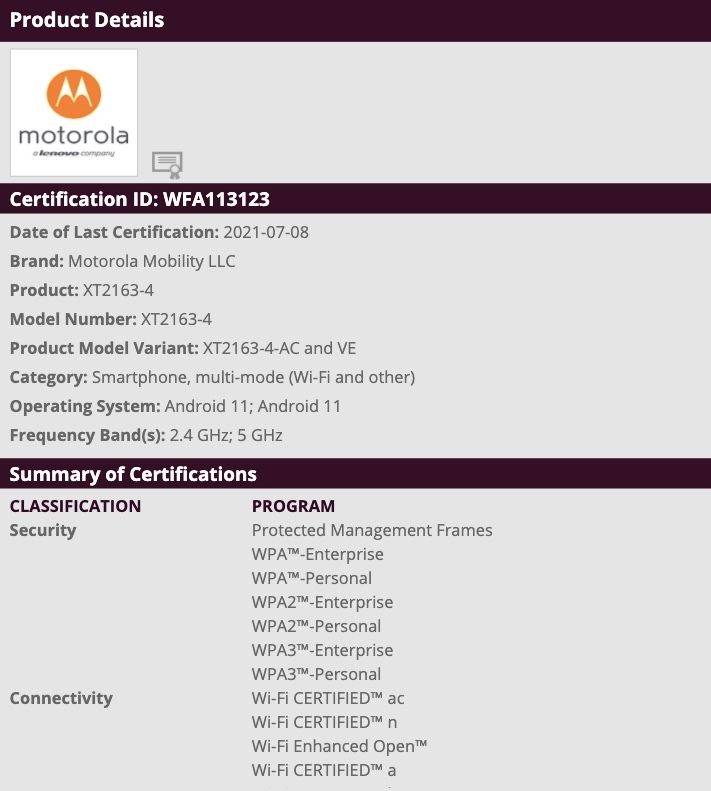
Last month, Motorola announced the Edge series of smartphones comprising of three phones in the global market. These include the Motorola Edge 20, Motorola Edge 20 Pro, and Motorola Edge 20 Lite. Now, the company seems to be launching yet another smartphone dubbed Moto G Pure as it surfaces in multiple certifications.
A smartphone with model number XT2163-4 has arrived on multiple listings. Firstly, the device has emerged in the REL Canada certification affirming its moniker to be the Motorola Moto G Pure. It also surfaced on FCC and Wi-Fi alliance certification which revealed its boot OS to be Android 11 out of the box.
1 of 4
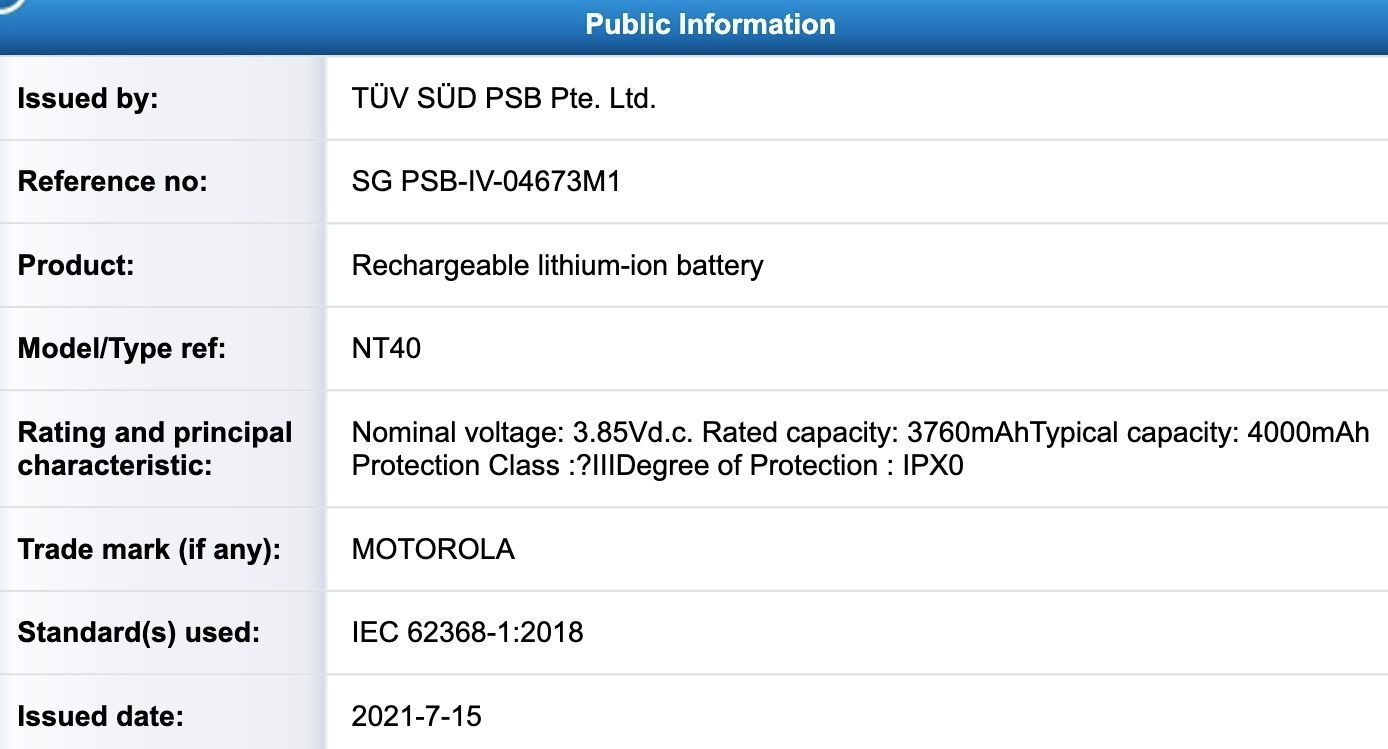
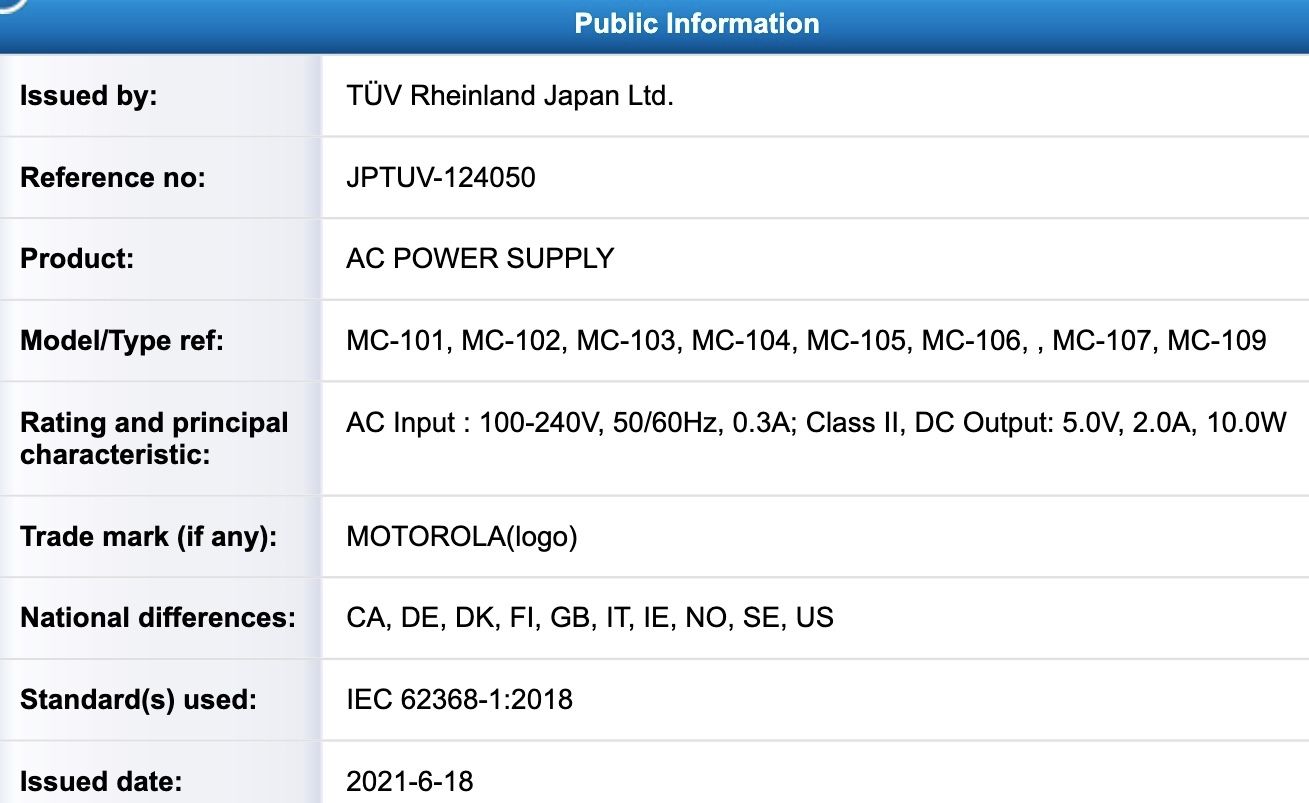
Additionally, the smartphone also appeared on TUV certification confirming its battery capacity. According to the listing, the device packs a 4,000mAh battery with 10W charging support.
Apart from this, the other details about the phone are yet to be known. Since we are hearing about the phone for the first time, we expect the device to appear more in future leaks.
Motorola Edge 20 Fusion
In related news, the recently launched Motorola Edge 20 series is slated to land the Indian market soon. Reportedly, there will be a new phone called Motorola Edge 20 Fusion which is touted to be a rebadged model of the Motorola Edge 20 Lite.
If we talk about its specs, the smartphone is expected to have the same design as the Lite variant. But, will board the MediaTek Dimensity 800U SoC instead of the Dimensity 720 SoC. Other specs include a 6.7-inch display, 108MP cameras, and a big battery.
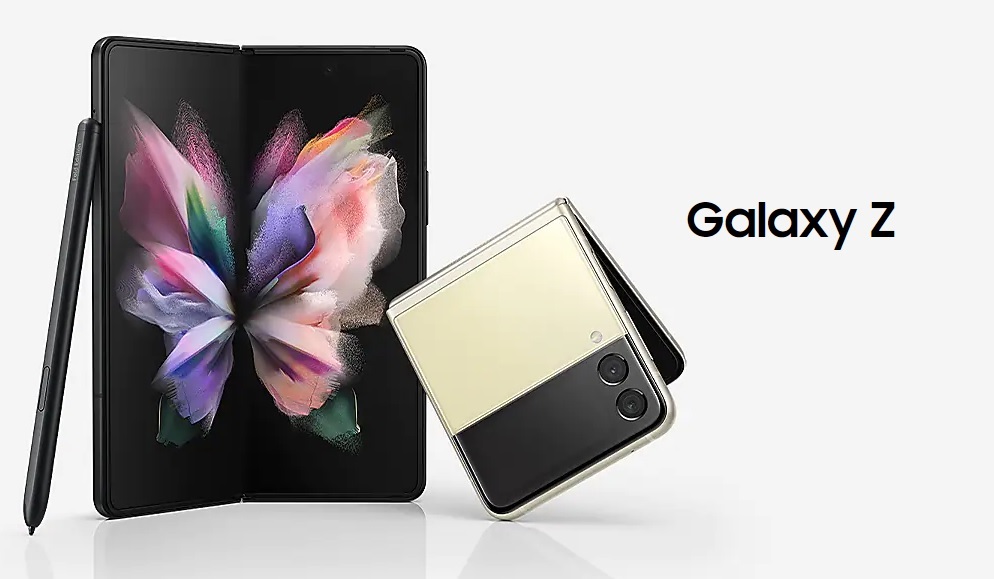
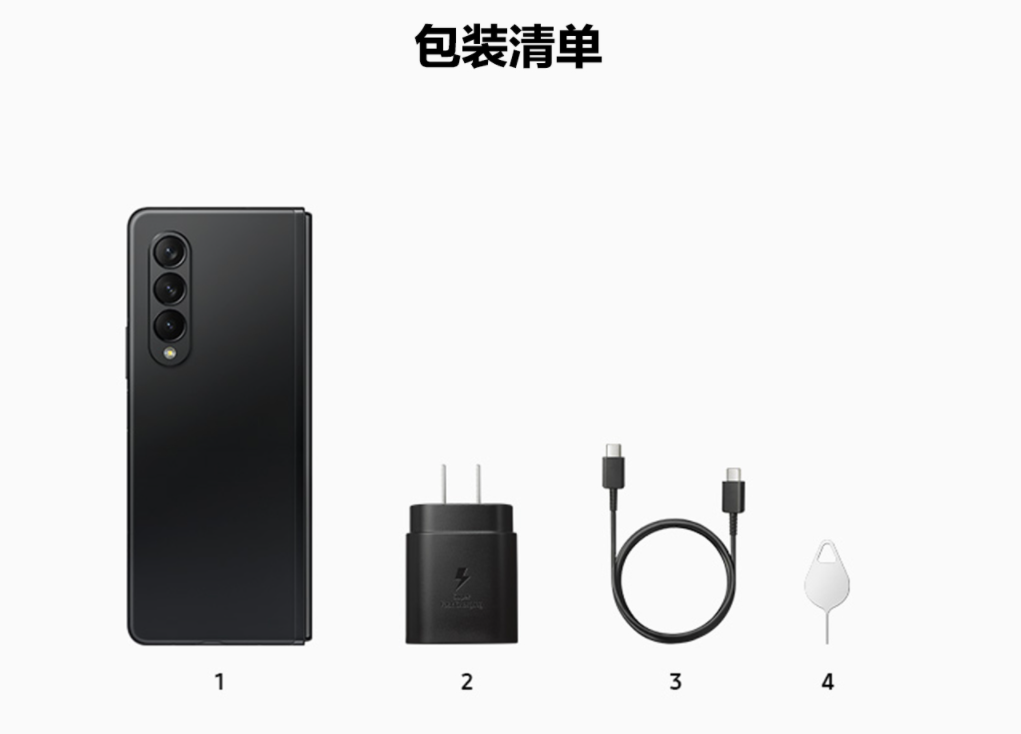
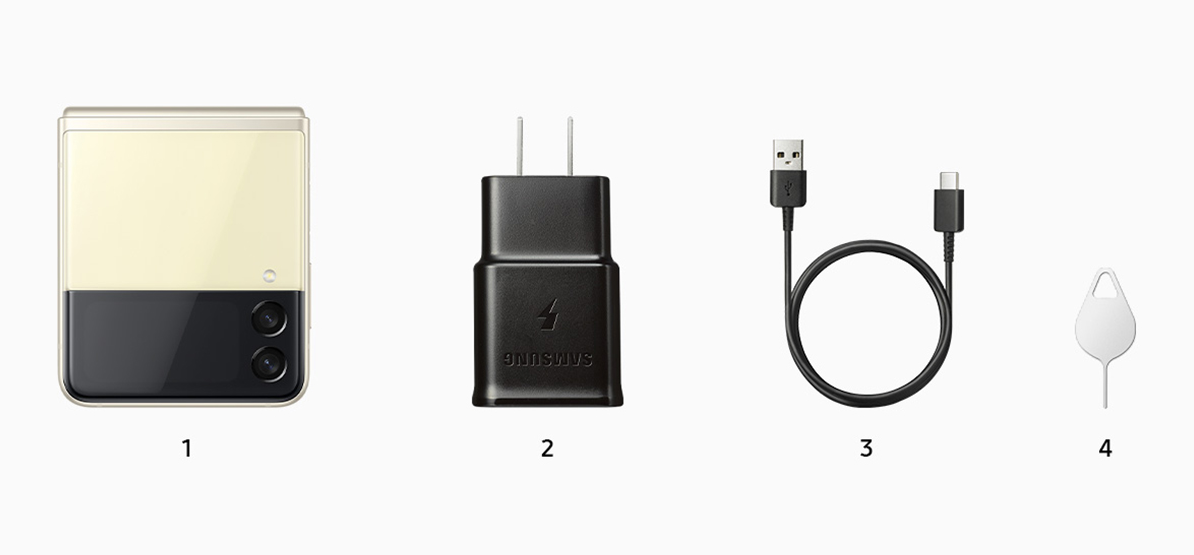
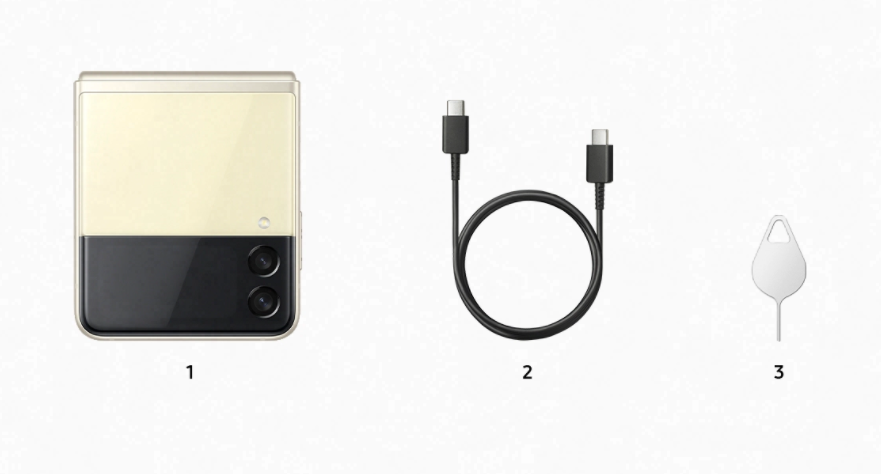
Just like the Galaxy S21 series announced this year, the Galaxy Z Flip3 and Galaxy Z Fold3 won’t come with a charger in the box. While that is true for some markets such as the U.S., it is not the case in China.
The product details pages on the Samsung eShop for the Galaxy Z Fold3 and Galaxy Z Flip 3 mention the contents of the box and it includes a charger and a USB-C to USB-C cable. According to the leaker that goes by @Chunvn8888 on Twitter, the charger is a 25W adapter, so you are able to charge both phones at their highest supported power rating.
1 of 3
Samsung Galaxy Z Fold3 box contents China
Samsung Galaxy Z Fold3 box contents China
Samsung Galaxy Z Flip3 box contents China
Samsung Galaxy Z Flip3 box contents China
Galaxy Z Flip3 Box Contents UK
Galaxy Z Flip3 Box Contents UK
The Galaxy Z Flip3 is priced at ¥8,599 for the 8+128GB version in China and that converts to ~$1327, a significantly higher price than the $999 price tag it goes for in the U.S.
The Galaxy Z Fold3, on the other hand, has a price tag of ¥15,599 (~$2469) and that gets you the 12GB RAM + 512GB version. In the U.S., it will sell for $1899.99. Considering China is paying a whole lot more, we can all agree that the least they can get is a free charger in the box.
Both devices are already available for preorder on the Samsung eShop for China.
Just recently, Motorola confirmed that it would be launching the Moto Edge 20 and Edge 20 Fusion in India on August 17. The official teaser gave us a clear look at the design of the Edge 20 Fusion which is basically the same in design as the Edge 20 Lite. However, a few specs of the device were also shared confirming the presence of a different chipset onboard the Edge 20 Fusion.
The Motorola Edge 20 Fusion has now been listing on the website of popular Walmart-owned e-retailer Flipkart in India. The listing robustly showcases the full specifications of the smartphone.
The Flipkart listing confirms the Motorola Edge 20 Fusion will be powered by a MediaTek Dimensity 800U chipset which is obviously more powerful than the Dimensity 720 SoC on the Edge 20 Lite. The RAM and storage options are yet to be revealed.
The smartphone will sports a 6.7-inch display with a 90Hz refresh rate, a side-mounted fingerprint reader, and support 13 5G bands in India.
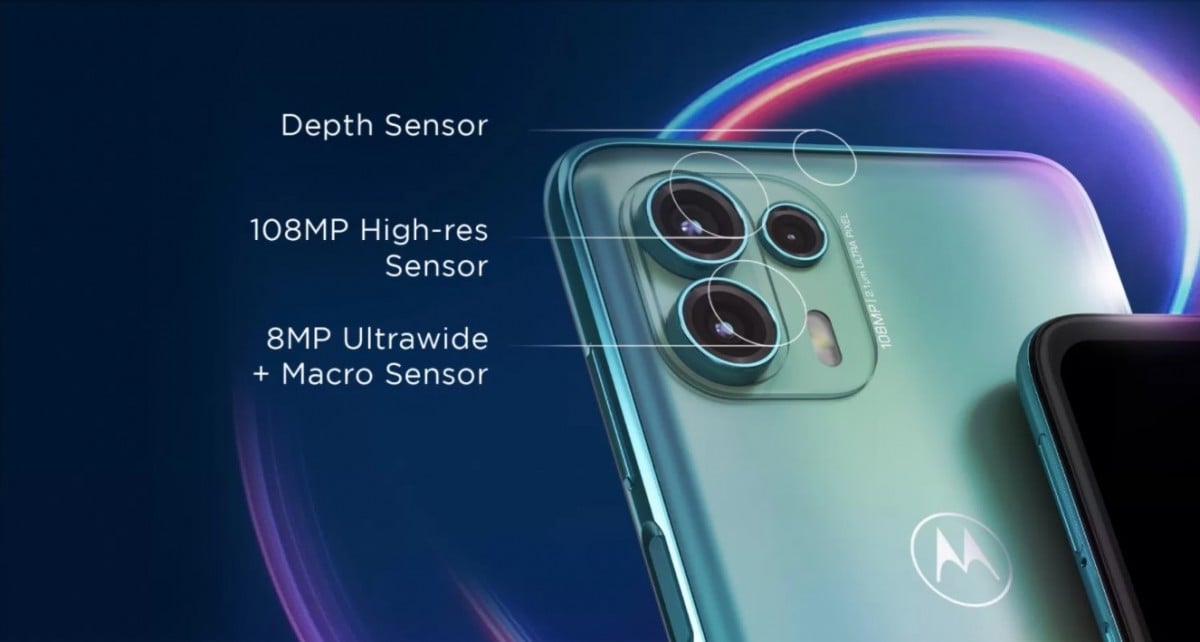
In terms of the camera, the Edge 20 Fusion is listed to feature a triple rear camera setup consisting of a 108MP primary sensor, an 8MP ultrawide camera which can also capture macro shots, and a depth sensor. For selfies, there is a 32MP selfie shooter housed inside a punch hole housing.
The device will run on stock Android 11 out of the box as well as Lenovo’s ThinkShield For Mobile security suite. The battery size is not known yet but the phone will charge via a USB-C port.
The Motorola Edge 20 Fusion will have at least two color options
As stated earlier, Motorola will also launch the vanilla Edge 20 in India on that same day. The specification of this model is unchanged from what was announced for the global market. That is a Snapdragon 778G SoC, a 6.7-inch 144Hz FullHD+ OLED panel, among others.
By the way, Motorola won’t be launching the Edge 20 Pro in India.
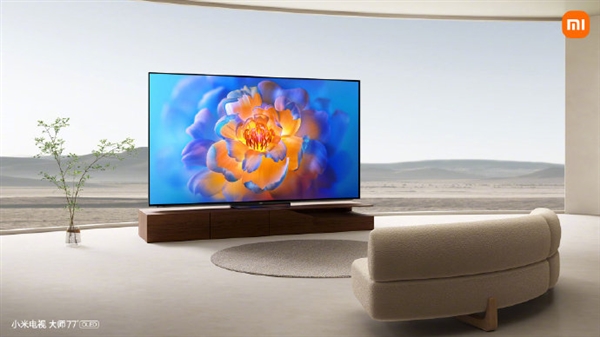
Xiaomi Mi TV Master 77 is among several products just unveiled by the Chinese company. The new TV comes with a monstrous 77-inch 4K HDR10+ OLED screen, IMAX Enhanced audiovisual certification, a pretty-high screen-to-body ratio, 1,000 nits peak brightness, supports Dolby Vision, Dolby Vision IQ, as well as several other impressive features.
The Mi Master TV 77″ supports a powerful four-channel color gamut, and has 10-bit and Delta E 1.5. The appearance is also a major selling point of this OLED TV. It is officially called Xiaomi’s most detailed TV. The 8.2mm ultra-thin screen is thinner than a mobile phone. The wire box hides the messy wiring.
The TV is compatible with Ultra Wide Band (UWB) technology, as it has a UWB chip which makes it possible to have a seamless one-touch connection with UWB-compliant devices. The speaker system consists of 9 speaker units that pack 70W audio quality. The NFC remote control of the TV makes it possible to cast videos easily via one’s phone just by bringing the two devices in close contact.
The Mi Master TV is powered by a Quad-Core Cortex A73 MediaTek chipset, together with Mali-G52 MC2 GPU. It has 8.5GB of RAM and 64GB of storage. The TV supports Wi-Fi 6, Bluetooth 5.0, and has 3 HDMI 2.1 ports, 2 USB ports, and several other input sources.
The Mi TV Master (77″) is priced at 19,999 yuan ($3,083), but Xiaomi is offering a discount of 3000 yuan when it goes on sale in China on August 18 bringing down the price to 16,999 yuan (~$2,624). Global availability and pricing details are lacking at this time.
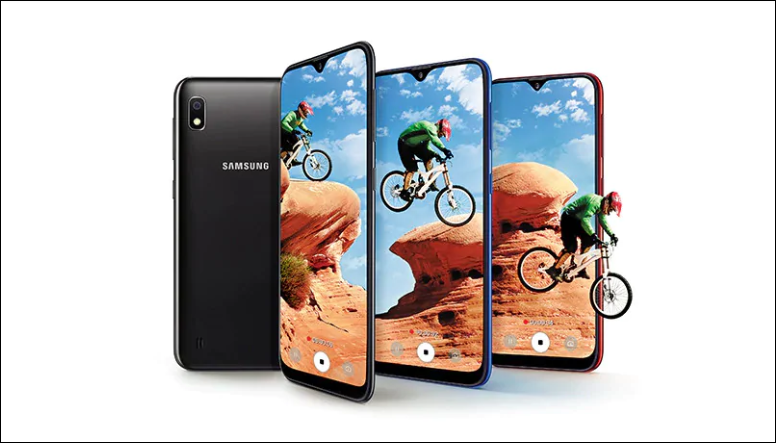
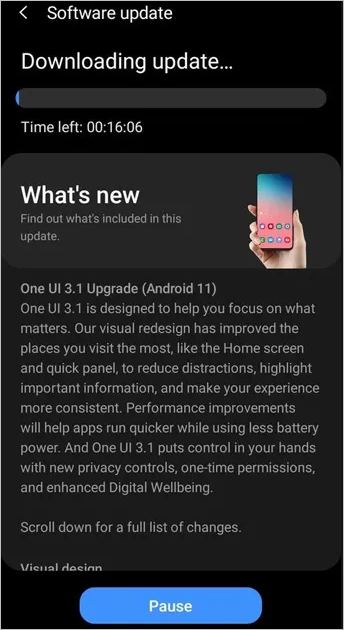
Users of the Samsung Galaxy A10 in India are now getting the latest Android 11 upgrade. The new update offers some great features including One UI 3.1. Samsung is gradually bringing more of its older models under the canopy of Android 11, and India is not left out. It is not clear how long the rollout will take before every Galaxy A10 unit in the subcontinent will have the notification for the update.
The new update has the number A105FDDU6CUH2 and includes the latest August 2021 Android security patch, the upgrade to Android 11, and Samsung’s One UI 3.1 user interface.
As usual, it is expected that the latest Android 11 update for the Galaxy A10 will be scaled up to cover every country. It is also expected that the Android 11 update will also be extended to other Galaxy models yet to be upgraded
The Samsung Galaxy A10 was released in 2019 and has already enjoyed a previous upgrade from Android 9 to Android 10. It is unlikely that there will be any further upgrade of the OS in the device’s lifetime. The Galaxy A10 has also enjoyed an upgrade of its One UI, Samsung’s user interface.
Some of the new features include chat bubbles, auto permission reset, one-time permissions, and a dedicated media player widget. There are also updates to Calendar, Gallery, Messages, Reminders, Samsung Internet. Digital Wellbeing and parental control features have been improved as well. The Galaxy A10 also gets bug fixes, device stability improvements, and better security and privacy with the latest software update.
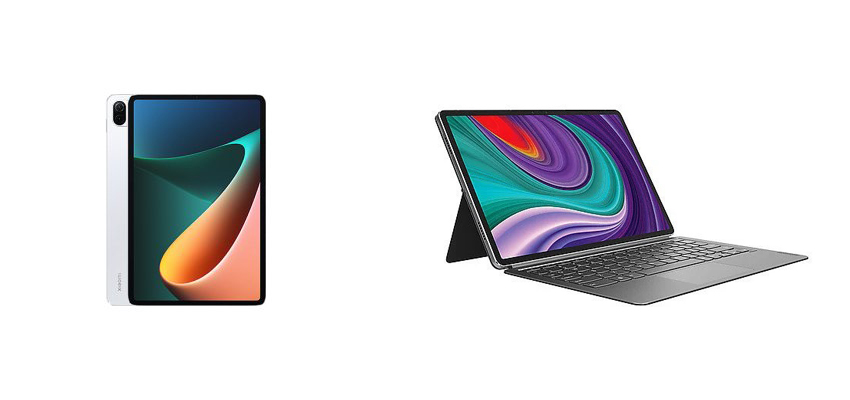
Xiaomi just launched the Mi Pad 5 Pro: its comeback in the tablet market happened with a flagship model. It is very hard to find Android flagship tablets nowadays and, with iPads dominating the sector, fewer people believe in Android on tablets in this period. But Android tablets still have a high value and the pandemic led a lot of people to understand it. Is the Xiaomi Mi Pad 5 Pro the only flagship tablet in the Chinese market or you can get something more? Well, there is another Chinese flagship tablet that can surprise you at the same level as the Mi Pad 5 Pro: we are talking about the Lenovo Xiaoxin Pad Pro 2021, and here is a comparison between it and the new Xiaomi flagship.
Xiaomi Mi Pad 5 Pro vs Lenovo Xiaoxin Pad Pro 2021
Dual 50 + 5 MP or dual 13 + 5 MP
8 MP f/2.0 front camera
Dual 13 + 5 MP
Dual 8 + 8 MP IR TOF 3D front camera
BATTERY
8600 mAh, fast charging 67W
8600 mAh, fast charging 20W
ADDITIONAL FEATURES
Dual SIM slot, optional LTE and 5G, pen support
Pen support
Design
The Lenovo Xiaoxin Pad Pro is my favorite tablet when it comes to design. Due to a wider display, it has bigger dimensions, but it is thinner and lighter than Xiaomi Mi Pad 5 Pro: it is just 5.8 mm thin and has a weight of 485 grams. Both the tablets are built with plastic back as well as a plastic frame. The Xiaomi Mi Pad 5 Pro does sports a fingerprint reader, while the Lenovo Xiaoxin Pad Pro has two means of authentication: a side-mounted fingerprint scanner and 3D facial recognition thanks to an IR sensor on the front.
Display
The Xiaomi Mi Pad 5 Pro has an amazing display, but the Lenovo Xiaoxin Pad Pro is even better. It sports an OLED panel showing more vibrant colors and deeper blacks, as well as the HDR10 certification, the Dolby Vision standard, a high peak brightness (up to 600 nits), and a wider diagonal of 11.5 inches. The Xiaomi Mi Pad 5 Pro has a higher refresh rate (120 Hz vs 90 Hz), it shows up to one billion colors, it supports HDR10 and Dolby Vision. However, it is an IPS panel and it provides a less impressive image quality compared to the Lenovo flagship. On the other hand, Xiaomi Mi Pad 5 Pro has a better audio department thanks to the presence of 8 speakers, while Lenovo Xiaoxin Pad Pro has just 4 speakers (but they are tuned by JBL).
Specs & Software
Xiaomi Mi Pad 5 Pro and Lenovo Xiaoxin Pad Pro are powered by the same mobile platform: the powerful Snapdragon 870 by Qualcomm. It is an octa-core processor with the highest frequency in the Android world: up to 3.2 GHz. Xiaomi Mi Pad 5 Pro wins the hardware comparison just because it comes in a higher-end memory configuration: it offers up to 8 GB of RAM and up to 256 GB of UFS 3.1 internal storage, while Lenovo Xiaoxin Pad Pro stops at 6/128 GB.
Camera
If you choose the 5G version of the Xiaomi Mi Pad 5 Pro, you can get the best rear camera ever seen on an Android tablet: a dual camera including a 50 MP main sensor with 4K video recording and a 5 MP ultrawide camera. However, if you go for the WiFi model, you will only get a 13 MP main sensor and a 5 MP ultrawide camera. The Lenovo Xiaoxin Pad Pro has a 13 + 5 MP dual camera as well. Further, it has a dual front sensor including an 8 MP main camera and an IR TOF 3D sensor for 3D facial recognition.
These two tablets have the same battery capacity: 8600 mAh. But the Lenovo Xiaoxin Pad Pro should provide a longer battery life due to its OLED display. On the other hand, Xiaomi Mi Pad 5 Pro has a faster charging tech with a power of 67W.
Price
The starting price of the Xiaomi Mi Pad 5 Pro for the Chinese market is about €330/$387, while Lenovo Xiaoxin Pad Pro starts from €320/$366. Given that Lenovo Xiaoxin Pad Pro has an OLED display and that it supports better authentication methods (fingerprint reader and 3D facial recognition), it looks more convincing to me. But Xiaomi Mi Pad 5 Pro has a better rear camera and optional 5G (as well as faster charging): less important features for tablet users, but they may become very useful in a few scenarios.
Xiaomi Mi Pad 5 Pro vs Lenovo Xiaoxin Pad Pro 2021: PRO and CONS
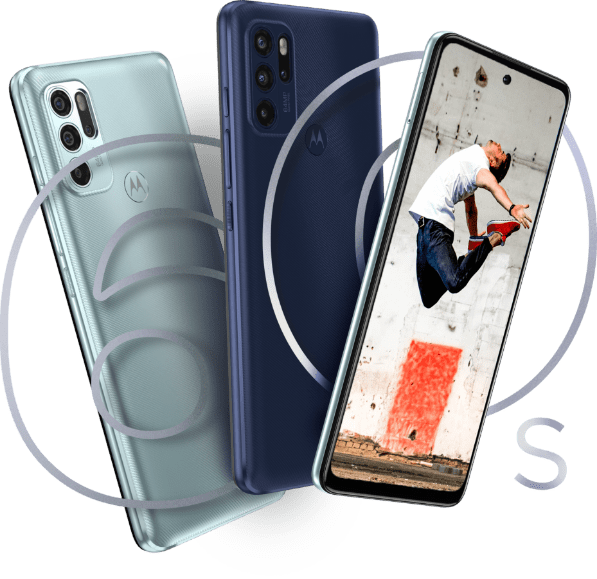
After a couple of leaks, the Motorola Moto G60s is finally official in Brazil. The smartphone comes with a punch-hole display, Helio G95 SoC, and a massive 6,000mAh battery.
The Motorola Moto G60s is priced at 2,499 Brazilian Real(roughly 481 US Dollars) for the sole 6GB RAM and 128GB storage variant. It comes in two color variants – Blue and Green. The device is currently up for sale on Motorola’s official website.
Motorola Moto G60s Specifications
The Motorola Moto G60s has an inspired design of the vanilla Moto G60 smartphone. It has a 6.8-inch punch-hole display with a 1080 X 2460 pixels resolution and 120Hz refresh rate.
It is an IPS LCD panel with a 20.5:9 aspect ratio. Although it has a modern design, it still features a thicker chin at the bottom. It holds a 16MP camera on the front for clicking selfie shots.
The device boasts a quad-rear camera system with a 64MP sensor, an 8MP ultra-wide lens, a 5MP macro unit, and a 2MP depth sensor.
Previous rumors suggested the Snapdragon 732G SoC inside the smartphone, but, it is powered by the MediaTek Helio G95 chipset. It is paired with 6GB of RAM and 128GB of onboard storage. One of its major highlights is the bigger battery. It has a 5,000mAh battery with support for 50W turbocharging technology. The device runs on Android 11 out of the box and has a rear-mounted fingerprint scanner for security.
Krafton recently confirmed via social media that Battlegrounds Mobile India a.k.a BGMI will be launching soon for iOS devices. Even though the arrival is confirmed, the company didn’t reveal any exact timeslot of its availability. Now, according to a report, the battle royale game will debut in the mid of August this year.
As per a report from InsideSport, Krafton will be hosting a streamer battle soon for iOS devices. The battle will bring some rewards for the gamers and it will be exclusive to Apple iPhones. It is tipped that the streamer’s battle will occur after the game is launched. The publication allegedly hints at an August 20 launch on the Apple App Store.
Once the game reaches the iOS userbase, it is expected to grow its market yet again in India. As of now, the game has received over 48 million downloads on Playstore. We expect similar download figures for the App store after it’s officially available on iOS.
In related news, an Indian Judge named Naresh Kumar Laka took it to Prime Minister Narendra Modi while urging him to ban BGMI and Free Fire in India. According to him, these games are having a negative impact on children and need to get banned as soon as possible.
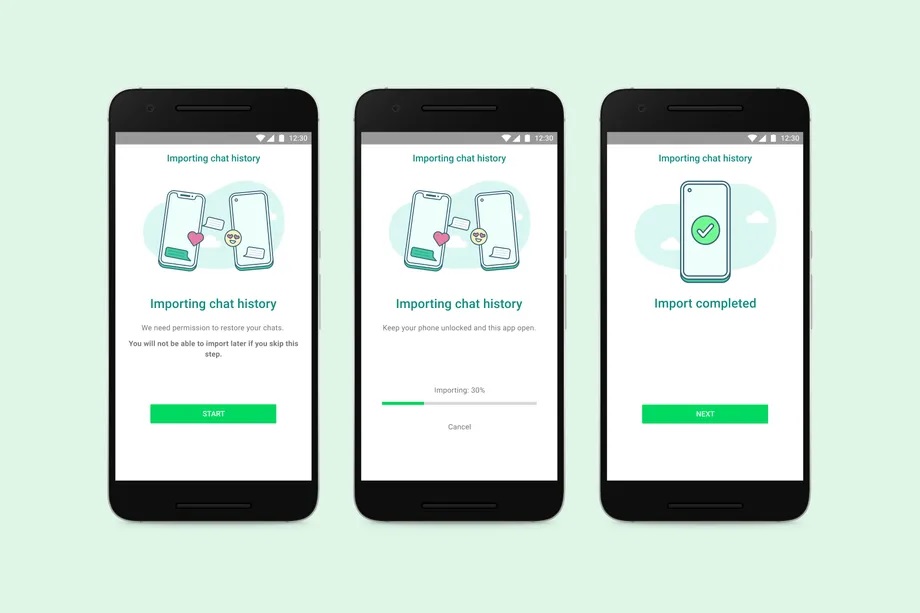
WhatsApp users have been begging for a native method to migrate their conversations from iOS to Android and vice versa for years. Back in April, it was revealed that WhatsApp was working on the feature. It has been four months now and its live starting with the new Samsung Galaxy Z Fold3 and Galaxy Z Flip3.
The announcement was made during the Galaxy Unpacked event today as one of the features of the new phones. iPhone owners picking up the new Galaxy Z phones will be able to migrate their chat history including photos and video.
The chat migration feature will roll out to other Galaxy phones running Android 10 and above in the coming weeks and should eventually be available for all Android devices, though WhatsApp didn’t say when that will be.
Migrating your chat from an iPhone to the Galaxy Z Fold3 or Galaxy Z Flip3 requires a Lightning cable to USB-C cable. This means you won’t be able to get access to your chats if your iPhone is busted. That’s a bummer.
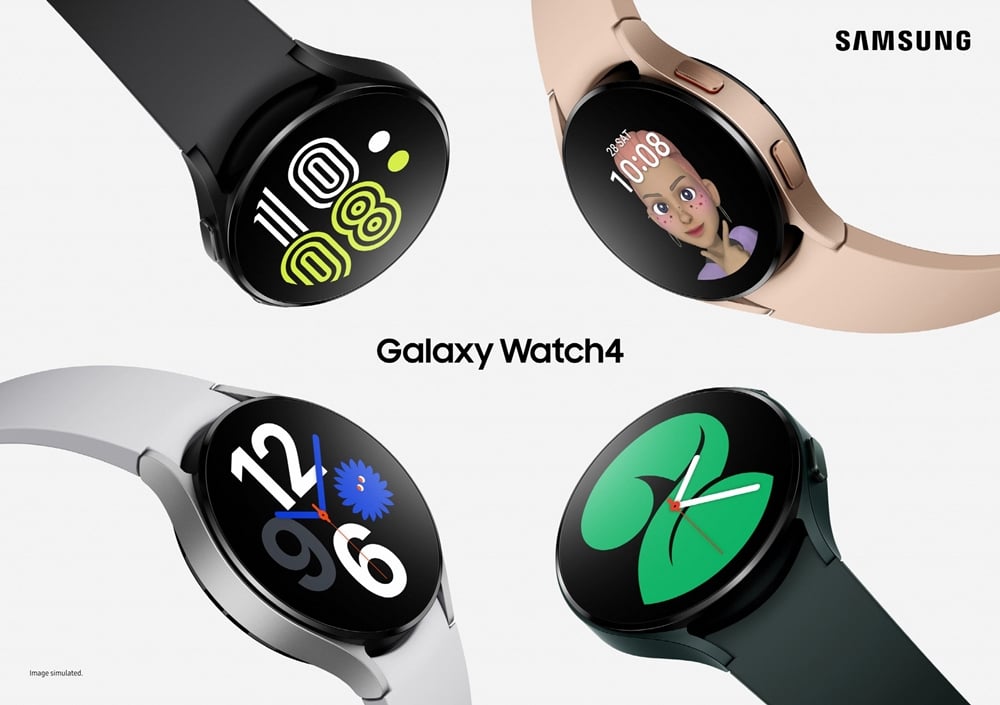
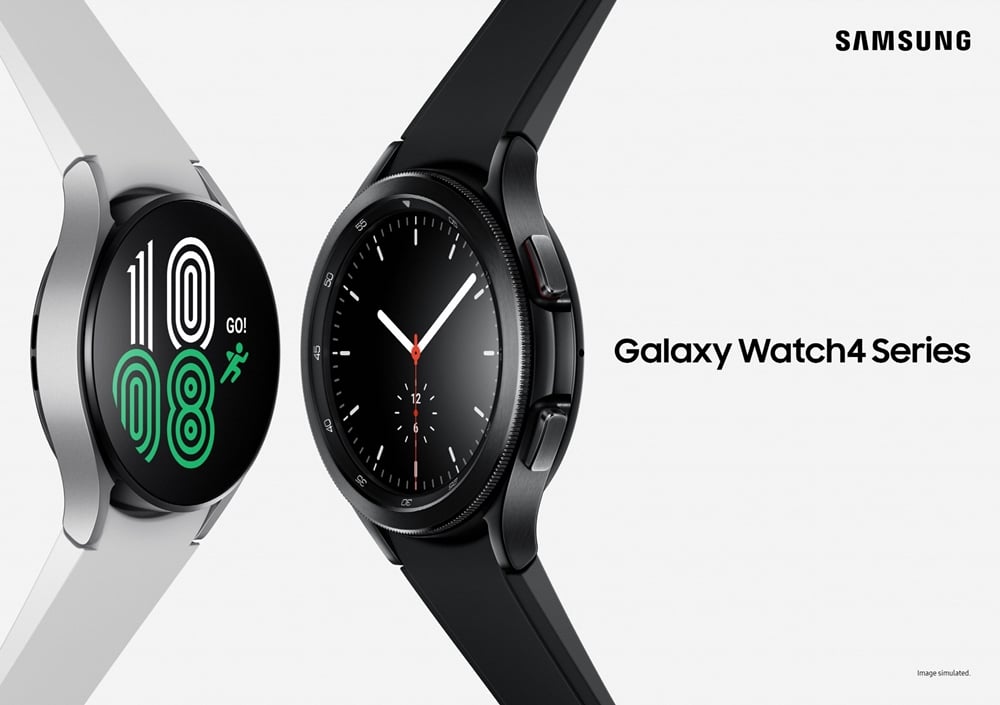
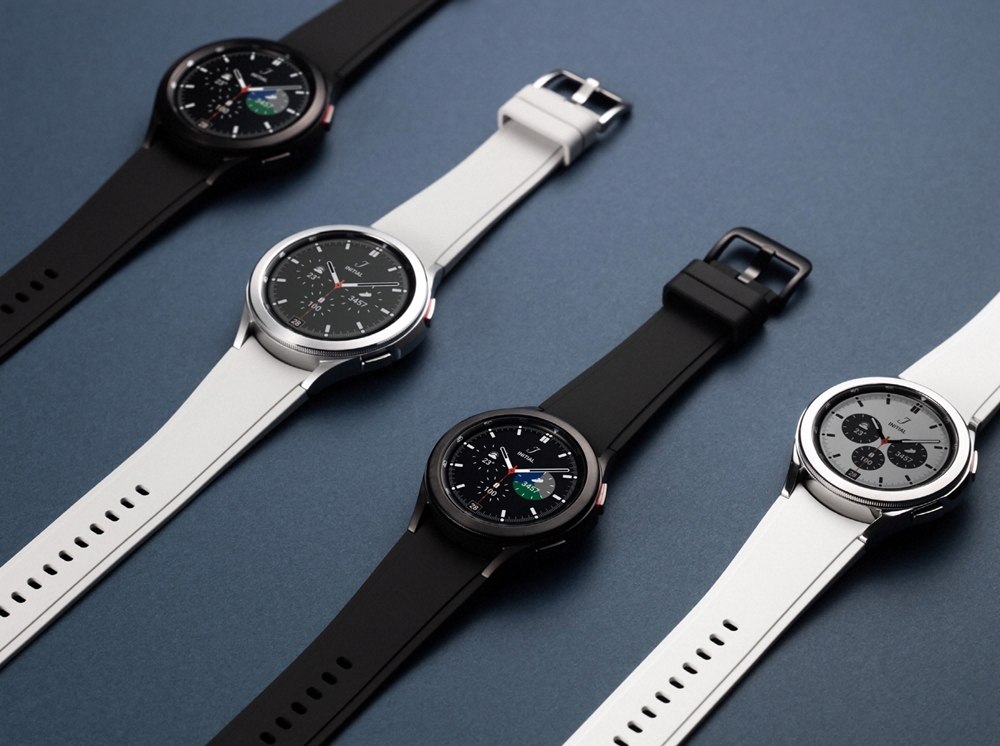
At the Galaxy Unpacked event held today, Samsung equally unveiled the Galaxy Watch 4 series made up of the vanilla Watch 4 and the Watch 4 Classic. The Galaxy Watch 4 features a circular minimalist design while the Watch 4 Classic comes with a circular rotating bezel, a unique design feature of the original Galaxy Watch.
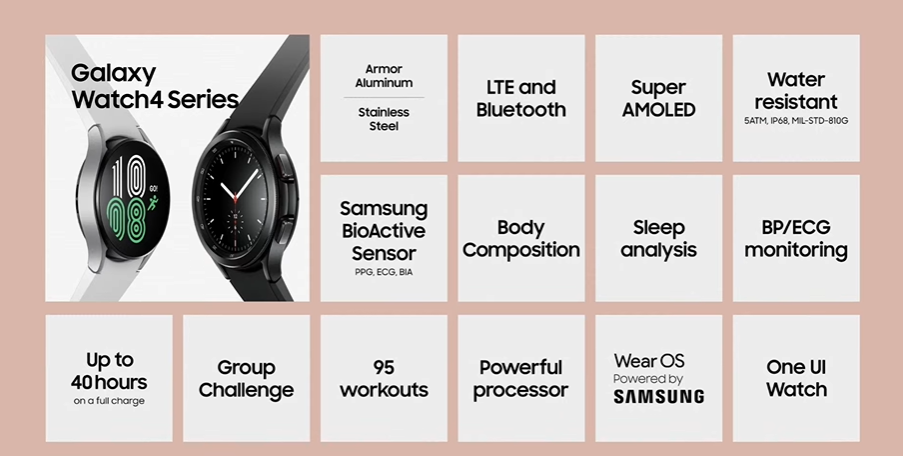
The two smartwatch models come with a circular Super AMOLED display and a metal casing. While the Galaxy Watch 4 is available in 40mm and 44mm variants, the Galaxy Watch 4 Classic arrives in 42mm and 46mm variants. The Watch 4 sports a 1.19-inch AMOLED screen with a resolution of 396 x 396 pixels while the Watch 4 Classic packs a 1.36-inch display with 450 x 450 pixels resolution.
The models are both powered by Samsung’s latest Exynos W920 processor that is built using a 5nm process. Compared to the previous model, the CPU performance has been improved by 20% and RAM by 50%, so it runs smoother even when scrolling the screen or using multiple apps at the same time. The GPU performance has also been improved by more than 10 times, so the screen transitions smoothly like water. The processor is paired with 1.5GB RAM and 16GB of internal storage on all models.
One UI Watch 3 Based on Wear OS 3
The Galaxy Watch 4 series brings a completely new smartwatch experience as they run on One UI Watch 3 based on Android Wear OS 3. The interface provides a more consistent experience with the Galaxy ecosystem, including smartphones. When a user newly installs an app compatible with the Galaxy Watch 4 on the smartphone, it is automatically downloaded to the Galaxy Watch 4. Also, changes to the settings of the linked app are immediately reflected in other devices. For example, if you change the setting of the world clock that displays the time in various regions around the world on your smartphone, it will also be applied to the Galaxy Watch.
Further, the smartwatches support Auto Switch. Thus, if you connect the Galaxy Buds to your smartphone, when you play music on the Watch 4, the earbuds connection automatically switches to the watch. You can also check the status of the Galaxy Buds and change settings on the smartwatch.
Smartphone functions can also be controlled through Bixby voice commands, rotating bezels, or gestures. For example, it is possible to answer a call by moving the arm wearing the Galaxy Watch 4 up and down twice, or to reject a call by turning the wrist twice.
The Galaxy Watch 4 is equipped with a new wearable integrated platform to provide a richer wearable app ecosystem. You can use several Google apps such as Google Maps and Galaxy apps such as SmartThings and Bixby. In addition, other apps such as Naver Map, T-money, Smart Caddy, Adidas Running, Strava, Calm, Spotify, etc can be downloaded from Google Play.
Samsung Bioactive Sensor
In addition, it provides advanced integrated health management functions such as the innovative Samsung BioActive sensor, body composition measurement, health monitoring, fitness, and sleep management.
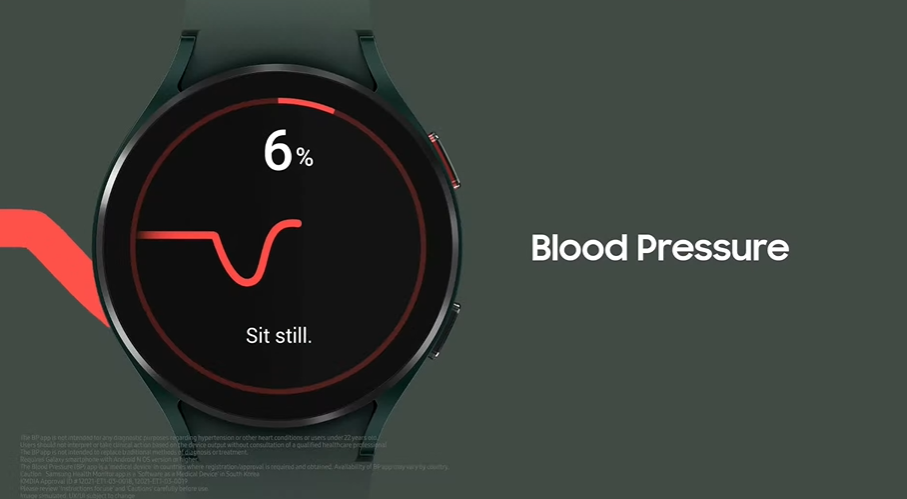
The Samsung Bioactive Sensor can measure various health indicators such as blood pressure, electrocardiogram, and blood oxygen saturation, directly on the wrist and it is included on the Galaxy Watch for the first time. It integrates three sensors such as optical heart rate sensor (PPG), electric heart rate sensor (ECG), and bioelectrical impedance analysis sensor (BIA) into one chipset.
The Galaxy Watch 4 series also supports the body composition measurement function, another first on the Galaxy Watch series. To this end, users can check their skeletal muscle mass, basal metabolic rate, body water, and body fat percentage in about 15 seconds by simply placing two fingers anywhere on the smartwatch and know their body and fitness status.
It is also useful for home training while watching the latest Samsung Smart TV. On the TV screen, you can check your heart rate or calories burned by your smartwatch right away. The watch also tells you whether your body is fully recovering while you are resting. During sleep, blood oxygen saturation and snoring are also measured to provide sleep data and insights, enabling a more systematic assessment of sleep quality.
Battery
In terms of battery life, the Galaxy Watch 4 packs a 247mAh battery, while the larger Galaxy Watch 4 Classic crams a 361mAh battery under the hood. Both smartwatches are compatible with Qi wireless charging and they come bundled with a wireless charging adapter. The wearables can be used for up to 40 hours on a single charge while providing advanced health management functions. It can be used for up to 10 hours with just 30 minutes of charging.
Finally, the Galaxy Watch 4 series is equipped Samsung Knox mobile security platform that safely protects the sensitive personal information of users, such as passwords, health, and payment-related information.
Samsung Galaxy Watch 4 Series Prices & Availability
The Galaxy Watch 4 series will be released sequentially around the world from August 27th. The series will be released in LTE and Bluetooth models. The Galaxy Watch 4 44mm model will be available in black, silver, and green colors and the 40mm model will come in black, silver, and pink gold colors. On the other hand, the Galaxy Watch 4 Classic will come in black and silver colors for both the 46mm and 42mm models.
As for the prices, the 40mm variant of the Galaxy Watch 4 will retail for $249.99 in the US, while the 44mm variant costs $279.99. The 40mm LTE variant of the Galaxy Watch 4 costs $299.99 and the 44mm LTE version costs $329.99.
The Galaxy Watch 4 Classic 42mm variant is priced at $349.99 for the Bluetooth version, while the 46mm version costs $379.99 in the US. The Galaxy Watch 4 Classic 42mm LTE version is priced at $399.99, while the 46mm LTE version costs $429.99.
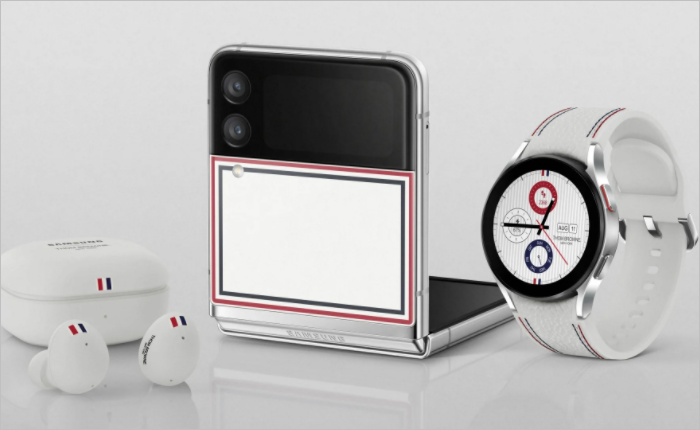
Meanwhile, Samsung is also planning to sell a limited edition Thom Browne Special Edition of the rhodium-plated Galaxy Watch 4 Classic at the end of September.
We use cookies on our website to give you the most relevant experience by remembering your preferences and repeat visits. By clicking “Accept”, you consent to the use of ALL the cookies.
This website uses cookies to improve your experience while you navigate through the website. Out of these, the cookies that are categorized as necessary are stored on your browser as they are essential for the working of basic functionalities of the website. We also use third-party cookies that help us analyze and understand how you use this website. These cookies will be stored in your browser only with your consent. You also have the option to opt-out of these cookies. But opting out of some of these cookies may affect your browsing experience.
Necessary cookies are absolutely essential for the website to function properly. This category only includes cookies that ensures basic functionalities and security features of the website. These cookies do not store any personal information.
Any cookies that may not be particularly necessary for the website to function and is used specifically to collect user personal data via analytics, ads, other embedded contents are termed as non-necessary cookies. It is mandatory to procure user consent prior to running these cookies on your website.