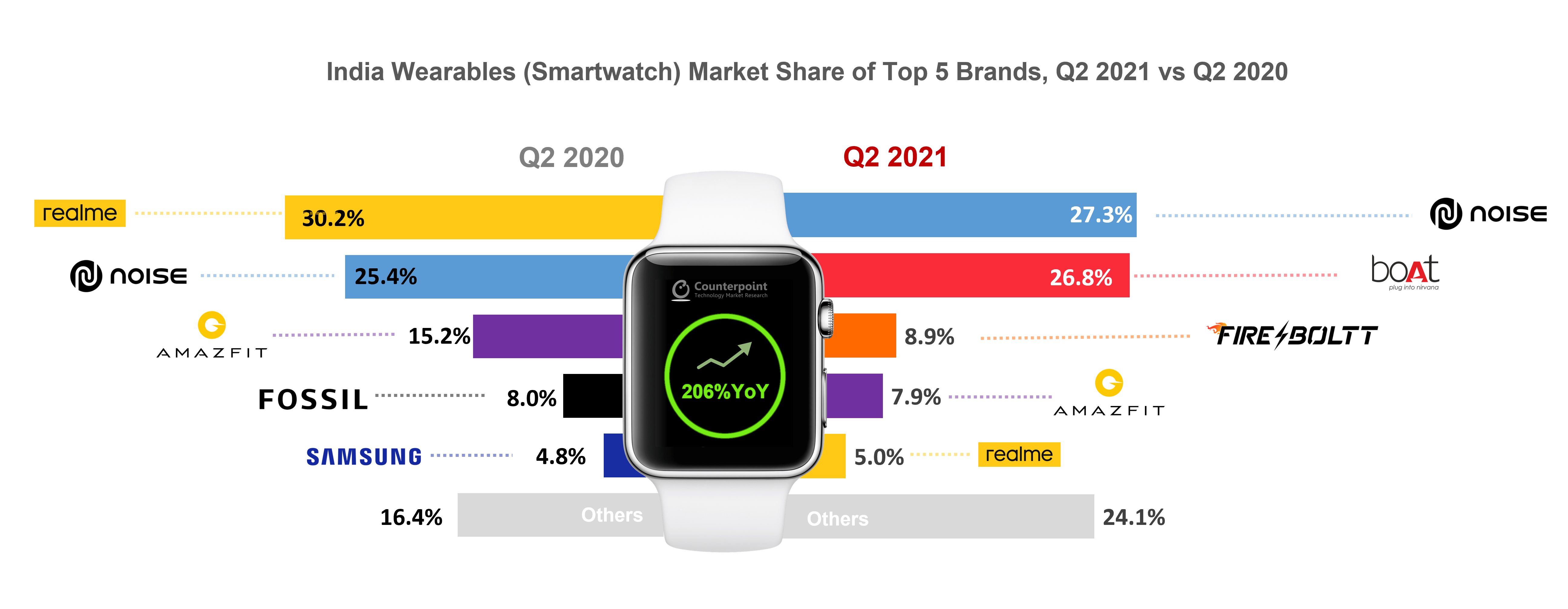
According to the latest research from Counterpoint’s IoT Service, smartwatch shipments in India tripled in Q2 2021 compared to the same period last year, with 206% YoY and 18% QoQ growth during the quarter. Affordable offerings, new players, variable customer preferences, and post lockdown demand recovery were the key factors behind the hike in numbers.
Source: Counterpoint Research
The market is getting competitive as more and more players are entering the market, smartwatches are being preferred over traditional watches for their feature-rich interface and compatibility to get paired with smartphones. This in turn has also resulted in the availability of smartwatches in lower price brackets. Indian brands continue to dominate the market, with the top three brands in the Indian smartwatch market being domestic and have over a three-fifths share of the total market.
The market is going to increase further, with more brands lined up to enter the market in the future. Around 10 brands have already entered since the beginning of 2021. The major highlight is the domestic production growth. Samsung is already producing smartwatches in India since June 2020. Other players like realme, and Timex are also exploring options for domestic production as it would help reduce the prices and dependence on imports.
A Research Associate at Counterpoint Research states, “We are witnessing many new launches in the sub-INR 5,000 segment, which saw its contribution rising to 83% in the overall market in Q2 2021, compared to 67% in Q2 2020. Due to this, the ASP (average selling price) of smartwatches decreased by 36% in Q2 2021 compared to the same period last year. We are also seeing features like Voice Assistant, Bluetooth Calling, SpO2, and Blood Pressure Monitor trickling down from high-end models to the low-end ones.”
Some key highlights are:
Noise tops the charts for the fourth consecutive quarter.
boAt Storm leads the best-selling model list for the quarter.
Marketing is dominated by Indian brands that occupy 70% of the total shipments.
In the past few years, health management has become the primary focus for Apple. With features like ECG monitoring, fall detection, and blood oxygen measuring, Apple Watch ensures that users are regularly updated about their health. The renowned Apple analyst, Ming-Chi Kuo, has commented on the future Airpods and Apple Watch Series 8.
Kuo believes that demand for the Apple Watch in 2022 will be high as the health management is going to be on a completely new level with the addition of new health management features and among them, body temperature measurement will be the major highlight. This feature would literally turn the Apple Watch into a thermometer. The advantages of having a thermometer on the wrist aren’t hidden from anyone. Bloomberg also reported that the Apple Watch would likely feature a body temperature sensor in 2022.
Apple CEO Tim Cook in an interview with Outside Magazine last year said the Apple Watch you see today is still in “the early innings” and there’s an enormous amount of sensors that could still be integrated into these watches. He believes if a car can have so many sensors, then our body must have them too.
Additionally, Kuo also talked about the future AirPods and how they will be synced with Apple Watch to provide health management functions, but the specifics of it are yet to be seen. Back in May 2020, a report surfaced that future AirPods would adopt new system-in-package technology with embedded AI, allowing the AirPods to “monitor heart rates, step counts, and health conditions.”
According to Kuo, the Chinese supplier Luxshare Precision will enjoy most of Apple’s health management hardware products contract.
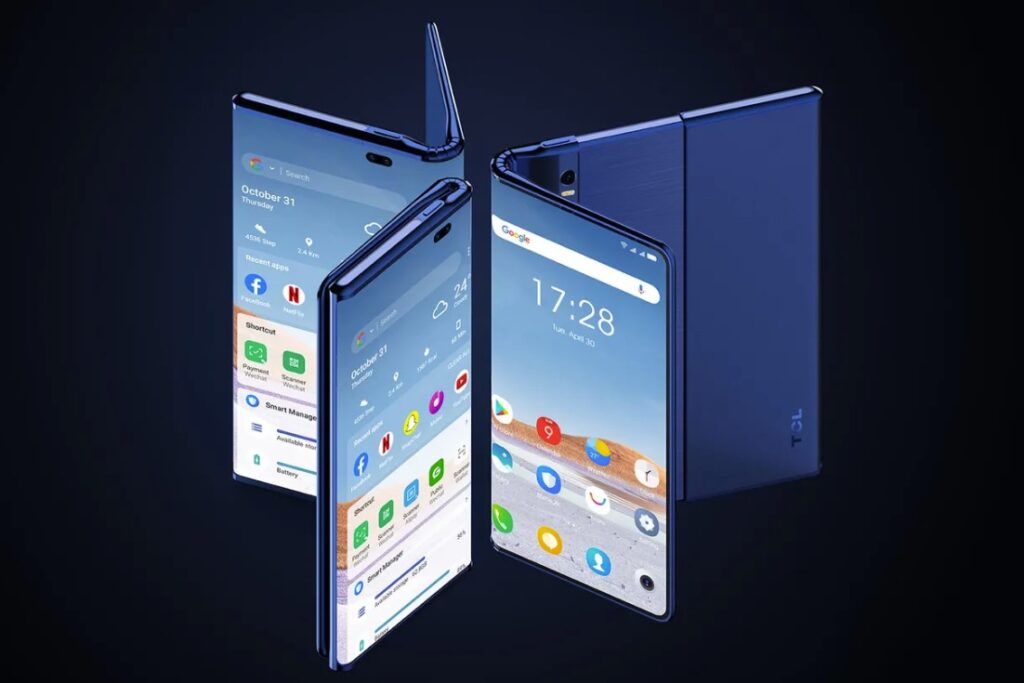
Among the top contenders in the foldable smartphones segment is the Chinese brand TCL. The company has been working on foldable devices for quite some time now and was able to draw a lot of attention with its prototypes. But it looks like their stint with their current project has finally come to an end as the foldable program codenamed the Project Chicago has been called off.
From what it appears, TCL could not keep the prices in the bracket they initially intended in order to compete with Samsung Galaxy Z Flip3 and this became the reason for dropping the project. $800 was the cheapest TCL could make, the culprit being recent component shortages, and global pandemic.
“If somebody can spend $800, he can also spend $1,000… Probably, he will go for the brand he knows for many years and trusts more.” says TCL’s Chief Marketing Officer, Stefan Strait. TCL says with the ongoing chip shortage crisis, this may not be the right time to enter the market and has clarified that this decision was taken well before the Samsung Unpacked event.
The TCL foldable phone was close to getting mass-produced. The company recently sent CNET a prototype unit that was close to the production version. Strait has also confirmed that TCL’s first foldable is not in sight for at least 12 to 18 months. But when it comes, it won’t be a revamped version of the Chicago prototype, rather a completely new device.
However, TCL will continue to play an active role in the “5G for All” initiative and will deliver 5G solutions to all consumers across a variety of price points and product categories.
Chicago program might have gone to the bin, but the company still believes that foldable smartphones are the future. It’s just that they think these devices aren’t ready for the masses yet.
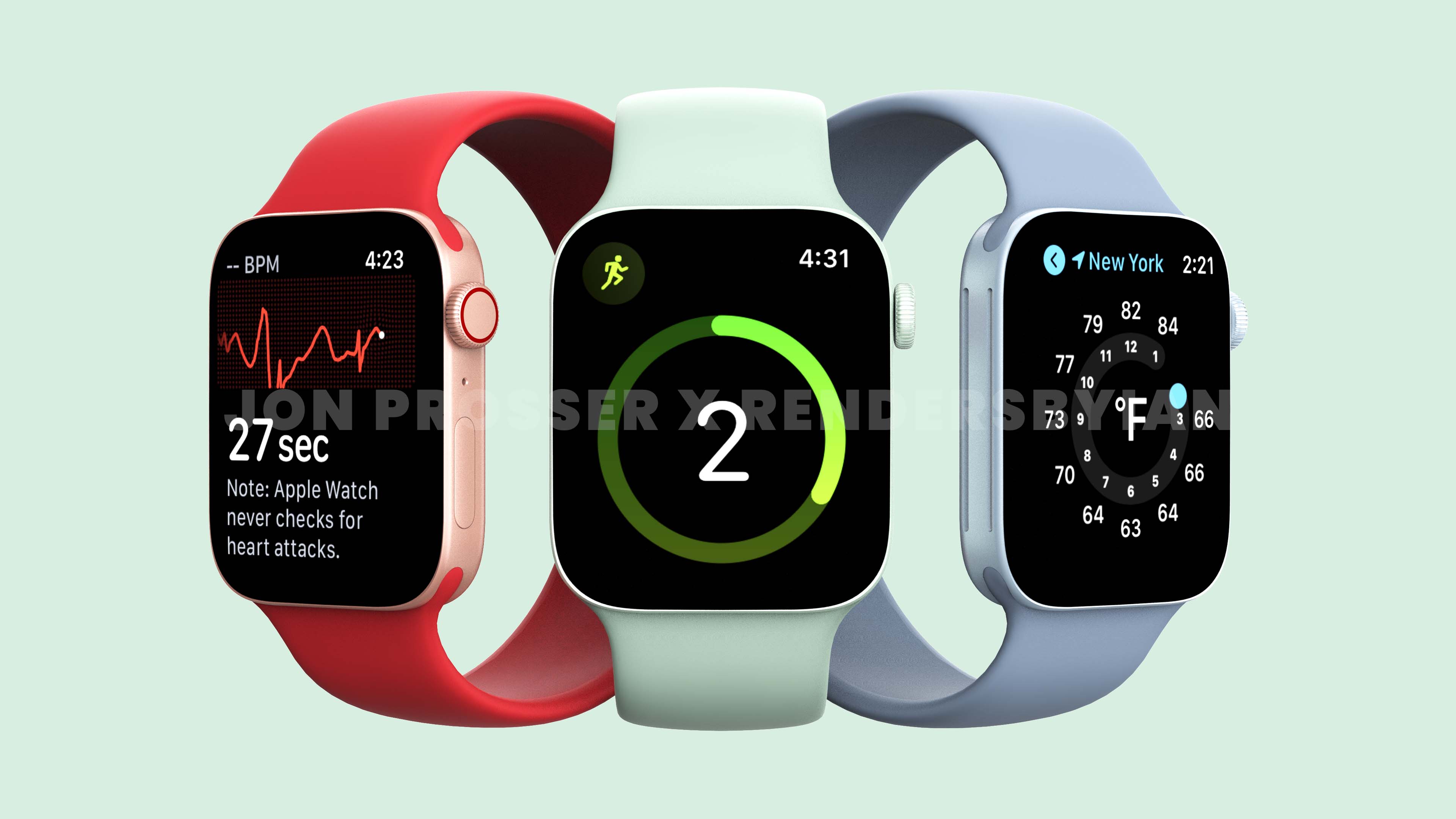
A report emerged a couple of days back that the Apple Watch Series 7 could be delayed due to some production issues. There were doubts whether the new smart wearable will be part of the product lineup for Apple’s September 14 launch event. The event dubbed California Streaming will see some big announcements by Apple, but no details were provided on the specific production issues that could delay shipments till November 2021.
However, new details coming from analyst Ming-Chi Kuo indicates that all the production issues have now been resolved and the Apple Watch Series 7 will be released as originally scheduled. Apple will therefore begin shipment of the device by the end of September 2021.
This also means that the new Apple Watch Series 7 will share the spotlight with possibly the iPhone 13 and iPad that may be unveiled next week. Principally, it is believed that the production issues were around the adoption of many new panel-related production processes and a new choice of suppliers for the OLED screens of the smart wearables.
The Apple Watch Series 7 is rumored to have a sharp edge flat design like the iPhone 12. The panels use a contact design in favor of the cable design in previous models. Obviously, the new design approach brought in some complexities that warranted an adjustment of the production timelines. It is believed that Apple was able to rise to the production challenges, bringing the device back in line for its release this month.
Mass production of the Watch Series 7 panels, according to the analyst, will begin in mid-September. The California Streaming Apple launch event is billed for 10am PDT on September 14.
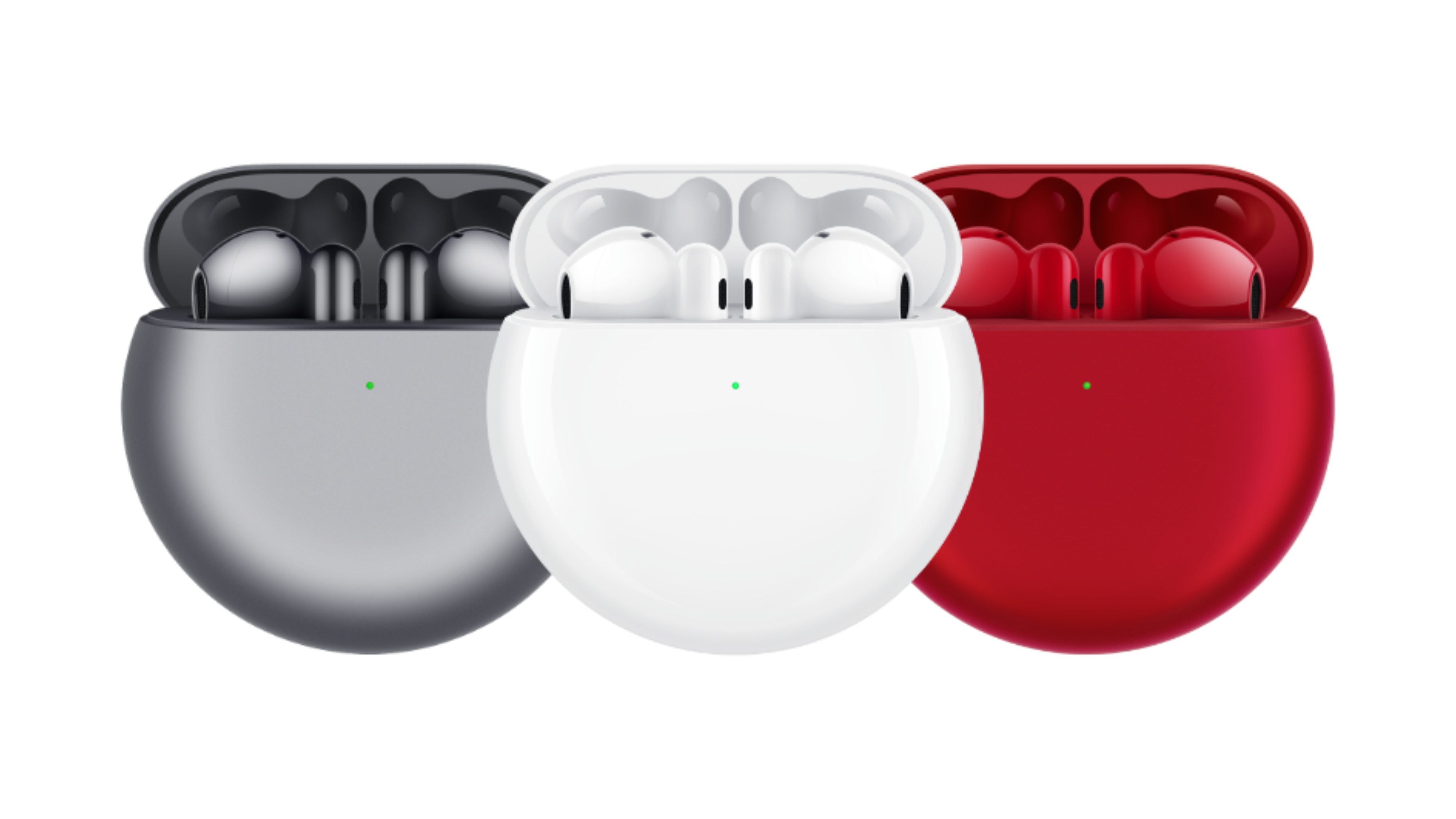
Huawei launched the HUAWEI FreeBuds 4 truly wireless earphones in May. Four months later, the company has now released a new variant of this product without wireless charging. Due to this missing feature, the latest version is slightly cheaper.
HUAWEI FreeBuds 4
The HUAWEI FreeBuds 4 Wired Charging Version is the official name of the latest TWS product from Huawei. These earbuds are priced at ¥899 ($140) in China.
This means they are ¥100 cheaper than the original HUAWEI FreeBuds 4, which retail for ¥999 ($155). Either way, the company is currently offering a ¥30 ($5) discount on both models for a limited time.
The new truly wireless earphones from Huawei are exactly the same as its original model from earlier this year. But as mentioned earlier, it lacks wireless charging and therefore, only charges via the USB Type-C port.
Talking about specs, these semi-open earbuds feature 14.3mm drivers and weigh about 4.1g each. They are IPX4-rated for splash resistance and support touch gesture controls.
The earphones connect via Bluetooth 5.2 and support dual-device connection as well as fast pairing with devices running EMUI 10 or above and HarmonyOS. Like most truly wireless earphones in the market, these also come with ANC (Active Noise Cancellation) and wear detection.
As far as endurance is concerned, Huawei claims 4 hours on a full charge and 22 hours with the charging case. It is worth noting that these numbers are for when ANC is disabled.
Last but not least, the HUAWEI FreeBuds 4 Wired Charging Version comes in three colors, namely Frost Silver, Ceramic White, and Honey Red.
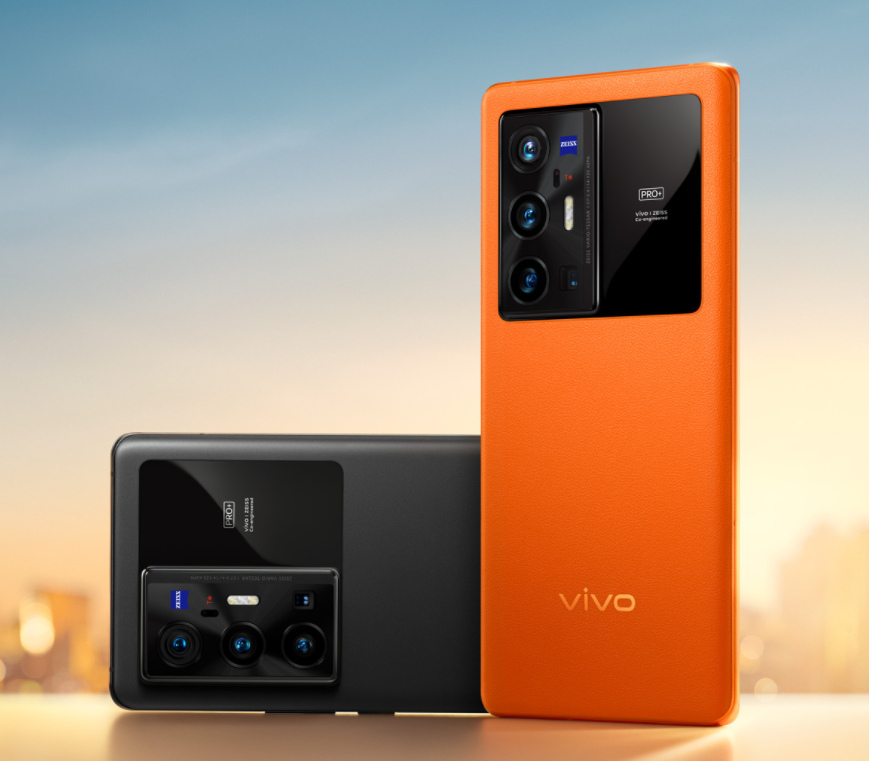
Yesterday, Vivo unveiled the X70 series phones in the Chinese market with the main USP being the cameras. Today, news broke out that the company will be soon launching the phones in several other markets outside China. These markets include India, Indonesia, United Arab Emirates, Malaysia, and Thailand. Although the exact launch dates are unknown for most of these markets, we now have learned the launch timings of the Malaysian market.
Vivo has revealed that the Vivo X70 series will launch in Malaysia on September 22. The entire series including the Vivo X70, X70 Pro, and X70 Pro+ is expected to land in the region, however, some specs may differ in comparison to the Chinese editions. Mainly, the Pro model is expected to have some differences.
The Vivo X70 Pro Chinese edition was launched with Exynos 1080 SoC under the hood. But, the device is touted to launch with MediaTek’s Dimensity 1200 SoC in Malaysia. Moreover, it will run on FunTouch OS based on Android 11 instead of the OriginOS seen in the Chinese edition.
The vanilla X70 and the X70 Pro+ are expected to have the same specs as the Chinese editions. The X70 Pro+ will come powered by Qualcomm Snapdragon 888+ SoC, whereas, the X70 will have the same Dimensity 1200 SoC.
The phones will come with a 120Hz refresh rate display and multiple cameras at the rear. Additionally, the Pro+ will come with Vivo’s V1 chip and will support ZEISS optics. The X70 will have a 4,400mAh battery with 44W fast charging support. The X70 Pro, on the other hand, will pack a 4,450mAh battery with the same 44W fast charging technology. The X70 Pro+ will house a 4,500mAh battery with support for faster 55W fast charging technology.
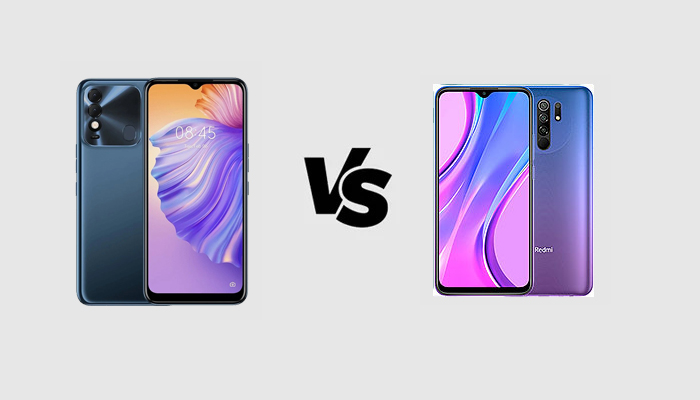
In the actual smartphone market, you can get a complete device even if you decide to spend less than €200 or $200. At the end of August, Tecno launched the Tecno Spark 8 with an amazingly affordable price tag and soon the handset will hit the Indian market as well. Will the latest phone by Transsion be able to compete with the best buys from Xiaomi? Once it launches, the Tecno Spark 8 will have a very important best-selling rival in its same price range: the Redmi 9. It won’t be easy for it to compete, but the price of the Redmi 9 recently hiked in India along with the rest of the Redmi 9 series and a few devices from the Redmi Note 10 series. Let’s see if this hike will make the Tecno Spark 8 more interesting.
The Tecno Spark 8 has an original design which I consider more elegant if compared to the Redmi 9. These handsets are made with polycarbonate, but the lucid body of the Tecno Spark 8 and the slogan “Stop at nothing” printed on the rear side make it more original. The dimensions are more or less the same, so do not expect big differences in terms of one-handed use. Further, they both have a rear mounted fingerprint reader placed in the same position on the rear side. They also come with a waterdrop notch and modestly thin bezels around the display.
Display
If you choose the Redmi 9, you can get a better display. The main difference is the level of detail because it has a higher Full HD+ resolution with 1080 x 2340 pixels. If we exclude the resolution, these displays are pretty much the same: average LCD panels with similar diagonals and image quality. The brightness is sufficient but not so high, and the Redmi 9 adds the Gorilla Glass 3 protection. Do not expect a huge image quality as we are talking about very affordable phones. The devices come with mono speakers and a waterdrop notch housing the selfie camera.
Specs & Software
Redmi 9 is equipped with a stronger processor: the Helio G35 by MediaTek which comes with an octa-core architecture and a max frequency of 2 GHz. It is a decent processor not only for normal activities but for gaming too thanks to a good GPU. The Tecno Spark 8 has a lower-end MediaTek Helio P22, definitely not the best one if you are a gamer. With the Redmi 9, you can also get better memory configurations: up to 6 GB of RAM and up to 128 GB of native storage. Tecno Spark 8 has just 2 GB of RAM and just 64 GB of native storage, but it runs Android 11 Go Edition which makes the operating system smooth and lightweight. However, the Redmi 9 remains better even though it comes with Android 10 out of the box.
Camera
Tecno Spark 8 and Redmi 9 are low-end camera phones: their photos are sufficient for social networks, but nothing more. The most interesting one in terms of the camera is the Redmi 9 because it has better secondary sensors. While Tecno Spark 2 has jus a QVGA secondary sensor, the Redmi 9 offers an 8 MP ultrawide camera, a 5 MP macro camera, and a 2 MP depth sensor alongside its 13 MP main sensor. There is definitely no challenge: the Redmi 9 has better cameras on the rear side. When it comes to the front cameras, the performance should be similar as they both pack an 8 MP selfie snapper.
The battery capacities of these two devices are very similar: Tecno Spark 8 has a 5000 mAh battery, while Redmi 9 has 5020 mAh. However, Tecno Spark 8 is supposed to last more because it has a display with a lower resolution. On the other hand, Redmi 9 supports fast charging, unlike its rival.
Price
Tecno Spark 8 is expected to hit India with a price tag of Rs. 9,490 / $130, and Redmi 9 has more or less the same price. Despite Tecno Spark 8 offers a more recent operating system with Android Go, the Redmi 9 is currently more interesting, at least until the price of the Spark 8 drops.
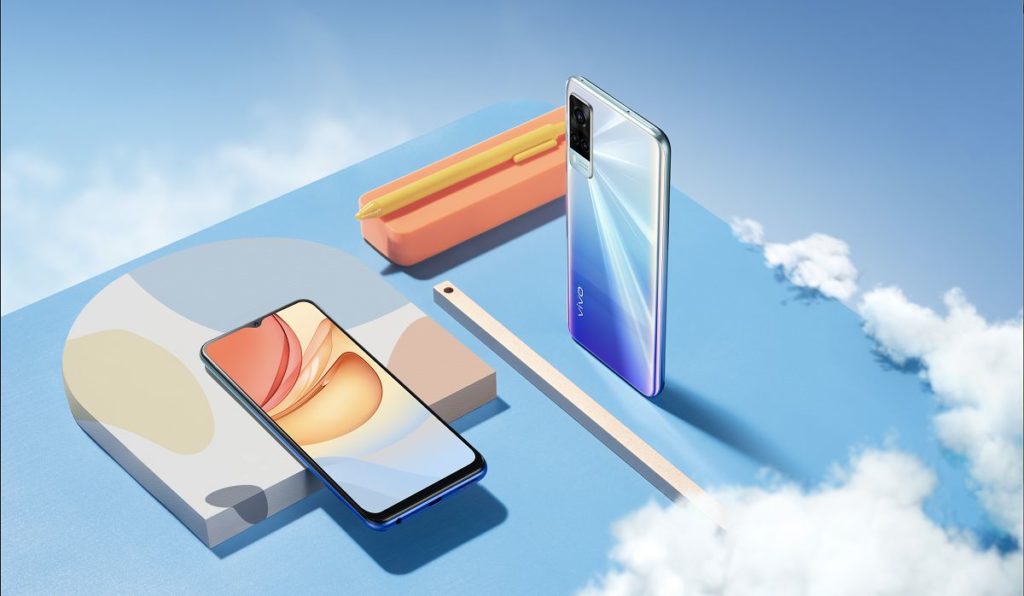
Earlier this year, Vivo unveiled the Y53s smartphone in the Indian market. Now, the company has brought it to the Nigerian market at an affordable price. The Vivo Y53s has highlighting features like a MediaTek Helio G80 SoC and a 5,000mAh battery.
The Vivo Y53s is priced at N109,000(~$207) for the 8GB RAM + 128GB storage variant. To recall, the smartphone was launched for a higher price of ₹19,490(~$265) for the same configuration in India. It comes in two color options Black Green and Blue Purple. The phone is already on sale in both offline and online markets in Nigeria.
Vivo Y53s Specifications
The Vivo Y53s is a 4G smartphone with a 6.5-inch IPS LCD display. It has a Full-HD+(1080 x 2408 pixels) resolution and a 20:9 aspect ratio. Vivo claims that the device has an 84% screen-to-body ratio.
It features a triple camera system at the rear with a 64MP main lens, a 2MP macro sensor, and lastly a 2MP depth-sensing unit. Moving to the front, it has a 16MP selfie camera with an f/2.0 aperture.
Under the hood, it has the MediaTek Helio G80 CPU with Mali-G52 MC2 GPU. It has 8GB of RAM and 128GB of internal storage. The phone also equips a microSD card slot for additional storage up to 512GB. It houses a 5,000mAh battery with a 33W fast charging support.
Other than this, the device has a side-facing fingerprint scanner and supports Face unlock for security. It has a USB Type-C port for charging and a 3.5mm headphone jack for music needs. It runs on Android 11 out of the box with FunTouch OS 11.1 on top of it.
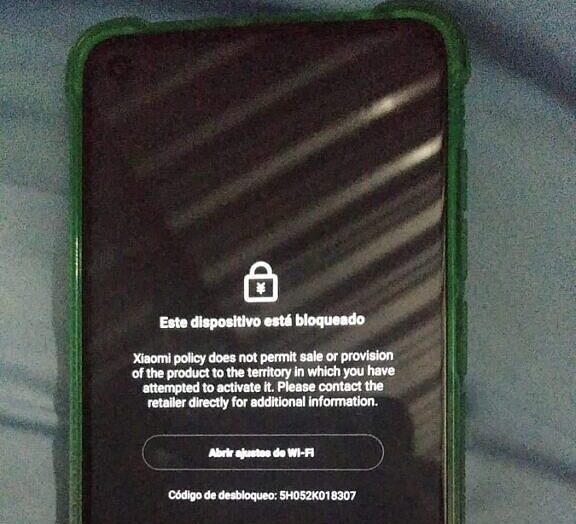
Chinese smartphone and home electronics maker Xiaomi seems to be enforcing its export policy that prohibits the use of its smartphones in certain regions of the world. The company is now proactively preventing access to its devices that may have been illegally transferred to some countries.
The countries prohibited include Syria, Cuba, Iran, Sudan, Crimea, and North Korea, but unauthorized resellers have continued to smuggle Xiaomi smartphones into these territories for sale. It is however unclear how the group of restricted territories was determined, as Xiaomi still lacks an official presence in many more countries.
The Xiaomi export policy prohibits the sale or export of its devices to unapproved regions, although the devices could still work under certain circumstances. The company has just started enforcing the policy by preventing new devices from being activated from these unauthorized regions.
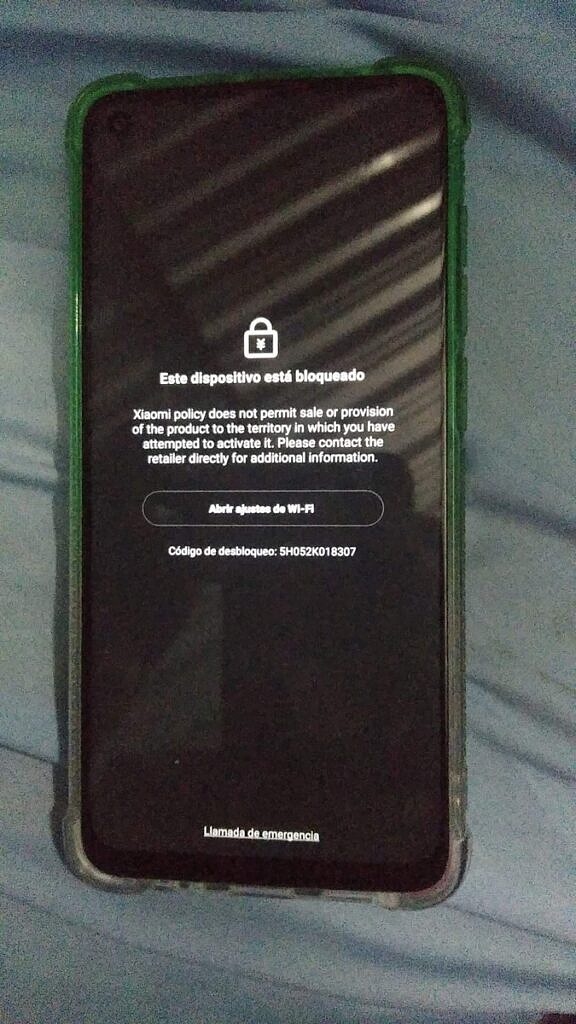
The move is believed to have affected several users as they are locked after only a few days of using their smartphones. Affected users may get a notification that Xiaomi policy does not permit the sale or provision of its product to the user’s territory, hence the activation request will be declined. Users see directed to contact the seller for additional information.
It is unclear whether the policy affects Xiaomi’s devices that have already been activated in an approved territory and are being used in these regions. The new enforcement goes at the heart of the reselling syndicate. Resellers thrive on their ability to provide functional devices in jurisdictions where the manufacturer is yet to have a presence. However, these syndicates may not take this at its face value, as they may go the whole hog to crack the devices to gain access to the prohibited regions.
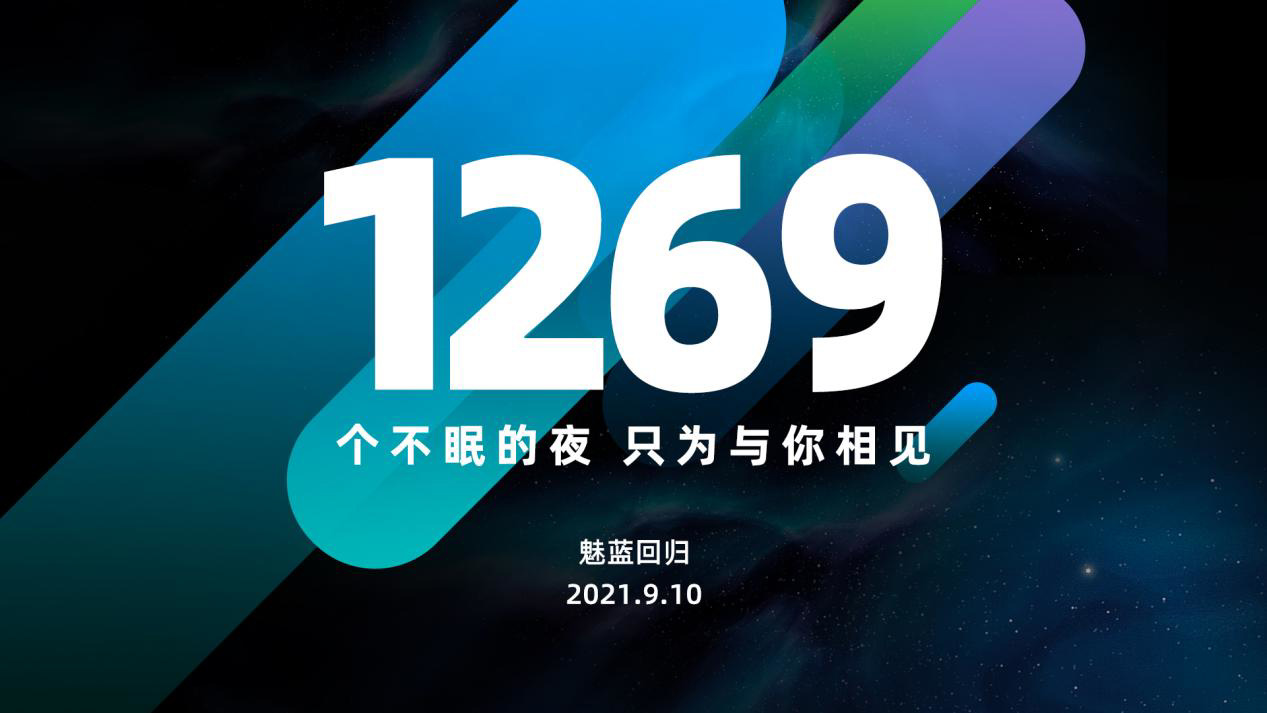
Meizu is one of China’s most innovative smartphone manufacturers but the brand has not been very successful as the likes of Xiaomi, OPPO, Vivo, Realme, etc. As a result of a downturn in its business, the brand discontinued its Blue Charm product line, opting to focus on the flagship Meizu brand. The company is now announcing the return of the Charm Blue brand.
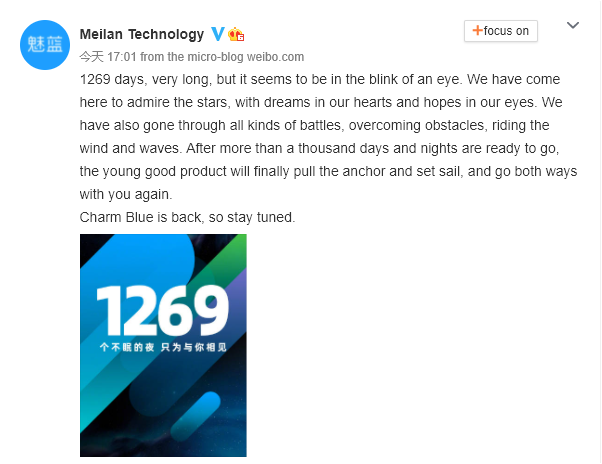
In a Weibo post, Meizu Charm Blue officially announced the return of the brand after being off-air for 1269 days. Going by this, it means the brand halted product releases in March 2018, about four years after the product line opened. Meizu introduced the Charm Blue product line in December 2014.
The reintroduction of the Charm Blue brand won’t be just for smartphones alone, apparently. In July this year, the Chinese manufacturer opened a couple of new Weibo accounts under the Blue Charm (Charm Blue) name. The accounts include the Blue Charm TV, Blue Charm Tablet, Blue Charm Watch, and Blue Charm Router. This is definitely an indication that apart from smartphones, new smart accessories, wearables, AIoT products will be released soon.
Information from Weibo also shows that the Charm Blue brand will be headed by Hua Hailiang, vice president of Meizu Technology. Li Nan was for long the head of the Charm Blue arm until he left the company last year to establish his own start-up.
The Chinee innovative company will be looking to fight for the market share relinquished by the exit of Huawei but we can’t say for sure if it is not coming late to the party. We expect the company to start teasing its upcoming product offerings under the brand soon.
Apple has fired one of its senior engineering program executives, Ashley Gjøvik for allegedly violating the company’s rules against leaking confidential information. Gjøvik has had a record of consistently tweeting about harassment, surveillance, and workplace safety since March 2021.
The sack seems to be a culmination of activities involving the engineering program manager and Apple. Gjøvik claimed to have immediately faced retaliation and intimidation from the top management of the company, and she had braced herself for the predictable action of getting the sack. She however expressed her utter disappointment that a company she had loved as a little girl would treat their employees in such a manner.
Sooo, #Apple has pics of my boobs. During a discovery thing 3yr ago, legal forced me to hand-over all my texts. They refused to let me delete anything, even "fully personal," even when I said "by fully personal I mean nudes." They said they're in their "permanent evidence locker"
Gjøvik had gradually raised concerns about her workplace and the prevailing unfair conditions. She had said that her office was located in a superfund site requiring special oversight due to historical waste contamination. In addition, she had raised privacy concerns about Apple’s policy of surveillance of employees.
Last month, Gjøvik was placed on administrative leave, according to Apple. Her allegations were investigated thereafter and the company claims they were without merit. A member of Apple’s employee relations team had contacted Gjøvik earlier today on suspicion of leaking confidential information. The communication between the pair did not go smoothly and it is believed that the company representative informed her of her suspension that will also prevent her access to Apple systems.
Apple was looking into a sensitive intellectual property matter and the representative had wanted to speak to Gjøvik within an hour. Gjøvik however preferred to have all communications in writing. She also noted she was forwarding the correspondence along to the NLRB, where she recently filed a charge.
The fluid nature of the process ultimately led to the sack of Gjøvik, which was communicated to her via an email she received a few hours later. The effective day of the termination of employment was put on September 11, 2021.
This may not be the end of the matter. There could be more legal fireworks in the days and weeks ahead.
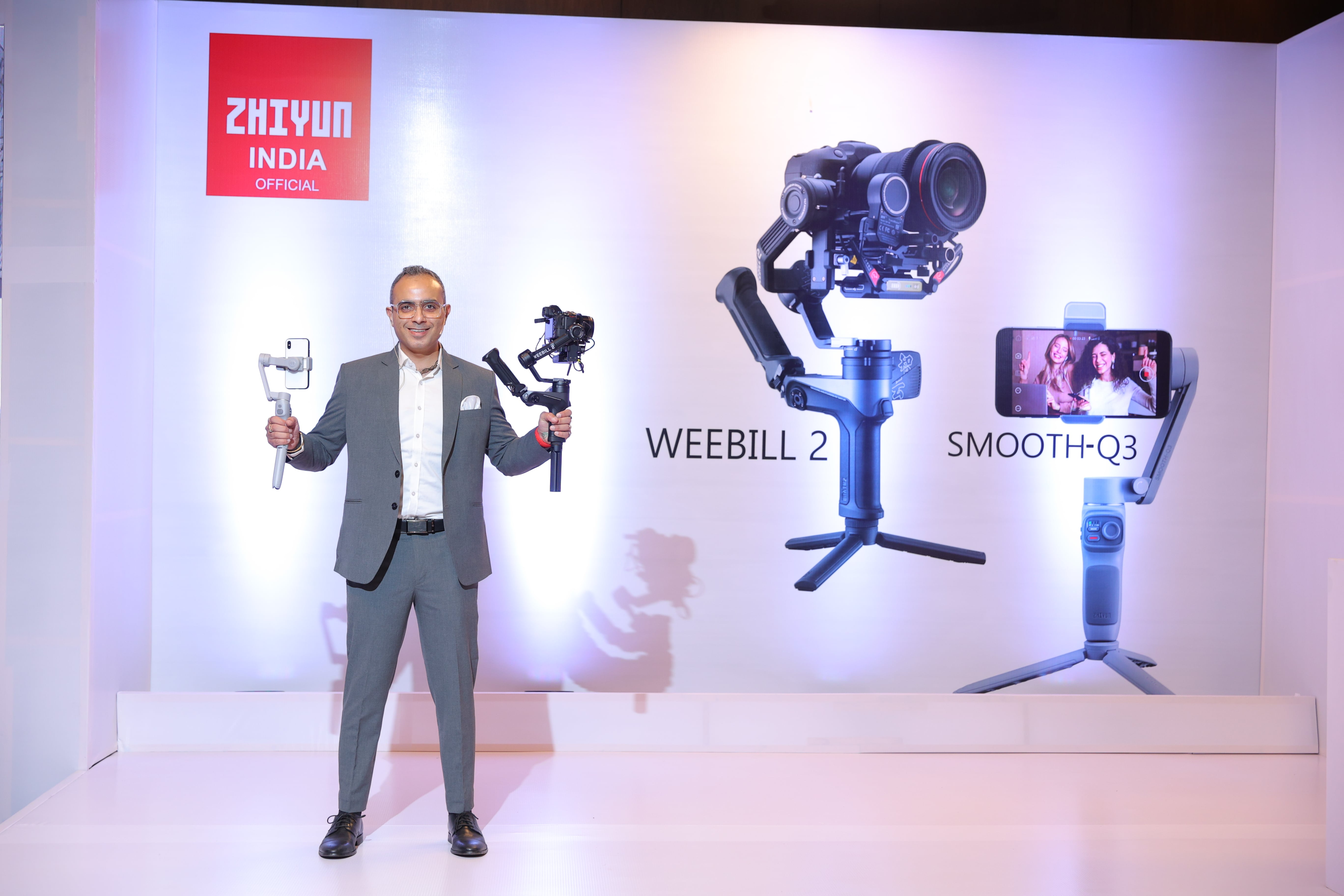
ZHIYUN is one of the popular gimbal brands. The company has launched its latest products in India. They are called ZHIYUN SMOOTH-Q3 and ZHIYUN WEEBILL 2. The former is for smartphones, while the latter is for mirrorless as well as DSLR cameras.
The ZHIYUN SMOOTH-Q3 is a 3-axis smartphone gimbal with a unique rotatable fill light. The integrated fill light comes with three levels of brightness, 180° front and rear lighting with support for touch control, and a 4300K warm tone.
The gimbal has features like Smart Follow 3.0 Object Tracking, instant Dolly Zoom, Magic Clone Panorama, and gesture control. It weighs only 340g and can handle a smartphone payload of up to 280g. Lastly, it is compatible with all major Android and iOS handsets.
On the other hand, the ZHIYUN WEEBILL 2 is touted as the first gimbal to feature a 2.88-inch flip-out color display with support for touch input and full camera controls.
It has features like SMART FOLLOW, TIME LAPSE, GESTURE CONTROL, and others. This gimbal weighs 1.47Kg and is compatible with most professional mirrorless and DSLR cameras.
Both these products support ZHIYUN’s ZY Cami companion app. The application not only lets users control the gimbals but also edit videos and more.
The new ZHIYUN gimbals for India are up for sale in the country for the following price tags.
ZHIYUN SMOOTH-Q3
Standard – ₹9,000
Combo – ₹10,500
ZHIYUN WEEBILL 2
Standard – ₹49,000
Combo – ₹59,000
Pro – ₹75,000
They can be purchased from ZHIYUN India’s official website, Amazon (Appario Retail), Flipkart (RetailNet), and leading camera/consumer electronic stores across the country.
The products come with a 1-year parts replacement warranty and a 30-minute free training session.
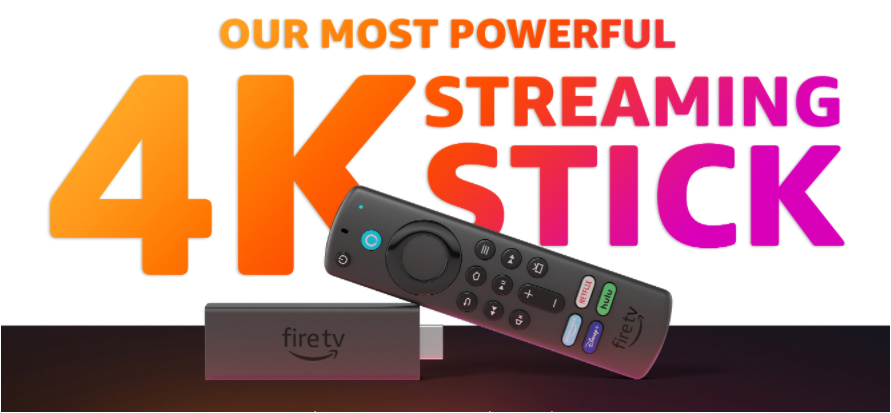
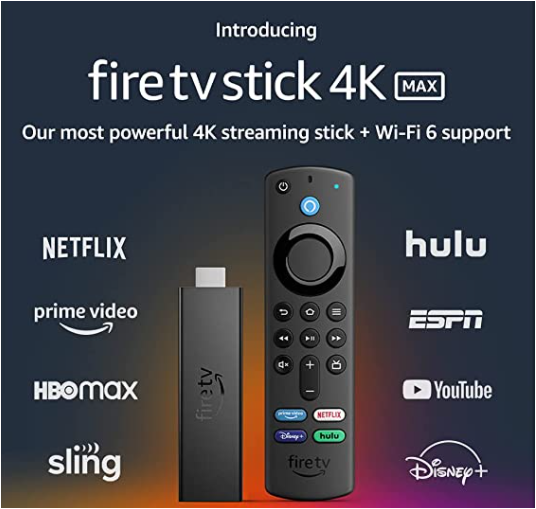
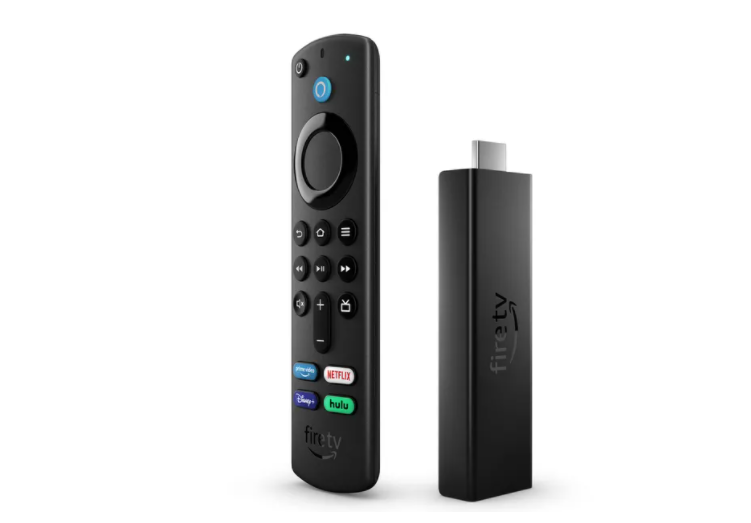
US e-commerce giant Amazon has launched the Fire TV Stick 4K Max as its latest flagship offering with a very affordable price under $55. The Fire TV Stick 4K Max is joining a growing list of successful streaming sticks from Amazon like the Fire TV Stick 4K, Fire TV Stick, and Fire TV Stick Lite.
The new Amazon Fire TV Stick 4K Max supports faster Wi-Fi 6 network connectivity, higher processor speeds than its predecessors, while still retaining support for HDR formats including Dolby Vision. The new streaming stick is about 40% more powerful than the Fire TV Stick 4K.
The fundamental source of the huge gains in the new flagship streaming stick is due to its new quad-core 1.8GHz processor and 2GB of RAM. Its 750MHz GPU and the added auto low-latency mode further accentuates the overall performance of the device. As a result of the leap in processing power, the Amazon Fire TV Stick 4K Max is now better suited for the Luna cloud gaming service.
The new Amazon Fire TV Stick 4K Max has Amazon’s Alexa Voice Remote with additional shortcut buttons. The device also offers an exhilarating, content-focused software experience. The streaming stick is also well-priced at $54.99, with the company claiming that it is the best-selling streaming player in the US, offering greater functionality than its competitors. Some of the streaming sticks offering similar features are priced up to $180, according to Amazon.
While preorders have already begun via Amazon’s website, the first units will not arrive before October 7th. Amazon has not disclosed details of the global launch of the Fire TV Stick 4K Max but we expect it to launch in other markets in due course.
The OnePlus Buds Z are the brand’s entry-level truly wireless earphones. These earbuds were unveiled alongside the OnePlus 8T in October 2020. As we are approaching their launch anniversary, details about their successor called OnePlus Buds Z2 have emerged.
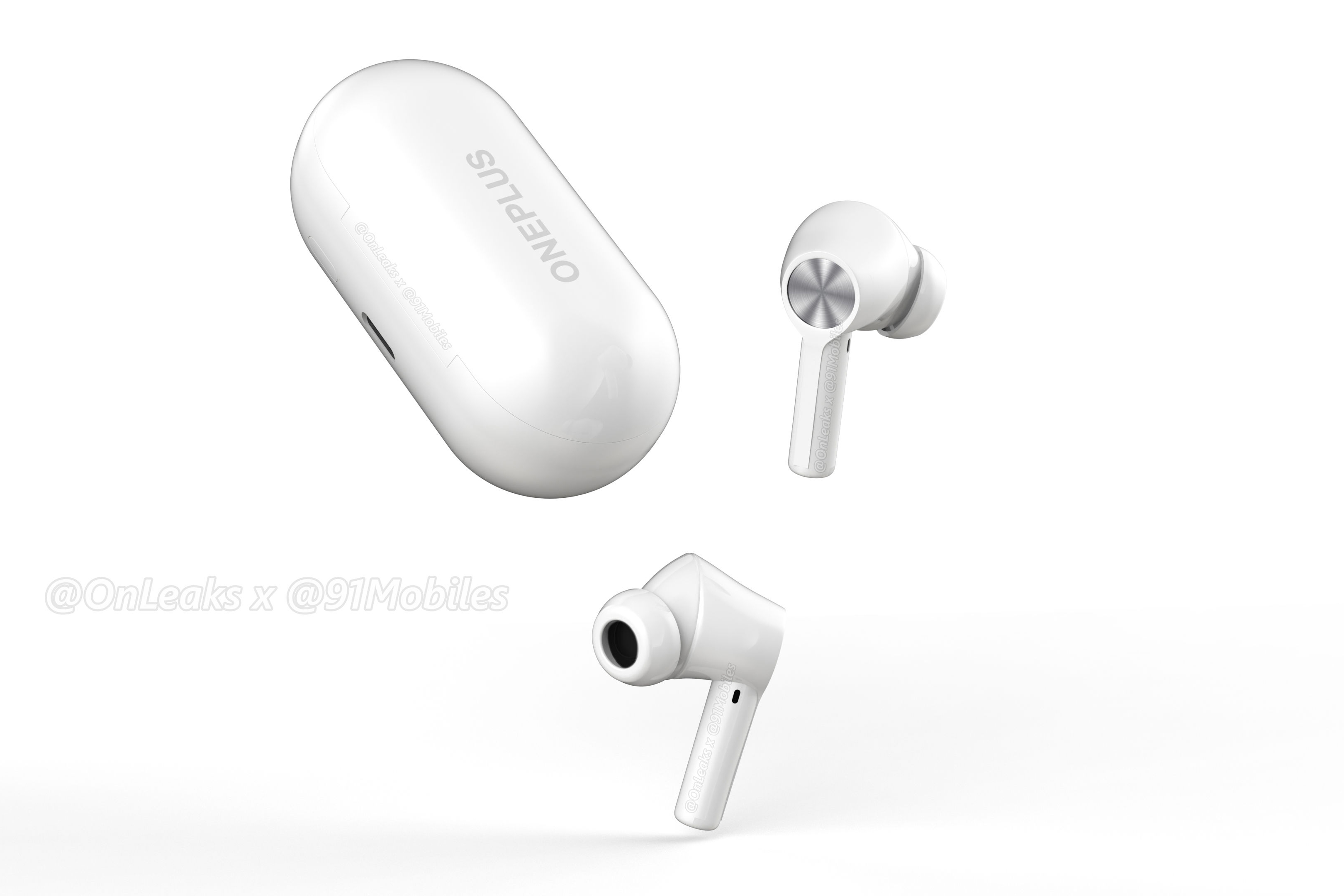
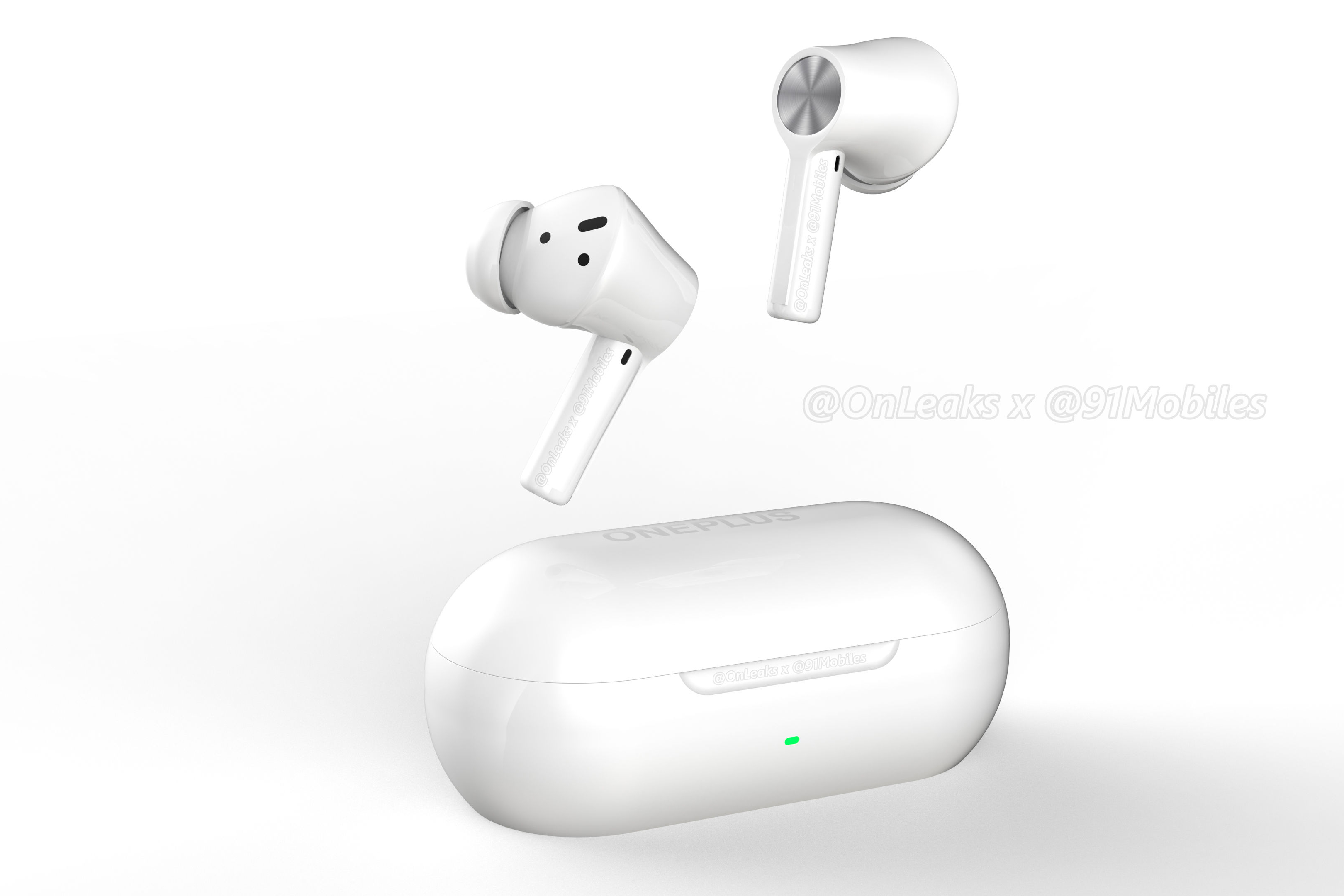
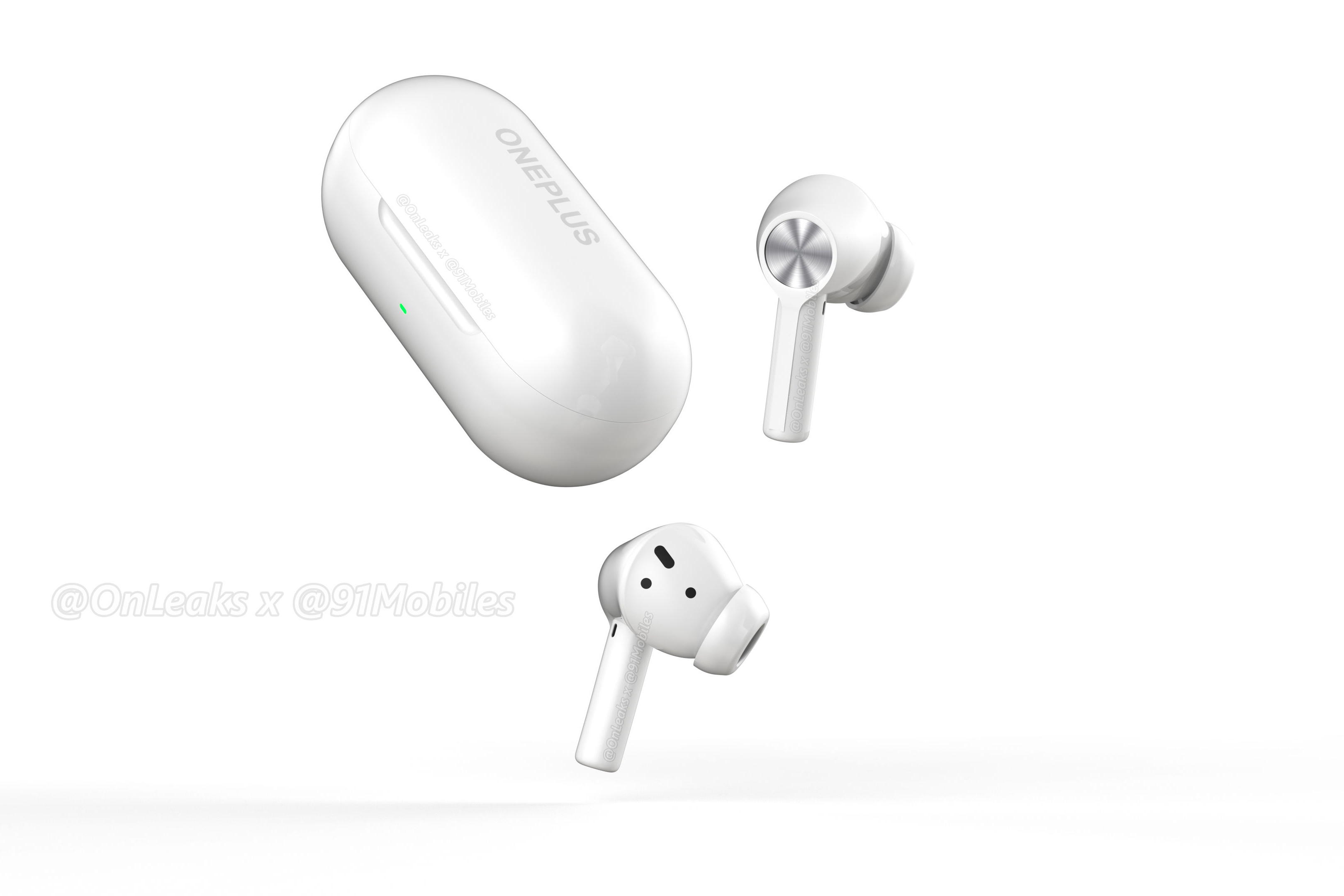
Popular leaker @OnLeaks aka Steve Hemmerstoffer has partnered with 91Mobiles to share the renders of the upcoming OnePlus Buds Z2. Since these renders are based on live images, this will likely be the final design of the product.
From the renders, we can see that the new TWS product from OnePlus will be nearly identical to its predecessor in terms of design. The only major difference between the old and the new models will be the presence of angled ear tips on the latter.
Apart from that, there’s nothing to talk about the design of these in-ear wireless earphones. That’s because even the charging case will be identical.
Having said that, neither the tipster nor the publication has any information regarding the specs of the forthcoming OnePlus audio accessory. But they do know that this TWS product will launch in October and may arrive in more colors apart from white.
Since OnePlus is also tipped to debut the OnePlus 9 RT next month, the OnePlus Buds Z2 might also go official alongside the successor of the OnePlus 9R from earlier this year.
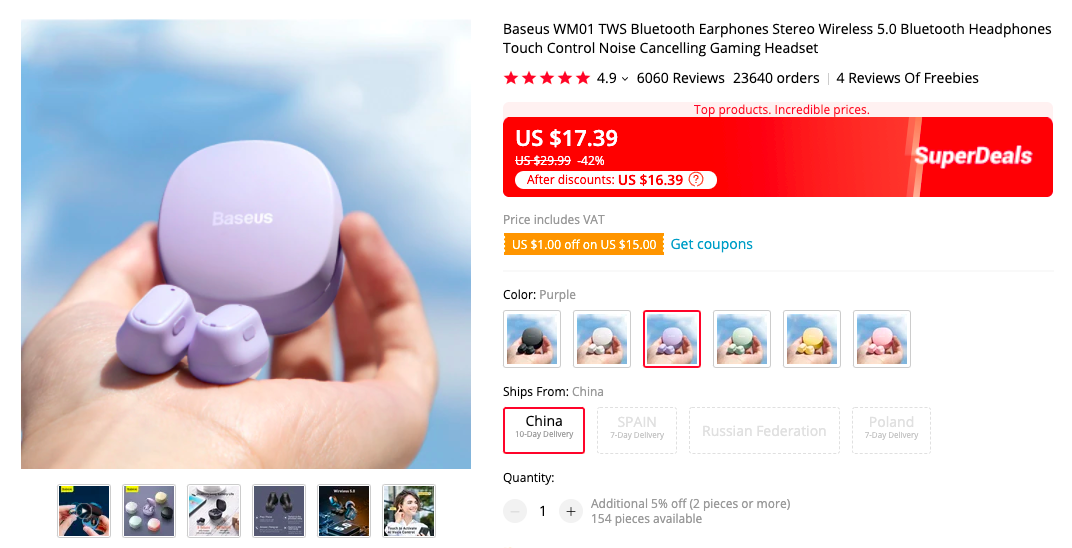
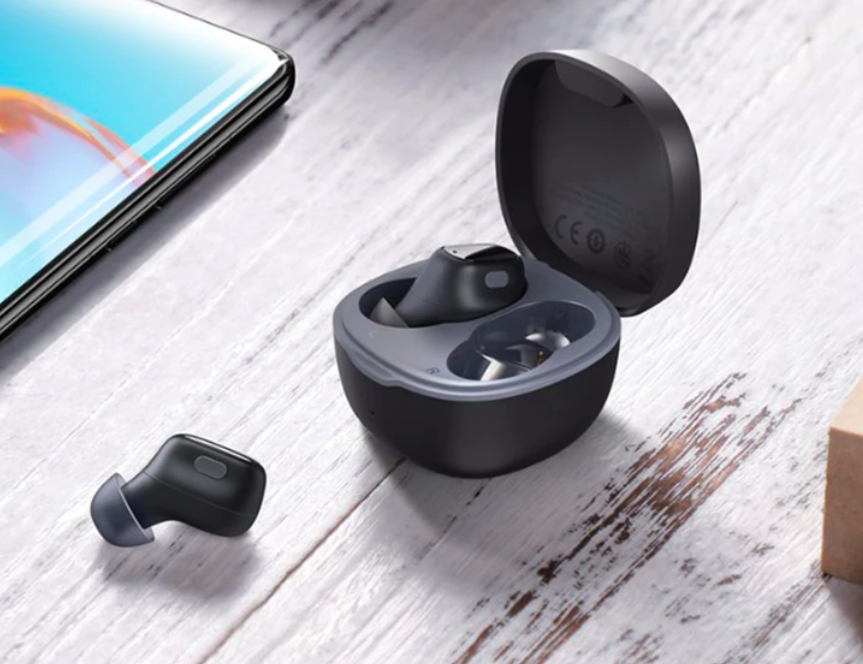
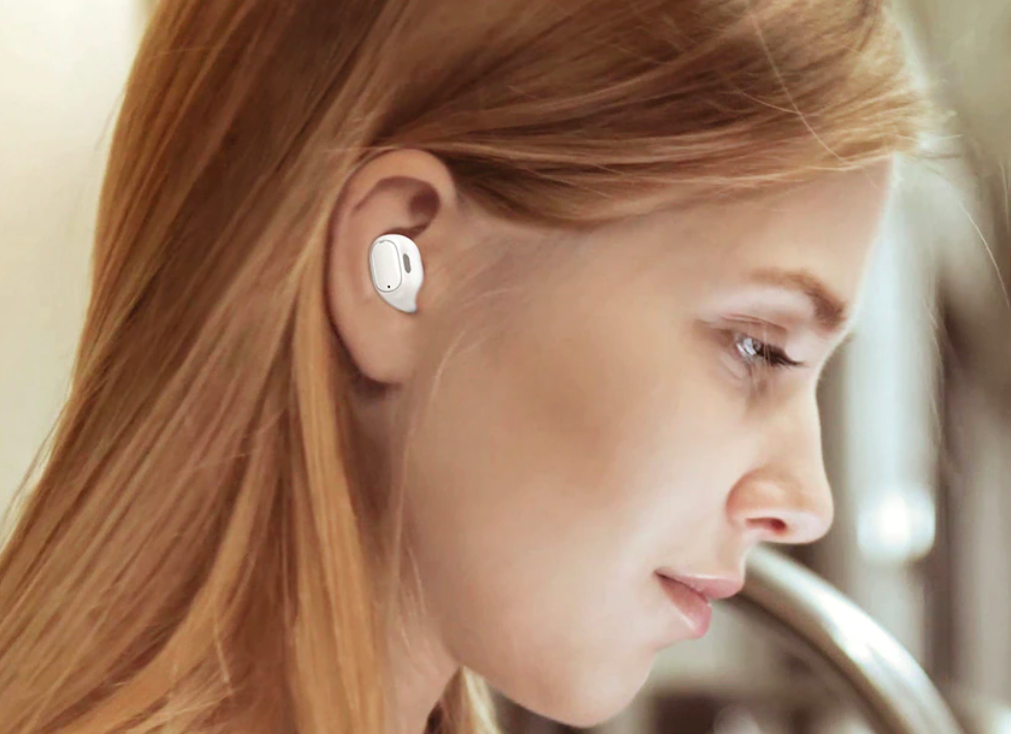
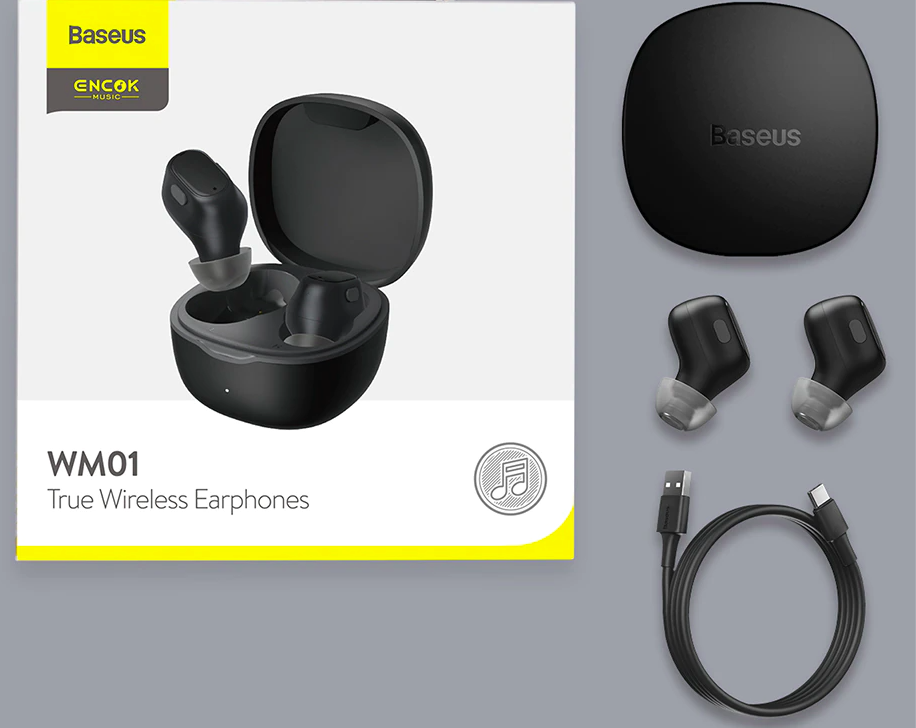
Baseus WMO1 TWS Earbuds which generally retails for $22 is now available at a discounted price of $16.39 only at AliExpress. This is a limited-time offer.
Generally retailing for $22, you can now buy Baseus WMO1 TWS Earbuds at a discounted price of $16.39 only at AliExpress. This is a limited-time offer. So place your order asap.
For more information on such exciting deals and offers check out ourdeals hub.
* Please Note: When you buy something using the links in our articles, we may earn a small commission at no cost to you.
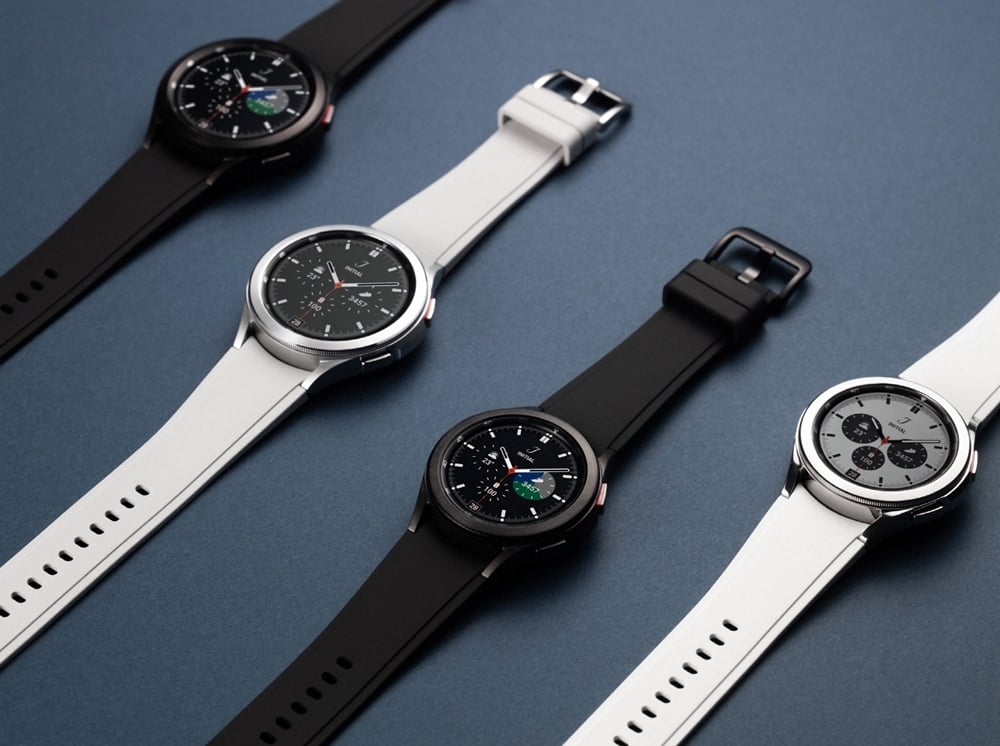
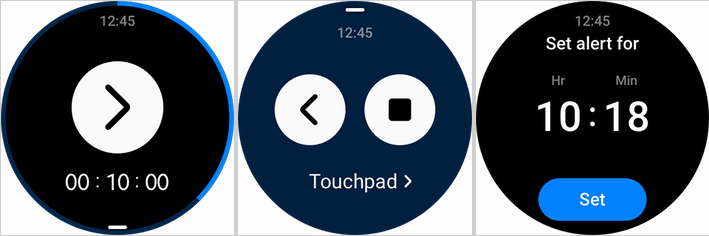
One of the these older features include an updated version of the PPT Controller app on the Play Store, which is now available on the Galaxy Watch 4 and Galaxy Watch 4 Classic. This was initially available in older Tizen models back in 2017 and allowed users to basically control a PowerPoint presentation from their smartwatch. This included functions like controlling slideshows and more, which added a layer of functionality that appealed to students and professionals alike.
For those interested, you can check out the newer version of the feature on the Google Play Store (Via XDADevelopers). The listing on the app store also highlights the various functions of the feature, like letting users switch to the next or previous slide with your smartwatch and stop the presentation. Furthermore, it even allows users to use the physical bezel on the Galaxy Watch 4 Classic or the digital one on the base Galaxy Watch 4 to control the slides.
The feature also showcases key information like the remaining time on your wrist and lets users add a vibration alert to notify them when the presentation has ended. Keep in mind, that one has to connect their smartwatch with a computer to use the PPT controller app.You can do this by connecting the Galaxy Watch 4 series wearable to your Windows PC via Bluetooth.
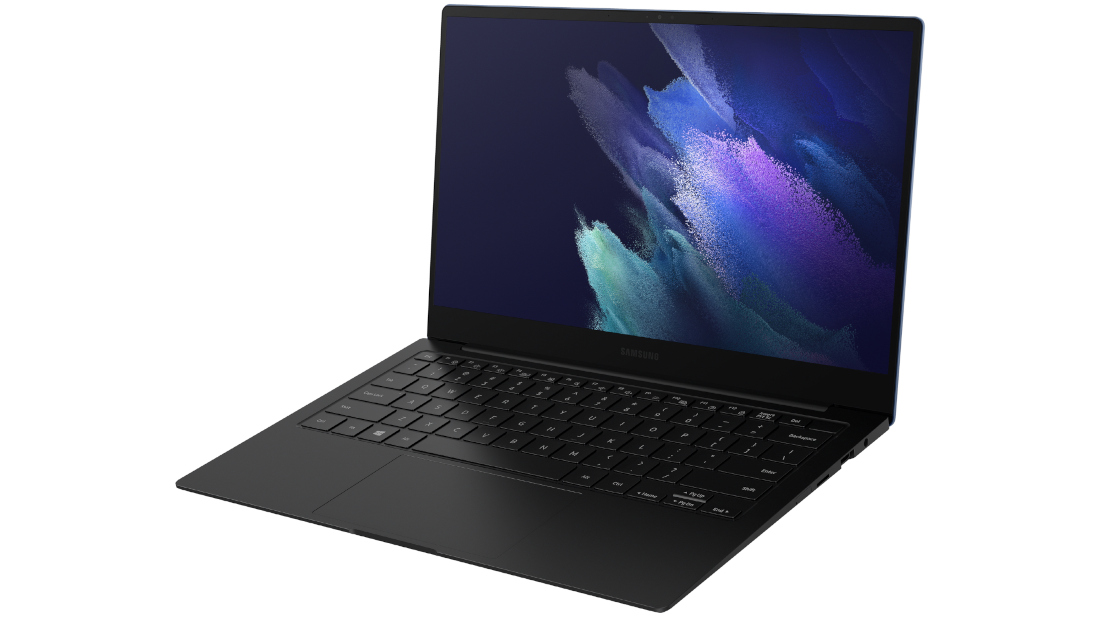
Samsung is mostly known for its smartphones but the South Korean giant has a decent presence in the laptops market as well. Its latest laptops in the market are under the Galaxy Book and Galaxy Book Pro.
Now, the company has announced the Business Edition of both these new laptops. Just like the Microsoft Surface for Business, the Galaxy Book Business Edition and Galaxy Book Pro Business Edition are similar to the original models but come running the Pro version of the Windows 10 or Windows 11 operating system.
The inclusion of the Windows 10 Pro (or the Windows 11 Pro) means that the devices have better security and more management-related features. The devices come powered by Intel’s 11th-generation processors and are Intel Eco certified.
For those who are unaware, the Galaxy Book and Galaxy Book Pro come in two screen sizes — 13.3-inch and 15-inch. Both of them feature a Full HD screen resolution with a 16:9 aspect ratio. However, the laptops come with a Super AMOLED display, offering bright and vivid colors on the screen.
Coming to the pricing, the Samsung Galaxy Book costs $899 for the 15.6-inch model packing an Intel Core i5 processor and 16GB RAM. On the other hand, the Pro model with a 13.3-inch screen starts at $1,099 while the 15.6-inch model starts at $1,199. It comes in two variants — Core i5 / 8GB / 512GB and Core i7 / 16GB / 256GB. These new Business Edition laptops are now available for purchase.
In related news, after pushing for foldable smartphones, Samsung is now reportedly working on launching a foldable laptop which is likely to be called Samsung Galaxy Book Fold 17. The device was showcased as a concept at SID 2021 and is now said to be under development and should be announced soon.
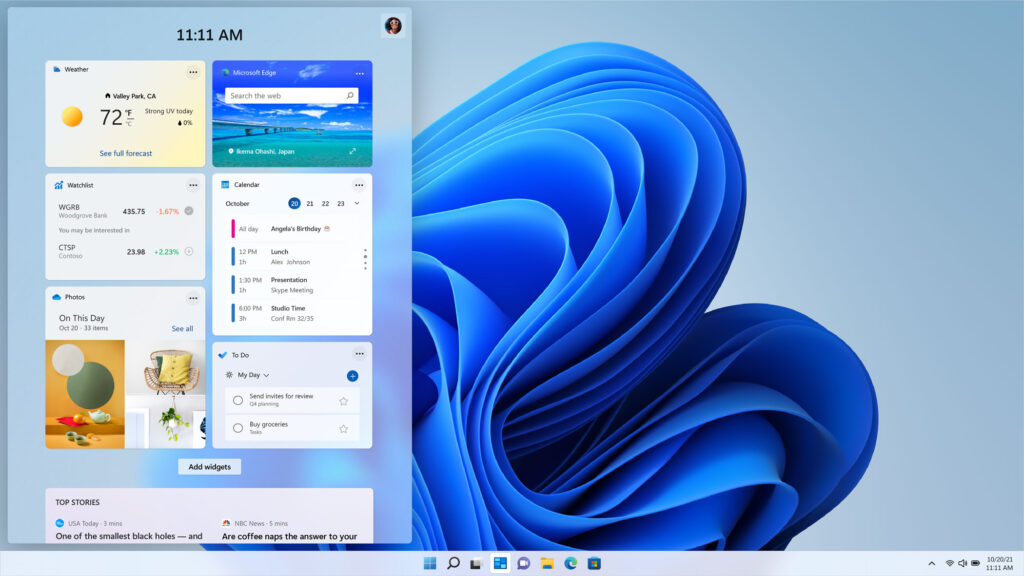
Microsoft has been proactive with the Windows 11 update and improvements ever since it came into existence. Microsoft is aiming to finalize things and present a seamless experience before it begins rolling out to the general public starting next month. A new Windows 11 build 22454 has been released for the Insiders in the Dev Channel that brings a modern context menu design for the Recycle Bin along with a bucketload of fixes and improvements.
Source: Microsoft
Major changes:
Right-clicking on Recycle Bin on the desktop now uses the new modern context menu.
Added an option when right-clicking a network share in File Explorer to pin it to Quick Access without having to click Show more options.
We have begun releasing an updated version of the Korean IME with adjustments made based on Windows Insider feedback. We believe this will provide a more reliable input experience for Korean on Windows 11. The updated version of the Korean IME follows the new visual design of Windows 11 with acrylic in the candidate window, a new selection visual, and dark mode support. It also improves improved performance and compatibility. The updated Korean IME is rolling out to a subset of Insiders in the Dev Channel first, to help us quickly identify issues that may impact performance and reliability. Over time, it will roll out to everyone in the Dev Channel. Please file feedback via Feedback Hub under Input and Language > Text Input.
Bug fixes and improvements:
We fixed the issue that was causing PCs with Windows Defender Application Guard (WDAG) enabled to bug check continuously. PCs with WDAG enabled should now receive Build 22454.
Windows Terminal is listed again when right-clicking on the Start button (WIN + X).
The narrator should announce the Start launch more reliably now.
The Desktops flyout should now dismiss properly for Narrator users when scanning with item navigation across the Task View button.
Fixed an issue where the preview thumbnails for Desktops were not rendering correctly for certain aspect ratios.
Fixed a rounding issue that was making the volume icon tooltip show the wrong number in some cases.
The input indicator, Quick Settings, and notification center icon tooltips will no longer display behind the flyouts when they’re open.
Addressed an underlying issue that was resulting in the volume icon in the Taskbar displaying sound was muted when that was not the case.
Fixed an issue that could cause the Taskbar to unexpectedly get stuck on top of full-screen applications, such as PowerPoint presentations, after interacting with the Taskbar previews.
Taskbar icons should no longer flicker when you mouse over them while using a contrasting theme.
Fixed an issue where app icons would occasionally unexpectedly animate onto the Taskbar from somewhere other than from below.
Shift + Click on an app icon in the Taskbar to launch a new instance of that app (for apps that support multiple instances) is now working again.
Did some work to address an issue where app icons could get stuck in an alert state in the Taskbar even if the app in question was closed.
Fixed an issue that was causing the text candidates to not appear after the first time the handwriting panel was invoked.
Mitigated a stutter in the animation when tapping a text field to invoke the touch keyboard.
Fixed a bug that was causing clipboard history to not render for some people.
Displaying 3rd party IME icons in the input indicator should be more reliable now.
Addressed an explorer.exe crash that could happen when changing window focus while using the touch keyboard.
Fixed an issue for people who’d opted into the previous version of the Japanese IME that was causing certain games to crash.
Fixed an issue where the tip for voice typing when using the touch keyboard wouldn’t be connected to the microphone button.
Addressed an issue where the touch keyboard could get into a state where the key labels would be invisible due to the wrong background color being used.
Mitigated an issue that was leading to the touch keyboard settings flyout having white on white text sometimes.
Did some work to address an issue where interacting with the expressive input button in the touch keyboard could result in the candidate area having a broken layout.
Improved the reliability of context menu invocation.
Mitigated a couple of issues that were causing leaks when using File Explorer.
The context menu will now not immediately dismiss when the option to open things with a single click is enabled in File Explorer.
If you press F11 to full-screen File Explorer, then use WIN + Shift + Left/Right to change what screen the window is displaying on, pressing F11 again will no longer jump the window back to the original screen.
Mitigated an issue when typing with certain 3rd party IMEs into the search box in Settings that could result in the candidate window being rendered elsewhere on-screen (not attached to the search box) and/or characters inserted into the search box not displaying.
We did some work to help address an issue that was making the Windows Insider Program page in Settings appear blank sometimes.
The mouse pointers under Accessibility > Mouse pointer and touch are no longer invisible for Arabic and Hebrew display languages.
System > Storage > Show more categories > Other should no longer always say it’s managed by group policy even when it isn’t.
Added some links to “Find my device” in Settings to help you learn more about the privacy resources.
Start time and end time pickers under Focus Assist > During these times are now visible when the focus is set while using a contrasting theme.
Addressed a crash that could happen when using Sound Settings.
Fixed an issue with the volume slider in Quick Settings that was causing the volume to sometimes save at a slightly different level than what was actually set.
Fixed a crash that could happen when the network icon updated states on the login screen.
Made a change to address an issue where title bar options including close, minimize, and maximize were not appearing as expected in certain apps when moving the mouse to the top of the screen while the app was maximized.
Improved icon rendering for certain apps in the Search hover flyout.
Addressed an issue that was causing overlapping text in the Share window for certain languages.
Made some performance improvements when switching to the Details tab of Task Manager.
If the Windows Security app is open when switching to dark mode, the UI elements should respond better now and not have unreadable text.
If there are a large number of exclusions listed under Virus and Threat Protection in the Windows Security app, it will now display a progress indicator when loading them.
Fixed some text clipping in the Windows Security app when using the option in Accessibility Settings to increase the text size.
Mitigated an issue that was causing the WM_CTLCOLORSTATIC message used in certain apps to be ignored, so the colors in some places wouldn’t appear correctly.
Fixed a leak when the desktop background was set to a slideshow, impacting performance over time until explorer.exe was restarted.
Mitigated an issue that was causing some PCs to bugcheck while on modern standby.
Fixed an issue that was causing slower Wi-Fi speeds after enabling Hyper-V and creating an External V-Switch.
When animations are disabled in the system, there should no longer be a fade animation in UWP apps like Settings or the Feedback Hub when transitioning from the splash screen to the app content.
The list is big (more on the build 22454 can be checked out at Windows 11 blog) and mostly improves the functionality ahead of the October 5 launch.
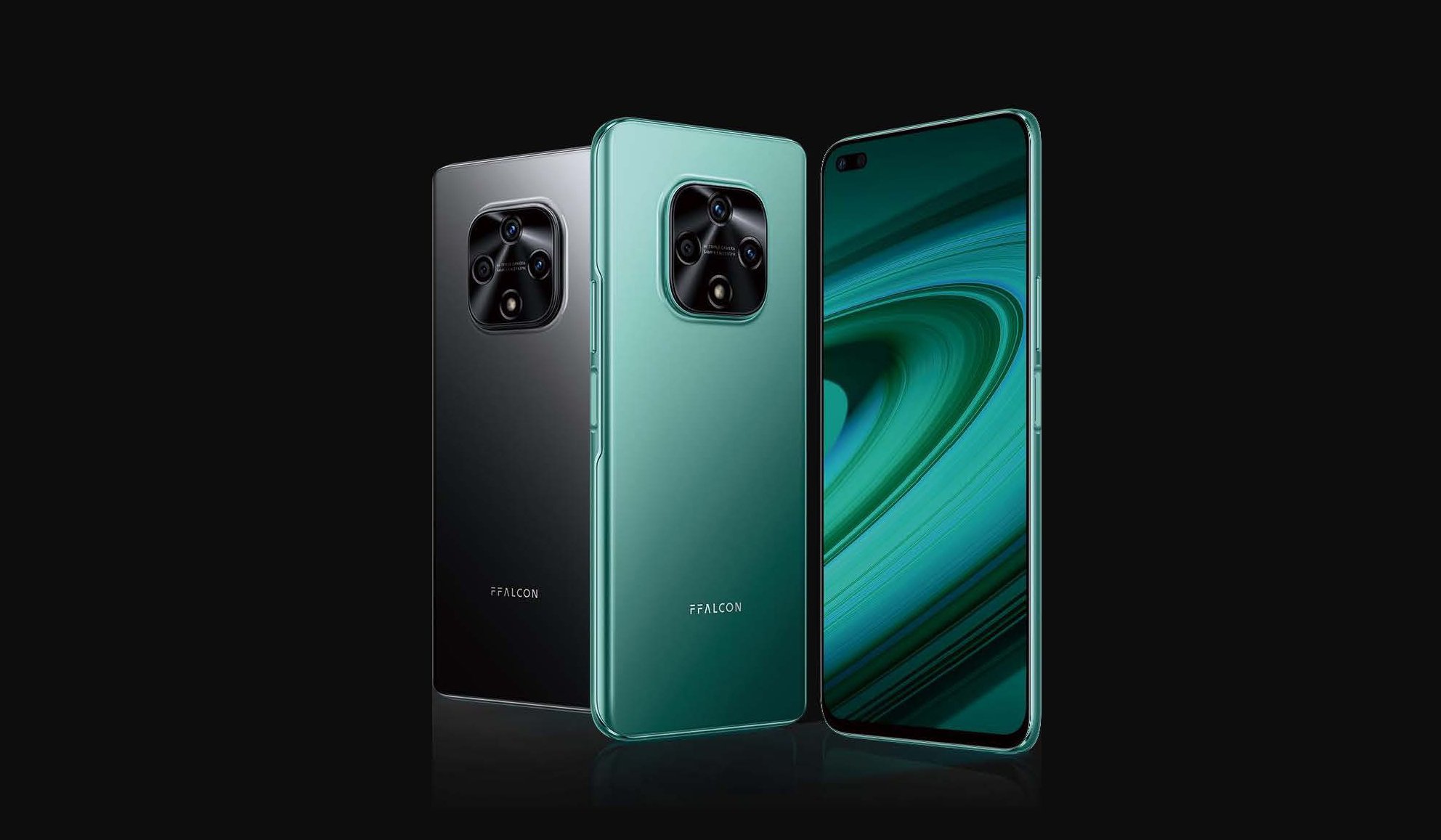
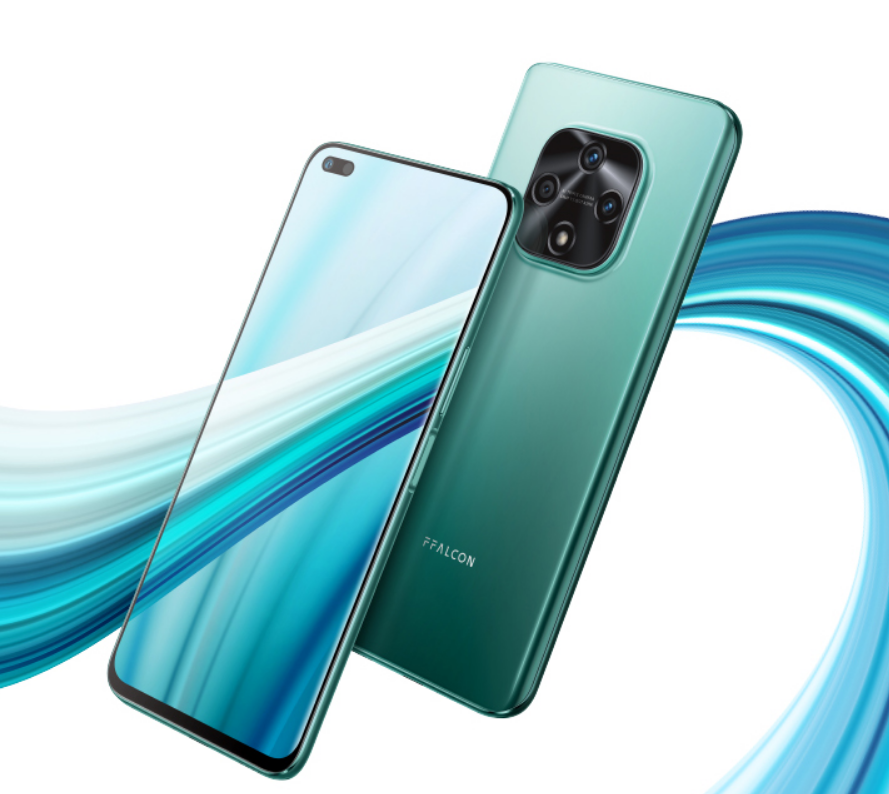
FFALCON Thunderbird FF1 smartphone is now on sale in China and is available on JD.com. The device is the first handset from the company and was released through both offline and online channels earlier today (10th September 2021).
The new smartphone from the brand sports a Qualcomm Snapdragon 690 processor and 8GB of RAM under the hood, with a 120Hz high refresh rate display on the front. The screen is a 6.67 inch IPS LCD panel that offers a Full HD+ resolution, 20:9 aspect ratio, and a pill-shaped selfie camera cutout as well. The device is powered by a large 4,300mAh battery that supports 66W rapid charging.
For photography, the Thunderbird FF1 houses a 64 megapixel primary camera with an f/1.7 aperture, an 8 megapixel ultra wide angle lens, and a 2 megapixel depth sensor, while the front sports a 16 megapixel camera. Other features include, dual SIM support, 5G/4G, Wi-Fi 802.11ac, Bluetooth 5.1, GPS, and a USB Type C port, and Android 11 OS out of the box. The device is available in two storage variants namely, 128GB and 256GB. The former is priced at 2,499 Yuan (roughly 386 US Dollars) while the latter costs 2,799 Yuan (roughly 432 US Dollars).
Notably, the new handset is listed on Huawei’s official store on JD.com. Although, FFALCON has clarified that there is no official partnership or collaboration for the release of the Thunderbird FF1. The company said that it will be responsible for any after-sales services and Huawei is just the distribution partner for the new device in the Chinese market.
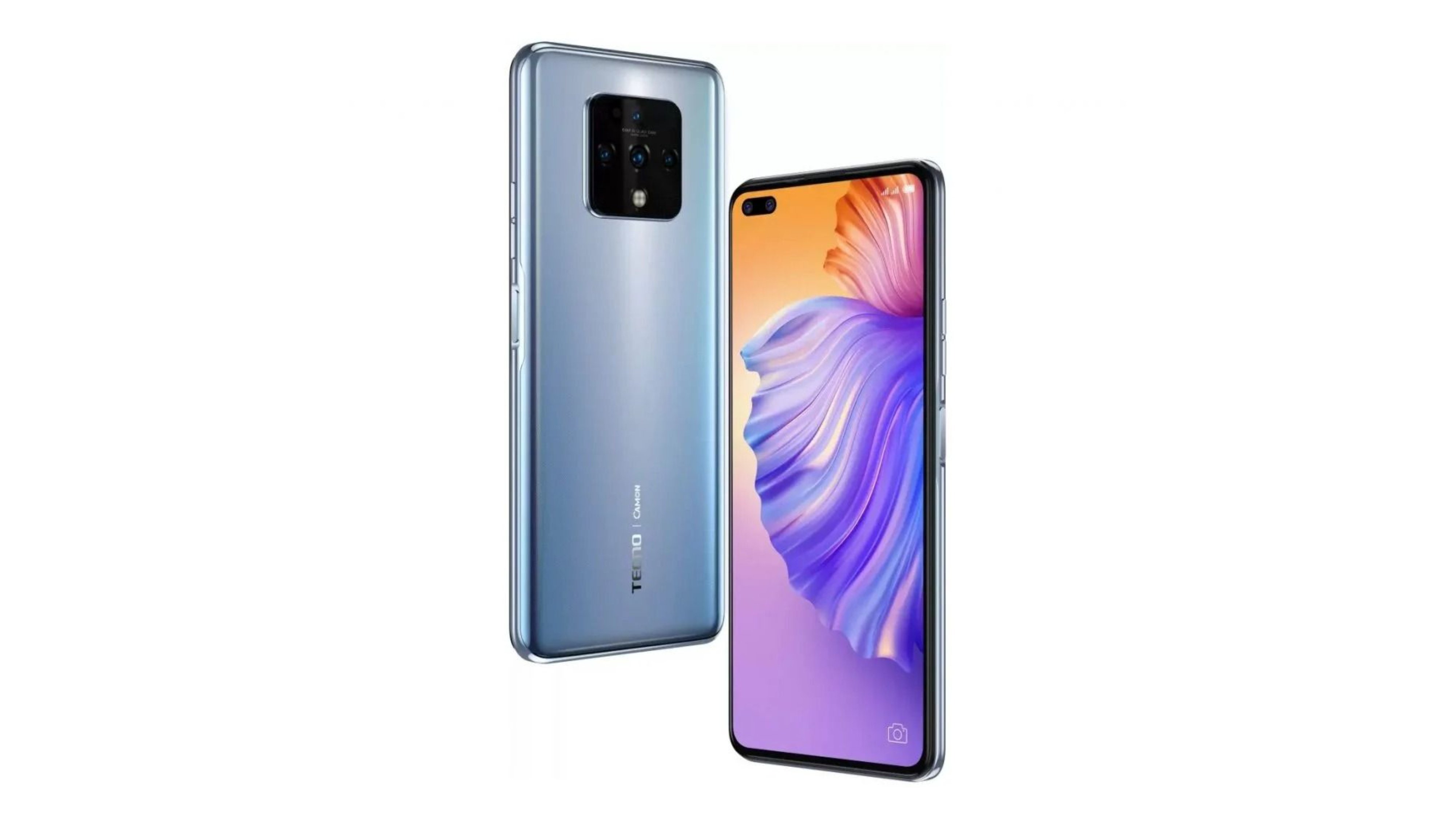
Two new upcoming TECNO smartphones have appeared on Google Play Console. These handsets are called TECNO CAMON 18 Premier and TECNO SPARK 8P. The listings of these devices reveal some of their specs. Let’s take a look at what these phones will bring to the market.
TECNO CAMON 16 Premier
As per Google Play Console, the TECNO CAMON 18 Premier will bear model number TECNO-CH9. This smartphone will be powered by a MediaTek MT6781V/CD chipset, which could be a variant of the Helio A22 SoC.
Despite housing an entry-level mobile platform, the phone is said to come with 8GB of RAM. Also, it will sport an FHD+ display with a resolution of 2400 x 1080 pixels and will run Android 11.
On the other hand, the TECNO SPARK 8P will arrive with model number TECNO-KG7. A MediaTek MT6769 aka Helio G70 coupled with 4GB RAM will run this handset.
It will also flaunt an FHD+ display but with a slightly different resolution of 2408 x 1080 pixels. Last but not least, it will ship with Android 11.
Unfortunately, nothing else is known about these devices. But what we can tell is that the TECNO CAMON 18 Premier will succeed the TECNO CAMON 16 Premier from last year. Whereas, the TECNO SPARK 8P will be the successor of TECNO SPARK 7P from earlier this year.
We use cookies on our website to give you the most relevant experience by remembering your preferences and repeat visits. By clicking “Accept”, you consent to the use of ALL the cookies.
This website uses cookies to improve your experience while you navigate through the website. Out of these, the cookies that are categorized as necessary are stored on your browser as they are essential for the working of basic functionalities of the website. We also use third-party cookies that help us analyze and understand how you use this website. These cookies will be stored in your browser only with your consent. You also have the option to opt-out of these cookies. But opting out of some of these cookies may affect your browsing experience.
Necessary cookies are absolutely essential for the website to function properly. This category only includes cookies that ensures basic functionalities and security features of the website. These cookies do not store any personal information.
Any cookies that may not be particularly necessary for the website to function and is used specifically to collect user personal data via analytics, ads, other embedded contents are termed as non-necessary cookies. It is mandatory to procure user consent prior to running these cookies on your website.