Advertisement

OnePlus to add a toggle in OxygenOS 12 to disable throttling

A couple of weeks back, the OnePlus 9 and the OnePlus 9 Pro were delisted by Geekbench for manipulation. This happened when a report by Anandtech revealed that the deices throttle performance of select popular apps but did not do such things while running benchmark applications. Interestingly, the company itself confirmed its doing and now, it has even announced a solution for the same.
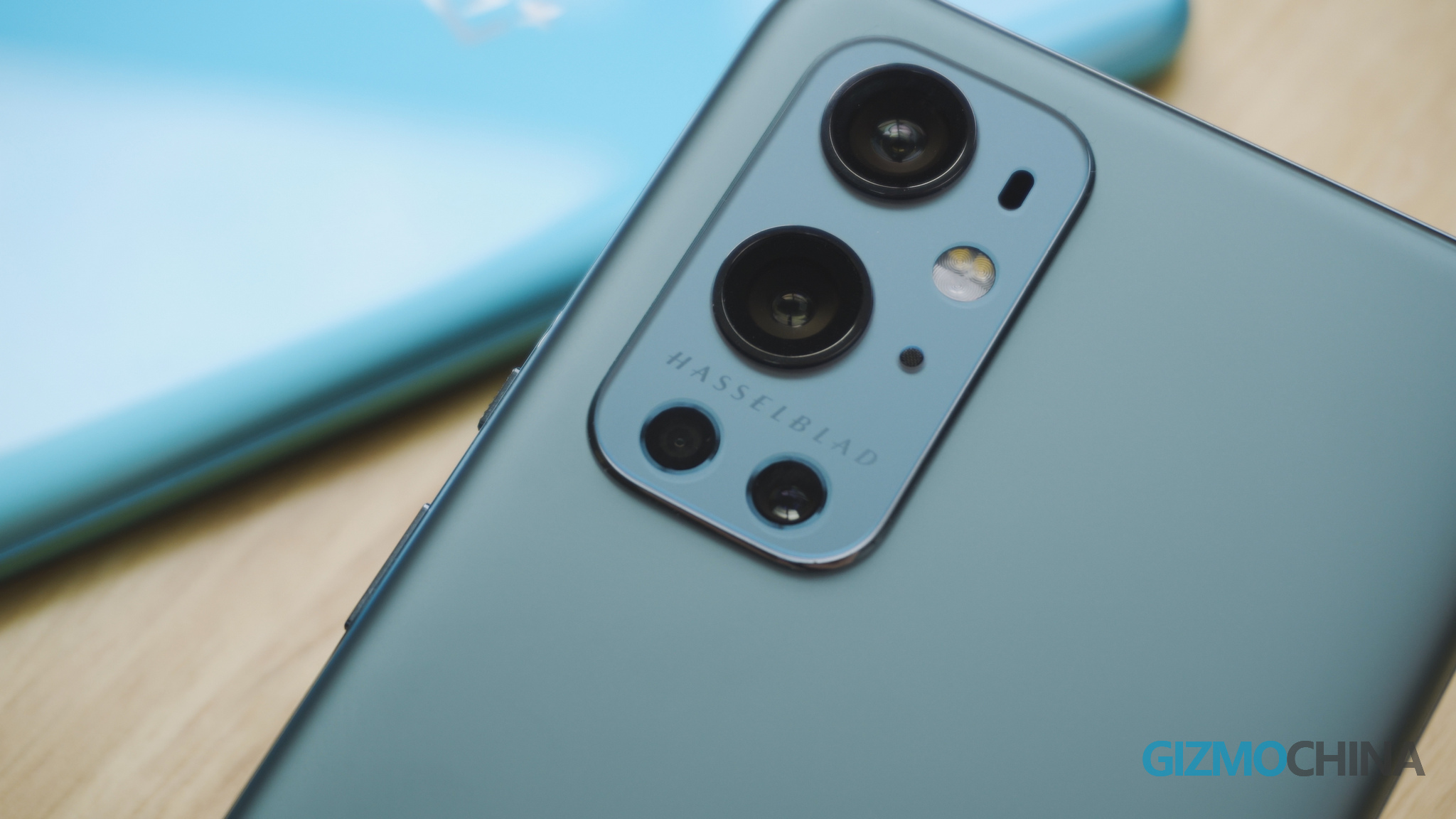
OnePlus 9 Pro camera featured 03
OnePlus 9 Pro

OnePlus has confirmed to Android Police that the OnePlus 9R as well as the newly launched OnePlus Nord 2 also have performance optimizations like the OnePlus 9 and the OnePlus 9 Pro. Additionally, the brand has revealed that it will let users opt out of this with the next release of OxygenOS.

OnePlus says that its R&D team is currently working to add an option to turn on/off this optimized mode. The feature is said to arrive in one of the first builds of OxygenOS 12.

Since Android 12 stable is expected to release by September, OxygenOS 12 should also get announced at around the same time. Hence, we expect the so-called ‘optimized mode’ toggle to make its debut by the end of 2021.

Additionally, since OnePlus has merged the codebase of OxygenOS with ColorOS, we can anticipate more OPPO software features. In fact, the newly announced OnePlus Nord 2 with OxygenOS 11.3 with the integrated codebase already looks identical to the ColorOS.

What are your thoughts on OnePlus’s new mobile software? Do let us know in the comment section below.


RELATED:


Samsung may launch future Galaxy Z Flip with a rotating camera on the hinge

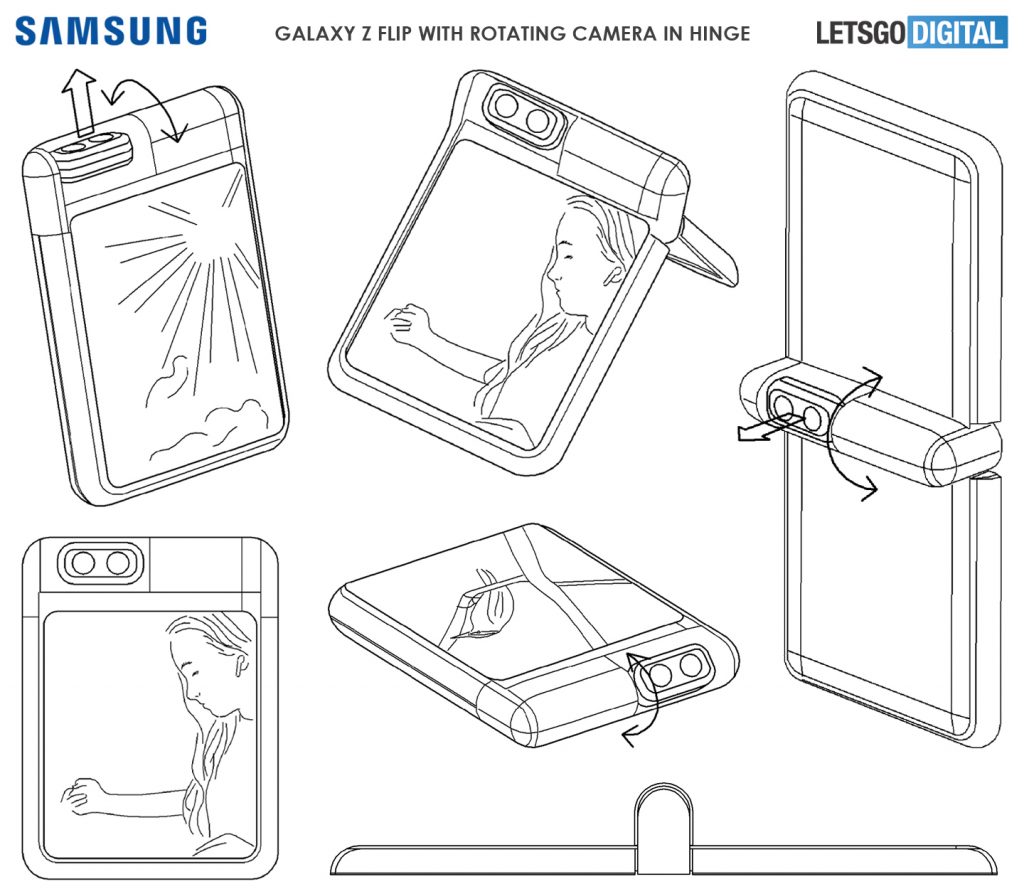
While Samsung is expected to launch the Galaxy Z Flip 3 and Galaxy Z Fold 3 sometime next month, a new patent has just surfaced that reveals the possible design for a future foldable smartphone from the brand.

Samsung

According to a LetsGoDigital report, the South Korean tech giant had filed a new patent with WIPO (World Intellectual Property Office) earlier this year, which has recently been granted. The patent arrives with certain design sketches that depict a clamshell folding handset that houses a rotating camera on the hinge, which means it could be a future Galaxy Z Flip model. Notably, the patent focuses on the unique camera module of the smartphone. The module is capable of rotating upwards and backwards, which allows it to take images from different angles.

This would also mean that the camera module would be capable of taking both selfies and act as the primary rear shooter as well. The patent also reveals that this foldable smartphone also features a smaller external display, which would also help in taking selfies apart from just display notifications and other alerts when the device is folded. While the hinge rotating camera design is quite an interesting implementation of a camera module, housing a sensor on the hinge may also cause various issues as well.

Samsung
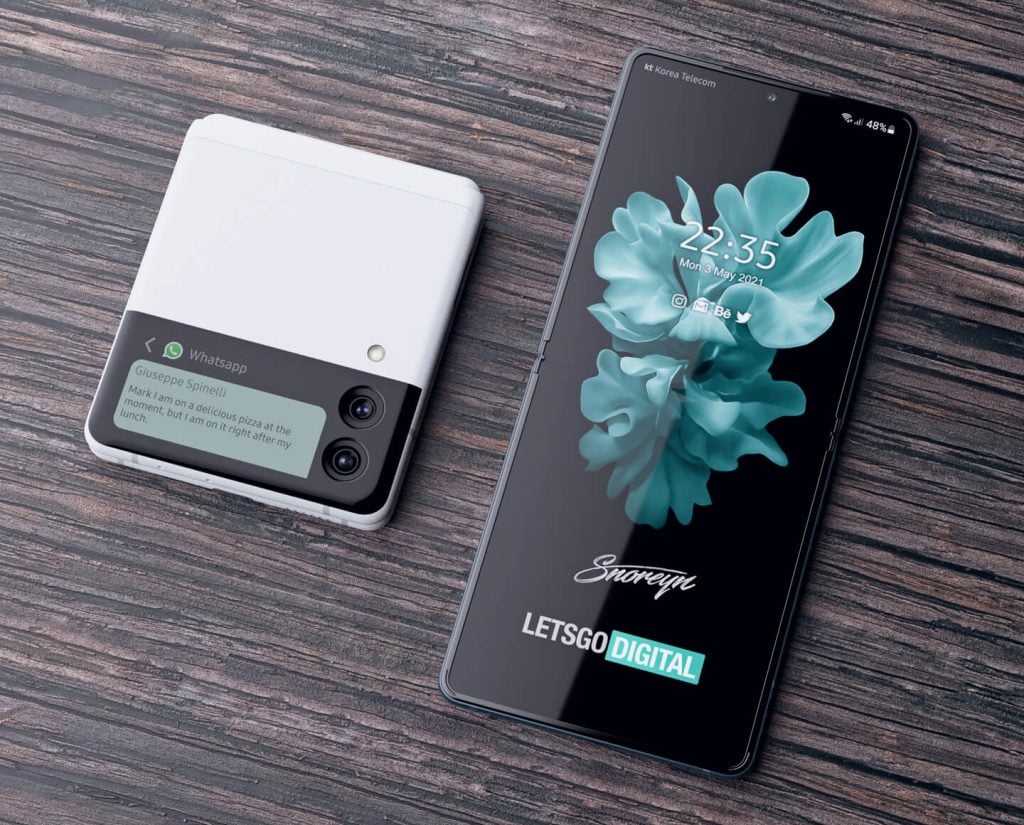
Galaxy Z Flip 3 3D renders by LetsGoDigital (Giuseppe Spinelli)

The camera module appears to be too large and protrudes from the hinge. So, the device might not be able to lay flat on its back when unfolded and could be uncomfortable to hold as well. Another drawback could be with the design itself since Samsung aims at making the hinge and fold seamless. Thus, adding a camera system might work against the seamless design aesthetic the company has been working towards. Although, this is still just a patent and we have no way of knowing if the brand is actually working on such a device or just covering all bases.

RELATED:


Huawei shares the first camera sample of the P50 Pro

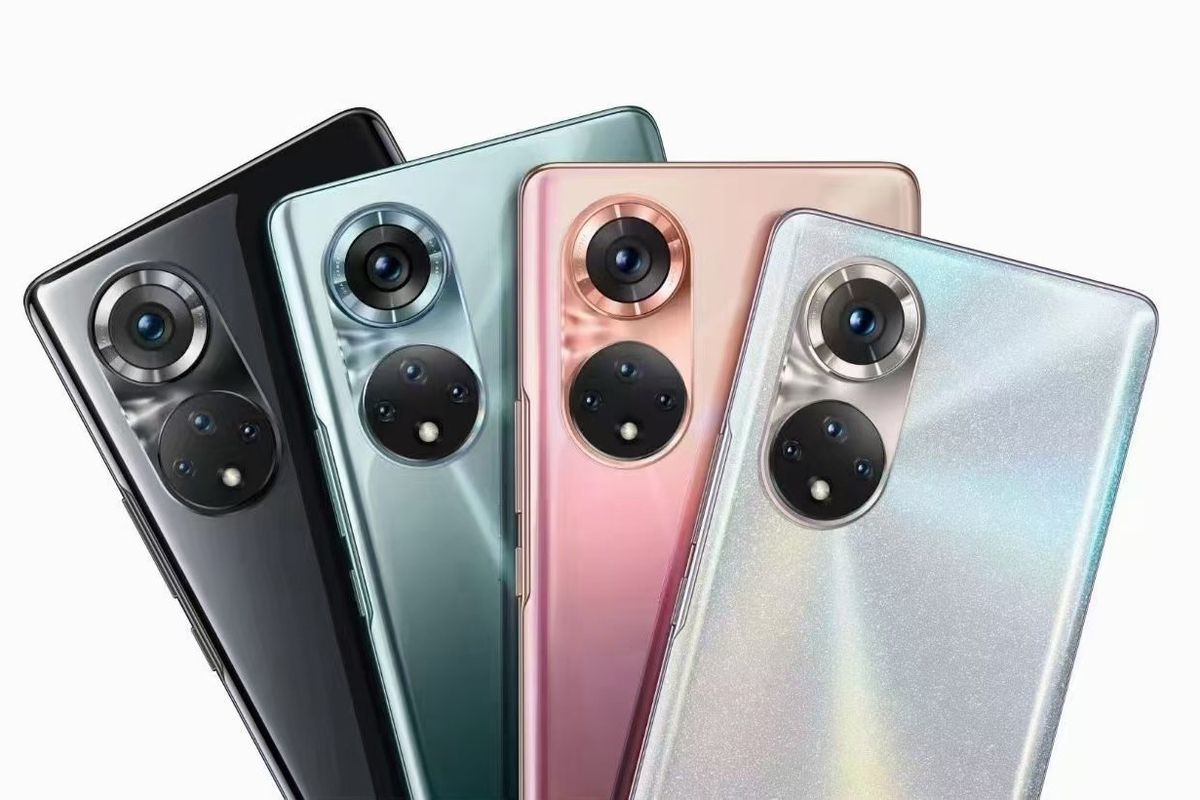
Huawei has just shared a new camera sample for its upcoming flagship smartphone, the P50 Pro, on its official Weibo account (a Chinese microblogging website). The device is set to launch at the end of this month and now we have an action shot from its rear camera.

Huawei

The Chinese tech giant shared the image on the social media platform and it features two men in a fencing match. Looking at this image, it is clear that the company doesn’t seek to simply highlight the P50 Pro camera’s ability to capture details, as we the image of the fencing match captures one person during a thrust and it showcases the still capturing capability of the Huawei P50 Pro’s camera. The post arrived with a caption that stated “Exciting moments, every second counts.”

Furthermore, the caption also added the July 29 launch date for the flagship series and highlighted the device’s ability to capture “every decisive moment.” Talking about the camera of the device, we had previously reported on a recent leak that revealed that the P50 Pro will arrive with a quad camera modue on the rear. This includes a Sony IMX800 primary lens, an OVA64A OmniVision sensor, a 5x periscope lens, and a ToF sensor.

huawei p50

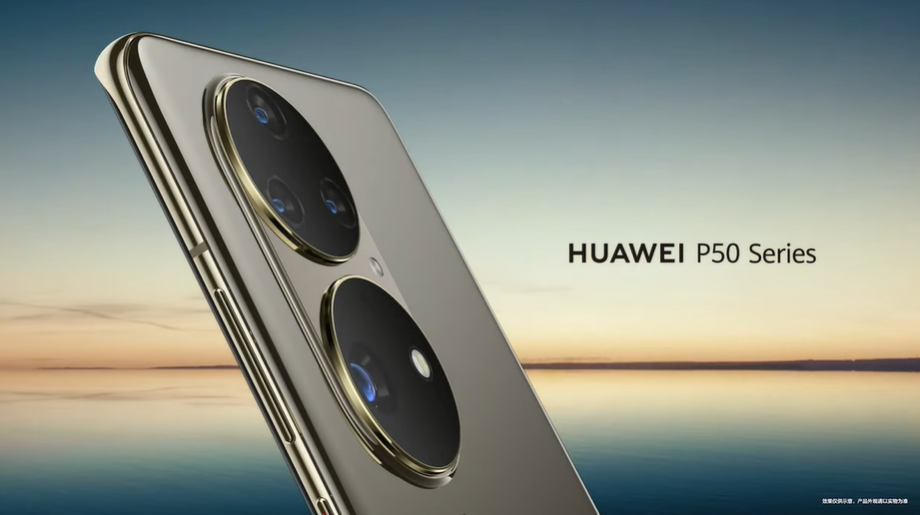
Additionally, an official teaser from the company also revealed that the smartphone will feature lenses from Leica. Just under the branding, a writing can also be observed which states, “VARIO-SUMMILUX-H1:1.8-3.4/18-125ASPH”. This means that the device will arrive with a Vario Summilux lens by Leica with an aperture between f/1.8 and f/3.4. The company might share more sample shots ahead of the launch, so stay tuned for more.

RELATED:


Honor Magic 3 Pro may use structured light solution for 3D face scanning

The Honor Magic 3 series launch is just around the corner, with the company set to announce its latest flagship lineup on 12th August 2021. Now, a new report has revealed a few details regarding the higher end Pro variant of the series.

While the Magic 3 series of flagship handsets are confirmed to arrive with dual punch hole selfie cameras, multiple sources (Via MyDrivers) have recently revealed that the Magic 3 Pro will feature a hyperboloid screen with a more powerful sensor configuration on the front. Reportedly, the Pro model could possibly adopt a structured light based solution for 3D face scanning. In other words, the device will feature a facial recognition system through an additional sensor.

Honor Magic3 Pro+ featured
Magic3 Pro+

The report also added that this new system would enable it to offer an advanced facial recognition solution that maps the users’ faces in real time and could be one of the better implementations of this technology. Keep in mind that this is still an unconfirmed report so take this report with a pinch of salt for now.

At the moment, we know that the Magic 3 Pro will arrive with Qualcomm Snapdragon 888+ SoC and could also support 100W wired fast charging support along with 50W wireless fast charging, and 100x zoom lens similar to the Magic 3 Pro+. So stay tuned for more updates regarding this flagship phone.

RELATED:


realme X2, C12, C15 receive Android 11 stable update

Smartphone brand realme unveiled realme UI 2.0 based on Android 11 in September 2020. Since then, the company has been trying to update eligible devices to the newer version of its mobile software. The latest phones to receive this update are realme X2, realme C12, and realme C15.

realme UI 2.0 Android 11 Logo Featured

The three devices that have now started getting the realme UI 2.0 stable update got their first beta build between late January to early February. This means it took the brand nearly six months to deliver stable builds.

That being said, the Android 11 stable update for these handsets arrives with the following build numbers.

The latest system update brings new features of realme UI 2.0, which is basically ColorOS 11, in addition to Android 11. However, it is worth noting that not all features are available on all smartphones.

Further, like any other OTA software build, the above-listed builds are being rolled out in batches. As a result, they might take some time to reach every unit out there in the market.

Finally, if a user is not satisfied wit the new software, they can roll back to Android 10 (realme UI). But this rollback process will wipe the phone’s internal storage.


RELATED:


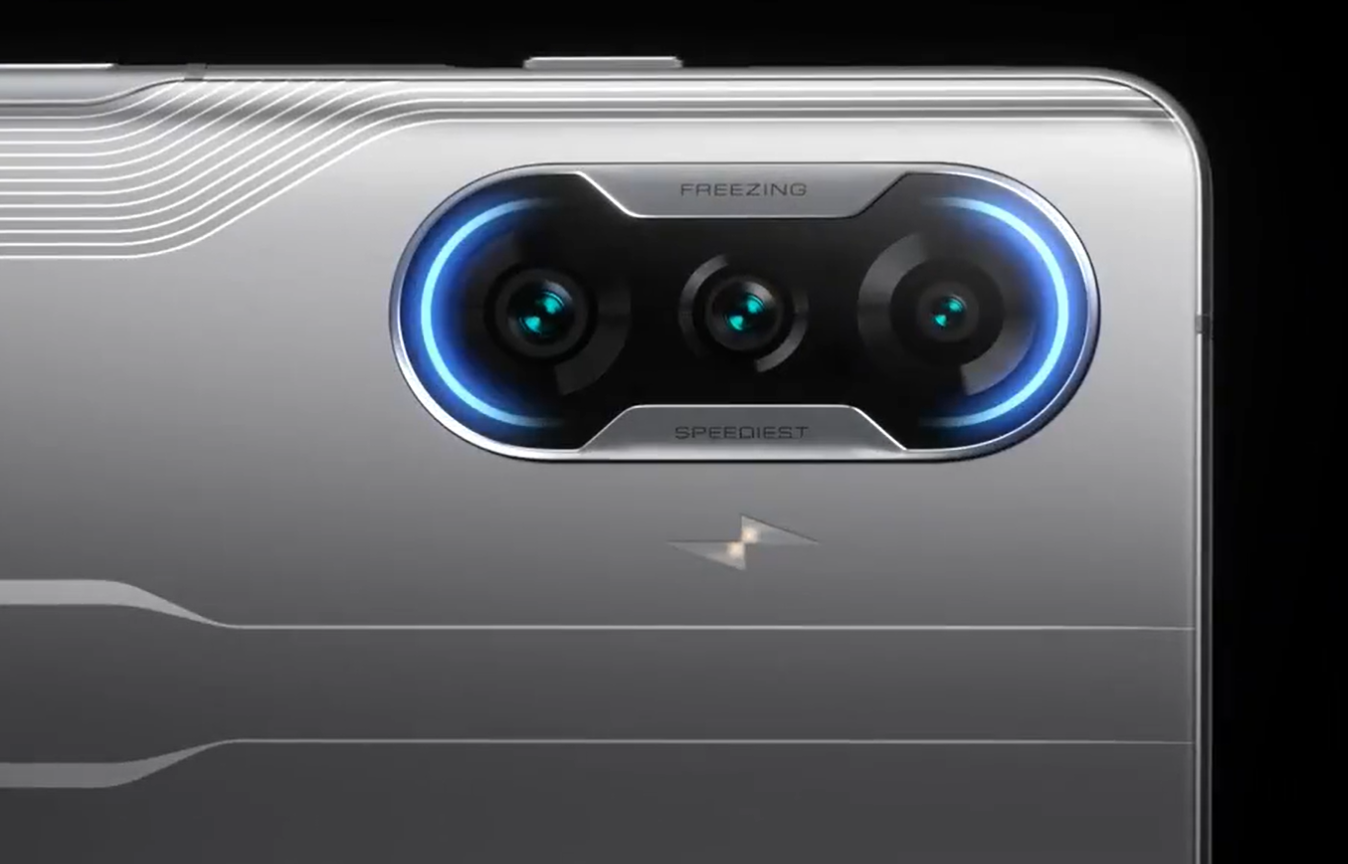
POCO F3 GT for Rs 26,999 (~$362) brings 120Hz AMOLED panel, Dimensity 1200, gaming trigger buttons

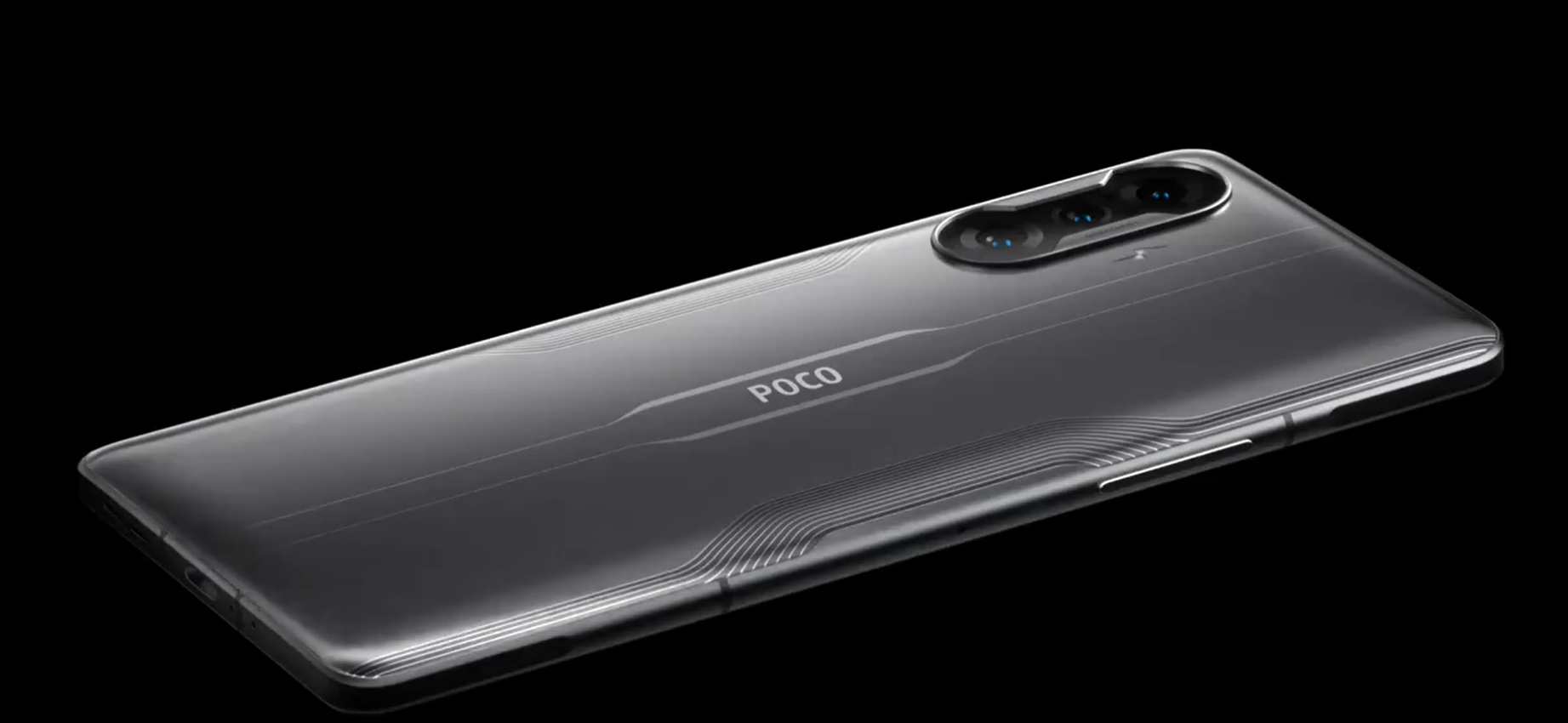
POCO began as a sub-brand of Xiaomi back in 2018. Its first phone, the POCO F1 was a flagship killer since it came with top-notch specs with a surprisingly low price tag. The brand did not launch any phone in 2019 and git returned as an independent company last year. While POCO launched POCO F2 Pro (rebranded Redmi K30) and POCO F3 (rebranded Redmi K40) in global markets, these POCO phones were not available in India. Today, the company announced the POCO F3 GT smartphone in India as the first F-series phone after the POCO F1. As expected, it is a rebadged edition of China’s Redmi K40 Gaming Edition that was announced a couple of months back in China. Nevertheless, it packs some enticing such as a 120Hz AMOLED panel, Dimensity 1200 chip, 64-megapixel triple cameras, RGB lighting, and gaming buttons.

POCO F3 GT specifications and features

The POCO F3 GT has a 6.67-inch OLED screen that offers a Full HD+ resolution, a 120Hz refresh rate, a 480Hz touch sampling rate, 500nits brightness, 10bit colors, and Gorilla Glass 5 protection. For security, the device features a side-facing fingerprint scanner.

POCO F3 GT
POCO F3 GT

The Dimensity 1200 powered F3 GT comes with LPDDR4x RAM and UFS 3.1 storage. The device runs on MIUI 12.5 flavored Android 11 and lacks a microSD card slot. The massive 5,065mAh battery of the F3 GT is coupled with 67W fast charging, Quick Charge 3.0, and USB PD 3.0.

For gamers, the F3 GT comes with mechanical gaming trigger buttons and an X-linear motor for in-game vibrations. For regulating internal temperature, the device offers a heat dissipation system that comprises a vapor chamber, graphite, and graphene. The phone comes with RGB lighting around the rear camera system.

POCO F3 GT cameras

Placed on the front is a 16-megapixel selfie camera that supports 120fps 720p slow-motion video shooting, 30fps 1080p video recording, night mode, filters, and more. The rear camera system of the phone features a 64-megapixel main camera with an f/1.65 aperture, an 8-megapixel superwide lens with a 120-degree FOV, and a 2-megapixel macro camera.

On the connectivity front, the POCO F3 GT offers dual SIM support, 5G, Wi-Fi 802.11ac, Bluetooth 5.2, dual-frequency GPS, IR blaster, and USB-C. While it lacks a 3.5mm audio jack, the phone offers JBL powered stereo speakers with Dolby Atmos support.

POCO F3 GT price in India

Here is the pricing of different variants of the POCO F3 GT in India:

  • 6 GB RAM + 128 GB storage – Rs 26,999 (~$362)
  • 8 GB RAM + 128 GB storage – Rs 28,999 (~$390)
  • 8 GB RAM + 256 GB storage – Rs 30,999 (~$416)

The handset comes in two colors such as Gunmetal Silver and Predator Black. It will be up for purchase starting from 12 pm on July 26 through Flipkart in India.

What’s your opinion on the pricing and specifications of the POCO F3 GT? Is it better than the Dimensity 1200 powered OnePlus Nord 2 5G that carries a starting price of Rs 27,999 (~$376)?

RELATED:

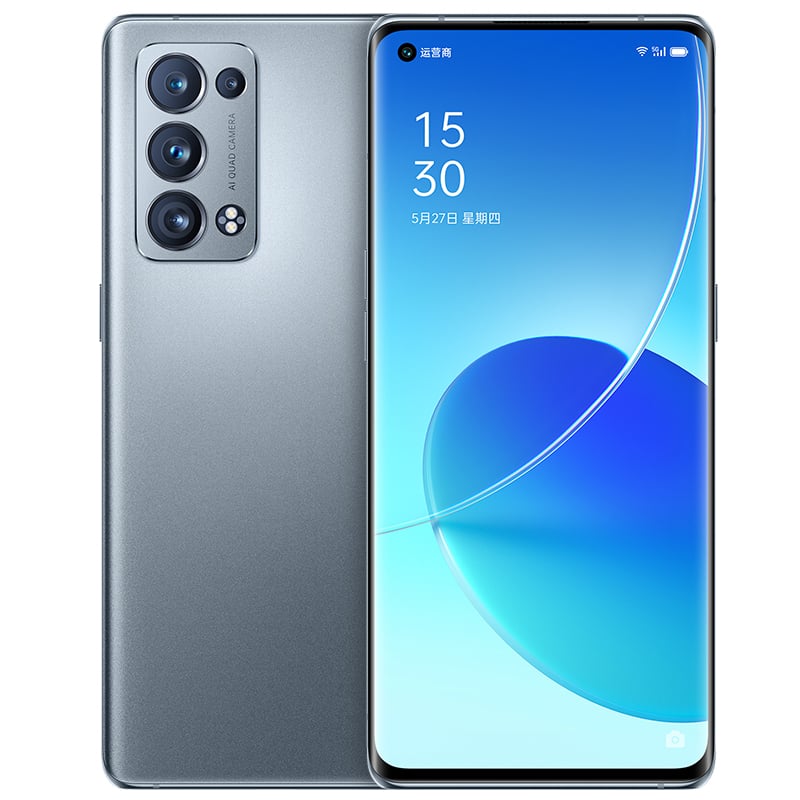
OPPO Reno6 Pro+ Detective Conan Custom Edition to be announced next week

A couple of months ago, OPPO launched its latest Reno-series flagship smartphone — OPPO Reno6 lineup which includes three phones — Reno6, Reno6 Pro, and Reno6 Pro+. Now, a new version of the top-end variant is launching next week.

OPPO has now taken to Weibo and confirmed that the company will be launching OPPO Reno6 Pro+ Detective Conan Custom Edition and more information about this upcoming product will be revealed next week.

OPPO Reno6 Pro+ Detective Conan Custom Edition Teaser

So far, nothing is known about this new version of the flagship smartphone but we expect the phone’s specifications to remain the same as the original model and only the design to get changed to give it a look reflecting Detective Conan.

The smartphone features a 6.55-inch curved-edge flexible AMOLED display and comes with support for a 90Hz refresh rate. Underneath, the device is powered by the Qualcomm Snapdragon 870 chipset.

OPPO Reno6 Pro+ 5G Moon Sea

In the camera department, there’s a 50-megapixel Sony IMX766 primary sensor, coupled with a 16-megapixel ultra-wide-angle lens, a 13-megapixel telephoto lens, and a 2-megapixel macro lens. On the front side, there’s a 32-megapixel snapper for taking selfies.

The smartphone runs the Android 11 operating system out-of-the-box with the company’s own ColorOS 11.1 custom user interface on top. It is powered by a 4,500mAh battery and has support for 65W super flash charging.

RELATED: 

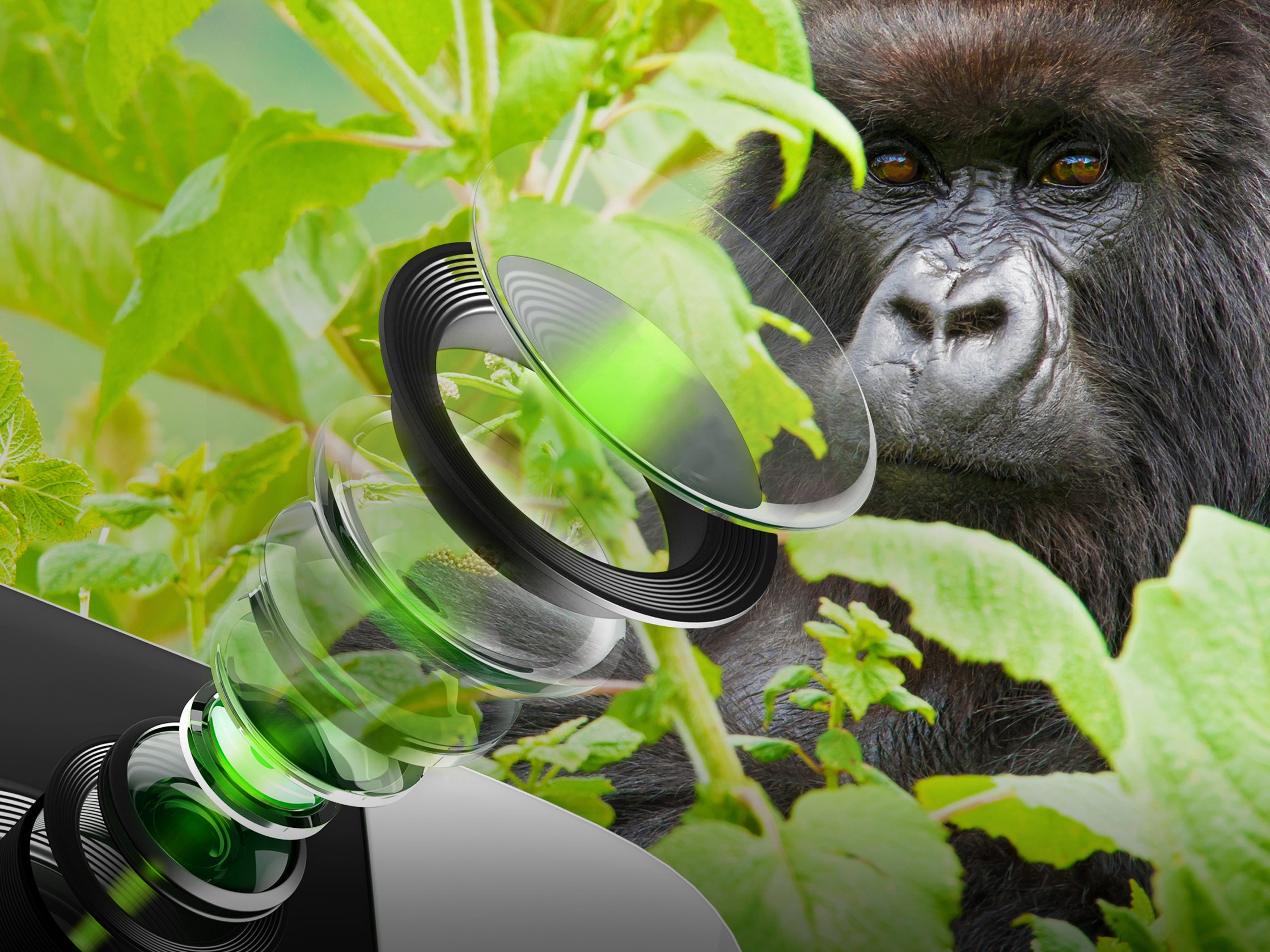
Corning announces Gorilla Glass DX and DX+ for protecting smartphone camera lenses

Corning, the company best known for making Gorilla Glass, a protective glass layer for smartphone displays, has now launched its latest composite which is a new version of Gorilla Glass optimized for smartphone camera lenses — Gorilla Glass DX and DX+.

Corning Gorilla Glass DX and DX+

This isn’t technically new given that the company had launched Gorilla Glass DX in July 2018 for smartwatch faces. However, Corning says that it had to reformulate the DX and DX+ composite for smartphones so that it offers scratch resistance without compromising photo and video quality.

The company says that the new composite let in 98 percent of ambient light while still being just as scratch-resistant as typical Gorilla Glass. In comparison, lens covers with traditional anti-reflective coatings only let in about 95 percent of light, says Corning.

So far, it hasn’t been announced what phones will feature the new glass composites, but Corning does say that Samsung is signed on as the first company to use the new Gorilla Glass camera lens covers. The South Korean giant has its Galaxy Unpacked event scheduled for 11th August and we could see this new glass on one of the devices that is set to launch at the event.

RELATED: 

DJI Mini SE launched in China as the company’s cheapest drone; costs 1,999 yuan ($309)

DJI, the Chinese company which is the leading manufacturer of drones, has launched the cheapest offering from the brand so far — DJI Mini SE. It was first launched in the select overseas market but now the company has launched the same in its home market China.

The DJI Mini SE is priced at 1,999 yuan which roughly converts to $309. The pricing is for the stand-alone model, making it suitable for new users. It also supports various accessories, backpacks, and extended use methods.

DJI Mini SE

This new drone seems to be a specialized one that is tailored to suit the needs of entry-level users. It provides some basic functionalities and is quite affordable. Despite its name, the product is not a low-cost edition of the DJI Mini 2 but a less-expensive model of the first-generation DJI Mavic Mini which was launched in the year 2019.

As for the specifications, it comes with support for the 2.7K-resolution camera (as opposed to the 4K) and 2.5-mile wireless range. The camera can shoot 2.7K video at 30 frames per second, with a 4x digital zoom when shooting in 1080p. It also captures 12-megapixel photos in jpeg format and has a 3-axis gimble setup.

The Mini SE doesn’t have support for Ocusync, which is the company’s own transmission technology, allowing the product to use 2.4GHz and 5.8GHz bands, giving it more flexibility when there is a lot of interference in transmission. Instead, it relies on a Wi-Fi connection.

There’s also an omnidirectional protective cover that can improve flight safety. GPS and down-looking sensors allow the drone to hover steadily. Coming to the weight, the DJI Mini SE weighs 249 grams which is quite lightweight. It is claimed to offer a battery life of 30 minutes on a single charge.

RELATED: 

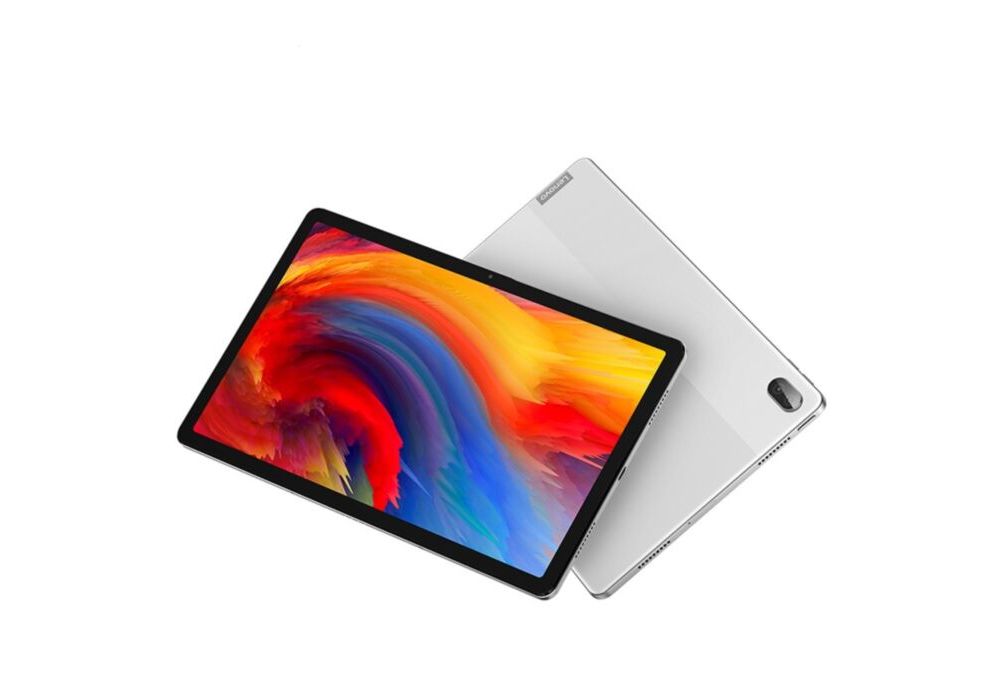
Lenovo Xiaoxin Pad Plus 2021 may get rebranded as Lenovo Tab QT K11 Pro Wi-Fi

Lenovo’s launch event in May that was held in China saw the arrival of multiple tablets such as Lenovo Xiaoxin Pad 2021, Xiaoxin Pad Plus 2021, and Xiaoxin Pad Pro 2021. Fresh information reveals that the Pad Plus model will be heading to global markets with a different name.

Tipster Sudhanshu Ambhore spotted a Google Play Console listing of a new tablet called the Lenovo Tab QT K11 Pro Wi-Fi. The J607F model number mentioned in the listing belongs to the Xiaoxin Pad Plus 2021 in China. Hence, it appears that the global markets may receive the same device with the Tab QT K11 Pro Wi-Fi moniker.

Lenovo Xiaoxin Pad Plus 2021

Lenovo Xiaoxin Pad Plus 2021 specifications

The Xiaoxin Pad Plus 2021 has an 11-inch LCD screen that delivers a 2000 x 1200 pixels resolution and a 60Hz refresh rate. It is packed with four speakers that are powered by Dolby Atmos.

The Snapdragon 750G powers the Pad Plus 2021 with 6 GB of RAM. It offers an internal storage of 128 GB and a dedicated microSD card. The tablet is backed by a 7,700mAh battery that supports Quick Charge 3.0 through USB-C.

The IP52 certified device has pogo pins for connecting an optional keyboard. Lenovo is also selling an optional stylus for this tablet. The back panel of the device features a 13-megapixel camera, and it has an 8-megapixel camera and a ToF sensor on the front. It is available with a pricing of 1,599 Yuan (~$247) in China.

RELATED:

Samsung Galaxy F42 5G Geekbench listing reveals key details

Samsung is gearing up to launch yet another F-series phone. The upcoming Galaxy F42 5G has now been spotted at the Geekbench benchmarking site (via), which suggests that it may go official in the next few weeks.

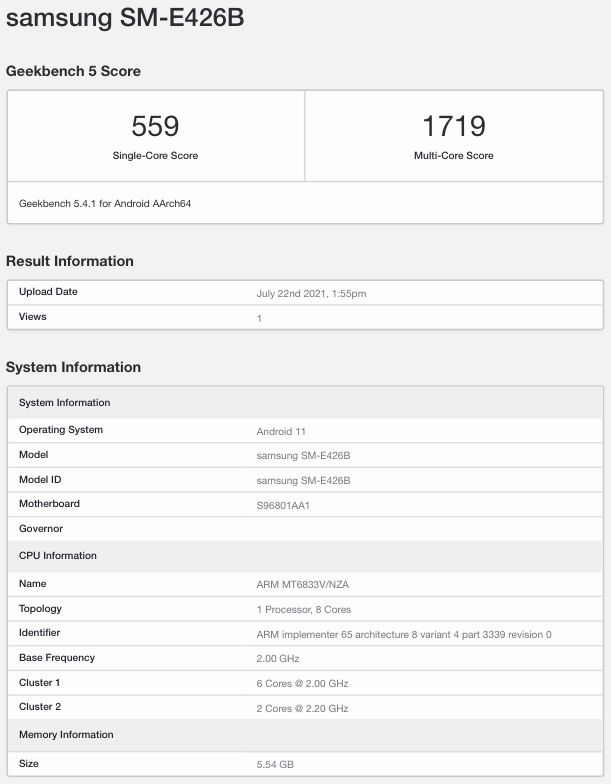
The Galaxy F42 5G has appeared with its SM-E426B model number on the benchmarking site. The device is powered by a MediaTek chip that has an MT6833V/NZA model name, which reveals that it is powered by the Dimensity 700 chip.

Samsung-Galaxy-F42-5G-SM-E426B-Geekbench

The listing further mentions that it has 6 GB of RAM, and it runs on Android 11 OS. In the single-core test of Geekbench, the handset scored 559 points and it recorded 1719 points in the multi-core test. Before appearing on Geekbench, the handset has been previously seen at certification sites such as Wi-Fi Alliance, Bluetooth SIG, and the Bureau of Indian Standards (BIS).

Samsung’s F-series phones are just rebranded versions of its existing A-series or M-series smartphones. At present, the Galaxy A22 5G is the only Dimensity 700 chip-powered phone from the brand. Hence, it appears that the Galaxy F42 5G could be a rebadged A22 5G.

Galaxy A22 5G specifications

The Galaxy A22 5G has a 6.6-inch IPS LCD panel that produces a Full HD+ resolution. The Dimensity 700 powered phone comes with up to 8 GB of RAM and up to 128 of internal storage. The device is backed by a 5,000mAh battery that supports 15W charging.

The A22 has a front camera of 8-megapixel. Its rear camera setup has a 48-megapixel main camera, a 5-megapixel ultrawide shooter, and a 2-megapixel depth sensor. It offers other features like a microSD card slot and a fingerprint scanner.

RELATED:

Huawei P50, P50 Pro, and P50 Pro+ key specifications leaked

Recently, Huawei confirmed that its next-generation P-series of smartphones will debut on July 29. The P50 lineup is expected to arrive with pioneering mobile imaging technology. A fresh leak that has appeared today has revealed the key specifications of the Huawei P50, P50 Pro, and P50 Pro+ smartphones.

The new leak states that the Huawei P50 will be equipped with a 6.3-inch flat display with a single punch-hole design. The BOE-supplied OLED panel will support 10bit colors and a 90Hz refresh rate. Its 5G variant will feature Kirin 9000E 5G chip, whereas its 4G edition will be driven by the Snapdragon 888 4G SoC. It is backed by a 4,200mAh battery that supports 66W fast charging. It will come with support for 3x optical zoom. The device will measure 8.3mm in thickness and weigh 186 grams.

Huawei P50

The Huawei P50 Pro will feature a 6.7-inch BOE OLED single punch-hole panel with curved edges, which supports 10bit colors and a 120Hz refresh rate. The Kirin 9000 5G chip and Snapdragon 888 4G SoC will power its 5G and 4G variants, respectively. The device will be fueled by a 4,300mAh battery that supports 66W rapid charging and 50W wireless charging. The P50 Pro will come with a 5x periscope lens with freeform surface technology. This device also measures 8.6mm in thickness.

The P50 Pro+ will sport a 6.7-inch dual punch-hole OLED panel with curved edges. It supports 10bit colors a 120Hz refresh rate. The Kirin 9000 5G will be present under the hood of the device. It appears that there won’t be a 4G variant of the phone at launch. The 4,300mAh battery of the P50 Pro+ will come with 100W fast charging and 50W wireless charging support. The P50 Pro+ will offer 10x continuous zoom, free-form lens technology, and liquid lens in terms of camera.

The above-mentioned information about the P50 series may not be accurate. Hence, it is advisable to digest the leak with a grain of salt.

RELATED:

Apple iPhone 13 lineup will feature LiDAR scanner and up to 1TB of storage

Earlier this month, a leak revealed that the entire Apple iPhone 13 series will feature a LiDAR scanner. Later, it was dismissed by other tipsters suggesting that only the Pro models will come with LiDAR support. Now, the Apple analyst Wedbush has added to the old leak reaffirming that the LiDAR scanner is coming to the entire lineup.

The Apple analyst has revealed that he has looked into the iPhone 13’s supply chain in Asia confirming that indeed LiDAR scanner is coming and the production figures for the 13-series have increased. Additionally, the Pro models are touted to come with up 1TB of internal storage, instead of the standard 512GB max storage option.

Apple iPhone 13 lineup will feature LiDAR scanner and up to 1TB of storage option

Although it is not confirmed, we expect the lower-end storage configurations to also increase in capacity. The current iPhones start at a base 64GB variant, which could change in the 13 series with a base storage configuration of 128GB.

In related news, Apple analysts said that they expect the sales of the upcoming iPhone 13 to increase significantly. Apple has also increased the supply to 90-100 million units over the iPhone 12‘s 80 million supply chain figures.

Notably, it’s being said that this year, all the models in the iPhone 13 series will have 5G connectivity support. This means all the iPhones launching in 2022 will have 5G, including the next-generation iPhone SE. The cheaper iPhone is said to come with the Apple A15 Bionic chip in 2022, which will first debut in iPhone 13 series later this year.


RELATED:

(via)

Micromax IN 2B specifications leaked ahead of launch on July 30 in India

India’s homegrown smartphone brand Micromax has already confirmed that the company will be launching a new device on 30th July, dubbed Micromax IN 2B. As the name indicates, the phone will be a successor to the IN 1B launched last year.

The leak, coming through a tipster (via PriceBaba), revealed that the device will feature a 6.5-inch HD+ LCD display and a waterdrop notch for housing the front-facing camera. Underneath, the phone will be powered by a Unisoc T610 chipset.

Micromax IN 1b Featured
Micromax IN 1B

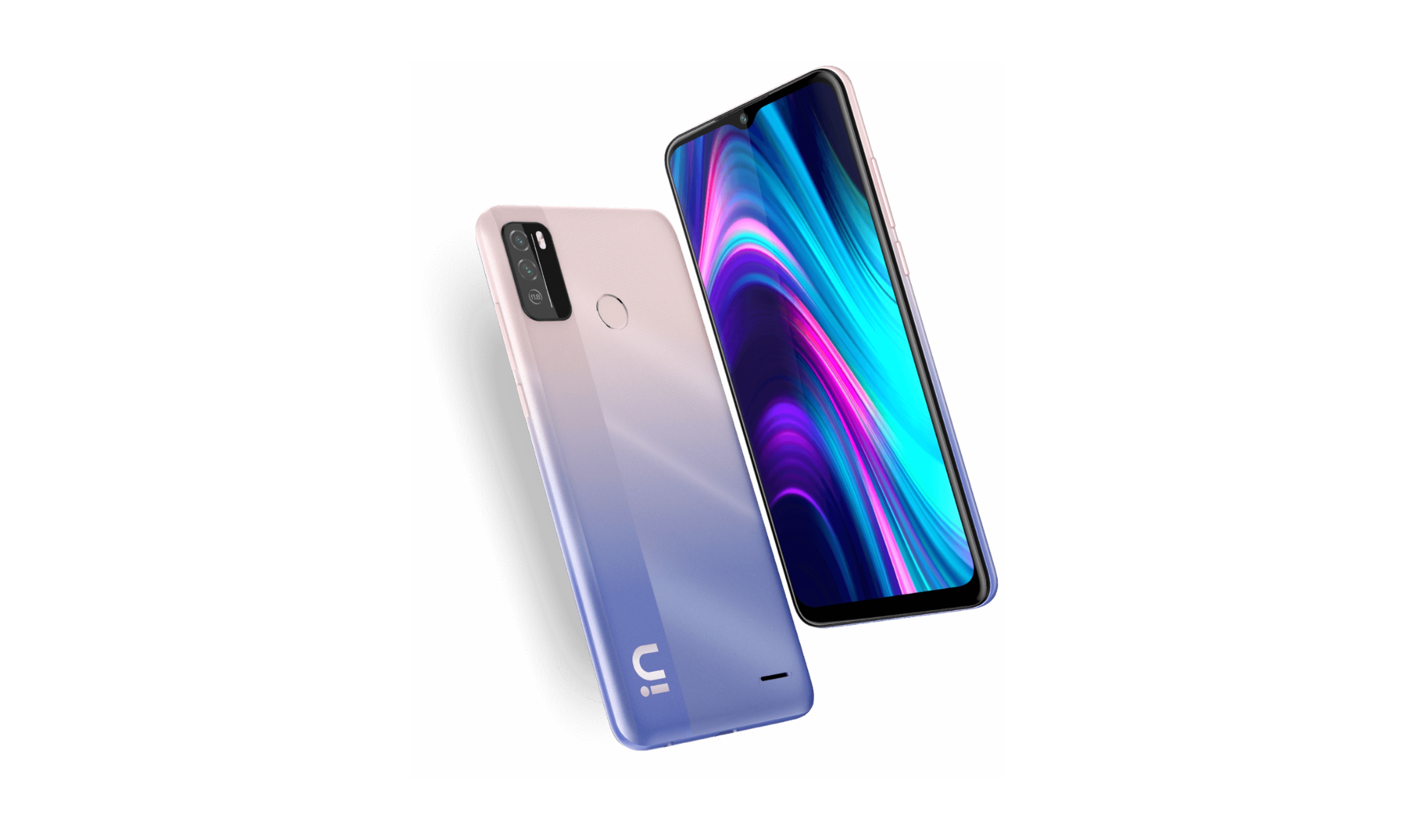
The phone is said to have a similar design to its predecessor. The usage of Unisoc T610 SoC isn’t a significant increase in specifications when compared to the MediaTek Helio G35 SoC in Micromax IN 1B. The device is further expected to come in a single variant — 4GB RAM and 64GB internal storage.

As for the camera department, there will be a 13-megapixel primary camera sensor, coupled with a 2-megapixel secondary sensor. On the front side, the device will feature an 8-megapixel snapper for taking selfies.

Details about the phone’s software isn’t known yet but we expect the phone to be running the Android 11 operating system out-of-the-box. It will be powered by a 5,000mAh battery with support for 10W charging.

The Micromax IN 1B was introduced with a starting price of ₹6,999 (~$94) and we expect its successor to launch in the Indian market with similar pricing. To know for sure, we will have to wait for the official launch event, which is scheduled for 30th July.

RELATED: 

POCO X3 GT confirmed to pack MediaTek Dimensity 1100 SoC and 67W fast charging

POCO, the sub-brand of Xiaomi, has already confirmed that it will be hosting a launch event in India for POCO F3 GT on 23rd July. Just days after that, the company is set to launch another smartphone in the market — POCO X3 GT, on 28th July in Malaysia.

Ahead of the official launch, some details about the smartphone have surfaced online, along with the renders. The device was rumored to be the international version of the Redmi Note 10 Pro 5G smartphone and the new information seems to confirm that.

POCO X3 GT Render Leak

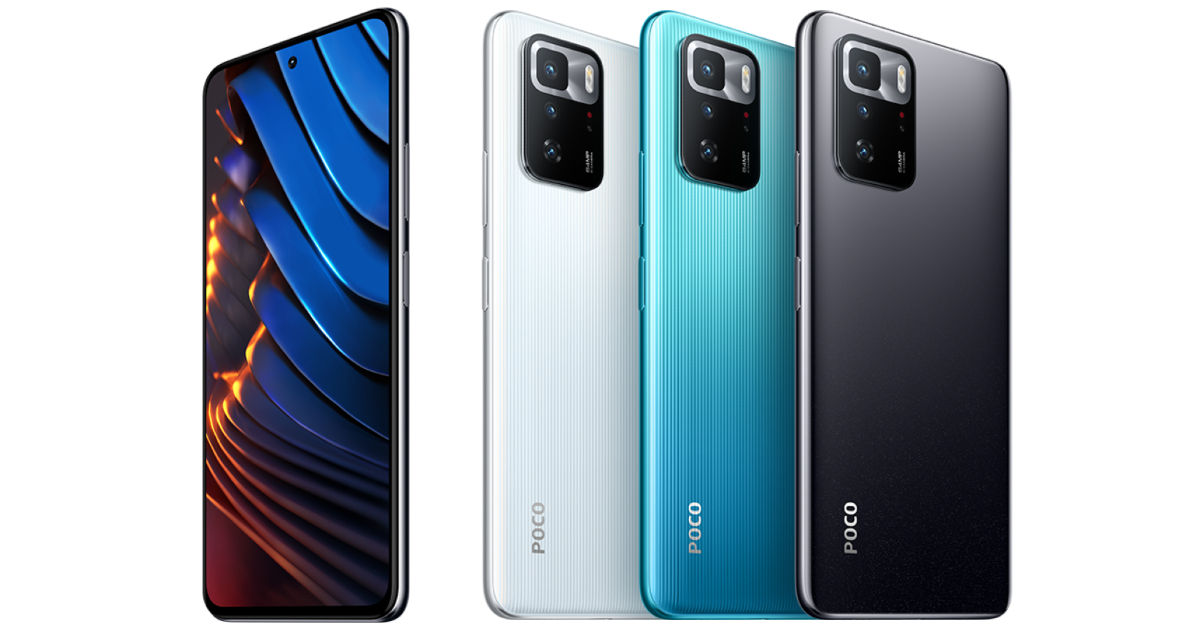
The renders of the upcoming phone resemble the Redmi Note 10 Pro 5G which is already available in the Chinese market. The company has also shared a new teaser poster, confirming that the smartphone will come powered by the MediaTek Dimensity 1100 SoC, which offers 5G connectivity.

Further, it is being said that the handset will be made in three color options — Black, White, and Blue/Green. Two of these three models — Blue/Green and White will come with a textured back, similar to the Redmi Note 10 Pro in China.

As for the specifications, the device will likely come with a similar set of specs as the Redmi Note 10 Pro 5G. We are expecting a 6.6-inch Full-HD+ LCD display that offers a 120Hz refresh rate and Corning Gorilla Glass Victus protection.

Under the hood, the device will come powered by the MediaTek Dimensity 1100 chipset, coupled with LPDDR4x RAM and UFS 3.1 storage. In the memory configuration, we are expecting up to 8GB RAM and 256GB internal storage.

Coming to the optics part, the device will feature a triple-camera setup consisting of a 64-megapixel primary sensor, an 8-megapixel ultra-wide sensor, and a 2-megapixel macro lens. On the front side, there’s a 16-megapixel snapper for taking selfies and video calling.

The POCO X3 GT is expected to come pre-installed with the Android 11 operating system with the company’s own MIUI 12.5 custom interface on top. The device will be powered by a 5,000mAh battery with 67W fast charging support.

RELATED: 

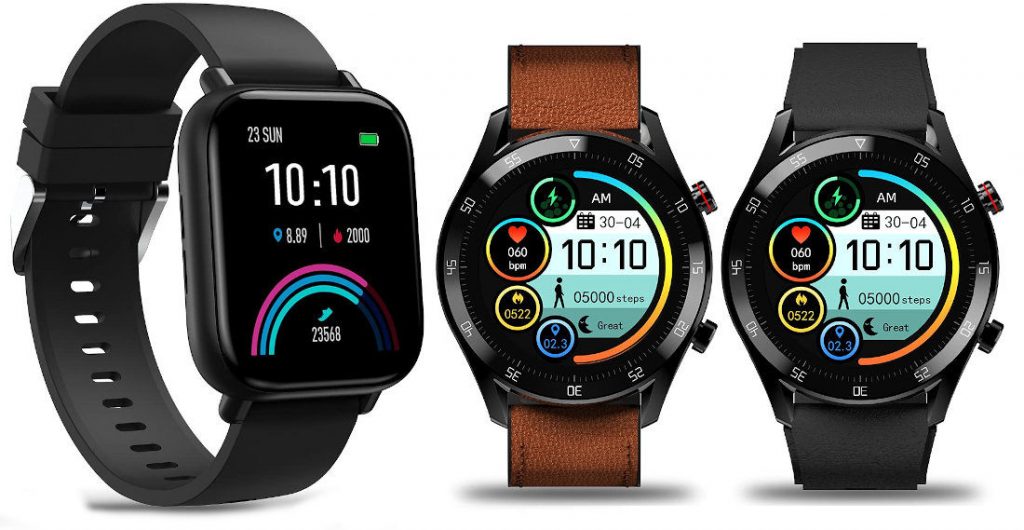
Gionee launches the STYLFIT GSW6 & STYLEFIT GSW8 smartwatches in India

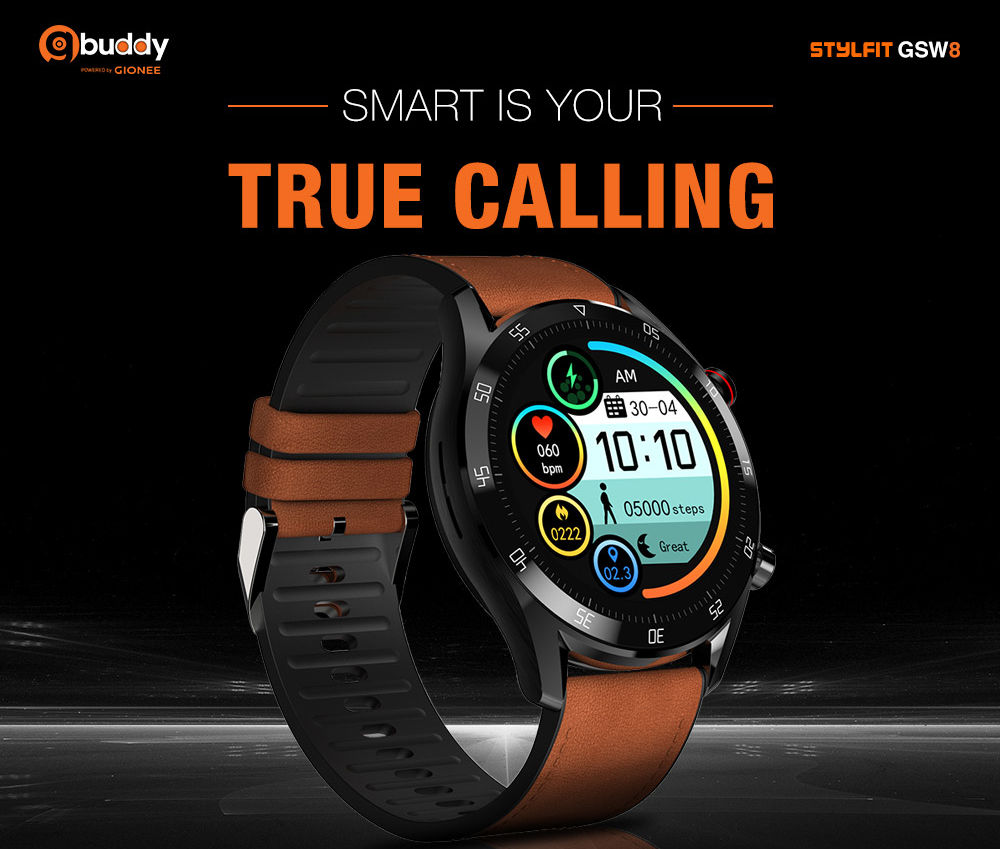
Gionee launched the STYLFIT GSW7 smartwatch in India last month. The Chinese company has now updated the lineup with the introduction of the STYLFIT GSW6 and STYLFIT GSW8 smartwatches. Gionee STYLFIT GSW6

The two new smartwatches share similar features but the designs are different. While the Gionee STYLFIT GSW6 adopts a square-shaped watch face, the STYLFIT GSW8 comes with a round dial. The two smartwatches are equipped with a SpO2 monitor, a heart rate monitor, a sleep tracker, a calorie meter, and more.

The STYLFIT GSW6 and STYLFIT GSW8 also pack a built-in speaker and a microphone which allows users to take calls right from the smartwatch when there is an incoming call on a connected smartphone. The watches are connected to the smartphone through Bluetooth and Gionee touts the sound quality to be clear and comfortable.Gionee STYLFIT GSW8

The StylFit GSW8 which is obviously the higher model has generous storage that allowed users to add up to 30 songs that can be played while working out. In addition to music control and option to connect the watch to devices like headphones or neckbands for music playback, the GSW8 also lets you store up to 30 songs for offline playback.

You also get other important features onboard such as a pedometer, camera control, menstrual cycle tracker, calorie counter, Find My Phone feature. There are also multi-sport modes such as outdoor run, indoor run, indoor walk, outdoor walk, hiking, stair stepper, outdoor cycle, stationary bike, elliptical, rowing machine and more.

The square-shaped GSW6 crams a decent 220mAh battery under the hood. The battery comes with 15 days standby time and 5 days use. On the other hand, the high-end GSW8 packs a 300mAh battery that promises up to 7 days battery life for daily usage and 18 days standby time.Gionee-STYLFIT-GSW6

As for the pricing and availability, the Gionee STYLFIT GSW6 carries a decent price tag pf Rs. 2999 (~$40). It is available in Matte Black color only and can be purchased on Amazon.in. On the other hand, the Gionee STYLFIT GSW8 is available in an Eclipse Black version and a Sienna Brown version with a leather strap. The Eclipse Black model is priced at Rs. 3,499 (~$47) while the Sienna Brown variant will retail for Rs. 3,799 (~$51).

RELATED:


LG PuriCare Wearable Air Purifier set to roll out next month; now features a mic & speaker!

The outbreak of the Coronavirus pandemic in 2020 brought to the fore the innovative bent of tech companies, as they released several products as safety responses to the global pandemic. One of the non-pharmaceutical measures that became part of the global advisory was the use of facemasks in public places to limit the spread of the virus. LG Electronics responded with an air-purifying facemask in 2020 dubbed LG PuriCare Wearable Air Purifier. The South Korean company has now unveiled a revamped version of the PuriCare Wearable Air Purifier. This version will feature a microphone and speakers to amplify the user’s voice while speaking.https://youtu.be/kRdrzpNd170

The new LG Puricare Wearable Air Purifier comes smaller, lighter, with a more efficient motor driving the air-purifying process. The sleek, ergonomic design of the face mask minimizes air leakage around the nose, and the user does not need to pull off the mask when speaking of strain his voice. The mic and the speaker use the LG VoiceON technology to amplify the user’s speech and prevent muffling of the voice. The device’s 1,000mAh battery provides up to 8 hours of purified air, and with a pretty fast USB charging, the device is restored to full charge within two hours.LG PuriCare Wearable Air Purifier

Pricing and availability details for the LG Puricare Wearable Air Purifier are scanty at this time. However, Thailand will be one of the first countries to launch the device next month. For any market slated for the rollout of the device, the company must have obtained local regulatory approval for the device.

LG will hope that its air-purifying facemask would outlive the pandemic era. The impact of air pollution that has ravaged most of the world’s urban centers can be well mitigated by the LG Puricare Wearable Air Purifier face mask. It can be helpful to athletes and other persons who desire excellent quality air in their daily activities.

RELATED:


iPhone 12 Pro Max vs Vivo X60 Pro+ vs OnePlus 9 Pro: Specs Comparison

Are you looking for the best device in the whole smartphone market? There are several companies you can choose from if you need a top-tier flagship and the most famous one is definitely the iPhone 12 Pro Max by Apple. But there are also several Chinese companies that released phones that have nothing to envy the most powerful iPhone. After comparing the iPhone 12 Pro Max with the most famous and latest Android flagships at the time of its release, here is another comparison that includes two of the top-tier flagships from the most famous Chinese companies: Vivo X60 Pro+ and OnePlus 9 Pro.

Apple iPhone 12 Pro Max vs Vivo X60 Pro+ vs OnePlus 9 Pro

Apple iPhone 12 Pro Max Vivo X60 Pro+ OnePlus 9 Pro
DIMENSIONS AND WEIGHT 160.8 x 78.1 x 7.4 mm, 228 g 158.6 x 73.4 x 9.1 mm, 191 g 163.2 x 73.6 x 8.7 mm, 197 g
DISPLAY  6.7 inches, 1284 x 2778p (Full HD+), Super Retina XDR OLED 6.56 inches, 1080 x 2376p (Full HD+), Super AMOLED 6.7 inches, 1440 x 3216p (Quad HD+), LTPO Fluid2 AMOLED
PROCESSOR Apple A14 Bionic, hexa-core Qualcomm Snapdragon 888, octa-core 2.84 GHz Qualcomm Snapdragon 888, octa-core 2.84 GHz
MEMORY 6 GB RAM, 128 GB – 6 GB RAM, 256 GB – 6 GB RAM, 512 GB 8 GB RAM, 128 GB – 12 GB RAM, 256 GB 8 GB RAM, 128 GB – 8 GB RAM, 256 GB – 12 GB RAM, 256 GB
SOFTWARE  iOS 14 Android 11, Origin OS Android 11, OxygenOS
CONNECTIVITY  Wi-Fi 802.11 a/b/g/n/ac/ax, Bluetooth 5, GPS  Wi-Fi 802.11 a/b/g/n/ac/ax, Bluetooth 5.2, GPS Wi-Fi 802.11 a/b/g/n/ac/ax, Bluetooth 5.2, GPS
CAMERA  Triple 12 + 12 + 12 MP, f/1.6 + f/2.2 + f/2.4
Dual 12 MP + SL 3D f/2.2 front camera
Quad 50 + 8 + 32 + 48 MP, f/1.6 + f/3.4 + f/2.1
32 MP f/2.5 front camera
Quad 48 + 8 + 50 + 2 MP, f/1.8 + f/2.4 + f/2.2 + f/2.4
16 MP f/2.4 front camera
BATTERY  3687 mAh, fast charging 20W, fast wireless charging 15W 4200 mAh, fast charging 55W 4500 mAh, fast charging 65W, fast wireless charging 50W
ADDITIONAL FEATURES 5G, Dual SIM slot, IP68 waterproof, eSIM, 3D facial recognition Dual SIM slot, 5G Dual SIM slot, 5G, IP68 waterproof

Design

Despite the iPhone 12 Pro Max has the best build quality, it is not the most impressive in terms of design. The Vivo X60 Pro+ looks a lot more futuristic due to its curved display at the edges, an incredibly high screen to body ratio, and a rear side made of leather. But unfortunately, the Vivo X60 Pro+ is the only one from the trio which is not water resistant and dust resistant.


Display

The best display on the paper belongs to the OnePlus 9 Pro which is actually equipped with the same panel as the OPPO Find X3 Pro. It is an AMOLED display with LTPO technology and an adaptive refresh rate of up to 120 Hz. It supports the HDR10+ certification, a Quad HD+ resolution and it can show up to one billion colors. The silver medal goes to the iPhone 12 Pro Max which offers incredible color accuracy and high contrast. The Vivo X60 Pro+ is inferior with its Full HD+ resolution and 16M colors, but it still packs a great display.

Hardware and Software

Whatever you choose, it makes no difference. All of these phones are equipped with a top-tier hardware department. While Vivo X60 Pro+ and the OnePlus 9 Pro are powered by the Snapdragon 888 mobile platform, iPhone 12 Pro Max has the Apple A14 Bionic: both are chipsets built at 5 nm which are extremely powerful. Note that iPhone 12 Pro Max runs iOS, while Vivo X60 Pro+ and OnePlus 9 Pro are based on Android.


Camera

The Vivo X60 Pro+ is the best camera phone: it has a quad rear camera composed of a 50 MP main sensor (Sony IMX766) with laser autofocus and OIS, an 8 MP periscopic sensor with 5x optical zoom, a 32 MP portrait telephoto lens with 2x optical zoom and a 48 MP ultrawide camera with gimbal stabilization. It even comes with Carl Zeiss optics and 8K video recording. Simply one of the most impressive camera departments on the paper. But the iPhone 12 Pro Max remains an amazing camera phone which can shoot awesome cinematic videos at a professional level and very accurate photos. The OnePlus 9 Pro is inferior to the Vivo X60 Pro+, but it is still a top camera phone with its 48 MP main sensor and a stunning 50 MP ultrawide camera.


Battery

In a lot of scenarios, the OnePlus 9 Pro is able to offer a longer battery life thanks to its 4500 mAh battery. Further, it supports faster charging technology with a power of 65W. It even comes with wireless charging and it has one of the fastest wireless charging technologies with a power of 50W. On the other hand, iPhone 12 Pro Max supports MagSafe which makes wireless charging more comfortable and efficient. The Vivo X60 Pro+ lacks wireless charging but it has 55W wired charging. Despite it has a smaller battery capacity, the battery life of the iPhone 12 Pro Max is at the same level as the Vivo X60 Pro+ thanks to the software optimization of iOS.


Price

Vivo X60 Pro+ is only sold in Asia: in India, it has a listing price of Rs. 69,990 / $1100 for the base variant with 8 GB of RAM and 128 GB of internal storage. You can find the iPhone 12 Pro Max in the global market for more than €1000/$1000, while the OnePlus 9 Pro is priced at €900/$900 in its base variant. There is no definitive winner for this comparison and each phone can be the best for specific users. With the Vivo X60 Pro+, you can get better cameras, OnePlus 9 Pro has a superior display, battery, and charging technologies, while the iPhone 12 Pro Max is an amazing phone in terms of photo/video quality, performance, build quality, and more.


Apple iPhone 12 Pro Max vs Vivo X60 Pro+ vs OnePlus 9 Pro: PRO and CONS

Vivo X60 Pro+

PROS

  • Superior cameras
  • Leather variant
  • 8K video recording
  • More compact

CONS

  • Limited availability


OnePlus 9 Pro

PROS

  • Interesting price
  • Waterproof
  • Stereo speakers
  • Biggest battery
  • Faster charging

CONS

  • Nothing particular


Apple iPhone 12 Pro Max

PROS

  • Better water resistance
  • MagSafe connectors
  • Awesome build quality
  • 3D facial recognition

CONS

  • Price


RELATED

Check the latest videos from our YouTube channel and subscribe:

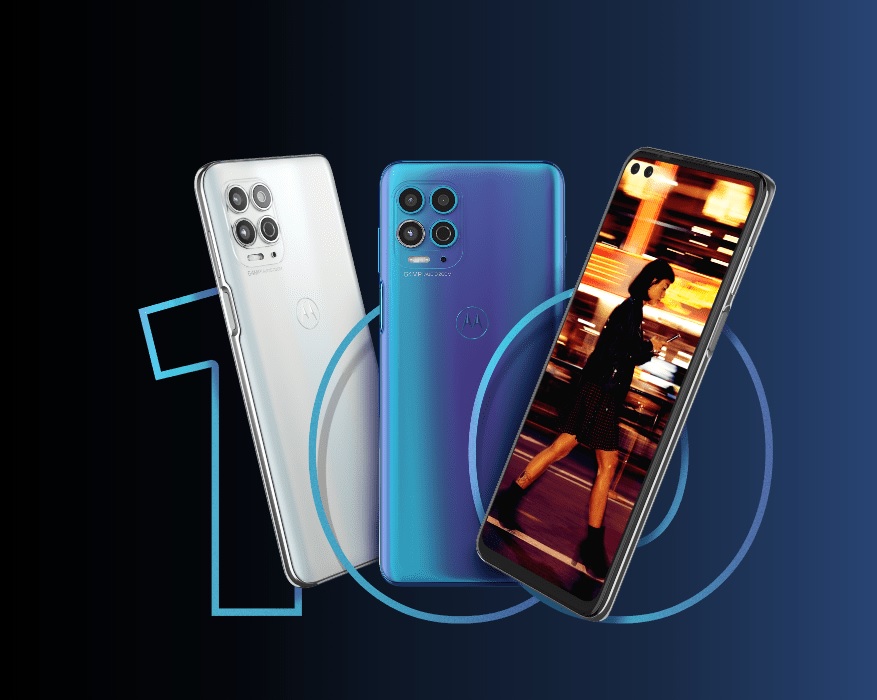
Motorola finally brings the Moto G100 to the U.S.

Nearly four months after the Moto G100 was announced in Brazil, Mexico, and the UK, Motorola has brought the flagship killer to the United States. The Moto G100 is the international version of the phone sold as the Motorola Edge S in China, the first phone powered by the Snapdragon 870 chipset.

Moto G100 featured

The Moto G100 is priced at $599 in the U.S. and it has 8GB of RAM and 128GB of storage. However, you can buy it for a limited time for $499 on Motorola’s website. For that price, you get a phone with a 6.7-inch 90Hz FHD LCD screen and a double punch hole for two front-facing cameras.

There is a Snapdragon 870 processor under the hood and it draws juice from a 5000mAh battery. The Moto G100 has four cameras on the back – a 64MP main camera, a 16MP ultrawide angle camera, a 2MP depth sensor, and a TOF 3D camera. The front-facing cameras are a 16MP main camera and an 8MP ultrawide angle camera.

The Moto G100 has a side-mounted fingerprint scanner, NFC, Wi-Fi 6, a USB-C port, a MicroSD card slot, and an audio jack. Motorola ships it with My UX based on Android 11.

It supports 20W fast charging and comes with a TurboPower 20W adapter. There is also a protective case and an HDMI ReadyFor cable that allows you to connect it to an external monitor for a desktop-like experience. It will also allow you connect your device to a TV and use the phone as a webcam with motion tracking for video calls. Want to play a game on a bigger screen, ReadyFor will provide a console-like experience once connected to a display of your choice.


RELATED:

Google reveals Wear OS 3 is the official name of its unified platform, coming to select current-gen watches

Lots of folks are excited about the new unified platform that is a fusion of Samsung’s Tizen OS and Wear OS. Since the operating system was announced back in May during Google I/O 2021, its official name has been kept under wraps until today.

Wear OS featured

A post published earlier today by Google has revealed that the unified platform will be officially known as Wear OS 3.0. It also revealed that the new version of the OS will be available as a system update to previous generation of smartwatches though that list is very limited.

Google says that the update will bring lots of new experiences and that the extent of these changes will require that users reset their watch to factory settings. Based on the aforementioned reason, Google says that it expects some users may not want to update to Wear OS 3, so it will make the upgrade available to users of eligible devices on an opt-in basis. Unfortunately, Google says that the update should begin to roll out “starting in mid to second half of 2022.”

The list of eligible devices is pretty short and includes Mobvoi’s TicWatch Pro 3 GPS, TicWatch Pro 3 LTE, TicWatch E3, and other upcoming TicWatch devices. It also includes Fossil’s next-gen smartwatches coming later this year. In a nutshell, the supported devices are those powered by the Snapdragon Wear 4100.

Also, save for the Samsung Galaxy Watch4 series and the Pixel Watch, other smartwatches will most likely launch with the old version of Wear OS until the OS upgrade is available next year.

Google concludes by saying that older watches that can’t be upgraded will receive new features too such as Gboard and the revamped Play Store.


RELATED: