Advertisement

[Updated: more pictures] Latest Nubia Z30 Pro renders and live photo confirm it is a rebadged ZTE Axon 30 Ultra

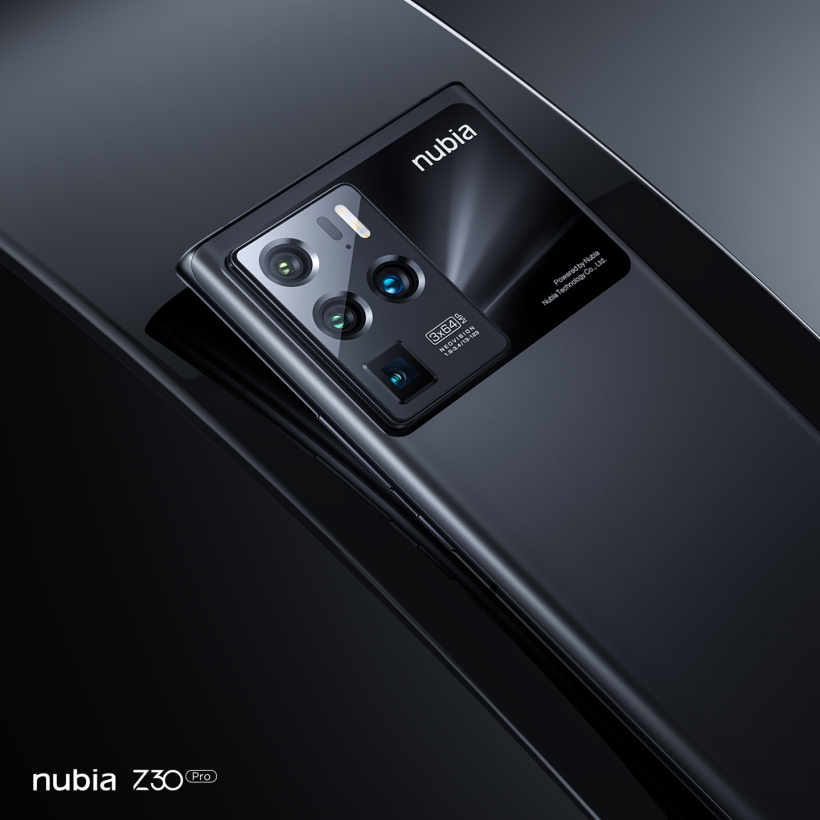
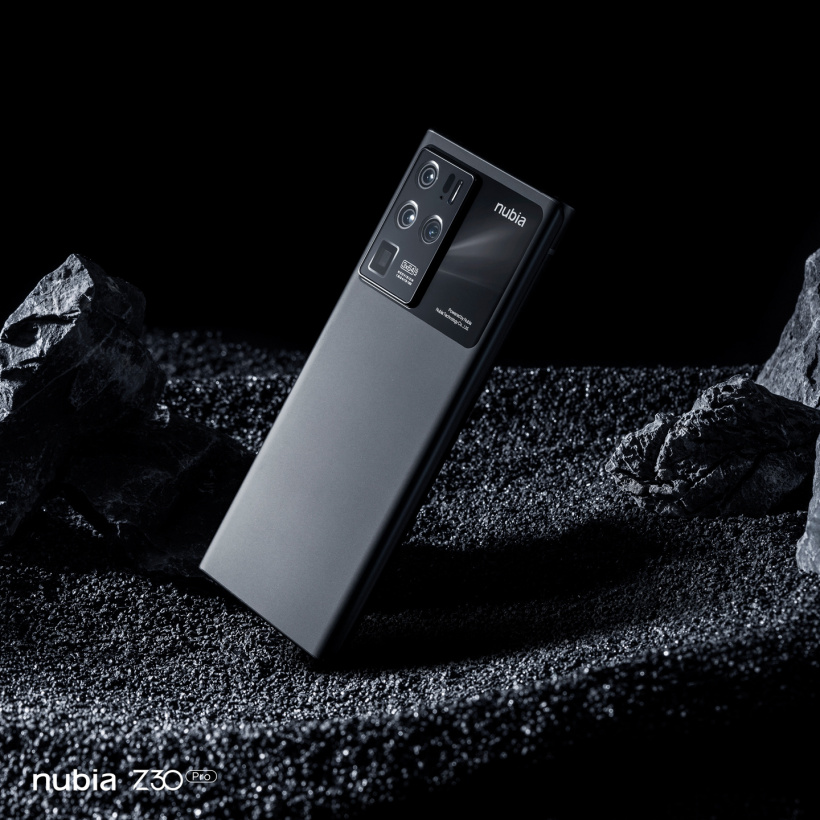
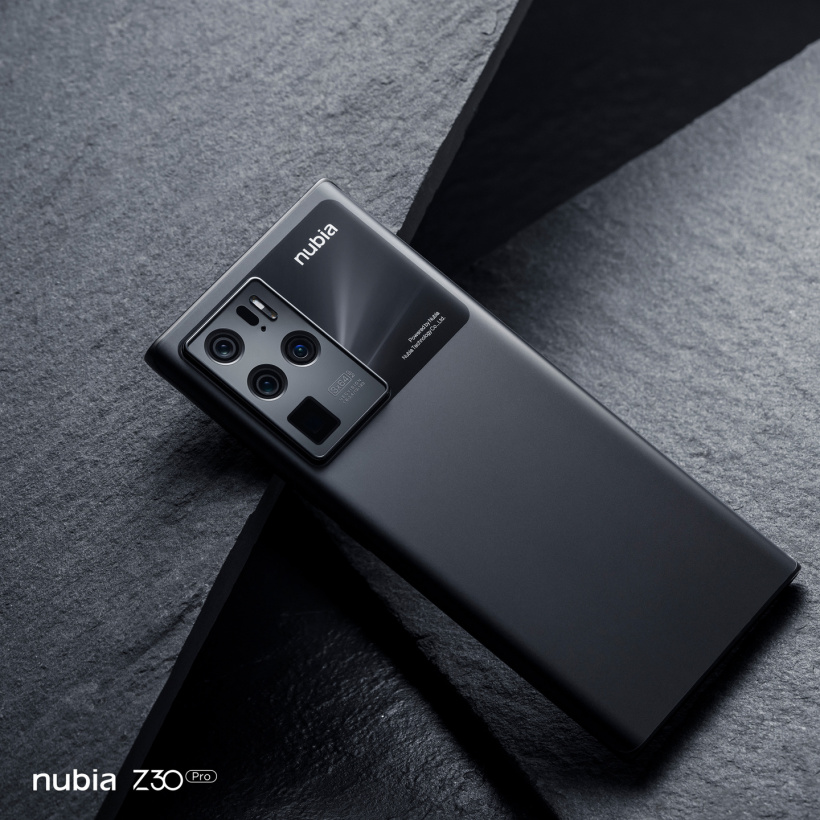
Update: The post has been updated with official photos of the black version.

A common trend among some Chinese manufacturers, especially those with multiple brands, is the rebadging of phones. Companies such as Xiaomi are known to launch the same phones under different names in different markets. Now ZTE is joining the trend with its upcoming Nubia Z30 Pro which is practically a rebadged Axon 30 Ultra.
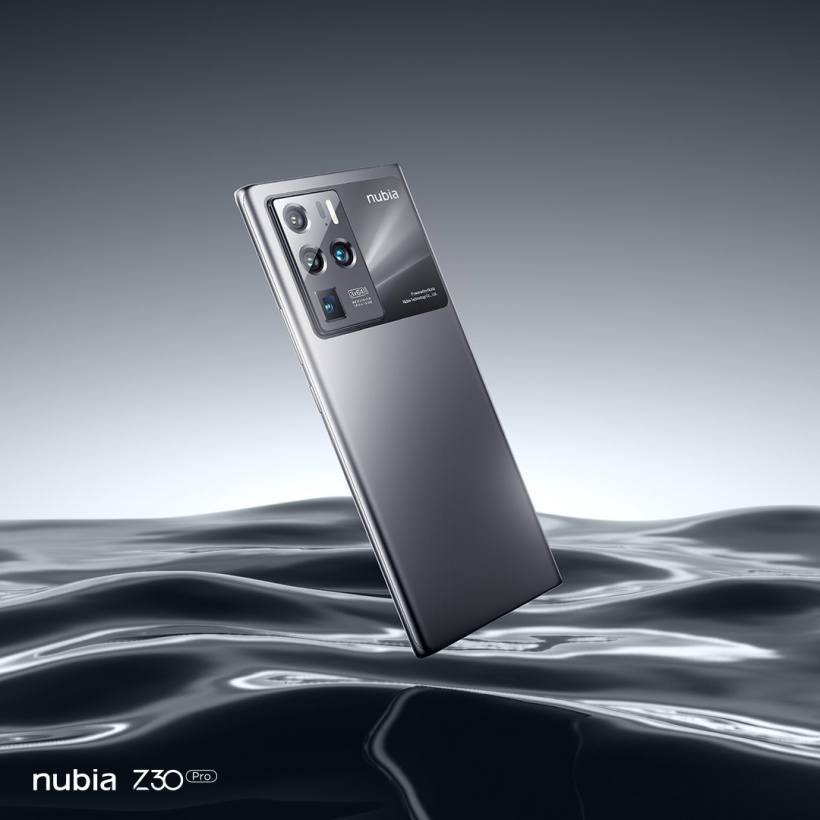
Nubia Z30 Pro

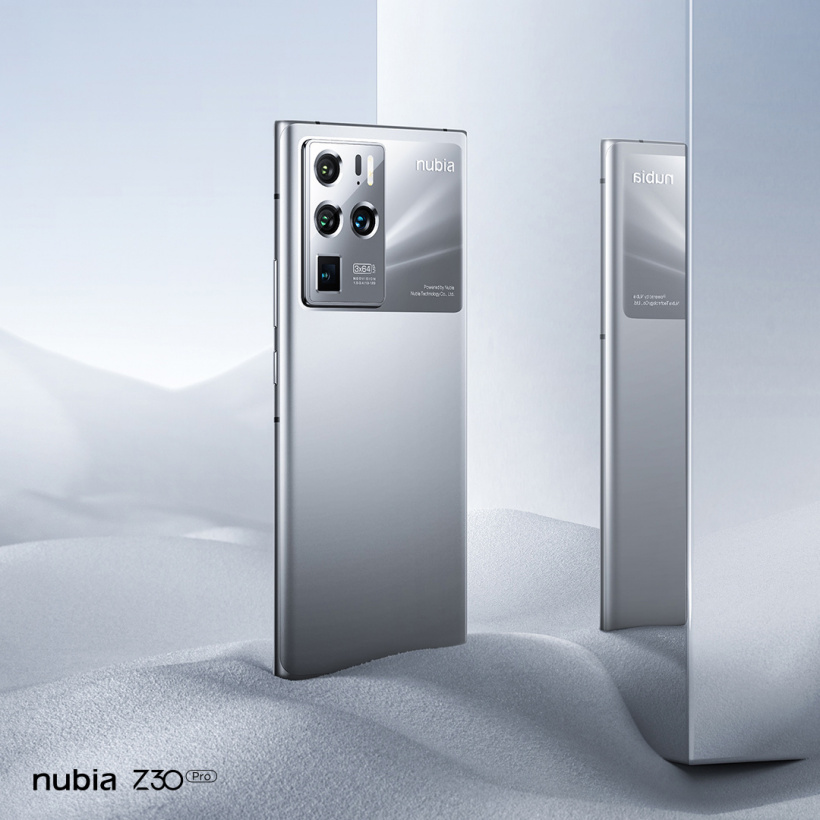
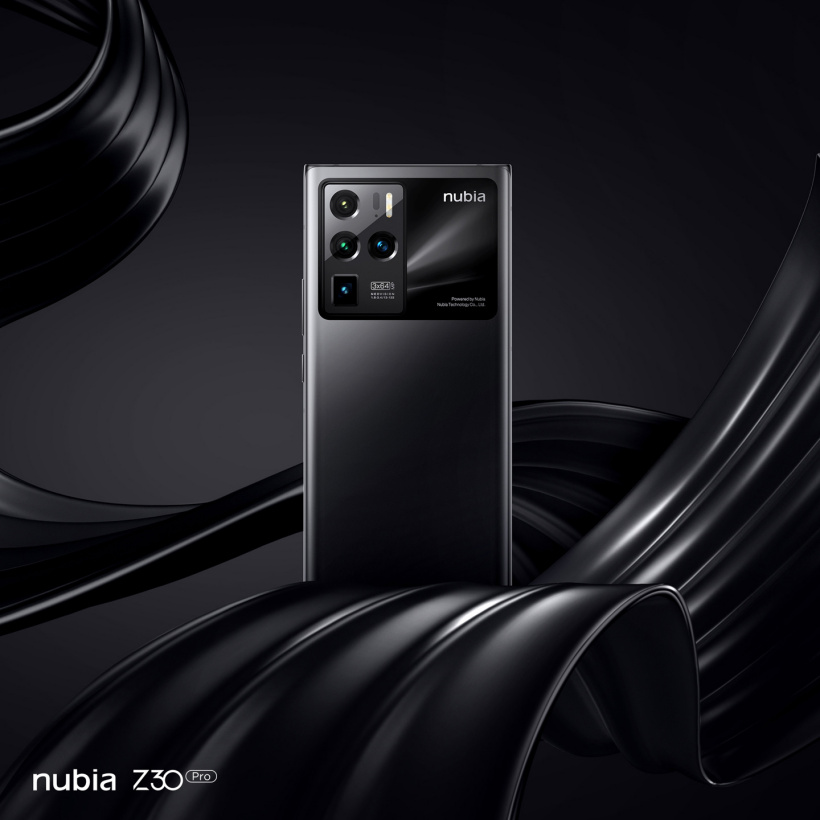
The latest renders posted by the manufacturer showing off one of the available colorways of the upcoming flagship give us our best look yet at the device, and if you have not been living under a rock, then you should be able to tell that this is the ZTE Axon 30 Ultra with a new name and paint job.
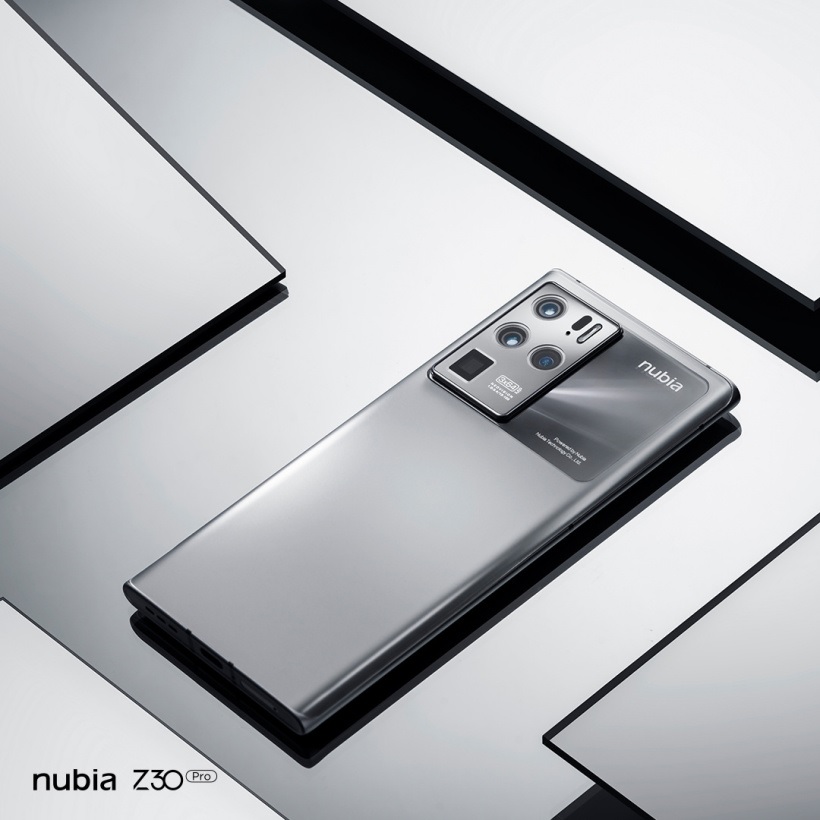
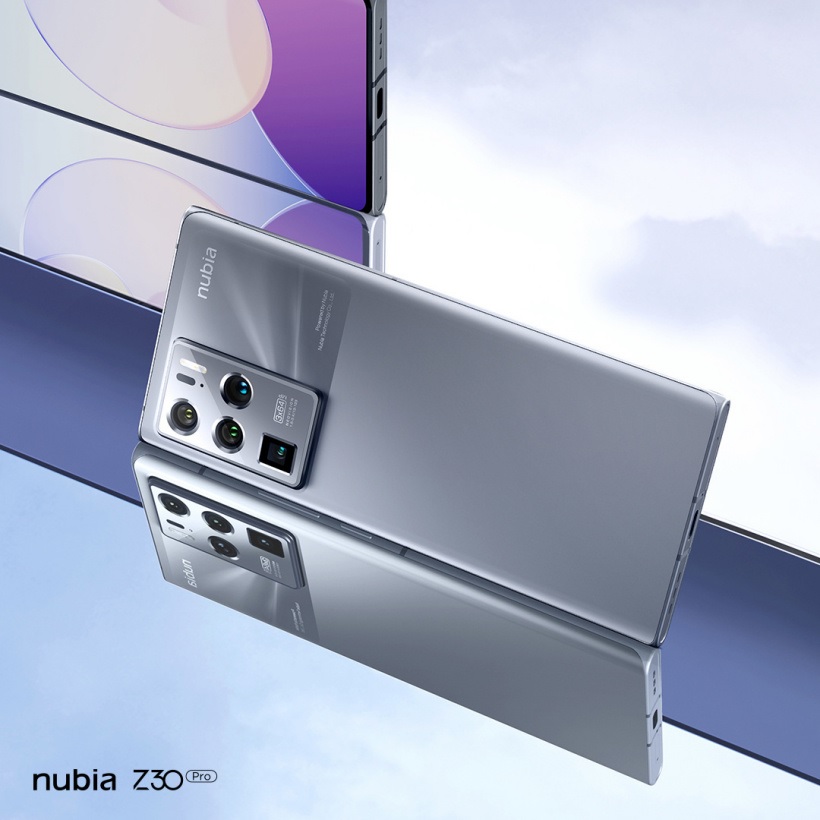
Nubia has dubbed the color Interstellar Silver and has spruced up the design by adding a darker coat of paint to the area beside the camera module. The images confirm the phone has three 64MP cameras too and a periscope camera for zoom.
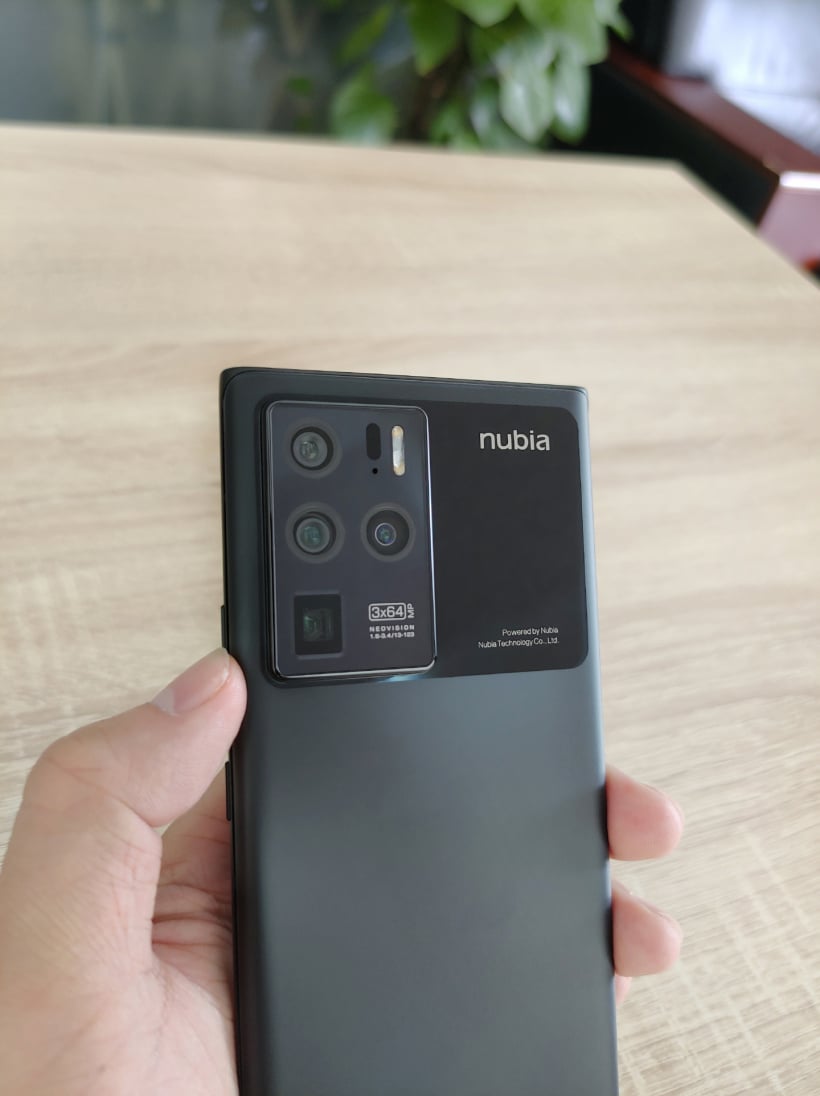
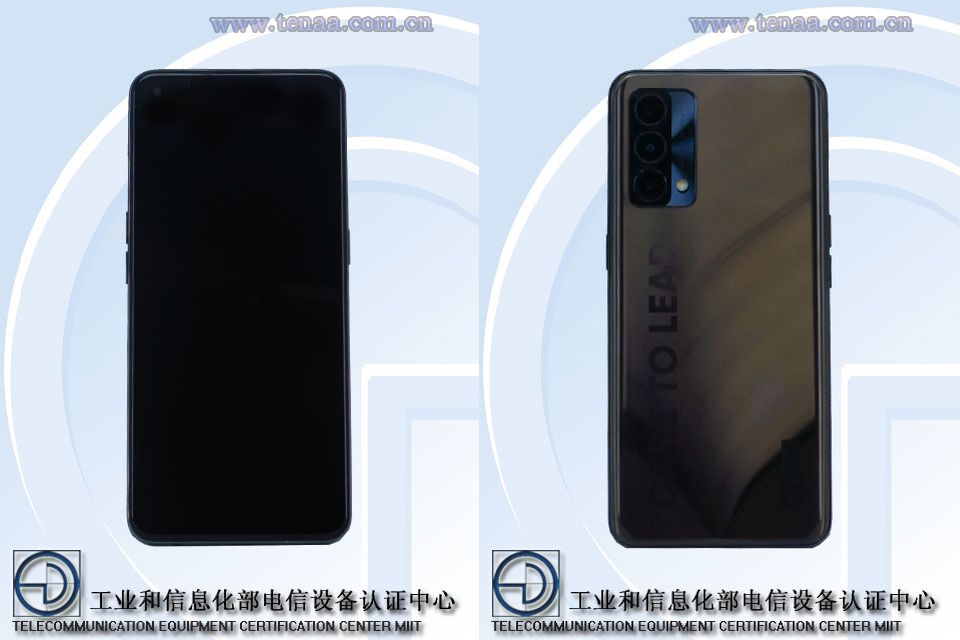
Nubia Z30 Pro live image

A live photo of the device has also shown up on the web but it has a darker shade than the renders above.

The Nubia Z30 Pro will have an OLED display with a high refresh rate and a centered punch hole, be powered by the Snapdragon 888 processor, and support 120W fast charging.


RELATED:

Deal: Get Realme Watch 2 Pro for $54 (Original Price $70)

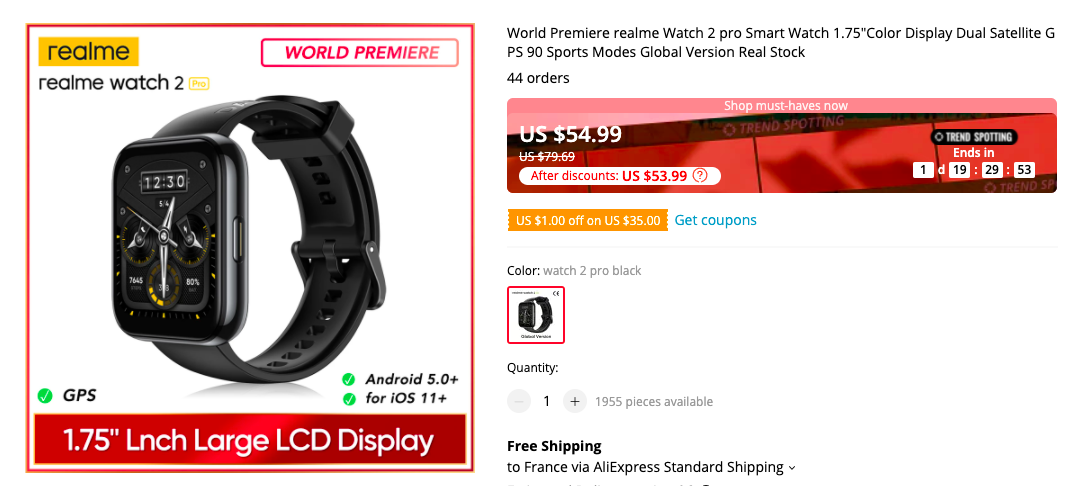
Realme Watch 2 Pro, which generally retails for $70 is now available at a discounted price of $53.99 only at AliExpress. 

WHERE TO BUY

Realme Watch 2 Pro

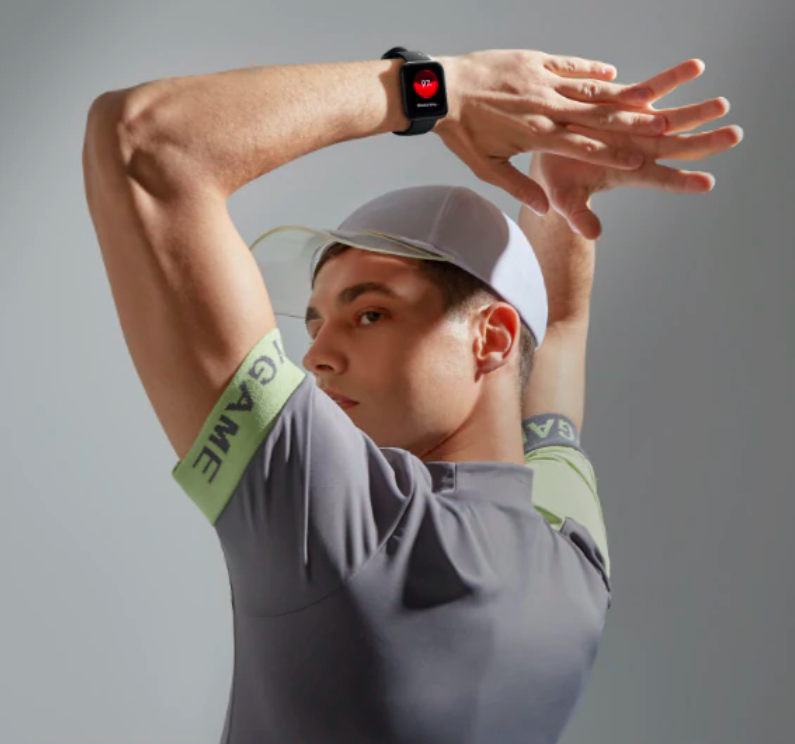
Realme Watch 2 Pro features a 1.75” large color display with 320*385 high resolution. The watch comes with a high-precision dual satellite GPS, that gives you accurate and precise route info, step tracking, and activity monitoring. 

Realme Watch 2 Pro 2

To manage your health and fitness, the smartwatch features 90 dedicated sports modes and comes with a blood oxygen monitor, real-time heart rate monitor, sleep tracker, calorie counter, etc. The IP68 certified water-resistant watch works on Bluetooth v5.0 and gives you two weeks of battery life on standby mode on a single charge.

Realme Watch 2 Pro2

Generally retailing for $70, you can now buy Realme Watch 2 Pro for $53.99 only at AliExpress. Please note that this deal will end in the next 24 hours. So place your order asap, before the deal expires. 


For more information on such exciting deals and offers check out our deals hub.

* Please Note: When you buy something using the links in our articles, we may earn a small commission at no cost to you.


HUAWEI Smart Screen SE launched with 4K resolution, HarmonyOS 2.0, webcam, and more

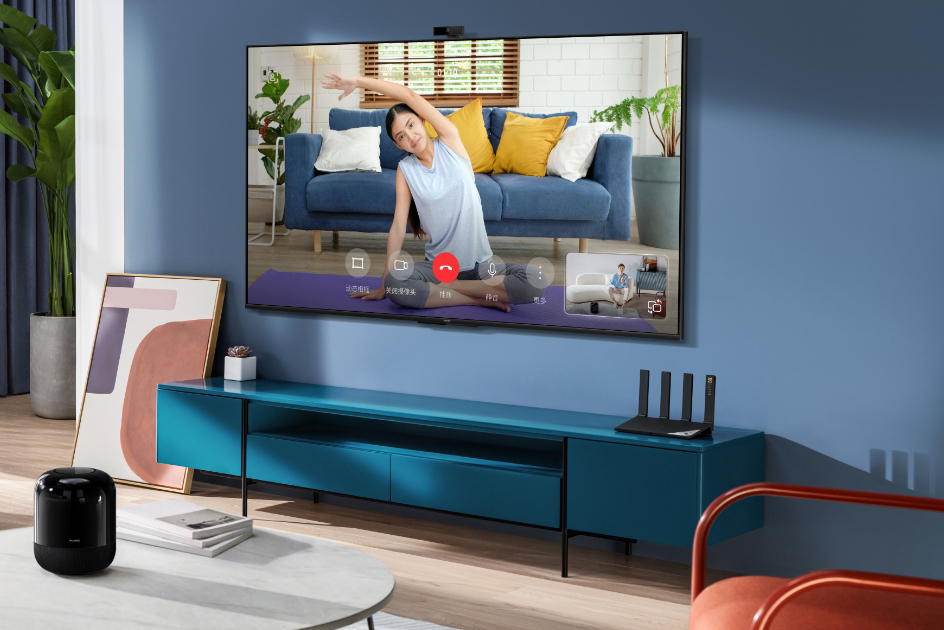
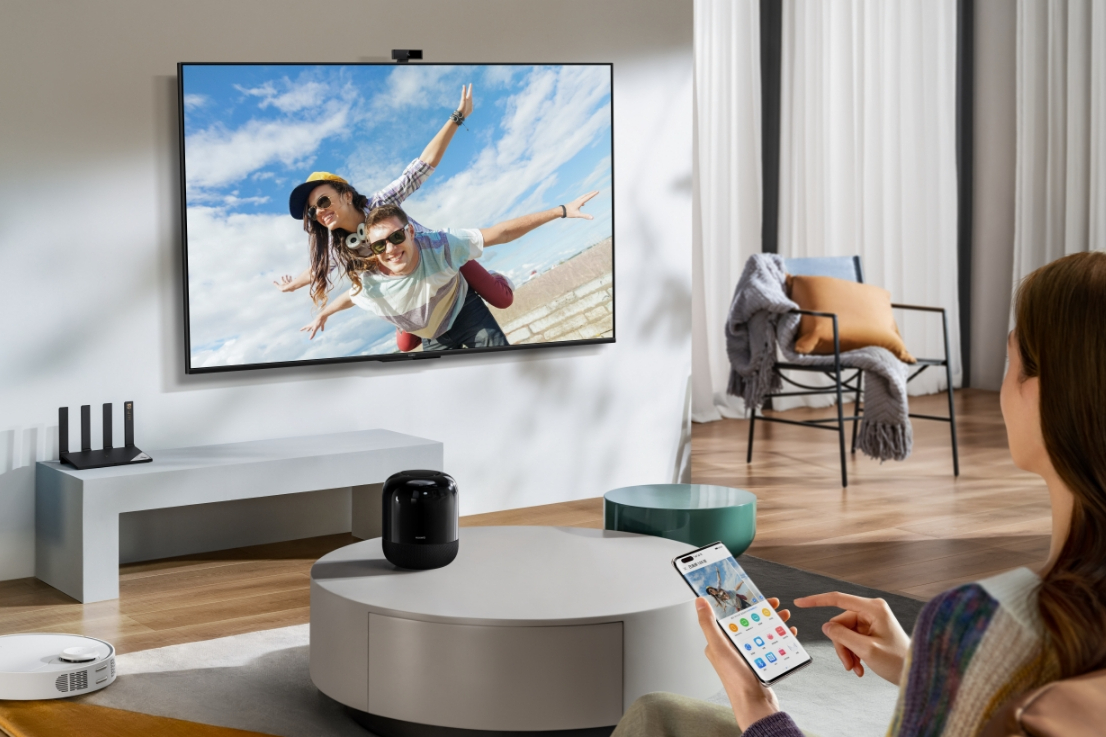
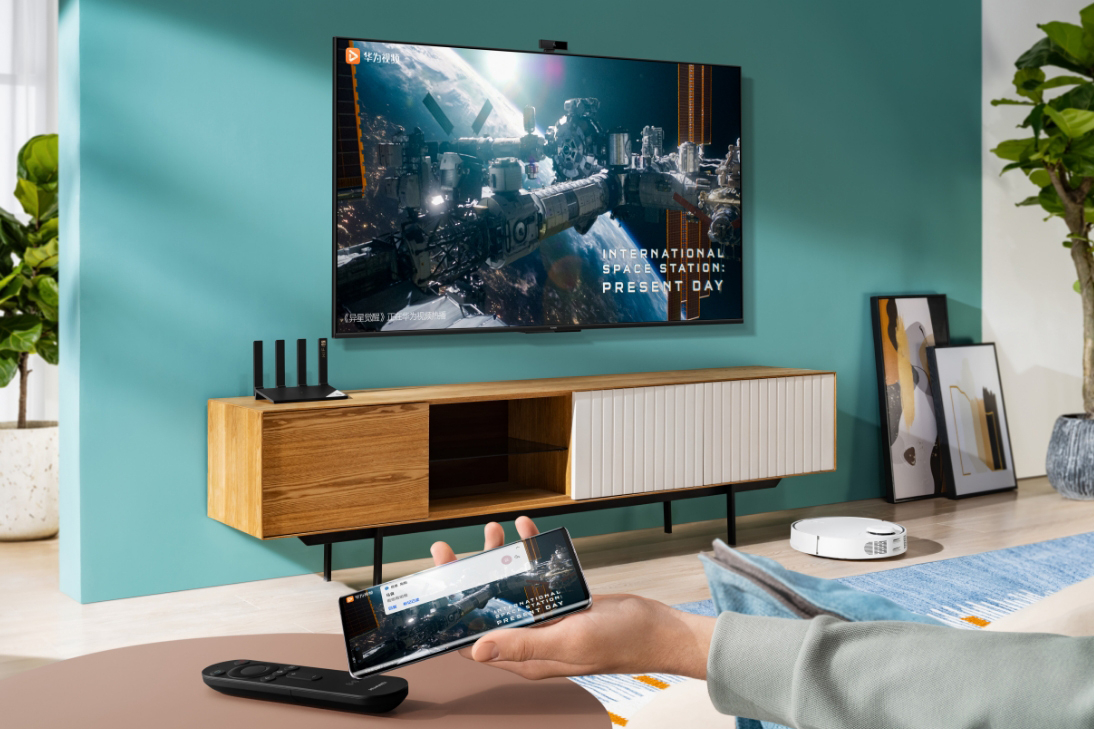
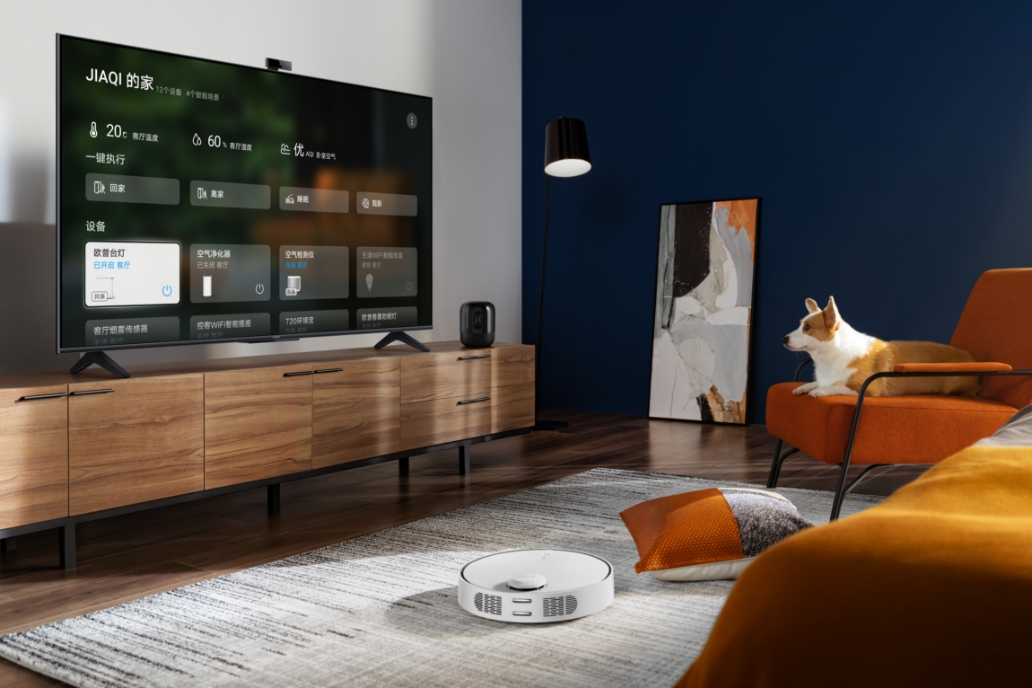
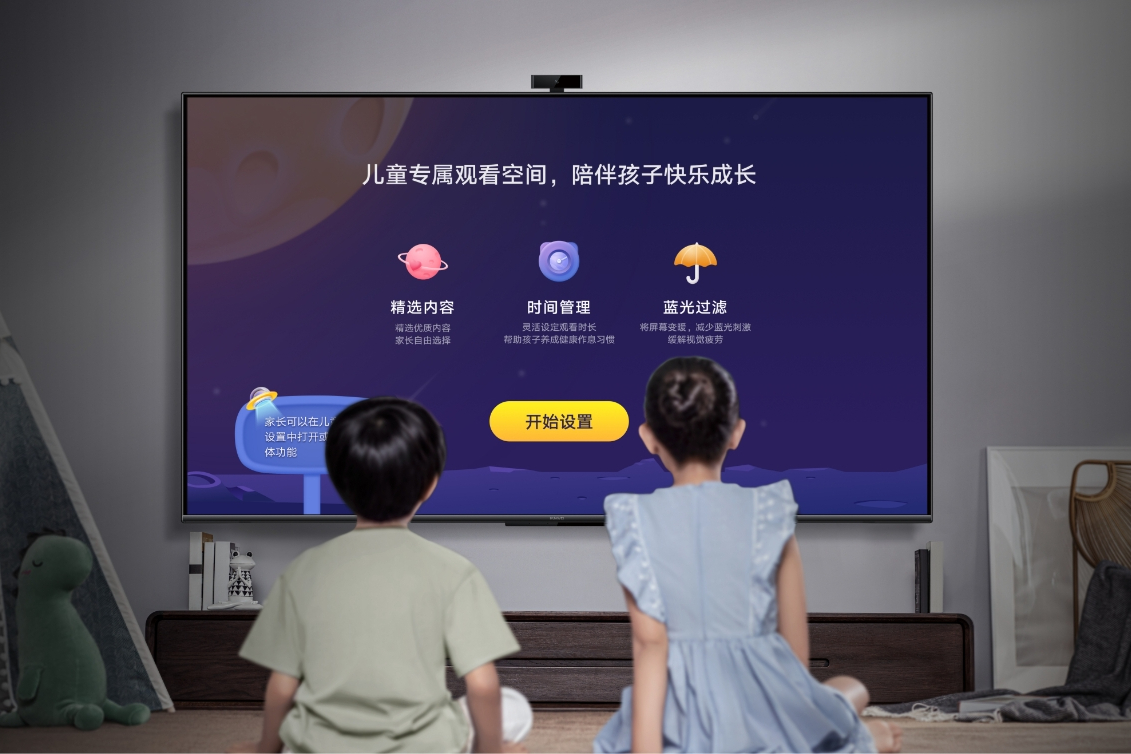
Last month, Huawei launched the HUAWEI Smart Screen V Series 2021. A month later, the company is back again with another smart TV model called HUAWEI Smart Screen SE aka HUAWEI Vision SE. This mid-range television comes in two sizes (55-inch, 65-inch) and both variants have the exact same set of features.

HUAWEI Smart Screen Vision SE Featured 05

HUAWEI Smart Screen SE Specifications and Features

The HUAWEI Smart Screen SE sports a 55-inch/65-inch LED-backlit LCD panel with a resolution of 4K (3840 x 2160 pixels), 16.7 million colors, 92% DCI-P3 color gamut, and 60Hz refresh rate. This display has a 178° viewing angle, 16:9 aspect ratio, and TÜV Rheinland certification for low blue light emission.

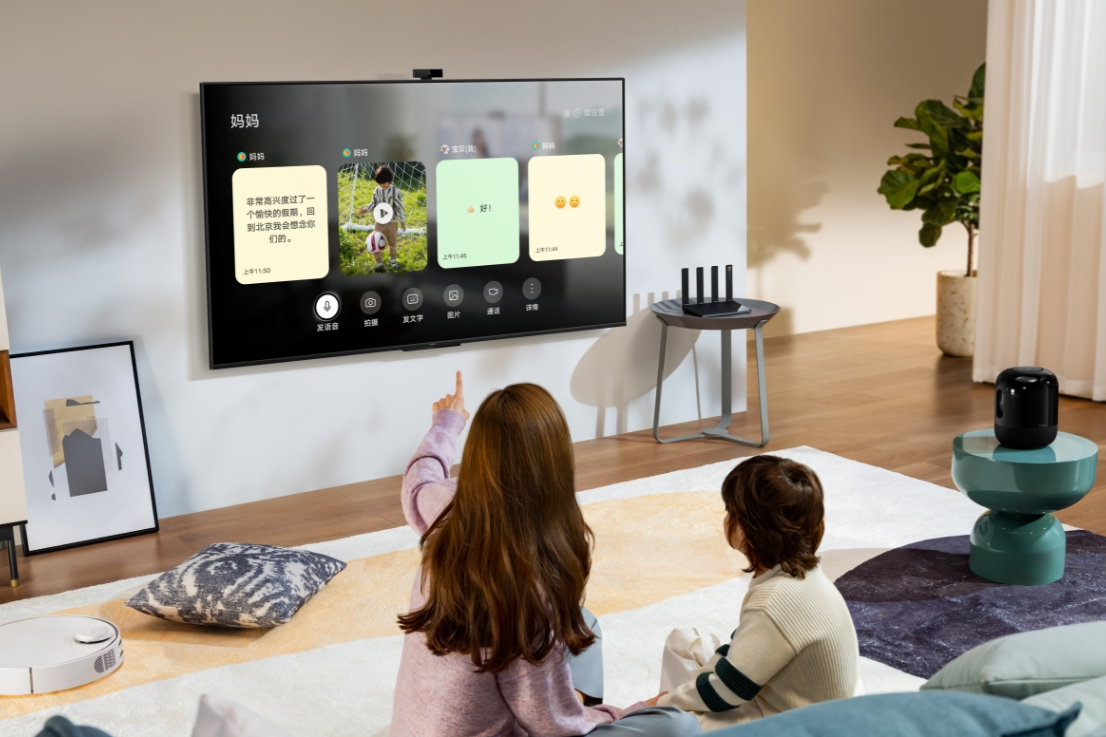
Unlike other smart TVs in the market, this one is powered by a HiSiliicon Honghu SoC coupled with 2GB RAM and 16GB internal storage. The television runs HarmonyOS 2.0 operating system with support for features like HUAWEI Share, EMUI Desktop, HUAWEI Xiaoyi AI voice assistant, HUAWEI Smart Life app, HUAWEI HiLink Smart Home controls, messaging, video calls via a magnetically detachable 13MP webcam, and more.

On the connectivity front, the TV supports dual-band WiFi, Bluetooth 5.1, and NFC (Remote Control). As for ports, it comes with 2 x HDM 2.0 (one of them is ARC compatible),  1 x USB 2.0, 1 x AV In, 1 x S/PDIF, 1 x RJ45 (Ehternet), and 1 x DTMB.

Last but not least, the HUAWEI Smart Screen SE sports a plastic build with Interstellar Black paintjob and features 2 x 10W (20W) speakers with support for HUAWEI Sound.

HUAWEI Smart Screen SE Price and Availability

The HUAWEI Smart Screen SE (Vision SE) will retail for the following price tags in China.

  • HUAWEI Smart Screen SE 55-inch – ¥3,299 ($513)
  • HUAWEI Smart Screen SE 65-inch – ¥4,299 ($668)

Both the variants are already up for pre-order will go one sale for the first time on June 1.

As of now, there’s no official word on this smart TV’s availability outside mainland China.


RELATED:


LeEco launches LE-DY30 30000mAh power bank for home appliances

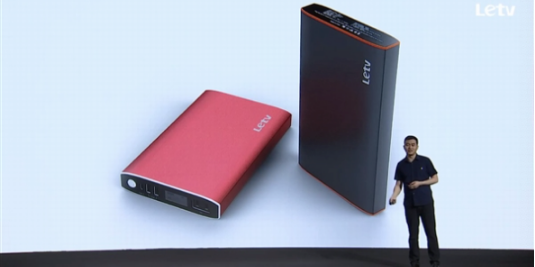
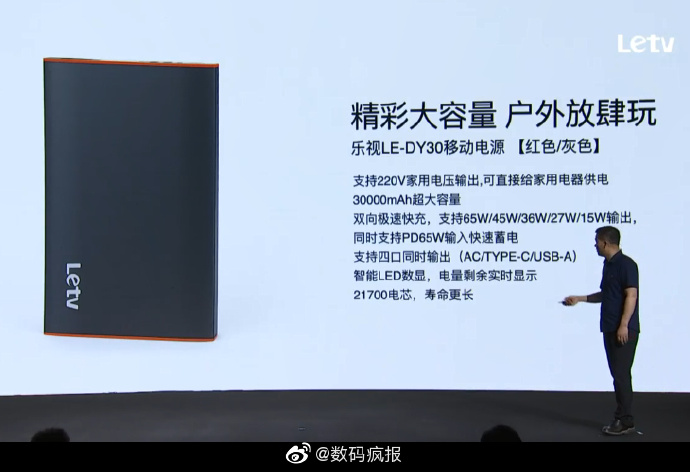
Earlier this week, LeEco launched the LE-DY30 power bank. This power bank houses a large 30,000mAh battery pack that is rated to power home appliances through its 220V AC output.

LeEco

On 18th May 2021, the Chinese consumer electronics maker announced more than 60 new products. This includes, the LeTV Super TV M65, LeTV Super TV GS series, LeTV Gaming Monitor 2Q, and other smart wearable products like smartwatches and even power banks and smart door locks. While the new TVs were the highlighting products of the launch conference, the company also launched two new power bank models, namely the LE-DY20 and LE-DY30.

The LE-DY20 power bank features a 20,000 battery capacity and serves a function similar to a charge a smartphone like a regular power bank. On the other hand, the LE-DY30 sports a total capacity of 30,000mAh battery pack. While this means that the power bank cannot be carried on the plane, this product was targeted towards users home and offers three DC outputs ports. It also sports a USB Type C port that supports bidirectional 65W PD fast charging.

LeEco

This power bank features a aluminum alloy shell and even sports an LCD screen that can display the remaining charge along with other useful statuses. LeEco has launched the product in China and is priced at 638 Yuan (roughly 100 US Dollars).

RELATED:


Realme RMX3142 with Snapdragon 768G spotted; Could be rebranded OPPO K9 5G

OPPO announced the OPPO K9 5G with Snapdragon 768G chipset in China earlier this year. A new Realme phone with model number RMX3142 and the same chip has emerged at Geekbench (via). It appears that it could be soon arriving to China as a rebadged version of the OPPO K9 5G.

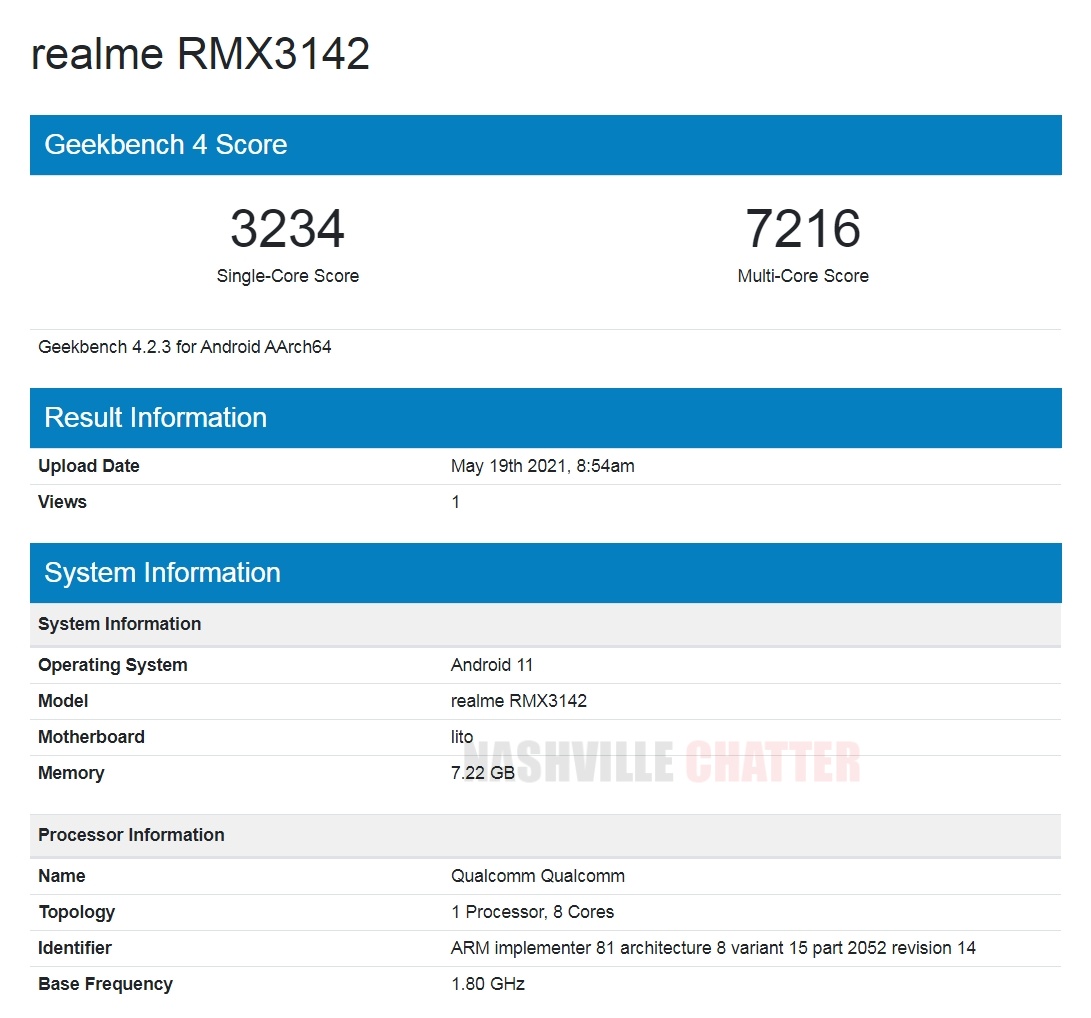
The RMX3142’s Geekbench listing does not explicitly mention that it has Snapdragon 768G. The listing only mentions it with the “lito” codename and a base frequency of 1.80GHz. The RMX3142 smartphone was spotted at the TENAA certification site of China in last month. The listing mentioned that it is powered by a 2.8GHz octa-core processor. Hence, it can be said that the RMX3142 is equipped with the Snapdragon 768G chipset.

The Realme RMX3142’s Geekbench listing further reveals that it has 8 GB of RAM and Android 11 OS. It scored 3234 and 7216 in the single-core and multi-core tests of the benchmarking platform.

The other specs of the RMX3142 that are mentioned in its TENAA listing are identical to the OPPO K9 5G. According to GSMArena, the OPPO phone may arrive in the global markets with the Realme branding. However, since the phone has received TENAA certification, it is also expected to launch soon in China. Some reports suggest that it may break cover as the Realme V25 5G.

Realme RMX3142
Realme RMX3143

The RMX3142 is equipped with specs like a 6.43-inch S-AMOLED Full HD+ display, a 32-megapixel front camera, a 64-megapixel + 8-megapixel + 2-megapixel triple camera, a 4,400mAh rated battery, and an in-screen fingerprint reader. The handset is expected to arrive in 6 GB / 8 GB / 12 GB RAM variants and 128 GB / 256 GB storage variants in the home market.

RELATED:

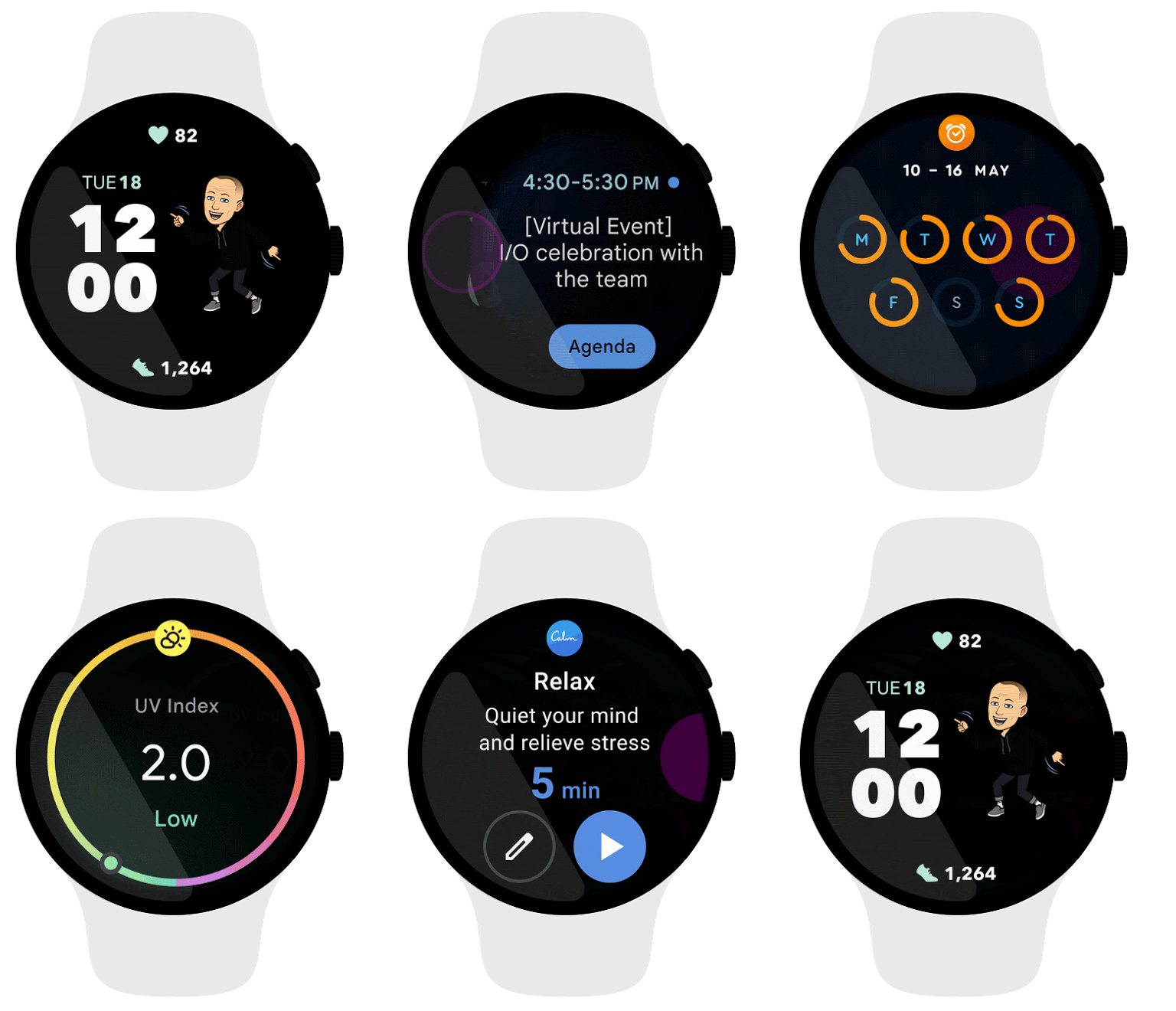
Samsung and Google to merge Wear and Tizen wearable OS

Samsung and Google are deepening their relationship as both companies announced earlier this week that they are combining their respective wearable operating systems, namely Wear and Tizen OS.

Samsung

In a blog post, the search engine giant announced that it will be combining its Wear OS with Tizen based software platform that was used in wearable products from the South Korean smartphone maker. This new platform has simple been dubbed as “Wear,” although the name has yet to be finalized and is subject to possible change. The merger of the two wearable OS would enable both firms to offer a better user experience to their customers.

With this joint effort, the companies would be able to offer improvements in battery life. Other benfits from this mergers also includes, 30 percent fster loading times for wearable applications, and smoother animations as well. The parnership would even help developers in making things simpler. Furthermore, it would also create a ingle central smartwatch OS for the Android platform while also offering a greater selection of apps and watch faces.

Google’s Bjorn Kilburn added that “All device makers will be able to add a customized user experience on top of the platform, and developers will be able to use the Android tools they already know and love to build for one platform and ecosystem.” Samsung has also confirmed that next generation Galaxy Watch will run on this new platform and this will even ship with future high end Fitbit devices as well.

RELATED:


Huawei H6 WiFi Router launched with HarmonyOS and 200 meters coverage

Earlier today (19th May 2021), Huawei held a new launch conference in which it launched a number of new products. This includes smart products including a new WiFi router that features HarmonyOS.

Huawei

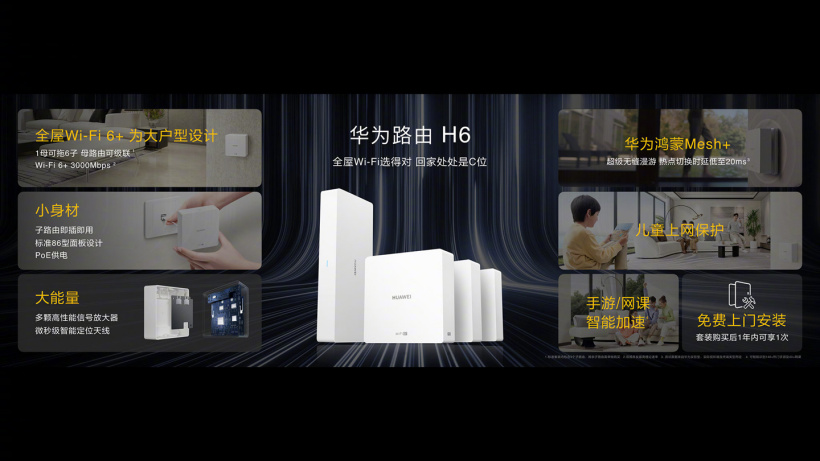
The Chinese tech giant just launched the Huawei H6 WiFi router, which runs on HarmonyOS and offers a large 200 square meters coverage. This router is equipped with a sub routing design and runs on the company’s proprietary operating system. Notably, the new router is designed for large houses. This router can connect with up to 6 sub routers and can offer networking speeds of up to 3000Mbps with a maximum range of about 200 square meters.

Furthermore, the company will also include a variety of smartphone games, online courses, and other application to its ‘fast lane.’ The device uses smart algorithms to intelligently identify more than 140 online video games and over 40 online course related applications to automatically reduce latency by about 20 percent. This will enable a more consistent and stutter free gaming and online learning experience to the users.

Huawei

The H6 WiFi router also supports the latest Wi-Fi 6 Plus standards for fast networking speeds and is priced at 499 Yuan (roughly 78 US Dollars) in China. One can purchase the H6 router alone or even buy the entire set of sub routers for a total price of 1999 Yuan (roughly 310 US Dollars). A single sub router alone costs 399 Yuan (roughly 62 US Dollars).

RELATED:


Android 12 is Official: Here are All the Key Features

Google’s newest Android iteration, Android 12 is finally here. The company has given us a first good look at the new operating system, which brings significant visual upgrades and more security-focused features that keep you in charge of your privacy.

Android 12 featured
Source: Google

So let’s take a quick look at all the new Android 12 features and changes announced by Google today.

Android 12 Features: Visual Design Changes

Google’s Material design philosophy is getting an upgrade with Android 12. The new OS brings in a new design concept called the Material You. This design is meant to be more expressive and humanistic, shying away from the concept of a traditional user interface. Google says the design is a result of a deep collaboration between its ‘software, hardware and Material Design teams’.

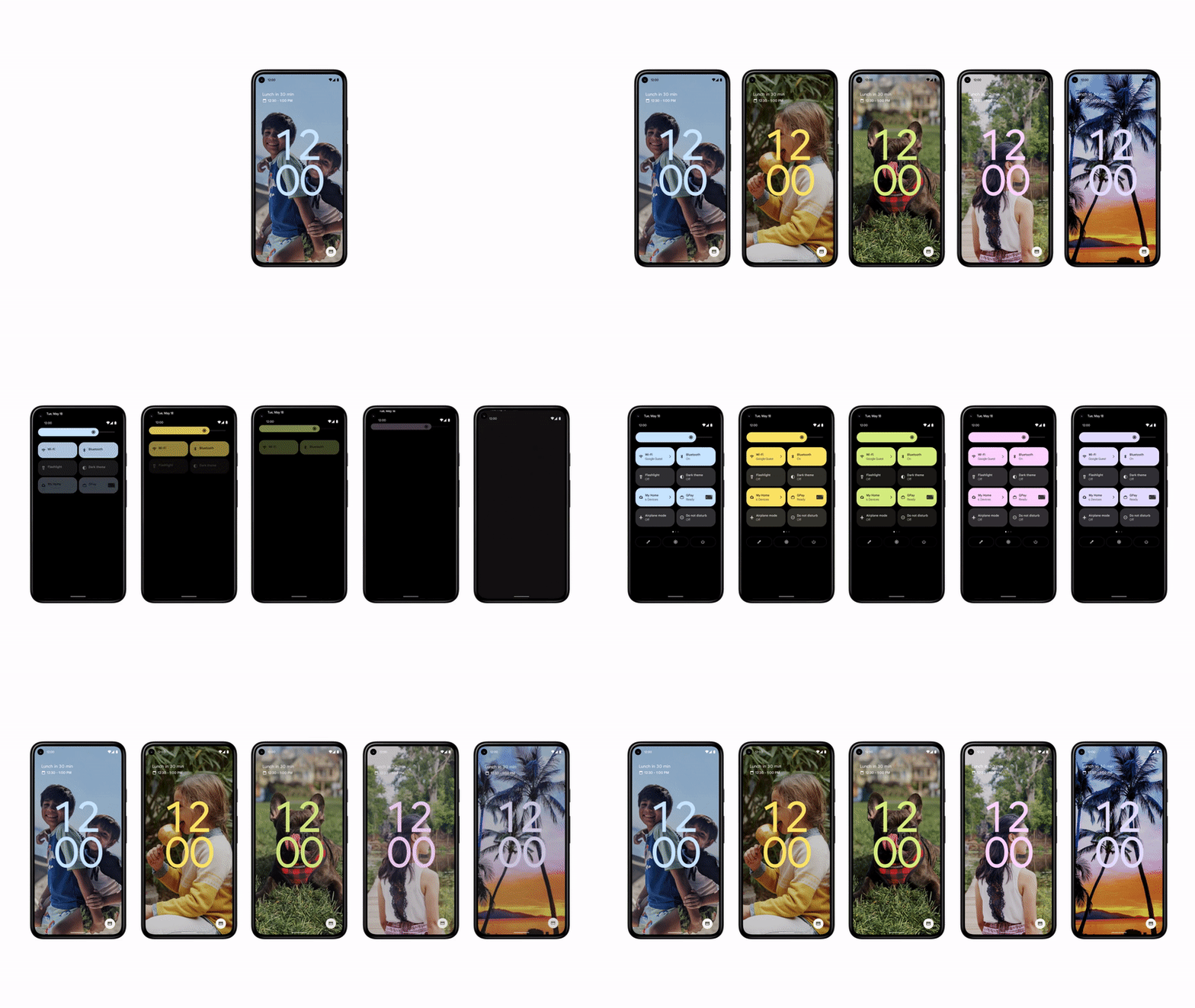
Android 12 Wallpaper Color Extraction

So here are the major visual changes in Android 12:

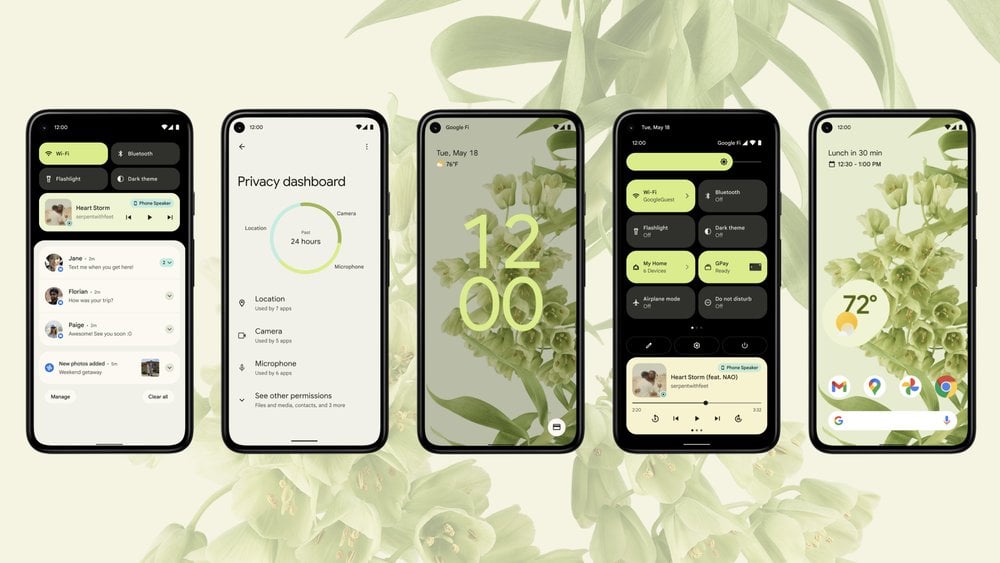
  • Personalization is a big part of Android 12 and in this regard, the OS brings changes to the UI colors, shapes, lights, and motion. The biggest change is the new adaptive color palette of the UI. Based on your wallpaper, the system will automatically determine dominant and complementary colors and will apply them to the entire OS including the notifications shade, volume controls, lock screen, and even the widgets.
  • As mentioned above, the Android 12 design is now more expressive. So shapes and colors will both play an important role in the UI. Along with adaptive color palettes, the new OS will also play around with the sizes of the UI elements.
    A simple example is your lock screen clock. The size of the clock will depend upon whether you have notifications on your screen. Without any notifications, you get an enlarged clock widget which looks pretty good.
  • Quick Settings
    The Quick Settings panel aims to be a true control panel on Android 12. In this regard, the buttons have become larger along with new additions to the panel. For example, Android 12 adds Google Pay and Home Control buttons along with two privacy-focused toggle buttons namely Camera & Microphone Access. These two access buttons can directly revoke system-wide permissions for the two sensitive sensors on your smartphone.

  • Power Button
    The power button now brings up Google assistant. So no more awkward gestures at the bottom to launch the assistant.


Android 12 Features: Faster & More Efficient

Since Material You design is all about expression, Android 12 has faster and smoother animations. In this regard, Sameer Samat, VP of Product Management, Android & Google Play reveals, “This was achieved by some under-the-hood improvements including reducing the CPU time needed for core system services by up to 22% and reducing the use of big cores by the system server by up to 15%.”

This sounds exciting but we’ll have to wait and see if the new tweaks can ensure smoother and faster animations across all smartphones.


Android 12: Security & Privacy Features

Apart from the visual overhaul, Android 12 brings important security and privacy-centric features to your smartphone.

  • The biggest addition is the new Privacy dashboard. Android 12 will showcase a pie chart of the number of data requests from your installed apps over a span of 24 hours. The same dashboard panel will allow you to tweak permission settings for each app, giving you better control over your data.
    Android 12 Privacy Dashboard
    Source: Google
  • Another important addition is the new camera and microphone indicator on the top right corner. Every time your camera or microphone is being accessed, the indicator will light up giving you a heads up that the sensor is in use.
    Moreover, with the included Camera and Microphone Access buttons in the Quick Settings panel, you can revoke system-wide access to these sensors.

    Android 12 Privacy Quick Settings buttonsw
    Source: Google
  • Android 12 adds an approximate location permission setting which will only give out your rough location. This will be handy for apps like the weather for which you don’t have to share your precise location information.
  • The new OS also isolates key AI processes into a separate, secure location within your system. Android 12’s Android Private Compute Core will handle all audio and language processing for Live Caption, Now Playing, and Smart Reply. This will ensure that your personal information is secure and stays locally on your smartphone. Sameer further adds in the official blog post ” the protections in Private Compute Core are open source and fully inspectable and verifiable by the security community.”

There are a lot of other small additions to the new OS like scrolling screenshots, conversation widgets, and improvements to impaired vision features.

The Android 12 Beta is already live on Pixel and a number of other smartphones from brands like Xiaomi, Realme, OPPO, OnePlus, ASUS, and Samsung.

You can check out the entire list of eligible smartphones for Android 12 Beta from this article.


Titan Pocket, the smallest QWERTY Android 11 smartphone, is now up for crowdfunding

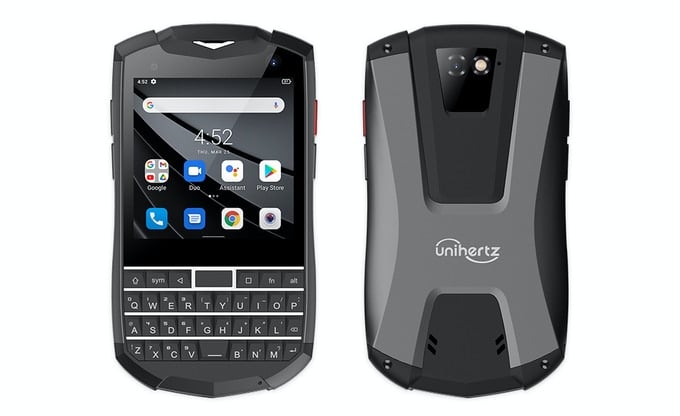
Unihertz has launched a new Kickstarter project — Titan Pocket which is the smallest QWERTY smartphone running the Android 11 operating system. This is the sixth device from the company which had previously launched Jelly, Atom, Titan, Atom XL, and Jelly2.

The campaign aims to raise $50,005 but at the time of writing this, it has successfully reached the goal. With still 30 days to go, the campaign has raised more than $520,900 from 2,310 backers.

Titan Pocket Smartphone

The smartphone is an upgraded version of its predecessor, named Titan. The company says that it is now 30 percent smaller, lighter, and comes with the latest Android 11 operating system. Apart from the size, it is globally unlocked, equipped with a fingerprint sensor, IR blaster, GPS, and more features.

The phone, which is made of aluminum alloy material, features a 3.1-inch display with 716 x 720 pixels screen resolution. The device is powered by a 4,000mAh battery which the company claims can last for days on a single charge.

The keyboard on the device supports several languages, including English (US, UK), German (QWERTZ, QWERTY), French (AZERTY, QWERTY), Italian, Portuguese, Spanish, Dutch, Russian, Russian (TRANSLIT), Japanese, Simplified Chinese (Pinyin), and Traditional Chinese (Phonetic, Cangjie, Quick Input).

Further, the company adds that the Titan Pocket is though and drop-resistant but note that the device isn’t water-resistant. As for the camera, there’s a 16-megapixel camera sensor on the back and an 8-megapixel snapper up front for taking selfies and video calling.

For connectivity, the dual hybrid SIM supporting device comes with support for global LTE bands, compatible with most international and local carriers. This should offer great flexibility and is useful for business travelers and tourists, says the company.

RELATED: 

Here’s the list of Android 12 Beta Eligible/Supported Devices

Yesterday, Google revealed more details about Android 12 at the Google I/O 2021 Keynote. As expected, the search giant even announced the Android 12 Beta program in partnership with several OEMs. Let’s have a look a the list of eligible devices in this article.

Android 12 Logo Featured A

According to the official announcement, the Android 12 Beta program includes 11 OEMs this year. However, HMD Global (Nokia) has revealed that it will be also releasing builds for Nokia X20. So this increases the total count to 12.

Android 12 Beta Eligible/Supported Devices

  • Google

    • Pixel 3
    • Pixel 3 XL
    • Pixel 3a
    • Pixel 3a XL
    • Pixel 4
    • Pixel 4 XL
    • Pixel 4a
    • Pixel 4a 5G
    • Pixel 5

Install Android 12 Beta on Google Pixels

  • Xiaomi

    • Mi 11
    • Mi 11 Ultra
    • Mi 11X Pro
    • Mi 11i

Install Android 12 Beta on Xiaomi Smartphones

  • OnePlus

    • OnePlus 9
    • OnePlus 9 Pro

Install Android 12 Beta on OnePlus Smartphones

  • ASUS

    • ZenFone 8

Install Android 12 Beta on ASUS ZenFone 8

  • OPPO

    • OPPO Find X3 Pro

Install Android 12 Beta on OPPO Find X3 Pro

  • realme

    • realme GT

Install Android 12 Beta on realme GT

  • SHARP

    • SHARP AQUOS R6

Install Android 12 Beta on SHARP AQUOS R6

  • TECNO

    • TECNO CAMON 17

Install Android 12 Beta on TECNO CAMON 17

  • TCL

    • TCL 20 Pro

Install Android 12 Beta on TCL 20 Pro

  • vivo

    • iQOO 7 Legend

Install Android 12 Beta on iQOO 7 Legend

  • ZTE

    • ZTE Axon 30 Ultra

Install Android 12 Beta on ZTE Axon 30 Ultra

  • HMD Global

    • Nokia X20

Although OEMs are providing Android 12 Beta for their select devices, these builds are clearly not meant for everyone. Companies like OPPO have explicitly mentioned that this initiative is only meant for developers. 

Therefore,  proceed with caution as these software builds have tons of bugs.


RELATED:


Europe’s 2nd largest chipmaker STM to raise prices from June 1 due to material shortage

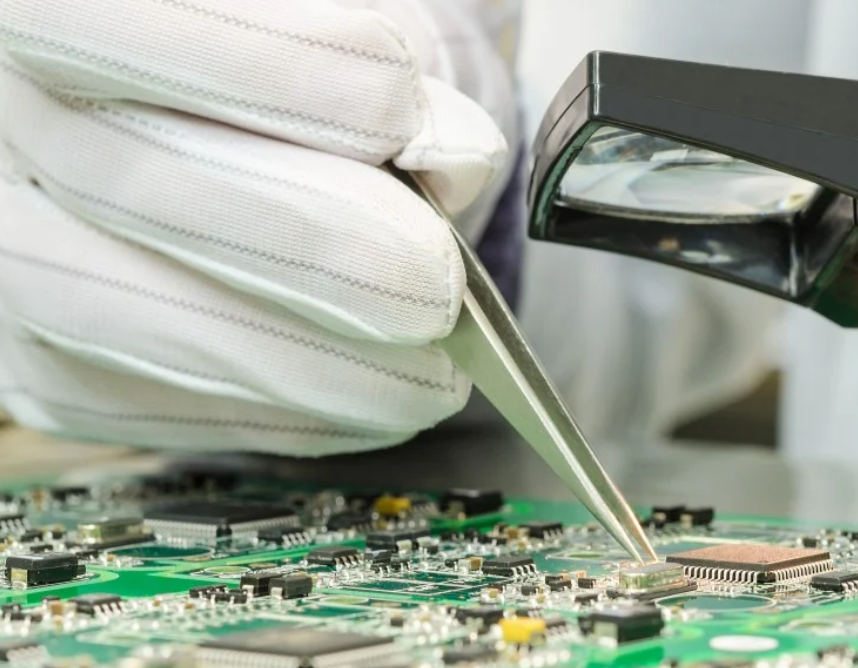
The second largest chipmaker in Europe, STM (STMicroelectronics) has announced that it would be raising the prices of its products across the line starting from 1st June 2021. This announcement was shared earlier this week, as the firm claims that it is facing issues with the procurement of materials.

STM
STMicroelectronics Headquarters, Geneva, Switzerland

Reportedly, the price hike arrives as the cost of materials has also risen along with the surge in demand amid the growing global shortage of semiconductors. STM added that “Semiconductor demand is currently reaching unprecedented heights, leading to major challenges in meeting orders despite our significant capital investment.” The chipmaking giant also shared a statement that was cosigned by Collins Wu, the regional vice president for the Asia Pacific region.

For those unaware, the firm is based in Switzerland and specializes in making power discrete devices and microcontrollers units (MCU) for automotive applications. But now, the company is struggling to secure materials suppliers, as the suppliers themselves are struggling to meet customer demand due to the semiconductor shortage. This has led to “cost increases and more aggressive commercial terms to maintain our supply of these scarce materials.”

STM

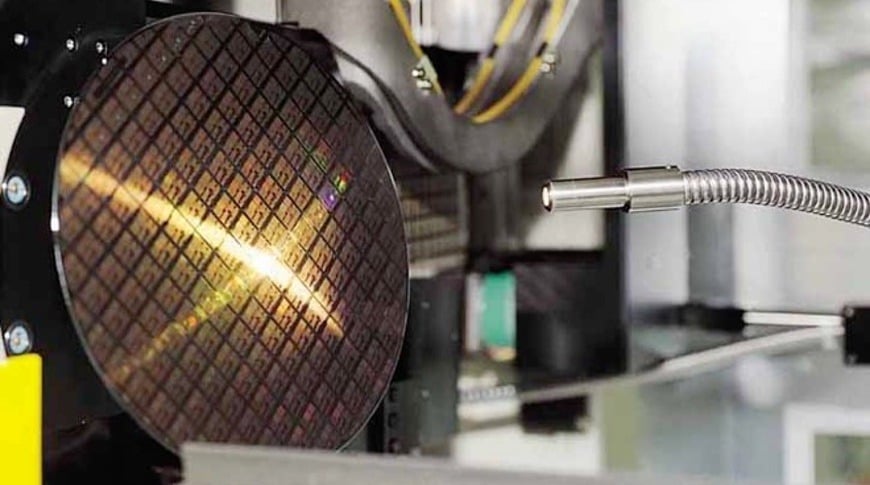
Furthermore, the hike in price is supposedly not a short term surge as it is expected to be sustained for at least another year or two. This situation is also further worsened by the already stretched 6 to 12 month long lead times that are required for capacity expansion at foundries like TSMC, the world’s largest contract chipmaker.

RELATED:


Taiwan promises chip supply as shortage nears ‘Danger Zone’ with record wait times

The world is currently facing a chip crisis, with semiconductor shortages affecting industries and economies across the globe. Now, the chip shortage has neared the ‘Danger Zone’ as wait times for shipments have reached a new record high, but Taiwan promises to keep supplying chips across the globe.

Taiwan

According to a Bloomberg report, the chip shortage has even hampered recovery of economies post the Coronavirus pandemic and has caused a major gap between chip orders and deliveries. At the moment, the wait times have reached a whpping 17 weeks in back in April 2021. This is indicative of the fact the clients are struggling to secure a stable supply, as per a research by Susquehanna Financial Group. The 17 weeks lead time is the highest the group has ever recorded and has even marked the situation as the ‘danger zone.’

Amid this crisis, the Taiwanese government has pledged to work on providing the world with a steady chip supply despite the growth of the COVID-19 pandemic. Notably, the government also adjusted its GDP projections for this year, raising it by 4.64 percent in preparation of a global ‘scramble for semiconductors’ that will cause a surge in exports, as per an SCMP report.

Taiwan

Currently, the global chip shortage has affected variou indutries including automobiles, smartphone, home applicances, and other as well. Just in this year alone, automakers are expected to lose out on a reported 110 billion US Dollars in sales. So, it remains to be seen how the situation plays out as many chip makers are rushing to start the operations of new chip plants to raise chip supply in various regions.

RELATED:


Huawei Router AX2 Pro is now on pre-sale in China for 209 yuan ($32)

Huawei has been launching high-end routers in the market and now the company has announced that it has opened pre-sale of its Huawei Router AX2 Pro in China. While the router is priced at 229 yuan, it is currently being offered at 209 yuan (approx. $32).

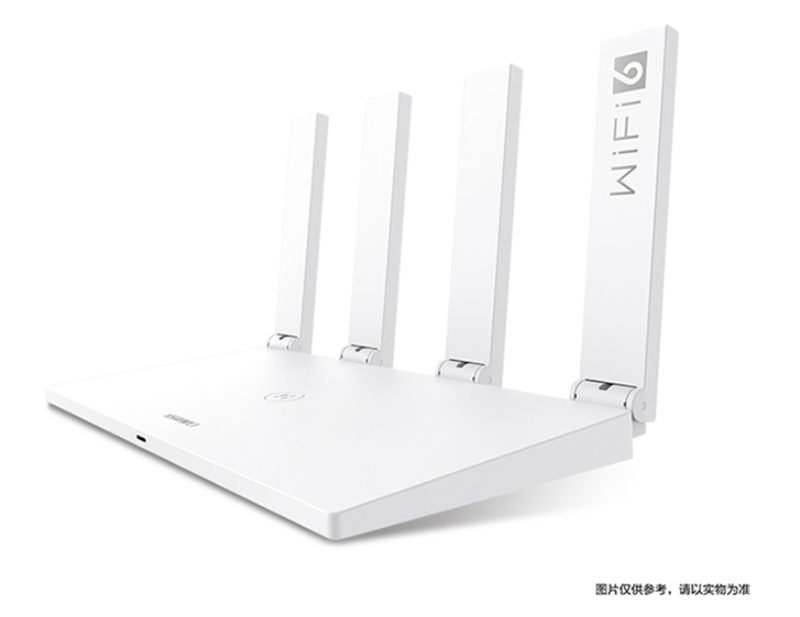
As for the design, the Huawei Router AX2 Pro comes with a design that is similar to the AX3 series, featuring four antennas and Wi-Fi 6 printed on the far right of the device.

Huawei Router AX2 Pro

The dual-band concurrent rate of the router is 1500Mbps, of which 2.4GHz is 300Mbps and the 5GHz frequency band is 1201Mbps. It comes with a full Gigabit Ethernet port that offers 1 WAN port and 2 LAN interfaces.

Coming to the performance, the router comes with support for wireless/wired Mesh networking to improve the coverage. It also comes with a built-in mobile game acceleration functionality that automatically enters the high-priority channel in the game state that greatly reduces the delay.

Additionally, the online behavior of the children can also be controlled through mobile applications, meaning that the device has support for Parental Control. For security, the router supports Huawei HomSec and supports camera anti-peeping technology along with an anti-scratch network and brute-force cracking protection.

As mentioned earlier, the Huawei Router AX2 Pro is priced at 229 yuan (~$36). However, during the pre-sale period, it is available for 209 yuan (~$32) and the company will start shipping the product from 1st June.

RELATED: 

Xiaomi Mi Smart Band 6 users can now reply to text messages

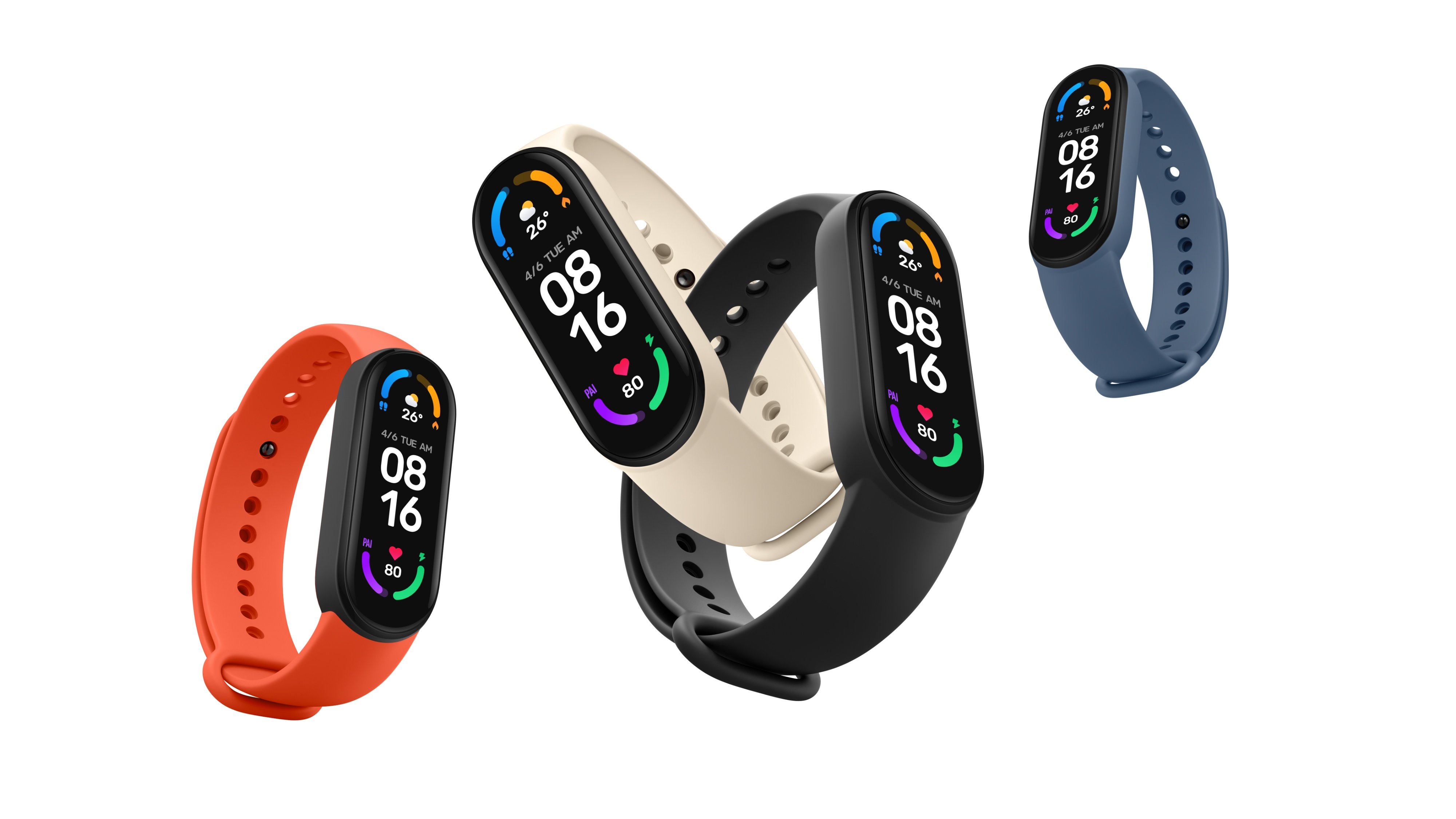
Mi Band 6 aka Mi Smart Band 6 is the latest fitness tracker from Xiaomi. The company announced it in late March. Since then, the wearable has made its way to multiple markets. In fact, the firm managed to ship over a million units within a month from its availability. Now, almost two months after its announcement, the device is receiving a new firmware update with a much-awaited feature.

Xiaomi Mi Smart Band 6 Featured A
Xiaomi Mi Smart Band 6

Soon after its release, the Mi Band 6 got a firmware update for features related to sleep tracking. Now, Xiaomi is rolling out another update for this wearable, which bumps up the firmware version to 1.0.1.32.

The latest firmware update for the Mi Band 6 (Mi Smart Band 6) arrives with Mi Fit v5.1.0 (companion app). Hence, in order to install the new firmware, users will have to update the Mi Fit app from the Google Play Store, GetApps, Mi App Store, or Apple App Store.

According to the official changelog, the new update adds support for text message replies. Hence, the Mi Band 6 becomes the first-ever fitness tracker from Xiaomi to let users reply to text messages. 

We are not sure how this feature works as we don’t have access to a Mi Band 6 right now. But it looks like this feature is limited to China and users will be able to only send pre-defined replies to incoming text messages and calls. Anyway, what we know is that this feature only works on Mi Band 6 paired with Android smartphones.

The latest firmware update also brings pomodoro function, increased pace goal setting for outdoor running, support for new transit passes (Greentown Pass, Ganzhou Pass, Shaoxing Pass), and bug fixes.

Xiaomi Mi Smart Band 6 Firmware Version 1.0.1.32 Official Changelog (Translated from Chinese)

  • Added Pomodoro function
  • Increase pace goal setting for outdoor running
  • Android phones support incoming call and text message reply
  • Public transportation card: Newly added support for Greentown Pass (Transportation Union), Ganzhou Pass, and Shaoxing Pass
  • Bug Fixes

If you are using a Xiaomi Mi Smart Band 6 global variant, then do let us know the changes the new firmware update brings in the comment section below.


RELATED:


(Via)

Huawei to sell cars from 200 experience stores by July end, targets 300K car sales in 2022

Huawei is apparently planning on selling cars from 200 of its experience stores by the end of July 2021. It is also reportedly targetting a shipment goal of 300,000 units for the next year.

Huawei

For those unaware, the Chinese tech giant has been expanding its presence in the automobile industry in recent times. While it doesn’t directy manufacture vehicles, it does offer both hardware and software based solutions for smart cars to other car makers. This has it build connectivity based solutions along with self driving technology as well. Now, the brand is planning on selling cars from its 200 experience stores and is also expecting to expand to more than 1,000 stores by the end of this year.

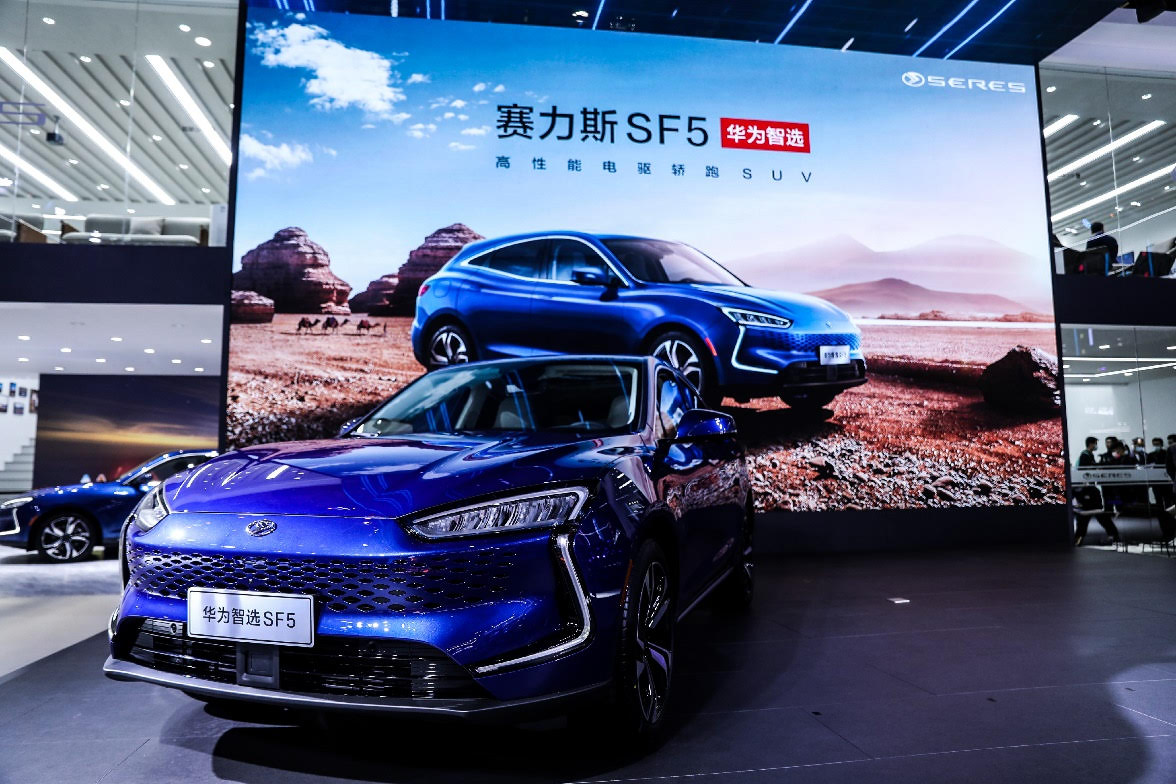
According to latest news media from China (Via iFeng), the company’s CEO of Smart Car Solutions BU, Richard Yu, has set a goal to sell 300,000 cars from its stores by the next year. The report arrives as Huawei has partnered with various car makers like BYD, BAIC, Mercedes-Benz, and Changan. At the moment, the company sells the SERES SF5 from its flagship stores in China. So, this move is in line with its plans to include cars in its stores.

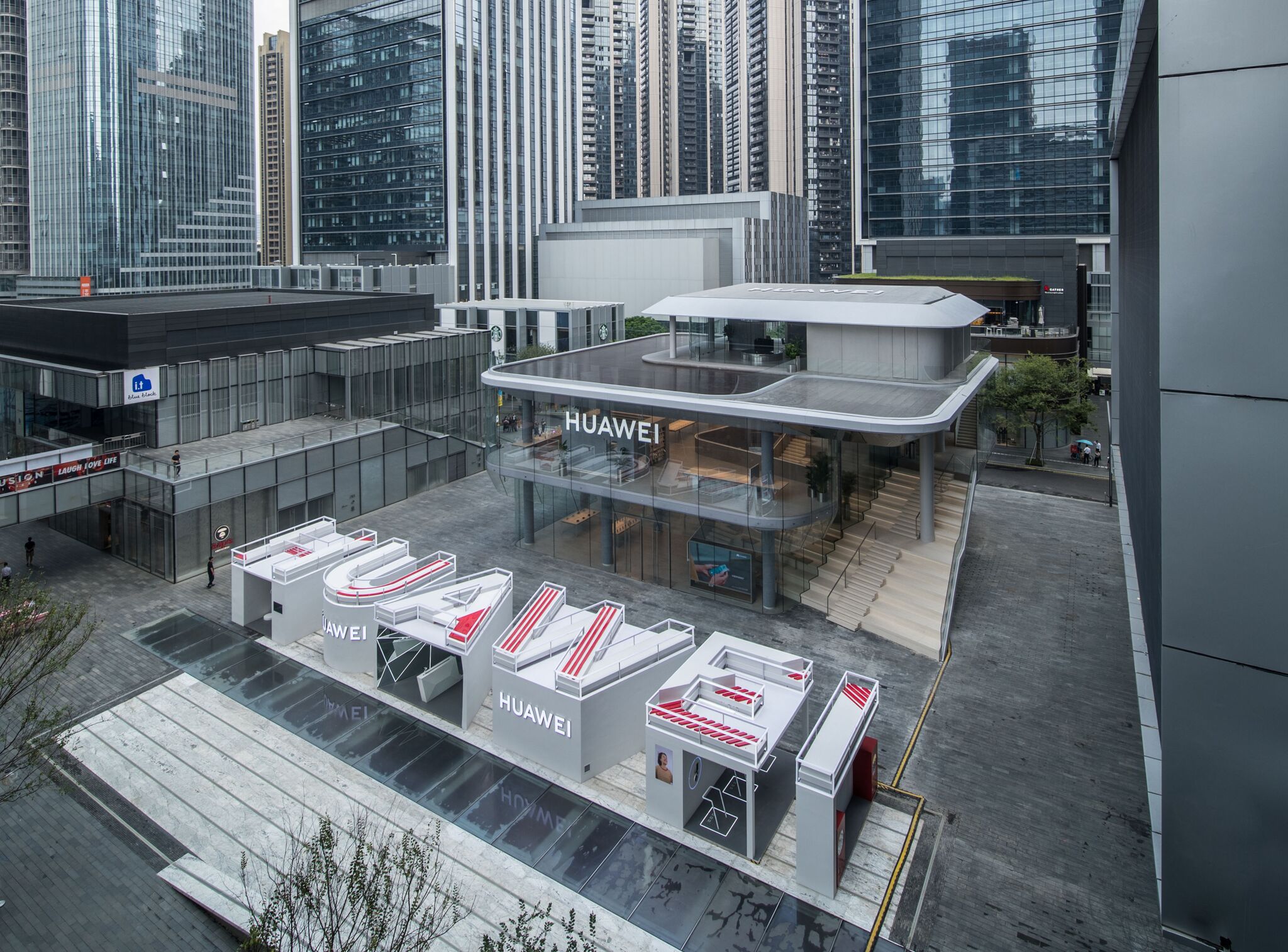
Huawei global flagship store in Shenzhen

The report also added that the SERES SF5 has already seen over 6,500 bookings within the first month. As Huawei is growing the smart car offerings in its stores, the company might soon branch out to include cars from other brands like Mercedes-Benz as well sometime in the future. But, that is just speculation so take it with a pinch of salt for now and stay tuned for more updates.

RELATED:


Samsung Galaxy Z Roll could soon get launched as the company’s first rollable smartphone

Samsung is already the leading smartphone brand when it comes to foldable smartphones and now the South Korean giant is working on a different form factor to launch a device with a rollable display.

Ahead of the SID 2021, Samsung Display has showcased OLED screens for S-Foldable, Slidable, and Rollable devices. However, the displays were revealed by Samsung Display and not the Electronics unit.

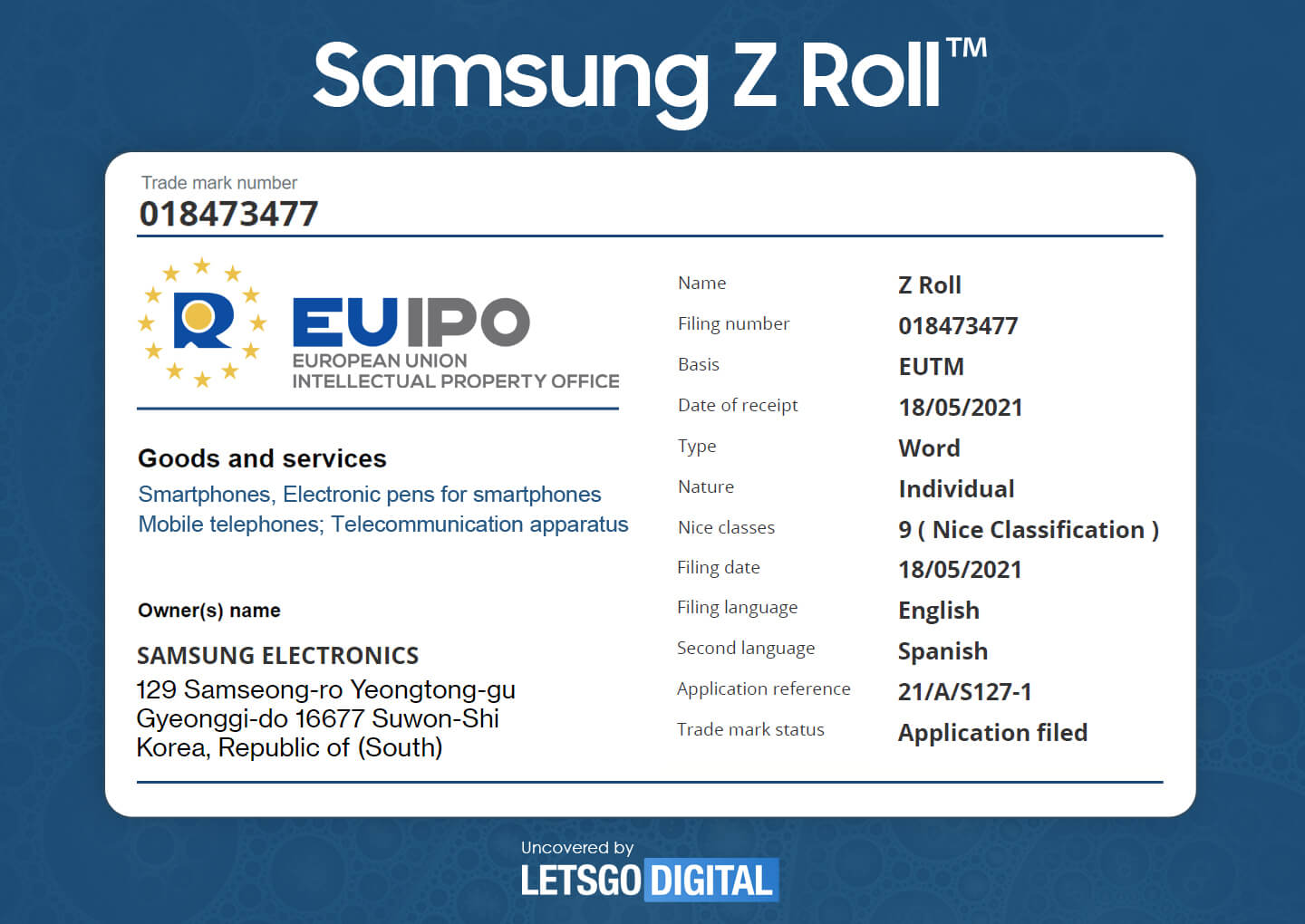
Samsung Galaxy Z Roll Trademark

Now, Samsung Electronics has filed a trademark at the European Union Intellectual Property Office (EUIPO) for the name Samsung Galaxy Z Roll, reports LetsGoDigital. As the name itself indicates, this is for the company’s first rollable smartphone.

The South Korean giant has been clubbing untraditional form factors under its Galaxy Z series and it continues to do the same with the rollable display. It continues the trend for Samsung of simple names for the devices such as Galaxy Z Fold for the foldable smartphone and Galaxy Z Flip for the clamshell-like flip phone.

Currently, not much is known about the upcoming Galaxy Z Roll rollable smartphone from Samsung. However, we could hear more about the device in the month of August, when the company is expected to launch the Galaxy Z Fold 3 and Galaxy Z Flip 3 smartphones.

LG was also working on a rollable smartphone named LG Rollable which the company had showcased last year. However, the device has been discontinued given that the LG is taking an exit from the smartphone business.

OPPO has also showcased a smartphone with a rollable display named OPPO X 2021 but it was unveiled as a Concept Smartphone. It’s unlikely that OPPO plans to launch the smartphone commercially anytime soon. Given how things are going, it seems likely that Samsung will be the first company to commercially launch a rollable display phone.

RELATED: 

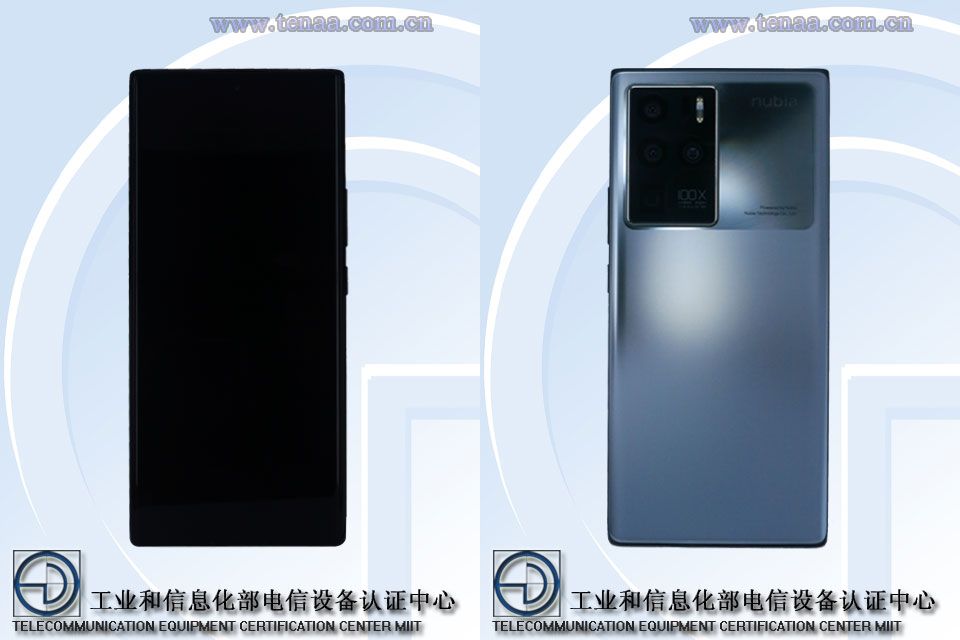
Nubia Z30 Pro specifications and images emerge at TENAA

Nubia will be unleashing the Nubia Z30 Pro flagship phone in China tomorrow. Ahead of the launch, the company has released the official renders of the smartphone. At the same time, the device has appeared with full specifications at the TENAA certification platform.

Nubia Z30 Pro specifications (Rumored)

The Nubia Z30 Pro (model number NX667J) has a 6.67-inch punch-hole OLED screen that offers an FHD+ resolution. The handset has 161.83 x 73.1 x 8.5mm dimensions and weighs 198 grams. It is expected to arrive in black and grey colors.

The Z30 Pro is powered by the Snapdragon 888 mobile platform, which is mentioned at 2.84GHz octa-core processor at TENAA. The handset is expected to land in China multiple RAM variants such as 6 GB, 8 GB, and 12 GB and storage options such as 128 GB, 256 GB, and 512 GB. The device lacks support for external storage.

Nubia Z30 Pro NX667J

The TENAA listing states that its rear-facing quad-camera system has a 64-megapixel main camera. For selfies, it has a front camera of 16-megapixel. Reports have claimed that the rear camera setup of the phone will feature three 64-megapixel cameras and a periscope telephoto lens.

The Z30 Pro has a pair of 1,985mAh rated batteries, which suggests that it could be housing a dual-cell battery of around 4,000mAh capacity. The Chinese firm has already confirmed that the owners of this phone will be able to completely charge it in just 15 minutes through the 120W fast charging technology. The handset is preinstalled with Android 11 OS and Nubia UI. The TENAA listing of the phone again hints that it will be a rebranded version of the ZTE Axon 30 Ultra.

RELATED:

Xiaomi’s new Mi MIX Fold could come with 120Hz display and under-screen camera

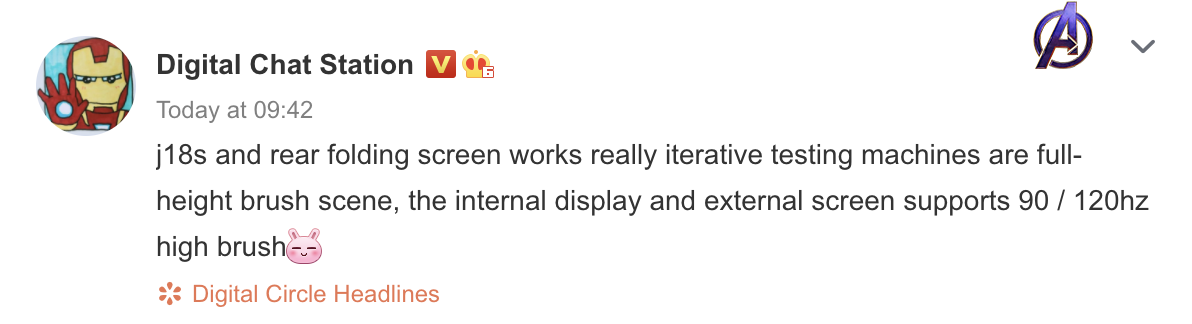
Xiaomi has been working on its foldable smartphone for quite some time and finally launched its Mi MIX Fold device a couple of months ago. Now, the company is working on its successor and a new report related to the smartphone, coming via Digital Chat Station on Weibo reveals that the company has already started testing the upcoming phone which carries model number J18s.

Further, the report adds that both the internal as well as external display on the device will have support for a high refresh rate, either 90Hz or 120Hz. The phone has an internal model number of J18s and it is being said that it will be called Mi MIX Fold.

Xiaomi Foldable Smartphone Refresh Rate

Earlier, there were reports claiming that the foldable smartphone from Xiaomi has codename “ARGO” and features an under-display camera. Later, it was revealed that “ARGO” is the same device that has internal model number “J18s.”

This indicates that the upcoming foldable smartphone from the company will come with an under-display camera. As for the camera configuration, it is said that the phone will have a 108-megapixel primary sensor, along with a 3X Liquid lens, and an ultra-wide sensor.

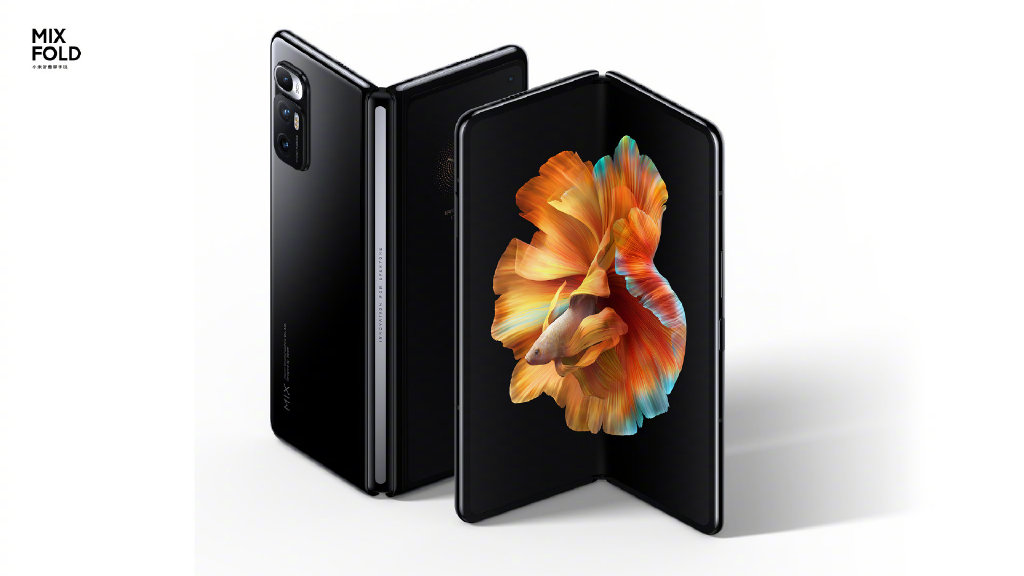
Xiaomi Mi MIX Fold
Xiaomi Mi MIX Fold

We expect to know more details about the upcoming foldable smartphone in the coming days or weeks, ahead of the official launch. Currently, the launch date of this new smartphone is not yet known.

Since the launch date is not yet confirmed, it’s highly unlikely that the device will be available for purchase anything before mid-to-late August. There’s a possibility that it could go on sale by the end of this year.

While Xiaomi isn’t ready to launch its new foldable smartphone anytime soon, the South Korean giant, Samsung, is gearing up to launch its next-generation foldable phone as Galaxy Z Fold 3 in the coming weeks.

RELATED: 

Apple has got stem-less Beats Studio Buds TWS earbuds in the works

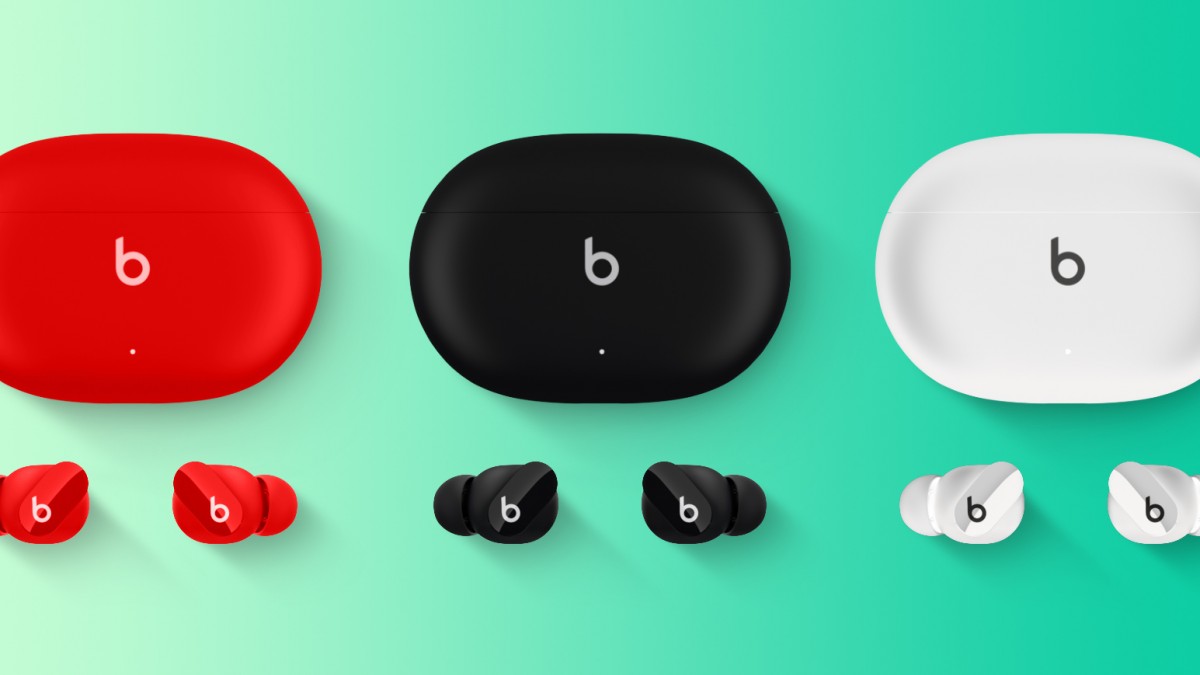
Apple is reportedly working on truly wireless earbuds under the Beats brand called the Beats Studio Buds. This was extracted from images possibly inadvertently leaked by the US company. The leaks were from the recently released Beta Builds of the iOS 14.6 and tvOS 14.6 and showed images of the Beats TWS earbuds.Apple Beats Studio Buds

On the back of a very successful run of its popular Apple AirPods, the tech powerhouse continues to develop cutting-edge earbuds to maintain its relevance in the accessories market. The Beats Studio Buds will come with some innovations, as the earbuds are seen to be without stems. The pair of earbuds seemingly bear no resemblance with previous AirPods.

There is not much known about the Beats Studio earbuds other than the fact that they have no stems and are wireless. The full specifications of the device are still not known, as well as possible pricing information. The battery power and fast charging capability, as well as the connectivity options and quality of the output, will guide us to properly situate the upcoming Beats Studio Buds.

The Apple teaser might indicate an impending release of the device, although no formal announcement has been made yet. There are also indications that the next Apple AirPods Pro will also come without stems. The stem has previously been a visible component of Apple’s AirPods, but we may see fewer of Apple’s headphone models featuring stems as per the recent leak.

Wireless earbuds have evolved over the past few years to become essential accessories for smartphones and other connected output devices. Their versatility, comfort, and active noise cancellation capability make them be widely sought after by a wide array of users. Their evolution continues to push the boundaries of tech further with innovation and quality.

RELATED:

Huawei reshuffles executives; Richard Yu becomes CEO of Smart Car Solutions BU

Chinese smartphone brand Huawei has announced that the company has reshuffled the executives within the company. As a part of this, Richard Yu, President of Huawei, has been removed from the position of CEO of Huawei Cloud.

The company has now appointed Zhang Ping as the new CEO for Huawei Cloud. Richard Yu has now been appointed as the CEO of the new Smart Car Solution BU and he will continue to be the CEO of Consumer BG. Additionally, Wang Jun has been appointed as the President of the Smart Car Solution BU.

Huawei Logo MWC 2019

Huawei has been focusing too much on the reshuffle of the executives and has been regularly doing so. At the beginning of this year, Richard Yu added several new positions, mostly related to the Cloud business.

The company says that the purpose of the adjustment is to strengthen the synergy between mobile and cloud computing and to further integrate core capabilities, improve internal operational efficiency, strengthen Internet business layout, and promote ecological development.

Last month, Xu Zhijun, the rotating chairman of Huawei, was appointed as the Chairman of Huawei Cloud and at the time, Richard Yu was appointed as the CEO of Huawei Cloud. Now, in this new reshuffle, he has been replaced for the Huawei Cloud unit.

It is said that Richard Yu has completed the part of the resource integration and he now wants to focus on other businesses. Xu Zhijun will continue to be the Chairman of the Cloud BU and use group-level resources to promote and develop cloud business.

Richard Yu will now be focusing more on the Smart Car business along with the Consumer Business. The Chinese tech giant established its Smart Car Solution BU in May 2019 and provides incremental components for smart connected cars such as smart driving, smart dashboard, smart networking, etc.

Xu Zhijun also revealed that Huawei has invested around $1 billion in this business. He adds that even if the company does not engage in foreign markets, average annual revenue of 10,000 yuan per vehicle is sufficient for Huawei.

The company has announced two business strategies for the development of the smart car business. One is to become a supplier of parts and solutions and the other is to focus on creating an ecosystem — MDC Ecology.

RELATED: