Advertisement

Samsung Galaxy F12 with Exynos 850 seen at benchmarking site before launch

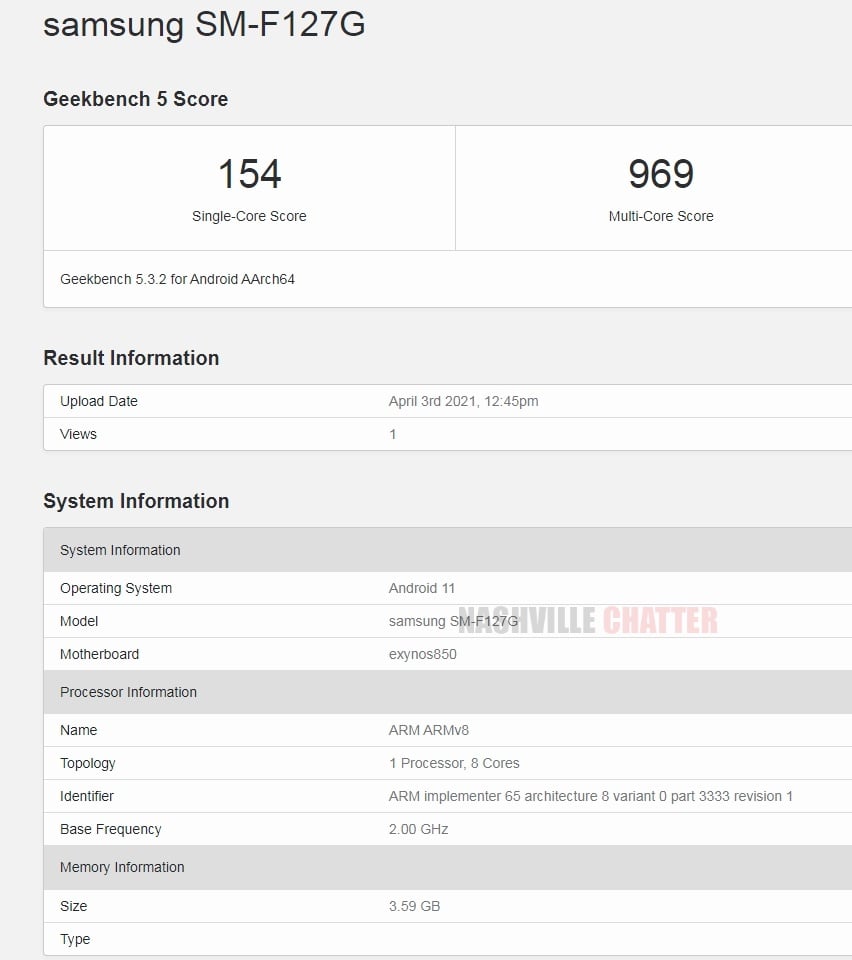
On April 5, Samsung will take off covers from the Galaxy F02s and Galaxy F12 smartphones in India. Both phones’ microsites are now available on Flipkart. Before launch, the Galaxy F12 (model number SM-F127G) has surfaced at Geekbench (via).

The landing page of the Galaxy F12 at Flipkart has already revealed that it is powered by the Exynos 850. However, it does not tell the amount of RAM present inside it. The Geekbench listing states it has 4 GB of RAM. It is unclear whether it will come in a higher 6 GB RAM version. The phone is loaded with the latest Android 11 OS. In the single-core and multi-core tests of Geekbench 5, it scored 154 and 969 points, respectively.
Samsung-Galaxy-F12

It is mentioned on F12’s landing page at Flipkart that it is equipped with a 6.5-inch display that offers an Infinity-V notch design, an HD+ resolution, and a 90Hz refresh rate. The power button placed on the right edge of the phone is integrated with a fingerprint scanner.

The polycarbonate rear of the Galaxy F12 features a square-shaped camera with a 48-megapixel Samsung GM2. Below the camera module is an LED flash unit. It houses a 6,000mAh battery, which probably supports 15W fast charging. It is equipped with other features such as a 3.5mm audio jack, a USB-C port, and a speaker grille. It appears that the Galaxy F12 will be arriving as a rebranded version of the Galaxy M12 smartphone.

RELATED:

TECNO LE7 certified by FCC with a 7,000mAh battery

Back in February, a TECNO smartphone with model number CG6j was certified by FCC. This device later appeared on Google Play Console as TECNO CAMON 17. Now, another mysterious phone from the brand has been certified by FCC in late March.

TECNO LE7 FCC Featured
TECNO LE7 | Source: FCC

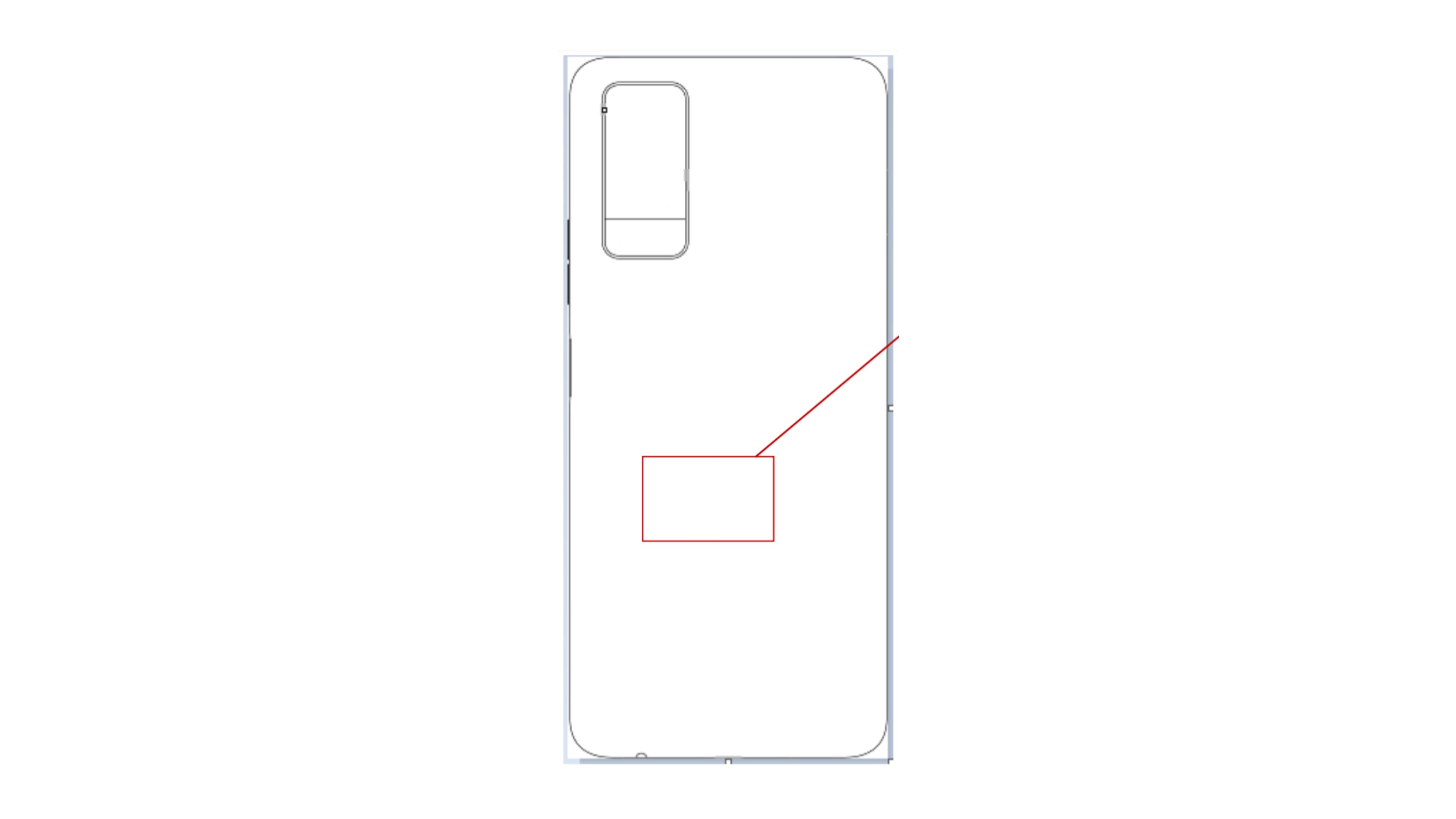
While browsing through FCC ID, we came across a TECNO smartphone with model number LE7. Unfortunately, the phone’s certification does not reveal much about it except for the rear design, battery capacity, and charging speed.

Talking about the design first, the upcoming TECNO LE7 handset will have curved corners like most phones. On the back, this device will house a rectangular camera module. This dual-finish module will be located at the top left corner. Given the size of the module, we can expect at least three cameras.

Further, the FCC listing says that the handset will feature a 6,850mAh battery. Since FCC is known for mentioning rated capacity, this battery’s typical value should be 7,000mAh. In other words, the forthcoming TECNO LE7 smartphone will be backed by a 7,000mAh battery, just like Samsung Galaxy M51 and Galaxy F62.

Last but not least, the certification confirms that this TECNO handset will support 18W fast charging. Hence, it will take more time to fill the device’s humongous battery.

We expect to learn more about the TECNO LE7 before its official launch sometime later in the near future.


RELATED:


Belkin Magnetic Phone Mount with Face Tracking launched alongside other accessories

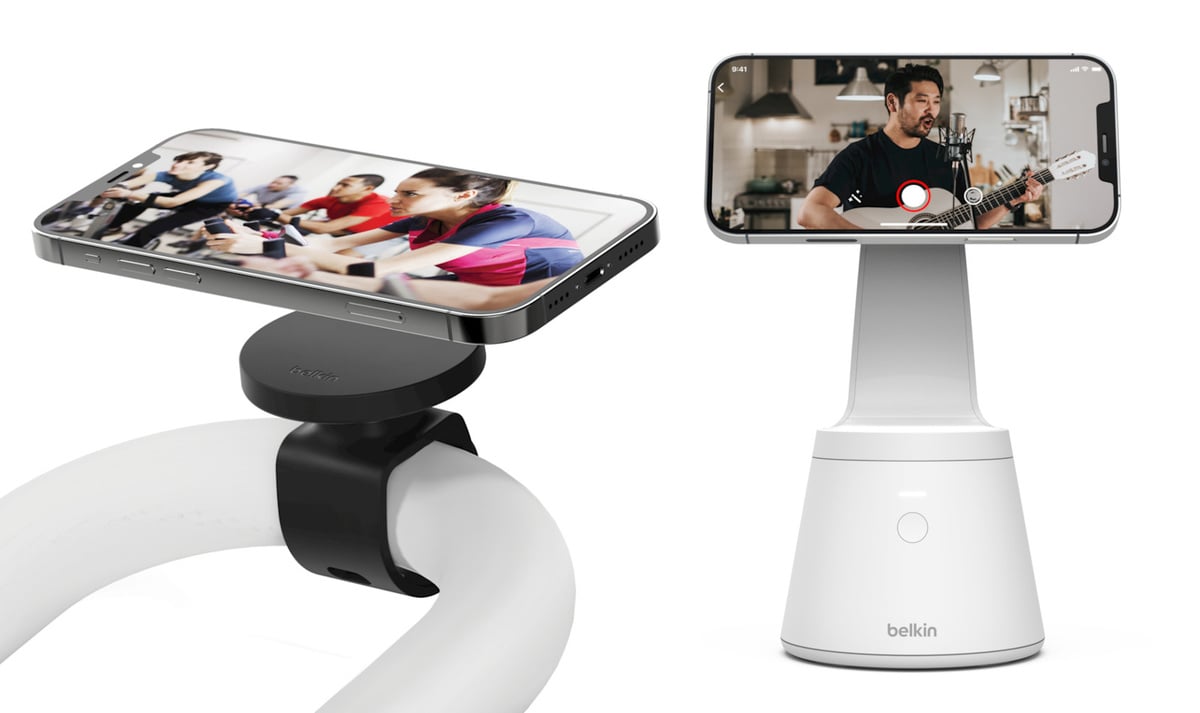
Smartphone accessories maker Belkin has unveiled a set of magnetic accessories for the iPhone 12. What could arguably be seen as the pick of the pack is a phone mount with face tracking capability. When the mount is interfaced with its accompanying Belkin app, it can recognize a user’s face and activate control of the device to follow the user’s movement while shooting pictures or videos.Belkin Magnetic Fitness Phone Mount

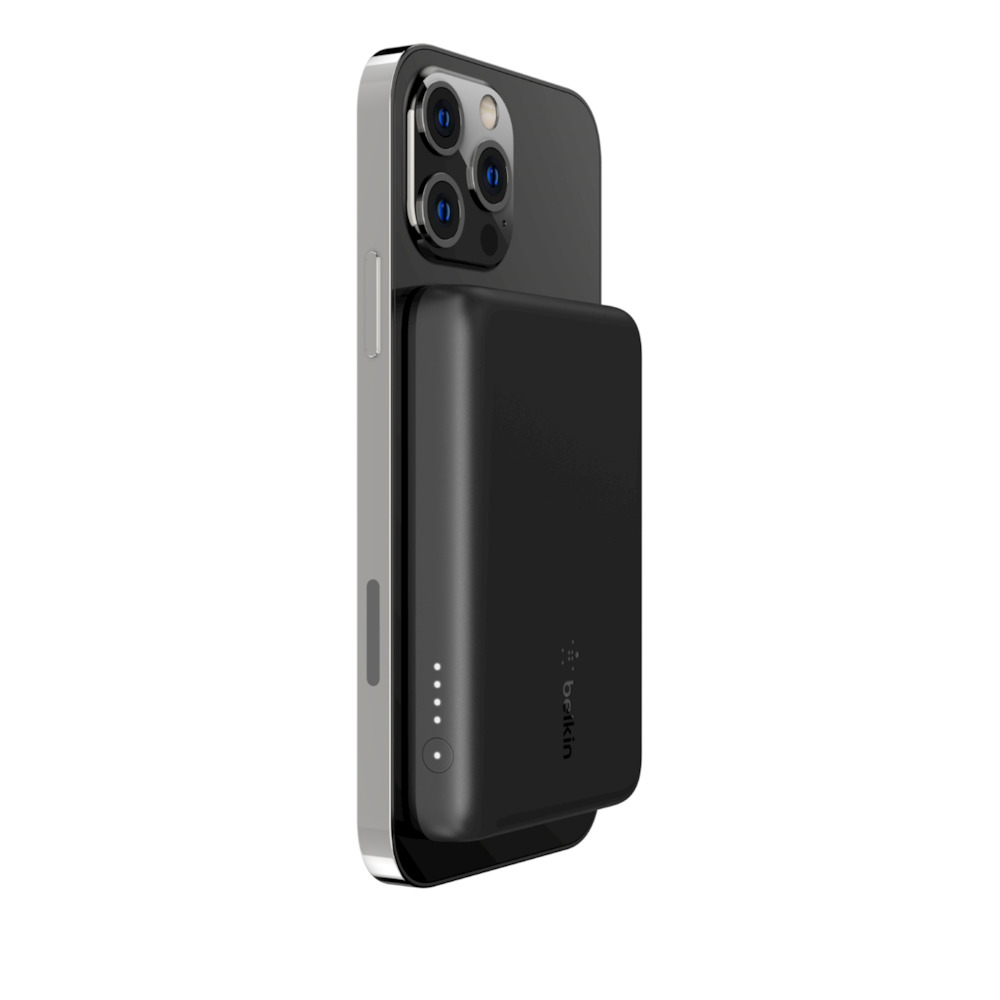
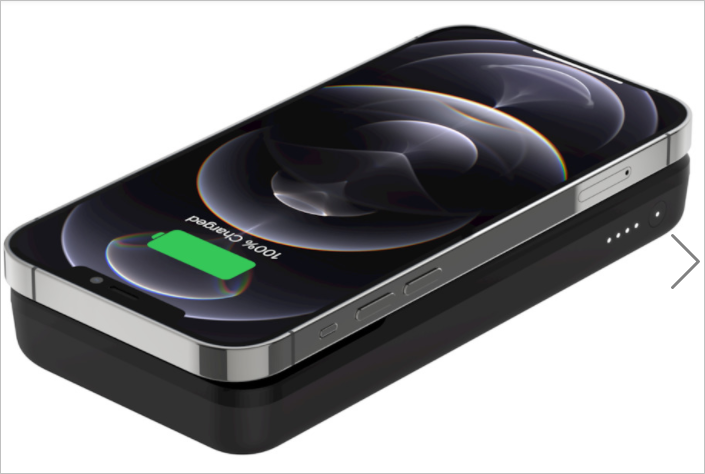
Belkin also unveiled a magnetic fitness phone mount, a 2,500mAh power bank that can attach to the back of a phone magnetically, and a wireless charging pad that can also serve as a power bank. Belkin has also released a portable charging pad, already available for $30, and a 7.5W wireless charging stand that will go for $35.Belkin Magnetic Fitness Phone Mount

Some of the exciting devices are already on sale at affordable prices while others will be available shortly. The iPhone 12 phone mount with a face tracking feature will be available at $65 when it comes out and can rotate a full 360 degrees while tracking the face. This makes it possible for the user to capture pictures in either landscape or portrait orientation from all angles. It is not clear the maximum distance that can be captured via face tracking using the iPhone 12 phone mount, and the feature can only be used with Belkin’s app. Therefore, third-party apps will not have face-tracking support.Belkin Magnetic Fitness Phone Mount

However, we can use the mount with MagSafe cases, and it links to most of the social media platforms like Facebook and Instagram. The fitness phone mount is also capable of 360 degrees rotation and will sell for $35 when it comes out. The 2,500 mAh power bank costs $50, while the dual wireless charging pad and power bank sell for $70.

All the Belkin accessories are affordable and highly innovative and will most likely appeal to its growing customer base.

RELATED;

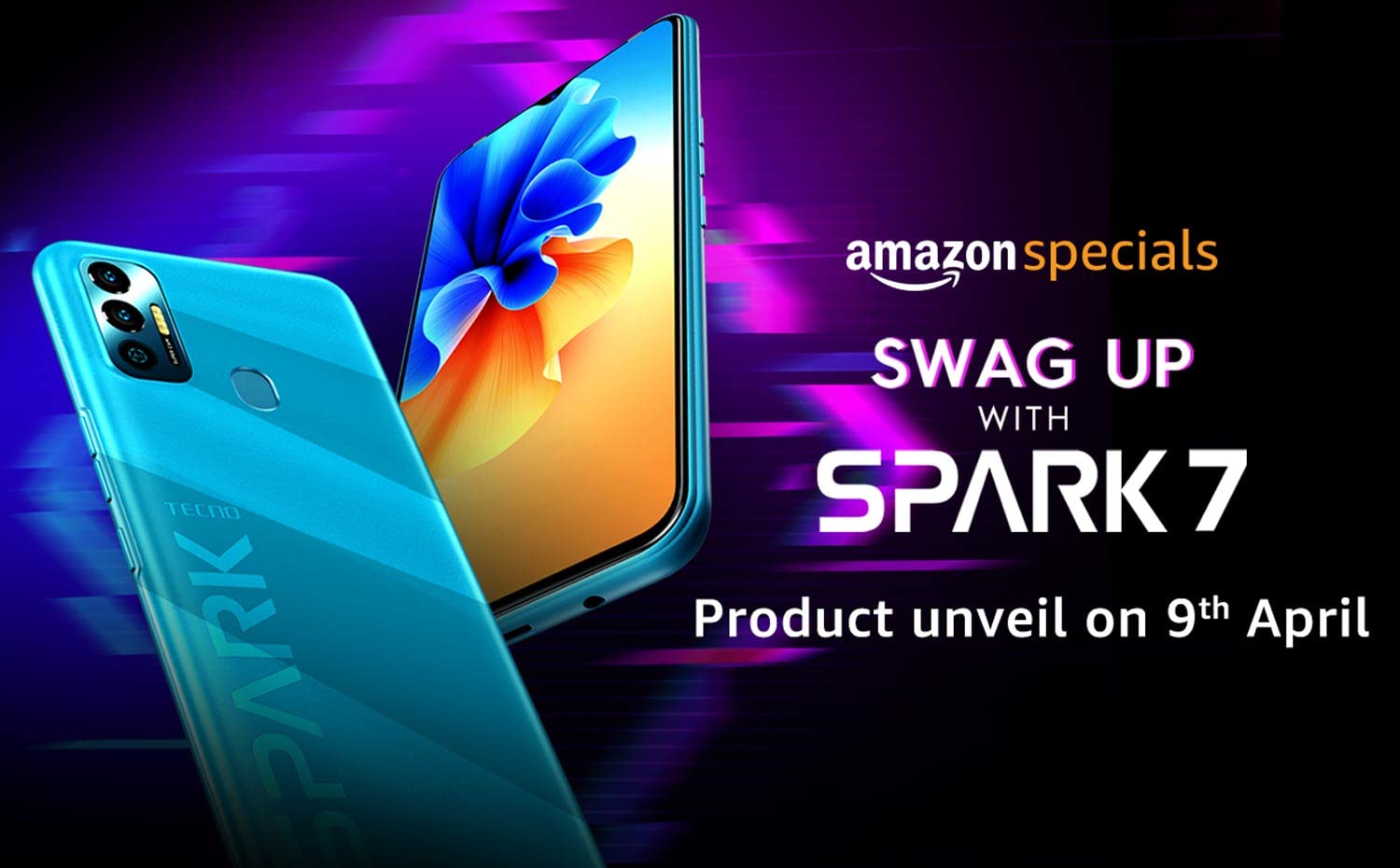
Tecno Spark 7 launch date is April 9 for India

A recent report by GSMArena revealed that Tecno Spark 7 smartphone will be made official this week. It also shared a leaked render of the phone. As expected, a landing page of the smartphone has appeared on Amazon India. The listing has confirmed that the Spark 7 will be made official on April 9 in India.

The images of the Spark 7 available at Amazon India have revealed that it has a teardrop notch display. The top bezel is equipped with a pair of front-firing flash. The right edge of the device has volume buttons and a power key.

The back panel of the Spark 7 has a large-sized branding, a fingerprint scanner, and a rectangle-shaped camera module. The latter houses two or three cameras and a quad-LED flash unit. It is rumored to support photography features like time-lapse videos, video bokeh, and slow-motion video recording. The front and rear cameras of the Spark 7 may support timelapse with a 15x to 5400x speed settings range.

Techno_Spark7_launch_date

The bottom edge of the phone features a 3.5mm audio jack and a USB-C port. Interestingly, it does not feature a bottom-firing speaker. The handset is expected to arrive in black, green, and blue colors.

The Spark 7 is packed with a massive 6,000mAh battery that can last for up to 41 days. It is expected to carry support for fast charging as its predecessor model featured it. Tecno is yet to reveal the other specifications of the smartphone.

The handset will be arriving as the successor to the Spark 6 from last year, which came with specs like a 6.81-inch HD+ display, Android 10 OS, Helio G70, a 16-megapixel triple camera system, an 8-megapixel front camera, a rear-facing fingerprint scanner, and a 5,000mAh battery with 18W charging support.

RELATED:

Google Pixel 6 series may feature its own “Whitechapel” chips, and not Snapdragon SoC

Google is expected to announce the successors to the Pixel 5 in October this year. In October last year, Google CEO Sundar Pichai had said during the Q3 2020 earnings call that the company is making ‘deeper investments in hardware’ and it has a planned terrific roadmap for 2021. At that time, many interpreted that the company could be working on its own processor with the “Whitechapel” codename. Fresh information shared by 9to5Google reveals that the Pixel smartphones coming in fall could be one of the first smartphones to feature the “GS101” Whitechapel chipset. Hence, it appears that the Pixel 6 series may not feature Qualcomm’s Snapdragon SoC.

Just as Apple users its own chipset to power its iPhone and Mac devices, Google is also said to be working on its chipset for its smartphones and Chromebooks. Rumors dating back to early 2020 claimed that Google could be corroborating with Samsung to build the Whitechapel chips. The publication has come across a certain document that tells that the Pixel phones arriving in the fall will be equipped with the Whitechapel processor.

Google Logo Featured

Internally, the Whitechapel chip for next-generation Pixel phones is referred to by Google as “GS101,” where “GS” probably stands for “Google Silicon.” A reference for the “Slider” codename found in the Google Camera app is said to be a shared platform for Whitechapel SoC. Other products that are associated with “Slider” reveals that is connected to Samsung’s Exynos chipset. It seems that the GS101 chip is being built with the South Korean tech giant’s system large-scale integration (SLSI) division. This indicates that the Google chips may have some common features with Samsung Exynos.

The publication claims that Google’s phones codenamed as “Raven” and “Oriole” are suspected to be the first phones to arrive with the Slider platform. These phones may end up as Pixel 6 series smartphones.

According to XDA Developers, the performance of the GS101 could be on par with the Snapdragon 7-series chipset. The 5nm octa-core ARM chip may include two Cortex-A78 CPU core, two Cortex-A76 cores, and four Cortex-A55 cores along with an off-the-shelf ARM Mali GPU. Powering the Pixels with its own chipset will provide Google better control over driver updates as it would not be relying on Qualcomm for it anymore. The drivers can be compatible with newer editions of Android OS for a longer time. Currently, Pixel devices support 3 years of Android OS updates. The upcoming Pixel phones with own Google’s own chip may get 5 generations of OS updates.

RELATED:

Apple user defrauded of his life savings in Bitcoins via a fake iOS app

An Apple user who installed a fake app from the Apple Store has been left in distress. Phillipe Christodoulou had installed the Trezor wallet app on his iPhone and deposited his life savings of about $600,000 worth of Bitcoins, but later found his treasure, now worth over one million dollars, has been emptied, according to Bitcoin.com.bitcoin scam

The fake app makers were able to evade scrutiny and the app was hosted on the Apple store. Those who installed the fake app would have thought it was from Trezor, an authentic manufacturer of hardware cryptocurrency wallets. Trezor had consistently said that it does not have an Android or iOS app and complained about the fake apps listed on the Apple store and Google Play store. In December 2020, the company warned Android users who owned a physical Trezor wallet that these apps were fake and should not be installed on their Android devices. It also stated that it had notified Google of these counterfeit apps to safeguard users’ Bitcoin and other cryptocurrencies. Google promptly removed the Android version of the Trezor wallet back in December 2020.

Trezor has been warning its customers never to type their Bitcoins’ seed words on other websites without authorization from Trezor, as this could expose their savings to theft, stressing that seed words need to be guarded very well like a treasure.

Even though Apple continues to insist that its app store is one of the safest places to get an app, the particular case of Christodoulou has shown that that indeed is not the case. There is the need for the company to be more responsive and alive to its responsibilities to safeguard the resources of users of apps obtained from its app store.

Apple should also evolve a more robust approach to dealing with fake apps by quickly identifying such apps and removing them promptly. Christodoulou feels Apple betrayed the trust he previously had in the company and would want to see some punishment meted out on the tech giant.

RELATED:

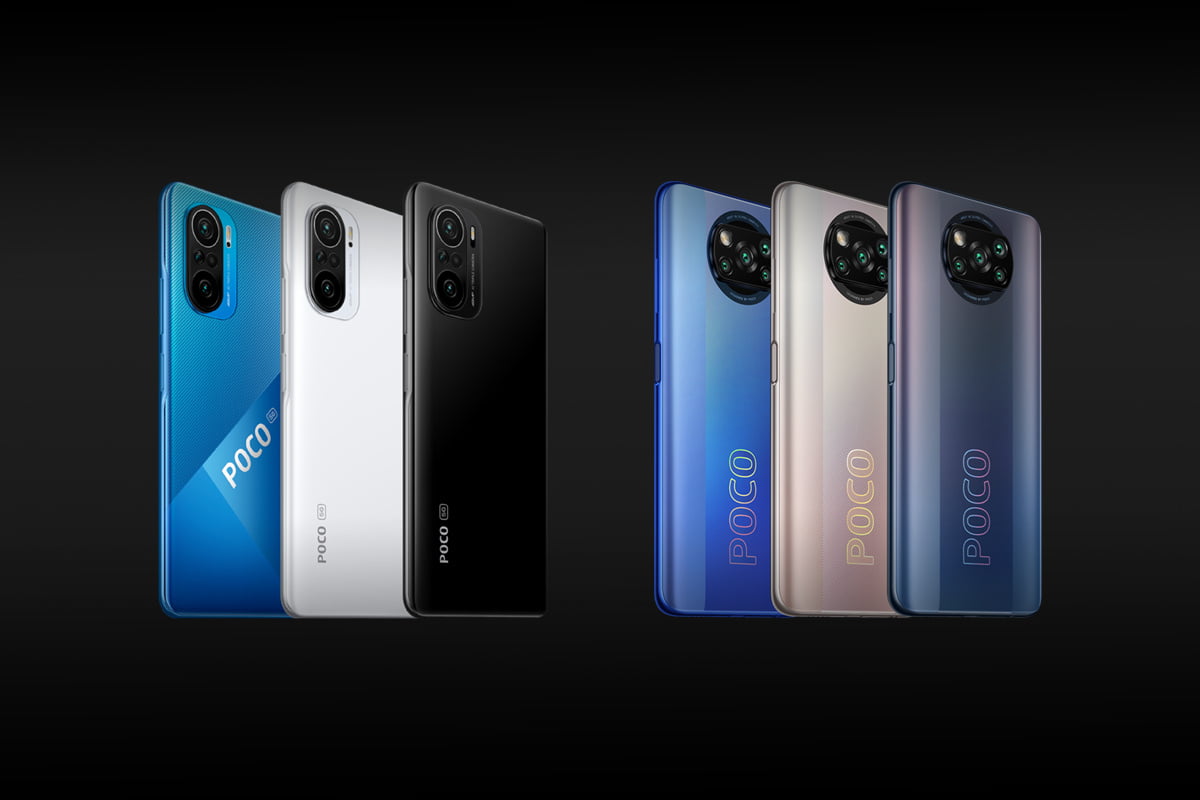
POCO F3 vs POCO X3 Pro: Specs Comparison

POCO just launched two record-breaking flagship killers in the global market. POCO F3 and POCO X3 Pro are the most affordable last-generation devices with flagship-class hardware you can actually find in Europe. Those who search the maximum performance with the minimum expense will love these two handsets due to their amazing processors. But is it worth spending more to get the POCO F3 or the POCO X3 Pro is enough for your actual needs? Let’s try to discover it together through this comparison between their specifications.

Xiaomi POCO F3 vs Xiaomi POCO X3 Pro

Xiaomi POCO F3 Xiaomi POCO X3 Pro
DIMENSIONS AND WEIGHT 163.7 x 76.4 x 7.8 mm, 196 g 165.3 x 76.8 x 9.4 mm, 215 grams
DISPLAY  6.67 inches, 1080 x 2400p (Full HD+), AMOLED  6.67 inches, 1080 x 2400p (Full HD+), IPS LCD
PROCESSOR Qualcomm Snapdragon 870, octa-core 3.2 GHz Qualcomm Snapdragon 860, octa-core 2.96 GHz
MEMORY 6 GB RAM, 128 GB – 8 GB RAM, 256 GB 6 GB RAM, 128 GB – 8 GB RAM, 128 GB – 8 GB RAM, 256 GB – micro SD Slot
SOFTWARE  Android 11, MIUI for POCO  Android 11, MIUI for POCO
CONNECTIVITY  Wi-Fi 802.11 a/b/g/n/ac/ax, Bluetooth 5.1, GPS Wi-Fi 802.11 a/b/g/n/ac, Bluetooth 5.0, GPS
CAMERA Triple 48 + 8 + 5 MP, f/1.8 + f/2.2 + f/2.4
20 MP f/2.5 front camera
Quad 64 + 8 + 2 + 2 MP, f/1.8 + f/2.2 + f/2.4 + f/2.4
20 MP f/2.2 front camera
BATTERY  4520 mAh, fast charging 33W 5160 mAh, fast charging 33W
ADDITIONAL FEATURES Dual SIM slot, 5G Dual SIM slot, 5G, IP53 dust and splash protection

Design

The POCO X3 provides the best design because it is built with more premium materials. The back is made of glass with the Gorilla Glass 5 protection, while the frame is made of aluminum. Further, the phone is thinner with a thickness of just 7.8 mm and it is even lighter as it weighs just 196 grams. Last but not least, the design of the camera module is definitely more elegant. The POCO X3 Pro has a plastic body, it is thicker and heavier than its rival. But you should consider that the POCO X3 Pro has the IP53 certification protecting the phone against dust and splashes.


Display

The POCO F3 is superior even when it comes to the display, with a huge difference in terms of image quality. The POCO F3 has an AMOLED panel providing more brilliant colors and deeper blacks; further, it has a higher 1300 nits peak brightness and the HDR10+ certification. The POCO X3 Pro has a midrange-class IPS panel with less impressive colors and lower brightness. Despite it has an AMOLED display, the POCO F3 has a side-mounted fingerprint scanner, just like the POCO X3 Pro.


Specs & Software

The POCO X3 Pro has a high-end hardware department, but the POCO F3 is again better thanks to a more powerful processor. We are talking about the Snapdragon 870 which sits in the middle between Snapdragon 865+ and Snapdragon 888, providing top-tier performance. The POCO X3 Pro has a Snapdragon 860 chipset which is essentially a rebrand of the Snapdragon 855+. While the POCO F3 supports 5G connectivity, the X3 Pro does not. The memory configurations are the same with up to 8 GB of RAM and 256 GB of UFS 3.1 native storage. Note that POCO X3 Pro has expandable storage, while POCO F3 does not feature a micro SD slot.


Camera

The cameras are the weakest points of these handsets. Unlike the hardware departments, these cameras are far from being high-end sensors. You get a lower-midrange camera setup with both POCO F3 and X3 Pro. The former has a better macro camera but it lacks a depth sensor, while the latter has a depth sensor but an inferior macro camera. The main sensor and the ultrawide cameras are the same. Both the phones feature a 20 MP selfie camera, but with different focal apertures: the F3 has a brighter focal aperture, which is why it should be able to click better selfies.


Battery

The POCO X3 Pro has a bigger battery than POCO F3 and, given that it does not support 5G, it should provide a longer battery life in a lot of scenarios. The POCO F3 has a more efficient display, but it does not seem to be enough to cover the gap between the two batteries. Despite that, the POCO F3 should still be able to cover one day of usage. Both the phones support 33W fast charging and lack wireless charging.


Price

The POCO F3 has a starting price of €369/$435 for the European market, while the POCO X3 Pro starts from €249/$293 (but you can actually find it for just €199 thanks to the launch promo). Despite the X3 Pro packs a bigger battery the POCO F3 is a way better phone due to its better AMOLED display, premium design, better chipset, 5G connectivity, and slightly better cameras. However, consider that the POCO X3 Pro is the most affordable last-generation flagship and it can let you save a lot of money while still delivering an awesome user experience.


Xiaomi POCO F3 vs Xiaomi POCO X3 Pro: PRO and CONS

Xiaomi POCO F3

PRO

  • 5G
  • Better hardware
  • Superior display
  • Premium design

CONS

  • Higher price


Xiaomi POCO X3 Pro

PRO

  • Bigger battery
  • IP53 dust and splash protection
  • More affordable
  • Gorilla Glass 6

CONS

  • No 5G


RELATED

Android 11-based LineageOS 18.1 goes official

Custom ROMs used to be popular back in the early days of Android. They were probably the only way to let users experience clean software with so many additional features. But now, they exist as an option as Android skins by different OEMs have gotten better. 

Anyway, when we talk about custom ROMs, the firm ROM that comes into mind is LineageOS (formerly CyanogenMod). The developers behind this project have finally released Android 11-based LineageOS 18.1.

LineageOS 18.1 Logo Featured

Google released Android 11 stable in September of 2020. That means it took nearly seven months for the LineageOS team to release their software based on the latest version of Android called LineageOS 18.1

However, credit where credit’s due, this year, the ROM debuted with support for 76 devices. For comparison, last year’s LineageOS 17.1 was introduced with 50 devices.

That said, let us take a look at the first batch of LineageOS 18.1 official devices.

LineagOS 18.1 Official Devices

  • Essential

    • Essential PH-1
  • F(x)tec

    • F(x)tec Pro
  • Google

    • Google Nexus 6
    • Google Nexus 7 2013 (Wi-Fi, Repartitioned)
    • Google Pixel 2
    • Google Pixel 2 XL
    • Google Pixel 3
    • Google Pixel 3 XL
    • Google Pixel 3a
    • Google Pixel 3a XL
    • Google Pixel 4
    • Google Pixel 4 XL
    • Google Pixel 4a
    • Google Pixel 4a 5G
    • Google Pixel 5
  • LeEco

    • LeEco Le Max2
    • LeEco Le Pro3 / Le Pro3 Elite
  • LG

    • LG G2 (AT&T)
    • LG G2 (Canadian)
    • LG G2 (International)
    • LG G2 (T-Mobile)
    • LG G5 (International)
    • LG G5 (T-Mobile)
    • LG G5 (US Unlocked)
    • LG V20 (AT&T)
    • LG V20 (Global)
    • LG V20 (Sprint)
    • LG V20 (T-Mobile)
    • LG V20 (US Unlocked)
    • LG V20 (Verizon)
  • Motorola

    • Motorola Moto G6 Plus
    • Motorola Moto G7
    • Motorola Moto G7 Play
    • Motorola Moto G7 Plus
    • Motorola Moto G7 Power
    • Motorola Moto One Power
    • Motorola Moto X4
    • Motorola Moto Z2 Force
    • Motorola Moto Z3 Play
  • Nextbit

    • Nextbit Robin
  • HMD Global (Nokia)

    • Nokia 6.1 (2018)
  • OnePlus

    • OnePlus One
    • OnePlus 2
    • OnePlus 3
    • OnePlus 3 / 3T
    • OnePlus 5
    • OnePlus 5T
    • OnePlus 8
    • OnePlus 8 Pro
    • OnePlus 8T
  • Razer

    • Razer Phone
  • Samsung

    • Samsung Galaxy S4 (GT-I9505/G, SGH-I337M, SGH-M919)
    • Samsung Galaxy S4 (SCH-I545)
    • Samsung Galaxy S4 (SCH-R970, SPH-L720)
    • Samsung Galaxy S4 (SGH-I337)
    • Samsung Galaxy S4 Active
    • Samsung Galaxy S4 Value Edition (GT-I9515/L)
    • Samsung Galaxy Tab S6 Lite (Wi-Fi)
    • Samsung Galaxy Tab S5e (LTE)
    • Samsung Galaxy Tab S5e (Wi-Fi)
  • Sony

    • Sony Xperia 10
    • Sony Xperia 10 Plus
    • Sony Xperia XA2
    • Sony Xperia XA2 Plus
    • Sony Xperia XA2 Ultra
  • Xiaomi

    • Xiaomi Mi 5
    • Xiaomi Mi 5s Plus
    • Xiaomi Mi 8
    • Xiaomi Mi 8 Lite
    • Xiaomi Mi MIX
    • Xiaomi Mi MIX 2S
    • Xiaomi Mi Note 2
    • Xiaomi POCO F1
    • Xiaomi Redmi 7

We expect more devices to get added to the official supported list in the coming weeks.


RELATED:


(Source / Via)

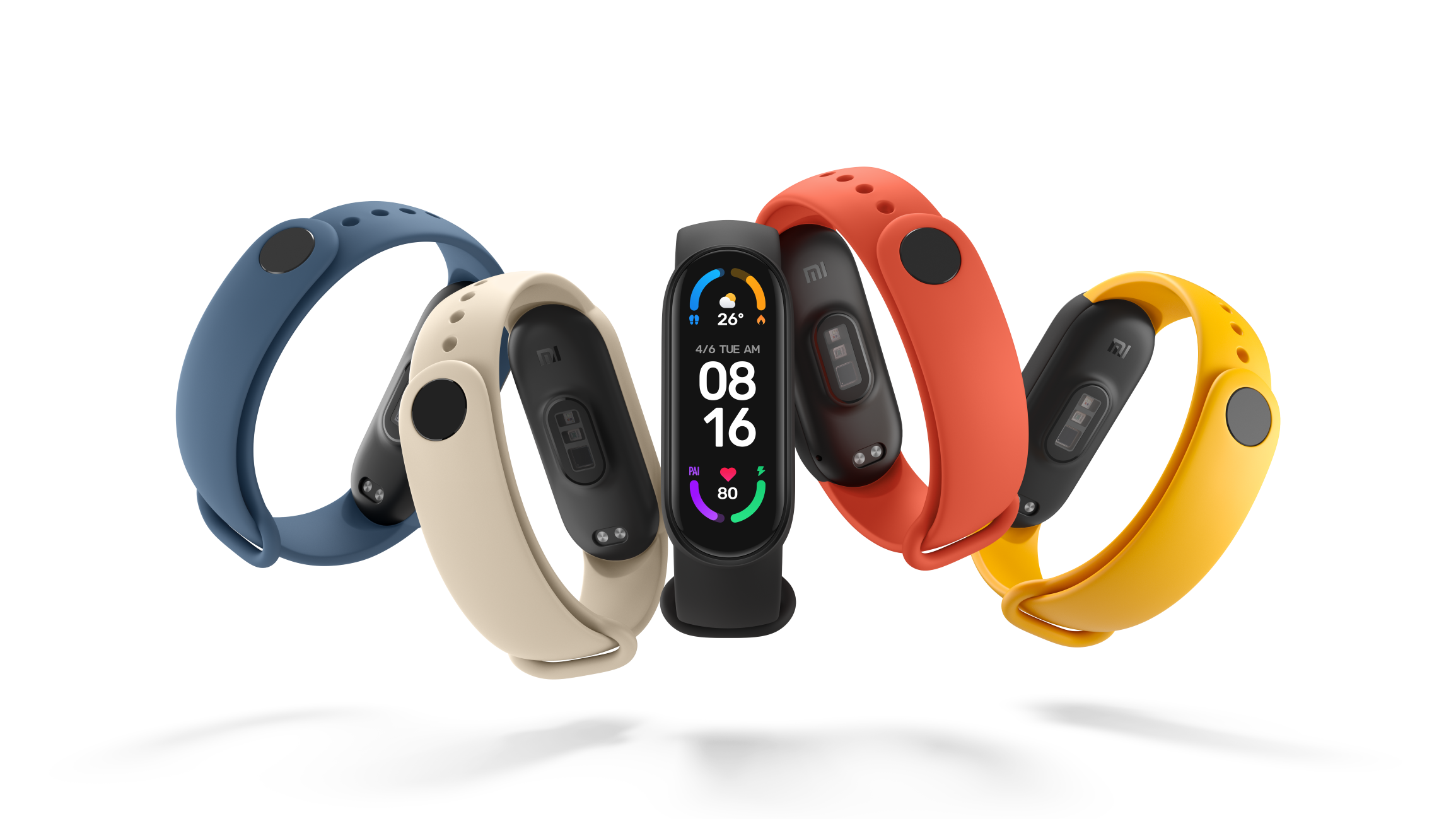
Xiaomi Mi Band 6 gets the sleep breathing quality feature via a new update

Xiaomi Mi Band 6 is available in several regions including its home country China. Now, it is getting a new OTA update that enables a key feature on the fitness tracker.

As reported by Tizenhelp, a new OTA update for Xiaomi‘s new fitness tracker is arriving on the Mi Fit App for users of India and China. This adds the sleep breathing quality feature on the Xiaomi Mi Band 6. If you don’t know, the device supports features like sleep tracking with REM and sleep breathing quality.

Back at the launch, Xiaomi talked about this feature on the Mi Band 6 and said that it monitors your breathing quality while you are asleep. Speaking of which, it also has sleep tracking with REM & non-REM options.

REM sleep is basically sleep occurring at intervals during the night and is characterized by rapid eye movements, more dreaming, faster pulse, breathing, and body movements. If you are too much into your work and your stress level shoots up, you might experience an improper sleep cycle at times.

REM sleep tracking, when combined with the sleep breathing quality, can help you figure out how frequently are you experiencing the discomfort. Anyway, to update the Mi Band 6, ensure that the Mi Fit App is on version 5.0.0.

These aren’t the main feature available on the Mi Band 6. It has more than 130+ watch faces(China), 60+ watch faces(global), 30 exercise modes, 6 auto-detect exercise modes, 24×7 heart rate monitoring(PPG), SpO2(Blood Oxygen measurement).

The device features a 1.56-inch AMOLED display. This 2.5D curved display, 5ATM water-resistance, a 125mAh LiPo battery with up to 14 days battery, NFC(in China), and more.

RELATED:

AnTuTu March 2021: Black Shark 4 Pro takes the throne of best performing flagship devices

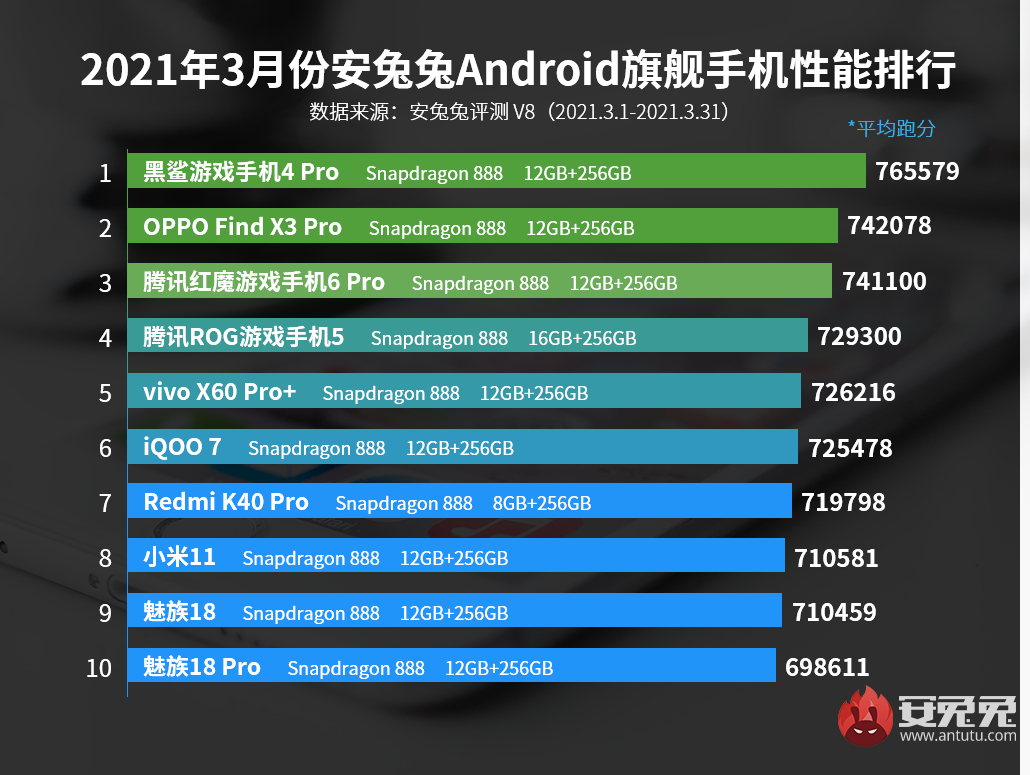
We had a lot of new smartphones from Nubia, ASUS, OPPO, Black Shark launch in March 2021. As a result, the Top 5 of the Best performing flagship smartphone rankings of the AnTuTu benchmark has completely been jumbled from the February list. Among these, Black Shark 4 Pro manages to take the throne.

AnTuTu March 2021 best performing smartphones
Credit: AnTuTu

Right off the bat, AnTuTu puts out a disclaimer that the monthly test of best performing smartphones and their rankings have been carried out on AnTuTu V8 version. It says that this might be the last list with V8 as V9 is already beginning to take the center stage.

The consideration of devices for the list and the period of statistics is fixed from March 1 to March 31, 2021. Also, the storage variant of all the flagship devices is fixed as 12GB + 256GB. As mentioned above, the Black Shark 4 Pro tops the chart with a whopping score of 765,579 points.

Following that, we have other new entrants like OPPO Find X3 Pro, RedMagic 6 Pro, ASUS ROG Phone 5, and Vivo X60 Pro+ grab the next 4 spots with 742,078, 741,100, 729,300, and 726,216 scores respectively to round up the Top 5.

It is interesting to note that only the X60 Pro+ from February 2021 list makes it to the Top 5 this time. Anyway, the next 3 spots are occupied by the ex-toppers like iQOO 7(725,478), Redmi K40 Pro(719,798), Xiaomi Mi 11(710,581).

Again, the last two spots see new entrants from the Meizu 18 series- Meizu 18(710,459) and Meizu 18 Pro(698,611). To sum up, the entire list is occupied by the Qualcomm Snapdragon 888 chipset and the solo Kirin 9000-powered  HUAWEI Mate40 Pro is ruled out.

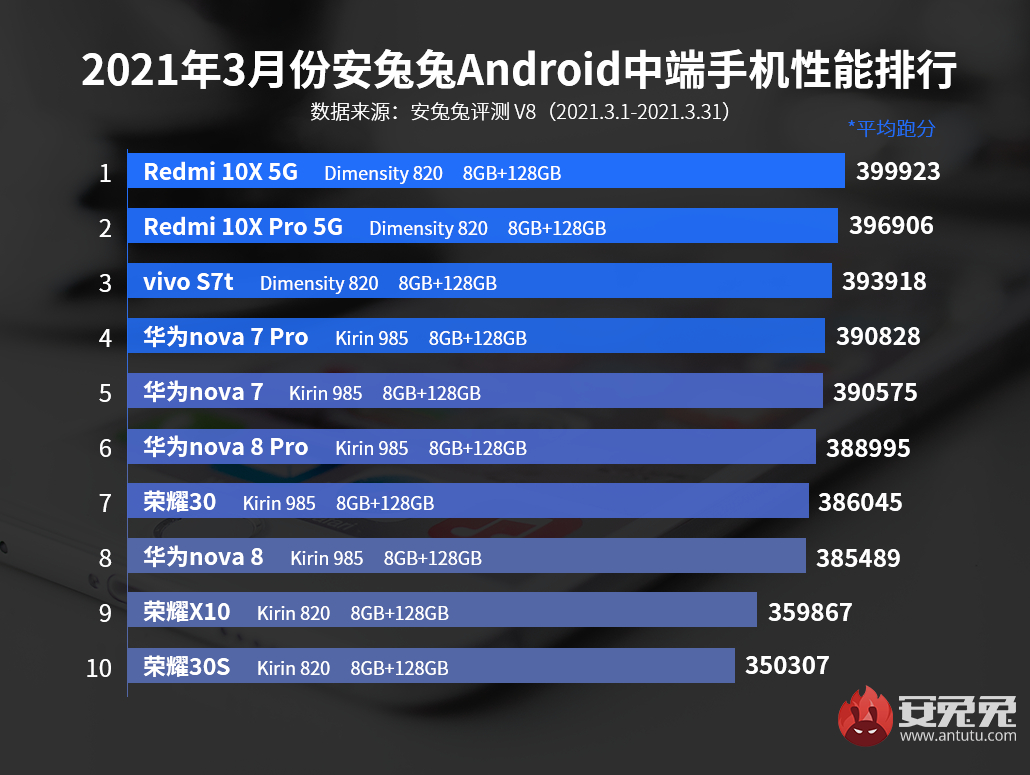
However, things are totally different for the mid-range devices. To my surprise, the list is almost the same as the February 2021 list with only a change in spot and overall in average scores.

That is, the Redmi 10X 5G leads the way with 399,923 points and the next four devices are Redmi 10X Pro 5G(396,906), Vivo S7t(393,918), HUAWEI nova 7 Pro(390,828), and HUAWEI nova 7(390,575).

The rest of the 5 are HUAWEI nova 8 Pro (388,995) and, HONOR 30 (386,045), HUAWEI nova 8 (385,489), HONOR X10 (359,867), and HONOR 30S (350,307).

If you look closely, the last 7 spots of mid-range devices is entirely dominated by the Kirin chipsets and only the Top-3 have MediaTek’s Dimensity. Sadly, no Snapdragon chipsets are in the vicinity and it shows how rivals have conquered this territory to end Qualcomm‘s dream run.

RELATED:

Xiaomi launches the MIJIA Clothes Dryer that can completely dry wet clothes

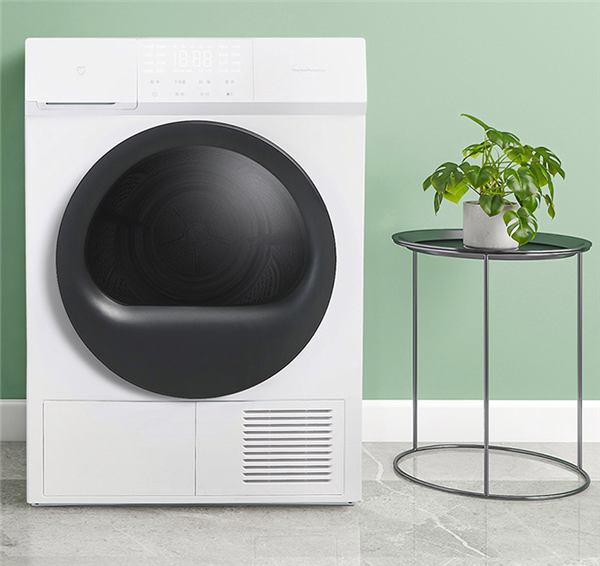
Spring and winter seasons are periods where clothes take a longer time to get dried after washing. As spring approaches, Xiaomi has launched a new product that will facilitate the drying of your clothes. The product is known as MIJIA Clothes Dryer 10kg, that’s because it has a 10kg carry capacity.MIJIA Clothes Dryer 10kg

MIJIA Clothes Dryer adopts heat pump drying which is capable of getting the clothes dried immediately it is washed such that it can be worn immediately. Thus, you don’t have to worry about haze, wind, and rain.

The machine doesn’t just dry the clothing by heating but adjusts the temperature based on the design of clothing material as well as the weight and other factors. Thus, it won’t make the cloth become too dry or deformed.

At the same time, MIJIA Clothes Dryer 10Kg supports 22 drying modes to fully care for different clothes. The drying mode supports dual upgrades of MCU and Wi-Fi and can be continuously updated according to user feedback.

At the same time, the built-in intelligent forward and reverse algorithm can effectively reduce the entanglement of clothes. Thus, large pieces of clothing can also be dried using the machine as long as it is within the 10kg carry capacity. The machine has a super large 118L inner tube that can meet the daily needs of a family of 4. The inner tube has a diameter of 574mm inner tube diameter making it suitable for bulky materials.

It also supports ironing, ready-to-wear, and storage with 3 levels of dry clothes adjustment, and has a wrinkle-resistant function. After drying, the inner tube is rotated intermittently to shake the clothes to avoid wrinkles, and the clothes are dried to protect the clothes.

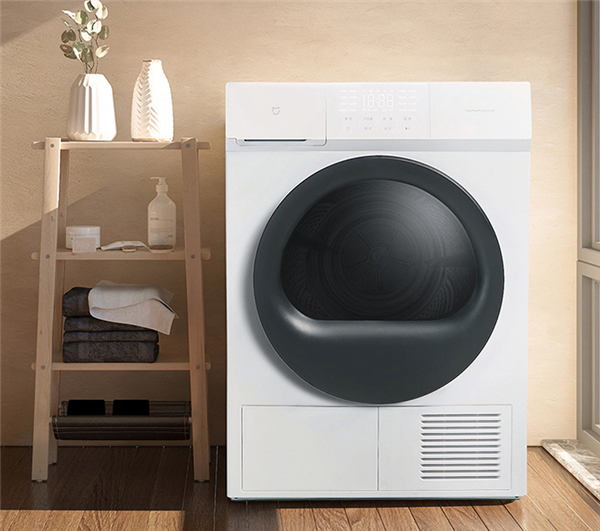
Taking into account different usage scenarios, the MIJIA clothes dryer 10Kg, in addition to the external water outlet drainage pipe, also has a built-in large-capacity water storage box to store water. Thus, the machine can be installed in a location where there is no source f water supply.MIJIA Clothes Dryer

The dryer is also connected to the Mijia app to keep track of the drying situation anytime and anywhere.

The Mijia clothes dryer 10Kg is presently available on Jingdong for 2,999 yuan (~$457) for the Mi Fan Festival. The actual retail price is 3599 yuan (~$548),

RELATED;

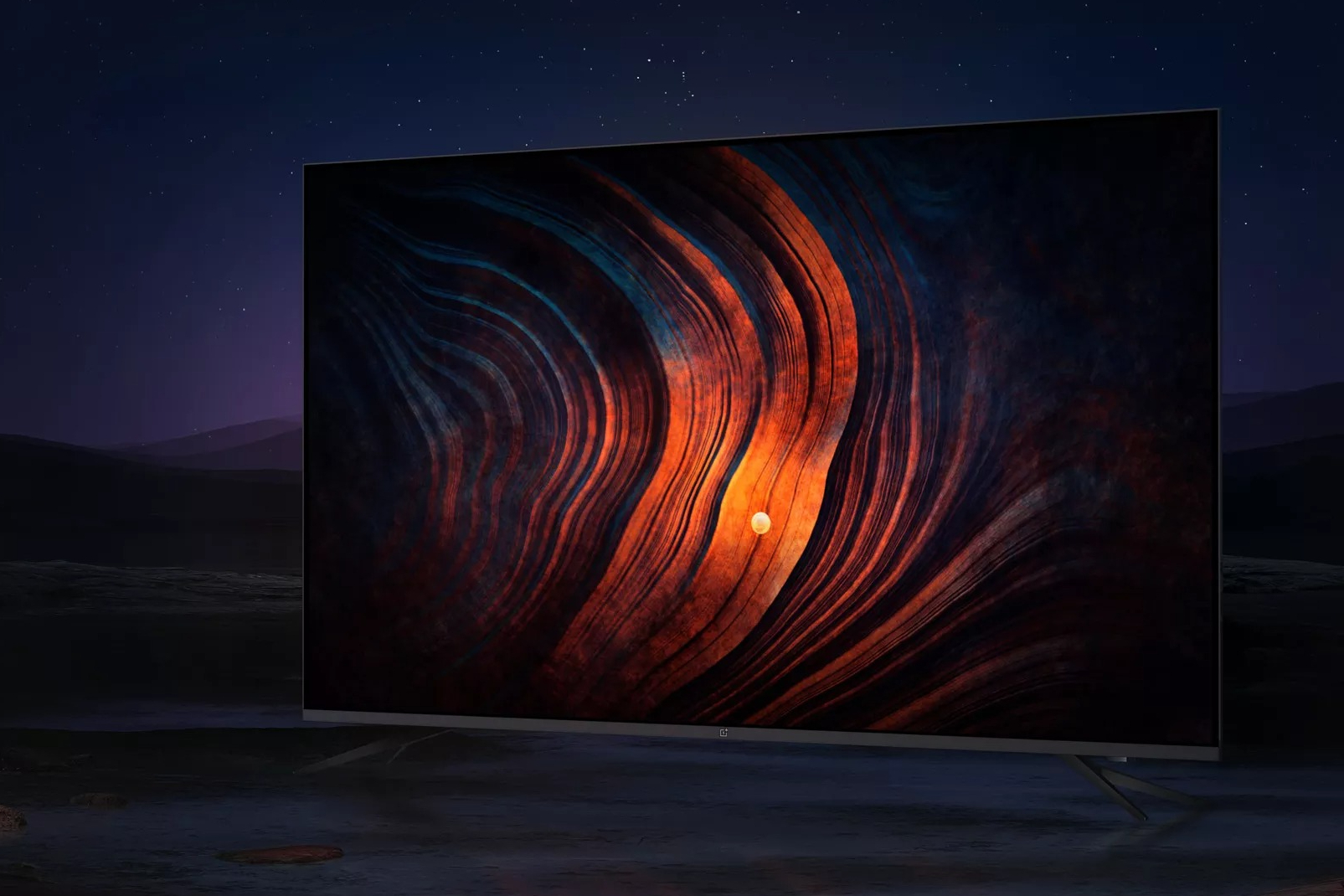
OnePlus to launch a webcam for its smart TVs in India: Report

OnePlus entered the smart TV market in the second half of 2019. Even after over a year, the brand’s televisions are still exclusive to India. Currently, the company sells a total of five TV models across different price segments. But it does not sell any accessories for them. Thankfully, that’s going to change with the launch of a webcam.

OnePlus TV 55U1 Featured
OnePlus TV 55U1

According to a report by MySmartPrice in collaboration with Twitter user Yogesh, OnePlus will be soon launching a webcam for its smart TVs. This product is said to have passed the prototype phase.

As per the report, the upcoming OnePlus webcam for smart televisions will be plug & play type and will also have a shutter, a microphone, and a USB Type-C port. This implementation reminds us of the recently launched TCL P725 Series TVs in India, which also come with a similar type of camera.

Unfortunately, nothing else is known about this OnePlus TV webcam except for the fact that it will not be compatible with the brand’s cheapest TV model – OnePlus TV 32Y1. That means this accessory will only work with OnePlus TV 43Y1, OnePlus TV 55U1, OnePlus TV Q1, and OnePlus TV Q1 Pro.

What are your thoughts on the OnePlus webcam accessory for its smart TVs? How much do you think it will cost? Do let us know in the comment section below.


RELATED:


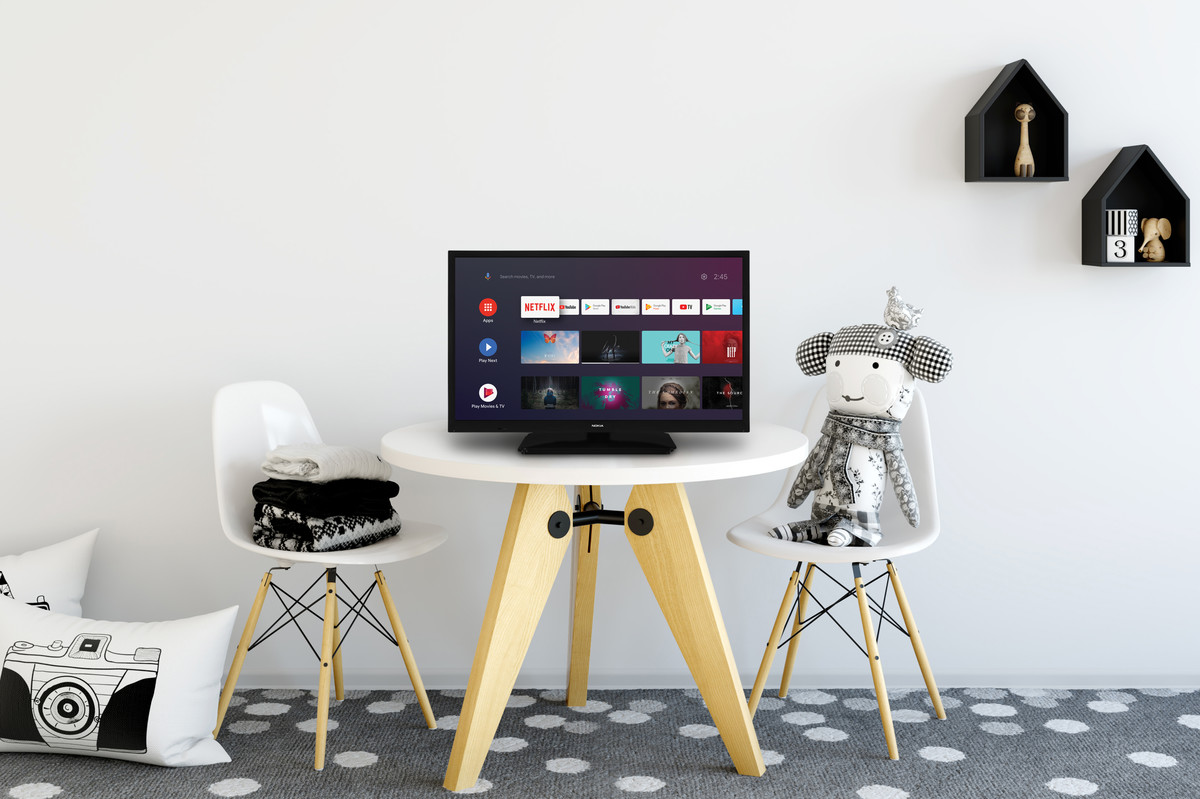
This StreamView 24-inch Nokia Smart Android TV for €299.9 has HD display, Dolby Digital, & more

StreamView GmbH is an official brand licensee of Nokia branded products like smart TVs, set-top boxes, and DAB+ radios. It has got the license to sell these products in regions like Europe, the Middle East, and Africa. After unveiling products like Nokia Streaming Box 8000, Nokia Terrestrial Receiver 6000, it is back with a 24-inch Nokia Android TV.

Nokia 24-inch Smart TV illustration, Credit: Nokia/StreamView GmbH

Nokia 24-inch Smart Android TV HD Price, Availability

This 24-inch Nokia Smart TV is priced at €299.9 and is available for purchase on nokia.streamview.com, Amazon, and other retail partners in Europe.

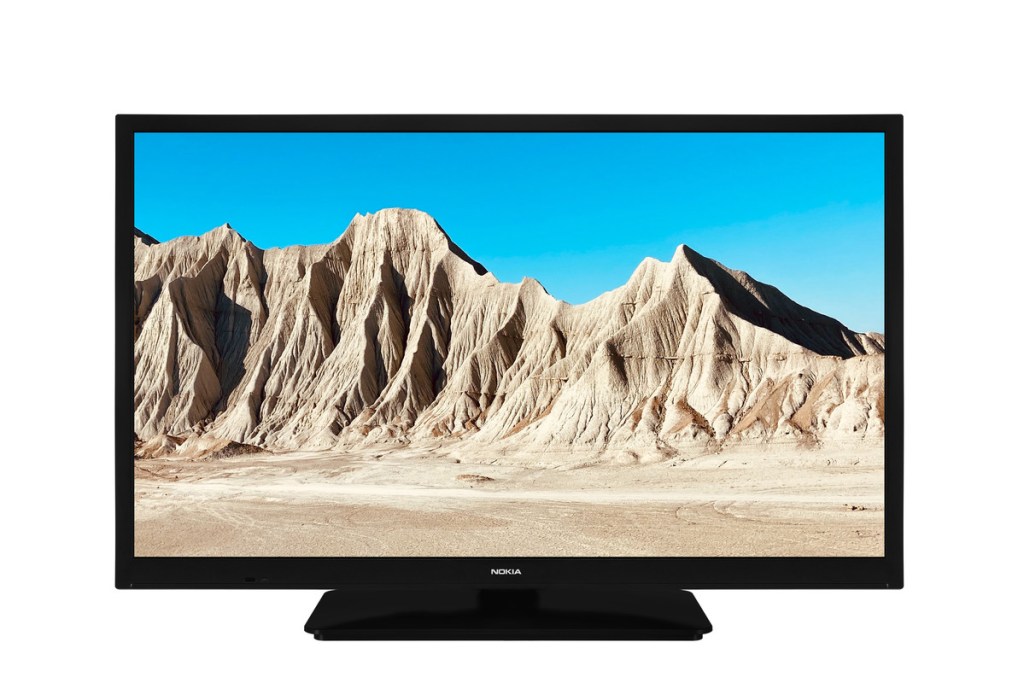
24-inch Nokia Smart Android TV

Nokia 24-inch Smart Android TV Specifications and Features

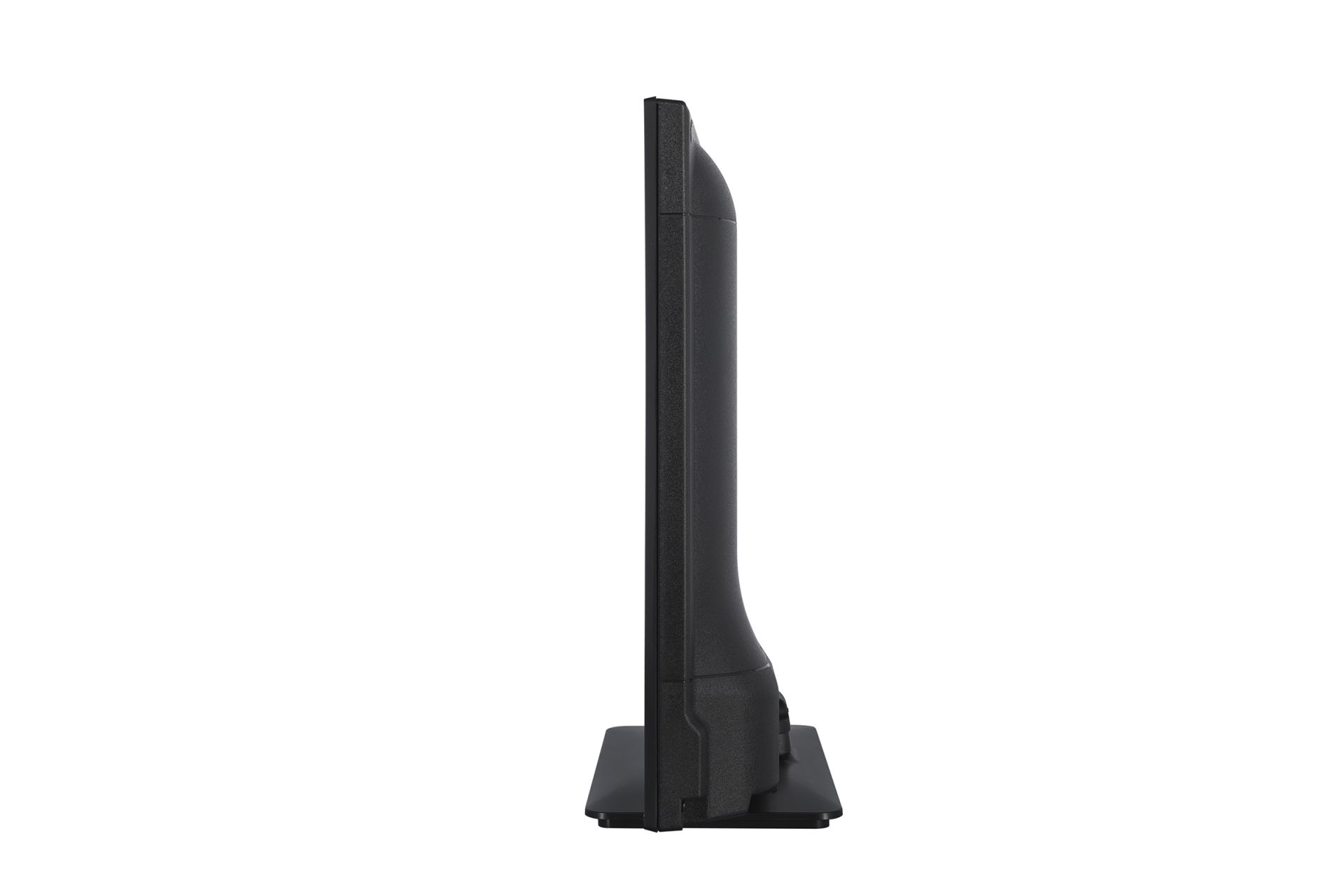
At a time when Smart TVs are getting slimmer, the 24-inch Nokia Smart Android TV(2400A) has launched with a tabletop pedestal. Accordingly, Nokia is promoting it as a TV as a backup while traveling in a caravan. Not to mention the TV also has a lower rating of 12V which is ideal for travel locations.

It also has noticeable bezels on the sides and comes in a Black color variant. Despite sporting an HD display, the 24-inch panel has support for HDR10.

The display has a resolution of 1366×768 resolution and is also accompanied by a built-in speaker of 2×2.5W(Total 5W). Adding Dolby Digital 2.0/ 5.1 support to this makes a perfect combo so you don’t have to carry over large speakers during travel.

Under the hood, the 24-inch Nokia Smart Android TV features ARM CA53 Quad-core with TEE 1.1 GHz CPU and Mali470MP3 GPU. This is paired with 1GB DDR3 RAM(internal- 512MB) and an 8GB eMMC storage.

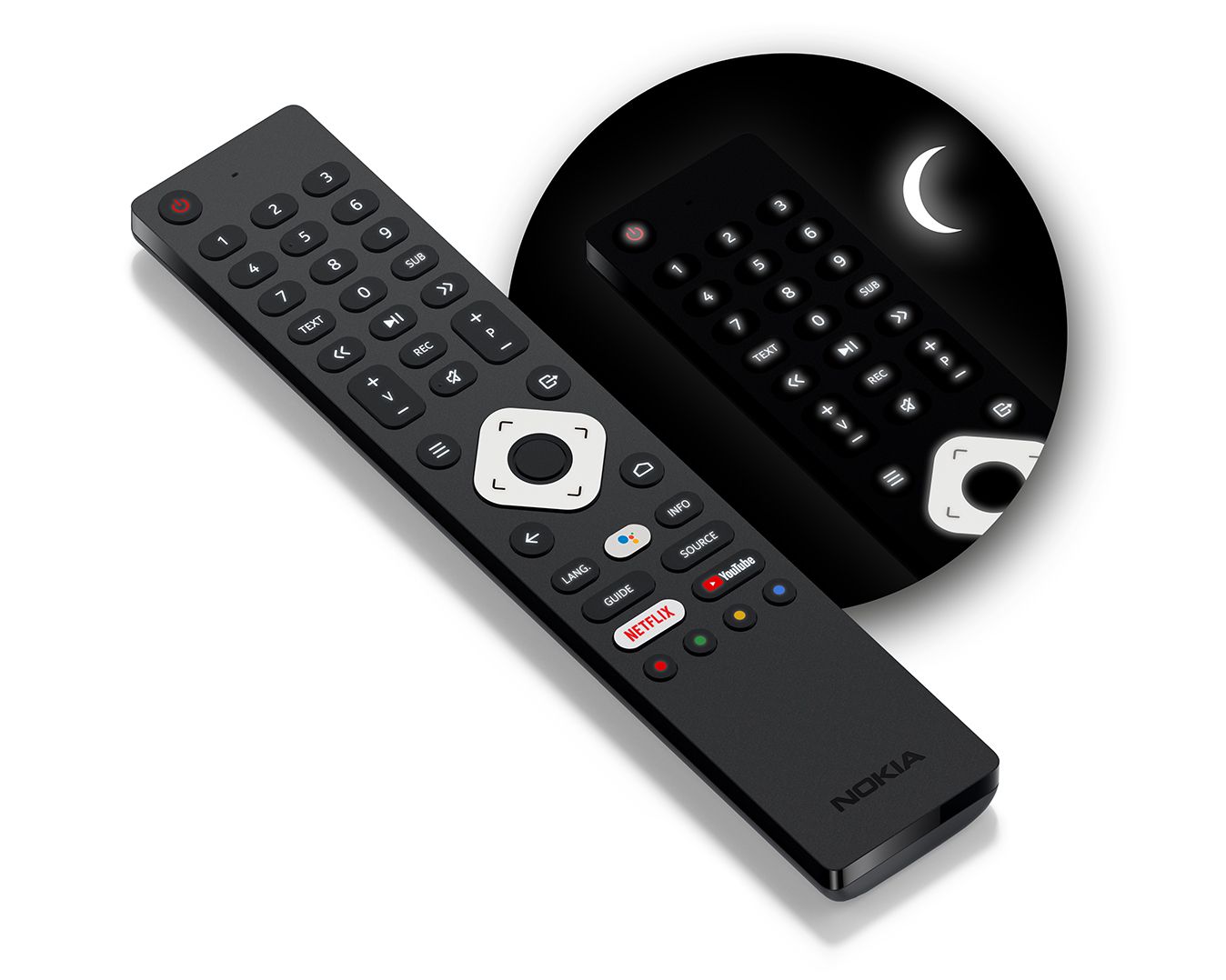
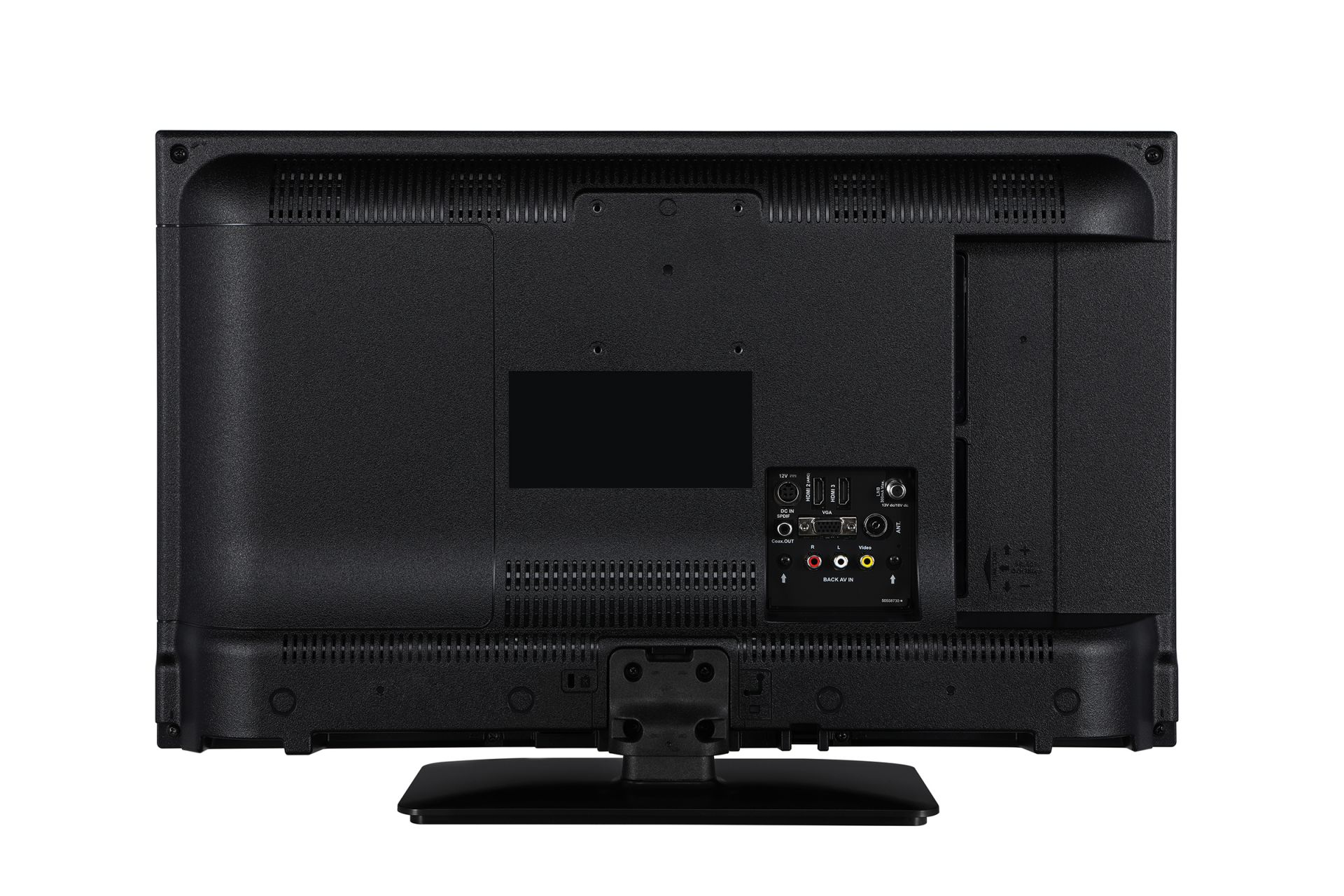
For I/O, we have a 3xHDMI, 2xUSB 2.0, 1x coaxial S/PDIF, 1×3.5mm audio jack, VGA port, CI+ interface(for pay-TV), SatCR LNB. As for features, since it’s an Android TV, it has Google Assistant and Chromecast built-in and has hotkeys for the Assistant, Netflix, and YouTube on its remote.

For connectivity, we have Bluetooth 4.2 and Wi-Fi 5GHz. Finally, the TV measures about 553 x 135 x 365 mm with the stand and weighs about 7.25kg.

RELATED:

Sony Xperia 1 III specifications leak reveals 120Hz display, SD888, periscope camera, 65W charging and more

Recently, Sony confirmed that it will be holding a launch event on April 14. It is speculated that the company will be announcing the Sony Xperia 1 III flagship as well as a couple of other phones on the said date. Ahead of the launch, a tipster has shared the specifications of the Sony Xperia 1 III.

The leak reveals that the Sony Xperia 1 III will be featuring a 6.5-inch 4K HDR OLED screen that will offer a 10bit color depth, a peak brightness of 1300 nits, and a 120Hz refresh rate.

The Snapdragon 888 mobile platform will be powering the Xperia 1 III with 12 GB of RAM. The handset may come with 512 GB of native storage. In China, the device may ship with 16 GB of RAM and 512 GB of storage.

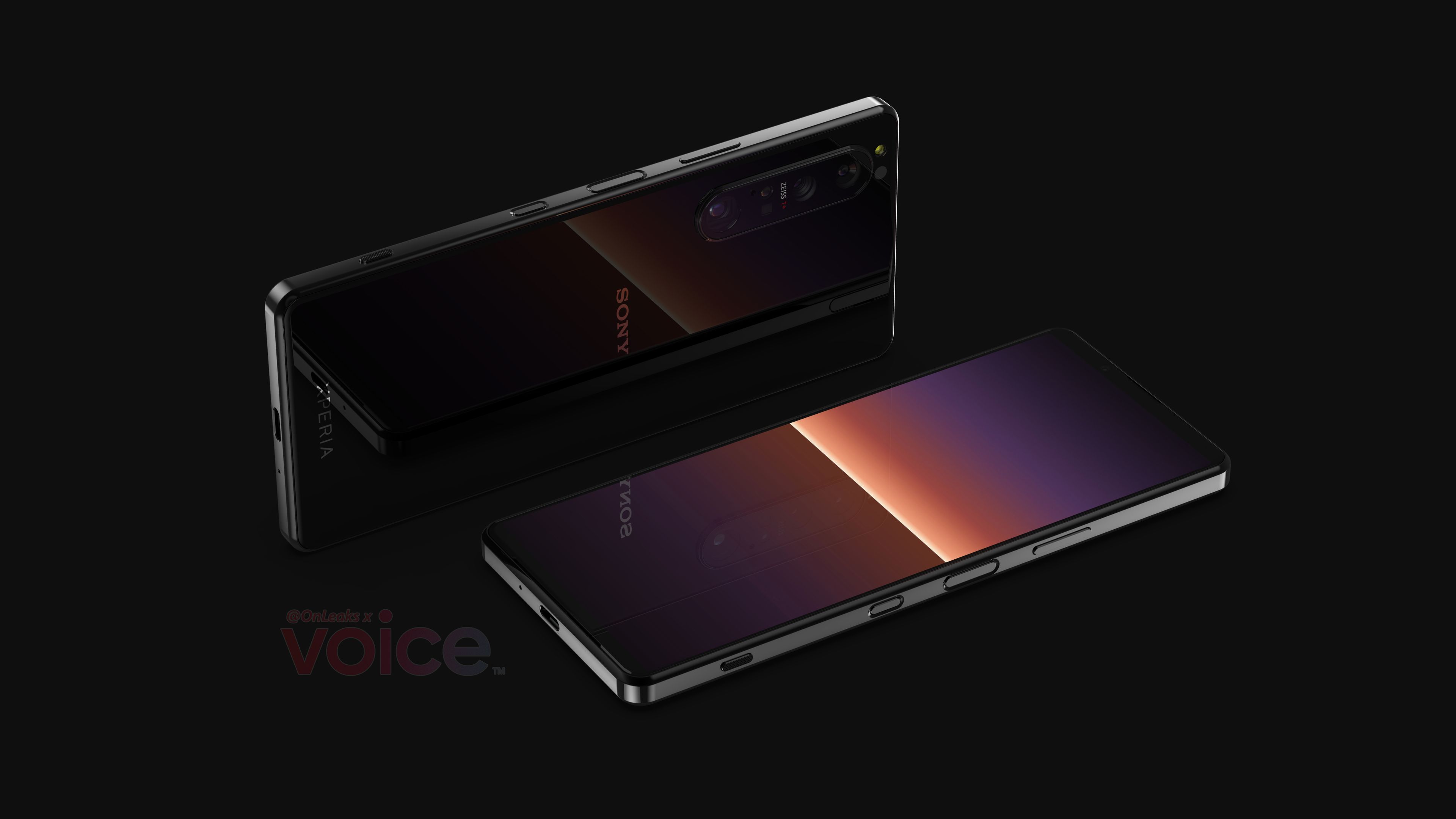
Sony Xperia 1 III
Sony Xperia 1 III render by Steve Hemmerstoffer

The triple camera system of the phone may include a 64-megapixel main wide-angle lens, a 12-megapixel ultrawide sensor, and a 12-megapixel periscope telephoto lens with 60x lossless zoom. The periscope lens could be coupled with Sony’s Cyber-Shot optimizations.

The Xperia 1 III may draw power from a 5,000mAh battery and it may come with support for 65W fast charging. There is no word on the front camera of the device. The Xperia 1 II may arrive in the Chinese markets by June, and it may sell for 8,999 Yuan (~$1,370).

Some of the specs mentioned in this leak like support for a high refresh rate and 65W fast charging appears too good to be true for a Sony flagship. Hence, it is advisable to digest the leak with a grain of salt.

RELATED:

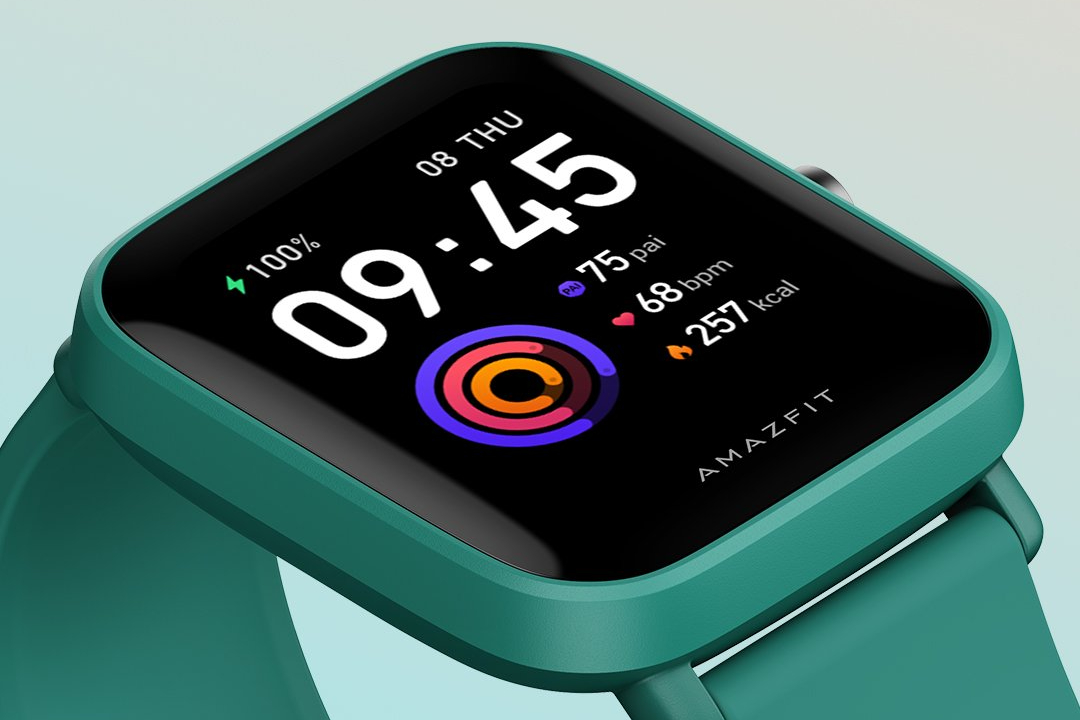
Amazfit Bip U Pro India launch set for next week

Back in mid-October, Huami launched the Amazfit Bip U budget smartwatch in India. At around the same time, we found the existence of a Pro model. This variant called Amazfit Bip U Pro later debuted in the US in late December after receiving Bluetooth certification in early November. Now, months later, this wearable has been officially confirmed to launch in India next week.

Amazfit Bip U Pro All Colors Featured
Amazfit Bip U Pro

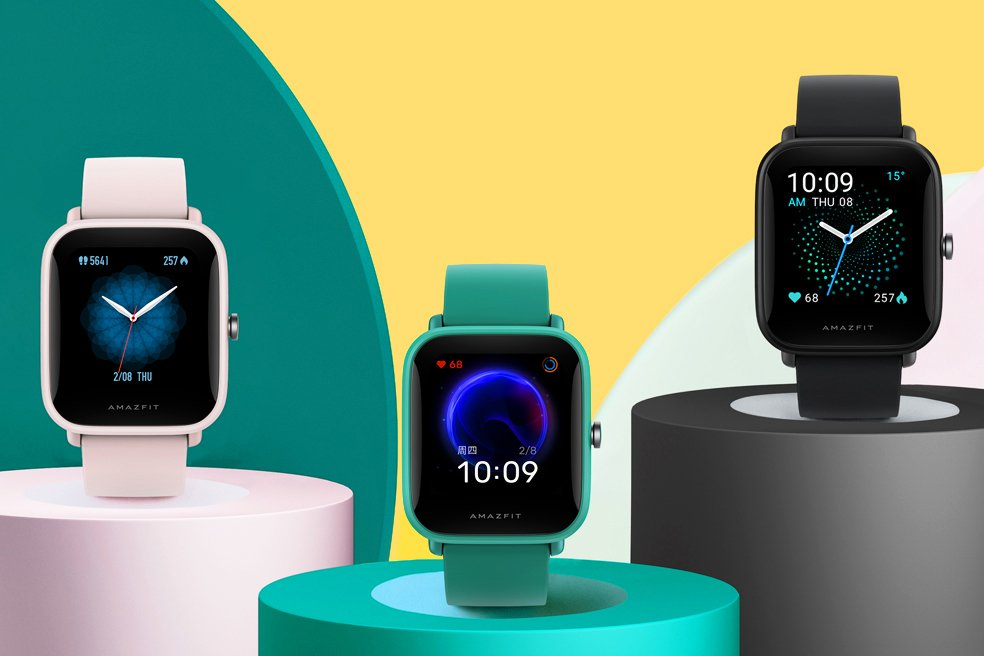
The Amazfit Bip U and Amazfit Bip U Pro are basically the same smartwatches with some minor differences. The Pro variant comes with three additional components, namely a built-in GPS, a microphone, and a geomagnetic sensor (compass). These three enable better positioning in outdoor activities and Amazon Alexa.

The Amazfit BiP U is currently being sold for ₹3,999 in India. Hence, we can expect Huami to price the Amazfit Bip U Pro around ₹4,999 to ₹5,999. That said, the wearable should be available for purchase in the country as soon as next week.

Talking about the remaining specs, the Amazfit Bip U Pro flaunts a 1.43-inch IPS LCD panel with a resolution of 302 x 320 pixels and a 72% NTSC color gamut. This screen is protected by a 2.5D glass with an anti-fingerprint coating.

This watch features a polycarbonate build, whereas its 20mm strap is made of silicon. As a whole, the product comes in three colors (Black, Green, Pink), weighs 31g, and the body itself measures 40.9 x 35.5 x 11.4mm in dimensions.

Amazfit Bip U Pro Display Featured

The wearable sports a BioTracker™ 2 PPG biological optical sensor, an accelerometer, and a gyroscope, in addition to a geomagnetic sensor, a microphone, and a GPS chip as mentioned above. On the connectivity front, it features  Bluetooth 5.0 to connect with Android and iOS devices via the Zepp app

Other features include a 230mAh battery that can offer up to 9-day endurance, pogo-in charging, RTOS, 5ATM water-resistant, 60+ sports modes, blood oxygen level monitoring, sleep tracking, heart rate monitoring, menstrual cycle tracking, stress monitoring, app notifications, call & message alerts, music playback control, stopwatch, weather forecast, camera shutter control, find my phone, and more.


RELATED:


Samsung Galaxy Z Flip2 battery capacity revealed through multiple certifications

Recent reports have revealed Samsung may announce the Galaxy Z Flip2 clamshell phone with a foldable screen in July. It was recently revealed that the device has a model number SM-F711. Fresh information shared by a tipster reveals that the dual-cell battery of the device has received approval from the SafetyKorea certification platform.

As it can be seen in the tweet, the EB-BF711ABY battery with a 2,300mAh rated value. A closer look at the image of the battery reveals that its typical value is 2,370mAh. The other battery with EB-BF712ABY model number has a rated size of 903mAh capacity. Its typical value is not known yet.

The EB-BF711ABY and EB-B712ABY batteries have also received certifications from authorities like Chinas’ 3C and DEKRA, respectively. With two batteries on board, the Galaxy Z Flip2 is expected to offer a total capacity of 3,300mAh. Hence, it appears that the battery capacity of the Galaxy Z Flip2 could be almost the same as its predecessor model.

Past reports have revealed that the Galaxy Z Flip2 will be sport a 6.9-inch punch-hole display with slim bezels. It may carry support for up to 120Hz refresh rate. Speculations are rife that the Z Flip2 will not feature a flagship chipset.

The Galaxy Z Flip2 is expected to arrive with an enhanced UTG and offer better durability. It may arrive in 128GB and 256GB storage choices and color editions like light violet, green, black, and beige. It will come preloaded with One UI 3.5 based Android 11 OS.

RELATED:


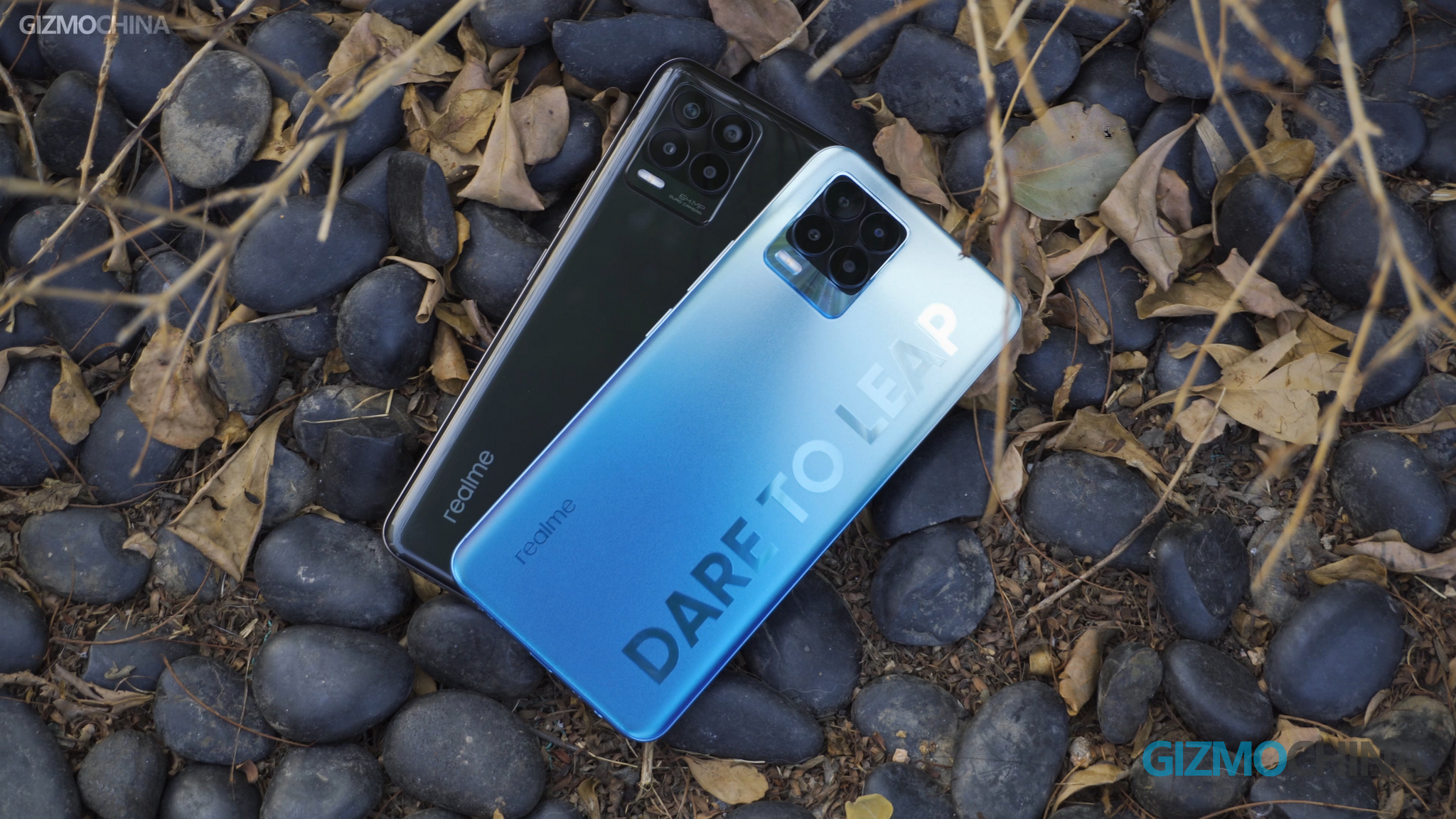
Smartphone prices could increase in H2 2021 due to shortage of materials, claims Realme’s Xu Qi

A couple of days ago, Realme launched its latest smartphone in its home market China — Realme GT Neo, which comes powered by the MediaTek Dimensity 1200 SoC. Now, the company’s executive has shared an opinion related to the pricing of smartphones.

Xu Qi, Vice President of Realme and President of Realme China as well as the President of Global Market for the company, said that the pricing of the smartphones could fluctuate in the second half of this year.

Realme 8 vs 8 pro comparison 01

This is mainly attributed to the global shortage of raw materials, including chipsets and batteries. He adds that the pricing will be determined by the overall supply and demand relationship and is likely to increased going by the current scenario.

Last year, Realme had announced its new strategy for the year 2021 — Dual Platform + Dual Flagship. For the high-end devices, the company will be using both Qualcomm Snapdragon and MediaTek Dimensity processors.

It plans to create two flagship offerings, one focusing on performance and the other focusing on photography. The company also plans to take on the mid-to-high end product lineup as a measure to develop the brand.

The company is also expanding its footprints in China. It recently approved more sales points and has crossed 30,000 points and the sales network. It has also expanded after-sales service outlets to more than 1,000, covering over 300 cities.

RELATED: 

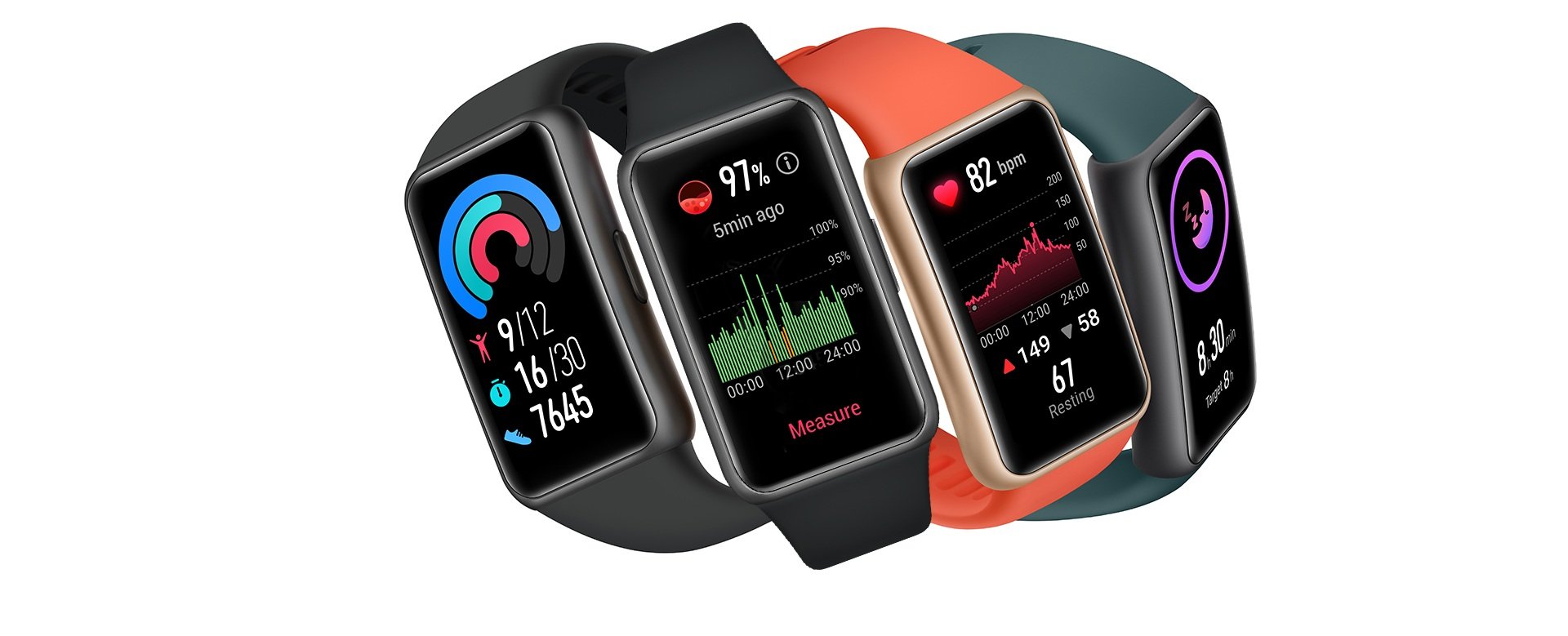
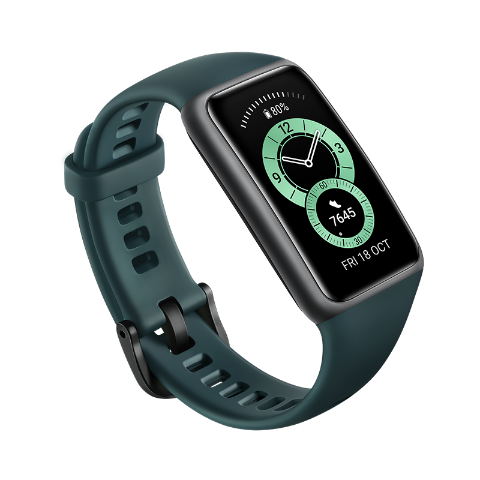
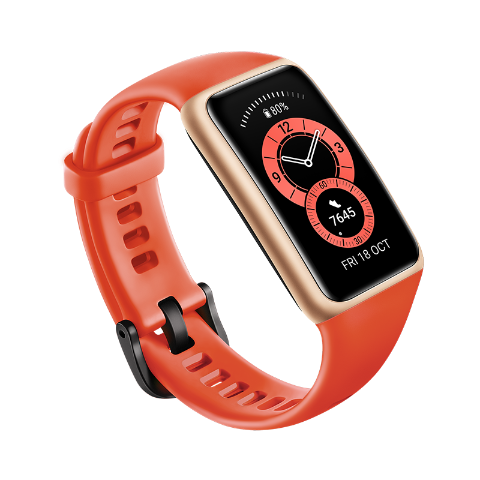
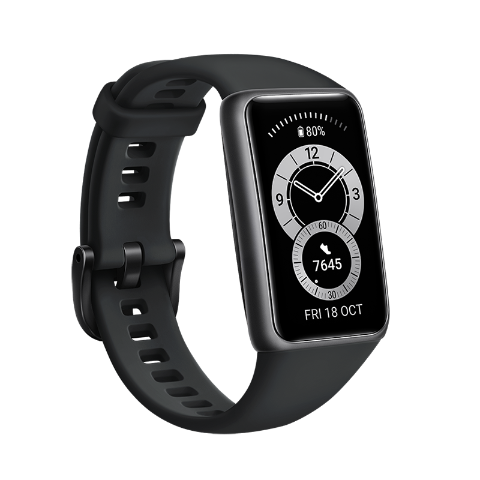
HUAWEI Band 6 goes official in Malaysia for RM219($53), Sale starts April 4

A few hours ago, we saw the Chinese version of the HUAWEI Band 6 got leaked in its entirety before launch on Weibo. However, the fitness tracker has already launched in Malaysia with few tweaks and it goes on sale in the country soon.

HUAWEI Band 6

HUAWEI Band 6 Price, Availability

Unlike the Chinese variant, the global variant of the HUAWEI Band 6 comes in just three colors- Graphite Black, Amber Sunrise, and Forest Green. It is priced at RM219($52.90) in Malaysia.

As for Availability, the fitness tracker will be available for purchase exclusively online from April 4 at 12:00 PM local time. Users can get it on both Huawei Online Store and multinational e-commerce website Shopee. Huawei is also giving an early bird offer of RM20 for the Band 6.

HUAWEI Band 6 Specifications and Features

Apart from a few tweaks like the Absence of NFC and one less color, the HUAWEI Band 6 seems to be similar in features to the leaked version for China. The success of the HUAWEI Band 4 features a 1.47-inch FullView Color AMOLED touch screen display with a resolution of 194×368 pixels, 282 PPI, 64% screen-body ratio.

Huawei says that the display area has increased to about 148% than before. As for design, the HUAWEI Band 6 has a physical button on the side like Watch Fit, measures 43×25.4×10.99mm(HxWxD), weighs only 18g without straps. Speaking of which, the straps are made of UV-treated silicone rubber.

As for features, the fitness tracker has HUAWEI TruSeen™ 4.0 24-hour heart-rate monitoring, HUAWEI TruSleep™ 2.0 sleep monitoring, and HUAWEI TruRelax™ stress monitoring, SpO2 sensor for Blood Oxygen measurement.

It also supports 96 workout modes, Menstrual cycle tracking(not supported on iOS), personal assistant, notifications for calls, messages, controlling music(not on iOS), taking photos through the phone camera(only on EMUI 8.1+ devices), and more.

Other features include 6-axis accelerometer and gyroscope sensors, 5ATM water resistance, Magnetic charging, 2 weeks of battery life(2 days battery in just 5 mins of charge), and Bluetooth 5.0 & BLE for connectivity.

RELATED:

ZTE Axon 30 teaser reveals an auxiliary sensor with Trinity triple camera setup

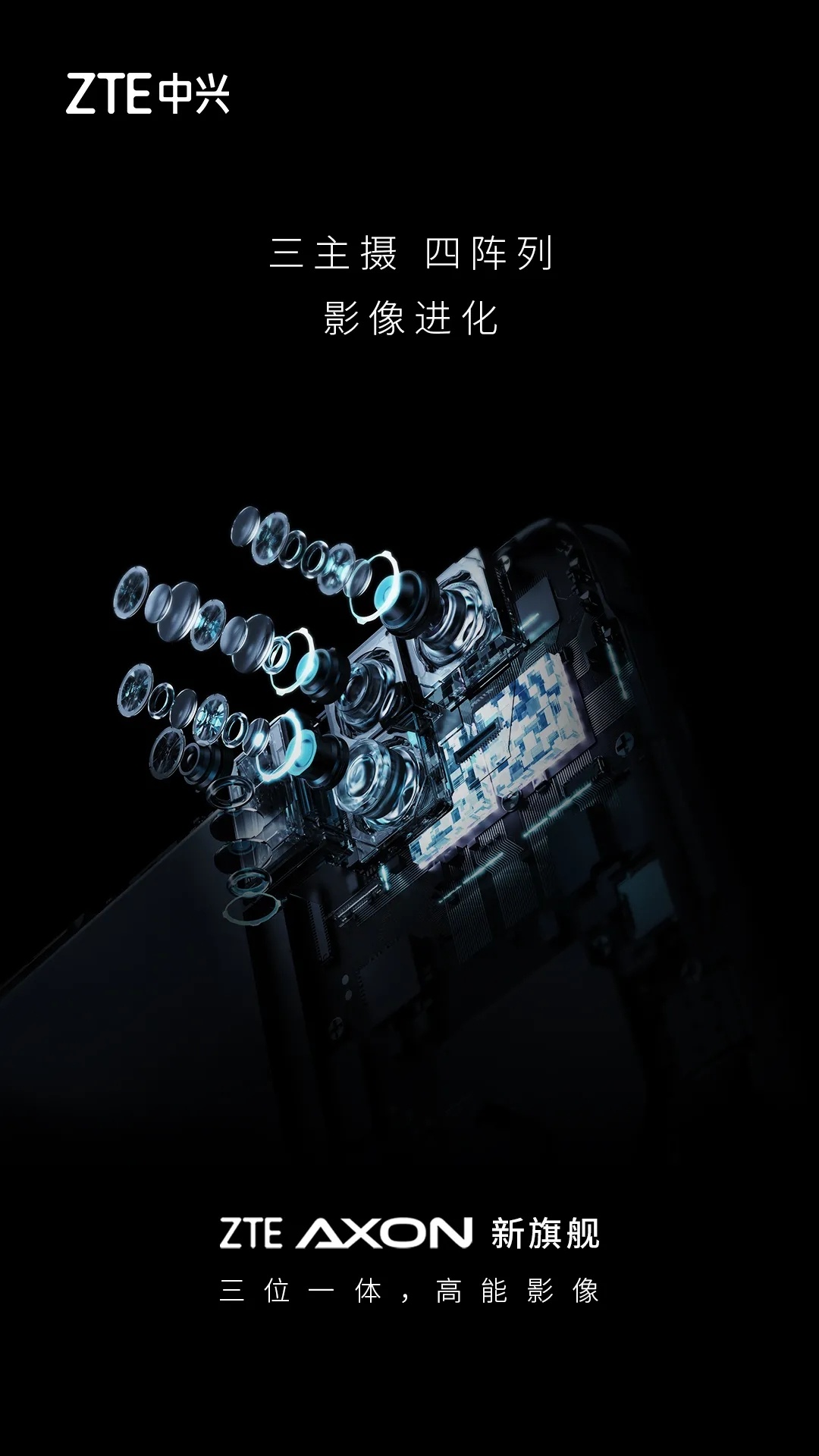
ZTE is gearing up for the launch of its Axon 30 series of flagship smartphones. Now, the company shared a new promotional image poster, which teases an auxiliary image sensor along with the Trinity Triple camera system on the rear.

ZTE

For those unaware, the Trinity triple camera setup is basically the name for the Axon 30 Pro’s rear camera module. All three sensors are high end shooters that feature 64 megapixel sensors. In other words, the camera system has a sum total of close to 200 megapixels on the rear. Looking at the promotional image poster, one can observe that the new camera system has four sensors on the rear.

While the three prominent lenses are the Trinity Triple camera system, the fourth sensor appears to be an auxiliary sensor for support. Unfortunately, the function of this sensor is currently unknown, although, it is likely to be a macro or black and white lens, or something else that supplements the primary triple cameras. However, this is just speculation so take it with a pinch of salt and we will have to wait for an official company announcement or additional teasers to know for sure.

ZTE

At the moment, the company has yet to reveal an announcement or launch date for its upcoming premium grade handset lineup. But, we had reported on a possible 30th April 2021 launch date. Finer details regarding the device are also unknown, but it is likely to feature top notch hardware like the Qualcomm Snapdragon 888 processor. So stay tuned for more, as we will be providing updates when additional information is available.

RELATED:


Xiaomi was the largest Chinese smartphone brand globally in February 2021: Counterpoint

Ever since Huawei’s US ban was instated, fellow Chinese smartphone makers have been trying their best to fill the former’s void around the world. As a result, OPPO became the largest smartphone brand in China in January 2021. Now, a new report reveals that Xiaomi was the largest Chinese smartphone brand globally in February 2021.

Xiaomi Logo Branding 2021

According to Counterpoint Research (via ITHome), Xiaomi’s worldwide market share hit 13% in the month of February. This achievement made the company the largest Chinese smartphone brand globally and the world’s third-largest smartphone brand.

The first two positions were acquired by none other than Samsung and Apple with 20% and 17% market shares respectively. Whereas, Huawei’s global market share dropped to 4%.

Unfortunately, we don’t have access to the data of other brands as this information seems to have come from Counterpoint Research’s premium monthly tracker service. 

Anyway, this achievement of Xiaomi was already reported by Strategy Analytics a few days back. The research firm even predicts Xiaomi to emerge as the world’s third-largest smartphone brand overall in 2021.

Xiaomi has always known for affordable handsets. But since the Huawei ban, the company has been slowly bringing its most premium offerings outside China. Currently, the firm sells almost all of its high-end phones in Europe where Huawei once had a stronghold. In fact, it has even started releasing those expensive smartphones in price-sensitive markets like India as well.


RELATED: