When Google announced the Chromecast with Google TV last year, it revealed that the new interface will come to other Android TV devices. It appears TCL may be one of the first manufacturers to bring Google TV to its existing smart TVs.
The Chinese manufacturer had revealed to FlatpanelsHD that it plans to update its 2019 and 2020 lineup of Android TVs to Android 11 for TVs. Google announced Android 11 for TVs last September but TCL says that the update is scheduled for Q3 2021 when Android 12 must have been released.
In its statement to the blog, TCL said that it has not yet been decided if the update will bring the new Google TV system, the official Twitter account for TCL Europe said in a tweet that ”Your experience will be upgraded from Android TV to the new Google TV system…”.
We will advise that you don’t get too excited until there is an official announcement that specifically says that the 2019 and 2020 models will get Google TV. However, TCL has confirmed that its 2021 TVs will get Google TV while TVs from 2018 and earlier will not be updated.
Android 11 for TVs brings a number of new features such as Auto Low Latency Mode and low latency media decoding. It also brings privacy features such as one-time permissions. Other known features that come with the update are extended gamepad support, silent boot mode for system updates, and inactivity prompts.
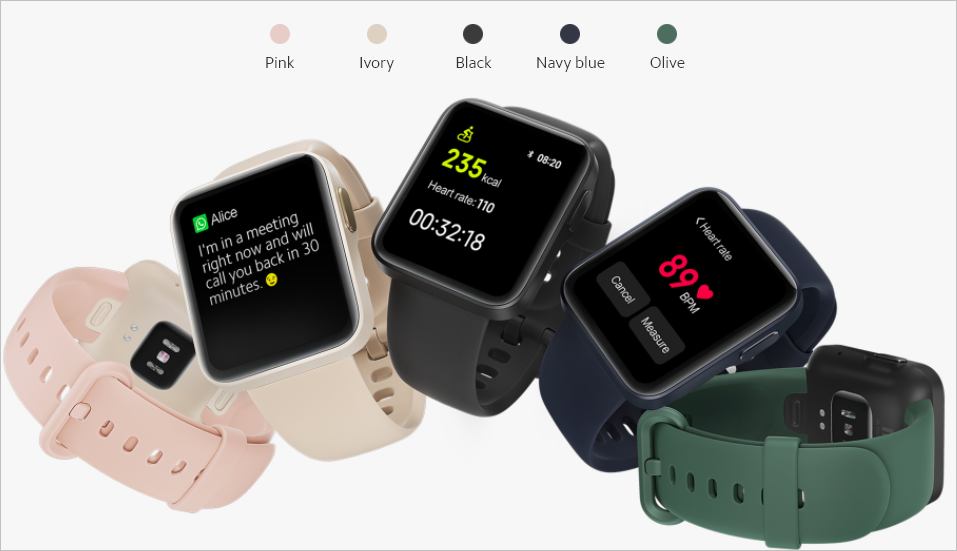
Xiaomi announced the Mi Watch Lite for the Global markets back in December. This is a tweaked version of the Redmi Watch in China. This Mi Watch Lite Global edition could soon launch in India as it clears BIS certification.
Spotted by Mukul Sharma, a Smartwatch with model number REDMIWT02 appears on the BIS database under Redmi Branding. Now, you might get confused with the ‘Redmi’ branding here. To make you clear, two smartwatches got certified a while ago on Bluetooth SIG.
One of them had the same model number with ‘REDMI’ on it but ‘Mi Watch Lite‘ moniker. Later, it turned out to be the Mi Watch Lite for Global markets. Hence, there is a possibility that Xiaomi might bring this version and not the Chinese variant to India.
We also have a few reasons to believe this. The Mi Watch Lite primarily differs from Redmi Watch in sports modes, GPS, AI Assistant, NFC, and battery life. That is, the Mi Watch Lite has 11 sport modes(4 more than Redmi Watch), built-in GPS+GLONASS(absent on Redmi Watch).
However, it lacks features like NFC, a built-in AI assistant, microphone that are present on the Redmi Watch. Redmi launched its first Smartwatch as the Redmi Watch back in November in China. Despite sporting the same battery(230mAh), it has lesser battery life than Mi Watch Lite(7 days vs 9 days).
All this suggests that Xiaomi might bring the more sensible version to India but we do not know if it will come under Xiaomi/Redmi branding yet. Either way, the Smartwatch will likely feature a 1.4-inch 320x320p display with 323 PPI, 2.5D curved glass.
It has over 120 watch faces, Heartrate and Sleep monitoring, 5ATM Water resistance, Bluetooth 5.0 BLE(Low-Energy), Six-Axis Motion and Ambient Light sensors, Barometer and is available in Ivory, Black, Navy Blue colors.
Let’s wait to see how Xiaomi prices this in India but it is already available at $60/CNY299 in Global/China respectively.
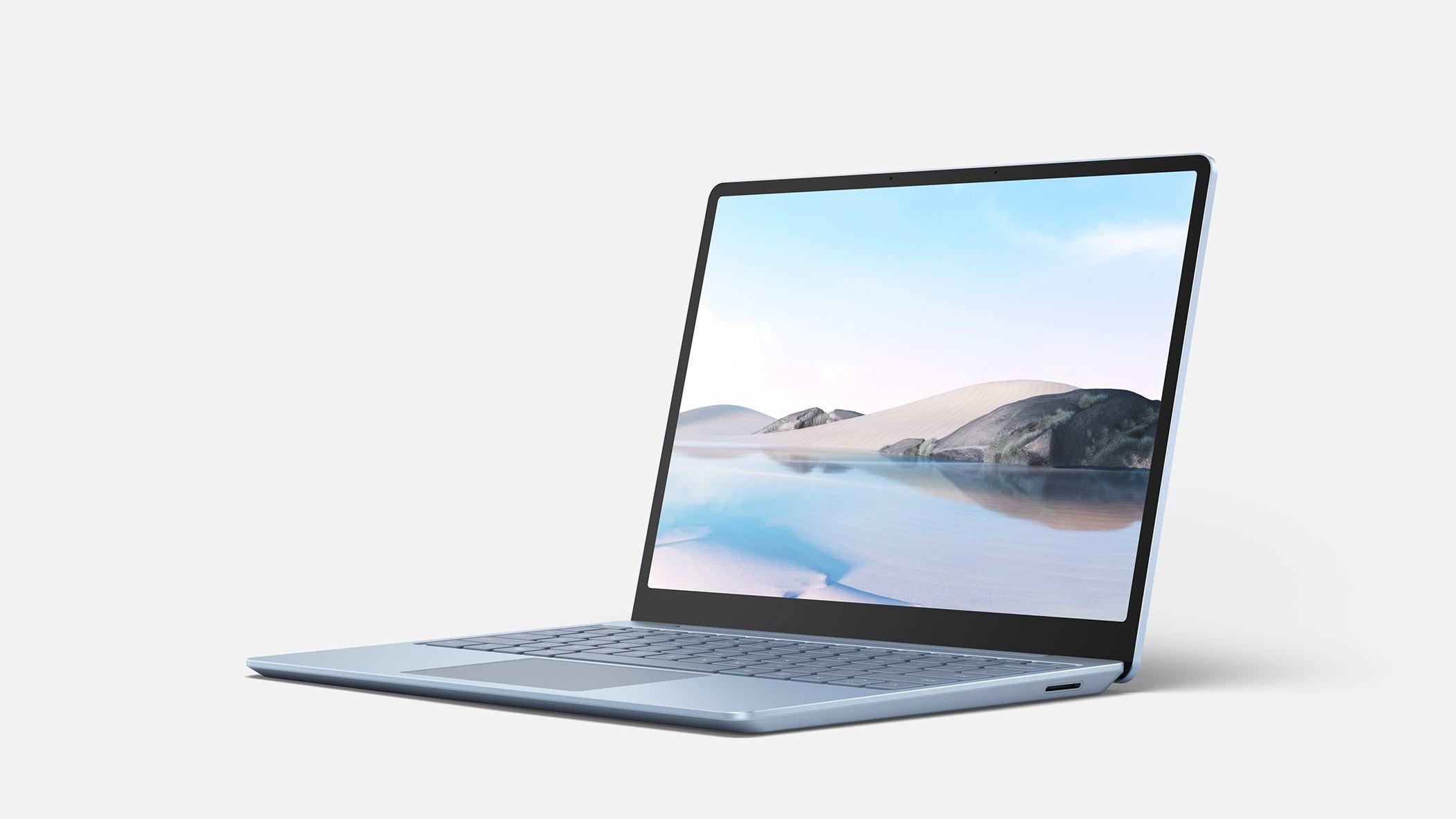
Microsoft has finally launched the Surface Laptop Go in India. The laptop technically starts at ₹71,999($986) for consumers while Enterprises can get it as low as ₹63,499($870).
1 of 2
Surface Laptop Go
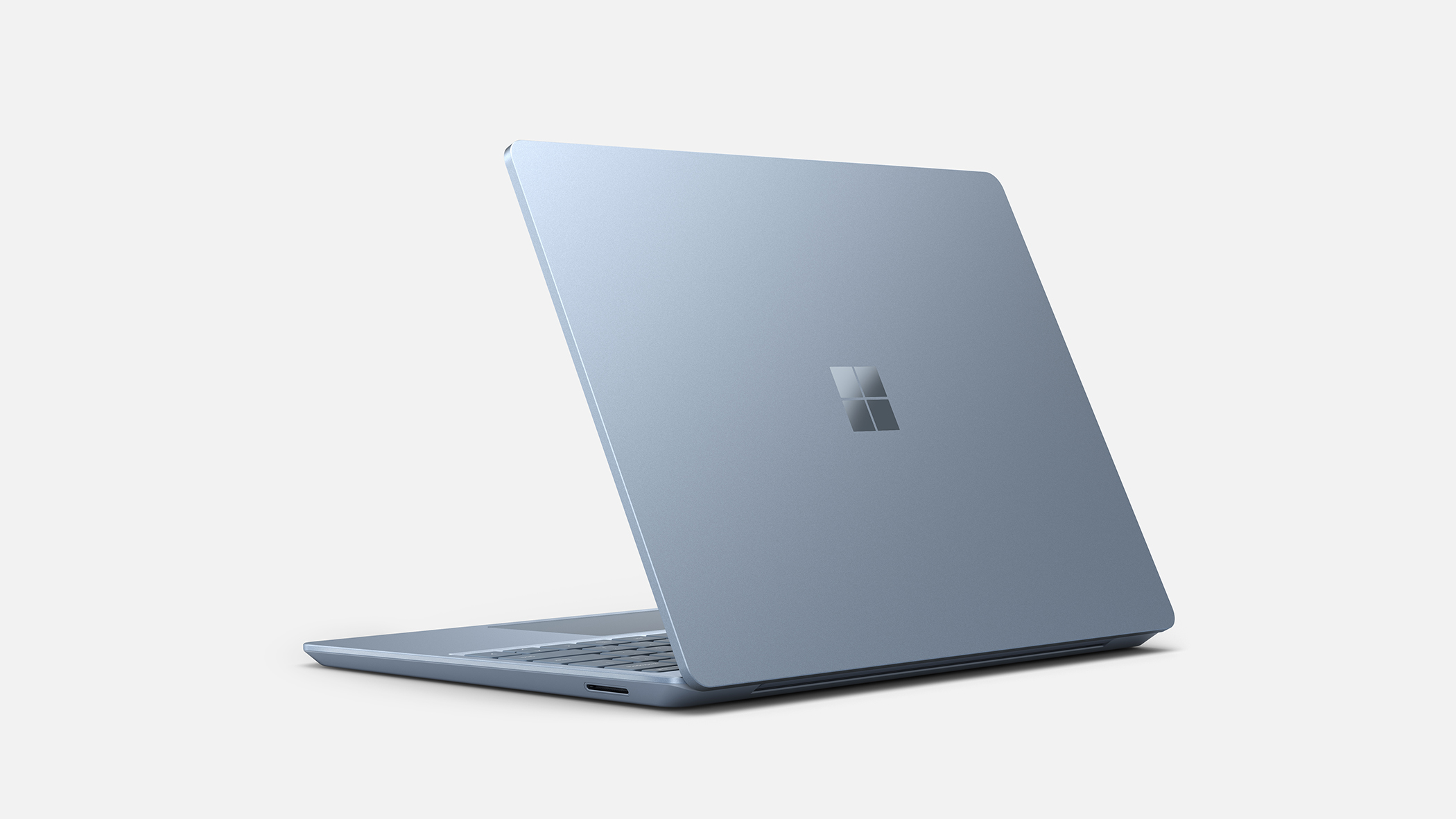
Surface Laptop Go
Microsoft Surface Laptop Go India – Price, Availability
According to Microsoft Official Press Release, Surface Laptop Go will be available in four memory variants- 4GB RAM and 64GB, 8GB RAM and 128/256GB, 16GB RAM and 256GB storage options. All of them will have the same Intel Core i5 10th gen processor.
However, only the 8GB version will be available for sale to normal customers(consumers SKUs). You can take a look at the pricing of those variants below:
8GB RAM + 128GB storage- ₹71,999($987)
8GB RAM + 256GB storage- ₹91,999($1,261)
Microsoft says that the 4GB RAM and 16GB RAM variants of Surface Laptop Go falls under Commercial SKUs*. This means, only Enterprise Firms and other business companies can get it in India and the prices of them are below:
4GB RAM + 64GB storage- ₹63,499($870)
16GB RAM + 256GB storage- ₹1,10,999($1,521)
Additionally, the 8GB RAM, 128GB, and 256GB storage variants are also available for Enterprises but their price is higher than above at ₹76,999 and ₹92,999 respectively.
As for the availability of Consumer SKUs, Microsoft says that you can buy them from January 22 on Major e-commerce sites like Amazon, Reliance Digital, Authorized Resellers, and Retail partners across India. Offers like no-cost EMI up to 9 months starting at ₹8,000/month will also be available.
Although the Surface Laptop Go shines in Platinum, Ice Blue, and Sandstone colors in markets like the US, you can get it only in Platinum color in India. The device, which weighs about 1.1kg, features Intel Core i5-1035G1 Ice Lake processor paired with LPDDR4x RAM and eMMC(only 64GB version)/SSD storage.
The display is a 12.4-inch PixelSense touchscreen which has a resolution of 1536 x 1024-pixels resolution and a 3:2 aspect ratio. For connectivity, we get 1 x USB-C port, 1 x USB-A port, a Surface Connect port, and a 3.5mm audio jack, Bluetooth 5.0, and Wi-Fi 6.
Other features include a full-size keyboard with 1.3mm travel, fingerprint scanner(not on 4GB variant), 720p HD webcam, Omnisonic speakers with Dolby Audio, Dual far-field Studio Mics, Top Aluminium Cover, and polycarbonate resin with Glass fiber base.
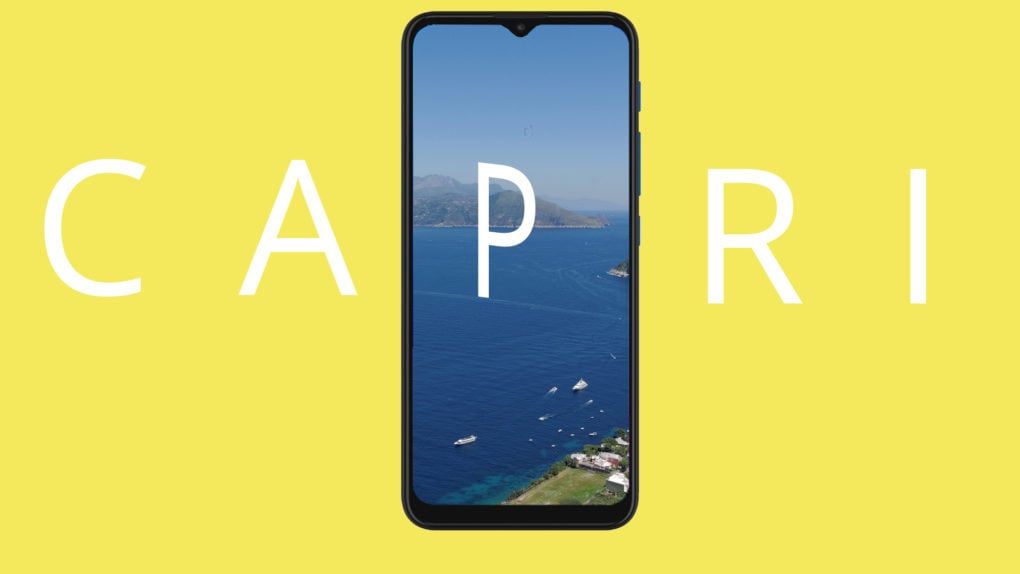
Earlier this month, the specifications of two Motorola smartphones codenamed Capri and Capri Plus were leaked. These handsets are expected to go official in Q1 2021 itself. A few days back, the plus model’s branding was revealed to be Moto G30 via NBTC certification. Now, this very same phone has been certified by India’s BIS as well.
Motorola Capri mockup by TechNikNews
The Motorola Capri Plus smartphone with model number XT2129-2 has received BIS certification. Hence, we can expect the company to launch this handset in India but we cannot tell for sure if it will release as Moto G30 or something else.
According to previous reports, this upcoming Motorola phone will sport a 90Hz HD+ display. It will be powered by Qualcomm Snapdragon 662 chipset paired with 4GB/6GB RAM and 64GB/128GB internal storage.
Further, the device will feature a 13MP Samsung S5K4H7 sensor on the front and a quad-camera setup on the back consisting of a 64MP OmniVision OV64B sensor with a wide-angle lens, a 13MP Samsung S5K3L6 sensor with an ultra-wide lens, a 2MP OmniVision OV02B sensor for depth sensing, and a 2MP GalaxyCore GC02M1 sensor with a macro lens.
Other features include a 5,000mAh battery with support for 20W fast charging, dual-SIM, NFC, and Android 11 operating system. Lastly, although it is not confirmed, we can expect this device to come with a MicroSD card slot and a 3.5mm headphone jack like any other budget Motorola smartphone.
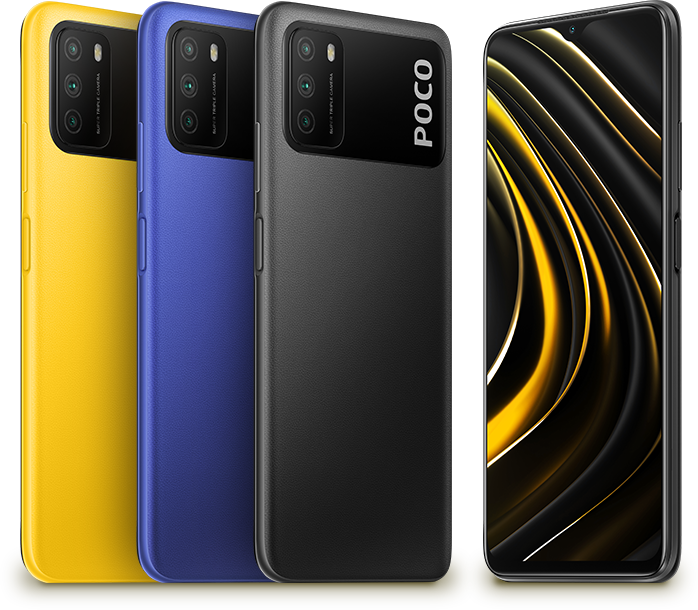
POCO Indonesia has finally launched the budget M3 smartphone in the country. This device has already debuted in Europe back in November. Starting at Rp.1,799,000 in Indonesia, it features Snapdragon 662 chipset, 48MP Triple-camera, and more.
POCO M3 Indonesia – Price, Availability
POCO M3 will be available in two storage variants in Indonesia- 4GB RAM, 64GB storage, and 6GB RAM and 128GB storage options. You can take a look at the official pricing below:
POCO M3(4GB + 64GB)- Rp.1,899,000($136)
POCO M3(6GB + 128GB)- Rp.2,299,000($164)
However, POCO has an introductory Online offer for both the variants. Accordingly, 4GB RAM will be available for Rp.1,799,000($129) and 6GB variant for Rp.2,199,000($157). The first sale of the POCO M3 will be on January 26 at 10:00 WIB(UTC+07:00).
As for availability, POCO says that users can purchase the device online via mi.com(Indonesia), LazadaLazadaLazada, Akulaku, and Mi Authorized stores across the country. The device will also be available on erafone and other Mi Authorized retail shops soon.
POCO has retained the same build and color of the POCO M3. That is, it sports a faux leather finish on the back and comes in POCO Yellow, Cool Blue, and Power Black color options. The larger all-black housing that hosts the rectangular triple-camera layout has a POCO logo beside it.
It features the 6.53-inch FHD+ LCD display with Dot-drop notch, 2340x1080p resolution, 395 PPI, 19.5:9 aspect ratio. The display also covers 70% NTSC color gamut, has 1500:1 contrast ratio, TUV Rheinland certification for Low-Blue light emission, and is protected by Corning Gorilla Glass 3.
Under the hood, Snapdragon 662 SoC powers the device paired with LPDDR4x 4/6GB RAM, 64GB(UFS 2.1), and 128GB(UFS 2.2) storage. You also get a microSD card slot to expand the storage up to 512GB. For Cameras, we have the same 48MP f/1.79 main lens, two 2MP macro and depth sensors.
Other features include an 8MP f/2.0 front camera, a 6,000mAh battery with 18W charging(22.5W charger in-box), Type-C, 3.5mm audio jack, dual-Speakers, dual-SIM 4G, Wi-Fi 5GHz, Bluetooth 5.0, FM Radio, GPS, and MIUI 12 based on Android 10.
The Vivo X60 Pro+ has finally launched as Vivo’s first flagship smartphone of the year. The phone not only has the Snapdragon 888 processor under its hood but also has two main rear cameras – one from Sony and the other from Samsung.
Vivo X60 Pro+ design
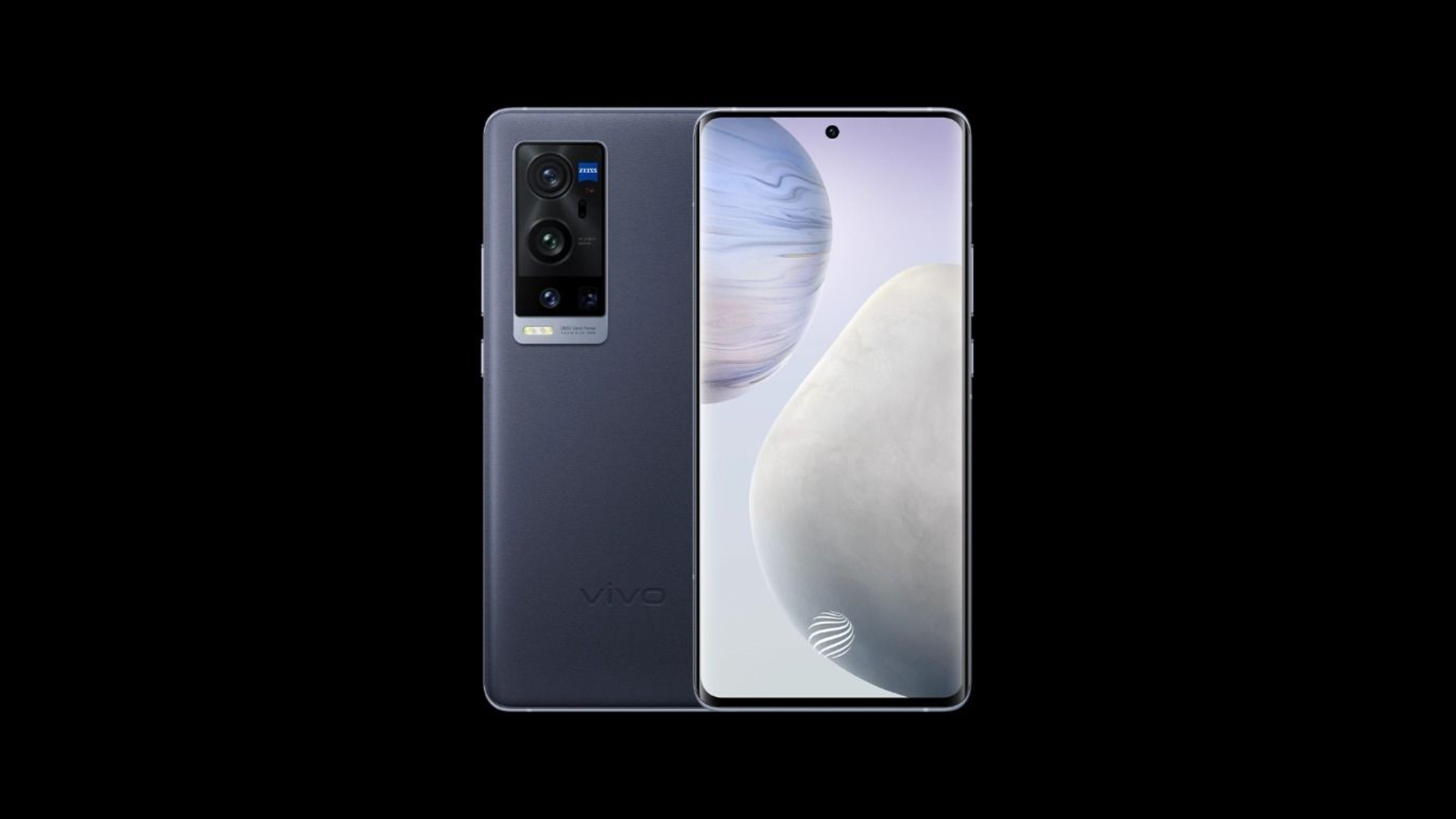
The phone has a curved display with a centered punch hole for the selfie camera. Just as we have seen with some other manufacturers such as OnePlus and Xiaomi, Vivo has also paid attention to the display of the X60 Pro+. The manufacturer claims that the screen has an average ΔE score of 0.506 and that each display was individually calibrated.
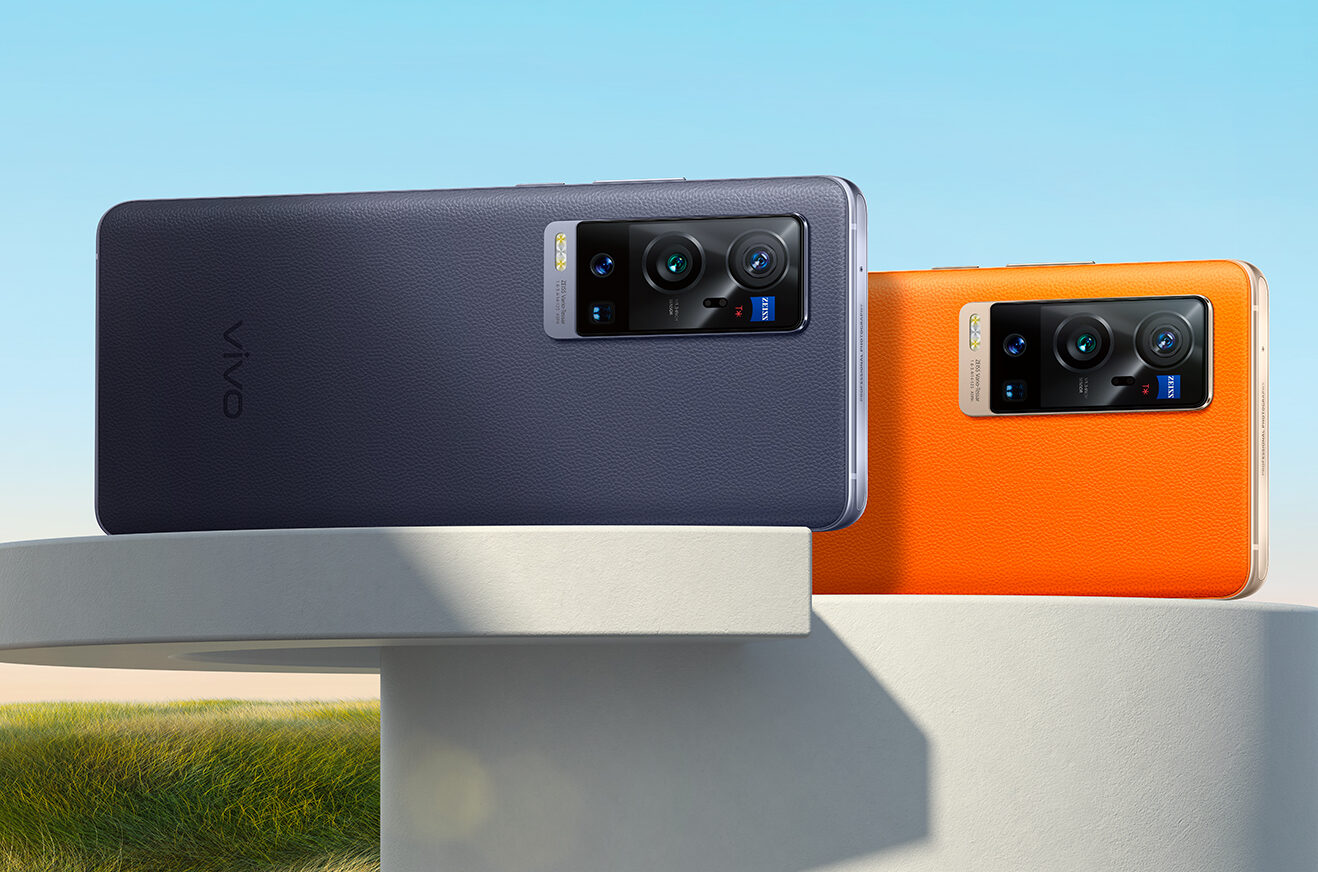
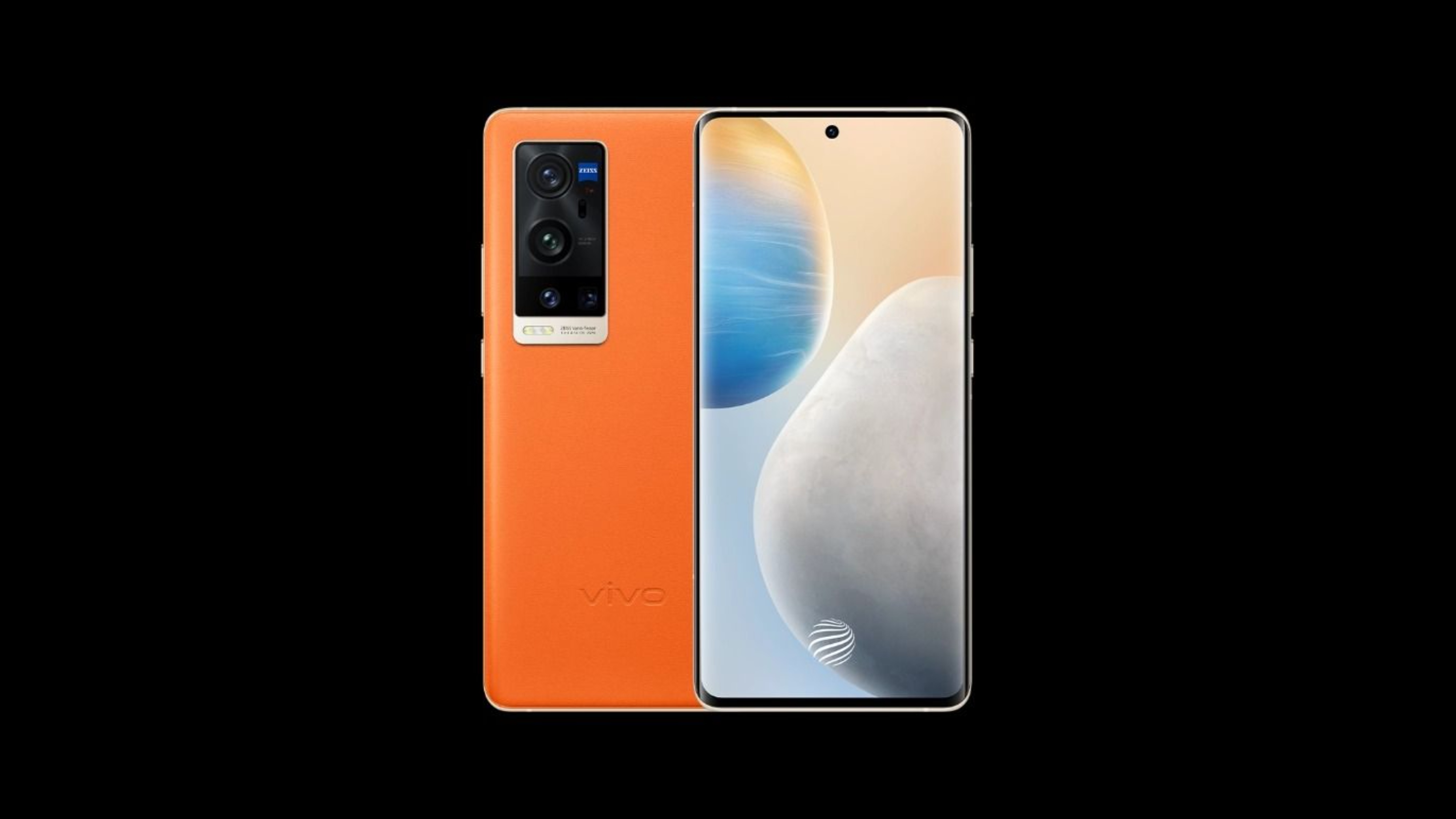
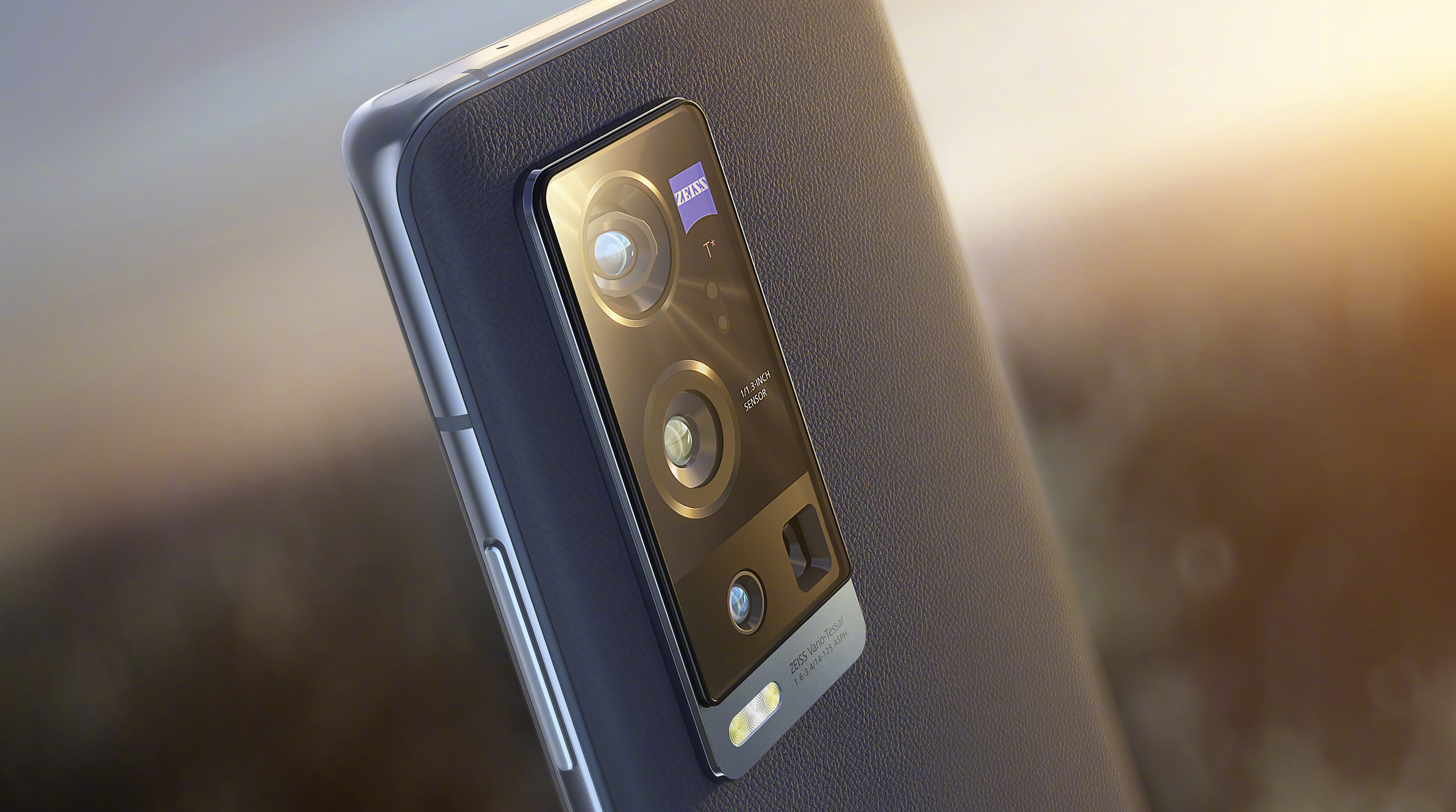
The back of the phone is covered in high-quality plain leather with the option to choose between Classic Orange and Phantom Blue. Sitting on the back is a rectangular island made of metal and glass that houses four cameras. The camera housing protrudes and is quite large, thanks to the phone having two main cameras, one of which has a gimbal system.
vivo X60 Pro+
The overall design screams premium and we don’t have anything to be displeased about.
Vivo X60 Pro+ specs
The Vivo X60 Pro+’s display measures 6.56 inches and it has a resolution of 2376 x 1080. Its refresh rate is 120Hz refresh rate while its touch sampling rate is 240Hz. It also has HDR10 and HDR10+. There is no mention of the type of protection the screen has.
The Snapdragon 888 processor is paired with 8GB or 12GB of LPDDR5 RAM. The 12GB version has a feature called Memory Fusion Technology that allows you to use 3GB from the storage as additional RAM. The phone comes in 128GB or 256GB UFS 3.1 storage options.
The Vivo X60 Pro+ has dual SIM support (Nano only), an in-display fingerprint scanner, face unlock, NFC, Bluetooth 5.2 with support for SBC, AAC, aptX HD, and LDAC. It runs OriginOS 1.0 based on Android 11. It packs a 4200mAh battery with support for 55W flash charge.
The camera department is where Vivo goes all out. It has collaborated with ZEISS optics for the cameras. The X60 Pro+ also has Zeiss T* coating which helps with guiding light transmission through the lens of a camera. The addition of this coating makes a significant difference in the quality of images taken by the phone.
The first main camera is a 48MP f/2.2 micro pan-tilt Sony IMX598 camera with a focal length of 14mm, a 114° ultrawide angle, and 4-axis OIS. The second main camera is the 50MP Samsung GN1 with an f/1.57 aperture and a 1/1.3” large sensor size. There is also a 32MP f/2.08 portrait camera with a 50mm focal length and an 8MP f/3.4 periscope camera that has OIS 5x optical zoom and 60x super zoom. The selfie camera is a 32MP f/2.45 sensor.
Vivo says all four rear cameras support AF autofocus and video stabilization. You can also record in 8K and record slow-motion videos at up to 1080p.
Vivo X60 Pro+ price and availability
The Vivo X60 Pro is priced at ¥4998 for the 8GB+128GB version and ¥5998 for the 12GB+256GB version. It is available for pre-order now on the Vivo online shop and on Jd.com. It will go on sale on Saturday 23rd of January.
Vivo did not announce a Snapdragon 870 version of the phone at the evet and neither did it announce a tablet.
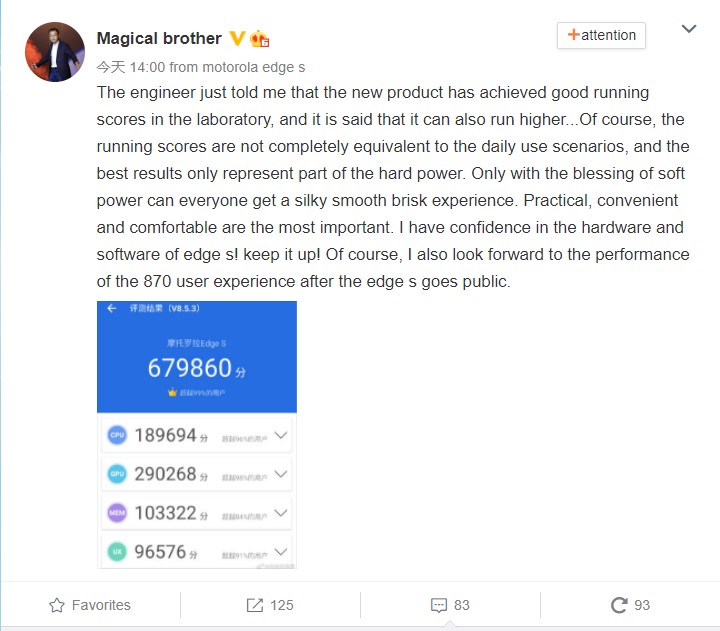
Motorola Edge S is scheduled to launch in China on January 26. The company already confirmed that the device will feature Snapdragon 870 chipset. Ahead of the launch next week, Lenovo China’s GM has shared the AnTuTu score of the Edge S.
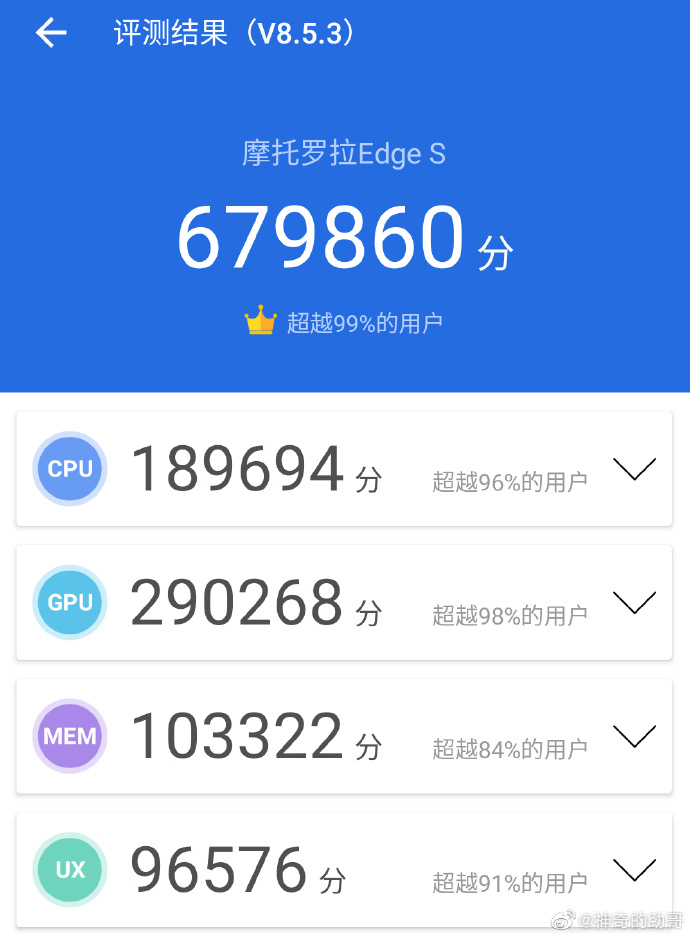
Chen Jin shared the AnTuTu benchmark score of the upcoming Motorola Edge S on Weibo. In the screenshot, you can see the overall score to be around 679,860. Although the average score is a bit far from Snapdragon 888(ref: Black Shark 4), things get interesting in the Graphics category.
If you look at the GPU split up score, it is around 290,268 points whereas a typical gaming smartphone like iQOO 7 scores around 314,968. It is a no-brainer that AnTuTu scores differ with scenarios and as Jin says, Motorola Edge S could be capable of achieving more as well. That said, the Edge S scores 189,694, 103,322, 96,576 in CPU, Memory, and UX categories respectively.
1 of 2
Lenovo GM announcing Edge S AnTuTu
AnTuTu benchmark- Motorola Edge S running Snapdragon 870
Snapdragon 870 chipset was announced a couple of days ago. Carrying the part number SM8250-AC, the processor with Kryo 585 CPU@ 3.2GHz frequency is supposed to overpower Snapdragon 865 & 865+. Accordingly, the AnTuTu score of Motorola Edge S beats devices like Mi 10 Ultra, iQOO 5 Pro from December AnTuTu report.
Anyway, we will have to wait till the launch to know more about the real-world performance and software optimization(UX) on the Edge S. The next flagship Smartphone is reportedly the Chinese variant of the Motorola ‘Nio’ Global version. It is expected to feature a 6.7-inch FHD+ dual punch-hole display with a refresh rate up to 105Hz.
Other expected specs include a 64MP quad-camera, 16MP+8MP dual front cameras, 5,000mAh battery, 8/12GB RAM, 128/256GB storage, and run Android 11 out of the box.
HMD Global has been releasing mediocre Nokia-branded Android smartphones for quite a while now. It could be one of the reasons why their market share has dropped by a high margin. But the company is persistent in releasing new products, which can be considered positive. That said, a few days back, a report revealed that the firm will be releasing more 5G handsets in 2021. One of those devices has been now spotted on Geekbench.
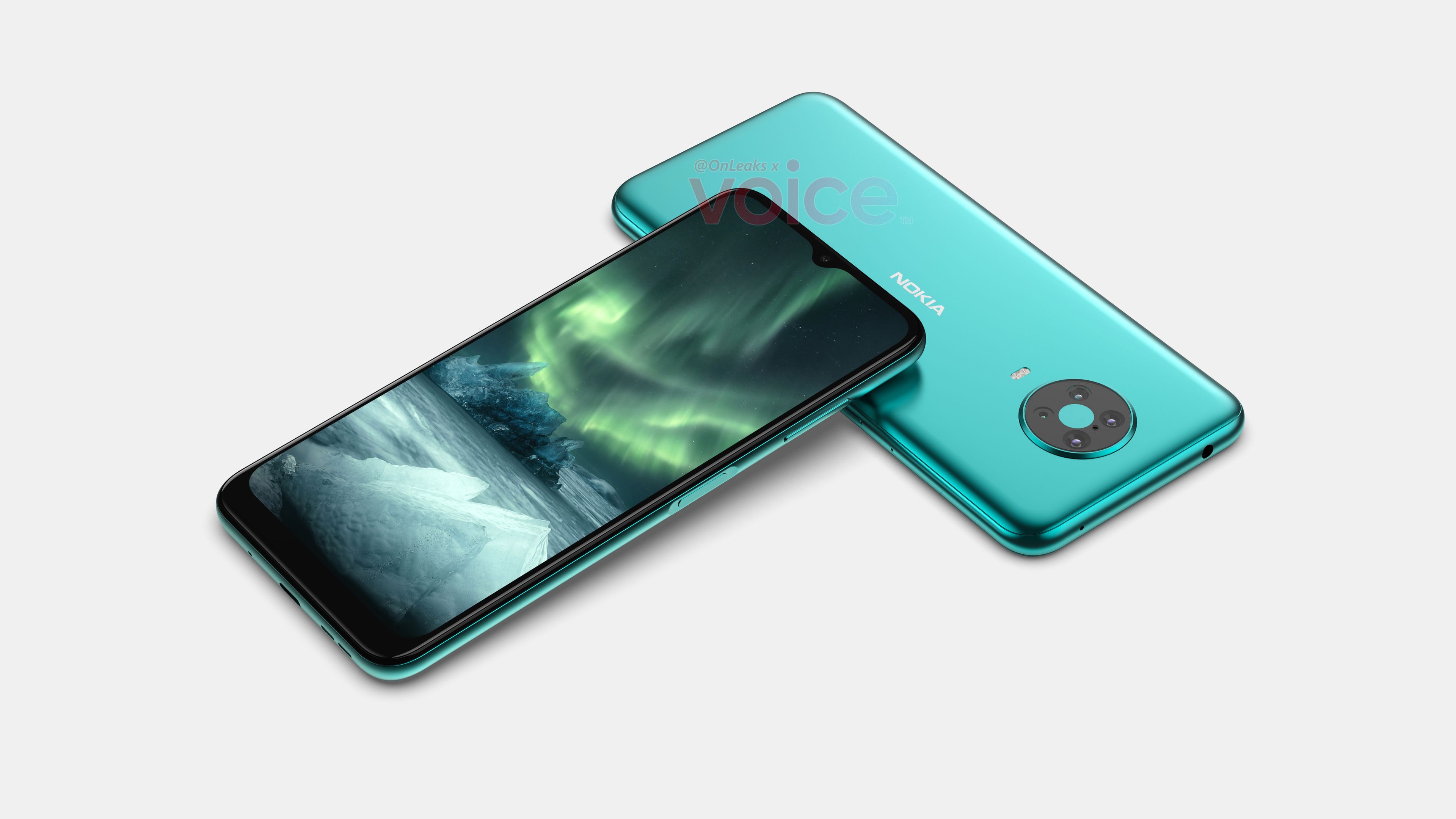
A Nokia smartphone codenamed ‘HMD Global Quicksilver’ has been benchmarked on Geekbench. According to the listing, this phone will run Android 11 and will be powered by the newly announced Qualcomm Snapdragon 480 5G SoC paired with 6GB RAM.
Unfortunately, nothing else is known about this handset as we are hearing about it for the first time. Apart from the above-mentioned specs, all we can say right now is that this device can score around 468 points and 1457 points in Geekbench’s single-core and multi-core tests respectively.
That said, the marketing name of this phone is a mystery. But we think it could be the recently leaked Nokia 6.3/6.4/6.5. Anyway, whatever it may be, we expect to learn more about this smartphone before its official announcement in the coming days.
So far, we only have two Snapdragon 480 devices in the form of vivo Y31s and OPPO A93 5G. Hence, this Nokia handset has a chance of becoming the third product with this new budget 5G chipset from Qualcomm.
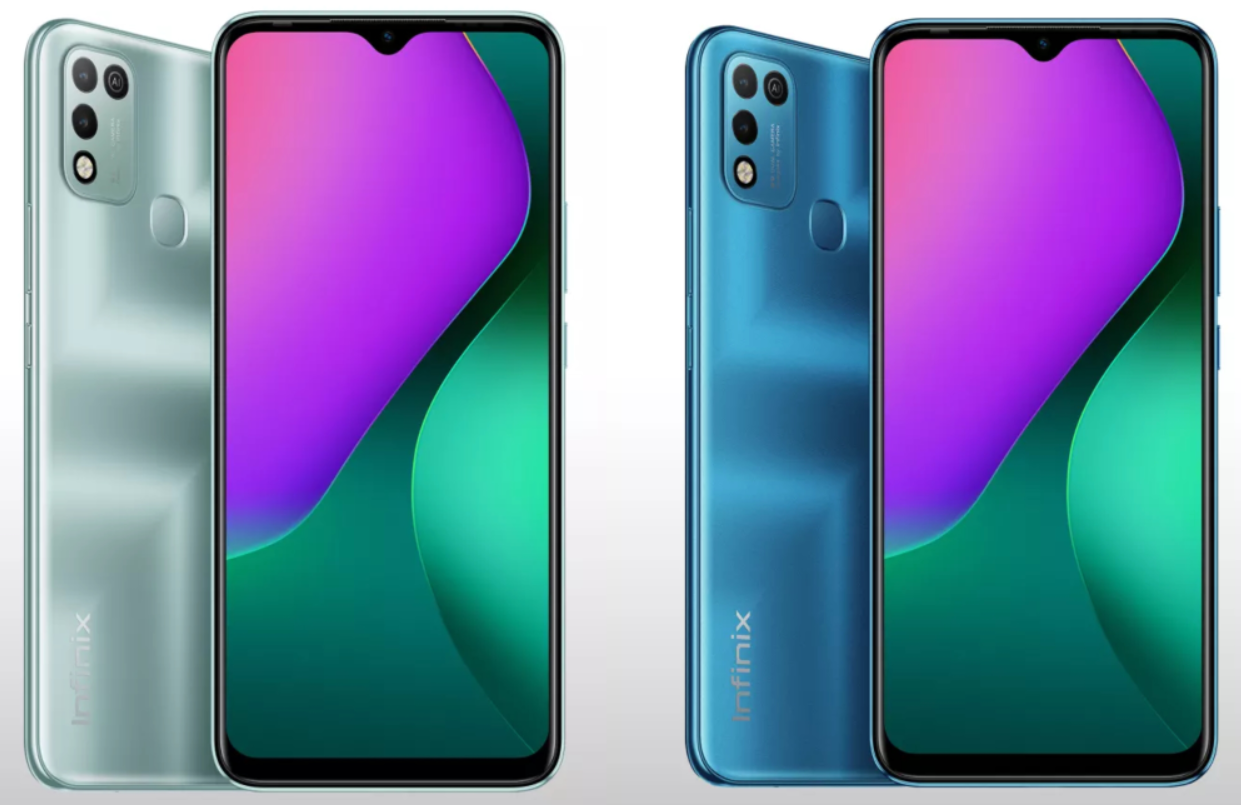
After a lot of leaks, Infinix has finally announced the Hot 10 Play today. The device, which starts as low as $90, has a fingerprint scanner, 6,000mAh battery, Dual-Camera, and more.
Infinix Hot 10 Play – Price, Availability
Infinix has announced the Hot 10 Play handset in Pakistan and the Philippines. The device has a 2GB RAM, 32GB storage variant. This will retail for PKR16,999($106) in Pakistan and PHP4,290($90) in the Philippines.
Pakistan users can get the device via Xpark while customers in the Philippines can buy it through the Lazada, LazMall e-commerce platform from January 23. On the first day, the device will reportedly sell for a discounted price of PHP3,790($79).
As for Pakistan, the pre-orders run through to January 24, and users who pre-order get a chance to win Infinix Earbuds XE08 worth PKR2,699($16.82).
Infinix Hot 10 Play Specifications and Features
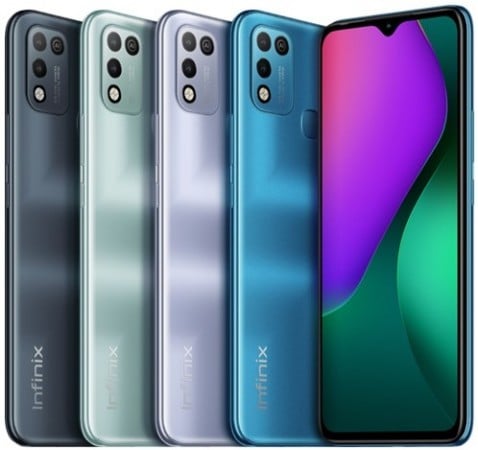
From the specs, you will know that the Infinix Hot 10 Play is an entry-level smartphone. It features a 6.82-inch HD+ display with a water-drop notch. The device has four color variants in Total- Aegean Blue, Morandi Green, Obsidian Black, and 7° Purple options with glaze-like textured patterns.
Under the hood, MediaTek Helio G25 chipset powers the device. Apart from 2GB variant, a GSMArena report says it also has a 4GB RAM, 64GB option. However, currently only 2GB Variant is listed in Pakistan and the Philippines. For storage expansion, you can use the microSD card slot up to 512GB.
For cameras, it has a Dual-Camera setup on the back with a 13MP main, and an AI lens(depth). Upfront, you get a single 8MP sensor for selfies. Other features include a 6,000mAh battery with 10W charging via micro-USB, 3.5mm audio jack, and XOS 7.0 based on Android 10 Go Edition.
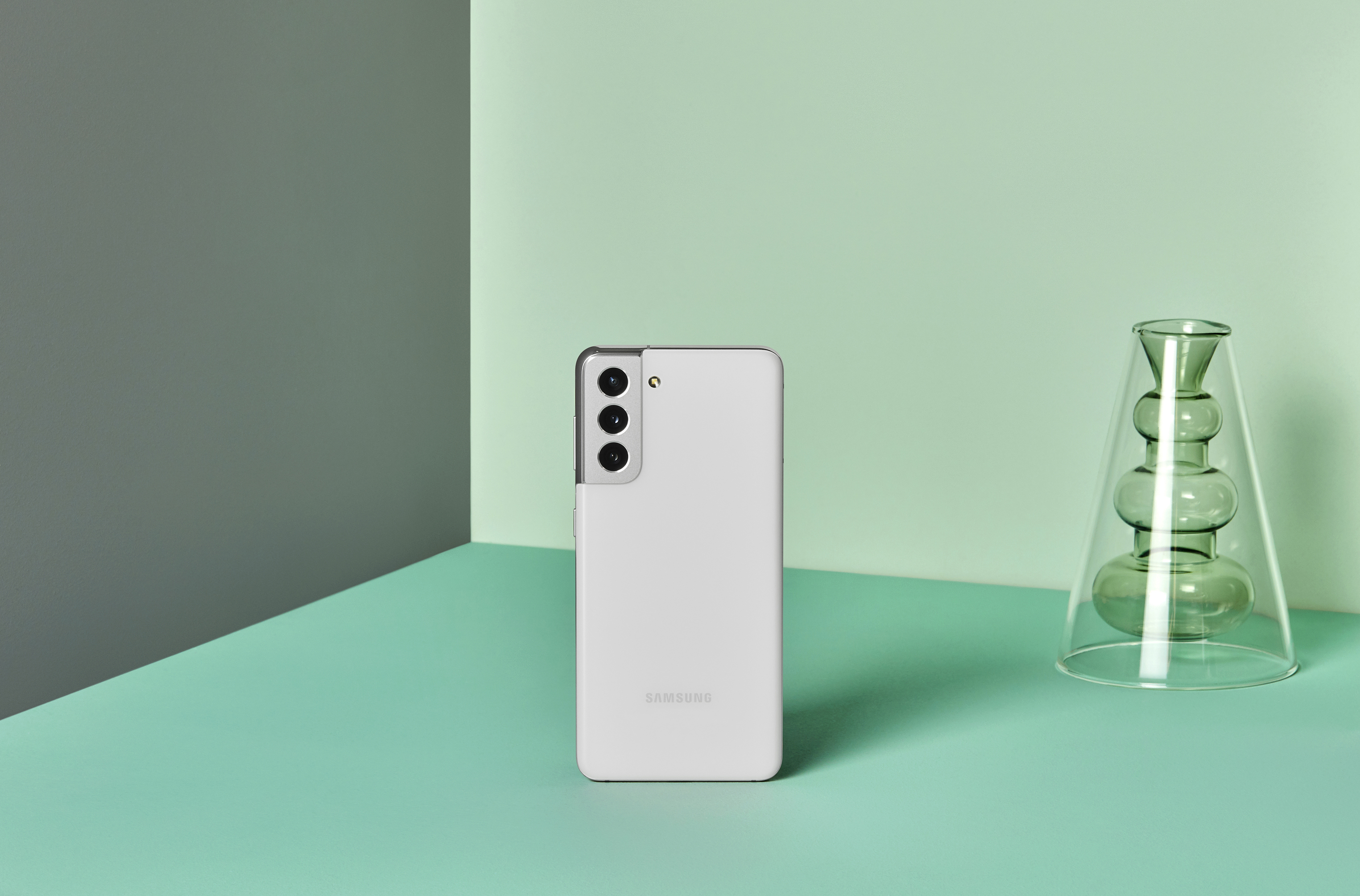
Samsung introduced the Galaxy S21 series a few days back at the first-ever Unpacked event of 2021. All these three smartphones, namely Galaxy S21, Galaxy S21+, and Galaxy S21 Ultra are up for pre-order in a number of countries. Also, unlike last year, all of them are 5G-ready. But now, out of nowhere, a 4G variant of the vanilla Galaxy S21 has popped up on Bluetooth SIG.
For those unaware, last year, Samsung released two variants of the Galaxy S20 series. One with 5G for the countries where the network is live and another with 4G. But for the Galaxy S21 series, the company did not say anything about 4G models.
Despite that, a 4G variant of the regular Galaxy S21 with model numbers SM-G990F and SM-G990F_DS has been certified by Bluetooth SIG. This suggests that the South Korean tech giant may release this version of Galaxy S21 in regions where there are no 5G networks.
Further, due to the lack of a 5G modem and antennas, the Galaxy S21 4G could be cheaper than the standard Galaxy S21 with 5G connectivity. It is worth noting that though the Galaxy S21 series is cheaper than its predecessor in countries with 5G, it is the opposite for those regions that got 4G-only Galaxy S20 series last year.
Hence, we think the Galaxy S21 4G could be a backup plan from Samsung to reduce the starting price of the Galaxy S21 series in those regions where it is costlier than the predecessor. Last but not least, there seem to be no 4G variants of Galaxy S21+ and Galaxy S21 Ultra as of now.
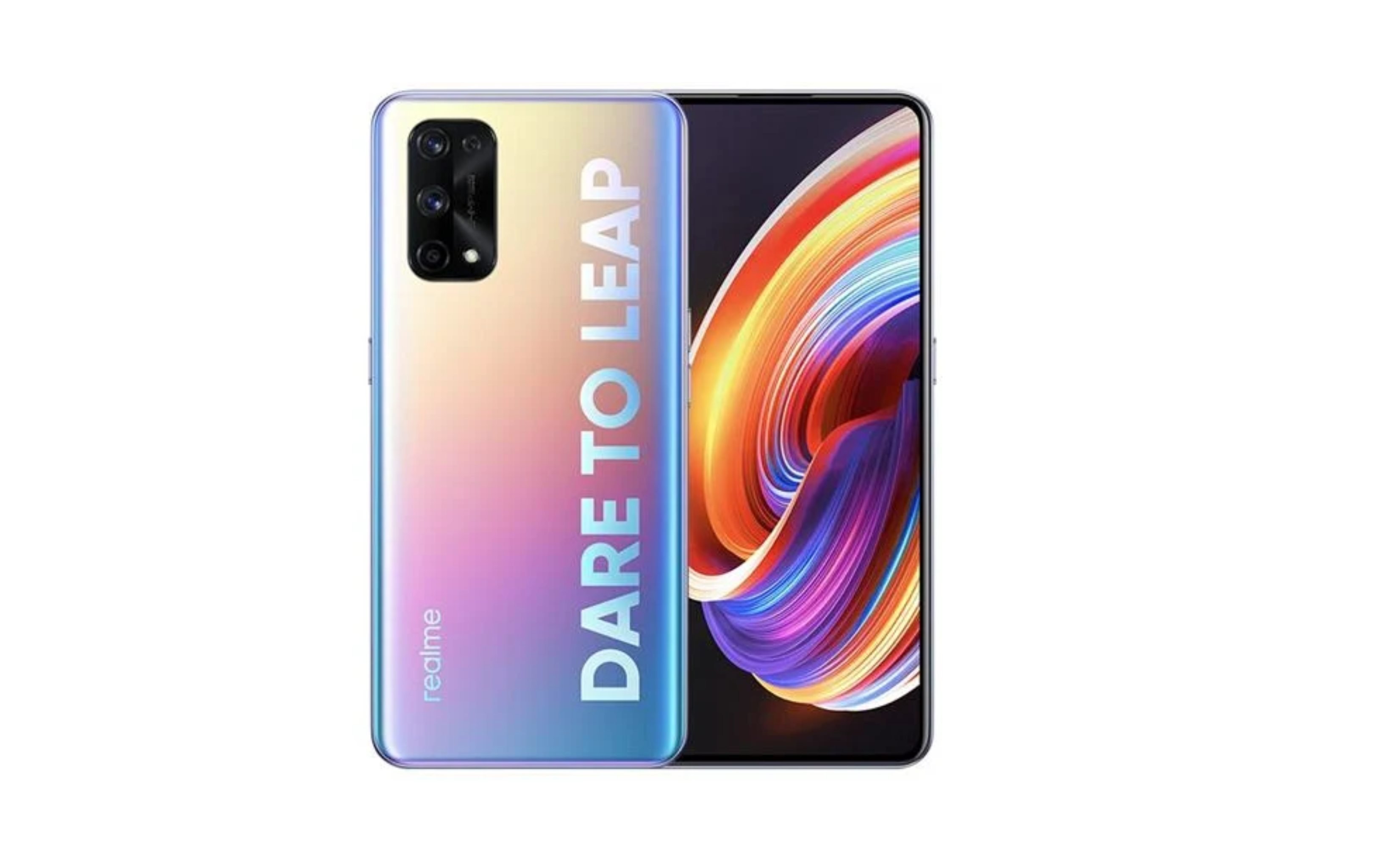
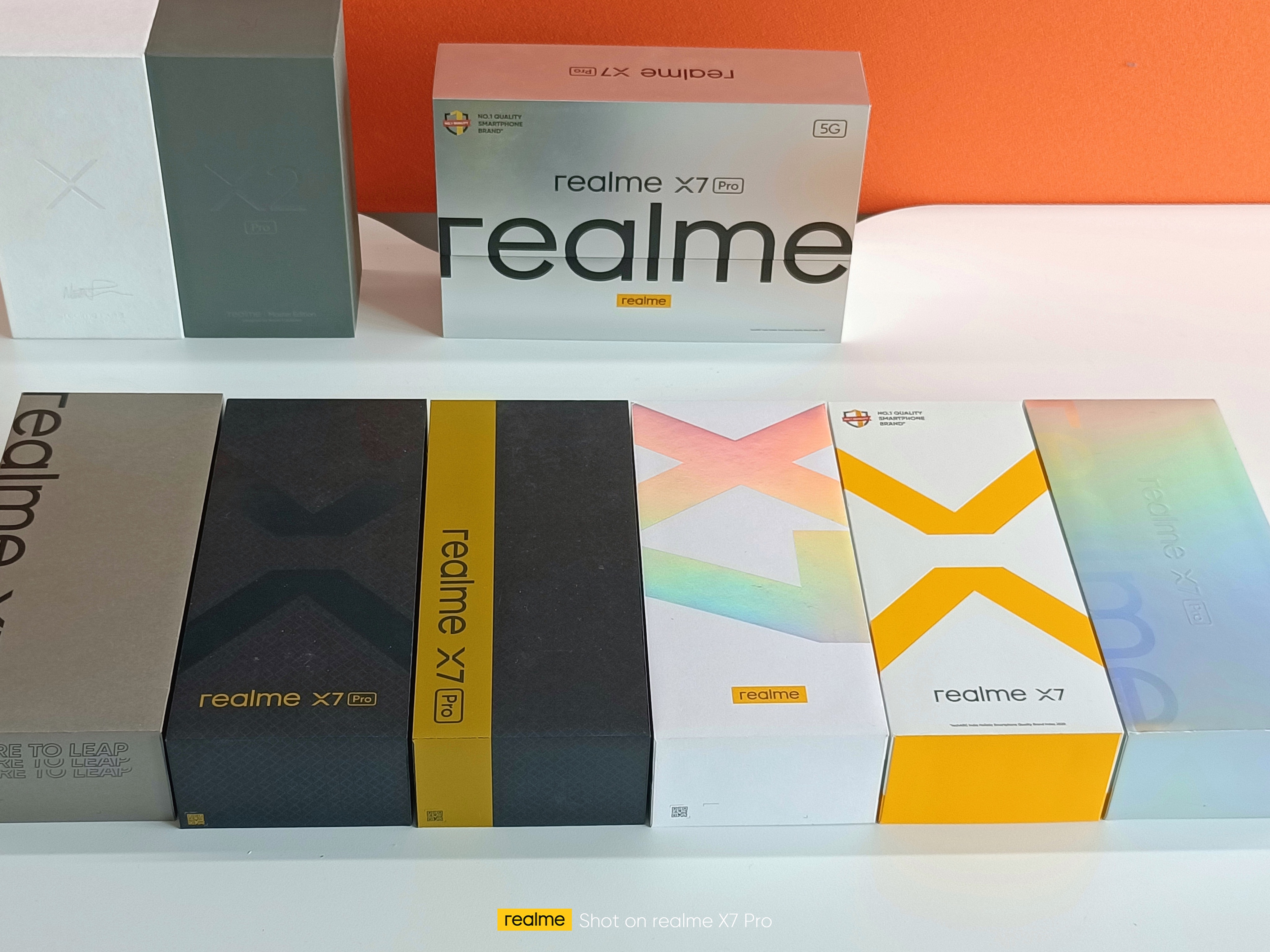
realme is gearing up to launch the X7 series- realme X7 and realme X7 Pro in India. Ahead of an imminent launch event, the company’s India and Europe CEO Madhav Sheth has posted its box packaging designs. And it is confirmed to come with a charger inside.
Madhav Sheth, in a Tweet, posted the images of the prototype designs of the realme X7 series box packaging. Inside the picture, we can spot a lot of designs of X7, X7 Pro with Black, Silver, Yellow accents. One of the design(Third from Bottom Right) also represent C Color gradient of the X7 in China.
However, these are quite different from the box packaging of Chinese variant that came with a simple. While we wait for the launch to know which design made it to the final cut, Koustabh Das, Senior Communications Specialist, Realme, confirmed the in-box content.
1 of 2
realme X7 Pro India Box Designs
realme X7 Pro, China retail CC: Vy Vo Xuan YouTube
He said in a tweet that the devices will come with a charger inside the box. This means you don’t need to purchase the 65W Dart Charging adapter that’s probably coming with the X7 series.
realme has confirmed the arrival but is yet to break the launch date of the realme X7 series in India. Speculations are rife that it would be unveiled early next week/First week of February.
Assuming that the company doesn’t make any changes from the China variant, we can expect the X7 and X7 Pro will feature 6.4 and 6.55-inch AMOLED 120Hz display respectively. Under the hood, X7 will feature Dimensity 800U chipset whereas Dimensity 1000+ will power the X7 Pro.
For cameras, both the X7, X7 Pro will likely feature a 64MP quad-camera setup, 32MP selfie shooter. Other expected Specs include 4,300mAh battery on X7, 4,500mAh on the X7 Pro with 65W Dart charging support, Android 11(realme UI 2.0).
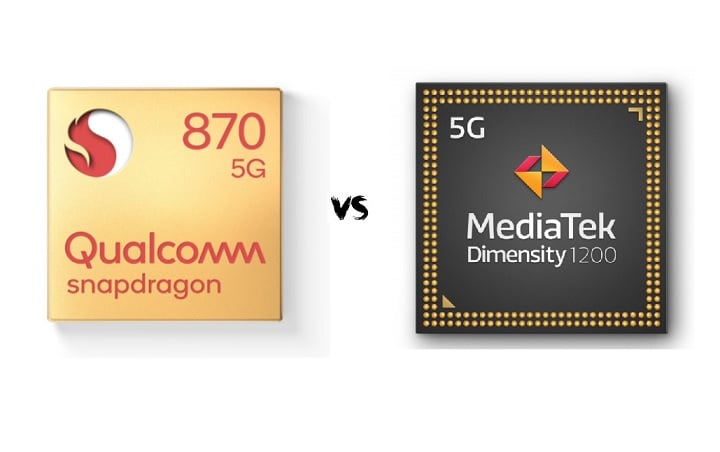
For this edition of Chip Battle, we are pitting the Snapdragon 870 5G against MediaTek’s Dimensity 1200 processor. Both chipsets are expected to be the SoC for phones that fall under the flagship killer category, so it makes sense to see how they compare against each other. The table below shows a spec-by-spec comparison:
Processor
Snapdragon 870 5G
Dimensity 1200
Node size
7nm
6nm
CPU
1 x ARM Cortex-A77 at 3.2GHz
3 x ARM Cortex-A77 at 2.42GHz
4 x ARM Cortex-A55 at 1.8GHz
1 x ARM Cortex-A78 at 3.0 GHz
3 x ARM Cortex-A78 at 2.6GHz
4 x ARM Cortex-A55 at 2.0GHz
GPU
Adreno 650
ARM Mali-G77 MC9 (9 cores, Boosted)
ISP
Spectra 480
Supports up to 200MP
Supports 4K video capture
Supports 8K video capture
MediaTek Imagiq Camera
(five-core) HDR-ISP
Supports up to 200MP
Supports 4K HDR video capture
AI Engine
Hexagon 698
(15 TOPS)
MediaTek APU 3.0 (six cores)
Max On-Device Display and Refresh Rate
QHD+ at 144Hz
4K at 60Hz
QHD+ at 90Hz
FHD+ (2520 x 1080) at 168Hz
Modem
Snapdragon X55
Supports mmWave and sub-6GHz spectrums
Multi-SIM features: Global 5G multi-SIM
5G Uplink Speed: Up to 3 Gbps
5G Downlink Speed: Up to 7.5 Gbps
5G Uplink Speed: Up to 2.5 Gbps
5G Downlink Speed: Up to 4.7 Gbps
Connectivity
Wi-Fi 6
Bluetooth 5.2
GPS, GLONASS, NavIC, Galileo, Beidou, QZSS
Wi-Fi 6
Bluetooth 5.2 with LC3 encoding
Dual Frequency GPS, GLONASS, NavIC, Galileo, Beidou, QZSS
Gaming
Snapdragon Elite Gaming
Qualcomm Game Color Plus v2.0
Qualcomm Game Smoother
True HDR game rendering
10-bit color depth
2020 color gamut
Updateable GPU drivers
HyperEngine 3.0
Networking Engine 3.0
Rapid Response Engine 3.0
PQ Engine 3.0 (Ray Tracing in Mobile Games and AR)
Resource Management Engine 3.0
Node Size
The Snapdragon 870 5G is a 7nm chipset just like its siblings – the Snapdragon 865 and Snapdragon 865 Plus. MediaTek, on the other hand, has switched to the smaller 6nm process.
A smaller node is known to bring an increase in performance and power efficiency, and as you can see the Dimensity 1200 is the chipset with the smaller node size, so it wins this round.
CPU
The two chipsets have eight cores each and they use the same 1+3+4 arrangement but where they differ is in the cores themselves.
The Snapdragon 870 is practically an overclocked Snapdragon 865 and Snapdragon 865 Plus chipset, so you get the same cores but at a higher clock speed. It has a prime Cortex-A77 core that has the highest clock speed of a mobile CPU core at 3.2GHz. Its performance cores are also the same Cortex-A77 clocked at 2.42GHz while the efficiency cores are Cortex-A55 cores clocked at 1.8GHz.
The Dimensity 1200 has the more powerful Cortex-A78 cores as its prime core and performance cores. ARM says that the Cortex-A78 boasts a 20% increase in performance over the Cortex-A77. There are four Cortex-A78 cores inside the Dimensity 1200 which gives it a significant advantage over the Snapdragon 870 which has the older Cortex-A77 cores.
On top of that is the fact thatsave for the prime core, all of the cores of the Dimensity 1200 chipset including the A55 efficiency cores are clocked higher than those of the Snapdragon 870 5G.
At the moment, there are no benchmark results to back up the claim but the Dimensity 1200 should have the upper hand as it has the more powerful CPU cores and also has a smaller node size.
GPU
The Adreno 650 is the GPU inside the Snapdragon 870 5G, the same one inside the Snapdragon 865 duo. Qualcomm didn’t say that it has increased the clock speed for the Snapdragon 870 5G, so we will assume the GPU performance is unchanged from that of the Snapdragon 865 Plus.
The Dimensity 1200 has a Mali-G77 MC9 (9 cores) GPU. This is not ARM’s most powerful GPU, the Mali-G78, which is found inside the Kirin 9000, Exynos 2100, and Exynos 1080 chipsets. MediaTek says that the GPU has gotten a performance increase of 13% compared to that of the Dimensty 1000+.
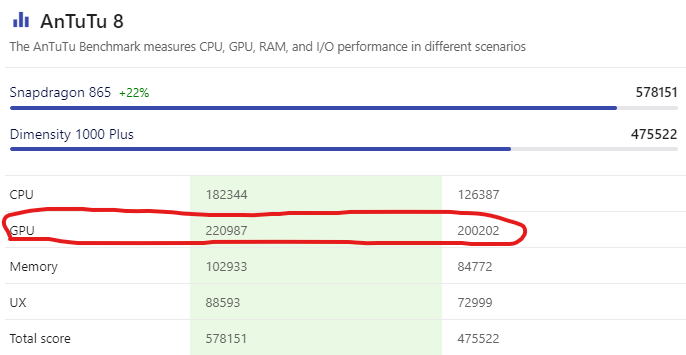
The Adreno 650 is a powerful GPU and benchmark results have shown that the Snapdragon 865 has a better GPU score than the Dimensity 1000+ which has a Mali-G77 MC9 GPU too. However, since MediaTek claims that the GPU in the Dimensity 1200 boasts a 13% increase in performance over that of the Dimensity 1000+, then the GPU performance gap between the Snapdragon 870 5G and Dimensity 1200 should be smaller or even erased. We will have to wait for benchmark results and real device reviews to know which processor is better.
To know how the standard Mali-G77 MC9 performs, you should check out our review of the iQOO Z1 which has a Dimensity 1000+ processor.
One area where the Adreno 650 has the upper hand is in having support for updateable GPU drivers. MediaTek is yet to offer that feature for its own chipsets.
The Snapdragon 875 also supports QHD+ displays at a refresh rate of 144Hz and 4K displays at a 60Hz refresh rate. The Dimensity 1200 supports QHD+ displays at a maximum refresh rate of 90Hz which goes all the way up to 168Hz for 1080p screens.
The Spectra 480 ISP inside the Snapdragon 870 5G is known to be pretty impressive based on reviews and comparisons of phones powered by the Snapdragon 865/865 Plus. It has support for 200MP cameras, 8K video recording, and HEIF video capture.
MediaTek’s Imaqiq Camera HDR-ISP also has few tricks up its sleeve. The five-core ISP brings support for 200MP photos, staggered 4K HDR video recording that boasts a 40% greater dynamic range and real-time 3-exposure fusion. MediaTek also says that it has support for bokeh video, multi-person AI-segmentation, and AI-Panorama Night Shot. Night Shots are also now 20% faster. Unfortunately, there is still no support for 8K video recording
AI
The Hexagon 698 boasts 15 TOPS but MediaTek doesn’t say the value of its own APU 3.0 AI engine. However, AI Benchmark ranks the APU 3.0 AI engine inside the Dimensity 1000+ over the Hexagon 698 inside the Snapdragon 865 Plus processor. Since these are the same AI Engines inside the Dimensity 1200 and Snapdragon 870 respectively, we will give this round to MediaTek.
Connectivity
The Snapdragon X55 has support for mmWave and sub 6GHz spectrums as well as SA and NSA networks. The modem also brings 5G multi-SIM support but according to Qualcomm’s explanation, it doesn’t seem to mean you can use 5G on both SIM slots at the same time.
Qualcomm’s modem also boasts faster downlink and uplink speeds. There is also Wi-Fi 6, Bluetooth 5.2, and support for various positioning systems including GPS, NavIC, Beidou, and GLONASS.
The Helio M70 modem inside the Dimensity 1200 supports only sub-6GHz with 5G-CA (carrier aggregation) across TDD/FDD. It also supports true dual 5G SIM (5G SA + 5G SA), has a special Elevator Mode and 5G HSR mode that ensures a reliable 5G experience across networks. As shown in the table, the downlink and uplink speeds are slower than that of the Snapdragon 870.
The Dimensity 1200 also has support for Dual-band for GNSS, GPS, Beidou, Galileo, and QZSS. It also has support for NavIC. There is Wi-Fi 6 but no Wi-Fi 6E and its Bluetooth 5.2 has support for LC3 encoding.
Gaming
Gaming is another important area where these two chipsets show their strengths.
Qualcomm’s chipset has Snapdragon Elite Gaming which brings features such as Game Color Plus v2.0 and Game Smoother. It also has True HDR game rendering, 10-bit color depth, and desktop forward rendering.
MediaTek’s HyperEngine 3.0 Gaming Technology enhances connectivity, responsiveness, image quality, and power efficiency with features like 5G call and data concurrency, multi-touch boost, ultra-low latency true wireless stereo audio, high FPS power saving, and super hotspot power saving. However, the game-changing feature it has is support for Ray Tracing in mobile games and AR.
Conclusion
The Snapdragon 870 5G builds upon the success of the Snapdragon 865 Plus with an even more powerful CPU. Its GPU, though unchanged, will handle any game you throw at it. The Snapdragon X55 modem also offers blazing uplink and downlink speeds and its ISP is one of the best in its class.
The Dimensity 1200 is also a beast with its four Cortex-A78 cores, one of which has the highest clock speed in a processor. MediaTek says it has upped the GPU performance, and it has also added some very useful features to the ISP such as a faster night shot mode. Its modem brings true dual 5G SIM support and its game engine brings ray tracing to mobile games.
We expect any phone powered by either of these two chipsets to offer incredible performance at a much affordable price tag than more premium smartphones. If you want a flagship killer phone that doesn’t put a hole in your pocket, you should look for phones powered by these chipsets.
OnePlus has been selling budget flagship smartphones for years now. Last year, the company finally released its proper flagship smartphone in the form of the OnePlus 8 Pro. That’s not all, it also entered the mid-range and budget smartphone segments along with TWS. The brand has even confirmed to launch its first smartwatch in early 2021. Ahead of its release, two OnePlus-branded watches have been certified by India’s BIS (Bureau of Indian Standards).
Rumors of OnePlus releasing a smartwatch have been in the news for a long time. Mostly because the brand itself has teased it on multiple occasions. This wearable was first spotted on Singapore’s IMDA certification bureau in late August with model number W301GB.
In December, Pete Lau, the CEO and co-founder of OnePlus revealed that the watch will go official in early 2021. A few days later, ahead of the OnePlus Band launch earlier this month, more information about the OnePlus smartwatch leaked, thanks to the OnePlus Health app.
As per OnePlus’s companion app, the company may release two smartwatches – one with a square dial and another with a circular. Unsurprisingly, both of them seem to be a rebranded or tweaked versions of OPPO Watch and OPPO Watch RX.
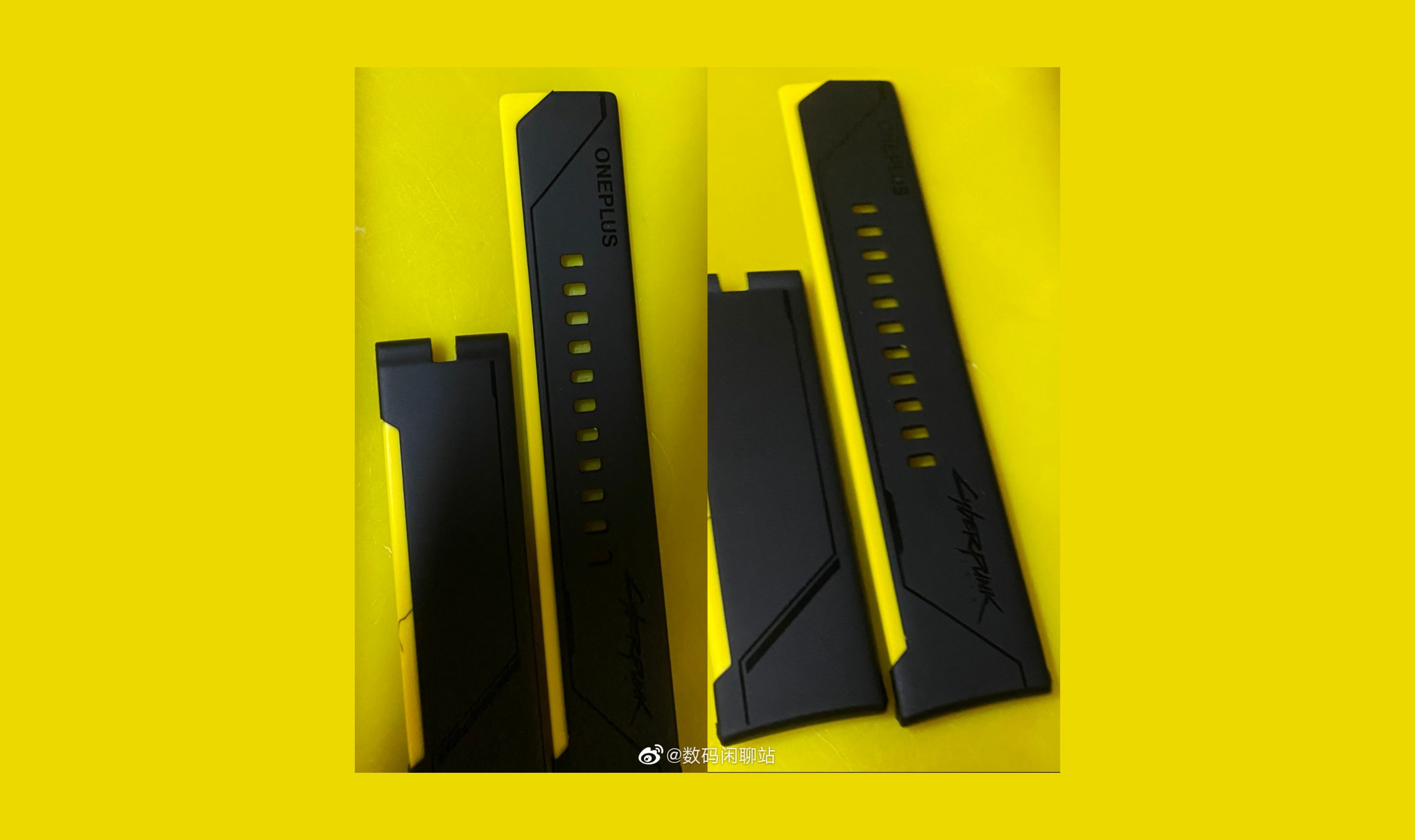
Straps of OnePlus Watch Cyberpunk 2077 Limited Edition
The square variant called ‘OnePlus Watch’ is expected to come with model number W301GB. The same wearable was certified by IMDA last year and it has now received BIS certification along with another watch with model number W501GB. This second watch could be the ‘OnePlus Watch RX’ that was found in the OnePlus Health app with a circular dial.
So as of now, we can say that the OnePlus Watch could launch in both Singapore and India. But the OnePlus Watch RX may only debut in the latter country, just like the OnePlus Band. Anyway, we do expect the company to release its smartwatches in more regions.
With major TV manufacturers shifting towards MiniLED display technology for their upcoming generation of high end TV offerings, the competition between brands like LG, Samsung, and TCL is expected to intensify, especially in key markets.
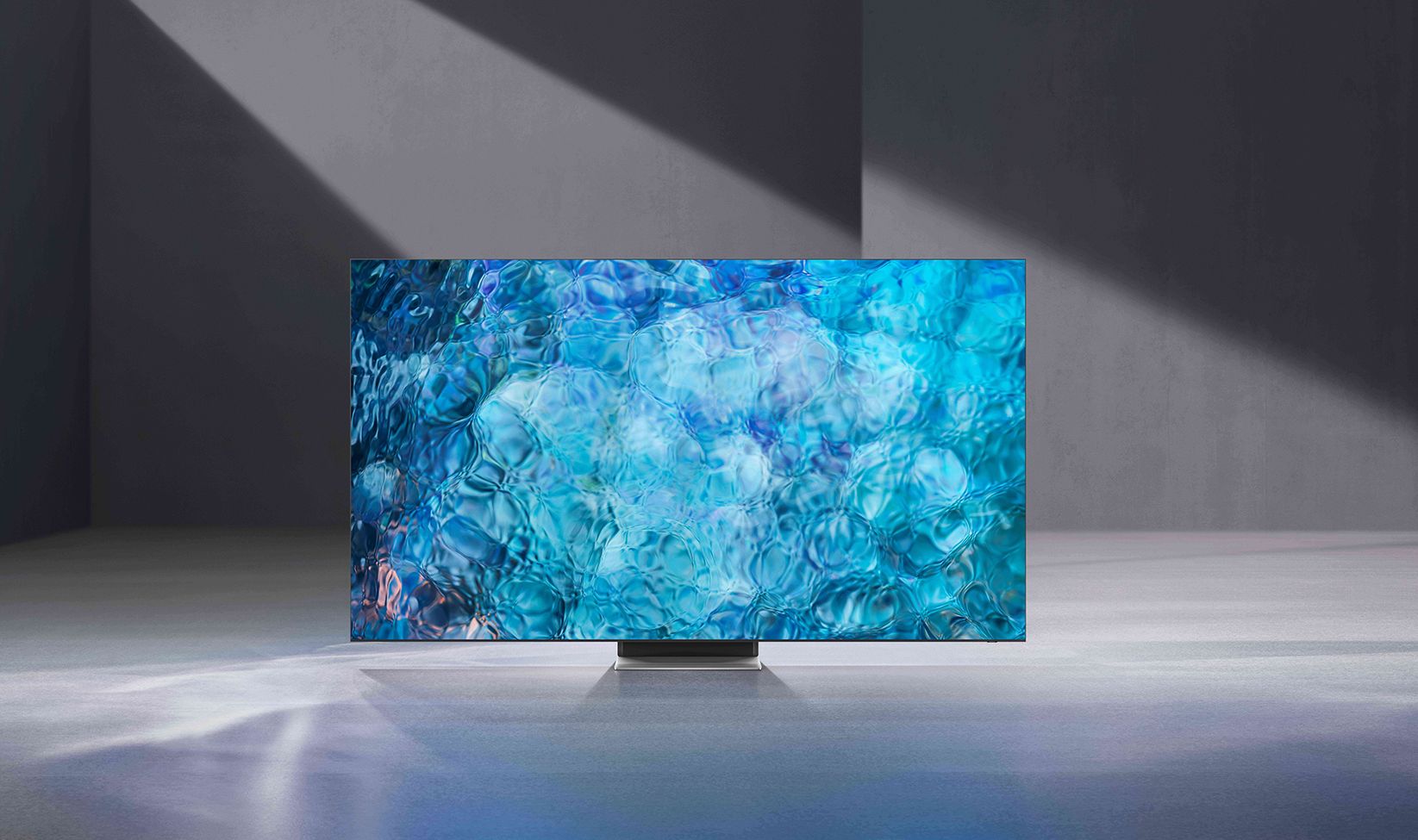
According to TheElecreport, the world’s top three TV manufacturers recently showed off their MiniLED TV offerings at the CES 2021 event. For those unaware, MiniLED is a form of LCD TVs, which uses tiny LEDs for backlighting. These LEDs can be sized anywhere between 100 to 200 micrometers and are much smaller than the conventional LEDs that are sized around 300 micrometers. Making these LEDs smaller, enables a better contrast ratio and more segments of local dimming for even deeper black on LCD panels.
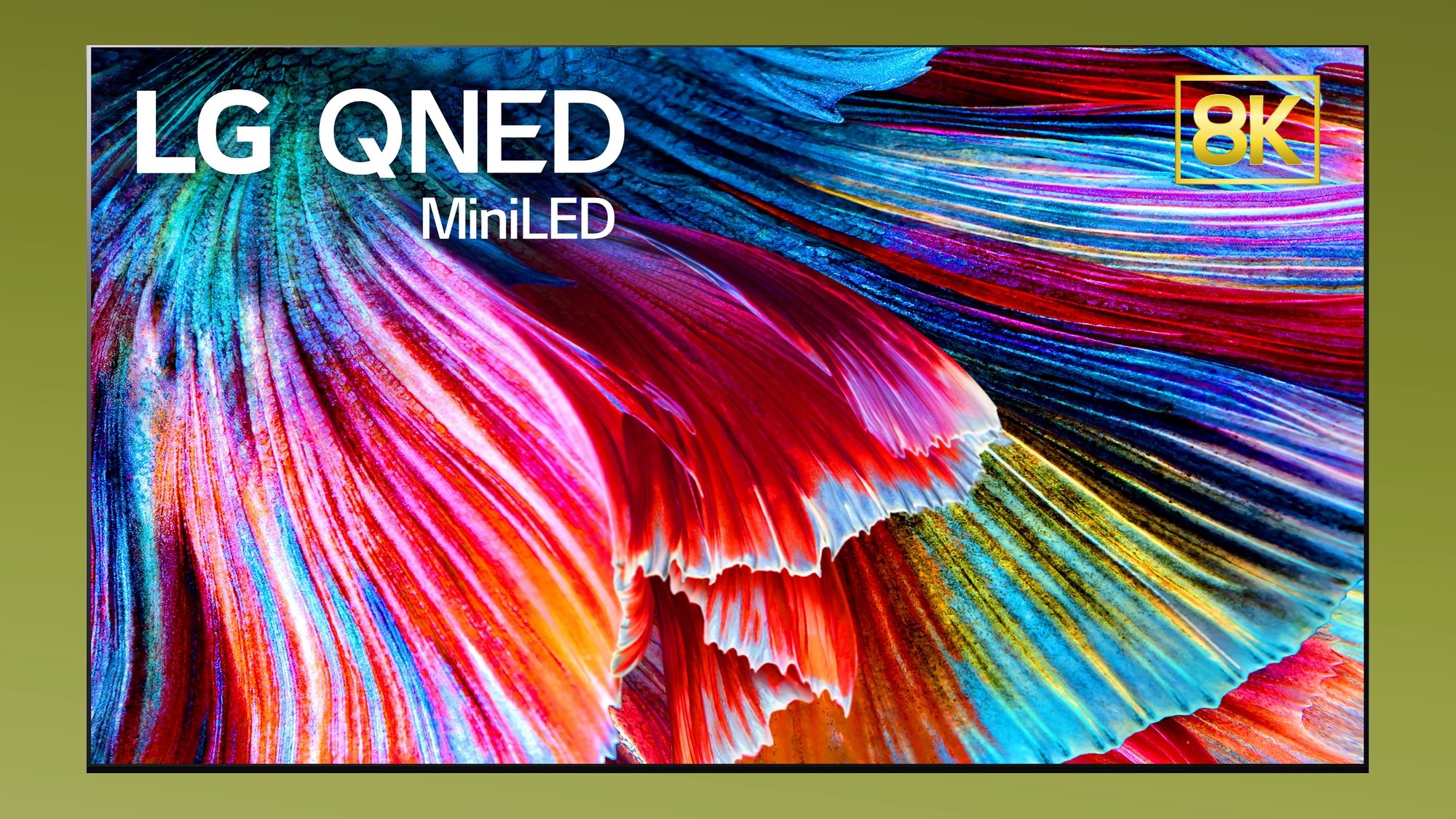
In other words, it’s an evolution of LCD technology to match OLED panels performance. Recently, Samsung launched its Neo QLED TV, with sales beginning in March 2021 for both 4K and 8K resolutions. Similarly, LG had also unveiled its QNED TV back in December 2020, with an 86 inch 8K variant that has over 30,000 MiniLEDs that feature over 2,500 local dimming zones. The company plans on launching an 86 inch, 90 inch, 95 inch, and even a 99 inch model.
Lastly, TCL unveiled the OD Zero at CES 2021. It is the company’s 3rd Gen MiniLED TV, which will be available in the second half of this year. Market research firms expect that Samsung and LG will lead the development of these new TVs, while TCL would be the first to launch them. Furthermore, MiniLED TVs are also expected to surpass OLED TVs by the year 2024 as well, with Samsung being expected to account for more than half of all MiniLED TV shipments this year.
The OnePlus 7T and OnePlus 7T Pro were the brand’s flagship smartphones for the second half of 2020. They debuted with OxygenOS 10 based on Android 10. Now, more than a year after their release, these smartphones finally get OxygenOS 11 Open Beta 1 based on Android 11 along with OnePlus 7 and OnePlus 7 Pro.
The new public beta update for OnePlus 7T series not only brings Android 11 but also the new OxygenOS 11 features. This update can be installed by any user by downloading the appropriate file from the OnePlus Community. However, it will wipe the phone’s data but the company has revealed to release new builds soon, which will not wipe data.
Talking about new features, the first major update for the OnePlus 7T and the OnePlus 7T Pro brings a new UI design for the system as well as first-party applications like the OnePlus Camera. The camera application also gets certain useful additions, such as HEVC codec support, quick share option, video recording and zooming gesture, and playback display in time-lapse mode.
Unfortunately, AOD (Always-on Display) is still in the works, and therefore, it only works when the phone is picked up or its screen is tapped on. Nevertheless, the brand has added the new insight clock style and Canvas feature.
Other features include a shortcut key and scheduling options for dark mode, redesigned Shelf with an animated weather widget, and story functionality in the Gallery app.
OnePlus 7T/7T Pro OxygenOS 11 Open Beta 1 Official Changelog
System
Update to OxygenOS 11 version
Fresh new UI visual design brings you a more comfortable experience with various optimizations of details
Optimize the stability of some third-party applications and improve the experience
Camera
Updated the camera UI and optimized some of the function paths to offer a more convenient operation
Newly added HEVC codec to reduce video storage size seamlessly, capture and shoot more without compromising on quality
Newly added access to a third-party app to share the picture by pressing and holding it in preview
Newly added the quick access to recording mode by pressing and holding the shutter button and by sliding the button, you can easily zoom in or zoom out
Newly added the playback display in Time-lapse mode to show the actual filming time
Ambient Display
Newly added Insight clock style, a joint creation with Parsons School of Design. It will change according to the phone usage data ( To set: Settings > Customization > Clock Style)
Newly added Canvas feature that can automatically draw a wireframe picture based on a lock screen photo on your phone(Path:Settings-Customization-Wallpaper-Canvas-Choose photo preview and it can be generated automatically)
Always-On-Display feature is under internal test and will be released in subsequent versions. In this build, you can use the “Ambient Display” by picking up your phone or tapping the screen, it can be turned on in the Settings.
Dark Mode
Added the shortcut key for Dark Mode, pull down the quick setting to enable.
Supporting automatically turn on feature & customize time range. path: Settings – Display – Dark Mode – Turn on automatically – Automatically enable from sunset to sunrise / Custom time range
Shelf
Newly shelf interface design, the interface is clearer
Added weather widget, animation effect smarter
Gallery
Supporting Story function, automatically form weekly videos with photos and video in storage
Optimize the loading speed of the gallery, and the image preview is faster
Having said that, being a beta build, this update may have a number of bugs. But thankfully, you can return to the older OxygenOS 10 stable build by downloading and installing the appropriate rollback file. However, this process will wipe the phone’s internal storage.
Earlier this week, Samsung Display filed another lawsuit against JOLED, a Japanese display maker, in the US. The former has alleged that the latter has violated and infringed upon its patented technology.
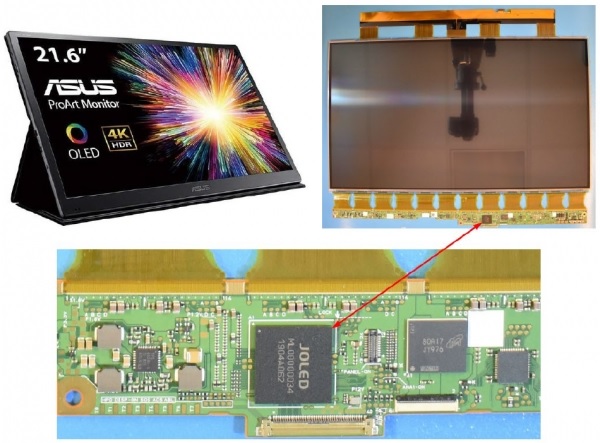
According to TheElecreport, the US subsidiary of Samsung Display, Intellectual Keystone Technology (IKT) has filed a second lawsuit against JOLED and Asus in the US District Court for the Western District of Texas. For those unaware, IKT was founded by the South Korean display maker back in 2013 and provides patents related to organic light emitting diode (OLED) panels, lamps, encapsulations, and more, including for liquid crystal display (LCD) panels as well.
As per the lawsuit, IKT claimed that the OLED panels manufactured by JOLED and supplied to Asus violated three of its patents. These patents were related to electronic device and manufacturing method for the wiring board and electrical optical devices, emission device, and another one within the emission device category. Previously, Samsung Display had filed a lawsuit back on January 8 in the same court, regarding violation of patents regarding its TFT array board and OLED devices.
Notably, the lawsuits also arrive as retaliation towards JOLED’s patent lawsuits that against Samsung Electronics and Samsung Display. Back then, JOLED claimed that Samsung Display had violated six of its patents that were used in over 40 smartphone models, including the Galaxy S5, Galaxy Note 4, Galaxy Fold, Galaxy Z Flip, and many more.
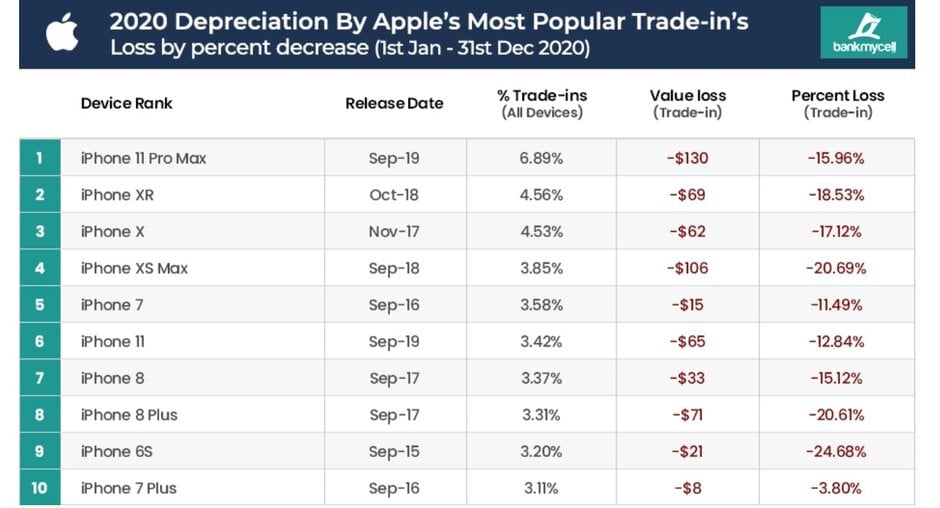
As is the case with most things one purchases, a smartphone loses its value over time. This depreciation is unavoidable but the rate at which it occurs is different for different brands, with Apple devices retaining the best value over any of its competition.
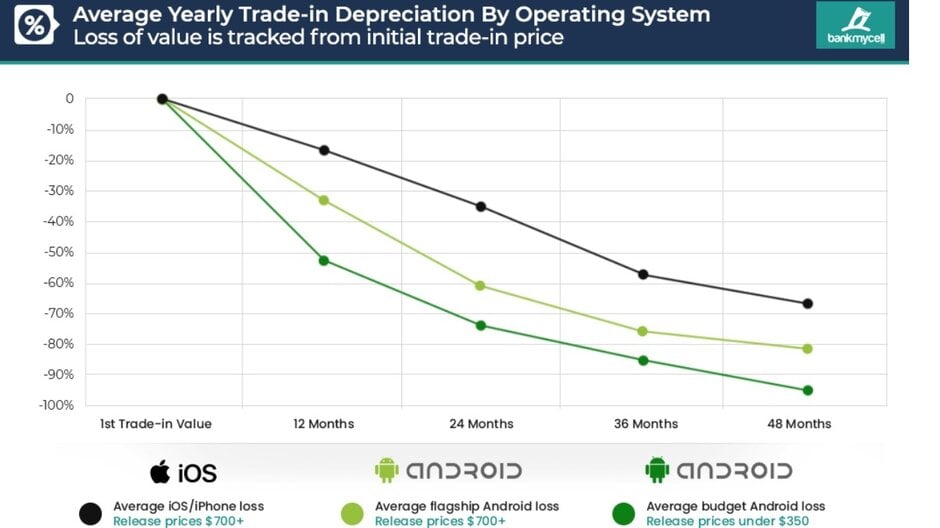
A website called BankMyCell(Via PhoneArena) recently published a new report, which tracked the erosion value of various devices. Over the course of last year, the company tracked the buyback value of 310 popular smartphones on an hourly basis. Through this, it was found that Android smartphones across the board lost their value at double the rate of their iOS counterparts. In other words, Apple iPhones retained their value better over the course of ownership within the first two years.
As per the report, Android smartphones worth over 700 US Dollars usually see a depreciation rate double that of iPhones, with the depreciation starting as soon as one unwraps the device. Over the first year, the depreciation of an iPhone was around 16.7 percent, rising to 35.47 percent by the end of the second year. In comparison, an Android smartphone’s value decline by 33.62 percent in the first year, and down by 61.5 percent by the end of the second year.
While one would assume that the gap shortens overtime, tracking till the fourth year revealed that this is not the case as iPhone’s value only drops by 66.43 percent in comparison to Android devices’ 81.11 percent over the same period. The report even offered examples like the case of the Samsung Galaxy S20 Ultra having a buyback value which was 64.71 percent of the original price while the Apple iPhone 11 Pro Max lost only 32.22 percent of its original retail value after 9 months.
South Korean giant Samsung recently launched its flagship smartphones and now the company could be gearing up to launch a laptop in the market, but with a first-in-the-world feature — a 90Hz refresh rate OLED display.
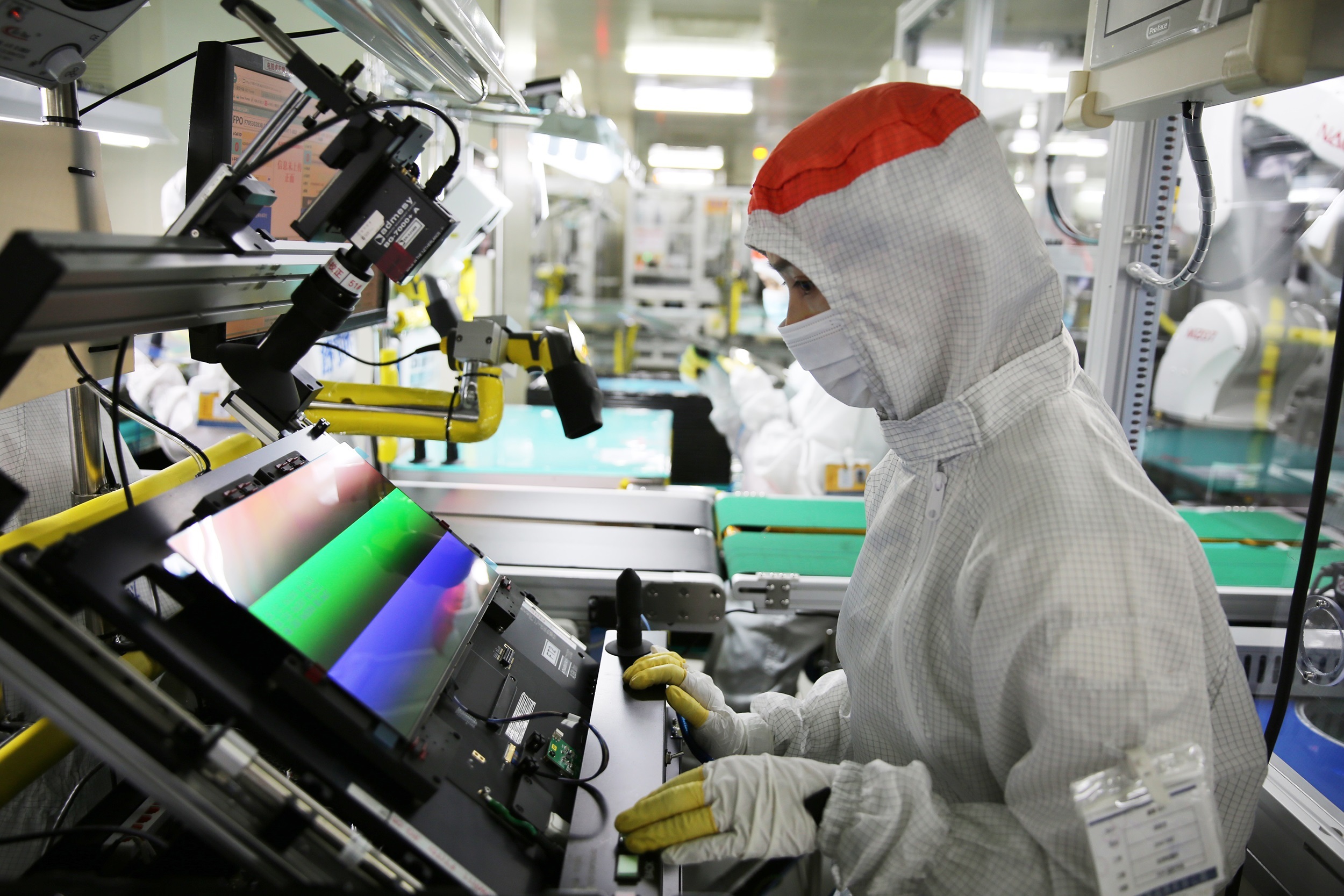
This new type of screen is expected to be available in Q1 2021. Joo Sun Choi, CEO of Samsung Display said that the plan is to initially make very large quantities of 14-inch, 90Hz OLED displays for the laptops and notebooks, beginning in March.
Samsung Display, a subsidiary from Samsung to make display technologies, believes that consumers will quickly adopt the idea of OLED displays offering a 90Hz refresh rate, even though the OLED panels require the use of a high-spec. graphics card.
In a 90Hz refresh rate, the image is rendered 90 times per second, and thanks to this rapid refresh rate update in motion, smoother-looking visuals are possible. Also, OLED displays are able to transition from one screen to the next much more quickly than LCD screens with the same refresh rate.
Thus, OLED screens can make gaming and movie watching a more vibrant, pleasurable experience, without compromise, claims the company. Samsung also adds that the company’s 90Hz OLED display offers high-speed driving that is actually on par with that of 120Hz LCD screens. Once Samsung launches this laptop, we expect more companies to follow suit, similar to what happened in the smartphone space.
Apple has been revamping its devices lineup and while some of the devices are getting refreshed internals, some device have updated designs. Now, it seems that the company’s upcoming iPad Mini 6 could have a new design and some interesting features.
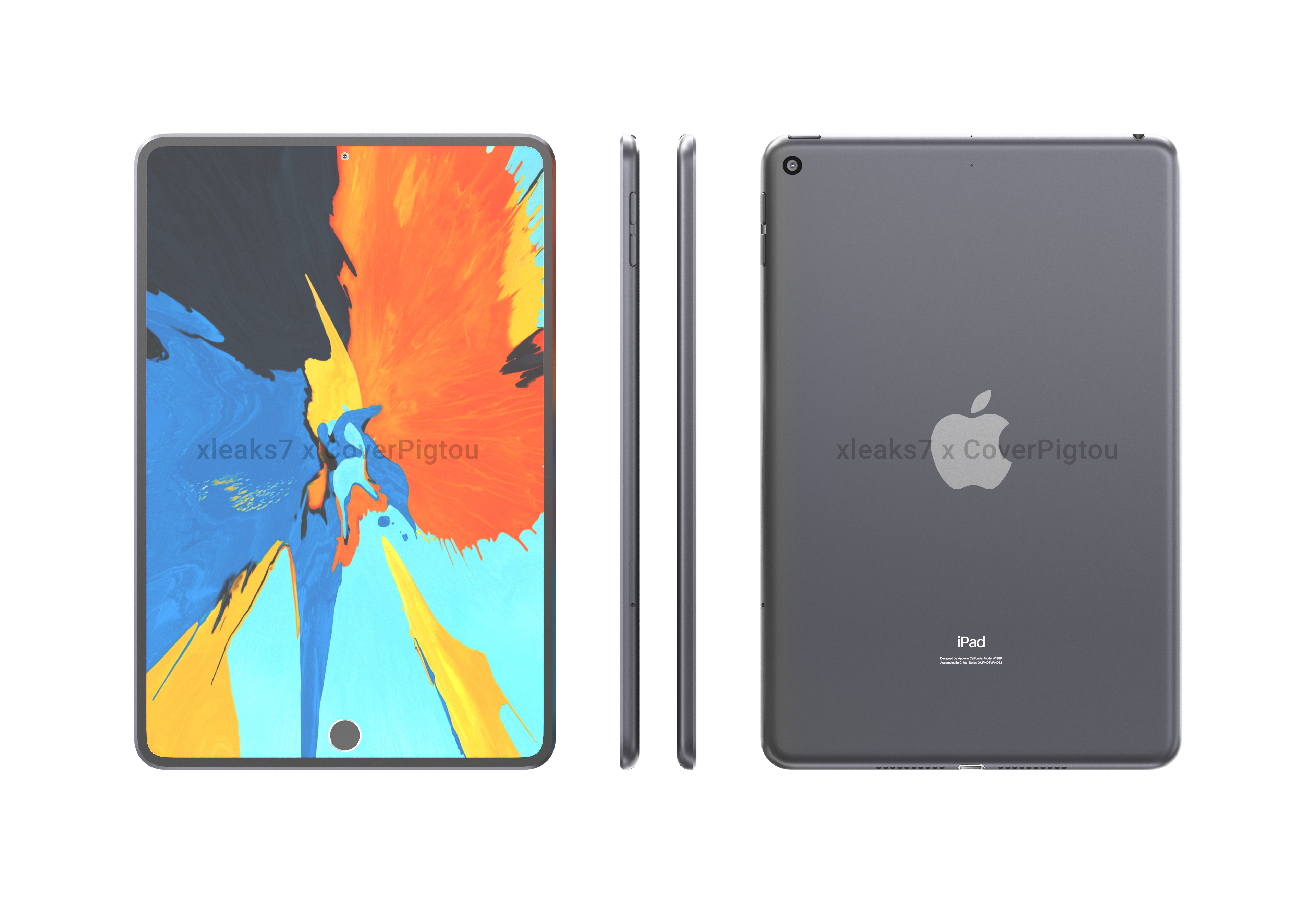
The report about the updated design for the Apple iPad Mini 6 comes through David Kowalski, who previously leaked information related to devices like Google Pixel 5, Samsung Galaxy Note20, and the Apple iPhone 12 Pro.
He had also shared information about the Apple iPad Pro (2021) and now in the latest information for the iPad Mini 6, he claims that the company will be using an in-display Touch ID fingerprint sensor. The renders show a cutout in the region of Touch ID which may be just for illustration purposes.
Another feature that is being reported is the punch-hole cutout for housing the front-facing camera. If that case, the company will be able to cut down the size of bezels, offering a full-screen experience to users.
It also seems to be in line with what Ming-Chi Kuo said about the iPhone Mini 6 with a 9.1-inch display. Yes, the device is expected to come with a bigger display compared to what the previous models in the iPad Mini series featured.
The device is expected to come powered by the Apple A14 chipset, which is the same chip that powers the newly launched iPhone 12 series. As for the availability, the device could get launched in the month of March, along with the iPad Pro 2021 and iPhone SE 2021.
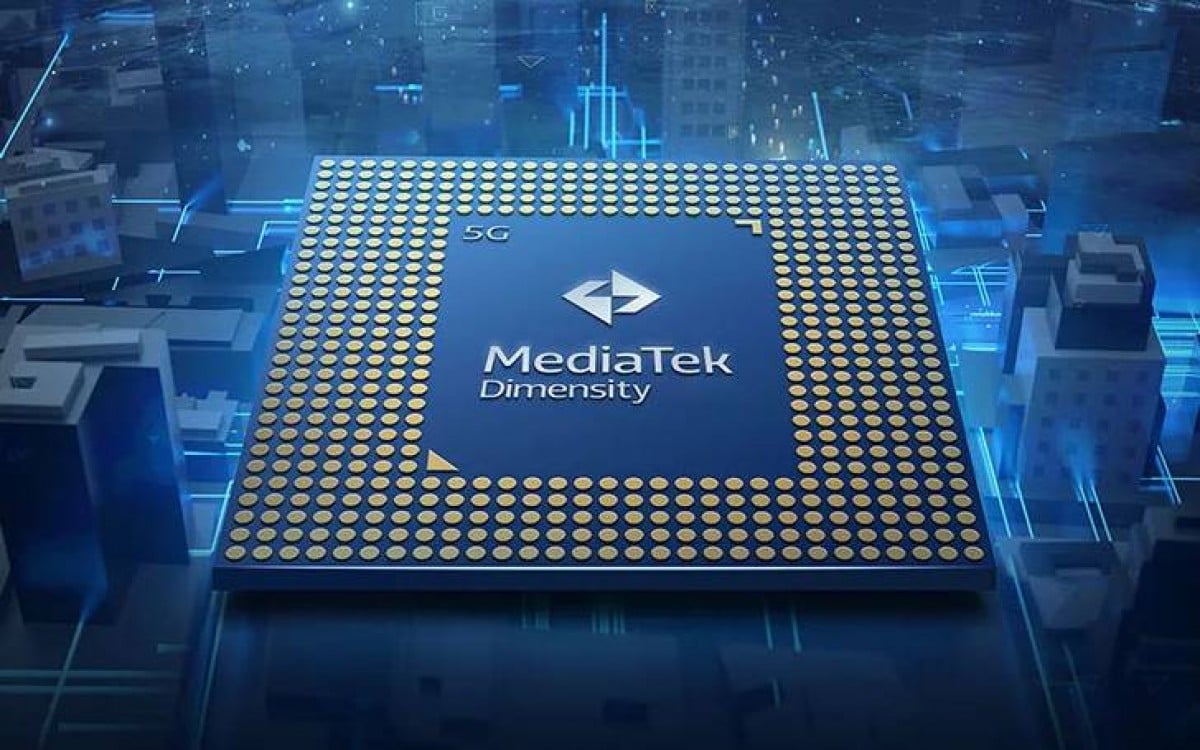
MediaTek is now the largest supplier of smartphone based mobile chips in China, as per a recent market report, which revealed the chipmaker’s popularity in the Chinese market.
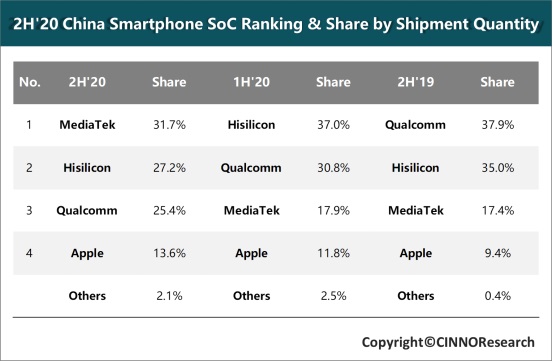
A new report from CINNO Research (Via ITHome) that was published earlier this week stated that MediaTek has become China’s largest smartphone chip supplier, despite the Chinese market seeing a decline in 2020. The report states that mobile processor shipments reached just 307 million units, which marks a year on year decline of a sizeable 20.8 percent in comparison to 2019. Furthermore, the market standings of different companies were also listed in the report.
MediaTek took the top spot with a market share of 31.7 percent in the second half of 2020, with a strong jump from 17.9 percent in the first half. Notably, this rise arrives after the decline of Huawei‘s chip unit, HiSilicon, which shrank from 37 percent in the first half of last to 27.2 percent in the second half. Similarly, even Qualcomm saw a decline from 30.8 percent in the first half to 25.4 percent in the second half.
Year on year, the market share of MediaTek nearly doubled when compared to the second half of 2019. On the other hand, both Qualcomm and HiSilicon saw a decline during the same period. One of the reasons for the growing popularity of MediaTek chips is the healthy demand for smartphones within the 100 to 250 US Dollars, especially considering the company’s offerings of affordable 5G chipset for mid range handsets.
We use cookies on our website to give you the most relevant experience by remembering your preferences and repeat visits. By clicking “Accept”, you consent to the use of ALL the cookies.
This website uses cookies to improve your experience while you navigate through the website. Out of these, the cookies that are categorized as necessary are stored on your browser as they are essential for the working of basic functionalities of the website. We also use third-party cookies that help us analyze and understand how you use this website. These cookies will be stored in your browser only with your consent. You also have the option to opt-out of these cookies. But opting out of some of these cookies may affect your browsing experience.
Necessary cookies are absolutely essential for the website to function properly. This category only includes cookies that ensures basic functionalities and security features of the website. These cookies do not store any personal information.
Any cookies that may not be particularly necessary for the website to function and is used specifically to collect user personal data via analytics, ads, other embedded contents are termed as non-necessary cookies. It is mandatory to procure user consent prior to running these cookies on your website.