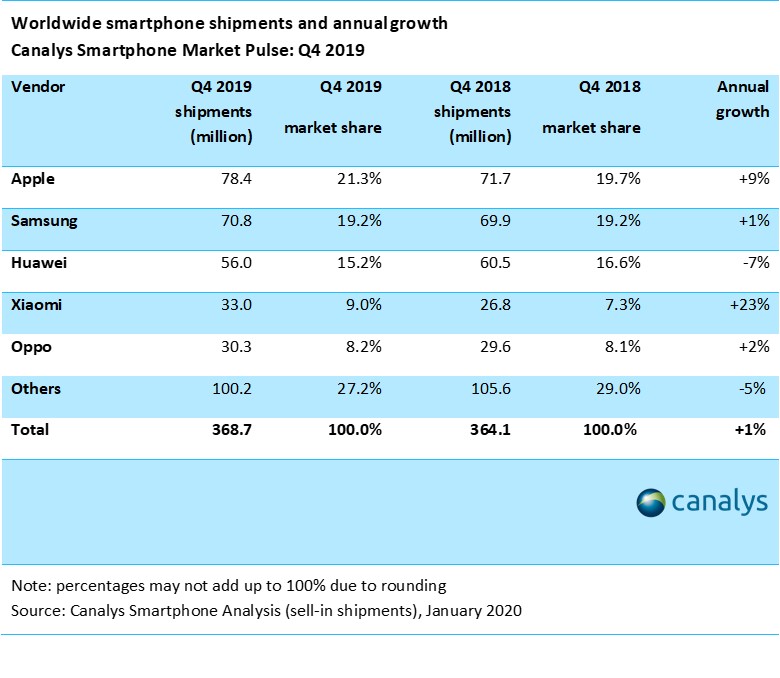
Earlier today (30th January 2020), Canalys, an analytical reporting firm, published its report on the global smartphone market for Q4 in 2019. In the figures shared, it was observed that Xiaomi stood out by achieving the highest growth percentage in comparison to other major brands like Samsung, Apple, Huawei and more.
According to the analysis, the Chinese tech giant shipped 33 million smartphone units in Q4 of 2019, a notable jump over just 26.8 million from 2018. The figures also accounted for Xiaomi having a 9 percent market share over 7.3 percent back in 2018. This marks an overall annual growth of 23 percent, which also made Xiaomi the only company with a double digit growth rate in the list with other major OEMs.
Global Smartphone Market Growth Rate for Q4 2019 (Image Via Canalys)
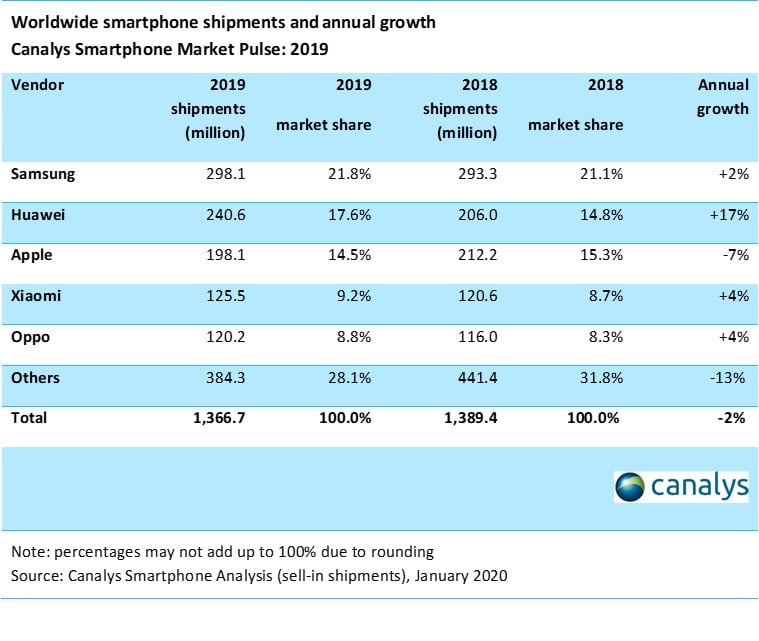
Furthermore, the report also revealed the overall annual market share which had Samsung come out in the lead with a market share of 21.8 percent in 2019. Huawei arrived at a close second with 17.6 percent while Apple and Xiaomi took third and fourth positions with 14.5 percent and 9.2 percent respectively. Oppo falls just behind Xiaomi and has a market share of 8.8 percent, according to Canalys’ 2019 market share report.
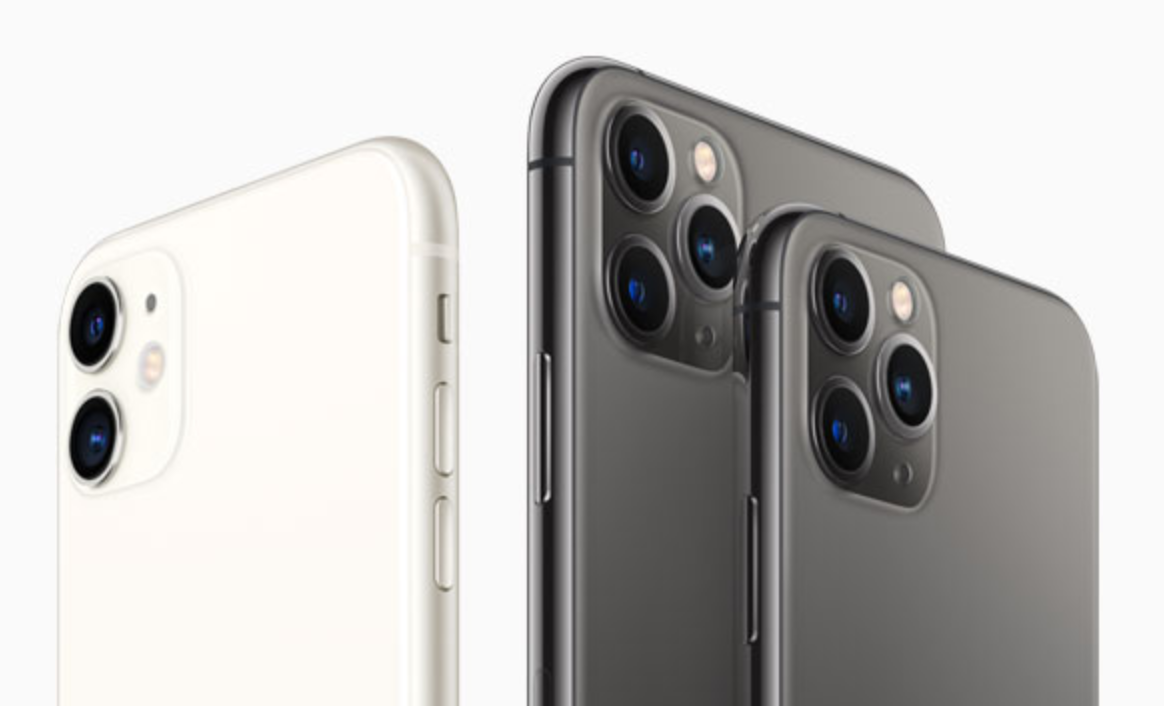
As seen in the report, Apple outperformed expectations after its iPhone 11 series weer successful beyond analysts’ expectations. This caused the Cupertino-based giant to have the highest market share with 21.3 percent in Q4 2019. But unlike Xiaomi with its sizeable 23 percent annual growth rate over 2018, other OEMs barely came close.
Global Smartphone Market Share and Annual Growth for 2019
Apple saw a healthy 9 percent growth but Samsung and Oppo saw a meagre 1 percent and 2 percent growth respectively. On the other hand, Huawei’s growth saw a decline rather than growth of negative 7 percent. This is likely due to its increasing fiction with the US Government and rising difficulties in other European regions for 5G development.
Huawei has confirmed through a press release that it will be launching the Huawei Nova 7i smartphone in Malaysia on Feb. 14. While it will be arriving as the first phone in the Nova 7 series, it won’t be an entirely new device. Huawei is good at rebranding and it has done the same with Nova 7i. It will be arriving in Malaysia as a rebadged edition of the Huawei Nova 6 SE that was unveiled along with the Nova 6 smartphone in December 2019. There is a possibility that other global markets may also receive it as Huawei Nova 7i.
According to the Chinese manufacturer, Huawei Nova 7i is a mid-range device that flaunts a 48-megapixel main camera in its quad-camera system. The setup includes an ultrawide shooter and a dedicated lens for capturing macro shots.
One of the key features of the Nova 7i is “MeeTime” which ensures impressive audio and video quality through the front even in dim light conditions. It also claims to be one of the best when it comes to using it as a selfie video camera phone.
Due to the current US trade ban, the Huawei Nova 7i won’t be arriving with Google Mobile Services (GMS). Hence, users will arrive with Huawei AppGallery and users will have to rely on loading APK files.
Being a rebranded version of the Huawei Nova 6 SE, the Nova 7i will be arriving with a 6.4-inch IPS LCD punch-hole display that carries support for full HD+ resolution. The device is fitted with a side-mounted fingerprint reader.
The Android 10 OS comes preloaded on the Nova 6 SE. The Kirin 810 chipset is present under its hood with 8 GB of RAM. It comes with 128 GB of storage. There is a shared SIM slot for additional storage. The device is fitted with a quad camera setup that includes a 48-megapixel main lens, an 8-megapixel ultrawide sensor, a 2-megapixel macro lens, and a 2-megapixel depth sensor. It has a front-facing camera of 16-megapixel. The phone ships with 4,200mAh battery that carries support for 40W fast charging.
The Huawei Nova 6 SE is selling in China for 2,199 Yuan (~$317). There is no word on the pricing of the Huawei Nova 7i in Malaysia.
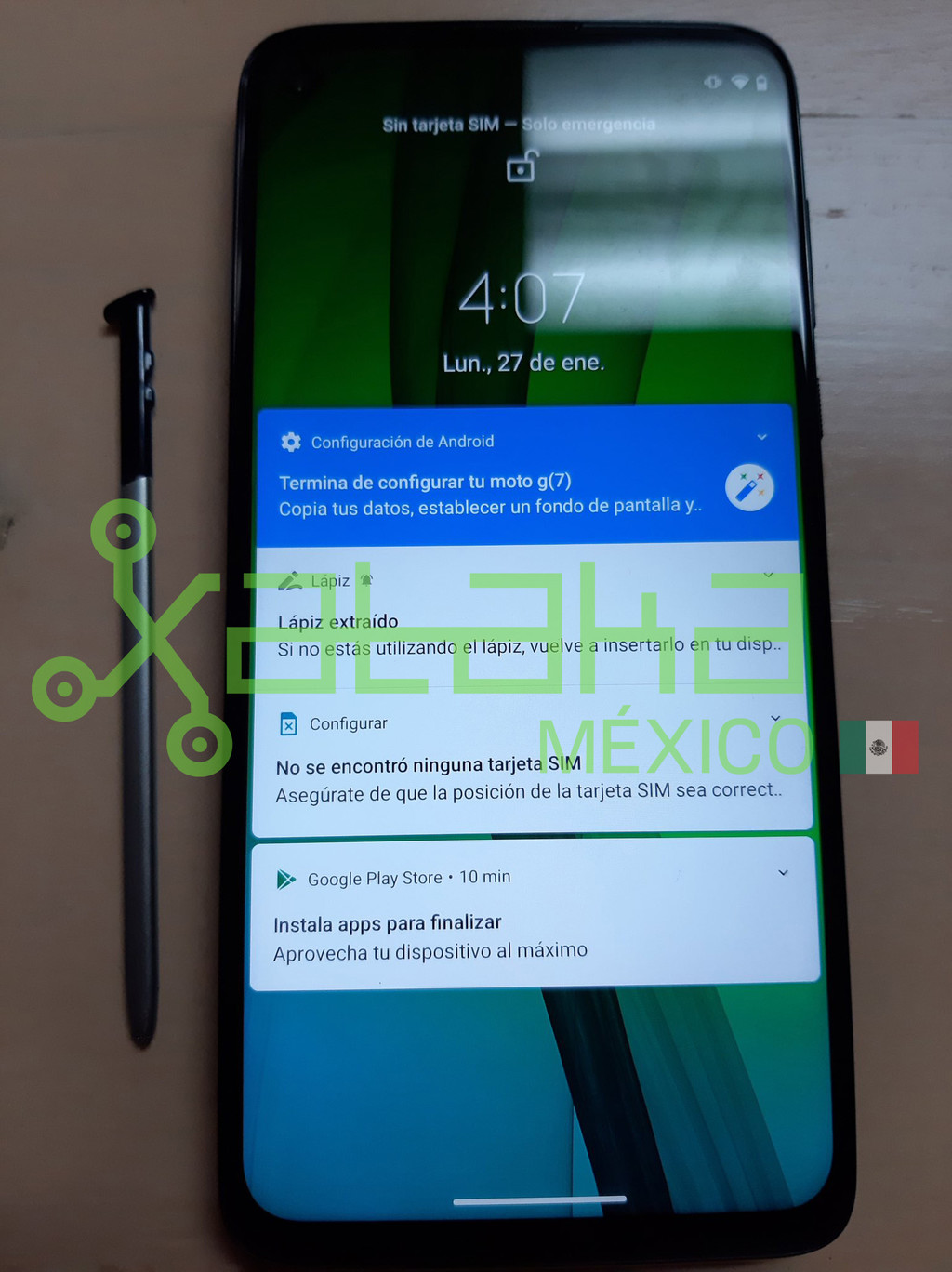
The Moto G Stylus is the name of Motorola’s upcoming mid-range phone with a stylus. Reports say the phone is based on the Moto G8 Power, and now live photos of the phone have surfaced on the web.
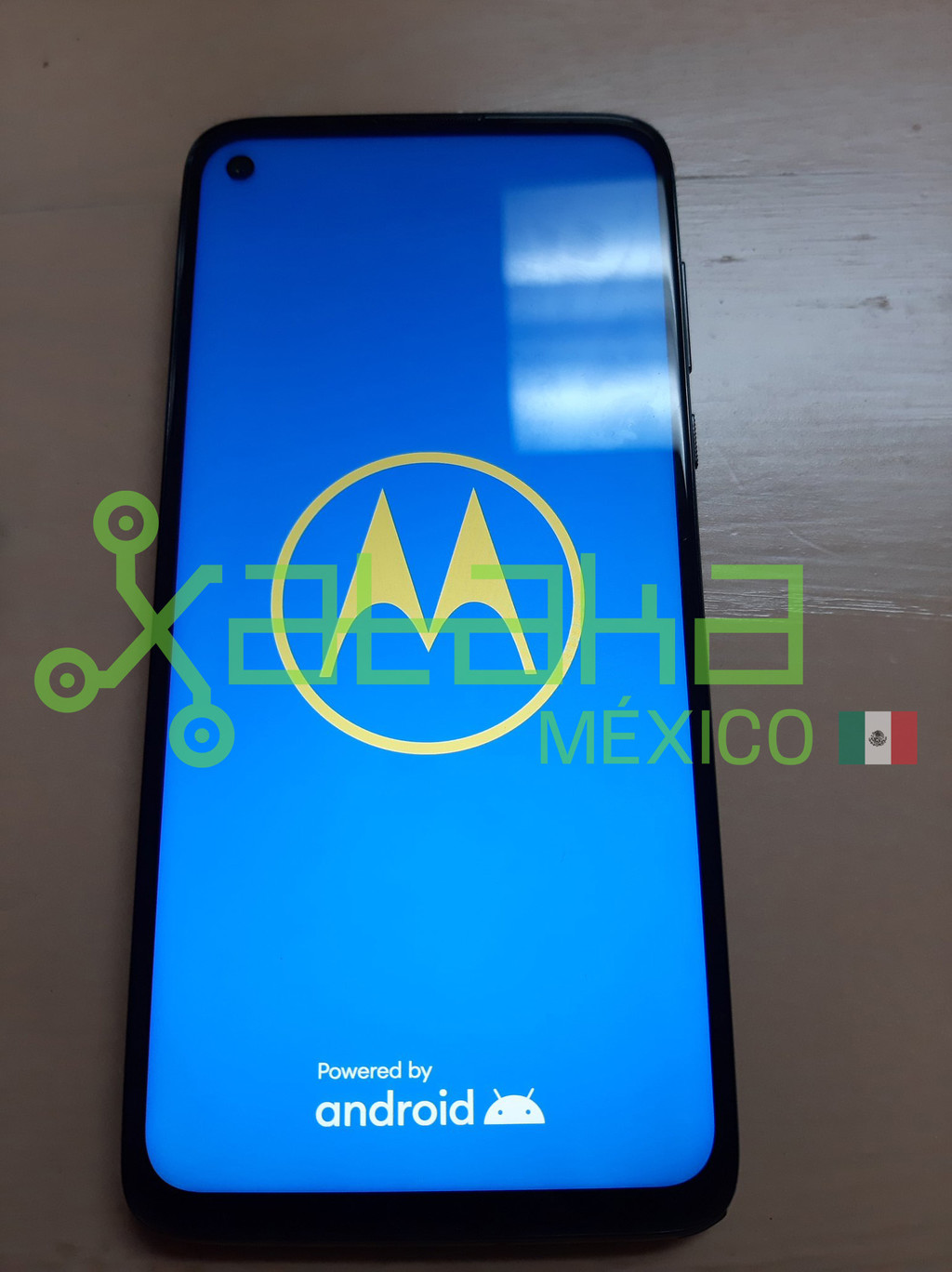
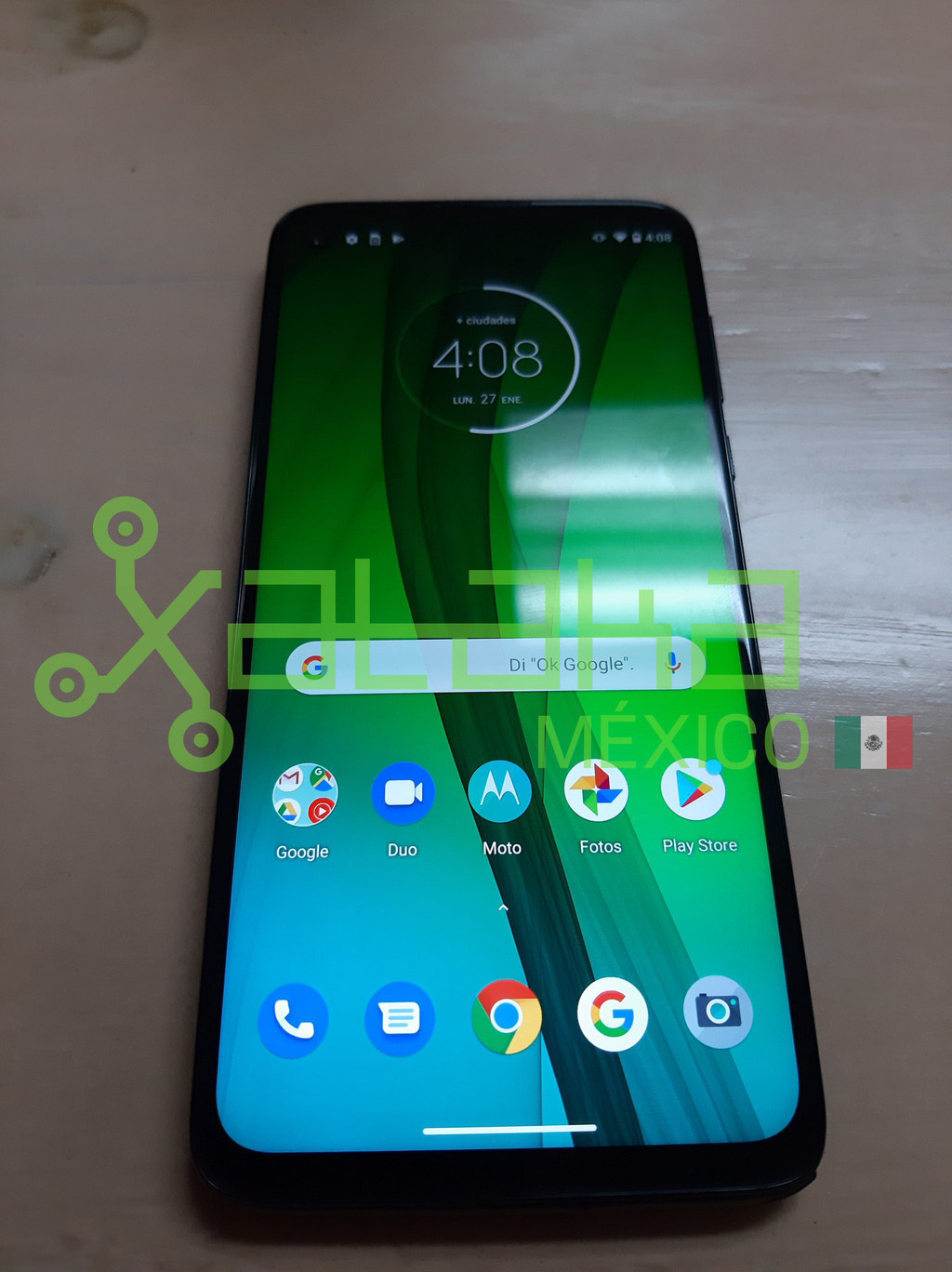
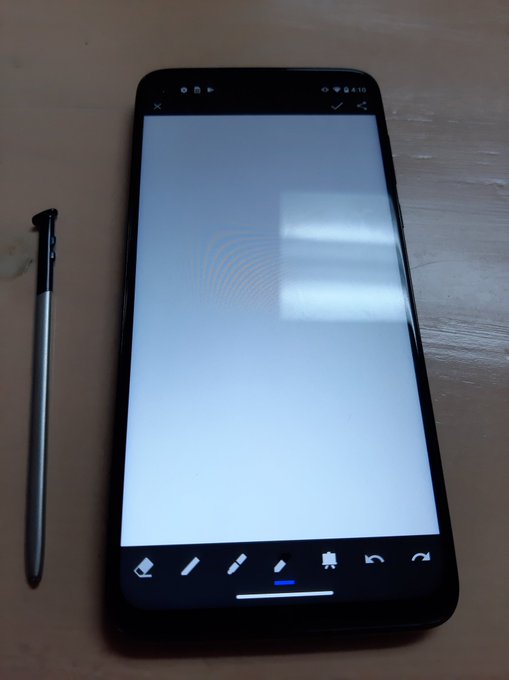
The images were posted on Twitter by a user that goes by Gustavo Gonzalez who seems to have gotten his hands on a production unit. The images confirm the Moto G Stylus indeed has a punch hole at the top left corner of the screen for the selfie camera.
We also get a look at the stylus, which as expected is just basic and doesn’t have any special features. One of the images shows the phone’s lockscreen with multiple notifications in Spanish. But the striking ones are the first and second which translate into “Finish setting up your moto g (7)” and “If you are not using the pencil, insert it back into your device” respectively.
The first one says the phone is the Moto G7 which is surprising but since this is a prototype unit, we presume it is running unfinished software. The second message confirms that the phone has a slot for the stylus, though not visible in any of the images, and will notify you when it is not inserted and not in use.
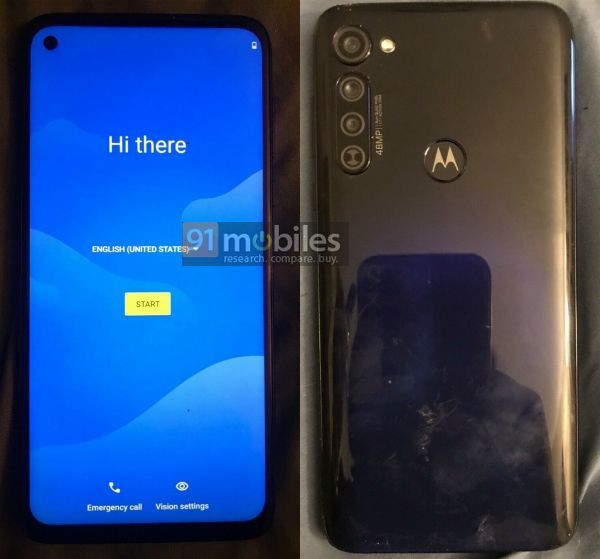
In another set of live photos, this time from 91 Mobiles, the rear of the Moto G Stylus is visible and we can see it has four rear cameras, one of which is a 48MP sensor. The image also shows it has a rear-mounted fingerprint scanner.
The Indian tech blog also includes some specifications of the phone, reported to have been gotten from their sources. It says the Moto G Stylus will have a screen size of 6.3 or 6.4 inches with a 1080p resolution. It will be powered by a Snapdragon 600 series processor with 4GB of RAM and 128GB of storage. It is also stated that it likely has a 4000mAh battery capacity and support for fast charge.
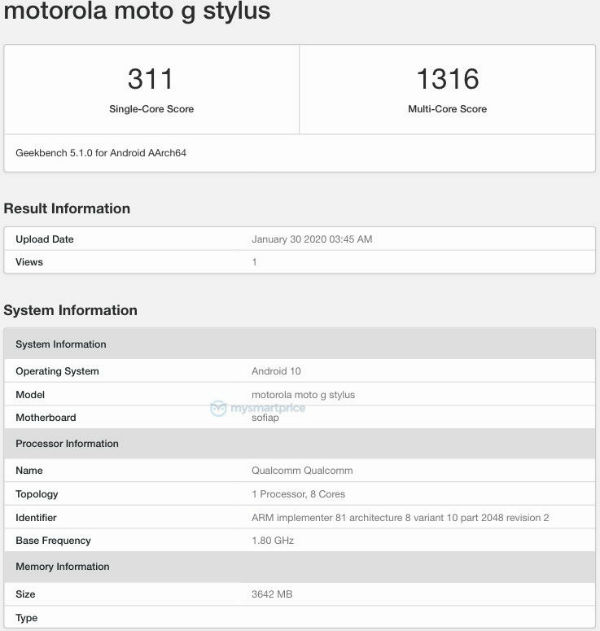
The Moto G Stylus has also been seen on Geekbench today and the benchmark result confirms it has 4GB of RAM, a Qualcomm chipset, and runs Android 10.
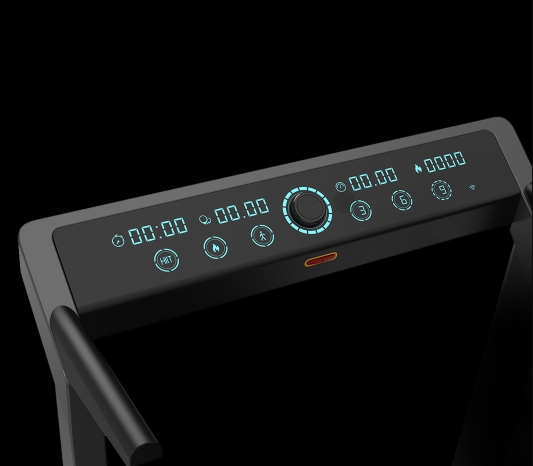
Xiaomi has launched a new foldable treadmill under its Youpin crowdfunding platform. The product dubbed Kingsmith Smart Foldable Treadmill and features a design that won the German Red Dot design award. It adopts a price of 2499 yuan ($360).
Just as the name implies, the Kingsmith Smart Foldable Treadmill adopts a foldable design. Xiaomi has always put portability at the foe in the design of its product mostly due to the need for portable products in China where space availability is a challenge. The company had earlier launched the WalkingPad foldable treadmill with a higher version – WalkingPad R1 Pro – getting launched on Kickstarter and later Indiegogo crowdfunding The design is such that you don’t need a professional to install or dismantle. The device also comes with a suspended elastic running board. The elastic board uses the physical properties of a solid wood running board. it can efficiently absorb the impact and noise generated during running and thus provide a comfortable running experience. The treadmill also comes with app support as it can be paired with the MIJIA app.
The treadmill has a maximum load capacity of 110kg and maximum running speed of 15km/h. The treadmill has a running space of 1200x480mm. When it is folded, it can be kept against the wall, taking up a space of less than 0.6 square metres. It crams a powerful motor with 1.25HP power rating.
The Kingsmith Smart Foldable Treadmill equally features a 4% static slope, which restores the body’s tilt angle when running. There is equally a hidden LED display which is integrated with the body when it is switched off and becomes clearly visible when switched on. There is a rotatable operation button at the centre of the panel for one-handed operation.
Madhav Sheth, Realme India CEO, stated in his latest Youtube video in the #AskMadhav series, that all smartphone models will receive one major Android OS update alongside two years of security patch updates. This led to confusion as users took to Twitter to confirm whether the Realme X series and Realme Pro series would receive Android 11, which Francis Wang, the company’s CMO, confirmed.
Haha. Ok ok. Agree. Confirmed for Pro series. We try our best not to miss any.
Realme X series and the Realme Pro series will receive two major Android OS updates as they have now been confirmed to support Android 11. According to Wang, Realme X series which includes Realme X2 Pro, Realme X2, Realme XT, and Realme X will receive two major Android patches. Currently, Realme XT has already started receiving the Android 10 update while Realme X will get the update next month followed by the X2 and X2 Pro as well. All of these are confirmed to receive Android 11 update.
Realme XT Star Wars Edition
Similarly, Realme Pro series which includes Realme 3 Pro and 5 Pro has also been confirmed for the Android 11 update. Wang stated on Twitter that the company will “try our best not to miss any,” which vaguely confirms the major OS update. This confirmation arrived after a Twitter user pointed out that Realme 2 Pro had previously received two major updates.
As of right now, Realme 3 Pro has just started receiving the Android 10 update while Realme 5 Pro is expected to get the update in February 2020. On the other hand, other models like Realme 3 and 3i will receive the update in April while the Realme 5 and 5s are expected to be included by May as well. The last to support Android 10 update is Realme 2 Pro in June.
Realme U1
The confusion regarding the number of major OS update began when Madhav stated that only one OS update will be provided. However, he failed to mention that this criterion is only applicable on devices such as the Realme 1, Realme C1 and Realme U1 and not the Realme X or Pro series.
Scientists have developed a new form of bandage which is capable of diagnosing bacterial infections by changing color. It also administers early medication that can potentially help combat antibiotic resistance in cases of infection and save thousands of lives.
The new ‘smart’ bandage can detect which bacteria are present in the body and releases early medication to prevent further symptoms. According to researchers in China, this development could lead to the ‘rational use’ of antibiotics. To elaborate on this, antibiotics are generally prescribed as a precaution until an infection is cured. However, this leads to bacteria becoming immune or resistant to certain antibiotics, which in turn makes it hard to cure an ailing patient.
Thus, the smaller dosage at an appropriate time frame can reduce needless overdose of antibiotics and make the phenomenon less frequent, as drugs nowadays are accelerating the process of immunity for bacterias. Currently, 700,000 deaths worldwide have been attributed to antibiotic resistance, making it one of the largest threats to global health, according to the World Health Organization (WHO).
Hence, tools like the new bandage which reduces the need for precaution and helps in the early determination of the infection may lead to more lives being saved in the future. Early testing of the bandage was done of mice that were infected with either drug-sensitive or drug-resistant Escherichia coli (E.coli) bacteria. The researchers then administered a material that can assess microenvironments, i.e, detect the bacteria on their wounds.
If the tests were on the drug sensitive E.coli, then the bandage turned green to yellow and released an antibiotic that killed the bacteria. On the other hand, if the drug-resistant bacteria were tested, the bandage turned red after coming into contact with an enzyme specifically produced by the drug resistant Escherichia coli. After this, the researchers exposed the bandages to light to release a chemical that weakened the bacteria to make them more vulnerable to medicine.
Timing is key when sensing and treating the bacterial infection, as a quick diagnosis can speed patient’s recovery and reduce the risk of spreading antibiotic resistant microbes. Notably, the new bandage is supposedly a low cost alternative to traditional methods of diagnosing and can rival even the more expensive and time consuming instruments used today.
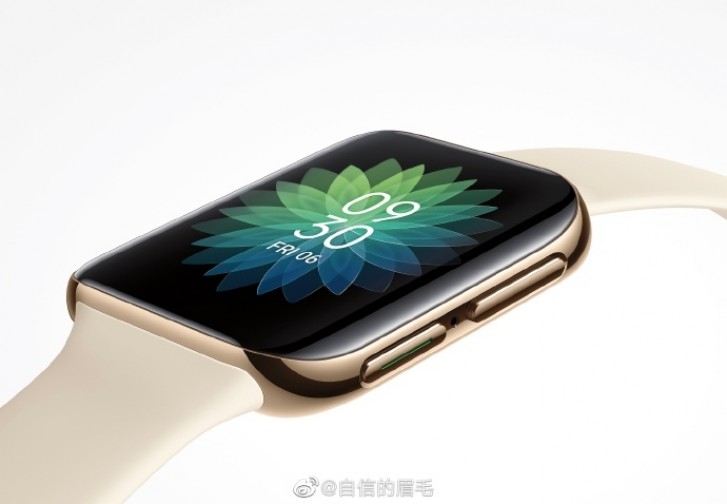
OPPO teased its upcoming smartwatch alongside the truly wireless earbuds at the annual Inno Day event back in December 2019. A new Weibo post from the OPPO Vice President Biran Shen reveals that the upcoming OPPO smartwatch features a square display with curved edges and two physical buttons on the right edge.
The OPPO smartwatch resembles the Apple Watch to some extent. But, unlike Apple’s flagship smartwatch that has a crown along with a single button, OPPO’s design gets two buttons with a hole separating the two. The next name of the device is not known yet. Early rumors suggest that this might be for the microphone input, meaning users will be able to attend calls without fetching the smartphone.
What is yet to be seen is whether OPPO provides a SIM card slot directly on the device or stick to Bluetooth connectivity to keep overall costs down. It is quite certain that the smartwatch will be unveiled within the first quarter of 2020. With the company promising to make its presence felt at Mobile World Congress (MWC) 2020, the chances of witnessing OPPO launch the smartwatch in Barcelona in February are high.
Early rumors of OPPO launching a smartwatch surfaced way back in 2015 on Chinese micro-blogging site Weibo. Although details were scarce at the moment, it was perceived that the device would inevitably run on the Android Wear platform. More recent reports from last week state the smartwatch will feature a heart rate monitor with ECG/EKG to detect abnormalities in the user’s heart rate.
This is a major upgrade from current devices equipped with a heart rate monitor. Only a handful of devices today feature the technology. The list includes Apple’s iWatch, Amazfit Verge, Samsung Galaxy Active 2, and Withings Move ECG. OPPO will likely introduce complimenting hardware to its future smartphone lineup to optimize the smartwatch’s capabilities. More information on the topic is expected over the course of the next few weeks.
Earlier this week, Samsung Electronics announced that its operating profits for Q4 of 2019 fell by 34 percent, which is within its expectations. The South Korean tech giant faces the sizeable slump in profits due to the chip market suffering from a slump and hopes 2020 proves different through 5G network advancements.
Samsung is the world’s largest smartphone manufacturer and memory chip maker and reportedly has an operating profit of 7.16 trillion won or roughly $6.13 billion. Notably, its net profit also saw a fall of 5.2 trillion won or about 38 percent and its revenue fell by 1 percent that is about 59.9 trillion won, which is again within the company’s expectations.
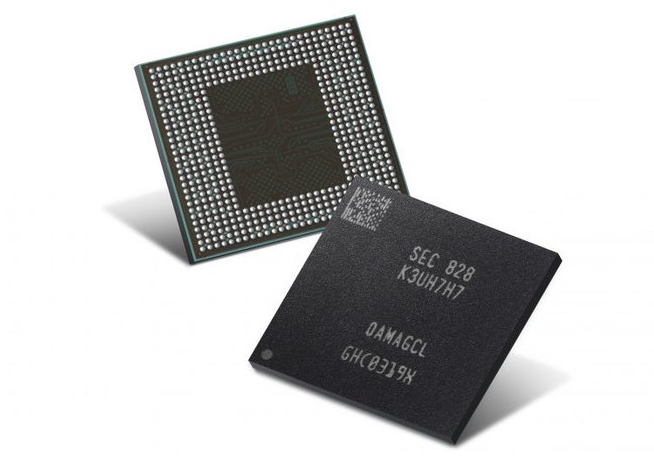
Samsung Memory Chips
The reason for Samsung’s year long decline was due to the falling memory chip market. In 2018, memory chips saw a sudden decline after two booming years after demand went short. Furthermore, the US-China trade disputes also impacted the company with import tariffs and more which eventually led to a massive oversupply of chips that had no market. Thus, the electronics brand is still recovering from the bow while the memory market is also slowly recovering at the same time.
Regardless of this, Samsung saw a rise in its smartphone division, which saw improved sales and “healthy” profits with the Galaxy A series of handsets. Additionally, the company is hoping that the wider adoption of 5G networking will further improve said numbers as Samsung’s offerings are widely adopting 5G variants.
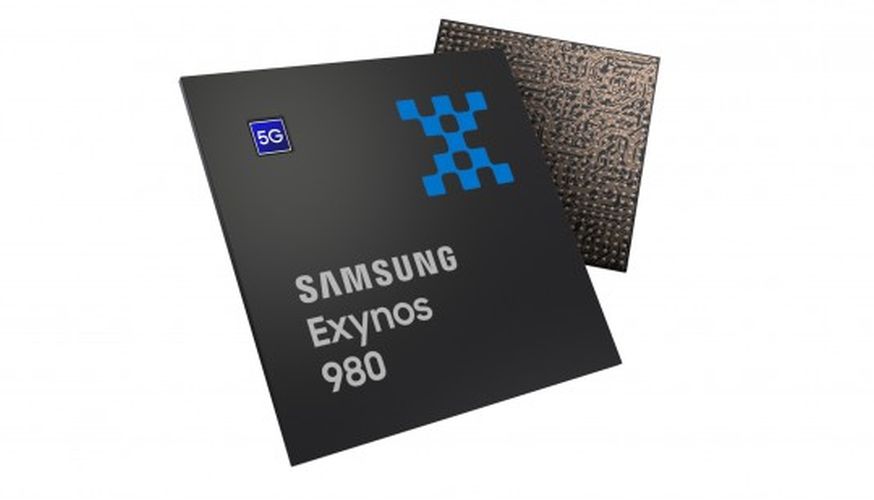
Samsung Exynos 980 5G chipset
The year 2020 is expected to see 5G make a bigger impact than last year and will also slightly bump the smartphone industry as a whole. Samsung already has plans to develop integrated 5G chips and also expects its OLED displays to have higher demand alongside its new high resolution camera sensors. Although it remains to be seen, the exact pace at which the newer and faster bandwidth expands.
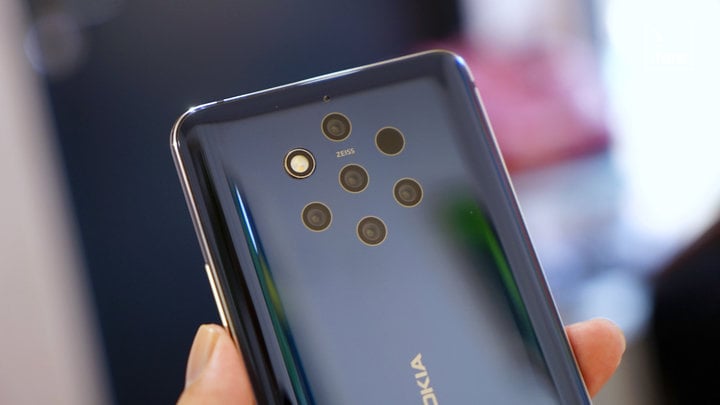
Last year, the Nokia 9 PureView had debuted as the first smartphone with five rear mounted cameras. While the Snapdragon 845 is a really good chipset, fans expected the phone to arrive with Snapdragon 855 mobile platform. The company was rumored to launch Snapdragon 855 edition of the phone later in 2019, but a recent report claimed that the Finnish firm has shunned the plans to unveil it. Instead, it could be launching the Nokia 9.2 PureView handset with the latest Snapdragon 865 could be coming few months later. While the phone is expected to arrive with improved rear cameras, a fresh tweet from Nokia_anew suggests that it could be arriving with under display camera.
The aforementioned Twitter account is known for sharing latest news on the Nokia camp. It had recently revealed that the company is gearing up to launch Nokia 8.2 5G, Nokia 5.2, Nokia 1.3 and a feature phone (Nokia 400 4G?) at the upcoming Mobile World Congress (MWC) 2020 event in February.
Leading smartphone OEMs like Samsung, OPPO, Vivo, Honor and Xiaomi are working on under-display camera technology. However, it is said that the technology is not yet ready for mass production. The latest tweet reveals that HMD Global is currently testing under-display front camera technology in Nokia 9.2 PureView. None of the upcoming flagship phones from Samsung, OPPO, Huawei, Vivo and Xiaomi are expected to arrive with under display camera tech. Hence, the Nokia 9.2 PureView arriving few months later could end up as the first phone with under display camera feature. It is advisable to wait for further reports to know whether the next Nokia flagship phone will be equipped with the said feature.
Recent reports have revealed that the HMD Global may ditch its partnership with Light technology for the rear cameras of Nokia 9.2 PureView. The company may team up with Toshiba for improved photography experience on the next flagship phone.
The Nokia 9.2 PureView could be coming with bezel-less display. It may arrive with a 32-megapixel or a 48-megapixel selfie camera. The smartphone could be equipped with wireless charging. It may lack support for 3.5mm audio jack. The handset may break cover within the first half of 2020. The Finnish firm is also speculated to be working on a foldable phone. It may debut by late 2020 or early 2021.
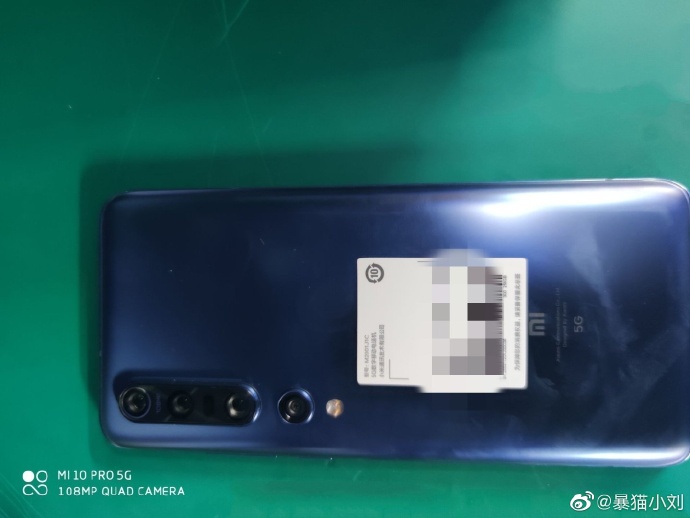
With the new year, most of the smartphone makers are now gearing up to launch their flagship smartphones. Chinese smartphone maker Xiaomi is now gearing up to launch its Xiaomi Mi 10 in China.
Now, Wang Teng, Xiaomi’s Product Director has shared a new photo on Chinese microblogging platform Weibo which seems to have exposed the upcoming Mi 10 smartphone. The post reveals a screenshot of a smartphone with full-screen display and the IMEI number seems to be of a prototype model.
It also shows that the smartphone will carry 2340 x 1080 Full HD+ screen resolution. Further, it reveals the phone will come with a punch-hole at the upper left corner. This seems to be in line with the leaks suggesting that the Mi 10 and Mi 10 Pro will have a punch-hole cut-out in the upper left corner of the display.
As per the leaks, the smartphone will feature curved OLED panel sources from Samsung and will be offering 90Hz refresh rate. On the back side, the device will be equipped with a quad-camera setup, consisting of 108-megapixel primary sensor. The camera sensors will be arranged vertically in the top-left position.
According to the info in the image recently leaked, the Mi 10 Pro will come with a 6.4-inch display and will be powered by the latest Qualcomm Snapdragon 865 processor along with 16GB of RAM and 512GB of storage.
It also reveals that the Pro model of the smartphone will be powered by a 5,250mAh battery. The Mi 10 not only has a big battery but it has been confirmed that it will support 66W fast wired charging, along with fast wireless charging support.
Xiaomi has already confirmed that the Mi 10 series smartphones will get launched in this quarter but its exact date remains unknown. However, some leaks indicate that the phone could get launched on 11th February.
Samsung is rolling out the new One UI 2.0 Beta update based on Android 10 to all its flagship and mid-range devices. Recently the same beta update is rolling out for the Galaxy S9 and Galaxy S9+. The beta update is limited to the testers in some countries including the US, UK, India, South Korea and more. However, non-beta testers can also install the One UI 2.0 beta on their respective Galaxy S9 units by following the guide below.
The stable Android 10 based One UI 2.0 update has started gradually rolling in some areas around the globe. The Korean giant has fared well this year while rolling out Android 10 updates in comparison with the Android 9.0 Pie rollout. The stable update for Galaxy Note 10 and S10 series is already rolling out.
Features of Android 10 based One UI 2.0
New Gestures – A set of new gestures from Samsung are part of the latest upgrade.
Refined App Permissions – Android 10 brings the option to switch on permission when using the app.
Smoothness and other UI Tweaks – The One UI 2.0 improves on various UI elements including navigation bar, status bar, and others.
Better Notifications – Enhanced Notifications, including automatic reply options in the notification itself is purely a new concept.
New Animations and Better front camera – Samsung has optimized the front camera software to capture more detailed pictures.
Digital Well Being, Focus Mode, Night Mode – The new version of Samsung’s popular One UI brings improved Digital Wellbeing. The new update also brings focus mode and new parental controls to track your kid’s smartphone usage. Night Mode or Dark Mode is another well-received feature after continuous demand from the users over the past few years.
Enroll One UI 2.0 Beta Program
The One UI 2.0 based beta update is now rolling out for Galaxy S9/S9+. The interested users can enroll in the Beta Program to get the latest update first.
Steps to Enroll:
Open Samsung Members App on the Galaxy S9 device. If the app is not present, then install it from the Play Store.
Log in with the respective Samsung account.
Tap bell icon to open the “Notices” section.
Now, select “Registrations for One UI Beta Program (S9/S9+).”
Tap the image to open the registration page.
Select ‘Enroll’ after scrolling down to the bottom of the page.
You have successfully enrolled in the beta program.
The user can head over to the device Settings>Software Update>Check for OTA update.
You may now download and install the One UI 2.0 beta update.
However, if you didn’t receive the update due to unavailability in your region, then download it manually from the link below.
Install One UI 2.0 Beta OTA zip on Galaxy S9/S9+
If you didn’t receive the One UI 2.0 update automatically after enrolling in the Beta program. Then, follow the steps below to manually install Ine UI 2.0 OTA Zip.
Note: One UI 2.0 beta is currently in beta testing phase for Galaxy S9 and S9+. It might contain bugs and can be unstable for daily use.
The stable update will automatically come to the enrolled beta devices. However, others have to install the beta-to-stable OTA just like we are installing Beta OTA zip.
Prerequisites:
In order to update, the user should have the latest stable firmware or Android Pie CSK1 firmware. If you don’t have it, then make sure to either install it by downloading from the OTA depositories or wait for the stable update.
The process is compatible only with Galaxy S9/S9+ multi-CSC OXM. You can check by entering the *#1234# in the dialer and confirm “OXM” is shown in the CSC version.
Download the respective One UI 2.0 Beta for your Galaxy S9/S9+ variant.
Now, rename the “example.bin” file to “update.zip”.
Use USB cable to connect your smartphone with PC.
Move the downloaded update.zip file to the root directory of your phone.
Shutdown your smartphone and hold Volume Up + Bixby + Power buttons together to boot into the Stock Recovery Mode.
Now select “Apply update from SD card” by using the volume and Power button.
Browse for the file in the SD card by using volume keys.
Finally, select the file by pressing the Power button on Galaxy S9/S9+.
That’s it! Enjoy One UI 2.0 Beta on Galaxy S9.
There’s another method to install the update on Galaxy S9.
Install One UI 2.0 Beta update using ADB Sideload
This method needs a computer and some external files as mentioned below.
Prerequisites:
Download and install the Android SDK platform-tools package from here and install it on your PC.(Note: Extract the ADB and Fastboot drivers in a folder.)
Download the latest Samsung USB drivers for Galaxy S9 and install them on PC.
Steps to Install:
Download One UI 2.0 Beta OTA package for Galaxy S9/S9+ from the Download section above.
Now, move the downloaded file to the extracted ADB and Fastboot tools.
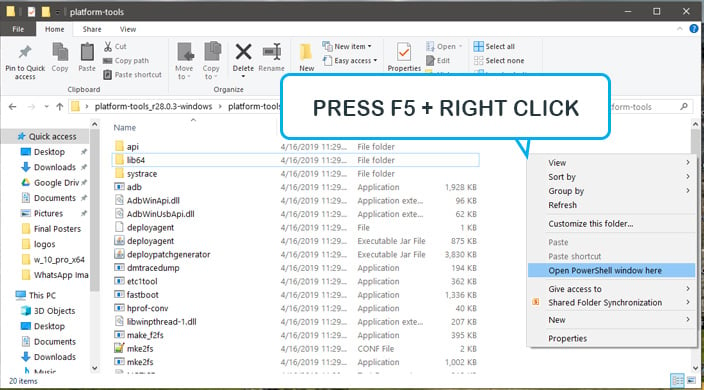
Open CMD or Power Shell Window by pressing Shift + Right Click. Then, click the “Open PowerShell window here.”
Power-off your device.
Now, Hold Volume Up + Bixby + Power buttons together to boot Galaxy S9 into the Stock Recovery Mode.
Connect Galaxy S9/S9+ to PC via a USB cable after booting into the Stock recovery.
Select “Apply update from ADB” by using volume buttons.
After connecting with PC, execute the following command to sideload the OTA package:
adb sideload update.zip
The update will start installing and users can see the progress at the bottom of the phone’s screen.
Now, Enjoy the One UI 2.0 on your Samsung phone.
We hope you’ve successfully installed the OneUI 2.0 Beta for Galaxy S9/S9+. If any error or any problem arises, then do let us know below via the comments.
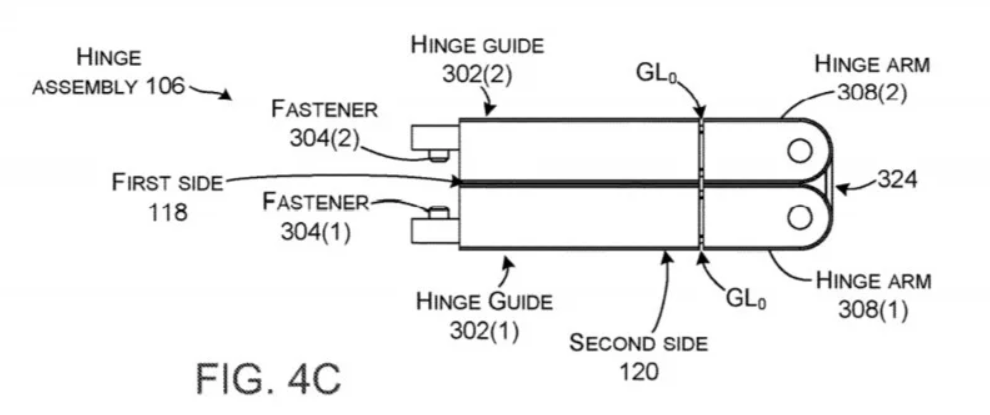
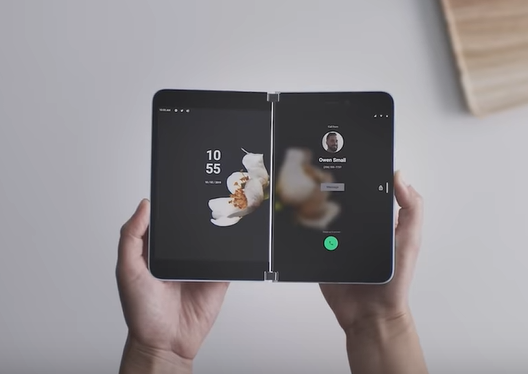
The patent was filed back on 6th May 2019 and was published on 28th January 2020. In the patents, a device can be observed with a single large display that appears similar to the Surface Duo in terms of design. Unfortunately, the patent doesn’t divulge the unique device’s name and rather only carries the “hinge device” description, meaning it could either be a smartphone or a PC with a foldable display.
Patent: Microsoft Surface device with foldable display
Electronic products with foldable display have become increasingly more popular since early 2019 when major brands like Samsung unveiled one of the first smartphones with a bendable display (Galaxy Fold). Since then, other smartphone OEMs like Huawei and Motorola have also released their own offerings with similar features, namely Mate X and Moto Razr. This technology has even transferred to televisions that will arrive with a rollable display (LG Signature R).
As of right now, no commercially available PC with a foldable display is available in the market but Lenovo is set to be the first to release one. To supplement this, Microsoft is also working on Windows 10X which is a version of the popular desktop operating system which will take advantage and be optimized for PCs with folding displays. Furthermore, Microsoft with its Surface Duo and Neo offerings have worked with dual or split screen devices so it doesn’t seem far fetched that a foldable Surface might be launched as well.
Microsoft Surface Duo
According to the patent, a device with a hinge can be observed which supports the flexible display unit. Unlike the Surface Duo, the device in the patent features one large display instead of two separate ones. Currently, the technology is expensive and not nearly as durable as regular screens. Hence, Microsoft might delay product launch and might look for a better alternative; or just as likely, never use the patent designs at all.
Glal insights and data management firm Kantar recently published its smartphone overall sale data for Q4 2019. The survey shows iOS accounts for 24.3% of smartphone sales in five major European nations including Germany, France, Italy, Spain, and the UK, alongside the USA, Urban China, Australia, and Japan.
According to Dominic Sunnebo, Kantar’s Global Director, “Apple iPhone 11 accounts for 10% of all iOS smartphones sold across the US and Europe combined in the last quarter of CY20. This is a phenomenal achievement for Apple since it accounts for twice the number of iPhone XRs sold during the same period. The iPhone 11 series accounts for 50% of all iPhones sold throughout Europe and America, which is a major rise from 36% recorded by the iPhone X lineup in the previous quarter”.
Samsung, on the other hand, was not so lucky. While the Galaxy A-Series managed to hold its own in the US market, the flagship Galaxy S lineup failed to leave an impression. In fact, the mid-range A-series cannibalized sales of the S-series to a certain extent, as the former offer better value for money.
Chinese electronics giant Huawei continues to lose shares in the European market, as combined Huawei/Honor shares dropped by 4.4%, bringing the total sales figure to a measly 16.4% in Q4 2020. Compatriot Xiaomi had better luck as its market share grew by 7.2% to a total of 14.2%, placing it right on the heels of Apple and Samsung in terms of market share. While Xiaomi is yet to make a considerable dent in the UK, the situation could change for the better within the next few months.
In urban China, a combined Huawei/Honor force commands 44.2% market share in Q4 2019, an increase of 5.4% since the previous year. During the same period, rivals Xiaomi, Vivo, and Oppo witness a slight drop in sales. Despite the higher price tag, Apple saw an increase in demand in Urban China with the iPhone 11 selling like hot cake in the region. In fact, the Apple iPhone 11 Pro and the iPhone 11 Pro Max ranked at #3 and #4 respectively on the list of the most sold devices.
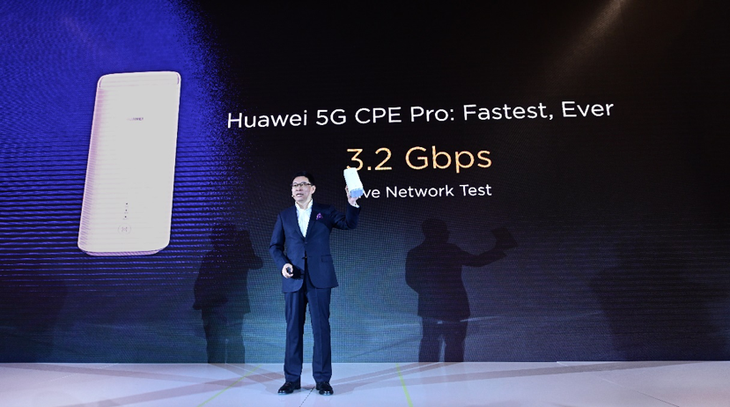
After the UK approved the use of Huawei’s equipment in its market, the EU has followed suit to allow the Chinese telecommunications manufacturer to help build its 5G network. This decision comes with a set of guidelines for its member nations called the toolbox. EU nations will have to implement the guidelines mentioned in this toolbox by 30th April 2020.
The toolbox is the EU’s solution to finding a middle ground in the ongoing tensions between the U.S. and China. It contains a set of mitigating measures to address the security risks associated with the rollout of 5G in the region. It suggests member countries to omit high-risk vendors like Huawei from the ‘core’ 5G network infrastructure. Further, it calls for diversification of the supply of equipment by network operators.
In short, Huawei will be allowed to take part in building EU’s 5G networks but only in the non-core areas of the infrastructure. So, mobile operators can use Chinese network equipment in the peripheral parts of the network like access networks. Although this would limit Huawei’s participation in the EU’s 5G rollout, it still goes against the pre-emptive blanket ban recommended by the U.S.
The UK announced yesterday that it would allow Huawei equipment in building its 5G network in the non-core areas. However, at no point would Chinese equipment exceed 35% in any part of its network. This decision made by the U.S. ally is yet another blow to the Trump administration who has urged everyone to outright ban Huawei from participating in the deployment of 5G networks.
Currently, top mobile network operators in the UK are all using Huawei equipment for their 5G networks in some capacity. However, after yesterday’s decision by the government, it remains to be seen how many of them will have to replace existing equipment with other brands.
Apple and Broadcom have been ordered by a jury to pay $1.1 billion to the California Institute of Technology for infringing the university’s patents. The jury has ruled that Apple must pay Caltech $837.8 million and Broadcom must pay $270.2 million.
However, Apple said that it is planning to appeal the ruling but has refused to say anything else about this. In a statement, Broadcom said that “we disagree with the factual and legal bases for the verdict and intend to appeal.”
In a statement, CalTech said: “We are pleased the jury found that Apple and Broadcom infringed Caltech patents. As a non-profit institution of higher education, Caltech is committed to protecting its intellectual property in furtherance of its mission to expand human knowledge and benefit society through research integrated with education.”
The case was filed in federal court in Los Angeles in 2016, in which the California-based research university alleged that Broadcom Wi-Fi chips used in hundreds of millions of Apple devices infringed patents relating to data transmission technology.
The technology relates to Wi-Fi chips Apple used in its iPhones, iPads, Macs and other devices from the year 2010 to 2017. Apple argued that it shouldn’t have been involved in the lawsuit — which was filed in 2016 — because it’s using off-the-shelf Broadcom chips, like many other handset makers.
Apple argued that “Broadcom manufactures the accused chips, while Apple is merely an indirect downstream party whose products incorporate the accused chips.” However, the jury disagreed with this argument.
Broadcom is a major Apple supplier, deriving about a fifth of its sales from the Cupertino-based company in its fiscal 2019. Last week, the company revealed that it had signed deals to sell as much as $15 billion worth of chips to Apple.
Technology giant Apple reports results for the first quarter of its fiscal 2020, which is from October 2019 to December 2019. In that period, the company reports total revenue of $91.8 billion, which is far ahead of expectations of $88.43 billion.
To put it in other words, the company has made about $1 billion per day in revenue for the Q1 F2020. The company’s per-share profit of $4.99 was greater than the market-anticipated figure of $4.54 per share.
Earlier, the company expected revenue “between $85.5 billion and $89.5 billion” along with “gross margin between 37.5 percent and 38.5 percent.” In the total revenue of $91.8 billion, majority of that comes from Products — $79.1 billion while Services accounted for $12.7 billion. With these numbers, the company has reported net income of $22.2 billion.
Commenting on this, Luca Maestri, Apple’s CFO said: “Our very strong business performance drove an all-time net income record of $22.2 billion and generated operating cash flow of $30.5 billion. We also returned nearly $25 billion to shareholders during the quarter, including $20 billion in share repurchases and $3.5 billion in dividends and equivalents, as we maintain our target of reaching a net cash neutral position over time.”
As for the revenue from products, iPhone sales accounted for $56 billion while Mac and iPad accounted for $7.2 billion and $6 billion respectively. The company says that “Wearables, Home and Accessories” generated around $10 billion in revenue, which is an all-time record for the Cupertino giant.
Apple is now anticipated Q2 F2020 revenue “between $63.0 billion and $67.0 billion” and gross margin in the same range as the sequentially preceding quarter. The numbers are down from the current Q1 F2020 given that it will be non-holiday three-month period.
The Realme C3 listing on Flipkart calls it ‘Entertainment ka Superstar’ which means it will be a superstar of entertainment as it will come equipped with a large-sized display and battery. The phone is equipped with a 6.5-inch display with mini-drop notch that is protected by a layer of Gorilla Glass. The chin of the device appears thick, but the remaining bezels look thin. The handset promises a screen-to-body ratio of 89.8 percent.
The rear shell of the Realme C3 features a vertical dual camera setup and alongside it is an LED flash. It has a 12-megapixel main lens and comes offers features like Chroma Boost, HDR mode, panorama selfie and slow-motion video shooting.
The Realme C3 has a gargantuan battery of 5,000mAh capacity. The handset is likely lack support for fast charging. As far as non-stop entertainment is concerned, the Realme C3 will be arriving with 30 days of standby time, 439 hours of talk time, 19.4 hour of streaming music, 20.8 hours of watching YouTube and 10.8 hours of PUBG gaming.
The Flipkart listing reveals that the Realme C3 will be coming in two options in India. The base model will have 3 GB of RAM and 32 GB of native storage. On other side, the higher variant will be equipped with 4 GB of RAM and 64 GB of built-in storage. It will be the first Realme C series phone in India to arrive with a big storage of 64 GB. The other details of the Realme C3 are currently under the wraps.
In comparison to the Realme C3, the older Realme C2 has a 6.1-inch HD+ display with waterdrop notch. It is fueled by Helio P22. It has a 5-megapixel front camera and 13-megapixel + 2-megapixel rear-facing dual camera setup. It is backed by a 4,000mAh battery.
On Flipkart, the Realme C2 is currently available in two models such as 2 GB RAM + 32 GB storage and 3 GB RAM + 32 GB storage. Both are respectively at Rs. 5,999 (~84) and Rs. 7,499 (~$105). There is no information available on the pricing of the Realme C3.
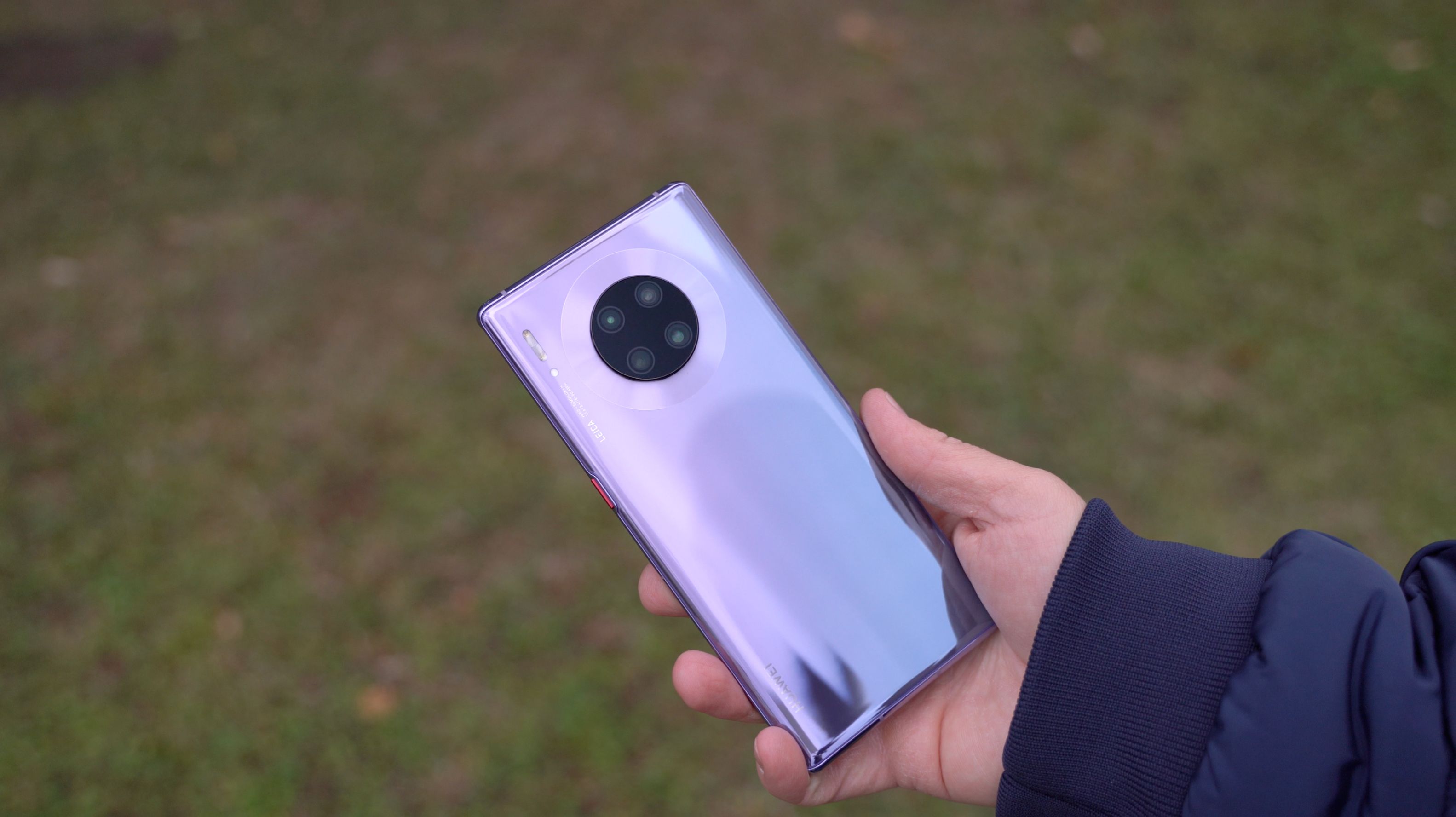
Huawei Mate 30 Pro smartphone, the Chinese giant’s flagship smartphone, has received good reviews overall, but unfortunately the device has been made available in select regions only because of the US-China trade war.
The highlight of the Huawei Mate-series phones has been the camera performance and the Mate 30 Pro doesn’t disappoint. Now, JerryRigEverything conducted several durability tests on the phone which suggests that the phone doesn’t break and has great build quality.
Huawei Mate 30 Pro
In the scratch test on the phone’s display, we can see that the it starts scratching the screen from level 6 and 7, indicating high resistance to scratches. For those who are unaware, the phone comes with a layer of Corning Gorilla Glass 6 on top. Further, the most of the front side is covered with the display as well as around 50 percent of the sides, thanks to the curved display.
The other 50 percent of the sides have aluminium frame, which seems quite thin and on scratching off the aluminium, the glass panel seems to be lying underneath. When Jerry subjects the phone’s screen to burn test, the screen recovers pretty fast, leaving no burn marks on the display.
Although the phone is made up of glass, when the smartphone is bent, the phone doesn’t break and the glass panel also remains intact without shattering because of its stiffness. This indicates great built quality given that the OnePlus 7T, which is made up of the same material, doesn’t pass through this glass durability test.
You can check out the video of this durability test below.
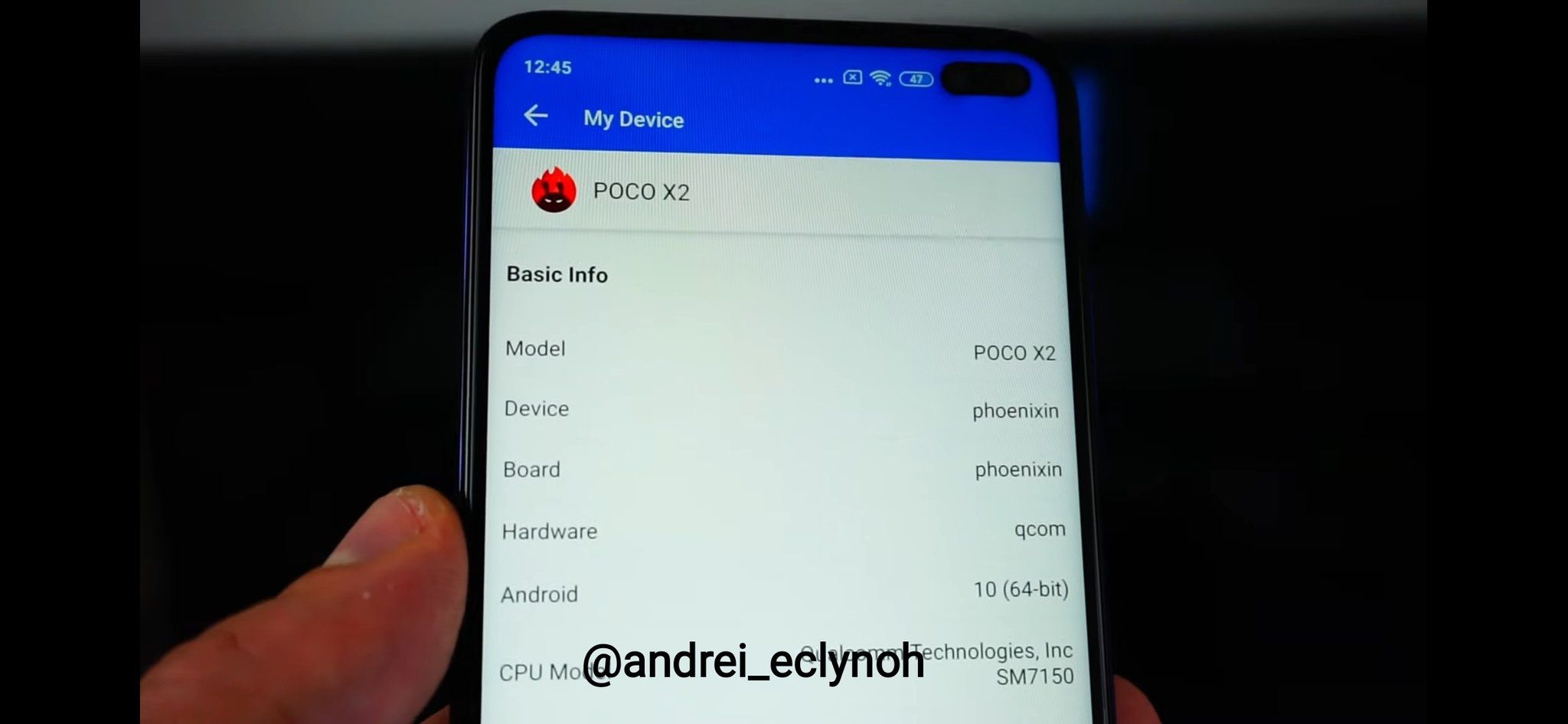
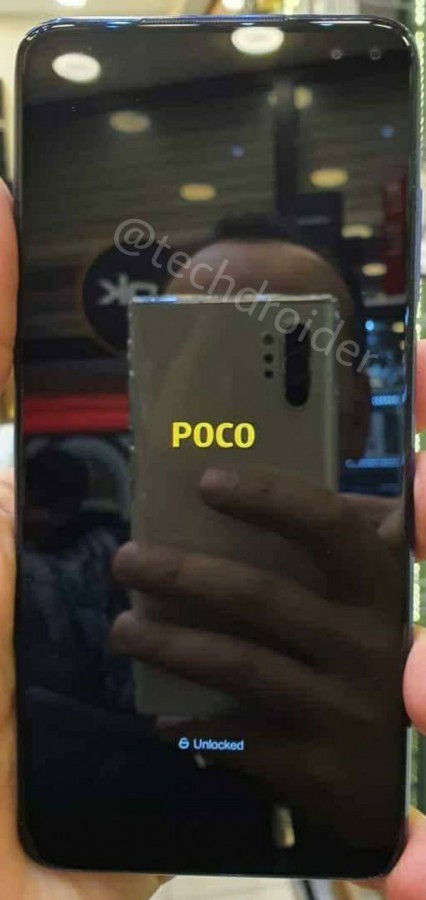
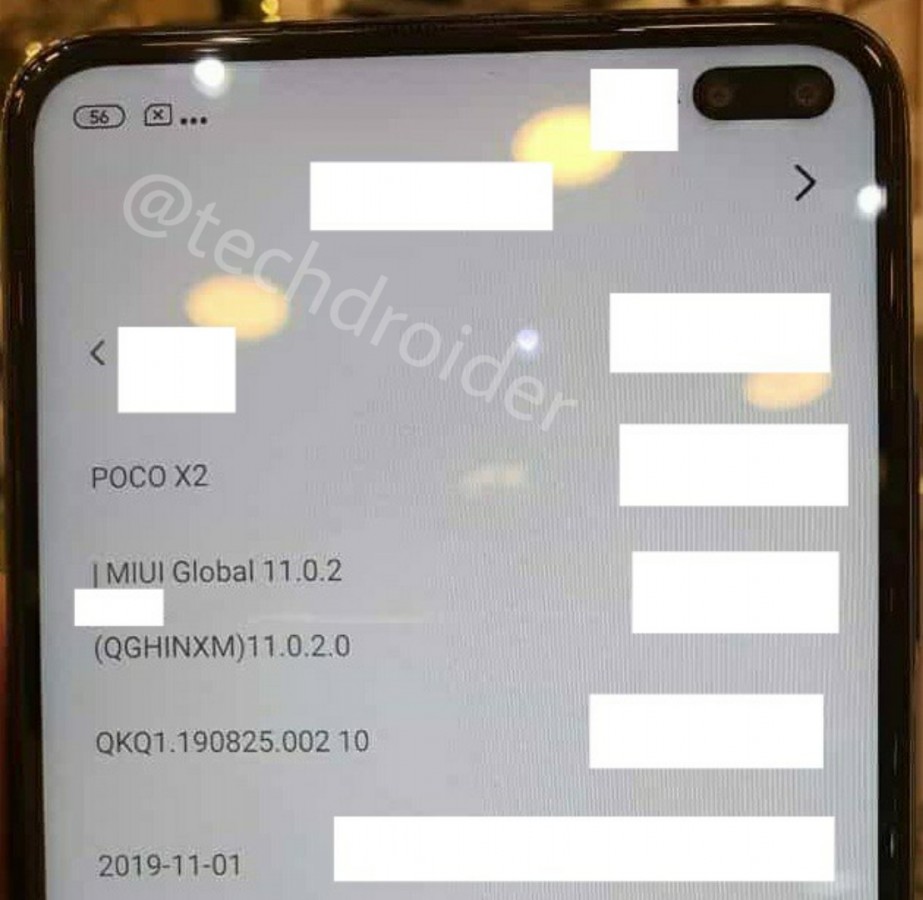
The POCO X2 smartphone will go official on Feb. 4. Yesterday, Hindustan Times released a poster of the upcoming POCO X2. Moreover, it also revealed that the handset will be priced at Rs. 18,999 (~$266) at launch. The leaked poster also carried some of the key specs of the phone. The design of the phone reveals that it is a rebranded version of the Redmi K30 4G that was announced in December in China. The smartphone has now appeared in some live shots. One of the them reveals that it is powered by the Snapdragon 730G which again hints that it is a rebadged Redmi K30.
In the above shown live shot, the POCO X2 moniker and its ‘phoenixin’ codename can be found mentioned in the AnTuTu benchmarks. It also reveals that the phone is driven by the Snapdragon 7150 SoC which is nothing but the internal name of the Snapdragon 730G.
Some other live shots of the POCO X2 have revealed some of its hardware features. A closer shot of the top portion of the POCO X2 gives a good look at its dual selfie snapper located at the top-right corner of the screen. The slim bezel at the top has a large-sized earpiece. The size of the earpiece suggests that it may also function as a loudspeaker. Hence, the POCO X2 is likely to come equipped with stereo speakers.
As it was revealed yesterday, the POCO X2 will be sporting a 6.67-inch ‘RealityFlow Display’ that offers 120Hz refresh rate. The screen will be protected by Gorilla Glass 5. The handset will have a 64-megapixel Sony IMX686 as a primary shooter in its quad-camera system.
The report had also revealed that the POCO X2 with 6 GB RAM + 64 GB storage will be priced at Rs. 18,999 (~$266) in India. The phone may come in some other RAM and storage variants. It will be available exclusively through Flipkart in India.
The Redmi K30 also comes with all the above features along with other specs like a 20-megapixel + 2-megapixel dual-camera setup, up to 8 GB of RAM, up to 256 GB of storage, a 4,500mAh battery with 30W fast charging.
What’s your opinion on POCO X2’s arrival as a rebadged Redmi K30? Will you be satisfied or disappointed? Share your thoughts by posting your comments below.
Last week, a press render of a Motorola phone with a stylus was leaked on the web. The phone has been erroneously referred to as the Motorola Edge+, another upcoming Motorola phone, by several publications. Now the same source that revealed the image has revealed the official name of the device.
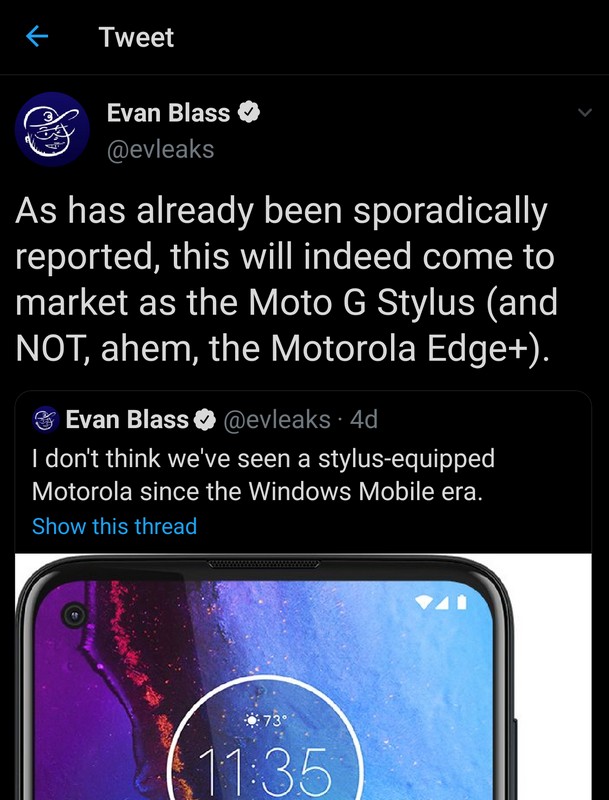
Popular leaker, Evan Blass (@evleaks) has revealed the Motorola phone with a stylus will launch as the Moto G Stylus. This not only confirms the name but also shows that the phone will belong to the mid-range category. But that is not all there is to know about the device.
The editor-in-chief of XDA Developers, Mishaal Rahman, did some extra digging and found more details about the phone.
Apparently, the Moto G Stylus has model number XT2043-4. He decided to look it up on the FCC’s database and found out that the phone is codenamed “sofia+”. That codename is similar to that of the Moto G8 Power which is “sofiar”, and thus came to the conclusion that the Moto G Stylus is a variant of the Moto G8 Power.
Using that, I looked it up on the FCC https://t.co/yIaqu9rUoS and identified the phone as code-name "sofia+". This confirms the Moto G Stylus is a variant of the Moto G8 Power, which itself is code-named "sofiar."
Alleged specs of the Moto G8 Power include a 6.36-inch FHD+ display, a Snapdragon 665 processor, 4GB of RAM, and 64GB of storage. It has also been reported that it will have 16MP quad rear cameras, a 25MP selfie camera, and a 5000mAh battery with support for 18W Turbo Charging. It will also run Android 10 out of the box.
We use cookies on our website to give you the most relevant experience by remembering your preferences and repeat visits. By clicking “Accept”, you consent to the use of ALL the cookies.
This website uses cookies to improve your experience while you navigate through the website. Out of these, the cookies that are categorized as necessary are stored on your browser as they are essential for the working of basic functionalities of the website. We also use third-party cookies that help us analyze and understand how you use this website. These cookies will be stored in your browser only with your consent. You also have the option to opt-out of these cookies. But opting out of some of these cookies may affect your browsing experience.
Necessary cookies are absolutely essential for the website to function properly. This category only includes cookies that ensures basic functionalities and security features of the website. These cookies do not store any personal information.
Any cookies that may not be particularly necessary for the website to function and is used specifically to collect user personal data via analytics, ads, other embedded contents are termed as non-necessary cookies. It is mandatory to procure user consent prior to running these cookies on your website.