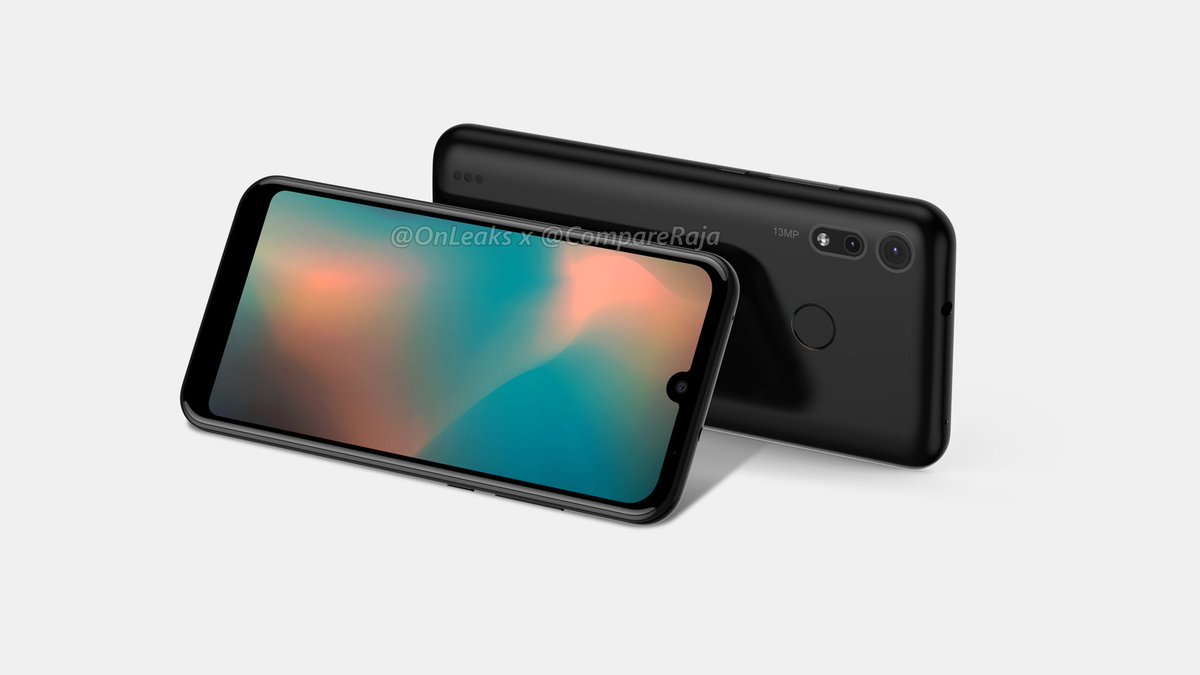
Earlier this week, popular tipster OnLeaks had shared the renders of the upcoming Motorola P40 Note smartphone. The handset that is expected to arrive as the first triple camera phone from the company will be arriving as the successor of Motorola P30 Note from last year. Last year, Lenovo-owned company had also launched the Motorola P30 Play phone. OnLeaks has collaborated with Indian publication Compare Raja to reveal the design of the upcoming Motorola P40 Play smartphone.
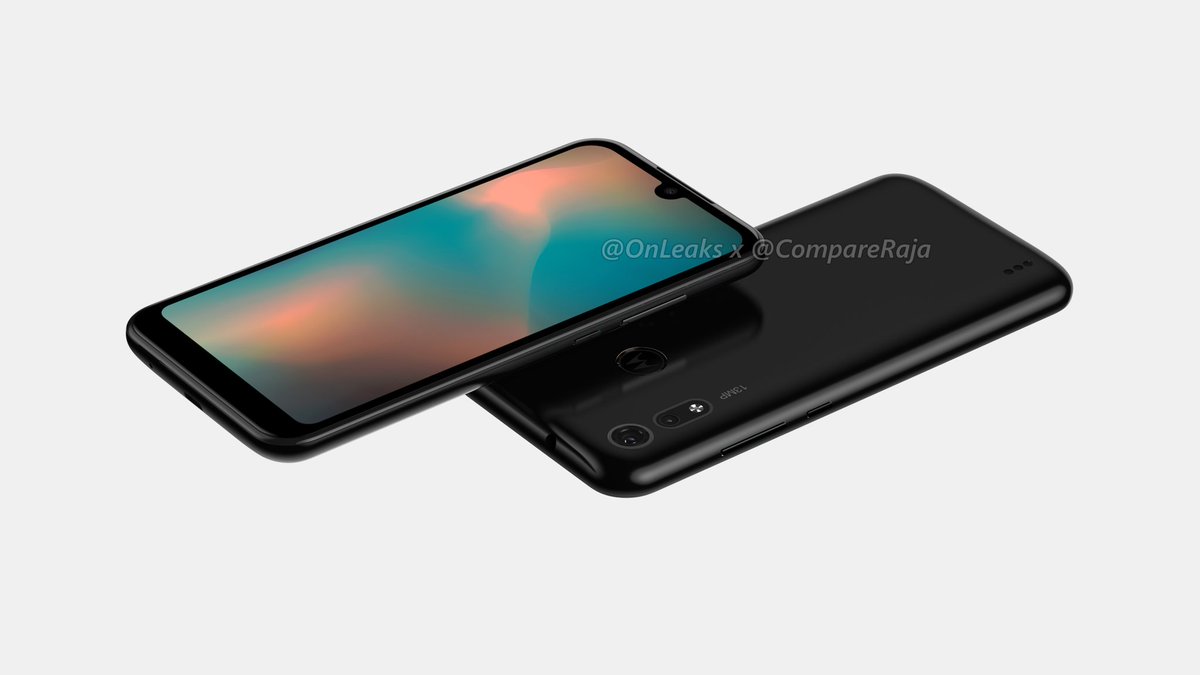
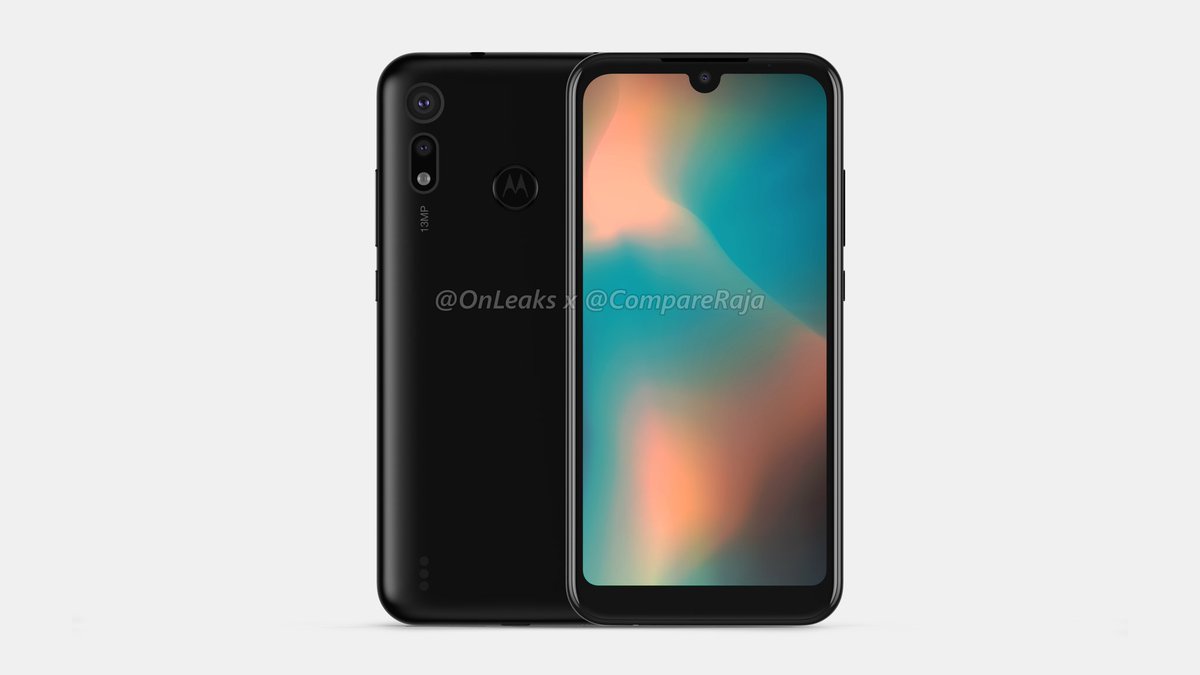
The Motorola P40 series will probably include three phones such as Motorola P40, P40 Note and P40 Play. Among these, the P40 Play will be arriving with the weakest specs. The render of the phone that have been leaked by OnLeaks reveals that its waterdrop notched display will be featuring slight thick bezels. Also, the chin of the device also appears quite thick.
The P40 Play smartphone measures 147.7 x 71.5 x 9.2mm and it houses a 5.6-inch display. There is no confirmation on the screen resolution of the phone. There is a possibility that this entry-level model in the P40 series will carry support for HD+ resolution.
The back panel of the phone seems to be made out of plastic. The top-left corner of the rear shell has a dual camera setup and an LED flash. The main camera sensor of the smartphone will be of 13-megapixel. Probably, the other lens could be a depth sensor. The Motorola batwing logo on the rear could be integrated with a fingerprint reader.
Motorola is expected to release the P40 series of smartphones in China. These phones will come with ZUK UI based Android 9 Pie OS. The same smartphones are expected to release outside of China with “One” branding and they are most likely to arrive as Android One devices running on the latest version of Android 9.
Apart from Motorola P40 series, the company is also preparing a flagship phone with four rear cameras. As of this writing, there is no information on the name of the device. However, it is expected to arrive with a massive display of 6.2-inch AMOLED screen, an in-display fingerprint reader and 48-megapixel main camera.
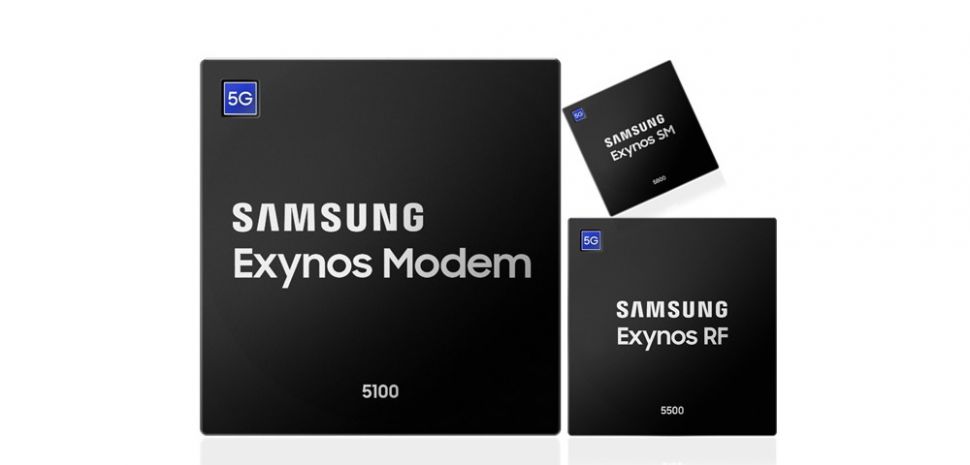
Samsung Electronics has announced that it has now started mass production of its 5G chips. The company’s new chip is the Exynos Modem 5100, which contains a 5G multi-mode chipset. This is the same chipset that is used to power the Galaxy S10 5G.
Along with that, the South Korean tech giant says that it has also started mass production of its single-chip radio frequency transceiver, the Exynos RF 550 and the supply modulator solution, the Exynos SM 5800. These technologies also power Samsung’s flagship 5G smartphone that went on sale this week.
The Samsung Exynos Modem 5100 was first unveiled in August last year and is claimed to be the world’s first 5G modem that is compatible with the 3GPP’s 5G New Radio (5G-NR) standard. It can reach a downlink speed of up to 2 Gbps for frequencies under 6 GHz, and a downlink speed of up to 6 Gbps for the mmWave spectrum.
These blazing speeds make this modem up to 5x times faster than 4G ones. Further, the 4G connectivity with the new Samsung Exynos 5100 has been improved as well, and now it can reach a download speed of up to 6 Gbps.
The Exynos RF 5500 has 14 receiver paths for download, 4×4 MIMO (Multiple-Input, Multiple-Output), and a higher-order 256 QAM (Quadrature Amplitude Modulation) scheme for data transfer in 5G networks; and the Eyxnos SM5800 is 30% more power efficient than previous offerings. All three chips support 5G-NR sub-6-gigahertz (GHz) spectrum and legacy radio access technologies.
As one of the only companies with an end-to-end 5G solution from chipsets, network core, radio solutions, and the end-user devices, Samsung seems to be uniquely positioned to deliver the next-generation smartphone and network.
Xiaomi has announced through its MIUI Forum that the company has adjusted the internet testing upgrade strategy for some models of the Redmi series. It revealed that Xiaomi will now stop the developer ROM update for the Redmi models that were launched before 2016.
This means that the users of those smartphones who are on the developer ROM will have to shift to the Stable ROM. The major difference in terms of update frequency for both the ROMs is that the developer version updates every week and the stable version receives an update every two months.
Since it’s been more than two years for devices launched before 2016, the company doesn’t want to spend much of its resources on providing frequent updates for those smartphones, which aren’t in demand and some of them have already been discontinued.
The smartphone models that have been affected include Redmi 3S/3X, Redmi Note 3 Special Edition, Redmi Note Pro, Redmi 4 series, Redmi Note 4, and Redmi 4A. Only these models are affected by the change in update frequency.
In its official announcement, the company said that it recommends the users on the developer ROM to switch to the Stable ROM in order to ensure the stability and usability of the affected smartphones.
Meanwhile, the China-based company has already started working on the next major release for its custom user interface — MIUI 11. As per the reports, the MIUI 11 will come with a revamped design, new icon sets, advanced low-power mode, and the company will also take care of the advertising-related issues in MIUI. While the ads won’t be gone completely, but the company says that it will be more tolerant.
Lenovo has unveiled a new smartphone called the Lenovo K6 Enjoy in China. It is a budget-friendly phone that has arrived with waterdrop-styled display and dual rear cameras. The handset has arrived with a price tag of 1,398 Yuan in China.
Lenovo K6 Play Specifications
The Lenovo K6 Play (L38032 model number) measures 156.4 x 75 x 7.99 and it weighs 191 grams. The IPS LCD panel of 6.22 inches is available on the device. The notched screen offers HD+ resolution of 720 x 1520 pixels. As far as the appearance of the phone is concerned, the handset resembles with the Lenovo Z5s smartphone from last year.
The midrange Helio P22 processor powers the smartphone along with 4 GB of RAM. There are two storage editions of the phone such as 64 GB and 128 GB. There is an external microSD card slot on the device for additional storage. The ZUK UI flavored Android 9 Pie OS is loaded on the phone.
The Lenovo K6 Enjoy comes with dual-LED flash enabled triple camera module on its rear. It features an autofocus enabled 12-megapixel primary sensor, a 5-megapixel depth sensor and a telephoto lens of 8-megapixel. There is a selfie camera of 8-megapixel on the device.
The handset houses a 3,300mAh battery that carries support for 10W charging. The connectivity features available on the Lenovo K6 Play are dual 4G VoLTE, Wi-Fi 802.11ac, Bluetooth 5.0, USB-C, GPS and 3.5mm audio jack.
Lenovo K6 Enjoy Price and Release Date
The price tag of the 4 GB RAM + 64 GB edition of the Lenovo K6 Enjoy is 1,398 Yuan (~$208). The smartphone comes in Black and Mirage Blue colors. There is no word on the international availability of the phone.
In 2016, Lenovo had sold a smartphone called the Lenovo K6 Enjoy. It was one of the phones from the Lenovo K6 series. Last year, the Chinese manufacturer had sold K5 series of smartphones. There is a possibility that starting with K6 Enjoy the company will be launching more phones in the 2019 K6 series will be unveiled in this year. Hence, Lenovo fans may see phones like Lenovo K6, K6 Note, K6 Pro and K6 Play this year.
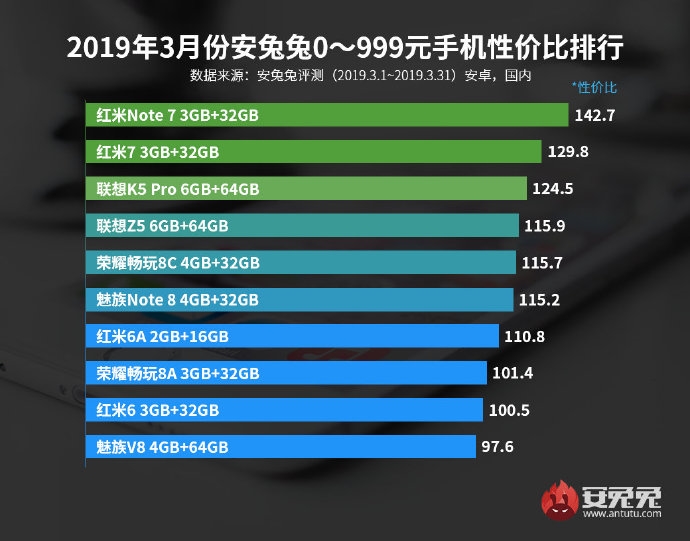
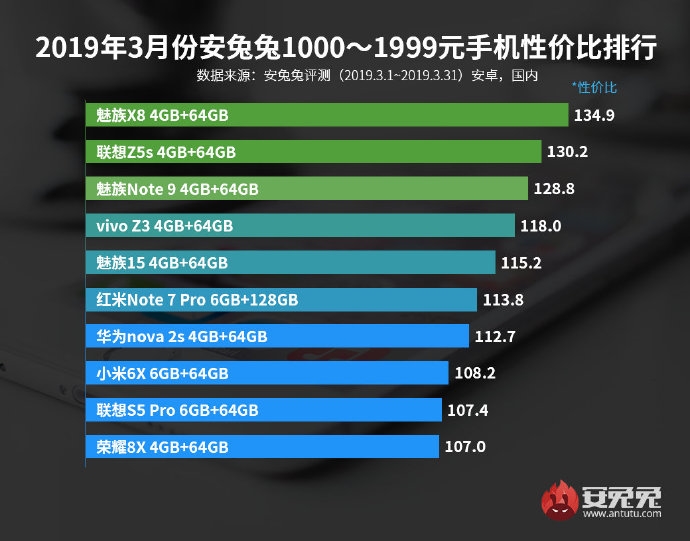
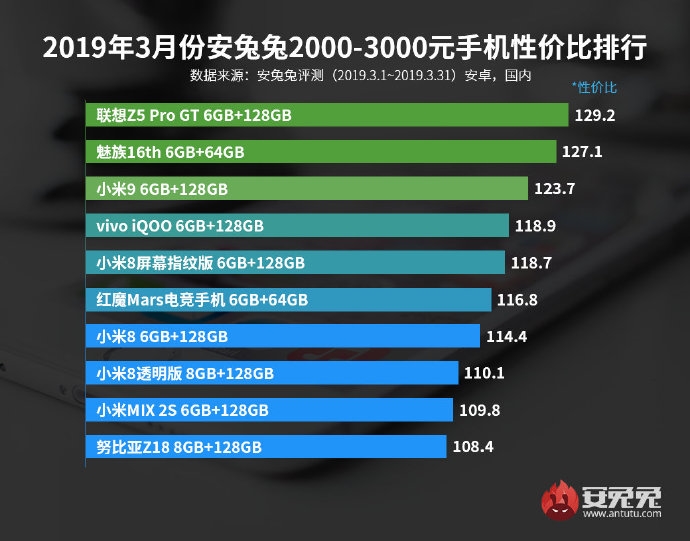
Antutu Benchmark recently released a list of top performing smartphones globally for the month of March 2019. Now, the company has released a list of top-performing smartphones for March, divided into four categories based on a cost-to-performance ratio.
The categories are defined based on the price range. There are four categories — smartphones priced between 0 to 999 Yuan; 1,000 to 1,999 Yuan; 2,000 to 2,999 Yuan and devices priced above 3,000 Yuan.
Now, coming to the first category of devices priced between 0 to 999 Yuan (approximately $0 to $149), the Redmi Note 7 Pro 3GB + 32GB model is leading, followed by Redmi 7 3GB + 32GB model and Lenovo K5 Note 6GB + 64GB model.
In the second category, where the smartphones are priced between 1,000 Yuan to 1,999 Yuan (approximately $149 to $298), the Meizu X8 4GB RAM + 64GB storage model is leading the list. The second and third spot are grabbed by Lenovo Z5s 4GB + 64GB model and Meizu Note 9 4GB + 64GB model respectively.
For smartphones priced between 2,000 Yuan to 2,999 Yuan, which is approximately between $298 and $446, the Lenovo Z5 Pro GT 6GB RAM + 128GB storage model is at the top position. It is followed by Meizu 16th 6GB + 64GB and Xiaomi Mi 9 6GB + 128GB models in the second and third position.
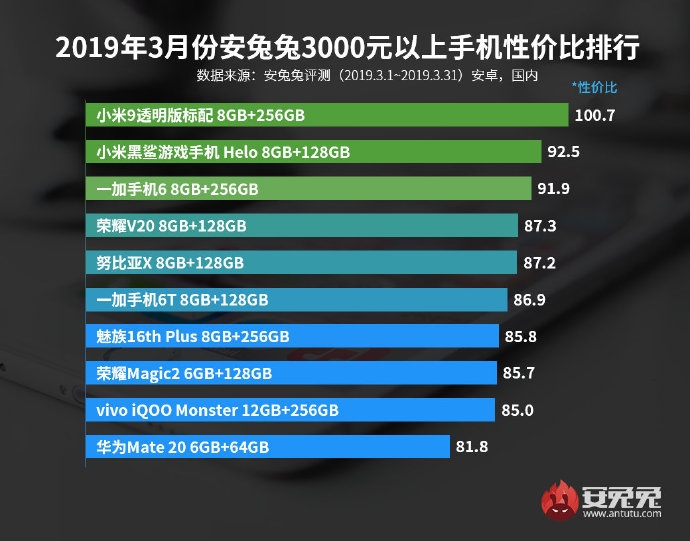
As for the fourth and final category, where the devices are priced above 3,000 Yuan (that’s around $447), the Xiaomi Mi 9 Transparent Edition having 8GB RAM and 256GB storage has got the top spot. The second position is also for Xiaomi and goes to its gaming smartphone Black Shark Helo with 8GB RAM and 128GB storage. The third spot is grabbed by OnePlus 6 which packs 8GB RAM and 256GB internal storage.
In the overall global markets, the Xiaomi Mi 9 is leading the pack with 371,423 points. The second place goes to Snapdragon 855 edition of Samsung Galaxy S10 that has scored 358,845. The Vivo iQOO Monster edition which is also fueled by the same SoC is placed third with a score of 356,004 points.
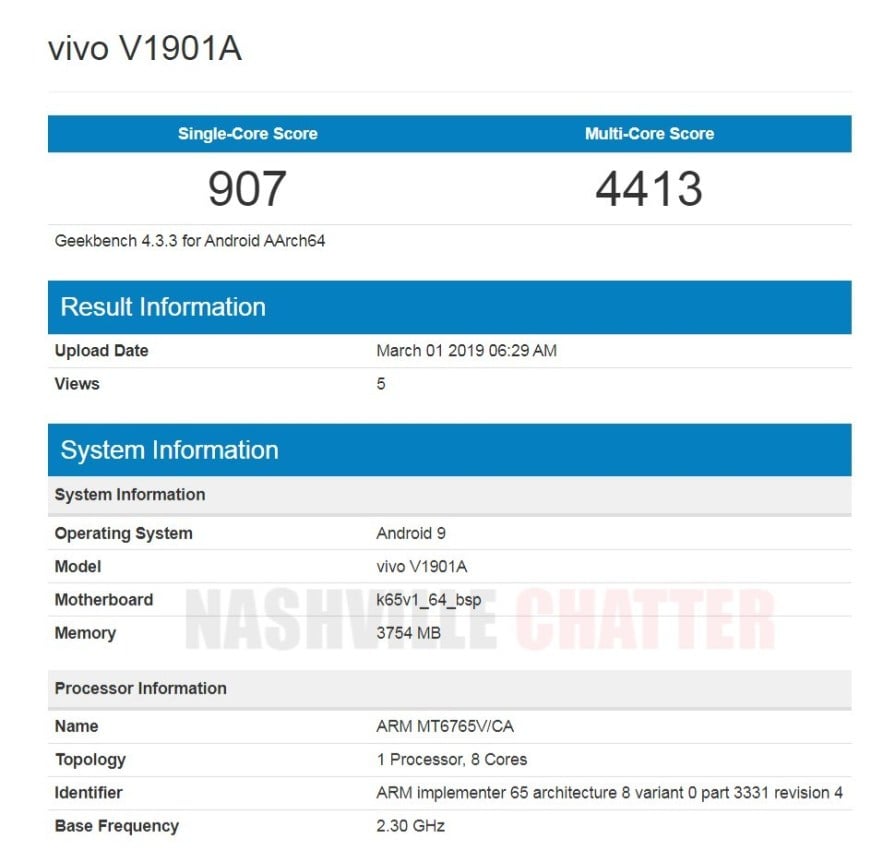
A Vivo smartphone labelled as Vivo 1901 had appeared on Geekbench benchmarking platform in the previous month. It appears that the smartphone is now inching towards its release since it has surfaced on TENAA with full specifications and images. The smartphone that has appeared as V1901A / V1901T reveals that it will be equipped with triple rear cameras and a huge battery ever seen on a Vivo phone.
Vivo V1901A/T Images
The Vivo V1901A/T images that it will be yet another phone from the company that will sport a waterdrop-style notched display. It is difficult to predict whether the phone features a glass or a plastic body with glossy finish. The blue colored rear is fitted with a vertically arranged triple camera module followed by an LED flash. A fingerprint reader is also available on the backside of the phone. The TENAA listing suggests that apart from blue, it will be also arriving in gold color option.
Vivo V1901A/T Specifications
The dimensions of the Vivo V1901A / V1901T are 159.43 x 76.77 x 8.92mm and it weighs 190.5 grams. The handset houses a 6.35-inch display that offers HD+ resolution of 720 x 1544 pixels.
The smartphone is fueled by a 2.3 GHz octa-core processor. The Geekbench listing of the phone had revealed that the phone will be driven by the MediaTek Helio P35 SoC. The SoC is assisted by 4 GB of RAM.
The Android 9 Pie OS will come loaded on the Vivo V1901A/T phone. It will be overlaid with the FunTouch OS UI. The smartphone will be available in storage choices like 64 GB and 128 GB. The handset will also carry support for external storage slot that will support up to 256 GB of microSD card.
Sitting inside the front notch of the smartphone is its 16-megapixel snapper. The triple camera module on its rear has a 13-megapixel main sensor, an 8-megapixel secondary sensor and a third sensor of 2-megapixel. The 4,880mAh battery size mentioned for the phone could be its minimum capacity. Its typical size could be around 5,000mAh. The smartphone will be equipped with support for rapid charging.
The specifications of the Vivo V1901A/T suggest that it is an upcoming budget-friendly smartphone from the company. It remains to be seen whether it will be arriving as a Y-series or the all new U-series smartphone.
Realme had launched its third-generation Realme 3 smartphone a couple of months ago in India. At that time, the company had teased that it will be launching the Realme 3 Pro in April to take on the Redmi Note 7 Pro.
While the Realme 3 Pro’s launch date is not yet confirmed, the company has now reduced the pricing of the Realme 2 Pro, implying that the launch of its successor — Realme 3 Pro could happen soon.
Earlier this year, the pricing of the Realme 2 Pro was slashed by Rs. 1,000. Now, the company has announced yet another price cut of Rs. 500. With this, the base variant will now retail for Rs. 11,990 (approximately $173) while the 6GB RAM model costs Rs. 13,990 (approximately $202). The top-end model with 8GB of RAM is now priced at Rs. 15,990 (approximately $231).
Coming to the specifications, the Realme 2 Pro features a 6.3-inch IPS LCD dewdrop display that produces Full HD+ resolution of 2340 x 1080 pixels along with an aspect ratio of 19.5:9, and offers a screen-to-body ratio of 90.8 percent.
Further, the display is shielded by a layer of Corning Gorilla Glass. The phone is equipped with a glass rear built with 15-year lamination technology. Under the hood, it is powered by Snapdragon 660 SoC that comes with its own AI Engine.
The rear side of the Realme 2 Pro features a dual camera setup includes a pair of Sony IMX398 16-megapixel with f/1.7 aperture. The dual cameras are protected by 6p sapphire glass and are equipped with features like dual pixel fast focus and EIS for video shooting. At the front side of the phone, there’s an f/2.0 aperture 16-megapixel selfie shooter.
The smartphone, which includes a rear-mounted fingerprint scanner also comes with dual-SIM support, 4G VoLTE, Wi-Fi 802.11ac, Bluetooth, GPS, USB OTG, micro USB, and 3.5mm audio jack. It is loaded with ColorOS 5.2 flavored Android 8.1 Oreo OS out-of-the-box and is powered by a 3,500mAh battery.
The Meizu 16s is likely to go official in this month probably because multiple leaks have revealed its design in the recent weeks. Moreover, the smartphone has appeared as Meizu M971Q model number along with full specifications and images of TENAA. The smartphone will be arriving as the successor of the Meizu 16th phone from last year.
Meizu 16s Images
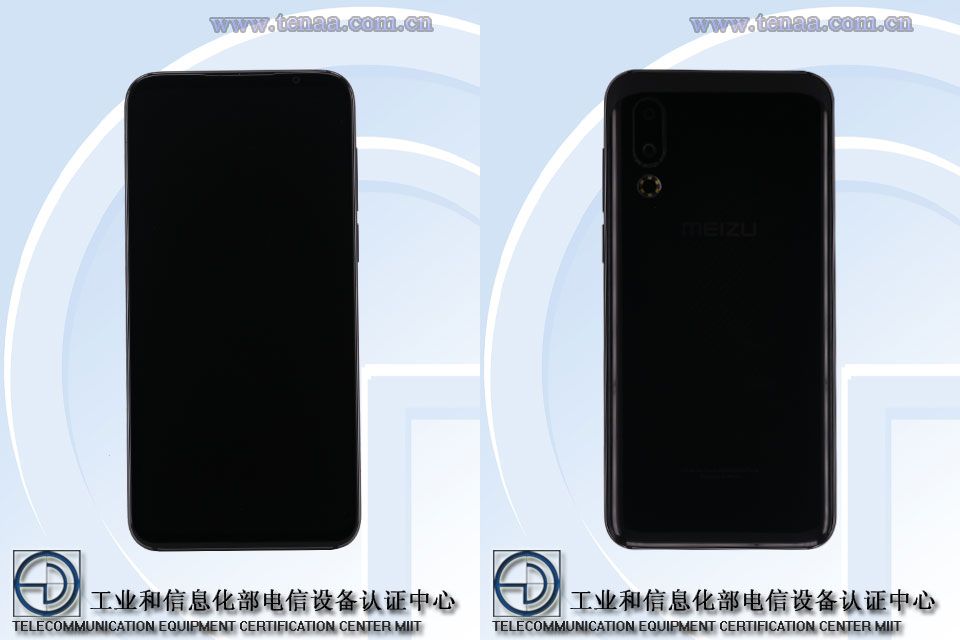
The Meizu M971Q (Meizu 16s) images that have been leaked through its TENAA listing reveals that will be featuring a dual camera setup and a ring flash at the top-left corner of its rear shell. The frontside of the phone is not clearly visible but based on the leaked photos it can be said that the phone will be offering a symmetrical design like the Meizu 16th. Also reduced bezels, the smartphone is expected to offer slightly higher screen-to-body ratio than the Meizu 16th smartphone.
Meizu 16s Specifications
The Meizu M971Q measures 151.9 x 73.4 x 7.65mm and it weighs 166 grams. The smartphone will be releasing in China in Black, White and Gradient Blue colors. The display of the smartphone measures 6.2 inches. The AMOLED screen is equipped with an in-screen fingerprint reader and it carries support for 1080 x 2232 pixels full HD+ resolution.
The Meizu 16s TENAA listing further reveals that it is packed with a minimum capacity battery of 3,540mAh. Its typical size could be 3,600mAh and its 3C certification had revealed that it will carry support for 24W fast charging. The Android 9 Pie OS along with the latest edition of Flyme UI will come preloaded on the phone.
The 2.8 GHz octa-core CPU that fuels the Meizu M971Q is the Snapdragon 855 mobile platform. It is assisted by 8 GB of RAM. The AnTuTu and Geekbench listing of the phone had revealed that the Meizu 16s will be arriving with 6 GB of RAM. It now appears that the Meizu 16s could be the company’s first smartphone 8 GB of RAM.
The native storage of the Meizu 16s is 128 GB and it does not carry support for external storage. The rear-mounted dual camera setup will include an OIS enabled 48-megapixel Sony IMX586 primary sensor and 20-megapixel secondary sensor. The latter could be the Sony IMX350 sensor that will be also available on the front for capturing selfie shots.
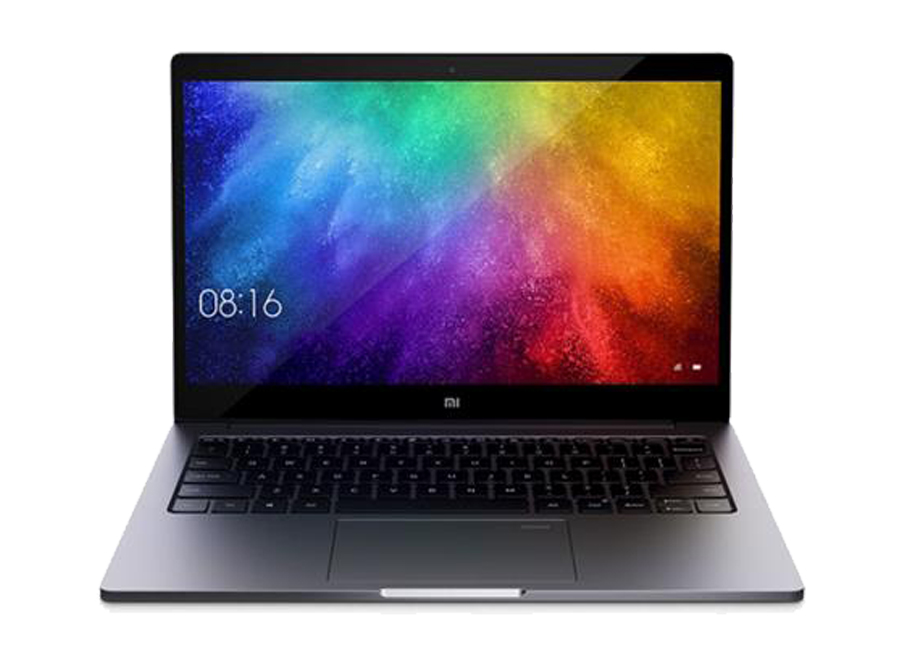
The highly portable, ultra-thin Mi Notebook Air 13.3 is Xiaomi’s first laptop. Despite being housed in a robust metal frame, it weighs in at just 1.28 Kgs. If you are looking for the best price to buy the Mi Notebook Air 13.3 online, you’ve come to the right place. Here are the leading online stores that offer the coveted laptop at unbeatable prices.
Gearbest
The global version of the Xiaomi Mi Notebook Air 13.3 with 8GB RAM and 256GB of internal storage capacity would normally set you back a pretty penny on both online as well as offline stores. Gearbest users can now buy the aforesaid variant for just $839.99. This is a significant 39 percent reduction in the device’s original asking price of $1380.15. You can visit this link to avail the discount, which will be valid for the dark gray color version of the laptop. With 299 pieces remaining, this promo is slated to end in three days.
Known for offering the best bang for your buck, Banggood is giving its loyal users a chance to buy the 8GB RAM, 256GB SSD storage capacity variant of the Xiaomi Air 13.3 at a reasonable price. While buying the laptop from other online stores would burn a hole in your pocket, you can get it for $1,084.21 on Banggood. You can visit this link to place your order and earn 1084 BG points on Banggood. Note that this price is valid for the grey-tinted global version of the Xiaomi Air 13.3 laptop.
The Xiaomi Mi Notebook Air 13.3 Enhanced Edition that ships with 8GB of DDR4 RAM and offer a hearty 256GB of onboard storage capacity has gone up for sale bearing a dropped price of $839.99 on GeekBuying.
This 37 percent discount is available for GeekBuying users. It is worth mentioning here that the aforesaid model would set you back a whopping $1343.09 without the discount.
You can follow this link in order to grab the discount, which is valid for the gray color version of the laptop. Note that the promo will come to an end in just five days.
AliExpress is offering the 8GB RAM, 256B SSD model of the Xiaomi Mi Air Notebook at a reasonable price. Moreover, the Alibaba-owned online retail service is giving its users a chance to win free gifts including a USB drive, an MI mouse, a stand, and a hard drive with their orders. Aside from that, new users can get an extra $3 off. The different color versions of the laptop cost $838.99 – $963.99 per piece. In order to ensure you do not end up missing this opportunity, all you need to do is to follow this link without wasting time.
An upcoming Oppo smartphone with model number PCGM00 / PCGT00 has been approved by the TENAA telecom authority of China. The specifications and images that have surfaced through the TENAA listing of PCGM00 / PCGT00 suggests that it could be a forthcoming Reno series smartphone.
The OPPO PCGM00 / PCGT00 smartphone measures 161.2 x 76 x 9.4mm and it weighs 191 grams. The smartphone houses a 6.5-inch AMOLED display that produces full HD+ resolution of 1080 x 2340 pixels. It is equipped with an under-display fingerprint reader.
The 2.2 GHz octa-core processor that powers the OPPO PCGM00 / PCGT00 phone could be the Snapdragon 710 SoC. The SoC is supported by 8 GB of RAM. The device includes a 3,680mAh battery that carries support for rapid charging.
The internal storage of the PCGM00 / PCGT00 device is 128 GB. There is no support for microSD card on it. The handset is running on Android 9 Pie OS that could be overlaid with the most recent version of ColorOS.
For capturing selfies, it is a 16-megapixel selfie camera. The front image of the phone reveals that it is fitted with a notch-less screen which indicates that it will be arriving with a pop-up selfie camera module. It remains to be seen whether the selfie camera module includes an LED flash. The backside of the phone has a vertically arranged dual camera setup with a 16-megapixel primary sensor and a 2-megapixel secondary sensor. The smartphone will be arriving in China in colors like black, blue and white.
The TENAA agency had approved the OPPO PCAM00 / PCAT00 smartphone in March. Its specifications are identical with the PCGM00 / PCGT00 phone that has been spotted today. The only major difference is that the PCAM00 / PCAT00 model features 48-megapixel + 5-megapixel dual camera setup whereas the PCGM00 / PCGT00 has a lower 16-megapixel + 2-megapixel dual camera system.
In March, the Chinese manufacturer had trademarked monikers like Reno Pro, Reno Plus, Reno Zoom, Reno Youth and Reno Lite. The Reno Zoom name could be reserved for the Snapdragon 855 variant with 10x hybrid zoom enabled triple cameras. Probably, the PCGM00 / PCGT00 model could be the Oppo Reno Youth phone. The company will be announcing the Oppo Reno series phone on April 10. The real identity of the TENAA certified models will be then revealed.
Deerma is quite a reliable brand when it comes to electrical products such as a humidifier, vacuum cleaners, hanging ironing machine and a slew of other home furnishing life appliances.
The German design company has now teamed up with Banggood to launch the ‘Deerma Brand Deals,’ offering loyal users of Banggood a chance to grab up to 70 percent off. This 7-days-only top brand sale offers cost-conscious buyers an unmissable chance to get top-end electronic items without breaking the bank.
The promotion page is split into multiple categories, allowing Banggood users to find what they’re looking for without breaking a sweat. There are heavily-discounted items placed under Top Sellers, Deerma Humidifier, Deerma Appliance, Half Price Deals and You May Like sections.
Under the ‘Top Sellers’ category, you can buy the Xiaomi Deerma VC20 vacuum cleaner, the Deerma Water Spray Mop and Xiaomi Deerma Clothes Sticky Hair Multi-Function Trimmer at lowered prices.
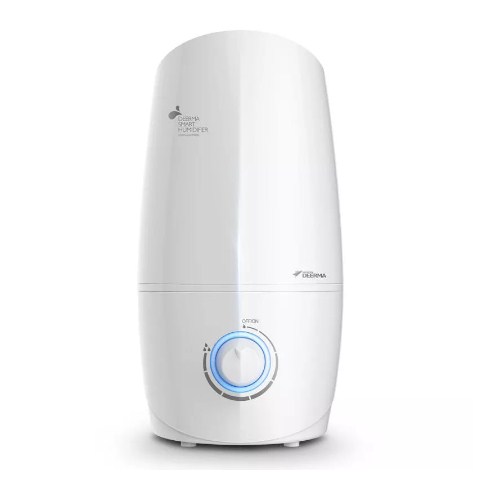
The ‘Deerma Humidifier’ section, on the other hand, features a slew of well-received humidifiers that usually cost a bomb. Much to the relief of those living on a tight budget, the humidifiers included in the aforesaid section carry heavily-discounted price tags.
For instance, the Xiaomi Deerma Mini Ultrasonic Air Humidifier usually retails for $49.17, but you can now buy it for just $36.99. This is a significant 25 percent drop in the device’s original asking price. Likewise, the ‘Deerma Appliance’ section is crammed with products that you can buy without emptying your pockets.
The ‘Half Price Deals’ segment includes the Deerma DEM-F450 Mini Silent Aromatherapy Humidification 4L Cool Black Air Humidifier and Deerma HX10 Intelligent Multi-Function Retractable Shoe Dryer, both carrying great discounts.
You can visit the promotion page and check out the rest of the products and get noteworthy discounts on them by heading straight to this link without wasting time.
Electric scooters are are a great choice for short predictable commute. Looking for a cost-effective e-bike that doesn’t let you down in terms of performance? You’ve come to the right place.
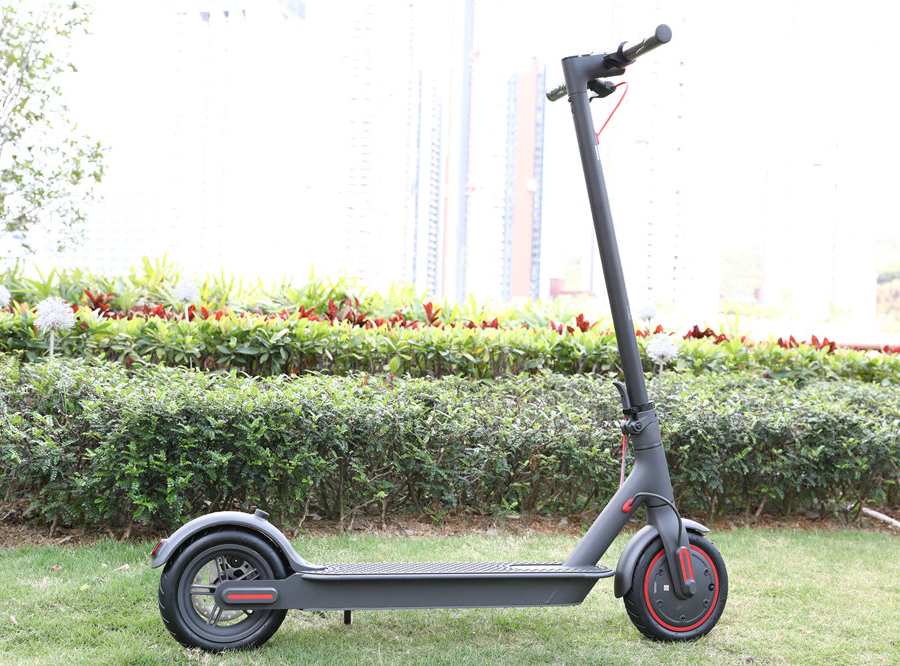
The KUGOO S1 and Xiaomi Mijia M365 Pro folding electric scooters have now gone up for sale bearing considerably reduced prices on GeekBuying. Moreover, the e-bikes have been assigned specific coupons that GeekBuying users can apply to get additional discounts at checkout.
KUGOO S1 Folding Electric Scooter
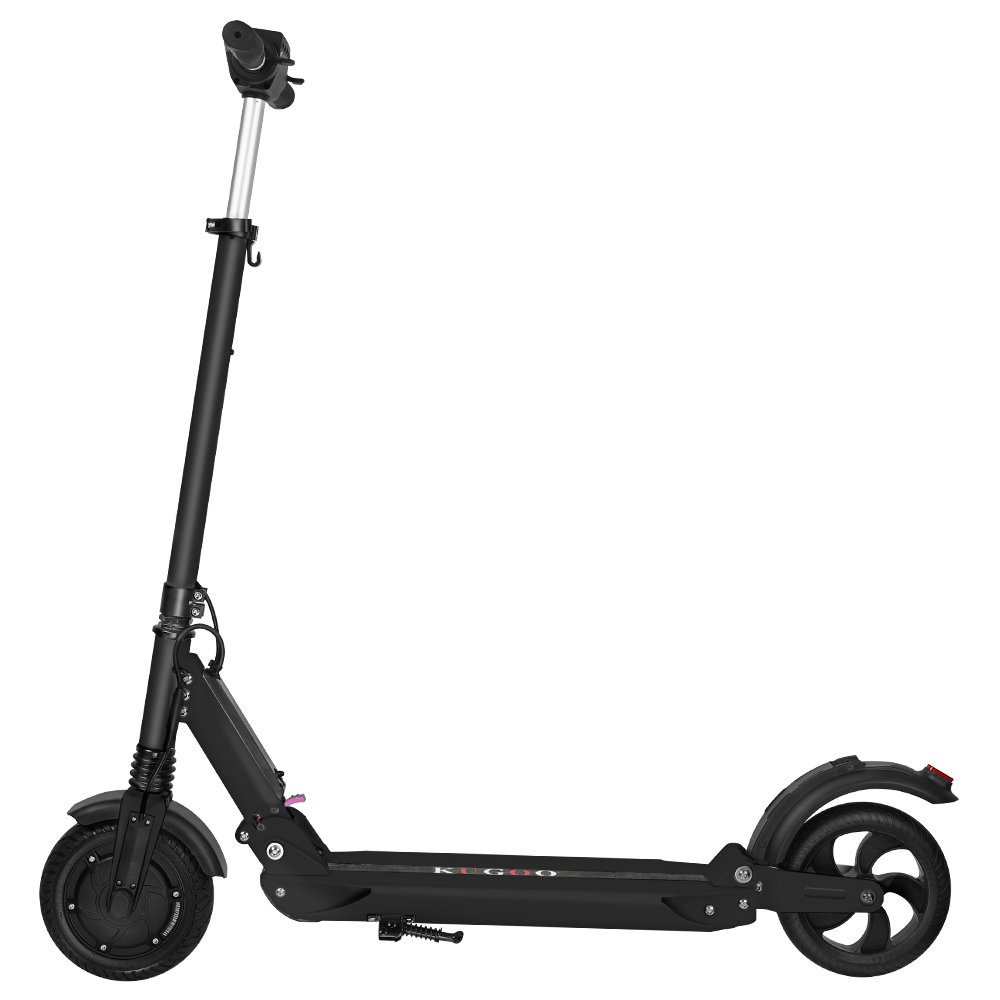
The S1 folding electric scooter from KUGOO is ideal for all sorts of roads, thanks to its 8-inch solid rear anti-skid tires and 3-speed running modes that enable you to adjust the speed using just one key.
The S1 is more efficient than regular motorbikes as it comes with a single key that acts as its braking system. Moreover, it features a monitor that displays the control information. You’d normally end up spending a lot of money on an e-bike that offers comparable features, but the KUGOO S1 is currently available bearing a reduced price of only $339.99 on GeekBuying. This is a significant 51 percent drop in the e-bike’s original asking price of $699.99.
In addition to getting the discount, you can apply coupon code KUGOOS1 and get an extra $160 off. In other words, you can bring the already reduced retail price of the electric scooter further down to only $329.99 simply by applying the aforesaid coupon at checkout.
Those ordering the KUGOO S1 from Poland-based warehouse will be eligible for duty-free and free delivery along with Poland local after-sale service. Moreover, in case of DOA (Dead on Arrival), the customer will not have to bear the return fee.
On the downside, the promo was on the verge of wrapping up at the time of writing. You can visit this link to grab the discount without wasting time.
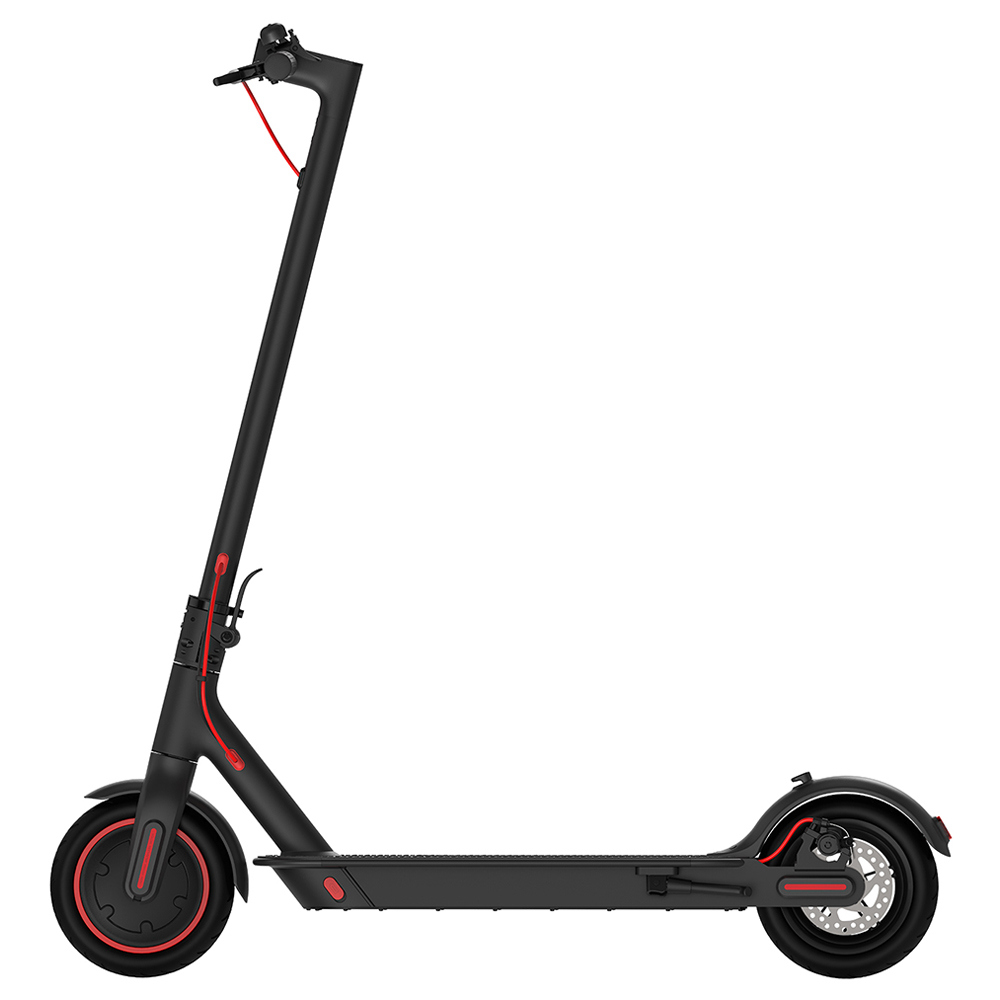
Marketed as a fun and safe way to commute, the Xiaomi Mijia M365 Pro boasts an impressive array of safety features that are housed in a minimalist design. On just a single charge, it offers up to 45km of travel.
It features easy-to-learn intuitive controls, along with braking taillights and headlights that warrant safety during the day and night. The easily foldable Xiaomi Mijia Electric Scooter Pro uses 300W motor propels to generate a max speed of 25km/h. The Xiaomi Mijia M365 Pro usually retails for $799.99, but GeekBuying users can now buy it for just $539.99. On top of that, they can extend this 33 percent discount by applying coupon code IJWVJVCU before placing their orders.
The aforesaid coupon helps you save $100 more by reducing the original selling price of the Mijia M365 Pro electric scooter to only $499.99 during the checkout process. You can visit this link in order to grab the discount before the promo ends today.
Today is a great day as the world’s first 5G smartphone in the market is hitting the shelves. We are talking about the Samsung Galaxy S10 5G which is launching in South Korea, that is not only Samsung’s homeland but also the world’s first country to have a national 5G network. You can check the 5G tariffs for the South Korean market here. So Samsung Galaxy S10 5G is the first 5G phone to hit the market, but it is not the only 5G-enabled device debuting in 2019. This summer we will see the launch of the Huawei Mate X and even ZTE will release its first 5G phone, the Axon 10 Pro, which is expected to be available starting from Q2 2019. If you are asking yourself whether you should buy the Galaxy S10 5G immediately or wait for the other upcoming 5G phones, this comparison will give you an answer.
Samsung Galaxy S10 5G vs Huawei Mate X vs ZTE Axon 10 Pro 5G
Samsung Galaxy S10 5G
Huawei Mate X
ZTE Axon 10 Pro 5G
DIMENSIONS AND WEIGHT
162.6 x 77.1 x 7.9 mm, 198 g
161.3 x 78.3 x 11 mm, 295 g
159.2 x 73.4 x 7.9 mm
DISPLAY
6.7 inches, 1440 x 3040p (Quad HD+), Dynamic AMOLED
Folded: 6.6 inches, 1148 x 2480p (Quad HD+), OLED
Unfolded: 8 inches, 2200 x 2480p (Quad HD+), OLED
While Huawei Mate X has the most innovative form factor as it is one of the first foldable phones, the most comfortable and stunning design belongs to the Samsung Galaxy S10 5G, at least in my opinion. It comes with a screen-to-body ratio very close to 100 percent thanks to a punch-hole display, it has a better build quality and a more solid body, it is fully waterproof with the IP68 certification and, unlike the Huawei Mate X, it comes with a thin and lightweight body. ZTE Axon 10 Pro 5G is even more compact, but not as attractive as the Galaxy S10 5G.
Display
While Samsung Galaxy S10 5G has the display with the best viewing quality, the display of the Huawei Mate X wins the comparison because of its huge diagonal. Indeed, the device is able to transform into a tablet thanks to a foldable screen which reaches a diagonal of 8 inches, just like tablets. While folded, it has a smartphone-like 6.6-inch diagonal. The unfolded display is the best for both multimedia, productivity and even for simply browsing the web or reading. There is nothing you can not do better with a so big foldable display.
Hardware/Software
Samsung Galaxy S10 5G wins the hardware comparison because it is equipped with a more powerful processor than the Huawei Mate X and it comes with a higher quantity of RAM than ZTE Axon 10 Pro 5G. In the Asian version, it sports a Snapdragon 855 chipset paired with 8 GB of RAM and 512 GB of internal storage, while the European version will launch with an Exynos 9820 chipset. Even ZTE Axon 10 Pro 5G is equipped with a Snapdragon 855 SoC, but it has just 6 GB of RAM and just 128 GB of internal storage unlike its rivals, so it takes the third place. All the phones are based on Android Pie. Note that Snapdragon 855-powered phones come with a Snapdragon X50 5G modem which is inferior to the Balong 5000 modem found on Huawei Mate X with Kirin 980. Indeed, unlike the Balong 5000, it is not a multi-mode modem and it has a lower speed.
Camera
Huawei Mate X comes with a similar camera setup to the Huawei Mate 20 Pro, but it lacks front cameras as the rear cameras can be used selfie cameras too. It is definitely one of the most amazing camera departments with its telephoto and ultrawide lenses, but I personally prefer the quad camera setup on board of the Samsung Galaxy S10 5G (RGB + telephoto + ultrawide + TOF) and the dual front camera which can record 4K videos. ZTE Axon 10 Pro 5G remains a great camera phone, but it can not compete with its opponents in any way due to lower-end sensors.
Battery
All of these phones are equipped with big batteries, but the biggest ones belong to the Samsung Galaxy S10 5G and Huawei Mate X (4500 mAh). However, this does not mean that they will last more than ZTE Axon 10 Pro 5G. Unfortunately, we still did not test their battery life thoroughly, but we can tell you one thing: given that ZTE Axon 10 Pro 5G has a smaller display with a lower resolution, it may surprise us, so do not underestimate its battery despite its lower capacity. Huawei Mate X has the fastest charging technology, and alongside the Samsung Galaxy S10 5G, it supports reverse wireless charging.
Price
Samsung Galaxy S10 5G is going to cost around €1500, Huawei Mate X will cost about €2300, while we still do not know the price of the ZTE Axon 10 Pro 5G, but we know that it will probably be the most affordable one. With the actual (incomplete) info about these devices, if we only talk about specifications and performances, Samsung Galaxy S10 5G is the winner of the comparison because of its better display, high performances, amazing cameras and water resistance. But a foldable phone reaching a diagonal of 8 inches is a game changer and it may attract most of productivity users who need the most comfortable handset for working, reading or watching multimedial content. Which 5G phone do you prefer?
A new Vivo phone with model number V1901A has been seen certified by TENAA. The phone, alongside a network variant with model number V1910T, has some interesting features such as triple rear cameras and one of the biggest batteries on a Vivo phone.
[envira-gallery id=”245059″]
The Vivo V1901A has a 6.35-inch display. This isn’t a full listing so the resolution is unknown. However, there is a camera in the center which hints at the phone having a notch.
The rear of the device is home to three cameras that are stacked on top of each other. All three sensors are in a single housing and an LED flash sits below the setup. There is also a fingerprint scanner on the back.
[envira-gallery id=”245063″]
TENAA says the phone packs a 4,880mAh battery, one of the largest we have seen on a Vivo phone. Its dimensions are also given as 159.43 x 76.77 x 8.92 millimeters.
On March 18 Xiaomi launched the Redmi 7 in China as its latest budget smartphone, the first under the independent Redmi brand. The device looks more like a mid-range model with several quality features. Xiaomi ditched the compact size of previous models to adopt a more enhance build and the device even packed a bigger 4000mAh battery. Apparently, the battery will be one of the biggest promotional tools you’ll find on the model and Xiaomi is attempting to prove that.
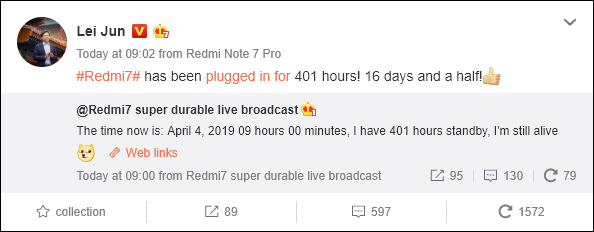
Xiaomi commenced a test of the Redmi 7’s battery on standby mode on March 16. As at the time of reporting, the phone has done over 400 hours, that is 16 days, on standby mode and is still powered on. Standby mode is usually a low power consuming mode but then, not many phones can achieve that.
We want to believe the phone runs with a SIM card and network connectivity in place. If not, that may have contributed to the longevity of the battery life. The LCD display backlights are also off while on standby and so the result isn’t much of a surprise. Of course, if the phone is in use, the battery won’t last that long. We doubt if it could stay for up to one full day when it sees regular usage. But then, a 4000mAh cell is pretty impressive for a phone priced around $100.
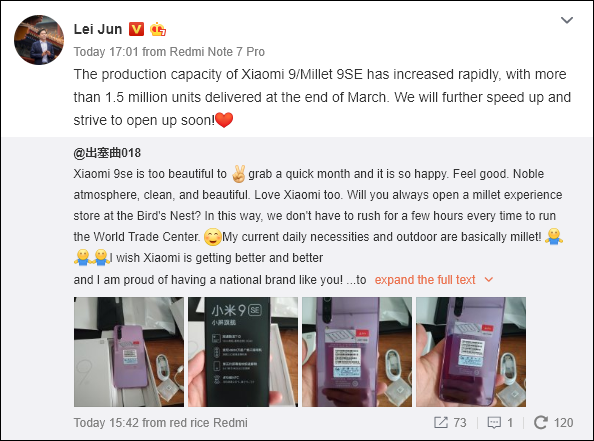
It is quite disappointing that Xiaomi is yet to get it right with the availability of stock for its latest flagship models. The Chinese tech giant has made several efforts to ramp up production and those efforts may have started yielding results. Xiaomi’s CEO Lei Jun hinted today that the company has accelerated production of the Mi 9 and Mi 9 SE models and was able to achieve over 1.5 million units shipping out of the production lines as at the end of March.
Lei Jun further stated that the company will strive to further increase its production capacity and make the phone available soon. Lei had earlier hinted that the Mi 9 product encountered some difficulties in the early part of March but the company has been able to resolve the issues by the middle of March. He acknowledged the importance of satisfying customers’ demands by making stock available.
Xiaomi seems to have learned a great deal from its earlier misadventure when it soared to the top 5 phone maker ranking but the growth was stifled by a scarcity of its products. Back then, Xiaomi only sells through the online sales channel. That has been corrected and the glaring effort it is putting to ensure that the products are available is geared towards ensuring it expands its customer base. The production line for the Mi 9 has also been boosted with the addition of BYD foundry to Foxconn’s two foundries in China.
Samsung’s Galaxy A90 (or A80 as some have reported it might be called) is one of the hotly anticipated devices from Samsung. The phone is expected to come with a unique camera design that pops up and also rotates to serve as both the rear and front cameras. Ahead of its April 10 expected launch, the phone’s full specifications have been leaked.
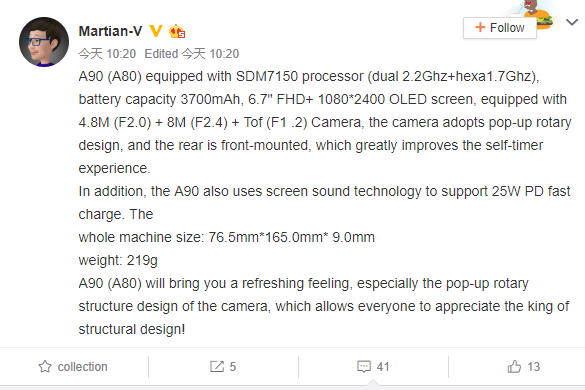
The source of the leak is Weibo user Martian-V. According to him, the Galaxy A90 will have a 6.7-inch display just like the Galaxy A70. However, it won’t have a notch at the top of the display for the selfie camera. The display is an AMOLED panel with a 2400 x 1080 resolution.
The processor that will power the Galaxy A90 is the SDM7150, an octa-core chipset with two cores clocked at 2.2GHz and six cores clocked at 1.7GHz. There is no info on the RAM and storage of the phone but we expect it will be available in multiple variants.
The phone will come three rear cameras – a 48MP f/2.0 primary sensor, an 8MP f/2.4 sensor, and a ToF camera. The leaker confirms that the phone indeed has a “pop-up rotating” camera design that allows the rear cameras to work as the front cameras too. This way, the Galaxy A90 should be able to take amazing selfies.
What seems to be new info is the Galaxy A90 pumping sound from the screen just like the LG G8 ThinQ. This is new for a Samsung phone but we are not surprised it is debuting on the Galaxy A series and not the Galaxy S series. Samsung already said it will try out new technologies on other series first before bringing it to the flagship lines.
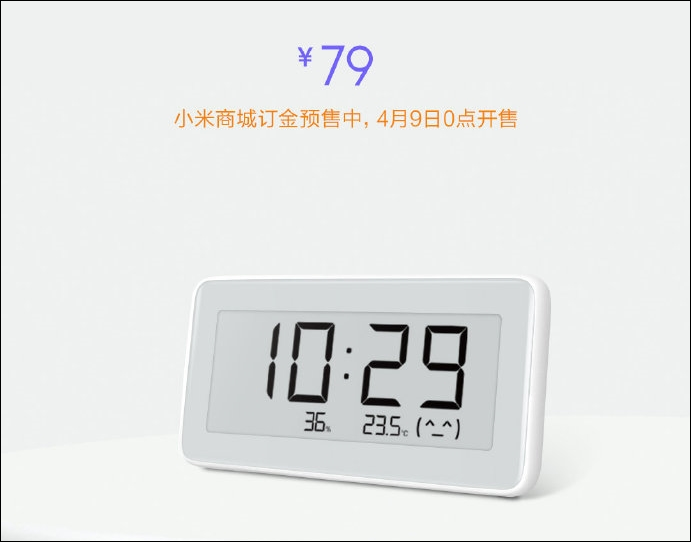
One of the numerous products that Xiaomi is preparing for the Mi Fan festival is the MIJIA Smart Digital clock which also has the functions of a thermometer and hygrometer. The device comes with an affordable 79 yuan price tag and will join other products to go on sale at 0.00 on April 9.
In terms of design, the Mijia temperature and humidity monitoring digital watch adopts a simple and elegant shape. The device has a large size electronic ink screen on the front which displays the current time, temperature and humidity. At the same time, the electronic ink screen has low requirements for ambient light. Whether it is sunny or at the beginning of the day, it can provide a comfortable viewing experience. The viewing angle is wide and clear and easy to read. It can be mounted on the wall, thanks to a magnet. It can also be mounted on the table top.
The device comes with a built-in imported high-precision sensor that can continuously monitor indoor temperature and humidity changes. It also is a smart gadget in that it can be paired with other IoT gadgets like the air-conditioner in order to intelligently adjustment to cold, warm and dry conditions. You can also view the temperature and humidity history from a connected smartphone. It should be noted that this model is similar to the Qingping Digital thermometer and hygrometer that was first launched in January 2018 and a new design launched last month. This model, however, packs a wider display in a landscape orientation.
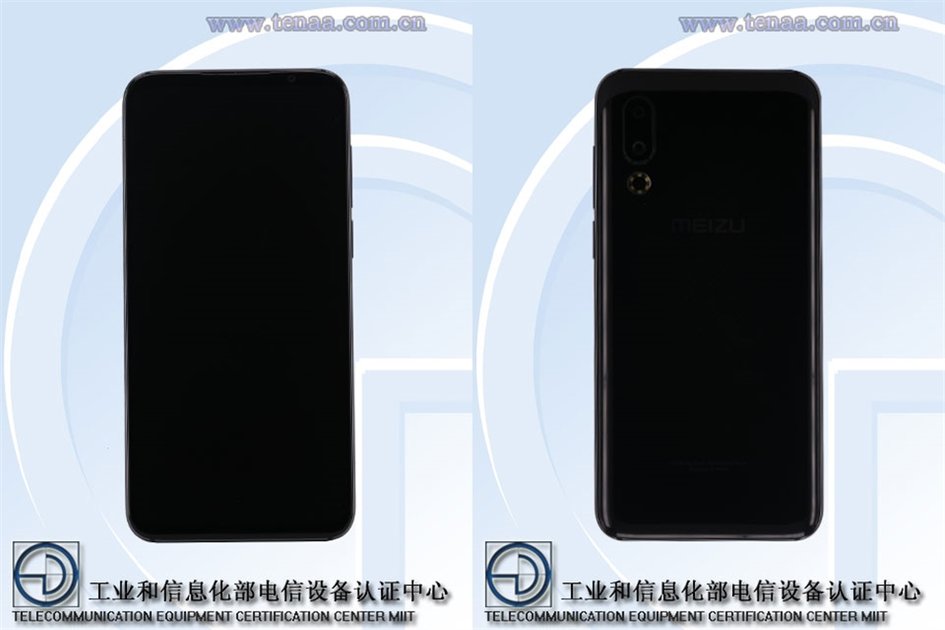
The launch of the Meizu 16s must be close as the device has now been spotted on TENAA’s site. Sadly, there are only images of the phone at the moment. We believe the full listing which includes the specs will surface later.
The pictures are of the black variant and the noticeable change is the redesigned rear. The cameras are no longer in the middle like on the Meizu 16 but are now on the left side. They are still stacked vertically and below the sensors is the ring flash. The hole inside the flash is home to the laser focus module.
The Meizu 16s has a curved glass back and metal frame. Its buttons are on the right and the side view shows the camera protrudes a bit. When the phone launches we should know if the lens is covered with scratch resistant glass. For example, the triple rear cameras of the Xiaomi Mi 9 is covered with sapphire glass.
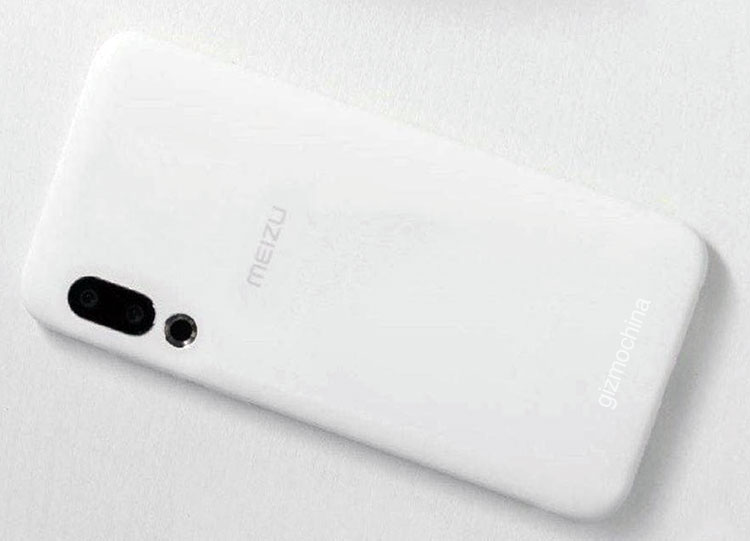
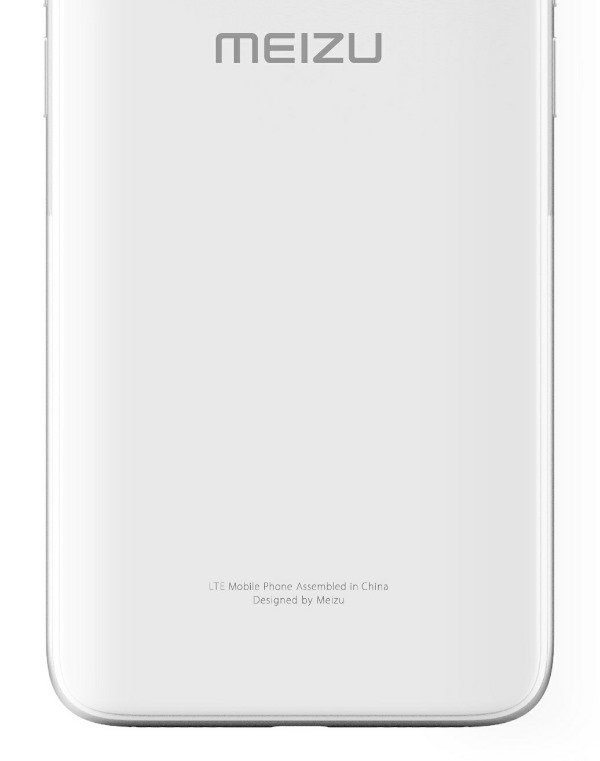
Alongside the TENAA images, Meizu’s own CEO, Huang Zhang also shared an official render of the white variant of the Meizu 16s. The render shows only the back of the phone and even this is only a portion. The upper part where the cameras are has been cropped out.
Beats is a famous earphone manufacturer which was then acquired by Apple. Powerbeats Pro is the latest wireless earphone with charging box would be released in May. Compared with AirPods, the latest wireless earphone released by Apple, although they have so much in common, the Powerbeats Pro is more suitable for people who like sports. Let’s check out the comparison of Powerbeats Pro and AirPods 2.
Design:
That is the most obvious difference between the two earphones. The AirPods adopts the earbuds design with wireless which looks similar to the standard Apple EarPods. Looking from the design, the AirPods is more casual, but a fraction of users are still worried about it falling out of their ears as the AirPods doesn’t have any design to prevent it from slipping off.
On the contrary, the Powerbeats Pro adopts the in-ear design with adjustable earhooks that makes sure that the earphone would not fall out of ears. The stable and secure-fit design may catch those who like doing sports. It’s also equipped with four sizes of canalphone for users to change.
One thing to be aware of is that there is button on the Powerbeats Pro to operate, while AirPods is controlled by gesture. Actually, I prefer to the operate button because it seems more reliable. Beats fans need to know that Powerbeats Pro have no power button which is not the same as before.
Four Colors of Powerbeats Pro
Apple claimed that the Powerbeats Pro is smaller than the previous, but in contrast AirPods is still much smaller. It means that the charging case of Powerbeats Pro is bigger than AirPods’s charging case. Therefore, the AirPods 2 is more portable.
As a sports earphone, it’s definitely that Powerbeats Pro comes with the sweatproof and the waterproof function which is not a problem for daily use. AirPods also has the same function.
Battery:
Powerbeats Pro has up to 9 hours of listening time, and it could be over 24 hours when playing with charging case. The battery life of AirPods 2 is about 5 hours, and it could also be over 24 hours when using with charging box. Although 5 hours of battery life is enough for daily use, no one would dislike long battery life. With fast charging, when it is out of electricity, the AirPods need to be charged for 15 minutes and will last for 3 hours, the Powerbeats Pro only needs to be charged for 15 minutes and will last for 4.5 hours. It’s a pity that Powerbeats Pro doesn’t support wireless charging.
Processor:
Powerbeats Pro and AirPods 2 come with H1 chipset which is the latest chipset of Apple. Hence, both earphones are carried support hands-free “Hi Siri” functionality allowing users to control the headphones through voice commands.
Overall, compared with AirPods, Powerbeats Pro is more suitable for people who like doing sports. If it’s uncomfortable for you to wear AirPods 2, you could also pick Powerbeats Pro.
We use cookies on our website to give you the most relevant experience by remembering your preferences and repeat visits. By clicking “Accept”, you consent to the use of ALL the cookies.
This website uses cookies to improve your experience while you navigate through the website. Out of these, the cookies that are categorized as necessary are stored on your browser as they are essential for the working of basic functionalities of the website. We also use third-party cookies that help us analyze and understand how you use this website. These cookies will be stored in your browser only with your consent. You also have the option to opt-out of these cookies. But opting out of some of these cookies may affect your browsing experience.
Necessary cookies are absolutely essential for the website to function properly. This category only includes cookies that ensures basic functionalities and security features of the website. These cookies do not store any personal information.
Any cookies that may not be particularly necessary for the website to function and is used specifically to collect user personal data via analytics, ads, other embedded contents are termed as non-necessary cookies. It is mandatory to procure user consent prior to running these cookies on your website.







 If you are looking for the best price to buy the Mi Notebook Air 13.3 online, you’ve come to the right place. Here are the leading online stores that offer the coveted laptop at unbeatable prices.
 This is a significant 39 percent reduction in the device’s original asking price of $1380.15. You can visit
  You can visit
 Aside from that, new users can get an extra $3 off. The different color versions of the laptop cost $838.99 – $963.99 per piece. In order to ensure you do not end up missing this opportunity, all you need to do is to follow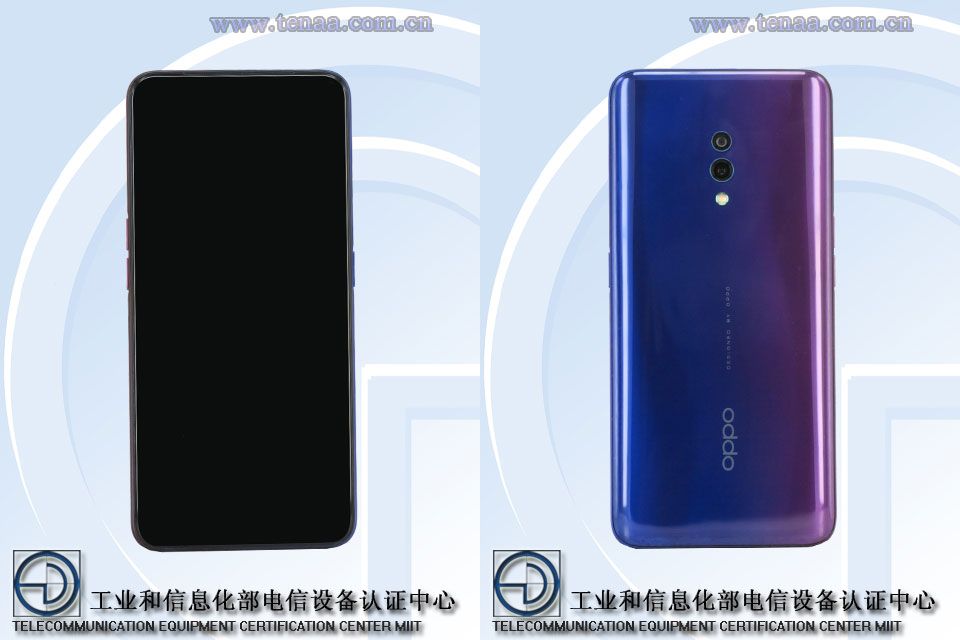

 Likewise, the ‘Deerma Appliance’ section is crammed with products that you can buy without emptying your pockets.
 The KUGOO S1 and Xiaomi Mijia M365 Pro folding electric scooters have now gone up for sale bearing considerably reduced prices on GeekBuying. Moreover, the e-bikes have been assigned specific coupons that GeekBuying users can apply to get additional discounts at checkout.
 You’d normally end up spending a lot of money on an e-bike that offers comparable features, but the KUGOO S1 is currently available bearing a reduced price of only $339.99 on GeekBuying. This is a significant 51 percent drop in the e-bike’s original asking price of $699.99.
 The Xiaomi Mijia M365 Pro usually retails for $799.99, but GeekBuying users can now buy it for just $539.99. On top of that, they can extend this 33 percent discount by applying coupon code IJWVJVCU before placing their orders.