Around two weeks ago, Gizmo China had exclusively revealed case renders of the upcoming OnePlus 7 phone to reveal the rear design of the phone. New case renders have appeared on SlashLeaks to corroborate on the previously revealed rear design of the forthcoming OnePlus flagship smartphone.
The fresh renders reveal that the OnePlus 7 features an alert slider and a power key on its right edge. The left side that is not visible in the fresh images is equipped with a volume rocker.
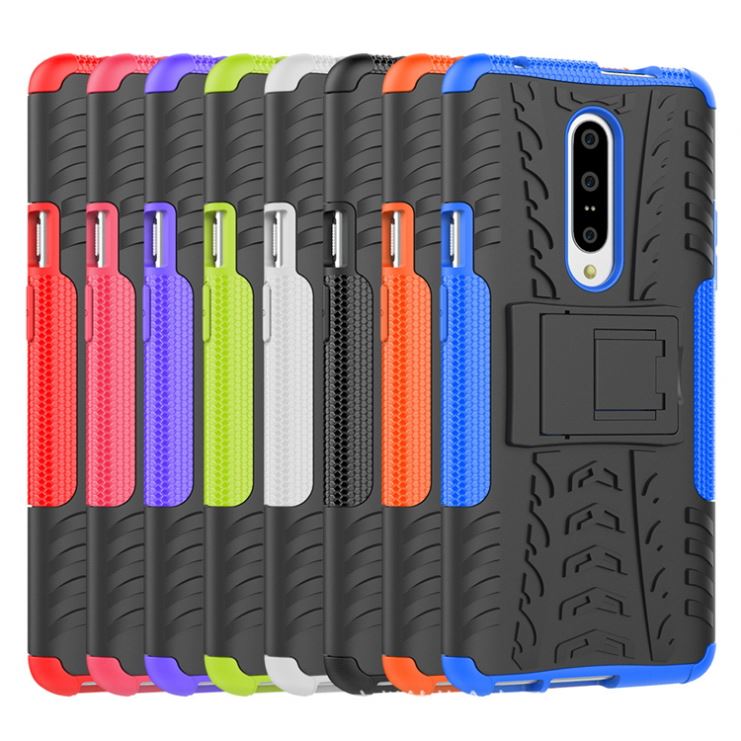
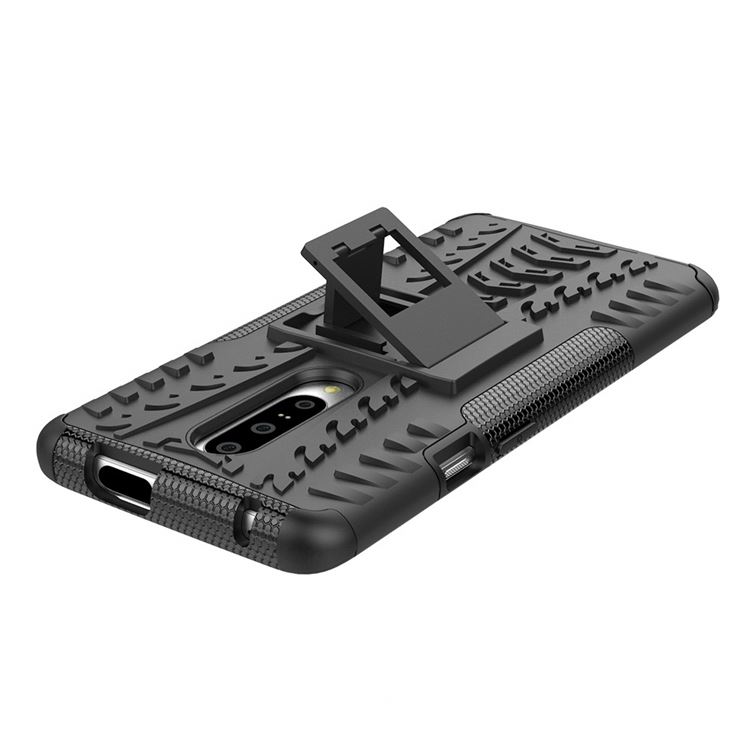
The render also confirms that the OnePlus 7 will be featuring an elongated camera cutout on the rear. The images reveal that it will be the first OnePlus phone to arrive with triple rear cameras. The camera module seems to feature laser autofocus module in between the second and third sensors. Below the camera module is a dual-tone LED flash.
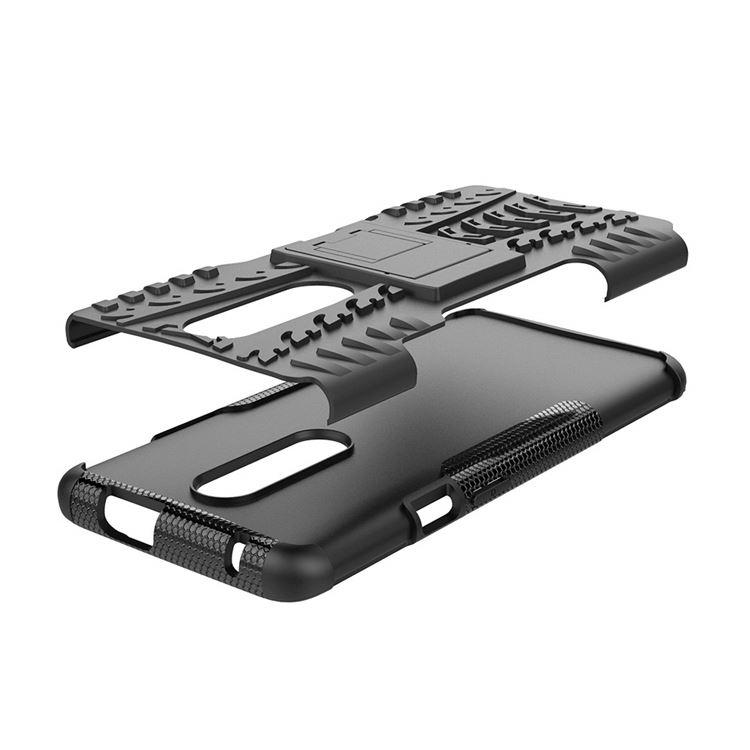
The bottom edge of the phone seems to feature cutouts for external speaker and USB-C port. There is a big cutout on the top edge which very likely belongs to the pop-up selfie camera. The other cutout on the top edge is for the microphone. Now that multiple leaks have confirmed on the existence of pop-out front camera on the OnePlus 7, it is very likely to sport a notch-less display. There is no cutout for rear-mounted fingerprint scanner on the cases designed for OnePlus 7. This indicates that the phone will be equipped with an in-display fingerprint reader like the OnePlus 6T.
Previous reports have revealed that the OnePlus 7 will be arriving in three color gradient options such as Black Yellow, Black Purple and Cyan Grey. Rumors are rife that the OnePlus 7 will be equipped with a 6.5-inch display and it will be fueled by the Snapdragon 855 mobile platform. The other specs of the smartphone are currently under the wraps. The smartphone is likely to go official in May or June. As of this writing, there is no information on its pricing.
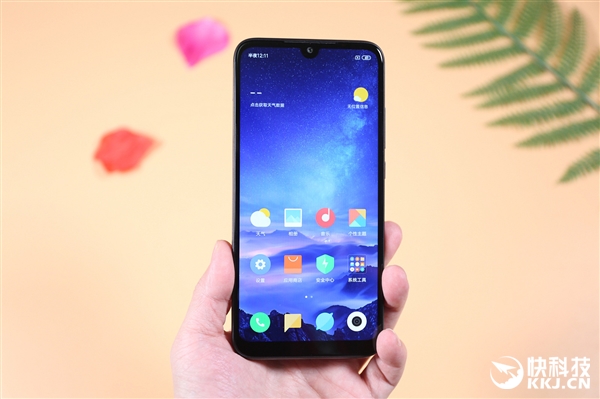
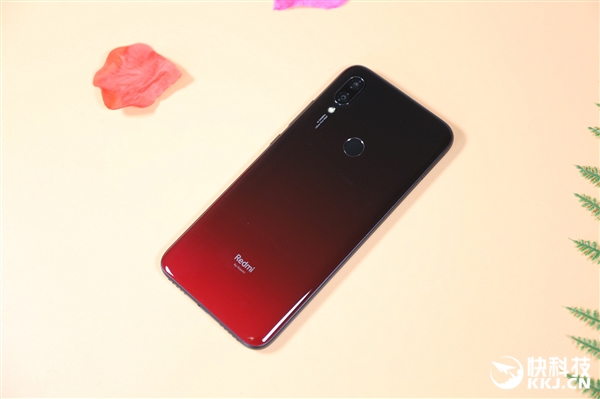
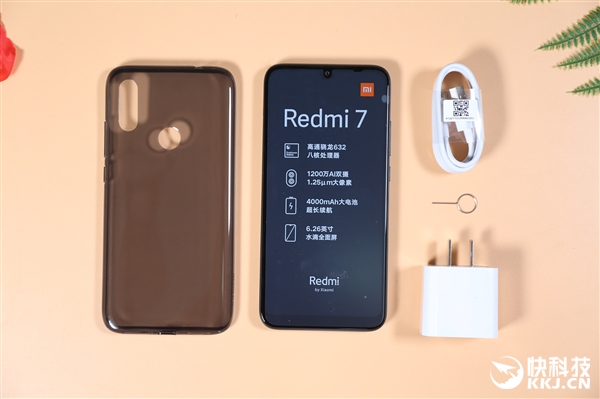
Xiaomi’s Redmi brand gave us a surprise package last week when it unveiled the supposed budget Redmi 7 smartphone. If there was any category named “budget flagship”, that is where the Redmi 7 should belong. Not to create any controversy, let it be stated clearly that the Redmi 7 is not a flagship model but the sleek design, premium build and impressive hardware position the device as a model that can’t be overlooked by those shopping for a smartphone on a budget. With a starting price of 699 Yuan (~$104), it is hard to believe Xiaomi hasn’t compromised on quality on this one. Here are some unboxing/ hands-on pictures of the Redmi 7, affording us a closer look at the model.
The Redmi 7 is the cheapest model Xiaomi is releasing under the brand since Redmi became an independent brand. It doesn’t have any trace of compromise in quality, instead, you get a device with a topnotch finishing. Starting off with the packaging, the phone has a similar packaging with the Redmi Note 7. Inside the box, you get the smartphone, a 5V/2A charging adapter, data cable, SIM tray ejector, user manual and a complimentary pouch for the phone.
The phone size deviates from the compact size of its predecessors as it features a 6.26-inch display with a resolution of 1520x720pixels. The display uses the 19:9 aspect ratio and carries support for 84 percent NTSC colors. The screen is a TUV Rheinland display and so it effectively reduces the emission of harmful blue rays thus users won’t experience eye fatigue. Xiaomi took the quality of the budget phone to another level by adding a Corning Gorilla Glass 5 panel on top the display. In addition, it has a P2i splash-resistant coating. The device has a waterdrop notch design, a feature which it shares with the Redmi Note 7 and Note 7 Pro. The notch houses an 8MP sensor with features such as AI Beauty and AI Face Unlock.
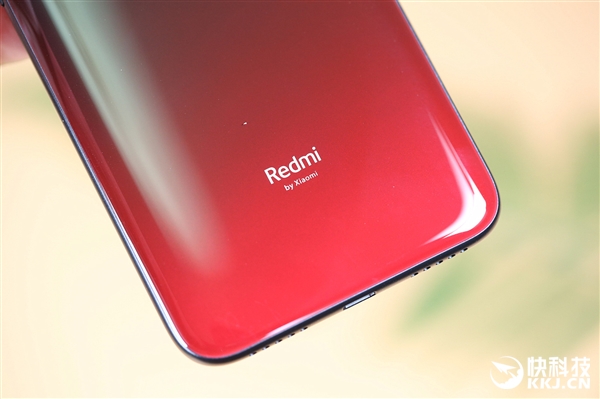
The rear aspect design is yet another testament to the quality finish of the Redmi 7. The phone has a gradient finish upon what we believe is a plastic back. The finishing may make you think it is a glass back. At the top left corner is a dual camera setup with LED flash at the bottom. The camera comprises a 12MP + 2MP combo. There is equally a rear-mounted fingerprint scanner for unlocking the phone. The SIM card tray is located at the left side of the display and has three slots – two nano SIM slots and an SD card slot.
On the internal hardware, the Redmi 7 is equipped with a Snapdragon 632 SoC paired with 2GB, 3GB and 4 GB of RAM on different variants. The device also packs 16GB, 32GB and 64GB storage options. It gets its interface from Android 9-based MIUI 10 while a 4000mAh battery keeps the lights on. You also get features such as dual 4G VoLTE, Wi-Fi, Bluetooth, GPS, Infrared remote control, microUSB 2.0 and 3.5mm audio jack.
Check out the gallery for more sleek photos of the Redmi 7 from below.
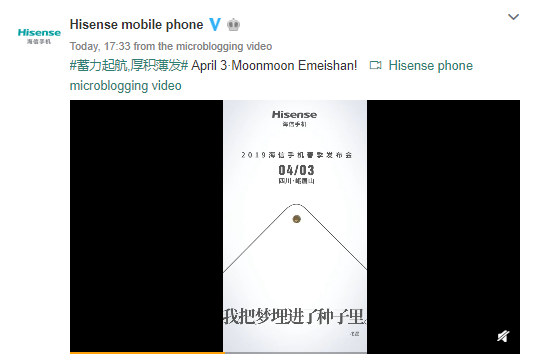
Hisense has confirmed through its Weibo account that it will be hosting a launch event on April 3 in China. The teaser video shared by the company suggests that it may launch a smartphone with punch-hole display. Hence, it appears that the company may announce the Hisense U30 that was showcased at the Consumer Electronics Show (CES) 2019 in January and Mobile World Congress (MWC) 2019 in February. The smartphone was recently certified by the TENAA authority of China.
The above shown teaser has no information on the name of the phone that may get announced through Hisense’s April 3 event. There is a possibility that the apart from launching the Hisense U30, the Chinese firm may also debut some another phone. Recently, the Hisense HLTE216M / HLTE216T phone was also approved by the TENAA body. It is the very same phone that was showcased as Hisense Rock V.
Hisense U30 Specifications
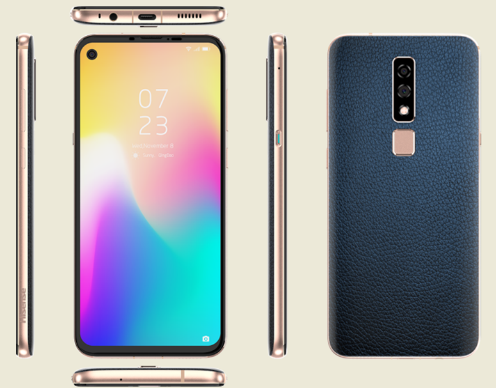
The Hisense U30 TENAA listing has revealed that it will be featuring a 6.3-inch IPS LCD punch-hole display that offers 1080 x 2340 pixels. The Snapdragon 675 chipset will be powering its 6 GB RAM + 128 GB storage and 8 GB RAM + 256 GB storage variants. .
It will be sporting a leather rear with 48-megapixel + 5-megapixel dual camera setup and a fingerprint scanner. It will be featuring a frontal shooter of 20-megapixel. The handset will be fueled by a 4,500mAh battery with 18W fast charging support. Black and Blue are the two color editions of the Hisense U30.
Hisense Rock V Specifications
The Hisense Rock V has a 6.2-inch waterdrop notch screen that produces HD+ resolution of 720 x 1520 pixels. The Snapdragon 439 SoC will be powering the phone along with 5,360mAh battery.
It will be releasing in 4 GB and 6 GB RAM variants and 32 GB, 64 GB and 128 GB storage models. For photography, it will be equipped with 13-megapixel + 2-megapixel dual camera setup and an 8-megapixel front camera. Gold and Black are the two editions of the Hisense Rock V.
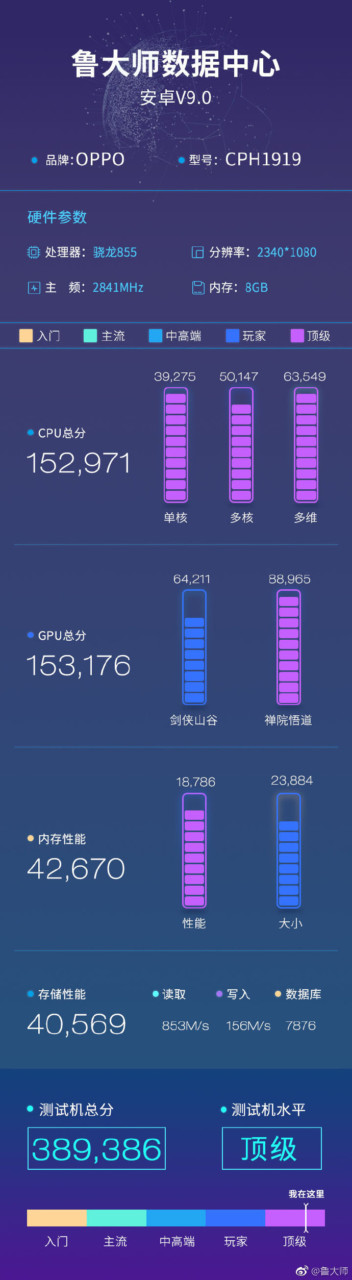
The Bluetooth SIG certification of the OPPO CPH1919 phone had revealed that it will be unveiled as OPPO Reno. The Bluetooth certification site has also confirmed that the CPH1917 and CPH1921 are its Snapdragon 710 and 5G version of the same phone. The CPH1919 has been appeared on the Master Lu benchmarking platform with an impressive score. It has also revealed some of the key specs of the phone.
According to Master Lu benchmarks, the display of the OPPO Reno produces full HD+ resolution of 2340 x 1080 pixels. It is fueled by the Snapdragon 855 mobile platform. Recent reports have revealed that the CPH1919 model will be equipped with a 6.65-inch display. A recently leaked hands-on video of the phone has revealed that it features a notch-less display. The handset will be equipped with an in-screen fingerprint reader. The SD855 SoC will be coupled with copper tube liquid cooling to maintain the internal temperature of the device.
Coming to the Master Lu benchmarks of the OPPO Reno, its SoC will be coupled with 8 GB of RAM and it will include an internal storage of 256 GB. It has recorded 389,386 benchmarking score on Master Lu. There is no confirmation on whether the SD855 variant will be coming in other RAM and storage options. The Chinese manufacturer will be also selling a 5G-ready version of the OPPO Reno smartphone.
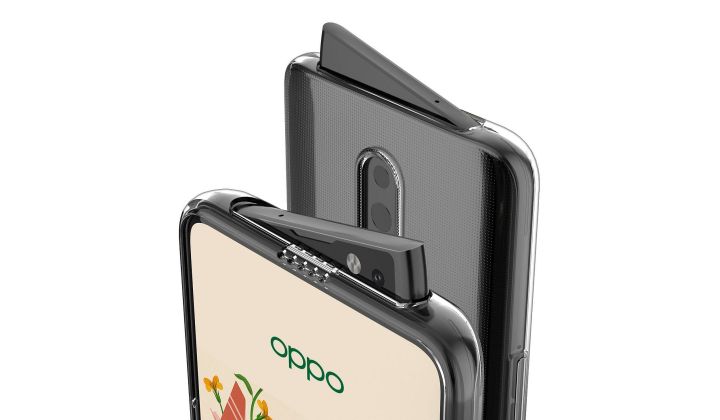
The Snapdragon 855 powered OPPO Reno phone will be featuring a unique triangle-shaped pop-up selfie camera module that will include a 16-megapixel lens and an LED flash. It will be coming with Sony IMX586 48-megapixel + 8-megapixel + 13-megapixel triple camera module on its rear that will carry support for 10x hybrid zoom. It will be fueled by a 4,065mAh battery that will carry support for VOOC 3.0 flash charging.
The OPPO Reno will be releasing in China in four color options such as Midnight Black, Sea Green, Nebula Purple and Pink. As of this writing, there is no information available on the price tag of the phone.
The Honor v20 is just three months on the road but the midrange model has gotten its first price slash. Huawei Mall officially announced today that the Honor V20 version with 6GB RAM and 128GB storage has gotten a 100 yuan cut in its price. The model is now available on VMall for 2899 yuan ($430), down from 2999 yuan ($445).
The Honor V20 is one of the most cost-effective smartphones around with a price point that is way lower than the hardware it packs. The V20 features a sleek glass body with a gradient finish. Perhaps, the most spectacular feature at the front is the punch hole which houses the 25MP front-facing camera. According to Honor, the aperture of the selfie shooter has the smallest diameter of 4.5mm in the industry which helps in integrating the display.
The V20 features a 6.4-inch full-screen display and is powered by Huawei’s latest Kirin 980 processor. At the rear, the device packs a 48 Sony IMX586 main camera paired with a TOF sensor. The phone gets its juice from a 4000mAH battery with support for 4.5V/5A super fast charge. The phone also has Huawei’s latest GPU Turbo 2.0 technology which greatly improved the overall efficiency of the GPU graphics operation.
Summarily, Honor V20 is the cheapest Kirin 980-powered model around and even without the price slash, the phone is worth every penny you spend in getting it. You are certainly assured of getting full value or your money.
Xiaomi is already developing the next version of its custom Android OS which will be called MIUI 11. Yesterday, the product manager and design director for MIUI held a Q&A session where they disclosed new features that will be added to the new version.
One of the main changes we will see is a brand new set of system icons that have been redesigned from the ground up. The new icons will also have a unified design. Liu Ming says they are hard at work on MIUI 11 and hope everyone will like it.
Another feature coming to MIUI is an ultimate power saving mode where all system functions are turned off except calls and messages. In this mode, all colors will be turned off and the UI will switch to a monochrome mode to conserve power. Users will be able to customize this power saving mode too in case they want a certain app to still function.
The OPPO Reno smartphone will be unveiled on April 10. Several details of the phone have already appeared in recent reports. Not many leaks have revealed the front design of the phone. A new hands-on video of the OPPO Reno have appeared on Weibo to reveal its front and rear design. The video also reveals that it features a unique pop-up selfie camera.
The video begins by showcasing the rear design of the OPPO Reno. The back panel of the phone is equipped with two vertically arranged cameras. Hence, it could be the Snapdragon 710 edition of the OPPO Reno. Some rumors are claiming that it could be called OPPO Reno Lite. The dual camera setup of the phone will comprise of 48-megapixel Sony IMX586 primary sensor and a 5-megapixel depth sensor.
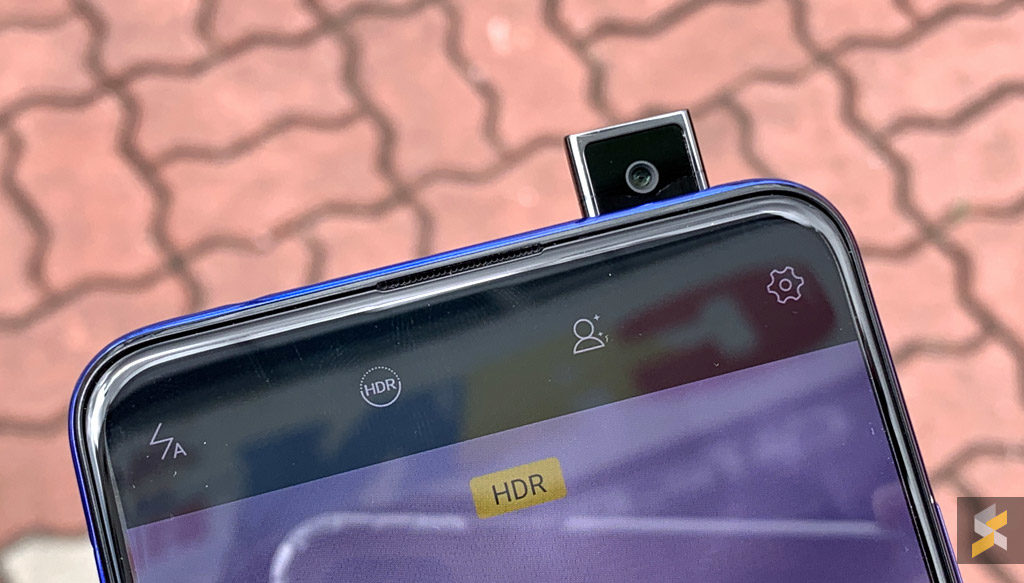
Just as the case renders of the OPPO Reno had revealed few hours ago, the hands-on video also shows that it will be arriving with an unusual triangular pop-up selfie snapper. The selfie camera module is equipped with an LED flash and camera lens. Recent reports have revealed that the phone will be featuring a selfie camera of 16-megapixel. The top edge of the module features the earpiece. When the pop-out module reverts back to its place, the earpiece which remains visible on the frame of the device will continue to product sound.
There is no rear-facing fingerprint scanner on the phone because it will come embedded under its OLED screen. The Snapdragon 855 edition of the phone will have a tripe camera that will include a 48-megapixel sensor, an 8-megapixel lens and a 13-megapixel sensor that will bring support for 10x hybrid zoom. The Chinese manufacturer will be also selling a 5G version of the smartphone. The pricing of the SD710 and SD855 editions of the OPPO Reno are currently under the wraps.
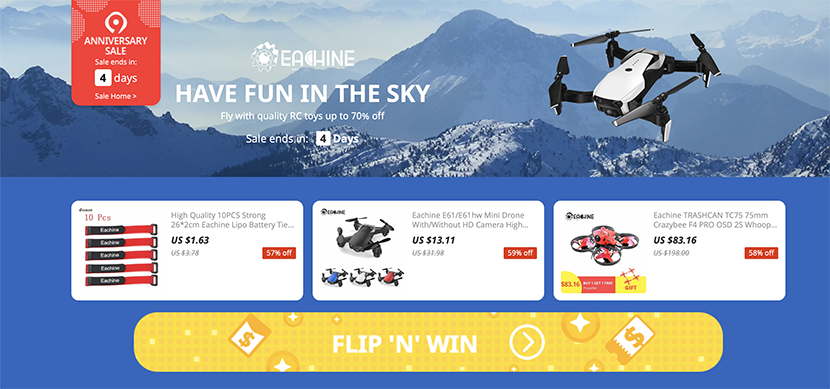
Known for manufacturing top-end quadcopters, FPV types of equipment, and Racer drones, Eachine has now teamed-up with AliExpress to offer its top quality products at unbeatable prices. So without further ado, let’s delve straight into the details.
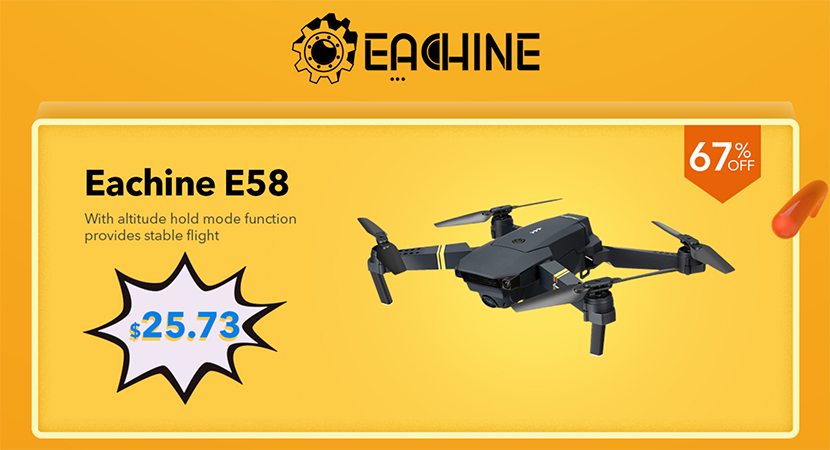
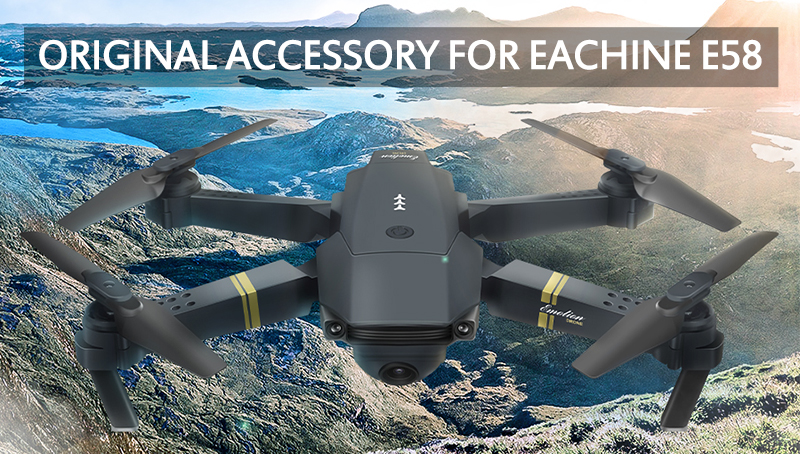
Eachine E58 WIFI FPV RC Quadcopter Drone
Eachine is now offering the well-received E58 WIFI FPV RC Quadcopter Drone for a reduced price of just $60.05 on AliExpess. This is a noteworthy 61 percent reduction in the device’s original asking price of $153.98.
Moreover, new users can use a $5 off coupon to bring the already reduced asking price of the Eachine E58 WIFI FPV RC Quadcopter Drone further down to just $25.73 during the checkout process. You can follow this link to grab the discount.
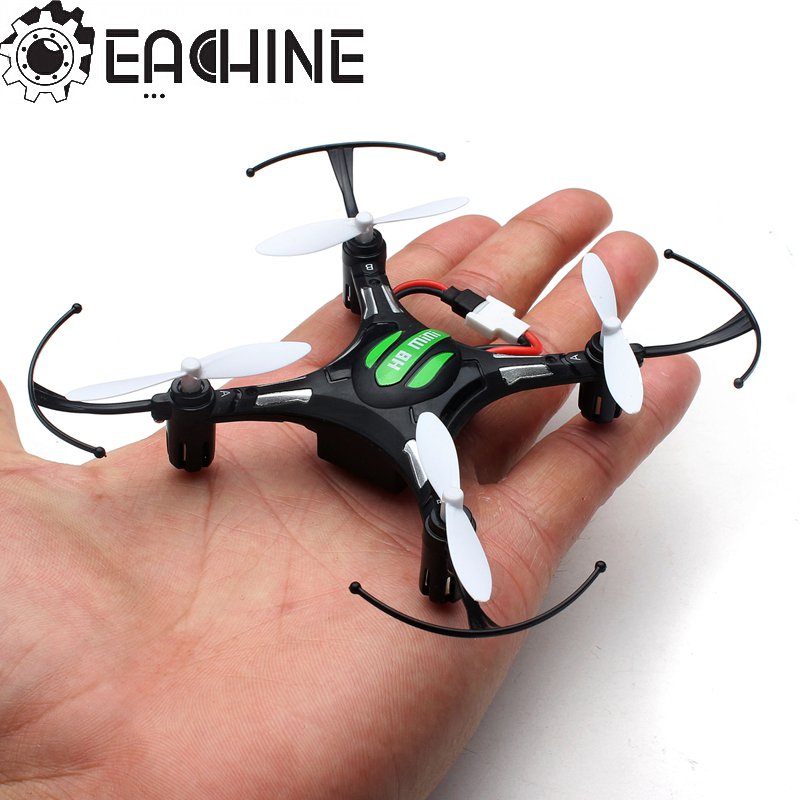
Eachine H8 Mini RC Quadcopter
The H8 Mini comes in several color options including Black Mode 2, Black Mode 1, White Mode 2 and White Mode 1. The coveted RC Quadcopter normally retails for $29.98 – $35.98 a piece, but thanks to a 52 percent discount you can now buy it for $12.59 – $15.11 a piece, depending on the color version you choose.
In order to check out more details and grab the aforesaid discount, all you need to do is to follow this link without wasting time. You also get a free squishy toy with your order.
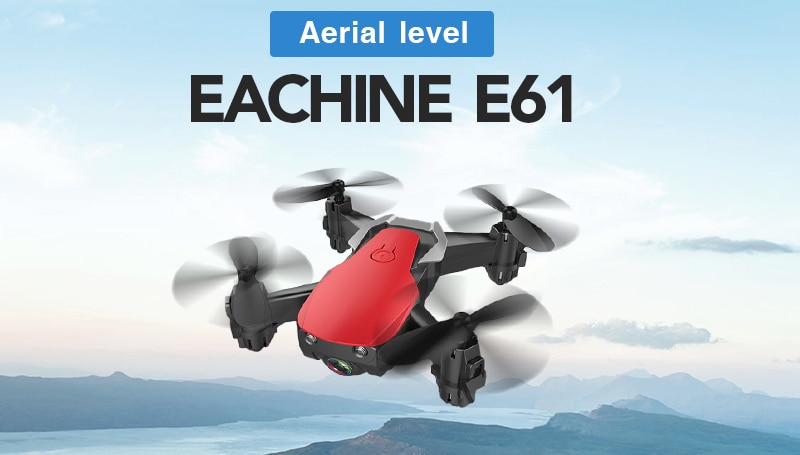
Eachine E61/E61hw Mini Drone
The E61/E61hw usually sells $31.98 – $61.98, but much to the delight of AliExpress users, the Eachine-branded foldable RC drone is now available for a dropped price of only $13.11 – $25.41. AliExpress is currently doling out a significant 52 percent discount on the device’s original selling price.
You can click here to visit the promotion page and avail the discount. Note that new users can take advantage of a $3 off coupon and save extra money before placing their orders.
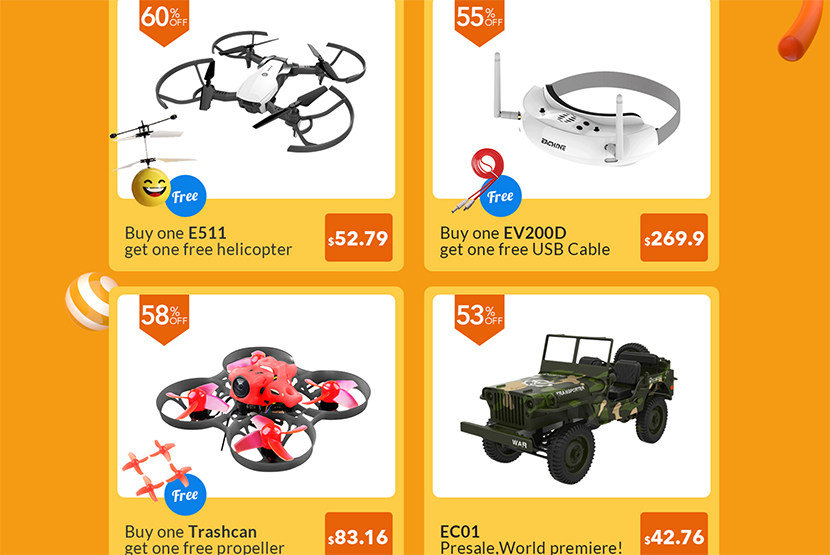
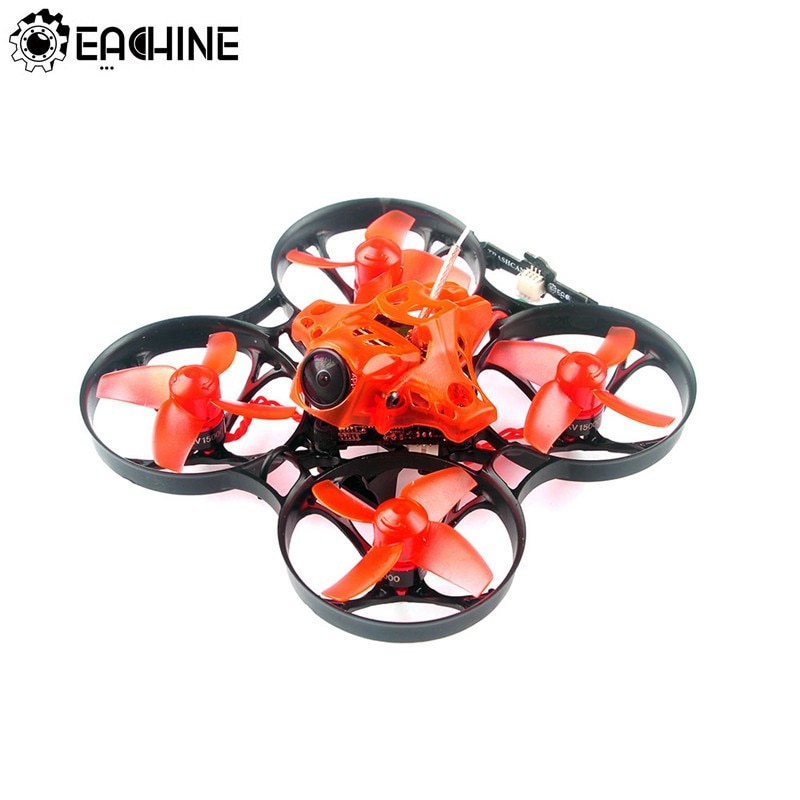
Eachine TRASHCAN TC75 75mm Crazybee F4 PRO OSD 2S Whoop FPV Racing Drone
While you’d normally end up spending a lot of money on a top-branded FPV racing drone, the Eachine TRASHCAN TC75 75mm Crazybee F4 PRO will not burn a hole in your pocket. The feature-rich drone has now gone up for sale bearing reduced price tags of $93.06 – $100.58 a piece on AliExpress. Without this 53 percent discount, you’d end up shelling out $83.16 – $89.88 depending on the color options and specifications you choose. But that’s not all.
If your cart value exceeds $65, you can use a $6 off coupon and grab an extra discount. You also get one set of propeller free with the order.
Likewise, new users can apply a $5 off coupon at checkout and save a considerable amount of extra money during the checkout process. You can follow this link to get the discount.
Eachine E511 Foldable RC Drone Quadcopter
Equipped with a foldable arm, the Eachine E511 is an easy-to-carry RC drone quadcopter from Eachine. You can choose from a slew of color options and specifications if you are willing to spend $135.98 – $211.98.
Those living on a tight budget can now take advantage of a 50 percent discount.
Eachine is offering the aforesaid discount on the E511 Foldable RC Drone Quadcopter in collaboration with AliExpress. As a result, a single unit of the RC drone will now set you back only $58.47 – $91.15.
As if that weren’t enough, consumers buying the E511 will be eligible for receiving a free helicopter. New users can apply a $5 off coupon at checkout and reduce the already lowered selling price of the E511 Foldable RC Drone Quadcopter.
You can head straight to this link to grab the discount and check out more details about the Eachine E511 Foldable RC Drone Quadcopter.
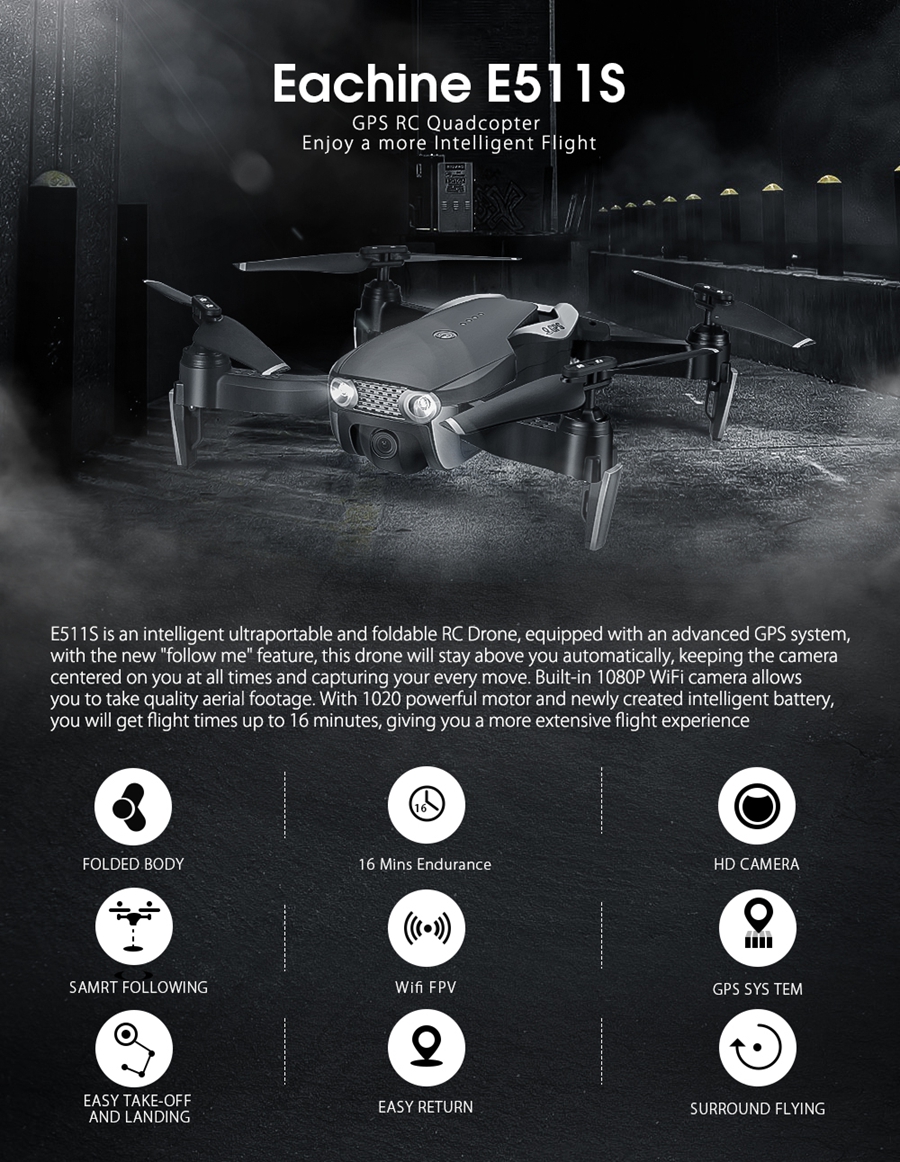
Eachine E511S RC Drone Quadcopter
The extremely compact E511S comes with GPS positioning mode to offer an accurate flight. Aside from that, it is loaded with an impressive array of other functions that makes it an irresistible RC Drone Quadcopter. On the downside, it isn’t easy on the pocketbook.
In fact, it would normally set you back between $76.25 – $110.69. In a bid to make its well-received E511S RC Drone Quadcopter available to cost-conscious buyers, Eachine is now offering a 51 percent discount for those who have restlessly been waiting to get their hands on it without breaking the bank.
Thanks to the above-mentioned discount, the Eachine E511S is now up for grabs bearing a heavily discounted price of $91.13 – $132.29 depending on the model you choose. You can visit this link and avail the discount before the promo comes to an end.
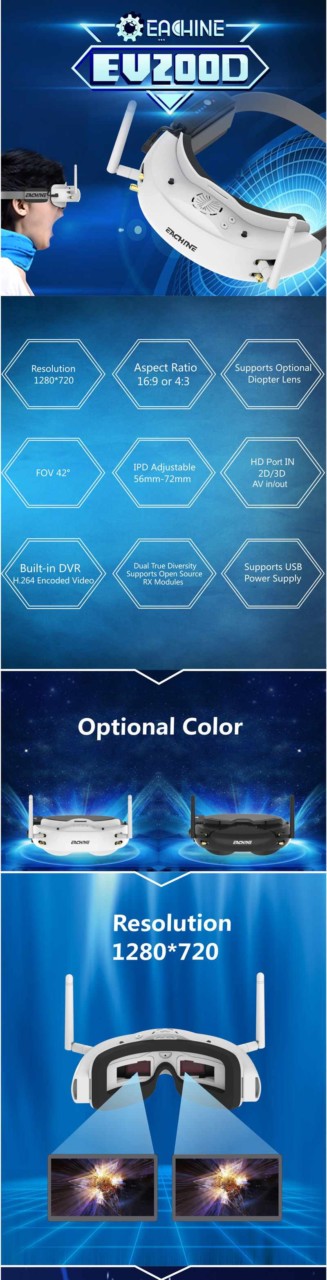
Eachine EV200D Goggles
Backed by a robust 7.4v 1800mAh battery, the EV200D goggles comes in white as well as black combo and retail for $599.98 – $603.98 per unit. There’s a 52 percent reduction in the device’s original asking price that reduces the original selling price of per unit to just $269.99 – $271.79.
When you purchase one EV200D google, you’d also receive a smartphone USB cable for free, but there’s more for you to cheer about. If you are a new user, you can apply a $5 off coupon and reduce your grand total at checkout. Moreover, you can save an extra $6 if you spend $65.
You can visit this link in order to receive the discount and check out more details about the Eachine EV200D goggles.
Eachine EC01 Camouflage Military Truck
This robust off-road vehicle toy from Eachine is exclusively designed for grownups in the age group of 12-15 years, but it is also ideal for 5-7 and 14-year old toy lovers as well.
A single unit of the Eachine EC01 usually retails for $90.98 – $103.98, but you can now buy it for $42.76 – $48.87 based on the model you choose. It comes with one, two and three batteries.
Those interested in availing the discount can visit this link. It is worth noting that the promo will only be valid for a limited period of time.
After trolling Samsung and Apple, Xiaomi is making fun of its home country rival Huawei this time. Xiaomi shared a couple of posts on Facebook trolling the newly launched Huawei P30 series – P30 and P30 Pro.
In the first Facebook post, Xiaomi took a jibe at the P30 series pricing and captioned the shared screenshot from live-stream as “Is this really necessary?”. In another attempt, Xiaomi compared the Huawei P30 with Mi 9. Featuring all the features and pricing details, Xiaomi wrote “We really believe in giving you amazing products at #HonestPrices. Do you think a flagship smartphone should cost you a fortune? #Mi9.”
At Xiaomi, we really believe in giving you amazing products at #HonestPrices. Do you think a flagship smartphone should cost you a fortune? #Mi9
Huawei launched the successors of P20 series – P30 and P30 Pro featuring high camera modules and other advanced features. Both the devices carry Kirin 980 SoC featuring dual NPUs and improved graphics performance. The elder sibling aka P30 Pro hosts a bigger 6.47 inch AMOLED display, 8GB RAM with 128/256/512GB internal storage, 4200 mAh battery and weighs 192 grams. Meanwhile, the P30 comes with smaller 6.1 inch AMOLED display, 6GB/128GB storage, 3.5 mm jack, and 3650 mAh battery.
As like of P20, Huawei added powerful cameras on both the devices. P30 Pro features rear quad camera module featuring 40MP, 20MP, 8MP and ToF sensors along with 32 MP front-facing camera. On the other hand, P30 embeds all other cameras except the ToF sensor.
Vivo‘s V series is fast becoming one of the company’s cash cow as a result of its growing popularity. That is mostly due to the impressive designs and affordable pricing which the models have. From the Vivo V1 to the premium V15 Pro that was released recently, the models are just spot on. Talking of the V15 Pro, the model has been crowned as the fastest-selling V series model in India where it was released only a month ago.
Image Courtesy: Soyacincau.com
This is according to data released by market research firm GfK who also disclosed that the Chinese phone maker was the fastest-growing brand in India. Vivo’s growth is said to surpass the growth of the general market year over year. Between January 2018 and January 2019, Vivo shipped 60.9% more units and raked in a massive 63.2% revenue increase. This is pretty interesting due to the fact that GfK says the Indian market only grew 14.2% in shipments and 16.8% in revenue during the same period. Vivo’s performance in the final quarter of last year was also solid. Its Y-series phones secured the “under INR 20,000” market while the V-series tackled the segment above that.
While the V series targets the midrange segment, the Y series dominates the “under INR 20,000” market. This strategy has helped the company dominate both the “under INR 20,000” and the “over INR 20,000” segments.
After a record US$1 billion annual loss in 2018, ZTE – China’s second largest telecommunications equipment manufacturer is emphasizing its focus on 5G technology. In a statement, ZTE plans to boost investments in 5G research and development to improve on new networks.
To address security concerns, ZTE is planning to invest in 5G labs across Europe and China by the end of this year. Initially, ZTE will set up three cybersecurity evaluation centers in Belgium, Italy, and China. The Shenzen-based telecommunications equipment maker ZTE is following the Huawei’s path of operating under the supervision of the local government.
ZTE’s primary focus is to reassure the telecom operators and governments about the security of its 5G equipment, reveals people concerned about the matter. ZTE is returning to its normal working and seeks a comeback after such troubled times. However, the company secured six commercial 5G contracts and is working with three major telecom operators in China – China Mobile, China Unicom, and China Telecom. ZTE is continuously cooperating with telecom operators around the world on 5G research and development.
“In 2018, ZTE adhered to innovation drive and concentrated on efficiency improvement by focusing on value customers, core products and optimizing R&D structure. It has continuously concentrated on the core 5G technical fields and further intensified 5G R&D investment,” the company said in a statement.
The company is trying hard to put aside the allegations and refocus on 5G development. Last year, the US government fined ZTE for violating its sanctions against selling equipment to Iran. All the executives were replaced and the board was reshuffled in accordance with the agreement. Further, ZTE remained shut for around four months in the US, its share price fell to HK$9.56 in June and reported an annual loss of 6.98 billion yuan (US$1.04 billion).
The OPPO Reno has been trending ever since it was first revealed a few weeks ago. The phone which is scheduled for an April 10 launch is said to mark the beginning of a new direction for OPPO smartphones. There have been lots of details about the phone since the announcement with a large chunk originating from OPPO’s own VP, Brian Shen. Some of these details include renders of the Snapdragon 855 variant of the phone but today, we get to see renders of the Snapdragon 710 variant which reveals the phone will have an unusual pop-up selfie camera design.
Vivo is the pioneer of the pop-up selfie camera design with the NEX A and NEX S smartphones. More manufacturers have adopted the design and even modified its size and the position the camera slides out from. But the OPPO Reno takes the design to a new level.
The selfie camera on the OPPO Reno comes out at an inclined angle (rough estimate 30°). It is unlike anything we have seen and we are eager to see it in person. The renders also reveal the front-facing camera will have an LED flash and the housing holds the earpiece too. When closed, the speaker pumps out sound via the five holes on the frame of the phone.
[envira-gallery id=”243265″]
The OPPO Reno has vertically stacked dual rear cameras reported to be a 48MP primary sensor paired with a 5MP depth sensor. The selfie camera itself is a 16MP sensor. There is an audio jack and a USB type-C port at the bottom of the phone. There is no fingerprint scanner on the back which means it is under the display.
WhatsApp keeps testing new features in the Android Beta version, and after endless refinements, they are made available on the stable release. Similarly, WhatsApp Beta 2.19.83 brings features like fingerprint authentication and ‘dark mode’. The Facebook-owned company is working on these features since a while now, and we soon expect it on the stable version.
Earlier last month, Facebook Messenger received the dark mode, and now it appears, the company is planning to induce the same feature on WhatsApp.
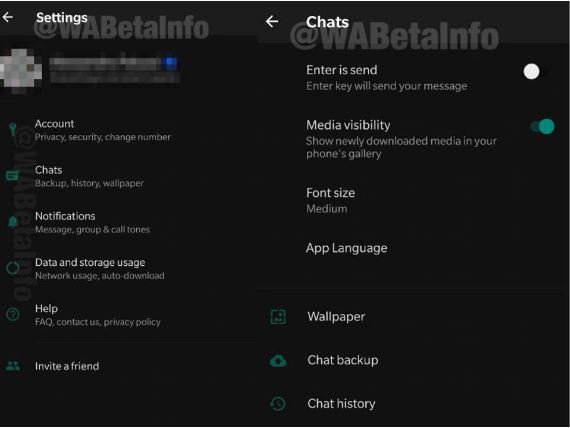
According to screenshots shared by the beta tracker WABetaInfo, the new ‘dark mode’ completely changes the look and feel of the app. It is limited to the Settings menu of the app and uses a dark grey background colour. It means AMOLED displays won’t be able to save battery effectively as they require pure black colours.
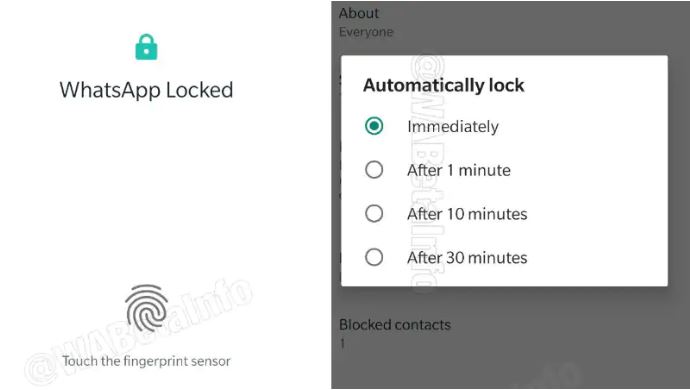
Fingerprint Authentication feature is also present in the new update. Users can enable it in Settings >Account >Privacy > Use Fingerprint to Unlock after registering your fingerprint. WhatsApp also gives users an option for a timeout after 1 minute, 10 minutes or 30 minutes. As like of Android system, too many failed attempts will lock out the app for a few minutes. The same feature is already available on iOS devices since the past year, apart from fingerprint authentication, users can also unlock using facial recognition via Face ID.
The new features needs some refinement before being made available on the stable build. Currently, both the features are limited to some users on the latest WhatsApp Beta version.
The Umidigi F1 was made available to the public in January this year. There are two versions of this recently launched 4G phablet. While those based in EU-28 countries can go for the European Union version of the F1, users outside the EU-28 countries can buy the Non-European Union Version.
As part of its latest flash sale, Gearbest has teamed-up with the Shenzhen based mobile phone firm to offer great discounts on both the aforesaid versions of the Umidigi F1 phablet.
The European version of the feature-laden phablet would normally set you back $273.07, but you can now buy it for a reduced price of $179.99 on Gearbest. This is a significant 34 percent discount which will be valid for the black-tinted European Union variant of the F1.
Alternatively, Umidigi fans based outside the EU-28 countries can get their hands on the other variant which is specifically designed to work in other areas. This version would usually retail for $273.31, but is currently available for a slashed price of just $179.99. Aside from taking full advantage of the discounts, new Gearbest users can avail an extra PayPal discount, wherein they get an extra $3 off if their cart total is $50. It is worth mentioning here that the offer will only be valid for the first 4000 orders daily.
An absolute steal at this price, the Umidigi F1 boasts an impressive array of features that have been mentioned below:
6.3 inches LTPS IPS LCD capacitive touchscreen with 1080 x 2340 pixels
You can visit this link to check out the rest of the specifications and avail the discounts, which will be valid for the black, gold and lava red color versions of the phablet. With 49 pieces remaining, the promo is slated to end in just two days.
Earlier in this month, Huawei had launched the Huawei Y6 (2019) smartphone in China. The same phone has gone official in Pakistan as Huawei Y6 Prime (2019). The major highlights of the Y6 Prime (2019) include waterdrop-style display with big screen area and Helio A22 SoC.
Huawei Y6 Prime (2019) Specifications and Features
The Huawei Y6 Prime (2019) has arrived with a 6.09-inh IPS LCD panel that offers HD+ resolution of 720 x 1560 pixels along with an aspect ratio of 19.5:9. The smartphone offers a screen-to-body ratio of 87 percent. The TUV Rheinland certified display can effectively block harmful blue rays emitted from the screen. The Helio A22 chipset that comprises of 2.0 GHz octa-core processor and PowerVR GE8320 graphics drives the smartphone with 2 GB of RAM.’
The smartphone is equipped with a native storage of 32 GB. There is a microSD card slot on the device for extra storage. The EMUI 9.0 based Android 9 Pie OS comes preloaded on the device. The handset is equipped with a 3,020mAh battery.
An f/1.8 aperture 13-megapixel camera with autofocus and LED flash is available on the backside of the Huawei Y6 Prime (2019). Placed inside the selfie notch on the front is an 8-megapixel selfie snapper that is accompanied by a front flash toning light. A fingerprint reader is available on the rear shell of the device. The other features of the Huawei Y6 Prime (2019) include face unlock, built-in FM radio, Histen 5.0 audio technology and Party mode. The smartphone measures 156.28 x 73.5 x 8mm and it weighs 150 grams.
The Chinese manufacturer is known for launching same phones in multiple countries with different monikers. The Huawei Y6 Pro (2019) that was unveiled in Sri Lanka and Philippines in the recent months has same specs as Y6 (2019). However, the Pro model lack support for fingerprint scanner, but comes with 3 GB of RAM.
Huawei Y6 Prime (2019) Price
The Huawei Y6 Prime (2019) comes in three color options in Pakistan such as Midnight Black, Sapphire Blue and Amber Brown. The smartphone carries a price tag of PBR 21,499 (~$150) in the country.
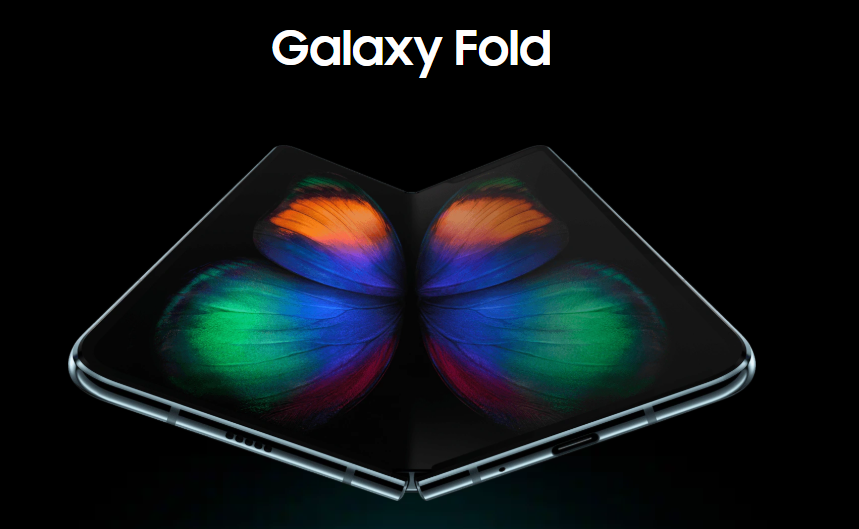
Last month, in February, Samsung officially unveiled its first foldable smartphone — Samsung Galaxy Fold, which will be available for purchase in the first week of May.
The phone comes with a hidden hinge system with interlocking gears that allows you to fold and unfold the device. While most smartphone manufacturers are now jumping the foldable smartphones bandwagon, there are still some concerns about its durability.
Keeping those concerns in mind about the durability of foldable smartphones, Samsung has now released a new video which shows a few Galaxy Fold smartphones undergoing the folding test. It shows a contraption that Samsung created to open and close the Galaxy Fold over and over again.
https://www.youtube.com/watch?v=McdgS3Popjk
The company claims that Galaxy Fold, which has an in-folding display, holds up well for 200,000 folds. That turns out to be around 100 folds per day for five years, which is a much longer time than what people usually keep their smartphones for.
With the smartphone’s availability nearing, Samsung is now taking steps to ensure the phone’s durability. The Samsung Galaxy Fold will be released in the United States on April 26 and the company will begin taking pre-orders in Europe on that day. The phone will be launched in 15 countries on May 3rd.
Coming to the specifications, when open, the Galaxy Fold smartphone presents a 7.3-inch Infinity Flex Display with a 1536 x 2152 resolution. In this mode, you can use three apps at the same time which Samsung calls Three-app Multitasking.
When folded into phone mode, it offers a 4.6-inch 840 x 1960 display. It comes with a feature called App Continuity which automatically adjust an app when you switch screens. It is powered by a 7nm processor paired with 12GB of RAM.
For the first time in a smartphone, it comes with UFS 3.0 storage with a 512GB capacity. Samsung says there are six cameras – three on the back (when folded in phone mode), one in front (also in phone mode), and two inside (in tablet mode). The camera module is made up of a 16MP ultra-wide camera, a 12MP telephoto camera, and another 12MP wide-angle camera. The selfie camera is a 10MP sensor.
The Samsung Galaxy Fold runs the latest Samsung One UI with Android 9 Pie operating system out-of-the-box. It packs a 4,380mAh battery which is split into two units. The phone is expected to be available in four colors — Martian Green, Astro Blue, Space Silver, and Cosmos Black.
In a surprising move, Sony Corp is closing its smartphone plant in Beijing China. To reduce the burden from its loss-making smartphone business, the Japnese electronics giant is moving production facility to its plant in Thailand.
While talking about expenses reduction, the spokesperson clarified the decision is not related to the US-China trade war. Sony aims to halve expenses and turn loss bearing business into a profitable by the next year.
As like most of the smartphone manufacturers, Sony’s smartphone sales are also dwindling from the past few quarters. The company is bearing huge loss, and even market share is down to less than one per cent due to acute competition from Chinese manufacturers. Sony is bracing for a loss of 95 billion Yen (US$863 million) in the financial year 2018-19.
With no intention to sell the smartphone business, the company aims to focus and rebuild once again to garner from the upcoming fifth-generation wireless technology. Sony believes smartphones to act as a hub for all the new technologies in the future, and even facilitate networking across cars and other devices.
Only three Japanese smartphones manufacturers – Sony, Sharp Corp and Kyocera Corp left after last year Fujitsu Ltd’s sell-off to Polaris Capital Group.
However, Samsung is also planning to cease operations in China amid declining smartphone sales. Apple is also struggling to maintain its market share in China as more consumers are moving towards local companies such as Huawei and Xiaomi.
The Huawei P30 and P30 Pro flagship phones were official unveiled on March 26 through a global launch event in Paris, France. For China, the company will be holding an exclusive event in Shanghai on April 11 to announce the P30 and P30 Pro for the home market. Well ahead of the launch, the Chinese manufacturer has already revealed the color variants and different storage and RAM versions of both handsets by listing them on Vmall. The P30 duo are now available on pre-orders through its official online store. A fresh leak has revealed the pricing of different editions of the P30
Huawei P30 Price for China
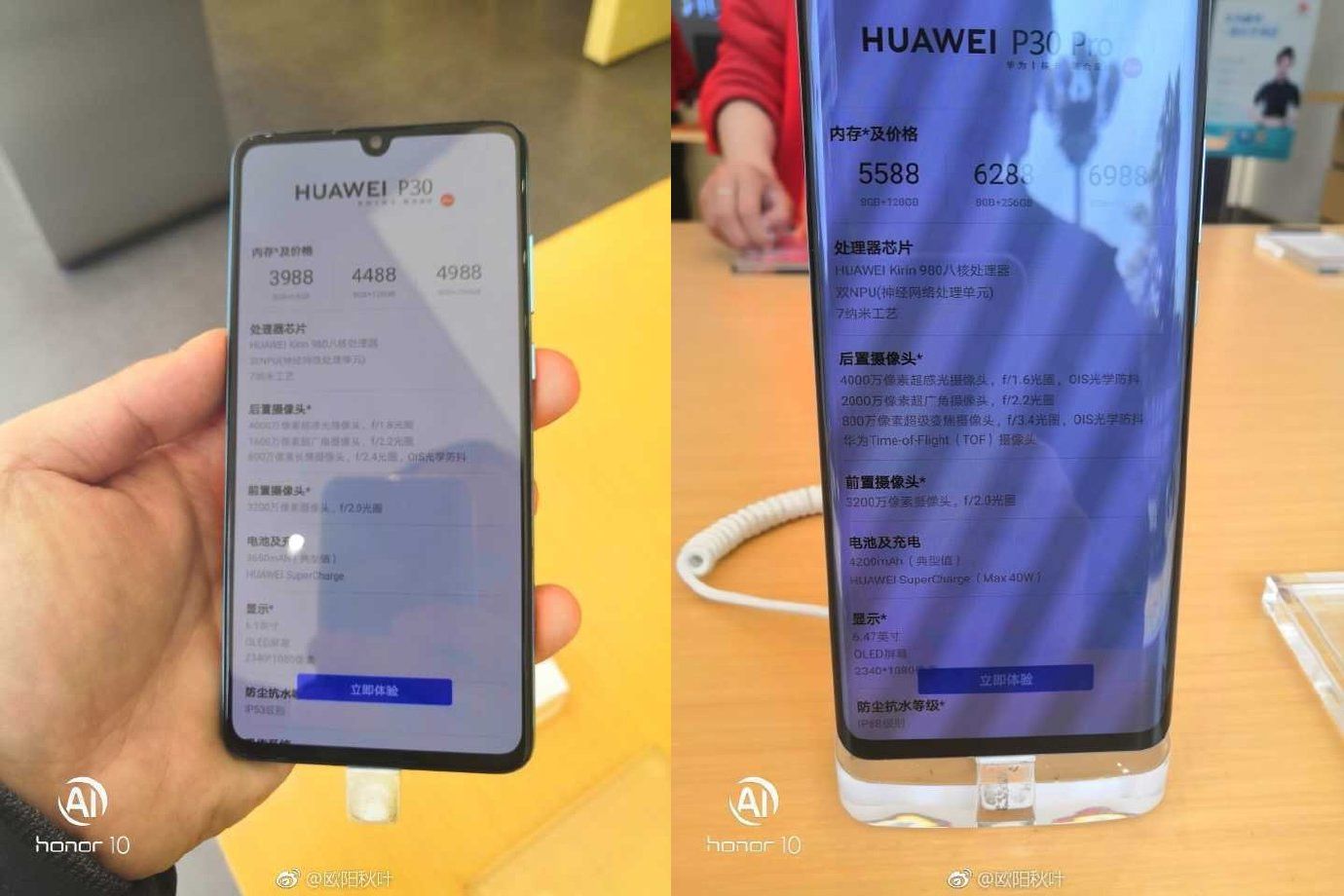
The Huawei P30 will be hitting the Chinese markets in three storage versions such as 64 GB, 128 GB and 256 GB. These variants will be equipped with 8 GB of RAM. According to the leaked images that have surfaced on Weibo, the 64 GB, 128 GB and 256 GB Huawei P30 variants will be respectively priced at 3,988 Yuan (~$590), 4,488 Yuan (~$665) and 4,988 Yuan (~$740).
Huawei P30 Pro Price for China
The Huawei P30 Pro will be coming to China in options like 128 GB, 256 GB and 512 GB. These models are also equipped with 8 GB of RAM each. Leaked information reveals that these models of the P30 Pro will be respective priced at 5,588 Yuan (~$820), 6,288 Yuan (~$935) and 6,988 Yuan ($1040).
The Huawei P30 and P30 Pro smartphones will be available in the five color options in China. These models include: Bright Black, Breathing Crystal, Aurora, Amber Sunrise and Pearl White. Both phones can be pre-ordered in China with a deposit of 100 Yuan (~$112).
Huawei P30 and P30 Pricing for Europe
In Europe, the P30 comes in a single version of 6 GB RAM + 128 GB storage and it is priced at 799 euros (~$899). The P30 Pro is available in three models in the Europe such as 8 GB RAM + 128 GB storage, 8 GB RAM + 256 GB storage and 8 GB RAM + 512 GB storage. They are respectively priced at 999 euros (~$1,124), 1,099 euros (~$1,237) and 1,249 euros (~$1,405).
The Huawei P30 and P30 Pro respectively features 6.1-inch flat OLED and 6.5-inch curved OLED displays that produce full HD+ resolution. The Kirin 980 SoC powers both smartphones. The P30 features a 3,650mAh battery with 22.5W fast charging support whereas the P30 Pro includes 4,200mAh battery with 40W rapid charging support. The P30 is equipped with 40-megapixel + 16-megapixel + 8-megapixel triple camera unit whereas the P30 Pro features a 40-megapixel + 20-megapixel + 8-megapixel + ToF sensor quad camera setup that carries support for 10x hybrid zoom. Both devices feature 32-megapixel front-facing cameras.
Vivo has stepped up its flagship game with the new Vivo iQOO. The phone takes on one of the best value for money flagships right now, the Xiaomi Mi 9. Both are capable smartphones and on paper, they have solid cameras too. Well, Mi 9’s camera is certified to be one of the best with DxOMark placing it in the Top 5 Smartphone Cameras in the market.
So, how does Vivo iQOO compare with this highly rated camera flagship from Xiaomi?
Let’s find out in this Xiaomi Mi 9 vs Vivo iQOO camera comparison.
Xiaomi Mi 9 vs Vivo iQOO: Outdoor Camera Comparison
Once you go above a certain price segment, most smartphones have excellent outdoor camera performance. So, it wasn’t surprising to see both Xiaomi Mi 9 and Vivo iQOO do well outdoors.
Their cameras managed to capture a lot of details as well as colors in well-lit conditions.
But the Xiaomi Mi 9 has a slight advantage when it comes to details in daylight photos. Plus, there’s a dedicated 48MP camera mode which ensures it does better than iQOO. Further, Mi 9 tends to take pictures with real-life colors, unlike iQOO’s samples which had higher saturation.
For example, take this photograph of the street. iQOO’s sample is brighter, but Mi 9’s sample offers slightly more details.
[envira-gallery id=”243044″]
Another good case for comparison would be of the TMALL building photograph.
In this particular case, I would actually pick iQOO’s sample over Mi 9 because the colors came out really well. Mi 9’s sample looks a bit washed out. However, in the 48MP mode on the Mi 9, the phone managed to capture a good amount of detail. It does come at a cost though, the resulting image was of 17Mb as compared to iQOO’s 4.5Mb file. Honestly, there isn’t a significant difference in the amount of details for such a size difference in its 48MP mode.
[envira-gallery id=”243088″]
So, it’s not like Mi 9’s camera came out significantly better than iQOO’s camera in outdoor photography. But in general, if you look at the details and colors (closer to real life), the Mi 9 seems to have done slightly better.
Xiaomi Mi 9 vs Vivo iQOO: Indoor Camera Comparison
However, when the lights go down, Vivo seems to do better on most occasions. Vivo has a warmer tint to its samples and sometimes the tint helps the colors to pop out well. In low light, there were cases when the shots were sharper on the Vivo model.
[envira-gallery id=”243046″]
For example, in the picture of the mall at 150 percent crop, it’s clear that iQOO managed to retain better details than the Mi 9. Even in the image of the bowl with food in it, I prefer iQOO’s sample because it’s much cleaner. Mi 9 has some noise in that sample.
Xiaomi Mi 9 was good at controlling exposures at night. iQOO didn’t do so well. But when it comes to details, iQOO seems to have a slight edge over Mi 9. We could see that the Vivo model captured slightly better details on most occasions. This was evident in the picture with multiple shops and street signs.
[envira-gallery id=”243045″]
But the difference is not really significant. So, it could end up being a personal preference. For me, Vivo’s night mode samples were slightly better than Mi 9.
[envira-gallery id=”243049″]
Xiaomi Mi 9 vs Vivo iQOO Portrait and Selfies
[envira-gallery id=”243099″]
In this particular department, I feel the Vivo iQOO does better than the Mi 9. The portraits had stronger blur than its Xiaomi rival and overall, samples from the Vivo phone came out very well.
And thanks to its warmer tones, iQOO does well in selfies too. In fact, even details from its 12MP camera were better than Mi 9’s 20MP shooter up front.
[envira-gallery id=”243093″]
Overall, I feel Mi 9 does pretty well when there’s ample lighting. But Vivo iQOO gets a slight edge when the lights go down, especially when it comes to the amount of detail in each sample. Mi 9’s samples often had a lot of noise, which is the main reason why I preferred iQOO’s low-light samples.
But in general, both the phones performed really well.
[envira-gallery id=”243094″]
Check out the full-size samples from Vivo iQOO and Xiaomi Mi 9 here. Let us know which one do you prefer.
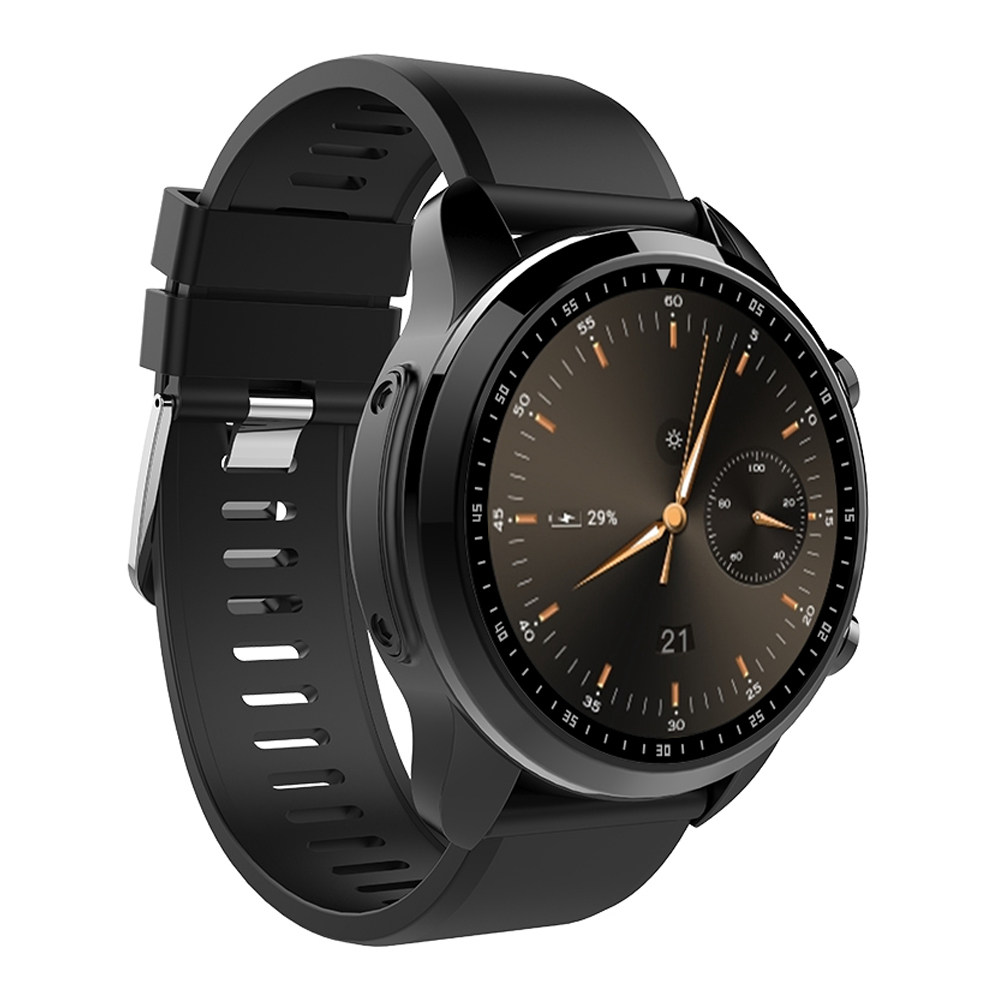
Unlike traditional timepieces, newfangled smartwatches do a lot more than just tell time. One of the USPs of these gadgets is their ability to keep track of your fitness and monitor various activities, helping you lead a healthier lifestyle. On the downside, these smartwatches aren’t easy on the pocketbook. Much to the relief of those looking for a cost-effective smartwatch that doesn’t compromise on quality, Kospet has teamed-up with GeekBuying to offer two of its well-received smartwatches at lowered prices.
Aside from shedding light on the aforesaid discounts, we’ll show how GeekBuying users can avail extra discounts before placing their order. Keep reading for more details.
Kospet Hope Lite 4G Smartwatch Phone
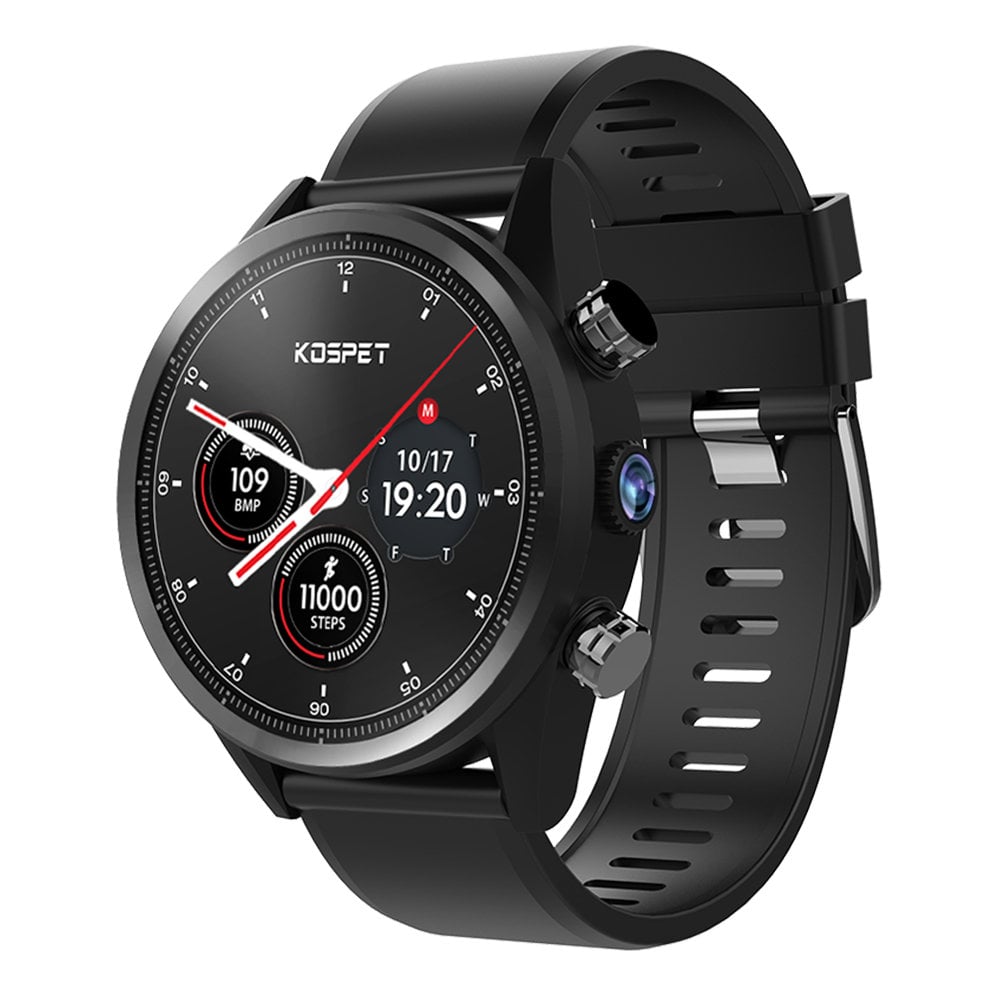
Sporting a 1.39-inch AMOLED outdoor display with a high screen resolution of 400×400 pixels, the Kospet Hope Lite can display information on the easily readable screen even in bright sunlight. It comes with a heart rate monitor that checks your pulses along with active as well as passive resting heart rate changes to provide a professional heart rate report.
Bearing an IP67 professional protection level, the Kospet Hope Lite 4G smartwatch phone would normally set you back $199.99, but you can now buy it for just $109.99 on GeekBuying. You can extend this 45 percent discount by using coupon code GKBMEGA08. The aforesaid coupon helps you get an extra $8 off. In other words, you can reduce the already lowered retail price of the smartwatch phone to just $101.99 simply by applying the coupon before placing your order.
You can visit this link to avail the discount, which will be valid for the black color version of the smartwatch. Note that the promo is slated to end in four days.
The Kospet Brave sports an eye-catching 1.39-inch display with a screen resolution of 240 x 240 pixels. Its ability to show crystal clear information in sunlight makes the Kosper Brave an irresistible smartwatch phone.
It runs Android 6.0 OS, coupled with an excellent interface. Aside from that, the Kospet Brave has a heart rate and blood pressure monitor. The device delivers an excellent waterproof performance, thanks to its IP68 rating. You can carelessly wear it while swimming, washing hands etc. as it can efficiently cope with various water scenes.
While a top-branded smartwatch phone offering comparable features would normally burn a hole in your pocket, the Kospet Brave 4G smartwatch phone is now available for a heavily discounted price of just $99.99 on GeekBuying. This is a 41 percent drop in the device’s original asking price of $169.99.
Moreover, you can use coupon code GKBMEGA2 and save $5 more at check out. The coupon helps you bring the retail price of the Kospet Brave smartwatch down to only $94.99. You can visit this link to grab the discount, which is available for the device’s black color version for four days only.
We use cookies on our website to give you the most relevant experience by remembering your preferences and repeat visits. By clicking “Accept”, you consent to the use of ALL the cookies.
This website uses cookies to improve your experience while you navigate through the website. Out of these, the cookies that are categorized as necessary are stored on your browser as they are essential for the working of basic functionalities of the website. We also use third-party cookies that help us analyze and understand how you use this website. These cookies will be stored in your browser only with your consent. You also have the option to opt-out of these cookies. But opting out of some of these cookies may affect your browsing experience.
Necessary cookies are absolutely essential for the website to function properly. This category only includes cookies that ensures basic functionalities and security features of the website. These cookies do not store any personal information.
Any cookies that may not be particularly necessary for the website to function and is used specifically to collect user personal data via analytics, ads, other embedded contents are termed as non-necessary cookies. It is mandatory to procure user consent prior to running these cookies on your website.




 Without this 53 percent discount, you’d end up shelling out $83.16 – $89.88 depending on the color options and specifications you choose. But that’s not all.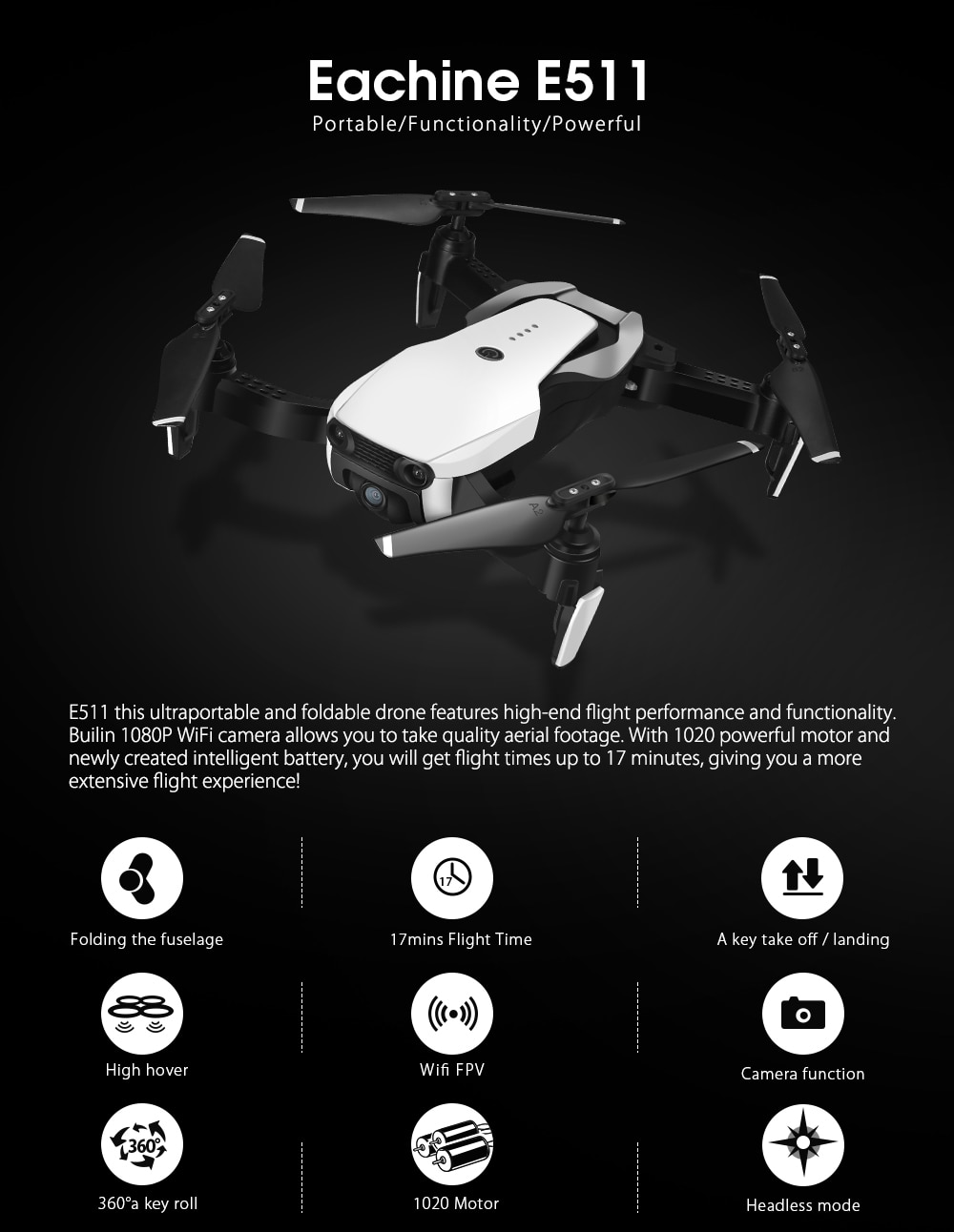


 Aside from taking full advantage of the discounts, new Gearbest users can avail an extra PayPal discount, wherein they get an extra $3 off if their cart total is $50. It is worth mentioning here that the offer will only be valid for the first 4000 orders daily.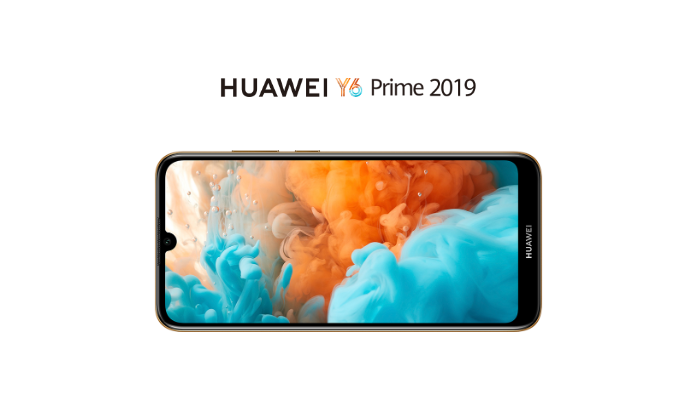


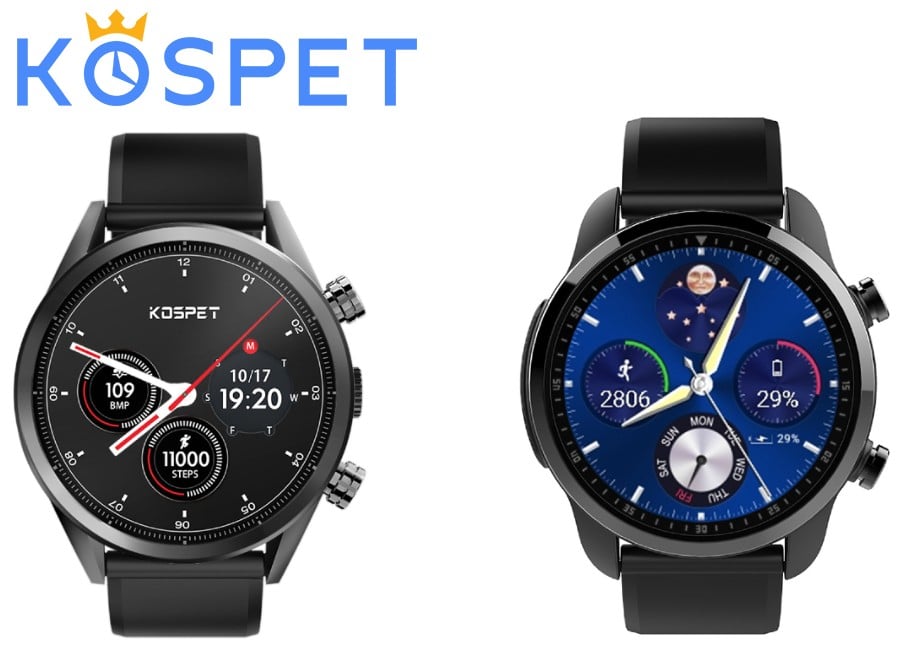 On the downside, these smartwatches aren’t easy on the pocketbook. Much to the relief of those looking for a cost-effective smartwatch that doesn’t compromise on quality, Kospet has teamed-up with GeekBuying to offer two of its well-received smartwatches at lowered prices.
 The aforesaid coupon helps you get an extra $8 off. In other words, you can reduce the already lowered retail price of the smartwatch phone to just $101.99 simply by applying the coupon before placing your order.