Realme, the new sub-brand from OPPO has garnered positive reception in India. Among the devices it has launched in the country, the Realme 2 Pro is the most advanced phone since it comes with up to 8 GB of RAM. Like other Realme phones, the Realme 2 Pro has been available for buying through flash sales on Flipkart. The retailer site will be carrying out a flash sale today for the smartphone at 12 PM.
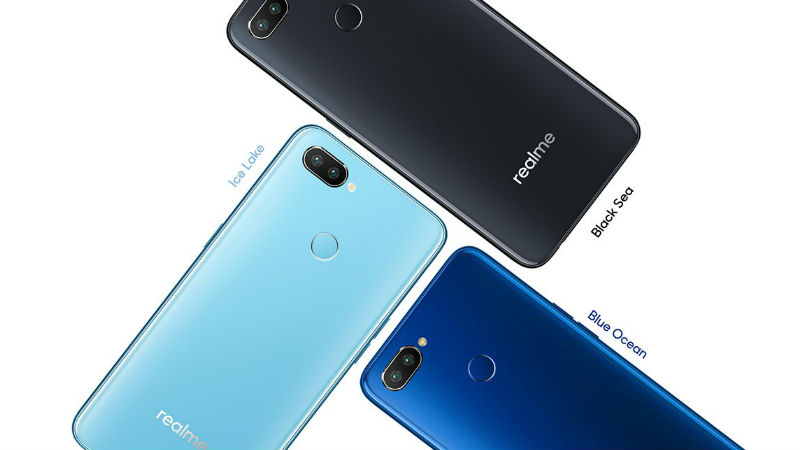
The base model of the Realme 2 Pro that features 4 GB of RAM and 64 GB of inbuilt storage is priced at Rs. 13,990. The second model feature 6 GB of RAM and 64 GB of storage and it costs Rs. 15,990. The highest configuration model of the phone features 8 GB of RAM and 128 GB of native storage. This model is priced at Rs. 17,990. The handset can bought in colors like Blue Ocean, Black Sea and Ice Lake.
Axis Buzz credit card users can avail 5 percent instant discount for the buyers of Realme 2 Pro. For time users of Mastercard can get 10 percent instant discount. Jio is providing benefits worth Rs. 4,450. The handset can be purchased through Flipkart, Realme’s online stores, Jio and Reliance offline outlets.
Since it is a flash sale, the handset may get sold out soon. Hence, it is recommended to access the Realme 2 Pro product page on Flipkart around 10 minutes before its flash sale time. The handset may get sold out within few seconds. Hence, it is advisable to quickly purchase the device as soon as the flash sale begins.
The Realme 2 Pro includes a 6.3-inch dewdrop notch display that supports Full HD+ resolution, 19.5:9 aspect ratio and offers 90.8 percent screen space. The Snapdragon 660 chipset powers the smartphone. It receives power from 3,500mAh battery. It is equipped with a selfie camera of 16-megapixel. A 16-megapixel + 2-megapixel dual camera setup resides on the backside of the phone. The handset is preinstalled with ColorOS 5.2 based Android 8.1 Oreo OS.
Would you be buying the Realme 2 Pro? Which phone do you think is better than Realme 2 Pro in its price range? Share us your views by posting your comments below.
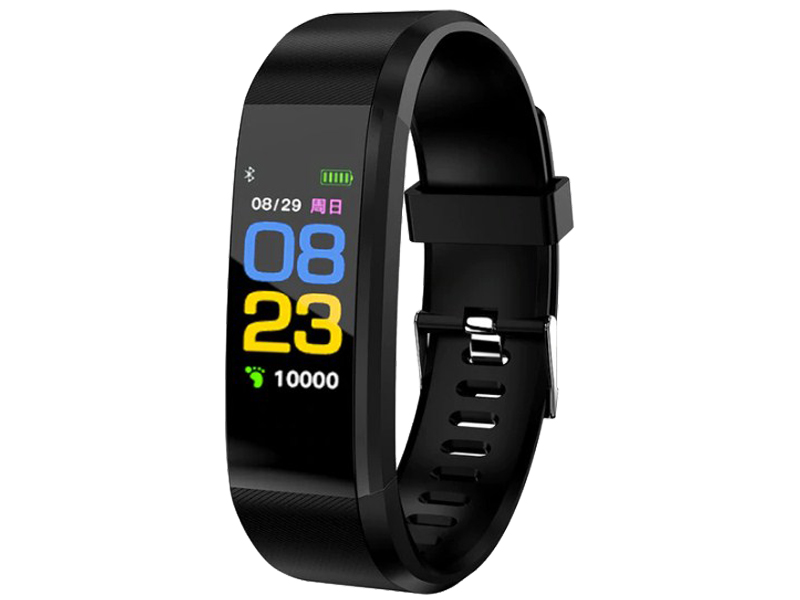
Fitness purists who fancy monitoring their health while keeping a track of their daily activities in a bid to lead a healthier lifestyle, oftentimes end up spending a lot of money on gadgets like a smartwatch or a fitness band. If you’re interested in staying fitter without breaking the bank, it might interest you to know that the 115PLUS smart bracelet has now gone up for sale carrying a heavily discounted price tag on TomTop. Before we divulge more details about the discount, let us take a look at the awe-inspiring features that make the 115PLUS an irresistible fitness bracelet.
Aside from taking care of your health, this feature-laden 115PLUS smart bracelet motivates its wearer to live a more intelligent lifestyle. The device is loaded with an impressive array of functions such as a pedometer for counting calories, distance, steps etc, heart rate monitoring, blood pressure monitoring, and sleep monitoring.
On top of that, the 115PLUS comes with call and message reminder, the ability to take pictures by remotely controlling the camera and lots more. The smart bracelet supports Bluetooth 4.0 and is compatible with IOS 8.0 and above and Android 4.3 and above.
You can head straight to this link to check out rest of the details about the 115PLUS smart bracelet, which is currently up for grabs for just $6.99 on TomTop. This is a significant 81% reduction in the device’s original asking price of $35.10.
You can choose between 5 color versions including red, green, black, purple and blue. With most of the available pieces for each color version sold out at the time of writing, the promo is slated to end in 14 days.
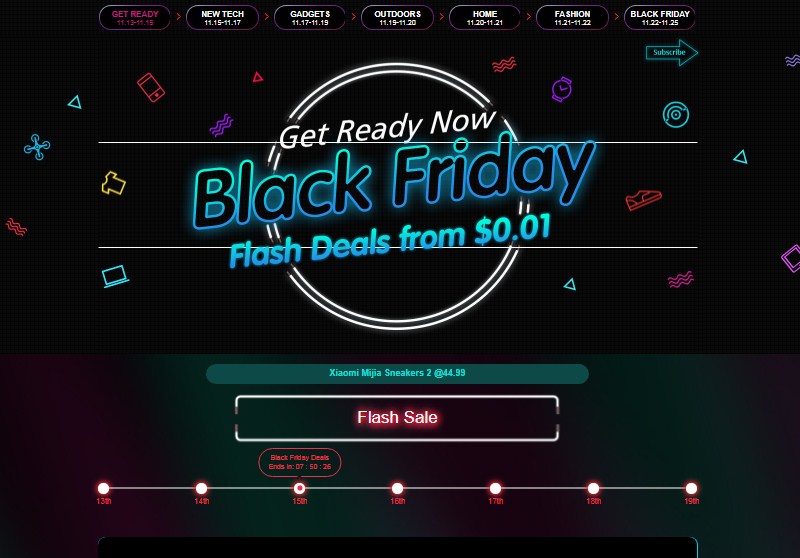
Black Friday is nearly upon us and GeekBuying is set to sweep buyers off their feet in the deal frenzy with big discounts, unmissable Flash Deals starting from $0.01 and lots more.
In order to simplify the search process and to ensure buyers can find exactly what they’re looking for, the promo has been split into multiple categories. So without further ado, let’s take a gander at what some of these sections have to offer in terms of discounts.
The first category dubbed, ‘Flash Sale’ features a slew of high-end electronic items including the Xiaomi Mi 8 Lite, the Mi Notebook, SJRC Z5 foldable RC drone etc. There are no prizes for guessing that the items included in this category carry heavily discounted price tags.
While the discounts will be valid for limited units, those using the Banggood APP to buy these items will be eligible to save more money. These Flash Deals will be updated every 24 hours and feature items that you can buy for only $0.01.
For instance, the Tronsmart Encore Wink Bluetooth Headphones that usually sell for $56.90 now carries a lowered price tag of $26.99, which is a 53% drop in the device’s original selling price. As part of the Flash Deal, GeekBuying will be offering 5 units of the Tronsmart-branded headphones for only $0.01.
The next section called ‘Top Recommended’ features a slew of latest electronic items that you can now buy without burning a hole in your pocket. From Huawei’s recently launched Mate 20 Pro smartphone, Teclast’s latest F6 laptop to Xiaomi’s Mi Notebook Pro, the section is crammed with most recently unveiled electronic items.
The VORKE V2 Pro mini PC will usually set you back a pretty penny, but it is currently up for grabs bearing a dropped price of just $399.99 in the ‘Top Recommended’ category. This is a noteworthy 22% reduction in the device’s steep retail price of $510.50. On the downside, the promo is slated to end in 4 days. You can head straight to this link to take advantage of the discount.
The next section called ‘50% OFF’ is where you can find all sorts of products carrying considerably reduced price stickers. Aside from top-end electronic items, the category features 3D Digital Dragon Skull Printed Casual Plus Size Short Sleeve T-shirt and a plaid shirt for fashion-conscious men.
You can get a whopping 71% off on the Virtoba Elite X iCatch SPCA6330M LCD action camera that usually sells for $69.99. Due to the aforesaid discount, the feature-laden action camera can now be yours for only $19.99 if you follow this link before the promo ends in 4 days.
If you like surprises, you can head straight to the ‘Lucky Bags’ category that features numerous lucky bags with great surprises in the form of smartphones and other gadgets inside. More importantly, the products inside these Lucky Bags are available at unbeatable prices.
Likewise, the ‘Hot Sellers’ and the ‘Hot Brands’ categories comprise a myriad of well-received products that are now available for lowered prices. We’ll shed light on some of these products and show how you can save a considerable amount of extra money during the check out process.
TANIX TX6 Allwinner H6 TV Box
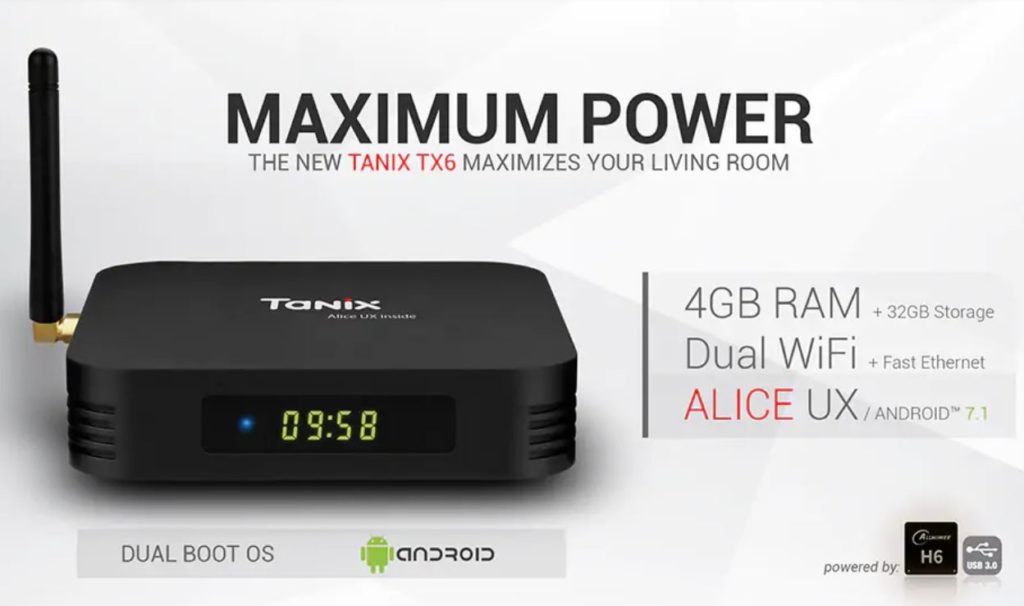
The market is brimming with all sorts of steeply-priced TV boxes. If you’re looking for a cost-effective TV box that doesn’t cost a bomb, you might want to take a look at the TANIX TX6 Allwinner H6 TV Box.
This TANIX-branded TV box normally carries a $72.01, but it has now gone up for pre-order bearing a $56.99 price tag on GeekBuying. This is a noteworthy discount and you can extend it further with the help of coupon code LJJOTDXW. The aforesaid coupon helps you save an extra $10 by reducing your grand total to just $46.99. You can follow this link if you’re interested in buying the recently unveiled TV box without breaking the bank.
Asus ADOL13 Laptop
If you’re in the market for a high-end laptop, you’re highly likely to end up spending a lot of money. But if you’re living on a tight budget and aren’t willing to burn a hole in your wallet, we got good news for you.
ASUS is currently offering its well-received ADOL13 Laptop for a dropped price of just $649.99 on GeekBuying. This is a considerable 10% decrease in the laptop’s original asking price of $719.99.
On top of that, you can use coupon code GKB112T and save $40 at the time of checking out. In other words, you can use the above-mentioned coupon to bring your already lowered cart total further down to just $609.99.
You can visit this link to avail the discount before the promo wraps up.
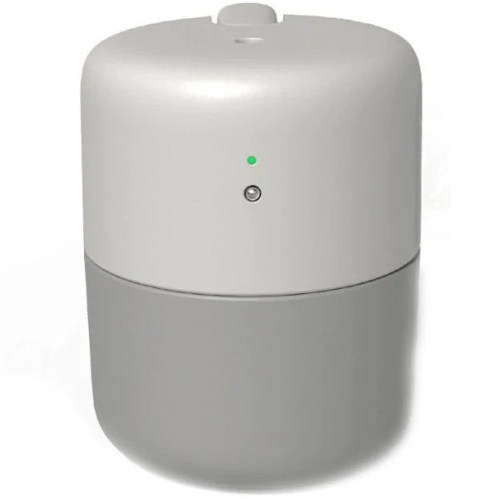
Xiaomi VH H01 Desktop Office Mini USB Humidifier
Thanks to a 46% discount, the VH H01 Desktop Office Mini USB Humidifier can now be yours for just $19.99 while it would normally set you back $36.99 both on online and offline stores. In addition to receiving this discount, you can use coupon code LLZZDYCR to get an extra $5 off. After applying the coupon, your grand total reduces to only $17.99. Regrettably, the promo will come to an end in just 1 day.
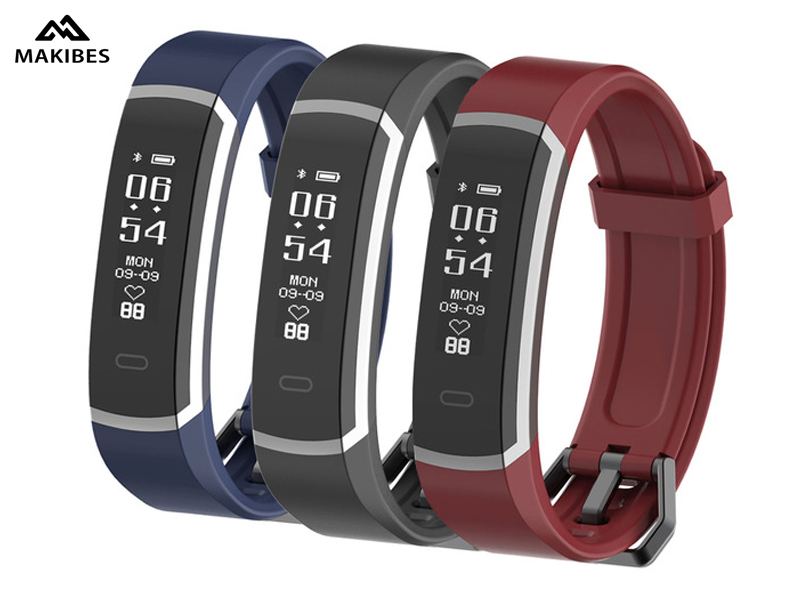
There’s no dearth of fitness gadgets that help you monitor your health and keep track of various activities; however, these devices don’t come cheap. In a bid to make a high-end fitness band available to cost-conscious buyers, Makibes is doling out 45% off on its feature-rich R3 smart bracelet. While the R3 usually sells for $21.99, you can now buy it for just $11.99 on GeekBuying. On top of that, you can apply coupon code XWOAEVFM and save $3 more before placing your order. The coupon lowers your grand total to only $8.99.
Mini Tulip Artificial Flowers Wedding Decor Simulation Flowers
Made using highly durable and premium plastic and wire material, these mini tulip simulation flowers normally sell for $9.99, but you can now buy them for just $2.99 on GeekBuying. Moreover, you can use coupon code VBEKZZNW and save an extra $1 before clicking the ‘Place Your Order’ button.
Your grand total reduces to just $1.99 as soon as you apply the above-mentioned coupon. You can follow this link if you’re interested in receiving the 70% discount and using the coupon to get an additional discount before the promo comes to an end.
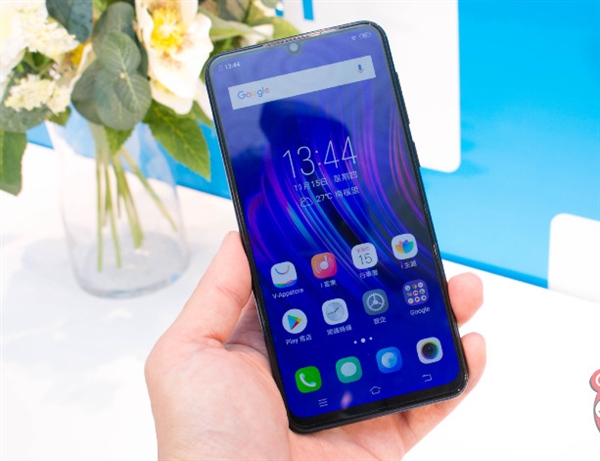
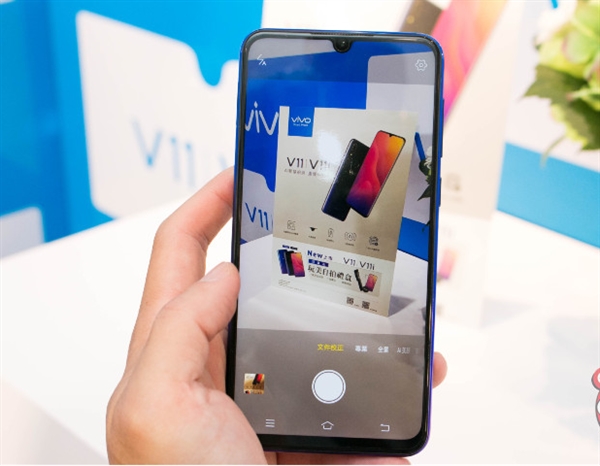
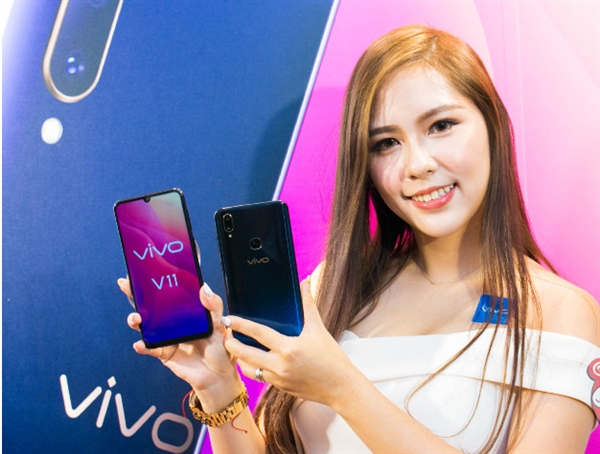
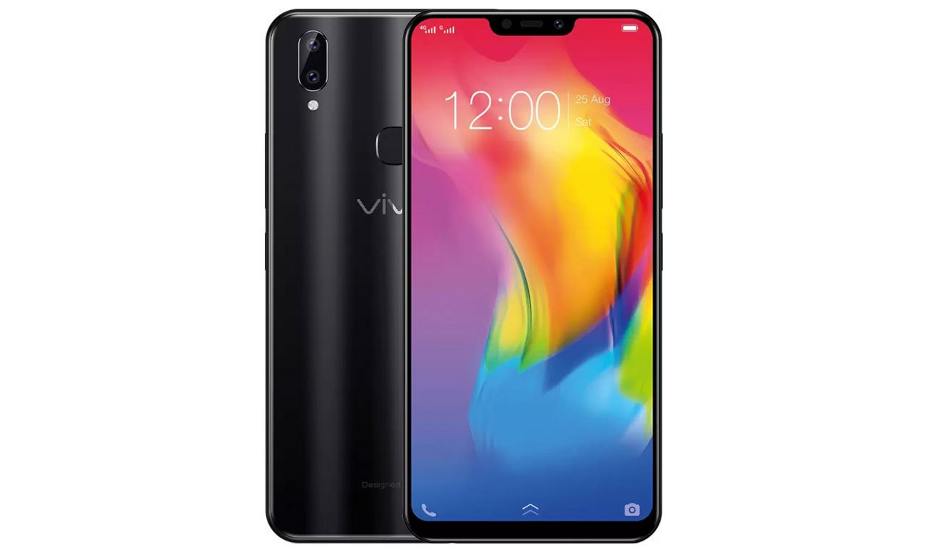
BBK subsidiary Vivo has launched a new set of smartphone models for the Taiwanese market. The Vivo V11 and V11i are the latest models that would hit the Asian country for the first time. The models are not entirely new since Vivo has launched them in China and India respectively in the past.
The Vivo V11 and V11i both have the same design and the specifications are almost entirely similar. The difference only lies in the RAM sizes of the models. While the V11 comes with 6GB of RAM, the V11i has 4GB RAM onboard. The models both pack a 6.3-inch In-cell LTPS screen with Full HD resolution of 2280 x 1080 pixels. The models come with an aspect ratio of 19:9. The Vivo V11 and V11i equally come with glass panels on its front and rear with a metallic frame sandwiched in between.
Under the hood, the V11 and V11i pack a MediaTek Helio P60 chipset and as stated earlier, the V11 is paired with 6 GB of RAM while the V11i houses 4GB of RAM. Both models come with 64GB of internal storage which can be expanded using a microSD card. The handset is fueled by a 3,315mAh battery.
Talking about the camera, the Vivo V11 and V11i pack a vertical dual camera setup comprising a 16-megapixel primary sensor with f/1.8 aperture and a 5-megapixel secondary lens with f/2.4 aperture. For selfies, you get a 25-megapixel selfie camera on both models. Both cameras are equipped with AI-driven features AI scene recognition, AI face-beauty, AI face-shaping, backlight HDR, bokeh, low-light photography, Ultra HD video shooting and more. Other features of the Vivo V11 include microUSB, 3.5mm headphone jack, Bluetooth, Wi-Fi, dual-SIM support and 4G VoLTE. On the software aspect, Vivo’s FunTouch OS 4.1 based on Android 8.1 Oreo comes preinstalled on the Vivo V11 and V11i.
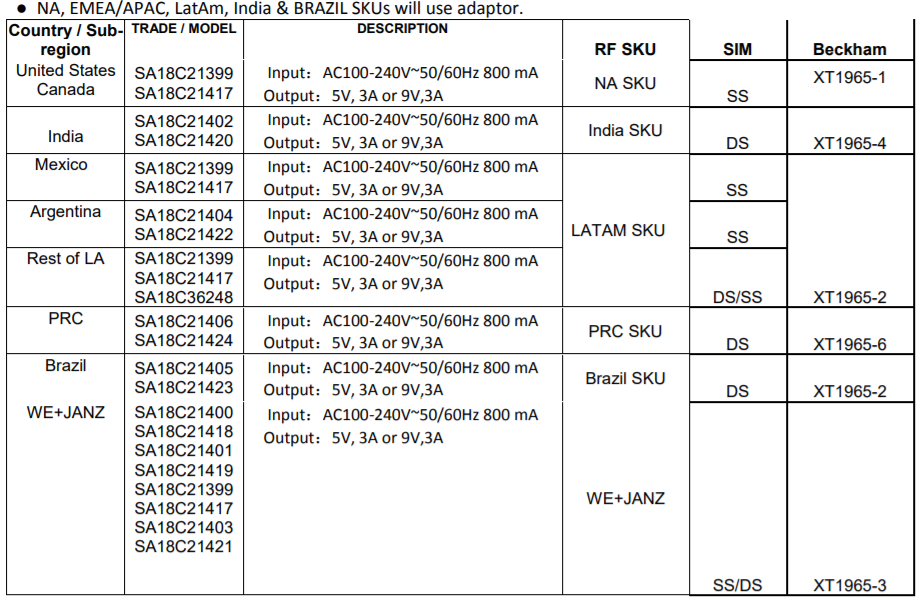
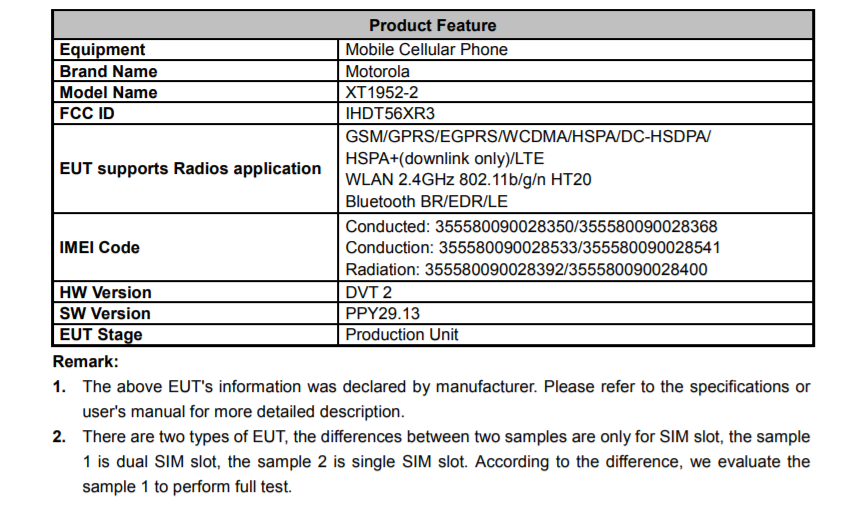
The Motorola Moto G7 was last week certified by the US FCC but the listing did not reveal much about the device whose release is drawing closer. However, the FCC listing has been updated with the addition of several new documents containing some more key details of the device.
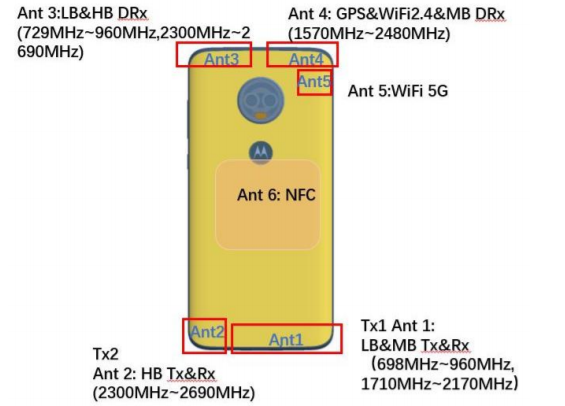
On the external aspect, the Moto G7 features a dimension of 156.86 x 75.4mm which means it is slightly bigger than the current-gen Moto G6 whose dimension is 153.8 x 72.3mm. While the screen size is still unconfirmed, the increase in size does point towards a panel of at least 6-inches. The listing also includes a sketch of the smartphone’s rear is included and it lines up with previously-leaked renders. This means that consumers should expect a notched display up front and a dual-camera setup on the rear.
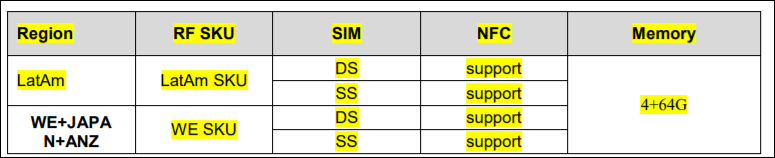
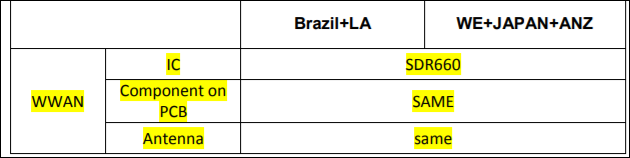
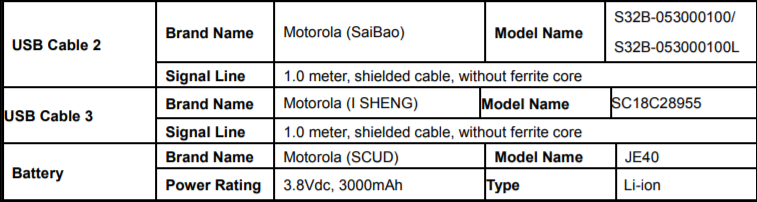
On the internal aspect, the new documents show that there may be both single-SIM and dual-SIM variants. This is in addition to a Snapdragon 660 chipset as well as 4GB of RAM and 64GB of internal storage. The specs listed shows that the device will have a significant upgrade over the Moto G6 and G6 Plus which are powered by the Snapdragon 450 and 630 respectively. Finally, the device will get its juice from a disappointing 3,000mAh battery.
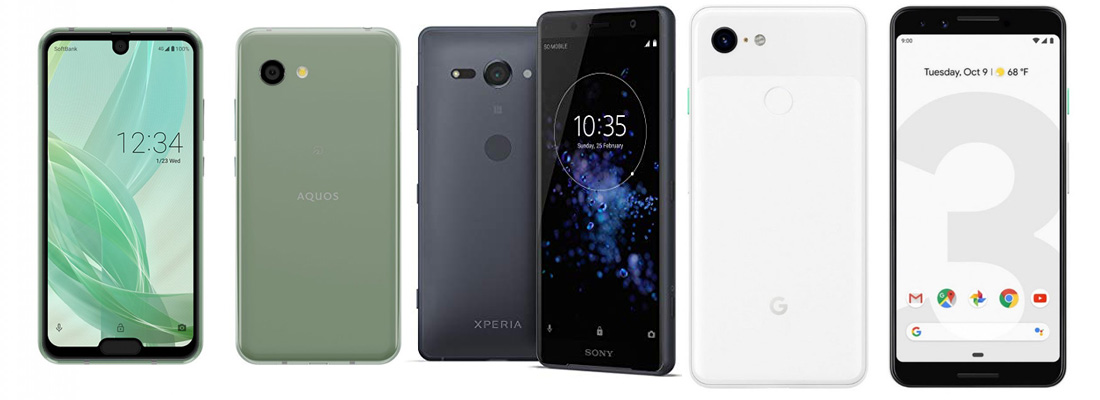
With people always searching for phablets and big-sized displays, compact phones became extremely hard to find, especially when it comes to flagships. Almost every actual flagship has a display above 5.5 inches. The most powerful exceptions in the actual market are Sony Xperia XZ2 Compact, Google Pixel 3, and the new Sharp Aquos R2 Compact. This is a comparison which will help you discover who is the best.
Sharp Aquos R2 Compact vs Sony Xperia XZ2 Compact vs Google Pixel 3
Sharp Aquos R2 Compact
Sony Xperia XZ2 Compact
Google Pixel 3
DIMENSIONS AND WEIGHT
154 x 73 x 8.8 mm, 146 grams
154.9 x 74.8 x 7.6 mm, 175 grams
153 x 75.7 x 7.9 mm, 155 grams
DISPLAY
6.2 inches, 1440 x 2992p (Quad HD+), 536 ppi, OLED
6.21 inches, 1080 x 2248p (Full HD+), 402 ppi, 19:9 ratio, Super AMOLED
Dual 12 + 12 MP f/1.8 and f/2.4
20 MP f/2.0 front camera
Dual 12 + 8 MP f/1.8 and f/2.0
8 MP f/2.0 front camera
BATTERY
3130 mAh
3400 mAh, Fast Charging with Quick Charge 4.0
3300 mAh, Fast Charging with 9V / 2A
ADDITIONAL FEATURES
Hybrid Dual SIM slot
Dual SIM slot
Hybrid Dual SIM slot
Design
In order to offer these devices at a more affordable price compared with normal flagships, Sony and Sharp decided to cut costs for the design releasing their compact flagships with a plastic back. Given that Google Pixel 3 is the only one with a glass back and it is also waterproof with the IP68 certification, it wins the design comparison. But note that Google Pixel 3 is less compact than its opponents.
Display
All of these handsets are equipped with amazing displays, even though they do not have the highest resolutions. You will get a great color reproduction in each case as all of them are HDR10-compliant, but the one that we prefer is the Sharp Aquos R2 Compact because it also supports a 120 Hz refresh rate. But someone may like Google Pixel 3 more due to its bigger display size and the P-OLED technology.
Specs & Software
These devices all come with the most powerful Qualcomm’s processor of this year: the Snapdragon 845. So you will always get awesome performances in every scenario, gaming included. But Google Pixel 3 is treated with faster updates and it comes with Android 9 Pie out of the box, and these are important added values. On the other hand, Sony Xperia XZ2 Compact gets updated fastly as well: indeed, you can already get Android Pie on it. Sharp Aquos R2 Compact has just been announced, so Android 9 Pie is already installed here too.
Camera
I prefer Google Pixel 3 even when it comes to cameras. It has an amazing rear sensor with a 12.2 MP resolution, a bright f/1.8 aperture, and OIS. Its autofocus is very accurate and the color reproduction as well. And this device even offers a dual front camera which captures a lot of light and includes an ultrawide secondary sensor.
Battery
With a bigger battery and a very optimized energy consumption, Google Pixel 3 probably provides a longer battery life than both its opponents. We do not believe that Sharp Aquos R2 Compact will be at its level, while Sony Xperia XZ2 Compact is not a surprising device when it comes to battery life, even though it is more than sufficient.
Price
The listing price of Sharp Aquos R2 Compact is not known yet, and its availability will be probably limited to Japan, at least for the initial period. So, unless you are from Japan, it will be hard for you to get it. Sony Xperia XZ2 Compact can be easily purchased at a price under €500, while Google Pixel 3 carries a price tag of €860. If we base on the price, it is actually a wiser choice to grab a unit Sony Xperia XZ2 Compact. And we believe that Sharp Aquos R2 Compact will carry a good price tag as well. But overall, Google Pixel 3 is the best phone of this trio with its better design, faster updates, a better camera department and even a bigger battery.
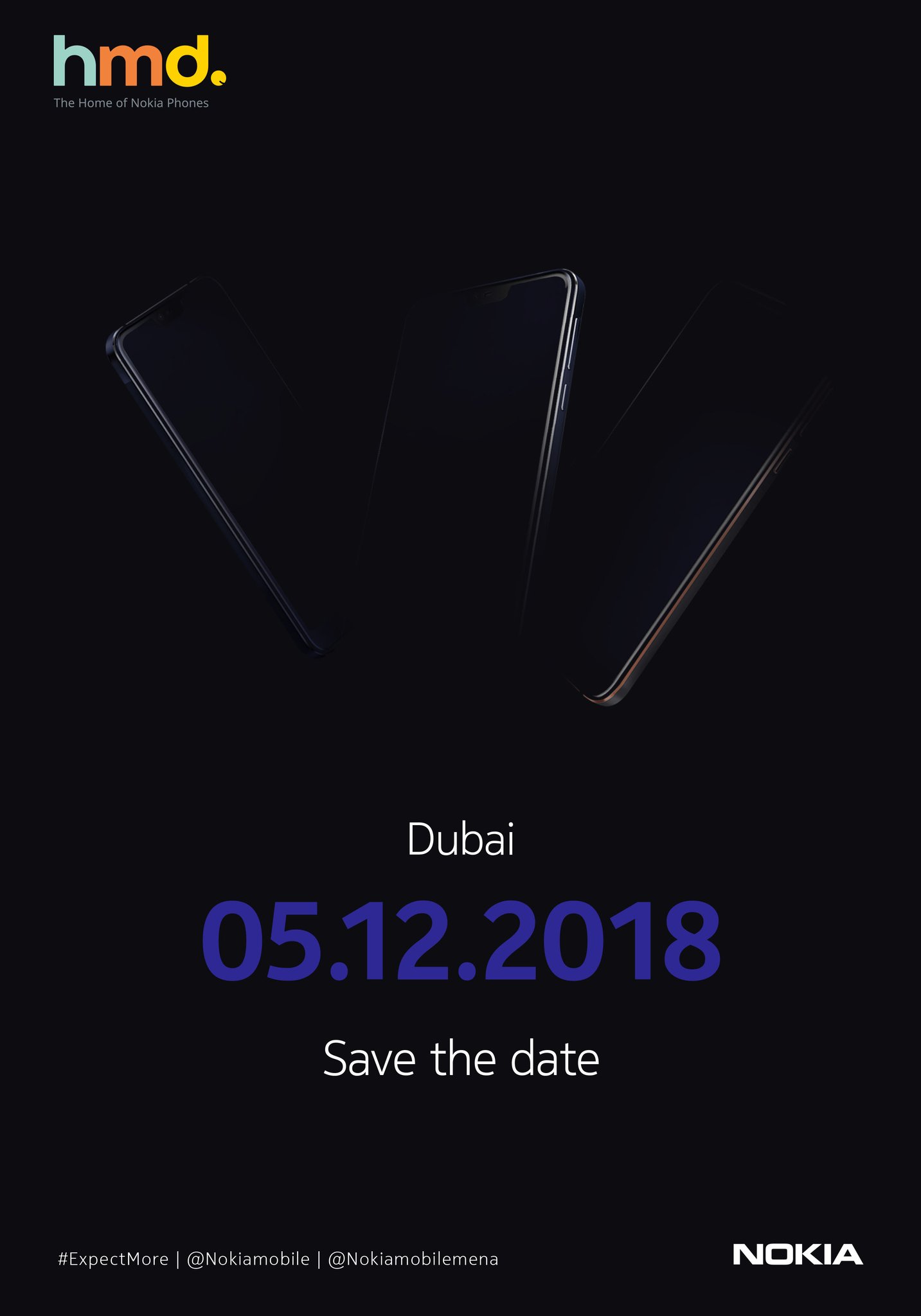
Yesterday, HMD Global took a break from announcing smartphones and unveiled the Nokia 106 feature phone. Today, it has announced that it will unveil a new smartphone on December 5 in Dubai.
The poster for the event shows the phone in three different color variants, one even has a copper-colored line running around the frame. Only a bit of the device is visible but if you zoom in close, you can see the device has a notch.
So what phone is this likely to be? Seeing as Nokia phones with a notch belong to the X-series/Plus series (excluding the Nokia 3.1 Plus) our guess is this phone will also have a Plus in its name. There are reports of a Nokia 2.1 Plus in development, so we won’t be surprised if this is the device.
The Nokia 2.1 has a 5.5-inch HD display and runs Android 8.1 Oreo (Go Edition). It has stereo front-facing speakers, a Snapdragon 425 processor, 1GB of RAM and 8GB of expandable storage. It also packs a 4,000mAh battery, an 8MP rear camera, and a 5MP front-facing camera. The Nokia 2.1 Plus may retain some of these specs.
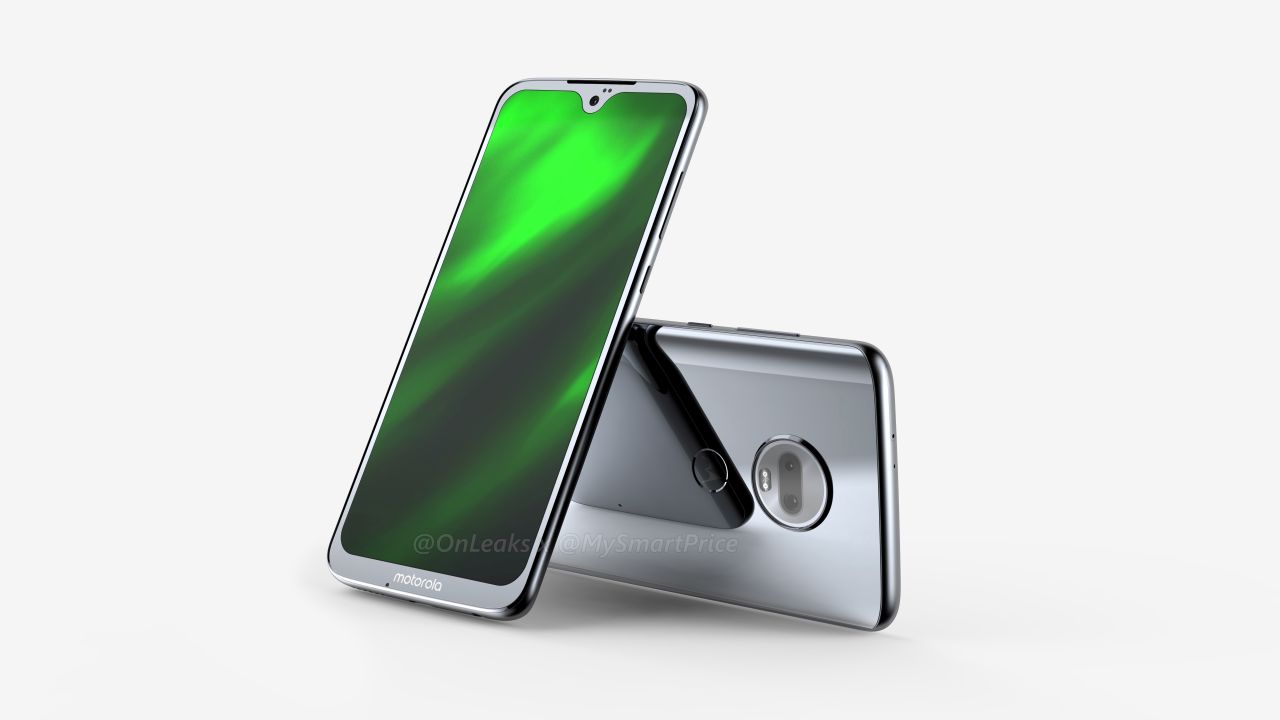
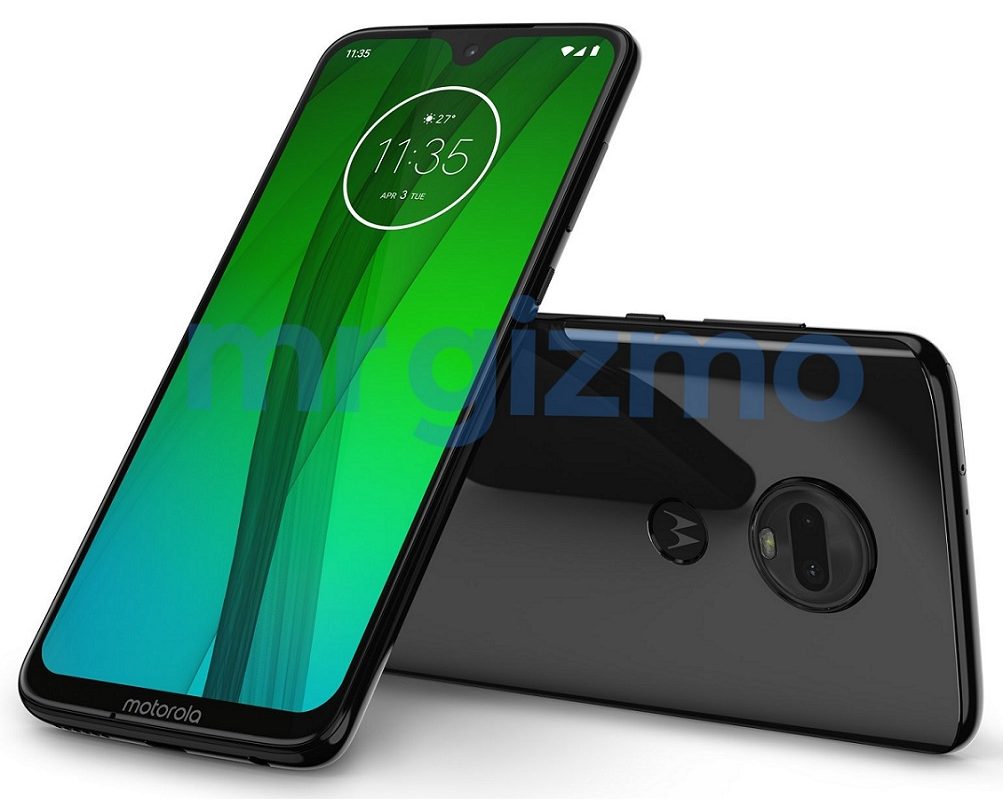
Rumors surrounding the Motorola Moto G7 suggests that its arrival may not be far away. The 360-degree CAD renders of the upcoming Moto G7 had surfaced in the previous month. Today, a fresh render of the smartphone has appeared today to reveal its front and rear design.
The Moto G7 render reveals that the phone will be boasting a higher screen-to-body ratio since it is equipped with a waterdrop notch. This makes the smartphone look like the recent OPPO and Vivo phones with waterdrop notch displays. Except for the slightly thick chin with the company’s branding, the handset sports slim-sized bezels around the screen.
The rear side of the Moto G7 is made out of glass which curves towards the edges. The handset sports rounded corners. It is equipped with a circular module for the horizontal dual camera setup and LED flash. The Motorola batwing logo that is placed below the dual camera system is embedded with a fingerprint scanner.
The bottom edge of the Moto G7 is equipped with a 3.5mm audio jack, a USB-C port and a speaker grille. The power button and volume controllers are present on the right edge of the smartphone.
The alleged Moto G7 has appeared at FCC with some key specs. Through FCC filings, it has been revealed that the alleged phone is driven by Snapdragon 660 chipset and 4 GB of RAM. It may feature an internal storage of 64 GB.
The Moto G7 may come equipped with a 6-inch display. Rumors have that the phone could be equipped with 16-megapixel + 5-megapixel dual rear cameras. For shooting selfies, the front notch of the phone could be featuring a 12-megapixel snapper. It may feature a 3,500mAh battery with fast charging support. It is speculated that the Moto G7 or G7 Plus could be the first G-series phone from the company to support wireless charging. The smartphone is very likely to come loaded with Android 9 Pie OS.
The Lenovo-owned company had released the Moto G6, Moto G6 Plus and Moto G6 Play smartphones around six months ago. Now that the rumor mill has started leaking information on the features of the Moto G7, it appears that the smartphone may get announced in the coming month or early next year.
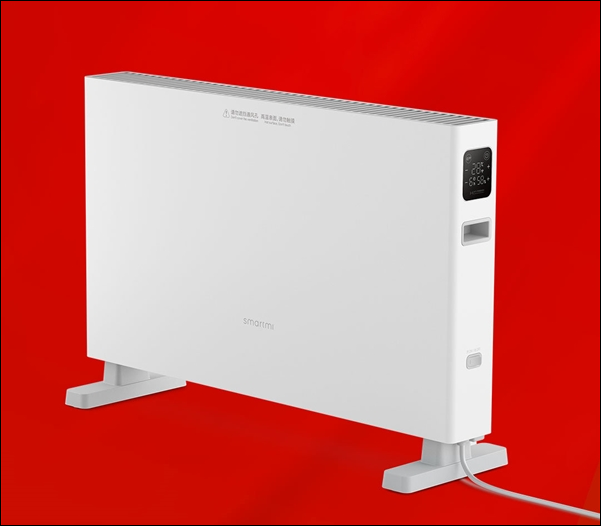
Xiaomi recently launched the Smartmi Electric Heater Smart version under the Youpin crowdfunding platform and today, it has disclosed that the product is already sold out even before going on sale. Turns out that the smart home saw a surge in its crowdfunding with the patronage put at 3,385% higher than 100%. This ensures all available stocks have been sold out even before leaving the factory. The fair 399 yuan ($57) price tag must have played a role in this feat.
The new Smartmi Electric Heater smart version is the second of such product released by Xiaomi’s ecological chain company Smartmi, taking over from the Smartmi Electric heater that can be controlled only manually and is sold on Xiaomi Youpin for just 269 yuan ($38). As the name implies, this smart version comes with some improvements in its design and features over the first model. The major upgrade is the smart feature which is WiFi connectivity that allows the device to be controlled via the MIJIA app on a smartphone. Thus, you can remotely switch it on while at work so as to heat up the home before you get there. This will also afford users the opportunity to stay in bed and control the electric heater without having to step down. The app can also be used to adjust the heating temperature and set other features like child lock etc.
The new Smartmi Electric Heater smart version now has an LED display which shows the heating temperature. The gadget also comes with adjustable temperature support ranging from 16-32 °C. There is also a built-in dual temperature sensor, which stops the power when the ambient temperature reaches the preset value. This will help to reduce power consumption. As part of Xiaomi’s IoT gadgets, the smart electric heater can be connected to the Xiaomi AI speaker, Small love speaker mini and others for centralized control.
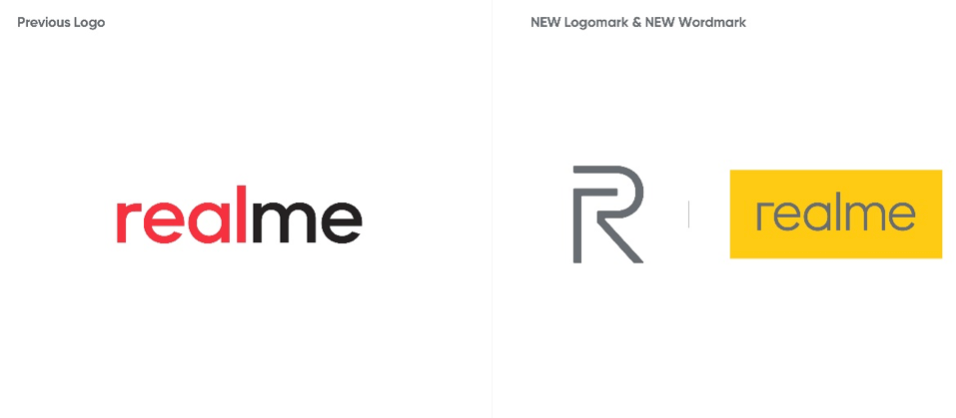
Realme, the OPPO offshoot which entered into the market this year announced its new logo today. Not only does it have a new logo, it also has a new wordmark, and redesigned official and community websites.
The old Realme logo which also doubles as its wordmark had the company’s name in lower case with the “real” part of the name in red and the “me” in black. The new logo is a mashup of a lowercase “r” and an uppercase “R”.
The logo was designed by Eddie Opara, an award-winning designer who works for Pentagram. Pentagram is the world’s largest independent design consultancy and they are behind the design of the logos used by MasterCard, Tiffany and the logo for the 2017 Warner Bros/DC film, Justice League.
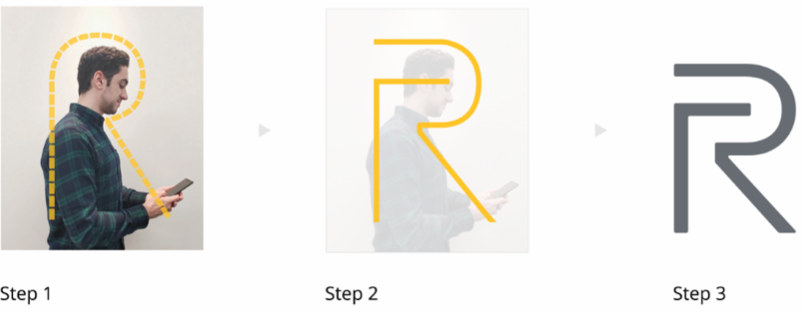
Eddie Opara says the inspiration for the uppercase “R” logo comes from the way people interact with their phones.
Realme also has a new wordmark which has the company’s name in lowercase with the “r” having the same design as the lowercase “r” of the logo. The name is written in gray against a yellow backdrop. Realme says the gray of the text stands for professionalism, calmness, and inclusiveness while the yellow, referred to as “Realme Yellow” stands for power, style, modernity, and timeless youthfulness.
The new logo, wordmark, and colors are already in use by the manufacturer’s official social media handles. The official website and community website have also been redesigned. Realme has also confirmed that they will be used for its products henceforth.
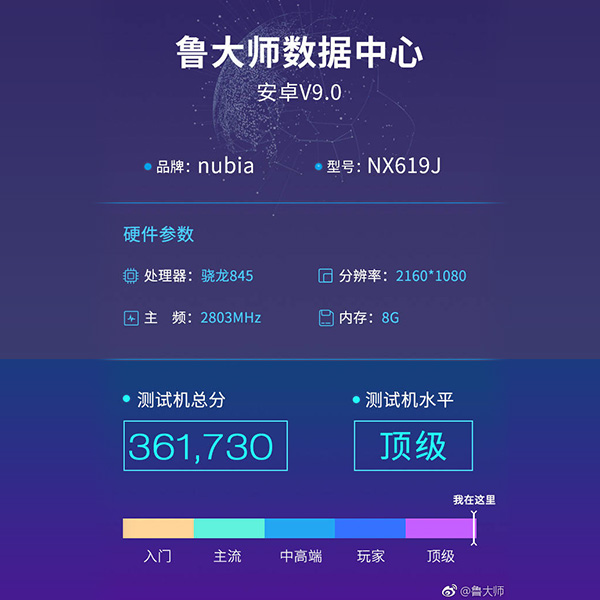
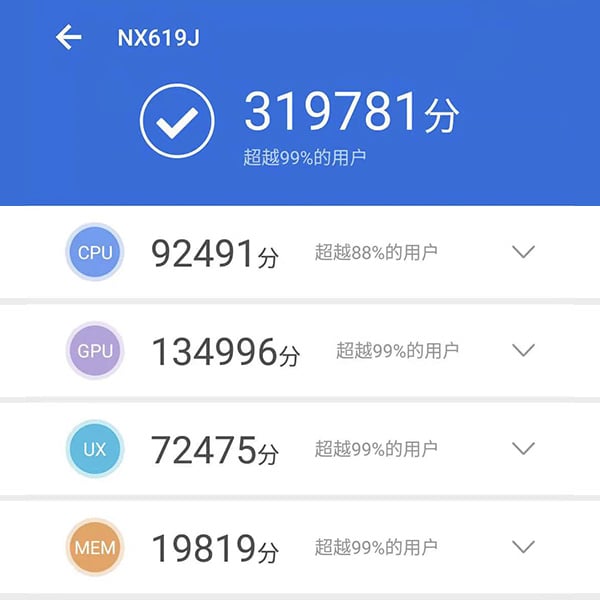
Last week, Nubia announced the crowdfunding of its second gaming phone. Originally thought to be called the Red Magic 2, new info has revealed it will probably launch as the Red Magic Mars. The phone has now been benchmarked on Master Lu and AnTuTu.
The phone appears on both benchmark apps as the Nubia NX619J. The Red Magic Mars is powered by a Snapdragon 845 processor and 8GB of RAM. Based on the crowdfunding page and the bunch of teasers, there will also be a 10GB RAM variant with 256GB of storage. Its display size isn’t given but the resolution is said to be 2160 x 1080, the same as that of the Red Magic.
The phone scored a total of 361,730 points on the benchmark app, surpassing not by a small margin, the benchmark score of the Nubia X (311,441 points) which is powered by the same processor and also has the same amount of RAM. If this is the score of the 8GB version, expect the 10GB RAM model to score higher.
The Red Magic Mars also scores high on AnTuTu. Its benchmark score of 319,781 points puts it ahead of the Kirin 980-powered trio of the Mate 20, Mate 20 Pro, and the Mate 20 X and also the Snapdragon 845-powered Black Shark Helo.
A new report from Internationa Data Corporation (IDC) revealed today, that Xiaomi has once again become the number one brand in India for Q3, 2018 with a market share of 27.3 percent. The Chinese smartphone maker has had a remarkable Q3 shipping 11.7 million units and has consequently toppled Samsung from first place. Moreover, the gap between the first and second now seems to be widening with Samsung garnering a 22.6 percent market share. Meanwhile, Vivo has retained its third position with a growth rate of 36 percent, said the report.
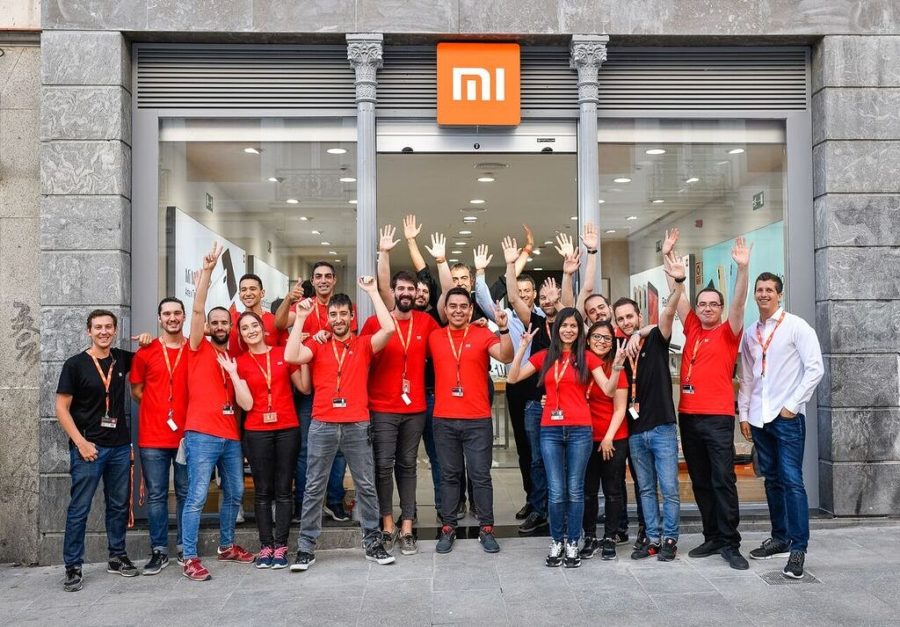
Xiaomi’s New Store in Madrid, Spain
The chief factor of Xiaomi’s resurgence can be attributed to e-commerce sales prior to the Diwali festive season. “eTailers continued to drive affordability with multiple financing options such as zero or low-cost EMIs (equated monthly installments), buyback guarantees and cashback on debit/credit cards,” said Upasana Joshi, Associate Research Manager, IDC India. A big part of these sales was due to Xiaomi’s hugely successful Redmi 5A and Redmi Note 5 Pro besides the newly announced Redmi 6/6A models. Samsung, despite losing first place, recorded an annual growth of 4.8 percent, thanks to its affordable new models like the Galaxy J6 with an Infinity Display.
The offline segment also clocked a growth of 6.6 percent in the same quarter. Overall, the smartphone market reached a new record high of 42.6 million unit shipments in the third quarter representing a 9.1 percent year-on-year (YOY) growth.
However, with such robust sales, a price hike from Xiaomi and Realme has also hit the industry. Due to the ever-depreciating rupee, both the above-mentioned OEMs have increased prices of a number of their products. Xiaomi increased the prices of the Redmi 6 and Redmi 6A while Realme hiked the prices of the Realme C1 and Realme 2 recently in the country.
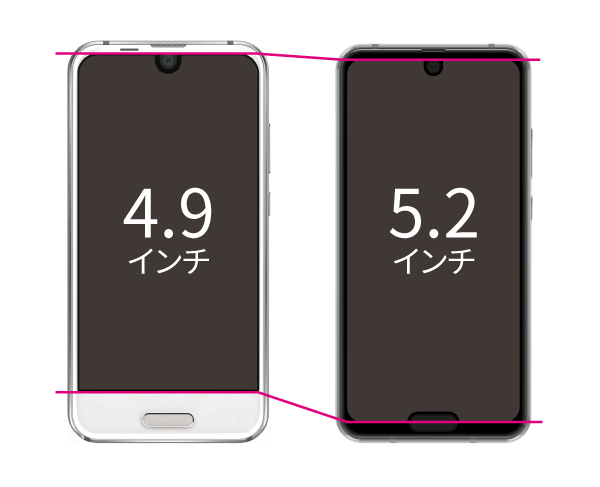
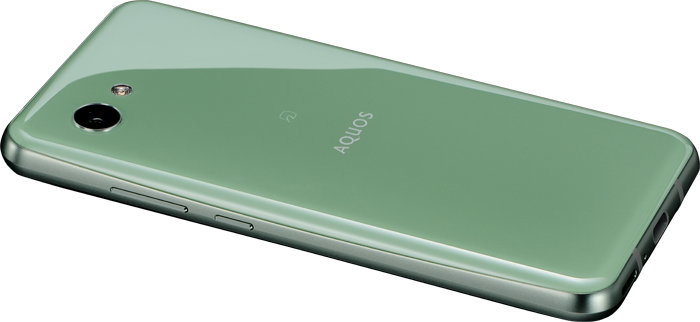
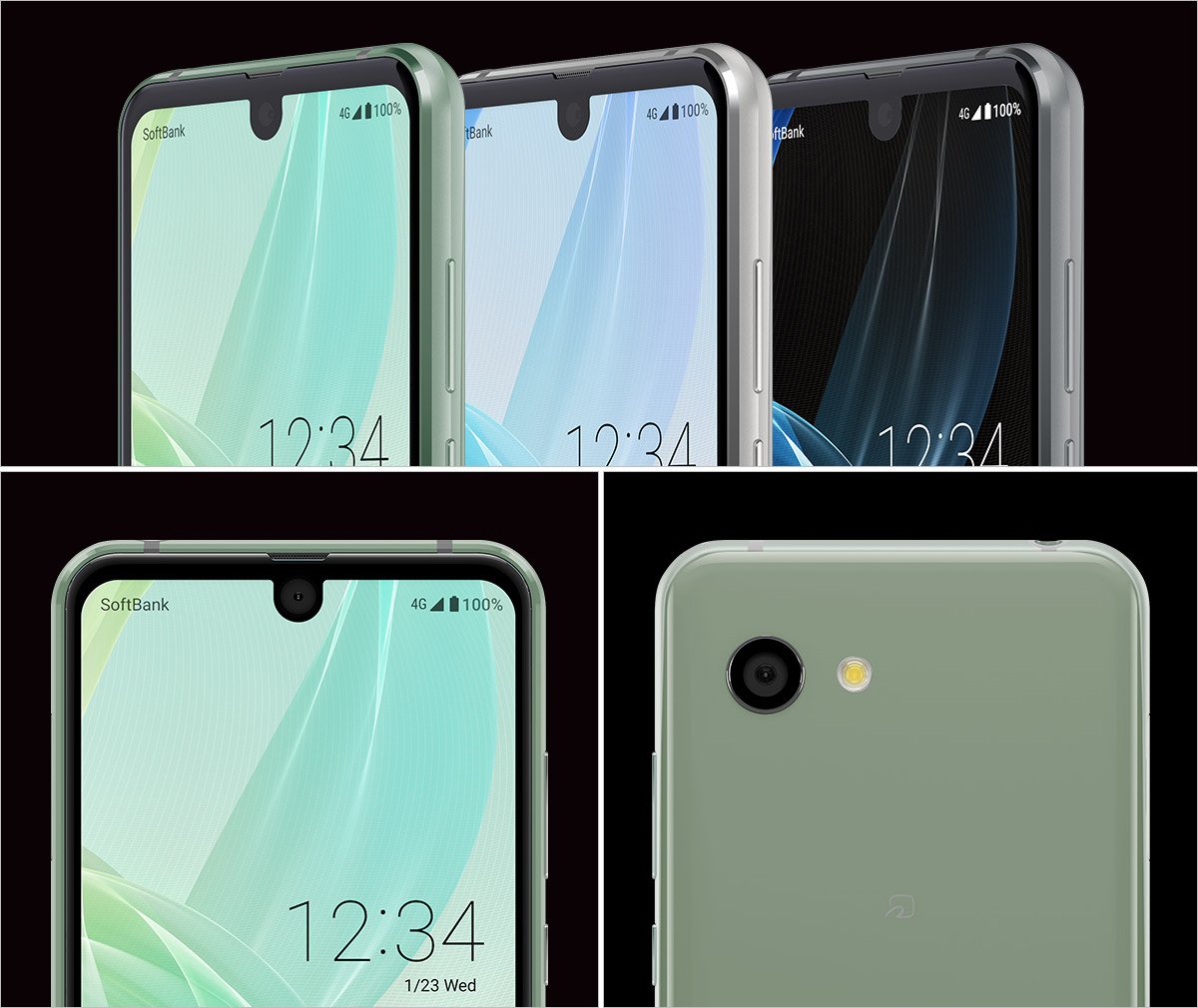
The Sharp Aquos R Compact from last year had feature a very small notch for the front-facing camera. The chin of the phone that housed the fingerprint scanner embedded home button was so thick that it was fitted with a smaller screen of 4.9 inches. Today, Sharp has announced the all new Sharp Aquos R2 Compact with dual notches. The upper notch is for the selfie camera and the bottom is for the home button. This novel design has allowed the Aquos R2 Compact a large display with similar dimensions as the predecessor model.
The Aquos R2 Compact measures 131 x 64 x 9.3mm and weighs 135 grams. It sports a dustproof and waterproof body. The compact-sized phone easily fits in the palm. It features an acrylic rear and an aluminum frame.
It features a 5.2-inch IGZO display manufactured by Sharp. It carries support for Full HD+ resolution and it is equipped with features like HDR10 support and Gorilla Glass 3 protection. The USP of the display of the Aquos R2 Compact supports 120 Hz refresh rate.
The Aquos R Compact was a mid-range device since it was fueled by Snapdragon 660. Sharp has not increased the display size on the Aquos R2 Compact, but also it has included the Snapdragon 845 flagship chipset. The SoC is supported by 4 GB of RAM. For storage, it features an inbuilt storage of 64 GB and a microSD card slot.
The 22.6-megapixel wide-angle rear camera and an LED flash is available on the rear side of the Sharp Aquos R2 Compact. The ProPix image quality engine can improve the performance by adjusting the exposure and white balance. The rear cameras support OIS, EIS and AI scene detection. An 8-megapixel selfie shooter is fitted inside the front notch of the phone. The display of the phone can function as flash while capturing selfie shots. The front-facing camera carries support for face unlock.
The Android 9 Pie OS is loaded on the phone along Sharp’s EMOPA voice-assistant. The USB-PD enabled 2,500mAh battery is present under the hood of the device. The usual connectivity features such as 4G VoLTE, Wi-Fi 802.11ac, Bluetooth 5.0, GPS, USB-C and 3.5mm headphone jack are available on the Aquos R2 Compact.
There is no information available on the pricing of the smartphone. The handset will be exclusively available for buying since mid-January. It can be availed in color variants such as Green, White and Black.
Do you find the design of the Sharp Aquos R2 Compact attractive? Express your views by adding your comments below.
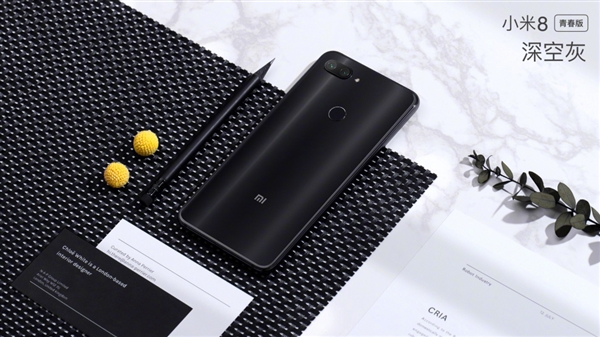
Xiaomi has officially announced that the new Mi 8 Lite 4GB + 128GB version will officially go on sale tomorrow in China. The new version will be on sale at 10 AM UTC with a price tag of 1,799 yuan.
The Mi 8 Lite was announced in September as a trimmed-down variant of the company’s flagship smartphone Xiaomi Mi 8 launched in May. The Mi 8 Lite features a 6.26-inch Full HD+ display having a screen resolution of 2560 x 1080 pixels, 19:9 aspect ratio, and a notch on top of the display. Under the hood, the device is powered by Qualcomm’s Snapdragon 660 AIE octa-core processor, coupled with Adreno 512 GPU. The chipset is manufactured using an advanced 14nm FinFET process.
The phone was originally made available in three variants based on memory configuration — 4GB RAM + 64GB storage, 6GB RAM + 64GB storage, and 6GB RAM + 128GB storage. With this new 4GB+128GB variant, the Mi 8 Lite is now available in four different storage versions. The new variant is also available in three colour options just as the others— Dream Blue, Twilight Gold, and Black. Other configurations are also similar to those of the existing memory versions.
While the world prepares to enter the 5G era, smartphone OEMs are doing their part to introduce new handsets that will eventually become the gateway to this blazing fast Internet medium. The likes of Xiaomi have already introduced their very first 5G compatible handsets in the shape of the Mi MIX 3 while OPPO recently demonstrated a working R15 prototype with 5G. However, Huawei has just announced that it will be introducing it’s first 5G handset at the Mobile World Congress in 2019.
President of Huawei in Western Europe, Vincent Pang, made the announcement at the annual Huawei Innovation Day on 7 November 2018, in Rome, during an exclusive interview with Communications Today. What’s even more interesting is that Pang hinted that this could very well be the first foldable 5G smartphone. The announcement comes after Samsung demoed its own foldable handset at the annual developer conference a few days back but the handset is yet to make a true official appearance. The Korean giant will also be releasing the handset at some point in 2019. The first foldable 5G Huawei device will be made available to retail during the third quarter of 2019.
Apparently, Huawei believes that Europe is on track for a speedy deployment of 5G technology and infrastructure and hence the company is releasing a 5G handset early, suggested Walter Ji, President of Huawei’s Consumer Business Group, also present at the event. Besides the above mentioned innovative tech, Huawei has invested heavily in improving the camera and battery department as well.
The Chinese brand has done quite well with its recent two flagships – the P20 Pro and Mate 20 models – in Europe. As per an IDC report, The Chinese smartphone OEM is the second largest smartphone seller in the world displacing Apple.
Vivo Y83 Pro, the upgraded version of the Vivo Y83, was launched in India in August this year for Rs. 15,990 (approximately $222). The phone has now received a price cut of Rs. 1,000 (approximately $14).
The price cut has been confirmed by the company and the phone is now available for purchase for Rs. 14,990, approximately $208. The device is available for purchase in India through online stores such as Amazon and Flipkart, as well as through offline stores.
The Vivo Y83 Pro features a 6.2–inch HD+ FullView 2.0 IPS display with screen resolution of 1520 x 720 pixels and 19:9 aspect ratio with a notch on top of the display. Under the hood, the device is powered by Mediatek‘s Helio P22 octa-core processor.
The device packs 4GB of RAM and 64GB of internal storage. There’s also a microSD card slot which enables users to further expand the storage capacity of the device up to 256GB.
In the camera department, the handset sports a dual rear camera setup with a 13-megapixel primary sensor and a 2-megapixel secondary sensor. On the front side, the phone comes with an 8-megapixel selfie camera, and an AI Face beauty feature.
The phone has a rear-mounted fingerprint sensor for added security. On the software front, the device is running Android 8.1 Oreo operating system out-of-the-box and is powered by a 3,260mAh battery.
The Redmi Note 6 Pro is gradually making its way across Asia. Following its launch in Thailand and Indonesia, it is now set to arrive in India and the date is November 22.
The Redmi Note 6 Pro does not offer much when it comes to upgrades. It has the same processor as the Redmi Note 5 (Redmi Note 5 Pro in India) and the same battery capacity. However, it is nowhere alike with its predecessor.
The Redmi Note 6 Pro has a 6.26-inch 1080 x 2280 display with a 19:9 aspect ratio and Corning Gorilla Glass on top. The notched display is bigger but the phone has the same form factor as the Redmi Note 5 Pro. It also has two cameras in front – a 20MP f/2.0 0.9μm sensor and a 2MP f/2.2 1.75μm secondary sensor. There is AI portrait selfie, Beautify 4.0, and face recognition.
Xiaomi has kept the dual rear cameras of the Redmi Note 5 Pro but they are not exactly the same sensors. The 12MP primary camera now has a 1.4μm f/1.9 aperture and the secondary 5MP camera has a 1.12μm f/2.2 aperture. There is dual-pixel autofocus, enhanced low-light photography, HDR, EIS, and dynamic bokeh.
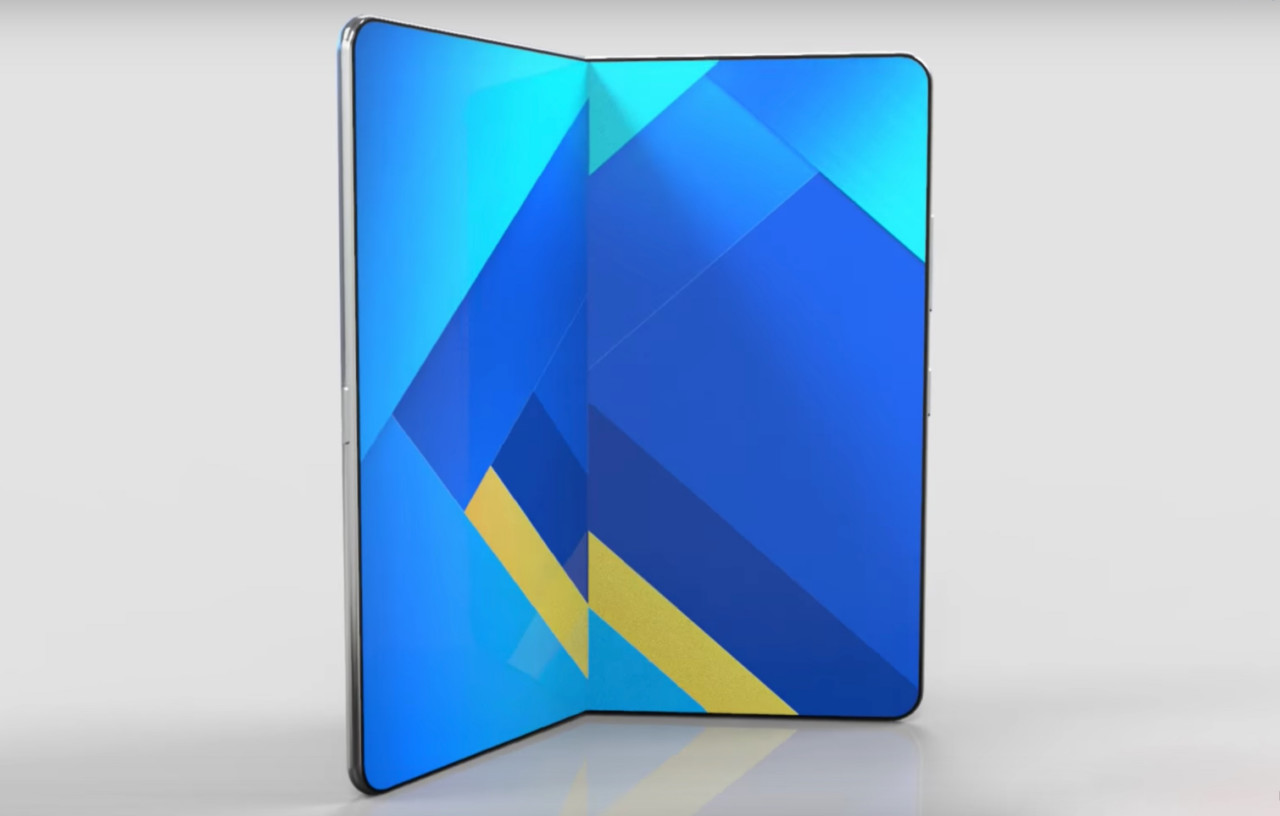
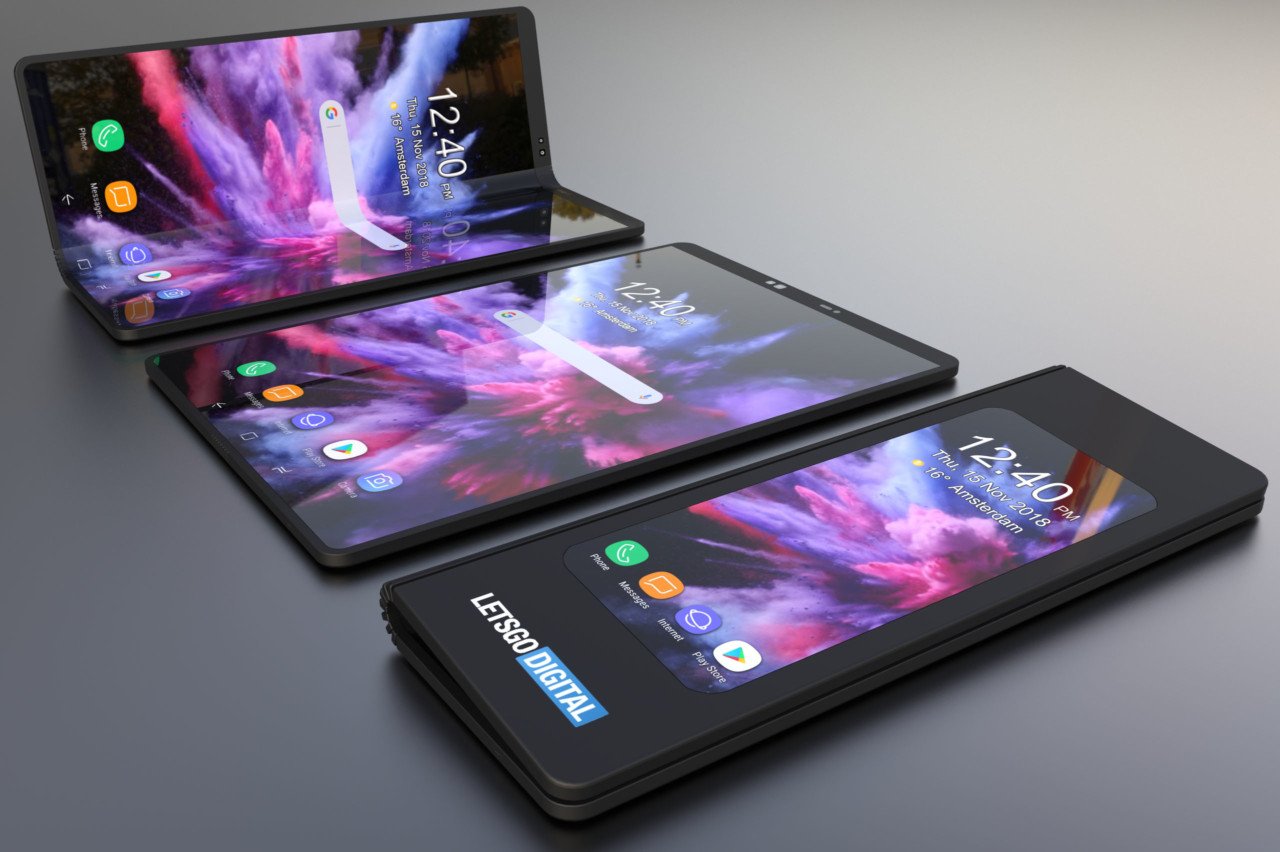
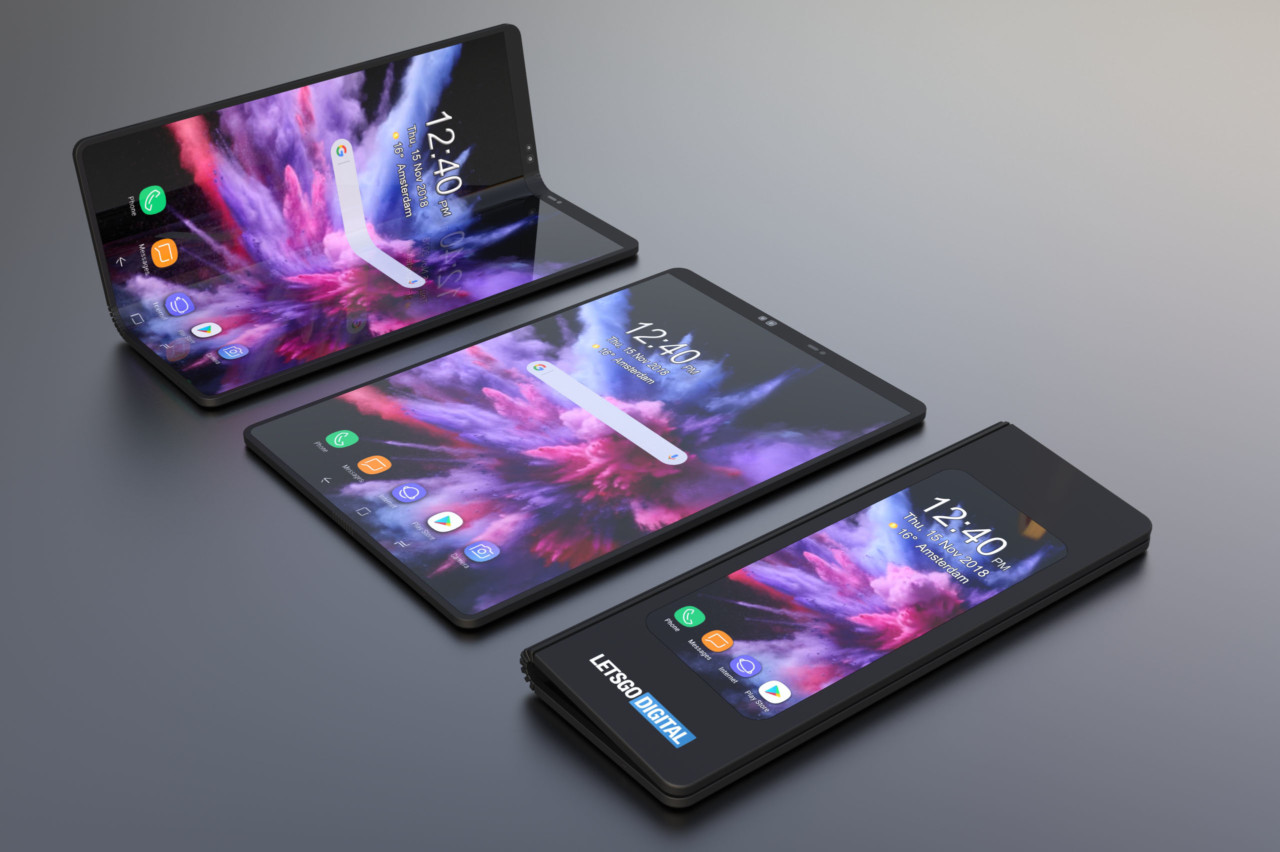
At the Samsung Developers Conference (SDC) that was held in the previous week in San Francisco, Samsung showcased the Infinity Flex Display for its upcoming foldable smartphone. The company also released key information on the outer and inner displays of the smartphone. Lets Go Digital has shared 3D renders of the alleged Galaxy F foldable phone to reveal what the device may look like in reality.
Samsung has revealed that its upcoming foldable phone will be equipped with two screens that were namely referred to as Cover Display and Main Display. The frontside of the phone will feature 4.6-inch Cover Display that will carry support for 840 x 1960 pixels. When the device is opened, it offers a tablet-like experience through its massive 7.3-inch Main Display. The flexible OLED screen offers 1536 x 2152 pixels.
The prototype device with flexible screen that was displayed at SDC 2018 appeared quite thick. However, the actual device will appear quite thin as the current non-foldable phones. Like the recent Samsung phones, its upcoming foldable phone may sport rounded corners. The 3D renders shown shows how the foldable phone may appear in the tablet mode when the device is opened. When folded, the two screens do not touch each other and a small gap is created between them.
Samsung has been working on its foldable phone since several years. It has reportedly placed touch transparent polymide layer on the flexible OLED panel by using Optical Transparent Adhesive that can stretch when the device is folded or unfolded. It is equipped with 45 percent thinner polarizer.
Samsung has reportedly started the mass production of the Infinity Flex Display. Since it will be a limited-edition phone, the South Korean company will reportedly develop one million units initially. Since the company is expected to announce the Galaxy S10 series at the Mobile World Congress (MWC) 2019 tech expo in February. It is speculated that a 5G version of Galaxy S10 and Galaxy F foldable phone may debut in March. The latter could be priced around $1,800.
Huawei‘s sub-brand Honor has announced that the brand was the top Singles Day performer in terms of sales volume and revenue under the Smartphone category on two of China’s biggest e-commerce platforms — Tmall.com and JD.com.
The company further said that this is the third consecutive year of Honor’s sales supremacy during the Singles Day sales. The company also surpassed Apple in sales in both stores. The company’s latest premium device, Honor Magic 2, was the best selling smartphone in the 4000 to 5000 Yuan category, roughly price range of $580 to $720.
Commenting on this, George Zhao, President of Honor, said:
I’m thrilled that Honor achieved these unbeatable results even under what has become a tough situation for the global smartphone industry. Global smartphone shipments in Q3 2018 represented a 6% YoY decline, the Chinese smartphone market is also declining and was down 11% in the first half of 2018. Our strategy and undiminished efforts in R&D have ensured Honor bucked this global trend, especially in key areas of smartphone technology innovation such as AI, GPU Turbo, and our excellence in smartphone design.
The Singles Day sale also helped extend Honor’s growing influence into Southeast Asia. In Indonesia, Honor became a best seller in Mobile Category and Electronics Category at shopee.com, selling over 8,000 units within 80 minutes.
In India, the company revealed that during the Diwali sales, Honor recorded 300 percent year-on-year growth and sold over a million smartphones. It also said that the company’s fanbase increased by 32 percent.
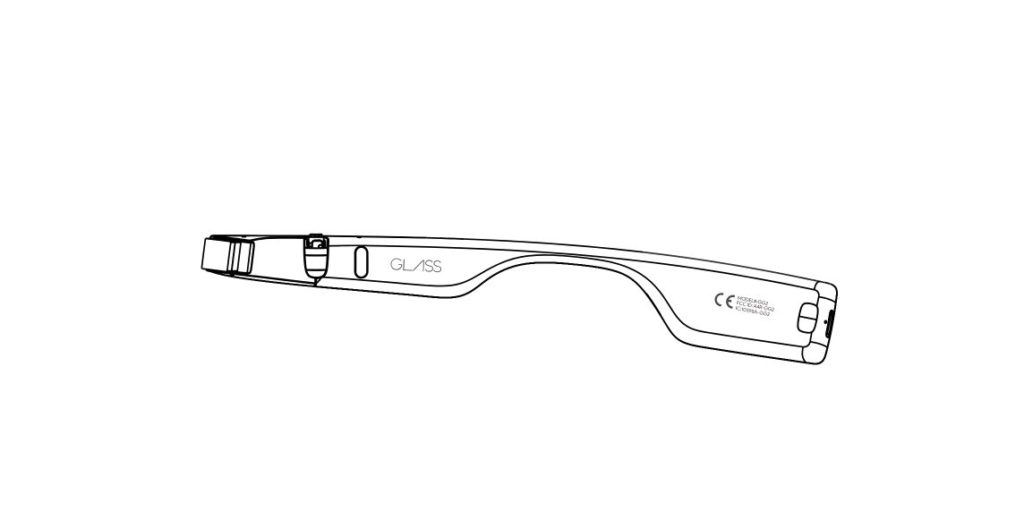
Google Glass 2 Enterprise edition is all set to unveil here with a set of new features. It has appeared at FCC certification agency in the US. The new version for the Google Glasses aka. Google Glasses 2nd Gen. Enterprise Edition is all set to sail through the Global market by next year. It will bring upgraded features which will improve the overall usability of the Glasses. The new device bears a model number of A4R-GG2 and is certified by FCC in the US.
Although, there are very minimal details and information that has revealed at FCC website. Rather than the model number we have successfully figured its design from detailed preset. It will have the same button and hinge mechanism allowing the device to fold, a power button on the backside, and a Glass logo. Along with the similar design aspects, there might be some specs improvements also. It will have a good processor, battery life and improved core features.
We expect its formal announcement from Google side very soon as FCC has approved it in the US. It’s predecessor, and Google Glass Enterprise edition carries dual band WiFi, audible speaker, an LED, Intel Atom CPU, 32 GB storage and a 780 mAh battery. Well, Google Glass 2 Enterprise Edition will come with considerable improvements to make space for some new features. Despite new additions, there won’t be any 4G support as expected but will get Bluetooth and WiFi options.
Well, we think Google Glass 2 Enterprise Edition might launch in 2019, and even folks at MySmartPrice believes that it won’t hit the shelves in 2018. The pricing and other availability details are not yet available, but we expect it to be available for $1500.
Additionally, the AR market is evolving, Cupertino giant is also preparing a similar AR Glasses. Facebook has even started the development for the AR-based products, and moreover, Huawei has also jumped into the development of a similar AR based product.
How many of you are waiting for the standard Google Glasses?
We use cookies on our website to give you the most relevant experience by remembering your preferences and repeat visits. By clicking “Accept”, you consent to the use of ALL the cookies.
This website uses cookies to improve your experience while you navigate through the website. Out of these, the cookies that are categorized as necessary are stored on your browser as they are essential for the working of basic functionalities of the website. We also use third-party cookies that help us analyze and understand how you use this website. These cookies will be stored in your browser only with your consent. You also have the option to opt-out of these cookies. But opting out of some of these cookies may affect your browsing experience.
Necessary cookies are absolutely essential for the website to function properly. This category only includes cookies that ensures basic functionalities and security features of the website. These cookies do not store any personal information.
Any cookies that may not be particularly necessary for the website to function and is used specifically to collect user personal data via analytics, ads, other embedded contents are termed as non-necessary cookies. It is mandatory to procure user consent prior to running these cookies on your website.

 If you’re interested in staying fitter without breaking the bank, it might interest you to know that the 115PLUS smart bracelet has now gone up for sale carrying a heavily discounted price tag on TomTop. Before we divulge more details about the discount, let us take a look at the awe-inspiring features that make the 115PLUS an irresistible fitness bracelet.
 The aforesaid coupon helps you save an extra $10 by reducing your grand total to just $46.99. You can follow
 After applying the coupon, your grand total reduces to only $17.99. Regrettably, the promo will come to an end in just 1 day.
 While the R3 usually sells for $21.99, you can now buy it for just $11.99 on GeekBuying. On top of that, you can apply coupon code XWOAEVFM and save $3 more before placing your order. The coupon lowers your grand total to only $8.99.