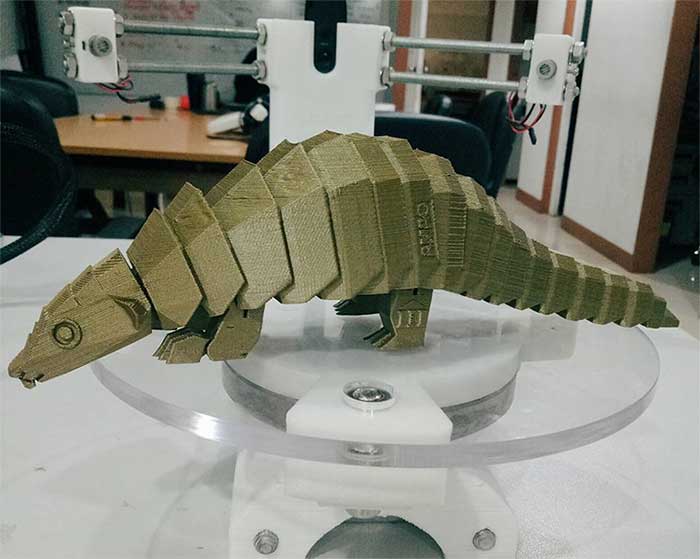
The third Saturday of February each year is the World pangolin day. on February 17, 2017, China biodiversity conservation and Green Development Fund (“China green hair”) said that the native Chinese Pangolin was defined as critically endangered species by World Conservation Union (IUCN) in early 2014.
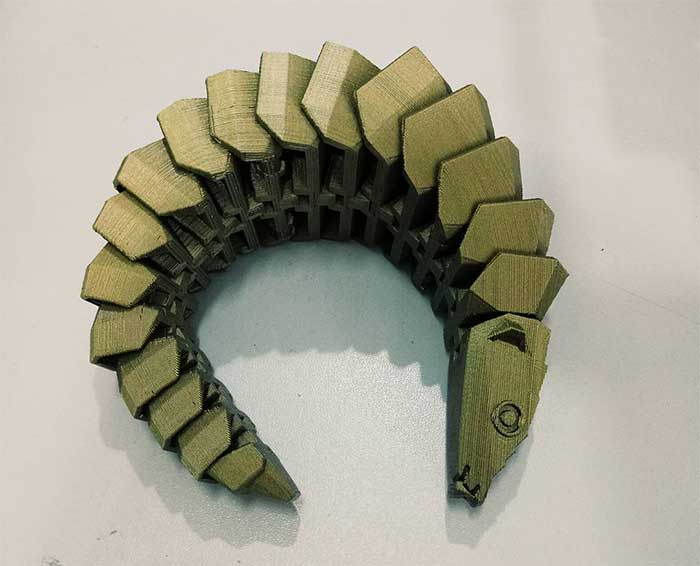
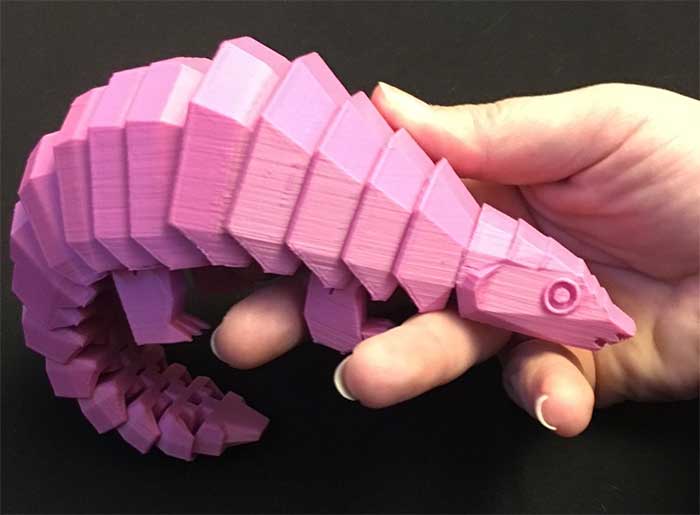
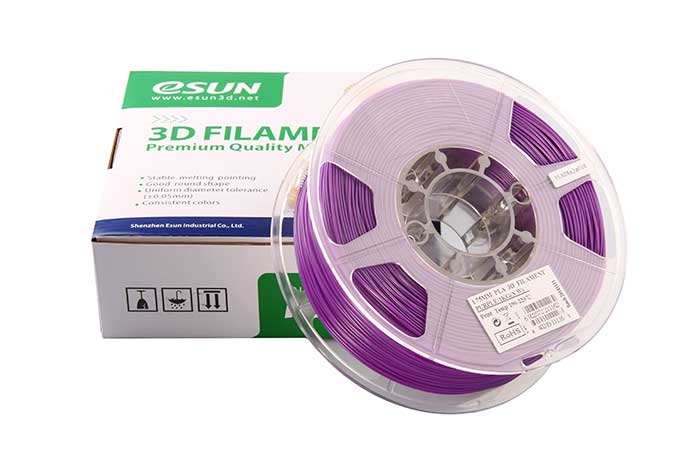
In face of pangolin perishing predicament, the people all over the world are taking actions! Amaochan on large 3D printing online community Thingiverse also published a 3D printing model to save the pangolin and won nearly 5000 likes. People 3D print the pangolin, this endangered animal, to feel it and love it. eSUN, cokreeate, czarina.samonte and other 3D printing enthusiasts, used bronze and PLA+ filaments to bring these sweeties to you.
eSUN environmentally friendly and degradable bronze filament has special metal texture, low shrinkage rate and high intensity. The finished surface of your print will be exquisite and elegant, although the model is very complex. You can firsthand it, hold and feel the variation with actions , the bending one is just like a adorable crouching pangolin.
Let’s take actions and protect them, which is so small and weak though with armor. When you download and re-post the prints, please don’t forget to spread your love with it!
One of the products Xiaomi unveiled at this year’s CES was the Mi Router HD. Its been over a month since the announcement and it hasn’t been on sale yet. It appears that will be changing soon.
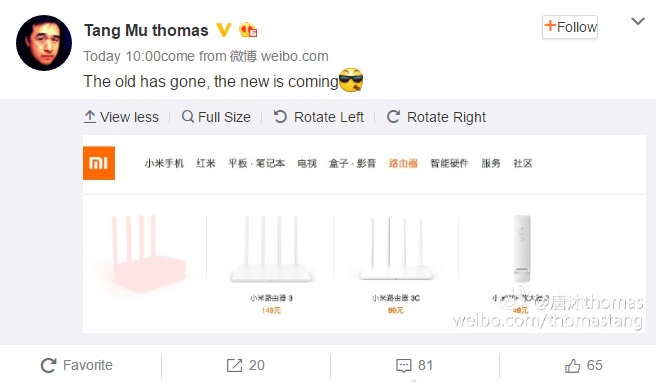
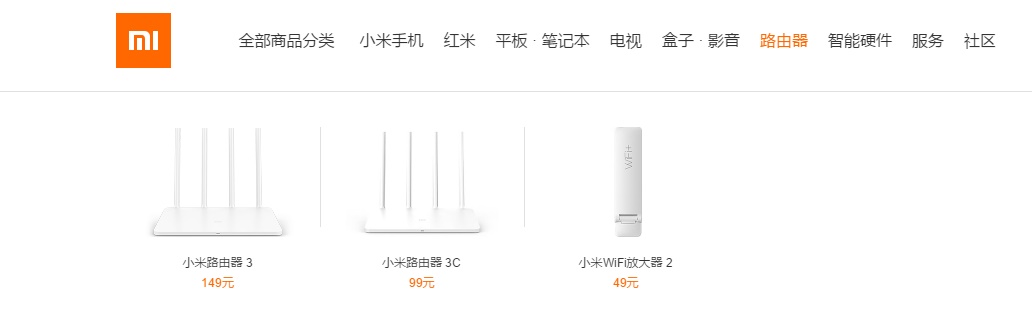
According to a Weibo post by the manager of Xiaomi Router, Thomas Tang (@唐thomas), the Mi Router HD may be available for purchase soon. His post which loosely translates into “the old has gone, the new is coming” is accompanied by an image of the router section of Xiaomi’s official website. Included in the list of routers is the Mi Router HD in pink. As at the time of writing this post, the new router is still not listed on the site, so the image is actually a teaser for what is to come. Some sources say the router may be launched next week Tuesday when Xiaomi announces the Pinecone processor.
The Mi Router HD apart from being available in new colors (grey and pink), it brings a number of new additions. There are now four PCB antennas, a new 8TB model, and they have replaced the Broadcom chip with one from Qualcomm.
Lenovo admitted a couple of weeks back that it has been difficult turning around the fortunes of the Motorola brand which it acquired in 2014 from Google. The Chinese company is reported to have mapped out plans to incorporate all of its brands under the Moto family. Lenovo has been on a not so impressive path the past few years, losing out to the likes of OPPO, Huawei, and Vivo in the top five spots both in China and globally.
Taking on a struggling brand like Motorola has obviously not helped the company and that may have prompted the decision of the brand to shed off the Motorola and Vibe lineup. Instead, Lenovo will incorporate all its smartphone products under the Moto brand. It may just be impossible to revive the Motorola brand whose fortune continues to plummet by the day, hence the decision to focus on only one brand. Already, the company is said to be planning some releases in Pakistan under the Lenovo moto brand.
Lenovo is yet to come out openly to disclose its plans regarding the Motorola and Vibe brands but it is just logical that it sheds off excess luggage and position itself for better results in the future. But then, it is just only a name and the name isn’t as important as the SoC, and other hardware the smartphones feature in determining its market acceptability. Except for a situation where fortune smiles on Lenovo, it might still find itself struggling to ramp up its shipments.
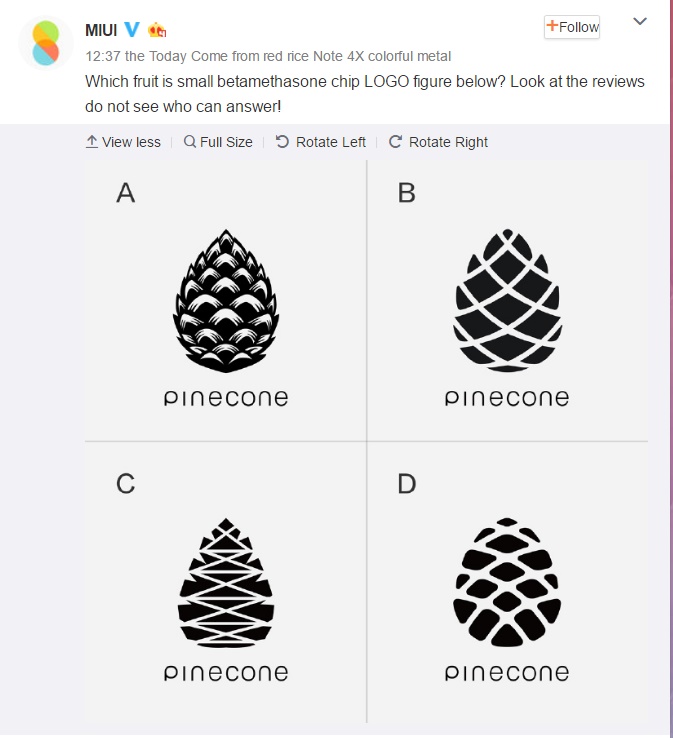
Xiaomi has scheduled next week Tuesday, 28th of February for the unveiling of its Pinecone chip. In a bid to keep up hype for the event, the official MIUI weibo account posted a teaser image today.
The image shows four different designs of a pinecone and is accompanied by a text asking users to guess which one is used for the processor’s logo. Most of the replies are either options B and D. But if you have been following our posts on the chip, it should be easy for you to answer.
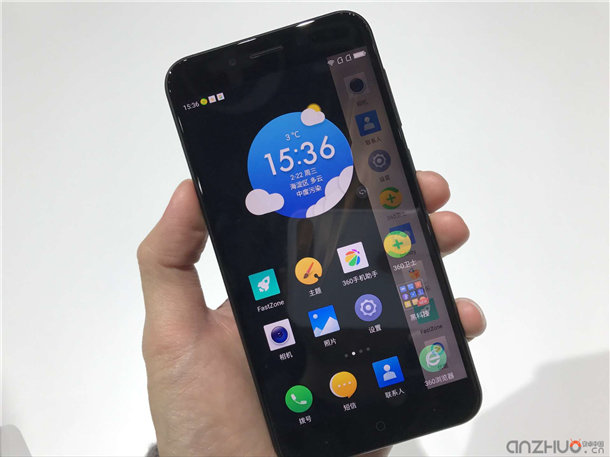
360 Mobiles have kicked off the year with the launch of their new phone, the 360 N5. The device fits perfectly in the class of high-mid range devices also boasts a low price.
360 N5 Specifications
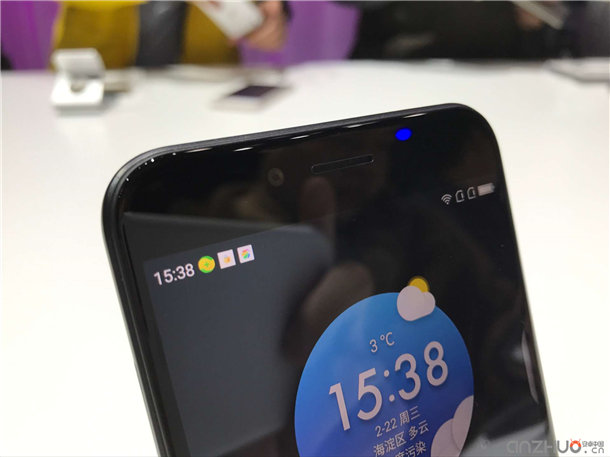
The 360 N5 is the successor to last year’s 360 N4. The new phone ditches the Mediatek processor and instead settles for the Snapdragon 653. There is a 5.5-inch 1080p display which boasts of 100% color gamut; and a whooping 6GB of RAM. However, for the built-in storage they decided to leave it at 32GB and 64GB. We guess that’s because they want to keep the price low. Depending on which model you buy, there is a SD card slot that accepts up to 128GB cards.
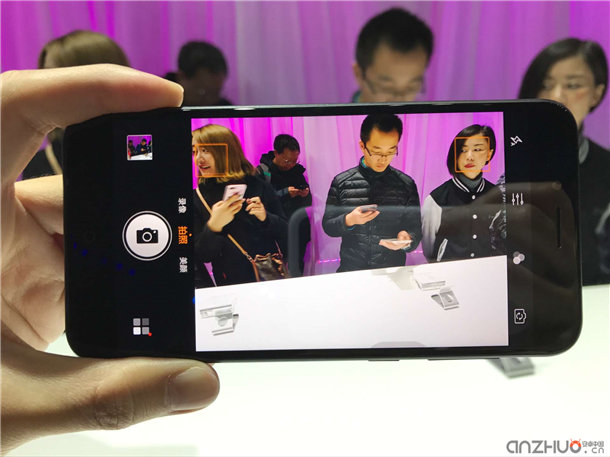
The main camera is a 13MP f/2.0 aperture with PDAF and a fast focus speed of 0.1 seconds. On the other hand, the selfie camera is an 8MP sensor with soft light and FotoNation 4.0 for improved selfies.
360 Mobiles have bundled the N5 with a 4000mAh battery but have also added Quick Charge 3.0 support and included a 9V/2A travel charger. Even with the bigger battery, the phones weighs just 156g; 17% lighter than the iPhone 7 Plus.
The N5 has full network support, VoLTE, and a Cat. 6 LTE antenna. There is also MU-MIMO 802.11ac wireless technology.
360 N5 Design
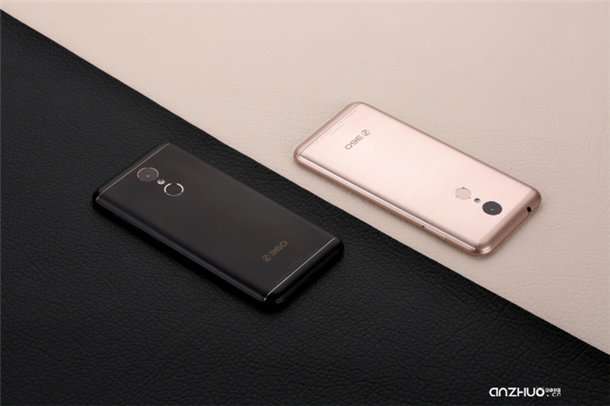
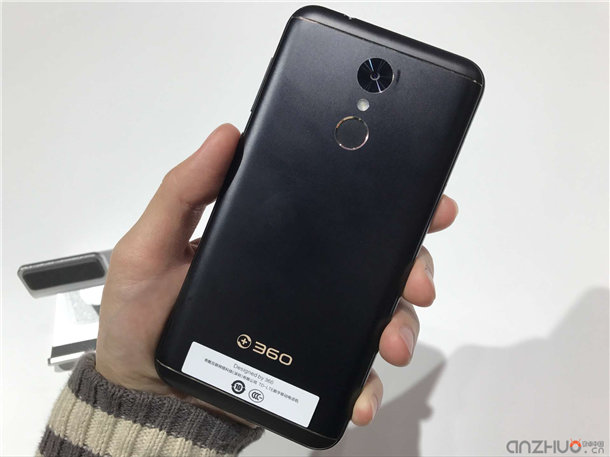
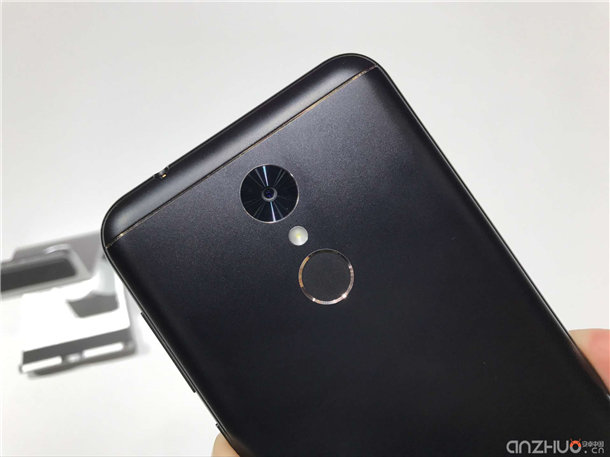
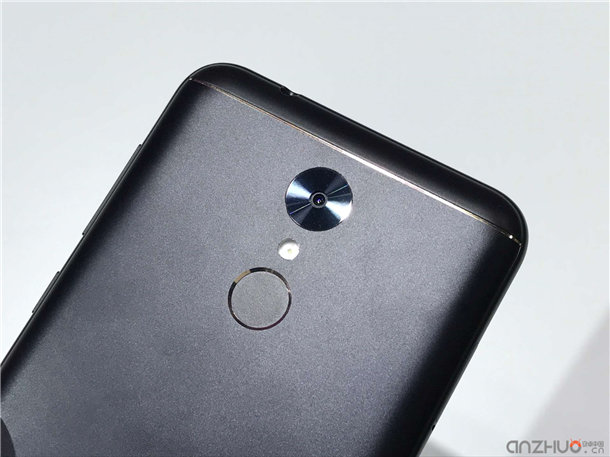
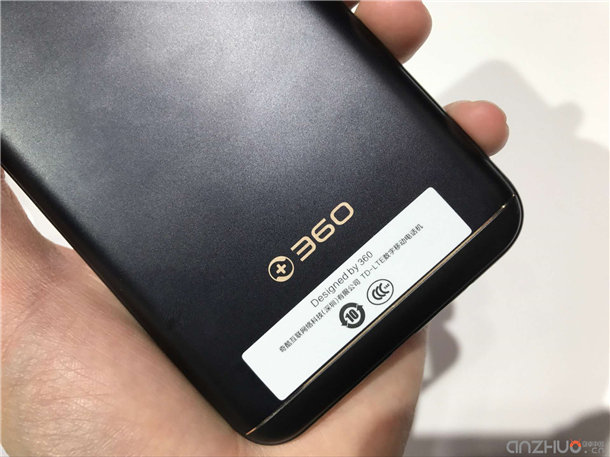
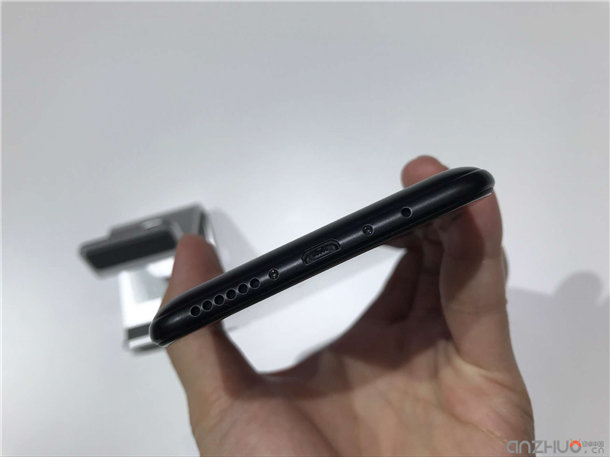
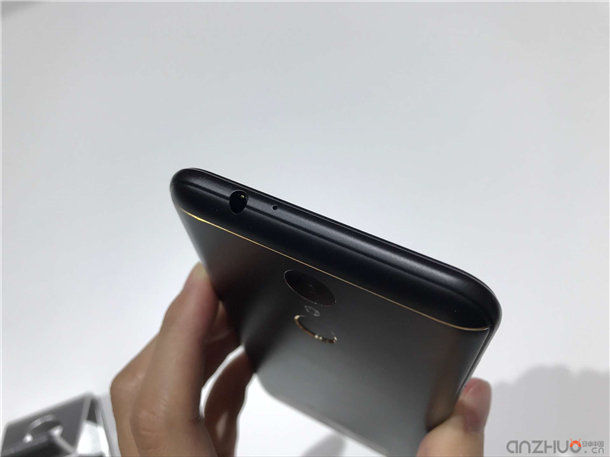
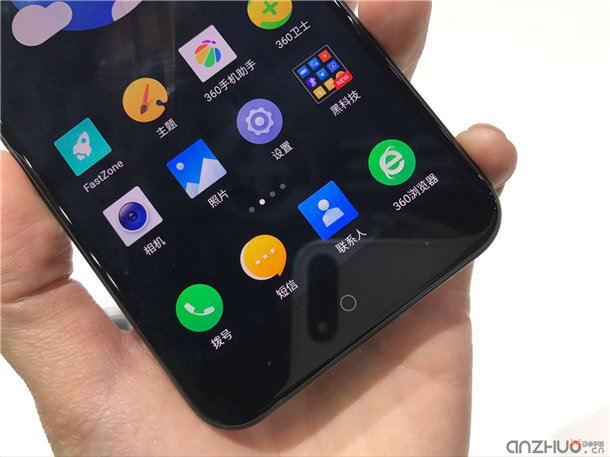
The 360 N5 is available in two colors: black and gold. The front is covered in glass while the rear is made of metal. Though it seems the top and lower part of the rear are made out of plastic for better signal reception. We can’t confirm until we get our hands on it. The fingerprint scanner is mounted on the rear and just like the antenna lines, and 360 Mobile branding, its also lined with gold. There is a 3.5mm audio jack at the top and a micro USB port and speaker at the bottom.
360 N5 Makes Best Use of the 6GB RAM
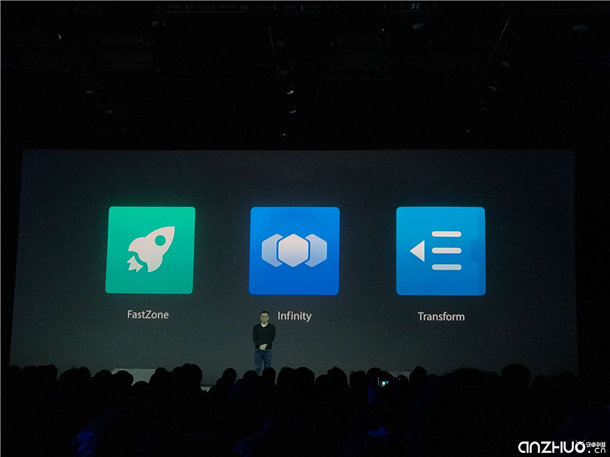
The 360 N5 doesn’t just have 6GB of RAM for show off. After unveiling the phone, they went ahead to explain how they have been able to make best use of the large RAM to improve user experience with three major features.
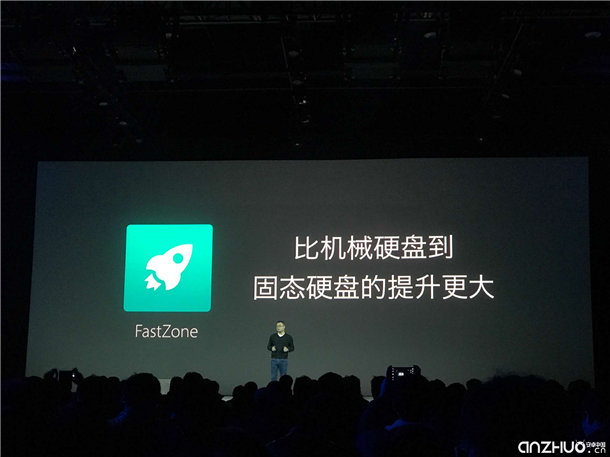
FastZone: FastZone is a feature that keeps your mostly used apps such as WhatsApp, Twitter, Email apps, and games in a sort of permanently opened state. That way, when you launch them, they open instantly.
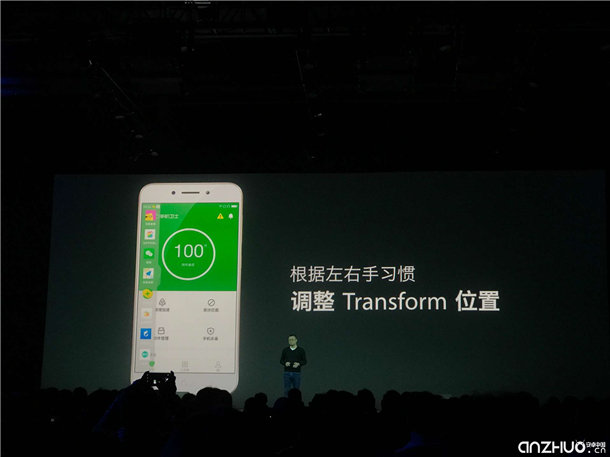
Transform: this is a multitasking bar that you can access from within any app or screen. Just swipe from the left side of the screen and a preset list of apps shows up.
Infinity: Infinity just like the name, allows you to open up an infinite number of apps. 360 Mobile even says you can open up to 100 of the same app with each one showing as a separate app.
These three new features should help users enjoy the large RAM the 360 N5 has.
360 N5 Price
The 360 N5 starts at ¥1399 (~$203) for the 6GB RAM + 32GB variant. There is no mention of the price for the 64GB variant but we presume it should be less than $250.
It is now stale news that Xiaomi is set to join the league of OEMs who have got their own processors. The Chinese innovative startup will be unveiling its own chipset christened Pinecone processor on February 28.
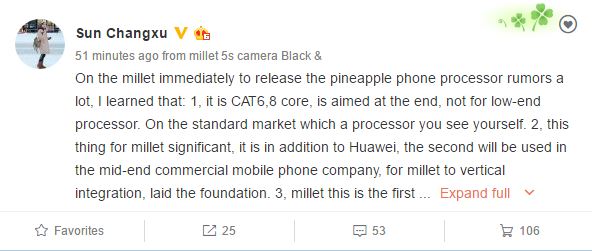
Ahead of the February 28 official unveiling of the Pinecone chip, industry analyst Sun Changxu has revealed some key details about the Xiaomi Pinecone SoC. The analyst did reveal that the SOC indeed comes with an octa-core architecture with a Cat. 6 baseband integration. The baseband is said to be built into the chip and is different from Apple chips which have an unintegrated baseband.
The analyst also disclosed that the Pinecone chip is not meant for the low-level market. Rather would fall in the same category as the Snapdragon 625 and Helio P10. Earlier rumors had tipped the Pinecone chip as coming in two models going by the model numbers V670 and V970. The V670 is said to use four Cortex-A53 large cores and four Cortex A-53 small cores. The GPU is composed of the Mali-T860 MP4 GPU with a clock speed of 800MHz. The V670 is also said to be using a 28nm manufacturing process.
We’ll get to know the full details on February 28. Keep it locked on Gizmochina because as always, we’ll bring you the details as soon as they unravel.
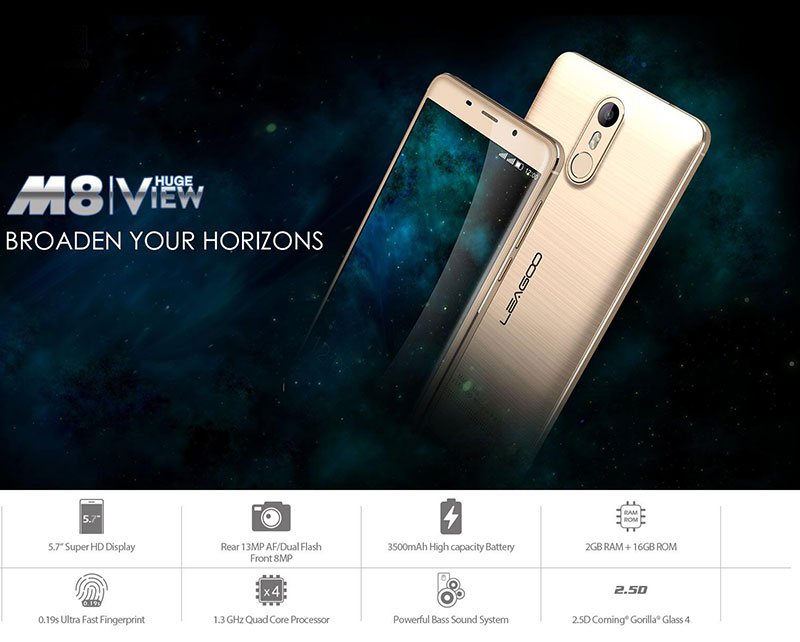
Gizmochina along with Leagoo official is conducting a Leagoo M8 phone as Giveaway gift to one of our lucky readers. Like always, you just have to follow the steps mentioned on the Gleam widget to get a chance to win this amazing phone.
Here is the main features of Leagoo M8:
First of all, leagoo wants to express their gratitude to their customers for their support for the new year, and they want to hear all suggestions about this brand.
How to entry this giveaway? Just follow these steps via Gleam widget:
Visit Leagoo’s Facebook, Twitter and Youtube channel, and follow them;
Share this article to your Facebook or Twitter
Leave comments under this article, tell me which Leagoo phone is your favorite.
1. The giveaway is an international giveaway.
2. We are not responsible for lost shipments.
3. We are not responsible for any duties, import taxes that you may incur.
4. We reserve all rights to make any changes to this giveaway.
5. The prize will ship when it is available to purchase.
Just follow the steps mentioned in the Gleam widget to participate in the giveaway.
Once again, happy new year everyone and good luck.
Xiaomi first pushed the latest MIUI 8.2 stable version to select Xiaomi smartphones on February 16 with a promise to push updates to more models later on. The MIUI 8.2 updates for more Xiaomi smartphones is coming sooner than we expected and include a wide range of models.
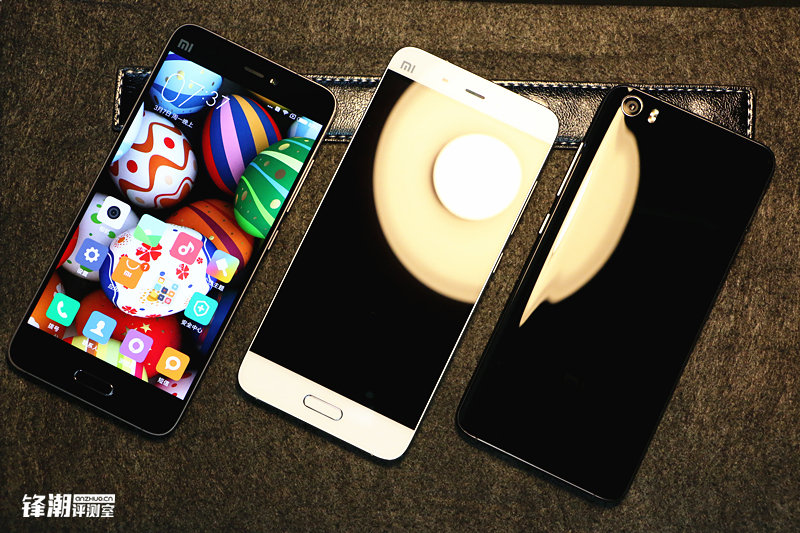
Among the models included in the update is the recently released Redmi Note 4X as well as top models like the Xiaomi Mi Note 2, Mi 5S, Xiaomi Mi Mix, Mi 4S, Mi 5, Mi 5S Plus, Redmi Pro, Redmi 3, Redmi 4A, Redmi 3S, Redmi 3X, Redmi Note 3, Redmi Note 4 and a few others. The first OTA pushed to a total of 24 models making it the largest single OTA push. This is also an OTA push but users can also download updates manually from Xiaomi MIUI forum.
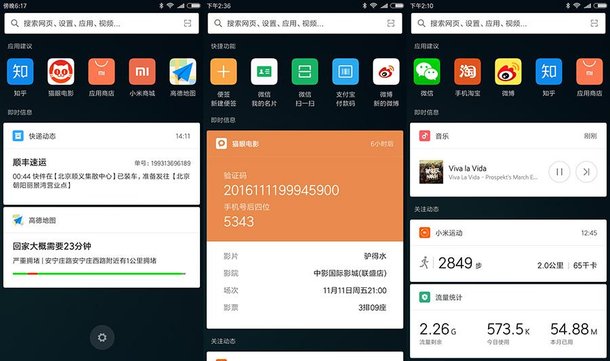
The new MIUI 8.2 Stable version brings a new Smart Desktop Assistance feature enables users to quickly setup several features like e-book reading progress, traffic usage etc. Apart from the Smart Desktop Assistance, the MIUI 8.2 also comes with a new Security Centre and there are other noticeable changes like notification bar design, sound effects like camera focus, ringtones, automatic task management, screenshots, charging, lock screen etc.
Xiaomi has over the past two weeks released a couple of gadgets under its Mijia brand. We had seen products like the Children watch, TS sunglasses, smart rearview mirror, and an intelligent flower pot. There is no indication that we won’t continue to see more because the tech giant has again teased its upcoming products.
As usual, the product’s name isn’t written on the poster, but there are clues which could give us an idea of what it really is. This time around, it looks like Xiaomi is launching a smoke detector. The teaser shows the new product can detect CH4 (Methane) and smoke, hence the likelihood of a Smoke detector.
The new device would be officially unveiled on February 23 at 10 AM (GMT +7). Not too long a time to wait in order to see what Xiaomi has got in store for us.
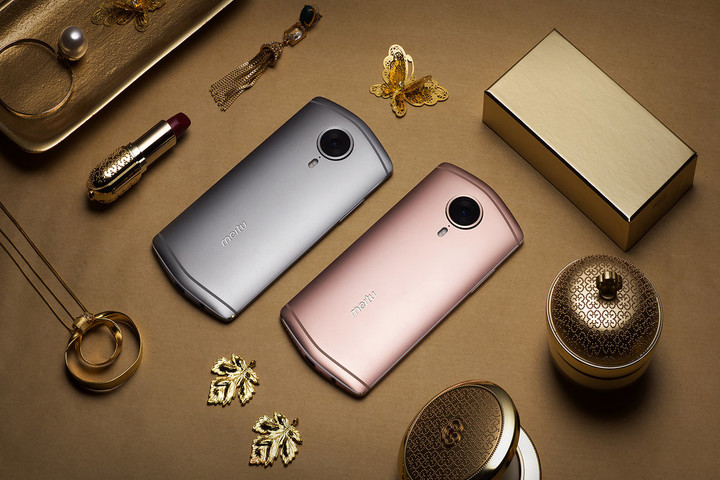
Meitu has officially unveiled its new selfie-centric smartphone, the Meitu T8. The smartphone is enabled with artificial intelligence (AI) for snapping amazing selfies.
Meitu T8 Specifications, Features
Apart determining the age and gender, the Magical AI Beautification (aka MTbeauty 2.0) on Meitu T8 can enhance selfies by detecting the skin tone. The AI selfie feature can even improve the appearance of each face individually in group photos.
The Magical AI Beautification can whiten the teeth and remove the saggy appearance below the eyes. It can make the skin look smoother and add make the face glow without making it artificial. The AI feature also functions on real-time videos.
Meitu T8 is equipped with a f/1.8 aperture 12-megapixel selfie camera that relies on the same dual-pixel sensor technology present on Samsung Galaxy S7. Hence, the selfie camera of Meitu T8 is capable of snapping amazing selfies in low light environments. The frontal camera of Meitu T8 has numerous features like optical image stabilization, phase detection autofocus, fourth-generation dual graphics engine and independent ISP and noise reduction.
On the rear side, it has a f/2.2 aperture Sony IMX338 21-megapixel rear camera that comes with features like optical image stabilization, autofocus, dual-color temperature flash and more. The Meitu T8 sports a hexagonal design like Meitu M6 and comes with a full metallic chassis that measures 158 x 71.5 x 9.3 mm and weighs 170 grams.
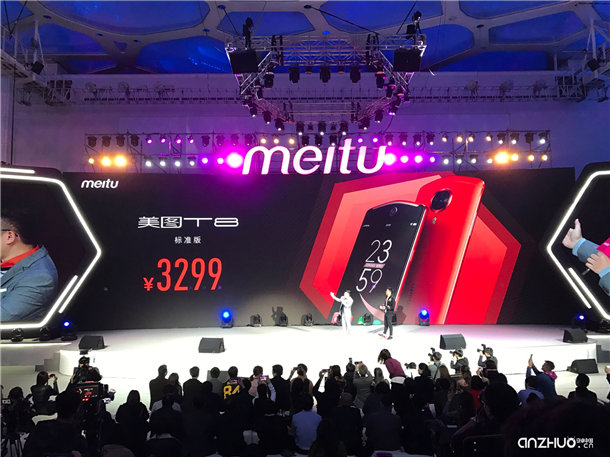
The design of the T8 and its amazing photography capabilities are mainly aimed towards girls who love snapping selfies. Here are some snapshots from the Meitu T8 launch event.
It features a 5.2-inch AMOLED display that produces a full HD resolution of 1,920 x 1,080 pixels. It is powered by MediaTek Helio X20 chipset and 4 GB of RAM. The native storage of the smartphone is 128 GB. It runs MEIOS 3.5, a modified version of Android 6.0 Marshmallow OS.
Below the display of the phone is a round-shaped Home button that includes a fingerprint scanner. The selfie-centric phone houses a 3,580 mAh battery. Other features include USB Type-C port, high-fidelity audio, Wi-Fi, and 4G VoLTE. The Meitu T8 comes in color choices such as Rose Gold, Magic Orange, Sparkling Blue, Lime Treasure, and Phantom Black.
Meitu T8 Pricing, Availability
Meitu T8 Phantom Black Special Edition version is priced at 3,599 Yuan whereas its Standard Edition carries a pricing of 3,299 Yuan ($479). It can be purchased exclusively through the official website of Meitu from Feb. 21. ($523). From Feb. 22, it will be also available through retailing partners such as Lynx, Suning, and Jingdong.
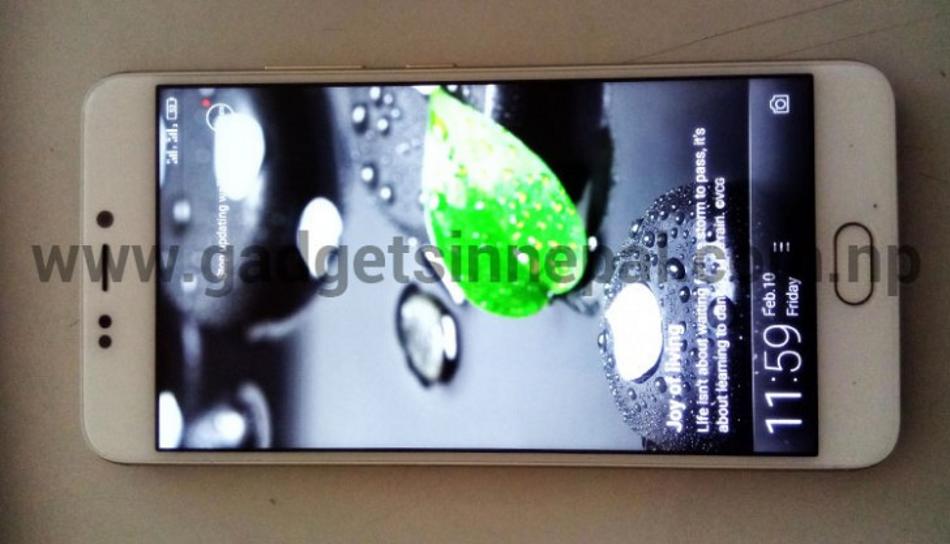
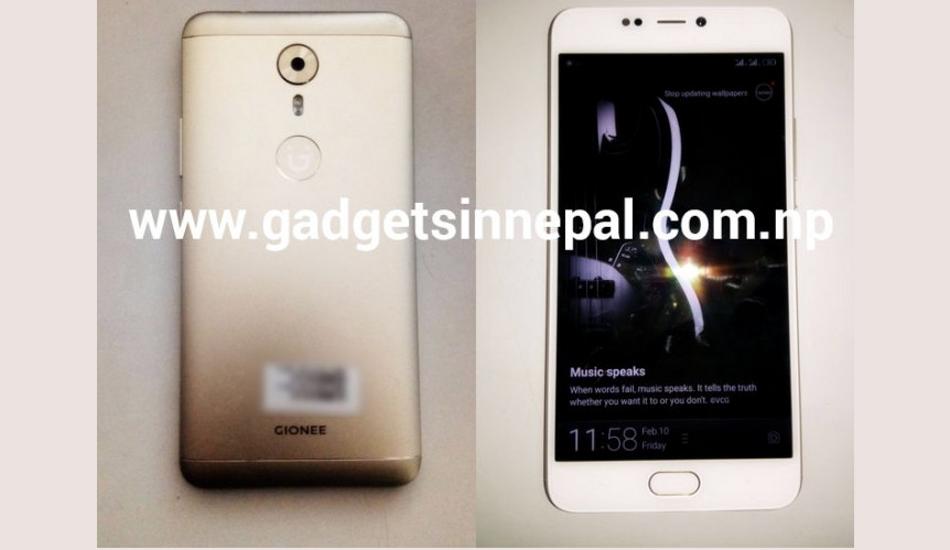
Gionee A1 and Gionee A1 Plus are the new selfie-centric smartphones from the company that are slated to get announced at Mobile World Congress (MWC) 2017 in the next week. The entire specs of A1 and its leaked photos have been revealed by the rumor mill.
Recently, the Gionee A1 was spotted on the Geekbench benchmarking site. It revealed that it runs MediaTek MT6755V/C octa-core processor. The SoC is coupled with 4 GB of RAM. The Gionee A1 is expected to come preinstalled with Android 7.0 Nougat OS. On Geekbench, the Gionee A1 has recorded a single-core score of 699 and a multi-core score of 2,602. The performance of the chipset suggests that it will be a midrange smartphone.
Earlier this month, a Nepali tech site had received the alleged specifications of A1 from an anonymous leakster. It reported that the A1 is a dual-SIM smartphone that is equipped with a 5.5-inch full HD display that is covered with a 2.5D curved glass. The SoC of the device works at 1.8 GHz along with its 4 GB RAM. Its native storage is 64 GB and it will also support up to 128 GB microSD card.
The Android 7.0 Nougat OS on the smartphone would be customized with Amigo OS 4.0 from Gionee. For photography, A1 is pegged to feature a dual-LED enabled 13-megapixel snapper and it is expected to come with a selfie flash enabled 16-megapixel front-facing camera that will be able to shoot amazing selfies in dim lighting conditions.
A fingerprint scanner is placed below the rear camera. It is also rumored to feature an IR blaster that will allow its users to use it as a remote control. It is also rumored to house a 4,010 mAh battery that will support 18W fast charging. The leaked photos suggest that the smartphone features a full metallic chassis and the rear side of the phone seems to resemble the Xiaomi Redmi Note 3/4. The smartphone can be seen in Gold color.
It is expected to launch in Nepal on March 15 after its unveil at MWC 2017 on Feb. 27 at 11 AM. It is expected to sell with a pricing of 35,999 NPR in Nepal ($336). According to Gionee’s press note, the A1 and A1 Plus may also release in other developing markets like India and Africa. The specifications of Gionee A1 Plus are not known yet, but it may come with similar specs and a larger display than A1.
While other manufacturers are choosing sides between AR and VR, some are investing in both. An example is Samsung, and according to latest reports, they have four AR and VR projects to show off at MWC.
The projects which were developed in Samsung’s C-Labs department are Relúmĭno, Monitorless, VuildUs, and traVRer. Lets take a look at each one.
Relúmĭno
This is a Gear VR app created to help visually impaired people read books and watch TV with new levels of clarity. What it does is enhancement of visuals and texts. It is stated that it has the “ability to remap blind spots by displacing images and uses an Amsler grid chart to correct distorted images caused by metamorphopsia” (a condition where straight lines appear wavy). Relúmĭno will also allow visually impaired people watch TV without needing expensive visual aids.
VuildUs
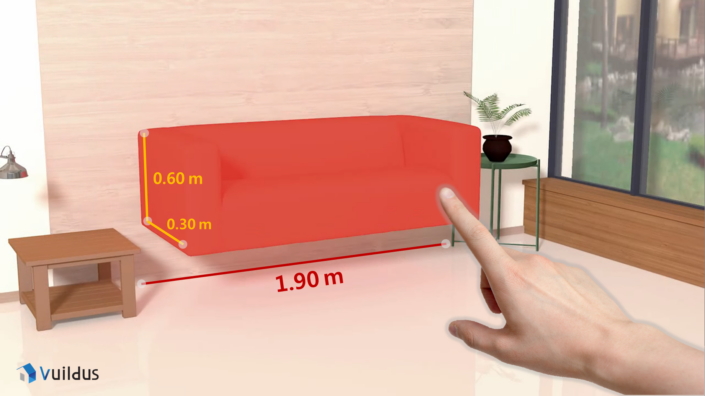
VuildUs is a combination of a 360° depth camera and a mobile app. It allows you to have a preview of what a piece of furniture would look like in your home before purchasing it. First, you need the camera to scan your home and build a VR version of it. When that is done, all you need is a VR headset and once you launch the app, you can shop for furniture and see how it fits into your home before purchasing. One advantage of VuildUs is that you don’t need to measure the space in your home before you purchase that sofa or coffee table as it lets you see if it fits in real time.
Monitorless
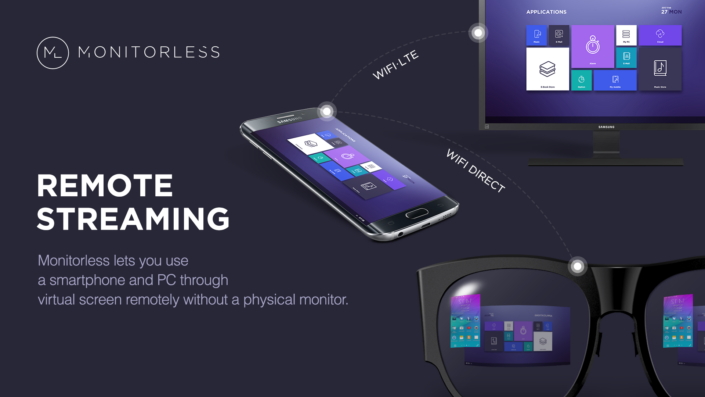
Monitorless is a pair of glasses that combines VR and AR together. What it actually does is allow you to view content from a computer or smartphone without the need for a display. You can access the contents of your phone by pairing the glasses via WiFi Direct. You can also mirror the content of your computer on your phone which you can then view through the glasses. The use of electro chromic glass even makes it possible to switch between VR and AR. The video should probably explain better.
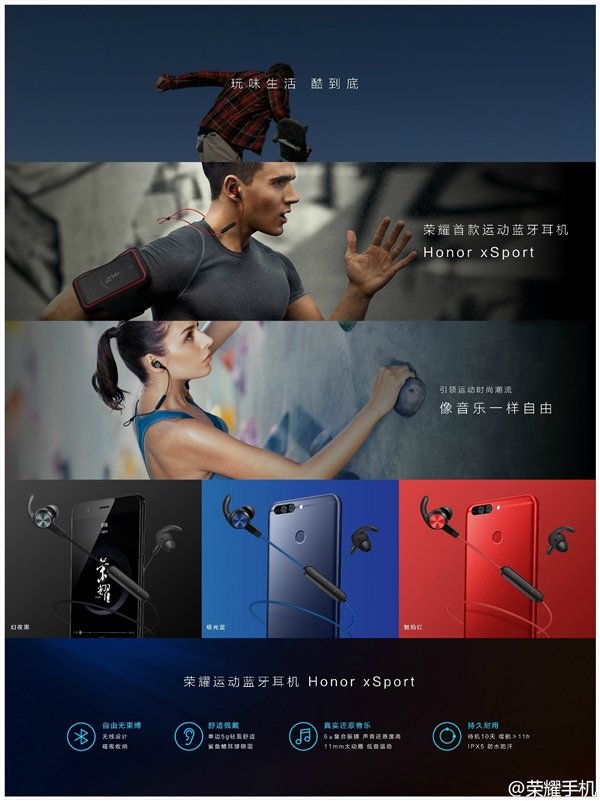
Aside from launching the Honor V9 flagship and Honor 8 Lite, Huawei elite brand Honor also unveiled a couple of accessories for the V9. One of the accessories launched is the Honor Bluetooth headset dubbed Honor xSport.
The Honor xSport comes with a standby of up to 10 days and up to 11 hours of consistent usage. It also features micron-level diaphragm and uses wireless design made from magnetic absorption. Each piece has a weight of 5g which is relatively lightweight. The device also comes in three attractive colors of red, blue and black. The wireless Bluetooth headset will go on sale on March 28 via vMall, Jingdong, and others simultaneously. The device is priced at 299 Yuan ($44).
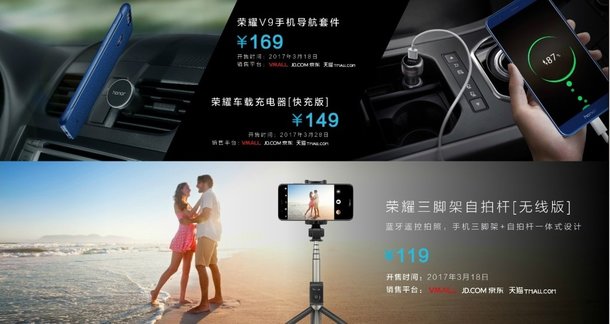
Honor also launched a mobile kit for the Honor V9 which included an original holster with a magnetic stent which is priced at 169 yuan ($24). It will go on sale on March 18. There is also an Honor Car charger with support for 9V / 2A fast charge priced at 149 Yuan ($21). Finally, an Honor tripod with self-timer and support for Bluetooth remote control camera priced at 119 Yuan ($17). They will all go on sale starting March 18.
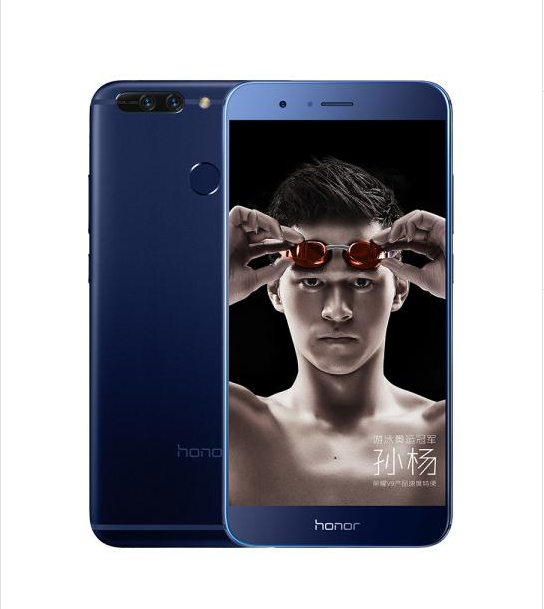
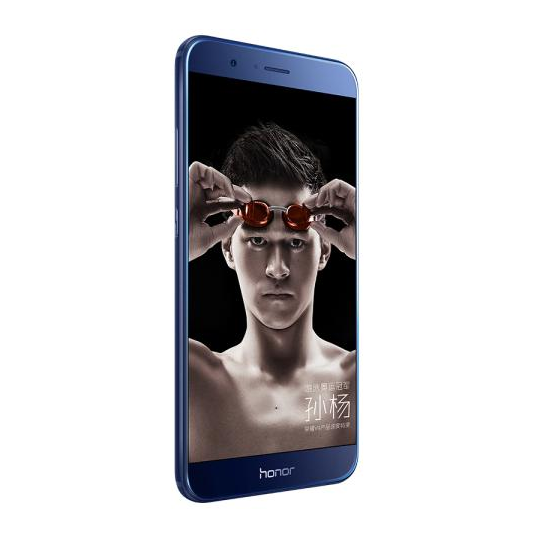
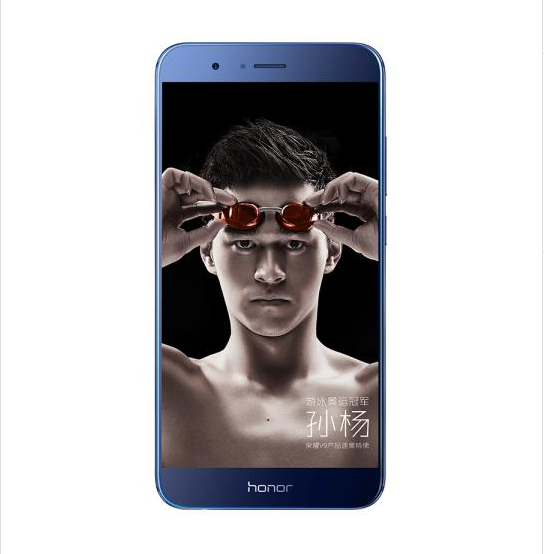
Earlier today, Huawei unveiled the Honor V9; a dual-camera stunner that screams high-end in all ways. We have been able to get our hands on some official images of the Honor V9. We hope you like them as much as we do but you might be disappointed the red variant doesn’t make an appearance.
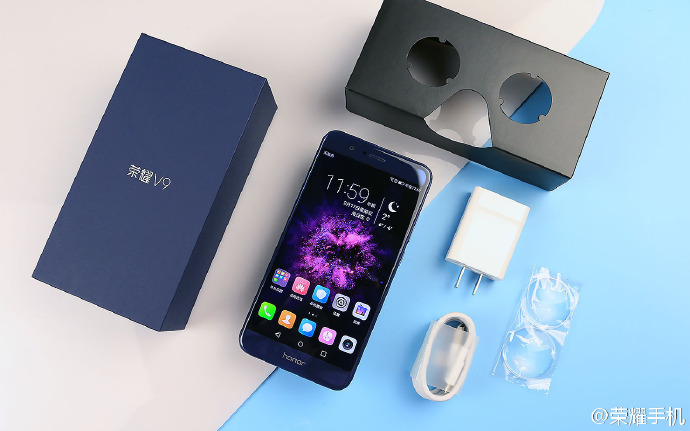
The Honor V9 is bundled in a blue cardboard box. Apart from the usual accessories such as the charger and cable, there is a makeshift VR Glasses in the box. The box already has cut-outs for the eyes and nose. All you have to do is attach the lens. That’s a nice addition since the Honor V9 is VR ready. There is a chance that there are some VR apps bundled with the phone but we have not been able to confirm that.
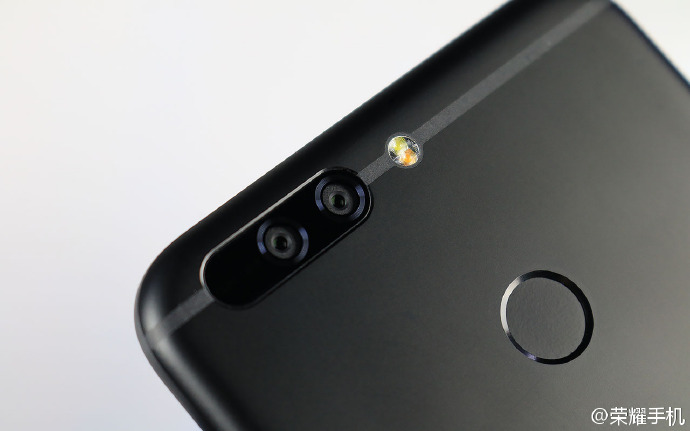
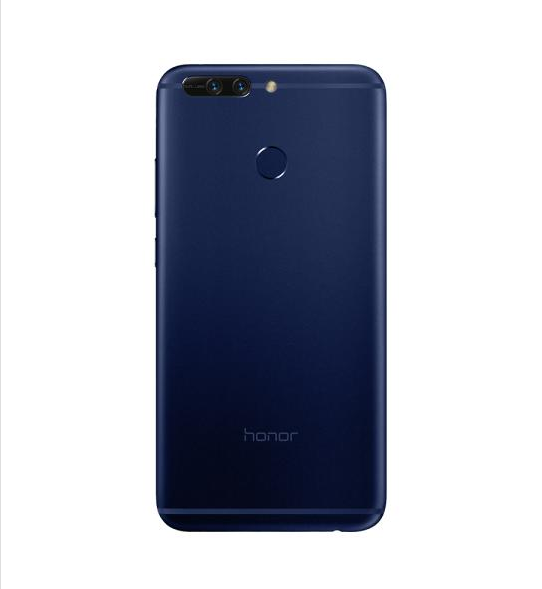
One thing you’ll notice is that Huawei has paid a lot of attention to the design of the phone. This is a trend that we can say started with the Huawei P9 and spread to the Honor series. The edges are curved and the dual cameras and dual LED flash line-up perfectly on the antenna line.
The Honor V9 in these images are the black and blue variants. There is a 2.5D glass covering the display but the back is plain metal. The rear-mounted fingerprint scanner is positioned close to the top, and there is the Honor branding at the bottom.
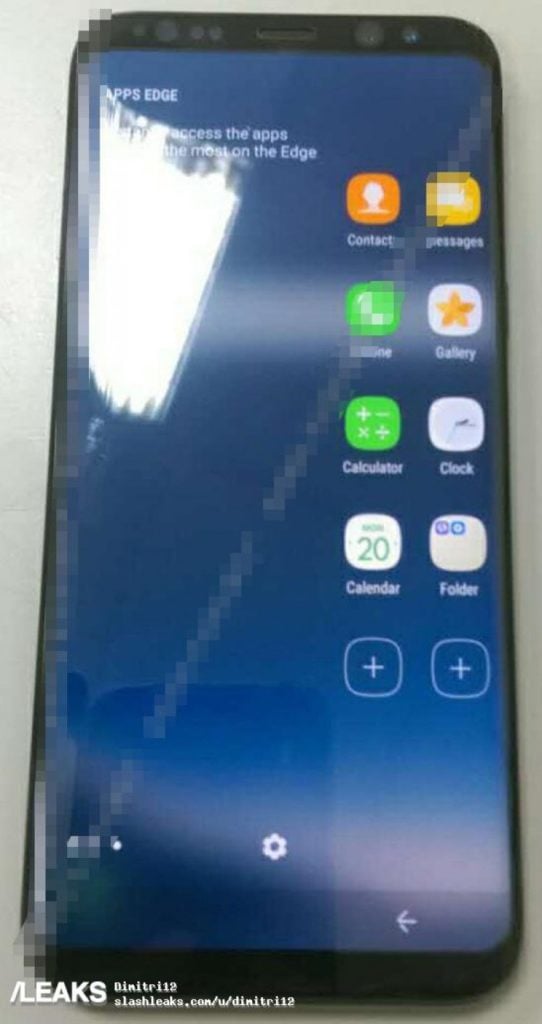
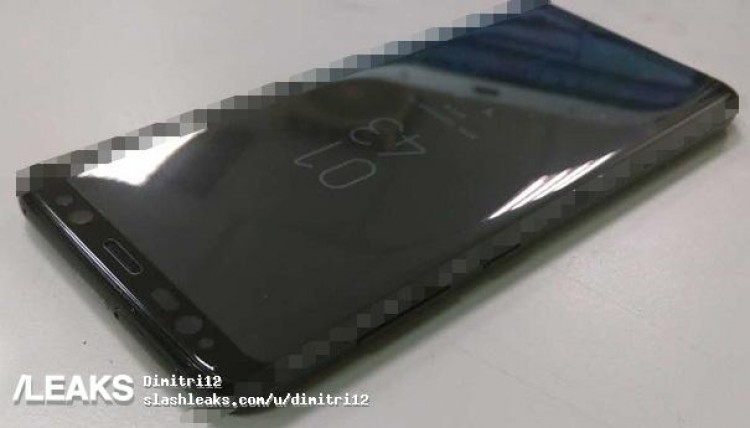
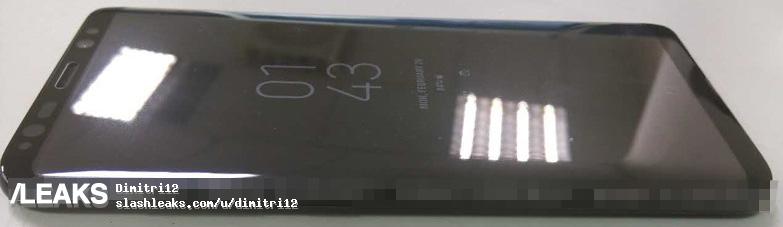
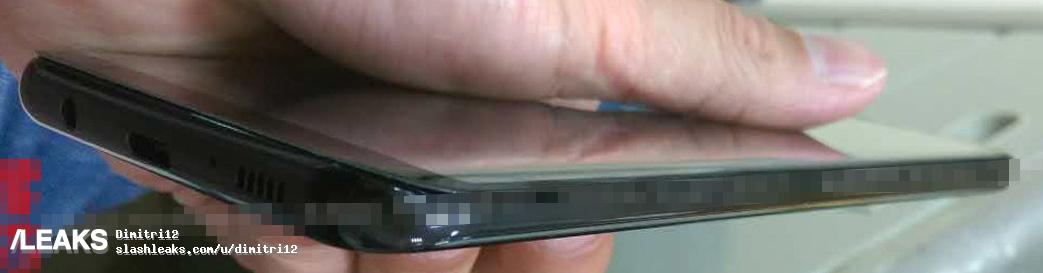
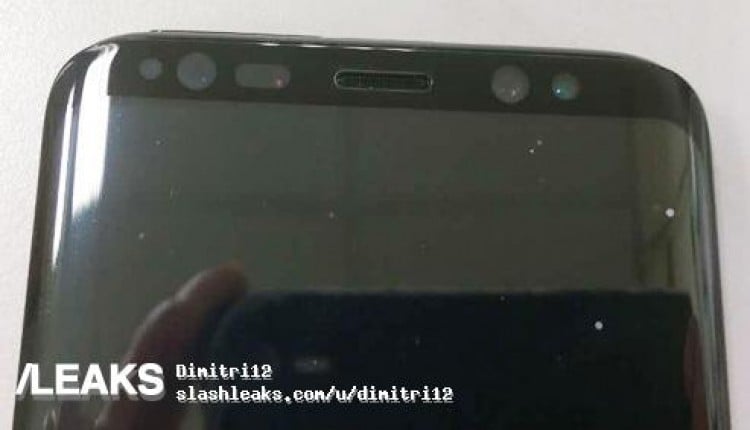
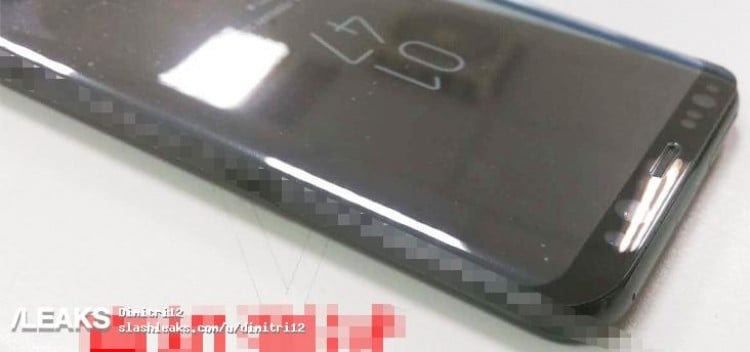
A fresh set of real live images of Samsung‘s next generation Galaxy S8 flagship have surfaced online giving us a close view of the truly beautiful design Samsung has got in store for us. The Samsung Galaxy S8 has all along been rumored as not featuring a front home button and capacitive buttons below the screen. The Galaxy S8 was instead revealed as using on-screen navigation buttons.
These new set of leaked images are a bit blurry, perhaps to mask watermarks on them thus hiding the real source. One of the images, however, contain a working Galaxy S8 showing the display and a single back button on the bottom right corner of the screen.
That should be just one of the dynamic onscreen buttons, as others may appear depending on the command that needs to be undertaken. We won’t have to wait long to see the complete details of what Samsung has got in store, though. The Galaxy S8 would likely be unveiled at MWC 2017 commencing later this February.
There are other images and you can check them out from down below, some showing the near bezel-less display on the device which seems to sport a protective screen guard.
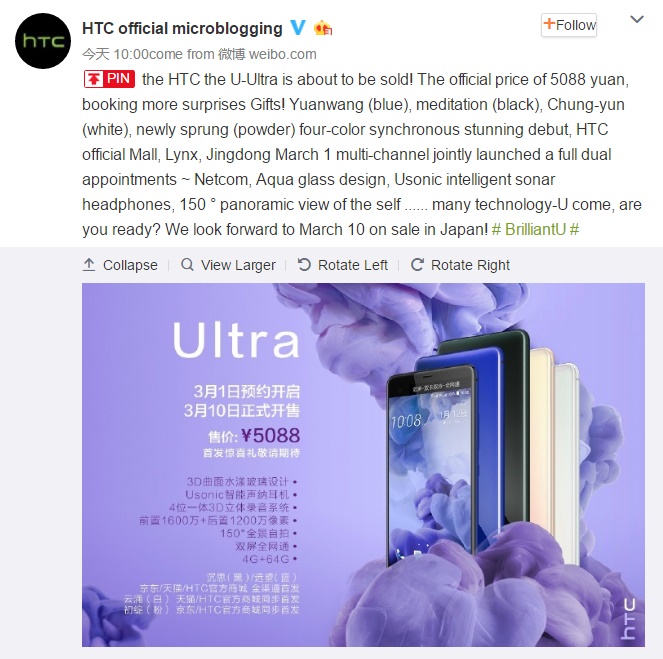
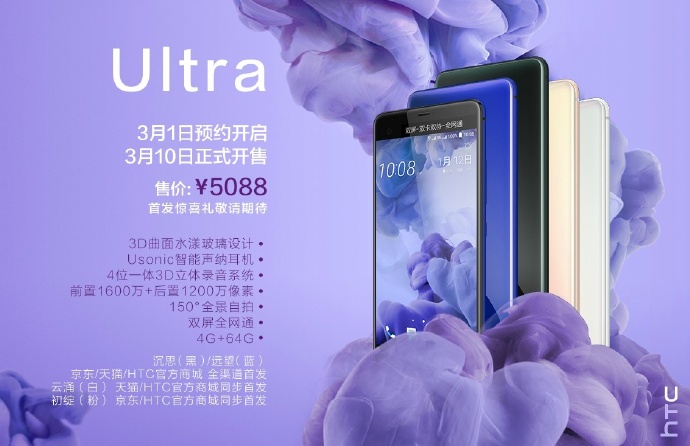
HTC released the HTC U Ultra last month as their first flagship for the year. The device which was first launched in Taiwan has made it to China now.
The official HTC Weibo account announced today the price for the HTC U Ultra. The U Ultra will go on sale on March 1 on the company’s official website, Lynx, and Jingdong Mall for ¥5088 (~$739). The price might come as a shocker to those who thought it will be significantly less than the $749 price in the US. Nevertheless, that is the price for the 4GB RAM + 64GB variant as HTC didn’t reveal that of the 128GB model.
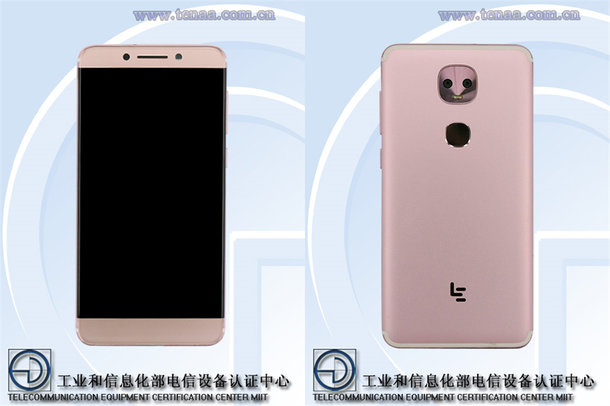
LeEco has been maintaining a low profile lately and that is not surprising seeing as last year didn’t end well for them. Today, we learn the Chinese company has not one but two new phones in the pipeline.
The LeEco phones with model numbers LEX656 and LEX659 were seen on TENAA recently. There is a high probability that both phones are variants of the same model. Both devices sport 5.5-inch 1080p displays, weigh 168g and have dimensions 152.4 x 75.1 x 7.5mm. They also have the same 3900mAh battery capacity.
The LEX659 has 4GB of RAM, 32GB of storage, and a 2.3GHz deca-core processor. The phone runs Android 6.0 and will be available in gold, red, silver, white, gray, and five other colors.
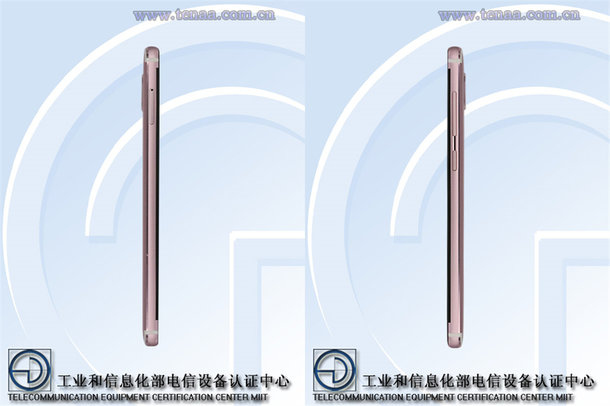
The LEX659 employs the same dual-camera design we saw show up several times last year in LeEco devices that sadly didn’t launch. The body appears to be made from aluminium and there is a fingerprint scanner positioned below the camera setup. The images of the sides shows the camera housing is a bit raised. Volume rocker and power button are on the right and the SIM tray is on the left.
Updated on Feb. 22: Samsung India has refuted the report that stated the company would be releasing refurbished Galaxy Note 7 in India soon. A Samsung India spokesperson said, “The report on Samsung planning to sell refurbished Galaxy Note 7 smartphone[s] in India is incorrect,” Also, there is no official confirmation on the release of refurbished Note 7 in Vietnam, the other region that was stated in the report.
Here is the original report:
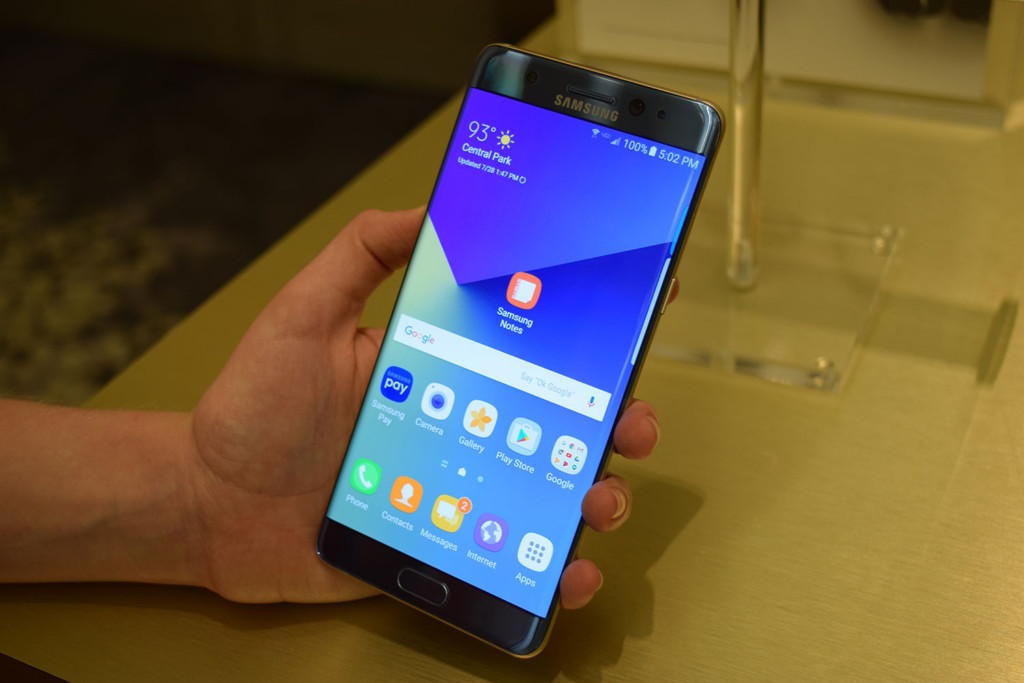
Samsung Galaxy Note 7 has been discontinued because of its faulty batteries. During the recall of the phablet, reports claimed that despite being aware of explosions many users refused to return their Note 7 handsets. Such was the popularity of the Galaxy Note 7. Fresh information coming straight from Korea reveals that the Seoul-based company will be re-launching the Galaxy Note 7 in emerging markets.
Starting from June, refurbished edition of Samsung Galaxy Note 7 will be sold in Vietnam and India, The Korea Economic Daily reported. There is no confirmation on how will Samsung sell its refurbished Galaxy Note 7 in India since the existing laws do not provide permissions to manufacturers from foreign countries to sell their refurbished products in the country.
The Note 7 was launched with a 3,500 mAh non-removable battery. However, its refurbished models are expected to feature smaller batteries of 3,000 mAh or 3,200 mAh capacities. Apart from the change in the battery department, the refurbished Note 7 is also expected to come with a redesigned chassis. It is likely that the Galaxy Note 7 may not feature a dual-edge curved display in a bid to launch a very safe device.
The original Galaxy Note 7 was launched with a starting price of $849. In emerging countries like India, it costed INR 59,990 ($895). Speculations suggest that its refurbished version will be available with an affordable pricing.
The discontinuation and recalling of 2 million units of Galaxy Note 7 has caused the company to suffer losses of about $5.2 billion. However, selling its refurbished edition would certainly help in cutting down the losses.
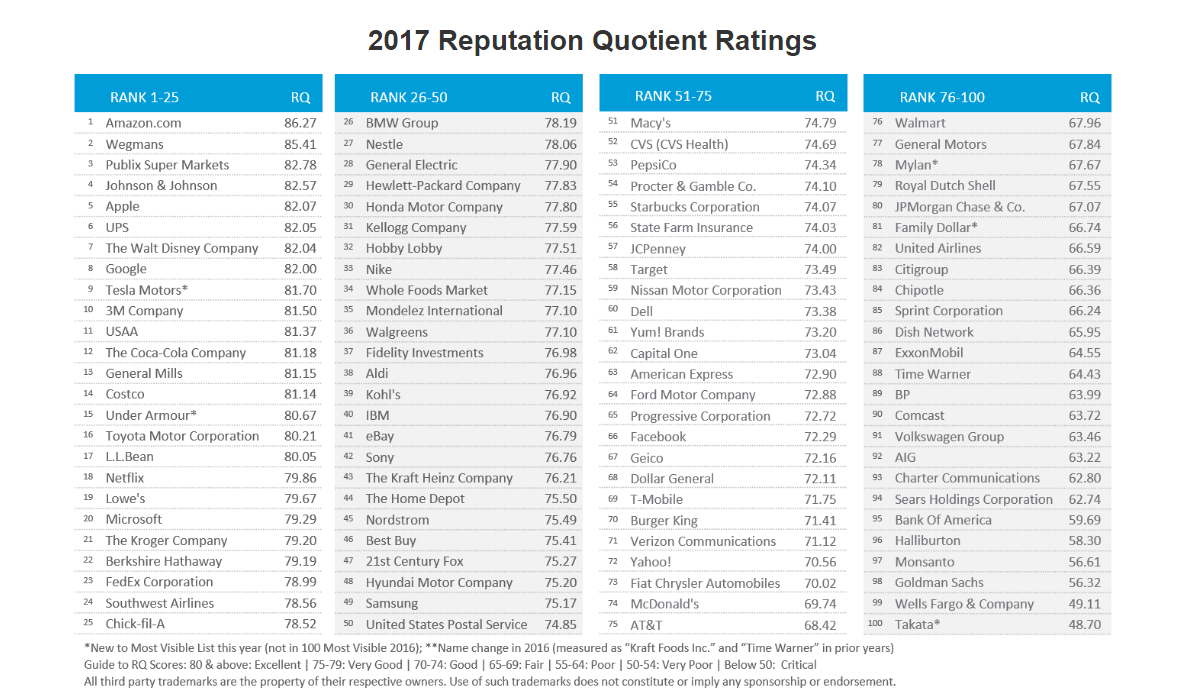
The Harris Poll’s recent survey on the 100 most recognizable companies in the U.S. based on their reputation revealed that Samsung’s ratings have gone down to 49th position after the Galaxy Note 7 fiasco. Last year, it held the 7th position. Its reputation rating has dropped has fallen to 75.17 from 80.44. Companies with 80+ ratings are considered “Excellent” and those with ratings of 75 to 79 are said to be “Very Good.”
In a bid to regain trust, Samsung confirmed in the previous month that the Galaxy Note 8 (codenamed as Baikal) would be “better, safer and innovative.” Some of its rumored specs include 4K display, Snapdragon 835, Bixby AI, and Continuum-like feature that will allow its user to use it as a full-edge PC by connecting to an external display.
Will the relaunch of Galaxy Note 7 help reinstating its reputation? Do share your thoughts by pouring in your comments.
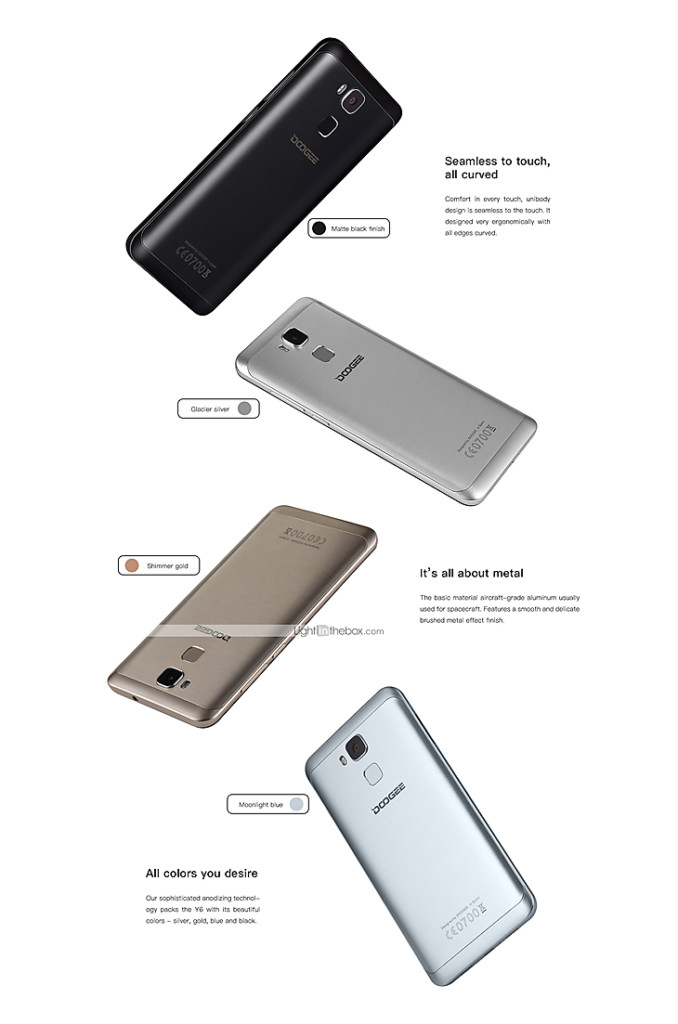
Doogee is a well-known cheap smartphones’ manufacturer that produces devices for quite a bit of time. The Doogee Y6 is a phone that has great looks, decent specs and it costs just $99.99 from Lightinthebox.com.
When it comes to the design, the Doogee Y6c looks very similar to the Huawei P7 Lite, in my opinion. Nevertheless, the phone is well-built and it uses a metal backplate to give a bit of a premium look and feel.
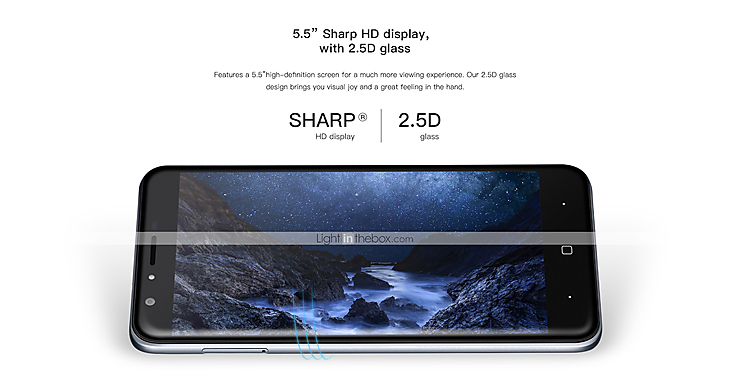
The Doogee Y6c offers some pretty good specs for the price of just below $100. It has a 5.5″ 720p display, octa-core MTK6737 chip (1.3GHz) , 2GB of RAM and 16GB of expandable storage.
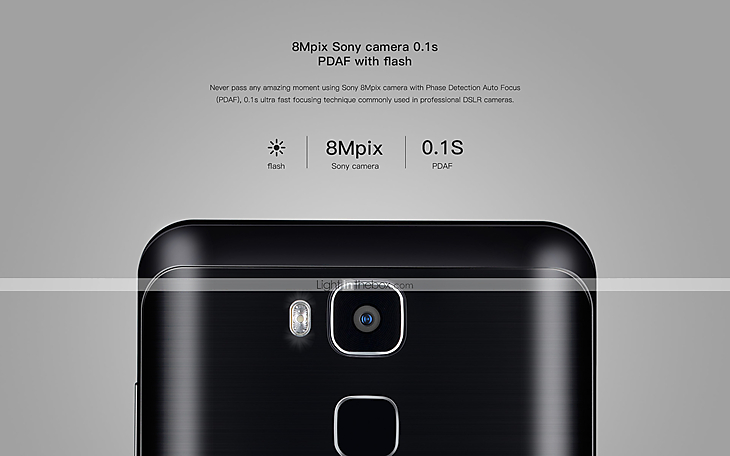
In addition, it has an 8MP camera with a dual-LED flash. Just below the camera, there is a fingerprint scanner.
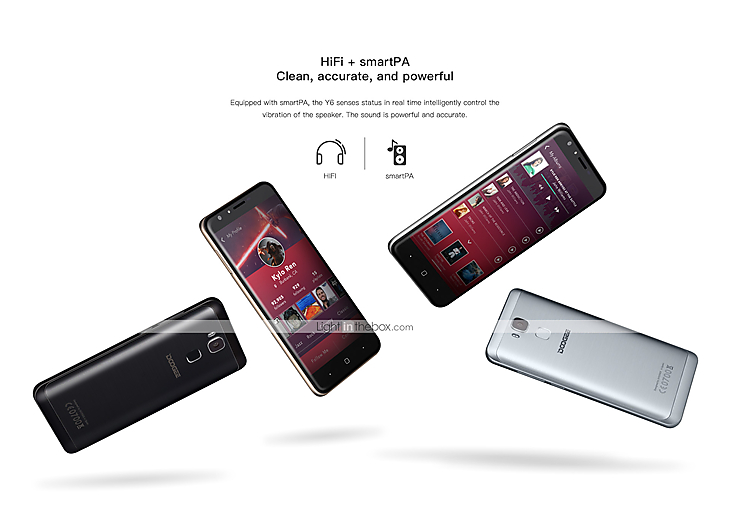
Finally, the Doogee Y6c comes with quite a few audio enhancements to provide you better listening experience.
You can now get the Doogee Y6c for just $99.99 from Lightinthebox.com, which sounds like a pretty good offering considering the overall package you get with this phone.
Soon we’ll be flooded with a number of flagship smartphones, but before all that, Huawei has released its second generation Huawei Honor V9 flagship. The new V series smartphones are ideally placed between the mid-range Honor series and the high-end P and Mate series. But seeing the kind of specs loaded on the new Honor V9, it’s clear that the phone can be called as a true flagship model.
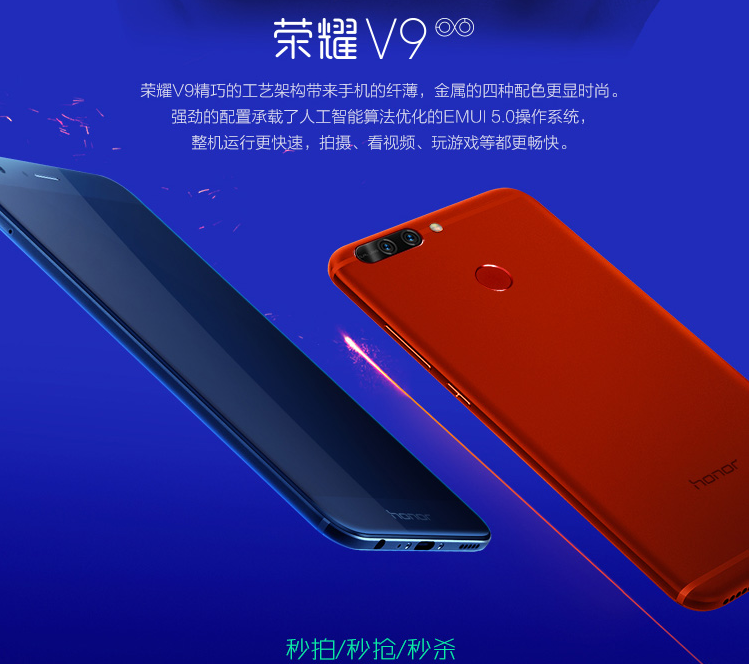
So, recently, we have seen that Huawei has started giving a lot of importance on the design and looks of its flagships. The Honor 8 was a beautiful flagship and so was the Mate 9. Now, the Huawei Honor V9 is yet another good looking smartphone measuring just 6.97mm in thickness and for those who would like their phones to look unique, there’s a bright Red color option as well. There are three other official colors being offered for the V9 — Gold, Black, and Blue. But I am sure, there would be a lot of takers for this unique Red shade. And in the conference, the company made sure that the flame Red color of the device was highlighted well enough.
As for the specs, the Honor V9 comes with the powerful Huawei Kirin 960 octa-core chip inside along with 6GB of RAM on board. This along with 64GB / 128GB ROM options make sure that the phone boasts of current flagship grade configuration. On top of that, there is a 5.7-inch 2K screen on board as well. So, once again, the V9 will be a great VR smartphone. No information on the screen protection yet, but the Huawei Honor V8 had Gorilla Glass 3, so the V9 should also come with Gorilla Glass on top.
The Honor V9 comes with a large battery as well, a 4000mAh capacity one that will ensure that the phone lasts an entire day easily. The previous generation V8 had a 3500mAh one, so this is definitely a great upgrade. As for software, the phone runs on Android 7 Nougat based on EMUI 5.0. The phone also seems to carry forward some of the features first revealed on the Huawei Honor Magic smartphone last year.
Now, coming to the most important part of the phone, the Honor V9 features the third generation 12MP f/2.2 dual camera setup which helps take photos with bokeh effect, excellent low light images, and richer images, thanks to the improved black and white sensor which takes up to 3 times more light.
Huawei is also marketing the honor V9 as the first 3D modeling smartphone. The dual cameras setup along with the help of laser focus at the back is capable of capturing 3D creative photos and using this, you can take 3D print outs too.
The Huawei Honor V9 starts at 2599 Yuan ($377) for the 4GB + 64GB, 2999 Yuan ($436) for the 6GB + 64GB version and 3499 Yuan ($508) for the 6GB + 128GB version.
The phone goes on sale on February 28 at 10:00 AM.
We use cookies on our website to give you the most relevant experience by remembering your preferences and repeat visits. By clicking “Accept”, you consent to the use of ALL the cookies.
This website uses cookies to improve your experience while you navigate through the website. Out of these, the cookies that are categorized as necessary are stored on your browser as they are essential for the working of basic functionalities of the website. We also use third-party cookies that help us analyze and understand how you use this website. These cookies will be stored in your browser only with your consent. You also have the option to opt-out of these cookies. But opting out of some of these cookies may affect your browsing experience.
Necessary cookies are absolutely essential for the website to function properly. This category only includes cookies that ensures basic functionalities and security features of the website. These cookies do not store any personal information.
Any cookies that may not be particularly necessary for the website to function and is used specifically to collect user personal data via analytics, ads, other embedded contents are termed as non-necessary cookies. It is mandatory to procure user consent prior to running these cookies on your website.