Advertisement

Amazfit Balance 2 launched with 1.5″ AMOLED display, 21-day battery, diving & golf tracking

Huami has officially launched the Amazfit Balance 2 in China, targeting both fitness enthusiasts and everyday users. The smartwatch is priced at 1,969 yuan (approximately $272) and is currently available for pre-order on JD.com. It features comprehensive health tracking, a durable build, and support for advanced sport modes, including golf and diving. Sales will begin on May 20.

Amazfit Balance 2

Amazfit Balance 2 Specifications

The smartwatch features a 1.5-inch AMOLED display with a crisp 480 × 480 resolution, housed under a sapphire crystal cover for added scratch resistance. The circular watch face measures 47mm, and the body weighs only 42 grams, keeping the device light and comfortable for all-day wear. It comes with a silicone strap and a magnetic charging base in the box.

The watch runs on Zepp OS 5, Huami’s latest operating system, which supports third-party app installations and delivers a smoother interface. It equips 32GB of internal storage, allowing users to store music and apps directly on the watch for offline use. It sports Bluetooth 5.2 and Wi-Fi (2.4GHz) for seamless connectivity, along with built-in NFC for transit and door access functionality.

The Amazfit Balance 2 supports real-time heart rate and blood oxygen monitoring using an advanced optical sensor. It also comes with sleep tracking, stress analysis, and fitness metrics like VO₂ Max, recovery time, and training load. It supports automatic recognition of several activities, including outdoor running, swimming, and cycling. It’s rated 10ATM for water resistance, making it suitable for diving.

For accurate location tracking, it features support for five satellite systems: GPS, GLONASS, Galileo, BeiDou, and QZSS. It also includes a built-in microphone and speaker for Bluetooth calling, enabling hands-free communication directly from the wrist.

The Amazfit watch is powered by a 658mAh battery, which promises up to 21 days of usage on a single charge or up to 67 hours in continuous GPS mode.

In related news, Casio has teamed up with Mumbai-based artist Mooze to release a special edition of the G-Shock GA-2100, while Oppo has recently unveiled the Watch X2 Mini featuring a 1.32-inch AMOLED display, Snapdragon W5 chipset, eSIM support, and comprehensive health tracking features.

For more daily updates, please visit our News Section.

Stay ahead in tech! Join our Telegram community and sign up for our daily newsletter of top stories! 💡

OnePlus 13s Delivers Flagship-Level Performance in Early Benchmark Leak

The OnePlus 13s has been spotted on the Geekbench database, confirming key performance specs ahead of its launch in India. Listed under model number CPH2723, the phone scored 2862 in single-core and 8528 in multi-core tests.

OnePlus-13s-Geekbench

The listing confirms that the phone runs on Android 15, likely with OxygenOS 15 on top. It will come with 12GB of RAM and is powered by an octa-core processor clocked at 4.32GHz, paired with the Adreno 830 GPU. As OnePlus has confirmed, the device will feature the new Snapdragon 8 Elite chipset.

OnePlus 13S poster
OnePlus 13s

OnePlus has also revealed that the 13s will be the first phone outside China to include the new “Plus Key,” replacing the usual Alert Slider. The phone is expected to have a compact design with improved performance. The display is rumored to measure 6.32 inches.

Another highlight is the lifetime display warranty that OnePlus is offering on the 13s. This will cover green line issues on the display, a problem some users have faced in previous models. The phone will be available in two color options—Black and Pink.

The official launch date for India is still not announced, but the “Coming Soon” teaser suggests it will arrive shortly. The OnePlus 13s is expected to launch in India as a rebranded version of the OnePlus 13T, which was released in China in April 2025.

For more daily updates, please visit our News Section.

Stay ahead in tech! Join our Telegram community and sign up for our daily newsletter of top stories.

Is the Asus Vivobook 16 (2025) your next productivity workhorse?

The Asus Vivobook 16 is designed to cater to productivity-focused users, offering a large 16-inch screen, a modern Intel Core Ultra 5 processor, and a sleek, practical design. With its 16:10 aspect ratio, USB-C charging, and solid build quality, it strikes a balance between performance and portability. While it’s not perfect, it aims to provide a reliable and versatile option for everyday tasks. Let’s dive into its performance and features in more detail.

5Verdict

Asus Vivobook 16 (2025)

The Asus Vivobook 16 is a solid option for those seeking a productivity-oriented laptop with a large screen, robust performance, and a well-built design. While its display falls short in terms of color accuracy and brightness, and the battery life isn’t extraordinary, it still delivers good all-round performance for daily tasks. The full-size keyboard with good key travel adds to the comfortable typing experience, making it a great choice for users who need a reliable device for office work and casual multitasking. Overall, it offers a good balance of features at its price point.

Asus Vivobook 16 (2025) price in India

The Asus Vivobook 16 (2025) is currently priced at Rs 75,990 (~$890) on Asus India’s website. It comes in two shades: Cool Silver and Quiet Blue.

For more daily updates, please visit our News Section.

Stay ahead in tech! Join our Telegram community and sign up for our daily newsletter of top stories!

Next

Infinix GT 30 Pro to feature built-in shoulder triggers with advanced cyber lighting

Infinix will unveil the Infinix GT 30 Pro gaming phone later this month for the global market. To offer an enhanced gaming experience, the device will arrive with major design and control-focused upgrades. Continue reading ahead to learn new details about the Infinix GT 30 Pro.

Infinix GT 30 Pro: Built-in shoulder triggers with cyber lighting

Infinix GT 30 Pro All-Day Full FPS System S System
Infinix GT 30 Pro: All-Day Full FPS System

A highlight of the GT 30 Pro is its new shoulder trigger system. Instead of relying on third-party accessories, Infinix has reportedly embedded capacitive touch triggers directly into the phone’s frame. These controls are designed to offer fast and accurate response times during gameplay, ideal for competitive scenarios like FPS or MOBA titles.

GT 30 Pro: Mechanical Light Waves and GT Trigger

Users will be able to remap in-game actions such as aiming, firing, or jumping to these triggers for more advanced control setups. Some sources also mention macro functionality, allowing players to perform complex in-game combos with a single press. Interestingly, these triggers may serve dual functions outside gaming—like launching specific apps, changing music tracks, or snapping photos.

On the design front, the GT 30 Pro is said to carry a cyber-mechanical rear with a refined finish and a smarter lighting system. Known as the Mechanical Light Waves, this lighting feature is expected to support over 20 effects and respond to 14 different real-world interactions—such as incoming calls, game victories, charging status, and music playback.

GT 30 Pro: Mechanical Light Waves and GT Trigger

Infinix could offer three distinct colour themes, ranging from understated designs with soft tones to full-blown RGB layouts aimed at dedicated gamers. These elements point to a refreshed GT experience that blends form with function, tailored especially for gaming enthusiasts.

As far as launch is concerned, the Infinix GT 30 Pro will debut this month globally. Alongside it, the brand will also unveil a slew of GT Verse products, such as the Infinix XPad GT tablet, GT Buds earbuds, ZClip earbuds, and GT power bank.

For more daily updates, please visit our News Section.

Stay ahead in tech! Join our Telegram community and sign up for our daily newsletter of top stories!

One UI 8 update won’t come to these Samsung devices

Samsung One UI 8 ineligible devices

After a significantly delayed start to the One UI 7 rollout, Samsung has been able to speed things up. As a result, the update has already reached dozens of Galaxy devices within a month. The rollout should be completed by next month, but the brand is already into the development of its next iteration — One UI 8. Several recent reports indicate that Samsung might begin the One UI 8 beta program as early as this month.

Samsung will obviously not bring the One UI 8 update, based on Android 16, to every Galaxy phone and tablet. We’ve prepared a list of devices below that are not eligible for this major upgrade. Review it to find out if you’re in for the One UI 8 party or if you’ll need a smartphone upgrade to continue enjoying the latest features and enhancements.

Samsung One UI 8 ineligible devices list

Samsung hasn’t announced which devices will or will not get the One UI 8 update, so we had to rely on the existing software update policy and a bit of guesswork in preparing this list.

[Note: we have only included those Galaxy devices on the list that have received or will receive One UI 7 update but won’t be upgraded to One UI 8.]

Galaxy S series

  • Galaxy S21
  • Galaxy S21+
  • Galaxy S21 Ultra

Galaxy Z series

  • Galaxy Z Fold 3
  • Galaxy Z Flip 3

Galaxy Tab series

  • Galaxy Tab S6 Lite (2022)
  • Galaxy Tab Active 4 Pro

Galaxy A series

  • Galaxy A14
  • Galaxy A14 5G

Galaxy M series

  • Galaxy M33
  • Galaxy M14
  • Galaxy M14 5G

Galaxy F series

  • Galaxy F14 5G

Please note that this list is based on the existing software update policy. These Galaxy phones and tablets are unlikely to get One UI 8 update unless Samsung wants to surprise any of these with an extra OS release.

Related: One UI 8 rollout won’t follow One UI 7’s pace

When will Samsung release One UI 8?

Samsung hasn’t spilled out anything about One UI 8 yet. However, we already have a good idea of what to expect. As always, there’ll be a beta program for a few Galaxy devices, which could begin later this month, as claimed by Sammobile. Samsung, however, isn’t leading the charge this time. Several other brands, including Xiaomi, OnePlus, Oppo, Vivo, and Realme, have already released Android 16 beta builds for their devices (see the complete list here). So Samsung might be slightly late to the party when it comes to beta availability.

As for the stable version of One UI 8, it’s expected to debut with the Galaxy Z Fold 7 and Galaxy Z Flip 7 in the second half of 2025. Google is planning to release the stable version of Android 16 by June, so it’s likely that One UI 8 will follow shortly after — possibly in July or August.

Samsung seems to be moving faster this year. One UI 8 could arrive much earlier than One UI 7 did, and all this because of two main reasons: Google’s earlier-than-usual Android 16 release, and Samsung’s ongoing effort to speed up its software rollout.

More One UI stories:
1. Samsung devices that are eligible for One UI 8 update
2. One UI 8 could summarize videos from any website on-device
3. One UI 8 Home Launcher leaks, promises even smoother and lifelike animations

How to Get the Most Out of Your Phone’s Battery?

It’s 2025, and the way we think about smartphone batteries is changing fast. Between the rising demand for AI-powered apps, always-on displays, and power-hungry silicon, even the most efficient devices can burn through a full charge before dinner. But battery tech is also evolving. We’re seeing early adoption of silicon-carbon batteries, smarter power management software, and faster charging systems that are gentler on longevity. Still, if you’re not paying attention to how you use your phone, all of that innovation won’t save you from a midday battery panic.

So how do you actually get the most out of your phone’s battery today, whether you’re using a flagship Galaxy or a mid-tier Redmi? Turns out, a few tweaks can go a long way.

Get the Most Out of Your Phone Battery

Kill the Culprits: Background Apps & Rogue Syncing

Your phone’s worst enemies are often the apps you don’t even see. Social media, fitness trackers, and even your keyboard can be silently draining your battery in the background. Dig into your battery usage stats (found under Settings > Battery) and identify what’s hogging the most juice. Disable background activity for anything non-essential.

Also, take a hard look at auto-syncing services like Gmail, calendar apps, and cloud storage. If your phone buzzes every five minutes with a new update, chances are it’s also sipping power in the background. Reduce sync frequency or turn it off entirely for less critical apps.

Take Control of Your Screen

Your phone’s display is almost always the biggest battery drain. In fact, for devices with AMOLED panels, screen usage can account for more than 50% of total battery consumption. Use adaptive brightness, not manual, so the system can optimize based on real-time lighting conditions. And while 120Hz refresh rates look great, locking it at 60Hz when you’re not gaming or scrolling through high-frame content can extend your usage by hours.

Dark mode is more than an aesthetic. On OLED screens, it actually saves energy by turning off individual pixels. Using a true black wallpaper and enabling system-wide dark themes can squeeze out that extra bit of efficiency.

Embrace Smarter Charging Habits

Most smartphones now feature some sort of battery health protection, whether it’s “Optimized Charging” on iPhones or “Battery Protection” on Samsung and Pixel devices. These systems delay charging past 80–85% until you actually need a full battery, which helps preserve long-term battery health. Make sure it’s turned on.

If your phone supports it, wireless charging or reverse wireless power sharing is convenient, but slightly less efficient. Stick with wired when you’re home or at your desk. And unless you’re in a rush, avoid constant fast charging. It’s great for emergencies, but slower charging generates less heat and causes less wear over time.

AI Features vs. Power Efficiency

With more AI features running locally, like voice assistants, real-time transcription, or object recognition, phones today juggle between performance and endurance. Many new Android skins now include “AI battery” or “adaptive battery” modes that learn how you use apps and limit power to those you rarely touch. Don’t ignore those toggles. They’re working behind the scenes to stretch your battery without you lifting a finger.

What the Future Holds

The shift toward silicon-carbon battery chemistry promises 10–15% higher energy density and better tolerance for fast charging cycles. Since 2024, brands like Xiaomi, Honor, and Vivo have already implemented these batteries in their flagship devices, and in 2025, they’re beginning to show up in mid-range phones too. This isn’t a far-off upgrade anymore, it’s rapidly becoming the standard across key Android segments.

Until then, thoughtful habits are still your best weapon. Being intentional with settings, managing what runs in the background, and charging smartly will do more for your battery life than any spec sheet ever will.

In related news, don’t miss our deep dive on why big battery phones matter more than ever in 2025.

For more daily updates, please visit our News Section.

Stay ahead in tech! Join our Telegram community and sign up for our daily newsletter of top stories! 💡

Gemini AI upgrade is coming to Galaxy Watches, Buds for smarter hands-free control

In a significant step towards building a smarter wearable ecosystem, Samsung is preparing to integrate Google’s Gemini AI into its Galaxy Watch and Galaxy Buds 3 lineup. The announcement highlights Samsung’s aim to unify AI features across its devices, offering more intelligent and context-aware experiences.

Hands-free help now comes to your wrist

With Gemini Galaxy Watch users can stay productive without breaking stride (1)
With Gemini, the Galaxy Watch users can stay productive without breaking stride

The Gemini update will bring natural voice command support to Galaxy Watches, helping users stay productive while on the go. For instance, while at the gym, you can tell Gemini to remember a locker number or ask it to summarize an email even when your hands are busy.

The assistant is designed to work across apps, delivering quick, relevant responses directly on your watch. This hands-free approach could make routine tasks like note-taking or reading emails faster and more convenient without breaking your rhythm. Samsung is yet to declare the exact Galaxy Watch models that will be treated with the Gemini AI upgrade.

The experience becomes even more streamlined when the Galaxy Watch is paired with the Buds 3. A simple voice prompt or a pinch-and-hold gesture on the earbuds is enough to activate Gemini, which can then interact with your smartphone.

This proves helpful for situations like checking the weather before a run or responding to messages without reaching for your phone. The combination of AI and gesture support points to a future where wearables can handle more of your daily tasks intuitively, making the Galaxy ecosystem more connected and intelligent.

For more daily updates, please visit our News Section.

Stay ahead in tech! Join our Telegram community and sign up for our daily newsletter of top stories!

iQOO Neo 10 Pro+ to feature iQOO largest heat dissipation unit, LPDDR5x Ultra RAM, UFS 4.1, and more

On May 20, iQOO will hold a major launch event in China to unveil the iQOO Neo 10 Pro+. The same event will also see the unveiling of a slew of other products, including the iQOO Pad 5 series and iQOO Watch 5. So far, recent teasers of the Neo 10 Pro+ have confirmed that it will feature a flat OLED panel offering a 2K resolution and will be powered by the Snapdragon 8 Elite chip. Today, the brand released the following posters to confirm more details about the upcoming flagship phone.

iQOO Neo 10 Pro+ key details confirmed

The above posters confirm that the Neo 10 Pro+ is powered by a custom-tuned version of the Snapdragon 8 Elite chip, enhanced through iQOO’s Blue Crystal calibration. The chip is paired with LPDDR5X Ultra RAM (9600 Mbps) and UFS 4.1 storage, setting the stage for high-speed performance.

A recent report revealed that the iQOO Neo 10 Pro+ scored 3.31 million points on AnTuTu benchmarks. Today, the brand officially confirmed the device’s AnTuTu score as 3,311,557. The Neo 10 Pro+ also features iQOO’s largest 7K “Ice Vault” vapor chamber to date, which reportedly improves cooling efficiency by 15%.

iQOO Neo 10 Pro+ specifications (rumored)

iQOO Neo 10 Pro+
iQOO Neo 10 Pro+

According to reports, the iQOO Neo 10 Pro+ will house a 6.82-inch flat LTPO screen with ultra-thin 1.5mm bezels for an immersive visual experience. The screen is expected to support a 2K resolution, a 120Hz refresh rate, and an ultrasonic in-screen fingerprint sensor.

iQOO has reportedly integrated a new frame rate perception engine, optimized for low-frame stutter scenarios, and partnered with Douyin to enhance gaming livestreams. Other highlights include a new energy-saving technology, a smart capture feature that records the last 30 seconds of gameplay, and support for advanced gaming enhancements like super-resolution and super-frame in titles such as PUBG Mobile.

The Neo 10 Pro+ will be equipped with a 7000mAh battery supporting 120W wired fast charging and bypass charging. On the rear, the phone includes a 50-megapixel main sensor with OIS alongside a 50-megapixel ultra-wide lens. It also supports ultrasonic fingerprint scanning.

In terms of design, the iQOO Neo 10 Pro+ is confirmed to arrive in white, black, and Super Pixel (BMW M Motorsport custom edition). Its back is made of glass for a premium in-hand feel, while the frame uses plastic to maintain a balance between weight and durability. The device is expected to cost around 3,500 Yuan (~$485) in China.

For more daily updates, please visit our News Section.

Stay ahead in tech! Join our Telegram community and sign up for our daily newsletter of top stories!

Oppo Reno 14 Pro to feature 6,200mAh battery, 50MP ultra-wide lens, and more

Oppo will take the covers off the Reno 14 series of smartphones tomorrow (May 15) in China. Ahead of the event, several official posters have surfaced to reveal the Reno 14 Pro’s upgrades. Here’s a look at what the Pro variant will offer.

Oppo Reno 14 Pro key specifications officially confirmed

One of the major upgrades in the Oppo Reno 14 Pro is its new 6,200mAh battery, replacing the 5,800mAh cell seen in the previous generation. The phone also gets a 6.83-inch flat screen, which indicates that it may inherit the Reno 13 Pro’s display.

The Reno 14 Pro is confirmed to sport a 50-megapixel ultra-wide-angle lens, with rumors pointing towards a triple 50-megapixel setup including a periscope lens with 3.5x optical zoom. The other specifications of the Reno 14 Pro are under wraps.

Oppo Reno 14 series chipset, configurations

Under the hood, the Reno 14 Pro is expected to be powered by the upcoming MediaTek Dimensity 8450 chip, whereas the Reno 14 may house the Dimensity 8350.

The Reno 14 Pro will be available in multiple configurations, such as 12GB+256GB, 12GB+512GB, 16GB+512GB, and 16GB+1TB. On the other hand, the Reno 14 will come in five configurations, which includes an additional 16GB+256GB version.

Color options for the Reno 14 Pro include Lily Purple, Mermaid White, and Reef Black. Apart from white and black, the standard model will have come in a Summer Green shade instead of purple.

For more daily updates, please visit our News Section.

Stay ahead in tech! Join our Telegram community and sign up for our daily newsletter of top stories!

Huawei Nova 14 Ultra design, color options revealed ahead of May 19 launch

Huawei is preparing to launch the Nova 14 series of smartphones this month in China. Scheduled to launch on May 19, the lineup is expected to include three models, such as the Nova 14, 14 Pro, and 14 Ultra. Ahead of the launch, the brand has now revealed four colour options for the Ultra edition. Shared via official promotional images, the new phone is being described as Huawei’s most stunning Nova yet, with an eye-catching design and advanced camera setup.

Huawei Nova 14 Ultra color options

Huawei Nova 14 Ultra - Floating Gold
Huawei Nova 14 Ultra – Floating Gold

Huawei has confirmed that the Nova 14 Ultra will be offered in four colors — Floating Gold, Floating White, Glowing Purple, and Obsidian Black. The phone sticks with the brand’s signature Star Ring design but introduces smoother curves at the junction between the camera ring and the rear panel. The circular module houses four cameras: a primary sensor, a telephoto lens, an ultra-wide camera, and a Red Maple Color sensor — a feature seen earlier on the Mate 70 series.

Huawei Nova 14 Ultra - Floating White
Huawei Nova 14 Ultra – Floating White
Huawei Nova 14 Ultra - Glowing Purple
Huawei Nova 14 Ultra – Glowing Purple

The Red Maple Color camera is a multi-spectral image sensor capable of capturing more accurate lighting data. This helps the camera reproduce colors more faithfully, delivering photos and videos that reflect true-to-life visuals. Huawei is promoting this sensor as a key differentiator for the Nova 14 Ultra in the mid-to-premium segment.

Huawei Nova 14 Ultra specifications (rumored)

Huawei Nova 14 Ultra - Obsdian Black
Huawei Nova 14 Ultra – Obsdian Black

The Nova 14 Ultra will feature a 6.8-inch full-view display and will be powered by a Kirin 9 series chipset. This positions it on par with the Mate and Pura series in terms of processing capabilities. The phone will also be the first device to ship with HarmonyOS 5 out of the box, offering a refreshed software experience.

The Nova 14 series will compete with the Oppo Reno 14 series, Vivo S30 series, and Honor 400 lineup in China.

For more daily updates, please visit our News Section.

Stay ahead in tech! Join our Telegram community and sign up for our daily newsletter of top stories!

Realme Neo 7 Turbo with Dimensity 9400e launching this month to rival iQOO Z10 Turbo Pro, Redmi Turbo 4 Pro

Realme is gearing up to unveil a new addition to its Neo 7 lineup in China. The information comes directly from Realme, which has confirmed the upcoming Neo 7 Turbo as its most powerful Neo-series device yet. The official teaser describes it as “the strongest Neo in history” and hints at a flagship-grade performance and refreshed design.

Realme Neo 7 Turbo confirmed for launch this month

Realme Neo 7 Turbo
Realme Neo 7 Turbo launching in May 2025 in China

According to recent reports, the Realme Neo 7 Turbo will be among the first smartphones to feature MediaTek’s Dimensity 9400e chipset. This is a new 4nm SoC with full-core architecture that includes four Cortex-X4 super cores and four Cortex-A720 performance cores.

The D9400e is said to be an enhanced version of the Dimensity 9300 Plus with no change in CPU and GPU configurations. Performance-wise, the chipset reportedly delivers better results than the Snapdragon 8s Gen 3, especially in GPU-intensive benchmarks like Aztec 1440p, where it has touched around 95fps. The Turbo branding suggests that the device will compete with the likes of the iQOO Z10 Turbo Pro and the Redmi Turbo 4 Pro.

The device is expected to feature a flat OLED display with a 1.5K resolution and could sport a 50-megapixel triple rear camera setup. Another major feature could be its massive 7,000mAh battery, which is said to support 120W fast charging—offering an ideal balance of performance and endurance for demanding users. Realme has described the design as “completely new,” indicating a fresh approach over its predecessor.

In terms of pricing, the Neo 7 Turbo is likely to be positioned above the Neo 7, which launched at 2,199 Yuan (~$305) in China. This suggests that the Turbo version may arrive with a starting price of 2500 Yuan (~$350).

Could it be a rebadged Realme GT 7?

Speculation suggests the Neo 7 Turbo may be a rebranded global Realme GT 7 variant. The GT 7 is already confirmed to feature the Dimensity 9400 Plus chipset in China, and a global variant with Dimensity 9400e could serve as the foundation for the new Neo model. For those who don’t know, the global GT 7 is set to debut on May 27.

For more daily updates, please visit our News Section.

Stay ahead in tech! Join our Telegram community and sign up for our daily newsletter of top stories!

Vivo T4 Ultra in works with Dimensity 9300 Plus chipset

Back in March, an upcoming Vivo smartphone with model number V2504 was spotted in Geekbench’s database. The device was believed to be the Vivo V50 Pro at the time. However, a new development reveals that it is not the V50 Pro, but the upcoming Vivo T4 Ultra.

Vivo T4 Ultra, T4 Lite receive Bluetooth SIG certification

Vivo T4 Ultra Bluetooth SIG
Vivo T4 Ultra Bluetooth SIG listing

As seen in the screenshot above, the Vivo T4 Ultra with model number V2504 has received approval from the Bluetooth SIG authority. This will be the topmost model in the T4 series, which already includes the Vivo T4x 5G and Vivo T4 5G.

Vivo T4 Ultra Geekbench
Vivo T4 Ultra Geekbench listing

The other screenshot shared in the post reveals that the upcoming Vivo T4 Lite 5G, model number V2509, has also been certified by the Bluetooth SIG authority. It could be a rebranded version of the iQOO Z9 Lite 5G, which features the Dimensity 6300 chipset.

Vivo T4 Lite 5G Bluetooth SIG

Vivo T4 Lite 5G Bluetooth SIG listing

Coming back to the Vivo T4 Ultra, its Geekbench listing has already revealed that it will feature the Dimensity 9300 Plus chipset, 8GB of RAM, and Android 15. To recall, the Vivo T3 Ultra, which debuted last year, featured the Dimensity 9200 Plus chipset.

The arrival of the T4 Ultra may not be far away, as the T3 Ultra recently received a price cut of Rs 2,000 in India. In all likelihood, the T4 Ultra may break cover within the first half of the year. To recall, the T3 Ultra was announced in September 2024 with a price tag of Rs 31,999. It came with key specs such as a 6.78-inch AMOLED 1.5K 120Hz screen, a Dimensity 9200+ chip, up to 12GB of LPDDR5x RAM, 256GB of UFS 3.1 storage, a 5,500mAh battery with 80W charging, and a 50-megapixel triple camera unit.

Vivo T3 Ultra price drop

The Vivo T4 lineup may also include the Vivo T4 Pro. However, at present, there is no clarity about its model number and key specifications.

For more daily updates, please visit our News Section.

Stay ahead in tech! Join our Telegram community and sign up for our daily newsletter of top stories!

(via)

BenQ launches W5850 and W4100i 4K projectors in India with laser/LED light sources & Android TV

BenQ has unveiled two new high-end home cinema projectors in India, W5850 and W4100i, under its flagship W Series, marking a major push toward premium home entertainment. The pair is aimed at users who want a serious upgrade in both cinematic visuals and smart home integration, with BenQ claiming industry-leading color performance, high brightness levels, and pro-grade features.

BenQ W5850

BenQ W5850

The BenQ W5850 is the bolder of the two. It’s built around a blue core laser light source capable of pushing 2600 ANSI lumens (or 2100 lumens when calibrated to 100% DCI-P3), with a lifespan stretching up to 30,000 hours. This projector can throw an ultra-sharp 200-inch 4K UHD image with 8.3 million pixels, rich color depth, and cinematic contrast thanks to a FOFO contrast ratio of 3,000,000:1. It supports 100% DCI-P3 and Rec.709 color gamuts with BenQ’s CinematicColor calibration engine, aiming for a true-to-source experience.

Setup flexibility is a highlight here, users get a 1.6x motorized zoom, four-way lens shift, and a 1.0–1.6 throw ratio that can easily deliver a massive 180-inch image from just 4 meters away. Input lag goes as low as 13ms at 1080p 120Hz, making it a rare projector that can keep up with fast-paced gaming. It lacks built-in speakers, though it supports Dolby Atmos pass-through and eARC for connecting to external audio systems.

BenQ W4100i

BenQ W4100i

Positioned as a versatile all-rounder, the W4100i leans into practicality. It uses a 4LED light engine offering up to 3200 ANSI lumens and boasts an Android TV dongle certified by Google, bringing Netflix, Prime Video, and other streaming apps natively onboard. The projector supports wireless casting via AirPlay and Google Cast, and its smart AI Cinema mode adjusts picture settings automatically based on content type and ambient lighting.

Despite its smaller footprint, the W4100i still goes big on visuals. It retains the same 4K UHD resolution, full HDR support including HDR10+, HLG, and FILMMAKER MODE, plus a low 6.5ms latency at 1080p 240Hz. It even throws in a built-in 5W speaker, though serious users will still want to rely on external audio for the best results.

Price and Availability

BenQ is clearly targeting discerning enthusiasts with these models. The W5850 is priced at ₹7,00,000 ($8,230), while the W4100i costs ₹4,00,000 ($4,702. Both are available through BenQ’s authorized AVSI retail partners across India starting this month.

In related news, Xgimi recently introduced its RS 20 series projectors featuring lossless 4K resolution, advanced laser optics, and gaming-focused enhancements. Meanwhile, the Anker Nebula X1 4K Laser Projector is now available in Europe with Dolby Vision support and a limited-time €500 launch discount.

For more daily updates, please visit our News Section.

Stay ahead in tech! Join our Telegram community and sign up for our daily newsletter of top stories! 💡

(Via)

One UI 8 leak confirms Galaxy Z Flip 7’s significantly larger cover screen

A One UI 8.0 leak has confirmed the Galaxy Z Flip 7 will sport a 4-inch edge-to-edge cover screen, matching earlier rumors. Set to launch in July 2025 alongside the Galaxy Z Fold 7, it also boasts a larger main display, thinner bezels, and a beefier battery, stealing some spotlight from its foldable sibling.

Samsung Galaxy Z Flip 7
Samsung Galaxy Z Flip 7 Leaked Render

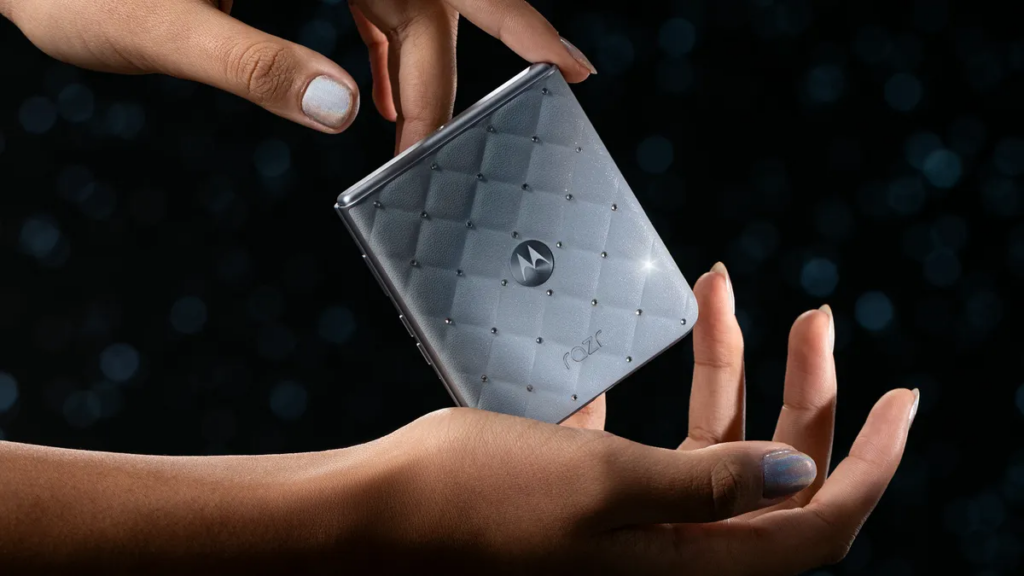
Samsung’s Galaxy Z Flip 7 is shaping up to be a standout at the July 2025 Unpacked event, with One UI 8.0 firmware leaks revealing key upgrades. Animation files extracted by Android Authority from leaked builds—tested on the Galaxy Z Flip 6, Z Fold 6, and S25 Ultra—confirm a 4-inch OLED cover screen that stretches across the dual-camera setup, mimicking the Motorola RAZR 60 Ultra’s design. For reference, the Z Flip 5 and Flip 6 both featured a 3.4-inch cover screen. The increased cover screen size will likely boost the device’s usability for notifications and quick tasks.

Samsung Galaxy Z Flip 6
Galaxy Z Flip 6

But the upgrades don’t stop there. The Z Flip 7’s main 6.85-inch AMOLED display—up from 6.7 inches—features slimmer 1.2mm bezels for a sleeker look. A 4,300mAh battery, larger than the Z Flip 6’s 4,000mAh cell, is expected to improve battery life, although the chipset remains uncertain. While Samsung has exclusively used Snapdragon flagships for its foldables so far, the Exynos 2500 finally seems ready and is rumored to be a part of the Z Flip 7.

According to previous reports, the foldable’s crease may be nearly invisible, and it retains the 7-year OS update promise, running One UI 8.0 (Android 16) out of the box alongside the Z Fold 7. While the selfie camera’s specs—possibly sticking with 10MP or upgrading to 12MP like the S25 series—remain unconfirmed, new Galaxy AI features are expected.

With a price tag of around $1,099, will its larger cover screen and refined design outshine rivals like the Motorola Razr+ 2025, currently listed at $999 on Amazon (Razr 60 in other markets)? Only time will tell. The Flip 7’s chipset is still unconfirmed—and it’s one of the phone’s most crucial aspects. So, keep an eye out as we inch closer to launch before making a decision.

Don’t miss a thing! Join our Telegram community for instant updates and grab our free daily newsletter for the best tech stories!

For more daily updates, please visit our News Section.

(Source)

Zhiyun launches Smooth 5E, a $149 gimbal with AI smarts and Apple Watch control

Zhiyun has unveiled the Cinepeer Smooth 5E, a new addition to its growing family of smartphone gimbals, this time with a sharper focus on accessibility without sacrificing professional-grade performance. The 5E brings flagship-tier stabilization, intuitive controls, and AI-powered features to creators who want more polish in their videos without the premium price tag.

Zhiyun Smooth 5E gimbal

Zhiyun Cinepeer Smooth 5E Specifications

The Smooth 5E features a true 3-axis orthogonal structure, providing smoother, more stable footage across a wider range of motion. It equips an enhanced roll-axis motor, which makes low-angle shots and wide-angle selfies easy to capture without frame obstruction. The design supports five classic gimbal modes: Follow, Pan Follow, Lock, Vortex, and POV, enabling creative shot variety that mirrors professional filmmaking styles.

Zhiyun Smooth 5E gimbal

It sports an integrated high-CRI fill light that outputs 680 lux of brightness by default, with magnetic mounts that allow two additional lights for a combined 2040 lux. Whether you’re shooting at dusk or indoors, the lighting setup ensures your subject always stands out.

The gimbal comes with intelligent AI-powered tracking via an optional magnetic module that enables fast, accurate face and object detection. It also supports gesture control, letting users initiate tracking with a simple hand signal, perfect for solo content creators who need to stay in frame without constantly reaching for controls.

It integrates seamlessly with Apple’s ecosystem, allowing remote control through the Apple Watch, so users can track, zoom, and trigger the shutter right from their wrist.

Zhiyun Smooth 5E gimbal

The gimbal features all-in-one thumb controls for streamlined operation, reducing the learning curve for beginners while maintaining precision for experienced users. Complementing this are the ZY Cami and StaCam apps, which offer tools like focus peaking, LUTs, Smart mode, and one-tap editing.

Pricing and Availability

The Smooth 5E is priced at $149 for the standard kit and $199 for the Combo Kit, which includes the AI Tracker and magnetic fill light. It is now available at Zhiyun’s official store and Amazon.

For more daily updates, please visit our News Section.

Stay ahead in tech! Join our Telegram community and sign up for our daily newsletter of top stories! 💡

Vivo V50 Elite Edition confirmed for May 15 India launch with upgraded imaging and audio

Vivo is expanding its V50 series with the V50 Elite Edition, launching in India on May 15, 2025. Teased with Zeiss-co-engineered cameras and hints of superior audio, this premium variant joins the V50 and V50e, promising enhanced portrait photography and immersive sound.

Teaser video confirms launch date and partnership with Zeiss

Vivo’s V50 series, already featuring the V50 and V50e, is getting a high-end addition with the V50 Elite Edition, set to debut at 12 PM IST on May 15, per Vivo India’s X post. The teaser video showcases a circular camera island with “co-engineered with Zeiss” branding, signaling a focus on advanced imaging. The tagline “portraits that captivate” and “sound that surrounds” suggests upgrades over the standard V50’s camera and audio, launched in February 2025.

To recall, the V50 came with a 6.77-inch FHD+ quad-curved AMOLED display with 120Hz refresh rate and 4,500-nit peak brightness, powered by the Snapdragon 7 Gen 3 SoC. It’s paired with 8/12GB RAM, 128/256/512GB storage, a 50MP main camera with OIS, a 50MP ultrawide with macro capabilities, and a 50MP selfie camera, plus a 6,000mAh battery with 90W fast charging. The Elite Edition is expected to retain these specs but introduce a premium design, possibly with a new finish or “Elite Edition” engraving.

vivo V50
vivo V50

Priced from ₹34,999 for the V50, the Elite Edition is expected to hover around ₹40,000, targeting mid-premium buyers. With IP68/IP69 ratings and Funtouch OS 15 based on Android 15, it’s set to compete with the likes of the iQOO Neo 10 (India), especially appealing to users who prioritize design and camera quality over raw performance. As per the recent teasers, the Neo 10 (India) will be priced “under INR 35K,” and is the “segment’s first 144fps gaming smartphone.”

The V50 Elite Edition could also be considered as an alternative to the Realme GT 7, a premium mid-range device, set for launch globally on May 27.

Will the vivo V50 Elite Edition’s Zeiss optics and audio enhancements make it a standout, or is it just a stylish V50 refresh? The May 15 launch will reveal all.

Don’t miss a thing! Join our Telegram community for instant updates and grab our free daily newsletter for the best tech stories!

For more daily updates, please visit our News Section.

(Source)

Nothing Phone (3) will cost “around £800”: big jump over Phone (2) in both performance and price

Nothing’s CEO, Carl Pei, previously revealed that the Nothing Phone (3), the brand’s first true flagship, will launch in Q3 2025. Now he reveals the pricing: around £800 (~$1,063, ₹90,500). Promising premium materials, major performance upgrades, and advanced software, it’s set to compete with top-tier flagships.

Nothing is gearing up for its biggest launch yet with the Nothing Phone (3), slated for July-September 2025, aligning with the summer releases of the Phone (1) in July 2022 and Phone (2) in July 2023. In a recent YouTube video on the Android channel, Carl Pei revealed the phone’s price—around £800, a significant jump from the Phone (2)’s ₹44,999 starting price in India. This translates to roughly €951, $1,063, or ₹90,500, positioning the Phone (3) as a premium contender against devices like the Galaxy S25 Plus (currently $999.99 on Amazon).

Pei teased “premium materials,” possibly a titanium frame or advanced glass, alongside “major performance upgrades,” with rumors pointing to a Snapdragon 8 Elite or a flagship Dimensity chip like the Dimensity 9400 or 9400+.

The Phone (3) is also rumored to pack a customizable Action Button, inspired by the iPhone, and a 6.5-inch AMOLED display, with a Pro variant possibly boasting a 6.7-inch screen. The software, likely Nothing OS 3.0 on Android 15, will feature deep AI integration for a personalized UI, potentially revamping the home screen.

Following the mid-range Phone (3a) and (3a) Pro launches in March 2025, the Phone (3) aims to solidify Nothing’s flagship ambitions. Priced higher than the Phone (2), it’s a bold move, but will its AI-driven features and premium build justify the cost? We’re pumped to find out.

Don’t miss a thing! Join our Telegram community for instant updates and grab our free daily newsletter for the best tech stories!

For more daily updates, please visit our News Section.

Nubia Z70S Ultra Global Launch: 50MP Light and Shadow Master 990 Omnivision Camera, Snapdragon 8 Elite & 144Hz Display

Nubia has launched the Z70S Ultra for global markets after releasing it in China last month. The phone focuses heavily on camera performance and is now available for pre-order on the Nubia official website until May 28, 2025.

Nubia Z70S Ultra
Nubia Z70S Ultra

Nubia Z70S Ultra features

The main highlight is the 50MP custom “Light and Shadow Master 990” sensor from OmniVision. It comes with a 35mm focal length, horizontal and vertical phase detection autofocus, and dual conversion gain HDR. Nubia says this sensor delivers image quality better than standard one-inch sensors.

Nubia Z70S Ultra

The phone also has a 64MP periscope telephoto camera and a 50MP ultra-wide camera that supports macro photography. It includes a physical shutter button, which supports half-press for focus and full-press to capture photos. To enhance the shooting experience, Nubia is also offering a Retro photography kit that includes a case, filter adapter rings, and a camera grip with controls.

Nubia Z70S Ultra

The Z70S Ultra features a 6.85-inch OLED display with a resolution of 2688×1216, a 144Hz refresh rate, and up to 2000 nits peak brightness. The screen supports 10-bit color depth, 100% DCI-P3 coverage, DC dimming, and 2592Hz PWM dimming.

It runs on the Snapdragon 8 Elite chip built on a 3nm process and comes with an Adreno 830 GPU. Storage and memory options include 12GB RAM with 256GB storage, and 16GB RAM with 512GB storage, both using LPDDR5X RAM and UFS 4.0 storage. The phone ships with Android 15 and nubia’s Nebula AIOS 1.5.

Other features include a 16MP under-display front camera, in-display fingerprint sensor, IR sensor, dual stereo speakers with DTS:X Ultra, three microphones, and dual X-axis linear motors. It supports Wi-Fi 7, Bluetooth 5.4, NFC, and USB Type-C. The device is rated IP68 and IP69 for dust and water resistance.

Pricing & availability

The Z70S Ultra packs a 6600mAh battery with 80W fast charging. Pricing starts at $779 for the 12GB + 256GB model and $869 for the 16GB + 512GB model. The Retro kit will be sold separately. The Nubia Pad Pro will launch globally on June 12. Pricing is yet to be announced.

For more daily updates, please visit our News Section.

Tech enthusiast? Get the latest news first! Follow our Telegram channel and subscribe to our free newsletter for your daily tech fix!

DJI’s Mavic 4 Pro brings a 360° gimbal, triple cameras, and longer flights, but skips the US

DJI’s latest flagship drone, the Mavic 4 Pro, doesn’t radically change the formula, but it quietly upgrades nearly every core component. The result is a compact flying camera system that shoots sharper video, flies longer, and sees more of its surroundings. But it’s not coming to the US just yet. All about it is here in this article.

DJI Mavic 4 Pro has triple camera setup

At the core of the drone is a new triple-camera setup. The main sensor is now a 100MP Four Thirds Hasselblad camera with a 28mm wide-angle lens, up from the 20MP sensor in the previous model. It features an adjustable aperture from f/2.0 to f/11 and captures 6K/60fps video with up to 16 stops of dynamic range. 

Next to it are two telephoto cameras. One is a 48MP medium telephoto with a 70mm lens and a 50MP long telephoto with a 168mm f/2.8 lens. The long telephoto is the main upgrade here. It’s a jump from 12MP to 50MP and now features a faster f/2.8 aperture.

All three cameras can record 4K at 60fps HDR and 4K at 120fps slow-motion. The main module takes things a step further with support for 6K at 60fps and up to 16 stops of dynamic range. 

You also, of course, don’t miss out on 10-bit D-Log, D-Log M, and HLG profiles. And DJI says it has worked to ensure color consistency across all three cameras, so it’s quicker to get post-production done. 

Upgraded gimbal and battery

While the cameras themselves seem like a big upgrade, more so is the gimbal system holding them. DJI dubs it the 360° Infinity Gimbal, and as the name suggests, it can do a full rotation to pull off more experimental shots like Dutch angles or true vertical video. It can even tilt 70 degrees upward for architectural or action shots.

Despite the added hardware, the drone’s weight only climbs slightly — about 105 grams more than its predecessor for a total of 2.3 pounds (1.06kg). What users get in return is improved endurance. It has a bigger 95Wh battery that provides up to 51 minutes of flight time, the longest for a Mavic drone and near the limit of what can legally be carried on most flights.

That extended flight time is paired with a faster top speed of 90km/h and a reworked transmission system. The DJI O4+ link supports up to 41km of range, or 10-bit HDR video transmission at up to 30km. 

As for navigation, the drone uses six fisheye sensors with low-light vision and dual processors to enable omnidirectional obstacle avoidance even at 65km/h. DJI says the system can also operate without GPS, as it can map the surroundings in real time to return home if a signal drops. 

The ActiveTrack 360° system can follow subjects even when partially hidden and can lock onto vehicles up to 200 meters away.

Mavic 4 Pro Controllers and Accessories 

DJI is also rolling out a new controller, the DJI RC Pro 2. It includes a 7-inch mini-LED display, 128GB of internal storage, and up to 4 hours of battery life. t supports both internal and external audio recording via a paired DJI Mic.

In terms of onboard storage, the base Mavic 4 Pro comes with 64GB, while the higher-end Creator Combo bumps that to 512GB.

Also new is the Parallel Charging Hub, which optimizes battery charging by giving priority to the lowest-charged battery before leveling out all three. It can charge one in 50 minutes, or three in 90 minutes, and can redistribute charge between batteries or serve as a 100W power bank for external devices.

For offloading footage, DJI’s QuickTransfer feature uses Wi-Fi 6 to wirelessly move video files at up to 80MB/s. Alternatively, you can also use Wired USB-C for transfer. 

Pricing and Availability

Despite its spec sheet and upgraded internals, the Mavic 4 Pro will not be sold in the United States, at least for now. It’s currently available only in Europe. 

The price starts at €2,100 for the standard kit, which includes the drone and a basic RC 2 controller. The Fly More Combo at €2,700 adds extra batteries, a 100W adapter, a charging hub, and a carrying case. 

The top-tier Creator Combo, priced at €3,540, adds more internal storage, the RC Pro 2 controller, a 240W charger, and additional cables.

For more daily updates, please visit our News Section.

Stay ahead in tech! Join our Telegram community and sign up for our daily newsletter of top stories! 💡

Lenovo launches Xiaoxin Pad 11 (2025) with Dimensity 6300, 2.5K 90Hz display & 7040mAh battery

Lenovo has officially launched the 2025 edition of the Xiaoxin Pad 11 in China. It’s shaping up to be one of the more compelling budget tablets of the year. It features MediaTek’s Dimensity 6300 processor, comes with up to 8GB of RAM, and sports an 11-inch 2.5K display, with prices starting at just 899 yuan (around $125).

Lenovo Xiaoxin Pad 11 2025

Lenovo Xiaoxin Pad 11 2025 Specifications

The Xiaoxin Pad 11 is powered by the Dimensity 6300 chipset, which Lenovo claims offers up to 32% improved performance compared to the previous model. It comes with 6GB or 8GB of RAM and offers up to 256GB of internal storage, with support for microSD expansion up to 2TB, providing ample space for apps, media, and educational content. The tablet comes with Lenovo’s self-developed Lingjing Engine, which helps to boost performance by accelerating app launch times and improving overall system responsiveness.

The Pad 11 sports an 11-inch 2.5K LCD display with a resolution of 2000 × 1200 pixels, a 90Hz refresh rate, and peak brightness of 500 nits. The panel is TÜV Rheinland-certified for dual-layer eye protection, making it comfortable for prolonged reading or streaming sessions. Stylus input is also supported, though the pen is sold separately.

Lenovo Xiaoxin Pad 11 2025

The tablet features a quad-speaker system powered by Dolby Atmos, providing a rich and immersive audio experience. It comes with a 7040mAh battery, which Lenovo claims can last up to 11 hours during online learning and offers more than 1300 hours of standby time in lab tests.

It runs on Lenovo’s Tianjiao Learning Hub, a platform that integrates AI-powered tools such as smart screen recognition, real-time subtitles, and interactive study aids. The system also includes robust parental controls, allowing guardians to manage screen time and filter content.

The Xiaoxin Pad 11 features a minimalist design and a 7.15mm slim metal chassis that improves both durability and hand feel. It supports Wi-Fi connectivity only and does not include mobile network options. Accessories such as a smart keyboard and stylus are available separately. Lenovo backs the tablet with a two-year warranty.

Pricing & Availability

The Lenovo Xiaoxin Pad 11 (2025) comes in three configurations. The base model with 6GB RAM and 128GB storage is priced at 899 yuan (approximately $125). The 8GB RAM variant with 128GB storage is available for 999 yuan (around $139), while the top-end model with 8GB RAM and 256GB storage costs 1199 yuan (about $167).

Pre-orders are already live on JD.com, and the first sale begins on May 20.

For more daily updates, please visit our News Section.

Stay ahead in tech! Join our Telegram community and sign up for our daily newsletter of top stories! 💡

(JD)