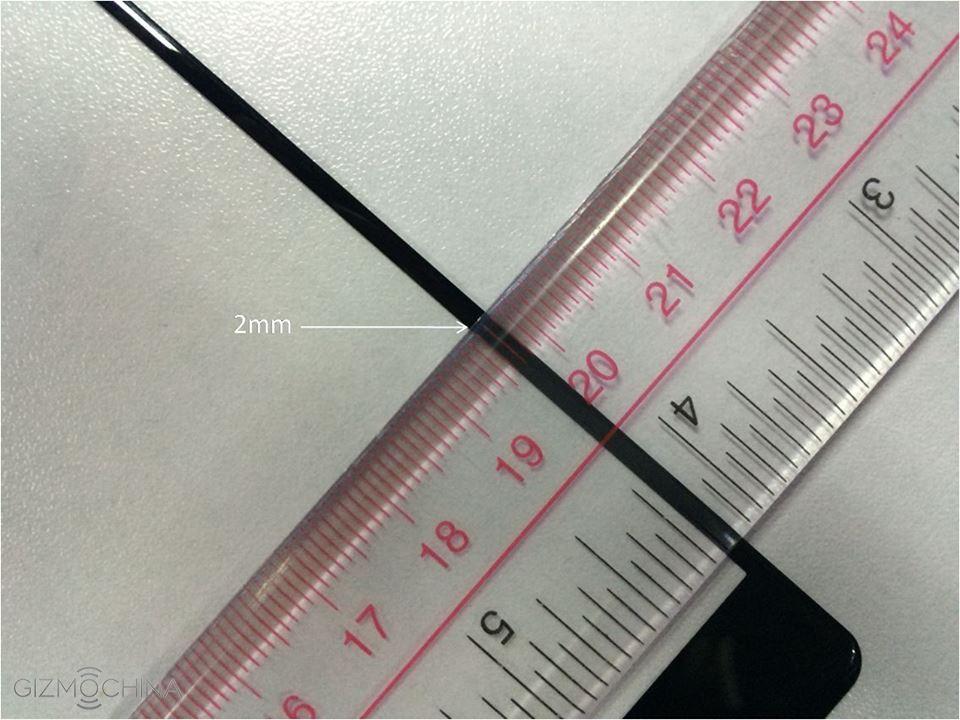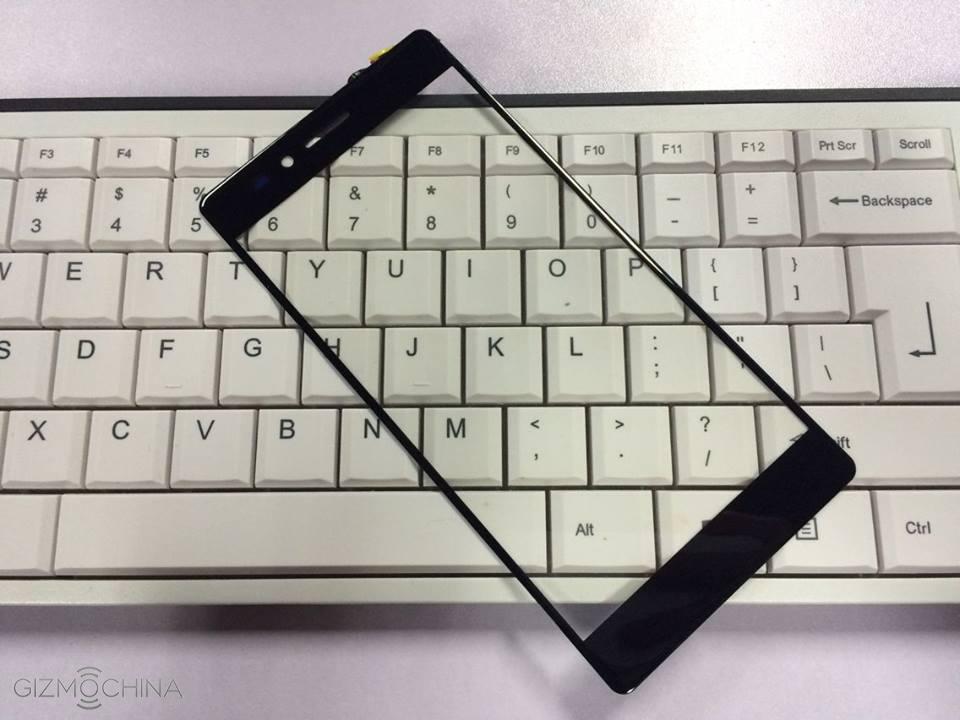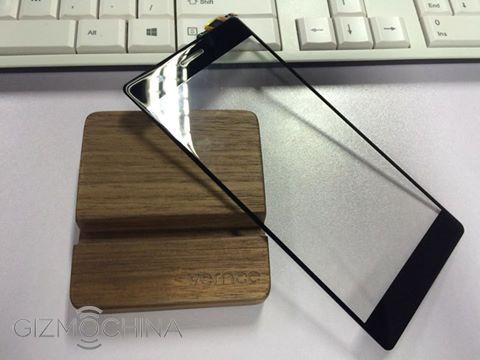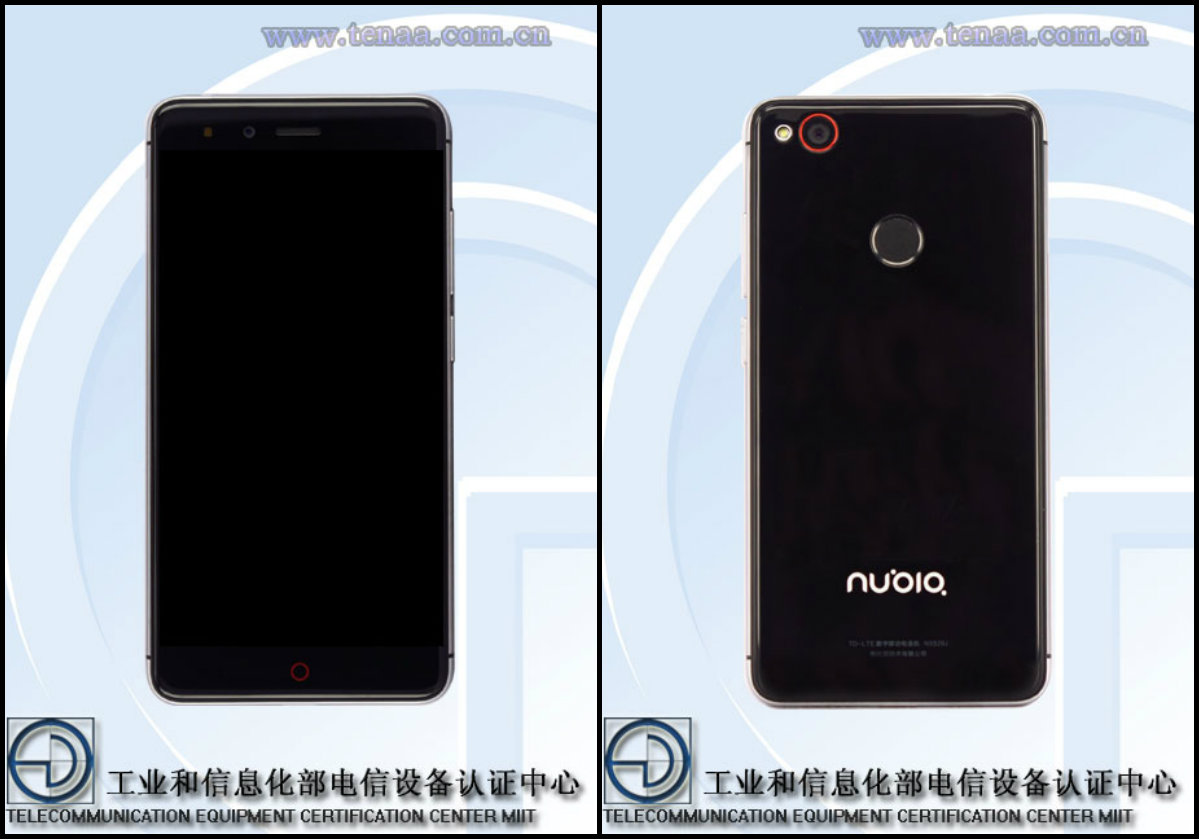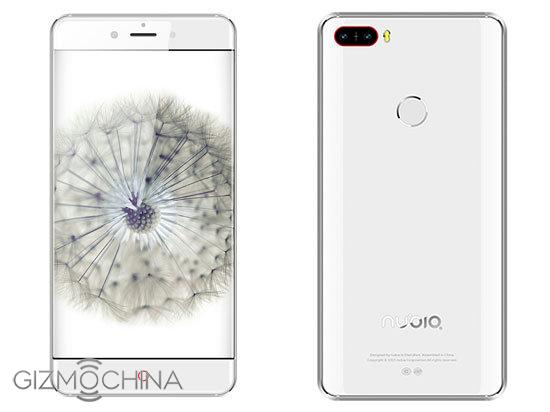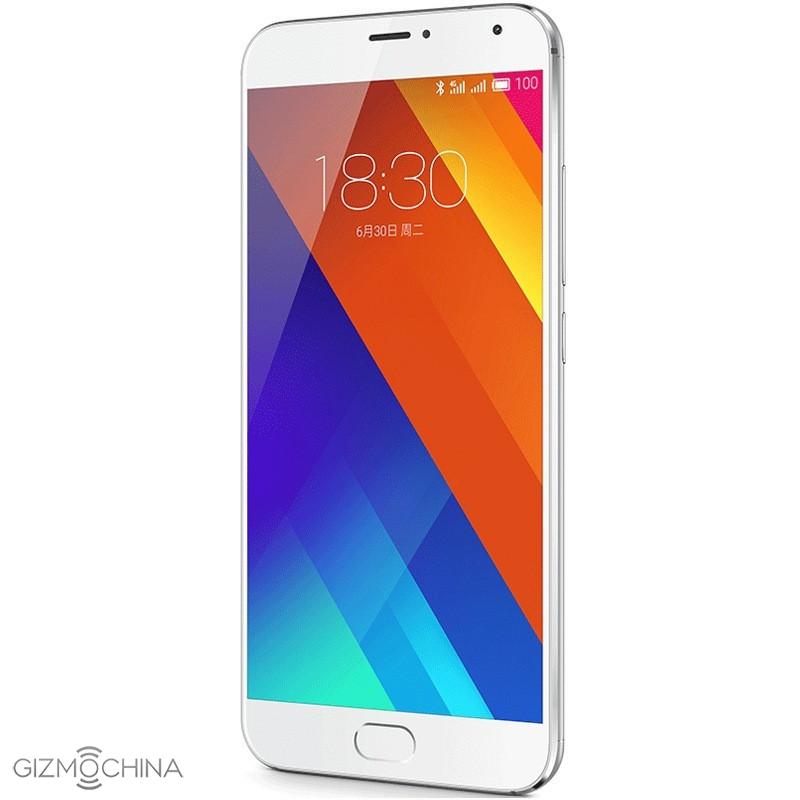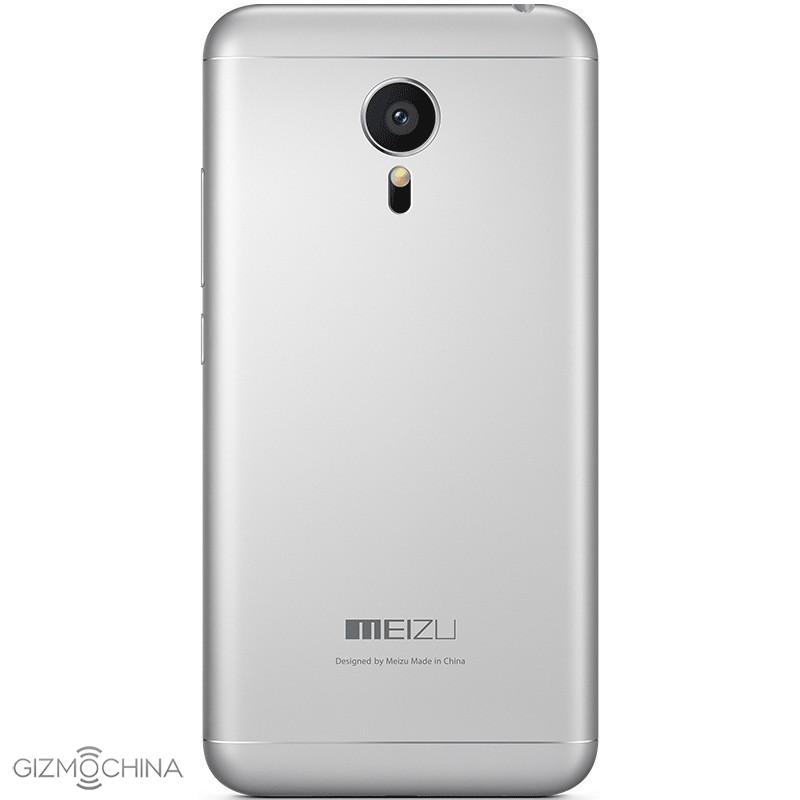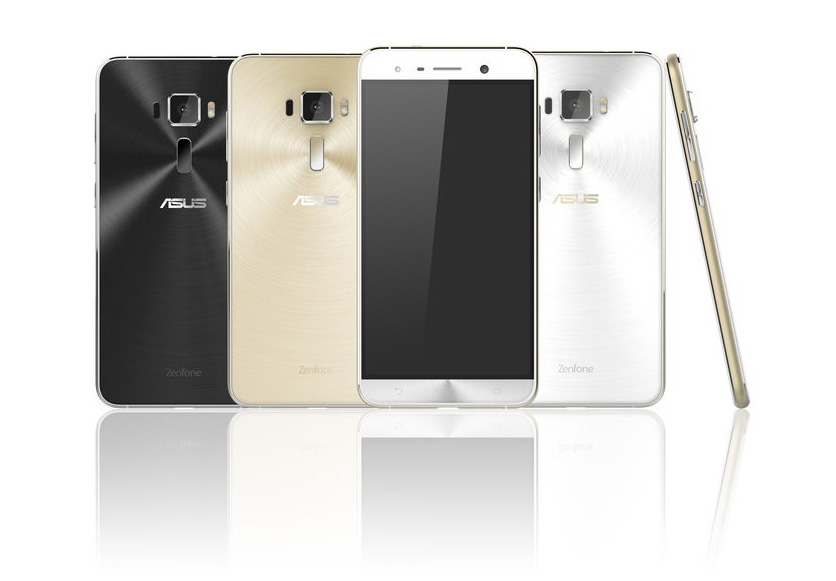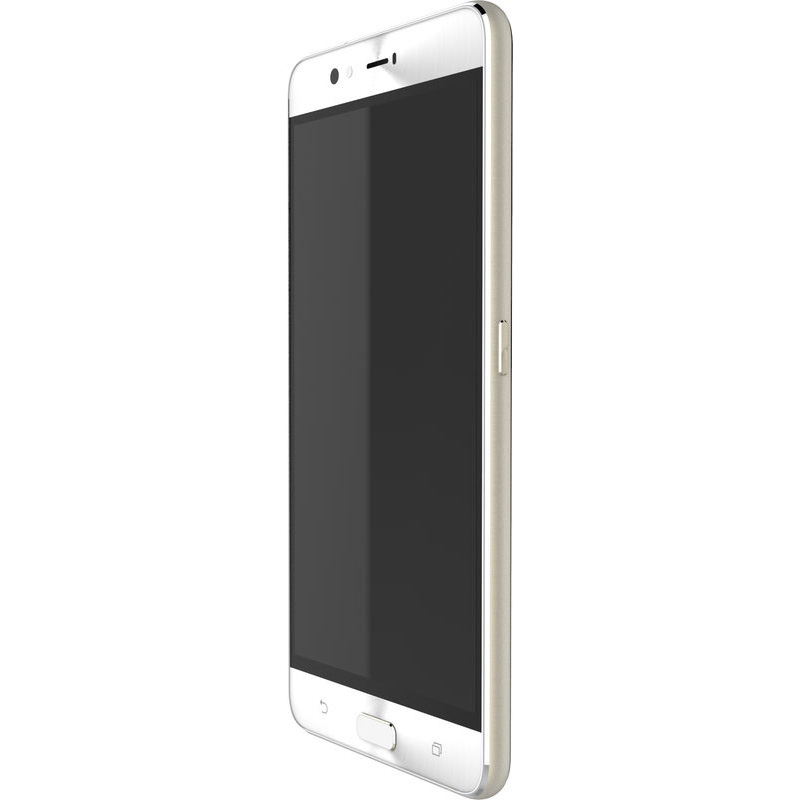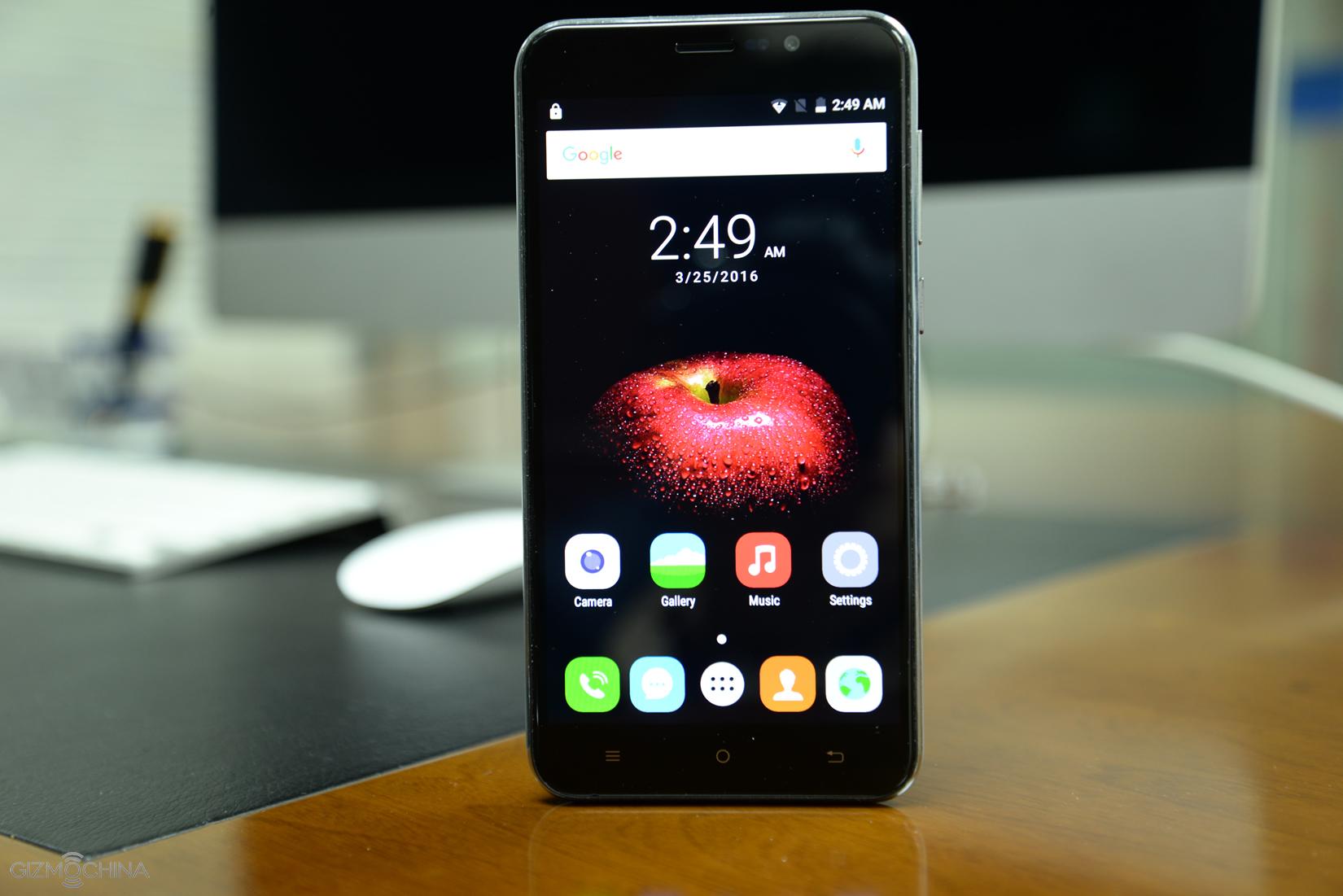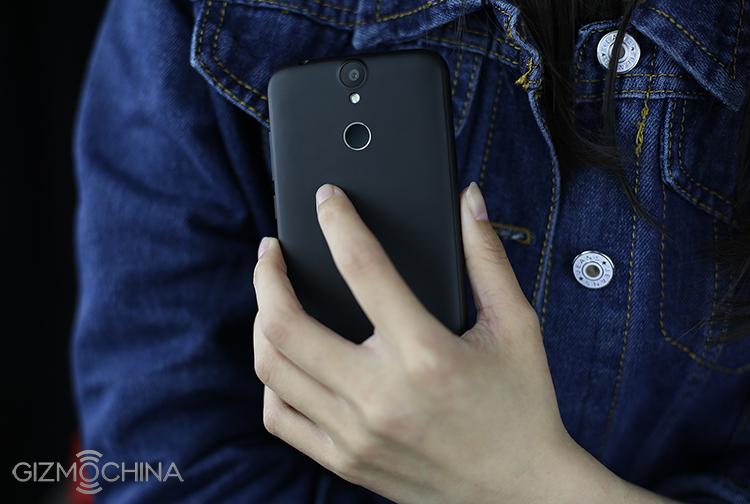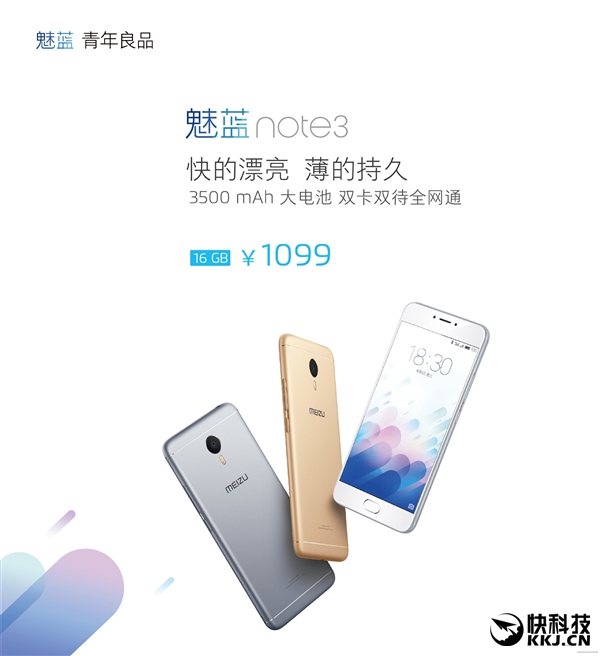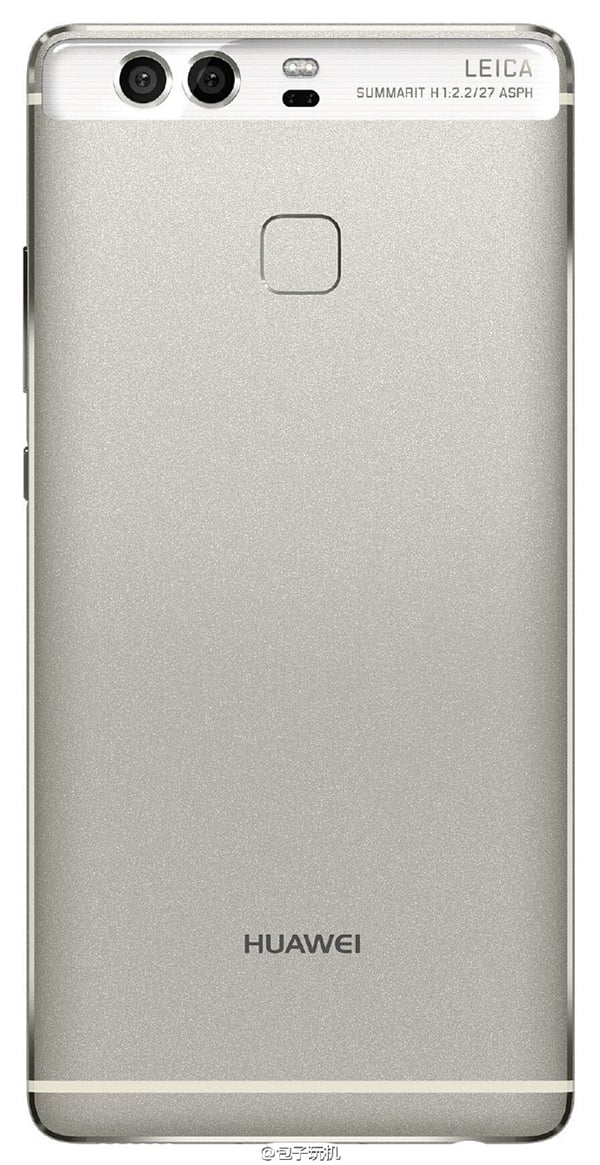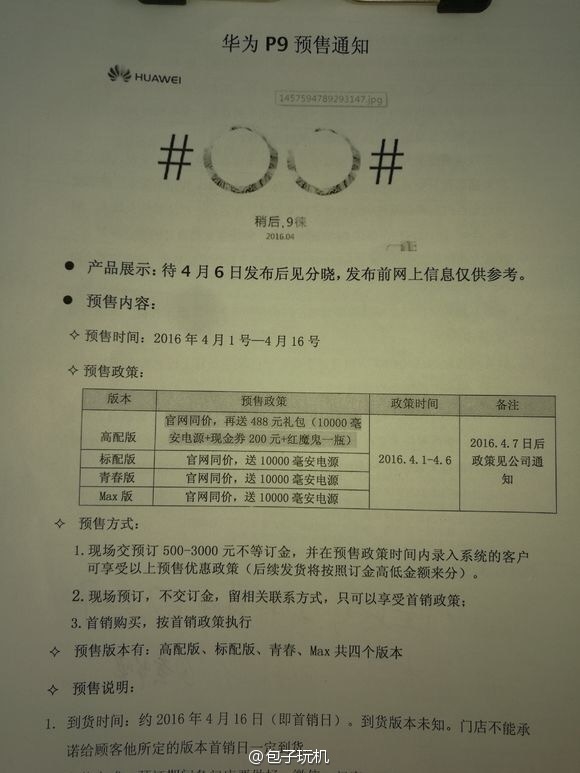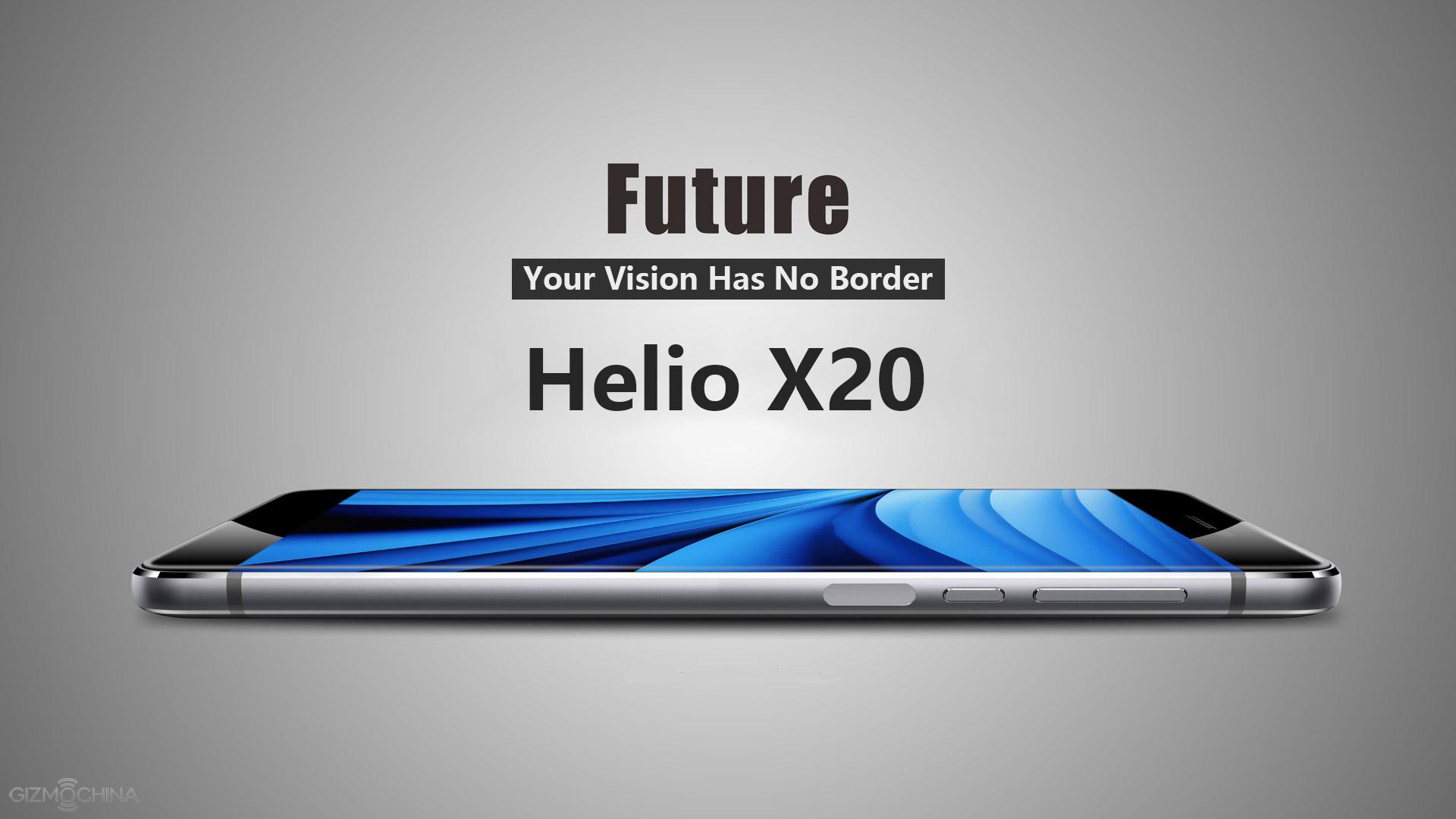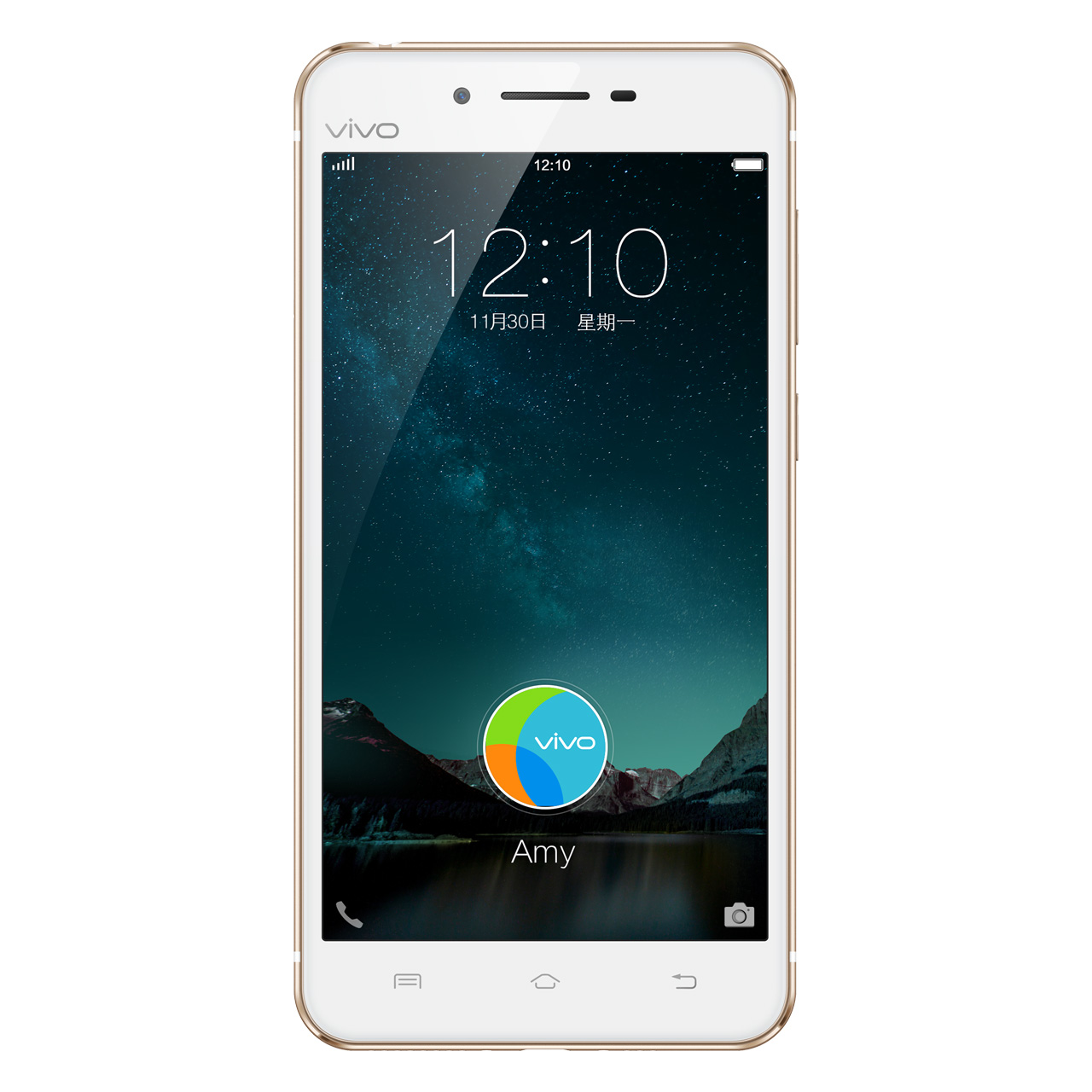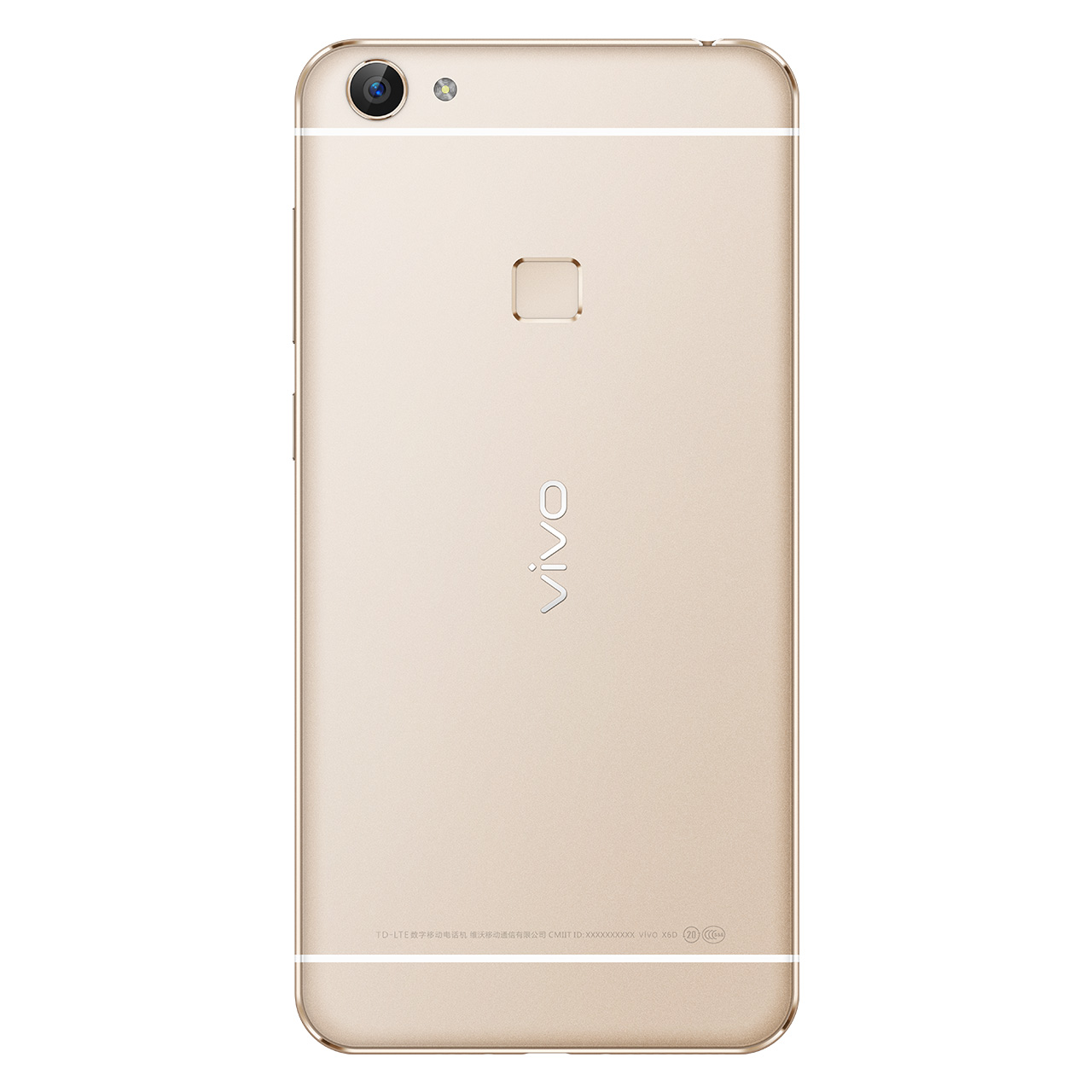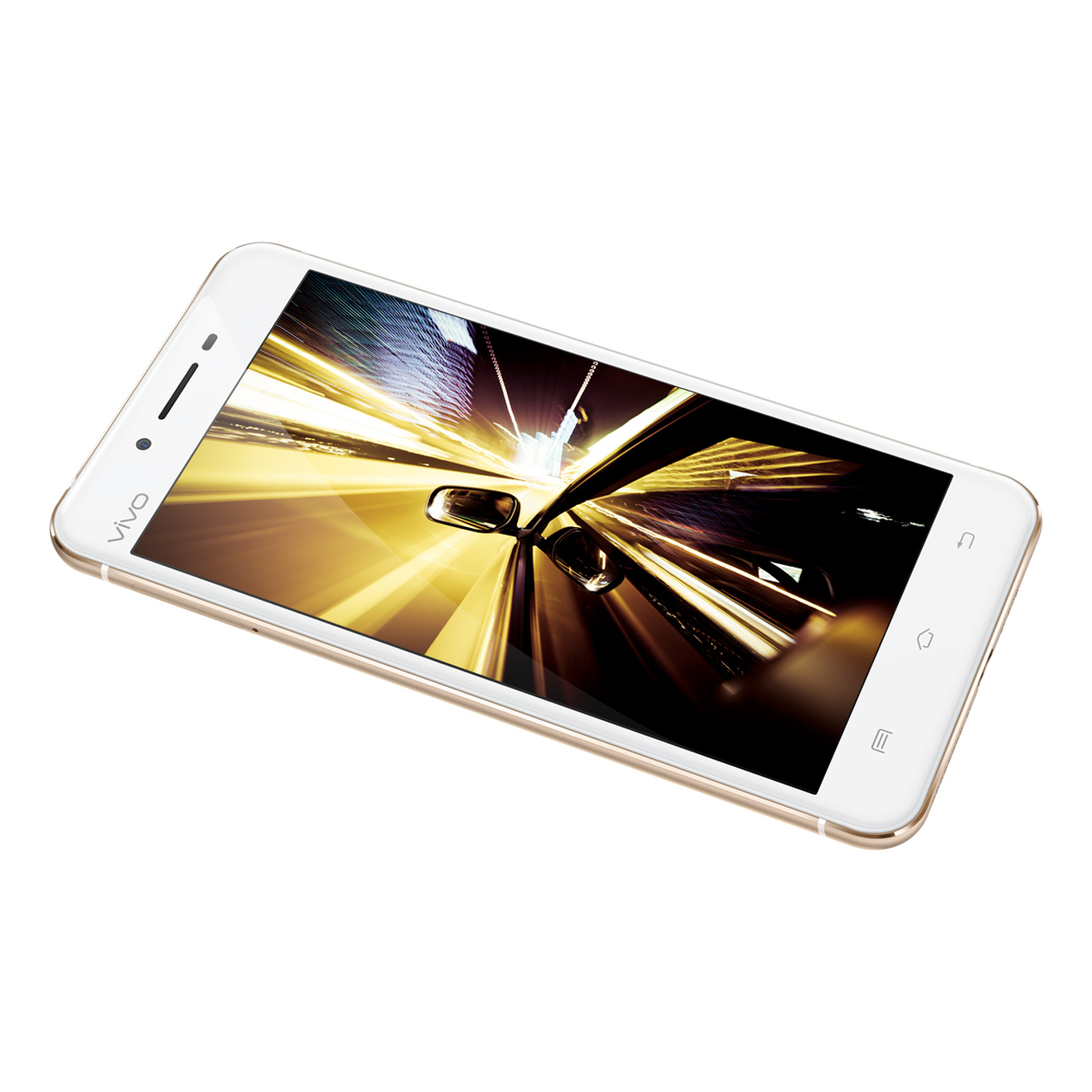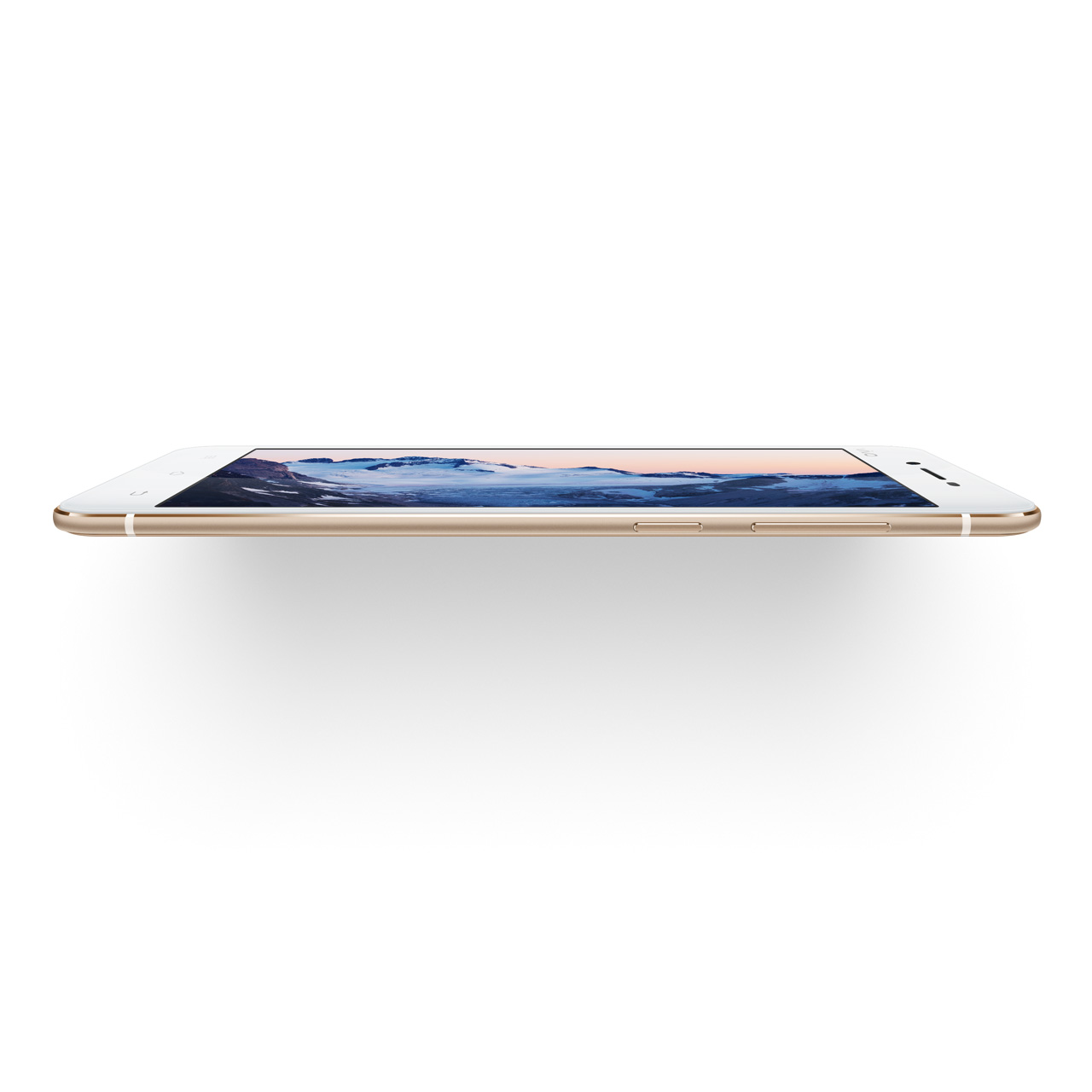
Recently,Philips has released more information about its upcoming cellphone in collaboration with YunOS, to make a yunOS phone, Philips I966, which will have the new YunOS 3.0.
A recent promotional poster of the phone shows that the Philips I966 will have a pixel density of more than 534ppi and 2560 x 1440 Quad HD resolution. Since this phone will sport a 5.5-inch screen, it is safe to say that it will use a 5.5-inch 2K screen. This means that this phone will be released as a flagship device.
In addition, the Philips I966 also has support for 4K videos as well as 4G LTE networks. It may also get a fingerprint scanner. Because the use of a 2K screen will require a powerful processor and GPU, it might use MTK’s MT6595 processor or a processor from Qualcomm like the Snapdragon 801.
Months after the release of the OnePlus One phone, OnePlus has launched a new version of its hit in collaboration with American audio electronics giant, JBL. The OnePlus One JBL version also comes with a pair of E1+ earphones customized by JBL for the OnePlus One.
No differences in the main hardware exist between the JBL version and the regular version of the OnePlus One. It still uses the MSM8974AC processor and has 3GB RAM and 16GB ROM.
This version also includes a mixer app that lets users adjust the sound quality of their phone.
This version is covered by a sandstone black case as opposed to the Baby Skin and bamboo cases used by other OnePlus One phones. This can also be changed.
Here’s a close-up of the speakers designed by JBL.
Here’s the JBL logo, making the OnePlus One the first Chinese phone to be authorized to use JBL’s logo, guaranteeing high-quality sound.
Let’s now turn our attention to the JBL-customized earphones for the OnePlus One. As a 399 RMB (65.14 USD) earphones, the E1+ earphones are not just regular earphones for phone calls. It’s also good enough for entry-level music devices. With the help of a powerful megabrand like JBL and the great cost performance of the OnePlus One, you can’t help but have high expectations for these earphones.
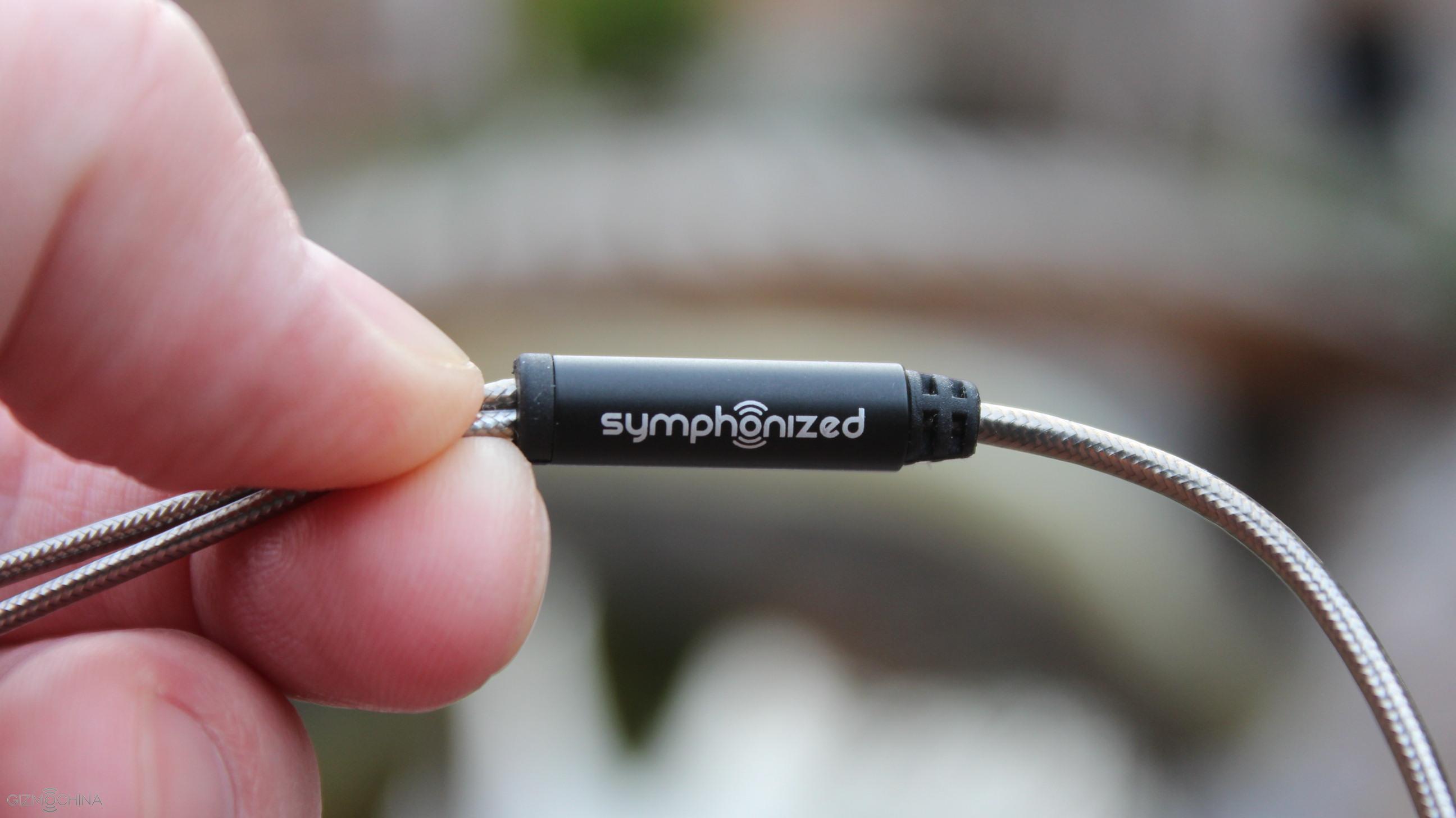
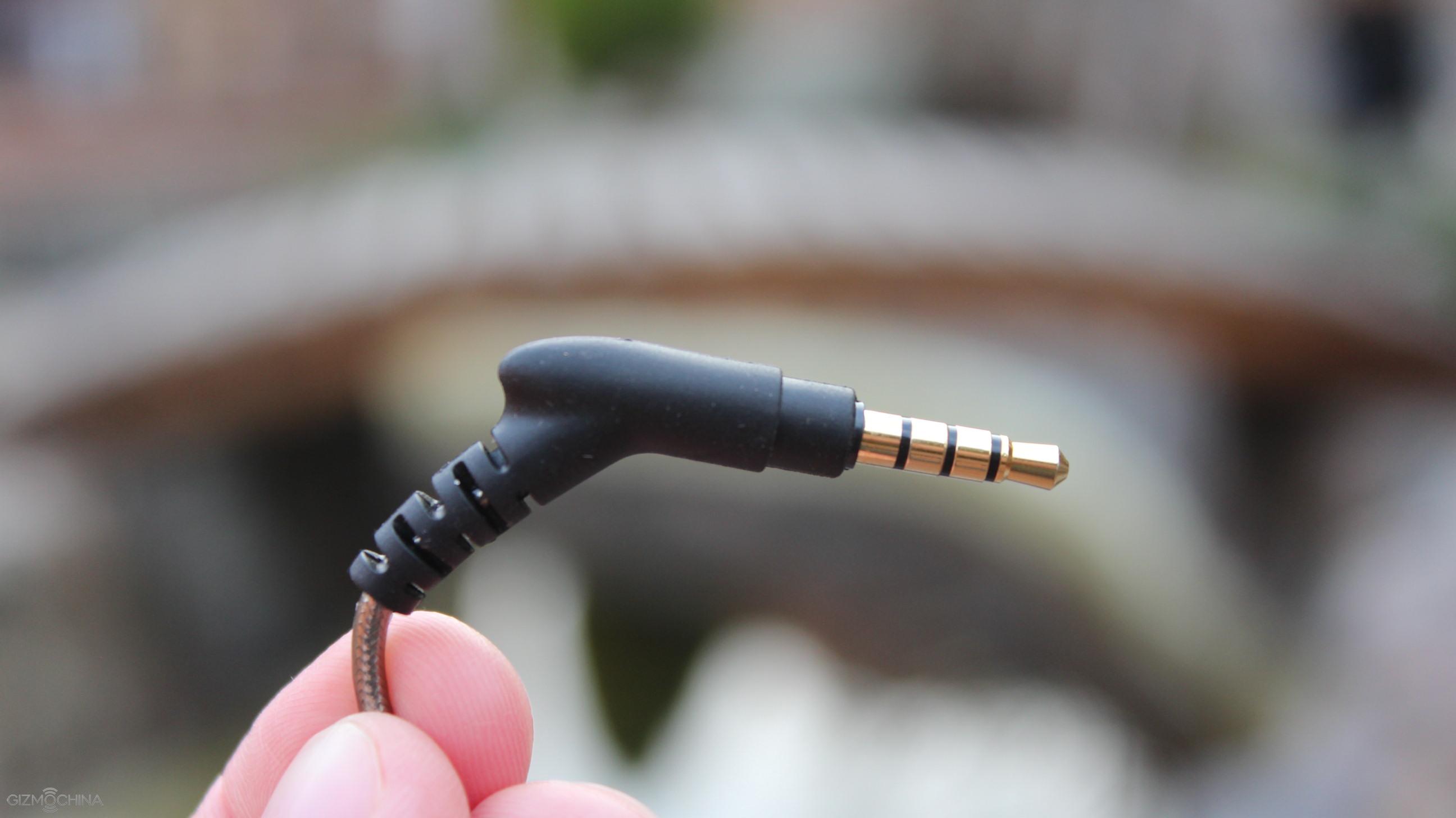
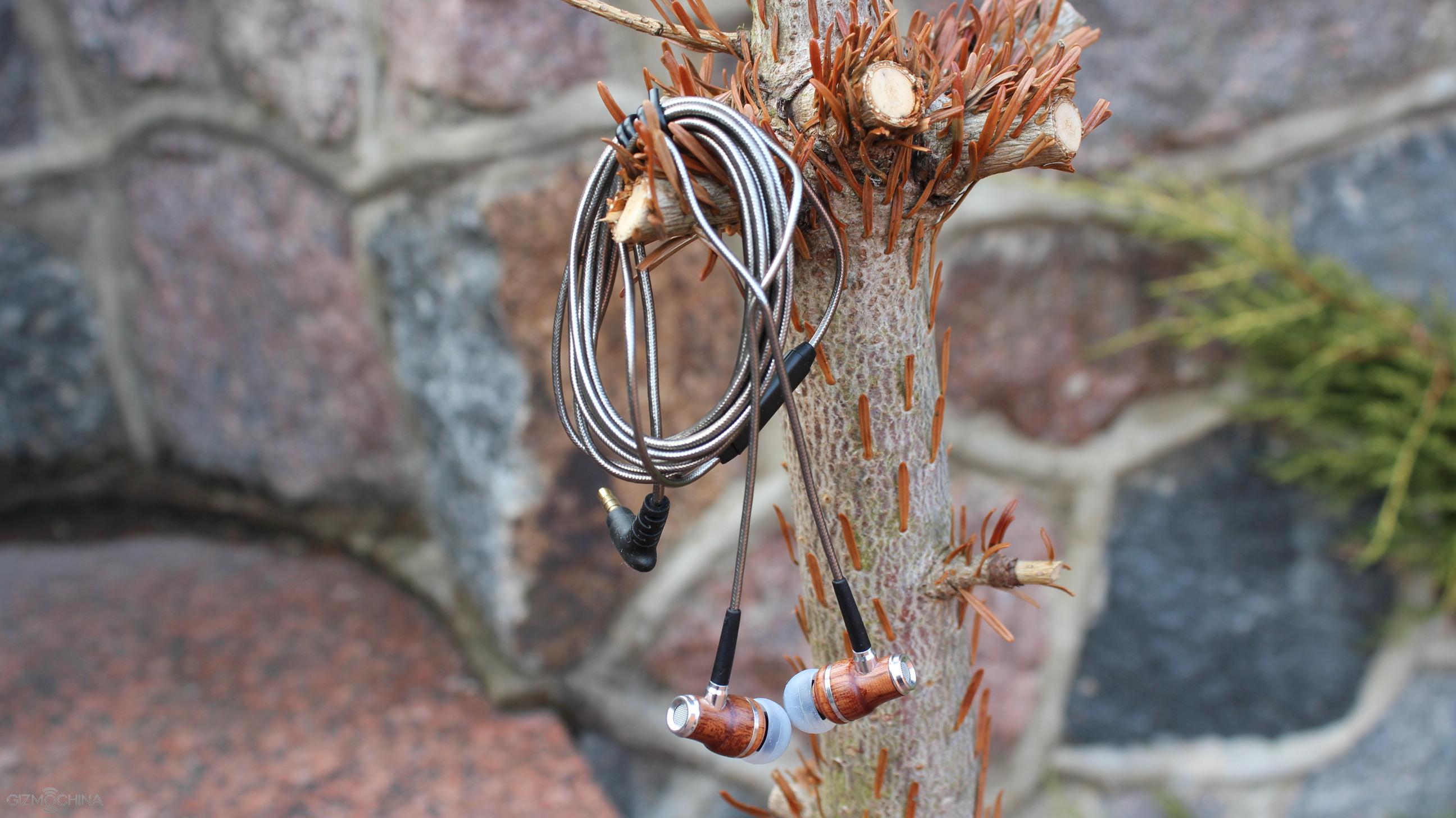
These earphones are made of plastic, but to make the best texture possible, JBL added metal caps behind the earphones.
Unlike many entry-level music earphones, the OnePlus One E1+ earphones have a control block along the wire. The buttons’ on the block’s compatibility with the phone can improve user experience.
The eartips are bit loose. The sound is good when playing music at a low frequency. There is no booming noise. When played at a high frequency, it’s even better and even beautiful. Overall, these earphones are pretty good.
Of course, we only used the limited version at the launch. There might be some other things that we missed which we may review later. The entire OnePlus One JBL package costs 2199.99 RMB (359.17 USD), while the OnePlus One JBL E1+ earphones cost 399 RMB. Pre-orders in OnePlus official online store start on October 13 and go on sale on October 17.
Many Weibo users report finding leaked photos of a mysterious 5.5-inch phone from Xiaomi. “A worker at Xiaomi has leaked photos of Xiaomi’s new phone’s rear case. According to our estimations, its dimensions seem to be about 159 x 82mm, which are similar to the iPhone 6 Plus’. Therefore, we can guess that this a rear cover for a new cellphone with a 5.5-inch screen. Whether it is the Red Mi 2 or Mi 4 Plus, we do not know as of now.”
It’s finally here. Huawei has formally launched its Honor television set called the Huawei Honor A55. Unlike traditional TV sets, this does not have the kind of remote control you see in regular TVs. It also does not have all ports you see in regular TVs. No. The only thing it has is one power cable.
The personnel who demonstrated the Huawei Honor A55 stressed that cold booting only takes 7 seconds while warm booting only takes a second, and that it takes less than 50 milliseconds to load the images on the screen.
The Huawei Honor A55 costs 6999 RMB. Pre-orders start on Wednesday and go on sale in Huawei and Ku’s official online stores on November 11.
Rumors that Meizu and Alibaba were collaborating have long been refuted by both despite the release of the Meizu MX4 Yun OS version. However, it turns out that the rumors were true. The chief manager of Alibaba Yun OS said in his Weibo account that after meeting with Meizu, they saved their original plan to collaborate with each other at this October’s launch, implying that the Meizu MX4 Yun OS version will most certainly be one of those products launched.
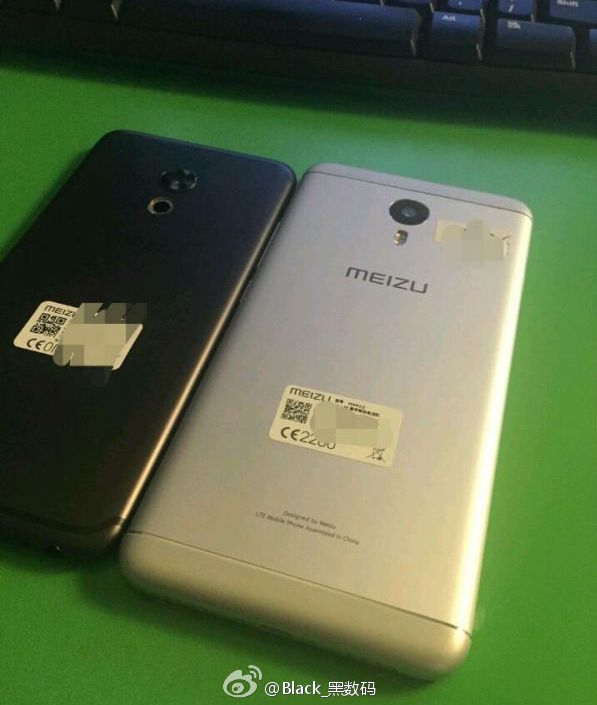
No doubt that Meizu is surely a competitor in big league, with a quite serious bet on different SoC’s and most importantly pricing their Flagships rightly it has seen formidable success. These upheaval made them to maintain a great portfolio. The manufacturers has rumored to come up with auxiliary version of the MX4(MX4 PRO) as reported earlier. But the intricacy is Meizu MX4 Pro is nearly confirmed to run on e-commerce giant Alibaba’s custom YunOS. The pictures below clearly indicates that a purported Meizu product running on YunOS.
According to the company, YunOS subsume its own virtual machine, which is different from Android’s Dalvik virtual machine. YunOS run time environment, which is the core of the OS, consists of both its own Java virtual machine, which is different from Android’s Dalvik virtual machine, and its own cloud app engine, which supports HTML 5 web applications. Aliyun OS uses some of the Android application framework and tools (open source) merely as a patch to allow YunOS users to enjoy third-party apps in addition to the cloud-based Aliyun apps in their ecosystem.
Alibaba’s YunOS 3.0 event scheduled for October 20, so a joint announcement of the new OS and flagship device is sure on cards.
On the other hand, MX4 Pro is alleged to feature a 5.36″ Quad HD display, powered by an Octa-core ( four Cortex-A15 cores, clocked at 1.8 GHz and four Cortex-A7 cores, clocked at 1.3 GHz) Samsung Exyno 5430 SoC coupled with 3 GB of RAM. The imaging hardware comes with a 20 MP rear camera and a 13 MP front-facing camera. Even a bio metric sensor can be expected.
Which OS would you select, if there is an option to choose between Flyme or YunOS? Comment below.
The most selling point for Huawei Honor 6 Pro is that it features Hisilicon Kirin 928 octa-core 2GHz processor. This model comes with 5 inch 1080P display with 3GB internal storage(32GB of expandable storage), 5MP front facing camera and 13MP rear camera, a 3100mAh battery, running EMUI3.0.
As Huawei’s new flagship, it redesigns its packing box, along with Huawei engine earphone, 0.2mm toughened glass screen protector, white cover case, NFC Tag(2Pcs) and phone shell etc.
It is priced 2999RYB($489), which rose 1000RMB($163) than its predecessor. Huawei Honor 6 Pro would be preordered on October 21st with a limited quantity of 9999 pieces.
First of all, let’s take a brief review for the basic specs for the IUNI U3. UNI U3 features a 5.5-inch QHD (2560 x 1440) display (by Sharp) along with 3GB of RAM and 32GB of internal storage. Qualcomm’s Snapdragon 801 quad-core processor clocked at 2.3GHz is powering this model and it comes with Adreno 330 GPU. 13-megapixel rear camera sporting Sony’s sensor while 5-megapixel snapper located on the front of this device. 3000mAh is also part of this package and the device comes with Android 4.4.4 OS pre-installed with IUNI OS.
One of the things that we would like to see is what exactly the new smartphone look like under the pretty skin.
According to the official introduction, with a Natoco technology, U3’s back case could reduce fingerprints and scratches effectively.
The first step of the tear down was to open the case of the smartphone. Removing the rear case was easy with a special tool.
We could see the inside of U3 after remove its case. There are totally 14 screws fixed with the back. We could also see dual SIM card slot and LG battery.
Deeper into the teardown, the mainboard was found. After getting the board out of the smartphone, you can see how all the chips and hardware are packaged on the mainboard.
Below is PCB board chipset.
Close-up for the Micro USB.
Buttons on the right.
Dual SIM casd slot.
Main board(on the right), graphite shield is nearby processor.
Two pieces of Sumsang MCP chipset on the surface, Snapdragon 801 quad-core processor is underneath of the bigger MCP chip.
Ambient light sensor/Proximity sensor.
Summary
Though it is it is easy to get torn apart, but IUNI U3 is still a very solid handset and it does offer up a great value for the price.
OnePlus has teamed up with JBL in releasing a special version of the OnePlus One. This version has speakers provided by American audio electronics company, JBL. It even has JBL’s logo at the back.
In addition to the speakers, JBL also designed a pair of red E1+ earphones for the OnePlus One. Official reports say that the OnePlus One JBL special edition package will go on sale for 2199.99 RMB (359.04 USD), while the earphones will cost 399 RMB (65.12 USD) sold separately. Both products formally go on sale on October 17.
Ployer plans to launch its new products in the upcoming Hong Kong Electronics Fair Autumn Edition. One of them is the Ployer MOMO8-8127 which is part of the company’s new MOMO8 series. This device uses a mid-end processor that is used for mid-end tablets, the MTK8127 which has 1.3GHz. This processor is integrated with the Mali-450MP4 GPU with a strong multimedia specifications. It has support for HD screens and 1080p videos too.
This tablet has an 8-inch IPS screen with 1280 x 800 resolution which many tablets that use the MTK8127 have. It also has support for GPS, Blue Ray, and the newest Android OS. Other specs have yet to be announced.
A lot of 8-inch tablets with the MT8127 quad-core processor cost around 499 RMB (81.45 USD). If the MOMO8-8127 ends up have the same camera and memory specs, then, it should cost the same as well.
Lenovo’s Weibo account on their products’ closed beta tests recently introduced a mysterious new phone with a metal case called the “Lenovo Sisley.” According to Lenovo, it will go on sale soon and is currently undergoing closed beta tests. What’s more interesting is that from the photos that were leaked, it closely resembles the iPhone 6. From the camera’s position to the way the back and the antenna are designed, it almost looks exactly like Apple’s newest phone.
Reports say that this phone is mainly targeted at female consumers. It sports a 5-inch 720p screen and has a thickness of 6.9mm. It comes in greay and pink. It also has a 8mp/13mp dual-camera. Other specifications are not known at this time.
After the success of the OPPO N1, OPPO is preparing to release their next phone, the OPPO N3, on October 29. Today, the company release a photo of the back of the OPPO N3. The design of the OPPO N3’s rear camera looks similar to the Samsung Galaxy Note 3’s camera except that the camera and LED light are laid out horizontally, not vertically like in the Note. It also does not seem to be a dual-color light. From this rendering, it also looks the OPPO N3 sports a metal chassis. Hopefully, we’ll find out more soon.

Today, at 2:00 PM, Huawei, in cooperation with Ku, will release a series of interesting new products. Besides a new cellphone, everyone has their eyes on their so-called television set.
Previous reports said that this device is called the Huawei Honor A55 TV. As Huawei is about to enter the world of internet television which is under the strict supervision of the State Administration of Radio, Film, and Television, many will worry about how this will work.
Insiders reveal that Huawei’s television is simple and easy to use. It’s basically just a bigger screen. That is, you show what is in your cellphone and tablet into the television, and can watch movies and TV shows from there. This does not seem too bad. At the same time, Huawei will allow users to show their Cloud data and photos into the television screen. According to the insiders, this device is expected to cost between 2500-3000 RMB (408.05 USD – 489.66 USD).
InFocus recently released a new octa-core phone called the InFocus M330 which is an upgraded version of the InFocus M320 with a bigger screen and more powerful specs. It also sports a look that looks more fashionable than its predecessor.
This device has the MT6592 octa-core processor, support for HSPA+, EDGE, and GSM networks, but not LTE, a 5.5-inch OGS screen with 720p resolution, 2GB RAM, 16GB ROM, a 13mp camera, and a 3100mAh battery. It also has support for dual-SIM cards and its OS is the kitkat OS.
Tomorrow, Huawei will hold a launch event for its new products and besides its upcoming television set (made in cooperating with Ku), they will also introduce a new 4G phone. Its model number is Che1-CL20.
Last night, Huawei Honor’s website posted a series of snapshots featuring what is purportedly the high-end version of the Huawei Honor 6. As the photos show, this phone has already received its network license. This phone was first announced during the Huawei Honor 6’s launch and its biggest difference from the Honor 6 is that it uses the Kirin 920’s high-frequency version with 2GHz.
Also, as its MIIT entry says, the Huawei Honor 6 high-end version still has a 5-inch 1080p screen, 3GB RAM (32GB ROM), 5mp/13mp dual-camera, a 3100mAh battery, and the Android 4.4 OS.
Most 4G Chinese cellphone brands are using processors from Qualcomm. Boway’s newest phone, however, is using a 4G chipset from MTK.
The Boway TL600, otherwise known as the “Ice Cream Girl,” as the name suggests, is targeted at female consumers and has gone on sale recently. This phone comes in many different colors like black, white, pink, green, and yellow. However, both ends of all the phones are silver.
The Boway TL600’s specs are just so-so. It has a 1.3GHz quad-core processor from MTK (probably the MTK6582), a 4.5-inch screen with a 854 x 480 resolution, 512M RAM, 4G ROM, a 2mp/8mp dual-camera, an 1800mAh battery, and the Android 4.4 OS. It has support for China Mobile 4G/3G and GSM networks as well. This phone is quite affordable and has been reported to cost more than 600 RMB (97.86 USD).
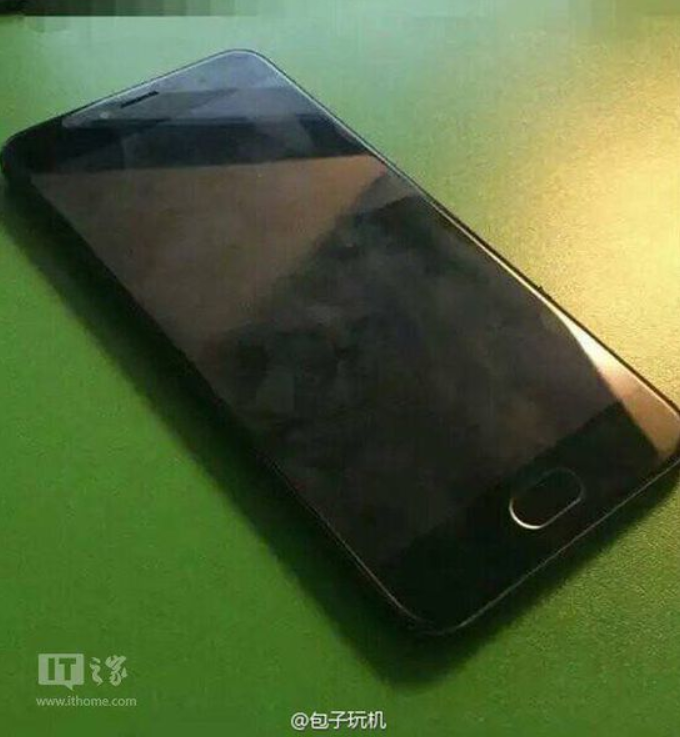
As sales go wild for the Meizu MX4, this leaked photo has caused the stir among netizens debating on whether or not this is the upcoming Meizu MX4 Pro which is set to come out this November. Its authenticity has not been verified but that has not stop the guesses.
According to Meizu, the Meizu MX4 Pro will have a fingerprint scanner from Huiding and that it will be put under the Home button which is probably why Meizu has abandoned the small round button.
It has also been reported that the Meizu MX4 Pro will have a 5.4-inch 2560 x 1536 Ultra HD screen, the Samsung Exynos 5430 octa-core processor, 3GB RAM, 32GB ROM, a 20.7mp camera from Sony with OIS, Hi-Fi sound, NFC, a metal body, and more. It might cost 2499 RMB (407.58 USD) and come out at the end of November.
YunOS announced its first partner in its official Weibo today, Philiips’s first flagship Aurora would be the first model to feature YounOS 3.0 rather than the most controvercial brand Meizu.
Meizu MX4 sports MTK 6595, YunOS also has a good partnership with MTK, that is why the public predicted that YunOS would tend to cooperate with Meizu. Philiips would attend the launch event of YounOS 3.0 on October 20th. But as its first flagship, it seems that they don’t have any moves to cooperate with each other at this time.
The Zopo ZP999 Standard version, powered with mt6592 Pre-orders for this phone were first accepted on September 25 at the Mini Hei online store for 999 RMB (162.93 USD). Those who pre-ordered would get their phones on the 30th. Here’s our review of the Zopo ZP999 standard version and its hardware.
Here’s the case of the Zopo ZP999, all neat and tidy.
Here’s the front side of the Zopo ZP999 standard version.
Here’s the back.
Here’s the phone when it was turned on. The wallpaper has already been changed.
Zopo ZP999 standard version and Zopo ZP998 are exactly the same size.
Their backs also have the same design.
A comparison of the top sides of both phones
A comparison of both phones from the right side.
A comparison both phones from the left side.
The bottom sides of both phones.
A side-by-side comparison of the interior of both phones.
A side-by-side comparison of their rear covers.
The batteries.
The Zopo ZP999 standard version continues the classic design sported by the Zopo ZP998 with many similarities from the size to the way the buttons are set. Even their batteries are the same size, so, they’re interchangeable. However, the SIM slots were changed. Zopo ZP998 has one big SIM slot and one small one, and has support for China Unicom 3G networks. The Zopo ZP999 standard version, on the other hand, has two micro card slots (one micro-SIM slot and one micro-SD slot) and has support for China Mobile 4G networks. The two slots overlap each other. Another difference is that the Zopo ZP999 standard version is not NFC-supported. As a result, there are no NFC-sensing sections all over the phone. This is a phone aimed at the mass market, and so, it’s no surprise that its specifications doesn’t have much improvements from Zopo ZP998.
We use cookies on our website to give you the most relevant experience by remembering your preferences and repeat visits. By clicking “Accept”, you consent to the use of ALL the cookies.
This website uses cookies to improve your experience while you navigate through the website. Out of these, the cookies that are categorized as necessary are stored on your browser as they are essential for the working of basic functionalities of the website. We also use third-party cookies that help us analyze and understand how you use this website. These cookies will be stored in your browser only with your consent. You also have the option to opt-out of these cookies. But opting out of some of these cookies may affect your browsing experience.
Necessary cookies are absolutely essential for the website to function properly. This category only includes cookies that ensures basic functionalities and security features of the website. These cookies do not store any personal information.
Any cookies that may not be particularly necessary for the website to function and is used specifically to collect user personal data via analytics, ads, other embedded contents are termed as non-necessary cookies. It is mandatory to procure user consent prior to running these cookies on your website.