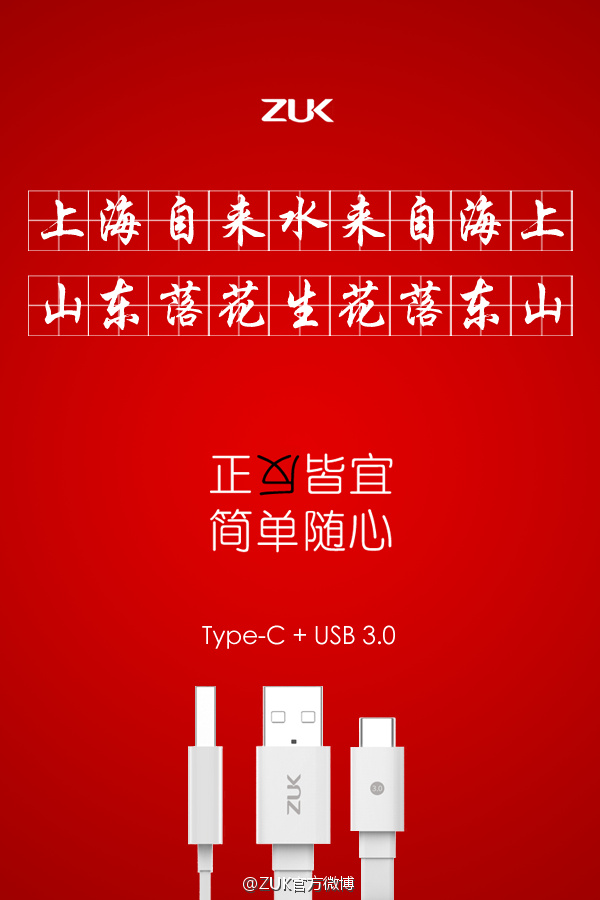
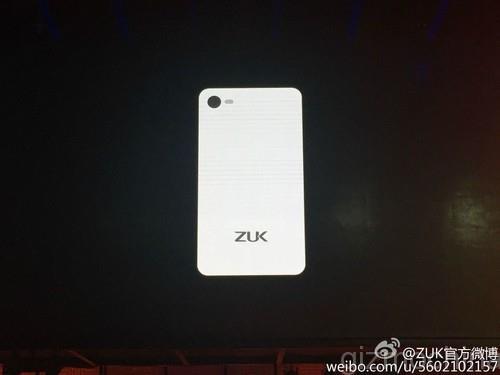
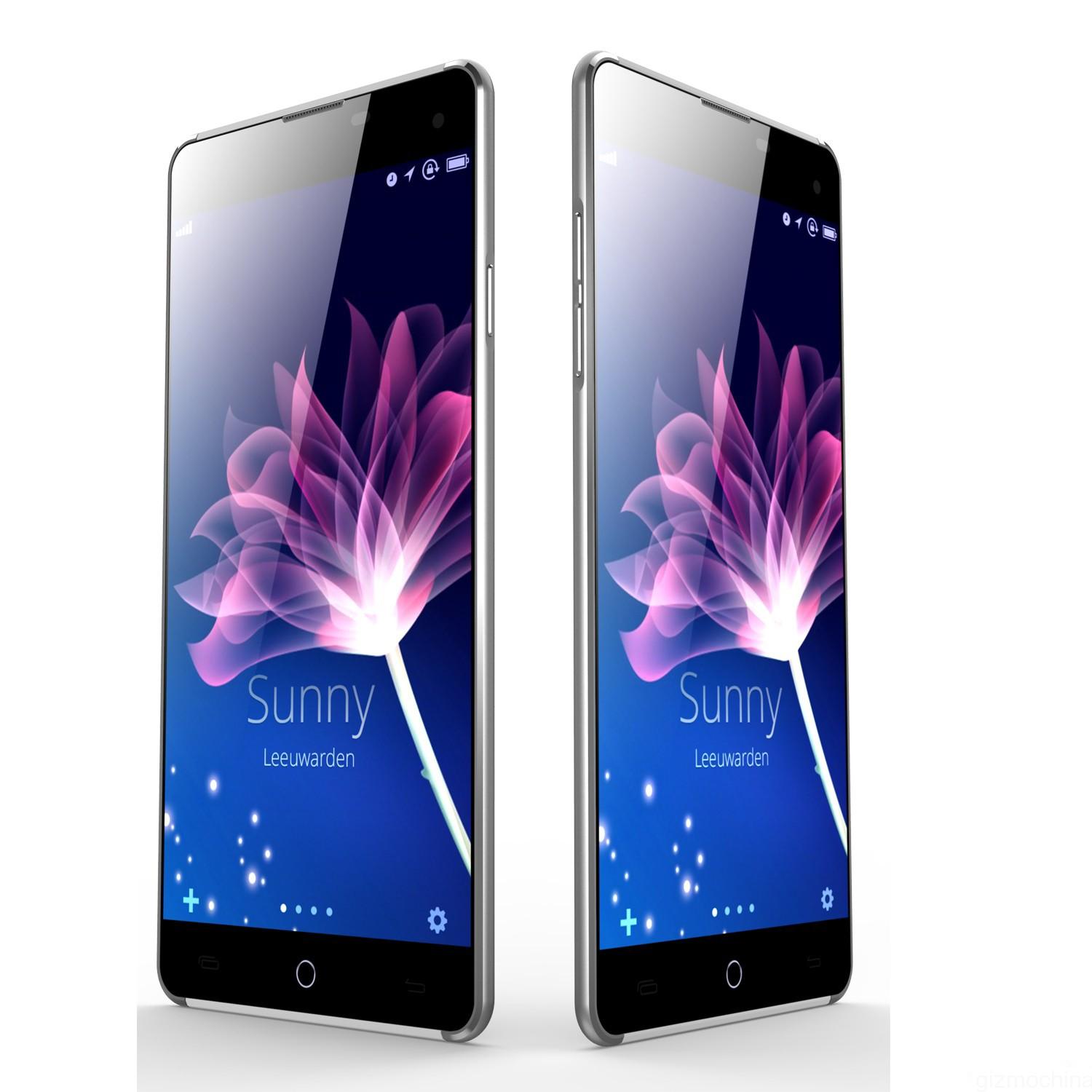
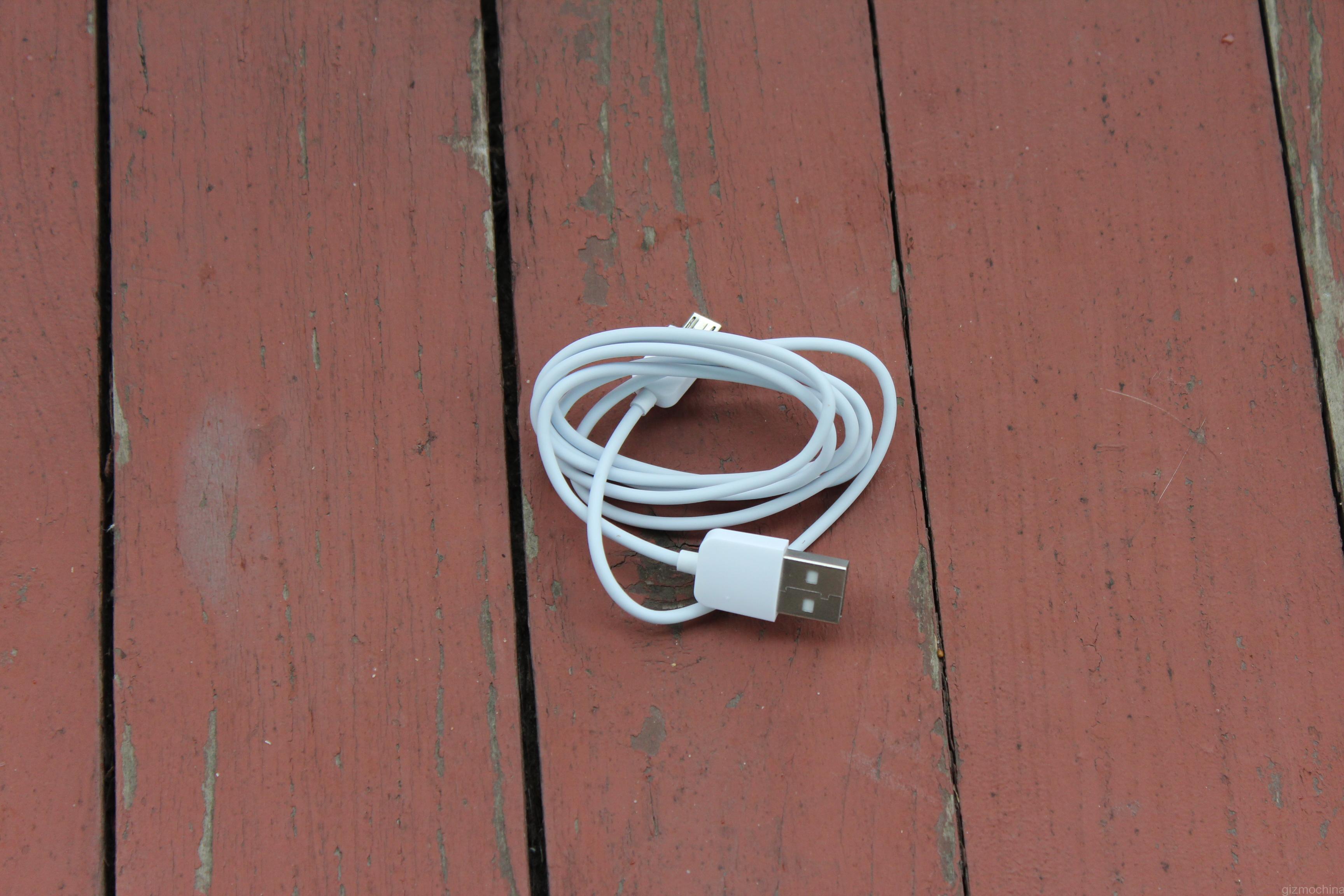
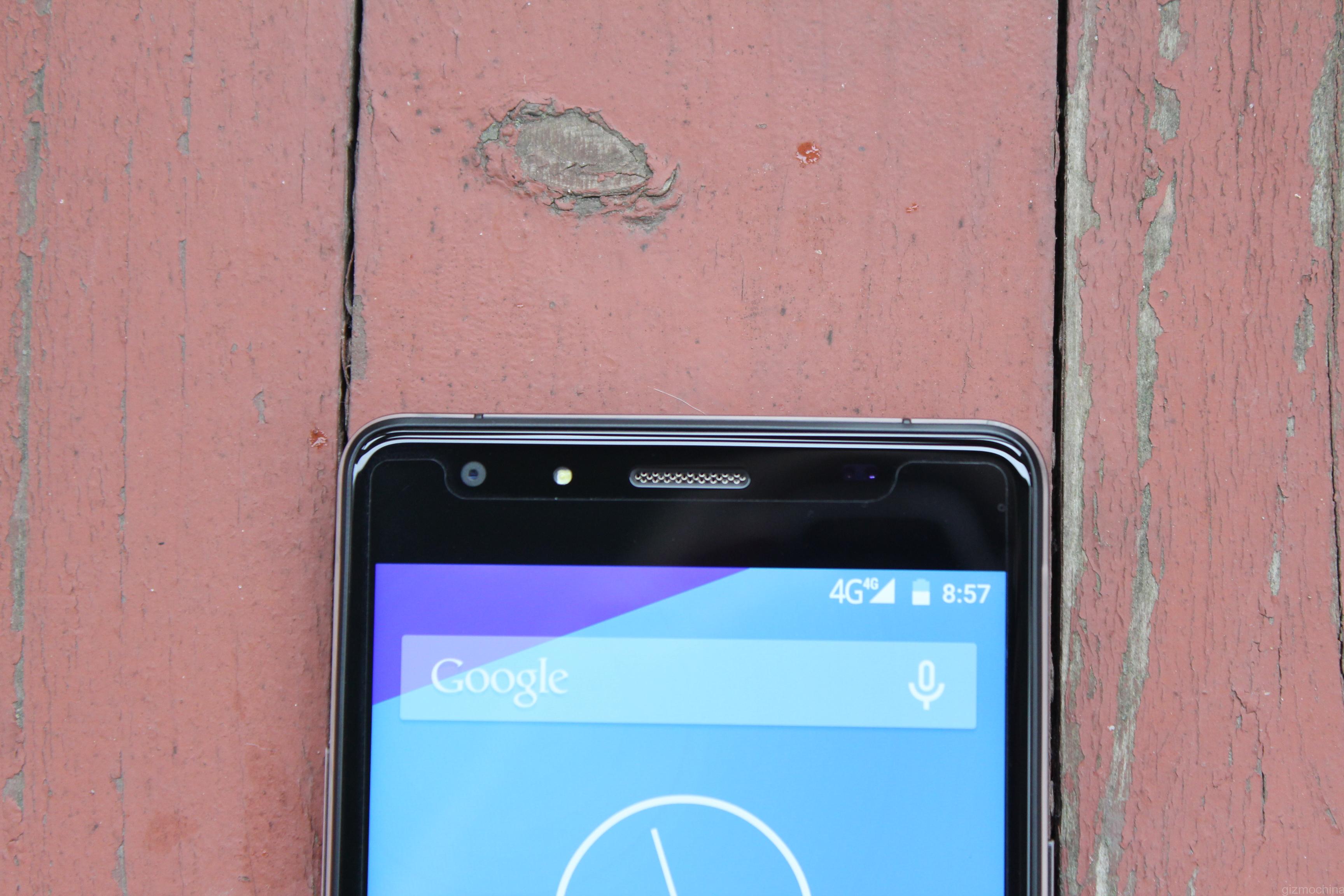
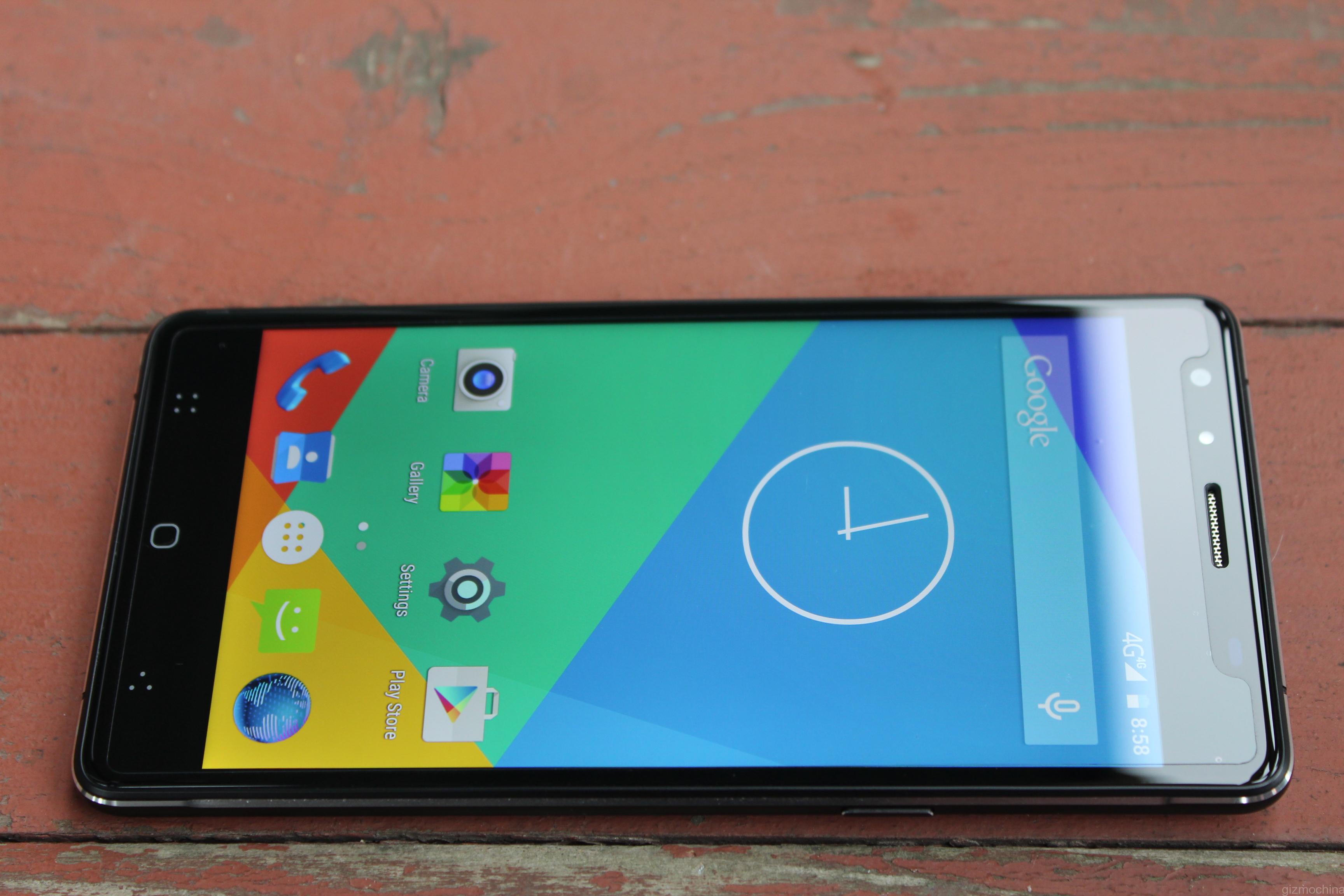
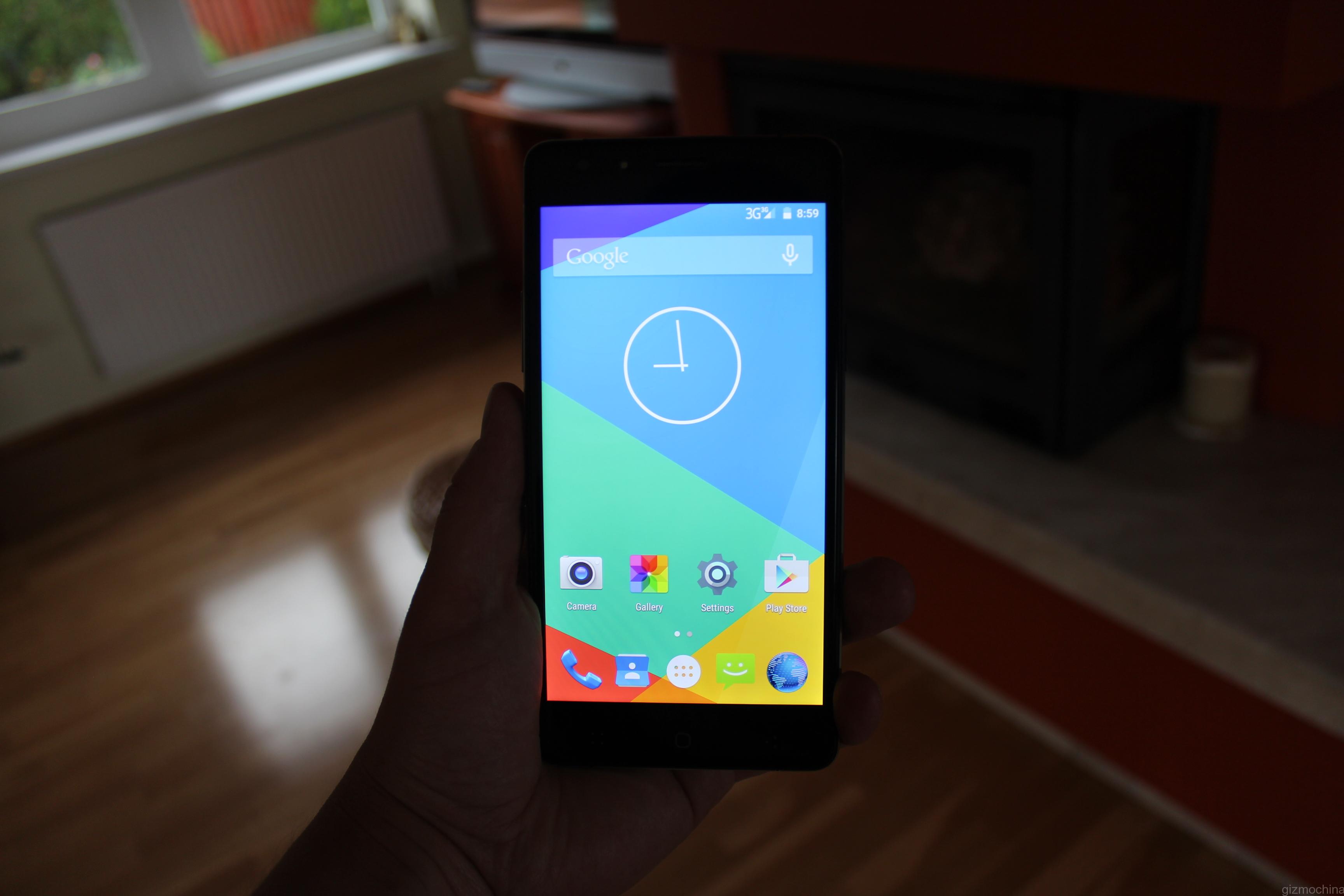
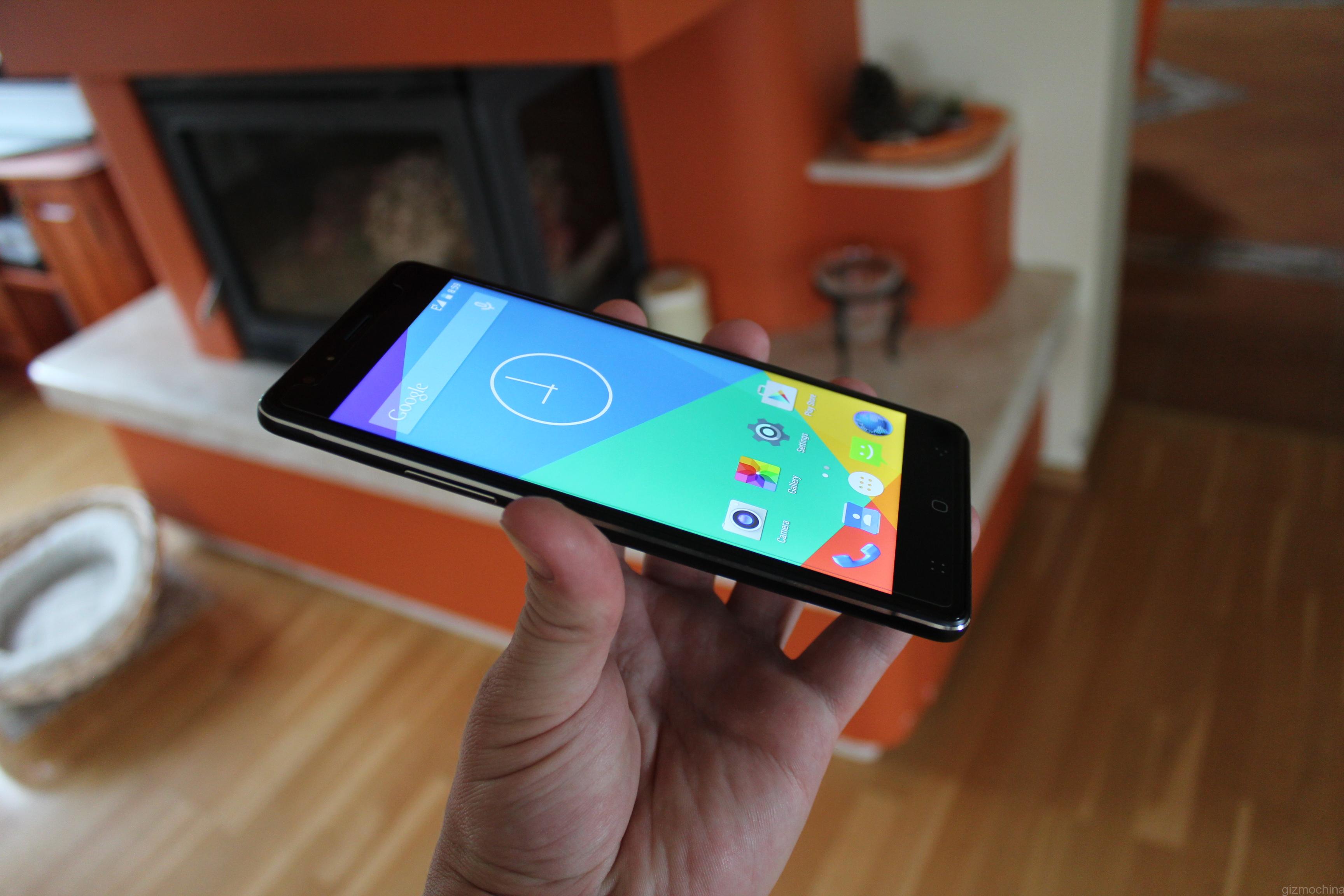
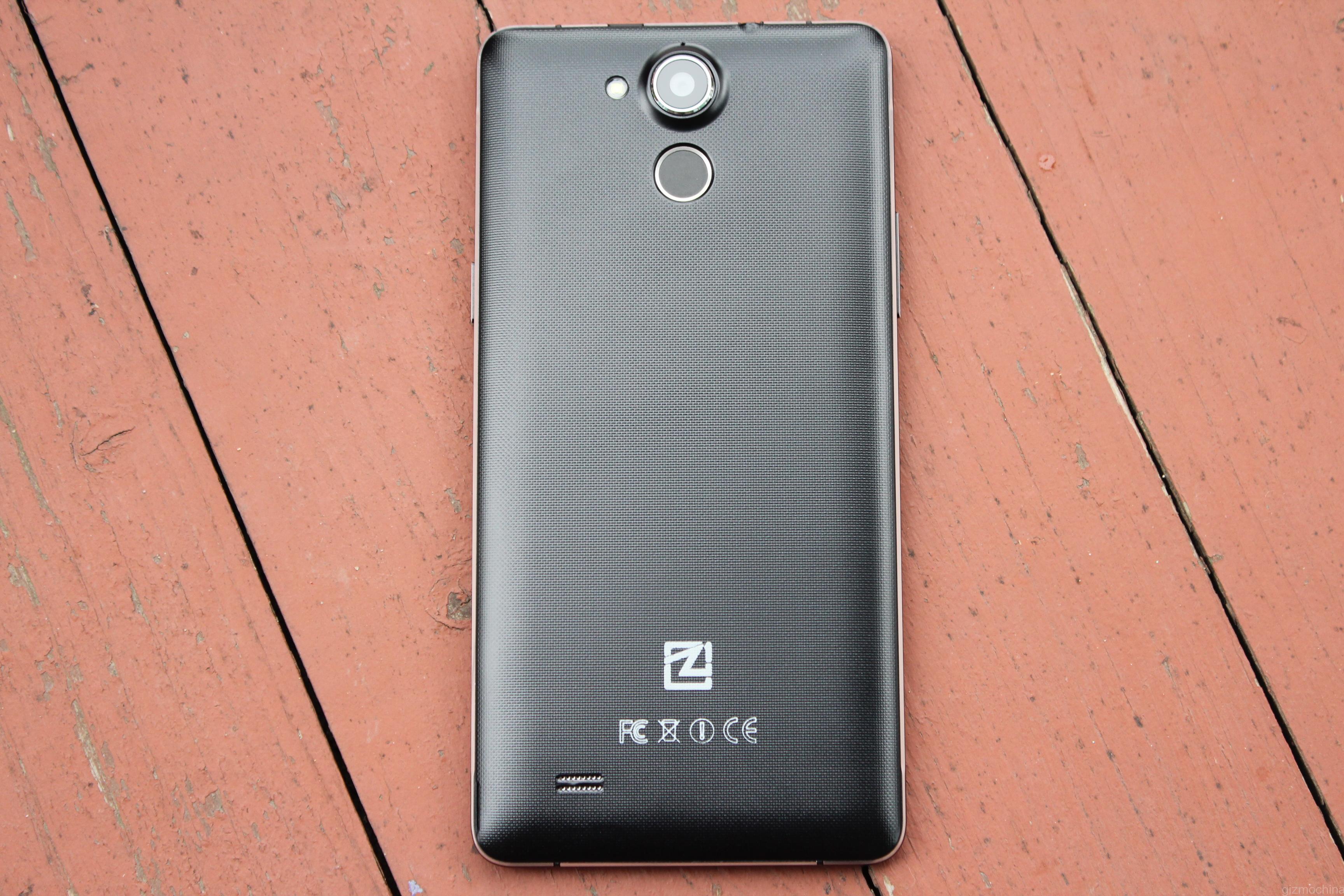
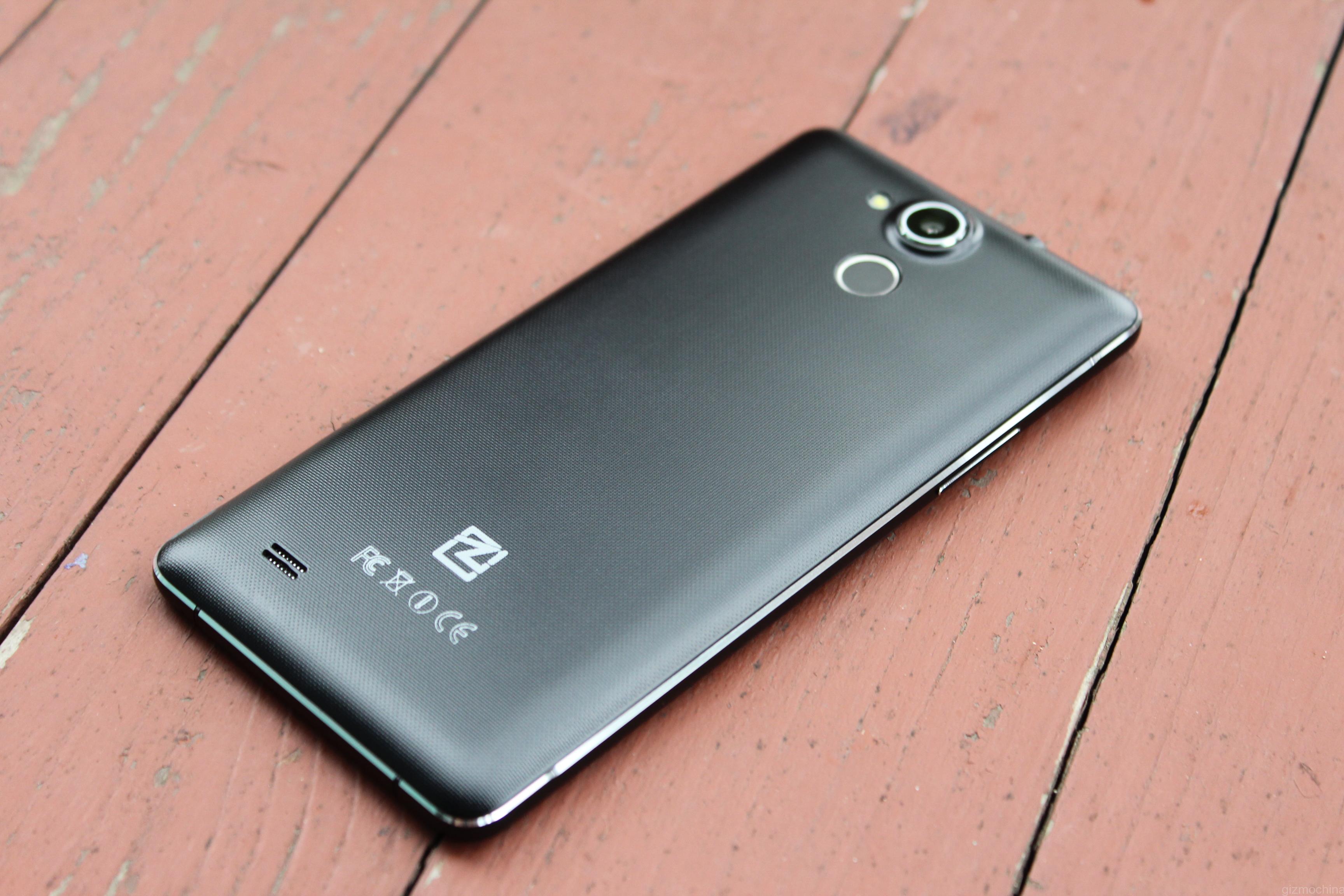
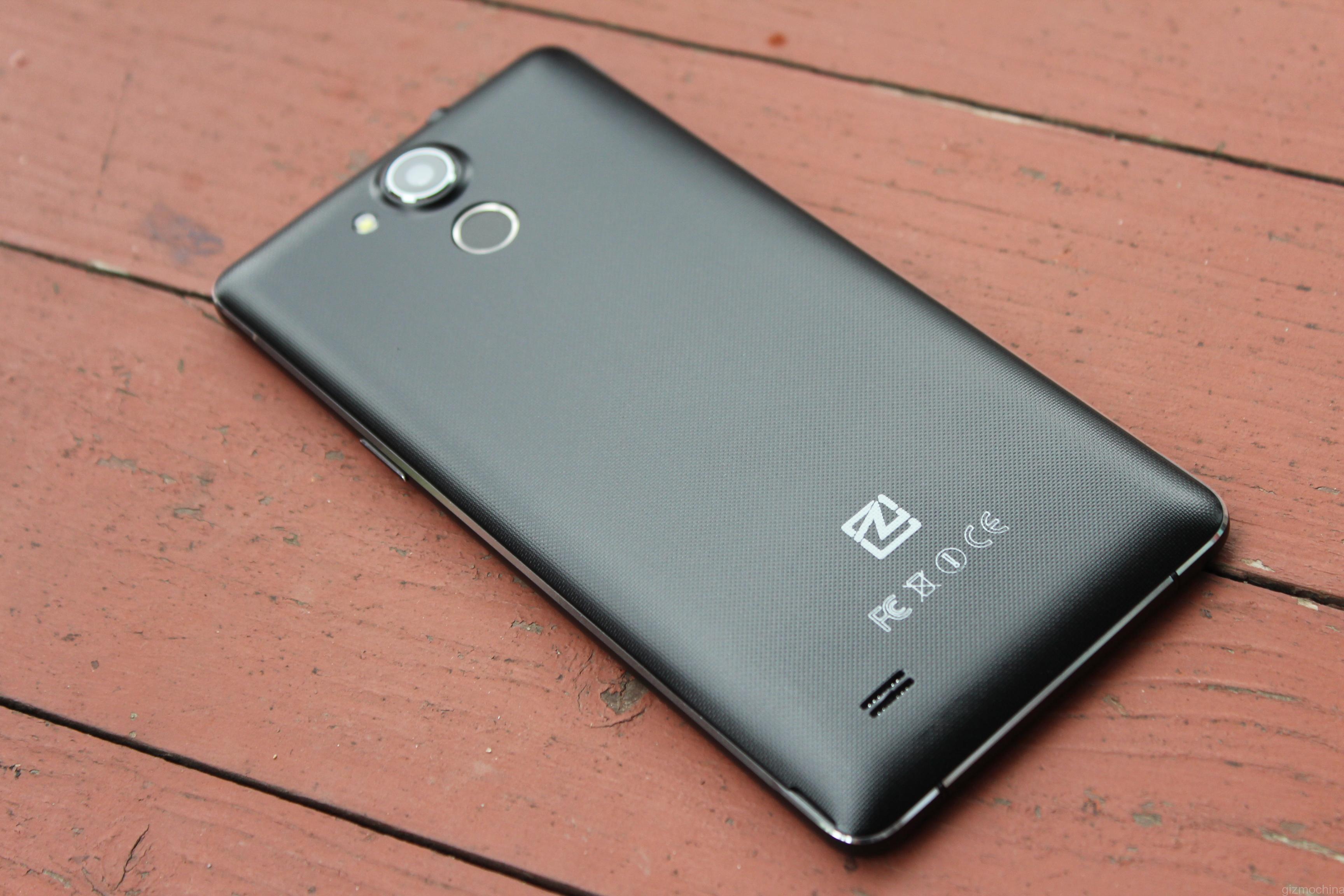
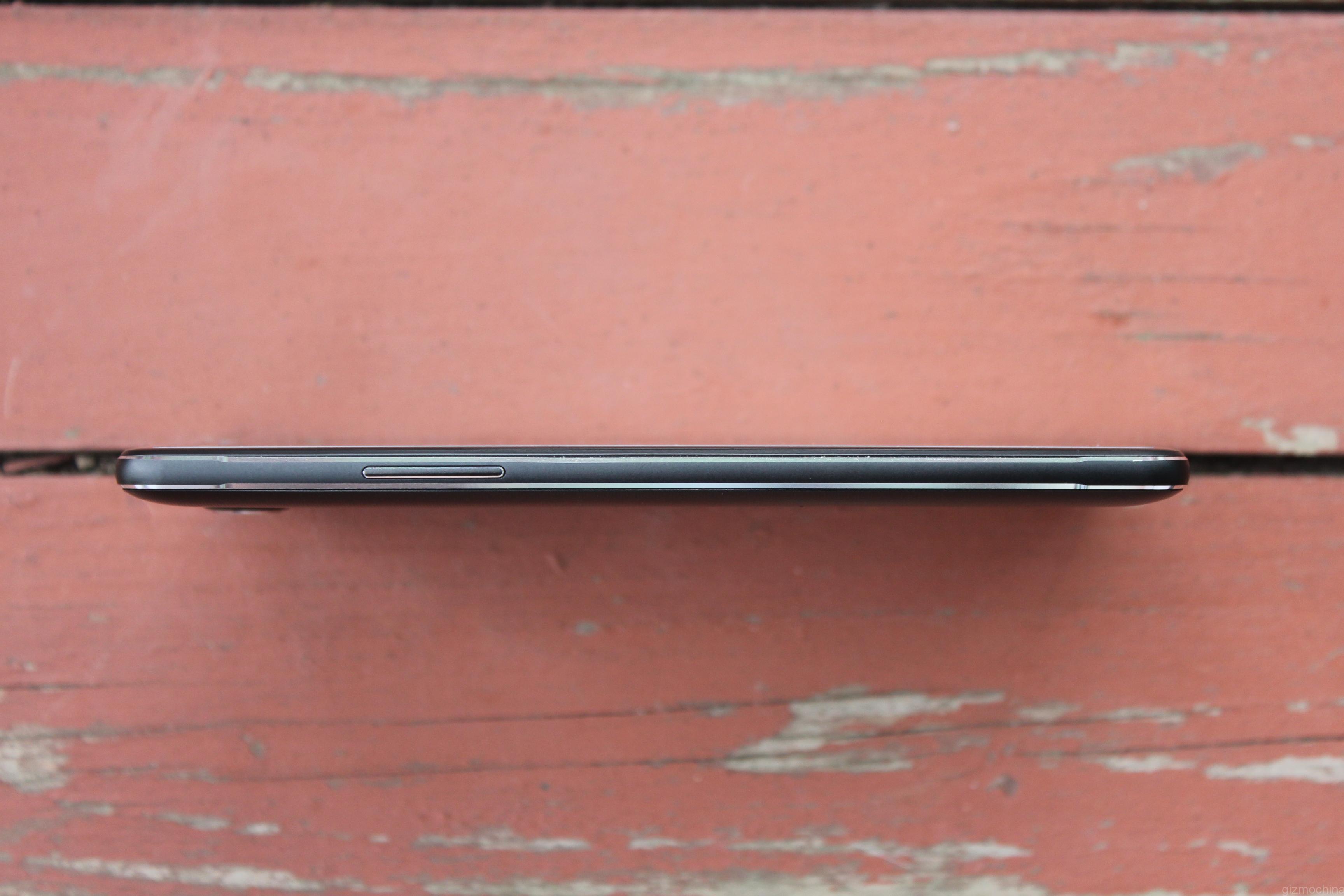
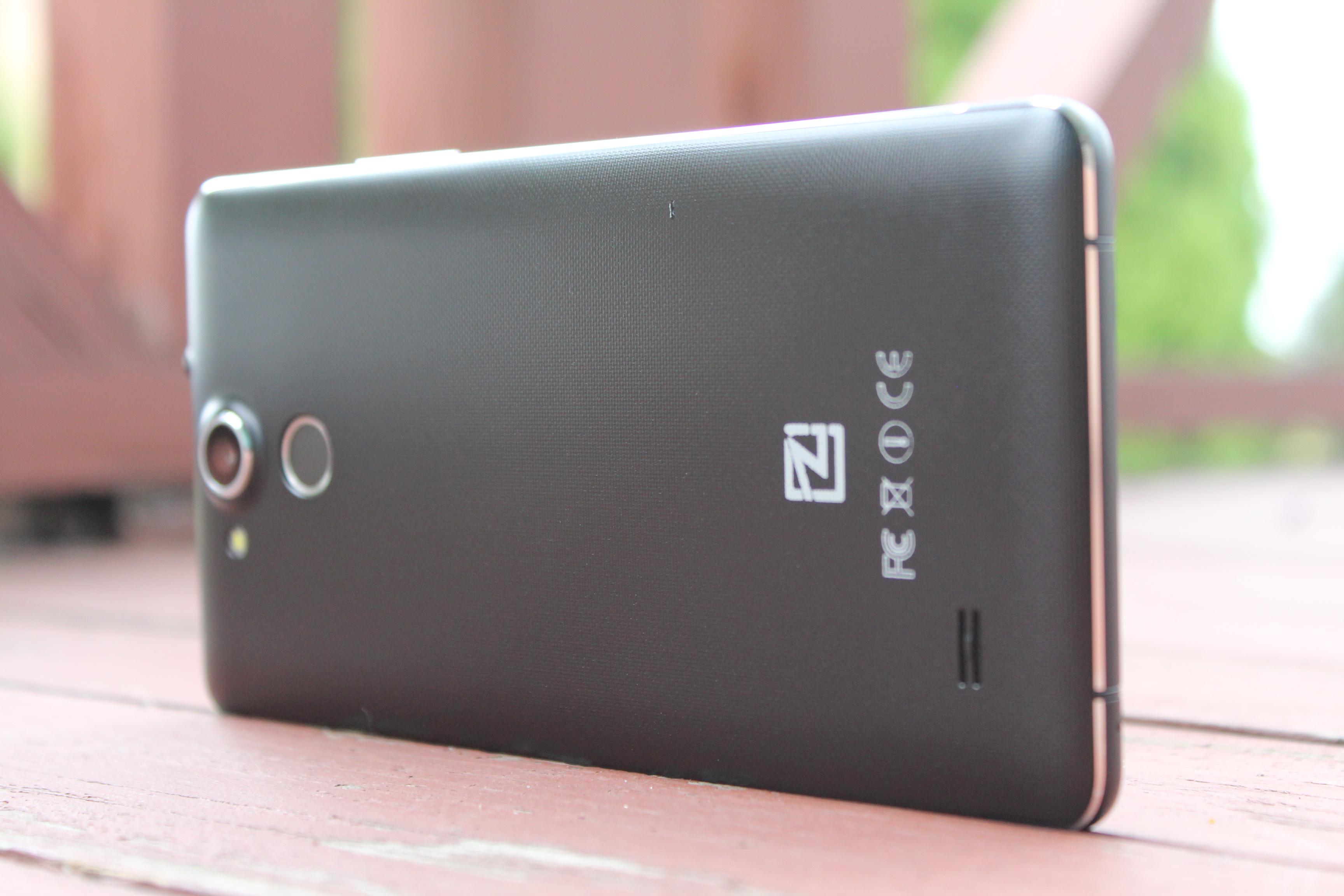
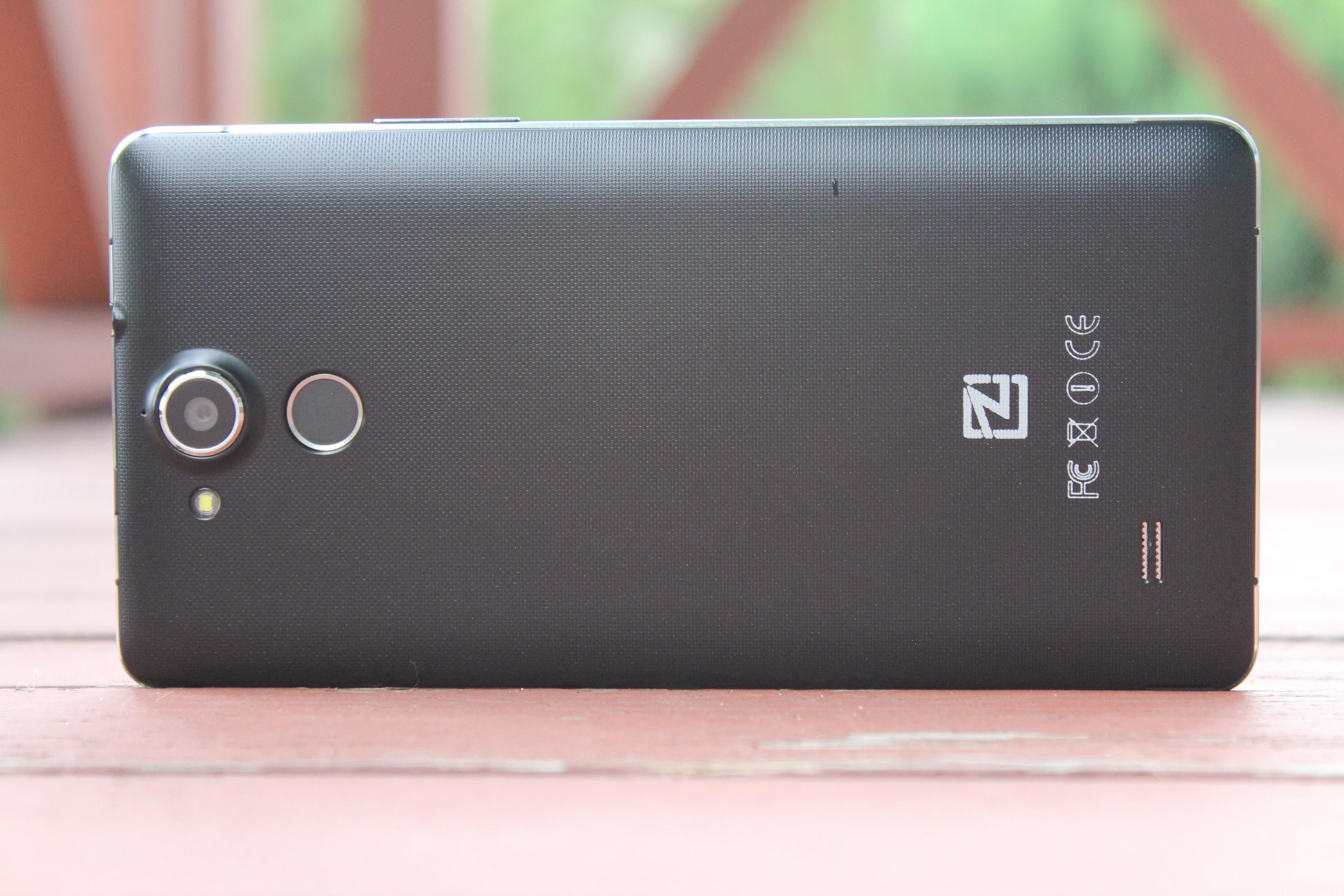
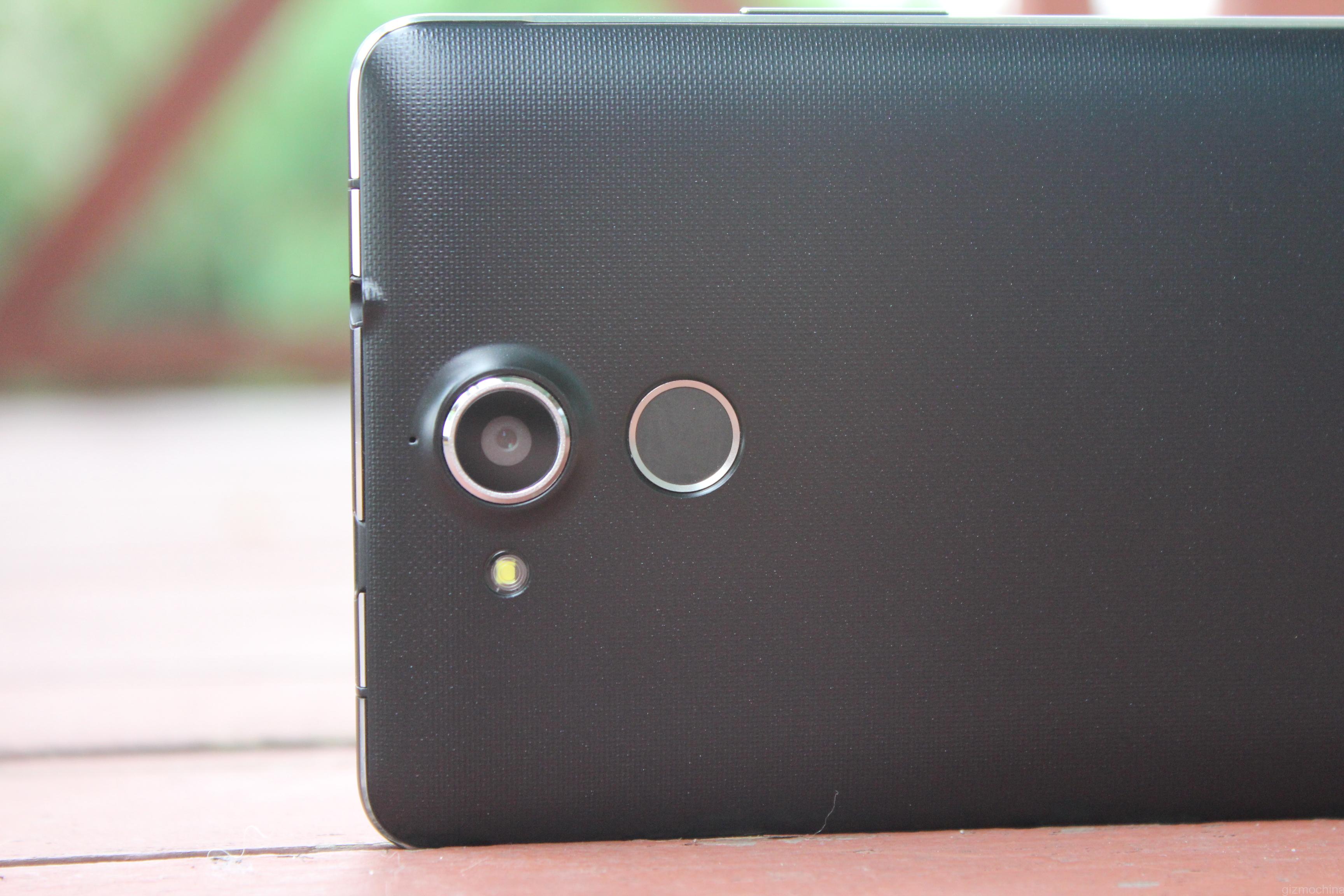
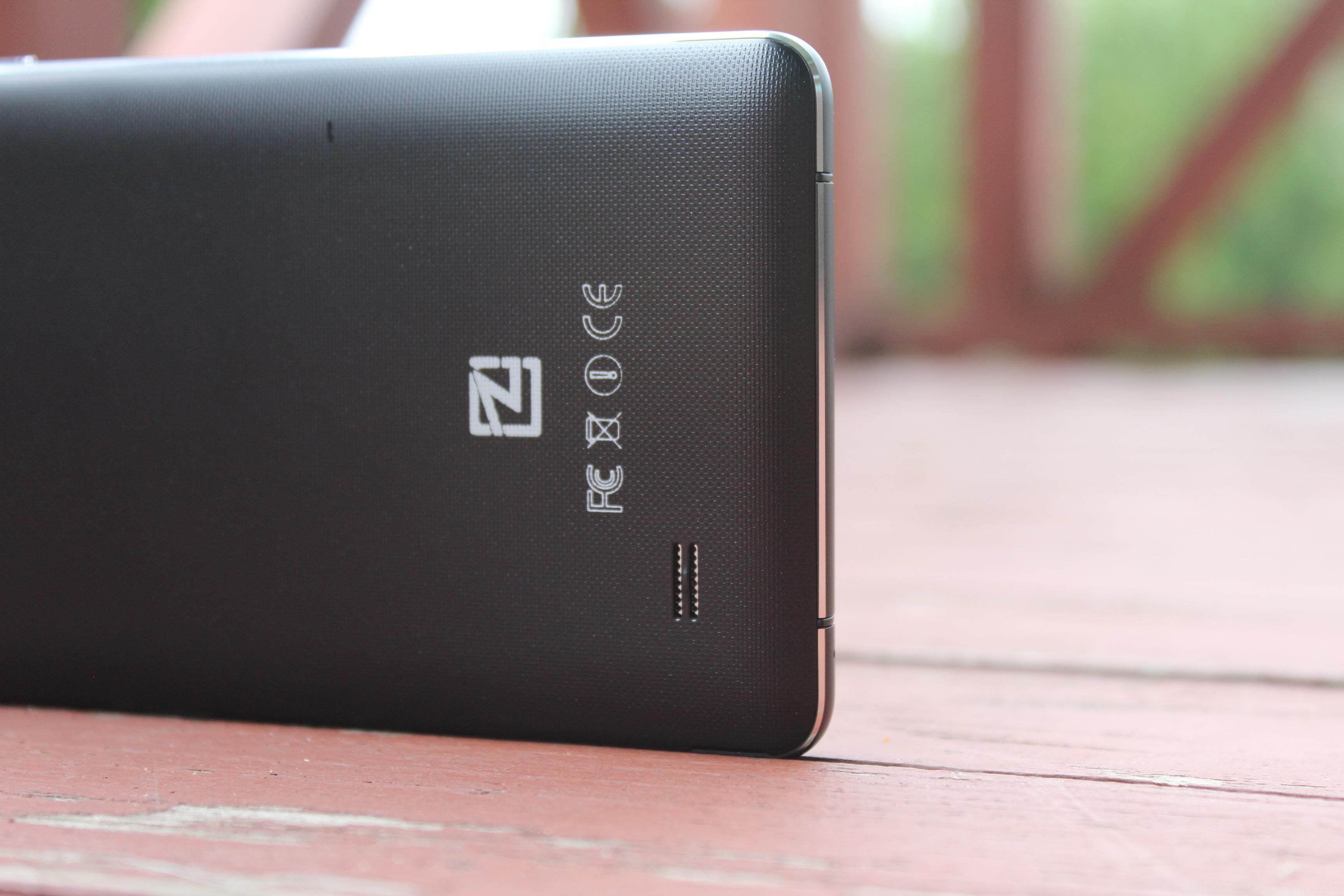
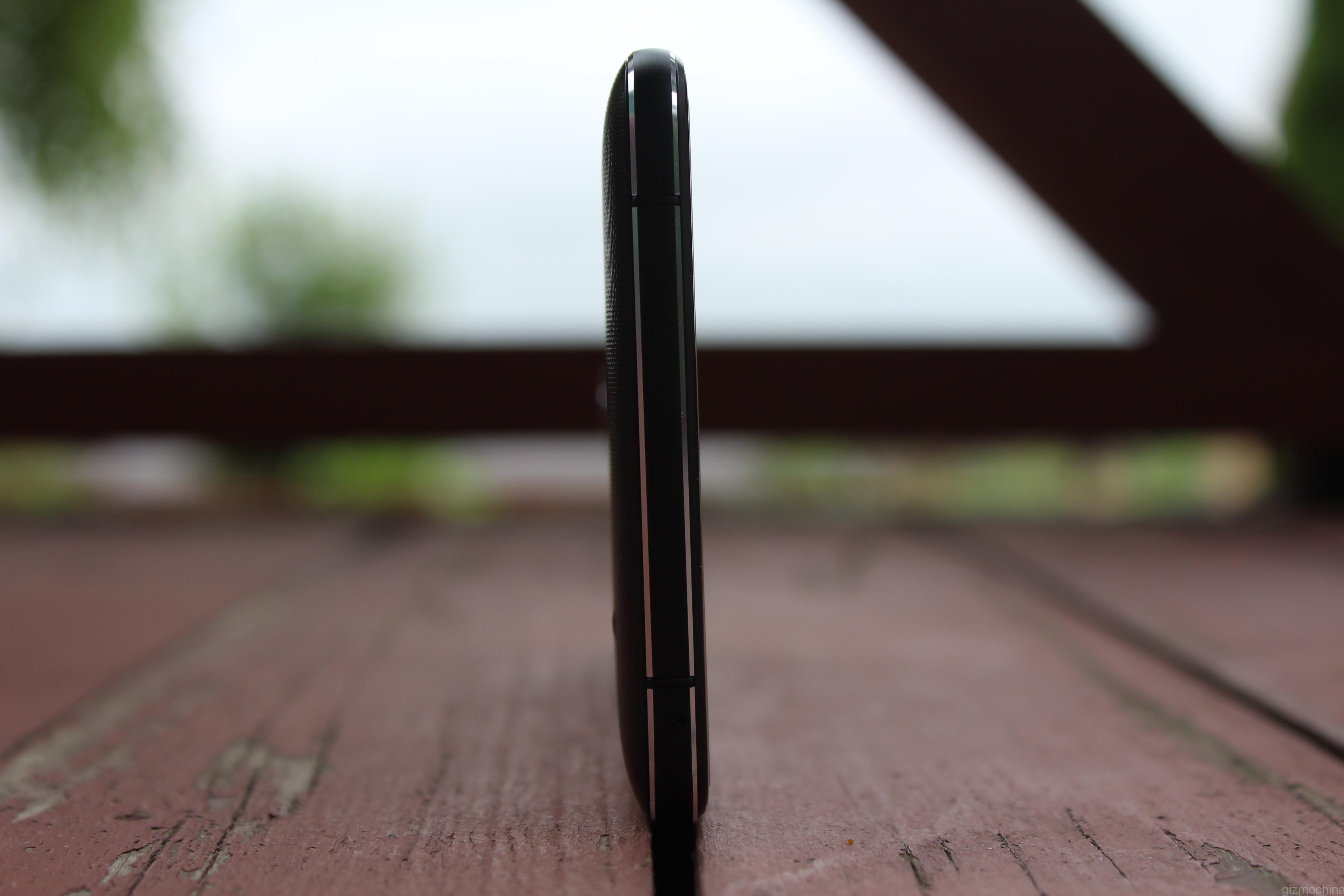
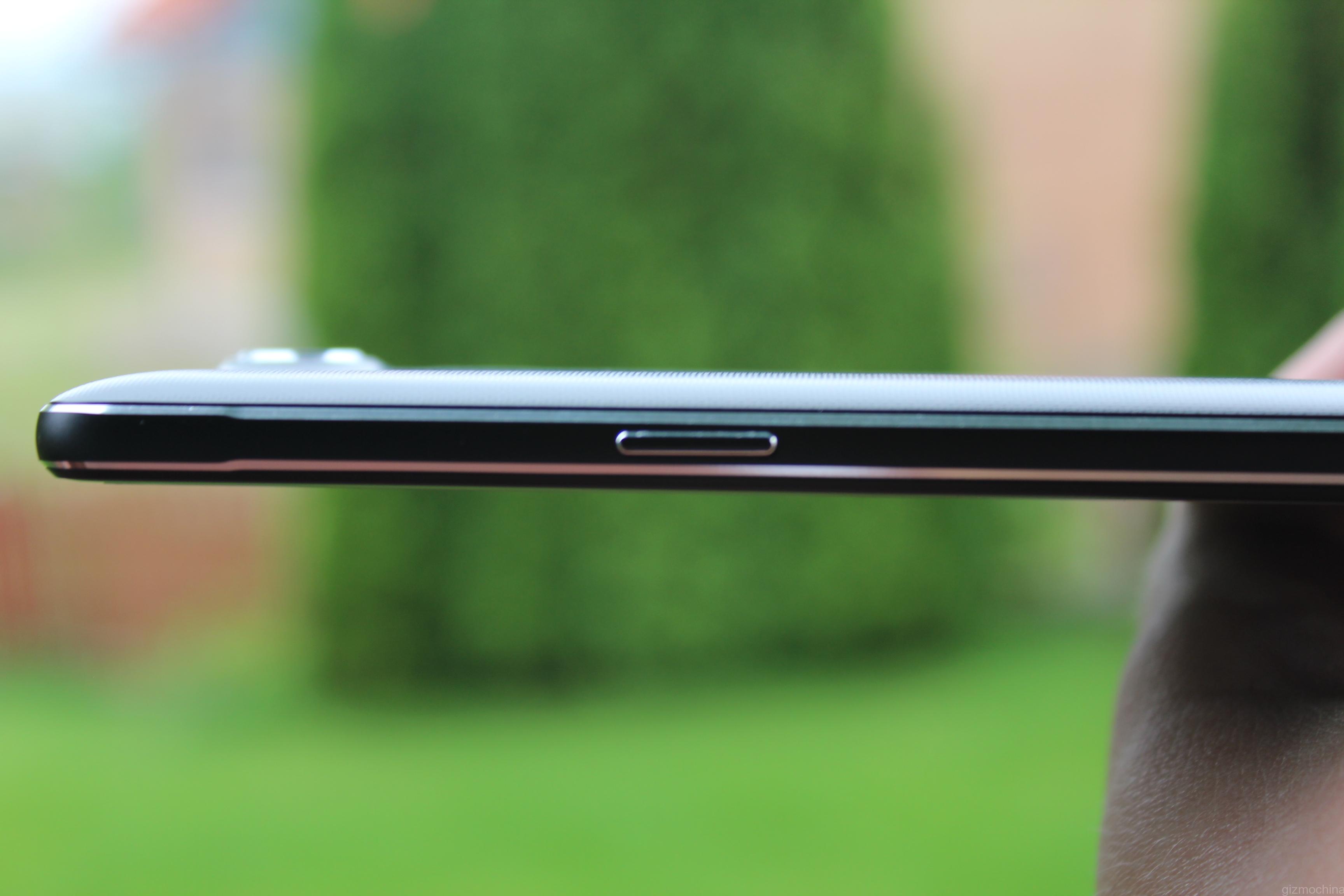
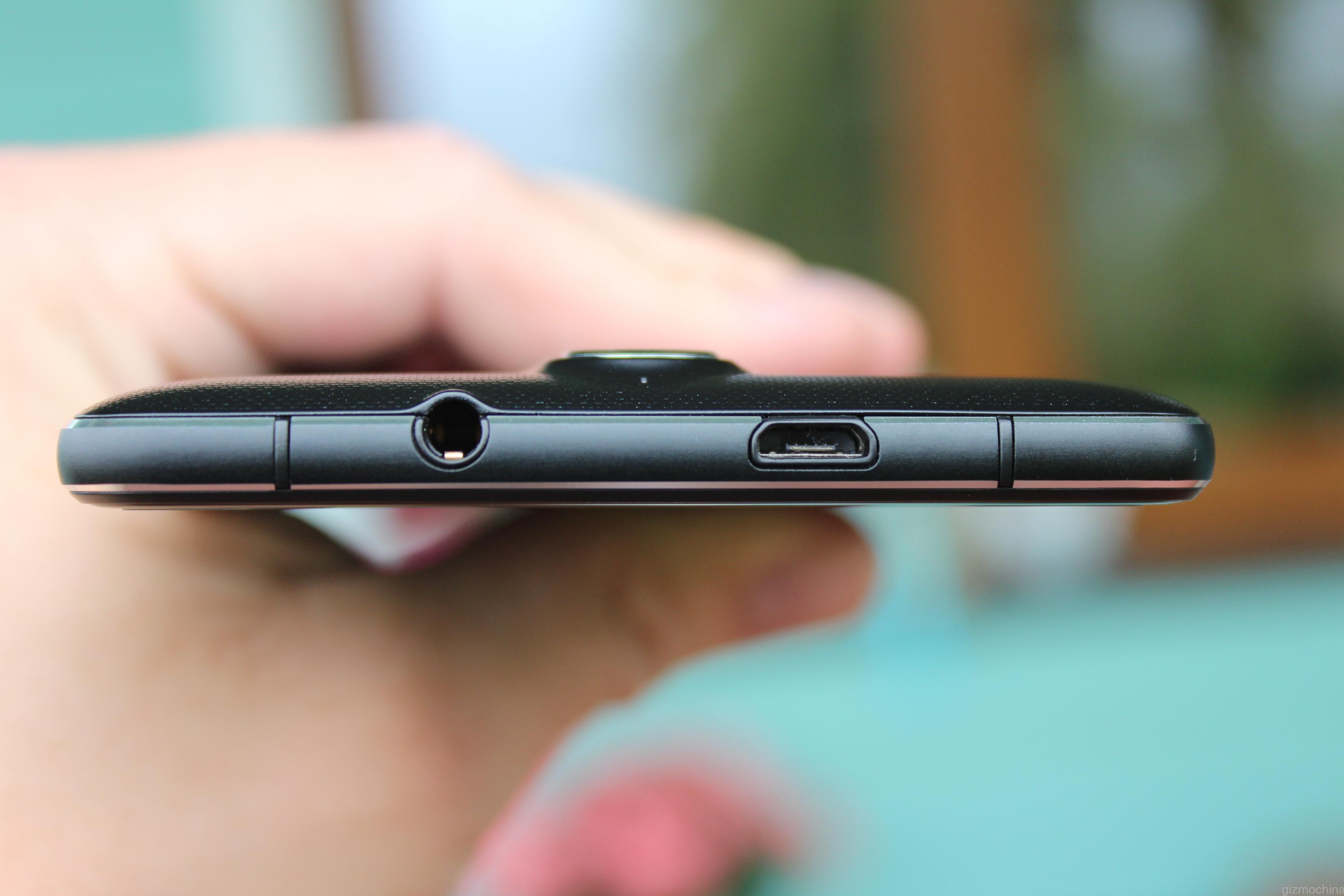
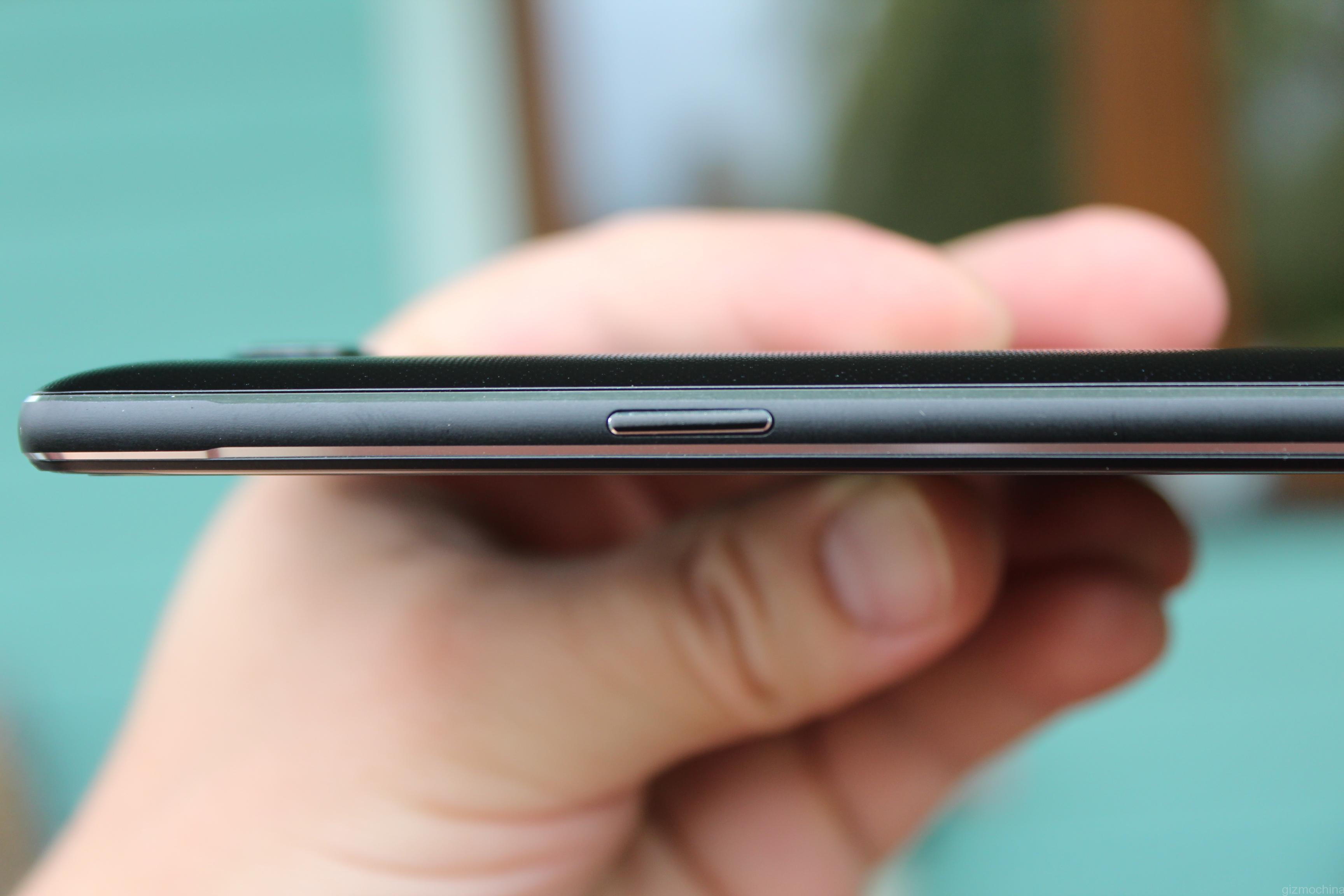
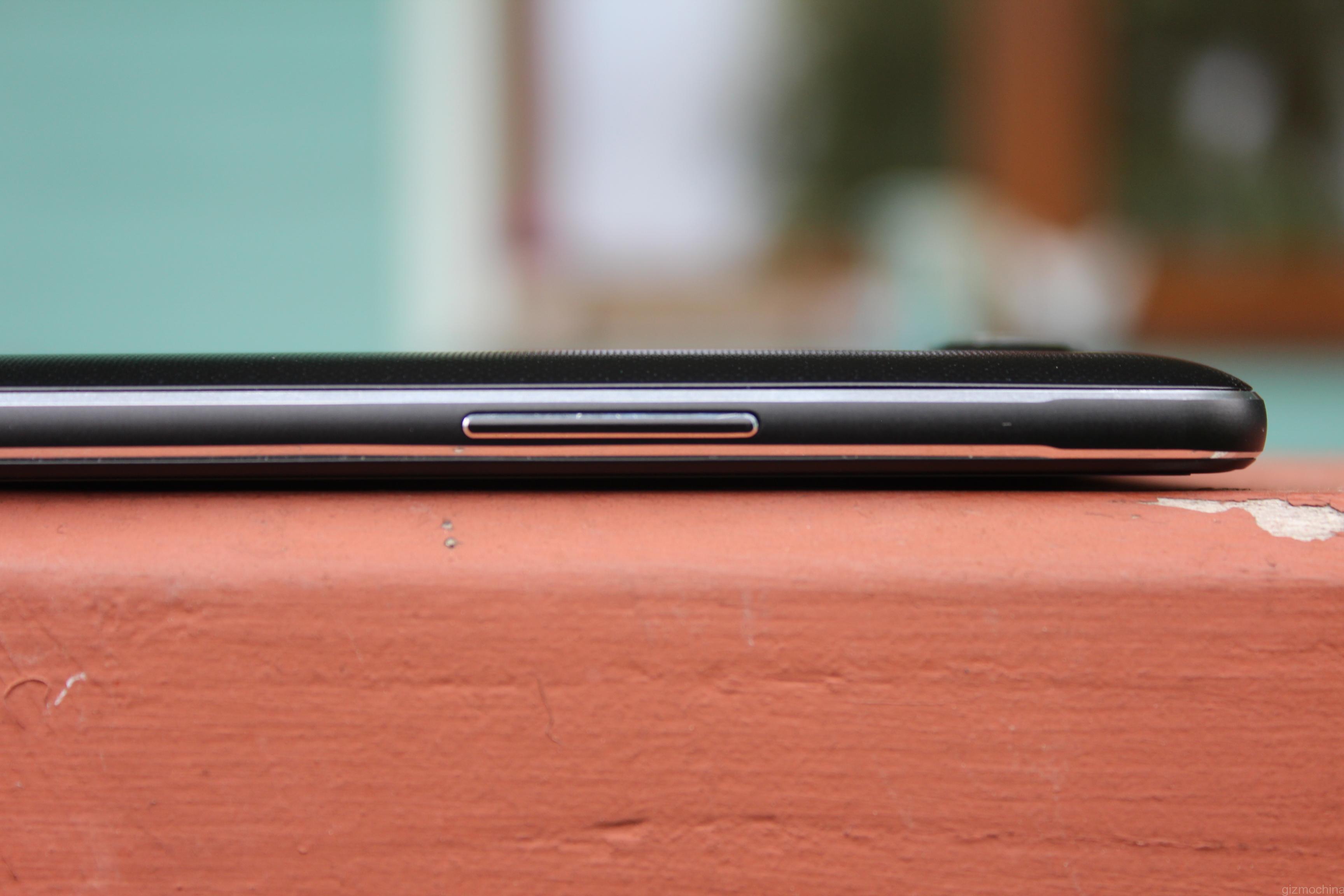
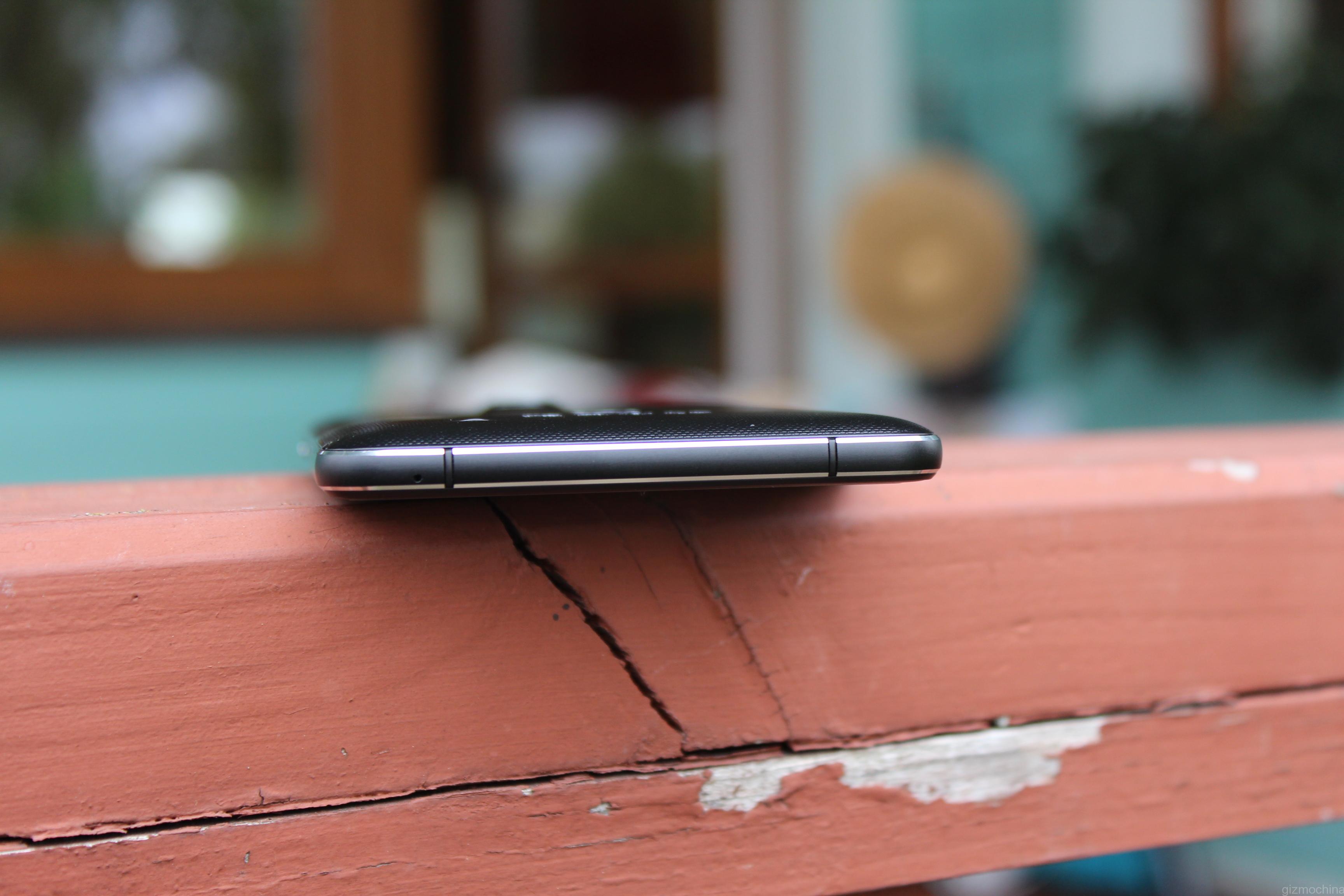
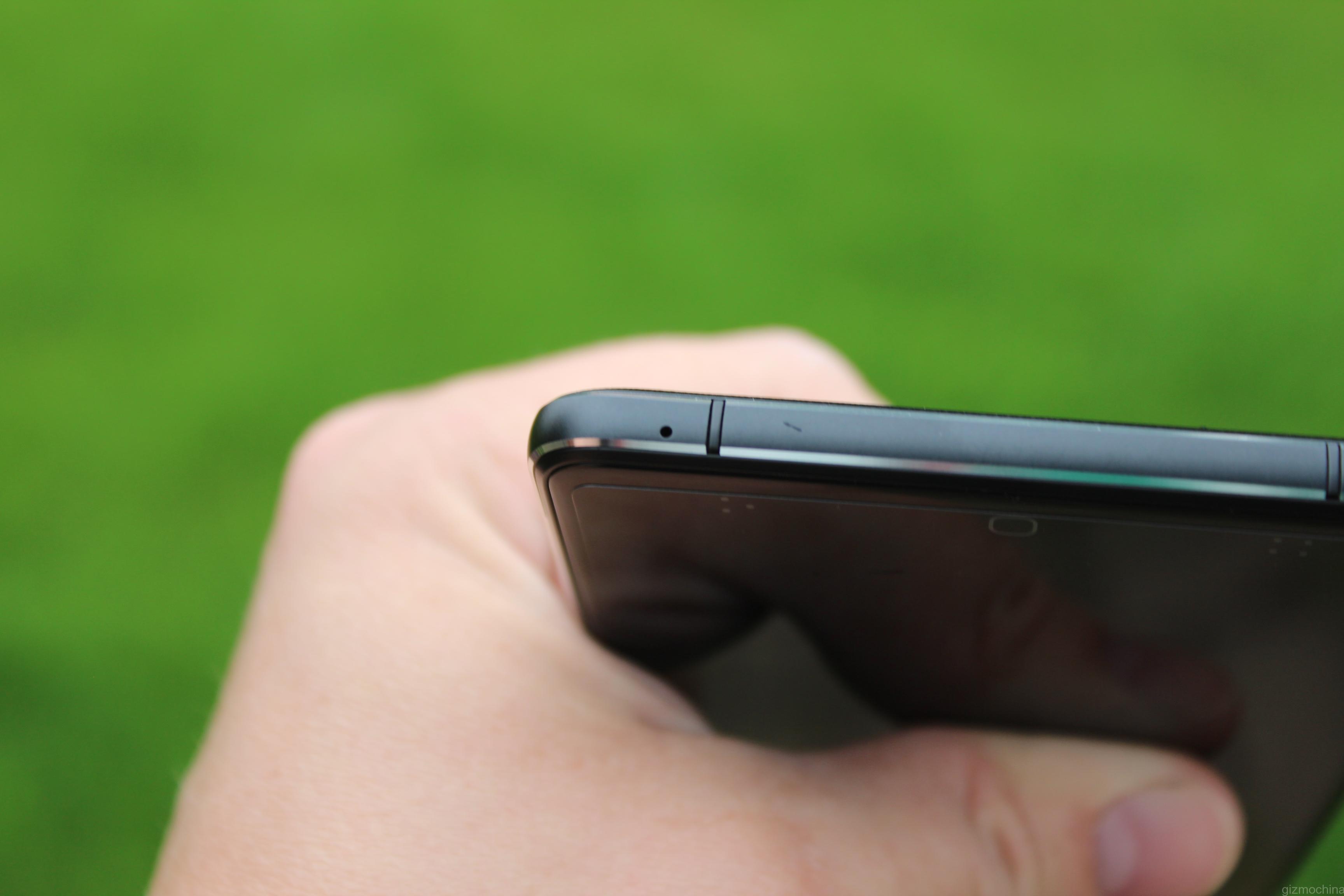
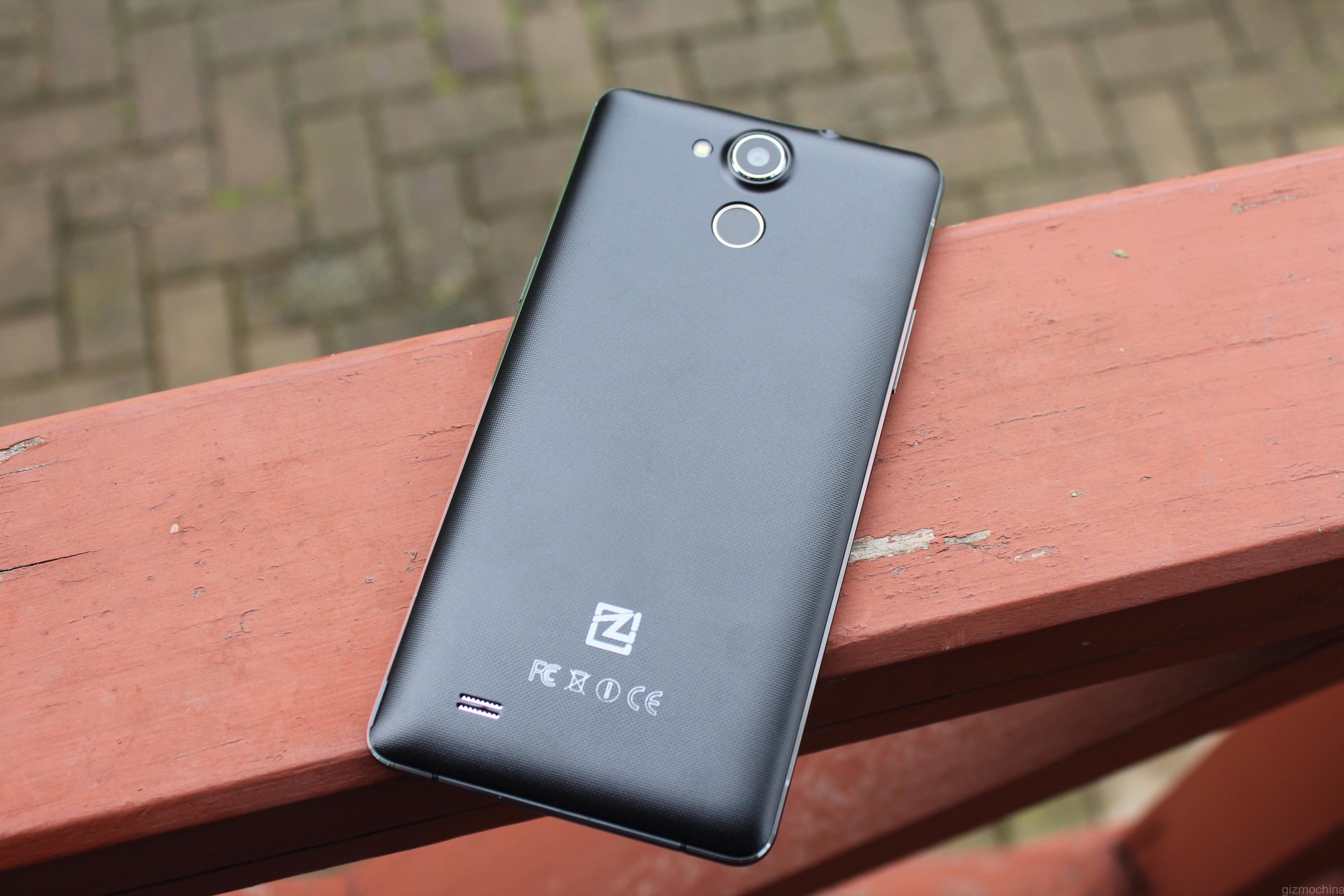
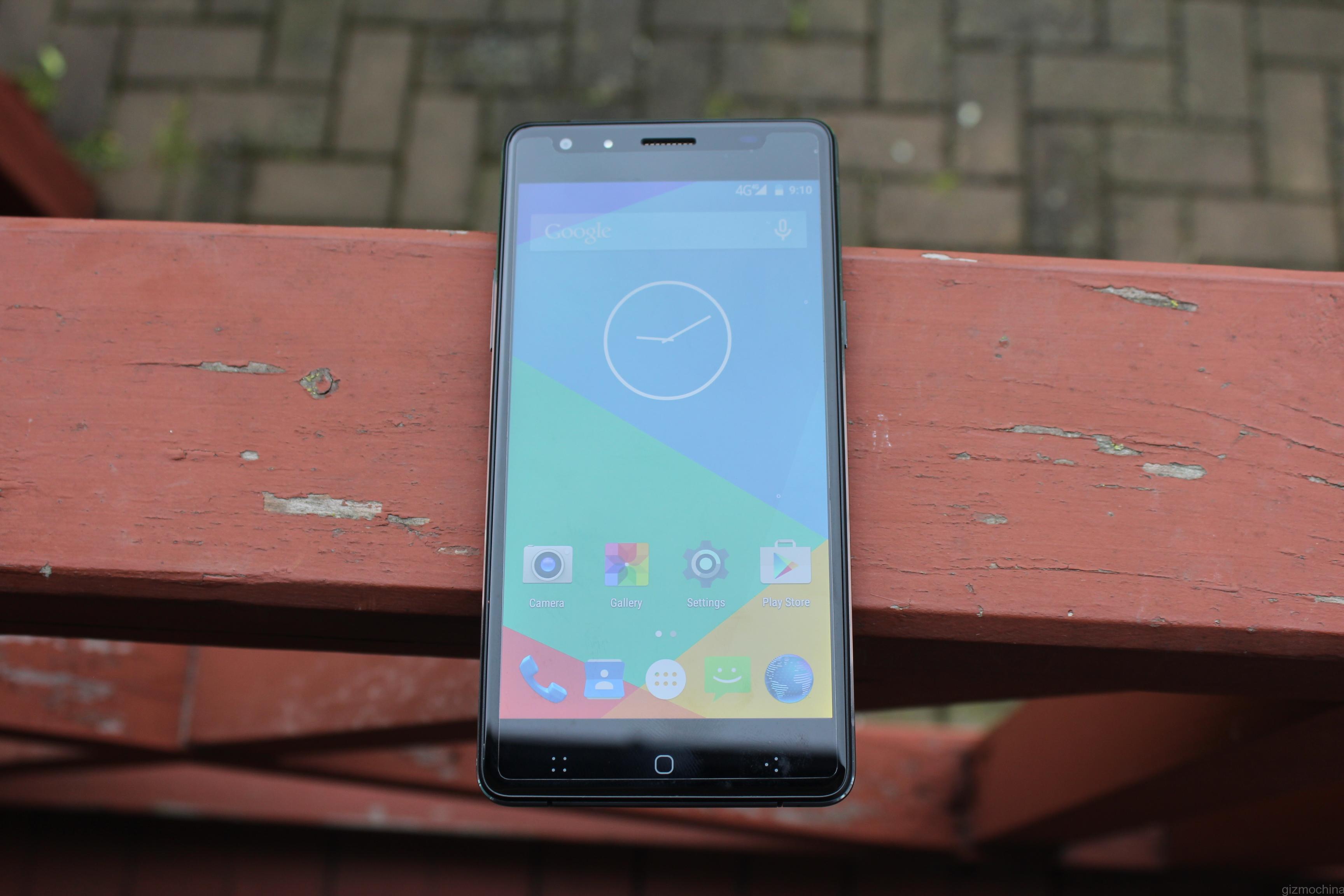
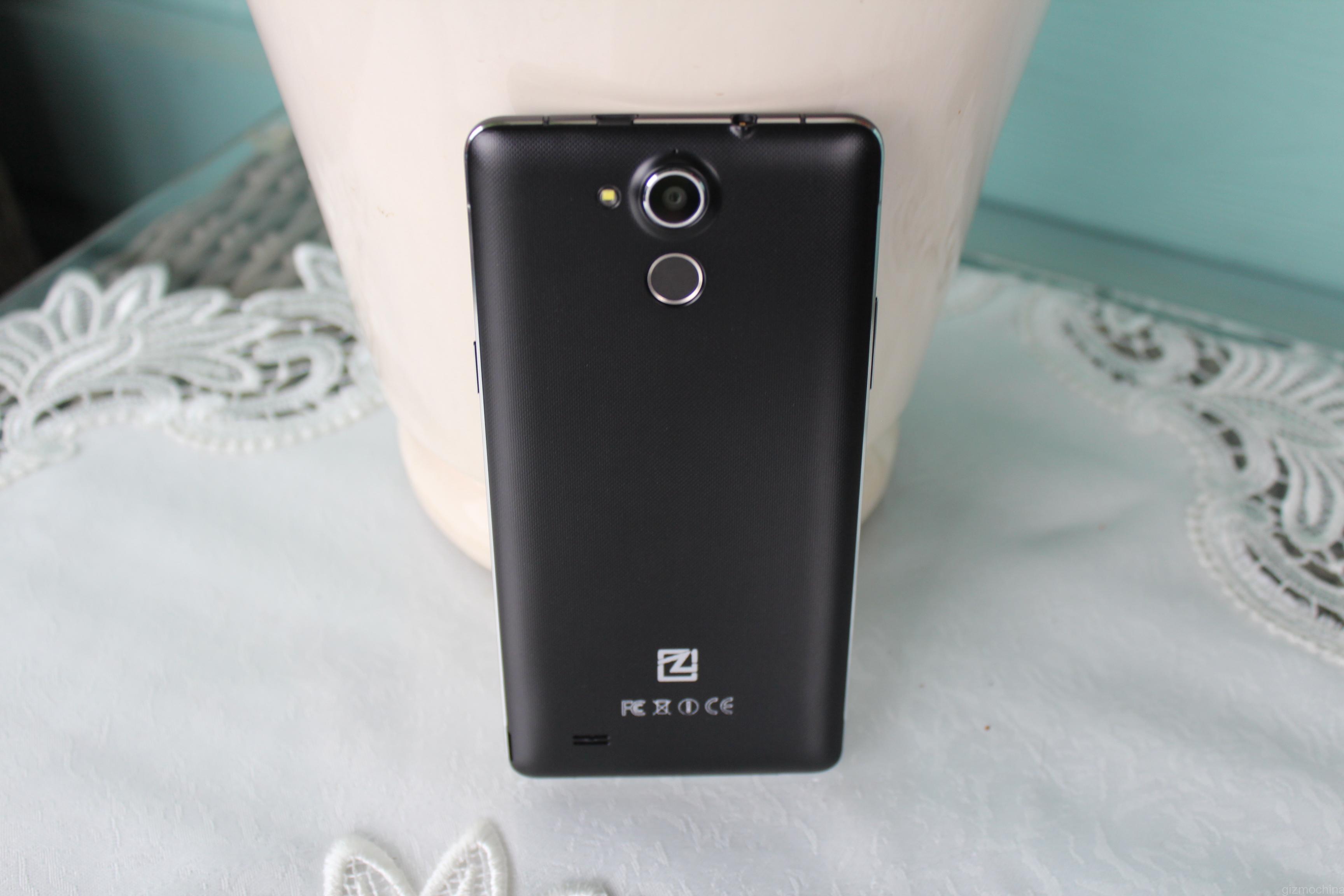
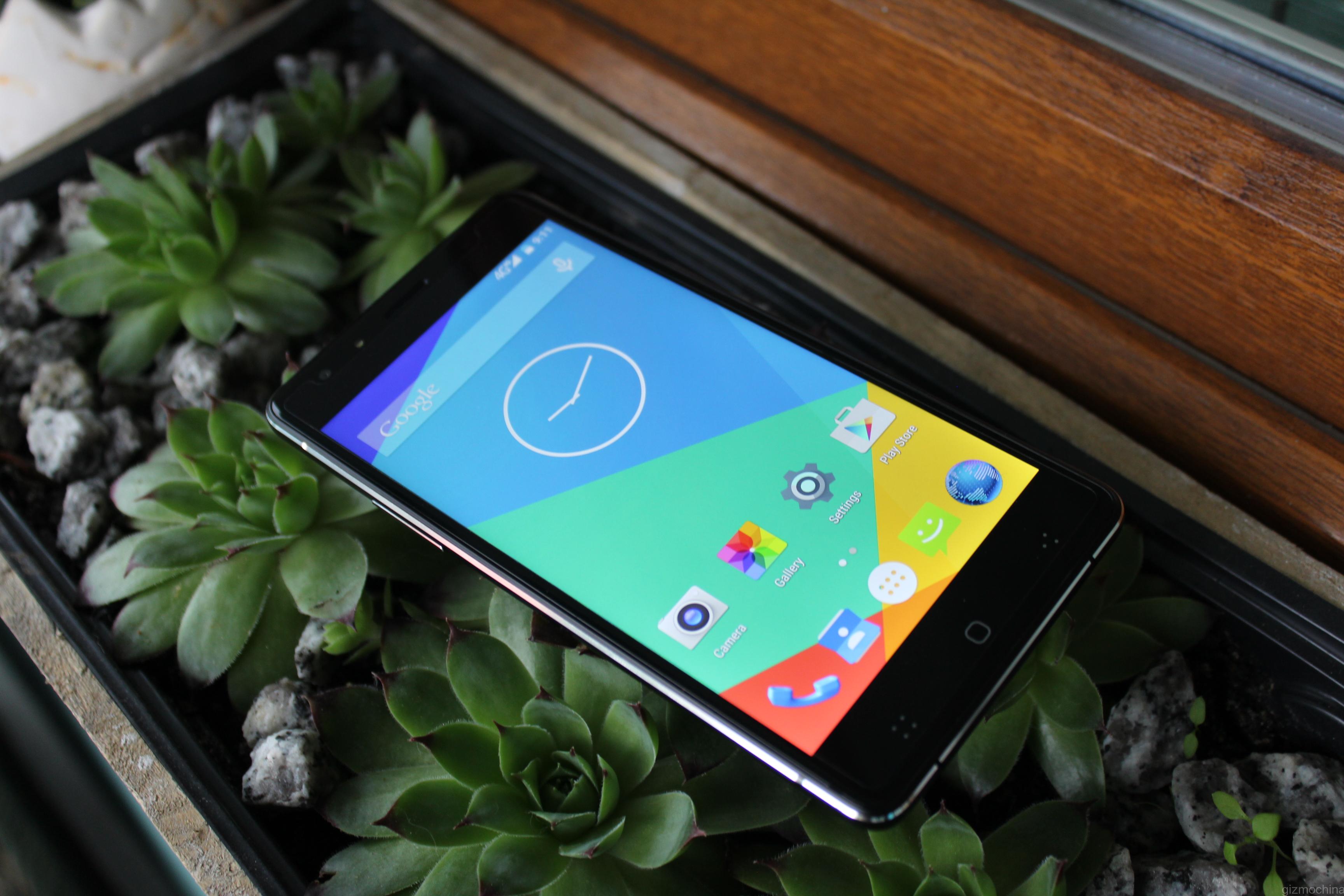
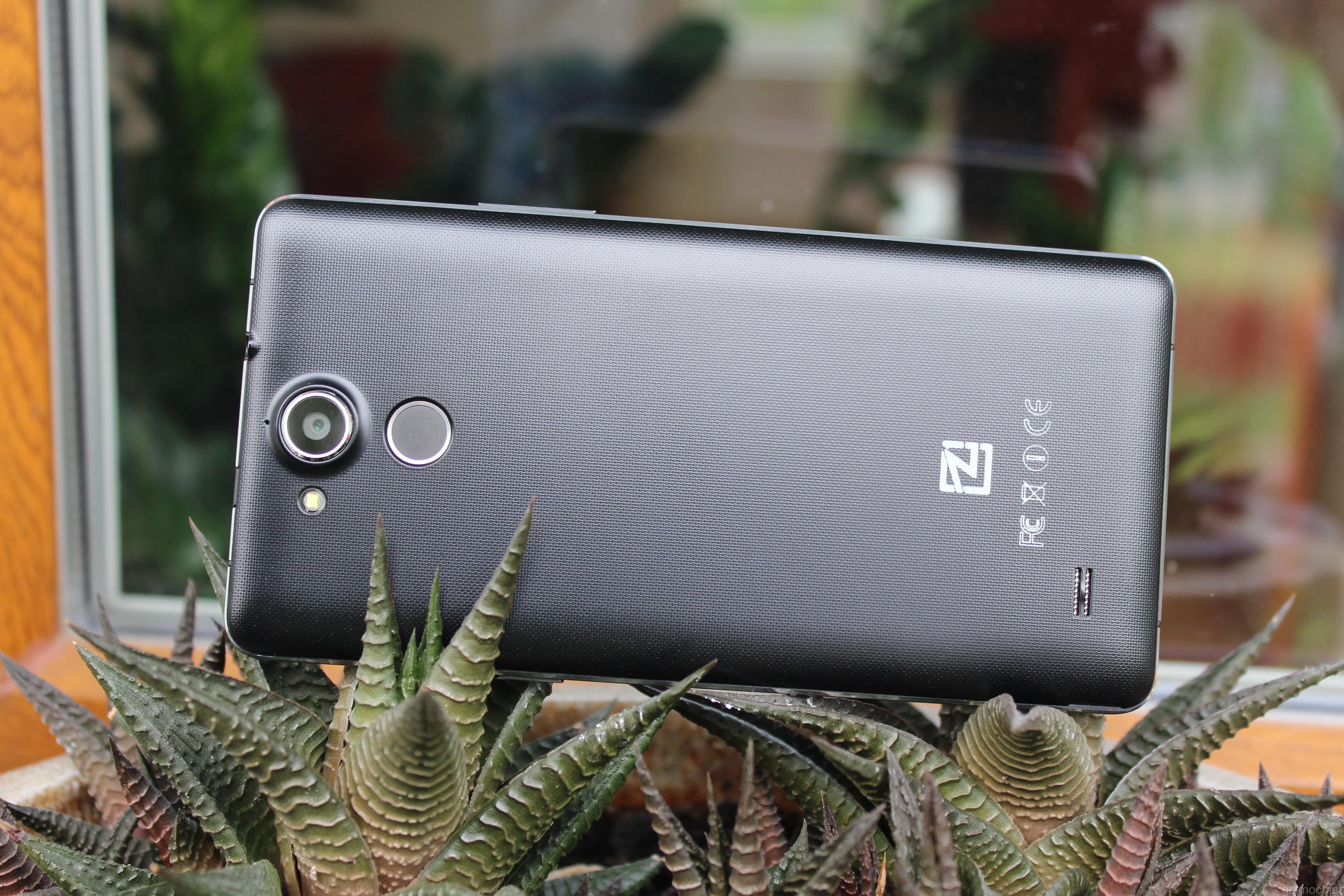
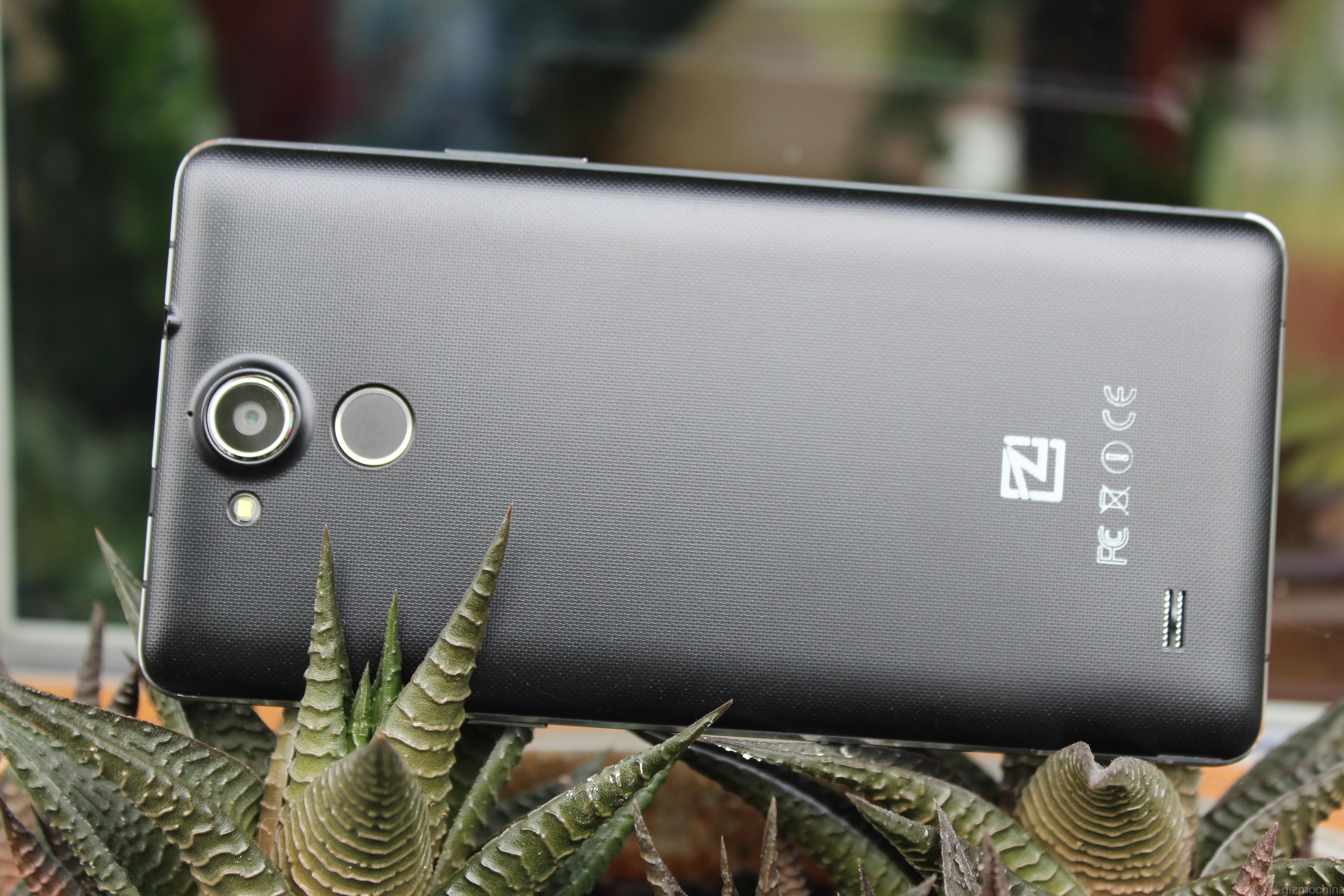
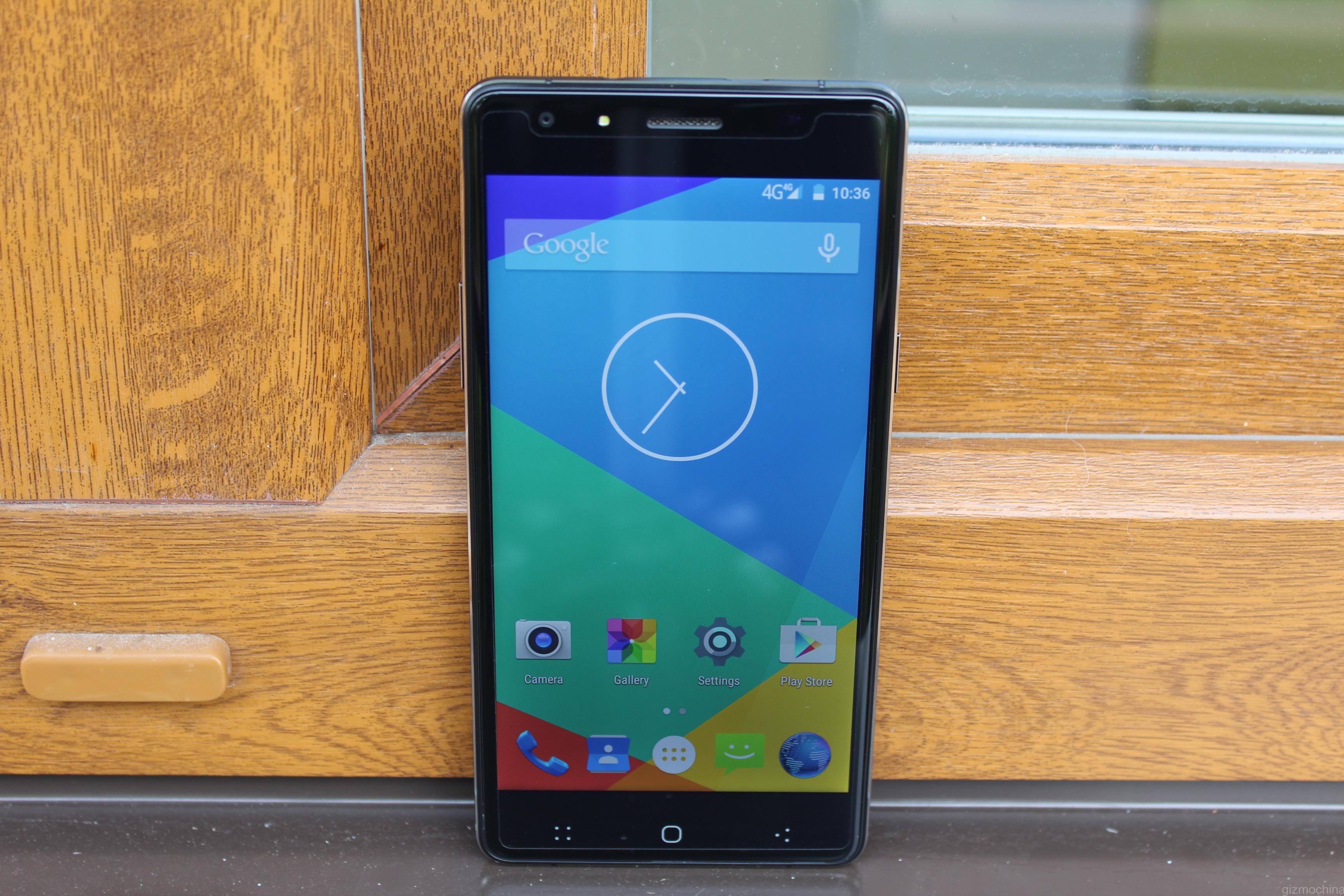
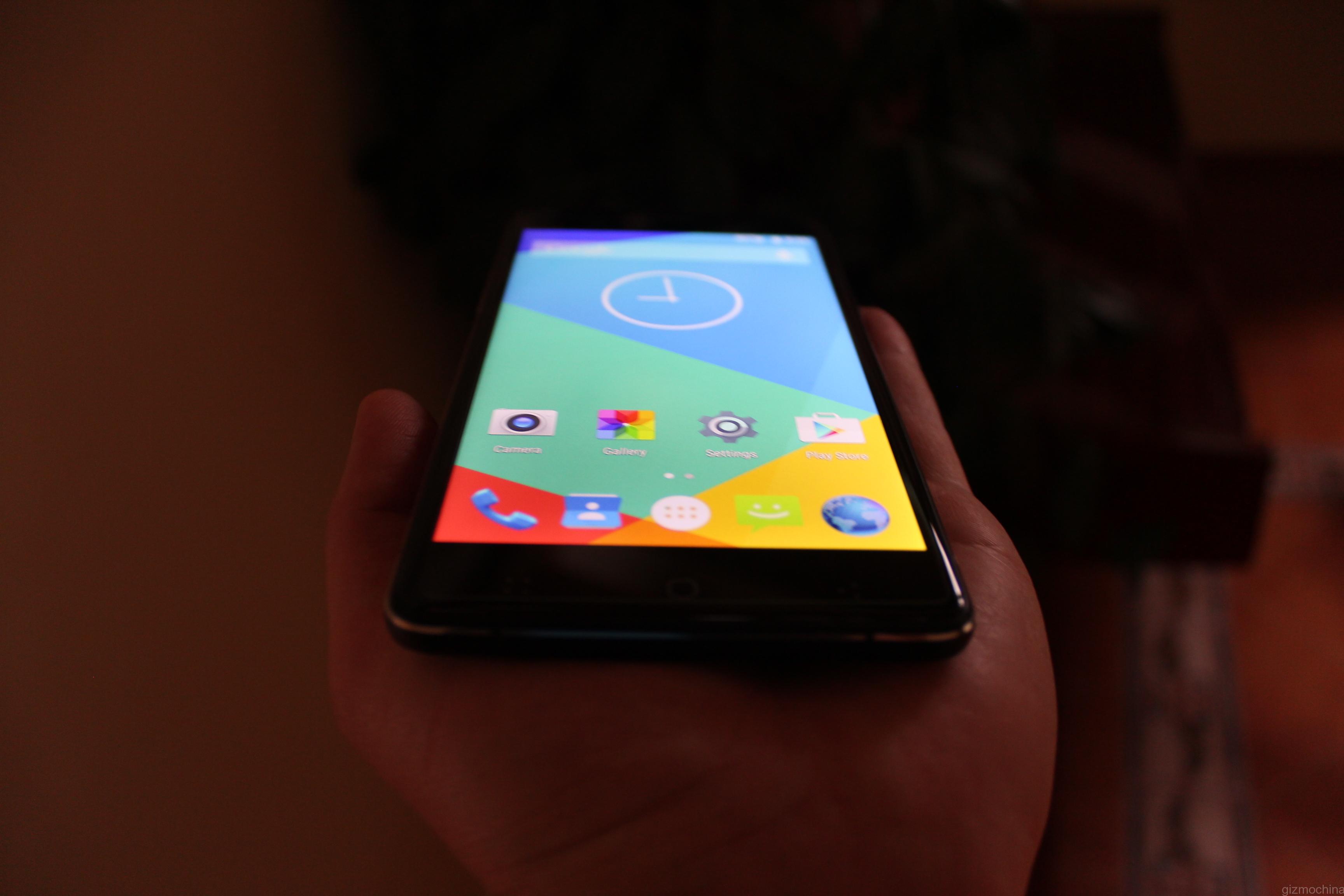
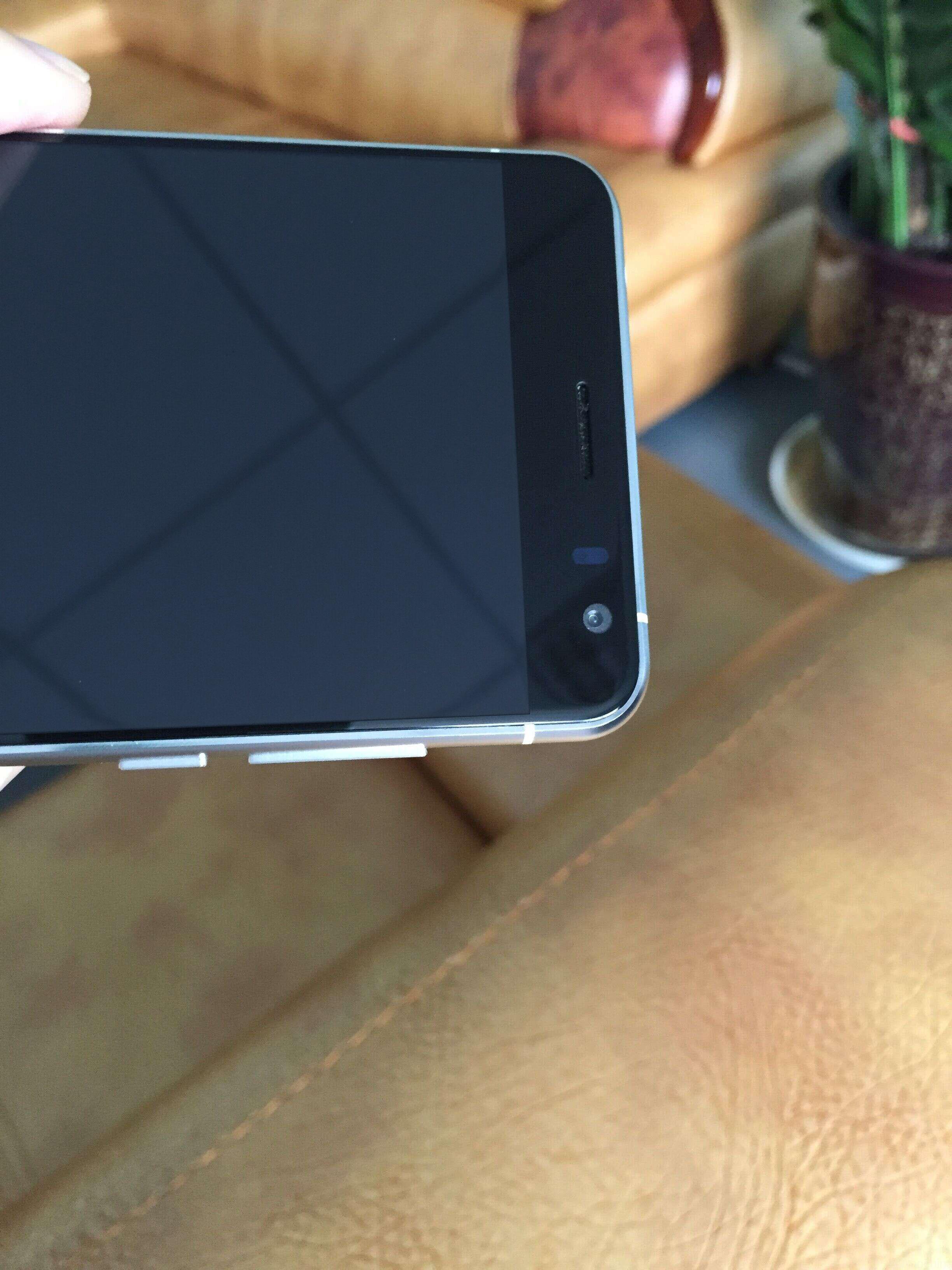
A couple of days back, we reported that Lenovo’s sub brand, ZUK will be unveiling its ZUK Z1 smartphone with the new USB Type-C port. If you are an avid tech follower, you would know that the Z1 isn’t the first smartphone to come with this new port. We have already seen it in a couple of devices like the LeTV series. In fact, most upcoming flagships like the OnePlus Two will come with this port.
However, if you think that the USB Type-C on these devices and ZUK Z1 will be same, then you have been mistaken. Earlier today, ZUK CEO said that although in looks the USB port on LeTV phones and ZUK Z1 will be similar, internally, the specs are a bit different. The USB Type-C port inside the ZUK Z1 will be of USB 3.0 specification instead of the traditional and slower 2.0 specification. This would make it the first smartphone with a USB Type-C 3.0 port.
The new USB 3.0 specifications brings a lot of advantages. First of all, it increases the transfer speed to a great extent. Instead of the slow 280Mbps theoretical transfer rate, in the new USB 3.0, users can transfer at rates as fast as 5Gbps. Further, the port will support 3A current which means it will come with fast charging tech.
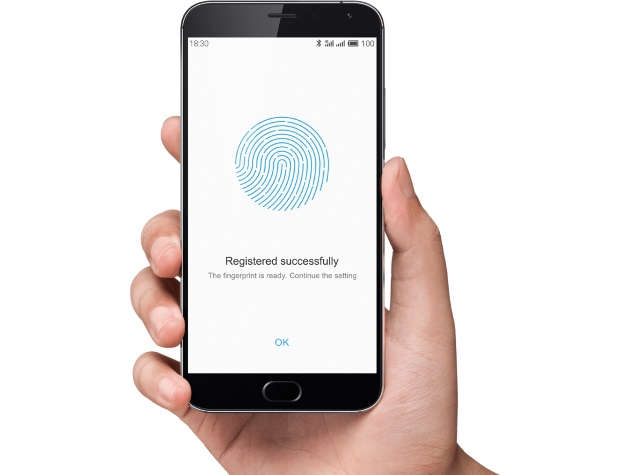
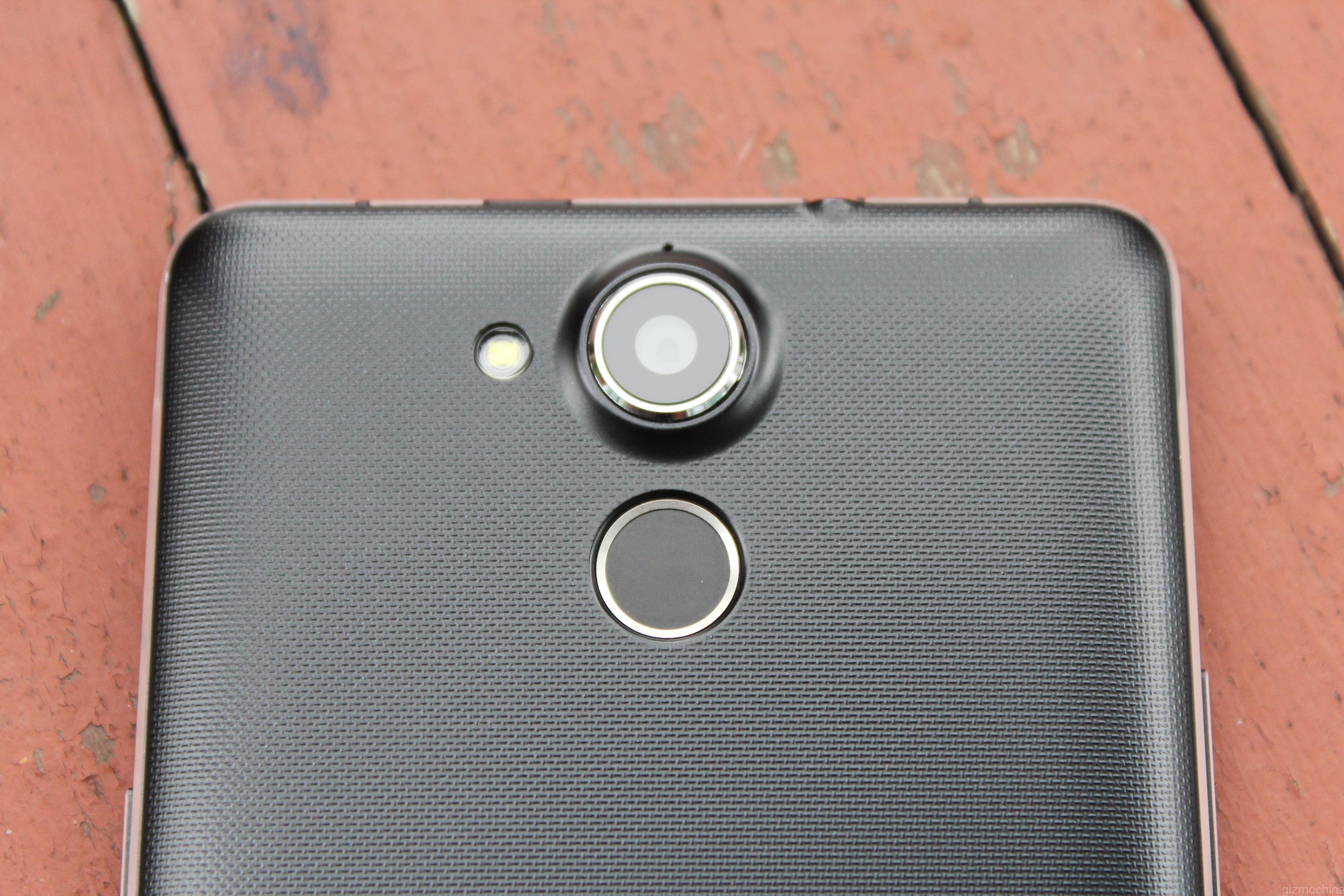
Other specs of the ZUK Z1 are also pretty impressive. The phone is said to come with 4G LTE network connectivity, with support for all the three major carriers in China. There will be a fingerprint sensor on board along with a large 4000mAh + battery. This will make it one of the few flagships who can boast of such a large battery.
Overall, it looks like ZUK Z1 will be a powerful device with the latest tech from the industry. We are still not sure about the launch period, but expect it before the end of this year.
Stay tuned for more details.
Meizu released its flagship smartphone for the year, the Meziu MX5 at the end of last month. Retailers have already started listing the device on their websites and now Giztop has just informed us that the Meizu MX5 is available for purchase on their website.
Meizu MX5 comes with one of the value for money quotient. The company, like always has incorporated the best specs at a very affordable price tag. MX5 comes with a 5.5-inch Full HD display with 1080p resolution. Under the hood, there’s the new 2.2GHz MT6795T octa-core Helio X10 processor along with 3GB of RAM and 16GB of internal storage (32GB and 64GB storage options also available). At the back, there’s a 20MP Sony IMX220 camera along with a 5MP front facing shooter. Finally, you also get a fingerprint scanner on the device.
You get all these specs for an affordable price tag. If you want to purchase this phone right now, you can get it directly from Giztop for just $349. That comes out to be a great price for a device with such specs.
If you want to take a look at how Meizu MX5 performs in real life, you can check out our hands on video.
Meizu MX5 Specs:
5.5-inch FHD screen, 1920×1080 pixels display resolution
– 2.2GHz MTK MT6795T octa-core processor
– 20MP Sony IMX220 rear camera and 5MP front camera
– 3GB RAM, 16GB/32GB/64GB storage
– Fingerprint scanner supported
– Support global 4G LTE-FDD network
For the past couple of weeks, OnePlus has been teasing some of the features of its upcoming OnePlus Two flagship smartphone. Thanks to these teasers, we already know a lot about the device. And it looks like the company will continue teasing us till the phone is officially launched on July 28.
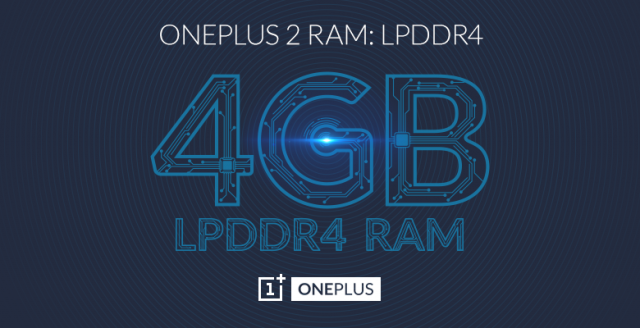
In the latest teaser, the company has confirmed that the OnePlus Two will feature LPDDR4 4GB RAM. This will be an upgrade from the 3GB RAM that was found on the current generation flagship, the OnePlus One. What’s more, with the kind of features that we are going to see on the new device, coupled with the affordable pricing, the OnePlus Two is once again turning out to be a flagship killer.
The company has already revealed that it will feature the Snapdragon 810 v2.1 octa-core 64-bit chip which will make sure that the phone will run smoothly especially with 4GB RAM on board. Further, the company will have an efficient fingerprint ID tech on the device, which is reportedly faster than Apple’s touch ID. Other confirmed features include USB Type-C port, an all metal body and a price tag of under $450.
Recent rumors have suggested that we may see two different versions of the flagship. The high-end model will reportedly come with 4GB RAM, 5.5-inch 2K and 2499 price tag, while the standard version is expected to come with 3GB RAM, 5.5-inch 1080p display and 1999 price tag.
Overall, the specs turn out to be pretty high-end. We hope to see more such teasers in the coming days until July 27, when the flagship is unveiled.
On the 29th of June the CEO of ZUK Cheng Chang took to the stage to officially announce the release of both the Z1 and the companies new Mobile phone OS known as ZUI.
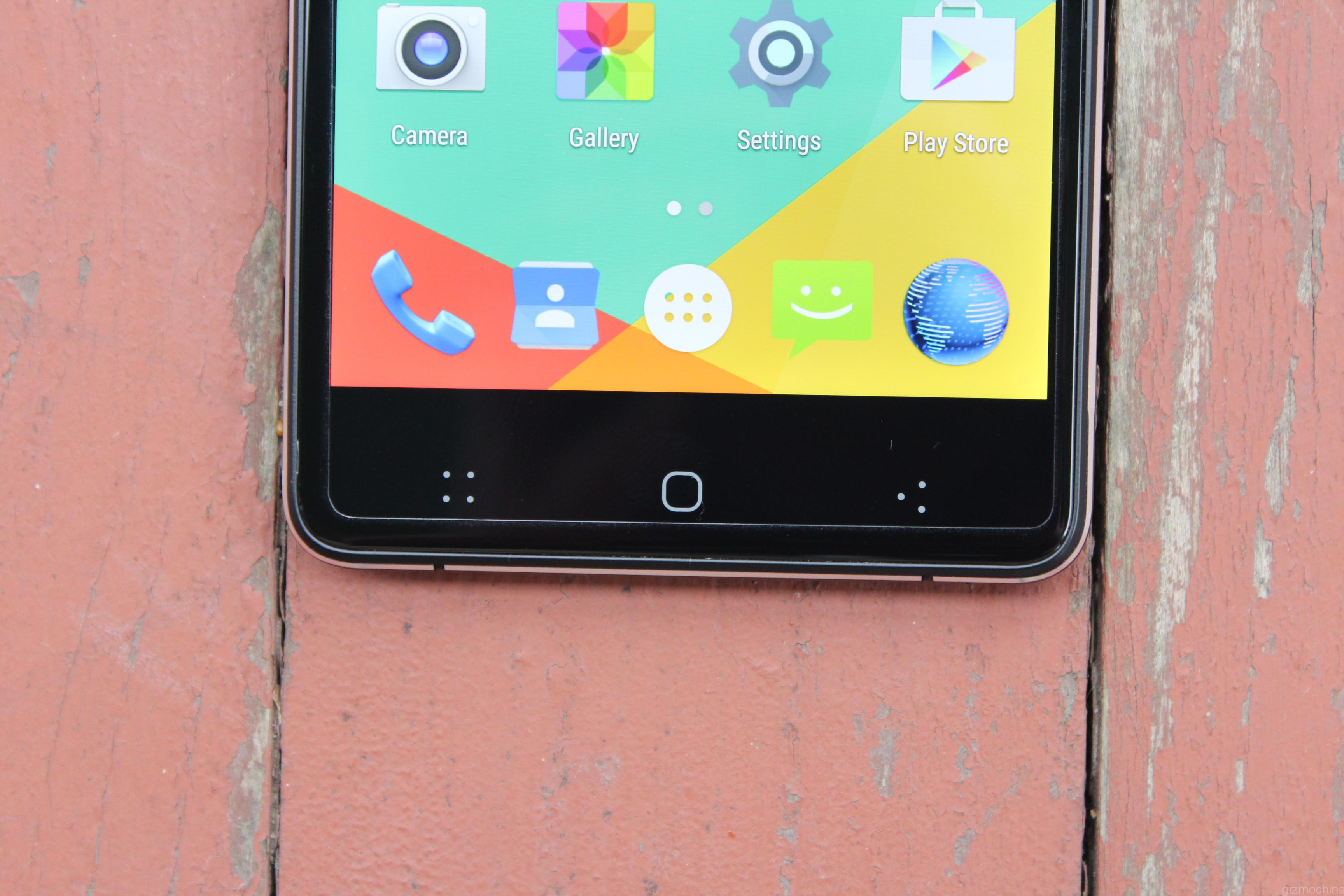
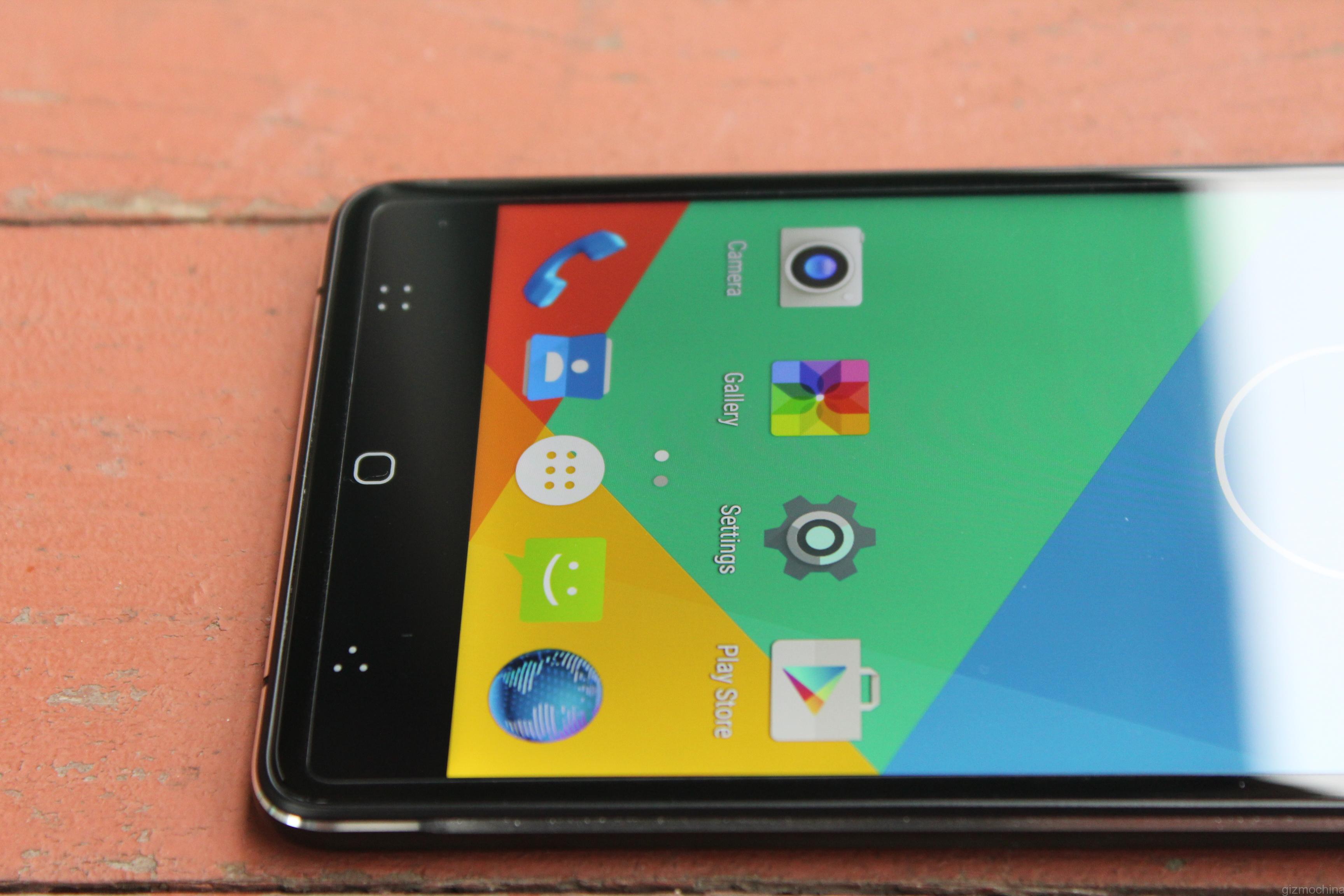
ZUI features an all new and patented U-Touch five integration home button, this button replaces the usually required three navigation buttons with just one powerful yet simple solution that can be used to quickly interact with the UI to a level not previously seen before on a mobile phone.
The software engineering team at ZUK set out designing the interface with a single mantra ‘Beauty through Simplicity’ they understood that true innovation often comes from the little things, little things that once seen and used become second nature, things that make life simple and elegant.
ZUK are looking to be the pioneer of future mobile phone interaction, they want to lead the advancement whilst others can only follow, making the mobile operating space a better place.
The ZUI’s interface has been designed from the ground up to work with the patented five integration home button, allowing users to interact with and work through the OS hierarchy with the least amount of thought and movement, a reduction in necessary interaction to achieve your desired goals is an example of ‘Beauty through Simplicity’a system that will become second nature without a steep learning curve.
It is through the U-touch interface that ZUK will be able to meet the needs of not just average users but also that of power users.
The home key features fingerprint recognition, tap to return (to previous screen), slide to switch (between recently opened applications), click to return to desktop, double click to open task manager, as you can see all of these options are now located in one simple central location, greatly reducing not just the required travel of your finger for operation but also making the whole experience smoother and more enjoyable.
The ZUI will break down barriers for one handed large screen operation, giving you the true benefits of ‘Beauty through Simplicity’ and opening up a new innovative way of interacting with the Android operating system.
ZUK have watched as the trend towards heavier phone usage has grown, in the past a phone merely made calls, from there it moved on to messaging but now with the advent of smart phones, so much more is possible, those possibilities now mean that everyone from young children to ageing adults and all in-between are getting involved.
We are all becoming ‘heavy users’ be it through our constant use of Facebook, Twitter or other forms of social media, our constantly updated access to world news as it happens, cloud based storage and playback of media, we are at a never before seen level of mobile usage and interaction.
This increase is directly and proportionally linked to the economic development and technological pace of life that we now find ourselves in, we are consuming more data, we are producing more data our phones are no longer just a dumb terminal to act as a means of mere communication.
According to the First Global Internet Conference, users interact on average with their phones 150 times per day! ZUK aim to make that interaction a smoother, simpler and more beautiful experience.
The phones we use now, more than ever before are integral to our lives, for many people the first thing they do after being woken by their phones alarm, is to check their emails or Facebook to find out what has been happening in the connected world whilst they were sleeping, the last thing we do at night is to update our status and check our phones one last time before we say goodnight to the world.
ZUK also believe that one phone should be truly versatile and offer the ability to be used anywhere and everywhere, free from provider locks, free from limitations of network/band support.
Unlike most phones that offer limited network support the dual sim cards in the Z1 will be able to work onLTE-FDD/LTE-TDD 4G networks, TD-SCDMA/WCDMA/GSM 3G/2G and also CDMA2000/CDMA 1x 3G/2G networks, a phone that you can use anywhere, on any network.
The ZUK Z1 will be fitted with a new industry leading 4000+mA battery, that is thinner than our competitors allowing us to improve battery life without increasing the thickness of our handset designs.
To ensure the Z1 maintains abalance between optimal performance, energy consumption and stability, all aspects have been considered as one and through tight software and hardware integration we will meet the needs of you the users.
ZUK want you to be able to use your phone as you wish, when you wish, be it taking photos, checking Facebook,playing processor intensive 3d games or watching HD movies or even making calls without the fear the battery will not last the whole day.
Never again fear that using your phone on your morning commute, or in your lunch hour will result in a frustrating journey home with a flat battery and nothing to interact with.
ZUK want to provide you with the technology to make your day a simple and beautiful one.
What do yo think of the new home button configuration? will it be a ground breaker? do you have high hopes for the ZUK brand? as a UK based customer, I hope that they will look to work towards making a truly European featured phone and brand.
What are your hopes from the sub brand, what would you like to see?
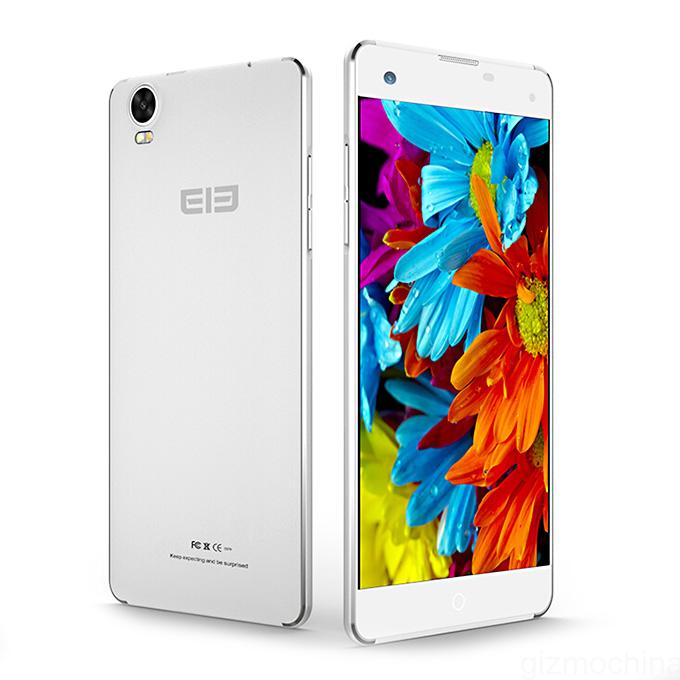
I have just received a video showing both the Meizu Mx5 and Eliphone P8000 in action both running Fyme OS, the rom seems to be fairly complete.
There are also a few comparisons regarding heat and volume output of both phones.
Its nice to see both phones in action and hopefully the development of flyme OS is evidence of Elephones push to get more devs working on their hardware.
The MX5 screen does appear to have better contrast than the P8000 this could be down to software optimisation or hardware, we will find out more when it is available for review.
The Elephone G7 has officially been launched on the India market today as part of an ongoing partnership with Snapdeal.
Elephone know that India is a highly competitive market, so aim to bring their high quality and performance products there at aggressive price points that are set only slightly higher than net cost of the actual phones.
Elephone is directly cooperating with one of the largest marketplace in India Snapdeal.
Mr Ji, the CEO of Elephone, said: “We’re glad to cooperate with Snapdeal and willing to bring more good products to India like G9 and P4000.”
If you have not heard about or used the Elephone G7, a usefull review by a fellow member of the Gizmochina team can be found on the following link.
Elephone G7 features a nice design with a body that is a slim (5.5mm at its thinnest point).
It features an Octa core MT6592M CPU and Mali 450 gpu , 5.5″ HD sharp display and a 13MP rear camera.
There is also an active user and developer fanbase for the phone, with third party roms available to download including Miui, Note 4 and a WIP CM12.1 rom
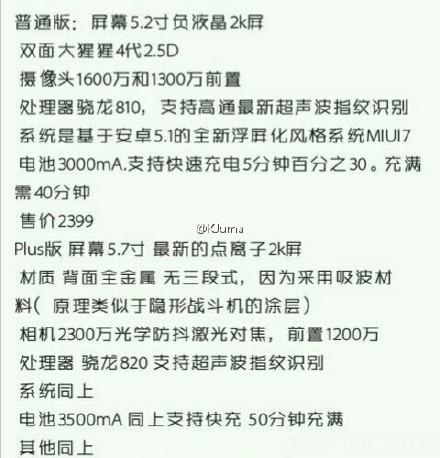
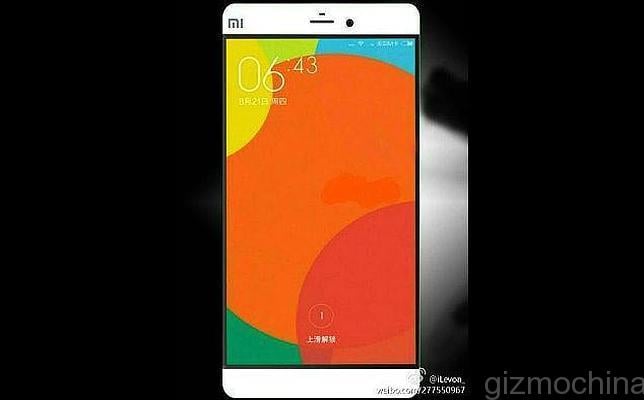
Weibo has always been a source of leaks, rumors and other information and earlier today, we came across a new report which revealed some of the possible specifications of the upcoming flagship smartphones from Xiaomi, namely the Xiaomi Mi5 and the Xiaomi Mi5 Plus.
So, it looks like the company will unveil two different versions of the handsets later this year. According to the new leak, which apparently comes from the engineering machine information, the Mi5 standard edition will feature Snapdragon 810 instead of the rumored Snapdragon 820 chipset. It will also come with Qualcomm Snapdragon Sense ID 3D fingerprint tech. If this does turn out to be true, it will be a big surprise given that the tech was expected to debut only alongside Snapdragon 820. It relies on ultrasonic sound tech instead of the traditional capacitive based touch ID which reportedly makes it more accurate and secure.
Earlier leaked Mi5 render
The leak further reveals that the Mi5 will come with a 5.2-inch 2K LCD display and a 16MP rear sensor along with a 13MP front facing camera. As for software, the phone is rumored to come with the new version of MIUI, the MIUI 7 which reportedly features floating screen UI. We expect it to be based on Android 5.1 Lollipop version.
Finally, there will be a 3000mAh battery on board which charges up to 30% in five minutes and up to 100% in 40 minutes.
Coming to the Mi5 Plus higher-end model, it is said that the phone will come with a 5.7-inch display with 2K resolution. The screen seems to use some kind of advanced tech, and could be Quantom Dot display. The company has reportedly used Snapdragon 820 under its hood which once again comes with Qualcomm’s Snapdragon Sense ID fingerprint tech.
Further, the phone will feature a 23MP rear camera with OIS, Laser Focus and a 12MP front facing shooter. As you can see, for some reason, the front camera sensor on the Mi5 Plus is smaller than the one found on the Mi5 standard edition.
The battery on board the Mi5 Plus will be slightly larger, of 3500mAh capacity. It will also support fast charge. It is said that the phone will charge up to 100% in 50 minutes.
As for body, the company will most likely use an all metal body instead of a traditional plastic one on the new flagship. Also, the front will be protected by Corning’s latest Gorilla Glass 4 + 2.5D glass.
Finally, for pricing, it is said that the standard version will start at 2399 Yuan ($386). There’s still no word on the pricing for the Mi5 Plus version, but it can go up to 3000 Yuan ($480). It looks like the new flagship is going to be costlier than the present generation, but if these specs turn out to be real, it will be worth every penny.
Of course, as always, we can’t fully trust the leak. So, take this news with a pinch of salt and hope for some official specs confirmation from the company. According to a leaked product roadmap, the Xiaomi Mi5 and Mi5 Plus will debut in November. So, there’s still around four months till launch. All we can do till then is wait for some official information.
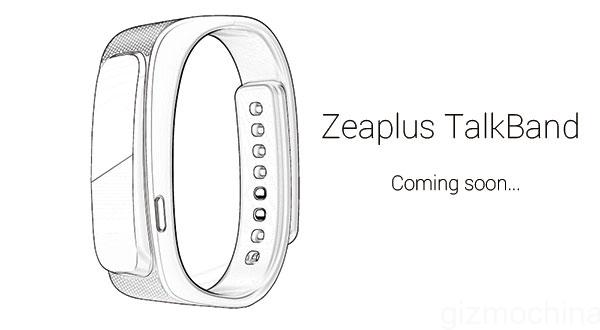
Zeaplus has surprised us all with a number of devices this year. We have already seen the Zeaplus M7 flagship and our review on the device is coming up very soon. Then we saw a super cheap Xiaomi Mi Band like smartband from the company for those who are looking to buy their first fitness wearable. Now, it looks like Zeaplus is going to release another wearable, its fifth one called as the Zeaplus Talkband.
From the initial renders, the design looks similar to the Huawei talkband. We also have details about the specification and features of the wearable.
The Zeaplus Talkband will reportedly come with a 0.91-inch OLED display. Like its name suggests, you can make hands free calls as it can act as a wireless bluetooth headset. Moreover, the band can record your steps, distance traveled, calories burnt as well as other data. Like most other bands in the market, it can even monitor your sleep patterns. If you want, you can even listen to music on your headset.
Other features include vibrate alert for calls, smart alarm clock etc. The Zeaplus Talkband is compatible with both Android and iOS smartphones with Bluetooth connectivity. So, you can connect it with most devices in the market.
As for the battery, the company claims that the talkband provides up to 15-20 days of standby time. We still don’t know the approximate talk time that you will get on this band, but we will update with more details in the coming days. We are also unsure about the pricing of the band, but given that its from Zeaplus, which usually prices its products aggressively, expect a pretty affordable price tag when it hits the market.
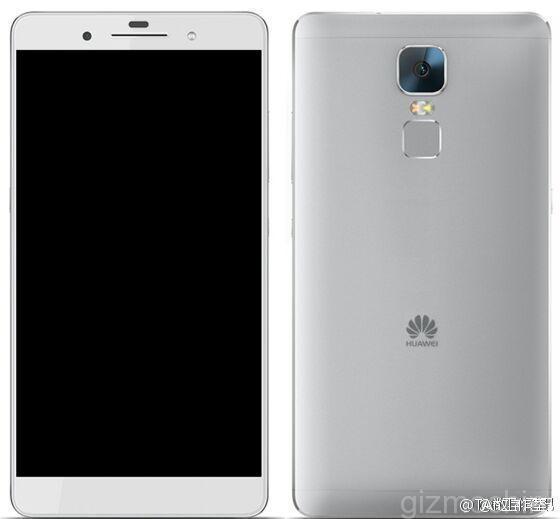
Huawei Mate 7 was probably one of the best flagship from the company till date. The overall metal design, specs as well as a super efficient fingerprint sensor made it better than most other phones in the market. While we are patiently waiting for some official news from the company regarding the next generation version in the series, we have spotted a render which is allegedly of the Mate 8.
If you look at the design, its almost similar to the Mate 7. You get the same metal body as previous generation. However, there are subtle changes in the positioning of the various parts on the device. For example, the dual LED flash lies below the camera sensor, i.e. in between camera and the fingerprint sensor instead of the top left region. Another noticeable change is that the ‘HUAWEI’ logo that was on the front, just below the display is now absent. Instead, you just have one logo at the rear. The placement of the sensors on top of the display have also changed, and interestingly, we can see an additional sensor in that region.
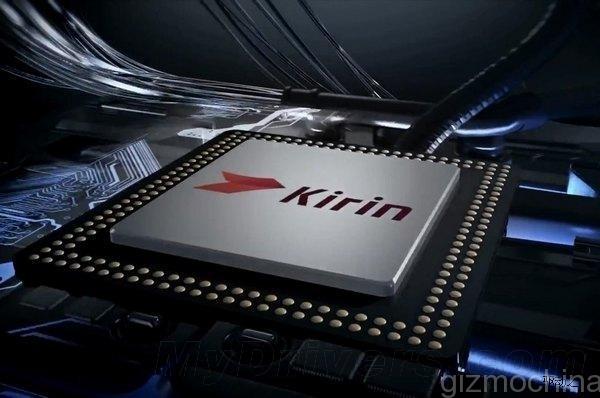
As for the specs, the Huawei Mate 8 is expected to come with a 2K 6-inch display with the company’s own Kirin 950 64-bit chip and 20.7MP rear camera. There will reportedly be two versions of the device. The higher version will sport 4GB RAM and 64GB of storage while the standard version will come with 3GB of RAM and 32GB of internal memory. The flagship will support dual card dual standby.
If Huawei Mate 8 does come with Kirin 950, it will be interesting to analyze the performance of the new chip. We have heard a lot of good things about the new Kirin SoC. If you have been following our site, we had reported that the chip will feature four Cortex A53 power efficient cores and four Cortex A72 powerful cores clocked at 2.4GHz back in March. Yesterday, new rumors confirmed our report, along with other specs such as dual channel LPDDR4 RAM, ARM MAli T880 GPU, Dual ISP with support for up to 42MP and dual SIM support with Cat. 10 LTE connectivity. You can check out the full possible specs of the Kirin 950 along with a comparison of the current Kirin 930 and 940 chipsets from this detailed article.
Unfortunately, we still don’t know the release date of the Mate 8 flagship. But hopefully, it will be launched sometime before the end of this year.
For the past couple of weeks, we have been consistently hearing about the new features of the upcoming OnePlus Two flagship. From these teasers, we know that the phone will significantly upgrade the design and the overall specs as compared to the previous generation, which brings us to an important question: Price!
While the company was not very clear about its pricing strategy for the new OnePlus Two flagship, late yesterday, OnePlus CEO Pete Lau confirmed that the flagship will be priced below $450. This definitely comes as good news for fans all around the world, as this could be the pricing for the high end version. Although its costlier than the previous generation, the new model will feature much better specs justifying the price.
Till now, the company has confirmed a number of features on the new flagship. First of all, the phone will be powered by the Snapdragon 810 v2.1 (third generation) chipset, which although, may not be the best chip around, its good if the company has somehow managed to fix the heating issues. There will be a fingerprint sensor on board, a first for a OnePlus device. We also know that the phone will come with the new USB Type-C port as well as full metal body.
There will reportedly be two different versions of the device. The high-end model will mostly likely come with a 2K 5.5-inch display and 4GB of RAM. On the other hand, the standard version will come with 1080p display and 3GB of RAM. Other common specs include 16MP rear camera, 5MP front facing one, Android 5.1 and 3300mAh battery.
Of course, some of these specs have not yet been confirmed by the company. But since the launch is very near, on July 28, we expect a few more confirmations pretty soon. Stay tuned to the website for more details.
Zeaplus has been known for its affordable smartwatches and some other smartphone accessories for some time. We have already reviewed a few of them and the impressions are that the company can definitely offer a great bang for the buck for some its products.
Still, the Zeaplus M7 is their entry into the smartphone market and we can’t wait to see if their product is worth your attention or not. At the first glance, it has a plain looking but decent design but more importantly it carries a great list of specs for the price of $169.
nothing out of ordinary, usual stuff you would expect to get with a budget smartphone
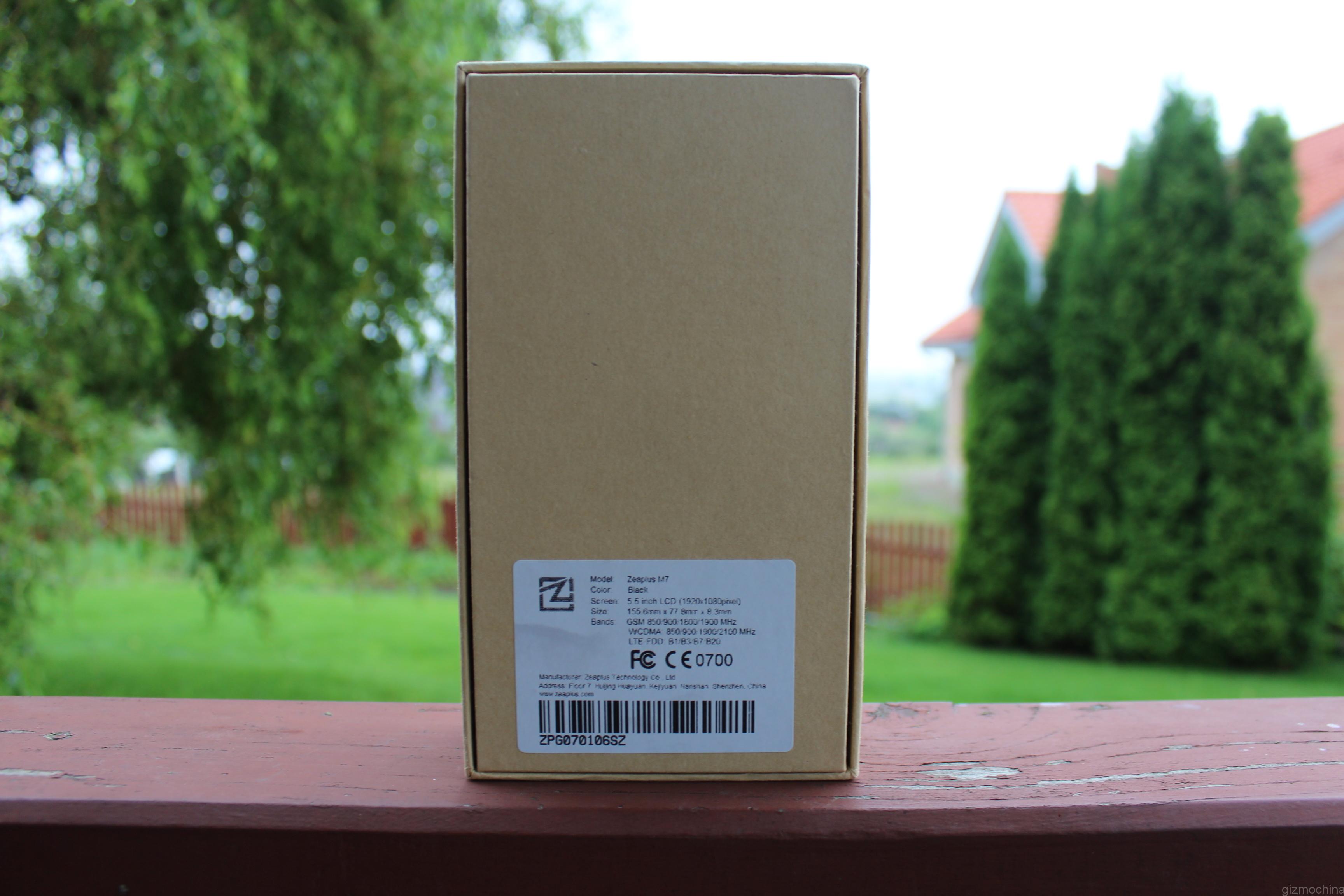
A quite typical packaging for nowadays budget devices.
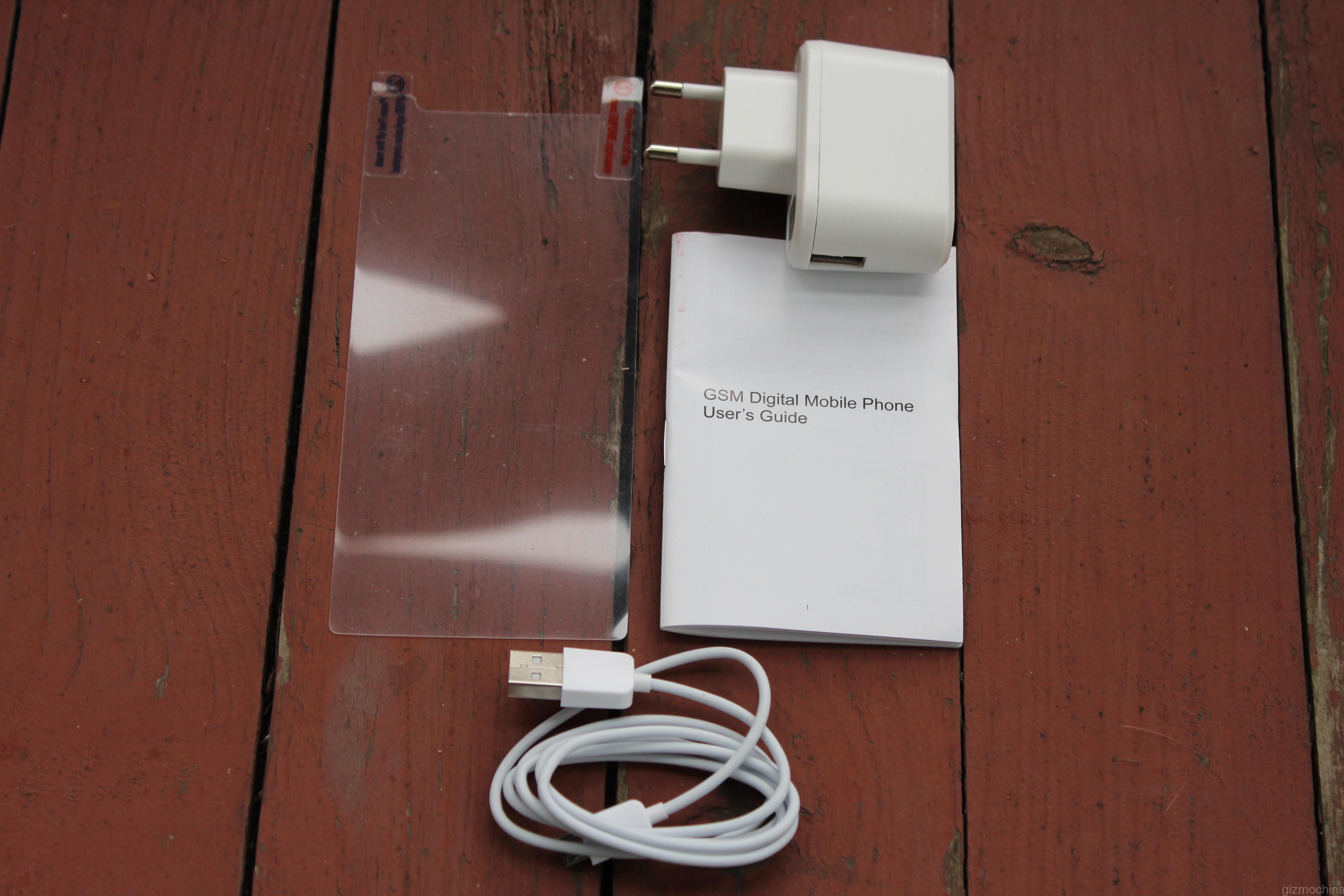
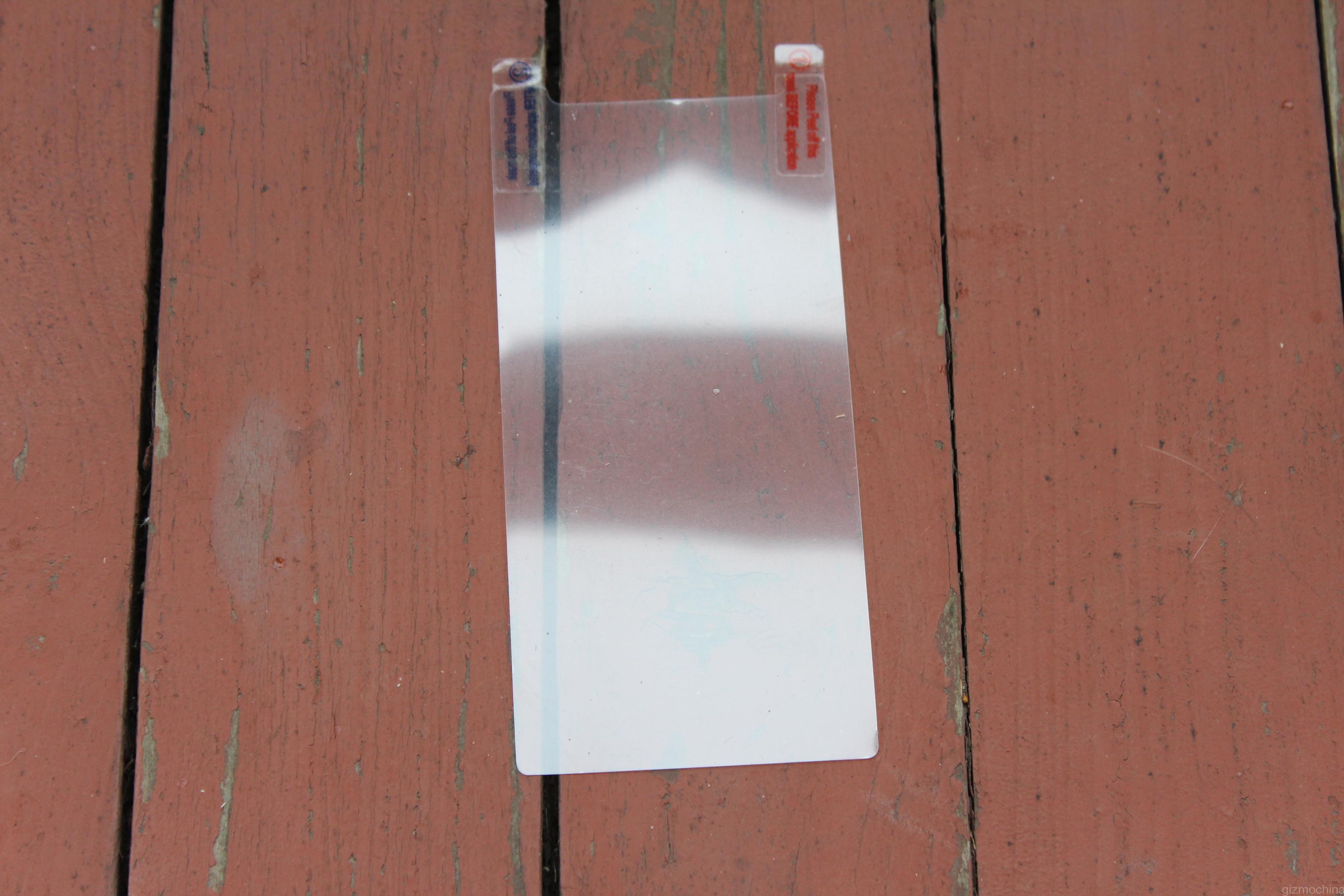
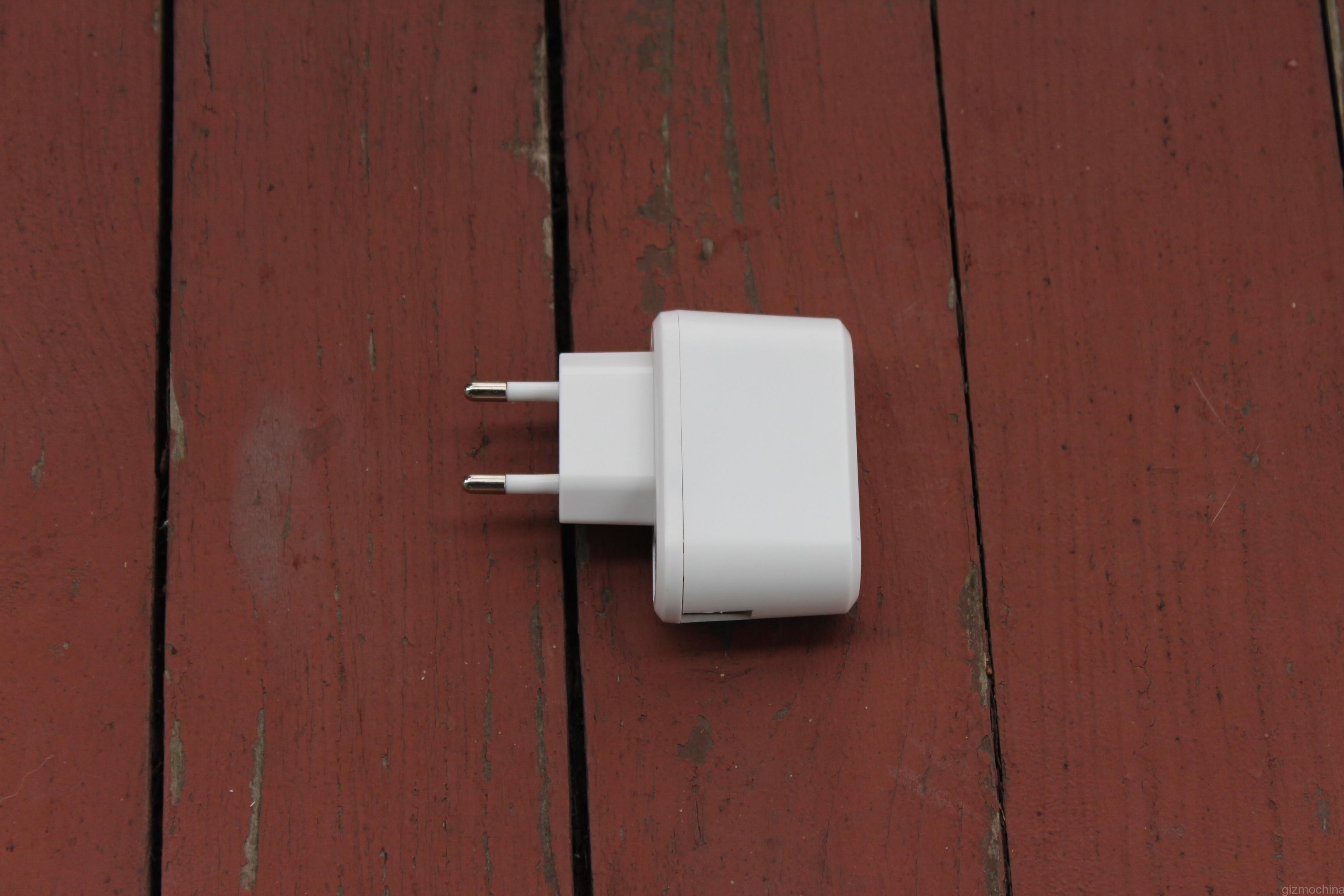
The contents include a screen protector, USB charging brick, USB cable and instruction manuals. I can’t say that the accessories scream high quality, but they don’t look like they going to brake after a month either.
Zeaplus M7 Review: DESIGN AND FIRST IMPRESSIONS
First of all, Zeaplus M7 is not a small device as it spots a 5.5″ 1080p display, which is actually quite good. It is a bright and vivid LCD panel and it looks good both indoors and outdoors.
A metal frame gives a little bit of a premium look and feel but the whole device is made out of plastic and it does feel expensive to be honest. Well, it is not expensive device after all but what I’ve noticed is that the textured plastic back is wobbling a bit and I’m not a huge fan of it.
Honestly, I’ve been using a device for 4 days already but was on vacation. Still, I used this device as a daily driver and so far the overall performance has been okay with no major issues. I have browsed a lot of web and Facebook, took tens of pictures and shot some videos, made some calls etc.
A full detailed review (VIDEO + ARTICLE) is in the making as I’m quite busy at the moment (have 8 devices to review!). Stay tuned to Gizmochina to watch the video/read a review first. Also, a lot of more very hot reviews, comparisons and camera shootouts are coming!
One of the things that we all use during the summer time is our cameras. Some people still believe that DSLR cameras are the way to go while other users rely on their smartphones. Still, these are not the only options available out there and one more is a sports/action camera.
The majority of users know the GoPro, which arguably makes the best cameras but there are a lot of much cheaper alternatives on the market. We know Xiaomi, SjCam and some other companies but one named Soocoo may be worth your attention as they are specialising in the field of action/sports cameras.
I have spent some time with the camera and made a full Soocoo S33WS Pro review:
In case you don’t feel like watching a video, here are my conclusions of what I think about Soocoo S33WS Pro Sports Action camera:
CONCLUSIONS
Overall, the Soocoo S33WS Pro camera is a pretty good device for the price of just over $100. It is very compact and lightweight and it comes with a case, which is full of accessories to expand the usability options.
In addition, this action camera has tons of features and most of them work well.
Picture quality is quite good in the daylight but could be better in the low-light situations. Also, the lens are wide but not the widest on the market.
As far as the video quality, it is not bad when there is not a lot of movement involved but once you start moving, the footage suffers from some shakiness. Also, the sound quality is not that great.
I was really disappointed by a poor camera app, which was actually annoying to use. On the other hand, you can adjust all the settings on the camera itself and use it as a viewfinder or a playback option.
To sum up, despite a few shortcomings this camera is definitely one of the better deals out there in this price range. Of course, it is not par with a GoPro series but it does not come even close to that price range either. If you’re looking for an affordable sports action camera or you don’t think that a GoPro is worth the money, the Soocoo camera may be something to look at.
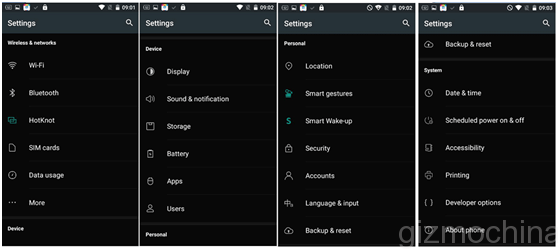
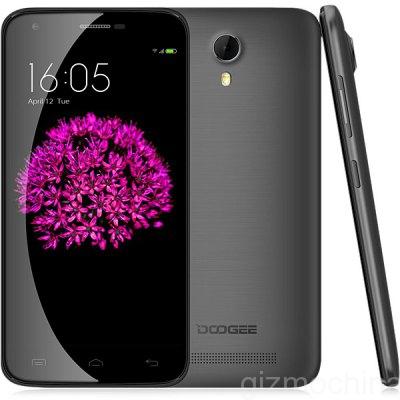
Doogee has made some interesting updates to its existing smartphone lineups with beautiful yet affordable smartphones like the Doogee Valencia2 Y100 Pro. The phone comes much more than what you expect from a $120 device. And finally, today, the phone started shipping globally.
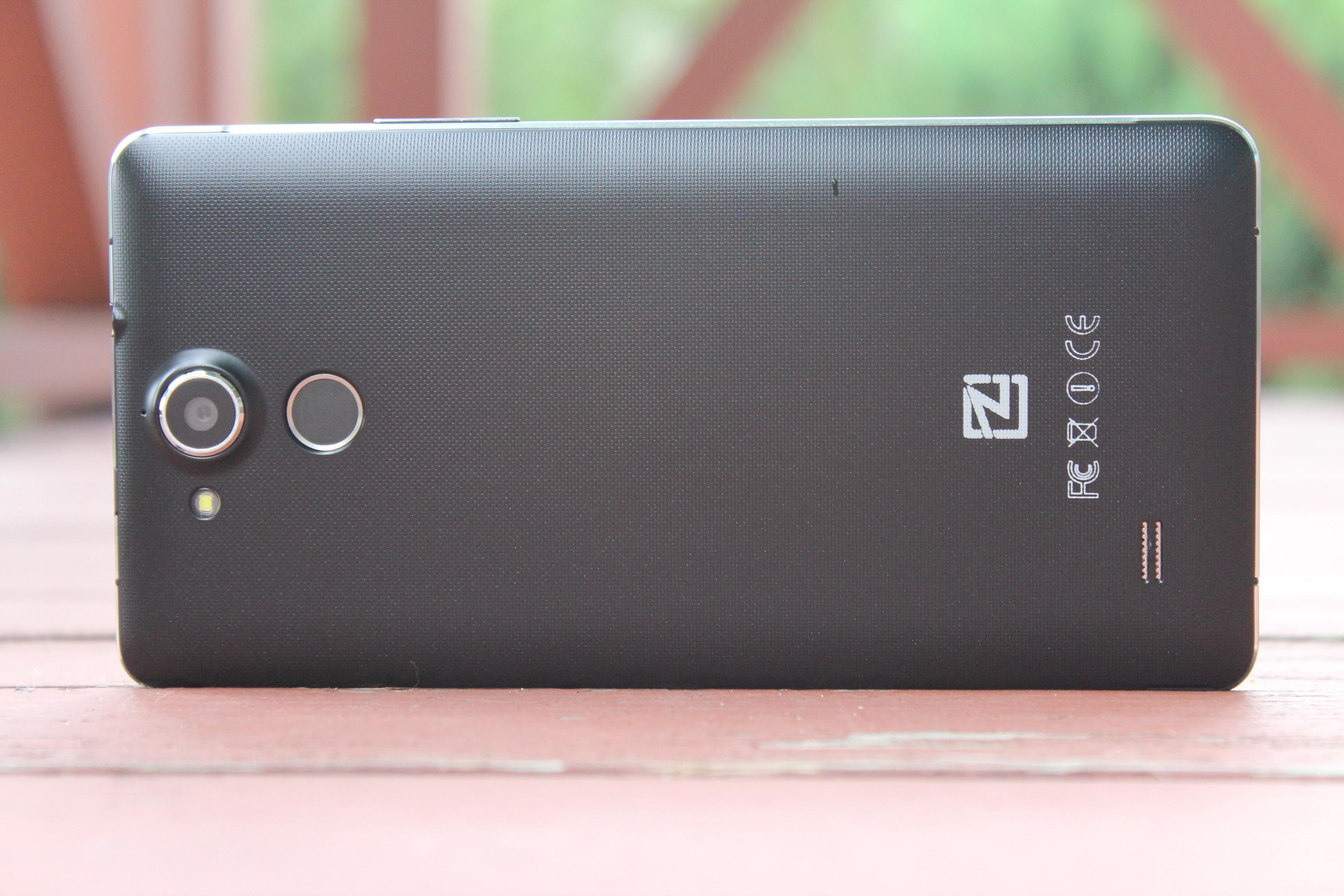
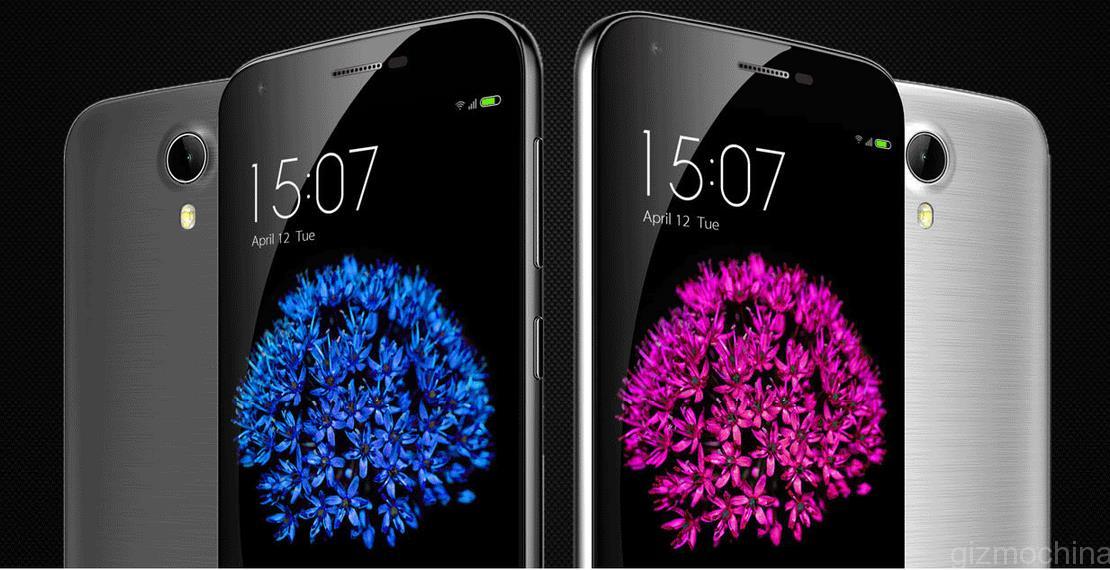
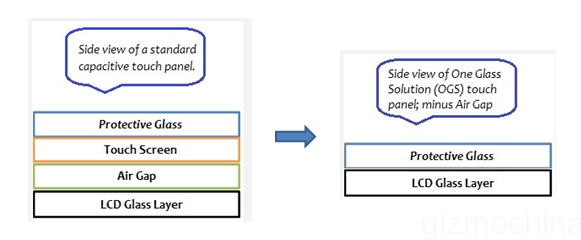
The Valencia2 Y100 Pro boasts of a 5-inch 720p display with 2.5D glass and OGS. Thanks to OGS tech and 2.5D glass, the display on the Y100 Pro looks crisp and clear. The metal unibody design and the compact form factor, makes it extremely easy to operate.
Under the hood, the phone features MT6735 quad-core chip with support for a large number of network bands, 2GB of RAM, 16GB of expandable storage, 13MP Sony camera with True LED flash and an 8MP front facing shooter. There’s 2200mAh battery on board along with other features such as OTG, OTA, HotKnot, smart gestures etc.
1 of 5
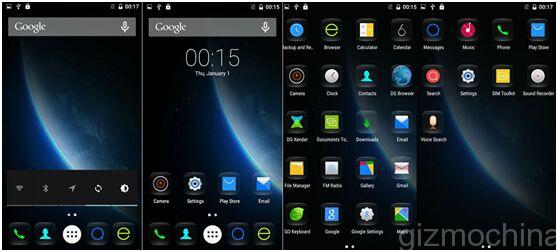
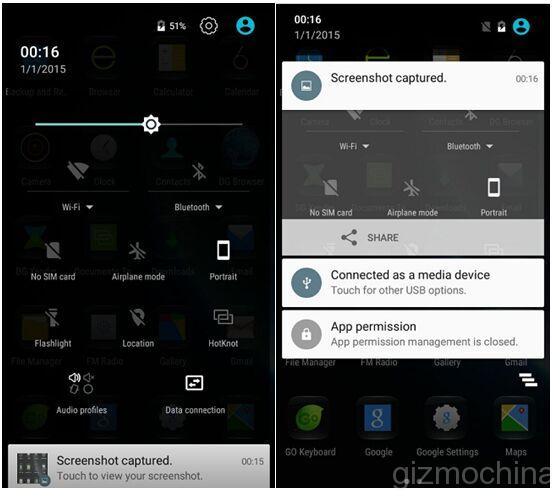
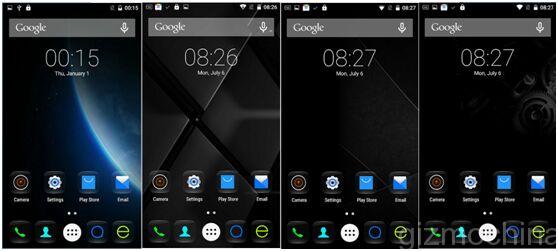
The company has also revamped the UI to include better icons and new wallpapers which seamless merge into the bezels. Other new UI features includes visual layers, and realistic motion. The idea is to make the UI much more user friendly and attractive.
For the $119.99, the Valencia2 Y100 Pro is definitely a steal. You can check out more details from the links below.
Zeaplus has been upping its game in the past few months. We have seen a number of affordable smartphone releases from the company, like the flagship Zeaplus M7. The company has three wearables in its portfolio as well, including a smart band, the Zeaplus Band. Now, its all set to add one more smartwatch, the new Zeaplus Watch S2.
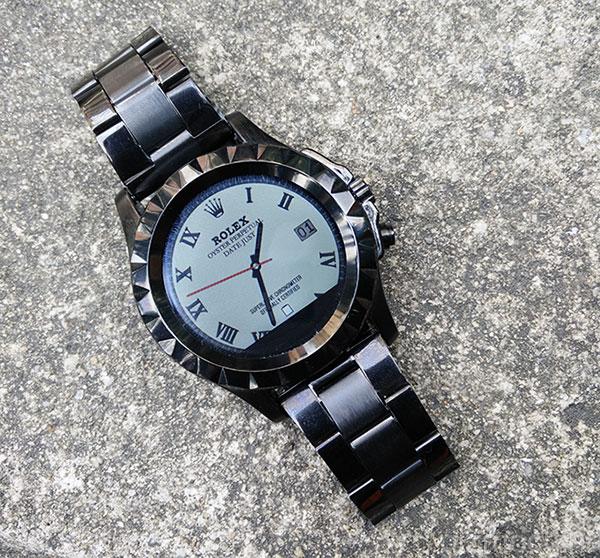
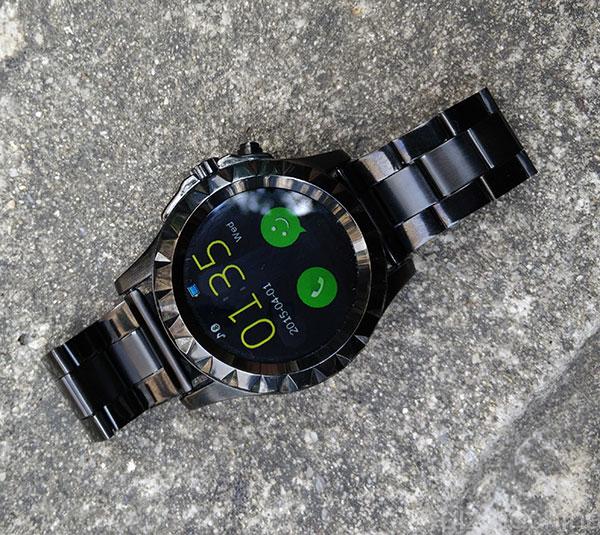
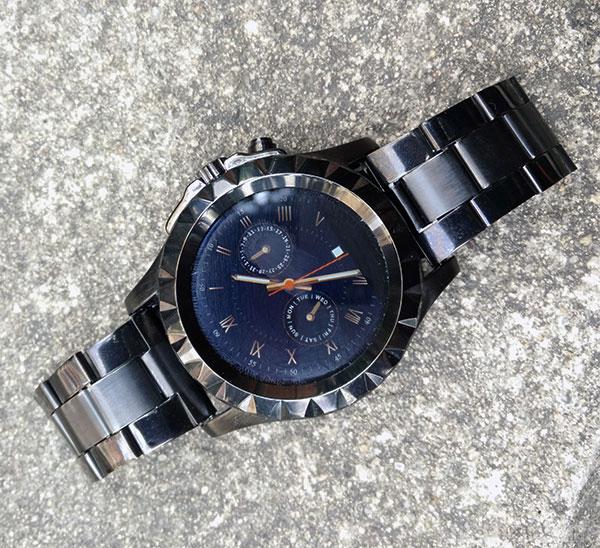
This is one of the most traditional looking smartwatches that you can purchase in the market right now. When we say traditional, we mean, it looks like any other regular analog watch. So, people who don’t like the boring square design on smartwatches, can check out this round offering from the company.
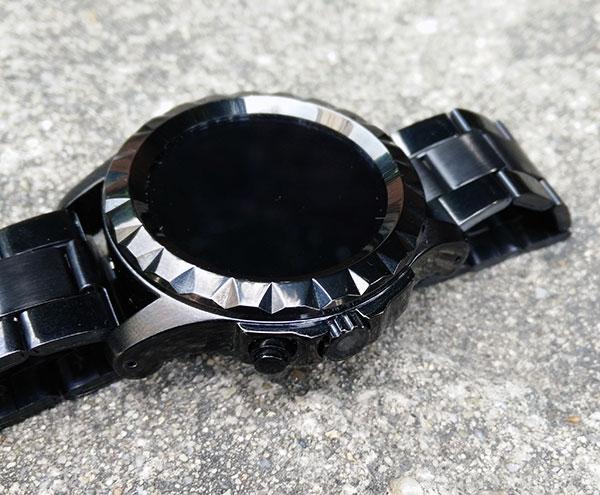
Zeaplus has made the device quite solid, with an all metal body and thick bezels which makes it look quite rugged. You get a crown (which is the camera) as well as a button besides it, along with all other features that you would expect from a smartwatch. What’s more, the watch comes with a metal band, instead of the traditional leather ones found on most smartwatches.
1 of 6
Under the hood, the watch features MTK6260 processor for wearables along with 32MB RAM and 128MB storage. The camera is of 1.3MP, but don’t expect high quality pictures from this low level sensor. The front features a 42mm 240 x 240 pixel resolution touch screen display. The watch is IP67 certified, which means its water and dust resistant. Finally, there’s a 350mAh battery on board which is reportedly good enough to last about 70 hours.
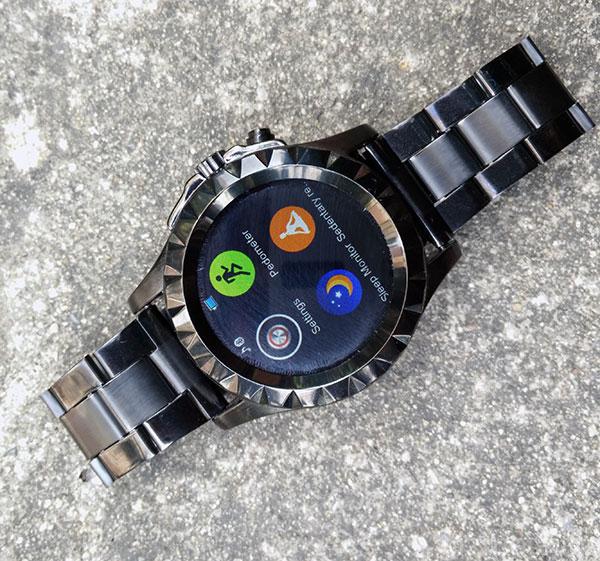
Using the watch was pretty easy, thanks to a simple OS that’s running inside. You have plenty of pre-installed watch faces, most of them quite good looking. You can change the face with a single tap on the screen. A swipe to the left brings you to the menu, which includes a lot of different features such as pedometer, remote notifications, bluetooth settings, device settings, sleep monitor, remote camera etc.
What’s more, when connected to a smartphone, the Zeaplus Watch S2 can make calls as well as sync your text messages directly into the watch. You also get a heart rate monitor, which is once again a nice addition.
The original price tag of the Zeaplus Watch S2 is $80, but for the month of July, the company is offering it for just $49.99. This is a pretty good price for the features and the device you get, so make sure you check out the company website for more details.
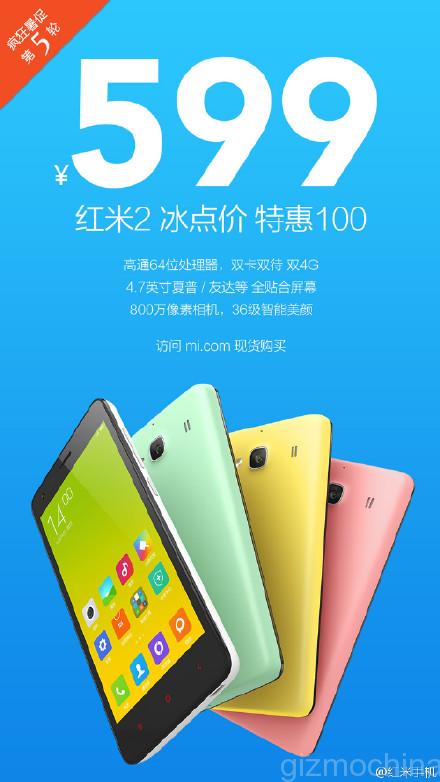
Xiaomi has just announced that it will be reducing the price tag of its popular Xiaomi Redmi 2 handset from 699 Yuan to 599 Yuan. That’s a 100 Yuan drop from the original price tag, which translates to around $16 reduction. So, now the Redmi 2 can be bought for just $96 which makes it a steal!
It looks like the company is really shaking things up to reach its target sales of 100 million units by this year end. So, slashing the price tag of the already cheap Redmi 2 to 599 Yuan will definitely boost sales.
The Redmi 2 features great specs for its price. It comes with 64-bit Snapdragon 410 chipset clocked at 1.2GHz with 1GB RAM. There is a 4.7-inch display up front with 720p resolution. The rear camera is of 8MP while the front one is of 2MP. There’s 8GB of expandable internal storage along with a 2200mAh battery. It runs on Android 4.4 MIUI 6 and supports 4G LTE networks.
Just a couple of days before, we reported that Xiaomi had managed to sell over 34.70 million smartphones to customers in the first half of 2015. While this is over 33% increase as compared to last year, its still short of company targets.
Meanwhile, if you are looking to buy the Redmi 2 outside of China, you can check out the listing on giztop. Its currently in stock in a number of colors and you have the option of choosing the 2GB version too!
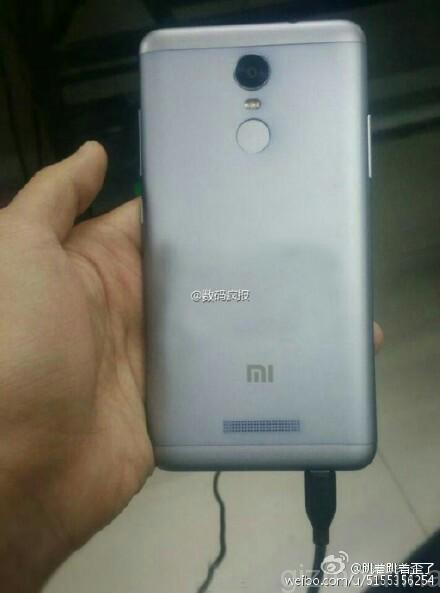
Remember a few days back, we had spotted a render that was reportedly of the Xiaomi Redmi Note 2. Now, we have much more than a render, thanks to the picture that leaked earlier today of the actual device. The design looks exactly the same as the render, which makes us believe that this could indeed be one of the various versions of the upcoming Redmi Note 2.
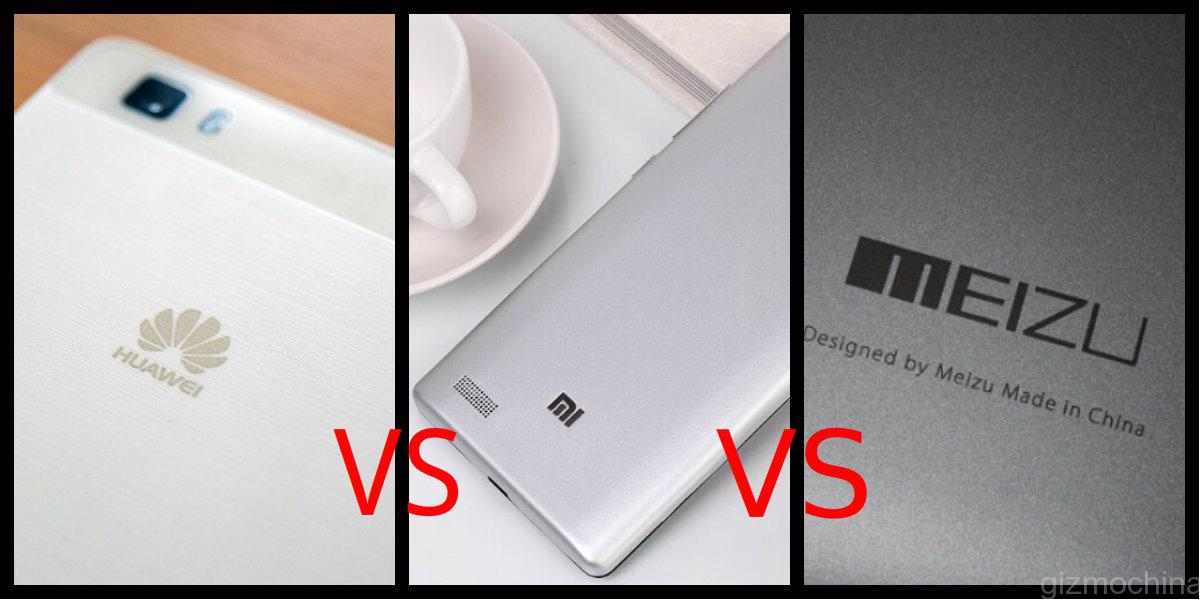
From the image, we can see that the phone uses an all metal design. There is a round camera sensor at the back along with dual LED flash just below it. You will also find a fingerprint sensor below the camera unit. The ‘MI’ logo lies near the bottom of the back along with the speaker grill. The overall design looks quite good, but if not for the logo, you could have easily mistaken this phone for an HTC or Meizu device.
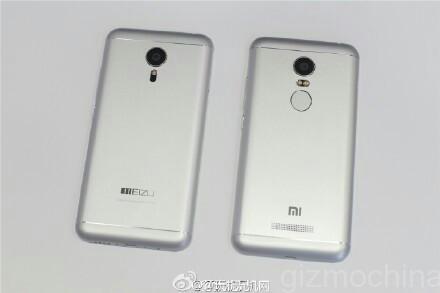
In fact, here’s the Meizu device in comparison with Xiaomi’s device. You can easily tell that the general design is similar to Meizu.
As for the specs, the phone is said to come in two different variants, one powered by Snapdragon 615 (Pro version) and the standard version powered by Snapdragon 410. The display is expected to be of 5.5-inches with 1080p resolution. There will be 2GB RAM on board with 13MP + 5MP cameras.
Since its been more than a year since we saw the first Redmi Note flagship, expect Xiaomi to release its successor sometime soon. Stay tuned for more details.
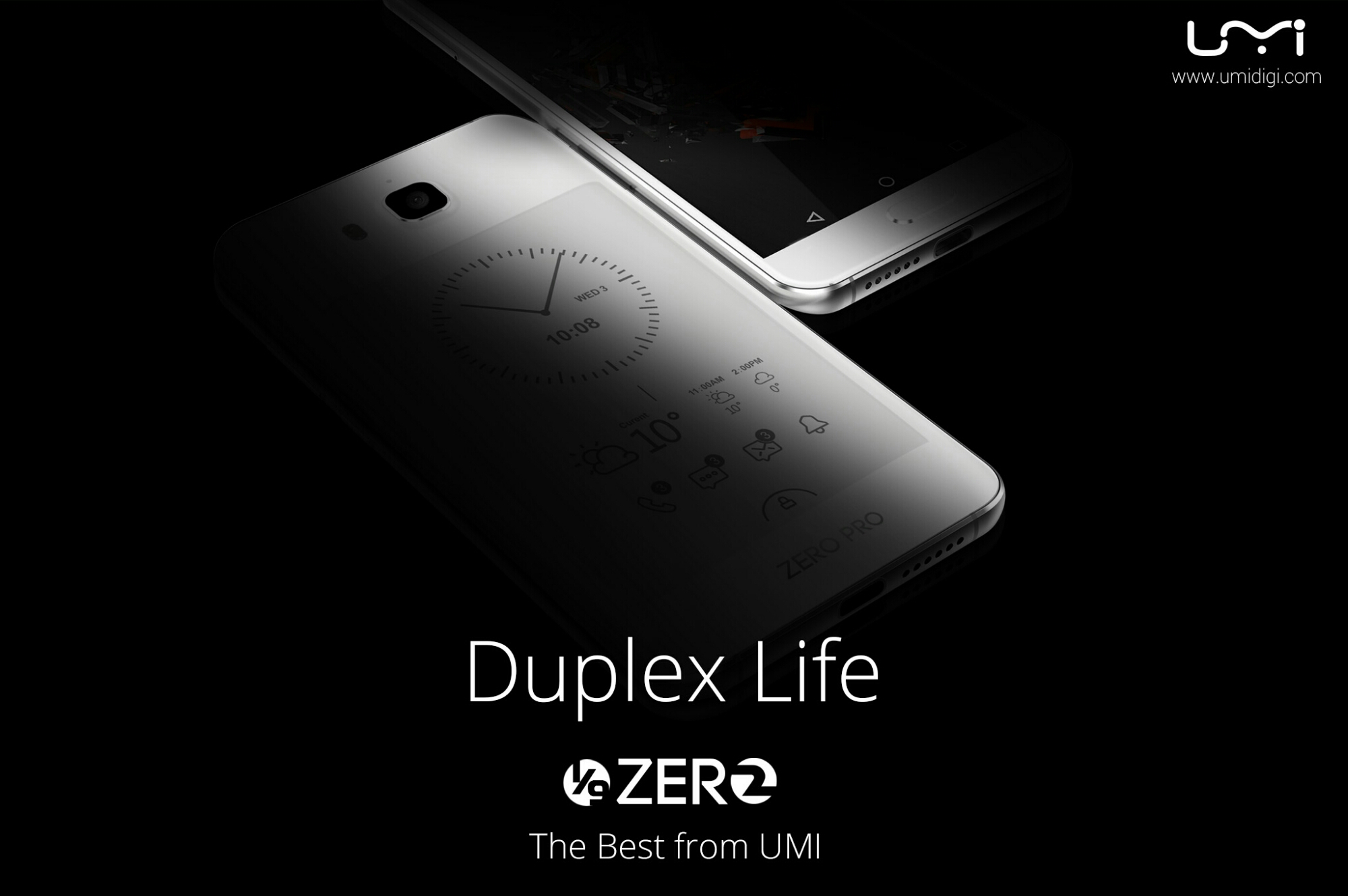
UMi is slowly establishing itself as an innovative smartphone maker. We were impressed by the UMi Iron which came with a fingerprint sensor and we are hoping to see more such handsets from the company in the coming months.
Earlier today we came across a new Facebook page with the name UMi Zero 2 along with an image which said, “Duplex Life, Best from UMi”.
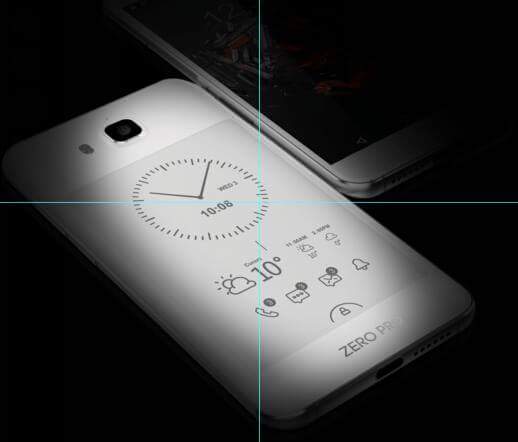
We can clearly see an e-ink display at the back of the device, just below the rear camera. What’s more, to prove that its a dual screen smartphone, the image also gives us a glimpse of the front with the home button too.
Like the Yotaphone, the UMi Zero 2 will probably have a Samsung display at the front and an EPD e-ink display at the back. E-ink displays are known for their stellar visibility even in bright sunlight and is ideal for reading on the phone. If the UMi Zero 2 does feature two screens, it will become the second dual display smartphone in the market, the first being Yotaphone.
According to the picture, UMi will release the device on 1/9 i.e. September 1. So expect more details in the coming months.
We know that everyone is eager to see which Chinese company performed the best in the first half of 2015. Now, thanks to the sales figures released by analysts as well as the respective companies, we can do a comparison on the performance of these three smartphone manufacturers in detail.
Xiaomi had a pretty good first half among these three companies, and it also boasted of the maximum sales in this time period in the domestic market (China). The company managed to sell about 34.7 million handsets overall, which is 33% higher than its previous year’s figures.
On the other hand, Huawei managed to sell much higher than Xiaomi, mainly due to its strong overseas sales. The company sold around 50 million handsets in the first half of 2015, which is 44% higher than Xiaomi’s figures. However, in the domestic market, the sales are lower than that of Xiaomi.
Coming to Meizu, the company did quite well as compared to last year. It sold around 8.9 million units in the first half. But as you can see, its nowhere near the amount of sales from Xiaomi or Huawei. The lack of concrete international presence will have definitely hampered the total sales, along with limited production capacity. But since Meizu is expanding its product portfolio in the second half with Meizu M2 Note, Meizu MX5 and possibly MX5 Pro, we can expect better results. Also, the company is planning to enter newer emerging markets like India, which could further boost its sales to a great extent.
Now, lets take a look at the approximate quarterly sales figures of the three companies. Both, Xiaomi and Huawei have increased its sales in the second quarter of 2015 as compared to the first one. Huawei managed to sell about 11 million in Q1 2015 and 20 million units in Q2 2015 in the domestic market alone. We still have no idea about the individual quarterly performance of the remaining 19 million in overseas sales.
Even Xiaomi has a better Q2 2015, generating about 20 million unit sales as compared to 15 million in Q1 2015. However, interestingly, Meizu’s sales decreased by almost 22% in the second quarter. In Q1 2015, Meizu managed to sell about 5 million units, however in the second quarter the sales figure was just 3.9 million. Things may not be as bad as it looks as Meizu had one of the best Q1 2015 sales figures till now. So, the company could not keep up with the growth in the second quarter which naturally led to a decline in sales.
To conclude, Xiaomi is still going strong in the domestic market, inspite of a slowdown in the smartphone shipment growth. Huawei is doing well overseas, while Meizu still has a long way to go before it catches up with both these giants.
So, which is your favorite Chinese company among these three?
I have today received leaked images and information about the upcoming EC00 E05 handset, the follow up to the successful E04.
The phone will come with an MT6753 soc (clock speed not confirmed in leak) a 5″ FHD 2.5d screen featuring 5 point multi touch, 3gb ram and 16gb rom (expandable via micro SD).
The cameras are said to be 8mp rear facing and 5mp front facing, no confirmation on supplier or part number has been given yet.
From the leaked front screen shots a funky home button can be seen, but no finger print sensor, leaving me to believe that the confirmed sensor will be a rear mounted unit as seen in phones like the P7000 or M7.
The chassis appears to be of aluminium construction and the bezels appear to be very slim (hopefully with the screen on further bezel will not become visible), overall the images leaked look nice and if the phones Android 5.1 rom* is fully optimised this could be a great mid range phone.
* My source advised that versions of CM12.1 and other roms are also being worked on for the phone.
What do you think of the leaked images and spec? are you looking forward to a smaller 5″ phone or are you a phablet convert?
Elephone have been receiving a fair amount of criticism over the P7000’s build quality, some people have indicated that under pressure the phone suffers a similar bendability to the iPhone 6 (it takes a considerable amount of pressure to bend the metal chassis).
They have advised that for the P8000 they have been running the phone through a lot of testing to ensure that it does not have issues with durability.
Please check out the video to see what they have been doing.
We use cookies on our website to give you the most relevant experience by remembering your preferences and repeat visits. By clicking “Accept”, you consent to the use of ALL the cookies.
This website uses cookies to improve your experience while you navigate through the website. Out of these, the cookies that are categorized as necessary are stored on your browser as they are essential for the working of basic functionalities of the website. We also use third-party cookies that help us analyze and understand how you use this website. These cookies will be stored in your browser only with your consent. You also have the option to opt-out of these cookies. But opting out of some of these cookies may affect your browsing experience.
Necessary cookies are absolutely essential for the website to function properly. This category only includes cookies that ensures basic functionalities and security features of the website. These cookies do not store any personal information.
Any cookies that may not be particularly necessary for the website to function and is used specifically to collect user personal data via analytics, ads, other embedded contents are termed as non-necessary cookies. It is mandatory to procure user consent prior to running these cookies on your website.