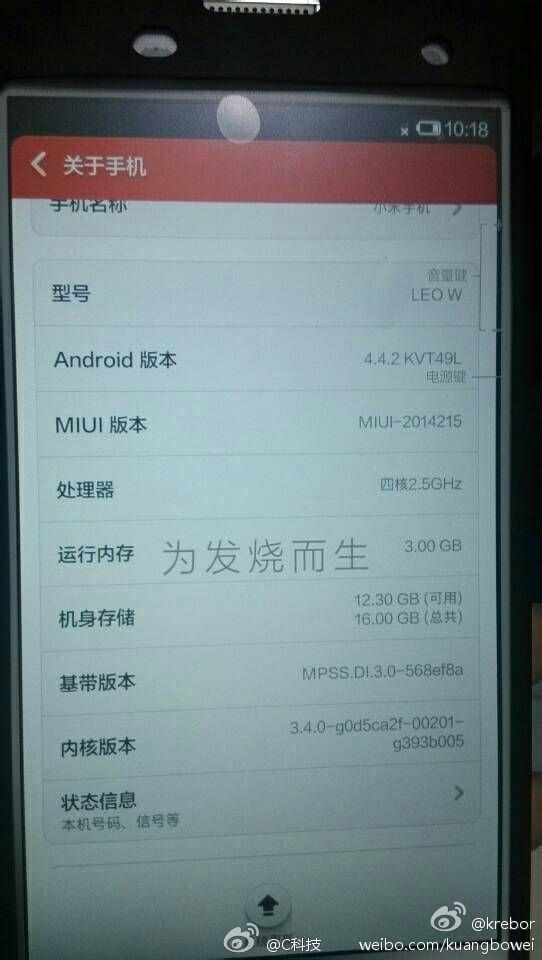
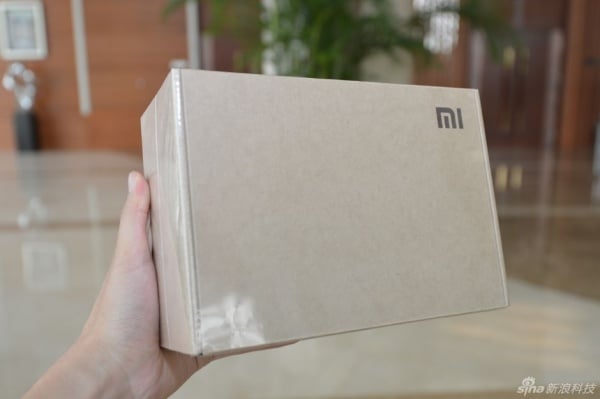
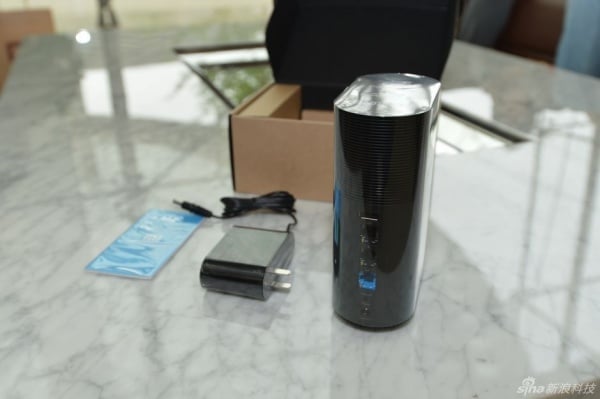
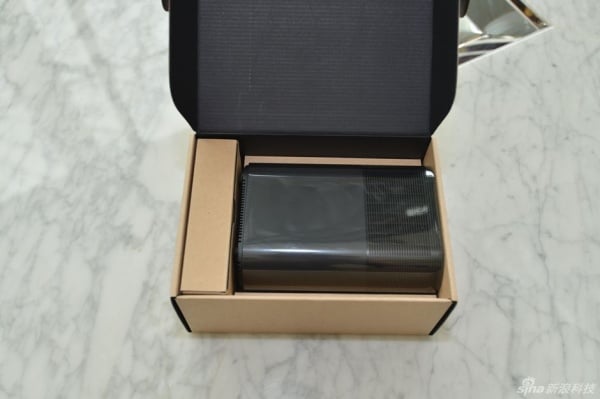
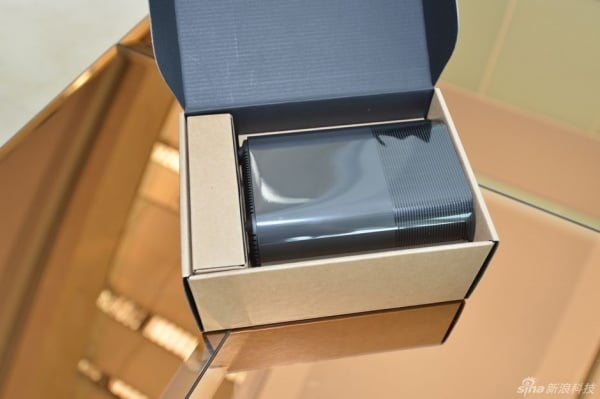
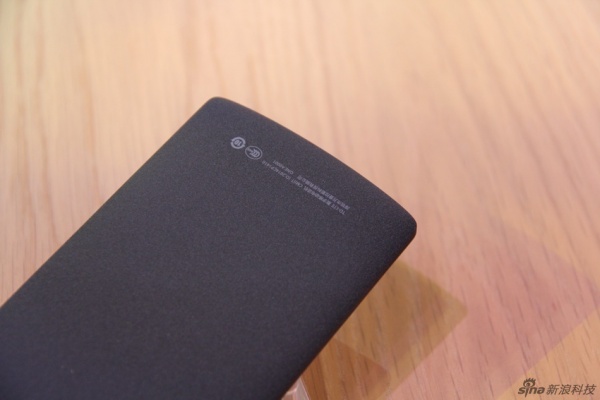
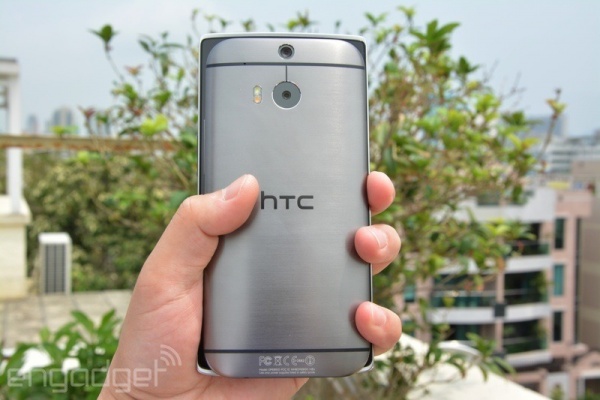
If they did not reveal the long-awaited Xiaomi Mi3S at yesterday’s press conference, then when will they? It looks like will happen soon. This afternoon, @ CTech released a photo of what appeared to be the new Xiaomi Cellphone 3S, but quickly deleted it. Fortunately, Weibo user @krebor was able to save the photo and put it on the internet.
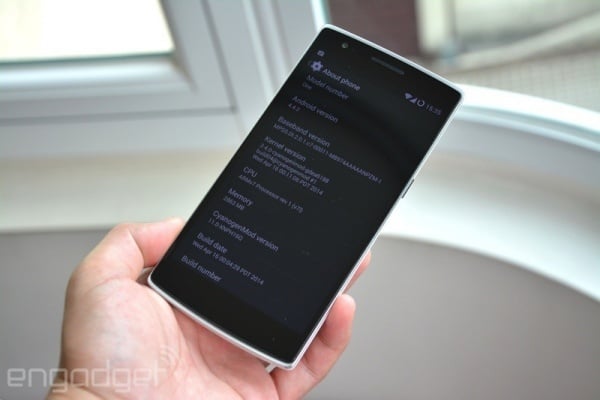
Based on the photo, its operating system is based on that of the Android 4.4.2’s MIUI V5 syste, with a 2.5GHz quadcore processor (MSM8x74AC), built-in 3GB ram and 16GB memory space, and it’s baseband is MPSS.DI.3.0-568ef8a. Unfortunately, its model number appears to be LEO W, so it cannot be the 3S. Many express skepticism about other photos that were posted as well.
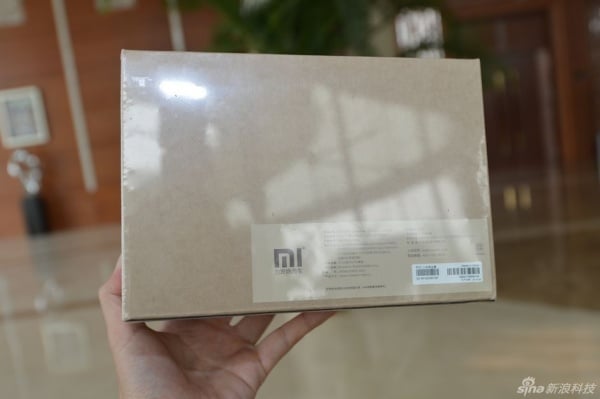
Another phone was apparently stored in a case but it seems to be more shaped like the Xiaomi Cellphone 3. The 3S is expected to be revealed before June.
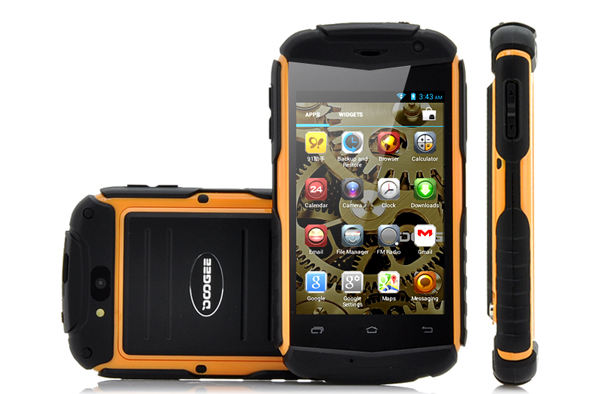
Wow, great news: it is time for a great giveaway contest! Doogee Titans DG150 Coupon and Giveaway Activity, an amazing opportunity to win a tri-proof dual core Smartphone! All you need to do is to participate and win this really easy activity and get a phone delivered to you for free. The offer is to “Share & Win” where you share and you win. It is as simple as that.
To feel the quality of the build of this phone, all you need to do is to take it in your hands. Anybody who owns this phone will vouch for the fact that it is the most durable phone in the market right now. You can drop it multiple times and it will not be damaged. This is because of its powerful and shock proof design. It has rubber padding on it which takes all the beating for the phone. A supreme quality like this makes it a better smart phone in the industry compared to its cheaper counterparts. If you are a rough handler, this phone can endure the bumpy ride. What is better is that even the screen is not prone to cracks. This phone is built to last.
Doogee Titans DG150 comes with an Android 4.2 Jelly Bean Operating system where you can access the Google play store directly and download all the applications that you like. The screen size of 3.5 inches is perfect to fit in your pocket as well as make a comfortable view if you want to indulge in movies, games or net surfing on your phone. You also get a 2 megapixels back and 1.3 megapixels front camera, the best in it’s class. The resolution of 320×480 gives you the perfect view of the activities on the phone whether it is video games or social networking.
You can buy this Doogee Titans DG150 phone at here.
Summary…
DOOGEE TITANS DG150 Android Smart Phone for rugged use
MT6572W Dual Core 1GHz CPU (Jelly Bean operating system)
3.5 Inch Screen
Shockproof
This original, waterproof, smart android phone can be all yours if you just follow the steps below.:
Promotion Activity
$8 coupon will be given to buy Doogee DG150 for the first 20 customers.
Giveaway Activity
a. Like and Share this news to any of your social networks such as Facebook, Google plus, Twitter or any other. OR write reviews about this or post the news to other websites and forums.
b. Email the screenshots of what you shared or the links to your posts to our email address ([email protected]) after the activity is over.
c. Top 3 most popular sharers can get this free Doogee DG150 when the contest is closed.
d. A big coupon will be sent via mail to the rest of the participants when the activity ends. You can use this coupon to buy any phone you want from us. And the coupon value depends on numbers that you share. With ore shares you can get a higher value of coupon.
More details about this giveaway, please visit: http://www.1949deal.com/doogee-dg150.html
Meet one of the following requirements to be top 3 sharers:
(1) Get the most number of “Like” and / or “Yes”.
(2) Most number of forwards of your link.
(3) Your posts attract maximum comments.
(4) Write reviews or post our website promotion news on other websites or forums.
Here is 1949deal giveaway page on Facebook: https://www.facebook.com/1949deal/posts/589820701124785
You can buy this Doogee Titans DG150 phone at here.
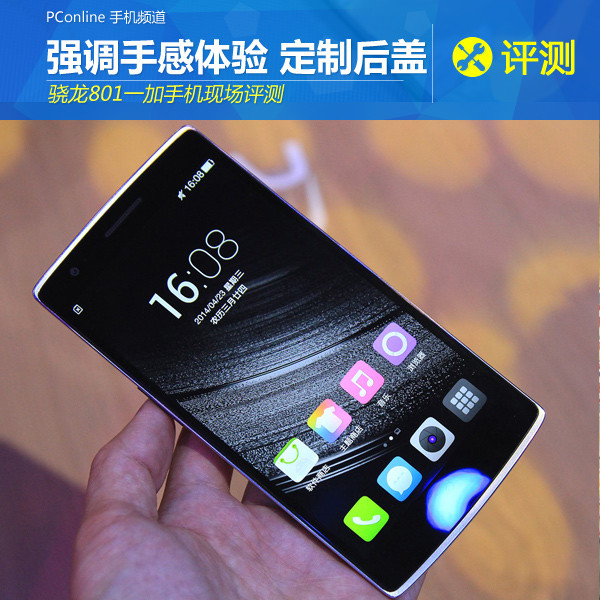
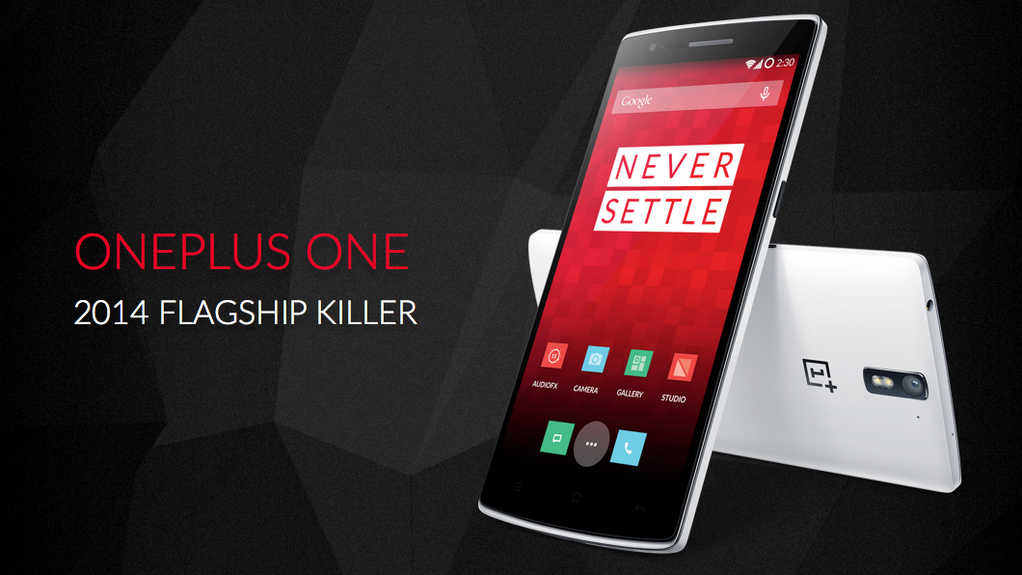
After being teased for over half a year, the OnePlus Smartphone is officially released in Beijing on April 23. It has received focus from many friends within the industry, and specially focuses on the phone user-experience, such as touch, and so on. The hardware specifications may not be the focus on the phone, but the OnePlus smartphone still delivers a powerful performance. This device makes its debut today, at the price of CNY$1,999.99 (USD$320) for its 16GB model.
5.5-inch Full HD 1920×1080 resolution IPS display LTPS technology
Cameras
13 megapixel main camera F/2.0 aperture, 6P lens, 5 megapixel front camera
System
Commercial system/Color OS
Dimensions
152.9mm x 75.9 mm x 8.9 mm, thinnest portion 4.6mm, 162g
Battery
3100mAh
Network Support
2G/3G/4G (Mobile and Unicom version will have 4G-specific versions)
Special features
BABY SKIN skin-friendly back cover, 0.3 second fast autofocus
Price
CNY$1,999.99
The OnePlus smarphone has current, superior hardware, including the Snapdragon 801 quad-core process and 3GB RAM, and is sold in 16GB and 64GB models. IT comes equipped with a 5.5-inch Full HD display, a 13 megapixel main camera and a 5 megapixel front camera.
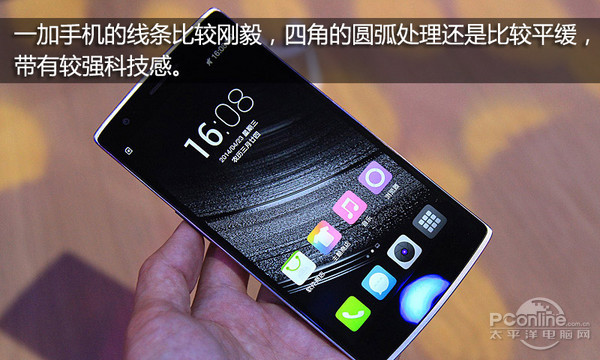
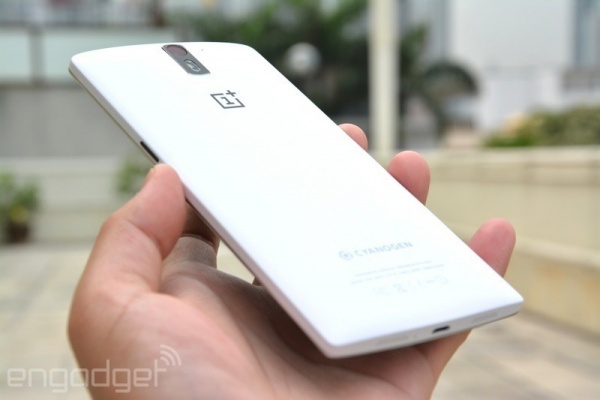
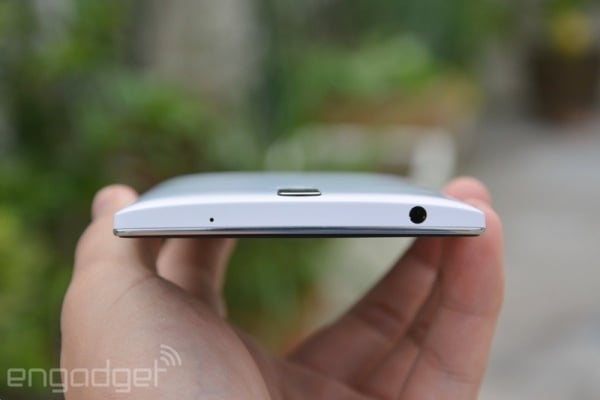
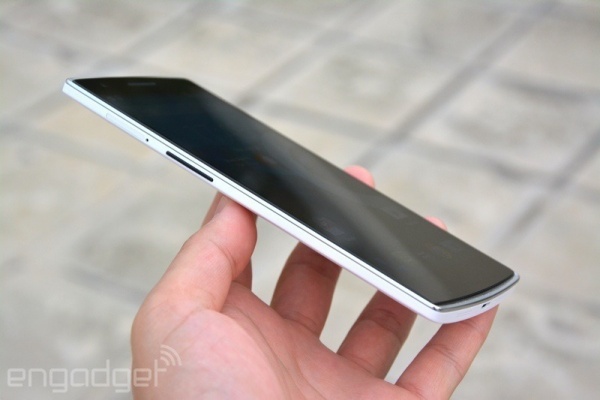
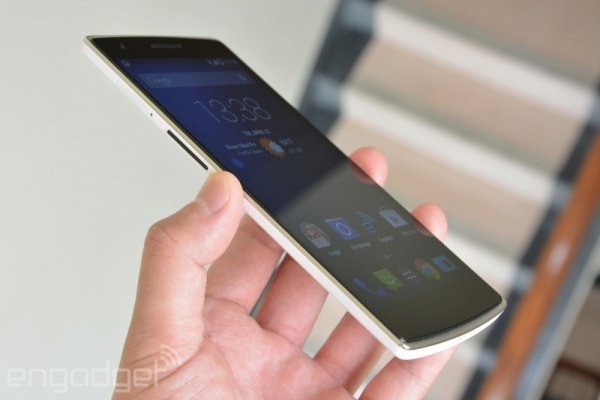
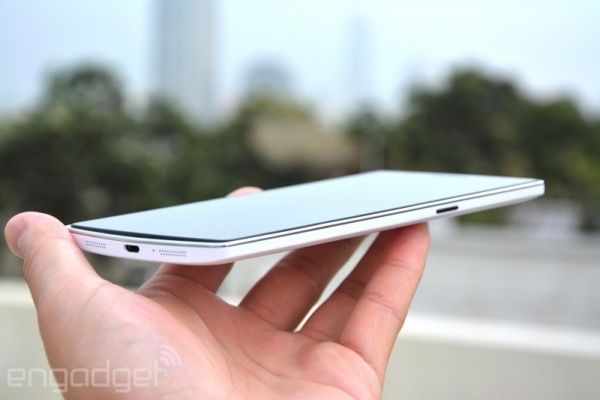
The OnePlus smartphone uses a relatively modest basic design. Its dimensions are not huge, and can be held with one hand, however it is a little too heavy to do so comfortably. The phone has relatively sleek lines, with no rough edges.
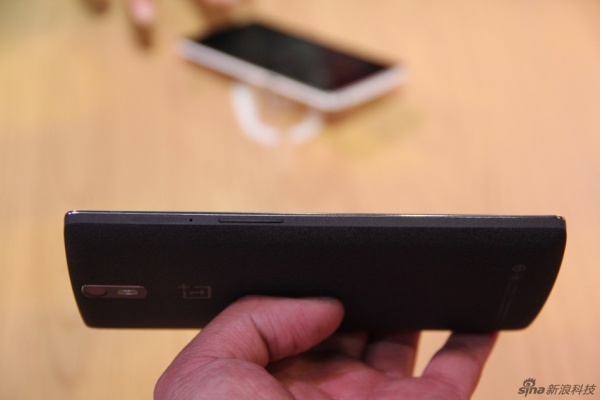
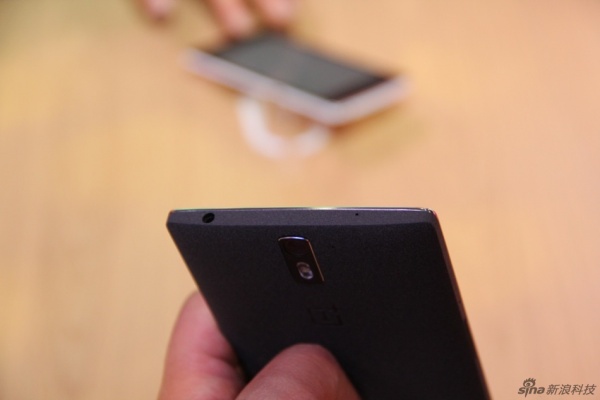
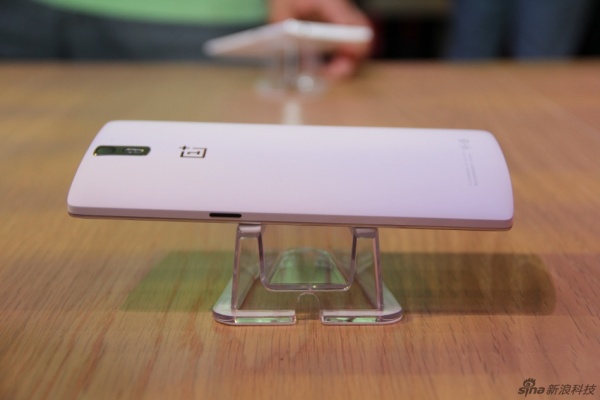
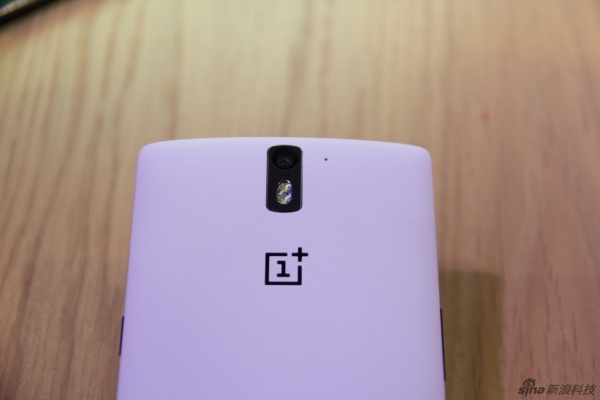
The OnePlus smartphone uses a gold-waist design. Its curved back design gives the device more grip, and is another important factor with concerns on user-experience.
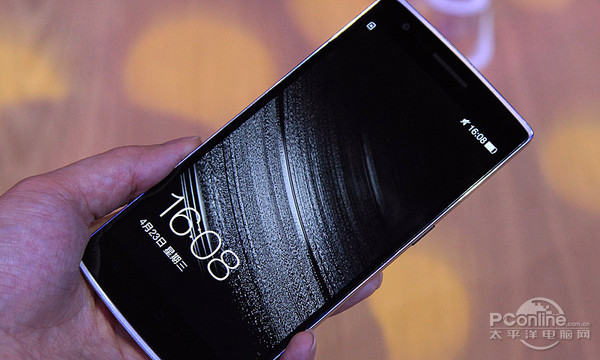
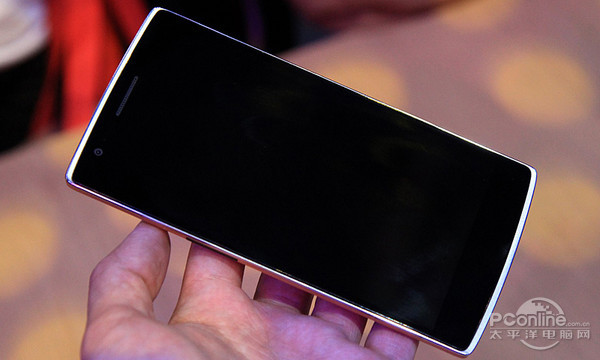
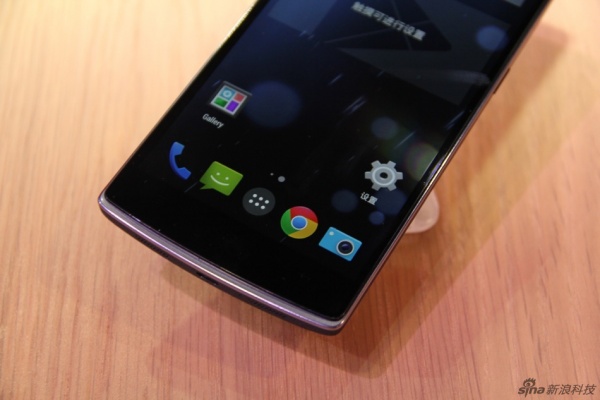
The front is covered by the 5.5-inch 1080p display, and is not really accounted for, leaving some area at the top and bottom, but fortunately the border has been made narrower, causing the device to be more elongated.
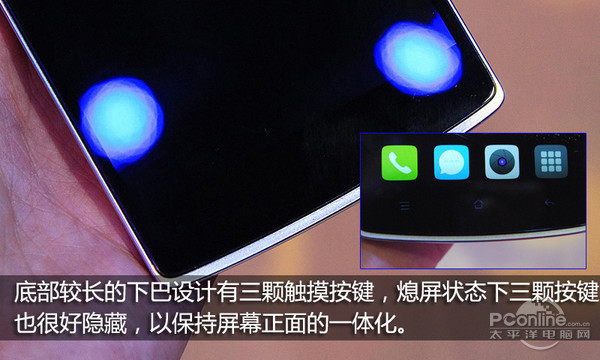
When the screen is off, the edge of the screen is very well-hidden and integrated into the device.
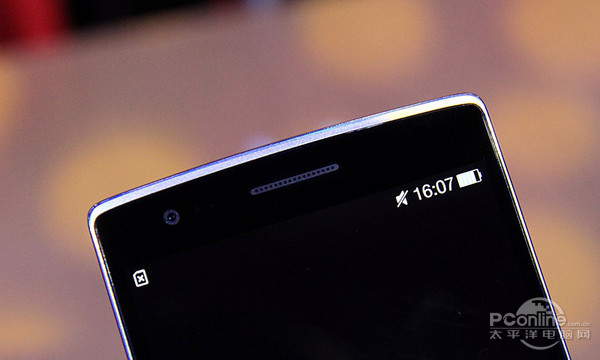
The elongated receiver and front camera makes it very prominent, but not distracting, and the whole device is very well-fitted together.
On the left is the power/lockscreen button. The presses are registered quite comfortably, but are not exactly exciting as the process is short.
On the right are the volume adjustment buttons and the SIM-card slot.
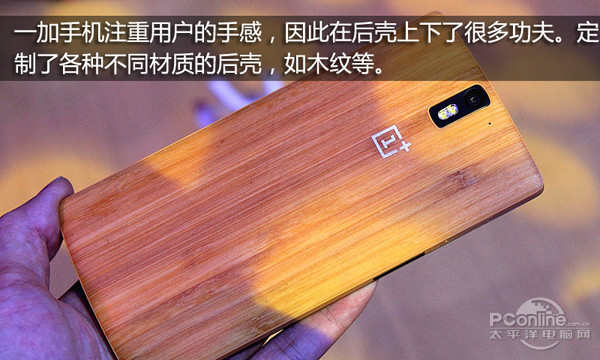
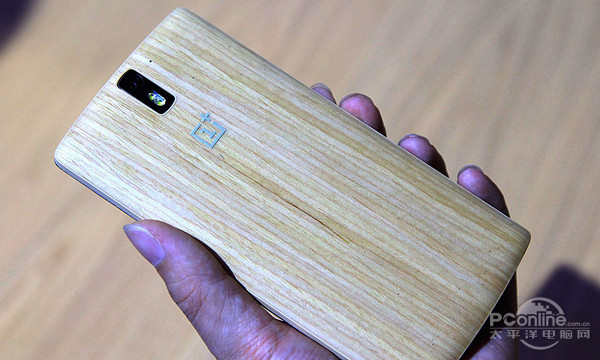
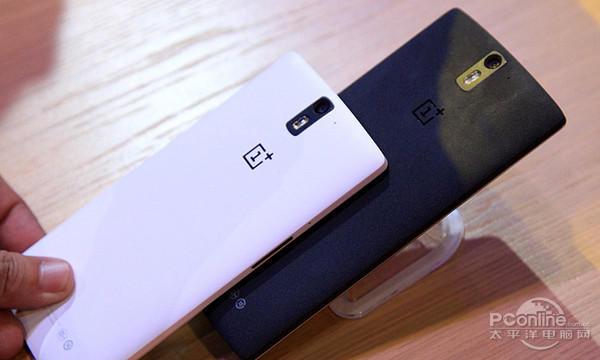
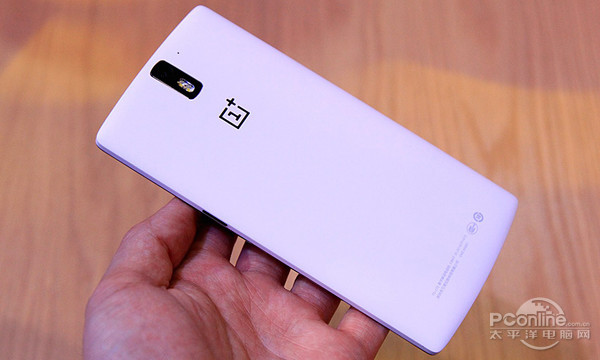
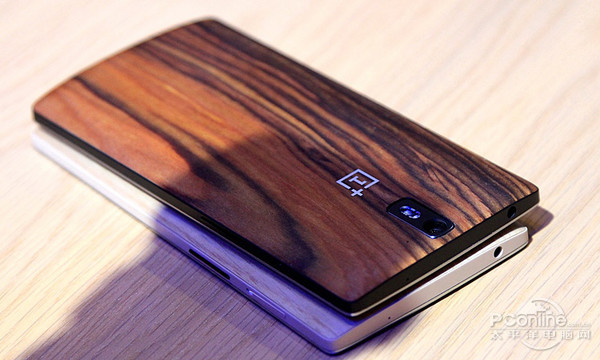
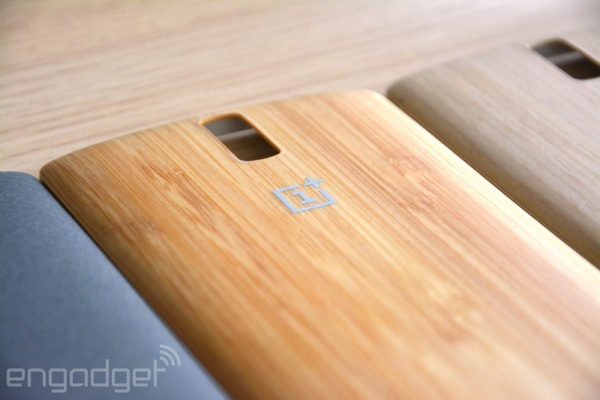
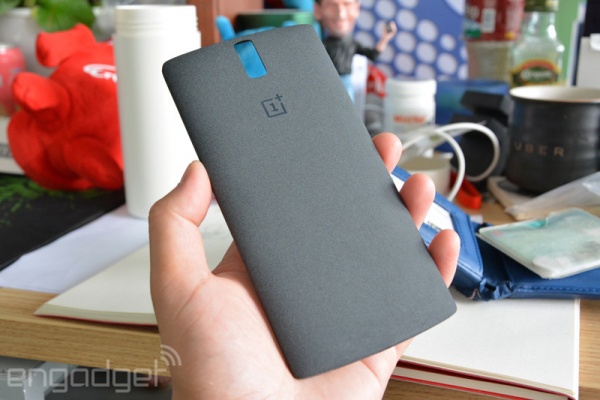
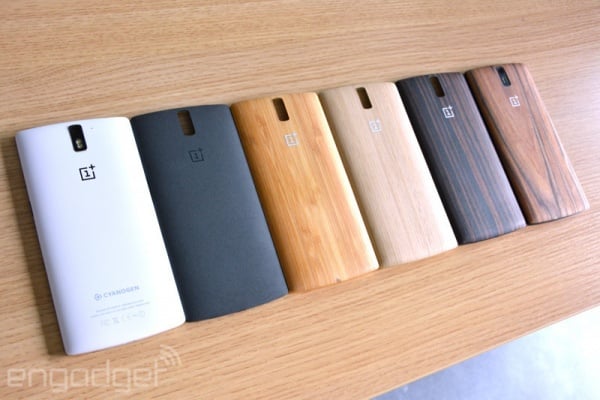
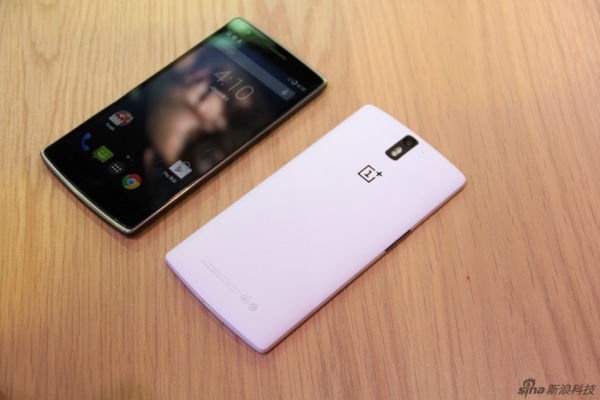
The OnePlus smartphone focuses on the user’s feel, and in addition to the dimensions of the phone, a lot of effort has been put into the feel and comfort of the phone cover. There are a large variety of back covers of different material, patterns or pictures, two of which includes the basic black and white colors.
Furthermore, out of the custom cover designs are made with bamboo, wood, denim, Kevlar and many more, which will satisfy the comfort needs of all kinds of users. We have also seen these custom covers on the Moto X, but since the Moto X was never released in China, a lot of users did not get a chance to enjoy this service. Not only will the many materials and pictures meet the needs of various senses, it will also serve as a form of personalization.
OnePlus has just announced their first new product, and it will simultaneously enter the overseas market. So how much will the OnePlus smartphone sell overseas? Today, we will break it down for you.
The OnePlus smartphone comes in 16 GB and 64GB storage models, and officially sold in China for CNY$1,999.99 (USD$320) and CNY$2,299.99 (USD$368) respectively.
The prices for the international versions are as follows (price of 16GB model listed first, followed by price of 64GB model):
United States:
USD$299 (CNY$1,865), USD$349 (CNY$2,180)
Hong Kong:
HKD$2,599 (CNY$2,090/USD$335), HKD$2,999 (CNY$2,410/USD$386)
From the price breakdown the OnePlus smartphone is priced the lowest in the United States, even lower than China. Even after applying tax, prices will only be similar compared to China. The prices are only a fair bit higher in other countries, with the most expensive being Sweden and Denmark in Northern European regions.
As for the local distribution method, OnePlus borrows Apple’s sales plan, selling their device through queues and cash only. An invitational sale method is being used overseas, similar to using forum invitation codes.
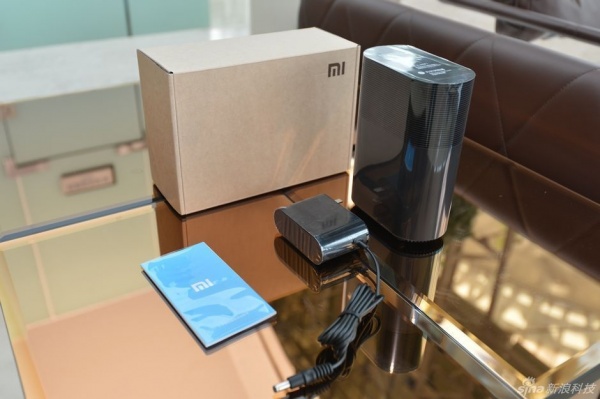
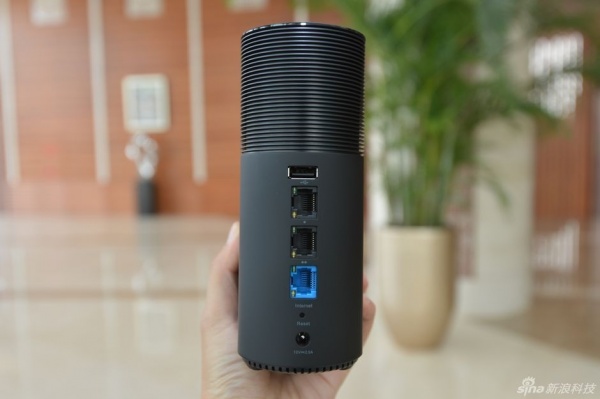
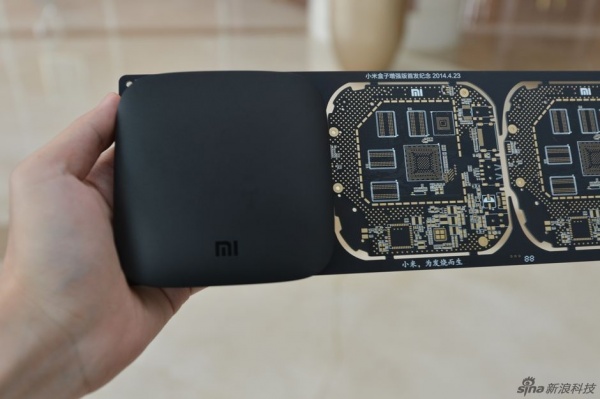
On April 23, Xiaomi will release its three new hardware devices, the Xiaomi Router, Mi router Mini, and the enhanced version of the Mi Box.
Lei Jun, the CEO of Xiaomi, also announced that the company would launch its products in Malaysia, the Philippines, India, Indonesia, Thailand, Vietnam, Russia, Turkey, Brazil, and Mexico in 2014.
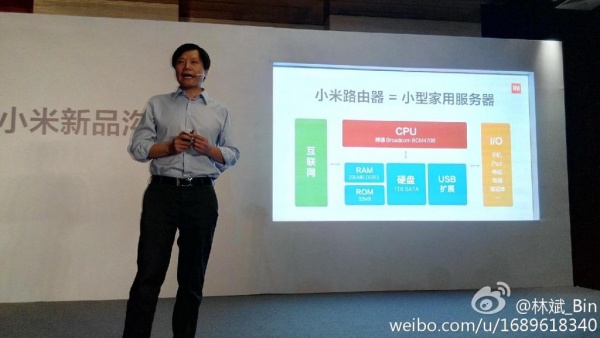
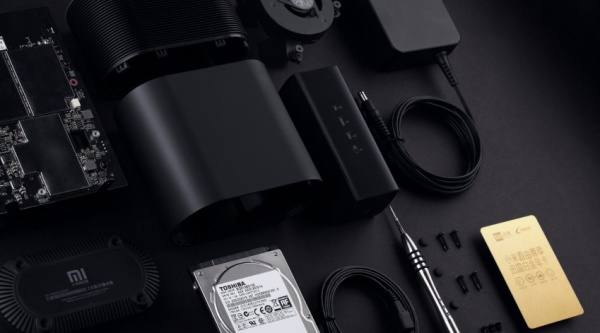
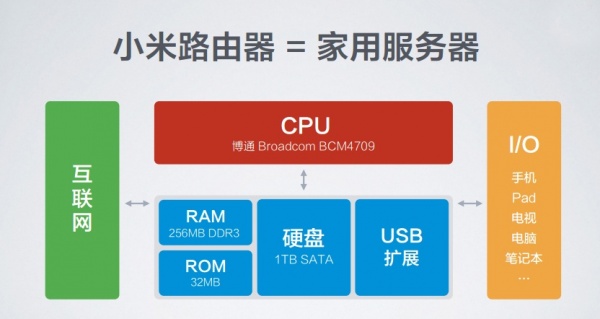
Xiaomi Router = small-scale home server.
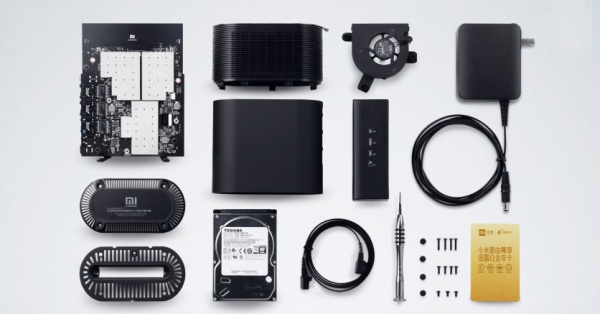
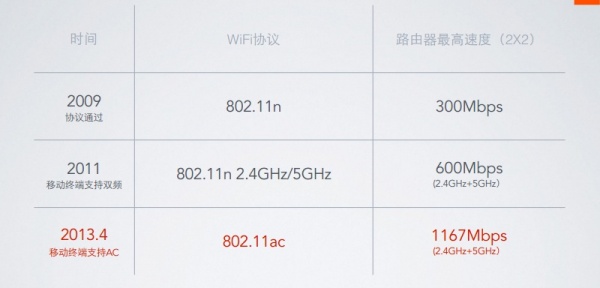
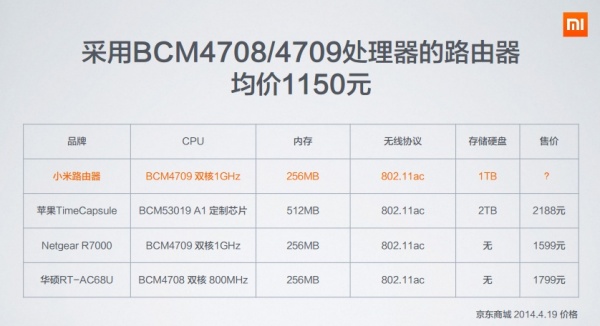
Lei Jun explained that the 802.11 ac router had already underwent three beta tests and that it could run at a speed of 1167 mbps. “A new toy for enthusiasts”— The Xiaomi Router can be considered to be the most fun wi-fi router to date and can be assembled by the users themselves.
Beamforming is an important feature of AC routers and can be used to get a stronger signal.
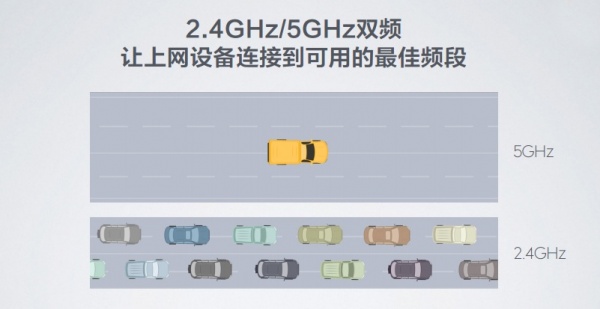
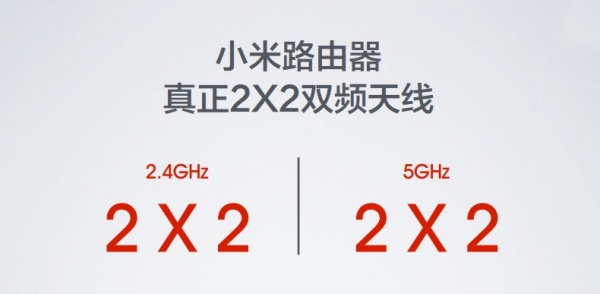
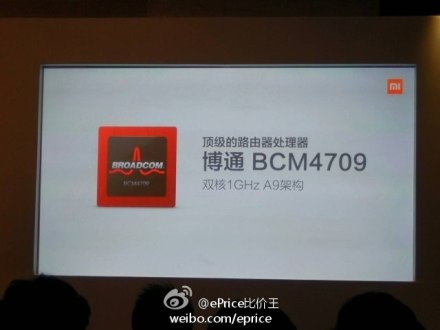
In addition, the Xiaomi Router uses a 2×2 dual-frequency antenna, has an independent signal amplification chip, can conserve energy, along with other features.
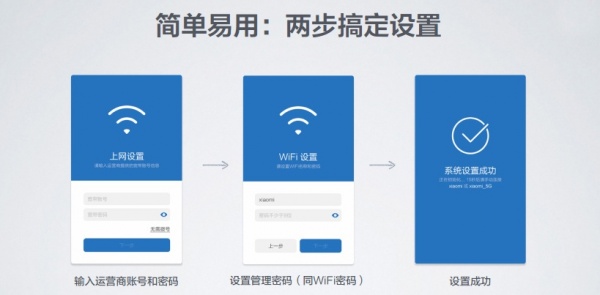
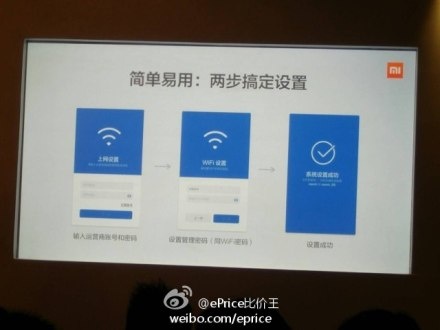
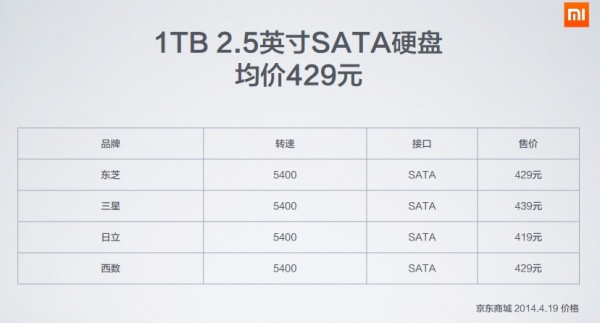
After explaining why users need to change their router, Lei Jun asked another question. Why was it necessary to add a hard disk to use the router? A true wireless router should be easy to use, and the Xiaomi Router’s operating system can be set up in just two steps.
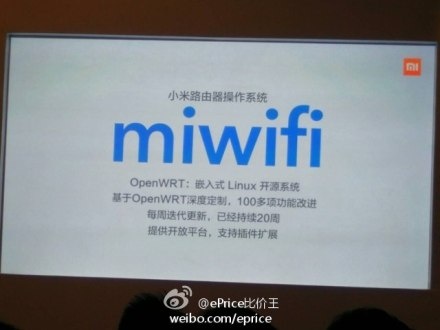
Furthermore, more than 100 kinds of improvements have already been done on its functions, now being able to an open platform and also support plug-in extensions.
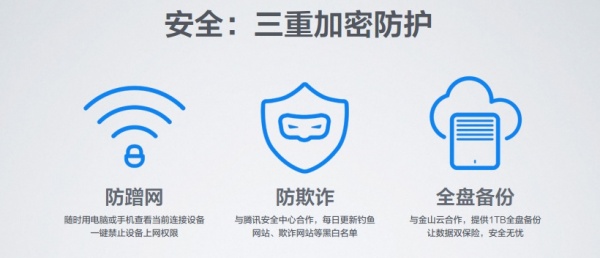
The company has also focused on strengthening client protection after a CCTV report exposed safety problems.
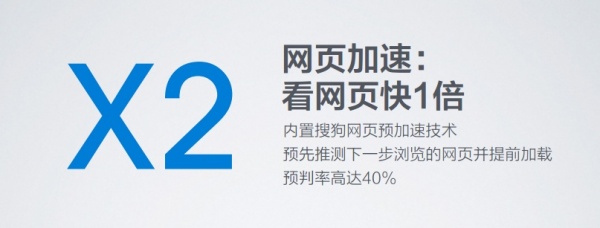
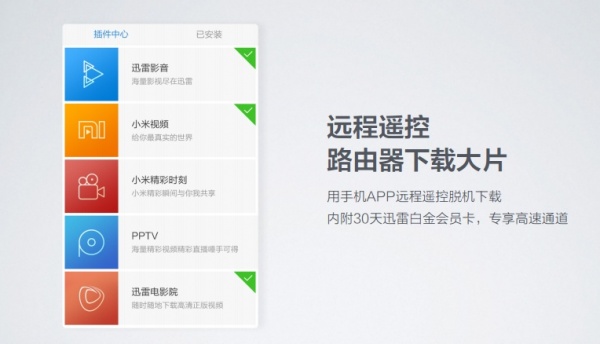
The Xiaomi Router can effectively increase web browser speed using a built-in Sogou browser engine and increase download speed using a powerful downloader.
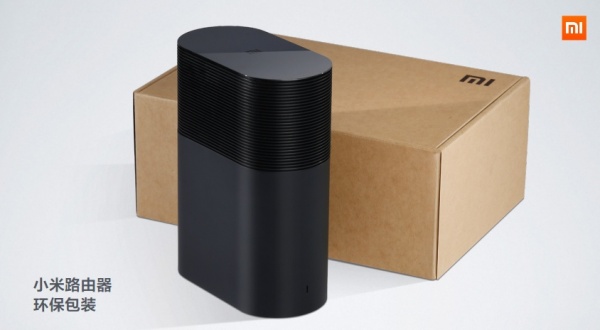
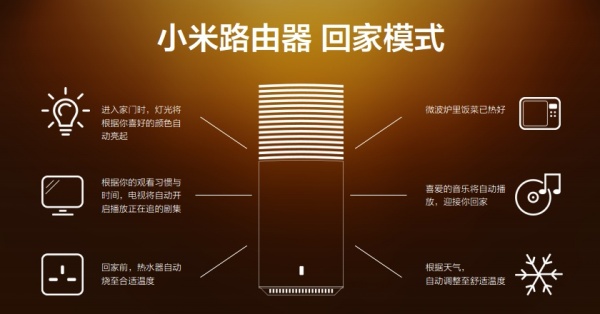
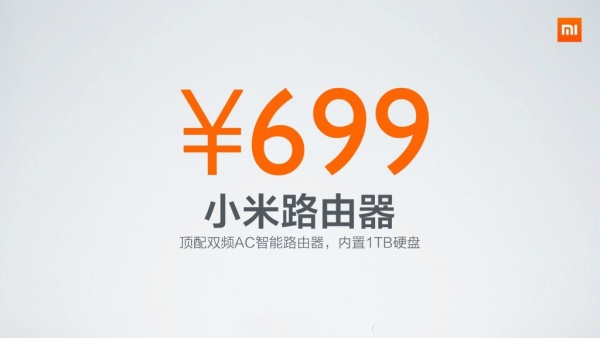
Xiaomi router= small-scale home server! This router, with its miwifi system, which can increase the user’s internet speed twice as much, a security system with a 3DES encryption, and a built-in smart home control center only costs 699 RMB! Make a reservation at Mi.com at 6:00 tonight and be the first in stores on Friday!
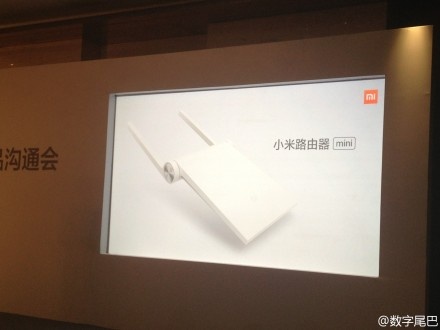
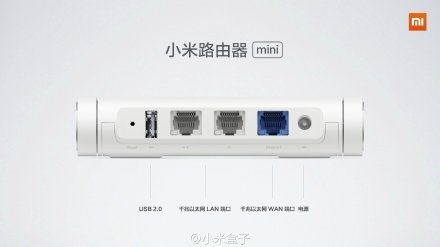
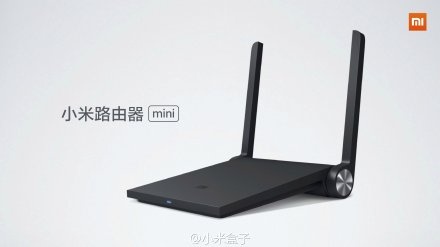
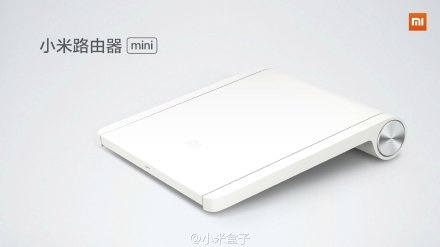
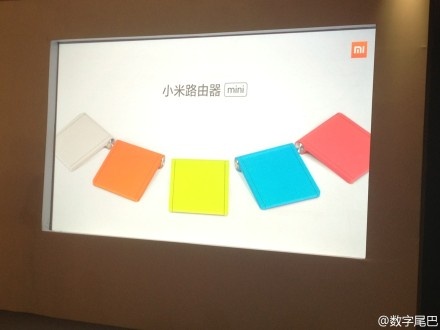
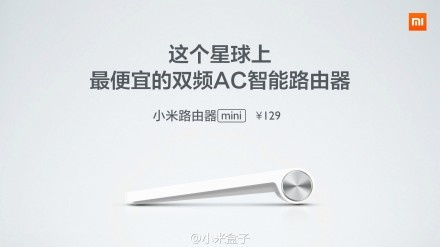
The cheapest double frequency AC router: The Xiaomi Mini Router: 802.11 AC, 2×2 double frequency antenna, a very powerful signal; single MT7620A CPU, 128 gb DDR3 high-speed ram, built-in smart home control center; available in red, orange, blue, white, green, and black, sold for just 129 RMB.
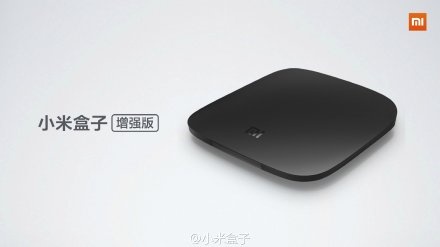
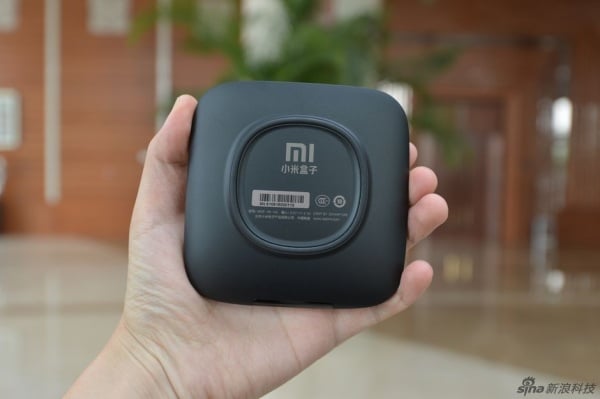
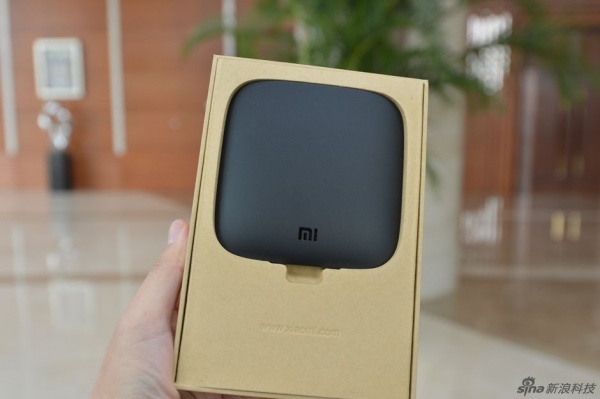
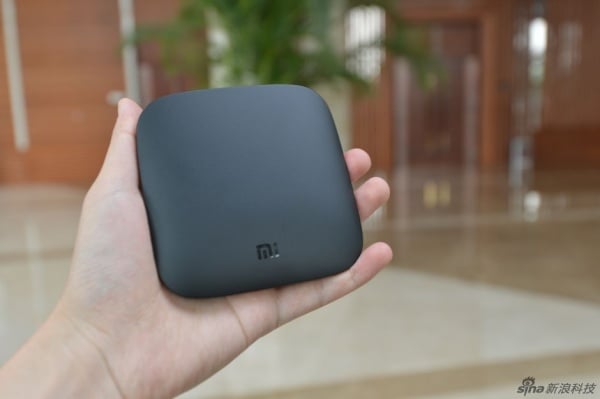
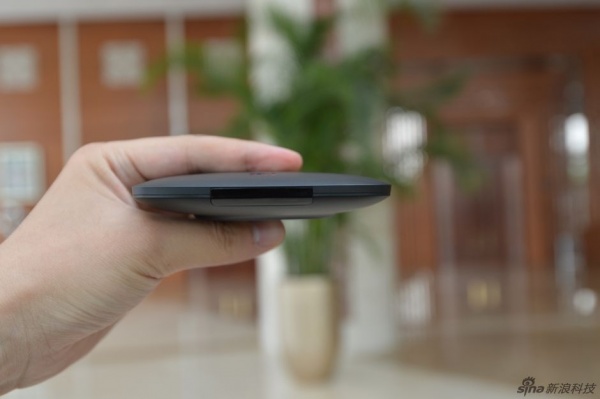
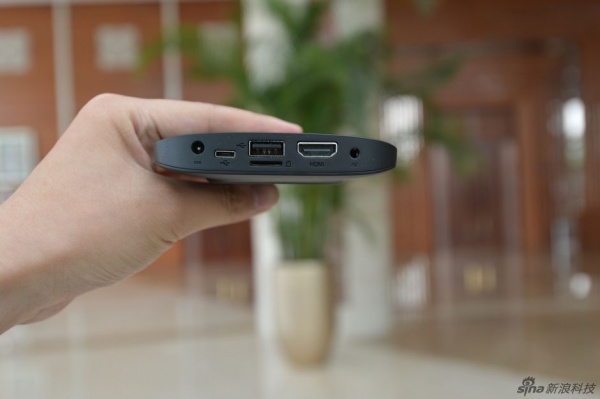
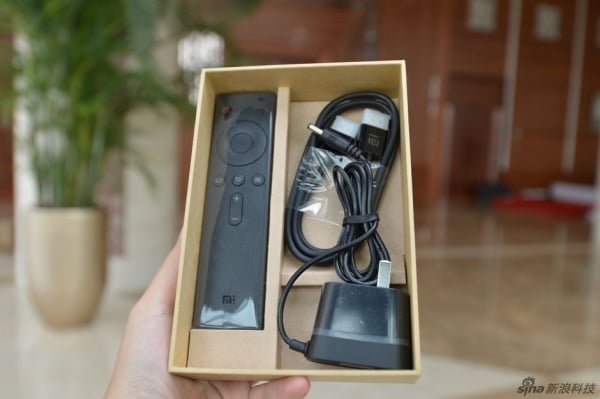
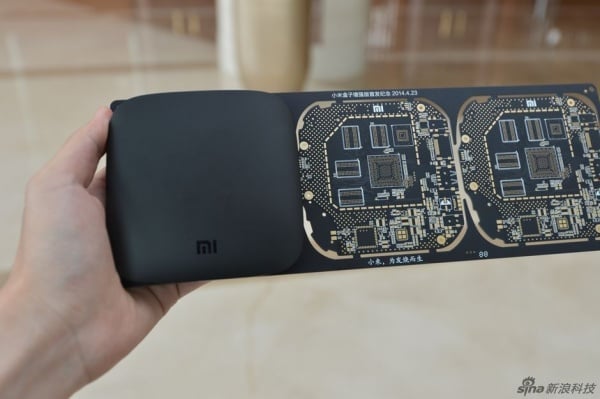
Xiaomi Box Enhanced Version: 3840 x 2160 high resolution, ultra high definition, four times as powerful as 1080p resolution, smooth touchpad.
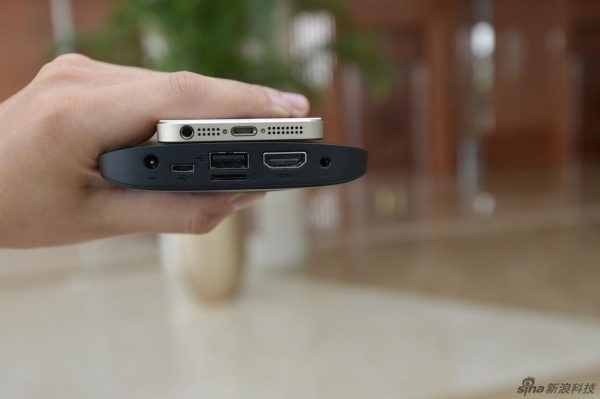
New, wonderful design: ①AV interface is now 3.5mm ②Additional USB port ③Additional Micro SD slot, and can store up to 64GB.
While back to last March this year, we have covered the news about ZTE FunBox device. This is the game console that comes from ZTE, while we are know that ZTE is the copany which built communication devices, including smartphone, USB modem, mobile router and tablet devices.
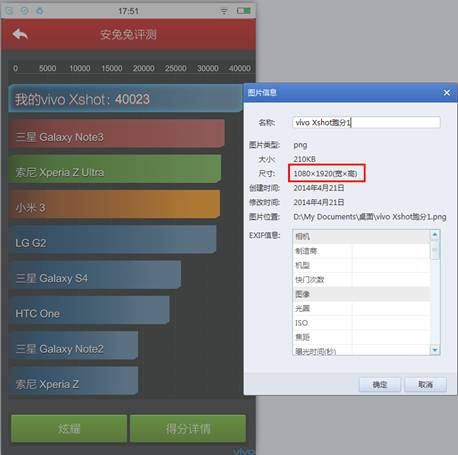
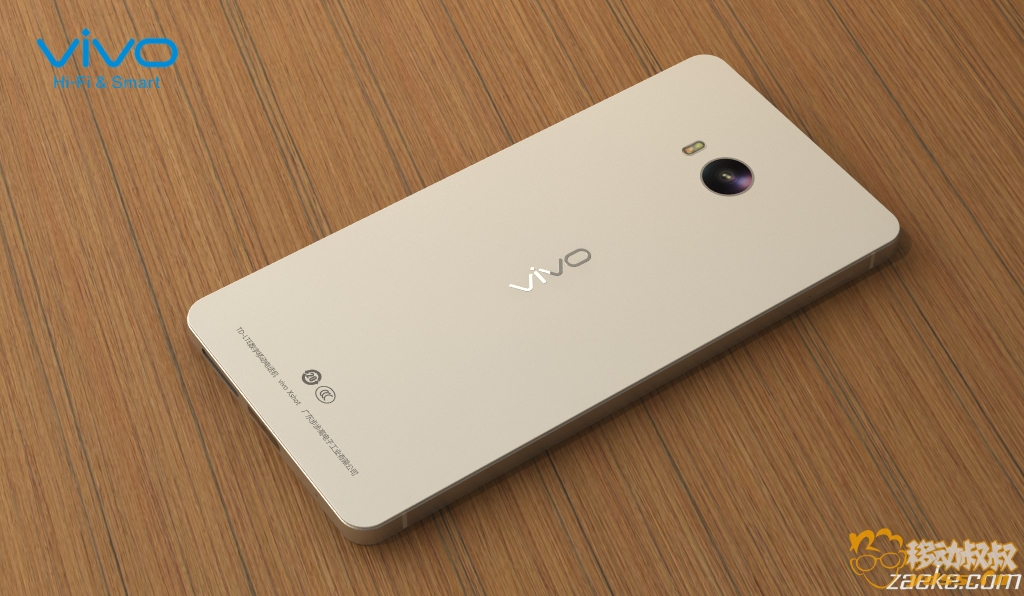
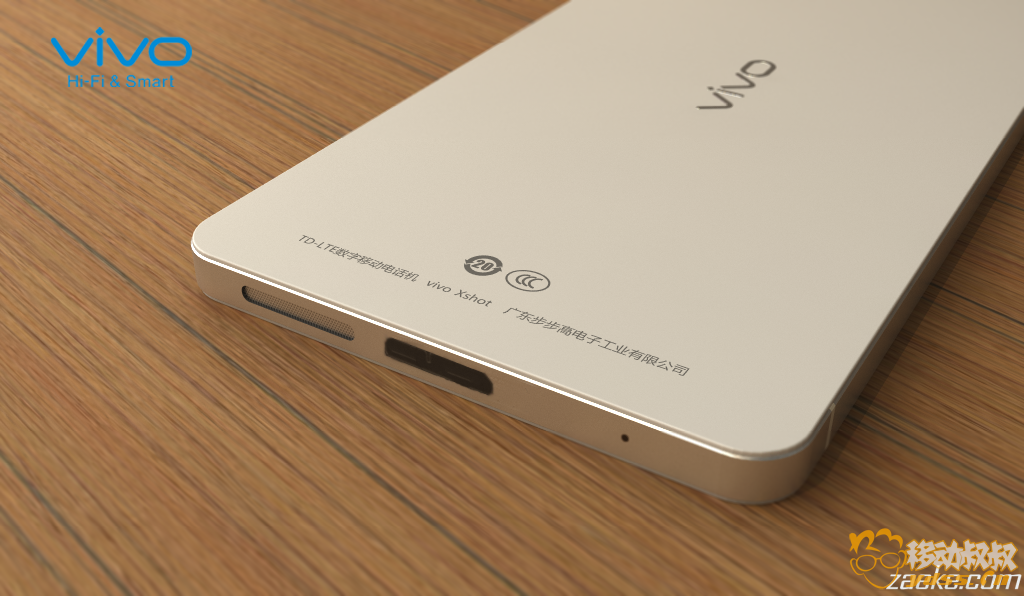
Vivo XShot is not officially released, but according to AnTuTu benchmark test, the new Vivo XShot smartphone is beat the other flagship Android smartphone in the market today, such as Galaxy Note 3, Xperia Z Ultra and LG G2.
Finnaly, the OnePlus has been officially released their first smartphone on the market, OnePlus One is now ready to available in various market with CyanogenMod 11S based on Android 4.4 KitKat operating system.
According to the latest news from foreign media, the upgraded version of the OPPO R1, the R1S, has passed the United States FCC checks. The R1S, with LTE network support, will be hitting the market in the United States.
Meanwhile, in China, the R1S will hit the market on the 25th this month, and will be OPPO’s second phone with 4G network support, after the Find 7. Priced at CNY$2,498 (USD$400), and will come with a portable charger and Bluetooth speaker as a value gift pack.
OPPO R1S
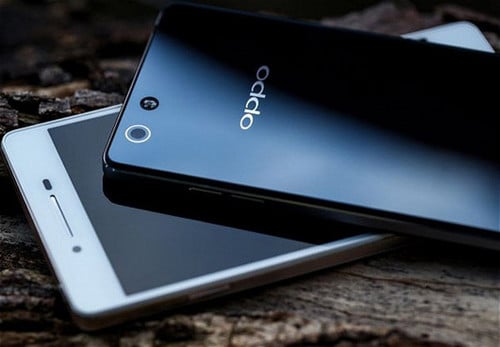
As an upgraded model, the R1S continues the R1’s simple and stylist design. The back cover adds some blue sapphires as decoration, and creates an amazing mirror effect. The thickness of the phone is 7.1mm, very stylish.
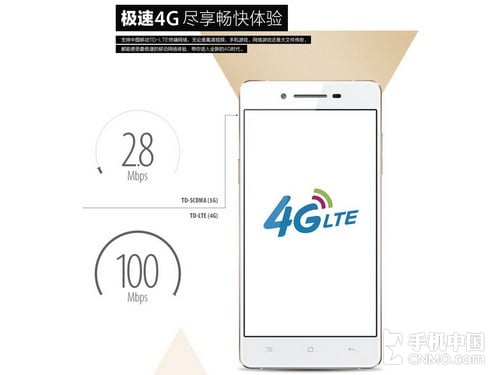
4G Network Support
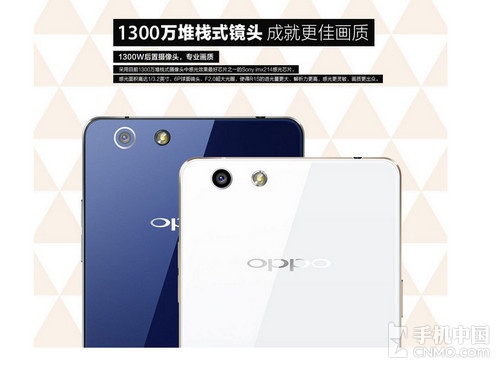
OPPO R1S comes with a 5-inch 720p display, and enforced with Corning Gorilla glass, making the phone sturdier. It carries a 1.6GHz main Quadcomm quad-core processor, with 1GB RAM and 16 GB ROM. The R1S’s camera has been upgraded to 13 megapixels, and uses the Sony IMX214 sensor stack, similar to the Find 7. It comes with a 6P spherical lens and a F2.0 wide aperture.
Routers are not new concepts, but with the technological wave sweeping past everything these days, the smart router has become a fresh product. Due to the natural advantage of the router being the family’s gate to the Internet, from the end of last year, Xiaomi, Guokr, 360 and various manufacturers have started a full-scale war fighting for the market share.
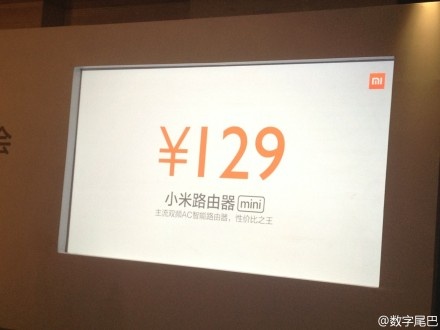
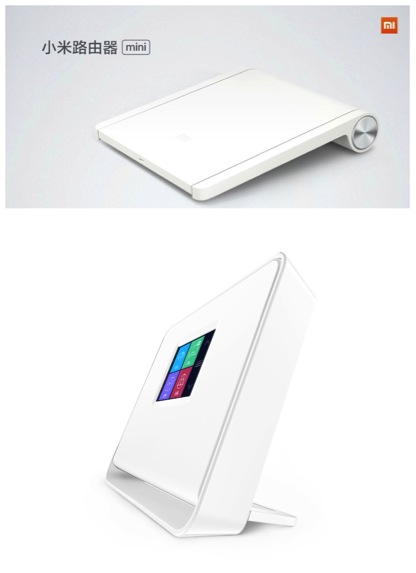
Today Xiaomi held a new product press conference and released the low-end router mini, priced at CNY$129 (USD$20). This is similar to the price range of the Guokr routers. In the beginning of April, Guokr launched a CNY$99 (USD$16) sale, causing its official website to receive a million orders.
Name
Xiaomi Router Mini
Guokr Router
Display
None
2.4 inch touchscreen
Wifi Encryption
IEEE 802.11 a/b/g/n/ac
IEEE 802.11 a/b/g/n/ac
Wireless channels
Dual-channel 2.4GHz and 5GHz
Dual-channel 2.4GHz and 5GHz
RAM
128 MB DDR
128 MB DDR
ROM
Currently Unknown
128MB NAND FLASH
Storage Space
Able to connect to hard drive
Able to connect to hard drive, charge
USB
USB 2.0
USB2.0, maximum power 1A
Other ports
None
One port with unknown function
Antenna
External antenna
Internal multi-directional antenna
Functionality
Currently Unknown
Boosts game performance
In terms of hardware specifications, the two products are no different. We did a detailed comparison table for everyone’s convenience, so you can choose your preferred router.
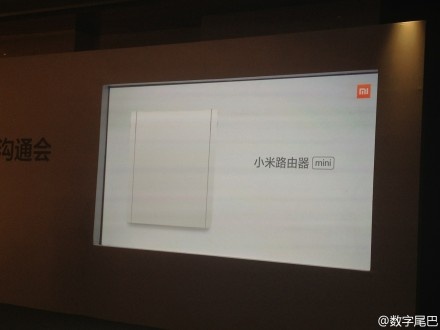
In terms of design, the Xiaomi Router Mini uses an all new design and is available in a variety of colours. The Guokr Router Beta uses a transparent shell design, but the official version as shown on the official website seems to be white. The following pictures compare the design of the two routers.
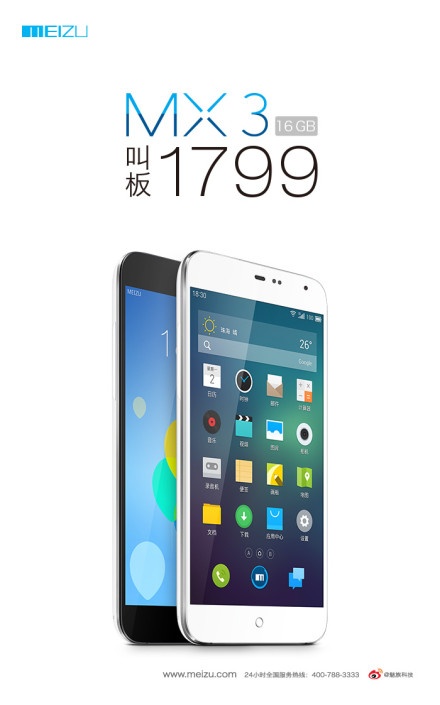
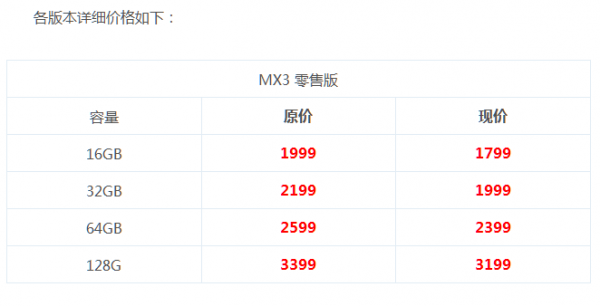
April 23 is destined to be a day of various significance, as many manufacturers including OnePlus, Xiaomi, Nubia and Meizu have chosen today to release headline-grabbing news. Yesterday, Meizu has announced on their official Weibo that they will have some good news to be released on 10am today. Outsiders have speculated that it may be MX3’s Ubuntu System Beta, the 4G version of the MX3 or the Android 4.4’s version of the Flyme 4.0. And now, the answer is officially revealed – a standardized price markdown of the popular flagship system MX3. The 16GB retail price has been adjusted to CNY$1,799 (USD $288).
Following today, the price will take effect across Meizu’s 600 official stores across the country, the website’s online stall, Meizu’s official flagship store at Tmall, Jingdong Mall and major social mobile phone marketplaces simultaneously. Consumers can easily purchase from these various channels.
After the standardized markdown of the MX3, it becomes more affordable for consumers, letting them completely enjoy Meizu’s high quality smartphones and the ultimate experience it provides. For more information, you can go to Meizu’s official online store at store.meizu.com, call Meizu’s national 24-hour service line 400-788-3333, or make enquiries at your local mobile phone store.
Today Xiaomi has already made an announcement that they will release an unexpected yet logical hardware. According to news leaks, this may be similar to Apple’s touchpad, but other sources say it may be a wireless Bluetooth keyboard. And Nubia’s official Weibo has stated, “April 23, what must come, will come”, most likely referring to the 5.5-inch Nubia X6. The news says the model, as a whole, is the same basic X6 configuration. If this is true, then the device will also have two configurations – the Quadcomm Snapdragon 800 with 2GB RAM, or the Snapdragon 801 with 3GB RAM. The main camera is a 13 megapixel dual camera, running on the newest Nubia UI 2.0, and supports td/FDD LTE dual-4G.
Yesterday, on Xiaomi’s new domain mi.com, Leijun announced that the fees of purchasing the domain were USD$3.6 million, equivalent to CNY$22 million. Xiaomi hopes to use this domain as the heart of its internationalization plan.
Since last year, Xiaomi has tested the waters of Taiwan, Hong Kong and Singapore. Leijun announced that this year, the company will enter 10 additional markets, including:
Asia: Malaysia, Philippines, India, Indonesia, Thailand, Vietnam
Europe: Russia, Turkey
The Americas: Brazil, Mexico.
Leijun has stated that he and vice-chairperson Li Wanqiang will focus on serving the local market, while Li Bin and Hubo Barra will manage the international markets.
Leijun has said that from over one year of testing waters, it has proven that their business plan is viable. He says that the team has also drafted out a plan for global expansion.
At the recent new products conference, Xiaomi announced three new products – the Xiaomi router, the Xiaomi router mini, and the Xiaomi Box enhanced version. The three products will be sold at CNY$699 (USD$112), CNY$129 (USD$20) and CNY$399 (USD$64) respectively.
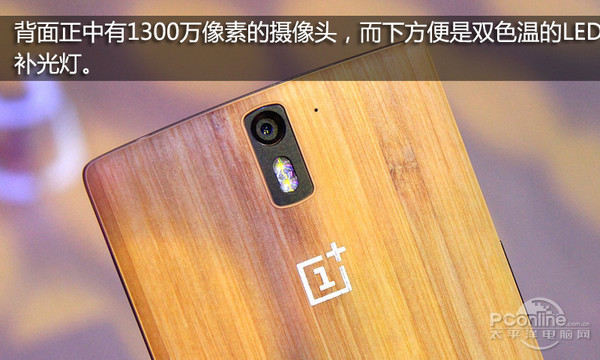
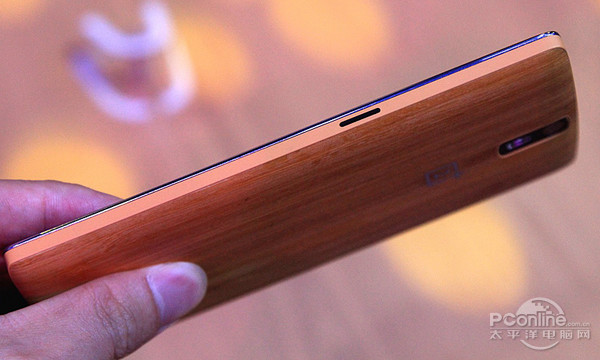
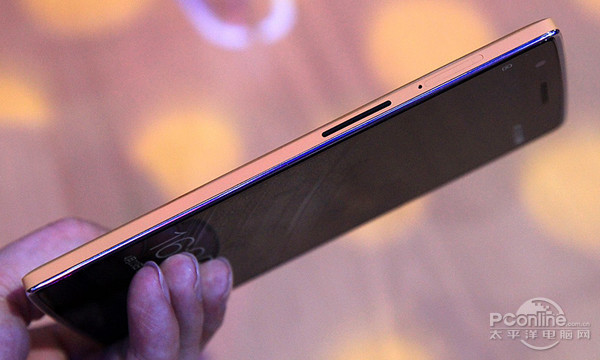
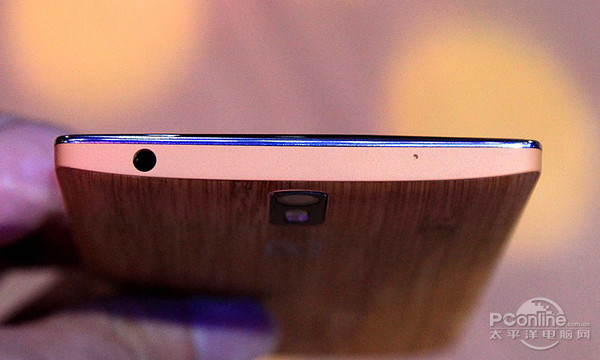
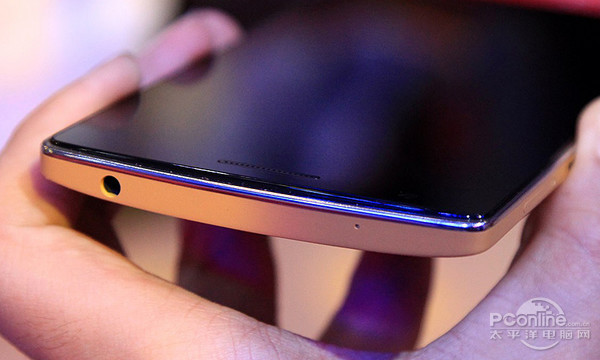
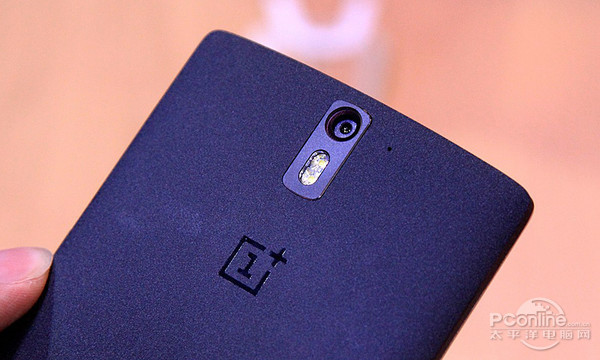
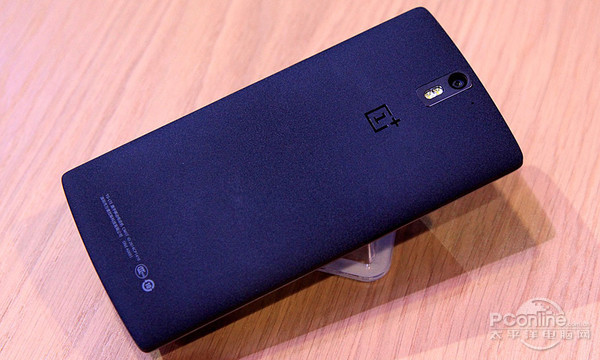
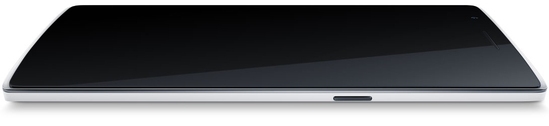
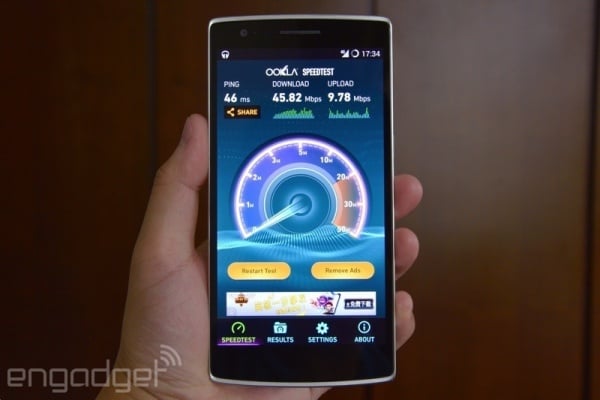
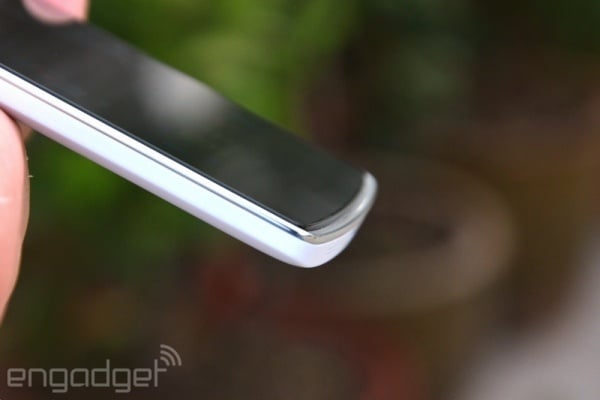
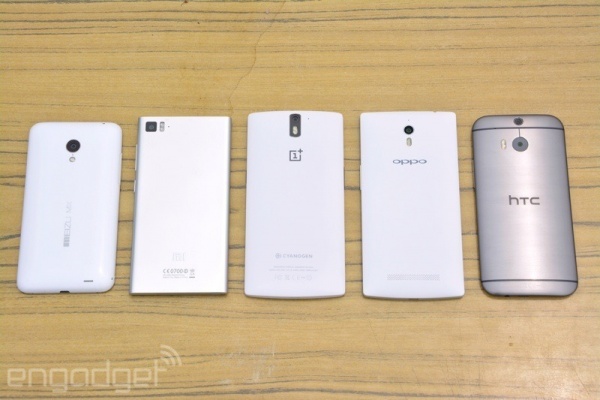
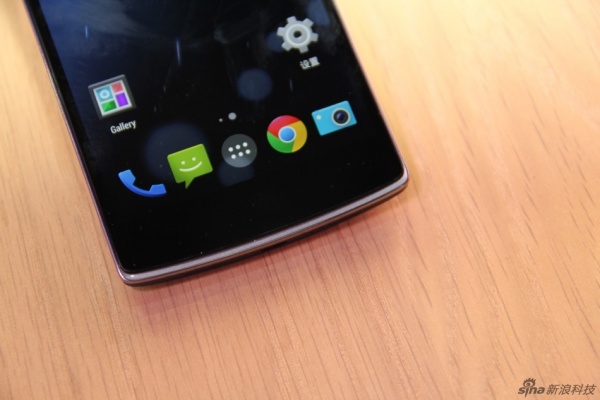
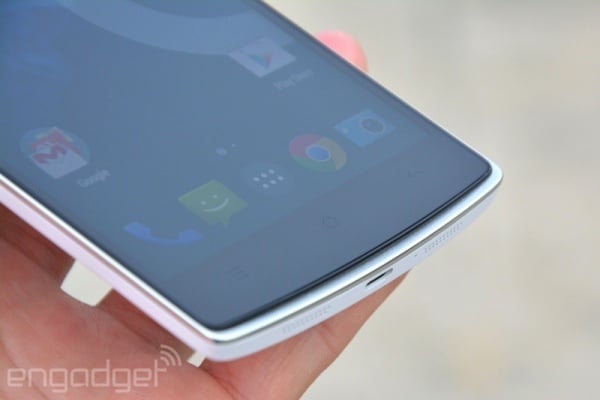
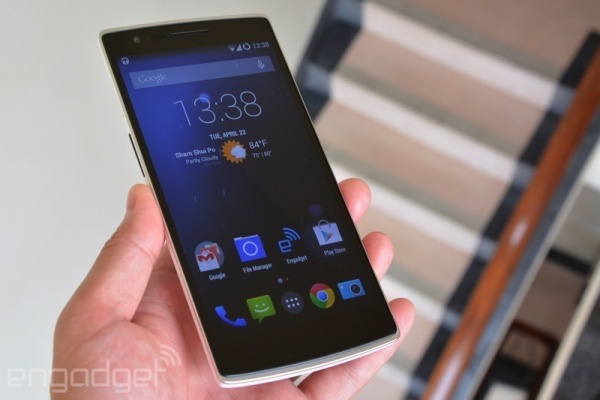
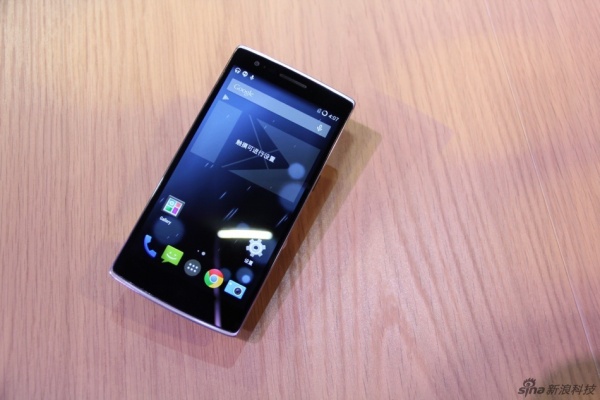
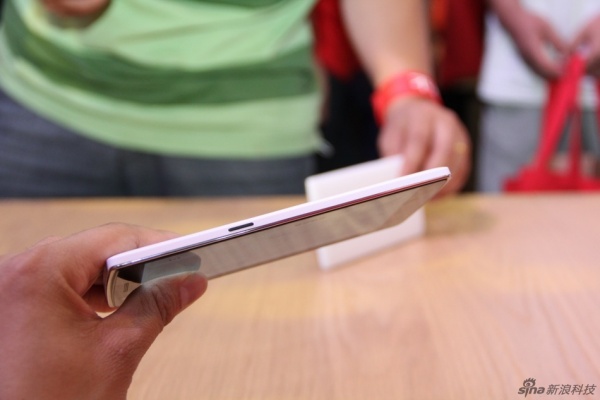
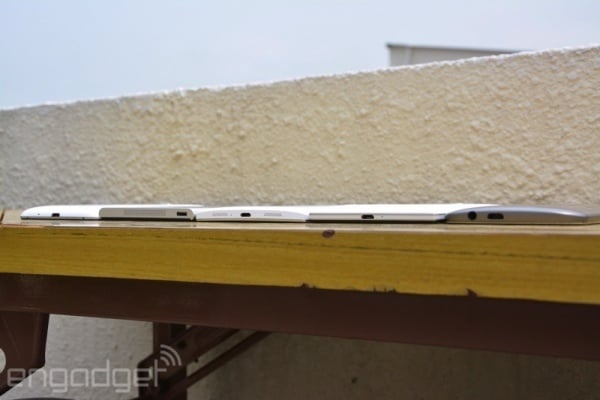
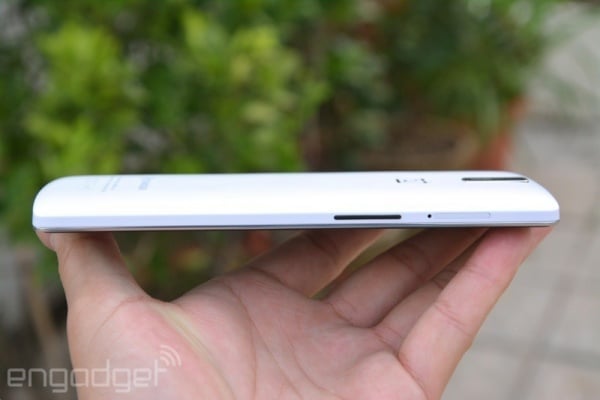
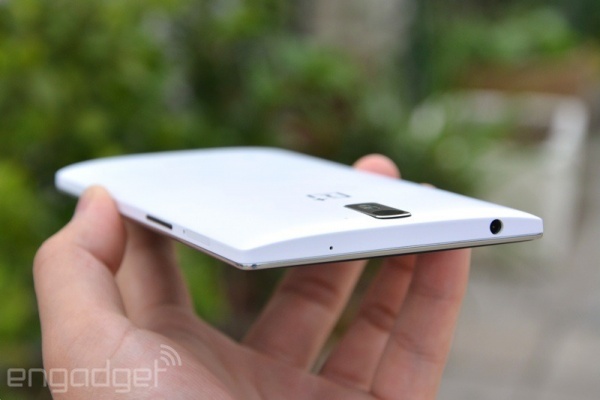
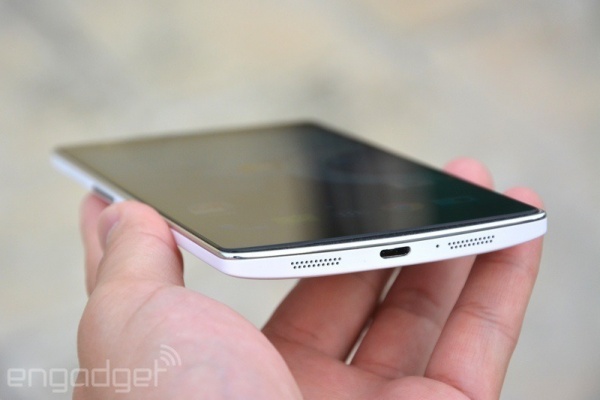
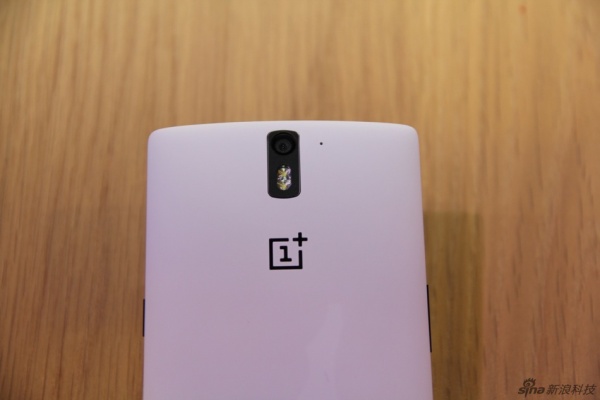
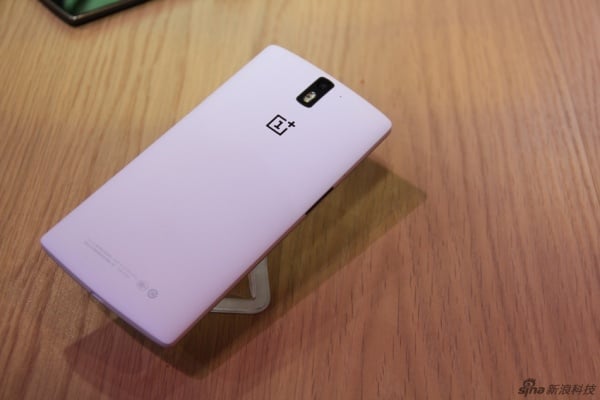
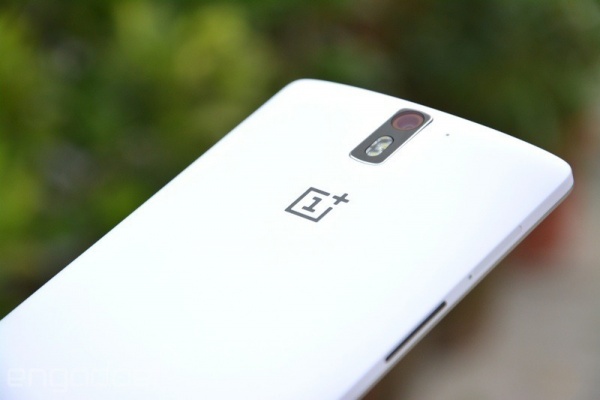
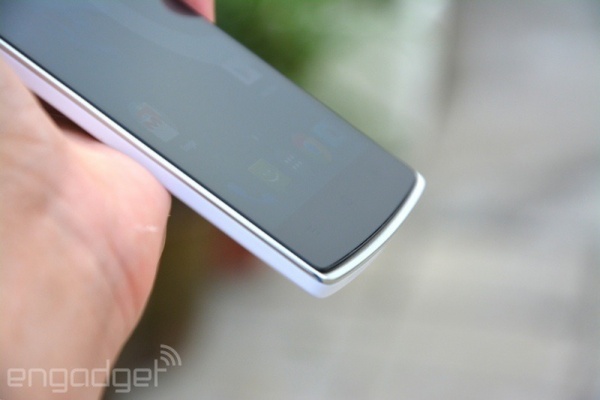
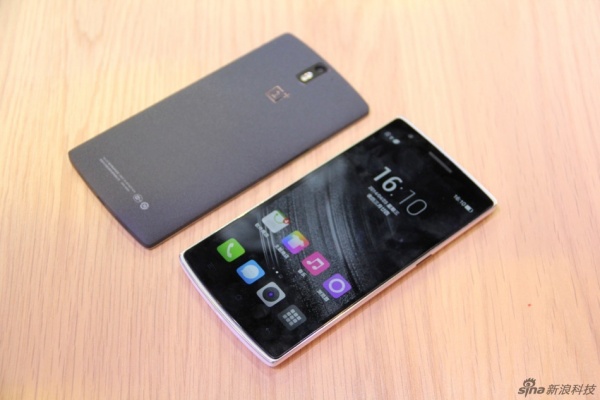
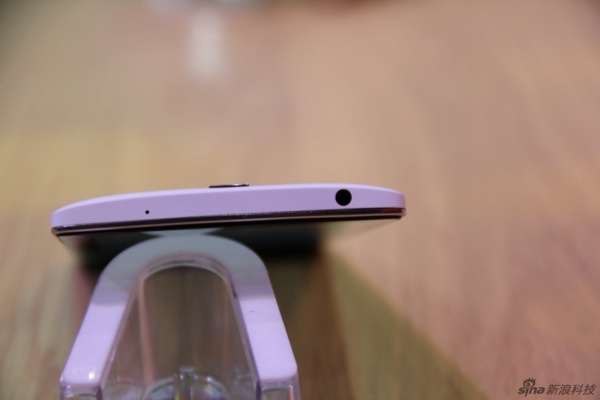
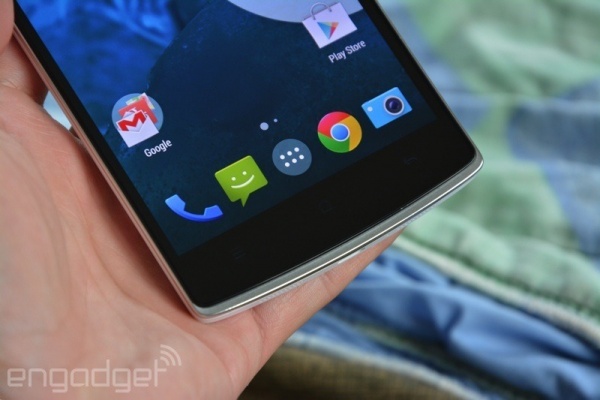
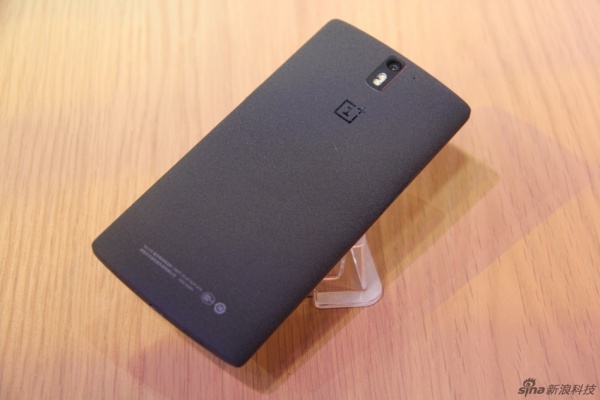
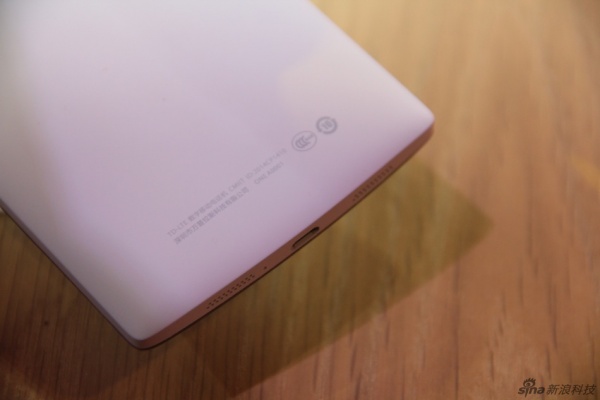
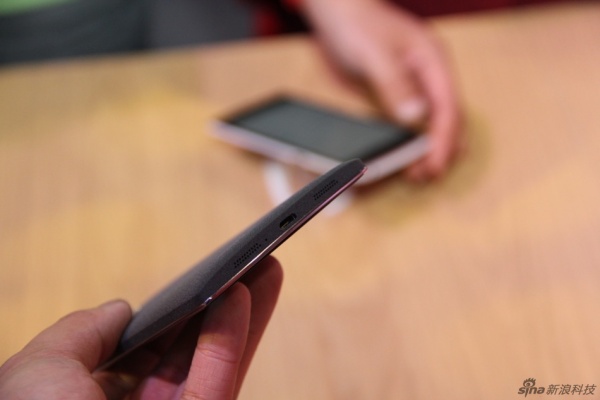
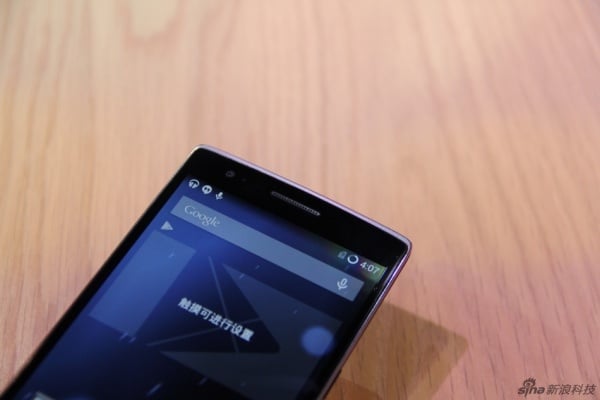
The recently concluded press conference has officially revealed the OnePlus One phone. The device carries a Qualcomm quad-core 2.5GHz Snapdragon 801 processor, as well as a Andreno 330 GPU and 3GB RAM. Display-wise, it uses a JDI-produced 5.5-inch 1080p IPS LCD daiply, with a 13 megapixel F/2.0 main camera and a 5 megapixel wide-angle front camera. This powerful configuration sells for CNY$1,999.99 (US$320) for the 16GB version and CNY$2299.99 (US$369) for the 64GB version. Now let us look at some hands-on images.
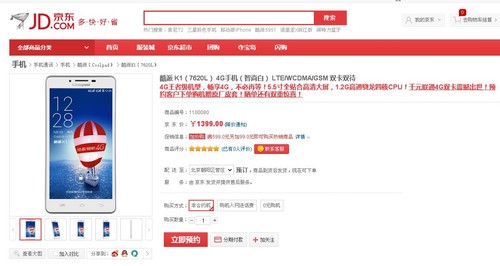
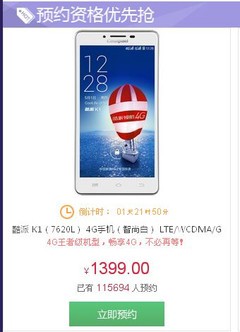
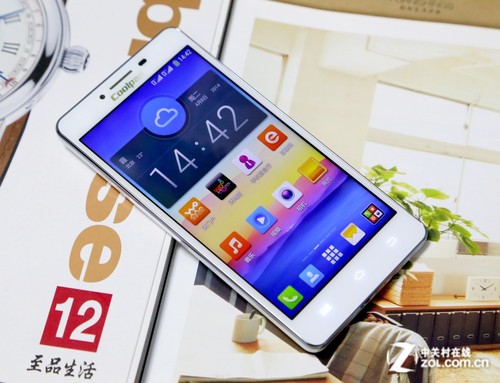
As currently high-end smartphones are extremely popular, many operations quickly released a new generation of high-end smartphones at the start of 2014, but most of the releases do not support the 4G network. Last month, Coolpad announced a model, the Coolpad K1, which is not just a 4G-compatible phone, but a 4G dual-SIM phone. When it was opened for pre-order on the 15th of this month, preorder numbers broke 10,000 in a very short period of time. Today, the Coolpad K1 will be available to purchase online and at retail.
The Coolpad K1 comes with one 5.5-incch large touchscreen display, with a 540 x 960 resolution. The processor is a 1.2GHz Quadcomm Snapdragon 400, with 1GB or RAM and internal storage, 4GB card storage, which supports up to 32GB micro SD cards. The main camera shoots at 8 megapixel, with a 2 megapixel front camera. It runs on Android 4.3 with Coolife interface, and supports 4G LTE networking and dual-SIM cards.
The Coolpad K1 is officially announced in Shenzhen on the 19th of last month. China Unicom and Coolpad collaborated and focused on creating this high-end dual-SIM 4G mobile phone this year, and is even the first high-end 4G smartphone. Looking at the current situation, even if the other operators were to release a high-end 4G phone, they will only make it out three months later than the Coolpad K1 at the earliest, so for users with two numbers, this device is not a bad choice.
As China’s local smartphones grow more powerful and the smartphone market continuously expands, more and more of the country’s local smartphone manufacturers are expanding overseas. Last Friday, OPPO held a release event of the Find 7, which was released in China on 19 March previously, signaling their entry into the Indonesian market.
It has been reported that that release event of the Find 7 in Indonesia invited over 550 guests, which attract over 70 media crew to report the event. Furthermore, well-known Indonesian magician Debby was invited to grace the event for a magic performance, as well as share her experiences with magic.
In addition to having powerful specifications, the OPPO Find 7 also utilizes the unique VOOC flash charging function, which can charge up to three-quarters of the battery in half an hour, and a five-minute charge will guarantee two-hour’s worth of calling time. Additionally, the Find 7 is also the first phone to use Sony’s second-generation stackable 13 megapixel camera, which combined with the phone’s graphic processing program, can produce pictures as high as 50 megapixel.
It is reported that the Find 7 being released in Indonesia will also be sold in two versions, a standard version and a lite version. The prices of both versions are RP 6,999,000 and 5,999,000 respectively, equivalent to CNY$3,816 and CNY$3,270.
Meizu, known by their affordable smartphone price have become one of the people’s favorite in China. Recently, rumors had being told that their latest product, MX4, believed to be one of their finest products. Plus, as Meizu had discussed in the past that they will be widening their range market by competing the US smartphone industry market in 2014.
New rumors had been spread that the MX3 will have an upgrade with one of the highest spec but still would be reasonable which are about 2,000 CNY ($320). Furthermore, there are also some leak that the MX4 will come in two version which is 5-inch display support with Full HD resolution of 1920 x 1080 while the other version will come up with 5.5-inch display and Quad HD resolution of 2560 x 1536. The prices are still a mystery but will be discover soon as it was only thing people are curious about.
Some other sources told about the MX4 are it is built with Qualcomm Snapdragon 805 processor, 3GB of RAM, 16-megapixel rear camera, 5 megapixel front-facing camera. Plus, an Android app, but still it is not sure whether it will be apply on both model is Android-based Flyme 4.0. The rumors is still just a rumors, but if and only if, it is released on early August. Are you just wanted to let it passed by or grab the opportunity to be one of the earliest brand new, MX4, Meizu’s finest smartphone user?
Reports from China white-box suppliers told that China is using Intel and MediaTek 3G and LTE-enabled models to be adopted into their application processor (AP) .Plus, subsidies from Intel for tablet products and also MediaTek reasonable pricing has made them one of the top in tablet industry.
Years ago, Allwinner Technology and Rockchip were one of the favorites among the manufacturers for their low-cost solutions chipmaker. As days passed by, 3G and LTE tablets demand rising in the market. Manufacturers begin to pick another way for producing lower cost tablets based on the sources.
Meanwhile, Intel is announcing their latest product, dual-core Atom Z2520, for a model with 7-inch sizes and Atom 3735G for bigger 8-inch models as said in the sources.
For the starting price, 7-inch Intel tablet is said to be around US$20 while for 7.85-inch would be cost around US$27. Plus, the addition of LTE module, 7-inch models Intel tablet based white box currently came up with ex-factory price around US$50. After raise by US$20 with the addition of LTE module highlighted by the sources.
Surprisingly, tablet 3G white-box using the same MediaTek’s solution came also with ex-factory price about US$39.90.
Turning up the heat, Rockchip, Amlogic and Allwinner are also announcing their latest product. Days before, Rockchip had announce their new quad-core RK3288 that support LTE devices and wearable. In the meantime, Amlogic were primarily set its M8 series as their goal as their new release, M802, that could support display with Ultra HD. Last but not least, Allwinner are competing by producing their eight-core A80 chip exclusively made pre-order for their customer.
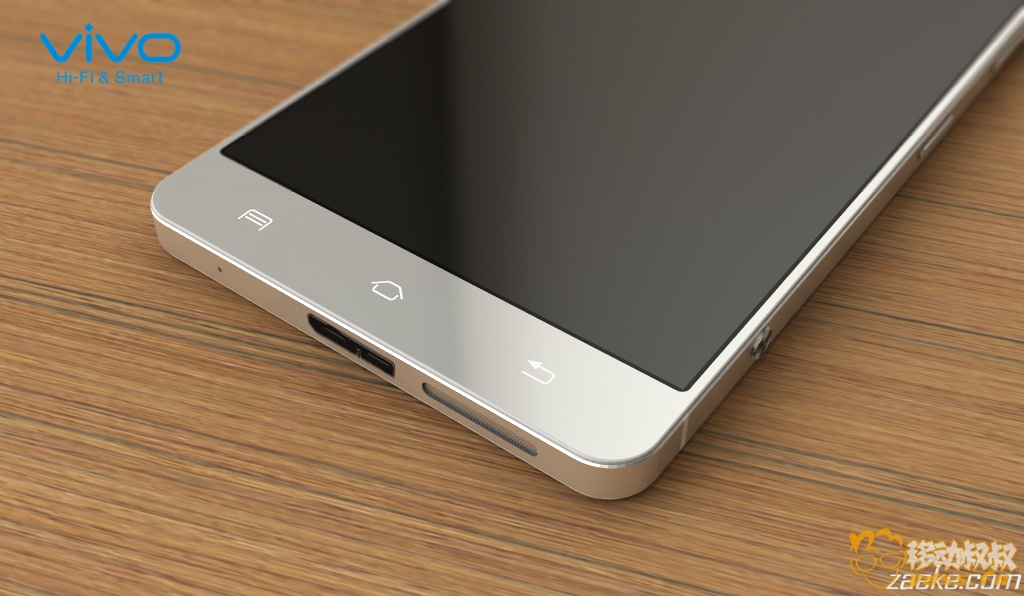
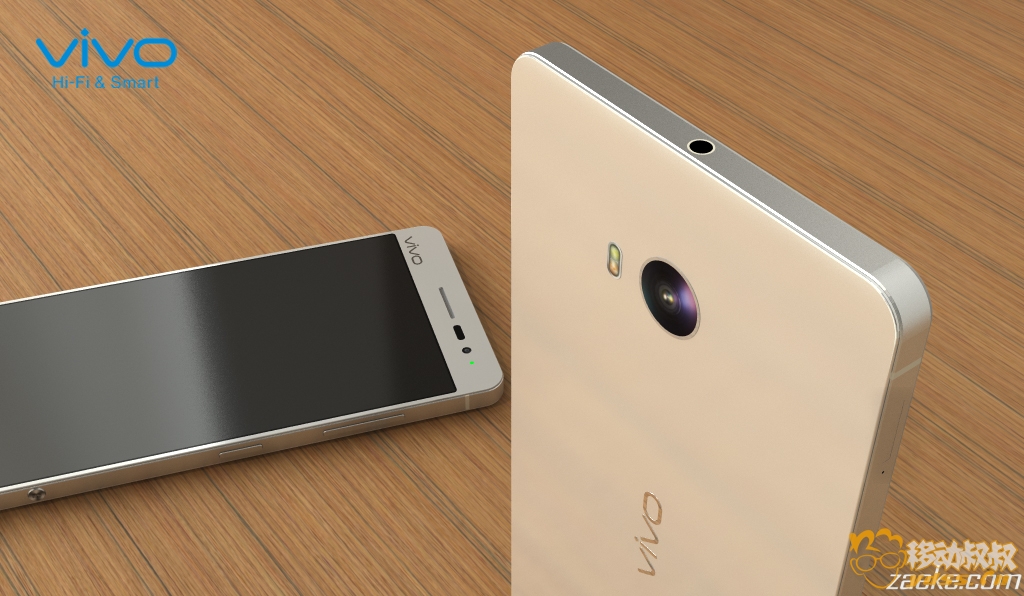
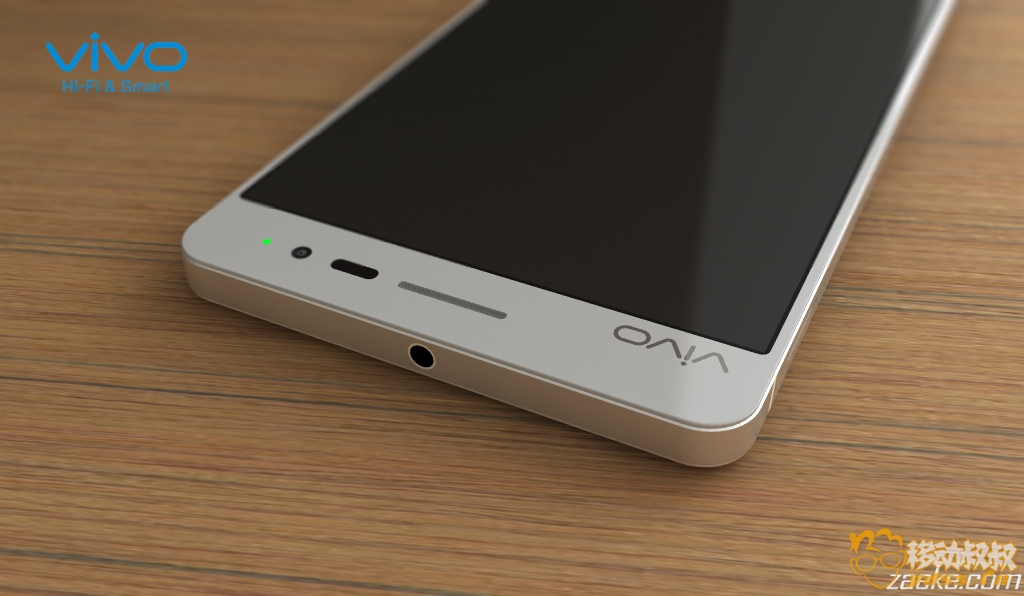
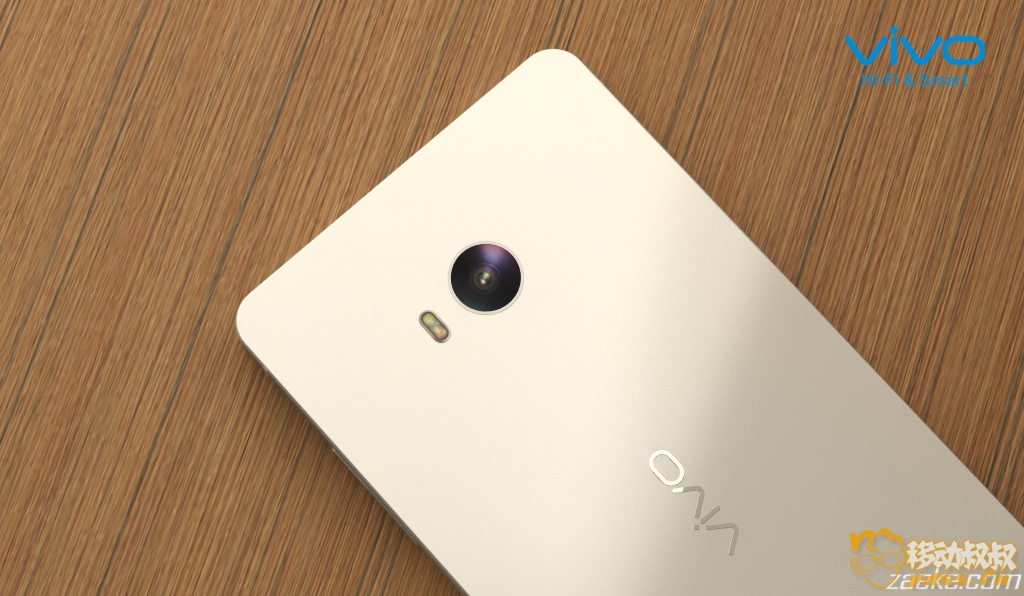
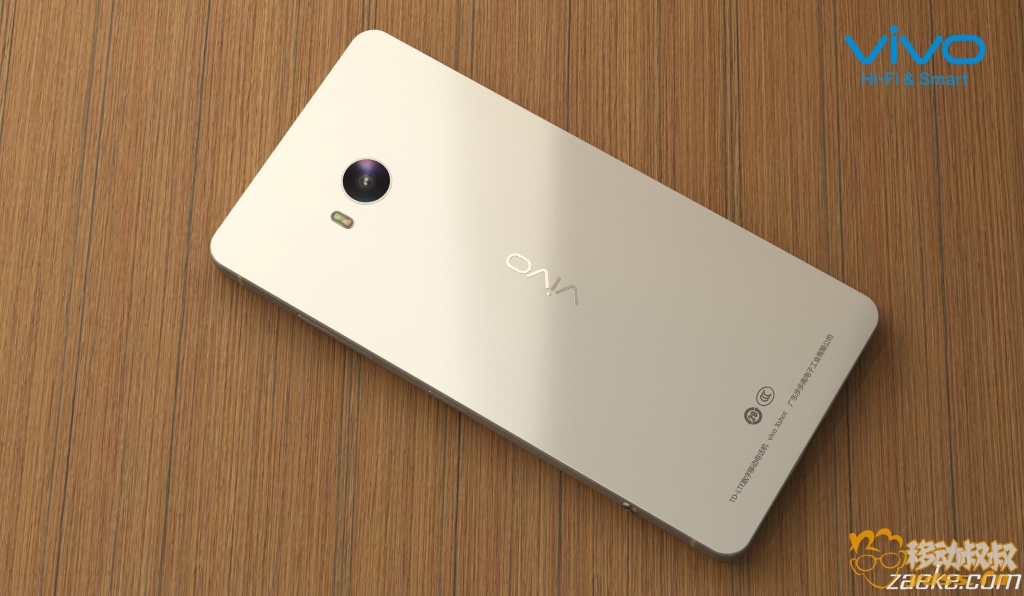
Vivo’s new flashship series vivo Xshot comes with new Quadcomm Snapdragon 8974AC processor, with 3GB RAM and 32 GB ROM, and supports the 4G LTE network. It is equipped with a 24-megapixel camera with a F1.8 wide aperture and Opitcal Image Stabilizer-support, with dual-LED flashlight, with a dedicated camera button.
In addition, the Vivo Xshot will use full LED lights for front camera, with the light intensity close to that of regular daylight. In dark environments, the Vivo Xshot can adjust its light intensity according to the environment using its smart sensor, resulting in a more natural lighting, allowing for a perfect selfie.
Currently there are netizens that leaked a group of images resembling the Vivo Xshot build. From the leaked images, the Vivo Xshot as a while has a much simpler design, but this series of images have not been confirmed to be official from legitimate sources.
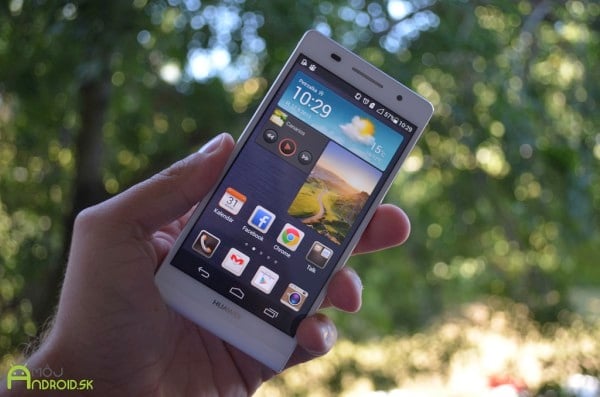
As Huawei are making preparations for the upcoming Huawei Ascend P7, the announcement have somehow be made by the internet dwelling and somehow nothing is surprising anymore.
Not only the new Huawei Ascend P7 is leaked, it is already got into the benchmarked (right before it being released). As said to be leaked, people would find many pictures, spy shots, certification docs of Chinese’s TENAA, renders and somehow, an official-like live picture about the Ascend P7.
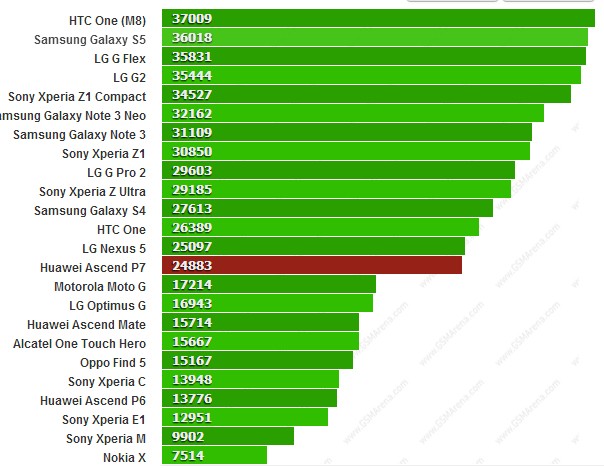
Some rumors told that the Ascend P7 has been through AnTuTu’s test that result on it becoming publics center of attention. As seen in Huawei’s latest model, Kirim 910 built with 2GB RAM, have about 5” 1080p droid also equipped with packs a quad-core 1.6GHz Cortex-A9 processor and Mali-T450 graphics. Quite surprising for Huawei to successfully build an amazing specs to its product .
We use cookies on our website to give you the most relevant experience by remembering your preferences and repeat visits. By clicking “Accept”, you consent to the use of ALL the cookies.
This website uses cookies to improve your experience while you navigate through the website. Out of these, the cookies that are categorized as necessary are stored on your browser as they are essential for the working of basic functionalities of the website. We also use third-party cookies that help us analyze and understand how you use this website. These cookies will be stored in your browser only with your consent. You also have the option to opt-out of these cookies. But opting out of some of these cookies may affect your browsing experience.
Necessary cookies are absolutely essential for the website to function properly. This category only includes cookies that ensures basic functionalities and security features of the website. These cookies do not store any personal information.
Any cookies that may not be particularly necessary for the website to function and is used specifically to collect user personal data via analytics, ads, other embedded contents are termed as non-necessary cookies. It is mandatory to procure user consent prior to running these cookies on your website.