Advertisement

Top Smartphones With Stylus Support in 2025

In 2025, the stylus isn’t just for sketch artists or note-takers anymore. Smartphones with stylus support have matured into powerful productivity tools, bridging the gap between creativity and practicality.

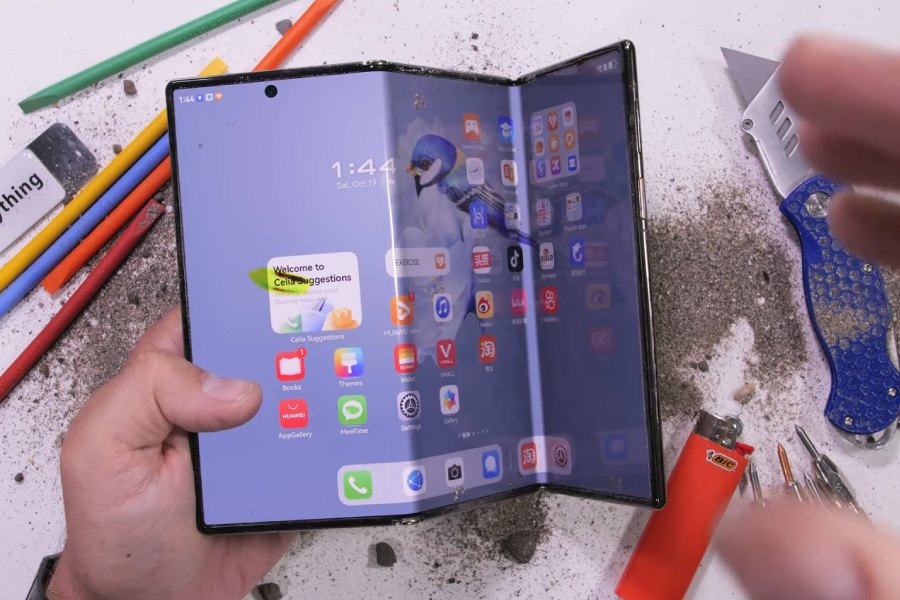
Samsung Galaxy Z Fold 4

Whether you’re signing PDFs, marking up documents, or sketching out your next big idea, a good stylus-equipped phone can make all the difference. This year, the market has expanded to cater not just to premium users but also to those shopping in the mid-range and even budget segments.

Here’s a look at the best smartphones with stylus support available in the US in 2025, from luxury foldables to value-packed pens-on-the-go.

1. Samsung Galaxy S25 Ultra

Samsung Galaxy S25 Ultra

Samsung continues to dominate the stylus category with its latest flagship, the Galaxy S25 Ultra. This is the gold standard for stylus smartphones. It’s not just about drawing; it’s about doing more and faster.

The phone comes with a built-in S Pen, offering incredibly low latency, tilt sensitivity, and pressure control. Whether you’re editing a PDF or sketching in Clip Studio Paint, it feels smooth and accurate. The software enhancements also take it further. Features like Circle to Search, Live Translate, and Generative Edit combine with the stylus to create a genuinely smart workflow.

Samsung’s new 6.9-inch Dynamic LTPO AMOLED 2X panel hits a peak brightness of 2600 nits, ideal for outdoor use, and supports full S Pen functionality. The device is powered by the Snapdragon 8 Elite, with ample RAM, storage, and battery endurance to match.

If you want the most complete stylus phone experience in the US, one that can double as a notepad and a productivity machine, this is the one to beat.

Please Note: When you buy something using the links in our articles, we may earn a small commission at no cost to you.

2. Samsung Galaxy Z Fold 6

Samsung Galaxy Z Fold 6

For those who like their screens big and their devices bold, the Galaxy Z Fold 6 is a foldable that works brilliantly with a stylus, even if it doesn’t have one built in.

Both the 6.3-inch cover display and the expansive 7.6-inch inner screen support the S Pen Pro and S Pen Fold Edition. The large, tablet-like inner display is ideal for tasks like signing documents, taking lecture notes, or multitasking with split-screen apps.

The foldable is powered by the Snapdragon 8 Gen 3, with enhanced cooling and battery optimization for extended sessions. While you’ll need to buy the stylus separately and carry it around since there’s no storage slot on the phone itself, Samsung’s software makes the experience seamless. Handwriting-to-text works across most apps, and you can launch pop-up notes from the lock screen.

It’s pricey, sure, but if you’re after a productivity powerhouse that fits in your pocket, the Fold 6 delivers.

Please Note: When you buy something using the links in our articles, we may earn a small commission at no cost to you.

3. Motorola Moto G Stylus (2025)

Motorola Moto G Stylus (2025)

Motorola continues to hold the fort in the budget segment with the latest Moto G Stylus (2025). Priced at around $400, it’s one of the most affordable phones in the US with a built-in stylus, and it’s surprisingly capable.

The 6.7-inch 1220p pOLED display is bright and fluid thanks to a 120Hz refresh rate. It’s powered by the Snapdragon 6 Gen 3, paired with 8GB of RAM and up to 256GB of storage. The stylus is tucked neatly into the chassis and is perfect for quick notes, markups, or doodling, especially when paired with Moto Notes, Motorola’s lightweight but functional note-taking app.

You won’t get flagship-level pen sensitivity or AI tools, but for students and casual users, it’s a reliable, responsive option that doesn’t break the bank.

4. Motorola Edge 60 Stylus

Motorola Edge 60 Stylus

Slotting between the ultra-budget Moto G Stylus and Samsung’s flagship offerings is the Motorola Edge 60 Stylus. Priced around $350–$400, this phone brings together thoughtful design and solid stylus support.

It sports a 6.67-inch pOLED display with 120Hz refresh rate, powered by the Snapdragon 7s Gen 2 and backed by 8GB RAM. The built-in stylus activates note-taking apps instantly when pulled out, and the 50MP main camera is no slouch either.

It’s ideal for students, digital planners, or creatives who want stylus input but don’t need all the bells and whistles of a Galaxy S Ultra. Plus, Motorola adds personality with its Pantone color collaborations, including Surf the Web and Gibraltar Sea finishes.

5. Honor Magic V3

Honor Magic V3

The Honor Magic V3 is Honor’s latest flagship foldable, combining high-end performance with stylus compatibility. Both the 7.92-inch main display and 6.43-inch cover display support the Honor Magic Pen, which is sold separately. The stylus offers low-latency input and palm rejection, ideal for note-taking, sketching, and annotating on the large inner screen.

Powered by the Snapdragon 8 Gen 3 and backed by a 5150mAh battery with 66W wired and 50W wireless charging, the Magic V3 is built for all-day use. Its refined hinge design and ultra-slim form factor make it lighter and easier to carry than many other foldables.

While it does not include a stylus in the box and lacks a storage slot, the Magic Pen works seamlessly across the UI and is a solid choice for anyone who wants a foldable that blends power, flexibility, and creative potential.

6. Also Worth Mentioning: Samsung Galaxy S24 Ultra

Samsung Galaxy S24 Ultra

While it’s no longer Samsung’s newest, the Galaxy S24 Ultra still holds up well in 2025. It offers similar stylus integration as the S25 Ultra and may now be found at a lower price.

Please Note: When you buy something using the links in our articles, we may earn a small commission at no cost to you.

For more daily updates, please visit our News Section.

Stay ahead in tech! Join our Telegram community and sign up for our daily newsletter of top stories! 💡

OnePlus 13T Roundup: Design, Processor, Camera, Battery, and More

The OnePlus 13T is set to be officially announced on April 24 in China. As is often the case with major smartphone releases, there’s not much mystery left. Between official teasers, benchmark listings, and the usual stream of tipster leaks, we already have a fairly complete picture of what the device will offer. 

From the looks of it, it’s clear that 13T is a “compact flagship” from OnePlus. However, in 2025, the term “compact” is a bit more flexible.

With a 6.31-inch display and a 6,000mAh+ battery, this phone isn’t exactly pocket-sized. But it’s smaller than many ultra-large slab phones on the market. So, let’s see what this device has to offer.

1. A Redesigned Flagship

OnePlus 13T cameras
OnePlus 13T Design

OnePlus has shared a few official images of the 13T, and if you’ve seen any recent renders or leaked videos, there are no major surprises. The device will come in three finishes—Morning Mist Grey, Heart Beating Pink, and Cloud Ink Black—each wrapped around a flat metal frame and a glass back. 

The sides are squared off, and the camera bump has been reworked into a “squircle” shape that’s less protrusive than past designs. It is still prominent enough to be an identity of its own. But the new camera module design makes 13T look eerily similar to Xiaomi’s Mi 11 Lite from a few years ago rather than previous OnePlus flagships.

Anyway, the rear housing contains two main camera lenses and an LED flash, though there are chances we could see a third sensor in the mix. 

It’s also worth noting that OnePlus’ signature alert slider will be replaced with a new customizable “smart button.” The company hasn’t gone into much detail about how it works, but a feature teased on Weibo suggests it may serve as a shortcut for gaming-related functions, such as live screenshot capture.

2. Compact, But Not Underpowered

Internally, the OnePlus 13T doesn’t appear to cut many corners. It’s said to be powered by Qualcomm’s Snapdragon 8 Elite chipset, up to 16GB of LPDDR5X RAM, and either 512GB or 1TB of UFS 4.0 storage. On the software side, it will ship with Android 15 (under the ColorOS 15 skin in China),

The device recently showed up on AnTuTu with a score exceeding 3 million points. That’s a new high mark for compact flagships. So you can be sure that you will receive top-tier performance despite the device’s compact size.

Thermals are often a weak point in smaller devices, but OnePlus is set to introduce a new “Glacier Cooling System” on the 13T along with changes in internal layout to expand the heat dissipation area. 

3. A Massive Battery in a Small Body

Possibly the most standout feature of the OnePlus 13T is the battery. The phone is said to house a 6,200mAh cell, which is significantly larger than what you get on a full-blown flagship like the Galaxy S25 Ultra. 

And OnePlus China’s president, Louis Lee, also claims the battery’s high capacity doesn’t come at the cost of ergonomics. Lee even showed off the phone balancing on a pen to highlight its 50:50 weight distribution.

OnePlus 13T on top of a pen

The large battery is all thanks to the silicon-carbon tech, which has higher energy density than traditional lithium-ion cells. The battery will support 80W of wired charging, while there’s no mention of wireless charging yet. 

4. Display and Cameras

OnePlus 13T launch date-
OnePlus 13T colors

Up front, the 13T is expected to use a 6.31-inch flat OLED panel with a 1.5K resolution and a 120Hz refresh rate. 

On the camera side, OnePlus has officially confirmed the use of two 50-megapixel sensors on the rear. The main sensor is a Sony IMX906 with optical image stabilization, while the second is a telephoto lens offering 2x optical and 4x lossless zoom. 

There’s still no confirmed information about the front-facing camera’s specs, though leaks suggest it won’t be a major selling point.

5. A few extras

A few more features round out the known list. The OnePlus 13T is expected to debut a new gaming-focused Wi-Fi chip, labeled G1, which is supposed to improve connectivity for mobile titles. There’s also talk of enhanced haptics, more granular performance controls, and IP rating. However, these haven’t been confirmed by the company yet. 

The phone weighs around 185 grams, which, for the size and battery capacity, is on the lighter side. 

6. Verdict

The OnePlus 13T is the company’s first real attempt at a compact flagship. And it looks like OnePlus knows exactly what it’s getting into. Downsizing a high-end phone to a smaller size usually means trade-offs, but the 13T seems ready to tackle most of them head-on.

From its new cooling system to a more balanced design, OnePlus appears to be trying to solve the typical issues that plague smaller phones. But with no wireless charging, no ultrawide camera, and no global launch confirmed, the 13T also comes with caveats.

We’ll know more after April 24, when the device is officially unveiled in China. We will keep you in the loop on that. 

updates, please visit our News Section.

Stay ahead in tech! Join our Telegram community and sign up for our daily newsletter of top stories!

Apple Watch Series 10 Goes Down to $299

It’s been more than a year since the launch of Apple Series 10, and the smartwatch is still in demand due to its features and specifications. The Apple Watch 42mm GPS Watch with Sport Loop band is currently on sale for $299. It is available with a great discount, but it’s not the first time that it has been retailing for such a low price.

Other iterations like 46mm Series 10 Watch is also available at a lower price than the usual. It is retailing for the price of $329 and comes with a Sport Loop band. It is worth picking the smartwatch if you’re upgrading from the Apple Watch Seriess 7 or Watch Series 8. However, it would be better to wait for the Series 11, if you’re already holding onto the Watch Series 10.

Apple Watch features 1.96-inch Retina LTPO3 OLED screen (up from 1.9 inches) packs a sharper 496×416 resolution and offers 2000-nit peak brightness. Beyond the expected ECG and blood oxygen tracking, Apple’s new dual-temperature sensors steal the show. The 327mAh battery (up 6% from the Series 9) ekes out 36 hours with always-on display enabled—a modest but welcome boost.

It bundles larger screen, and thinner frame, that makes it better option than the predecessor. The smartwatch sans Blood Oxygen feature, due to a court issue in the US. However, in other countries the users can freely use the feature without any issue.

The discount is primarily available only on the Amazon, and the users can hurry before the offer goes.

Lenovo Launches a 5G Router with Dual SIMs and Wi-Fi 6 for Just $86

Lenovo is bringing 5G connectivity to more places without the bulky hardware or hefty price tag. Its latest Xiaoxin 5G CPE mobile router, now available on JD.com for 629 yuan (roughly $86), blends sleek design with a surprising level of flexibility, making it an appealing choice for anyone looking to cut the cord or keep it as a backup.

Lenovo Xiaoxin 5G CPE

Lenovo Xiaoxin 5G CPE Specifications

The 5G CPE comes equipped with the Unisoc V510 chip, a 6nm baseband processor that boosts both performance and power efficiency compared to previous generations. It supports peak download speeds of up to 2Gbps and uploads of around 900Mbps, depending on network conditions. When 5G isn’t available, it falls back seamlessly to 4G networks.

The router sports a versatile triple-SIM setup. It includes two built-in 5G SIMs (China Mobile and China Unicom) and an additional slot that supports cards from all major Chinese carriers, including China Telecom. For those who prefer wired connectivity, it features a gigabit Ethernet port for broadband access.

On the wireless front, it supports dual-band Wi-Fi across 2.4GHz and 5GHz frequencies. The 2.4GHz band uses 802.11ax (Wi-Fi 6), while the 5GHz band runs on 802.11ac, complete with OFDMA and 2×2 MIMO support. It also offers 80MHz channel width on the higher band, improving data throughput for multiple devices.

It packs 512MB of RAM, enabling it to handle up to 24 devices simultaneously without performance drops. From smartphones and laptops to smart TVs and printers, the Xiaoxin 5G CPE is built to keep everything connected smoothly.

The router features a fanless vertical design finished in a minimalist Sakura White. Heat is managed via an internal aluminum heatsink, keeping things cool and quiet. Lenovo has tested the unit for durability, with over 15,000 hours of continuous operation and drop resistance checks ensuring long-term reliability.

In terms of security, it comes with a dedicated encryption chip, firewall support, anti-hijack protocols, and end-to-end encrypted communication — features that cater to today’s increasingly connected homes.

In other news, Lenovo recently unveiled a new 140W, 20,000mAh power bank featuring the industry’s first digital hybrid charging system. Meanwhile, a fresh leak of the upcoming Legion Y700 tablet points to a Snapdragon 8 Elite chip and hints at its expected launch window.

For more daily updates, please visit our News Section.

Stay ahead in tech! Join our Telegram community and sign up for our daily newsletter of top stories! 💡

(Source)

Lenovo’s new 140W 2000mAh power bank is here with the industry’s first digital hybrid charging

Lenovo has introduced a new addition to its ThinkPlus accessory lineup in China. It’s a power bank in the Flux Pioneer series that has a 20,000mAh battery capacity and supports up to 140W output. 

Lenovo ThinkPlus 20000mAh Power Bank Specifics

This model uses what Lenovo calls the industry’s first digital hybrid charging technology. According to the company, it can function as a traditional single-port adapter or convert into a three-port 140W adapter when connected to a power source.

Of course, the utility of this feature will likely depend on how people use it day to day. But it’s nice to know that it is there for anyone trying to reduce the number of chargers they carry.

The power bank measures 154 x 51 x 39 millimeters and weighs about 420 grams. It is not compact, and it is not light, but that is often the tradeoff with higher capacity battery packs. 

It has a 2.01-inch recessed digital display that shows information such as the power output for each port, battery temperature, and remaining battery life. There is also an option to keep the screen always on.

The design includes two USB-C ports and one USB-A port. USB-C1 supports up to 140W, USB-C2 goes up to 65W, and the USB-A port offers a maximum of 30W. 

Lenovo ThinkPlus 20000mAh Power Bank

It also supports a range of fast charging protocols, including PD, PPS, QC, AFC, SCP, FCP, and Motorola’s 125W charging standard. Lenovo says the power bank can charge an iPhone 16 Pro Max up to 3.8 times or a MacBook Air 1.2 times.

There is also support for continuous connection during multi-port plug and unplug, which helps prevent interruptions while charging multiple devices.

Price and Availability

The ThinkPlus 140W 20000mAh is priced at 309 yuan (roughly USD 43) and is available for purchase in China starting today. The whole package includes a 1.5-meter USB-C to USB-C cable rated for 240W along with the power bank itself. There apparently is a government subsidy that brings the price down to 279.65 yuan (USD 39)

For more daily updates, please visit our News Section.

Stay ahead in tech! Join our Telegram community and sign up for our daily newsletter of top stories! 💡

Xiaomi launched Smart Camera 4: 4K, AI detection, and 360° view on a budget

Xiaomi is stepping up its smart home game with the launch of the Xiaomi Smart Camera 4, a compact 4K surveillance unit that packs serious intelligence, privacy features, and seamless HyperOS integration, all for just 249 yuan (around $34). Early buyers also get a 64GB microSD card in the box.

Xiaomi Smart Camera 4

Xiaomi Smart Camera 4 Specifications

The camera features an 8-megapixel sensor with 3840 x 2160 resolution, paired with a bright f/1.6 aperture and a six-element all-glass lens setup. It supports HDR for better image balance in challenging lighting, ensuring clear, sharp footage whether you’re filming a sunlit living room or a dark hallway in the middle of the night.

It comes with Xiaomi’s in-house MJA1 AI chip, capable of 1 TOPS processing power, enabling on-device intelligence for human detection, pet tracking, baby crying alerts, and abnormal sound recognition, all without relying on cloud processing. This edge AI approach offers faster response times and enhanced privacy.

For low-light environments, it equips a 940nm infrared fill light that provides up to 10 meters of night vision without emitting visible red light. It also comes with a high-sensitivity sensor that extends color capture time even in dim conditions, delaying the switch to black and white.

Connectivity-wise, the Smart Camera 4 supports dual-band Wi-Fi 6 for faster, more stable streaming and includes two-way audio with built-in noise reduction, letting you communicate remotely with greater clarity, perfect for a quick chat with your pet or checking in at home from afar.

Design-wise, the device sports a clean, minimalist body mounted on a dual-motor gimbal that allows 360° horizontal and 109° vertical rotation. It lets you manually control its movement, set up automatic patrol routes, or define custom tracking zones to cover key areas like doors, cribs, or pet corners.

In terms of storage, it offers multiple options: up to 256GB via microSD card, NAS support, or Xiaomi’s encrypted cloud backup. All recordings use H.265 encoding to save space without compromising image quality.

Privacy is clearly a priority, the camera incorporates four layers of protection: local AI computing, encrypted data transmission, a physical lens cover, and a dedicated security chip.

As part of the HyperOS Connect ecosystem, the Smart Camera 4 integrates effortlessly with other Xiaomi smart devices. It triggers routines, works with voice commands via XiaoAi, and enables smart collaborations that go beyond simple surveillance.

[affiliate_genie_cta]

For more daily updates, please visit our News Section.

Stay ahead in tech! Join our Telegram community and sign up for our daily newsletter of top stories! 💡

(JD)

Motorola Razr 60 Ultra Promotional Material Leaks: 7-Inch Display, 50MP Cameras, 4,700mAh Battery

Motorola is gearing up for a major global launch event on April 24, where it’s expected to unveil several smartphones, including the Edge 60 and Edge 60 Pro. Tipster Evan Blass recently leaked the specifications and promotional material for the Edge 60, and has now also revealed details about the Razr 60 Ultra foldable.

Motorola Razr 60 Ultra

According to the report, the Razr 60 Ultra now has a 7-inch main foldable display and uses an LTPO AMOLED panel with 1440p resolution, 165Hz refresh rate, 10-bit color, HDR10+, Dolby Vision, 120% DCI-P3 coverage, and up to 4,500 nits peak brightness. The cover screen is a 4-inch LTPO AMOLED with HDR10+, 165Hz refresh rate, 10-bit color, 100% DCI-P3, and 3,000 nits peak brightness.

It will be the first foldable to use the Snapdragon 8 Elite chip, paired with an Adreno GPU. The phone will have 16GB LPDDR5x RAM and 512GB UFS 4.0 storage. Camera setup includes a 50MP main sensor with OIS and f/1.8 aperture, and a 50MP ultra-wide camera with macro support. The front camera is upgraded to 50MP from the previous 32MP.

The Razr 60 Ultra will pack a 4,700mAh battery with 68W wired fast charging and 30W wireless charging. That’s a jump from the Razr 50 Ultra’s 4,000mAh battery, 44W wired, and 15W wireless charging. Dimensions are 73.99 x 171.48 x 7.29 mm when open and 73.99 x 88.12 x 15.69 mm when closed. The phone weighs 199 grams. It will run Android 15 out of the box.

Connectivity features include dual SIM, 5G, 4G LTE, Wi-Fi 5G/6/6E/7, Bluetooth 5.4, NFC, GPS, and a USB-C port. Sensors include fingerprint, accelerometer, proximity, ambient light, and gyroscope.

The phone may launch in red, green, wood, black, and pink. A leaked listing suggests the 12GB/512GB variant could be priced at €1,346.90.

(Source)

Apple fixes two zero-day vulnerabilities targeting iPhones in new emergency update

Apple just rolled out iOS 18.4.1, and this isn’t your usual bug fix update. This mid-cycle release tackles two critical zero-day vulnerabilities that Apple says were used in “extremely sophisticated” attacks against specific, high-profile iOS users. The update also spans iPadOS, macOS Sequoia, visionOS, and tvOS, reinforcing just how widespread the threat might be.

iPhone-hacking
Credit: Muhammed Selim Korkutata/Anadolu via Getty Images

The first vulnerability, tracked as CVE-2025-31200, affects Apple’s Core Audio framework. Discovered by Apple in collaboration with Google’s Threat Analysis Group, the flaw allowed attackers to execute arbitrary code simply by tricking a device into processing a maliciously crafted media file. That’s a big deal, especially since Core Audio is baked into every Apple device.

The second, CVE-2025-31201, was found internally by Apple. It targets a lower-level security safeguard known as Return Pointer Authentication Code (RPAC). This system is designed to block attackers from injecting malicious code into a device’s memory. The exploit reportedly allowed attackers with read/write access to sidestep these protections entirely.

Apple hasn’t confirmed who’s behind the attacks or how many users were hit, but Google’s involvement hints at possible state-backed operations. This wouldn’t be the first time, Apple has long been in the crosshairs of sophisticated spyware operations targeting activists, journalists, and dissidents.

This update also quietly fixes a rare wireless CarPlay issue affecting certain vehicles, which some users had flagged as more than just an inconvenience. If you’re on an iPhone XS or newer, or using recent models of iPads, Macs, or Apple TV, you’ll want to update now.

Apple has now patched five zero-days in 2025 alone. The message is clear: even the most locked-down ecosystems aren’t immune to evolving threats, and updates like these aren’t optional.

For more daily updates, please visit our News Section.

Stay ahead in tech! Join our Telegram community and sign up for our daily newsletter of top stories!

(Source, Via 1,2)

AOC launches new 27″ 2K 180Hz QD-Mini LED gaming monitor with 1152 dimming zones & HDR1000

AOC has introduced the Q27G40XMN in the Chinese market, a 27-inch QD-Mini LED display that brings serious performance to the mid-range segment. It is priced at just 1599 yuan (roughly $220) and combines premium-grade features with surprisingly accessible pricing.

AOC Q27G40XMN Monitor

AOC Q27G40XMN Monitor Specifications

It features a 2560 x 1440 resolution, a high 180Hz refresh rate, and a rapid 1ms GTG response time, offering smooth and responsive visuals for competitive gamers. The monitor is equipped with a Fast VA panel supported by a 4608-LED backlight system spread across 1152 local dimming zones.

This allows for precise lighting control, deeper blacks, and impactful highlights. It also sports VESA DisplayHDR 1000 certification, reaching up to 1200 nits of peak brightness, performance typically reserved for far more expensive monitors.

In terms of color accuracy, the panel covers 100% of the sRGB spectrum and 97% of DCI-P3, enhanced further by a quantum dot nano-coating. It comes factory-calibrated with a DeltaE of under 2, and each unit includes a calibration report—an uncommon addition at this price point.

The Q27G40XMN also caters to gamers with a suite of useful tools. It features built-in crosshair overlays, a sniper zoom mode, a FPS counter, and dark field control. It supports Adaptive-Sync and AMD FreeSync to eliminate screen tearing, and the high refresh rate combined with the low input lag ensures ultra-smooth gameplay.

In terms of design, the monitor keeps it straightforward but functional. It comes with a tilt-adjustable stand (-5° to 23°) and supports VESA mounting for flexible desk setups.

Talking about connectivity, it includes HDMI 2.0, DisplayPort 1.4, and a 3.5mm headphone jack. It also integrates with AOC’s G-Menu software, which enables game presets, blue light filtering, RGB lighting control, and live refresh rate display.

In related news, Dell recently unveiled its first OLED monitor, a sleek 31.6-inch 4K display with a 120Hz refresh rate and built-in AI-powered audio enhancements. Meanwhile, Asus is pushing boundaries with the launch of a 610Hz gaming monitor—because apparently, 500Hz just didn’t cut it.

For more daily updates, please visit our News Section.

Stay ahead in tech! Join our Telegram community and sign up for our daily newsletter of top stories!

(Source)

Vivo Unveils X200 Ultra in New Photos, With 35mm to 85mm Portrait and Low-Light Photo Samples

Vivo will launch the X200 Ultra next week, after weeks of teasers. The company has now shared full images of the phone in all three launch colors. Each variant has a textured back panel. Vivo also posted more photo samples, this time showing off portrait shots at 35mm, 50mm, and 85mm focal lengths. The goal is clear—Vivo wants to show that this phone can handle portraits at any range.

Vivo is also pushing the idea that the X200 Ultra can replace a DSLR. A new promo video shows this off, alongside earlier landscape shots. The phone is being pitched as a serious camera tool, not just a smartphone.

Earlier, Vivo revealed the phone’s full camera specs. The main 35mm camera uses a Sony LYT-818 sensor with a Zeiss T*-coated GLC 2.0 lens. It’s optically stabilized with CIPA 5.0-level OIS. The lens cuts visible light reflection to under 0.1% and includes Vivo’s third-gen VCS bionic spectral imaging tech.

The ultra-wide camera also uses a LYT-818 sensor, co-developed with Zeiss. It has a 14mm “Hawk Eye” lens that brings in 181% more light and has a 216% faster shutter than the previous model. It also has dual-axis OIS.

The 85mm telephoto lens features a 200MP Samsung HP9 sensor. This is the first APO-grade telephoto setup on a phone, with a six-element design and 5.0-level OIS. Vivo says it’s 38% better in low light and 41% more stable.

The phone runs on the new VS1 chip, Vivo’s first AI image processor, offering 80 TOPS of power. It handles bokeh, HDR, and multi-frame shots in real time. The camera system supports focal lengths from 24mm to 100mm, 4K portrait video, and multiple night modes like Supermoon and Starry Sky.

(Source 123)

Samsung One UI 8 update: release date, eligible devices, and new features

Samsung One UI 8 update

The One UI 7 rollout has been a complete mess so far. The brand has managed to upgrade only a few Galaxy devices to the Android 15-based update. However, that hasn’t stopped Samsung from going ahead with the development of its next iteration — One UI 8. This will be based on Android 16.

We already know what One UI 8 looks like and what changes are coming. In addition to that, we’ll detail the One UI 8 rollout plan and eligible devices list. 

Samsung One UI 8 (Android 16) release date

One UI 8 will be the first major upgrade that won’t be preceded by incremental updates. What I mean by that is Samsung won’t release One UI 7.1 or 7.1.1. Instead, it will directly jump to One UI 8.0 from One UI 7. This is perhaps due to a sluggish One UI 7 rollout, which left Samsung no time to prepare for incremental updates. Anytime, a timely One UI 8 release makes a lot of sense, given the current scenario.

Regarding One UI 8, Samsung hasn’t made any official announcement. However, from a recent leak, we know that the upcoming Galaxy Z Fold 7 and Galaxy Z Flip 7 will boot One UI 8 (Android 16) out of the box. While the official launch date isn’t out yet, Samsung usually releases the latest foldables in July or early August. We also expect the Galaxy Z Fold 7 and Galaxy Z Flip 7 to be released around the same time this year.

Google has already confirmed Android 16 release for the second quarter, which means by June 2025. So, we are most likely to see the One UI 8 beta program go live as early as July.

Samsung One UI 8 (Android 16) eligible devices

The brand hasn’t published a One UI 8 update list, so, we had to use the company’s software update policy and a bit of guesswork to prepare the list.

Galaxy S series

  • Galaxy S25
  • Galaxy S25+
  • Galaxy S25 Ultra
  • Galaxy S24
  • Galaxy S24+
  • Galaxy S24 Ultra
  • Galaxy S24 FE
  • Galaxy S23
  • Galaxy S23+
  • Galaxy S23 Ultra
  • Galaxy S23 FE
  • Galaxy S22
  • Galaxy S22+
  • Galaxy S22 Ultra
  • Galaxy S21 FE

Galaxy Z series

  • Galaxy Z Fold Special Edition
  • Galaxy Z Fold 6
  • Galaxy Z Fold 5
  • Galaxy Z Flip 6
  • Galaxy Z Flip 5
  • Galaxy Z Fold 4
  • Galaxy Z Flip 4

Galaxy Tab series

  • Galaxy Tab S10+
  • Galaxy Tab S10 Ultra
  • Galaxy Tab S10 FE
  • Galaxy Tab S10 FE+
  • Galaxy Tab S9 FE
  • Galaxy Tab S9 FE+
  • Galaxy Tab S9 (Wi-Fi/5G)
  • Galaxy Tab S9+ (Wi-Fi/5G)
  • Galaxy Tab S9 Ultra (Wi-Fi/5G)
  • Galaxy Tab S8 (Wi-Fi/5G)
  • Galaxy Tab S8+ (Wi-Fi/5G)
  • Galaxy Tab S8 Ultra (Wi-Fi/5G)
  • Galaxy Tab A9
  • Galaxy Tab A9+

Galaxy A series

  • Galaxy A73
  • Galaxy A56
  • Galaxy A55
  • Galaxy A54
  • Galaxy A53
  • Galaxy A36
  • Galaxy A35
  • Galaxy A34
  • Galaxy A33
  • Galaxy A25
  • Galaxy A24
  • Galaxy A23
  • Galaxy A15 (LTE/5G)
  • Galaxy A14 (LTE/5G)
  • Galaxy A16 (LTE/5G)
  • Galaxy A06

Galaxy M series

  • Galaxy M56
  • Galaxy M55s
  • Galaxy M55
  • Galaxy M54
  • Galaxy M34
  • Galaxy M53
  • Galaxy M33
  • Galaxy M16
  • Galaxy M15
  • Galaxy M06

Galaxy F series

  • Galaxy F55
  • Galaxy F54
  • Galaxy F34
  • Galaxy F16
  • Galaxy F15
  • Galaxy F06

Galaxy XCover series

  • Galaxy XCover 7
  • Galaxy XCover 7 Pro

Also read: Android 16 beta is now available for these devices

Samsung One UI 8 update: new features

One UI 8 will not surprise you with groundbreaking features and tweaks. It’s rather a minor upgrade that refines everything Samsung introduced with One UI 7, as shown in a hands-on video. However, that doesn’t translate to a boring update. It’s still under development, so exciting features could be on the way. On top of this, there will be new features as a part of Android 16.

What’s new in One UI 8 (known so far)

Samsung One UI 8 Log Video
One UI 8 Log Video (Image credit: Sammobile)

Samsung has added log video recording support to the camera app in One UI 8. This feature was introduced with the Galaxy S25 series earlier this year, and it later expanded to the Galaxy S24 series with the One UI 7 update. The upcoming One UI 8 update will bring it to even more devices.

One UI 8 will bring Now Brief to older Galaxy flagships launched in 2024. The One UI 8 build tested on the Galaxy Z Fold 6 has this feature. If this device can run this feature, why did Samsung not include it in the One UI 7 update? We don’t know the exact reason, but it’s good to see more devices getting this feature, even though there’s a delay involved.

The Quick Share menu in One UI 8 is divided into two sections: Receive and Send. The overall user interface looks similar. Samsung has made minor UI changes to apps. For instance, the Gallery app now has all the options encircled, making them visually appealing.

Samsung One UI 8 Gallery and My Files
One UI 8 Gallery, My Files (Image credit: Sammobile)

Again, One UI 8 is still in development. So, we might see more changes and several new features when the final version is out. Stick with us and regularly scroll through our One UI section for the latest updates.

OnePlus 13R vs Pixel 9a: Which is the best $500 smartphone

OnePlus 13R and Google Pixel 9a are two of the most competitive mid-range phones of 2025, each aiming to offer flagship-level features without the flagship price. This comparison matters because both phones take very different approaches, one focusing on raw power and hardware, the other on smart software and long-term value. 

For buyers looking to balance performance, camera quality, and future-proofing, understanding the strengths and trade-offs of these two devices is key to making the right choice.

[affiliate_genie_cta]

1. Design and Display

Oneplus 13R
OnePlus 13R

Build and Feel:
OnePlus 13R brings a more premium combination of glass on both sides with an aluminum frame, giving it a sturdy flagship-grade touch. In contrast, the Pixel 9a uses a plastic back, which feels less sophisticated but does cut down on weight, making it slightly more comfortable for long use. The OnePlus also boasts an IP65 rating, offering solid protection from dust and water splashes, whereas the Pixel 9a’s IP68 certification allows for full immersion, providing better peace of mind in wet environments. For those valuing durability over luxury feel, the Pixel 9a edges forward.

Display Quality:
OnePlus 13R uses an LTPO 4.1 AMOLED panel that’s bright and incredibly smooth at 120Hz with a stunning 4500-nit peak. It supports Dolby Vision and HDR10+, ideal for binge-watchers and mobile gamers. The Pixel 9a’s P-OLED display is also sharp and vibrant, peaking at 2700 nits with HDR, but lacks the same level of brightness and adaptive refresh tech. OnePlus offers a more immersive experience, especially in sunlight and media-rich scenarios.

Verdict:
The Pixel 9a focuses on practicality and durability with an IP68 rating and lighter body, while the OnePlus 13R prioritizes luxury feel and display excellence. For those who value visual performance, OnePlus stands out, but for rugged reliability, the Pixel 9a makes a smarter pick.

Please Note: When you buy something using the links in our articles, we may earn a small commission at no cost to you.

2. Specifications 

Google Pixel 9a
Pixel 9a

Please Note: When you buy something using the links in our articles, we may earn a small commission at no cost to you.

Performance:
OnePlus 13R is driven by the Snapdragon 8 Gen 3, one of the fastest mobile chipsets available. It pairs this with UFS 4.0 storage and up to 16GB RAM, ensuring lightning-fast performance even for high-end gaming and multitasking. The Pixel 9a uses Google’s Tensor G4, tuned for AI tasks and daily performance but trails in raw power compared to Snapdragon’s flagship. OnePlus offers more future-proof hardware for demanding apps, while Pixel focuses on intelligent optimization. For users who demand speed and sustained gaming, the OnePlus 13R feels more capable.

Battery and Charging:
OnePlus packs a massive 6000mAh battery with ultra-fast 80W wired charging, reaching 50% in just 20 minutes. Pixel 9a’s 5100mAh battery, although smaller, still offers impressive endurance and balances it with 23W wired and 7.5W wireless charging. The OnePlus prioritizes speed and longevity, while Pixel leans toward safer, more moderate charging with its bypass feature. OnePlus 13R is better suited for users who value minimal downtime between charges.

Verdict:
OnePlus 13R has a clear lead in performance and battery tech, delivering both power and endurance for users who rely on their phones for heavy workloads. Pixel 9a favors smart efficiency and wireless convenience but lacks the same raw strength.

3. Camera

Oneplus 13R
OnePlus 13R

Main and Secondary Lenses:
OnePlus 13R equips a versatile triple camera system with a 50MP primary, 50MP telephoto, and an 8MP ultrawide lens. This combination gives it a better zoom and wider creative flexibility. Pixel 9a’s dual-camera setup offers fewer hardware choices but compensates with Google’s computational photography. The Pixel’s shots often produce superior dynamic range and lifelike colors, but OnePlus shines with optical zoom and more lenses to play with. For versatility, OnePlus wins; for consistency, Pixel remains strong.

Selfie Camera:
Pixel 9a features a 13MP ultrawide selfie camera that offers a broader field of view, which is perfect for group selfies. The OnePlus 13R uses a 16MP front shooter with better detail but a narrower angle. Pixel’s camera shines for social sharing and wider context, while OnePlus prioritizes sharpness and clarity for individual selfies. The Pixel makes a better companion for content creators who want wide, flattering angles.

Verdict:
Pixel 9a delivers outstanding results thanks to its software-driven camera magic, especially for selfies and dynamic range. However, the OnePlus 13R’s telephoto lens and versatility make it a better choice for users who like variety and flexibility in their shots.

4. Pricing

Google Pixel 9a
Pixel 9a

Pixel 9a and OnePlus 13R are both priced around $499-$500, targeting the upper mid-range market. However, OnePlus offers more RAM and storage options out of the box, giving users better hardware value for the price. Pixel focuses on software longevity with a promise of 7 major Android upgrades, which is rare for this price bracket. 

Verdict:
For those who prioritize long-term software updates and camera software optimization, the Pixel 9a feels like a more secure buy. But hardware-focused users who want flagship-level specs for gaming, media, and battery life get more for their money with the OnePlus 13R.

5. Conclusion

Google Pixel 9a
Pixel 9a

OnePlus 13R stands out for its 4500-nit peak LTPO AMOLED display, larger 6000mAh battery, 80W fast charging, and Snapdragon 8 Gen 3 power, all features usually reserved for high-end flagships. Meanwhile, the Pixel 9a offers unique advantages like 7 years of Android updates, Google’s AI-assisted features, and its highly optimized camera software like Best Take and Pixel Shift. 

Final Verdict:
Both phones are excellent mid-range picks, but the OnePlus 13R is better suited for users who prioritize speed, gaming, and battery life. Pixel 9a is the smarter choice for those who want future-proof software, clean updates, and superior computational photography. The Pixel’s software polish and longer update cycle offer long-term reliability, while OnePlus is the choice for power users needing cutting-edge specs at a mid-range price.

Read More:

Huawei launches Luxeed R7 EREV with 1,673km range, starts at just over $40,000

Huawei and Chery are back with another entry in their joint venture, Luxeed. The two companies, operating under the Harmony Intelligent Mobility Alliance (HIMA), just launched the Luxeed R7 Extended Range Electric Vehicle (EREV) in China. 

The EV is available in two trims: Max and Ultra, and is priced at RMB 299,800 (roughly $41,250) and RMB 319,800 (about $43,700), respectively.

Luxeed R7 Overview 

The R7 is a five-meter-long SUV with a low drag coefficient of just 0.247 Cd. Its design is sleek and modern with hidden door handles, panoramic roof, and LED light bars on the front and rear. It is available in eight different colors, including the new Tourmaline Blue. 

Inside, there’s a 52L frunk and up to 2130L of storage in the rear with the seats folded down. And if you’re after long-haul comfort, Huawei’s clearly trying to check those boxes. 

The cabin gets a zero-gravity co-pilot seat with 18-way adjustment, a leg rest, heating, ventilation, and massage, all the comfort features you expect when you’re inching toward $50K. For entertainment, it has a 17-speaker, 1000W Huawei-branded audio system. 

Under the hood (or under the floor, more accurately) both trims use a 1.5L four-cylinder range extender paired with a 53.4kWh LFP battery from CATL. It runs on Huawei’s Jujing 400V platform which can go from 20% to 80% in just 15 minutes. 

And with a full battery and fuel tank, the Max model (rear-wheel drive) claims a total range of 1,673km. That’s up seven percent from the previous model, and more than enough to challenge the likes of Tesla’s Model Y or NIO’s ES8 in terms of distance.

Performance and Tech

Performance-wise, the SUV can go from 0 to 100km/h in 7.4 seconds. Not the fastest, but if you want more punch, the Ultra trim throws in all-wheel drive with dual motors for a combined 510 horsepower. That version hits 100km/h in 4.9 seconds, but slightly compromises on total range (down to 1,551km).

Huawei is also flexing its tech muscle here. The R7 gets its latest Qiankun ADS 3.0 system with 192-line LiDAR, 3 millimeter-wave radars, 12 ultrasonic sensors, and 11 cameras. 

It supports city and highway NOA navigation and can park itself. The dashboard is powered by HarmonyOS 4, which runs on a 15.6-inch central touchscreen and a 12.3-inch digital gauge cluster. OTA updates are supported, as expected.

For driving dynamics, the R7 sits on the Huawei Turing intelligent chassis with a standard double wishbone front and multi-link rear suspension setup. Braking from 100km/h to 0 reportedly takes just 35.6 meters, and Huawei’s iVSE system adjusts for varying road conditions.

Huawei Luxeed R7 Specifications

SpecificationMax (RWD)Ultra (AWD)
Price (CNY/USD)¥299,800 (~$41,250)¥319,800 (~$43,700)
Drive TypeRear-Wheel DriveAll-Wheel Drive
Motor Output227 kW (304 hp)382 kW (510 hp) (155 kW front + 227 kW rear)
Acceleration (0–100 km/h)7.4 seconds4.9 seconds
Curb Weight2,308 kg2,388 kg
Pure Electric Range (CLTC)360 km331 km
Total Range (Comprehensive)1,673 km1,551 km
Powertrain1.5T 4-cylinder Range Extender (115 kW, Chery SQRH4J15) + Electric Motor(s)
Battery53.4 kWh LFP battery (CATL)
Charging Time (20–80%)15 minutes (400V fast charging)
Fuel Tank Capacity67 liters
Fuel Consumption (Comprehensive)0.46 L/100 km
SuspensionFront Double Wishbone / Rear Multi-link Independent Suspension with Continuously Variable Damping
Optional SuspensionAir Suspension
Braking Distance (100–0 km/h)35.6 meters
Moose Test Speed82.2 km/h
Dimensions (L/W/H)4956 / 1981 / 1634 mm
Wheelbase2950 mm
Drag Coefficient0.247 Cd
Frunk Capacity52 liters
Rear Trunk Capacity837–2130 liters (with foldable rear seats)
Infotainment OSHarmonyOS 4
Display Screens15.6-inch Central Touchscreen + 12.3-inch Digital Instrument Panel
Audio System17-Speaker Huawei Sound System (1000W)
Seating FeaturesSeat heating, ventilation, massage, zero-gravity co-pilot seat with 18-way adjustment and leg rest
ADAS / AutonomyHuawei Qiankun ADS 3.0
Sensors192-line LiDAR, 3 mm-wave radars, 12 ultrasonic sensors, 11 cameras
Connectivity / UpdatesMulti-screen linkage, OTA updates
PlatformHuawei Jujing 400V platform
ChassisHuawei Turing Intelligent Chassis + iVSE Intelligent Perception
Noise/Vibration Optimization“Intelligent Quiet” tech (90% vibration reduction)

Oppo Find X8 Ultra vs iPhone 16 Pro Max: Camera, Battery & Specs Breakdown

Choosing between the Oppo Find X8 Ultra and iPhone 16 Pro Max isn’t just about specs, it’s about two flagship philosophies. One focuses on hardware power, the other on software polish and long-term value. Both aim to deliver the best smartphone experience but take very different routes. This comparison highlights where each one shines and which might fit your priorities better.

1. Design and Display

OPPO Find X8 Ultra
OPPO Find X8 Ultra

Build and Feel:
Oppo Find X8 Ultra and iPhone 16 Pro Max both embrace premium materials but approach durability differently. Oppo’s IP69 rating offers extra protection against water jets, making it better suited for rugged handling. Meanwhile, the iPhone 16 Pro Max uses a titanium frame and offers deep-water resistance up to 6 meters via IP68, lending it a more refined luxury feel rather than outdoor toughness. 

Oppo leans toward practicality, while Apple leans toward polish. For elegance and balance, the iPhone’s fit and finish stand out, but the Oppo is more feature-tough.

Display Quality:
Oppo’s LTPO AMOLED offers a sharp 1440p resolution, superb for media consumption with rich contrast and up to 2500 nits of peak brightness. HDR Vivid, Dolby Vision, and Ultra HDR support enhanced image detail. iPhone 16 Pro Max counters with slightly lower resolution but offers excellent Super Retina XDR calibration, making colors appear truer to life and easier on the eyes. Oppo’s display is brighter and technically sharper, while Apple’s real-world tuning feels more natural and consistent for long usage.

Verdict:
Oppo Find X8 Ultra offers technical supremacy in brightness and resolution, perfect for media-heavy users and outdoor readability. iPhone 16 Pro Max offers a more cohesive design feel, display accuracy, and balanced luxury, which better suits those after everyday refinement.

Please Note: When you buy something using the links in our articles, we may earn a small commission at no cost to you.

2. Specifications 

iPhone 16 Pro Max
iPhone 16 Pro Max

Performance:
Oppo uses the Snapdragon 8 Elite chipset, offering class-leading power, especially in gaming and multitasking. Apple’s A18 Pro is built for efficiency and longevity, delivering smooth performance with lower energy consumption and superior app stability. While Oppo wins in raw power, Apple maintains consistent real-world speed through deep iOS optimization, making the iPhone feel faster in daily tasks even with lower RAM.

Battery and Charging:
Oppo packs a 6100mAh battery with 100W wired and 50W wireless charging, a standout for users needing fast top-ups and long sessions. Apple’s smaller 4685mAh battery lasts surprisingly long thanks to iOS power management but charges slower at 25W wireless and around 50% in 30 minutes wired. Oppo’s battery is ideal for long days, while Apple ensures reliable all-day use with balanced software-hardware synergy.

Verdict:
Oppo wins the hardware battle with more capacity and rapid charging, suiting heavy users who want freedom from wall plugs. The iPhone trades brute force for smart optimization, offering lasting performance with less battery anxiety.

3. Camera

iPhone 16 Pro Max
iPhone 16 Pro Max

Main and Secondary Lenses:
Oppo packs four 50MP lenses, including dual periscope zooms for versatile framing from 3x to 6x optical magnification. Hasselblad tuning enhances natural color rendering. The iPhone features a 48MP wide lens, a 12MP periscope, and a LiDAR scanner for superior depth sensing, focusing on accurate lighting and AR potential rather than zoom range. Oppo offers greater lens variety, while Apple prioritizes computational excellence.

Selfie Camera:
Oppo’s 32MP front camera supports 4K video and detailed captures, catering to vloggers and selfie enthusiasts. The iPhone’s 12MP sensor with SL 3D adds depth mapping and enhanced facial recognition, which enhances both security and portrait photography. Oppo focuses on raw clarity; Apple refines depth and realism.

Verdict:
Oppo is perfect for photographers who crave versatility and zoom control. iPhone 16 Pro Max leans on computational photography, AR readiness, and consistent image quality. Each camera system serves a distinct style of creativity.

4. Pricing

The Oppo Find X8 Ultra launches at around $1000, offering an attractive package with strong hardware, fast charging, and an ambitious camera setup. Its price makes it one of the most spec-packed phones in its bracket. The iPhone 16 Pro Max starts slightly lower at $919, but the cost rises with higher storage. However, Apple’s resale value and long-term software support often justify the premium. 

Verdict:
Oppo Find X8 Ultra offers more raw hardware for the price, making it great for users who want maximum features without overspending. The iPhone 16 Pro Max, although slightly cheaper than the base model, delivers better long-term value through software updates, resale stability, and ecosystem benefits. Oppo wins on upfront specs per dollar, while Apple offers a better overall return on investment over time.


5. Conclusion

OPPO Find X8 Ultra
OPPO Find X8 Ultra

Oppo stands out with its rugged IP69 rating, dual periscope zoom cameras, Hasselblad tuning, and blazing-fast 100W charging. It also offers satellite SOS features in certain variants. The iPhone 16 Pro Max excels in ecosystem perks like Face ID, LiDAR, Spatial Video, UWB Gen 2, and seamless hardware-software integration. Each phone offers standout strengths, Oppo leans into hardware-first excellence, while Apple refines everyday usability through ecosystem and design polish.

Final Verdict:
Oppo Find X8 Ultra is designed for users who value cutting-edge specs, extreme camera flexibility, and long battery life, all at an aggressive price. The iPhone 16 Pro Max focuses on polished software, premium design, and long-term value, making it ideal for users who prioritize reliability and an integrated digital experience.  Oppo is the hardware powerhouse, while iPhone remains the king of balanced consistency. You can make your choice depending on what you value more.

Read More:

Moto G86 first look reveals a major design shift and a new slot

The successor to the Moto G85, launched back in June 2024, should be just around the corner. While Motorola has remained quiet about the G86’s development, Dutch publisher Nieuwe Mobiel has revealed detailed renders of the phone — giving us a first look at the updated design.

First off, the Moto G86 renders reveal a flat design — a shift from the curved middle frame and display of its predecessor. The bezel thickness appears largely unchanged, while the flat frame retains the same button placement as before.

Camera island resembles more expensive Edge 60 series

Moving to the back, the camera island appears wider, resembling the more premium Moto Edge 60 and Edge 60 Fusion — with a similarly arranged lens layout. The back material appears to be made of soft vegan leather, which both looks and feels premium — a definite plus for a mid-range device.

In addition to the secondary microphone hole on top and the SIM-ejector slot on the left, the renders reveal another hole below the power button — a detail that wasn’t a part of the G85.

Moto G85
Moto G85

To recall, the predecessor featured a 50MP 1/1.95″ main sensor, paired with an 8MP ultrawide camera and a 32MP selfie shooter. It was powered by a 5,000mAh battery and the Snapdragon 6s Gen 3 chipset. On the front, it had a 6.67-inch FHD+ display protected by Corning Gorilla Glass 5. Motorola launched the phone with Android 14, with a promise of two years of Android OS updates and three years of security patches. Motorola delivered on that promise, with the G85 receiving its first OS update ahead of all Galaxy flagships from last year.

While details about the Moto G86 remain scarce, at least some iterative improvements—both on paper and in real-world use—can be expected. Stick around, as it’s already April and we’re likely inching closer to an official unveiling.

Don’t miss a thing! Join our Telegram community for instant updates and grab our free daily newsletter for the best tech stories!

For more daily updates, please visit our News Section.

(Source | Via)

Oppo Find X8 Ultra vs Galaxy S25 Ultra: Design, Power & Camera Compared

In the world of flagship smartphones, the Oppo Find X8 Ultra and Samsung Galaxy S25 Ultra represent two distinct philosophies in design, innovation, and user experience. With both devices pushing the limits of camera tech, performance, and display quality, this comparison matters more than ever for users torn between Android’s rising contenders. Whether you’re a power user, a photography enthusiast, or just want the best value, understanding how these two heavyweights stack up can help you make the right call.

[affiliate_genie_cta]

1. Design and Display

Samsung Galaxy S25 Ultra
Galaxy S25 Ultra

Design Aesthetics & Durability:
The Find X8 Ultra offers a premium design with a minimalist slab feel and IP68/IP69 protection, emphasizing rugged durability with resistance to high-pressure water jets, rare even in flagships. In contrast, the Galaxy S25 Ultra takes things further with a titanium frame and Gorilla Armor 2 glass, giving it not just IP68 protection but also better scratch resistance and drop protection.

Display Quality:
Oppo delivers a vibrant 6.82″ LTPO AMOLED with Dolby Vision, HDR Vivid, HDR10+, and up to 2500 nits brightness. Samsung’s 6.9″ Dynamic LTPO AMOLED 2X panel pushes to 2600 nits, adds DX anti-reflective coating, and features a slightly better screen-to-body ratio. Both support 120Hz refresh and always-on displays, but Samsung also includes stylus support, making it more productivity-friendly.

Verdict:
While both are visually stunning, the S25 Ultra’s polished titanium build and S-Pen inclusion give it a practical and stylish edge. However, for sheer display quality with Dolby Vision and HDR Vivid, the Oppo might appeal more to cinephiles. For design and display versatility, Samsung wins slightly.

Please Note: When you buy something using the links in our articles, we may earn a small commission at no cost to you.

2. Specifications

OPPO Find X8 Ultra
Oppo Find X8 Ultra

Performance & Software:
Both devices are powered by the Snapdragon 8 Gen 4 (Elite), with nearly identical CPU-GPU setups. However, Samsung guarantees 7 major Android updates, compared to Oppo’s historically shorter track record. Software-wise, ColorOS 15 is clean and customizable, while One UI 7 on Samsung offers deeper ecosystem integration, Samsung DeX, and new AI tools like Circle to Search.

Battery & Charging:
Oppo has a massive 6100 mAh Si/C battery with 100W wired and 50W wireless charging, making it the endurance champ. Samsung opts for a more standard 5000 mAh cell, with 45W wired and 15W wireless. Reverse wireless is faster on Oppo too (10W vs 4.5W). However, Samsung is Qi2 ready, a plus for future wireless standards.

Verdict:
Oppo easily wins in battery life and charging speeds, it’s a powerhouse. But Samsung’s longer software support and added PC-like utility with DeX make it better for long-term users. Choose Oppo for battery; and Samsung for long-term value.

3. Camera

Samsung Galaxy S25 Ultra
Galaxy S25 Ultra

Rear Camera Setup:
Oppo’s quad setup is a photographer’s dream with four 50MP sensors, including two periscope zoom lenses (3x & 6x) and a wide 1-inch main sensor with Hasselblad calibration. Samsung brings its 200MP main shooter with advanced AI processing and a versatile setup (3x + 5x telephoto). While the periscope zoom on Samsung is slightly lower in reach, its software tuning, 8K video, and HDR10+ make a difference in dynamic conditions.

Selfie Camera:
Oppo offers a 32MP front shooter with 4K@60fps recording. Samsung sticks with 12MP, but includes HDR10+ and more stable processing. Both have gyro-EIS.

Video Capabilities:
Samsung edges out with 8K@30fps, stereo recording, and Super Steady video on the ultrawide. Oppo counters with Dolby Vision, 10-bit video, and great stabilization, even at 4K 120fps.

Verdict:
Oppo is perfect for manual controls, pro photography, and versatility. Samsung’s camera shines with AI optimization and video quality. So Oppo is great for raw photographers while  Samsung is for vloggers and content creators.

4. Pricing

OPPO Find X8 Ultra
Oppo Find X8 Ultra

Base Pricing:
The Find X8 Ultra starts at $1000, offering configurations up to 1TB with 16GB RAM. Samsung starts slightly lower at $958, also maxing out at 1TB/16GB but with more widespread availability and trade-in deals in many markets.

Value for Money:
Oppo gives more battery and more camera hardware at a marginally higher price. However, Samsung bundles ecosystem perks like DeX, longer software updates, and S-Pen support, making it more than just a phone.

Verdict:
For raw hardware, Oppo offers better value per dollar. For users embedded in the Samsung ecosystem or needing productivity tools, the S25 Ultra justifies its price with longevity and features.


5. Conclusion

Samsung Galaxy S25 Ultra
Galaxy S25 Ultra

Oppo Find X8 Ultra:

  • Dual periscope zoom lenses (3x & 6x)
  • Massive 6100 mAh battery with ultra-fast 100W wired charging
  • Hasselblad color science and Dolby Vision video
  • Satellite SOS support (messages and calls)

Samsung Galaxy S25 Ultra:

  • Titanium build with Gorilla Armor 2 glass
  • Stylus support with in-device S-Pen slot
  • Samsung DeX (wired + wireless) for desktop experience
  • Circle to Search and Ultra Wideband (UWB) support
  • 8K video recording and HDR10+ selfie camera


Final Verdict:
Samsung leans into the “smartphone as a PC” idea with S-Pen, DeX, and better integration. Oppo takes the “camera and endurance king” crown with zoom innovations and huge battery life. Both push flagship boundaries in different directions. Oppo impresses with power and camera hardware; Samsung excels in smart utility and software maturity. The choice ultimately depends on what you need.

Amazfit Active 2 Set for India Debut with AMOLED Display and 10-Day Battery

Amazfit will launch the Active 2 smartwatch in India on April 22. The watch was first shown at CES earlier this year, and later launched in the US and Europe. The Indian model will likely be identical to the global model in terms of specs.

Amazfit Active 2

Amazfit Active 2 features

The Amazfit Active 2 has a 1.32-inch AMOLED display with a 466×466 resolution, 60Hz refresh rate, and up to 2000 nits peak brightness. The premium version includes sapphire glass. Both versions use a stainless-steel frame and weigh 29.5g (standard) or 31.65g (premium).

Amazfit Active 2
Amazfit Active 2

The watch runs on Zepp OS 4.5 and supports Zepp Flow voice control. It connects via Bluetooth 5.2 and works with Android 7.0+ and iOS 14.0+. It also includes a mic and speaker for Bluetooth calling and Amazon Alexa.

There are over 160 workout modes. The watch can auto-detect 25 strength training and 8 sports movements. Zepp Coach features include Track Run mode, smart trajectory correction, virtual pacer, and race prediction.

Health tracking covers 24/7 heart rate, SpO2, stress levels, and readiness score. Smart features include to-do lists, calendar and call alerts, app notifications, music control, camera control, and sedentary reminders.

It is 5ATM water-resistant and has a 270mAh battery. Battery life is up to 10 days with regular use, 10 days with heavy use, and 19 days in battery saver mode.

The Amazfit Active 2 will be available on Amazon India. The price will be announced at launch.

Nothing Phone (3) finally has a confirmed launch timeframe

Nothing launched the Phone (3a) and (3a) Pro last month and is preparing to launch the CMF Phone 2 Pro. The more premium Phone (3) series was expected to launch sometime in late Q2 2024. Finally, the CEO confirms the launch timeframe, and it’s Q3 2025. It was shared during an Ask Me Anything session on X.

Nothing Phone (3) finally gets a confirmed launch timeframe

The Phone (3a) series is pretty good for its price range, but the Phone (3) is the one every Nothing enthusiast has been waiting for. Carl Pei’s announcement on X pins the launch to the third quarter, aligning with the brand’s past summer rollouts.

The Nothing Phone (1) dropped in July 2022, and the Phone (2) followed in July 2023, so a July 2025 debut for the Phone (3) feels like a safe bet. That said, the window stretches to September, giving Nothing some wiggle room to polish things up.

No specs have leaked yet, which isn’t surprising since we’re still a few months out. If Nothing sticks to its usual playbook, expect teasers to start popping up around May or June, dropping hints about the phone’s design, cameras, or chipset. The Phone (2) brought a Snapdragon 8+ Gen 1 and an upgraded Glyph interface. The Phone (3) will likely pack a more capable chip—maybe a Snapdragon 8s Gen 4 or 8 Elite?—and refine that iconic LED back panel even further.

Nothing-Phone-2
Nothing Phone 2

After skipping a flagship last year, Nothing’s return to its summer schedule feels reassuring. The Phone (3) could be a bold step up, especially considering the year gap. For now, keep an eye on the news for those first teasers to get a glimpse of what’s coming!

[affiliate_genie_cta]

Don’t miss a thing! Join our Telegram community for instant updates and grab our free daily newsletter for the best tech stories!

For more daily updates, please visit our News Section.

(Source)

Another variant of OnePlus Pad 2 Pro surfaces on Geekbench with much improved performance

OnePlus is cooking up something big with a new high-end tablet, likely the OnePlus Pad 2 Pro, powered by Qualcomm’s Snapdragon 8 Elite chipset.

OnePlus Pad Pro

Multiple variants with varying performance?

The alleged OnePlus Pad 2 Pro (model number OPD2409) was tested on Geekbench 6.3.0 last month, scoring 2633 in single-core and 7779 in multi-core performance. A different model, OPD2413, surfaced on the platform on April 18th with significantly improved scores — 3091 for single-core and 9638 for multi-core. Both listings reveal 16GB RAM and Android 15. Another model, OPD2408, popped up at the FCC, suggesting global and Chinese variants of the same device.

Both Geekbench listings (OPD2413 and OPD2409) confirm the Snapdragon 8 Elite, a flagship chip with an 8-core setup clocked up to 4.32GHz, paired with an Adreno 830 GPU. The Geekbench CPU scores put it in league with premium smartphones. Running Android 15 with 16GB of RAM, this tablet is built for multitasking and future-proofing.

The OPD2408, certified by the FCC, likely shares these specs but might be the global version, while OPD2413 could be China-specific—though that’s just educated guesswork for now. Speculation points to a close tie with the Oppo Pad 4 Pro, recently launched in China with the same Snapdragon 8 Elite.

OnePlus and Oppo tablets have shared specifications in the past, so it wouldn’t be surprising if the Pad 2 Pro features a 13.2-inch 3.4K LCD with a 144Hz refresh rate, 900 nits of peak brightness, 256GB or 512GB of UFS 4.0 storage, a 13MP rear camera, an 8MP front camera, and a massive 12,140mAh battery with 67W fast charging.

If these hold true, the Pad 2 Pro could rival premium tablets from Samsung or Apple, at least in performance. With no official launch date yet, the Geekbench and FCC sightings suggest an announcement is around the corner.

Tech enthusiast? Get the latest news first! Follow our Telegram channel and subscribe to our free newsletter for your daily tech fix!

For more daily updates, please visit our News Section.

(Source)

CMF Phone 2 Pro’s camera specs and samples officially revealed

Nothing’s CMF sub-brand is hyping up its CMF Phone 2 Pro, set to launch on April 28. Unlike the Phone 1, which was positioned as a budget device, the successor is shaping up as a mid-range with some interesting specs. The latest teaser is about the triple camera setup and the overall imaging performance.

The CMF Phone 2 Pro packs a telephoto lens—a rare camera hardware in the mid-range segment—alongside a beefy MediaTek Dimensity 7300 Pro chipset. These upgrades make the “Pro” name feel well-earned.

A 2x telephoto, similar to the Nothing Phone 3a

Nothing spilled the camera details on Flipkart and through a company exec, confirming a 50 MP wide-angle lens with a 1/1.57” sensor (same as Nothing Phone 3a), a 50 MP telephoto lens with 2x optical zoom, and an 8 MP ultra-wide lens with a 119.5° field of view.

The size of the telephoto and ultrawide sensors is under wraps at the moment. Compared to the CMF Phone 1’s 50 MP wide-angle and 2 MP depth sensor, this feels like a significant leap. The telephoto lens, a first for this price segment, promises sharp zoomed-in shots, perfect for portraits. Take a look at the camera samples below.

While the cameras don’t quite match the Nothing Phone 3a Pro’s telephoto prowess, they’re a big deal for CMF’s budget-focused user base. The company has yet to announce official pricing. However, judging by the camera specs and the ‘Pro’ branding, a mid-range positioning with a noticeable price jump wouldn’t be surprising.

Nothing claims this phone can handle BGMI at 120FPS, and you can learn more about its performance here. Keep an eye on the launch to see if it lives up to the expectations.

[affiliate_genie_cta]

Don’t miss a thing! Join our Telegram community for instant updates and grab our free daily newsletter for the best tech stories!

For more daily updates, please visit our News Section.

(Source: @AkisEvangelidis, Flipkart)