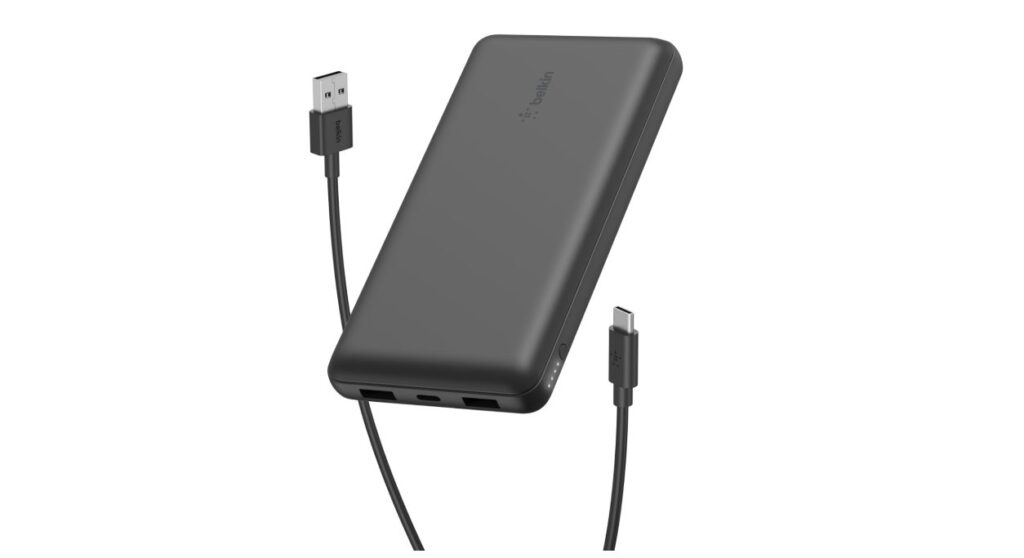
Ahead of the Prime Days Sale 2025, Belkin is offering a huge discount on its slim battery pack. The 20000mAh power bank is on sale for the exciting discounted price of Rs 2,229 on Amazon India. It is a limited-time deal, which reduced the price of the Belkin 2000 mAh Power bank from Rs 3200 to Rs 2,229. The discount may fade once the stock depletes.
Belkin 20000 mAh Battery Pack is sufficient to charge iPhone 16, iPhone 15, and Samsung Galaxy Smartphones at least 3-4 times. The huge battery pack could be your favorite companion for long trips in the far fetched areas. However, it could become handy during the commute. Whether you’re an iPhone user, an Android enthusiast, or someone who just needs to keep your devices running all day, this is one deal worth grabbing.
The battery pack bundles three ports, including 1 USB-C and 2x USB-A ports. Further, it is PD compliant and could offer fast charging speeds of up to 15W for the compatible smartphones and tablets. It can charge up to three devices simultaneously. There are LED indicators to easily inform you about the battery level and recharge cycles.
It comes with a USB-C to USB-A cable. Belkin backs the power bank with overcharge protection, a solid 2-year warranty, and even a $2,500 Connected Equipment Warranty (CEW).
If you’ve been meaning to upgrade your portable charger or want a backup power solution for travel or emergencies, now’s the time to get a new power bank.
Samsung is gearing up to unveil the Galaxy Z Flip7 and the brand-new Z Flip7 FE at its Unpacked event on July 9, but a recently surfaced EU label has taken some of the shine off the upcoming foldables. While fans were hoping for a boost in durability, it looks like that won’t be the case this time.
According to a European Product Registry for Energy Labelling (EPREL) listing, both the Z Flip7 and Flip7 FE will carry the same IP48 rating as last year’s Z Flip6. The certification confirms that the foldables will have limited dust protection (against particles over 1mm) and can survive water submersion up to 1.5 meters for 30 minutes.
That puts them on par with the upcoming Galaxy Z Fold7, which is also expected to stick with IP48, and behind competitors like vivo’s X Fold5 and Honor’s Magic V5, which offer a safer IP59 rating. Honor’s offering also regains the crown of the slimmest foldable, overtaking Oppo’s Find N5 and Samsung’s Z Fold7.. While the IP rating in the upcoming Galaxy foldables isn’t a downgrade, it may disappoint those hoping for full dust resistance in this generation.
The EPREL listing also confirms the battery capacities of the two flip phones. The standard Z Flip7 will pack a 4,300mAh battery (4,174mAh rated)—a small but welcome upgrade over the 4,000mAh unit in the Flip6. Interestingly, Samsung has managed to squeeze in the extra capacity despite a thinner design—just 13.7mm when folded and 6.5mm when unfolded—likely powered by the Exynos 2500 chip.
The Z Flip7 FE, Samsung’s first budget foldable, will feature a 4,000mAh battery (3,887mAh rated) and is said to run on the Exynos 2400. It’s largely seen as a reworked version of the Z Flip6. Official protective cases of the Z Flip7 have already leaked, which you can check out here.
Samsung hasn’t officially confirmed these details, but with Unpacked just days away, we won’t have to wait long.
Honor just made its Magic V5 foldable official. And a new leak now suggests that it is preparing a second-generation flip-style foldable, the Magic V Flip 2, with a few modest upgrades in tow.
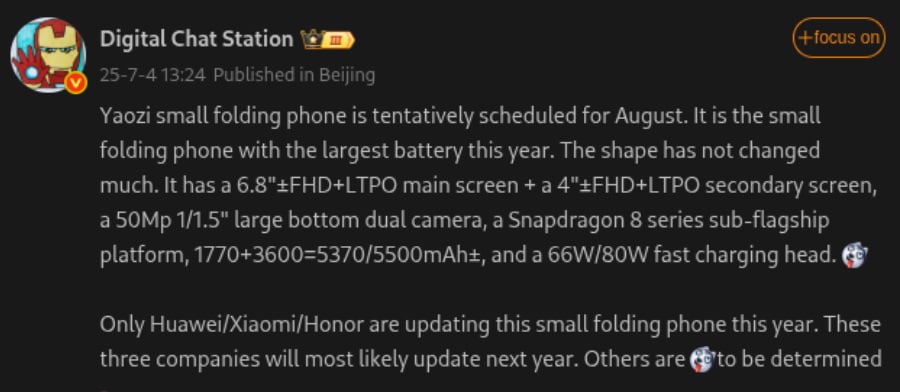
According to early specifications that have surfaced, the Magic V Flip 2 is expected to feature a 6.8-inch (approx.) FHD+ LTPO OLED main display, along with a 4-inch (approx.) external cover screen. The internal display also supports LTPO tech, which should allow for adaptive refresh rates to improve power efficiency.
Not powered by Snapdragon 8 Elite
Under the hood, the device is rumored to be powered by a Snapdragon 8-series sub-flagship chipset. The exact SoC isn’t confirmed, but this likely points to something like the Snapdragon 8s Gen 4 or a similar tier, which tends to land just below the mainline 8 Elite in performance but with lower cost and thermal output.
For imaging, the Magic V Flip 2 is said to feature a dual camera setup, led by a 50MP primary sensor with OIS, likely using a 1/1.5-inch type sensor. There’s no word yet on the secondary lens, but a standard ultrawide is a reasonable guess.
Perhaps the most noticeable upgrade—at least on paper—is the battery. The leak mentions a 5500mAh (approx.) battery, which, if true, would make Magic V Flip 2 the clamshell foldable with the biggest battery.
For reference, the first-gen Magic V Flip features a 4800mAh cell, the recently launched Xiaomi Mix Flip 2 has a 5165mAh battery, while the upcoming Galaxy Z Flip 7 is said to have a 4300mAh cell. The charging speed is expected to be 66W or possibly 80W, depending on the final configuration.
Honor hasn’t officially confirmed any of these specs, nor has it shared a launch timeline. But if the leak pans out, we might see the Magic V Flip 2 as early as August. Notably, leaker Digital Chat Station claims that only Huawei, Xiaomi, and Honor will release new flip phones this year, meaning Oppo and Vivo could be sitting this one out.
Samsung‘s Galaxy Watch series may be a go-to for Android users, but new numbers show it’s struggling to keep up. Global smartwatch sales for Q1 2025 reveal a noticeable dip for Samsung, with competition from Chinese brands heating up.
According to data from Counterpoint Research, Samsung’s smartwatch market share fell to 7% in the first quarter of 2025—down from 9% a year earlier. That’s an 18% year-on-year drop, pushing the company to fourth place globally. Apple continues to lead with a 20% share, despite also seeing a 9% decline in shipments.
Global Smartwatch Shipments by OEM Share, Q1 2025 vs Q1 2024
Huawei and Xiaomi, however, are on the rise. Huawei grabbed second place with a 16% share, while Xiaomi followed with 10%, both marking a sharp 53% year-on-year growth. Kids’ smartwatch maker Imoo also posted strong numbers, reaching a 7% share after growing 23% year-on-year.
A big part of this momentum comes from China, where smartwatch shipments jumped 37%, fueled by demand for feature-rich yet affordable models. In contrast, a slowdown in India and a 19% drop in Apple shipments contributed to a modest 2% overall decline in global smartwatch sales for the quarter.
Samsung’s older models struggled to keep pace in early 2025, even though the Galaxy Watch 7, Watch Ultra, and Watch FE helped the company close out 2024 with 3% annual growth. Meanwhile, Chinese rivals found success with offerings like Huawei’s Watch 5 series and Xiaomi’s Redmi Band 5, which struck a balance between price and performance.
Samsung is hoping to turn things around at its upcoming Galaxy Unpacked event on July 9, where it’s expected to unveil the Galaxy Watch 8, Watch 8 Classic, and Watch Ultra 2. The new lineup will reportedly feature Gemini AI integration and improved health tracking, which could help the company win back market share. You can check out some leaked renders of the Watch 8 series here.
Amazon has announced its Prime Day 2025 sale from July 12 – 14, 2025. There will be huge discounts of up to 80% on various sections ranging from electronics, Fashion, Groceries, and more. Now, Amazon India has revealed some of its top deals that will be available at the Prime Day Sale 2025. During the sale, if you make purchases through ICICI Bank Credit Cards and SBI Credit Cards, you will get 10% savings. We have listed some of the best deals revealed by Amazon India below.
DJI Osmo Action 4 Standard
DJI Osmo Action 4 is going to be on sale with an exciting discount price of Rs 24,999. It features a large 1/1.3-inch sensor for stunning 4K/120fps video and superior low-light performance. Whether you’re skiing at -20°C or diving into thrilling vlogs, enjoy rich 10-bit color, a 155° ultra-wide FOV, and rock-solid 360° HorizonSteady stabilization. With magnetic quick-release, vertical video support, and up to 2.5 hours of battery life, this action cam is built for creators on the move. Includes battery, mount, and more — perfect for first-time action camera users. During the Prime Day Sale from 12-14 July, you will get the DJI Osmo Action 4 standard for just Rs. 24,999.
Please Note: When you buy something using the links in our articles, we may earn a small commission at no cost to you.
OneOdio Studio Max 1 Wireless Over-Ear DJ Headphones
It will give you a great listening experience with many features. OneOdio Studio Max 1 Headphones are specially designed for DJs, Musicians, and professionals. It features a Multi-Scenario Connectivity, which is very useful for real-time DJ mixing. The OneOdio Studio Max 1 Wireless headphones are packed with unmatched 120 hours of paytime in Bluetooth mode and 50 hours using the dongle. If you’re out of time and you need the headphones, then you can put OneOdio Studio Max 1 Headphones on charge for 5 minutes and get 5 hours of playtime.
OneOdio Studio Max 1 Wireless Over-Ear DJ Headphones are powered with 50mm drivers and OFC copper-clad coils. It delivers crystal-clear highs, deep bass, and lossless wireless streaming for professional mixing and mastering. The Headphones also include the Dual-Mic ENC Clear Call system ensures your voice stays sharp and clear, even in noisy environments like clubs or stages. OneOdio Studio Max 1 Wireless Over-Ear DJ Headphones’ regular price is $169, and the company is giving 20% discount for a limited time from 8 – 11 July, 2025. If you’re looking for a headphone, then OneOdio Studio Max 1 Wireless Over-Ear DJ Headphones for just $135.99 is the best deal.
Samsung Galaxy Tab S9 FE
Samsung Galaxy Tab S9 FE can be yours at the discounted price of Rs 28,999. It bundles a vibrant 10.9-inch WQXGA display with a smooth 90Hz refresh rate, powered by the Exynos 1320 chipset. Galaxy Tab S9 FE is packed with 8GB RAM and 256GB storage (expandable to 1TB). It’s ideal for multitasking, streaming, and productivity. Talking about the camera, it also sports an 8MP rear and 12MP front camera, WiFi 6, and an 8000mAh battery for all-day use. In the Prime Day Sale from 12-14 July, you will get the Galaxy Tab S9 FE for just Rs. 28,999.
Please Note: When you buy something using the links in our articles, we may earn a small commission at no cost to you.
Fire TV Stick Lite with Alexa Voice Remote Lite
Amazon’s Fire TV Stick Lite will be on sale for Rs 1,999. The Fire TV Stick supports 1080p and 720p up to 60 fps streaming. It packs dual‑band Wi‑Fi (MIMO) and Bluetooth 5.0, and houses seamless streaming and connection with headphones or game controllers. It also delivers crisp 1080p output with HDR, HDR10+, HLG, and Dolby‑encoded audio pass‑through. It is powered by a quad‑core 1.7 GHz processor and 8 GB internal storage. Fire TV Stick Lite comes with Alexa Voice Remote Lite that enables effortless hands‑free voice commands—search content, launch apps, control playback, get news updates, set reminders, and more. It will be available in the Prime Day Sale for just Rs. 1,999.
As the launch of the Galaxy S26 Ultra draws closer, a fresh leak is stirring mixed reactions. While Samsung appears to be making some refinements to its camera setup, the latest information suggests that one key component may remain unchanged—prompting a familiar sense of déjà vu for fans hoping for something new.
Galaxy S25 Ultra
According to a report from GalaxyClub, cited by SamMobile, the Galaxy S26 Ultra will once again feature a 50MP telephoto camera with 5x optical zoom—the same setup found on both the Galaxy S24 Ultra and the S25 Ultra. The sensor in question is a 1/2.52-inch unit with 0.7µm pixels, phase-detection autofocus (PDAF), and optical image stabilization (OIS), offering a long-range visibility that’s already well-tested.
That said, this confirmation may come as a letdown to some, especially after earlier rumors pointed to a possible upgrade to a single 200MP ISOCELL telephoto sensor. For now, it looks like Samsung is cutting corners where it can to reduce the bill of materials—likely to accommodate the cost of the Snapdragon 8 Elite 2 and keep the US pricing in check amid high tariffs.
The second lens, which could potentially feature 3.5x or even 8x zoom, hasn’t been detailed yet, leaving some hope for at least a single substantial upgrade in the camera department. Beyond the telephoto setup, the S26 Ultra is likely to stick with the same 200MP main camera and 50MP ultrawide lens introduced with the S25 Ultra. However, Samsung may be adding some new tricks.
Other rumored changes include a slimmer chassis, reportedly made possible by improvements in battery energy density. Rather than increasing the battery capacity beyond the long-standing 5,000mAh, Samsung appears to be prioritizing a sleeker design. An incremental upgrade to the heat dissipation system is also rumored, which could allow for a modest bump in charging speeds.
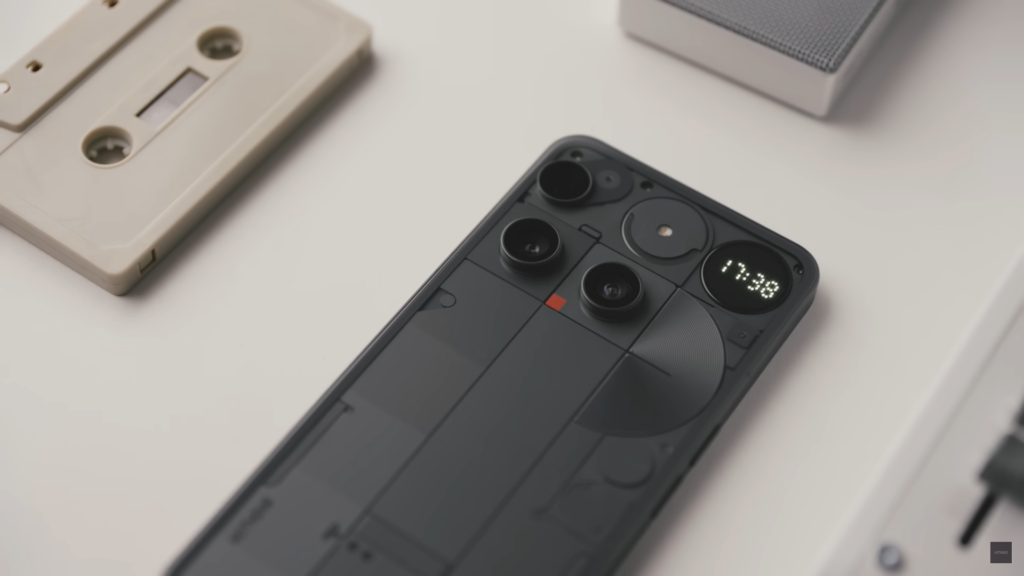
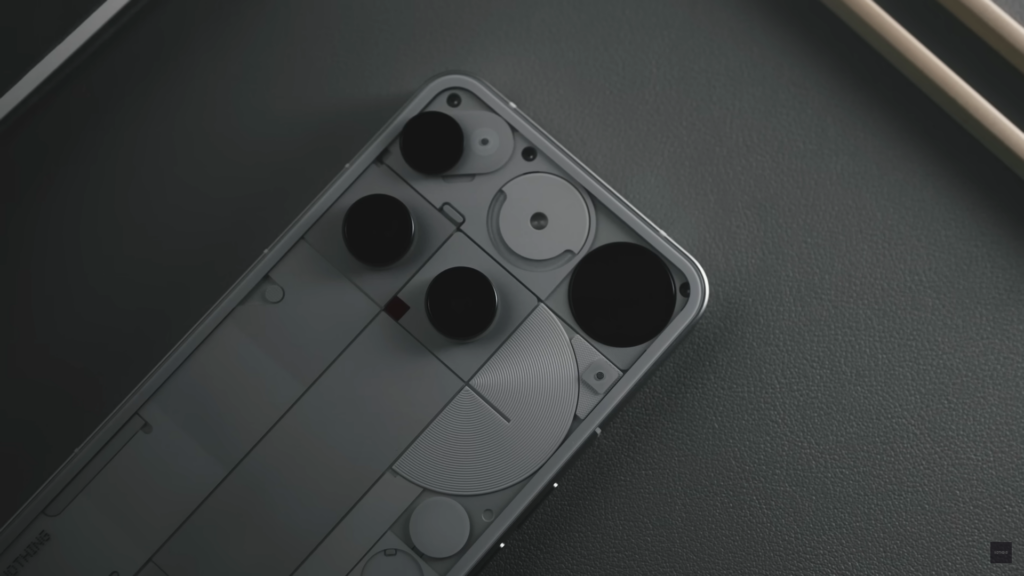
After a two-year wait, the Nothing Phone (3) is finally here—launched on July 1, 2025—and as per the brand, it’s not just another annual refresh. The gap since the Phone (2) caught many by surprise, especially in a market where quick product cycles are the norm. So why did Nothing make fans wait? The answer, as revealed by Nothing engineers, comes down to strategy and design secrecy.
Phone (3)’s design was actually completed three years ago
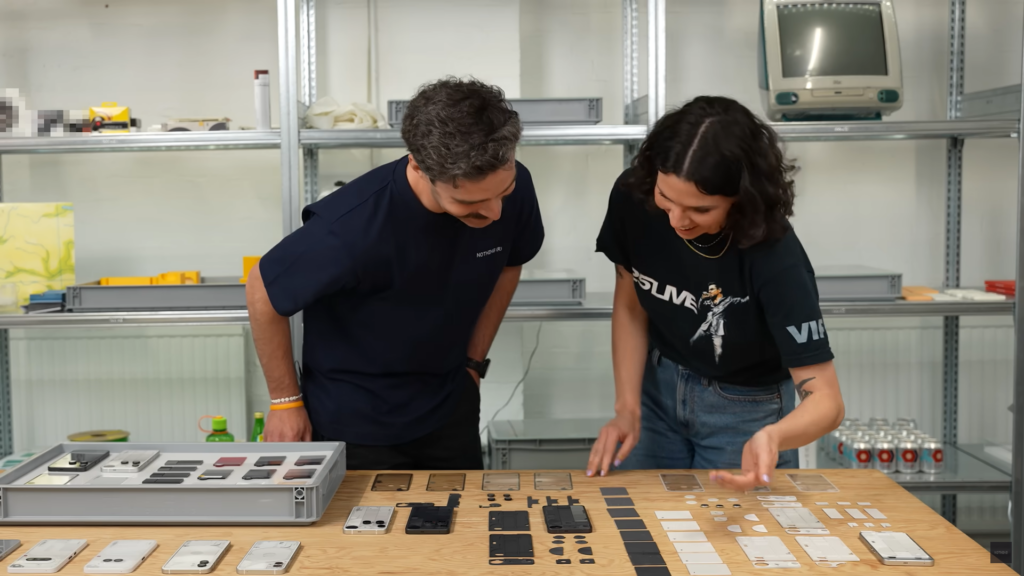
According to the company officials, the Phone (3)’s design was actually completed three years ago, around the same time as the Phone (2). But instead of launching it in 2024, the company chose to keep it under wraps. “In an industry where major players release a flagship every single year, making consumers wait that long can serve as a death sentence,” a company executive admitted. But Nothing had a different priority.
The success of the more affordable Phone (2a) changed the game. Priced at just $335 on Amazon, it helped Nothing gain serious traction. That momentum led the company to focus on expanding its budget lineup first—with releases like the Phone (2a) Plus, Phone (3a), and Phone (3a) Pro—before returning to its flagship roots.
Now that it’s here, the Phone (3) makes a bold statement. Gone is the familiar Glyph Interface that helped Nothing stand out. In its place is the new Glyph Matrix: a 489-LED dot-matrix display tucked into the top-right of the transparent back. This compact panel offers dynamic animations, app-specific alerts, and playful features like a selfie viewfinder—bringing more utility without taking up as much space.
After a long pause, the Nothing Phone (3) is more than just a spec bump. It marks a new design direction and a strategic pivot that prioritizes long-term growth over annual hype cycles. Whether that gamble pays off remains to be seen—but with pre-orders now open and sales starting July 15 on nothing.tech, it won’t be long before we find out.
Pebble has launched the HALO Smart Ring in India. The company says it is the first smart ring in the country with a digital display. The ring is made of stainless steel and is both splashproof and dustproof. It comes in six sizes ranging from 7 to 12 and is available in black, gold, and silver.
The HALO ring shows step count, heart rate, battery level, and time directly on its display. It includes health tracking features such as heart rate monitoring, SpO₂, sleep tracking, stress tracking, and heart rate variability. The ring also supports multiple sports modes and connects to the Pebble Halo app for detailed tracking.
Smart features include gesture controls for apps, camera control, and a Find My Ring option. It supports Bluetooth 5.2 and weighs 4.7 grams. The battery lasts 3 to 4 days and takes 120 minutes to charge using a wireless charger. The ring measures 10 by 5.8 by 10 cm and comes with a one-year warranty.
Pricing & availability
The HALO Smart Ring is currently listed on its website at a price of ₹3,999. It is available to buy on Flipkart and Pebble’s official website.
As Samsung gears up for its Galaxy Unpacked event on July 9, a leaked EU energy label for the Galaxy Z Fold7 has unveiled critical specs, sparking intrigue. From battery life to durability, what does this reveal about Samsung’s next foldable flagship?
A leaked European Product Registry for Energy Labelling (EPREL) document, shared by @MysteryLupin on X, discloses key details about the Galaxy Z Fold7. Mandated by new EU regulations, the label rates energy efficiency, battery life, durability, IP rating, and repairability.
The Z Fold7 boasts a 4,400mAh battery, delivering 40 hours and 28 minutes per charge and retaining 80% capacity after 2,000 cycles, according to the document. Its class B energy efficiency suggests solid power management, aided by the Snapdragon 8 Elite chip and One UI 8.0 optimizations.
Durability shines with a class A rating for drop resistance, despite the phone’s slim 8.9mm folded and 4.2mm unfolded design. The phone is thinner than the Vivo X Fold5 and is one of the thinnest foldables released to date. However, the IP48 rating, unchanged from the Z Fold6, lags behind Vivo’s IP59. The class C repairability score indicates challenges due to the foldable’s complex design. A QR code on the label, meant to provide more details, currently links to an inaccessible EU database page, likely due to a 72-hour delay post-launch.
The Galaxy Z Fold7’s leaked EPREL label highlights impressive battery longevity and drop durability but disappoints with a stagnant IP48 rating and average repairability. Will its slim design and Snapdragon 8 Elite performance outweigh these trade-offs? Interested users can pre-order now for $50 Samsung credit from Samsung’s website, or stay tuned for Unpacked’s full reveal.
Samsung’s Galaxy S25 Ultra is under scrutiny as some users report a strange camera issue following a recent software update. The phone’s 200MP system has been a major selling point, but a flickering glitch with the ultrawide lens is starting to frustrate owners.
Galaxy S25 Ultra with S Pen
Galaxy S25 Ultra users reported the issue earlier this year, which now appears to have become more noticeable after the June 2025 One UI 7 update (firmware G928U1UEU2BXF7). A clip shared by @Samoneui8 on X shows the problem in action: the preview jitters, making both photos and videos blurry. Some users have even noticed a faint rattling sound while the issue occurs, according to discussions on Reddit and Samsung’s official forums.
While the issue isn’t widespread, it’s not exclusive to the S25 series either—some older models, including the S24 Ultra, have also been affected.
So far, basic troubleshooting steps like clearing the camera app cache, rebooting, or even performing a factory reset haven’t resolved the issue, suggesting this could be hardware-related rather than a software bug.
Samsung hasn’t publicly acknowledged a widespread problem, but some users have reportedly received replacement camera modules under warranty, confirming that repairs are being offered where needed. According to reports, the focus motor in the ultrawide lens—especially since it lacks optical image stabilization (OIS)—could be the source of the flicker. Samsung support staff have also pointed to indoor lighting causing flicker on screen, but that doesn’t explain the physical shaking seen with the ultrawide lens.
Interestingly, the June update that’s being linked to the issue also brought smoother animations and new AI features. However, the fact that most users haven’t experienced any problems suggests the update alone isn’t to blame.
If you’re facing this issue, it’s worth visiting a Samsung service center to see if your device qualifies for a hardware fix under warranty. So far, the flickering seems limited to a small number of units—but as more users speak up, it remains to be seen if Samsung will address it more formally.
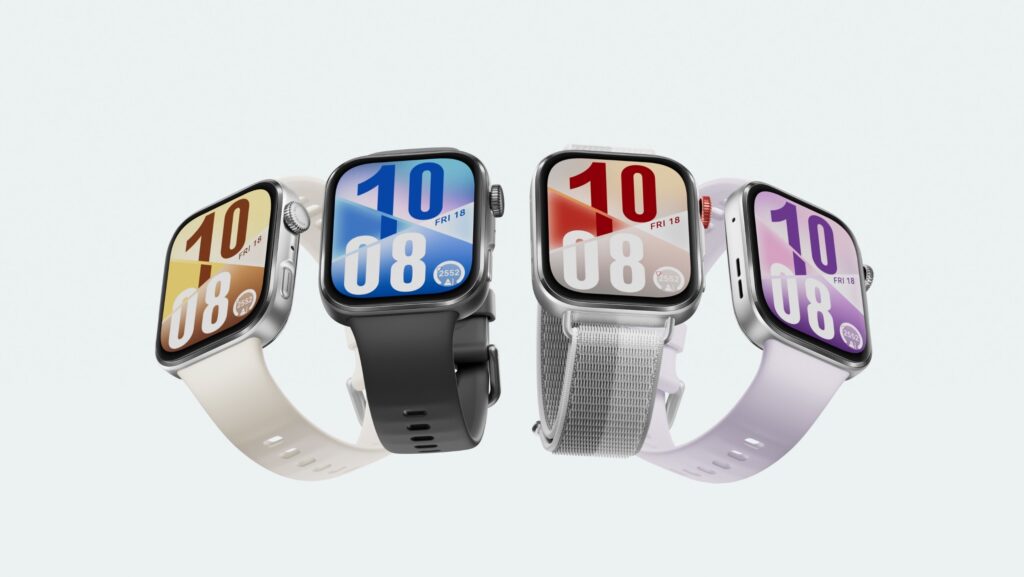
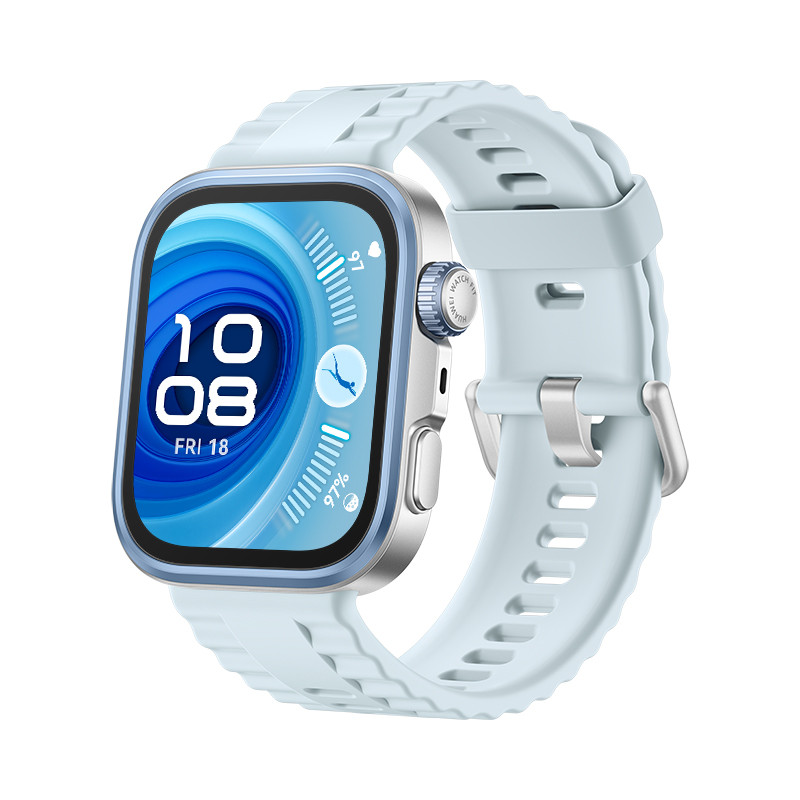
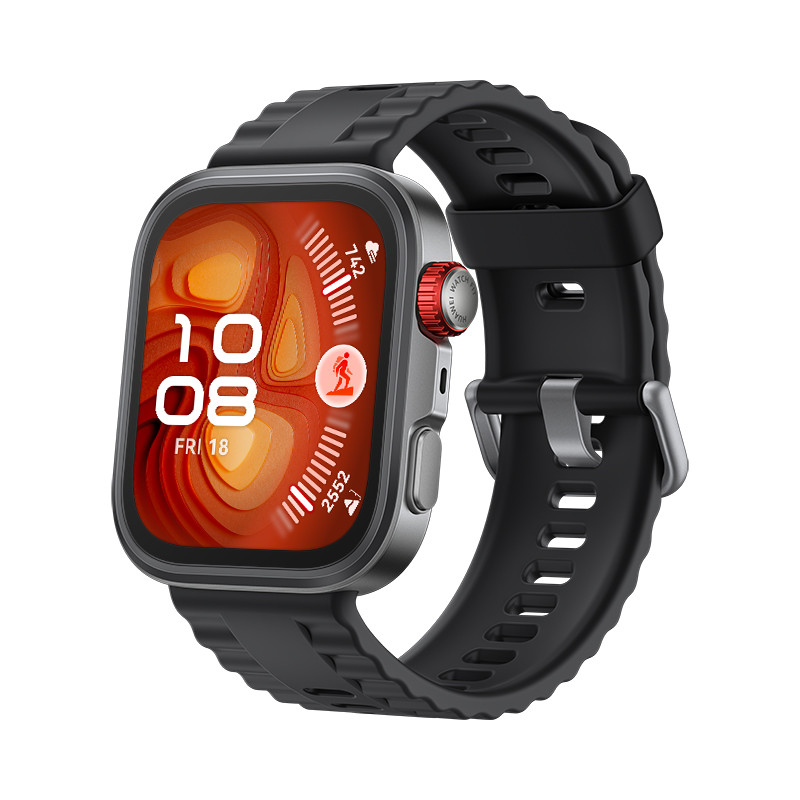
HUAWEI has launched the WATCH FIT 4 series in India. It includes two models: the WATCH FIT 4 and the WATCH FIT 4 Pro. These watches initially debuted in the European market back in May of this year.
HUAWEI WATCH FIT 4 Pro / WATCH FIT 4 features
Both smartwatches feature a 1.82-inch AMOLED display with a resolution of 480×408 pixels, 347 PPI, and a peak brightness of 3000 nits. The watches offer 24-hour health tracking, including heart rate, SpO₂, sleep quality, stress levels, and menstrual cycles. Both models support over 100 workout modes, Bluetooth calling, and up to 10 days of battery life. They are compatible with Android and iOS devices and use the HUAWEI Health app.
HUAWEI WATCH FIT 4
The FIT 4 Pro uses a titanium alloy bezel and aluminum alloy case. It includes dual-band GNSS for location tracking, supports wireless charging and has a rotating crown for navigation. It is IP6X dust-resistant and certified for diving up to 40 meters. Sensors include accelerometer, gyroscope, magnetometer, optical heart rate, ambient light, barometer, temperature, ECG, and depth sensors.
The standard FIT 4 has a 9.5mm thick body and weighs 27 grams. It has a square bezel-less design and is built with an aluminum body. Sensors include accelerometer, gyroscope, magnetometer, optical heart rate, ambient light, and barometer.
Both models have 5ATM water resistance and support Bluetooth 5.2, NFC, built-in GPS, and magnetic charging. Features include voice note-taking, quick replies, camera and music control, activity rings, and customizable watch faces. The audio system includes a mic and speaker for calls.
The FIT 4 is priced at ₹12,999 and comes in Black, White, Purple, and Gray strap options. The FIT 4 Pro is priced at ₹20,999 and is available with Green Nylon, Blue Fluoroelastomer, and Black Fluoroelastomer straps. Both models can be ordered from Amazon.in, Flipkart.com, and rtcindia.net.
For more daily updates, please visit ourNews Section.
Besides the chargers you use at home, at the office, or on the go daily. You may also want to have some in the car, or for international travel. So Baseus has just come up with two products: the EnerCore CG11 to be used while traveling abroad, and the PrimeTrip VR2 Max to be used in the car. So in this review, let’s give them a proper test, and share some highlights here.
For travelers, usually we need to bring two chargers, one adapter, then another high-power charger. This can be troublesome, especially in the airport, the socket is often very loose, and the ports in the airport have very low power. So this is when this travel adapter with 70W GaN technology.
It has all the plugs for each region, and the type of plugs for each region is printed there, a very thoughtful detail. On the side, there is also a port for a US/JP socket. The two types of plugs not supported are the Type K and Type M, which refer to Denmark, South Africa, and some other countries.
It has ports for all kinds of plugs at the front, and it can support 2500W max, just like a socket we have at home. Ideally, you can use the power to support even small appliances, maybe a small espresso machine. Or you can plug your own favorite high-power charger into this port, then charge more devices at the same time.
Other than the regular sockets and plugs, there are other ports for charging also. Such as the built-in USB-C cable, it is just like the cable on the product above, but it is braided, so it is stronger. It can output 70W max if used solely. It is 2.23ft/68cm long, and also retractable, and stays in whichever position you want. There is also a magnet and a light built in there. There are also two USB-A ports, one USB-C port at the bottom. The devices suggested are also labeled there.
There are two fuses located beside the plugs, one for current use, one extra. This is a very nice detail.
WHERE TO BUY
Buy Baseus EnerCore Travel Adapter Series on Amazon.
Coupon Code: GOHTHZJQ (For all Enercore products, 5% off, valid July 1 – 8/31)
Baseus PrimeTrip VR2 Max
As a car owner, I do understand that high-power charger is still a must in a car. Especially if you own a fuel-driven car, there are not many charging components compared to EVs. Therefore, investing in a good charger that can be plugged into the auxiliary power outlet, also known as the cigarette lighter port is the way to go.
I still remember that the old ones were only with one port, and not that high power output. On the contrary, this one has 100W output in total, and it supports PD, QC and SCP charging protocols.
Ideally, it can charge most of the phones out there. And there are actually four ports, two USB-C with cables built in; one USB-C and one USB-A, these two are without a cable.
usb-c1 67W Max + usb-c2 33W Max
There are power distribution rules printed on the box, basically the USB-C with the cable has a max power of 67W max, and the USB-A port can output 30W max, if these two ports are used solely. And of course, power will be distributed when multiple ports are being used.
The two cables are 2.6ft/79cm long, they are retractable, and they can stay at any position you pull out to, they can pretty much cover all seats in the car. And there is a magnet at the tip, so whenever it retracts, it will always stick on the unit, this is a very thoughtful design. The unit is movable, in almost any direction, so whenever anybody in the car needs to use it, just drag it however he/she want, then the cable will be facing the user, this is another very thoughtful design. One minor detail of the cables, the tip will light up when charging.
Overall, the build quality of this charger is solid, it claims to be able to support 10000+ pulls and retracts, and there is a chip to control the temperature while charging. I think these two claims address the issues of using a car charger, as the weather can be very challenging in summer or winter. If it can survive in those environments, it is a very good product.
You can buy the PrimeTrip VR2 Max Car charger from Amazon here. And if you need a magnetic Car mount, Baseus also developed a decent one called PrimeTrip CO3S, which has proved to be very solid and useful. So here we recommend it along with the charger. You can buy it from the Amazon link if you need one.
Summary
The car charger is priced at $49, a pretty good deal for what it offers. The key advantages of this one are the power output and the cables built-in, really nice features you can take good use of, and addresses all the issues with old car chargers. For the travel adapter, it also makes the usability a lot better, by having GaN charging in it, so if you are going on a light travel without a laptop, this one adapter can take care of everything. You can find these on Amazon or the Baseus website, if you are interested in them.
The Vivo V50 is an excellent camera phone and an impressive all-around package, featuring a fast Snapdragon processor, a high-quality AMOLED screen, and a large battery that easily lasts a full day — all for around INR 35,000. However, it’s far from being the only showstopper in this price range, as we’ve found six great alternatives that outshine the Vivo V50 in various ways.
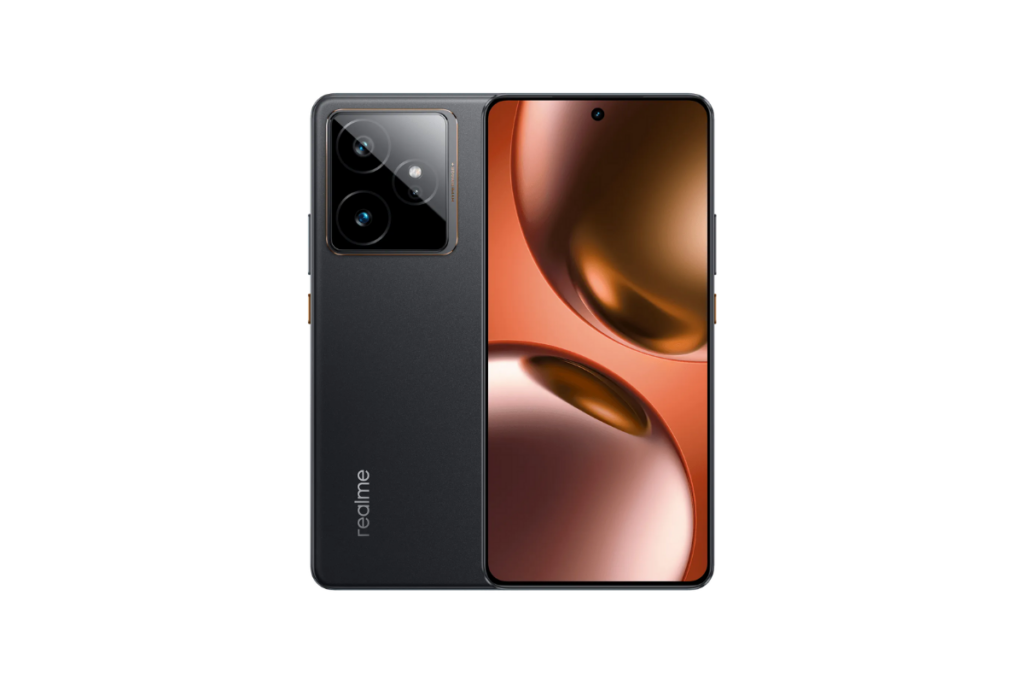
1. Realme GT 7
Realme GT 7
This Realme smartphone is powered by a significantly faster MediaTek Dimensity 9400e chipset, delivering a noticeable performance boost in gaming and demanding apps. It also promises an additional Android upgrade, bringing the total to four.
The GT 7 also brings LTPO support for improved battery efficiency and much higher peak brightness for superior visibility outdoors. It features Gorilla Glass 7i for better protection. The device offers a telephoto lens, in addition to primary and ultrawide shooters, for enhanced camera capabilities. It also excels in battery capacity and charging speed compared to Vivo V50.
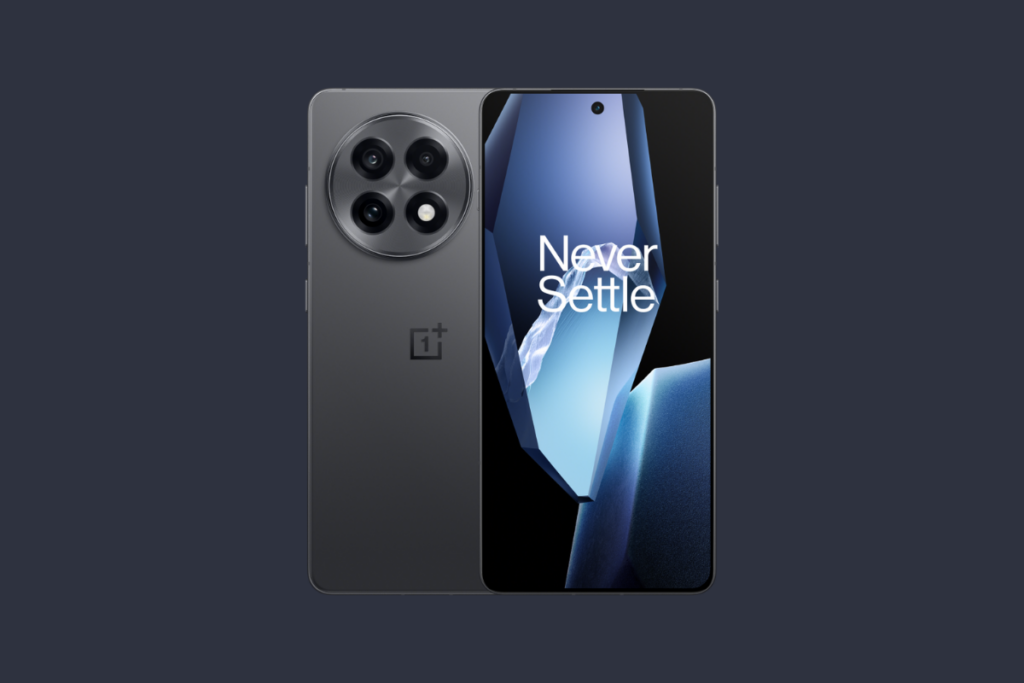
The OnePlus 13R is a premium option featuring an aluminum frame and the powerful Snapdragon 8 Gen 3 processor, which is much faster than the Vivo V50’s 7 Gen 3 processor. It offers an LTPO 4.1 screen, Gorilla Glass 7i protection, and Ultra HDR image support.
It features an additional telephoto shooter that enables high-quality zoom shots, in addition to a primary camera and an ultrawide camera. The ultrawide camera has a lower resolution, though. Furthermore, the OnePlus 13R supports the latest Wi-Fi 7 technology for reliable connection even in crowded places.
OnePlus 13R specs:
Display: 6.78” LTPO 4.1 AMOLED, 1264 x 2780 pixels resolution, 120Hz refresh rate, 4500nits brightness (peak), Ultra HDR image support
Processor: Qualcomm Snapdragon 8 Gen 3 (4nm)
Software: Android 15, four major Android updates
Rear camera: 50MP (primary), 50MP (telephoto), 8MP (ultrawide); up to 4K recording
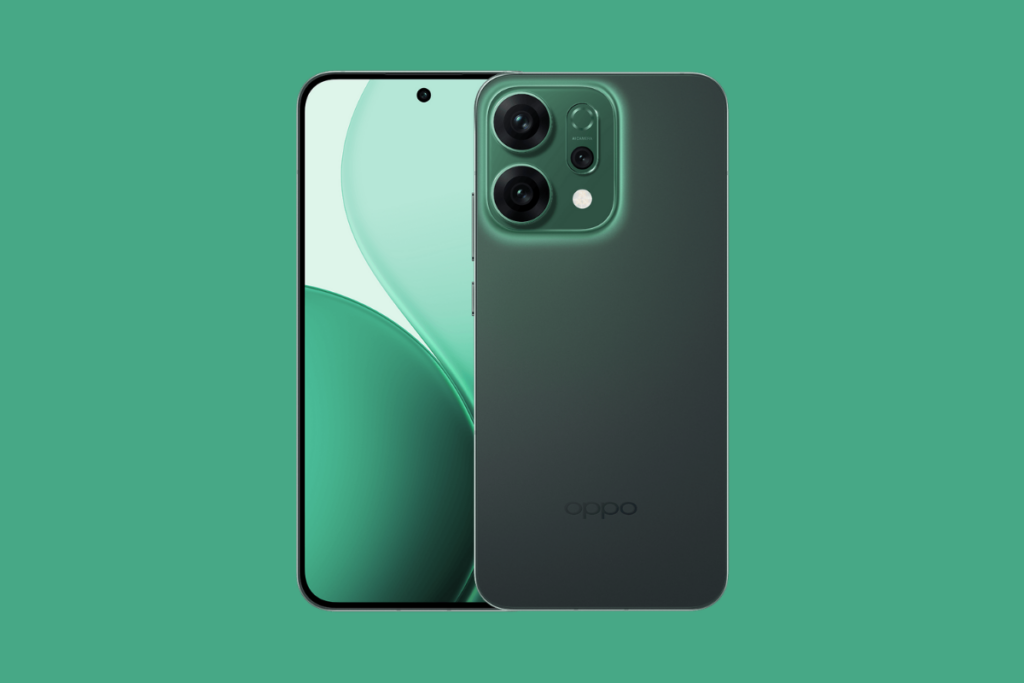
This is another excellent premium mid-range phone featuring an aluminum alloy frame, Gorilla Glass 7i protection, and an IP68 rating that ensures protection against dust and water. It has a slightly smaller screen size with a higher pixel density, resulting in sharper and crisper images. The device is powered by the MediaTek Dimensity 8350 chip, faster than Vivo V50’s Snapdragon 7 Gen 3.
The Reno 14 promises two additional Android upgrades than the Vivo V50. It also featured an additional camera unit (telephoto lens) on the rear side, enabling a range of shots. The battery capacities remain the same, but the charging speed is a little lower on the Oppo phone. The connectivity features are nearly identical, except for the NFC support on the Reno 14.
It’s another solid package on the list, featuring an aluminum frame, IP68 rating, and Gorilla Glass Victus+ protection on both sides. The Exynos 2400e chipset powers the handset, which is nearly twice as fast as the Snapdragon 7 Gen 3 on the Vivo V50.
The Galaxy S24 FE features a marginally smaller screen size with nearly the same pixel density but a significantly lower peak brightness. However, it leaves the Vivo V50 in the dust by offering seven years of Android upgrades. The device allows up to 8K video recording via its triple rear cameras, which also includes a telephoto unit. The battery capacity, however, is a bit disappointing, as is the charging speed (4700mAh, 25W). However, it supports wireless charging.
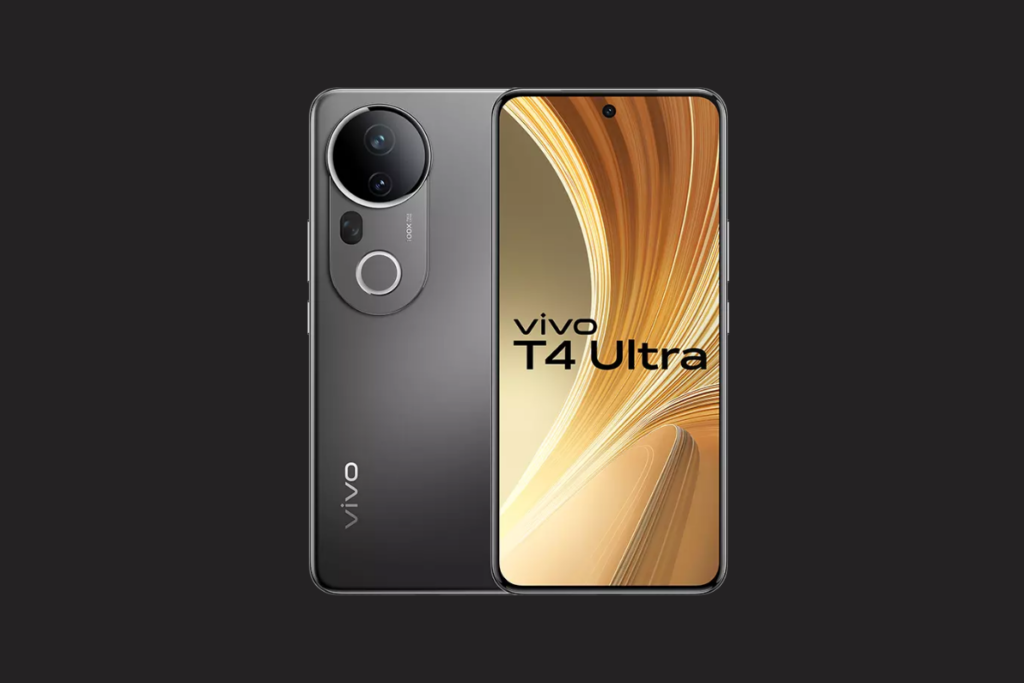
The Vivo T4 Ultra puts a tough show against the Vivo V50 while being similarly priced. It comes with the Dimensity 9300+ chipset, which is significantly faster than the Snapdragon 7 Gen 3 in the V50.
The T4 Ultra also features superior overall cameras, rocking a 50MP primary shooter, an 8MP ultrawide camera, and a 50MP periscope telephoto camera. The V50 lacks a telephoto camera. The T4 Ultra, however, features lower-resolution selfie and ultrawide cameras, but overall, it has a solid camera setup.
The battery is a bit smaller than the V50, but the charging speed remains fast.
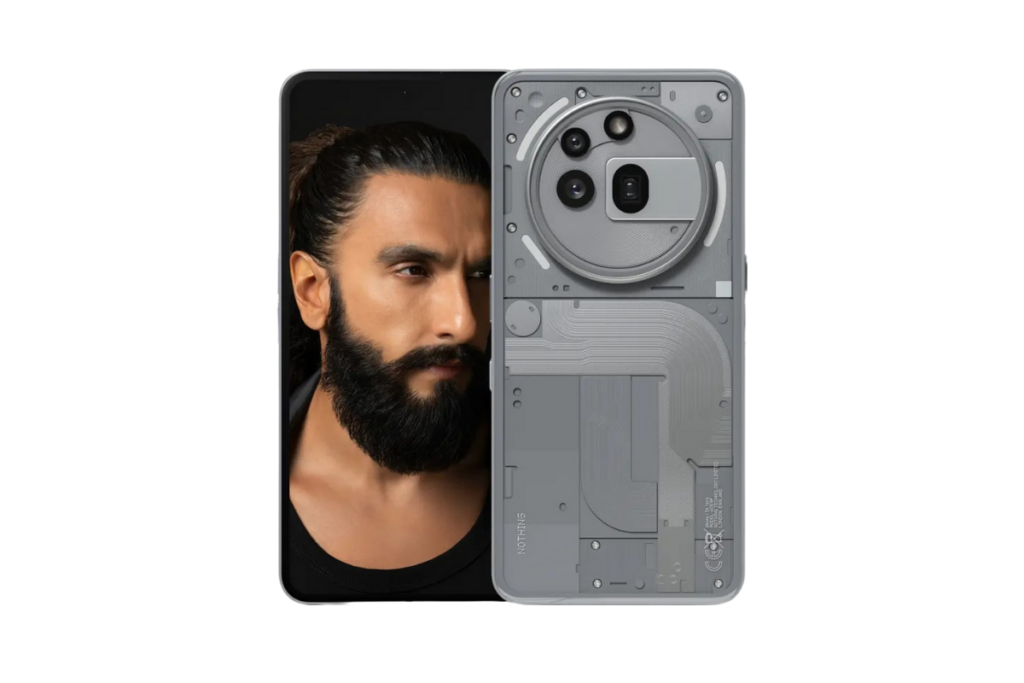
Nothing Phone (3a) Pro another excellent mid-range phone with a non-traditional rear design and a clean software experience. The device features a slightly better Snapdragon 7s Gen 3 chipset, the same-sized AMOLED panel, and Android 15 OS with three years of Android updates.
The rear setup includes a telephoto lens, making it more versatile than the V50. The battery capacity and charging speed are not the best but fairly good at 5,000mAh and 50W.
Nothing Phone (3a) Pro specs:
Display: 6.77” AMOLED, 1080 x 2392 pixels resolution, 120Hz refresh rate, 133nits brightness (peak), Panda Glass protection
Processor: Qualcomm Snapdragon 7s Gen 3 (4nm)
Software: Android 15, three major Android updates
Rear camera: 50MP (primary), 50MP (periscope telephoto), 8MP (ultrawide); up to 4K recording
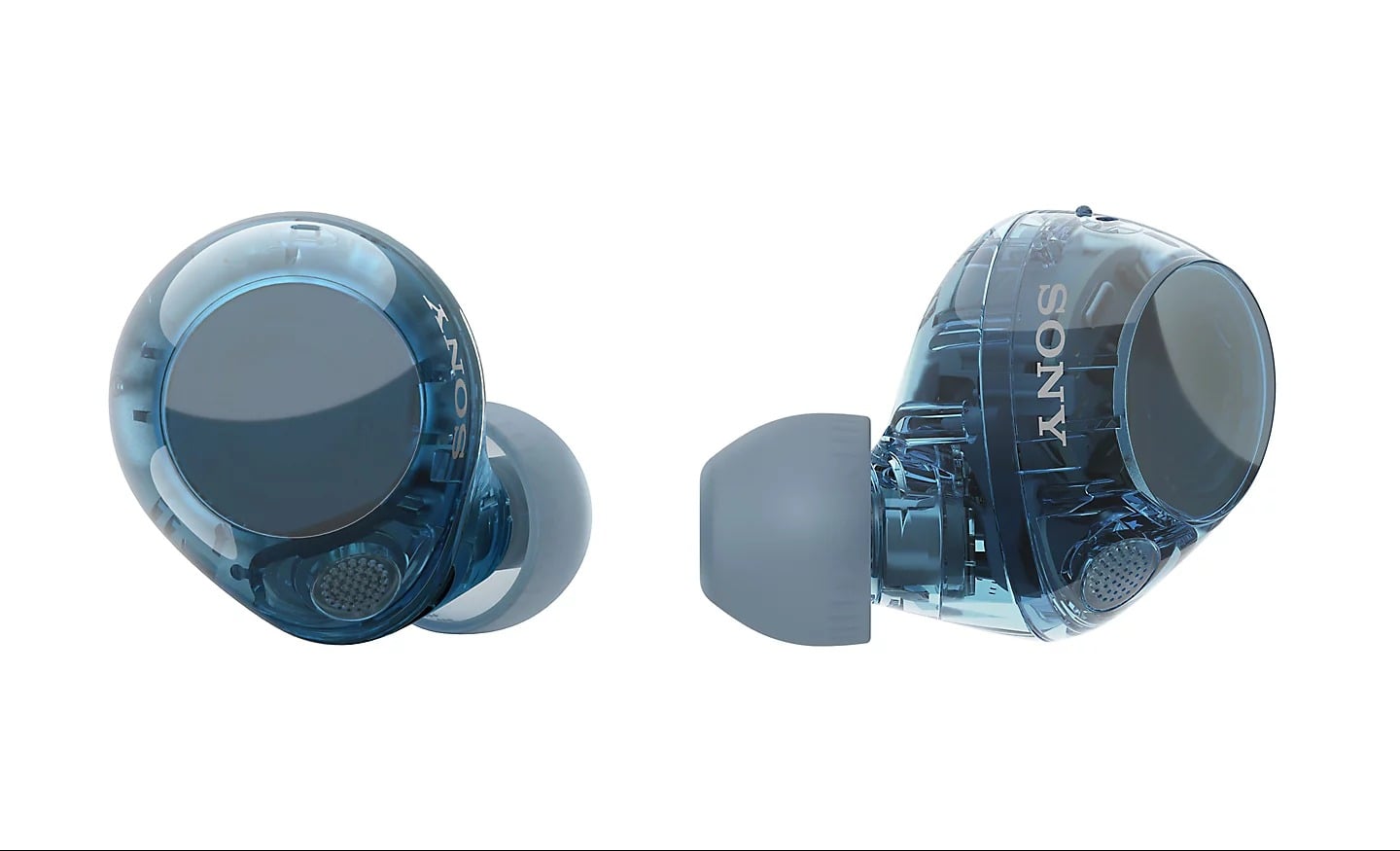
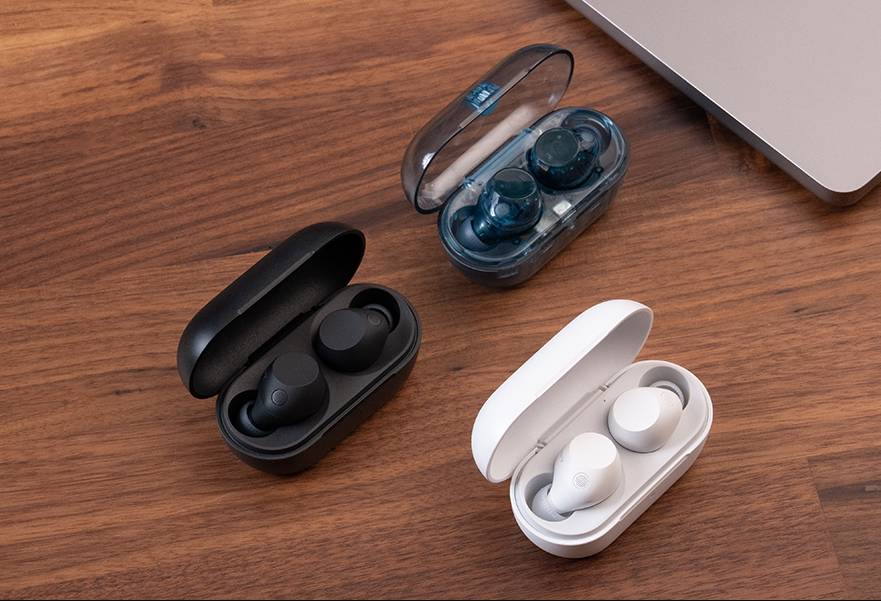
Sony India will launch the WF-C710N true wireless earbuds on July 10, 2025. These earbuds were first introduced globally in March. The Indian launch teaser highlights the Glass Blue color option, which Sony is promoting as its most stylish noise-cancelling earbuds. Sony has not confirmed if the black, white, and pink variants will also be available in India.
The WF-C710N uses Dual Noise Sensor technology with two microphones on each earbud to block outside noise. The Sony Headphones Connect app allows users to adjust ambient sound with 20 levels of control or enable full voice passthrough. Adaptive Sound Control can automatically change sound settings based on your location and activity, such as being at the office or the gym.
For voice calls, the earbuds include AI-based Precise Voice Pickup Technology. This system is trained on over 500 million voice samples and helps focus on the user’s voice while reducing background noise.
Each earbud has a 5mm driver and supports the Digital Sound Enhancement Engine (DSEE), which improves the quality of compressed music files. The app includes EQ Custom for sound profile adjustments.
The earbuds have a lightweight design and an IPX4 rating for water resistance. They come with a compact cylindrical charging case. Touch controls are built in for managing music, calls, and volume.
Battery life is up to 30 hours with the case. A five-minute quick charge gives up to 60 minutes of playback. Other features include Instant Pause and Play based on wear detection and multipoint Bluetooth connectivity, which lets the earbuds connect to two devices at once.
The global price is USD 119.99, which converts to around ₹10,257. Sony will confirm the official India price at launch.
For more daily updates, please visit our News Section.
Google’s Pixel 10 series isn’t expected until later this year, but a new leak from reliable tipster Arsène Lupin has already revealed what buyers can expect in terms of color and storage variants across the lineup. The leak covers all four rumored models: Pixel 10, Pixel 10 Pro, Pixel 10 Pro XL, and the Pixel 10 Pro Fold.
Pixel 10 keeps 128GB as base, 10 Pro starts at 256GB
The standard Pixel 10 will reportedly ship in two storage options, 128GB and 256GB, keeping it in line with previous entry-level Pixel phones. As for the color options, it will be available in Obsidian, Frost, Lemongrass, and Indigo. Lemongrass and Indigo shades.
The Pixel 10 Pro will offer considerably more variety. Its storage options include 128GB, 256GB, 512GB, and 1TB. Whereas, users will get a choice of Obsidian, Porcelain, Moonstone, and Jade for colors.
Moving up the ladder, we have the Pixel 10 Pro XL. According to Lupin, it will skip the base 128GB option and start at 256GB, with additional 512GB and 1TB options. The color options are the same as the Pixel 10 Pro.
Finally, the Pixel 10 Pro Fold is expected to be available in 256GB, 512GB, and 1TB variants. However, color options for the foldable are limited to just Moonstone and Jade. That means, unlike last year, there’s no black or white version this time around.
Google typically reveals its new Pixel phones in October, so these early details might still change. However, Arsène Lupin’s track record with accurate leaks adds weight to this report. With launch season approaching, more concrete details are likely to surface soon.
For more daily updates, please visit ourNews Section.
HONOR has launched the MagicBook Art 14 (2025) in China. The laptop is built with an aerospace-grade magnesium alloy body and weighs 1.03 kg. It measures 11.5 mm in thickness and features a maple leaf curve design with a UV-cured ceramic coating for a smooth finish.
It comes with a 14.6-inch 3.1K OLED touchscreen display with a resolution of 3120×2080, a 3:2 aspect ratio, a 120Hz refresh rate, and 1.07 billion colors. The panel supports full DCI-P3 color gamut, 1600 nits peak brightness, and is factory-calibrated to a ΔE value under 0.5. The screen includes an eight-layer anti-reflective coating, 4320Hz PWM dimming, TÜV Rheinland and VICO A+ certifications, and an e-book mode to reduce blue light.
The laptop runs on Intel Core Ultra 5 225H or Ultra 7 255H processors with up to 16 cores and 5.1GHz turbo speed. It uses Intel ARC 130T or 140T graphics. RAM is up to 32GB LPDDR5x (8400 MT/s), with storage options of 1TB or 2TB SSD.
Cooling includes an ultra-thin vapor chamber, bionic fans, phase-change materials, and graphite layers, keeping noise as low as 3dB. The 60Wh battery supports up to 10 hours of office use, charges to 46% in 30 minutes, and fully charges in 95 minutes.
A 1080p magnetic flip camera is included and can be detached for privacy. Audio is handled by six speakers with Magic Spatial Audio and DTS Headphone support. The keyboard is full-size, backlit, with 1.5mm key travel. The touchpad is 120 cm² and supports nine multi-touch gestures.
Ports include USB-C 3.2 Gen2, Thunderbolt 4, USB-A 3.2 Gen1, HDMI 2.1 (4K@60Hz), and a 3.5mm combo jack. Wireless options include Wi-Fi 6E, Bluetooth 5.1, and NFC in the touchpad. LINK Turbo X antennas offer a range up to 450 meters.
It comes with Windows 11 Home (Chinese Edition) and MagicOS. AI features include YOYO voice assistant, real-time meeting transcription, translation, HONOR Notes and Documents, DeepSeek programming support, screen projection with privacy, and cross-device file sharing.
Pricing & availability
Ultra 5 / 32GB / 1TB: 8,499 yuan ($1,186)
Ultra 7 / 32GB / 1TB: 9,499 yuan ($1,326)
Ultra 7 / 32GB / 2TB: 9,999 yuan ($1,395)
It is available via HONOR Mall, Experience Stores, and other retail channels in China.
For more daily updates, please visit ourNews Section.
Dell Technologies and Alienware have launched the 2025 versions of the Alienware Area-51 and Aurora desktops in India, targeting hardcore gamers, streamers, and content creators.
Alienware Area-51 (2025)
The new Area-51 is designed for performance-heavy gaming. It features Intel Core Ultra 9 285K processors and supports up to NVIDIA GeForce RTX 5090 GPUs, based on NVIDIA’s latest Blackwell architecture.
Thermal design has been reworked with inward-facing fans and positive pressure airflow. The system supports quad-slot GPUs up to 450mm and includes a 1500W Platinum-rated ATX12VO PSU. Cooling is handled by a 360mm liquid-cooled CPU setup, enabling up to 13% cooler operation and 50% more sustained performance with 45% quieter acoustics.
Specs include 32GB DDR5 XMP RAM (6400 MT/s), a 2TB NVMe Gen5 SSD, and NVIDIA GeForce RTX 5080 graphics with 16GB GDDR7 memory. Wireless connectivity is powered by Intel Killer Wi-Fi 7 BE1750 and Bluetooth 5.4. The design includes a tempered glass door and QR-coded guides for upgrades.
Alienware Aurora (2025)
The Aurora (2025) is a more compact build, 55% smaller than the Area-51, but still performance-focused. It supports Intel Core Ultra 9 285K or Ultra 7 265KF processors and up to 64GB of DDR5 XMP RAM. GPU options range from NVIDIA GeForce RTX 5080 to 4060 Ti.
Thermals are managed with 240mm CPU liquid cooling and 120mm fans. Available in Lunar Light or Dark finishes, it offers storage options of 1TB or 2TB NVMe SSDs. Connectivity includes Intel Killer Wi-Fi 7 or Wi-Fi 7 BE200 with Bluetooth 5.4.
The Aurora is optimized for gaming, streaming, and multitasking, with expanded memory bandwidth and SupportAssist for proactive system monitoring.
Both models are now available through Dell.com, Dell Exclusive Stores, Croma, Reliance Digital, Vijay Sales, and major e-commerce platforms. They come with 1-year Alienware Care and optional expert support for gaming setup and system optimization.
For more daily updates, please visit our News Section.
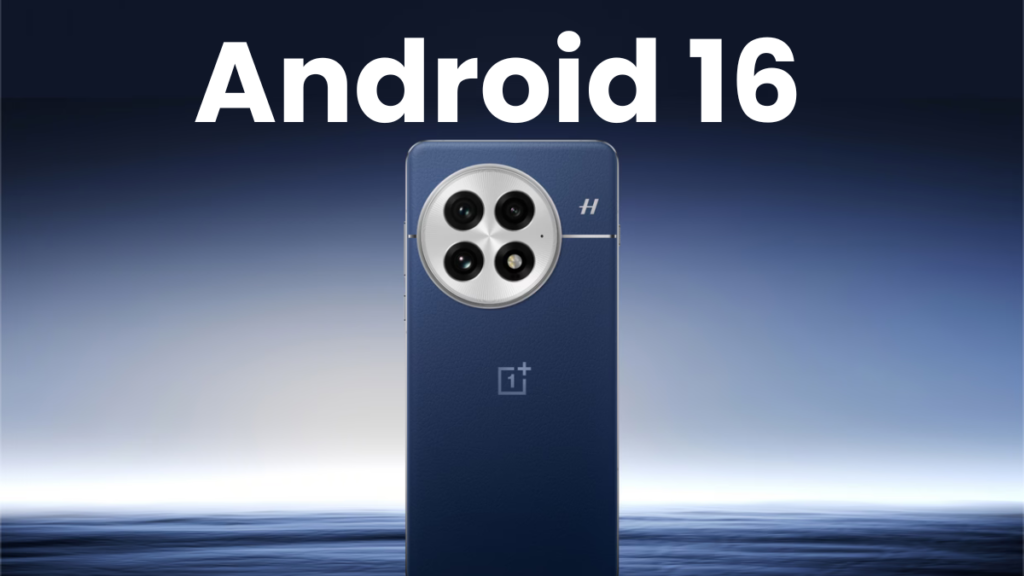
OxygenOS 16 is shaping up to be a major upgrade, bringing UI refinements, useful features, and improvements across the operating system. The update will also bring several new features and enhancements directly from Google’s Android 16. The latest upgrade is already live for Google Pixels, and should start rolling out to OnePlus phones very soon. This time, it’s arriving a lot earlier, and that’s because of a quick turnaround time from Google, releasing Android 16 in June 2025.
Whether you own a flagship OnePlus phone, a mid-range Nord device, or a more budget-friendly Nord CE or Nord N model, you’re likely looking forward to the next version of Android. Here’s everything we know about OxygenOS 16.
When will OnePlus release Android 16 (OxygenOS 16)?
OnePlus has been a reliable brand when it comes to software updates, and it’s usually one of the fastest to release new versions of Android. For OxygenOS 16, the brand hasn’t announced a release date yet, but if past rollouts are anything to go by, the rollout should kick off in the coming weeks.
OnePlus kicked off the Android 16 beta in April 2025, meaning testing has been underway for several months. That’s another solid indication the stable rollout is just around the corner. We anticipate an official announcement very soon.
OnePlus devices that are eligible for OxygenOS 16 (Android 16) update
The brand hasn’t confirmed which devices are going to get the Android 16 update, but we have a very solid idea about that, thanks to a transparent update policy. Based on that, we have prepared the following list.
OnePlus flagship phones
OnePlus 13
OnePlus 13s
OnePlus 13R
OnePlus 13T
OnePlus 12
OnePlus 12R
OnePlus 11
OnePlus 11R
OnePlus Nord series
OnePlus Nord 4
OnePlus Nord 3
OnePlus Nord CE 4
OnePlus Nord CE 4 Lite
OnePlus foldables and tablets
OnePlus Open
OnePlus Pad
OnePlus Pad 2
This list is based on OnePlus’ update policy and should be fairly accurate. That said, we still recommend waiting for the official confirmation, which we’ll update here as well as soon as it’s available.
What to expect from OxygenOS 16 and Android 16?
OnePlus has already released several Android 16 betas, giving us a good preview of the upcoming features and changes. Starting with the lock screen, notifications now stack with an app-icon preview and count indicator. This works with both classic and split modes. The update introduces six new clock designs (previously two) in the Shelf section to further customize the lock screen and home screen.
The Quick Settings panel also gets some nice visual changes. It shows text labels for many icons, including Wi-Fi, Bluetooth, and media control. When you tap the “+” button, the screen displays available tiles organized by categories, making them easier to find.
The battery charging limit is now more customizable, allowing users to set a cap at 80%, 85%, 90%, 95%, or 100%. Previously, you could only set it to 80%. There’s also a new AI VoiceScribe feature, which lets users enable captions, create a summary, or record VoIP calls in apps such as WhatsApp, Telegram, Instagram, and more.
The app drawer no longer displays texts such as “All apps” and “Manage”; instead, a new three-dot icon has been added in the upper-right side with Select and Sort options. The Select option allows users to select apps to uninstall or add to the home screen. The Sort option allows users to sort apps by name, usage, and installation time.
The Android 16 update also adds support for predictive back gestures, but currently, it only works with several Settings pages (Wi-Fi, Bluetooth, Settings & Privacy). We might see a system-wide integration in the final build. There are a few additional changes to the Settings app, including a colorful preview for the Home screen and thicker sliders for volume controls.
We also spotted a new game dashboard in the beta versions, which is quite similar to the one on ColorOS, featuring options such as Power Saving, Balance, Pro Gamer, adjustable refresh rate, and more. However, we are not sure if this will be included in the final version of OxygenOS 16.
OxygenOS 16 is still under active development, and more features could be added to the final release. We’ll continue to track all changes related to Android 16 and OxygenOS 16 and keep you updated. Be sure to check out our Android 16 section for the latest news and updates.
ViewSonic has expanded its professional display lineup in India with the announcement of the LDS138-151. According to the company, this new large-format product delivers immersive visuals with convenience-focused features tailored for modern event spaces, conference setups, and public installations.
ViewSonic foldable 138-inch LED screen key specifications and features
ViewSonic foldable 138-inch display
The ViewSonic LDS138-151 is a 138-inch All-in-One LED display that arrives fully pre-assembled with integrated LED modules, system control, and a motorised floor stand. This layout eliminates the need for wall mounting or external AV components, making deployment quick and flexible. Its structural design shifts the traditional control box into the motorized stand, enabling a sleek 99% screen-to-body ratio and simplifying cable management.
This large-format display supports Full HD resolution with a pixel pitch of 1.588 mm, brightness up to 600 nits, and 100-step brightness adjustment. With Cinema SuperColor+ Technology and a 120 percent Rec.709 colour gamut, it delivers impressive clarity and colour accuracy even in bright spaces. For audio, dual 30W speakers are smartly placed in the stand at a 45-degree angle, projecting sound without disrupting the frameless display.
The foldable design allows the unit to be packed into a flight case, moved in elevators, and repositioned easily using 360-degree silent wheels. Built with a GOB epoxy surface, it carries an IP54 rating for protection against dust and moisture.
The LDS138-151 includes 2.4G/5GHz dual-band Wi-Fi, AirSync web-based casting, and the vCast app. It supports Picture-by-Picture for up to four HDMI inputs and Picture-in-Picture for multitasking. A dedicated slot for mini PCs and hot-swappable front-access LED modules simplifies both setup and maintenance, making it a versatile fit for hybrid workspaces and public venues.
For more daily updates, please visit our News Section.
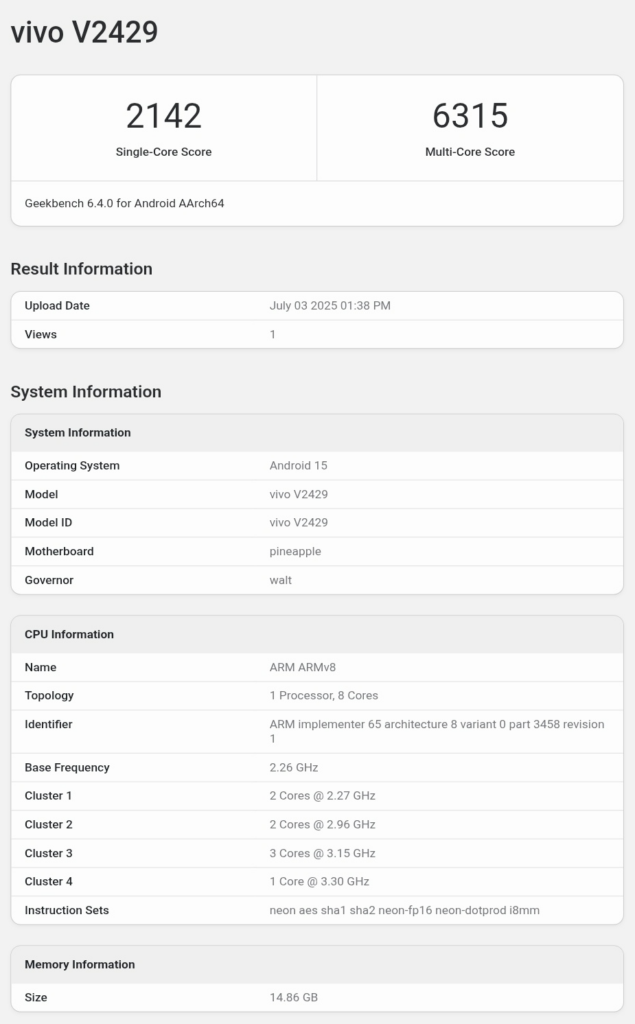
Vivo is all set to unveil the Vivo X Fold 5 on July 14 in India. Speculations are rife that the device will pack the same specs as its Chinese edition, which debuted last month. Ahead of the launch, the global version of the X Fold 5, which bears the V2429 model number, has surfaced on Geekbench. As usual, the listing has revealed the chipset, RAM, and OS version of the device.
Vivo X Fold 5 Geekbench listing
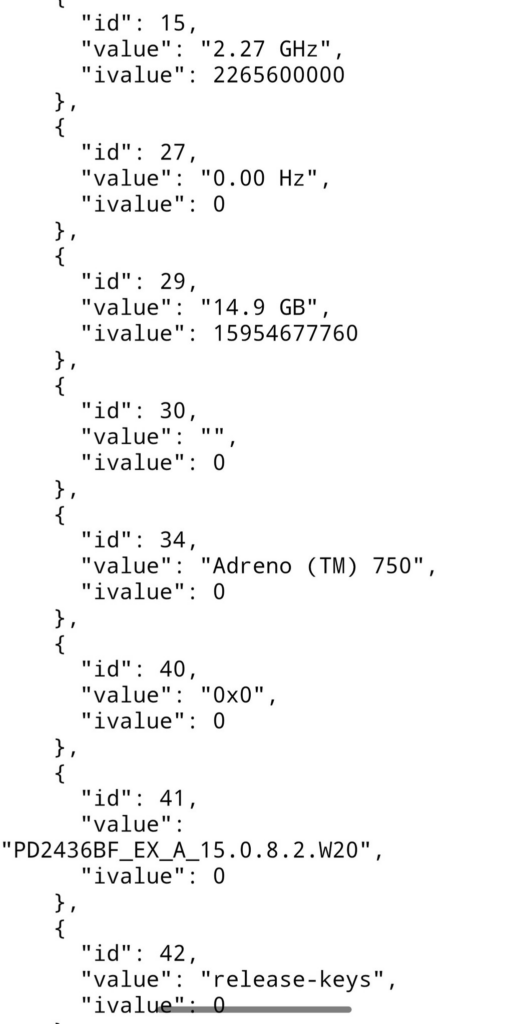
The Vivo X Fold 5 (V2429) Geekbench listing reveals that the device is powered by the Snapdragon 8 Gen 3 chipset. While the chipset’s name is not mentioned in the listing, the CPU details and GPU details are sufficient to claim the inclusion of the SD8G3 chip.
The listing further reveals that the Vivo X Fold 5 has 16GB of RAM and runs on Android 15. In the single-core and multi-core tests of Geekbench, the device scored 2142 and 6315 points, respectively.
Vivo X Fold 5 price leak
Vivo X Fold 5
According to a recent X post by tipster Abhishek Yadav, the Vivo X Fold 5 will be priced at Rs 1,49,999. This pricing belongs to the sole 16GB+512GB configuration of the device.
Vivo has also confirmed that the Vivo X200 FE, a compact flagship offering, will also debut alongside the X Fold 5 on July 14 in India. The tipster revealed that the X200 FE will be available in two options, such as 12GB+256GB and 16GB+512GB. These variants are said to cost Rs 54,999 and Rs 59,999, respectively.
For more daily updates, please visit our News Section.
We use cookies on our website to give you the most relevant experience by remembering your preferences and repeat visits. By clicking “Accept”, you consent to the use of ALL the cookies.
This website uses cookies to improve your experience while you navigate through the website. Out of these, the cookies that are categorized as necessary are stored on your browser as they are essential for the working of basic functionalities of the website. We also use third-party cookies that help us analyze and understand how you use this website. These cookies will be stored in your browser only with your consent. You also have the option to opt-out of these cookies. But opting out of some of these cookies may affect your browsing experience.
Necessary cookies are absolutely essential for the website to function properly. This category only includes cookies that ensures basic functionalities and security features of the website. These cookies do not store any personal information.
Any cookies that may not be particularly necessary for the website to function and is used specifically to collect user personal data via analytics, ads, other embedded contents are termed as non-necessary cookies. It is mandatory to procure user consent prior to running these cookies on your website.