Advertisement

iPhone 16e vs iPhone 14: Is the upgrade worth the price?

With the launch of the iPhone 16e, many are wondering if it’s worth upgrading from the iPhone 14 or if the older model still holds up. Apple has made key changes in performance, battery life, and camera design, but do these upgrades justify the price difference? While the iPhone 16e boasts a more powerful chipset and a higher-resolution camera, the iPhone 14 remains a solid and budget-friendly option. This comparison breaks down the most important differences to help you decide whether to stick with the iPhone 14 or invest in the latest model.

1. Design and Display
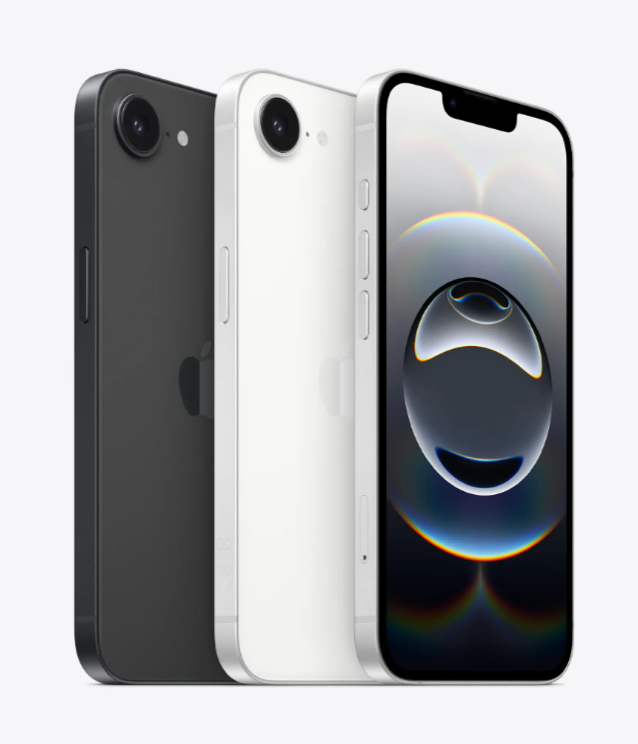
iPhone 16e
iPhone 16e

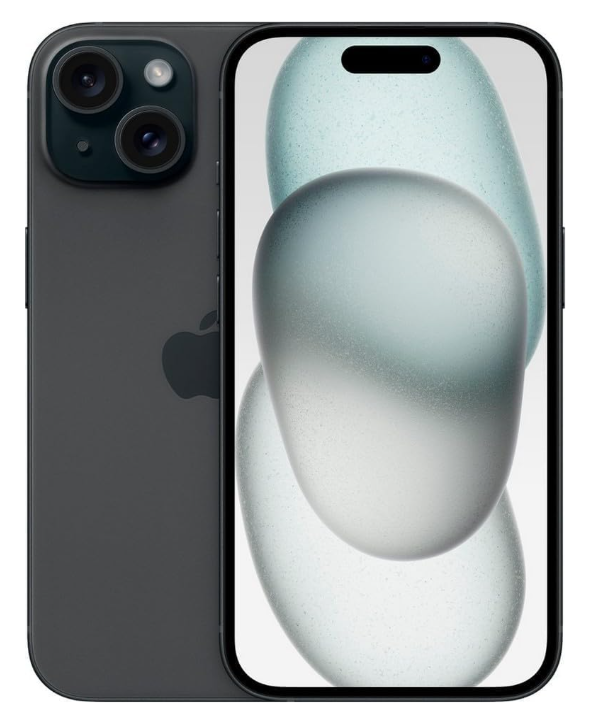
The iPhone 16e and iPhone 14 share an almost identical design, both featuring an aluminum frame with glass on the front and back. However, the iPhone 16e has a slightly higher screen-to-body ratio, making for a sleeker look. The display remains a 6.1-inch Super Retina XDR OLED panel with HDR10 and peak brightness of 1200 nits. One notable difference is the iPhone 16e’s improved durability with Ceramic Shield protection, ensuring better resistance to drops and scratches.

The screen performance is nearly identical, but the iPhone 16e may benefit from refined display technology, offering slightly better color accuracy. If you want a fresher design, the iPhone 16e is a minor upgrade in aesthetics, but the display experience remains mostly the same. If design is a priority, the differences are too subtle to justify an upgrade from the iPhone 14.

Please Note: When you buy something using the links in our articles, we may earn a small commission at no cost to you.

2. Specifications
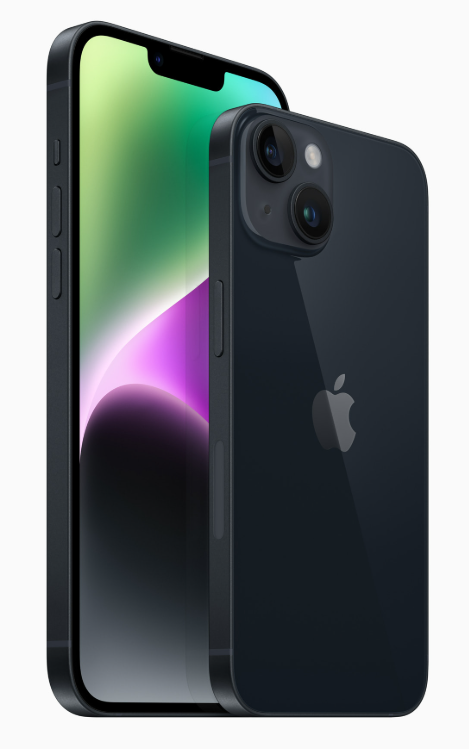
iPhone 14
iPhone 14

The biggest upgrade in the iPhone 16e is its A18 chipset, built on a 3nm process, offering better power efficiency and performance compared to the iPhone 14’s A15 Bionic. The CPU clock speeds are also higher, making multitasking smoother. Additionally, the iPhone 16e comes with 8GB of RAM, a noticeable jump from the iPhone 14’s 6GB. This makes the newer model better suited for long-term software updates and demanding applications.

Battery life is another area of improvement. The iPhone 16e has a 4005mAh battery, compared to the iPhone 14’s 3279mAh. This should translate to longer screen time, especially with iOS optimizations. However, the charging speed has not improved significantly. The iPhone 16e sticks to Qi wireless charging and 50% charge in 30 minutes, while the iPhone 14 supports faster 15W MagSafe charging. 

The iPhone 16e is better for those who want a more future-proof phone, but the lack of MagSafe charging is a drawback.

3. Camera

iPhone 16e
iPhone 16e

The iPhone 16e introduces a major camera upgrade with a single 48MP sensor, replacing the dual-camera setup of the iPhone 14. While the ultrawide lens is missing, the larger sensor captures more detail and improves low-light performance. The spatial video feature is also a standout, allowing for more immersive 3D-like videos. Meanwhile, the iPhone 14’s 12MP main and ultrawide cameras are more versatile for landscape shots and group photos.

For selfies, both models feature a 12MP front camera, but the iPhone 16e enhances video quality with 3D spatial audio and improved HDR. 

If you prioritize sharpness and detail in photos, the iPhone 16e is the clear winner. However, if you frequently use an ultrawide lens, the iPhone 14 remains more practical.

4. Pricing

The iPhone 16e is priced at $599, while the iPhone 14 can be found for around $341.30 due to its older status. This makes the iPhone 14 a better value for budget-conscious buyers. The price gap of over $250 is significant, and while the iPhone 16e offers better hardware, the iPhone 14 still provides solid performance for everyday use.

For those upgrading from older models like the iPhone 12 or earlier, the iPhone 14 is a good deal. However, if you want the latest chip, longer battery life, and an improved main camera, the iPhone 16e is worth the premium.

5. Conclusion

iPhone 16e
iPhone 16e
  • Chipset Upgrade: The A18 chip in the iPhone 16e provides better efficiency and performance than the A15 in the iPhone 14.
  • Better RAM & Battery: The iPhone 16e has 8GB RAM and a larger battery, making it better for long-term use.
  • Camera Change: The iPhone 16e ditches the ultrawide camera in favor of a higher-resolution 48MP sensor.
  • Charging Differences: The iPhone 16e loses MagSafe but improves wired charging efficiency.
  • Price Factor: The iPhone 14 remains a budget-friendly option, while the iPhone 16e is for those wanting the latest features.

Overall, the iPhone 16e is a better phone in terms of performance and longevity, but the iPhone 14 still holds strong for its price. If you don’t need cutting-edge upgrades, the iPhone 14 remains a solid choice.

Read More:
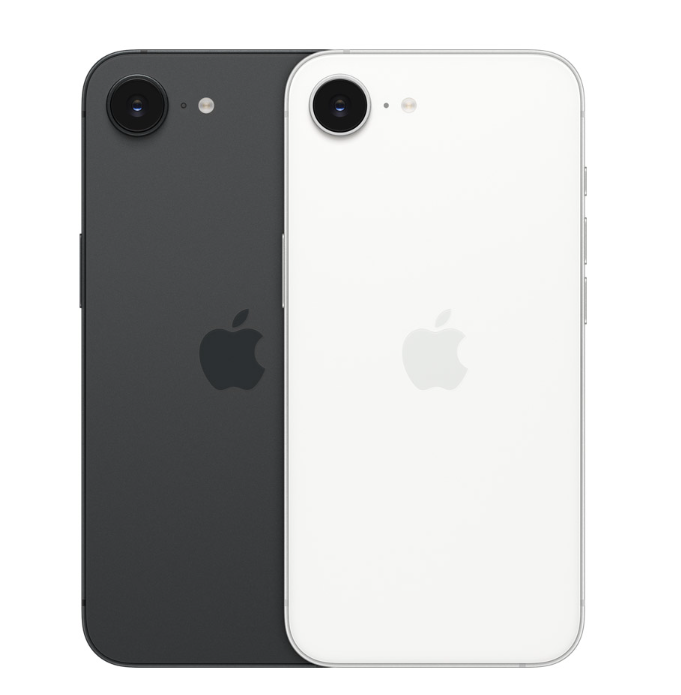
iPhone 16e vs iPhone 15: Is the upgrade worth it?

Choosing between the iPhone 16e and iPhone 15 can be tricky, as both offer premium Apple features but cater to different user needs. With the iPhone 16e bringing a new chipset and battery improvements while the iPhone 15 retains MagSafe charging and an ultrawide camera, the decision comes down to priorities. 

This comparison highlights key differences in design, performance, camera, and pricing to help you decide which model offers better value for your needs. Whether you’re looking for cutting-edge upgrades or a more budget-friendly choice, this breakdown will clarify which iPhone is the right fit for you.

1. Design and Display

iPhone 16e
iPhone 16e

The iPhone 16e and iPhone 15 share a similar design language, featuring a glass front and back with an aluminum frame, along with IP68 water and dust resistance. However, the iPhone 16e is slightly lighter, making it more comfortable to hold for long periods. 

The display remains largely the same, using a 6.1-inch Super Retina XDR OLED panel. The iPhone 16e, however, peaks at 1200 nits, whereas the iPhone 15 reaches 2000 nits, making the older model slightly better for outdoor visibility. The resolution difference is minimal, though the iPhone 15 has a slightly sharper pixel density. 

If display brightness is a priority, the iPhone 15 edges out slightly, but for most users, the difference is negligible.

Please Note: When you buy something using the links in our articles, we may earn a small commission at no cost to you.

Please Note: When you buy something using the links in our articles, we may earn a small commission at no cost to you.

2. Specifications 

iPhone 15
iPhone 15

One of the biggest upgrades in the iPhone 16e is the A18 chip, which offers better efficiency and performance compared to the A16 Bionic in the iPhone 15. It also comes with 8GB of RAM versus 6GB in the iPhone 15, making it slightly better for multitasking. The battery size is also upgraded to 4005 mAh from 3349 mAh, ensuring better endurance. 

However, the iPhone 15 supports 15W MagSafe charging, while the iPhone 16e only supports 7.5W Qi wireless charging. If performance and battery life matter more, the iPhone 16e wins, but for better wireless charging speeds, the iPhone 15 is still the better choice.

3. Camera

iPhone 15
iPhone 15

Both phones share the same 48MP main sensor, but the iPhone 15 has an additional 12MP ultrawide lens, making it more versatile. The iPhone 16e sticks to a single-lens setup, meaning it lacks ultrawide photography. However, the iPhone 16e brings improvements in spatial audio recording, making videos feel more immersive. 

Selfie cameras are identical, with both supporting 4K recording. If you need an ultrawide camera, the iPhone 15 is the better choice, but if you care about video and audio quality, the iPhone 16e offers an upgrade.

4. Pricing

The iPhone 16e is priced at $599.99, while the iPhone 15 currently sells for around $466. The price difference makes the iPhone 15 a more affordable option, especially considering it still offers features like an ultrawide camera and MagSafe charging. 

However, for those who want the latest processor, better RAM, and improved battery life, the extra cost of the iPhone 16e could be justified. 

If budget is a concern, the iPhone 15 is the better deal, but for future-proofing, the iPhone 16e is a solid choice.

5. Conclusion

iPhone 16e
iPhone 16e

The most notable upgrade in the iPhone 16e is the A18 chip, which provides better efficiency and performance. It also has 8GB of RAM versus 6GB in the iPhone 15, leading to better multitasking. The larger 4005mAh battery in the iPhone 16e ensures longer battery life. 

On the other hand, the iPhone 15 has 15W MagSafe charging, an ultrawide camera, and a brighter display. 

If you prioritize battery and performance, the iPhone 16e is the winner, but if you need an ultrawide lens and better wireless charging, the iPhone 15 is still a strong option.

Read More:
Oppo F29 Pro 5G launch timeframe, price range, color options leaked

Oppo is gearing to introduce the Oppo F29 Pro 5G in India, and a recent report from SmartPrix has shed light on key aspects of the upcoming smartphone. The report has revealed key information on the device’s launch timeframe, price, color options, and specifications. Here’s a look at everything that’s known about the F29 Pro.

Oppo F29 Pro 5G launch timeframe, colour options, and price (rumored)

As per the source, the Oppo F29 Pro 5G is expected to make its debut in India by the end of March. It will be available in at least two color variants – Black and Pearl White. As for pricing, the smartphone is anticipated to fall within the Rs 25,000 to 30,000 range

Oppo F29 Pro 5G specifications (rumored)

Oppo F29 Pro 5G nut

One of the standout design features of the Oppo F29 Pro 5G is its aluminum alloy frame, which enhances durability while providing a sleek and premium feel. Furthermore, leaked footage shared by the publication showcases the device enduring the “Nut Cracker” test, hinting at impressive structural integrity. The device will come equipped with an IP66/68/69-rated dust and waterproof chassis.

The F29 Pro 5G is rumored to feature a 6.7-inch quad-curved AMOLED display with FHD+ resolution and a 120Hz refresh rate for smooth visuals. Under the hood, it is expected to be powered by the Dimensity 7300 chipset, coupled with LPDDR4x RAM and UFS 3.1 storage.

A major highlight of the device is its 6,000mAh battery, which supports 80W fast charging. Security features include an in-display fingerprint scanner, while the camera setup consists of a 16MP front camera and a 50-megapixel + 2-megapixel dual-camera system at the back. The smartphone will run on Android 15 with ColorOS 15 on top.

The new report again suggests that the F29 Pro will be a rebranded version of China’s Oppo A5 Pro handset.

For more daily updates, please visit our News Section.

Stay ahead in tech! Join our Telegram community and sign up for our daily newsletter of top stories!

(source)

Pixel 10 series could be the first to feature a telephoto on the base model

The upcoming Pixel 10 series is set to bring a notable upgrade to its base model – the addition of a telephoto camera. If the leak is true, this will be the first time a base Pixel model will pack a telephoto. The news comes from Android Headlines, which, in collaboration with Onleaks, have revealed the renders of the phone.

Pixel-10-render

Pixel 10 with a telephoto

Upon closer inspection, you can see a total of three lenses on the back, and the new one is reportedly a telephoto. While the design remains largely unchanged from its predecessor, the Pixel 9, this move aims to further distinguish the base Pixel 10 from the increasingly competitive Pixel A series.

According to the source, the Pixel 10 retains the same flat 6.3-inch display with a centered punch hole and nearly identical dimensions to the Pixel 9. The camera module, however, adds a significant bump in thickness, and the protrusion of which is reportedly 3.4 mm. While the third lens could also be a macro or a depth camera, this increase in protrusion as compared to the Pixel 9a suggests it’s a telephoto.

Notably, the Pixel 10 is also likely to use a smaller sensor for the telephoto as compared to the Pro model. So, don’t expect the exact same imaging capability from the telephoto as compared to the more expensive model. Nonetheless, this is a leaked render, and the prediction may or may not materialize. So readers are advised to take it with a pinch of salt.

The Pixel 10 series is expected to launch later this year and will mark the 10th iteration of Google’s flagship smartphone line. Other than the third lens on the back, most other aspects, including the design and dimensions, are reportedly the same as the Pixel 9.

Don’t miss a thing! Join our Telegram community for instant updates and grab our free daily newsletter for the best tech stories!

For more daily updates, please visit our News Section.

(Source)

Redmi Turbo 4 Pro’s April launch tipped, to pack largest battery in segment along with Snapdragon 8s Elite chip

Redmi Turbo 4 Pro could launch in April, featuring a powerful processor and a large battery, according to a new leak from tipster Digital Chat Station. The said device will be positioned higher than the Redmi Turbo 4, which debuted earlier this year with the Dimensity 8400-Ultra chipset.

Redmi Turbo 4 Pro key details tipped

Alleged Redmi Turbo 4 Pro’s key details tipped

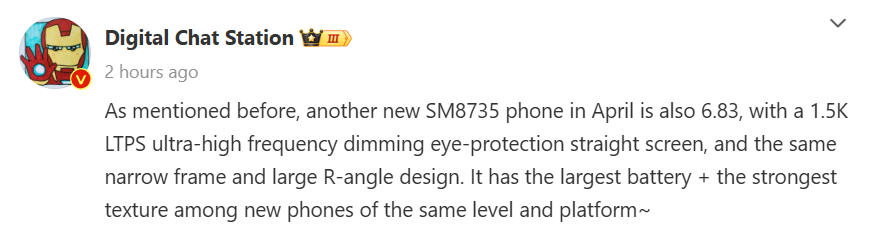
Tipster Digital Chat Station mentioned that a new smartphone with the SM8635 (Snapdragon 8s Elite) chipset will launch in April. While he did not explicitly reveal the name of the device, it is evident based on recent reports and the comments section of the Weibo post, that he could be talking about the Redmi Turbo 4 Pro.

He revealed that it will have a 6.83-inch flat LTPS display with a 1.5K resolution, ultra-high frequency dimming for eye protection, and slim bezels with a rounded-corner design. Additionally, he hinted that this device would have the largest battery and the best build quality among smartphones in its category and platform.

According to previous reports, the Redmi Turbo 4 Pro’s OLED screen will support a 120Hz refresh rate and feature ultra-thin bezels on all four sides. It will incorporate a short-focus in-screen fingerprint scanner for security.

Powering the Turbo 4 Pro will be a massive 7,550mAh battery, coupled with 90W fast charging support. In comparison, the standard Redmi Turbo 4 houses a 6,550mAh battery and weighs around 204 grams. With a larger battery onboard, the Turbo 4 Pro’s weight may exceed 210 grams. The Pro edition is rumored to sport a metal middle frame and a glass back, enhancing its premium appeal. The device may also feature IP68/69-rated dust and water resistance.

In related news, Poco is expected to announce the Poco F7 Pro and F7 Ultra later this month for the global market. These devices, which are said to be rebranded versions of the China-exclusive Redmi K80 and K80 Pro, will feature the Snapdragon 8 Gen 3 and Snapdragon 8s Elite chipsets, respectively. As for the Poco F7, it is expected to launch in April or May as a rebranded version of the Redmi Turbo 4 Pro.

For more daily updates, please visit our News Section.

Stay ahead in tech! Join our Telegram community and sign up for our daily newsletter of top stories!

Pixel 9 drops to $599 with an exciting discount

As the spring is officially here in North America, so are the deals popping out across the consumer electronics segment. Already Samsung is offering lucrative discounts on the Galaxy S25 Series. Google is the latest to enter the spring sale with a massive $200 discount on the Pixel 9 smartphone.

After the discounts, the Google Pixel 9 with 128GB storage now retails for $599. Meanwhile, the 256GB storage variant is also on sale for the final price of $699. The maximum discount on Amazon only applies to the Obsidian Black model, all other colors only get a $150 discount. On Best Buy, the interested buyers can grab a $200 discount on the Wintergreen 128GB model in addition to the Obsidian Black.

Pixel 9 Specifications

Pixel 9 smartphone seems to be a pack full of new features, especially the AI features which enhance your smartphone usage. It features Google’s Tensor G4 chipset that aims to boost AI efficiency and capabilities. The smartphone is paired with 12GB RAM and features a 50MP primary sensor and a 48MP ultrawide lens for better photography. A single 10.5 MP camera sits on the front for video calling and selfies. It features a 6.3-inch OLED display with 1800 nits maximum brightness and 1080 x 2424 pixels resolution. It is protected with the Corning Gorilla Glass Victus 2.

Apart from the hardware, it features several AI features like Night Sight, Magic Eraser, and improved security with the Tital M3 chip.

In connectivity, the smartphone features up to WiFi 7, Bluetooth 5.3, and GPS. Pixel 9 supports Satellite SOS services, and includes a display fingerprint to improve the usability. It bundles a 4700 mAh battery with support for 27W fast wired charging, and 15W wireless charging.

Along with the state-of-the-art AI features, the smartphone will get 7 years of OS updates and security updates.

Alleged Huawei Pocket 3’s key specifications tipped, to run on stable HarmonyOS Next

Huawei has officially announced that its first smartphone running the full-fledged HarmonyOS Next is set for launch next week. The news comes from Huawei’s Executive Director, Richard Yu, who shared a video teasing an upcoming device equipped with a stable version of the HarmonyOS Next. Following the announcement, a well-known tipster has provided insight into what this mysterious device could be.

Alleged Huawei Pocket 3 specifications

According to sources like WHYLAB and Digital Chat Station, this upcoming smartphone is likely the Huawei Pocket 3, internally codenamed “Verde.” It is expected to be a flip-style foldable, offering a thinner, smaller, and lighter body than its predecessor.

The inner foldable display is said to measure around 6.28 inches, while the cover screen could be approximately 3.5 inches. Interestingly, the screen aspect ratio may be 3:2, making it wider than most compact foldables available today.

Beyond its unique display proportions, the Pocket 3 is tipped to feature a 50-megapixel primary camera with a large sensor, promising a high-quality imaging experience. Additionally, the device is expected to include dust and water resistance, a side-mounted fingerprint scanner, and further refinements in its foldable design.

At present, the exact moniker is not known yet. While it is being dubbed as Pocket 3, the device may launch with a different name. A previous report claimed that it will arrive with an affordable price tag.

This launch marks a significant milestone for Huawei as it transitions towards a completely independent software ecosystem. With HarmonyOS at its core, this new smartphone could signal a shift away from Android-based solutions. While further details remain undisclosed, all eyes are on next week’s official unveiling to see how Huawei’s new foldable will shape the future of its mobile lineup.

For more daily updates, please visit our News Section.

Stay ahead in tech! Join our Telegram community and sign up for our daily newsletter of top stories!

OnePlus’ next Ace phone to feature 6.83-inch display, Dimensity 9400+, 7,500mAh battery

At the beginning of this year, OnePlus unveiled the OnePlus Ace 5 and Ace 5 Pro smartphones in China. In February, tipster Digital Chat Station claimed that OnePlus would launch three more phones in the first half of 2025 in China. These include the rumored OnePlus 13T (aka OnePlus 13 Mini), which is expected to feature the Snapdragon 8 Elite chipset, and two Ace-branded phones. The latter is expected to include the OnePlus Ace 5V equipped with the upcoming Dimensity 9350 chip, while the other one featuring the Dimensity 9400+ is said to be mainly a chip change of the previous version, suggesting that it could be the OnePlus Ace 5S. A recent Weibo post by the same source has spilled details about this Dimensity 9400+ phone.

OnePlus Ace 5S specifications (rumored)

Alleged OnePlus Ace 5S’ specs leak

According to the leak, the OnePlus Ace 5S will sport a 6.83-inch flat LTPS OLED screen with a 1.5K resolution and a 120Hz refresh rate. Powering the device will be the Dimensity 9400+ processor, which is said to make its debut on April 11 as an overclocked version of the existing D9400 chip.

The smartphone is said to house a battery of around 7,000mAh, though there is speculation about the final charging speed. OnePlus is reportedly deciding between an 80W charging solution or opting for a larger 7,500mAh battery with slightly slower charging speeds. Unlike some high-end models, it will not feature ultra-fast 100W or 120W charging.

The OnePlus Ace 5S Pro is expected to feature a 50-megapixel primary camera, but it will not include a telephoto lens. The design of the rear panel is set to be minimalistic, potentially moving away from the circular camera module seen in its predecessor. Another notable change is the replacement of the traditional Alert Slider with a new customizable ‘Magic Cube’ button, offering additional functionality.

For more daily updates, please visit our News Section.

Stay ahead in tech! Join our Telegram community and sign up for our daily newsletter of top stories!

Samsung Galaxy F06 5G launched for Rs 9,999; Offers 90Hz screen, Dimensity 6300, 4 years of OS upgrade

Samsung has expanded its F-series lineup with the launch of the Galaxy F16 5G and Galaxy F06 5G in India. Both smartphones target the entry-level 5G segment, offering key features such as high-refresh-rate displays, 50-megapixel  main cameras, and long-term software support. While details on the F16 5G can be found here, let’s take a closer look at what the Galaxy F06 5G brings to the table.

Samsung Galaxy F06 5G specifications and features

Samsung Galaxy F06 5G featured

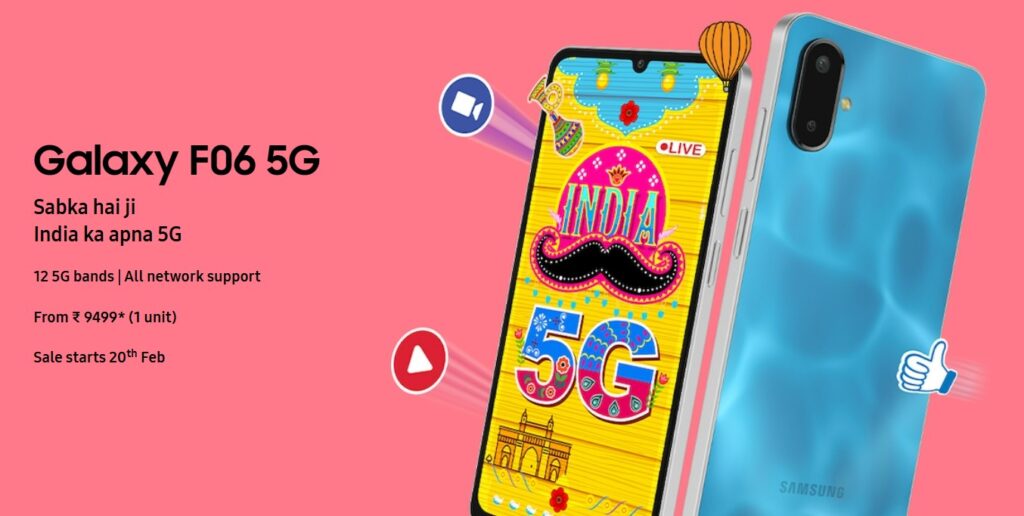
The Galaxy F06 5G sports a 6.7-inch PLS LCD display with HD+ resolution, a 90Hz refresh rate, and a peak brightness of 800 nits. It is powered by the MediaTek Dimensity 6300 chipset, coupled with up to 6GB RAM and 128GB storage.

The F06 runs Android 15 with the latest One UI 7 on top. Samsung has committed to four years of OS upgrades and security updates to the device. It is backed by a 5,000mAh battery supporting 25W fast charging.

For photography, the device features a 50-megapixel primary rear camera accompanied by a 2-megapixel auxiliary lens, while an 8-megapixel front camera handles selfies and video calls. Additional features include a microSD card slot via a hybrid SIM slot, a side-mounted fingerprint sensor, a 3.5mm headphone jack, and a lightweight design at 191 grams.

Samsung Galaxy F06 5G price in India, availability

The Galaxy F06 5G is available in two variants: 4GB+128GB for Rs 9,999 and 6GB+128GB for Rs 11,499. It is available exclusively on Flipkart in Bahama Blue and Lit Violet.

For more daily updates, please visit our News Section.

Stay ahead in tech! Join our Telegram community and sign up for our daily newsletter of top stories!

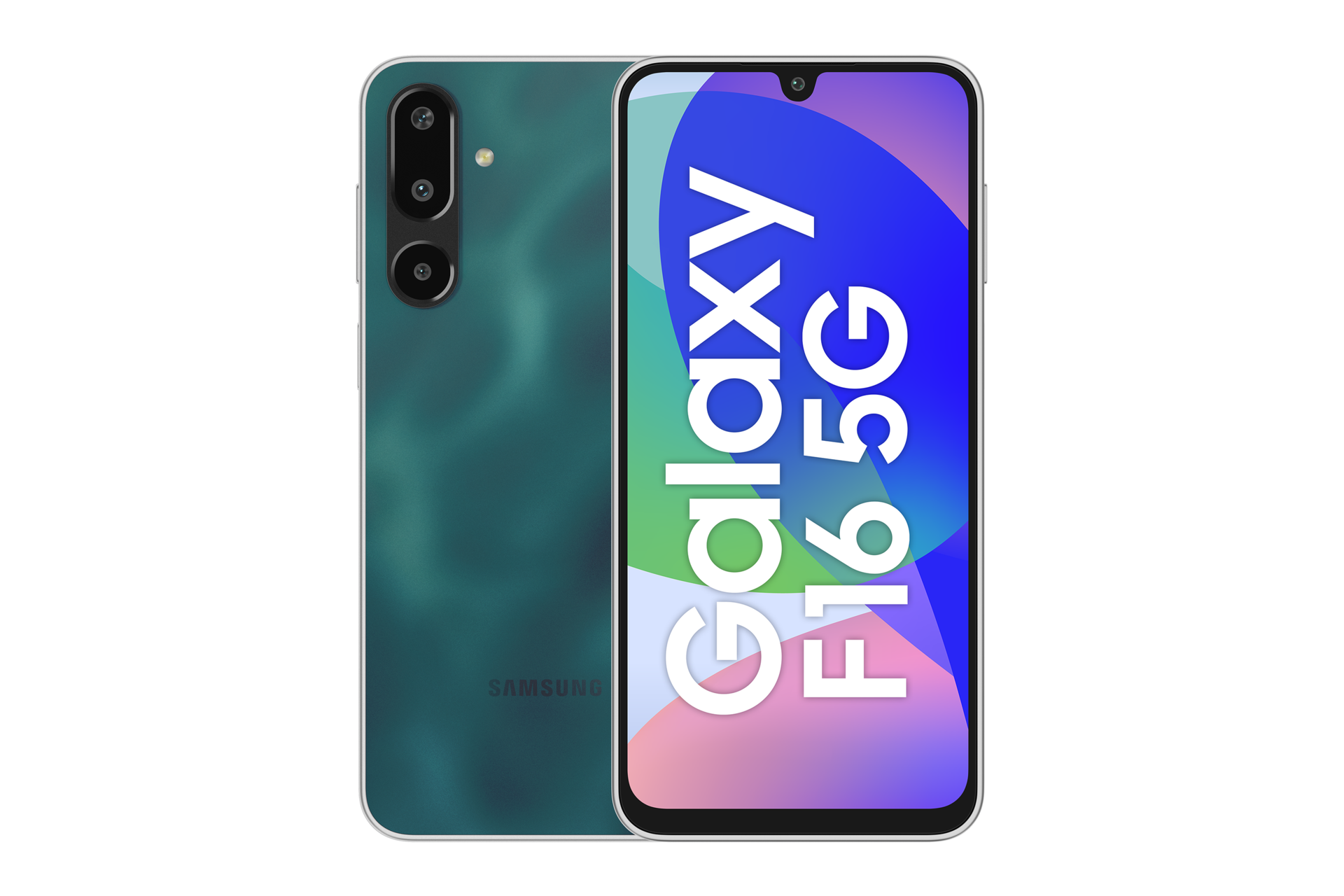
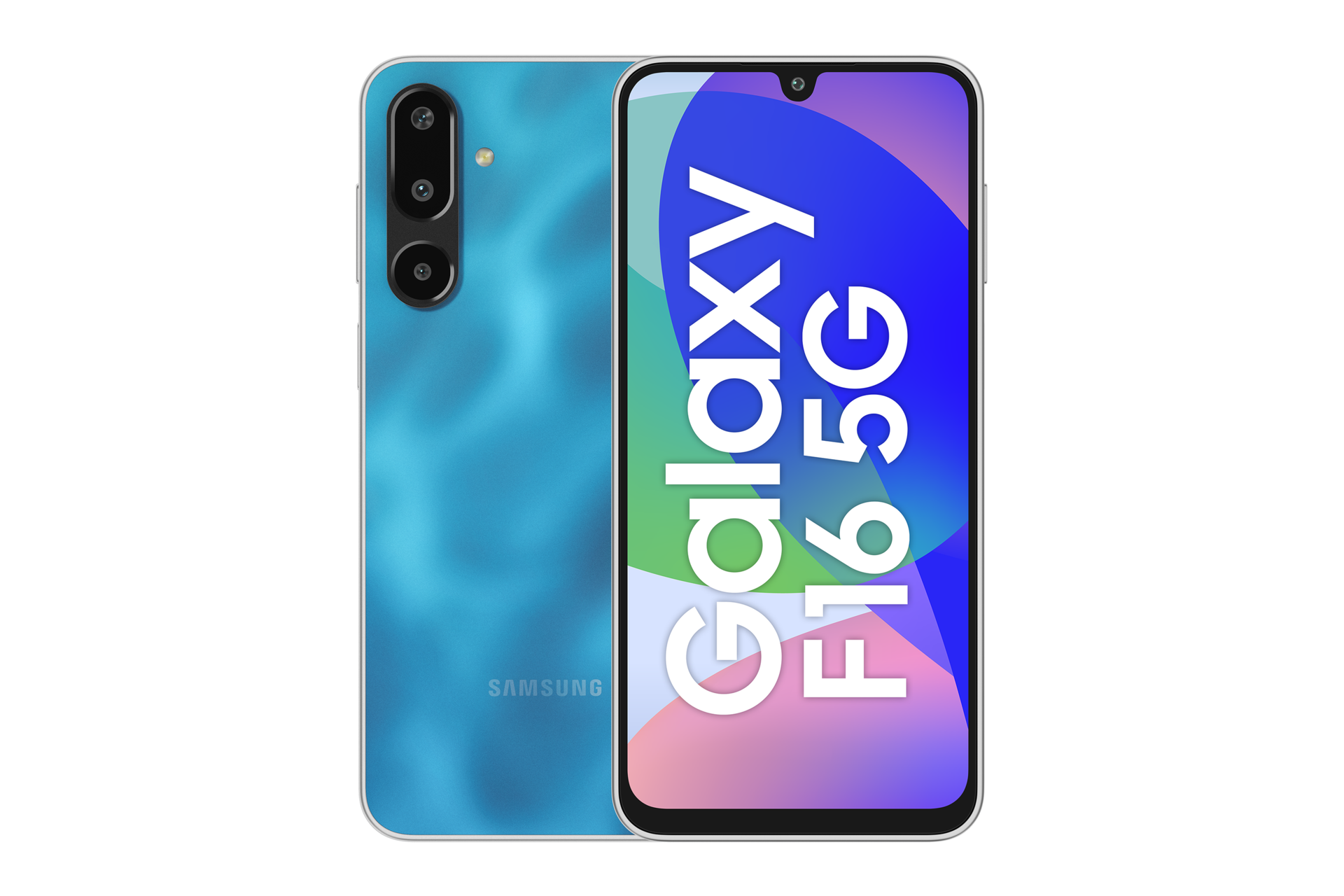
Samsung Galaxy F16 5G launched for Rs 11,499; Brings Dimensity 6300, 6 years of Android OS upgrades

Samsung has silently unveiled the Galaxy F16 5G in India. The phone is now listed with all its specifications and features on Samsung India’s website. One of the major highlights of this device is that it not only ships with the latest One UI 7 but also promises six years of Android OS upgrades.

Samsung Galaxy F16 5G specifications and features

Samsung Galaxy F16 5G

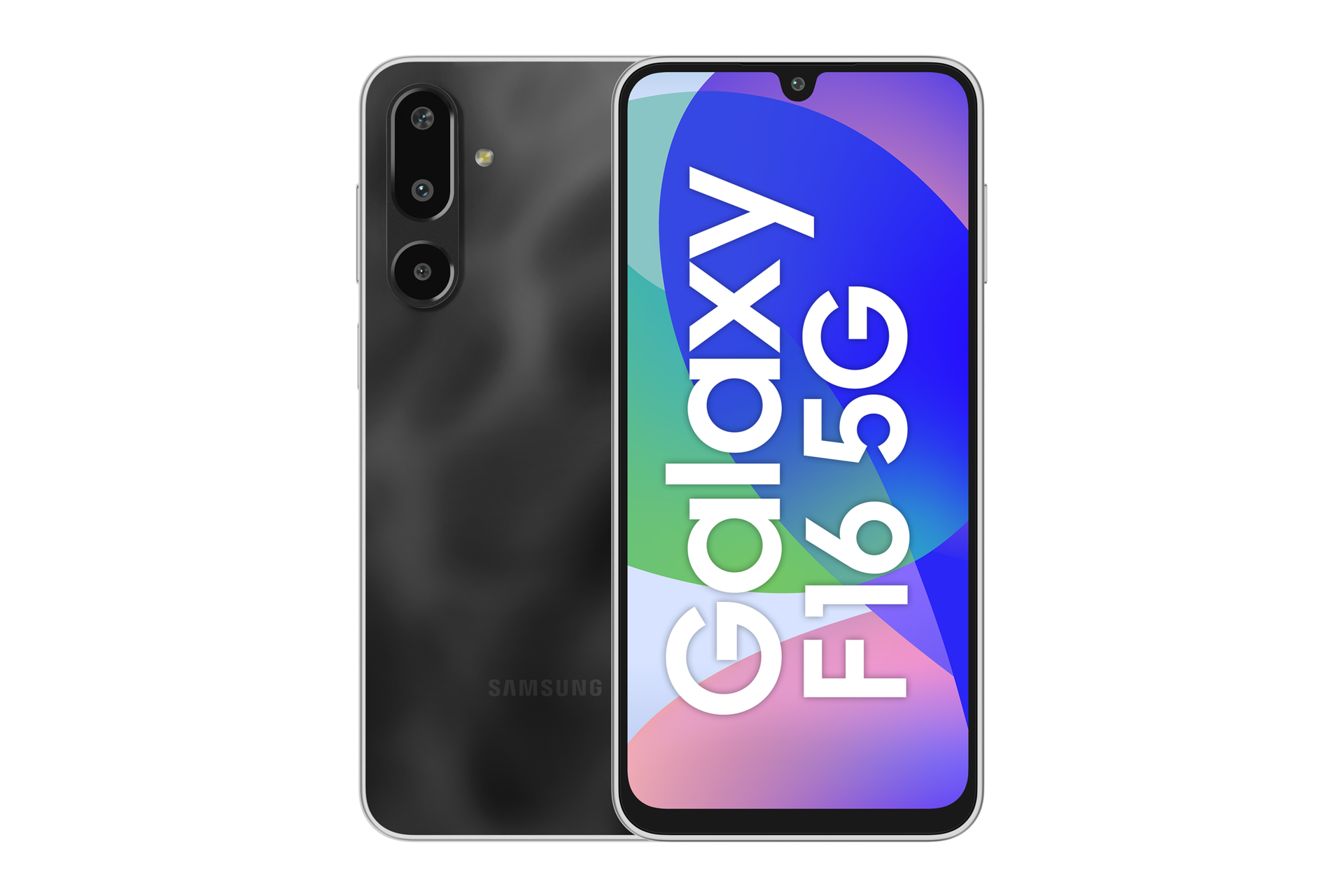
The Galaxy F16 5G features a 6.7-inch AMOLED display with a U-shaped notch. The screen offers an FHD+ resolution of 1080 x 2340 pixels, a 90Hz refresh rate, and 800 nits of peak brightness. The phone ships with Android 15 with a layer of One UI 7 on top. It is promised to receive up to six years of Android OS upgrades and six years of security updates.

The Galaxy F16 5G is equipped with the Dimensity 6300 chipset, up to 8 GB of RAM and 128 GB of storage. For additional storage, it features a microSD card slot. It houses a 5,000mAh battery with 25W fast charging support.

The Galaxy F16 has a 13-megapixel front-facing camera. Its back panel has a 50-megapixel main camera, a 5-megapixel ultra-wide lens, and a 2-megapixel macro sensor. It offers other features, such as support for 11 5G bands and a side-facing fingerprint scanner. The phone measures 164.4 x 77.9 x 7.9mm and weighs 191 grams.

The Galaxy F16 banner available on Flipkart mentions a starting price of Rs 11,499, which is inclusive of offers. Its set to go on sale on March 13.

As per a leak that surfaced in the previous month, the F16’s three variants are expected to cost Rs 13,999, Rs 14,999, and Rs 16,499, respectively.

For more daily updates, please visit our News Section.

Stay ahead in tech! Join our Telegram community and sign up for our daily newsletter of top stories!

The 7 Best Wear OS Smartwatches of 2025

Wear OS smartwatches have significantly evolved over the past few years, offering better battery life, improved health tracking, and seamless integration with Android smartphones. Whether you’re looking for a premium fitness-focused smartwatch, a stylish daily driver, or an affordable entry-level option, there’s something for everyone. Here’s a look at the top 7 Wear OS smartwatches you can buy right now.

1. Samsung Galaxy Watch 7

Samsung Galaxy Watch 7

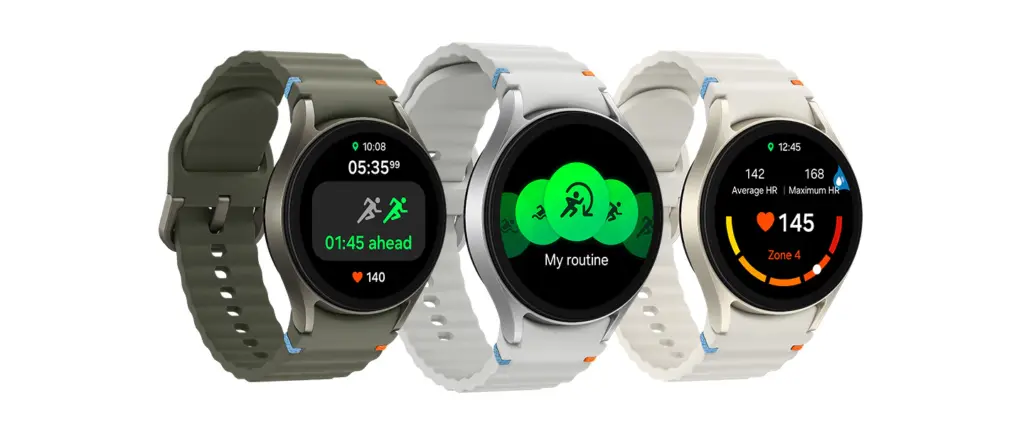
Samsung continues to refine its smartwatch lineup with the Galaxy Watch 7, focusing on holistic self-understanding and fitness tracking. It comes with over 100 workout modes, supports Workout Routine for personalized training plans, and allows users to compare real-time performance with the Race feature.

The Galaxy Watch7 is equipped with a range of advanced health monitoring tools, including FDA-authorized Sleep Apnea detection, real-time heart rate monitoring, ECG, and blood pressure tracking. One of its standout features is advanced glycation end products (AGEs) tracking, providing insights into metabolic health.

Powering the Galaxy Watch 7 is a 3nm processor, offering a threefold boost in CPU speed and 30% better power efficiency. The dual-frequency GPS ensures precise location tracking, even in dense urban environments.

Why Buy?

  • Advanced health tracking
  • Fast performance with a 3nm processor
  • Dual-frequency GPS for better accuracy

2. Samsung Galaxy Watch Ultra

Samsung Galaxy Watch Ultra

For those who need a smartwatch built for extreme conditions, the Samsung Galaxy Watch Ultra is the perfect choice. Featuring a Titanium Grade 4 frame and 10ATM water resistance, it’s designed for adventurers and athletes.

The Galaxy Watch Ultra supports multi-sport tracking, including triathlon courses, and introduces AI-powered Functional Threshold Power (FTP) metrics for cycling. It comes with a Personalized HR Zone that optimizes workout intensity, while the Quick Button allows instant access to emergency sirens and essential features.

Samsung claims it has the longest battery life in the Galaxy Watch series, lasting up to 100 hours in Power Saving mode and 48 hours in Exercise Power Saving mode. The 3,000-nit peak brightness ensures excellent outdoor visibility.

Why Buy?

  • Built for extreme durability
  • AI-powered fitness insights
  • Best battery life in the Galaxy Watch lineup

3. OnePlus Watch 3

OnePlus Watch 3

The OnePlus Watch 3 is a feature-packed smartwatch with a 1.5-inch LTPO AMOLED display, 2200 nits peak brightness, and scratch-resistant sapphire glass. It features a rotating crown for easy navigation and comes in two stylish finishes – Emerald Titanium and Obsidian Titanium.

Health and fitness tracking is a strong suit, with features like wrist temperature measurement, an eight-channel optical heart rate sensor, and a 16-channel SpO2 sensor. OnePlus has also introduced EKG support, though it’s currently limited to select markets.

The OnePlus Watch 3 promises up to 120 hours of battery life in smart mode, and VOOC fast charging ensures all-day power with just 10 minutes of charging.

Why Buy?

  • Bright and durable LTPO AMOLED display
  • EKG support and advanced health metrics
  • Military-grade durability

4. Google Pixel Watch 3

Google Pixel Watch 3

Launched alongside the Pixel 9 series, the Google Pixel Watch 3 offers a premium Wear OS experience with deep Google ecosystem integration. It comes in 41mm and 45mm sizes, featuring an Actua display with 2000 nits peak brightness.

Google has added new health tracking features, including Daily Readiness, Cardio Load, and Target Load. The watch introduces Loss of Pulse Detection, a potentially life-saving feature that detects sudden heart failure and automatically calls emergency services.

Thanks to the Ultra-Wideband chip, the Pixel Watch 3 can unlock Pixel phones and cars (BMW & MINI). Battery life is decent, with up to 36 hours in Battery Saver mode.

Why Buy?

  • First smartwatch with Loss of Pulse Detection
  • Seamless integration with Google devices
  • Elegant design with multiple stylish finishes

5. OnePlus Watch 2R

OnePlus Watch 2R

OnePlus introduced the OnePlus Watch 2R as a lighter and more affordable alternative to the OnePlus Watch 2. Weighing just 59g with the strap, it features an aluminum body instead of stainless steel.

It runs Wear OS 5, powered by the Snapdragon W5 chip, combined with RTOS for extended battery life. The 1.43-inch AMOLED screen has 1000 nits peak brightness, making it easy to view in direct sunlight.

The OnePlus Watch 2R supports over 100 sports modes, built-in GPS, and Bluetooth calling. Its 500mAh battery lasts up to 100 hours in smart mode, while VOOC fast charging ensures a full charge in just an hour.

Why Buy?

  • Lightweight design with premium features
  • Hybrid OS for better battery life
  • Affordable compared to competitors

6. Samsung Galaxy Watch FE

Samsung Galaxy Watch FE

Samsung has expanded its smartwatch lineup with the Galaxy Watch FE, a budget-friendly alternative to its premium models. It features a 40mm aluminum case with Sapphire Crystal glass, providing durability at an affordable price.

The watch includes a 1.2-inch Super AMOLED display, powered by the Exynos W920 processor. It retains many of Samsung’s top-tier health features, such as Irregular Heart Rhythm Notification (IHRN), body composition analysis, sleep tracking, and ECG.

Despite being a more affordable option, the Galaxy Watch FE integrates seamlessly with Samsung’s ecosystem, offering Samsung Wallet, Find My Phone, and camera control.

Why Buy?

  • Budget-friendly without compromising key features
  • Compact and durable design
  • Seamless integration with Samsung devices

7. TicWatch Pro 5

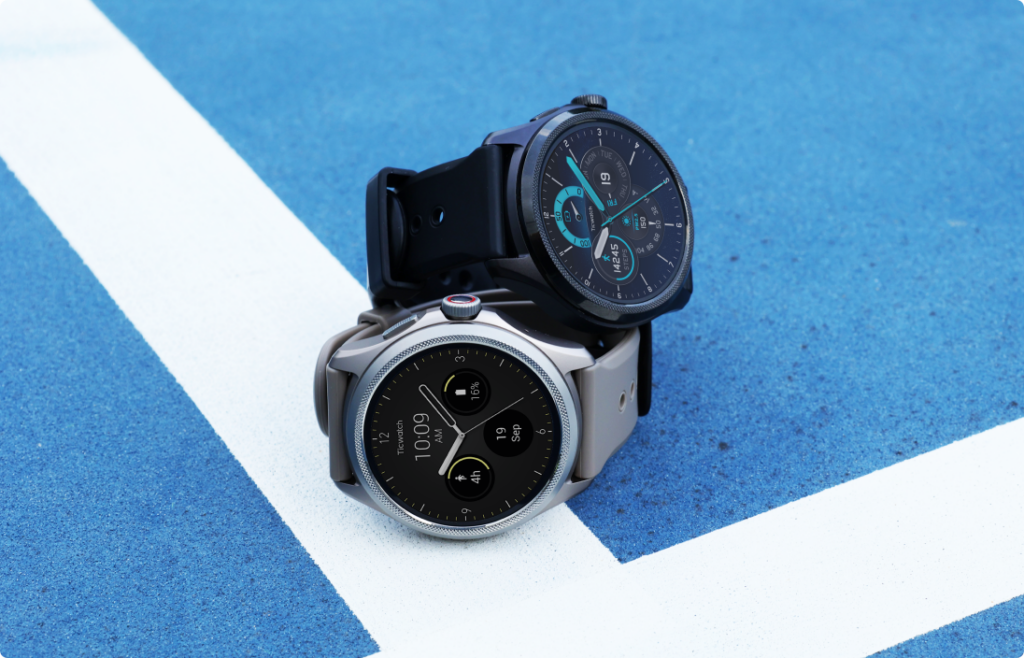
TicWatch Pro 5

Mobvoi’s TicWatch Pro 5 stands out with its dual-layer display, combining an OLED screen with a low-power LCD for better battery efficiency. Powered by the Snapdragon W5+ Gen 1 chipset, it delivers smooth performance and long battery life.

The watch features a rotating crown, built-in compass, barometer, and multi-GNSS support, making it ideal for outdoor enthusiasts. Health tracking is extensive, offering over 100 workout modes, VO2 Max estimates, and stress management features.

Battery life is impressive, lasting up to 80 hours in Smart Mode and 45 days in Essential Mode.

Why Buy?

  • Long battery life with dual-layer display
  • Extensive outdoor and health-tracking features
  • Affordable compared to premium options

For more daily updates, please visit our News Section.

Stay ahead in tech! Join our Telegram community and sign up for our daily newsletter of top stories! 💡

uCloudlink showcases Pet phone, CloudSIM Kit, and mobile satellite hotspot at MWC 2025

At MWC 2025, uCloudlink had set up their booth under the theme “Global First Network: The Ideal Sky-to-Ground Connectivity.” As someone who has often struggled with spotty international connectivity on business trips, I was wondering if their innovations could deliver on the promise of seamless global connectivity.

ucloudlink mwc 2025 logo

uCloudlink is a mobile data traffic-sharing marketplace pioneer who is determined to change how we think about connectivity. Their booth showcased products that tried to solve a lot of relevant problems like dropped connections, exorbitant roaming fees, and the anxiety of losing track of our beloved pets.

Yes, they had a phone for pets as well, which I’m sure a lot of pet parents would appreciate.

These products leverage its proprietary HyperConn, CloudSIM, and 6-tech positioning technologies to deliver a seamless connectivity experience. These innovations come at a critical time when traditional connectivity solutions are struggling to keep pace with the explosive growth of IoT devices and increasing demand for global connectivity without the burden of roaming charges.

Their solutions addresses industry-wide challenges of network congestion, coverage gaps, and the fragmentation of connectivity services that typically force consumers and businesses to manage multiple providers and solutions.

Hands-On with uCloudlink’s Groundbreaking Innovations

Pet Phone

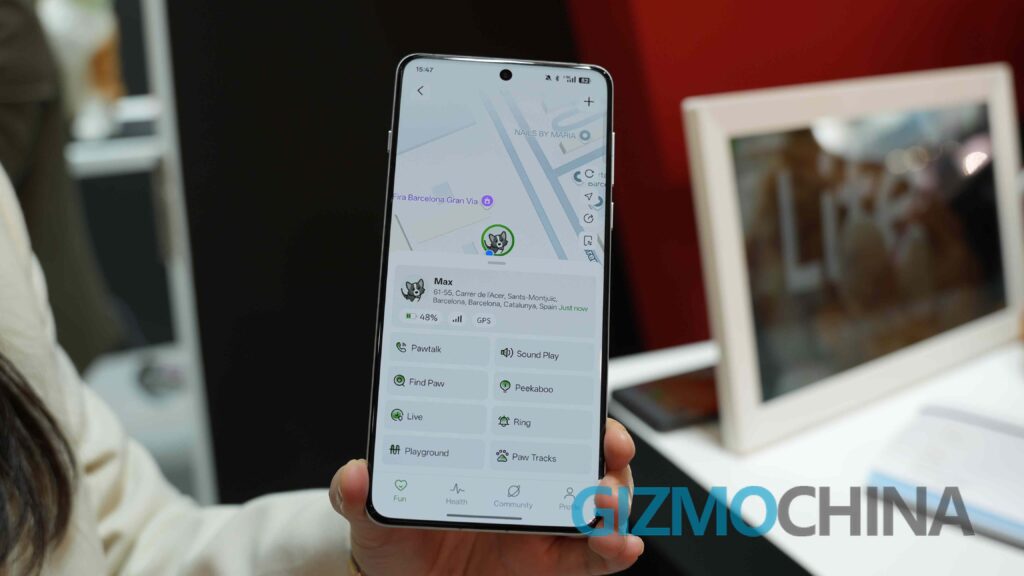
The PetPhone attracted the biggest crowds at the booth. What makes this device truly revolutionary is how it enables two-way communication. The PetPhone can be programmed to automatically call you based on specific pet behaviors, like how many times your dog barks or how many times your cat meows.

This image has an empty alt attribute; its file name is ucloudlink-mwc-2025-hands-on-09-1-scaled.jpg

A representative at the booth explained how owners can customize behaviors to trigger calls. Alternatively, the built-in sensors can detect certain movements or actions from your pet to initiate a call. For example, if your pet is showing signs of distress or unusual activity, the PetPhone can automatically connect to your smartphone through a companion app.

The health monitoring feature on the phone also creates a personalized profile based on the pet’s activity. The system tracks metrics similar to a human smartwatch: calories burned, distance traveled, and active time. The representative showed me the app interface where all this data is displayed in easy-to-understand charts.

The system learns over time to tell the difference between play and anxiety—giving pet owners peace of mind.

This image has an empty alt attribute; its file name is ucloudlink-mwc-2025-hands-on-03-1024x576.jpg

The PetPhone will be available in two different sizes to accommodate pets of various sizes, priced at just under $60. While the device will launch this March, the calling features will arrive via an over-the-air update the following month.

In case you are wondering, like human phones, the calling functionality will require a subscription plan.

The device also creates a Global Pet Community for pet owners and comes with 6-tech positioning (GPS, AGPS, LBS, WIFI, BLUETOOTH, ACTIVE RADAR) for accurate location tracking, making it significantly more reliable than single-technology trackers like Apple AirTags, especially for indoor tracking.

eSIM TRIO

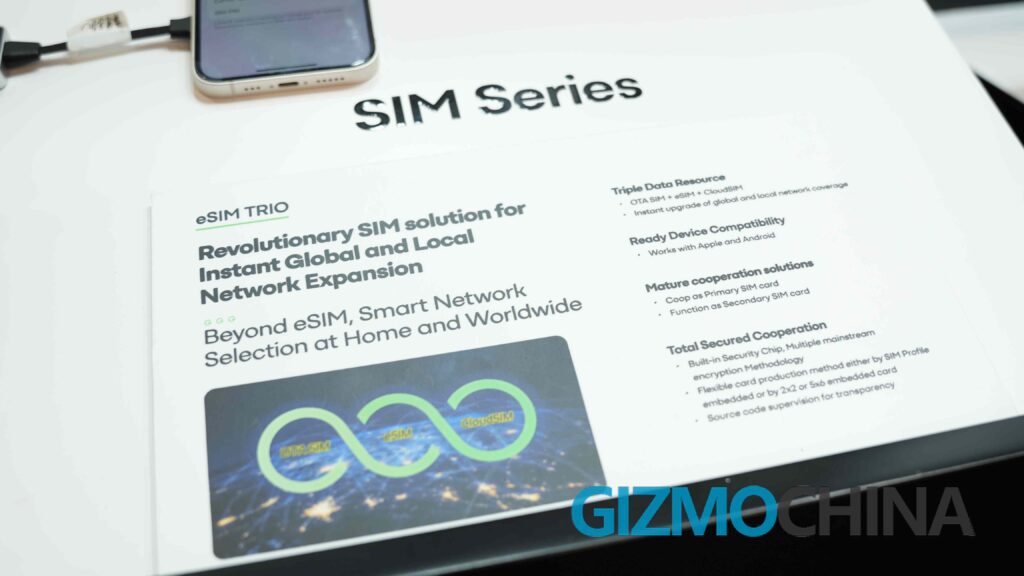
For frequent travelers like myself, the prospect of never having to swap SIM cards or deal with spotty international roaming again seemed almost too good to be true. But the eSIM Trio promises seamless switching between three types of SIM technologies for congestion-free, reliable network connection.

SIM trip solution ucloudlink

The eSIM TRIO card combines three different SIM technologies that work together to give you better connectivity. OTA (Over-The-Air) SIM lets your device receive new SIM information wirelessly without needing to physically change cards. eSIM is a small chip already built into your device that can store multiple carrier profiles, eliminating the need for a physical SIM card. CloudSIM is uCloudlink’s special technology that stores SIM information in the cloud and automatically connects to the best available network wherever you are.

By putting these three technologies together, the eSIM TRIO ensures you always have the best possible connection at home or when traveling, without worrying about switching SIMs or paying expensive roaming fees.

For cheap data plans, Ucloudlink’s GlocalMe Mobile app offers plans for over 200+ countries.

MeowGo G50 Max

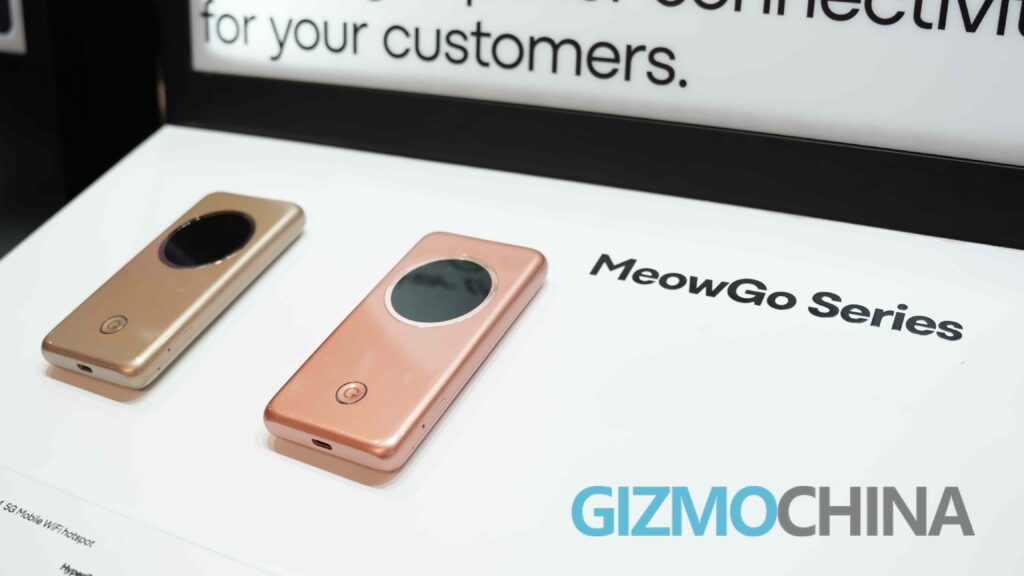
Although available only as a non-functional hardware demo at the booth, the sleek design of the MeowGo G50 Max mobile hotspot stood out. Company representatives enthusiastically explained how this next-gen device will deliver seamless sky-to-ground connectivity with AI-powered network coverage.

This image has an empty alt attribute; its file name is ucloudlink-mwc-2025-hands-on-11-1024x576.jpg

The G50 Max utilizes HyperConn AI to improve network quality with real-time congestion detection. This AI system uses predictive analytics to anticipate network congestion before it affects performance and automatically switches to the optimal available network. It continuously learns from connection patterns and environmental factors to make increasingly intelligent switching decisions that balance speed, stability, and cost.

So HyperConn technology is essentially a “super connection” system. Think of it like having a smart assistant that constantly checks all available networks around you, Wi-Fi, 4G, 5G, even satellite, and automatically connects you to the best one.

It’s like having a car that can use all lanes on a highway and automatically switch to the fastest lane without you having to do anything. When one network gets congested or slow, HyperConn instantly moves you to a better one without you experiencing any disruption.

A standout feature is its easy and seamless one-connection experience that simplifies management of all networks with a single login, whether users are traveling in the air, working in the office, enjoying family time at home, or exploring the world. Additionally, the device enhances Mobile Broadband (MBB) business capabilities by leveraging Wi-Fi network technology, offering superior coverage and high-quality connections globally.

So this hotspot seamlessly connects you to 5G networks, Wi-Fi networks, and even satellite networks, providing a superior connectivity experience wherever you are.

CloudSIM Kit

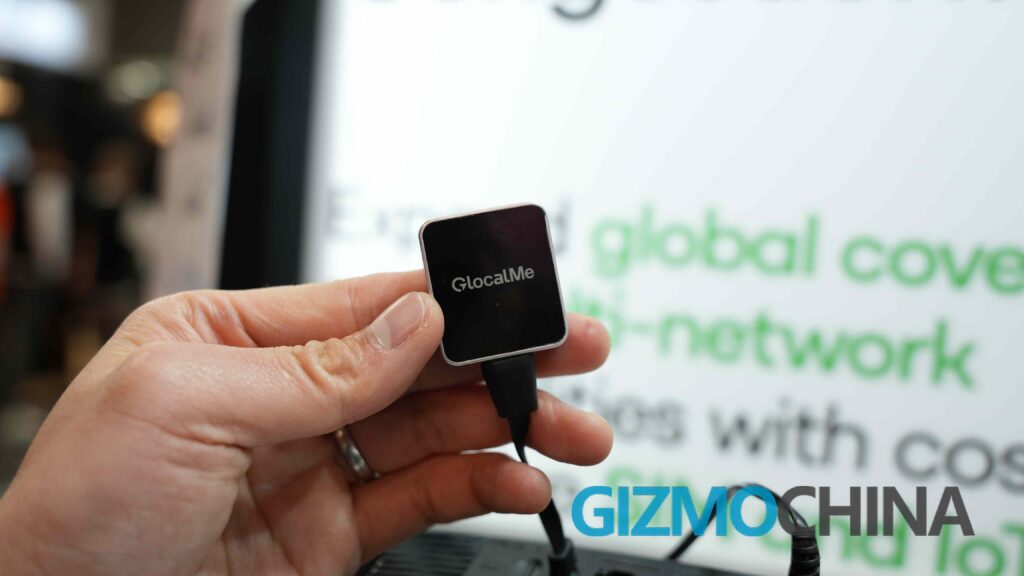
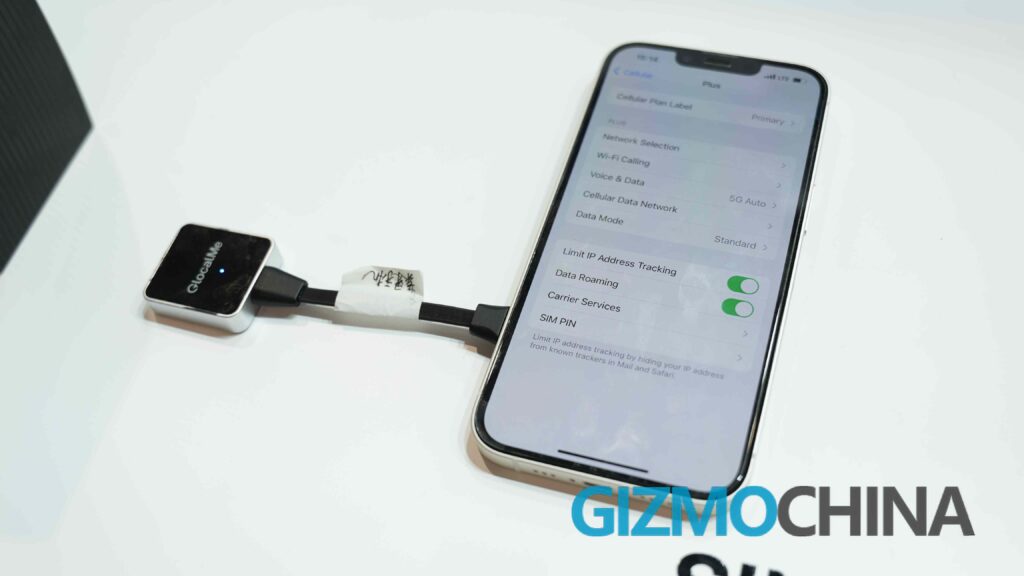
The CloudSIM Kit was perhaps the most unassuming but potentially revolutionary product on display. What looked like a simple adapter turned out to be a powerful plug-and-play IoT solution.

cloudkit ucloudlink mwc 2025

CloudSIM is uCloudlink’s special technology that acts like a virtual SIM card stored in the cloud rather than physically in your device. The key difference from regular SIMs is that CloudSIM isn’t tied to just one carrier; it can connect to multiple carriers and automatically select the best one based on your location and network conditions.

Imagine having dozens of SIM cards from different carriers around the world that you could instantly switch between without having to physically change anything in your device. That’s essentially what CloudSIM does for you, providing local connection speeds without roaming charges no matter where you travel and automatically choosing the strongest network available.

cloudkit ucloudlink

This all-in-one solution overcomes network congestion with CloudSIM technology and offers universal compatibility with any device equipped with a SIM slot or Type-C interface. The true plug-and-play nature of the kit requires no hardware modifications or software upgrades to existing devices.

The CloudSIM solution provides local full-speed network access without roaming costs, tapping into a massive network of 390+ MNO/MVNO services worldwide to ensure reliable and cost-effective connectivity.

A vision for a connected future

Behind these innovations is GlocalMe, a digital lifestyle brand under uCloudlink. With its commitment to “Global Connectivity, Local Mindedness,” GlocalMe aims to cultivate meaningful connections among individuals across the globe through seamless connectivity.

As the market leader covering most countries with 5G full-speed coverage, GlocalMe’s data store offers a comprehensive selection of data products that allow mobile users to enjoy multi-carrier, SIM-free, and contract-free services, unlocking the power to stay effortlessly connected.

When asked about availability, the uCloudlink team said the showcased products should hit shelves by the end of Q1 2025.

MSI Announces Pre-Orders for RTX 50 Series Laptops in India, Offers Discounts Up to ₹60,000 & $30 Steam Gift Card

After the initial announcement late last month, MSI has finally made its RTX 50 Series laptops available for pre-order in India, revealing pricing details.

Flagship Titan 18 HX Dragon Edition Norse Myth

The limited-edition Titan 18 HX Dragon Edition Norse Myth stands out with a hand-polished, Norse-mythology-inspired design. Its lid features a 3D-etched dragon motif, while the palm rest includes a 3D ring. Each unit ships with a dragon-themed keychain, mouse, mouse pad, and special packaging.

Powered by an Intel Core Ultra 9 285HX processor and up to an NVIDIA GeForce RTX 5090 Laptop GPU, the Titan supports up to 96GB of RAM and a PCIe Gen 5 SSD cooled by a dedicated heat pipe. MSI’s vapor chamber cooling and OverBoost Ultra technology enable a combined 270W power draw for the CPU and GPU. The 18-inch 4K Mini LED display offers a 120Hz refresh rate, and Thunderbolt 5 ensures high-speed connectivity.

Raider Series for Gamers

The Raider series targets gamers with options for either AMD’s Ryzen 9 9955HX3D (Zen 5 architecture with 3D V-Cache) or Intel’s Core Ultra 9 285HX processors, both paired with the RTX 5090 GPU. The 18-inch display, likely 4K or QHD, features a 120Hz refresh rate, while the PCIe Gen 5 SSD includes a dedicated cooling pipe for sustained read speeds.

Vector Series for Professionals

Designed for engineers, creators, and gamers, the Vector 16 HX AI blends portability with performance. It offers a choice between Intel’s Core Ultra 9 275HX and AMD’s Ryzen 9 9955HX processors paired with the RTX 5090 GPU. The 16-inch display (resolution unspecified) and cosmos gray finish prioritize understated professionalism. The laptop supports demanding workflows like AI development and 3D rendering, backed by up to 96GB of RAM and PCIe Gen 5 storage.

Pricing, Availability, and Offers

The pre-order window for all models is open till 31 March 2025 via MSI brand stores and authorized retailers. Early buyers can avail discounts up to ₹60,000 on select models, a ₹3,000 coupon for in-store purchases, and a $30 Steam Wallet code.

  • Titan 18 HX Dragon Edition Norse Myth: ₹6,29,990
  • Titan 18 HX AI: ₹5,87,990
  • Raider 18 HX AI (high-end): ₹4,99,990
  • Raider 18 HX AI (base): ₹4,29,990
  • Vector 16 HX AI: ₹2,29,990

Customers will be able to purchase these laptops directly beginning in April.

Lenovo Unveils Tab K9/Tab One Tablet: 8.7-Inch Display, Dolby Atmos, and Android 14

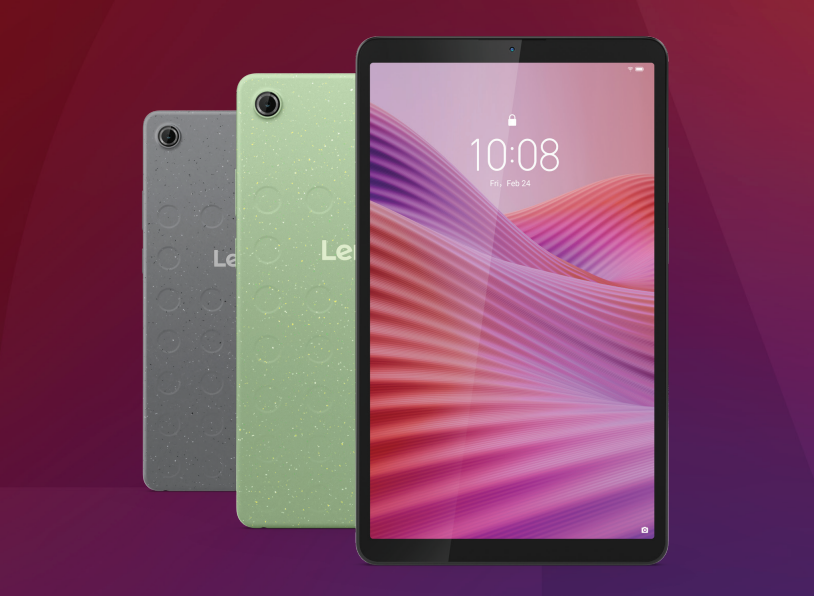
Lenovo has launched the Tab K9, also known as the Lenovo Tab One, a budget-friendly tablet with an 8.7-inch LCD display, offering a 1340 x 800 resolution and 480 nits brightness, with an 86% screen-to-body ratio.

Lenovo Tab K9

Powered by the MediaTek Helio G85 octa-core processor, the Tab K9 runs on Android 14 with Lenovo ZUI 16, ensuring smooth performance. Lenovo has promised OS upgrades up to Android 15 and security patches until January 2027.

The Tab K9 is equipped with 4GB RAM and storage options of 64GB or 128GB, expandable via a microSD card slot. It includes a 5100mAh battery with 15W fast charging, delivering up to 12.5 hours of video playback and 16.5 hours of web browsing.

For connectivity, the tablet supports WiFi 5, Bluetooth 5.3, GPS, GLONASS, and Galileo. The LTE variant covers multiple GSM, UMTS, and LTE bands. Security features include Face Unlock, though it lacks a fingerprint sensor.

The audio setup consists of dual Dolby Atmos-tuned speakers and a single microphone, enhancing the multimedia experience. On the camera front, the device sports a 2MP fixed-focus front camera and an 8MP autofocus rear camera.

The Lenovo Tab K9 weighs approximately 320g and is available in Luna Grey and Seafoam Green color variants. The package includes a USB Type-C 2.0 cable, a 20W charger, and a SIM tray pin.

Details about regional availability and pricing are yet to be revealed.

In other news, Lenovo has also teased the Idea Tab Pro on Amazon India, featuring Google Gemini AI with Circle to Search, Instant Translation, and Chat assistance. It sports a 12.7-inch 3K (2944 × 1820) 144Hz display and runs on MediaTek Dimensity 8300 SoC with 8GB RAM and up to 256GB storage.

For more daily updates, please visit our News Section.

Tech enthusiast? Get the latest news first! Follow our Telegram channel and subscribe to our free newsletter for your daily tech fix!

(Source)

LG’s 2025 OLED evo TVs Arrive: G5 Hits 165Hz, C5 Starts at $1,399 with Pre-Order Perks

LG Electronics USA has confirmed the pricing and availability of its 2025 OLED evo G5 and OLED evo C5 TVs. Both models are now available for pre-order on LG.com and will be sold through LG-authorized retailers at a later date. Additional OLED models will be announced in the future.

For a limited time, customers who pre-order select LG OLED TVs on LG.com can receive free wall mounting or stand setup and up to $200 in savings on select LG Soundbars.

LG OLED evo G5: Improved Brightness and AI Features
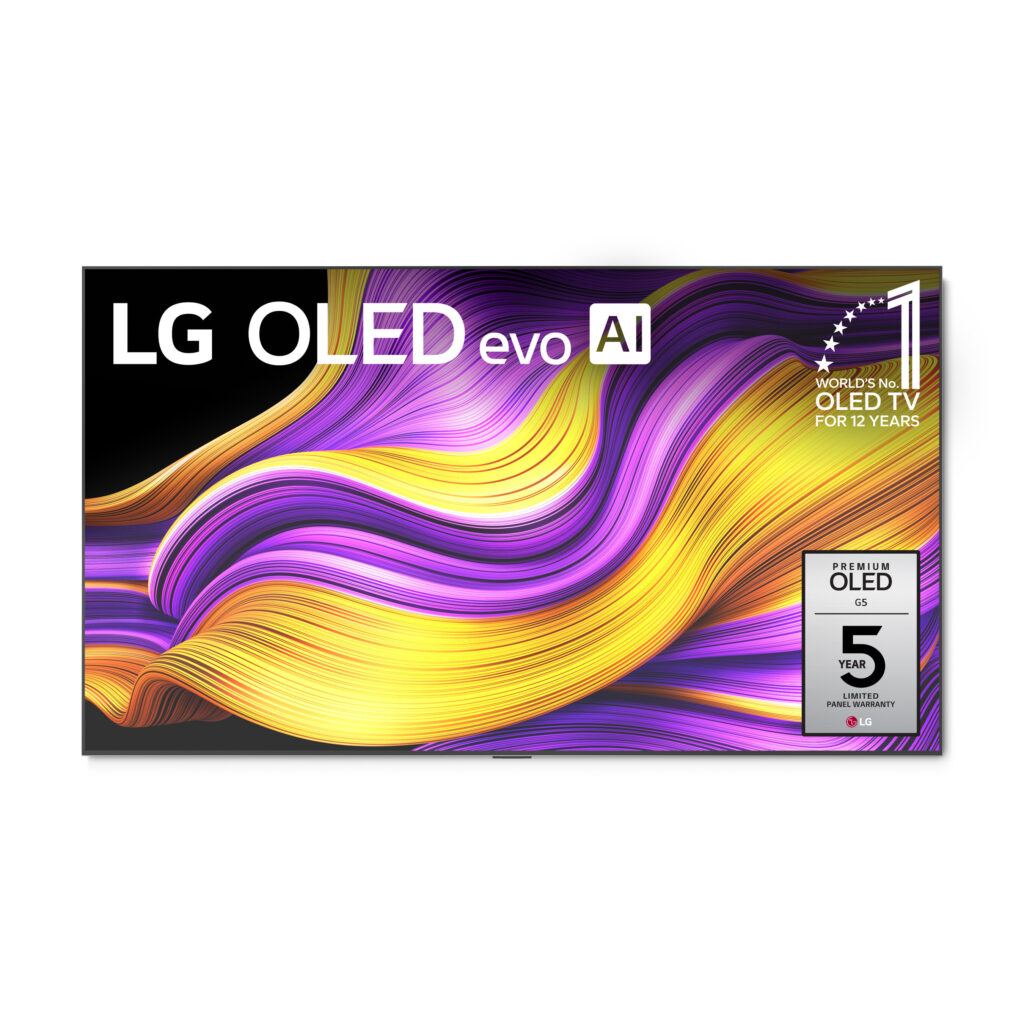
LG OLED evo G5

The LG OLED evo G5 is powered by the Alpha 11 AI Processor Gen2, offering a 45% increase in brightness compared to the previous OLED evo G4. With Brightness Booster Ultimate technology and AI-driven picture enhancements, the G5 is designed to improve color accuracy and contrast. It holds Perfect Black and Perfect Color Certifications for deeper blacks and more precise colors.

LG OLED evo G5

The webOS 25 smart platform provides a personalized user experience with AI capabilities. The G5 also supports Filmmaker Mode with Ambient Light Compensation, Dolby Vision, Dolby Atmos, and AI Sound Pro for optimized picture and audio.

For gaming, the G5 includes 4K at a 165Hz refresh rate, NVIDIA G-SYNC, AMD FreeSync Premium, and VRR support. The TV is covered by a 5-year panel warranty and comes in five sizes:

  • 97-inch – $24,999
  • 83-inch – $6,499
  • 77-inch – $4,499
  • 65-inch – $3,399
  • 55-inch$2,599
    (Available March 2025)

LG OLED evo C5: AI-Enhanced Picture and Sound

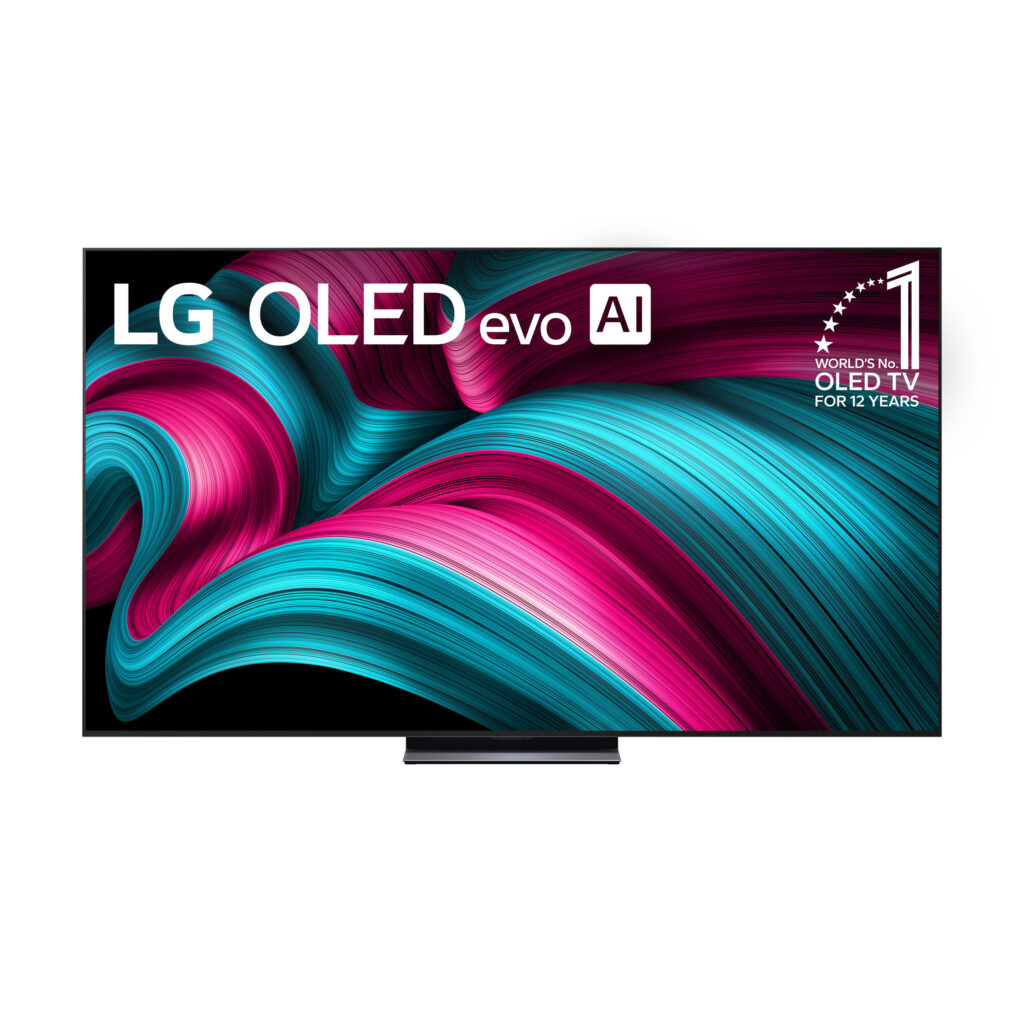
LG OLED evo C5

The LG OLED evo C5 series features Brightness Booster technology powered by the Alpha 9 AI Processor Gen 8. It supports Dolby Vision, Dolby Atmos, AI Picture Pro, and AI Sound Pro, which helps refine visuals and create virtual 11.1.2 channel audio. The AI Picture/Sound Wizard automatically adjusts settings based on user preferences.

LG OLED evo C5

For gaming, the C5 supports 4K at 144Hz, low input lag, VRR support, and VESA ClearMR 9000 certification. The ultra-slim design allows it to fit into different home settings.

The C5 is available in six sizes:

  • 83-inch – $5,399
  • 77-inch – $3,699
  • 65-inch – $2,699
  • 55-inch – $1,999
  • 48-inch – $1,599
  • 42-inch$1,399
    (Available March 2025)

(Source)

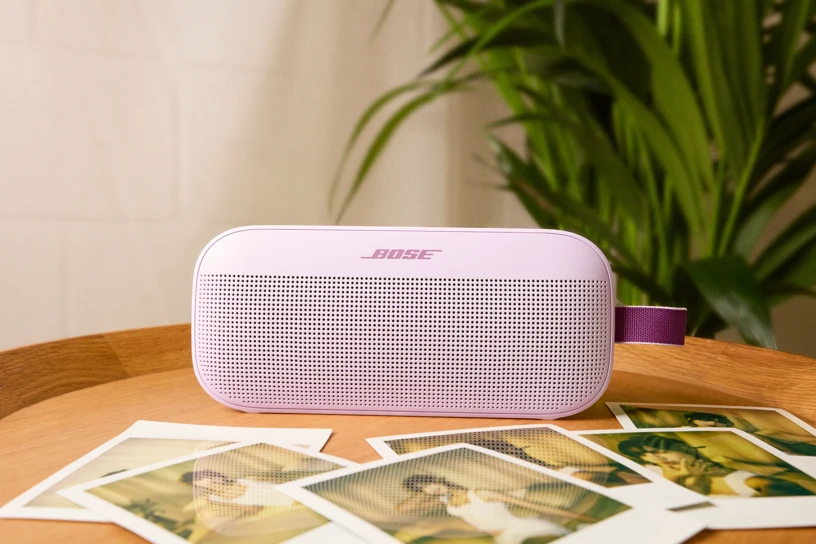
Bose Drops Limited-Edition SoundLink Flex (2nd Gen) in Petal Pink

Bose has introduced a new Petal Pink variant for the SoundLink Flex Bluetooth Speaker (2nd Gen), priced at 1,399 yuan in China and $149 globally. This special-edition model retains all core features while adding a stylish new look. It is part of Bose’s ongoing collaboration with Blackpink’s Lisa, who remains a brand ambassador.

SoundLink Flex Bluetooth Speaker (2nd Gen)

SoundLink Flex Bluetooth Speaker (2nd Gen) Specs

The speaker features a built-in nylon loop for easy portability, allowing users to carry it comfortably, tuck it into a backpack, or hang it for convenient access. It comes with a rugged silicone body that ensures a secure grip while providing IP67-rated protection against water and dust, making it durable enough to withstand drops, bumps, and exposure to rust.

For superior audio performance, the SoundLink Flex (2nd Gen) equips Bose’s PositionIQ technology, which automatically adjusts sound output based on its orientation, whether placed upright, laid flat, or suspended. It features a full-range driver that delivers deep bass and crystal-clear sound, while the Bose app comes with an intuitive equalizer, allowing users to fine-tune bass, mids, and treble to their liking.

SoundLink Flex Bluetooth Speaker (2nd Gen)

For seamless connectivity, the SoundLink Flex (2nd Gen) features Snapdragon Sound technology, offering enhanced Bluetooth stability, clarity, and low latency. It supports Qualcomm aptX Adaptive for high-resolution, lossless streaming on compatible Android devices. The speaker comes with multi-device connectivity and stereo pairing, allowing users to link two units for a wider, more immersive soundstage.

Additionally, it features a built-in microphone for hands-free calls and voice assistant access. Through the Bose app, users can also manage devices, receive firmware updates, and customize shortcuts for added convenience. To power extended listening sessions, the speaker equips a long-lasting battery that delivers up to 12 hours of playback on a single charge.

If pink isn’t your style, the SoundLink Flex 2 is still available in Alpine Sage, Sandstone, Blue Dusk, and Black. But for those who want something bold and fresh, this limited-edition Petal Pink might just be the standout choice.

In related news, JBL recently launched the Authentics 200 Platinum Edition, combining a classic design with modern technology. Additionally, a new pocket-sized Portronics speaker has been introduced, featuring a magnetic design that snaps to a phone and doubles as a stand.

For more daily updates, please visit our News Section.

Stay ahead in tech! Join our Telegram community and sign up for our daily newsletter of top stories! 💡

(Source)

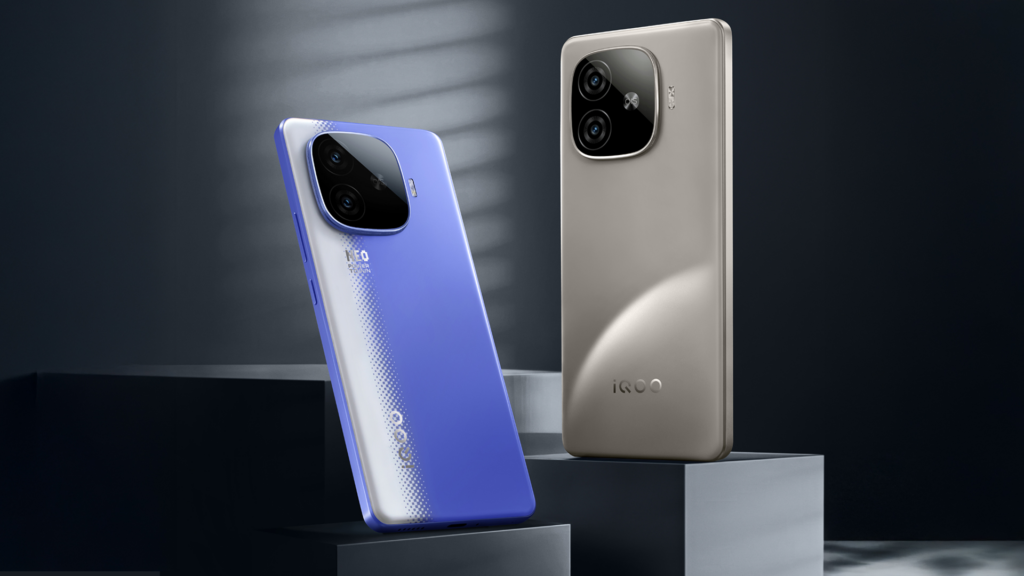
iQOO Neo 10R Debuts in India: 144Hz AMOLED, Snapdragon 8s Gen 3, and 6400mAh Battery

iQOO has launched the Neo 10R in India, starting at ₹26,999, positioning it as a bang-for-the-buck, performance focused mid-ranger.

iQOO Neo 10R

iQOO Neo 10R features

The device features a 6.78-inch 1.5K AMOLED display with a 144Hz refresh rate, 480Hz touch sampling rate, and a peak brightness of 4500 nits. The screen is protected by Schott Xensation Up glass and includes HDR10+ support, 3840Hz PWM dimming, and DC dimming to reduce eye strain.

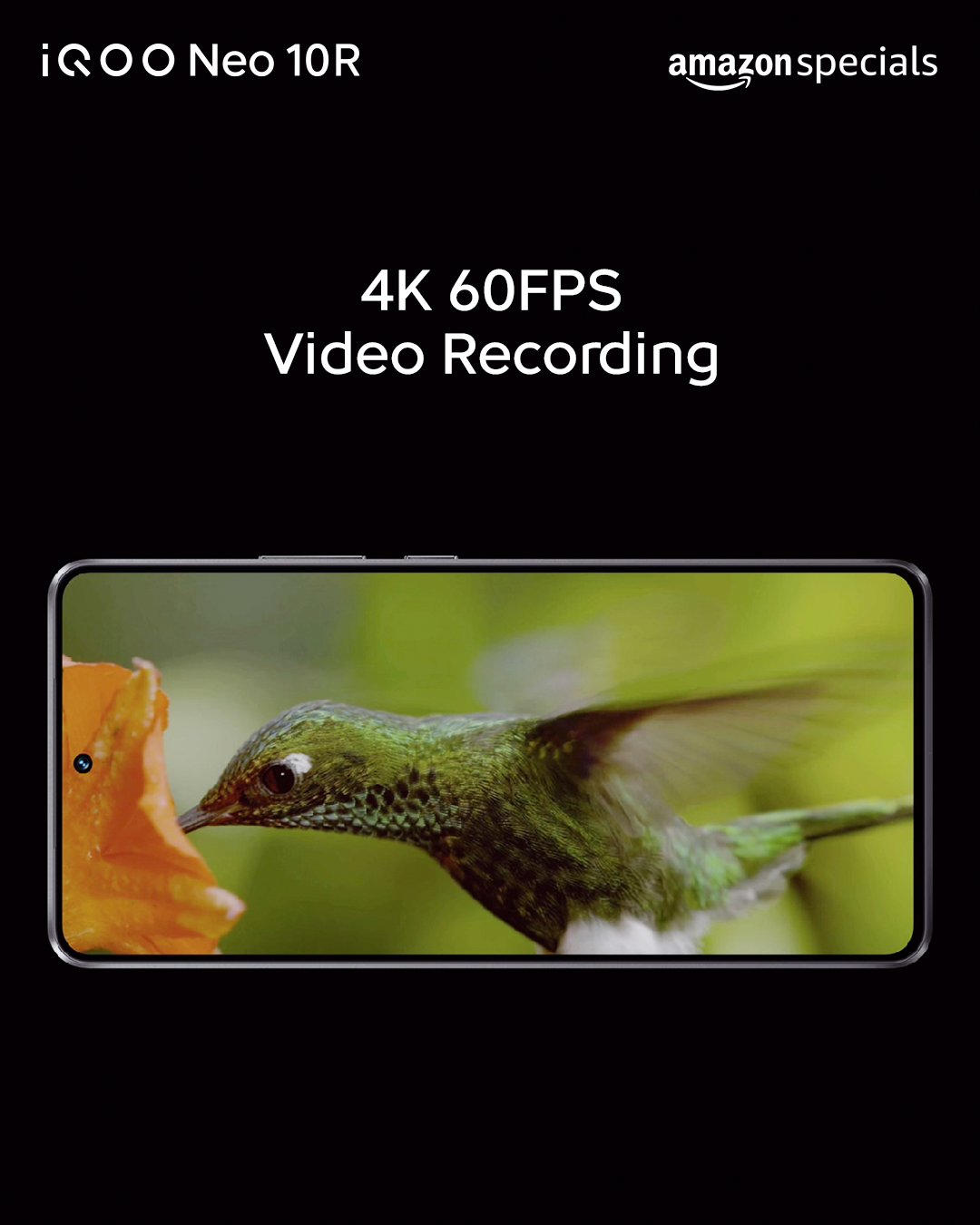
Under the hood, the phone is powered by Qualcomm’s 4nm Snapdragon 8s Gen 3 processor, paired with up to 12GB of LPDDR5x RAM and up to 256GB of UFS 4.1 storage. A large 6043mm² vapor chamber cooling system helps manage heat during extended gaming or multitasking sessions. The rear camera setup includes a 50MP Sony IMX882 primary sensor with optical image stabilization (OIS) and an 8MP ultra-wide-angle lens, both capable of 4K video recording at 60fps. A 32MP front camera handles selfies and 4K 30fps video.

The Neo 10R sports a 6400mAh battery that supports 80W fast charging and 7.5W reverse charging and retains at least 80% health after 1,600 charge cycles, according to iQOO. It comes with an IP65 rating for dust and splash resistance and weighs 196g. The phone has an in-display fingerprint scanner and an infrared sensor for smart device control. It runs Android 15 with iQOO’s Funtouch OS 15 and is promised three Android OS updates and four years of security patches.

Pricing & availability

The phone is priced at ₹26,999 for the 8GB+128GB model, ₹28,999 for 8GB+256GB, and ₹30,999 for the 12GB+256GB variant. It comes in MoonKnight Titanium and Raging Blue colorways.

Pre-orders begin March 11 on Amazon.in and iQOO’s online store, with general sales starting March 19. Customers pre-booking by March 18 will receive the device on March 18. Launch offers include a ₹2,000 instant discount for SBI, HDFC, or ICICI cardholders or an equivalent exchange bonus, a 12-month extended warranty, no-cost EMI options for up to six months, and a ₹99 device setup service during delivery.

For more daily updates, please visit our News Section.

Stay ahead in tech! Join our Telegram community and sign up for our daily newsletter of top stories!

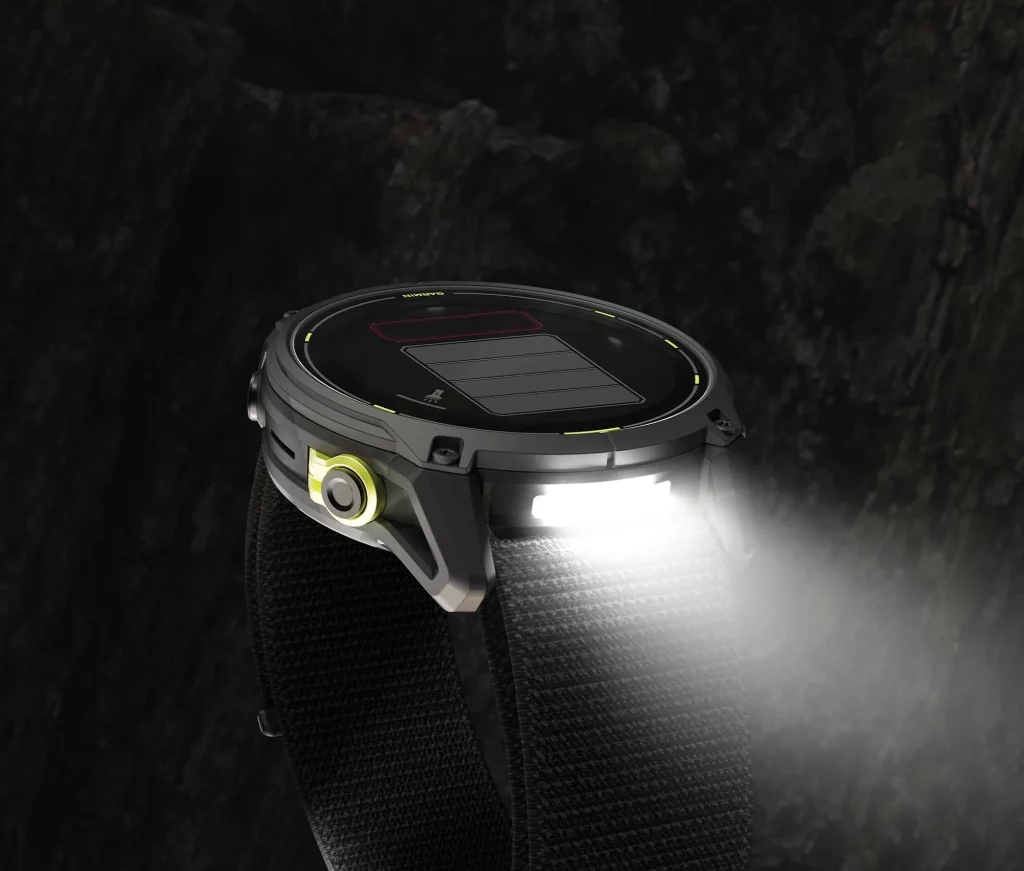
Garmin Enduro 3 Lands in India: 320-Hour GPS, Trail Maps, and Advanced Fitness Tracking

Garmin has launched the Enduro 3 smartwatch in India, following its global debut. Designed for outdoor enthusiasts, the watch features a built-in GPS.

Garmin Enduro 3

Garmin Enduro 3 features

The Enduro 3 is a lightweight 63-gram smartwatch targeting hikers, trail runners, and adventurers, prioritizing long battery life and rugged design. The watch’s solar-charging system extends GPS mode usage to 320 hours, doubling the solar efficiency of earlier models. Its SatIQ technology helps save battery by automatically switching between GPS modes while maintaining location accuracy.

Durability and Navigation Tools

Garmin Enduro 3

The watch has a titanium bezel, a scratch-resistant sapphire lens, and a nylon band, making it suitable for tough outdoor conditions. It includes an LED flashlight with adjustable brightness, red light, and strobe modes. Navigation features include preloaded TopoActive maps for trails, golf courses, and ski resorts, along with dynamic round-trip routing and NextFork Map Guides for real-time directions.

Fitness and Health Tracking

Garmin Enduro 3

For trail runners, the watch tracks VO2 max, adjusts pace recommendations based on terrain incline, and monitors heat/altitude adaptation. It provides 4-6 week strength training plans, sport-specific workouts, and performance metrics like training load and recovery. Health monitoring covers HRV status, blood oxygen levels (Pulse Ox), sleep patterns and includes an FDA-cleared ECG app for heart rhythm analysis.

Connectivity and Additional Features
Users can send texts via Garmin Messenger, share locations/workouts with Garmin Share, and make payments using Garmin Pay. The watch supports music streaming from Spotify, Deezer, or Amazon Music and syncs with smartphones for notifications.

Pricing & availability

The Enduro 3 is now available on Garmin’s India website and at select retail stores for Rs. 1,05,990, backed by a two-year warranty. The watch is priced at $900 in the U.S.

For more daily updates, please visit our News Section.

Tech enthusiast? Get the latest news first! Follow our Telegram channel and subscribe to our free newsletter for your daily tech fix!

Airtel partners with SpaceX to bring Starlink’s satellite internet to India

India’s internet landscape is on the cusp of a significant transformation as Airtel and SpaceX forge a new alliance to introduce Starlink’s satellite internet services to one of the world’s most populous nations. This landmark agreement, announced today, is a major step toward bridging India’s digital divide, particularly in underserved and rural regions.

Airtel partners with SpaceX

A Groundbreaking Partnership for Connectivity

The deal, however, hinges on SpaceX securing regulatory approval to operate Starlink commercially in India. Once cleared, this partnership will leverage Airtel’s extensive market reach and Starlink’s cutting-edge low-earth orbit (LEO) satellite technology to provide seamless broadband access across the country. It’s a move that could redefine how India’s remote villages, businesses, and essential services like schools and healthcare centers connect to the digital world.

The collaboration envisions Airtel selling Starlink hardware through its retail outlets while also making enterprise-grade satellite connectivity available to business clients. The implications are far-reaching, imagine a scenario where businesses in remote Himalayan towns or deep within the Thar Desert can finally access stable, high-speed internet without relying on patchy terrestrial networks.

This move isn’t Airtel’s first foray into satellite internet. The telecom giant already has an established partnership with Eutelsat OneWeb, another LEO satellite provider. But adding Starlink into the mix supercharges its ambition to dominate the satellite broadband space, offering customers unprecedented coverage and redundancy. With a combination of fiber, terrestrial mobile networks, and now multiple satellite internet providers, Airtel is positioning itself as the most versatile connectivity provider in India.

For SpaceX, cracking the Indian market is a long-awaited breakthrough. India’s sheer geographical and infrastructural challenges make it the perfect proving ground for Starlink’s satellite-powered broadband. With Airtel’s deep understanding of local telecom regulations, consumer behaviors, and distribution channels, SpaceX gets a crucial foothold in a country where connectivity gaps still persist.

If the partnership overcomes regulatory hurdles, Starlink could become a game-changer in India’s telecom space, delivering high-speed internet to areas where traditional broadband has failed.

For more daily updates, please visit our News Section.

Stay ahead in tech! Join our Telegram community and sign up for our daily newsletter of top stories! 💡

Oppo Find N5 vs OnePlus Open: Which foldable is better?

Foldable smartphones are evolving rapidly, and the Oppo Find N5 and OnePlus Open represent two of the most exciting options in this space. Both offer cutting-edge technology, but they take different approaches in design, performance, and features. 

With Oppo’s reputation for innovation and OnePlus’s focus on optimization, choosing between them can be challenging. This comparison breaks down key differences to help users decide which foldable best suits their needs, whether it’s for power, photography, or overall usability.

1. Design and Display

OnePlus Open
OnePlus Open

The Oppo Find N5 and OnePlus Open both feature premium foldable designs, but the Find N5 is slightly larger when unfolded, offering an 8.12-inch LTPO OLED display compared to the OnePlus Open’s 7.82-inch panel. While both support 120Hz refresh rates, Dolby Vision, and HDR10+, the Find N5 edges out with a brighter peak brightness of 2450 nits on the cover display compared to the Open’s 2800 nits. However, OnePlus Open’s Ceramic Guard protection adds durability, while Oppo’s Nanocrystal Glass promises improved resistance to scratches. Another advantage for the Find N5 is stylus support, making it a better productivity device. 

If a larger inner screen and stylus functionality are a priority, the Oppo Find N5 is the better pick, while the OnePlus Open offers a more compact and refined form factor.

Please Note: When you buy something using the links in our articles, we may earn a small commission at no cost to you.

2. Specifications

OPPO Find N5
OPPO Find N5

The Oppo Find N5 takes the lead in performance with its Snapdragon 8 Elite chipset, which outperforms the OnePlus Open’s Snapdragon 8 Gen 2 in raw power and efficiency. Both phones offer UFS 4.0 storage, but the Find N5 provides an additional 256GB/12GB RAM option. 

Battery life is another win for Oppo, with a 5600mAh capacity compared to OnePlus’s 4805mAh. Charging speeds are also superior, with 80W wired and 50W wireless charging on the Find N5, versus the OnePlus Open’s 67W wired with no wireless charging. The inclusion of satellite connectivity in the 1TB model of the Find N5 adds another layer of uniqueness. 

For power users, the Find N5 is a more future-proof and long-lasting option.

3. Camera

OnePlus Open
OnePlus Open

Both devices carry Hasselblad-tuned cameras, but the OnePlus Open stands out with its superior sensors. It boasts a 64MP periscope telephoto camera with a 3x zoom, offering better detail than Oppo’s 50MP periscope lens. Additionally, its ultrawide camera is a 48MP shooter compared to Oppo’s 8MP, giving OnePlus the upper hand in versatility. The OnePlus Open also has a higher-resolution 20MP inner selfie camera and a 32MP cover selfie camera, compared to the Find N5’s 8MP sensors. 

If camera quality is a priority, OnePlus Open is the clear winner, with better zoom, ultrawide capabilities, and superior front cameras.

4. Pricing

The Oppo Find N5 is priced at around €1200, making it pricier than the OnePlus Open, which starts at around €1100 or lower in certain regions. While the OnePlus Open offers a more affordable entry point, the Find N5 justifies its price with a better chipset, larger battery, and additional features like stylus support and satellite connectivity. 

If budget is a concern, the OnePlus Open offers fantastic value, but for those seeking top-tier specifications, the Oppo Find N5 is worth the extra cost.


5. Conclusion

OPPO Find N5
OPPO Find N5

The Oppo Find N5 stands out with its Snapdragon 8 Elite processor, larger battery, faster charging, stylus support, and optional satellite connectivity, making it more feature-rich overall. 

Meanwhile, the OnePlus Open shines in the camera department, offering superior zoom, ultrawide, and selfie cameras, as well as a more compact form factor with a durable Ceramic Guard build. 

Ultimately, if photography is a priority, the OnePlus Open is the better choice, while the Oppo Find N5 is a more powerful and versatile device overall.

Read More: