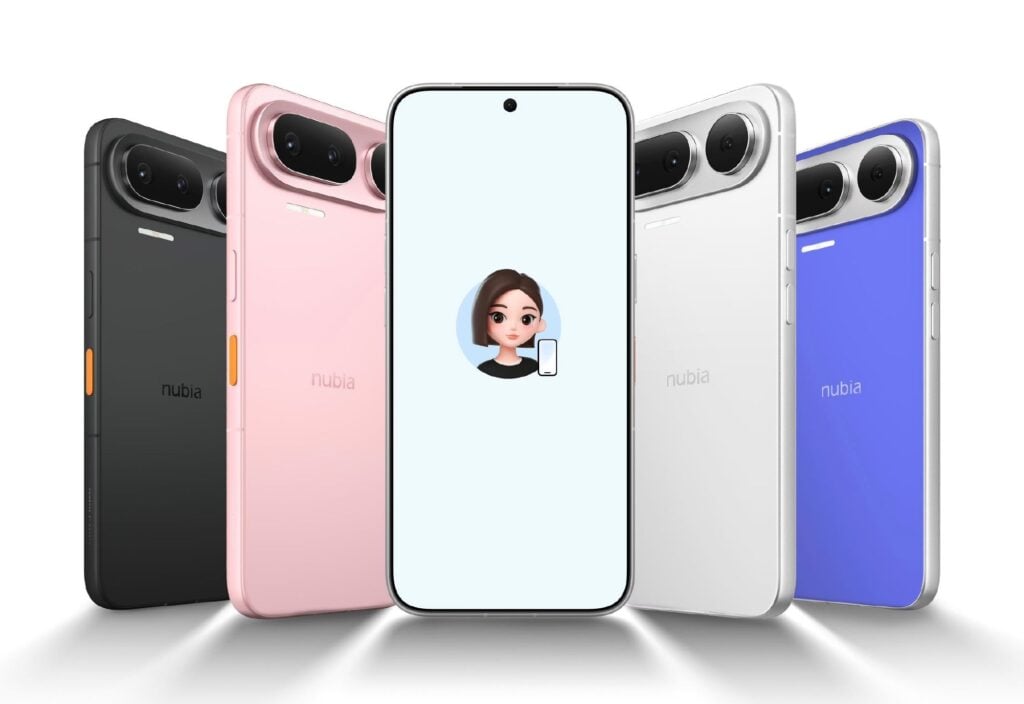
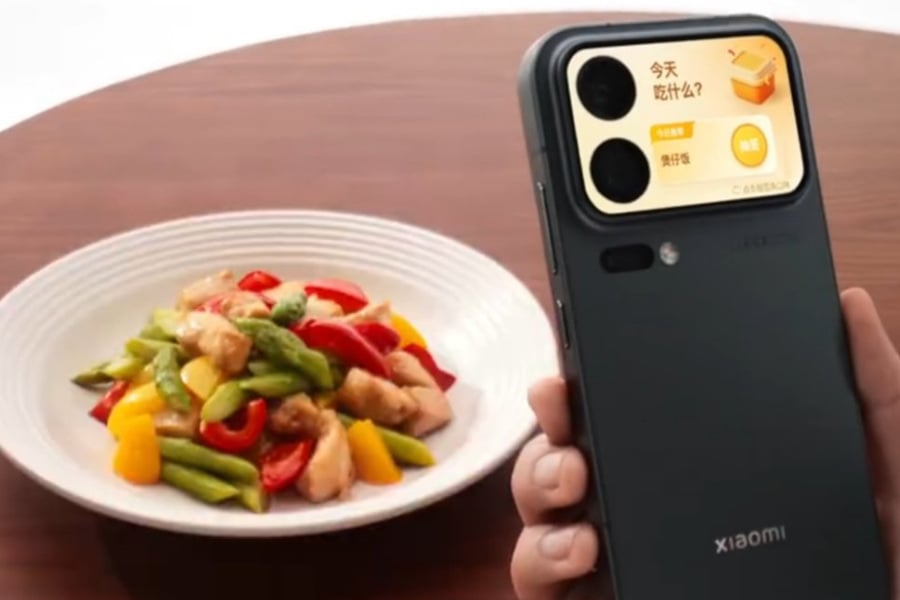
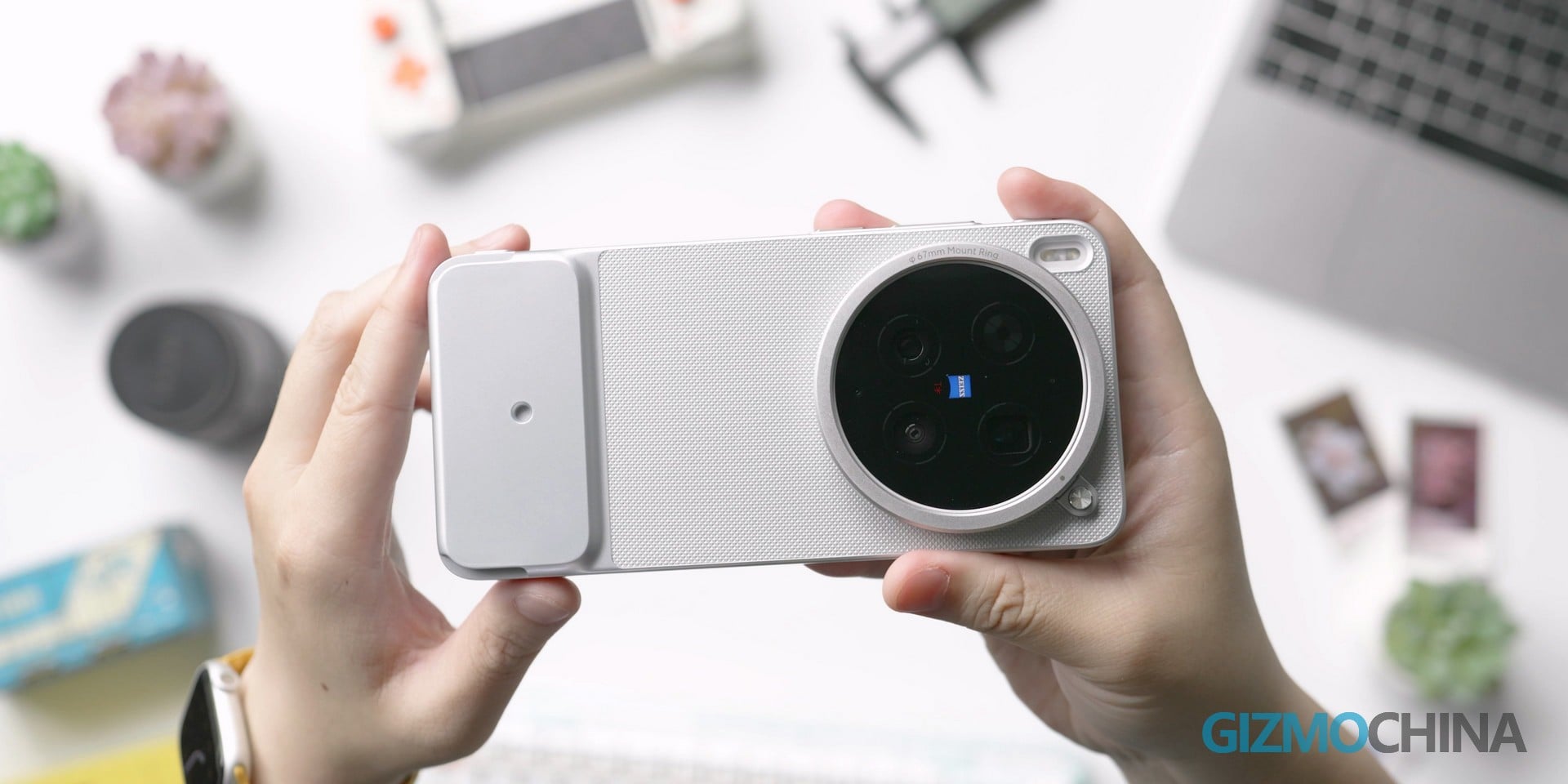
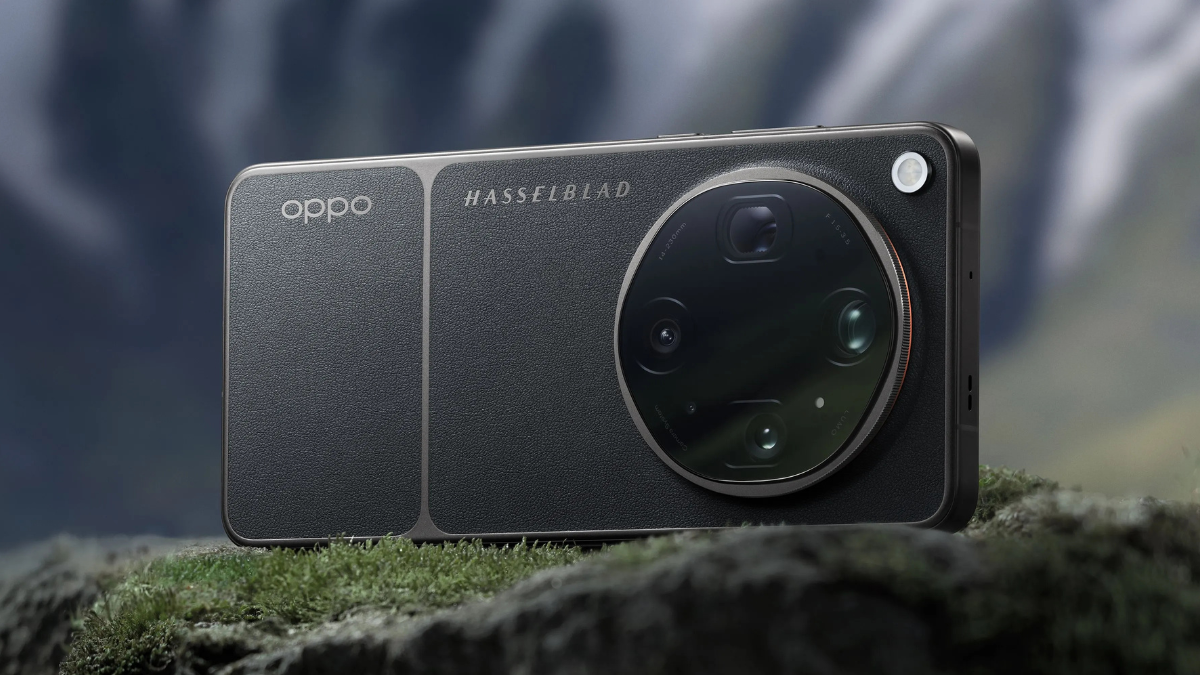
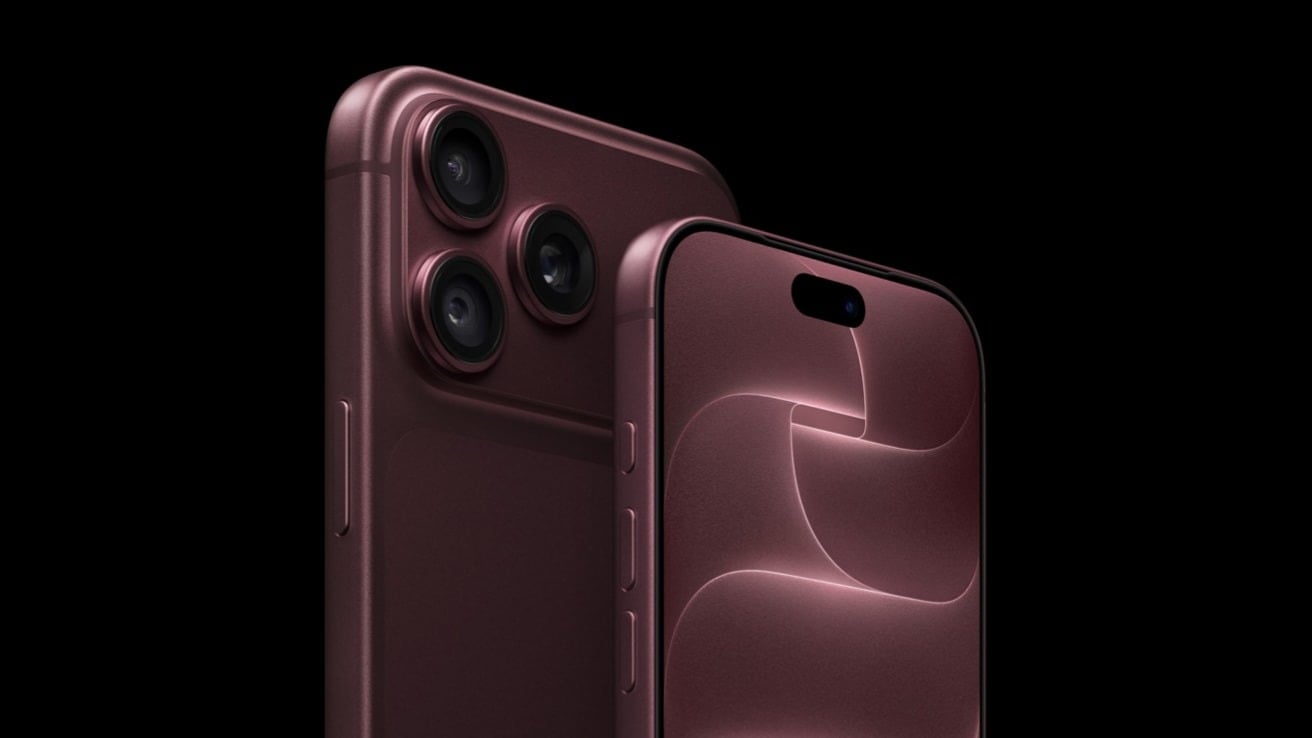
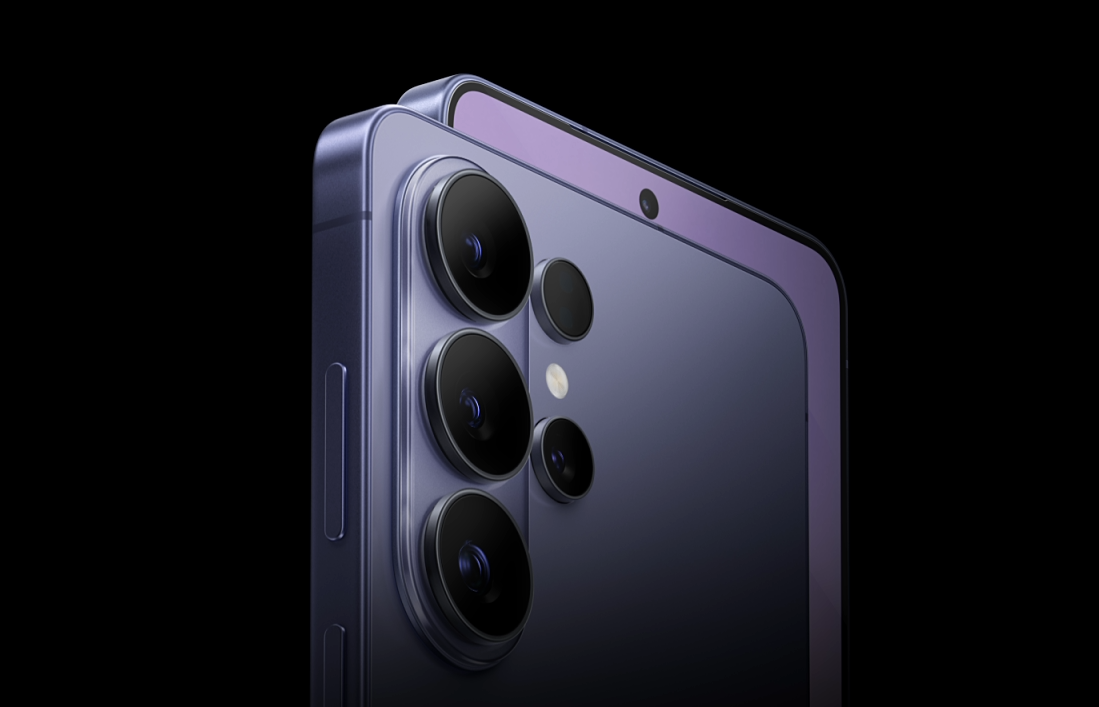
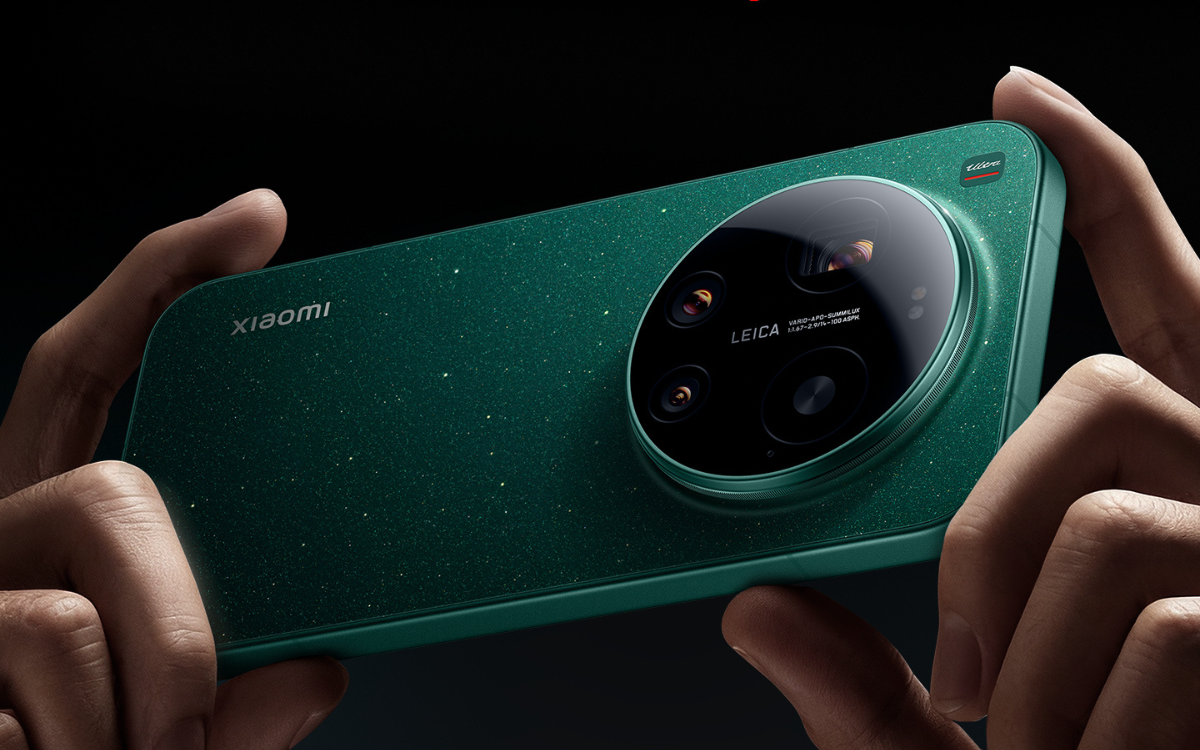
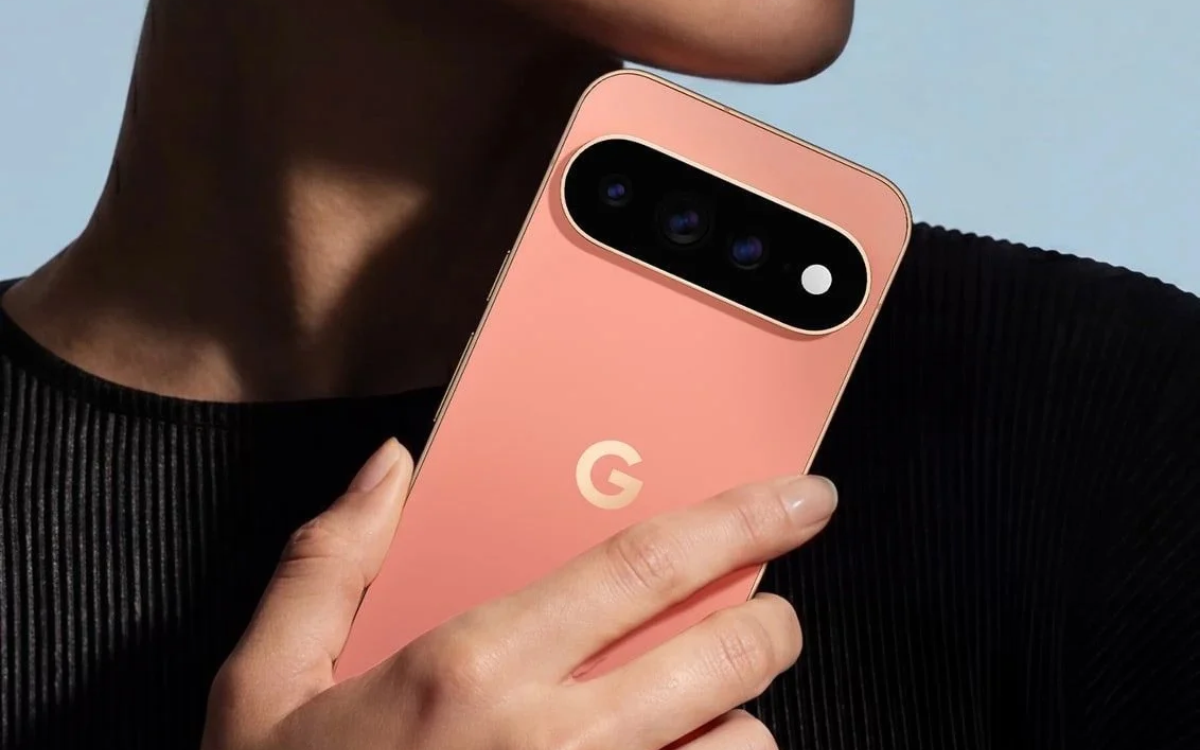
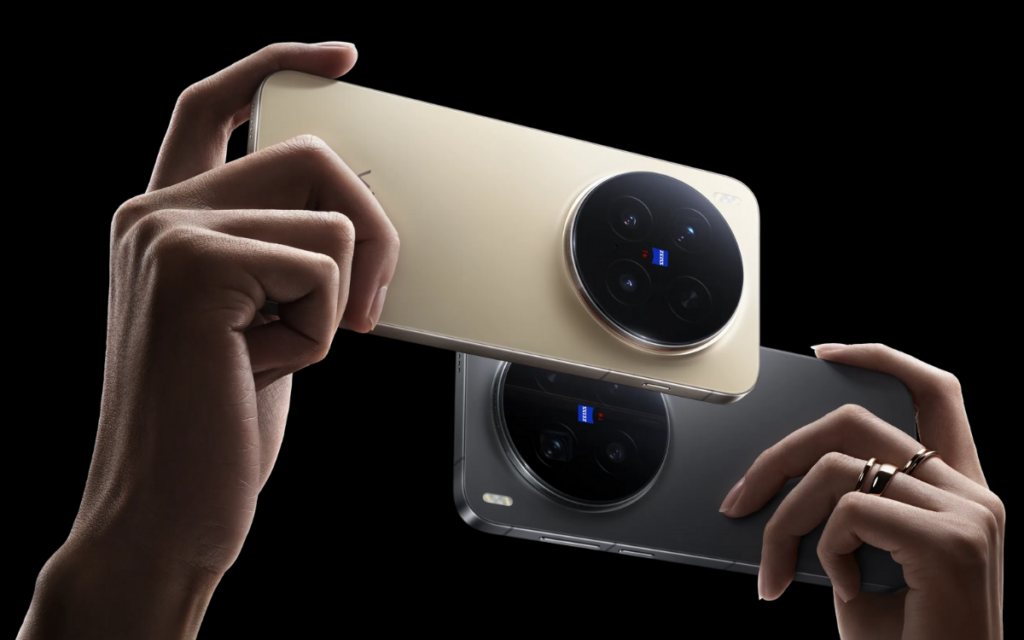
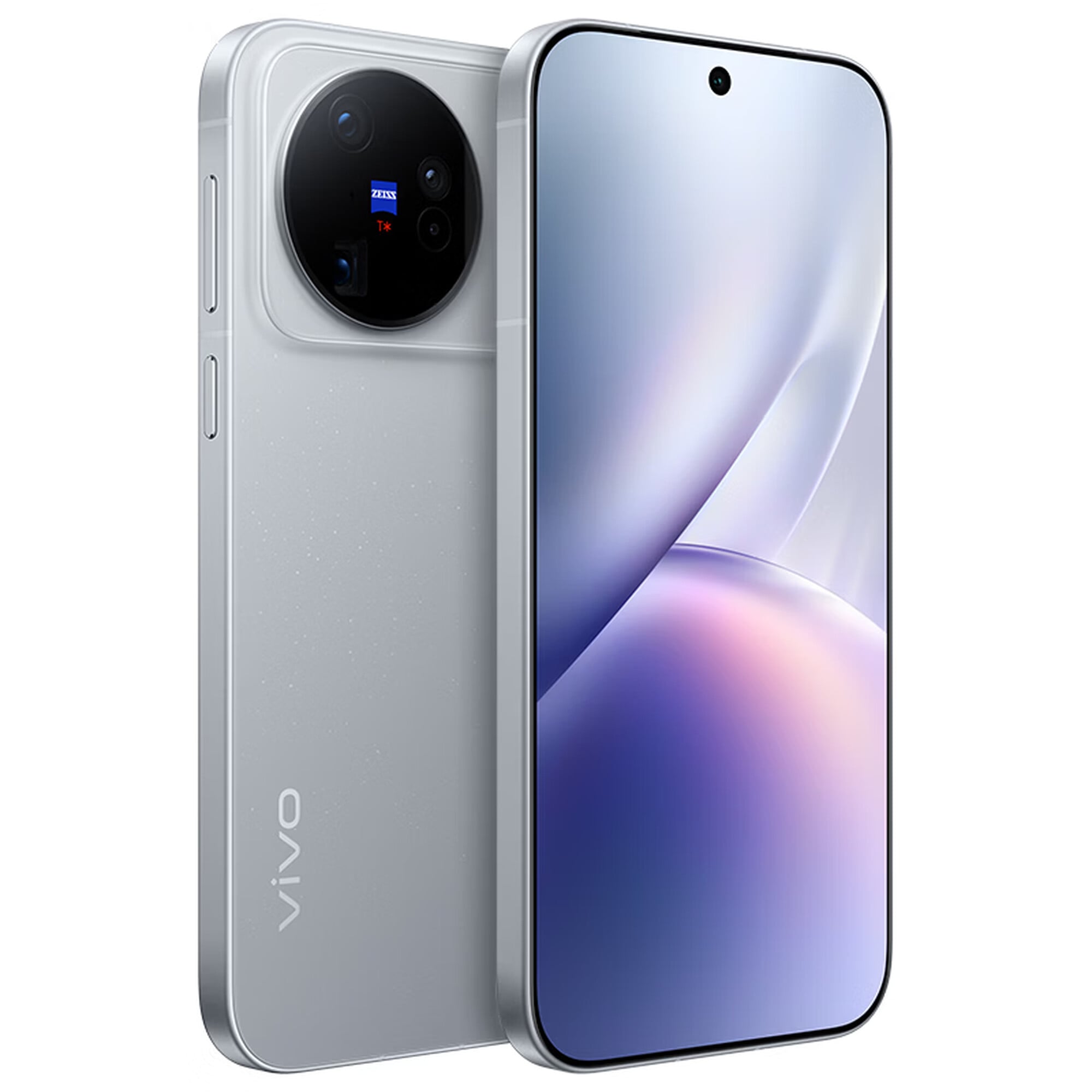
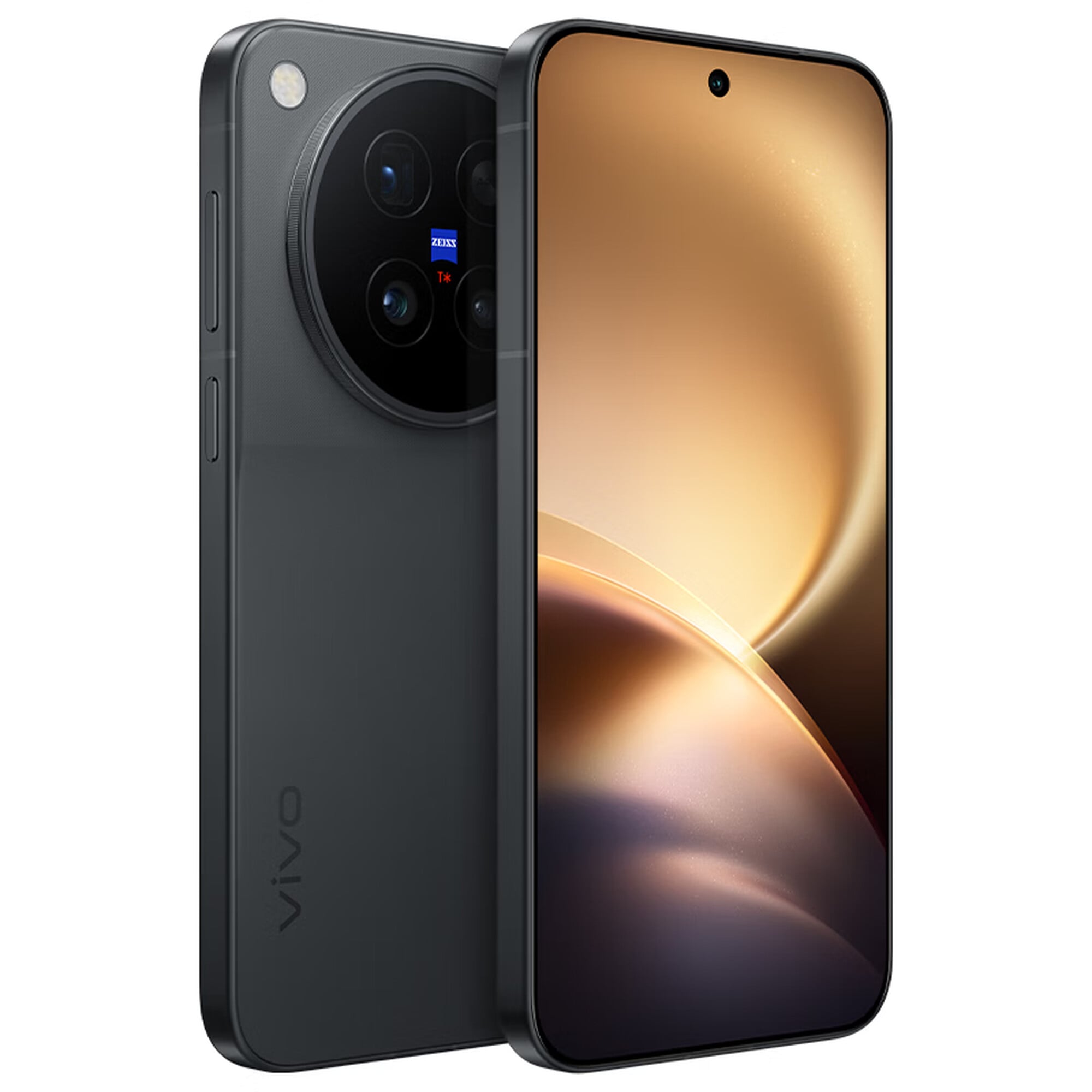
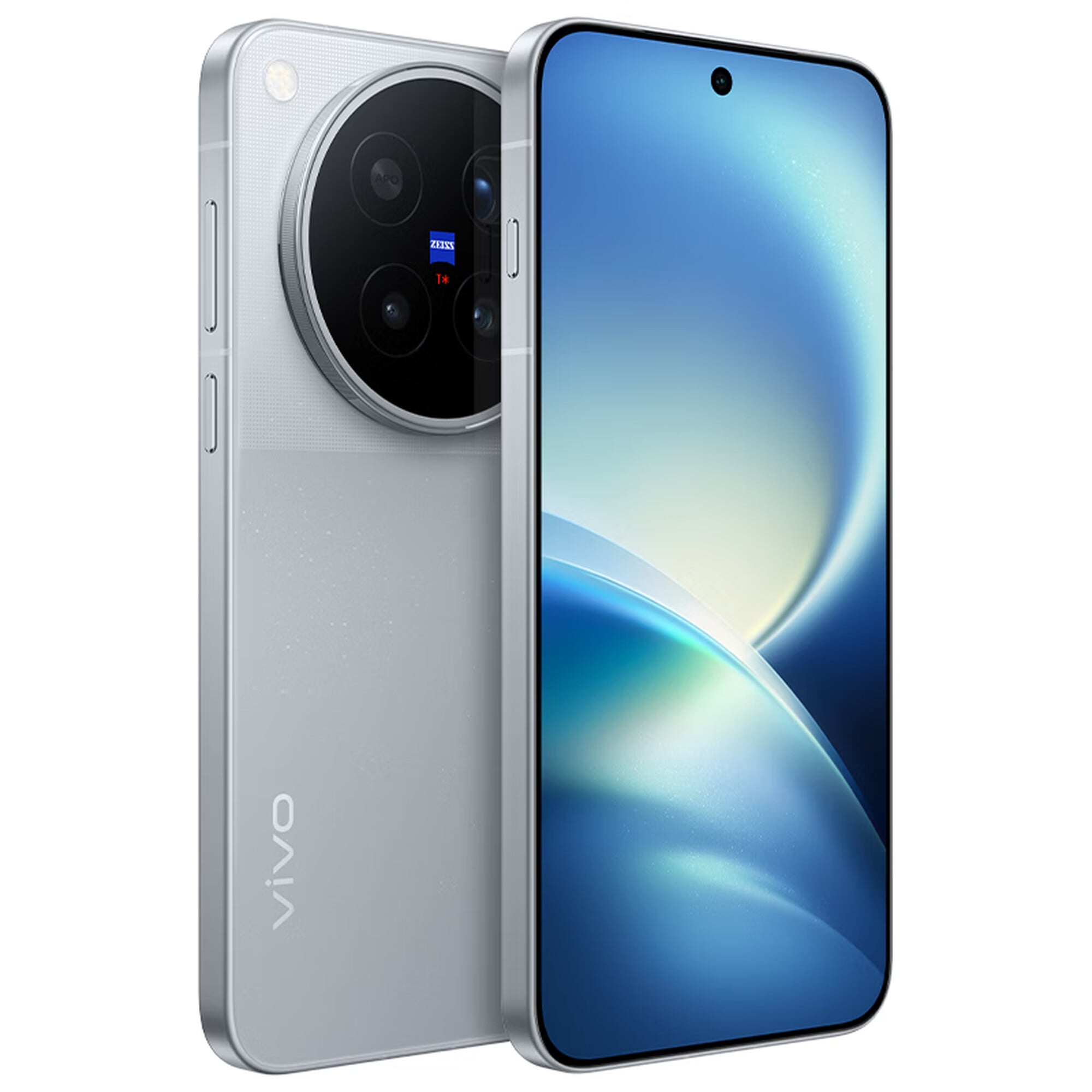
Xiaomi 17T Pro and Nothing Phone (4a) Pro target very different buyers despite sharing premium-looking designs and high-refresh-rate displays. One focuses on flagship-level performance, battery life, and camera hardware, while the other aims to deliver a unique experience at a much lower price. With nearly ₹35,000 separating them, this comparison explores whether Xiaomi’s extra power justifies the premium or if Nothing offers the better overall value.
Major Features:
Feature
Xiaomi 17T Pro
Nothing Phone (4a) Pro
Winner
Build Quality
Glass back, aluminum frame, IP68
Aluminum unibody, IP65
Xiaomi – Better water and dust resistance
Design
Premium flagship design
Unique LED-based design
Nothing – More distinctive appearance
Display
6.83-inch AMOLED, 144Hz, Dolby Vision, 3500 nits
6.83-inch AMOLED, 144Hz, HDR10+, 5000 nits
Nothing – Higher peak brightness
Display Experience
HDR10+, Dolby Vision, 3840Hz PWM
HDR10+, 2160Hz PWM
Xiaomi – Better multimedia features
Processor
Dimensity 9500 (3nm)
Snapdragon 7 Gen 4 (4nm)
Xiaomi – Much faster flagship chipset
GPU
Mali-G1 Ultra MC12
Adreno 722
Xiaomi – Stronger graphics performance
RAM & Storage
Up to 16GB RAM, 1TB, UFS 4.1
Up to 12GB RAM, 256GB, UFS 3.1
Xiaomi – Faster and larger storage options
Main Camera
50MP, OIS, Leica tuning
50MP, OIS
Xiaomi – Larger sensor and Leica imaging
Telephoto Camera
50MP, 5x periscope
50MP, 3.5x periscope
Xiaomi – Longer optical zoom
Ultrawide Camera
12MP
8MP
Xiaomi – Higher-resolution ultrawide
Rear Video
Up to 8K, 4K@120fps, Log
Up to 4K@30fps
Xiaomi – Professional-grade video features
Selfie Camera
32MP, 4K video
32MP, 1080p video
Xiaomi – Better selfie video recording
Speakers
Stereo, Dolby Atmos
Stereo speakers
Xiaomi – Dolby Atmos support
Connectivity
Wi-Fi 7, Bluetooth 6.0
Wi-Fi 6, Bluetooth 5.4
Xiaomi – Newer connectivity standards
Battery
7000mAh
5400mAh (India)
Xiaomi – Significantly larger battery
Charging
100W wired, 50W wireless
50W wired
Xiaomi – Faster charging plus wireless charging
Reverse Charging
22.5W reverse wired
7.5W reverse wired
Xiaomi – More useful reverse charging
Software Support
Android 16, HyperOS 3
Android 16, 3 major updates
Nothing – Clear update commitment
Price
Around ₹75,000
Around ₹40,000
Nothing – Far better affordability
Value for Money
Premium flagship package
Strong features at a lower price
Nothing – Better overall value
Disclaimer: Specs are based on available data. Actual performance may vary. Verify details from official sources before buying.
The Xiaomi 17T Pro and Nothing Phone (4a) Pro take very different approaches to design. Xiaomi focuses on a flagship-style build with Gorilla Glass 7i on both sides, an aluminum frame, and a premium IP68 rating for stronger dust and water resistance. It feels like a device built to compete with much more expensive smartphones.
The Nothing Phone (4a) Pro stands out with its aircraft-grade aluminum unibody construction and the signature Glyph-inspired mini-LED lighting system. The design is more distinctive and instantly recognizable. For users who value uniqueness and visual identity, Nothing delivers something few competitors offer in this price segment.
Display Quality
Both phones feature large 144Hz AMOLED panels with HDR support and excellent smoothness. However, the Xiaomi 17T Pro pushes higher brightness levels and includes Dolby Vision support, giving it an advantage for outdoor viewing and premium video consumption. The display also benefits from stronger HDR performance overall.
Verdict
Nothing offers the more unique design, but Xiaomi delivers the more premium build quality and display experience. The Xiaomi 17T Pro wins this section thanks to its flagship-grade durability, brighter panel, and richer multimedia credentials.
2. Specifications Including Battery
Performance
Performance is where the gap becomes substantial. The Xiaomi 17T Pro is powered by the flagship MediaTek Dimensity 9500 built on a 3nm process, paired with UFS 4.1 storage and up to 16GB RAM. It is designed for heavy gaming, advanced multitasking, and long-term performance demands.
The Nothing Phone (4a) Pro uses the Snapdragon 7 Gen 4, which is a capable upper-midrange chipset. Everyday usage remains smooth, and gaming performance is respectable, but it cannot match the raw power offered by Xiaomi’s flagship silicon. Storage is also limited to UFS 3.1, which is slower in demanding tasks.
Battery and Charging
Xiaomi packs a massive 7000mAh battery with 100W wired and 50W wireless charging. Nothing counters with a 5400mAh battery in India and 50W wired charging. The Xiaomi setup offers significantly longer endurance and far quicker top-ups.
Verdict
The Xiaomi 17T Pro comfortably wins this category. Its flagship processor, faster storage, larger battery, and dramatically superior charging system make it a much stronger performance-focused package.
3. Camera
Main and Secondary Lenses
The Xiaomi 17T Pro features a versatile Leica-tuned triple-camera system consisting of a 50MP main sensor, a 50MP periscope telephoto lens with 5x optical zoom, and a 12MP ultrawide camera. It also supports advanced features such as 8K video recording, Log recording, HDR10+, and professional-grade video tools.
The Nothing Phone (4a) Pro also offers a triple-camera setup with a 50MP main sensor and a 50MP periscope telephoto camera, but its 3.5x zoom range and smaller ultrawide sensor place it slightly behind Xiaomi in overall flexibility. Video capabilities are solid, yet they do not reach the same professional level.
Selfie Camera
Both phones feature 32MP selfie cameras. However, Xiaomi supports 4K selfie recording and HDR10+, while Nothing is limited to 1080p video. Content creators and vloggers are likely to appreciate Xiaomi’s added versatility.
Verdict
Nothing delivers a strong camera system for its class, but Xiaomi provides better zoom capability, stronger video features, and more advanced imaging tools. The Xiaomi 17T Pro takes the camera crown.
4. Pricing
Xiaomi 17T Pro is priced around ₹75,000 ($900), while the Nothing Phone (4a) Pro is priced around ₹40,000 ($500). This creates a significant price difference of roughly ₹35,000.
Xiaomi justifies its higher price through flagship-level hardware, a substantially faster chipset, superior battery technology, wireless charging, stronger camera hardware, and a more premium overall feature set. Buyers seeking maximum performance and longevity will likely find the premium worthwhile.
The Nothing Phone (4a) Pro positions itself as a value-focused option. It delivers a distinctive design, a capable camera setup, a smooth 144Hz AMOLED display, and a clean software experience at nearly half the cost. For many users, it offers far better affordability without feeling compromised in daily use.
Verdict
In terms of pure value for money, the Nothing Phone (4a) Pro wins. Xiaomi offers more, but Nothing delivers an impressive balance of features relative to its asking price.
Disclaimer: Prices are approximate and may vary based on country, region, launch timing, and applicable taxes. Always check whether the listed price is for a China unit or a global/international variant when purchasing.
5. Conclusion
The Xiaomi 17T Pro stands out with its flagship Dimensity 9500 processor, Leica camera partnership, 7000mAh battery, 100W charging, 50W wireless charging, IP68 protection, and advanced video recording capabilities. It is clearly aimed at power users who want a premium smartphone experience without stepping into ultra-premium pricing.
The Nothing Phone (4a) Pro differentiates itself through its unique LED lighting system, minimalist software experience, distinctive industrial design, and aggressive pricing. It targets buyers who want something different from mainstream Android devices while still enjoying strong everyday performance.
Verdict
Xiaomi 17T Pro is the better smartphone overall. It wins in performance, battery life, charging, display quality, and camera versatility. However, the Nothing Phone (4a) Pro remains the smarter purchase for budget-conscious buyers because it delivers a surprisingly complete experience at nearly half the price. If the budget allows, Xiaomi is the stronger flagship. If value matters most, Nothing is difficult to ignore.
Disclaimer: This comparison is based on the specifications provided and is intended for general informational purposes. Actual performance, camera results, battery life, and overall experience may vary depending on real-world usage, software updates, and individual preferences.
Huawei is making a serious push into enterprise computing with dedicated commercial versions of its HarmonyOS-powered desktop PCs. It’s a big step for the company’s homegrown operating system, moving well beyond phones and tablets into the business world, where many companies are looking for secure, independent alternatives.
HarmonyOS 7
At the recent Huawei Developer Conference (HDC 2026), during the “HarmonyOS Office” sub-forum, Zhu Dongdong, President of Huawei’s Terminal Tablet and PC Product Line, confirmed that the commercial HarmonyOS desktops will officially launch in September. He also mentioned that testing and trial runs for businesses should begin around July or August, giving companies a chance to try them out early.
Huawei has already launched two models for this push: the HM740 and HM940. These aren’t just regular consumer PCs running HarmonyOS. They’re specially modified for business use, with stronger security features and a dedicated security chip to meet enterprise standards for data protection and compliance.
Take the HM740, for example. It measures just 14.5mm in thickness and weighs only 1.32kg. Yet, it offers a solid battery life of up to 21 hours. On the surface, it includes a 14.2-inch OLED display with a 120Hz refresh rate. Huawei also added handy enterprise touches like digital dual-space separation to keep work and personal stuff apart. These machines are a natural extension of Huawei’s growing HarmonyOS ecosystem, which now spans phones, tablets, and PCs.
This move shows how serious Huawei is about expanding in the PC space. Shipments of HarmonyOS PCs are expected to grow nicely in 2026 as the company builds a full-stack, secure computing environment that doesn’t rely on traditional Western operating systems.
For businesses in China, and potentially other markets down the line, these commercial desktops offer a maturing alternative that puts security, customization, and ecosystem smoothness front and center. Full specs for the September launch models are still under wraps, but the announcement makes one thing clear: Huawei is determined to turn HarmonyOS into a complete platform.
Choosing between the Xiaomi 17T Pro and Google Pixel 10 comes down to priorities. One focuses on flagship-grade hardware, ultra-fast charging, and a large battery, while the other emphasizes software longevity, AI features, and Google’s renowned camera processing. Both target premium smartphone buyers, but they deliver very different experiences despite being priced relatively close to each other.
Major Features:
Feature
Xiaomi 17T Pro
Google Pixel 10
Winner
Build Quality
Gorilla Glass 7i front/back, aluminum frame, IP68
Gorilla Glass Victus 2 front/back, aluminum frame, IP68
The Xiaomi 17T Pro adopts a premium glass-and-aluminum construction with Gorilla Glass 7i protection and an IP68 rating. It feels like a true performance flagship, with features such as an infrared blaster and support for multiple SIM and eSIM configurations adding practicality. The overall design leans toward users who enjoy powerful hardware and feature-rich devices.
The Google Pixel 10 also features a glass-and-aluminum build with Gorilla Glass Victus 2 protection and IP68 certification. Google’s design language remains clean and minimalist, giving the phone a refined appearance that feels modern without being flashy. The software-first approach is reflected in the overall user experience.
Display Quality
Xiaomi takes a clear lead on paper with its 6.83-inch AMOLED panel featuring a 144Hz refresh rate, Dolby Vision support, 3840Hz PWM dimming, and a peak brightness of 3500 nits. The display feels more immersive for gaming, streaming, and multitasking.
The Pixel 10 offers a smaller OLED display with a 120Hz refresh rate and up to 3000 nits peak brightness. While less ambitious in specifications, Google’s display tuning remains excellent for everyday use and color accuracy.
Verdict
The Xiaomi 17T Pro delivers a more impressive display package and feels like a true multimedia powerhouse. The Pixel 10 counters with a cleaner, more compact experience, but Xiaomi wins this section thanks to its superior screen technology and feature set.
2. Specifications Including Battery
Performance
The Xiaomi 17T Pro is powered by the MediaTek Dimensity 9500 chipset paired with UFS 4.1 storage and up to 16GB RAM. It is designed to handle demanding gaming, multitasking, and intensive workloads with ease. The hardware specifications suggest flagship-level performance with significant headroom for future software updates.
The Pixel 10 uses Google’s Tensor G5 processor with up to 12GB RAM. While Tensor chips continue to improve, their focus remains on AI-driven tasks and software intelligence rather than outright benchmark dominance. Daily performance is expected to be smooth, but power users may notice Xiaomi’s hardware advantage.
Battery and Charging
Battery life is one of Xiaomi’s biggest strengths. The massive 7000mAh battery, combined with 100W wired and 50W wireless charging, creates a package that is difficult to match in the premium segment. Fast top-ups and extended endurance make the device particularly attractive for heavy users.
The Pixel 10 includes a 4970mAh battery with 30W wired and 15W wireless charging. The battery should comfortably last a day, but charging speeds feel conservative compared to Xiaomi’s offering.
Verdict
For raw performance and battery technology, the Xiaomi 17T Pro is clearly ahead. The Pixel 10 remains efficient and intelligent, but Xiaomi offers substantially more hardware value for demanding users.
3. Camera
Main and Secondary Lenses
The Xiaomi 17T Pro features a 50MP primary camera, a 50MP periscope telephoto camera with 5x optical zoom, and a 12MP ultrawide lens. Leica tuning, Ultra HDR support, and advanced video capabilities, including 8K recording, give it a versatile camera system. The larger primary sensor should also help in challenging lighting conditions.
The Pixel 10 combines a 48MP main camera, a 10.8MP 5x telephoto lens, and a 13MP ultrawide camera. While the hardware appears less impressive, Google’s image processing remains one of the strongest advantages of the Pixel lineup. Features like Best Take, Pixel Shift, and computational photography often produce consistently excellent results.
Selfie Camera
Xiaomi equips the device with a 32MP front camera capable of 4K recording and HDR10+ support. The higher resolution offers greater flexibility for detailed selfies and content creation.
Google’s 10.5MP ultrawide selfie camera benefits from autofocus and Google’s image processing, delivering reliable and natural-looking results.
Verdict
The Xiaomi 17T Pro offers stronger camera hardware and broader video capabilities. However, the Pixel 10 remains highly competitive thanks to Google’s software expertise. Hardware enthusiasts may prefer Xiaomi, while photography purists may still appreciate Pixel’s image processing.
4. Pricing
The Xiaomi 17T Pro is priced around ₹75,000 ($900), while the Google Pixel 10 is priced around ₹70,000 ($800). The difference is relatively small considering the substantial hardware upgrades Xiaomi provides.
At its asking price, the Xiaomi 17T Pro delivers a flagship processor, significantly larger battery, faster charging, a higher-refresh-rate display, more storage options, and stronger camera hardware. The overall package feels aggressively positioned for buyers seeking maximum specifications.
The Pixel 10, despite being priced around ₹70,000, justifies its cost through seven years of Android upgrades, Google’s AI ecosystem, camera software, and the clean Pixel experience. Long-term software support remains a major advantage that many buyers value more than raw specifications.
Verdict
The Pixel 10 offers excellent long-term value through software support, but the Xiaomi 17T Pro delivers more hardware for the money. Buyers focused on specifications and features are likely to see Xiaomi as the stronger value proposition.
Disclaimer: Prices are approximate and may vary based on country, region, launch timing, and applicable taxes. Always check whether the listed price is for a China unit or a global/international variant when purchasing.
5. Conclusion
The Xiaomi 17T Pro stands out with its 144Hz AMOLED display, massive 7000mAh battery, 100W charging, Leica-tuned camera system, 50W wireless charging, and flagship-grade Dimensity 9500 processor. It is clearly designed for users who want cutting-edge hardware and minimal compromises.
The Google Pixel 10 differentiates itself with seven years of Android updates, advanced AI capabilities, Circle to Search, Satellite SOS, excellent computational photography, and a clean Android experience. These advantages make it appealing to users who prioritize software quality and long-term reliability.
Verdict
Xiaomi 17T Pro is the better choice for most buyers seeking maximum value in the premium segment. Its display, battery, charging speeds, performance, and camera hardware provide a more complete flagship package. The Google Pixel 10 remains an excellent option for users who prioritize software support, AI features, and Google’s photography experience, but Xiaomi offers a more compelling overall smartphone at this price point.
Disclaimer: This comparison is based on the specifications provided and is intended for general informational purposes. Actual performance, camera results, battery life, and overall experience may vary depending on real-world usage, software updates, and individual preferences.
Xiaomi 17T Pro and Samsung Galaxy S26 take very different approaches to the flagship smartphone experience. Samsung focuses on refinement, software support, and premium usability, while Xiaomi counters with powerful hardware, faster charging, and a bigger battery. With both competing in the premium segment, this comparison explores which flagship offers the better overall value.
Major Features:
Feature
Xiaomi 17T Pro
Samsung Galaxy S26
Winner
Build Quality
Gorilla Glass 7i, Aluminum Frame, IP68
Gorilla Glass Victus 2, Armor Aluminum 2, IP68
Samsung – More premium materials
Display Size
6.83-inch AMOLED
6.3-inch Dynamic LTPO AMOLED 2X
Xiaomi – Larger and more immersive
Refresh Rate
144Hz
120Hz LTPO
Xiaomi – Higher refresh rate
Peak Brightness
3500 nits
2600 nits
Xiaomi – Brighter panel
Display Features
Dolby Vision, HDR10+, 3840Hz PWM
HDR10+, LTPO
Xiaomi – More display technologies
Processor
MediaTek Dimensity 9500
Snapdragon 8 Elite Gen 5 / Exynos 2600
Samsung – Slight edge in flagship performance and efficiency
Storage Options
Up to 1TB
Up to 512GB
Xiaomi – More storage choices
RAM Options
Up to 16GB
Up to 12GB
Xiaomi – Higher maximum RAM
Software Support
Android 16, HyperOS 3
Android 16, 7 Major Updates
Samsung – Industry-leading support
Main Camera
50MP, 1/1.31″, OIS
50MP, 1/1.56″, OIS
Xiaomi – Larger sensor
Telephoto Camera
50MP Periscope, 5x Zoom
10MP Telephoto, 3x Zoom
Xiaomi – Better zoom hardware
Ultra-Wide Camera
12MP
12MP
Tie – Similar capabilities
Selfie Camera
32MP
12MP AF
Xiaomi – Higher resolution
Rear Video Recording
8K, 4K@120fps
8K, 4K@60fps
Xiaomi – More advanced video options
Stereo Speakers
Dolby Atmos Stereo
Stereo Speakers
Xiaomi – Richer audio experience
Bluetooth
Bluetooth 6.0
Bluetooth 5.4
Xiaomi – Newer standard
USB Port
USB-C 2.0
USB-C 3.2 + DisplayPort
Samsung – Faster data transfer and DeX support
Desktop Mode
No
Samsung DeX & Wireless DeX
Samsung – Productivity advantage
Battery Capacity
7000mAh
4300mAh
Xiaomi – Massive advantage
Wired Charging
100W
25W
Xiaomi – Much faster charging
Wireless Charging
50W
15W
Xiaomi – Faster wireless charging
Reverse Charging
22.5W Reverse Wired
4.5W Reverse Wireless
Xiaomi – More powerful reverse charging
Starting Price
Priced around ₹75,000
Priced around ₹88,000
Xiaomi – Better value
Disclaimer: Specs are based on available data. Actual performance may vary. Verify details from official sources before buying.
The Xiaomi 17T Pro and Samsung Galaxy S26 target different types of flagship buyers. Xiaomi focuses on a premium, feature-packed approach with an aluminum frame, Gorilla Glass protection, IP68 certification, and a larger overall presence. It feels like a device built around multimedia consumption, gaming, and long-term endurance.
Samsung takes a more refined route with its Armor Aluminum 2 frame, Gorilla Glass Victus 2 protection, and compact flagship philosophy. The Galaxy S26 is easier to handle throughout the day and delivers the polished fit and finish that Samsung’s flagship series is known for. Buyers who prefer one-handed usability may naturally lean toward Samsung, while those wanting a more immersive device may appreciate Xiaomi’s approach.
Display Quality
The Xiaomi 17T Pro gains a significant advantage on paper with its large AMOLED panel, 144Hz refresh rate, Dolby Vision support, 3840Hz PWM dimming, and an impressive 3500-nit peak brightness rating. The display feels designed for gaming, video streaming, and HDR content.
Samsung’s Dynamic LTPO AMOLED 2X panel remains excellent, offering adaptive refresh technology, strong color calibration, and flagship-grade outdoor visibility. However, Xiaomi delivers a more ambitious display package overall.
Verdict
Samsung offers a more compact and refined flagship experience, but Xiaomi delivers the stronger display specifications. For entertainment and visual impact, the Xiaomi 17T Pro takes the win.
2. Specifications Including Battery
Performance
The Xiaomi 17T Pro is powered by the new MediaTek Dimensity 9500 chipset paired with UFS 4.1 storage and configurations reaching up to 1TB. The hardware is clearly designed for heavy multitasking, gaming, and demanding workloads. The 144Hz display further complements its performance-focused nature.
Samsung counters with either the Snapdragon 8 Elite Gen 5 or Exynos 2600, depending on region. Both are flagship-grade processors capable of exceptional performance while benefiting from Samsung’s software optimization and seven years of Android upgrades. Samsung’s long-term software commitment adds meaningful value for users planning to keep their phone for several years.
Battery and Charging
Battery life is where Xiaomi creates a major separation. Its massive 7000mAh battery, 100W wired charging, and 50W wireless charging are flagship-level highlights. Heavy users can comfortably expect significantly longer endurance.
Samsung’s 4300mAh battery, 25W wired charging, and 15W wireless charging remain practical but look conservative beside Xiaomi’s offering.
Verdict
Samsung offers better long-term software support, but Xiaomi dominates in battery capacity, charging technology, and overall hardware value. The Xiaomi 17T Pro wins this section comfortably.
3. Camera
Main and Secondary Lenses
Both phones feature versatile triple-camera systems, but their strengths differ. The Xiaomi 17T Pro combines a 50MP primary sensor with Leica tuning, a dedicated 50MP periscope telephoto camera offering 5x optical zoom, and an ultrawide lens. The inclusion of a true periscope lens gives Xiaomi a meaningful advantage for long-range photography.
Samsung relies on a proven combination of a 50MP main camera, 10MP 3x telephoto lens, and a 12MP ultrawide camera. Samsung’s image processing is traditionally among the best in the Android segment, producing reliable colors, excellent HDR performance, and highly consistent results.
Video capabilities are excellent on both devices, although Xiaomi’s 4K 120fps recording support provides extra flexibility for enthusiasts.
Selfie Camera
Xiaomi includes a 32MP front camera capable of 4K recording and HDR10+ support. Samsung’s 12MP dual-pixel selfie camera focuses more on consistency, autofocus accuracy, and natural skin tones.
Verdict
Samsung may appeal to users who prefer dependable point-and-shoot results, but Xiaomi offers stronger camera hardware, superior zoom capability, and more versatile video features. The Xiaomi 17T Pro holds the edge overall.
4. Pricing
The Xiaomi 17T Pro is priced around ₹75,000, while the Samsung Galaxy S26 is priced around ₹88,000. Despite carrying a lower price tag, Xiaomi delivers a larger battery, faster charging, a higher-refresh-rate display, more aggressive camera hardware, and larger storage options.
Samsung’s higher price is partly justified by its premium brand positioning, polished software experience, compact flagship design, DeX desktop functionality, and industry-leading software support policy. Buyers looking for longevity and ecosystem integration may find the additional investment worthwhile.
From a pure specifications standpoint, however, Xiaomi offers substantially more hardware for less money. It is the type of pricing strategy that attracts power users who compare features line by line before making a purchase.
Verdict
Samsung justifies its premium through software, ecosystem features, and long-term support. However, Xiaomi delivers noticeably stronger value for money and offers more flagship hardware per rupee spent.
Disclaimer: Prices are approximate and may vary based on country, region, launch timing, and applicable taxes. Always check whether the listed price is for a China unit or a global/international variant when purchasing.
5. Conclusion
The Xiaomi 17T Pro stands out with its 7000mAh battery, 100W charging, Leica-branded camera system, 5x periscope zoom camera, 144Hz AMOLED display, and 50W wireless charging. It is clearly designed for users who prioritize performance, battery life, and multimedia capabilities.
The Samsung Galaxy S26 distinguishes itself through seven years of Android upgrades, Samsung DeX support, compact flagship ergonomics, strong software optimization, and the mature One UI experience. These advantages may matter more than raw specifications for some buyers.
Both devices represent different interpretations of a modern flagship. Samsung focuses on refinement and longevity, while Xiaomi emphasizes cutting-edge hardware and aggressive value.
Verdict
For most buyers comparing specifications, battery life, charging speed, display quality, and camera hardware, the Xiaomi 17T Pro emerges as the stronger overall package. The Samsung Galaxy S26 remains an excellent choice for users who prioritize software support, ecosystem features, and a compact premium flagship experience, but Xiaomi delivers more value at its asking price.
Disclaimer: This comparison is based on the specifications provided and is intended for general informational purposes. Actual performance, camera results, battery life, and overall experience may vary depending on real-world usage, software updates, and individual preferences.
HMD Global is gearing up to refresh its mid-range lineup with the new C2 series. Leaks shared by @smashx_60 on X point to two models: the standard HMD C2 and a slightly upgraded C2P. Both come with big AMOLED screens, 5G support, and a clean UI experience.
The base C2 features a 6.78-inch FHD+ 90Hz AMOLED display with a punch-hole cutout and up to 1000 nits peak brightness. It’s powered by Qualcomm’s Snapdragon 4 Gen 4 processor, along with 6GB of RAM and either 128GB or 256GB of storage.
On the camera side, you get a 50MP main sensor with EIS, plus a couple of auxiliary lenses (2MP and 0.3MP), and a 50MP selfie camera up front. A 6000mAh battery with 33W charging keeps it going, and extras like dual speakers, IP54 rating, a 3.5mm headphone jack, and a side-mounted fingerprint sensor round things out.
The C2P keeps the same Snapdragon 4 Gen 4 and the 6.78-inch FHD+ AMOLED panel, but upgrades to a smoother 120Hz refresh rate and hits 1500 nits for better outdoor visibility. You also get a stronger rear camera setup: 64MP main with OIS, an 8MP ultrawide, and the same 0.3MP helper. The front camera stays at 50MP, and the battery remains a hefty 6000mAh with 33W charging. It also adds better dust and water resistance (IP65) and NFC support.
Both phones are expected to ship with a version of Android 16 (listed in the leak as A16_Baklava OS). Pricing looks pretty tempting: the C2 should land around €149–169 depending on storage, while the C2P is expected to hover near €200. Available colors include Light Mint, Midnight Blue, and Lavender for the regular model, and Coral, Royal Blue, plus Jade Green for the Pro version.
With the Nokia licensing deal wrapping up, HMD Global is clearly focusing on delivering good value. For example, last year’s iQOO Z10 Lite offered a similar starting price but came with an HD+ IPS LCD screen, the same 6000mAh battery, and the Dimensity 6300 chipset, and started with only 4GB of RAM. Another good comparison is the recently launched Honor Play 80 Plus. It has an HD+ LCD display and the same Snapdragon 4 Gen 4 chipset as the HMD C2, plus a bigger 7500mAh battery, though it goes with a simpler 13MP + 5MP camera setup.
The Snapdragon 4 Gen 4 should handle everyday tasks, social media, light gaming, and basic productivity just fine.
Asus has quietly launched a new a-bean 100W GaN charger in China. Now available for about 179 yuan ($25), it features a compact design and can charge multiple devices at once.
The new charger uses a 3C+1A port layout offering three USB-C ports and one USB-A port. Asus says the charger is built around GaN (gallium nitride) technology, which allows it to deliver high power output while keeping the overall size relatively small.

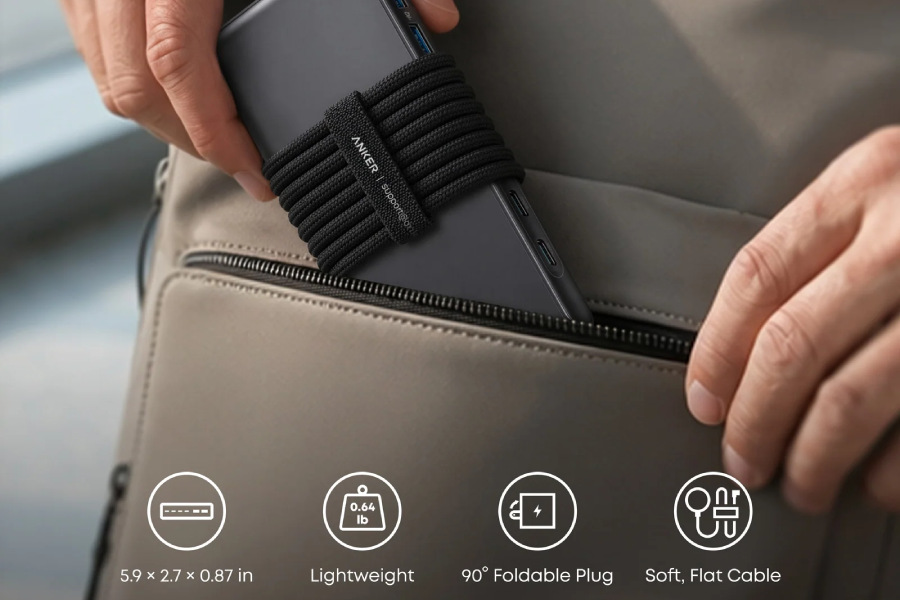
According to the official specifications, the a-bean 100W charger measures 75 x 61 x 29mm and weighs around 211 grams. It also features foldable wall prongs, making it easier to carry in a backpack or travel bag. The product is available in multiple color combinations, including Cloud White + Graphite Gray, Cool Black + Fluorescent Green, and Cool Black + Space Gray.
Up to 100W charging from two USB-C ports
The charger’s two main USB-C ports, labeled USB-C1 and USB-C2, can each provide up to 100W of power when used individually. The third USB-C port supports up to 20W, while the USB-A port can output up to 22.5W using the SCP protocol or 18W through Qualcomm Quick Charge.
Asus has also included support for a wide range of fast-charging standards, including USB Power Delivery (PD), PPS, QC, SCP, FCP, QFC, and PE.
Like most modern multi-port chargers, the maximum output changes depending on how many ports are in use. When both high-speed USB-C ports are connected, the charger splits the power between 60W and 30W. Pairing USB-C1 with USB-C3 delivers 60W + 20W, while using USB-C1 and the USB-A port gives 60W + 22.5W.
For users charging three devices at once, Asus offers several power allocation modes. For example, using USB-C1, USB-C2, and USB-C3 together provides 45W + 30W + 20W, while connecting USB-C1, USB-C2, and USB-A results in 45W + 30W + 22.5W output.
When all four ports are active, the charger distributes power at 45W through USB-C1, 30W through USB-C2, and a shared 20W for USB-C3 and the USB-A port. This setup should be enough to fast-charge a laptop while also topping up a phone, wireless earbuds, and another accessory.
For more daily updates, please visit our News Section.
Oppo has announced a new round of enhancements for ColorOS 16 as part of its June experience update. The latest release focuses on AI-powered features, smarter information cards and ecosystem improvements, bringing a mix of productivity, entertainment and personalisation upgrades to supported devices.
ColorOS 16 June update adds new AI and smart features
ColorOS 16 June update
One of the key additions is an upgraded AI Fluid Cloud experience. Oppo has added support for Kugou Music on the lock screen island, allowing users to access playback information more conveniently. The Fluid Cloud system is also gaining integration with class schedules and calendar-based course reminders, making it easier for students and professionals to keep track of upcoming activities without opening multiple apps.
The company is also strengthening its AI assistant capabilities. Football fans will receive new match-focused features through Xiaobu Suggestions, including dedicated match cards that provide quick access to scores and match information. Oppo is additionally introducing a football viewing assistant within the Xiaobu Assistant ecosystem, designed to offer a more interactive experience while following live games.
Another notable addition is AI Memory, which can help users organise and revisit information more efficiently. Oppo has also enhanced Xiaobu Memory with support for importing content from various sources, allowing information to be gathered and managed in a more streamlined way. These changes continue Oppo’s broader push toward integrating AI into everyday smartphone interactions.
Beyond AI features, the June update introduces several quality-of-life improvements. Users can now connect to Feiniu private cloud storage with a more seamless setup process. Oppo has also added new personalisation options, including Bubble-themed interactive photography features and fresh seasonal watermark styles for photos.
The update further includes improvements related to digital vehicle credentials and cross-device experiences. Oppo’s software team appears to be focusing on making ColorOS more interconnected across different devices and services while keeping frequently used tools readily accessible through intelligent suggestions and contextual cards.
June ColorOS 16 update rollout plan
The June ColorOS 16 experience update is currently limited to the Chinese market. Oppo has confirmed that it will be available for a wide range of Oppo and OnePlus smartphones and tablets, including the Find X8 series, Find X7 series, Find N5, Find N3 lineup, Reno 14 series, Reno 13 series, Reno 12 series, Reno 11 series, Reno 10 series, Reno 9 series, K13 series, K12 series, K11 series, A5 series, A3 series, A2 series, OnePlus 13 series, OnePlus 12 series, OnePlus Ace 5 series, OnePlus Ace 3 series, OnePlus Nord 5, OnePlus Pad 2, OnePlus Pad Pro, and other eligible devices. The rollout will be carried out in phases, with availability varying by device model and region.
Global Oppo users are also expected to receive these new features in the coming days. 2
For more daily updates, please visit our News Section.
Honor is all set to unveil the Honor X80 Pro Max on June 22 in China. Surprisingly, ahead of its official announcement, the brand has now silently unveiled the Honor X70 Pro Max. Here’s a look at what’s packed inside this new offering.
Honor X70 Pro Max specifications and price
Honor X70 Pro Max
The Honor X70 Pro Max features a 6.79-inch AMOLED display that delivers a 2640 x 1200 resolution, DCI-P3 color gamut coverage, and up to 6,000 nits peak brightness. The panel also supports 3840Hz PWM dimming and several eye-comfort technologies. Powering the device is the Snapdragon 6 Gen 4 Enhanced Edition chipset, paired with 8GB of RAM and up to 512GB of storage. The phone runs MagicOS 10.0 based on Android 16.
For photography, the device includes a 50-megapixel rear camera with an f/1.8 aperture and support for electronic image stabilization. On the front, it houses an 8-megapixel selfie camera. The handset packs an 8,560mAh battery and supports 90W wired fast charging along with wired reverse charging.
Additional features include stereo speakers, NFC, an infrared blaster, Wi-Fi 6, Bluetooth 5.2, dual-SIM 5G support, and an in-screen fingerprint scanner. The phone also carries IP66, IP68, IP69, and IP69K ratings for dust and water resistance.
Honor has introduced the X70 Pro Max in Phantom Purple, Sunburst Gold, Bamboo Green, and Phantom Night Black color options. Pricing starts at 1,999 Yuan (~$300) for the 8GB+256GB version, while the 8GB+512GB edition costs 2,399 Yuan (~$355). At present, the device appears to be limited to China, and there is no confirmation regarding a global rollout.
What upgrades does it offer over the Honor X70?
Honor X70 Pro Max colors
Compared to the Honor X70, the Pro Max model brings a newer Snapdragon 6 Gen 4 Enhanced Edition chipset, MagicOS 10.0 based on Android 16, a larger 8,560mAh battery, and faster 90W charging. It also gains IP69K certification and arrives in a fresh set of color options. For those who are unaware, the X70 lineup does not include a Pro variant.
The Honor X70 offered a 50-megapixel camera with optical image stabilization and optional 80W wireless charging on the top variant, whereas the X70 Pro Max switches to electronic image stabilization and does not list wireless charging support. Storage configurations have also been streamlined, with only 8GB RAM variants available.
For more daily updates, please visit our News Section.
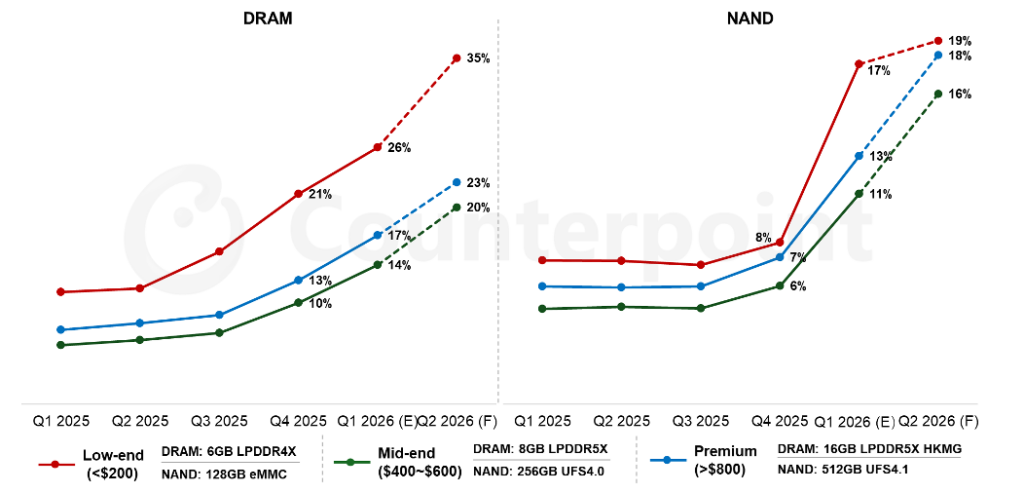
Smartphone buyers hoping for those big, juicy discounts during the next sales season might be in for a letdown. Rising component costs are shaking things up, and memory chips have quietly become the most expensive part of building a phone these days.
Nothing’s co-founder and CEO, Carl Pei, called this out in a post on X on June 12. He explained that RAM and storage together can now make up more than half of a phone’s total bill of materials. For Nothing’s own Phone (4a), the memory costs literally doubled between the time they decided to build it and when it actually launched. And since it hit the market, those prices have doubled again. That kind of jump forces tough decisions and is pushing prices up across the board.
Suppliers are stretched thin, so phone makers aren’t just ordering whatever they need anymore; they’re stuck with limited quotas and have to pay premium prices for what they can get.
Pei pointed out that since February, a lot of new phones have launched about $100 more expensive than their predecessors. With costs still climbing, those big promotional discounts we’ve gotten used to are becoming much rarer.
Industry watchers back this up. DRAM prices have shot up sharply in 2026 because of the AI boom, adding 10-30% or more to the cost of building phones depending on the model. Budget and mid-range devices are feeling it the hardest, though even some premium ones have seen adjustments. Nothing itself had to increase the prices of both the Phone (4a) and Phone (4a) Pro across all variants shortly after their March launch.
Pei’s straightforward advice to anyone thinking about upgrading? The best time was yesterday. The second-best time is right now. Waiting longer could mean paying more and missing out on the kind of deals we used to see.
Whether you’re looking at entry-level devices or flagships, brands like Samsung, Xiaomi, Google, and Nothing are all navigating the same challenges. And it’s not just smartphones; the ripple effects are showing up elsewhere too. I just spotted the Lenovo ThinkBook 16 with the AMD Ryzen 5 7535HS on Amazon, priced nearly double compared to January 2026.
Oppo’s next-generation flagship smartphone may have taken an early step into the spotlight. A new leak from well-known tipster Digital Chat Station has revealed the specifications of a high-end smartphone believed to be the Oppo Find X10 Pro, offering an early look at what the company could be preparing for its premium lineup.
Oppo Find X10 Pro leak points to major hardware upgrades
According to the tipster, the alleged Oppo Find X10 Pro could feature a 6.78-inch flat OLED LTPO display with a 1.5K resolution. The panel is said to adopt extremely slim bezels on all four sides along with large, rounded corners. The engineering prototype is reportedly using a new-generation Tianma display substrate, suggesting improvements in display quality and efficiency.
Performance could be handled by MediaTek’s upcoming 2nm Dimensity 9600 chipset. The phone is also tipped to include an ultrasonic fingerprint scanner and carry both IP68 and IP69 ratings for dust and water resistance.
The Find X10 Pro’s camera setup appears to be one of the most ambitious aspects of the device. The leak claims the phone will feature a 200-megapixel Samsung HPC primary camera with a sensor size of around 1/1.3 inches. It may be accompanied by a second 200-megapixel large-sensor telephoto camera, potentially delivering high-resolution zoom photography. A 3-megapixel multispectral sensor is also mentioned, which could assist with colour accuracy and image processing.
Battery capacity is another area where the alleged Find X10 Pro could see a substantial jump. The device is tipped to target an 8,000mAh-class battery, which would represent a significant increase over the 7,500mAh battery found on the Find X9 Pro. Wireless charging support is also expected to remain part of the package, adding convenience alongside the larger battery.
For more daily updates, please visit our News Section.
Meizu has returned to the smartwatch segment in China after a gap of around five years. The company has quietly introduced the Meizu Watch M1, a budget-focused wearable that combines a large AMOLED display, Bluetooth calling and fitness tracking features at an affordable price point.
Meizu Watch M1 specifications and features
Meizu Watch M1
The Meizu Watch M1 features a square dial with a curved display design and a metal-look frame. It comes equipped with a 2.01-inch AMOLED screen that offers a resolution of 410 x 502 pixels and peak brightness of up to 1,000 nits, making it easier to view notifications and health data outdoors. The display is protected by 2.5D glass and supports full-touch operation.
For connectivity, the smartwatch supports Bluetooth calling and Bluetooth music playback, allowing users to answer calls directly from the wrist when connected to a smartphone. The watch supports dual Bluetooth connectivity and is powered by dedicated hardware that includes a VC30F-SG heart rate sensor and an SC7A20H motion sensor.
Fitness and health tracking are also a key part of the package. The Watch M1 supports more than 100 sports modes covering activities such as walking, running, cycling, hiking and various indoor workouts. It can monitor heart rate, sleep patterns, and calorie consumption throughout the day. Additional features include sedentary reminders, hydration reminders and women’s health tracking.
The wearable carries an IP68 rating for dust and water resistance, making it suitable for daily use in varying conditions. Meizu has equipped it with a 300mAh battery that is claimed to deliver around three to five days of typical usage, while standby time can reach up to 15 days. Charging is handled through a magnetic charging system and a full charge takes approximately two hours.
Meizu Watch M1 price and availability
The Meizu Watch M1 has gone on sale in China with a launch price of 299 Yuan (~$45) The smartwatch is available with a black perforated silicone strap, while the watch body is offered in a silver finish with a contrasting red crown accent. At present, the wearable is limited to the Chinese market, and Meizu has not announced plans for availability in India or other global regions.
For more daily updates, please visit our News Section.
Since last week, Vivo has been teasing the arrival of the Vivo X Fold 6 in China. The brand recently confirmed that it will be powered by the Dimensity 9500, ditching the Snapdragon chip that the brand has been using for its foldables for years. In a new development, Vivo Product Vice President Huang Tao and Han Boxia, Product Manager at Vivo Communication Technology, have shared additional details about the upcoming foldable through separate Weibo posts.
Vivo X Fold 6’s key specs officailly revealed
The Vivo X Fold 6 has been designed around the idea of combining a large-screen foldable experience with AI-powered productivity. The device will introduce an upgraded Atomic Workbench feature that can run multiple applications simultaneously on the large display, backed by OriginOS 6 Fold and the new Dimensity 9500 platform. Vivo says the goal is to offer a smoother multitasking experience for users who rely on their smartphones for work and daily productivity.
Beyond software features, Vivo is placing equal emphasis on design. The company highlighted a new Blue Hole color option inspired by deep-sea blue sinkholes. The foldable is said to feature more rounded corners and a refined metal frame aimed at improving in-hand comfort while maintaining a slim and lightweight profile. Vivo positions the X Fold 6 as a flagship foldable that balances aesthetics, portability and everyday usability.
The camera system appears to be one of the biggest highlights of the Vivo X Fold 6. The company has confirmed a 200-megapixel main camera based on Samsung’s HPB sensor with a 1/1.4-inch sensor size, f/1.68 aperture and CIPA 4.5-level image stabilization.
Vivo has also revealed that the phone will be the first foldable to feature a ZEISS APO-certified periscope telephoto camera using Sony’s LYT-602 sensor. The device will support the Vivo ZEISS Teleconverter G2, enabling an equivalent focal length of up to 200mm for distant subjects, concerts and sporting events. Here are some of the camera samples confirmed by the brand.
.The X Fold 6 will also feature Vivo’s V3+ imaging chip, multiple portrait focal lengths ranging from 23mm to 100mm, full-focus flash support and AI-assisted photography tools. On the display front, Vivo has confirmed an 8.02-inch inner screen using Samsung’s latest M14 emissive material. Both the inner and outer displays can reach 5,000 nits peak brightness, while a 1-nit low-brightness mode is designed for comfortable night-time viewing. TÜV Rheinland Global Eye Protection 3.0 certification is also part of the package.
Rumors are rife that the X Fold 6 will pack a hgue 6,900mAh battery. As far as launch is concerned, it is expected to debut by the end of this month in China.
For more daily updates, please visit our News Section.
Honor has confirmed the launch date of the Honor X80 Pro Max, giving consumers an early look at what could become one of the most endurance-focused smartphones of 2026. The upcoming handset has been teased with a record-breaking battery capacity for the brand, while official listings have also revealed several key details ahead of its debut.
Honor X80 Pro Max launch date and key highlights
The Honor X80 Pro Max will be unveiled in China on June 22 at 7:00 PM local time. The device has already appeared on online retail platforms, confirming multiple storage options, including 8GB + 128GB, 8GB + 256GB, 8GB + 512GB and 12GB + 512GB variants. Buyers will be able to choose from four colour options: Lightning Red, Black Armour, Moon Shadow White and Vitality Orange.
The biggest talking point is the 11,000mAh battery, which Honor says is the largest ever fitted inside one of its smartphones. The device will support 90W wired charging, helping reduce charging times despite the enormous battery capacity. The image below also confirms support for 27W wired reverse charging, allowing the handset to charge compatible accessories and other devices.
Official teasers and retailer listings indicate that the Honor X80 Pro Max will feature a 6.8-inch OLED display with a resolution of 2788 x 1280 pixels. The panel is expected to support a 120Hz refresh rate and 3840Hz PWM dimming for improved viewing comfort during prolonged use.
Under the hood, the smartphone is tipped to use Qualcomm’s latest Snapdragon 6 Gen 5 chipset. Honor is also placing strong emphasis on durability, with the handset expected to offer IP66, IP68, IP69 and IP69K-rated dust and water resistance. The company has additionally highlighted enhanced drop protection and a complimentary screen replacement programme for eligible accidental damage cases during the coverage period.
For more daily updates, please visit our News Section.
Rapoo has announced the VE3, a new wireless gaming headset launching in China that brings a relatively uncommon feature to the budget peripheral market: a modular, hot-swappable battery system. The headset is priced at a standard 299 yuan (around $44) and is now available on JD.com.
Rapoo VE3 Headset Specifications
The headset uses removable 1,500mAh lithium battery modules, with Rapoo claiming up to 150 hours of battery life per charge. During the launch window, the company is including two battery packs in the box, allowing users to swap a depleted battery for a fresh one immediately without needing to plug the headset in. The system also supports charging while in use and includes standard temperature, overvoltage, and short-circuit protections.
For audio, the VE3 is equipped with 53mm titanium-coated polymer diaphragm drivers and a neodymium magnetic system. The internal design features an independent acoustic chamber, which is intended to reduce structural vibrations and frequency interference.
The headset operates on a dual-chip architecture, combining a low-power controller with a dedicated C-Media gaming audio chipset. According to Rapoo, this setup enables a wireless latency of 15ms. It also includes a software-based 7.1-channel surround sound mode for spatial audio in games.
The headset can connect via 2.4GHz wireless using either the included USB-C or USB-A receivers, through Bluetooth 6.0, or via a standard wired USB-C connection. This makes it compatible with PCs, laptops, mobile devices, the Nintendo Switch, and PlayStation consoles.
Physically, the VE3 weighs 315g without the detachable microphone and receiver. It is built with an adjustable headband with nine levels of extension, anodized aluminum support arms, and protein leather ear cushions featuring a hydrophobic coating. The detachable omnidirectional microphone includes environmental noise cancellation (ENC) and AI-powered voice processing to filter background noise.
The headset will be available in three color options: Mint Green, Starlight White, and Shadow Black.
In related news, Sony is celebrating a decade of the 1000X lineup with the WH-1000X The ColleXion, and Edifier has launched affordable headphones equipped with a built-in dot-matrix screen for displaying lyrics.
For more daily updates, please visit our News Section.
Samsung could be about to make its Galaxy Z Fold series feel more premium and durable. The company is reportedly testing a thicker layer of Ultra Thin Glass (UTG) on upcoming models, which could finally make the dreaded crease much less noticeable at first glance and help the screen hold up better against everyday bumps and drops.
According to supply chain reports, Samsung is looking at a 60-micron-thick UTG layer. That’s a noticeable jump from what we’ve seen before. This thicker glass is apparently being tried out first on the Galaxy Z Fold 8 Wide: the broader, passport-style version that has a different aspect ratio. It makes sense as a test run. If it works well, we could see it roll out more widely on the Galaxy Z Fold 9.
For comparison, the standard Galaxy Z Fold 8 Ultra is expected to stick with the current 45-micrometer glass that’s been used on recent models like the Z Fold 7. This selective approach lets Samsung gather real-world feedback on the new material without betting everything on it at once.
The Z Fold 6 used 30-micrometer glass, then later models moved up to 45 micrometers for better toughness. Jumping to 60 microns would be another solid step forward.
Beyond the display, Samsung is also working on better hinges and protective layers overall. The goal? Make Galaxy foldables more reliable for heavy multitasking, watching videos, and getting actual work done.
All of this is happening as Samsung gears up for its next big Unpacked event. Rumors point to July 22, 2026, in London, UK. If these upgrades land as expected, the Z Fold 8 Wide could really stand out as a more refined option in a foldable market that’s getting more competitive every year.
It’s still early days and nothing is officially confirmed yet, but these developments show Samsung is listening to feedback and pushing foldable hardware forward. For anyone thinking about jumping into Samsung’s foldable world, this kind of iterative improvement is exactly what makes the category more exciting.
Belkin has released a new charger called the Belkin 45W Retractable GaN Wall Charger (model WCH023) in China. It is priced at 199 yuan ($28) and is now available on JD.com.
Belkin 45W GaN Charger Specifications
The charger comes with a built-in USB-C cable that extends up to 0.8 meters and neatly retracts into its rounded, white housing. According to Belkin, it is highly durable: the retraction mechanism is rated to survive 20,000 cycles, while the cable itself can withstand 5,000 bends and a 10kg load.
It is also designed for easy portability, featuring foldable prongs, a compact footprint measuring 65 by 52 by 38mm, and a lightweight build of just 145 grams.
In terms of power, the charger delivers a maximum of 45W when connected to a single device, whether you are using the integrated cable or the secondary USB-C port located on the front. If you need to plug in two devices at the same time, the power splits into 25W for one output and 20W for the other.
It supports standard fast-charging protocols like USB PD 3.1 and PPS. According to Belkin’s estimates, the 45W output is enough to get an iPhone 17 Pro to 50% battery in 20 minutes, or a Samsung Galaxy S25 Ultra to 50% in 25 minutes.
Inside, the charger uses gallium nitride (GaN) components. Belkin claims its specific implementation allows for 92% power conversion efficiency and keeps the brick running about 10 degrees Celsius cooler than older, non-GaN chargers. It also includes active temperature monitoring and the usual set of safeguards against overvoltage, overcurrent, and short circuits.
The outer shell of the charger is made from 90% post-consumer recycled plastic.
Portable fans are a standard accessory for commuting and outdoor events, and Rogbid is adding another option to the market with the Winggo. It is priced at $39.99 and functions as a handheld fan, offering a bit more utility than the usual plastic models by featuring an aluminum build, a highly adjustable hinge, and an active semiconductor cooling system.
Rogbid Winggo Specifications
The main functional difference between the Winggo and a standard battery-powered fan is its thermal management setup. The fan uses a 13,000 RPM motor that pushes air at up to 11 meters per second. However, blowing ambient air isn’t always effective in high heat.
To address this, Rogbid included a built-in semiconductor cooling pad. When activated, the pad drops in temperature in a few seconds, allowing you to press the cold metal directly against your neck or wrists for direct cooling, rather than just relying on moving air.
In terms of design, the Winggo features an 180-degree adjustable hinge. This gimbal-like mechanism allows the device to function in multiple orientations: as a standard handheld fan, angled as a freestanding desktop fan, or worn around the neck using an included lanyard.
The handle is made from an aluminum alloy, which gives it a more solid feel than standard polycarbonate plastic and offers better drop resistance. To prevent hair from getting caught in the blades when worn around the neck, the air intake is covered by a dual-layer honeycomb mesh.
For controls, the fan features a stepless adjustment system that lets you scroll through 100 different speed levels instead of the usual low, medium, and high presets. It also includes a small LED digital display on the front that shows the current speed setting and the remaining battery percentage.
The device is powered by a 3,000mAh battery that charges via USB-C. Rogbid says the fan can run for up to 10 hours on a single charge, though that metric is likely based on the lowest fan speed. The base of the fan also includes an LED light with three brightness settings and a flashing SOS mode for camping or emergencies.
Pricing and Availability
The Rogbid Winggo is available now on the company’s official store for $39.99 and comes in three colors: Space Gray, Champagne Gold, and Sakura Pink.
In related news, Rogbid has recently unveiled the SR15 Ultra smart ring, featuring a built-in display, vibration notifications, and comprehensive health monitoring.
For more daily updates, please visit our News Section.
Choosing between the Xiaomi 17T Pro and OnePlus 15 is not easy because both target the premium flagship segment with top-tier performance, large batteries, advanced displays, and versatile camera systems. While Xiaomi focuses on Leica-tuned photography and a massive battery, OnePlus pushes harder on raw performance, charging speed, display smoothness, and durability. The comparison ultimately comes down to which flagship priorities matter most.
Major Features:
Feature
Xiaomi 17T Pro
OnePlus 15
Winner
Build Quality
Gorilla Glass 7i, Aluminum Frame, IP68
Victus 2, Aluminum Frame, IP68/IP69
OnePlus 15 – Better durability and stronger protection.
Display
6.83-inch AMOLED, 144Hz, 3500 nits
6.78-inch LTPO AMOLED, 165Hz, 1800 nits HBM
OnePlus 15 – LTPO panel and higher refresh rate.
Peak Brightness
3500 nits
1800 nits (HBM)
Xiaomi 17T Pro – Significantly brighter outdoors.
Processor
MediaTek Dimensity 9500
Snapdragon 8 Elite Gen 5
OnePlus 15 – More powerful flagship chipset.
GPU
Mali-G1 Ultra MC12
Adreno 840
OnePlus 15 – Better gaming optimization.
RAM & Storage
Up to 16GB RAM, 1TB UFS 4.1
Tie – Identical storage technology and capacities.
Main Camera
50MP, 1/1.31″ Sensor, Leica
50MP, 1/1.56″ Sensor
Xiaomi 17T Pro – Larger primary sensor and Leica tuning.
Telephoto Camera
50MP Periscope, 5x Optical Zoom
50MP Periscope, 3.5x Optical Zoom
Xiaomi 17T Pro – Better long-range zoom.
Ultrawide Camera
12MP
50MP
OnePlus 15 – Higher resolution and versatility.
Selfie Camera
32MP
32MP AF
OnePlus 15 – Autofocus and 4K60 recording.
Video Recording
8K, 4K120, HDR10+, Log
8K, 4K120, Dolby Vision
Tie – Both offer flagship-level video capabilities.
Both smartphones feature premium materials with glass fronts and backs paired with aluminum frames, giving them a flagship-grade feel. Xiaomi keeps things elegant with Gorilla Glass 7i protection and an IP68 rating, while OnePlus goes a step further with IP68/IP69 certification, offering greater resistance against water and harsh conditions. The ultrasonic fingerprint scanner on the OnePlus also feels more premium and responsive than Xiaomi’s optical solution.
The Xiaomi 17T Pro leans toward a refined photography-focused identity, whereas the OnePlus 15 feels slightly more performance-oriented and rugged. Users who prioritize durability may find the OnePlus more reassuring in everyday use.
Display Quality
Xiaomi offers a large AMOLED panel with 144Hz refresh rate, Dolby Vision support, and an impressive 3,500-nit peak brightness. Colors are vibrant, contrast is excellent, and outdoor visibility is outstanding.
The OnePlus 15 counters with a newer LTPO AMOLED display featuring a 165Hz refresh rate, adaptive refresh technology, HDR Vivid support, and Ultra HDR compatibility. The panel feels slightly more fluid during gaming and scrolling.
Verdict
The Xiaomi 17T Pro delivers higher brightness, but the OnePlus 15 combines LTPO technology, a faster refresh rate, and stronger durability. For overall display and build quality, the OnePlus 15 takes a narrow win.
2. Specifications Including Battery
Performance
The Xiaomi 17T Pro is powered by the MediaTek Dimensity 9500, a flagship-grade chipset built on a 3nm process. It is paired with fast UFS 4.1 storage and ample memory configurations, making multitasking and gaming effortless.
However, the OnePlus 15 uses Qualcomm’s Snapdragon 8 Elite Gen 5, which is expected to sit at the very top of the Android performance hierarchy. Combined with the Adreno 840 GPU, it should deliver stronger gaming performance, better sustained efficiency, and wider optimization support across demanding applications.
For users who push their phones heavily, the OnePlus offers a slight performance advantage.
Battery and Charging
Battery life is a major strength for both devices. Xiaomi packs a huge 7,000mAh battery with 100W wired and 50W wireless charging. The OnePlus 15 goes even bigger with a 7,300mAh battery, 120W wired charging, 50W wireless charging, bypass charging, and reverse wireless charging support.
The charging package on the OnePlus feels more complete and future-proof.
Verdict
Both phones offer exceptional endurance, but the combination of Snapdragon performance, larger battery, faster charging, and bypass charging gives the OnePlus 15 the advantage.
3. Camera
Main and Secondary Lenses
The Xiaomi 17T Pro focuses heavily on photography with Leica branding, a large 50MP primary sensor, and a 50MP periscope telephoto camera capable of 5x optical zoom. This setup is particularly attractive for portrait photography and long-range shots. The inclusion of Leica tuning may also appeal to users who enjoy a more distinctive photographic style.
The OnePlus 15 uses a more balanced triple 50MP setup consisting of wide, periscope telephoto, and ultrawide cameras. While its telephoto zoom reaches 3.5x optical magnification, the higher-resolution ultrawide camera offers greater flexibility and consistency across all focal lengths.
Video capabilities are excellent on both devices, supporting 8K recording and advanced HDR formats.
Selfie Camera
Both phones feature 32MP selfie cameras. The OnePlus gains a slight edge thanks to autofocus support and 4K 60fps recording, producing more reliable results for selfies and video calls.
Verdict
The Xiaomi 17T Pro is stronger for zoom photography thanks to its 5x periscope camera and Leica tuning. The OnePlus 15 delivers a more balanced overall camera package. Xiaomi wins for photography enthusiasts, while OnePlus is the better all-rounder.
4. Pricing
The Xiaomi 17T Pro is priced around ₹75,000, while the OnePlus 15 is priced around ₹80,000. The difference is relatively small considering both compete in the flagship category.
At its price point, the Xiaomi offers tremendous value through its Leica-branded camera system, large battery, premium display, and flagship-grade performance. It feels like a device designed to maximize hardware value without crossing into ultra-premium territory.
The OnePlus 15 costs slightly more, but the additional investment brings meaningful upgrades. Buyers gain a newer Snapdragon chipset, LTPO display technology, stronger durability certification, faster charging, ultrasonic fingerprint scanning, reverse wireless charging, and a more versatile camera arrangement.
The price gap is not large enough to be a deciding factor for most flagship buyers.
Verdict
The Xiaomi 17T Pro delivers better value for money, while the OnePlus 15 justifies its higher price with a more complete flagship experience.
5. Conclusion
The Xiaomi 17T Pro stands out with its Leica camera partnership, brighter display, and 5x optical periscope zoom. It is a compelling choice for users who prioritize photography and battery life while keeping costs slightly lower.
The OnePlus 15 differentiates itself through the Snapdragon 8 Elite Gen 5 chipset, LTPO 165Hz display, IP69 protection, bypass charging, reverse wireless charging, ultrasonic fingerprint sensor, and broader premium feature set. It feels like a flagship designed to excel in every category rather than focusing on a few standout areas.
Verdict
The Xiaomi 17T Pro is the smarter purchase for camera-focused users seeking excellent value. The OnePlus 15 is the better overall flagship, offering stronger performance, richer features, better durability, and a more polished premium experience. For most buyers spending around ₹80,000, the OnePlus 15 emerges as the more complete smartphone.
Asus has released a new ultra-budget portable Bluetooth speaker in China, and its spec sheet is surprisingly modern for the price. The Asus Adol PO102 is launching for 139 yuan (roughly $20).
Asus Adol PO102 Specifications
The exterior is constructed from a combination of a fabric grille and a non-slip silicone shell to provide a better grip. Asus has also integrated a carrying strap into the design so users can attach it to a backpack or hang it up. The speaker is available in three colors: Meteorite Gray, Iris Purple, and Sage Green.
In terms of physical design, the Adol PO102 is built for easy transport. It weighs 200 grams and measures 109.5 by 82.5 by 38mm, making it small enough to carry in a bag or a large coat pocket.
For audio output, the speaker delivers 6W of power. This level of output is standard for a device of this size and is generally sufficient for personal listening or small groups. To expand the audio setup, the Adol PO102 supports TWS pairing. This allows users to link two identical units together for stereo sound or network multiple compatible speakers for a broader audio setup.
Connectivity is handled by Bluetooth 6.0, which provides a standard 10-meter wireless range. The speaker also includes Auracast broadcast audio support, a feature that allows audio to be shared wirelessly across multiple compatible devices at the same time.
For users who prefer not to rely on a smartphone or an internet connection, the speaker includes a microSD (TF) card slot for direct, offline music playback. Additionally, it has a built-in microphone to support hands-free phone calls.
The device is powered by a 2,600mAh battery. According to Asus, this provides up to 10 hours of continuous playback, assuming the volume is kept at 50%. When the battery is depleted, it recharges via a USB-C port, with a full charge taking between two and three hours.
The speaker carries an IP67 rating. This means it is fully protected against dust ingress and can withstand being submerged in up to one meter of water for 30 minutes.
In related news, Xiaomi has recently launched the Sound Play Bluetooth speaker globally, featuring Auracast support, infinity ambient lighting, and up to 14 hours of battery life.
For more daily updates, please visit ourNews Section.
Mobile applications have become a critical part of modern business strategies, helping companies connect with customers, streamline operations, and create new revenue opportunities. However, building a successful app involves far more than writing code. Industry experts emphasize that a structured mobile app development process is essential for delivering high-quality applications that meet both user expectations and business goals.
From the initial concept to ongoing maintenance, each stage plays a vital role in ensuring the app’s success.
Ideation and Market Research Set the Direction
Every mobile app begins with an idea. The first stage focuses on identifying a problem that needs solving and determining how an app can provide value to users. Businesses must define their target audience, understand user behavior, and establish a clear unique value proposition (UVP).
Market research is a key part of this process. Companies analyze competitors, evaluate market trends, and identify gaps that their application can address. Product discovery and concept validation are often conducted before significant investments are made in development.
The importance of this stage continues to grow as user expectations rise. Research indicates that 71% of consumers expect personalized experiences, while 76% report frustration when personalization is lacking. These insights often influence feature selection, user journeys, and overall app functionality.
Planning the Development Strategy
Once the concept is validated, teams move into the planning phase. Here, project requirements are documented, timelines are established, and development milestones are defined. Many organizations also seek guidance from experienced development partners during this stage to better understand technology choices, scalability requirements, and long-term project goals.
One of the most important decisions involves choosing the development approach. Native app development remains popular for organizations seeking maximum performance and deep integration with device features. Native iOS applications are typically built using Swift, while Android apps commonly use Kotlin.
Cross-platform development has also gained significant popularity. Frameworks such as React Native allow developers to maintain a single codebase while supporting multiple platforms, reducing both development time and costs.
Some organizations opt for Progressive Web Apps (PWAs), which combine web and mobile experiences while eliminating the need for traditional app store installations.
During planning, teams also evaluate technology stacks, scalability requirements, security needs, budget limitations, and long-term maintenance expectations.
Design and Prototyping Focus on User Experience
A well-designed app can significantly influence user engagement and retention. During the design phase, teams create wireframes, user flows, interactive prototypes, and interface layouts to visualize the application before development begins.
Prototyping allows stakeholders to test navigation paths and user interactions early in the process. This reduces costly changes during later development stages and helps ensure the final product aligns with user expectations.
Accessibility has become another important consideration. Many development teams follow Web Content Accessibility Guidelines (WCAG) to ensure applications remain usable for individuals with disabilities, improving inclusivity and compliance.
Development Brings the Product to Life
After designs are approved, developers begin building the application.
Frontend development focuses on the visual interface, user interactions, and overall user experience. Backend development handles servers, databases, APIs, and data management systems that power app functionality behind the scenes.
Modern mobile applications often include a variety of advanced features, such as authentication systems, push notifications, payment gateways, in-app purchases, user account management, and analytics tools. Businesses working withexperienceddevelopment teams can often accelerate implementation while ensuring these features are integrated securely and efficiently.
Many organizations adopt Agile development methodologies, which encourage iterative releases and continuous feedback. This approach enables teams to respond quickly to changing requirements and user feedback throughout the development cycle.
Another common strategy is the Minimum Viable Product (MVP) approach. Rather than launching a feature-heavy application immediately, businesses release a version containing core functionality and expand capabilities through future updates.
Testing Ensures Quality and Reliability
Before launch, applications undergo extensive testing to identify issues and verify performance.
Functional testing confirms that features work as intended, while user testing evaluates the overall experience from a customer’s perspective. User Acceptance Testing (UAT) ensures that business requirements have been met before release.
Performance testing measures speed, responsiveness, and stability under different conditions. Security testing identifies vulnerabilities and helps protect sensitive user data.
Comprehensive quality assurance helps reduce post-launch issues, improve reliability, and deliver a consistent experience across multiple devices and operating systems.
Deployment and App Store Launch
Once testing is complete, the application is prepared for deployment.
For most mobile apps, this involves publishing on the Apple App Store and Google Play Store. Developers must create app screenshots, descriptions, keywords, privacy policies, marketing materials, and compliance documentation before submission.
Following marketplace guidelines is essential, as failure to meet review requirements can delay approval. Many companies also invest in App Store Optimization (ASO) to improve discoverability and increase downloads.
Maintenance Supports Long-Term Success
Launching an application is not the end of the development journey. Ongoing maintenance is required to keep apps secure, stable, and competitive.
Common maintenance activities include bug fixes, performance monitoring, security updates, operating system compatibility improvements, and feature enhancements based on user feedback.
Regular updates help improve user retention, maintain compatibility with evolving devices, and ensure the application continues meeting customer expectations over time.
Costs Can Vary Significantly
Mobile app development costs vary widely depending on complexity and requirements. Industry estimates suggest simple applications may cost between $10,000 and $30,000, while highly complex enterprise-grade platforms can exceed $500,000.
Factors affecting development costs include the number of supported platforms, technology choices, security requirements, cloud infrastructure, third-party integrations, team size, and ongoing maintenance expenses.
A Structured Process Remains Essential
As competition in the mobile app market continues to intensify, organizations are placing greater emphasis on structured development processes. By combining thorough research, strategic planning, user-focused design, rigorous testing, and continuous improvement, businesses can reduce risks and improve their chances of delivering successful mobile applications.
Industry professionals agree that following a well-defined development framework not only improves app quality but also creates a stronger foundation for scalability, user satisfaction, and long-term growth.
We use cookies on our website to give you the most relevant experience by remembering your preferences and repeat visits. By clicking “Accept”, you consent to the use of ALL the cookies.
This website uses cookies to improve your experience while you navigate through the website. Out of these, the cookies that are categorized as necessary are stored on your browser as they are essential for the working of basic functionalities of the website. We also use third-party cookies that help us analyze and understand how you use this website. These cookies will be stored in your browser only with your consent. You also have the option to opt-out of these cookies. But opting out of some of these cookies may affect your browsing experience.
Necessary cookies are absolutely essential for the website to function properly. This category only includes cookies that ensures basic functionalities and security features of the website. These cookies do not store any personal information.
Any cookies that may not be particularly necessary for the website to function and is used specifically to collect user personal data via analytics, ads, other embedded contents are termed as non-necessary cookies. It is mandatory to procure user consent prior to running these cookies on your website.