Advertisement

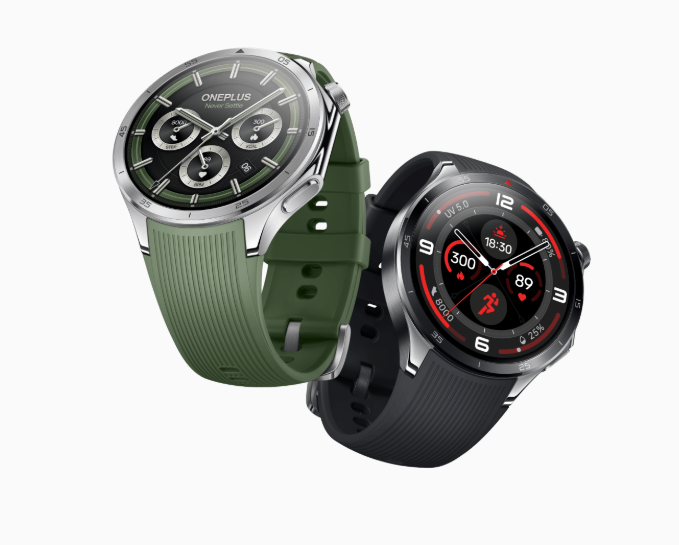
Lemfofit Lem 4s smartwatch launched for $59, Brings ECG, blood glucose monitoring, sleep aid functionality

Lemfofit unveiled the Lem 4 smartwatch with a price tag of $49 in June of this year. The brand is back with the successor to their Lem 4. The new Lem4s builds upon its predecessor with key improvements and innovative features, particularly in sleep tracking and overall health monitoring.

Lemfofit Lem4s specifications and features

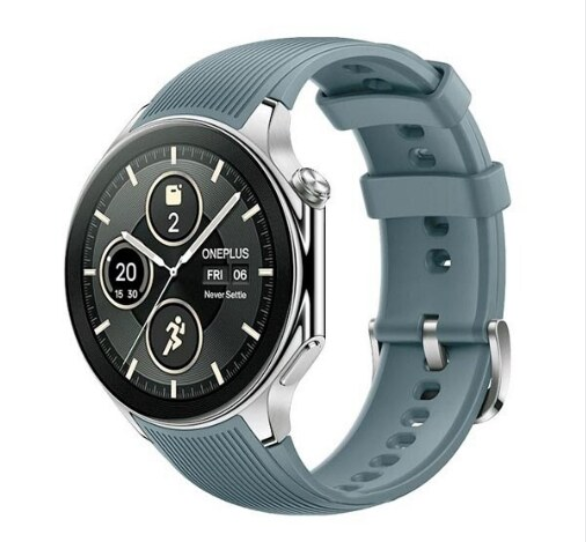
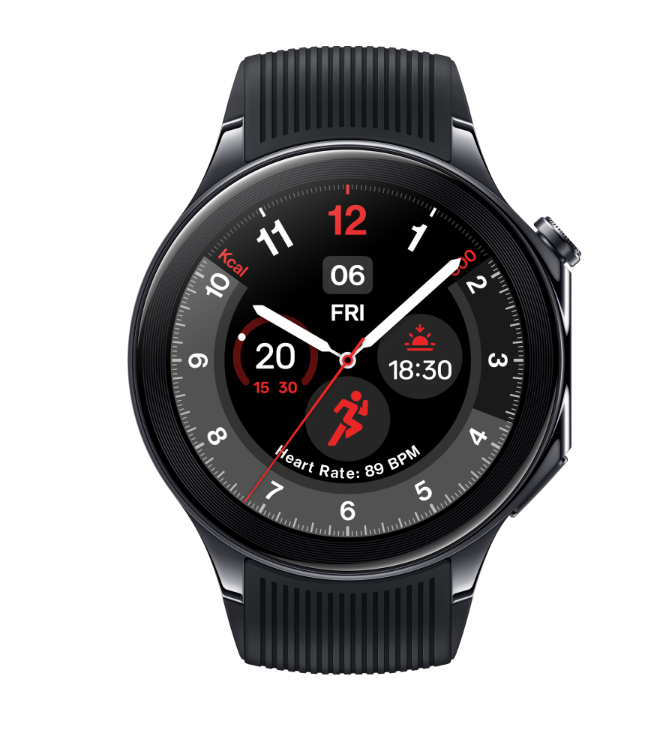
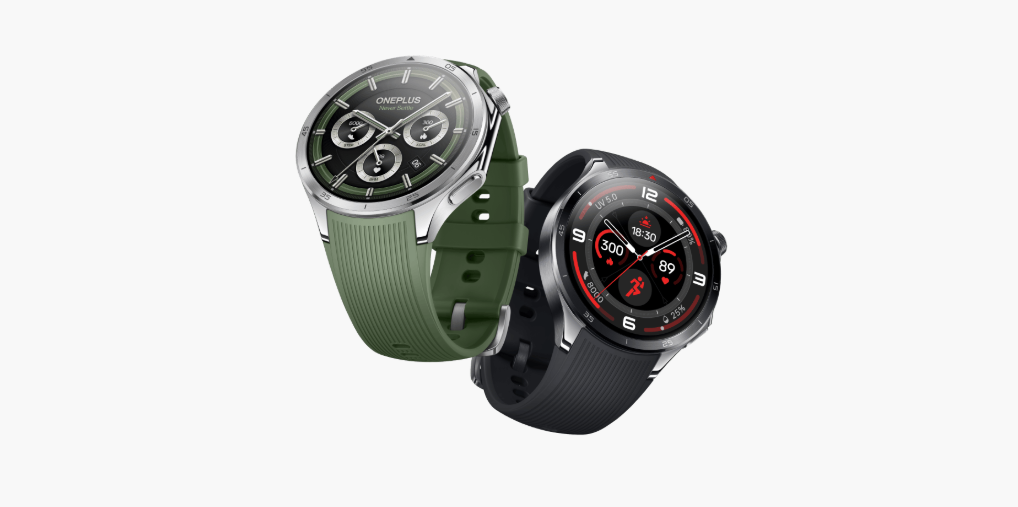
Lemfofit Lem 4s watch

One of the major additions to the Lem4s is its sleep aid function, designed to help users relax and achieve better sleep quality. This is achieved through brainwave-matching technology, which guides the user into a more restful state. In addition to sleep aid, the Lem4s introduces respiratory rate tracking for a more comprehensive understanding of your health.

Beyond these new features, the Lem 4s retains the advanced health monitoring capabilities of the Lem4, including a CFDA-certified ECG monitor for accurate heart health data and non-invasive blood glucose tracking. It also continues to monitor body temperature, heart rate, blood pressure, blood oxygen levels, and stress levels.

Lem 4s ECG monitoring
Lem 4s – ECG monitoring

Adding to its health monitoring suite, the Lem 4s now also offers uric acid monitoring, allowing users to track this crucial indicator of kidney health and potentially prevent gout. For added convenience, the Lem4s incorporates Bluetooth HD calling, enabling users to answer calls directly from their wrist.

The Lem 4s offers an upgraded battery life, now with a 360mAh capacity that supports up to 10 days of use. The display has been slightly reduced to 1.85 inches for a more compact design. A new family care feature allows users to remotely monitor the health data of loved ones. It is an IP67-rated device and works with both Android and iOS devices.

Lemfofit Lem4s price and availability

The Lemfofit Lem4s is available in three classic colors: Grey, Black, and Silver. It is competitively priced at $59.99, with a current launch discount of 37 percent off. There’s a Pro version with Sleep Aid Kit priced at $75.

Is iPhone 16 Pro Max better for gaming than ROG Phone 9 Pro?

In the world of gaming smartphones, the battle for supremacy grows fiercer with each iteration. This year, Apple’s iPhone 16 Pro Max and Asus‘s ROG Phone 9 Pro are at the forefront, each boasting remarkable capabilities tailored to the demands of gamers.

To determine which device might serve as the better gaming companion, we delve into a comparison focused on their gaming performance, thermal management, and unique gaming features.

Apple-iPhone-16-Pro

1. Performance and Graphics

The iPhone 16 Pro Max runs on Apple’s latest A18 Pro chip, which incorporates a 6-core GPU capable of up to 20% faster performance than its predecessor. This upgrade is significant for gamers, especially with hardware-accelerated ray tracing that enhances light sources and reflections, providing a more immersive gaming experience. Additionally, Apple’s introduction of Game Mode, borrowed from the Mac, optimizes performance and is designed to maintain consistent frame rates during intense gaming sessions.

Conversely, the ROG Phone 9 Pro is engineered with gamers in mind, featuring the Snapdragon 8 Elite SoC coupled with up to 24GB of LPDDR5X RAM and UFS 4.0 storage. This configuration is explicitly aimed at handling the most demanding games and ensuring smooth gameplay. The phone also boasts a 185Hz refresh rate, surpassing the iPhone’s 120Hz, which could be a crucial factor for games that support higher frame rates.

2. Thermal Management

Thermal performance is critical during extended gaming sessions where device heating can affect performance. The iPhone 16 Pro Max has received praise for its efficient thermal management, which keeps the device cool even during prolonged use. However, users have reported that the device tends to get warm, and under certain conditions, such as maximum brightness, the iPhone may throttle brightness to manage heat.

On the other hand, the ROG Phone 9 Pro shines with its advanced cooling technologies. It includes a significantly larger graphite sheet and an active cooler with increased fan size and more thermal compound, promising 29% better cooling. It comes with an optional AeroActive Cooler X Pro accessory that not only enhances cooling but also adds ergonomic hardware buttons, providing a tactile advantage in gameplay.

3. Gaming Features and Ecosystem

While the iPhone 16 Pro Max is impressive, its gaming prowess is part of a broader set of capabilities, including photography and general productivity. Apple’s ecosystem offers seamless integration with other devices, which is a benefit for users who own multiple Apple products.

The ROG Phone 9 Pro, however, is a dedicated gaming powerhouse with features like AirTriggers and the AniMe Matrix display on the back for additional customization and interaction. Its gaming-oriented design includes two USB-C ports for convenient charging during landscape gaming sessions and the use of gaming accessories.

4. Game Support & Real-World Performance

Both phones support high-frame-rate gaming in titles like PUBG Mobile, but there are differences in support for other games. The ROG Phone 9 Pro, while excellent, has limitations with some titles like Genshin Impact, which caps at 60fps compared to the iPhone’s 120fps. Since the phone is new, it is expected to get the support soon. However, in real-world testing, the ROG Phone tends to maintain consistent performance with less heat generation over longer periods.

5. Conclusion

Deciding whether the iPhone 16 Pro Max is better for gaming than the ROG Phone 9 Pro depends on what aspects of gaming are most important to you. If you prioritize a phone that offers a well-rounded performance with good gaming capabilities and you’re entrenched in the Apple ecosystem, the iPhone 16 Pro Max is an excellent choice.

However, if your focus is purely on gaming and you value specialized gaming features and superior thermal performance, the ROG Phone 9 Pro is undoubtedly the frontrunner. As always, the best phone for gaming is the one that matches your specific needs and usage patterns.

The ROG Phone 9 series is available in two variants: the ROG Phone 9 and the ROG Phone 9 Pro. Curious about the differences? Check out this article for a detailed comparison.

Bluesky’s Surge in Popularity: Can It Compete with X?

Bluesky, a relatively new microblogging platform, has experienced a remarkable surge in its user base. Once a quiet contender in the shadow of X (formerly Twitter), Blue Sky has suddenly emerged as a strong alternative, particularly as millions of disillusioned users are fleeing Elon Musk’s controversial platform. As of November 2024, Bluesky has reached over 20 million active users, a feat that showcases both its appeal and its potential for reshaping the social media landscape.

Bluesky

1. The Emergence of Bluesky

Launched in 2022 by Jack Dorsey, the co-founder of Twitter, Bluesky initially struggled to attract attention in a saturated market dominated by X and Facebook. The platform was developed under the umbrella of AT Protocol, a decentralized social media technology designed to give users more control over their data and interactions. Its vision was clear: to create a space where freedom of speech could thrive without the algorithmic manipulation that often characterizes other platforms. However, despite its high-profile backer, Bluesky’s growth was slow at first.

That all changed in 2024, when significant events began to unravel within the social media world. X, under Musk’s ownership, has faced a series of controversies, ranging from changes in its moderation policies to issues surrounding the platform’s user experience. These developments have created an opening for rivals, and Bluesky has seized the opportunity.

2. The Surge in Popularity

Bluesky’s rise can be attributed to several factors. First, many users are drawn to its promise of transparency and privacy. Unlike X, which is often seen as a chaotic platform dominated by advertisements, Blue Sky offers a simpler, ad-free experience. The interface is minimalist, focusing on content sharing and interaction without constant interruptions from algorithms or commercial interests.

The platform’s decentralized nature is another major draw. Powered by the AT Protocol, Bluesky gives users more control over their data. They can choose how their feed appears and manage their own privacy settings, unlike centralized platforms where users are often at the mercy of opaque algorithms. This gives Blue Sky a clear edge for users who are increasingly concerned about data privacy and control.

3. Word of Mouth and Influencer Endorsement

In addition to its features, Bluesky has benefited from significant word of mouth and influencer endorsement. As X users grow frustrated with the platform’s changes, several high-profile users and influencers have switched to Blue Sky. This influx of notable figures has helped raise the platform’s visibility and attract new users who may have previously been unaware of it.

In many ways, the platform’s early adopter phase, marked by its invitation-only sign-up process, contributed to its exclusivity and intrigue. While the invite system limited initial access, it created a sense of community among early users. As influencers joined, their reach expanded Blue Sky’s user base further, signalling that the platform was not just an alternative, but a viable new space for engaging with content and ideas.

4. Challenges Ahead

While Bluesky is currently experiencing impressive growth, challenges remain. The platform will need to scale its operations and infrastructure to support its expanding user base. It also faces the challenge of retaining users as the initial novelty begins to wear off. The decentralized model, while appealing to privacy-conscious users, may limit the platform’s ability to roll out new features as quickly as centralized platforms like X or Instagram.

Moreover, while the focus on user autonomy has been a major selling point, Bluesky’s long-term success will depend on how well it can balance its core values with the demands of mass adoption. If the platform can continue to expand without compromising its user-first approach, it could emerge as a significant player in the social media space.

Oppo Find X8 and Find X8 Pro launched globally with Dimensity 9400, AI-enabled insane zoom, and revamped design

After their October launch in China, Oppo has finally launched the Find X8 and Find X8 Pro globally, including in India. These flagship devices boast exceptional camera systems, cutting-edge performance, and sleek new designs, making them strong contenders in the premium smartphone market.

Oppo-Find-X8-Pro-3

With Hasselblad-tuned and AI-integrated cameras, the new MediaTek Dimensity 9400 chipset, and stunning AMOLED displays, the Find X8 series promises an unparalleled user experience and a significant improvement over the Find X7 and Find X7 Ultra.

Display and design

The Find X8 has a compact 6.59″ screen with a resolution of 2760 × 1256 pixels, while the Pro model offers a larger 6.78″ panel with a slightly higher resolution of 2780 × 1264 pixels. Both displays support a 120Hz refresh rate, ensuring smooth scrolling and gaming performance.

As for the brightness, both models can reach up to 800nits in manual mode, 1600nits under direct sunlight (HBM), and up to 4500nits in certain scenarios like watching HDR content (1%APL).

In terms of design, the Find X8 features a slim, compact build with dimensions of 157.35 × 74.33 × 7.85 mm and weighs 193 grams. The Pro model is larger at 162.27 × 76.67 × 8.24 mm, with the Pearl White variant being marginally thicker at 8.34 mm. The Pro weighs 215 grams. Both models are equipped with IP68/69 certification for water and dust resistance, ensuring durability.

Performance

As mentioned before, both devices are powered by MediaTek Dimensity 9400 chipset, touted as one of the fastest Android chipsets of 2024. The Find X8 offers configurations of 12GB or 16GB LPDDR5X RAM with 256GB or 512GB of storage, while the Pro model comes standard with 16GB RAM and 512GB storage.

Running on ColorOS 15 based on Android 15, the Find X8 series provides a feature-rich and fluid software experience. Connectivity options include dual SIM, Bluetooth 5.4, Wi-Fi 7, and AI LinkBoost, with the Pro model adding USB 3.2 Gen1 and studio-grade microphones for enhanced audio recording.

Camera excellence

The standout feature of the Find X8 series is its Hasselblad Master Camera System, designed for professional-grade photography. The Find X8 features a triple-camera setup, including a 50MP Sony LYT700 primary sensor with OIS, a 50MP ultra-wide lens with autofocus, and a 50MP telephoto lens with 3x optical zoom.

The Pro model takes it a step further with a quad-camera system, featuring a 50MP Sony LYT808 sensor with an f/1.6 aperture, and two periscope telephoto sensors: a 50MP Sony LYT600 for 3x zoom, and another 50MP Sony IMX858 for 6x zoom, both with OIS. This system also includes advanced AI zoom capabilities and can zoom up to 120x without losing much detail, which has seen outperforming the Galaxy S24 Ultra in side-by-side comparison by a significant margin.

Both the standard and pro models pack a 32MP Sony IMX615 front camera for high-quality selfies and video calls.

Battery and charging

The Find X8 packs a 5,630mAh battery, while the Pro model comes with a slightly larger 5,910mAh capacity. Both support 80W SUPERVOOC wired charging, 50W AIRVOOC wireless charging, and 10W reverse wireless charging for convenience.

Pricing and availability

The Oppo Find X8 is priced at ₹69,999 for the base model with 12GB RAM and 256GB storage, while the 16GB + 512GB variant costs ₹79,999. The Find X8 Pro, available in a single 16GB + 512GB configuration, is priced at ₹99,999. Both phones are currently available for pre-order on the company’s official website.

The series will be available for purchase in India starting December 3 through the Oppo e-store, Flipkart, and major retail outlets. The Find X8 comes in Star Grey and Space Black, while the Pro is available in Space Black and Pearl White. With its premium design, high-end performance, and groundbreaking cameras, the Find X8 series sets a new benchmark for flagship smartphones.

OPPO Reno 13 series with custom Networking Chip X1: reportedly can play smoothly with one bar of signal

Oppo is gearing up to launch the Reno 13 series on November 25 at 19:00, unveiling a lineup that promises to redefine connectivity and gaming performance. Weibo tipster Digital Chat Station recently talked about the company’s development of a custom networking chip, and now the company confirms its use in the upcoming Reno 13 series.

In fact, a highlight of the series is the self-developed X1 networking chip, which is designed to ensure smooth performance even in low-signal environments.

Alongside this innovative feature, the Reno 13 series also boasts a range of aesthetic and functional enhancements, catering to both casual users and gamers.

Custom X1 chip for uninterrupted gameplay

The Oppo Reno 13 series introduces the X1 chip, marking a significant leap in network management. According to Oppo, this chip allows the device to “grab” network signals, enabling smooth gameplay even with just one bar of signal strength.

Additionally, the series includes a dedicated game cloud computing network, which Oppo claims ensures ultra-low latency and prioritized speed for an optimal gaming experience. This focus on connectivity is a response to growing consumer demand for reliable performance in mobile gaming and cloud-based applications.

The Reno 13 Pro is rumored to be powered by the MediaTek Dimensity 8350 processor paired with 16GB of RAM, though an earlier Geekbench listing suggest it could also feature the Dimensity 8300. Either way, users can expect high-performance capabilities tailored for gaming and multitasking as both chips boast a sizable improvement in performance than the Dimensity 7300 Energy chipset of the Reno 12 series.

On the front, the device is equipped with a 6.83-inch OLED panel, a 50MP front camera, and a triple rear camera setup (50MP main + 8MP + 50MP telephoto). Alongside Android 15 out of the box, the Reno 13 Pro is also rumored to support advanced features like eSIM, 1TB storage, IP68/69 protection, and wireless charging.

Meanwhile, its 5,900mAh battery offers fast charging up to 100W, ensuring longevity and quick top-ups. These features, combined with an elegant design and cutting-edge connectivity solutions, position the Reno 13 series as a compelling choice in the premium mid-range segment.

(Source)

Upcoming Realme GT Neo 7 to feature a 7,000mAh battery? December launch tipped

Realme has recently launched the Realme GT 7 Pro in China as the most affordable phone powered by the Snapdragon 8 Elite. Recently, the device began its global launch journey with its release in Malaysia. It appears that the company will now shift its focus to the Realme GT Neo 7, an affordable flagship phone. This phone appears to have one of the largest batteries ever seen on a smartphone by a mainstream brand.

Realme GT Neo 7 series: What to expect?

According to tipster Smart Pikachu, the Realme GT Neo 7 series will be announced by the end of this year, indicating a December launch in China. As can be seen above, renowned leaker Digital Chat Station has revealed the existence of the GT Neo 7 series.

The use of the word “series” suggests that the brand may launch two phones, likely the Realme GT Neo 7 and Neo 7 SE. While there are no major leaks about the SE model, the rumor mill has been consistently spilling details about the GT Neo 7.

The GT Neo 7 series, according to DCS, has the best performance scores, the longest battery life, and the most robust waterproof durability in its category, positioning it to dominate the mid-range market. When asked about the GT Neo 7 series’ battery, DCS said that it will feature the largest battery among the new smartphones in this wave of releases.

So far, recent leaks have revealed that the GT Neo 7 will have a large-sized flat OLED panel that offers a 1.5K resolution. Under the hood, it is expected to feature the Snapdragon 8 Gen 3 Leading Version, which is nothing but an overclocked edition of the Snapdragon 8 Gen 3.

According to Smart Pikachu, a phone boasting a 7,000mAh battery will make its debut in December. While the leaker did not reveal the name of the device, it seems that he could be talking about the GT Neo 7, which is expected to feature a very large battery.

The GT Neo 7, which reportedly bears the RMX5060 model number, has bagged 3C certification in China. The 3C listing has revealed that the device may support 80W rapid charging.

Xiaomi Smart Laser Measure: Accurate Measurements and Smart App Integration

Xiaomi Smart Laser Measure is a compact, innovative tool designed to make accurate and easy measurements. Whether you’re a professional or a DIY enthusiast, this device offers a seamless experience, combining precision, durability, and smart connectivity in a lightweight design. You can get the Smart Laser measure for $49.99 at Geekwills.  

One-Click Measurement for Instant Results

With its one-click measurement feature, you can get real-time length readings by simply pressing a button. The Class II laser technology ensures stable and accurate measurements, ranging from as close as 5cm to as far as 40m. Whether you’re working indoors or outdoors, this tool is designed to deliver quick, reliable results with an impressive precision of up to ±3mm.

Smart and Versatile Features

The Xiaomi Smart Laser Measure connects to your smartphone via Bluetooth and integrates with the Mi Home app, unlocking a variety of advanced functions. With this smart connection, you can sync data, make annotations, calculate length, area, and volume, and even map floor plans. The app also enables sharing and drawing for collaborative projects, making it a valuable tool for professionals and creatives alike.

Built for Quality and Comfort

Crafted from lightweight aluminum alloy and high-strength engineering plastics, this laser measure offers a robust build with a sleek matte finish. Its compact size and comfortable texture make it easy to handle and carry. At just 60g, it fits effortlessly into your pocket or toolkit.

Long-Lasting Battery and Fast Charging

Powered by a 370mAh lithium-ion battery, the Xiaomi Smart Laser Measure can capture up to 3000 measurements on a full charge. The universal Type-C charging port ensures compatibility with most modern devices, and with a charging time of only 100 minutes, it’s ready for use in no time.

Key Specs:

  • Measurement range: 0.05–40m
  • Precision: ±(3mm + 5 × 10⁻⁵ D)
  • Minimum unit: 0.001m
  • Bluetooth transmission distance: ~8m (without obstacles)
  • Battery: 3.7V⎓370mAh lithium-ion
  • Display: 1.23-inch LCD
  • Charging time: ~100 minutes
  • Dimensions: 80 × 35 × 21mm
  • Weight: ~60g
  • Operating temperature: -10°C to 50°C

Xiaomi Smart Laser Measure combines technology, durability, and portability, making it the perfect tool for precision measurement tasks. It ensures effortless performance and reliable results, whether for professional use or home projects.

Major iPhone 17 Air leak teases bold design change with Central Camera Placement

Apple‘s iPhone lineup could undergo a significant design shift with the upcoming iPhone 17 series. A recent leak suggests Apple may introduce a central camera hump, marking a notable departure from the traditional corner-aligned rear camera module.

The change, revealed through renders by the YouTube channel AppleTrack, also hints at other key updates across the iPhone 17 series, including enhanced camera functionality.

A bold new design for the iPhone 17 Air/Slim

The iPhone 17 Air is reportedly at the forefront of this design refresh. was previously expected to feature a single rear camera. This minimalist approach evokes the classic design of the iPhone SE or the iPhone 8.

However, the latest render from the source shows a dual-camera layout with a center placement in a horizontal orientation, breaking from the vertical arrangement seen in recent iPhones. Meanwhile, other iPhone 17 models are expected to retain their camera layout.

On one hand, this design for the Air model doesn’t seem cohesive with the other models, while on the other, it looks awfully similar to the much more affordable Nothing Phone (2a). Although, the current iPhone 16 is also somewhat similar to Apple’s previous design and Samsung’s current. Interestingly, Apple is rumored to price this model between $1,299 and $1,499.

The iPhone 17 Pro models are also rumored to bring some significant changes or improvements, with the Pro Max variant potentially incorporating a 48MP periscope telephoto lens, making it a stronger competitor to Android flagships in long-range zoom photography.

Challenges with the ‘Slim’ design

The iPhone 17 Air, also referred to as the “Slim,” was initially rumored to focus on reducing thickness and weight through the use of a high-density battery. However, leaks from Naver user yeux1122 indicate that Apple has faced hurdles in implementing this technology, forcing the company to scale back its ultra-slim design ambitions. As a result, the iPhone 17 Air may not see a significant reduction in thickness, despite its design refresh.

With a mix of nostalgic and forward-looking elements, the iPhone 17 series is shaping up to be a pivotal launch for Apple. While the central camera hump and pricing may be polarizing, the addition of advanced zoom capabilities in Pro models suggests Apple is intent on maintaining its competitive edge.

(Source)

Redmi K80, K80 Pro official images revealing color variants appear before November 27 launch

Redmi has confirmed that the Redmi K80 series will launch on November 27 in China. According to the official poster, the brand has teamed up with Chinese table tennis player Fan Zhendong to endorse the new K-series. The lineup comprises the Redmi K80 and the Redmi K80 Pro, and this time, the company will not be releasing a Redmi K80e as a successor to last year’s Redmi K70e.

Redmi K80 design, color options revealed

The Redmi K80 series features a completely different design compared to the Redmi K70 lineup from last year. The K80 series has a round camera module reminiscent of the company’s Civi series of smartphones. The camera island comprises three cameras with a horizontal LED flash positioned outside. Although the front of the K80 series has not been revealed yet, both models are expected to feature a flat display.

The above images, which surfaced on a Chinese retailer platform, have revealed the color options of the K80 series. The K80 will be available in grey, blue, green, and black options.

On the other hand, the Redmi K80 Pro will be available in grey, green, and black. As can be seen, all the K80 series color options sport a dual-tone design, which enhances its appeal. A closer look at the images suggests that the K80 has a dual-camera setup, whereas the Pro variant is equipped with a triple camera system. While Redmi has not officially confirmed it yet, there is a possibility that the K80 Pro will also come in a special version, probably a Lamborghini edition.

The Redmi K80 series will face competition from the iQOO Neo 10 and iQOO Neo 10 Pro in China. iQOO has already confirmed that the Neo 10 will come with a Snapdragon 8 Gen 3 chipset, while the Neo 10 Pro will be equipped with the Dimensity 9400 SoC. In comparison, the K80 and K80 Pro will be powered by the Snapdragon 8 Gen 3 and Snapdragon 8 Elite, respectively. 

ITC Ruling Favors Samsung in OLED Patent Battle with BOE, US Import Ban Still in Play

Samsung Display has scored a significant victory in its legal dispute with Chinese display maker BOE. The US International Trade Commission (ITC) ruled in favor of Samsung, finding that BOE had infringed on three of its OLED-related patents.

The ruling comes after Samsung accused BOE and other companies of patent infringement in December 2022. While the ITC has yet to impose a ban on BOE’s products, the preliminary decision gives Samsung a strong advantage as the case moves towards a final verdict in March 2025.

This legal battle is part of a broader strategic move by Samsung to maintain its dominance in the display technology market. Earlier this year, Samsung severed its business ties with BOE, a major supplier of LCD panels. This decision not only impacts BOE’s revenue but also signals Samsung’s commitment to protecting its intellectual property.

The impact of this case extends beyond Samsung and BOE. For Samsung, the ITC ruling solidifies its position as a leader in OLED technology and serves as a warning to competitors. BOE, on the other hand, faces potential financial challenges due to the loss of Samsung as a customer.

The broader display industry is also affected. Companies like LG Display, Sharp, and AUO stand to benefit from Samsung’s shift away from BOE. LG Display, in particular, is ramping up production to capitalize on the increased demand.

The outcome of the ITC’s final decision in 2025 will have far-reaching consequences. For Samsung, a favorable ruling could further strengthen its market position. For BOE, the challenge lies in mitigating the impact of the legal case and the loss of a major customer.

(via)

Redmi Turbo 4 3C certification reveals 90W fast charger, could be rebranded as Poco X7

Redmi is all set to announce the Redmi K80 series on Nov. 27 in China. The lineup will include two models: the Redmi K80 and the Redmi K80 Pro. The company has already confirmed that there won’t be a Redmi K80e phone this time around. However, it appears that the company might be planning to launch the Redmi Turbo 4 instead, as the Turbo 4 has emerged in China’s 3C certification platform database.

Redmi Turbo 4 3C certified in China

Redmi 24129RT7CCi 3C certified
Redmi 24129RT7CCi 3C certified in China

A new Redmi phone with model number 24129RT7CC has emerged in the database of China’s 3C certification platform. According to reliable tipster Digital Chat Station, this model number belongs to the Redmi Turbo 4. Surprisingly, this model number differs from the 2412DRT0AC, which had the Turbo 4 moniker in the IMEI database earlier this year.

The 3C certification of the Redmi Turbo 4 reveals that it may ship with a 90W rapid charger. It appears that the Redmi Turbo 4 may officially launch in December after receiving an important certification. A recent leak also suggested that the Turbo 4 will debut after the K80 series. The report also revealed that while the K80 lineup will feature a 2K resolution display, the Turbo 4’s screen will support a 1.5K resolution.

Redmi Turbo 4 and Turbo 4 Pro leak by DCS

Speculation is rife that the Turbo 4 series will also include another device named the Redmi Turbo 4 Pro. However, it is likely that the Pro model will be announced a couple of months later in China. DCS suggested in a previous Weibo post that the Turbo 4 might have the upcoming Dimensity 8400 chipset, while the Pro model might have the Snapdragon 8s Gen 4 SoC.

Qualcomm has renamed the Snapdragon 8 Gen 4 to Snapdragon 8 Elite, indicating that the Turbo 4 Pro’s chipset will now be known as the Snapdragon 8s Elite. Both models may come equipped with a battery of around 6,000mAh capacity. Like the K80 series, both models may ship with HyperOS 2.0-based Android 15.

To recall, China’s Redmi Turbo 3 was rebadged as the Poco F6 globally. Hence, it is likely that the Redmi Turbo 4 may get rebranded as the Poco X7 in the global market. The reason behind it is that Redmi is also said to be working on the Redmi Turbo 4 Pro, which may get rebranded as the Poco F7 globally.

Grab the SanDisk Ultra Curve USB 3.2 64GB with a speedy 100MB/s transfer rate for just ₹429

Amazon offers the SanDisk Ultra Curve USB 3.2 64GB variant for just ₹429. This is the latest model in the SanDisk Ultra Curve USB 3.2 flash drive series. The read speed of the flash drive is 100 MB/s, and the write speed is 20 MB/s, which is up to 15X faster than the standard USB 2.0 variant. However, to achieve that writing speed, one must have a USB 3.1 Gen1 or USB 3.0 port. It is one of the best flash drives available in the market. The SanDisk Ultra Curve USB 3.2 64GB variant is normally priced around ₹499.

The 64GB variant of the SanDisk Ultra Curve USB 3.2 is available at ₹519 on its official website, which is almost ₹90 cheaper. Apart from the 64GB variant, the flash drive also comes with options that go up to 512GB storage. In addition, the company is also offering the SanDisk Cruzer Blade 64GB flash drive at ₹399 on Amazon.

The Flasdrive also supports SanDisk’s in-house recovery software called the RescuePRO. The user needs to download the software and use it as a tool to recover important documents, images, or videos that have been accidentally deleted. If you’re looking for a flash drive, then consider this one, it is one of the best.

Please Note: When you buy something using the links in our articles, we may earn a small commission at no cost to you.

The minimum system requirements for supporting the SanDisk Ultra Curve USB 3.2 should be Windows 7 or higher, Mac OS X 10.8 or higher, and a minimum of 2GB RAM.

Noise Launches Buds Nero: Packed with Features at Just INR 899

Noise, an Indian consumer electronics brand, has introduced its latest audio product, the Noise Buds Nero. These earbuds are designed to combine practicality, performance, and affordability.

Noise Buds Nero

Noise Buds Nero features

The Buds Nero provides up to 45 hours of battery life, offering extended listening time for daily use. With Instacharge technology, a 10-minute charge offers up to 150 minutes of playback, making it convenient for quick recharges. The 10mm dynamic drivers deliver clear and immersive audio, suitable for music, movies, and gaming.

Noise Buds Nero

The earbuds feature Quad Mic ENC technology to enhance call quality, which helps reduce background noise for clearer voice calls. They also support a low latency of up to 40ms, ensuring smoother audio experiences for gaming and streaming.

The earbuds have an IPX5 water resistance rating that protects them from sweat and light splashes, making them suitable for workouts or outdoor activities. Bluetooth v5.3 and HyperSync technology ensure stable and quick connectivity to devices. The earbuds come with a durable, rubberized case that adds a simple and stylish touch.

Pricing & availability

The Noise Buds Nero is priced at INR 899 (~$11) and is available in five colors: Charcoal Black, Snow White, Midnight Blue, Olive Green, and Deep Wine. They can be purchased on gonoise.com and Myntra.

In other news, Noise has also recently launched the Noise Buds Trooper, TWS earbuds designed for gamers. Key features include 13mm drivers for deep bass, Quad Mic ENC for clear communication, and ultra-low 40ms latency for fast audio response. It has a Visor Design with Breathing LEDs adding style to the earbuds.

Apple Pushes Emergency Updates to Block Active Exploits on Macs and Other Devices

Apple has released urgent security updates to address two critical vulnerabilities actively exploited on Intel-based Mac systems. The flaws, discovered by Google’s Threat Analysis Group, could potentially allow attackers to execute malicious code or launch cross-site scripting attacks.

Apple

The vulnerabilities affect multiple Apple products, including iOS, iPadOS, macOS, visionOS, and Safari. Users are urged to update their devices to the latest versions:

  • iOS and iPadOS: iOS 18.1.1 and iPadOS 18.1.1
  • macOS: macOS Sequoia 15.1.1
  • visionOS: visionOS 2.1.1
  • Safari: Safari 18.1.1

The updates are available for a wide range of devices, including recent iPhone and iPad models, as well as Mac computers running macOS Ventura and Sonoma. Apple Vision Pro users should also update their devices to visionOS 2.1.1.

While Apple has not disclosed specific details about the exploits, it has confirmed that they were actively used to target vulnerabilities in JavaScriptCore and WebKit. The Cybersecurity and Infrastructure Security Agency (CISA) has strongly recommended that all users apply the updates promptly to protect their devices from potential attacks.

In other news, Apple has also come under fire from Samsung this month in a new “Simon Says” ad campaign mocks Apple’s perceived lack of innovation in recent iPhones, promoting its Galaxy lineup’s features like the Z Flip 6’s flip screen and AI tools. However, the ad’s tone sparked mixed reactions, with critics questioning Samsung’s own innovation track record.

(Source)

Xiaomi Smart Band 9 Pro: Now Available Across Europe with Big Upgrades

Xiaomi‘s latest fitness tracker, the Xiaomi Smart Band 9 Pro, has expanded its European availability beyond the UK and Japan. The device is now available in Italy, Germany, Spain, and the Netherlands.

Xiaomi Smart Band 9 Pro features

The Smart Band 9 Pro doesn’t stray far from its predecessor when it comes to design, but it refines some key aspects. It features the same 1.74-inch AMOLED display with a smooth 60Hz refresh rate, but Xiaomi has significantly increased the peak brightness to 1200 nits—doubling that of the previous model.

Xiaomi Smart Band 9 Pro

The aluminum case, available in black, gold, or pink, offers both durability and aesthetic appeal. At just 24.5 grams and 10.8 millimeters thick, the Band 9 Pro feels lightweight and comfortable, catering to users who wear their devices all day. Bands range from sporty to leather options, with the premium Milanese loop sold separately for those wanting a touch of elegance.

The standout upgrade in this generation is its extended battery life. Xiaomi claims the Smart Band 9 Pro can last up to 21 days on a single charge—an improvement that will appeal to those who dislike frequent recharging.

The Smart Band 9 Pro offers over 150 sports modes, covering a wide range of activities from running and swimming to more niche workouts. The addition of integrated GPS allows users to track runs or bike rides without needing their phones, a feature particularly useful for outdoor enthusiasts.

Health monitoring features also see enhancements, with improved sleep tracking and heart rate monitoring. For added convenience, the built-in NFC chip enables contactless payments directly from the wearable.

Pricing and Promotions

The Smart Band 9 Pro is competitively priced between €69.99 and €79.99, making it accessible to a broad audience. To sweeten the deal, Xiaomi is offering early buyers promotional discounts and complimentary gifts, such as the Body Composition Scale S400 or the Compact Hair Dryer H10.

(Source: 1, 2, 3, 4, via)

Sony Alpha 1 II Camera Debuts with Advanced AI, 8.5-Stop Stabilization, and Improved Video

Sony Electronics has unveiled its latest flagship full-frame mirrorless camera, the Alpha 1 II, a follow-up to the 2021 Alpha 1. Combining high resolution, unparalleled speed, and cutting-edge AI features, the Alpha 1 II aims to set new benchmarks for professional photographers and videographers across diverse applications, including photojournalism, wildlife, sports, and commercial work.

Sony Alpha 1 II

A Camera Built on Feedback and Innovation

Listening to user feedback from its Alpha series community, Sony has redefined its flagship model, improving it with new features while retaining the core strengths of its predecessor. “The Alpha 1 II is built to meet the demands of professionals at the top of their field,” said Yang Cheng, Vice President of Imaging Solutions at Sony Electronics. “It’s the most balanced and reliable hybrid camera we’ve ever created.”

Sony Alpha 1 II

Key advancements include improved ergonomics, faster processing, and AI-driven subject recognition, making it a versatile tool for professionals seeking both high-end photography and video capabilities.

Highlights of the Alpha 1 II

  1. High-resolution imaging with Advanced AI
    • The 50.1 MP Exmor RS® CMOS sensor is paired with a BIONZ XR® processor and a dedicated AI unit. This combination enhances subject recognition and image quality, delivering dynamic range and detail for stills and video alike.
    • The AI technology includes new pose estimation capabilities for tracking human movements, as well as automatic subject recognition.
  2. High-Speed Performance
    • With blackout-free continuous shooting at up to 30 fps and 120 AF/AE calculations per second, the Alpha 1 II is ideal for high-speed scenarios like sports and wildlife photography.
    • New features such as Pre-Capture and Continuous Shooting Speed Boost allow photographers to capture split-second moments.
  3. Improved Video Performance
    • Capable of shooting up to 8K 30p or 4K 120p video with 10-bit 4:2:2 color, the Alpha 1 II offers tools like Breathing Compensation and Auto Framing for professional-grade video production.
    • A new Dynamic Active Mode ensures greater stability during video capture.
  4. Image Stabilization and Noise Reduction
    • The camera’s 8.5-stop optical stabilization system reduces blur and rolling shutter effects. Updated algorithms improve performance in mid-to-high ISO ranges, ensuring clear images in challenging lighting.
  5. Streamlined Workflow and Connectivity
    • The Alpha 1 II supports high-speed file transfers via 5G or LAN connections. Integration with cloud services like Adobe Lightroom™ enables professionals to deliver content faster.
    • Compatibility with Sony’s Camera Authenticity Solution offers protection against image manipulation, catering to the needs of journalists and media professionals.

Designed for Comfort and Durability

Sony Alpha 1 II

The Alpha 1 II introduces improved ergonomics, including a redesigned grip, a four-axis multi-angle LCD, and a new custom button for added convenience. Weighing just 743 grams, it balances portability with durability. Additionally, its eco-friendly packaging—made from bamboo, sugarcane, and recycled paper—reflects Sony’s commitment to sustainability.

Accessories and Pricing

To support extended usage, Sony offers a dual-battery charger and a padded eyepiece cup for enhanced viewing. The Alpha 1 II is set to release in December 2024 at $6,499.99 USD.

In other news, Sony’s smartphone department has recently introduced a red “Scarlet” variant of its flagship Xperia 1 VI, previously exclusive to Japan, to the European market. This camera-centric smartphone has a triple camera setup on the back with a 48MP 1/1.3.5″ Exymor T main sensor and two 12MP secondary sensors.

(Source)

Budget-friendly Moto G05 and G15 renders reveal Motorola’s Premium design elements

Motorola is gearing up to expand its entry-level G-series lineup with the launch of two new smartphones, the Moto G05 and Moto G15. Expected to debut later this month or early next month, these devices aim to deliver a reasonable upgrade over their predecessors while maintaining a competitive price point. Notably, the Moto G15 and G05 will be the first Motorola phones to ship with Android 15, Google’s latest operating system, out-of-the-box.

Moto G05 and G15 renders reveal significant design improvement

The design of the G15 and G05 bears a resemblance to Motorola’s recent models like the Moto G75, Edge 50 Neo, and ThinkPhone 25 and a notable improvement from the Moto G14 and G04. The back plate also appears to have a leather-like finish, adding up to the premium look.

As for the cameras, both phones will feature a 50MP primary camera paired with a secondary sensor, promising decent photography for budget-conscious users.

In other aspects, the phones equip a punch-hole camera on the front and fingerprint on the right side. The Moto G15 will be available in Grey and Green shades and is confirmed to offer two RAM variants—4GB and 8GB—with up to 256GB of storage. Meanwhile, the Moto G05 will come in Orange, Grey, and Green colors, also offering storage options of 128GB and 256GB. While an 8GB RAM variant for the Moto G05 hasn’t been confirmed, it seems plausible considering its predecessor, the Moto G04, offered this option.

What about the performance?

The Moto G15 was recently spotted on Geekbench, where it scored 340 in single-core and 1311 in multi-core tests. While these scores appear lower than the Moto G14 (447 and 1577 points), the difference could stem from using different versions of Geekbench. The Moto G15 Geekbench listing revealed a processor with a (6+2) core cluster and a base clock speed of 1.7GHz, paired with 4GB RAM.

To set expectations, the Moto G14 and Moto G04 are powered by the Unisoc T616 and Unisoc T606 processors respectively. Both phones pack a respectable 5000mAh battery. While the G14 offers a 6.5″ FHD+ display, the more affordable G04 packs a slightly larger (6.56″) HD+ (720p) display.

Pricing is likely to remain aggressive, as the Moto G04 is currently available on Flipkart for only ₹7,999 for the 8GB + 128GB variant.

(Source)

Caviar unveils world-first luxury custom Apple Vision Pro, starting at $26,700

Luxury brand Caviar has introduced Oracle, a world-first custom version of the Apple Vision Pro. This exclusive variant combines cutting-edge technology with unparalleled craftsmanship, featuring materials like 24-karat gold, silver, jewelry enamel, and natural leather. With a price tag starting at $26,700, the Oracle elevates the Apple Vision Pro to new levels of luxury.

Caviar Apple Vision Pro

Materials Used

The Oracle features a frame adorned with 24-karat gold, finished using the Double Electroplated technique. Caviar says this meticulous process ensures a flawless 7-micron coating that exudes sophistication. The decorative inserts also sport 24-karat gold, with intricate geometric patterns that enhance its elegance. The device equips black enamel and silver accents, completing a design that captures the essence of exclusivity.

The light seal and 3D audio headphones come wrapped in hand-stitched natural leather, offering a unique tactile experience. The head cushion features black leather, adding a refined aesthetic. The leather used in the Oracle is crafted with special tanning techniques that preserve the natural grain, ensuring both durability and luxury.

Caviar Apple Vision Pro

The Oracle equips personalization features that set it apart from other premium gadgets. Each unit comes with the option to add custom engravings, logos, or symbols, transforming it into a one-of-a-kind accessory. The Oracle caters to those seeking a unique gift or a personalized luxury item to commemorate significant events.

Caviar has ensured exclusivity by limiting the Oracle to just 49 pieces. Each unit features a commemorative plaque engraved with the model name and individual serial number, plated with 24-karat gold. This limited-edition status makes the Oracle a rare collector’s item.

Price and Availability

The Oracle is available in three storage configurations: 256 GB, priced at $26,700, 512GB, priced at $27,700 and 1 TB, priced at $29,560.

This isn’t the first time Caviar has gone over the top with its creations. Earlier this year, the brand introduced the iPhone 16 Pro collection, featuring Jobs, Trump, and Musk, with prices starting at $9,200. Additionally, Caviar unveiled a custom Huawei Mate XT Ultimate featuring 24k gold and crocodile leather, pushing the boundaries of luxury.

Snapdragon 8 Elite runs Cyberpunk 2077 at 60fps

Qualcomm’s latest flagship SoC, the Snapdragon 8 Elite, is flexing its graphical muscles. An XDA user, @cozy_OSS, claims to have achieved a seemingly impossible feat — running Cyberpunk 2077 on a phone at a locked 60 FPS. There’s a catch, though – it’s achieved through emulation, not a native port.  

This news comes on the heels of previous reports showing the Snapdragon 8 Elite’s Adreno 830 GPU outperforming the AMD Radeon 780M integrated graphics in 3DMark benchmarks. The 780M itself can handle Cyberpunk 2077 at 720p with low settings on the Legion Go gaming laptop.

The catch is…

However, @cozy_OSS’s achievement comes with some asterisks. The user claims to have achieved the 60 FPS frame rate at 720p resolution with the game’s visual settings dialed down to Low. 

The video snippet showing the gameplay hints at the use of AMD FSR (FidelityFX Super Resolution) or similar frame generation techniques. This could explain the occasional choppiness in the video, despite the reported locked frame rate.

It’s also worth noting that the emulation is allegedly achieved through a pre-release PC emulator from Eggns. This means the performance could potentially improve further with a more optimized emulator down the line. Meanwhile, other users claim to have run Cyberpunk 2077 on older Snapdragon 8 Gen 3 phones using emulators like Mobox, Winlator, and Horizon, though limited to 30 FPS.

So, what does this mean for mobile gamers? The Snapdragon 8 Elite marks a notable leap in mobile emulation capabilities, with reports indicating it delivers nearly double the emulation performance of its predecessor. With developer support, this progress could eventually lead to native ports of AAA titles running smoothly on flagship phones.

However, Android’s fragmented hardware ecosystem remains a significant challenge. Even if the Snapdragon 8 Elite can handle demanding games, developers may hesitate to optimize for such a wide range of devices. The dream of console-quality AAA gaming on smartphones may still be some time away.

(Via)

Xiaomi exposes competitors, selling ¥3,000 products for ¥20,000—Here’s how they’re breaking the cycle

Xiaomi, the tech giant known for its smartphones and smart devices, is making significant strides in the white goods market. The company’s recent financial report revealed impressive growth in air conditioner, refrigerator, and washing machine shipments.

Xiaomi Air Conditioner

Xiaomi’s Transparent Tactics

Lu Weibing, Xiaomi’s Group partner and president, attributed this success to the company’s innovative approach and commitment to consumer value. He highlighted that Xiaomi’s air conditioners, in particular, have been a major driver of growth, with shipments exceeding 1.7 million units in Q3 2024, a year-on-year increase of over 55%.

One of the key factors behind Xiaomi’s success in the air conditioner market is its focus on cost-efficiency and transparency. Lu revealed that Xiaomi’s air conditioners operate on slim profit margins of just over 10%, significantly lower than the industry average of 30-40%. This aggressive pricing strategy is made possible by Xiaomi’s efficient operations and direct-to-consumer model.

In contrast, Lu criticized traditional home appliance manufacturers for overpricing their products. He pointed out that some air conditioners, which cost only 3,000 yuan ($413) to produce, are sold at exorbitant prices of 20,000 yuan ($2,759). Xiaomi’s approach, he argued, aims to break down information asymmetry and provide consumers with genuine value.

To further enhance its service offerings, Xiaomi has streamlined its air conditioner service processes. The company has integrated disassembly, delivery, and installation into a single operation, making it more convenient for customers. This innovative approach sets Xiaomi apart from its competitors and improves overall customer satisfaction.

Lu also expressed disappointment with the lack of innovation in the traditional home appliance industry. He criticized the practice of selling the same product under multiple brand names and at varying prices, which he believes is unfair to consumers.

As per a previous report, Xiaomi is now holding the third-largest market share at 11.82%, a 4.31% increase year-over-year. This puts Xiaomi closer to industry leaders Gree (24.04% share, down 3.01%) and Midea (25.01%), as it capitalizes on affordability with an average price of 2,281 yuan ($318). Meanwhile, Gree faces challenges, including a 15.84% revenue drop in Q3. Xiaomi’s momentum, driven by strong IoT integration and features like AI enhancements, could shift its air conditioner sales to outpace its TVs by 2026.

If you’ve made it this far, you should also check out the top Xiaomi gadgets of 2024.