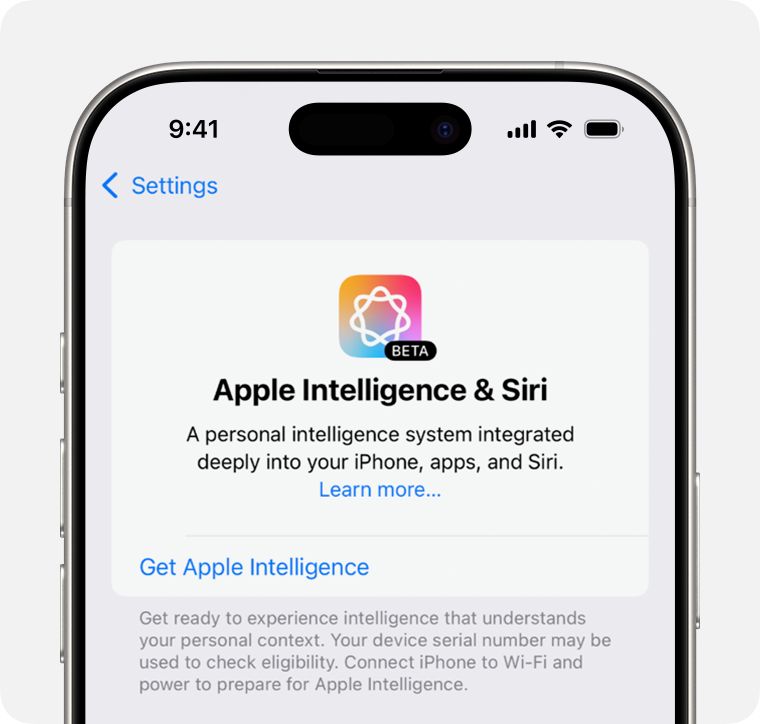
Apple might finally have a way of bringing its Apple Intelligence to China. The brand announced the latest iPhone 16 lineup with new AI powered features, but these never rolled out in China. This is where DeepSeek could come in as a great solution, as per a new report.
Apple could use DeepSeek for its iPhones
China is a major market for the Cupertino based giant. Athough, Apple couldn’t roll out its AI features in the region due to local regulations. The company needs to get Apple Intelligence approved by the Chinese government to run its AI model. But the newly unveiled DeepSeek could open the door for Apple Intelligence in China and might even offer a few improvements as well.
Apple Intelligence
This new AI model was developed in China and has disrupted AI giants and the industry as a whole. According to a new report from Weibo, Tim Cook is excited in the opportunity to work with DeepSeek. The iPhone maker is reportedly in the testing phase of integrating the AI model into its devices. Considering how DeepSeek also has a cheaper operating cost, it could be a serviceable alternative to Apple’s AI, which it ships in other regions.
In a recent research report, it was found that Apple was losing market share to local brands due to iPhones lacking AI functionality. Android flagships now arrive with features that leverage AI. So this might be a key strategic move from Apple. Keep in mind that this is still just an unconfirmed report at the moment, so take this news with a pinch of salt and stick around for more.
For more daily updates, please visit our News Section.
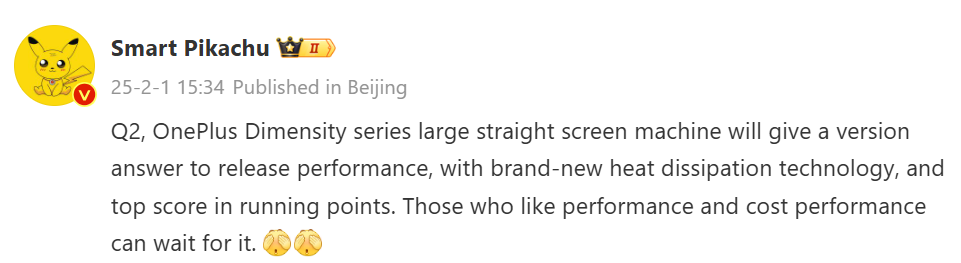
OnePlus unveiled the OnePlus Ace 5 and Ace 5 Pro in China in January. A leak that was released by tipster Digital Chat Station in December revealed that the brand may launch another Ace-branded phone to rival the upcoming Snapdragon 8s Elite-powered smartphones. A new leak, courtesy of tipster Smart Pikachu, has revealed the launch timeframe of the mysterious device.
Upcoming Ace 5 series phone with Dimensity chip in works
The Ace 5 and Ace 5 Pro that are available in China are equipped with the Snapdragon 8 Gen 3 and Snapdragon 8 Elite chipsets, respectively. According to the tipster, the upcoming Ace 5 series phone will have a flat screen and a Dimensity chip.
It is expected to offer high-performance tuning with a focus on efficient heat dissipation, thanks to an all-new cooling technology. The phone is also anticipated to achieve top benchmark scores, making it a strong choice for users looking for high performance and value for money. The leak also reveals that it will be unveiled in the second quarter of this year.
Unfortunately, the exact moniker of the device is not known. It is unclear whether it will be called the Ace 5s or the Ace 5V. The previous leak by DCS claimed that the device would be equipped with a Dimensity 9-series chip, which could be the upcoming Dimensity 9350 chip. It is also expected to house a battery of around 7,000mAh capacity. It will have other specs, such as a 0809 vibration motor, a short-focus optical in-screen fingerprint sensor, and a plastic middle frame.
Redmi is expected to announce the Redmi Turbo 4 Pro with Snapdragon 8s Elite in April of this year in China. The iQOO Z10 Turbo Pro is also expected to debut with the same chip around the same time. The above-mentioned Ace 5 series is expected to rival the Redmi Turbo 4 Pro and iQOO Z10 Turbo Pro.
For more daily updates, please visit our News Section.
Ugreen has introduced a new ultra-thin, card-style tracker in the Chinese market, offering compatibility with Apple’s “Find My” network. Priced at 109 yuan ($15), it competes with Apple’s $29 AirTag and is now available on JD.com. Let’s check out its key specs.
Ugreen CM817 SmartTag Specifications
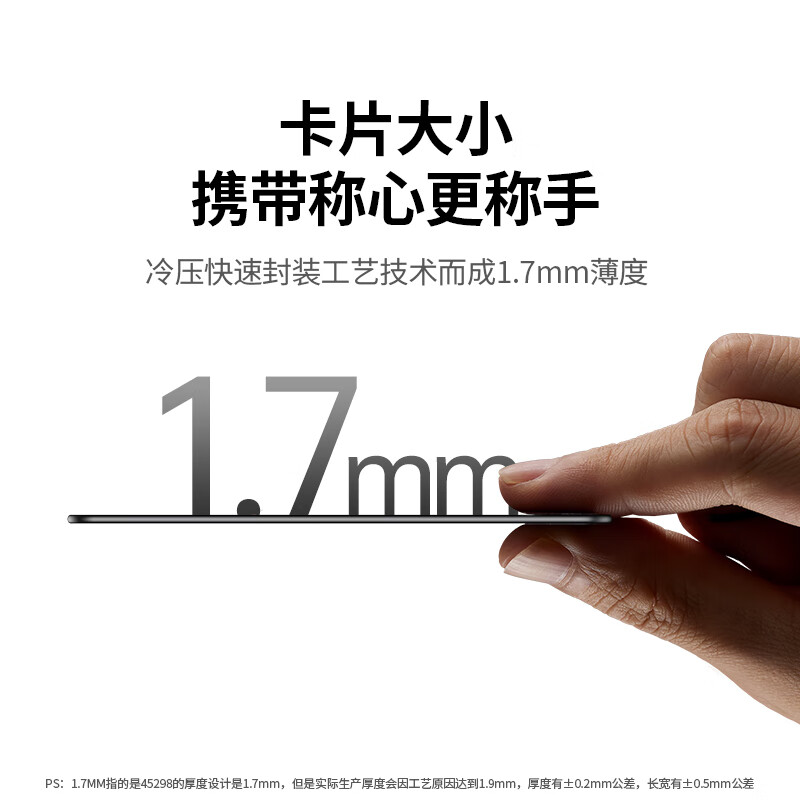
This smart tracker comes with a slim and portable design, measuring only 1.7mm in thickness. It is crafted using cold-press sealing technology, making it both lightweight and durable. The device is roughly the size of a standard card, allowing it to fit easily in wallets, keychains, backpacks, and even vehicles.
The Ugreen SmartTag supports Apple’s Find My network and features a triple-location guidance system with map navigation, sound alerts, and LED indicators. Users can track items via the Find My app, play a sound for easy retrieval, or use the LED flash in dark environments. It also includes an automatic lost-item reminder that alerts the iPhone if disconnected.
The device is equipped with Bluetooth Low Energy (BLE) that enables fast location updates when within range. The Find My app provides real-time tracking, ensuring quick recovery of lost belongings. For added security, the SmartTag supports Apple’s anti-tracking technology, which alerts users if an unknown tracker is moving with them.
The SmartTag comes with magnetic charging system and a 155mAh rechargeable lithium battery. With a single charge, it can last up to 12 months in standard usage, ensuring long-term reliability without frequent recharging.
This device is also built to withstand tough conditions. It sports an IP68-rated dustproof and waterproof design, offering protection against dust, dirt, and water immersion.
The Ugreen SmartTag supports multiple Apple devices, including iPhones, iPads, and Mac computers running iOS 14.5, iPadOS 14.5, or macOS 12.5 and later. It can be linked to a single Apple ID and shared across up to five Apple devices, making it useful for families and multi-device users. Additionally, it supports up to 32 SmartTags connected to a single account.
Setting up the SmartTag is simple and does not require an additional app. It is ready to use right out of the box, users simply need to long-press the power button to turn it on, bring it close to their Apple device, and add it through the Find My app.
For more daily updates, please visit our News Section.
Tecno has begun teasing its latest Pova series smartphone, hinting at a striking design that could redefine the brand’s aesthetic. While the exact name remains unknown, early glimpses suggest a bold new direction for the lineup.
New Pova series coming
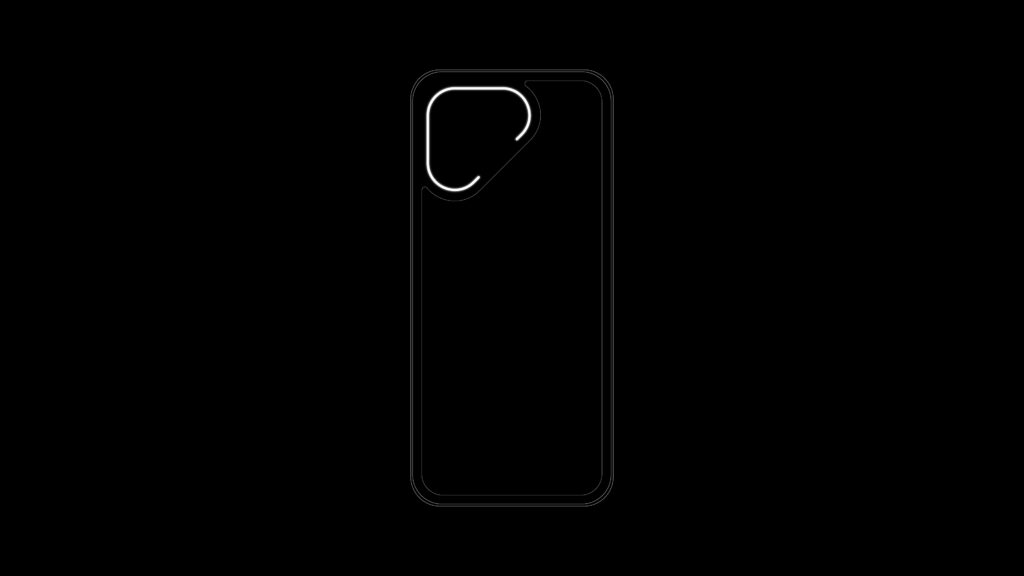
Tecno Pova 7 series teaserTecno Pova 7 series teaser
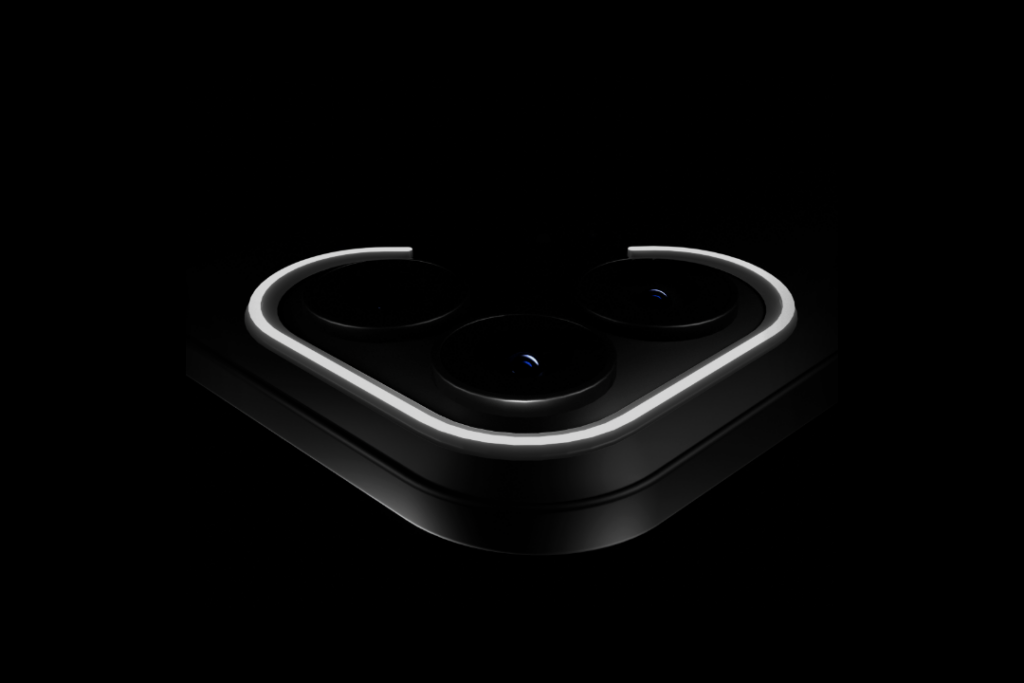
The teaser images reveal a phone with a distinctive triangular-shaped camera module on the back, integrating LED lighting for a futuristic touch. Tecno has not disclosed the official name, but given its design evolution, it is speculated to be part of the Pova 7 series.
The handset is expected to feature a triple-camera setup. The teaser also highlights a boxy frame with rounded edges, ensuring a comfortable grip. However, details about the front design and internal specifications remain under wraps for now.
A look back at the Pova 6 series
Tecno’s Pova 6 series introduced significant design upgrades, with the Pova 6 Pro featuring the Arc Interface, an RGB LED lighting system that enhanced its gaming appeal. The series also packed decent hardware, including high refresh-rate displays and large batteries, making it a solid choice for performance-focused users. The Pova 6 lineup showcased Tecno’s focus on blending gaming aesthetics with everyday usability.
The Pova 6 series also included multiple models, such as Pova 6, Pova 6 Neo, Pova 6 Neo 5G, and Pova 6 Pro. It appears that the Pova 7 series will not have a “Neo” branded device.
Pova 7 series devices and model numbers
The Pova 7 series is expected to include multiple models, catering to different segments. These include the Pova 7 (LJ6 model number), Pova 7 5G (LJ7), Pova 7 Pro 5G (LJ8), Pova 7 Curve 5G (LJ8k), and Pova 7 Pro+ 5G (LJ9). While Tecno has yet to confirm the full lineup officially, these model numbers indicate a diverse range of options.
With the teasers rolling out, more details about the upcoming Pova phone, including its features and launch timeline, are expected soon. Most likely, the new Pova 7 series phone could be debuting in the next few days in India.
For more daily updates, please visit our News Section.
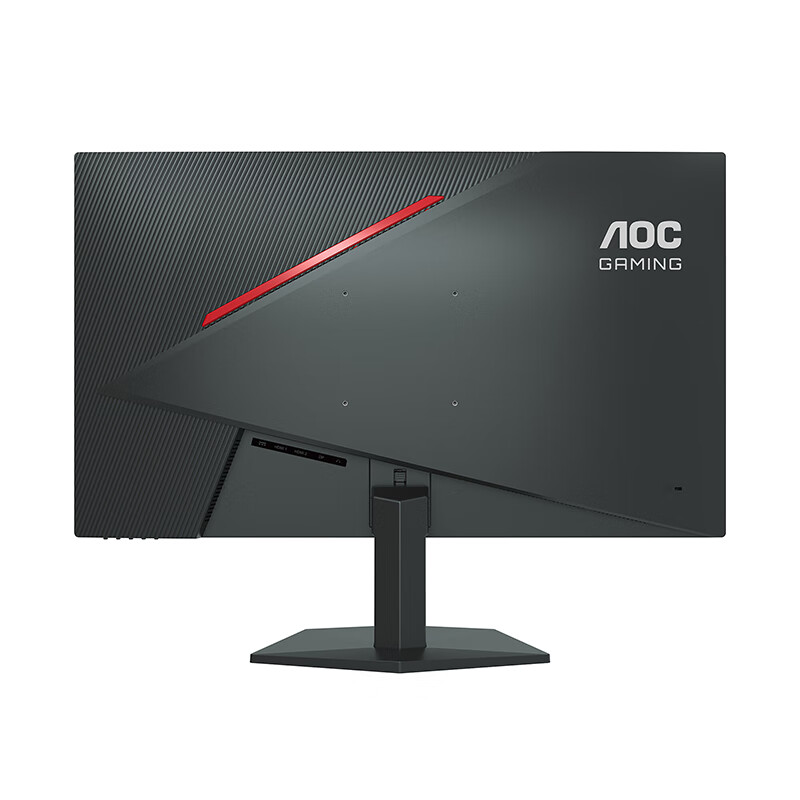
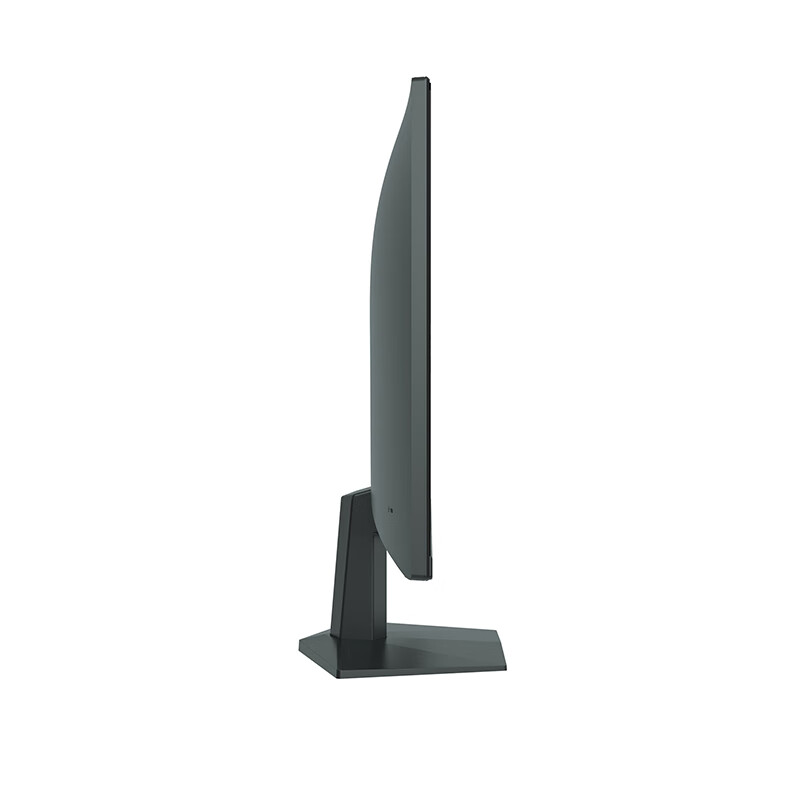
AOC has launched a 27-inch new gaming monitor called “Q27G10E2” in the Chinese market. It is priced at 899 yuan ($125) and is now available on JD.com. Let’s check out its key specs.
AOC Q27G10E2 Specifications
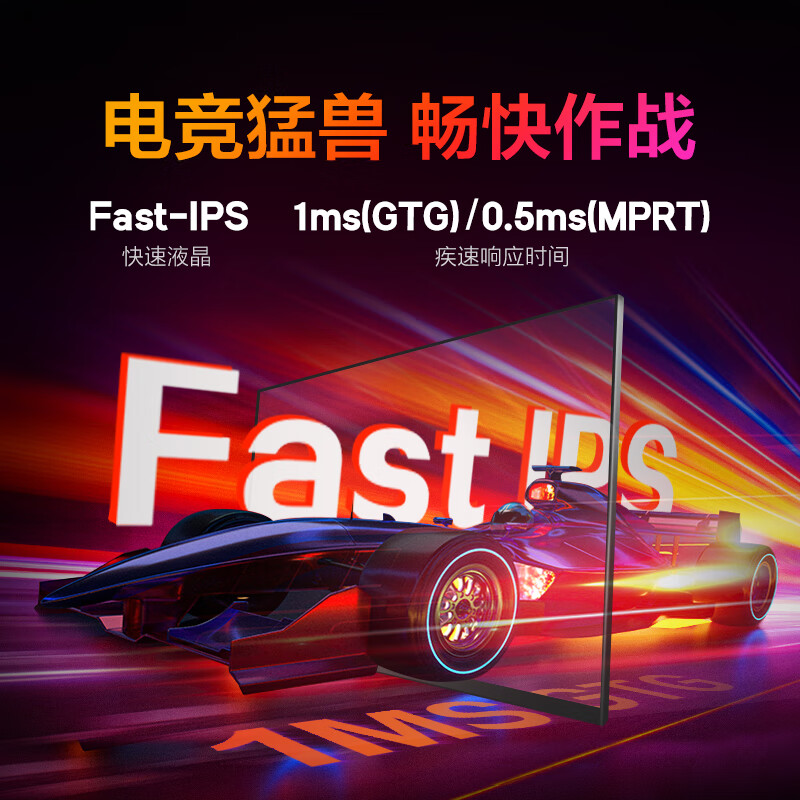
The Q27G10E2 features a 27-inch Fast IPS panel with a 2K resolution (2560 x 1440) for crisp and detailed visuals. It sports a native 180Hz refresh rate, delivering ultra-smooth gameplay, while the 1ms GTG response time ensures minimal motion blur, making it an excellent choice for fast-paced gaming.
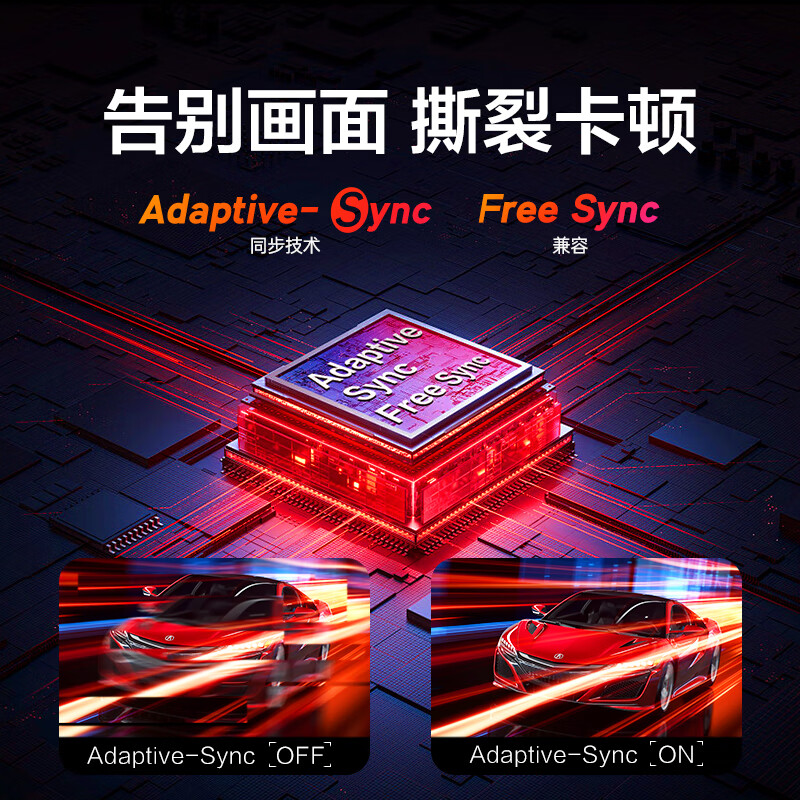
This monitor equips MBR Sync technology, an in-house frame insertion synchronization feature that significantly reduces ghosting and motion blur. It seamlessly works with both Nvidia G-Sync and AMD FreeSync technologies, ensuring smooth and tear-free visuals.
For enhanced visual clarity, the Q27G41E comes with HDR10 support and Dark Boost technology for optimized contrast and detail. It equips a 100% sRGB color gamut and a Delta E<2 rating, ensuring professional-grade color accuracy.
The display sports a 300-nit peak brightness (HDR mode), ensuring a vibrant and clear image. It is designed with low blue light and flicker-free technology, effectively reducing eye strain and harmful shortwave blue light exposure.
In terms of customization, the Q27G41E features the G-Menu adjustment software, allowing users to personalize color settings, brightness, and even set gaming macros. It also comes with a smart crosshair function that adapts in real-time based on game visuals, as well as a target magnifier that enhances precision by simulating a zoomed-in scope effect.
For connectivity, it is equipped with HDMI 2.0 and DisplayPort 1.4 interfaces, both supporting HDR content. The monitor also includes a 3.5mm audio output.
The build quality is solid, and it supports VESA 100mm x 100mm wall mounting. It has a tilt adjustment range of -5° to 23°, though it lacks height or swivel adjustments.
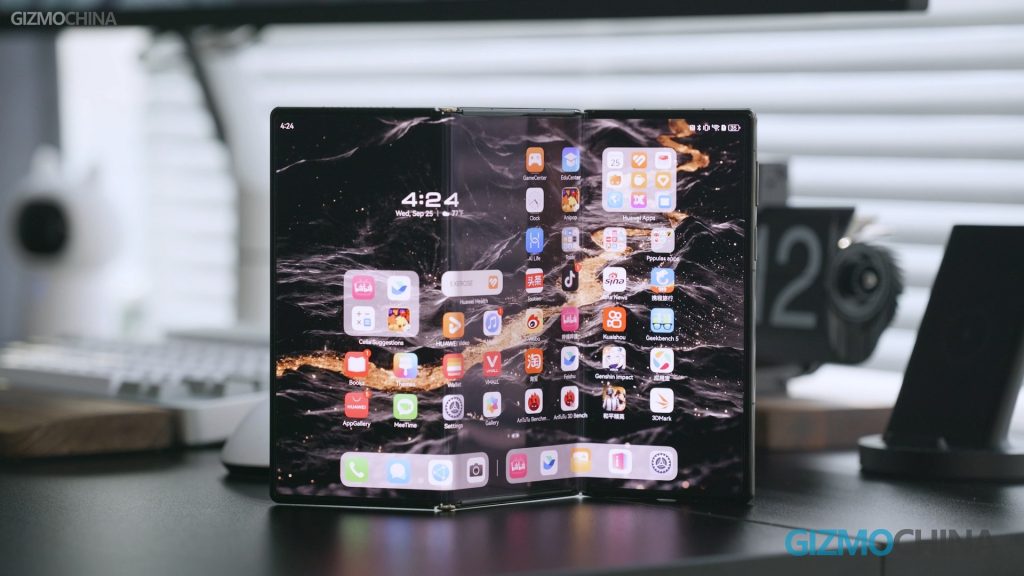
Huawei Mate XT showcased the next step in foldable smartphone design with an innovative tri-folding body. This made it offer a unique large screen experience. This premium foldable phone was only available in China, but now, a fresh certification has hinted at its global launch.
Huawei Mate XT spotted on UAE’s TDRA
The Chinese tech giant’s Mate XT smartphone was just spotted on the TDRA certification carrying the GRL-LX9 model number. Unfortunately, the database only lists the tri-folding smartphone and does not reveal any of its finer details like launch or availability. But it does confirm its imminent global release. In our report from September 2024, the Mate XT was rumored to launch in Q1 2025.
Huawei Mate XT
If this was true, then Huawei might release the Mate XT within the next two months. Since this device has already been released in China, we can expect it to offer identical specs as the Chinese variant. The Huawei Mate XT sports a 6.4-inch display that can be expanded to 7.9-inch (dual screen mode) and 10.2-inch (fully unfolded).
The screen is an OLED LTPO panel with a 120Hz refresh rate, 440Hz high-frequency PWM dimming, and a 240Hz touch sampling rate. Under the hood, it is equipped with the Kirin 9010 chip, which is paired with up to 16GB of RAM and 1TB of internal storage. A sizeable 5,600mAh battery pack powers this device along with support for 66W wired charging and 50W wireless charging.
For optics, the Mate XT features a 50MP main sensor with an f/1.4~f/4.0 variable aperture and OIS, a 12-megapixel ultra-wide lens, and a 12-megapixel periscope telephoto lens on the rear, while the front packs an 8-megapixel selfie shooter.
For more daily updates, please visit our News Section.
Artificial Intelligence has taken the world by storm with LLM (Large Language Models) being immensely popular for their diverse functionality. ChatGPT is a great example of an AI model, along with new disruptive models like DeepSeek from China. But now, it appears that India seeks to rival these with its own AI model, which could be arriving as early as this year.
OpenAI and ChatGPT (REUTERS/Dado Ruvic/Illustration/File Photo)
Indian Govt to soon launch an affordable AI model
During a recent AI event, Ashwini Vaishnaw, the Union Minister of Electronics and Information Technology stated that India is working on its own foundational AI model. The minister further added that this will function similarly to DeepSeek and ChatGPT but for an affordable development cost. The government official stated that this new AI model could be ready in just 8 to 10 months.
In the event by the Indian AI Mission, Ashwini Vaishnaw revealed that researchers in India have been developing an AI ecosystem framework to support its own foundational AI model. This is being developed to offer an experience tailored to Indian users. It will also understand the linguistic and contextual needs of the Indian users, bringing inclusivity while eliminating biases.
The Union Minister of Electronics and Information Technology also talked about India’s computation prowess since the domestic AI model is being developed with a computational facility that employs 18,693 GPUs. To recall, ChatGPT was trained using around 25,000 GPUs, while DeepSeek was trained with 2,000 GPUs.
DeepSeek
A typical popular AI model like ChatGPT costs about $3 to use for an hour, India’ AI model could cost just Rs 100 (roughly $1.15) thanks to government subsidy. This news also arrives after UC Berkeley researchers managed to replicate DeepSeek AI for only $30.
For more daily updates, please visit our News Section.
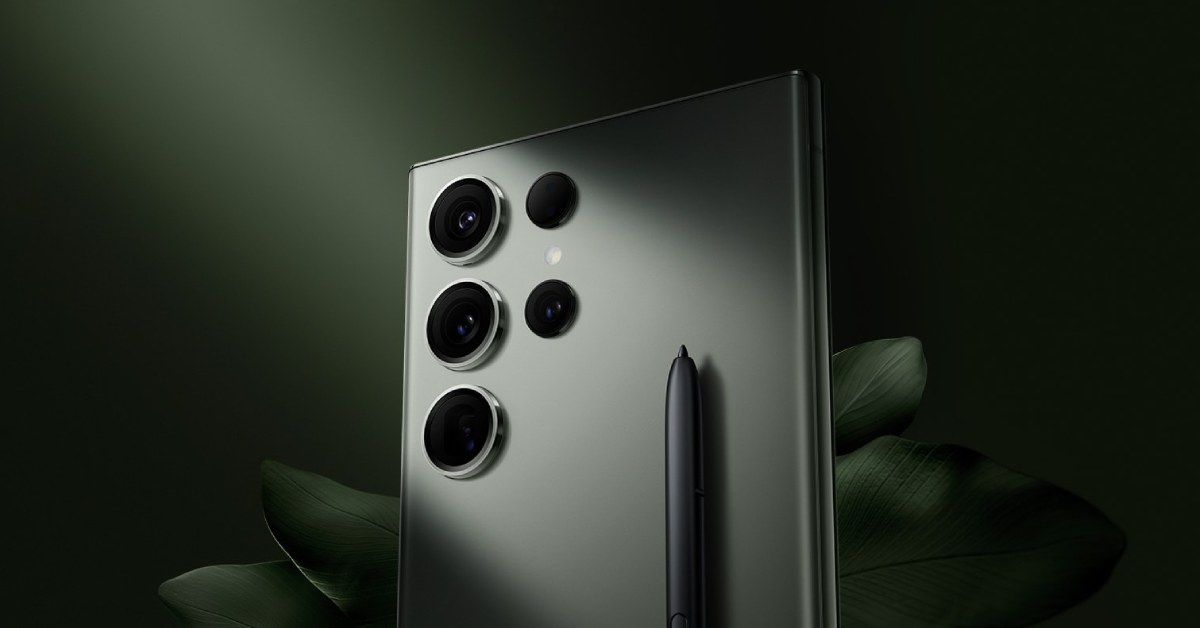
Samsung‘s newest flagship phones, the Galaxy S25, S25 Plus, and S25 Ultra, haven’t strayed too far from their predecessors in terms of design. Aside from the rounded edges, the phones have distinctive metal rings on the rear cameras.
However, a recent durability test has brought some interesting details about these rings, and other aspects of the phone, to light.
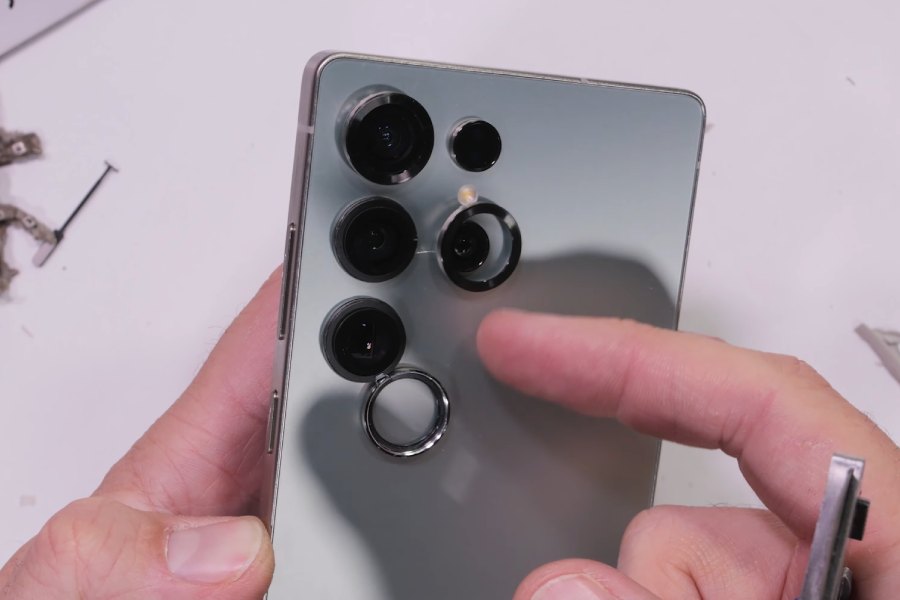
YouTuber JerryRigEverything, known for his smartphone teardowns and stress tests, recently put the S25 Ultra through its paces. His findings regarding the camera rings are perhaps the most surprising.
A Razor Blade Is All It Takes to Remove the Galaxy S25 Ultra’s Camera Rings
While they appear to be a solid part of the camera assembly, the YouTuber showed that they can be detached quite easily just by using a razor blade. The rings, he says, are attached “like fake eyelashes,” so it’s likely that Samsung is using an adhesive-based mounting method to attach them.
Though they probably won’t fall off under normal use, it’s surprising that Samsung has taken this approach for its flagship phones.
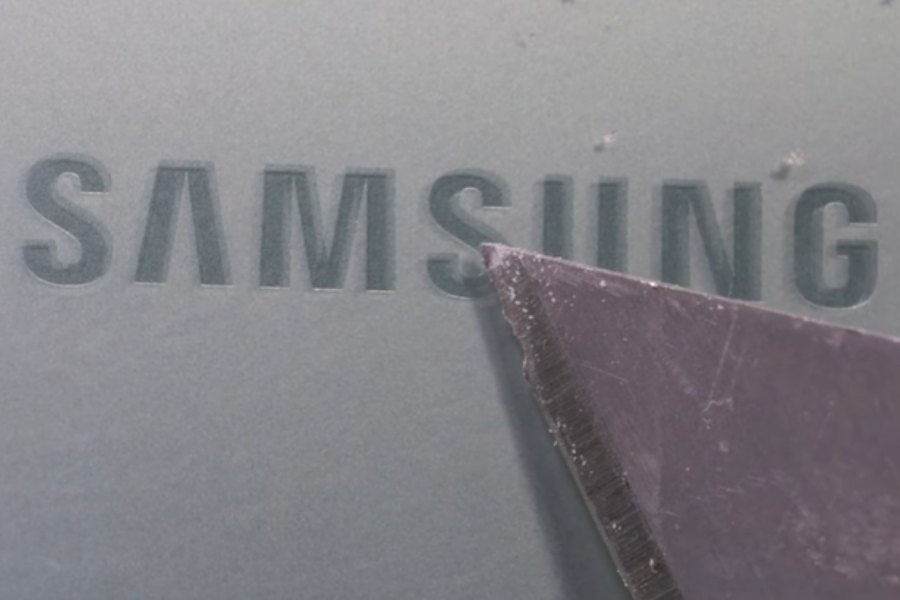
Beyond the camera rings, the durability test uncovered a few other interesting points. The Samsung branding on the back of the device was noticeably misaligned in the test unit.
The YouTuber clarified that this wasn’t a focus issue with the camera, but rather a potential manufacturing defect—though it could be an isolated case, as other reviewers haven’t reported similar problems.
The screen’s scratch resistance also came under scrutiny. While the previous S24 Ultra showed signs of damage at level 7 on the Mohs hardness scale, the S25 Ultra, with its supposedly upgraded Gorilla Glass Armor 2, started showing scratches at level 6.
The YouTuber also clarified that the S25 Ultra’s S Pen lacks Bluetooth functionality, despite having a battery compartment (which, notably, was empty).
The titanium construction, it turns out, is limited to the phone’s frame; the side buttons are not titanium. On a more positive note, the S25 Ultra did successfully pass Jerry Rig’s bend test.
For more daily updates, please visit our News Section.
Realme is gearing up for a busy start to 2025, with multiple smartphone launches planned across different segments. The company has been steadily expanding its lineup, and this year, several new models are expected to hit the market.
Among them are the Realme P3 series, including the P3, P3 Pro, and P3 Ultra, as well as the Realme Neo 7 SE and the Indian launch of the Realme Neo 7. Here’s everything we know so far about these upcoming devices.
The Realme P3 is set to be the latest addition to the company’s P-series lineup, and leaks have already revealed some of its key details. It is expected to feature a 5,860mAh battery, which might be advertised as 6,000mAh, making it a significant upgrade over its predecessor in terms of battery life. The phone will support 45W wired charging, which matches the charging speed of the Realme P1.
In terms of hardware, the Realme P3 will likely be available in three configurations: 6GB RAM + 128GB storage, 8GB RAM + 128GB storage, and 8GB RAM + 256GB storage. These are the same memory options that Realme offered with the P1. The device is rumored to come in three colors: Nebula Pink, Comet Grey, and Space Silver.
The processor remains unknown at this point, but given the company’s past strategy, it is likely to feature a MediaTek Dimensity chipset, similar to the Realme P1, which ran on the Dimensity 7050. With its improved battery and similar charging capabilities, the P3 is expected to be a strong mid-range contender.
2. Realme P3 Pro
The Realme P3 Pro is expected to launch in the third week of February and will serve as the successor to last year’s P2 Pro. According to reports, the phone carries the model number RMX5032 and will be available in at least one variant with 12GB RAM and 256GB storage. However, additional variants with 8GB RAM + 128GB storage and 8GB RAM + 256GB storage are also expected.
The Realme P2 Pro was powered by the Snapdragon 7s Gen 2 chipset, making it likely that the P3 Pro will continue with a Snapdragon processor, offering a similar performance-focused experience. The phone will be available in three color options: Saturn Brown, Galaxy Purple, and Nebula Glow.
Leaked information suggests that Realme has been refining its UI for smoother animations and a more fluid user experience. If the company continues in this direction, the P3 Pro might offer not only solid hardware but also a better software experience.
3. Realme P3 Ultra
Realme is introducing an “Ultra” variant in the P-series for the first time, and this model was expected to launch at the end of January, but that didn’t happen. The P3 Ultra will likely be the most premium device in the lineup, focusing on enhanced performance and camera capabilities.
Reports suggest that the phone carries the model number RMX5030 and will come in a 12GB RAM + 256GB storage configuration. Unlike the P3 and P3 Pro, which have multiple color options, the P3 Ultra is rumored to be available only in a grey shade. It may also feature a glossy back panel design, setting it apart in terms of aesthetics.
While specific details about its chipset remain under wraps, Realme might use a high-end MediaTek or Snapdragon processor to justify the “Ultra” branding.
4. Realme Neo 7 SE
The Realme Neo 7 SE is expected to launch in China in February and will be powered by the newly announced MediaTek Dimensity 8400-Max chipset. This makes it one of the first phones to feature the new chip, which is designed for sub-flagship performance.
The phone was recently spotted on TENAA and 3C certification platforms, confirming some of its specifications. It will feature a 6.78-inch AMOLED display with a 1.5K resolution (2780 x 1264 pixels) and a 120Hz refresh rate. It will come with a dual-camera setup on the back, consisting of a 50MP primary sensor and an 8MP secondary lens. For selfies, there will be a 16MP front camera.
The device is expected to house a massive 7,000mAh battery, a significant upgrade over the previous models in the series. It will also support 80W fast charging.
Storage configurations will include up to 16GB of LPDDR5x RAM and up to 512GB of UFS 4.0 storage. These high-end specifications suggest that the Neo 7 SE will be a powerful mid-range device targeting users who want flagship-level performance at a lower price point.
5. Realme Neo 7 India Launch
The Realme Neo 7 launched in China in December 2024, and it is now set to arrive in India soon. The Indian version of the device will carry the model number RMX5061, slightly different from the Chinese variant (RMX5060). While the core specifications are expected to remain the same, there could be some minor differences in features or software optimizations for the Indian market.
The Realme Neo 7 will feature a MediaTek Dimensity 9300+ chipset, which delivers strong performance across gaming and multitasking. It will come with a 6.78-inch 1.5K AMOLED display with a 120Hz refresh rate and a peak brightness of up to 6,000 nits. The camera system includes a 50MP main sensor with OIS and an 8MP ultra-wide lens, along with a 16MP front camera.
In terms of battery life, the Neo 7 is expected to carry the same 7,000mAh battery seen in its Chinese counterpart, with support for 80W wired fast charging. Realme has also optimized battery longevity, claiming that it will retain over 80% health even after five years of usage.
For Indian consumers, the Neo 7 will be available in black and white color options, which differ from the Chinese variants that came in Meteorite Black, Starship, and Submersible shades. Pricing is still unknown, but given the Chinese model starts at around 2,099 yuan (roughly Rs. 25,000), a similar pricing strategy is expected for India.
6. Realme Neo 7 Pro
In addition to the SE model, Realme is rumored to be working on the Neo 7 Pro, which could launch in Q2 2025 in China. According to leaks, the device may come with a quad-curved OLED display, a 1.5K resolution, and the powerful Snapdragon 8 Elite chipset.
The device is also rumored to house a 6,500mAh battery with 120W fast charging. If these specifications hold true, the Neo 7 Pro will be one of the most powerful mid-range devices in Realme’s lineup.
Realme is also rumored to be developing another model powered by the Dimensity 9400 Plus chipset, but whether it will be under the Neo 7 Pro branding remains to be seen. With top-tier processing power, a premium display, and ultra-fast charging, the Neo 7 Pro could be an exciting addition to the brand’s expanding portfolio.
For more daily updates, please visit ourNews Section.
Vivo V50 is making its way to the Indian market soon. We just don’t know when yet, but the company has started teasing the smartphone via the country’s social media handles.
Vivo shared its first teaser for the V50 yesterday on X (formerly Twitter). As expected from the V-series, the phone’s main highlight will be its cameras, and the tagline “Capture Your Forever” suggests the same.
For now, that’s all the company has revealed—no specs, no launch date, just a teaser. But given the timing, we can expect more details to drop soon.
A poster leaked earlier this week also gave us a look at the smartphone’s back design. There is a pill-shaped raised island with a circular camera module that houses two image sensors. The Rose Red hue, reportedly inspired by Indian weddings, also looks really good in the renders.
Vivo V50 Specifications
While Vivo hasn’t confirmed any hardware details yet, the V50 is expected to be a rebranded version of the Vivo S20, which launched in China in December 2024. This wouldn’t be surprising—previous V-series models have largely been repackaged versions of China-exclusive S-series devices. And based on the leaked design, that seems to be the case once again.
If the specs remain unchanged, the Vivo V50 will likely feature a 6.67-inch AMOLED display with a 120Hz refresh rate and 1.5K resolution. Under the hood, it’s powered by the Snapdragon 7 Gen 3, paired with up to 16GB of LPDDR5 RAM and 512GB of UFS 2.2 storage.
For cameras, the S20 comes with a 50-megapixel selfie camera with autofocus, along with a 50-megapixel primary sensor with OIS and an 8-megapixel ultra-wide lens. The device packs a 6,500mAh battery with 90W fast charging—which, if unchanged, could make the V50 one of the longest-lasting phones in its segment.
With the teasers rolling out and leaks piling up, an official launch announcement for the Vivo V50 should be right around the corner. Stay tuned.
For more daily updates, please visit our News Section.
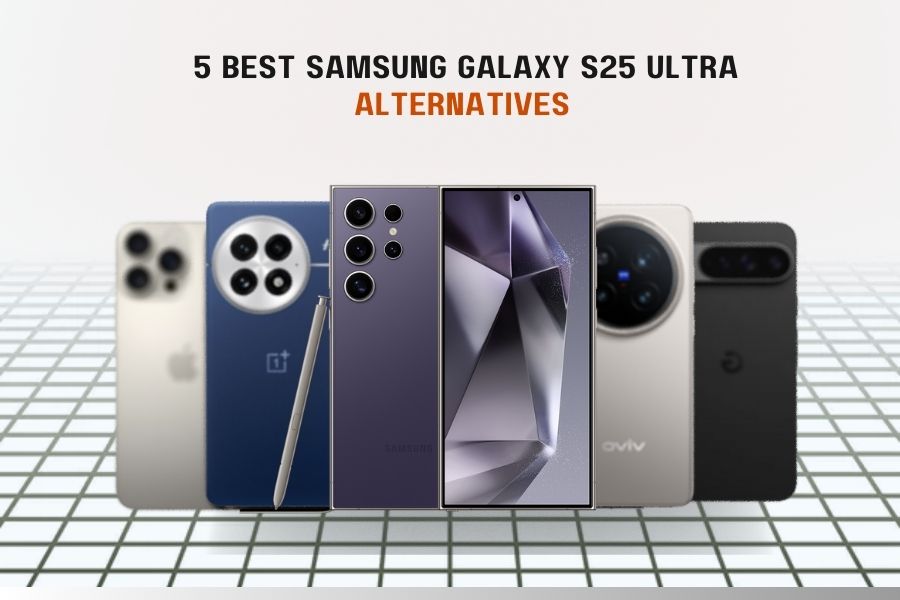
Samsung’s latest flagship, the Galaxy S25 Ultra, will go on sale starting February 7. As always, it’s the best Samsung has to offer—long-term software support, refined hardware, and a bunch of new AI-powered features. It’s a powerhouse, no doubt.
But at $1,300, it’s not exactly affordable. Maybe that price tag doesn’t sit well with you. Or maybe you’re just over Samsung and looking for something different.
The good news? The S25 Ultra isn’t the only flagship in town, and more importantly, not every high-end phone costs $1,300. There are plenty of premium alternatives that deliver a similar experience for less. Here are the best Galaxy S25 Ultra alternatives that are worth considering.
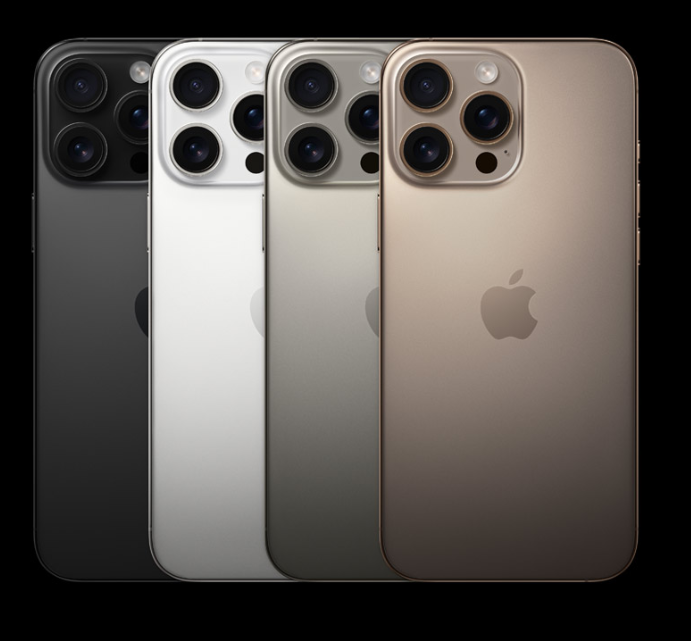
It’s no surprise that Apple’s iPhone 16 Pro Max tops the list as a challenger to the Galaxy S25 Ultra. The rivalry between Apple and Samsung is well-documented, and the iPhone 16 Pro Max holds its own in several key areas.
Like the Galaxy S25 Ultra, it features a 6.9-inch display and a titanium frame. The iPhone 16 Pro Max runs on Apple’s A18 Pro chip, making it a performance powerhouse for gaming and multitasking. Its camera setup includes a 48-megapixel main sensor, a 12-megapixel telephoto lens, and a 12-megapixel ultrawide sensor, delivering impressive photography and videography capabilities.
Apple has also introduced new AI-driven features to enhance user experience. However, it offers a comparatively slow charging speed at just 20W. Despite these shortcomings, its unmatched app ecosystem and overall performance make it a top contender for those considering a switch from Samsung.
Please Note: When you buy something using the links in our articles, we may earn a small commission at no cost to you.
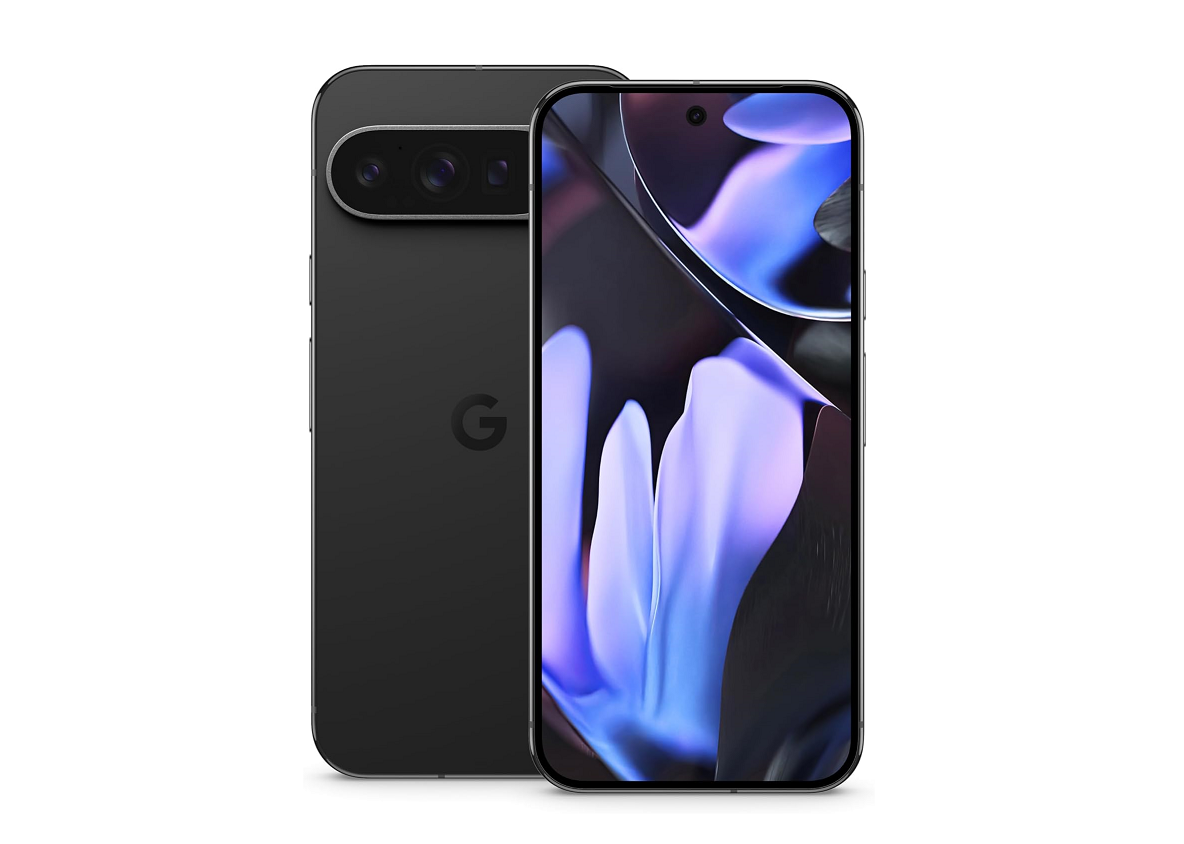
2. Google Pixel 9 Pro XL
Google entered the big-screen flagship market with the Pixel 9 Pro XL in 2024, and it is a formidable alternative to the Galaxy S25 Ultra.
While its 6.8-inch OLED display is slightly smaller than Samsung’s, it delivers stunning visuals with a 120Hz refresh rate. The Tensor G4 chip may not match the Snapdragon 8 Elite in benchmarks, but Google has optimized it well enough to run its on-device AI tasks and features.
One of the Pixel 9 Pro XL’s standout features is its camera system. It boasts a 50-megapixel main sensor, a 48-megapixel ultrawide with autofocus, and a 48-megapixel telephoto with 5x optical zoom. These cameras, combined with Google’s computational photography prowess, produce some of the best images in the industry.
The phone runs on a 5,060 mAh battery and supports 37W charging. While the absence of a charger in the box might be a drawback, its clutter-free Android experience and guaranteed timely updates make it a strong contender for those seeking a premium, AI-focused smartphone.
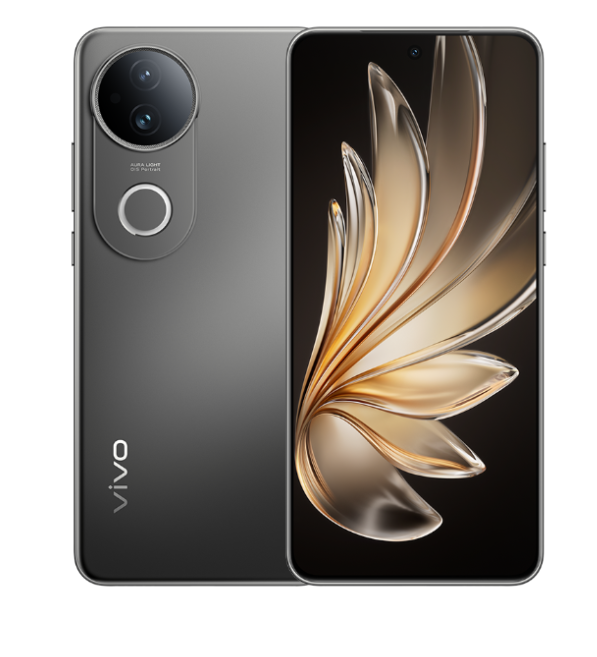
3. Vivo X200 Pro
Vivo X200 Pro
Vivo’s X-series has matured over the years, to the point where it’s now on par with—if not better than—Samsung’s Galaxy S lineup. And its latest flagship contender? The Vivo X200 Pro.
The device is known for its camera prowess. It features a 50-megapixel main sensor, a 50-megapixel ultrawide camera, and a whopping 200-megapixel telephoto sensor. This setup allows for impressive zoom capabilities, and portrait shots that look like taken from a professional camera. Developed in collaboration with Zeiss, the camera system also offers various shooting modes and editing tools.
Beyond photography, the Vivo X200 Pro holds its own as a flagship device. It sports a 6.78-inch FHD+ AMOLED display and is powered by the MediaTek Dimensity 9400 processor, paired with up to 16GB of RAM. The 6,000 mAh battery supports 90W fast charging and comes with a charger in the box.
Please Note: When you buy something using the links in our articles, we may earn a small commission at no cost to you.
4. OnePlus 13
The OnePlus 13 is easily one of the most affordable Galaxy S25 Ultra alternatives. But don’t mistake affordability for compromise—this phone is packed with high-end specs.
You get a 6.82-inch LTPO 4.1 AMOLED display with a 120Hz refresh rate, protected by Ceramic Guard glass. It’s powered by the same Snapdragon 8 Elite SoC as the S25 Ultra and features a solid triple 50MP camera setup for main, telephoto, and ultrawide shots.
Battery life? It’s got a massive 6,000mAh cell, backed by 100W wired and 50W wireless charging. It also includes an ultrasonic under-display fingerprint scanner and stereo speakers for immersive audio.
For durability, the OnePlus 13 goes a step further with an IP68/IP69 rating, while the S25 Ultra sticks with IP68. Sure, IP69 doesn’t mean much for smartphones (here’s why), but it’s proof that OnePlus isn’t cutting corners.
The biggest trade-off between OnePlus and Samsung could be software updates. While the S25 Ultra gets seven years of updates, the OnePlus 13 offers just four. But let’s be real—only Samsung and Google provide seven years of updates, so it’s hard to fault OnePlus for this.
At $900, the OnePlus 13 is a serious contender for those looking to save some cash without giving up flagship power.
Please Note: When you buy something using the links in our articles, we may earn a small commission at no cost to you.
5. Samsung Galaxy S24 Ultra
Sometimes, the biggest competition for a new flagship isn’t from another brand—it’s from last year’s model. And that’s exactly the case with the Galaxy S24 Ultra.
Now available at a discounted price, the S24 Ultra delivers better value than the S25 Ultra while keeping much of the same experience. It still includes an S Pen with Bluetooth support—something the S25 Ultra ditched—and shares a ton of similarities with its successor.
Both phones pack a 200MP main camera, a 5,000mAh battery with 45W charging, and a premium build. The S25 Ultra does bring a newer processor and a slightly larger display, but the S24 Ultra counters with a titanium frame and an already-proven design.
Even better? Many of the AI features debuting on the S25 Ultra are likely to trickle down to the S24 Ultra, making it an even more compelling option. With a lower price and near-identical experience, the S24 Ultra remains one of the best ways to get a premium Samsung flagship—without breaking the bank.
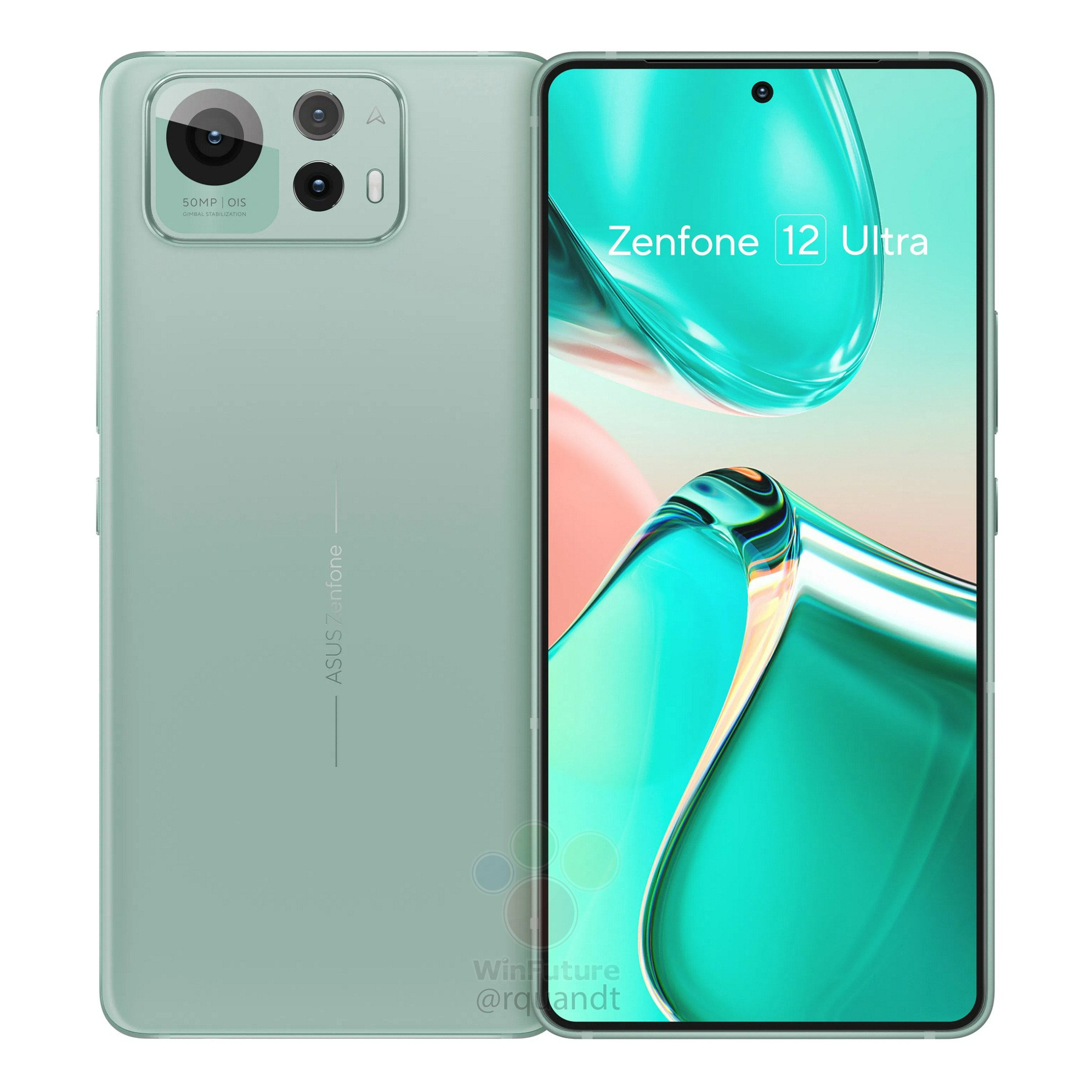
Asus recently confirmed that the Zenfone 12 Ultra will launch globally on Feb. 6. A recent teaser offered a glimpse of its front design, revealing new AI-powered features such as real-time call translation. The teaser also confirmed the presence of a 3.5mm headphone jack, a rarity in modern flagships. Speculations suggest that the device might share its core hardware with the ROG Phone 9 Pro but without gaming-centric features. Now, a fresh report from WinFuture.de has revealed the phone’s complete specifications along with official renders. Read on to find out whether it is truly a repackaged ROG gaming phone or something different.
Asus Zenfone 12 Ultra design, colour variants
Asus Zenfone 12 Ultra f
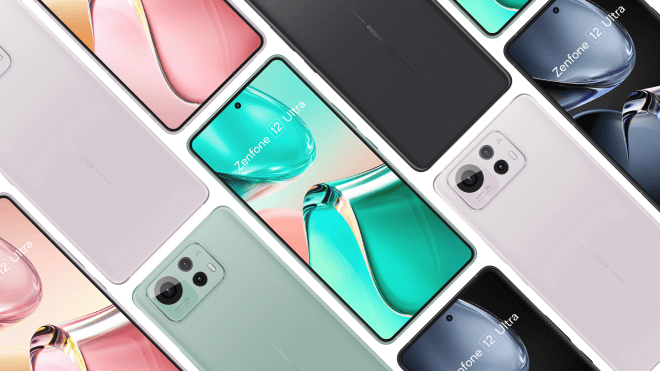
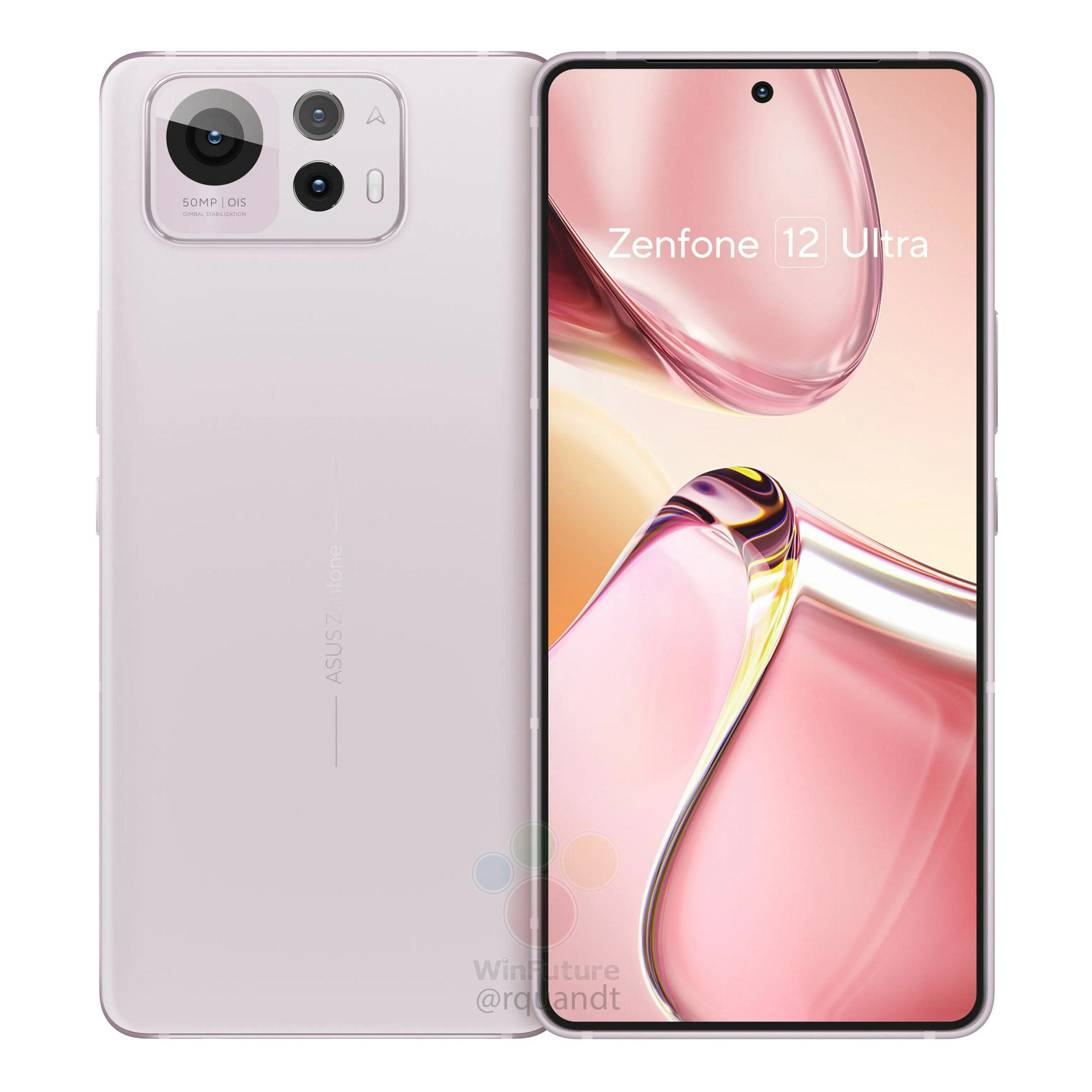
The Zenfone 12 Ultra sports a premium build with a distinct design, setting it apart from Asus’ gaming series. While it shares a similar form factor with the ROG Phone 9 Pro, the camera module is significantly redesigned, featuring imprinted texts, such as 50MP, OIS, and gimbal stabilization.
Unlike the aggressive aesthetics of ROG devices, the Zenfone 12 Ultra opts for a more refined look. It will be available in multiple colour options, although exact details remain unknown. Additionally, the flash module placement differs from the ROG counterpart, making it visually unique. The leaked images show that the device will be available in black, green, and pink shades.
Asus Zenfone 12 Ultra (specifications)
Asus Zenfone 12 Ultra Asus Zenfone 12 Ultra Asus Zenfone 12 Ultra
The Zenfone 12 Ultra features a 6.78-inch Samsung LTPO OLED display with 2400 x 1080 FHD+ resolution and a 120Hz refresh rate, which can reach 144Hz in gaming scenarios. It is powered by a Snapdragon 8 Elite chipset, paired with 8GB or 16GB LPDDR5X RAM and up to 512GB UFS 4.0 storage.
In the camera department, Aus has equipped the device with a 50-megapixel Sony LYT-700 sensor featuring hardware-based gimbal stabilisation. It is accompanied by a 13-megapixel ultra-wide camera and a 32-megapixel telephoto sensor with 3x optical zoom and OIS. The 32-megapixel front-facing camera remains unchanged from the ROG Phone 9 Pro.
A 5,500mAh battery fuels the Zenfone 12 Ultra, supporting 65W wired charging and 15W Qi wireless charging. The Zenfone 12 Ultra runs Android 15 out of the box and integrates AI features to enhance photography and video recording. Impressively, it retains a 3.5mm headphone jack despite having IP68 dust and water resistance.
How similar is it to the ROG Phone 9 Pro?
The Zenfone 12 Ultra is largely based on the ROG Phone 9 Pro, sharing the same display, chipset, RAM, storage, and front camera. However, it differentiates itself with a smaller 5,500mAh battery (compared to the ROG Phone 9 Pro’s 5,800mAh), a redesigned camera module, and the absence of gaming-specific features like AirTriggers. The focus here is on camera performance and AI-driven enhancements, making it a more mainstream alternative to ASUS’ gaming flagship.
For more daily updates, please visit our News Section.
In October 2024, Vivo unveiled the Vivo X200, X200 Pro, and X200 Pro Mini in India. However, in November, the brand only launched the X200 and X200 Pro in India, omitting the Pro Mini model. At the time, it was speculated that the Pro Mini might never launch outside of China. However, recent developments indicate the Pro Mini may arrive a couple of weeks after the Vivo V50.
Vivo X200 Pro Mini incoming
Vivo X200 Pro Mini
Recently, tipster Abhishek Yadav claimed that Vivo will launch a new X-series phone in April 2025 in India. This led to rumors that the brand may launch the X200 Pro Mini or the upcoming X200 Ultra in the country.
Now, a report by SmartPrix claims that the company plans to launch the X200 Pro Mini in the second quarter of this year. The report also claims that the device will be available in two options: 12GB+256GB and 16GB+512GB.
To recall, the Vivo X200 and X200 Pro Mini were priced at 4,299 Yuan and 4,699 Yuan, respectively, in China. The X200 with the same configuration is available for Rs 65,999. Therefore, it is likely that the X200 Pro Mini could be priced at Rs 74,999 for the base model.
Vivo is unlikely to reveal any information about the X200 Pro Mini, as it is reportedly scheduled to launch the Vivo V50 on Feb. 18 in India. The official teasers of the X200 Pro Mini may likely be by the end of the first quarter.
The Vivo X200 Pro Mini has a 6.31-inch AMOLED LPTO 1.5K 120Hz screen, a Dimensity 9400 chip, LPDDR5x RAM, UFS 4.0 storage, and a 5,700mAh battery with 90W wired and 30W wireless charging support. It has a 32-megapixel front camera and a 50-megapixel (main) + 50-megapixel (ultra-wide) + 50-megapixel (3x periscope telephoto) triple camera setup.
For more daily updates, please visit our News Section.
Samsung teased its upcoming tri-fold smartphone at the recent Galaxy S25 Unpacked event, revealing only a silhouette of the device. It was a subtle hint, with no additional details provided.
However, tipster yeux1122 has now shared on Naver that the foldable will be called the “Galaxy G Fold.” According to the leak, the device could launch as early as Q3 2025, making it one of Samsung’s most ambitious foldable projects yet.
Samsung Galaxy G Fold Specs (Expected)
The leak also says that the Galaxy G Fold is expected to feature a 9.96-inch display, which is nearly 30% larger than the 7.6-inch panel on the Galaxy Z Fold 6. When folded, the device reportedly measures 6.54 inches, making it similar in height to conventional smartphones. While it is said to have a weight comparable to Huawei’s Mate XT, it might be slightly thicker due to its inward-folding design.
Unlike previous foldables from Samsung, the Galaxy G Fold is rumored to introduce a G-shaped folding mechanism, where both sides of the screen fold inward. This design choice is expected to offer better protection by preventing the display from being exposed when closed, unlike Huawei’s Mate XT, which features an S-shaped fold that leaves part of the screen vulnerable.
Samsung is also said to be developing a new type of display and protective film specifically for this device, further enhancing durability. Given the complexities involved in manufacturing such a foldable, production volumes are expected to be limited, and the device could be positioned as an experimental, high-end offering rather than a mainstream flagship.
While some reports initially suggested a 2026 launch, display analyst Ross Young has indicated that Samsung may release the Galaxy G Fold sooner, possibly in late 2025 alongside Galaxy Z Fold 7 and Z Flip 7.
However, pricing remains uncertain. Considering Huawei’s Mate XT launched at nearly $2,800, Samsung’s tri-fold device could also carry a premium price tag exceeding $2,000.
For more daily updates, please visit ourNews Section.
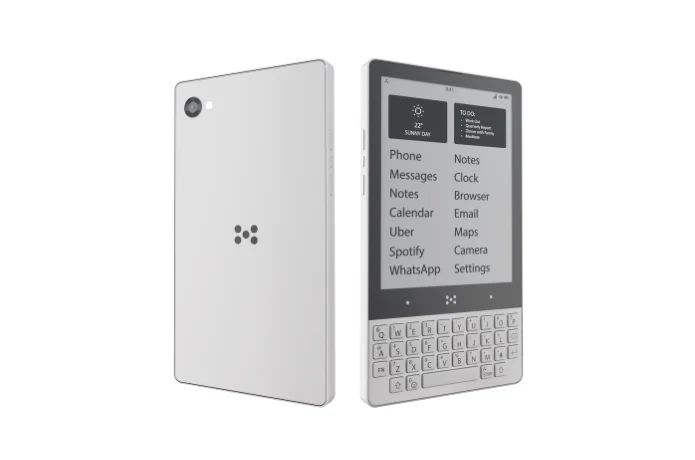
Minimal Phone, a smartphone featuring an E-Ink display and a Blackberry-like physical QWERTY keyboard, has officially begun shipping after surpassing its crowdfunding goal. Initially introduced last year, the device raised over $600,000 through an Indiegogo campaign. Those who missed the original crowdfunding phase can still purchase it for $399, with new orders expected to ship starting in March.
Minimal Phone Specifications
This device stands out in a market dominated by large, high-refresh-rate OLED screens. Instead of catering to multimedia-heavy users, it offers a minimalistic and distraction-free experience with a 4.3-inch black-and-white E-Ink touchscreen. Unlike traditional smartphone displays, E-Ink panels consume power only when refreshing, making them an excellent choice for extended battery life.
The phone runs on a customized version of Android 14 and provides access to the Google Play Store, allowing users to install third-party applications. However, the nature of E-Ink technology means that some apps may not perform as smoothly as they would on a conventional display.
The Minimal Phone is powered by a MediaTek G99 processor and comes with 6GB of RAM and 128GB of internal storage. It also features a microSD card slot which allows for further expansion.
The phone comes with a full QWERTY keyboard that adds to its appeal for those who prefer tactile feedback while typing. The keyboard consists of 35 keys, including a customizable hotkey, and features a 0.15mm key travel for a responsive typing experience.
In terms of photography, the phone includes a 16MP rear camera with LED flash and an optional 5MP front camera. The device is equipped with a 3,000mAh battery, which, thanks to the low-power E-Ink display, can last multiple days on a single charge. It supports both 18W wired fast charging and 15W wireless charging.
The Minimal Phone is available in three colors: Pebble, Onyx, and Fusion. It features a fingerprint sensor integrated into the power button, a 3.5mm headphone jack, and a USB-C charging port. In terms of connectivity, it includes 4G LTE, WiFi 5, Bluetooth 5.2, and NFC, though 5G support is absent.
For more daily updates, please visit our News Section.
Huawei could soon expand its wearables lineup as a new leak suggests that the company could launch the Band 10fitness tracker and new ear-hook-style earbuds in March. While the Chinese tech giant has not officially confirmed the release, several sources on Weibo hint at these upcoming products.
Huawei Band 10 and Arc earbuds launch expected soon
According to tipster FixedFocusDigital, Huawei might unveil these devices next month, though there’s also speculation that the release could be pushed to April. Another source suggested that the Band 10 and ear-hook earbuds might debut alongside the Pocket 3 foldable smartphone.
The Band 10 has already surfaced on global certification databases, hinting that it could be ready for market entry soon. Certification details suggest the fitness tracker may come in two variants and feature an IP68 rating for water and dust resistance.
As for the ear-hook earbuds, codenamed “Arc,” they could be a new form of earbuds in Huawei’s audio lineup. Unlike the existing FreeClip’s C-shaped design, the new form factor may prioritize convenience and better fit for users. Although the official name has yet to be confirmed, the earbuds may debut as “FreeArc.”
Huawei Band 9 Specifications
While details on the Huawei Band 10 remain under wraps, let’s take a moment to revisit what the Band 9 brings to the table.
The Huawei Band 9 sports a 1.47-inch HD AMOLED display with a 2.5D curved glass design, offering a resolution of 194 × 368 pixels and a crisp 282ppi pixel density. It also supports an always-on mode for at-a-glance convenience.
On the hardware front, the Band 9 is packed with a 9-axis IMU sensor, including an accelerometer, gyroscope, and magnetometer, alongside an optical heart rate sensor and an ambient light sensor.
For health tracking, Huawei’s TruSeen 5.5 delivers heart rate monitoring, while TruSleep 4.0 provides advanced sleep tracking. The Band 9 also includes stress management through TruRelax and menstrual cycle tracking for women. Fitness enthusiasts can take advantage of 100 workout modes, with automatic detection for four common exercises.
Connectivity is handled via Bluetooth 5.0, ensuring compatibility with Android 8.0 and above, as well as iOS 13.0 and later. The device is rated 5ATM for water resistance, making it suitable for swimming and underwater use up to 50 meters.
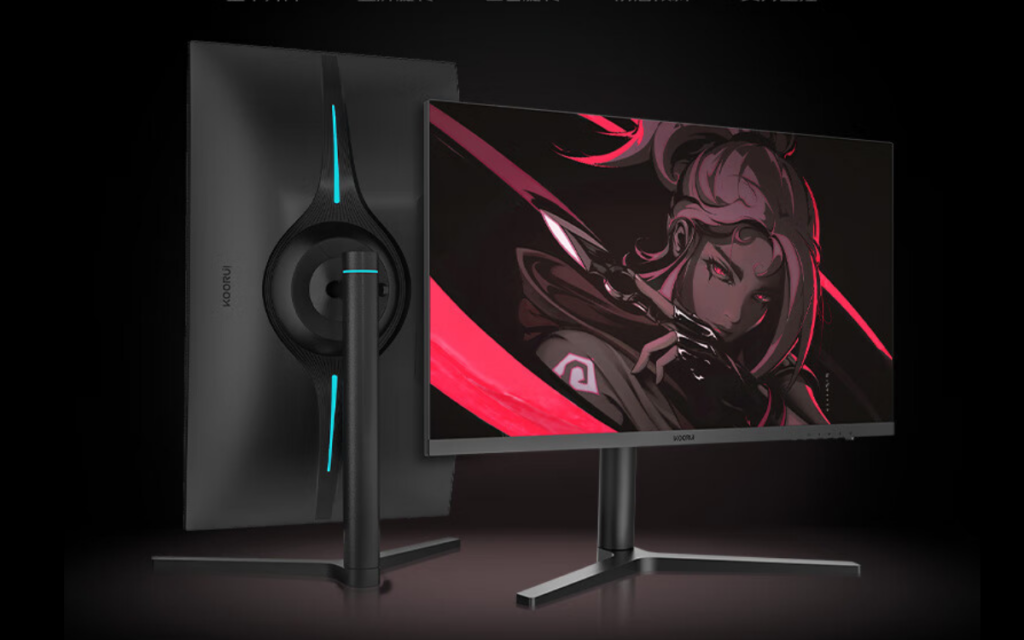
Koorui has launched its latest gaming monitor called 27E1QX in the Chinese market. The monitor is priced at 899 yuan ($125) and is now available on JD.com. Let’s delve into its key specs.
Koorui 27E1QX Specifications
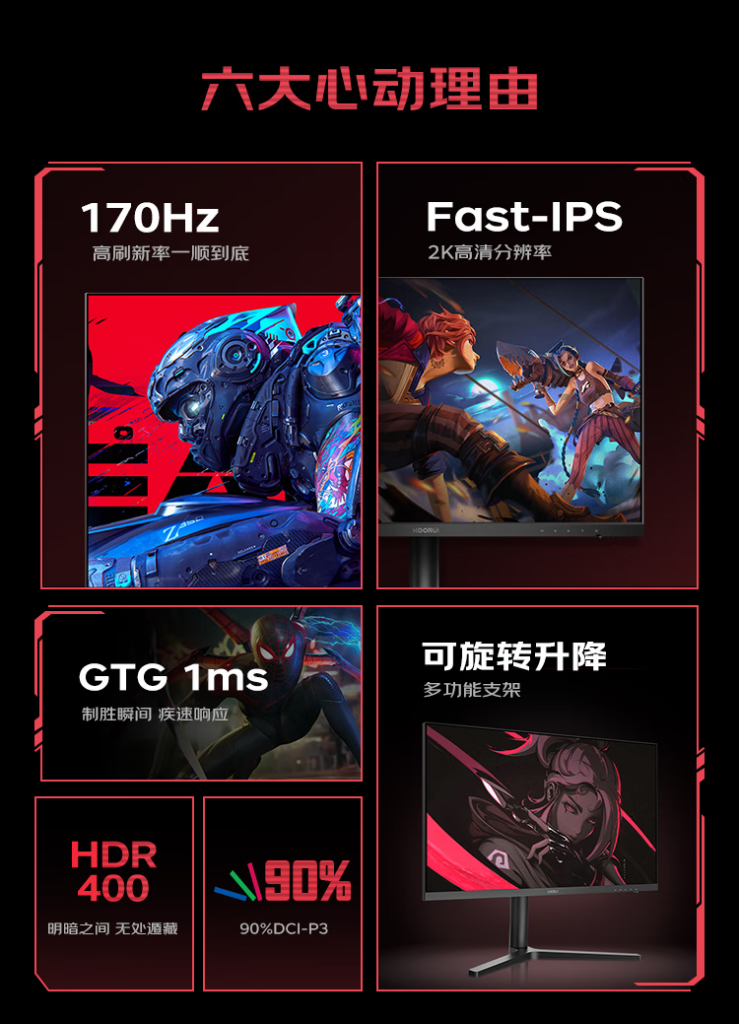
The Koorui 27E1QX sports a 27-inch Fast IPS display with a 2K resolution (2560×1440), offering sharp visuals and vibrant colors with wide 178-degree viewing angles. It features a 170Hz refresh rate and a 1ms GTG response time for smooth, lag-free gameplay, minimizing motion blur and ghosting.
The monitor sports a peak brightness of 400 nits, a static contrast ratio of 1000:1, and supports an 8-bit color depth, delivering rich, detailed, and vibrant visuals. In terms of color accuracy, it covers 90% of the DCI-P3 color gamut and 100% of sRGB, making it suitable not only for gaming but also for content creation and media consumption. It also comes with HDR400 certification, which enhances depth and contrast.
For ergonomic flexibility, the monitor is equipped with a multi-functional stand that supports height adjustment, tilt, swivel, and pivot rotation. This allows users to customize their viewing angles for maximum comfort. It also supports VESA mounting (75mm x 75mm), enabling wall or arm mounting for a cleaner setup.
In terms of connectivity, the monitor comes with dual HDMI 2.0 ports, a 3.5mm audio jack, and a DisplayPort 1.2, ensuring broad compatibility with gaming consoles, PCs, and other devices. The built-in power supply keeps the setup neat, eliminating the need for an external adapter.
The 27E1QX features a frameless, minimalist design with ultra-thin bezels, enhancing immersion and enabling a seamless multi-monitor setup. It comes with black-blue and black-red color variants, blending style with performance. Additionally, it sports a three-year warranty.
One UI 7.0 is the biggest upgrade for Samsung devices in over half a decade, and that’s why the development stretched more than usual. It was released alongside the Galaxy S25 series at the Galaxy Unpacked 2025 last month. This also means we had no major One UI releases in 2024.
Samsung announced the One UI 7.0 beta program in early December 2024, which has surprisingly remained exclusive to the Galaxy S24 series, so far. The stable build, however, will start rolling out to Galaxy devices in the next few days. As always, flagship devices will be the first in line to get the One UI 7.0 treat, followed by mid-range and cheaper models. However, no matter how cheap or expensive your Samsung Galaxy is, you must follow these steps for a smooth upgrade.
Check your device’s update policy
While Samsung offers the best software support among Android brands, every Galaxy device obviously will not be upgraded to One UI 7.0 (based on Android 15). Every device gets a certain number of One UI and OS upgrades. Therefore, you must check the software update policy to see if your device is eligible for the next major upgrade.
Whenever a major One UI upgrade arrives on my Samsung Galaxy, I don’t rush to hit the download and install button. Instead, I take a complete backup of my data to ensure it remains protected, and I would urge you to do the same.
Although we don’t hear much about instances of an update bricking a device or resulting in data loss, you wouldn’t risk your important data. So, it’s wise to be cautious.
There are multiple ways to backup your data, the easiest being the Temporary cloud backup feature. It uses your internet connection to back up the data on Samsung cloud. The best part is that it’s completely free, and there’s no limit on backup size, although you’ve to ensure no individual files are larger than 100GB. So, you don’t have to be selective about what to back up and what to leave.
There’s one critical thing to remember, though. The backup is stored on the cloud for 30 days, so remember to restore your data before it’s gone.
Here are the steps to follow:
Open Settings and go to Device care.
Tap Maintenance mode and choose Temporary cloud backup.
Click Back up data.
If your backup size is too large, you’d require plenty of internet data, so be prepared for that. Alternatively, you can also backup your data to another smartphone or computer using Smart Switch or transfer your files to a PC via a USB cable.
Update all apps and software
Samsung updates its apps to include One UI 7 compatibility. Most of them are released even before the One UI 7 update hits your device. Installing those updates is recommended to ensure they will work smoothly after upgrading to One UI 7.
Remember to check for updates after installing the One UI 7 update, as some may arrive after the upgrade. Most Samsung apps can be updated via the Galaxy Store, and some via the Google Play Store.
Also, make sure that your Samsung Galaxy doesn’t have pending updates. To check for updates, go to Settings > Software updates and tap Download and install.
Free up storage space
Major updates like One UI 7.0 can be quite large, a few gigabytes in size. If your device doesn’t have sufficient storage, the download might fail, and sometimes, the installation, too.
It’s recommended that you should have at least 5-10GB of free internal storage. It also benefits the overall performance of the device.
The battery should be above 30%
Major One UI upgrades might take longer to finish the installation. Charging to 30% (at least) will ensure that it won’t run out of juice during the installation, which can potentially lead to issues like a corrupted installation, missing files, or unstable software.
Playing too safe? Check others’ experience first
Stable builds aren’t guaranteed to offer an utterly bug-free software experience. There can still be some bugs, sometimes severe bugs as well, which can break apps or functionalities.
If you aren’t in a hurry and want to see if the update has any critical bugs, don’t hit the download button. Instead, explore the Samsung Community and Samsung’s subreddits on Reddit to read others’ reviews for the same device and build. You can then decide whether to install the update or wait for a more stable build.
One UI 7.0 is a pretty significant upgrade that brings a host of awesome features and improvements. We’ve detailed its top features in this article.
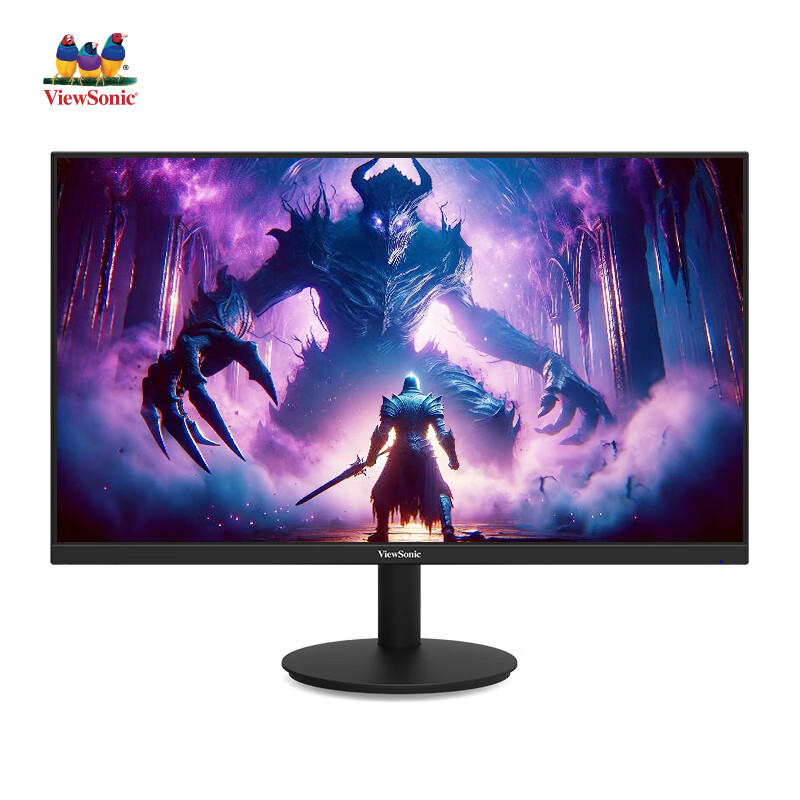
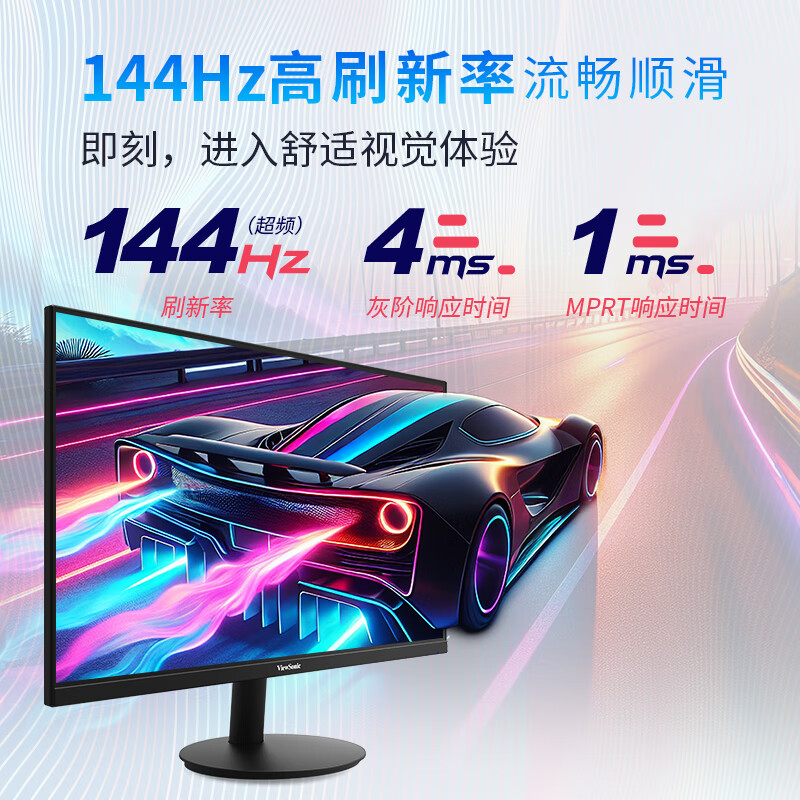
Viewsonic has launched a new gaming monitor with model number VA24G25 in the Chinese market. It is priced at just 399 yuan ($55), making it one of the most affordable high-refresh rate monitors on the market. The monitor is now available to purchase on JD.com. Let’s check out its key specs.
Viewsonic VA24G25 Monitor Specifications
Viewsonic VA24G25 sports a 23.8-inch display with Full HD (1920×1080) resolution and a 16:9 aspect ratio. The display is built with an IPS panel that provides wide viewing angles of 178 degrees, both horizontally and vertically, making it ideal for multi-screen setups.
The monitor supports a 144Hz refresh rate in overclocked mode, with a native refresh rate of 120Hz that can be adjusted if needed for stability. It also comes with a response time of 4ms (GTG) and an MPRT of 1ms, minimizing motion blur and ghosting for a smoother viewing experience.
The VA24G25 features a 400 cd/m² brightness, a 1500:1 static contrast ratio, and 6-bit + FRC to simulate 8-bit color depth, ensuring clear visibility and enhanced image quality.
The monitor sports ViewSonic’s Eye ProTech+ technology, which uses second-generation hardware-based low blue light filtration, effectively reducing harmful blue light exposure to less than 40% without causing a yellow tint. Additionally, its flicker-free technology eliminates screen flickering, reducing eye strain during prolonged usage.
For connectivity, the monitor equips a VGA port (supporting up to 75Hz) and an HDMI 1.4 port, which allows for the 144Hz refresh rate in overclocked mode. It supports FreeSync, providing a tear-free experience when paired with compatible graphics cards. The monitor is also energy efficient, holding a Level 1 energy certification, making it an environmentally friendly choice.
It supports multiple ergonomic adjustments, including a tilt range of -5 to 20 degrees, ensuring a customizable viewing angle. Additionally, it features VESA mount compatibility (100mm x 100mm), making it easy to mount on a wall or integrate into a multi-monitor setup.
In related news, HKC has launched a 27-inch gaming monitor featuring a 2K Fast IPS panel, a 300Hz refresh rate, and a 1ms GtG response time. Meanwhile, AOC’s CQ32G4E, a 31.5-inch curved gaming monitor with a 2K resolution and 180Hz refresh rate, is now available in China.
For more daily updates, please visit our News Section.
Apple‘s long-rumored entry into the foldable phone market may be drawing closer. A recent report suggests the company is in the final stages of selecting a display supplier for its anticipated foldable iPhone.
While Samsung and Google have already released multiple foldable phones, the Cupertino giant has remained characteristically patient with its foldable iPhone. However, behind-the-scenes work appears to be steadily ongoing.
Apple could soon finalize its foldable display partner
According to a new report from Naver’s “yuex1122,” the tech giant is in the final stages of selecting a display supplier for its foldable iPhone. The company will reportedly decide by late February to early April.
The company reportedly has stringent technical requirements for suppliers, including improvements in durability and crease prevention—issues that continue to plague current foldable models. Apple is said to be evaluating domestic manufacturers who have made significant progress in meeting these demands.
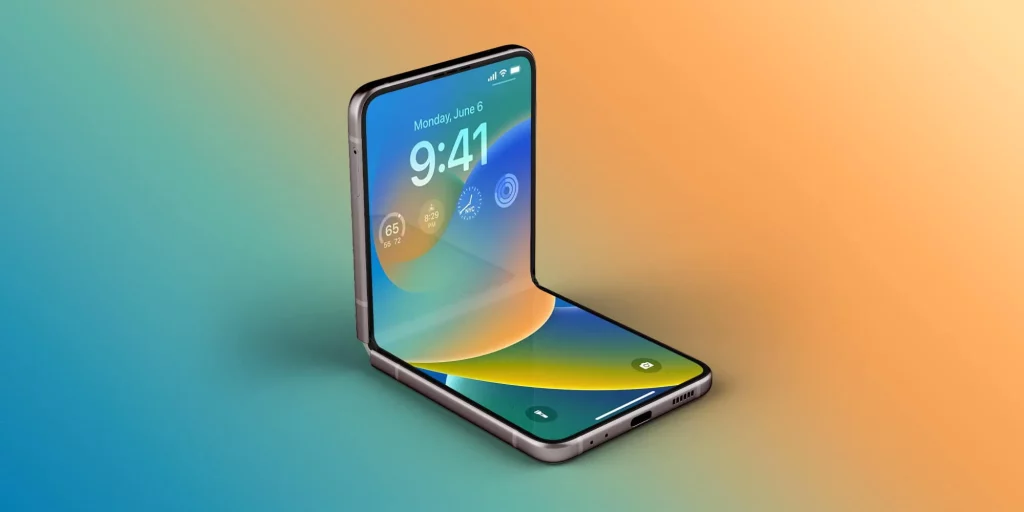
There are indications that Apple might follow Samsung’s strategy by offering two types of foldable iPhones: a clamshell-style model akin to the Galaxy Z Flip and a larger tablet-like version similar to the Galaxy Z Fold.
However, the exact timeline for the launch remains uncertain. A well-known industry analyst Ming-Chi Kuo previously noted that Apple’s foldable iPhone is still in the planning phase and could launch between 2025 and 2027.
Likewise, recent rumors from The Information suggest that Apple could debut a clamshell foldable iPhone in 2025. Beyond smartphones, the company is reportedly exploring foldable displays for MacBooks. A previous report suggests that the laptops could feature a display size of around 19.5 inches, although specific details remain scarce.
Apple’s late entry into the foldable market contrasts with Samsung’s dominance and Google’s recent launch of the Pixel Fold. As both companies push forward with distinct designs and technological improvements, Apple’s ability to address durability concerns and minimize display creases will likely be pivotal. How the company differentiates itself in this evolving sector remains to be seen.
We use cookies on our website to give you the most relevant experience by remembering your preferences and repeat visits. By clicking “Accept”, you consent to the use of ALL the cookies.
This website uses cookies to improve your experience while you navigate through the website. Out of these, the cookies that are categorized as necessary are stored on your browser as they are essential for the working of basic functionalities of the website. We also use third-party cookies that help us analyze and understand how you use this website. These cookies will be stored in your browser only with your consent. You also have the option to opt-out of these cookies. But opting out of some of these cookies may affect your browsing experience.
Necessary cookies are absolutely essential for the website to function properly. This category only includes cookies that ensures basic functionalities and security features of the website. These cookies do not store any personal information.
Any cookies that may not be particularly necessary for the website to function and is used specifically to collect user personal data via analytics, ads, other embedded contents are termed as non-necessary cookies. It is mandatory to procure user consent prior to running these cookies on your website.