Nothing has seemingly announced that the Nothing Phone (3a) smartphone will not launch on March 4. A new report by AndroidHeadlines reveals that the brand is also working on a Nothing Phone (3a) Pro. While Nothing fans have been speculating about the arrival of a Phone (3a) Plus, the report suggests that the brand may release a Pro model instead. Additionally, the report has disclosed the configurations and color options for both (3a) models.
Nothing Phone (3a)
The publication revealed that the Nothing Phone (3a) will arrive in two configurations: 8GB RAM + 128GB storage and 12GB RAM + 256GB storage. It will be available in black and white options.
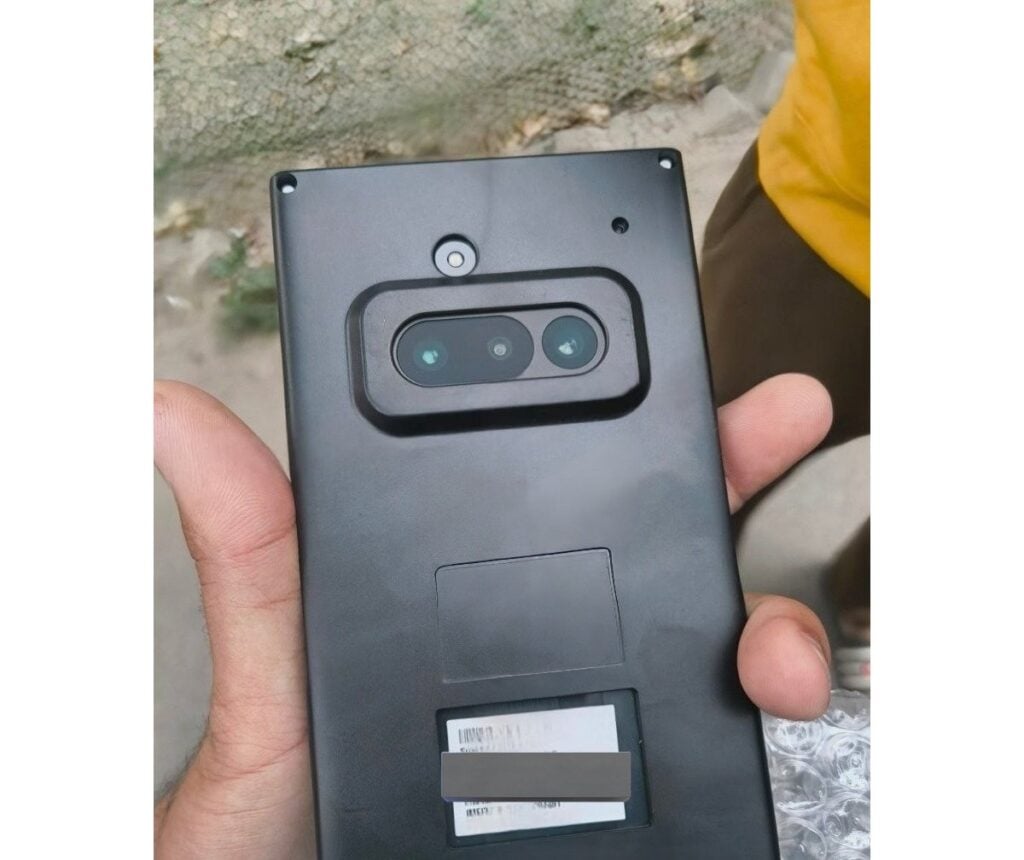
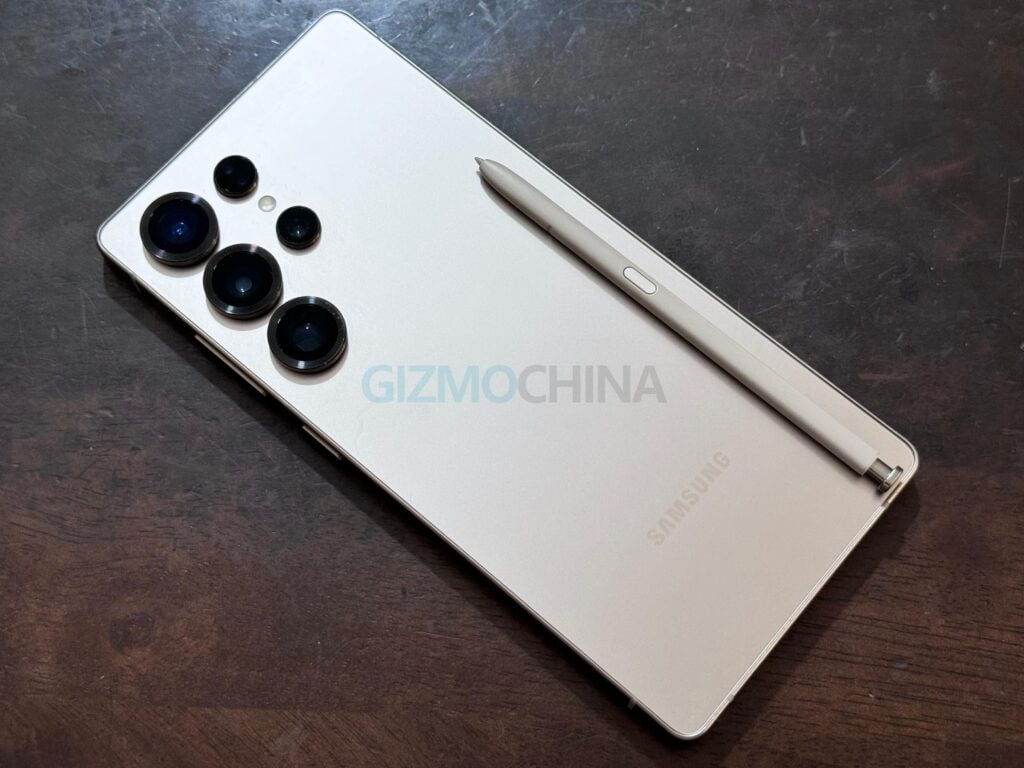
Shown above is the alleged leaked shot of the Phone (3a), which showcases a horizontally arranged triple camera setup. According to a recent report, this setup includes a 50-megapixel main camera, an 8-megapixel ultra-wide lens, and a 50-megapixel telephoto camera with 2x optical zoom. On the front, it may feature a 32-megapixel selfie snapper.
The device is expected to feature a massive 6.8-inch AMOLED panel that supports an FHD+ resolution and a 120Hz refresh rate. Under the hood, it is expected to feature the Snapdragon 7s Gen 3 chip and a 5,000mAh battery with 45W fast charging support. It may come preloaded with Nothing OS 3.1-based Android 15.
Nothing Phone (3a) Pro
At present, there is no information available about the core specifications of the Nothing Phone (3a) Pro. However, the new report reveals it will be available in a single configuration of 12GB RAM + 256GB storage. It will be sold in Grey and Black.
The above-mentioned specs appear suitable for the Pro variant rather than the standard model. With more than a month remaining for the launch, it is advisable to wait for more reports to know everything about the upcoming (3a) series phones.
For more daily updates, please visit our News Section.
There are tons of reasons why you might want to choose the latest flagship from Samsung, OnePlus, or Google. And honestly, the situation stays the same every year. Flagship brings new features— actually, they have to! — whether it’s in hardware or software, to be able to sell well in the market.
But not everyone wants or even needs it. if you take a step back and look at mid-range phones in 2025, you’ll see that they offer features and performance comparable to flagship phones from just two years ago. And this isn’t just a coincidence.
It’s the result of advancements in SoCs, paired with software optimizations and the growing need for relatively good hardware to appeal to a mass audience.
If you’re wondering how devices priced under $500 today can outperform premium models from 2023, here’s a breakdown of what’s changed—and why it matters.
One of the biggest factors driving the performance leap in mid-range phones is the evolution of processors. Take MediaTek’s Dimensity 8200 Ultra or Qualcomm’s Snapdragon 7 Plus Gen 3 for that instance—these chips now rival older flagship SoCs like the Snapdragon 8 Gen 2.
For instance, here’s a benchmark comparison of the Snapdragon 7 Plus Gen 3 against 8 Gen 2.
Geekbench 6
Snapdragon 7+ Gen 3
Snapdragon 8 Gen 2
Single-core
1,747
1,934
Multi-core
4,511
5,367
AnTuTu Score
14,56,859
15,35,770
The reason? Improvements in manufacturing processes. Like 2023 flagship chips, the mid-range SoCs of 2025 use the 4nm manufacturing process. These advancements bring better power efficiency, faster clock speeds, and more capable GPUs. As a result, mid-range devices now handle tasks like gaming, video editing, and AI-assisted features without breaking a sweat—areas where older flagship devices might start showing their age.
2. Memory and Storage Have Caught Up
Another area where mid-range phones have gained ground is memory and storage technology. Phones released in 2025, even in the sub-$500 segment, now feature LPDDR5X RAM and UFS 4.0 storage—a significant upgrade over the LPDDR5 and UFS 3.1 found in many 2023 flagship devices.
This upgrade has a tangible impact on everyday performance. Apps load faster, multitasking feels smoother, and large file transfers are quicker. Combined with optimized software, mid-range phones now deliver an experience that feels flagship-level to most users.
3. Software Optimization Levels the Playing Field
In 2025, software has become as important as hardware when it comes to delivering performance. Android manufacturers have shifted their focus to better optimization, ensuring that even mid-range devices can run smoothly for years.
Samsung’s One UI, Google’s Pixel software, and Xiaomi’s HyperOS have all seen major improvements, particularly in memory management and AI-based resource allocation.
Furthermore, mid-range phones from brands like Samsung and Google now come with long-term software support—up to four major Android updates and five years of security patches. This wasn’t the case for many 2023 flagship phones, which often lacked extended update commitments.
4. Display Technology No Longer Defines Premium
Flagship phones from 2023 undoubtedly offered excellent displays, with features like high peak brightness and adaptive refresh rates. However, in 2025, these once-premium features are now standard in the mid-range category.
Consider today’s mid-range phones: many offer OLED displays with 120Hz refresh rates and HDR10+ support. For context, these specs are on par with the displays of 2023 flagships like the Galaxy S23 or OnePlus 11.
5. Battery Tech and Charging Speeds Have Improved
In the past, flagship phones often justified their high price tags with superior battery performance and charging speeds. But in 2025, mid-range phones are dominating this space. Brands like Realme, iQOO, and Redmi now offer mid-range devices with 5,000mAh batteries and 120W fast charging as standard.
In comparison, many 2023 flagship phones, while respectable, often maxed out at 80W charging or lower. Additionally, the efficiency of today’s mid-range SoCs means these phones last longer on a single charge compared to older flagship devices, despite similar battery sizes.
6. Camera Features Are Now More Accessible
Camera quality is another area where mid-range phones have improved significantly. While 2023 flagship devices like the Pixel 7 Pro or iPhone 14 Pro boasted impressive cameras, mid-range devices in 2025 are quickly catching up, thanks to advanced image processing and hardware trickle-down.
For example, mid-range phones now feature large 50MP sensors with OIS, AI-driven computational photography, and advanced low-light performance. While older flagships still have the edge in telephoto and ultrawide capabilities, the gap is no longer as wide as it once was. For casual users, the difference in quality is often negligible.
7. Market Strategy
Much of this shift can be attributed to how smartphone brands are positioning their mid-range lineups. Companies like Xiaomi are increasingly pushing flagship-tier features into their more affordable devices to compete in crowded markets like India and Southeast Asia.
This trickle-down strategy is particularly noticeable in areas like build quality and design. Mid-range phones in 2025 are adopting premium materials like glass and metal, once reserved for flagship models. Some even offer IP68 water resistance—a feature that was rare in mid-range devices just two years ago.
8. Why Older Flagships Still Have Some Advantages
Despite all these improvements, it’s important to note that older flagship phones still have a few advantages. Their designs often feel more refined, with slimmer profiles and better materials. Camera systems, while aging, typically offer greater versatility, especially with telephoto lenses. Moreover, flagship devices generally feature better haptics and stereo speakers.
9. The Bigger Picture
The rise of mid-range phones isn’t just about better specs—it’s about changing consumer expectations. Today’s buyers demand more for less, and manufacturers are responding by packing their mid-range devices with flagship-level features. The result? A market where you no longer need to spend $1,000 to get a high-performance phone.
That said, whether you should choose a 2025 mid-range phone over a 2023 flagship depends on your priorities.
OnePlus has begun rolling out OxygenOS 15.0.0.405 for the OnePlus 13, starting with users in the IN, GLO, NA, and EU regions. The update is being released in batches, meaning a small group of users will get it first, with a broader rollout expected in the next few days. It brings a mix of camera enhancements, connectivity improvements, system optimizations, and some handy new AI translation features.
On the camera front, the update tweaks color accuracy and tone in Master and Photo modes, refines the zoom function, and boosts overall stability for a smoother shooting experience. For connectivity, it improves Wi-Fi and Bluetooth stability, helping users stay connected with fewer hiccups. System performance also gets a boost, aiming to make the device feel faster and more reliable.
One of the standout additions is the AI translation feature, which now supports real-time live translation and face-to-face translation in Split View. You can listen to translations through your headphones, and if you have compatible headphones, you can start face-to-face translation with a simple tap. The setup splits translations between the phone’s speaker and your headphones, making bilingual conversations more seamless. You can check out the complete official changelog below.
OnePlus 13 OxygenOS 15.0.0.405 Changelog
Camera
Improves the colours in photos taken with Master mode.
Improves the tone of photos taken with the rear camera in Photo mode and improves the zoom function.
Improves camera stability for a better photography experience
Communication & interconnection
Improves the stability of Wi-Fi connections for a better network experience.
Improves the stability and expands the compatibility of Bluetooth connections.
System
Improves system stability and performance.
Al translate
Adds the live translation feature that shows the translation of speech in real time.
Adds the face-to-face translation feature that shows the translation of each speaker in Split View.
Now you can hear the translations in your headphones.
Now you can start face-to-face translation with a tap on your headphones (only supported on selected headphones). The translation of one language is played on the speaker on the phone, while the translation of the other language is played on the headphones.
If you’re in India and run into any issues, you can report bugs by opening the Google Dialer and typing *#800#. For users in other regions, feedback can be shared directly in the official thread.
Philips is celebrating 100 years in the audio industry with the Century Series, a collection of five new products that blend classic designs with modern features. The series, available in September, includes two all-in-one turntable systems, a portable DAB/FM radio, and two retro-style headphones. The goal is to bring back familiar formats like vinyl, radio, and personal audio while making them more useful for today’s listeners.
Philips has played a major role in shaping home audio, starting with the Miniwatt Radio Tube in the 1920s. Over the years, the company introduced cassette tapes, CDs, and even early digital streaming systems, helping to change how people listen to music. The Century Series builds on this history by modernizing some of its most recognizable audio products.
The Tina (Philips V9000) is the most advanced all-in-one turntable in the series. It delivers 120W RMS power with built-in speakers and a dedicated subwoofer. Along with playing vinyl records, it includes DAB+/FM radio, Bluetooth streaming, and USB playback. The turntable is built with an aluminum die-cast platter and anti-vibration technology to reduce sound distortion. Users can adjust bass and treble levels, connect wired headphones through a 6.3mm jack, and control the system through an app. It also supports Bluetooth 5.3 with Auracast, making wireless streaming smooth and reliable.
Philips V9000
The Stevie (Philips V3000) is a more straightforward turntable for those who are new to vinyl or looking for an easy setup. It has a three-speed belt-driven system, built-in 12W RMS speakers, and a replaceable Audio Technica MM cartridge. It supports Bluetooth 5.4 streaming and has a 3.5mm headphone jack for private listening. Like the Tina, the Stevie can be controlled through an app, and users can connect external Bluetooth speakers for a wider sound experience.
2. A Compact and Reliable Radio
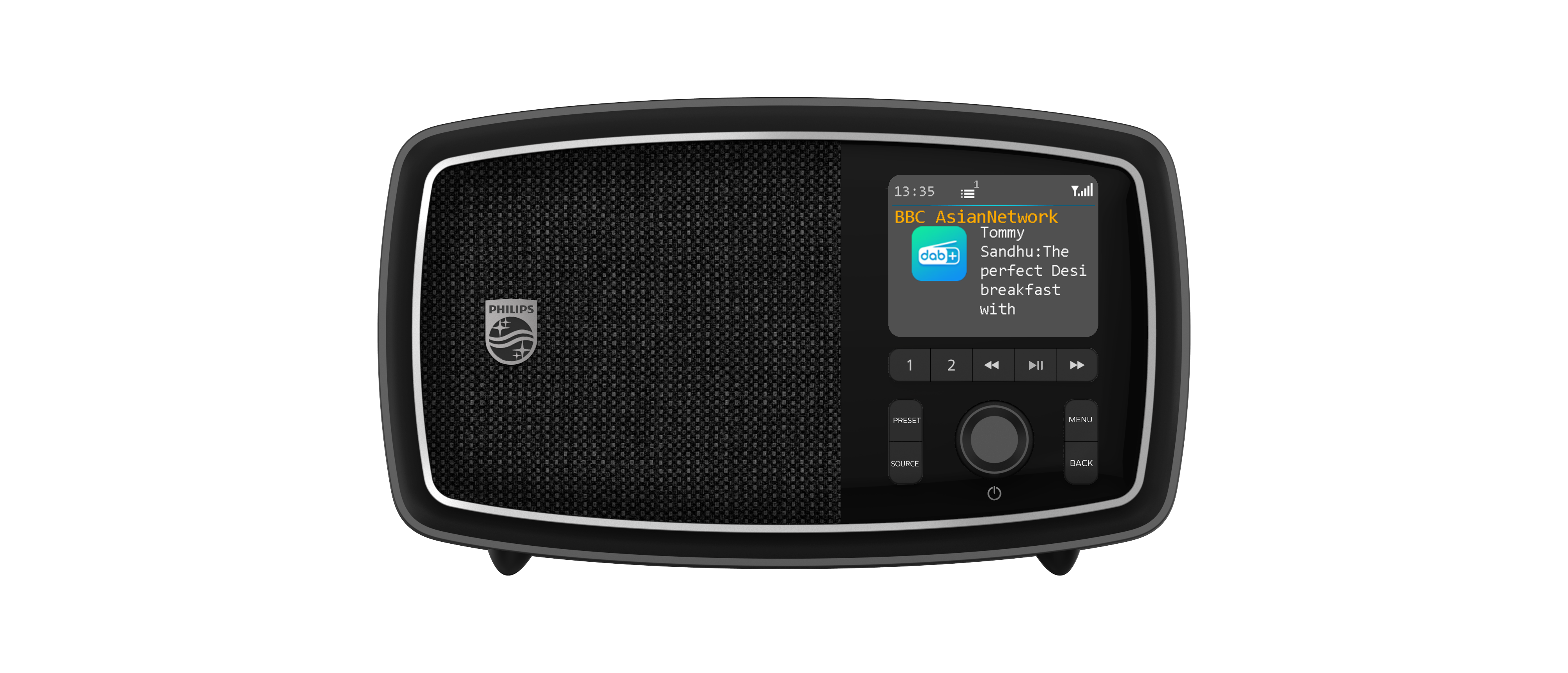
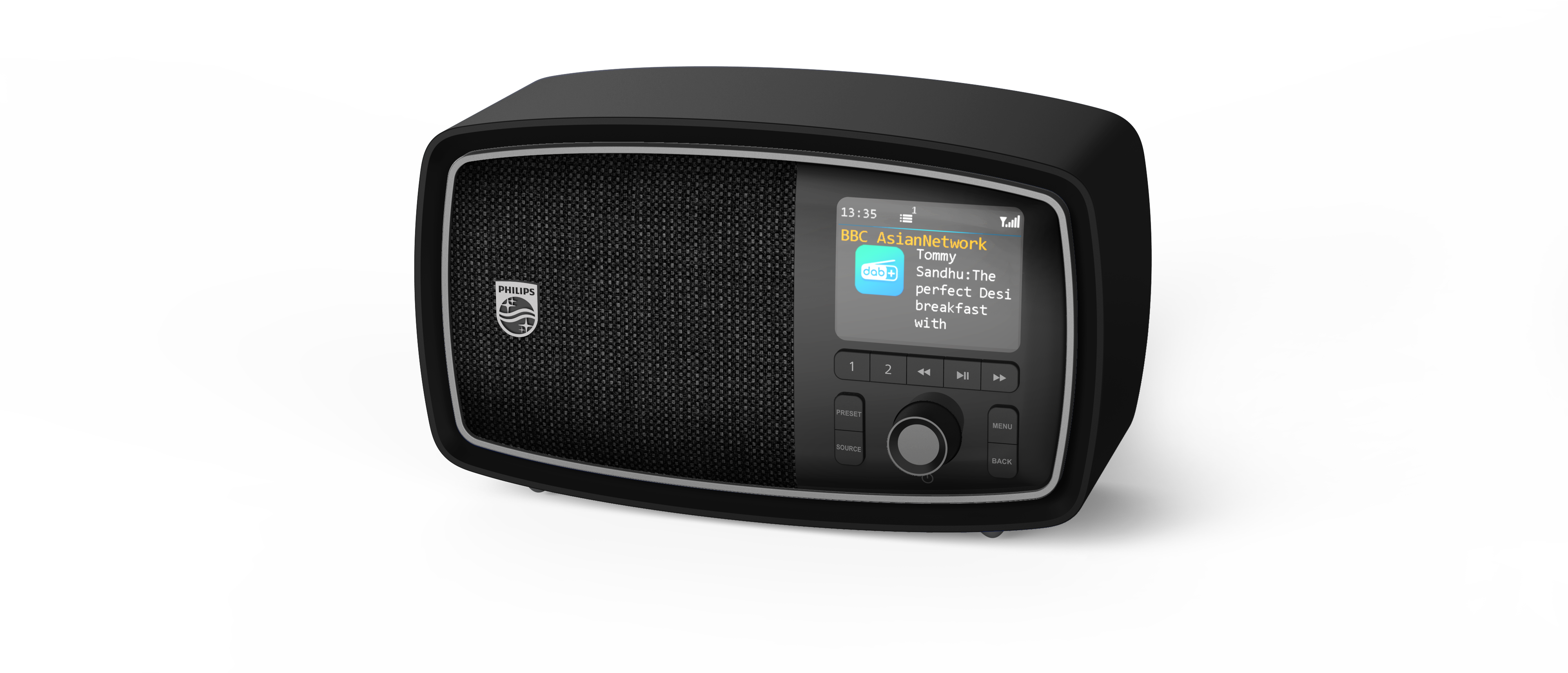
The Janet (Philips V2000) is a DAB+/FM radio designed to be small enough to move easily from room to room. Measuring 180mm x 100mm x 60mm, it produces clear, balanced sound through a 5W RMS speaker and a 2.5-inch full-range driver. It features a 2.4-inch color display, touch-sensitive buttons, and a large control knob for simple tuning. The radio also works as an alarm clock, offering a sleep timer and two alarms. It supports Bluetooth 5.3 streaming, allowing users to play music from their phones.
Philips V2000
The battery provides 16 hours of playback and fully recharges in 3.5 hours. Philips designed the Janet with recycled plastics, plastic-free packaging, and a replaceable battery, making it a more environmentally friendly choice.
3. Retro-Style Headphones with a Modern Touch
The Freddie (SHP9500CY) is a wired, open-back headphone designed for home listening. It features large 50mm neodymium drivers, producing a spacious, natural sound. Built for long-term use, it includes a steel headband with a cushioned layer, breathable ear pads, and a detachable 3-meter cable for convenience.
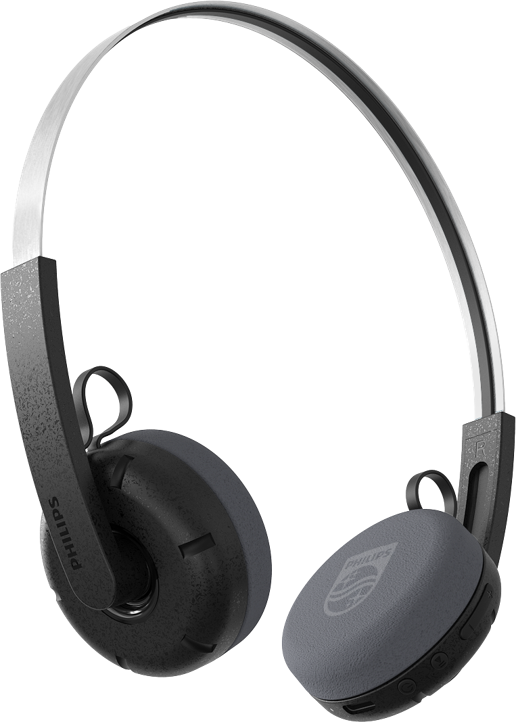
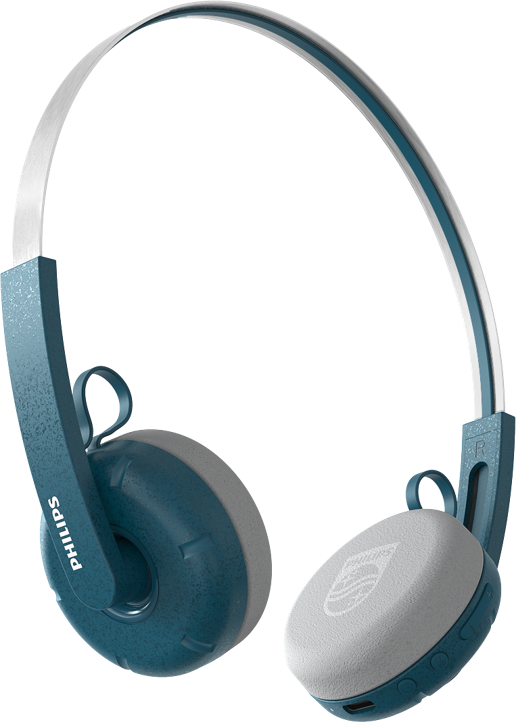
Philips H2000
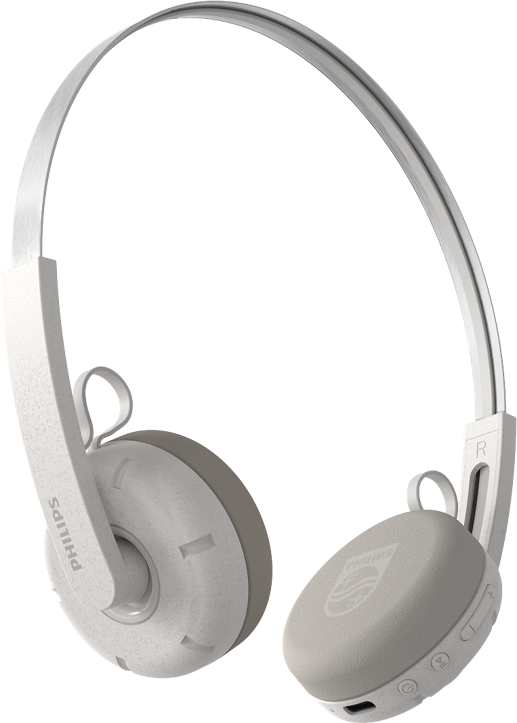
The Ringo (Philips H2000) is inspired by the lightweight, portable headphones of the 1980s but comes with modern features. It is available in three colors: Deep Black, Crystal Teal, and Silk White. The Ringo includes 40mm drivers, wireless Bluetooth 5.4 connectivity, and a 20-hour battery life. A quick charge feature adds six hours of playback in just 15 minutes. It also includes an AI-powered microphone for clear phone calls and works with the Philips Headphones app for extra settings.
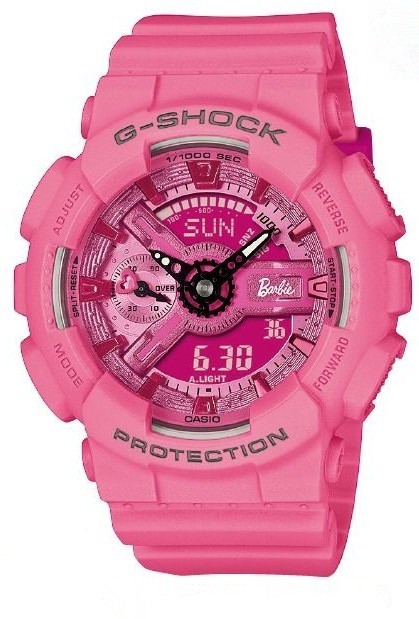
The publication Great G-Shock World recently published a report claiming that Casio is set to release a new Barbie-themed G-Shock watch in February. The model, identified as GMA-S110BE, GMA-S110BE-4A, or GMA-S110BE-4AJR, is based on the popular GMA-S110 series and is expected to be a limited edition. Now, Jebsen, an authorized Casio retailer in Hong Kong has confirmed the existence of the lineup and has also hinted at the release timeline.
A marketing page indicates that users can register for a draw to purchase the watch starting February 10th, with an estimated shipping date of February 24th. The watch is priced at HK1,580 (US$204) in Hong Kong. It remains unclear in which other markets the watch will be available and what the pricing will be in those regions.
As for the watch itself, the showcased GMA-S110BE-4A features a mostly pink design, with different shades used on the face, casing, and strap. The watch includes Barbie branding and a heart-shaped detail on the speed indicator dial, matching the playful style of the Barbie brand.
In terms of features, the GMA-S110BE is a hybrid digital-analog watch. It supports 29 time zones and has an automatic calendar that works until 2099. It also includes a stopwatch, a countdown timer, and five alarms. The watch runs on a CR1220 battery, which lasts about two years.
In other news, Casio Japan has recently announced two new G-Shock models, GD-010CE-5JF and GA-010CE-2AJF in its Urban Utility lineup. The main parts of these watches, like the case and bezel, are made from biomass plastic, and the bands use recycled materials. The bands are dyed using a process that turns food waste into natural dyes, with the GA-010CE using red turnip dye and the GD-010CE using echinacea dye.
For more daily updates, please visit our News Section.
Philips is rolling out its latest OLED+950 and OLED+910 TVs, packed with advanced technology to deliver an exceptional viewing and gaming experience. The OLED+950, available in 65” and 77” sizes starting September, and the OLED+910, coming in June with 55”, 65”, and 77” options, are designed to impress with their picture quality, sound, and gaming capabilities.
High-End Performance
At the heart of both models is the 9th Gen P5 AI Dual Engine processor, which uses artificial intelligence to improve picture quality. It analyzes content in real time, adjusting colors, contrast, and sharpness to make everything look more vibrant and lifelike. The TVs also feature META Technology 3 OLED panels, which use a unique four-layer RGB design to improve color accuracy and brightness. The OLED+950, for example, can hit a peak brightness of 3700 nits, making HDR content pop with stunning detail.
One standout feature is the improved reflection control. The META 3.0 panel blocks over 99% of on-screen reflections, so you can enjoy clear, crisp images even in brightly lit rooms. Plus, the new panel design reduces power consumption by up to 20%, making these TVs more energy-efficient.
For gamers, Philips has added some clever upgrades. The updated Game Bar now automatically detects popular games and applies your saved settings, so you don’t have to tweak things every time you play. There’s also a minimap zoom feature, which lets you enlarge and reposition in-game maps, and an enhanced color helper mode for better visibility in competitive games.
Great Picture and Sound
Sound is another highlight. The OLED+950 comes with a 70W 2.1 sound system, complete with a dedicated bass driver for deep, punchy audio. The OLED+910 steps it up with a Bowers & Wilkins 3.1 sound system, featuring front-firing speakers and a rear subwoofer for rich, room-filling sound. Both models also include four-sided Ambilight, which projects light around the TV to match the on-screen action, creating a more immersive experience.
Design-wise, these TVs are sleek and modern, with slim black metal bezels and stylish stands. They run on the latest Google OS, making it easy to stream your favorite shows and apps.
Pricing & availability
The Philips OLED+950 is set to launch in the second half of 2025 in 65- and 77-inch sizes. Pricing is yet to be made public.
ACEFAST has recently launched the AceFit Air Open Ear Bluetooth 5.4 Sports earbuds. As the name suggests, the AceFit Air comes with an open-ear design, which prioritizes safety and comfort by allowing ambient sounds to pass through, improving situational awareness during activities like running or cycling. This minimizes the risk of accidents and improves overall safety.
The AceFit Air headphones are designed to be super comfortable and lightweight. They use a 0.7mm Ni-Ti memory wire and a special silicone coating to stay snug without feeling heavy. Each earbud weighs just 7.5 grams, so they’re perfect for running, cycling, or hitting the gym. The charging case is slim too, at only 1.04 inches thick, making it easy to toss in your bag.
Teaming up with Luxshare-ICT, AceFast has packed these headphones with a 3-magnet super-linear speaker for rich bass and clear highs. If you like tweaking your sound, the ACEFAST app lets you adjust the EQ settings to your liking.
These headphones come with some handy features, like connecting to two devices simultaneously, water resistance (IP54 rating), and four microphones for clear calls even in noisy places. The 20mm audio driver and multi-magnetic circuit design ensure the sound is balanced and punchy.
Battery life is solid, offering up to 36 hours of playtime with the charging case. If you’re in a rush, a quick 10-minute charge gives you two hours of listening time.
Pricing & availability
These headphones are now available on Amazon US for $79.99 and on Amazon UK for £89.99, with some launch discounts up for grabs.
For more daily updates, please visit our News Section.
After getting discontinued years ago, Pebble smartwatches might be making a comeback. This return is thanks to Google’s recent announcement to make Pebble OS open source, which would revive the series entirely. But before we look ahead, let’s see what made Pebble and its smartwatches so special.
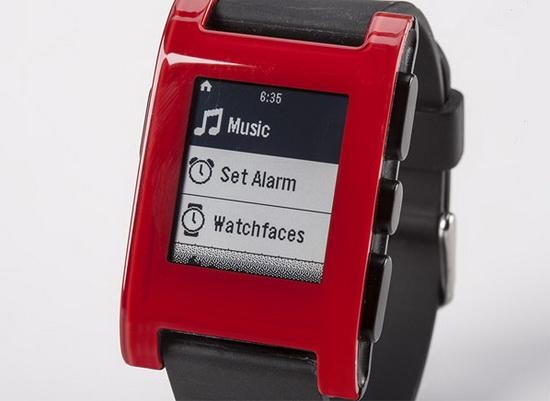
Unlike modern smartwatches that rely on OLED or LCD screens, Pebble used an e-paper display similar to e-readers like Amazon Kindle. This provided several advantages like Always-on visibility for notifications at a glance, which made it ahead of its time. Back in 2016, the Pebble smartwatch could offers up to 7 days of battery life that surpassed the competition. The e-ink panel also enabled better readibility in outdoors, although, you did lack visual fidelity of a high resolution color screen.
2. Cross-Platform Compatibility
During the early days of smartwatches, some model were locked into their specific ecosystems like the first Apple Watch with iPhones. However, Pebble broke this mold by bringing full compatibility with both iOS and Android. This meant you got a consistent user experience regardless of the platform. So the Pebble smartwatch was a flexible option for those who didn’t want to be tied to a single ecosystem.
3. Customizable Software and Open-Source Community
Pebble’s OS was highly customizable, which allowed users to install thousands of different third party watch faces and apps from the Pebble App Store. People could even create their own applications using the open source SDK. The firmware could also be modified to add new features.
4. Early Use of Smart Notifications
Before mainstream smartwatches perfected the smart notification system we are all fond of today, Pebble brought seamless integration with a smartphone. You could not only display calls, but also offer receive texts and app alerts. You weren’t just seeing these notifications, Pebble allowed users to dismiss or even respond using preset messages.
5. Pebble’s Lasting Legacy
Despite its eventual discontinuation, Pebble’s impact on the smartwatch industry remains undeniable. Pebble smartwatches were special because they focused on practicality, efficiency, and user freedom. Their long battery life, open software, and minimalist design made them a favorite among tech enthusiasts. Its influence can still be seen in modern smartwatches. But with news of its revival looming, the existing devices could be revived while newer models might be in the works.
For more daily updates, please visit our News Section.
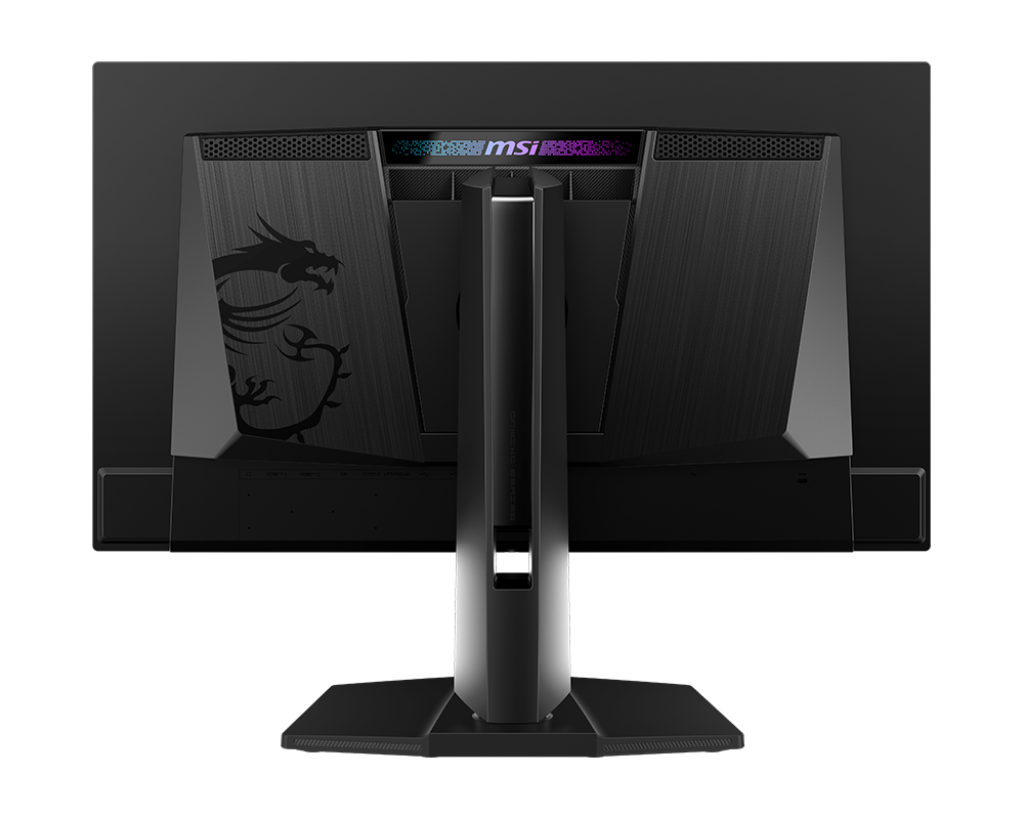
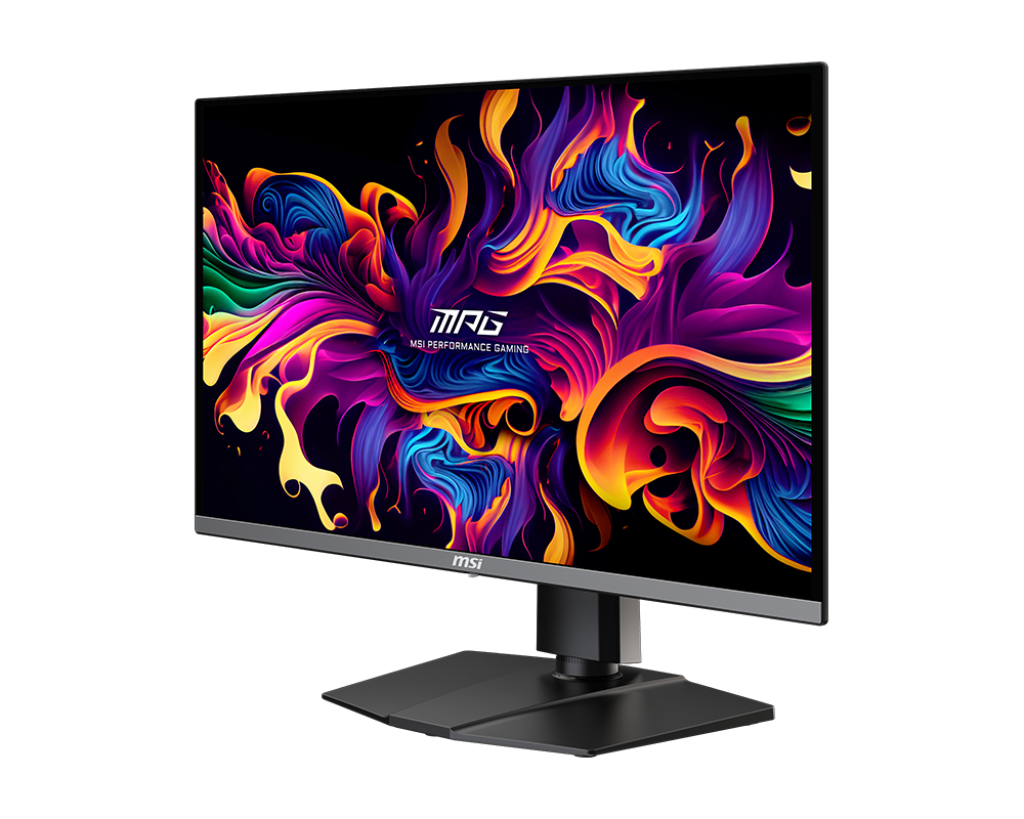
MSI has released the MPG 272URX, a 27-inch 4K high refresh rate gaming monitor in the Chinese market. The monitor was recently unveiled at CES 2025 and also received the CES Innovation Award for being the first of its kind.
MSI MPG 272URX features
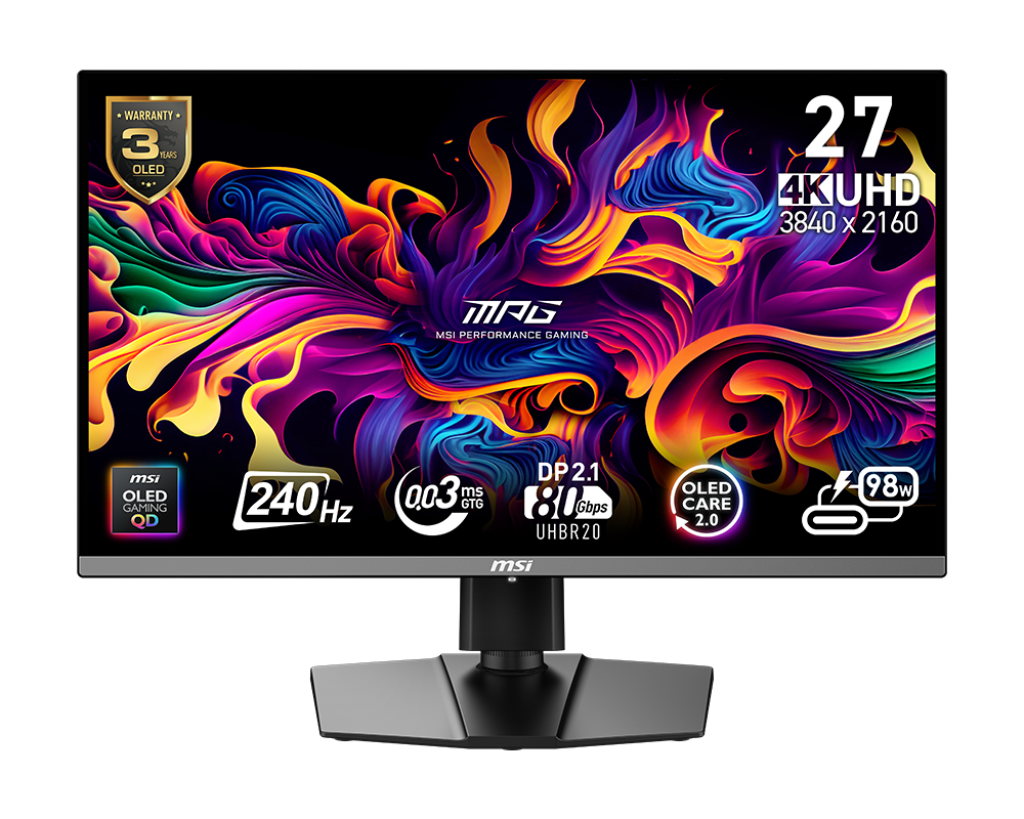
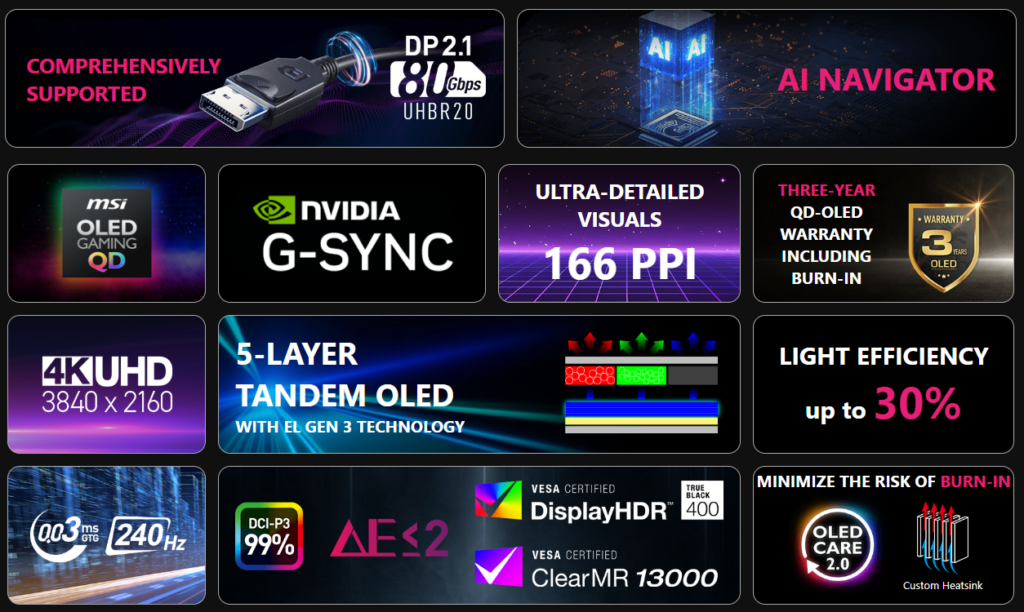
The first-of-its-kind claim comes from a combination of many factors such as the monitor using a 27-inch 4K resolution panel while offering 240Hz refresh rate, and the latest DisplayPort 2.1a interface. These features are also coupled with advanced QD-OLED technology, delivering exceptional picture quality with deep blacks, vibrant colors, and incredibly smooth motion handling, making it a good choice for competitive and triple-A gaming.
The monitor offers a 0.03ms response time and Adaptive-Sync support, The screen reaches a brightness of 250 nits in SDR mode and up to 1000 nits in HDR mode. It also supports 10-bit color depth and 99.3% DCI-P3 color coverage, ensuring vivid and accurate colors.
MSI has designed the stand to allow for tilt, height adjustment, and rotation, giving users flexibility in setting up their workspace. The monitor also supports VESA 100x100mm wall mounting for those who prefer an alternative setup.
The MPG 272URX is equipped with multiple connectivity options. It includes two HDMI 2.1 ports that support 4K at 240Hz, a DisplayPort 2.1a, and a USB-C port with DisplayPort Alt Mode and 98W Power Delivery. Additionally, it has a USB-B port, two USB-A ports, and a 3.5mm audio jack for external audio devices.
Pricing & availability
The monitor is priced at 6,999 yuan (US$965), but customers who place an order before the official launch can get it at a discounted price of 6,699 yuan (US$924). It is available to buy in China via JD.com.
For more daily updates, please visit our News Section.
Samsung unveiled the Galaxy S25 Ultra (Hands-on) as one of the most powerful smartphones of 2025. OneUI is feature-rich on the software side, while the new Snapdragon 8 Elite for Galaxy makes it the fastest Android phone on the hardware front. But despite all of this, it’s hard to recommend it to everyone. So here’s who might want to reconsider buying the Galaxy S25 Ultra.
Apple is known for bringing incremental upgrades across its flagship iPhone lineup, and in recent years, Samsung has also come under fire for a similar reason. While the newer processor does offer great performance, not everyone needs cutting edge performance. The Galaxy S24, Galaxy S24+, and Galaxy S24 Ultra are still great smartphones that can handle intense tasks like mobile gaming.
Even in terms of photography, the new 50MP ultra wide angle lens is the only sensor that’s changed over the Galaxy S24 Ultra. While Chinese flagships are packing massive batteries and impressive charging speeds, the battery and fast charging have remained unchanged for a couple of generations now.
2. Compact Phone Enthusiasts
Samsung’s Galaxy Ultra models are known for their large screen real estate, which makes models like the Galaxy S25 Ultra pretty big. With a 6.9-inch display, using this phone in a single hand is already a hard challenge but the larger body also means they have a hefty weight. The brand did trim down the weight and made it slimmer than its predecessor, but it’s not something most compact phone enthusiasts would prefer.
3. Budget Conscious or Casual Users Who Don’t Need Premium Specs
The Samsung Galaxy S25 Ultra is basically an overkill for casual users who use their phones for social media, web browsing, messaging, or some light gaming. So paying a premium price tag for these top-end specifications makes it less attractive for those looking for those looking for a good price-to-value proposition. The S25 Ultra is a luxury good with cutting edge features and a stunning glass-titanium design. It isn’t a bad smartphone, just not as accessible as a solid mid range model.
4. Competitor Flagships
If you’ve purchased a flagship smartphone from any one of Samsung’s rivals in the last year, the Galaxy S25 Ultra isn’t worth an upgrade. Aspects like the battery tech, fast charging rate, and certain other specs are still offered in last year’s premium phones. In other words, you’re not getting a notable upgrade by buying the S25 Ultra and it’s better to wait for a more major upgrade in the future.
For more daily updates, please visit our News Section.
DeepSeek, the Chinese artificial intelligence startup, has found itself at the center of a regulatory storm in Italy after its app vanished from both Apple’s App Store and Google Play. The sudden removal follows a formal inquiry from Italy’s data protection authority, Garante, which is investigating how DeepSeek collects and processes user data. Concerns over data privacy and security have placed the AI company under intense scrutiny, echoing similar apprehensions raised in the United States and Australia.
Italian Privacy Regulator Investigates DeepSeek’s Data Practices
Italy’s privacy watchdog has given DeepSeek and its affiliated companies 20 days to disclose critical details about their data practices. Officials are demanding clarity on the nature of the personal data collected, its sources, intended usage, and whether it is stored on servers in China. The regulator has also asked how DeepSeek informs both registered and unregistered users about data processing, particularly in cases where information is acquired through web scraping.
Privacy concerns have been growing since DeepSeek’s recent meteoric rise. After launching an AI assistant that competes directly with OpenAI’s ChatGPT, the app surged to the top of download charts in multiple countries, triggering anxiety among competitors in the US tech industry. Meanwhile, American officials are assessing potential national security risks associated with a widely adopted Chinese AI model, and the US Navy has explicitly warned personnel against using DeepSeek.
Transparency over data handling remains a significant issue. The company’s privacy policy states that user data is stored on secure servers in China and may be shared with affiliated entities and service providers. However, Euroconsumers, a coalition of European consumer groups, has challenged the adequacy of these disclosures and questioned whether DeepSeek complies with the European Union’s General Data Protection Regulation (GDPR).
Italy’s scrutiny of DeepSeek is not unprecedented. In 2023, the country briefly banned ChatGPT over concerns about user data protection. OpenAI responded to these concerns by implementing several changes to the platform, including greater transparency about data processing, opt-out rights for users, and age verification measures to protect children under 13. These adjustments led to the chatbot being reinstated.
As DeepSeek gains traction globally, its regulatory challenges are mounting. The company must respond to the Italian watchdog’s questions by February 17, a deadline that could determine the fate of its operations in the European market. If authorities find violations of privacy laws, DeepSeek could face substantial penalties or restrictions, potentially setting a precedent for future scrutiny of AI applications developed outside of the West.
Check out our in-depth article on DeepSeek, China’s AI breakthrough that’s making waves and challenging the U.S. tech landscape.
For more daily updates, please visit our News Section.
DeepSeek, a Chinese AI company, is making big waves in artificial intelligence. On January 20, 2024, they launched DeepSeek R1, a powerful language model. This model is open-source and affordable, making it a strong competitor to OpenAI’s top models. DeepSeek’s success is challenging the US’s lead in AI development and sending shockwaves through the global tech industry.
What is DeepSeek R1?
DeepSeek R1 is a new kind of AI model built to think and solve problems more like humans. Instead of just using huge amounts of data, it learns in real time, recognizes patterns, and improves on its own. This makes it smarter and more independent, moving AI closer to real human-like reasoning.
Key Features of DeepSeek R1
Feature
DeepSeek R1
Launch Date
January 20, 2024
Development
Created by DeepSeek, a Chinese AI startup
Cost Efficiency
Comparable to OpenAI models but at just 3% of the cost
Learning Approach
Large-scale reinforcement learning
Accessibility
Fully open-source, allowing unrestricted global development
Primary Goal
Supporting the research community in creating smaller, more efficient AI models
DeepSeek R1’s open-source nature and focus on cost-efficiency offer a stark contrast to Western AI giants, positioning it as a game-changer in the field of artificial intelligence.
The technology behind DeepSeek R1
DeepSeek R1’s architecture combines efficiency and intelligence, setting a new benchmark for AI performance. While traditional AI models require massive computational power, DeepSeek optimizes its neural networks to achieve higher accuracy with fewer resources. This efficiency is crucial for industries like healthcare, finance, cybersecurity, and autonomous systems, where real-time decision-making is essential.
Feature
Traditional AI Models
DeepSeek R1
Learning Method
Predefined datasets
Adaptive, self-learning
Processing Power
High computational cost
Optimized neural efficiency
Decision-Making
Rule-based
Contextual & autonomous
Transparency
Limited
Explainable AI (XAI) integration
By utilizing a self-learning framework, DeepSeek reduces reliance on extensive manual programming, making it more adaptable across various industries.
DeepSeek’s Open-Source model gives it an edge over ChatGPT
A key feature of DeepSeek R1 is that it is completely open-source. Unlike OpenAI’s models like ChatGPT, which have restrictions, DeepSeek R1’s code is free for anyone to use and develop. This open approach will help AI grow faster by allowing developers worldwide to improve and build on it.
Open-source AI is also important because it gives everyone access to advanced technology, not just big companies. It helps developers improve and customize AI, making it better for everyone. Being open also builds trust and encourages teamwork, leading to faster progress in AI.
DeepSeek’s disruptive AI development strategy
DeepSeek’s strategy of developing powerful AI models with limited resources sets it apart from its competitors. The R1 model, with only 671 billion parameters, is significantly smaller than those of its rivals.
Only 37 billion parameters are activated during usage, optimizing computational resources. The model was trained with just $5.6 million, far less than the multi-billion-dollar investments made by OpenAI and Google.
How does this impact the AI Market?
The financial impact of DeepSeek’s emergence has been significant. Following the announcement, the Nasdaq Composite Index dropped over 3%, with major U.S. tech firms, including Nvidia, Oracle, and Dell, suffering substantial losses. The world’s 500 richest individuals lost a combined $108 billion, with Nvidia CEO Jensen Huang losing $20.1 billion in a single day.
DeepSeek has gained attention for creating powerful AI models at a much lower cost than big tech companies in Silicon Valley. While Western firms rely on expensive Nvidia GPUs, DeepSeek found a more efficient way to train its AI. Before U.S. export rules tightened, the company collected thousands of Nvidia GPUs, giving it a big advantage in computing power.
Liang Wenfeng
Who Created DeepSeek?
Much of DeepSeek’s success can be attributed to its visionary founder, Liang Wenfeng. Born in 1985, Liang studied information engineering at Zhejiang University before starting DeepSeek in 2023. He has also established High-Flyer Quant, one of China’s largest AI-driven hedge funds. Liang’s emphasis on open AI research and original innovation distinguishes DeepSeek from many other Chinese tech firms, which often focus on adapting existing technologies.
Startup culture is at the heart of this innovation
DeepSeek operates with a start-up mentality. Its team consists of highly skilled graduates from top Chinese universities, including Tsinghua and Peking. The company follows a flat organizational structure, fostering flexibility and rapid innovation. The development of the DeepSeek R1 model involved around 200 researchers, highlighting the company’s collaborative approach to AI development.
AI investments in Silicon Valley are now under huge pressure
DeepSeek’s success challenges the traditional belief that cutting-edge AI development requires massive financial investments. With a reported development cost of just $5.6 million, DeepSeek has shown that efficient AI training methods can rival billion-dollar projects from Western tech giants. This has led to investor skepticism about Silicon Valley’s high-spending AI strategies, raising questions about whether U.S. firms are overinvesting in AI development. Billions of dollars vanished from the market as investors panicked over DeepSeek.
The Global AI Race: U.S. vs. China
As the U.S. and China continue their battle for AI supremacy, DeepSeek’s rise shifts the dynamics of this global competition.
Factor
United States
China (DeepSeek)
AI Investment
Private & government-funded
Chinese Hedge Fund (High Flyer)
AI Applications
Research, autonomous tech, ethical AI
Large-scale industrial AI, state monitoring
Regulation
Ethical oversight & transparency
Centralized government control
AI Chip Access
Advanced GPU technology
U.S. sanctions limiting chip supply
Despite U.S. sanctions on high-performance AI chips, China is countering by developing its own AI hardware and optimizing models to run on lower-cost chips. This evolving competition is reshaping global AI policies, with both nations striving for dominance in next-generation intelligence systems.
How is the U.S. responding to DeepSeek’s growing influence in AI?
The U.S. government has taken notice of DeepSeek’s disruptive impact. White House press secretary Karoline Leavitt confirmed that U.S. officials are reviewing the national security implications of the Chinese AI model. The National Security Council (NSC) is evaluating potential threats posed by DeepSeek’s AI technology. Concerns have been raised about the potential distillation techniques used by DeepSeek, leading to discussions about stricter measures to prevent unauthorized learning from U.S.-based AI technologies.
US policy shifts and the future of AI regulations
DeepSeek’s rise has forced the U.S. government to reconsider its AI and semiconductor policies. Analysts see DeepSeek’s success as a “Sputnik moment” for the AI race, similar to the Soviet Union’s launch of the first satellite in 1957. U.S. policymakers may shift their focus from hardware bans to regulating AI model behavior and access to training data in the future.
Is this the start of a new age in AI?
DeepSeek’s emergence marks a turning point in the global AI competition. It has demonstrated that China’s private sector can lead in AI innovation, challenging U.S. dominance in the field. As the U.S. reassesses its AI policies and China strengthens its tech ecosystem, DeepSeek is poised to play a pivotal role in shaping the future of artificial intelligence.
Whether this leads to increased competition or collaboration remains to be seen, but one thing is clear, DeepSeek has cemented itself as a game-changer in the AI landscape.
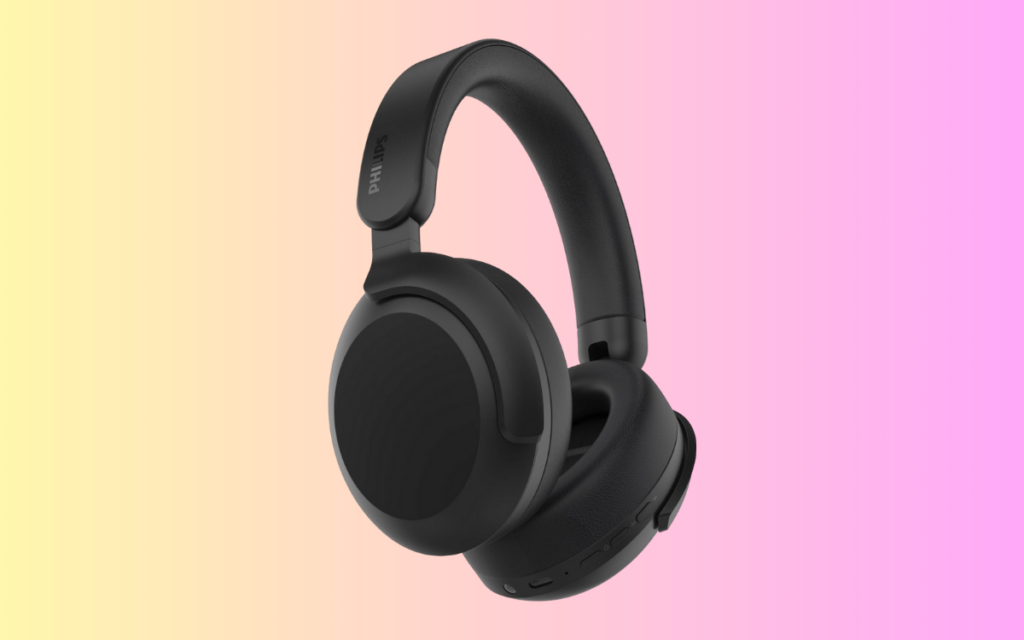
Philips has unveiled its latest active noise-canceling (ANC) headphones, the H8000E, offering premium features and a focus on long-term usability. Scheduled for release in September 2025, the new model brings a combination of advanced audio technology, extended battery life, and sustainable design.
Philips H8000E Specifications
The H8000E sports a pair of 40mm graphene-coated drivers, a feature typically found in high-end audio products. This advanced material enhances sound clarity, reduces distortion, and ensures an immersive listening experience.
It comes equipped with Bluetooth 5.4 and supports advanced audio codecs, including LDAC for high-resolution playback, the next-generation LC3 codec, and Bluetooth Auracast for broadcast audio functionality. These additions ensure seamless connectivity and superior sound quality across compatible devices.
The H8000E features adaptive active noise cancellation (ANC) with five customizable levels, allowing users to fine-tune their noise-blocking preferences via the Philips Headphones app. It equips four dedicated noise-canceling microphones, while a pair of AI-powered mics enhance voice clarity during calls.
The Philips H8000E features an impressive battery life, delivering up to 50 hours of playback with ANC enabled and an extended 70 hours with ANC turned off. It comes with a quick-charging capability, providing up to 8 hours of playback with just a 10-minute charge, ensuring users stay connected on the go.
It equips a replaceable battery design, a rare feature in wireless headphones that enhances repairability and long-term usability. Additionally, it sports detachable ear cushions, further contributing to its sustainable build.
Philips has yet to disclose the pricing but categorizes the H8000E as a mid-range offering. The headphones are set to launch in the US, UK, and Europe in September 2025, entering a competitive market alongside premium models from brands like Sony and Sennheiser.
Philips has also introduced a new range of kids’ headphones with a durable design and 45-hour battery life, along with two portable clock radios and the M2 Mini HiFi systems, which combine tuners, amplifiers, and CD players in a single unit.
In related news, Cooler Master has launched the CH351 Wireless Gaming Headset, featuring 3D sound, a detachable mic, and a 30-hour battery life. Meanwhile, Zebronics has introduced the Zeb Thunder Max wireless headphones, offering a foldable design and an impressive 120-hour battery life, priced at Rs. 1,299.
For more daily updates, please visit our News Section.
YouTube users have reported encountering excessively long, un-skippable ads, with some lasting between 57 minutes to 3 hours. Screenshots shared on Reddit even show ads longer than the actual video being watched. Many users have expressed frustration, questioning whether this is an intentional move by YouTube or a technical glitch.
Some users noted that the usual “Skip Ad” button was missing. In some cases, it appeared below the video, leading to speculation that adblockers might be interfering with how ads are displayed. This has raised concerns that adblockers may be altering the visibility of the skip option or influencing ad duration.
How did YouTube respond?
YouTube said that these lengthy ads primarily target users with ad blockers. The company stated that regular users still have the option to skip ads after 15 seconds. YouTube emphasized that ads are essential for supporting content creators and that ad blockers violate its Terms of Use. Users are encouraged to either disable their ad blockers or subscribe to YouTube Premium for an ad-free experience.
source: reddit
YouTube’s Anti-Ad Blocker Actions
In recent months, YouTube has taken aggressive measures against ad blockers. These actions include:
Inserting ads when users pause videos.
Slowing down the platform for users with ad blockers.
Limiting video views for those using ad blockers.
Displaying large banners promoting YouTube Premium.
Reports from Reddit users suggest that ads have reached extreme lengths, ranging from 58 minutes to as long as 10 hours. One unverified claim even mentioned a 90-hour-long ad. A notable case involved a user who saw a 2-hour 52-minute ad before a 49-minute video. This has fueled further speculation that adblockers might be manipulating ad displays or hiding the skip button.
What is Google’s stance on long Ads?
Google has confirmed that regular users typically see un-skippable ads lasting up to 15 seconds on mobile and 60 seconds on TV. However, the company admitted that long ads are specifically targeted at ad-blocking users as part of a global effort to curb ad evasion. Google said that users must either watch ads or pay for YouTube Premium, with further restrictions potentially being introduced for persistent ad-blocking users.
YouTube is making it increasingly difficult to enjoy ad-free content without subscribing to YouTube Premium. As YouTube continues its crackdown, ad-blocking users may soon face even stricter measures.
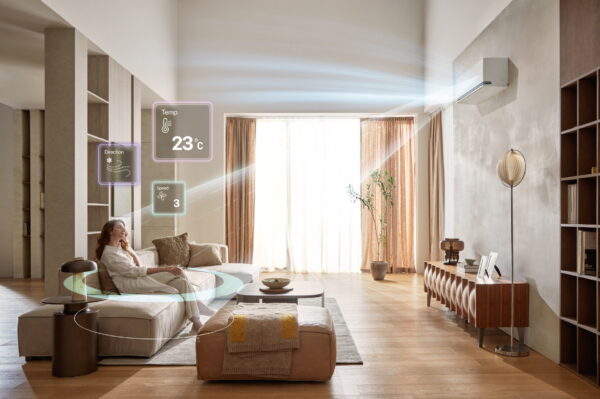
LG Electronics has just debuted a new air conditioner in India. But it’s not just any AC or the typical smart home appliance, the DualCool AI Air is an AI powered Air Conditioner that is built to offer enhanced comfort to users. So let’s check it out.
LG DualCool AI Air: What makes it special?
The company unveiled the DualCool AI Air earlier today (29th January 2024) in the Indian market with LG’s AI Core technology. To put things simply, the AC is designed to leverage AI technologies for optimized cooling and improved comfort. LG’s new AC houses an AI Dual inverter that offers smart air conditioning by detecting the ambient temperature of the space to adjust cooling, airflow direction, and airspeed.
LG DualCool AI Air
LG DualCool AI Air also has a dedicated AI Air mode that is capable of detecting humans while also tracking their movements and locations. Using AI and spatial analysis, the AC learns the user’s patterns that can be accessed via the ThinQ app. For added convenience, the DualCool AI Air can automatically make adjustment for a more comfortable cooling experience. This also makes it more convenient for most users.
Some of its other notable features include the Soft Air mode that brings indirect airflow that can help the room reach the optimal temperature, the Dual vane system + Soft Air function that can improve airflow control and comfort, and Sleep Time+ that can create a relaxing sleep environment. LG DualCool AI Air packs a Human Detecting Sensor and Window Open Detection that lets the AC shift to energy saving mode when the room is empty. There is even the Plasmaster Ionizer++ that promises to eliminate up to 99.9 percent of adhering bacteria as well.
For more daily updates, please visit our News Section.
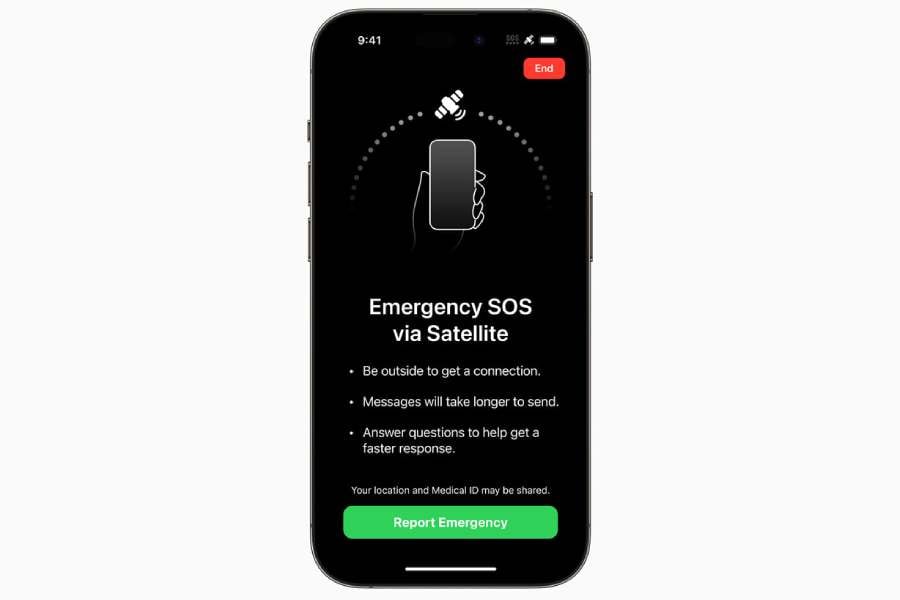
Back in 2022, Apple unveiled the iPhone 14 series with support for the life-saving satellite connectivity feature. This has since become a staple for iPhones, returning on the iPhone 15 and iPhone 16 lineup as well. It seems like Apple is now working on improving this technology with a secret partnership with SpaceX and T-Mobile.
Apple joins hands with SpaceX & T-Mobile for Starlink connectivity for iPhones
A new Bloomberg report claimed that the Cupertino based giant has been working with SpaceX and T-Mobile in secret to bring Starling satellite connectivity to the iPhones. This likely takes advantage of the partnership between T-Mobile and SpaceX that was also announced back in 2022. The report further adds that T-Mobile has already begun testing this feature for a limited number of iPhone users.
It is currently in the beta phase so it likely isn’t a polished experience at the moment. However, the feature is currently available to users that are running iPhones with iOS 18.3, which was recently released earlier this week. In an official note for the T-Mobile Starlin beta, the telecom brand stated that “You can now stay connected by texting via satellite from virtually anywhere. To start experiencing coverage beyond, please update to iOS 18.3.”
For those unaware, the carrier had previously stated that Samsung Galaxy phones would be getting Starlink communication support. The collaboration between T-Mobile and Starlink with Apple only supports sending messages via satellite communication. However, there are plans for bringing voice calls and data sometime in the future. In the past, the iPhone maker was rumored to be working with GlobalStart for its satellite connectivity feature on its smartphones. But now, the partnership might be expanding with T-Mobile who claimed that all users will get access to this feature later this year.
For more daily updates, please visit our News Section.
According to a recent survey conducted among consumers who purchased smartphones during the 2024 festive season highlights that “choice” has become the primary reason for opting for online marketplaces. While discounts and promotional offers have traditionally been strong motivators, the availability of preferred models, variants, and colors is now the leading factor influencing online purchases.
Why More Consumers Prefer Buying Smartphones Online
The survey was conducted among 2,000 respondents who bought smartphones during Flipkart’s Big Billion Days and Amazon’s Great India Festival. These two platforms remain dominant during India’s festive period, which begins in September and peaks around Diwali. Although pricing differences between online and offline channels have narrowed in recent years, online platforms continue to offer advantages that appeal to buyers.
Among the key findings, 44% of online smartphone buyers cited product choice as the main reason for purchasing online, whereas only 20% prioritized discounts. Nearly half of the respondents compared prices with offline retailers before completing their purchase, and many found no significant difference. In cases where online prices were lower, some buyers managed to negotiate similar deals at offline stores.
The flexibility of online shopping emerged as another strong factor. About 73% of respondents valued the ability to research products at their own pace, explore multiple options, and revisit their purchase decisions without pressure from sales representatives.
Confidence in online marketplaces has also grown significantly, with consumers rating their trust level at 4.5 out of 5. Amazon received a slightly higher score of 4.7, compared to Flipkart’s 4.3. Only 1% of respondents reported issues such as incorrect or incomplete deliveries.
While artificial intelligence features influenced purchasing decisions for 17% of buyers, they were not the primary factor. Customer ratings and reviews played a much bigger role, with 81% of respondents checking them before making a final decision.
Upgrades were the driving force behind most purchases, as 87% of buyers replaced their smartphones with newer models. Exchange offers were also popular, with 23% of respondents using trade-in deals. The average amount spent on smartphones during the festive season stood at Rs. 28,000 ($323).
Looking ahead, online marketplaces are expected to maintain their dominance in smartphone sales. In 2025, online channels are projected to contribute 53-55% of total sales volume, with marketplaces like Flipkart and Amazon accounting for 85% of these purchases.
Although hybrid retail models are evolving, online platforms continue to offer unmatched convenience and variety, making them the preferred choice for consumers.
You can also read our latest article on the future of smartphone innovation, which explores advancements like rollable screens, multi-hinge designs, and ultra-thin form factors.
For more daily updates, please visit our News Section.
The Vivo V50 recently surfaced online in rumors and certification platforms. While there is no official word on this device, a fresh leak has offered us a first proper look at the Vivo V50 and even revealed some of its key specifications and design elements.
Vivo V50 Design Revealed
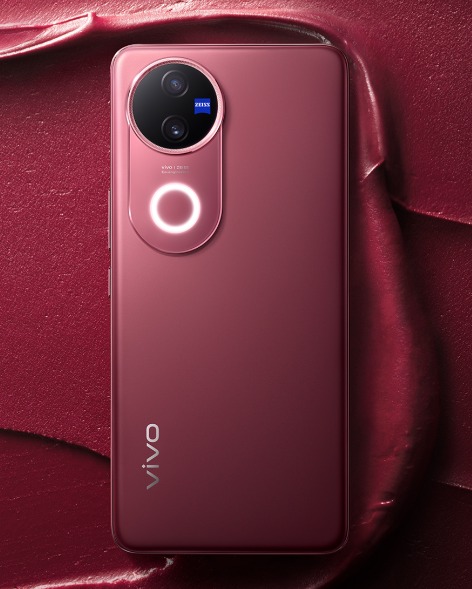
In the NCC certification from earlier this month, the Vivo V50 made its first appearance. The database offered us a glimpse at its rear design, confirming the Zeiss camera lens. However, known tipster Yogesh Brar has now shared an official-looking promotional image poster in a recent tweet. Looking at the image, there is a pill shaped raised island with a circular camera module that houses two image sensors. There is also an LED ring light and Zeiss branding for the camera lens.
Vivo V50
Brar adds that the Vivo V50 will have a quad curved display like the brand’s flagship Vivo X200 Pro. The image poster showcases the smartphone in a Rose Red color option (reportedly inspired by Indian Weddings). However, one of the most notable design aspects is its slim body. The tipster claims that it might be the slimmest phone in the segment with a massive 6,000mAh battery pack. The V50 could be a modified version of the Vivo S20, so it may also launch with an impressive 7.2mm body.
Vivo V50 Specs
The Chinese brand’s upcoming smartphone might be powered by the Snapdragon 7 Gen 3 SoC. Vivo places a strong emphasis on photography with its mid range V lineup of smartphones and Yogesh believes that the V50 could offer a 50MP selfie shooter as well. The NCC certification already confirmed 12GB + 256GB and 12GB + 512 storage configuration and 90W wired fast charging.
For more daily updates, please visit our News Section.
Longer software support is a good thing, and people tend to care about it more than ever before. It’s a growing trend, particularly among smartphone buyers, and is one of the influential buying factors for a large group of people. As a result, smartphone brands have started offering extended software updates to their devices, with Samsung leading from the front.
Back in early 2022, Samsung made a bold move by announcing that it would offer four generations of One UI and Android OS updates and five years of security patches to select devices, starting with the Galaxy S21 series. Many budget Galaxy A-series, Galaxy M-series, and Galaxy F-series models also got the same treatment. If you have any of these devices, you can hold onto your Samsung Galaxy for four years without worrying about missing out on new features.
Samsung phones and tablets that will get four Android OS updates
Here are the Samsung Galaxy smartphones and tablets confirmed to get four major Android updates.
Galaxy S series
Samsung Galaxy S23
Samsung Galaxy S23+
Samsung Galaxy S23 Ultra
Samsung Galaxy S23 FE
Samsung Galaxy S22
Samsung Galaxy S22+
Samsung Galaxy S22 Ultra
Samsung Galaxy S21
Samsung Galaxy S21+
Samsung Galaxy S21 Ultra
Samsung Galaxy S21 FE
Galaxy Z series
Samsung Galaxy Z Fold 5
Samsung Galaxy Z Flip 5
Samsung Galaxy Z Fold 4
Samsung Galaxy Z Flip 4
Samsung Galaxy Z Fold 3
Samsung Galaxy Z Flip 3
Galaxy A series
Galaxy A73 5G
Galaxy A55 5G
Galaxy A54 5G
Galaxy A53 5G
Galaxy A35 5G
Galaxy A34 5G
Galaxy A33 5G
Galaxy A25 5G
Galaxy A24
Galaxy A15
Galaxy A15 5G
Galaxy A06 5G
Galaxy M series
Galaxy M55 5G
Galaxy M55s 5G
Galaxy M54 5G
Galaxy M35 5G
Galaxy M34 5G
Galaxy M06
Galaxy F series
Galaxy F55 5G
Galaxy F54 5G
Galaxy F34 5G
Galaxy F15 5G
Galaxy F06 5G
Galaxy Tab series
Galaxy Tab S9
Galaxy Tab S9+
Galaxy Tab S9 Ultra
Galaxy Tab S9 FE
Galaxy Tab S9 FE+
Galaxy Tab S8
Galaxy Tab S8+
Galaxy Tab S8 Ultra
Galaxy XCover series
Galaxy XCover 7
Galaxy XCover 6 Pro
These Galaxy devices will receive four Android OS updates from the OS version they were launched with. Some of these will receive Android 15 as their final Android OS update. You can check the list here.
Samsung has the best software update policy
Samsung has always been impressive with its software update policy. When it announced four Android OS updates to Galaxy devices, there was hardly any Android brand offering the same except Google.
Samsung has been generously offering four OS updates to dozens of cheaper Galaxy phones, but many major brands have restricted this offering to their premium phones. The Galaxy A16 5G (costs just $199) offers as many as six Android upgrades.
With the Galaxy S24 series, Samsung bumped its software offering to seven years of Android updates and security patches. Galaxy Z Fold 6/Flip 6 and Tab S10 series also got the treat. You can check the full list here.
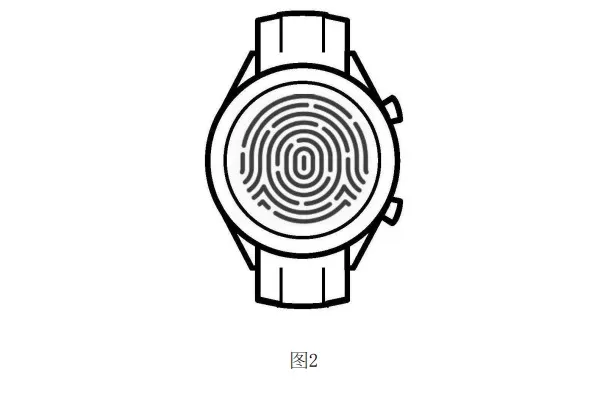
Huawei might be working on a new technology that could change the way you interact with its future smartwatches. A patent from the company recently emerged which showcased a 3D fingerprint sensor that supports multifunctional gestures. So here’s what we know.
Next-gen Huawei smartwatches may pack new fingerprint tech
Huawei smartwatch patent with 3D fingerprint sensor
The Chinese tech giant’s recent patent reveals a new sensor that not only maps fingerprints but also supports multipurpose gestures (Via MySmartPrice). One of the sketches even shows the entire display being capable of reading the user’s fingerprint. The sensor would even allow for a 360 degree imprint scanning of the finger, which would later allow for different actions that users can map.
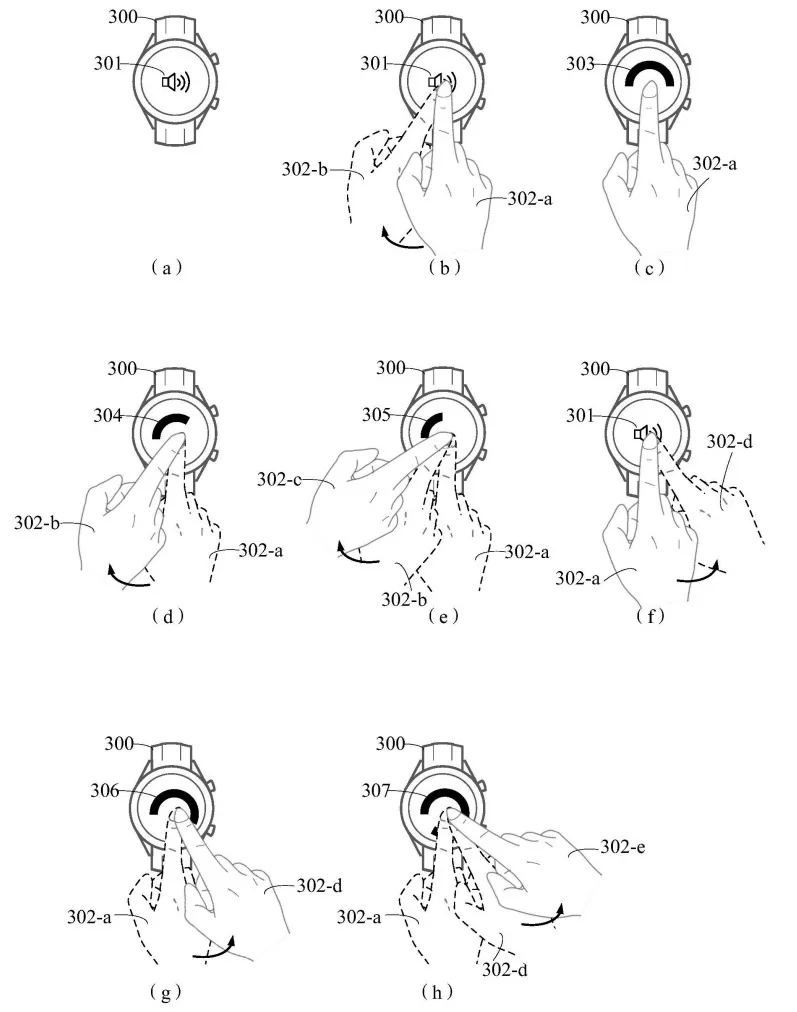
Thanks to this 3D fingerprint tech, users might be able to perform various tasks through each finger. So your thumb can be registered as a back button, while the index finger launches the calling option. The sensor may allow gestures as well for controlling the screen brightness or volume levels. This is showcased in another image that shows the user twisting their finger either clockwise or anti-clockwise on the sensor to adjust brightness and volume.
Keep in mind that Huawei has only patented this technology for its wearables. So it seems unlikely that any upcoming Huawei smartwatches would feature this advanced fingerprint sensor. We also have no way of knowing if the company is actually working on such a feature or just covering all bases. However, this tech would undoubtedly add a pretty intuitive way one interact with smartwatches. This is all the information we have at the moment, so stay tuned for more.
For more daily updates, please visit our News Section.
We use cookies on our website to give you the most relevant experience by remembering your preferences and repeat visits. By clicking “Accept”, you consent to the use of ALL the cookies.
This website uses cookies to improve your experience while you navigate through the website. Out of these, the cookies that are categorized as necessary are stored on your browser as they are essential for the working of basic functionalities of the website. We also use third-party cookies that help us analyze and understand how you use this website. These cookies will be stored in your browser only with your consent. You also have the option to opt-out of these cookies. But opting out of some of these cookies may affect your browsing experience.
Necessary cookies are absolutely essential for the website to function properly. This category only includes cookies that ensures basic functionalities and security features of the website. These cookies do not store any personal information.
Any cookies that may not be particularly necessary for the website to function and is used specifically to collect user personal data via analytics, ads, other embedded contents are termed as non-necessary cookies. It is mandatory to procure user consent prior to running these cookies on your website.