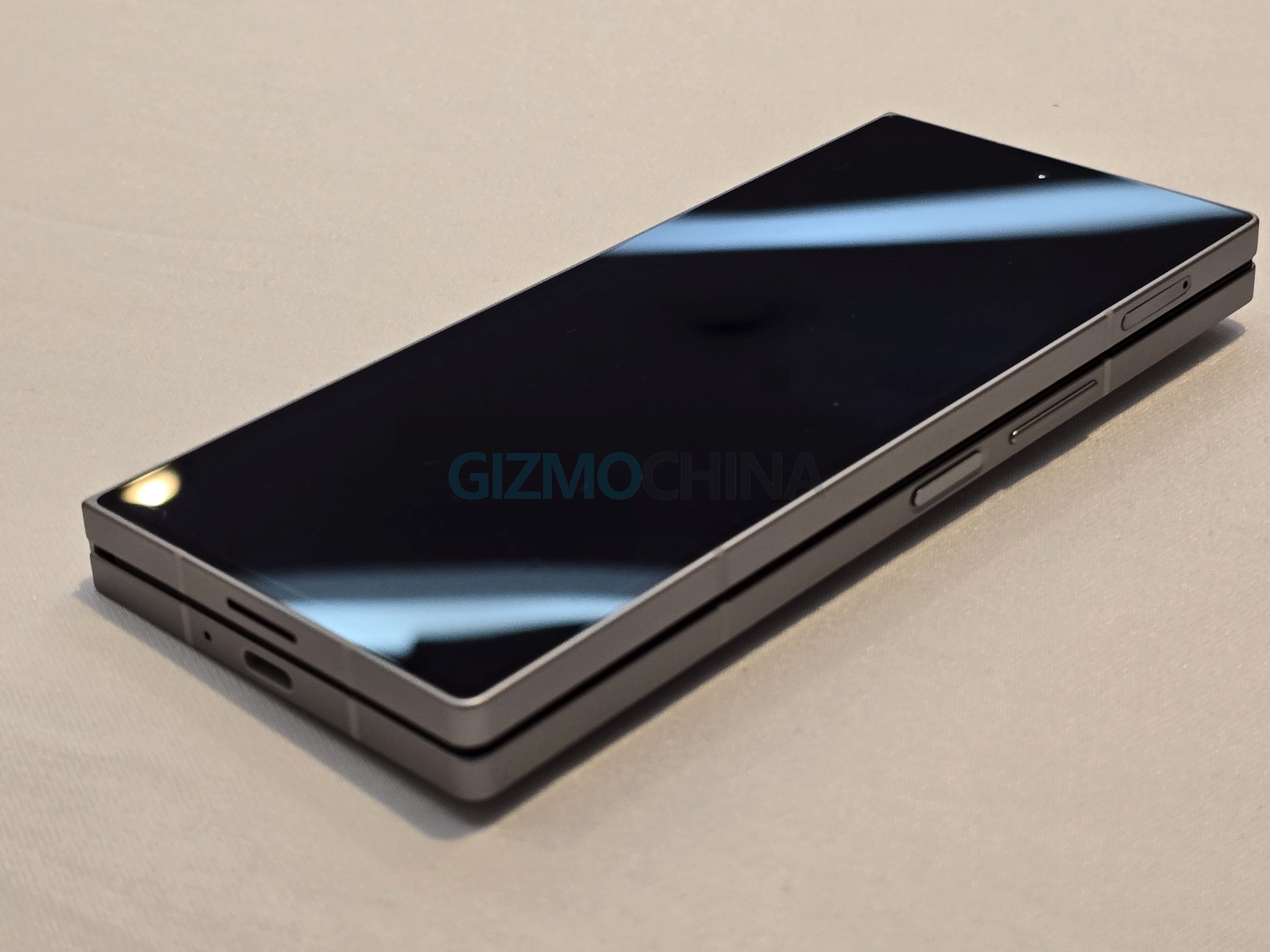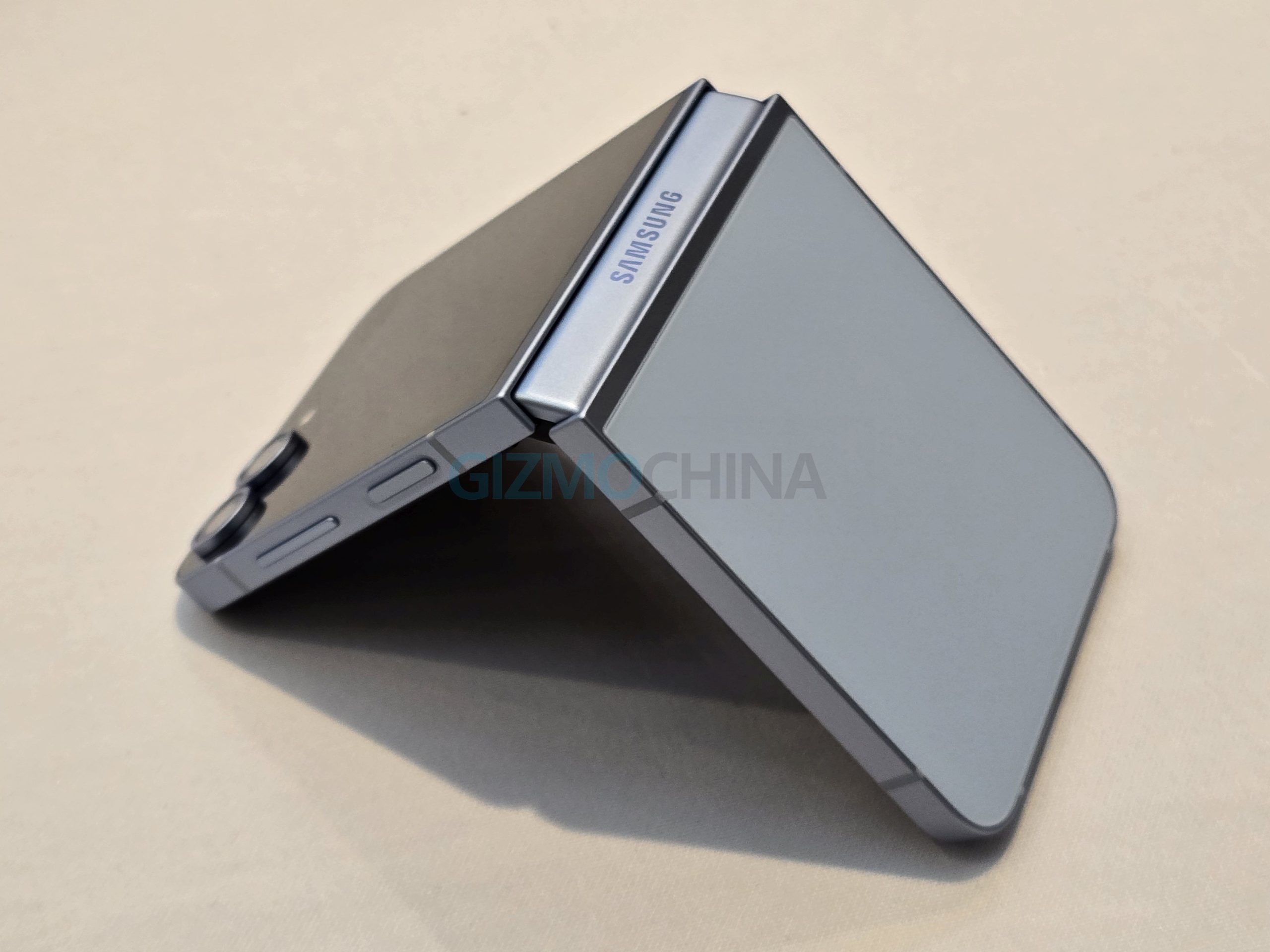
Last month, Xiaomi unveiled the Xiaomi Mix Fold 4 and Mix Flip in China. The latter debuted as the company’s first flip-style phone with a foldable screen. There have been reports that claim that the Mix Fold 4 may remain exclusive to the Chinese market, whereas the Mix Flip will see a global release. Ahead of the expected launch, tipster Sudhanshu Ambhore has spotted the FAQ’s page of the Xiaomi Mix Flip’s global variant. The aforementioned page reveals key information about the device prior to its global launch.
Xiaomi Mix Flip RAM, storage, color variants (global version)
Xiaomi Mix Flip
The Xiaomi Mix Flip FAQ page reveals that its global version will be available in 12 GB and 16 GB LPDDR5x RAM variants. It will also come in UFS 4.0 storage options, such as 256 GB, 512 GB, and 1 TB. These storage variants will offer UFS storage expansion (virtual RAM) of 8 GB, 16 GB, and 32 GB.
The FAQs page also mentions that the black, white, and purple editions of the Mix Flip’s global variant will feature Panda-X glass. There will also be a Xiaomi Nylon Fiber special edition equipped with a fiberglass substrate and a nylon outer layer.
The appearance of the FAQs suggests that Mix Flip will be launching soon. It seems that the device will go official either this month or in September.
Xiaomi Mix Flip specifications
The Xiaomi Mix Flip has a 6.86-inch foldable LTPO AMOLED screen that offers 1224 x 2912 pixels of resolution. It has a 4-inch AMOLED screen that produces 1392 x 1208 pixels of resolution on the outside. Both screens support up to 120Hz refresh rate. The device is equipped with an aluminium frame and a stainless-steel hinge.
On the front, it has a 32-megapixel OmniVision camera. The rear-facing dual-camera setup has a 50-megapixel OmniVision OVX8000 Leica-engineered primary camera and a 50-megapixel OmniVision OV60A telephoto camera with 2x optical zoom. The phone runs on Android 14 and the HyperOS UI.
Under the hood, the Xiaomi Mix Flip has the Snapdragon 8 Gen 3 chipset and a 4,780mAh battery with 67W rapid charging. For security, it has a side-facing fingerprint scanner. There’s no word about the price of the global edition of the device. In China, it is available with a starting price of 5,999 Yuan (~$836).
Here’s a list of news that has been trending for the past 24 hours!
OnePlus’s New AI Features: Dive into OnePlus’s quiet introduction of three new AI capabilities. We’ll explore these features and discuss the implications of their limited initial rollout.
OnePlus Buds Pro 3 Teaser: Get a sneak peek at OnePlus’s upcoming flagship earbuds. We’ll examine the premium design choices and audio partnerships that could set these earbuds apart in a competitive market.
Google’s Market Expansion Strategy: Analyze Google’s ambitious plans with the Pixel 9 series launch. We’ll discuss how this early release could impact the global smartphone market dynamics.
Huawei’s Tri-Foldable Phone: Uncover new details about Huawei’s innovative tri-foldable device. We’ll examine the latest glimpses of this potentially game-changing smartphone and speculate on its impending launch.
Plus, don’t miss our roundup of other exciting stories, including Xiaomi’s ultrasonic fingerprint scanner plans, Samsung’s feature expansion to mid-range devices, Redmi’s quiet product launch in India, and the upcoming ColorOS 15 beta testing!
OnePlus introduced its first AI feature called AI Eraser earlier in April this year. Recently, the company quietly announced three new AI features in a community post. Those bring the ability to listen to articles, get summaries, and generate text. However, the catch is that the latest AI features are limited to only two Nord devices and in select markets. Although they are expected to arrive on other OnePlus phones in the near future, it’s kind of disappointing.
OnePlus recently confirmed the launch date for the OnePlus Buds Pro 3. These next gen flagship earbuds are set to be unveiled on the 20th of August 2024. But just ahead of its release, a fresh teaser has been shared revealing its premium design and audio prowess.
Google‘s strategic launch of the Pixel 9 series, including various models, positions the company for potential market share gains. By releasing these devices ahead of Apple’s iPhone 16 series launch, Google aims to capitalize on the upcoming holiday shopping season and capture a larger share of the global smartphone market, according to TechInsights.
Earlier this month, Huawei CEO for Consumer Business Group, Yu Richard was seen using the upcoming tri-foldable phone. The image gave a glimpse of the larger internal screen of the device. Now, Yu Richard has been spotted once again using the tri-foldable phone. This time around, the image showcases the device in the folded state.
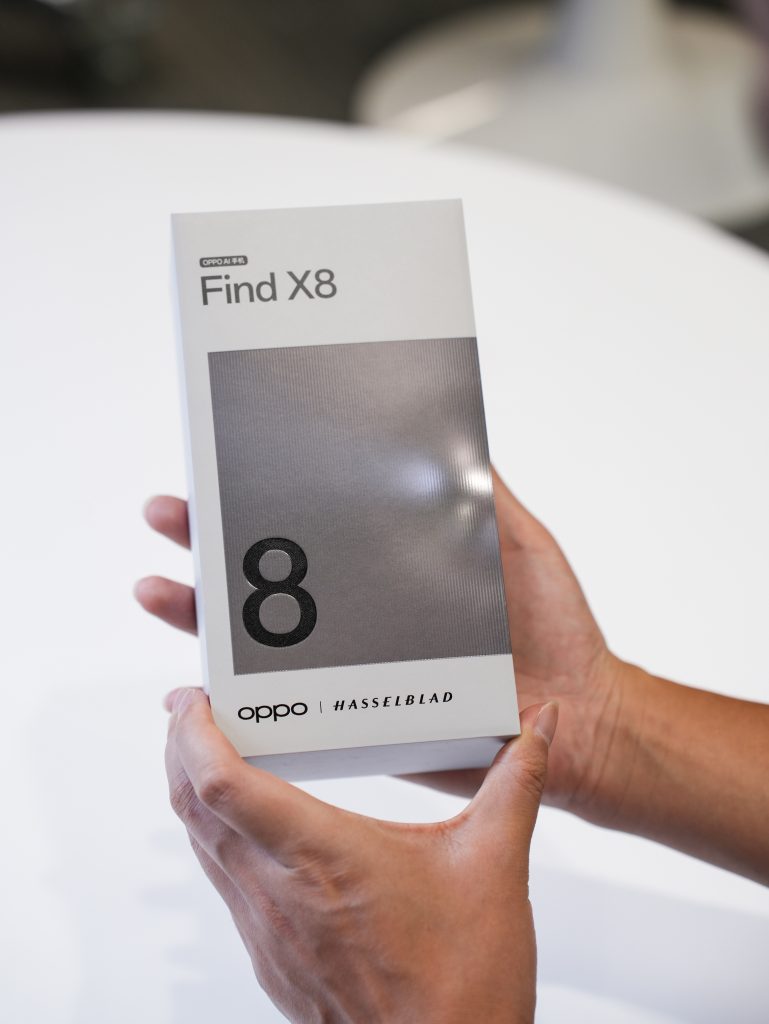
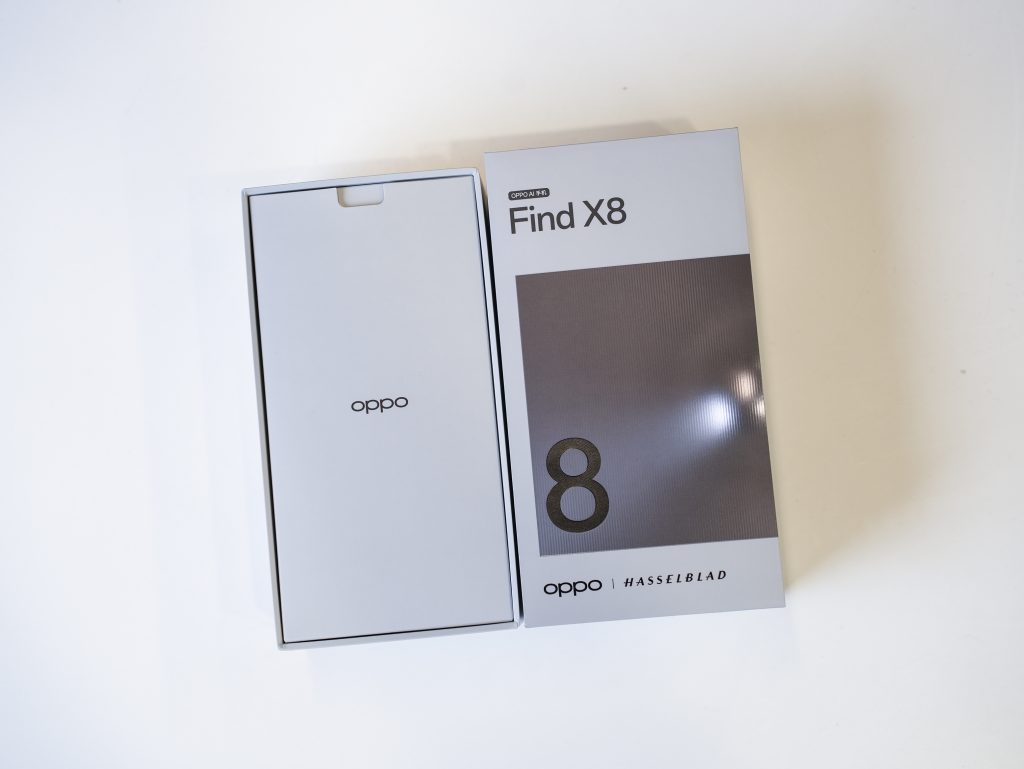
Recently, tipster Digital Chat Station shared the display details of the upcoming Oppo Find X8 series. He also claimed that the Find X8 Ultra and the OnePlus 13 may feature the same display. Today, the tipster rolled out an image to showcase the front design of the Find X8 Pro, Find X8 Ultra, and OnePlus 13.
Oppo Find X8 Ultra/Pro and OnePlus 13 display design
The image released by DCS showcases a flat display with equal-depth quad-curved glass. The leak suggests that the actual OnePlus 13, Oppo Find X8 Ultra, and Find X8 Pro devices will resemble the image.
The tipster previously revealed that the OnePlus 13 and Oppo Find X8 Ultra may feature the same BOE-supplied LTPO OLED panel. Both phones are expected to have a 6.8-inch display with a resolution of 1440 x 3168 pixels. In contrast, the Find X8 Pro will come with a slightly smaller 6.78-inch LTPO OLED screen, offering a resolution of 1264 x 2780 pixels. The leaker also mentioned that these devices do not have a plastic bracket, and their bezels on all four sides are very thin.
Unlike the above-mentioned devices, the Find X8 will have a completely OLED panel that measures around 6.5 inches or 6.6 inches. It is said to support a resolution of 1256 x 2760 pixels.
The Find X8 and Find X8 Pro are expected to feature the Dimensity 9400 chipset. Both devices are expected to launch in October 2024. The Find X8 Ultra, featuring the Snapdragon 8 Gen 4 chipset, is expected to break cover in January 2025.
The OnePlus 13 is also expected to draw power from the Snapdragon 8 Gen 4 chip. It is expected to go official in October or November of this year.
Take a look at the cool model. Yup, though you see a brand-new color design, we got the Nubia Z60 Ultra back again. But it’s not the same one we reviewed before, it’s Nubia’s latest Leading Version. The Leading version is not very different from the regular Z60 Ultra in terms of regular specs. Therefore, we will also talk a bit more about the things that weren’t covered in the preview review.
If there’s something you care about that I didn’t mention, you can check out the regular Z60 Ultra review, where we also put a lot of effort.
Unboxing & Design
The accessories in the box are a manual, SIM card pin, 80W USB-C charger, cable, and a clear, half-wrapped PC case.
In terms of form factor, the Leading version doesn’t make any changes. The straight frame, the main camera with its red circle, and the customizable slider are all there. All the features, such as NFC, IP68 certification, and USB 3.1 Gen 1, have not been cut, and even the weight is the same. The vibration motor is pretty well tuned, and very crispy, which is relatively rare to see in a large-sized phone.
The only downside is that it doesn’t support storage expansion. However, there is a 1TB storage version available, which is a way to solve the storage problem. The only difference in design between the Leading version and the regular version is their color schemes. Obviously, the color scheme of the Leading version has been well-designed. They say the design is inspired by the snowy mountains, and I have to say it looks pretty good.
If you want to say what is ” Leading ” in the ” Leading Version “, undoubtedly, it is the processor.
Benchmark & Gaming
So why is this phone called the Z60 Ultra Leading version? The answer is actually that the processor’s name is also called the Leading version. Snapdragon 8 Gen 3 Leading version is simply an 8 Gen 3 overclocked version. The CPU and GPU peak clocking have been increased, but in terms of scores, there doesn’t seem to be much of an improvement.
And what about the gaming experience? Well, it’s not much of an improvement either. Can you tell which one is a bit flatter in these two lines? Even if you look at the average frame rate, that 0.05 difference is really negligible. Lower Power consumption and lower temperatures are probably the only advantages of this Leading version. Of course, there’s also the fact that Nubia has already tuned the regular 8 Gen 3 too well, so the difference between overclocking and not overclocking really doesn’t matter that much.
Whether it’s the Z60 Ultra Leading version or the regular version, it has a very, very large number of options for the gaming mode. In addition to Bypass charging and various auxiliary functions, you can also adjust the touch sampling rate, sensitivity, and other more detailed options.
There’s also Diablo mode, which is even more powerful than Rise mode, so turn it on and put on a phone cooler and you’ll get a gaming experience that rivals the gaming phones. All in all, it may still have flaws, but I’m sure of one thing: It has the best gaming experience of any non-gaming phone in the world.
Display
Even if we’re in the second half of 2024, there’s still no second brand in the world that insists on announcing a flagship phone without a punch-hole. Even if I’ve gotten used to having a black dot on my screen forever, I feel incredibly comfortable when I go back to the Z60 Ultra, both in terms of my eyes and my mind.
The current Under-Display camera technology doesn’t do a perfect job of hiding itself, but it’s still the same thing: you can’t even notice there’s a camera here when you’re using it on a day-to-day basis. I don’t know how many people still like such a complete screen, but those who do really don’t have much choice.
With a manual maximum brightness of 600nit, HBM around 1000nit, and a resolution close to 1200P. You don’t need to worry about the basic specs of this screen, what you need to worry about should be that camera down there. Honestly, it did a better job than I thought it would. This time they used a new AI algorithm, and selfies in better lighting conditions still look acceptable.
Camera
The leading version still has the same three cameras, I will not introduce them too much here.
The 35mm main camera is still good. Especially when taking photos of food, the 24mm main camera on a regular phone is too wide and you need to zoom in manually. But the field of view on Z60 Ultra’s main camera is just right, which is convenient. Clarity and dynamic range are top-notch, and sharpening is just right.
The telephoto camera is 85mm, and it excels at both portraits and landscapes. If you know a bit about photography, you should know how well these two focal lengths work. Then there’s this ultra-wide camera at 18mm. Please don’t forget, that it has OIS. Together with the extra large sensor, this camera should be the best ultra-wide camera in a flagship phone of 2024.
If you want to know more details about the camera performance of the Z60 Ultra Leading version, I recommend you to watch the previous review of the regular Z60 Ultra. Since they are almost the same, I won’t go into it again.
Because the field of view of the main camera is not as wide as other phones, plus the EIS crops the footage, the stabilization is not as good on the video. But after switching to this ultra-wide camera with OIS, the stabilization is much better. It still performs at night. Except for a little more noise, there is no obvious drawback. By the way, this time you can switch between the three cameras in 4k recording as well.
Please click on the video at the beginning of the article to watch a sample.
Battery & Charging
Before the release of the OnePlus Ace 3 Pro, the Z60 Ultra’s 6000mAh battery dominated the regular phone market for half a year. To this day it is still one of the phones with the biggest battery. The Leading version inherits this advantage. Although there is no difference in battery life with the regular version, it has been unbeatable.
The charging power is 80W as always, and it takes 40 minutes to fully charge it, which is pretty good. The Leading version doesn’t have wireless charging, but it does support high-power PPS, which is one of the strengths of Nubia’s phones.
MyOS
The Z60 Ultra Leading version we have is the global version, so MyOS is also modified to be more like stock Android. except for a few MyOS-exclusive features like GameSpace and Camera, which are made by Nubia itself. Most of the operating logic and features are pretty much the same as stock Android, just the UI has been redesigned. So getting started with this phone should still be pretty easy.
Conclusion
Obviously, the Z60 Ultra Leading version is meant to replace the regular version. Surely you wouldn’t pay the same price for the regular version that was released last year, right? Not to mention that the Leading version does consume less power for gaming and the back cover color looks a bit better. With the help of AI, for example, the sharpened photos has also been enhanced in details.
The sweet points of the regular version have also been retained, such as the great gaming experience, the truly full screen, and the great camera system. You can certainly wait for the more powerful Z70 Ultra in the future, but if you’re already happy with the Z60 Ultra now, the Leading version will be an even more satisfying replacement.
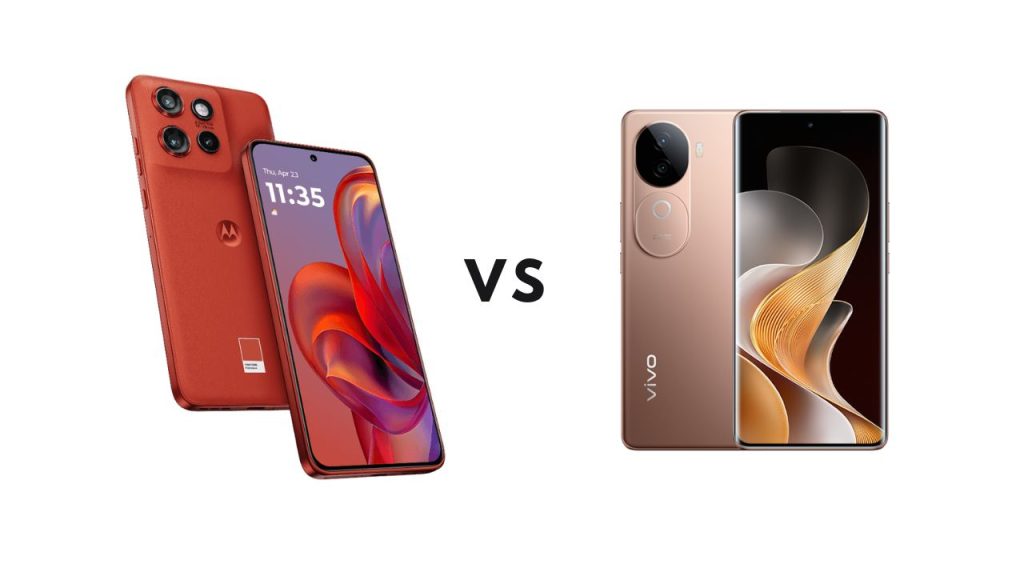
Two brands have confirmed to release new smartphones in the next few days. These companies are iQOO and Motorola.
Both firms will debut new handsets in India. The former will unveil two devices, while the latter will announce a single product.
All three phones will be in the budget range. However, the iQOO products will be more expensive than the one from Motorola.
iQOO will announce a couple of handsets under the Z series as opposed to a Moto G series phone from Motorola. The trio will be made official on the same day.
The iQOO Z9s series is scheduled to launch in India on August 21 (Wednesday). There will be two devices in the lineup, namely iQOO Z9s and iQOO Z9s Pro.
The iQOO Z9s will come with a Dimensity 7300 SoC, a 120Hz curved OLED display, a 50MP Sony IMX882 camera, and a 5,500mAh battery.
On the other hand, the iQOO Z9s Pro will arrive with a Snapdragon 7 Gen 3 mobile platform and will share most of its specs with the standard version. It will also feature a 120Hz curved OLED display but with 4500 nits peak brightness level and the same camera as well as the battery.
2. Motorola Moto G45
Motorola has confirmed to debut the Moto G45 in India on August 21 (Wednesday). The handset will succeed the Moto G42 from 2022.
The device is expected to be powered by a Snapdragon 6s Gen 3 chipset. It is said to flaunt a 6.5-inch HD+ 120Hz display (LCD).
The phone will sport a 50MP main camera and a 16MP selfie camera. Lastly, it will draw energy from a 5,000mAh battery.
It’s been nearly 2 years since I bought the Samsung Galaxy S21 FE for under Rs 20,000 from the brand’s official website during the 2022 festive sales. Not only did it seem like a pretty good deal at the time, but it was my first smartphone purchase in years. Phones are a lot more capable now and I’ve even used devices ranging from the budget to flagships since then. Despite all of this, I still have no plans to upgrade anytime soon.
Note: This is not a review nor has Samsung sponsored me in any way.
1. Why I’m still fine with my Galaxy S21 FE: Design & Display
One of my top priorities with a smartphone has always been the design and display. The Galaxy S21 FE doesn’t disappoint with its 6.4-inch AMOLED display that offers an FHD+ resolution, a 120Hz refresh rate, and HDR10+.
So watching videos or movies has always been a pleasant experience. Samsung is also well known for its AMOLED panels and every aspect ranging from its size, resolution, and brightness has been near perfect for me.
I’m not a big fan of tall displays since these phones always felt too big and bulky for my hands. A lot of premium smartphones have also become pretty hefty as well, often nearing or surpassing the 200g mark.
Thanks to the plastic back and thin and light design, the Galaxy S21 weighing 177g feels light and easy to hold. Measuring just 7.9mm in thickness, it’s not the thinnest but the weight and size hits a sweet spot.
2. Consistent Performance
The Galaxy S21 FE is undoubtedly slightly outdated at this point and I won’t recommend people to buy it in 2024 unless Samsung has another crazy sale. Gaming is a passion but playing on a phone was never for me. So the bells and whistles of the newest top end processors were never an immediate priority.
To put it simply, the Exynos 2100 is capable. You won’t find any glaring issues and it chugs through whatever is thrown at it. Sure it heats up, but in the Indian summer, that is more or less given for any phone.
Samsung’s software support hasn’t disappointed either and my S21 FE will also be receiving the Android 15 update as well. Unfortunately, the S21 lineup as a whole didn’t receive the AI features with the OneUI 6.1 update, although every other aspect of the UI isn’t lacking.
I still get access to Samsung DeX and other quality-of-life features that I often use. After almost 2 years, the Galaxy S21 FE doesn’t suffer from obsolescence, at least not yet. Hopefully, this is not foreshadowing.
3. Versatile Cameras
I believe that the best camera is always the one you have at hand, and despite having a 12-megapixel triple camera setup, the S21 FE has got the job done (for the most part). You can check out some of these random images I’ve taken from my phone to get an idea for yourself.
For the price I bought this device for, I’m content with a usable telephoto and ultra wide angle lens. It even comes in handy with my work on occasion as I also take pictures of review units if I don’t have a proper camera ready.
4. It’s not all perfect
The 25W wired fast charging is honestly pretty lackluster and its 4,500mAh battery pack while decent, doesn’t last me through a day. There might be days that the S21 FE requires charging two or more times. While the Exynos chip’s performance doesn’t bother me much, the poor battery efficiency can not be overlooked.
As capable as the cameras are on this phone, it still leaves more to be desired. Its low-light performance in particular is its biggest weakness. Coming from a phone with a glass back, the plastic rear panel was a bit off-putting. But if you’re using a cover like me, you know it isn’t that big of an issue.
All in all, do I wish that I had a better phone at times? Yes. Do I really feel like it’s worth leaving a fully capable device for something new and spending tens of thousands of rupees? No. One could argue that I have a “budget” in mind and squeeze the value from my phone, which is true to some extent. But this is just my two cents.
Nothing did tempt me recently with its new and refreshing designs, but I’ll still hold off for the time being.
Recently, Motorola confirmed that it will announce the Moto G45 on Aug. 21 in India. The pricing of the device seems to be lower than that of the Moto G64 5G, which currently starts at Rs 13,999 in the country. Flipkart has updated the G45’s landing page. It now mentions the top reasons to purchase the device. Here is a look at what to expect from this phone.
According to Motorola, the Moto G45 stands out with its ultra-premium design. Available in three vibrant colors, such as green, red, and blue, the phone not only looks stylish thanks to the vegan leather finish on the back.
2. Power-Packed Processor
The Moto G45 is powered by the Snapdragon 6s Gen 3, a chip that brings 5G capabilities to a budget phone. It is the same chip that powers the Moto G85, which is available for Rs 17,999 in India.
3. Blazing Fast 5G with 13 5G Bands
Equipped with 13 5G bands, the Moto G45 promises blazing-fast 5G connectivity, allowing you to enjoy seamless browsing, streaming, and downloading speeds wherever you go.
4. Immersive 6.5-inch 120Hz Display
Enjoy a stunning visual experience with the Moto G45’s 6.5-inch display featuring a 120Hz refresh rate and Gorilla Glass 3 protection. Dolby Atmos and Hi-Res Audio further enhance the display, providing an immersive multimedia experience.
5. Brilliant 50MP Quad Pixel Camera
The Moto G45 will allow users to capture photos with the 50MP quad-pixel primary camera. It promises to capture impressive shots in any lighting condition. Reports indicate that the G45 will also have a 2-megapixel depth sensor and a 16-megapixel front-facing camera.
6. Smart Connect Features
The Moto G45 comes with smart connect features, allowing seamless integration with other devices like your laptop, enhancing productivity and connectivity.
7. Sufficient RAM and storage
For smooth performance, the Moto G45 5G will come with 8 GB of RAM. Additionally, it will offer 128 GB of built-in storage. Leaks claimed that the G45 has LPDDR4x RAM and UFS 2.2 storage. Additionally, the device is also expected to feature a microSD card slot (via a hybrid SIM slot) for more storage.
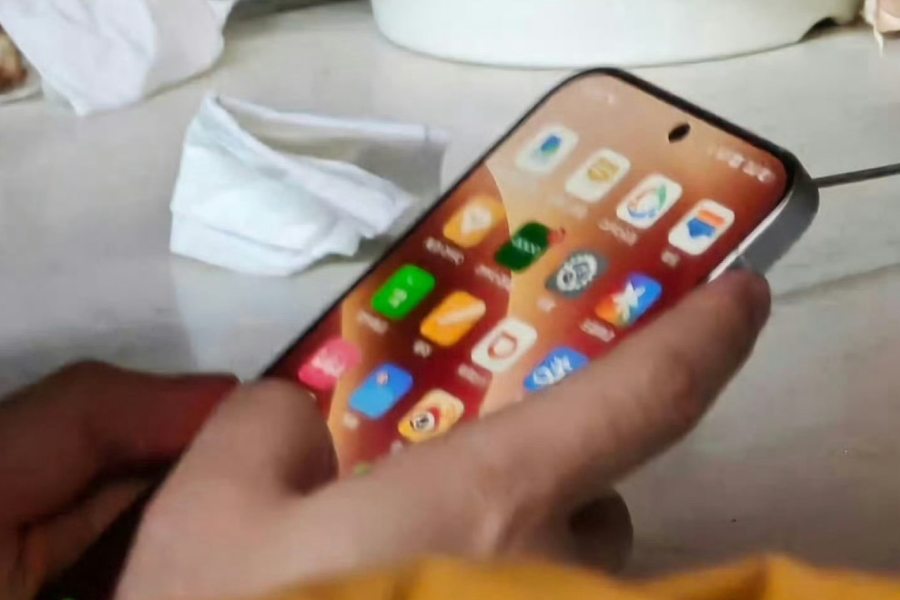
Earlier this month, Huawei CEO for Consumer Business Group, Yu Richard was seen using the upcoming tri-foldable phone. The image gave a glimpse of the larger internal screen of the device. Now, Yu Richard has been spotted once again using the tri-foldable phone. This time around, the image showcases the device in the folded state. Reliable tipster Digital Chat Station has hinted that it will debut along with several other Huawei products in September.
Huawei’s tri-foldable phone spotted again
Due to the tri-foldable design, the device appears thicker than typical flat-screen phones but not overly bulky. The thickness is expected to be within 5mm when unfolded and around 15mm when folded. The rear camera uses a circular, cantered module, resembling the design of the Mate 50 series, and seems to be encircled by Paris studs
Previous leaks indicate that the phone features an inward folding, outward folding, and dual-hinge design. The screen is expected to be about 10 inches, with a centrally placed hole-punch camera on the far left. The device is powered by the Kirin 9 series platform and is expected to launch before the Mate 70, which is likely to debut in the last quarter of this year.
According to DCS, Huawei may hold a major launch in September in China. Apart from unveiling the world’s first tri-foldable phone, the company may also announce other devices, such as the Nova 13 series and Huawei Watch GT 5 series, which seem to have an Extraordinary Master Edition variant.
At present, there is no clarity about the final marketing name of Huawei’s tri-foldable phone. It remains to be seen whether it debuts as a Mate-branded product.
Baseus has launched its latest open-ear TWS earbuds called Eli 1i Fit in the Chinese market. The earphones are priced at 189 yuan ($26) and they are up for pre-order on JD.com. The earbuds will officially go on sale on August 19th. Let’s check out the key specs.
Baseus Eli 1i Fit Earphones Specifications:
These earphones offer comfort with an ergonomic design and high-rebound memory wire for flexibility and durability. The open-ear design enhances hearing safety by reducing in-ear pressure and maintaining awareness of surroundings.
The Eli 1i Fit earbuds are equipped with 16.2mm composite titanium-coated dynamic drivers that deliver powerful bass, rich mid and high frequencies, and an overall enhanced sound experience. The earphones are also designed with a 20° angled sound outlet that closely fits the ear canal, minimizing sound leakage.
The earbuds use an AI Adaptive Bass Enhancement Algorithm to enrich sound and provide deep bass, making them ideal for both casual listening and active lifestyles. Additionally, the earphones use Bluetooth 5.4 for a reliable, low-latency connection and efficient power usage.
These earbuds also feature dual-microphone ENC noise cancellation for clearer calls by filtering out background noise and directional sound transmission for precise, leak-free audio.
The Eli 1i Fit offers impressive battery life, with up to 12 hours per earbud and 45 hours total with the charging case. They also support fast charging, providing 2 hours of playback from just a 10-minute charge.
Baseus has also included the capability for simultaneous connection to two devices. The earbuds are available in two colors, Starry Black and Bright Moon White, and come with customizable features through the Baseus app, where users can check battery status, set game modes, and tweak sound effects.
According to a leak from Weibo user Smart Pikachu, the upcoming Xiaomi 15 series could see a significant upgrade in its fingerprint scanning technology. The leak suggests that all three models – the Xiaomi 15, 15 Pro, and 15 Ultra – might ditch the optical in-display fingerprint scanners of their predecessor and adopt ultrasonic fingerprint sensors.
Ultrasonic fingerprint technology has been gaining traction in the flagship phone market, with brands like Samsung incorporating it into their high-end devices.
Unlike optical scanners that use light to read fingerprints, ultrasonic sensors utilize sound waves to create a more detailed 3D map of the fingerprint. This can potentially offer several advantages, including:
Improved security: Ultrasonic sensors are claimed to be more secure than optical scanners as they are less susceptible to being fooled by spoofing attempts like photographs or printed replicas.
Better performance in wet/dry conditions: Optical scanners can struggle with wet or dirty fingers, whereas ultrasonic sensors are said to function more reliably under varying conditions.
Faster unlocking speeds: Some reports suggest that ultrasonic sensors can offer faster unlocking times compared to optical scanners.
While the sensor has better accuracy and faster unlocking speed, it’s also more expensive to implement.
While the leak from Smart Pikachu seems to suggest all three Xiaomi 15 models will receive the upgrade, it’s important to note that this information remains unconfirmed by Xiaomi itself.
Additionally, there’s no mention of the specific type of ultrasonic sensor being considered. Some manufacturers utilize a “single-point” solution, while others employ a larger sensor area for potentially faster and more reliable unlocking.
The Xiaomi 15 series is expected to launch sometime in November, likely powered by the upcoming Snapdragon 8 Gen 4 chipset. With a few months still away from the official unveiling, we can expect more details and confirmation regarding the fingerprint technology and other features to surface in the coming weeks.
Earlier this year, the Redmi A3x entry-level phone went official for the global market. In July, a premature listing of the A3x was spotted on Amazon India, even though there was no official announcement from the brand. It now appears that the phone has finally gone official, as it is now listed for purchase through Xiaomi India’s website. Here is a look at the specifications, features, and price of the device for the Indian market.
Redmi A3x price in India
Redmi A3x listed n Xiaomi India’s website
The official website lists the Redmi A3x in two variants: 3GB+64GB and 4GB+128GB. The prices for these variants are Rs 6,999 (~$83) and Rs 7,999 (~$95), respectively. Only the base model of the phone is listed for purchase on Amazon India. The A3x can be bought in shades, such as Midnight Black, Ocean Green, Olive Green, and Starry White.
Redmi A3x specifications
The Redmi A3x measures 168.4 x 76.3 x 8.3mm and weighs 193 grams. On the front, it has a waterdrop notch display that measures 6.7 inches. It offers an HD+ resolution of 1650 x 720 pixels, a 90Hz refresh rate, and 500 nits of brightness. A layer of Gorilla Glass 3 protects the screen.
Under the hood, the Redmi A3x has the Unisoc T603 chipset, LPDDR4x RAM, eMMC 5.1 storage, and a 5,000mAh battery with 10W charging support. For security, it offers features like a side-facing fingerprint sensor and AI face unlock.
The A3x runs on Android 14, with a layer of MIUI on top. It is confirmed to be treated with two Android OS upgrades and three years of security updates. For selfies, it has a 5-megapixel front camera, and its back panel has an 8-megapixel main camera and a 0.08-megapixel auxiliary lens. The phone offers other features, such as dual SIM, 4G, Wi-Fi, Bluetooth 5.4, GPS, FM radio, a USB-C port, a dedicated microSD card slot, and a 3.5mm audio jack.
CMF Phone 1 vs Realme Narzo 70 Pro comparison table.
Between the CMF Phone 1 and the Realme Narzo 70 Pro, which will you pick when shopping? What exactly are the features that drive your choice of device in this category? Well in this article we put these two devices against each other to find out which is the better buy when shopping for a new device. Let’s now delve into this article to find out more about these two devices.
Please Note: When you buy something using the links in our articles, we may earn a small commission at no cost to you.
CMF Phone 1 vs Realme Narzo 70 Pro: Design and colours
CMF Phone 1:
The CMF Phone 1 comes with a very impressive design language that might not be for everybody. It comes with a dual rear camera setup as well as a circular cutout towards the base of the device for modular add-ons. On the right side of the device sits the power button, and to the left side are the volume rocker keys. At its base is the USB-C port, speakers, microphone, and the SIM tray slot. A major selling point for this device is its modular design, as users can sap out the rear panel for a different colour or screw in different accessories. Available colour options on this device are Black, Orange, and Light Green.
Realme Narzo 70 Pro:
When it comes to the design of this device, it features a circular rear camera island cutout. The cutout houses three lenses and a flash, additionally the rear panel features a dual tone finish with a matte finish at the bottom and a glossy finish at the top. This glossy finish carries on around the sides of this device, and the volume rocker keys and power button are on the right side of this device. At its base we find the SIM tray slot, USB-C port, microphone, and a speaker. On top of the device sits the 3.5mm headphone jack as well as the upwards firing speaker. Available colour options of this device are Green and Gold.
Major differences:
Modular design on the CMF Phone 1.
3.5mm headphone jack on the Realme Narzo 70 Pro.
CMF Phone 1 vs Realme Narzo 70 Pro: Display
CMF Phone 1 and Realme Narzo 70 Pro:
When it comes to the display performance of these devices, they come with some similarities. First, they both come with AMOLED screen displays that are of the same size and peak brightness.
Major differences:
Nil.
CMF Phone 1 vs Realme Narzo 70 Pro: Cameras
CMF Phone 1 and Realme Narzo 70 Pro:
Unlike the CMF Phone 1, the Realme Narzo 70 Pro comes with three rear facing cameras. On the CMF Phone 1 users get a 50MP main camera and a 2MP depth sensor. For the Realme Narzo 70 Pro, it comes with a 50MP main sensor, an 8MP ultrawide sensor and a 2MP macro. Up front, both devices come with a 16MP selfie shooter, and they also support 4K video recording on the rear facing cameras.
Major differences:
Triple rear camera setup on the Realme Narzo 70 Pro.
Dual rear camera setup on the CMF Phone 1.
CMF Phone 1 vs Realme Narzo 70 Pro: Performance
CMF Phone 1 and Realme Narzo 70 Pro:
Performance is one area where these devices stand apart from one another. The CMF Phone 1 comes with the MediaTek Dimensity 7300 processor, while the OnePlus Nord CE4 Lite comes with the MediaTek 7050 processor. From a series of testing, the processor in the CMF Phone 1 outperforms that in the OnePlus Nord CE4 Lite.
Major upgrades & differences:
Better processor on the CMF Phone 1.
CMF Phone 1 vs Realme Narzo 70 Pro: Software
CMF Phone 1 and Realme Narzo 70 Pro:
Both devices run on Android 14 but use different software. The CMF Phone 1 uses the Nothing OS, while the Realme Narzo 70 Pro makes use of the Realme UI 5.0 software. You can get up to 3 years of OS upgrade if you purchase either of these devices.
Major differences:
CMF Phone 1 runs OriginOS 4.
Realme Narzo 70 Pro runs Realme UI 5.0.
CMF Phone 1 vs Realme Narzo 70 Pro: Battery life and charging
CMF Phone 1 and Realme Narzo 70 Pro:
In this area, the OnePlus Nord CE4 Lite performs better than the competition. It comes with a larger, 5000mAh battery and faster 67W charging ability.
Major differences:
Faster charging on the Realme Narzo 70 Pro.
CMF Phone 1 vs Realme Narzo 70 Pro: Final Verdict
Looking for performance on a budget? If yes, then the CMF Phone 1 is the right choice for you. Not only does this device come with impressive performance, it also features a stand-out modular design. The Realme Narzo 70 Pro on its part features comes with faster charging, more cameras, and a 3.5mm headphone jack. Overall, the Realme Narzo 70 Pro also has the better design of the two choices in this article.
Xiaomi has unveiled the Smart Door Lock 2 Pro in China. The Xiaomi Smart Door Lock 2 Pro supports 3D structured light face unlocking and features a built-in large screen. The product is the successor to the Xiaomi Smart Door Lock 2 and aligns with other models in the series design-wise.
Features& Pricing
The Xiaomi Smart Door Lock 2 Pro has a large electronic cat-eye display screen. The in-built screen allows the user to view conditions outside the room from inside the door. The ultra-wide-angle cat eye camera has a 160º field range. Xiaomi says the design of the screen is intuitively more appealing than using screen speakers, TVs, or other gadgets. The model, apart from its in-built display screen, is essentially the same as the Xiaomi Smart Door Lock 2 Face Recognition Edition. The camera supports several functions including detection of abnormal movement and sending reminders to the owner.
The security device utilizes Xiaomi’s in-house noise-reducing and fully automatic lock body. It has multiple sensors that are integrated inside the lock body to monitor the lock body status at any time. It also has a direct-plug C-level lock core that is used throughout the lock body structure. The new Xiaomi smart door lock uses both a lithium battery and dry batteries. The lithium battery has a maximum capacity of 5,000mAh and can support cat-eye and face recognition for four months. The four dry-cell batteries of the gadget can also support up to four months of fingerprint and password unlocking. Thus the dual-battery system of the Xiaomi Smart Door Lock 2 Pro has a total battery life of 8 months.
The smart door lock works systematically to conserve the dry battery life. When the lithium battery is fully charged, the total power supply comes from it until it depletes to 10%. At 10% of the charge remaining, the door lock switches automatically to the super power saving mode. When the lithium battery is fully exhausted, the device automatically switches to the dry battery setup for power supply. The smart door lock supports using a Type-C cable to connect to a power bank to temporarily unlock the gadget when the battery is completely exhausted.
There are ten unlocking options available with the Xiaomi Smart including face recognition, fingerprint recognition, Bluetooth, long-term/ periodic/ one-term password, Xiaomi mobile phone, Xiaomi Watch, and encrypted NFC door card. The lock can also be unlocked by a mechanical key.
The retail price for the smart door lock is 2,299 yuan ($321) and it is currently available on Chinese e-commerce platform Jingdong (JD.com).
The Ulefone Armor 27T Pro is set to redefine rugged smartphones with its impressive FLIR thermal imaging capabilities and robust features. Scheduled for its first sale on August 19th, this smartphone merges durability with advanced technology.
Featuring a cutting-edge FLIR thermal camera, the Armor 27T Pro is ideal for both professional and personal use, offering enhanced image processing, analytics, and capture options through the upgraded My FLIR Pro app. Additionally, the phone is equipped with a high-resolution 64MP OMNIVISION OV64B sensor and the Ulefone NightElf Ultra 3.0 Algorithm, ensuring clear, detailed images even in complete darkness.
Powered by the MediaTek Dimensity 6300 5G SoC, the Armor 27T Pro supports up to 24GB of RAM, enabling smooth multitasking and fast 5G connectivity for streaming, gaming, and browsing. Its 10600mAh battery, combined with 120W flash charging and 33W dock charging, ensures long-lasting power and quick recharges.
The phone’s rugged design is protected by IP68/IP69K ratings and MIL-STD-810H certification, making it resistant to dust, water, high-pressure jets, and extreme temperatures. The solid-state battery performs reliably across a wide temperature range, from -30℃ to 55℃.
For those interested in an alternative, the Armor 27 Pro is available at $269.99 and includes a 50MP ultra-wide-angle camera instead of the thermal imaging feature. Both models will be available globally starting August 19th.
Price, Deal, and Availability: The Ulefone Armor 27T Pro will launch at an introductory price of $329.99. This offer will be available on AliExpress from August 19th. In celebration of the launch, Ulefone is also hosting a promotional giveaway on its Facebook page, where participants can win the Armor 27T Pro and other smart devices.
According to reliable tipster Digital Chat Station, Oppo’s custom Android skin, ColorOS 15, is set to enter its beta testing phase in late August. The OnePlus 12 and Oppo Find X7 series will be the first to experience the new software.
While the initial beta test will have limited slots, a wider public beta and subsequent full release are anticipated before the year ends. ColorOS 15 is positioned as a major update focused on enhancing user experience and connectivity.
ColorOS 15 Features (Rumored)
The upcoming OS is rumored to include several new features. According to reports, the OS will introduce a separate control center, redesigned floating windows, a custom lock screen, and GPU interpolation technology.
The update is also expected to include improved system animations and a new feature similar to Apple’s Live Photos, which records 1.5 seconds before and after a picture is taken.
Additionally, ColorOS 15 will reportedly introduce an AirDrop-like feature for file transfer between Android and Apple devices, though iOS users will need to install a specific app to use it.
The update is also expected to come with a Dynamic Island-like feature similar to Apple’s with enhanced customization and a more centralized design, potentially integrated with the camera module.
Eligible Smartphones (Expected)
Alongside these two models, the upcoming ColorOS 15 update is expected to be available for various Oppo and OnePlus devices, including the Oppo Find N3, X6, Reno11, and Reno 10 series. It will also be available for OnePlus models such as the OnePlus 11, Ace 3, Ace 3V, Ace 2 Pro, Ace 2, and Ace 2V.
Looking ahead, the upcoming OPPO Find X8 series, OnePlus 13, and Realme GT7 Pro will come pre-installed with ColorOS 15.
OnePlus introduced its first AI feature called AI Eraser earlier in April this year. Recently, the company quietly announced three new AI features in a community post. Those bring the ability to listen to articles, get summaries, and generate text. However, the catch is that the latest AI features are limited to only two Nord devices and in select markets. Although they are expected to arrive on other OnePlus phones in the near future, it’s kind of disappointing.
OnePlus AI features introduced but only for Nord phones for now
The newly announced OnePlus AI features are AI Speak, AI Summary, and AI Writer. Going by the names, it’s pretty easy to know what those features are. The AI Speak will read articles from browsers and apps like Google News. There are options to adjust the playback speed, switch sentences, use the replay function, and choose from male and female voices. The AI Summary feature lets you create summaries of lengthy information on the web. The result can be copied, shared, and saved to Notes. The selected text can also be saved to the File Dock. Lastly, the AI Writer feature will help users to draft text for various things like emails, social media posts, and reviews. It will be suggested inside relevant apps.
The results of the AI Summary and AI Writer can be regenerated if you’re not satisfied. All three new features are available inside the AI Toolkit that is directly integrated in the sidebar. OnePlus says that to access these features, users have to enable screen recognition which can be found in Settings > Accessibility & Convenience.
The newly announced OnePlus AI features are available on the OnePlus Nord 4 in India, Asia-Pacific, Europe, the Middle East and Africa, South Asia, Russia, and Latin America. It is also available on the Nord CE4 Lite 5G exclusively in India. Owners of flagship OnePlus phones have been left out from receiving the new AI tools. It’s possible that OnePlus is testing the features first on mid-range Nord devices. We can expect a wider rollout soon.
Motorola is apparently working on a brand new budget phone from its popular G series. The global variant of the Moto G35 recently surfaced on a bunch of certification platforms, offering us a look at its key specifications and other details. But who is it for?
A 91Mobiles report spotted the upcoming Moto G35 in a multitude of global certifications. This includes the likes of Geekbench, TUV, EUT, FCC, EEC, IMEI, and UL Demko. But all of these offers us a glimpse of its specifications. The global version of the Motorola G35 carries the model numbers XT2433-1, T2433-2, XT2433-3, XT2433-4, and XT2433-5. Thanks to the EUT, we have confirmation of its support for 5G networking. The UL Demko database listed the upcoming device with a sizeable 4,850mAh battery pack.
Meanwhile, the TUV certification revealed the device’s adapter, which showed support for 20W wired fast charging. But one of the major reveals arrives from GeekBench. It offers us a look at not only its synthetic benchmark performance but also lists key specs. The Motorola G35 5G is equipped with the UNISOC T760 SoC, which is paired with at least 8GB of RAM. This model runs on the Android 14 OS out of the box, and managed to achieve 743 points in the single core test and 2,363 points in the multi core test.
2. So who is this for?
Motorola is continuing the legacy of the G series with the new G35. The lineup has always introduced phones that are accessible owing to their affordable pricing and the G35 shouldn’t be any different. It is also the direct successor to the Moto G34. Unfortunately, we have no idea regarding its launch date or pricing at the moment. But we can expect the Moto G35 to be unveiled soon. More information should surface in the coming days, so stay tuned for more.
Tecno’s new tablets, the MegaPad 10 and Megapad 11, have been revealed. This is a first for Tecno because it’s the first time the brand is introducing a tablet. But do Tecno’s MegaPads really live up to the name “MegaPad”? At the moment no, but they can prove themselves by developing better tablets in the near future.
What does Tecno MegaPad 10 and MegaPad 11 offer?
The MegaPad series is a first for Tecno, and we are very curious to see what it has to offer. But some recent leaks suggest that this new MegaPad series is not yet good enough to be called “MegaPad”. We hope Tecno will release a more stylish, powerful, and impressive new tablet in the near future. But for now, these tablets are aimed at the low-end segment.
The Tecno MegaPad 10 has the model number T1001, while the Tecno MegaPad 11 has the model number T1101. Technical specifications were not yet fully known, but the latest leak reveals the devices’ processor, design features, and many more details.
The Tecno MegaPad 10 is available in two different colors: Gold and Gray. On the processor side, the device is powered by the MediaTek Helio G80. It has a 10-inch display and a large 7000mAh battery. This battery is charged with 18W fast charging support. The Naija Android Arena website revealed the specifications. GizmoChina confirms the name under which the tablets will be launched with this article. Here are all the specifications of the new MegaPad 10!
Tecno MegaPad 10 Leaked Features
Android 14
MediaTek Helio G80 SoC
240.7 x 159.5 x 7.35 mm
10.1″ inch HD+
800 x 1280 pixels (~149 PPI)
4GB RAM paired with 128GB/256GB
Back camera : 13MP with LED flash
Front camera : 5MP
7000 mAh battery, 18W
WiFi/LTE–4G (Nano SIM)
Grey or Gold color
Dual speakers, Bluetooth 5.1
USB Type-C, 3.5mm Jack
So what do you think? Let me know what you think in the comments!
Google‘s strategic launch of the Pixel 9 series, including various models, positions the company for potential market share gains. By releasing these devices ahead of Apple’s iPhone 16 series launch, Google aims to capitalize on the upcoming holiday shopping season and capture a larger share of the global smartphone market, according to TechInsights.
Google’s Pixel 9 series may drive double-digit growth in market share
The Pixel series includes the Pixel 9, Pixel 9 Pro, Pixel 9 Pro XL, and the much-anticipated Pixel 9 Pro Fold. This model stands out with subtle yet significant upgrades over last year’s Pixel Fold. Known for its high profit margins and appeal to tech-savvy consumers, the Pixel 9 Pro Fold is expected to elevate Google’s reputation for technological innovation.
In addition to the foldable model, Google has introduced a smaller variant, the Pixel 9 Pro, which offers almost the same specifications as the larger Pixel 9 Pro XL. This move is designed to attract users who prefer more compact devices without sacrificing performance, potentially broadening the appeal of the Pixel 9 series to a wider audience.
The global expansion of the Pixel 9 series is another significant aspect of Google’s strategy. The series is set to launch in 32 markets worldwide, reflecting Google’s intent to achieve the double-digit growth targets projected by TechInsights for 2024 and 2025.
By expanding its reach to more markets, Google aims to strengthen its presence in the competitive smartphone industry, despite the absence of plans to release the Pixel 9 series in China.
TechInsights also reports that the global smartphone market grew by 7.6% year-over-year in the second quarter of 2024, reaching 289.6 million units. This growth marks the third consecutive quarter of recovery, driven by strong demand in emerging markets like Africa, Latin America, and Asia-Pacific.
Samsung currently leads the market with a 19% share, followed by Apple at 15%, while other brands like Xiaomi, Vivo, and Transsion have also performed well, though their growth rates are beginning to slow.
Despite ongoing challenges such as inventory corrections and geopolitical uncertainties, the competition among top smartphone brands remains robust, with emerging markets continuing to be a key driver of global growth.
Snapdragon 8 Gen 3 and 8 Gen 2 are high-performance smartphone chipsets fabricated using TSMC’s 4nm process. Both chips are already powering many high-end smartphones from major brands, such as Xiaomi and Samsung.
Qualcomm released the Snapdragon 8 Gen 2 in late 2022 and the Snapdragon 8 Gen 3 the following year. With the latest Snapdragon 8 Gen 3, Qualcomm promises major performance and efficiency improvement. But does it really bring an evolutionary upgrade, or is it just an outright overhaul? Let’s compare them to find out the answer.
Snapdragon 8 Gen 3 vs 8 Gen 2: Spec Sheet
SD 8 Gen 3
SD 8 Gen 2
Release Date
Oct 2023
Nov 2022
Process Node
4nm (TSMC)
4nm (TSMC)
CPU
1 x Cortex-X4 @ 3.3 GHz 3 x Cortex-A720 @ 3.2 GHz 2 x Cortex-A720 @ 3 GHz 2 x Cortex-A520 @ 2.3 GHz
1 x Cortex-X3 @ 3.2 GHz 2 x Cortex-A715 @ 2.8 GHz 2 x Cortex-A710 @ 2.8 GHz 3 x Cortex-A510 @ 2.0 GHz
GPU
Adreno 750 Snapdragon Elite Gaming Hardware Accelerated Ray Tracing Global Illumination Snapdragon Game Super Resolution Unreal Engine 5.2 MetaHumans Framework
Adreno 740 Snapdragon Elite Gaming Hardware Accelerated Ray Tracing Game Post Processing Accelerators Unreal Engine 5 MetaHumans Framework
NPU
Hexagon NPU
Hexagon NPU
Memory/Storage
Up to 24 GB RAM LPDDR5X @ 4800 MHz UFS 4.0 storage
Up to 24GB RAM LPDDR5X @ 4200 MHz UFS 4.0 storage
Camera
Qualcomm Spectra Triple ISPs (18-bit) Up to 200 MP single camera 108 MP / 64+36 MP / 36+36+36 MP (MFNR, ZSL)
Qualcomm Spectra Triple ISPs (18-bit) Up to 200 MP single camera 108 MP (MFNR, ZSL)
The Geekbench test measures the device’s CPU performance. The single-core test measures CPU capabilities when a single core is at work, and the multi-core test shows the combined strength of all cores.
The Snapdragon 8 Gen 3 outperforms its previous generation counterpart by a good margin, living up to Qualcomm’s promise of big performance improvement.
Snapdragon 8 Gen 3 vs 8 Gen 2: AnTuTu
SD 8 Gen 3:
CPU: 456557
GPU: 869993
Memory: 389975
UX: 372851
Total score: 2089376
SD 8 Gen 2:
CPU: 379912
GPU: 598302
Memory: 295764
UX: 287717
Total score: 1561695
AnTuTu is another popular benchmarking platform that measures the CPU, GPU, memory, and UX performance of a device. Again, the Snapdragon 8 Gen 3-powered device is leading the race by a significant margin.
The latest Snapdragon 8 Gen 3 has over 20% CPU improvements compared to the 8 Gen 2, and the GPU score is up by over 40%. The benchmarks are showing promising results for the Snapdragon 8 Gen 3 chip.
Snapdragon 8 Gen 3 vs 8 Gen 2: Gaming Test
On the popular 3DMark Wild Life gaming benchmark, the Snapdragon 8 Gen 3 scores over 40% higher than the Snapdragon 8 Gen 2. However, not everything is sunshine and rainbows.
The Snapdragon 8 Gen 3 gets a solid start but drops to half of its peak performance within a few minutes on the 3DMark Wild Life Stress Test, whereas the Snapdragon 8 Gen 2’s performance declined gradually over time.
Despite a steep decline at the start, the Snapdragon 8 Gen 3 didn’t lose to its last year’s counterpart. The latest chip also brings 50% performance improvements in ray tracing.
Snapdragon 8 Gen 3 vs 8 Gen 2: What’s Changing?
Qualcomm lived up to its promise with the Snapdragon 8 Gen 3, which offers excellent performance improvements over last year’s chip on the benchmarks. But what’s the reason for this big performance upgrade, and what are other key changes inside the latest Snapdragon 8 Gen 3 chip?
The Snapdragon 8 Gen 3 uses a new set of cores with high performance and efficiency. And all of them run at a higher clock speed. The latest chip also has an upgraded Adreno GPU with over 40% performance uplift.
The Snapdragon 8 Gen 3 has an improved X75 5G modem (vs. X70 5G in the last year’s chip). The new chip supports Bluetooth 5.4, whereas the Snapdragon 8 Gen 2 supports Bluetooth 5.3. Another change the latest Snapdragon chip brings is support for 8K on the outer display (vs. 4K on the Snapdragon 8 Gen 2).
Qualcomm promises major AI upgrades for the Snapdragon 8 Gen 3. It has a Hexagon NPU with nearly double the performance of the NPU inside the Snapdagon 8 Gen 2. The newer chip is 40% more efficient and can run large language models (LLMs) on-device. It can create AI-generated images using stable diffusion in minutes. The Snapdragon 8 Gen 3 introduces support for Dolby HDR photo capture with 10-bit colour depth.
The newer Snapdragon chip has so many AI features and upgrades, but its entirely up to the smartphone makers to implement them. Samsung and Google are aggressively bringing AI features to their latest high-end phones, and other brands are trying to catch up with the growing AI trend.
Snapdragon 8 Gen 3 vs 8 Gen 2: Which Is Better?
The Snapdragon 8 Gen 3 offers impressive CPU and GPU performance upgrades over the Snapdragon 8 Gen 2. It also brings plenty of AI features and upgrades.
Major smartphone brands have already released many devices with the Snapdragon 8 Gen 3 chip and will continue powering most upcoming high-end Android phones this year. However, this won’t make Snapdrgon 8 Gen 2 disappear just yet.
We use cookies on our website to give you the most relevant experience by remembering your preferences and repeat visits. By clicking “Accept”, you consent to the use of ALL the cookies.
This website uses cookies to improve your experience while you navigate through the website. Out of these, the cookies that are categorized as necessary are stored on your browser as they are essential for the working of basic functionalities of the website. We also use third-party cookies that help us analyze and understand how you use this website. These cookies will be stored in your browser only with your consent. You also have the option to opt-out of these cookies. But opting out of some of these cookies may affect your browsing experience.
Necessary cookies are absolutely essential for the website to function properly. This category only includes cookies that ensures basic functionalities and security features of the website. These cookies do not store any personal information.
Any cookies that may not be particularly necessary for the website to function and is used specifically to collect user personal data via analytics, ads, other embedded contents are termed as non-necessary cookies. It is mandatory to procure user consent prior to running these cookies on your website.