Advertisement

Sharge just Unveiled its Smart Photography Glasses A1 (Technical Preview), Pre-sale Starts at 999 Yuan ($140)

We just got one step closer to mainstream smart glasses. Sharge has just unveiled its Smart Photography Glasses A1 (Technical Preview Version). These lightweight (around 50g) smart glasses offer a unique way to capture and interact with the world around you in real-time.

The A1 glasses use multimodal AI to identify objects and translate text

The A1 glasses stay connected for constant recording and video capture. Multimodal AI lets you identify objects and translate text on the fly, solving problems instantly. Never miss a fleeting moment again – record and capture life’s beauty with ease. The innovative “retrospective mode” even lets you save videos from 5-25 minutes before hitting record, ensuring precious memories are preserved.
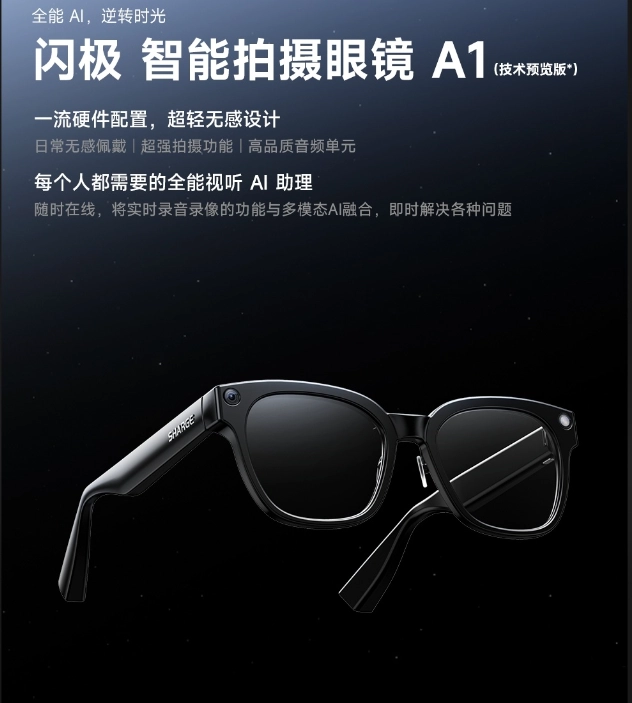
The A1 is packed with power. A Sony 16MP back-illuminated camera captures stunning visuals, while a high-quality sound unit ensures clear recordings. A built-in high-brightness fill light tackles low-light situations, and the IPX5 rating protects the glasses from dust and water.

For seamless connectivity and extended usage, the A1 boasts a flagship quad-core 1.8GHz AI chip, dual-band Wi-Fi (2.4G/5G), and Bluetooth 5.0. With 32GB of storage, you’ll have ample space for your captures. Enjoy a 50-hour standby time, 10 hours of Bluetooth audio playback, or 2 hours of video recording. An optional extended battery pack can even boost recording time to 15 hours.

The Sharge A1 smart camera glasses are a steal at the special pre-sale price of 999 yuan (around $150 USD), significantly lower than the regular retail price of 1,499 yuan ($225 USD). Pre-orders start tonight, with shipments expected before November 30th.

RELATED:

(Via)

MediaTek launches Dimensity 7300 series with improved gaming and AI performance

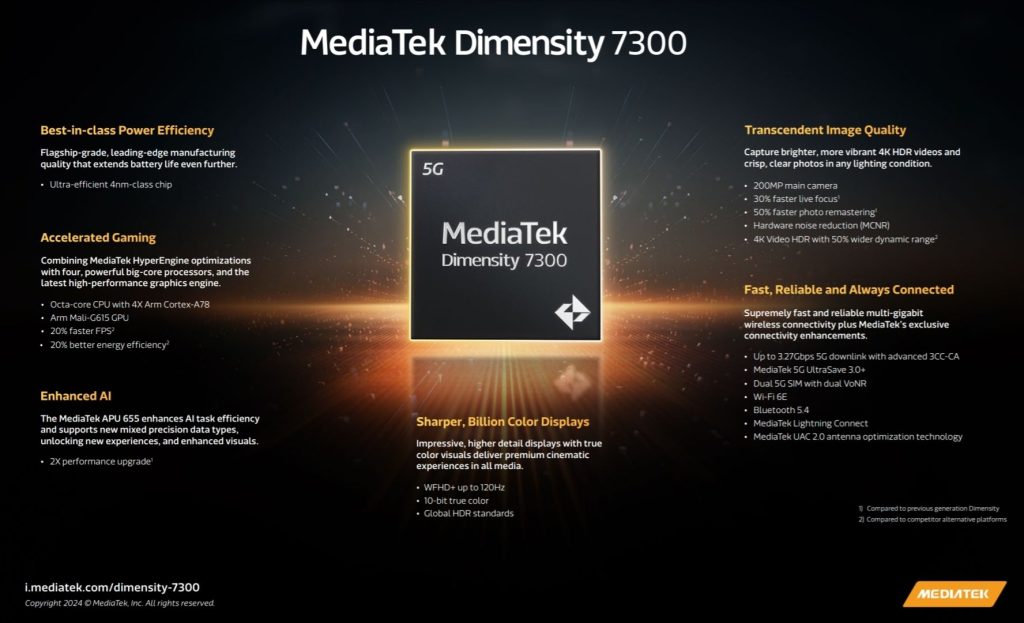
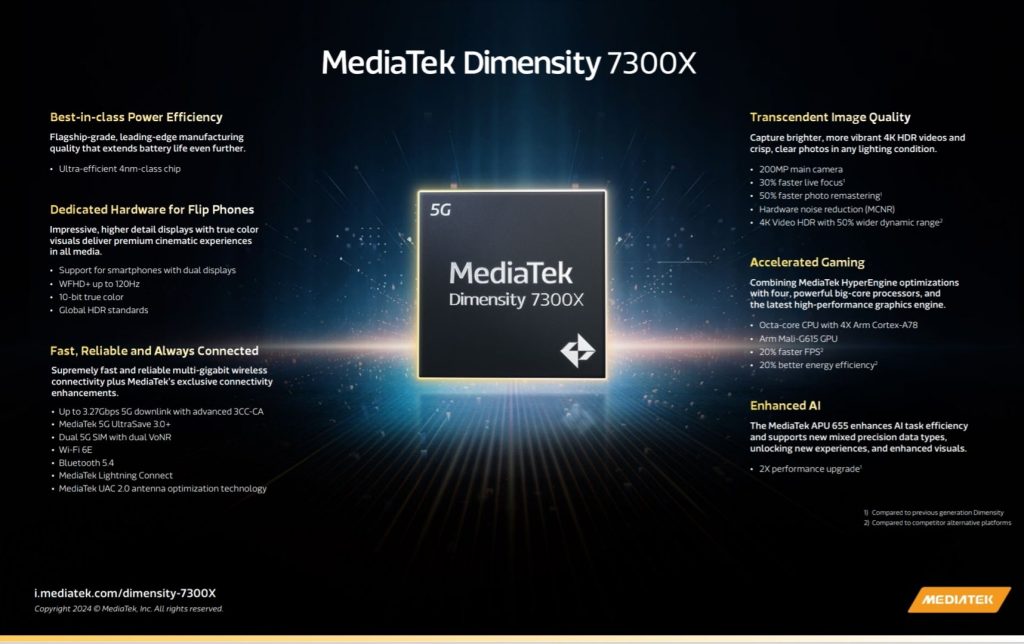
MediaTek today released two new mid-range chipsets – the Dimensity 7300 and Dimensity 7300X. Both of the chips are fabricated on a 4nm process node and are said to offer 25% lower power consumption on the performance cores when compared with Dimensity 7050.

Unlike the Dimensity 7050‘s (2+6) core cluster, the Dimensity 7300 series offers 4 x Cortex-A78 cores clocked at 2.5GHz paired with 4 x Cortex-A55 cores clocked at 2.0GHz. Notably, these are the same cores that are used by the Dimensity 7050. However, there are some performance and power efficiency improvements.

For graphics, the Dimensity 7300 series equips the latest Arm Mali-G615 GPU along with a suite of MediaTek HyperEngine optimizations, that aim to improve the gaming experience. According to MediaTek, both of the chips offer an improved gaming experience with a 20% higher FPS along with 20% less power consumption in comparison to its competitors. The series also comes with “smart resource optimization”, network optimization for games, and support for Bluetooth LE (Low Energy) with Dual-Link True Wireless Stereo Audio.

A difference between the two chips is that the latter one supports dual displays, which means it could also be used in a more affordable foldable device.

Imaging improvements

The Dimensity 7300 series also brings imaging improvements to the table with the new MediaTek Imagiq 950, which features a premium-grade 12-bit HDR-ISP. Mid-range phones with this series will support a 200MP main camera. With enhanced hardware engines, it also provides precise noise reduction (MCNR), face detection (HWFD), and video HDR. Live focus photo performance and photo remastering is now 1.3X and 1.5X faster respectively as compared to the Dimensity 7050.

In simple words, the chip will allow OEMs to provide a better camera system, however, it depends on the smartphone makers how they are going to take advantage of the added capabilities.

The series boasts the MediaTek APU 655 which offers 2x improvement in AI performance as compared to the Dimensity 7050.

Related:

(Source | Source)

Vivo Watch GT With 10-Day Battery Life, eSIM Support Launched In China

Alongside the launch of the Vivo S19 series smartphones, the brand has also expanded its range of smartwatches. The latest offering from the brand is the Vivo Watch GT. It packs all the necessary health-tracking features along with some additions. There are also convenient features onboard. Meanwhile, Vivo recently announced the Watch 3 ECG version. Read on to know everything about the Watch GT.

Vivo Watch GT specifications and features 

The Vivo Watch GT sports a square dial with a matte aluminium alloy middle frame and a stainless steel rotating crown on the right side. It has a 1.85-inch display bearing a resolution of 390 x 450 pixels. The smartwatch comes with AI watch face that lets you generate watch face by voice command. 

On the health-centric front, the Vivo Watch GT is equipped with a heart rate and SpO2 sensor, a sleep tracker, and a menstrual cycle monitor. It is also capable of measuring stress levels. The smartwatch also comes with noise detection that alerts you to move to a quieter area if the noise levels are too high to protect your ears. The wearable device packs support for more than 100 sports modes. It also offers a sports coach with four modes including basic introduction, fat burning, stress relief, and endurance training. 

The Vivo Watch GT runs on BlueOS. It packs AI Shorthand feature that lets you record your thoughts in real time by speaking to the smartwatch. Meanwhile, the AI Smart Window reads the latest updates on flights, trains, taxis, and movies, and displays them on the top of the watch face. The wearable device also comes with NFC cardholders, a quick QR code, and quick cards. 

The Vivo Watch GT is backed by a 505mAh battery unit. It is claimed to offer 21 days of usage in standby mode, and 10 days under normal usage. The smartwatch comes with support for eSIM which allows users to make calls without the need of a smartphone. 

The Vivo Watch GT costs CNY 899 (~$123) for the leather strap variant. The soft rubber strap option is priced at CNY 799 (~$110). 

Related:

Realme C65 5G vs POCO M6 Pro 5G: Which one’s better for you?

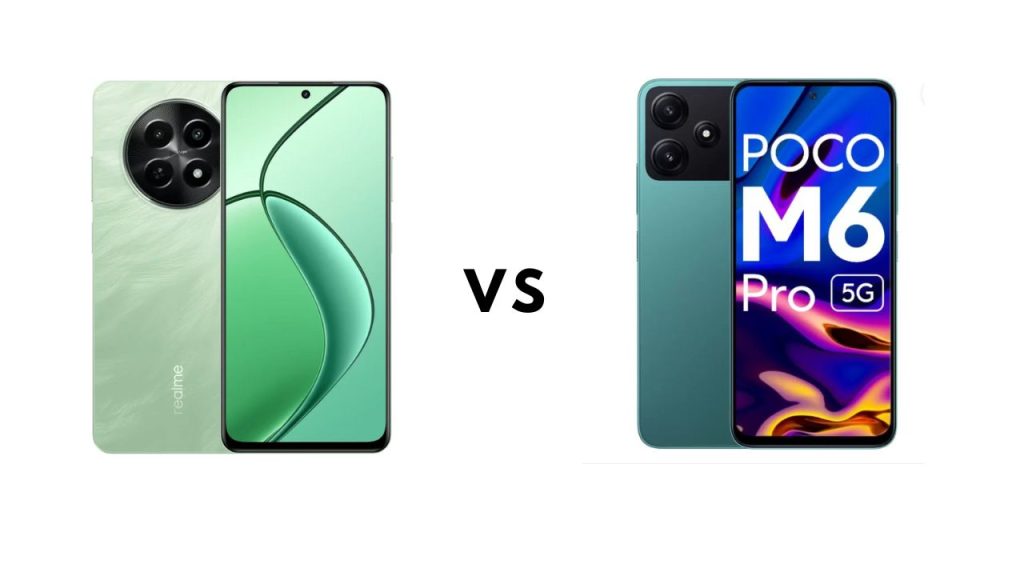
In today’s comparison, we are pitting two smartphones from different Chinese brands that target the 10,000 INR budget price range. There’s the Realme C65 5G on one hand against the the POCO M6 Pro 5G on the other. So which one offers the better value and which one’s the better pick? Let’s find out.

Realme C65 5G vs POCO M6 Pro 5G

1. Realme C65 5G vs POCO M6 Pro 5G: Both displays have Pros and Cons

The POCO M6 Pro sports a tall 6.79-inch LCD panel that offers Full HD+ resolution, 90Hz refresh rate, and 550 nits of peak brightness. On the other hand, the Realme C65 5G arrives with a 6.67-inch LCD screen that offers just HD+ resolution. However, it makes up for this with a higher 120Hz refresh rate and a 240Hz touch sampling rate. It even has a higher 625 nits of peak brightness. So you’d have to choose between a better resolution or a brighter and smoother screen. Depending on how you use the device, a higher resolution could suit you more.

2. Specifications: Pretty Close

There are plenty of differences in specs between the two phones, although, one would barely notice the difference in day-to-day use. The POCO M6 Pro 5G launched last year with a Snapdragon 4 Gen 2 SoC, which is paired with 8GB of RAM and 256GB of internal storage. Meanwhile, the Realme C65 5G is equipped with the MediaTek Dimensity 6300 SoC that is coupled with up to 6GB of RAM and 128GB of internal storage.

Both are powered by a large 5,000mAh battery pack, but the POCO model offers 18W wired fast charging over Realme’s 15W wired fast charging. For optics, the sensors are almost identical on both of these with a 50-megapixel camera on the back and an 8-megapixel selfie shooter on the front. There’s a secondary sensor on both devices, but those barely make any difference.

3. One is newer

One notable advantage that the Realme C65 5G has over the POCO M6 Pro 5G is its release. The former was announced back in April 2024, while the latter came in August of last year. So you get a year longer support for software and one newer Android iteration. This could be pretty important to some

4. Pricing & Verdict

As of right now, the POCO M6 Pro 5G is actually cheaper, starting from just 9,499 INR for the 4GB + 128GB variant and 9,999 INR for the 6GB + 128GB option. The other configurations are currently unavailable. Realme’s new C65 5G is available for 10,499 INR for the 4GB + 64GB option. The 4GB + 128GB and 6GB + 128GB options cost 11,499 INR and 12,499 INR respectively. If you’re on a strict budget, the POCO M6 Pro 5G is a lot more viable. But if you want something newer, the Realme C65 5G could be the one for you.

RELATED:

Vivo S19, S19 Pro With 4,500 Nits Peak Brightness, 80W Charging Launched In China

Vivo has launched the S19 series smartphones in China today. The lineup comprises of standard and pro models. They arrive as the successor to the Vivo S18 and S18 Pro that debuted in December last year. The latest offerings come with a new design and incremental upgrades. There are a few differences between the S19 and S19 Pro. Let’s find out what the phones offer out of the box. 

Vivo S19 series specifications

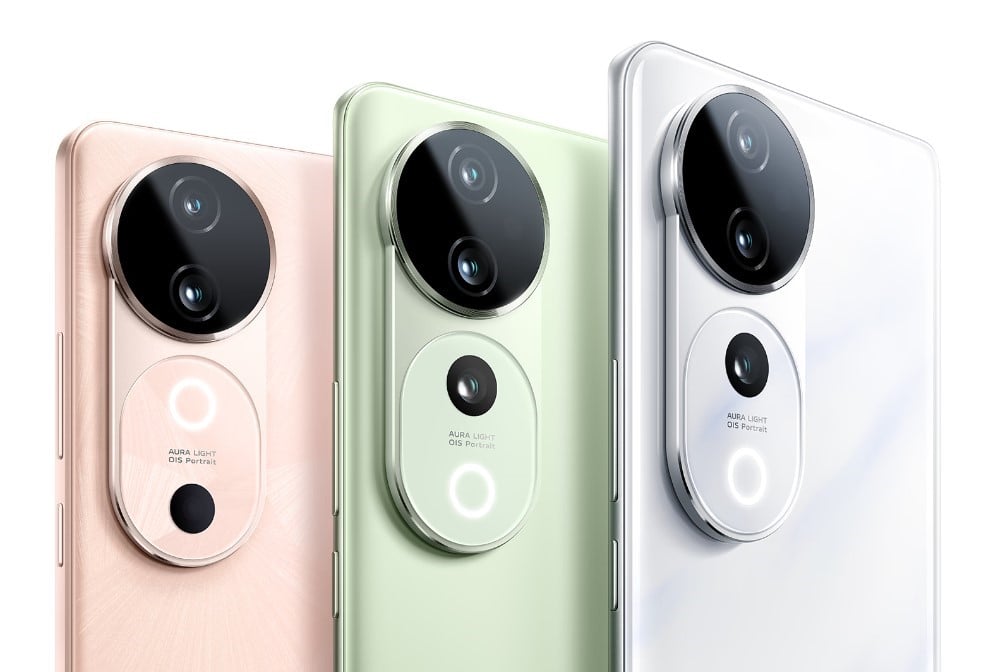
Beginning with the display, the Vivo S19 and S19 Pro have a 6.78-inch OLED screen bearing a 1.5K resolution, a 120Hz refresh rate, and 4,500 nits peak brightness. Both phones are integrated with a fingerprint scanner. The former has a flat panel whereas the latter has curved edges. Design-wise, the S19 duo sport a pill-shaped island on the back panel. It houses a circular module on the top and another oblong-shaped module below. The S19 Pro has IP68 and IP69 dust and water-resistant ratings.

On the optics front, the Vivo S19 has dual rear cameras comprising a 50MP OIS-enabled main sensor and an 8MP ultra-wide-angle lens. Meanwhile, the S19 Pro features a triple rear camera setup that consists of a 50MP Sony IMX921 with OIS, an 8MP ultra-wide-angle lens, and a 50MP OIS-enabled telephoto unit with 50x digital zoom. Both phones come with ring LED flash. The Vivo S19 duo is fitted with a 50MP front-facing selfie snapper. The devices are also capable of shooting portraits up to three focal lengths with the Pro variant also offering 85mm ability.

Under the hood, the Vivo S19 is equipped with a Snapdragon 7 Gen 3 which is the same as its predecessor. The S19 Pro is also powered by the same chipset as the S18 Pro which is the Dimensity 9200+. Both phones pack up to 12GB RAM and 512GB storage. The S19 duo come with upgraded battery units with the standard and pro models backed by 6,000mAh and 5,500mAh cells respectively. Both support 80W wired charging. The smartphones run on OriginOS 4 based on Android 14. 

The Vivo S19 starts at CNY 2,499 (~$344) for the base 8GB + 256GB variant whereas the 12GB + 256GB option costs CNY 2,699 (~$372). The 12GB + 512GB and 16GB + 512GB configurations are priced at CNY 2,999 (~$413) and CNY 3,299 (~$455) respectively.  

The same aforementioned configurations of the Vivo S19 Pro carry a price tag of CNY 3,299 (~$455), CNY 3,499 (~$482), CNY 3,799 (~$523), and CNY 3,999 (~$551). The S19 duo are offered in Blue, Gray, Peach (standard), and Green (Pro) color options.

Related:

WhatsApp testing new “Favorite Chats” filter for Android beta users

WhatsApp, the popular messaging platform, is currently rolling out an exciting new feature for its Android beta testers – a favorite chats filter. This update, version 2.24.12.7, aims to enhance the user experience by allowing users to easily access their most important conversations and groups.

WhatsApp-logo

Organize Your WhatsApp Chats with a New Filtering Feature

WhatsApp encourages all beta testers to install the latest update from the Google Play Store to experience this new feature. While it may not be immediately available to everyone, it is gradually being rolled out to more users in the coming days.

The feature, which was previously available for the calls tab, is now being extended to the chats tab. Beta testers who have installed the latest update can now experiment with a new filter that enables them to quickly locate their favorite chats, including individual contacts and groups. This is a significant step towards prioritizing and organizing the most relevant conversations in the app.

WhatsApp Favorite Chats Filter

To make this feature even more convenient, users can add favorites directly within the chats tab or through a dedicated “Favorites” section in the app settings. This section allows users to manage their favorite chats by adding, removing, or reordering contacts and groups. Additionally, users can also add chats to favorites directly from the chat info screen, making it a quick and easy process.

This new feature is expected to enhance user efficiency by providing quick access to frequently contacted chats and groups. It will save users time by eliminating the need to scroll through numerous conversations to find the ones that matter most. Moreover, the feature will improve the overall organization within the app, enabling users to keep their most important chats readily accessible.

The introduction of the favorite chats filter is aligned with WhatsApp’s continuous efforts to improve user experience and cater to the evolving needs of its users. As this feature is currently in beta testing, it is expected to undergo further refinements based on user feedback before being rolled out to a wider audience.

WhatsApp is currently facing several challenges. Recently, Apple removed the app from the Chinese store, and the Indian government is in a dispute with the company over chat encryption.

RELATED:

(Via)

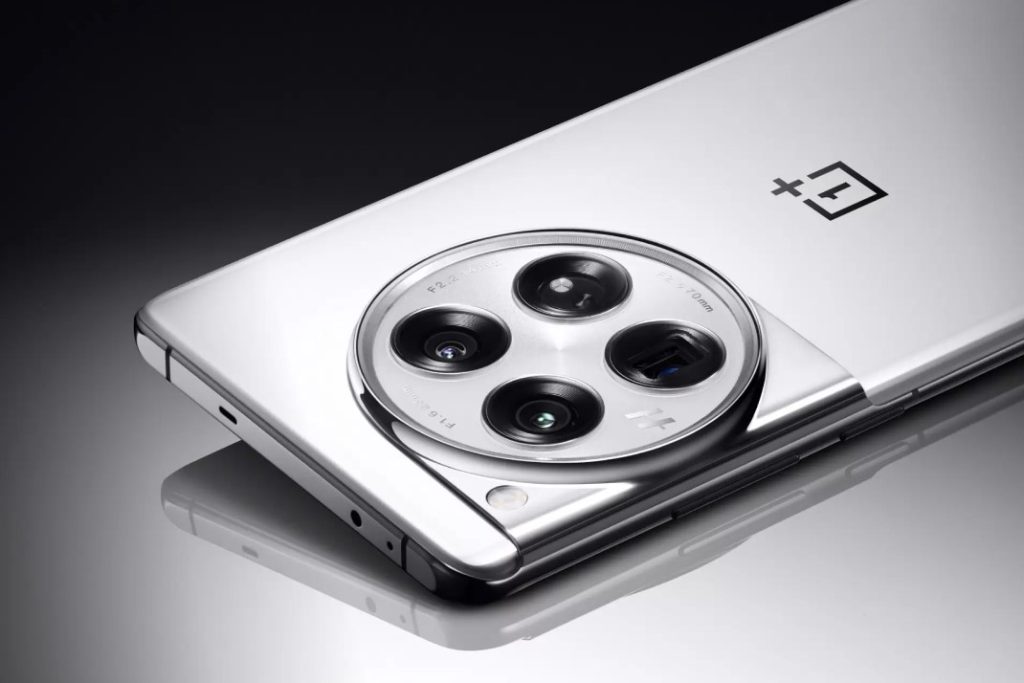
OnePlus 12 Glacier White Color Variant Launching In India On June 6

The OnePlus 12 was announced earlier in January this year in the global markets. It was offered in Silky Black and Flowy Emerald color options. A few days ago, the brand teased the arrival of a new color variant of the smartphone in India. Now, OnePlus has officially revealed that the Glacier White color option will launch in the country next week. 

OnePlus 12 Glacier White color variant to arrive in India next week

The OnePlus 12 (review) is already available in the Glacier White colour option in China. It will be announced in India on June 6. The upcoming offering seems to have a glossy finish compared to matte on the other color variants. The brand says that the Glacier White edition of OnePlus 12 is a design masterpiece and draws inspiration from the stunning beauty and resilience of glaciers. It features a sleek contemporary design that integrates powerful functionality with sophisticated aesthetics. 

The OnePlus 12 Glacier White color variant is expected to be available from online and offline channels across the country. 

Apart from the change in color of the back panel, the core specifications of the OnePlus 12 Glacier White variant will remain the same as other two options. The device has a 6.82-inch QHD+ display with a 120Hz refresh rate and curved edges. It is powered by a Snapdragon 8 Gen 3 SoC paired with up to 16GB RAM and 512GB storage. The smartphone is backed by a 5,400mAh battery with support for 100W wired and 50W wireless charging. The OnePlus 12 has a 50MP main sensor, 48MP ultra-wide-angle lens, and a 64MP periscope unit. 

Related:

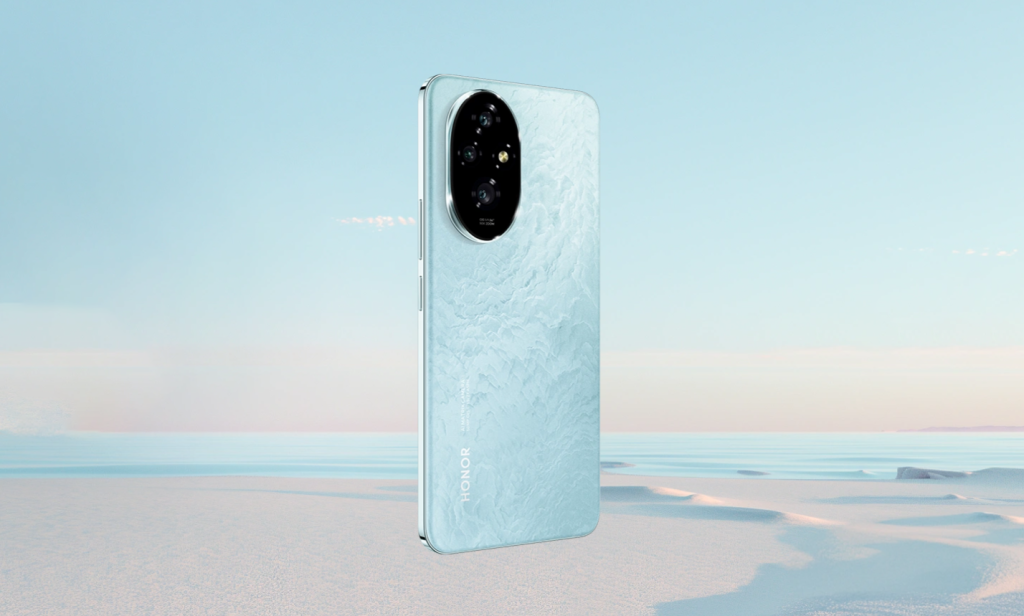
Honor 200 series surfaces on Amazon ahead of India launch

The Honor 200 series just made its debut in the brand’s home market of China. Now, these smartphones are making their way to India. But prior to the official announcement, these have been spotted on the Amazon India website that confirms their imminent release.

Honor 200 series Amazon page live

The Chinese brand unveiled the Honor 200 and Honor 200 Pro earlier this week. The landing page for the two devices went live on Amazon India. This microsite features a teaser poster that states that these are coming soon. While no official details or the design were revealed, the earlier Chinese launch has revealed everything we need to know about these upcoming devices.

To recall, the Honor 200 sports a tall 6.7-inch curved OLED display with an FHD+ resolution and a 120Hz refresh rate. It is equipped with the Snapdragon 7 Gen 3 SoC and is powered by a large 5,200mAH battery pack, which supports 100W wired fast charging. It features a 50-megapixel triple camera setup on the rear and a 50-megapixel selfie shooter on the front.

On the other hand, the Honor 200 Pro is a flagship model with a taller 6.8-inch curved OLED display with a 120Hz refresh rate and 1.5K resolution. It comes with the Qualcomm Snapdragon 8s Gen 3 SoC and houses a large 5,000mAh battery pack with 100W wired fast charging as well. The rear has a 50-megapixel triple camera setup and the front has a 50-megapixel dual camera module.

RELATED:

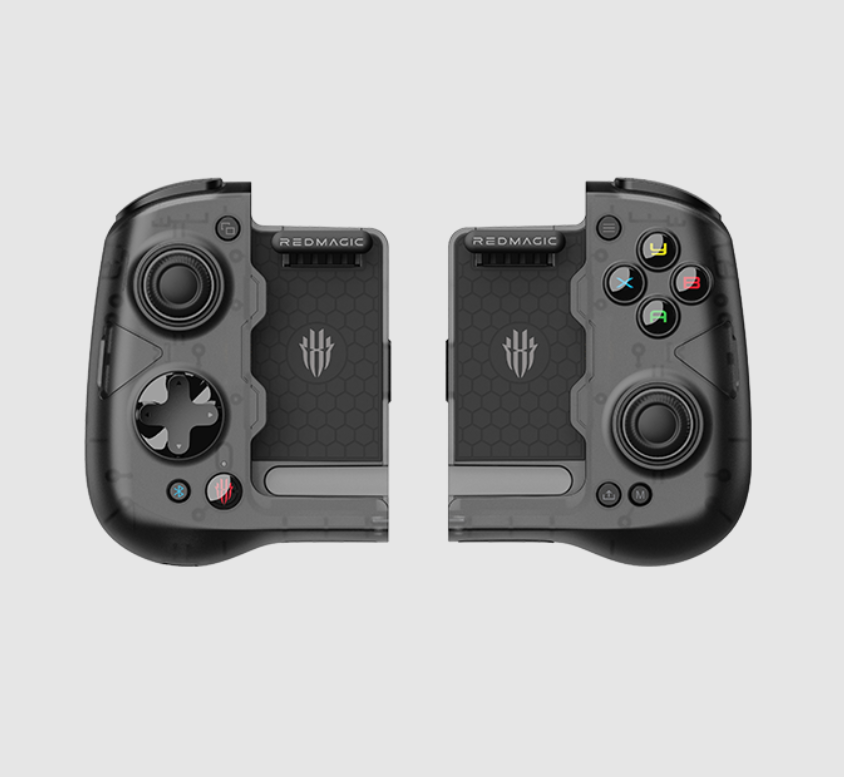
NUBIA RedMagic Dual Blade Gamepad is now available at GeekWills

Elevate your gaming experience to new heights with the NUBIA RedMagic Dual Blade Gamepad. Designed with precision and comfort in mind, this gamepad is your ultimate tool for mastering every move on the virtual battlefield. Whether you’re an avid mobile gamer or a casual player, the RedMagic Dual Blade Gamepad offers a range of features to enhance your gameplay. You can now buy this Dual Blade Gamepad for $99 only at GeekWills.

WHERE TO BUY
RedMagic Dual Blade Gamepad at $99 @GeekWills

Dual Single Gamepads or a Double Gamepad

The RedMagic Dual Blade Gamepad provides versatility with its dual single gamepad design. The left and right handles can be completely separated, allowing you to use them individually or combine them into one two-handed gamepad. This flexibility ensures you have the perfect setup for any game, whether you need precision control or a more immersive experience.

RGB Light Effects

Adding a touch of flair to your gaming, the gamepad is surrounded by four lamp beads that emit real-time color changes. These dynamic RGB light effects not only look cool but also add to the immersive feel of your gaming sessions.

Enter Handheld Mode

Experience a console-like gaming experience on your smartphone with the upgraded grip design. The enhanced ergonomics ensure a comfortable hold, even during extended gaming sessions. The gamepad’s design mimics that of traditional console controllers, providing a familiar and intuitive layout for gamers.

Zero Latency Via Wired Connection

The RedMagic Dual Blade Gamepad features an adjustable Type-C port, ensuring a wired connection that delivers zero latency. This feature guarantees fast transmission speeds and stability, crucial for competitive gaming. It is compatible with all types of phones running Android 8.0 or above, making it accessible to a wide range of users.

Charging Two Handles Simultaneously

Convenience is key with the RedMagic Dual Blade Gamepad. The left and right handles connect through a pogopin, allowing a single Type-C cable to charge both handles simultaneously. This feature ensures that your gamepad is always ready for action.

Hall Linear Triggers

The gamepad’s Hall linear triggers offer zero drifting and a top-tier linear trigger module. With zero dead zones, flexible control, and easy replacement, these triggers provide a superior gaming experience. The self-developed IC algorithm ensures high smoothness, while the high resistance and durability promise a lifespan of over 5 million clicks.

One Trigger, Two Modes

For added versatility, the gamepad features two trigger modes: Hall Linear Triggers and Fast Triggers. The Hall Linear Triggers offer 256 layers of change with a response interval of less than 0.1mm, providing precise control. Fast Triggers deliver a tactile feel with quick tap-to-trigger functionality, ideal for fast-paced games requiring rapid responses.

Programmable Back Buttons

Customize your gameplay with two programmable back buttons. These additional buttons allow for tailored controls that match your gaming style, giving you an edge in every game. With more options at your fingertips, you can fine-tune your setup to win more games.

Compatibility and Convenience

The RedMagic Dual Blade Gamepad’s adjustable Type-C port supports smartphone heights from 68-95mm and thicknesses of less than 12.5mm, ensuring compatibility with a wide range of devices. Gamers can also take advantage of the charging port within the gamepad to keep their devices powered up during gameplay.

NUBIA RedMagic Dual Blade Gamepad is designed to provide an unparalleled gaming experience with its versatile design, zero latency connection, ergonomic grip, and customizable features. Whether you’re looking for precision control or enhanced comfort, this gamepad has it all. 

China launches $47.5 billion Big Fund III to boost semiconductor self-sufficiency

To increase self-sufficiency in the semiconductor sector, China has launched the third phase of its National Integrated Circuit Industry Investment Fund, commonly known as Big Fund III. Established last week, this new fund boasts a registered capital of 344 billion yuan (approximately $47.5 billion), making it the largest state-backed investment in China’s semiconductor industry to date.

Big Fund III is designed to support various segments of the semiconductor industry, including contract manufacturers, equipment suppliers, and material providers. The primary objective is to bolster domestic capabilities and reduce reliance on foreign technology, particularly in the face of escalating US tech sanctions. 

Leading beneficiaries of this substantial investment include Semiconductor Manufacturing International Corp (SMIC) and Hua Hong Semiconductor. Additionally, equipment suppliers such as Naura Technology Group and Advanced Micro-Fabrication Equipment, along with raw material providers like National Silicon Industry Group, are set to gain significant support.

Big Fund III is seen as a countermeasure to the US Chips and Science Act of 2022, which allocated $53 billion to boost the American semiconductor industry. China’s strategic goal with this fund is to build a robust, self-sufficient semiconductor industry capable of withstanding external pressures and restrictions. The fund comprises 19 equity investors, led by China’s Ministry of Finance

Historical Background and Challenges

This latest fund follows two previous phases: the first, launched in 2014 with an initial financing of 138.7 billion yuan, and the second in 2019, which raised 204.1 billion yuan. Despite past successes, such as fostering companies like Yangtze Memory Technologies Corp and ChangXin Memory Technologies, the industry has faced significant challenges. Notably, US export controls have hindered access to advanced chip-making equipment, impacting production yields and cost efficiency.

The fund’s previous management faced corruption issues, with former president Ding Wenwu under investigation since July 2022. Zhang Xin, the current president, has taken over with a focus on transparency and effective investment.

The fund’s focus is on capacity expansion, equipment, materials, and advanced packaging. However, narrowing the technology gap with global leaders remains a challenge due to ongoing export restrictions.

Related:

(via)

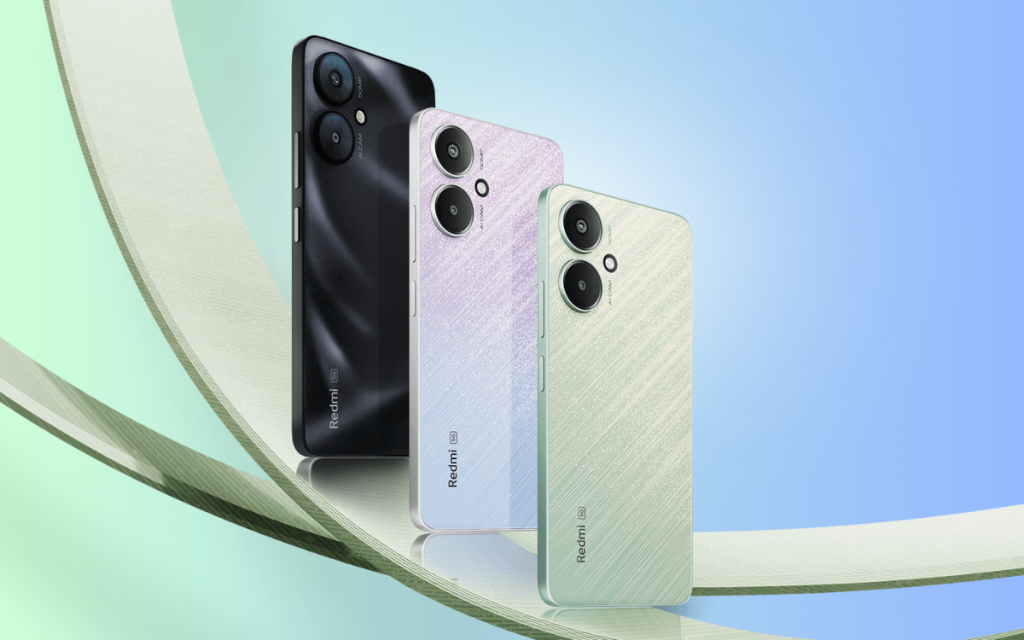
Poco M6 Pro 5G vs Redmi 13C 5G: Which Budget Phone Offers Better Value?

Redmi and Poco, both brands under the Xiaomi umbrella, have made a mark in the budget 5G smartphone segment with their respective launches: the Redmi 13C 5G and Poco M6 Pro 5G. These devices, launched in close succession last year, offer compelling features at competitive prices, making the choice between them a challenging one. Let’s delve into a detailed comparison to help you make an informed decision.

Redmi 13C 5G

1. Display

Starting with the display, the Redmi 13C 5G sports a 6.74-inch HD+ (1600 x 720 pixels) screen with a 90Hz refresh rate and up to 600 nits of brightness. It’s protected by Corning Gorilla Glass, ensuring durability against everyday wear and tear.

On the other hand, the Poco M6 Pro 5G features a slightly larger 6.79-inch FHD+ (2460 x 1080 pixels) LCD screen with a 90Hz adaptive refresh rate and 550 nits peak brightness. Since it offers a higher screen resolution compared to the Redmi 13C 5G, it delivers sharper images. The screen-to-body ratio of 91% coupled with Corning Gorilla Glass 3 protection makes it a robust choice as well.

2. Design and Build

The Redmi 13C 5G boasts a unique “Dynamic Star Trail Design” with a shimmering back panel that changes depending on the light. The Poco M6 Pro 5G opts for a more conventional design with a glossy finish. Both phones are built with plastic backs and come with a side-mounted fingerprint sensor for security.

The Redmi 13C has a slight edge in terms of thickness, measuring 8.09mm compared to the Poco M6 Pro’s 8.17mm. However, the weight difference is negligible.

3. Performance

Under the hood, the Redmi 13C 5G is equipped with an Octa-Core MediaTek Dimensity 6100+ 6nm processor, which is paired with an Arm Mali-G57 MC2 GPU. It offers configurations of up to 8GB RAM and up to 256GB internal storage, expandable via microSD card. This setup is sufficiently powerful for daily tasks and moderate gaming.

Comparatively, the Poco M6 Pro 5G is powered by the Snapdragon 4 Gen 2 SoC, also an octa-core processor but with a slightly different configuration and an Adreno 613 GPU. The Poco device offers up to 6GB RAM and up to 128GB internal storage, which is also expandable. The Snapdragon chipset built on 4nm technology, is known for its efficient performance, making the POCO M6 Pro 5G a strong contender in multitasking and casual gaming.

Both devices support additional RAM expansion. The M6 Pro 5G provides up to 6GB of virtual RAM, while the Redmi 13C 5G offers up to 8GB of virtual RAM, which may give it an advantage in multitasking and handling memory-intensive applications.

4. Camera

Both phones sport a single rear camera setup with a 50MP main sensor. However, details about the secondary cameras differ. The Redmi 13C 5G doesn’t have any additional rear cameras, while the Poco M6 Pro 5G includes a 2MP depth sensor, potentially offering slightly better portrait shots with background blur.

The front cameras differ as well. The Redmi 13C 5G features a basic 5MP selfie shooter, while the Poco M6 Pro 5G boasts an 8MP front camera, which might capture slightly more detailed selfies and videos.

5. Battery and Charging

Both devices pack a substantial 5000mAh battery with 18W fast charging, ensuring all-day usage on a single charge with moderate use. However, it is worth noting that the Redmi 13C 5G comes with a 10W power adapter in the box, while the Poco M6 Pro 5G includes an 18W charger.

6. Software and Additional Features

Both phones run on Android 13 with MIUI 14 on top. The phones also offer a side-mounted fingerprint sensor, 3.5mm audio jack, FM Radio, and dust and splash resistance. The Redmi 13C has the advantage of expandable storage of up to 1TB (separate slot), while the Poco M6 Pro features a hybrid SIM slot that can accommodate a microSD card alongside one nano SIM.

7. Price

The pricing strategy of both devices caters to the budget segment but with slight variations depending on the configuration. The Redmi 13C 5G starts at Rs. 10,999 for the 4GB + 128GB version and goes up to Rs. 14,499 for the 8GB + 256GB version. The Poco M6 Pro 5G is priced at Rs. 10,999 for the 4GB + 64GB model and Rs. 12,999 for the 6GB + 128GB model.

8. Conclusion

Choosing between the Redmi 13C 5G and Poco M6 Pro 5G boils down to individual preferences and priorities. If you value a larger and sharper display, better camera, and relatively better performance the Poco M6 Pro might be a better fit. However, if you’re looking for a unique design, higher RAM, and separate expandable storage, the Redmi 13C could be the more appealing option.

Ultimately, both phones offer good value for their price, providing a 5G experience with decent performance, long-lasting batteries, and features like a high refresh rate display and expandable storage.

RELATED:

Huawei becomes a strong competitor to Nvidia in China’s AI chip market

The competitive landscape of China’s AI chip market is undergoing a significant shift as Huawei gains ground against Nvidia. This development follows US sanctions on Huawei and export curbs on Nvidia’s advanced processors, altering the dynamics of the market.

Huawei’s self-developed 910B Ascend chips are rapidly gaining traction across various industries, facilitated by the increasing popularity of “AI boxes.” These AI boxes are all-in-one machines that integrate AI chips, industry-specific algorithms, and pre-trained large AI models, providing ready-to-use solutions for small companies and government entities. They offer a cost-effective way for these organizations to fine-tune large model-based services without substantial investments.

Previously dominated by Nvidia, the mainland market is now seeing a potential shift, with Huawei poised to overtake its American rival. In response to US export restrictions on its A800, H800, and L40S processors, Nvidia has introduced lower-grade chips, such as the H20, tailored for China. However, these chips are being sold at a discount compared to Huawei’s Ascend 910B chips, reflecting the intensified competition and market challenges Nvidia faces.

Huawei’s Ascend ecosystem has grown rapidly, boasting 40 hardware partners, 1,600 software partners, and 2,900 AI application solutions. Prominent Chinese companies like Tianjin Sitonholy and SenseTime are adopting Huawei chips for their AI boxes, with SenseTime anticipating a doubling of its generative AI sales due to these AI boxes.

Analysts predict that Huawei’s expanding AI chip business will soon dominate the market. AI boxes, deemed essential for businesses, are expected to predominantly feature local players led by Huawei. Insights from Pacific Securities and Counterpoint analysts underscore Huawei’s technological capabilities and substantial market potential. However, the pace of Huawei’s ascendancy hinges on its ability to ramp up production, as manufacturing high-performance AI accelerators and server processors is more complex than mobile system-on-a-chip products.

Despite these advancements, Nvidia remains a significant player, having accounted for 90% of AI chips sold in China in the first half of the previous year, compared to Huawei’s 6%. Nevertheless, the market tide is turning, with more Chinese companies launching AI boxes using Huawei chips. Nvidia’s tailored-for-China chips, including the H20, are currently selling at a discount compared to Huawei’s offerings.

Looking ahead, Huawei is expected to prioritize AI chips over mobile chips to secure a leading market position in China. Collaborations with companies like iFlyTek aim to address computing-power bottlenecks, with products like the Spark Number 1 AI box benchmarked against Nvidia’s A100 processor.

Nvidia’s strategic response to this competitive pressure includes price cuts and the introduction of tailored chips for the Chinese market. Despite these efforts, analysts highlight the uncertainty surrounding Nvidia’s future in China amid US-China tensions and a fiercely competitive landscape.

As China’s share of the global AI industry is projected to exceed 30% by 2035, the ongoing battle between Huawei and Nvidia in the AI chip market will have far-reaching implications for both companies and the broader industry.

Related:

(via)

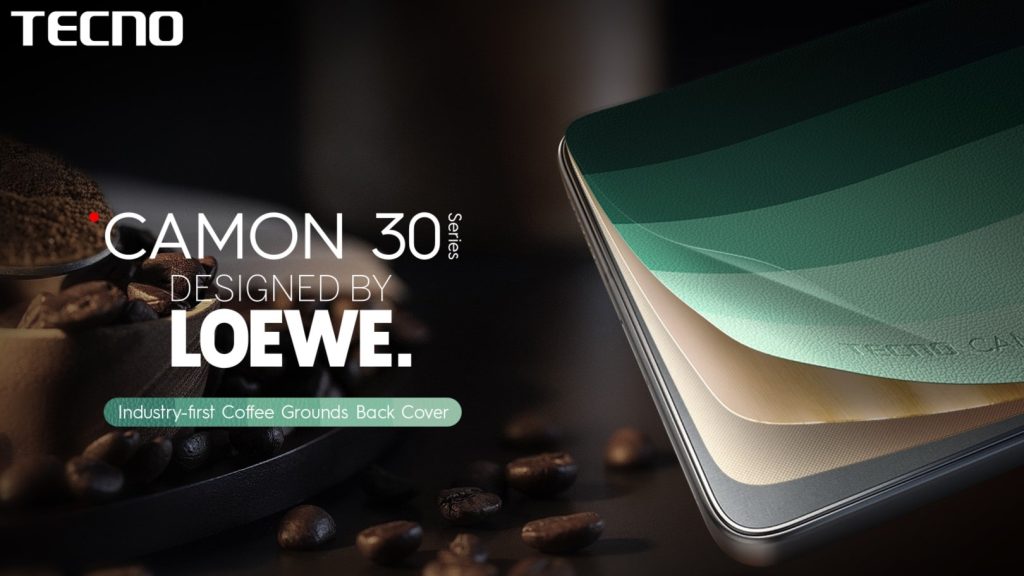
Tecno Camon 30 series LOEWE Design Edition: First-ever phone with Coffee Ground back launched

Tecno has just unveiled a brand-new special edition version of the Camon 30. The new lineup is dubbed the Tecno Camon 30 series LOEWE Design Edition, which brings an industry first design that blends carbon neutral causes with modern style. So let’s check it out.

Tecno Camon 30 Series LOEWE Design Edition

Tecno Camon 30 series LOEWE Design Edition

Tecno’s latest announcement has the brand collaborating with the German high-end TV and audio company LOEWE. This partnership is bringing special Camon 30 series models, which use an eco-friendly yet stylish design. Tecno has used waste coffee grounds to build its rear panel. This design features a bright green color, which signifies the company’s sustainable philosophy.

The Tecno Camon 30 series LOEWE Design edition uses advanced material technology that merges premium design with eco-friendliness. These devices are composed of more than 25 percent bio based materials to be exact. The sustainability practice is also extended to the manufacturing process, which uses no organic solvents, no additional water consumption, and is entirely solar powered. The brand claims that it outperforms synthetic and animal leathers in terms of appearance, durability, texture, feel, and environmental friendliness.

Tecno Camon 30 series LOEWE Design Edition

Apart from this innovative design, the LOEWE Special Edition is basically the same on the inside as the original Camon 30 Premier 5G, Camon 30 Pro 5G, Camon 30 5G, and Camon 30. To recall, the Camon 30 5G and Camon 30 Premier 5G were announced in the Indian market earlier this month.

RELATED:

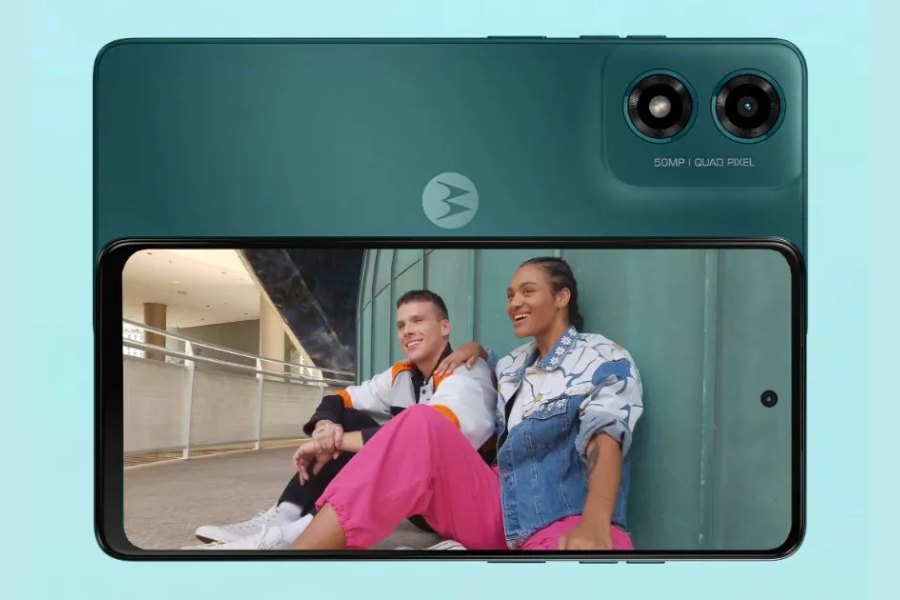
Motorola G04s launched in India with Unisoc T606 and just 4GB of RAM

Motorola has introduced a new member to its G-series lineup in India – the Moto G04s. It’s a budget smartphone that succeeds the Moto G04 launched earlier this year. Let’s walk through the specs, features, and prices of Motorola Moto G04s in India here. 

Moto G04s Specifications

The Moto G04s features a 6.56-inch IPS LCD panel with an HD+ (1612 x 720 pixels) resolution. While the resolution might not be the highest, the display has a 90Hz refresh rate for smoother scrolling and animations. Corning Gorilla Glass 3 provides protection against scratches and minor bumps.

Under the hood, it is powered by a Unisoc T606 processor paired with an ARM Mali-G57 GPU. Memory options include just 4GB of LPDDR4X RAM and 64GB of UFS 2.2 storage. You can further expand it using a dedicated microSD card slot.

The software side is handled by My UX based on Android 14 which offers a near-stock Android experience. Motorola is also promising two years of security patch updates for the phone.

The Moto G04s features a single 50MP rear camera with an LED flash. The camera comes with features like portrait mode and auto night vision mode for capturing decent photos in various lighting conditions.  For selfies and video calls, there’s a 5MP front-facing camera.

Keeping all things powered is a 5,000mAh battery which Motorola claims can deliver up to 20 hours of video playback on a single charge. While the phone supports 15W fast charging, you only get a 10W charger included in the box. 

Other features of the device include a side-mounted fingerprint scanner and face unlock for secure authentication, a single speaker with Dolby Atmos support, a 3.5mm headphone jack for audio, and a water-repellent design for basic protection against splashes.

Availability and Pricing

The Moto G04s comes in a single storage variant – 4GB RAM and 64GB storage – priced at Rs 6,999. The phone will be available for purchase starting June 5th exclusively through Flipkart.

Related:

BYD unveils 5th-Gen DM Hybrid technology, posing a major challenge to its gasoline rivals

BYD has launched its fifth-generation DM (dual mode) hybrid technology, setting a new benchmark in the plug-in hybrid electric vehicle (PHEV) market. The unveiling took place in Xi’an, Shaanxi province, and introduced significant advancements in fuel efficiency and driving range.

The new technology boasts a thermal efficiency of 46.06% and an impressive fuel consumption rate of just 2.9 liters per 100 kilometers when the battery is depleted. With a fully charged battery and a full tank of petrol, the comprehensive driving range reaches an unprecedented 2,100 kilometers. This milestone represents a significant leap from the previous generation, which had a fuel consumption of 3.8 liters per 100 kilometers on gasoline alone.

BYD has incorporated this advanced technology into two new models, the Qin L DM-i and Seal 06 DM-i. These vehicles, priced between 99,800 yuan (approximately $13,775) and 139,800 yuan, consume one-third the fuel of traditional cars while offering three times the range. The company anticipates annual fuel cost savings of up to 9,682 yuan for customers compared to gasoline-powered vehicles.

The strategic pricing and enhanced fuel efficiency of BYD’s new models position them as strong competitors against mid-size sedans like Volkswagen’s Sagitar and Toyota’s Corolla, priced at 127,900 yuan and 116,800 yuan, respectively. The Qin L and Seal 06 DM-i not only offer lower prices but also superior fuel efficiency, making them attractive options for budget-conscious consumers.

BYD’s aggressive pricing strategy includes a 10%-22% reduction in the first quarter, which has contributed to the popularity of models like the Qin and Song. These models have outsold traditional gasoline counterparts such as the Lavida and Sagitar, underscoring the growing consumer preference for more economical and environmentally friendly options.

The company’s market impact is underscored by its cumulative sales of over 3.6 million plug-in hybrid electric vehicles. In the first four months of 2024, China’s NEV (New Energy Vehicle) market saw significant growth with 2.985 million units produced and 2.94 million units sold, marking year-on-year increases of 30.3% and 32.3%, respectively.

BYD aims to lead the global development of plug-in hybrid technology and promote the green transformation of the global auto industry. With Warren Buffett’s Berkshire Hathaway as a major backer, BYD has ambitious plans to continue its international expansion, targeting competitive markets in Southeast Asia, Australia, and the Middle East.

In 2023, BYD delivered nearly 3 million battery-powered cars in China, and its net profit soared by 81% to 30.04 billion yuan. The company has set a sales target of 3.6 million units for 2024, a 20% increase from the previous year, signaling its confidence in the continued growth of the NEV market.

BYD’s latest technological advancements and strategic market positioning highlight its commitment to innovation and sustainability, promising to drive the future of the automotive industry toward greener horizons.

Related:

(via)

OnePlus x Sharge “Pouch” power bank is officially on sale after it went on crowdfunding last year

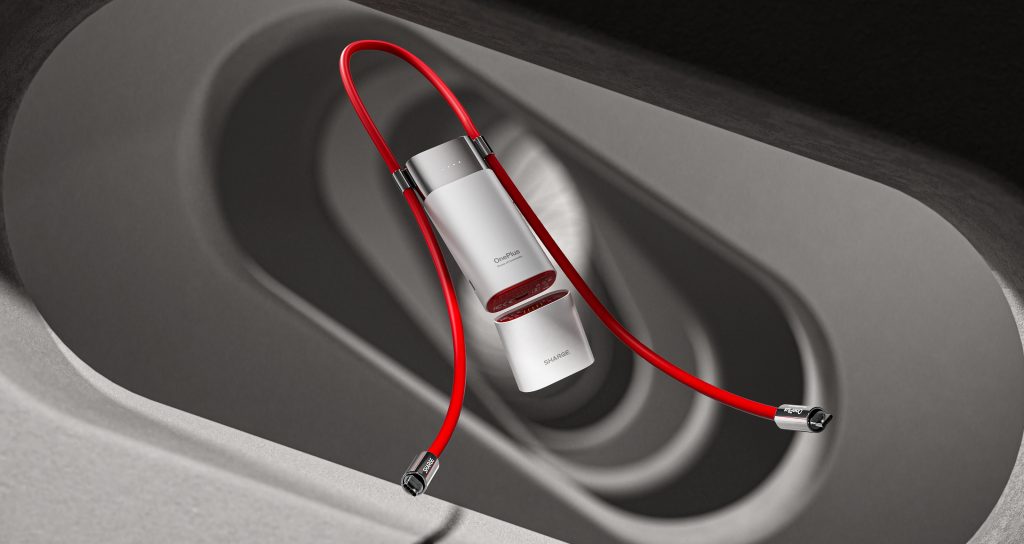
Last year, OnePlus partnered with Sharge ( a brand known for its geeky hardcore-designed power banks) to launch a portable Power bank called “Pouch.” Designed in the shape of a pouch, hence the name, the power bank has a wall charger, cable, and super-fast charging built-in.

The power bank went on crowdfunding last year, so details such as the price and availability remained under wraps. However, it is now available for purchase to everyone. Let’s dive into the details.

OnePlus x Sharge “Pouch” Specifications: 

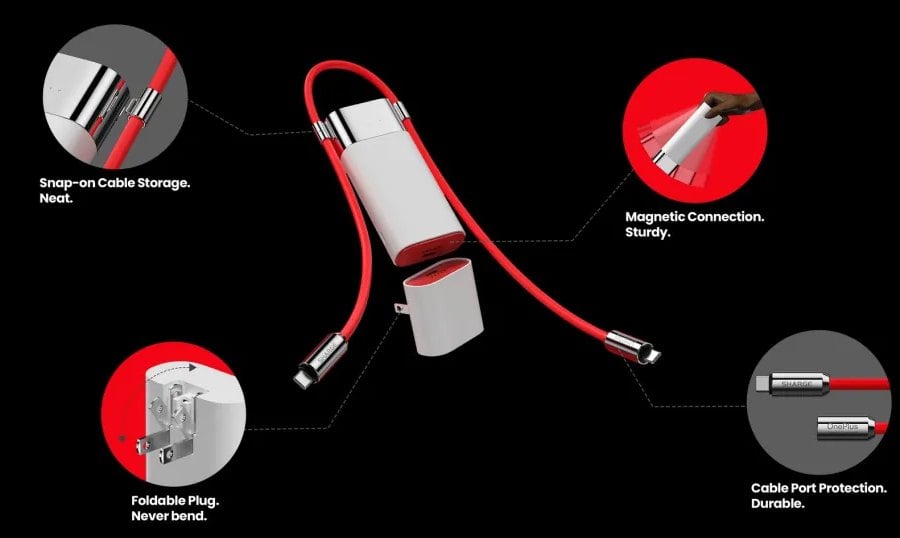
Unlike traditional power banks, the Pouch offers a modular design. It combines a 10,000mAh battery pack, a detachable wall charger, and a built-in cable. This allows users to charge up to three devices simultaneously: two via the power bank’s USB-C ports and one with a separate wall charger.

The Pouch is sleek in design and comes in OnePlus’s signature red-and-white color scheme. The cable connects magnetically to the power bank for a secure and convenient connection. Functionality is further improved by magnetic connections for the wall charger as well.

OnePlus Pouch power bank price

The power bank supports various fast-charging protocols, including QC 3.0, QC 4.0, PD 2.0, and PD 3.0, and delivers speeds of up to 40W. OnePlus users can experience even faster charging speeds of up to 55W with SUPERVOOC technology. 

After a crowdfunding campaign last year, the Pouch is now available for purchase directly from Sharge’s website. At $99.99, the Pouch could be a tad bit expensive since cheaper alternatives are available. However, for those seeking a convenient and versatile charging solution with a focus on portability, the Pouch offers a unique combination of features. 

Related:

Galaxy Ring will blink an LED so that you can find it easily

Samsung is expected to launch the highly anticipated Galaxy Ring in the upcoming Galaxy Unpacked event scheduled for July 10 alongside the Galaxy Z Fold 6 and Z Flip 6. However, we already have a lot of information about the development thanks to leaks, rumors, and appearances on certification platforms. The latest news is about a feature of the Galaxy Ring that will let you trigger an LED on the ring to blink using the Samsung Find app.

The Samsung Find app already helps you find out a variety of Galaxy devices including smartphones, tablets, watches, earbuds and more. The app has recently updated to a newer version, where Assemble Debug has found strings of code suggesting the development of the “lost mode” feature for the Galaxy Ring.

The feature will also allow you to lock your Samsung Account to protect your personal data

<string name="lost_mode_guide_description_ring">Lost mode helps protect your ring while it's missing.</string>
<string name="message_default_ring">I lost my ring. Please help me find it.</string>
<string name="ring_dialog_error_ring">Couldn't connect to Ring to start blinking.</string>
<string name="ring_dialog_ready_ring">Tap start to make the light on your ring blink.</string>
<string name="ring_dialog_ringing_ring">Ring light is blinking.</string>
<string name="pairing_lock_description_ring">This ring will be locked to your Samsung account. No one else will be able to use it.</string>

The Samsung Find app will also notify you if your phone is unable to connect with the ring to trigger the blinking feature. Additionally, the feature could also allow users to lock their Samsung Account so that no one else can access personal information via the ring.

While the Galaxy Ring is reportedly designed for continuous usage, the Lost mode will still be a helpful feature if you accidentally misplace the ring. Nonetheless, the feature is currently under development and Samsung may or may not release the feature with the final product.

An existing product in the space, the Oura ring does not have a similar feature to help its user find the device. It only enters a Restricted Mode when someone attempts to pair with a new device. The mode allows the user to erase all the information from the ring through the Oura app on the linked device.

Related:

A new Xiaomi Watch S series model with 10W charging support bags 3C certification

There are indications that the Xiaomi S3 series of smartwatches may be getting a new model soon. A new Xiaomi smartwatch has gotten the 3C certification, indicating an imminent product launch.

Xiaomi S3 smartwatch

The 3C certification is among the certifications obtained before the product’s final release. While the 3C listing did not list the device’s name, it is tipped as a Watch S3 series model. The certification page did reveal the device’s charging rating and other details. According to the details extracted from the 3C website, the new Xiaomi smartwatch has the model number M2312W1 and supports 10W charging.

The Xiaomi Watch S3 already launched with a 1.43-inch AMOLED colorful large screen with a 10Hz refresh rate, 326 PPI, and 600 nits of maximum brightness. It offers 256 automatic brightness levels and comes with the industry’s first variable design. The color and style of the bezel can be removed and replaced when needed. The watch will automatically sense and trigger an exclusive customized dial, offering various style combinations for the watch. The smartwatch is equipped with the Unisoc W117 chip with a built-in LPDDR2, 1.0GHz A7 CPU core with support for complete eSIM/ eSIM independent communication. Users can use the network independently without connecting to a mobile phone.

Xiaomi Watch 3C

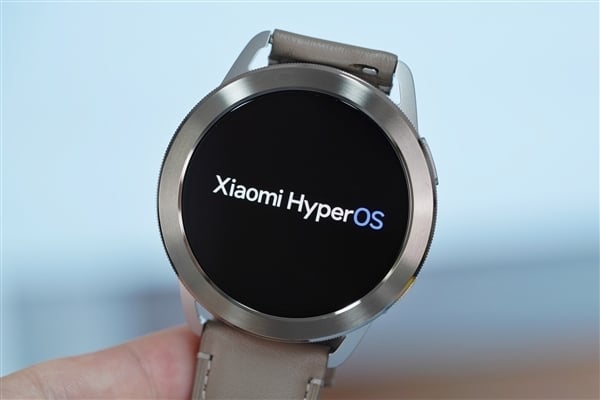
The Xiaomi Watch S3 runs on the Surge OS with a seamless connection to the Xiaomi smart ecosystem. One major highlight of the smartwatch is the ability to unlock the Xiaomi SU7 Electric Vehicle. With the ability to unlock the SU7, Xiaomi may be looking to expand its ecosystem of connected devices to its new SUV. There are no official details yet regarding the launch date and price of the new Xiaomi Watch model at this time.

Related:

(source)

Samsung Galaxy Ring appears on FCC with three different battery sizes

The Samsung Galaxy Ring is expected to launch at the company’s second major Unpacked event this year. The company teased the smart ring in January at MWC 2024, but many details about the wearable were still under wraps. Recently, however, an FCC filing has revealed some key aspects of the wearable.

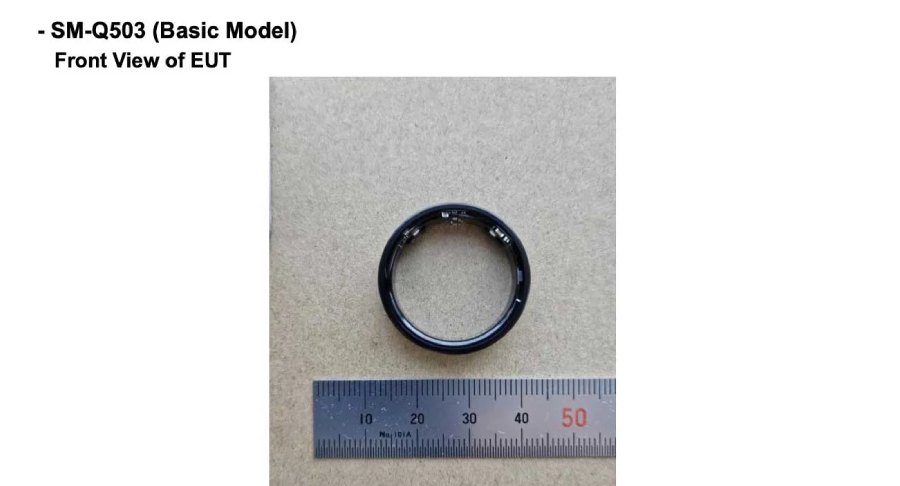
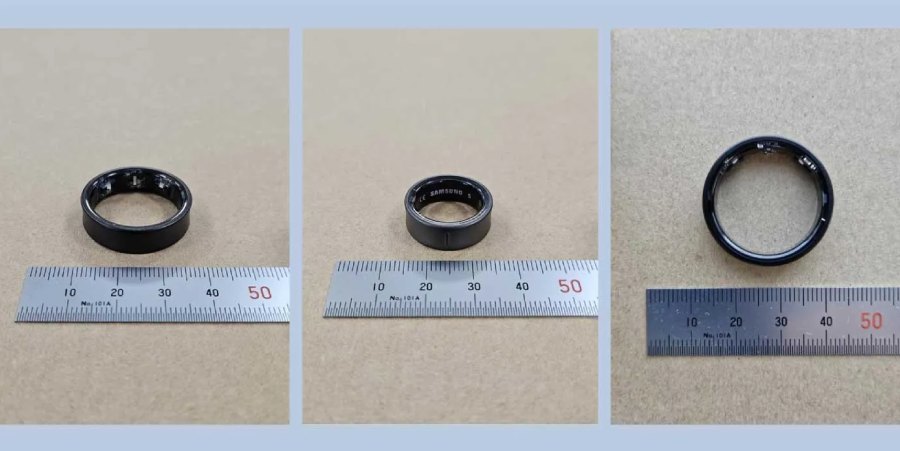
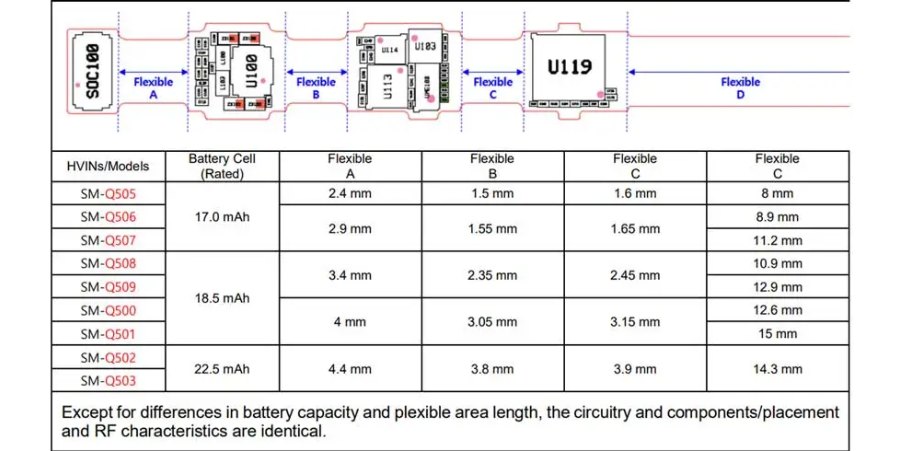
The FCC documents confirm Samsung‘s earlier statement about offering the Galaxy Ring in nine different sizes, ranging from size 5 to size 13. Interestingly, the battery capacity of each ring will vary depending on the ring size. 

According to the filing, smaller rings (sizes 5 to 7) will pack a 17 mAh battery, while sizes 8 to 11 will boast a slightly larger 18.5 mAh battery. The largest rings sizes 12 and 13, will benefit from a more substantial 22.5 mAh battery.

While Samsung previously claimed a battery life of 5 to 9 days on a single charge. Larger rings are likely to achieve the higher end of that range due to their increased battery capacity. 

The FCC filing also revealed the model numbers associated with each ring size:

  • SM-Q505: Size 5
  • SM-Q506: Size 6
  • SM-Q507: Size 7
  • SM-Q508: Size 8
  • SM-Q509: Size 9
  • SM-Q500: Size 10
  • SM-Q501: Size 11
  • SM-Q502: Size 12
  • SM-Q503: Size 13

The ring will use Bluetooth Low Energy (LE) for connectivity with the phone. The filing shows the wearable in Black, but Samsung teased the wearable in gold and silver at MWC 2024. That could be the other color options. 

Samsung Galaxy Ring FCC Listing -3(1)

The FCC filing also includes a schematic of the charging cradle for the Galaxy Ring. However, it remains unclear whether different ring sizes will require specific cradles.

Related:

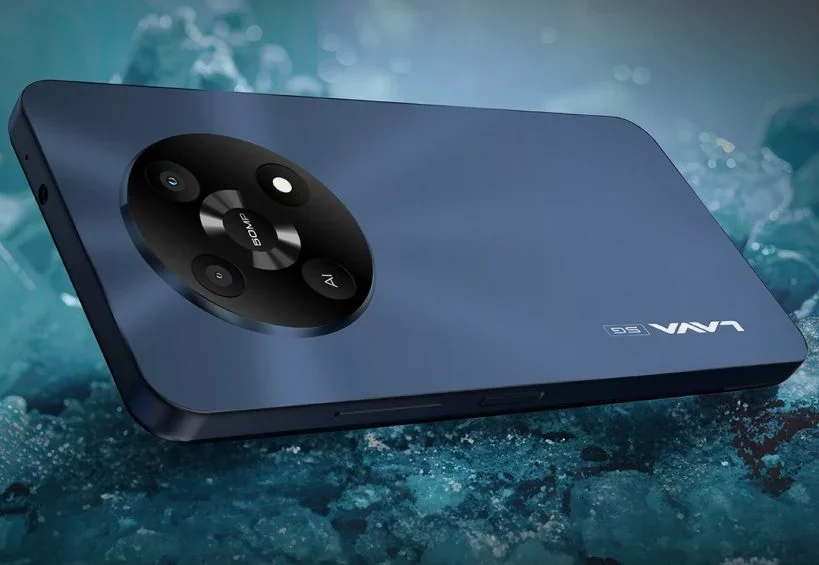
Lava Yuva 5G India launch: Budget 5G phone arrives with 90Hz display & big battery

Lava has officially launched a new budget smartphone in India. The new device is the Yuva 5G, which is an entry level model that offers 5G connectivity. At an affordable price tag, it still offers a smooth display, a bigger battery, and more. So here’s everything you need to know.

Lava Yuva 5G Specs

Despite being an entry-level phone, the Lava Yuva 5G arrives with a glass back design with a matte finish. It sports a 6.52-inch LCD panel that offers HD+ resolution, 90Hz refresh rate, and 2.5D curved glass. Under the hood, the device is equipped with UNISOC T750 SoC, which is paired with 4GB of RAM and up to 128GB of internal storage. Users can expand the RAM via virtual RAM and storage with a microSD card slot.

Lava Yuva 5G

The device is powered by a large 5,000mAh battery pack that supports 18W wired fast charging via a USB Type-C port. For optics, you get a 50-megapixel primary and 2-megapixel secondary sensor on the rear and an 8-megapixel selfie shooter on the front. Other notable features include stock Android 13 OS, a 3.5mm headphone jack, Bluetooth 5.0, Dual SIM support, and face unlock.

Pricing and Availability

The Lava Yuva 5G launched in India with a starting price tag of 9,499 INR for the 4GB + 64GB variant. The 128GB option costs 9,999 INR. It is listed exclusively on Amazon, Lava’s official online store, and its retail network. You can get the smartphone in two color options Mystic Green and Mystic Blue. The first sale is set to kick off on 5th June 2024.

RELATED: