Alongside new foldables, a smartphone, and a smartwatch, Xiaomi also launched the Buds 5 TWS earphones. These are not to be confused with the Redmi Buds 5 that are available in the international markets. The Xiaomi Buds 5 arrive as the successor to the Buds 4 that debuted way back in 2022. Read on to know what they offer out of the box.
Xiaomi Buds 5 specifications
The Xiaomi Buds 5 features a dual-tone design with a glossy finish stem and the earbuds part with a matte texture. They give a premium look and feel. The TWS earphones are lightweight measuring just 4.2 grams. They are designed in such a way to fit the curve of the human ear comfortably. The audio device is IP54-certified dust and water-resistant. There Buds 5 come with smart controls for performing various functions. They can also generate content summaries with one click.
In the audio department, the Xiaomi Buds 5 are equipped with 11mm drivers. There is active noise cancellation for filtering out surrounding noise and three inbuilt mics in each earbud with AI noise cancellation delivers crystal clear quality on calls. The TWS earphones feature Qualcomm aptX Lossless that delivers audio in original quality without any compression. Xiaomi has also teamed up with Harman’s Golden Ear Team for a customized and various sound effects. The audio device also offers spatial sound experience and supports Dolby Atmos through a compatible connected Xiaomi phone.
The Xiaomi Buds 5 is powered by a 480mAh battery with each earbud backed by a 35mAh cell. It is claimed to offer 6.5 hours of usage with the battery extending to 39 hours. The TWS earphones can be paired quickly when the storage case is opened. It can connect to two devices simultaneously.
The Xiaomi Buds 5 carry a price tag of CNY 699 (~$). They can be availed in Moon Shadow Black, Snow Mountain, White, and Titanium Gold colors.
Earlier this year, Noise announced the ColorFit Pulse 4 smartwatch in India. Now, the homegrown brand has launched a new variant of the device. It is dubbed the Noise ColorFit Pulse 4 Max. The latest offering packs slightly enhanced features. The wearable device is touted to be the first in India to come with AI features onboard. Read on to know what it offers out of the box.
Noise ColorFit Pulse 4 Max specifications
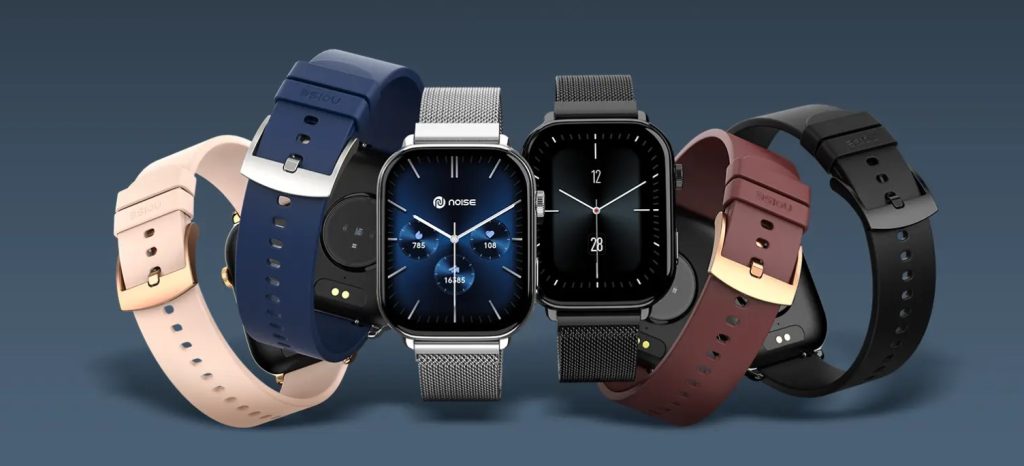
The Noise ColoFit Pulse 4 Max has a design similar to Apple Watch. It features a square dial with a rotating crown on the top right side and a physical button below. The smartwatch has a 1.96-inch AMOLED display with AOD mode. It comes with customizable watch faces along with AI Create feature that allows users to create AI-generated watch faces right on the device.
The Noise ColorFit Pulse 4 Max is equipped with the usual heart-rate monitor, SpO2 sensor, sleep, and stress tracker. It is also capable of monitoring the menstrual cycle for women. There is a breathing practice reminder. The wearable device packs support for tracking more than 100 sports modes.
Another USP of the Noise ColorFit Pulse 4 Max is that it comes with AI Search. Users can directly ask questions by bringing the device closer to their wrists. The smartwatch can store up to 5 QR codes for easy accessibility. The wearable device is equipped with a built-in microphone and speaker for Bluetooth calling. It also packs other convenient features like a notification display, weather updates, a calculator, and more. The ColorFit Pulse 4 Max is said to offer up to 7 days of battery life.
The Noise ColorFit Pulse 4 Max can be availed in Jet Black, Deep Wine, Rose Gold, Space Blue, Black Link, and Calm Silver Link colors. It is priced at Rs 2,499 and will be available for purchase starting tomorrow from Amazon and Flipkart.
Xiaomi has finally announced the highly anticipated Redmi K70 Ultra. This is the latest flagship phone from its budget sub-brand and offers top notch specs and features. The Redmi K70 Ultra Champion Edition was unveiled yesterday, and now, the base model has gone official as well.
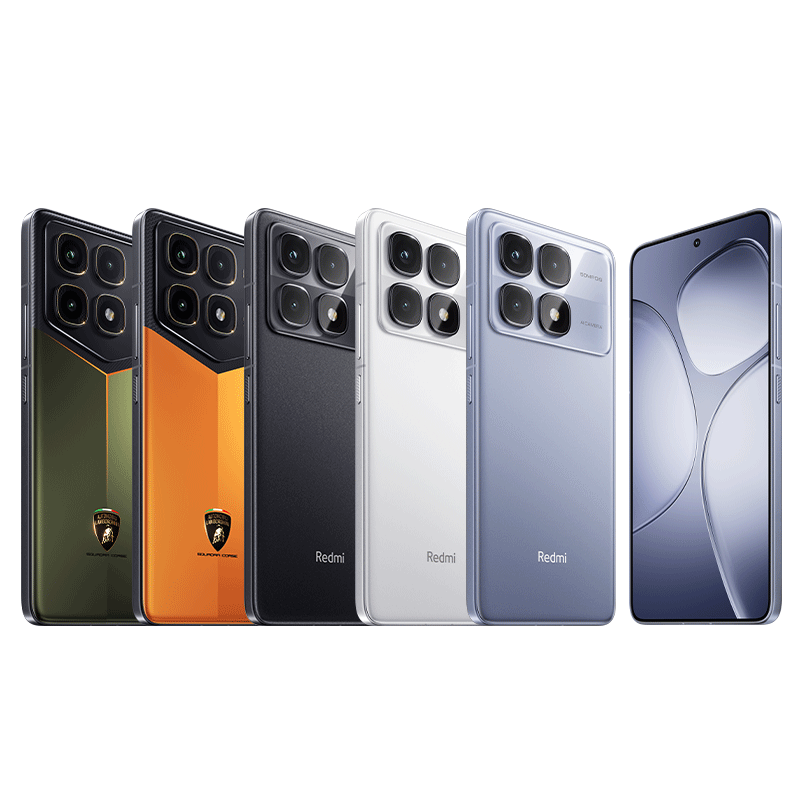
The Chinese tech giant has unveiled the Redmi K70 Ultra with high end specs and a premium design. The rear features a flat glass panel with curved edges. It has a large camera island that houses the three image sensors and an LED flash module. Adding to its premium feel, you get a metallic frame on the sides. Redmi boasts an IP68 rating on the K70 Ultra for water and dust resistance. In terms of dimensions, the device measures 160.38 x 75.14 x 8.39mm and weighs 211 grams.
Meanwhile, the front sports a tall 6.67-inch OLED display (co-developed with TCL) that offers 1.5K resolution, HDR10+, Dolby Vision, a 144Hz refresh rate, 480Hz touch sampling rate, and 4000 nits of peak brightness. Redmi K70 Ultra’s screen is a flat panel with a center aligned punch hole cutout for the selfie camera. Xiaomi promises industry leading eye protection in low light scenarios thanks to 3840Hz PWM dimming.
2. Specifications
Under the hood, the Redmi K70 Ultra is equipped with MediaTek’s flagship Dimesnity 9300+ chipset, which is based on the 4nm process. Xiaomi has paired this chip with its proprietary Pengpai T1 signal enhancement chip. This promises to deliver a 12% boost in WiFi performance, a 20% improvement in GPS performance, and a significant 58% increase in 5G WiFi signal strength.
The K70 Ultra packs a Surge P2 chipset for fast charging, G1 for power management, and a D1 chip that serves as an independent display processor. A massive 5,500mAh battery pack powers this device, which supports 120W wired fast charging. There are multiple storage configurations for the Redmi K70 Ultra like 12GB + 256GB, 16GB + 256GB, 16GB + 512GB, and 16GB + 1TB variants.
For optics, there are three image sensors on the rear and a selfie camera on the front. You get a 50-megapixel Sony IMX906 primary sensor, which is paired with an 8-megapixel ultra wide angle lens, and a 2-megapixel macro shooter. Meanwhile, the front packs a 20-megapixel sensor for selfies and video calls. Other notable features include dual stereo speakers, an in-display fingerprint scanner, Dual SIM support, NFC, and Android OS based HyperOS custom skin.
3. Pricing
Xiaomi has launched the Redmi K70 Ultra in multiple color options, namely Ink Feather Black, Clear Snow White, and Ice Blue. It is also listed in multiple storage configurations, so here’s the pricing:
12GB + 256GB – 2,599 Yuan (roughly 358 US Dollars)
12GB + 512GB – 2,899 Yuan (roughly 399 US Dollars)
16GB + 512GB – 3,199 Yuan (roughly 440 US Dollars)
16GB + 1TB – 3,599 Yuan (roughly 495 US Dollars)
There is also a 24GB + 1TB variant that costs 3,999 Yuan (roughly 550 US Dollars), but it’s for the Redmi K70 Ultra Champion Edition. This is a special edition that was designed in collaboration with luxury car maker Lamborghini.
Xiaomi held a mega event today in China where it unveiled a host of new products including smartphones and wearables. The brand has finally entered the clamshell flip folding phone segment with the Xiaomi MIX Flip. It goes up against the likes of the Samsung Galaxy Z Flip 6, Vivo X Flip, OPPO Find N3 Flip, and more in the home market.
Xiaomi Mix Flip specs
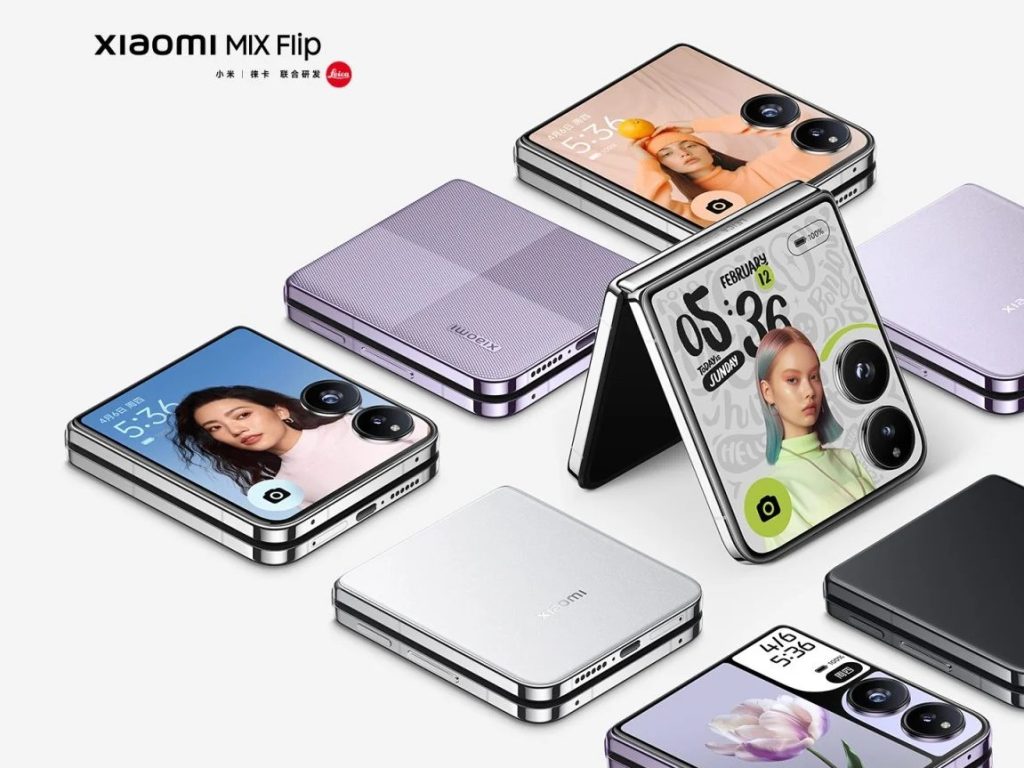
Beginning with the key USP, the Xiaomi MIX Flip features a large 4.01-inch display which is the largest in the segment. It is surrounded by symmetrical bezels and all sides and the screen offers a 120Hz refresh rate, a 1.5K resolution and 3,000 nits peak brightness. Xiaomi has layered its Dragon Crystal Glass on the top for protection against damage.
The secondary cover screen also has a dedicated earpiece and a microphone above the top bezel allowing users to make calls without opening the device. It supports a full-sized keyboard along with smart partitions, full-screen photography, and other intelligent features making it both functional and aesthetically pleasing.
The Xiaomi MIX Flip’s main internal screen measures 6.86 inches and has the same resolution, refresh rate, and peak brightness as the secondary display. The device has a side-mounted fingerprint scanner embedded in the power button. It is lightweight tipping the scales at 192 grams and measuring 15.99mm thick when folded.
On the optics front, the MIX Flip has a Leica-branded dual rear camera setup on the back comprising of a 50MP main OIS sensor and a 50MP floating telephoto unit with 2x zoom. The internal screen has a 32MP selfie snapper housed inside a punch-hole cutout. The device packs Master Portrait mode along with the ability to shoot across four focal lengths.
Under the hood, the Xiaomi MIX Flip is equipped with a Snapdragon 8 Gen 3 SoC. It packs up to 16GB LPDDR5 RAM and 1TB UFS 4.0 storage. There is a 3D vapor cooling chamber for heat dissipation. The flip phone draws its power from a 4,780mAh battery unit with support for 67W fast charging. Software-wise, the device ships with HyperOS-based Android 14 out of the box.
The Xiaomi MIX Flip comes in White, Purple, and Black colors. The clamshell foldable starts at CNY 5,999 (~$825) for the 12GB + 256GB model whereas the 12GB + 512GB costs CNY 6,499 (~$894). The 16GB + 1TB option carries a price tag of CNY 7,299 (~$1,004). The foldable phone will be available starting July 23.
Xiaomi unveiled two new foldable phones today – one of which is the brand’s first-ever clamshell flip phone. The other is the fourth-generation horizontal book-style folding phone. The Xiaomi MIX Fold 4 comes as the successor to the last year’s Fold 3. It rivals the recently launched Galaxy Z Fold 6 and Honor Magic V3 in the market. The latest offering packs some notable upgrades compared to its predecessor. Read on to know what it offers out of the box.
Xiaomi MIX Fold 4 specs
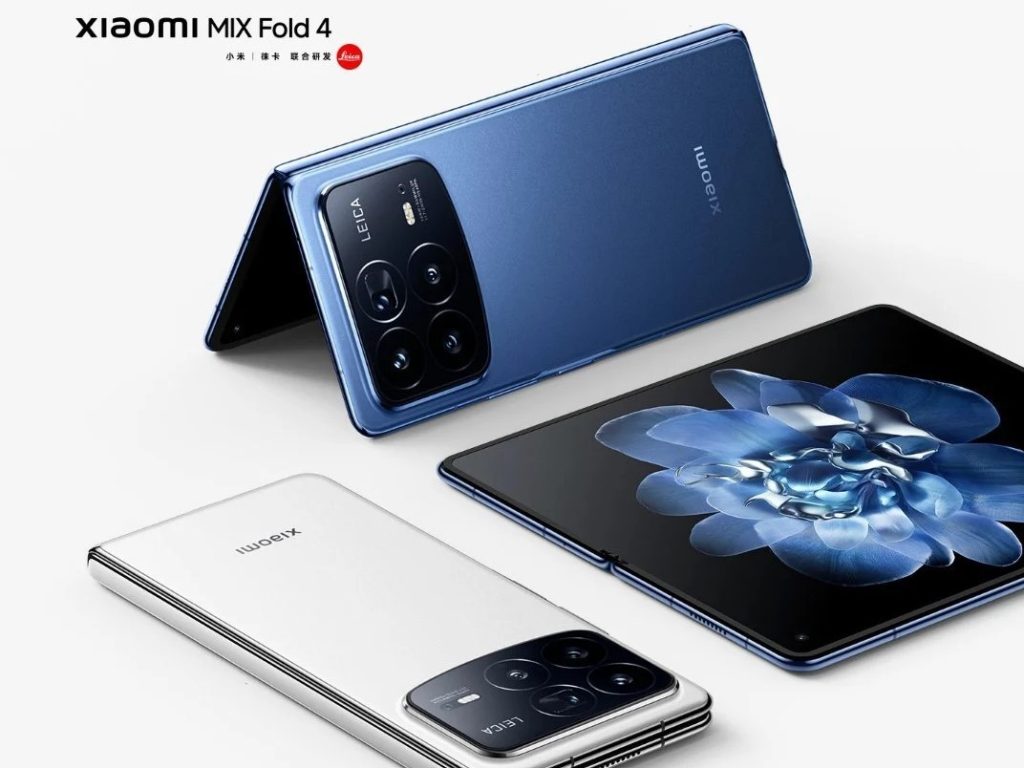
Xiaomi has tweaked the design of the rectangular rear camera module on the MIX Fold 4 slightly. It is bigger than its predecessor and the bottom edge is now curved. The power button doubles up as a fingerprint scanner manufactured by Godix. The foldable phone boasts the company’s Dragon Bone Engine 2.0 which is said to improve reliability and maintaining thinness. There is a T800H high-strength carbon fibre architecture for reduced weight. The hinge is claimed to have a lifespan of 500,000 folds. Dimensions-wise, the device measures 9.47mm thick when folded and 4.59mm when unfolded making it closer to the Honor Magic V3’s values. The foldable phone tips the scales at 226 grams. It is also IPX8-certified water resistant.
The Xiaomi MIX Fold 4’s external main display measures 6.56 inches with quad-curved edges. Meanwhile, the internal display is 7.98 inches with a resolution of 2,488 x 2,224 pixels. Both screens feature an OLED panel, a 120Hz refresh rate, 3,000 nits peak brightness, HDR10+, HDR Vivid, and Dolby Vision for an immersive viewing experience. The inner screen has an ultra-thin glass with an under-display camera.
In the photography department, the Xiaomi MIX Fold 4 sports Leica-branded quad rear cameras. The setup comprises a 50MP main sensor, a 12MP ultra-wide-angle lens, a 50MP portrait telephoto unit with 2x zoom, and finally a 50MP periscope snapper with 5x zoom. The foldable phone comes with various Leica features like filters, photography styles, and more.
On the hardware front, the Xiaomi MIX Fold 4 is powered by Snapdragon 8 Gen 3 coupled with up to 16GB RAM and 1TB storage. The foldable phone is backed by a 5,100mAh battery cell that can be topped up via 67W wired and 50W wireless charging. There is a ultra-thin VC system onboard for heat dissipation. Software-wise, the device ships with HyperOS. There are various AI features onboard. The foldable phone comes with two-way satellite connectivity that lets you receive and send texts when cellular network is unavailable.
The Xiaomi MIX Fold 4 starts at CNY 8,999 (~$1,237) for the base 12GB + 256GB variant. The 16GB + 512GB and 16GB + 1TB configurations are priced at CNY 9,999 (~$1,375) and CNY 10,999 (~$1,513). The foldable phone is offered in Black, White, and Blue colors.
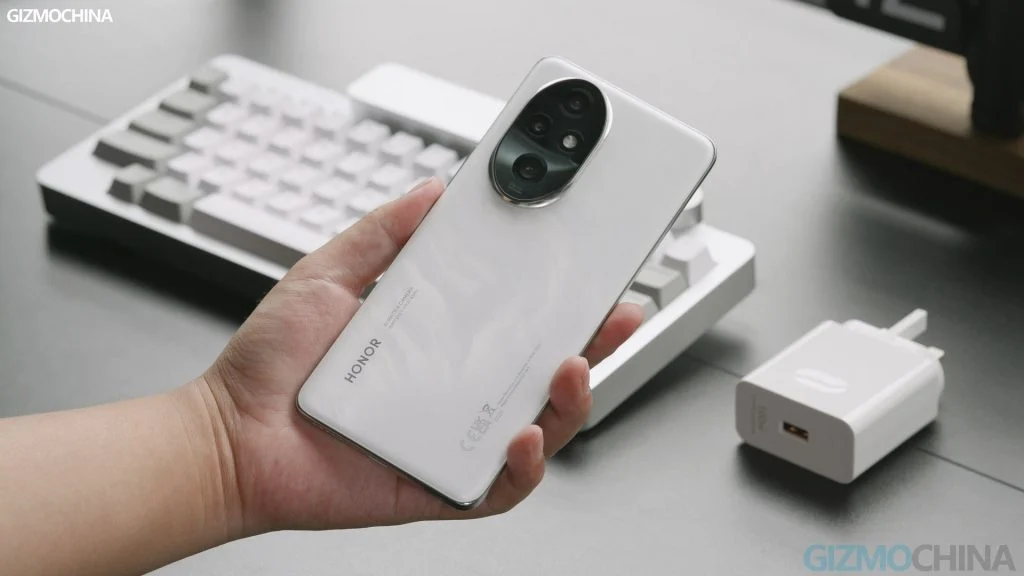
The Honor 200 just launched in India as HTech’s latest mid range smartphone. Looking at the price it released, it competes with a bunch of other phones like the recently announced Oppo Reno 12 Pro. So which one is better? Here’s a quick comparison based on their specs and features.
One of the biggest difference between the two devices are the processors that the Chinese brands equipped on their respective offerings. The Honor 200 launched with the Qualcomm Snapdragon 7 Gen 3 SoC, which is paired with up to 12GB of RAM and 512GB of internal storage.
On the other hand, the Reno 12 Pro packs the MediaTek Dimensity 7300 Energy that comes with up to 12GB of RAM and 512GB of internal storage as well. The two chips offer similar performance, so you won’t notice much of a difference in everyday use. However, the Snapdragon 7 Gen 3 is better for mobile gaming.
2. Honor 200 with a bigger battery, Charges faster too
The highly anticipated Reno 12 Pro is a part of Oppo’s popular Reno series. It packs a respectable 5,000mAh battery pack that supports 80W wired fast charging. The company promises to charge the device to 47 percent in just 18 minutes.
Meanwhile, HTech released the Honor 200 with a slightly larger 5,200mAh cell. This model supports faster 100W wired fast charging and 5W reverse wired charging support as well. The faster charging rate let’s you hit 57 percent charge in just 15 minutes.
3. Competitive Cameras & Displays
Both smartphones feature a triple camera setup on the rear. The primary sensor is a 50-megapixel sensor and a 50-megapixel telephoto shooter on the duo. Although, the Honor 200 offers 2.5x optical zoom compared to the Reno 12 Pro’s 2x optical zoom. The third and final camera is the ultra wide angle lens, which has a 12-megapixel resolution on the Honor phone and an 8-megapixel resolution of the Oppo device. For selfies and video calls, these phones have a 50-megapixel shooter.
These similar specs are also reflected on the front as well. The two mid range smartphones 6.7-inch OLED display that offers a 120Hz refresh rate, FHD+ resolution, and HDR support. Honor’s handset offers a 4,000 nits of peak brightness, which is much higher than the 1200 nits on the Reno 12 Pro. Oppo does have an edge in endurance thanks to the Corning Gorilla Glass Victus 2. It is also rated with IP65 for water and dust resistance.
4. Pricing
The Honor 200 was just released in India for a starting price tag of 34,999 INR for the 8GB + 256GB option. But for 32,999 INR, the Oppo Reno 12 Pro is more affordable for an identical starting storage configuration. However, the pricing for both models seem reasonable for the specs and features that are offered.
Oppo’s Reno 12 Pro offers capable specs and features, but one of its highlighting aspects is undoubtedly the use of AI powered software features like the AI Eraser 2.0, AI Clear Face, and more. The Honor 200 has an edge on the hardware front. You get better gaming performance, bigger battery, and more. So depending on how you use the device, you won’t go wrong with either of these phones.
Huawei, the Chinese tech giant, has reportedly filed a patent infringement lawsuit against MediaTek, a major chipmaker, in a local court in China. The lawsuit claims that MediaTek’s technologies violate Huawei’s patents related to network communication, including 5G, 4G, and potentially 3G.
MediaTek confirmed the lawsuit in a statement this morning, acknowledging that Huawei has accused them of patent infringement. However, the company downplayed the impact, stating it’s currently undergoing the judicial process and refrained from further comment.
MediaTek is a leading chip manufacturer that supplies components to major smartphone and tablet makers, including Samsung, Amazon, Oppo, Sony, Vivo, and Xiaomi. It was also a key supplier for Huawei’s smartphone division before the stricter US export controls in 2020.
According to sources familiar with the case, the lawsuit against MediaTek is primarily driven by Huawei’s desire to secure licensing fees to support ongoing research and development (R&D) efforts. These lawsuits also helps Huawei to diversify its revenue streams, especially after US sanctions severely impacted its once-dominant smartphone business.
Huawei holds a substantial portfolio of standard-essential patents (SEPs) essential for wireless communication technologies, including about 20% of the world’s 5G-related patents.
Since 2021, following the tightening of US restrictions, Huawei has ramped up its patent licensing efforts. The company has secured licensing and cross-licensing agreements with major European automakers like Volkswagen, Mercedes-Benz, Audi, BMW, and Porsche.
It also signed 5G technology agreements with Oppo and Samsung in 2023. Last year, Huawei sought licensing fees from several Japanese companies, alleging that their technologies infringed on its patents.
As of 2022, Huawei reported $560 million in revenue from patent royalties, with approximately 200 companies holding licensing agreements with the tech giant, according to Nikkei Asia. With this lawsuit against MediaTek, Huawei appears determined to bolster its revenue streams through aggressive patent enforcement and licensing efforts.
A report earlier this week revealed that Samsung is planning a major UI revamp for One UI 7. More details about this update have started to surface, and opinions may vary on whether it’s a positive or negative change.
According to a leak from @chunvn8888 on X (formerly Twitter), One UI 7 will feature a significant visual refresh inspired by Apple’s upcoming iOS 18.
The most notable change is the icons, which will be rounded with a subtle 3D effect, similar to those in macOS or VisionOS. Additionally, users will be able to customize the quick actions on the lock screen. While some customization is already possible, One UI 7 may allow a broader selection of apps to be accessible from the lock screen.
A significant functional change could be made to the notification panel if the leaks are to be believed. It suggests that One UI 7 will have a split notification panel: swiping down from the top right corner would bring up quick toggles while swiping down from the top left would reveal notifications.
The leak also mentions a redesigned camera app with a simplified menu system. The controls will reportedly be relocated to the bottom of the interface for easier access to frequently used settings.
While borrowing UI elements isn’t uncommon in the mobile world, Samsung’s adoption of iOS-inspired features might trigger some user pushback. The initial outcry may be inevitable, but history suggests such tensions usually subside as users begin adjusting to the change.
However, the details surrounding One UI 7 are still speculative. We should get more detail about it as Android 15 matures and Samsung finalizes its UI vision. The official beta for One UI 7 is expected in September, with a more in-depth showcase at the Samsung Developer Conference in October.
Motorola is gearing up to unveil the Edge 50 Neo soon. This model is expected to launch soon, but prior to any official announcement, the design and specs of the Edge 50 Neo have been revealed in a fresh report. We now have an idea regarding its hardware as well as its color options.
Motorola Edge 50 Neo Specs & Design
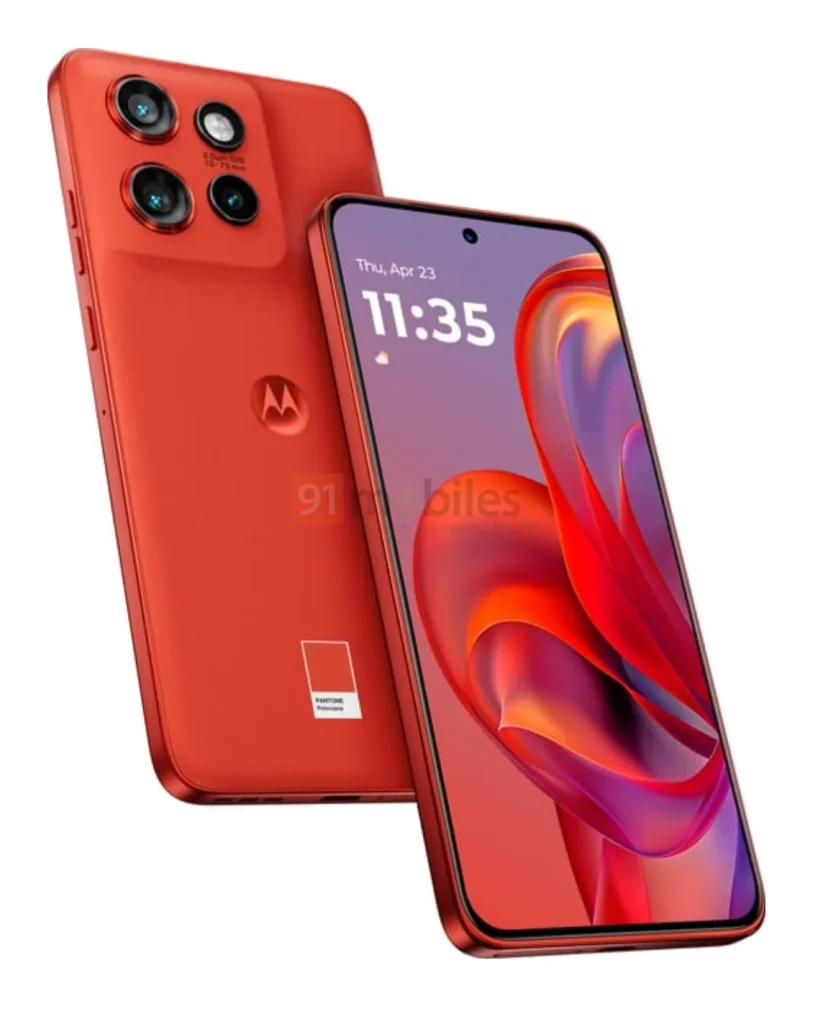
Known tipster Paras Guglani shared the information with 91Mobiles. The report claims that the Motorola Edge 50 Neo will sport a 6.4-inch pOLED display that offers a 120Hz refresh rate. Its screen likely features Full HD+ resolution as well. Under the hood, the smartphone is equipped with the MediaTek Dimensity 7300 SoC. For optics, the Edge 50 Neo is rumored to pack a 50-megapixel primary camera at the rear, which could be paired with 13-megapixel and 10-megapixel sensors.
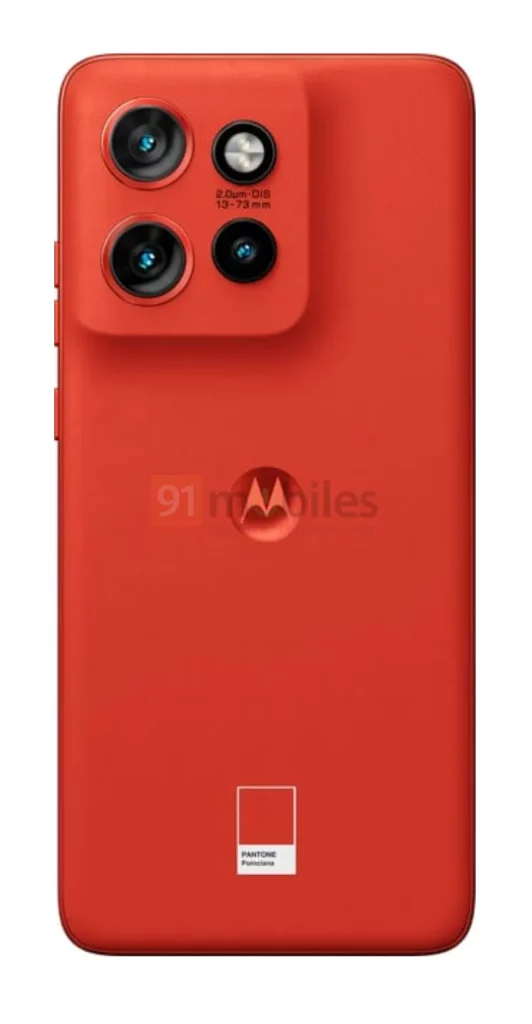
On the front, there is a 32-megapixel shooter for selfies and video calls. A 4,310mAh battery pack powers this device, which should offer fast charging support. This model will run on the Android 14 OS out of the box and feature 256GB of internal storage. The Edge 50 Neo is expected to feature an IP68 rating for water and dust resistance. Motorola’s upcoming smartphone measures just 8.1mm in thickness and weighs 171 grams. The report also shared images of the Edge 50 Neo, which carries a familiar design and is in the Poinciana color option.
The device could offer a vegan leather finish on the back, but that is still unclear. Although, we can see a Pantone label on the rear. Motorola released the Edge 40 Neo back in September 2023, so we can expect a similar launch timeline for its successor. Unfortunately, finer details like the pricing and availability are still unknown at the moment, so stick around for more updates.
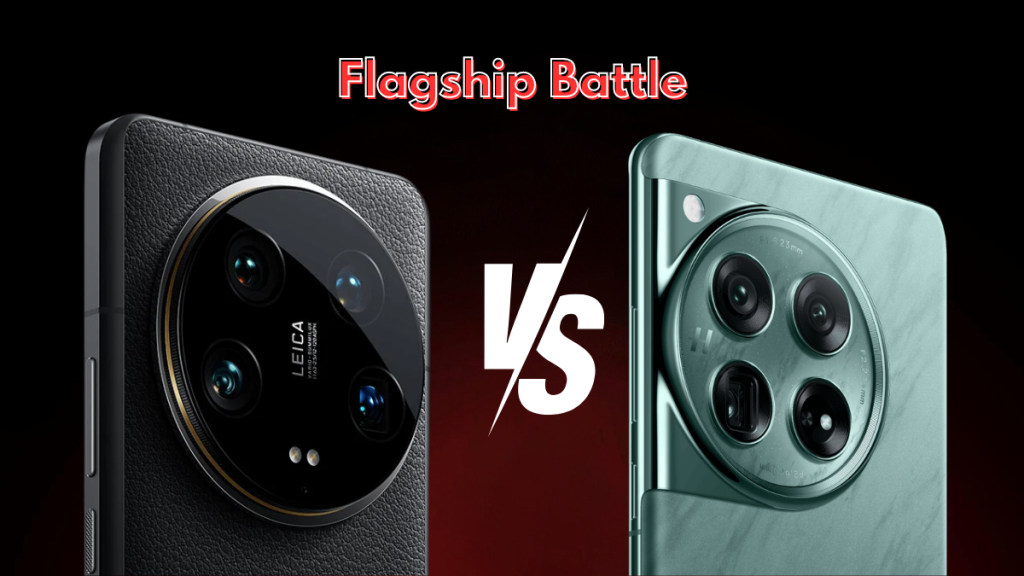
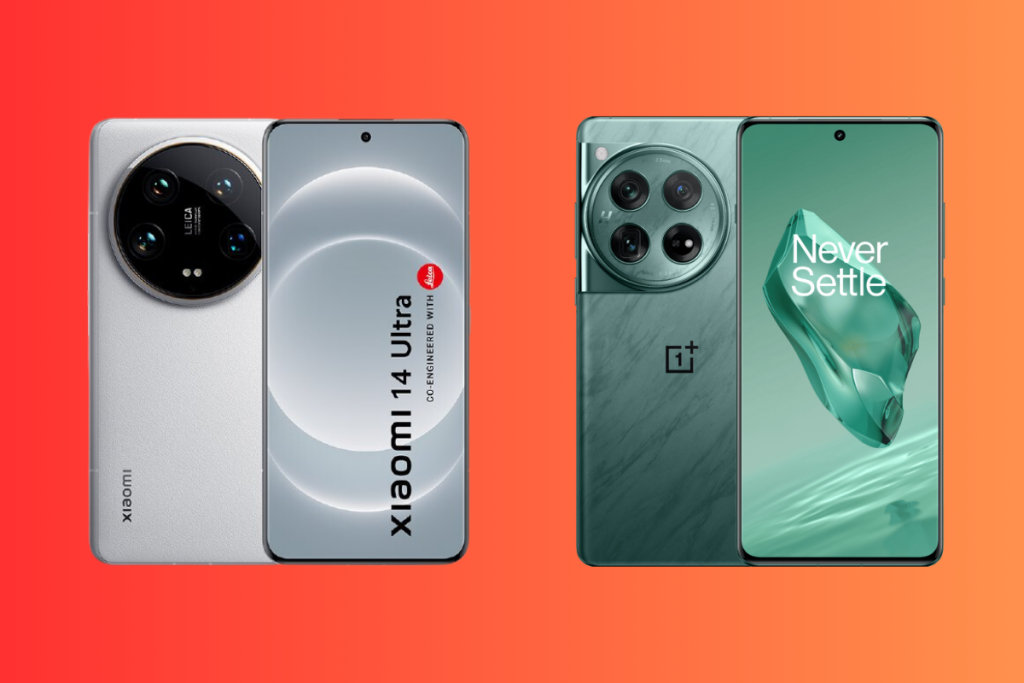
Xiaomi 14 Ultra and OnePlus 12 are the latest flagship phones from their respective brands. Both devices have a powerful Snapdragon chip, LTPO AMOLED panel, and impressive cameras. However, some critical differences set them apart.
In this post, we’ll compare the Xiaomi 14 Ultra with the OnePlus 12 to find out how they stack up against each other and which one offers more value for your bucks.
Both smartphones look and feel premium as they are well crafted for premium finish and high durability. However, the Xiaomi 14 Ultra has a nano-tech vegan leather finish on the back for better durability and protection against dust and scratches.
Both have nearly the same weight and dimensions. However, the Xiaomi 14 Ultra can better protect itself from water and dust because of the IP68 rating, whereas the OnePlus 12 is IP65 certified.
Xiaomi 14 Ultra vs OnePlus 12: Performance
Xiaomi 14 Ultra is powered by the Snapdragon 8 Gen 3 chip, which also powers the OnePlus 12. This doesn’t mean both smartphones have the same performance, at least what the benchmarking platforms tell.
On Geekbench 6, the Xiaomi 14 scored 2,145 in the single-core test and 6,523 in the multi-core test. The OnePlus 12, on the other hand, has managed to pull off 2,106 and 6,468 points in the single-core and multi-core tests, respectively.
The AnTuTu 10 benchmark also gives higher CPU, GPU, and memory scores to the Xiaomi 14 Ultra than the OnePlus 12.
Despite using the same chip, the smartphones have different results on benchmarking platforms because of software optimizations and heat management, among many other factors. However, the differences in scores are not significant, and so should be the real-life performance.
Xiaomi 14 Ultra vs OnePlus 12: Display
Both devices have a flat LTPO AMOLED screen that supports 1-120Hz variable refresh rate, HDR10+, and Dolby Vision. The differences that set them apart are a bigger display, higher peak brightness, and Gorilla Glass Victus 2 protection on the OnePlus 12.
The Xiaomi 14 Ultra has in-house Xiaomi Sheild Glass protection. And the device supports 68 times more colors than the OnePlus 12.
Xiaomi 14 Ultra vs OnePlus 12: Camera
The Xiaomi 14 Ultra has a massive camera module on the back that houses four sensors, all having 50MP resolution, each serving a different purpose.
The primary 50MP camera (Sony LYT-808) has f/1.63-f/4.0 variable aperture, 1-inch sensor size, and supports optical image stabilization (OIS). There’s also a 50MP (Sony IMX858) telephoto lens with f/1.8 aperture, 10cm macro, 3.2x optical zoom, and OIS support. The third 50MP sensor is a periscope lens with OIS, f/2.5 aperture, 30cm macro, and 5x optical zoom support. The last 50MP sensor is an ultrawide camera with f/1.8 aperture, 5cm macro, and 122° field of view (FOV).
Unlike the Xiaomi 14 Ultra, the OnePlus 12 has a total of three camera sensors in its rear camera setup, all with different resolutions. There’s a 50MP (Sony LYT-808) primary camera with OIS, f/1.6 aperture, 1/1.4-inch sensor size, and 85˚ FOV. The device also has a 64MP (OmniVision OV64B) periscope telephoto lens with OIS, f/2.6 aperture, ½-inch sensor size, and 3x optical zoom. Lastly, the OnePlus 12 has a 48MP (Sony IMX581) ultrawide sensor with f/2.2 aperture and 114˚ FOV.
Both smartphones can record up to 8K videos with their rear cameras, but the Xiaomi 14 Ultra supports higher fps. The same goes for the front camera, which supports higher fps video recording on the Xiaomi phone.
Xiaomi 14 Ultra vs OnePlus 12: Battery
The OnePlus 12 has a larger battery compared to the Xiaomi 14 Ultra. It also has faster charging support over a USB cable. However, the Xiaomi 14 Ultra wins at fast wireless charging, and it also supports reverse wireless charging, which the OnePlus 12 doesn’t.
The OnePlus 12 should offer more screen-on time and lesser time to refill the battery compared to Xiaomi 14 Ultra.
Xiaomi 14 Ultra vs OnePlus 12: Software
Both smartphones come with Android 14 out of the box, with a layer of custom skins (HyperOS for Xiaomi, OxygenOS for OnePlus) on top. They have been promised the same software support from their respective brands — 4 years of Android updates and 5 years of security updates.
Xiaomi 14 Ultra vs OnePlus 12: Connectivity
There’s not much to discuss on the connectivity front, as both devices have the same connectivity features. A minor difference is that the OnePlus 12 supports USB Type-C 3.2 Gen 1, whereas the Xiaomi 14 Ultra has USB Type-C 3.2 Gen 2. This means a faster data transfer speed on the Xiaomi phone over a USB connection.
Xiaomi 14 Ultra vs OnePlus 12: Which Is Better?
The Xiaomi 14 Ultra and OnePlus 12 are great flagship phones, but none of them is a perfect fit for everyone. Choosing one really boils down to your preference.
The OnePlus 12 offers a larger screen with a higher peak brightness. It also has a bigger battery with faster charging support. On the other hand, we have the Xiaomi 14 Ultra with an impressive camera setup, faster wireless charging, and support for reverse wireless charging. Also, it offers faster data transfer over USB. Now, make a list of your priorities and grab the one that ticks most boxes.
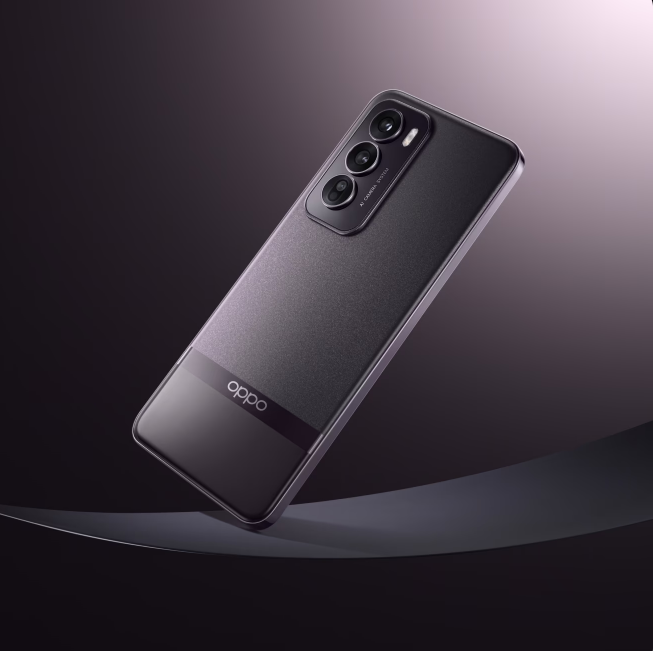
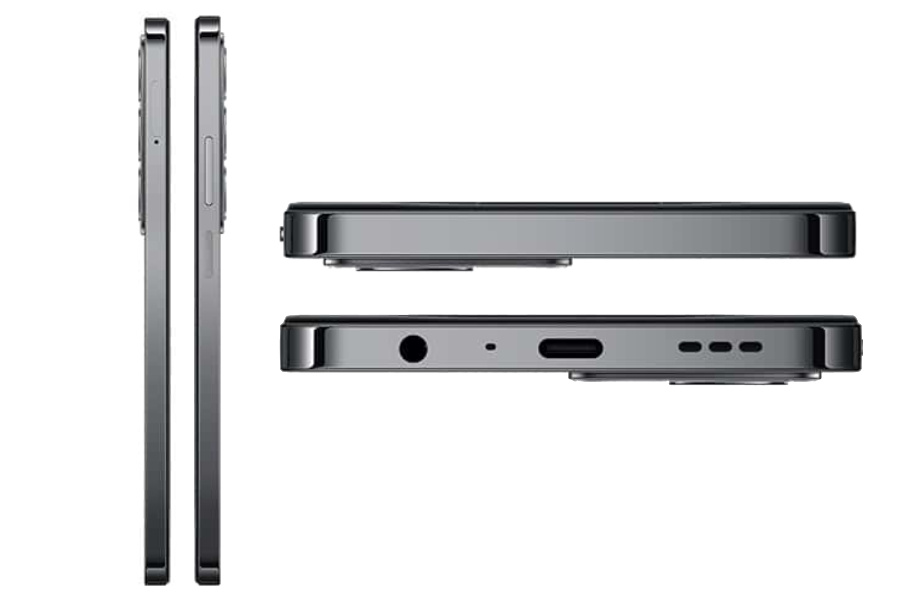
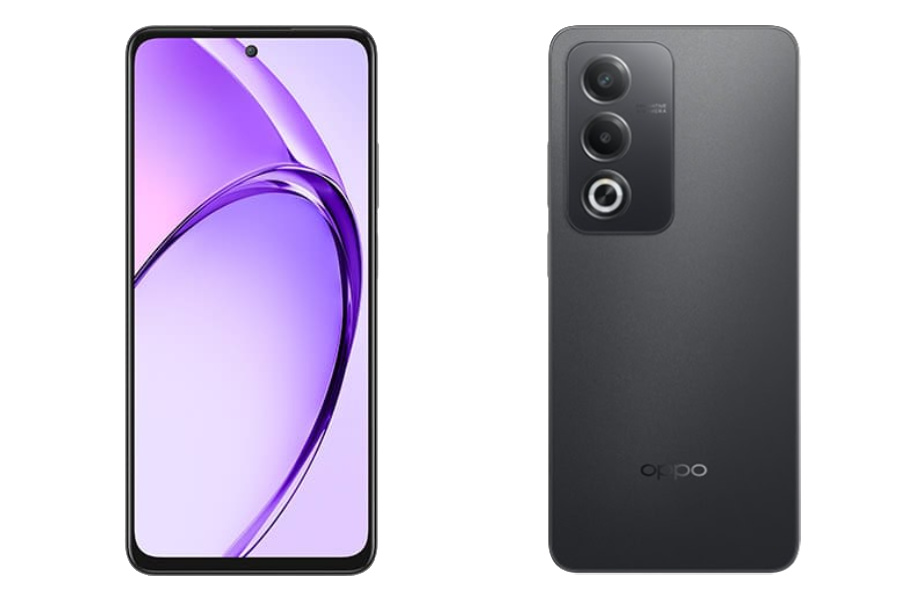
Oppo is set to expand its A-series smartphone lineup in China with the upcoming Oppo A3 Vitality Edition 5G. The device has been spotted on the China Telecom website revealing all of its key details. For the record, it carries the model number PKD110.
The phone features a rectangular camera module on the back, housing two lenses, and a ring LED light. According to the listing, it will be powered by a MediaTek Dimensity 6300 SoC and will run on Android 14 out of the box.
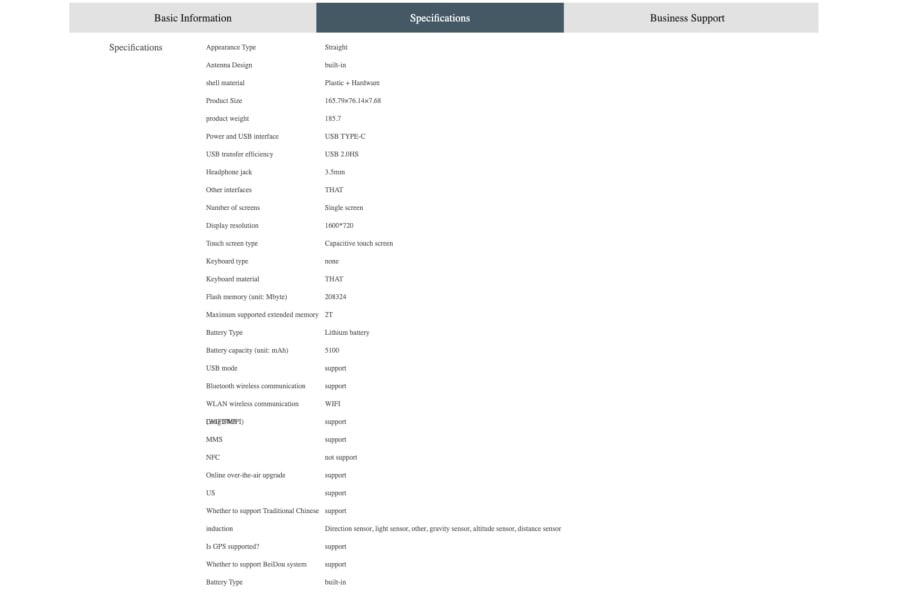
The Oppo A3 Vitality Edition 5G features a 6.67-inch display with a 1600 x 720 pixel resolution. It’s a decent screen size for entertainment and web scrolling, though users might miss the sharper visuals of Full HD panels. Its dimensions are 165.79 x 76.14 x 7.68 mm, and it weighs 185.7 grams.
The rear camera setup includes a 50MP main sensor and a 2MP secondary sensor, while the front-facing camera uses an 8MP sensor for selfies and video calls. The device is powered by a 5100 mAh battery and comes with standard connectivity options such as GPS, Bluetooth, and Wi-Fi.
Interestingly, from design to specs, the A3 Vitality Edition mimics the Oppo A3 Pro Indian variant launched last month. The company rebranded the Chinese A3 Pro as the F27 Pro+ for the Indian market, so it seems likely that the Indian A3 Pro is being rebranded as the Vitality Edition for China.
The China Telecom listing has also shed light on the pricing and availability details. It comes in a single RAM option of 12GB and offers two storage variants: 256GB and 512GB, both supporting expandable storage via microSD card up to 2TB.
Pricing starts at 1,999 Yuan (around $290) for the 256GB version, and 2,299 Yuan for the 512GB model. The device will be available in three color options: Black Sea of Fog, Green Bamboo Forest, and Purple Crescent Moon.
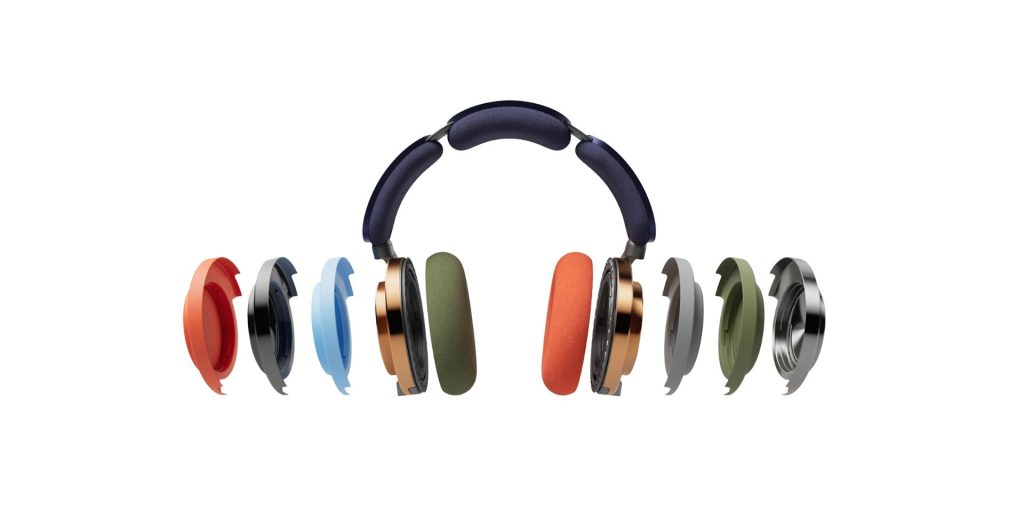
Dyson has just introduced a new headphone called the Dyson OnTrac, offering premium audio and claimed best-in-class noise cancellation.
Dyson OnTrac headphones specs & features:
OnTrac boasts an 8-microphone system with a custom Active Noise Cancellation (ANC) algorithm, eliminating up to 40dB of unwanted noise. This is paired with high-fidelity audio featuring a wide frequency range (6Hz to 21kHz) for clear highs and deep bass.
Comfort is a priority, with ultra-soft microfiber cushions, multi-pivot gimbal arms for a secure fit, and balanced weight distribution achieved through a uniquely positioned battery in the headband. Dyson even throws in some style with over 2,000 customizable color combinations for ear cups and caps. Choose from finishes like CNC aluminum, copper, nickel, or a ceramic-feel painted option.
Battery life is impressive, lasting up to 55 hours with ANC enabled, translating to two weeks of listening on a single charge. The MyDyson app lets you monitor sound levels, adjust EQ settings (Bass Boost, Neutral, Enhanced), and receive automatic software updates.
Additional features include:
Head Detect: Audio pauses when headphones are removed and resumes when replaced.
Intuitive Joystick: Play, pause, skip tracks, or activate voice commands.
Crystal-Clear Calls: Dual beam-forming microphones for clear voice capture.
Real-time soundtracking: Monitors in-ear and external volume, alerting you to potentially harmful levels via the MyDyson app.
The Dyson OnTrac headphones are available for $499.99, with additional ear cup and cap colors costing $49.99 each.
In related news, Beats by Dr. Dre has partnered with Minecraft to release special edition Solo 4 headphones for the game’s 15th anniversary. These headphones feature a Minecraft-themed design, including a customized storage case, and come with a redemption code for in-game items. They offer Bluetooth, USB-C, and 3.5mm connectivity, up to 50 hours of battery life, and personalized spatial audio.
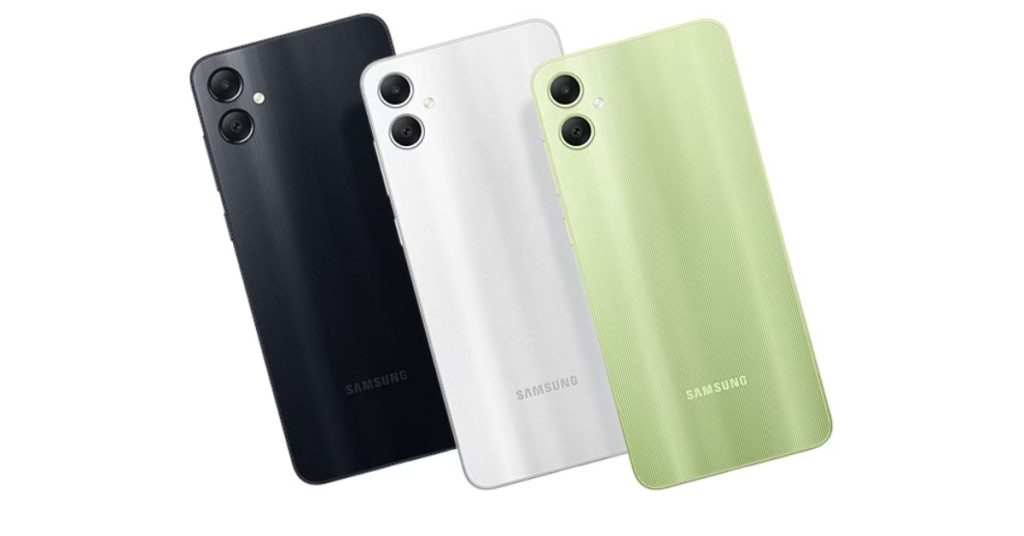
The budget-friendly Samsung Galaxy A06 has taken another step closer to launch, receiving certification from SIRIM, the Malaysian Standards and Industrial Research Institute. This follows its earlier appearances on the FCC and BIS databases, hinting at a global rollout soon.
Although the SIRIM certification doesn’t reveal specific details about the phone, it supports the existing leaks and rumors about the Galaxy A06’s imminent launch. We also know a few of its specifications, thanks to previous certifications.
The FCC certification confirmed the phone’s model number (SM-A065F/DS) and some key connectivity features. We can expect the Galaxy A06 to boast dual-band Wi-Fi (likely Wi-Fi 5 based on previous leaks) and Bluetooth connectivity. For network connectivity, it will support only 4G LTE, not 5G.
The phone was also spotted on Geekbench, revealing details about its processor. Galaxy A06 is likely to be powered by a MediaTek Helio G85 SoC, a chipset commonly found in budget and entry-level smartphones. It will be paired with at least 4GB of RAM and will run on Android 14 out of the box.
Looking at the leaked specifications, it’s evident that Samsung is aiming for the budget-conscious consumer with the Galaxy A06. The MediaTek Helio G85 SoC, combined with 4GB of RAM, suggests a focus on affordability rather than top-tier performance.
While the certifications and leaks shed light on a few of the core hardware, many of the phone’s details are still under wraps. We don’t yet know the phone’s design, camera configuration, battery capacity, or storage options. Additionally, a specific launch date and availability are yet to be revealed.
Hopefully, with the SIRIM certification now secured, Samsung will soon unveil the official details of the Galaxy A06. We’ll be keeping a close eye on further developments and will update you as soon as we learn more about this budget-oriented offering from Samsung.
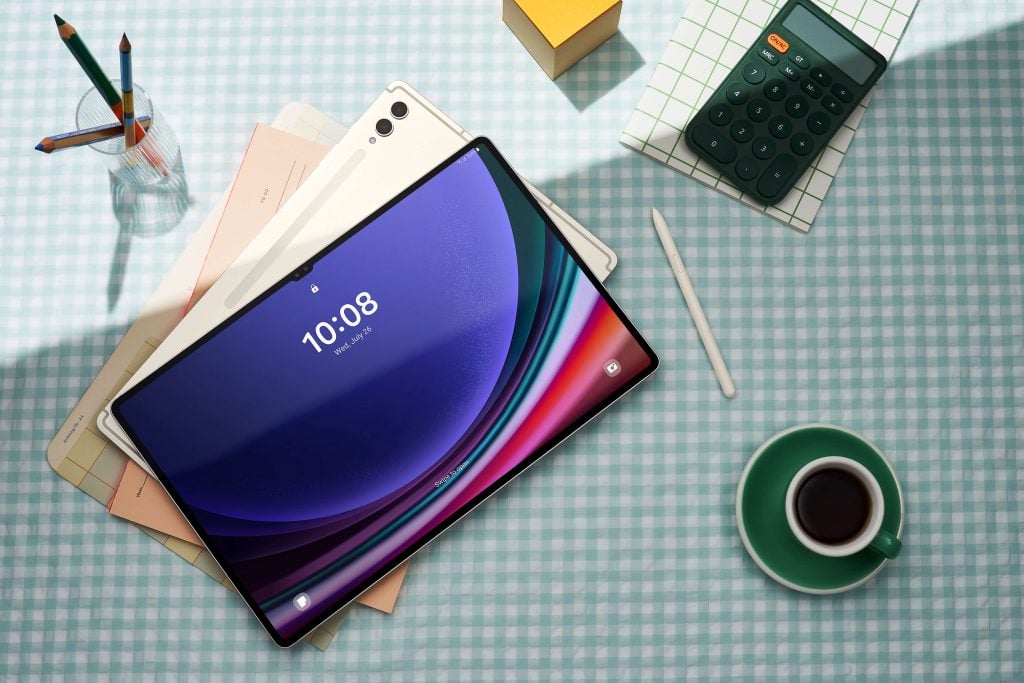
Just a few days ago, rumors hinted that some Galaxy Tab S10 models might feature MediaTek processors. Now, it appears that Samsung is taking a more decisive step, equipping all upcoming high-end tablets in the Tab S10 line with MediaTek 9300+ chips.
This news comes courtesy of reliable leakster Ice Universe, who claims all Galaxy Tab S10 variants will ditch Qualcomm’s Snapdragon processors. Initially, there was a rumor that a single model in the Tab S10 line may use the MediaTek Dimensity chip, but this is a complete strategy shift for Samsung. The launch of these tablets is reportedly set for October 2024.
It has been confirmed that the Galaxy Tab S10 series will all use the MediaTek Dimensity 9300+ chip.
The decision, if pans out, is likely driven by various factors. One major reason could be the rising cost of Qualcomm’s high-end processors in recent years. Switching to MediaTek could be a strategic cost-saving measure for Samsung that will allow them to set more competitive pricing for the Tab S10 series.
The US variant of the Galaxy Tab S10+ was also spotted in Geekbench’s database with the said Dimensity 9300+ processor. It’s MediaTek’s current flagship offering, built on a 4nm process, and boasts eight high-performance CPU cores alongside a powerful GPU.
Here are the technical specifications of the Dimensity 9300+:
Camera ISP: Supports up to 320MP sensors, 8K 30fps, or 4K 60fps video recording
Whether this complete switch to MediaTek proves beneficial for Samsung and its consumers remains to be seen. With the official launch still months away, it will be interesting to see how the Tab S10 series performs and positions itself within the competitive tablet market.
Oppo is reportedly working on the Find X8 series of smartphones. Reports suggest that the lineup may include three models, such as the Find X8, X8 Pro, and X8 Ultra. While the Ultra variant may break cover in January 2025, the X8 and X8 Pro are likely to go official in October or November of this year. Today, tipster Digital Chat Station leaked key details about what appears to be the Find X8 Pro flagship.
Oppo Find X8 Pro key details tipped (rumored)
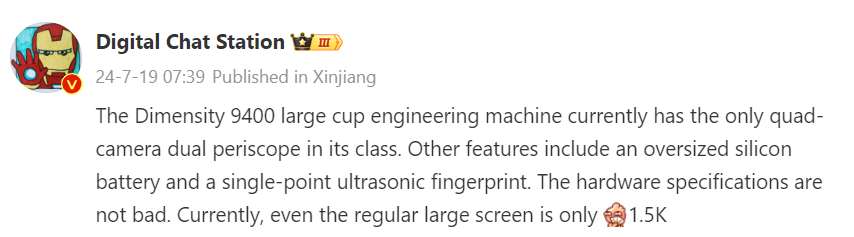
Speculations are rife that the Find X8 and X8 Pro may come equipped with the Dimensity 9400 chipset The Find X8 Ultra, on the other hand, may feature the Snapdragon 8 Gen 4 SoC. While the tipster did not mention the device’s name in the Weibo post, it appears he could be referring to the Find X8 Pro.
The leak suggests that, like the Find X8, the Pro variant, which will have a comparatively large display, will support a 1.5K resolution. As per a previous report, the X8 may feature a flat display, but the Pro variant may house a curved-edge screen.
The new leak also reveals the integration of a single-point ultrasonic in-screen fingerprint sensor into the X8 Pro’s screen. It will draw power from a large silicon battery.
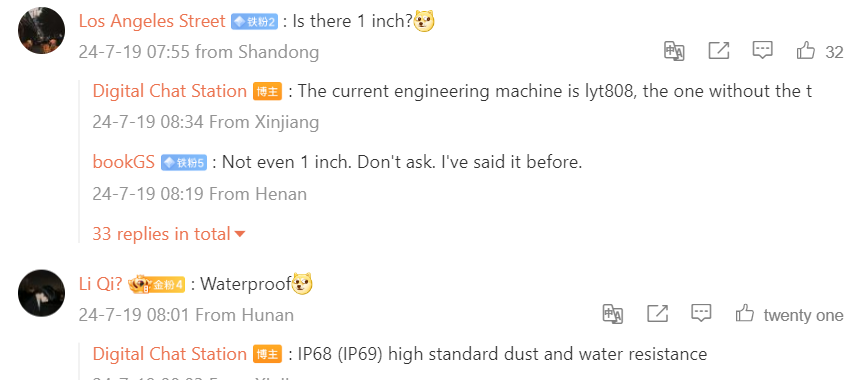
The Find X8 Pro will have a quad camera setup with two periscope telephoto cameras in the back. He also mentioned that the device’s current engineering prototype has a LYT-808 lens, which appears to be the primary camera. One of the periscope units is said to have the Sony IMX882 (LYT-600) camera sensor. He also added that the X8 Pro will offer IP68/69-rated dust and water resistance.
Google recently confirmed that it will hold a global launch event on August 13 to announce the Pixel 9 series and the Pixel Watch 3. This is unusual for the brand, as it has been launching Pixel phones in the first week of October in the past few years. Today, the Indian division of the brand confirmed that the Pixel 9 Pro and the Pixel 9 Pro Fold will be unveiled at 10:30pm IST on August 14 in India. Here’s a look at what to expect from both devices.
Google Pixel 9 Pro
Google Pixel 9 Pro
The official teaser of the Pixel 9 Pro showcases the raised, horizontal camera visor with rounded corners. It houses three cameras, an LDE flash, and a temperature sensor unit. While the brand has teased the Pixel 9 Pro in India, it is unclear whether the Pixel 9 and the rumored Pixel 9 Pro XL will also be released in the country.
Google Pixel 9 Pro Fold
Google Pixel 9 Pro Fold
The Google Pixel 9 Pro Fold will be the company’s second-generation foldable phone. As can be seen in the official teaser, its camera island is positioned at the upper-left corner. The camera module appears to house three cameras, an LED flash, and a microphone.
The teaser video for the Pixel 9 Pro Fold reveals its inner design. While the teaser doesn’t display an internal camera, leaks confirm its presence. Unlike the original Pixel Fold, which had its internal camera on the bezel, the Pixel 9 Pro Fold is expected to feature a screen cutout for the internal camera in the top-left corner.
Google has also confirmed the integration of Gemini AI into the upcoming Pixel phones. The Pixel foldable will be available in Porcelain and Obsidian color options. While Google India has teased only the Porcelain variant of the Pixel 9 Pro, it is likely that it will be available in more colors.
There are only a few hours left for the Amazon Prime Day 2024 sale in India. Hours before the official shopping extravaganza, some exciting deals are already live on Amazon India. Among several deals, the Sony WH-1000XM4 seems quite catchy at the moment, as it has been retailing at the lowest price of Rs 15,145. The price is inclusive of bank discounts.
Sony WH-1000XM4 Discount Details
ICICI Credit Card users can get a Rs 4300 discount on the EMI transaction. However, if you own any other Credit Card, then it can be yours with only a Rs 2000 additional discount. If you’re a premium sound lover, then the deal is not worth missing. Sony WH-1000XM4 ships with the same 1-year warranty, which will begin from the date of purchase.
Sony WH-1000XM4 ships with state-of-the-art music quality and offers 30 hours of playtime with a single full charge. However, you can enjoy music for 5 hours with just 10 minutes of charging.
Please Note: When you buy something using the links in our articles, we may earn a small commission at no cost to you.
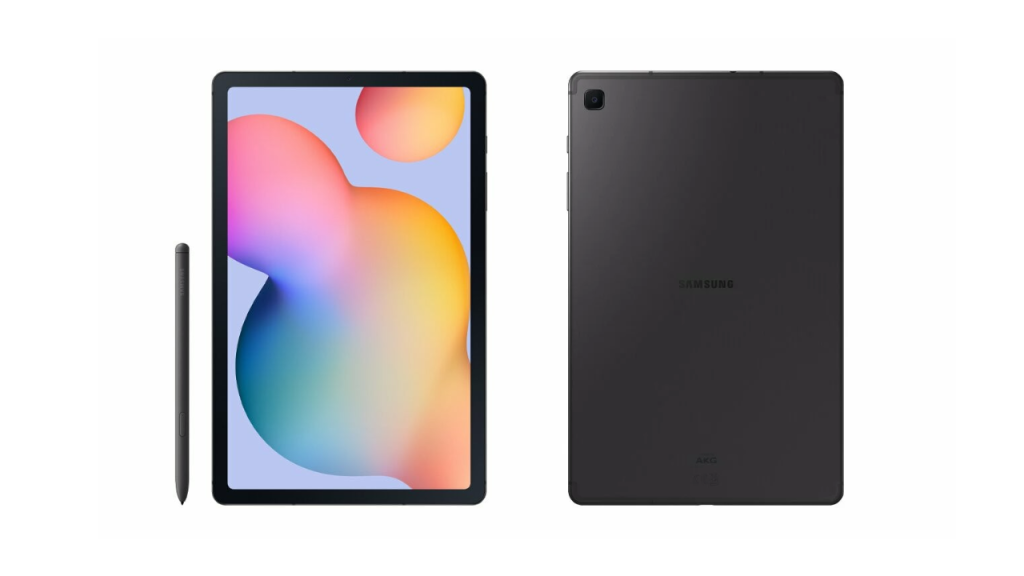
Samsung Galaxy Tab S6 Lite on sale for Rs 15,499
Samsung;’s popular affordable tablet is now available at a discounted price of Rs 15,499, with an additional cashback and discount on SBI Credit Cards. Here’s a Rs 500 cashback and a Rs 5000 instant discount via SBI Credit Card EMI reactions. The discount decreases to Rs 4750 if you make a full payment with a SBI credit card. The 10.4-inch tablet usually retails for Rs. 24,999.
Gamers looking for a new Xbox controller won’t have to wait much longer. Microsoft is releasing the Sky Cipher Special Edition controller in August 2024, with pre-orders starting on July 31st.
The Sky Cipher features a translucent blue design similar to the Forza Horizon 5 controller, a departure from the standard black option. While details are scarce, rumors suggest the controller won’t have the much-anticipated haptic feedback to rival the PS5’s DualSense. Pricing starts at €69.99 (around $69.99 USD), slightly more than the standard controller.
The announcement comes amidst the recent launch of the Fire TV Stick 4K & Xbox Controller gaming bundle. This bundle includes a Fire TV Stick 4K or 4K Max, an Xbox Controller, and a free month of Xbox Game Pass Ultimate. This allows you to play Xbox games on your Fire TV Stick without needing a bulky console. The bundles start at $68.90 for Prime members.
In related news, Xbox is hosting a sweepstakes to celebrate the upcoming movie “Deadpool & Wolverine.” Participants have the chance to win a limited-edition Deadpool wireless controller featuring a unique design with a butt on the back. To enter, follow Xbox on X (formerly Twitter) and repost their official announcement by August 11th, 2024. The grand prize includes the controller and a custom Deadpool-themed Xbox Series X console with foam replicas of Deadpool’s katanas.
First up today is how HMD is bringing sexy back with their Nokia Lumia-inspired Skyline smartphone. Remember those colorful, indestructible bricks we all loved? They’re back, but with a 2024 makeover that includes a focus on repairability. Could this be the phone that makes durability cool again?
But wait, there’s more! Honor is storming the Indian market with not one, but two new powerhouses. With flagship chips and beefy batteries, they’re not playing around.
And speaking of surprises, Nothing is cooking up something extra for us. A Phone 2a Plus? What could the “Plus” possibly mean? The suspense is killing us!
All the juicy details on these stories are in today’s roundup below.
After a flurry of leaks and rumors, HMD has finally introduced the Skyline smartphone. As expected, the device draws design inspiration from the Nokia Lumia’s Fabula design language and is the most powerful smartphone HMD has made so far. Let’s dive into its specifications, features, and price.
The Honor 200 series debuted in the global market last week (check out our review), and now, the smartphones are finally making their way to India. HTech is expanding its smartphone portfolio in the region with the new Honor 200 and Honor 200 Pro, so here are the pricing, specs, and other details of the higher end Pro variant.
The Indian smartphone market witnessed sluggish growth of just 1% in the second quarter of 2024 (Q2), according to market research firm Canalys. This slowdown can be attributed to several factors, including national elections held during the period, subdued seasonal demand, and extreme weather conditions in some parts of the country. Despite the overall stagnation, there were some key shifts in manufacturer rankings.
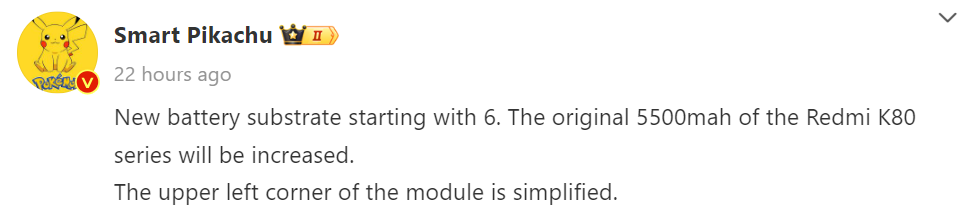
While Xiaomi is likely working to launch the Xiaomi 15 series of smartphones in China in October, its sub-brand Redmi is reportedly developing the Redmi K80 lineup, which could become official in November. To recall, the Redmi K70 and K70 Pro, which debuted last year, came equipped with a 5,000mAh battery and 120W fast charging support. Recent reports suggested that the Redmi K80 and K80 Pro may pack a 5,500mAh battery. However, a new leak suggests that the K80 series will have an even larger battery.
Redmi K80 series battery size tipped
Tipster Smart Pikachu claims that the Redmi K80 series, which originally planned to have a 5,500mAh battery, will now feature a larger battery capacity, likely starting with a 6. This indicates that the K80 and K80 Pro may house a 6,000mAh battery. Furthermore, the leaker revealed that the camera module of the Redmi K80 series will feature a streamlined design, positioned at the upper-left corner.
As per a previous leak, the Pro model will have a glass back and a metal frame. Expected features include a flat OLED panel with 2K resolution and a 120Hz refresh rate, a 50-megapixel telephoto camera with 3x optical zoom, and support for 120W rapid charging. Being a Pro variant, the device is expected to feature the latest Snapdragon 8 Gen 4 chipset. For security, it may feature an ultrasonic in-screen fingerprint sensor.
The Redmi K80, on the other hand, may house a 2K OLED panel with a 120Hz refresh rate and a Snapdragon 8 Gen 3 chipset. There is a possibility that the K80 and K80 Pro may get rebranded as the Poco F7 and F7 Pro in markets outside of China in 2025.
We use cookies on our website to give you the most relevant experience by remembering your preferences and repeat visits. By clicking “Accept”, you consent to the use of ALL the cookies.
This website uses cookies to improve your experience while you navigate through the website. Out of these, the cookies that are categorized as necessary are stored on your browser as they are essential for the working of basic functionalities of the website. We also use third-party cookies that help us analyze and understand how you use this website. These cookies will be stored in your browser only with your consent. You also have the option to opt-out of these cookies. But opting out of some of these cookies may affect your browsing experience.
Necessary cookies are absolutely essential for the website to function properly. This category only includes cookies that ensures basic functionalities and security features of the website. These cookies do not store any personal information.
Any cookies that may not be particularly necessary for the website to function and is used specifically to collect user personal data via analytics, ads, other embedded contents are termed as non-necessary cookies. It is mandatory to procure user consent prior to running these cookies on your website.