Advertisement

Apple Celebrates Pride with Rainbow Watch Straps, Customizable Watch Faces, and Wallpapers

Apple joins the global movement for LGBTQ+ equality with a vibrant collection of new products and software updates. A new centerpiece takes the form of a woven single-turn Apple Watch strap in rainbow colors. Inspired by various pride flags, the strap’s bright, fluorescent design represents the power and diversity of the LGBTQ+ community. A commemorative “PRIDE 2024” inscription adorns the buckle.

Apple has also released matching wallpapers and watch faces for their devices

Matching the strap’s vibrancy are the new Pride Radiance watch faces for Apple Watch and wallpapers for iPhone and iPad. These symbolic visuals feature rays of light against a dark background, representing hope, strength, and LGBTQ+ community unity. The layered effect of the light rays signifies the lasting impact of LGBTQ+ activism and its role in paving the way for future generations.

Apple Pride

For the first time, Apple introduces customization options for these pride-themed faces and wallpapers. Users can personalize their look with a range of colors. On Apple Watch, the chosen colors dynamically shift with wrist movement, outlining each number on the dial. iPhone and iPad users will see the word “Pride” spelled out in dynamic colors that change upon unlocking their device.

The launch of these new pride products coincides with the release of watchOS 10.5, iOS 17.5, and iPadOS 17.5.

Apple further emphasizes its commitment to LGBTQ+ rights through its support for various advocacy organizations. These include ILGA World, Human Rights Campaign, Encircle, Equality North Carolina, and more.

RELATED:

(Via)

OnePlus 9R update: April 2024 security patch, torch shortcut, volume bar redesign & more

OnePlus has been steadily rolling out the OxygenOS 14.0.0.600 update for all of its eligible devices. The update has now reached the OnePlus 9R, offering several new features aimed at improving the user experience.

OnePlus 9R

The update comes with the April 2024 Android security patch, along with features like the ability to perform a fuzzy search from the Home screen search bar in Drawer mode.

This update also makes it possible to activate the torch by pressing and holding the volume down button when the screen is turned off. Users can now adjust the volume for individual apps based on their needs.

The design of the volume bar has also been improved for visual consistency. The update also adds the ability to use the fingerprint unlock without waking up the screen. Lastly, the update improves the overall system stability.

The update is currently only available for Indian users. If you haven’t received the OTA update notification, you can manually check by navigating to Settings > About Device > OxygenOS > Check for Update.

RELATED:

(source)

Samsung 10,000mAh And 20,000mAh Power Banks Announced In India

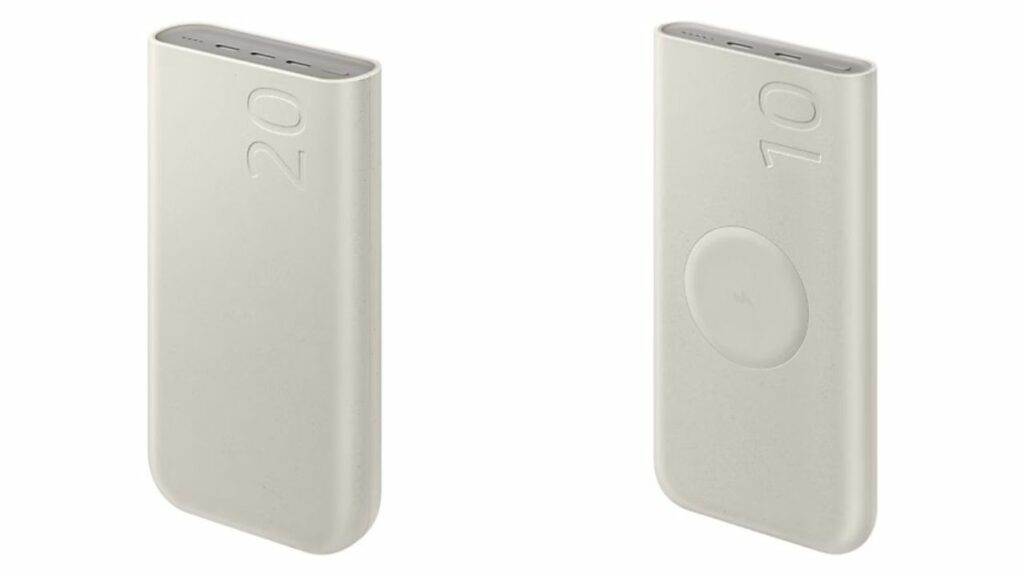
Earlier in March this year, Samsung launched 20,000mAh and 10,000mAh power banks in its home market. This debuted in China last month. Now, the South Korean brand has introduced the charging accessory in the Indian market. There are major differences between the two newly announced power banks. Both offer impressive specs and features. Read on to know everything below.

Samsung 10,000mAh & 20,000mAh power banks launched in India

As the name suggests, the Samsung 10,000mAh power bank is backed by a 10,000mAh capacity whereas the 20,000mAh houses a large cell of the same size. Due to the battery capacities, the 10,000mAh is slimmer and lightweight compared to the 20,000mAh which is a bit bulky. Both accessories have a button and four LEDs for charging status. 

The Samsung 10,000mAh power bank has two Type-C ports and is also Qi certified which can be used to charge three devices simultaneously. The ports and wireless charging pad can deliver power output at 7.5W to all devices. Meanwhile, a single device can be charged at a maximum speed of 25W. 

On the other hand, the Samsung 20,000mAh power bank features three ports that can deliver 15W power output to all devices simultaneously. The charging speed maxes out at 45W. There is no wireless charging speed. Alongside smartphones, both power banks can top up smartwatches, TWS earphones, tablets, and even laptops. The Samsung power banks also support USB PD 3.0 and PPS charging protocols. 

The Samsung 10,000mAh and 20,000mAh power banks are priced at Rs 3,499 and Rs 4,299 respectively. They are offered in Beige color and can be purchased from Samsung’s official website, Amazon, Reliance Digital, and retail stores. 

Related:

Acer TravelLite With Core i5, Military-Grade Durability Launched In India

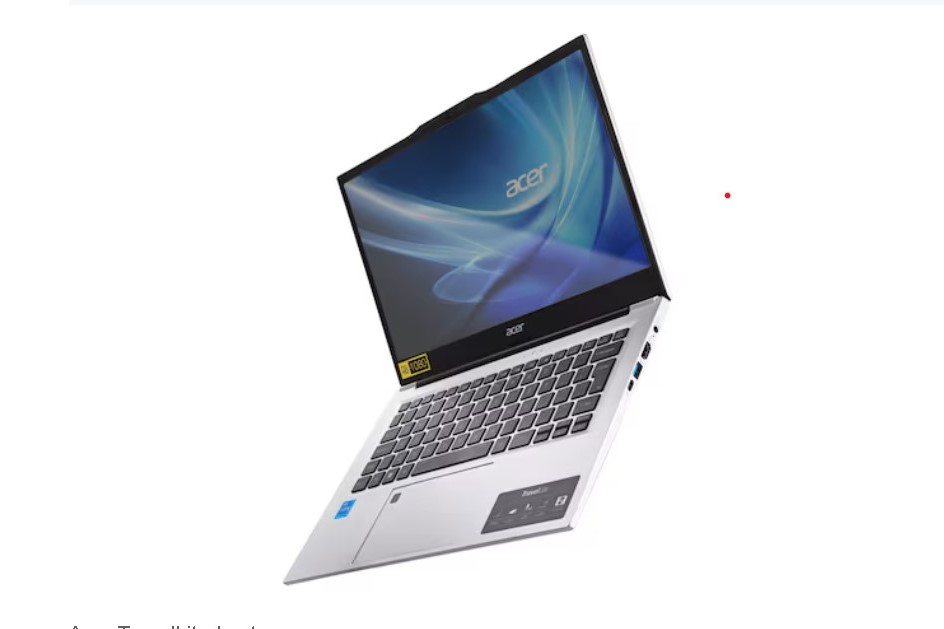
Acer has launched a new affordable laptop in India aimed at business users. The latest offering is called the Acer TravelLite. It is designed with portability in mind which is ideal for professionals who are always on the go. Despite being portable and also affordable, the Acer TravelLite is still sturdy and packs a punch. Let’s find out what the laptop offers out of the box. 

Acer TravelLite specifications and features 

The Acer TravelLite is a thin and lightweight laptop measuring just 1.34 kg that most traditional clamshell laptops in the price segment out there. It is also durable with its aluminium body and is MIL-STD 810H military standard certified. The laptop has a 14-inch LCD display bearing an FHD resolution. There is an anti-glare coating for reducing reflections. 

The Acer TravelLite features a spill-resistant backlit keyboard. There is also an optional fingerprint scanner placed on the trackpad. The laptop has an FHD webcam with a built-in privacy shutter. It comes with TPM 2.0 and a Kensington lock slot for security. 

Under the hood, the Acer TravelLite is equipped with a 12th-generation Intel Core i5 processor. It is paired with Intel Iris Xe graphics. The laptop packs up to 64GB RAM and 1TB SSD storage. It is offered in two battery variants – one with a 36WHr 3-cell Li-ion pack and an optional 49WHr 4-cell Li-ion pack. Customers get the option to choose between 45W and 65W adapters. 

The Acer TravelLite runs on Windows 11 OS. Connectivity options on the device include Wi-Fi 6, Bluetooth 5.2, USB 3.2 Type-A ports, and USB 3.2 Type-C ports. 

The Acer TravelLite carries a starting price tag of Rs 34,990. It is available for purchase from the brand’s e-store. 

Related:

LG CineBeam Q Projector With Portability, 4K Resolution Launched In India

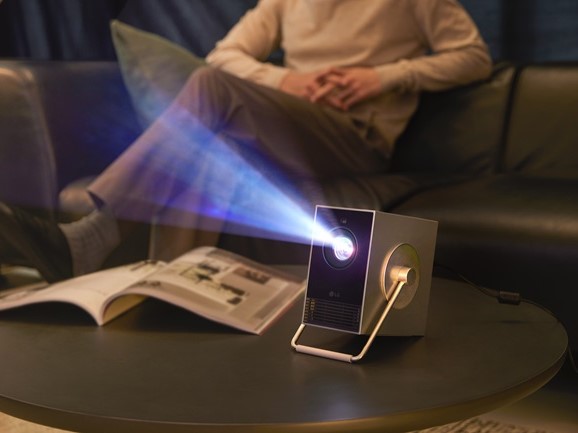
Last month, LG announced MyView smart monitors and affordable monitors with 100Hz refresh rate in the Indian market. Now the brand has introduced a projector in the country. It is dubbed the CineBeam Q. The projector is compact and offers portability making it easier to carry around. It packs a host of features and carries a premium price tag. Read on to learn more below. 

LG CineBeam Q specifications and features 

The LG CineBeam Q is a lightweight projector weighing just 1.49 kg. This makes it extremely easy for users to carry it around and place it anywhere. Additionally, there is also a 360-degree rotating handle that can be used to create a viewing angle according to your preference. It features a minimalistic design that blends with the interiors. 

The LG CineBeam Q projector is capable of outputting 4K picture quality with HDR10 on screens up to 120 inches. It supports 16:9 and 4:3 aspect ratios. The projector utilizes 3-channel RGB Laser technology that is claimed to offer vivid detail and realistic color reproduction. The CineBeam Q has a contrast ratio of 4,50,000:1 for clear details and deep rich blacks. It is capable of automatically adjusting the screen based on the angle of projection. 

The LG CineBeam Q projector is equipped with a built-in 3W mono speaker with support for Dolby Atmos. There is dual output mode that allows you to connect two devices like Bluetooth-enabled speakers, soundbars, or headphones simultaneously. 

The LG CineBeam Q runs on webOS and comes with popular OTT platforms like Prime Video, Netflix, YouTube, and Apple TV. Connectivity options on the projector include USB-C port, HDMI port, screen share, and AirPlay 2. 

The LG CineBeam Q projector carries a price tag of Rs 1,65,000. It will be available for purchase starting June from Amazon, Flipkart, LG’s website and offline stores, and leading retail stores across India.

Related:

No effects of ban: Huawei found to be secretly funding research competition in the US

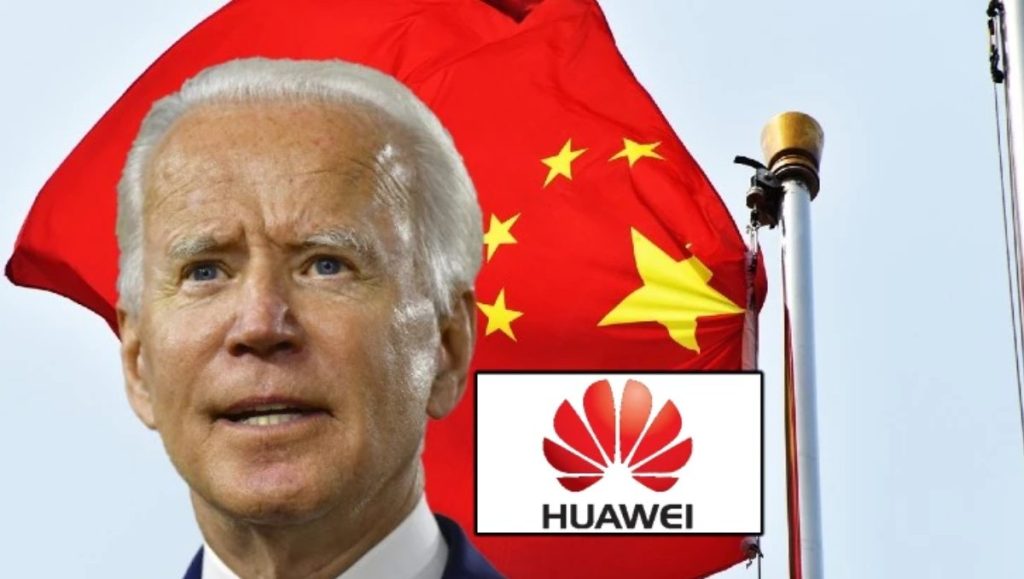
According to a report by Bloomberg, Chinese tech giant Huawei is secretly funding a research competition in the United States. 

The competition, managed by the Washington D.C.-based Optica Foundation, has awarded millions of dollars to scientists and researchers globally, including those affiliated with top US universities like Harvard and USC. 

However, these universities, along with many others, have restrictions in place against collaboration with Huawei due to national security concerns.

Huawei funding reasearch competition in US

The Optica Foundation’s website has a list of all the research and fellowship programs it organizes throughout the year. Among them is the one backed by Huawei which reportedly offers the highest prize value of $1 million. It is also the only one without a list of individual or corporate sponsors.

Interestingly, according to a confidential document reviewed by Bloomberg, the foundation isn’t obligated to disclose Huawei as the funding source. 

The clause is, that the foundation “shall not be required to designate Huawei as the funding source or program sponsor” of the competition, and “the existence and content of this Agreement and the relationship between the Parties shall also be considered Confidential Information.”

Bloomberg also reached out to applicants, university officials, and a judge from the competition to find out if they were aware of Huawei’s involvement.

But none of them knew Huawei’s involvement in it. Many applicants believed that the funding came directly from the Optica Foundation and not a foreign entity.

Optica CEO Liz Rogan has sided with Huawei on this occasion, saying some foundation donors, including US donors, “prefer to remain anonymous” and that “there is nothing unusual about this practice.”

A Huawei spokesperson told Bloomberg that the competition was created solely to support global research and academic exchange.  The spokesperson clarified that Huawei’s anonymity was to prevent the contest from being perceived as promotional and that there was no ill intent behind the decision.

The revelation of Huawei’s covert funding is likely to add another layer of tensions between the US and China. Now it remains to be seen how US authorities will react to this news, and what, if any, repercussions Huawei might face.

Related:

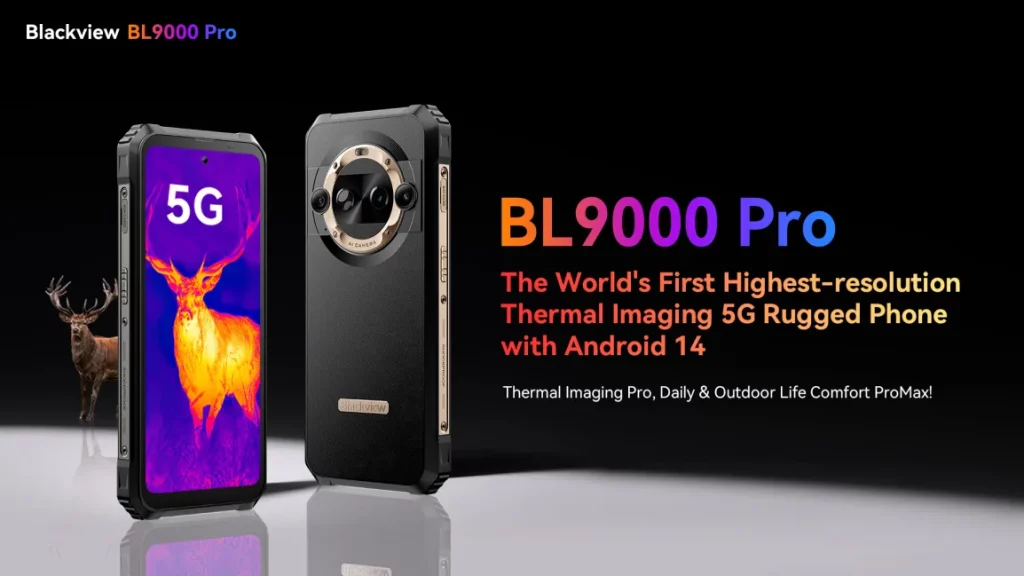
Meet the Blackview BL9000 Pro: A 5G rugged phone with thermal vision

Blackview is a brand best known for its rugged phones, and the BL9000 Pro is exactly that. But what makes it stand out isn’t simply support for 5G or its massive 8,800mAh battery pack; rather, the access to built in high res thermal imaging like what you see in military movies. This announcement arrives just days after the Blackview Hero 10 flip phone went on sale via AliExpress, so let’s check out the new rugged phone.

Blackview BL9000 Pro: What makes it special?

The brand’s latest rugged phone comes with the “world’s first highest-resolution FLIR Thermal Imaging 5G rugged phone running on Android 14”, as per official notes. Simply put, you get thermal vision with this device thanks to the latest FLIR Lepton 3.5 unit. It promises to offer high resolution thermal capture (160 x 120 pixels) and even comes with the MyFLIP Pro app preinstalled.

BlackView BL9000 Pro

This resolution is also higher than its predecessor and ensures that your infrared imaging is sharper. Under the hood, it is equipped with the MediaTek Dimensity 8020 SoC that is paired with 12GB of RAM and 512GB of internal storage (up to 24GB of virtual RAM expansion). A massive 8,800mAh battery pack powers this device, which supports 120W wired fast charging. The Blackview BL9000 Pro sports a tall 6.78-inch display with Gorilla Glass protection, 120Hz refresh rate, and Full HD+ resolution.

The device runs on the Android 14 OS based DokeOS 4.0 out of the box. For regular photography, buyers also get a 50-megapixel ISOCELL GN5 primary sensor and a 13-megapixel ultra wide angle lens at the back, and another 50-megapixel selfie shooter on the front. The BL9000 Pro pre-orders have officially kicked off on AliExpress, lasting till May 17. Between these dates, it is listed for a 429.99 US Dollar introductory price, while its actual price is set to be 800 US Dollars.

RELATED:

HMD’s new phone codenamed ‘Tomcat’ appears on Geekbench, the chipset could be Snapdragon 7s Gen 2

HMD, the parent company of Nokia has recently launched three new self-branded repairability-focused entry-level smartphones – the Pulse, Pulse+, and Pulse Pro. The Pulse series is powered by the UNISOC T606 processor. But soon after the release of the entry-level phones, a new GeekBench listing reveals that the company is working on a more powerful device as well.

HMD Global Tomcat could be powered by Snapdragon 7s Gen 2

HMD’s new phone codenamed ‘Tomcat’ has appeared in the Geekbench benchmark library scoring 965 in single-core and 2625 in multi-core. The listing reveals that it is an octa-core processor with a 4+4 core cluster. The base frequency for the two clusters is 1.96GHz and 2.4GHz.

While the name of the chipset is not mentioned in the listing, the above-mentioned parameters match with the Snapdragon 7s Gen 2. The single and multi-core score is also similar to the alleged chipset. The Snapdragon 7s Gen 2 equips 4x Cortex-A78 and 4 x Cortex-A55 cores. For graphics, it equips the Adreno 710 GPU. This 4nm chipset from Qualcomm supports a 200MP camera sensor, 4K video recording at 30fps, 1080p video recording at 120fps, and Multi-frame HDR. However, the implementation is up to the manufacturer.

While the Snapdragon 7s Gen 2 is not particularly a high-end chipset, it is still significantly powerful as compared to chips like the UNISOC T606 or the Snapdragon 680. This Snapdragon 7s Gen2-powered smartphone could be positioned as a mid-to-high-end device as the Nokia 8.3 from 2020, powered by the Snapdragon 765G 5G chipset.

Related:

Apple faces tough competition in China as iPhone sales decline

Apple is encountering challenges, as sales decline significantly in the crucial Chinese market. Tim Cook, Apple’s CEO, recently acknowledged the challenges posed by what he described as “the most competitive market in the world.”

The latest figures reveal a significant decline in iPhone sales both globally and specifically in Greater China, including Hong Kong and Taiwan. Global iPhone revenue dropped by 10% in the first quarter, marking the most substantial decrease since late 2020. In Greater China, iPhone sales fell by 8% to $16.4 billion during the same period.

Apple’s market share in China’s smartphone market has been steadily decreasing, with iPhone sales plummeting by 19.1% in the first quarter alone. This decline has seen Apple slipping to the third position in the market, capturing 15.7% of the domestic market, behind competitors like Vivo and Honor.

Meanwhile, Huawei, Apple’s Chinese rival, has experienced a surge in smartphone sales, with a nearly 70% increase in the first quarter. Huawei’s market share now closely trails Apple’s at 15.5%, with the company’s net profit soaring by an impressive 564%.

Huawei’s success can be attributed in part to patriotic sentiment, particularly following the release of the Mate 60 series phones, powered by domestically produced chips. The latest Pura 70 series phones from Huawei, equipped with China-made processors, are posing significant competition to Apple’s iPhone 15 and 16 series.

Despite these challenges, Tim Cook expressed confidence in China’s long-term potential for Apple. The company is making substantial investments in artificial intelligence (AI) development, with Cook hinting at an upcoming AI strategy reveal at Apple’s annual Worldwide Developers Conference scheduled for June.

While Apple’s financial performance saw a decline due to the slump in iPhone shipments, executives downplayed its significance, attributing it to difficult year-over-year comparisons. Analysts, however, raise concerns about Apple’s performance in China, where intense competition from Huawei is impacting iPhone shipments.

Apple remains heavily reliant on iPhone sales, contributing about 52% of its total revenues. Despite efforts to diversify, other product categories like Mac computers saw only modest growth, insufficient to offset the overall revenue decline.

In response to questions about the impact of investments in generative AI, Cook emphasized Apple’s focus on services, which saw significant growth in the March-ending quarter. However, questions linger about the ability of a hardware company like Apple to effectively monetize software features amidst fierce competition in the Chinese market.

Related:

(via)

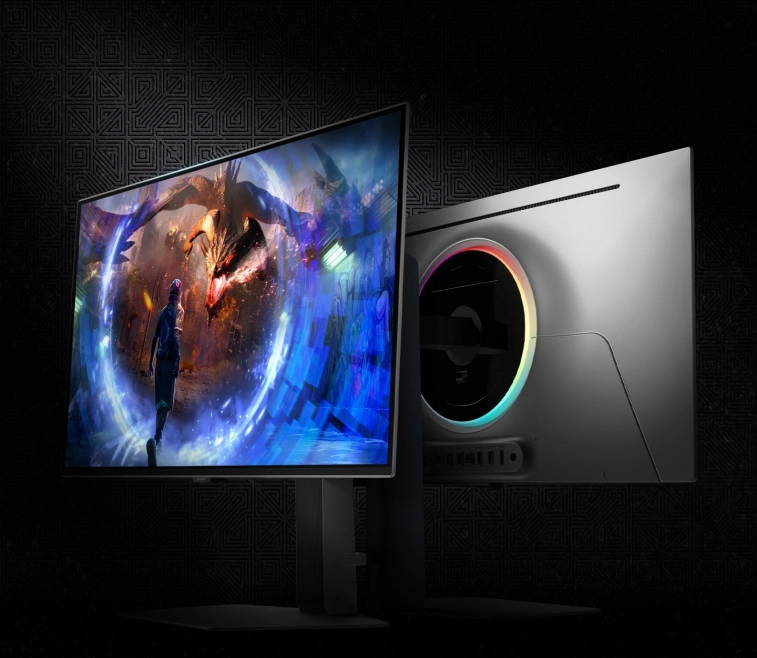
Samsung G60SD gaming monitor with 360Hz 27″ 2K OLED panel launched in China for $989

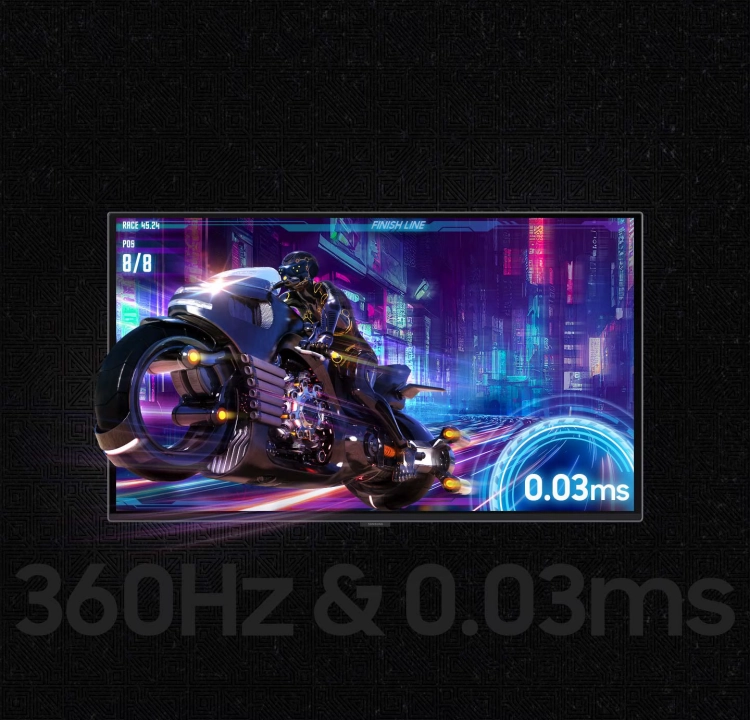
Samsung has just debuted a new high-performance gaming monitor in the Chinese market called the Samsung G60SD. This 27-inch monitor boasts a 2K (2560 x 1440) resolution, a super-fast 360Hz refresh rate, and a rapid 0.03ms response time for incredibly smooth visuals.

Using Samsung’s latest QD-OLED technology, the G60SD offers over 1 billion colors and covers 99% of the DCI-P3 color gamut. The monitor offers a contrast ratio of 1,000,000:1 and offers support for HDR10 content, including HDR10 gaming.

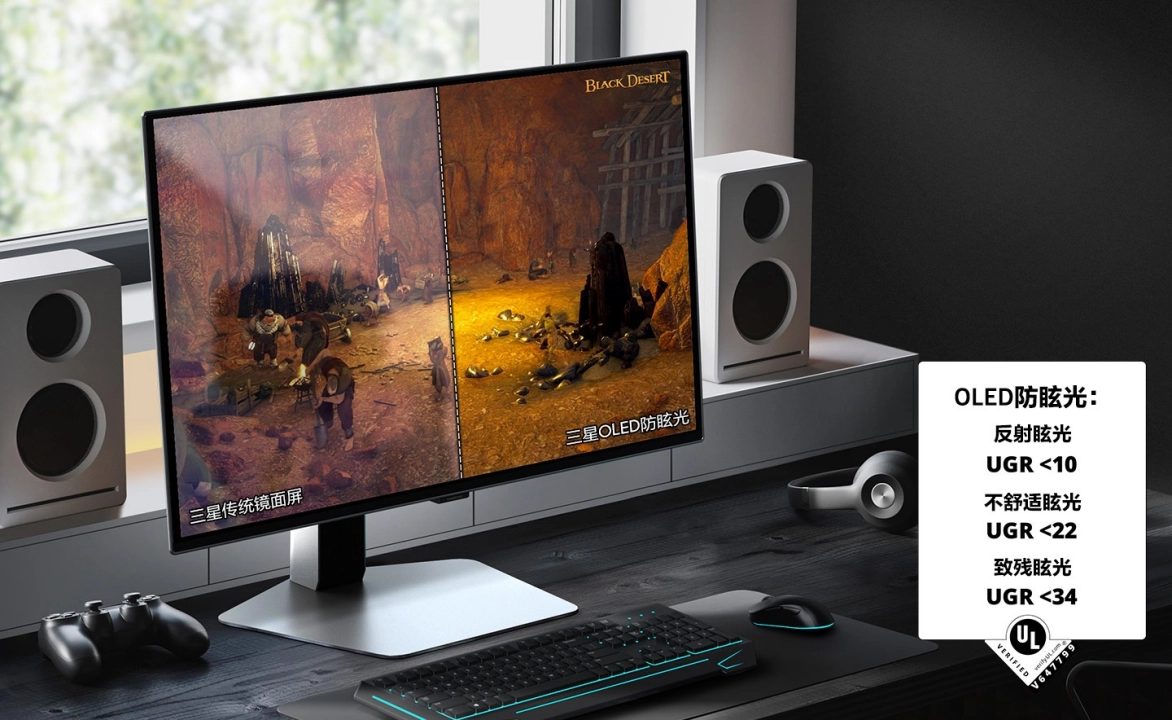
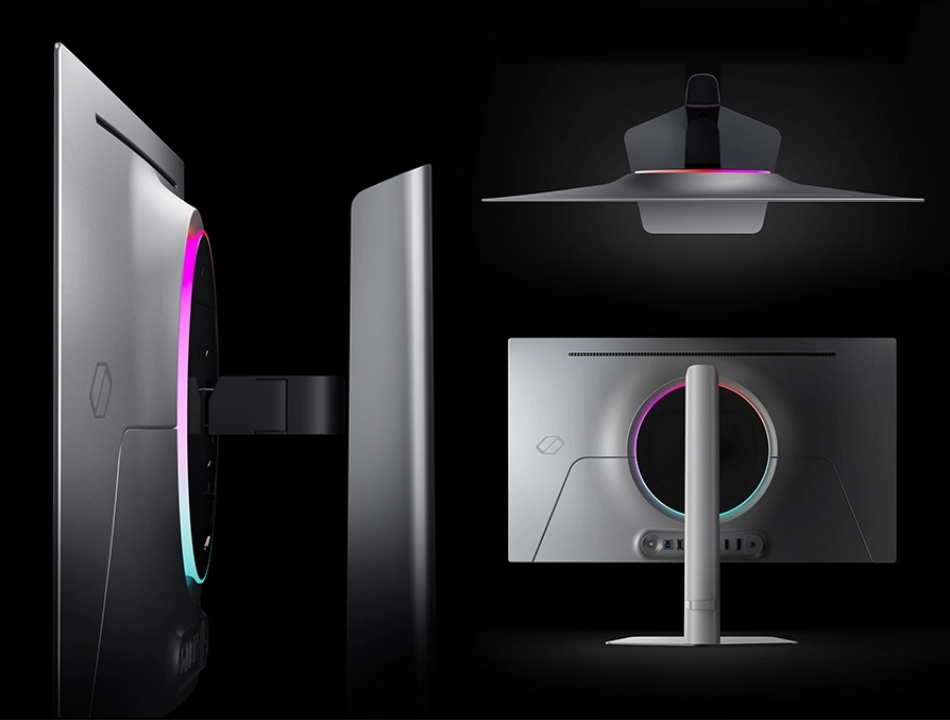
To address concerns about burn-in, Samsung has implemented a new pulsating heat pipe solution and intelligent thermal management. The monitor sports a sleek, ultra-thin design with an anti-glare coating and a customizable turbine light ring on the back. Connectivity options include two HDMI 2.1 ports, one DP 1.4 port, and two USB 3.0 ports.

Pricing & availability

The Samsung G60SD is currently available for pre-order in China at a price of 6,999 yuan (around $989 USD).

In related news, HKC has also launched a 27-inch 2K gaming monitor in China with a 2K resolution and 240Hz refresh rate. It is also quite cheaper than the Samsung G60SD, costing just 2899 Yuan (around $410 USD). Although one big reason for it being this affordable (relatively) is likely because it uses an IPS panel.

RELATED:

(via)

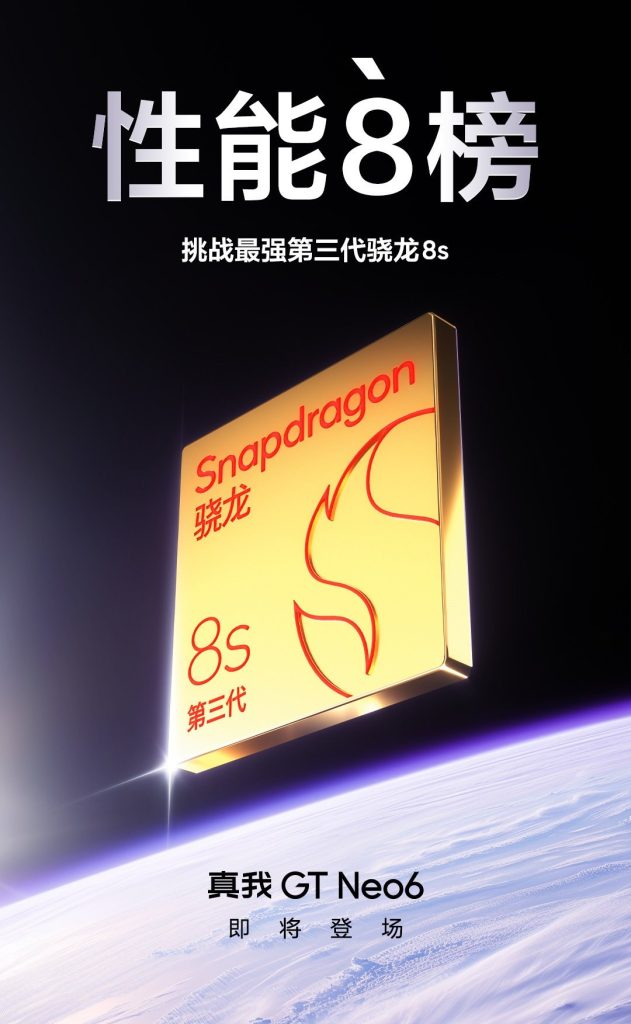
Realme GT Neo 6 Officially Teased, Snapdragon 8s Gen 3 Confirmed

Earlier today, we reported that the Realme GT Neo 6 is listed for reservations on JD.com. Now, the brand has officially teased the arrival of the smartphone. The company shared the announcement on the Chinese microblogging website Weibo. To recall, Realme launched the GT Neo 6 SE in the country last month. 

Realme GT Neo 6 teased officially with Snapdragon 8s Gen 3

The teaser shared by Realme confirms that the GT Neo 6 will be powered by the Snapdragon 8s Gen 3 processor. The company says that it is ranked eighth in performance and the device is coming soon. The exact launch date has not been revealed yet. We can expect the brand to drop more teasers in the coming days. 

The Realme GT Neo 6 will arrive as the successor to the last year’s GT Neo 5 (review). The specifications of the upcoming GT Neo 6 have leaked plenty of times in the past. As per the latest retailer listing, the device will come with support for 120W fast charging. It will be available in a 1TB storage variant. The smartphone is also rumoured to be offered in 24GB RAM variant. 

The Realme GT Neo 6 is expected to borrow some of the same specifications as the GT Neo 6 SE. This means that it will feature a 1.5K OLED display with a 120Hz refresh rate and 6,000 nits peak brightness. The device will be backed by a 5,500mAh battery unit. The GT Neo 6 and Neo 6 SE will likely differ in terms of processor, battery charging speed, and may be the camera. 

We should learn more details about the Realme GT Neo 6 soon. 

Related:

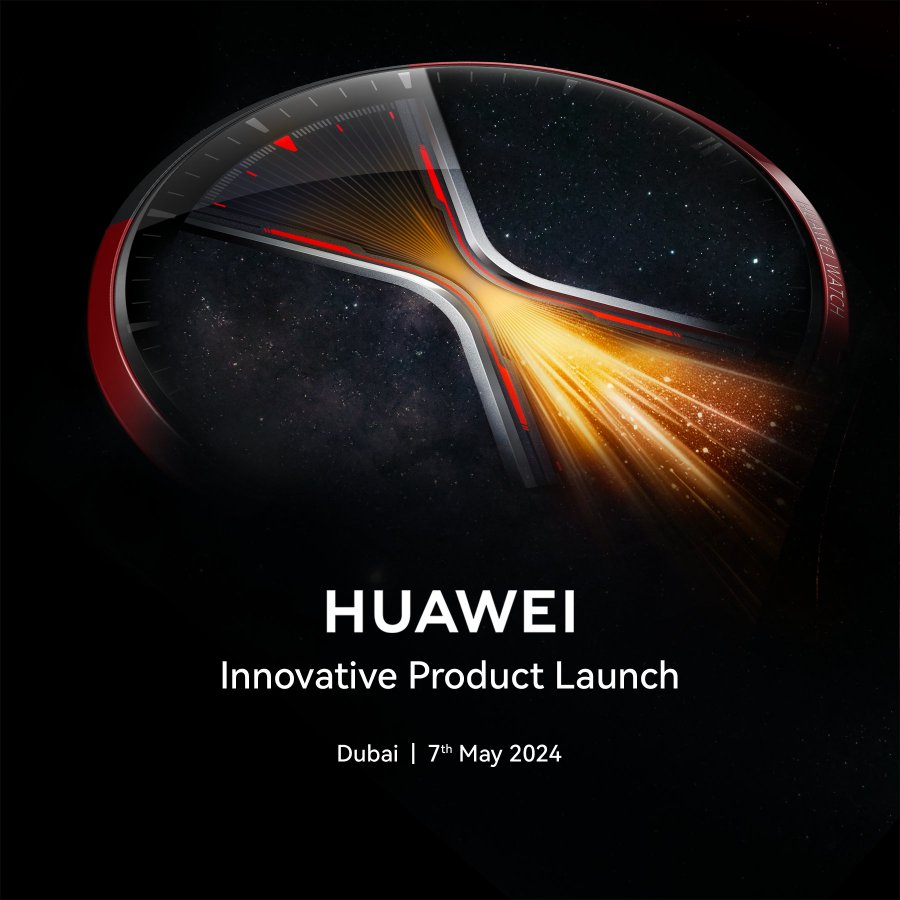
Huawei Watch 4 Pro Space Edition launches in Dubai on May 7

Around a week ago, we covered a report regarding the global launch of the Huawei Watch 4 Pro Space Edition. Now, an official launch date for this upcoming smartwatch has finally been teased. So here are all the details.

Huawei Watch 4 Pro Space Edition Launch

The Chinese tech giant shared a fresh teaser on X (formerly Twitter). This teaser poster confirms the May 7 launch date of the Huawei Watch 4 Pro Space edition during the Huawei Innovative Product Launch event in Dubai. To recall, this special edition of the smartwatch has been exclusive to the Chinese market so far. But now, its global availability is finally confirmed.

Huawei Watch 4 Pro Space Edition Dubai

Alongside the Watch 4 Pro model, the company is also expected to unveil other new products like the Huawei Watch GT 4 and the new MatePad 11.5. We can also expect other devices to be unveiled, including the MateBook X Pro and certain other wearable gadgets. For those unaware, the Huawei Watch 4 Pro sports a 1.5-inch LTPO AMOLED display that offers a 466×466 resolution. It offers 4.5 days of battery life and 5ATM water resistance.

The device runs on the HarmonyOS 2.0 and supports UWB connectivity as well as eSIM. Thanks to its various health related sensors, it arrives with sleep apnea detection, arrhythmia analysis, and Hyperglycemia risk assessment. The Huawei Watch 4 Pro Space Edition is defined by its dual tone design that features red and black bezels.

RELATED:

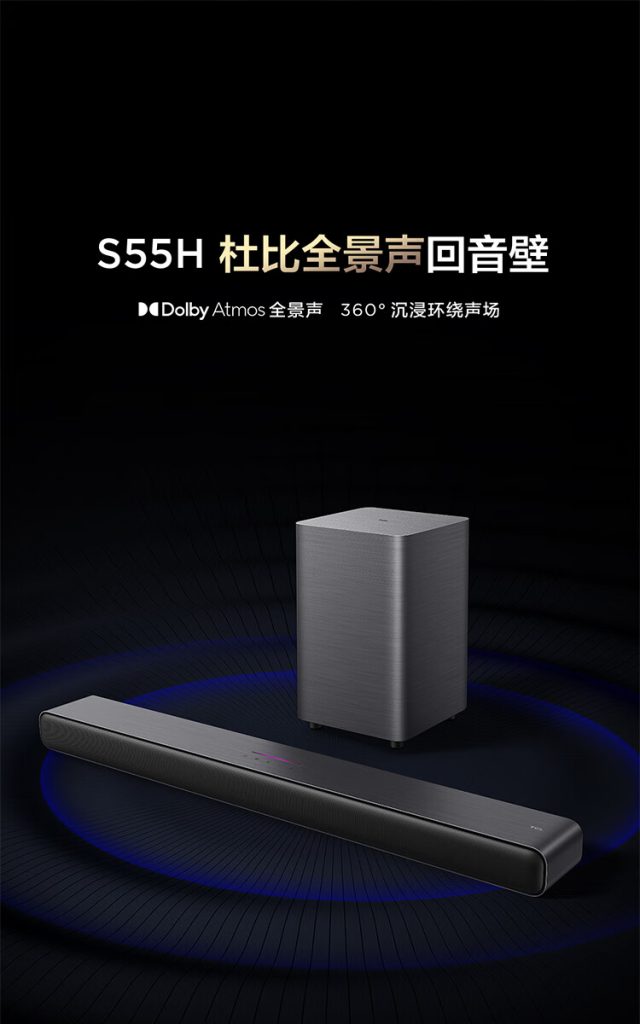
TCL launches S55H soundbar boasting 5.1.4 Dolby Atmos, DTS Virtual:X, powerful bass & more

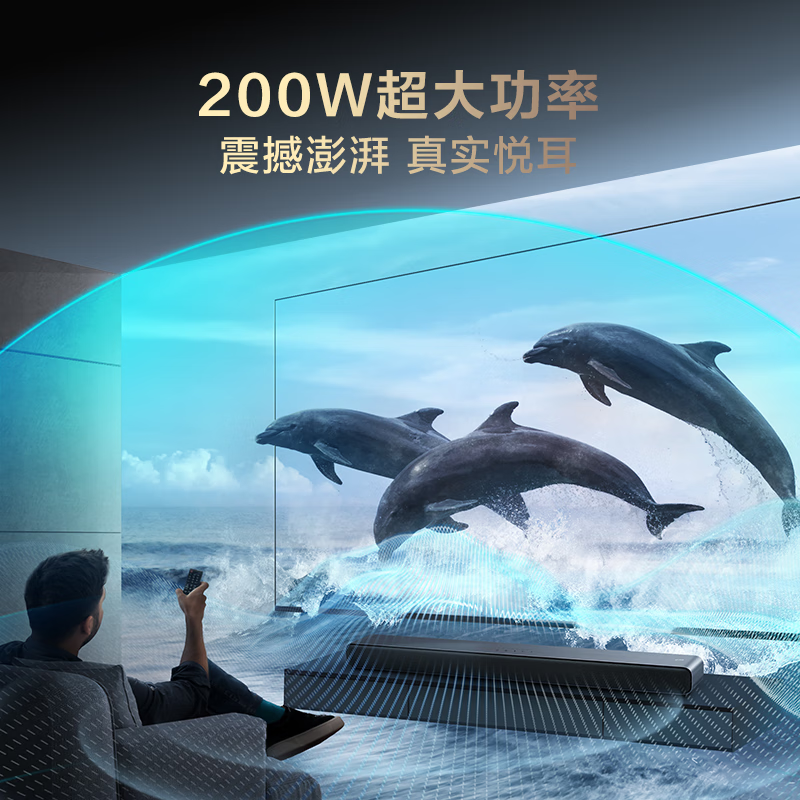
TCL has launched the S55H soundbar in the Chinese market, offering an immersive home theater experience at an attractive price point of 999 yuan (approximately $141). Let’s check out its key specs.

TCL S55H Soundbar

TCL S55H Soundbar Specifications:

This model stands out with its starry gray design and metal filter mesh, complete with skyline breathing lights, offering both aesthetic appeal and functionality.

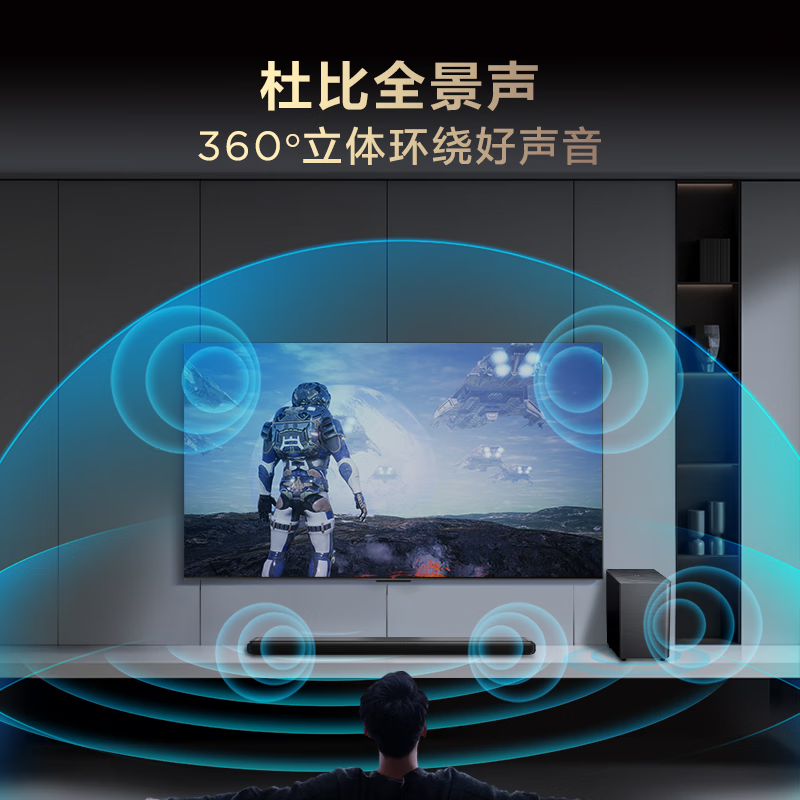
The soundbar is equipped with Dolby Atmos technology. While the soundbar itself features a 2.1 configuration, it leverages Dolby Atmos processing to create a virtual 5.1.4 channel surround sound effect. The inclusion of DTS Virtual:X technology complements this by creating a 360-degree surround sound environment, ideal for both movies and music.

The soundbar features a robust 220W power output, incorporating a racetrack-shaped speaker structure and dual horn-type acoustic chambers. These elements work together to minimize sound interference and distortion, providing clear and powerful audio.

Additionally, the unit includes a 120W wireless subwoofer with a 5.5-inch independent unit, employing large-size ferrite magnets and Conex diaphragm materials to significantly enhance bass response and reduce distortion.

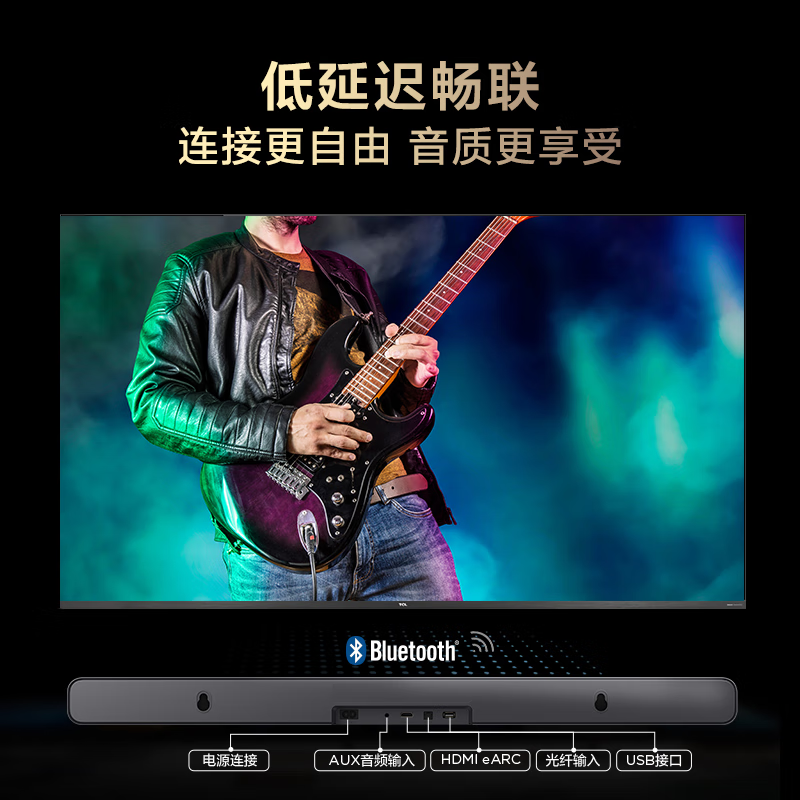
Connectivity options are ample with the S55H soundbar, including Bluetooth 5.3, HDMI eARC, an AUX audio input, an optical input, and a USB-A port, facilitating easy and versatile connections with various devices.

TCL has integrated several advanced technologies to fine-tune the soundbar’s performance. These include AI Sonic with Adaptive Sound Field Technology, allowing users to customize sound settings via a dedicated app that analyzes the acoustic space of a room. The T-Chord technology ensures the soundbar works seamlessly with TCL TVs, enhancing the overall audio-visual experience.

RELATED:

Kirin chip for the Huawei Mate 70 series supposedly scores over 1 million points in benchmark

Huawei launched its latest Pura 70 flagships with a new Kirin 9010 chip. While the SoC shares a similar manufacturing process and core architecture with the Kirin 9000s, Huawei has optimized it further to deliver performance in their latest flagships.

A new rumor suggests that the company is working on yet another Kirin chip, likely for the Mate 70 series smartphones.

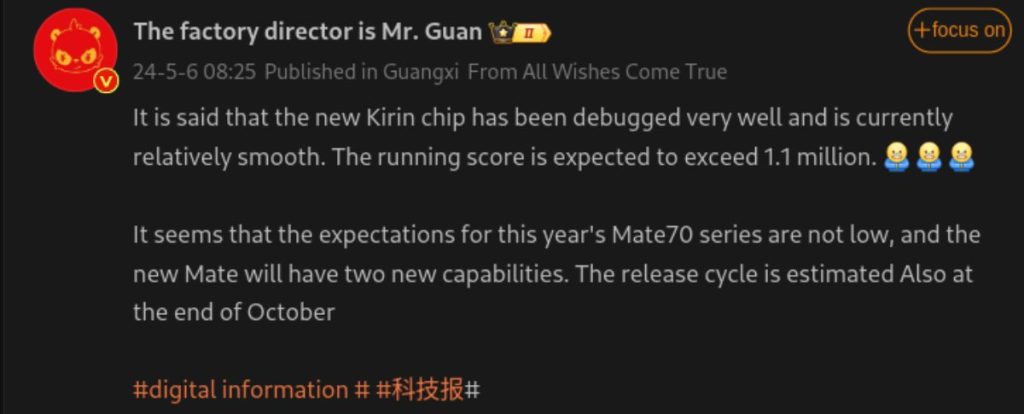
Words for it come from a Weibo tipster @DirectorShiGuan, who revealed that Huawei has well-reformed its upcoming Kirin chip for the Mate 70 series and it performs comparatively well in benchmarks.  

Kirin chip Huawei Mate 70

The tipster suggests that the new processor could achieve a benchmark score exceeding 1.1 million points. Although the leak doesn’t mention any specific benchmarking platform, it’s likely referring to AnTuTu. 

To put this into perspective, the latest Kirin 9010 chip in the Pura 70 Ultra phone scores around 927,547 points on AnTuTu v10.  Whereas, the Mate 60 Pro running on a Kirin 9000s processor, averages about 699,783 points on the same benchmark.

Huawei Kirin PC chip

However, it’s important to understand that these benchmark scores may not directly reflect how well the chips perform in real-life use. We’ll need to see how the new Kirin chip performs when it debuts in the upcoming Mate 70 smartphones to gauge any performance improvements.

As for the Mate 70 line, it is expected to have at least three smartphones: the Mate 70, Mate 70 Pro, and Mate 70 Pro+.  The series is rumored to launch sometime in September

If the rumored launch timeframe turns out to be true, it’s clear that Huawei is looking to compete with Apple’s 2024 iPhones.

Related:

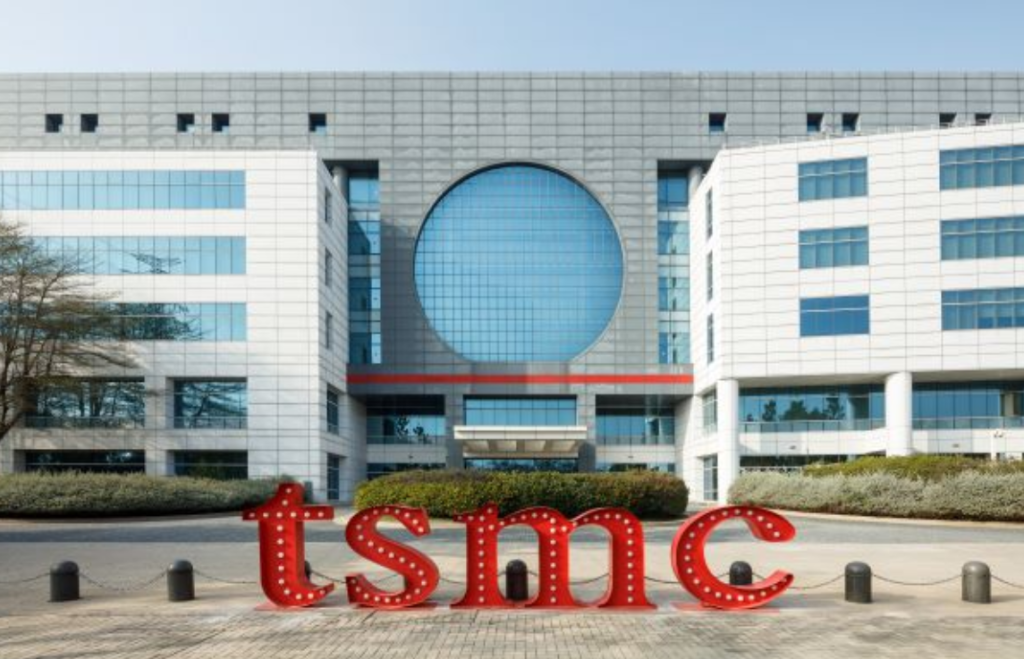
TSMC’s Advanced Packaging Capacity is fully booked for next two years by Nvidia and AMD

TSMC, the world’s leading semiconductor manufacturer, has announced that its advanced packaging capacity is fully booked for the next two years. This development comes as Nvidia, AMD, and Guanghuida secure TSMC’s cutting-edge packaging technologies for their high-performance computing (HPC) ventures.

The focus on high-performance computing stems from the crucial role it plays in powering artificial intelligence (AI) tasks. TSMC anticipates a significant surge in revenue from AI processors, with projections indicating a doubling this year alone. Over the next five years, the compound annual growth rate for AI chips is expected to hit 50%, with AI processors projected to contribute over 20% of TSMC’s revenue by 2028.

source: tsmc.com

Both Nvidia and AMD have secured TSMC’s Chip-on-Wafer-on-Substrate (CoWoS) and System-on-Integrated-Chip (SoIC) advanced packaging capacities for their products. Nvidia’s flagship H100 chip, built on TSMC’s 4nm process, utilizes CoWoS packaging. Meanwhile, AMD’s MI300 series, manufactured using TSMC’s 5nm and 6nm processes, leverages SoIC for CPU and GPU integration before employing CoWoS with High Bandwidth Memory (HBM).

Guanghuida, a rising player in the AI chip market, has also booked TSMC’s packaging capacity. Their H100 chips, powered by TSMC’s 4nm process and CoWoS packaging, boast SK Hynix’s HBM for enhanced performance. Moreover, Guanghuida’s latest Blackwell architecture AI chip, based on TSMC’s advanced 4nm process, features upgraded HBM3e memory, doubling computing power compared to its predecessors.

The soaring demand for AI chips is fueled by global cloud service giants such as Amazon AWS, Microsoft, Google, and Meta, all vying for superiority in the AI server domain. With shortages from major manufacturers like Nvidia, AMD, and Guanghuida, these cloud behemoths are turning to TSMC to fulfill their orders, contributing to the chipmaker’s optimistic revenue projections.

To meet this escalating demand, TSMC is ramping up its production capacity for advanced packaging. By the end of this year, CoWoS monthly production is set to triple, reaching 45,000 to 50,000 wafers, while SoIC capacity is expected to double, reaching 5,000 to 6,000 wafers. By 2025, SoIC monthly production is projected to double again, hitting 10,000 wafers.

TSMC’s fully booked advanced packaging capacity signifies the accelerating pace of innovation in AI-driven computing, with key players strategically positioning themselves to capitalize on this potential market.

Related:

(via)

Xiaomi Civi 4 Pro Disney Princess Edition may launch soon

A new collaboration for Xiaomi is just around the corner. This time around the brand is rumored to be working with Disney to bring a special edition smartphone. The device in question is the Civi 4 Pro Disney Princess Edition, so here’s everything we know so far.

Xiaomi Civi 4 Pro Disney Princess Edition

Xiaomi civi3 strawberry bear

The Chinese tech giant’s upcoming limited edition device was potted on the HyperOS source code by AndroidHeadlines. This sighting hints that the new Civi 4 Pro version is set to launch soon. The source code carries the Xiaomi Civi 4 Pro Disness Princess moniker, with the device carrying the “chenfeng” codename and “N9” internal model number. To recall, the brand had previously announced the Xiaomi Civi 3 Disney Strawberry Bear edition as well last year.

Just last month, the company unveiled the Panda Factory edition gift box for the Civi 4. Now, it appears that the higher end Pro model is also getting a special collaboration as well. Unfortunately, the HyperOS source code did not reveal any other finer details like its launch date or specs. The global availability of this upcoming smartphone is also unclear at the moment.

Xiaomi Civi 4 Pro Disney Princess Edition

But we can expect more information to follow soon via teasers or other leaks. The Civi 4 Pro Disney Princess Edition will likely feature similar specs as the regular Civi 4 Pro. So we can expect a 6.55-inch AMOLED display with 120Hz refresh rate and FHD+ resolution. Under the hood, it may feature the Snapdragon 8s Gen 3 SoC. For optics, there could be a 50-megapixel triple camera setup on the rear and a 32-megapixel dual camera setup on the front.

RELATED:

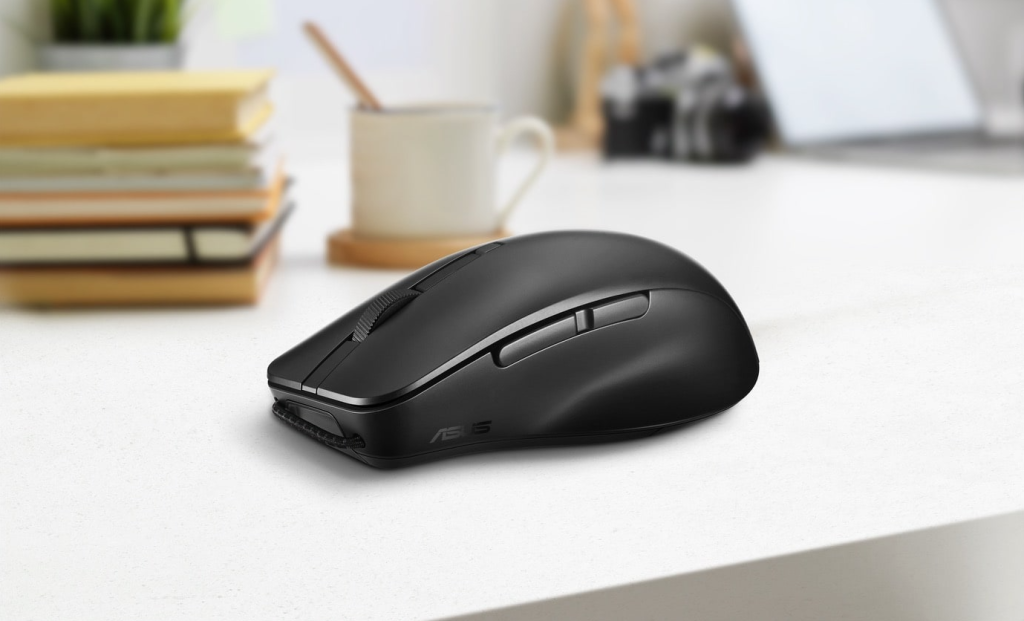
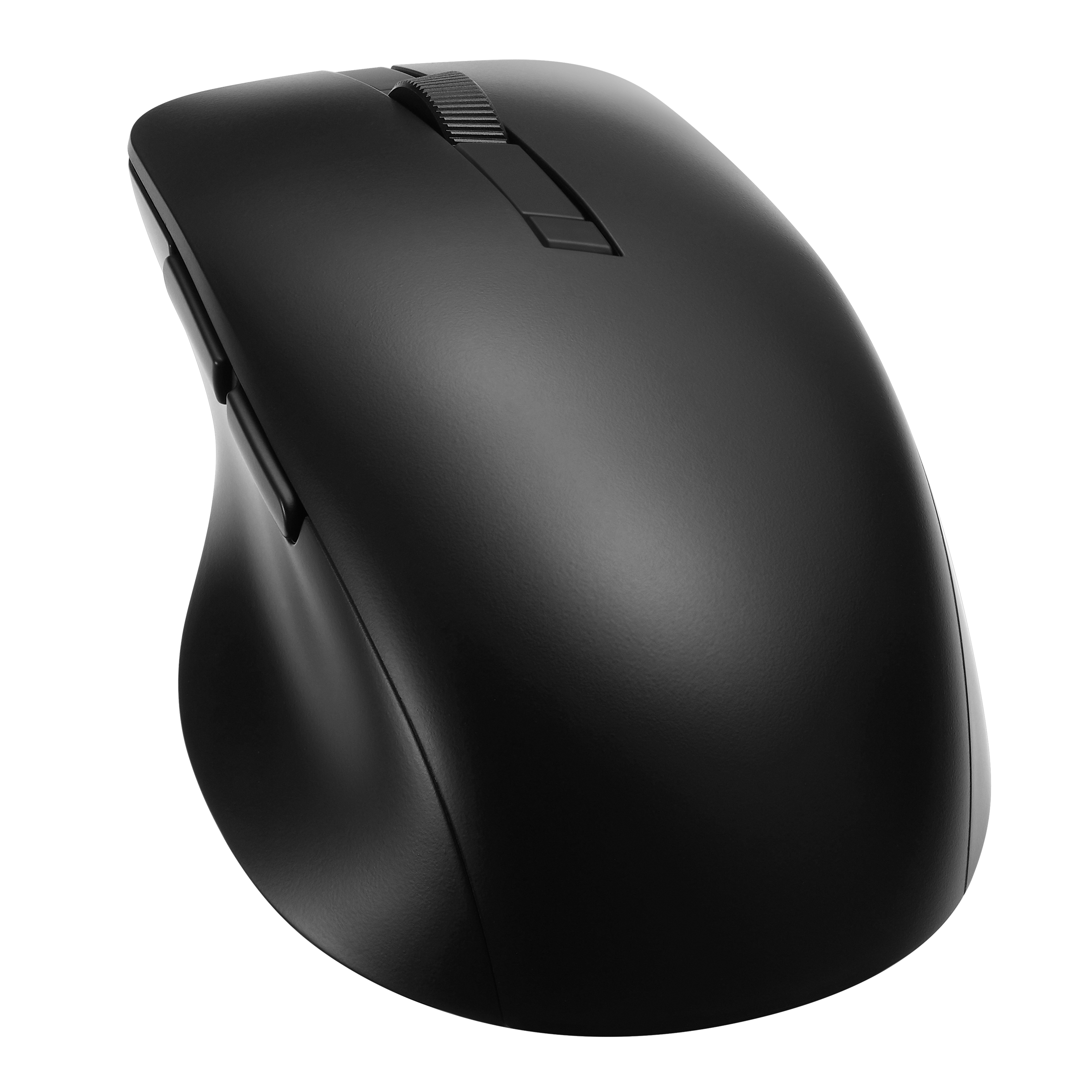
Asus debuts MD200 SmartO mouse in India for stylish workspaces

Asus has recently debuted the MD200 SmartO mouse in the Indian market. This mouse is intended to be a stylish and functional addition to workspaces.

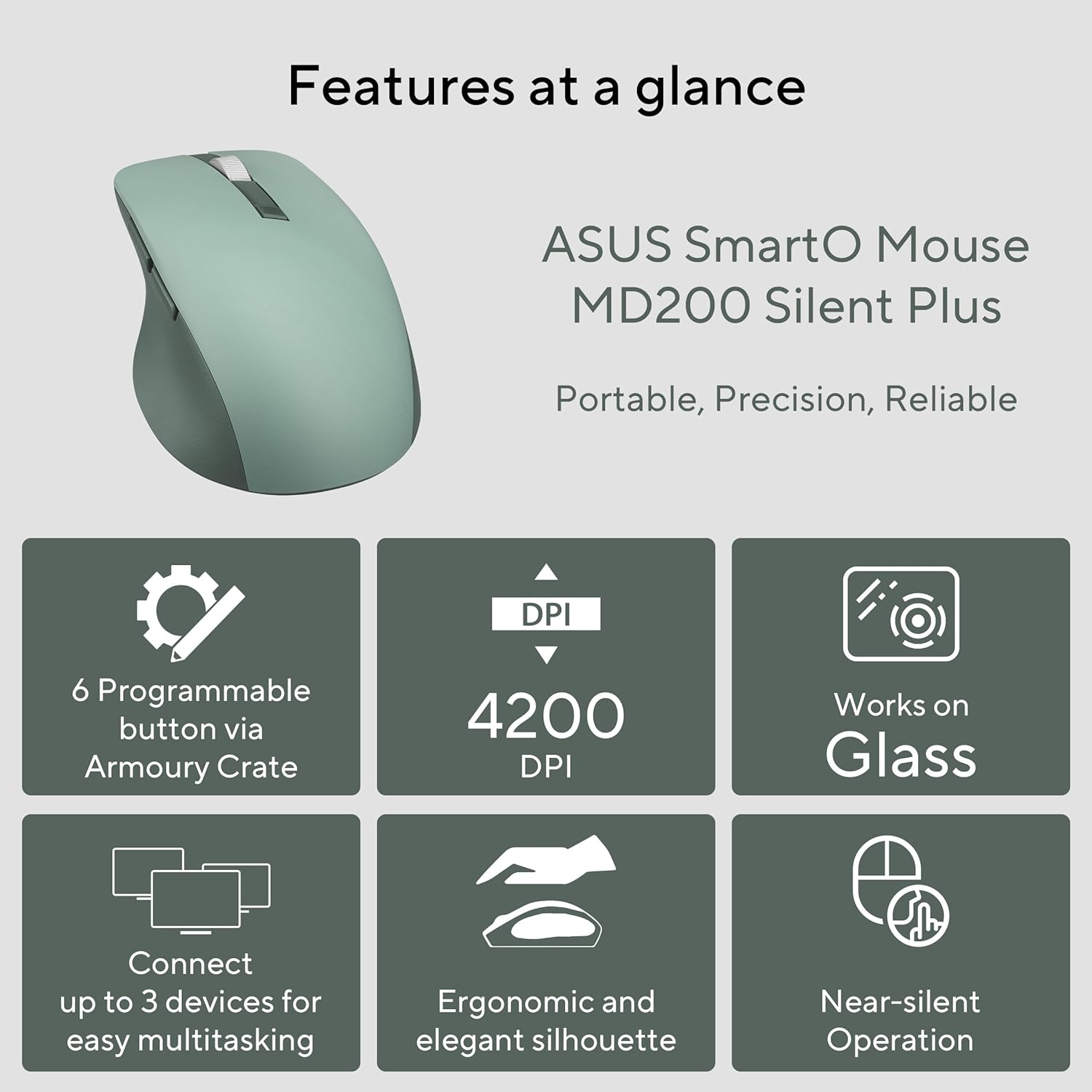
ASUS SmartO Mouse MD200

This mouse features a durable aluminum scroll wheel, two side buttons, and a comfortable thumb rest. Additionally, it comes with a built-in carrying band for easy portability and ASUS Antibacterial Guard technology to keep it clean and hygienic.

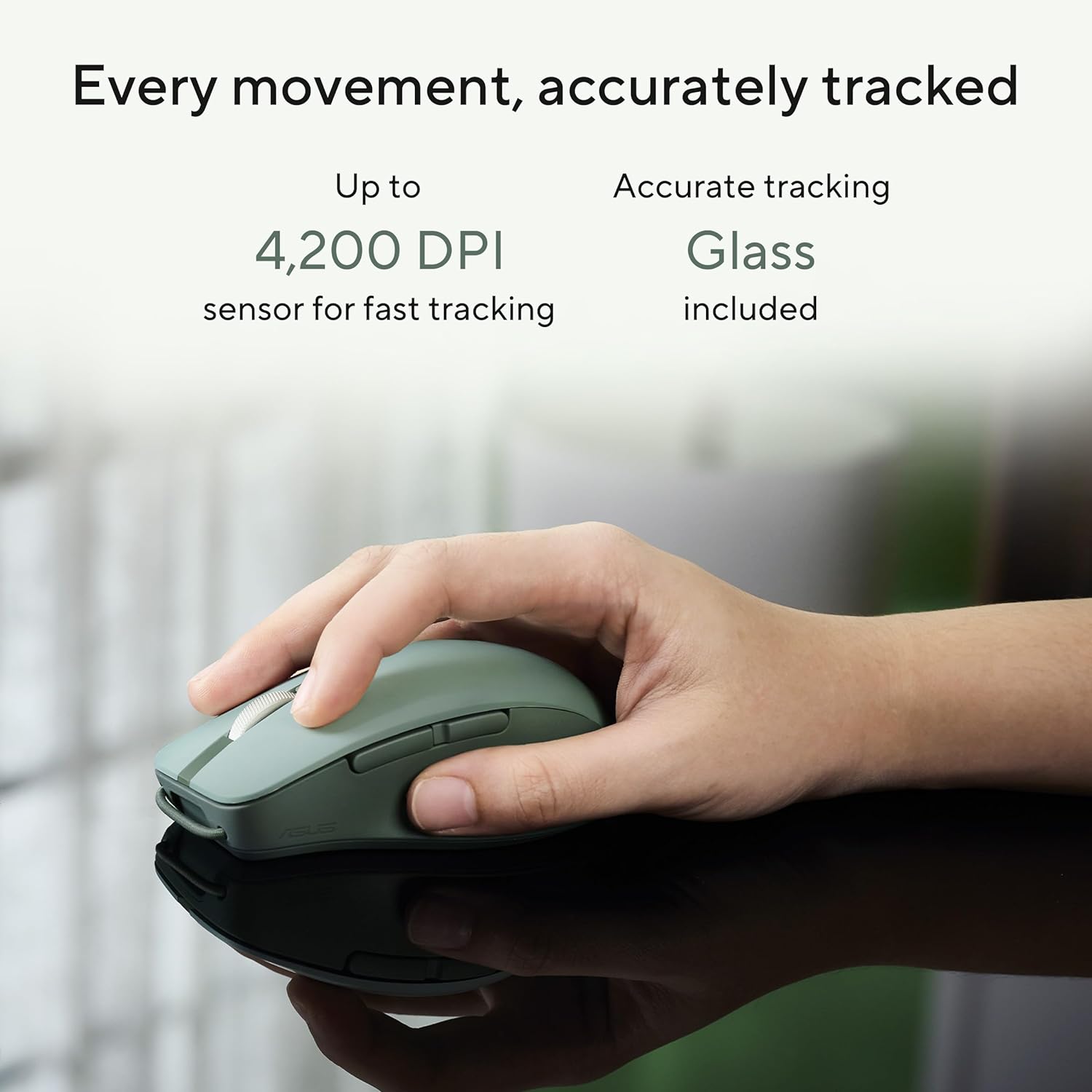
For connectivity, the MD200 SmartO mouse offers both 2.4 GHz RF and Bluetooth options. It has a 4,200 DPI sensor and durable switches which are rated for up to 10 million clicks. It is also around 30% quieter than conventional mice, reducing work distractions. Asus claims that the battery of the mouse can last up to 1 year.

It also comes with the Armoury Crate software, which lets you adjust settings and monitor battery life.

Pricing & availability

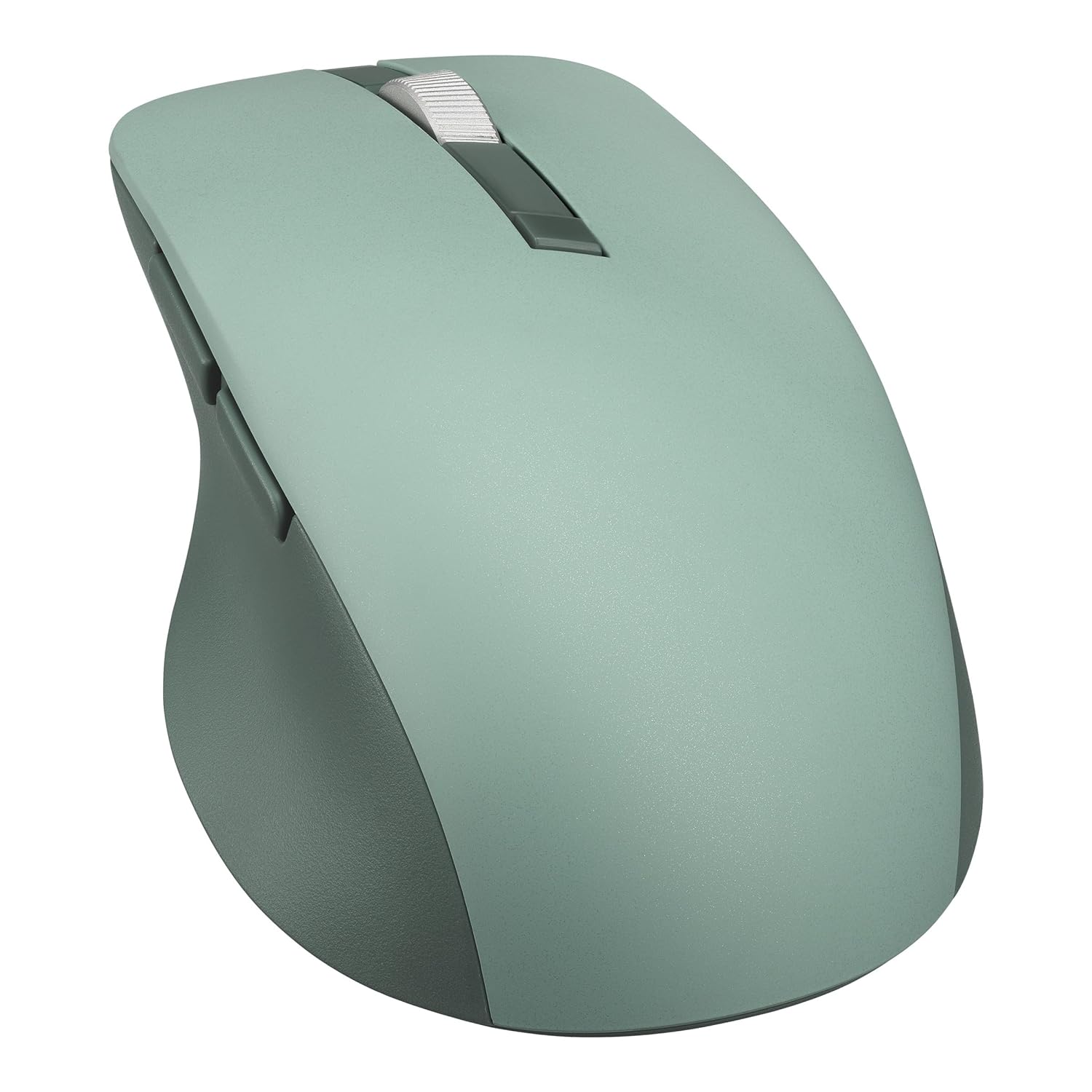
Priced at Rs. 2,499, the ASUS MD200 SmartO Mouse is available online at ASUS e-shop, Flipkart, and Amazon, as well as in-store at retailers like Croma, Vijay Sales, Reliance Digital, and ASUS authorized dealers. It comes in Secret Black and Green Tea Latte color options.

RELATED:

Meizu to launch “three major new AI products” this month

Meizu made headlines in February by announcing its departure from the smartphone market to go “all in on AI” and focus on developing AI devices. However, shortly after the announcement, they launched the Meizu 21 Pro phone, surprising everyone. 

Now, it seems Meizu is finally following through with their February announcement. Today, the company revealed its plans to unveil “three major new AI products” this month via a Weibo post. However, we are short of any details on what the company has in store for us. 

Apparently, Meizu has been working on a new phone as well. The device recently passed 3C certification in China with model number M468Q. It reveals support for 66W wired fast charging.

Previously, there was speculation that the M468Q could be the Meizu 21X, but it’s now rumored to be the Meizu 21 Note

The phone is expected to come with a Snapdragon 8 Gen 2 processor, a hefty 5500mAh battery, and a sleek design featuring a flat screen with a metal middle frame and glass body. At the moment, it seems the Chinese company has no intention of quitting the smartphone market. 

While details about Meizu’s future AI devices are scarce for now, the company previously revealed its plans to revamp the FlymeOS operating system from the ground up. This will allow for deeper integration of AI technology, offering users a more natural and intuitive AI experience.

We’ll continue to monitor and share updates on any new information Meizu reveals regarding its AI devices in the days ahead.

Related:

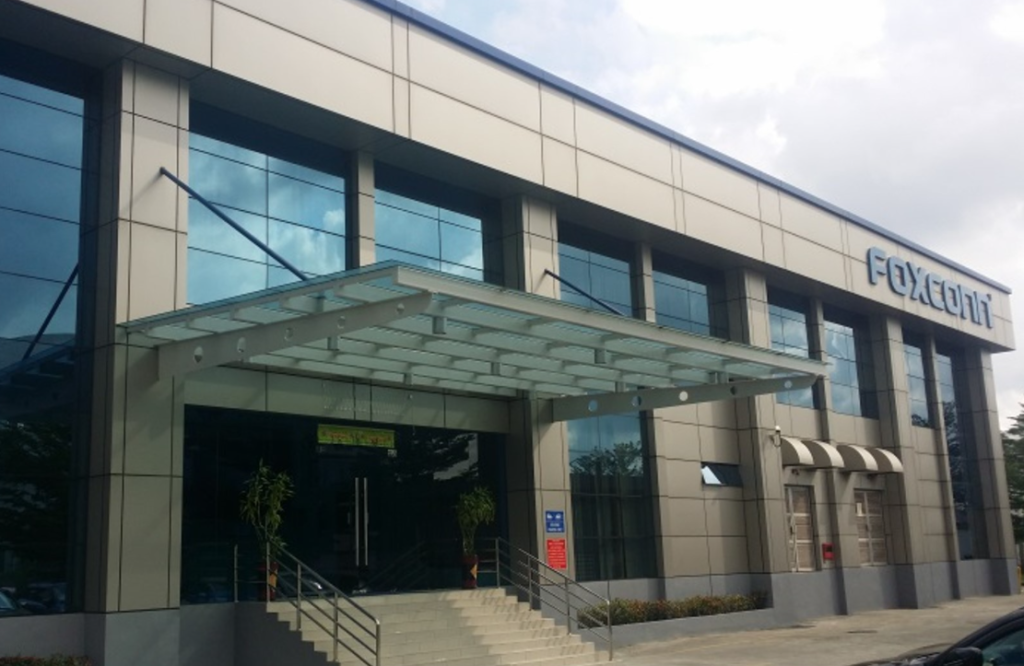
Foxconn records the highest April sales with almost $15.83 billion in revenue

Foxconn has achieved a milestone with its April sales soaring to a record high. With reported revenue hitting a staggering US$15.83 billion, marking a remarkable 19% year-on-year increase, the company has set a new benchmark for its monthly sales performance.

Aiding this impressive growth trajectory is the growing demand in the AI server sector, propelling Foxconn towards an optimistic outlook for the second quarter. Despite the traditional off-peak season, the company anticipates a rise in second-quarter revenue, foreseeing both quarter-on-quarter and year-on-year growth.

The surge in sales is further bolstered by the exceptional performance of key segments within Foxconn’s portfolio. The smart consumer electronics segment, encompassing smartphones, exhibited significant year-on-year growth, while robust demand in the cloud and networking products segment, attributed to AI server demand, contributed to the company’s overall success.

source: Wikipedia

Moreover, Foxconn’s strategic focus on AI and data center equipment manufacturing is paying dividends. Apart from being the largest assembler of Apple’s iPhones, the company is increasingly dedicating resources to building data center server racks and other AI-related equipment.

However, Foxconn’s fortunes remain intricately tied to Apple, with the tech giant’s business still accounting for more than half of Foxconn’s revenue. The recent performance of Apple, which reported a slight decline in revenues, particularly in iPhone sales, highlights the importance of Foxconn’s diversification efforts.

Despite facing challenges such as a tax probe into its operations and geopolitical tensions, Foxconn remains resilient. The company’s fourth-quarter net profit witnessed a significant jump, surpassing forecasts and reflecting its adaptability to market dynamics.

Looking ahead, the AI server market is poised for exponential growth, projected to witness a 30% annual surge between 2023 and 2025. With Foxconn at the forefront of this technological evolution, its expansion plans beyond China signal a proactive approach toward mitigating risks and capitalizing on emerging opportunities.

As investors await Foxconn’s first-quarter earnings call scheduled for May 14, the company’s stellar performance underscores its position as a key player in the global electronics manufacturing landscape, poised for sustained growth amidst evolving market dynamics.

Related:

(via)

Smartphone shipment in China finally saw a Year-Over-Year growth in Q1 2024 after 11 quarters

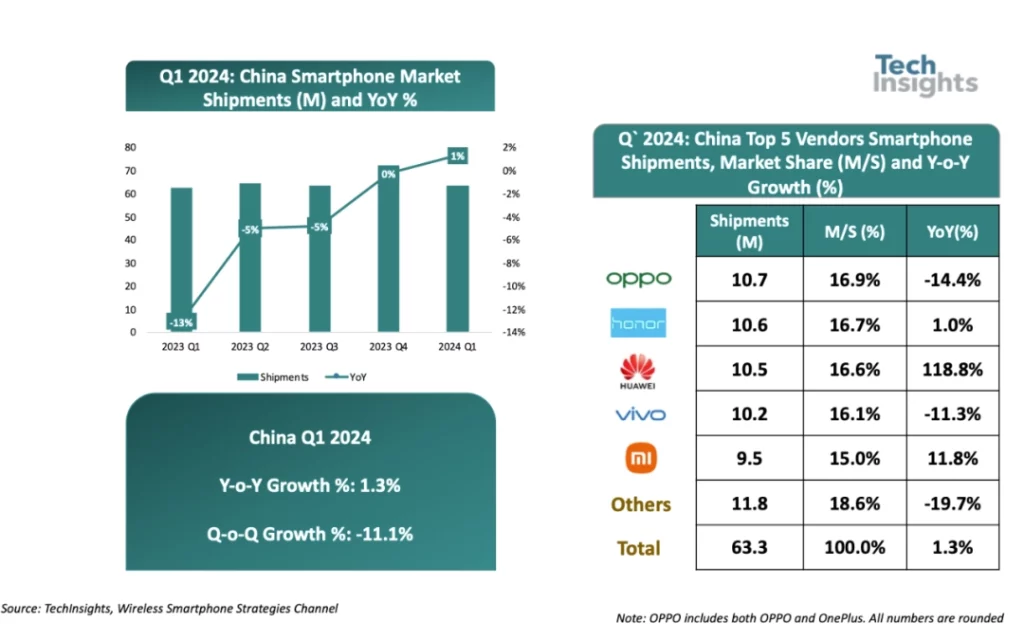
Market research organization TechInsights released a report showing that China’s smartphone market saw a 1% growth year-over-year in Q1 2024. While it seems to be a very small improvement, it has ended an 11-quarter streak of annual declines. The recovery is reportedly driven by a normal product launch cycle and improvements in the supply chain.

According to the report, Oppo come on top with a market share of 16.9%. The second, third, and fourth positions are occupied by Honor, Huawei, and Vivo with market shares of 16.7%, 16.6%, and 16.1% respectively. Xiaomi ranked fifth with a market share of 15.0%, and Apple fell out of the top five with a market share of 13.7%.

According to the market research firm TechInsights, the top six smartphone manufacturers collectively accounted for 95.1% of the market share. This is up from 93.7% of the previous year, which indicates an increase in market concentration.

Reportedly, smaller smartphone manufacturers in the country are facing challenges inside their home country. It could be a reason behind Meizu shifting its focus from building traditional smartphones to developing AI hardware.

Speaking of the first three months of 2024, Honor and Huawei took first place with a close 17.1% and 17% market share respectively, according to reports from market research firm IDC. This is followed by Oppo, Apple, and Vivo that has market share of 15.7%, 15.6%, and 14.6% respectively.

Not to mention, Huawei is quickly regaining its lost position in the country and is also reportedly planning to expand its business outside the country amidst the US trade restrictions. While the business is not possible in the US, the company is still ‘booming’ in Europe.

Related:

(Via)