Advertisement

Xiaomi launches the MIJIA 8kg drum washing machine with an embedded control knob

The latest home appliance released under Xiaomi‘s MIJIA brand is the MIJIA 8kg drum fully automatic washing machine. The product has been launched in China and is available from retail platforms like JD.com.

Features

The Xiaomi MIJIA 8kg drum washing machine has an ultra-thin design and a fully embedded physical knob in place of a touch screen. The body of the washing machine is 495mm thick and can be placed in smaller spaces in the home.
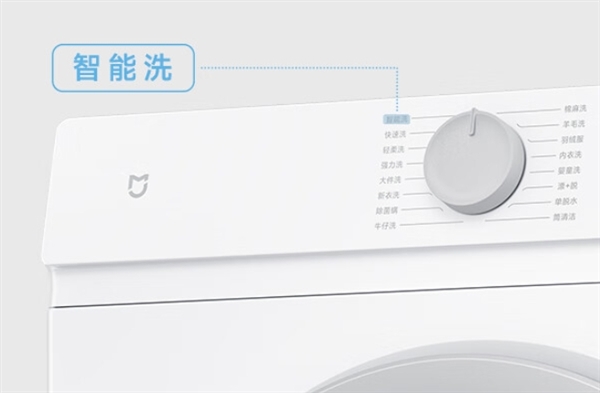
MIJIA 8kg drum washing machine

The MIJIA 8kg drum washing machine has a simple design and can be easily operated by the elderly. It has a 95ºC high-temperature threshold and can achieve a 99.99% sterilization rate, delivering deep sterilization of bacteria in dirty fabrics. The washing machine also supports 60ºC mite removal. This enables the easy destruction of mites adsorbed on clothes at a removal rate of 100%.

The machine is powered by a BMC sealed BLDC motor which reduces wear and improves noise reduction. The device supports intelligent sensing of the weight of the items being placed on the machine. It then offers an intelligent water supply and optimal duration of the washing operation.

MIJIA 8kg drum washing machine

The Xiaomi MIJIA 8kg drum automatic washing machine has a unique feature of supporting the addition of fabrics while the machine is already running. You can also pause adding clothes at any time. The washing machine is available in a cream color design.

Pricing

The MIJIA 8kg drum fully automatic washing machine is priced at 999 yuan ($139). There are no global availability details for the model at this time. However, it is expected that Xiaomi will ship the model to a sprinkling of several overseas markets subsequently.

Related:
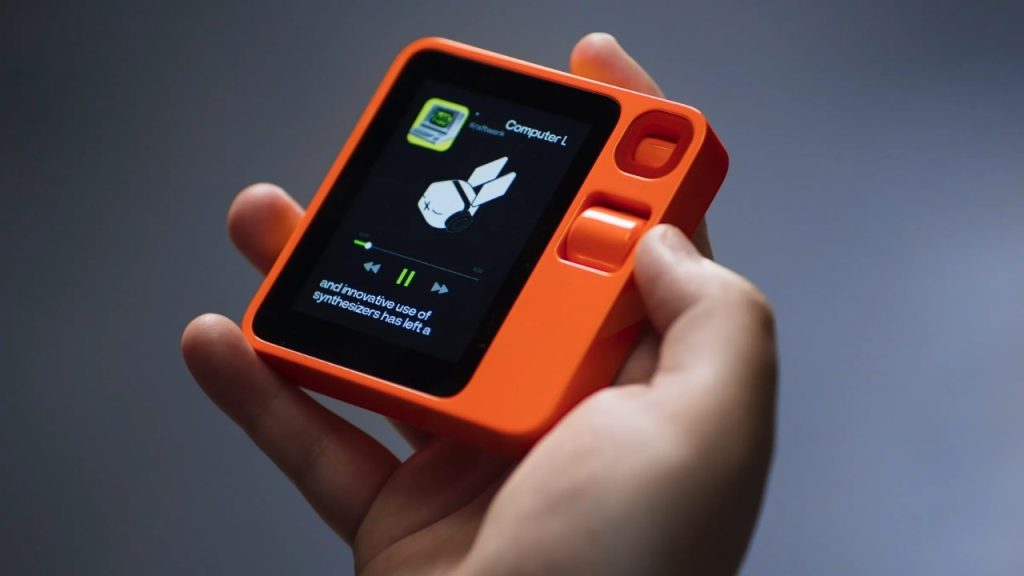
Rabbit R1 Controversy: Is It Just an Android App?

The controversy surrounding Rabbit Inc’s Rabbit R1 device has stirred significant debate and discussion in the tech community. Rabbit R1, marketed as a cutting-edge AI-powered gadget, has been the center of attention not just for its innovative claims, but also due to the nature of its software and operational framework. This has raised questions about the legitimacy and functionality of such standalone devices.

Rabbit R1

1. Background of Rabbit R1

Rabbit R1 is an AI device launched by Rabbit Inc., a company that transitioned from its previous involvement with NFTs and the metaverse under its former name, Cyber Manufacture Co. The device, priced at $199, is intended to serve as a portable AI assistant, offering various functionalities powered by Rabbit OS, a system allegedly built upon a highly customized version of the Android Open Source Project (AOSP).

2. The Controversy

The core of the controversy began when Mishaal Rahman from Android Authority reported that the Rabbit R1’s operating system, Rabbit OS, could actually be installed as an APK on Android devices. This revelation came after Rahman received a tip-off and successfully installed the Rabbit R1 APK on a Google Pixel 6a, effectively emulating the Rabbit R1 experience on a standard smartphone. Later he also added that the R1 specifically runs on Android 13.

This discovery was significant because it suggested that the Rabbit R1, despite being marketed as a unique and standalone device, might merely be replicating an experience that could be achieved through a smartphone app. This raised questions about the necessity and value of the Rabbit R1 as a separate hardware device.

3. Rabbit Inc’s Response

In response to these revelations, Rabbit issued a statement clarifying that the Rabbit R1 is not an Android app but a distinct AI hardware device designed to work in tandem with cloud-based services. The company emphasized that while the device’s software was indeed based on AOSP, it included bespoke modifications and cloud integrations that could not be fully replicated on other Android devices without proper authorization and cloud support.

4. Broader Implications

The incident has broader implications, particularly in how AI devices are perceived and marketed. The ability to install Rabbit OS on a regular smartphone suggests that the underlying technology is not as unique or proprietary as initially claimed, which could mislead consumers about what they are purchasing. This has led to criticisms regarding transparency and honesty in marketing such devices.

5. Historical Context and Consumer Trust

Adding to the controversy is Rabbit’s historical context. The company, previously involved in NFTs and metaverse projects that were abruptly discontinued, has a history of pivoting its business model without significant transparency. This past has contributed to current mistrust, as consumers and critics question the long-term viability and integrity of Rabbit’s products.

6. Market Reaction and Consumer Sentiment

The market reaction has been mixed. While some consumers remain intrigued by the potential of a dedicated AI device, others feel betrayed or skeptical about the value of the Rabbit R1, especially when similar functionalities are available through existing smartphones and apps. The discovery that the device’s unique software could run on standard smartphones has led to further criticism that Rabbit might be repackaging accessible technology in a more expensive and less practical format.

7. Conclusion

The Rabbit R1 controversy highlights a critical debate in the tech industry about innovation versus repackaging, transparency in marketing, and the ethical implications of business pivots in technology companies. As AI technology becomes more integrated into consumer products, companies must maintain clear and honest communication about their products’ unique values and functionalities to build and retain consumer trust. The controversy serves as a reminder of the importance of these factors in fostering a sustainable and consumer-friendly tech ecosystem.

RELATED:

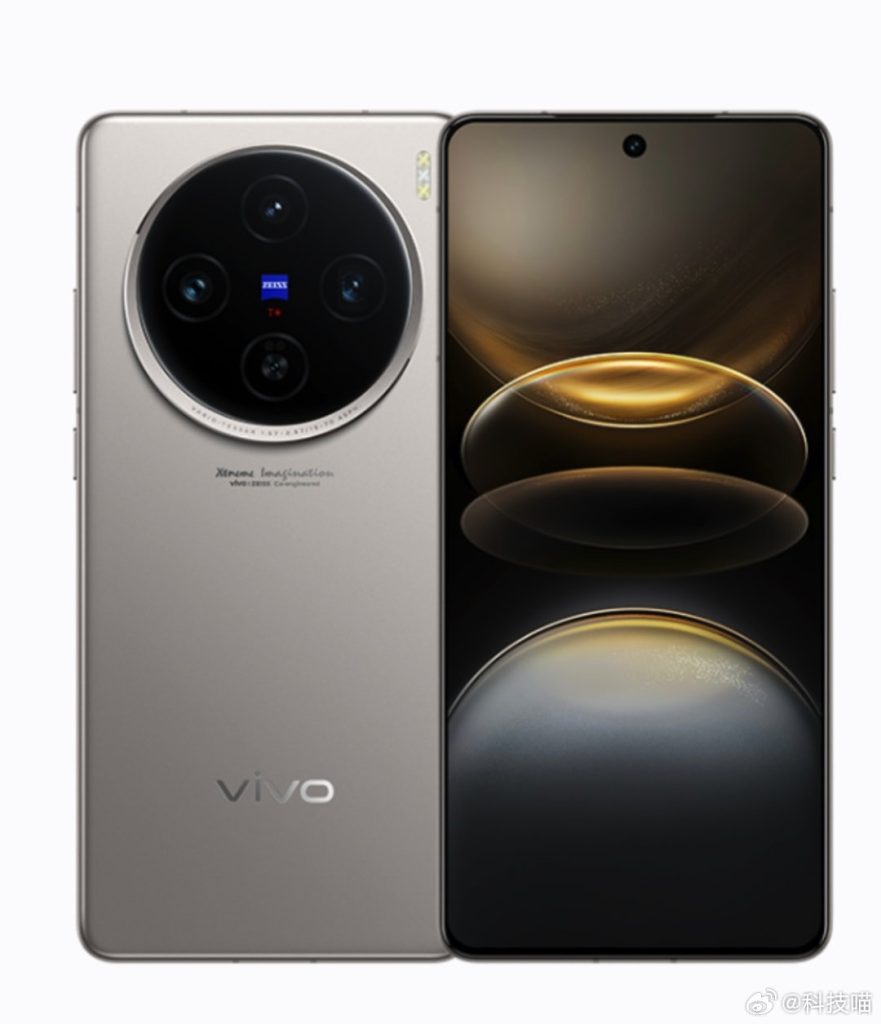
Vivo X100 Ultra real-life images show the gigantic camera bump

Vivo‘s launching new additions to its X100 series phones, including the top-of-the-line X100 Ultra, on May 13th in China.

While the company has already revealed renders of these phones, real-life images of the Vivo X100 Ultra have now surfaced on Weibo, courtesy of tipster Digital Chat Station.

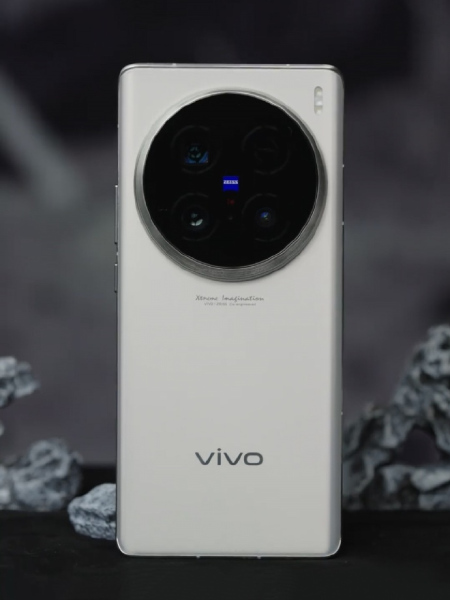
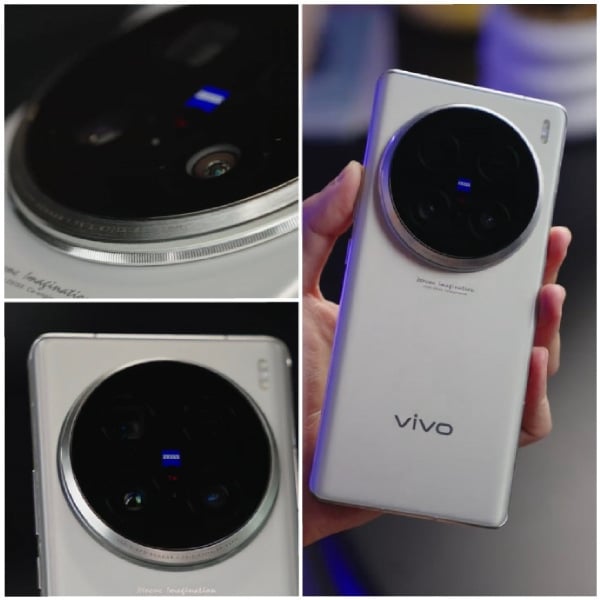
Vivo X100 Ultra real-life image -1

The leaked image shows a white X100 Ultra with the same crescent-shaped camera ring as the X100 and X100 Pro. The island houses three cameras, with the main highlight being the rumored 200MP telephoto sensor with a large 1/1.4-inch sensor size.

In addition, the X100 Ultra will feature a Sony LYT-900 50-megapixel primary camera with CIPA 4.5-level gimbal stabilization, along with a 50-megapixel ultra-wide lens. 

Even with all the beefy hardware, the tipster notes that the protrusion of the camera island is “acceptable.” Vivo has already teased the phone’s camera capabilities with some impressive samples.

Furthermore, the Vivo X100 Ultra will have a 6.78-inch AMOLED E7 display with a 2K resolution and 120Hz refresh rate.

Under the hood, it will be powered by a Snapdragon 8 Gen 3 chip, coupled with up to 16 GB of LPDDR5x RAM, up to 1 TB of UFS 4.0 storage, and support for 80W fast charging.

As for the price, a report earlier this week suggests that the phone’s 16GB+512GB variant will be priced at 7,499 Yuan, approximately $1,040, while the 12GB+256GB option will be priced at 6,699 Yuan, roughly $930.

Additionally, there are talks of a satellite variant of the phone. It will come in 16GB RAM and 1TB of storage, which is expected to retail for 8,499 yuan or around $1,180.

Related:

Realme GT Neo 6 purple variant revealed before May 9 launch

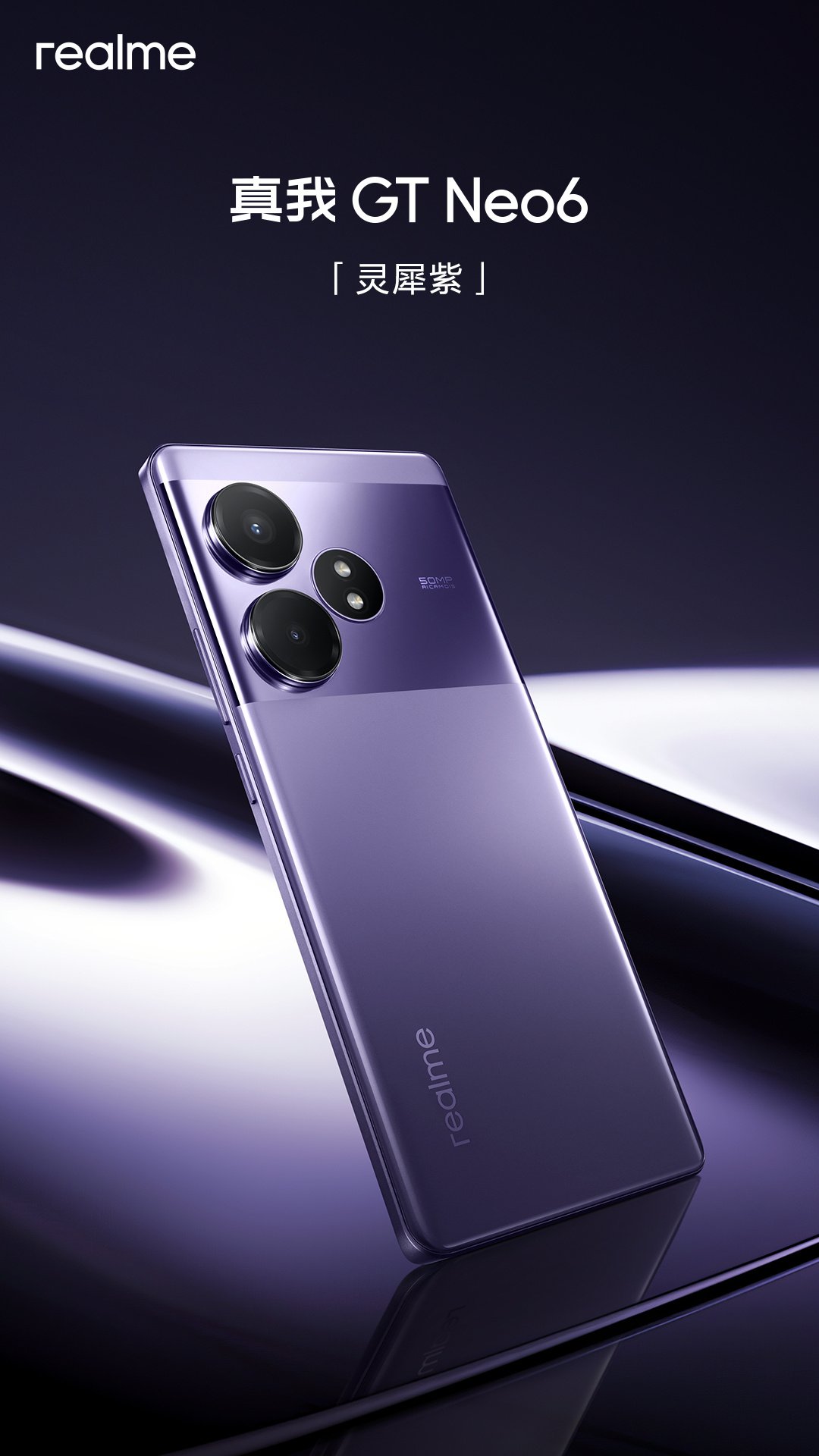
Realme released an official confirmation today that it will unveil the Realme GT Neo 6 at 2pm (local time) on May 9 in China. In addition, it rolled out another poster to showcase the design of the purple edition of the device. The official image reveals that its design will be identical to the Realme GT Neo 6 SE, which made its announcement last month in China.

Realme GT Neo 6 design

The image above shows the silver and green variants of the Realme GT Neo 6 SE. The Realme GT Neo 6, which has an identical design as the “SE” model, will be available in a purple option. At present, there is no information about the other color options of the device.

Two of the three rings on the back panel of the Realme GT Neo 6 have an OIS-enabled 50-megapixel primary camera and an auxiliary lens. The third one has a pair of LED flash units.

Chinese retailer JD.com has already listed the Realme GT Neo 6 for reservations. The listing has confirmed that the device will feature the Snapdragon 8s Gen 3 chipset, 1 TB of storage, and 120W fast charging. The GT Neo 6’s other specifications remain undisclosed. However, its other specifications could likely be the same as those of the SE model.

Therefore, the Realme GT Neo 6 may come equipped with a 6.78-inch curved-edge OLED panel that offers a 1.5K resolution and a 144Hz refresh rate. It may offer up to 24 GB of LPDDR5x RAM, a 5,500mAh battery, a 32-megapixel front camera, and a 50-megapixel (main) + 8-megapixel dual-camera system. The device is likely to arrive with a sub-3,000 Yuan (~$420) price tag in China.

RELATED:

Machenike Mini GTX gaming mini PC with AMD Ryzen 9 option launched in China

Machenike has launched the Mini GTX gaming mini PC with up to AMD Ryzen 9 processor in China. The flagship model is available in four different configurations and the top model is powered by the Ryzen 9 7940HS. The base model is powered by the AMD Ryzen 7 8845HS which is a solid offering from the AMD Hawk Point series.

Machenike Mini GTX

The base model of the Machenike Mini GTX has 16GB of DDR5 RAM and 1TB of PCIe 4.0 SSD. The flagship model in the lineup has 32GB of RAM and 1TB of storage. The other two variants in the Mini GTX lineup differ from the base and top variants via their RAM capabilities. All the variants of the gaming mini PC are equipped with the Radeon 780M iGPU which allows the gadget to easily run modern games with a decent frame rate. The gadget has a USB 4 port, allowing the user to pair with an eGPU. It however lacks the more capable OCuLink port for a more thrilling gaming experience.

Machenike Mini GTX Gaming mini PC

The Machenike Mini GTX gaming mini PC has an integrated cooling system that helps to sustain its performance. Three performance modes are available to the user and the Quiet mode sees the PC operating at a minimum noise level of 32dB. The product comes in a compact 0.82L housing, as well as VESA mount support. The Mini GTX has three USB 3.2 Gen 1 Type-A, one DisplayPort 1.4, an HDMI 2.0, and a 10Gbps Type-C port with PD. There are also two 2.5G Ethernet ports on the device and it can simultaneously handle four displays.

Pricing & Availability

The Machenike GTX gaming mini PC is priced at 2,899 yuan ($400) in China. Going by recent trends in its marketing strategy, it is unlikely that the model will be available overseas.

RELATED:

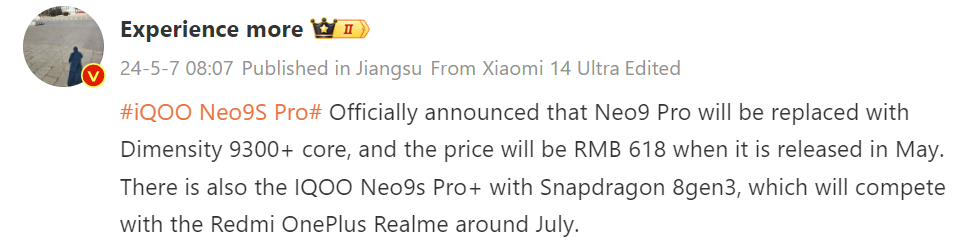
iQOO Neo 9s Pro, Neo 9s Pro+ with Dimensity 9300 Plus, Snapdragon 8 Gen 3 in works

In December 2023, iQOO unveiled the iQOO Neo 9 and Neo 9 Pro in China. These devices came equipped with the Snapdragon 8 Gen 2 and Dimensity 9300 chipsets, respectively.  It appears that the brand is now working on the Neo 9S Pro series of smartphones, which is most likely to be an incremental upgrade over the Neo 9 lineup.

iQOO Neo 9s Pro, Neo 9S Pro+ chipsets revealed

IQOO Neo 9S Pro May launch
IQOO Neo 9S Pro launch in May

The above poster confirms that iQOO will unveil the Neo 9S Pro equipped with the all-new Dimensity 9300 Plusv chip this month in China. The above teaser showcases the white variant of the device.

A Chinese leaker claims that another model, the iQOO Neo 9S Pro+, will join the Neo 9S Pro. This device is said to be equipped with the Snapdragon 8 Gen 3. The Neo 9 series is expected to rival flagship phones from Redmi, OnePlus, and Realme around July. These rival brands are likely to announce the Redmi K70 Ultra, OnePlus Ace 3 Pro, and Realme GT 6, respectively. While the Redmi flagship is expected to include the Dimensity 9300+, the Ace 3 Pro will have the Snapdragon 8 Gen 3. At present, there is no clarity about the chipset that will power the Realme GT 6.

The specifications of the iQOO Neo 9S Pro and Neo 9S Pro+ have yet to be confirmed. It is likely that, apart from packing different chipsets, both phones have the same specs as the Neo 9 and Neo 9 Pro.

Vivo, the parent brand of iQOO, is currently teasing the Vivo X100s, X100s Pro, and X100 Ultra, set for launch in China on May 13. Therefore, it appears that the Neo 9S Pro will debut in the second half of this month.

RELATED:

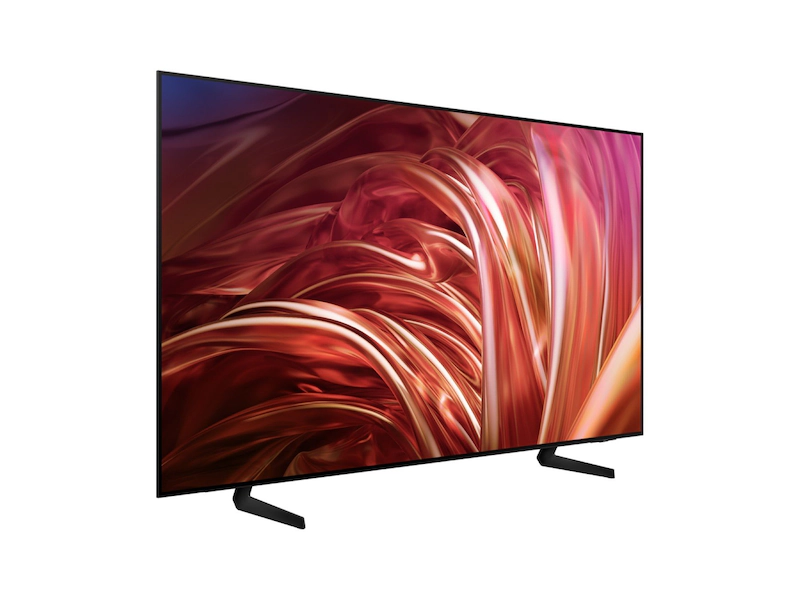
Samsung Shakes Up Budget OLED Market with New S85D Series TVs, Starting at $1,699.99

Samsung has thrown a curveball in the OLED TV game with the S85D series. Targeting LG’s stronghold on entry-level models, the 55-inch, 65-inch, and 77-inch S85Ds start at $1,699.99. Here’s a surprising twist, these sets likely use LG Display panels, indicating towards a possible shift in the competitive landscape.

Interestingly, the Samsung TVs likely use LG display panels

Samsung remains tight-lipped about the panels but emphasizes its NQ4 AI Gen2 processor for a top-notch viewing experience. This downplays the potential lack of Dolby Vision, a feature present on LG’s OLEDs. However, Samsung counters with a unique advantage: a native Xbox cloud gaming app on their Tizen OS, something LG currently lacks.

Samsung OLED

Gamers will also appreciate the standard-setting 120Hz refresh rate across all four HDMI ports. Interestingly, Samsung avoids mentioning quantum dots with the S85D. Instead, they highlight “Pantone-validated colors” and “pure blacks and bright whites,” suggesting the use of more affordable WOLED panels to hit their price targets.

The S85D series seems to be a strategic move for Samsung. It offers a budget-conscious entry point for OLED TV buyers, while fostering an unexpected collaboration within the industry. Considering Samsung prides itself on its LED panels, this crossover to LG may be suggestive of new things to come in the future.

RELATED:

(VIA)

Max Appeal – iPhone 15 Pro Max is the Top-Selling Phone Globally for Q1 2024, Samsung Close Behind

Apple and Samsung continue their dominance in the global smartphone market, grabbing all ten spots in the top-selling phones list for Q1 2024, according to Counterpoint Research. This trend reflects a growing consumer preference for high-end devices, with seven out of the top ten models priced at $600 or above.

All four iPhone 15 models made the top ten list

Apple takes the crown with the iPhone 15 Pro Max as the absolute best-seller. This marks the first time a Pro Max variant leads the pack outside of peak holiday seasons, solidifying the appeal of Apple’s premium offerings. All four iPhone 15 models made the top ten, with the entire series firmly holding the top three positions. The popularity of the iPhone Pro line is undeniable, contributing to half of Apple’s Q1 2024 sales – a significant jump from 24% in the same quarter of 2020. Pro iPhones have become the driving force behind Apple’s revenue, now accounting for over 60%.

Samsung secures two spots in the top ten with the Galaxy S24 series. The Ultra variant takes fifth place, while the standard model sits at ninth. The series’ strong performance is attributed to advancements in Galaxy AI, offering users a new level of AI-powered experiences on their devices.

RELATED:

(VIA)

Vivo X100s will sport 7.8mm thin profile, flat display

On May 13, China will see the launch of the Vivo X100s, along with the Vivo X100s Pro and the X100 Ultra. The X100s will succeed the Vivo X100, which came equipped with the Dimensity 9300 chip. The successor model is already confirmed to feature the upcoming Dimensity 9300 Plus chipset. Today, the brand released the following poster to tease the design of the X100s.

Vivo X100s design

Vivo X100s thin profile

The official poster released by the brand confirms that the Vivo X100s has a slim profile of 7.8mm. While the X100 features a curved edge screen, the X100s will have a flat display. To recall, the X100 has a thickness of around 8.5mm.

Vivo X100s
Vivo X100s

Shown above is an official image of the Vivo X100s, which has a good look and a good front and rear design. The back panel of the phone sports a familiar round camera module with three cameras and the Zeiss logo. It also features an LED flash unit in the upper-right corner. As per reports, the device will arrive in four options, such as black, white, titanium, and cyan.

Vivo X100s specifications (rumored)

Vivo X100s
Vivo X100s

The detailed specifications of the Vivo X100s are not known yet. However, rumors suggest that the Vivo X100s will share the same specs as the X100, apart from featuring a flat screen and a chipset. Therefore, the X100s is expected to feature a 6.78-inch AMOLED LTPO 1.5K display that offers a 120Hz refresh rate and an in-screen fingerprint scanner. It will have a 32-megapixel front camera, and a 50-megapixel (main, with OIS) + 50-megapixel (ultrawide) + 64-megapixel (3x periscope telephoto) triple camera unit.

It is speculated that the Vivo X100s will arrive in four configurations, such as 12 GB RAM + 256 GB storage, 16 GB RAM + 256 GB storage, 16 GB RAM + 512 GB storage, and 16 GB RAM + 1 TB storage. The expected prices for these variants are 3,999 Yuan (~$565), 4,399 Yuan (~$620), 4,699 Yuan (~$660), and 5,199 Yuan (~$730), respectively.

 RELATED:

Dangerous security vulnerabilities discovered on Xiaomi devices [UPDATE: Official Statement]

UPDATE: Official Statement from Xiaomi below

Protecting the data security and privacy of our users is the top priority. Xiaomi has remediated all vulnerabilities reported by the Oversecured team and has ensured that no user is exposed to risk posed by these vulnerabilities. Users are always advised to update their devices to the latest version of software which offers security updates.

Xiaomi, one of the leading smartphone manufacturers globally, has recently come under scrutiny due to the discovery of 20 vulnerabilities affecting its devices. These vulnerabilities, if exploited, could lead to the leakage of sensitive user information and potentially allow for remote control of affected devices. It’s imperative for Xiaomi to address these vulnerabilities promptly to ensure the security of its users data.

Dangerous vulnerabilities in Xiaomi devices

The vulnerabilities affect both MIUI and HyperOS, with HyperOS being essentially a rebranded version of MIUI. The affected apps include familiar ones like Gallery, Mi Video, and Settings, among others. Interestingly, some vulnerabilities stem from Xiaomi’s patching of AOSP (Android Open Source Project) apps, indicating a need for more thorough testing and security measures during the patching process. List of applications that cause security vulnerabilities:

  • Gallery (com.miui.gallery)
  • GetApps (com.xiaomi.mipicks)
  • Mi Video (com.miui.videoplayer)
  • MIUI Bluetooth (com.xiaomi.bluetooth)
  • Phone Services (com.android.phone)
  • Print Spooler (com.android.printspooler)
  • Security (com.miui.securitycenter)
  • Security Core Component (com.miui.securitycore)
  • Settings (com.android.settings)
  • ShareMe (com.xiaomi.midrop)
  • System Tracing (com.android.traceur)
  • Xiaomi Cloud (com.miui.cloudservice)

While no system can claim to be completely impervious to vulnerabilities, Xiaomi’s response is crucial. The company has already demonstrated a proactive approach by swiftly releasing updates to patch significant vulnerabilities, such as those reported by Microsoft regarding Xiaomi’s file manager. This responsiveness is commendable and instills confidence that Xiaomi is committed to addressing security concerns promptly.

However, it’s essential for Xiaomi to maintain vigilance and continue to prioritize security in its software development processes. Regular security audits, timely patches, and transparent communication with users regarding security updates are essential practices for any modern tech company, especially one of Xiaomi’s stature.

Although the recent vulnerabilities raise concerns, Xiaomi’s efforts to address them promptly and transparently are important. The brand is expected to fix these vulnerabilities immediately.

Related:
(Via)

Here are Philips’ Three New Transformers-themed Electric Razors with Bumblebee, Optimus Prime, Megatron Co-Branding

Partnerships sometimes lead to products that we would never normally expect. Like for instance, would you ever expect Philips to drop ‘Transformers’-themed electric razors? Well, that’s exactly what Philips did. The company unveiled a limited-edition collection of razors co-branded with the three most iconic Transformers – Bumblebee, Optimus Prime, and Megatron.

The three razors have paint jobs, logos and avatars for Bumblebee, Optimus Prime and Megatron

These razors are more than meets the eye. Each one incorporates classic Autobot/Decepticon logos, character-inspired paint jobs, and even engraved character avatars. To immerse in the Transformers universe, the set includes themed storage bags, cleaning compartments, charging bases, and blade dust covers.

Philips Transformers Razor

But beyond the aesthetics, these razors pack a technological punch. All three models boast “double-layer stainless steel blades imported from Sweden” for a clean, comfortable shave. These blades work together to effectively lift and cut beard hairs, regardless of thickness. SkinlQ power adaptive technology adds another layer of comfort by adjusting power output based on your beard density, minimizing pulling and irritation.

Optimus Prime, the leader of the Autobots, takes the center stage with the most advanced features (as expected). This Honeycomb 9 series model boasts 3,000 shaving pressure inductions per minute, ensuring a close shave. A skin-friendly coating on the cutter head reduces friction, while shaving path feedback helps you develop a more efficient shaving technique. For a thorough clean, it offers a cleaning mode with a high-pressure nozzle, and the convenience of wireless charging. On a single charge, it delivers 60 minutes of use, with the option for a 1-hour full charge or a quick 5-minute fast charge.

Picture 4

For the Megatron one, the Honeycomb 7 series model prioritizes skin comfort with a special coating that allows for comfortable dry shaving, even on sensitive skin. It features shaving planning to guide you for optimal results and a 360-degree flexible head that tackles any facial contour. Similar to Optimus Prime, it includes a wireless cleaning center, a smart app connection for tracking shaving data, and offers the same 60-minute usage time with 1-hour charging or 5-minute fast charging via USB-A.

Bumblebee, the fan-favorite scout, offers a more budget-friendly option. This Honeycomb 5 series model prioritizes portability with its 360-degree flexible head and a pop-up design for easy rinsing under water. The included flash charging base provides quick top-ups, while maintaining the same 60-minute usage time and fast charging capabilities of its counterparts.

Whether you side with the Autobots or Decepticons, there’s a Philips Transformers razor for you. Prices start at 949 yuan ($146 USD) for Bumblebee, with Megatron at 1549 yuan ($238 USD), and Optimus Prime at 2949 yuan ($453 USD).

RELATED:

(Via)

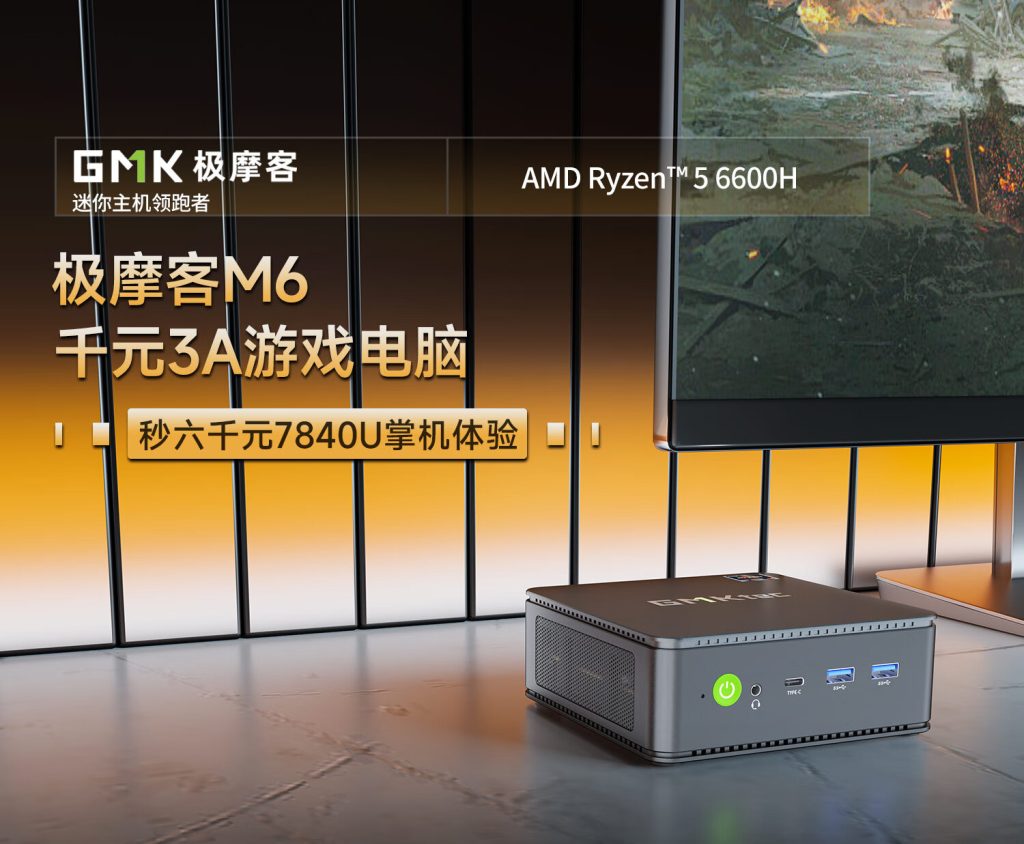
Gmktec launches M6 mini PC boasting AMD Ryzen 5 6600H, Radeon 660M & up to 32GB RAM

Gmktec has released its latest mini PC in the Chinese market, the M6, boasting an AMD Ryzen 5 6600H processor and a starting price of only 1288 yuan ($178). This tiny powerhouse packs a serious punch, making it a compelling option for gamers and professionals alike. Let’s check out its key specs.

Gmktec M6 Mini PC

Gmktec M6 Mini PC Specifications:

At the heart of the M6 mini PC lies the AMD Ryzen 5 6600H processor, a six-core, twelve-thread processor built on the 6nm process technology and featuring the ZEN 3+ architecture.

This processor is paired with Radeon 660M graphics, delivering substantial computing power and enhanced graphics performance comparable to a desktop GTX 1050, making it suitable for gaming and professional tasks like 3D rendering and video editing.

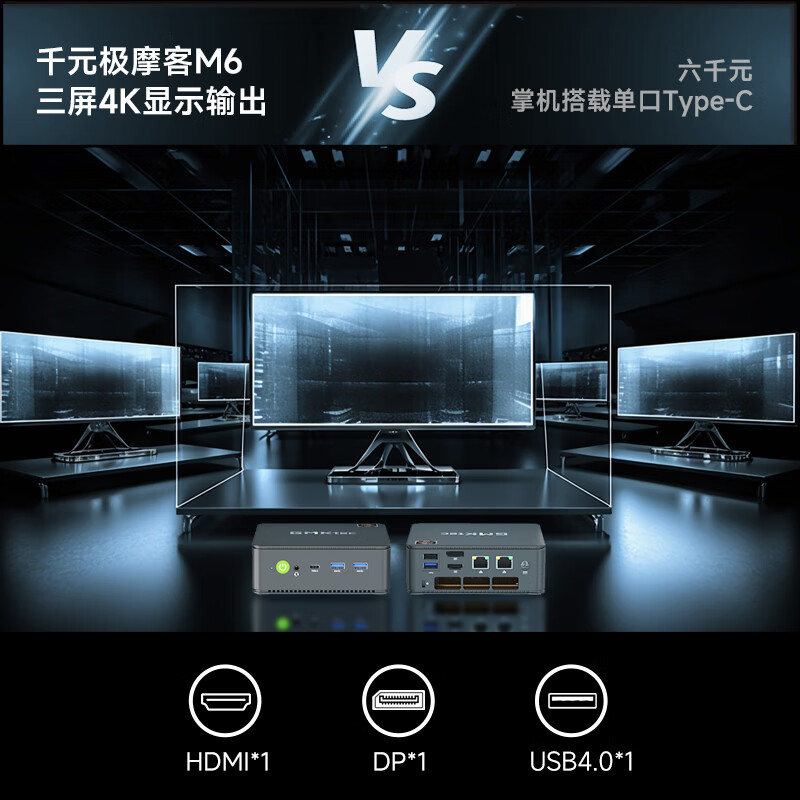
The M6 supports up to 32GB of 4800MHz DDR5 RAM and offers storage options up to a 1TB M.2 2280 solid-state drive. Its connectivity options are robust, featuring two 2.5G network ports that surpass traditional gigabit speeds, along with HDMI, DisplayPort, USB 3.2, and a full-speed USB 4 port capable of 40Gbps transfer rates.

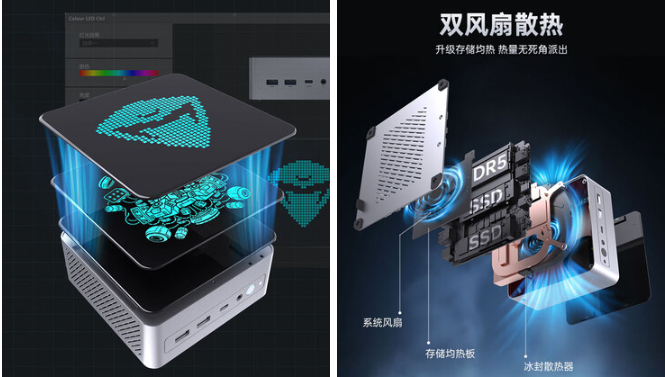
Cooling in the M6 is managed by a dual-fan system, incorporating a superconductive copper dual turbine design, which effectively maintains optimal operating temperatures even under load. This cooling efficiency supports the PC’s ability to handle an extended thermal design power (TDP) of up to 60W.

For displays, the M6 can handle multiple outputs with its HDMI and DisplayPort connections, facilitating triple 4K display setups. For wireless connectivity, it features WiFi 6 and Bluetooth 5.2.

The M6’s compact design measures just 128.8mm in length, 127mm in width, and 48.8mm in height, making it incredibly space-efficient, approximately 1/40th the volume and 1/20th the weight of a conventional desktop. Additionally, the M6 includes a VESA bracket for mounting behind monitors, keeping workspaces clean and organized.

Pricing and Availability:

The Gmktec M6 mini PC offers several pricing options based on different configurations. The base model, which is a barebones system without any RAM or storage, starts at 1288 yuan ($178). For those requiring more memory and storage, the price increases accordingly: the version with 16GB of RAM and 512GB of storage is priced at 1788 yuan ($252), the 16GB RAM and 1TB storage configuration costs 1988 yuan ($280), and the highest specification offering 32GB of RAM and 1TB storage is available for 2288 yuan ($323).

RELATED:

BYD initiates its first-ever EV recall for 16,666 Seagulls due to a software bug that prevents reverse camera image display

BYD has announced the recall of thousands of the BYD Seagull electric vehicles in China. A total of 16,666 units of the Seagull EV are affected by the recall. The recall is due to a software bug that prevents reverse image display. This is the first time that BYD is initiating a recall of its product in several years. The BYD Seagull is the least expensive EV under the BYD lineup. It is also one of the highest-selling BYD EVs.

byd seagull

This is BYD’s first-ever EV recall yet

The affected BYD Seagull EVs were manufactured between April 7, 2023, and May 31, 2023. The recall starts on May 20, 2024, as announced by China’s State Administration for Market Regulation (SAMR). The software issue is related to the camera driver in the multimedia display assembly of some of the Seagull EV units. Drivers may experience situations where the reverse screen will not be displayed. This could significantly affect the driver’s field of vision and increase the risk of collisions during such reverse operations.

The software upgrade will result in the resolution of the reverse image display issue. The upgrade is free and will be over the air (OTA) for the affected vehicles. Additionally, BYD will contact users of vehicles that cannot implement the recall via OTA and also implement the upgrade at no extra cost. The upgrade, BYD says, will eliminate potential safety hazards that could result from a dysfunctional reverse camera system.

The BYD Seagull is known as the Dolphin Mini in some markets outside China. It went on sale on April 26, 2023, with a price tag slightly above $10,000 (73,800 yuan). The Seagull Glory Edition was launched in March 2024 with a launch price of 69,800 yuan ($9,640). BYD sold more than 280,000 units of the Seagull in 2023 and this accounted for 9% of BYD’s annual sales.

RELATED:

YouTuber converts Apple AirPods Max Lightning port to USB-C with custom kit

A YouTube video has surfaced of an innovator converting an Apple AirPods Max device to a USB-C connection in place of its original Lightning port. This was accomplished using a custom kit which can be purchased online.

Apple Airpods Max Pro

The AirPods Max is yet to officially join the list of Apple models that uses USB-C ports

The prevalence of the use of USB-C charging solutions for a variety of products makes them a versatile option. It is an important fact that iPhones are now part of the products that offer USB-C charging and it is expected that the entire AirPods lineup will subsequently adopt the USB-C charging solution.

Apple has already begun producing AirPods that do not need a Lightning port to charge. This facility is yet to be extended to the more expensive flagship wireless headphones on the Apple portfolio. The YouTube video demonstrated how an AirPods Max could be easily converted to a USB-C connection. The innovator is named as Ken Pillionel showed that a replacement flex cable can convert the AirPods Max to USB-C. The custom kit comes with all the miniature spacers and precision-cut adhesive strips for snugly fitting the USB-C into the headphone’s right cup.

It is noted that the custom kit is used at the owner’s risk, as some mostly cosmetic damage may be incurred during installation. Otherwise, the replacement procedure is effective and the USB-C connection will work perfectly for the AirPods Max. Its operation will be similar to that of the new Apple AirPods Pro 2 case. The AirPods Max custom kit is compatible with other USB-C accessories like the 3.5mm audio jack. The AirPods Max is currently priced at $549. Thus, if the USB-C switch must be implemented, it should be done with caution so that important components of the premium headphones are not damaged in the process.

Related:
Apple Music’s Spatial Audio Comes to LG Smart TVs with Exclusive Trial Offer

LG Electronics has updated its Smart TV series, including OLED and QNED models, to support Apple Music with Spatial Audio and Dolby Atmos, making them the first TVs to incorporate this feature.

Users can now access the Apple Music library, featuring over 100 million songs and 30,000 playlists without ads, along with exclusive live content and interviews.

Starting this week, LG is offering a three-month free trial of Apple Music available on compatible Smart TVs from 2018 onwards that run webOS 4.0 or higher. This includes unique models like the StanbyME, StanbyME Go, and MyView Smart Monitor.

The integration of Spatial Audio with Dolby Atmos on these TVs improves the sound quality significantly. When connected to compatible LG soundbars, the TVs automatically deliver music in high-quality surround sound.

TVs not directly compatible with Dolby Atmos can still provide the Spatial Audio experience when linked to a compatible Dolby Atmos LG soundbar. LG has ensured that several of its soundbar models from 2022 to 2024, including the latest SxxTR and SxxTY series, are compatible with this feature.

RELATED:

(Source)

Sony Xperia 10 VI appears on Geekbench with Snapdragon 6 Gen 1 processor

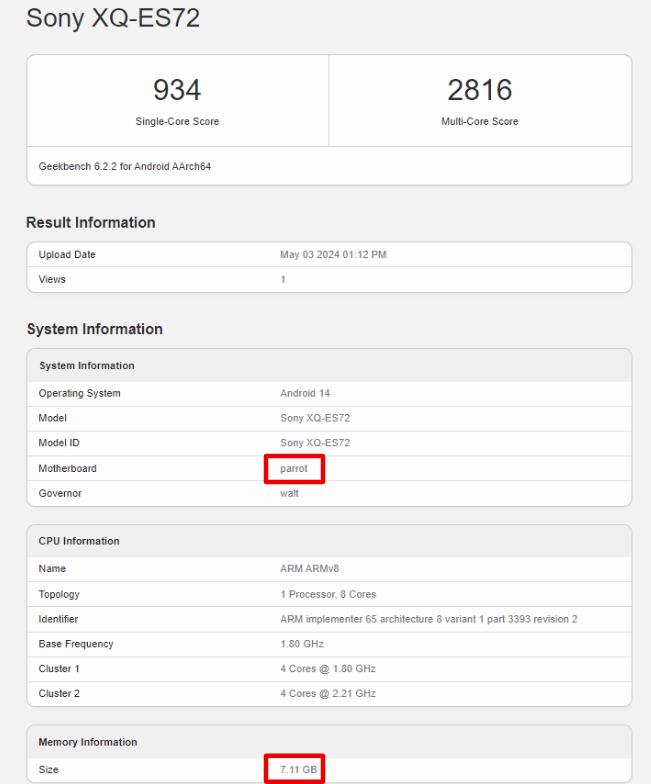
Sony is expected to debut its 2024 lineup of smartphones, including the Xperia 1 VI, Xperia 5 VI, and the Xperia 10 VI smartphones. The Xperia 10 VI, identified by its codename “parrot,” has been spotted on Geekbench, revealing some key details like its processor, RAM, and performance.

Sony Xperia 10 VI Geekbench

As per the Geekbench listing, the Xperia 10 VI with model number XQ-ES72 features a Snapdragon 6 Gen 1 processor. The device scored 934 points on the single-core test and 2816 points on the multicore test on Geekbench 6.2.2. The tested phone features 8GB RAM and an Android 14-based operating system.

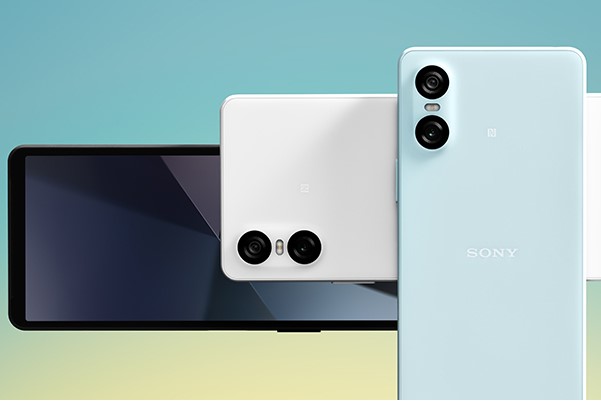
Previous reports have mentioned that the Xperia 10 VI will also come in a 6GB RAM configuration. Leaked renders have also revealed what the device looks like, and also the fact that it features two cameras on the back (primary and ultra-wide), along with a 3.5 mm audio jack. Unfortunately, no further details about the Xperia 10 VI have surfaced yet. That being said, we can take a look at its predecessor to get an idea of what to expect.

Sony Xperia 10 V specs:

The Xperia 10 V boasts a 6.1-inch OLED display with Full HD+ resolution, a 60Hz refresh rate, and a 120Hz touch sampling rate. It runs on a Qualcomm Snapdragon 695 SoC coupled with 8GB of LPDDR4X RAM and 128GB of UFS 2.1 storage, expandable up to 1TB via a microSD card slot. The device is fueled by a 5,000mAh battery supporting 30W fast charging.

RELATED:

(via)

Infinix GT Book specs revealed: 16″ 120Hz display, RTX 4060, Core i9-13900H & more

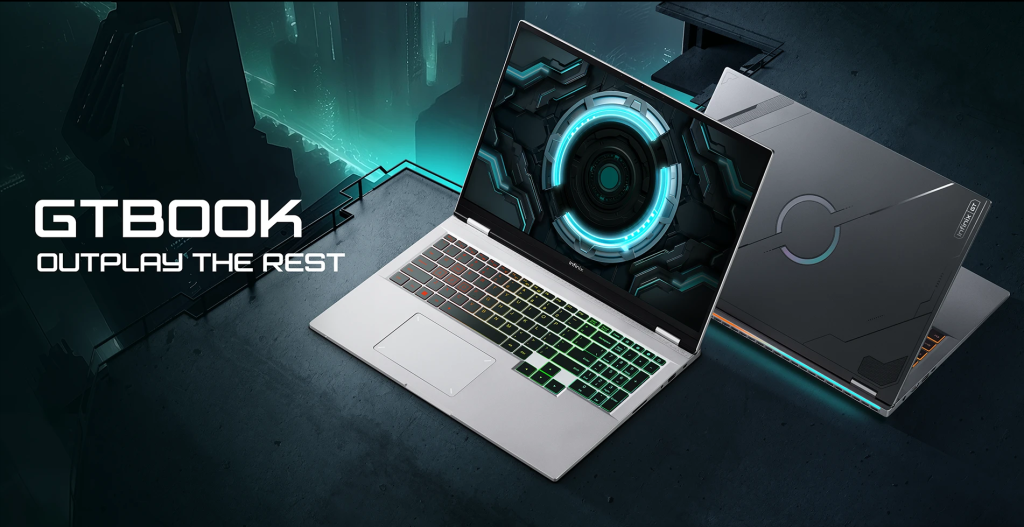
Infinix recently introduced its GT 20 Pro smartphone at a launch event, where the company also shared plans to expand into the gaming market with devices like gaming laptops. Their first step in this direction is the upcoming release of the Infinix GB Book, their debut gaming laptop. Ahead of its launch, details about the laptop’s specifications have already been leaked online.

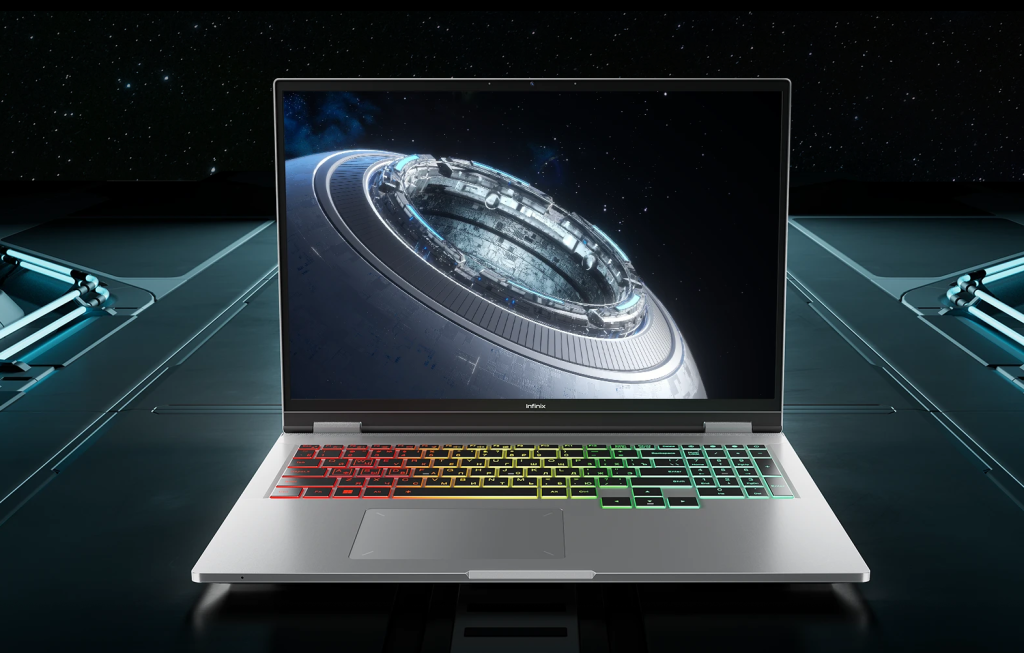
Infinix GT BOOK

As per the brand’s website, the Infinix GT Book will come configured with Intel’s Core i5-12450H to the Core i9-13900H. As for graphics options, the laptop will offer three choices: RTX 3050, RTX 4050, and RTX 4060.

The laptop features up to 32 GB of LPDDR5X RAM and 1 TB of storage. It includes a 16-inch display with a 120 Hz refresh rate, 16:10 aspect ratio, and full sRGB color gamut coverage.

Infinix GT BOOK

Despite the beefy specifications, the laptop will be relatively lightweight, weighing just under 2KGs. Connectivity is covered with multiple USB ports, HDMI, an SD card reader, and an audio jack. It also features like Wi-Fi 6E, a programmable RGB keyboard, a 1080p webcam, and a 72 Wh battery supported by a 192 Watt fast charger.

Although Infinix has not released a particular launch date for the GT Book, we can expect the laptop to debut within the month as the brand has already started teasing it on the Indian e-commerce platform Flipkart.

RELATED:

(Source)

Rapoo launches VT1 Pro Dual High-Speed gaming mouse boasting PixArt 3398 sensor, 180hrs battery life

Rapoo has introduced its latest gaming mouse, the VT1 Pro Dual High-Speed Edition, in the Chinese market. The mouse is now available on JD.com for 229 yuan ($32). Let’s delve into its key specs.

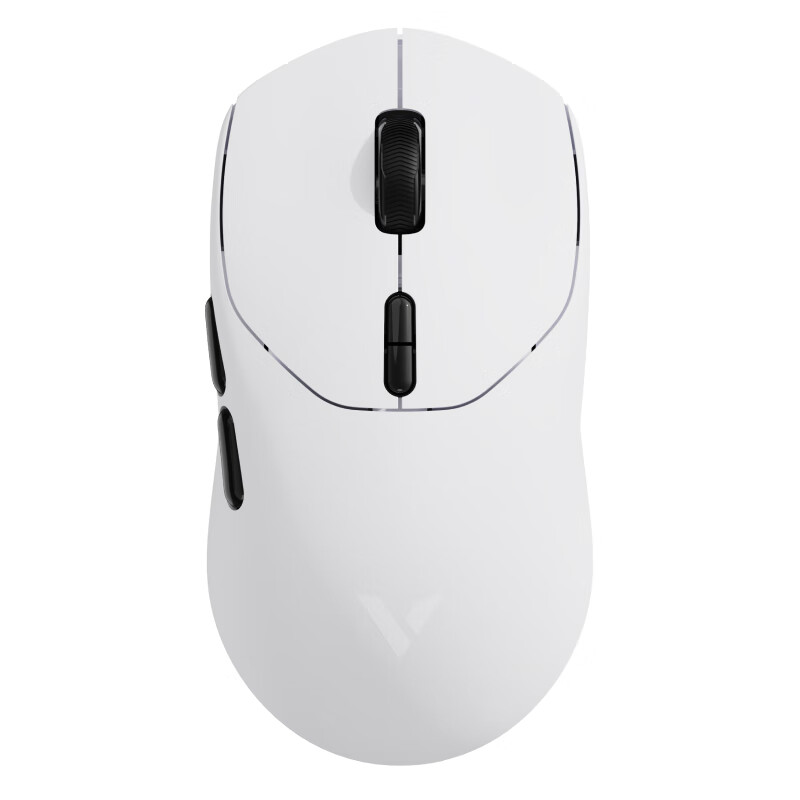
Rapoo VT1 Pro

Rapoo VT1 Pro Dual High-Speed Mouse Specifications:

The gaming mouse features a high-performance PixArt 3398 sensor with 650IPS tracking speed and 50G acceleration. The mouse weighs only 50 grams and it is particularly suited for users with medium to small hand sizes.

The design includes separated side keys and strategically placed grooves on the sides to enhance grip, ensuring ease of use and preventing accidental clicks. This device supports a dual reporting rate, offering a 4KHz wireless and 8KHz wired reporting rate, made possible through Rapoo’s V+Wireless technology. This technology guarantees a response time as low as 0.125 milliseconds, optimizing casual and competitive gaming performance.

Further enhancing its gaming credentials, the VT1 PRO is equipped with an 800mAh battery, which extends its wireless usability to a maximum of 180 hours under optimal conditions. The mouse is also equipped with a Realtek RTL low-power chip and Rapoo’s independently developed intelligent power-saving algorithm, ensuring efficient power usage during different operating states such as work, sleep, and wake.

Rapoo VT1 Pro

It incorporates various grip styles including prone grip, finger grip, and claw grip, catering to different user preferences. The mouse also features an onboard storage as well as cloud storage capabilities, allowing users to save and switch between custom configurations easily.

In terms of durability and responsiveness, the mouse uses Omron switches rated for 60 million clicks and a scroll wheel designed for a million scrolls, ensuring long-lasting performance. The device also offers a range of programmable buttons — 10 in total — which can be customized for various functions and macros.

The VT1 PRO supports DPI adjustments from 50 to 26,000 with independent X/Y axis settings, making it highly adaptable to different gaming needs and styles.

For connectivity, the mouse includes a 4K nano receiver with a real-time battery RGB indicator, which changes colors based on the remaining battery life. The charging options are versatile, featuring a USB-C interface and supporting an optional wireless charging module, which can be purchased separately.

This model is a part of Rapoo’s broader range of VT1 series gaming mice, which include other models like the VT1 Pro Max and VT1 Air Max, each tailored to specific user needs but maintaining the core features of high responsiveness, adaptability, and ergonomic design.

RELATED:

Samsung Galaxy S25 will have improved battery life, not due to increased size but thanks to AI

Samsung has plenty of time to cook the Galaxy S25 series smartphones. However, this doesn’t mean we won’t hear any details about the company’s upcoming flagship.

A new rumor suggests that Samsung might use AI to improve battery life in the S25 series without needing to increase the physical battery capacity.

AI-powered battery optimization technique isn’t entirely a new concept. Samsung’s existing AI Power Saving mode optimizes background tasks based on user patterns.

Samsung Galaxy S25 AI Battery

However, the latest rumor suggests a new kind of approach to battery saving. Instead of limiting CPU and GPU performance or tweaking background tasks, it will ‘eliminate’ unnecessary background processes that drain system resources to make the battery run longer. to longer battery life.

To be honest, that doesn’t seem like something that needs heavy AI, but there could be more to it than meets the eye. The rumor claims this new AI system could extend the Galaxy S25 Ultra’s battery life by 5-10%, which would be a welcome improvement.

Samsung has certainly been embracing AI in recent releases. The Galaxy S24 series marked the debut of Galaxy AI, and upcoming foldable phones like the Z6 are expected to further improve this system. 

Evidently, Samsung has been viewing AI as a key differentiator for its smartphones against competitors and is likely to integrate it even more deeply into the S25 series.

However, it’s important to remember that these are just rumors at this stage. While there might be some truth to the leak, take it with a pinch of salt.

Related:
(Via)

Huawei Unveils 1TB SSD Version for the MateBook D 16 SE 2024, Pricing Starts at 4,249 Yuan ($589)

Huawei is giving users more storage freedom with a new 1TB solid-state drive (SSD) option for their popular MateBook D 16 SE 2024 laptop. This addition complements the existing lineup, which features a 13th Gen Intel Core i5-13420H processor and 16GB of memory. The 1TB SSD variant comes in at a price of 4,249 yuan (around $589 USD).

The laptop’s 56Wh battery promises up to 13 hours of local 1080p video playback

Delving into the specs, the MateBook D 16 SE 2024 boasts a 16-inch IPS screen with a 90% screen-to-body ratio. The display offers a 16:10 aspect ratio, 1920 x 1200 resolution, 45% NTSC color gamut, and 300 nits brightness. Connectivity options include a full-function USB-C port, a USB 3.2 Gen 1 Type-A port, a 3.5mm headphone jack, an HDMI 1.4 port, and a USB 2.0 Type-A port.

Notebook main vision

The laptop is powered by a 56Wh battery, which promises up to 13 hours of local 1080p video playback on a single charge. Other features include AI smart eyes, Huawei metamaterial antenna technology, and support for Super Terminal functionality.

The new 1TB SSD model is ideal for users who require ample storage space for tasks like video editing or handling large media files. While the core design and features remain the same, this upgrade offers a more spacious configuration for those seeking extra storage capacity in their MateBook D 16 SE 2024.

RELATED:

(Via)