Advertisement

AnTuTu Top 10 Flagship Killers April 2024: OnePlus Ace 3V retails top spot but will likely be dethroned next month

AnTuTu has shared its list of high-performing smartphones in the flagship and flagship-killer categories for April. The ASUS ROG Phone 8 Pro stays at the top of the flagship category for a second month (covered separately), while the OnePlus Ace 3V maintains its number one spot in the flagship-killer list for the second consecutive month as well.
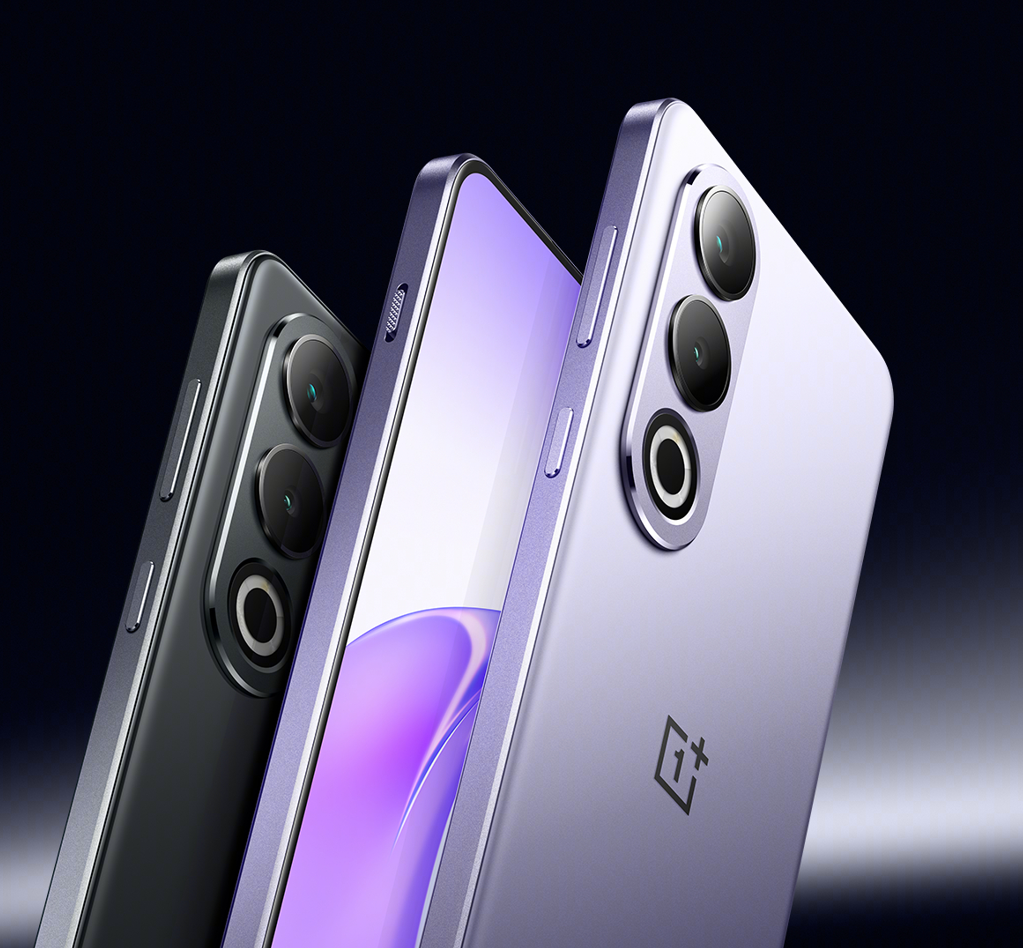
OnePlus Ace 3V

AnTuTu Benchmark Top Flagship Killer Smartphones April 2024

  1. OnePlus Ace 3V (Snapdragon 7+ Gen 3) 12GB/512GB – 1,441,870
  2. Realme GT Neo 6 SE (Snapdragon 7+ Gen 3) 16GB/512GB – 1,429,445
  3. Redmi K70E (Dimensity 8300-Ultra) 16GB/1TB – 1,378,953
  4. Realme GT Neo 5 SE (Snapdragon 7+ Gen 2) 16GB/1TB – 1,145,519
  5. Redmi Note 12 Turbo (Snapdragon 7+ Gen 2) 16GB/1024GB – 1,136,593
  6. Oppo Reno 7 5G (Dimensity 8200) 12GB/512GB – 994,029
  7. iQOO Neo 7 SE (Dimensity 8200) 12GB/512GB – 968,805
  8. iQOO Z8 (Dimensity 8200) 12GB/512GB – 968,075
  9. Redmi Note 12T Pro (Dimensity 8200-Ultra) 12GB/512GB – 885,527
  10. OnePlus Ace Racing Edition (Dimensity 8100-Max) 12GB/256GB – 881,474

Compared to last month’s list, there isn’t much change other than the Realme GT Neo 6 SE jumping up to the second position and the Redmi K70E dropping down to third. The more interesting part is that the Realme GT Neo 5 SE has gained over 272K points compared to last month, which indicates some major performance optimization and tuning.

Next month’s list is likely to see some shifts as devices featuring the new Snapdragon 8s Gen 3 chip have now become available. These chips generally offer more power than the Snapdragon 7+ Gen 3, so it’s possible that the OnePlus Ace 3V will lose its top spot. The top contenders for May are expected to be the Redmi Turbo 3 and the iQOO Z9 Turbo.

RELATED:

Unannounced iQOO Z9x 5G listed on iQOO India website, three configurations revealed

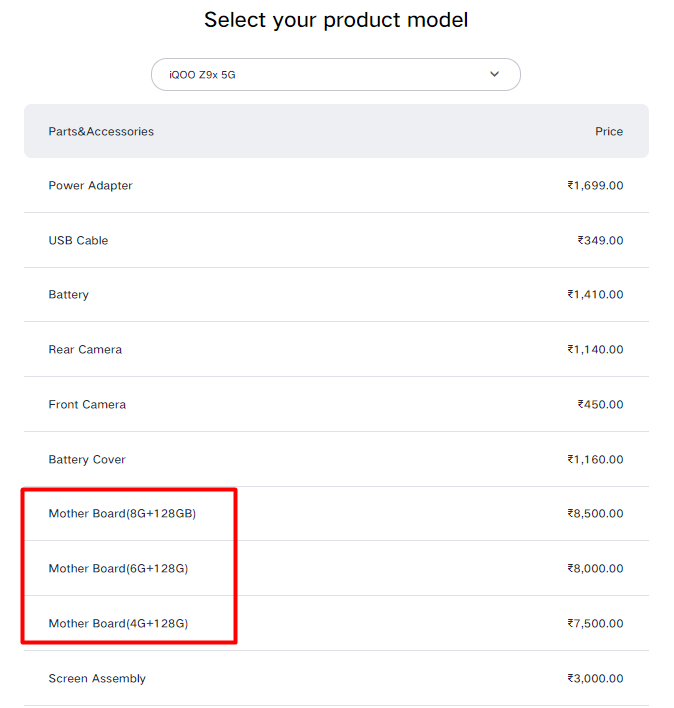
The iQOO Z9x 5G might be the next iQOO phone to hit the Indian market. The reason behind it is that the unannounced smartphone is listed on iQOO India’s spare parts page. The listing mentions the prices of the Z9x’s different spare parts, such as the power adapter, USB cable, battery, cameras, motherboard, and screen assembly. The listing also hints at the possible configurations of the phone.

iQOO Z9x 5G configurations revealed

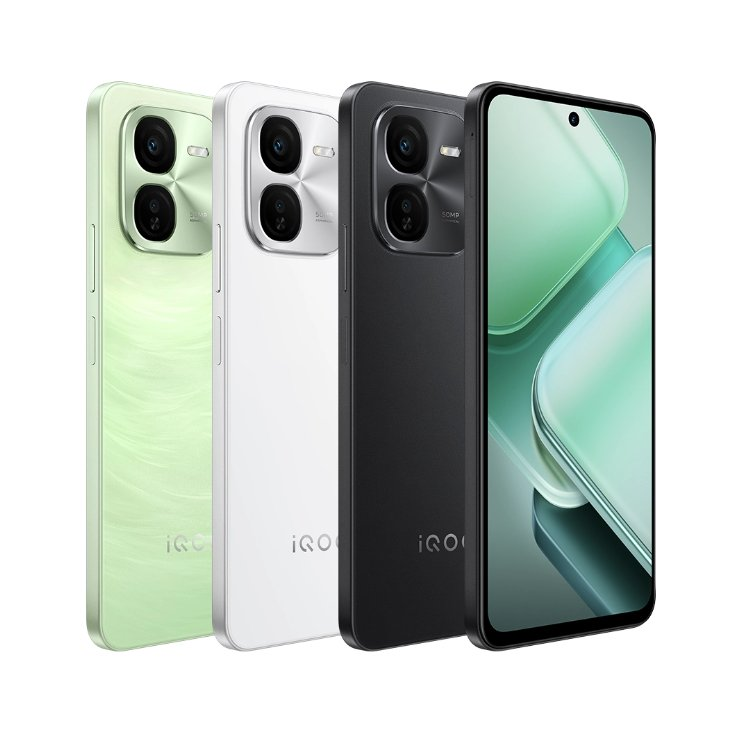
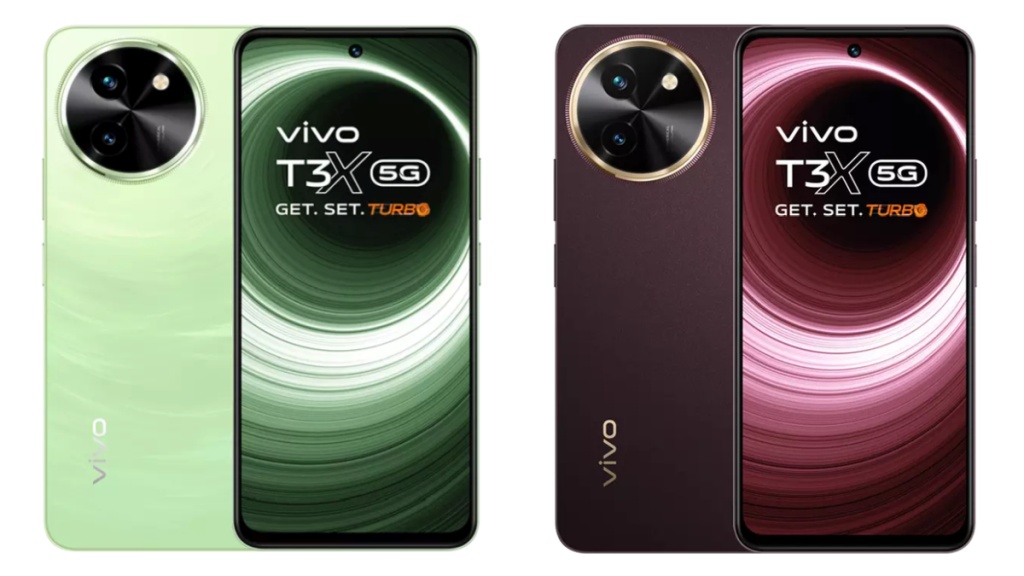
The screenshot on the left above shows that the Z9x will come with three RAM and storage options: 4GB+128GB, 6GB+128GB, and 8GB+128GB. As per reports, the iQOO Z9x 5G will be a rebranded version of the Vivo T3x 5G. Recently, the Z9x 5G was unveiled in China with almost identical specs along with a different rear camera design. Here is a look at the expected specifications of the Z9x.

iQOO Z9x 5G specifications (expected)

Vivo T3x 5G
Vivo T3x 5G

The iQOO Z9x 5G is likely to feature a 6.72-inch LCD FHD+ display with a 120Hz refresh rate and a peak brightness of 1000 nits. Under the hood, it is expected to run on the Snapdragon 6 Gen 1 chipset, paired with LPDDR4x RAM and UFS 2.2 storage. It may pack a 6,000mAh battery with support for 44W fast charging.

In terms of imaging capabilities, the iQOO Z9x 5G is speculated to sport an 8-megapixel Samsung S5K4H7 front camera and a rear setup comprising a 50-megapixel Samsung S5KJNS main sensor along with a 2-megapixel GalaxyCore GC02M1B depth sensor. The device is expected to run on Android 14 with a FunTouch OS 14 overlay, offering users the latest software experience. Additional features include a side-facing fingerprint scanner, dual speakers, and a 3.5mm audio jack. While the Chinese Z9x features an IR blaster, it is unlikely to be available on the Indian version.

With dimensions measuring 165.70 x 76 x 7.99mm and weighing 199g, the iQOO Z9x 5G is expected to be a sleek and portable device despite housing a large battery. It is expected to offer an IP64 rating for dust and water resistance.

RELATED:

(via)

ASUS confirmed it will launch a Snapdragon X Elite-powered laptop on May 20

Microsoft will release the Snapdragon X series-powered Surface Pro 10 and Surface Laptop 6 on May 20. We have been hearing about the development for a while now. But it turns out that Microsoft isn’t the only company to announce their new Windows on Arm machine powered by the new Snapdragon X series chips. ASUS has now officially confirmed that it will join the virtual launch event on May 20, 2024, at 11:00 a.m. PST.

The launch event will be a collaboration between Qualcomm Microsoft and ASUS. Other manufacturers such as Lenovo may also join the event with their contribution to the Windows on Arm platform.

The tagline from ASUS for the upcoming launch event goes “Next Level. AI Incredible.” The company is focusing on “innovative AI functions” alongside improved performance with its new Windows on Arm machine. According to the company, it will be an ‘ultraportable’ premium laptop.

During the virtual launch event, ASUS will be accompanied by distinguished speakers from industry giants such as Qualcomm and Microsoft, who will likely focus on the benefits of the Windows on Arm platform and the inclusion of artificial intelligence in PCs. The event will also share the collaborative efforts of the companies in rejuvenating the Arm-based platform.

For those unfamiliar with the development, there are two new Arm-based processors from Qualcomm – the Snapdragon X Elite and a slightly more affordable Snapdragon X Plus. The X Elite chip equips 12 Qualcomm Oryon CPU cores and the X Plus offers 10 of them. The latter one also runs at slightly lower clock speeds. Based on the benchmark listings we have come across so far and the ones Qualcomm themselves have shown off so far, both the performance and power efficiency look promising.

However, there hasn’t been much information about how (in which setup) the tests were performed and there have also been reports that some of the capabilities the company has shown off could be misleading. Nonetheless, we will soon get to see how the new chips perform in real life as laptop manufacturers power their devices with them.

Related:

Poco F6 global launch imminent, spotted on NBTC

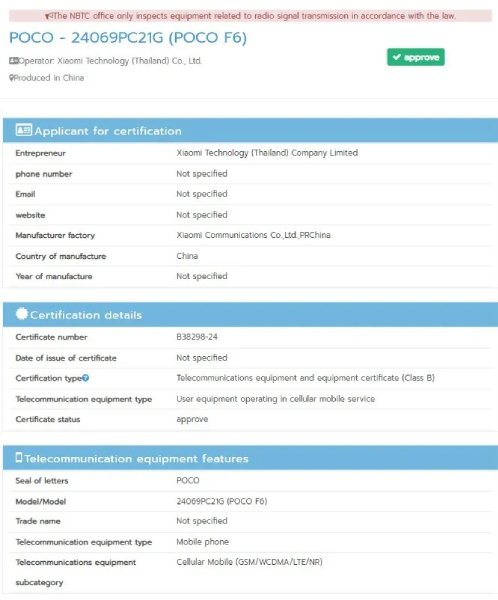
Poco F6 and F6 Pro have been steadily making their way through certifications before global launch. Following the Pro variant’s appearance on Thailand’s NBTC certification site back in March, the standard F6 has now been spotted there as well. The listing suggests that the smartphone launch isn’t far off. 

Poco F6 visits NBTC

Poco F6 appeared on the certification with model number “24069PC12G”. The “G” at the end hints that it’s a global variant. But as usual, the NBTC certification doesn’t reveal any specifics or parameters of the device. 

Poco F6 NBTC certification

The device recently appeared on the Geekbench listing with a Qualcomm Snapdragon 8s Gen 3 chipset, 12 GB of RAM, and Android 14 OS. It scored 1844 points on the single-core test and 4799 points on the multi-core. 

Rumor has it that the Poco F6 will be a rebrand of the China-exclusive Redmi Turbo 3. The phone has the same chipset expected for the F6 and is paired with up to 12 GB of LPDDR5x RAM and up to 512 GB of UFS 4.0 storage.

The Turbo 3’s display measures 6.67 inches which is an AMOLED panel with 120Hz refresh rate, Dolby Vision, and HDR 10+ certification. 

The camera setup includes a 50MP main and an 8MP ultrawide sensor on the back. But if rumors are to be believed, the Poco F6 may have a triple rear camera setup complete with a macro lens. The device may pack a 5,000mAh battery and support 90W fast charging.

Moreover, a Deadpool Special Edition of the Poco F6 has also been spotted on the HyperOS codebase, although no further details have surfaced about it. 

Poco F6 is expected to launch sometime in June. We’re likely to learn more about its features and specifications in the coming days.

Related:

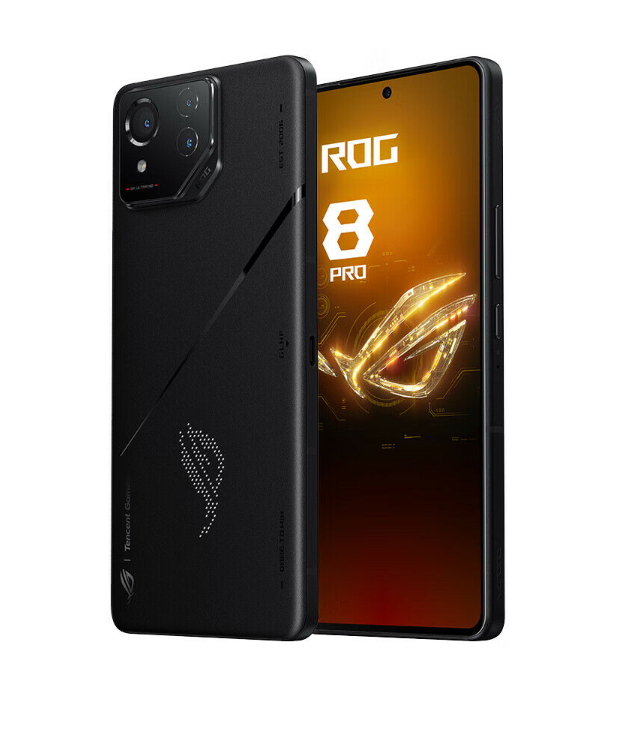
ROG Phone 8 Pro retains the AnTuTu performance crown for April 2024 amid stiff competition

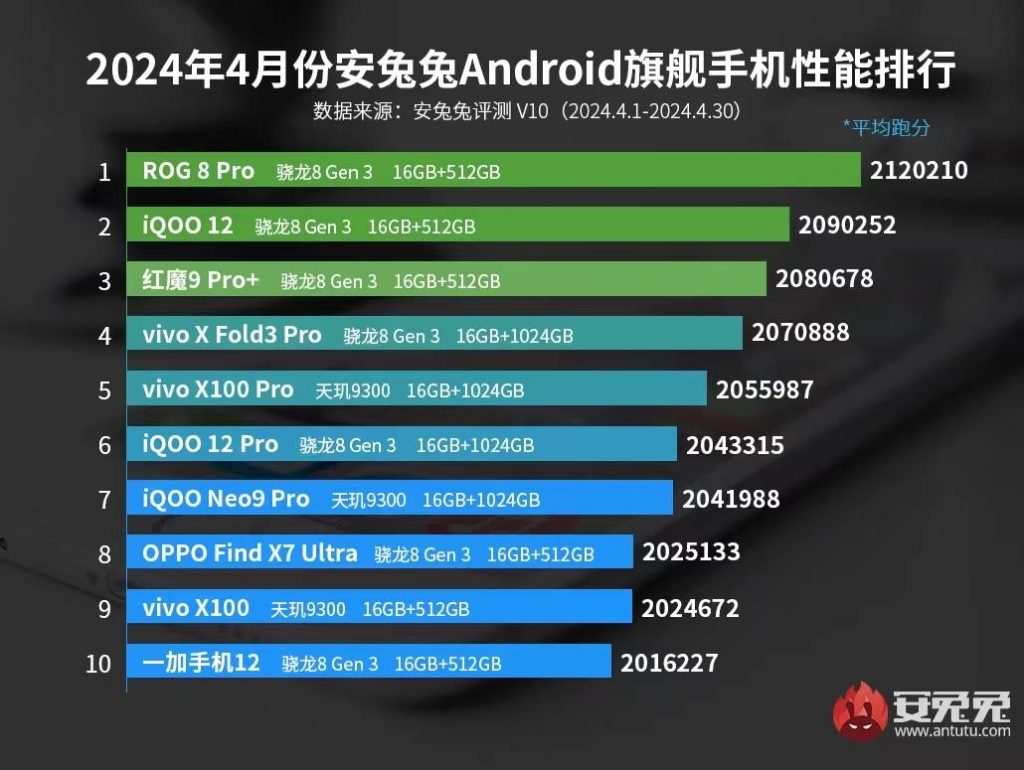
The recent rankings for flagship Android smartphones in April are out, and once again, the Asus ROG Phone 8 Pro has clinched the top spot for the second month running. What’s noteworthy is how closely contested the competition has become, with just a 100,000-point difference separating the first and last positions. While this difference might seem significant, it’s worth noting that all these devices have scored over 2 million points, making the gap around 5%.

ASUS ROG Phone 8 Pro

AnTuTu Top 10 Smartphones in April 2024:

AnTuTu Top 10 Smartphones in April 2024
  1. ROG 8 Pro (Snapdragon 8 Gen 3 16GB+512GB) – 2,120,210
  2. iQOO 12 (Snapdragon 8 Gen 3 16GB+512GB) – 2,090,252
  3. Red Magic 9 Pro+ (Snapdragon 8 Gen 3 16GB+512GB) – 2,080,678
  4. Vivo X Fold 3 Pro (Snapdragon 8 Gen 3 16GB+1TB) – 2,070,888
  5. Vivo X100 Pro (Dimensity 9300 16GB+1TB) – 2,055,987
  6. iQOO 12 Pro (Snapdragon 8 Gen 3 16GB+1TB) – 2,043,315
  7. iQOO Neo 9 Pro (Dimensity 9300 16GB+1TB) – 2,041,988
  8. OPPO Find X7 Ultra (Snapdragon 8 Gen 3 16GB+512GB) – 2,025,133
  9. Vivo X100 (Dimensity 9300 16GB+512GB) – 2,024,672
  10. OnePlus 12 (Snapdragon 8 Gen 3 16GB+512GB) – 2,016,227

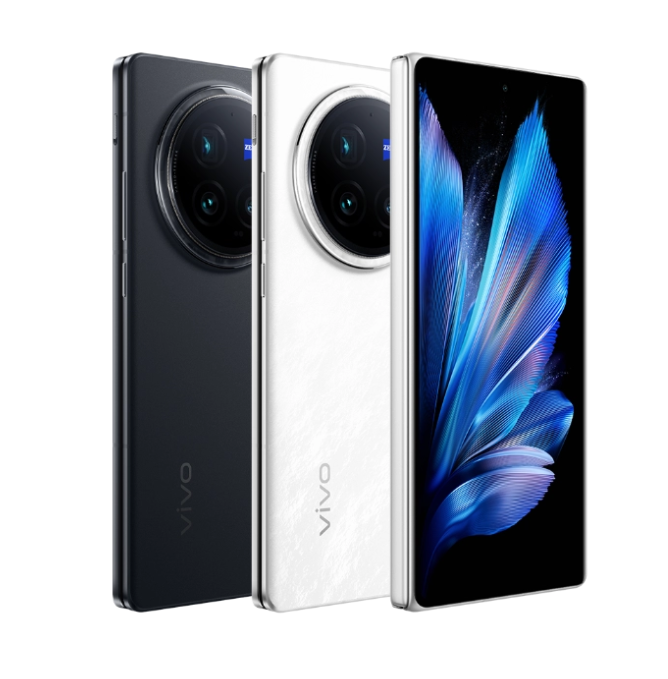
In the recent rankings, phones with the Qualcomm Snapdragon 8 Gen 3 chip take the top four spots. Interestingly enough, the recently launched Vivo X Fold 3 Pro has also made it on the list, capturing the fourth position and likely the title of the most powerful foldable smartphone currently on the market.
Vivo X Fold3 Pro
Vivo X Fold 3 Pro

The Vivo X100 Pro, which runs on the Dimensity 9300, is close behind in the fifth spot, trailing the ROG Phone 8 Pro by 64,223 points. It’s worth noting that only three devices on the list use the Dimensity 9300 chipset, while the rest feature the Snapdragon 8 Gen 3 chip. This indicates that many OEMs still hesitate to include a MediaTek chip in their flagship smartphones.
However, on May 7, Vivo plans to launch another flagship-tier smartphone called the Vivo X100s. This new phone will come with the new MediaTek Dimensity 9300 Plus chipset, which is shown to cross 2.3 million points on AnTuTu.

RELATED:

(Source)

Vivo X100 Ultra to offer better telephoto, night photography experience than Vivo X100 Pro

The May Day festivities are currently going on in China. Once the holidays end, there is speculation that a couple of new smartphones will make their debut in the home market. Vivomay likely begin teasing the Vivo X100 Ultra and Vivo X100s in the country next week. Han Boxiao, who is the Product Manager at Vivo, released a Weibo post to build hype around the Vivo X100 Ultra. 

Vivo X100 Ultra’s camera prowess teased

Vivo X100 Ultra poster

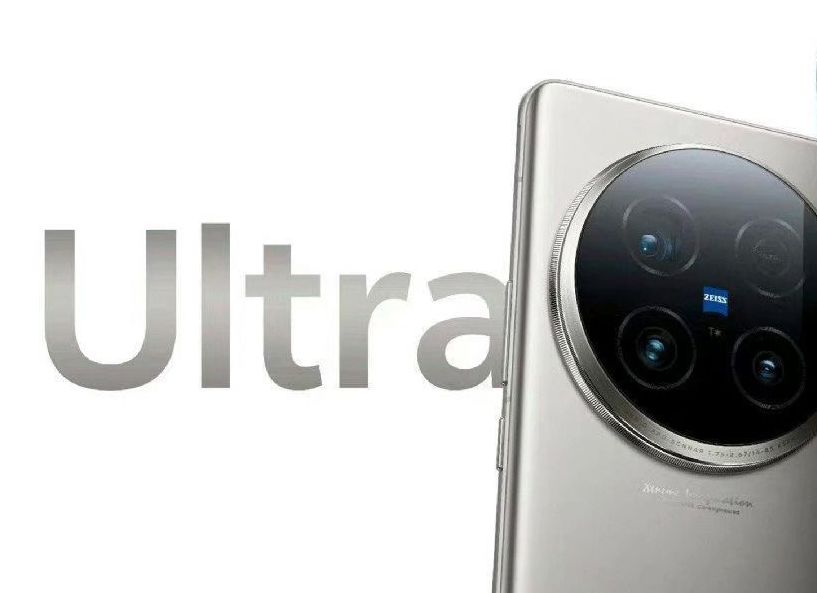
On Weibo, Boxiao hinted at a significant improvement in telephoto resolution and low-light photography capabilities compared to the Vivo X100 Pro. An official poster of the Vivo X100 Ultra that appeared recently on the microblogging platform revealed that it will have a round camera module with three cameras inside.

The camera setup is expected to include a 50-megapixel Sony LYT-900 primary camera with OIS support. It is the same main camera that’s available on the Xiaomi 14 Ultra and the Oppo Find X7 Ultra.

The X100 Ultra is expected to feature a 50-megapixel ultra-wide camera. It is likely that the camera setup may include a 200-megapixel periscope telephoto camera, which may offer a 4.3x optical zoom and a 200x digital zoom. In April, Vivo’s Vice President for Product, Huang Tao, praised the X100 Ultra by saying that it is a professional camera that also functions as a phone.

According to reports, the Vivo X100 Ultra will have a 6.78-inch AMOLED E7 display that will offer a 2K resolution and a 120Hz refresh rate. Under the hood, the device will have the Snapdragon 8 Gen 3 chip, up to 16 GB of LPDDR5x RAM, up to 1 TB of UFS 4.0 storage, and support for 80W fast charging. There is no information available about the device’s battery size.

RELATED:

(via)

Vivo Y38 5G launched with 120Hz display, Snapdragon 4 Gen 2, 6,000mAh battery

The Vivo Y38 5G has gone official in Taiwan. While the phone is listed on the official website, there is no word on its price and availability. In terms of specifications and design, the device is similar to the Vivo Y200i 5G, which recently debuted in China.

Vivo Y38 5G specifications and features

Vivo Y38 5G
Vivo Y38 5G

The Vivo Y38 5G has a 6.68-inch IPS LCD panel that offers an HD+ resolution of 1612 x 720 pixels, a 120Hz refresh rate, 264ppi pixel density, and up to 1,000 nits of peak brightness. For audiophiles, the device is equipped with dual stereo speakers.

Under the hood, the Y38 has the Snapdragon 4 Gen 2 chipset and 8 GB of LPDDR4x RAM. The device offers 256 GB of UFS 2.2 internal storage and a microSD card slot for additional storage. The phone comes preinstalled with Android 14, which has a layer of FunTouch OS 14 on top.

The Vivo Y38 5G packs a 6,000mAh battery with 44W fast charging. On the front, it features an 8-megapixel camera, and its back panel has a 50-megapixel primary camera, a 2-megapixel, and a ring LED flash. The device offers other features, such as dual SIM, 5G, Wi-Fi, Bluetooth, NFC, a USB-C port, and a side-facing fingerprint scanner. Despite being a budget-friendly phone, it does not feature a 3.5mm audio jack. Lastly, the Y38 is an IP64-rated device that measures 165.7 x 76 x 7.99 ~ 8.09mm and weighs 199 grams.

Vivo Y38 5G price

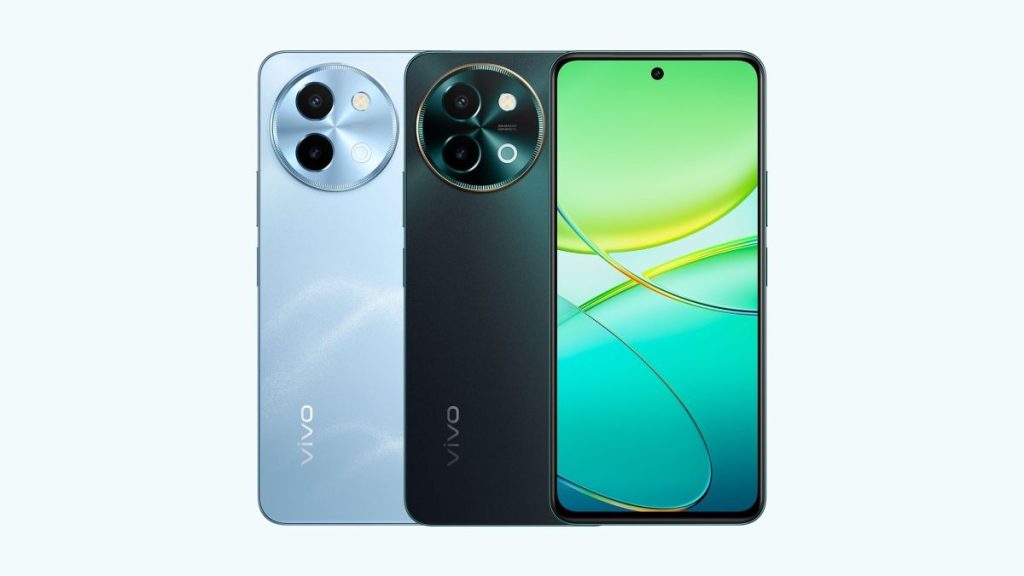
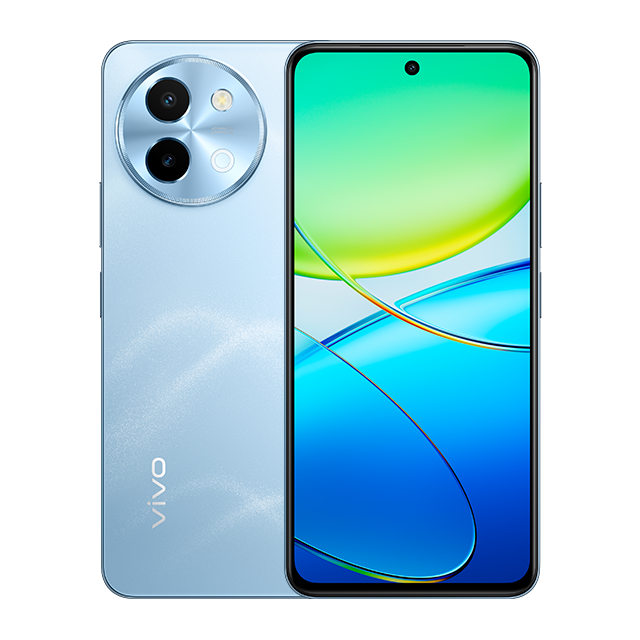
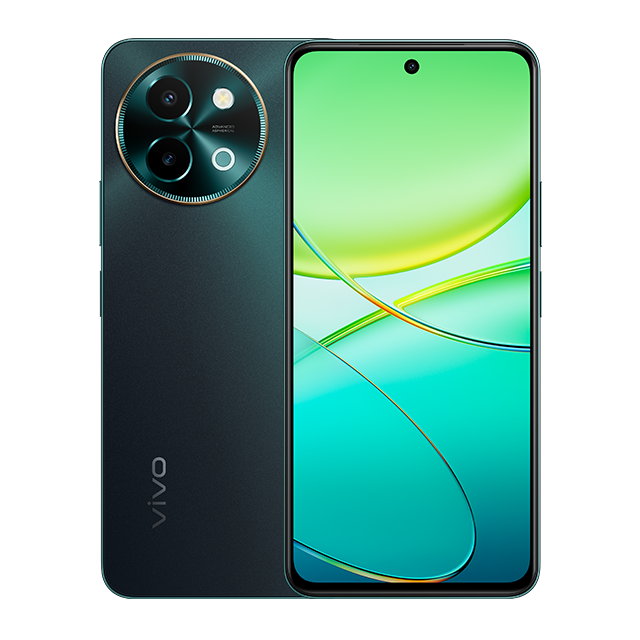
While it is known that the Vivo Y38 5G will be available in a single 8GB+256GB configuration, there is no information about its price. The phone will be sold in two shades, such as Pacific Blue and Dark Green.

RELATED:

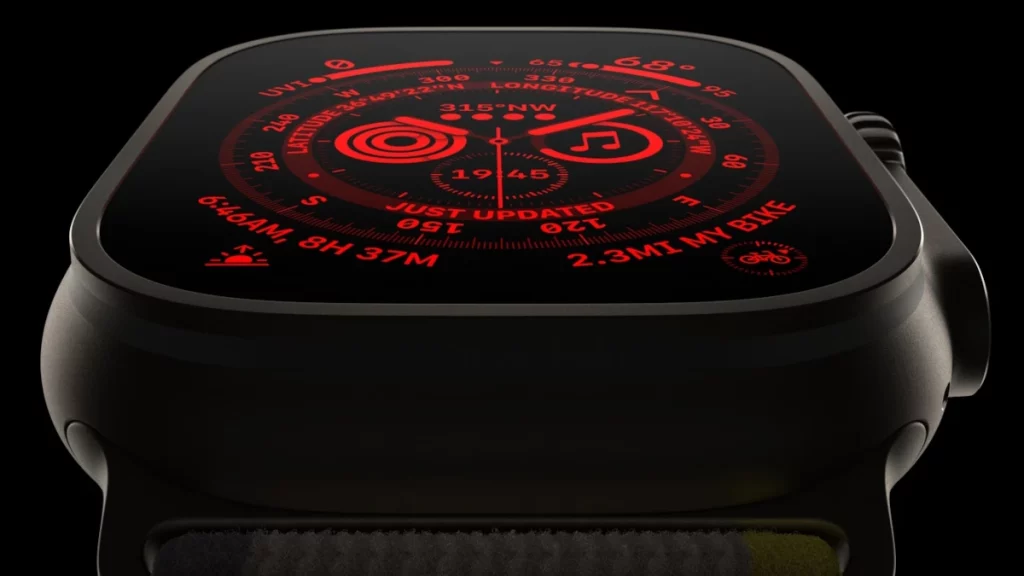
Apple Watch 3 Ultra May be a Let Down in Terms of Upgrades, Analyst States

Amidst all the rumors swirling about the upcoming iPad lineup and how it might be OLED equipped, Apple analyst Ming-Chi Kuo has thrown a curveball on the Apple Watch Ultra 3. After suggesting a possible delay, Kuo now expects a new Ultra model in 2024. However, there’s a catch: it likely won’t boast significant hardware advancements compared to the Ultra 2. Specific details about the Apple Watch Ultra 3 remain under wraps, with a September launch timeframe the only confirmed information so far.

Ming-Chi Kuo’s report states that no big upgrades are coming to the Apple Watch Ultra 3

Looking beyond the Ultra line, the possibility of a third-generation Apple Watch SE launching this year exists if Apple sticks to its two-year update cycle. The fate of the Apple Watch Series 9 successor remains unclear. Bloomberg’s Mark Gurman previously hinted at a redesigned “Apple Watch X” with blood pressure and sleep apnea features, but its launch window and official name are uncertain.

Apple Watch

Interestingly, Gurman’s suggested features for the Series 9 successor could potentially make their way to the Apple Watch Ultra 3 as well. With the original Apple Watch nearing its tenth anniversary (unveiled in September 2014, launched in April 2015), all eyes are on Apple’s upcoming smartwatch announcements.

RELATED:

(VIA)

New “Temporary Chat” Feature Now Available in ChatGPT Web, Mobile App Rollout Coming Soon

OpenAI is giving users more power over their ChatGPT experience with a recent update focused on data control. Previously, users used to complain about the absence of a mode where their conversation history is private, or non-existent at all. This update, however, addresses not one, but two key features:

This update is centred around privacy and data control for the users

  • Full Chat History Access: Previously, users who opted out of contributing conversation data to train ChatGPT couldn’t access their chat history. This update lifts that restriction, allowing everyone to review past interactions regardless of their data contribution preference. OpenAI also assures users that their previous data contribution choices remain respected.
  • Temporary Chats: For conversations on sensitive topics or where you simply don’t want a record, a new “temporary chat” feature is available. Conversations in this mode are not saved in the chat history, providing a private and ephemeral way to interact with ChatGPT.
ChatGPT

Currently, the update is live on the ChatGPT web version, with the mobile app rollout coming soon. This update is a reminder of OpenAI’s commitment to a user-centric approach, offering greater control over chat history, respecting data contribution choices, and introducing features like temporary chats for enhanced privacy.

RELATED:

(Via)

Microsoft’s Leaked Internal Emails Shed Light on the Company’s Competition with Google AI and More

Microsoft‘s leaked internal emails shed light on the company’s intense focus on catching up to Google in the field of artificial intelligence (AI). In a 2019 email, Chief Technology Officer Kevin Scott expressed deep concern to CEO Satya Nadella and co-founder Bill Gates about Microsoft falling behind Google in AI development. Scott acknowledged underestimating competitor investment and admitted Microsoft was “several years behind” in machine learning capabilities.

A 6-month head start allowed Google to develop even larger models and get further ahead.

This lag was evident in replicating Google’s BERT large language model. Despite having a model template, Microsoft’s infrastructure limitations resulted in a nearly 6-month training delay compared to Google. This head start allowed Google to refine BERT and develop even larger models, leading to significant improvements in search question-answering and Gmail’s autocompletion function (according to Scott, competitor performance in these areas jumped by 10 percentage points).

Microsoft

Fueled by this urgency, Microsoft partnered with OpenAI in 2019 with a $1 billion investment. Their collaboration has deepened significantly, with Microsoft’s total investment estimated to be over $13 billion (as of May 1, 2024). This substantial investment underscores Microsoft’s aggressive pursuit of AI dominance, a field critical to compete with Google and maintain its technological standing.

RELATED:

(VIA)

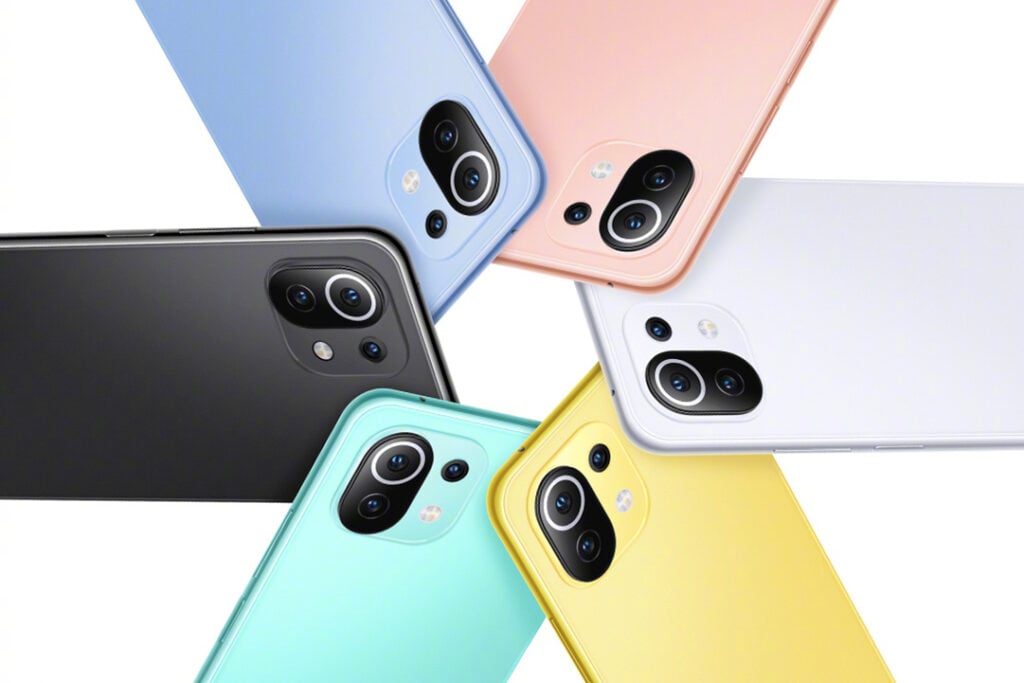
Should you upgrade your Xiaomi Mi 11 Lite?

The Mi 11 Lite was the most affordable device in the Mi 11 series. The device was unveiled by Xiaomi in the first half of 2021.

It was announced in two variants — 4G and 5G. Both models share the same set of specs, except for the chipset.

Recently, Xiaomi ended software support for the 4G model. The 5G version should also face a similar fate in the near future.

If you own this phone, you might be wondering whether you should upgrade your device. Let’s find out if you should invest in a new smartphone or continue using your old one.

Xiaomi Mi 11 Lite

1. What makes Xiaomi Mi 11 Lite special?

The Xiaomi Mi 11 Lite, as the name suggests, is a thin and light smartphone. The device was the lightest 5G phone when it was released.

Both the 4G and 5G models have a thickness of just 6.8mm. However, the 4G variant is slightly lighter at 157g compared to 5G version’s 159g weight.

The device also features a premium build. It has a glass sandwich design complemented by a plastic frame.

The cameras don’t stick out too much like on most smartphones these days. Thus, it is not only sleek and light but also clean.

2. How does Xiaomi Mi 11 Lite stack up in 2024?

The internals of the Xiaomi Mi 11 Lite were the best available at its price point when it was released. The 4G model has the most powerful mid-range chip, i.e. Snapdragon 732G. While the 5G variant houses a Snapdragon 780G SoC.

These chipsets are paired with LPDDR4x RAM and UFS 2.2 storage. The specs may seem outdated today, but the device is fast enough for day-to-day operations although it is slower than newer products.

The 6.55-inch FHD+ OLED display can play HDR content. However, it is limited to a 90Hz refresh rate when 120Hz is the norm now. 

Being a thin and light smartphone, the handset houses a small 4,250mAh battery that charges at 33W. Therefore, the endurance is comparatively lower than newer products, especially with a battery that went through multiple charging cycles over the years.

Finally, the cameras are capable but they lag behind the latest phones in terms of both hardware and image processing. But it has got a 5MP telemacro camera, which no other smartphone offers today.

3. Can you continue using Xiaomi Mi 11 Lite in 2024 and beyond?

Both the 4G and 5G variants of Xiaomi Mi 11 Lite are still usable in 2024. In fact, you can continue using the handset for at least a couple more years.

To get an overall better experience, we advise users to replace the battery. This is highly recommended for people who have been using the phone since launch.

The 4G variant will no longer receive software updates. We expect the same for the 5G version shortly. 

Anyways, the device currently boots Android 13. So there won’t be app compatibility issues for the next few years.

4. Why should you upgrade your Xiaomi Mi 11 Lite?

The Xiaomi Mi 11 Lite can be used without any issues though its software support has ended. But there are some reasons why you may want to switch to a newer phone.

You may have purchased the Mi 11 Lite depending on your needs. But as years go by, your requirements may change.

Hence, you may want to upgrade to a newer smartphone, if you want a more powerful device with better cameras, longer battery life, and faster charging support. However, if you are satisfied with the experience, we don’t see any reason for you to change your handset.

RELATED:

Xiaomi Power Bank 20000mAh with Built-in Cable Launched: Supports 33W Power, Priced at 159 Yuan

Xiaomi continues to expand its product lineup. In this context, the company recently introduced the Redmi G27Q 2025 monitor model. Now, the Chinese manufacturer has launched a 20,000 mAh power bank with a built-in cable. Here are the details…

Xiaomi Launches 20000mAh Power Bank with Built-in Cable and 33W Charging

Xiaomi has now expanded its power bank lineup with a new 20.000 mAh that boasts a built-in cable, 33W fast charging, and a budget-friendly price of 159 yuan (approximately $22). The 20.000 mAh Xioami power bank promises multiple full charges for most smartphones.

It delivers up to 33W output when charging and supports 30W two-way fast charging. The built-in USB-C cable offers hassle-free charging without the need for extra cables. Additionally, it includes USB-C and USB-A ports, allowing simultaneous charging of up to three devices.

The Xiaomi 20000mAh Power Bank comes in light coffee and deep space blue color options. Its rounded PC+ABS body provides a comfortable grip. The power bank complies with aviation standards for safe air travel.

  • Battery capacity: 20.000 mAh
  • Input: 30W
  • Output: max 33W
  • Size: 154.5 x 73.9 x 27.8mm
  • Weight: 475g

Price & Availability

The Xiaomi 2000mAh Power Bank is currently available for purchase on JD.com in China for 159 yuan (approximately $22).

RELATED:

(via)

Oppo Upgrades User Experience with Faster, Smoother, and More Visually Appealing ColorOS 14 Animations!

Oppo continues to expand its product lineup. For example the company recently introduced the A60 smartphone, which boasts a 90Hz LCD display, a Snapdragon 680 processor, and 45W fast charging. Now, Oppo has announced a major upgrade to the animations in its ColorOS 14 operating system, with over 100 enhancements. Here are the details…

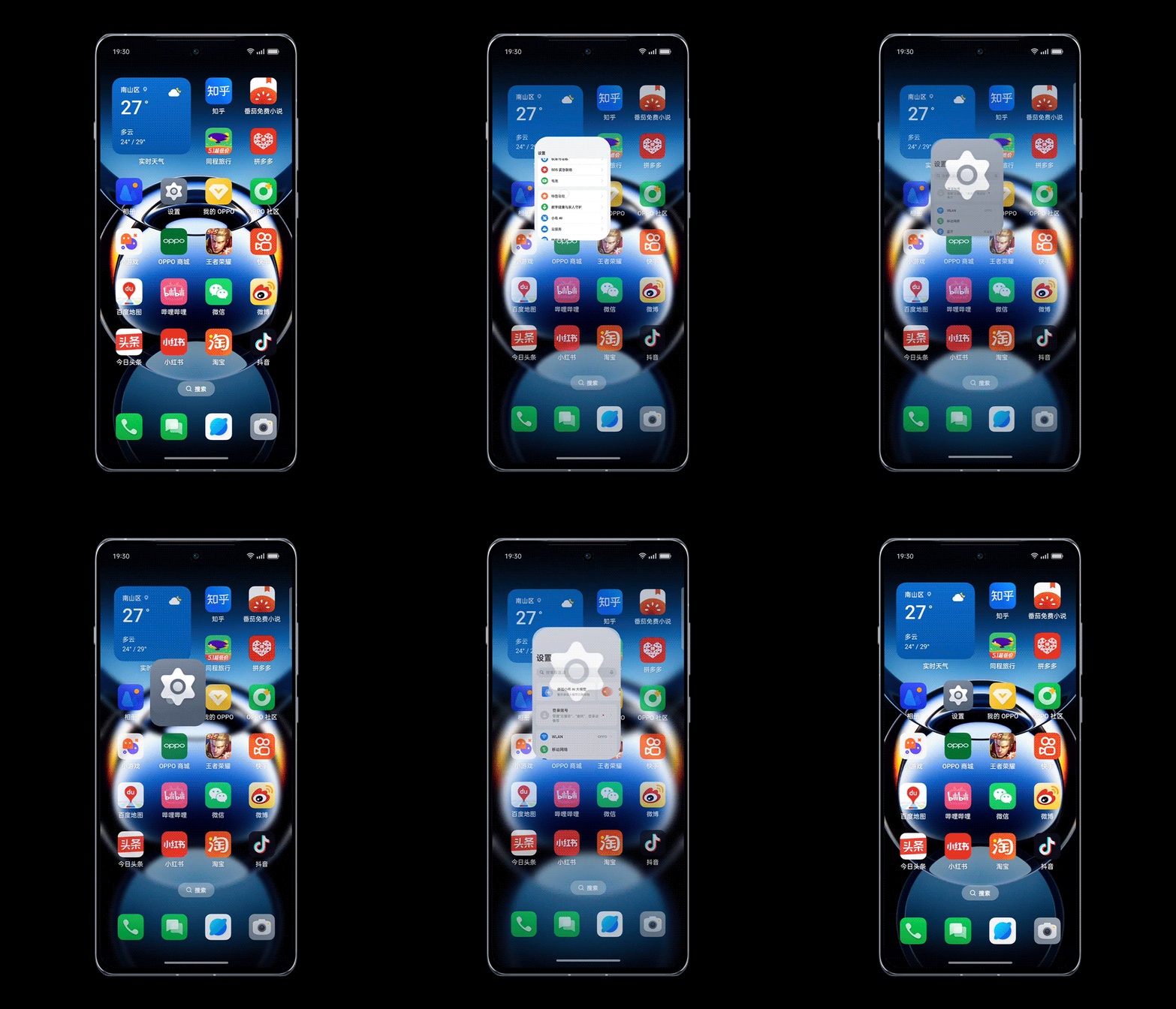
OPPO Upgrades User Experience with ColorOS 14 Animation Overhaul

Oppo has unveiled COPPO has unveiled ColorOS 14, featuring a complete revamp of animations within the operating system. Over 100 upgrades touch aspects like unlocking, wallpapers, the Control Center, multitasking, and managing large folders. Some of them are as follows:

Visual Enhancements

Icons and cards now fly in layered fashion when unlocking the device, providing a “smoother and more fluid experience. The wallpaper zoom animation when exiting apps from the bottom of the screen is now “smoother and more coherent.”

Control Center Upgrade

Downward Swipe Animation: The animation for swiping down the Control Center is now more pronounced, with a new Gaussian blur effect added to the background. The overall layout is more layered and information is more intuitive.

Animation Enhancements

Apps launch and exit quickly, with responsive switching and seamless transitions. “The faster your hand speed, the faster the response.” Smooth swiping experience with timely and responsive controls for immediate action. Also apps exit quickly in landscape mode and respond quickly to other operations after exiting.

RELATED:

(via)

Noise Pop Buds debut with ENC tech, 40 hours battery & ₹999 ($12) price tag in India

Noise has just debuted the Pop Buds, as the latest entry in their budget-friendly Buds Series of TWS earbuds. This follows closely after the launch of their ColorFit Pulse 4 smartwatch.

Noise Pop Buds

Noise Pop Buds specs:

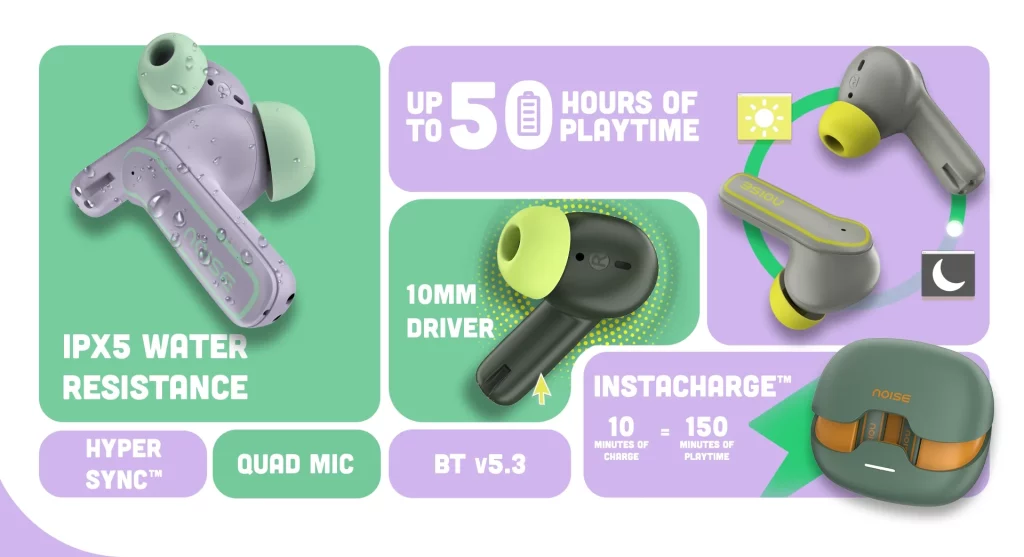
The Pop Buds feature 10mm drivers and are equipped with Quad Mic Environmental Noise Cancellation Technology, improving call clarity. These earbuds stand out for their long battery life. They can play up to 40 hours of music, and with Instacharge Technology, a quick 10-minute charge gives users 150 minutes of playtime.

Noise Pop Buds

They also have Hyper Sync technology for fast pairing, an ultra-low latency mode of up to 40ms perfect for gaming and watching movies, and an IPX5 rating, meaning they are resistant to water splashes and sweat.

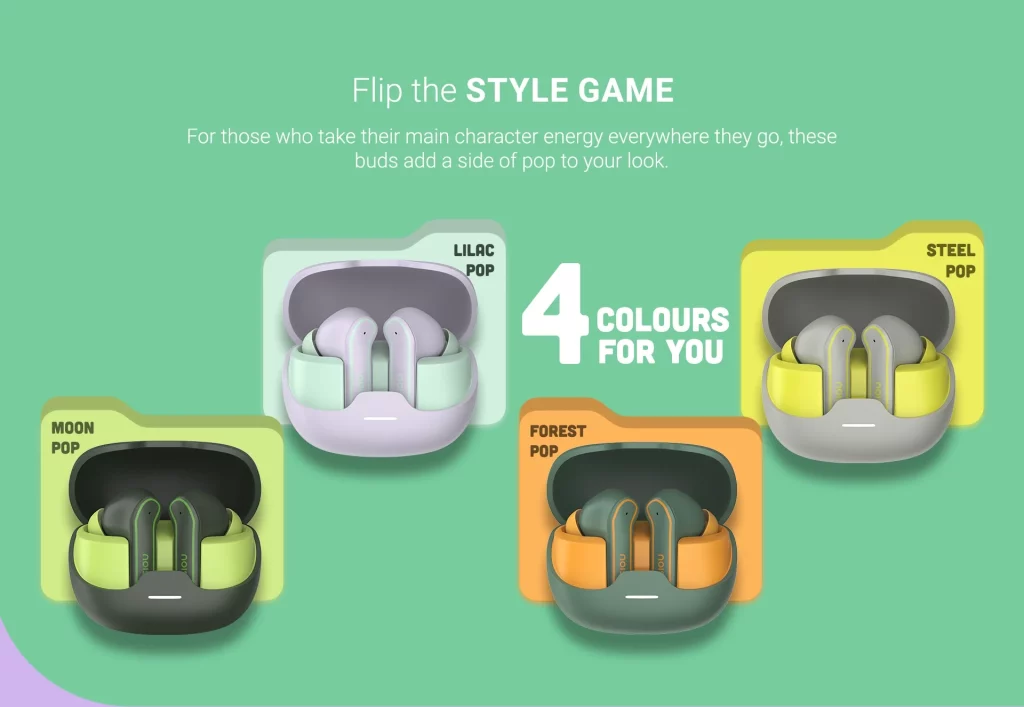
The Noise Pop Buds are available in four colors—Moon Pop, Steel Pop, Forest Pop, and Lilac Pop—and are sold on the Noise website and Flipkart at an introductory price of ₹999.

In related news, the Noise also debuted the Buds N1 TWS earbuds back in the last week of February. These are another pair of affordable earbuds with a price tag of around ₹899. They offer 11mm drivers with quad-mic ENC technology and a total battery life of around 40 hours.

Please Note: When you buy something using the links in our articles, we may earn a small commission at no cost to you.

RELATED:

Assassin’s Creed Mirage is Coming to iPhone and iPad Next Month!

Gamers looking for a console-like experience on their iPhones can look forward to Ubisoft’s Assassin’s Creed Mirage. The game will be available for free download with a 90-minute trial on iPhone 15, 15 Plus, Pro, and Pro Max models (release date varies between June 6th according to Ubisoft and June 10th according to the App Store listing).

After the free 90-minute trial, players will have to pay $50 to continue the rest of the game

The game will also come to iPad Air and iPad Pro models with M1 chip or later. After the trial, players will need to pay $50 to continue, which is similar to the price on other platforms. The game will support cross-progression through Ubisoft Connect, allowing players to pick up their progress from other devices.

Assassin's Creed Mirage Release

This is a smaller, more focused game compared to recent Assassin’s Creed titles like Odyssey and Valhalla. Originally planned as DLC for Valhalla, Mirage returns to the franchise’s roots with a focus on stealth gameplay. While not the first big-budget title on iPhone 15 (Resident Evil remakes and ports like No Man’s Sky and Baldur’s Gate 3 exist), Mirage promises a significant gaming experience.

Reviews of other mobile AAA titles suggest impressive graphics and performance on par with a PlayStation 4 Pro or mid-range gaming laptops. However, touch controls can be limiting, so using a compatible PlayStation, Xbox, Nintendo Switch controller, or an attachable controller like the Razer Kishi is recommended.

RELATED:

(VIA)

Fart Sounds and Laughter? Google’s ‘Audio Emojis’ Update will Make Calls More…Fun?

Google Phone is getting a strange update that might leave you scratching your head. A beta version of the app spotted by 9to5Google reveals plans to add “Audio Emojis” which are essentially sound effects users can play during calls.

The audios can be accessed during a call using the small flag button on the screen

These “Audio Emojis” come in six flavors: clapping, laughter, crying (represented by a trombone sound), celebratory noises, a drum sting, and yes, even a fart sound. You can access these buttons during a call through the overflow menu or a small flag at the bottom of the screen.

It’s hard to say if the feature will be really useful. While the immature side finds the fart button tempting (but only with a trusted friend!), genuine reactions are preferable. We can only question the long-term usefulness of the feature beyond a novelty.

A great improvement would be user-uploaded sounds, pre-recorded messages, and text-to-speech options. This might be a playful experiment by Google and it might not evolve much further. However, users will be urged to avoid spamming loved ones with sound effects, unless the goal is to get off the phone quickly. Thankfully, a cooldown period limits how often you can use these effects, the report states. We should hopefully get more information about Google’s thinking behind this feature at Google I/O on May 14th.

RELATED:

(VIA)

Strong NEV (New Energy Vehicles) Sales for BYD in April – Continued Growth Expected

BYD continued its impressive performance in April 2024, reporting strong sales figures. They sold a staggering 313,245 new energy vehicles (NEVs) last month, representing a significant year-on-year increase of 48.96%. This brings their total NEV sales for 2024 to 939,508 units, reflecting a healthy year-on-year growth of 23.24%. BYD’s overseas NEV sales were also robust in April, reaching 41,011 units.

The company is also ramping up its battery production alongside

The company’s battery production continues to ramp up as well. Their total installed capacity for new energy vehicle power batteries and energy storage batteries reached approximately 12.559GWh in April, contributing to a total capacity of 42.295GWh for 2024 so far.

Looking at other major car companies, Geely Automobile also saw positive results in April, selling 153,267 vehicles, a year-on-year increase of 39%. SAIC Group sold a strong 285,000 NEVs from January to April, representing a year-on-year increase of over 35%. GAC Aion achieved global sales of 28,113 units in April.

2024 BYD Seal
BYD is the leading Chinese EV maker

Emerging Chinese automakers continued to make their mark with notable sales figures. Hongmeng Zhixing maintained its top spot among new Chinese forces by delivering 29,632 vehicles in April. Leapmotor demonstrated impressive growth with 15,005 delivered vehicles, reflecting a year-on-year increase of 72%. Li Auto delivered 25,787 vehicles in April, with a year-on-year increase of 0.4%. Their year-to-date delivery volume reached 106,187 vehicles. Ji Krypton experienced significant growth, delivering 16,089 vehicles in April, a year-on-year increase of 99% and a month-on-month increase of 24%. Their delivery volume from January to April reflected a 111% year-on-year growth. Xpeng Motors also delivered 9,393 vehicles, representing a year-on-year increase of 33%.

Established automakers with a presence in the NEV market had positive results as well. SAIC-GM delivered 8,762 NEVs in April, reflecting a year-on-year increase of 93.1%.

BYD

New entrants like Xiaomi saw promising initial sales. The Xiaomi SU7, launched on April 3rd, delivered 7,058 units since its debut, with a cumulative number of locked orders reaching 88,063 units.

Lantu Auto maintained steady growth, delivering 4,003 vehicles in April, demonstrating a year-on-year increase of 20%. Their year-to-date delivery volume reached 20,348 vehicles, reflecting a year-on-year increase of 20%.

RELATED:

(Via)

Samsung Confirms Premium Galaxy Watch Models To Meet Increasing Demand For Upgrades

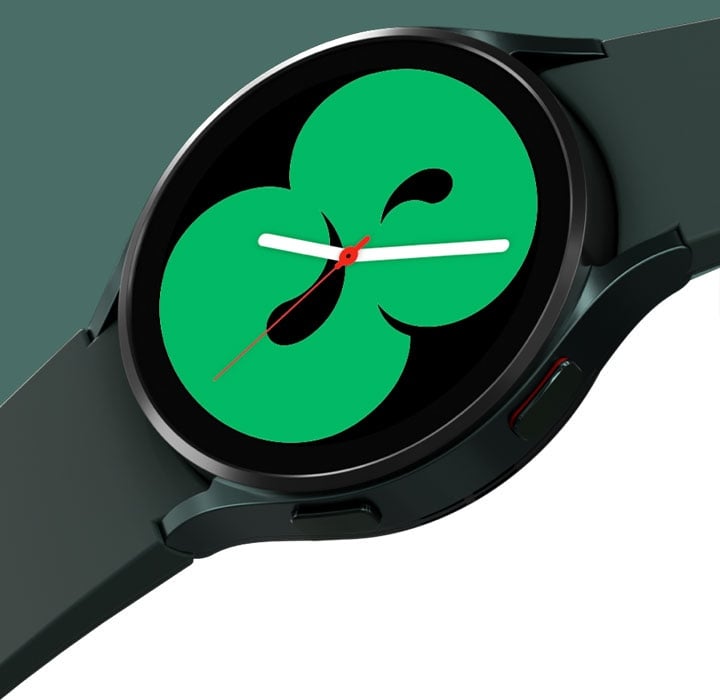
As per rumors, Samsung’s Galaxy Watch 7 series is expected to comprise of three models instead of two indicating a shift in strategy. This is further solidified going by the company’s Q1 earnings call announcement. In a press release, the South Korean brand revealed important details about its wearables strategy. 

Samsung confirms premium Galaxy Watch models coming in the future

Samsung says that for wearables it aims to strengthen the Galaxy ecosystem experience through the expansion of new models and form factors like the Galaxy Ring. This suggests that the brand could indeed announce new models in the Galaxy Watch lineup although the exact naming scheme remains a mystery. The South Korean brand is said to be working on an affordable Galaxy Watch dubbed the Galaxy Watch 4 (2024). Additionally, a past report also hinted at the company going back to a rectangular smartwatch in one of the upcoming Watch 7 series.  

Samsung’s statement also indicates that it could launch more wearable devices in form factors like the Galaxy Ring. The press release also states that “the company will strive to meet demand for upgrades through the launch of new premium models”. Through the statement, we assume that the upgrades demanded by users will be implemented in the more premium Galaxy Watch models. The Galaxy Watch 6 Classic is currently the premium offering. We could get a Pro or an Ultra model with the Galaxy Watch 7 series which is definitely a step up from the Classic.  

The Galaxy Watch 7 series and the Galaxy Ring are very much expected to debut at the Galaxy Unpacked event on July 10. 

Related:

Source

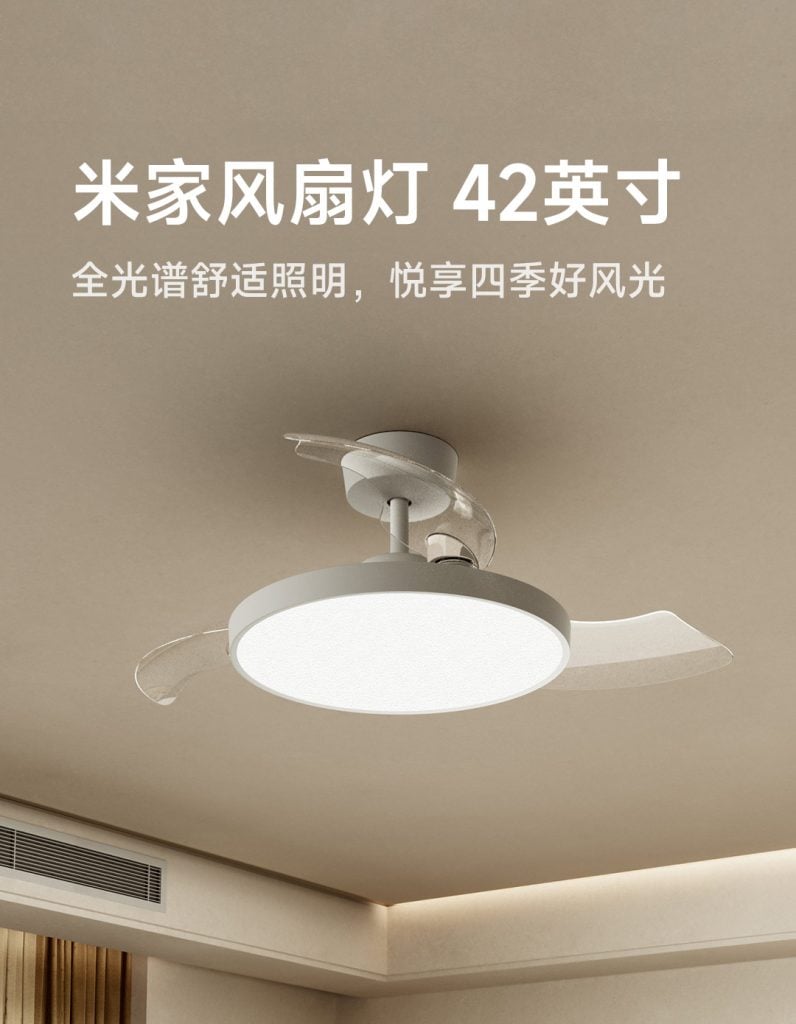
Xiaomi unveils Mijia Fan Light with full spectrum light beads, 160m³/min airflow, HyperOS

Xiaomi has begun crowdfunding its latest smart home device in the Chinese market, the Mijia Fan Light, which promises a unique blend of full-spectrum lighting and natural wind simulation. Let’s check out its key specs.

Xiaomi Mijia Fan Light

Xiaomi Mijia Fan Light Specifications:

The Mijia Fan Light boasts custom full-spectrum light beads with a Ra97 color rendering designed to mimic the spectrum of sunlight, offering a more natural and comfortable lighting experience. This not only helps reduce visual fatigue and improve eye comfort but also promotes better sleep patterns and overall well-being.

The fan delivers a “natural wind sensation” through multiple pre-set modes inspired by outdoor environments like lakesides, orchards, and campgrounds. This feature goes beyond simple air circulation, creating an immersive atmosphere that can enhance relaxation or focus.

The Mijia Fan Light is also designed with sleep in mind. Its “sleep mode” automatically adjusts the wind volume based on changes in human body temperature throughout the night, promoting undisturbed rest. Additionally, the fan operates quietly, with a minimum operating sound of just 32 decibels when the lights are off.

Coming to the smart connectivity, the fan light integrates with the Mi Home app, allowing for remote control, scheduling, and access to various features. It also supports Xiaomi’s HyperOS Connect, enabling control through multiple devices.

For those concerned about energy efficiency, the Mijia Fan Light is equipped with a high-performance DC motor that consumes minimal power and provides an impressive air volume of up to 160m³/minute. Xiaomi claims that the electricity cost for eight hours of use in sleep mode is only 0.081 yuan.

Beyond its technological advancements, the Mijia Fan Light boasts a minimalist design that seamlessly blends into modern home aesthetics. Its one-click folding mechanism offers convenient seasonal use adjustments.

Availability and Pricing:

The Mijia Fan Light is currently available for crowdfunding on the Xiaomi Youpin platform at a special price of 549 yuan ($76). Shipments are expected to begin on May 9th.

RELATED:

Moto X50 Ultra Passes 3C Certification With 125W Fast Charging

Motorola has already announced the Edge 50 Ultra in global markets. As usual, the device is set to debut in China as the Moto X50 Ultra. It will also pack some different specifications compared to the global variant. The Lenovo-owned brand has already revealed two key details of the upcoming offering. Now, the Moto X50 Ultra has surfaced on the 3C certification platform. 

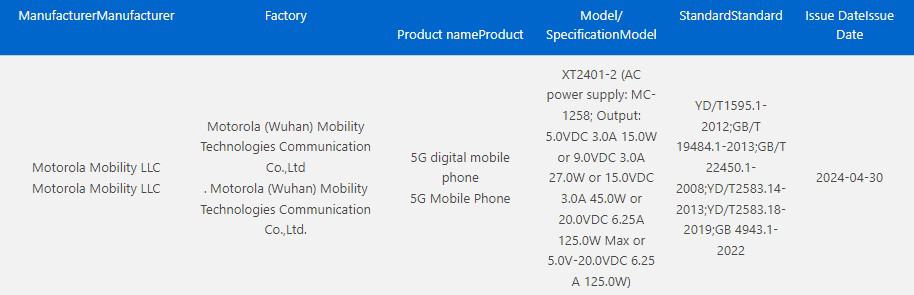
Moto X50 Ultra spotted on 3C

The Moto X50 Ultra is listed with the model number XT2401-2 on China’s 3C authority. The certification listing reveals support for 125W wired charging. It is the same as the Edge 50 Ultra that arrived last month globally. The regulatory listing does not reveal any additional details of the X50 Ultra. 

The Moto X50 Ultra is already confirmed to be powered by the Snapdragon 8s Gen 3 processor. Previously, the Lenovo-owned brand has teased AI features on the smartphone. It could come with Lenovo’s AI personal assistant and other AI capabilities across performance, camera, and more. The X50 Ultra is expected to launch in China this month. 
It remains to be seen if the Moto X50 Ultra in China packs some different specifications compared to the global Edge 50 Ultra. The latter has a 6.7-inch curved pOLED display with 1.5K resolution, 2,500 nits peak brightness, and 144Hz refresh rate. It packs up to 16GB RAM and 1TB storage. The smartphone is backed by a 4,500mAh cell with support for 50W wireless and 10W wireless power sharing. The Edge 50 Ultra also has a triple rear camera setup of a 50MP main sensor, a 64MP periscope lens, and a 50MP ultra-wide-angle unit. 

Related: