2024 is turning out to be great for new tech. Let’s also not forget that the highly anticipated Samsung Galaxy Ring is inching closer to its official release. First teased in January alongside the Galaxy S24 and then unofficially announced at MWC in February, the Galaxy Ring has been generating a lot of buzz in the tech world. While a July unveiling at the next Unpacked event is expected, a recent discovery in Samsung’s stock Battery Widget hints at a more imminent arrival.
The ring is expected to be out in the market around July, or sooner.
The Battery Widget is accessible on Samsung smartphones and now lists the Galaxy Ring alongside other compatible devices like Galaxy Watch, Galaxy Fit, and Galaxy Buds. This inclusion suggests that Samsung is actively preparing the Ring for launch and integrating it into its existing wearables ecosystem.
While the exact launch date remains under wraps, the Battery Widget development indicates a potential reveal sooner than July.
Although details are still emerging, leaks suggest the Galaxy Ring will be lightweight and comfortable to wear, even while sleeping. Unlike smartwatches with power-hungry displays, the Ring is expected to offer extended battery life on a single charge – lasting for several days.
The core functionalities will likely center around health and fitness tracking. A built-in heart rate sensor is confirmed, and sleep tracking capabilities are rumored. Additionally, there’s rumors of NFC payment support, allowing users to make contactless purchases with a tap of the Ring. The ring will come in multiple sizes, ranging from a very lightweight 2.3 grams to 2.9 grams, and boast a battery life of up to 9 days depending on the size. The Galaxy Ring can be worn alongside a Galaxy Watch for enhanced health tracking and will be compatible with Galaxy phones and potentially other Android devices, but not iPhones. Read about more details here.
With its focus on health monitoring and an ultra discreet design, the Galaxy Ring appears to be Samsung‘s answer to consumers seeking a more subtle and comfortable option.
Apple has officially announced the return of its annual Worldwide Developers Conference (WWDC) on March 26th, 2024. This highly anticipated event will be held virtually from June 10th to 14th, offering developers worldwide the opportunity to dive into the latest progress in Apple’s software landscape.
The entire WWDC24 will be completely free for developers, from June 10th to 14th.
Apple is making WWDC24 entirely free for all developers. The online format will definitely get more global participation, allowing developers to tune in to the keynote address and explore a ton of resources throughout the week. This includes video sessions, opportunities to interact with Apple engineers and designers, and the chance to connect with the wider developer community.
While the core conference will be virtual, Apple will also host a special in-person event at Apple Park on June 10th. Space will be limited, but developers can apply for the chance to attend through the Apple Developer website and app. This exclusive event offers attendees the opportunity to witness the keynote address firsthand, engage with Apple team members, and participate in unique activities.
WWDC24 is poised to be a hub for exploring the newest iterations of Apple’s operating systems. Developers can expect in-depth insights into the latest advancements for iOS, iPadOS, macOS, watchOS, tvOS, and visionOS. Apple’s commitment to developer success extends beyond software updates. The conference will also provide valuable access to innovative tools, frameworks, and features, empowering developers to create even more exceptional apps and games. For ongoing updates and additional details about WWDC24, developers can keep an eye on the Apple Developer website and app.
Apple’s dedication doesn’t stop at established developers. The company continues to champion future generations through initiatives like the Swift Student Challenge. Winners of this year’s challenge, announced on March 28th, will be eligible to compete for a coveted spot at the in-person event at Apple Park. Fifty Distinguished Winners will be chosen for this exclusive three-day experience in Cupertino, where Apple is based out of.
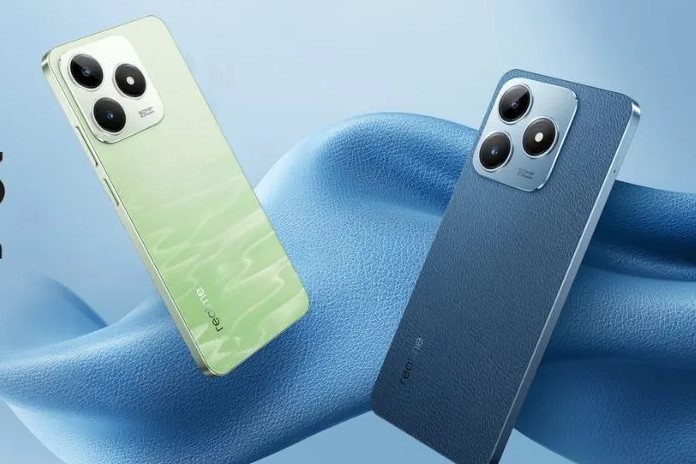
Redmi Note 10 Pro was one of the best smartphones of its time. Powered by the Qualcomm Snapdragon 732G SOC, the smartphone was positioned in the mid-segment and had better specifications than many competitors. Almost 3 years have passed since 2021. We are now in 2024 and the Chinese tech giant is ending update support for the Redmi Note 10 Pro / Max. Although this is sad, it should be remembered that every device has a certain life cycle.
Redmi Note 10 Pro / Max, EOL
Today Xiaomi added the Redmi Note 10 Pro / Max to the EOS (end-of-support) list. After that, the smartphone will not even receive any security patches. Redmi Note 10 Pro models normally had a chance to receive the HyperOS update, but due to unfortunate circumstances, this was completely forgotten. The Note 10 Pro Max has not received updates in India for a long time because it was thought that a motherboard problem could damage the device. So Xiaomi is trying to move away from the Note 10 Pro / Max. Of course, this applies to the Indian version of the product. This is not the situation with the global version of the Redmi Note 10 Pro.
Note 10 Pro / Max EOL
Over time, many models will be added to the Xiaomi EOS list, so be careful if you are using a model that has not received a security update! Because the device manufacturer has officially stopped providing support and this has caused security vulnerabilities. If you want to have a more reliable experience, you can switch to one of the high-end Xiaomi, Redmi or POCO models.
BYD Co., Ltd., a leading manufacturer of electric vehicles and a major player in the global new energy vehicle market, released its impressive annual report for 2023 on March 26th. The company achieved significant growth across key financial metrics, listed below:
The net profit of shareholders increased by a whopping 80.72%
Financial Highlights:
Operating income reached 602.315 billion yuan, a substantial increase of 42.04% year-over-year.
Net profit attributable to shareholders of listed companies surged by 80.72% to 30.041 billion yuan.
Basic earnings per share climbed to 10.32 yuan.
The company plans to distribute a cash dividend of 30.96 yuan to all shareholders for every 10 shares.
BYD maintained its position as the global leader in new energy vehicle sales in 2023, delivering a staggering 3.02 million vehicles. This achievement further cements the company’s dominance in the rapidly growing electric vehicle market and places it among the top ten global automakers overall.
BYD has consistently pushed boundaries in electric vehicle technology and affordability. Following the successful launch of the Champion Edition model last year, which offered “the same price for petrol and electricity,” BYD introduced the Honor Edition model in February 2024. This new model is taking electric vehicle affordability a step further, where “electricity is cheaper than petrol.”
Furthermore, on March 25th, BYD achieved another remarkable milestone, becoming the first automaker in the world to produce its 7 millionth new energy vehicle. BYD Co., Ltd. is a multinational technology company headquartered in Shenzhen, China. Founded in 1995, the company initially focused on battery production before expanding into electric vehicles, electronics, and other sustainable technologies. BYD is now a global leader in electric vehicle manufacturing, offering a wide range of passenger cars, buses, trucks, and commercial vehicles. The company’s dedication to research and development has clearly positioned it among the big names of the electric vehicle market.
Lenovo made some headlines in the display tech market when it unveiled its ThinkVision 27-inch naked-eye 3D monitor at IFA last year. The good news is, the monitor is available now on JD.com for 18,999 yuan (approximately $2,630 USD). And this innovative monitor eliminates the need for clunky 3D glasses, offering a truly immersive visual experience.
Not many monitors on the market have a built-in 3D camera and Eye-tracking
The key feature of the ThinkVision monitor is its built-in 3D camera with eye-tracking technology. This camera intelligently adjusts the screen’s field of view based on the user’s eye position, creating a natural and comfortable 3D effect. The monitor boasts compatibility with various 3D model formats like OBJ, GLB, and 3DS, allowing users to view and interact with 3D content in stunning detail. Lenovo claims the monitor delivers “clear display of texture edges” on 3D models, further enhancing the visual experience. Additionally, users can conveniently switch between 2D and 3D modes with a single click.
Beyond its groundbreaking 3D capabilities, the ThinkVision monitor offers impressive technical specifications. The display features a 3840 x 2160 resolution (which reduces to 1920 x 1080 in 3D mode) for exceptional sharpness. It utilizes a 60Hz IPS panel with a 4ms response time, ensuring smooth visuals for both work and entertainment. The 1200:1 static contrast ratio and 310 nits brightness deliver vivid colors and deep blacks, while the 8-bit color depth with 99% Adobe RGB and DCI-P3 color gamut guarantees exceptional color accuracy for creative professionals.
For added versatility, the ThinkVision monitor provides a fully adjustable stand with tilt, lift, and swivel functionalities. VESA wall mounting compatibility allows for convenient integration into various workstations. Connectivity options are plentiful, including 2 HDMI 2.1 ports, a DisplayPort 1.4 interface, a USB-C DP 1.4 port, a USB-C 3.2 port, four USB-A 3.2 Gen 1 ports, a 3.5mm audio jack, and a USB-C 3.2 Gen 1 interface.
This monitor caters to a wide range of users, from creative professionals working with 3D models to gamers seeking an immersive entertainment experience. While the price tag might be a barrier for some, the innovative technology will lay a path for a more accessible and exciting future for 3D displays.
Coolpad continues to expand its product lineup. The company recently launched the 5G keypad phone Golden Century Y60 in China, demonstrating a commitment to producing competitive and intriguing models. Coolpad continues this trend with the latest Grand View 3 and Grand View 3 Plus smartphones. These devices offer 5G network support, a 4500mAh battery, and a 120Hz display. Most notably, they feature a unique “naked-eye 3D” capability. Here are the details…
Coolpad Launches 3D Grand View 3 and Grand View 3 Plus Smartphones at Budget-Friendly Prices
Coolpad has introduced the Grand View 3 Series smartphones, consisting of the Grand View 3, and Grand View 3 Plus. The standout feature of these phones is of course their naked-eye 3D capability. As you know, traditional 3D technology typically requires special glasses. Because many people find these glasses inconvenient, the popularity of 3D technology is limited. However, Coolpad’s technology allows users to experience three-dimensional visuals on their device screens without the need for special glasses or additional accessories.
Coolpad Grand View 3 Series with 3D Display Launch feature the innovative Smart Touch module for an enhanced naked-eye 3D experience. This module uses advanced algorithms to track users’ eye movements, adjusting the display in real-time for optimal 3D effects. To ensure vivid, sharp 3D visuals, these devices also use grating module bonding technology. This significantly improves screen transparency and light transmittance.
Also AI image processing creates a multi-dimensional interactive experience on these devices. Users can engage with 3D content in a truly immersive way. When we look at the technical specifications, we see two phones that are quite similar to each other. However, while the Coolpad DaGuang 3 comes with a processor named Purple Light Junrui T760, the Coolpad DaGuang 3 Plus uses the more familiar MediaTek Dimensity 900. RAM, camera resolutions, charging speed, and initial storage space are also among the features introduced in the Plus model. You can take a look at all the technical specifications below.
t’s hard to deny that flagship phones have reached a point of similarity. The latest Snapdragon processor, OLED 120Hz display, super-fast charging, impressive cameras – it all blends together. Don’t get me wrong, I appreciate the tech, but the excitement of a new flagship launch isn’t what it used to be. The real innovation seems to be happening in the entry-level and mid-range markets. To stay competitive, manufacturers are bringing features once exclusive to $1000 phones down to the affordable models. Now, Oppo will be a prime example, offering IP68 certification and curved display on their $100 phones. Here are the details…
Oppo Packs $1000 Flagship Features into $150 Smartphones
According to a recent report by Digital Chat Station, Oppo is working on a new phone with IP68 water and dust resistance certification. Currently, there isn’t much information available about the device. However, we know the affordable Oppo smartphone will come with a curved screen and a 5000 mAh battery.
Oppo Reno 11F 5G
The price point is particularly exciting, as the company aims to target the budget-friendly category with a price tag expected to be below $150 (1000 Yuan). Unfortunately, we have limited information on this phone right now. DCS hasn’t leaked a release date. However, the IP68 certification hints at an imminent launch. As someone living in a country with economic challenges, I’m glad to see these features on affordable models.
Also as a tech editor, this kind of innovation excites me. Other brands, like Xiaomi, offer impressive mid-range features, but none have matched this level of affordability yet. Hopefully, Oppo’s move will encourage more competition in this area. Perhaps we’ll even see better SoCs in budget-friendly Android phones soon.
At Gizmochina, we often discuss how expensive Apple products are, and this applies not only to new devices but also to older ones. Interestingly, some older models become even more valuable with time. For example, have you ever wondered about the value of your old iPhone sitting untouched in your drawer? It might not be worth much, but if it’s a first-generation iPhone that has never been opened, that’s a different story. Due to their rarity, these unopened antiques can sell for over $130,000! Here are the details…
Rare 4GB Original iPhone Sells for Over $130,000 in Auction
You may have heard about the astronomical prices vintage Apple products bring at auctions. For instance, we recently mentioned the record-breaking price at which a rare sealed first-generation iPhone 4 GB was sold. Remarkably, these amounts are only increasing. Recently, a company named LCG Auctions put up an iPhone 4G in perfect condition for sale, aiming to sell it for over $100,000. As expected, the smartphone, now considered an antique, sold for over $130,000.
iPhone 4 GB
Furthermore, this record-breaking sale may soon be surpassed. Recently, an identical phone sold through LCG Auctions for a staggering $190,000. The $60,000 difference in price highlights the influence of demand on these rare collectibles. The value of these vintage iPhones stems almost entirely from their scarcity. As YouTubers purchase these phones for unboxing videos, even fewer remain available for collectors. Consequently, don’t be surprised if we hear about similar items commanding even higher prices in the near future.
In this situation, it’s natural to wonder “If I buy an iPhone 15 today and keep it sealed for a decade, how much could I sell it for?”. Obviously, it would gain more than its current price, but probably not as much as an original, first-generation iPhone. Apple likely produced far fewer of those (around 30 million) compared to the iPhone 14’s nearly 100 million units.
The iPhone 15 will have similarly high production numbers. While this isn’t investment advice, and returns aren’t guaranteed, holding onto a sealed iPhone 15 could definitely earn you a significant profit down the line.
Qualcomm recently introduced the S5 Gen 3 and S3 Gen 3 sound platforms, aimed at improving the audio experience across various devices like earbuds, headphones, and speakers. These platforms bring advanced sound quality to premium and mid-range audio products, featuring innovative technologies and AI-driven enhancements.
The S5 Gen 3 platform, targeting premium audio devices, offers significantly improved performance with triple the compute power and fifty times the AI capacity of its predecessor. It features Adaptive Active Noise Cancellation and the Snapdragon Sound Technology Suite for high-quality listening. Support for Snapdragon Sound with aptX Lossless and Bluetooth 5.4 ensures seamless music streaming and connectivity.
The S3 Gen 3 platform, for mid-range devices, enhances audio with features like hearing enhancement and spatial audio. It supports Snapdragon Sound with aptX Lossless 24-bit 48kHz music streaming and Bluetooth 5.4 connectivity.
Both platforms include features like advanced ANC, superior DAC for clear sound, and LE Audio for new audio-sharing options. These new chips will soon be appearing on upcoming mid-range and premium audio devices, so stay tuned for the latest updates.
Huawei is gearing up to make waves in the smartphone market. The company has been quietly unveiling new devices, and rumors suggest a similar strategy for the upcoming P70 series. In fact, we previously mentioned the possibility of a Huawei P70 Series launch based on a recent leak. Now a recent leak hints at a potential April pre-order date for the Huawei P70 series, further fueling speculation about an imminent launch. Here are the details…
Huawei P70 Pre-Orders Rumored for Early April, Store Staff Hints
According to Digital Chat Station, pre-orders for the Huawei P70 Series could begin in April. While still a rumor, similar leaks from other sources make this more plausible. The phone’s design has also been confirmed, featuring a distinctive triangular camera island and a triple camera setup. We’re now eager to learn the full technical specifications of the P70 Series.
Fortunately, we have some insights into the upcoming Huawei P70 series. It’s likely to be powered by an upgraded version of the Kirin 9010 SoC. Since the exact model number remains uncertain, let’s refer to it as the Kirin 9xxx for now. Leaks suggest screen sizes ranging between 6.58 and 6.8 inches for the Huawei P70 models, with rumors indicating a high-resolution curved LTPO display.
On the camera front, the P70 series is expected to feature a main camera with either the OV50H or IMX989 sensor. It should also include a 50MP ultra-wide-angle lens and a 50MP 4x periscope telephoto lens. Naturally, satellite communication, a crucial feature in recent times, will also be included. Additionally, expect a refreshed exterior design for the series.
At CES 2024, Dell introduced the Alienware M16 R2 gaming laptop powered by the latest Intel processors. The brand has now confirmed its arrival in the Indian market with an Amazon India microsite which reveals its design and a bunch of its specifications.
The Alienware M16 R2 is revealed to feature a 45W Intel Core Ultra H Series Processor, the Intel Core Ultra 9 Processor 185H, coupled with a dedicated AI engine designed to maximize efficiency and speed. The landing page also reveals that the laptop features a GeForce RTX 40 Series GPU, powered by DLSS 3 technology. This could most likely be the RTX 4070 GPU, but we can also expect it to be available with an RTX 4060.
The laptop will come with 32GB DDR5 RAM as well as 1TB of storage for ample space, and a 16-inch QHD+ display panel that supports a 240Hz refresh rate, making it ideal for gaming. While other details have yet to be revealed, it was previously mentioned that the laptop will come with a 15 percent size reduction compared to its predecessor, which is credited to the new and optimized Cryo-tech thermal cooling solution. This new thermal management system delivers 43 percent more efficient airflow, making the laptop less prone to thermal throttling even during long gaming sessions.
The keyboard features RGB backlighting, which can be turned off or changed to a static color through “stealth mode”.
Pricing & availability
While India-specific pricing has not been revealed yet, at CES, the laptop was revealed to carry a starting price of $1,499, as well as a higher-end model that costs $1,649.99.
XPENG Motors, the prominent Chinese smart electric vehicle (EV) company traded on both has officially unveiled its strategic partnership in Thailand. This significant move comes as XPENG announces its entrance into the ASEAN market, solidifying its presence in the region. The partnership, forged with Neo Mobility Asia Co., Ltd., a joint venture between Arun Plus Mobility Holdings Co., Ltd. (a subsidiary of PTT) and MGC-Asia GreenTech Co., Ltd., marks a pivotal step in XPENG’s global expansion strategy.
The announcement was made on the occasion of XPENG’s participation in the 45th Bangkok International Motor Show, where the company showcased its latest innovations and technologies. Among the highlights of the event was the introduction of XPENG’s G6 SUV, tailored specifically for the ASEAN market.
In line with its international expansion plans, XPENG has been actively seeking partnerships with key players in strategic markets. The company has already secured agreements with Premium Automobiles in Singapore and Bermaz Auto in Malaysia, further enhancing its distribution and sales network in the region.
James Wu, Vice President of the Finance & Overseas Strategic Support Office at XPENG, emphasized the importance of entering new markets strategically. He stated, “By offering a range of EV models tailored to local customer needs, we aim to solidify our brand position as a leading player in the smart EV sector on a global scale.”
The G6 SUV, set to be launched in Thailand, Singapore, and Malaysia, is built upon XPENG’s innovative Smart Electric Platform Architecture (SEPA) 2.0 platform. This platform not only provides a foundation for future production models but also streamlines development cycles and reduces manufacturing costs, ensuring competitive pricing for consumers.
XPENG’s expansion into the ASEAN market represents a significant milestone in its global growth trajectory. With a focus on innovation, sustainability, and customer satisfaction, XPENG is poised to make a lasting impact in the smart EV sector across the globe.
The Xiaomi Mi 10 series from 2020 will get HyperOS update. This piece of information was recently revealed by Zhang Guoquan, director of Xioami’s mobile system software department.
As per the executive, the update will arrive in April. Although he does not specify, the initial release should be limited to beta testers.
Xiaomi Mi 10 Pro
The users of the Xiaomi Mi 10 series are some of the luckiest. These devices, namely Mi 10, Mi 10 Pro, and Mi 10 Ultra were not part of Xiaomi’s 2021 software policy, which promises 3 Android updates.
Now, according to a company official, the Mi 10 and the Mi 10 Pro, which were introduced with MIUI 11, will be treated to their fourth major software in the form of HyperOS. The same update will be the third major one for Mi 10 Ultra as it was launched with MIUI 12.
However, the HyperOS update for the Mi 10 series may not bring Android 14. Because HyperOS for older phones is based on Android 13.
We will keep you posted whenever new details emerge regarding the HyperOS update for Mi 10 phones. Meanwhile, you can read our story on how hyperOS differs from MIUI.
TCL has expanded its FFALCON Thunderbird Crane 6 Pro lineup with a new 75-inch model featuring a MiniLED display. This comes after the launch of the 55-inch and 65-inch versions earlier this month.
The 75-inch model boasts significant upgrades in the backlight zones, reaching 640 zones compared to 384 and 512 zones on the smaller models. This translates to sharper contrasts and more precise control over lighting, resulting in a more realistic viewing experience.
TCL Thunderbird Crane 6 Pro Specifications:
The 75-inch Crane 6 Pro 2024 features a MiniLED 4K VA panel with 3840 x 2160 resolution, 144Hz refresh rate, and 16:9 aspect ratio. The TV also retains the impressive features of its smaller siblings, including a peak brightness of 1300 nits, 95% DCI-P3 color gamut, and support for Dolby Vision IQ and IMAX Enhanced. It also boasts the TSR picture quality engine for intelligent frame-by-frame analysis.
Under the hood, the TCL Thunderbird Crane 6 Pro is powered by a MediaTek MT9653 processor paired with 4GB of RAM and 64GB of storage. The TV runs on Android 11.0 OS and for connectivity, it includes Wi-Fi 6 and Bluetooth 5.2.
TCL advertises the Crane 6 Pro to be free of startup advertisements, providing a more user-friendly experience. On the audio front, the TV comes equipped with a “2.1 Cinema-grade Sound” system with a maximum power output of 50W. It also features a 20W rear subwoofer for enhanced bass.
The TV TV offers a comprehensive range of connectivity options, including two HDMI 2.1 ports, alongside standard HDMI 2.0, USB 3.0, and USB 2.0 ports for versatile device connections.
Gamers will likely find the Crane 6 Pro appealing due to its dual HDMI 2.1 FRL ports with 48Gbps bandwidth. These features support 4K resolution at a 144Hz refresh rate with VRR (Variable Refresh Rate) for smoother gameplay. The TV offers a 24P movie mode for those who prefer the cinematic experience.
The Crane 6 Pro TV also includes a unique GameBar toolbar, providing gamers with on-the-fly adjustments like a crosshair overlay, dark detail enhancement, and automatic low latency mode, tailoring the gaming experience to individual preferences. Earlier this year, TCL also launched FFalcon Thunderbird Crane 7 TV 2024 models in China, which start at 4999 Yuan ($694).
Leaked images shared by Sonny Dickson on social media have sparked excitement around a potential design change for the upcoming iPhone 16. These images showcase a third-party iPhone 16 Pro case with a dedicated cutout on the right side, precisely where rumors suggest Apple might introduce a new “camera button.”
The camera button is expected to offer full control over video and photo functions
It’s unclear whether the case manufacturer is privy to confirmed information or simply capitalizing on rumors. However, this leak aligns with reports from MacRumors earlier this year, which revealed Apple’s plans to equip all iPhone 16 models with a dedicated camera button.
This “capture button” is expected to offer intuitive control over photo and video functions. Users might be able to swipe left and right to zoom, tap for focus, and press firmly to initiate recording. The button’s design, likely flush with the phone’s body, necessitates the case cutout to ensure functionality.
An interesting implication of this new button placement is its ergonomic benefit for landscape video recording. The “capture button” would be positioned on the top edge, providing a more convenient shutter release compared to relying on the current volume button method.
It’s important to note that the addition of this button might necessitate a slight redesign for US models of the iPhone 16. The millimeter wave 5G antenna opening would likely be relocated to the bottom left side of the phone, below the volume buttons. This wouldn’t affect models in other regions, which have relied solely on sub-6 GHz bands since the iPhone 12.
With Apple expected to unveil the iPhone 16 series in September, these leaks offer a glimpse into potential design changes and functionalities. For now, all this information must be taken with a grain of salt, but we are in for exciting new developments – that’s for sure.
HP has just launched its latest curved monitor called the Z34c G3 WQHD in the Chinese market. This 34-inch display boasts a wide array of features designed to enhance productivity and user comfort, making it a compelling option for creative professionals and office workers alike. The monitor is currently available on JD.com for a listed price of 5999 yuan (around $831).
HP Z34c G3 Specifications:
The Z34c G3 features a large 34-inch curved IPS panel with a WQHD resolution of 3440 x 1440 pixels. This ultrawide aspect ratio (21:9) provides a significant amount of screen real estate, allowing users to view multiple windows and applications simultaneously without feeling cramped.
The monitor also boasts a brightness of 350 nits and supports 99% sRGB, a contrast ratio of 1000:1, and 85% DCI-P3 color gamuts, ensuring vivid and accurate color reproduction. Additionally, factory color calibration guarantees out-of-the-box color accuracy, saving users the hassle of manual adjustments.
For seamless video conferencing experiences, the Z34c G3 integrates a pop-up 5MP camera with a tilt angle adjustment for customized positioning. The built-in noise-cancelling microphone further enhances audio clarity during calls. HP highlights that the monitor has undergone rigorous audio and video quality tests and is Zoom-certified, signifying its suitability for professional video conferencing needs.
The HP Z34c G3 WQHD comes equipped with circular front speakers. It also features HP Display Center software, allowing for easy screen partitioning and customization. Additionally, it boasts HP Eye Ease, a TÜV-certified hardware-level blue light solution to reduce eye fatigue during long working hours.
The monitor also boasts a three-way adjustable ergonomic stand, enabling users to customize tilt, swivel, and height for a comfortable viewing experience that reduces fatigue during long work hours.
The Z34c G3 comes equipped with a variety of connectivity options, including a USB-C port with 100W Power Delivery for charging laptops and transmitting data and video with a single cable. Additionally, the monitor offers DisplayPort 1.4, HDMI 2.0, USB-A ports, a USB-B port, and an RJ-45 Ethernet port, ensuring compatibility with various devices and peripherals.
Vivo has launched its third-generation X Fold today in China alongside other products. The X Fold 3 series includes a standard and pro variant. The latter is the more premium offering among the two devices with top-of-the-line specifications. Both phones share some identical specifications and also differences between each other. The X Fold 3 arrives as the successor to the last year’s X Fold 2(review). Read on to know what the foldable phones offer out of the box.
Vivo X Fold 3 series specifications and features
The Vivo X Fold 3 and X Fold 3 Pro sport identical OLED displays. The external screen is 6.53 inches bearing a resolution of 2,480 x 2,200 pixels whereas the internal display measures 8.03 inches with 2,748 x 1,172 pixels. Both screens feature a LTPO 120Hz refresh rate and a 4,500 nits peak brightness. The X Fold 3 Pro is also equipped with an integrated ultra-sonic fingerprint scanner, meanwhile, the standard variant relies on side-mounted scanner.
Design-wise, the Vivo X Fold 3 series features a circular rear camera module. The standard variant is said to be the slimmest foldable phone measuring just 4.65mm when folded. It is also lightweight than the iPhone 15 Pro Max tipping the scales at 219 grams. Vivo says that the X Fold 3 series has a carbon-fiber ultra-durable lightweight hinge. The foldable phone has bagged the first Swiss SGS five-star drop-resistant certification thanks to the armour glass. The Pro and standard models are IPX8 and IPX4-certified water-resistant.
On the optics front, the Vivo X Fold 3 series has triple rear cameras. The setup on both phones comprises of a 50MP OV50H OIS-enabled main sensor and a 50MP ultra-wide-angle lens. Meanwhile, the third unit on the standard model includes a 50MP portrait whereas the X Fold 3 Pro has a 64MP OIS periscope shooter with 3x optical zoom and 70mm focal length. The X Fold 3 series features 32MP cameras housed inside a centre-aligned punch-hole cutout of the internal and external displays. Only the Pro model comes with the company’s self-developed V3 imaging chip.
Under the hood, the Vivo X Fold 3 Pro houses the Snapdragon 8 Gen 3 processor whereas the standard model is equipped with an older Snapdragon 8 Gen 2 chip. Both phones pack up to 16GB LPDDR5 RAM and 1TB UFS 4.0 storage. The X Fold 3 is backed by a 5,500mAh battery with support for 80W fast charging whereas the Fold 3 Pro has a 5,700mAh cell maxing out at 100W charging speed and also supports 50W wireless charging.
The Vivo X Fold 3 series has stereo speakers and Wireless Lossless Hi-Fi audio. Connectivity options include WiFi-7, dual-SIM 5G, IR Blaster, and NFC.
Vivo X Fold 3 series pricing
The Vivo X Fold 3 Pro comes in 16GB + 512GB and 16GB + 1TB RAM and storage configurations. These are priced at CNY 9,999 (~$1,385) and CNY 10,999 (~$1,523) respectively. The standard X Fold 3 starts at CNY 6,999 (~$969) while the 16GB + 256GB costs CNY 7,499 (~$1,038). The 16GB + 512GB and 16GB + 1TB carry a price tag of CNY 7,999 (~$1,108) and CNY 8,999 (~$1,246) respectively. Both phones come in Black and White colors.
As usual, Apple is expected to unveil the iPhone 16 series later in fall this year. The design as well as key details of the next-generation lineup have already surfaced in leaks and rumors. The Pro models will reportedly pack some major changes including a dedicated camera button and more. Now, a leaker ShrimpApplePro has revealed info regarding the colour variants of the iPhone 16 Pro devices.
iPhone 16 Pro models may get two new colours
Well, according to the Weibo account, we will have a new color called Rose this year No natural titanium and blue titanium He was quite accurate on the iPhone 14 pro ‘s purple color. https://t.co/wVaPOOU7XRpic.twitter.com/BSs2H0tlID
Apple introduced titanium chassis on the iPhone 15 Pro models. Its successors this year will also retain the same. The iPhone 15 Pro and Pro Max come in natural titanium, blue, white, and black colour options. As per ShrimpApplePro, the Cupertino-based tech giant could drop the Blue Titanium variant. Instead, it will be replaced by a Rose Titanium shade on the iPhone 16 Pro duo.
Last year was the first time Apple did not release a Gold colour variant in the iPhone 15 series. It has been a regular since the iPhone XS in 2018. The Rose shade that is tipped seems to be a titanium version of Gold. Thus we can expect it to make a comeback on this year’s Pro devices. Additionally, the Black option of the iPhone 16 Pro will be described as Space Black just like the iPhone 14 Pro.
The leaker also adds that the White and Natural Titanium colours on the iPhone 16 Pros will look slightly different. The former will look more like Silver White whereas the latter could include a Grey tint in the shade.
It’s worth noting that ShrimpApplePro was accurate with the iPhone 14 Pro’s Deep Purple colour variant.
Alongside the launch of new foldables and TWS earphones, Vivo has also announced a new tablet. The latest offering is the Vivo Pad 3 Pro. It packs premium specifications. The brand has not announced a standard variant. It could arrive sometime in the future as the successor to the Pad 2. Read on to know what the Pad 3 Pro offers out of the box.
Vivo Pad 3 Pro specifications and features
The Vivo Pad 3 Pro boasts a large 13-inch display bearing a resolution of 3.1K pixels. It features a 144Hz refresh rate, 900 nits peak brightness, P3 colour gamut, and supports HDR10. On the audio front, the tablet is equipped with an eight-speaker system along with 3D panoramic sound and more. Design-wise, the Vivo Pad 3 Pro has a flat frame and a circular camera module housing a single 13MP sensor. There is an 8MP front-facing selfie snapper and a side-mounted fingerprint scanner embedded in the power button.
Under the hood, the Vivo Pad 3 Pro is the first tablet in the world to be powered by a MediaTek Dimensity 9300 processor. It packs up to 16GB LPDDR5 RAM and 512GB UFS 4 storage. There is a large vapour cooling chamber for heat dissipation. The tablet is backed by an 11,500mAh battery unit with support for 66W fast charging.
The Vivo Pad 3 Pro runs on OriginOS 4 based on Android 14 out of the box. Connectivity options include WiFi-7, Bluetooth 5.4, NFC, and USB-C port. The tablet is compatible with Vivo Pencil 2 and keyboard.
The Vivo Pad 3 Pro starts at CNY 2,999 (~$415) for the base 8GB + 128GB variant whereas the 8GB + 256GB costs CNY 3,299 (~$457). The 12GB + 256GB and 16GB + 512GB RAM and storage configurations carry a price tag of CNY 3,599 (~$498) and CNY 3,999 (~$553). Pre-registrations start today with sales commencing from April 3. The device is offered in Grey, Blue, and Purple color options.
In this article, we compare the more popular Samsung Galaxy Z Flip 5 against another clamshell folding device that isn’t as popular. The second device in question is a clamshell foldable device, just like the one from Samsung in consideration in this article. This device is the new Huawei Pocket 2 and just like the Galaxy Z Flip 5 this entry also packs some impressive features.
Buyers living in China as well as other Asian regions will face this Huawei Pocket 2 vs Samsung Z Flip 5 dilemma when shopping for a new clamshell folding device. Each device brings features that help it to stand out from the competition. If you are looking to purchase a new clamshell folding device, this article will help you pick the better option.
Huawei Pocket 2 vs Samsung Z Flip 5: Price
Huawei Pocket 2:
All storage variants available retail start at $1042
Samsung Z Flip 5:
All storage variants available retail start at $999
Please Note: When you buy something using the links in our articles, we may earn a small commission at no cost to you.
Huawei Pocket 2 vs Samsung Z Flip 5: Design and colours
Huawei Pocket 2:
The design of this foldable device is premium to the very last bit, with solid materials and an impressive hinge mechanism. With this device, Huawei took the design of its predecessor and found ways to make it even better with a slightly larger cover display and an extra camera. On its right side sits the volume rocker keys and the power button that doubles as the fingerprint sensor.
The charging port sits at the base of the device, on the rear you’ll find two Huawei logos, one on the bottom folding half and the other on the hinge. There are no buttons on the left side of this device, giving it a flush finish. Overall, the materials on this device are very impressive considering its asking price, and it comes with an art version with the Blue Dream colour option.
Samsung Z Flip 5:
The Samsung Z Flip 5 brought a ton of design upgrades from its predecessor. This device features a massive 3.4-inch external cover display, flat edges, and a new hinge mechanism. Just like the Huawei Pocket 2, this device puts all buttons on the right-hand side of the screen.
The power button on this device doubles as a fingerprint sensor for security unlocking. This is also the first Z Flip device from Samsung that folds completely flat thanks to its new hinge mechanism. Colour options on this device are Mint, Graphite, Cream, Lavender, Gray, Blue, Green, Yellow, and they only reflect on the bottom folding half of the device since the top folding half is a big screen.
Major differences:
The large cover display on the Samsung Galaxy Z Flip 5 isn’t perfect.
Impressive design on the Huawei Pocket 2.
Flat sides on the Samsung Galaxy Z Flip 5.
Huawei Pocket 2 vs Samsung Z Flip 5: Display
Huawei Pocket 2:
The Huawei Pocket 2 comes with a massive 6.94-inch LTPO OLED screen panel and a smaller circular 1.15-inch LTPO OLED cover display panel. Users of this device will benefit from the fast 120Hz folding display, which is almost crease-less due to the new hinge mechanism. On the smaller 1.4-inch cover display, users get to play around with various customizable widgets and also get their notifications here. This device also features even bezels around the folding display, which is great for viewing content.
Samsung Z Flip 5:
Being a Samsung device, the Galaxy Z Flip 5 comes with some of the best display technology on the market. The main screen is a 6.7 foldable Dynamic AMOLED panel, and it gives off a maximum brightness of 425ppi. Up front is a 3.4-inch Super AMOLED panel; this cover display is much larger than the one on the Huawei Pocket 2. In terms of screen-to-body ratio, this entry from Samsung features slightly larger bezels than we see in the competition in this article.
Major differences:
Overall better display on the Samsung Galaxy Z Flip 5.
Less display crease on the Pocket 2.
Larger cover display on the Samsung Galaxy Z Flip 5.
Huawei Pocket 2 vs Samsung Z Flip 5: Cameras
Huawei Pocket 2:
The cameras on this new foldable device are improved from its predecessor. This device adds an extra rear 2MP autofocus sensor while upgrading the main camera to a 50MP, which is quite impressive. Up front, users get a 10.7MP camera, which is the same as the Huawei Pocket. For better photography, this device comes with the Huawei in-house Xmage photography sensor, which isn’t available on the Huawei Pocket.
Samsung Z Flip 5:
Moving over to the camera department, this device comes with a dual rear camera setup. Both rear cameras on this device, the main sensor and the ultra-wide sensor, are 12MP lenses. Up front, we see a 10MP selfie camera lens which is great for taking selfies, and considering the fact that the cover display on this device is large, the main camera can be used as a selfie camera. Just like with the Huawei Pocket 2 this device supports 4K video recording in both front and rear cameras.
Major differences:
A 50MP main camera on the Huawei Pocket 2.
Xmage technology on the Huawei Pocket 2.
More ease with using the main camera as the selfie camera on the Galaxy Z Flip 5.
Huawei Pocket 2 vs Samsung Z Flip 5: Performance
Huawei Pocket 2:
At this moment, there is no information on the actual processor in this clamshell folding device. However, we do know that this device features an in-house processor from Huawei. Storage here goes up to 1TB on the 12GB RAM configuration.
Samsung Z Flip 5:
Samsung makes use of an impressive processor on this device, and it is none other than the Qualcomm Snapdragon 8 Gen 2. Joining this flagship processor is 8GB worth of RAM capacity as standard. Coming to storage, buyers can pick between a 256GB option or a 512GB option depending on their individual needs.
Major upgrades & differences:
Up to 1TB storage on the Huawei Pocket 2.
Huawei Pocket 2 vs Samsung Z Flip 5: Software
Huawei Pocket 2
This device runs on Huawei’s Harmony OS out of the box.
Samsung Z Flip 5:
The Samsung Galaxy Z Flip 5 comes with Android 13 and One UI 6 out of the box and will get up to 5 years of OS upgrades.
Major differences:
The option from Huawei runs on the brand’s in-house operating system.
The option from Samsung runs on Android.
Huawei Pocket 2 vs Huawei Pocket: Battery life and charging
Huawei Pocket 2:
This clamshell folding device comes with a 4520mAh battery capacity which will be able to carry it through the day on a single charge. It also supports 40W fast wired charging and 5W wire and wireless reverse charging. This is an upgrade from the Huawei Pocket that doesn’t offer reversed wireless charging.
Samsung Z Flip 5:
This device comes with a much smaller battery capacity, 3700mAh. It supports 25W fast charging, 15W fast wireless charging, and 4.5W reverse wireless charging. With this battery capacity, users might get up to a day of basic usage on a single charge.
Major differences:
Larger battery capacity on the Huawei Pocket 2.
Faster charging on the Huawei Pocket 2.
Wireless charging on the Galaxy Z Flip 5
Huawei Pocket 2 vs Huawei Pocket: Final Verdict
For the global market, the Samsung Galaxy Z Flip is the better buy overall. This has nothing to do with the specifications, as both devices pack impressive specifications and features. Instead, this has to do with the fact that purchasing a Huawei Pocket 2 outside its home base market will be very difficult for most people.
However, in mainland China and other Asian regions, the Huawei Pocket 2 holds well against the Samsung Galaxy Z Flip 5. It comes with a larger battery, more cameras, a more classy design, more memory options, and larger storage as well as a larger screen size. The Galaxy Z Flip 5 however, packs a better display, runs Android, and is a bit cheaper than Huawei’s entry in this article.
We use cookies on our website to give you the most relevant experience by remembering your preferences and repeat visits. By clicking “Accept”, you consent to the use of ALL the cookies.
This website uses cookies to improve your experience while you navigate through the website. Out of these, the cookies that are categorized as necessary are stored on your browser as they are essential for the working of basic functionalities of the website. We also use third-party cookies that help us analyze and understand how you use this website. These cookies will be stored in your browser only with your consent. You also have the option to opt-out of these cookies. But opting out of some of these cookies may affect your browsing experience.
Necessary cookies are absolutely essential for the website to function properly. This category only includes cookies that ensures basic functionalities and security features of the website. These cookies do not store any personal information.
Any cookies that may not be particularly necessary for the website to function and is used specifically to collect user personal data via analytics, ads, other embedded contents are termed as non-necessary cookies. It is mandatory to procure user consent prior to running these cookies on your website.