Redmi is reportedly working on a new Note 13-series phone for the Chinese market. So far, the brand has launched multiple Note 13-series phones, such as the Redmi Note 13 5G, Note 13 Pro 5G, Redmi Note 13 Pro+ 5G, Redmi Note 13R, and Redmi Note 13R Pro. The upcoming Redmi Note 13 Turbo will be the most powerful phone in the series, as it is now tipped to feature the Snapdragon 8-series chipset.
Redmi Note 13 Turbo chipset tipped
Redmi unveiled the Redmi Note 12 Turbo with the Snapdragon 7+ Gen 2 chipset in March 2023 in China. A rebranded version of the phone, named the Poco F5, was announced for the global market in May 2023. Reports suggest that the upcoming Redmi Note 13 Turbo, which will be a China-exclusive phone, will be repackaged as the Poco F6 in the global market.
Qualcomm is expected to announce the Snapdragon 7+ Gen 3 on March 18 in China. The US-based chip maker is also expected to unveil the Snapdragon 8s Gen 3, which is said to be an underclocked version of the Snapdragon 8 Gen 3 (tentative name), in the coming days.
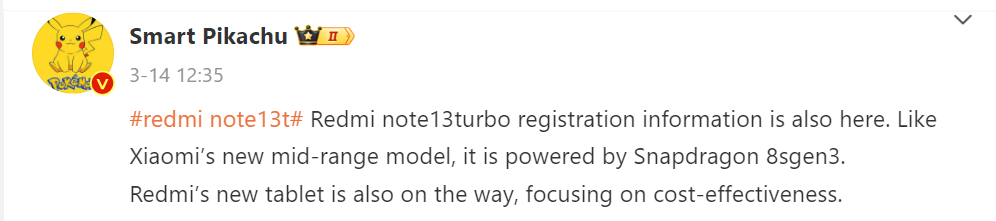
Initial reports suggested that the Note 13 Turbo might use the Snapdragon 7+ Gen 3 since the Note 12 Turbo used the Snapdragon 7+ Gen 2. However, the Snapdragon 8s Gen 3 chip will power the Note 13 Turbo, according to a leak by tipster Smart Pikachu. As can be seen in the image, the leaker has also claimed that Redmi’s new tablet is also coming soon. It remains to be seen whether the Note 13 Turbo and the new tablet break cover together in April.
Now that the Note 13 Turbo is said to arrive with the Snapdragon 8s Gen 3, the Poco F6, being its rebranded version, may feature the same chip. Probably, it may debut in April or May on the global market.
In the Chinese market, the Redmi Note 13 Turbo will rival other Snapdragon 8s Gen 3 phones, such as the iQOO Z9 Turbo and the Realme GT Neo 6.
Realme recently confirmed that it will unveil the Realme GT Neo 6 SE soon in the Chinese market. The brand has also revealed that the device will come equipped with the Snapdragon 7+ Gen 3. According to reports, apart from the SE model, the company also plans to launch the Realme GT Neo 6 with a new Snapdragon 8-series chip onboard. In February, a Realme device with model number RMX3851 was spotted on Geekbench with the new chip. Now, the same device has appeared on AnTuTu, indicating that its launch could be drawing near.
Realme GT Neo 6 AnTuTu listing
Realme GT Neo 6 AnTuTu listing
Realme announced the Realme GT 5 Pro with the Snapdragon 8 Gen 3 in December 2023. Before its official announcement, the device was spotted on AnTuTu with an impressive score of 2.2 million. As can be seen in the screenshot above, the Realme GT Neo 6 with the Snapdragon 8s Gen 3 (tentative name) onboard has scored 1,846,775 points on AnTuTu.
Reports surrounding the Snapdragon 8s Gen 3 claim that it will be an underclocked version of the Snapdragon 8 Gen 3. According to reports, the S8sG3 will include a prime CPU core clocking at 3.01GHz, 3 x Cortex-A720 operating at 2.61GHz, and three Cortex-A520 running at 1.84GHz. It is expected to feature Adreno 735 graphics.
As far as the specs of the Realme GT Neo 6 are concerned, it is expected to arrive with an OLED panel that offers a 1.5K resolution and a 144Hz refresh rate. The device is expected to ship with up to 24 GB of RAM and up to 1 TB of storage. It is also expected to feature a 50-megapixel main camera with OIS support and offer 100W charging.
Apart from China, the Realme GT Neo 6 is expected to release in multiple markets. The reason behind this is that the device was recently approved by certification platforms, such as Europe’s EEC, India’s BIS, and Indonesia’s TKDN.
In China, the Realme GT Neo 6 is expected to face competition from rumored Snapdragon 8s Gen 3 phones, such as the iQOO Z9 Turbo and the Redmi Note 13 Turbo.
OnePlus is preparing to launch the OnePlus Ace V3 smartphone in China. The phone is said to debut next week and will be the first device to be powered by the Snapdragon 7+ Gen 3 SoC. Alongside the new phone, it looks like the brand will also be unveiling a new pair of earbuds in its domestic market called the OnePlus Buds V.
These new earbuds are already available for pre-order in China, with a silhouette that teases their design. From the looks of it, they are likely a rebrand of the Oppo Enco Buds 2 Pro, which debuted in Malaysia back in January. You can check out the features of the Oppo Enco Buds 2 Pro to get an idea of what to expect from the OnePlus Buds V.
Oppo Enco Buds 2 Pro specs:
The Enco Buds 2 Pro earbuds have a sleek semi-in-ear design with angled silicone tips and a stem, along with an IP55 dust and water resistance rating.
For sound quality, they feature a 12.4mm dynamic driver, Dolby Atmos, and Dirac Audio Tuner. They come with dual microphones and AI algorithms that help reduce background noise during calls, with a low-latency mode of 94ms for gaming. They support Bluetooth 5.3 for connecting to two devices simultaneously. Battery life is solid, offering up to 38 hours of use with the charging case, and 8 hours per earbud on a single charge.
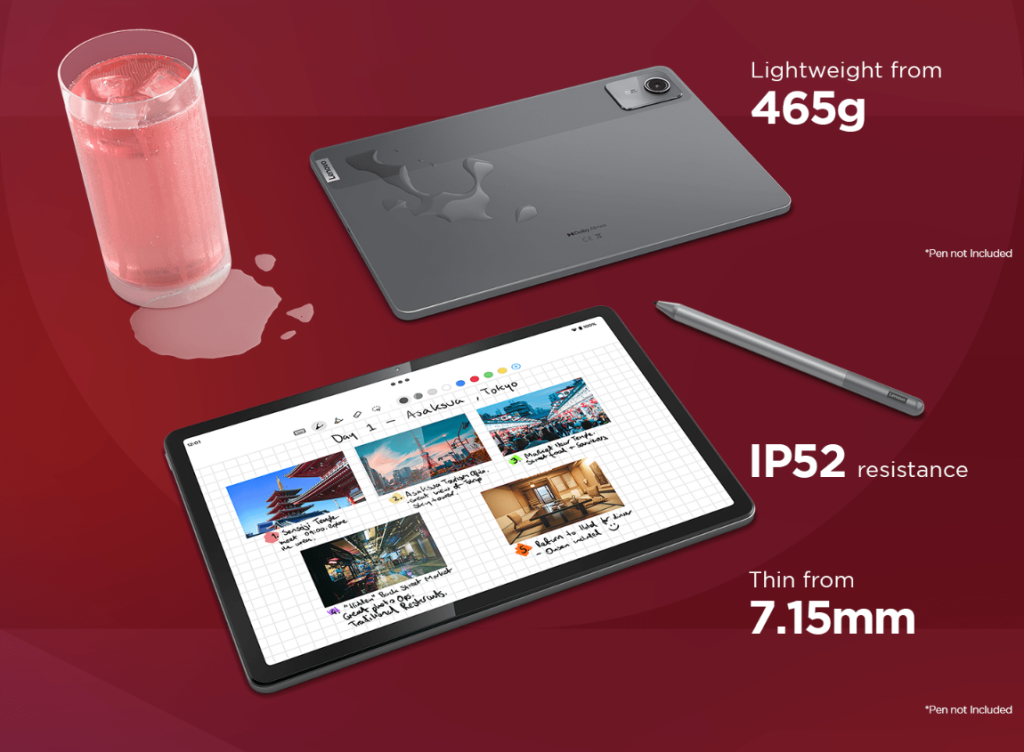
Back in January, Lenovo unveiled the Tab M11 tablet at CES. The tablet is aimed at the budget range segment and features a Helio G88 chipset. A few months after its initial introduction, it is now about to launch in the Indian market.
The tablet has been listed on Amazon India with a “notify me” button on its landing page. Availability is expected in April. You can check the specifications and features of the tablet below.
Lenovo Tab M11 specs:
The Lenovo Tab M11 boasts an 11-inch IPS LCD display with a resolution of 1920 x 1200 pixels and a smooth 90Hz refresh rate. Powering the device is the Heilo G88 chipset, paired with up to 8 GB of RAM and 128 GB of storage, expandable via the built-in microSD card slot.
Running on Android 13, the Tab M11 ensures future-ready performance with promised upgrades to Android 14 and 15. It houses a large 7,040mAh battery with 15W charging capabilities. Camera-wise, it features an 8-megapixel front camera and an 8-megapixel rear camera, although certain markets may offer a variant with a 13-megapixel rear shooter.
Connectivity options include Wi-Fi 802.11ac, Bluetooth 5.1, and a convenient USB-C port. The tablet also comes equipped with dual speakers supported by Dolby Atmos technology and a 3.5mm audio jack. It measures 166.31 x 55.26 x 7.15mm and weighs 465 grams.
Indian pricing details are currently undisclosed, however, Lenovo previously announced that the 4GB RAM + 64GB storage model of the tablet will carry a price tag of $179.
Samsung is gracing the TV market with two exciting Neo QLED TV lines featuring next-generation Mini LED technology. The biggest one out of the lineup provides an immersive home theater experience unlike any other – a colossal 98-inch Neo QLED. This behemoth boasts the powerful NQ4 AI Gen2 chip, which utilizes 20 AI neural networks to enhance picture quality and upscale content closer to 4K resolution, ensuring stunning visuals. Quantum Dot technology brings vibrant, realistic colors to life, while an ultra-large screen image intensifier guarantees incredible brightness and clarity across the entire display. Viewers can enjoy true-to-life color reproduction thanks to PANTONE Color certification.
The Quantum Dot Mini LED Display adds an incredible level of brightness and detail to the TV
Apart from these, the 98-inch Neo QLED offers a some additional features to improve the overall viewing experience. Neo Quantum Dot HDR+ delivers exceptional contrast and detail, while HDR Brightness Optimizer ensures optimal brightness levels regardless of the content or ambient lighting. Depth of Field Enhancement Pro adds a cinematic touch, and Automatic HDR Image Quality Reconstruction upscales content to HDR quality. Gamers will rejoice with a dedicated game toolbar, AI-powered game optimization settings, FreeSync Premium Pro technology for smooth, tear-free visuals, and Light Picture Synchronization for seamless gameplay. Immerse yourself in rich, three-dimensional sound with Dolby Atmos, and control your smart home devices seamlessly with the built-in SmartThings hub.
For those seeking a more traditional size range, the QNX9D series offers stunning Neo QLED technology in 65-inch, 75-inch, and 85-inch options. These TVs come equipped with many of the same features as the colossal 98-inch model, including a Quantum Dot Mini LED display for incredible brightness and detail, the intelligent NQ4 AI Gen2 processor, a smooth 4K 120Hz refresh rate ideal for fast-paced content, and exceptional contrast and vibrant colors delivered by 14-bit HDR technology with PANTONE Color certification.
The QNX9D series takes entertainment a step further with immersive features like 70W 4.2.2ch speakers for powerful, dynamic audio, Q Symphony technology that creates a seamless audio experience when paired with a compatible Samsung soundbar, and the latest Tizen Smart System for navigation. Users can control their smart home with ease using the built-in SmartThings hub, and access favorite streaming services and games with the included smart hub and integrated cloud gaming platforms like Tencent START. Bixby voice assistant allows for simple voice commands to control your TV and smart home devices, and the solar-powered remote control adds an eco-friendly touch to the whole package.
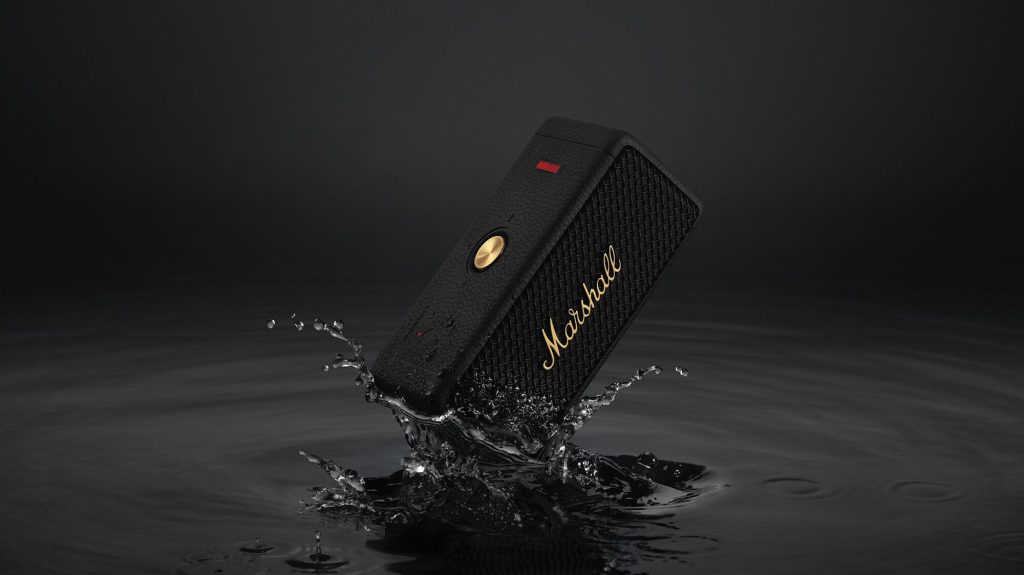
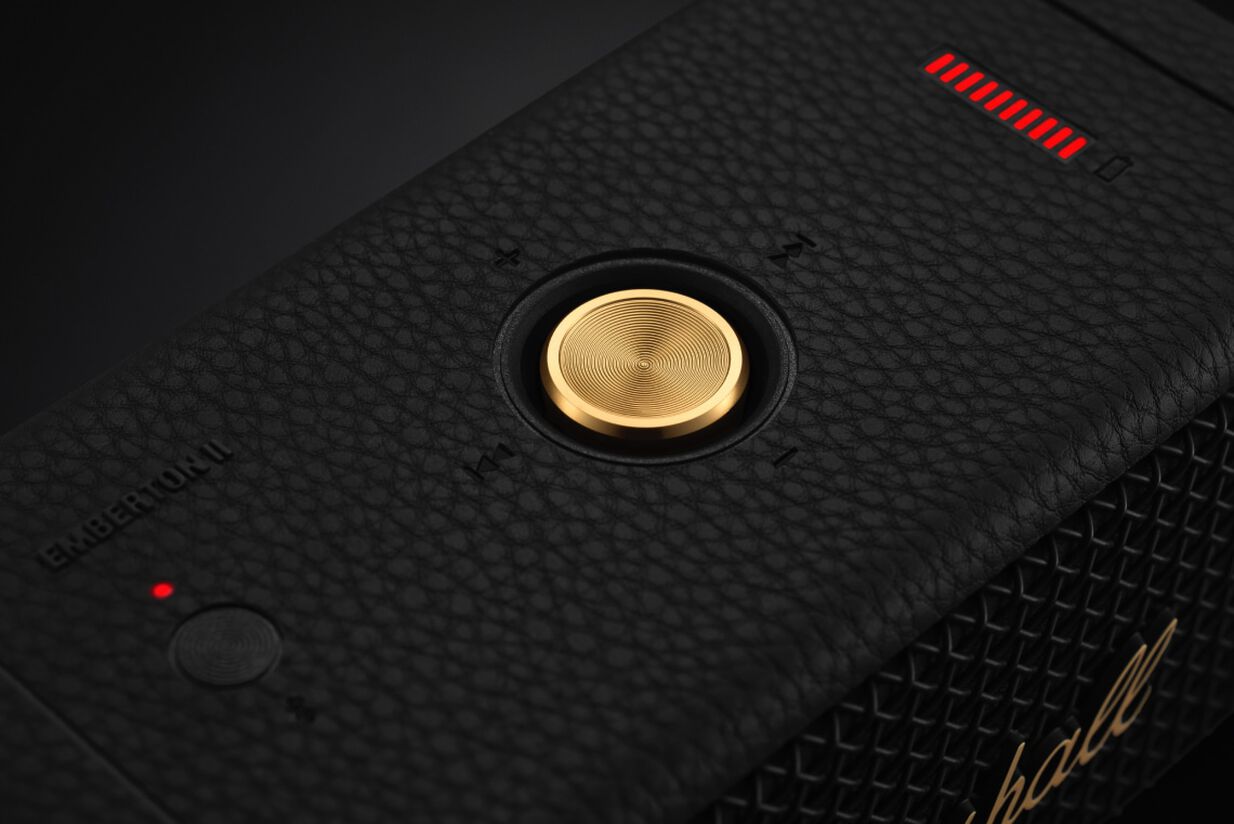
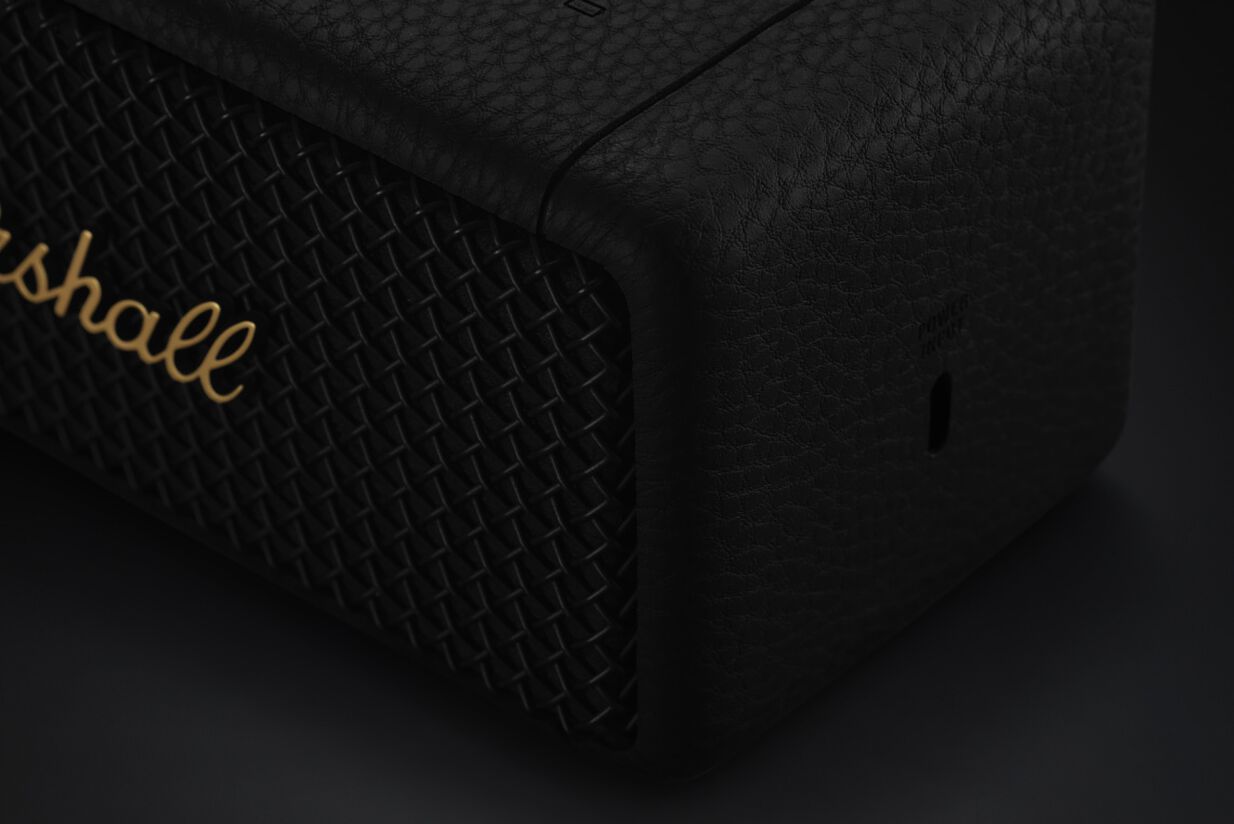
Marshall has added a new Black and Steel color variant to its Emberton II portable speaker series. This new color scheme features metallic gray grilles with silver accents, including the Marshall logo and central control button, wrapped in a black, leather-like fabric. Despite the fresh look, the latest Emberton II maintains the same technical specifications as its predecessors.
Emberton II Specs & Features
The Emberton II speaker by Marshall delivers rich, clear, and loud 360° sound thanks to True Stereophonic technology. It’s compact but powerful, easily competing with bigger speakers. It’s perfect for taking on the go, with over 30 hours of battery life from a single charge and a tough design that’s dust and water-resistant under its IP67 rating. Plus, it charges up fully in just three hours.
You can also link up multiple Emberton II speakers with Stack Mode to fill larger spaces with sound. The speaker is adjustable through the Marshall Bluetooth app (available for both Android & iOS, where you can set equalizer presets and get updates to keep your speaker running smoothly. Marshall is also focusing on being more eco-friendly with this speaker, using 50% recycled plastic in its construction and making it 100% free from PVC.
Availability and Price
The Black and Steel Emberton II is available for $169.99/£149.99/€179.00, consistent with the pricing of other variants.
Apple‘s research team has taken a huge step forward with their new “MM1” multi-modal large language model. This exciting development was detailed in a recent paper titled “MM1: Methods, Analysis & Insights from Multimodal LLM Pre-training”, and it showcases a model with impressive capabilities in both image recognition and natural language reasoning.
The model is available in 3 billion, 7 billion and 30 billion parameter sizes
MM1 comes in three sizes: 3 billion, 7 billion, and 30 billion parameters. Researchers used these models to conduct experiments, pinpointing the key factors that influence performance. Interestingly, image resolution and the number of image tags have a greater impact than visual language connectors, and different pre-training data sets can significantly affect the model’s effectiveness.
The research team meticulously built MM1 using a “Mixture of Experts” architecture and a “Top-2 Gating” method. This approach not only yielded excellent results in pre-training benchmarks, but also translated to strong performance on existing multi-modal benchmarks. Even after fine-tuning for specific tasks, MM1 models maintained competitive performance.
Testing revealed that the MM1-3B-Chat and MM1-7B-Chat models outperform most similarly sized competitors in the market. These models particularly shine in tasks like VQAv2 (question answering based on an image and text), TextVQA (text-based question answering about an image), and ScienceQA (scientific question answering). However, the overall performance of MM1 doesn’t quite surpass Google’s Gemini or OpenAI‘s GPT-4V models (yet). While MM1 may not be the absolute leader yet, it still is a significant leap forward for Apple in artificial intelligence. The company also recently acquired DarwinAI, read more about that here.
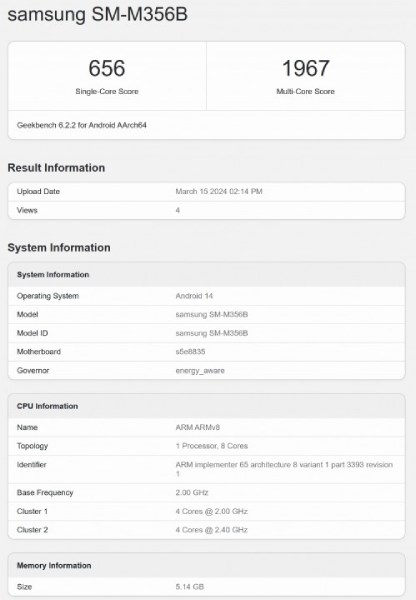
A device suspected to be the Samsung Galaxy M35 5G has surfaced in the GeekBench benchmark database carrying the model number SM-M356B.
The benchmark listing reveals that the Galaxy M35 5G will likely be powered by Samsung’s in-house Exynos 1380 chipset. It’s an octa-core 5nm chip with four Cortex-A78 cores (clocked at 2.4 GHz) and four Cortex-A55 cores (clocked at 2.0 GHz), along with the Mali G68 GPU.
In the benchmark results, the smartphone scored 656 points in the single-core test and 1967 points in the multi-core test. The tested device was equipped with 6GB of RAM, but Samsung will likely offer different memory configurations during launch. Additionally, the device has Android 14 installed on it.
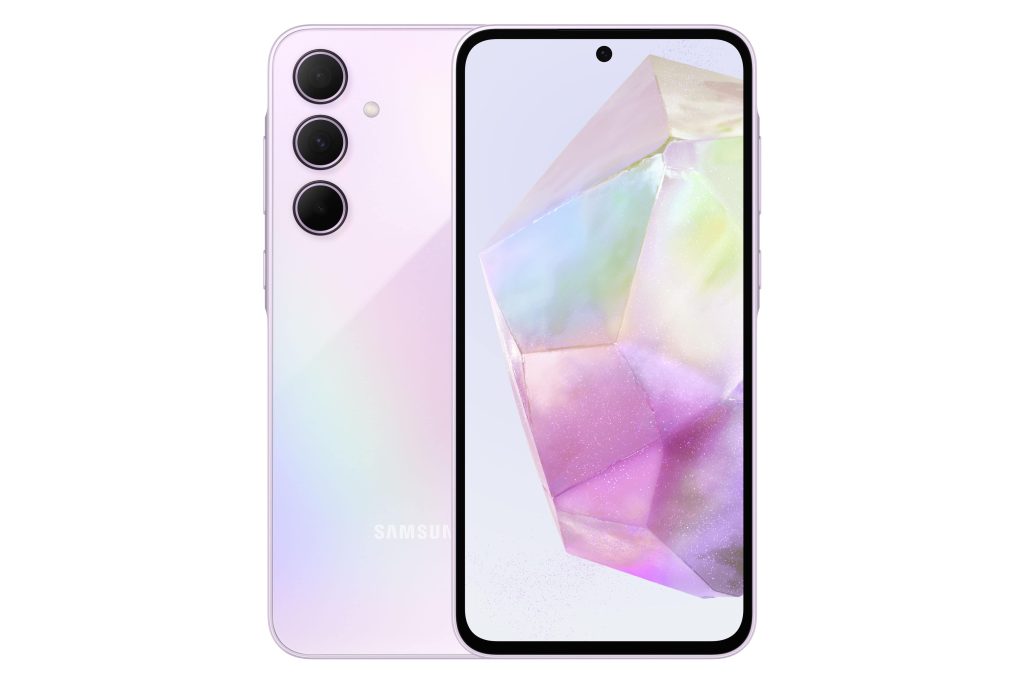
Given the history of the M series, the upcoming M35 5G will likely be a rebranded version of the recently launched Galaxy A35 5G.
Samsung Galaxy A35 5G Specifications
For a quick recap, the Galaxy A35 flaunts a 6.6-inch centered punch-hole Super AMOLED display that offers an FHD+ resolution (2340 x 1080 pixels) and a 120Hz refresh rate. It’s also covered by Corning Gorilla Glass Victus Plus for protection against scratches.
Under the hood, the smartphone houses the Exynos 1380 SoC — the same chip likely powering the Galaxy M35 5G. It is paired with up to 8GB RAM and 256GB storage.
As for optics, it features a triple rear camera setup consisting of an OIS-assisted 50MP primary sensor, an 8MP ultrawide unit, and a 5MP macro snapper. The handset has a 13MP front-facing camera for selfies and video calls
The device comes with an under-display fingerprint sensor and dual stereo speakers. It is also IP67-rated for dust and water resistance.
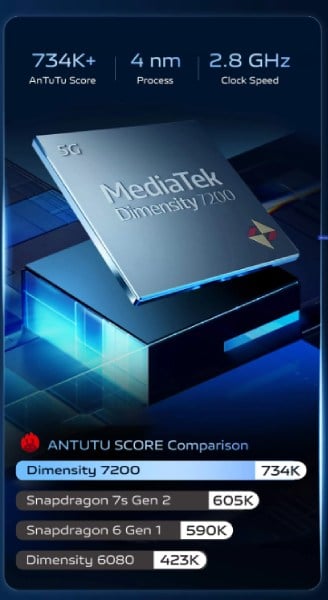
Earlier this month, a leak revealed that Vivo‘s upcoming phone, the T3 5G, will run on the Dimensity 7200 processor. Vivo’s latest teaser for the smartphone has now officially confirmed this.
The teaser on Flipkart’s microsite also reveals that the Dimensity 7200 chipset powering the Vivo T3 5G achieves an impressive AnTuTu score of over 734K+. This makes it the “Fastest in the Segment,” according to Vivo. Built on a 4nm architecture, the SoC has a top clock speed of 2.8GHz.
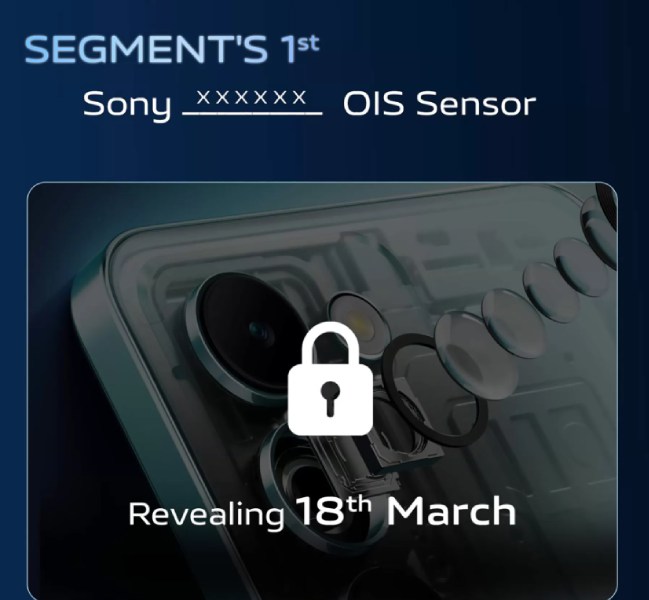
Apart from this, there’s not much information Vivo has shared about the device as of now. However, the company will be revealing its camera details on March 18th.
There’s a mysterious Sony sensor in use for the primary camera, which Vivo says is the first time in the segment. It will also have optical image stabilization (OIS) support.
Previous leaks suggested it would be a 50MP Sony IMX882 sensor, which will be complemented with a 2MP bokeh lens and a Flicker sensor to reduce flickering in indoor lighting conditions. For selfies, users can expect a 16MP front-facing camera. As the teaser shows, the company will be revealing camera details on March 18th.
Furthermore, the smartphone is rumored to sport a 6.67-inch AMOLED display with a central punch-hole for the front camera. The display will offer Full HD+ resolution, a 120Hz refresh rate, and a peak brightness of 1800 nits.
As for other features, the Vivo T3 will reportedly have a 5,000mAh battery with 44W FlashCharge support, dual stereo speakers, and a microSD card slot that supports up to 1TB of additional storage.
Vivo T3 5G launch date
In terms of durability, the phone is expected to have an IP54 dust and water resistance rating. It’s also reported to support 10 5G bands with Indian carriers. Additionally, the device is said to come in two color options: Crystal Flake and Cosmic Blue. These variants may have slight differences in dimensions and weight.
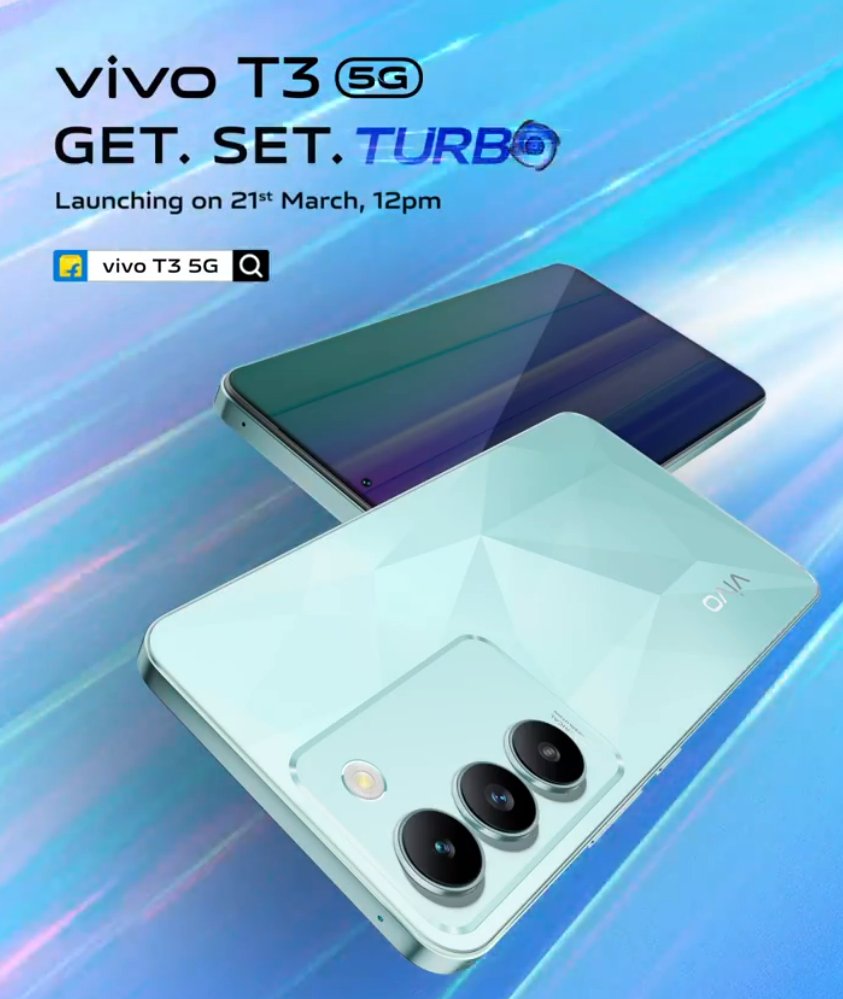
Vivo has officially announced that the T3 5G will be launching in India on March 21st. So there is not much time left till we get official details of the smartphone.
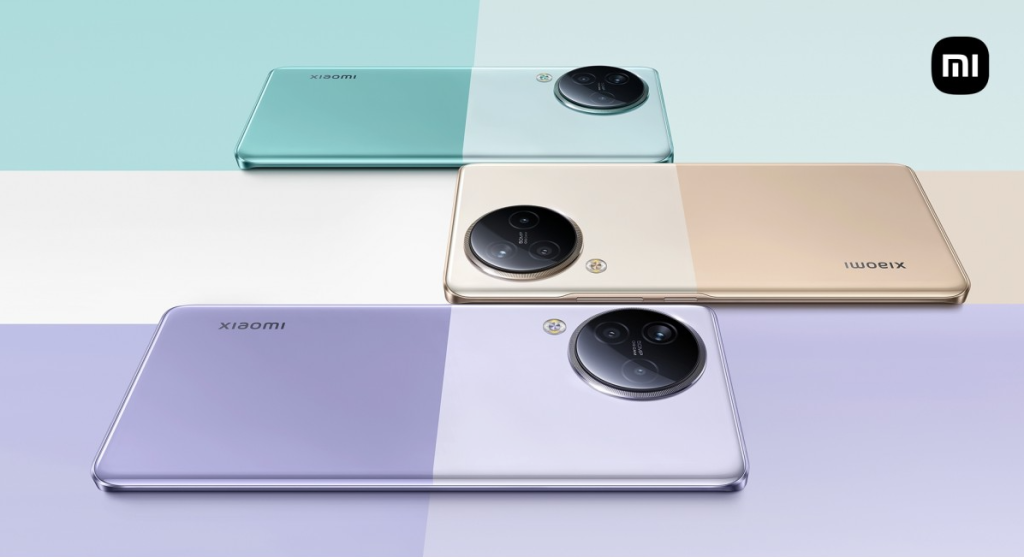
A new Xiaomi smartphone recently received certification from China’s Ministry of Industry and Information Technology (MIIT) with the model number 24053PY09C. While it’s not confirmed, it’s said to be the upcoming Xiaomi Civi 4. The same device has now surfaced on the 3C certification platform.
The device is listed on the certification platform with 67W charging capability. But it doesn’t reveal any further details about it.
A Xiaomi phone with a similar model number 24053PY09I has also appeared in India’s BIS authority. So it appears that a rebranded version of the Civi 4 may be planned for the Indian market.
Previously, Xiaomi released a tweaked version of the Civi 2 globally under the name Xiaomi 13 Lite. As a result, it’s possible that the Civi 4 may also have a rebranded or tweaked version for India, possibly named Xiaomi 14 Lite.
Anyway, according to earlier reports, the Xiaomi Civi 4 will feature a 1.5K flat display covered by a 2.7D micro curved glass similar to Xiaomi’s 14 series.
It’s also rumored to feature Leica co-branded cameras led by a 50MP sensor, marking the first time a non-Xiaomi series phone will sport Leica branding.
Additionally, the phone is said to adopt a metal frame and glass back akin to flagship smartphones. It’s reported to pack a battery exceeding 5,000mAh capacity with support for fast charging, potentially up to 100W (or even 120W).
There are also rumors that Xiaomi may launch the Civi 4 with Qualcomm’s upcoming Snapdragon 8s Gen 3 processor. Qualcomm is scheduled to unveil its new SoCs on March 18th, likely including the Snapdragon 8s Gen 3 alongside the 7+ Gen 3.
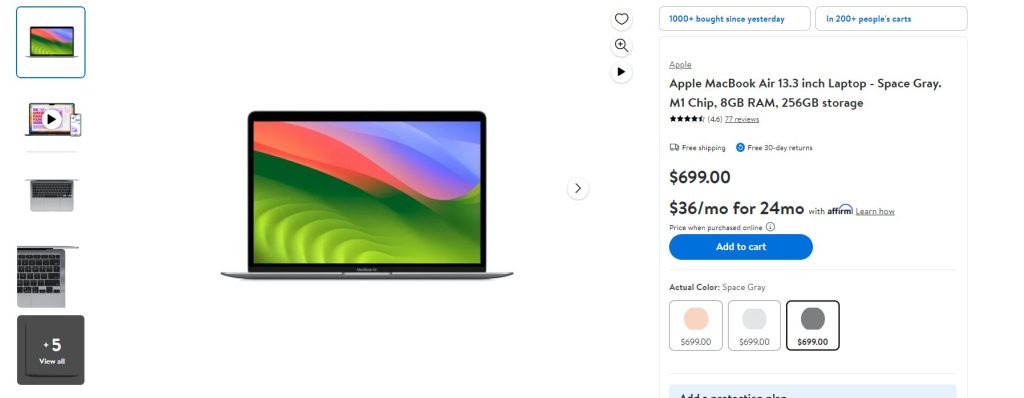
MacBook Air M1 is officially disbanded from Apple’s side, but the stocks are still left with major retailers. The first iteration of Apple’s silicon-based MacBook is still in demand and has been a favorite among first-time Mac users. Well, if you’re still looking for an exquisite deal on the MacBook M1 Air, then your wait has ended, as it is currently retailing for $699. Interested buyers can grab the 256GB MacBook Air M1 at the lowest price since it was launched.
There’s an overall $300 discount on the actual original price of the MacBook M1 256GB variant. However, since previous sales, the price has touched $750, but it hasn’t been down to $699. It is a good option if you’re a beginner, and just want the system for basic to moderate tasks. However, the machine can perform high-end tasks too, but the limited RAM may sometimes distort the experience. Otherwise, it is a perfect machine for any kind of task.
Apart from its performance prowess, the battery life is unmatchable with any Intel-based laptop until now or MacBook. It’s been regarded as the “best and most efficient laptop” of the year 2020.
Further, it houses a retina display that is highly capable of depicting and rendering graphics in their original colors and contrast. It is quite helpful for the designers to work on such a quality display.
It is the right time to grab the MacBook M1 256GB if you are looking for a capable machine for graphics designing, coding, and day-to-day tasks. Talking about specifications, it features 8GB of RAM and 256GB of storage. There’s a 720p webcam for video calling. The 13-inch Retina display is perfect for daily tasks, and the fanless design keeps all noise at bay.
However, we don’t suggest going for the M1 for video editing and other high-end tasks. It is suggested to grab an M2 or M3 machine, which tend to feature longer support and more powerful hardware.
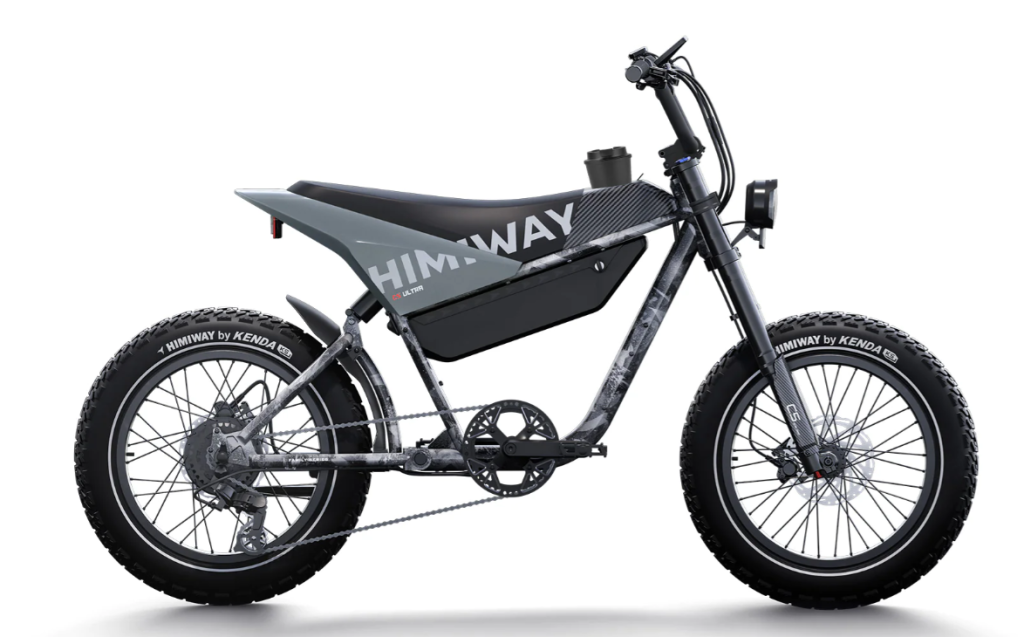
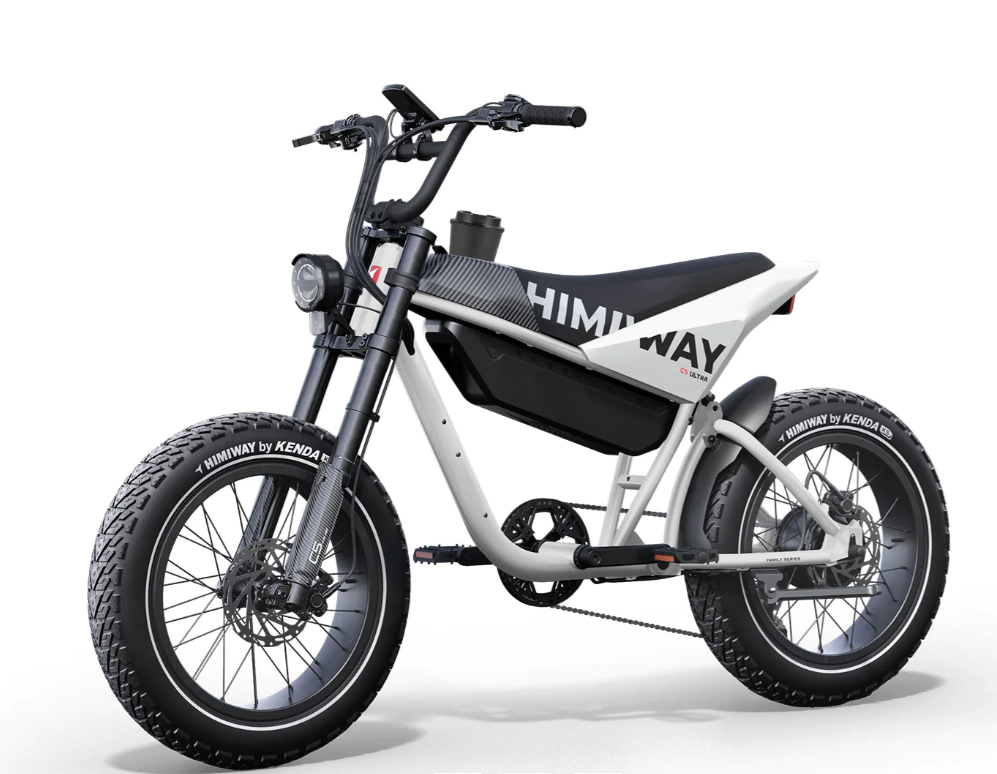
HIMIWAY Electric Motorbike C5 is a game-changer in eco-friendly transportation. The brand’s Launch Promotion offers a chance to win a full refund, a $300 coupon, and a 20% discount for the first year, backed by a hassle-free 15-day return policy. From March 12 to March 19, the brand’s Sales Promotion provides up to $1200 off, making now the perfect time to embrace electric biking.
Take advantage of this opportunity to revolutionize your commute and adventures while contributing to a greener planet. Join the brand in celebrating the first-week sale of the HIMIWAY Electric Motorbike C5.
HIMIWAY Electric Motorbike C5 is a groundbreaking innovation in eco-friendly transportation. This exceptional electric motorbike boasts an impressive array of features designed to elevate your riding experience to new heights while reducing your carbon footprint.
At the heart of the HIMIWAY C5 lies its powerful 750W geared hub motor, delivering seamless acceleration and a top speed of up to 28 mph, making it ideal for both urban commutes and off-road adventures. Paired with a high-capacity 960Wh Samsung/LG battery, this motorbike offers an impressive range of up to 80 miles per charge, ensuring that you can journey further without worrying about running out of power.
Equipped with a 7-speed Shimano derailleur and hydraulic brakes, the HIMIWAY C5 provides precise control and responsive stopping power, allowing you to tackle steep inclines and navigate challenging terrain with ease. The bike’s 20×4″ Kenda fat tires offer exceptional stability and grip, ensuring a smooth and comfortable ride regardless of the surface conditions.
Constructed from durable 6061 aluminum, the frame of the HIMIWAY C5 is not only lightweight but also incredibly resilient, capable of supporting a payload capacity of up to 330 lbs. The bike’s coil spring fork and shock absorber further enhance ride comfort, absorbing bumps and vibrations to provide a smooth and enjoyable experience even on rough terrain.
The HIMIWAY C5 comes equipped with a range of advanced features designed to enhance convenience and usability. The Himiway C2 LCD provides real-time information about your speed, distance traveled, and remaining battery life, while the thumb throttle allows for effortless acceleration without the need for pedaling. Additionally, sensors for torque, speed, and brakes ensure a seamless riding experience, while the 48V LED lights and Tektro HD-E3520 hydraulic brakes enhance safety and visibility.
With its exceptional performance, versatility, and eco-friendly design, the HIMIWAY Electric Motorbike C5 offers a revolutionary riding experience. Whether you’re commuting to work, exploring the great outdoors, or simply enjoying a leisurely ride around town, the HIMIWAY C5 is the ultimate choice for discerning riders seeking an exhilarating and sustainable mode of transportation.
Motorola has started teasing the arrival of its upcoming smartphone. It is set to debut on April 3. The Lenovo-owned brand is tight-lipped about the exact name and details of the device. Now, Motorola has dropped the latest teaser of the unnamed phone revealing its processor. It also potentially confirms that it will be a mid-range offering.
The upcoming unnamed Motorola phone is confirmed to be powered by Qualcomm Snapdragon 7 Gen 3 processor under the hood. The teaser subtly reveals that the device will be available in a Violet colour option. We assume that the upcoming offering will support fast wired or even wireless charging. A separate teaser of the phone also confirmed the same colour shade and curved display. We were also able to spot a raised camera island on the back panel.
Although the name of the upcoming Motorola phone remains under wraps, it is speculated to be the Motorola Edge 50 Pro. However, that doesn’t seem to be the case as it is a flagship offering powered by Snapdragon 8 Gen 3. It will also be a rebranded Moto X50 Ultra that is set to debut next month in China. With the latest processor confirmation, we assume that the upcoming Motorola phone is the Edge 50 Fusion.
Motorola’s Edge family shares the same design language but different specifications across models. The Edge 50 Fusion’s key specs were leaked by tipster Evan Blass yesterday. However, he mentioned Snapdragon 6 Gen 1 instead of the confirmed Snapdragon 7 Gen 1. The Lenovo-owned brand did not launch Edge Fusion last year and the upcoming offering could arrive as the successor to the Edge 30 Fusion that debuted in 2022.
Amazon is all set to host a spring sale from March 20 to March 25, with some exciting discounts on electronics, home appliances, and several other products. We can term it Amazon Prime Day sales too, as the maximum savings are reserved for Prime users. Ranging from electronics to spring cleaning essentials, the sale is going to be a full-discount extravaganza for the buyers.
We have rounded off some of the best sales that you should grab until the Amazon spring sale commences. Amazon has set up a dedicated page for deals where users can enjoy new deals once the sale kicks off.
Specifically in electronics, there will be discounts on the flagship smartphones, including elusive deals on the Galaxy S24 and Galaxy S23 series. Further, there will be discounts on smartwatches, including Garmin watches. The old Galaxy Books, Amazon Fire Tablets, and other laptops are going on sale. You can check today’s deals on Amazon to save the most. So, without further ado, let’s dive into the pre-spring sale deals:
Best Deals on Smartphones: Amazon Pre-Spring Sale
Samsung Galaxy S23
Samsung’s prowess in the Android smartphone world can’t be denied. It’s been more than a year since Samsung introduced the Galaxy S23, but it is still in demand, and the company is offering additional discounts. Just before the Amazon Spring Sale, the smartphone’s 128GB variant is on sale at a discounted price of $599. It was retailing for $699, but the recent $100 discount is worth considering for an unlocked variant. You can enjoy the deal here.
Motorola Edge Plus (2023)
Another wonderful smartphone from 2023, the Motorola Edge Plus, and its extraordinary 165Hz display with a large battery, can be your perfect choice. The smartphone is available at a staggering 42% discount on Amazon. It was retailing for $59, but with a recent discount, it is now available for $349.99. It is worth considering a smartphone at such a price. Don’t miss out on the deal here.
Deals on Smartwatches
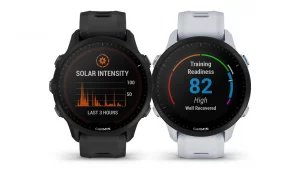
Garmin Forerunner 955
Garmin Forerunner 955 series
A better and more sophisticated smartwatch, i.e., the Garmin Forerunner 955, is also on sale. The presence of GPS and GNSS tracking, high-end fitness monitoring, and long battery life are some of the primary advantages of the Garmin watches. It is on sale at Amazon for $399. It is a straight $100 discount on top of the actual retail price. Such exquisite features at a reduced price are a straight takeaway. Make sure you don’t miss the deal here.
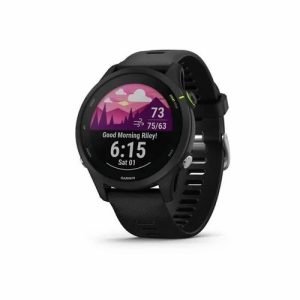
Garmin Forerunner 255S Music
Another Garmin masterpiece is available at the price of $299. A direct discount of $100 makes it the most sought-after deal if you’re looking for a good smartwatch that lasts up to 12 days. Grab it via Amazon with a $100 discount.
More deals are on the way, stay connected, and we will keep you in the loop
Deals on Headphones
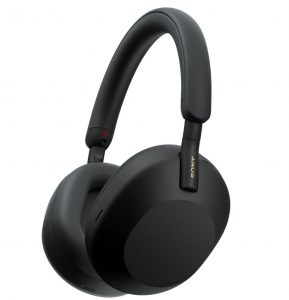
Sony WH-1000XM5
Sony’s popular over-the-ear headphones,i.e., the Sony WH-1000XM5, are finally available for the discounted price of $328 on Amazon. It is down from the usual retail price of $329. Sony’s headphone offers premium sound, active noise cancellation, customizable sound profiles, and all that at such a low price. It’s worth considering the deal if you’re looking for a quality headphone.
JBL Quantum 400 Gaming
An entry-level headphone that can work without disappointing the buyers. It is available for the discounted price of $50, including a $50 discount. The JBL Quantum 400 gaming headset offers active noise cancellation and certain other immersive features. Users can enjoy the new headphones at such a splendid price. Grab the JBL Quantum from here.
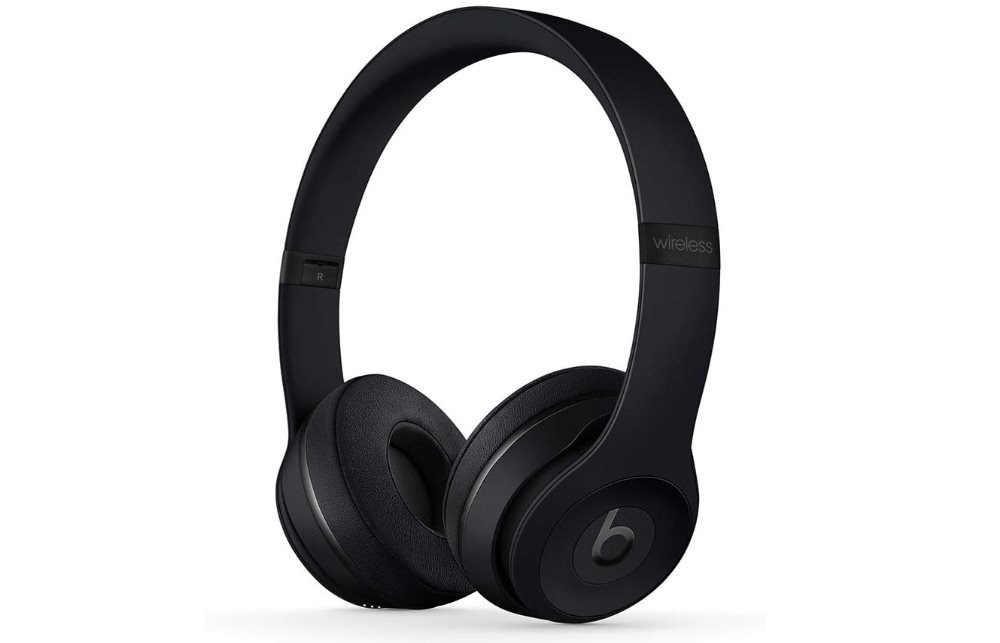
Beats Solo3 Wireless headphones
Beats never missed a chance to impress, and after a long cooperation with HTC, Apple bought the company. It is still offering quality audio to buyers. Available for a mere $130, the Beats Solo3 Wireless headphones can be your companion. The magnanimous 40 hours of battery life is its advantage over the competition. Moreover, it offers 3 hours of playback with just a five-minute charge. Grab the Beats headphones at such a worthwhile price.
Google Pixel Buds Pro
Google Pixel Buds Pro are sleek headphones that offer some extraordinary features. It offers up to 31 hours of battery life on a single full charge. There’s a slight discount of $22 on the actual retail price of $200. It is still worth considering this option if you are looking for earbuds. You can buy these earbuds here.
These are some exciting pre-Amazon Spring Sale deals.
What is Amazon’s Big Spring Sale?
It is among the major sales events of the year, and Amazon offers some discounts worth considering. On the lines of Amazon Prime Day, this sale also brings exclusive deals for Prime users. The sale will commence on March 20 and end on March 25.
What is the Pre-Spring Sale on Amazon?
These are deals that commence before the actual spring sale. There are major discounts on some popular products. The sale will be live on Amazon this Wednesday. For the time being, we picked some of the best deals in the technology and consumer electronics categories.
Stay connected with us, we will bring you exciting deals worth checking out.
Xiaomi, the well-known Chinese electronics company, has made its presence felt in the tablet market with releases under both the Xiaomi and Redmi brands. Now, a new tablet may be on the horizon, however, this time under the Poco sub-brand.
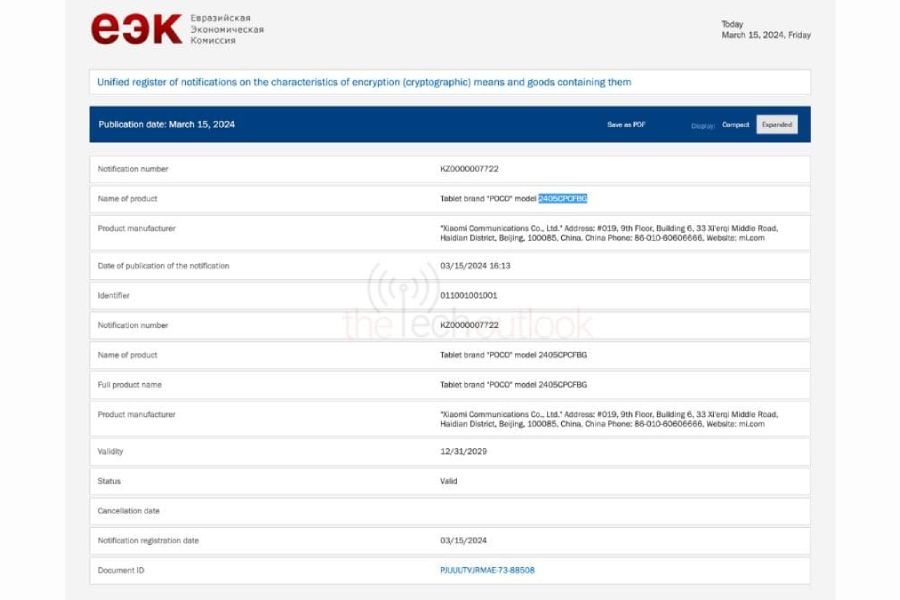
Recently, a new Poco tablet popped up on the European EEC certification with the product name “Tablet brand POCO model.” So it looks like Poco could be venturing into the tablet market for the first time.
The certification shows the device’s model number as 2405CPCFBG but provides no specific details about its specifications or features.
It’s the first time a Poco-branded tablet has surfaced on any certification platform, so we are short on any details about it. Like most Poco smartphones, the upcoming tablet may be a rebranded model of an existing Xiaomi or Redmi tablet. But that’s just an educated guess on our side.
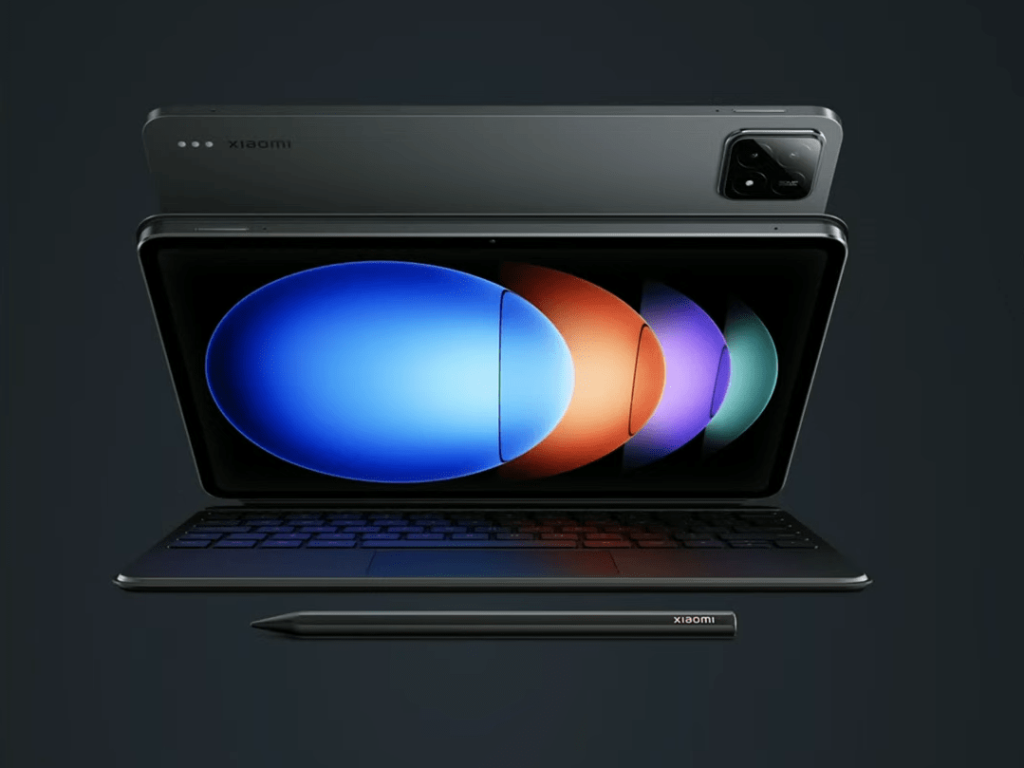
Rest assured, we’ll keep you posted on new details about the Poco tablet. In the meantime, let’s quickly recap the specifications of Xiaomi’s latest tablet, the Pad 6s Pro.
Xiaomi Pad 6s Pro Specifications
The tablet features a 12.4-inch 3:2 LCD panel that offers a resolution of 3048 x 2032 pixels (3K), 294 PPI, a 144Hz refresh rate, and 12-bit color depth. The screen supports Dolby Vision, 144Hz refresh rate, 240Hz touch sampling rate, and 900 nits peak brightness level.
Powering the device is a Qualcomm Snapdragon 8 Gen 2 SoC, which is paired with LPDDR5x RAM and UFS 4.0 storage.
On the software front, the product boots HyperOS based on Android 14. It is backed by a 10000mAh battery and supports 120W wired charging.
For optics, the tablet offers a 50MP + 2MP (depth) dual rear camera setup, a 32MP front-facing camera, and six speakers.
Xiaomi also offers a TouchPad Keyboard and Focus Pen for the tablet, but you have to purchase them separately.
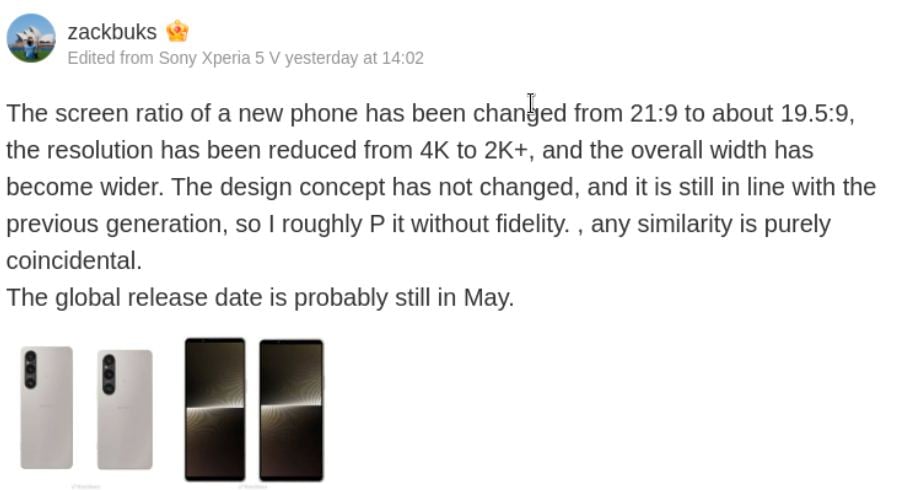
Sony‘s Xperia smartphones have long held a unique place in the Android ecosystem. These devices consistently boasted a 21:9 aspect ratio, perfect for cinephiles and those who valued a taller screen. However, rumors surrounding the upcoming Xperia 1 VI indicate a significant departure from Sony’s established design language.
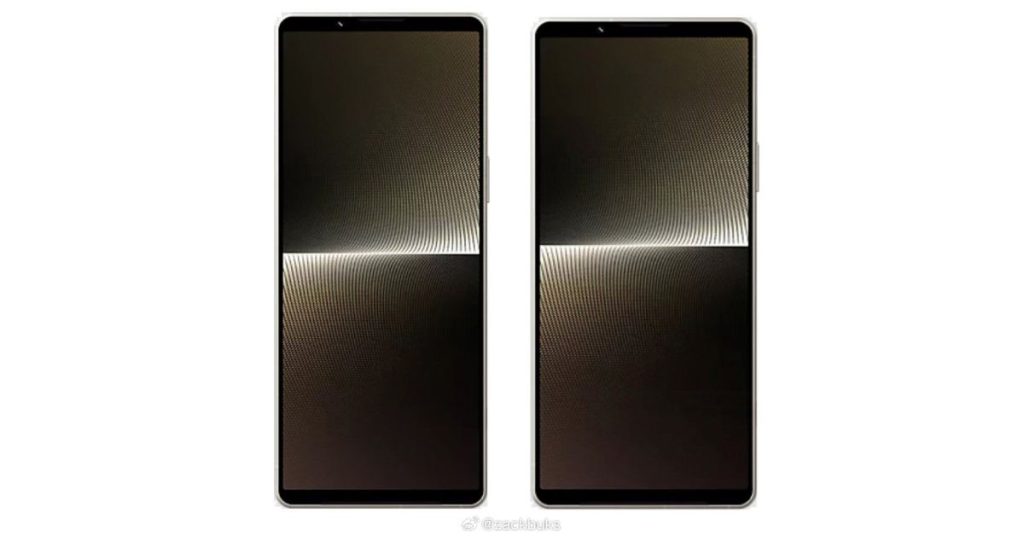
According to leaker Zackbuks on Weibo, the Sony Xperia 1 VI looks set to become more conventional in form. That is, the company might ditch its long-favored 21:9 aspect ratio for a more conventional 19.5:9 aspect ratio.
While this shift might disappoint some fans who prefer a taller aspect ratio, it could be a strategic move by Sony to appeal to a broader audience. The 21:9 ratio caters to a specific niche, and a change could mean targeting the masses.
Apart from this, the leak also says the company may decrease the screen resolution from 4K to 2K. However, the overall design of the phone is tipped to be similar to that of its predecessor.
While that’s all the new leak reveals about the Xperia I VI, a previous report suggests that all three cameras on the back of the Xperia 1 VI will feature 48MP Exmor T sensors.
Moreover, it’s rumored that Sony is planning to include the world’s first in-camera digital signature technology in its next-generation Xperia phones. This feature would let users digitally sign photos right into the camera, ensuring their authenticity and preventing tampering.
Earlier this week, a leak also shed light on the possible memory configurations of the smartphone. Reportedly the Xperia I VI will be available in 12GB and 16GB RAM configuration.
However, concrete details about the upcoming Sony Xperia VI remain scarce for now. Rest assured, we’ll keep you updated on any new developments as they emerge.
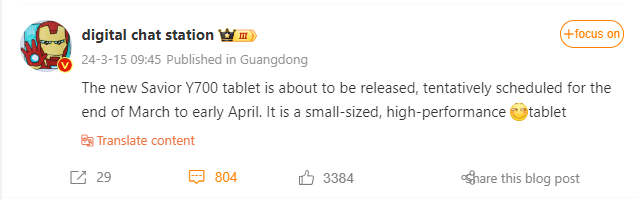
Lenovo recently unveiled the Legion Y700 2023 model in the global market branded as the Lenovo Legion Tab. It looks like the brand is planning to launch a new tablet model in its domestic Chinese market.
Chinese tipster DCS has revealed that a new small-sized, high-performance tablet is on its way to the Chinese market. That being said, Lenovo’s consumer marketing director has spilled the beans confirming that it’s not exactly a new model, but just the Lenovo Legion Y700 2023 model with a new screen. The screen type has been changed from glossy to matte in this upcoming model.
For those unaware, a matte display comes with an anti-glare coating on the surface, which helps scatter light, reducing reflections, and making the screen easier to see in bright conditions. Lenovo’s consumer marketing director also confirmed that the next generation of Legion Y700 tablet will take a while before it arrives in the Chinese market. He also confirmed that a new YOGA Pad will also be launched this year. As for the Legion Y700 2023 matte display model, its release is expected to happen sometime in April.
Lenovo Legion Y700 2023 specs:
The Lenovo Legion Y700 2023 features an 8.8-inch LCD display with a resolution of 2560 x 1600 pixels, offering 343 PPI, a 144Hz refresh rate, and a peak brightness of 500 nits. It runs on the Qualcomm Snapdragon 8 Plus Gen 1 chipset, with LPDDR5 RAM and UFS 3.1 storage.
With a 6,500mAh battery, it supports 45W fast charging and bypass charging. The tablet includes dual stereo speakers, dual USB Type-C ports (one supporting video out), a 13MP rear camera, an 8MP front-facing camera, and a MicroSD card slot.
Huawei‘s upcoming fitness tracker, the Band 9, has been revealed in a new leak, giving us an early look at what’s to come before its official launch.
While Huawei teased the band with the promise of “a new era in wrist fashion and sleep feature enhancements,” the latest leaks suggest the Band 9 closely resembles its predecessor, the Band 8.
Huawei Band 9 renders
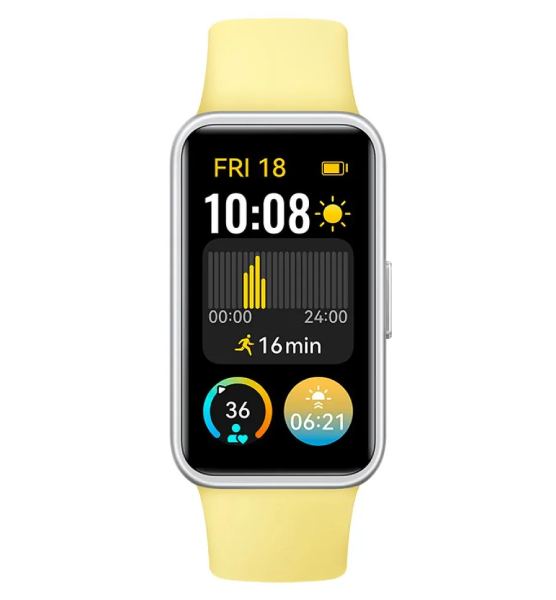
German publication WinFuture has revealed official-looking renders of the Huawei Band 9, and they tell a familiar story. The band sports a similar design to its predecessor, with a rectangular display, rounded corners, and a single side button.
Users can also expect to see a range of color options and different band styles for the fitness tracker. Reportedly, Huawei will offer the Band 9 in black, blue, white, yellow, and two shades of pink. The blue variant might offer a textile strap, while the other seems to be the regular silicon bands.
The similarities continue under the hood as well. According to the leak, the Huawei Band 9 will again feature a 1.47-inch AMOLED touchscreen display likely with a resolution of 368×194 pixels.
The battery capacity will also remain unchanged at 180mAh. And like previous iterations, the Band 9 is expected to feature 5 ATM water resistance and will connect to your smartphones via Bluetooth and WLAN.
Huawei appears to be keeping the pricing strategy consistent too, leak suggests the Band 9 will retail at 59 euros in Europe – the same as the Band 8.
As of now, Huawei has not announced the launch date or availability of the Band 9. We will keep you updated as more information becomes available.
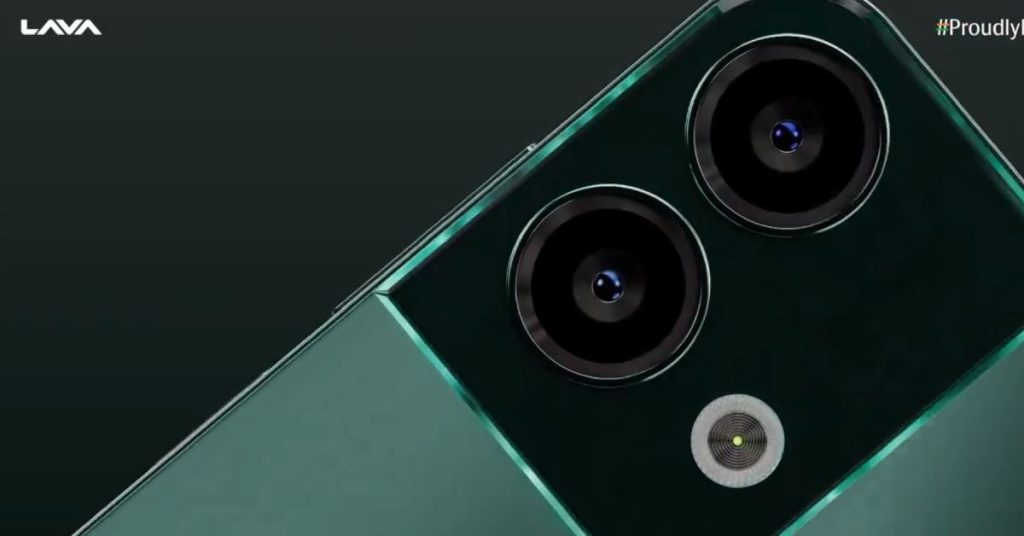
Fresh off the launch of the Blaze Curve 5G, Lava is already teasing another phone for the Indian market. Called the Lava O2, the company has started teasing the smartphone on social media platforms while its product page has also gone live on Amazon.
Lava O2 teaser and Amazon listing
The teaser shows the smartphone in a Green color variant, sporting a design slightly different from its predecessor, the Lava O1. The camera module now ends where the middle frame begins, like the Yuva 3 Pro. The module features a dual-camera setup and an LED flashlight.
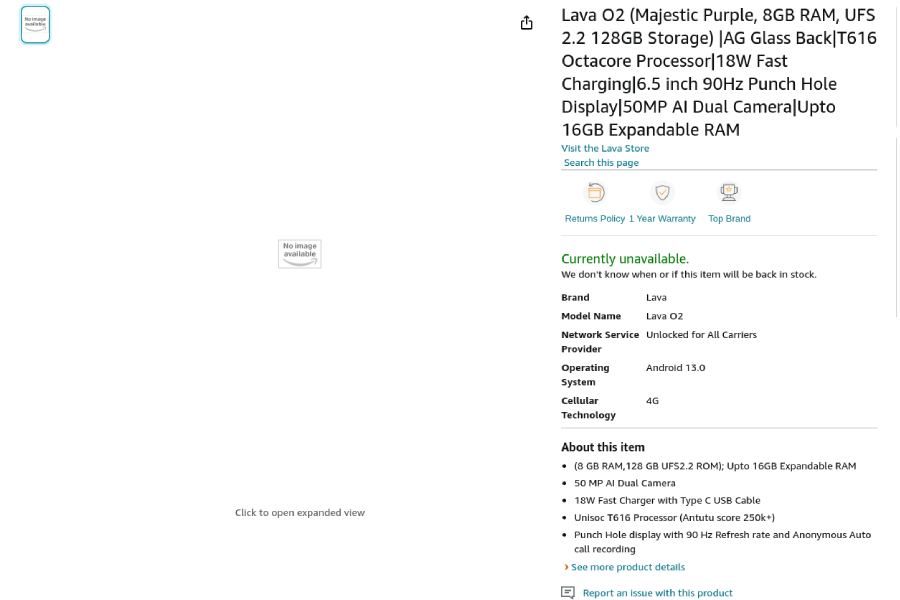
In addition to the teased Green color option, the smartphone will also be available in a Majestic Purple variant, as revealed by the Amazon listing. The bottom of the device reveals the speaker grille and charging port, while the right side hosts the power and volume buttons.
The Amazon listing of Lava O2 also reveals that the smartphone will run on a Unisoc T616 octa-core processor with an AnTuTu score exceeding 250K. It will boast 128GB UFS 2.2 internal storage and 8GB (+ 8GB virtual) LPDDR4X RAM. However, it’s disappointing to note that the device will ship with Android 13 out of the box.
Lava O2 Amazon Listing.
Nonetheless, on the front, the smartphone will feature a 6.5-inch screen that offers an HD+ resolution of 1600 x 720 pixels, and a 90Hz refresh rate. For selfies, the phone is said to have an 8MP lens while it will have 50MP AI dual cameras on the back.
In terms of battery, the Lava O2 will pack a sizable 5000mAh lithium polymer battery with 18W USB type-C charging support. The phone has dimensions of 165 x 76.1 x 8.7 mm and weighs 200 grams.
Other features of the device listed by Amazon are a 2x fast side-mounted fingerprint scanner, face unlock, AG glass back, Wi-Fi, Bluetooth, USB connectivity, GPS, and a 3.5mm audio jack.
Infinix is getting ready to debut the Note 40 series smartphones in the global market. The launch date is set for March 18, and the event will be held in Kuala Lumpur, Malaysia. The series is expected to feature many devices including the Note 40, Note 40 Pro, Note 40 Pro 5G, and Note 40 Pro Plus 5G.
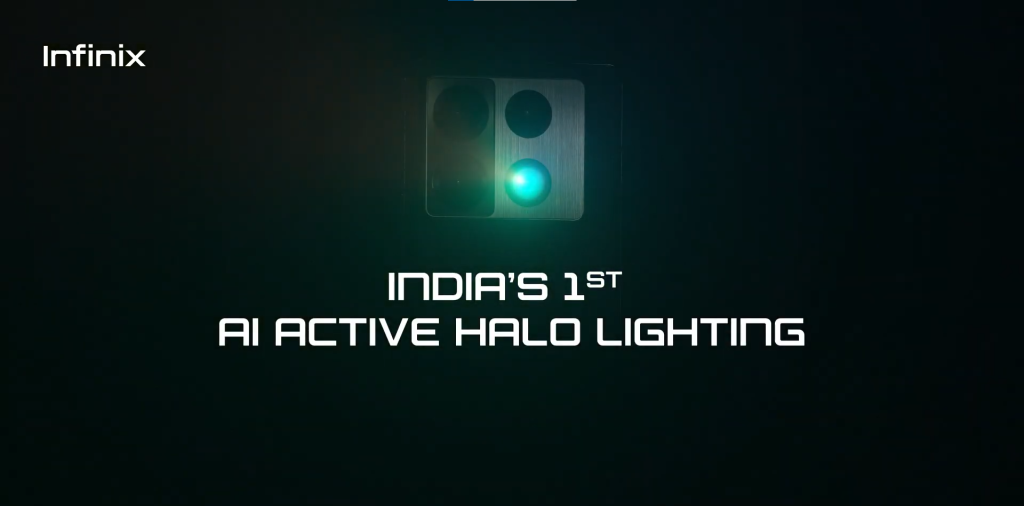
Ahead of the launch, the brand has teased an interesting feature called Active Holo. This feature integrates voice commands with AI-powered lighting effects, offering an interesting way for users to interact with their smartphones.
The Active Holo is said to activate in response to various prompts such as incoming calls, notifications, music playback, charging, gaming, and even when using the “Hi Folax” Voice Assistant. So in addition to being a notification and charging indicator light, it also makes other interactions of the device more fun and engaging. It includes three customizable lighting effects: Lively, Rhythmic, and AI, which can be set for each individual interaction as the user desires.
In addition to that, the Note 40 series is also said to have a Cheetah X1 chip onboard which will with power management for the FastCharge 2.0 technology in the Note 40 series. With this technology, the upcoming Infinix Note 40 devices are expected to break into triple digits of fast charging.
While specification details about the Note 40 lineup have not been revealed yet, the vanilla Note 40 is said to be powered by a MediaTek Helio G91, drawing juice from a 5,000mAh battery. The Note 40 Pro 5G on the other hand is said to feature a Dimensity 7020 chipset, paired with 8GB of RAM, and Android 14.
We use cookies on our website to give you the most relevant experience by remembering your preferences and repeat visits. By clicking “Accept”, you consent to the use of ALL the cookies.
This website uses cookies to improve your experience while you navigate through the website. Out of these, the cookies that are categorized as necessary are stored on your browser as they are essential for the working of basic functionalities of the website. We also use third-party cookies that help us analyze and understand how you use this website. These cookies will be stored in your browser only with your consent. You also have the option to opt-out of these cookies. But opting out of some of these cookies may affect your browsing experience.
Necessary cookies are absolutely essential for the website to function properly. This category only includes cookies that ensures basic functionalities and security features of the website. These cookies do not store any personal information.
Any cookies that may not be particularly necessary for the website to function and is used specifically to collect user personal data via analytics, ads, other embedded contents are termed as non-necessary cookies. It is mandatory to procure user consent prior to running these cookies on your website.