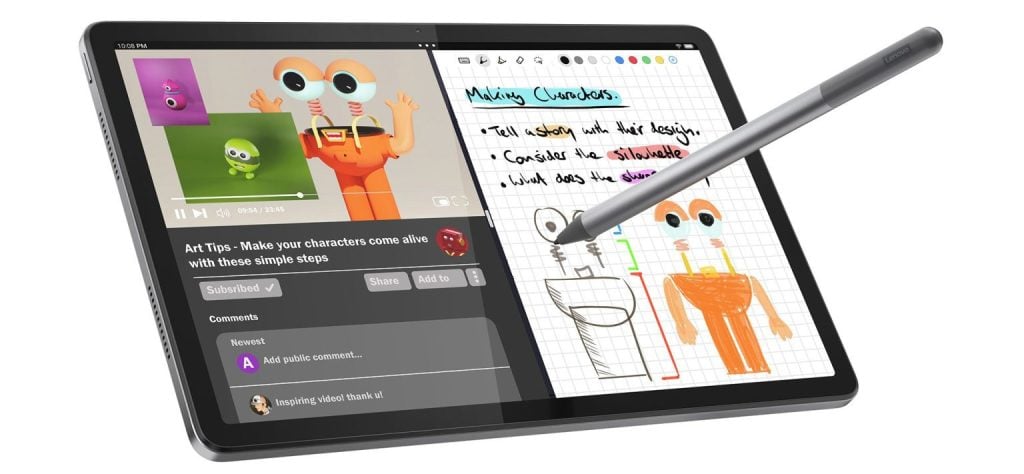
Lenovo has announced its latest budget-friendly tablet, the Lenovo Tab M11, at the CES 2024 tech trade fair. The learning-focused tablet comes equipped with the Lenovo Tab Pen stylus for writing and drawing. For making use of the stylus, Lenovo offers a range of apps, such as Nobo which converts handwriting into text, MyScript Calculator 2 for solving equations in real-time, and WPS Office for editing documents. Here is a look at the specifications, features, and price of the device.
Lenovo Tab M11 specifications and features
Lenovo Tab M11
The Lenovo Tab M11 has an 11-inch IPS LCD panel that offers a resolution of 1920 x 1200 pixels and a 90Hz refresh rate. Under the hood, it has the Heilo G88 chipset, up to 8 GB of RAM, and up to 128 GB of storage. There is a microSD card slot onboard for more storage.
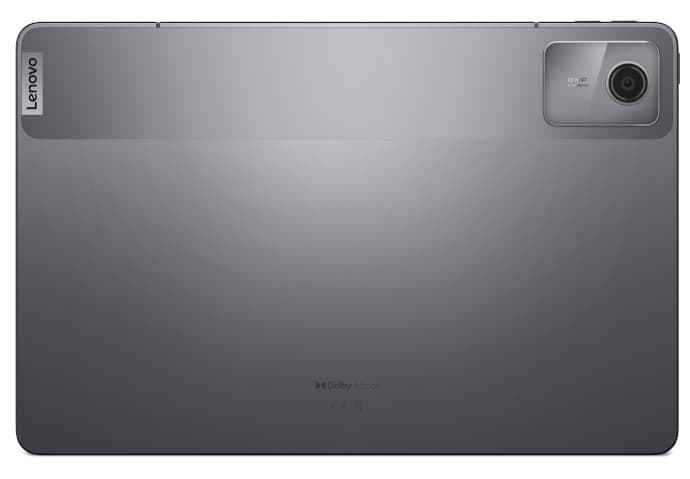
The Tab M11 runs on Android 13 and is promised to receive Android 14 and 15 OS upgrades. It has a 7,040mAh battery with 15W charging support. The M11 has an 8-megapixel front camera and an 8-megapixel rear camera. In some markets, the tablet will be offered with a 13-megapixel rear camera.
Lenovo Tab M11
In terms of connectivity, the Tab M11 offers options such as Wi-Fi 802.11ac, Bluetooth 5.1, and a USB-C port. It comes with other features, such as dual speakers with Dolby Atmos support and a 3.5mm audio jack. The device measures 166.31 x 55.26 x 7.15mm and weighs 465 grams.
Lenovo Tab M11 price
The Lenovo Tab M11 will be available for purchase in April in two configurations, such as 4 GB RAM + 64 GB storage and 8 GB RAM + 128 GB storage. It will carry a starting price of $179 and be sold in shades such as Luna Grey and Seafoam.
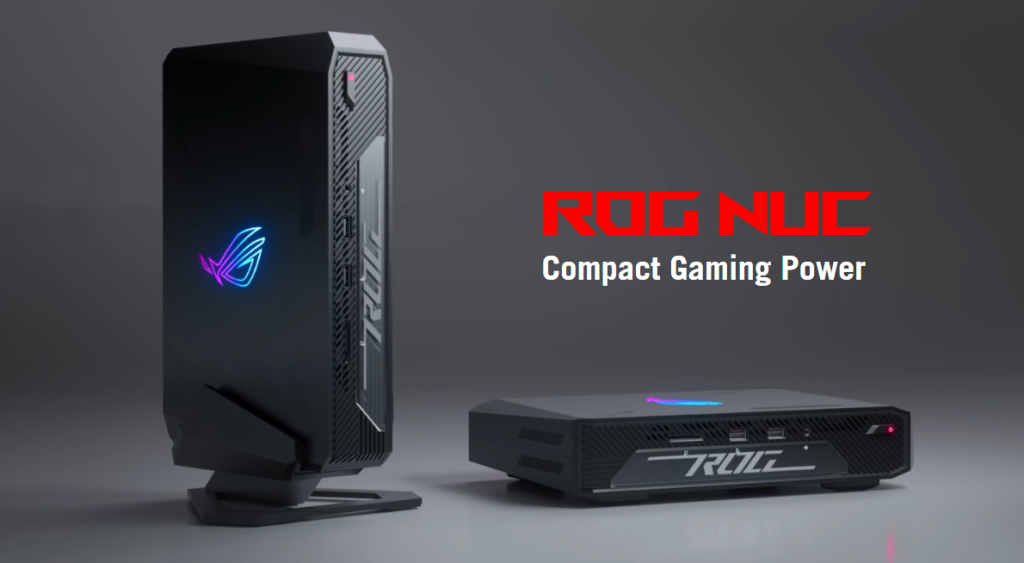
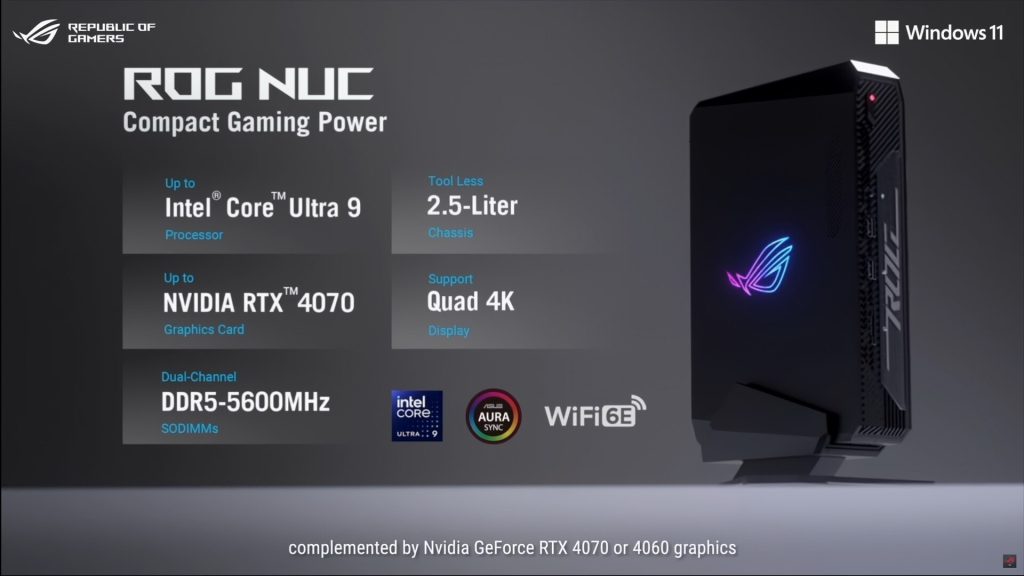
ASUS has introduced the ROG NUC mini PC at CES 2024. While most mini PCs in the market cater to office use, the ROG NUC stands out as a compact powerhouse, providing gamers the flexibility to play at their convenience.
At the heart of the ROG NUC lies the raw power of Intel Core Ultra 7 or Core Ultra 9 (Intel Core Ultra 9 185H) processors, delivering the very best performance obtainable with a mobile CPU. The Performance Hybrid Architecture ensures seamless multitasking, while Intel Thread Director and Intel Smart Cache optimize workloads for a silky-smooth gaming experience. Paired with NVIDIA RTX 4060 or RTX 4070 Discrete Graphics, the ROG NUC promises high-end graphics. In addition to that, the mini PC can support up to four 4K-enabled display outputs.
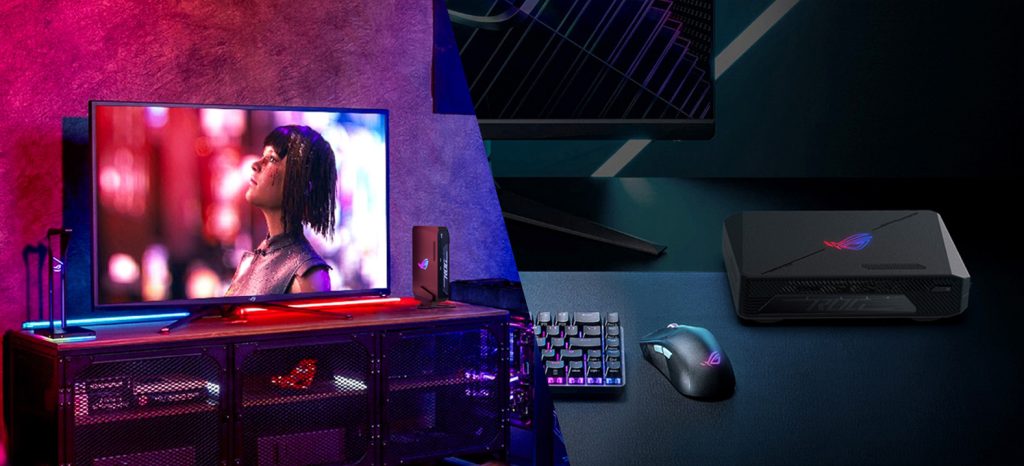
Designed for user convenience, the tool-less chassis allows for easy integration in under 10 minutes, all within a minimalistic 270 x 180 x 50 mm form factor. In addition to its performance features, the ROG NUC seamlessly integrates with the ROG Raikiri PRO controller for a refined gaming experience. Users can customize their setup with ARGB lighting and the ROG Armory Crate app, creating personalized light displays.
Connectivity is a focal point, with HDMI 2.1a, DisplayPort 1.4, Thunderbolt 4 / USB4 Type-C, USB 3.2 Gen 2, USB 2.0, and Intel Killer WiFi 6E AX1690i. Compatible with both Microsoft Windows 11 and Linux distros, the ROG NUC offers operating system flexibility.
Unfortunately, there is no information available about the pricing and availability at this moment. In related news, ASUS has also launched the ROG Phone 8 series smartphones starting at $1,099. These gaming phones come with a 165Hz refresh rate display, Snapdragon 8 Gen 3, and a 50MP triple camera system.
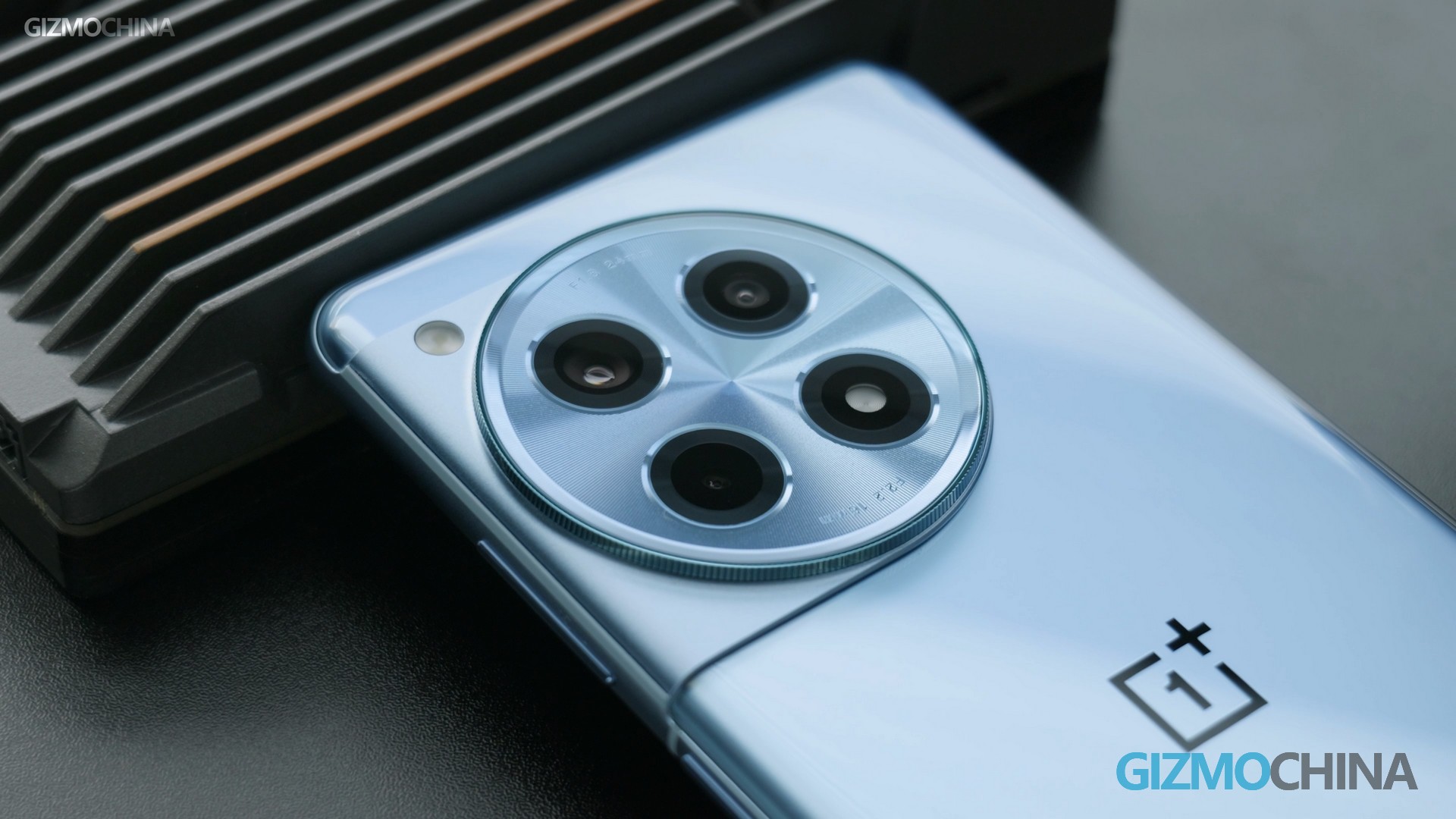
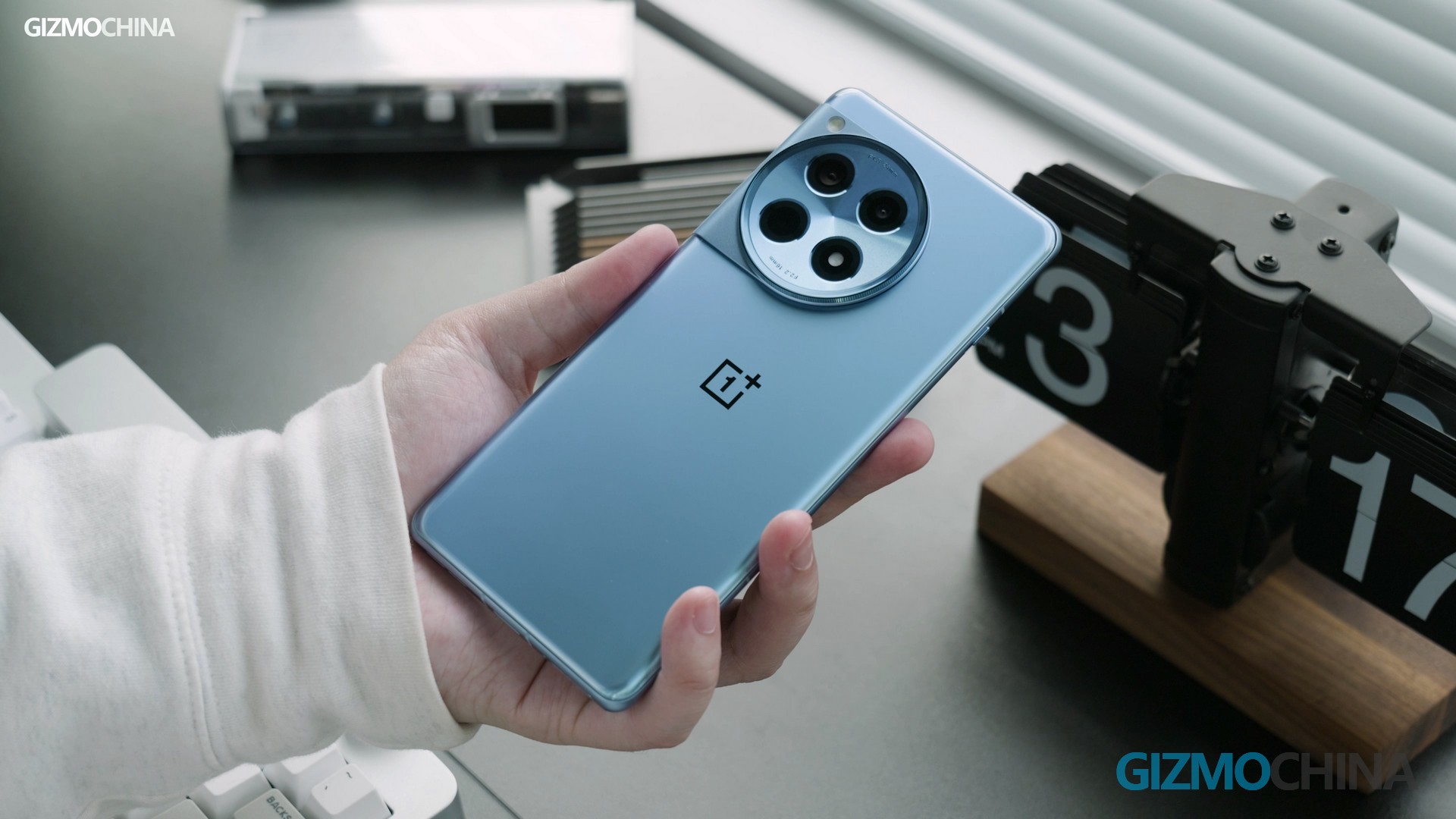
Besides Snapdragon 8 Gen 3 phones, Snapdragon 8 Gen 2 phones are also getting a lot of attention these days. Redmi, iQOO, and HONOR have already launched phones with this processor, and all of them are selling like hotcakes. Of course, OnePlus won’t let this opportunity go, and the Oneplus Ace 3 in my hand is their final answer to this challenge.
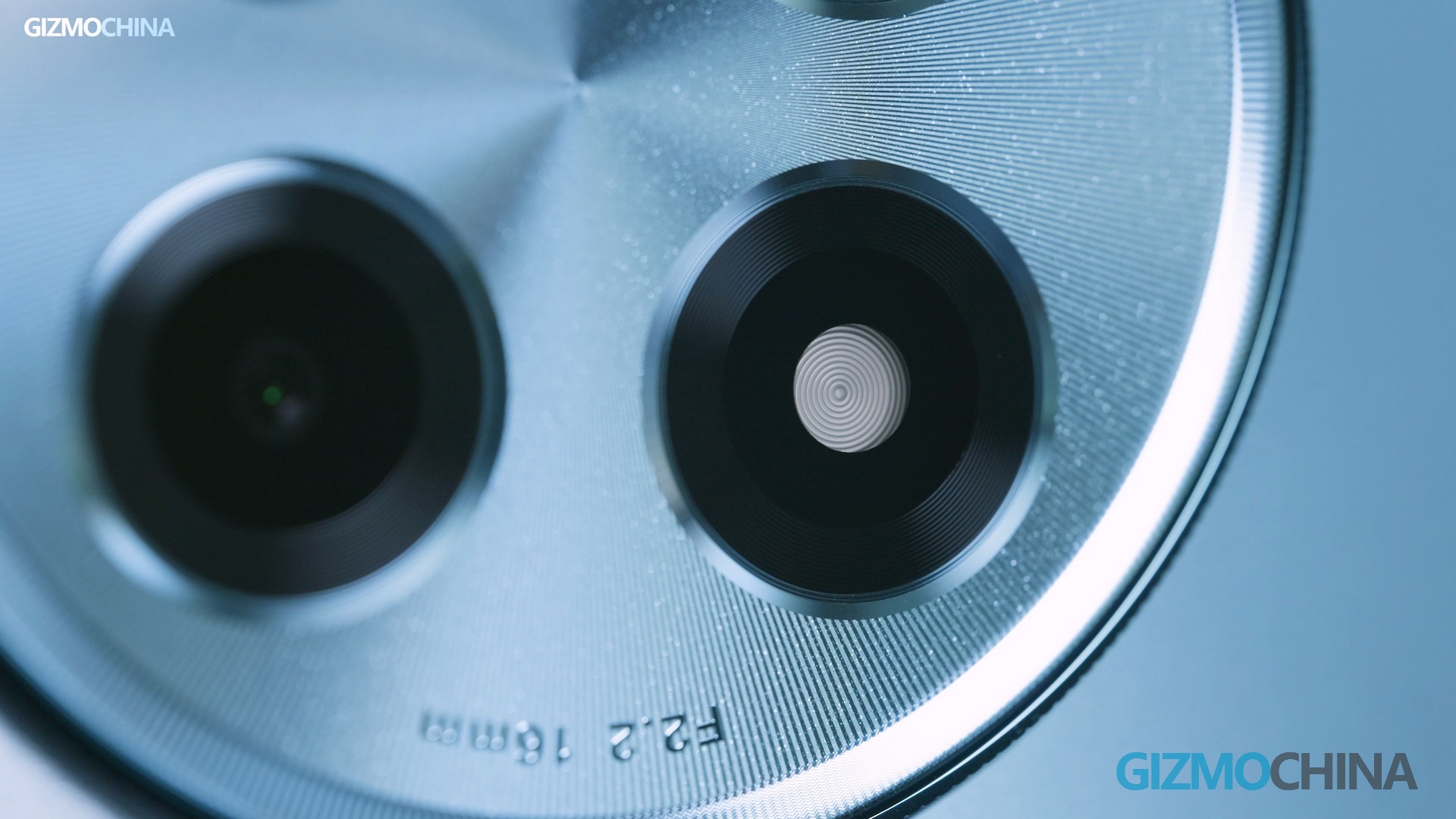
I thought that when I saw this camera design, my heart wouldn’t flutter anymore. But I was wrong, and I still can’t help spitting it out. In 2023, OnePlus used the same design on five different models. Even on the iPhone, the standard and Pro versions are different. I really hope this is the last time I see this design in 2024, shall we, OnePlus?
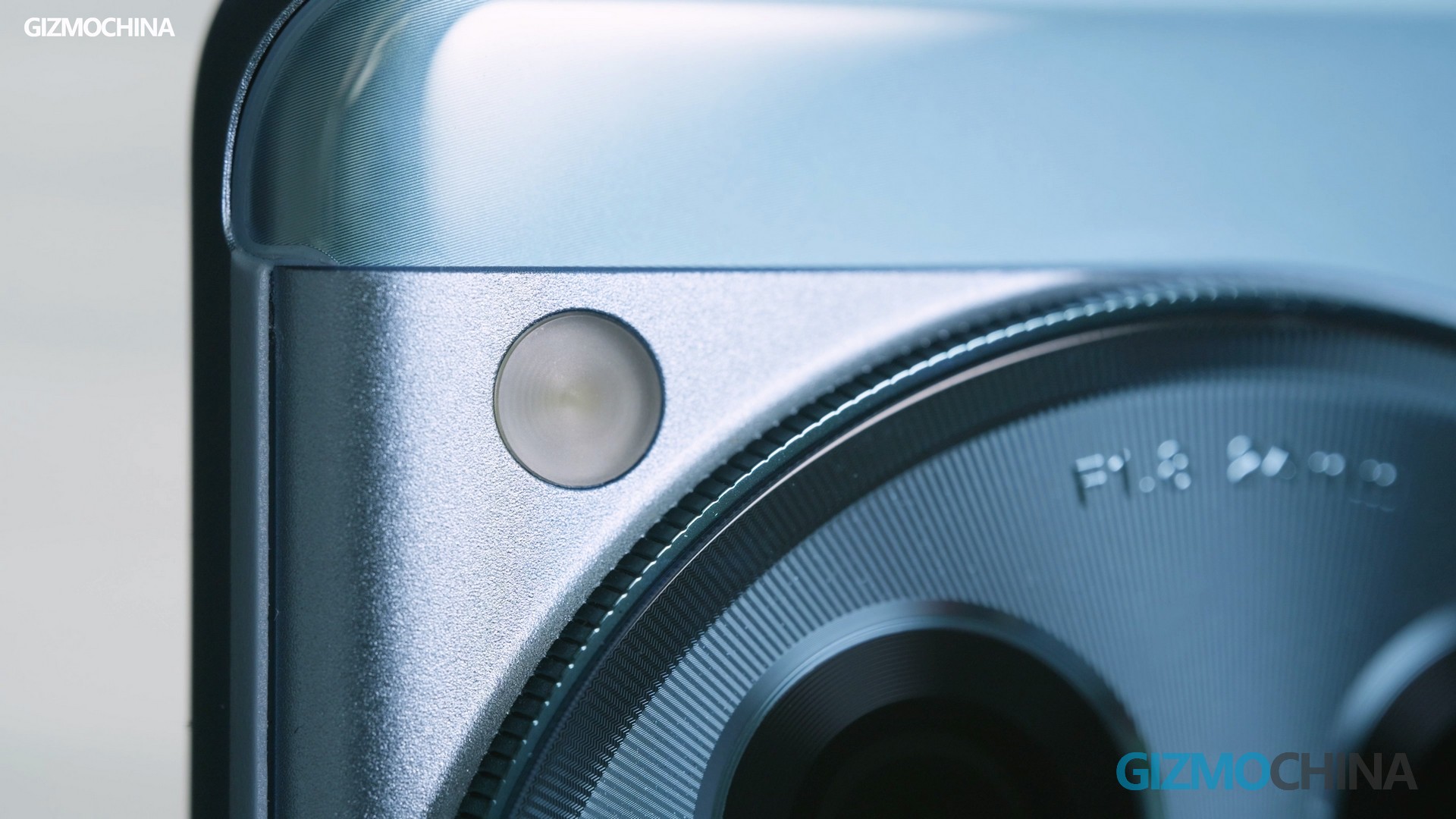
One thing that’s funny is that you might think this is a flash here, but it’s actually an ambient light sensor. The flash is in the upper left corner. Design aside, other things about the Oneplus Ace 3 still has a bit of improvement over the Oneplus Ace 2 Pro. For example, the frame is now metal, and the IR emitter is back.
There is also a step back, that super large vibration motor has become a normal linear motor, and the typing feel is rather ordinary. Other than that, everything else is unchanged, the weight and dimensions are so similar. The fingerprint recognition is also very reasonably placed. There’s no wireless charging, no IP68, and even the USB is still 2.0. Considering that other brands are doing the same, this should be a common way to save money at this price point.
Display
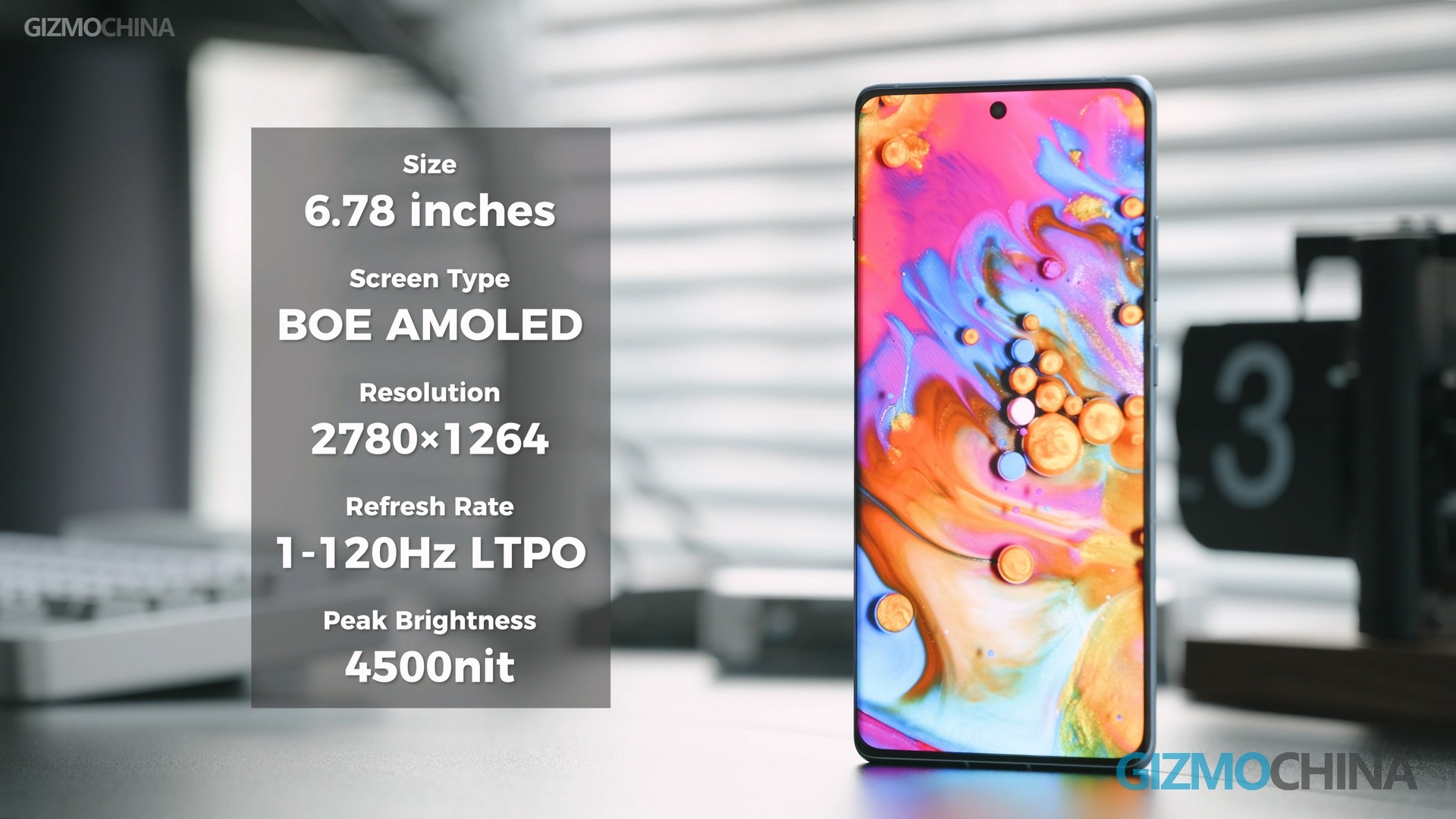
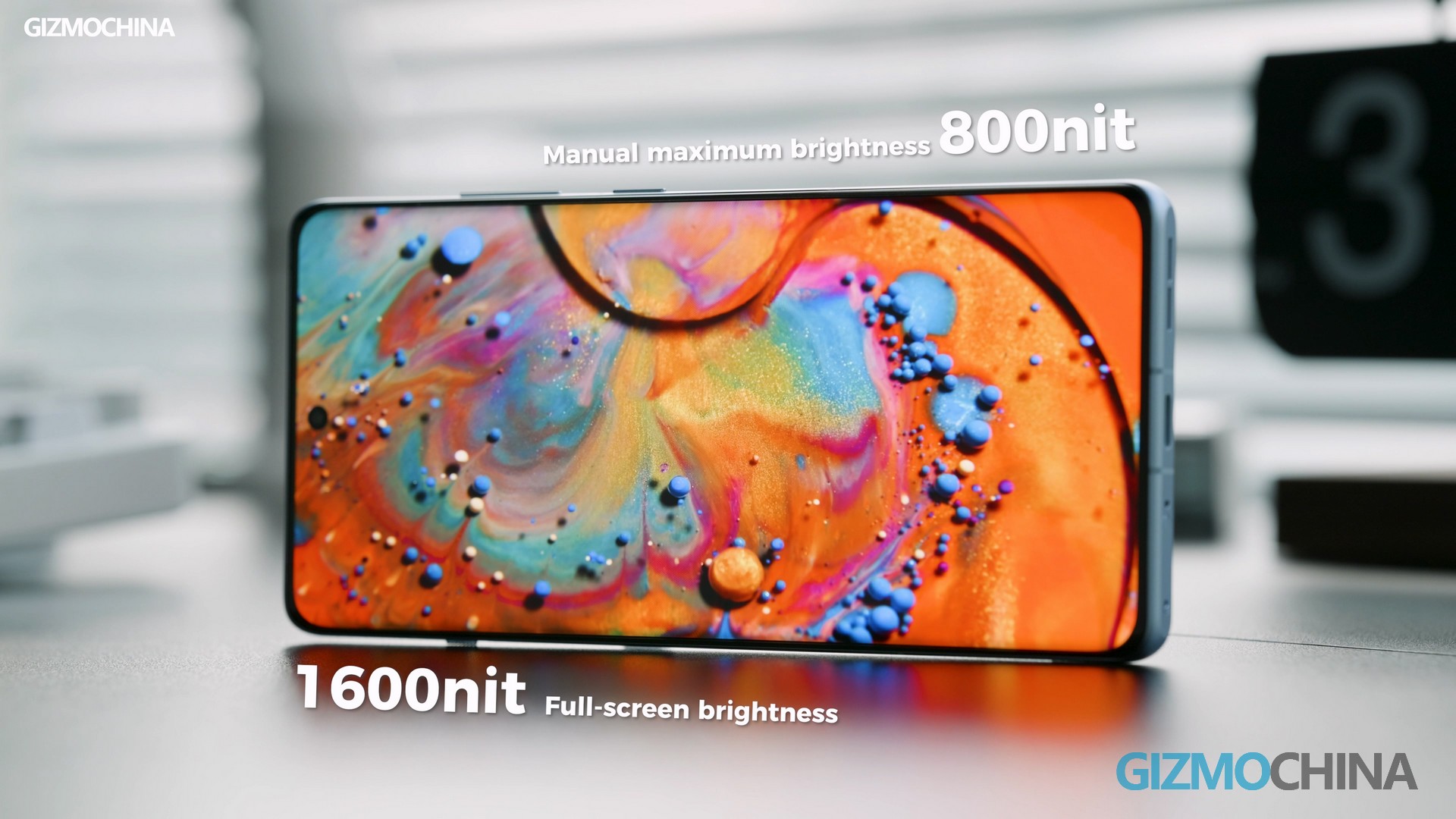
The Oneplus Ace 3’s display panel is the same as the realme GT5 Pro’s, the one from BOE that claims a window peak brightness of 4,500nit, but with a slightly lower refresh rate than the GT5 Pro’s. Well, that gimmick aside, the screen has its highlights.
For example, the full-screen brightness under bright light can reach 1600nit, and the manual maximum brightness can reach 800nit. And there’s LTPO, Corning Gorilla Victus 2, and all sorts of eye-protecting features. The dimming strategy that’s on the OnePlus 12 is on the Ace 3 as well.
Compared to the Redmi K70 in the same price range, it’s slightly less impressive in terms of resolution. But it’s much better than the iQOO Neo9. So, the OnePlus is top-notch in terms of display.
Benchmark & Gaming
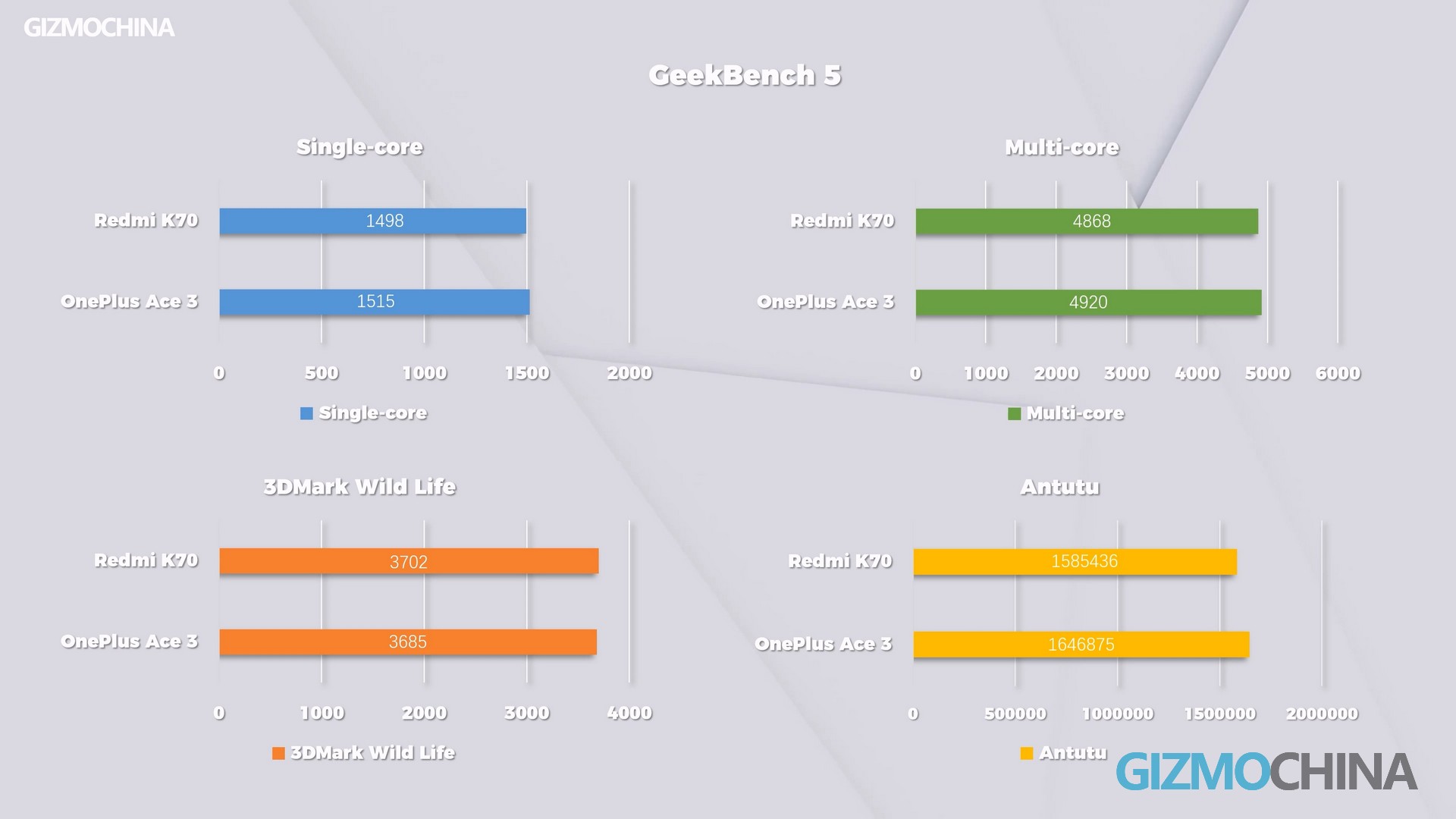
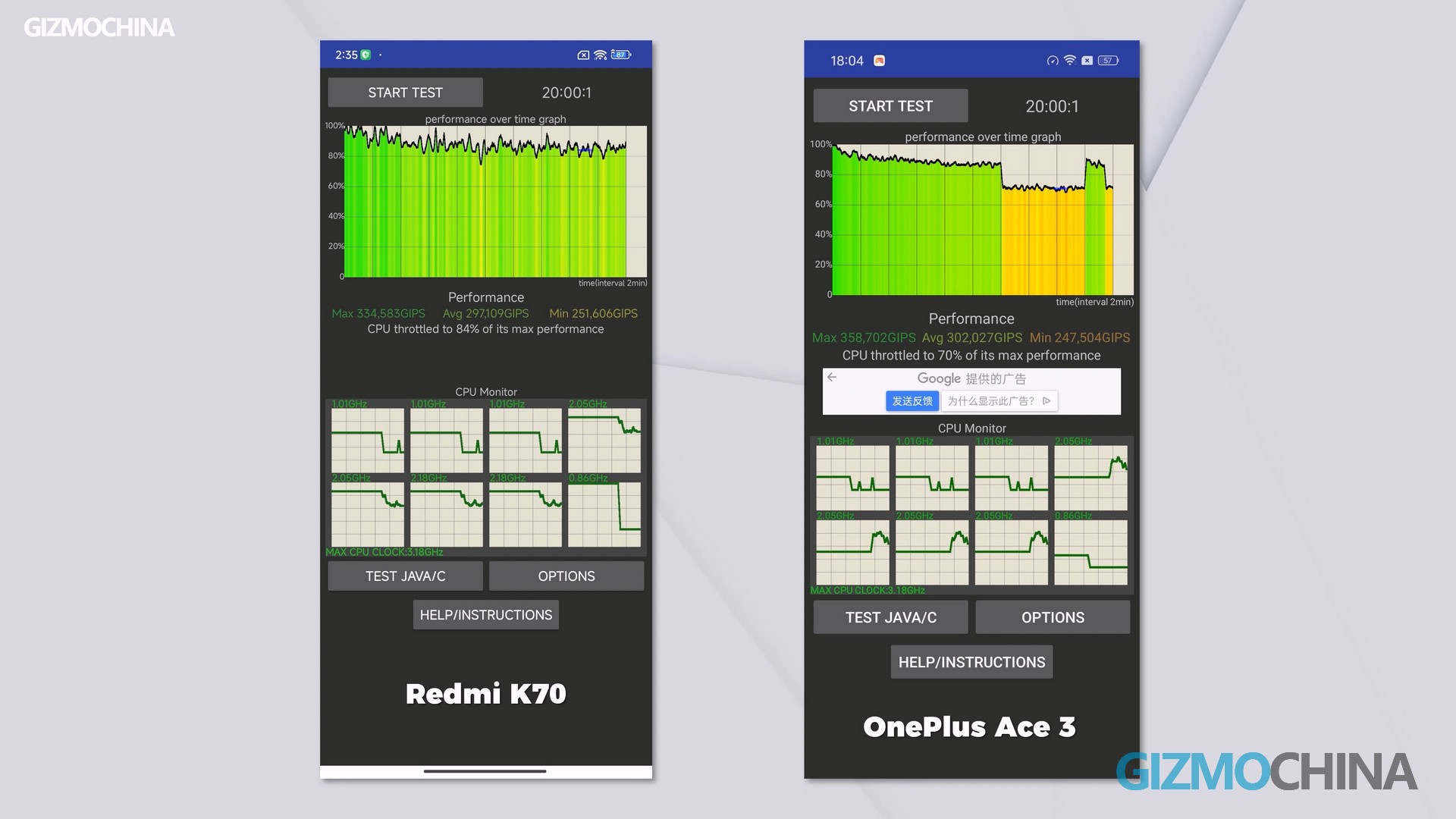
The processor in the Oneplus Ace 3 is the Snapdragon 8 Gen 2. It’s been popular lately to take last year’s flagship processors and give them to mid-range phones, and it’s really making everyone happy. It’s gotten cheaper, and the performance is still strong. Benchmark and CPU Throttling Test are available for you here. The biggest surprise for me is still in the gaming section.
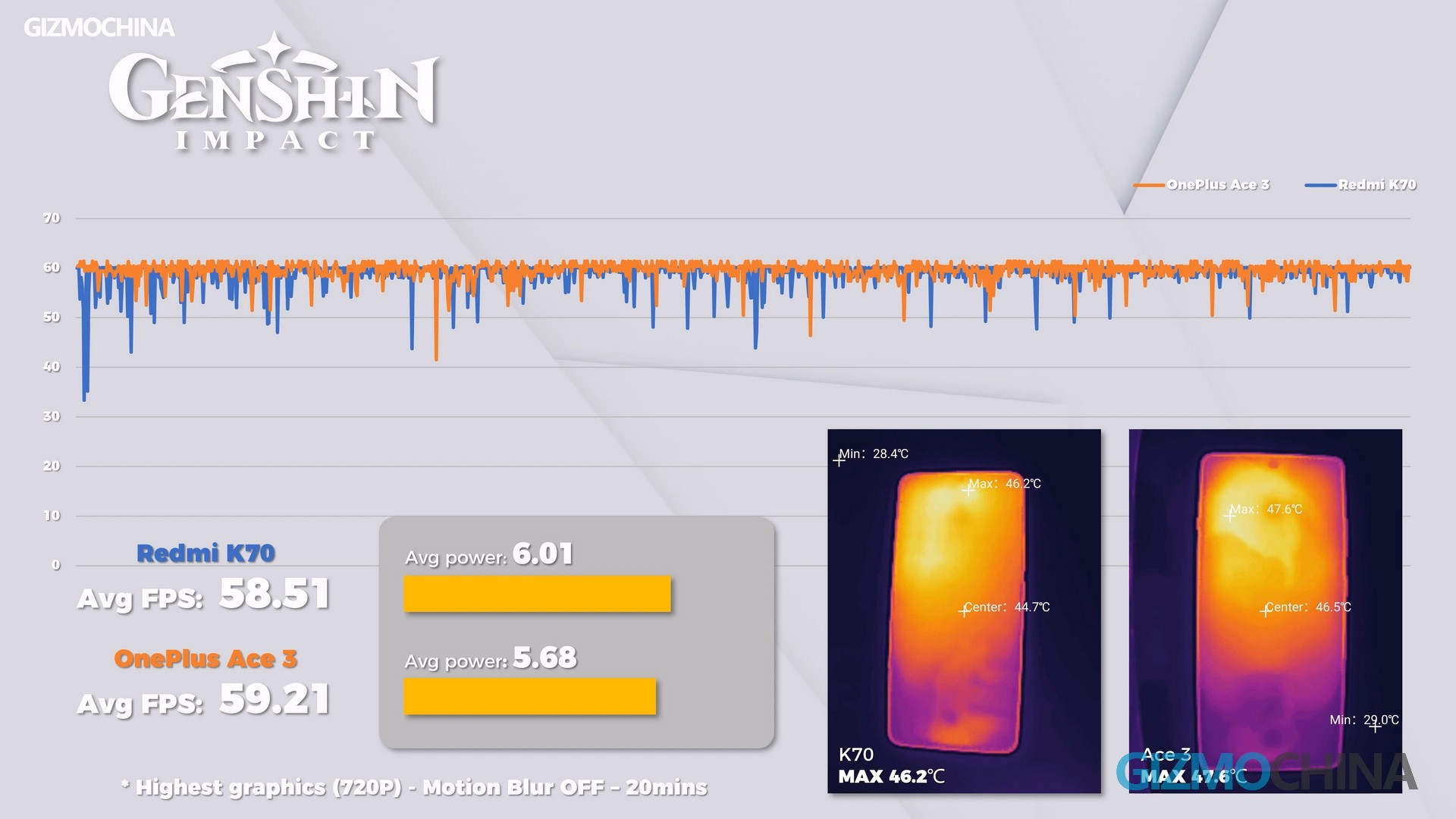
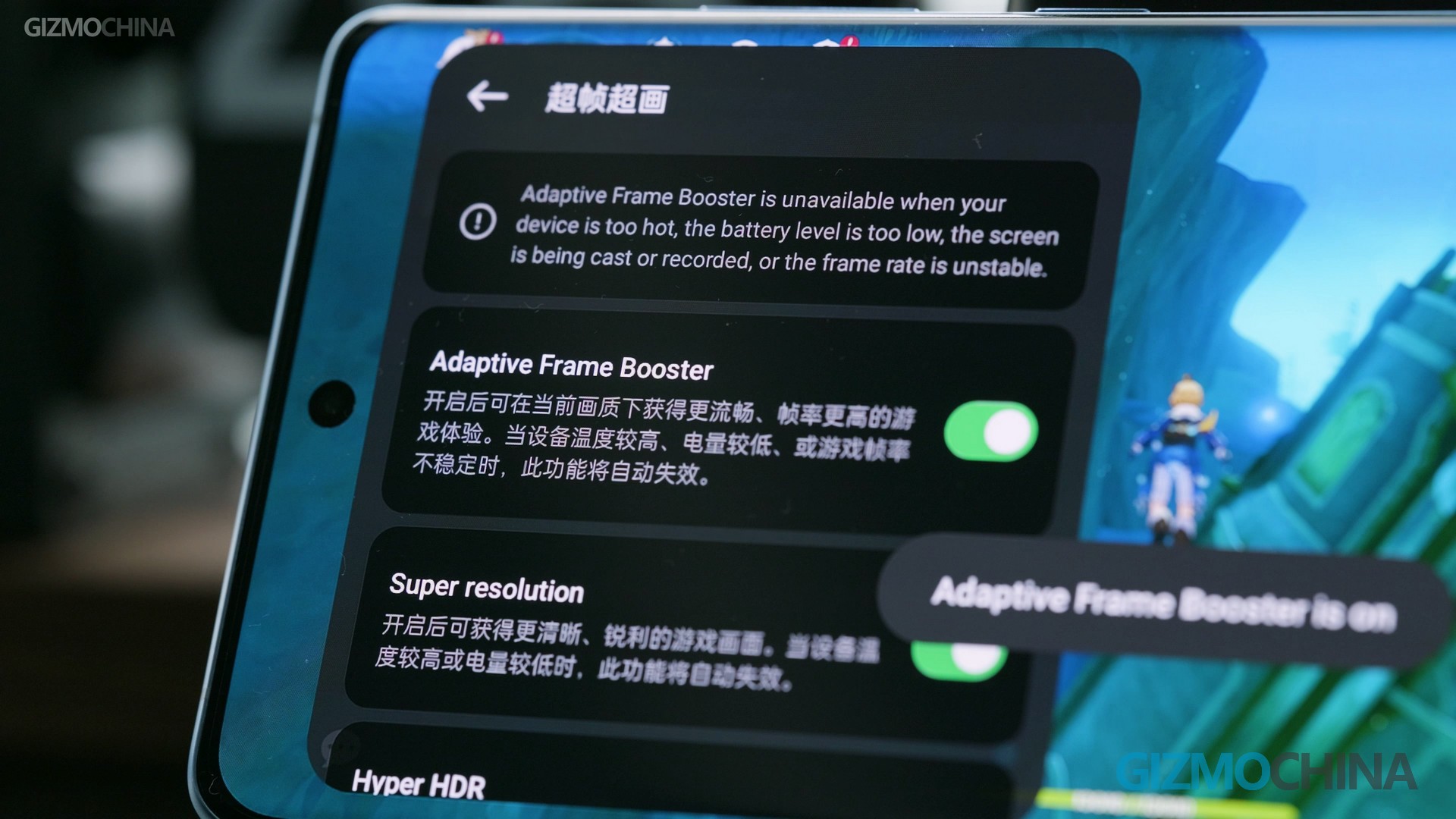
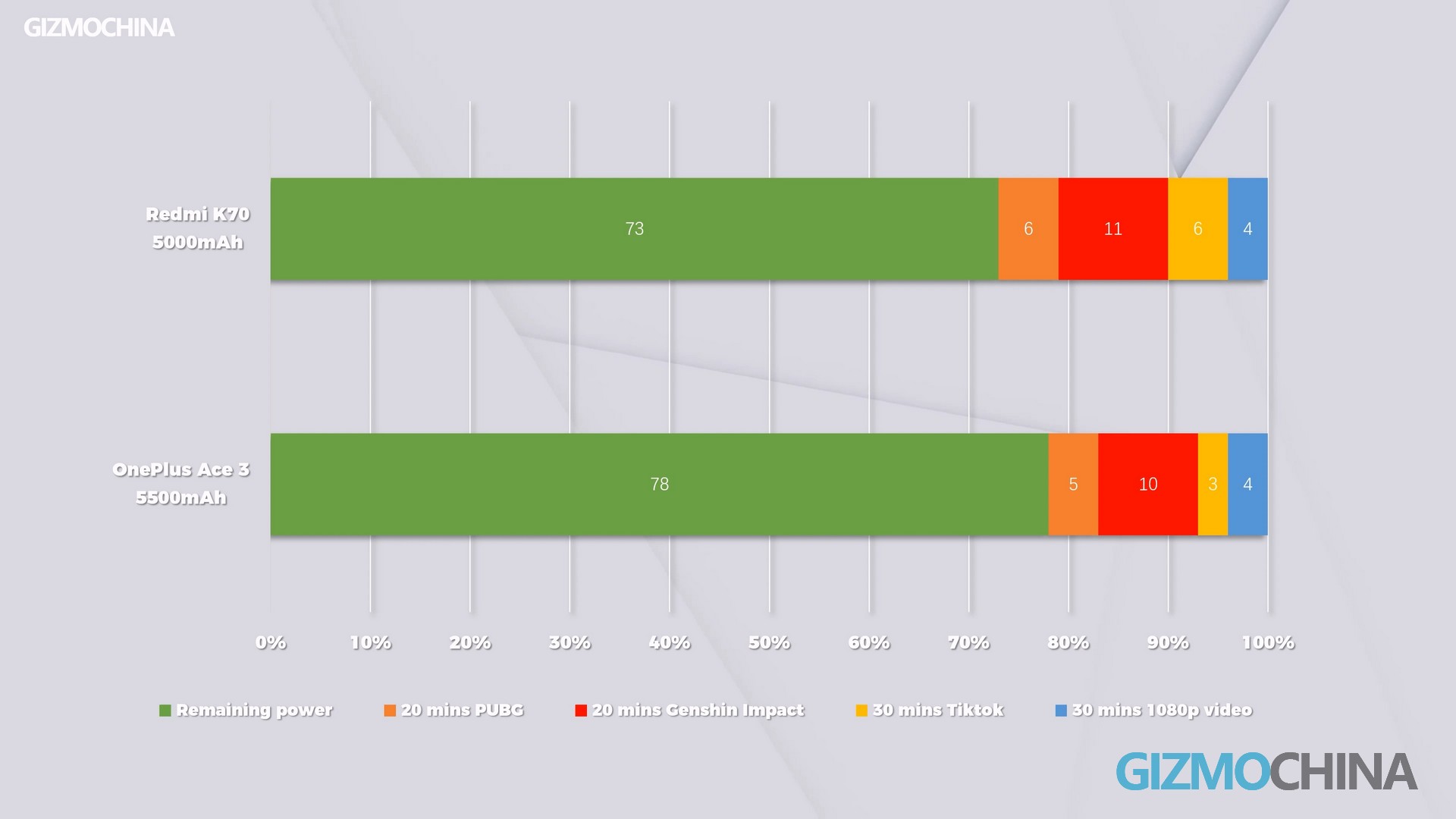
While last year’s 8 Gen 2 phone didn’t conquer Genshin impact, Ace 3 did it this year. No downclocking, and no lag. And the power consumption is so low that the K70 has to bow to it. Because it uses a normal VC thermal, the maximum temperature will be slightly higher, but it’s acceptable. Most importantly, it supports super-resolution and frame interpolation.
Unlike iQOO, these two features of Oneplus Ace 3 can be used in all games. Meaning all games can be played at 1200P and 120Hz, that’s awesome. It does deliver a sharper and smoother gaming experience, although it increases latency a little bit and automatically shuts off when the temperature gets too high. It’s totally acceptable though. These two features put the Oneplus Ace 3 far ahead of other phones in its price range in terms of gaming experience.
Camera
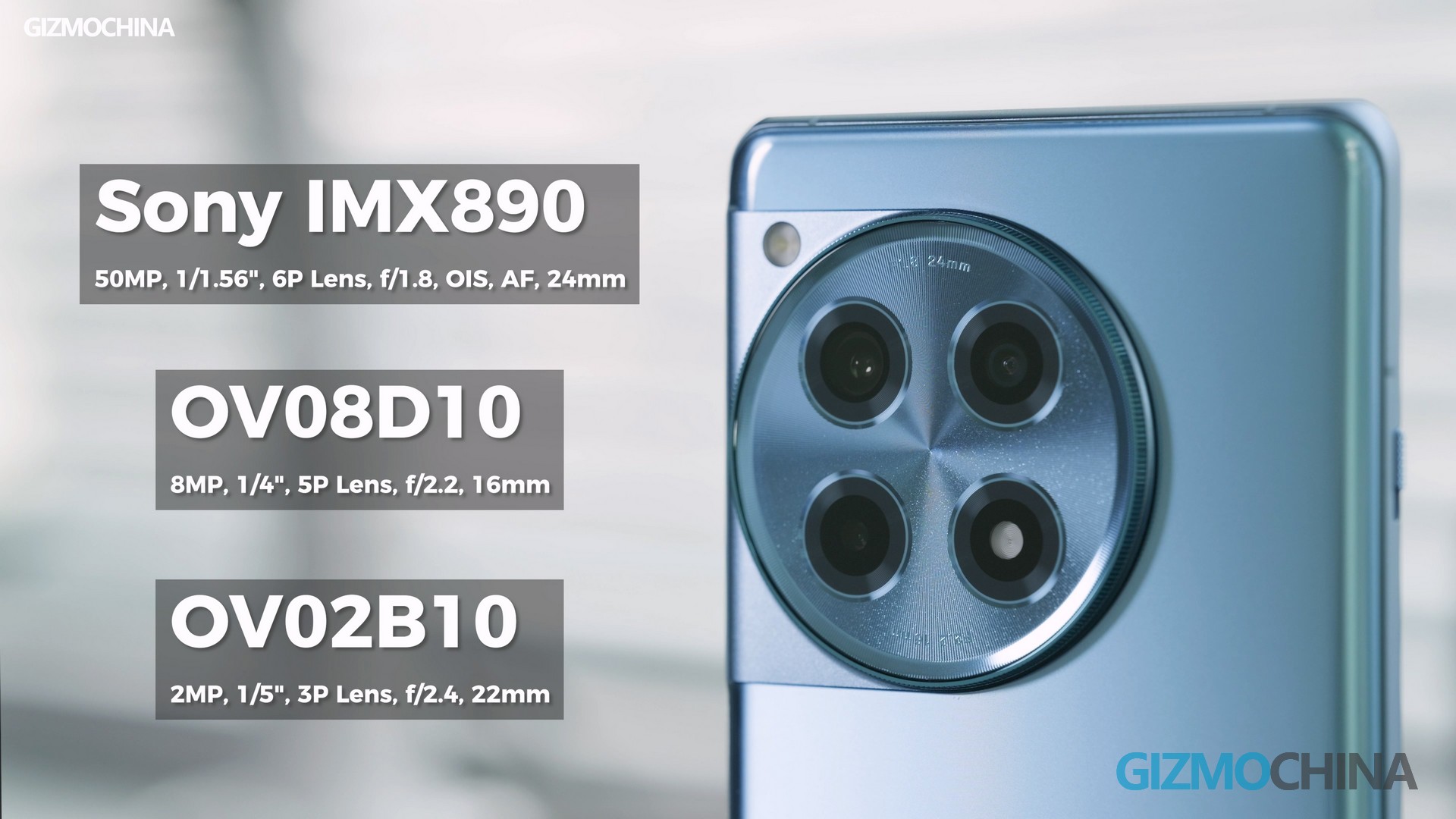
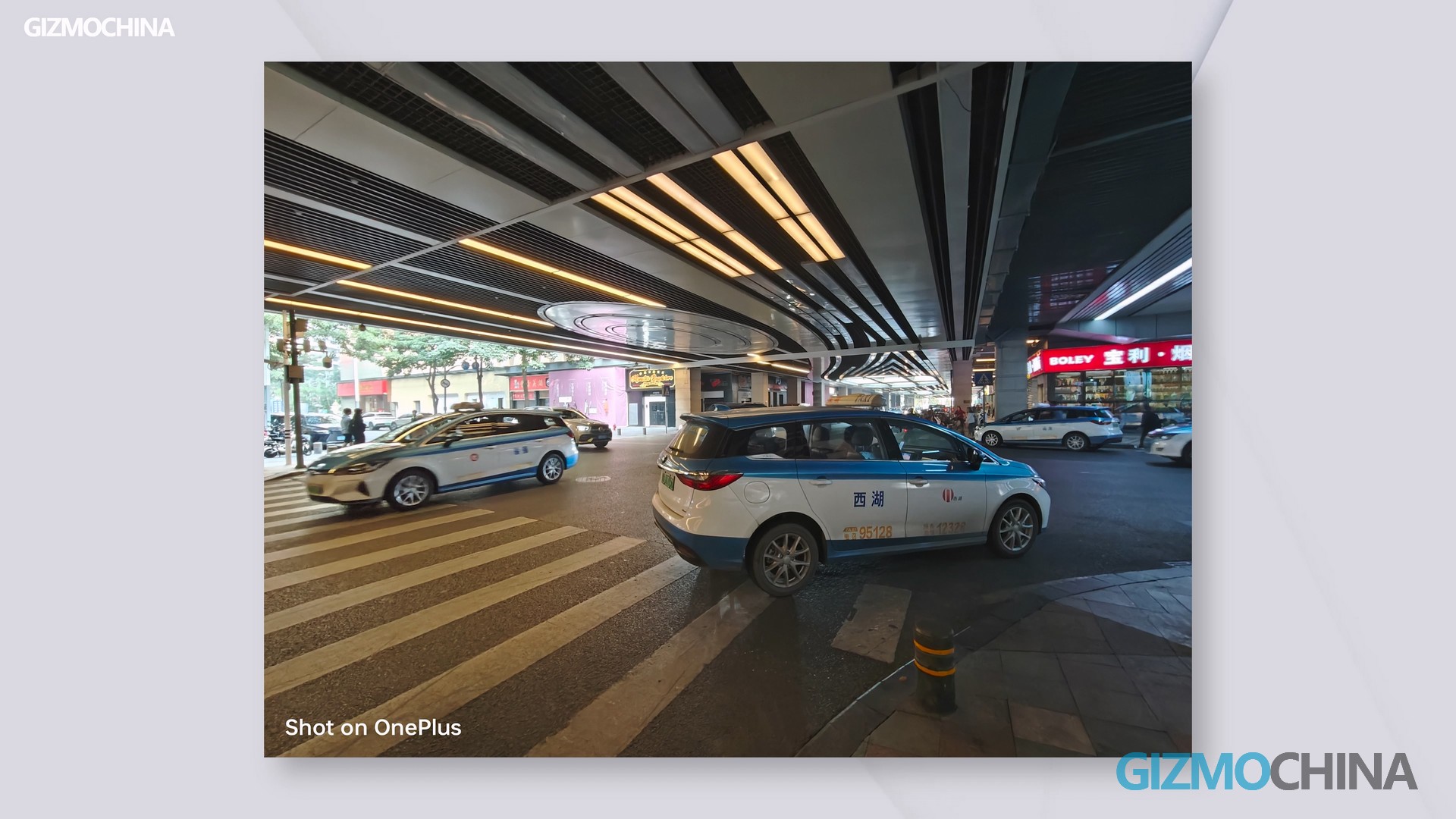
The Oneplus Ace 3‘s main camera uses the IMX890, a sensor commonly used in OPPO family phones. Like the iQOO Neo9 and Redmi K70, the main camera is a flagship performer.
A good main camera not only takes a good 23mm photo, but even at 56mm, which is twice the zoom, you can get a decent photo. With no help from the Hasselblad, the color style is the same old eye-pleasing look, with higher saturation and exposure. If you want a greater sense of atmosphere in your photos. You’ll have to manually adjust the exposure or exposure compensation.
Although sometimes it can be a bit buggy, too much HDR can make some highlight areas look a bit strange. For example, in this photo, the neon lights were always unreal when the HDR was turned on. Turning off HDR would bring it back to normal.
Or this one, where the traffic light in the back is shot in black. Overall though, most of the time it performed as usual, and I’m still quite happy with the photos taken by the Ace 3’s main camera.
Indeed, the OnePlus Ace 3’s main camera is good enough. But the other two cameras are just far off. The macro camera, in particular, is worse than I expected. Not only is the image quality poor, but it’s also seriously buggy. the left side of the photo is greenish and the right side is reddish, I’ve never seen such a bad camera in my life.
I hope it’s just something wrong with my phone, or other Ace 3 buyers should ask OnePlus for compensation. As for the ultra-wide camera, we all know this 8 MP camera is not good. There’s not enough clarity when there’s enough light, and it gets worse when there’s not enough light. And of course, it can’t record video over 1080p 30fps.
All in all, it is not very good. In fact, OnePlus has also given up on these two cameras, as you can’t take pictures with them at all in Pro mode. So we’ve decided not to dive into them both anymore either.
Battery & Charging
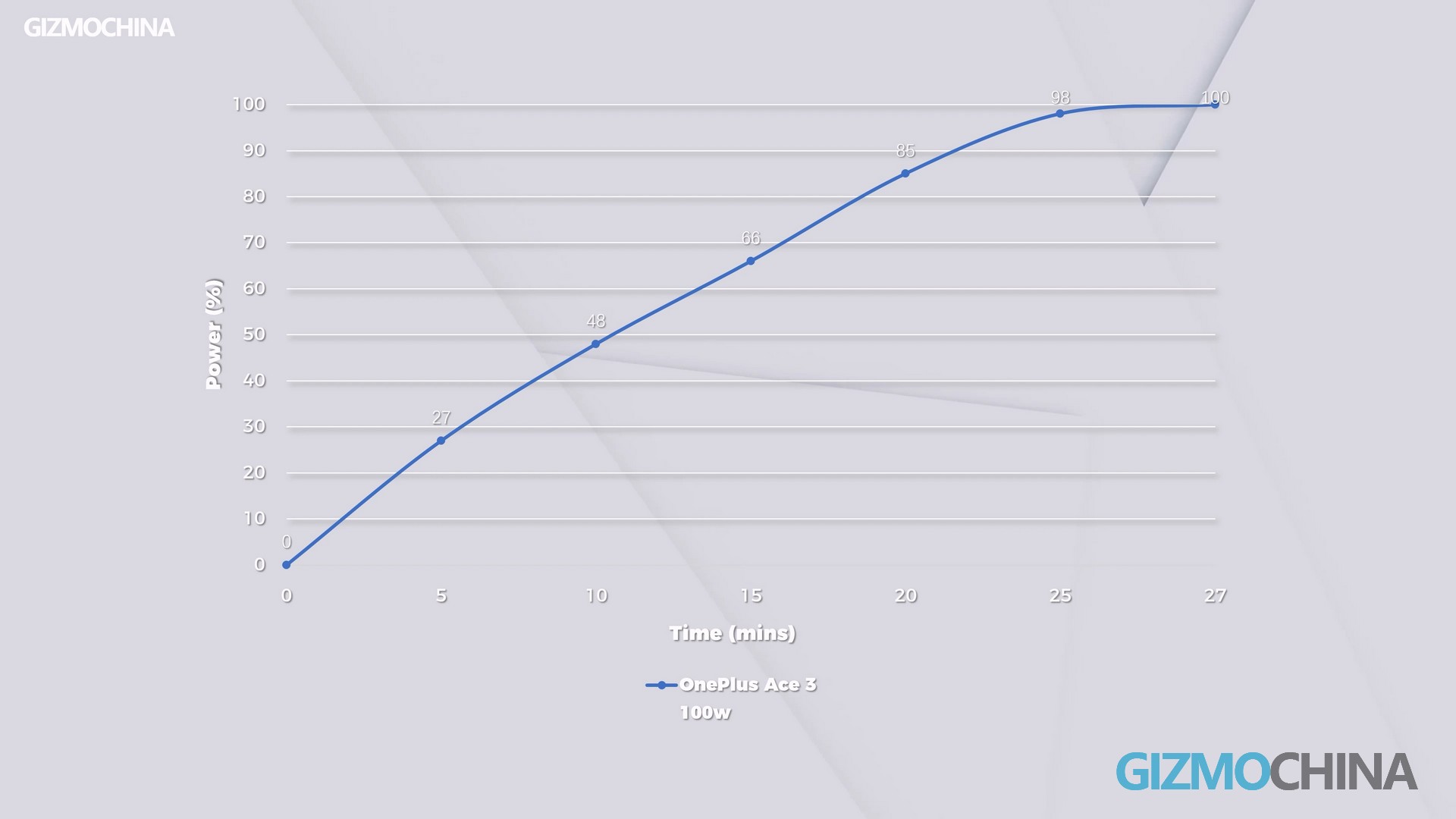
The Oneplus Ace 3 has 100W of charging power and a 5500mAh battery. I really like this combination, it has high charging power without sacrificing battery capacity. Apart from the Redmagic 9 Pro and Nubia Z60 Pro, there are almost no rivals for the large 5500mAh battery. You can tell that OnePlus still takes battery life seriously, which makes the Ace 3 the king of battery life in its price range.
Conclusion
My colleague met the CEO of OnePlus China at the event where we purchased the OnePlus Ace 3. I heard him say that this is not the first time, the CEO was also there when we purchased the Ace 2 Pro. Even for a mid-range phone, the CEO personally came to meet us, so you can see that OnePlus really wants to get our approval.
Well, I wonder if everyone is happy with the Ace 3 this time? Personally, I still want them to try a little harder. Getting rid of that macro camera and also a redesigned camera module would be my dream Ace 3.
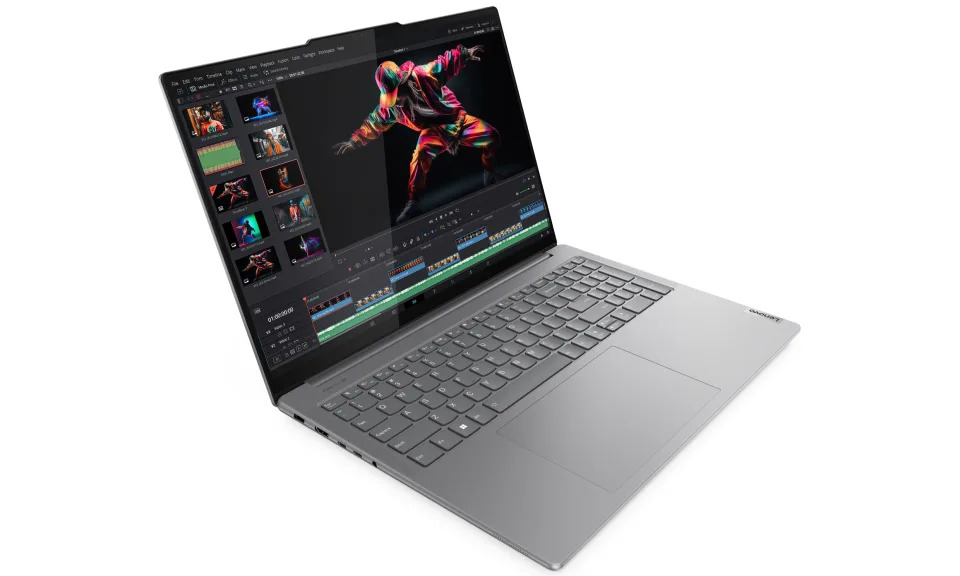
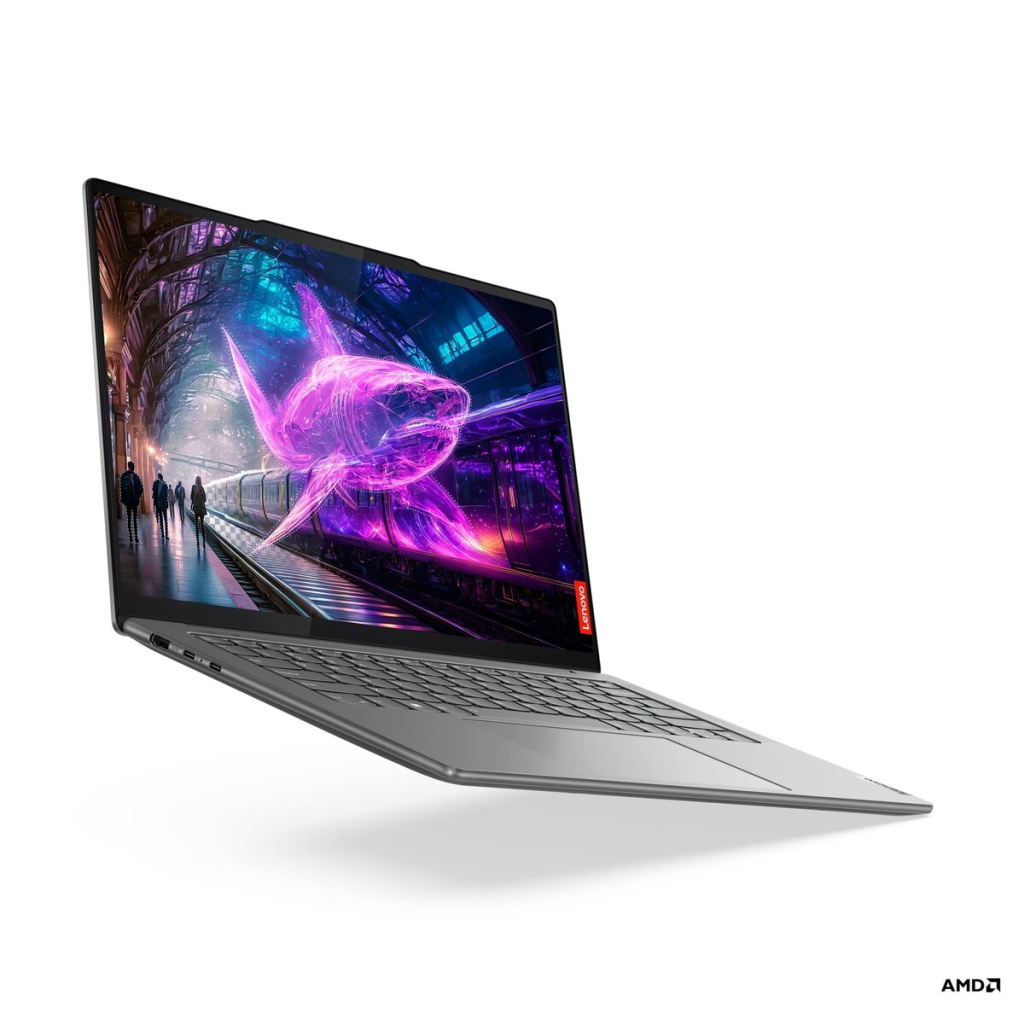
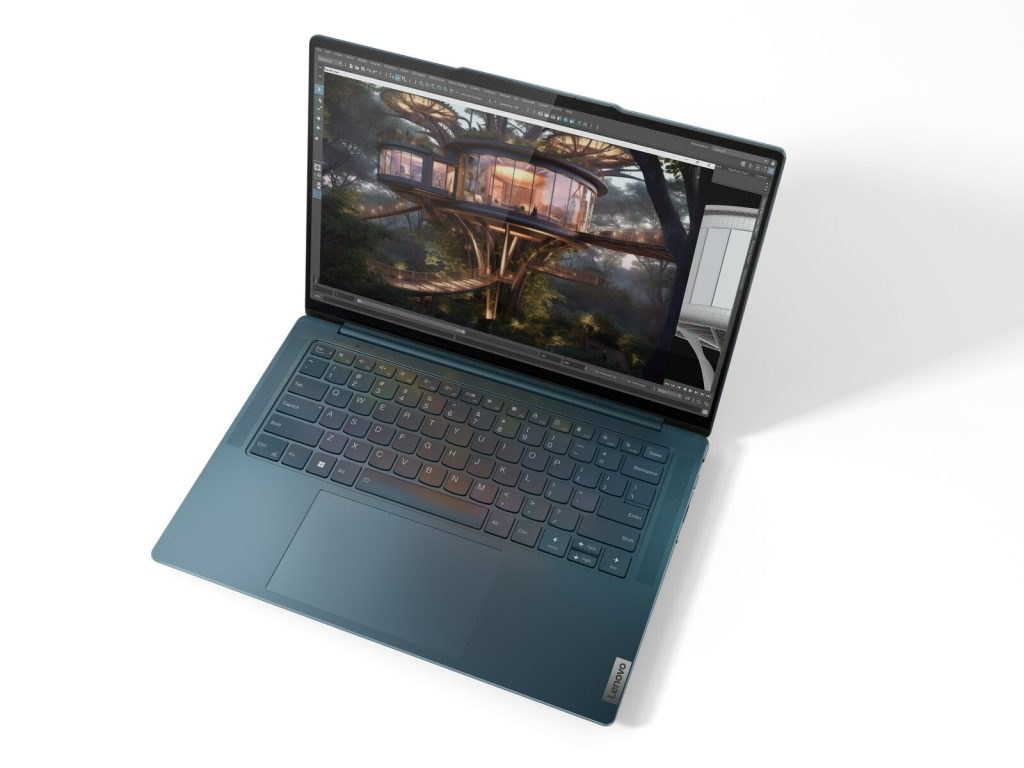
Lenovo has unveiled a wide range of Yoga series of convertible laptops at the CES 2024. Although the Chinese brand announced as many as eight Yoga devices, this post focuses on three products, namely the Yoga Pro 9i, the Yoga Pro 7i, and the Yoga Pro 7. Here is a look at the specifications of each of these devices.
Lenovo Yoga Pro 9i (2024) specifications, price
Lenovo Yoga Pro 9i (2024)
The Yoga Pro 9i (2024) offers a 16-inch 3.2K (3200 x 2000 pixels) IPS screen with a 165Hz refresh rate, PureSight Pro technology, and supports 400 nits of brightness. Alternatively, a Mini LED display option is available, elevating the brightness to 1200 nits. The device is powered by Intel Core Ultra 5/7/9 H Series processors and runs on Windows 11, complemented by an NVIDIA GeForce RTX 4070 laptop GPU for graphics performance and an 84Wh battery. With memory options of up to 64 GB LPDDR5X and storage capacities of up to 1TB PCIe M.2, the Yoga Pro 9i ensures efficient multitasking and ample storage.
The Yoga Pro 9i has a 5-megapixel webcam, IR camera, and TOF electronic camera shutter, accompanied by four microphones for enhanced audio capture. It comes with other features, such as six speakers with four back-to-back subwoofers enriched with Smart Amp technology, Dolby Atmos Audio, Thunderbolt 4, USB-A, HDMI 2.0, a full-sized SD card reader, Wi-Fi 6E, and Bluetooth 5.1.
The Yoga Pro 9i’s design includes a flexible hinge that showcases a sleek design with dimensions of 362 x 253 x 17.9 mm and weighs 2.18 kg. Priced at $1,649, it comes in two color options, such as Tidal Teal and Luna Grey.
Lenovo Yoga Pro 7i (2024), Yoga 7 Pro (2024) specifications and price
Lenovo Yoga Pro 7i (2024)
The Yoga Pro 7 and Yoga Pro 7i laptops share common ground in their display specifications, both offering a 14.5-inch 2.5K (2560 x 1600 pixels) IPS screen with a 90Hz refresh rate, 16:10 aspect ratio, and TUV low blue light certification. In terms of processing power, they provide flexibility with Intel Core Ultra 5/7/9 H Series and AMD Ryzen 8845HS processors, respectively. Both laptops run on Windows 11 and offer optional graphics upgrades with up to a NVIDIA GeForce RTX 4050 laptop GPU for the Yoga Pro 7i and up to an NVIDIA GeForce RTX 3050 laptop GPU for the Yoga Pro 7. Memory options include up to 32GB of LPDDR5X for the Pro 7i and up to 16GB of LPDDR5X for the Pro 7. Additionally, storage options reach up to 1 TB of PCIe M.2 for both models.
Lenovo Yoga Pro 7 (2024)
The camera setup of the Yoga Pro 7 and 7i comprises an FHD webcam, IR camera, and ToF camera shutter, along with four microphones for enhanced audio capture. Connectivity options include Wi-Fi 6E and Bluetooth 5.1. The Yoga Pro 7 series have 4 x 2W speakers and Dolby Atmos Audio for an enhanced audio experience. Both laptops offer a variety of ports, including USB Type-C Thunderbolt, HDMI, USB-A, and an Audio Combo Jack for versatile connectivity.
The Yoga Pro 7 and 7i come with a 180-degree hinge for versatile usage and pack a common battery capacity of 73 WHr. In terms of dimensions, both measure 326 x 227 x 15.6 mm and weigh around 1.49 kg. Both devices come in Tidal Teal and Luna Grey color options. The Yoga 7 Pro is priced at $1,349 and is set to go on sale by April of this year. Priced at 999 euros (incl. VAT), the Yoga Pro 7i will be available in select EMEA markets starting this month, and it will not be sold in North America.
At CES 2024, Sony unveiled its latest innovation, a spatial content creation system geared towards professionals working in 3D design and animation. This headset-and-controller combo aims to bridge the gap between the virtual and physical realms, offering creators a unique and immersive experience.
Unlike its PlayStation VR sibling, this headset isn’t targeting gamers. Instead, it boasts high-resolution 4K OLED displays powered by the Snapdragon XR2+ Gen 2 platform, catering to professionals who require precision and detail in their work.
Sony’s CEO, Kenichiro Yoshida, emphasized the system’s ability to “expand the creation space by overlaying virtual objects into physical spaces.” This is achieved through a unique controller setup, replacing traditional joysticks with a finger-worn ring and a handheld pointer. These intuitive tools mimic natural gestures, allowing creators to manipulate virtual objects with ease as if they were physically present in the room.
But what about those moments when you need a break from the virtual realm? Sony has you covered. The front of the headset flips up, seamlessly transitioning users back to the physical world. This flexibility ensures creators can maintain a connection with their surroundings while still enjoying the immersive benefits of the virtual workspace.
Sony isn’t new to the world of 3D creation. Their previous Spatial Reality Display offered a taste of this technology, but the new system takes it a step further. It boasts “proprietary rendering technology” capable of delivering real-time, high-definition textures and lifelike character expressions. This level of detail promises to revolutionize the way 3D models are created and visualized.
While the exact release date and price remain undisclosed, Sony has confirmed the system’s arrival sometime later this year. It faces competition from Apple’s Vision Pro, set to hit stores next month. However, Sony’s focus on professional creators and intuitive controls might give them an edge in this emerging market.
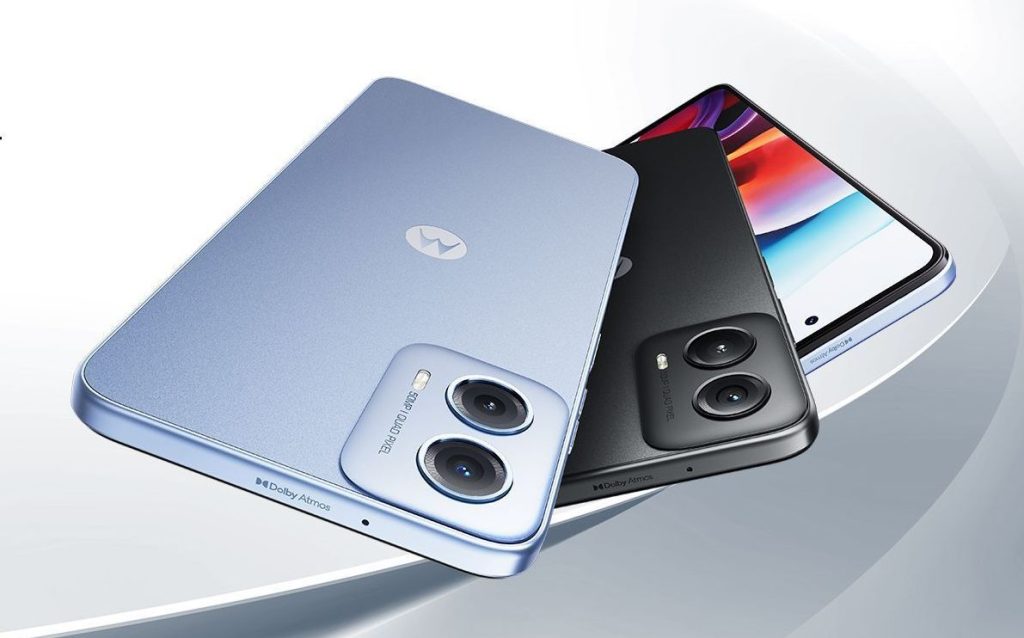
As scheduled, Motorola has launched its first product of 2024 in India. The device, which is officially called Moto G34 5G, is a budget 5G smartphone.
It initially went official in China before Christmas. India is the first international market to receive this handset.
Let’s go through the features of this phone along with its pricing and availability details.
Motorola Moto G34 5G Specifications
The Moto G34 5G features a plastic build like most budget smartphones. But one of the color variants has a vegan leather finish on the back. Also, it is IP52-rated for splash resistance.
The device is built around a 6.5-inch centered punch-hole display. The panel offers an HD+ resolution (1600 x 720 pixels) and a 120Hz refresh rate.
Under the hood, the handset houses a Qualcomm Snapdragon 695 SoC. The chipset is paired with LPDDR4x RAM and UFS 2.2 storage. As for software, it boots the latest Android 14.
The phone sports a dual-camera setup on the rear comprising a 50MP primary sensor and a 2MP macro snapper. On the front, it has a 16MP selfie camera.
Other features of the device include Dolby Atmos-supported dual stereo speakers, a MicroSD card slot, a 3.5mm headphone jack, and Ready For (only on the 8GB RAM variant).
Last but not least, the smartphone draws energy from a 5,000mAh battery and supports 18W charging.
Motorola Moto G34 5G Price in India
The Motorola Moto G34 5G arrives in the following two memory configurations.
4GB + 128GB – ₹10,999 (~$130)
8GB + 128GB – ₹11,999 (~$145)
The phone can be availed in either Ice Blue, Charcoal Black, or Ocean Green (vegan leather) color options. It will be available for purchase starting January 17 via Flipkart and leading retail stores.
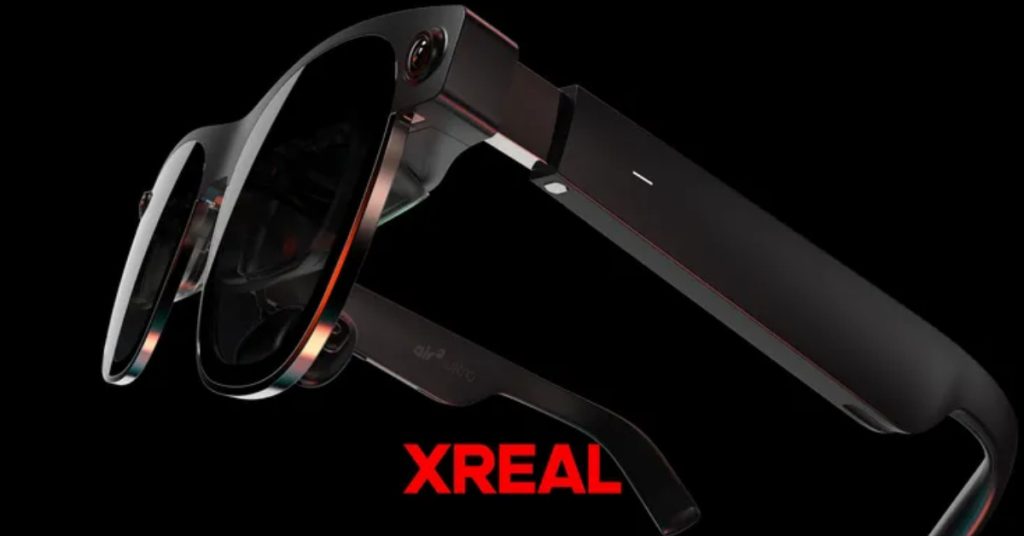
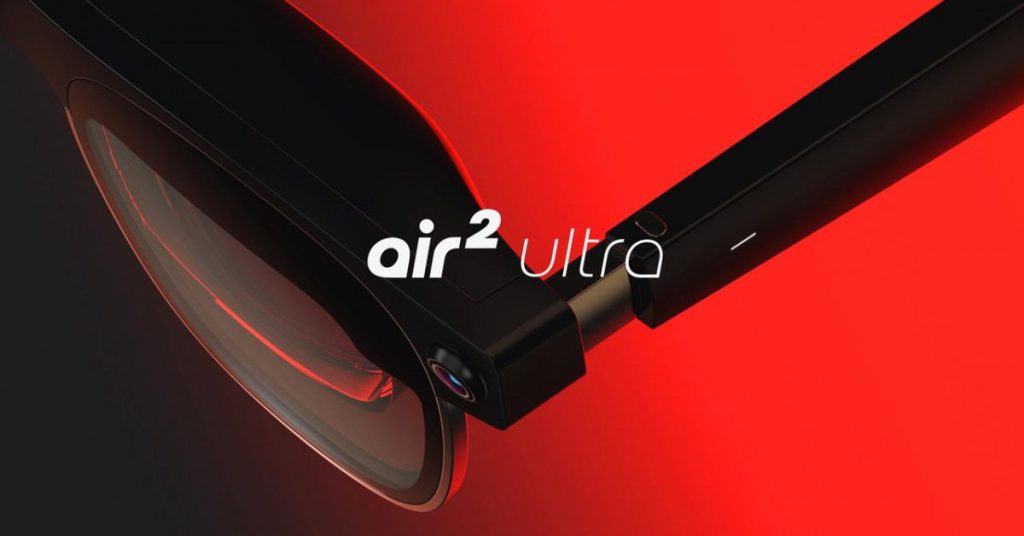
Xreal, known for its AR glasses, has unveiled its latest offering, the Air 2 Ultra, at CES 2024. This comes ahead of the much-anticipated launch of Apple’s Vision Pro, making it clear that Xreal is vying for a slice of the high-end AR market.
The Air 2 Ultra utilizes two 3D sensors with advanced computer vision, allowing users to interact with real-world objects and manipulate them in a digital space. This opens doors for creative applications like 3D object manipulation, virtual furniture placement, and immersive gaming experiences.
Design-wise, the Air 2 Ultra resembles stylish sunglasses, making them comfortable for extended wear. Weighing just 80 grams, they boast adjustable temples and three nose pad sizes for a snug fit.
Notably, these are the first titanium AR glasses, equipped with Sony’s Micro OLED panels. Each eye enjoys a Full HD display with a 52-degree field of view and 42 pixels per degree – surpassing the Apple Vision Pro in sharpness. Xreal claims you can project a virtual 154-inch screen onto your surroundings.
The display also has a refresh rate of 120Hz and brightness comes at 500 nits, so you can use it outdoors too. There are also features like auto-dimming lenses for immersion, directional audio for privacy, and voice interaction.
However, do note that, unlike standalone headsets, the Air 2 Ultra requires external processing power from a smartphone, computer, or Xreal’s Beam module. Sure, this makes it lighter and potentially more affordable, with a price tag of $699 compared to Apple’s rumored $3,499 Vision Pro. But it also means relying on compatible devices for processing power.
Xreal says Air 2 Ultra is currently mainly intended for developers, as there won’t be much AR content at launch and the SDK will receive significant upgrades in the coming months.
At CES 2024, Asus announced a slew of new devices, including the 2024 Zephyrus G14 and G16 thin-and-light gaming notebooks. The new Zephyrus notebooks feature a CNC-machined aluminium chassis, customizable slash lighting on the lid, an OLED panel, an edge-to-edge keyboard design, and a new Platinum White shade. The ultra-portable designs incorporate efficient cooling technology, including tri-fan setups, liquid metal, and vapor chambers.
Asus ROG Zephyrus G14, Zephyrus G16 specifications
2024 Asus ROG Zephyrus G14
The Asus ROG Zephyrus G14 has a 14-inch ROG Nebula Display OLED 3K (2880 x 1800 pixels) that supports a 120 Hz refresh rate and 0.2 ms response time. Running on an AMD Ryzen 8000 Series processor, the notebook comes equipped with a 73Wh battery and an Nvidia GeForce RTX 4070 GPU with a maximum TGP of 90W. It comes with up to 32 GB of LPDDR5X onboard memory and a storage option of up to 1 TB of M.2 2280 PCIe4.0 SSD storage.
The laptop offers other features, including a 1-zone RGB keyboard, stereo speakers with Smart Amplifier, and Dolby Atmos for immersive audio. Connectivity includes Wi-Fi 6E and Bluetooth 5.3, while I/O ports consist of USB-4, USB-C (USB 3.2 Gen 2), HDMI 2.1, and more. Lastly, it weighs 1.50kg.
On the other hand, the ROG Zephyrus G16 has a 16-inch ROG Nebula Display OLED 2.5K (2560 × 1600 pixels) that supports a 240 Hz refresh rate and 0.2 ms response time. It is powered by an Intel Core Ultra 9 processor, a 90Wh battery, an Nvidia GeForce RTX 4090 GPU with a maximum TGP of 115W, up to 32 GB of LPDDR5X-7467 MHz onboard memory and offers storage options up to 4 TB of M.2 2280 PCI 4.0 SSD.
2024 Asus ROG Zephyrus G16
Like the G14, the G16 features a 1-zone RGB keyboard and stereo speakers with Smart Amplifier, Dolby Atmos, and Hi-Res Audio. Connectivity options include Wi-Fi 6E and Bluetooth 5.3, with connectivity ports like Thunderbolt 4 and SD Card Reader. While the G14 weighs 1.50kg, the larger G16 weights 1.85kg.
The 2024 Zephyrus G14 and G16 laptops come with three months of Xbox Game Pass Ultimate. Unfortunately, there is no information available about the pricing of these laptops. Both devices are expected to be available for purchase in some markets in February.
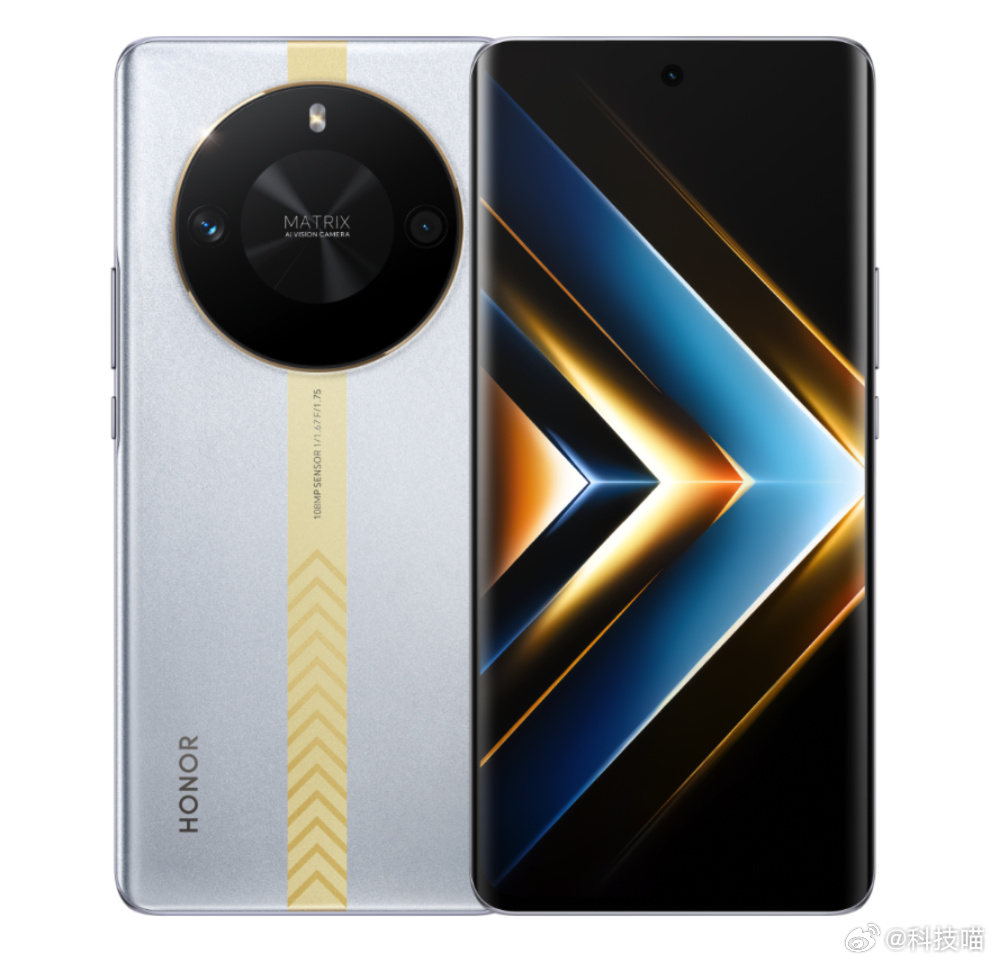
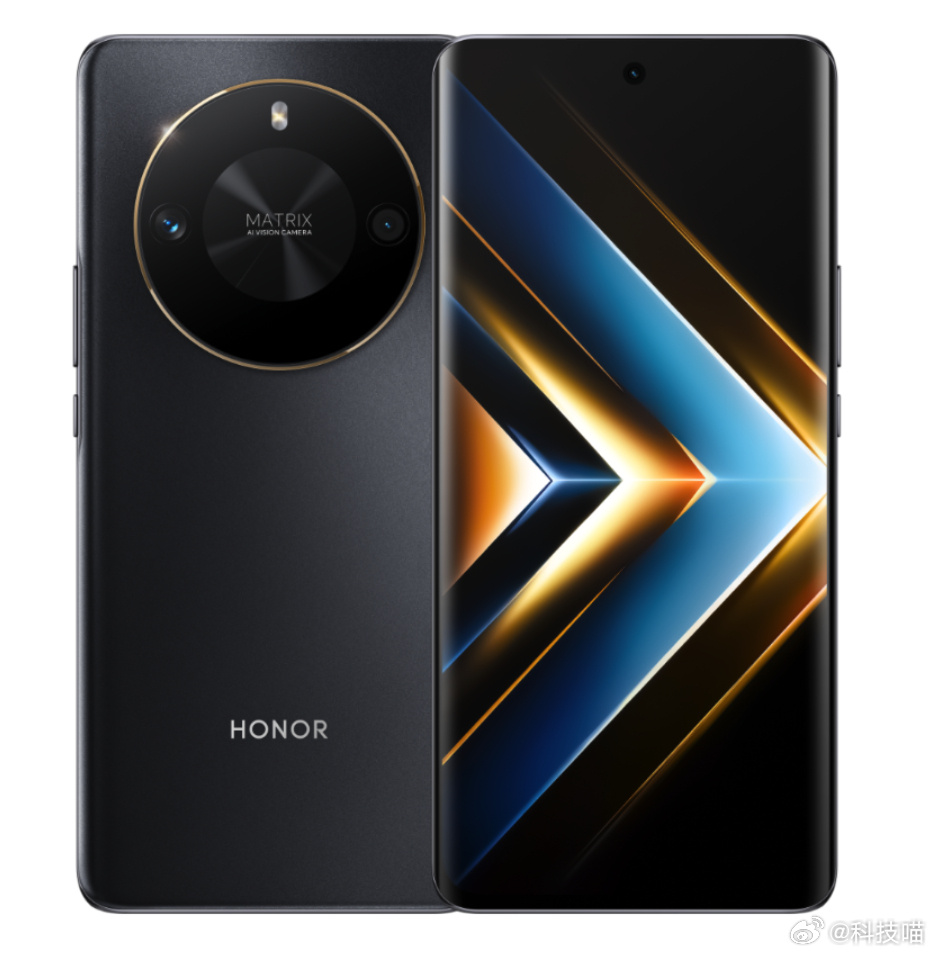
Last week, Honor took off covers from the Honor 90 GT smartphone in China. While it features the Snapdragon 8 Plus Gen 1 chipset, Honor claims that with the support of the company’s GPU Turbo, its gaming performance can surpass that of Snapdragon 8 Gen 2-powered devices. Starting today, the X50 GT is available for purchase with an enticing price of 1,999 Yuan (~$280).
Honor X50 GT price
Honor X50 GT Honor X50 GT
In China, the Honor X50 GT is available in four configurations, such as 12 GB RAM + 256 GB storage, 16 GB RAM + 256 GB storage, 16 GB RAM + 512 GB storage, and 16 GB RAM + 1 TB storage. These models are priced at 1,999 Yuan (~$280), 2,299 Yuan (~$325), 2,499 Yuan (~$350), and 2,799 Yuan (~$395). It can be purchased in shades like black and silver.
Honor X50 GT specifications
The Honor X50 GT features a 6.78-inch curved-edge OLED display with a 1.5K resolution of 2652 x 1200 pixels, a 120Hz refresh rate, and a 1920Hz PWM high-frequency dimming. Powered by the Snapdragon 8+ Gen 1 chip, it boasts LPDDR5 RAM and UFS 3.1 storage. The device is equipped with a 5,800mAh battery that supports 35W fast charging.
Its camera setup includes an 8-megapixel front camera and a dual rear camera system with a 108-megapixel primary camera and a 2-megapixel depth sensor. To manage heat, it incorporates a 5100mm² VC heat dissipation unit. Additional features comprise an in-display fingerprint scanner, an IR blaster, and an IP53 rating for water resistance. The Honor X50 GT runs on Android 14 with MagicOS 7.2.
The Honor X50 GT is said to be aimed at an online audience in China. For the offline market, the company is selling a rebranded device named the Honor X50 Pro.
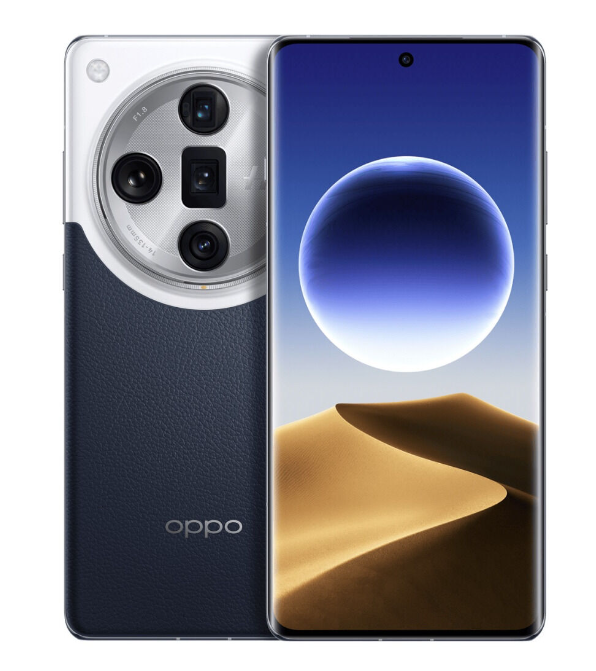
OPPO Find X7 Ultra seamlessly combines technological innovation with thoughtful design. You can now get this premium smartphone for a starting price of $999 at Giztop. The phone comes in Black, Orange, and Blue color variants.
At the core of the device is the Qualcomm Snapdragon 8 Gen 3 octa-core processor, delivering exceptional performance alongside 12GB or 16GB of LPDDR5X RAM. This ensures smooth multitasking, quick app launches, and seamless navigation. Storage options 256GB or 512GB of UFS 4.0 storage, ensuring ample space for contacts, music, photos, and apps.
The 6.82-inch 10-bit LTPO 2.0 AMOLED display boasts a 120Hz refresh rate and a resolution of 3168×1440 pixels. Covering sRGB/P3 and 100% of the DCI-P3 color gamut, it provides an immersive and vivid viewing experience. The impressive 5,000,000:1 contrast ratio adds to the visual delight, making it ideal for both media consumption and productivity.
In the camera department, the quad-camera system is a standout feature. With a 50MP 1-inch wide-angle camera, a 50MP super wide-angle camera, a 50MP super-light-sensitive periscope telephoto camera, and a 50MP close-up periscope telephoto camera, the OPPO Find X7 Ultra offers versatility in capturing high-quality images in various scenarios.
A robust 5000mAh battery powers the device, supporting a 100W SuperVOOC charge for quick recharging. Additional features include 50W AirVOOC Flash Charge, 10W reverse wireless charging, and an Ultra Power Saving mode, enhancing battery efficiency.
The dual SIM functionality adds flexibility, enabling users to manage two different networks simultaneously. However, it’s important to note that when both SIM slots are active, only one can receive LTE service.
OPPO Find X7 Ultra offers a compelling package with powerful performance, a stunning display, versatile camera capabilities, and convenient storage options, making it a standout choice.
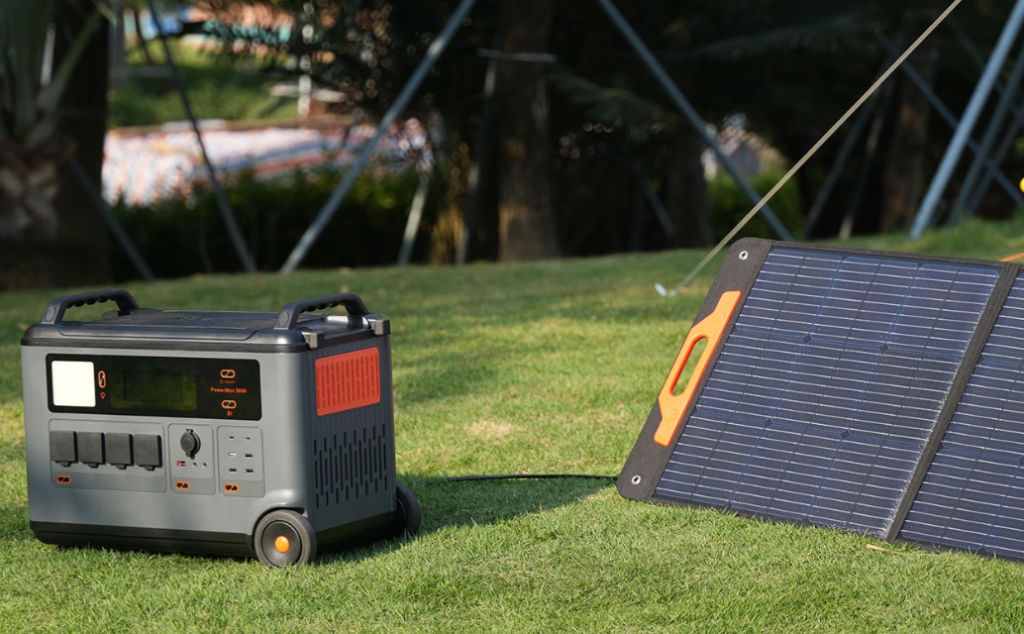
In a world where uninterrupted power is a necessity, the Blackview OSCAL PowerMax 3600 emerges as the ultimate solution, offering a rugged and versatile power station for both home and outdoor backup needs. This innovation ensures a reliable power source with a myriad of features that make it indispensable for various scenarios.
Unmatched Capacity and Output:
The OSCAL PowerMax 3600 boasts an impressive 57600Wh capacity and a robust 3600W output, making it a powerhouse for your electricity needs. Whether it’s providing backup power during outages or supporting high-demand appliances, this device ensures that you never have to compromise on your energy requirements.
Multiple Output Ports:
Equipped with 14 output ports, the PowerMax 3600 provides the flexibility to power multiple devices simultaneously. This feature is particularly useful for both indoor and outdoor activities, allowing you to charge your essential gadgets, run appliances, or even set up an impromptu outdoor movie night with ease.
Lightning-Fast Charging:
One of the standout features of the PowerMax 3600 is its remarkable charging speed, fully replenishing its massive capacity in just 1.2 hours. This swift charging capability ensures that you spend less time waiting and more time enjoying uninterrupted power.
5-8ms UPS Switchover:
The PowerMax 3600 is designed with a seamless 5-8 milliseconds UPS switchover, providing immediate backup power in case of electrical disruptions. This ensures a smooth transition between power sources, preventing any interruptions that may affect your sensitive electronic devices.
LiFePO4 Battery Technology:
Powered by advanced LiFePO4 battery technology, the PowerMax 3600 guarantees a safer and more reliable energy storage solution. This technology enhances the overall lifespan of the battery while minimizing the risk of overheating or other safety concerns, making it an ideal choice for both indoor and outdoor use.
Smart App Control:
Take control of your power station with the Smart App feature. This innovative functionality allows you to monitor and manage the PowerMax 3600 remotely, providing real-time insights into battery status, power usage, and more. The convenience of controlling your power source from your fingertips adds an extra layer of efficiency to your daily life.
Versatility in Extreme Conditions:
With a temperature range spanning from -20 ℃ to 55 ℃, the PowerMax 3600 proves its resilience in extreme weather conditions. Whether you’re facing harsh winters or scorching summers, this rugged power station stands ready to deliver reliable power whenever and wherever you need it.
Addressing Common Issues:
The PowerMax 3600 directly addresses common issues faced by many, such as the need for power during Tesla charging, the inconvenience of short power cords for outdoor activities, fume pollution during backyard barbecues, complex home power system installations, interrupted gaming experiences, and the inability to use CPAP machines during power outages.
Blackview OSCAL PowerMax 3600 is not just a power station; it’s a game-changer in the realm of home and outdoor power solutions. Whether you’re seeking a reliable backup for your home or a portable powerhouse for your outdoor adventures, this rugged device offers unmatched capacity, versatility, and convenience. For further details, visit the INDIEGOGO campaign here. You can also save more than 50% on the super early bird price and be a part of this revolutionary power solution.
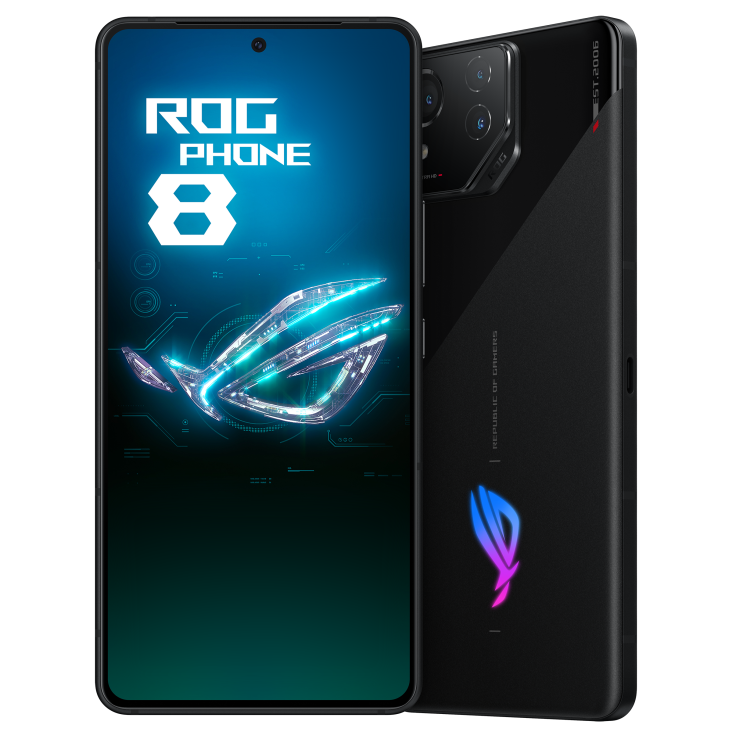
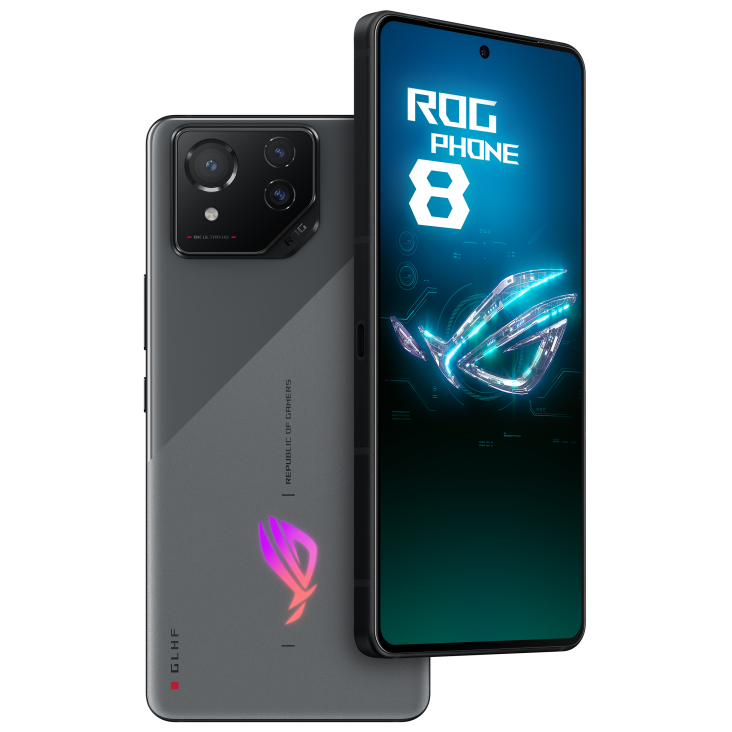
Asus has finally announced the ROG Phone 8 series of gaming phones. In a departure from previous models, the ROG Phone 8 and ROG Phone 8 Pro maintain their high performance with flagship chipsets but diverge from the hardcore gaming design seen in their predecessors. Additionally, the ROG Phone 8 series features the most advanced camera system ever integrated into a ROG series phone. Instead of a hard-core gaming phone, the new smartphones carry a daily driver appeal. Here is a look at what’s in store for the buyers of the ROG Phone 8 and ROG Phone 8 Pro.
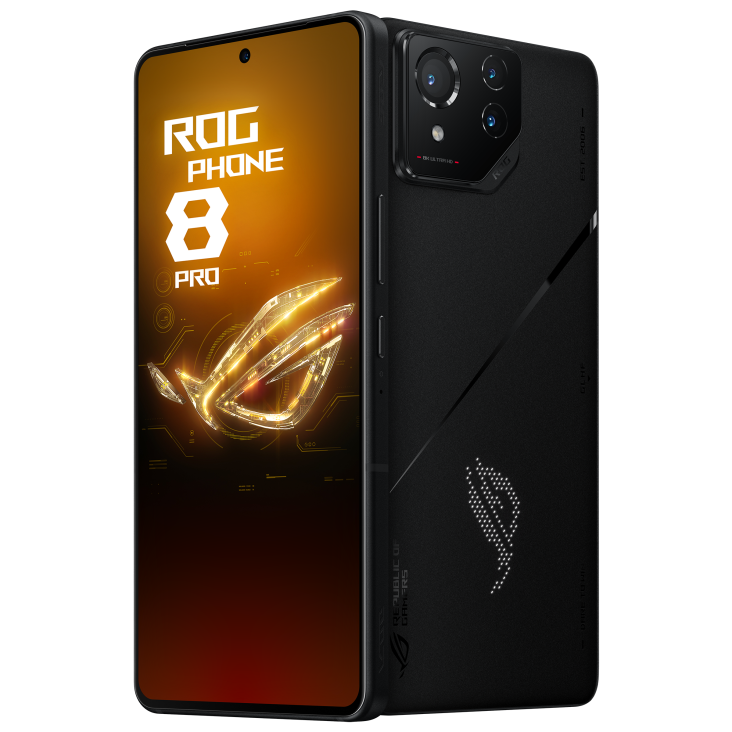
The previously released ROG phones featured thick bezels, but the new ROG Phone 8 series looks attractive from the front as it features a flat display with centred punch-hole and slimmer bezels. Moving to the back, the ROR Phone 8 sports a customizable Aura RGB lighting logo, whereas the Pro variant features a customizable AniMe Vision mini-LED lighting equipped with 341 LEDs. Both devices offer IP68-rated dust and water resistance.
The ROG Phone 8 and 8 Pro have a 6.78-inch Samsung AMOLED LTPO display that offers a Full HD+ resolution of 1080 x 2400 pixels, a 165Hz refresh rate, up to 2,500 nits of peak brightness, glove touch support, and an in-screen fingerprint scanner. Both devices measure 163.8 x 76.8 x 8.9mm and 225 grams, making them thinner and lighter than the ROG Phone 7 series. The ROG Phone 8 comes in shades, such as Rebel Grey and Phantom Black. On the other hand, the Pro variant comes in Phantom Black only.
Specifications and Camera
Asus ROG Phone 8 Pro: Phantom Black
Under the hood, the ROG Phone 8 and 8 Pro feature the Snapdragon 8 Gen 3. The standard model ships with up to 12 GB / 16 GB of LPDDR5x RAM and 256 GB of UFS 4.0 storage, whereas the Pro variant has 16 GB / 24 GB of LPDDR5x RAM and 512 GB / 1 TB of UFS 4.0 storage. Both devices house a 5,500mAh battery that supports 65W fast charging, Quick Charge 5.0, and PD charging. Both devices also support 15W Qi wireless charging.
The ROG UI-based Android 14 ships preinstalled on the ROG Phone 8 and 8 Pro. Both phones feature a conduction cooling system for heat dissipation. The new AeroActive Cooler X accessory for the ROG Phone 8 series is now 29 percent smaller and 10 percent lighter than before and offers a larger contact area.
For an enhanced gaming experience, it comes with the “AI Grabber” feature, which is designed to streamline the process of searching for gaming walkthroughs by recognizing and copying in-game text. To make it easier to find a relevant walkthrough, Asus provided an example of copying a mission objective from a game like Genshin Impact. Additionally, Asus offers some AI-driven features, such as enhanced results through the phone launcher, Gallery, and Settings apps. An upcoming feature called “AI Wallpaper” is also in development, which will generate personalized wallpapers using stable diffusion.
For audio, the ROG Phone 8 series features a 3.5mm audio jack and a 5-magnet speaker system. In addition, both devices offer other features, such as Air Trigger buttons for gaming, Wi-Fi 7, Bluetooth 5.3, dual-frequency GPS, NFC, and a USB-C port.
The ROG Phone 8 and 8 Pro have a 32-megapixel RGBW camera for snapping selfies. On the back, both phones have a Sony IMX890 50-megapixel main camera with OIS support, a 13-megapixel ultra-wide lens with a 120-degree FOV, and a 32-megapixel telephoto camera with 3x optical zoom and OIS support.
Price and Availability
The ROG Phone 8’s base variant, which offers 16 GB of RAM and 256 GB of storage, is priced at $1,099. The ROG Phone 8, offering 16 GB of RAM and 512 GB of storage, is priced at $1,199. The 24 GB RAM + 1 TB storage variant, which is dubbed the ROG Phone 8 Pro Edition, costs $1,499. As far as availability, it will be up for purchase in spring 2024.
Those who cannot get the super gaming phones in their regions now can also get their hands on the ROG Phone 8 and ROG Phone 8 Pro via GeekWills.
Today we have a new mini tablet to share with you, the Alldocube iPlay50 mini Pro NFE. It is an Android tablet that would be a new option, it has a pocketable 8.4-inch display, a powerful G99 processor, a 5000mAh battery built in, and dual SIM card support.
If we only get these, it is already a perfect choice for some entertainment, E-book reading, and some light gaming with the 179-dollar price tag. But the true and greatest upgrade of the compact NFE variant is its entertainment prowess, which lies in its Widevine L1 certification. So on the mini tablet, you can enjoy high-quality content streaming on Netflix and other leading platforms.
So by far, it seems to be an undeniable deal. Now let’s get into more details.
Packaging
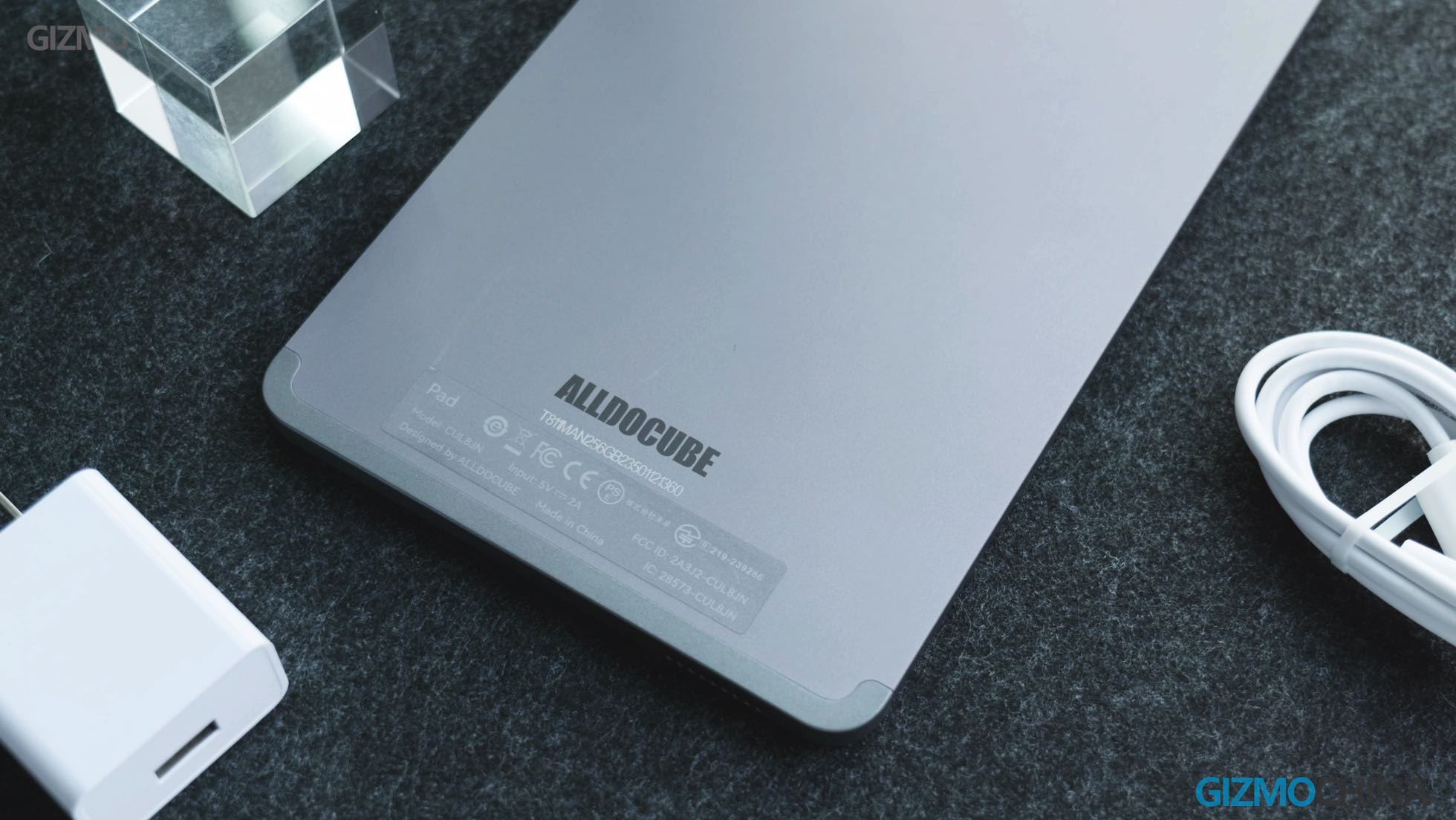
First of all, If you purchase this tablet, you will be getting the tablet itself, an 18W charging brick, and a power cable. Simple as it is, but it meets your daily needs pretty well.
Design
Now with all the packaging stuff out of the way, let’s see the overall design.
As you can see, this is a pretty small tablet, the 8.4-inch internal display is designed the same way as the iPad mini, but a bit slimmer, so if not for heavy-loading applications, you should be able to get a similar visual experience, but 1/3 of the price!
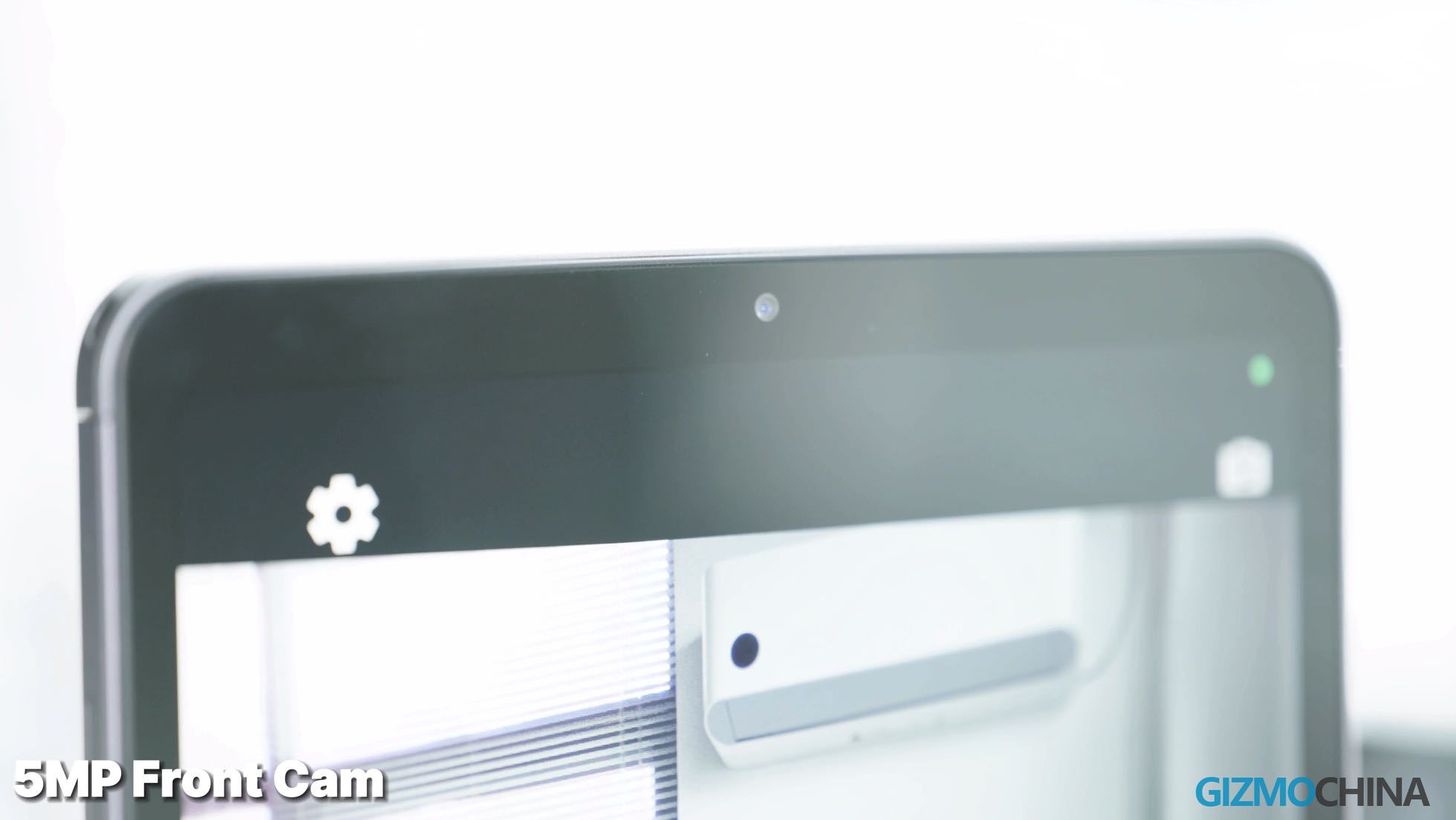
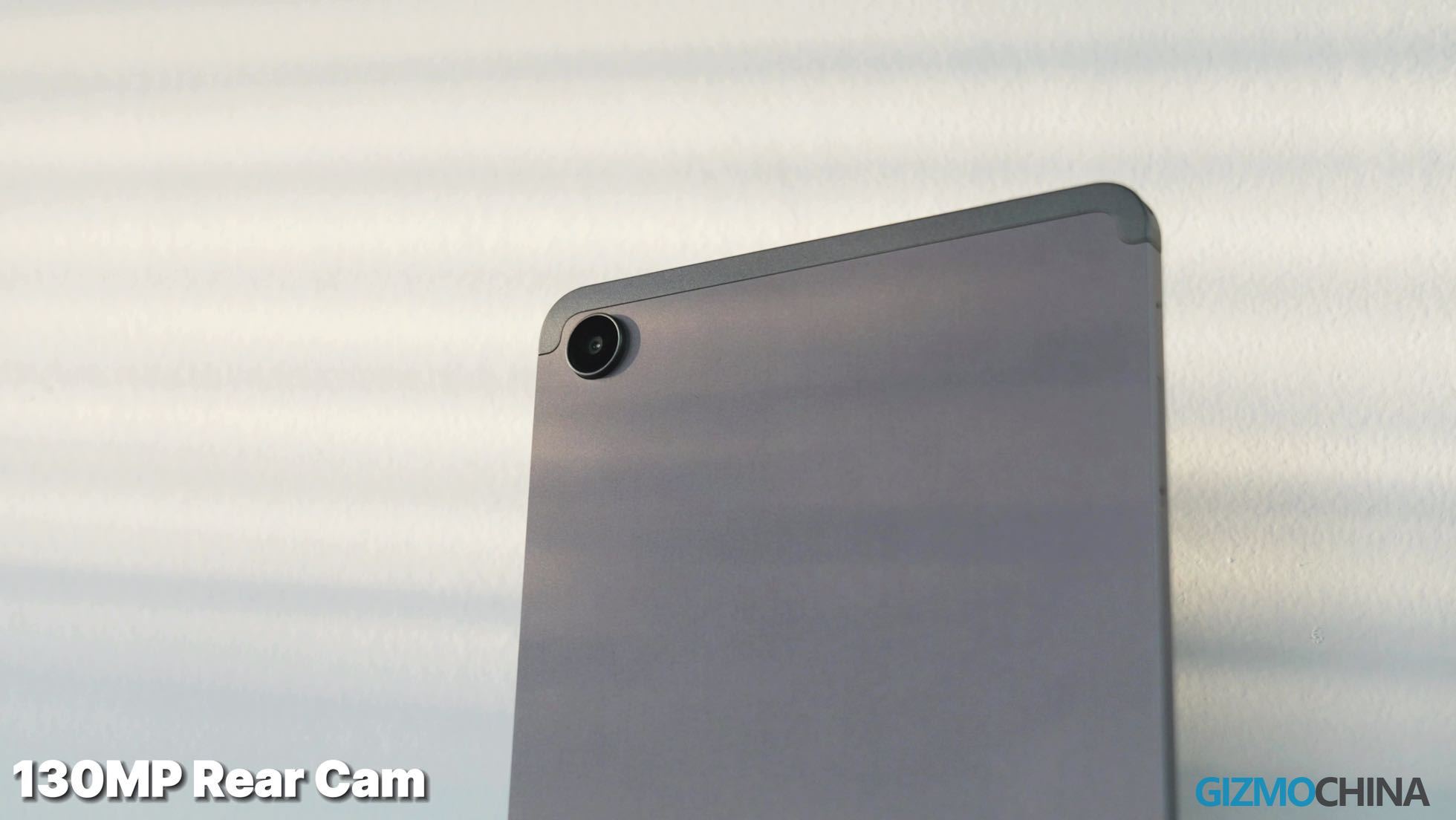
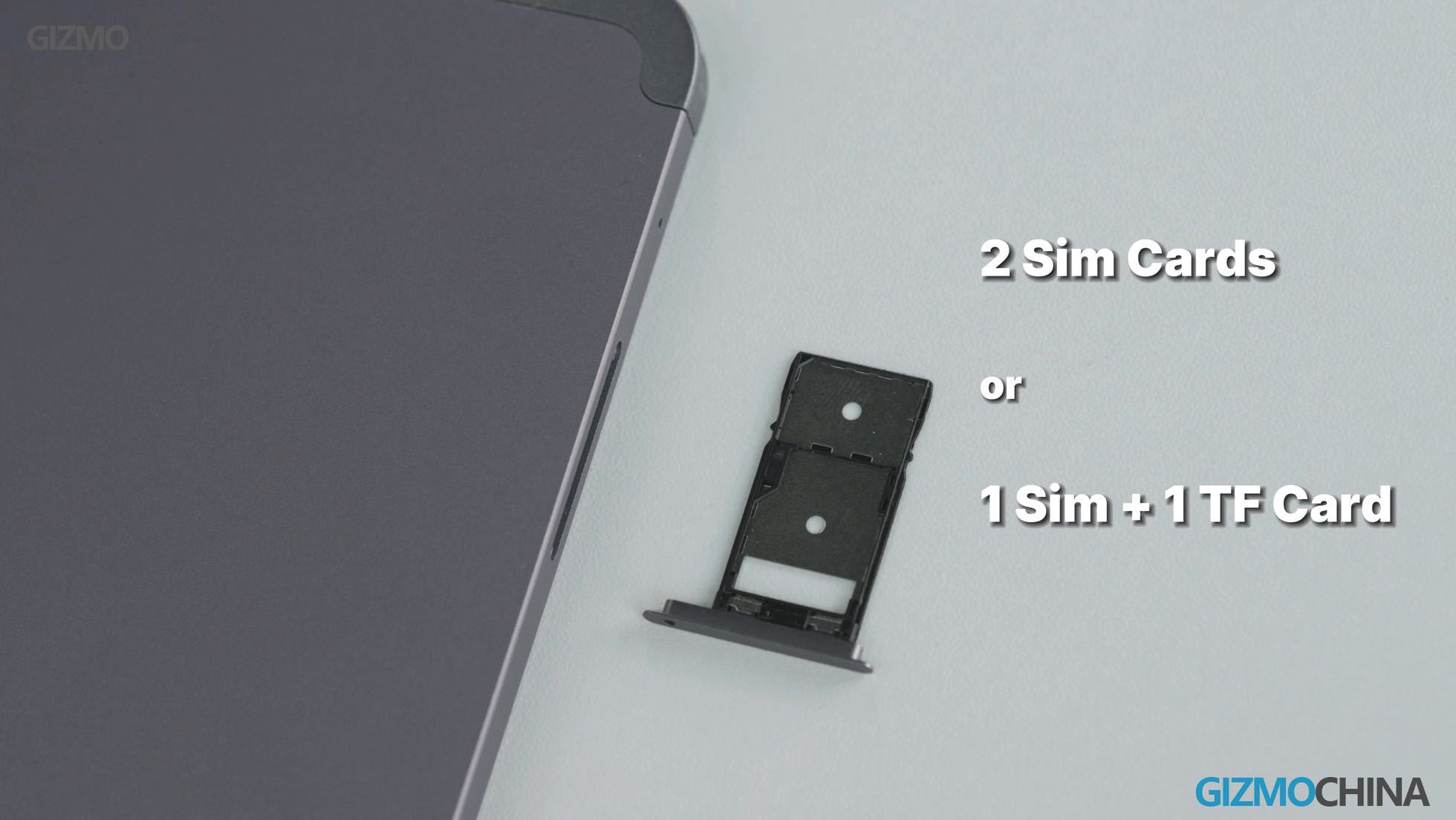
On top of the display, there is a 5MP front-facing camera and a 130MP rear camera at the back. The power button and volume rocker are on the right side, while on the left side, you have the SIM card tray, where you can put 2 SIM cards or 1 SIM+1 SD card for storage expansion, this is pretty awesome! It’s incredible to see dual 4G network support on such a budget tablet.
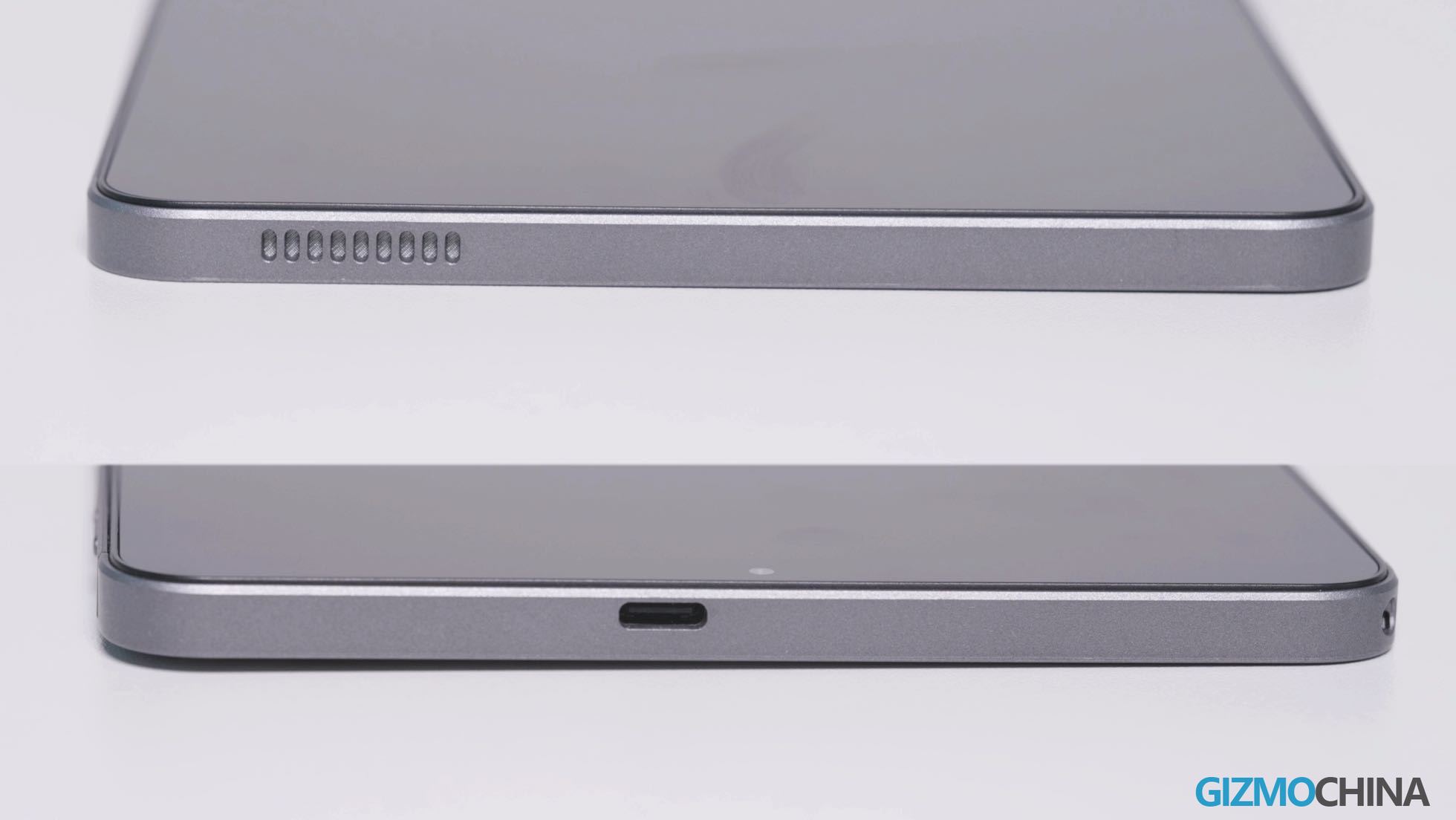
Now at the top and bottom, you have the Type-C port and the speaker, and the headphone jack is at the corner. To be honest, I am not quite a fan of their locations, because when I hold the tablet horizontally, either the charging port or the speaker will be blocked. Thankfully, the battery is big, so it does not need to be charged often, and you can have the headphone jack at the top in this case, so there shouldn’t be any problem using this tablet.
Now the back side of this device is connected by a large piece of metal and two plastic kits top and bottom, it’s a good design, it looks and feels premium, and you will like it.
Screen
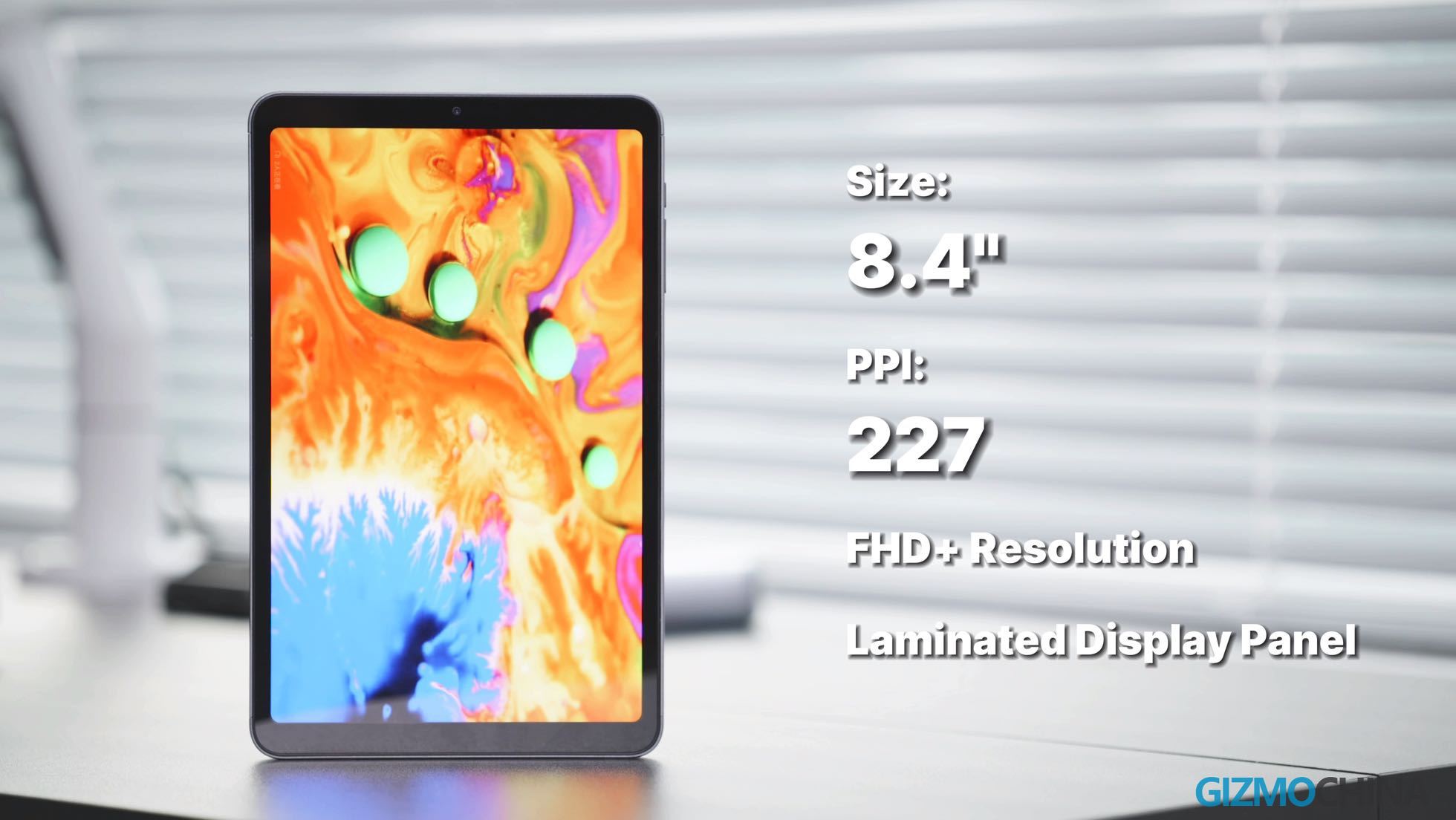
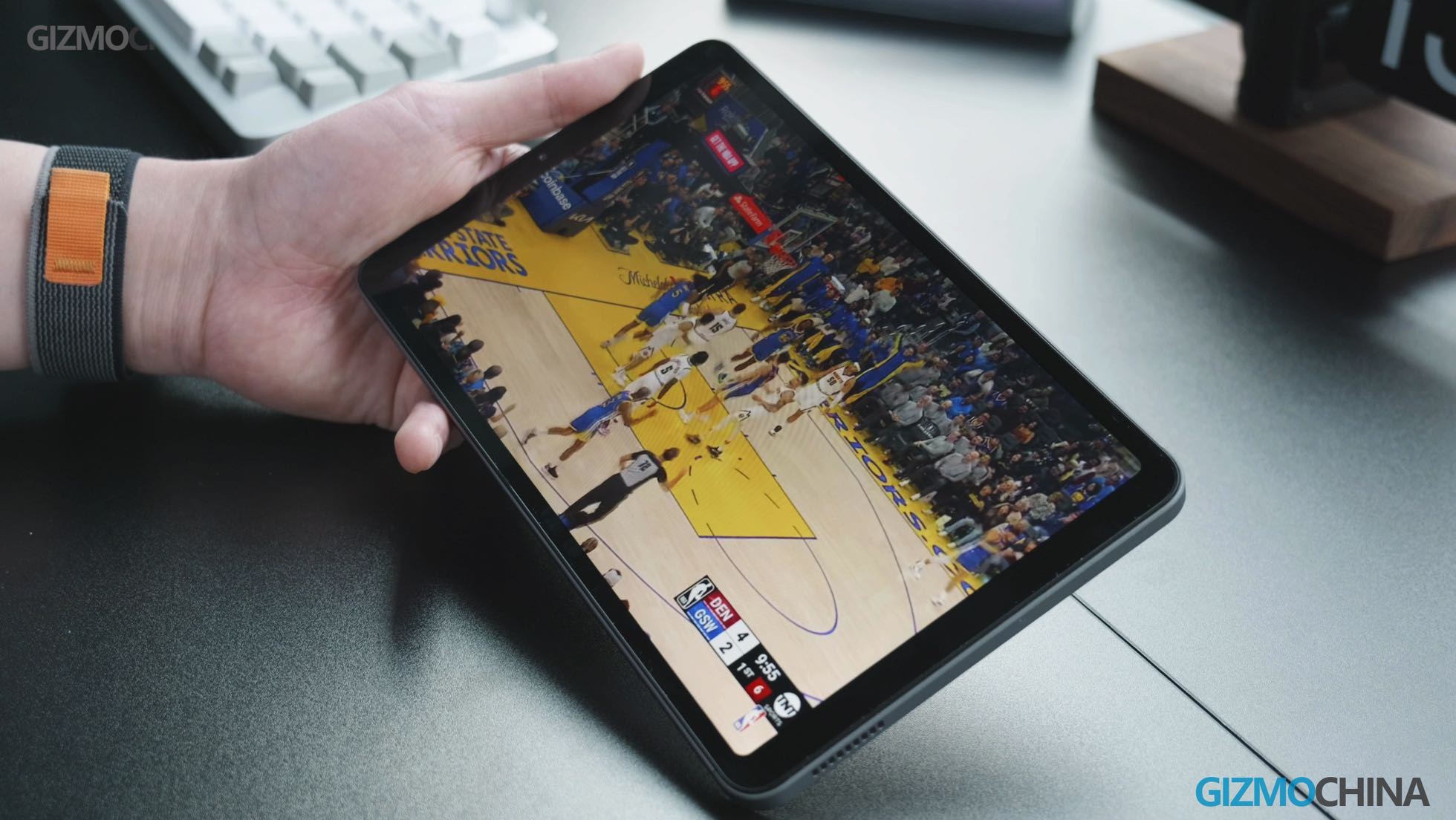
As for the screen, Other than the size being 8.4 inches, it has 227 PPI, FHD+ resolution, a laminated display panel, and decent specs for daily use. On such a compact size, the clarity is quite good, and it is also sharp. You can comfortably browse through all kinds of content, such as reading books, comics, or watching videos. During these few-day use, the FHD+ resolution plus an 8.4-inch display is a great combo for a light entertaining device. As an affordable model, it doesn’t overdo the display with a high resolution and high refresh rate, which, however, makes its battery easy to last long.
And since the display is much closer to a 16:9 ratio, so there isn’t much gap when watching video content, and it feels even better when reading files also. When you are out and about, sitting in a cafe, watching some videos, this could be the best leisure activity at weekends.
We appreciate these products that do amazing things at an affordable price point. With the just-right screen size, dual-Sim 4G Network, and Widevine L1 certification, the iPlay tablet does the job of providing uninterrupted streaming anywhere and anytime. And it’s not limited to Netflix, it even extends the great compatibility to other streaming platforms like YouTube.
Performance
In terms of Performance, it is powered by Helio G99, an old friend of ours, the capability is so familiar, that we were wondering why this chip is so popular, so we contacted the CEO of MediaTek, and here is the answer from him.
Just kidding, we wouldn’t be able to do that.
So actually, this chip got almost the same score as others, no surprise in that. It can run all the tasks smoothly, the loading is smooth, no hiccups. In some light-load games, it is still a good performer.
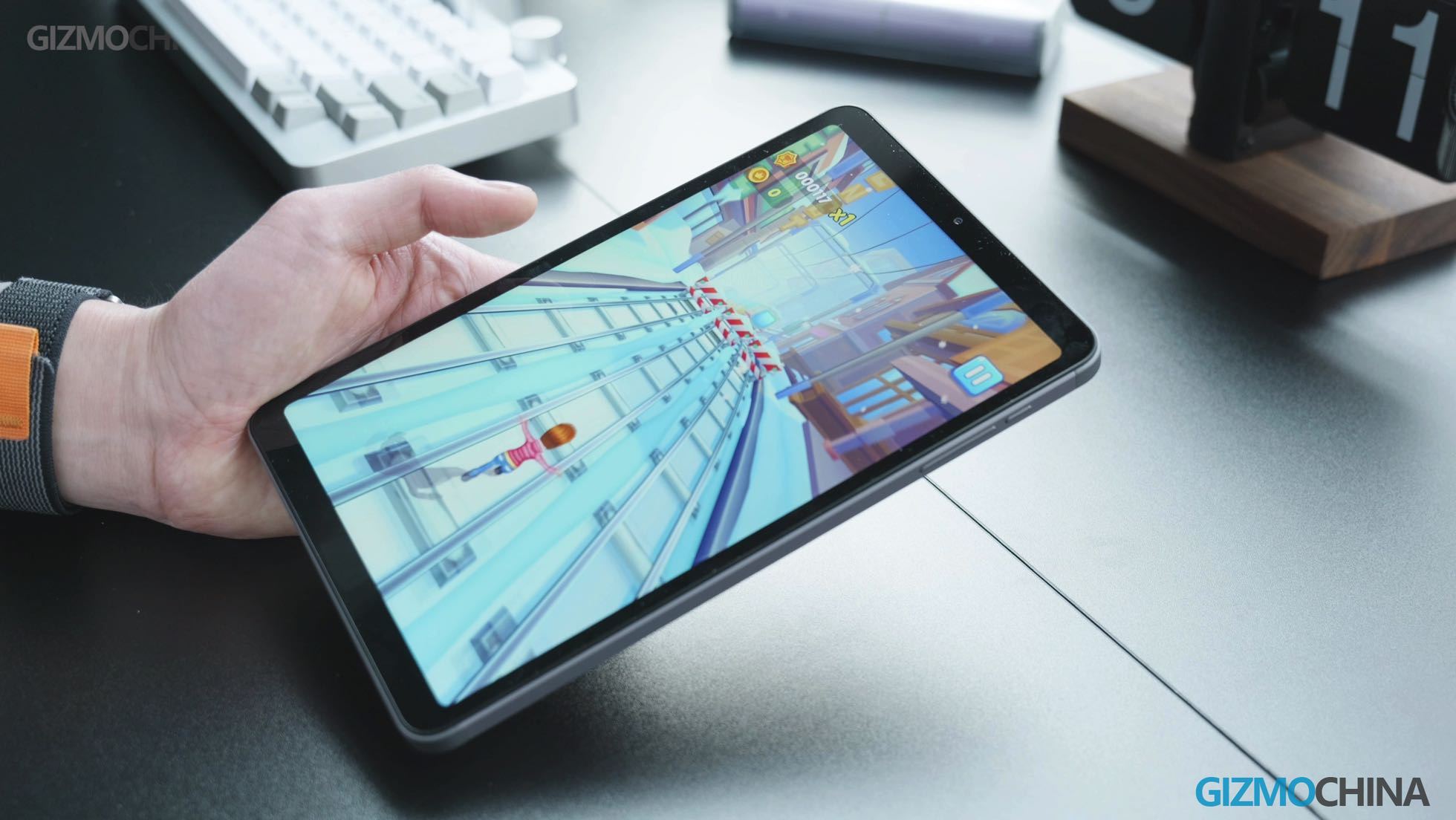
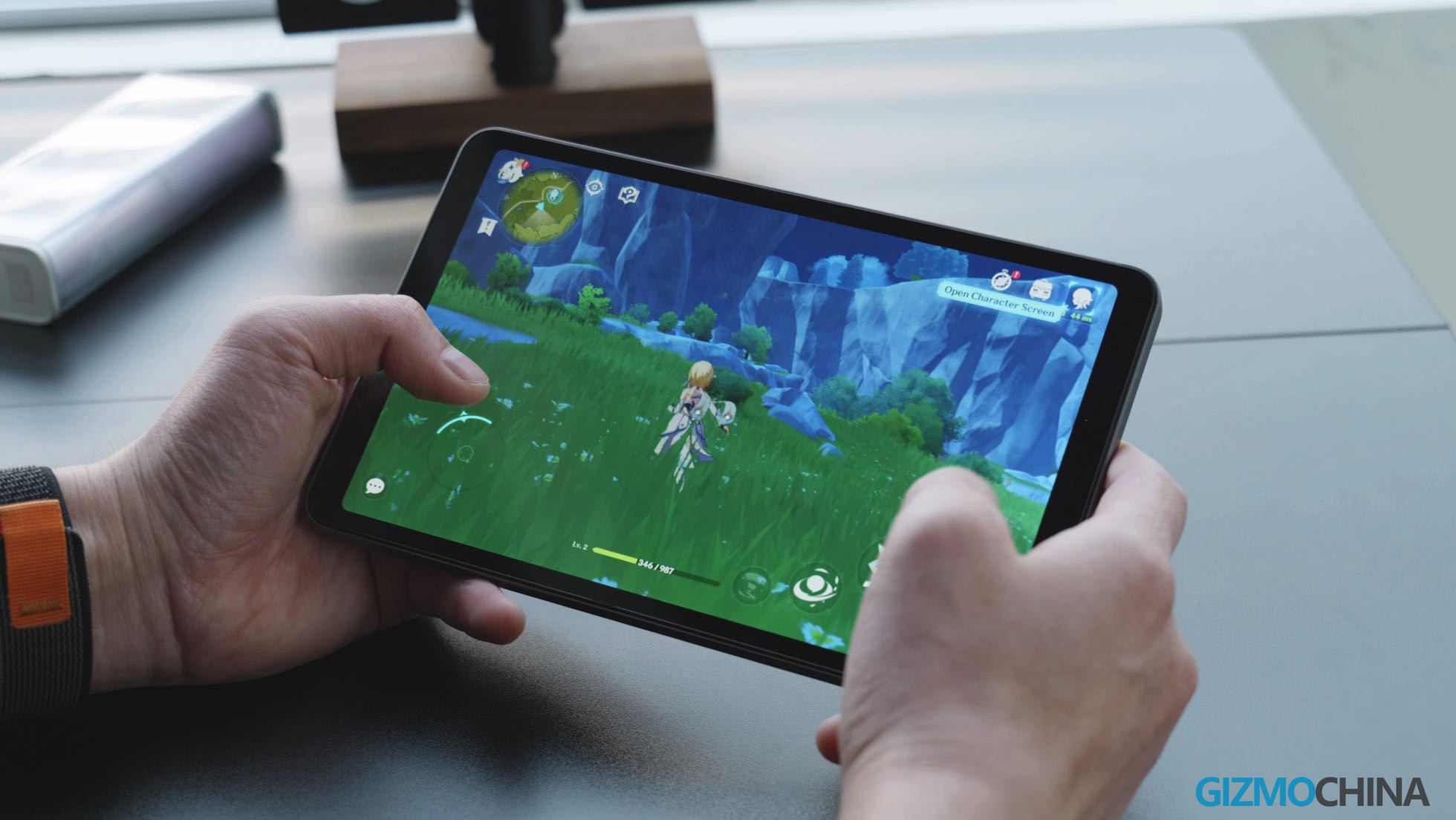
We have also tested it in multi-tasking situations, when running a bunch of Apps in the background, the operation is still responsive. In Genshin Impact, when setting the graphics in a middle level, you can still get a good gaming experience. Since this is a much more handful device, your thumbs will be able to cover most of the area where the game needs to be operated, while still see more than it is on a phone.
Other Features
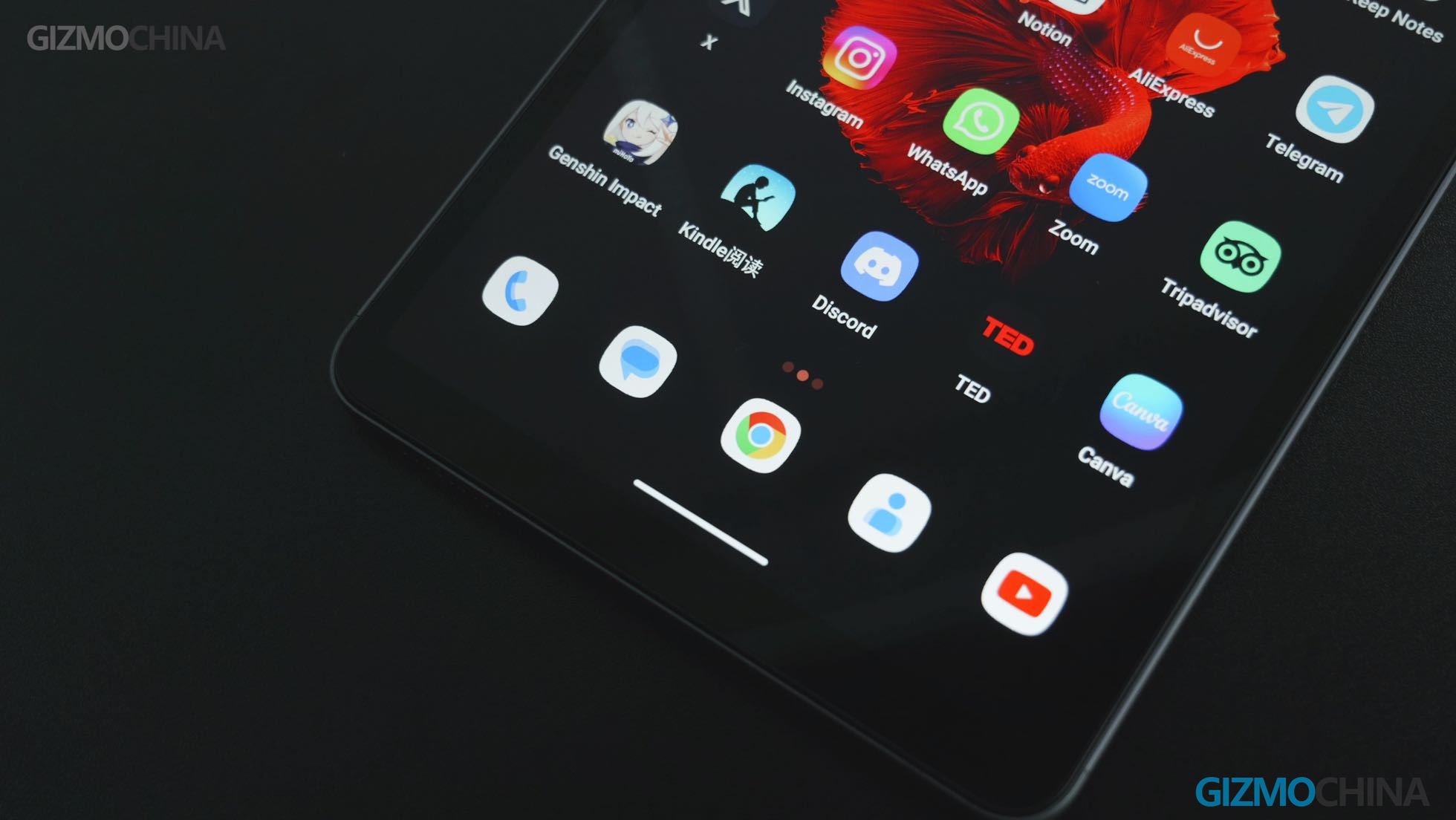
This device is running the original Android 13, with no extra apps installed, no stupid background app killing, just a clean Android experience.
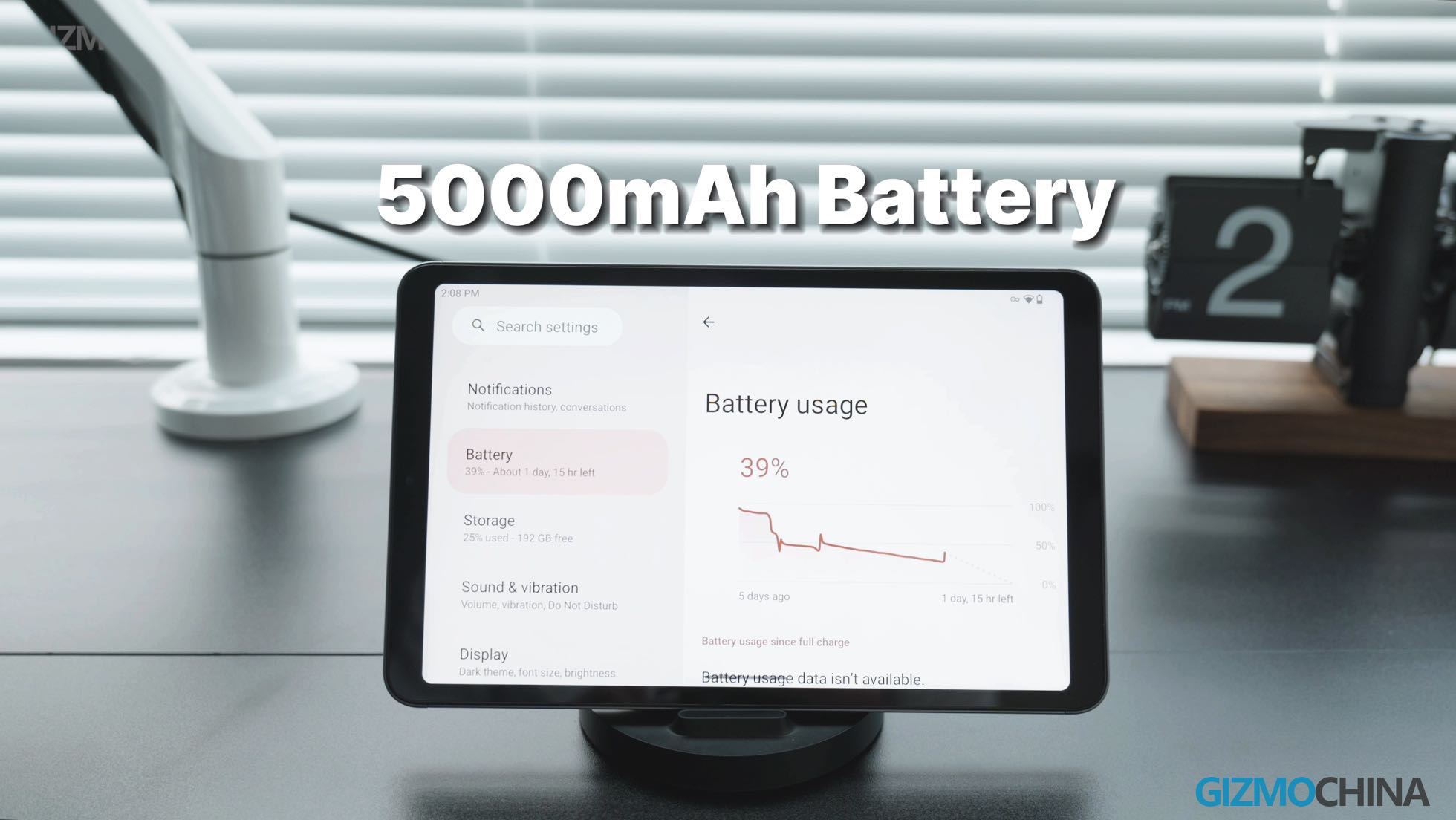
Still, the battery is a Pro level, compared to the non-pro and the ultra versions in the lineup, this one sits in the sweetest spot, this tablet can get you through 1-2days of use without any problem for sure, and the 18W charger can help juice it up pretty quickly.
One thing to mention here is that, there is a case with the keyboard you can buy, so if you need to do some light work, you can still do that, and the cameras can provide good conferencing support.
Verdict
So in the end, I would say this tablet is packed with really good value for small tablet lovers, it scores in every part of the budget tablet category. With a really hand-friendly size, good display, powerful chipset, and expandable storage capability, this tablet can go with you for years. So we also add it to our list of ‘GOOD STUFF DOESN’T COST MUCH’. Hope you will also have fun on this tablet.
If you want to know more about this one, head to their official store on Aliexpress.
Kia Motors, a brand traditionally known for its budget-friendly cars, is venturing into new territories with its recent unveiling at CES. The Korean automaker introduced a rather interesting concept in the commercial electric vehicle (EV) market, named the Kia Platform Beyond Vehicle (PBV). This innovative idea goes beyond traditional vehicle design, aiming to redefine mobility and utility in the commercial sector.
The company unveiled a whole lineup of commercial EV variants at the event
The PBV isn’t just a single vehicle but a versatile platform supporting a variety of electric vehicles. These include the PV1, a compact van, the PV7, a larger van for long-distance hauling, and the midsize PV5, available in several variants including an autonomous robotaxi. What sets these vehicles apart is their modular design. The parts behind the driver can transform, enabling the same chassis to serve different purposes – a taxi by day, a delivery van by night, and a recreational vehicle on weekends.
This adaptability is achieved through a unique hybrid electromagnetic and mechanical coupling technology. The vehicles are also weldless, allowing for easy modification to suit various sizes and functions. Such flexibility is a significant departure from traditional commercial vehicles, often limited in their usage and customization.
Kia’s ambitions with the PBV line also extend to the software realm. The company plans to incorporate fleet management tools, over-the-air updates, and AI technologies to offer tailored business solutions. This approach indicates a shift in Kia’s strategy, moving from merely selling cars to providing comprehensive mobility solutions.
Moreover, Kia’s focus on software and AI integration, like inventory monitoring and intelligent route planning, suggests a keen understanding of the evolving needs of the commercial sector. By integrating these technologies, Kia aims to enhance operational efficiency and predictive maintenance for businesses.
Nvidia, which was once struggling to maintain its relationship with China because of the US-China tech sanctions, is now making significant strides in the country’s rapidly developing electric vehicle (EV) market. In a recent announcement at the CES technology conference in Las Vegas, Nvidia revealed that four leading Chinese EV brands – Li Auto, Great Wall Motor, Zeekr, and Xiaomi‘s new EV unit – will be integrating Nvidia’s DRIVE technology for automated driving systems.
The brands are Li Auto, Great Wall Motor, Zeekr and Xiaomi’s Latest EV Unit
The EV sector in China is rapidly evolving, with local manufacturers vying to enhance in-vehicle infotainment and automated driving capabilities. This race has opened doors for companies like Nvidia, Intel, and Qualcomm, who are vying to supply the necessary advanced semiconductors. However, these US-based firms face the dual challenge of catering to the high demand for powerful chips in China while adhering to the stringent US export controls on advanced semiconductors.
Nvidia’s involvement in the Chinese EV market isn’t just about supplying chips. The company is also collaborating with other industry giants like advertising firm WPP and carmaker Lotus, among six others, to revolutionize online car shopping. They aim to develop shopping platforms featuring three-dimensional and lifelike graphics. Danny Shapiro, Nvidia’s Vice-President for automotive, emphasized the potential of these platforms to enhance the car buying experience.
This development resembles an ongoing trend where non-tech Chinese firms are increasingly leveraging the capabilities of Nvidia’s chips, a move that has positively impacted their stock performance (and AI development too). Nvidia’s expansion in China, despite regulatory challenges, signifies its commitment to remain a key player in the global semiconductor industry and its adaptability in a dynamic landscape.
MSI‘s announcement of the new Claw handheld gaming PC at CES 2024 has stirred excitement among gaming enthusiasts. The device’s details leaked recently, and now, it’s out in the open. The Claw, entering a market led by popular devices like the Steam Deck, is powered by an Intel Meteor Lake processor, a notable divergence from the AMD CPUs used in most of its competitors, such as the Steam Deck, Asus ROG Ally, and Lenovo Legion Go.
The device sports a 7-inch FHD IPS screen with a 120Hz refresh date
One of the striking features of the MSI Claw is its 7-inch FHD IPS display, boasting a 120Hz refresh rate, matching the size of the Asus ROG Ally’s screen. However, the Claw stands out with its unique color variant and the blue A, B, X, and Y buttons, adding a distinctive flair to its design.
Equipped with 16GB of LPDDR5 RAM and Intel Arc integrated graphics, the Claw promises robust performance, though it is slightly heavier than its counterparts at 675 grams. Storage options are generous, offering up to 1TB of SSD and a MicroSD card slot for expanded storage.
MSI is particularly proud of the Claw’s battery life. With a 53Whr battery, the company claims it can deliver an impressive two hours of playtime under full workload conditions, a critical feature for gamers on the go.
The emergence of the MSI Claw signifies a growing interest in handheld gaming PCs, a market that gained momentum with the release of Valve’s Steam Deck. MSI’s entry with the Claw highlights the evolving landscape of portable gaming, where innovation and performance are key to attracting consumers in a competitive field.
The MSI Claw is expected to hit the market in the first half of 2024, adding another exciting option for handheld gaming enthusiasts. As the market expands, it will be interesting to see how MSI’s Claw fares against established players and whether its unique features will give it a competitive edge.
With the removal of the 3.5mm headphone jack from almost all mainstream smartphones, we are quite accustomed to wireless earbuds these days.
The biggest advantage of wireless earbuds is, well, that they are wireless. Also, many earbuds are available across a wide variety of price ranges targeting all types of audiences.
If you’re in search of affordable earbuds to buy in 2024, then today we’re here with a review of the Tranya Nova Lite earbuds.
Tranya Nova Lite Earbuds Review
Design and Comfort
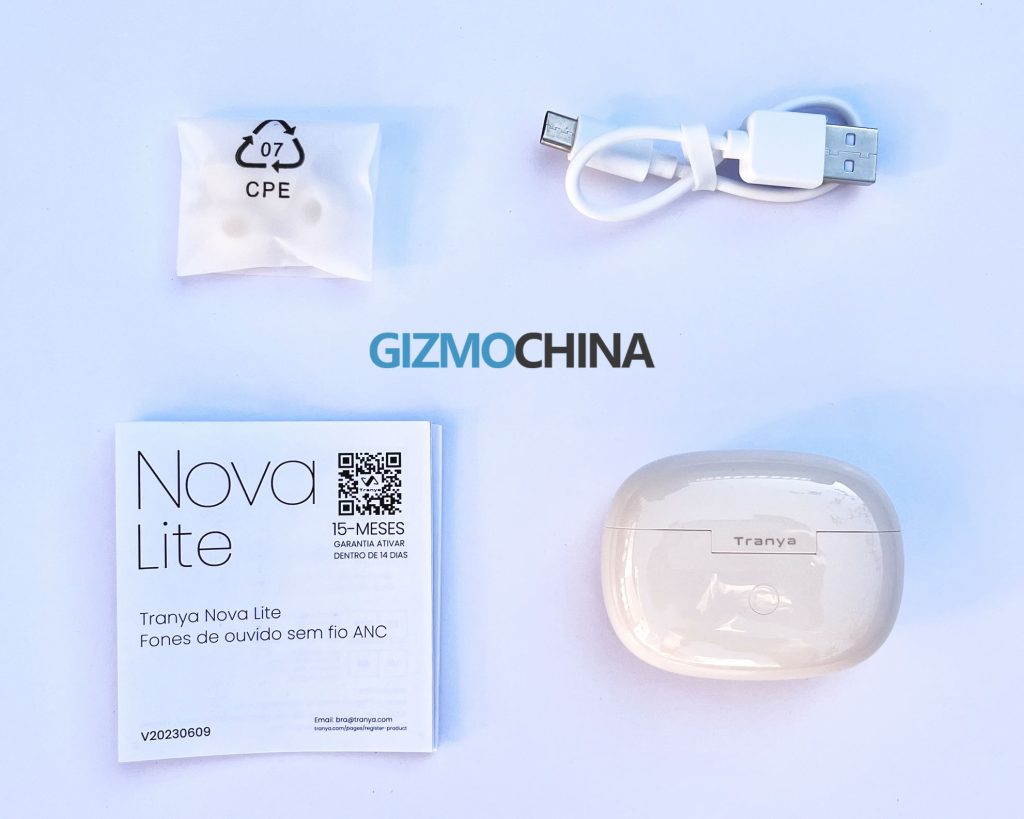
In the retail packaging, you get the earbuds along with their charging case, a type-A to type-C charging cable, ear tips in different sizes as well as the paperwork including the user guide.
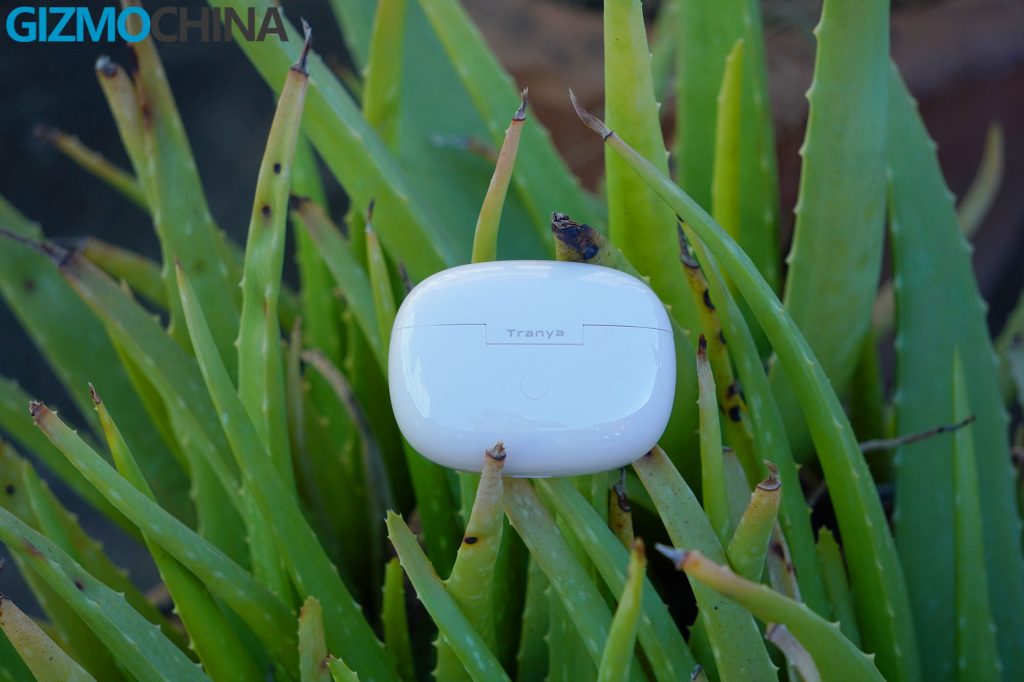
Talking about the design of the Tranya Nova Lite earbuds, the buds have a thin, glossy, stem-design and ear tips that sit flush inside our ears without any discomfort.
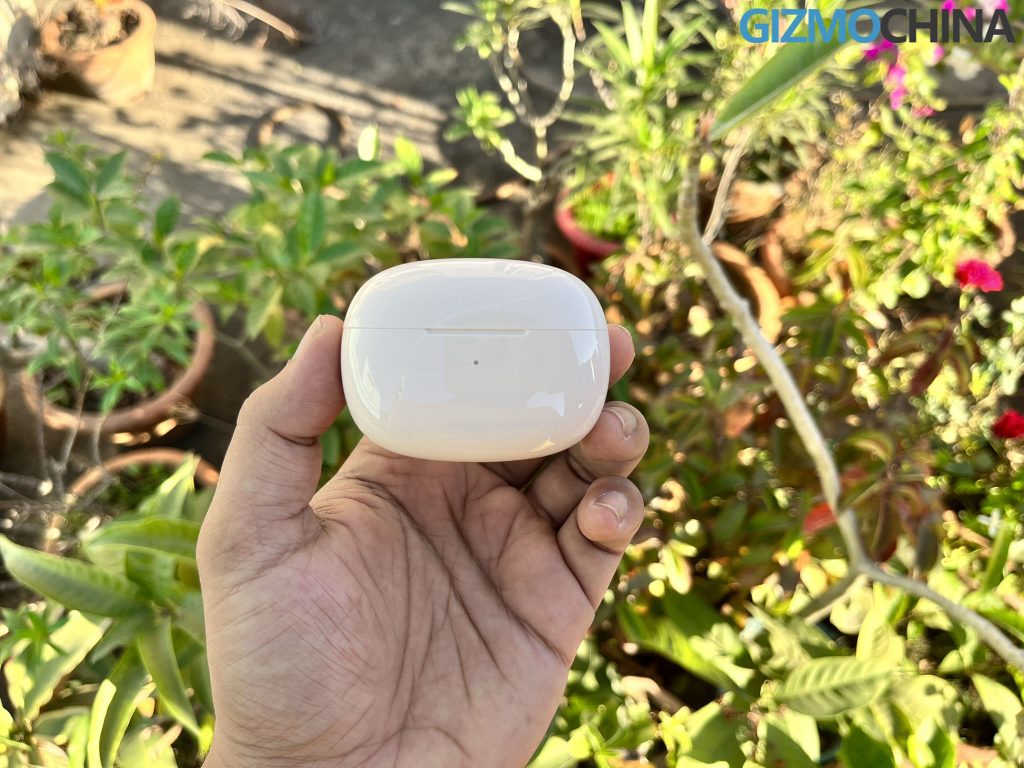
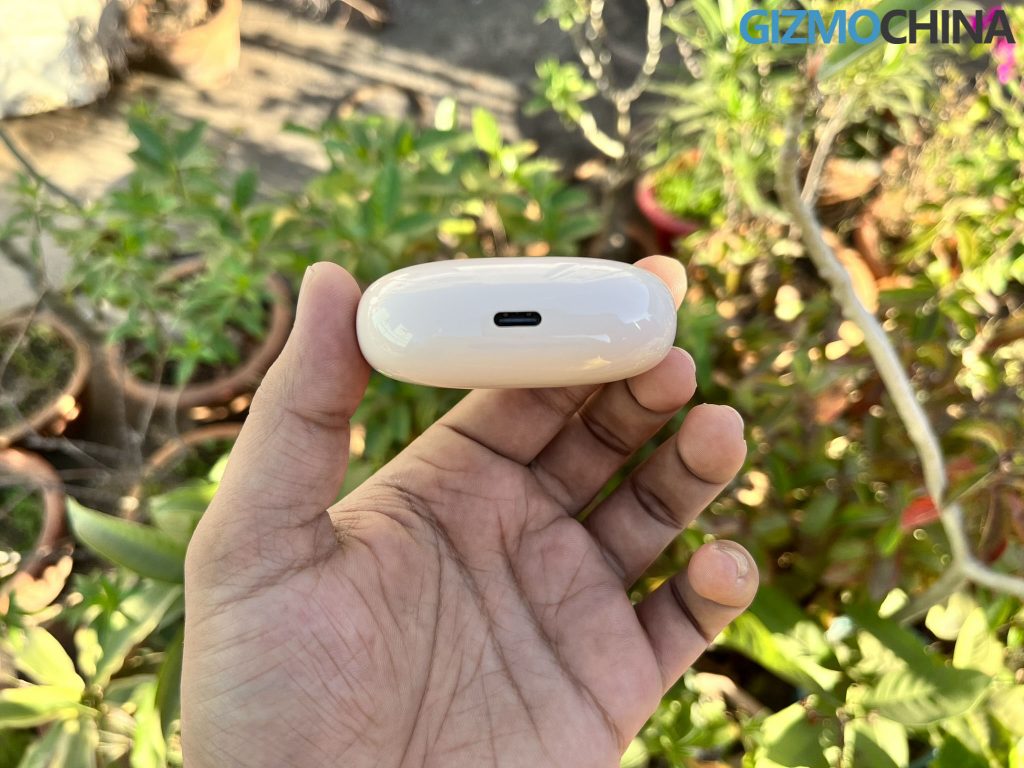
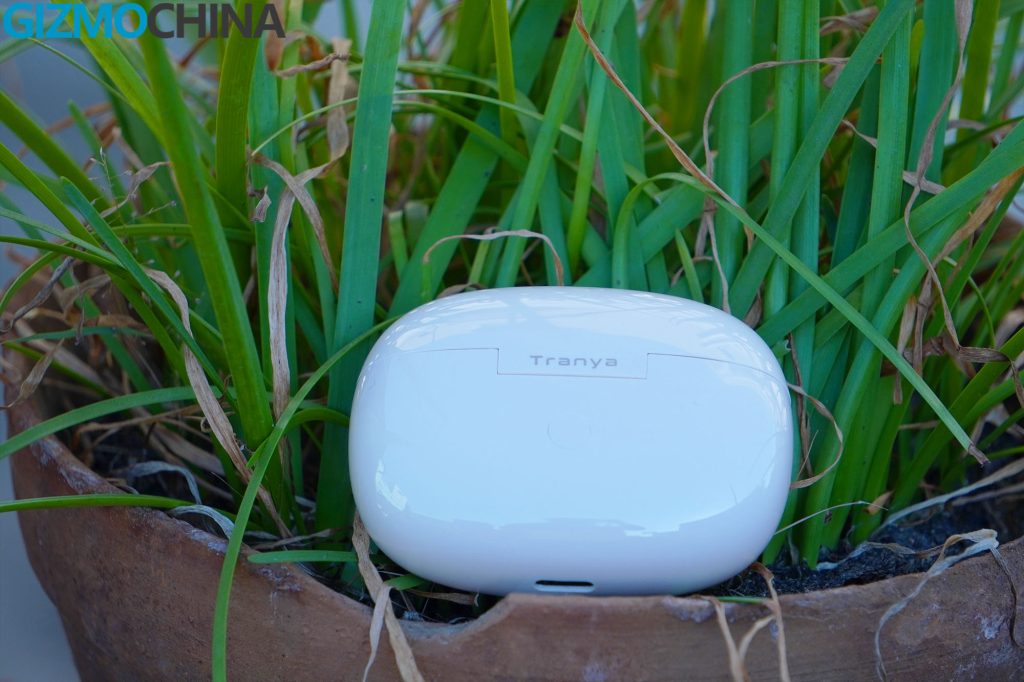
The charging case is quite compact and has an oval shape that’s easy to carry around and fits comfortably in our pant/jeans pockets. The charging case has a glossy finish, which even though looks quite good can attract fingerprints and smudges easily.
The overall design and build quality are very similar to what you’d expect from truly wireless (TWS) earbuds in 2024.
Features
The Tranya Nova Lite earbuds offer a range of essential features. They come with Active-Noise Cancellation (ANC) that can block external noises up to 40dB, ensuring a disturbance-free listening experience. Additionally, they feature a transparency mode that amplifies ambient sounds, making users aware of their surroundings, which is useful in situations like crossing roads or having conversations.
These earbuds are equipped with 12mm premium sound drivers, delivering rich audio quality. They also have an in-ear detection feature that automatically pauses music playback when either earbud is removed from the ear, helping to conserve battery life.
For improved audio call quality, the Tranya Nova Lite earbuds incorporate four microphones. They utilize Bluetooth 5.3 for connectivity, ensuring minimal delay and superior audio quality. Furthermore, these earbuds support multi-device connectivity, allowing seamless use across various devices.
A low-latency gaming mode is available, reducing audio streaming latency to approximately 38mS, which is particularly beneficial for gaming sessions. Lastly, the earbuds are IPX5-rated, making them resistant to water splashes, sweat, and light rain.
Control and Connectivity
The Tranya Nova Lite Bluetooth earbuds offer a seamless experience when it comes to connectivity. The device latches on to the last connected device the moment you open the case.
Moreover, the multi-point connectivity feature ensures you can use the device easily across all the devices you own.
Also, with the “Tranya Audio” app, you get access to features such as modifying the equalizer, customizing the touch controls, upgrading earbuds firmware, renaming/resetting your earbuds, enabling/disabling gaming mode, viewing the battery level of the earbuds/charging case, and more.
Sound Output, Call Quality, and Battery Life
Now, let’s talk about the actual performance of the Tranya Nova Lite.
Starting with the sound output, the Tranya Nova Lite has a very impressive sound stage. The audio playback is clear and you can easily make out the lows, mids, and highs. Also, you can choose to personalize the EQ using the “Tranya Audio” app however you like it.
When it comes to call quality, in our testing, we had a very pleasant experience. We were able to hear the other party loud and clear, and they also mentioned that there was very minimal background noise in our audio.
For battery performance, the earbuds have a 45mAh battery, and the charging case has a 400mAh battery. The claimed battery life figures are up to 8 hours of listening with the earbuds, and up to 32 hours in total with the charging case.
In our testing, we were able to manage around 4.5-5 hours of continuous usage with ANC ON. Which again is a great number for a TWS earbuds.
Verdict
Now, coming to our verdict.
The Tranya Nova Lite is a very affordable pair of Bluetooth TWS earbuds with an impressive performance overall.
With a price tag of $79.99 (currently on Amazon), the earbuds offer almost all the features that we see in earbuds that sit in the $150 – $200 price range. So, for anyone with a tight budget seeking to buy TWS earbuds, this is a recommended option.
However, if the budget can be extended, I would recommend buyers check out the Tranya Nova (non-lite variant). This is because, for a difference of around $40, you can get features such as the Qualcomm aptX 3072 audio chipset, 6 microphones, CVC 8.0 for better audio calls, and much more in terms of features.
Following Realme UI 5.0 Android 14 Early Access updates, the company is bringing the Realme UI 5.0 Open Beta update for the Realme Narzo 60 Pro 5G, Realme 11 Pro 5G, and Realme 11. The update is now out for all three devices across the globe. It brings all the new features based on the OEM’s skin and the Android 14 improvements.
Along with the new features, some slight issues may affect the user experience, including the desktop slide, which may not work perfectly. The smartphone’s Glance Lock Screen is not available in Realme UI 5.0 Early Access and Open Beta. There may be some unknown bugs across the system and the third-party apps
Realme UI 5.0 Features
【Pantanal Service】
• Adds Fluid Cloud, a way of interacting with morphing forms that allows you to view up-to-date information at a glance.
【Smart efficiency】
• Adds File Dock, where you can drag and drop to transfer content between apps and devices.
【Cross-device connectivity】
• Improves Shelf by adding more widget recommendations.
【Security and privacy】
• Improves photo and video-related permission management for safer access by apps.
【Performance optimisation】
• Improves system stability, the launch speed of apps and the smoothness of animations.
【Aquamorphic Design】
• Upgrades Aquamorphic Design with a natural, gentle and clearer colour style for a more comfortable colour experience.
• Adds Aquamorphic-themed ringtones and revamps the system notification sounds.
• Improves system animations by making them even smoother.【User Care】
• Adds a carbon tracking AOD that visualises the carbon emissions you avoid by walking instead of driving.
The application channel has been open for the past couple of days, and the user’s requests for Open Beta are accepted in batches. Below are the steps to participate in the Open Beta beta program.
Steps to Participate in Realme UI 5.0 Open Beta Program
Prerequisites:
The smartphone must have at least 60% battery life.
The users must enable Developer Mode by heading to Settings > About device > Version > Version Number > Tap version number seven times.
The smartphones must be running the following software to apply for Relame UI 5.0:
Realme 11 Pro 5G: RMX3771_13.1.0.548(EX01) | RMX3771_13.1.0.549(EX01)
After following the above prerequisites, users must head over to System Settings.
Then open Settings > About device > Click on the “realme UI 4.0” banner at the top > Click on the three dots in the top right corner > Beta program > Open Beta > Apply Now > Submit your details and complete the application
Wait for some time so that your application gets approved.
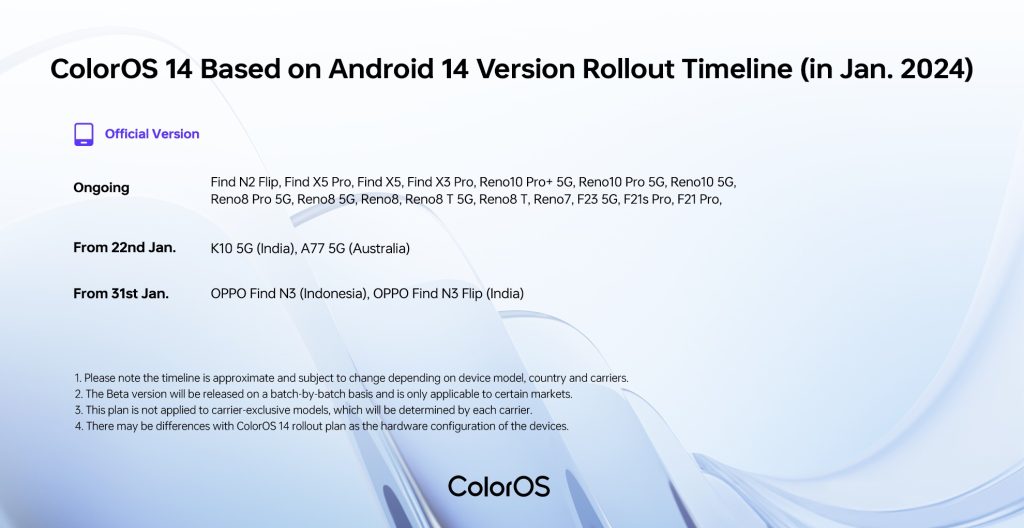
Amid the Oppo Reno 11 unveil on January 12, the company is simultaneously working to bring the ColorOS 14 update to the remaining smartphones. Oppo already brought the latest ColorOS 14 based on Android 14 update to its compatible smartphones across the globe. Most flagship and mid-range smartphones have received the update; now, some foldable and entry-level smartphones are waiting for their turn. As posted in the January 2024 timeline for the ColorOS 14 stable update, the Oppo K10 5G in India and the Oppo A77 5G in Australia are set to see the ColorOS 14 update starting on January 22.
Meanwhile, several Oppo smartphones are already receiving the updates, including the Oppo Find N, Find N2 Flip, Find N3 Flip, Find X5 Pro, Find X5, Find X3 Pro, Reno10 Pro+ 5G, Reno10 Pro 5G, Reno10 5G, Reno8 Pro 5G, Reno8 5G, Reno8, Reno8 T 5G, Reno8 T, Reno7, F23 5G, F21s Pro, and F21 Pro.
After this month, the smartphone foldables, including the Oppo Find N3 in Indonesia and India, will start receiving the ColorOS 14 update. However, some countries already received the Open Beta update a few days ago. The announcement will take place via Oppo Official Community Forums in respective regions.
It is not the first timeline that Oppo has published; the smartphone maker publishes an updated timeline every month. Other compatible devices will receive the update next month or in the coming time.
ColoroS 14 Features
Well, ColorOS 14 brings several new changes, including a full design overhaul, performance optimization, and stability improvements. ColorOS 14 introduces Aquamorphic Design, enhancing sound effects, color systems, and interactions. It also revamps the Always-On Display (AOD) with the Homeland AOD, showcasing nature scenes and linking Environment Vision pages to daily steps. AI-powered Smart Touch streamlines daily tasks, while Smart Image Matting and Trinity Engine upgrades enhance image editing. Smart charging adjusts the charging current based on usage conditions, ensuring safety and privacy. Additionally, ColorOS 14 integrates Snapchat with Bitmoji AOD for faster app navigation and real-time updates. Overall, ColorOS 14 offers a comprehensive and user-centric mobile experience.
Users can also check our in-depth review of the ColorOS 14 to learn more about the smartphone. This respective timeline is for the ColorOS 14 stable rollout, and the beta channels are getting their respective updates.
Additionally, the ColorOS 14 version is already rolling out to the flagship as well as the non-flagship phones, including the OPPO A77, A77s, and A57.
Xiaomi’s Smart Camera Series is a very popular product in China. A recent official report from the Xiaomi Smart ecosystem indicates that the lineup of products under the Smart Camera Series has surpassed 11 million units in sales. The official poster provided a breakdown of the sales of the popular lineup of smart cameras from Xiaomi.
The Xiaomi Smart Camera series was ranked first in China as the most patronized surveillance camera in 2022 and the first half of 2023. The data covers both online and offline sales across multiple platforms. The impressive numbers point to the growing popularity of the Xiaomi Smart Camera lineup and their overall acceptability in China. The Xiaomi Smart Camera series includes the Xiaomi Smart Camera PTZ Edition SE+, Xiaomi Smart Camera 2 AI Enhanced Edition, Xiaomi Smart Camera 3 Pro PTZ Edition 2K, and the Xiaomi Smart Camera Standard Edition 2K. Some other models in the lineup are the Xiaomi Smart Camera 2 PTZ Edition, and the Xiaomi Smart Camera 3 PTZ Edition.
The array of smart cameras under the Xiaomi Smart Camera series offers users with a range of functionality and affordability. The prices of the models range between 129 yuan ($18) and 399 yuan ($56). The lineup offers varied choices to users and this versatility in pricing could be a major driver of the increased sales of the Xiaomi Smart Camera series in China. One of the picks of the lineup is the Xiaomi Smart Camera 3 Pro priced at 319 yuan ($45). It is equipped with a 5MP lens and supports 3K image quality and uses ultra-low light full color. It has a built-in high-sensitivity image sensor that adapts to dark light for optimized capturing.
The Xiaomi Smart Camera 3 Pro was released in September 2023 and has an infrared fill light with support for humanoid detection. AI face recognition is also supported while the Bluetooth Mesh gateway is also integrated. This allows the Smart Camera 3 Pro to be used as a smart home device control center.
There is no detailed breakdown of the share of the various models to the stated 11 million units sold in China. There are no indications also of the sales numbers for the models in overseas markets.
We use cookies on our website to give you the most relevant experience by remembering your preferences and repeat visits. By clicking “Accept”, you consent to the use of ALL the cookies.
This website uses cookies to improve your experience while you navigate through the website. Out of these, the cookies that are categorized as necessary are stored on your browser as they are essential for the working of basic functionalities of the website. We also use third-party cookies that help us analyze and understand how you use this website. These cookies will be stored in your browser only with your consent. You also have the option to opt-out of these cookies. But opting out of some of these cookies may affect your browsing experience.
Necessary cookies are absolutely essential for the website to function properly. This category only includes cookies that ensures basic functionalities and security features of the website. These cookies do not store any personal information.
Any cookies that may not be particularly necessary for the website to function and is used specifically to collect user personal data via analytics, ads, other embedded contents are termed as non-necessary cookies. It is mandatory to procure user consent prior to running these cookies on your website.