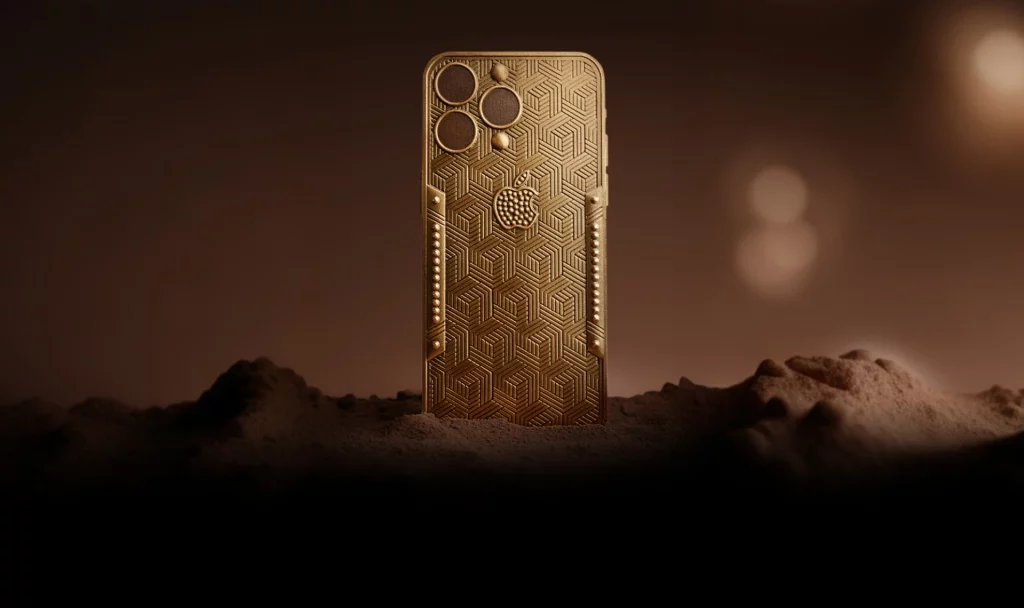
Caviar, a luxury brand based in Dubai renowned for its customized Apple and Samsung gadgets, recently introduced a truly extraordinary version of the iPhone 15 Pro Max, inspired by the recently released “Wonka” movie starring Timothy Chalamet.
Sweet Luxury: Caviar’s Edible Gold and Chocolate iPhone
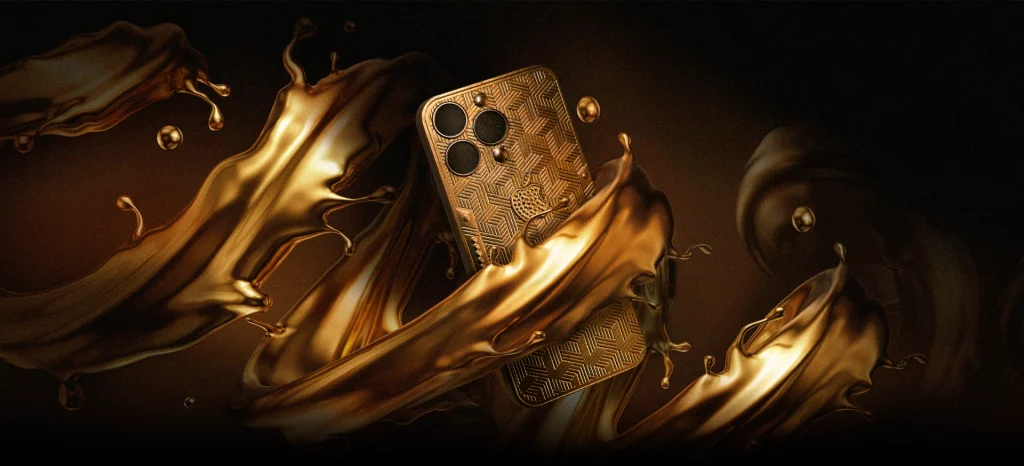
This remarkable creation isn’t your typical smartphone; it’s a fully edible chocolate bar meticulously crafted from natural chocolate and adorned with a coating of 23-karat edible gold. The chocolate iPhone 15 Pro Max comes with a price tag of $1,100, which is surprisingly close to the cost of a standard iPhone 15 Pro Max featuring 256 GB of storage.
Interestingly, this isn’t the first time we’ve seen a Wonka-themed product recently. Just last month, Xbox and Warner Bros. collaborated to release a limited edition chocolate-themed Xbox Series console to tie in with the upcoming film.
Regarding Caviar’s chocolate iPhone, the edible gold used in this creation is identified as additive E175. It’s completely safe, hypoallergenic, and chemically neutral, meaning it has no adverse effects on the body’s blood composition or digestion. The phone is described as having a flavor that balances almond cookies with creamy notes, and it leaves a spicy aftertaste for about 30 seconds.
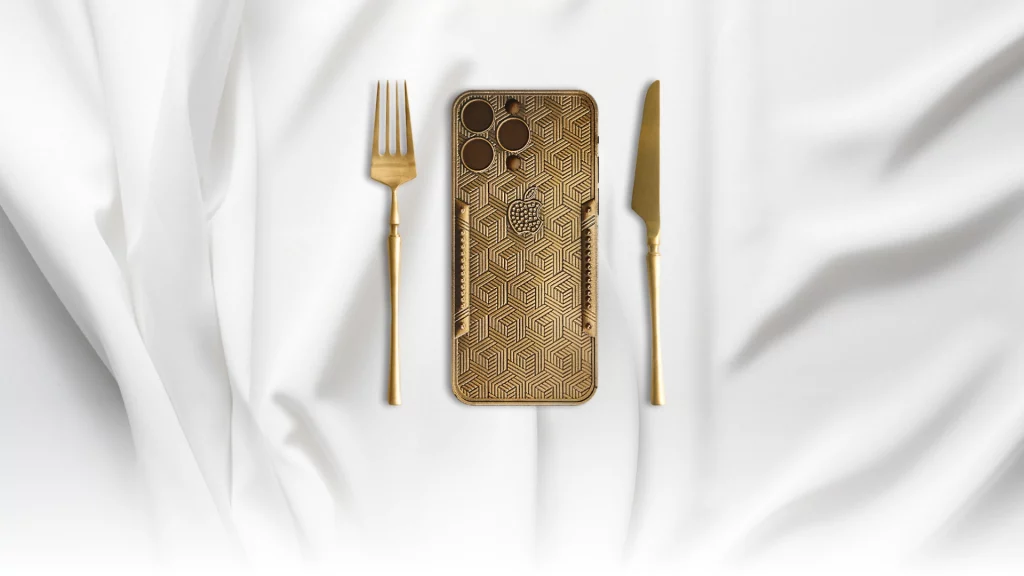
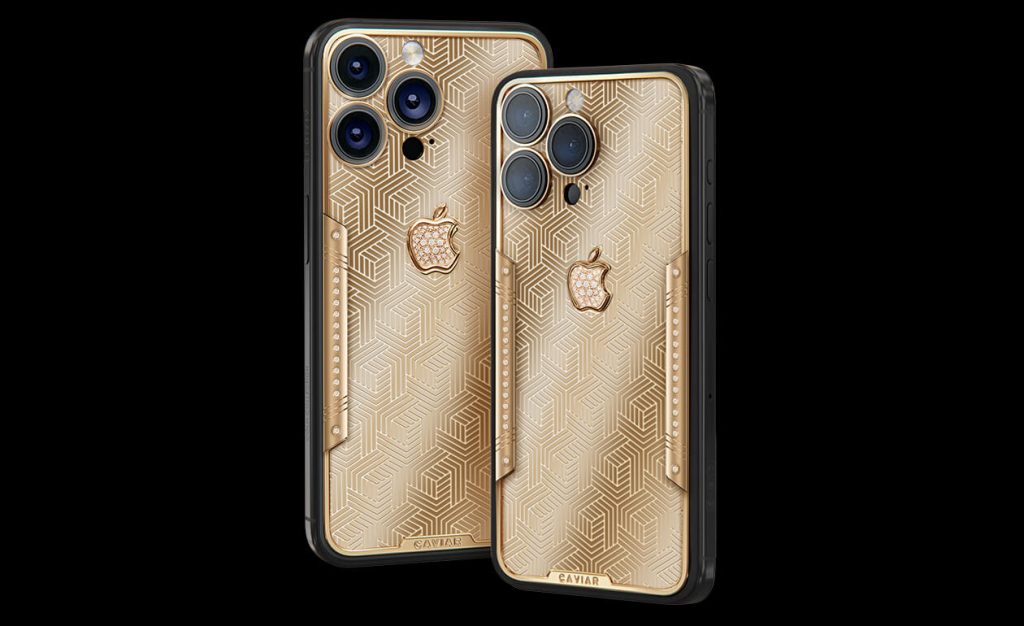
In addition to the chocolate version, Caviar offers a more luxurious and functional variant of the iPhone 15 Pro Max named the Maze 18K. This version is adorned with 18-karat gold and features 39 diamonds, and it comes with a staggering price of $50,360.
For those interested in personalization, Caviar has set up the Bespoke Atelier on their website, where customers can order a custom-designed phone with various options for customization, design styles, and materials, including the chocolate variant.
Caviar’s innovative approach goes beyond chocolate iPhones; they are known for their creative and sometimes eccentric ideas, such as Viking and UFO-themed iPhones. As the brand continues to surprise with its unique concepts, we can expect to see more unusual and luxurious iPhone designs in the coming years.
RELATED:
- Caviar unveils Barbiecore collection of unreleased Apple iPhone 15 Pro, Watch Series 9
- Here’s a Limited Edition Apple iPhone 14 Pro Max that costs over $130,000
- Get the Realme GT5 Pro phone on Giztop for $599
- Xiaomi 13 Ultra Premium Camera Phone is now only $799
- Alldocube iWork GT 12: AMD 2-in-1 laptop, $100 off and free keyboard
- Best iPhone 15 Pro cases for 2023: Dbrand, Spigen, RhinoShield & More