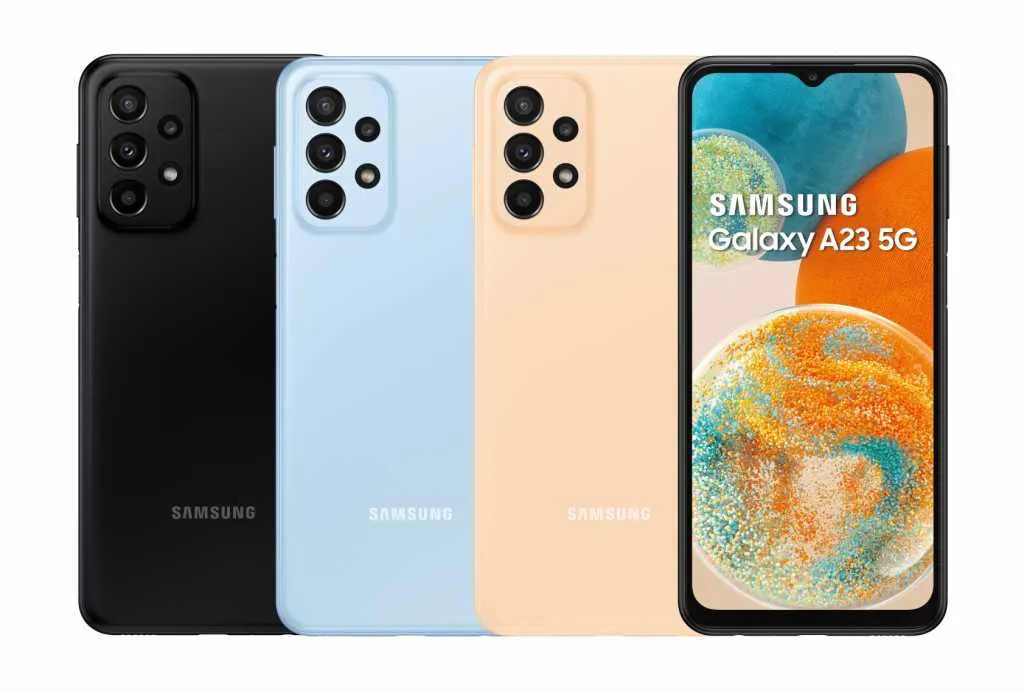
Samsung has been busy updating many of its mid-range devices to the latest One UI 6 based on Android 14. Recently, we shared that the Galaxy M53 5G, Galaxy F54 5G, and A52 5G had all begun receiving the latest One UI 6 OS update, based on Android 14. Now, joining the list of devices to receive One Ui 6 update is the Samsung Galaxy A23 5G.
The update is already rolling out in some European countries, including the UK, France, Italy, Poland, and Portugal. So, if you’re in one of these regions, keep an eye on your phone’s settings for the update notification. Don’t worry if you’re not there yet, the update should reach other regions soon.
The firmware version for the A23 5G’s latest update is A236BXXU4DWKA, which also includes the November security patch. Users can download and install it over the air by navigating to Settings > Software update and tapping “Download and install.”
It’s also important to note that this is the final major update for the Galaxy A23 5G. While it will continue to receive regular security patches, it will not be upgraded to Android 15. Besides A23 5G, Samsung is also expected to roll out the Android 14 update for the LTE variant of the phone shortly.
One UI 6 introduces several notable UI enhancements, such as a redesigned Quick Panel, improved album art presentation in the notification shade, time-based notification sorting, clearer home screen icon labels, a repositioned clock on the lock screen, a detailed weather widget, and easier access to battery settings.
Looking ahead, Samsung is already prepping One UI 6.1, which focuses on bringing AI advancements to apps and boosting productivity. While initially rolling out for the Galaxy S23, A23 5G users can likely expect this update in the future.
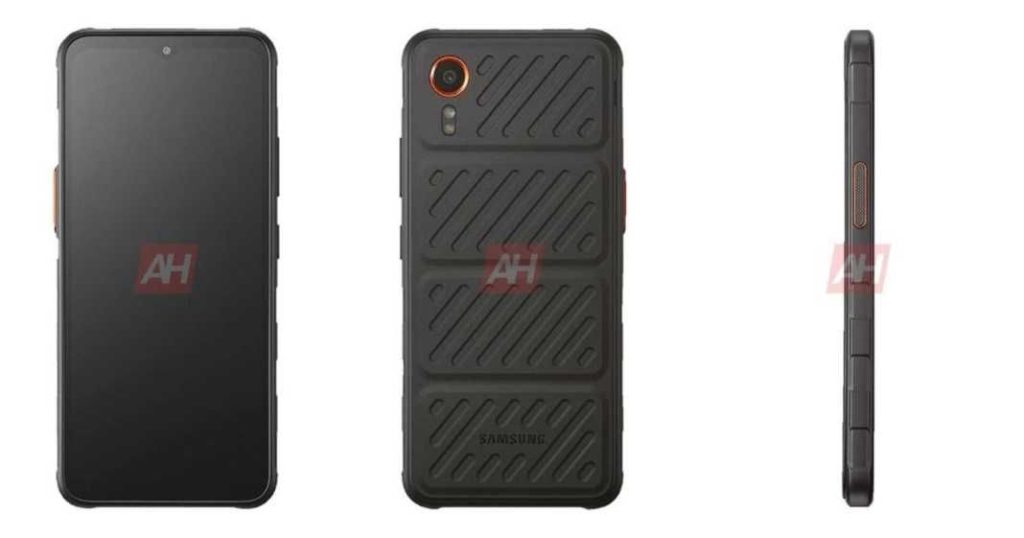
Samsung‘s upcoming rugged smartphone, the Galaxy XCover 7, has been heating up the rumor mill with leaks for quite a while now. We’ve already had a glimpse of the phone’s design, and now a new leak spills the beans on its display size, memory options, and price.
According to the reliable tipster Roland Quandt, the Galaxy XCover 7 is expected to boast a 6.6-inch FHD+ display. Priced at approximately less than €400, it will come with 6GB of RAM and a generous 128GB of storage. If this leak holds true, the XCover 7 will maintain the same 6.6-inch screen size as its predecessor, the Galaxy XCover 6 Pro.
Samsung Galaxy Xcover 7 w/ 6.6in FHD+ screen, 6/128GB coming in at a sub 400 Euro price point, it seems. Def nice for a rugged device like this.
Moreover, previous reports also hinted at a 4,000mAh battery, possibly user-removable, in line with Samsung’s previous rugged phone. It will also have 25W wired charging support.
Recently, the device also appeared in the Geekbench listing recently which shows the phone with a MediaTek Dimensity 6100+ processor. Naturally, being a rugged phone, an IP68 rating for dust and water resistance is expected. And the smartphone could also get the MIL-STD 810 Military standard. This standard guarantees a level of durability for a smartphone or any other device in harsh environmental conditions.
Samsung Galaxy XCover 7 renders.
While Samsung remains tight-lipped about a launch date, the XCover 7’s appearance on certification websites in Thailand, India, and Malaysia suggests an imminent arrival in these regions.
Samsung’s rugged phone journey began in 2011, and the XCover 7 looks set to continue the legacy. And it’s not alone – the Galaxy Tab Active5, another rugged device from Samsung, recently received FCC approval, hinting at a possible joint launch. We’ll keep you posted on any new developments with these devices.
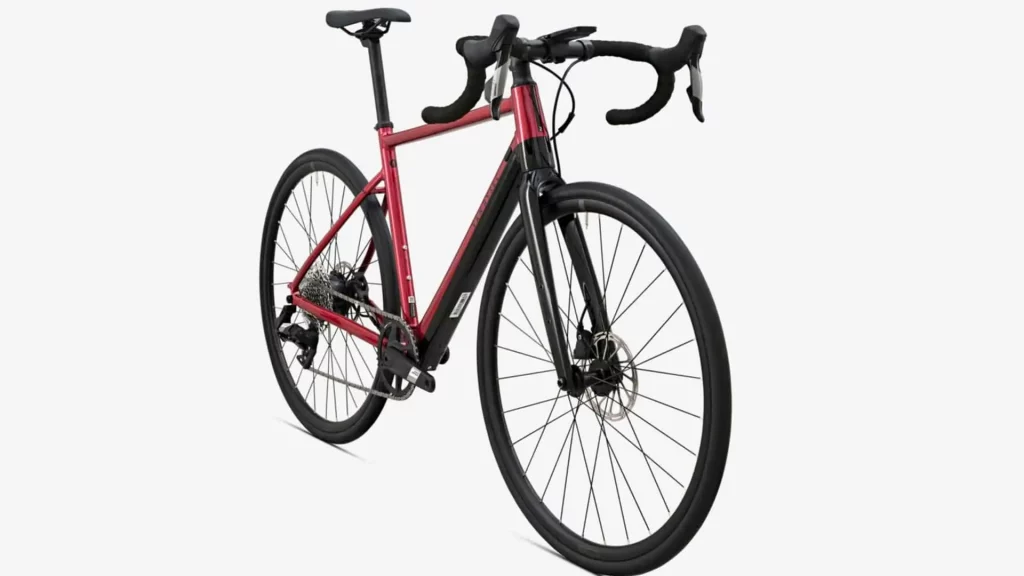
Electric bikes are swiftly becoming a go-to choice for cyclists seeking both performance and convenience. A standout in this rapidly evolving market is the newly launched Van Rysel E-EDR AF Apex by Decathlon. This bike not only packs a punch with its advanced features but also manages to stay light on the wallet.
The bike claims to cover an impressive 160 miles on a single charge
What sets the Van Rysel E-EDR AF Apex apart is its dedication to lightweight design without skimping on performance. Weighing a mere 14 kilograms (31 pounds), thanks to its aluminum frame, it’s a breath of fresh air in the electric road bike category. This is Decathlon’s initial venture into the ultra-lightweight e-bike segment, and they seem to have hit the mark.
Performance-wise, the bike is equipped with a Sram APEX 12-speed drivetrain and matching hydraulic disc brakes, ensuring a smooth and responsive ride. It also features the versatile Mahle X35 rear hub motor, offering three assistance settings to cater to different riding styles. Keeping riders informed is the BC900 GPS computer, a nifty addition for those who like to track their journey.
The bike’s range is another highlight. Decathlon claims it can cover an impressive 100 miles on a single charge, though heavy reliance on the electric assist might reduce this distance. Its 250-watt-hour battery, complemented by a range extender, makes it ideal for longer rides.
Decathlon has conducted extensive real-world testing for six months, ensuring the bike’s performance under various conditions. This testing is crucial in proving the bike’s agility and durability.
Appealing to both men and women, the Van Rysel E-EDR AF Apex is priced competitively at 2,800 euros (about $3,080 USD). With its launch, Decathlon aims to attract performance-oriented riders who are eager to explore the world of e-biking without breaking the bank. This new addition to the e-bike market is a testament to the growing trend of accessible, high-performance cycling options, making it easier than ever for riders to enjoy the thrill of cycling with a touch of modern technology.
We live in a world where convenience is king, food delivery services like Uber Eats have become household names. They bring your favorite meals right to your doorstep, a luxury that’s become a part of our daily lives. But here’s something to chew on: how these deliveries are made is just as important as the food itself, especially when it comes to the environment.
A $30 million investment spells big things for this partnership
Enter the innovative partnership between Uber Eats and Gogoro in Taiwan. This isn’t just a business deal; it’s a game-changer for how food gets to us. With a hefty investment of around $30 million, this collaboration is shaking up the delivery scene by prioritizing sustainability.
Gogoro, known for its smart electric scooters and unique battery swapping system, is at the heart of this green revolution. This partnership gives Uber Eats couriers in Taiwan special deals on these eco-friendly scooters and easy access to battery stations. Why does this matter? Because it’s a big step toward cleaner city air and a healthier environment.
Think about it: every time a meal is delivered on one of these electric scooters, it’s one less gas-guzzling bike on the road. That means less pollution and a cleaner Taiwan. The aim is to double electric deliveries from 20% to 40% by 2025. It’s ambitious, but with over 600,000 Gogoro riders already in Taiwan and a million-plus batteries, it’s not just a dream.
This move is not only good for the planet but also makes sense for couriers. Electric scooters are easier to maintain, cheaper to run, and way friendlier to use. Plus, swapping a battery is quicker than filling up a tank. It’s a win-win.
So next time you order a meal from Uber Eats, think about the journey it’s made. Thanks to partnerships like this, your late-night snack could be helping to reduce emissions and pave the way for a greener future in food delivery. That’s food for thought!
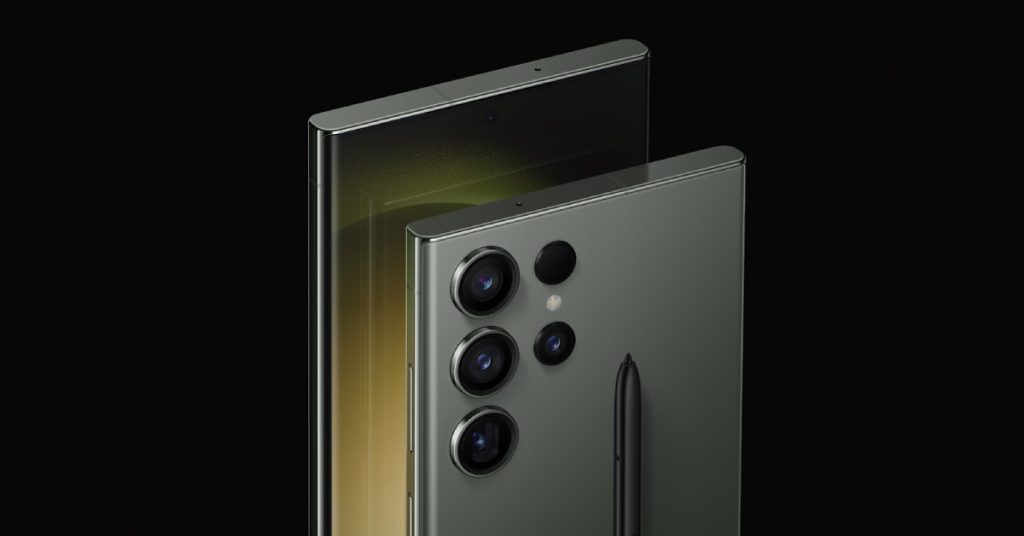
The release date for the Samsung Galaxy S24 models is just around the corner, with indications suggesting that the highly anticipated phones will be unveiled on January 17th. As is the case every year, this series is expected to incorporate the best possible features, creating excitement both for the South Korean tech giant and its users. However, it appears that Samsung is even more optimistic about the Galaxy S24 family than we may have initially thought. Here are the details…
Samsung believes the Galaxy S24 series will be a massive success: 10% increase in shipments
Samsung is the world’s leading smartphone manufacturer in terms of sales, but the company has faced a significant challenge for nearly a decade. Despite its best efforts, it hasn’t been able to match the profitability of Apple. The primary reason behind this is that a significant portion of Samsung’s sales come from budget and mid-range models, while flagship sales, which generate more profit, have fallen short of expectations.
There are several reasons for this, with one of the most basic being fierce competition. As you may know, Android phones are assembled from a pool of similar components, resulting in devices that share many similarities. For instance, if you were to compare several flagship models released in the same year, you might find similarities in the processor, RAM capacity, and camera sensors.
Furthermore, some of these devices are priced much lower than others, leading many potential Samsung customers to turn to competitors like Xiaomi, OnePlus, and Honor, which offer similar experiences at more affordable prices. Smartphones manufacturers are aware of this situation and strive to provide unique features whenever possible.
In past models, we’ve seen cameras with 100x zoom capabilities, processors overclocked in collaboration with manufacturers like Qualcomm, and custom interfaces that enhance Android’s functionality. Samsung is no exception in this regard. The company has many plans for its Galaxy S24 series, and all of these plans come with high expectations.
According to reports, Samsung is anticipating that the Galaxy S24 family will sell approximately 35 million units in 2024, which is about 10% more than the previous S23 generation. The company’s logic behind this expectation is quite interesting. By integrating Bard and ChatGPT into the phone, South Korea’s manufacturer hopes to capture the users’ interest.
Samsung Could Lose Its Top Spot to Apple
We’ve previously seen a similar integration in the Google Pixel 8, where users could make Google Assistant more powerful and personalized. The system could also make certain changes to extend your phone’s battery life. These and similar features can be a plus for the phone you’re using, but it’s uncertain whether they alone are enough to motivate users to make a purchase.
To emphasize the significance of flagship sales, let’s compare Samsung with its biggest rival, Apple. For instance, Apple’s production and sales expectation for 2024 is 250 million units, while the South Korean manufacturer is aiming for around 253 million. However, nearly all of Apple’s sales are attributed to its latest iPhone 15 family, which means a significantly larger profit. You might also notice that the difference between the two manufacturers is minimal, indicating that Samsung could lose its top spot if the current trend continues.
Whether artificial intelligence is the key to rescuing the company from its challenging situation remains uncertain, but one thing is clear: if Samsung doesn’t take action, it won’t remain the world’s largest smartphone manufacturer for much longer.
Tesla, the renowned electric vehicle (EV) and clean energy company, is making a significant move by purchasing land in Shanghai for a new factory dedicated to producing its Megapack large-scale batteries. This development, initially reported by Xinhua, marks Tesla’s deepening commitment to China’s burgeoning new-energy market and its strategic expansion beyond electric cars.
Each Tesla Megapack battery can power 3,600 homes for one hour
The Shanghai factory, set to be located in the Lingang free-trade zone, will be Tesla’s first facility outside the US focused on energy-storage batteries. This move underscores the company’s ambition to not just lead in electric vehicle production but also in energy storage solutions. Tesla’s Megapack batteries, each capable of powering 3,600 homes for an hour, represent a crucial step in addressing energy storage needs, a key component of the renewable energy landscape.
Interestingly, this new venture comes at a time when the EV market in China is experiencing rapid growth and increased competition. Tesla has been a dominant player in China’s premium EV segment, thanks in part to its Gigafactory in Shanghai, which began operations in 2019. However, local Chinese companies like Li Auto and Xpeng are quickly catching up, breaking monthly sales records and offering stiff competition to Tesla.
The construction of the Megapack factory is a strategic response by Tesla, not only to cement its position in the EV market but also to tap into the larger new-energy sector in China. The country’s ambitious goals for peak carbon emissions by 2030 and carbon neutrality by 2060 present a vast opportunity for Tesla’s energy storage products. By localizing production, Tesla can better serve the Chinese market and also export these products to other countries. As the world shifts towards renewable energy and sustainable practices, Tesla’s latest move positions it as a key player not just in EVs but in the broader green energy revolution.
Following the introduction of the OnePlus 12 (review), OnePlus has now shifted its attention to the Chinese market with the upcoming OnePlus Ace 3 series. Leaks indicate that the series will comprise two models: the standard Ace 3 and the OnePlus Ace 3V. The brand recently teased the OnePlus Ace 3, expected to be launched in the first week of 2024.
Interestingly, details about the device have surfaced on China Telecom, revealing its specifications, images, and pricing. This suggests that we may not have to wait for the official launch to gain insights into the OnePlus Ace 3.
OnePlus Ace 3 China Telecom listing details
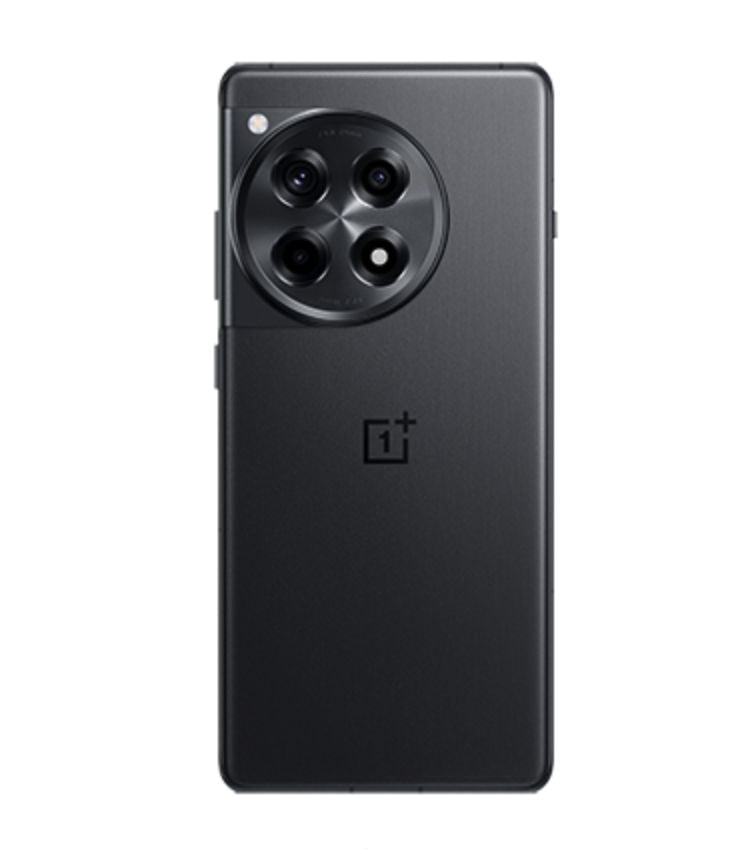
According to a listing on China Telecom, the OnePlus Ace 3 follows a design similar to the OnePlus 12. It will come with a circular camera module, along with curved edges and an alert slider which is positioned on the left side. The device boasts a sizable 6.78-inch 1.5K 120Hz curved-edge OLED display, ensuring a high-quality visual experience. Powered by the Snapdragon 8 Gen 2 processor, it comes in two RAM configurations – 12GB or 16GB of LPDDR5x – and offers ample storage options, ranging from 256GB to a whopping 1TB of USF 4.0 storage.
In terms of battery life, the OnePlus Ace 3 is equipped with a large 5500mAh battery and supports rapid 100W wired charging. The camera setup features a 50MP main sensor with OIS, an 8MP ultra-wide lens, and a 2MP macro lens. On the front, it will feature a 16MP selfie snapper.
The device maintains a sleek profile with a metal middle frame. It has an IR blaster, dual speakers, and NFC functionality as well. The dimensions of the OnePlus Ace 3 are 163.30 x 75.27 x 8.8mm, with a weight of 207 grams.
As for pricing, the OnePlus Ace 3 will come in three variants: 12GB+256GB priced at 3299 CNY (~$460), 16GB+512GB at 3699 CNY (~$520), and the top-tier 16GB+1TB version at 3999 CNY (~$560). The color options include Star Black, Moon Sea, and Sand Gold.
With all of these specifications revealed, we now just have to wait for them to be officially confirmed in January. The Ace 3 is expected to be rebranded as the OnePlus 12R for the global market, however, the brand may make some tweaks to the spec sheet before the global debut.
China‘s latest move to impose stringent regulations on the video gaming industry marks a significant shift in the landscape of digital entertainment. As the world’s largest gaming market, China’s decision to set spending limits and eliminate certain reward mechanisms in online games is not only reshaping the industry but also stirring discussions about consumer protection and corporate responsibility.
China aims to do so by banning the incentives that lure gamers
The new regulations, announced by Chinese regulators, aim to curb excessive spending and discourage addictive gaming behaviors. By banning rewards for daily logins, first-time spending, and consecutive purchases, the authorities are tackling the very incentives that often lure players into spending more than they intend.
The immediate impact of these rules was evident in the market, with major gaming companies like Tencent Holdings and NetEase experiencing substantial drops in their share values. This reaction underscores the significant role such incentive mechanisms play in the gaming industry’s revenue model.
Interestingly, the rules don’t just focus on monetary aspects. They also address gaming addiction, an issue that has been a long-standing concern for regulators worldwide. In 2021, China set playtime limits for minors and suspended new game approvals to combat this issue. The latest regulations are a continuation of this effort, reflecting Beijing’s commitment to safeguarding its younger population from the potential pitfalls of digital gaming.
While some view these measures as overly restrictive, they also highlight the increasing need for the gaming industry to innovate and develop more sustainable and socially responsible business models. The regulations may compel game developers to rethink how they engage players, focusing more on the quality of content rather than on monetization strategies based on repetitive spending.
The decision to regulate in-game spending is a bold move by Beijing, one that may influence global gaming practices. It’s a reminder that as digital entertainment becomes increasingly prevalent, the responsibility to protect consumers, especially younger audiences, becomes more critical. This approach might initially impact the industry’s revenue, but it could lead to a healthier, more sustainable gaming environment in the long run.
China’s stance could serve as a model for other countries grappling with similar issues, balancing industry growth with consumer protection. The world will be watching closely to see how these new rules reshape the gaming landscape, not just in China but globally.
India is stepping up its game in weather forecasting by integrating artificial intelligence (AI) into its methods. This move comes as the country faces an increase in extreme weather events like floods and droughts. A top official from the India Meteorological Department (IMD) highlighted that this integration aims to enhance the accuracy of weather predictions, which is vital for a nation with a vast population and a significant agricultural sector.
Over 3,000 people in India have lost their lives due to extreme weather in 2023
In recent years, India has witnessed a rise in severe weather conditions, partly attributed to global warming. These events have not only disrupted lives but also caused significant fatalities. The Centre for Science and Environment, an independent body, estimates that nearly 3,000 people in India have lost their lives to extreme weather this year alone. Given these challenges, the need for precise and timely weather forecasts has never been more crucial.
The IMD, which currently relies on supercomputers and mathematical models for weather predictions, is looking at AI as a cost-effective and efficient alternative. This approach aligns with global trends, as other countries are also turning towards AI for weather forecasting. For instance, Britain’s Met Office has acknowledged the potential of AI to revolutionize this field. A notable development in this area is a Google-funded AI model that has reportedly outperformed traditional forecasting methods.
AI in weather forecasting could be particularly transformative for India. The country, home to 1.4 billion people and a significant portion of the world’s rice, wheat, and sugar production, depends heavily on accurate weather forecasts for both human safety and agricultural planning. The IMD’s initiative to incorporate AI could lead to more precise forecasts at a lower cost, a boon for a country where many still live in poverty.
The IMD has already begun using AI for public alerts related to heatwaves and diseases like malaria. Plans are underway to expand weather observatories to provide more detailed data, which is essential for the success of AI models. The government’s support for this initiative, including setting up a center to explore AI in weather forecasting, signals a strong commitment to harnessing technology for better weather predictions.
Looking for a new laptop under Rs 30,000 (~$360)? Infinix offers a couple of them, and one of them is the latest Infinix Inbook Y2 Plus, which has just gone official in India with a price tag of Rs 27,490 (~$330). This budget-friendly laptop promises to deliver a range of functionalities and specifications that cater to everyday computing needs. As we delve into the review, let’s explore how the Infinix Inbook Y2 Plus stands out in its price segment, offering an enticing combination of design, performance, and value for the budget-conscious consumer.
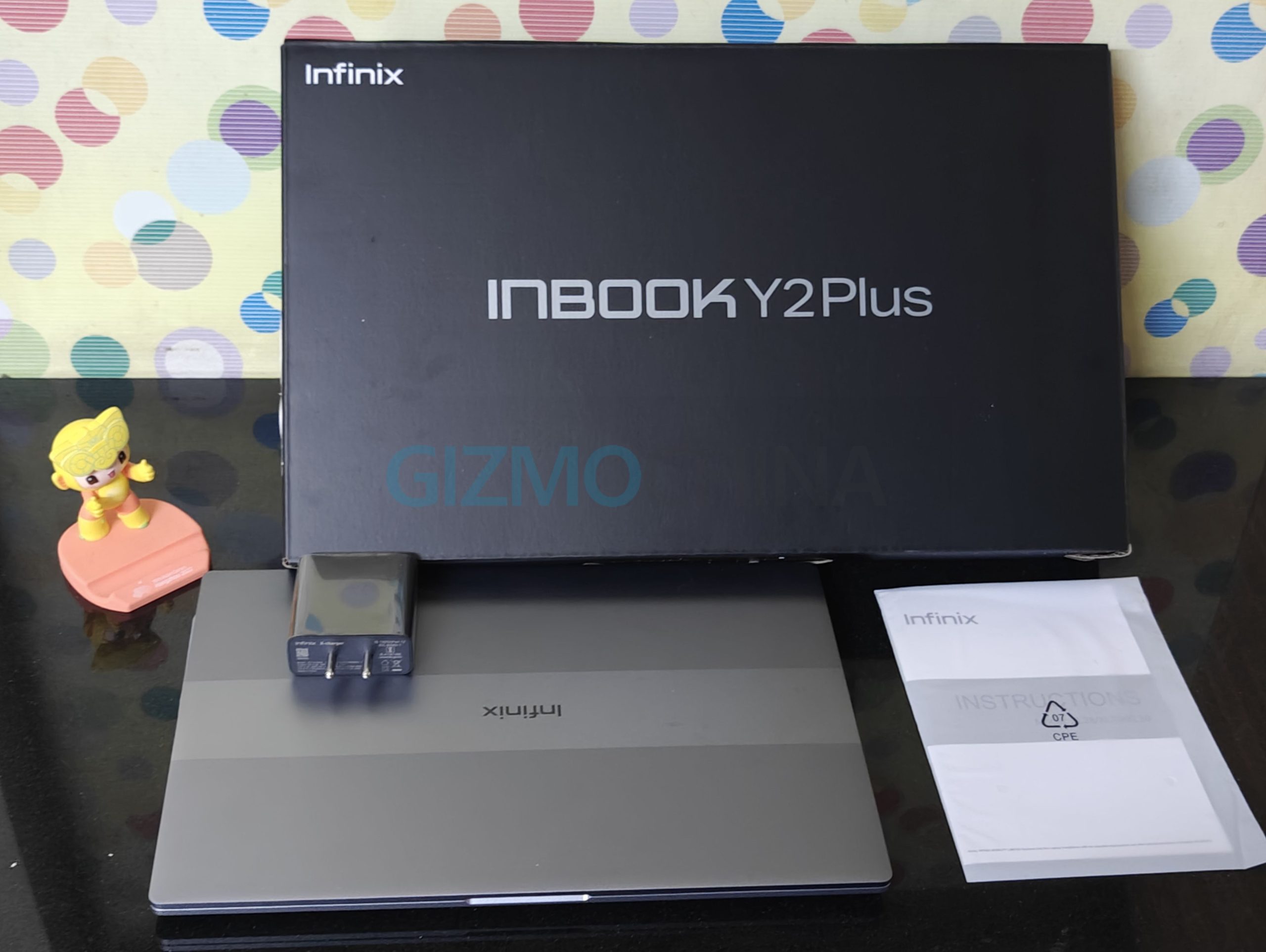
The Infinix Inbook Y2 Plus has minimal content in its retail package. It includes the following items:
Infinix Inbook Y2 Plus
65W Type-C charger
USB-C to USB-C cable (around 2 meters in length)
Instructions booklet
Design, Display, Speakers, and Keyboard
Infinix Inbook Y2 Plus (front)Infinix Inbook Y2 Plus (rear)Infinix Inbook Y2 Plus
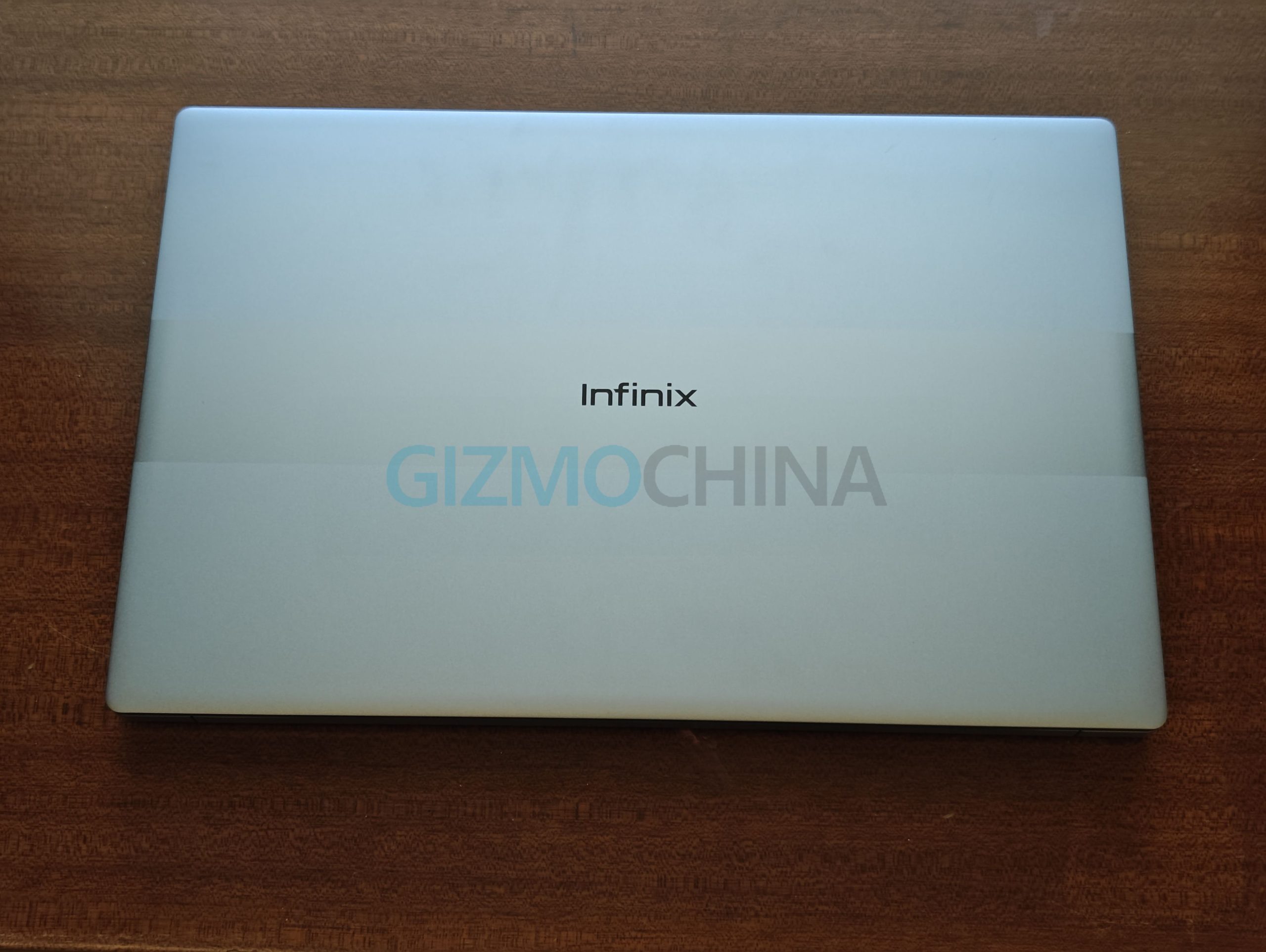
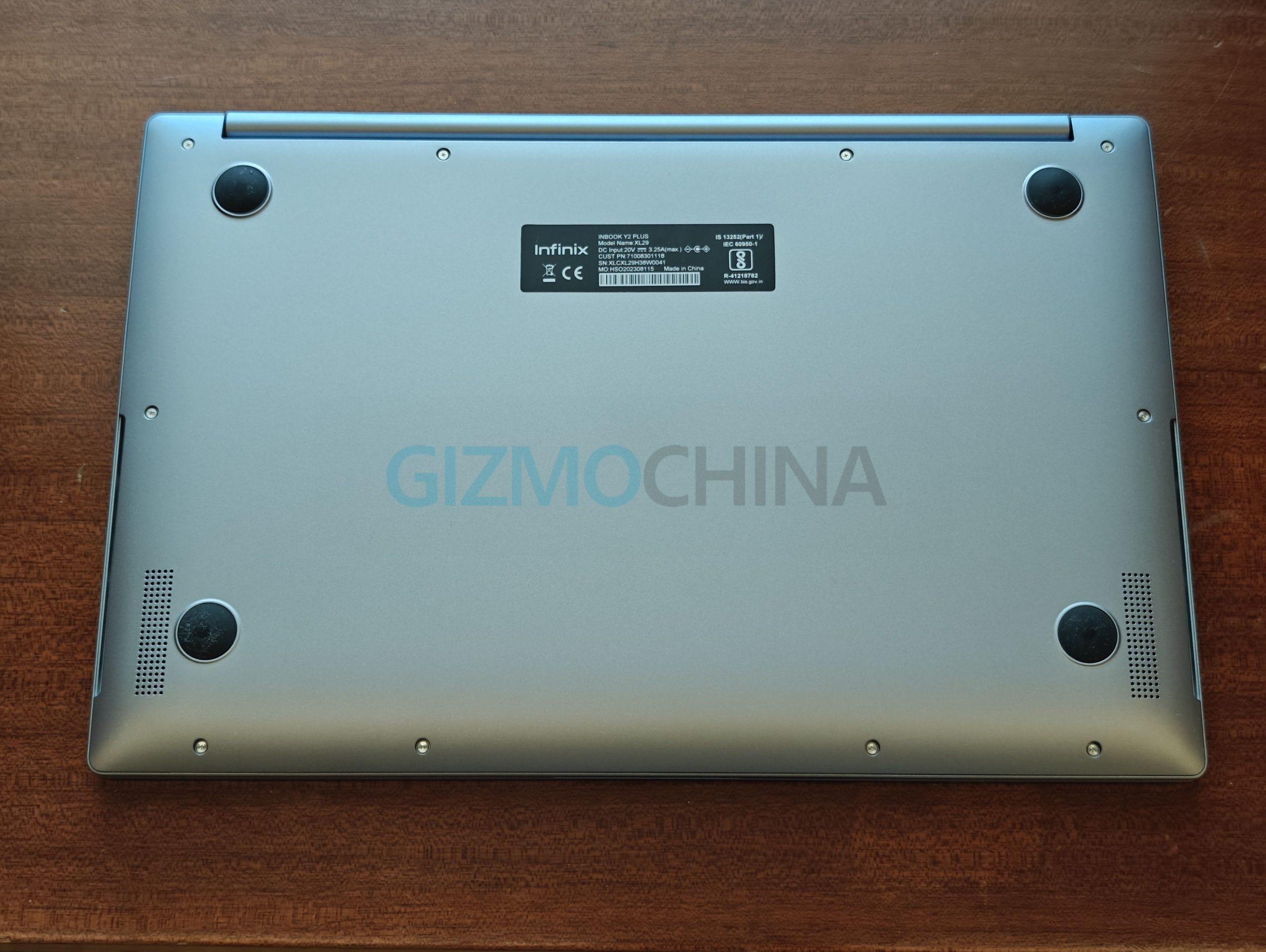
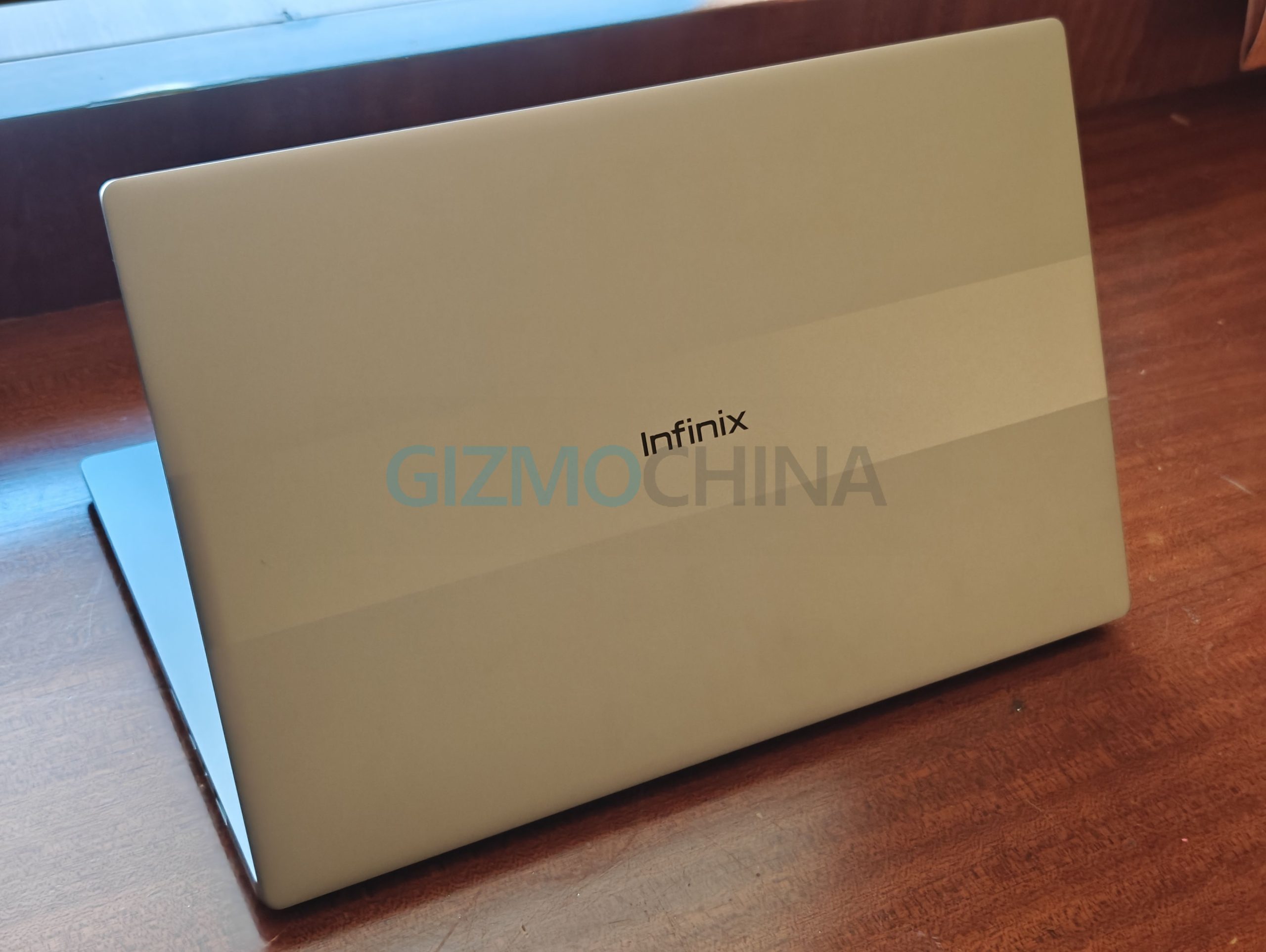
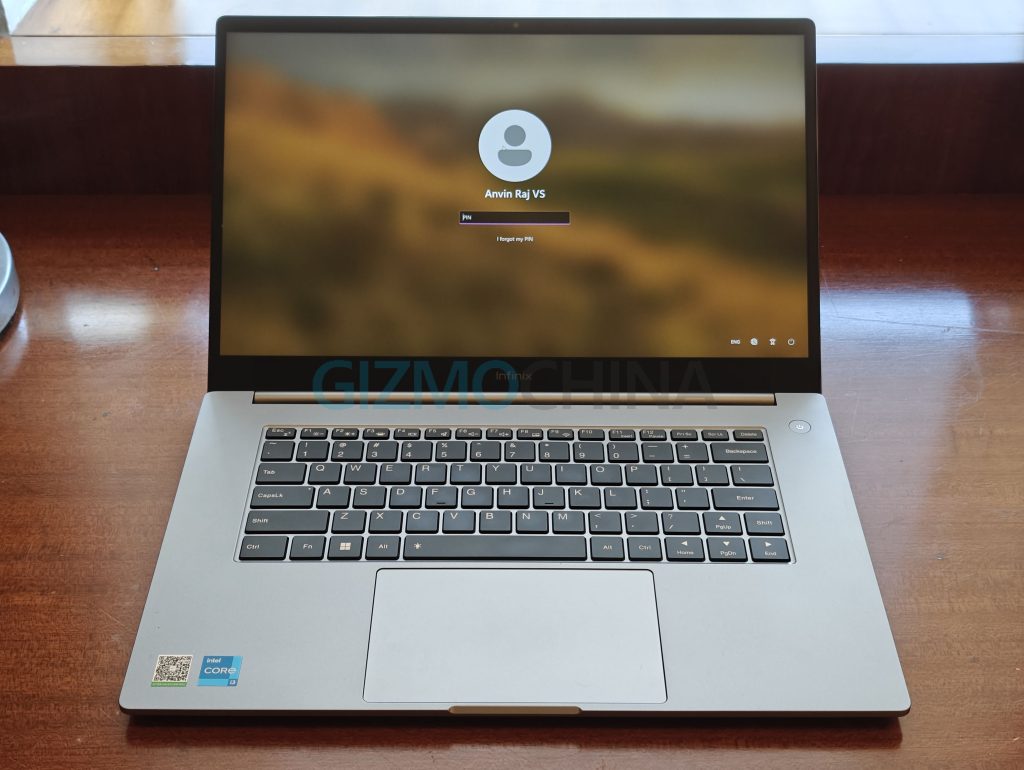
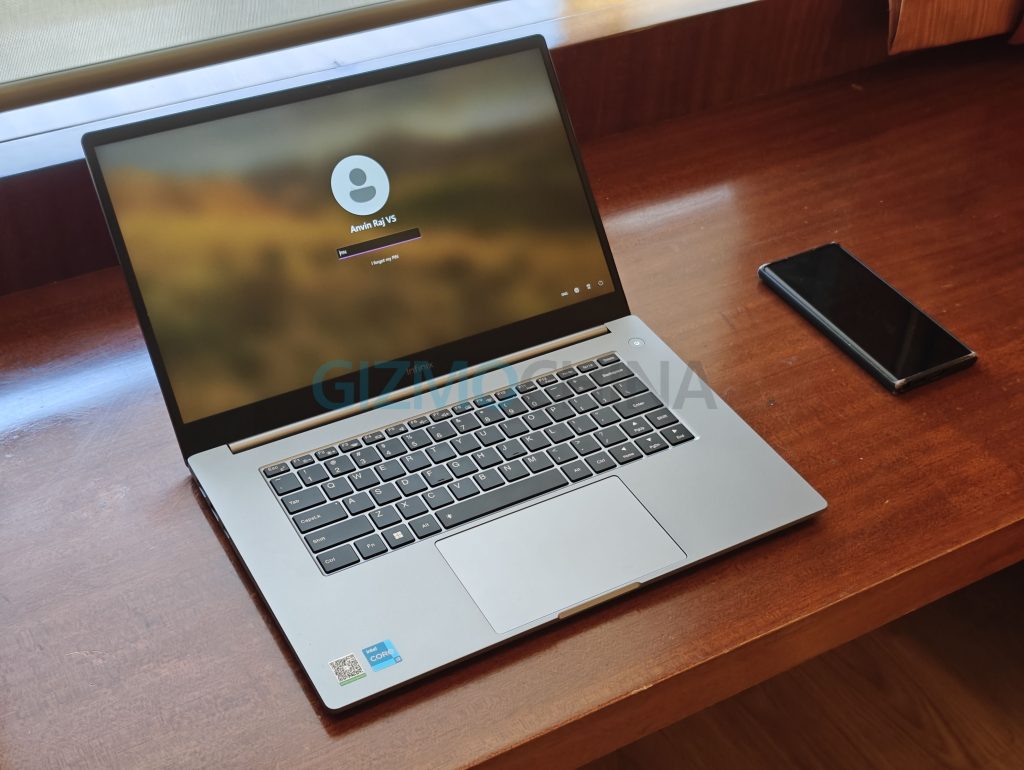
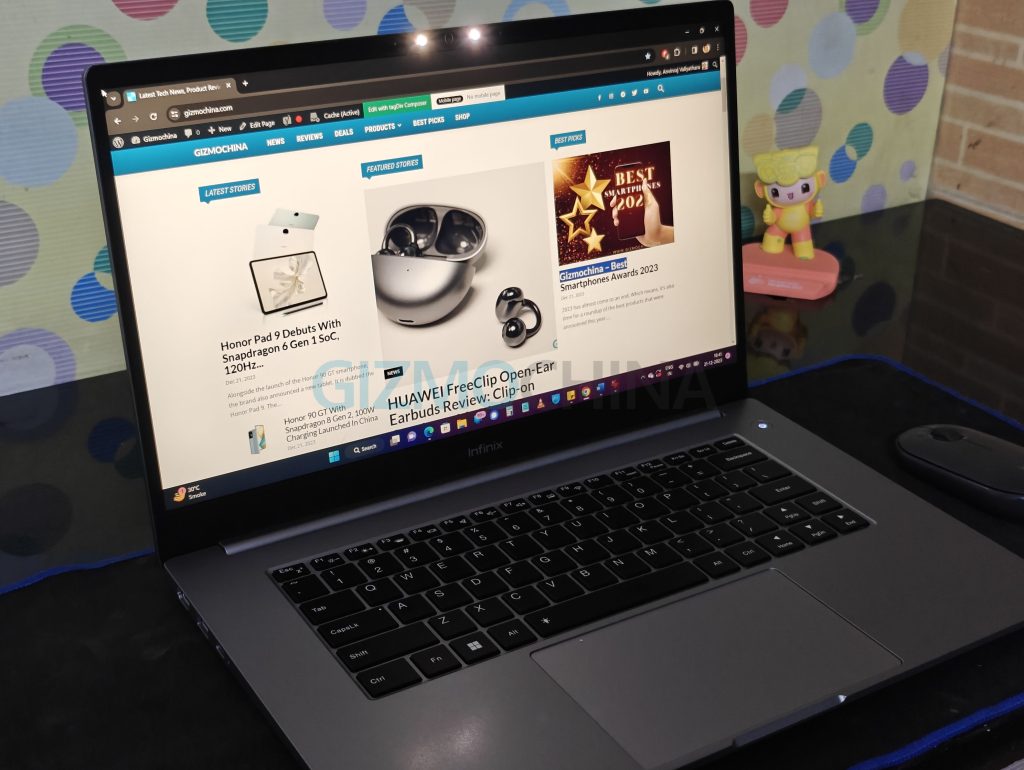
Infinix has established a reputation for prioritizing design excellence, even in its entry-level smartphones, and the Infinix Inbook Y2 Plus is no exception. Despite falling into the affordable category, this laptop flaunts an aluminium alloy build with a minimalist dual-tone design on the lid. When closed, the notebook has a thickness of 17.95mm. Weighing in at 1.8 kg, it may not be the lightest in its category, but it stands out as one of the most aesthetically pleasing notebooks, thanks to its slim build and minimal bezels. Flipping the laptop on the back reveals four rubber pads, dual speaker grilles, and dual air vents.
The 15.6-inch IPS LCD panel of the Infinix Inbook Y2 Plus produces Full HD resolution and offers good viewing angles, with a peak brightness of 260 nits. This makes it particularly bright and complements the laptop’s sleek design. As per the specs sheet, the screen offers an 85 percent sRGB colour gamut. The screen is bright enough for comfortable indoor use, and the thin bezels further enhance the visual experience, providing an immersive feel.
Infinix Inbook Y2 Plus
The Inbook Y2 Plus’ built-in dual speakers, coupled with DTS audio processing, are noteworthy for their loud output, offering sufficient audio quality for various purposes, from casual gaming to watching movies and attending online meetings.
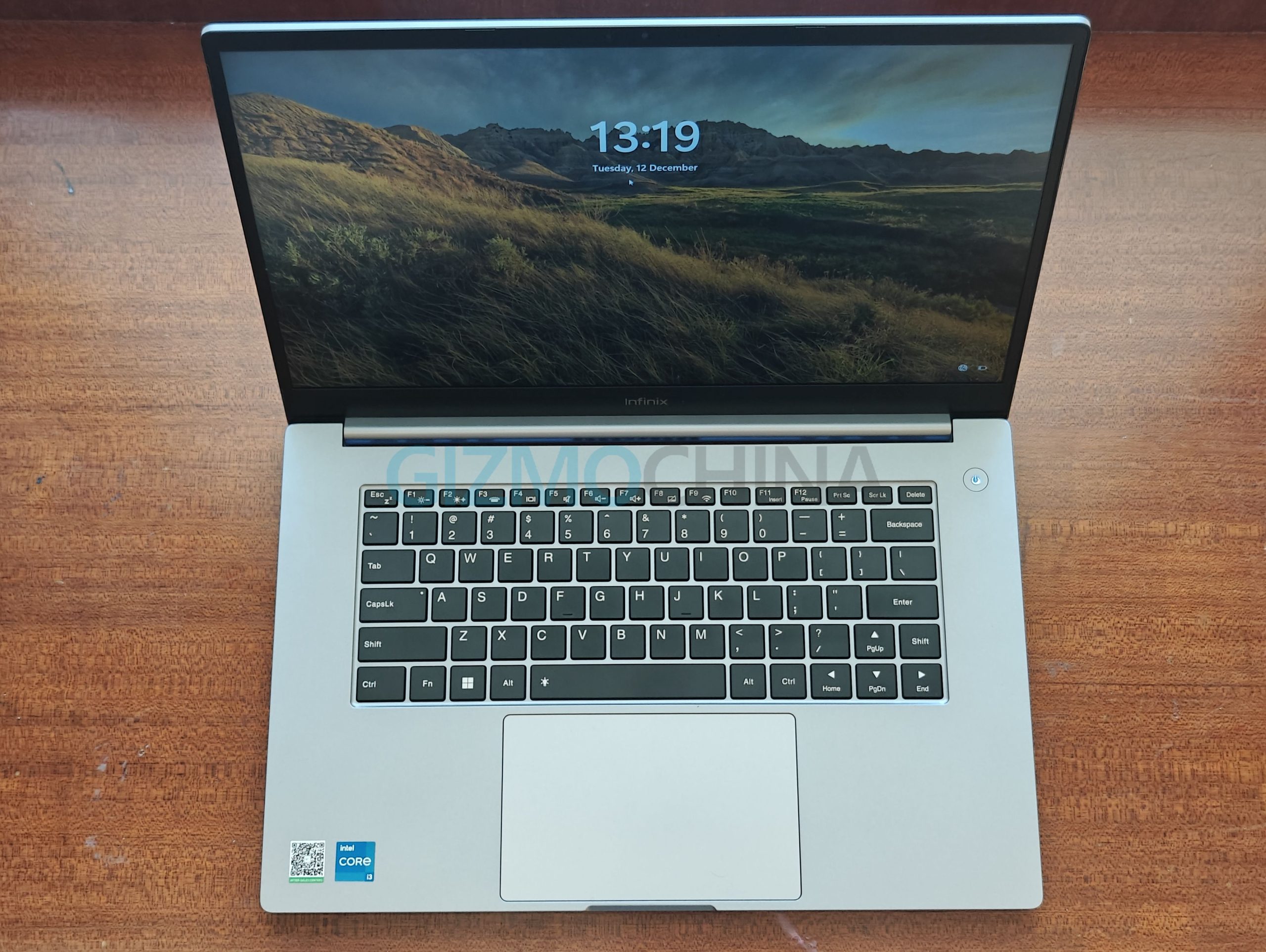
Regarding the keyboard, the Inbook Y2 Plus provides a pleasant typing experience. As evident in the images shared in the review, it lacks a dedicated numeric keypad, making it a compact or ten-keyless keyboard. Notably, there is considerable available space on either side of the keyboard, suggesting the potential inclusion of a dedicated numeric keypad by the company. As per the brand, the keyboard offers 1.5mm key travel and 5ms response time.
Infinix Inbook Y2 Plus
To activate the backlit feature, users can make use of the Fn + F3 key combination, and the same keys can be pressed again to increase the brightness by one level. It is important to highlight that the backlit feature does not activate automatically upon laptop startup; users need to enable it manually. The generously sized (6.3-inch) AG glass trackpad is intuitive, potentially negating the need for an external mouse. With ample space for palm resting, the trackpad contributes to the overall user-friendly design.
Performance and Battery Life
Infinix Inbook Y2 Plus
Powered by 11th Gen Intel Core i3 (11155G4) or i5 (1155G7) processors, the Infinix Inbook Y2 Plus delivers reliable performance for everyday tasks. While newer 13th and 14th-generation chips exist, comparably priced laptops from other respected brands often still use these 11th Gen processors. This makes the Inbook Y2 Plus a suitable choice for activities like word processing, web browsing, and light gaming. Additionally, the NVMe PCIe 3.0 SSD storage ensures fast boot times, bringing the desktop screen up within 10 seconds.
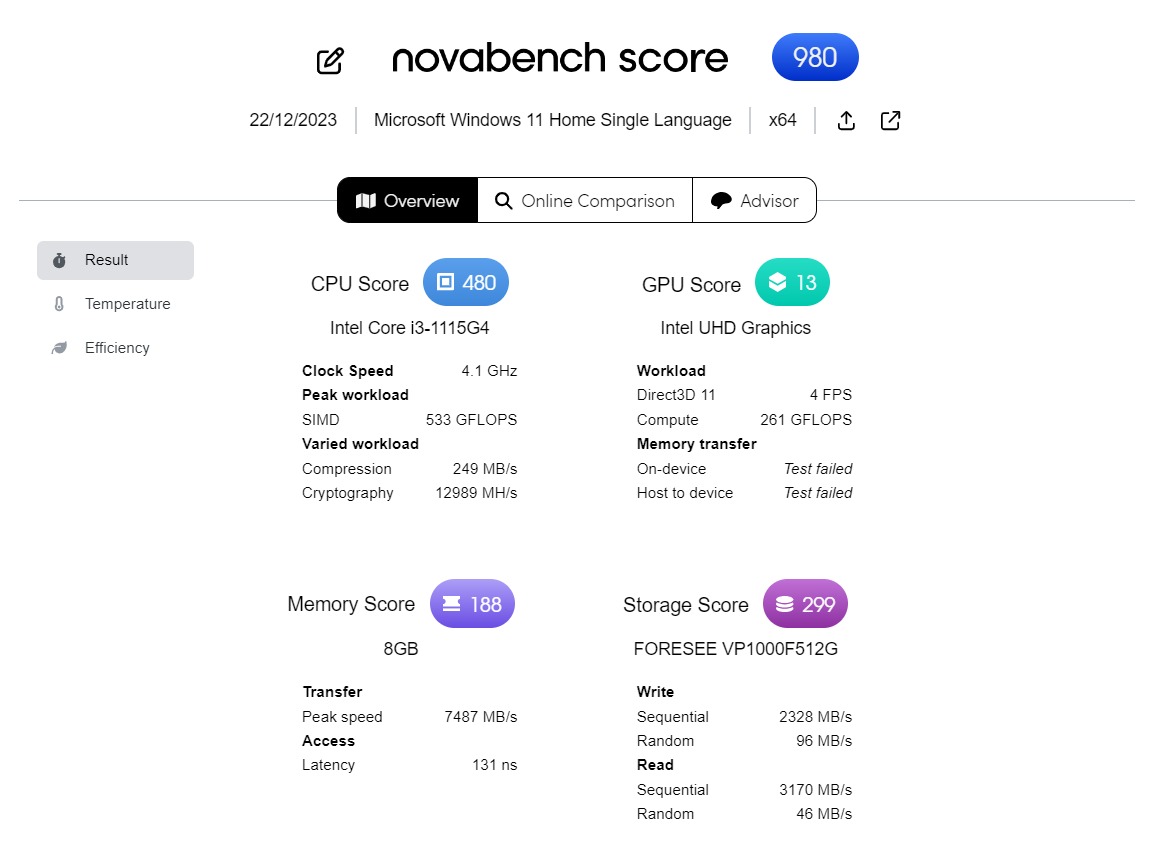
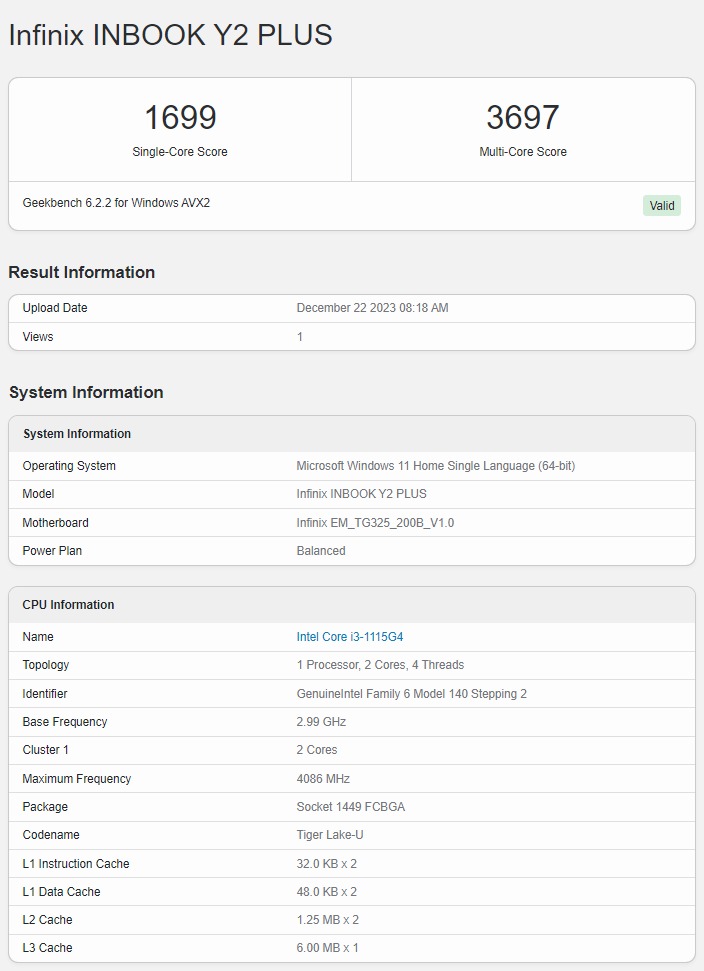
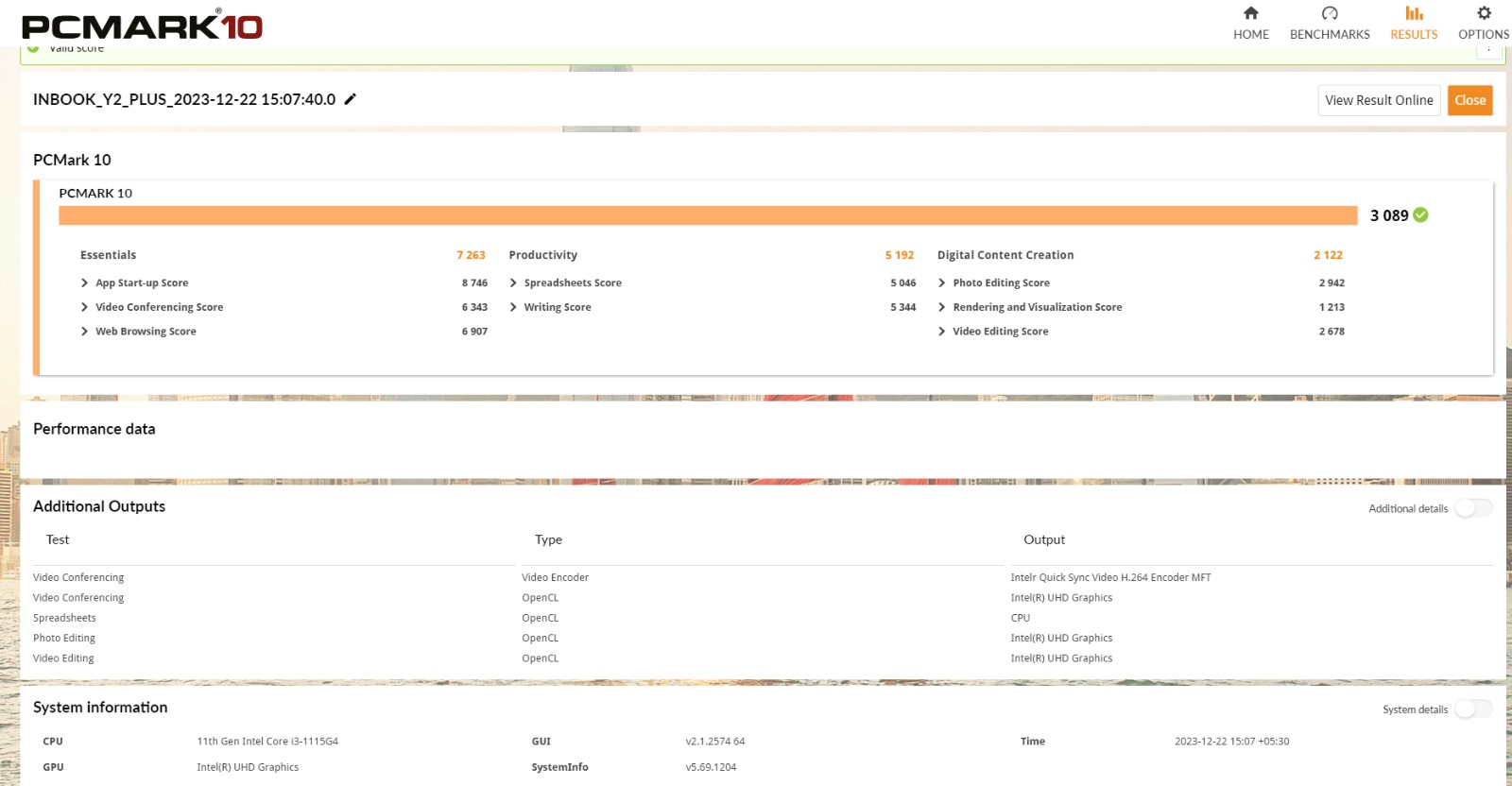
The Inbook Y2 Plus comes in two configurations: the Core i3 with 8GB of RAM and a 512GB SSD, and the Core i5 with 16GB of RAM and a 512GB SSD. My gray-coloured review unit (Core i3 configuration) felt fast and reliable, although Windows 11 Home itself can sometimes be glitchy, not an issue specific to this laptop. There are no additional RAM or storage slots for user upgrades, so if you need more in the future, you’ll need to contact Infinix support during the warranty period. Here is how the device performs on benchmarking platforms:
Infinix Inbook Y2 Plus – NovabenchInfinix Inbook Y2 Plus – GeekbenchInfinix Inbook Y2 Plus – PCMark 10
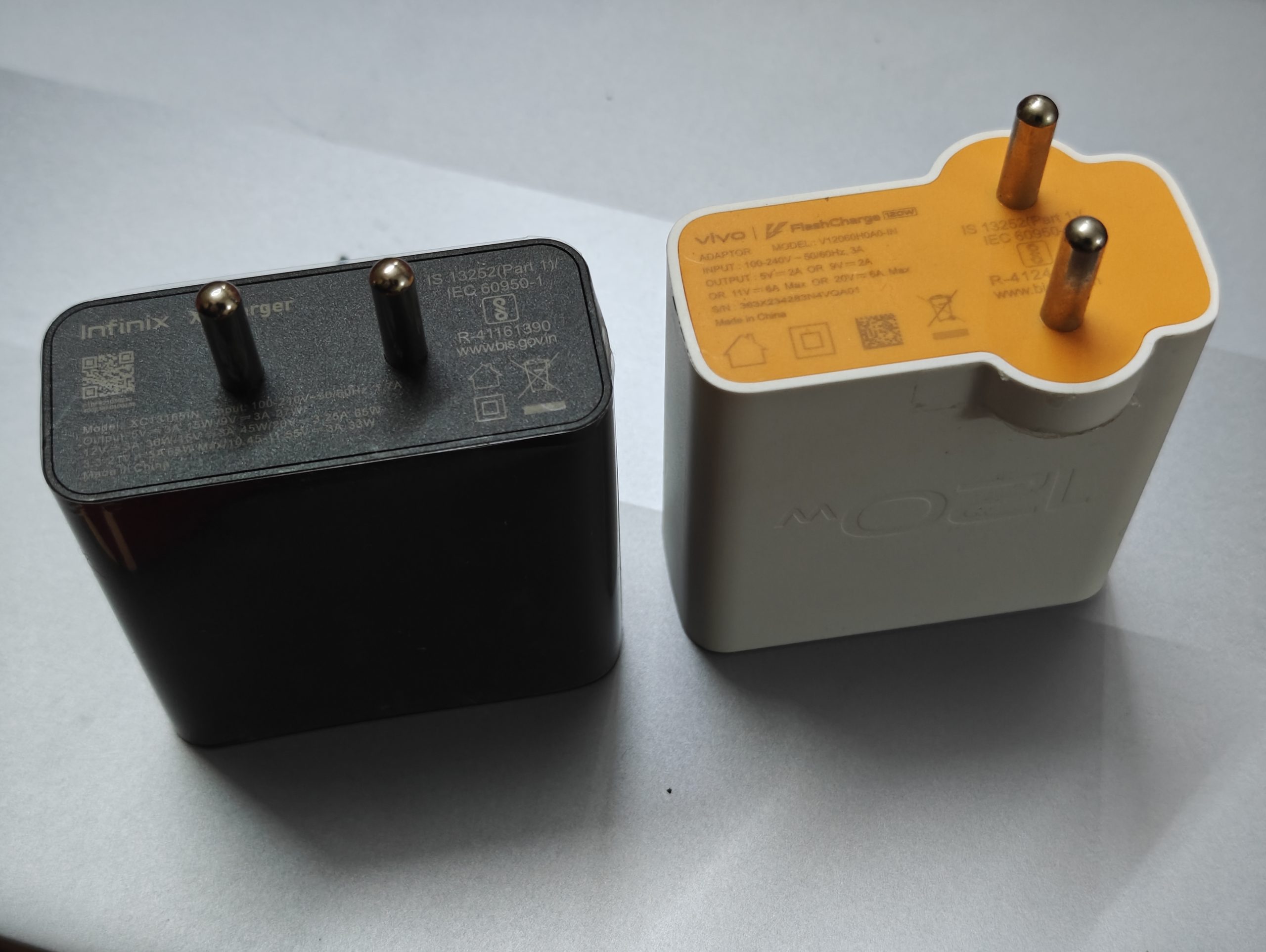
Battery life is satisfactory, with a 50Wh battery—one of the largest in its segment—taking around 1.5 hours to charge while in use. While Infinix claims up to 8 hours on a full charge, I observed an average of 6 hours. Another plus point is the included 65W Type-C charger, which is comparable in size to a smartphone charger. This compact charger is a big convenience for portability, whether at college, work or on a flight.
Connectivity, Ports, and Other Features
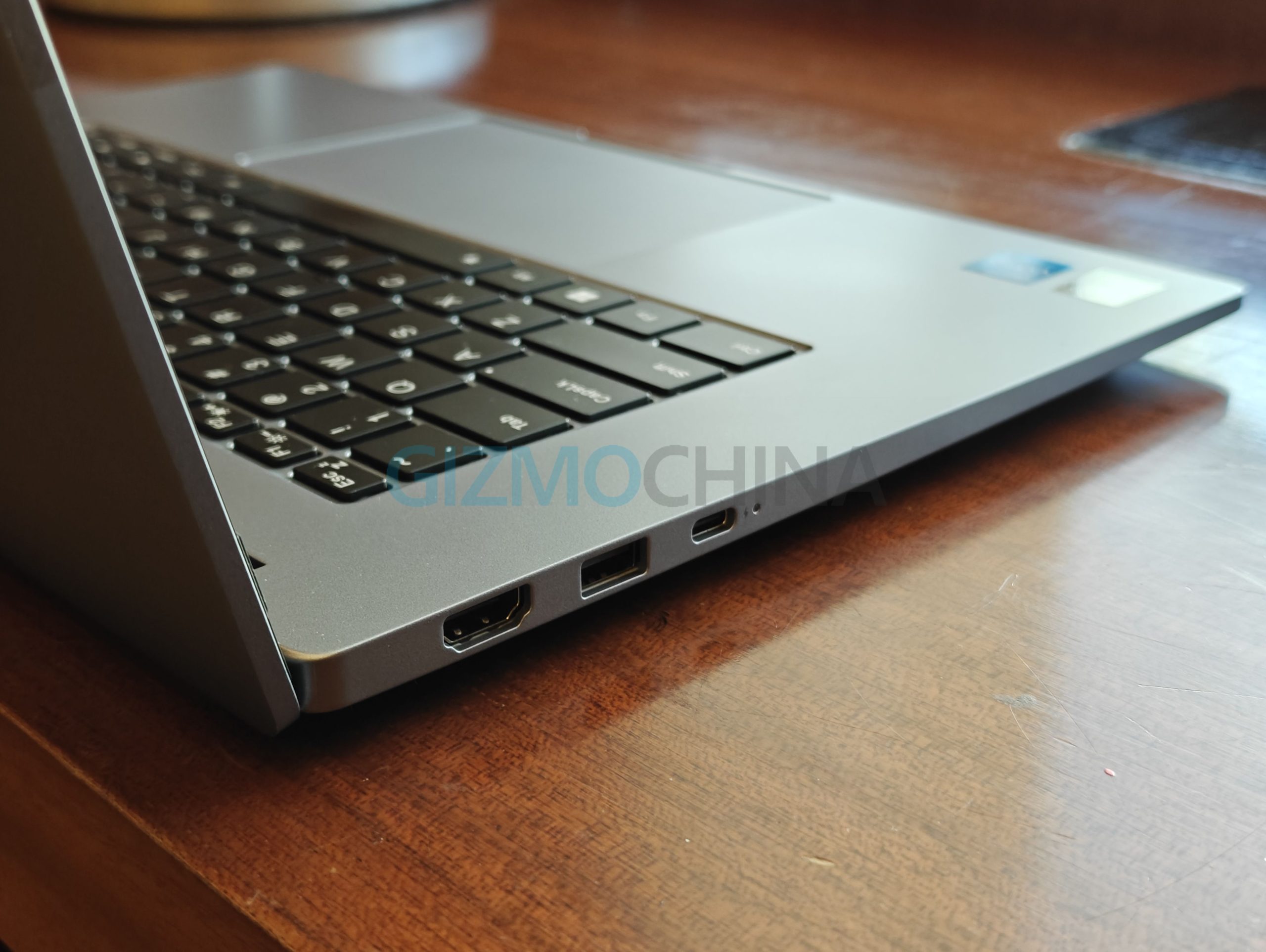
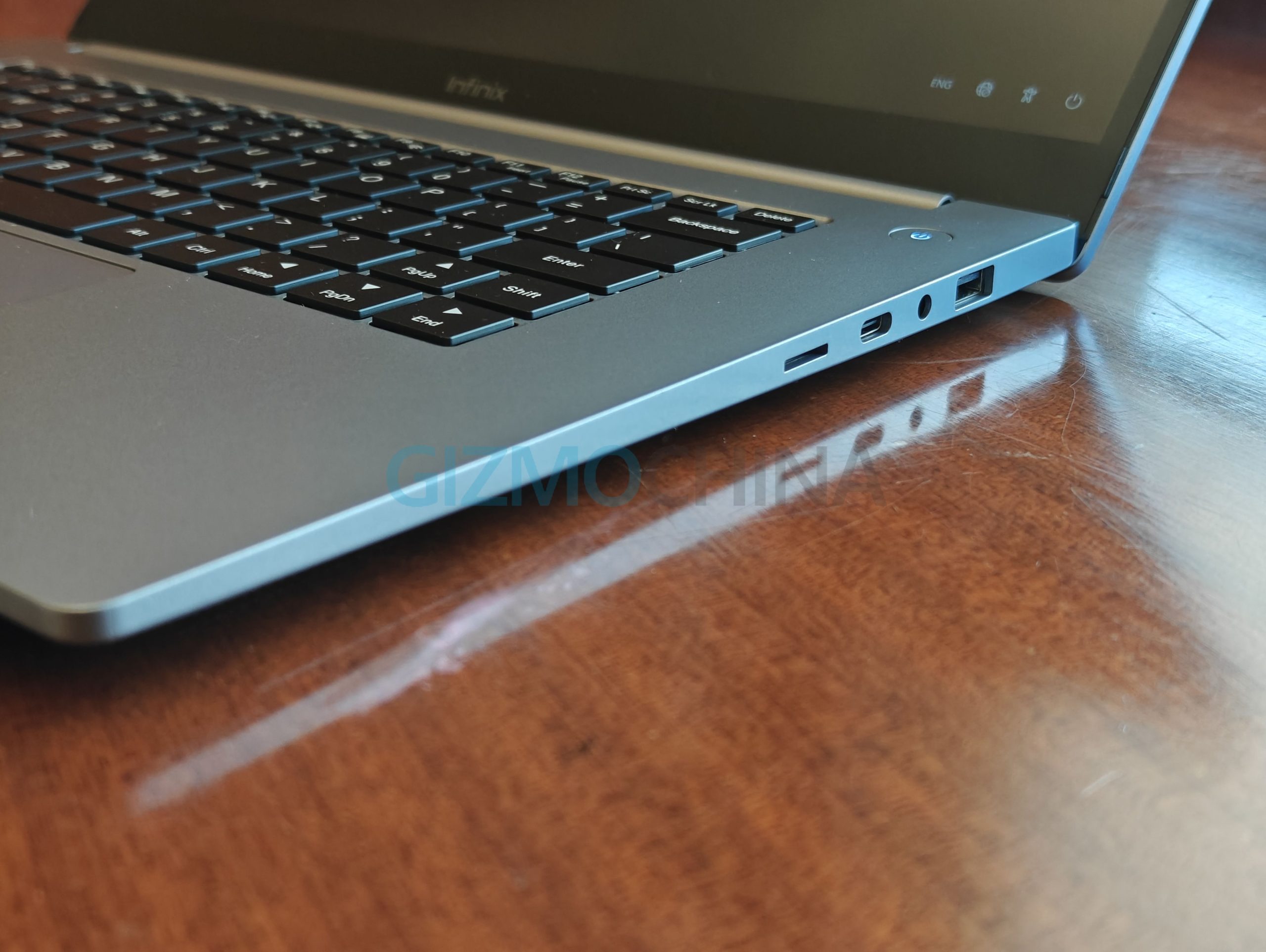
Infinix Inbook Y2 Plus (left)Infinix Inbook Y2 Plus (right)
The Inbook Y2 Plus offers wireless connectivity options, such as such as Wi-Fi 802.11ac and Bluetooth 5.1. The left side of the device features a HDMI 1.4 port, a USB Type-A 3.0 port, a USB Type-C port with charging support, and an LED indicator. Its right side has a USB Type-A 3.0 port, a USB Type-C, an SD card slot, and a 3.5mm audio / headphone combo jack.
Infinix Inbook Y2 Plus’ dual-LED flash can be turned by pressing Fn+Space key
The 2-megapixel webcam that comes with dual-LED flash, while functional, leaves room for improvement, and users suggest that the brand should focus on enhancing this aspect for future models. While the devices come equipped with dual microphones, there is no Kensington lock slot, Ethernet port, or fingerprint sensor on the device.
Infinix Inbook Y2 Plus price in India
In India, the Infinix Inbook Y2 Plus is priced as follows:
In summary, the Inbook Y2 Plus presents itself as a solid entry-level notebook option, offering an impressive design and decent specifications. While it may not represent a significant upgrade over its predecessor, the 10th generation Intel-powered Inbook Y1 Plus, it stands as a reliable choice for users seeking a budget-friendly laptop with modern features. The laptop’s sleek design and satisfactory performance make it a contender in the entry-level notebook segment.
Disclaimer: All of the opinions in this Infinix Inbook Y2 Plus review are mine and based on my own experiences. There has been no editorial input from Infinix.
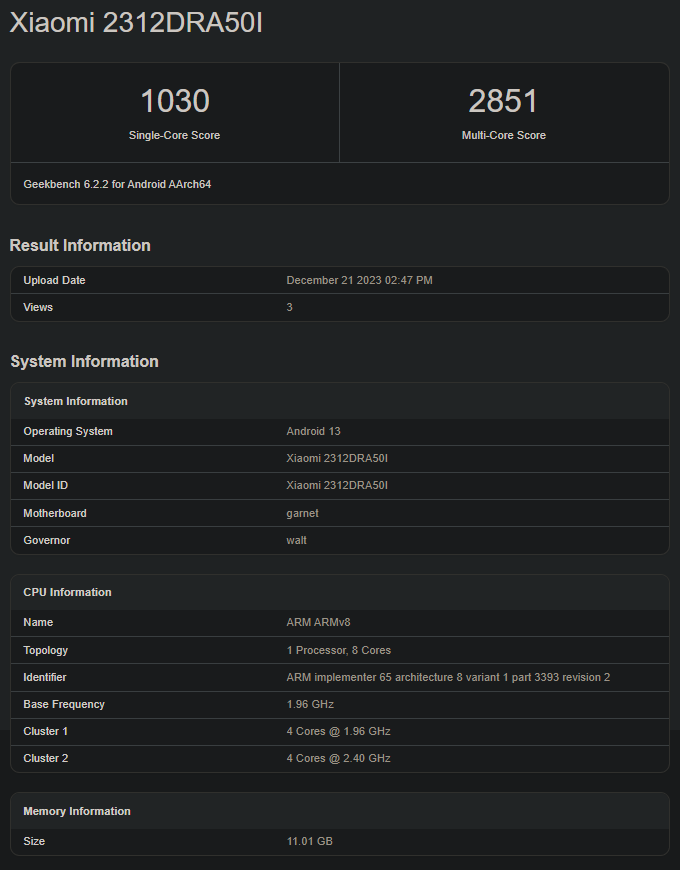
Xiaomi is gearing up for the much-anticipated launch of the Redmi Note 13 5G series in India on January 4, featuring three variants – Redmi Note 13 5G, Redmi Note 13 Pro 5G, and Redmi Note 13 Pro+ 5G. Ahead of the unveiling, the Redmi Note 13 Pro 5G Indian variant, identified by model number 2312DRA50I, has made an appearance on the Geekbench benchmark database.
Redmi Note 13 Pro 5G (Indian variant) Geekbench:
The Geekbench listing spilled the beans on the Redmi Note 13 Pro’s key specifications, confirming the presence of the Qualcomm Snapdragon 7s Gen 2 SoC. This is not a surprise since the brand recently announced that the Redmi Note 13 Pro Indian variant will be the world’s first Snapdragon 7s Gen 2-powered phone. Impressively, the smartphone secured 1030 points in the single-core benchmark and 2851 points in the multi-core test.
Surprisingly, the Redmi Note 13 Pro 5G, as revealed in the listing, is set to debut in the Indian market featuring a 12GB memory configuration. However, it’s noteworthy that the device will come with an Android 13-based operating system, raising concerns as Android 14 has already been available for some time.
Adding to the disappointment is the realization that the software support for the Redmi Note 13 Pro 5G will be comparatively shorter. For instance, if Xiaomi commits to a 3-year update cycle for this device, it will receive major updates up to Android 16 instead of potentially benefiting from Android 17 had it launched with an Android 14-based OS.
A recent leak has revealed that the Redmi Note 13 Pro Plus is expected to carry a box price of Rs 32,999 for the 12GB RAM + 256GB storage configuration. More details are expected to be revealed as we get closer to January 4.
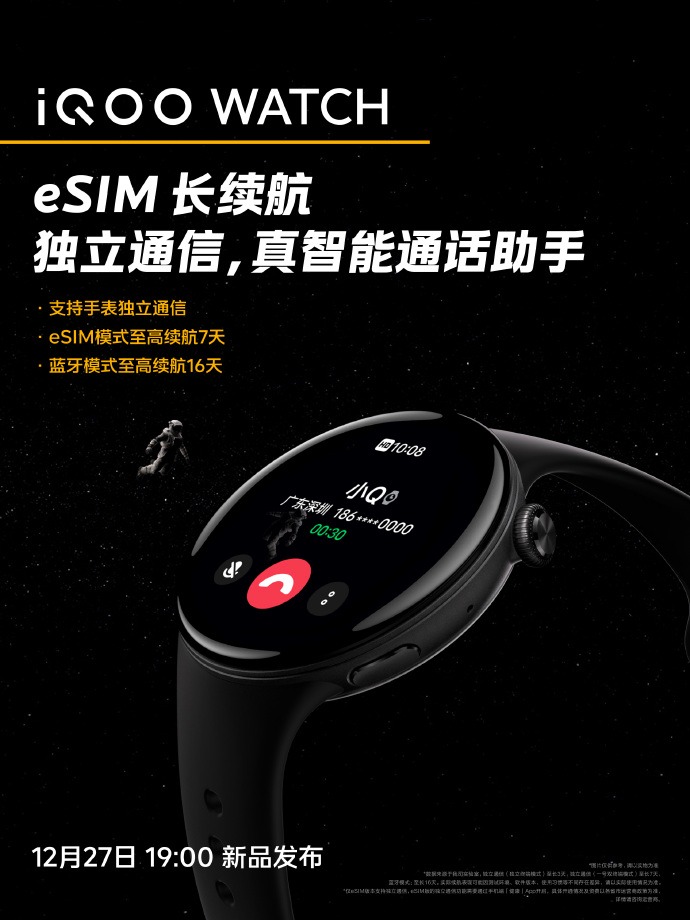
iQOO is gearing up to unveil the Neo 9 series of smartphones in the Chinese market soon. But the phones aren’t alone, as the company will also announce the new iQOO Watch and iQOO TWS 1e. The announcement is set for next week, and now, a teaser has revealed some notable details regarding the upcoming smartwatch and truly wireless earbuds.
iQOO Watch and iQOO TWS 1e Teaser
For those unaware, the iQOO Watch and TWS 1e will launch alongside the Neo 9 series will be announced on 27th December 2023. In an official teaser, the image poster promises that the iQOO Watch offers up to 7 days of battery life in the eSIM mode. But in Bluetooth mode, the wearable can last for up to 16 days. This also confirms that the smartwatch features eSIM support. iQOO previously shared a couple of other teasers, confirming support for Vivo’s self developed BlueOS.
The iQOO Watch is also confirmed to launch with an 8 channel heart rate sensor and 16 channel blood oxygen sensor. In a separate online post, the brand also teased the iQOO TWS 1e earbuds. This confirmed that the device offers support for a full link latency of 55ms and a headset latency of as low as 25ms. The truly wireless earbuds also come with Bluetooth 5.3 connectivity.
The same earbuds had previously been teased with smart noise reduction technology. iQOO claims that the TWS 1e is capable of suppressing environmental noise by up to 73 percent. This is all the information we have at the moment, so stick around for more as we will be covering any new teaser and the launch event next week.
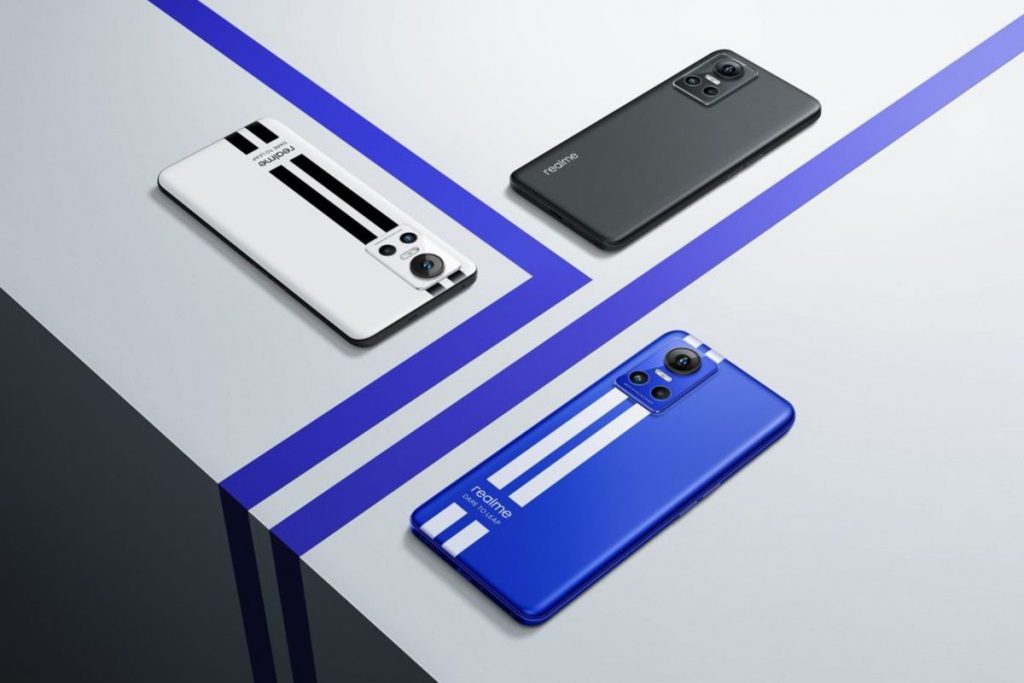
After Realme GT 2 Pro, GT 5 Pro, and other smartphones, Realme finally commenced the Realme UI 5.0 Open Beta update for the Realme GT Neo 3 and GT Neo 3 150W. The update is now live for Realme UI 5.0 Early Access participants and even for new users who would like to participate in the program. Alongside the new features, certain issues may affect the normal usage of the smartphone.
Realme GT Neo3
Realme UI 5.0 Features on Realme GT Neo 3 and Realme GT Neo 3 150W
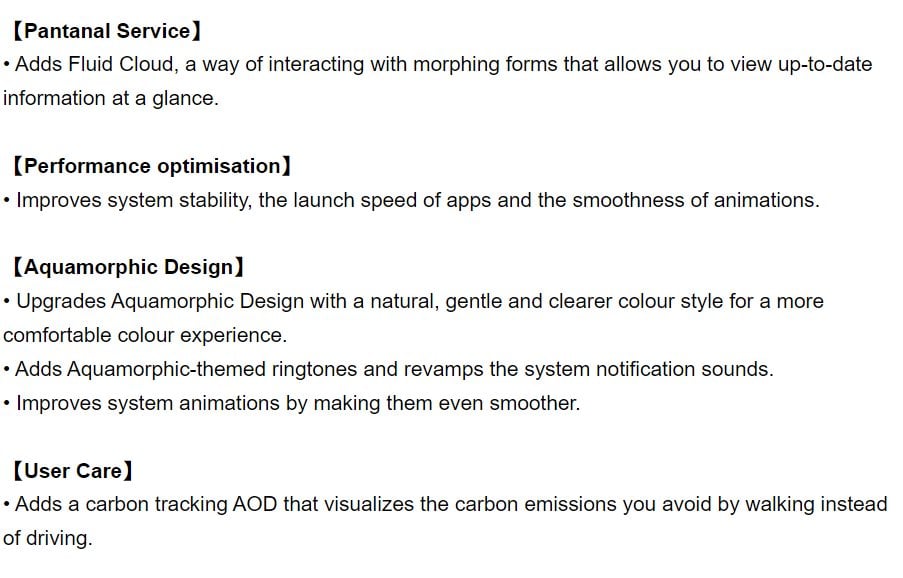
The new update brings all the new Android 14 features and improvements, including security and privacy improvements, and much more. Apart from the luxuries of Android 14, the users would be delighted to enjoy the Relame UI 5.0-based features such as the new Aquamorphic Design, Performance Optimization, New Filedrop service to easily transfer files, and others.
It also brings, at a glance, widgets, new ringtones, system animations, and a lot of other changes. Apart from the features for end users, it also fills up the voids with new APIs for app developers. The new system brings the Grammatical Inflection API, the Regional Preferences API, and others. Some more changes are listed in the official changelog below:
How to Get Relame UI 5.0 Open Beta Update
The users can enjoy the new features, but there’s no rose without thorn, with some bugs and issues. The Glance Lockscreen is not available in the Open Beta, and the Floating Windows gets stuck while sliding. It is fixed once the user pulls the status bar.
Just before the release of a stable rollout, here’s the users’ chance to enjoy Relame UI 5.0 and its features before others. Interested users can apply; just follow some prerequisites and the steps below.
Prerequisites:
Make sure you have at least 60% battery life on your smartphone and 15GB of storage left.
The phone may get reset, so back up all important data.
Note: It is not recommended for users who don’t have prior experience or if it’s their only smartphone.
Steps:
Update your device: RMX3561_13.1.0.800(EX01), RMX3561_13.1.0.730(EX01) for realme GT Neo 3 and RMX3563_13.1.0.800(EX01), RMX3563_13.1.0.730(EX01) for realme GT Neo 3 150W.
Now Head to Device Settings and enable Developer Mode. Settings > About device > Version > Version Number > Tap version number seven times
Apply for Open Beta by heading to Settings > About device > Click on the “Realme UI 4.0” banner at the top > Click on the three dots in the top right corner > Beta program > Open Beta > Apply Now > Submit your details and complete the application.
After a slight delay, the users would receive the update with firmware RMX3561_14.0.0.92(SP01EX01) and RMX3563_14.0.0.92(SP01EX01) on their respective smartphones. For more information, users may head over to the official announcement thread.
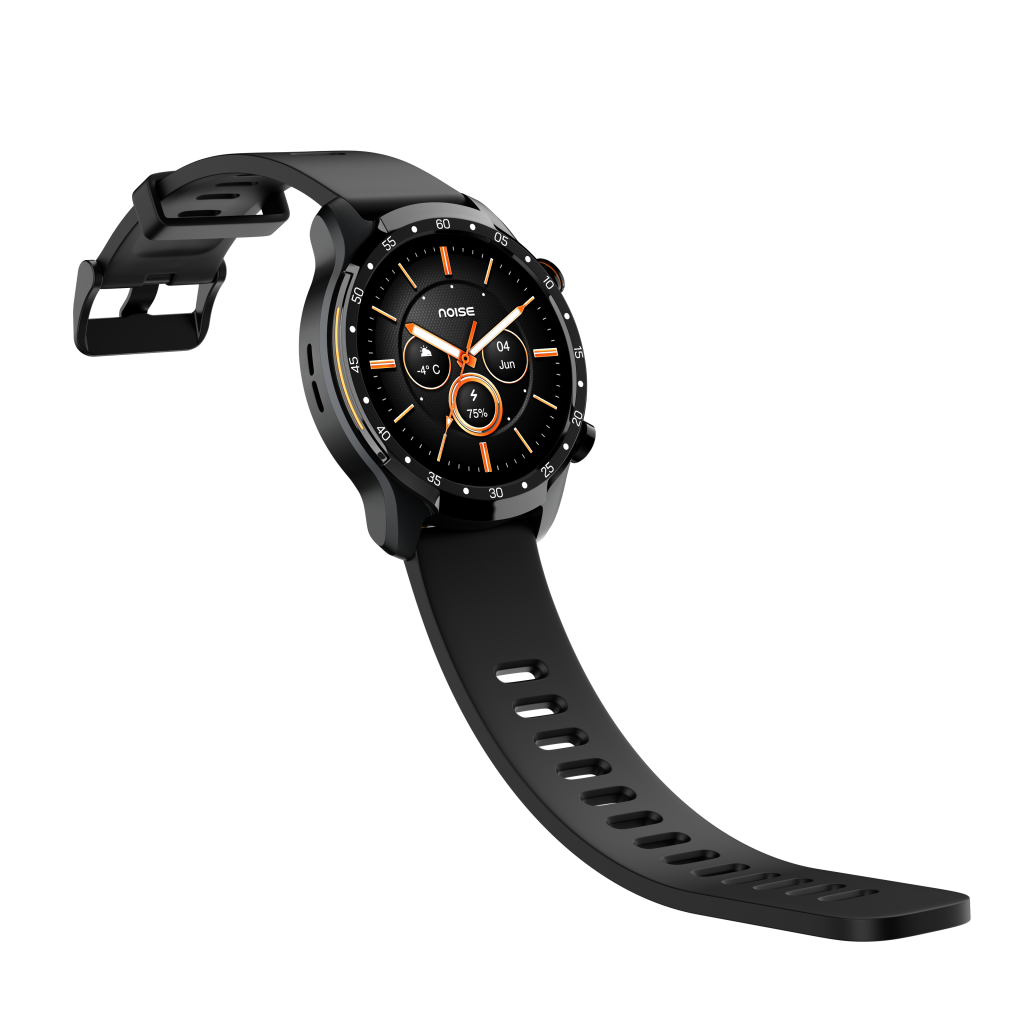
Earlier this month, the Noise unveiled the new Voyage smartwatch in India. The wearable was a high-end model, but its pricing and availability details were not revealed at the time. Now, the pricing and release date has been officially revealed. So let’s have a look.
Noise Voyage Pricing and Availability
As of right now, the Noise Voyage is listed for pre-bookings from the company’s official website. The first sale is set to kick off from the brand’s website as well as Flipkart on 23rd November 2023. Noise has confirmed that the Voyage smartwatch will go on sale for a special introductory price tag of 9,999 INR (roughly 120 US Dollars).
Noise Voyage Specs
To recall, the new wearable sports a 1.4-inch circular Retina AMOLED display (454 x 454 resolution) that is surrounded by a stainless steel bezel. Buyers can even customize the screen with a bunch of different watch faces. Noise partnered up with Airtel and Jio to bring eSIM support to this model, offering an exclusive offer for 3 months of free calls for users that use the two service providers. Unfortunately, the Voyage lacks SIM sharing support so one needs to buy a separate SeSIM to utilize the 4G calling functionality.
It offers various health monitoring features like heart rate tracking, SpO2 blood oxygen monitoring, stress mapping, and sleep tracking along with over 100 sports modes. Other notable features include built-in GPS and GLONASS for accurate positioning, smart notifications, music control, camera controls, Bluetooth connectivity, and up to 7 days of battery life on a single full charge (2 days with calling enabled and 30 days on power saving mode).
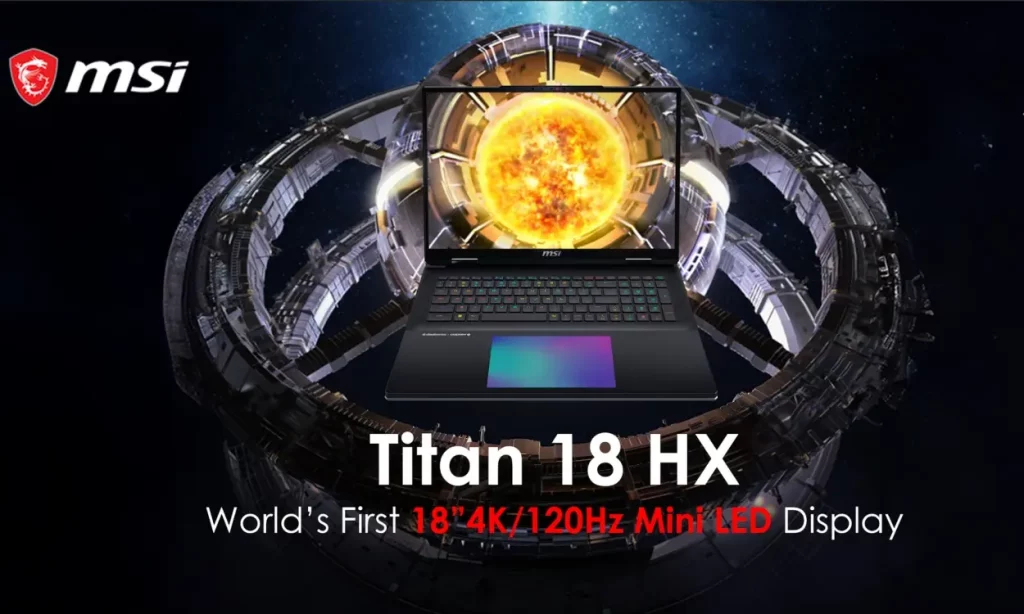
Last week, MSI unveiled its Prestige 13 and 16 AI Evo laptops with Intel Core Ultra processors. Now, the brand has started teasing a new laptop geared towards the gaming community. The upcoming offering confirmed to be called the MSI Titan 18 HX will be announced at the Consumer Electronics Show (CES) 2024 in Las Vegas next month. Apart from officially teasing a key detail of the Titan 18 HX, it has also been spotted on several retailer sites revealing the full spec sheet.
MSI Titan 18 HX teased, specs leaked
The MSI Titan 18 HX is confirmed to sport a large 18-inch screen bearing a 4K resolution and a 120Hz refresh rate. It will also feature a Mini LED display. This will make it the first laptop in the world to come with the aforementioned display specifications. It will also be VESA DisplayHDR certified with 1,000 nits peak brightness and 3ms response time. MSI has not divulged into more details about the Titan 18 HX laptop.
Coming to the leaked specifications courtesy of the retailer listing (via), the MSI Titan 18 HX will reportedly feature a Cherry MX mechanical keyboard with per-key RGB lightning support. The product listing reveals that the upcoming offering will be powered by up to a 14th-generation Intel Core i9 processor. It will also be equipped with a Nvidia RTX 4090 graphics card with 16GB GDDR6 VRAM. Additionally, the Titan 18 HX is listed with a massive 128GB DDR5 RAM and 4TB SSD storage. We expect this to be for the highest-end configuration.
The listing does not reveal any other specifications of the MSI Titan 18 HX but it will reportedly carry a price tag of $5,237 with an MSRP of $5,399.
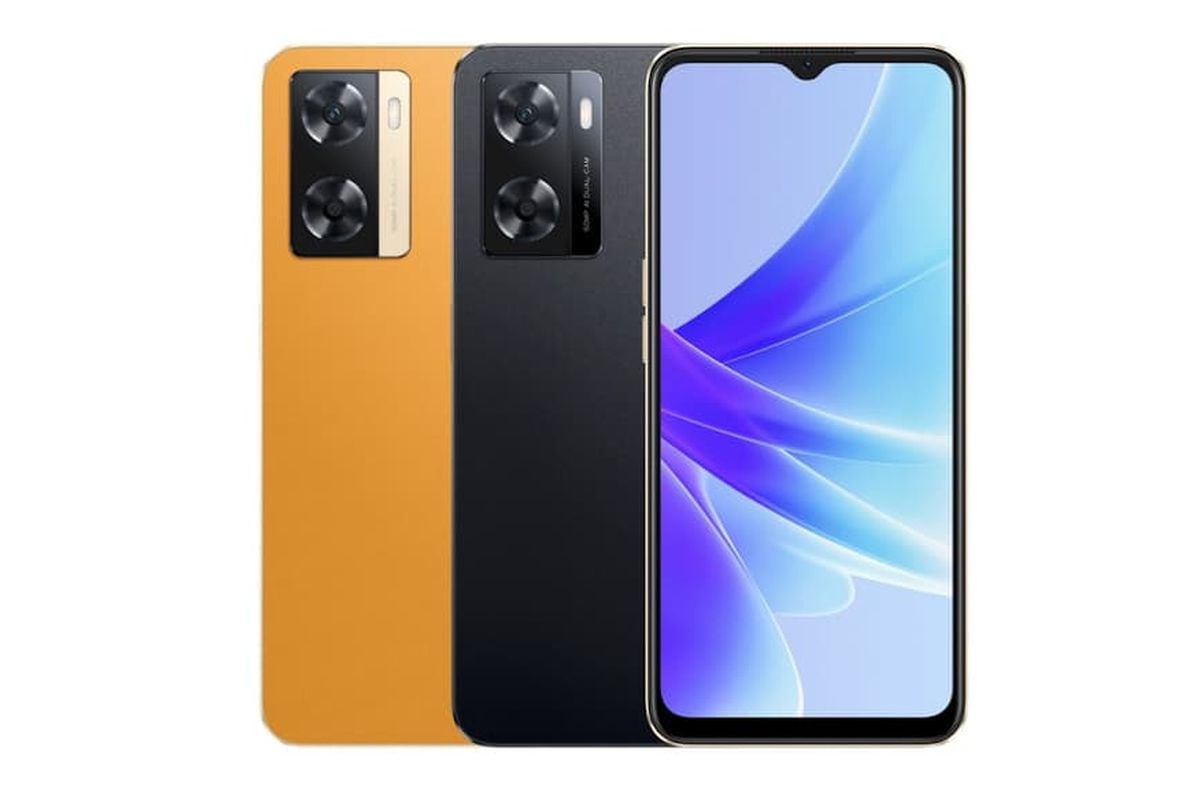
OPPO A77s users in India, the ColorOS 14 Global Version, announced last month, is officially accessible. Applications are now open for those eager to try Android 14 on their device. Here’s a guide on how to get the update and enhance your smartphone experience.
Key Application Details:
Recruitment Type: Official version
Application Period: From December 21st
Compatible Versions: Ensure your phone is updated to the detectable version: C.21/C.22/C.23
Important Points to Consider Before Applying:
Backup Your Data: Before diving into the update, it’s crucial to back up your important personal data to prevent any loss due to incompatibility or unforeseen circumstances.
Post-Update Optimizations: Following the update, the Operating System will automatically optimize your device, which might lead to temporary issues like heating, lagging, and fast battery draining. To address this, consider turning off the screen and charging your device overnight for normalization or continue using it for a few days until it stabilizes.
Third-Party App Compatibility: Keep in mind that some third-party applications may not be compatible with Android 14. After updating, these apps might not function correctly, experiencing issues like lagging or crashing. Check the Android 14 3rd-party APP Compatibility list and update your apps accordingly.
How to Apply:
Step 1: Go to Settings > About device > Tap the top of the page > Tap icon on the top right > Trial versions > Official version > Apply Now
Step 2: Detect the update > Download Now
ColorOS 14 features:
Aquamorphic Design:
Enhanced sound effects, color systems, and interactions.
Ten new Aquamorphic-themed ringtones for calls, alarms, and notifications.
Dynamically adjusting Aquamorphic Coloring System for a more intuitive experience.
Aqua Dynamics design simplifies interactions, extending to the Status Bar.
Revamped Always-On Display (AOD):
Homeland AOD showcases nature scenes, including a Go Green AOD for climate change awareness.
Environment Vision pages linked to daily step counts.
Smart Touch and Seamless Content Sharing:
AI-powered Smart Touch streamlines daily tasks.
File Dock on Smart Sidebar for seamless content sharing, supporting split-screen and floating windows.
Smart Image Matting and Trinity Engine Upgrade:
Smart Image Matting separates subjects from images or paused video frames.
Trinity Engine upgrade boosts device smoothness and stability.
AI-powered Smart Charging and Privacy Assurance:
Smart Charging adjusts charging current based on usage conditions, reducing unnecessary battery wear.
Prioritizes safety and privacy, integrating Android 14’s capabilities.
Picture Keeper prevents apps from misusing permissions.
Snapchat integration with Bitmoji AOD for faster app navigation and updates on messages and friend activities. Your device, your control.
We will be seeing new smartphone launches even in the last week of 2024. Three events are expected. All of them have been officially confirmed by the brands.
Two of these conferences will take place in China. They will be headed by Huawei and iQOO. Both of them will debut upper mid-range (affordable premium) handsets.
Whereas, the third event by Samsung will be held in India. The company will announce its latest budget 5G phones.
Samsung has confirmed to launch Galaxy A25 5G and Galaxy A15 5G in India on December 26 (Tuesday). The event will begin at 12:30 PM IST.
Since these handsets are already official in some markets, we know everything about them. For starters, they feature a slightly tweaked design with a raised platform for power and volume keys called ‘Key Island’.
The A15 and A25 are powered by MediaTek Diemsnity 6100 Plus and Exynos 1280 chips, respectively. Both sport a 50MP main camera and a 2MP macro snapper. But the A25 has OIS as well as an 8MP ultrawide unit compared to a 5MP ultrawide camera on the A15.
On the software front, they ship with One UI 6.0 based on Android 14. They are backed by a 5,000mAh battery with support for 25W charging.
2. Huawei Nova 12 Series
The Huawei Nova 12 series is set to launch in China on December 26 (Tuesday). As of now, the brand has only only revealed the design and colors of these phones
Rumors are strife that there will be four models. These products will be called Huawei Nova 12, Huawei Nova 12 Pro, Huawei Nova 12 Ultra, and Huawei Nova 12 Lite (aka Vitality Edition).
The first three models are said to be powered by an underclocked HiSilicon Kirin 9000s chip. Thhere’s a chance of vanilla Nova 12 housing a new unannounced Kirin 830 SoC. Whereas, the live version is rumored to feature a Snapdragon 778G chipset.
Lastly, the ultra variant is expected to sport an OmniVision OV50H primary camera with variable aperture and support satellite communication.
3. iQOO Neo 9 Series
The iQOO Neo 9 series is scheduled to launch in China on December 27 (Wednesday). Its press conference will start at 7 PM local time (GMT+8).
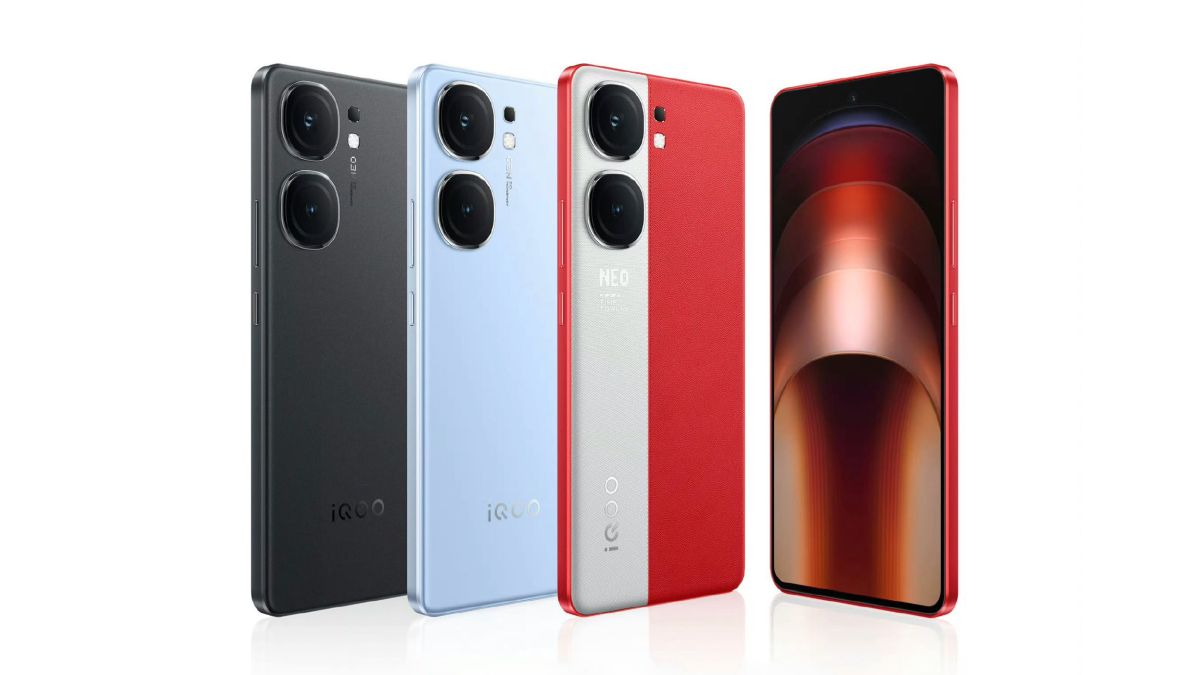
According to leaks and teasers, there will be two devices, namely iQOO Neo 9 and iQOO Neo 9 Pro. They will be powered by Qualcomm Snapdragon 8 Gen 2 and MediaTek Dimensity 9300 chipsets, respectively.
The handsets will flaunt a 6.78-inch 1.5K 144Hz OLED display. They will sport a 50MP Sony IMX920 primary camera assisted by OIS.
They will draw energy from a 5,160mAh battery with support for 120W charging. Lastly, the duo will be available in Red and White Soul, Nautical Blue, and Fighting Black color options.
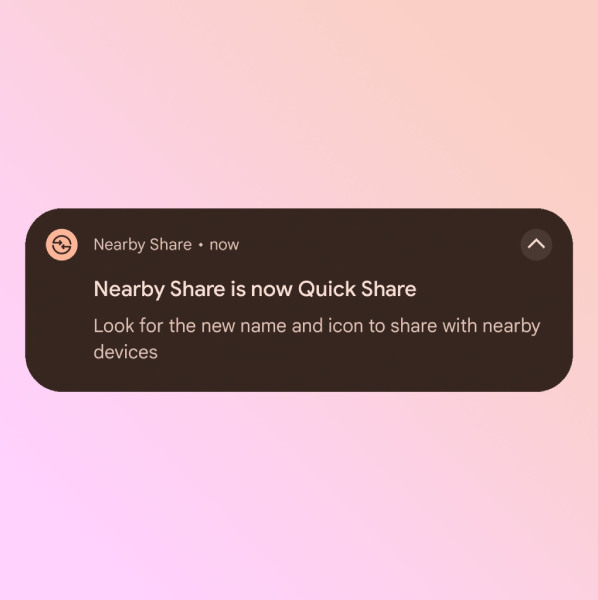
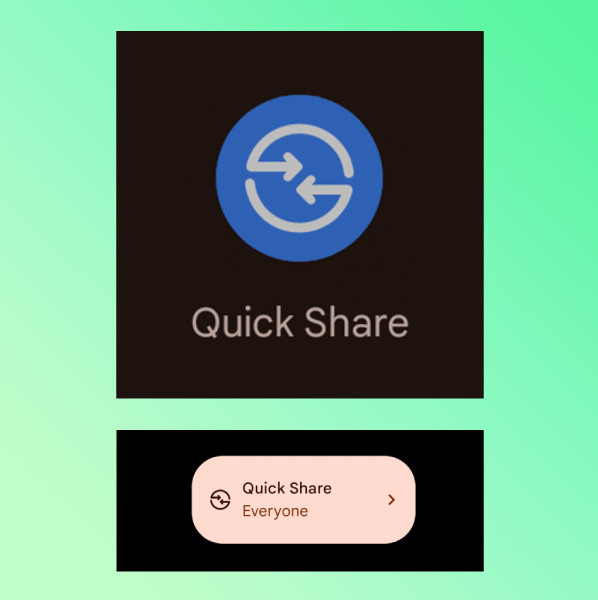
Google‘s Nearby Share, a built-in app for transferring files between Android devices, could be in for a change. It could soon be called Quick Share, the same name as Samsung‘s own file-sharing service.
This isn’t just a cosmetic change, though. Hints suggest that Google and Samsung might be merging their file-sharing services entirely, or at least making them work together seamlessly. This would be a big win for Android users, especially those who own Samsung devices.
Google Nearby Share could be rebranded as Quick Share
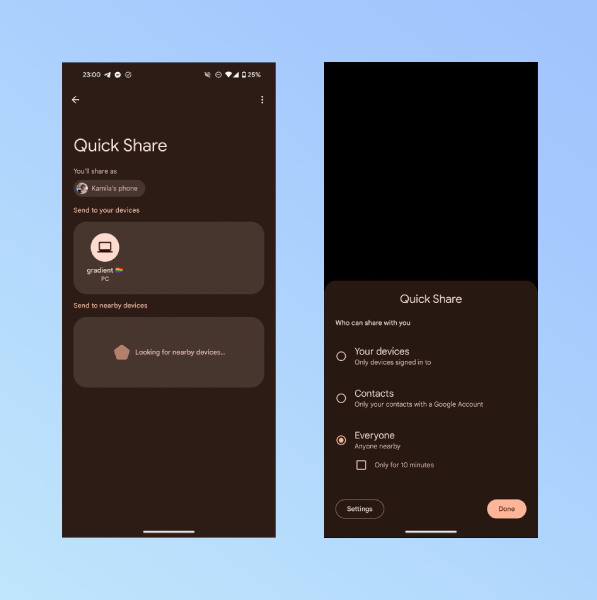
Android developer Kmila Wojciechowska spotted the change after installing a Google Mobile Services update (version 23.50.13). The update not only renames Nearby Share but also introduces a new notification explaining the change and an icon that blends the designs of both services.
However, Quick Share’s functionality remains largely unchanged, with options to share files and photos with everyone, limit to your own devices, or restrict to contacts synced from your Google account.
The update also introduces a clearer pop-up menu separating your devices from nearby devices, making selection easier. For additional privacy, users can temporarily hide themselves from others for ten minutes.
Google’s existing Nearby Share for Windows might also receive a name change if the Quick Share rebranding becomes official. This would leave only macOS as the remaining platform missing the service.
Such a move could benefit both Google and Samsung, strengthening the connection between their devices and the broader Android ecosystem.
However, Google has yet to officially comment on the potential rebranding or any future collaborations with Samsung. For now, users can expect the familiar Nearby Share functionality under the new Quick Share name, with the possibility of further developments in the future.
This month boAt launched the Airdopes 121 V2 Plus TWS earphones and the Lunar Pro LTE smartwatch in India. Now the homegrown brand has announced a new audio device. It is the boAt Nirvana Ion ANC TWS earbuds. The latest offering packs premium features and a slightly unique design. The Nirvana Ion ANC TWS earphones fall under the Rs 3,000 price segment. Read on to know more about the device below.
boAt Nirvana Ion ANC specifications and features
The boAt Nirvana Ion ANC are in-ear TWS earphones with a stem and slightly angled silicon ear tips. The earbuds have small speckle spots making them appear different and unique compared to other earphones. The audio device is IPX4-certified sweat and water-resistant. They also offer seamless in-ear detection.
On the audio front, the boAt Nirvana Ion ANC are equipped with 10mm drivers. There is a boAt signature sound technology along with an additional EQ mode called Crystal Bionic Sound for an immersive listening experience. The TWS earphones pack 32dB active noise cancellation (ANC). The audio device is also equipped with quad mics and ENx technology for ensuring clear quality on calls.
The boAt Nirvana Ion ANC features 60ms low latency mode. It can be connected to two devices simultaneously. The TWS earphones are claimed to offer 120 hours of battery life with each earbud said to deliver 24 hours of playback on a single charge.
The boAt Nirvana Ion ANC carries a price tag of Rs 2,499. It is offered in Quartz White and Crystal Black colors. The TWS earphone can be purchased from Flipkart and the brand’s official website.
Realme 10 Pro 5G users, heads up! The December OTA update is here, featuring the latest UI Version: RMX3660_11.A.46. Get ready for some impactful changes designed to enhance your device’s performance.
Key Changes in UI Version: RMX3660_11.A.46:
Realme is introducing support for VoNR in the network settings, enhancing voice capabilities. Additionally, a new Help & Feedback section has been incorporated into Settings, offering users more support and interaction options.
Beyond feature additions, the update prioritizes refining the overall system performance. Realme has diligently addressed known issues to provide users with a more stable and reliable experience. Expect a boost in performance and fewer glitches.
Ensuring your device’s security, Realme 10 Pro 5G is now equipped with the latest Android security patch for December 2023. The December 2023 Android security patch fixes a whopping 85 vulnerabilities, including a zero-click remote code execution bug and several critical privilege escalation issues.
Realme is taking a gradual approach to the update rollout. Initially, it will be randomly released to a limited number of users. This method allows the company to identify and address any critical bugs before a broader rollout in the coming days.
In related news, the brand has launched the Android 14 x Realme UI 5.0 Early access program for the Realme 10 Pro 5G in India. Since the early access has commenced, users can expect the stable Android 14 update to arrive on their device in about a month’s time if no major issues emerge.
We use cookies on our website to give you the most relevant experience by remembering your preferences and repeat visits. By clicking “Accept”, you consent to the use of ALL the cookies.
This website uses cookies to improve your experience while you navigate through the website. Out of these, the cookies that are categorized as necessary are stored on your browser as they are essential for the working of basic functionalities of the website. We also use third-party cookies that help us analyze and understand how you use this website. These cookies will be stored in your browser only with your consent. You also have the option to opt-out of these cookies. But opting out of some of these cookies may affect your browsing experience.
Necessary cookies are absolutely essential for the website to function properly. This category only includes cookies that ensures basic functionalities and security features of the website. These cookies do not store any personal information.
Any cookies that may not be particularly necessary for the website to function and is used specifically to collect user personal data via analytics, ads, other embedded contents are termed as non-necessary cookies. It is mandatory to procure user consent prior to running these cookies on your website.