Advertisement

MSI launches VIGOR GK41 mechanical keyboard with Kailh Red Switches

MSI launches some serious gaming accessories every now and then. Recently, the brand globally launched the MAG 323UPF 32″ 4K monitor with 160Hz refresh rate. And today, it has unveiled a new mechanical keyboard, which has 10 different lighting zones and brings hotkey functionality. Here are the detailed specifications of the new MSI VIGOR GK41 series mechanical keyboard.

MSI VIGOR GK41 Specifications

The VIGOR GK41 series mechanical keyboard has 10 different lighting zones, 6 fixed LED light colors, and supports customizing lighting effects through the MSI Center app. The keyboard uses Kailh Red switches with a 1.9mm actuation distance, a 4.0mm total travel distance, and an actuation force of 50gf. It also has a 100% anti-ghosting design. This keyboard is claimed to provide excellent response speed for gamers who need precise key presses.

Additionally, the keyboard has a two-stage adjustable support foot design, offering three usage angles: 0°, 3°, and 7°. The official website also emphasizes the keyboard’s “hotkey” functionality. The keycaps have functional icons that allow users to adjust volume, control media, or launch the MSI Afterburner application with the corresponding hotkeys.

The keyboard also has a “6+N key rollover” feature. This means that the keyboard can automatically detect the number of keys pressed by the user and immediately switch between 6-key and N-key modes to avoid signal conflicts and key triggering failures. This allows players to perform all actions even in intense battles.

Pricing and availability details of the keyboard are expected to be unveiled in the coming weeks, so stay tuned.


RELATED:

(Via)

Realme 10 Pro gets new Android 13-based Realme UI 4.0 with bug fixes

While premium smartphones are getting Android 14 beta updates, the Realme 10 Pro is still getting Android 13-based updates fixing up known issues. The latest update carries version number RMX3660_11_A.44 and weighs 31.05 MB.

The changelog says that this update resolves some known issues in order to improve the overall system stability. The brand has not detailed what these issues are. It is possible that this update might sort out the battery drain issue that users have been facing recently.

Realme 10 Pro specs

If you talk about the smartphone Realme 10 Pro comes with a 6.72-inch wide IPS LCD display that sports up to 120 Hz refresh rate and 680 nits of peak brightness. The camera section of the phone includes a 108 MP main primary rear camera with a 2 MP depth sensor. The front side of the phone includes a 16 MP selfie camera.

Realme 10 Pro

The handset runs Android 13-based Realme UI 4.0 and is powered by the Qualcomm Snapdragon 695 5G processor paired with Adreno 619 GPU. It also has a side-mounted fingerprint sensor and stereo speakers. It is backed by a 5,000 mAh battery that supports 33 W wired charging that takes just 29 minutes to charge up to 50%.

If you are wondering when the Realme 10 Pro will be getting access to Android 14, you can check out the Realme UI 5.0 Early Access roadmap.

RELATED:

(via)

Lenovo Xiaoxin 100S projector unveiled with Huawei HiSilicon chip, 1080P resolution

Lenovo is gearing up to launch a new projector. The product in question will be called the Xiaoxin 100S, and it will be a budget-oriented model. The projector will be powered by a Huawei HiSilicon chipset and offer a 1080P resolution. It uses a customized 4th-generation sealed light engine and an LED solid-state brightening light source. The Xiaoxin 100S projector should be launched in the coming days but is already available for pre-order. Here are the details.

Lenovo Xiaoxin 100S Specifications

Information from the product’s promotional page reveals it will boast a customized 4th-generation sealed light engine and an LED solid-state brightening light source, delivering a brightness of up to 270 CVIA lumens and a lifespan of up to 30,000 hours. It is powered by the Hisilicon 352 chip, which supports 4K decoding and offers a true 1080P picture quality with HDR10 compatibility. This means that you can enjoy your favorite content in stunning detail and vibrant colors.

The projector also includes convenient features such as automatic focus and fully automatic trapezoidal correction. Furthermore, it comes with integrated 2x5W speakers, a storage capacity of 2GB+32GB, and supports WiFi 6 connectivity.

Pricing and Availability

The Lenovo Xiaoxin 100S projector is now available for pre-order in China through JD.com, but specific pricing details have not been disclosed. However, information from the promotional page suggests that the expected price is “XX9,” with an estimate that it will not exceed 1000 yuan (~$136). From the naming, it appears that the Lenovo Xiaoxin 100S projector is likely an upgraded version of the Lenovo Xiaoxin 100 projector, which was priced at 1199 yuan (~$165).

RELATED:

(Via)

Huawei Watch GT 4 now measures your sleep and SpO2 better thanks to a new update

Huawei Watch GT 4 was launched in the global market last month, initially in the EU and the UK. The new wearable brings many improvements over its predecessor and is offered in different sizes and strap options. The smartwatch also brings numerous health tracking features, which Huawei just improved with a new update. The Watch GT 4 is receiving the October update in some regions with improvements in the sleep and SpO2 monitoring.

Huawei Watch GT 4 just got better

Huawei Central reports that the Watch GT 4 is receiving a new HarmonyOS update with software version 4.0.0.109 and a downloadable package size of 47 megabytes. Judging by the screenshot shared by the outlet, the update might be rolling out in Spain or Mexico. As mentioned, this update will optimize sleep monitoring accuracy and also upgrade the accuracy of SpO2 measurement. The new update should extend to other regions in the coming days.

Before installing the update, you should make sure you have the latest version of the Huawei Health app. Also, while the update is downloading, keep the Bluetooth connection between your phone and watch active. Once the update has finished downloading, it will be installed automatically and your watch will restart.

Huawei Watch GT 4 is offered in 46mm and 41mm dials. It brings an AMOLED screen with a resolution of 466×466 pixels, a pixel density of 326 PPI, and a collection of over 25,000 watch faces. The wearable has dual-band GNSS for more accurate location tracking and improved features for tracking health and fitness. The 46mm variant offers a remarkable 14-day maximum battery life, while the 41mm version lasts you 7 days.

RELATED:

(Source)

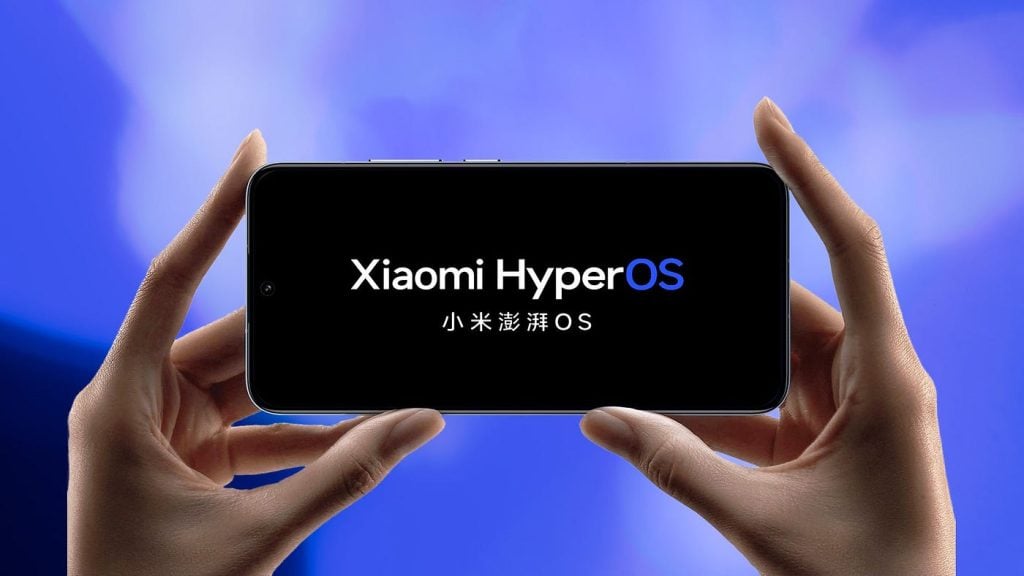
Xiaomi HyperOS leaked screenshots show a cleaner interface than MIUI 14

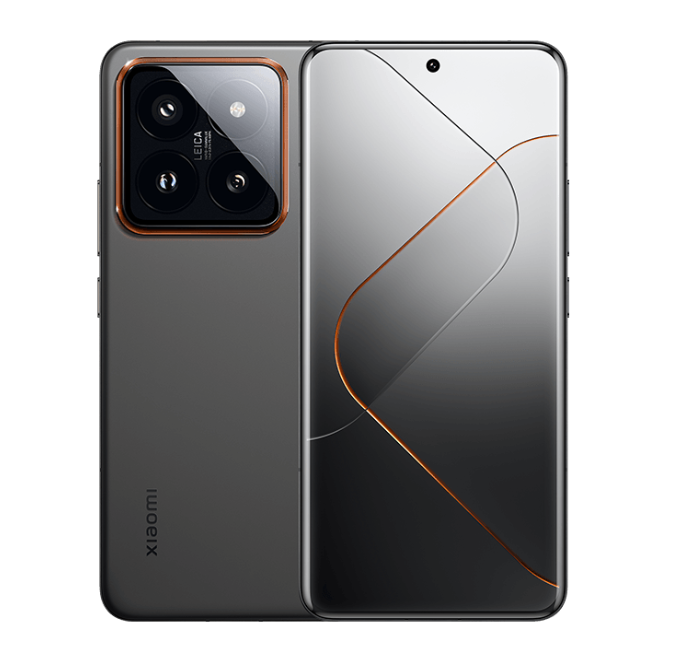
Xiaomi is ready to replace MIUI with a new operating system, HyperOS. MIUI currently powers all Xiaomi, Redmi, and Poco devices, and has seen 14 iterations so far. The custom software is known for its heavy customizations and an overall look inspired by Apple’s iOS. However, MIUI will soon be a thing of the past, as the company will introduce the new HyperOS with the Xiaomi 14 series. While we wait, some leaked screenshots of the upcoming OS reveal some nitty-gritty details.

HyperOS could bring more lockscreen customizations

According to screenshots shared by Weibo users, the upcoming Xiaomi HyperOS will offer significantly more customization options for the lock screen. Users will be able to choose from new types of templates, clocks, fonts, and widgets, and will have more detailed wallpaper customization options. The control center on the new software also appears to be more streamlined compared to MIUI 14, although the app icons remain the same.

Keep in mind that the screenshots of Xiaomi HyperOS that have been circulating online are likely from a beta build of the operating system that is still in testing. It would be unfair to assume that this is how the stable release of the new OS will look. Xiaomi may make changes to the operating system before it is released to the public.

As mentioned, HyperOS is confirmed to launch with the new Xiaomi 14 series, which is rumored to debut on October 27 in China. Xiaomi’s global VP has also confirmed the new OS will roll out globally throughout 2024. This means that HyperOS will gradually replace the OG MIUI operating system, which has been around for 13 years. You might not know but the first MIUI ROM was released back in 2010, an year before the first Xiaomi smartphone was launched.

RELATED:

(Source 1,2) (Via)

Lenovo and HP Outperform Apple in PC Market, AI PCs Poised for Growth

The pandemic made life challenging for many of us, but it was an incredibly productive period for technology companies. Billions of people worldwide, confined to their homes, shopped voraciously, filling the coffers of tech giants with billions of dollars. Naturally, this situation significantly impacted the markets, causing figures in reports to skyrocket. One of these booming markets was the global PC market. However, according to a report published by Counterpoint, the market continued to normalize in Q3 2023. Here are the details…

PC Shipments Expected to Return to Pre-COVID-19 Levels in 2024

Global PC shipments continued to normalize in Q3 2023, declining 9% year-over-year but marking the second straight quarter of sequential growth. The market is still weighed down by weak demand amid a slowdown in consumer and enterprise purchases, but there are signs of a recovery on the horizon. HP had a resilient quarter, with shipments registering mid-single digit year-over-year growth.

The company benefited from robust consumer and educational demand. Lenovo also outperformed most PC OEMs, with shipments seeing a single digit percentage year-over-year decline. Other tier 1 PC vendors such as Dell, Apple, and Asus struggled to find strong shipment drivers in Q3 2023.

However, analysts are optimistic that the PC market has already bottomed out and that we can expect a gentle shipment recovery over the next few quarters. One of the key drivers of PC shipment growth in 2024 is expected to be AI-enabled PCs. AI PCs are equipped with specialized hardware and software that enable them to perform artificial intelligence tasks more efficiently and effectively. AI PCs are still in their early stages of development, but they have the potential to revolutionize the way we use computers.

AI PCs could be used for a wide range of applications, including video editing, photo editing, gaming, and scientific research. Analysts expect AI PCs to have a 50% compound annual growth rate from 2020 to 2026. By 2026, AI PCs are expected to dominate the PC market with an expected penetration rate of more than 50%. In addition to AI PCs, other factors that are expected to drive PC shipment growth in 2024 include the Windows 11 replacement cycle and the next wave of Arm PCs.

RELATED:

(source)

Decathlon unveils the 2023 edition of its Longtail e-Cargo Bike R500E packing an impressive load capacity

French sports retailer and manufacturing giant Decathlon continues to expand its catalog of electric bikes. Cargo e-bikes seem to be the next big thing on the block and Decathlon is not getting left out of the party. The company has now launched the 2023 edition of the Decathlon BTWIN Longtail Electric Cargo Bike R500E has arrived.

2023 Decathlon BTWIN Longtail Electric Cargo Bike R500E

Features

The BTWIN Longtail Electric Cargo Bike R500E is touted as the successor to the Elops Longtail R500 and it comes with a similar design style. However, the new model adopts different color options, specifically Light Green and Beige colors. The new e-bike equally packs a powerful 250W motor which is capable of outputting up to 58 Nm torque. This impressive torque capability makes it possible for the e-bike to haul cargo of up to 170 kg (~375 lbs).

The new Decathlon electric cargo bike comes with three assistance modes that determine the maximum range it can go on a single charge. The maximum is the Eco mode which can deliver up to 90 km range with 90% assistance. There is also a Power mode which has a range of 50 km with 400% assistance. There is also a Walk mode which propels the bike at up to 6kph (~4 mph). This could be useful when you run out of battery and still want to haul your cargo home on foot.

2023 Decathlon BTWIN Longtail Electric Cargo Bike R500E

The bike is powered by a Samsung-manufactured 672 Wh lithium-ion battery that can be fully charged in five hours when it runs down. It features an LCD screen mounted on the handlebar which lets users easily switch between the different pedaling modes and check out the distance they have covered and the range remaining.

On the mechanical side, the bike features an eight-gear Microshift rear derailleur. It also comes with Tektro hydraulic disc brakes and 26-inch front tires as well as 20-inch rear CST C1996 cargo bike tires. The e-bike weighs 38 kg (~84 lbs).

2023 Decathlon BTWIN Longtail Electric Cargo Bike R500E

Pricing & Availability

The 2023 Decathlon BTWIN Longtail Electric Cargo Bike R500E carries a decent price tag of €2,999. It is presently available to buy in some countries across Europe including France and Germany. Decathlon is yet to reveal the global release schedule for the new cargo e-bike.

RELATED:

(source)

Mission to Destroy Twitter: Elon Musk Wants You to Pay $1 to Tweet

Elon Musk bought Twitter for $44 billion, and within a year, the platform had undergone dramatic changes, most of which were unpopular. First, the company introduced a paid subscription service. Soon after, it changed its name and logo to “X.” This transformation, which many felt was a loss of identity, drove users towards alternatives like Threads. Thankfully, the company managed to maintain its user count. However, Elon Musk then made a decision that made it seem like he was on a mission to destroy Twitter. The mad billionaire, started charging new users $1 per year to send tweets. Here are the details…

Elon Musk’s $1 Twitter Fee: Is It the End of the Platform?

As you may know, aside from its X Premium subscription, joining the platform formerly known as Twitter used to be free. In order to do that, all you needed to do was verify your membership with a phone number. However, this is changing. X has begun charging new users in New Zealand and the Philippines an annual fee of $1. By paying this fee, you can access X’s primary features, including posting tweets, retweeting, liking posts, and responding to them.

Elon Musk X

If you do not pay the fee, you will only be able to read posts, watch videos, and follow accounts. You will not be permitted to use any other Twitter features. In short, there’s a version of Twitter that views itself as a digital platform, solely presenting the tweets of the people you follow. Twitter and Musk stated that the reason for charging fees is solely to prevent spam, harmful content, and manipulations.

Additionally, new accounts will need to verify their phone numbers, but Mr. Musk mentioned that creating “read-only” accounts without basic features will still be free. In short, if you only enjoy refined pleasures like reading tweets and watching videos, Twitter will likely remain free for you indefinitely. However, if you can’t resist tweeting, you might eventually have to pay $1 to continue using Twitter.

RELATED:

(via)

Google and Qualcomm Team Up to Bring Open-Source Power to Wearables via RISC-V

In a move that’s definitely surprising but quite welcome, Google and Qualcomm are partnering to boost the capabilities of future wearables through RISC-V, an open-source alternative to ARM and x86 architectures. The move is designed to redefine the Wear OS landscape by leveraging RISC-V’s openness and adaptability.

RISC-V comes with a reduced need for ARM licenses

At its core, RISC-V isn’t just an alternative; it’s a game changer. It’s an open-source instruction set architecture (ISA) that permits any company to craft custom cores. This is like throwing open the gates for new players and urging them to bring their fresh ideas to the table. What this means for consumers is a market rich in innovation and competition.

Google

One of the big draws of this transition to RISC-V is the reduced need for ARM licenses. By opting for RISC-V, companies are free to make their own rules—no strings attached. This step marks a “key milestone” in integrating RISC-V CPUs with Android, Google’s popular operating system, according to Qualcomm.

Why start with wearables? Well, Google seems to believe that Wear OS is the ideal testing ground for the RISC-V innovation. Both Google and Qualcomm are in the process of creating custom CPUs that are high on performance but low on power consumption. This is particularly essential for wearables, which require both durability and speed for optimum performance.

Don’t worry if you’re a fan of ARM-based Snapdragon Wear chips; they’re not going anywhere anytime soon. Qualcomm has expressed its commitment to continue investing in its existing platforms. However, with this collaboration on RISC-V, it’s clear that there’s a new sheriff in town aiming to revolutionize the way we look at smart wearables.

RELATED:

(Via)

Galaxy S10 gets an unexpected update months after Samsung ended its software support

Galaxy S10 is Samsung’s first 5G phone from 2019. The handset did a solid 4 years in the market before Samsung discontinued its software updates on June 2023. However, the handset has now received an unexpected update, reminding us of the popular Vince Carter meme doing rounds with caption “I got one more in me”. Alongside the Galaxy S10, the Galaxy S10e and the Galaxy S10+ have also received the new update. Here are the details.

The update might not extend to all regions

As reported by Sammobile, the Galaxy S10, Galaxy S10e, and the Galaxy S10+ are receiving a new update on the Telcel network in Mexico. To everyone’s surprise, the update brings the latest September 2023 patch in tow and has the firmware version HWI1. It remains to be seen if the update will extend to other regions as well.

The chances of other regions getting the new update are unlikely. As we mentioned, Samsung has already ended support for the Galaxy S10. And the other two models, the Galaxy S10e and S10+, were also dropped from the support list in April 2023. It’s possible that Telcel Mexico is just feeling generous and gave their customers an additional update. Or maybe Samsung detected a serious vulnerability and decided to roll out a fix, which is not uncommon.

While the three aforementioned Samsung phones no longer receive updates, there’s one Galaxy S10 series model that will continue to receive updates until 2024 — the Galaxy S10 Lite. And that’s not because Samsung is particularly fond of the device, but because it was launched a year after the original four Galaxy S10 devices.

RELATED:

(Source)

Hyundai Unveils the Limited Edition Ioniq 5 Disney100 Platinum Edition Electric Hatchback

Hyundai is taking its fans on a nostalgic journey with its limited edition Ioniq 5 Disney100 Platinum Edition. First teased at the 2023 New York Auto Show, the electric hatchback has now been officially revealed.

The car would make any Disney fan drool over the subtle touches

In a unique alliance between Hyundai and Disney, this special edition car isn’t just a vehicle; it’s a capsule of magical experiences. Right from its Gravity Gold matte exterior to Disney100 seat logos and exterior badging, the car whispers the world of Disney in every detail. Flip the ignition, and you’re greeted by a Disney-themed welcome screen.

Hyundai

But what happens when fantasy meets reality? Interestingly, some of the dreamy elements seen in the concept model—like the sparkling animations across headlights and taillights—have been left out. The same goes for the additional “pixie dust” on the moonroof, and the multiple-color interior light show.

While the car might lack some of the concept’s whimsical elements, its exclusivity is guaranteed. Only 1,000 units are slated for production, making it a collector’s item for Disney aficionados and car enthusiasts alike.

The Ioniq 5 Disney100 Platinum Edition doesn’t just pay homage to Disney; it also marks Hyundai’s commitment to forward-thinking design. This launch is part of Hyundai’s broader strategy of integrated marketing events, aimed to encapsulate the joy and nostalgia that Disney has offered for a century.

“As we celebrate 100 years of Disney, our collaboration on the Ioniq 5 demonstrates the innovative spirit of both brands,” said Andrew Messina, SVP of Sales at Disney. Word on the street is that Hyundai is also quietly working on a refreshed version of the Ioniq 5. Although it’s early to say, the visual changes seem subtle, and the battery options are likely to remain the same.

This special edition electric vehicle offers more than just a ride; it offers a trip down memory lane, making every mile a magical experience.

RELATED:

(Via)

Samsung Makes it Easier to Repair Galaxy Phones and Foldables Under Warranty

Smartphones have become an indispensable part of our lives. Nowadays, we rely on these devices for everything from financial transactions to socializing. However, with advancing technology and the addition of new features, these devices are becoming more expensive than ever before. For instance, a phone from the Galaxy S23 or iPhone 15 series can easily cost over $1000. Fortunately, Samsung is looking to make repairs for Galaxy phones much more affordable by introducing expanded repair options. Here are the details…

Samsung Expands Repair Options for Galaxy Devices, Including Foldables

Smartphone repair is becoming much easier for Samsung users in the US and Canada. The company is now partnering with Batteries Plus, a specialty battery retailer with over 700 locations in North America, to offer in-warranty repairs for Galaxy devices. This means that Galaxy owners can take their devices to any Batteries Plus location for a repair, and it will be covered by Samsung’s warranty.

Samsung Galaxy Smartphone repair

This is a significant expansion of Samsung’s repair options, as it will make it much easier for Galaxy owners to get their devices repaired, especially in rural areas where there may not be a Samsung authorized service center nearby. In addition to offering in-warranty repairs, Batteries Plus will also be able to repair Galaxy foldables, such as the Galaxy Z Fold series.

This is the first time that Samsung has authorized an independent service provider to repair its foldable devices. Samsung says that it wants to make it as easy as possible for customers to get their Galaxy devices repaired, and this expansion will make it much easier for customers to do so.

RELATED:

(via)

Elon Musk’s X is Now Charging New Users $1 a Year to Post Tweets

As of October 17, 2023, X (formerly Twitter) has been testing the waters with two big changes: a new $1 per year subscription model and a stricter policy for its crowd-sourced fact-checking tool. While the changes seem to aim for quality control and revenue generation, they also raise some crucial questions about accessibility and credibility.

X seems like it wants the platform users to fact-check unreliable tweets

The subscription model, called “Not a Bot,” has been introduced for new users in New Zealand and the Philippines. The service, costing about a dollar a year, can appear as a negligible amount to some, but it might also act as a barrier for free speech. Charging even a nominal fee for a platform traditionally open to everyone risks alienating those who can’t or won’t pay.

X Twitter

Similarly, X has been scrambling to put a lid on the spread of misinformation by tweaking its crowd-sourced fact-checking tool. Volunteer contributors now have to back their claims with sources. However, with no set guidelines for what counts as a credible source, this change could be a double-edged sword. Given the on-going Israel–Hamas conflict and the circulation of false information, the importance of unbiased fact-checking has never been higher. But what happens when the fact-checkers themselves become conduits for misinformation?

To make matters even murkier, the company has cut staff responsible for curating reliable information and eliminated certain tools designed to report misinformation. It appears X may be shifting the responsibility of fact-checking onto its users, without giving them the tools to do so effectively.

RELATED:

(Via)

Samsung Galaxy S24 Series Color Options Leaked, Hints At A Refreshing Change

Last month, the entire Galaxy S24 family surfaced in leaked renders giving us a first look at Samsung’s next-generation flagship offerings. The South Korean brand is expected to unveil the Galaxy S24 series earlier than usual next year in San Fransico, more specifically around January 18. Rumors and leaks have been churning out new information on the upcoming devices very often. Now, the core color options of the Galaxy S24 series have emerged which seem interesting.  

Samsung Galaxy S24 series color options emerge

As per DSCC’s (Display Supply Chain Consultants) CEO Ross Young, the Samsung Galaxy S24, S24+, and S24 Ultra will reportedly arrive in Black, Gray, Violet, and Yellow color options. The first two are quite common every year and are marketed as ‘Phantom Black’ and ‘Graphite’. The other two color hues are where things get interesting. The last time the South Korean brand launched the Yellow Galaxy S phone was the S10e back in 2020. The Violet color was used on the Galaxy S21 in 2021. 

Notably, Samsung launched the Galaxy S23 series in Lavendar and Lime colors which are pale hues compared to violet and yellow. The four main color options on the Galaxy S24 series are expected to be joined by exclusive hues on the company’s official website. Additionally, the Galaxy S24 series is reported to feature a titanium body similar to Apple’s iPhone 15 Pro models. So the colors on the devices may be different compared to previous-generation models. 

Meanwhile, leaked renders of the Galaxy S24 Ultra revealed a familiar design as its predecessor but with reduced screen bezels on all sides. On the other hand, the S24 and S24+ are seen with a boxy design and compact form factor. The leaked renders all three devices also hint at the presence of an ultrawide-band antenna. 

Related:

Honor X50 Pro to launch soon with 1TB storage and more

Honor is expected to launch the Honor X50 GT in the coming days. A tipster now suggests that the company will also be releasing the Honor X50 Pro soon.

Both these devices will be positioned above the original Honor X50 that debuted in July. Though we have been hearing about the GT variant for months, this is the first time the Pro version has ever been muttered on the internet.

Let’s check out what the leaker has to say about the Honor X50 Pro.

Honor X50
Honor X50

An upcoming Honor-branded smartphone with model number ALP-AN00 has been certified by 3C. A tipster who goes by Wangzai know-it-all on Weibo says that this device will go official as Honor X50 Pro.

As per the certification, the phone will be shipped with chargers bearing model numbers HN-110320C00 or HN-110320C01. This power adaptor has a maximum power output of 35W (11V 3.2A).

Further, the leaker reveals that this handset will have NFC. He also says that the highest memory configuration will offer 16GB RAM and 1TB storage.

Unfortunately, that’s all the information we have on the Honor X50 Pro so far. But we are looking forward to learning more about it via leaks and certifications.

On the other hand, we do know a lot about the Honor X50 GT. This smartphone is said to come with a 6.81-inch FHD+ OLED display, a Qualcomm Snapdragon 888 chip, a 50MP primary camera, a 16MP selfie camera, a 4,800mAh battery, and a rear design similar to the Huawei Mate X5.

RELATED:

BOULT Curve Max neckband & Curve Buds Pro TWS launched in India

Indian electronics brand BOULT has launched a new TWS and neckband earbuds in India. These are called the BOULT Curve Buds and Curve Max neckband.

BOULT Curve Max neckband specs

The BOULT Curve Max neckband comes equipped with 13mm BoomX drivers that deliver high-quality audio. It offers crisp calling quality, thanks to ZEN Mode Environmental Noise Cancellation (ENC) technology. With a remarkable 100 hours of battery life on a single charge, this neckband is built to last through extended listening sessions. Even if you’re in a hurry, a quick 10-minute charge provides a solid 24 hours of playtime.

BOULT Curve Max neckband

For gaming, it offers a 50ms low latency mode for a seamless gaming experience. It also boasts IPX5 water resistance, making it suitable for active lifestyles. Additionally, the neckband supports dual-device connectivity, allowing you to switch between devices. It is available in two stylish colors: Black and Blue. Lastly, it comes with a USB Type-C connector for convenient charging.

BOULT Curve Buds Pro specs

The BOULT Curve Buds Pro features 10mm BoomX drivers that enhance the audio quality and offer three EQ modes, namely HiFi, Rock, and Bass Boost, catering to diverse musical tastes. The addition of a Combat Gaming Mode with 40ms low latency ensures a smooth gaming experience for gaming enthusiasts. Clear call quality is made possible by the ZEN Quad Mic ENC technology. With an impressive 100 hours of gameplay on a single charge, these earbuds offer exceptional endurance.

just 10 minutes of charging grants you a generous 130 minutes of playtime. It features Bluetooth 5.3 and offers Quick pairing with Blink & Pair technology. The earbuds come with touch controls for convenience and IPX5 water resistance for added durability. You can choose from three attractive colors: Nautical Black, White Wave, and Beach Rose. Like the neckband, they also feature a USB Type-C charging port.

Pricing & availability

The BOULT Curve Max is currently offered at a special launch price of Rs. 999 instead of its regular Rs. 1,299. You can find these neckbands available for purchase on Amazon.in, Flipkart, and boultaudio.com.

On the other hand, the BOULT Curve Buds Pro is available at a discounted price of Rs. 1,299, down from the usual Rs. 1,799. You can purchase these earbuds on Amazon.in and boultaudio.com.

RELATED:

(via)

OnePlus 12 Will Reportedly Have A Better Display Than Samsung’s AMOLED Screens

OnePlus is gearing up to announce its first-ever foldable phone, the OnePlus Open tomorrow in the global markets. The brand is also reportedly working on its next-generation flagship smartphone, the OnePlus 12. It is expected to launch by the end of this year. The smartphone had appeared in updated leaked renders last month. Renowned tipster Digital Chat Station has been sharing key specifications of the OnePlus 12. Now he is back with new information. 

OnePlus 12 will have a premium display

DCS says that the high-end customized screen on the OnePlus 12 is codenamed ‘Dongfang’. It will offer a 2K display resolution with curved edges as seen in the leaked renders. The tipster claims that the display on the upcoming OnePlus flagship will be better than Samsung’s AMOLED panels. The screen on the OnePlus 12 will offer premium color, brightness, and eye protection making it the top one in the industry. The device is also tipped to pack many exclusive technologies but they remain unknown at the moment. 

Previously, DCS had revealed that the OnePlus 12 will feature a 6.82-inch curved OLED screen bearing a resolution of 3,168 x 1,440 pixels. It will have a 120Hz LTPO refresh rate and 2160Hz PWM dimming for enhanced visual comfort. On the optics front, the smartphone will reportedly sport a 50MP 1/1.4-inch OIS-enabled primary sensor, a 48MP ultra-wide-angle lens, and a 64MP OIS periscope unit. 

The leaked renders revealed that the OnePlus 12 will have an identical design compared to its previous flagships including a half-pill-shaped island in a glossy finish that stretches from the side frame, a centre-aligned punch-hole cutout, and an alert slider on the right side. 

Related:

Redmi K70 Pro Display And Design Details Tipped

The Redmi K70 series has surfaced in a lot of leaks and rumors in recent months. The Xiaomi sub-brand is expected to announce the smartphones in December. The next-generation devices will arrive as the successors to the current Redmi K60 lineup. Now, in a new development, reliable tipster Digital Chat Station has shared information on the Redmi K70 Pro’s display and design aspects. Read on to know more below. 

Redmi K70 Pro display and design details tipped

As per Digital Chat Station, the Redmi K70 Pro will come with a 2K flat display surrounded by slim bezels offering a higher screen-to-body ratio. It is also tipped to feature significant improvements in its brightness-dimming capabilities. As for the design, DCS says that the Redmi K70 Pro will have a metal middle frame and a new glass-coated body. It will sport a horizontally arranged large matrix for its camera module that will also be transparent offering a unique look. 

Lastly, the tipster adds that the Redmi K70 Pro’s engineering prototype is in a Pink color variant with glass materials. However, it remains to be seen if it will arrive in the market. The smartphone will reportedly be powered by a Snapdragon 8 Gen 3 processor that is set to be announced later this month. 

The Geekbench listing of the Redmi K70 Pro revealed that it will pack 16GB RAM and ship with Android 14 OS out of the box. It is expected to be backed by a 5,120mAh battery unit with support for 120W fast charging. The device is tipped to feature a 50MP Sony IMX707 sensor paired with a 3.2x telephoto lens.

Related:

Garmin Fenix 7 Pro, Epix 2 Pro, Tactix 7 AMOLED, and more watches now support ECG

Garmin is rolling out support for ECG for a number of its smartwatch models. The company announced the Marq Carbon Collection of premium smartwatches a couple of days ago and has now released Garmin’s electrocardiogram (ECG) app for its existing wearable models.

Garmin ECG app launched for Fenix 7 Pro, Epix 2 Pro, and more

The US Food and Drug Administration (FDA) has cleared the brand’s electrocardiogram application, which brings support for the feature on Garmin smartwatches that were recently announced. The FDA approval now expands the app’s usage to the Fenix 7 Pro, Epix 2 Pro, Venu 3, and even the Tactix 7 AMOLED Edition. So now, it is possible to record heart rhythms with these smartwatches to check for signs of atrial fibrillation (AFib).

Garmin ECG Support

This feature doesn’t require any add on. In an official announcement, Garmin added that the software records 30 second ECGs. Notably, the ECG app will be offered to Epix 2 Pro, Fenix 7 Pro, Tactix 7 AMOLED Edition, and Venu 3 series of watches that are paired to smartphones that have Garmin’s latest software. Users can view this on any of the smartwatches listed above or from the Garmin Connect smartphone app.

However, it is worth noting that the feature is only being rolled out in certain regions at the moment. As of right now, the smart wearable maker has released this support in Hong Kong, Vietnam, and the US. Furthermore, Garmin has made the ECG app for users who are at least 22 years old. In other words, the ECG feature support isn’t rolling out globally.

RELATED:

Foxconn and NVIDIA forge groundbreaking partnership for AI-driven future

In a landmark collaboration, Foxconn Technology Group, the world’s largest electronics contract manufacturer, and NVIDIA, the leading innovator in AI computing, have joined forces to revolutionize the future of manufacturing. Announced during Foxconn’s annual tech showcase in Taipei, the partnership centers on creating cutting-edge data centers, termed “AI factories,” using NVIDIA’s advanced AI chips and software.

These AI factories, a pioneering concept in manufacturing intelligence, will leverage NVIDIA’s high-end AI chips, including the GH200 super chip, in a bid to process data from autonomous electric vehicles. The strategic vision involves continuous improvement of software for self-driving cars and other AI-driven applications. 

Jensen Huang, NVIDIA’s CEO, envisions a future where every industry benefits from AI factories, which will enable the collection of data from autonomous vehicles and facilitate fleet-wide software updates.

This collaboration builds upon Foxconn and NVIDIA’s earlier partnership, announced in January, which focused on developing autonomous vehicle platforms. As part of this initiative, Foxconn will manufacture electronic control units based on NVIDIA’s DRIVE Orin system-on-a-chip for the global market. The companies are pushing the boundaries of AI-driven manufacturing, aiming not only to enhance self-driving technology but also to explore applications in smart cities and smart manufacturing.

Foxconn, transitioning from a manufacturing service company to a platform solution company, has revealed ambitious plans in the electric vehicle (EV) sector. The company recently unveiled its electric cargo van, Model N, with an eye on markets in India and Japan. 

Foxconn is in discussions with 14 potential customers for its EVs, targeting a 5% share of the global EV market and an impressive $33 billion in revenue from EVs and components by 2025. Their long-term aspiration is nothing short of groundbreaking: to manufacture nearly half of the world’s EVs.

Meanwhile, NVIDIA’s shares have soared in 2023, reaching a staggering market value of over $1 trillion, driven by the pivotal role of its chips in various AI applications. Despite regulatory restrictions on the GH200 super chip in China, the collaboration with Foxconn underscores the global impact of their endeavor, with potential applications in diverse sectors beyond automotive technology.

The announcement comes against the backdrop of Foxconn’s founder, Terry Gou Tai-ming, emerging as an independent candidate for Taiwan’s presidency, adding another layer of significance to the company’s evolving narrative. 

While Foxconn’s shares experienced a slight dip following the announcement, the broader implications of this groundbreaking partnership are poised to shape the future landscape of AI-driven manufacturing on a global scale.

Related:

(via)