Advertisement

Hisense unveils E7 series in China: 4K 144Hz MiniLED display, starts at 5999 yuan ($820)

Hisense has recently introduced the E7 TV series at a product launch event in China. The E7 is the most budget-friendly option among the new releases, starting at a price of 5999 yuan ($820). Let’s check out the key features of this series.

Hisense E7

Hisense E7 TV Key Features:

E7 series features a cutting-edge 1024-zone MiniLED display, delivering native 4K resolution with an impressive 144Hz refresh rate. This screen can reach a peak brightness of 1600nits in XDR, supports 16-bit ambient light sensing, and offers a wide 95% DCI-P3 color gamut.

The Hisense E7 TV equips a quad-core A73 and a dual-core G52 processor. It also comes with the Xinchip X image quality processor, which works in tandem with its advanced screen to provide excellent visual performance. It offers ample storage capacity, with up to 4GB RAM and 128GB storage available.

Audio needs are met by powerful 60W 2.1 channel front-facing speakers. Additionally, it includes a camera for video calls and incorporates AI smart interaction features to enhance user-friendliness.
Hisense E7 TV

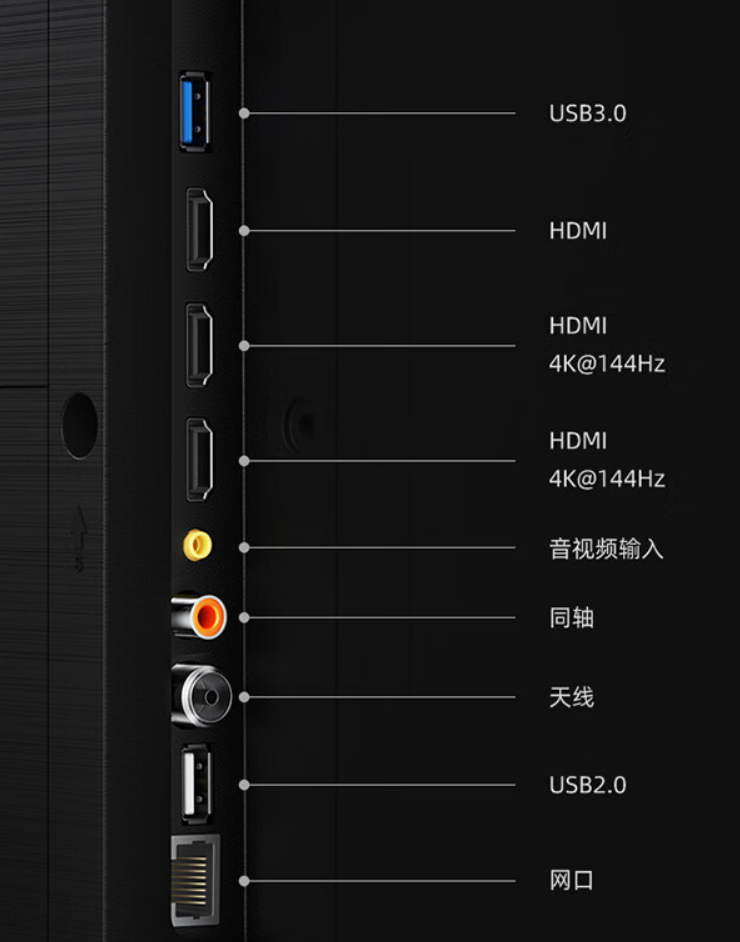
The TV offers extensive connectivity options, including Bluetooth 5.3, dual-band Wi-Fi, and two HDMI 2.1 interfaces.

Hisense E7 Series Pricing:

The Hisense TV E7 comes in four different models, each with varying specifications and pricing.

The 65-inch model, with 336 zones and 1200nits brightness, and 4GB + 64GB storage, is priced at 5999 yuan ($820).

The 75-inch variant, featuring 504 zones, 1200nits brightness, and the same storage configuration, is available at 7999 yuan ($1,094).

The 85-inch model, which boasts 512 zones and 1200nits brightness, also with 4GB + 64GB storage, has a price tag of 10499 yuan ($1,435).

Lastly, the high-end 100-inch version, equipped with 1024 zones and 1600nits brightness, along with 4GB + 128GB storage, is set at 19999 yuan ($2,734).

These models cater to a range of consumer preferences and budget considerations, offering a variety of advanced features. Hisense has also introduced a range of new TV models in India, including the U7K, U6K, and E7K series.

RELATED:

(Via)

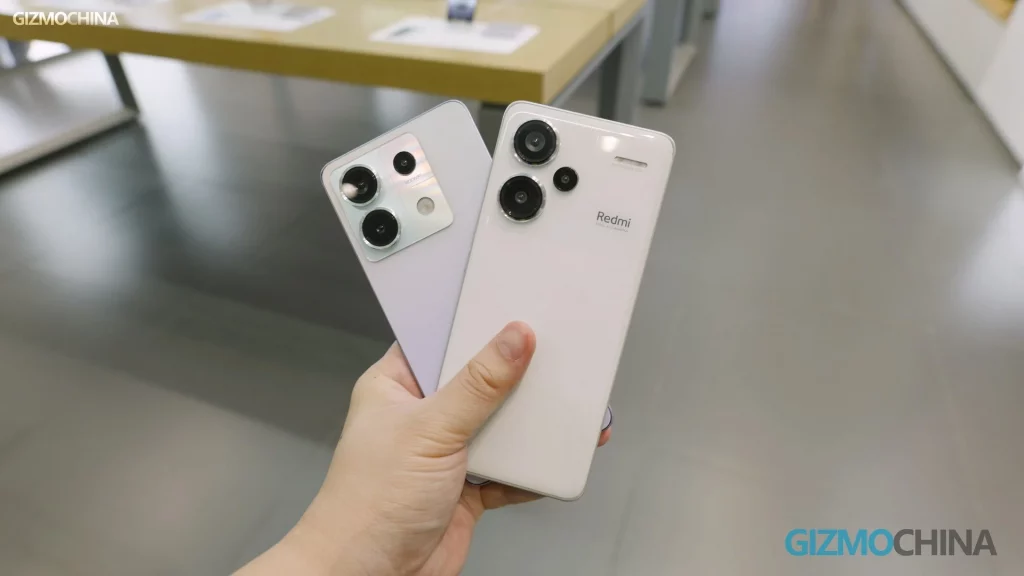
Redmi Note 13 Pro+ gets a step closer to its global launch, bags IMDA certification

Redmi Note 13 Pro+ was launched earlier this month in China alongside the Redmi Note 13 Pro and the vanilla Note 13. The handset is also expected to launch globally but there’s no official confirmation as of now. While we wait, the Note 13 Pro+ has bagged Singapore’s IMDA certification, hinting at an imminent launch.

Two new Redmi smartphones with the model numbers 23090RA98G and 23016RN0DA have been spotted on the IMDA certification website in Singapore. Since model number 23090RA98C belongs to the China variant of the Redmi Note 13 Pro+, model number 23090RA98G should correspond to the handset’s global variant. IMDA did not reveal any specifications of the handset but hinted at an imminent launch.

Redmi Note 13 Pro+ Specifications

Redmi Note 13 Pro+ is a premium offering from Redmi, bringing solid specifications and even an IP68 rating. We already unboxed the handset to give you its first impressions and answered important questions that you might have about it. Design-wise, the Note 13 Pro+ is one of the better-looking Redmi Note phones. It has a curved 6.67-inch AMOLED display with a 120Hz refresh rate and 1,800 nits peak brightness.

The handset packs a 200MP primary camera on the rear, paired with an 8MP ultra-wide-angle lens and a 2MP third shooter. Powering the device is the MediaTek Dimensity 7200 Ultra processor with up to 16GB RAM and 512GB storage. It is fueled by a 5,000mAh battery, which supports 120W fast charging. Wireless charging would have made the Note 13 Pro+ an even more enticing offering. The handset starts at  CNY 1,999 ($273) in China for the 12GB + 256GB option.

Related:

(Via)

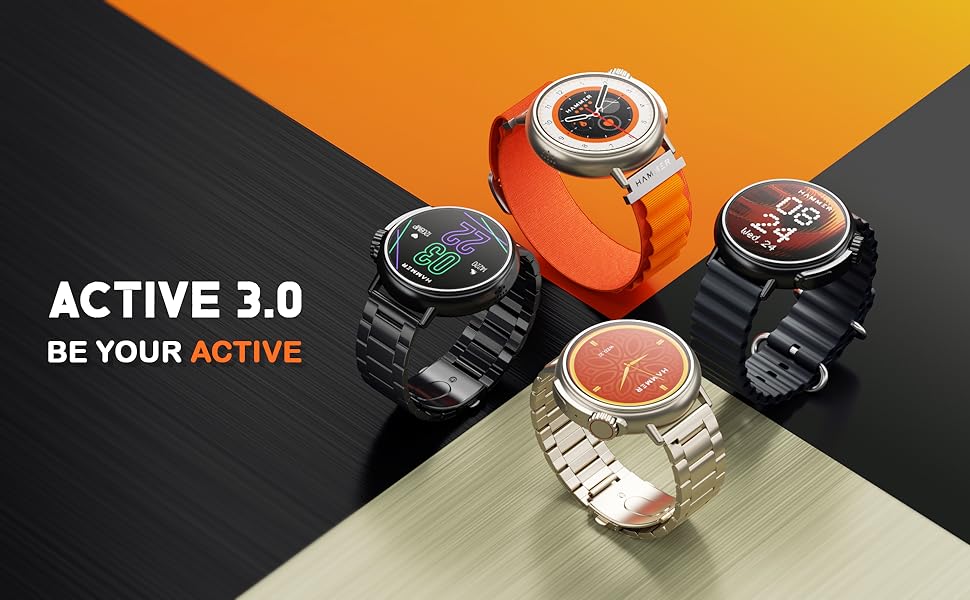
HAMMER Active 3.0 with a bright 1.39″ display & Bluetooth calling launched

After launching the HAMMER Active 2.0 smartwatch back in July, the brand has now launched the Active 3.0 smartwatch. The new smartwatch comes with a bright IPS display and Bluetooth Calling.

HAMMER Active 3.0

HAMMER Active 3.0 specs

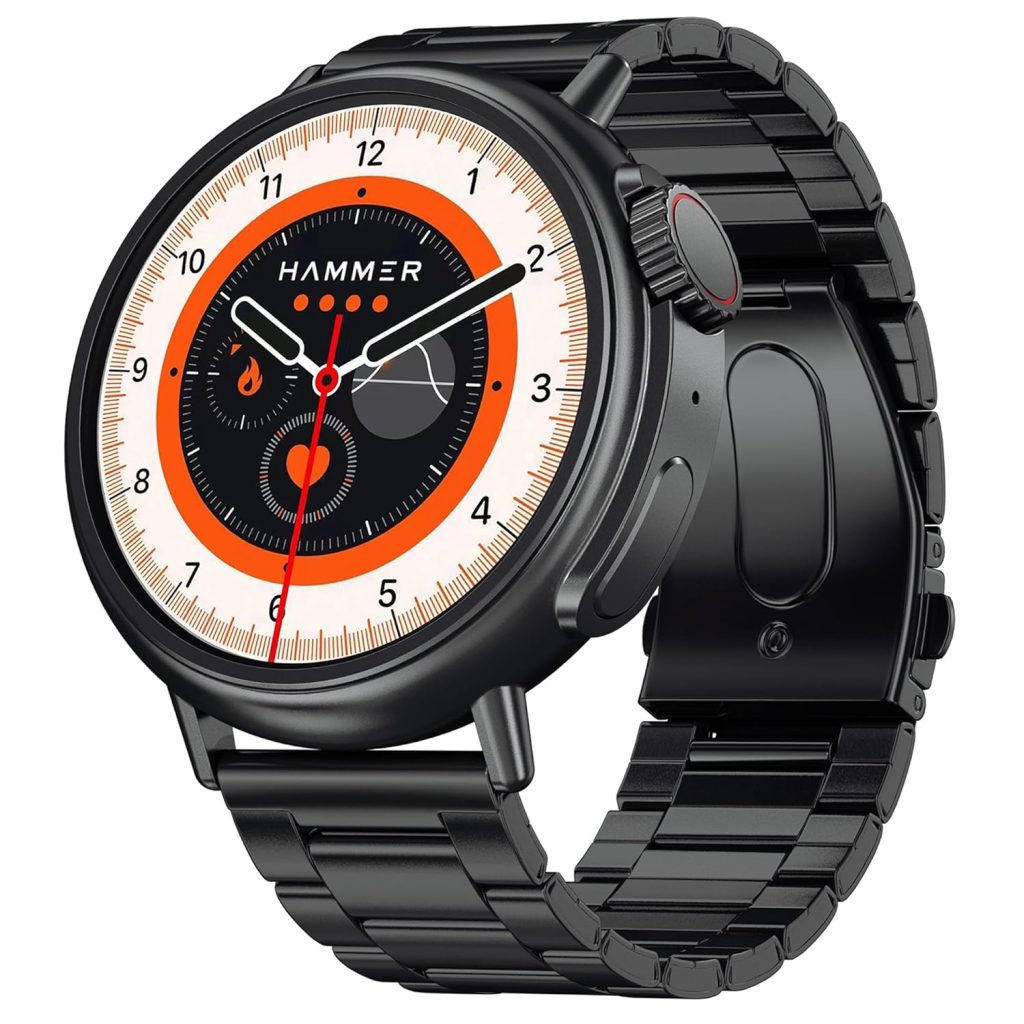
The HAMMER Active 3.0 comes with a 1.39-inch HD IPS screen with a resolution of 240 x 240 pixels and a brightness of 600 nits. You can choose from over 100 customizable watch faces and three different UI menu styles.

Connectivity-wise, it’s equipped with Bluetooth 5.1 and supports Bluetooth calling. Additionally, it offers a Quick Dial Pad and emergency calling support for added convenience. The watch provides support for multiple sports modes. It’s also dust and water-resistant with an IP67 rating, making it suitable for various environments.

HAMMER Active 3.0

Health monitoring features include tracking heart rate, SpO2 levels, blood pressure, and sleep patterns. The watch also offers AI voice assistant support for voice commands. Among its additional features are inbuilt games, sedentary reminders, message notifications, weather updates, find my phone functionality, a calendar, a calculator, a stopwatch, and camera control.

In terms of battery life, the HAMMER Active 3.0 impresses with up to 5 days of usage in normal mode and up to 2 days when using Bluetooth calling.

Price & availability

The HAMMER Active 3.0 smartwatch with a metallic strap has a price tag of ₹2,299. However, it is currently selling on Amazon for ₹2,199. The silicone strap variant costs ₹1,999.

RELATED:

(via: Fonearena)

CIA develops advanced AI Chatbot to boost Intelligence Analysis

In a bid to enhance its intelligence capabilities and compete with global rivals, the U.S. Central Intelligence Agency (CIA) is reportedly spearheading the development of an advanced AI chatbot, akin to ChatGPT, to aid analysts in managing the deluge of information they encounter daily. The chatbot, a brainchild of the CIA’s Open Source Enterprise unit, is poised to revolutionize the way intelligence agencies process data.

The need for such a groundbreaking tool was underscored by Randy Nixon, director of the CIA’s AI unit, who emphasized the escalating challenge of sifting through ever-expanding volumes of data in today’s information age. This development comes as intelligence agencies grapple with the colossal task of analyzing the vast expanse of information available on the internet.

The CIA’s AI chatbot will leverage advanced generative artificial intelligence techniques, yet the agency has remained tight-lipped about the specific model and training methods employed. What sets this initiative apart from commercial generative AI platforms is its commitment to providing sources alongside generated answers, ensuring transparency, and aiding validation.

The chatbot’s primary objective is to facilitate efficient information retrieval and summarization, enabling intelligence agents to access, summarize, and analyze large datasets swiftly. Moreover, users will have the ability to engage with the chatbot, allowing for follow-up questions and interactions to obtain more detailed responses.

While the CIA has not disclosed the names of the intelligence agencies set to benefit from this technological leap, it is expected that the tool will be accessible to the broader U.S. intelligence community, including the Federal Bureau of Investigation (FBI), the National Security Agency (NSA), and the U.S. military.

However, it’s important to note that this powerful tool will not be made available to lawmakers or the general public. The safeguarding of the chatbot, with a focus on preventing leaks and ensuring compliance with privacy laws, is a paramount concern given past incidents of data acquisition by federal agencies and law enforcement.

This development comes as a response to China’s ambitious drive to become a global leader in artificial intelligence by 2030. The U.S. government, cognizant of the need to keep pace, has undertaken comprehensive initiatives to address AI risks, including the definition of generative AI values, the establishment of AI research institutes, and the promotion of ethical AI development.

In the eyes of the CIA’s director of Open Source Enterprise, AI is an indispensable tool for managing the overwhelming and ever-expanding volume of collected data. The CIA’s venture into AI-driven intelligence analysis is part of a broader effort by the U.S. government to counter China’s influence and promote responsible AI development on the global stage.

Related:

(via)

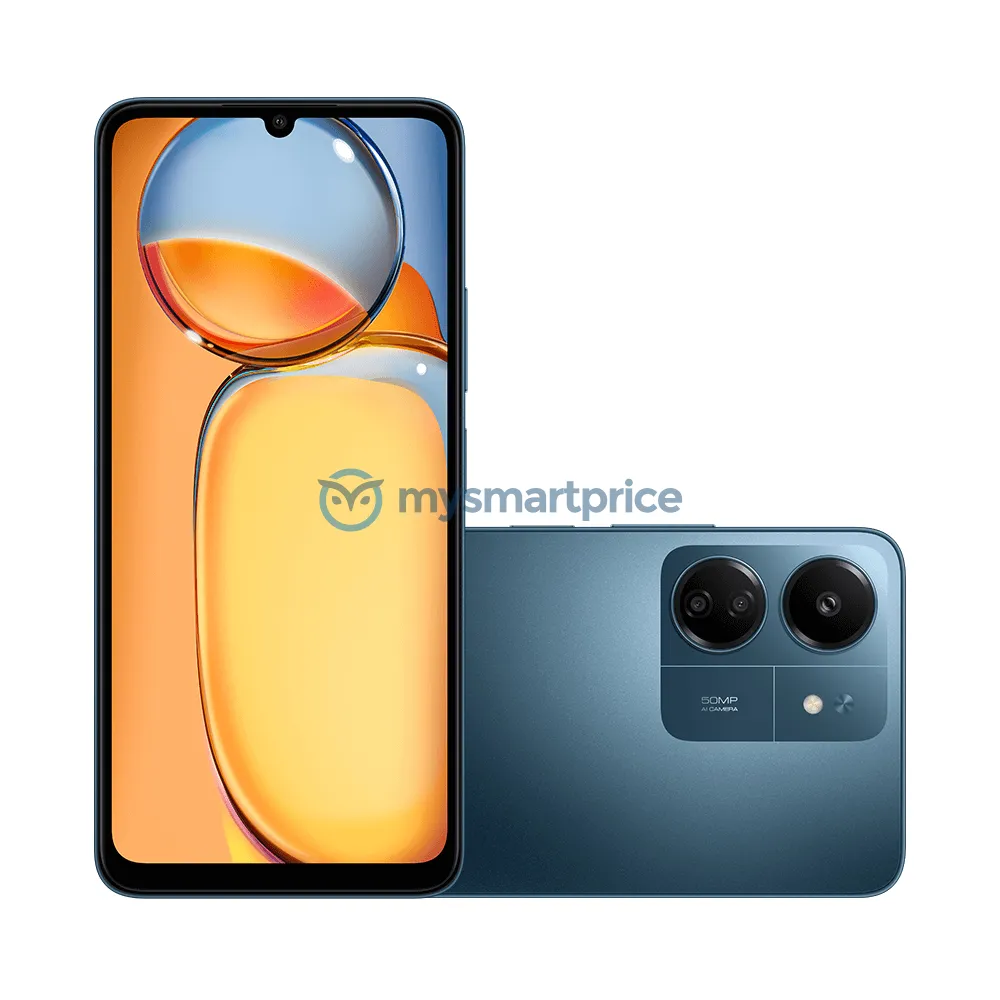
Redmi 13C high-res renders leak: the budget phone to bring a 50MP camera setup

Redmi made the Note 13 series available in China earlier this month. The mid-range lineup should also launch in the global market sometime this year or early next year. Before that happens, the company may also launch a budget smartphone in the market— Redmi 13C. The handset is likely to debut as the successor to last year’s Redmi 12C and a new report suggests it brings an improved design as well as cameras. Here are the details.

Redmi 13C could be a feature-packed budget phone

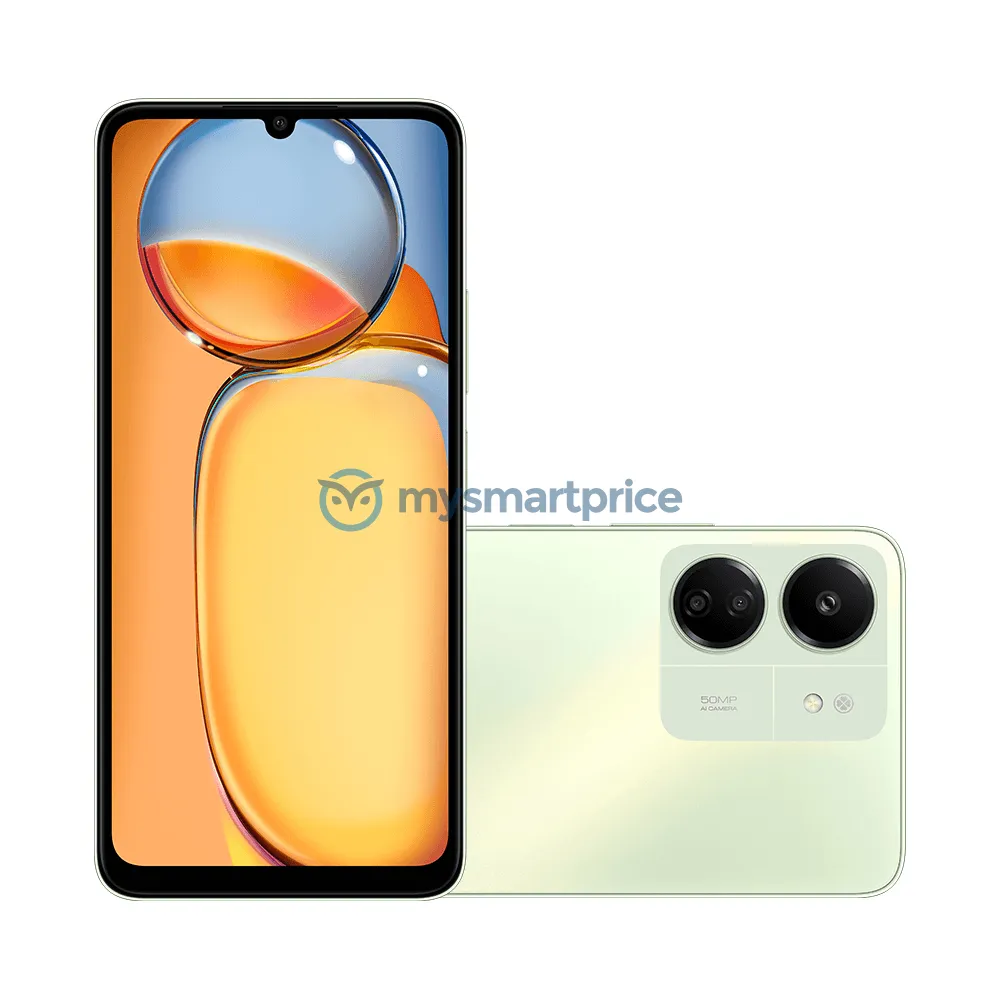
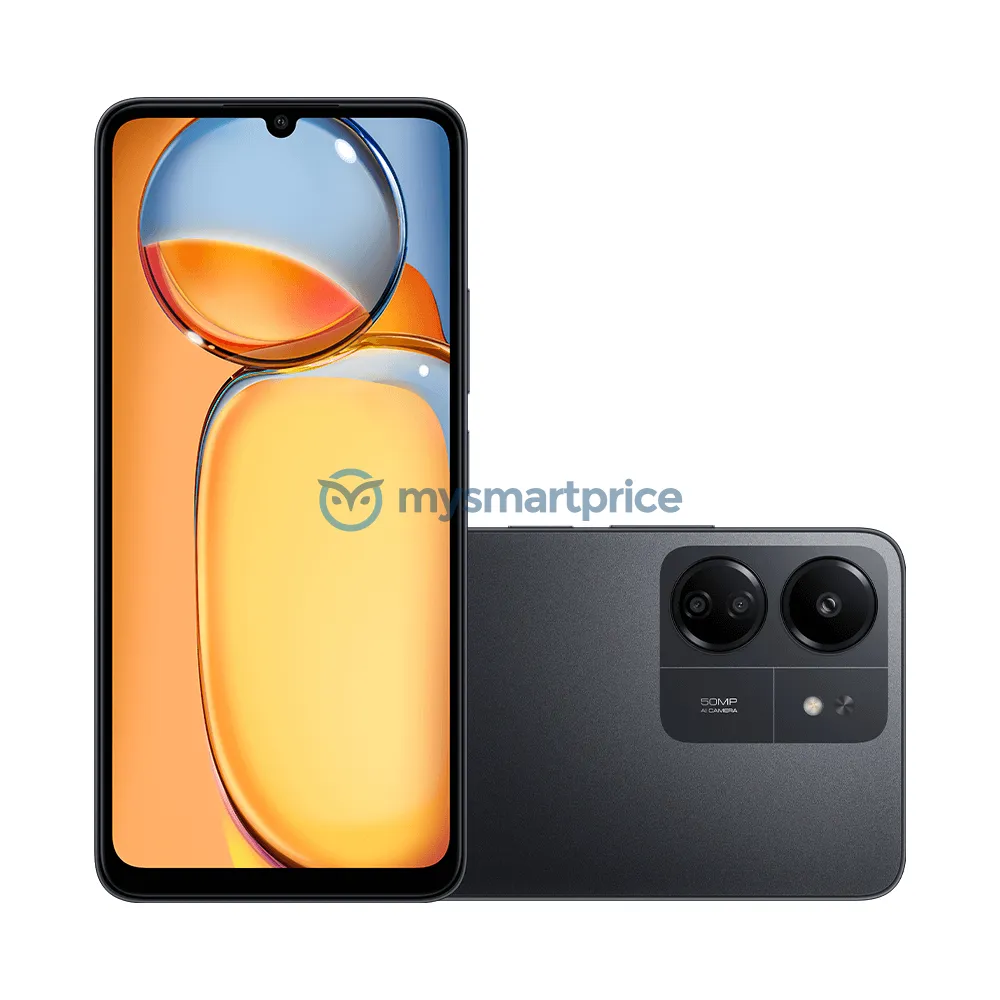
MySmartPrice has shared a bunch of high-resolution renders of the upcoming Redmi 13C. From the rear, the handset looks somewhat similar to the Note 13 series models. It gets a triple-camera setup, placed in a squircle-shaped module. The text in the camera module reveals that the smartphone will feature a 50MP primary camera. We see the power button and volume keys are located on the right edge of the device.

While the back looks decent, the thick bezels and the U-shaped notch on the front immediately give away the fact that this is a budget smartphone. But on the plus side, the device is pictured with a 3.5mm headphone jack, which you’d rarely see on smartphones nowadays. The device also features a speaker grille, a charging port, and a microphone. The renders shared by the outlet suggest the Redmi 13C will be offered in three color options – Light Green, Black, and Blue.

The specifications of the handset are anyone’s guess at the moment. Since the Redmi 12C was unveiled in December last year, we expect a similar timeline for its successor. More details about the handset should emerge in the coming days. Stay tuned for the updates.

Related:

(Source)

Sony WF-1000XM5 earbuds with state-of-the-art ANC launched in India for Rs. 24,999

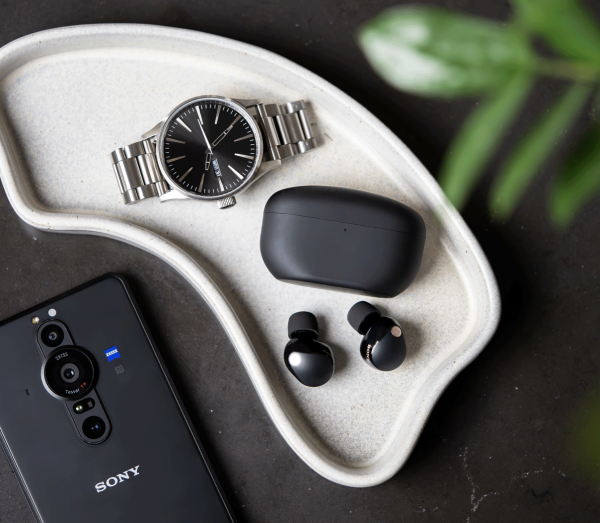
After the global launch back in July, Sony has now launched its flagship WF-1000XM5 TWS earbuds in India. These earbuds mark a significant upgrade over their predecessor, the WF-1000XM4, offering users an enhanced listening journey.

Sony WF-1000XM5

Sony 1000XM5 specs

One of the standout upgrades is the enhanced noise cancellation powered by Sony’s Integrated Processor V2 and HD Noise Cancelling Processor QN2e. These components work together to provide superior noise cancellation, ensuring your listening experience remains undisturbed by ambient sounds. The earbuds eliminate low-frequency noise using the three built-in microphones in each earbud.

Sound quality has also received a boost thanks to Sony’s new Dynamic Driver X. This driver promises a wider range of frequencies, deeper bass, and clearer vocals. The WF-1000XM5 also supports High-Resolution Audio Wireless via LDAC and features real-time music upscaling with DSEE Extreme.

Sony WF-1000XM5

Beyond audio, these earbuds offer a range of convenient features. They include head-tracking technology for immersive listening, AI-based noise reduction for exceptional call quality, and a sleek, comfortable design. Notably, they’re 25% smaller and 20% lighter than their predecessor.

Additional features like Adaptive Sound Control, Speak-to-Chat, multipoint connectivity for two devices, voice assistant support, and up to 8 hours of battery life make these earbuds versatile and user-friendly. Plus, a quick 3-minute charge can provide up to an hour of playback time.

Sony is also committed to sustainability, using recycled plastic materials and eco-friendly packaging for the WF-1000XM5. These earbuds also come with an IPX4 water resistance rating and Qi wireless charging compatibility.

Pricing & availability

Priced at Rs. 24,990, the Sony WF-1000XM5 is available in both Black and platinum silver colors. However, you have the opportunity to pre-book them from September 27th to October 15th and snag the earbuds for a reduced price of Rs. 21,990, which includes a Rs. 3,000 cashback. Additionally, all pre-bookings come with a bonus: a free SRS-XB100 portable speaker worth Rs. 4,990.

RELATED:

Oppo Enco Air 2 New Sound Edition launched with longer battery life and new sound signature

The Oppo Enco Air 2 made its initial debut in January 2022 in China. Now, more than one and a half years later, the company has launched a new version of these true wireless earbuds.

The brand is officially calling the latest model Oppo Enco Air 2 New Sound Edition. It comes with several upgrades over the older version despite retaining the design and price tag.

Oppo Enco Air 2 New Sound Edition

The newer Enco Air 2 arrives with Bluetooth 5.3 instead of Bluetooth 5.2. Oppo does not mention the size of the drivers which suggests it could be the same 13.4mm units.

However, the company says that the earphones offer new sound signature and spatial sound effects. It is also Viper Atmos-certified but still lacks ANC (Active Noise Cancellation).

We have saved the best upgrade for the last. These earbuds can last up to 35 hours, which is 11 hours more battery life than what the original model offers (24 hours).

Oppo Enco Air 2 New Sound Edition arrives in Light Sea Blue and Clouds are White color options. It is priced at ¥179 ($25) but will be available at ¥149 ($20) during the pre-order period which has started today (September 27). The TWS will be up for sale from October 7.

Usually, Oppo brings most of its audio products to global markets. So there’s a chance this could be released outside mainland China.

WHERE TO BUY
OPPO Enco Air 2 NewSound Edition at $29.90 @Geekwills

RELATED:

Acer announces Nitro V 15 gaming laptop with 144Hz display up to 13th Gen i7 CPU & RTX 4050

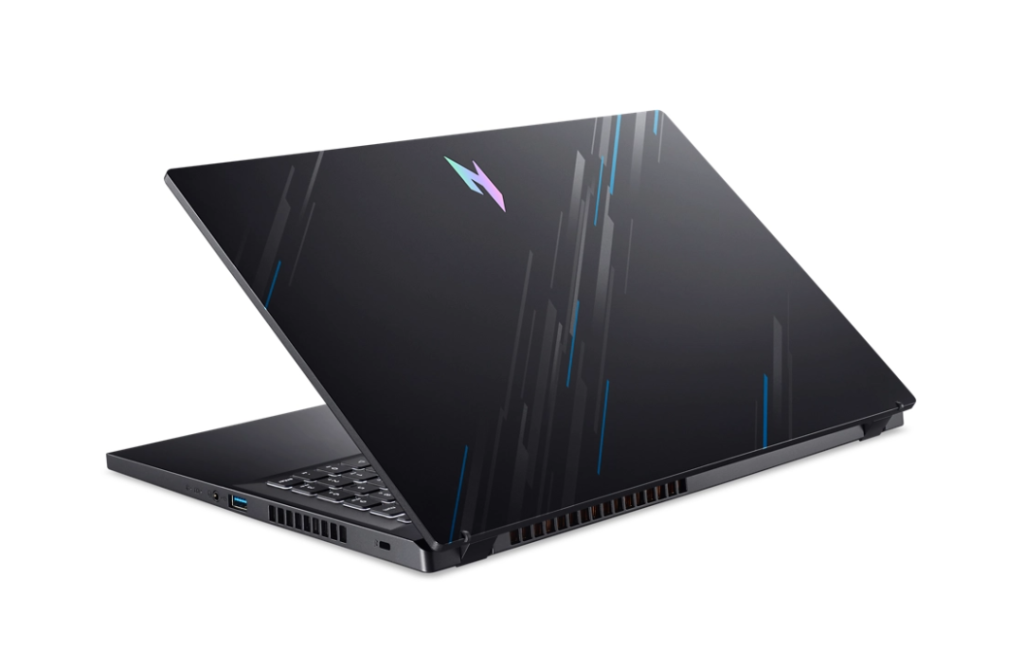
Last week, Acer launched the Nitro V gaming laptop in India featuring 13th Gen Intel processors and up to an NVIDIA GeForce RTX4050 GPU. The laptop series has now been launched in other global markets as well. Keep reading to learn more about the Nitro V series.

Acer Nitro V 15

Acer Nitro V 15 specs

The Acer Nitro V 15 (ANV15-51) offers a 15.6-inch FHD IPS display with a 144Hz refresh rate and a quick 3ms response time. The laptop boasts an 82% screen-to-body ratio for an immersive viewing experience.

Acer Nitro V 15

Under the hood, the laptop can be equipped with up to 13th Gen Intel Core i7 processors. Graphics are powered by the NVIDIA GeForce RTX 4050 Laptop GPU. Memory-wise, it supports up to 32 GB of DDR5 memory. For storage, you can opt for up to 2 TB of M.2 PCIe solid-state storage, ensuring quick loading times and boot speeds.

In terms of audio, it incorporates DTS:X Ultra technology and offers various sound modes tailored for different types of games. Additionally, Acer has included Acer Purified View and Acer Purified Voice technologies to enhance video calls.

The Acer Nitro V 15 features a cooling system with dual fans, preventing overheating during intense use. Connectivity options include Wi-Fi 6 and a Thunderbolt 4 port.

Price and availability

Acer Nitro V 15 (ANV15-51) launching in North America in October, while European availability begins in September.

  • Nitro V 15 (ANV15-51-53VM):Configuration: i5 processor, RTX 2050 graphics, 8GB RAM, 512GB storage.Price: USD 699.99
  • Nitro V 15 (ANV15-51-57C8):Configuration: i5 processor, RTX 2050 graphics, 16GB RAM, 512GB storage.Price: USD 749.99
  • Nitro V 15 (ANV15-51-532J):Configuration: i5 processor, RTX 3050 graphics, 8GB RAM, 512GB storage.Price: USD 769.99
  • Nitro V 15 (ANV15-51-59MT):Configuration: i5 processor, RTX 4050 graphics, 8GB RAM, 512GB storage.Price: USD 849.99
  • Nitro V 15 (ANV15-51-73B9):Configuration: i7 processor, RTX 4050 graphics, 16GB RAM, 512GB storage.Price: USD 999.99
  • Nitro V 15 (ANV15-51-75HE):Configuration: i7 processor, RTX 4050 graphics, 16GB RAM, 1TB storage.Price: USD 999.99

RELATED:

Wings Nuvobook S1, S2, V1, Pro laptops with up to Core i7 CPU launched in India with Rs 27,990 (~$336) starting price

It was reported last month that Wings Lifestyle will enter the laptop segment by unveiling the Nuvobook series in September. The brand has finally launched the Nuvobook S1, Nuvobook S2, Nuvobook V1, and Nuvobook Pro laptops with a starting price of Rs 27,990. The new notebooks are available for purchase via Flipkart. According to the brand, the Nuvobook laptops are designed for first-time laptop buyers, students, and young working professionals.

Wings Nuvbook S1, S2, V1, Pro specifications and features

Wings Nuvobooks

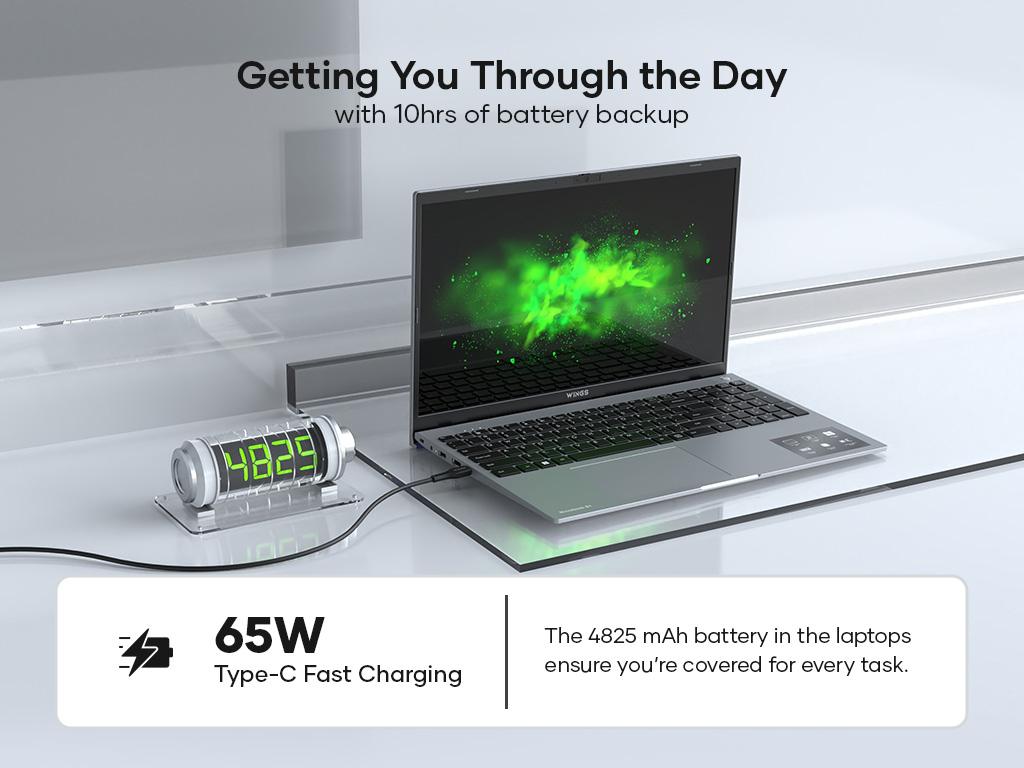
Wings Nuvbook S1, S2, V1, and Pro models are all powered by 11th-generation Intel processors, Windows 11 Home, and a 4,825mAh battery. The notebooks offer up to 10 hours of battery life. In addition, these devices come with a 65-watt charger that can achieve 60 percent charge in 1 hour.

Wings Nuvobooks

The S1, S2, and V1 notebooks feature a 15.6-inch IPS LCD Full HD display, whereas the Pro model has a 14-inch IPS LCD FHD display. All four notebooks support up to 300 nits of brightness and a 100 percent sRGB color gamut.

Wings Nuvobooks

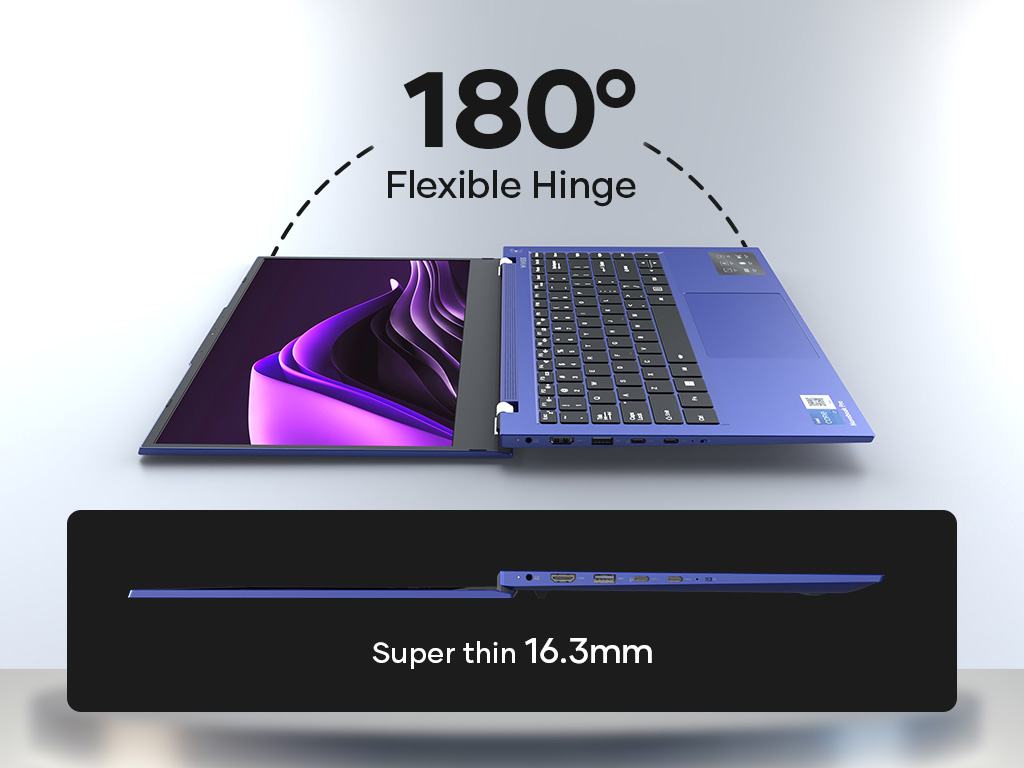
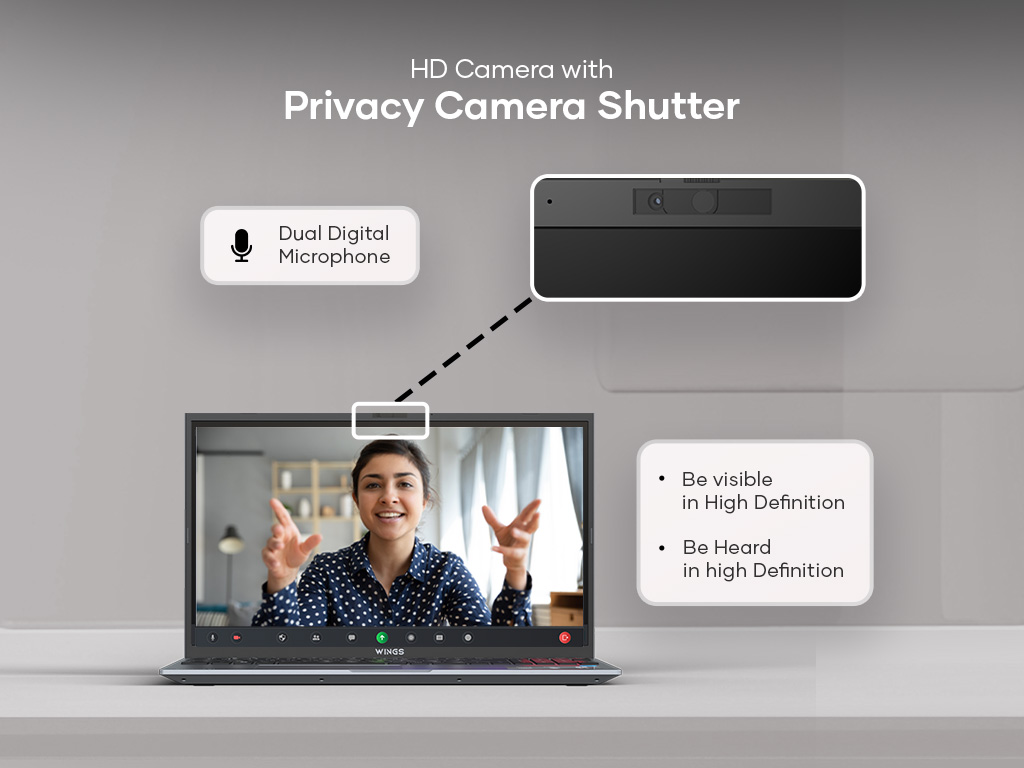
The Nuvobooks come with other features, such as DDR4 RAM, SSD storage, a 180-degree flexible hinge, a back-lit keyboard, quad speakers with Wings Signature Maxx audio optimization, and an HD camera with a privacy shutter. The Nuvobooks offer connectivity features, such as WiFi, Bluetooth, SD card slot, HDMI port, 2 x USB 3.0, 1 x USB 2.0, and 2 x USB-C, and a 3.5mm jack.

Wings Nuvobooks

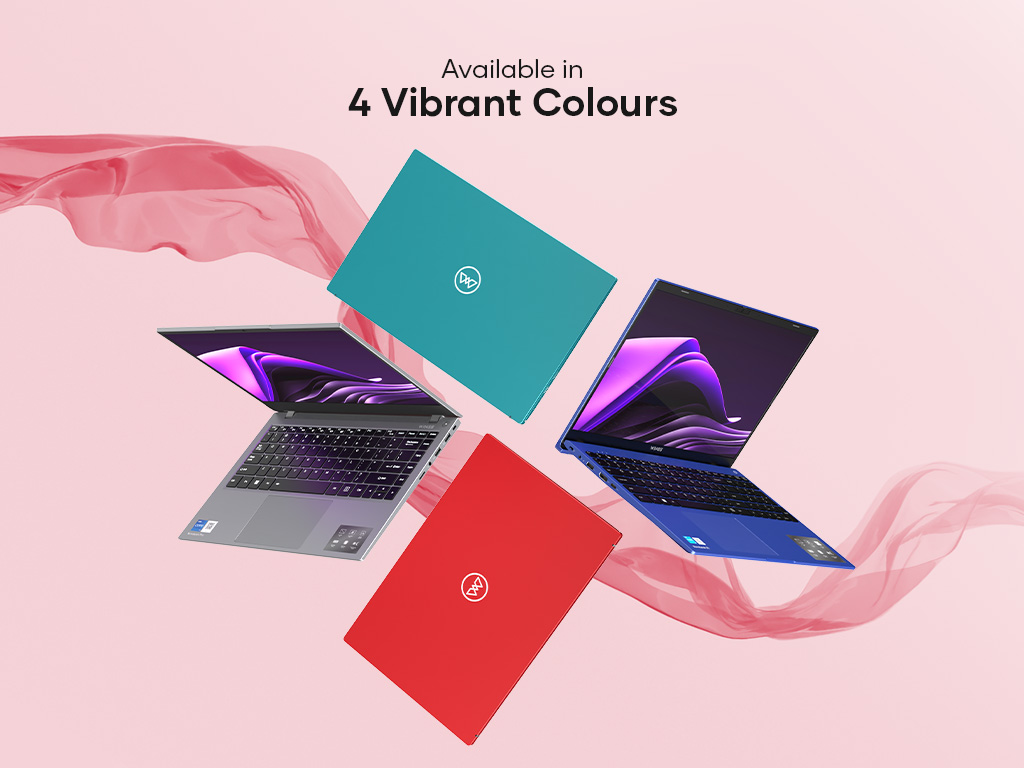
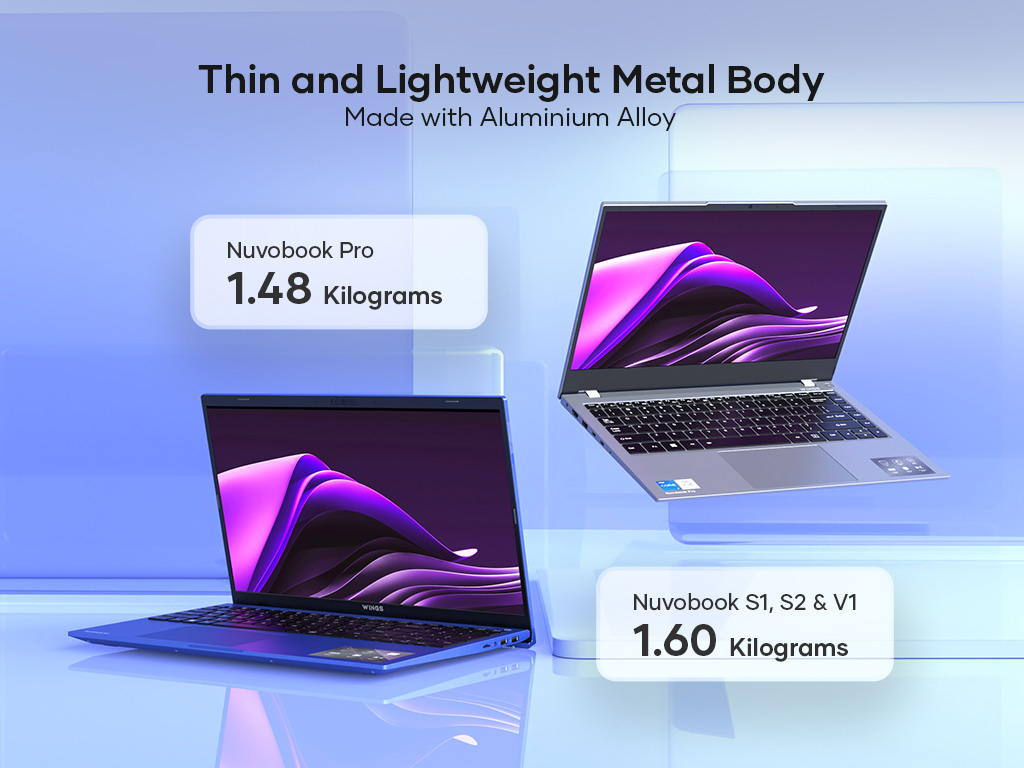
The Nuvobooks have a lightweight design featuring an aluminium build and weigh around 1.60kg. The Wings laptops can be bought in multiple colors like blue, green, red, and silver.

Wings Nuvbook S1, S2, V1, Pro configurations and price in India

Wings Nuvobooks

The Nuvobook S1, S2, V1, and Pro come in the following configurations:

  • Nuvobook S1: Core i3 + 8 GB RAM + 256 GB SSD: Rs 27,990 (~$336)
  • Nuvobook S2: Core i3 + 8 GB RAM + 512 GB SSD: Rs 29,990 (~$360)
  • Nuvobook V1: Core i5 + 8 GB RAM + 512 GB SSD: Rs 34,990 (~$420)
  • Nuvobook Pro: Core i7 + 16 GB RAM + 512 GB SSD: Rs 46,990 (~$564)

Flipkart will carry out the the sales of the Nuvobook models starting Oct. 1.

RELATED:

Kuo: iPhone 15 Pro’s Heating Woes aren’t related to TSMC’s 3nm Chip!

Apple recently introduced its iPhone 15 Pro series smartphones, featuring significant updates such as switching the stainless steel frame for a new titanium frame, a USB-C port, and a cutting-edge A17 Pro chip produced using TSMC’s advanced 3-nm process. However, reports from various sources have emerged, indicating that the iPhone 15 Pro series devices are experiencing severe overheating issues.

Initial speculations and explanations pointed towards TSMC’s challenges in achieving high yields with their 3nm chips as the root cause, suggesting that Apple had to settle for lower-quality chips for this year’s Pro lineup. Nevertheless, prominent industry analyst Ming-Chi Kuo has now indicated that the heating problems are unrelated to TSMC’s 3nm technology and are instead originating from a different source.

As per Kuo, “the primary cause of the heating issue is more likely the compromises made in the thermal system design to achieve a lighter weight such as the reduced heat dissipation area and the use of a titanium frame, which negatively impacts thermal efficiency.”

To elaborate further, it appears that Apple may have made trade-offs in the thermal system design to prevent the iPhone 15 Pro models from becoming too heavy. When compared to the previous iPhone 14 Pro model, Apple successfully reduced the weight of the iPhone 15 Pro model by 19 grams. The modifications to make the phone lighter could be responsible for the heating issue, especially when combined with the new titanium frame.

Kuo predicts that Apple will likely address the issue with a software update. However, this could result in a tradeoff, potentially reducing the performance of the Apple A17 Pro chip to keep temperatures in check. Kuo also cautions that if Apple doesn’t effectively tackle this problem, it could have a negative impact on iPhone 15 Pro series sales over its lifespan. The more pressing question, though, is how such an issue managed to slip through the prototype testing phase.

RELATED:

(Source)

Xiaomi 14 Pro case images appear to leak design, 120W fast charging revealed via 3C certification

Back in July, tipster Digital Chat Station shared a schematic of what appeared to be the Xiaomi 14 series. Now, a report by TechGoing has emerged to showcase the design of the Xiaomi 14 Pro via case images. Here is a look at what’s been revealed through the 14 Pro’s latest leak.

Xiaomi 14 Pro design

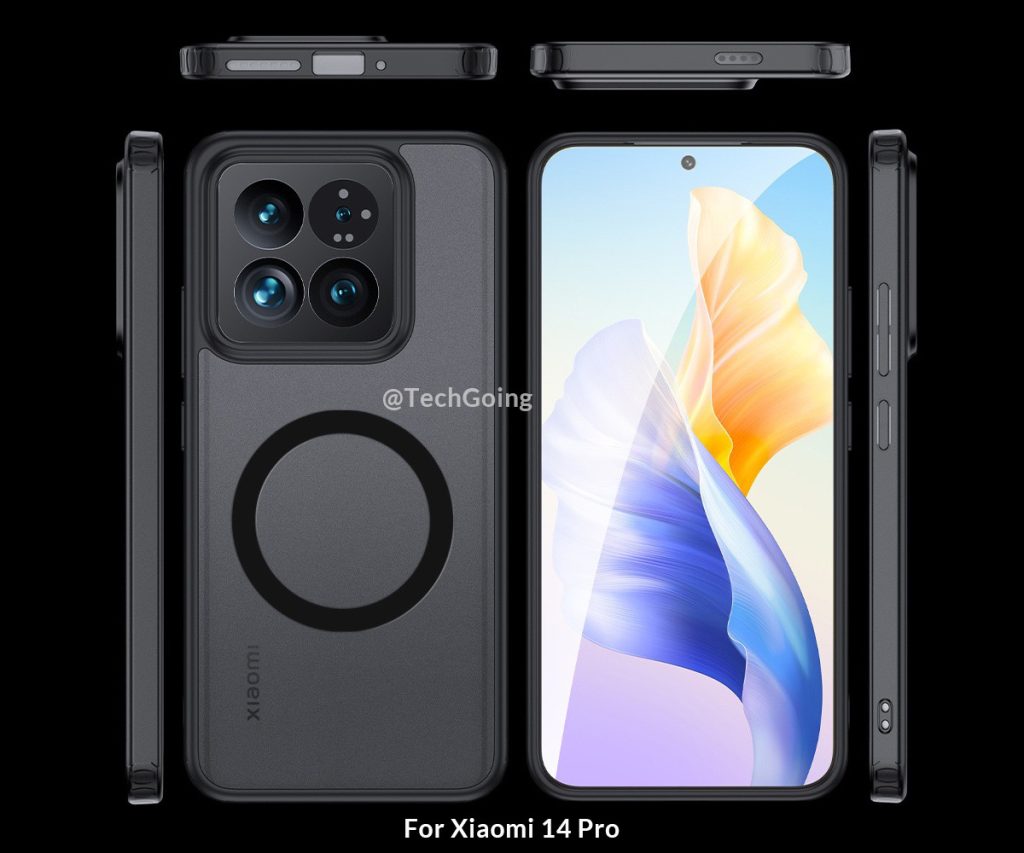
Xiaomi 14 Pro case images by TechGoing

The overall design of the Xiaomi 14 Pro appears to be a refined version of what was seen on the Xiaomi 13 Pro. Rumors are rife that the Xiaomi 14 Pro could be equipped with a quad-curved display. However, the leaked case images do not seem to reveal the display design clearly.

The top bezel of the 14 Pro has an earpiece and speaker outlet, and its top edge seems to have additional outlets for components like a speaker, an IR blaster, and a noise-canceling microphone. The opposite end of the device has a speaker grille, the main microphone, and a USB-C port. The SIM slot cannot be seen in the images, but it is most likely to be placed on the bottom.

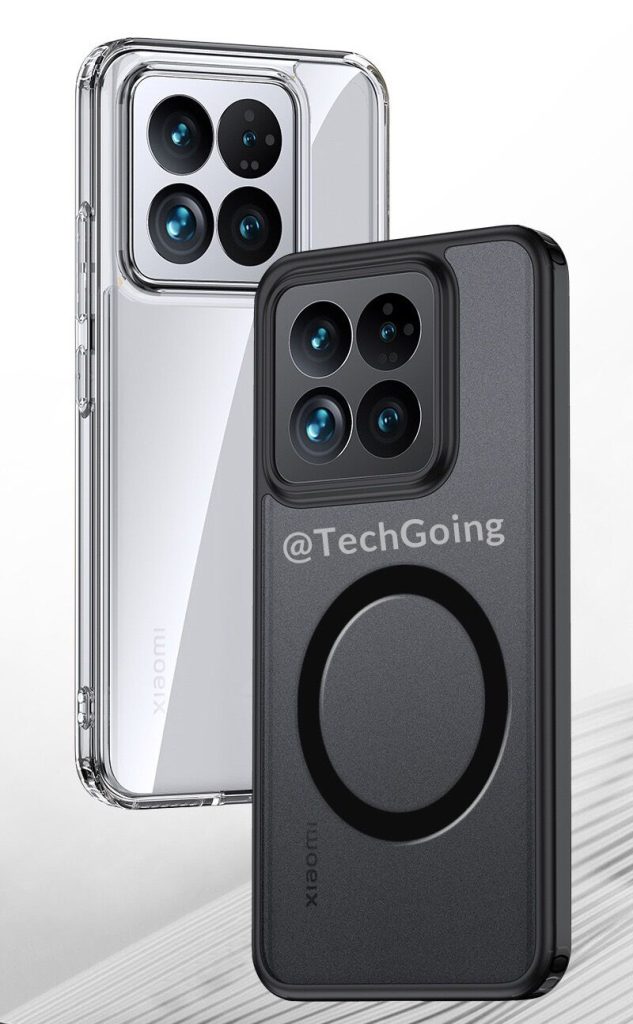
Xiaomi 14 Pro case images by TechGoing

On the left edge, there are no buttons. However, on the right side, one can see the volume and power buttons. Towards the bottom of the right edge, there is a connector that resembles a pogo pin, but its purpose is currently unclear. Some reports have claimed that the device will come with a titanium alloy frame.

The rear design of the Xiaomi 14 Pro appears to be an evolution of the Xiaomi 13 Pro’s design. It retains the square camera island housing three cameras and an LED flash unit. Interestingly, the top-right module in the case images, which resembles a camera with internal sensors, might actually house the LED flash and bear the Leica branding. In contrast, the Xiaomi 13 Pro had the LED flash and Leica logo in the bottom-right module. Hopefully, there will be more design leaks of the Xiaomi 14 series in the coming days that will provide further details and insights into its overall aesthetics.

Xiaomi 14 Pro specifications (rumored)

The Xiaomi 14 Pro is expected to have a 2K 120Hz quad-curved AMOLED display, a Snapdragon 8 Gen 3 chip, up to 24GB of LPDDR5x RAM, up to 1TB of UFS 4.0 storage, and a 4,860mAh battery. Shown above is a screenshot that shows the 3C listing of the Xiaomi 14 Pro, which has appeared with model number 23116PN5BC. The listing reveals that the device will support 120W fast charging.

The Xiaomi 14 Pro is expected to support satellite connectivity and run MIUI 15-based Android 14. Its rear camera setup is expected to include an OIS-enabled 50-megapixel (IMX989) main camera with variable aperture, a 50-megapixel ultrawide lens, and a 50-megapixel telemacro camera. The Xiaomi 14 series is expected to debut in the first or second week of November.

RELATED:

(source)

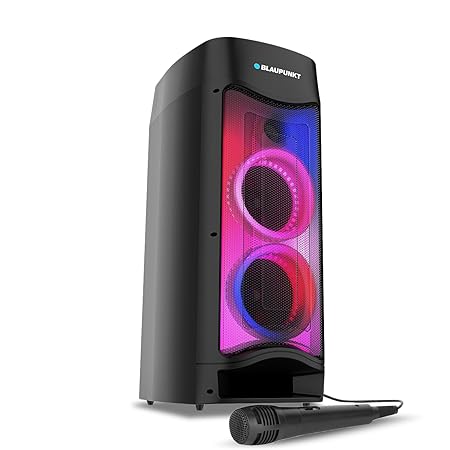
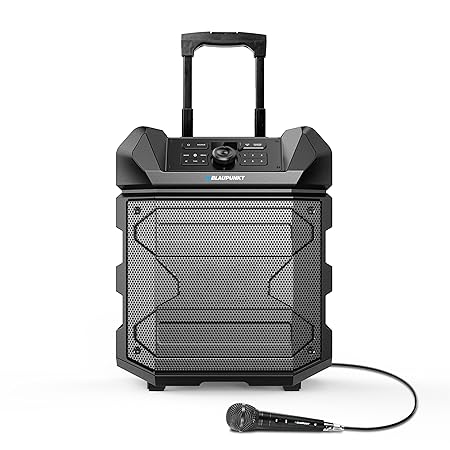
Blaupunkt launches the PS150 and PS75 Party Speakers in India

Blaupunkt has launched the PS150 and PS75 party speakers in India. The German electronics and audio brand announced the launch after a buildup of expectations around the two products. The PS150 and PS75 are modern speakers that combine power and technology in a seamless package, according to a press release by the brand.

Blaupunkt PS75 Party Speaker

Blaupunkt says the new party speakers are set to revolutionize the way we listen to music. The PS75 is made from hardwood obtained from sustainable materials. The PS75 marks a significant advancement by Blaupunkt in delivering environmentally friendly products. It also comes with an exciting aesthetic appeal.

Blaupunkt says the PS75 establishes a new benchmark for environmentally friendly audio devices by expertly fusing the classic beauty of wood with cutting-edge technology. It is capable of emitting high-level sounds for hours and combines two huge woofers with a single tweeter. The PS75 also features RGB lights while a 2,400mAh battery delivers up to 12 hours of play time. It has a USB port and an AUX port for connectivity.

The Blaupunkt PS150 delivers a power output of 100W. It pairs an 8-inch woofer with a 1-inch tweeter to deliver exceptional sound. It can both be useful outdoors and indoors with a design that maximizes the sound output. The front of the speaker is tilted in a manner to disperse sound waves evenly.

Blaupunkt PS150 Party Speaker

The top control panel of the party speaker is also tilted for simple access and use. The PS150 party speaker has a 4,500mAh battery that delivers up to 12 hours of activity. The speaker is rated IPX4 and is unaffected by splashes, spills, dust, and sand. You can deploy the PS150 either indoors or outdoors and it comes with the requisite connectivity options.

The Blaupunkt PS150 and PS75 party speakers are available in India from Amazon India. The PS75 is priced at Rs. 8,999 (~$108) while the PS150 retails at Rs. 11,999 (~$144).

Related: 

*Please Note: When you buy something using the links in our articles, we may earn a small commission at no cost to you.

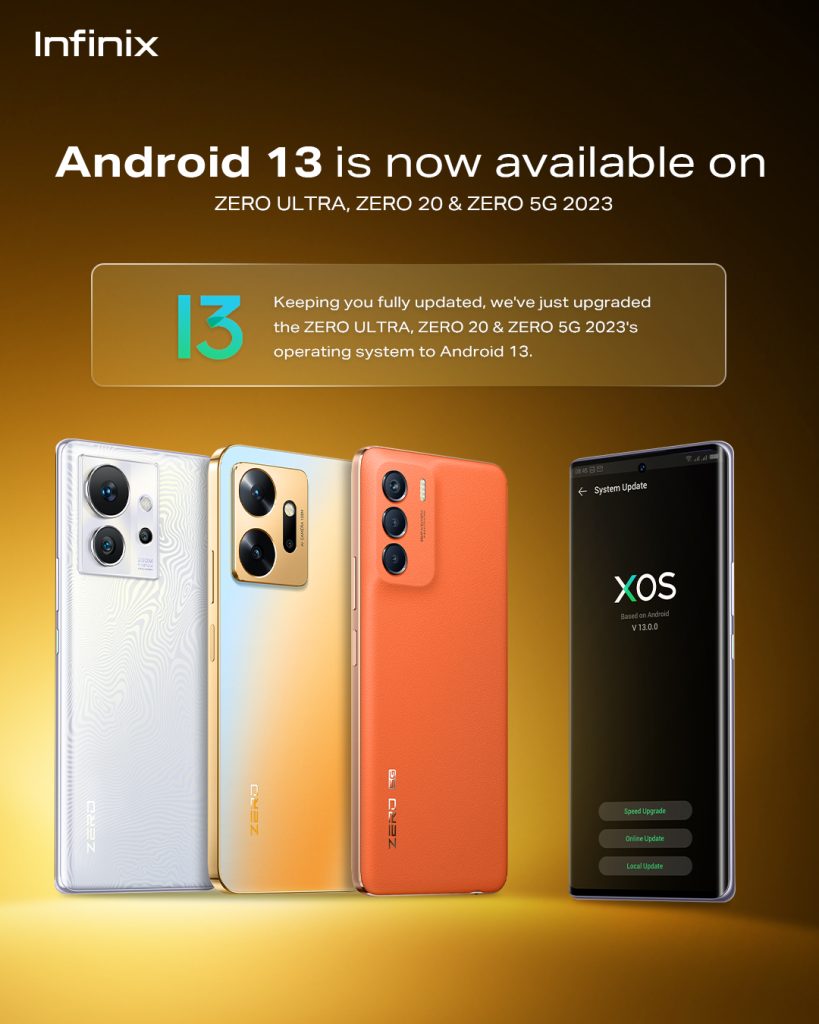
Infinix rolls out Android 13 update on Zero 5G, Zero Ultra & Zero 20

Infinix, a famous smartphone company, introduced its two Zero series phones, Infinix Zero Ultra and Infinix Zero 20, in 2022. Followed by the Infinix Zero 5G, which was released in 2023. According to a recent post, the company has started rolling out the Android 13 update for these Zero series smartphones. Let’s go ahead and take a look at the official post.

Infinix zero series Android 13 update

The post confirms that the company is now releasing the Android 13 update for these smartphones. For those unaware, these phones were launched with the Android 12 operating system installed. However, recently, Infinix confirmed that they were planning on releasing the Android 13 for the Zero series somewhere near August. The update was delayed due to unknown reasons, and the users needed clarification if they would receive the Android 13. The company took all the feedback, and now the users can enjoy the latest Android on their eligible devices.

The update notification should arrive automatically on the Zero series smartphones. In case you have not received it, you can go to Settings > System Update > Download. The Android 13 includes various bug fixes and an improved UI, providing a better user experience. In future, we expect to receive more major updates like these.

In related news, Infinix has recently announced a limited edition variant of Note 30 VIP. It is called the Infinix Note 30 VIP Racing Edition. The smartphone will be launched in partnership with BMW Group’s Designworks. Those who wish to know more about this can check our Infinix Note 30 VIP Racing Edition story here.

RELATED:

(Source, Via)

Get a massive discount on the Lenovo XT83 II Earclip Earbuds, at GeekWills

The Lenovo Thinkplus XT83 II Earclip Earbuds feature an innovative clip-on design, ensuring both comfort and an ergonomic fit for your ears. These headphones offer a seamless fusion of style, performance, and convenience. You can now buy the headphones for a discounted price of $9.99 only at GeekWills. 

WHERE TO BUY
Lenovo Thinkplus XT83 II Earclip Earbuds at $9.99 @GeekWills

Available in classic Black and pristine White, these headphones boast a sleek body that not only looks stylish but also ensures durability. Their compact design is perfect for on-the-go use, whether you’re hitting the gym or commuting. Enjoy a truly immersive audio experience with active noise cancellation. Say goodbye to distractions and immerse yourself in your music or calls. HD voice quality ensures clear conversations, making these earbuds great for work and play.

You can navigate through your music and calls effortlessly with touch controls. Play, pause, skip tracks, and answer or end calls with just a tap. It’s all at your fingertips for ultimate convenience. Whether you’re using iOS, Windows Phone, or Android devices, these earbuds are ready to connect seamlessly.

The headphones provide a long Playtime. With a quick 1-hour charging time, you’ll be back to enjoying your music. The 250mAh battery capacity offers up to 3.5 hours of playtime on a single charge, making them ideal for extended listening sessions. Also with Bluetooth 5.3 technology, you can enjoy fast and stable connections and uninterrupted music. 

The Lenovo Thinkplus XT83 II Earclip Earbuds is now available at a heavily discounted price of $9.99 only at GeekWills. 

OnePlus Pad Go specs leak reveals Helio G99, 8,000mAh battery, and more

OnePlus Pad Go will be unveiled on Oct. 6 in India. The landing pages of the tablet on Amazon and Flipkart are gradually revealing the key specifications of the tablet. A new leak that has surfaced on X (formerly Twitter) has revealed all the important details about the chipset, battery, and cameras of the device that were not known before. Here is a look at everything that has been revealed about the tablet.

OnePlus Pad Go specifications (rumored)

OnePlus Pad Go
OnePlus Pad Go

According to a tipster who goes by the account name OneNormalUsername on X.com, the OnePlus Pad Go has two model numbers, such as OPD2305 and OPD2304. These are said to be associated with the Wi-Fi-only and cellular versions of the device.

The leak claims that there will be one SKU offering 8 GB of RAM and 256 GB of UFS 2.2 storage. There is a possibility that the company may announce another variant with 128 GB of storage. The tablet will come equipped with the Helio G99 chipset (MT6789 model number) and an 8,000mAh battery. Interestingly, the Galaxy Tab A9, which is expected to debut around the same time in India, is also said to be equipped with the same chip.

The OnePlus Pad Go will support charging via USB-C, which will offer the USB 2.0 standard. On the front, the tablet will have an 8-megapixel camera, and its back panel will have another 8-megapixel snapper.

The company has already confirmed that the OnePlus Pad Go will have an 11.35-inch LCD panel that supports a 2.4K resolution and a 7:5 aspect ratio. It will also have four speakers with Dolby Atmos support. The device is also tipped to come equipped with the OxygenOS 13.2-based Android 13. It is also said to feature a microSD card slot for additional storage.

RELATED:

(source)

Galaxy A14 5G receives September security update 2023 in US

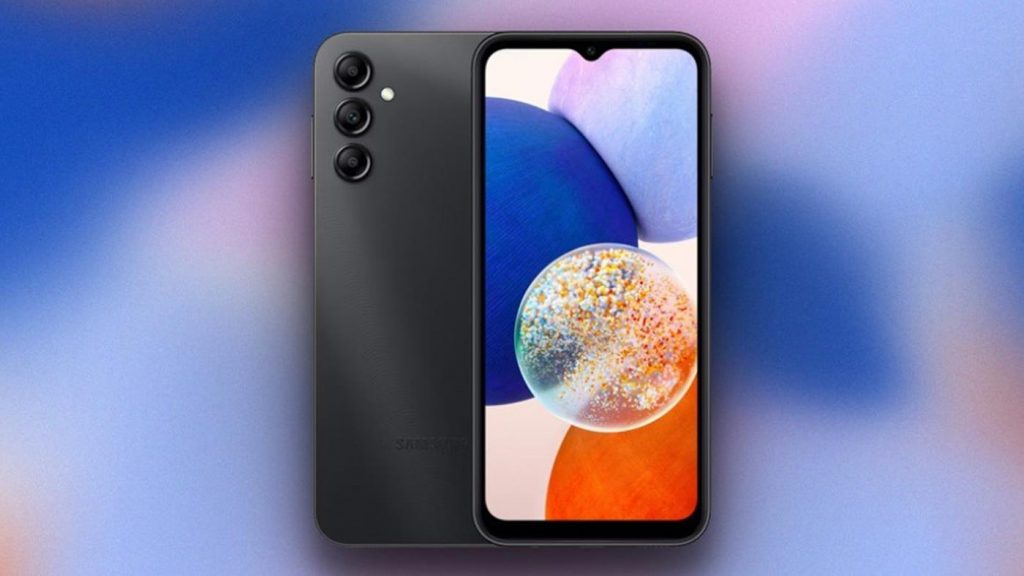
According to a recent report that has surfaced online, the Samsung Galaxy A14 5G has started receiving a September security patch.

For those unaware, the company released the Galaxy A14 5G in January this year. The smartphone arrived with Android 13 onboard and is expected to receive two major Android updates. It is worth noting that this security patch is currently available for the carrier-locked version of the smartphone.

Samsung Galaxy A14 5G

The September security patch arrives with the build version ending in BWH4. The update is majorly focused on fixing security vulnerabilities found in the previous update. The patch is also expected to include a few bug fixes and UI improvements for better device stability. Those who are currently in the US and have a carrier-locked version of the Galaxy A14 5G can check for the update by going to Settings > Software Update > Download and Install.

Furthermore, the Galaxy A14 5G is currently one of the affordable smartphones that is expected to receive an Android 14 update. Those wondering what the hype is all about can check the specifications of Galaxy A14 5G below.

Samsung Galaxy A14 5G specifications

The Galaxy A14 5G arrives with a 6.6-inch FHD+ Infinity-V LCD display and a 90Hz refresh rate. Under the hood, the device is powered by an Octa-Core MediaTek Dimensity 700 processor accompanied by 4GB and 6GB of LPDDR4x RAM. The smartphone is available in two storage variants: 64GB and 128GB, which can be expanded up to 1TB via microSD card. Lastly, it is equipped with a 5000mAh battery with 15W fast charging support.

RELATED:

(Via)

ASML strengthens presence in Japan to boost cutting-edge Chip production for startup Rapidus

ASML is making significant moves in Japan to support the chip production efforts of Japanese startup Rapidus. ASML plans to establish a tech support center in Hokkaido by the latter half of the next year, and it aims to increase its workforce in Japan by 40% by around 2028.

Rapidus, backed by substantial funding from the Japanese government, is venturing into the competitive market of manufacturing custom-made, cutting-edge microchips. The company is set to produce chips at the challenging 2-nanometer process node, relying on ASML’s advanced EUV (extreme ultraviolet) lithography tools for the complex circuitry of these chips.

With the backdrop of U.S.-China relations, many overseas tech companies are choosing to establish new operations in Japan. ASML is renowned as the world’s top supplier of photolithography equipment, which plays a crucial role in etching circuits onto computer chips. Furthermore, it is the sole global manufacturer of EUV lithography equipment, a necessity for mass-producing advanced semiconductors at processes of 5 to 7 nanometers and below.

ASML’s expansion in Japan will see a tech support base near Chitose, Hokkaido, where approximately 50 engineers will install EUV equipment on a prototype production line at semiconductor plants being constructed by Rapidus. This support extends to assisting with startup operations and ongoing maintenance.

Once Rapidus commences production, Japan will join the ranks of the United States, Taiwan, South Korea, and Ireland as locations with EUV-equipped mass-production lines. This expansion underlines Japan’s growing importance in the East Asian semiconductor supply chain, given its increasing presence of related material makers.

Amidst rising geopolitical risks, U.S. chip equipment manufacturers are also expanding their operations in Japan. Applied Materials is planning to increase its workforce in Japan by 60% in the coming years, while Lam Research is considering opening a new facility in Hokkaido after relocating and expanding its technical support base in Kumamoto. 

Meanwhile, Japanese chipmaking equipment manufacturers are making their mark abroad, with Tokyo Electron expanding its technology development facility in South Korea and Hitachi High-Tech continuing to build and expand bases in the U.S., South Korea, and Taiwan.

As ASML strengthens its presence in Japan and Rapidus strives to pioneer advanced chip manufacturing, the global semiconductor industry is witnessing a dynamic shift, with Japan emerging as a critical player in this high-stakes arena.

Related:

(via)

French authorities review Apple’s Software update for iPhone 12 amid radiation concerns

After France imposed a ban on the sale of Apple’s iPhone 12 devices due to concerns over electromagnetic radiation, the French authorities have received a software update from the tech giant. 

Apple faced a September 27 deadline to implement changes after French regulators ordered the suspension of sales for older iPhone 12 models, citing excessive electromagnetic radiation emissions. French authorities had warned of a potential product recall if Apple did not provide a software solution to address the radiation issue.

Following the controversy, Apple had committed to releasing a software update to address the concerns raised by French regulators. However, as of now, official communication from the ministry confirming compliance with the update is still pending, as authorities meticulously review the software patch.

The French authorities’ decision to suspend sales of iPhone 12 models came after tests conducted by France’s Agence Nationale des Fréquences (ANFR) revealed that the devices exceeded permissible radiation exposure limits. Specifically, the tests measured the smartphone’s Specific Absorption Rate (SAR), which gauges the rate of radiofrequency absorbed by a user’s body while using the device.

ANFR reported that accredited laboratories found a SAR of 5.74 watts per kilogram when the smartphone was held or carried in a pocket. Notably, this exceeded the European standard for SAR in such scenarios, which is set at 4.0 watts per kilogram.

Apple had initially contested the French findings, asserting that the iPhone 12 had received certification from multiple international bodies as compliant with global radiation standards. However, in a significant turn of events, Apple ultimately committed to issuing a software update that would accommodate the testing methods employed in France.

As the French authorities continue their review of the software update, the outcome remains uncertain, and the future availability of iPhone 12 models in the French market hangs in the balance. 

Related:

(via)

Mini’s Latest Electric Bike Features Built-in GPS & a 250-Watt Motor

Mini has always been a brand synonymous with compact efficiency and iconic design. Now, the automaker is diving into two-wheel territory with its latest release, the Mini E-Bike 1, a collaborative effort with French brand Angell Mobility.

The E-bike seems like the Swiss Army Knife of e-bikes

Unlike any regular e-bike, the Mini E-Bike 1 is all about customization. Whether you’re tall or short, this bike can adjust to fit you. Designed mainly for city commuting, it features an aluminum frame and a thermoplastic chain guard. Think of it as the Swiss Army knife of e-bikes; it’s built to adapt to various types of riding.

Electric

When it comes to power, the Mini E-Bike 1 doesn’t skimp. It runs on a 250-watt rear hub motor, controllable through an integrated cockpit or even your smartphone. This ensures you can tweak performance settings on the go. Plus, the bike sports a 2.1-kilogram swappable battery pack, cleverly hidden under what you might mistake for a luggage rack. It’s not for carrying bags, but it does make charging a breeze.

What sets this e-bike apart even more is its app. With a few taps on your phone, you can lock, unlock, and locate your bike via built-in GPS. Need to ride before sunrise or after sunset? No problem—the bike comes with front and rear lights to keep you visible and safe.

This futuristic ride is available in two eye-catching colors: Ocean Wave Green and Vibrant Silver, a nod to Mini’s iconic palette. And here’s the kicker: the Mini E-Bike 1 is a limited-edition masterpiece. Only 1,959 will be produced, paying homage to the year the first Mini Cooper rolled out. As for the cost? It’s tagged at $3,716, making it a premium but feature-packed investment for the modern commuter.

RELATED:

(Via)

Hong Kong Struggles with Generative AI Amidst Copyrights & Legal Concerns

As Hong Kong strives to solidify its role as a global financial hub, the widespread adoption of artificial intelligence (AI) tools like ChatGPT faces roadblocks, largely due to copyright and legal concerns. Despite the buzz, businesses are taking cautious steps in integrating these tools into their workflow.

Understanding Complex Language Models is an uphill task

Herbert Chia, who helms the data governance steering committee at the Hong Kong Science and Technology Parks Corporation, pointed out at an IAB Hong Kong event that it’s not just about jumping on the AI bandwagon. “Understanding and adopting these large language models is a complex task,” he said. Chia’s perspective comes with weight, given his past role at Alibaba Group between 2010 and 2016.

Artificial Intelligence

Hong Kong’s banking giant, HSBC, is one of those treading carefully. The bank dipped its toes into generative AI by launching an ad campaign featuring an AI-generated avatar of Hong Kong comedian Dayo Wong. The move sparked new challenges, primarily concerning ownership of the generated image. “It’s uncharted territory. Traditionally, the celebrity-owned the image rights, but now we’re generating something new,” said Cheuk Shum, head of marketing for Wealth and Personal Banking at HSBC Hong Kong.

Interestingly, Hong Kong’s internet users have been quicker to adapt. A chatbot aggregator, Poe, developed by Q&A platform Quora, claims nearly 49% of its global user base from the city. This suggests that while the general public is eager to embrace AI, businesses remain skeptical due to murky legal waters.

RELATED:

(Via)