Advertisement

Apple Car Project in Trouble: Technical Challenges, Leadership Turnover, and Cost Overruns

The electric vehicle market is growing at an incredible pace. The reduced maintenance and charging costs make these vehicles much more appealing for consumers. Also, with some countries considering bans on gasoline car sales, that’s why more people are leaning towards electric options. This surge in interest has led to a rise in the number of companies entering the market. Notably, even Xiaomi is counting the days to unveil its own electric vehicle. And the Chinese tech giant isn’t alone. Many companies, including Apple, are on this path. However, recent information suggests that things are not going well with the upcoming Apple Car project. Here are the details…

What the Delays and Problems Mean for the Future of the Apple Car Project

If you’ve been closely following Gizmochina, I’m sure you’ve heard the name Ming-Chi Kuo before. This analyst closely monitors the industry and is particularly an expert when it comes to Apple. He is known for his accurate predictions about upcoming Apple products and features. However, Kuo’s recent predictions suggest that things aren’t going well within the company.

Apple Car

According to him, the company’s work on the Apple Car has “lost all visibility.” He believes that unless Apple adopts an acquisition strategy to penetrate the automotive market, it’s unlikely that the Apple Car will go into mass production “within the next few years.” Actually, Kuo’s predictions aren’t that unexpected. The Apple Car has been on the company’s agenda for several years, and has been eagerly anticipated since it was first announced.

However, it’s been mentioned less and less over time. Moreover, various reports suggest that there have been issues with the project. For instance, it’s known that the team working on the self-driving technology has faced some technical problems. Furthermore, the Apple Car project has seen several high-profile leadership changes in recent years, which has resulted in some instability and disruption.

However, the issues I’ve mentioned and all the problems in the project don’t necessarily mean the Apple Car project will be canceled. Remember, Apple is likely not struggling to make a car, but to make a perfect car. If Kuo’s predictions are accurate, the car will enter the testing phase in 2025 and will be ready for sale in 2026. Nonetheless, it’s essential to point out that this timeline has been postponed multiple times before, so the Apple Car’s release might be delayed even more.

RELATED:

(via)

OpenAI and Jony Ive to tap up to $1bn Softbank facility for AI Device Project

Open AI and former Apple designer Jony Ive plans to secure up to $1 billion in funding from Softbank for creating a new AI device. The AI Device Project has been termed the iPhone of artificial intelligence and Japanese conglomerate Softbank has already backed the project.

Open AI’s Sam Altman will collaborate with Jony Ive’s LoveFrom for the development of the first-ever OpenAI consumer device. The two companies have been reported to have held talks at Ive’s San Francisco studio. The goal is to create a new consumer product focused on OpenAI’s technology. The new device will deliver a more intuitive and natural user experience for AI engagements. The plan resonates with the Apple iPhone’s trajectory and its revolutionary impact on mobile internet for the mass market.

The AI Device Project is in the early stages of its design but various ideas are now under consideration. One of the important details is that ARM will have a significant contribution to the product. The chip designer is one of Softbank’s current investments. The collaborations will hopefully see the establishment of a company that pulls the resources of the three companies together. There are no formal agreements yet although talks are progressing smoothly.

The LoveFrom partnership with OpenAI marks a significant shift by Jony Ive who was part of the team that designed the first iPhone. The move marks a shift by the designer towards creating computer interactions that are less dependent on screens. The project may herald a new phase in consumer electronics. The rise of virtual reality products has not provided a dent yet in the widespread impact of smartphones. The new project however comes with innovation and a revolutionary bent. This potentially could evolve into a consumer device that can rival smartphones. The finer details of the OpenAI-LoveFrom-Softbank project will be known soon.

RELATED:

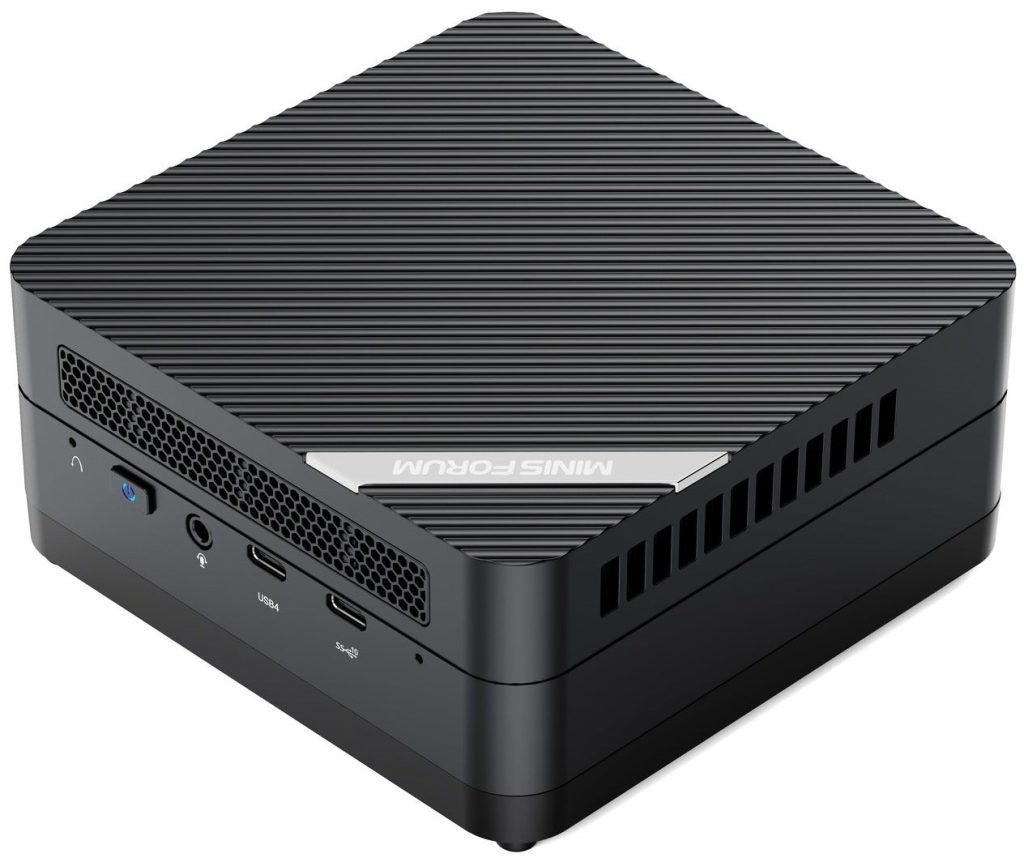
Minisforum UM690S mini PC with AMD Ryzen 9 processor and improved cooling unveiled from $351

The Minisforum UM690S mini PC has been unveiled. The new Minisforum product is equipped with the AMD Ryzen 9 processor and has a more powerful cooling architecture than its predecessor.

Minisforum UM690S mini PC

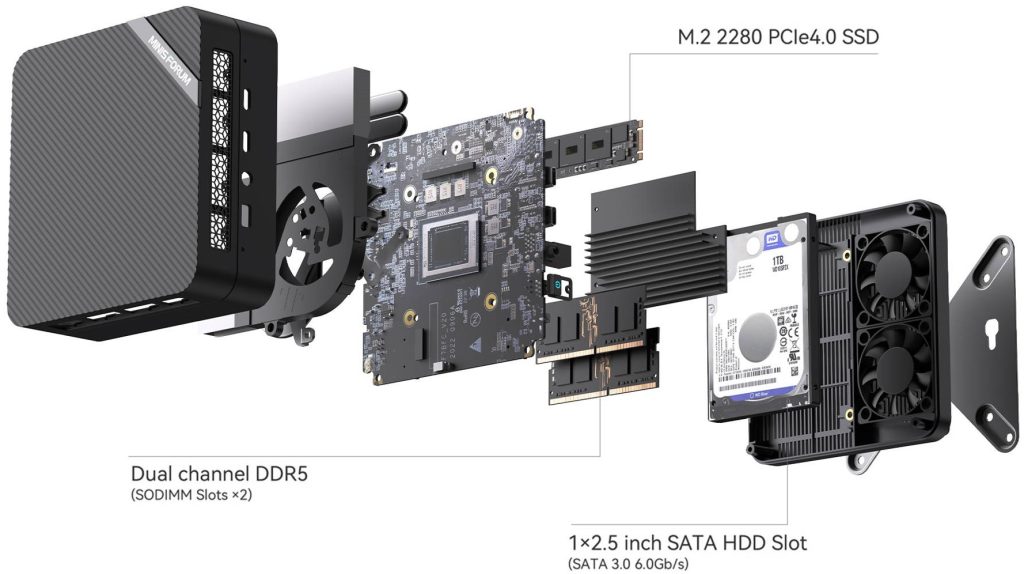
The UM690S mini PC has dimensions of 129 x 126 x 48mm and is part of the Minisforum Venus series. Its premium AMD Ryzen 9 processor is paired with DDR5 memory and a PCIe 4.0 SSD. The Minisforum UM690S comes with essentially the same specs as the UM690 but with upgrades. It comes with an improved cooling system that enables the mini PC to keep performance levels for longer periods. There are two extra fans at the bottom of the device housing. Minisforum says the new cooling solution results in a drastic reduction in SSD and RAM temperatures.

Minisforum UM690S mini PC

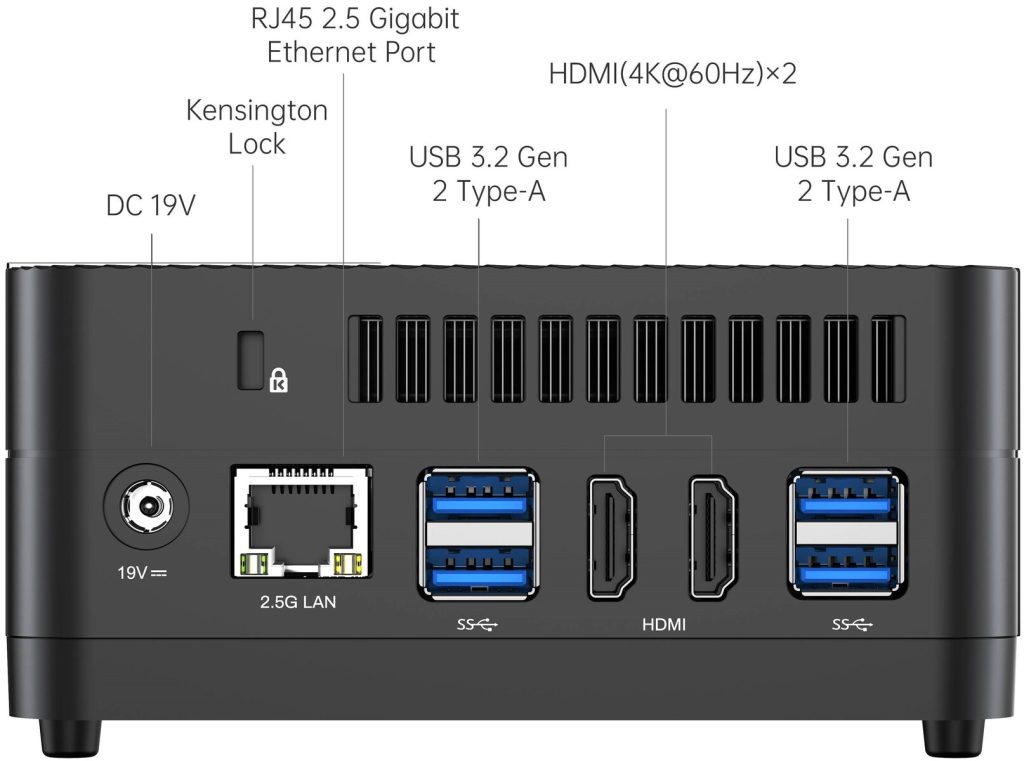
The AMD Ryzen 9 6900HX has eight Zen 3+ cores and up to 4.9GHz while its Radeon 680M integrated graphics is based on the RDNA 2 architecture. There are two DDR5 SODIMM slots in addition to the PCIe 4.0 slot. There is also enough space to accommodate a 2.5-inch SATA storage device on the UM690S. The Minisforum UM690S has two USB-C ports (USB4 and 10Gbps), four USB-A (each at 10Gbps), two HDMI (@ 4K, 60Hz) and a 3.5mm audio combo jack. The mini PC also has a 2.5GbE LAN port and support for wireless card integration with its M.2 2230 E-key slot.

Minisforum UM690S mini PC

The Minisforum UM690S Venus Series mini PC is already available on order from the Minisforum website. The barebone version of the device is priced at $351 while the 64GB RAM. 1TB SSD version costs $575. It is noted that the current prices are discounted and the Minisforum UM690S will revert to the original prices later. The earliest shipment of the mini PC is November 2023.

RELATED:

Apple CEO Tim Cook Meets with EU to Discuss Pressure to Open Up App Store

Apple is one of the world’s largest companies and has more cash in its reserves than many countries. Unfortunately, even this size is not enough to stand up against regulations and authorities. As you may know, due to a European Union regulation passed last year, the company had to say goodbye to its own charging port, Lightning, and was forced to use USB-C in the iPhone 15 series. However, according to emerging information, the EU is not satisfied with just that. The new Digital Markets Act that the Union is working on could potentially break Apple’s monopoly on the App Store.

Apple CEO Tim Cook Says Company Committed to Complying with Digital Markets Act, Despite Concerns

The EU Digital Markets Act is a new law designed to ensure fair competition in the digital sector by regulating big tech companies. In essence, it prevents monopolization, like what we see with the App Store and Play Store, where a manufacturer controls its own store and dominates the entire economy of that platform. This law is particularly relevant for Apple products, especially since they don’t allow sideloading. Because of this, some people even refer to the DMA as the “Apple Law.”

App Store

However, pushing Apple to do something isn’t that simple. That’s why CEO Tim Cook met with the EU industry chief, Thierry Breton, on September 26 to talk about the Digital Markets Act. Breton urged Cook to make Apple’s hardware and software ecosystem more accessible to competitors. He believes that Apple device users should have the advantage of choosing from a variety of competitive service providers.

Apple has previously criticized the DMA, claiming that it poses risks to users’ privacy. However, Cook has also said that Apple is committed to complying with the DMA. It is not yet clear what specific changes Apple will make to its business practices in order to comply with the law.

The DMA is expected to come into force in 2024. It will be interesting to see how Apple responds to the law and how it changes its business practices as a result.

RELATED:

(via)
Get the latest Lenovo Legion M5 Pro Dual-Mode Wireless Gaming Mouse at GeekWills

Lenovo Legion M5 Pro Dual-Mode Wireless Competitive Gaming Mouse is a versatile companion designed to enhance your gaming experience. With a focus on performance and functionality, this mouse offers a range of features tailored to meet the demands of gamers. You can now get the Legion M5 Pro Gaming mouse for $29.99 at GeekWills.com.

WHERE TO BUY
Lenovo Legion M5 Pro Dual-Mode Gaming Mouse at $29.99 @GeekWills

At its core, the Legion M5 Pro boasts an impressive PAW3395 sensor, providing precise tracking and accuracy for competitive gaming. It operates at a 1000Hz return rate, ensuring minimal lag and a seamless gaming experience. The addition of transparent, dust-proof micro-switches not only enhances click responsiveness but also extends the mouse’s lifespan.

One of its standout features is the dual-mode connection capability, allowing you to connect either wired or through a 2.4GHz wireless connection. This flexibility ensures you can adapt to different gaming scenarios effortlessly. Plus, the built-in 800mAh battery offers an exceptional 42 days of battery life, reducing the need for frequent recharging.

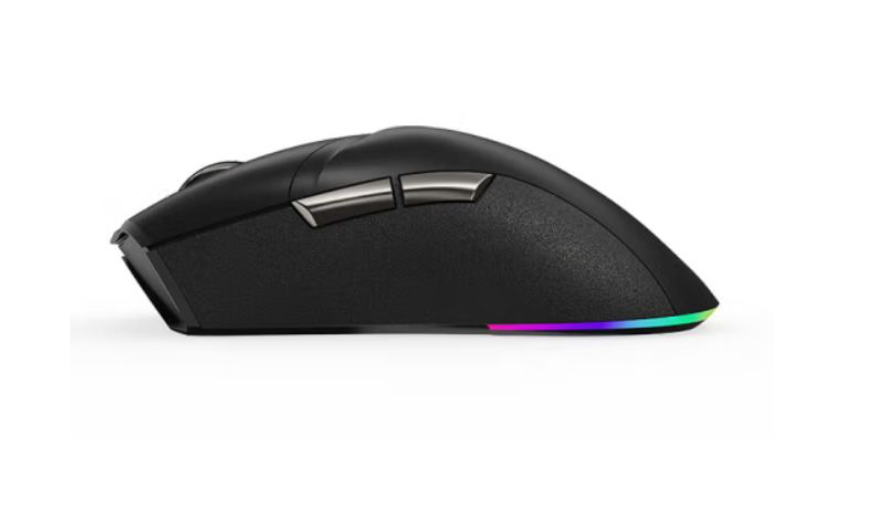
Aesthetically, the Lenovo Savior M5 Pro features a rear RGB light bar, adding a touch of style to your gaming setup. It’s lightweight at just 93g, making it easy to maneuver during intense gaming sessions. The mouse also includes two programmable side buttons on the left for quick access to commands, enhancing your gaming efficiency.

With dimensions measuring 127mm x 70mm x 41mm, the Legion M5 Pro is well-suited for individuals with medium-to-large-sized hands. Its ergonomic design ensures a comfortable grip, reducing fatigue during extended gameplay. Lenovo Legion M5 Pro is a gaming mouse that prioritizes performance and functionality. Its powerful sensor, dual-mode connectivity, long-lasting battery, and customizable features make it a reliable choice for gamers seeking a competitive edge. 

Xiaomi MIJIA Automatic Foaming Soap Dispenser 1S with up to 180 days battery life launched

Xiaomi has launched the MIJIA Automatic Soap Dispenser 1S on the Youpin crowdfunding platform. The new product comes with a price tag of 79 yuan ($11) which will be stable during the crowdfunding period until October 8.

MIJIA Automatic Soap Dispenser 1S

The MIJIA Automatic Soap Dispenser 1S uses an infrared induction design that does not require pressing for 0.25 seconds to produce foam, reducing the risk of cross-infection and providing “micron-level” plump foam. The new product also upgrades to a USB Type-C charging design. It also has a built-in lithium battery and is equipped with a high-efficiency micromotor. Xiaomi The official claims that “a full charge is estimated to last 180 days.”

This product adopts a simple design style and adopts ultrasonic sealing technology. The charging port and bubble outlet are also waterproofed. The device supports an IPX5 waterproof level while the hand sanitizer bottle is made of high-end frosted material.

MIJIA Automatic Soap Dispenser 1S

The hand sanitizer uses a slightly acidic formula close to the pH value of human skin with glycerin added. There are two formulas of hand sanitizer available – a standard hand sanitizer with antibacterial properties and a moisturizing amino acid type that needs to be purchased separately. The antibacterial version has been proven by laboratory testing to effectively inhibit Escherichia coli, Staphylococcus aureus, and Candida albicans, with an antibacterial rate of 99.9%; the amino acid version is added with amino acid surfactants made from natural coconut oil.

RELATED:

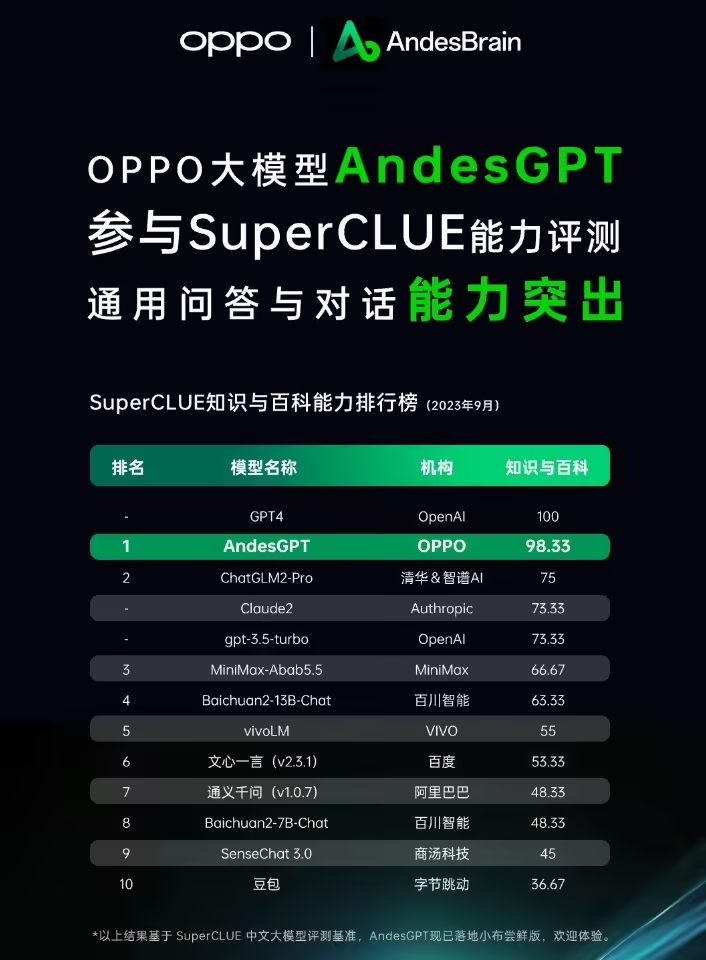
Oppo claims its AI model’s knowledge and encyclopedia capabilities are second only to GPT-4

Chinese companies are making huge progress in artificial intelligence (AI), with Baidu recently announcing its industry-grade medical AI model and its ChatGPT-rival Ernie gaining a lot of public attention. Smartphone maker Oppo has also entered the AI chatbot scene and is making decent progress. The company has announced that its AI model— AndesGPT— is only second to OpenAI’s GPT-4 in terms of knowledge and encyclopedia capabilities.

Oppo making serious progress in generative AI

Oppo’s Xiaobu Assistant has announced that its AndesGPT model has made it to the September rankings on the SuperCLUE evaluation benchmark. For the unaware, AndesGPT is a generative large language model similar to ChatGPT and Bard.

AndesGPT’s external testing started in early August alongside Oppo’s intelligent assistant, Xiaobu, with the aim of providing a kernel-level upgrade to traditional voice assistants. On the SuperCLUE Top Ten Basic Ability Rankings, AndesGPT achieved a score of 98.33 in the “knowledge and encyclopedia” capability test, ranking second only to GPT-4 and taking the top spot in China.

OPPO announced that it has significantly improved the coverage and accuracy of its AndesGPT large language model in terms of knowledge and encyclopedic abilities by incorporating high-quality knowledge graphs, a large number of QA questions and answers, and optimizing pre-training and fine-tuning techniques.

OPPO announced last month that it will soon launch a large-scale experiential campaign for its all-new Xiaobu Assistant, which is built on the foundation of its AndesGPT large language model. It is said to be capable of generating content tailored to users’ needs based on given text inputs, and its AI capabilities in summarization and synthesis will also see significant enhancements.

Related:

(Via)

Asus VA27ACFSN Docking Monitor with QHD 100Hz IPS panel and 90W USB-C port launched

After recently launching the ProArt PA32UCXR Mini-LED monitor, Asus has now unveiled a new business monitor called the Asus VA27ACFSN Docking Monitor. As the name implies, the monitor also functions as a docking station, providing various ports and connectivity options like USB-C. Keep reading to learn more details about this monitor.

Asus VA27ACFSN Docking Monitor specs

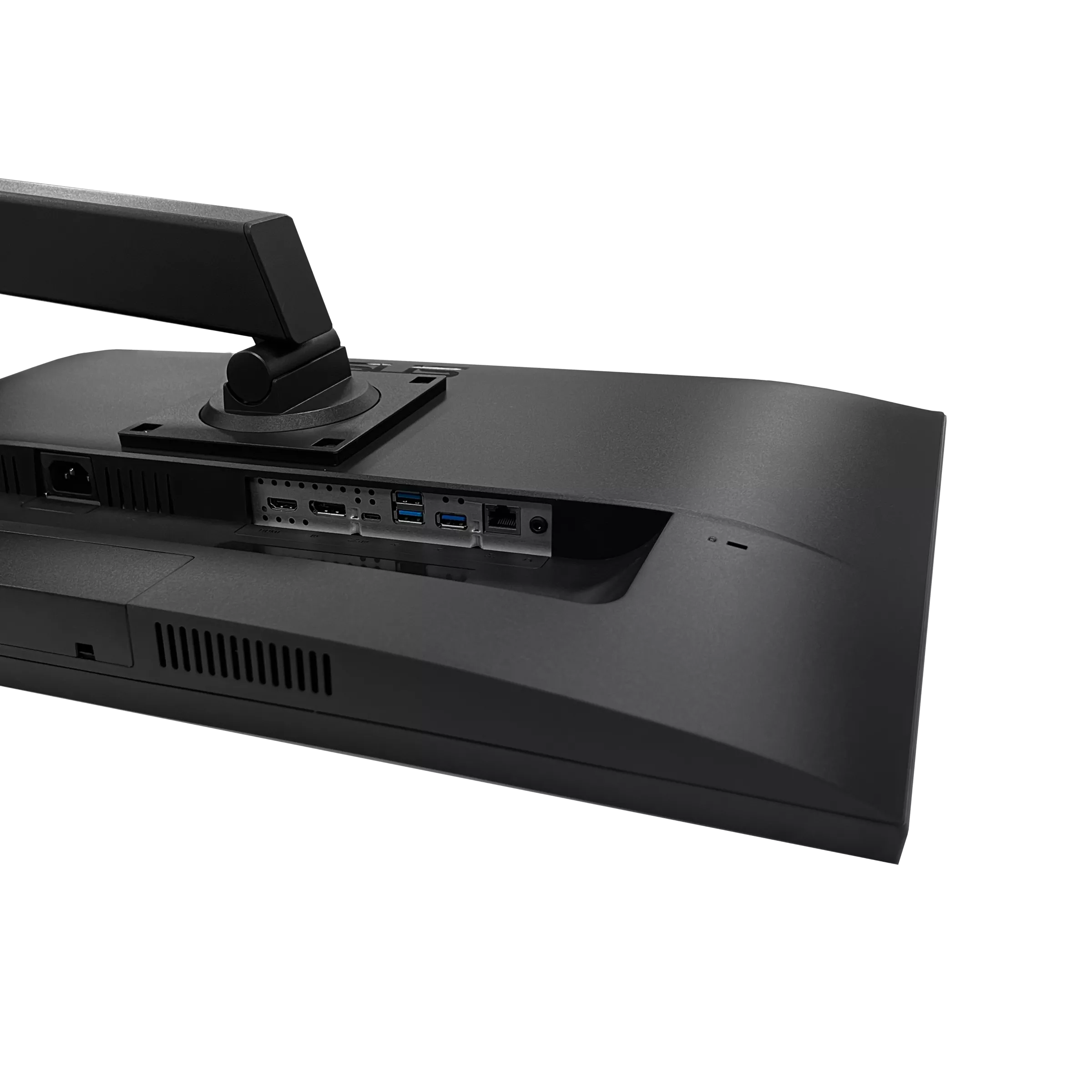
The Asus VA27ACFSN Docking Monitor is a 27-inch display with a QHD resolution of 2560 x 1440 pixels and an IPS panel that offers a wide 178° viewing angle. It provides a variety of connectivity options, including HDMI, USB-C, DisplayPort, earphone jack, USB hub, and an RJ45 LAN port for versatility.

One standout feature is the USB-C port, which simplifies laptop docking by handling data transmission and video signal to the monitor while delivering up to 90W of charging power to the laptop through a single cable. This makes it convenient for users seeking a streamlined setup.

The monitor supports a refresh rate of up to 100Hz and utilizes Adaptive-Sync technology to eliminate visual artifacts, ensuring a clear and smooth viewing experience.

In terms of ergonomics, the monitor offers adjustable tilt, swivel, pivot, and height settings, allowing users to find a comfortable viewing position. ASUS has also incorporated eye care technologies, including TÜV Rheinland-certified Flicker-free and Low Blue Light features, to reduce eye strain and enhance viewing comfort.

Price & availability

The Asus VA27ACFSN Docking Monitor is currently on sale for €363.99 in Germany. It is also available in multiple other markets across the EU.

RELATED:

(Source, via)

*Please Note: When you buy something using the links in our articles, we may earn a small commission at no cost to you.

Chrome 117 removes unnecessary “All Bookmarks” reminder

Chrome 117, the latest version of the desktop browser, has finally removed the unnecessary “All Bookmarks” reminder from the Bookmarks Bar. This is a welcome change for many users who found the reminder to be disruptive and annoying.

The “All Bookmarks” reminder was introduced in the earlier Chrome 117 version as part of the Material You redesign. Tapping on it would trigger a prompt to open the Side Panel to view all bookmarks.

This reminder was meant to educate users about the new bookmark location in the Side Panel. However, many users found that the reminder took up valuable space on the Bookmarks Bar and disrupted their carefully arranged bookmarks.

Now, as Google has released Chrome 117.0.5938.132 update, the “All Bookmarks” reminder has been removed, freeing up space on the Bookmarks Bar. Chrome 117 also includes 10 security bug fixes.

Google is slowly adding Material You components to the desktop platform, albeit more slowly than to ChromeOS. However, it won’t be long before we have a similar theming experience across all Google products and services.

For those who are unaware, Material You is Google’s new theming engine that it launched in 2021 with Android 12. It has been spreading to many Android apps since then, but the dynamic interface theming option was initially limited to Google’s own platforms. However, Google started to introduce Material You to other services, such as Chrome, with Canary build version 110. This brings Material You to Mac, Windows, ChromeOS, and Linux.

Related:

(Via)

Samsung Galaxy Tab A9+ visits Google Play Console with Snapdragon 695

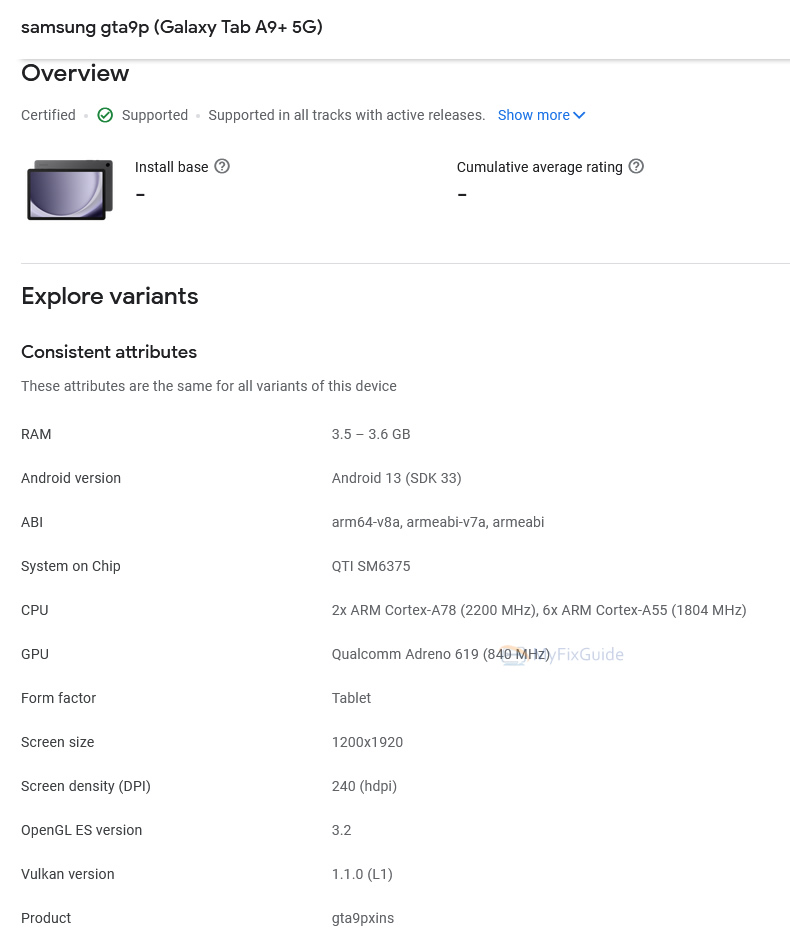
Samsung has confirmed it is launching the Tab A9 in India in the coming week. Alongside it, the company may also launch the Galaxy Tab A9+. Although there’s no official confirmation yet, the tablet has been spotted on Google Play Console with its key specifications. It is expected to bring a Snapdragon 695 SoC under the hood with 4GB of RAM and a Full HD+ display.

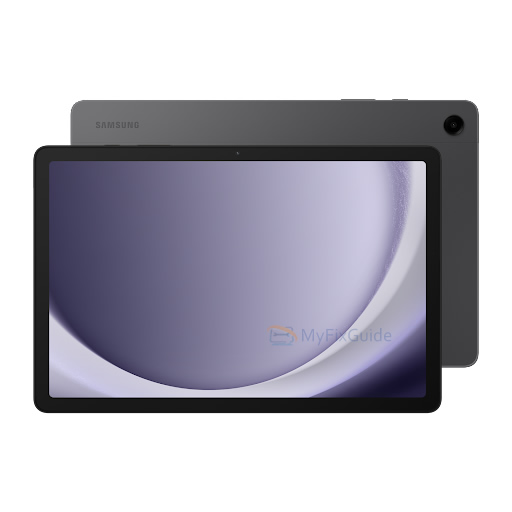
Galaxy-Tab-A9-Plus-render

Samsung Galaxy Tab A9+ launching soon

The Galaxy Tab A9+ is supposed to be an affordable tablet from Samsung. The Google Play listing confirms it will bring a single camera sensor on the rear and a front-facing shooter located on the horizontal front bezel.

As mentioned, the Galaxy Tab A9+ 5G is powered by Snapdragon 695 5G, which is a mid-range chipset from Qualcomm. The processor is based on a 6nm manufacturing process and features the following cores two Cortex-A78 P-Cores (2.2GHz) and 8Cortex-A55 E-Cores (1.8GHz). In addition, Google Play also mentions that this model will be equipped with 4GB of RAM.

The tablet gets a Full-HD+ (1920*1200p) resolution and 240 DPI (density per inch). However, the size of the panel is yet to be known. The listing also confirms the tablet will run Android 13 out of the box, which will likely be layered by One UI 5.

Rumors suggest that a massive 7,040mAh battery pack will power this device, which will support 15W fast charging. In a recent FCC listing, the dimensions of the upcoming tablet were revealed. It will likely measure 257.11×168.66×6.94mm, which means that it features a thin form factor.

RELATED:

(Source) (Via)

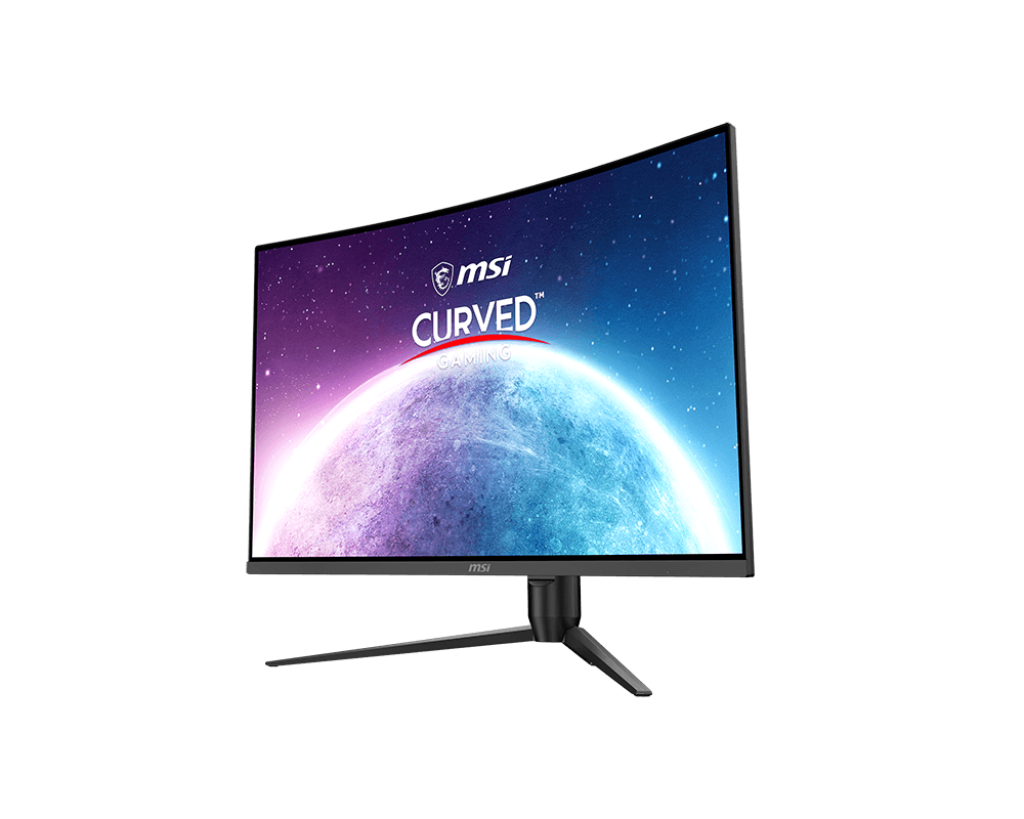
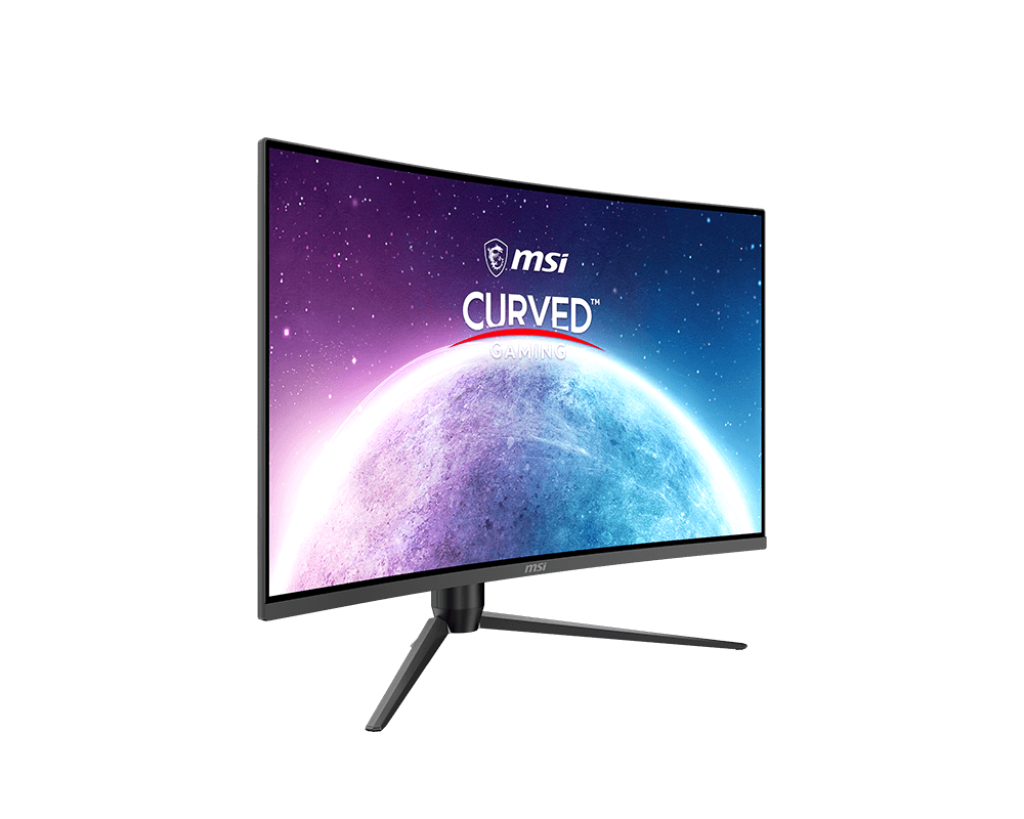
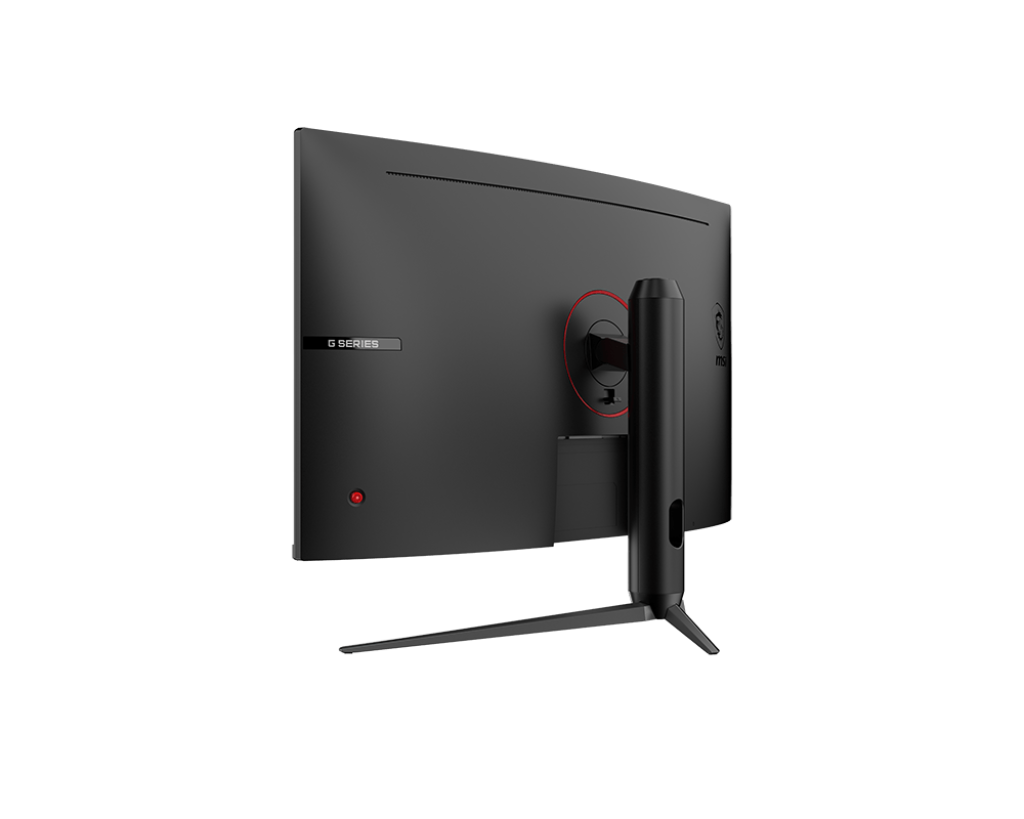
MSI G32CQ5P 31.5″ curved gaming monitor with 170Hz refresh rate VA panel unveiled

Last month, MSI launched a bunch of gaming hardware including the MSI Dark Knight gaming desktop and the MAG 323UPF Gunner 4K monitor. The brand has now unveiled a new curved gaming monitor for the global market called the MSI G32CQ5P.

MSI G32CQ5P monitor

MSI G32CQ5P monitor specs

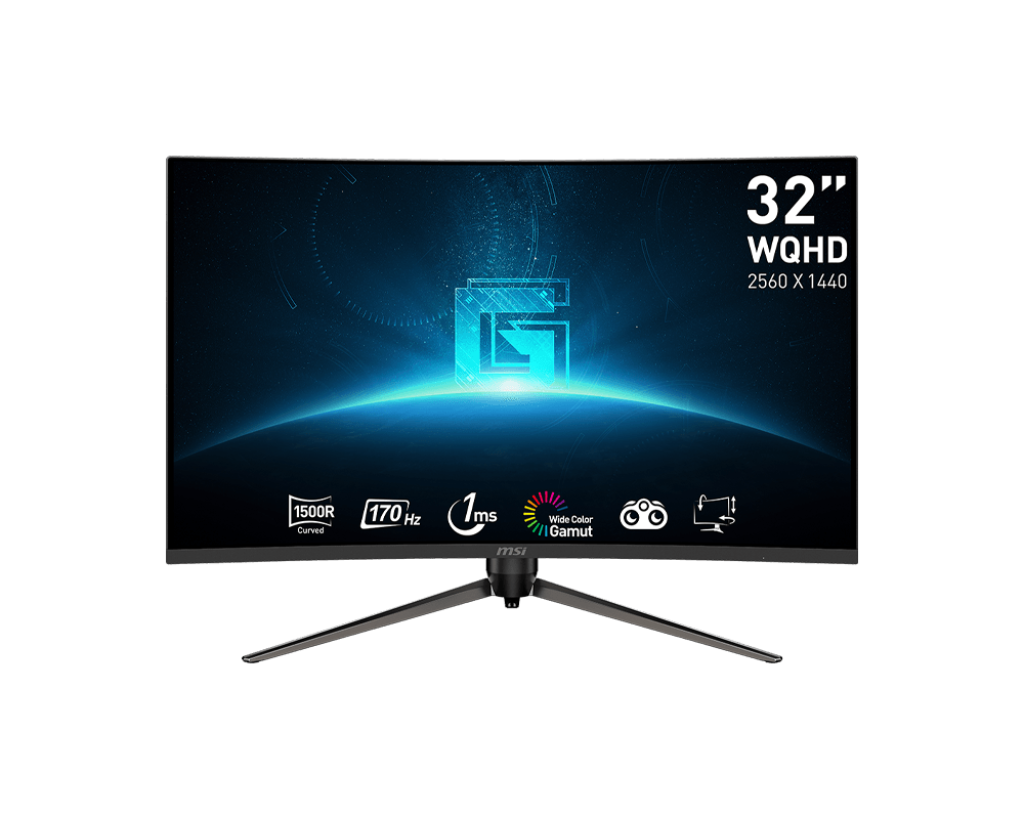
The MSI G32CQ5P curved monitor boasts a large 31.5-inch screen with an immersive 1500R curvature, providing an engaging visual experience. Its WQHD resolution of 2560×1440 pixels ensures sharp and detailed visuals, making it a compelling choice for gamers and creative professionals.

This monitor excels in performance, offering a rapid 170Hz refresh rate and a lightning-quick 1ms response time (MPRT) for smooth and tear-free gaming. Adaptive-Sync technology enhances the gaming experience by synchronizing the monitor’s refresh rate with your graphics card, eliminating screen tearing.

For those interested in HDR content, the MSI G32CQ5P is “HDR Ready,” promising improved image quality with richer colors and better contrast. Its wide viewing angle of 178 degrees both horizontally and vertically ensures consistent visuals from different vantage points.

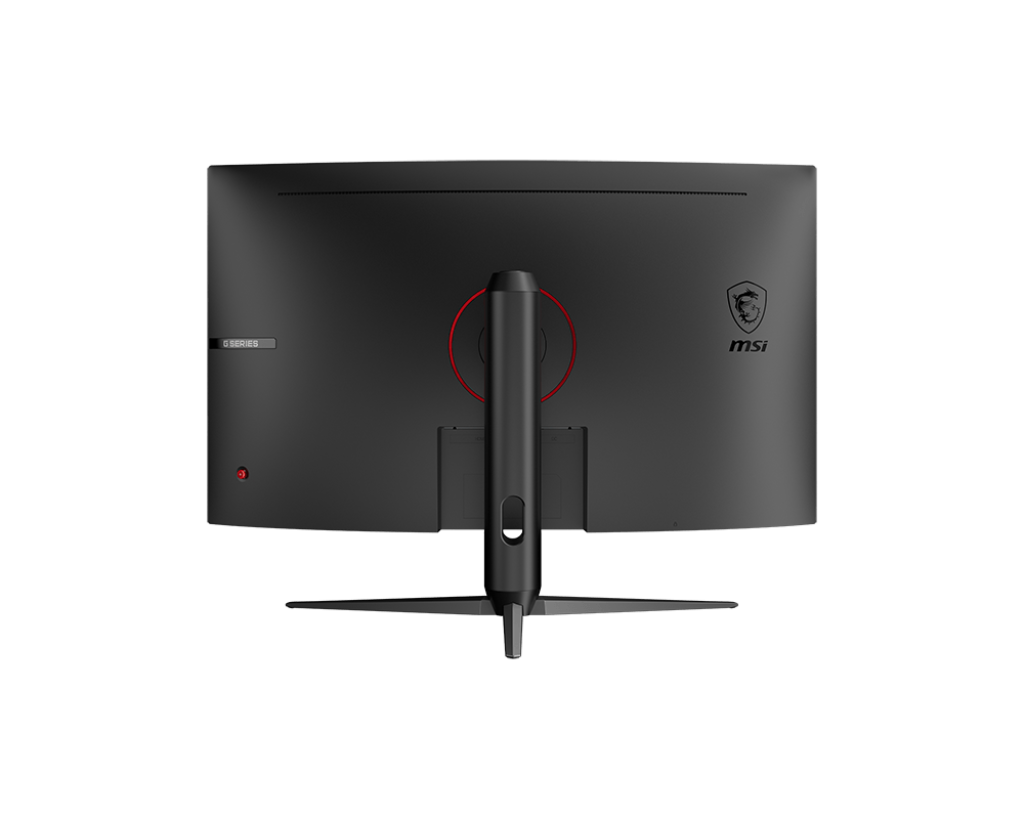
Design-wise, the monitor features a frameless design for a modern look. It’s VESA mounting is compatible with flexible placement options. The monitor offers multiple adjustment options, including tilt (-5° to 20°), swivel (-30° to 30°), and height adjustment (0 to 90 mm) for customized viewing angles. It also includes a Kensington lock for security. Pricing and availability are currently under wraps.

RELATED:

(Source, via)

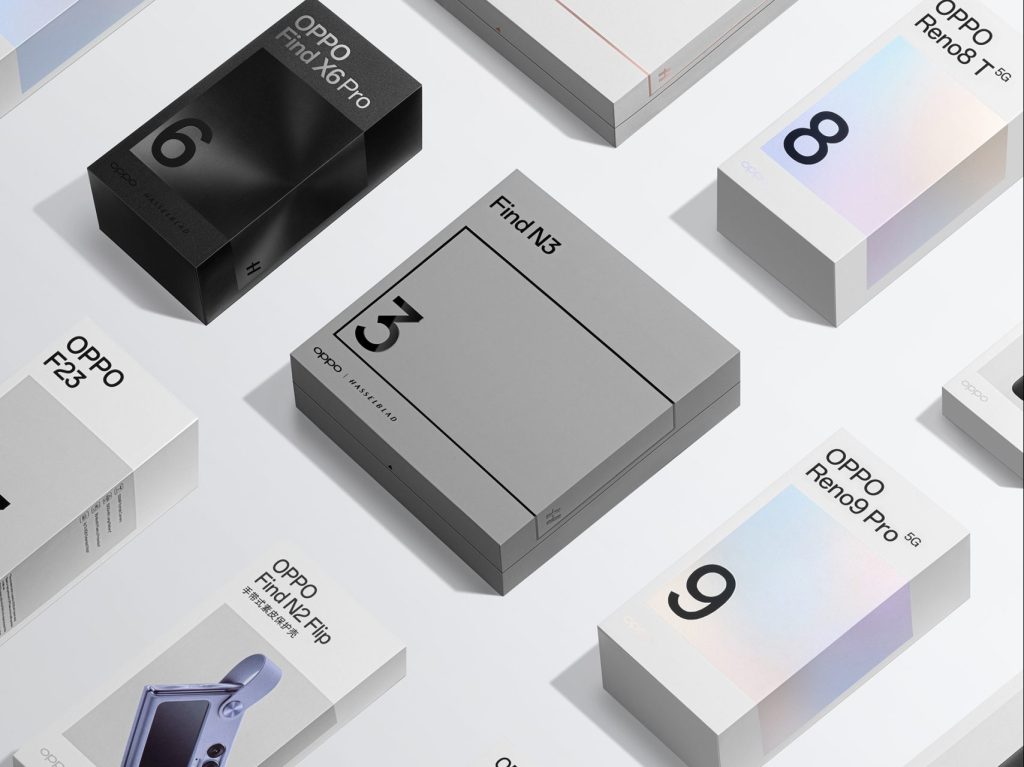
Huawei Nova 11 SE and OPPO Find N3 to launch in October

A new tip from China suggests that October will be a busy month for smartphone launches, with several new devices expected, including a couple of foldable.

Oppo is rumored to be announcing its new foldable smartphone, the Find N3, next month. This device is said to be equipped with a dual-layer transistor CMOS sensor, which could significantly improve image quality.

Honor is also expected to announce its next foldable phone in October, alongside a new smartwatch and a new device in the Play series. Huawei is also rumored to be announcing the Nova 11 SE series next month.

Recently, we discovered that the Nova 11 SE has already been listed on TENNA revealing that it has a flat back panel with a dual-circle camera module and a triple-camera setup. You can learn more about the TENNA’s findings here.

The Oppo Find N3 is expected to be the most interesting device of the bunch, thanks to its new camera sensor. Oppo has partnered with Sony’s Lytia imaging sensor brand to bring dual-layer stacked Sony sensors to future Oppo flagships. The new sensors are expected to “unlock the next era of computational photography.”

This sensor uses a two-layer design to separate the transistors and photodiode layers. This allows for larger photodiodes, which can capture more light and reduce noise, even in challenging lighting conditions. However, this technology is not entirely new. Sony used the ExmorT IMX 888 stacked CMOS sensor with 2-layer transistor pixel technology in the Xperia 1 V earlier this year.

In addition to its new camera sensor, the Oppo Find N3 is also expected to have a 7.82-inch internal screen with a resolution of 2268×2440 pixels and a 6.31-inch external screen with a resolution of 2484×1116 pixels.

Related:

(Via)

Smalo’s Under-the-Radar PX2 E-Bike Could be Your Next Car Replacement

If you’re tired of the usual variants in the electric bike market and are looking for something fresh yet reliable, the Smalo PX2 might be right up your alley. A relatively new kid on the block, Smalo operates under the Taiwanese BESV brand, known for its technology-forward e-bikes. So, what sets the Smalo PX2 apart from the crowded e-bike scene?

The bike’s AI automatically detects the Terrain and adjusts Pedal Assist accordingly

One of the standout features of the PX2 is its AI-powered Smart Mode. Imagine a bike that adjusts itself based on your riding style and road conditions. Whether you’re cruising through flat city streets or negotiating uphill climbs, Smart Mode collects data from a built-in torque sensor, battery levels, and even the terrain you’re on. It then adjusts pedal assistance to offer optimal performance, all without requiring you to lift a finger.

Smalo Electric

The PX2 is more than just a brainy e-bike. It comes with a 250-watt rear hub motor, helping you hit speeds of up to 20 mph. A 365-watt-hour battery powers your ride for a respectable 50 miles before needing a recharge, which takes only about 3.5 hours. This makes the Smalo PX2 practical for both short commutes and longer excursions.

Not to be overlooked, the PX2’s unique trapezoidal frame design houses the battery right under the top tube, making it efficient and streamlined. The e-bike weighs only 46.4 pounds, light enough to carry upstairs and compact enough for an elevator ride. For those concerned about security, Smalo has you covered with a built-in e-lock.

With pre-orders now open and deliveries expected by 2024, the Smalo PX2 is priced at $2,580. It might not be the cheapest option out there, but for those seeking a capable and smart e-bike that challenges the rest, it’s an investment worth considering.

RELATED:

(Via)

Ride1Up’s New Prodigy V2 Electric Bike has a Top Speed of 45 kmph

California’s Ride1Up is back, not just with an upgrade but a game-changer—the Prodigy V2. This e-bike brings the convenience of commuting and the thrill of off-road adventures into one accessible package, a move that could lure a broader spectrum of riders into the e-bike revolution.

The e-bike is powered by a 36-volt Samsung Battery

Firstly, let’s talk design. It’s not just for show; it’s about inclusivity. The Prodigy V2 offers both step-through and step-over frames, catering to riders of all sizes and comfort levels. Plus, the full-coverage fenders mean your ride to work doesn’t end with a change of clothes.

Rideup Electric

But what’s under the hood? The German-engineered Brose mid-drive system offers smooth, silent operation. Paired with a 36-volt Samsung battery, you’re looking at a robust machine that gives you a top speed of 28 mph with pedal assist. Choose between a standard nine-speed gear setup or elevate your ride with an Enviolo CVT hub. Either way, it’s a flexible machine suited to both urban commutes and outdoor escapades.

Safety is also in the mix. From mountain bike-specific Maxxis Rekon Race tires to front and rear LED lights, not forgetting a brake light and 180-millimeter hydraulic disc brakes, this e-bike has got your back—or more accurately, your front and back.

Price-wise, the Prodigy V2 offers two main configurations. For those who are content with a standard nine-speed setup, $2,395 is your ticket. If you’re eyeing the more premium Enviolo CVT, be ready to part with $2,695.

RELATED:

(Via)

Tesla’s New Superchargers are Now Open to All EVs in New Zealand & Australia

Tesla‘s recent move to open up its Supercharger network to non-Tesla vehicles is not just a headline; it’s a game-changer for the global electric vehicle (EV) ecosystem. The pilot program, which kicked off in various countries including New Zealand and Australia, signals a cooperative approach in the fast-evolving world of electric mobility.

NEVI is providing future funding to Tesla for new Superchargers in the US

So, what does this mean for the average EV owner? Imagine this: You own an EV compatible with the CCS2 charging connector. You’re now welcome at six Supercharging sites in New Zealand, making up about a third of the island nation’s Supercharger stations. Similarly, Tesla has opened up roughly 30 locations in Australia to all EVs, letting you bypass specialized or less reliable stations.

Tesla

But wait, it gets better if you’re in the U.S. The introduction of the Magic Dock built-in CCS1 adapters, now found in several states, bridges the gap between Tesla and non-Tesla charging inlets. Sure, 26 locations might sound insignificant given Tesla’s extensive network, but it’s a promising start, especially with future public funding in sight through the National Electric Vehicle Infrastructure Formula Program (NEVI).

This move is not only beneficial for EV owners but also strategically intelligent for Tesla. By adopting a more inclusive approach, Tesla is positioning itself as not just a car manufacturer but a comprehensive service provider for electric mobility. It’s a win-win—non-Tesla EV users get access to high-quality charging infrastructure, while Tesla taps into a broader customer base, increasing its station utilization and potentially revenue.

Even more long-term, Tesla’s own North American Charging Standard (NACS) aims to make the charging experience as seamless as in Europe by 2025. With over 20 countries already on board, including places as diverse as mainland China and Turkey, this program makes one thing clear: Tesla is taking the lead in building a truly interconnected global electric vehicle network.

RELATED:

(Via)

Huawei Nova 11 SE live images leak, could launch soon as a mid-range smartphone

Huawei’s Nova 11 series was launched earlier this year in April. Although rumors of the Nova 12 series have already started to see daylight, it seems Huawei still has a model left for the Nova 11 lineup. The said device could be called Huawei Nova 11 SE and it might launch as early as next month. While we wait for an announcement, the handset’s live images and a few details have been revealed by TENAA.

Huawei Nova 11 SE won’t support 5G

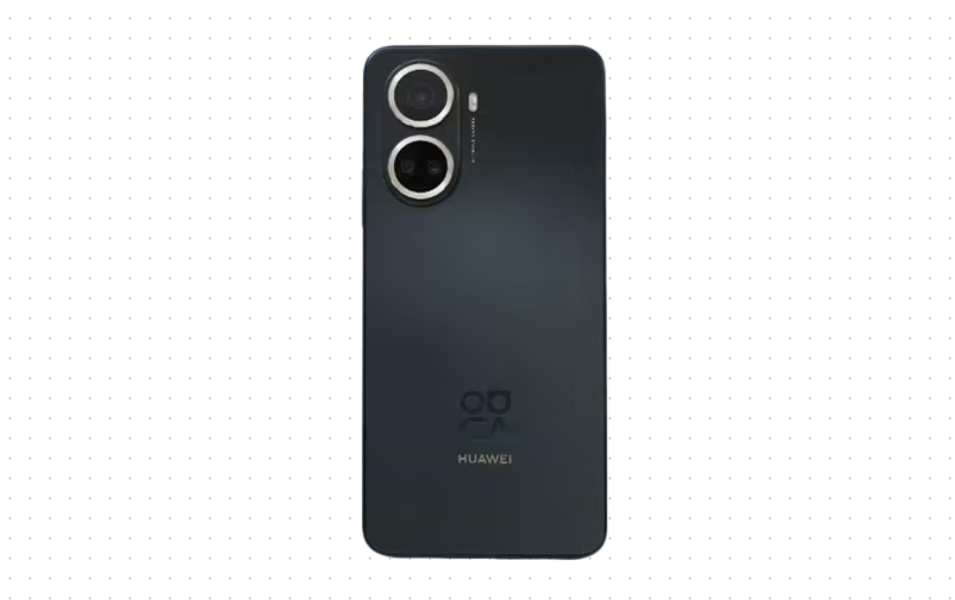
TENAA, China’s compulsory certification authority, has listed the Huawei Nova 11 SE on its website (Via ITHome). The authority also shares live images of the device, which show this new phone adopts a dual-circle camera module, equipped with a rear triple-camera setup.

The main color tone of the phone is black, with gold accents on the camera module and the Huawei logo. In addition, the phone features a flat display on the front. However, the location of the selfie camera cutout cannot be determined.

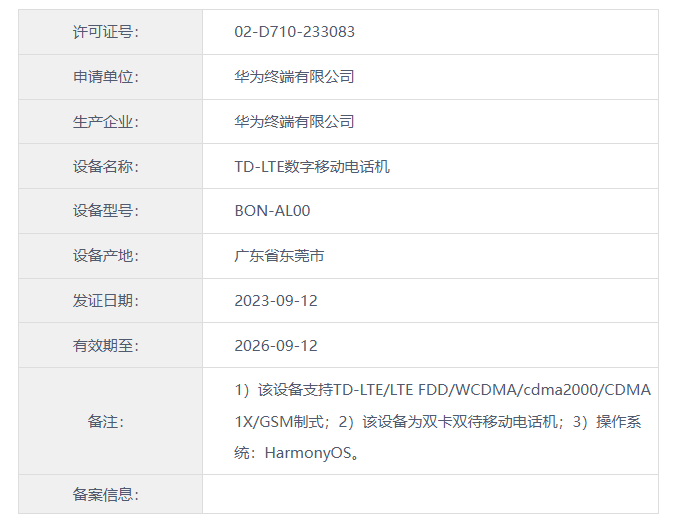
According to the registration information, the Huawei Nova 11 SE phone supports TD-LTE / LTE FDD / WCDMA / cdma2000 / CDMA 1X / GSM standards, with no mention of 5G connectivity. The handset is also listed to support dual SIM standby and comes pre-installed with HarmonyOS by Huawei.

Other specifications of the specifications of the phone are yet to be known. Since there’s no 5G connectivity, the Nova 11 SE likely packs one of the older Kirin SoCs. Word in China suggests the Nova 11 SE will be launched in October but there’s no official confirmation from Huawei yet. Stay tuned for the updates.

RELATED:

(Via)

FiiO K11 Headphone Amplifier is now available on GeekWills

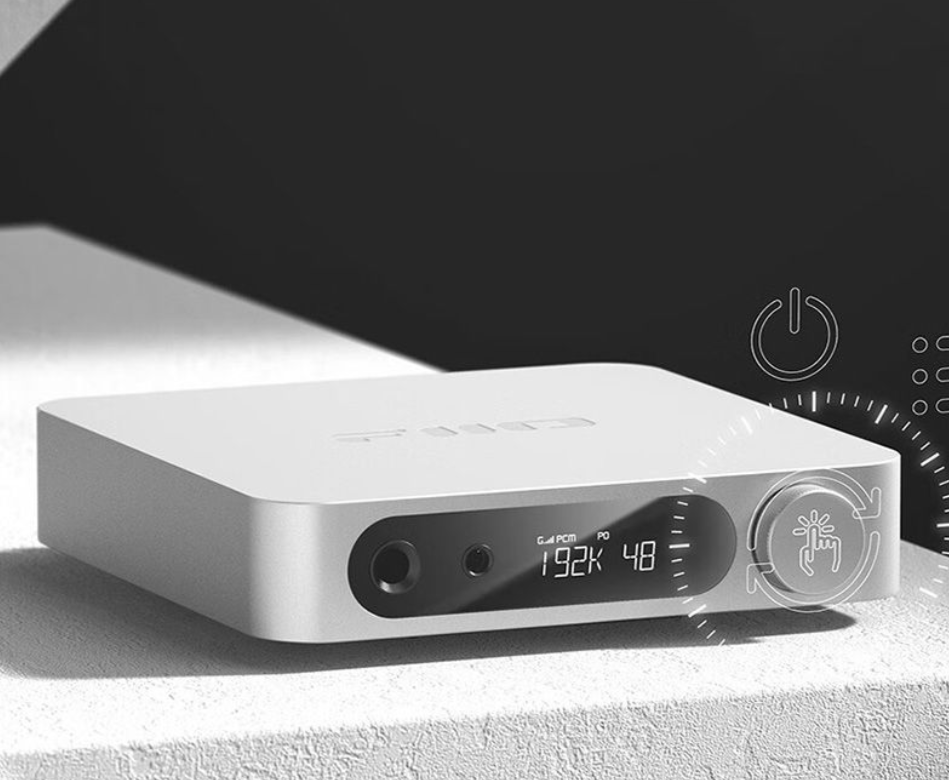
FiiO K11 Headphone Amplifier is now available on GeekWills.com. If you’re seeking a versatile and high-performance headphone amplifier, the FiiO K11 is your go-to device. With a focus on delivering pure sound quality without unnecessary embellishments, the K11 boasts an array of features that cater to both audio enthusiasts and casual listeners alike. You can get the FiiO K11 Headphone Amplifier for $169.99 only at GeekWills. 

WHERE TO BUY
FiiO K11 Headphone Amplifier at $128.99 @GeekWills

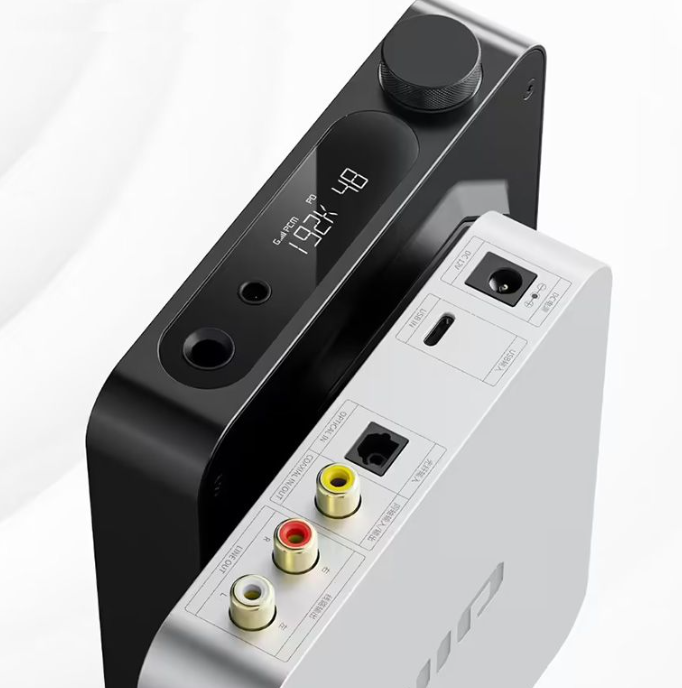
Measuring just 147x133x32.3mm, the FiiO K11 is a compact powerhouse designed to fit seamlessly into your audio setup. Its sleek and unassuming appearance is complemented by a durable build, ensuring long-lasting performance. The K11 offers an array of connectivity options, including USB, optical, and coaxial inputs. Whether you’re connecting to a computer, a CD player, or other sources, the K11 has you covered. Additionally, it features 4.4mm, 6.35mm, and RCA line outputs, as well as coaxial outputs, providing flexibility in connecting to a wide range of headphones and earbuds.

Equipped with a GD32F303RET6 chip and a CS43198 DAC chip, the FiiO K11 can support high-resolution audio formats up to 384kHz/32bit and DSD 256, ensuring that you can enjoy your music in its purest form. The frequency range of 20Hz-50kHz ensures that no audio detail goes unnoticed. The K11 takes pride in its minimal distortion, with a total harmonic distortion plus noise (THD+N) of less than 0.00035% at 1kHz and 10KΩ load, delivering an authentic and faithful representation of your audio.

With a balanced maximum undistorted sustained output power of up to 1400mW per channel at 32Ω, the FiiO K11 can effortlessly drive a wide range of headphones and earbuds, allowing you to enjoy your music at your preferred volume without compromising on sound quality.

FiiO K11 is a headphone amplifier that prioritizes delivering high-quality audio. Its compact design, versatile connectivity options, support for high-resolution formats, and clean sound reproduction make it a valuable addition to any audio setup. 

Counter-Strike 2 Now Available For Everyone From Steam For Free

Counter-Strike the famous competitive shooter is finally getting a public release of the Counter-Strike 2 on PC. Valve, the studio behind the game had limited the beta testing to select high-ranking players, streamers, and content creators. The latest FPS game arrives as the successor to the decade-old CS: GO. It is not only an upgrade but a totally different game. Read on to learn more details below. 

Counter-Strike 2 features, compatibility, and more

Counter-Strike 2 is based on Valve’s new Source 2 Engine. It packs a host of upgrades and improvements including a realistic physically-based rendering. Dynamic smoke grenades will interact with the changing environment and react to lightning, gunfire, and explosions. There is a new sub-tick rate, refreshed maps, new graphics, and more gameplay improvements. The CS rating system is also updated with global and regional leaderboards. 

Valve has made the Counter-Strike 2 available for everyone and it can be downloaded from Steam. Notably, it is a free upgrade for all CS:GO players and if players have it on their PC, it will be changed to Counter-Strike 2 in their Steam library. Additionally, Valve is also allowing players to port their inventory from CS:GO for free. 

For newcomers, Coutner-Strike 2 remains free-to-play on Steam. It has a download size of 28GB. The minimum PC requirements to run CS 2 are Intel Core i5 750 or higher, 1GB or more video card or should be DirectX 11 compatible, 8GB RAM, Windows 11, and 85GB available storage space. It remains to be seen if the game will be available for macOS.

Related:

Samsung Galaxy S23 FE stars in new leaked promo videos

Galaxy S23 FE is likely launching early in October and Samsung has already started teasing the device. Reports suggest the handset will launch on October 4 alongside other FE-branded products, such as the Galaxy Tab S9 FE and the Galaxy Buds FE. Ahead of the official release, the Galaxy S23 FE has now leaked in new promo videos, which tease the phone’s display and camera.

Galaxy S23 FE is the “New Epic”

The leaked videos are likely to be used in the marketing of the Galaxy S23 FE. You should soon be seeing them on various platforms officially. Titled the New Epic, the videos suggest the phone is launching soon. However, the official date is yet to be revealed.

As per previous reports, the Samsung Galaxy S23 FE will be powered by a Snapdragon 8 Gen 1 or Exynos 2200 processor depending on the market. It is likely to be fueled by a 4,500mAh battery with support for 25W charging. The device is also said to bring wireless charging.

Rumors suggest that the upcoming smartphone’s camera setup will comprise a 50MP main sensor, a 12MP telephoto lens, and an 8MP ultra-wide-angle unit. The Samsung Galaxy S23 FE could arrive in 128GB and 256GB storage options.

According to a recent report, the starting price of the Galaxy S23 FE in the US is $599. While the report didn’t mention the storage configuration, this price is likely for the rumored 8GB RAM + 128GB storage trim. For comparison, the unlocked Galaxy S21 FE costs the same in the US, while the Pixel 7a starts at $499, and the Galaxy A54 at $450.

The Galaxy S23 FE is expected to be a solid device for those looking for a flagship experience without spending a fortune.

RELATED:

Redmi Note 13 Pro Plus offers several premium features at mid-range price

Last week, Redmi took wraps off the Redmi Note 13 series in China. The lineup includes three models, a standard and two pros.

These new phones come with meaningful upgrades. The Redmi Note 13 Pro Plus, in particular, raises the bar too high for the Redmi Note lineup

The most premium model offers many flagship-level features. This is a far cry from what the series used to stand for.

The Redmi Note 13 Pro Plus is more of an affordable premium smartphone despite carrying a mid-range price tag (~$275). Let’s check out what makes it this way.

1. Simple yet attractive design

Redmi Note 13 Pro Plus

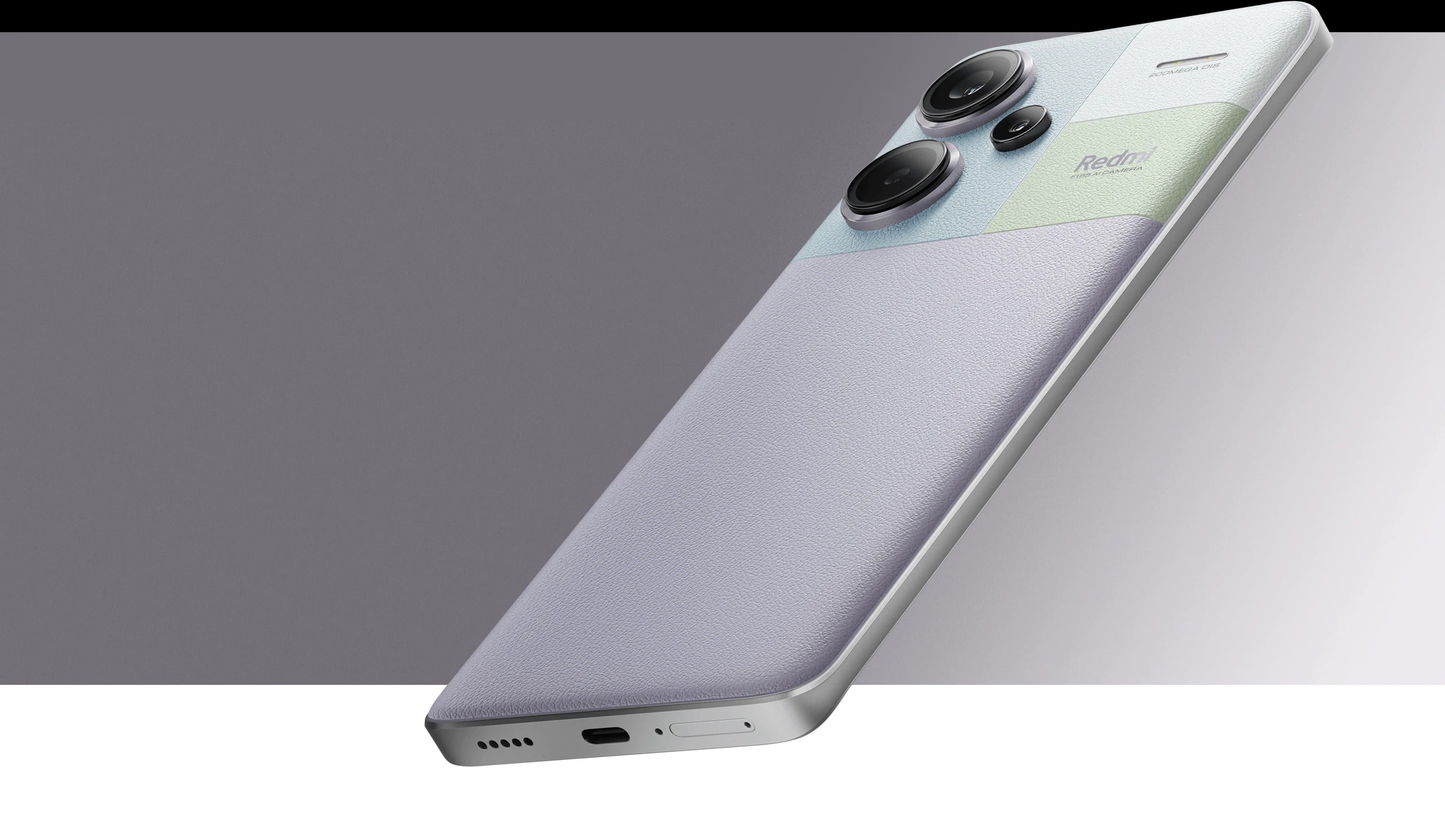
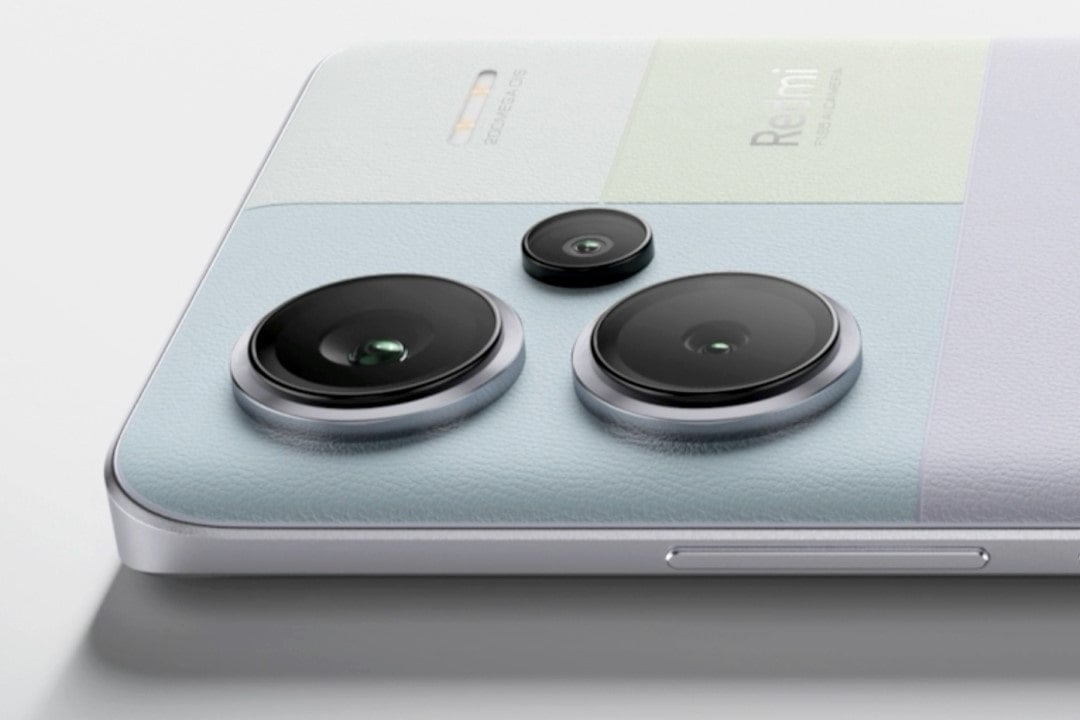
The Redmi Note 13 Pro Plus sports a curved display on the front and a curved panel on the back. Depending on the color you opt for, the rear panel is either glass or vegan leather.

The glass variants come in classy black and white colors. While the vegan leather version has a four-tone finish.

All three rear cameras sit inside islands of their own. The horizontal LED flashlight and the Redmi branding below it are located on the right side of the cameras.

These three elements are separated by lines. Xiaomi uses similar lines to separate individual cameras on the Xiaomi 13 series and Xiaomi 12 series.

Further, the front of the device is equipped with a curved display. This screen has a centered punch-hole and minimal bezels all around.

The power and volume keys are present on the right side. Whereas, the USB Type-C port and SIM card slot are at the bottom. There’s no headphone jack (first on a Redmi Note device) but you get an IR blaster at the top.

2. Impressive display

Redmi Note 13 Pro Plus

The Redmi Note 13 Pro Plus is the first Redmi Note series phone to arrive with a curved display. It sports a 6.67-inch OLED panel featuring C7 luminescent material.

The 12-bit screen offers a 1.5K resolution (2712 x 1220 pixels), which is a first for a Redmi Note series handset. The display has 446 PPI, 120Hz refresh rate, 2160Hz instant touch sampling rate, and even 1920Hz PWM dimming for eye protection.

The screen can over 100% of the DCI-P3 color space. It can play both HDR10+ and Dolby Vision content. The typical and peak brightness levels are rated at 1200 and 1800 nits, respectively.

Finally, the display even has a fingerprint sensor underneath it, which is again a first for a Redmi Note device. This sensor can be even used to measure heart rate.

3. Miscellaneous premium features

Redmi Note 13 Pro Plus

The Redmi Note 13 Pro Plus is the first-ever Redmi Note to have an IP68 rating. Thus, the product is dust and water-resistant. It can theoretically last under 1.5 meters of fresh water for 30 minutes.

Further, it flaunts a customized version of the 200MP Samsung ISOCELL HP3 camera sensor. This 1/1.4″ sensor supports OIS and is paired with an ALD anti-glare coated lens.

Lastly, apart from Xiaomi’s proprietary 120W charging standard, the handset also supports USB PD 3.0 and 2.0. It even ships with a GaN charger along with a double-sided USB Type-C cable.

RELATED: